


Abstract
Electrospun nanofibrous materials have attracted considerable interest in biomedical and pharmaceutical applications; however, their environmental performance is influenced by upstream material production, energy-intensive processing, solvent use, and packaging. In this study, a cradle-to-gate life cycle assessment (LCA) was conducted for a PVA/tetracycline (TTC)/deep eutectic solvent (DES) nanofiber patch intended for topical healthcare applications. The functional unit was one 5 × 5 cm patch containing approximately 500 mg of recovered dry nanofiber. The assessment included raw material production, PVA solution and ChCl:urea DES preparation, tetracycline incorporation, electrospinning, drying, and packaging. Thermal preparation of the PVA solution and DES accounted for approximately 84% of foreground electricity demand, whereas electrospinning represented approximately 15%. Electricity was a major contributor to PVA production impacts, while urea dominated most impact categories for DES production. In the modeled tetracycline production pathway, ethanol accounted for approximately 95–100% of Climate Change, Radiation, and Ecotoxicity contributions. Packaging, particularly aluminum production, also contributed substantially. These findings highlight opportunities to reduce thermal energy requirements, improve electricity sourcing, minimize upstream solvent use, optimize packaging, and integrate lower-energy fiber-forming technologies, renewable and waste-derived feedstocks, and circular processing strategies.
1. Introduction
Electrospun nanofibers are materials of great interest in biomedicine and environmental technologies due to their high surface-to-volume ratio, controllable porosity, and their ability to incorporate active compounds during fabrication. In biomedical applications, they are used as scaffolds for tissue engineering, matrices for controlled drug release, and wound dressings with antimicrobial activity [1,2,3].
Random nanofibers are particularly useful because they offer mechanical isotropy, effective porosity for fluid exchange, and multiple anchorage points for cells and particles [4]. Developing localized and controlled drug delivery systems from electrospun nanofibers can reduce systemic doses, improve therapeutic efficacy at the site of action, and limit the uncontrolled release of antibiotics into the environment, which is a critical factor in the emergence of bacterial resistance and water contamination [5,6,7].
For the design of drug delivery systems based on nanofibers, the use of water-soluble, biodegradable, biocompatible, and versatile polymers such as polyvinyl alcohol (PVA) enables aqueous formulations with good biocompatibility and allows incorporating hydrophilic active ingredients such as tetracycline (TTC), a broad-spectrum antibiotic widely used in human and veterinary medicine [8]. It has been proven that nanofiber collections based on the PVA/TTC combination, especially with the addition of discrete volumes of a deep eutectic solvent (DES), are an effective drug delivery system that discloses sustained release and antimicrobial activity [9]; however, despite these findings, few studies integrate these results with environmental evaluations [10]. In addition, despite the advantages of developing these advanced drug delivery systems, adopting advanced materials in clinical applications requires environmental assessments that compare clinical benefits to those of production costs [11]. Life cycle assessment (LCA) is an appropriate tool to identify hotspots and guide improvements from the design stage [12].
The system studied herein includes three main components: the base polymer PVA, the active compound TTC, and the functional additive DES co-solvent choline chloride:urea (ChCl:U). PVA is a synthetic polymer obtained from the hydrolysis of poly (vinyl acetate) or from ethylene-based routes, recognized for its water solubility and biocompatibility [13,14]. TTC has a well-documented pharmacological profile; encapsulation in polymeric matrices modifies its kinetic release and protects it from degradation [15]. The ChCl:U (1:2) system offers low volatility, high solubility, and biological compatibility, which enhances fiber formation and stabilizes drug incorporation [16,17]. Each component, however, has its own environmental burden related to synthesis and transport, making the quantification of these flows essential for an accurate LCA.
Electrospinning relies on an applied electric field to generate and stabilize a polymer jet, but its environmental performance depends on the complete processing chain, including solution preparation, heating, drying, solvent use, electricity consumption, and material throughput [18,19,20,21,22]. Alternative pressure-driven fiber-forming technologies, such as pressurized spinning and pressurized gyration, have emerged as promising approaches because they do not require high-voltage electric fields and can provide higher production rates. Recent developments have further explored battery-powered and solar-powered pressurized spinning, demonstrating the potential to combine alternative fiber formation with low-carbon or off-grid energy supply [23,24]. At the material level, the transition from synthetic polymers toward renewable natural polymers such as alginate and cellulose, particularly when derived from waste streams, represents another important pathway toward circular fiber manufacturing [25,26].
Evaluating nanomaterials presents specific challenges such as data variability, lack of robust inventories, and sensitivity to scale and electrification assumptions [11]. Studies have shown that energy use during heating, mixing, and drying during solution preparation represents a major share of environmental impact, particularly in categories such as climate change and human toxicity. The inclusion of pharmaceuticals also introduces additional risks, such as the release of antibiotics into the environment during production or disposal, which can increase microbial resistance [6]. For this reason, the environmental performance of such systems must consider emissions, waste handling, and leakage control [27].
In addition, recent advances in electrospinning focus on replacing organic solvents with aqueous or DES-based systems and optimizing energy use during preparation and drying. Although reviews highlight that DES improve polymer solubility and processability while reducing emissions [17,28,29], the energy required for their synthesis and biodegradability must still be addressed [29]. LCA studies of nanomaterials mostly cover cradle-to-gate stages and rarely include their use and disposal, especially for pharmaceutical composites [11]. Laboratory-scale production is often energy-intensive, but scaling up may reduce the impact if recovery and efficiency measures are implemented [30,31]. Solvent loss and high energy consumption have been identified as dominant factors in environmental performance, suggesting DES use and thermal optimization as viable strategies [20].
Although electrospinning is widely used for the fabrication of polymeric micro- and nanofibers, alternative pressure-driven processes such as pressurized spinning and pressurized gyration have emerged as promising routes for fiber manufacture. Unlike electrospinning, these approaches do not require a high-voltage electric field to generate fibers and can offer advantages in terms of processing rate, scalability, and continuous production. Recent developments have further explored battery-powered and solar-powered pressurized spinning as strategies for reducing the energy and carbon intensity associated with fiber manufacturing. Therefore, the environmental assessment of fiber-based healthcare materials should consider not only the material formulation but also the choice of fiber-forming technology and its associated energy requirements [18,25,26].
An additional pathway toward more sustainable fiber-based healthcare materials is the valorization of waste-derived feedstocks. Agricultural, food, paper, textile, and other biomass residues can serve as sources of cellulose and nanocellulose, providing an opportunity to reduce dependence on virgin feedstocks while simultaneously addressing waste generation. Recent studies have demonstrated the extraction and utilization of waste-derived nanocellulose for advanced material manufacturing, including fiber-forming processes [26]. Combining waste valorization with lower-energy forming technologies could therefore contribute to a more circular approach to the production of biomedical fibrous materials.
From a broader sustainability perspective, the development of greener healthcare fibers should therefore integrate three complementary strategies: reducing the energy intensity of fiber formation, replacing or minimizing environmentally burdensome solvents, and transitioning toward renewable or waste-derived polymeric feedstocks.
The objective of this work is to conduct a quantitative environmental assessment of the cradle-to-gate production of random PVA-TTC-DES nanofibers (Figure 1). The study quantifies the environmental contributions of each production stage using life cycle inventory (LCI) and the Eco-Indicator 99H method in SimaPro (PRé Sustainability B.V., Amersfoort, The Netherlands) as they analyze raw material extraction, solution preparation, thermal homogenization, electrospinning, drying, and packaging. The defined functional unit is a 5 × 5 cm nanofiber mat (≈5 g), and sensitivity analyses are performed for scenarios such as DES reduction, energy optimization, and renewable electricity use [11].
Figure 1.
General diagram of the PVA-TTC-DES nanofiber production system.
The main contributions of this study include the identification of key environmental hotspots during the production of electrospun biomaterials with active pharmaceutical compounds. Energy consumption during thermal homogenization was identified as the largest contributor to the overall environmental burden. Comparative analyses demonstrated that replacing conventional electricity with renewable energy sources could significantly reduce impacts on human health, ecosystem quality, and resource consumption [27]. These findings support the transition toward cleaner pharmaceutical manufacturing and highlight the importance of integrating sustainability criteria into the development of advanced topical drug delivery materials. Furthermore, the proposed approach contributes to the advancement of greener healthcare technologies and environmentally responsible pharmaceutical systems.
2. Materials and Methods
2.1. Materials and Reagents
The materials and reagents used in this study were selected according to the procedures described by Ornelas-Guillén et al. [9], ensuring experimental reproducibility and consistency of the life cycle inventory data. Poly(vinyl alcohol) (PVA, CAS No. 9002-89-5, >99% hydrolyzed), distilled water (CAS No. 7732-18-5), absolute ethyl alcohol (ethanol, CAS No. 64-17-5), urea (U, CAS No. 57-13-6, >99%), choline chloride (ChCl, CAS No. 67-48-1, ≥98%), and tetracycline (TTC, CAS No. 60-54-8, 98.0–102.0% by HPLC) were used. PVA, TTC, and choline chloride were purchased from Sigma-Aldrich (St. Louis, MO, USA), whereas ethanol and urea were obtained from J. T. Baker (Avantor Performance Materials, LLC, Radnor, PA, USA). All chemicals were used as received without further purification.
2.2. Preparation of Electrospinning Solutions
The polymer solutions were prepared following the protocol described by Ornelas-Guillén et al. [9]. PVA was dissolved in distilled water (10% w/v) at 90 °C for 12 h. Simultaneously, the choline chloride-urea deep eutectic solvent (DES) was prepared by maintaining the mixture at 90 °C for 12 h until complete homogenization. Subsequently, tetracycline (TTC) was incorporated into the PVA solution and homogenized by magnetic stirring. The DES was then added to the PVA/TTC solution according to the established formulation, and the resulting solution was maintained under magnetic stirring until complete homogenization.
For each electrospinning run, 5 mL of the prepared solution was used, containing 0.500 g of PVA, 0.030 g of tetracycline, 0.038 g of choline chloride, and 0.0324 g of urea. The latter two components correspond to a 1:2 molar ratio of choline chloride to urea and were considered as the components of the DES in the Life Cycle Inventory. Thus, the total mass of non-aqueous components introduced into the electrospinning process was 0.6004 g per run. The resulting nanofiber patch had an average dry mass of approximately 500 mg. The difference between the mass of material introduced and the recovered nanofiber mass was attributed to material losses inherent to the laboratory-scale electrospinning process, including residual solution, droplet formation, and fiber deposition outside the collector.
2.3. Functional Unit
The functional unit was defined as one electrospun PVA-TTC-DES nanofiber patch measuring 5 × 5 cm, with an average dry mass of approximately 500 mg, intended for single-use topical drug delivery. The dimensions were selected because they are representative of the laboratory-scale electrospun mats produced in this study and are suitable for wound dressing prototype fabrication and characterization.
The Life Cycle Inventory (LCI) was normalized to this functional unit. Accordingly, the foreground inventory considered the actual material and energy inputs required to manufacture one nanofiber patch. For each electrospinning run, 5 mL of the PVA/TTC/DES solution was loaded into the syringe, containing 0.500 g of PVA, 0.030 g of tetracycline, 0.038 g of choline chloride, and 0.0324 g of urea. Choline chloride and urea correspond to the 1:2 molar-ratio components of the DES. The complete volume of electrospinning solution loaded into the syringe, together with the associated electricity consumption for solution preparation and electrospinning, was included in the inventory.
Although the recovered nanofiber patch had an average dry mass of approximately 500 mg, the LCI accounts for the complete material input used in the electrospinning process. Consequently, unavoidable laboratory-scale processing losses, such as residual solution, droplet formation at the needle tip, and fiber deposition outside the collector, were considered part of the manufacturing process and included within the system boundaries.
2.4. Electrospinning Process
The electrospinning process was performed using a conventional configuration with a static collector. The previously prepared PVA/TTC/DES solutions were loaded into a 10 mL syringe fitted with a 9G metal needle connected to a high-voltage power supply. For each electrospinning run, 5 mL of the prepared solution was loaded into the syringe. The process was conducted at an applied voltage of 15 kV, with a needle-to-collector distance of 12 cm and an injection flow rate of 0.5 mL h−1. The fibers were deposited onto aluminum foil attached to a flat collector, producing continuous nanofiber mats. The operating parameters were selected based on preliminary optimization studies to ensure reproducibility and stability of the electrohydrodynamic jet and adequate formation of PVA/TTC/DES nanofibers.
2.5. Drying Procedures
After electrospinning, the nanofiber mats deposited on the copper collector were carefully removed and dried at room temperature under protected conditions and away from direct light following the general procedure reported by Ornelas-Guillén et al. [9]. No additional thermal drying treatment was applied. The samples were maintained under these conditions until the residual moisture and solvent traces were removed and a stable dry mass was obtained. The dried nanofiber mats were subsequently cut into 5 × 5 cm specimens, corresponding to the defined functional unit, and stored under controlled conditions until further characterization and analysis. Room-temperature drying was selected to avoid introducing an additional thermal energy demand into the manufacturing process and to minimize potential thermal effects on tetracycline.
2.6. LCA Methodology
The methodological framework adopted in this study is based on the standardized LCA approach as defined by ISO 14040 and ISO 14044 standards [30], in alignment with the detailed guidance provided by the ILCD Handbook [31]. The assessment was conducted to evaluate the environmental implications of a novel biomedical material, porous nanofibers composed of PVA, a deep eutectic solvent system (choline chloride:urea, CHCl:U), and the antibiotic TTC. These nanostructured fibers are engineered for short-term, single-use applications in controlled topical drug delivery. Given the unique characteristics and limited lifespan of such materials, a cradle-to-gate LCA was deemed essential to understand the full spectrum of their environmental impacts, from raw material acquisition through production.
The LCA process followed a four-phase structure: (1) Goal and Scope Definition, (2) LCI Analysis, (3) Life Cycle Impact Assessment (LCIA), and (4) Interpretation. The methodology was implemented in an iterative manner, as described by Hauschild [32], to ensure that data gaps, model uncertainties, and sensitive assumptions were progressively refined to support robust conclusions.
2.7. Goal and Scope Definition
The main objective of this assessment was to quantify and analyze the environmental performance of the material system under study, with a specific focus on its potential for sustainable use in biomedical applications. Life Cycle Assessment (LCA) is a standardized and widely adopted methodology for evaluating environmental impacts across the life cycle of products, and it is increasingly applied in emerging materials and carbon footprint studies [33]. Recent literature highlights the importance of LCA as a robust framework for identifying environmental hotspots and supporting sustainable design decisions in complex systems [34,35].
The functional unit was defined as one single-use PVA-TTC-DES nanofiber patch of 5 × 5 cm (25 cm2) with a mass of 500 mg, containing 3 mg of DES and delivering 3 mg of tetracycline over 48 h, which provided a consistent and quantifiable basis for scaling all life cycle inputs and outputs. All material and energy flows were normalized to this functional unit. The explicit definition of a measurable functional unit is essential to ensure reproducibility and comparability across LCA studies [33].
The scope included the upstream synthesis of precursors (PVA, CHCl, urea, and TTC), fiber fabrication via electrospinning, and packaging. The system boundaries encompassed all unit processes contributing to raw material extraction, solvent preparation, polymer blending, and nanofiber formation. Background processes, such as electricity generation and upstream chemical production, were included using secondary data from recognized LCA databases, following current best practices in LCA modeling [36]. This study adopts a cradle-to-gate system boundary, focusing on the environmental burdens associated with raw material extraction and manufacturing processes. Cradle-to-gate approaches are widely used in LCA studies when the objective is to identify production hotspots or when end-of-life scenarios are uncertain [37]. This study adopts a cradle-to-gate system boundary, focusing on the environmental burdens associated with raw material extraction and manufacturing processes. Cradle-to-gate approaches are widely used in LCA studies when the objective is to identify production hotspots or when end-of-life scenarios are uncertain [38]. Due to the lack of standardized disposal scenarios for this emerging biomedical material, this stage was excluded; however, this limitation is acknowledged and will be addressed in future work. Given the focus on current average production practices and not on the consequences of market-level changes, an attributional LCA approach was adopted.
This approach is widely used for quantifying the environmental burdens directly attributable to a product system [33].
Temporal boundaries were defined to represent typical conditions of laboratory-scale or pilot-scale production in 2025. Geographic boundaries focused on a representative Latin American manufacturing context, assuming electricity and material transport systems from central Mexico. The technological level was assumed to reflect standard electrospinning methods with no large-scale automation. Finally, the use of carbon footprint indicators as a key impact category is consistent with recent studies emphasizing their relevance for sustainability assessment and climate change mitigation strategies.
2.8. Life Cycle Inventory Analysis
The life cycle inventory (LCI) was developed by combining foreground laboratory data with background datasets obtained from the ecoinvent v3.10 database. The inventory included raw materials, electricity consumption, packaging materials, and laboratory processing steps required to manufacture one electrospun PVA/TTC/DES nanofiber patch. The complete inventory is summarized in Table 1, while the main modelling assumptions adopted in the study are presented in Table 2.
Table 1.
Life Cycle Inventory (LCI) of the electrospun PVA/TTC/DES nanofiber patch (functional unit: one 5 × 5 cm patch, final dry mass = 500 mg).
Table 2.
Main modelling assumptions adopted in the LCA.
The LCI phase involved the systematic quantification of all relevant mass and energy flows associated with the cradle-to-gate production of PVA-TTC-DES nanofibers (Figure 2). Primary data were obtained from laboratory-scale synthesis and processing protocols, including material inputs (PVA, ChCl mixture, and TTC loading) and energy consumption during solution preparation, electrospinning, and drying. Secondary data from the Ecoinvent and ELCD databases were used to model upstream processes and to fill data gaps, particularly for the production of choline chloride, urea, tetracycline, and other chemical precursors.
Figure 2.
General diagram of the inventory of PVA-TTC-DES nanofiber production.
The LCI was constructed based on the actual material and energy inputs required to manufacture one functional unit. For each electrospinning run, 5 mL of the PVA/TTC/DES solution was loaded into the syringe, corresponding to 0.500 g of PVA, 0.030 g of tetracycline, 0.038 g of choline chloride, and 0.0324 g of urea. Choline chloride and urea correspond to a 1:2 molar ratio and were considered the components of the DES. Thus, the total DES input was 0.0704 g per functional unit. Although the recovered nanofiber patch had a dry mass of approximately 500 mg, the LCI accounts for the complete amount of solution loaded into the electrospinning system. This approach considers material losses inherently associated with laboratory-scale electrospinning, including residual solution remaining in the syringe, droplet formation at the needle tip, and fiber deposition outside the collector. Therefore, the material inputs reported in the LCI represent the resources consumed to produce one functional unit rather than only the mass of material incorporated into the recovered nanofiber patch.
The system inventory included all stages from raw material extraction to nanofiber fabrication and packaging. For PVA, the complete production route was modeled, including ethylene production, vinyl acetate synthesis, polymerization to poly(vinyl acetate), and hydrolysis to PVA. For DES (ChCl:U), the synthesis of choline chloride (via ethanolamine/quaternization) and urea (from ammonia and CO2) was included, along with the energy requirements for homogenization under experimental conditions. The production of TTC was modeled based on industrial-scale biotechnological processes, including culture media preparation, fermentation using Streptomyces species, and downstream processing.
Foreground data (experimental and pilot-scale processes) were distinguished from background data (standardized industrial datasets). For each unit process, material and energy inputs, emissions, yields, and by-products were quantified. Allocation procedures for multi-output processes were based primarily on mass, following ISO recommendations, with sensitivity checks where appropriate. Transport distances for raw materials were estimated using representative regional data.
Cut-off criteria, scaling factors, and losses during processing were documented. Equipment-related impacts were considered through amortization based on product mass. Data quality was assessed using a pedigree matrix considering temporal, geographical, and technological representativeness.
The final LCI consisted of a comprehensive set of normalized elementary flows, including material inputs (kg), energy consumption (kWh), emissions to air and water, and waste generation, all referenced to the defined functional unit.
2.9. Life Cycle Impact Assessment
The Life Cycle Impact Assessment (LCIA) phase translated the inventory data into environmental impact indicators following ISO 14040/44 guidelines. The assessment included the mandatory steps of classification and characterization, whereby inventory flows were assigned to relevant impact categories and quantified using appropriate characterization factors.
The analysis was performed using SimaPro software, with Eco-Indicator 99 (hierarchist perspective) selected as the primary impact assessment method. This approach provides damage-oriented results in three endpoint categories: human health, ecosystem quality, and resource depletion, while also considering intermediate impact categories such as climate change, acidification, and ecotoxicity. In addition, complementary indicators were included to enhance comparability with existing literature, including Global Warming Potential (GWP, expressed in kg CO2-eq) and Cumulative Energy Demand (CED, expressed in MJ). Normalization was applied using reference values to facilitate the interpretation of the relative magnitude of impacts. Weighting was not performed in order to avoid introducing subjectivity into the aggregation of results [39].
To evaluate the robustness of the impact assessment, sensitivity analyses were conducted by varying key modeling assumptions, including electricity mix, process efficiency, and allocation procedures.
The application of impact assessment models in this study was supported by recent advances in carbon footprint quantification, which emphasize the importance of high-resolution modeling approaches to capture the complexity of environmental burdens in emerging material systems. In particular, recent studies have highlighted that accurate representation of carbon emissions requires integrating multiple variables, including energy sources, process efficiencies, and system boundaries, especially when dealing with novel or non-conventional materials [40]. This reinforces the relevance of using established LCA tools and databases, such as SimaPro and Ecoinvent (PRé Sustainability B.V., Amersfoort, The Netherlands), to ensure consistency and robustness in the characterization of environmental impacts.
2.10. Interpretation
The interpretation phase was conducted in accordance with the defined goal and scope, following the iterative framework of Life Cycle Assessment as established in ISO 14040/44. This phase aimed to ensure the consistency and completeness of the results derived from the LCI and LCIA stages. A systematic evaluation was performed to verify the coherence of the system boundaries, assumptions, and data sources, as well as the consistency between foreground and background data. Mass and energy balances were reviewed to ensure model completeness and alignment with the defined functional unit.
The interpretation phase also included a critical review of methodological choices, including system boundary definition, allocation procedures, and impact assessment methods. The results were evaluated based on criteria of consistency and completeness, ensuring that conclusions derived from the study are supported by a transparent and methodologically sound framework.
Finally, the interpretation acknowledges the limitations of the study, particularly those associated with the cradle-to-gate scope and the use of laboratory-scale data, and identifies areas for future improvement and refinement.
The Life Cycle Assessment was conducted using an experimentally developed electrospun PVA/TTC/DES nanofiber patch as the functional unit. To provide a clear description of the material evaluated, representative field-emission scanning electron microscopy (FESEM) images and the corresponding fiber diameter distribution are presented in Figure 3, while the main physicochemical and biological properties are summarized in Table 3. These characteristics correspond to the same nanofiber formulation employed throughout the environmental assessment. The complete physicochemical, antibacterial, drug release, and cytocompatibility characterization of this formulation has been previously reported by Ornelas et al. [9]; therefore, only the information required to identify the material used as the basis for the Life Cycle Assessment is included in the present study.
Figure 3.
Representative FESEM characterization of the PVA-TTC-DES nanofibers obtained by electrospinning and evaluated in this “cradle-to-gate” life cycle assessment: (a) SEM image at 1000× magnification, (b) SEM image at 5000× magnification, and (c) histogram showing the fiber diameter distribution obtained through image analysis.
Table 3.
The physicochemical and biological characterization of the PVA/TTC/DES nanofibers has been previously reported by Ornelas et al. [9]. The present work uses the same nanofiber formulation as the basis for the Life Cycle Assessment; therefore, only a summary of the relevant properties is presented here.
To improve the transparency of the foreground inventory, the electricity consumption associated with each laboratory operation was estimated separately according to the operating conditions of the equipment employed during nanofiber fabrication. The contribution of each unit operation is summarized in Table 4.
Table 4.
Foreground electricity consumption for the laboratory-scale production of one electrospun PVA/TTC/DES nanofiber patch.
3. Results and Discussion
The environmental performance of the electrospun PVA/TTC/DES nanofibers was evaluated following a cradle-to-gate approach. The assessment was based on the experimentally characterized material described in Figure 2 and Table 1, ensuring that the Life Cycle Inventory represents a real electrospun biomedical product rather than a theoretical formulation. The environmental impacts were calculated using the Eco-Indicator 99 (H) endpoint method implemented in SimaPro (PRé Sustainability B.V., Amersfoort, The Netherlands), considering the three damage categories (Human Health, Ecosystem Quality, and Resources) and the eleven impact categories included in the characterization stage.
3.1. Environmental Impact Assessment
The LCA was carried out using the Eco-Indicator 99 (H) method, which groups eleven final impact categories into three main damage categories: Human Health, Ecosystem Quality, and Resources. The results indicate that the most energy- and chemically intensive stages are the main contributors to the environmental profile of the PVA/TTC/DES nanofiber production. For the defined functional unit of one electrospun PVA/TTC/DES nanofiber patch (5 × 5 cm; approximately 500 mg dry mass), the total environmental impact was approximately 260 mPt per functional unit (500 mg of recovered nanofiber). In the previous version of the manuscript, this value was incorrectly expressed on the basis of 5 g of nanofiber. The value and functional unit have now been corrected consistently throughout the manuscript.
A more detailed analysis of the foreground energy inventory was performed to distinguish the contributions of the individual processing operations. The preparation of the PVA solution required approximately 2.88 kWh per functional unit, corresponding to 12 h of thermal treatment at 90 °C. Similarly, the initial preparation of the ChCl DES required approximately 2.88 kWh per functional unit for 12 h at 90 °C. An additional 0.067 kWh was required for the subsequent 20 min of heating and magnetic stirring of the DES at 80 °C. In comparison, the complete electrospinning equipment consumed approximately 1.00 kWh during the electrospinning operation. Therefore, the total foreground electricity demand associated with these operations was approximately 6.893 kWh per functional unit.
This breakdown provides a more precise interpretation of the environmental hotspot. The two prolonged thermal preparation stages together account for approximately 5.76 kWh, corresponding to approximately 84% of the total foreground electricity demand, whereas the electrospinning operation represents approximately 1.00 kWh, or approximately 15%. Thus, the major electricity demand is associated primarily with the prolonged thermal preparation of the PVA and DES solutions rather than with the high-voltage electrospinning operation itself. This distinction is important because the high voltage required to maintain the electrohydrodynamic jet does not necessarily imply a proportionally high electricity consumption. The present results therefore support the identification of thermal processing as the main energy-intensive operation under the laboratory-scale conditions evaluated in this study.
The upstream production of PVA also showed a contribution associated with electricity consumption. In the modeled PVA production system, the electricity contribution was approximately 140 µPt for Human Health, 12 µPt for Ecosystem Quality, and 90 µPt for Resources. This behavior is consistent with previous studies reporting that polymer production processes can be substantially influenced by electricity consumption and the associated electricity generation mix [29,33]. The use of conventional electricity generated from fossil-based sources can therefore contribute substantially to the environmental profile of both upstream material production and laboratory-scale processing.
The remaining chemical stages contributed smaller, although non-negligible, impacts. In the modeled urea production system, contributions associated with biodiesel used as a fuel for steam generation and methane associated with ammonia production were relevant to the Human Health and Ecosystem Quality damage categories. Similarly, in the production of choline chloride, isopropanol and hydrochloric acid were identified as relevant upstream inputs, with contributions exceeding 40–70% in some impact categories, including carcinogens and climate change. The formation of the ChCl DES was mainly influenced by the contribution of urea. In most impact categories, urea represented more than 75% of the impact associated with the DES components, except for Radiation, where electricity had a higher contribution.
The modeled production of tetracycline also contributed to the environmental profile. Electricity and ethanol, used as relevant inputs in the upstream pharmaceutical inventory, were important contributors in several impact categories. In particular, ethanol accounted for approximately 95% of the modeled climate-change contribution and was also responsible for the dominant contribution to the Radiation category in the corresponding inventory. These results are consistent with previous studies reporting that solvent use and energy requirements can represent important environmental burdens in pharmaceutical synthesis and manufacturing [37].
Because electricity consumption was identified as an important contributor to the environmental profile, a hypothetical scenario replacing conventional electricity with lower-carbon electricity sources was considered. Solar photovoltaic and onshore wind electricity were evaluated as alternative electricity sources. The purpose of this analysis was to provide a screening-level assessment of the potential influence of the electricity supply rather than to represent a fully recalculated industrial-scale renewable-energy system.
The environmental advantage of lower-carbon electricity sources is particularly relevant for processes with substantial energy requirements. Previous life-cycle assessments have shown that electricity generated from renewable technologies generally presents substantially lower greenhouse-gas emissions than electricity generated from fossil fuels, although the magnitude depends on the technology, geographic location, infrastructure, and system boundaries considered [38]. Therefore, replacing conventional grid electricity with lower-carbon electricity can potentially reduce the environmental contribution associated with energy-intensive processing operations.
Table 5 summarizes representative life-cycle CO2-equivalent emissions associated with different electricity-generation technologies based on published scientific sources [40,41,42,43]. These values are presented to provide context for the electricity-source sensitivity of the present study and are not used as a replacement for the Eco-Indicator 99 inventory of the complete nanofiber system.
Table 5.
Comparative lifecycle CO2 emissions per kWh for different power generation sources. Data based on IPCC and other scientific sources [41,42].
The values in Table 5 illustrate the substantially different life-cycle emission intensities associated with electricity-generation technologies. In particular, onshore wind and hydropower show substantially lower life-cycle greenhouse-gas emissions than coal and natural gas, while solar photovoltaic electricity also generally presents considerably lower emissions than fossil-based electricity depending on the technology and geographical context [38,41,42]. These differences provide a rationale for considering electricity decarbonization as one potential mitigation strategy for energy-intensive laboratory processes.
Table 6 presents the hypothetical electricity-source comparison used in the present study. The values are based on the electricity-related contribution used as a reference for the conventional electricity scenario. The solar photovoltaic and onshore wind values are therefore intended as screening estimates illustrating the potential sensitivity of the electricity-related contribution to the electricity source. They should not be interpreted as the results of a complete recalculation of all upstream materials, transport, packaging, and other life-cycle processes under renewable electricity.
Table 6.
Characteristic environmental impact of the electricity used (μEco-Indicator 99 Points per functional unit) by source. Values are illustrative, based on known LCA data; renewable sources drastically reduce energy impact [44].
The screening scenario indicates that the environmental contribution associated with electricity could be substantially reduced when electricity with a lower life-cycle environmental burden is used. However, because these values are not the result of a complete recalculation of the entire LCA model with alternative electricity datasets, they should not be interpreted as evidence that the total environmental impact of the nanofiber production would necessarily decrease by 80–90%. Instead, the results indicate the potential sensitivity of the process to the electricity supply and highlight electricity decarbonization as a relevant mitigation strategy [44].
From a process-design perspective, the results also indicate that reducing the electricity demand itself may be as important as changing the electricity source. The prolonged thermal treatment of the PVA and DES solutions represents the largest share of the foreground electricity demand. Consequently, reducing heating time, improving thermal efficiency, increasing the amount of solution prepared per heating cycle, or optimizing the preparation protocol could potentially provide greater process-level benefits than focusing exclusively on the electricity consumed by the high-voltage electrospinning equipment.
The results indicate that electricity decarbonization and, particularly, optimization of the prolonged thermal preparation stages represent promising strategies for reducing the environmental burden of laboratory-scale PVA/TTC/DES nanofiber production. These strategies are particularly relevant for future scale-up because laboratory-scale preparation may involve relatively small solution volumes processed for long periods, resulting in a high energy demand per functional unit. At larger production scales, process integration, improved thermal efficiency, and preparation of larger solution batches could potentially reduce the energy demand allocated to individual patches.
It is important to note that the present assessment was conducted using a cradle-to-gate system boundary; therefore, the use and end-of-life stages were not included in the impact calculations. This limitation is particularly relevant because the material is intended as a single-use topical dressing containing tetracycline. Disposal as clinical waste, incineration or other controlled-treatment pathways, residual drug release, and the environmental fate of tetracycline and the polymeric matrix could influence the overall environmental profile of the product. Consequently, the results presented here should be interpreted as a cradle-to-gate assessment of the manufacturing stage and should not be extrapolated directly to the complete life cycle of the dressing.
The exclusion of the use and end-of-life stages was maintained because reliable and sufficiently representative life-cycle inventory data for emerging antibiotic-containing nanofiber biomedical products are currently limited. Nevertheless, these stages represent an important research gap and should be addressed in future studies as experimental and industrial data become available [45,46,47]. The present results therefore provide a baseline for identifying manufacturing-stage critical and potential process improvements rather than a complete cradle-to-grave environmental profile.
The energy profile identified for the present system also highlights the importance of considering the fiber-forming technology within a broader process perspective. Although electrospinning is widely used for the production of nanofibrous biomedical materials, alternative fiber-forming approaches that do not require high-voltage electric fields have recently received increasing attention. Pressurized spinning and related pressure-driven techniques use gas pressure and rotational forces to generate fibers and can provide high production rates without the electrical field required by electrospinning [18,23,24]. Recent developments have further explored battery-powered and solar-powered pressurized spinning as strategies to reduce dependence on grid electricity and enable decentralized fiber manufacturing [23,24]. Therefore, rather than considering electrospinning as the only route for producing fibrous biomedical materials, the environmental performance of different forming technologies should be evaluated considering energy demand, production rate, solvent requirements, material compatibility, and the morphology required for the intended application. A qualitative comparison of these characteristics is presented in Table 7.
Table 7.
Comparison of electrospinning and pressure-driven fiber-forming technologies from a process and sustainability perspective.
The comparison in Table 7 indicates that no single fiber-forming technology can be considered universally superior from an environmental perspective. Electrospinning remains particularly advantageous when very small fiber diameters, controlled alignment, and complex fiber architectures are required. However, pressure-driven approaches provide relevant advantages in terms of avoiding high-voltage electric fields and enabling high-throughput processing. Recent battery-powered and solar-powered configurations further demonstrate that pressurized spinning can be coupled with alternative energy sources to reduce grid dependence [23,24]. These technologies should therefore be considered complementary rather than direct substitutes for electrospinning, with the appropriate process selected according to the required fiber morphology, production scale, material system, and environmental objectives.
3.2. Process-Level Environmental Implications and Opportunities for Greener Fiber Manufacturing
The LCA results identify several process-level opportunities for reducing the environmental burden of the PVA/TTC/DES nanofiber system. These opportunities extend beyond the optimization of electrospinning itself and include reduction in thermal energy demand, transition toward lower-carbon electricity, minimization of solvent use, replacement of fossil-derived polymers with renewable feedstocks, and integration of waste-derived materials. Table 8 summarizes these strategies and their potential relevance to the development of more sustainable biomedical fiber systems.
Table 8.
Potential strategies for greener and more circular manufacturing of biomedical fibers.
Among the material-related strategies, the transition toward renewable natural polymers represents an important opportunity for reducing dependence on fossil-derived feedstocks. Alginate is particularly relevant because of its natural abundance, recyclability, biocompatibility, and established potential for biomedical fiber applications [48]. Cellulose and nanocellulose provide another promising route, particularly when obtained from waste rather than from high-grade biomass. Recent work by Dai et al. demonstrated the extraction of nanocellulose from cow manure followed by the fabrication of cellulose-based structures using nozzle-pressurized spinning, directly linking waste valorization with alternative fiber formation [48]. This approach illustrates a broader circular strategy in which waste-derived feedstocks are converted into functional fibrous materials rather than relying exclusively on virgin polymer resources.
Solvent selection should be considered simultaneously with material and process selection. In the present PVA/TTC/DES system, the fiber-forming formulation is predominantly aqueous; however, the upstream tetracycline inventory includes ethanol, which accounted for approximately 95% of the modeled climate-change contribution within that inventory. Therefore, the use of an aqueous electrospinning formulation does not imply that the complete life-cycle system is solvent-free. A more rigorous sustainability strategy should instead prioritize solvent minimization across the entire supply chain, including aqueous processing where technically feasible, reduction or substitution of hazardous organic solvents, and solvent recovery when their use cannot be avoided.
Consequently, the long-term objective should not be defined solely as reducing the electricity consumption of electrospinning. A more comprehensive strategy involves combining energy-efficient fiber formation, renewable electricity, water-based or solvent-minimized processing, renewable natural polymers, and waste-derived feedstocks. Such integration could provide a pathway from the present laboratory-scale PVA/TTC/DES system toward more circular and resource-efficient biomedical fiber manufacturing.
The environmental profile of the PVA/TTC/DES nanofiber system results from the combined contributions of upstream chemical production, thermal processing, electricity consumption, electrospinning, and packaging. The relative importance of these contributions varies among the formulation components and environmental impact categories. Therefore, the environmental performance of the system should be considered from a process-chain perspective rather than attributed exclusively to the fiber-forming step.
For PVA production, electricity was the predominant contributor to the modeled Human Health, Ecosystem Quality, and Resources damage categories, with contributions of approximately 140, 12, and 90 µPt, respectively (Figure 4). Vinyl acetate was also included in the inventory but represented a substantially smaller contribution than electricity. Although its contribution is barely distinguishable on the scale of the graph, a small contribution can be observed, particularly in the Resources category. These results indicate that the environmental performance associated with PVA production is strongly influenced by the electricity supply used in its upstream manufacturing. This behavior is consistent with the contribution of electricity generation to emissions such as SO2, NOx, and CO2, which can affect human health and ecosystem quality. Similar energy-related contributions have been reported for polymer production systems [29,33].
Figure 4.
Assessment of environmental damage associated with the synthesis of 1 g of polyvinyl alcohol (PVA), obtained using the Eco-indicator 99 (H) method in SimaPro (PRé Sustainability B.V., Amersfoort, The Netherlands), considering the damage categories of Human Health, Ecosystem Quality, and Resources.
The upstream production of urea was also associated with relevant environmental contributions. Inputs related to ammonia production, particularly methane, and the use of biodiesel for steam generation contributed substantially to several impact categories, with contributions exceeding 60–95% in categories such as carcinogens and eutrophication. These results are consistent with previous studies highlighting the energy and resource requirements associated with nitrogen fertilizer and ammonia production [36]. For choline chloride, isopropanol and hydrochloric acid were relevant contributors in several categories. In the formation of the ChCl:urea DES, urea accounted for more than 75% of the contribution in most damage categories, whereas electricity was the major contributor to the Radiation category. These results demonstrate that the environmental contribution of the DES cannot be assessed solely from its preparation step and must also account for the upstream production of its individual components.
The modeled tetracycline production system showed a different contribution pattern (Figure 5). Ethanol accounted for approximately 95–100% of the contribution in Climate Change, Radiation, and Ecotoxicity, whereas electricity dominated Eutrophication and Land Use, with contributions ranging from approximately 72 to 100%. These results highlight the importance of solvent use in the upstream production of pharmaceutical compounds. In contrast, the present PVA/TTC/DES formulation uses water as the main medium for PVA dissolution and does not require an organic solvent as the primary fiber-forming medium. Therefore, organic solvents can be avoided during the preparation and electrospinning of the PVA/TTC/DES formulation itself. However, complete elimination of organic solvents cannot be claimed at the cradle-to-gate level because solvents remain involved in upstream production pathways, particularly in the modeled tetracycline production system. Consequently, future optimization should prioritize solvent minimization and substitution where technically feasible, solvent recovery, and the development of aqueous or solvent-minimized upstream production routes [23,32,37].
Figure 5.
Environmental impact assessment of tetracycline synthesis (TTC) using the Eco-indicator 99 (H) V2.10 method in SimaPro (PRé Sustainability B.V., Amersfoort, The Netherlands). The relative contributions of the electricity (MX) and ethanol (GLO) processes are shown as the main contributors to the impact categories.
The foreground energy inventory provides an important distinction between the electricity required for electrospinning and that required for solution preparation. The preparation of the PVA solution required approximately 2.88 kWh for 12 h of thermal treatment at 90 °C, while the initial preparation of the ChCl-based DES required an additional 2.88 kWh under the same conditions. A further 0.133 kWh was required for DES heating and magnetic stirring at 80 °C, whereas the electrospinning equipment consumed approximately 1.00 kWh. Thus, the two prolonged thermal preparation stages represented approximately 84% of the foreground electricity demand, while electrospinning represented approximately 15%.
These results indicate that, under the laboratory-scale conditions evaluated, reducing the duration and energy requirements of thermal solution preparation could provide a greater reduction in electricity demand than focusing exclusively on the high-voltage electrospinning step. Potential process-level strategies include shortening the heating period, improving thermal-transfer efficiency, increasing the amount of solution processed per heating cycle, and optimizing the preparation protocol. Electricity decarbonization represents an additional strategy, particularly for energy-intensive thermal operations. The environmental contribution of electrospinning nevertheless remains relevant because the process requires continuous operation of the equipment and because laboratory-scale production of a relatively small amount of material results in a substantial electricity demand per functional unit. Previous studies have similarly identified energy consumption as an important environmental consideration in electrospinning processes [29]. However, the present results provide a more detailed distinction between the electrospinning operation and the preceding thermal preparation stages.
This distinction is relevant when considering alternative fiber-forming technologies. Electrospinning requires a high-voltage electric field to generate the polymer jet, whereas pressure-driven approaches such as pressurized spinning, pressurized gyration, and nozzle-pressurized spinning generate fibers without a high-voltage electric field. These technologies have therefore emerged as potential alternatives for reducing process complexity and increasing material throughput. Amarakoon et al. [18] highlighted the potential environmental advantages of pressurized gyration in polymer-fiber manufacturing, particularly in relation to rapid fiber formation and higher production rates. More recently, Aydogdu et al. [23,24] demonstrated battery-powered and solar-powered pressurized spinning systems, respectively, illustrating how alternative fiber-forming technologies can be coupled with low-carbon or decentralized energy sources.
However, the energy performance of these technologies cannot be compared directly with the 1.00 kWh consumed by the electrospinning stage in the present study because the reported studies differ in equipment configuration, processing time, production rate, fiber yield, and functional basis. Therefore, the comparison is considered at the process level rather than as a direct quantitative LCA comparison. A meaningful quantitative comparison would require harmonization of the functional unit, production scale, material throughput, and system boundaries.
Packaging also contributed appreciably to the environmental profile. For the aluminum blister, primary aluminum production accounted for approximately 99.3% of the modeled contribution associated with the aluminum component, compared with approximately 0.6% for recycled aluminum. Aluminum contributed approximately 63–98% of the impact in most Eco-Indicator 99 categories, whereas cardboard was the dominant contributor to Land Use. These results indicate that packaging material selection can influence the overall environmental performance despite its relatively low mass compared with the nanofiber formulation. Consequently, future optimization should also consider material reduction, recycled-content strategies, and alternative packaging configurations while maintaining the protection and stability required for a pharmaceutical product.
Material selection represents a second important pathway toward greener fiber manufacturing. The present system is based on PVA, which provides the processability required for the investigated formulation; however, the longer-term transition toward renewable feedstocks should be considered. Natural polymers such as alginate and cellulose offer promising alternatives because of their renewable origin, biocompatibility, and established potential for fiber-based biomedical applications. In particular, alginate fibers have been investigated for applications including wound dressings, tissue engineering, drug delivery, and other biomedical uses, while several fiber-forming technologies, including electrospinning, wet spinning, centrifugal spinning, and pressurised gyration, have been reported for alginate-based systems [25].
An even more sustainable strategy is to combine renewable polymers with waste valorization. Rather than relying exclusively on virgin biomass or commercially produced polymers, cellulose-rich waste streams can serve as alternative feedstocks for nanocellulose production. Dai et al. [48] recently demonstrated the extraction of cellulose nanofibrils from cow manure waste and their subsequent use for manufacturing small-structure cellulose materials through nozzle-pressurized spinning. This approach directly integrates waste valorization, renewable feedstocks, and alternative fiber formation within a single processing pathway. Such strategies illustrate a potential transition from a linear model based on virgin materials toward a circular approach in which waste streams become feedstocks for biomedical and functional fiber production.
More broadly, waste-derived nanocellulose has been investigated as a feedstock obtained from agricultural, food, textile, paper, wood, and animal-derived waste streams. Integrating such feedstocks into fiber manufacturing could simultaneously reduce the demand for virgin resources and provide an additional valorization pathway for materials that would otherwise require disposal or low-value treatment [48]. Therefore, future LCA studies should evaluate not only the substitution of PVA with renewable polymers, but also the complete environmental performance of the extraction, purification, functionalization, and fiber-forming stages associated with waste-derived materials.
The overall contribution of the modeled stages is shown in Figure 6. The results indicate that the environmental profile of the nanofiber patch is distributed among the upstream production of the formulation components, foreground processing, and packaging. In particular, the contribution of electrospinning should be interpreted together with the energy required for the preceding thermal preparation stages, since the latter represent the largest share of the foreground electricity demand under the laboratory-scale conditions evaluated. The figure also illustrates the relevance of tetracycline production and aluminum packaging to the overall environmental profile. Therefore, the environmental performance of the nanofiber patch cannot be attributed to the electrospinning step alone, but rather results from the combined contribution of material production, formulation, processing, and packaging.
Figure 6.
Global environmental impact assessment for the production of one 5 × 5 cm PVA/TTC/DES nanofiber patch containing approximately 500 mg of recovered dry nanofiber, obtained using the Eco-indicator 99 (H) V2.10 method in SimaPro (PRé Sustainability B.V., Amersfoort, The Netherlands). The assessment includes the main modeled stages and upstream processes associated with nanofiber production, tetracycline production, and blister packaging.
Taken together, the results identify several complementary pathways for improving the environmental performance of the present system. At the process level, reducing the duration and energy requirements of thermal solution preparation represents a direct opportunity because these operations account for the largest fraction of foreground electricity demand. At the technology level, pressure-driven fiber-forming processes provide an alternative to high-voltage electrospinning and may offer advantages in throughput and process energy, although their suitability must be evaluated according to the required fiber morphology and biomedical function. At the material level, the use of renewable polymers such as alginate and cellulose, particularly when derived from waste streams, could reduce dependence on virgin or fossil-derived feedstocks. Finally, solvent selection should be considered across the entire life cycle rather than only during fiber formation: although the present PVA/TTC/DES formulation can be processed using an aqueous medium, upstream pharmaceutical production remains associated with solvent-related impacts.
Accordingly, greener fiber manufacturing should not be defined by a single technological change, such as replacing electrospinning or reducing the applied voltage. Instead, it requires the simultaneous consideration of energy demand, fiber-forming technology, solvent use, feedstock origin, waste valorization, and packaging. The present LCA provides a baseline for the PVA/TTC/DES system and identifies these parameters as relevant design variables for the development of lower-impact biomedical fiber platforms. In this context, the integration of waste-derived renewable materials with low-energy, pressure-driven fiber formation and water-based processing represents a promising direction toward more circular and resource-efficient fiber manufacturing.
3.3. Comparison with Conventional Products
A comparison with conventional and advanced medical products was considered to provide contextual information regarding the environmental profile of the PVA/TTC/DES nanofiber dressing. For the defined functional unit, the total Eco-Indicator 99 score was approximately 260 mPt per 500 mg electrospun nanofiber patch. In the previous version, this value was incorrectly normalized to 5 g of nanofiber; the functional unit and corresponding impact value have now been corrected consistently throughout the manuscript.
Because published LCA studies of wound dressings and other biomedical products frequently differ in functional unit, system boundaries, LCIA methodology, material composition, packaging, and assumptions regarding manufacturing and disposal, a direct quantitative comparison with commercial products is not considered sufficiently robust. Therefore, the comparison presented here should be regarded as an exploratory contextual comparison, rather than as evidence that the PVA/TTC/DES nanofiber dressing has a lower environmental impact than conventional commercial dressings.
Previous studies have reported environmental impact values for advanced medical dressings and other biomedical products within substantially different ranges depending on the product configuration and methodological assumptions [31,47]. Consequently, the values reported in those studies can provide useful context but cannot be directly interpreted as equivalent to the present 500 mg functional unit. The present study therefore uses literature primarily to position the order of magnitude of the environmental burden and to identify the factors that can influence the sustainability of emerging biomedical materials.
The environmental profile of the PVA/TTC/DES nanofiber should also be interpreted in relation to its material composition and intended functionality. The formulation combines PVA as the polymeric matrix, tetracycline as the active pharmaceutical ingredient, and a ChCl deep eutectic solvent as a functional component of the electrospinning formulation. The use of water and ethanol as solvents can offer advantages over systems relying on more volatile or hazardous organic solvents; however, the present LCA does not demonstrate that the complete formulation is environmentally superior to conventional dressings. In addition, PVA remains a synthetic polymer, and its upstream production contributes to the overall environmental burden.
The literature indicates that the environmental profile of medical products can be strongly influenced by the production of specific components. For example, studies of medical bandages incorporating silver nanoparticles have reported that the production of nanomaterials can represent a substantial contribution to the overall environmental burden [49]. Similarly, comparative assessments of medical devices such as catheters have demonstrated that changes in manufacturing strategies can influence their environmental performance [50]. These studies illustrate the importance of considering the complete material and manufacturing system rather than evaluating the sustainability of an individual component in isolation.
The potential functional advantages of the PVA/TTC/DES nanofiber, including sustained antibiotic release and the possibility of localized drug delivery, should therefore be considered as technological characteristics of the material rather than as demonstrated environmental benefits. In the present study, these characteristics provide the technological context for the selected application, whereas the LCA specifically evaluates the environmental burden associated with cradle-to-gate production. Any potential environmental advantage associated with reduced drug dosage, reduced systemic exposure, or improved therapeutic performance would require a functional cradle-to-grave assessment and additional comparative clinical and environmental data.
The exploratory comparison nevertheless indicates that the environmental burden of the developed nanofiber is within the order of magnitude reported for some advanced biomedical materials, although differences in methodology prevent a definitive ranking against conventional commercial dressings [31,47]. This observation supports the relevance of continuing to investigate the environmental performance of electrospun biomedical materials while recognizing that laboratory-scale processing, energy demand, material composition, packaging, and system boundaries can substantially influence the results.
Finally, the electricity-source analysis presented in Section 3.1 suggests that electricity decarbonization could reduce the environmental contribution associated with energy-intensive processing. However, the renewable-electricity values presented in this study represent a screening-level scenario rather than a complete recalculation of the entire life cycle using alternative electricity datasets. Therefore, the present study does not claim that replacing conventional electricity with wind or solar power would necessarily reduce the total environmental impact by a specific percentage. Instead, the results identify electricity decarbonization and, particularly, optimization of the prolonged thermal preparation stages as promising strategies for reducing the environmental burden of laboratory-scale PVA/TTC/DES nanofiber production. Similar observations regarding the importance of the electricity mix and energy optimization in the environmental performance of medical and advanced materials have been reported in the literature [47,49,51].
Overall, the PVA/TTC/DES nanofiber should be considered a promising research-stage biomedical material from an environmental perspective, rather than a demonstrated environmentally superior alternative to conventional dressings. The present cradle-to-gate assessment provides a baseline for identifying manufacturing hotspots and guiding future optimization, while a definitive comparison with commercial products would require harmonized functional units, system boundaries, life-cycle inventories, LCIA methods, packaging assumptions, and equivalent clinical functions.
3.4. Relevance for Sustainable Healthcare and Pharmaceutical Manufacturing
The results obtained in this study highlight the relevance of integrating environmental criteria into the development of advanced healthcare materials, particularly for single-use pharmaceutical and biomedical applications. Electrospun nanofibers have attracted considerable interest in topical drug delivery because their high surface-to-volume ratio, porous structure, and ability to incorporate active pharmaceutical ingredients provide opportunities for controlled drug delivery and localized treatment. However, their environmental implications remain comparatively less investigated, particularly when the energy requirements associated with laboratory-scale preparation and processing are considered.
One of the principal findings of this study is the strong influence of electricity consumption on the environmental profile of the PVA/TTC/DES nanofiber production. The detailed foreground inventory shows that the largest electricity demand is associated with the prolonged thermal preparation of the PVA and DES solutions, rather than with the high-voltage electrospinning operation itself. The PVA and DES preparation stages each required approximately 2.88 kWh for 12 h of thermal treatment, while the subsequent DES heating and magnetic stirring required approximately 0.067 kWh. In comparison, the complete electrospinning equipment consumed approximately 1.00 kWh during the electrospinning operation. These results demonstrate that the environmental performance of electrospun pharmaceutical systems depends not only on the composition of the final material but also on the energy intensity and duration of the manufacturing operations.
From a process-design perspective, these findings identify prolonged thermal preparation as an important target for future optimization. Strategies such as reducing heating time, improving thermal efficiency, preparing larger solution batches, or modifying the preparation protocol could reduce the electricity demand allocated to individual functional units. Electricity decarbonization represents an additional mitigation pathway. However, the renewable-electricity analysis presented in this study was designed as a screening scenario and does not demonstrate a specific percentage reduction in the total life-cycle impact. Therefore, the results should be interpreted as evidence of the sensitivity of the environmental profile to the electricity supply rather than as a definitive prediction of the environmental benefits of renewable electricity.
From a broader process-design perspective, pressure-driven fiber-forming technologies such as pressurized spinning and pressurized gyration may provide additional opportunities for reducing dependence on high-voltage electrical fields and improving fiber-production efficiency. These approaches therefore represent relevant alternatives for future sustainability-oriented development, although their environmental performance should be evaluated using harmonized life-cycle inventories and functional units.
Solvent selection should also be considered at both the formulation and upstream production levels. The present fiber-forming formulation is predominantly aqueous, which reduces the need for organic solvents during nanofiber preparation. However, the LCA shows that ethanol associated with the dissolution of tetracycline production can make a substantial contribution to several impact categories. Therefore, future improvements should focus not only on avoiding organic solvents during fiber formation but also on reducing, recovering, or replacing solvents used in upstream pharmaceutical manufacturing.
Waste valorization provides an additional opportunity for reducing the environmental burden associated with future fiber-based healthcare materials. In particular, waste-derived cellulose and nanocellulose could provide renewable feedstocks for polymeric fiber production while simultaneously creating value from agricultural, food, paper, textile, and other biomass residues. When combined with aqueous formulations and energy-efficient fiber-forming technologies, these approaches could contribute to more circular manufacturing routes. However, the environmental benefit of waste-derived materials depends on the specific waste source, pretreatment requirements, extraction efficiency, energy consumption, and allocation assumptions, and should therefore be demonstrated through dedicated life cycle assessments.
The study also highlights the importance of considering solvent and formulation selection in environmentally responsible pharmaceutical processing. The PVA/TTC/DES system uses an aqueous PVA formulation and a ChCl deep eutectic solvent, while ethanol is present in the upstream tetracycline inventory. Deep eutectic solvents have attracted interest as alternatives to conventional organic solvent systems because of their low volatility and potential for reduced emissions in certain applications. Nevertheless, the present LCA demonstrates that the environmental performance of a formulation cannot be inferred solely from the designation of a solvent as “green”. The upstream production of ChCl and urea, as well as the energy required for DES preparation, also contributes to the overall environmental profile. Therefore, the environmental advantages of DES-based formulations should be evaluated using complete life-cycle inventories rather than solely on the basis of their physicochemical characteristics.
From a healthcare perspective, localized and controlled delivery of tetracycline may offer functional advantages for topical drug-delivery applications. However, the present cradle-to-gate LCA does not quantify reductions in antibiotic consumption, systemic exposure, pharmaceutical release during use, or antimicrobial-resistance risks. These potential benefits therefore cannot be considered demonstrated environmental benefits on the basis of the present study. Establishing such relationships would require additional functional, clinical, and cradle-to-grave assessments that compare equivalent therapeutic outcomes and account for the use and end-of-life stages of the product.
This distinction is particularly important for single-use biomedical materials containing pharmaceutical compounds. The current assessment ends at the factory gate and therefore does not account for disposal, clinical-waste treatment, residual tetracycline release, or the environmental fate of the nanofiber after use. Consequently, the present results should be interpreted as a manufacturing-stage environmental baseline rather than as a complete assessment of the environmental sustainability of the dressing throughout its life cycle.
Material selection represents an additional pathway toward improved environmental performance. Although PVA was selected in the present study because it is the polymer matrix of the experimentally characterized PVA/TTC/DES system, future formulations could explore naturally derived polymers such as alginate and cellulose. An additional opportunity is the use of waste-derived nanocellulose obtained from agricultural, food, paper, textile, or other biomass residues. Such approaches could simultaneously reduce dependence on virgin feedstocks and promote waste valorization. The environmental benefits of these alternatives, however, should be demonstrated through comparative life cycle assessments using equivalent functional units and system boundaries.
Overall, the present findings demonstrate that life cycle assessment can provide useful guidance for identifying environmental hotspots during the development of electrospun pharmaceutical materials. For the PVA/TTC/DES system investigated here, the results point particularly to the optimization of prolonged thermal preparation and the decarbonization of electricity as relevant areas for future improvement. The study also demonstrates the importance of evaluating the upstream production of the individual formulation components, including PVA, tetracycline, choline chloride, and urea, rather than focusing exclusively on the final nanofiber fabrication step.
The results indicate that electricity decarbonization and, particularly, optimization of the prolonged thermal preparation stages represent promising strategies for reducing the environmental burden of laboratory-scale PVA/TTC/DES nanofiber production. At the same time, the findings should be considered within the limitations of the cradle-to-gate boundary and the current availability of life-cycle inventory data for emerging pharmaceutical nanofiber systems. Future work incorporating use-phase performance, therapeutic equivalence, clinical-waste treatment, drug release during disposal, and cradle-to-grave scenarios will be necessary to determine whether the functional advantages of these materials translate into a lower overall environmental burden compared with conventional healthcare products.
Taken together, these considerations indicate that the environmental optimization of fiber-based healthcare materials should not be associated with a single material or manufacturing technology. Instead, it should involve the combined optimization of feedstock selection, waste valorization, solvent use, energy demand, and fiber-forming technology. The present PVA/TTC/DES system provides a laboratory-scale case study illustrating how these factors can influence environmental performance and how life cycle thinking can be incorporated at an early stage of biomedical material development.
4. Conclusions
This study evaluated the cradle-to-gate environmental performance of a PVA/TTC/DES nanofiber patch with a functional unit defined as one 5 × 5 cm patch containing approximately 500 mg of recovered dry nanofiber. The assessment considered the production of the raw materials, solution and deep eutectic solvent preparation, electrospinning, drying, and packaging. The results demonstrate that the environmental profile of the system is determined by the combined contribution of upstream material production and laboratory-scale processing rather than by electrospinning alone.
The foreground energy inventory identified the thermal preparation of the PVA solution and ChCl:urea deep eutectic solvent as the main electricity-demanding stages, accounting for approximately 84% of the total electricity consumption, whereas electrospinning represented approximately 15%. These results indicate that, under the conditions evaluated, reducing heating time, improving thermal efficiency, increasing the amount of material processed per cycle, and incorporating lower-carbon electricity could provide relevant opportunities for reducing the environmental burden of the manufacturing process. The results also demonstrate the importance of considering the electricity supply when assessing energy-intensive laboratory-scale biomaterial processes.
The contribution analysis further showed that the environmental performance of the system is influenced by the upstream production of PVA, DES components, and tetracycline. Electricity was a major contributor to the modeled impacts associated with PVA production, while urea represented more than 75% of the contribution in most damage categories for the ChCl:urea DES system. In the modeled tetracycline production pathway, ethanol accounted for approximately 95–100% of the contribution in Climate Change, Radiation, and Ecotoxicity, whereas electricity was dominant in Eutrophication and Land Use. Therefore, although the present formulation uses water as the main medium for PVA dissolution and does not require an organic solvent as the primary fiber-forming medium, complete elimination of organic solvents cannot be claimed at the cradle-to-gate level. Solvent minimization, substitution, and recovery in upstream pharmaceutical production should consequently be considered in future optimization strategies.
Packaging also influenced the environmental profile of the system, particularly through the production of aluminum used in the blister package. This finding highlights that environmental optimization should extend beyond the nanofiber formulation and manufacturing process to include material selection and packaging design.
More broadly, the results support a systems-level approach to the development of greener fiber-based healthcare materials. Future research should combine reduced-energy processing with alternative fiber-forming technologies, including pressure-driven approaches such as pressurized spinning and pressurized gyration, which may provide opportunities for lower-energy and more scalable fiber production. The use of naturally derived polymers, particularly alginate and cellulose, and waste-derived cellulose or nanocellulose could provide additional pathways for reducing dependence on virgin feedstocks while promoting waste valorization. However, these alternatives should not be assumed to be environmentally superior without comparative life cycle assessment, since their environmental performance depends on feedstock origin, pretreatment, extraction, processing requirements, energy consumption, and material performance.
Overall, this study demonstrates that life cycle thinking can be incorporated at an early stage of biomedical fiber development to identify environmental improvement opportunities related to energy demand, electricity sourcing, solvent use, packaging, feedstock selection, and manufacturing technology. The PVA/TTC/DES system evaluated here provides a laboratory-scale case study, while future comparative assessments integrating renewable or waste-derived feedstocks, solvent-minimized formulations, lower-energy fiber-forming technologies, and circular processing strategies will be important for advancing more resource-efficient and sustainable healthcare materials.
Author Contributions
Conceptualization, J.A.O.-G., C.R.-M., J.M.P.-O., J.J.Q.-R., A.P.-N. and J.B.G.-C.; methodology, J.A.O.-G., C.R.-M., J.M.P.-O., J.J.Q.-R., A.P.-N. and J.B.G.-C.; software, J.J.Q.-R.; validation, J.A.O.-G., C.R.-M., J.M.P.-O., J.J.Q.-R., A.P.-N. and J.B.G.-C.; formal analysis, J.A.O.-G., C.R.-M., J.M.P.-O. and A.P.-N.; investigation, J.A.O.-G. and C.R.-M.; resources, J.M.P.-O. and J.B.G.-C.; data curation, J.A.O.-G., C.R.-M. and J.J.Q.-R.; writing—original draft preparation, J.A.O.-G., C.R.-M., J.M.P.-O., J.J.Q.-R., A.P.-N. and J.B.G.-C.; writing—review and editing, J.A.O.-G., C.R.-M., J.M.P.-O., J.J.Q.-R., A.P.-N. and J.B.G.-C.; visualization, J.A.O.-G., C.R.-M. and A.P.-N.; supervision, J.M.P.-O. and J.B.G.-C.; project administration, J.M.P.-O. and J.B.G.-C.; funding acquisition, J.M.P.-O., A.P.-N. and J.B.G.-C. All authors have read and agreed to the published version of the manuscript.
Funding
This research received no external funding.
Institutional Review Board Statement
Not applicable.
Informed Consent Statement
Not applicable.
Data Availability Statement
The data presented in this study are available on request from the corresponding author.
Acknowledgments
The authors acknowledge the Secretaría de Ciencia, Humanidades, Tecnología e Innovación (SECIHTI), Mexico, and CIC-UMSNH.
Conflicts of Interest
The authors declare no conflicts of interest.
Abbreviations
The following abbreviations are used in this manuscript:
| ChCl | Choline chloride |
| DES | Deep eutectic solvent |
| LCA | Life Cycle Assessment |
| LCI | Life Cycle Inventory |
| PVA | Polyvinyl alcohol |
| TTC | Tetracycline |
| U | Urea |
References
- Greiner, A.; Wendorff, J.H. Electrospinning: A fascinating method for the preparation of ultrathin fibers. Angew. Chem. Int. Ed. 2007, 46, 5670–5703. [Google Scholar] [CrossRef] [Scilit] [PubMed]
- Ramakrishna, S. An Introduction to Electrospinning and Nanofibers; World Scientific: Singapore, 2005. [Google Scholar]
- Wang, X.; Ding, B.; Li, B. Biomimetic electrospun nanofibrous structures for tissue engineering. Mater. Today 2013, 16, 229–241. [Google Scholar] [CrossRef] [Scilit] [PubMed]
- Li, W.J.; Mauck, R.L.; Cooper, J.A.; Yuan, X.; Tuan, R.S. Engineering controllable anisotropy in electrospun biodegradable nanofibrous scaffolds for musculoskeletal tissue engineering. J. Biomech. 2007, 40, 1686–1693. [Google Scholar] [CrossRef] [Scilit] [PubMed]
- Kümmerer, K. Antibiotics in the aquatic environment—A review—Part I. Chemosphere 2009, 75, 417–434. [Google Scholar] [CrossRef] [Scilit] [PubMed]
- Larsson, D.G.J. Pollution from drug manufacturing: Review and perspectives. Philos. Trans. R. Soc. B 2014, 369, 20130571. [Google Scholar] [CrossRef] [Scilit] [PubMed]
- Sharma, A.; Kumar Arya, D.; Dua, M.; Chhatwal, G.S.; Johri, A.K. Nanotechnology for targeted drug delivery to combat antibiotic resistance. Expert Opin. Drug Deliv. 2012, 9, 1325–1332. [Google Scholar] [CrossRef] [Scilit] [PubMed]
- Alavarse, A.C.; de Oliveira Silva, F.W.; Colque, J.T.; da Silva, V.M.; Prieto, T.; Venancio, E.C.; Bonvent, J.-J. Tetracycline hydrochloride-loaded electrospun nanofibers mats based on PVA and chitosan for wound dressing. Mater. Sci. Eng. C 2017, 77, 271–281. [Google Scholar] [CrossRef] [Scilit] [PubMed]
- Ornelas-Guillen, J.A.; Perez-Nava, A.; Garcia-Morales, C.; Figueroa-Ochoa, E.B.; González-Campos, J.B. Deep eutectic solvent-assisted air gap electrospinning of the poly(vinyl alcohol)-tetracycline system: The influence on nanofibers alignment and antibacterial activity. J. Drug Deliv. Sci. Technol. 2025, 107, 106795. [Google Scholar] [CrossRef] [Scilit]
- Xue, J.; Xie, J.; Liu, W.; Xia, Y. Electrospun nanofibers: New concepts, materials, and applications. Acc. Chem. Res. 2017, 50, 1976–1987. [Google Scholar] [CrossRef] [Scilit] [PubMed]
- Nizam, N.U.M.; Hanafiah, M.M.; Woon, K.S. A content review of life cycle assessment of nanomaterials: Current practices, challenges, and future prospects. Nanomaterials 2021, 11, 3324. [Google Scholar] [CrossRef] [Scilit] [PubMed]
- Dong, Q.; Zhong, C.; Geng, Y.; Dong, F.; Chen, W.; Zhang, Y. A bibliometric review of carbon footprint research. Carbon Footpr. 2024, 3, 3. [Google Scholar] [CrossRef] [Scilit]
- Gaaz, T.S.; Sulong, A.B.; Akhtar, M.N.; Kadhum, A.A.H.; Mohamad, A.B.; Al-Amiery, A.A. Properties and applications of polyvinyl alcohol, halloysite nanotubes and their nanocomposites. Molecules 2015, 20, 22833–22847. [Google Scholar] [CrossRef] [Scilit] [PubMed]
- DeMerlis, C.C.; Schoneker, D.R. Review of the oral toxicity of polyvinyl alcohol (PVA). Food Chem. Toxicol. 2003, 41, 319–326. [Google Scholar] [CrossRef] [Scilit] [PubMed]
- Alhusein, N.; Blagbrough, I.S.; De Bank, P.A. Electrospun matrices for localised controlled drug delivery: Release of tetracycline hydrochloride from layers of polycaprolactone and poly(ethylene-co-vinyl acetate). Drug Deliv. Transl. Res. 2012, 2, 477–488. [Google Scholar] [CrossRef] [Scilit] [PubMed]
- Abbott, A.P.; Boothby, D.; Capper, G.; Davies, D.L.; Rasheed, R.K. Deep eutectic solvents formed between choline chloride and carboxylic acids: Versatile alternatives to ionic liquids. J. Am. Chem. Soc. 2004, 126, 9142–9147. [Google Scholar] [CrossRef] [Scilit] [PubMed]
- Smith, E.L.; Abbott, A.P.; Ryder, K.S. Deep eutectic solvents (DESs) and their applications. Chem. Rev. 2014, 114, 11060–11082. [Google Scholar] [CrossRef] [Scilit] [PubMed]
- Amarakoon, M.; Alenezi, H.; Homer-Vanniasinkam, S.; Edirisinghe, M. Environmental impact of polymer fiber manufacture. Macromol. Mater. Eng. 2022, 307, 2200356. [Google Scholar] [CrossRef] [Scilit]
- Nagapurkar, P.; Thirumaran, K.; Kidder, M.K. Techno-economic and environmental life cycle assessment of next-generation fiber-encapsulated nanoscale hybrid materials for direct air carbon capture. Sustain. Mater. Technol. 2024, 39, e00803. [Google Scholar] [CrossRef] [Scilit]
- Malara, A. Environmental concerns on the use of the electrospinning technique for the production of polymeric micro/nanofibers. Sci. Rep. 2024, 14, 8293. [Google Scholar] [CrossRef] [Scilit] [PubMed]
- Xue, J.; Wu, T.; Dai, Y.; Xia, Y. Electrospinning and electrospun nanofibers: Methods, materials, and applications. Chem. Rev. 2019, 119, 5298–5415. [Google Scholar] [CrossRef] [Scilit] [PubMed]
- Cho, Y.; Baek, J.W.; Sagong, M.; Ahn, S.; Nam, J.S.; Kim, I. Electrospinning and nanofiber technology: Fundamentals, innovations, and applications. Adv. Mater. 2025, 37, 2500162. [Google Scholar] [CrossRef] [Scilit] [PubMed]
- Aydogdu, M.O.; Delbusso, A.; Edirisinghe, M. A battery powered approach to pressurised spinning: Introducing the sustainability concept and shaping the future of fiber production methodologies. Appl. Energy 2025, 397, 126331. [Google Scholar] [CrossRef] [Scilit]
- Aydogdu, M.O.; Edirisinghe, M. Spindle of light: Solar-powered pressurised spinning for sustainable fiber production. Appl. Energy 2026, 419, 128062. [Google Scholar] [CrossRef] [Scilit]
- Qosim, N.; Dai, Y.; Williams, G.R.; Edirisinghe, M. Structure, properties, forming, and applications of alginate fibers: A review. Int. Mater. Rev. 2024, 69, 309–333. [Google Scholar] [CrossRef] [Scilit]
- Ghamari, M.; Sun, D.; Dai, Y.; See, C.H.; Yu, H.; Edirisinghe, M.; Sundaram, S. Valorization of diverse waste-derived nanocellulose for multifaceted applications: A review. Int. J. Biol. Macromolec. 2024, 280, 136130. [Google Scholar] [CrossRef] [Scilit] [PubMed]
- Alongi, D.M. Current status and emerging perspectives of coastal blue carbon ecosystems. Carbon Footpr. 2023, 2, 12. [Google Scholar] [CrossRef] [Scilit]
- Dai, Y.; Van Spronsen, J.; Witkamp, G.J.; Verpoorte, R.; Choi, Y.H. Natural deep eutectic solvents as new potential media for green technology. Anal. Chim. Acta 2013, 766, 61–68. [Google Scholar] [CrossRef] [Scilit] [PubMed]
- Marco-Velasco, G.; Gálvez-Subiela, A.; Jiménez-Robles, R.; Izquierdo, M.; Cháfer, A.; Badia, J.D. A review on the application of deep eutectic solvents in polymer-based membrane preparation for environmental separation technologies. Polymers 2024, 16, 2604. [Google Scholar] [CrossRef] [Scilit] [PubMed]
- Finkbeiner, M.; Inaba, A.; Tan, R.; Christiansen, K.; Klüppel, H.J. The new international standards for life cycle assessment: ISO 14040 and ISO 14044. Int. J. Life Cycle Assess. 2006, 11, 80–85. [Google Scholar] [CrossRef] [Scilit]
- Khanna, V.; Bakshi, B.R.; Lee, L.J. Carbon nanofiber production: Life cycle energy consumption and environmental impact. J. Ind. Ecol. 2008, 12, 394–410. [Google Scholar] [CrossRef] [Scilit]
- Piccinno, F.; Hischier, R.; Seeger, S.; Som, C. Life cycle assessment of a new technology to extract, functionalize and orient cellulose nanofibers from food waste. ACS Sustain. Chem. Eng. 2015, 3, 1047–1055. [Google Scholar] [CrossRef] [Scilit]
- Pscherer, T.; Krommes, S. LCA standards for environmental product assessments in the bioeconomy with a focus on biogenic carbon: A systematic review. Int. J. Life Cycle Assess. 2025, 30, 371–393. [Google Scholar] [CrossRef] [Scilit]
- Wolf, M.A.; Chomkhamsri, K.; Brandão, M.; Pant, R.; Ardente, F.; Pennington, D.W.; Manfredi, S.; de Camillis, C.; Góralczyk, M. International Reference Life Cycle Data System (ILCD) Handbook: General Guide for Life Cycle Assessment—Detailed Guidance; European Commission: Brussels, Belgium, 2010. [Google Scholar]
- Hauschild, M.Z. Introduction to LCA methodology. In Life Cycle Assessment: Theory and Practice; Springer International Publishing: Cham, Switzerland, 2017; pp. 59–66. [Google Scholar] [CrossRef] [Scilit]
- Val, S.; Lambán, M.P. Enhancing sustainability with LCA: A comparative analysis of design and manufacturing processes. Processes 2025, 13, 195. [Google Scholar] [CrossRef] [Scilit]
- LeBlanc, A.F.; Monyoncho, E.; Eckelman, M.J.; Kermanshahi-Pour, A. Towards sustainable practices in pharmaceutical research and development: A life cycle approach. Resour. Conserv. Recycl. 2026, 225, 108624. [Google Scholar] [CrossRef] [Scilit]
- Assessment, L.C. Life cycle greenhouse gas emissions from electricity generation: Update. Life 2021, 800, 2026. Available online: https://docs.nlr.gov/docs/fy21osti/80580.pdf (accessed on 15 July 2026).
- Tariq, G.; Sun, H.; Ali, S. Environmental footprint impacts of green energies, green energy finance and green governance in G7 countries. Carbon Footpr. 2024, 3, 5. [Google Scholar] [CrossRef] [Scilit]
- Wang, L.; Liu, Z. High-resolution ecosystem net productivity modeling reveals spatiotemporal heterogeneity of urban carbon metabolism. Carbon Footpr. 2025, 4, 28. [Google Scholar] [CrossRef] [Scilit]
- Dolan, S.L.; Heath, G.A. Life cycle greenhouse gas emissions of utility-scale wind power: Systematic review and harmonization. J. Ind. Ecol. 2012, 16, S136–S154. [Google Scholar] [CrossRef] [Scilit]
- Bošnjaković, M.; Santa, R.; Crnac, Z.; Bošnjaković, T. Environmental impact of PV power systems. Sustainability 2023, 15, 11888. [Google Scholar] [CrossRef] [Scilit]
- Nugent, D.; Sovacool, B.K. Assessing the lifecycle greenhouse gas emissions from solar PV and wind energy: A critical meta-survey. Energy Policy 2014, 65, 229–244. [Google Scholar] [CrossRef] [Scilit]
- Intergovernmental Panel on Climate Change. Climate Change: Mitigation of Climate Change; Cambridge University Press: Cambridge, UK, 2023. [Google Scholar] [CrossRef] [Scilit]
- Booth, A.; Chowaniec, M.; Goyal, S.; Faulkner, S.; Shaw, S. The carbon footprints of single-use and reusable medical devices: A systematic review. BMJ Open 2025, 15, e108446. [Google Scholar] [CrossRef] [Scilit] [PubMed]
- Deda, D.; Gervasio, H.; Quina, M.J. Advancing carbon footprint in higher education: An integrated assessment model. Int. J. Life Cycle Assess. 2025, 30, 1930–1943. [Google Scholar] [CrossRef] [Scilit]
- Nandikes, G.; Pandey, N.; Pathak, P.; Singh, L. Sustainable synthesis strategies: A comparative life cycle perspective on LaFeO3 nanoparticles. ACS Sustain. Chem. Eng. 2024, 12, 7603–7615. [Google Scholar] [CrossRef] [Scilit]
- Dai, Y.; Sun, D.; O’Rourke, D.; Velusamy, S.; Sundaram, S.; Edirisinghe, M. Harnessing cow manure waste for nanocellulose extraction and sustainable small-structure manufacturing. J. Clean. Prod. 2025, 509, 145530. [Google Scholar] [CrossRef] [Scilit]
- Pourzahedi, L.; Eckelman, M.J. Environmental life cycle assessment of nanosilver-enabled bandages. Environ. Sci. Technol. 2015, 49, 361–368. [Google Scholar] [CrossRef] [Scilit] [PubMed]
- Lalman, C.; Karunathilake, H.; Ruparathna, R. To dispose or to reuse? Analyzing the life cycle impacts and costs of disposal, sterilization, and reuse of electrophysiological catheters. Sustainability 2023, 15, 5363. [Google Scholar] [CrossRef] [Scilit]
- Antoniadou, M.; Varzakas, T.; Tzoutzas, I. Circular Economy in Conjunction with Treatment Methodologies in the Biomedical and Dental Waste Sectors. Circ. Econ. Sustain. 2021, 1, 563–592. [Google Scholar] [CrossRef] [Scilit] [PubMed]
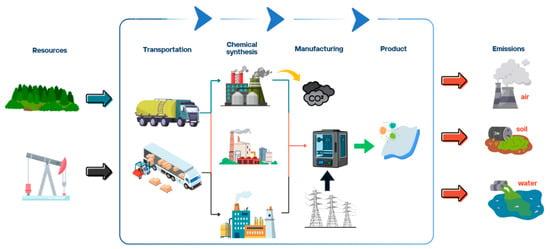
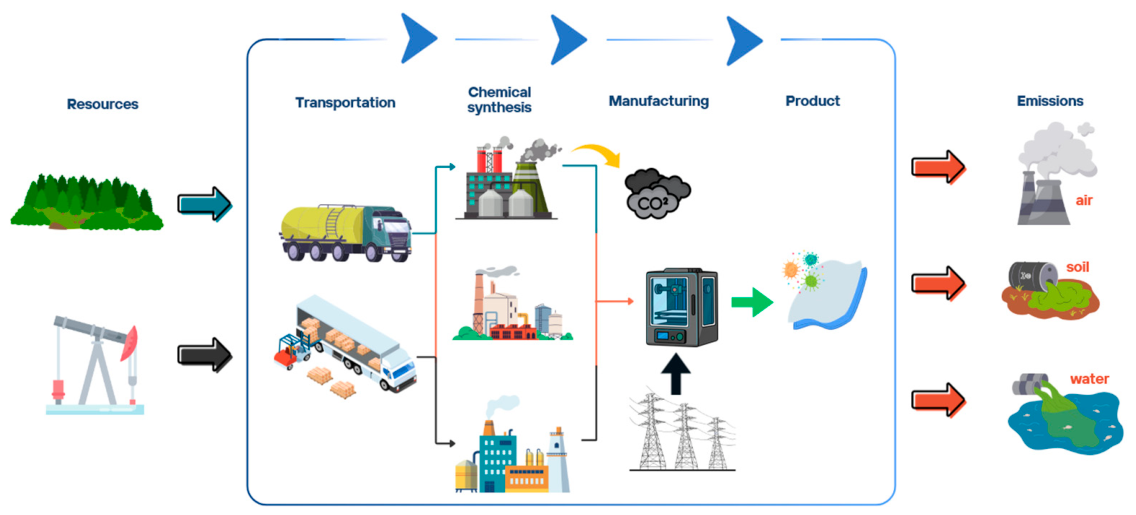
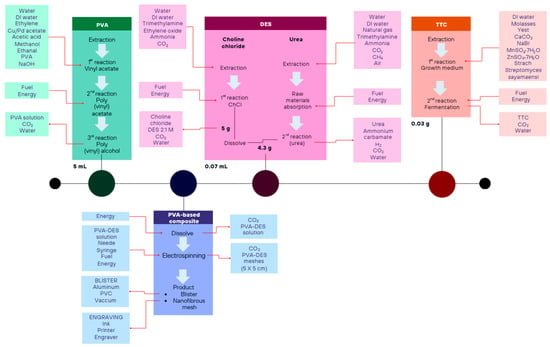
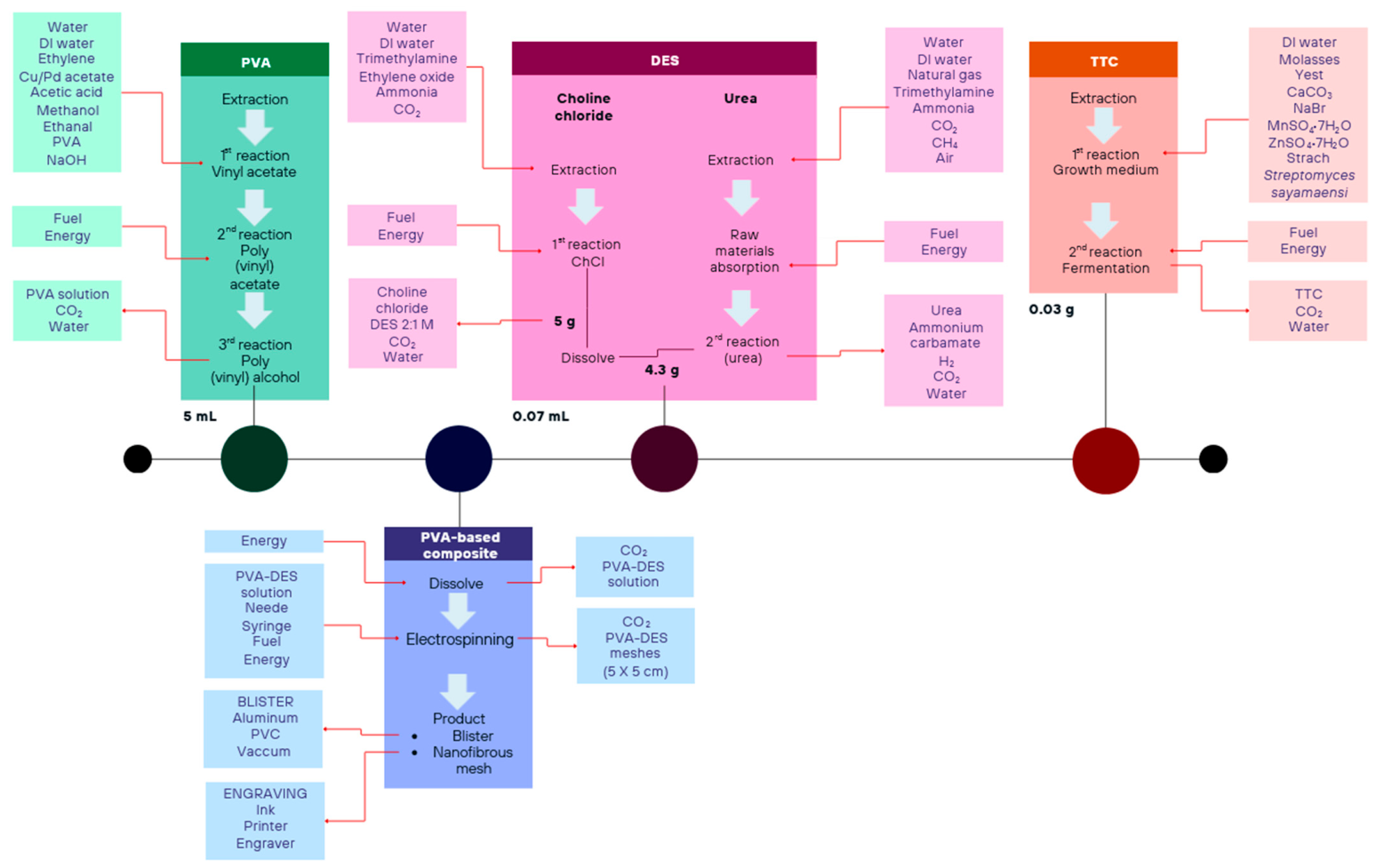
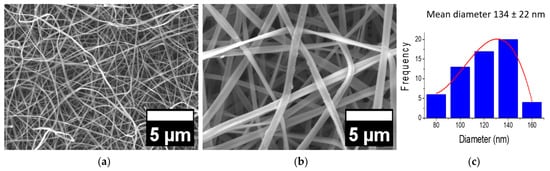
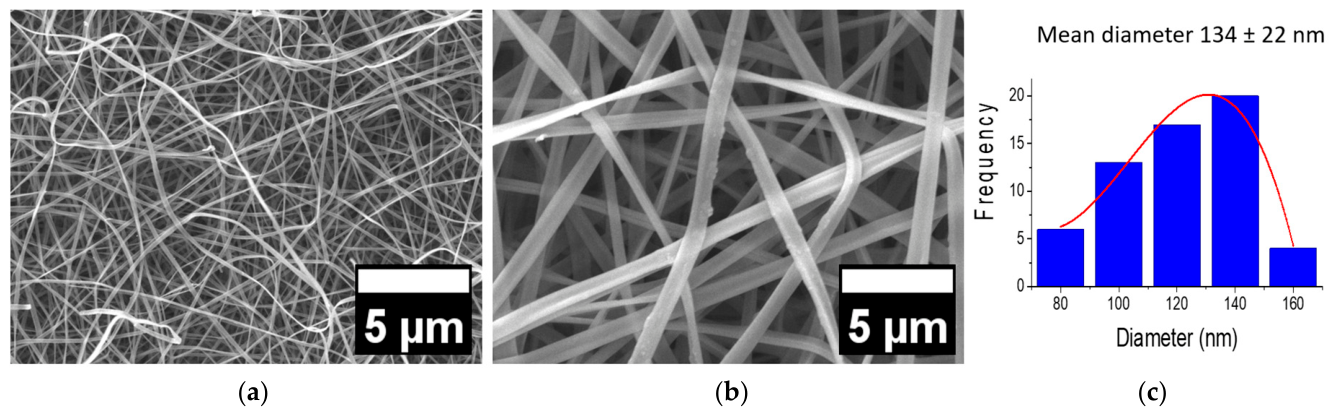
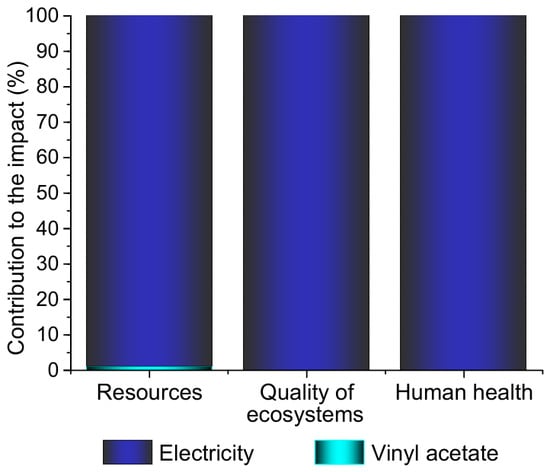
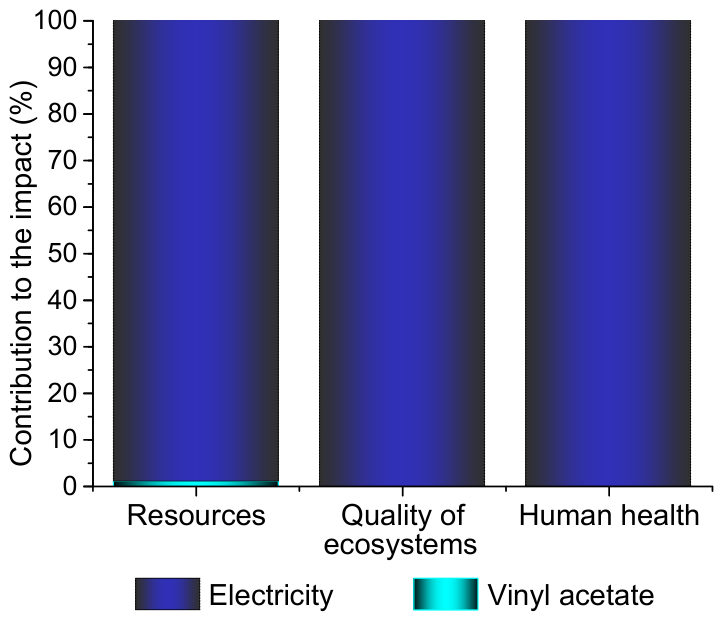
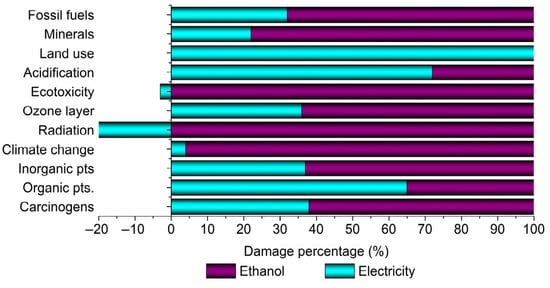
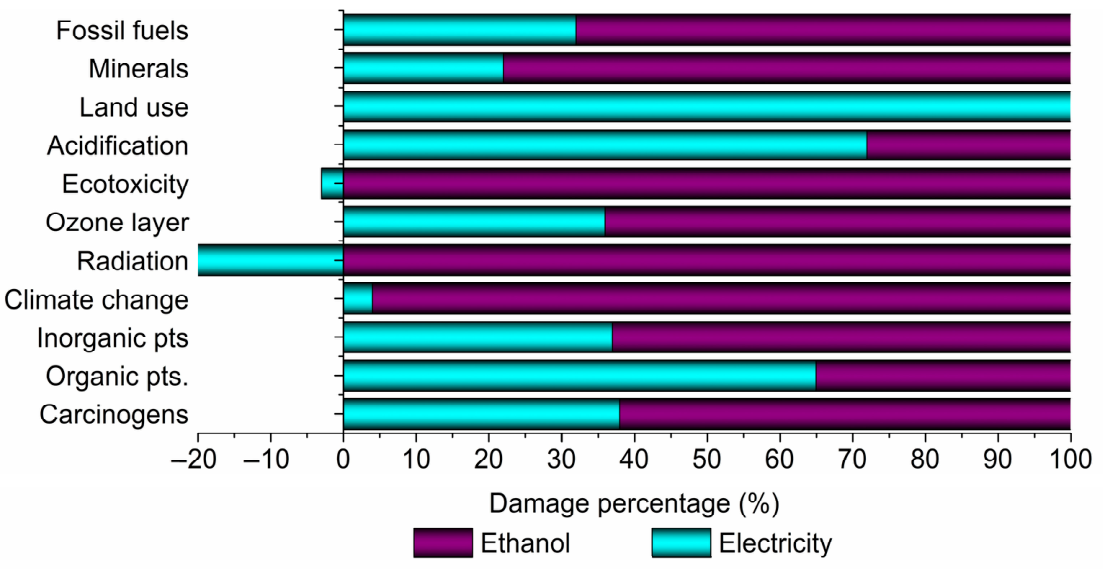
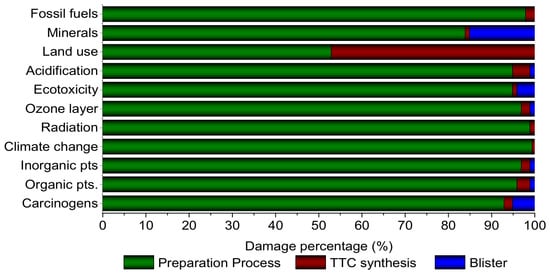
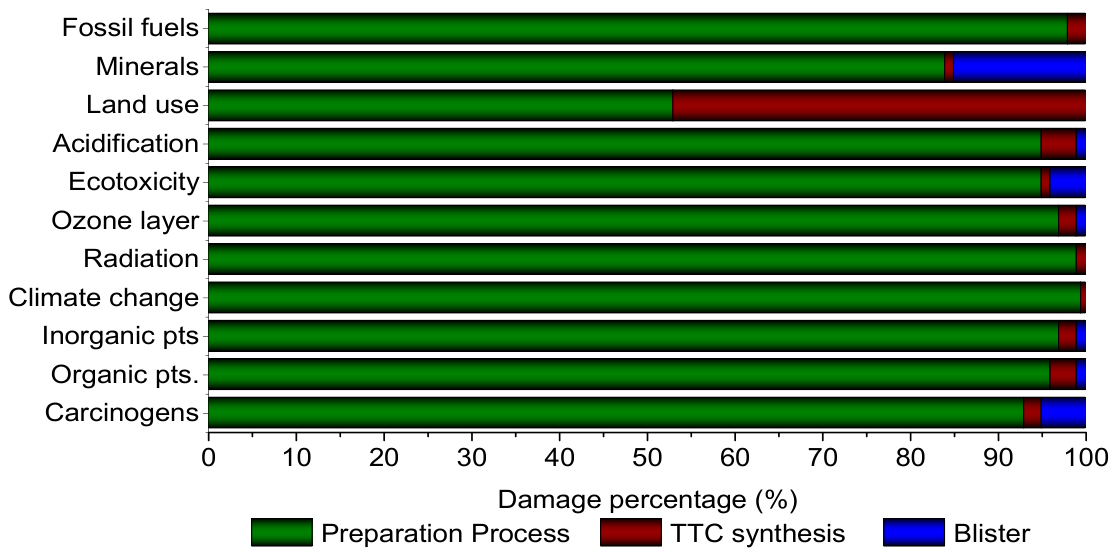

Disclaimer/Publisher’s Note: The statements, opinions and data contained in all publications are solely those of the individual author(s) and contributor(s) and not of MDPI and/or the editor(s). MDPI and/or the editor(s) disclaim responsibility for any injury to people or property resulting from any ideas, methods, instructions or products referred to in the content. |
© 2026 by the authors. Licensee MDPI, Basel, Switzerland. This article is an open access article distributed under the terms and conditions of the Creative Commons Attribution (CC BY) license.