


Abstract
As science increasingly embraces the Open Science paradigm, attention is shifting from open access to the implementation of the FAIR (Findable, Accessible, Interoperable, and Reusable) principles for research data. Within this evolving landscape, libraries are expected to play a key role in supporting FAIRification and sustainable research data management. This study maps the scholarly landscape of FAIR data through a bibliometric analysis of 2790 journal articles and conference papers published between 2000 and 2025 and indexed in Scopus, using the Bibliometrix R package (version 5.5.0). The findings reveal a rapidly expanding research field, with Europe emerging as the leading contributor, largely driven by European Union Open Science policies. Thematic analysis identifies metadata, interoperability, data management, and Open Science as central research directions, while the bibliometric visibility of library-related FAIR research remains comparatively limited. The study highlights the importance of interdisciplinary collaboration and the development of new competencies to strengthen the role of libraries within the FAIR data ecosystem.
1. Introduction
If we acknowledge the standpoint that “data is the new oil,” then we must also recognize that it is a “strategic commodity.” In the case of oil, there was a specific point in time—the “oil shock” between October 1973 and January 1974—that gave rise to a reassessment of various aspects related to it, such as market conditions, storage, policies, alternative energy sources, and patterns of consumption. This debate regains prominence whenever obstacles arise in its production or circulation [1]. In the case of data, however, a slow-burning scientific movement seeks not only to liberalize data use but also to unlock its full potential.
How can the scientific community bring about this transformation? How can science reinvent itself and transition into the era known as “Science 2.0” or “Open Science”? According to [2] (p. 1), this era “refers to a paradigm shift in how the methods of science are conducted,” while [3] identify its defining characteristic as data-intensiveness. More specifically, they state that “the term of data-intensive science refers to the exploding quantity of data available for analysis leading to greater use of inductive methods and a so-called fourth paradigm of science” [3] (p. 207). Building upon this evolution, Ref. [4] argues that the scientific community is moving from the Open Science 1.0 phase to Open Science 2.0, marking a transition from raising awareness of openness to a stage of concrete and sustained efforts toward its implementation.
The concept of openness extends across the entire research lifecycle, from the formulation of research questions to the dissemination of research findings. Although the full potential of data has yet to be fully realized, certain scientific disciplines are fundamentally dependent on data availability. Data science, for instance, relies on data as its raw material for applying advanced methodologies and generating new knowledge [5]. In this context, it is paradoxical to invest in developing data-related skills while the very resource on which these skills depend remains confined within isolated repositories or data silos. Yet, despite these limitations, a growing scientific community continues to develop sophisticated methods for extracting knowledge from fragmented and restricted data collections.
The European Union has significantly advanced the Open Science agenda by mandating open access to research outputs generated through publicly funded projects. Nevertheless, this represents only the first step toward a broader transformation of the research ecosystem [6]. As science increasingly embraces the principles of Open Science, research data must evolve accordingly. In this new environment, it is no longer sufficient for data to be merely accessible; they must also be Findable, Accessible, Interoperable, and Reusable (FAIR) [7].
A clear distinction should be made between the concepts of Open Data and FAIR data, as the former represents more a philosophy than a set of operational guidelines [8]. Although both aim to maximize the reuse of research data, they are conceptually distinct. While both emphasize making data findable and accessible, FAIR additionally requires rich metadata and machine-actionable descriptions to support interoperability and long-term reuse [8]. Open Data promotes the democratization of data through their use, reuse, and redistribution. In contrast, FAIR provides a set of guiding principles rather than a specific technical solution, defining the characteristics that research data should possess to maximize their discoverability, interoperability, and reusability. Nevertheless, as Ref. [9] emphasizes, FAIRness alone does not guarantee that research data are interpretable, verifiable, or trustworthy, since effective reuse also depends on provenance, contextual documentation, sustained data stewardship, and appropriate knowledge infrastructures.
Although FAIR-related scholarship also uses alternative formulations the present study operationalizes the field through the three complementary core terms “FAIR data,” “FAIR principles,” and “Fairification,” which respectively capture its object-, framework-, and process-oriented dimensions. Libraries already play a crucial role in advancing (a) Open Science by supporting evidence-informed policy development [10] and (b) the Open Access movement as custodians of scholarly knowledge [11]. Building upon these established roles, libraries should also actively foster the FAIRification of research data [12]. Given that libraries are expected to translate the FAIR principles into operational practices through metadata management, data curation, digital preservation, and researcher support, a dedicated bibliometric analysis is needed to determine whether this expanding LIS responsibility is reflected in the volume, visibility, and thematic orientation of library-related FAIR research.
The machine-readable data ecosystem envisioned by the FAIR principles has emerged as a rapidly expanding field of research. This study maps the scholarly landscape of FAIR data by analyzing journal articles and conference papers indexed in Scopus aiming to investigate the evolution of the academic community and the impact of the LIS community in FAIR scholarly ecosystem. Using bibliometric methods, it identifies the field’s most influential scholarly entities, intellectual contributions, collaboration patterns, and thematic structures, providing a comprehensive overview of its development. Bibliometric analysis captures the evolution of scientific knowledge as reflected in scholarly publications rather than the actual practices adopted by research communities. Consequently, the identified publication, collaboration, and thematic patterns should be interpreted as indicators of scientific discourse and research priorities, rather than direct evidence of real-world implementation or researchers’ behaviors. More specifically, this study addresses the following research questions:
- How has the field evolved through 2025?
- Who are the most productive and influential researchers, institutions, and countries?
- Which publications have had the greatest influence on the development of the field?
- How has the Library and Information Science (LIS) community contributed to data FAIRification?
This article is organized as follows. Section 2 reviews the literature on data FAIRification and outlines the conceptual background of the study. Section 3 describes the methodology employed to construct and analyze the dataset. Section 4 presents the results of the bibliometric analysis, while Section 5 discusses the theoretical and practical implications of the findings. Finally, Section 6 concludes the paper by summarizing the main findings and outlining future research directions.
2. Literature Review
In the mid-2010s, European Union envisioned an economy of knowledge based on the free sharing of data [13]. This unimpeded circulation of ideas within the range of European society would help the birth of innovation and—as circumstances later proved—strengthen society’s response to exceptional circumstances [14]. Nevertheless, open data was the stepping-stone to a wider goal. The work [7] has been the flagship of the new era which emphasizes the fact that data are valuable digital assets that should be set under a continued data management process. This process will convert the initial status of “openness” of open data to “FAIR-ness” (Findable, Accessible, Interoperable, Reusable data) and is called FAIRification. The FAIRification of data is an act of transforming data to a sustainable version [15].
The scientific community has increasingly embraced the FAIR data principles; however, the diversity of projects and initiatives, each with different objectives, methodological approaches, and disciplinary contexts, has created a fragmented landscape. The outbreak of the COVID-19 pandemic accelerated the development of FAIRification initiatives, including the Virus Outbreak Data Network International (VODAN-IN), which was established to facilitate the FAIR management and use of data during public health emergencies [16]. Through a literature review of 100 randomly selected publications retrieved from Google Scholar, [17] examined this emerging landscape from topical, geographical, and implementation perspectives. Their findings suggest that FAIRification has been driven primarily by European initiatives and has been adopted predominantly within the biosciences. The early implementation of FAIRification in this scientific domain led to the development of frameworks, workflows, and good practices, paving the way for subsequent projects and broader adoption across other disciplines [16,18,19,20,21,22]. The outcomes of the VODAN-IN project resulted in a well-defined three-tier FAIRification process consisting of the pre-FAIRification, FAIRification, and post-FAIRification phases. These phases are further divided into seven sub-processes, including objective definition and data analysis, metadata analysis and semantic modeling, data creation and hosting, and final assessment [16]. A conceptually similar workflow was proposed by [19], who also emphasized the importance of making critical decisions before data capture. Likewise, Ref. [22] introduced a FAIRification framework comprising four distinct phases: (a) goal definition, (b) project assessment, (c) an iterative FAIRification phase, and (d) post-FAIRification review. The authors argue that its successful implementation depends on close collaboration within multidisciplinary teams. In the health domain, Ref. [21] proposed a ten-step FAIRification workflow, illustrating how FAIR principles can be systematically implemented in health data management. Although these frameworks pursue the same objective, they differ considerably in their level of granularity. Other studies have focused on modeling specific stages of the FAIRification process rather than the entire workflow. For example, the FAIR-Decide framework was developed to support data prioritization for cost optimization [23], addressing the need for informed pre-processing decisions previously highlighted by [19]. Furthermore, an analysis of OpenAIRE services [24] resulted in a taxonomy of FAIRification tools consisting of seven categories: (a) GUPRI creation and management services, (b) metadata helpers, (c) indexing and discovery services, (d) license helpers, (e) converters, (f) assessment tools, and (g) data management plan (DMP) tools.
The theoretical frameworks described above have gradually been translated into practical implementations across an increasing number of scientific domains, including disciplines that have not traditionally been considered data-intensive, such as cultural heritage [25]. In recent years, for example, the archeological community has undergone a significant transition from private archives to open data repositories in line with the principles of FAIR and Open Science [26]. Similarly, the INFRA-ART Spectral Library has adopted FAIR data management practices to facilitate the integration of spectral data into the European Open Science Cloud (EOSC) [25].
Nevertheless, the implementation of FAIR principles remains an ongoing challenge. An assessment of the Linguistic Linked Open Data Cloud revealed that, despite achieving high levels of accessibility, many resources still exhibit limited findability, interoperability, and reusability because of incomplete metadata and licensing information [27]. To address these challenges, several infrastructures and tools have been developed. Ref. [28] introduced COSMOS (Collaborative Open-Source Modeling System), an integrated environment for migration research that combines data, computational models, application libraries, and research projects within a standardized data management framework. Likewise, Ref. [29] developed dtool and dserver, while Ref. [30] proposed both a metadata standard for biomedical data (Metadatasheet) and a user-friendly application for metadata creation and management (Metadata Workbook).
Regardless of the specific infrastructure or workflow adopted, the ultimate objective remains the same: ensuring that research data comply with the FAIR principles. Accordingly, FAIRness is currently being supported through (a) dedicated assessment tools, such as FAIR-Checker [31,32], (b) domain-specific implementations in fields including agriculture [33,34], rural development [35], and the energy sector [36], and (c) assessment frameworks and maturity models, such as the FAIR Data Maturity Model [36], FAIRsFAIR [34], and the FAIR Metric for EOSC [37].
Additionally, Ref. [38] describes how Leiden University Libraries adapted to the emerging FAIR landscape by aligning their services with the principles and objectives of FAIR data stewardship. Their initiatives included the introduction of a Research Data Management Policy (RDMP), active participation in FAIRification-related programs, the organization of researcher training workshops, and the expansion of research data consultancy services. However, adopting this expanded consultancy role is not without challenges. Although librarians recognize that training and supporting researchers constitute two of their most valuable contributions to research data services, they also acknowledge the need to collaborate with professionals from other disciplines to further develop the required expertise [39]. In this context, libraries increasingly serve as trusted stewards of research data, safeguarding the interests of data depositors while ensuring reliable access for the broader research community [40].
This evolving role raises an important question: if libraries remain confined primarily to educational and advisory functions, will they gradually be perceived as educational support units rather than as custodians of knowledge? Library and Information Science (LIS) research has therefore emphasized the need for a new professional profile—the data librarian—whose competencies extend beyond traditional librarianship to include research data management, education, consultancy, and digital infrastructures [41,42]. Interestingly, although [23] conducted semi-structured interviews with experts involved in FAIR implementation, none of the fourteen participants represented the LIS community. In contrast, the European Commission explicitly recognizes librarians as key stakeholders in Open Science and the FAIR ecosystem [43] and identifies the competencies required to support these emerging responsibilities. Similarly, Ref. [44] argues that librarians should play a central role in preserving Indigenous Knowledge by integrating both the FAIR and CARE (Collective Benefit, Authority to Control, Responsibility, Ethics) principles into their professional practice.
International organizations such as LIBER emphasize the multidimensional role of libraries in the FAIR ecosystem by outlining a broad range of responsibilities for library professionals [12]. According to LIBER, libraries should (a) promote, (b) incorporate, (c) train, (d) encourage, and (e) evaluate FAIR-related practices, while also (f) “seek opportunities to curate, enrich, capture and preserve research data” [12]. Supporting data FAIRification is therefore a complex undertaking that requires a well-defined implementation strategy to establish priorities and guide institutional decision-making [45].
According to [46], evaluating scientific production constitutes one of the core responsibilities of academic libraries. This responsibility becomes even more important when the scientific output concerns areas that fall within the libraries’ own domain of expertise. Since Open Science and the FAIR principles have become integral components of Library and Information Science (LIS), it is essential for LIS professionals to understand how the field has evolved and what activities have been undertaken to date. Bibliometric analysis provides an effective approach for identifying the key concepts, scholarly actors, and intellectual structures that shape a research field, while also revealing its patterns of development and scientific impact. Librarians have extensively employed bibliometric methods to examine the evolution of Library and Information Science as a whole [47], as well as specific research domains such as digital libraries [48] and library services [49].
Regarding the scholarly literature on Open Access, Ref. [50] conducted a bibliometric analysis of 1179 Scopus-indexed publications and concluded that “open access is one of the new emerging and frontier fields of library and information science.” Their findings identified the United States, the United Kingdom, Spain, and Germany as the most productive countries, while the leading contributors included Bo-Christer Björk (Finland), Jingfeng Xia (United States), and Philip M. Davis (United States). The prominent role of librarians within the Open Access movement is further reflected in the fact that The Serials Librarian emerged as one of the principal publication venues for Open Access research. The thematic analysis revealed five major research clusters encompassing (a) repositories, (b) the green route, (c) the gold route, (d) attitudes and perceptions, and (e) changes in the scholarly communication model. More recently, Open Access has also attracted considerable attention in adjacent research domains, including publication ethics. For example, the bibliometric analysis conducted by [51] demonstrated that access to scholarly outputs has become a fundamental component of responsible and ethical research practices.
A small-scale literature review [52] examined 32 publications on FAIR data principles retrieved from LISA (Library and Information Science Abstracts), LISTA (Library, Information Science & Technology Abstracts), and Scopus, covering the period 2016–2022. Rather than adopting a bibliometric approach, the study employed the Constant Comparison Method (CCM) as a qualitative analytical framework. The findings identified the Netherlands, Germany, and the United States as the most active countries, while 21.09% of the authors were Library and Information Science (LIS) professionals. The journals Studies in Health Technology and Informatics and Frontiers in Chemistry emerged as the leading publication venues, whereas Barend Mons, Marco Roos, Cameron Neylon, and Joachim Schöpfel were identified as the most influential contributors.
From a broader perspective, the authors of [53] reviewed FAIR-related publications in the health domain published between 2014 and 2020 using PubMed, Web of Science, and Google Scholar. Their review included 34 studies, half of which were case studies describing implemented or developing FAIRification approaches. Twenty studies focused on IT infrastructures, workflows, and FAIRification tools, whereas thirteen examined implementation challenges. One of the study’s principal conclusions was that successful FAIRification depends on collaboration among multiple stakeholders, including scientific communities, research institutions, repositories, consortia, funding agencies, and citizens actively involved in promoting FAIR data stewardship within the healthcare domain [53]. Consistent with the findings of [52], Germany, the Netherlands, and France emerged as the most active countries in this field.
Previous studies have provided valuable but partial perspectives on FAIR-related research. Ref. [52] offered an initial qualitative mapping based on a relatively small sample, whereas [53] conducted a domain-specific scoping review focused on FAIR implementation in health data stewardship. Consequently, the literature lacks a large-scale and up-to-date bibliometric mapping of the multidisciplinary FAIR data landscape that also examines the position of library-related scholarship within the broader ecosystem. The present study addresses this gap by analyzing the field’s evolution, influential scholarly actors and publications, collaboration structures, and thematic development through 2025 and by comparing the overall literature with a dedicated library-focused subset. This comparative approach makes it possible to assess whether the prominent role assigned to libraries in FAIR policy and professional discourse is reflected in their scholarly visibility, influence, and thematic contribution.
3. Materials and Methods
3.1. Methodological Challenges
Bibliometric analysis has become an increasingly established method for evaluating scientific output, driven by three main developments. First, the volume of scholarly publications has grown substantially. Second, the availability of reliable and user-friendly bibliometric tools has greatly facilitated the processing and analysis of large datasets. Third, the growing demand for evidence-based decision-making by research institutions, funding agencies, and policy makers has further accelerated the adoption of bibliometric methods [54]. Consequently, bibliometric analysis has become widely applied across scientific disciplines, extending well beyond the field of Library and Information Science.
One of the most critical stages of a bibliometric study is the construction of the dataset, as it directly influences the validity and interpretation of the findings. As noted by [55], one of the major challenges in bibliometric research lies not only in the interpretation of results but also in the selection of appropriate indicators and metrics. Likewise, the choice of the bibliographic database determines the portion of the scholarly landscape that is analyzed and, consequently, shapes the interpretation of the results.
3.2. Search Strategy and Corpus Construction
The terminology used to construct the search strategy was selected to represent three complementary dimensions of the FAIR framework. The expression “FAIR data” refers to the digital objects to which the FAIR requirements are applied, while “FAIR principles” represents the normative framework that defines the characteristics required to make data findable, accessible, interoperable, and reusable. The term “Fairification” captures the process-oriented dimension of the field, namely the activities through which data, metadata, and related digital resources are transformed to increase their compliance with the FAIR principles. The combination of these three expressions was therefore intended to retrieve publications addressing the objects, conceptual foundations, and implementation processes of FAIR.
The search vocabulary was deliberately focused on expressions that explicitly refer to the FAIR framework. Although Open Data, data sharing, research data management, data stewardship, and data curation are closely connected to FAIR and provide an important context for its implementation, they were not included as independent search terms. The purpose of the study was not to map the broader research data management community but to examine the scholarly literature explicitly framed around FAIR and, within it, the bibliometric position of library-related research. Including these broader terms independently would have substantially expanded the dataset to publications addressing research data practices without necessarily engaging with the FAIR framework. Nevertheless, these concepts were retained when they occurred within records retrieved through the FAIR-specific search terms and were subsequently captured in the thematic analysis. This strategy therefore preserved the close relationship between FAIR and research data management while maintaining alignment.
The search was conducted exclusively in Scopus because of its broad multidisciplinary coverage and its suitability for bibliometric analysis. Scopus was selected because of its broad multidisciplinary coverage, which has been shown to retrieve a larger number of relevant publications than comparable databases such as the Web of Science [56]. The query was applied to publication titles, abstracts, and keywords and was limited to English-language journal articles and conference papers published between 2000 and 2025 (Table 1). On the other hand, we attempted to limit the dataset to a LIS-related corpus by incorporating the term “Library”, resulting in a subset of 162 records (Table 2). The purpose of narrowing the scope of the study is to assess the level of adoption of FAIR principles and, more broadly, the degree of engagement with the FAIR data ecosystem within the library community. Figure 1 depicts the Search Strategy and Corpus Construction workflow.
Table 1.
Query 1 for general dataset extraction.
Table 2.
Query 2 for LIS-related FAIR subset.
Figure 1.
Search strategy workflow.
Table 3 summarizes the main characteristics of the dataset. The descriptive statistics indicate that FAIR data is a rapidly evolving research field, with an average publication age of 3.81 years and an annual growth rate of 29.64%. The dataset comprises 2790 publications supported by 238,380 cited references, authored by 16,560 researchers who employed 6854 author keywords. Regarding publication types, the dataset consists of 1821 journal articles and 969 conference papers, indicating that the analysis captures both mature scholarly contributions and emerging research developments within the FAIR data domain.
Table 3.
Dataset profile.
3.3. Data Analysis
Bibliometric analysis was conducted using the Bibliometrix package, an R-based software (version 5.5.0) environment specifically developed for science mapping and bibliometric studies. Bibliometrix enables researchers to import, clean, analyze, and visualize bibliographic data through a comprehensive set of performance indicators and science mapping techniques while benefiting from the flexibility of the R environment [57]. For network visualization and community detection, Bibliometrix incorporates several clustering algorithms, including Louvain, Walktrap, Leading Eigenvector, and Spinglass. In the present study, the Louvain algorithm was selected because previous comparative studies have demonstrated its strong performance and effectiveness in detecting community structures relative to several alternative algorithms [58,59]. In addition to the visualization capabilities provided by Bibliometrix, selected figures were produced using the Datawrapper visualization platform [60].
4. Results
4.1. Overview of Scientific Production
FAIR data research emerged only gradually during the first decade of the 2000s. By 2010, the annual scientific output had reached just thirteen publications (Figure 1), indicating that the field was still in its infancy. Although publication activity remained relatively limited until 2015, a clear and sustained upward trend became evident thereafter.
The defining year for the development of the field was 2016, not because of a sudden increase in publication output but because of the publication of “The FAIR Guiding Principles for Scientific Data Management and Stewardship” [7]. With more than 24,300 citations, this article has become the foundational reference for FAIR data research, establishing the principles that continue to shape the field. It also represents an exceptional collaborative effort, involving 53 authors from 41 institutions, illustrating the broad consensus that accompanied the introduction of the FAIR framework. To avoid the well-documented effects of skewed citation distributions caused by highly cited publications [61], this article was intentionally excluded from Figure 2.
Figure 2.
Productivity and Impact (data presented in current works; figures are normalized regarding the article “The FAIR Guiding Principles for scientific data management and stewardship” (Wilkinson et al., 2016 [7]), as its not included in the calculations) (MeanTCperPub = Mean Total Citations per Publication/MeanTCperYear = Mean Total Citations per Year).
Publication output more than doubled in 2017, increasing from 17 publications in 2016 to 44, and continued to grow substantially thereafter. The expansion became particularly pronounced from 2020 onwards, with output rising from 212 publications in 2020 to 414 in 2022 and 658 in 2025. Although annual growth was not uniform, the overall trend indicates the consolidation of FAIR data as a rapidly expanding research field. Publications from 2019 to 2021 also display relatively high citation impact, with mean citations per article reaching 25.94 in 2019, 33.22 in 2020, and 22.55 in 2021. The lower citation averages observed in most recent years should be interpreted cautiously, as these publications have had less time to accumulate citations.
FAIR-related publications within the Library and Information Science (LIS) community first appeared in 2016 and subsequently followed a modest but generally upward trajectory, despite year-to-year fluctuations. LIS publication output increased from one publication in both 2016 and 2017 to 21 in 2020, 22 in 2023, and a peak of 39 in 2025. The highest mean citation impact was recorded for LIS publications published in 2019, at 47.92 citations per article. Nevertheless, as illustrated in Figure 1, FAIR data research remains an emerging topic within LIS, which accounted for only 3.96% of overall FAIR-related publications in 2024 and 5.93% in 2025. Nearly a decade after the publication of the FAIR Principles, the bibliometric evidence suggests that FAIR-related research has not yet become a major focus within LIS literature. This comparatively limited activity may reflect the interdisciplinary nature of LIS, which relies heavily on knowledge transfer from other disciplines and may exhibit a time lag in the diffusion and adoption of emerging research topics [62]. These findings indicate considerable scope for greater engagement by the LIS community with FAIR data research, particularly given the increasingly recognized role of libraries in supporting Open Science and research data stewardship.
Figure 3 shows that journals in Computer Science emerge as the primary individual publication venues for FAIR data research, accounting for 27% of the publications. Life Sciences—including Medicine (7%) and Biochemistry, Genetics and Molecular Biology (5%)—also account for a substantial share of the literature, reflecting the adoption of FAIR principles within health-related research projects and infrastructures. This finding is consistent with the strong emphasis placed on machine-readable data, interoperable infrastructures, and FAIRification workflows within these disciplines. Social Sciences and Engineering each account for 9% of the publications, while Mathematics represents 7%. The remaining subject areas, grouped under “Other,” collectively account for 35% of the dataset.
Figure 3.
Disciplines of scientific journals (Scopus Classification).
In contrast, publications examining the relationship between libraries and FAIR data are distributed mainly across Computer Science (30%) and Social Sciences (17%) journals. According to the Scopus subject classification, Library and Information Science journals are assigned to the broader Social Sciences category. It is also noteworthy that Life Sciences journals publish a non-negligible share of studies addressing the role of libraries in the FAIR ecosystem, with Medicine and Biochemistry, Genetics and Molecular Biology each accounting for 6%. An interesting finding, however, is that Computer Science journals appear to provide a more prominent publication venue for library-related FAIR research than journals classified within the broader Social Sciences category.
Analysis of the most productive publication venues (Figure 4) shows that CEUR Workshop Proceedings is the leading source for FAIR data research (n = 170), followed by Studies in Health Technology and Informatics (n = 66), Data Intelligence (n = 63), and Data Science Journal (n = 62). These findings reinforce the observation that FAIR data research is strongly rooted in Computer Science and related data-oriented fields. Unlike many other disciplines, Computer Science has a publication culture in which conferences serve as primary archival communication channels. Empirical studies have consistently shown that computer scientists publish more frequently in conference proceedings than in journals and that leading conferences often achieve citation impact comparable to, or even exceeding, that of mid-ranking journals [63,64,65]. Consequently, the predominance of conference proceedings in the present dataset reflects the publication culture of the discipline rather than an exceptional feature of FAIR data research.
Figure 4.
The most popular and impactful sources (light shading: workshop/conference proceedings; dark shading: journals).
It should also be noted that publication venues such as CEUR Workshop Proceedings, Communications in Computer and Information Science (n = 48), and Lecture Notes in Computer Science and its subseries (n = 45) publish substantially larger numbers of papers annually than individual scholarly journals, which may partly explain their high representation in the dataset. In addition to Computer Science and data-oriented publications, the list also includes journals from the life sciences, such as Scientific Data (n = 38) and Nucleic Acids Research (n = 22), highlighting the interdisciplinary nature of FAIR data research. Although Nucleic Acids Research ranks eighth in publication output, it records the highest citation count (2102), followed by Data Science Journal (1609), Scientific Data (1495), and Data Intelligence (1367). Furthermore, Data Intelligence (n = 63) and Data Science Journal (n = 62) are fully Open Access journals, reflecting the close alignment between FAIR data research and the broader Open Science movement.
A similar publication pattern is observed for the Library and Information Science (LIS) subset (Figure 5). CEUR Workshop Proceedings remains the most common publication venue (n = 10), followed by Lecture Notes in Computer Science (n = 8), Communications in Computer and Information Science (n = 6), and the Proceedings of the ACM/IEEE Joint Conference on Digital Libraries (n = 6). The predominance of Computer Science venues suggests that LIS researchers primarily disseminate FAIR-related work through interdisciplinary publication channels rather than exclusively through traditional LIS journals. At the same time, the presence of a digital-library-oriented venue, namely the Proceedings of the ACM/IEEE Joint Conference on Digital Libraries, indicates that FAIR data research is increasingly associated with digital library research. This finding is consistent with recent evidence showing that conferences constitute an important scholarly communication channel for LIS researchers [60,66].
Figure 5.
The most popular and impactful sources regarding LIS scientific outputs (light shading: workshop/conference proceedings; dark shading: journals).
Among the publication venues, Nucleic Acids Research records the highest total citation count within the analysed corpus (2102 citations), followed by Data Science Journal (1609 citations), Scientific Data (1495 citations), and Data Intelligence (1367 citations). Nucleic Acids Research and Scientific Data show particularly strong citation performance despite their comparatively smaller publication output. In contrast, although CEUR Workshop Proceedings contains the largest number of FAIR-related publications (n = 170), it has received only 240 citations, indicating high publication volume but comparatively limited aggregate citation impact.
A similar pattern is observed within the Library and Information Science (LIS) subset, where Data Intelligence (1152 citations) and Data Science Journal (1073 citations) emerge as the most influential publication venues, despite accounting for only two and five publications, respectively. Overall, the findings suggest that journal articles tend to attract greater scholarly impact than conference proceedings, despite the latter serving as a primary dissemination channel for FAIR data research within Computer Science.
4.2. Authors, Affiliated Institutions and Countries
The author analysis examined both scientific productivity and citation impact within the FAIR data literature. Figure 6 presents the most productive authors together with the citation impact of their publications, while Figure 6 focuses on the corresponding indicators within the Library and Information Science (LIS) subset. The most prolific authors are Roos, M. (n = 35), Santos, L. O. B. da Silva (n = 27), Kaliyaperumal, R. (n = 23), Cornet, R. (n = 20), and Schultes, E. (n = 20). Dumontier, M. and Wilkinson, M. D. each contributed 18 publications, while simultaneously recording among the highest citation impacts within the field. Santos accumulated the largest number of citations (942), followed by Dumontier (739) and Wilkinson (642), highlighting their central contribution to the development of FAIR data research. Dumontier and Wilkinson were also among the authors of the seminal paper introducing the FAIR Guiding Principles [7], which continues to serve as the intellectual foundation of the field. Within the LIS subset (Figure 7), Schultes, E., Weigl, D. M., and Auer, S. are the most productive authors, with four publications each. However, Andrade Valdueña, A. and Borry, M. record the highest citation impact (136 citations each) despite contributing only two publications, demonstrating that publication output does not necessarily correspond to scholarly impact.
Figure 6.
Authors’ Impact and Productivity.
Figure 7.
Authors’ impact and productivity regarding LIS.
The institutional analysis reveals a strong European presence within the FAIR data ecosystem (Figure 8). Eight of the ten most productive affiliated institutions are located in Europe, whereas two institutions—the University of California and Harvard Medical School—are based in the United States. The University of California emerges as the leading affiliated institution, contributing 163 publications, followed by Leiden University Medical Center (n = 115), RWTH Aachen University (n = 114), and the European Bioinformatics Institute (n = 109). Notably, several of the most productive organizations are affiliated with the life sciences and biomedical research, reflecting the early adoption of FAIR principles within these disciplines.
Figure 8.
Affiliated institutions’ productivity.
A strong European presence is also observed for publications examining the role of libraries in FAIR data implementation (Figure 9). The most productive institutions include Université Paris-Saclay (n = 20), Simon Fraser University (n = 19), Sorbonne Université (n = 16), the Laboratory for Translational Breast Cancer Research (n = 15), Université Clermont Auvergne (n = 15), and Université de Bordeaux (n = 15). France is particularly well represented, with five of the ten most productive organizations located there, including Université Côte d’Azur (n = 13), highlighting the country’s strong engagement in library-related FAIR research. The list also includes institutions from Canada, the United States, and Denmark, indicating the wider international scope of research in this area.
Figure 9.
Affiliations’ productivity regarding LIS.
Country-level analysis reveals that Germany, the United States, and the Netherlands are the most productive contributors to FAIR data research (Table 4), with European countries dominating the top ten ranking. Germany leads with 453 publications (16.2%), followed by the United States with 367 (13.2%) and The Netherlands with 179 (6.4%). Although China is also represented among the leading contributors, its publication output remains considerably lower than that of the three leading countries. In terms of citation impact, the United States clearly stands out, accumulating 7609 citations, followed by Germany (4666), the Netherlands (2987), and the United Kingdom (2935). Australia (23.5 citations per publication), the United Kingdom (22.6), Canada (21.5), and the United States (20.7) achieve comparatively high average citation rates, whereas Italy records the lowest average citation impact (8.2), followed by France (10.2) and Germany (10.3).
Table 4.
The most productive and impactful countries.
A somewhat different pattern emerges within the Library and Information Science (LIS) subset (Table 5). The United States, Germany, and Italy are the most productive countries in research addressing the role of libraries in FAIR data implementation, contributing 24 (14.8%), 16 (9.9%), and 10 (6.2%) publications, respectively, with the Netherlands ranking fourth (n = 8; 4.9%). In contrast to the overall FAIR dataset, China does not appear among the leading contributors, whereas Switzerland, Spain, Denmark, and Belgium are represented, reflecting a more selective international participation. Citation impact is led by Canada, whose publications have accumulated 376 citations, followed by the United States (269), Germany (188), and the Netherlands (170). Canada’s leading citation impact, despite its absence from the ten most productive countries, demonstrates that scientific influence is not necessarily proportional to publication volume.
Table 5.
The most productive and impactful countries regarding LIS scientific outputs.
4.3. Influential Scientific Outputs and Topical Coverage
To better understand the thematic structure of FAIR data research, the analysis examined the authors’ keywords and their evolution over time. To avoid an overrepresentation of the core concept, generic keywords directly referring to FAIR—including FAIR data, FAIR principle(s), FAIRification, and related variants—were excluded from the analysis. Figure 9 presents the most frequently used author keywords and their distribution across the dataset.
The results indicate that Metadata (501 occurrences) and Information management (372) are the dominant themes, reflecting the community’s strong emphasis on information organization and management. Data stewardship also occupies a central position, with Data management (176) and Research data management (136) accounting for a combined 312 occurrences. Other prominent themes include Ontology (240), Open Science (224), Open data (204), and Data sharing (181), highlighting the importance of openness, data exchange, integration, and reuse. The frequent occurrence of Machine learning (156) and Artificial intelligence (137) suggests the growing integration of FAIR principles within AI-driven research environments. Likewise, keywords such as Semantics (181), Information processing (177), Software (199), and Computer software reusability (146) demonstrate the field’s close association with semantic technologies, computational methods, and the development of reusable digital resources.
As shown in Figure 10, the concepts of Machine learning and Artificial intelligence begin to appear in the FAIR data literature from 2017 onwards. In contrast, Data management emerges prominently immediately after 2016, coinciding with the publication of the FAIR Guiding Principles. This temporal pattern suggests that the early development of FAIR data research focused primarily on research data management, while subsequent years witnessed an increasing integration of AI-related technologies and machine learning within the FAIR ecosystem.
Figure 10.
Keyword frequency trend for Machine learning (Blue), Artificial intelligence (Red) Data Management (Olive) and Deep learning (Green).
Bibliometrix (version 5.5.0) was used to identify and visualize the thematic structure of the FAIR data literature through term co-occurrence analysis [67]. As described by [68], terms extracted from titles, abstracts, or author keywords can be represented as a co-occurrence network and subsequently partitioned into thematic clusters using community detection algorithms. In the present study, the Louvain algorithm was selected because previous comparative studies have demonstrated its effectiveness in identifying meaningful thematic structures in bibliometric networks [58,59]. Each cluster was labelled according to its most representative keyword [69].
Based on these thematic clusters, the thematic maps presented in Figure 11 and Figure 12 were generated using Callon’s centrality and Callon’s density measures. Callon’s centrality quantifies the interactions between thematic clusters (Equation (1)), whereas Callon’s density measures the internal cohesion and level of development of each cluster (Equation (2)) [70]. These two indicators enable themes to be classified according to their relevance and maturity within the intellectual structure of the field. Consequently, themes with high centrality and density are considered well-developed and influential, whereas themes with lower values represent either emerging or declining areas of research.
Figure 11.
Thematic map of authors’ keywords.
Figure 12.
Thematic map of authors’ keywords within libraries’ related bibliography.
Equation (1) Callon’s centrality
where ekh is the co-occurance of a keyword k that belongs to the theme in hand and a keyword h that belongs to other themes.
Equation (2) Callon’s density
where eij is the co-occurance of the keywords i and j which belong to the theme and w is the number of keywords in the theme.
According to [71], Callon’s centrality reflects the relevance of a theme within the overall research field, whereas Callon’s density measures its internal development and cohesion. Themes with high density exhibit strong internal relationships among their constituent keywords, while high centrality indicates extensive connections with other themes. Figure 11 and Figure 13 present thematic maps in which density is represented on the vertical axis and centrality on the horizontal axis. Based on these two indicators, themes are classified into four categories [69]:
Figure 13.
Keywords’ distribution within libraries’ related bibliography.
- Motor themes are both highly developed and strongly connected to the rest of the thematic landscape. They represent mature and influential topics that drive the evolution of the field.
- Niche themes exhibit high internal cohesion but weak external connections. Although well developed, they remain specialized and relatively isolated from the broader research landscape.
- Emerging or Declining themes are characterized by low centrality and low density. They either represent newly emerging research directions that have not yet matured or topics whose scientific relevance is gradually declining.
- Basic themes exhibit high centrality but relatively low density. They represent important transversal topics that underpin the field but require further development before evolving into Motor themes.
This classification corresponds to the strategic diagram proposed by [69], one of the most widely adopted approaches for interpreting thematic structures and their evolution in bibliometric studies. The thematic maps presented below provide a comprehensive overview of the maturity, relevance, and interconnections of the principal research themes within the FAIR data literature.
Figure 11 presents the thematic map of the FAIR data literature. The Motor Themes quadrant (upper right) contains the mature and highly interconnected thematic cluster metadata–interoperability–database. Its position confirms that metadata infrastructures, interoperability, and databases constitute an important intellectual core of the FAIR ecosystem. Notably, interoperability appears to be more mature and more central than Semantic Web-related technologies, reflecting its established role in enabling the exchange, integration, and reuse of FAIR data. Furthermore, [72] wing effort to exploit modern computational infrastructures for machine-actionable scientific communication, a trend reflected in the presence of the machine learning–reproducibility–artificial intelligence cluster near the intersection of the four quadrants. Taken together, these findings indicate that FAIR research is developing interoperable, machine-actionable, and computationally enabled research infrastructures.
The Basic Themes quadrant (lower right) comprises broad but fundamental topics, including Open Science, research data management, and data management. Their high centrality indicates that they form part of the conceptual foundation of the FAIR ecosystem, while their comparatively lower density suggests that their internal development remains less consolidated. The ontology–Semantic Web–ontologies cluster is also located in this quadrant, demonstrating the central role of semantic technologies in supporting machine-readable and interoperable data. Meanwhile, the machine learning–reproducibility–artificial intelligence cluster lies close to both dividing lines rather than clearly within a single quadrant. This transitional position suggests that AI and reproducibility are becoming increasingly connected to the FAIR research agenda but have not yet developed into a fully mature and internally cohesive thematic area.
The Niche Themes quadrant (upper left) contains highly developed but relatively specialized clusters, including semantic interoperability–survey–digital health and blockchain–privacy–rare diseases. Their position reflects the development of specialized applications of FAIR principles within health and biomedical research, as well as growing attention to privacy and emerging data infrastructures. However, their comparatively weak connections with the broader thematic landscape suggest a predominantly domain-specific orientation. This finding further highlights the pioneering role of biomedical and health research in the adoption and implementation of FAIR principles.
Finally, the Emerging or Declining Themes quadrant (lower left) contains the Open Access–digital humanities–FAIR digital objects cluster, which has not yet achieved a central position within the FAIR literature. Although Open Access remains conceptually related to FAIR data, it does not currently represent one of the field’s dominant research themes. The presence of digital humanities and FAIR digital objects indicates the extension of FAIR principles into new disciplinary and object-oriented contexts. However, because a thematic map alone cannot determine whether a cluster is emerging or declining, its developmental direction would require additional longitudinal analysis. Overall, the thematic map illustrates a research field that is consolidating its foundations around metadata, interoperability, Open Science, data management, and semantic technologies while expanding toward artificial intelligence and specialized disciplinary applications.
Figure 12 provides a more focused view of the thematic structure of Library and Information Science (LIS) research on FAIR data. The Motor Themes quadrant (upper right) contains one mature and highly interconnected cluster—metadata–linked data–Open Access. The Basic Themes quadrant includes the clusters data management–digital libraries–Semantic Web and research data management–Open Science–open data, together with the smaller cluster research data–cultural heritage–data repository. These findings indicate that FAIR-related LIS research is primarily centred on metadata, research data management, openness, semantic technologies, and digital library infrastructures. Compared with the overall FAIR data ecosystem (Figure 11), the LIS thematic map exhibits a more explicit emphasis on digital libraries, linked data, and Open Access, highlighting the distinctive contribution of the discipline to FAIR implementation.
The position of the research data management–Open Science–open data cluster within the Basic Themes quadrant indicates that these topics are highly relevant to the LIS literature but remain less internally developed than the Motor Themes. Open Science therefore occupies a dual role within LIS research. On the one hand, it serves as a conceptual framework guiding scholarly communication; on the other, it reflects the community’s practical contribution through the development of infrastructures, services, and workflows supporting FAIR data management and reuse. This pattern illustrates the dual scientific and operational role of libraries within the FAIR ecosystem.
The Semantic Web appears within the data management–digital libraries–Semantic Web cluster in the Basic Themes quadrant, indicating a central but not yet fully developed research area. As [73] argues, the future development of the Semantic Web depends heavily on broad ontological agreement and may be challenged by the rapid evolution of machine learning technologies. Moreover, the interdisciplinary nature of FAIR research continues to complicate the development and reuse of shared ontologies across scientific domains [74]. Its position therefore suggests that the Semantic Web remains an important component of FAIR-related LIS research, particularly in connection with data management and digital library infrastructures.
The Niche Themes quadrant contains specialized clusters related to digital library–audiovisual content–knowledge infrastructure–digital cultural heritage and data reproducibility–data science. Their high density but lower centrality indicates that these topics are internally developed but remain relatively specialized within the broader LIS literature. The Emerging or Declining Themes quadrant contains the open source–bibliometric analysis–visualization cluster, while the COVID-19 cluster lies close to the boundary between the Niche and Emerging or Declining Themes. However, the thematic map alone cannot determine whether these clusters are emerging or declining without additional longitudinal evidence.
Figure 13 presents the distribution of author keywords within the Library and Information Science (LIS) subset. Research data management (20 occurrences), Open Science (19), data management (15), and metadata (11) are the most frequently used terms, demonstrating the community’s strong emphasis on data stewardship, openness, and information organization. Compared with the overall FAIR data literature, several distinctly LIS-oriented or semantically focused keywords emerge, including digital libraries (10 occurrences), linked data (8), Semantic Web (8), and Open Access (7). Within the LIS context, the concept of digital libraries encompasses both digital repositories and the broader evolution of libraries toward integrated digital knowledge infrastructures. Its prominence suggests that digital libraries are viewed as key components of the FAIR ecosystem, particularly in supporting research data stewardship and long-term data preservation.
Another noteworthy finding is the presence of artificial intelligence (6 occurrences), although machine learning does not appear among the ten most frequently used keywords. While artificial intelligence remains less prominent than in the overall FAIR dataset, its appearance indicates that the LIS community is engaging with AI-driven approaches to research data management. This pattern reflects the growing recognition that libraries are evolving beyond their traditional role as information providers toward becoming active partners in data-intensive and computationally enabled research environments. Taken together, these findings indicate that FAIR-related LIS research emphasizes research data stewardship, digital infrastructures, semantic technologies, openness, and, to a lesser extent, artificial intelligence as areas of professional practice.
Finally, Figure 14 illustrates the thematic evolution of the LIS subfield over time. Earlier thematic activity is associated primarily with digital libraries and linked data, followed by metadata and open data. From approximately 2022 onward, greater emphasis is placed on research data management, Open Science, and the Semantic Web, while data management, reproducibility, and research data become more prominent in the most recent period. Taken together, the two figures suggest that FAIR-related LIS research has evolved from an initial focus on digital libraries and linked data toward research data management, Open Science, reproducibility, and broader data infrastructures.
Figure 14.
Trending topics regarding LIS scientific outputs.
4.4. Collaborations
Another perspective on the FAIR data ecosystem is provided through the analysis of institutional collaboration networks. Figure 15 illustrates the principal collaboration clusters that structure the field. Cluster 1 (red) connects institutions such as the University of California, Stanford University, Harvard Medical School, and Lawrence Berkeley National Laboratory, forming a predominantly United States–based collaboration network with selected European partners. Rather than reflecting geographical proximity alone, this cluster appears to be driven by shared research interests and participation in international FAIR initiatives. The University of California occupies the most prominent position within this cluster, indicating that it functions as a key institution facilitating collaboration and knowledge exchange across the network [48].
Figure 15.
Institutional collaboration (Number of Nodes 50/Minimum Number of Edges 1—Louvain Clustering Algorithm).
In contrast, Cluster 2 (green) is composed predominantly of German research institutions, including RWTH Aachen University, University Medicine Greifswald, University Medical Center Göttingen, and Karlsruhe Institute of Technology. The geographical concentration of these institutions suggests that national collaboration remains an important driver of research partnerships in Germany, with RWTH Aachen University occupying a particularly prominent position within the cluster.
Cluster 3 (blue) is centred on Dutch institutions, including Leiden University Medical Center, Leiden University, Radboud University Medical Center, the University of Groningen, and the University of Twente. Leiden University Medical Center occupies the most prominent position within this cluster, indicating its central role in the Dutch collaboration network. The prominence of Dutch institutions further reinforces previous findings regarding The Netherlands’ leading role in the development of FAIR research and infrastructures.
Two additional clusters are also visible. Cluster 4 (orange) connects Maastricht University and the University of Oxford with institutions such as EMBL’s European Bioinformatics Institute and the University of Vienna, forming a cross-European collaboration network. Cluster 5 (purple) includes Wageningen University & Research, the European Bioinformatics Institute, Sorbonne Université, Université Clermont Auvergne, and the Technical University of Denmark, further demonstrating the international and interdisciplinary character of institutional collaboration in FAIR data research.
Overall, the collaboration network reveals that FAIR data research has been shaped primarily by strong European and United States research alliances, complemented by strategically important transnational partnerships. The prominent network positions of institutions such as the University of California, Leiden University Medical Center, Maastricht University, the University of Oxford, and RWTH Aachen University further suggest that knowledge diffusion within the FAIR ecosystem depends on a relatively small number of institutions acting as major collaboration hubs.
Europe’s leading role in FAIR data research is further confirmed by the international collaboration network presented in Figure 16. The country collaboration analysis identifies two major collaboration clusters: a globally oriented network and a distinctly European-centred network. Cluster 1 (red) is the larger and more geographically dispersed component of the network, bringing together countries such as the United States, Canada, China, Japan, India, Brazil, South Africa, Mexico, Argentina, Kenya, Singapore, Saudi Arabia, Indonesia, Australia, and New Zealand. The geographical diversity of this cluster suggests that collaborations are primarily driven by shared research interests and participation in international FAIR initiatives rather than by geographical proximity. Cluster 2 (blue) is predominantly composed of European countries, including Germany, the Netherlands, the United Kingdom, France, Italy, Spain, Belgium, Switzerland, Austria, the Czech Republic, Poland, Denmark, Norway, Portugal, Ireland, Romania, Hungary, Slovenia, Estonia, and Cyprus. Compared with the first cluster, this network exhibits denser collaboration patterns, reflecting the strong integration of European research institutions and the long-standing influence of European Open Science and FAIR initiatives. The dense connectivity observed among European countries is consistent with the collaborative framework established through European research infrastructures, Horizon programmes, EOSC, and FAIR-related policy initiatives.
Figure 16.
Countries collaboration graph (Number of Nodes 50/Minimum Number of Edges 1—Louvain Clustering Algorithm).
The betweenness centrality analysis further highlights the strategic role of the United Kingdom (57.70), Germany (52.31), the Netherlands (49.58), and the United States (43.48). France (24.02) and Italy (20.42) also occupy important bridging positions, followed by Norway (11.60), Spain (11.56), Belgium (10.96), and Australia (10.48). These countries function as important collaboration hubs, facilitating knowledge exchange within and between the two major research communities and contributing to the cohesion of the global FAIR data collaboration network. Overall, the collaboration structure confirms that FAIR data research has been driven primarily by European scientific leadership while simultaneously benefiting from strong international partnerships, particularly with North America and Australia.
The author collaboration network (Figure 17) further illustrates the collaborative structure of the FAIR data community. Ronald Cornet records the highest betweenness centrality (109.17), followed by Egon Willighagen (93.76) and Luiz Olavo Bonino da Silva Santos (92.35). These comparatively high values indicate that these authors occupy strategic positions within the collaboration network, acting as key connectors between otherwise less directly connected researchers or groups. Barend Mons (68.33), Mark D. Wilkinson (58.64), Carole Goble (57.56), Martijn G. Kersloot (41.17), Romain David (41.00), Susanna-Assunta Sansone (37.72), and Michel Dumontier (32.51) also exhibit notable betweenness centrality, highlighting their role in facilitating collaboration and knowledge exchange across the FAIR research community.
Figure 17.
Authors’ Betweenness centrality and PageRank.
The PageRank results provide a complementary perspective by identifying authors who are connected to other influential members of the network. Luiz Olavo Bonino da Silva Santos records the highest PageRank value (0.05), followed by Barend Mons and Mark D. Wilkinson (0.04 each), while Ronald Cornet and Susanna-Assunta Sansone each record a value of 0.03. The prominence of these authors is consistent with their sustained contributions to FAIR principles, data stewardship, and related research infrastructures. More broadly, the collaboration network suggests that scientific influence within the FAIR ecosystem is determined not only by publication output or citation impact but also by an author’s structural position and ability to connect researchers across institutions, disciplines, and research communities. Consequently, a relatively small number of strategically positioned researchers appear to play an important role in maintaining the cohesion and interdisciplinary character of the FAIR research landscape.
The collaboration network within the Library and Information Science (LIS) subset exhibits a markedly different structure from that of the overall FAIR data ecosystem. As shown in Figure 18, the co-authorship network is highly fragmented, consisting of numerous small and disconnected collaboration groups. The prominence of Auer, Weigl, and Stocker within the LIS subset can be attributed to the close alignment of their research with the emerging infrastructural role of libraries in the FAIR ecosystem. Auer and Stocker have contributed to knowledge graphs and scholarly knowledge infrastructures that support the organization, persistent identification, interlinking, and reuse of FAIR scientific information, while Weigl’s work applies Linked Data and FAIR principles to digital libraries and digital musicology. Their presence among the most productive and influential authors therefore reflects the increasing convergence of LIS with semantic technologies, knowledge infrastructures, and digital scholarship rather than an exclusive focus on traditional library functions.
Figure 18.
Co-authorship in LIS scientific outputs.
A similar pattern is observed at the institutional level, indicating that FAIR-related library research has not yet developed a cohesive international collaboration network. These findings suggest that FAIR-related research within the LIS community is currently characterised by more localized and less internationally integrated collaboration patterns. Despite the fragmented collaboration network, the country collaboration analysis (Figure 19) identifies the Netherlands, France, and the United Kingdom as the principal international collaboration hubs. Their prominent positions are consistent with previous findings highlighting the leading contribution of European countries to the development of FAIR-related research, infrastructures, and Open Science initiatives.
Figure 19.
Countries collaboration in LIS scientific outputs.
5. Discussion
5.1. Limitations
As with any bibliometric investigation, the findings of the present study should be interpreted in light of certain methodological considerations. The analysis was based exclusively on the Scopus database, which provides one of the broadest multidisciplinary coverages available and constitutes a robust source for bibliometric research [75,76,77]. Nevertheless, no single bibliographic database captures the entire scholarly record [78,79]. Consequently, some relevant journals, conference proceedings, regional publications, and non-English studies may not have been included. Furthermore, the search strategy employed the officially established FAIR-related terminology (“FAIR data,” “FAIR principles,” and “FAIRification”) to ensure conceptual consistency and precision. Although this approach maximizes the retrieval of publications explicitly addressing the FAIR framework, studies using alternative terminology may have been omitted. The analysis was also restricted to English-language journal articles and conference papers, reflecting English as the predominant language of international scholarly communication and the primary language in which FAIR-related concepts are disseminated. Therefore, the findings should be interpreted as representing the Scopus-indexed, English-language scholarly landscape rather than the entirety of global FAIR-related research. Nevertheless, the combination of Scopus’ extensive coverage and a targeted search strategy based on the official FAIR terminology provides a robust and representative dataset for identifying the principal publication trends, influential contributors, collaboration patterns, and thematic developments within the field.
5.2. Findings Interpretation
5.2.1. The FAIRification Ecosystem
The findings of this study indicate that FAIR data research has evolved into an interdisciplinary field strongly anchored in Computer Science and related data-oriented domains, in which the standardization, representation, interoperability, and exchange of research data constitute principal research priorities. The FAIR Guiding Principles fundamentally changed the perception of research data, promoting their treatment as interconnected digital assets that should be findable, accessible, interoperable, and reusable throughout the research lifecycle [7]. The influence of this paradigm extends beyond research data, as demonstrated by the recent development of the FAIR for Research Software (FAIR4RS) principles [80], illustrating the progressive expansion of FAIR concepts toward a broader ecosystem of machine-actionable and sustainable digital research objects.
The present findings are consistent with those of [17], confirming that the FAIR vision has been adopted predominantly by European countries, with the United States acting as the second major scientific contributor. Likewise, the life sciences, biomedical research, and bioinformatics constitute important application domains of the FAIR principles, while Computer Science provides key technological foundations through the development of infrastructures, metadata standards, semantic technologies, and data-sharing platforms. This European leadership is closely associated with the strategic priorities of the European Union, which promotes FAIR data not only to facilitate the circulation of scientific knowledge [13] but also as a driver of innovation, research efficiency, and economic growth [81]. The European Commission’s cost–benefit analysis estimates that the lack of FAIR research data costs Europe more than €10 billion annually, while emphasizing the substantial gains in research efficiency achieved through FAIR implementation [81]. The strong representation of European institutions, countries, and collaboration networks identified in this study is therefore consistent with the sustained policy support and investment that FAIR data have received across Europe.
The rapid expansion of FAIR data research after 2020 appears to reflect both policy-driven developments and external societal challenges. The COVID-19 pandemic accelerated the demand for interoperable, reusable, and rapidly accessible research data, particularly within the biomedical sciences, while simultaneously increasing the need for robust computational infrastructures capable of supporting large-scale data sharing and machine-actionable scientific workflows [82]. This dual development helps explain the prominent presence of biomedical and life-science applications alongside the technological contribution of Computer Science within the contemporary FAIR data landscape.
The bibliometric evidence further suggests that 2016 represents the defining milestone in the evolution of FAIR data research. The publication of the FAIR Guiding Principles transformed a largely conceptual vision into a coherent scientific framework that rapidly attracted broad international attention [7]. The collaborative character of FAIR data research is reflected in the author, institutional, and country collaboration networks, which reveal multiple transnational connections and the presence of strategically positioned bridging actors. These collaboration patterns were likely reinforced by large European research projects and infrastructures, whose outcomes were widely disseminated through scholarly publications [6].
Consistent with earlier studies [52,53], the present study confirms the strong European contribution to FAIR research, with Germany and the Netherlands emerging as the leading European contributors, followed by Italy, the United Kingdom, and France. The United States ranks second in overall publication output and records the highest betweenness centrality among non-European countries, highlighting its role as the principal collaboration hub outside Europe. China also maintains a visible presence within FAIR data research, ranking seventh in publication output (n = 97) and fifth in total citations (1548). Although China belongs to the globally oriented collaboration cluster, its absence from the countries with the highest betweenness centrality suggests that it participates in international FAIR research without functioning as one of the network’s principal bridging countries.
The thematic analysis also reveals important shifts in the intellectual structure of the field. FAIR research is strongly anchored in Open Science, with data management, interoperability, and data sharing constituting its conceptual foundations. Particularly noteworthy is the early integration of artificial intelligence and machine learning into FAIR research. Although public awareness of generative AI expanded following the release of ChatGPT in late 2022 [83] the bibliometric evidence demonstrates that AI-related concepts had already become associated with FAIR data from 2017 onwards. This finding suggests that the FAIR community anticipated the increasing importance of machine-actionable data long before AI became mainstream. Likewise, emerging technologies such as blockchain have gradually entered the FAIR landscape because of their potential to facilitate decentralized, transparent, and trustworthy data exchange [84].
FAIR data research demonstrates a clear trajectory of sustained growth and increasing interdisciplinary integration. Based on the observed publication trends, the field is expected to continue expanding, driven by advances in artificial intelligence, semantic technologies, and European Open Science policies. Journal articles currently outnumber conference papers in the dataset, although conference proceedings remain prominent among the most productive publication venues, reflecting the established publication culture of Computer Science.
5.2.2. Libraries Within the FAIRification Ecosystem
Libraries operate within an increasingly interconnected digital information ecosystem, in which their responsibilities may extend beyond the traditional management of information resources to include data stewardship, research data services, support for machine-actionable infrastructures, consultancy, and researcher training. Within this broader professional context, FAIRification has been identified in the literature as a potentially important area of engagement for the Library and Information Science (LIS) profession. Through activities such as managing digital infrastructures, curating metadata, ensuring persistent access to digital resources, and supporting researchers throughout the research data lifecycle, libraries and librarians can contribute to the development of more open, transparent, interoperable, and reusable research environments. These established areas of professional expertise position librarians as potential contributors to the implementation of the FAIR principles. However, the extent to which this potential role has been systematically adopted across the LIS community cannot be determined from the present bibliometric analysis.
Against this broader professional context, the findings indicate that the bibliometric visibility of research explicitly connecting libraries with the FAIR framework remains comparatively limited within the retrieved corpus. Library-related FAIR publications account for only a small proportion of the overall dataset, whereas Computer Science and the Health Sciences represent considerably larger shares of the retrieved scientific output. The prominence of conference proceedings, particularly the Proceedings of the ACM/IEEE Joint Conference on Digital Libraries (JCDL), may suggest that this area of research is still developing and is frequently disseminated through conference-based scholarly communities. However, this interpretation should be treated cautiously, as the prevalence of conference publications may also reflect established disciplinary communication practices and database-indexing patterns. Similarly, the relatively high citation impact of the identified publications indicates that they have attracted scholarly attention, but it does not demonstrate the level of engagement of the wider LIS community with FAIRification. The findings point to a limited but visible bibliometric presence of library-related FAIR research, while the maturity of this research area and the factors shaping its development require further qualitative or content-based investigation.
The results identify data management, research data management, metadata, and Open Science as prominent themes within the retrieved library-related FAIR literature, while artificial intelligence appears as a less frequent research topic. These patterns indicate the principal thematic areas represented within the retrieved literature, without necessarily reflecting the priorities of the wider LIS community. Given that digital library research has traditionally addressed digital preservation, metadata management, information retrieval, and interoperability [85], the FAIR framework can be interpreted as aligning with and extending established areas of library expertise rather than constituting an entirely separate research direction. However, this conceptual alignment should not be understood as evidence of the systematic adoption of FAIR practices across the LIS field. The presence of publications in the International Journal on Digital Libraries and the Proceedings of the ACM/IEEE Joint Conference on Digital Libraries (JCDL) indicates that these venues have served as important channels for disseminating FAIR-related library research within the examined corpus. However, despite their explicit focus on digital libraries, these interdisciplinary venues primarily attract contributions from researchers in Computer Science and Information Systems, while the participation of researchers explicitly affiliated with Library and Information Science appears comparatively limited. Their presence in the dataset should therefore not be interpreted as direct evidence of extensive engagement by the LIS community with FAIR data. Nevertheless, the present bibliometric findings do not allow predictions regarding whether these publication venues will continue to play a leading role. More broadly, the thematic patterns suggest that established digital-library concerns are being extended to the management of research data and the development of FAIR-aligned infrastructures, although the extent and drivers of this development require further investigation.
Given the limited volume of publications, the thematic patterns identified within the library-related subset should not be considered a definitive representation of the wider LIS research agenda. Although Open Access appears less frequently than research data management, Open Science, and metadata, its inclusion in the metadata–linked data–Open Access Motor Theme indicates that its lower frequency does not correspond to limited thematic importance within the library-related FAIR literature.
As Ref. [82] argues, FAIR implementation is a community-driven endeavor requiring collaboration among librarians, researchers, data scientists, software developers, and domain specialists. Considered alongside the existing literature, the findings suggest that libraries could strengthen their contribution through multidisciplinary collaboration, shared metadata standards, interoperable repositories, certification services, and data stewardship practices [86]. These are practice-oriented implications rather than direct conclusions of the bibliometric analysis.
From a policy and strategic perspective, international organizations have increasingly emphasized the involvement of research libraries in research data management and FAIR implementation. LIBER has established dedicated working groups in these areas and promoted the development of relevant professional competencies [12,87], while its 2023–2027 strategy positions research libraries as contributors to the infrastructures supporting the next generation of Open Science [88]. These strategic priorities highlight the importance of institutional planning and investment in professional development, certification, data stewardship, and research support services [88]. They also suggest that the wider adoption of FAIR practices may increase demand for interdisciplinary LIS profiles combining technical, advisory, educational, and data management competencies [43].
The comparatively limited bibliometric visibility of FAIR-related LIS research raises questions about the factors that may underlie this pattern, although these cannot be determined from the present analysis. One possible interpretative lens is [89] characterization of LIS as a fragmented adhocracy, marked by task uncertainty, relatively weak research interdependence, and multiple autonomous research traditions. From this theoretical perspective, such disciplinary characteristics could make the coordinated adoption of shared standards, infrastructures, and research agendas more difficult. Conversely, the stronger representation of Computer Science and the Life Sciences may be associated with their greater reliance on standardized metadata, interoperability, automation, and shared technical infrastructures. However, the present bibliometric evidence does not test these explanations, and the relationship between disciplinary organization and engagement with FAIR should therefore be treated as a hypothesis requiring further comparative or qualitative investigation. Conceptually, FAIR data may nevertheless be viewed as extending established library data-management practices toward more interoperable, machine-actionable, and infrastructure-oriented research environments.
5.3. Theoretical and Practical Significance
The theoretical contribution of this study lies in mapping the disciplinary development of FAIR-related research and preliminary exploring the position of LIS within this landscape. The findings highlight the complementary expertise required for FAIR implementation: computational disciplines contribute technical infrastructures as well as research data management infrastructures, methods and best practices, while information professionals support metadata management, curation, preservation, and accessibility. FAIRification may therefore be understood as a shared responsibility, although the roles of the participating communities require further empirical investigation. As [90] further emphasizes that process documentation for transparent and reusable data must balance openness with ethical, legal, and privacy considerations.
From a practical perspective, library associations, university consortia, and research data networks could communicate FAIR principles through targeted training, practical guidelines, case studies, and train-the-trainer programmes. Academic libraries could integrate FAIR into existing services, including data management plan consultations, repository workflows, metadata policies, and researcher training. Bring Your Own Data workshops [91], communities of practice, and small-scale multidisciplinary pilot projects could further support hands-on learning and institutional engagement. These recommendations are informed by the findings and the broader literature but were not directly evaluated by this bibliometric study.
6. Conclusions
The findings show that FAIR-related research has developed into a rapidly expanding interdisciplinary field, with Computer Science emerging as the most prominent individual subject area alongside substantial contributions from biomedical, life-science, and bioinformatics-related domains. The sustained growth and citation impact of FAIR-related publications demonstrate their increasing visibility and scholarly influence, although these indicators do not, by themselves, establish the strategic priorities of the wider research community. LIS-related publications constitute a comparatively small proportion of the retrieved literature. Within this subset, the prominence of research data management, metadata, Open Science, semantic technologies, and digital infrastructures identifies the main areas through which library-related research engages with the FAIR framework, while artificial intelligence appears as a less frequent but emerging topic. These patterns may reflect an evolving role for libraries and librarians within the FAIR ecosystem, but this interpretation remains a literature-informed hypothesis rather than a direct conclusion of the bibliometric analysis.
Future research should move beyond bibliometric mapping to investigate the human and organizational dimensions of FAIR implementation within the LIS community. Survey- and interview-based studies could examine librarians’ awareness, competencies, organizational readiness, and perceived barriers to FAIR adoption. Comparative and longitudinal research could also assess how libraries respond to the evolving FAIR and Open Science landscape and identify the factors that facilitate or hinder their participation. Such approaches would allow the potential explanations proposed in this study to be empirically tested rather than inferred solely from bibliometric patterns.
Author Contributions
Conceptualization, L.P.; methodology, L.P., M.S. and C.P.; software, L.P.; validation, L.P., M.S. and C.P.; formal analysis, L.P.; investigation, L.P.; resources, L.P.; data curation, L.P.; writing—original draft preparation, L.P.; writing—review and editing, M.S. and C.P.; visualization, L.P.; supervision, M.S. and C.P. All authors have read and agreed to the published version of the manuscript.
Funding
This research received no external funding.
Institutional Review Board Statement
Not applicable.
Informed Consent Statement
Not applicable.
Data Availability Statement
The bibliographic dataset analyzed in this study was retrieved from the Scopus database (Elsevier, Amsterdam, The Netherlands) using the search strategy described in the Methods section. The data are subject to Scopus licensing and terms of use and cannot be publicly redistributed by the authors. Researchers with access to Scopus can reproduce the dataset by applying the search query reported in this article.
Acknowledgments
During the preparation of this manuscript, the authors used ChatGPT (OpenAI, GPT-5.5) solely to improve the language, grammar, sentence structure, and overall readability of the manuscript. No AI-generated content was used in the development of the research design, data collection, data analysis, interpretation of results, or scientific conclusions. The authors take full responsibility for the accuracy, originality, and integrity of all content presented in this manuscript and have thoroughly reviewed and approved the final version prior to submission.
Conflicts of Interest
The authors declare no conflicts of interest.
Abbreviations
The following abbreviations are used in this manuscript:
| EOSC | European Open Science Cloud |
| FAIR4RS | FAIR for Research Software |
| GRAPH | Global Research and Analysis for Public Health Network |
| LIBER | Ligue des Bibliothèques Européennes de Recherche (Association of European Research Libraries) |
| RDMP | Research Data Management Policy |
| VODAN-IN | Virus Outbreak Data Network International |
References
- Elhefnawy, N. The Impending Oil Shock. Survival 2008, 50, 37–66. [Google Scholar] [CrossRef] [Scilit]
- Ramachandran, R.; Bugbee, K.; Murphy, K. From Open Data to Open Science. Earth Sp. Sci. 2021, 8, e2020EA001562. [Google Scholar] [CrossRef] [Scilit]
- Szkuta, K.; Osimo, D. Rebooting Science? Implications of Science 2.0 Main Trends for Scientific Method and Research Institutions. Foresight 2016, 18, 204–223. [Google Scholar] [CrossRef] [Scilit]
- Thibault, R.T.; Amaral, O.B.; Argolo, F.; Bandrowski, A.E.; Davidson, A.R.; Drude, N.I. Open Science 2.0: Towards a Truly Collaborative Research Ecosystem. PLoS Biol. 2023, 21, e3002362. [Google Scholar] [CrossRef] [Scilit]
- Wittenburg, P. Open Science and Data Science. Data Intell. 2021, 3, 95–105. [Google Scholar] [CrossRef] [Scilit]
- Burgelman, J.C.; Pascu, C.; Szkuta, K.; Von Schomberg, R.; Karalopoulos, A.; Repanas, K.; Schouppe, M. Open Science, Open Data, and Open Scholarship: European Policies to Make Science Fit for the Twenty-First Century. Front. Big Data 2019, 2, 469872. [Google Scholar] [CrossRef] [Scilit]
- Wilkinson, M.D.; Dumontier, M.; Aalbersberg, I.J.; Appleton, G.; Axton, M.; Baak, A.; Blomberg, N.; Boiten, J.W.; da Silva Santos, L.B.; Bourne, P.E.; et al. The FAIR Guiding Principles for Scientific Data Management and Stewardship. Sci. Data 2016, 3, 160018. [Google Scholar] [CrossRef] [Scilit]
- Jati, P.H.P.; Lin, Y.; Nodehi, S.; Cahyono, D.B.; van Reisen, M. FAIR Versus Open Data: A Comparison of Objectives and Principles. Data Intell. 2022, 4, 867–881. [Google Scholar] [CrossRef] [Scilit]
- Borgman, C.L.; Brand, A. The Future of Data in Research Publishing: From Nice to Have to Need to Have? Harv. Data Sci. Rev. 2024, 1–21. [Google Scholar] [CrossRef] [Scilit]
- De Filippo, D.; Sastrón-Toledo, P. Influence of Research on Open Science in the Public Policy Sphere. Scientometrics 2023, 128, 1995–2017. [Google Scholar] [CrossRef] [Scilit]
- Sheikh, A.; Richardson, J. Open Access Movement in the Scholarly World: Pathways for Libraries in Developing Countries. J. Inf. Sci. 2023, 52, 577–595. [Google Scholar] [CrossRef] [Scilit]
- Association of European Research Libraries. LIBER Implementing FAIR Data Principles: The Role of Libraries; LIBER: Stockholm, Sweden, 2017. [Google Scholar]
- European Commission. Open Innovation, Open Science, Open to the World—A Vision for Europe; Publications Office: Luxembourg, 2015. [Google Scholar]
- Besançon, L.; Peiffer-Smadja, N.; Segalas, C.; Jiang, H.; Masuzzo, P.; Smout, C.; Billy, E.; Deforet, M.; Leyrat, C. Open Science Saves Lives: Lessons from the COVID-19 Pandemic. BMC Med. Res. Methodol. 2021, 21, 117. [Google Scholar] [CrossRef] [Scilit]
- David, R.; Rybina, A.; Burel, J.-M.; Heriche, J.-K.; Audergon, P.; Boiten, J.-W.; Coppens, F.; Crockett, S.; Exter, K.; Fahrner, S.; et al. “Be Sustainable”: EOSC-Life Recommendations for Implementation of FAIR Principles in Life Science Data Handling. EMBO J. 2023, 42, e115008. [Google Scholar] [CrossRef] [Scilit]
- de Oliveira, N.Q.; Borges, V.; Rodrigues, H.F.; Campos, M.L.M.; Lopes, G.R. A Practical Approach of Actions for FAIRification Workflows. In Research Conference on Metadata and Semantics Research; Springer International Publishing: Cham, Switzerland, 2022; Volume 1537 CCIS, pp. 94–105. [Google Scholar]
- van Reisen, M.; Stokmans, M.; Basajja, M.; Ong’ayo, A.O.; Kirkpatrick, C.; Mons, B. Towards the Tipping Point for Fair Implementation. Data Intell. 2020, 2, 264–275. [Google Scholar] [CrossRef] [Scilit]
- Harrow, I.; Balakrishnan, R.; Küçük McGinty, H.; Plasterer, T.; Romacker, M. Maximizing Data Value for Biopharma through FAIR and Quality Implementation: FAIR plus Q. Drug Discov. Today 2022, 27, 1441–1447. [Google Scholar] [CrossRef] [Scilit]
- Jacobsen, A.; Kaliyaperumal, R.; da Silva Santos, L.O.B.; Mons, B.; Schultes, E.; Roos, M.; Thompson, M. A Generic Workflow for the Data Fairification Process. Data Intell. 2020, 2, 56–65. [Google Scholar] [CrossRef] [Scilit]
- Larsson, Å.M.; Bornsäter, B.; Hacke, M. Developing Practices for FAIR and Linked Data in Heritage Science. npj Herit. Sci. 2025, 13, 53. [Google Scholar] [CrossRef] [Scilit]
- Sinaci, A.A.; Núñez-Benjumea, F.J.; Gencturk, M.; Jauer, M.L.; Deserno, T.; Chronaki, C.; Cangioli, G.; Cavero-Barca, C.; Rodríguez-Pérez, J.M.; Pérez-Pérez, M.M.; et al. From Raw Data to FAIR Data: The FAIRification Workflow for Health Research. Methods Inf. Med. 2020, 59, e21–e32. [Google Scholar] [CrossRef] [Scilit]
- Welter, D.; Juty, N.; Rocca-Serra, P.; Xu, F.; Henderson, D.; Gu, W.; Strubel, J.; Giessmann, R.T.; Emam, I.; Gadiya, Y.; et al. FAIR in Action—A Flexible Framework to Guide FAIRification. Sci. Data 2023, 10, 291. [Google Scholar] [CrossRef] [Scilit]
- Alharbi, E.; Skeva, R.; Juty, N.; Jay, C.; Goble, C. A FAIR-Decide Framework for Pharmaceutical R&D: FAIR Data Cost–Benefit Assessment. Drug Discov. Today 2023, 28, 103510. [Google Scholar] [CrossRef] [Scilit]
- Mangione, D.; Candela, L.; Castelli, D. A Taxonomy of Tools and Approaches for FAIRification. In Proceedings of the CEUR Workshop Proceedings, Padova, Italy, 24–25 February 2022; pp. 24–25. [Google Scholar]
- Cortea, I.M. Towards FAIR Data Management in Heritage Science Research: Updates and Progress on the INFRA-ART Spectral Library. Heritage 2024, 7, 2569–2585. [Google Scholar] [CrossRef] [Scilit]
- Bianco, S.; Allu, E.; Sopesens, X.; Euba, I.; Bricio, L.; Picornell-gelabert, L. Reports From Spreadsheets to Open Repositories: Challenges of 30 Years of Anthracological Studies. J. Archaeol. Sci. Rep. 2025, 67, 105415. [Google Scholar] [CrossRef] [Scilit]
- Pellegrino, M.A.; Esposito, P.; Tuozzo, G. FAIRness of the Linguistic Linked Open Data Cloud: An Empirical Investigation. ACM J. Data Inf. Qual. 2025, 17, 30. [Google Scholar] [CrossRef] [Scilit]
- Bikaki, A.; Peters, M.; Krozel, J.; Kakadiaris, I.A. Building an Open-Source Collaborative Platform for Migration Research: A Metadata Modeling Approach Using XML. Knowl.-Based Syst. 2024, 299, 111823. [Google Scholar] [CrossRef] [Scilit]
- Hörmann, J.L.; Yanes, L.; Vazhappilly, A.; Sanner, A.; Holey, H.; Pastewka, L.; Hartley, M.; Olsson, T.S.G. Dtool and Dserver: A Flexible Ecosystem for Findable Data. PLoS ONE 2024, 19, e0306100. [Google Scholar] [CrossRef] [Scilit]
- Seep, L.; Grein, S.; Splichalova, I.; Ran, D.; Mikhael, M.; Hildebrand, S.; Lauterbach, M.; Hiller, K.; Ribeiro, D.J.S.; Sieckmann, K.; et al. From Planning Stage Towards FAIR Data: A Practical Metadatasheet For Biomedical Scientists. Sci. Data 2024, 11, 524. [Google Scholar] [CrossRef] [Scilit]
- Candela, L.; Mangione, D.; Pavone, G. The FAIR Assessment Conundrum: Reflections on Tools and Metrics. Data Sci. J. 2024, 23, 33. [Google Scholar] [CrossRef] [Scilit]
- Gaignard, A.; Rosnet, T.; De Lamotte, F.; Lefort, V.; Devignes, M.D. FAIR-Checker: Supporting Digital Resource Findability and Reuse with Knowledge Graphs and Semantic Web Standards. J. Biomed. Semant. 2023, 14, 7. [Google Scholar] [CrossRef] [Scilit]
- Bahlo, C. Advancing FAIR Agricultural Data: The AgReFed FAIR Assessment Tool. Data Sci. J. 2024, 23, 18. [Google Scholar] [CrossRef] [Scilit]
- Petrosyan, L.; Aleixandre-Benavent, R.; Peset, F.; Valderrama-Zurián, J.C.; Ferrer-Sapena, A.; Sixto-Costoya, A. FAIR Degree Assessment in Agriculture Datasets Using the F-UJI Tool. Ecol. Inform. 2023, 76, 102126. [Google Scholar] [CrossRef] [Scilit]
- Kumar, P.; Hendriks, T.; Panoutsopoulos, H.; Brewster, C. Investigating FAIR Data Principles Compliance in Horizon 2020 Funded Agri-Food and Rural Development Multi-Actor Projects. Agric. Syst. 2024, 214, 103822. [Google Scholar] [CrossRef] [Scilit]
- Barber, S.; Marykovskiy, Y.; Abdallah, I. Improving Data Sharing in Wind Energy—Structural Health Monitoring Case Study. J. Phys. Conf. Ser. 2024, 2767, 032007. [Google Scholar] [CrossRef] [Scilit]
- Moser, M.; Werheid, J.; Hamann, T.; Abdelrazeq, A.; Schmitt, R.H. Which FAIR Are You? In Proceedings of the Conference on Research Data Infrastructure, Karlsruhe, Germany, 12–14 September 2023; TIB Open Publishing: Hannover, Germany, 2023; Volume 1, pp. 1–6. [Google Scholar] [CrossRef] [Scilit]
- Hettne, K.M.; Verhaar, P.; Schultes, E.; Sesink, L. From FAIR Leading Practices to FAIR Implementation and Back: An Inclusive Approach to FAIR at Leiden University Libraries. Data Sci. J. 2020, 19, 40. [Google Scholar] [CrossRef] [Scilit]
- Joo, S.; Schmidt, G.M. Research Data Services from the Perspective of Academic Librarians. Digit. Libr. Perspect. 2020, 37, 242–256. [Google Scholar] [CrossRef] [Scilit]
- Milewska, A.; Wiśniewska, N.; Cimoszko, P.; Rusakow, J. A Survey of Medical Researchers Indicates Poor Awareness of Research Data Management Processes and a Role for Data Librarians. Health Info. Libr. J. 2022, 39, 132–141. [Google Scholar] [CrossRef] [Scilit]
- Brandt, D.S. Librarians as Partners in E-Research: Purdue University Libraries Promote Collaboration. Coll. Res. Libr. News 2007, 68, 365–396. [Google Scholar] [CrossRef] [Scilit]
- Semeler, A.R.; Pinto, A.L.; Rozados, H.B.F. Data Science in Data Librarianship: Core Competencies of a Data Librarian. J. Librariansh. Inf. Sci. 2019, 51, 771–780. [Google Scholar] [CrossRef] [Scilit]
- European Commission. Digital Skills for FAIR and Open Science—Report from the EOSC Executive Board Skills and Training Working Group; Manola, N., Lazzeri, E., Barker, M., Kuchma, I., Gaillard, V., Stoy, L., Eds.; Publications Office: Luxembourg, 2021. [Google Scholar]
- Chigwada, J.; Ngulube, P. Librarians’ Role in the Preservation and Dissemination of Indigenous Knowledge. IFLA J. 2024, 50, 242–256. [Google Scholar] [CrossRef] [Scilit]
- Koster, L.; Woutersen-Windhouwer, S. FAIR Principles for Library, Archive and Museum Collections: A Proposal for Standards for Reusable Collections. Code4Lib J. 2018, 40. [Google Scholar]
- Marijanović, B.; Petrić, T.; Bugarinovski, Z.U.; Novosel, V. The Role of Academic Libraries in Scientific Production Evaluation—The Experience of University of Zagreb, Croatia. Lib. Q. 2023, 33, 1–27. [Google Scholar] [CrossRef] [Scilit]
- Siddique, N.; Rehman, S.U.; Khan, M.A.; Altaf, A. Library and Information Science Research in Pakistan: A Bibliometric Analysis, 1957–2018. J. Librariansh. Inf. Sci. 2021, 53, 89–102. [Google Scholar] [CrossRef] [Scilit]
- Papachristopoulos, L.; Tsakonas, G.; Boudourides, M.; Sfakakis, M.; Kleidis, N.; Lenis, S.; Papatheodorou, C. Discovering the Structure and Impact of the Digital Library Evaluation Domain. Int. J. Digit. Libr. 2019, 20, 125–141. [Google Scholar] [CrossRef] [Scilit]
- Ali, N.; Shoaib, M.; Abdullah, F. Information Literacy and Research Support Services in Academic Libraries: A Bibliometric Analysis from 2001 to 2020. J. Inf. Sci. 2023, 49, 1593–1606. [Google Scholar] [CrossRef] [Scilit]
- Miguel, S.; de Oliveira, E.F.T.; Grácio, M.C.C. Scientific Production on Open Access: A Worldwide Bibliometric Analysis in the Academic and Scientific Context. Publications 2016, 4, 1. [Google Scholar] [CrossRef] [Scilit]
- Zhang, M.; Xu, J.; Xu, C.; Zheng, Q.; Liu, M.; Zhang, J.; Fu, H.; Qi, W.; Zhang, J.; Tian, J. Bibliometric Review and Mapping Analysis of Publication Ethics Research. Ethics Behav. 2024, 34, 397–409. [Google Scholar] [CrossRef] [Scilit]
- Corujo, L. “Who Is the FAIRest of Them All?” Authors, Entities, and Journals Regarding FAIR Data Principles. Publications 2022, 10, 31. [Google Scholar] [CrossRef] [Scilit]
- Inau, E.T.; Sack, J.; Waltemath, D.; Zeleke, A.A. Initiatives, Concepts, and Implementation Practices of the Findable, Accessible, Interoperable, and Reusable Data Principles in Health Data Stewardship: Scoping Review. J. Med. Internet Res. 2023, 25, e45013. [Google Scholar] [CrossRef] [Scilit]
- Ellegaard, O.; Wallin, J.A. The Bibliometric Analysis of Scholarly Production: How Great Is the Impact? Scientometrics 2015, 105, 1809–1831. [Google Scholar] [CrossRef] [Scilit]
- Szomszor, M.; Adams, J.; Fry, R.; Gebert, C.; Pendlebury, D.A.; Potter, R.W.K.; Rogers, G. Interpreting Bibliometric Data. Front. Res. Metr. Anal. 2020, 5, 628703. [Google Scholar] [CrossRef] [Scilit]
- Singh, V.K.; Singh, P.; Karmakar, M.; Leta, J.; Mayr, P. The Journal Coverage of Web of Science, Scopus and Dimensions: A Comparative Analysis. Scientometrics 2021, 126, 5113–5142. [Google Scholar] [CrossRef] [Scilit]
- Aria, M.; Cuccurullo, C. Bibliometrix: An R-Tool for Comprehensive Science Mapping Analysis. J. Informetr. 2017, 11, 959–975. [Google Scholar] [CrossRef] [Scilit]
- Christensen, A.P.; Garrido, L.E.; Guerra-Peña, K.; Golino, H. Comparing Community Detection Algorithms in Psychological Data: A Monte Carlo Simulation. Behav. Res. Methods 2024, 56, 1505. [Google Scholar] [CrossRef] [Scilit]
- Rahiminejad, S.; Maurya, M.R.; Subramaniam, S. Topological and Functional Comparison of Community Detection Algorithms in Biological Networks. BMC Bioinform. 2019, 20, 212. [Google Scholar] [CrossRef] [Scilit]
- Islam, M.; Jin, S. An Overview of Data Visualization. In Proceedings of the 2019 International Conference on Information Science and Communications Technologies (ICISCT), Tashkent, Uzbekistan, 4–6 November 2019; IEEE: New York, NY, USA, 2019; pp. 1–7. [Google Scholar]
- Seglen, P.O. The Skewness of Science. J. Am. Soc. Inf. Sci. 1992, 43, 628–638. [Google Scholar] [CrossRef] [Scilit]
- Wu, R.; Yang, H.; Shi, W.; Business, S.N. The Knowledge Import and Export of Lis: The Destinations, Citation Peak Lag, and Changes. In Proceedings of the JCDL ’20: Proceedings of the ACM/IEEE Joint Conference on Digital Libraries in 2020, Wuhan, China, 1–5 August 2020; Association for Computing Machinery: New York, NY, USA, 2020; Volume 2020, pp. 197–206. [Google Scholar] [CrossRef] [Scilit]
- Freyne, J.; Coyle, L.; Smyth, B.; Cunningham, P. Relative Status of Journal and Conference Publications in Computer Science. Commun. ACM 2010, 53, 124. [Google Scholar] [CrossRef] [Scilit]
- Kim, J. Author-Based Analysis of Conference versus Journal Publication in Computer Science. J. Assoc. Inf. Sci. Technol. 2019, 70, 71–82. [Google Scholar] [CrossRef] [Scilit]
- Vrettas, G.; Sanderson, M. Conferences versus Journals in Computer Science. J. Assoc. Inf. Sci. Technol. 2015, 66, 2674–2684. [Google Scholar] [CrossRef] [Scilit]
- Sauvé, J.-S.; Hare, M.; Krause, G.; Poitras, C.; Riddle, P.; Mongeon, P. A Bibliometric Analysis of Canadian LIS Scholars and Practitioners’ Research Contributions. Can. J. Inf. Libr. Sci. 2025, 48, 20–35. [Google Scholar] [CrossRef] [Scilit]
- Mühl, D.D.; de Oliveira, L. A Bibliometric and Thematic Approach to Agriculture 4.0. Heliyon 2022, 8, e09369. [Google Scholar] [CrossRef] [Scilit]
- Aria, M.; Misuraca, M.; Spano, M. Mapping the Evolution of Social Research and Data Science on 30 Years of Social Indicators Research. Soc. Indic. Res. 2020, 149, 803–831. [Google Scholar] [CrossRef] [Scilit]
- Cobo, M.J.; López-Herrera, A.G.; Herrera-Viedma, E.; Herrera, F. An Approach for Detecting, Quantifying, and Visualizing the Evolution of a Research Field: A Practical Application to the Fuzzy Sets Theory Field. J. Informetr. 2011, 5, 146–166. [Google Scholar] [CrossRef] [Scilit]
- Callon, M.; Courtial, J.P.; Laville, F. Co-Word Analysis as a Tool for Describing the Network of Interactions between Basic and Technological Research: The Case of Polymer Chemsitry. Scientometrics 1991, 22, 155–205. [Google Scholar] [CrossRef] [Scilit]
- Aria, M.; Cuccurullo, C.; D’aniello, L.; Misuraca, M.; Spano, M. Thematic Analysis as a New Culturomic Tool: The Social Media Coverage on COVID-19 Pandemic in Italy. Sustainability 2022, 14, 3643. [Google Scholar] [CrossRef] [Scilit]
- Huerta, E.A.; Blaiszik, B.; Brinson, L.C.; Bouchard, K.E.; Diaz, D.; Doglioni, C.; Duarte, J.M.; Emani, M.; Foster, I.; Fox, G.; et al. FAIR for AI: An Interdisciplinary and International Community Building Perspective. Sci. Data 2023, 10, 487. [Google Scholar] [CrossRef] [Scilit]
- Hogan, A. The Semantic Web: Two Decades On. Semant. Web 2020, 11, 169–185. [Google Scholar] [CrossRef] [Scilit]
- Rhayem, A.; Mhiri, M.B.A.; Gargouri, F. Semantic Web Technologies for the Internet of Things: Systematic Literature Review. Internet Things 2020, 11, 100206. [Google Scholar] [CrossRef] [Scilit]
- Alfaro Jimenez, S.; Berbegal-Mirabent, J.; de la Torre, R. How Do University Libraries Contribute to the Research Process? J. Acad. Librariansh. 2024, 50, 102930. [Google Scholar] [CrossRef] [Scilit]
- Badia, G. Multiple Databases Are Needed to Search the Journal Literature on Computer Science. Evid. Based Libr. Inf. Pract. 2015, 10, 241–243. [Google Scholar] [CrossRef] [Scilit]
- Cavacini, A. What Is the Best Database for Computer Science Journal Articles? Scientometrics 2015, 102, 2059–2071. [Google Scholar] [CrossRef] [Scilit]
- Kim, E. In-Depth Examination of Coverage Duration: Analyzing Years Covered and Skipped in Journal Indexing. Publications 2024, 12, 10. [Google Scholar] [CrossRef] [Scilit]
- Mongeon, P.; Paul-Hus, A. The Journal Coverage of Web of Science and Scopus: A Comparative Analysis. Scientometrics 2016, 106, 213–228. [Google Scholar] [CrossRef] [Scilit]
- Barker, M.; Chue Hong, N.P.; Katz, D.S.; Lamprecht, A.L.; Martinez-Ortiz, C.; Psomopoulos, F.; Harrow, J.; Castro, L.J.; Gruenpeter, M.; Martinez, P.A.; et al. Introducing the FAIR Principles for Research Software. Sci. Data 2022, 9, 622. [Google Scholar] [CrossRef] [Scilit]
- European Commission; PwC EU Services. Cost-Benefit Analysis for FAIR Research Data: Cost of Not Having FAIR Research Data; Publications Office: Luxembourg, 2019. [Google Scholar]
- Khodiyar, V.; Laine, H.; O’Brien, D.; Rodriguez-Esteban, R.; Türkyilmaz-van der Velden, Y.; Baynes, G.; Brack, M.; Cambon-Thomsen, A.; Carr, D.; Carrus, E.; et al. Research Data: The Future of FAIR White Paper. Sci. Technol. Facil. Counc. 2021. [Google Scholar] [CrossRef]
- Wu, T.; He, S.; Liu, J.; Sun, S.; Liu, K.; Han, Q.L.; Tang, Y. A Brief Overview of ChatGPT: The History, Status Quo and Potential Future Development. IEEE/CAA J. Autom. Sin. 2023, 10, 1122–1136. [Google Scholar] [CrossRef] [Scilit]
- Kumar, S.; Lim, W.M.; Sivarajah, U.; Kaur, J. Artificial Intelligence and Blockchain Integration in Business: Trends from a Bibliometric-Content Analysis. Inf. Syst. Front. 2023, 25, 871–896. [Google Scholar] [CrossRef]
- Papachristopoulos, L.; Kleidis, N.; Sfakakis, M.; Tsakonas, G.; Papatheodorou, C. Discovering the Topical Evolution of the Digital Library Evaluation Community. In Metadata and Semantics Research SE—9; Garoufallou, E., Hartley, R., Gaitanou, P., Eds.; Communications in Computer and Information Science; Springer International Publishing: Heidelberg, Germany, 2015; Volume 544, pp. 101–112. [Google Scholar]
- Kalinin, N.A.; Skvortsov, N.A. Difficulties of FAIR Principles Implementation in Cross-Domain Research Infrastructures. Lobachevskii J. Math. 2023, 44, 147–156. [Google Scholar] [CrossRef] [Scilit]
- LIBER. LIBER Research Data Management Working Group. Available online: https://libereurope.eu/working-group/research-data-management/plans/ (accessed on 26 March 2024).
- Frey, J.; Roche, J.; Kautonen, H.; Schmidt, B.; Tsakonas, G.; van Wijngaarden, H.; Smit, A.; Cassafieres, C.S.; Burman, L.; Verheusen, A.; et al. LIBER Strategy 2023–2027; LIBER: The Hague, The Netherlands, 2023. [Google Scholar]
- Vakkari, P. What Characterizes LIS as a Fragmenting Discipline? J. Doc. 2024, 80, 60–77. [Google Scholar] [CrossRef] [Scilit]
- Huvila, I. Navigating Limits and Extents of Open Process Transparency in Research Documentation: A Paradata Perspective. J. Doc. 2026, 82, 358–375. [Google Scholar] [CrossRef] [Scilit]
- Bernabé, C.H.; Thielemans, L.; Kaliyaperumal, R.; Carta, C.; Zhang, S.; van Gelder, C.W.G.; Benis, N.; da Silva Santos, L.O.B.; Cornet, R.; da Silva Vieira, B.; et al. Building Expertise on FAIR through Evolving Bring Your Own Data (BYOD) Workshops: Describing the Data, Software, and Management- Focused Approaches and Their Evolution. Data Intell. 2023, 6, 429–456. [Google Scholar] [CrossRef] [Scilit]
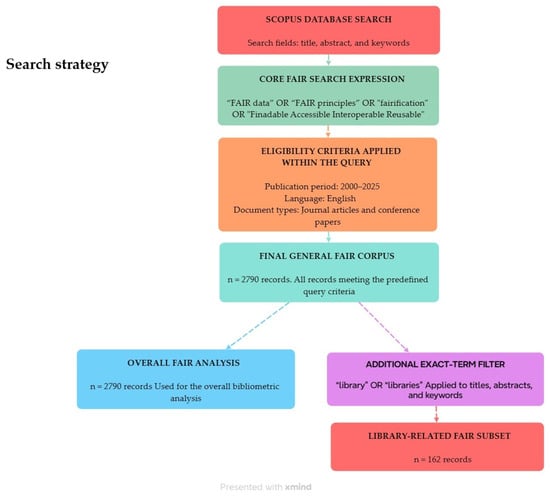
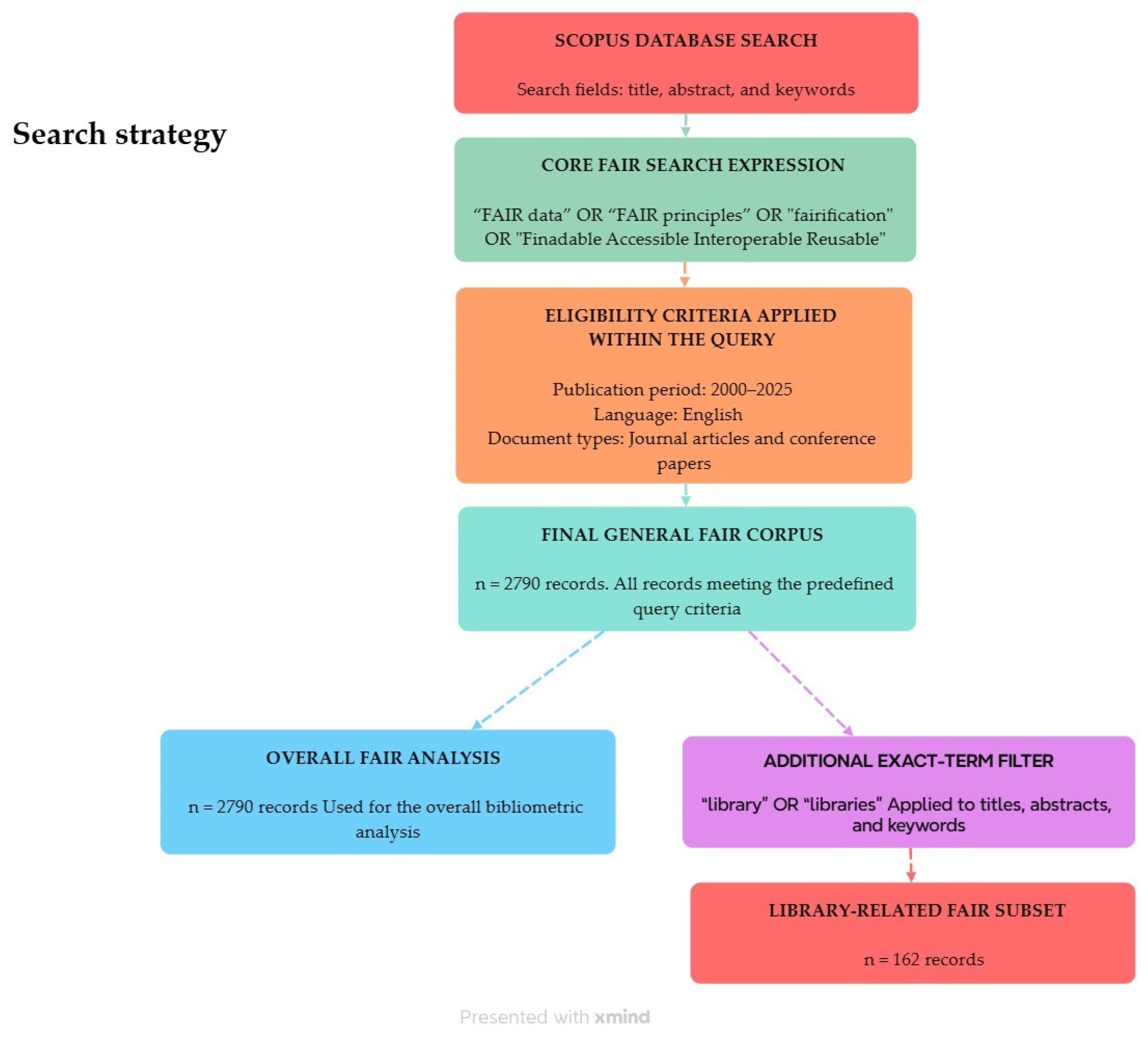
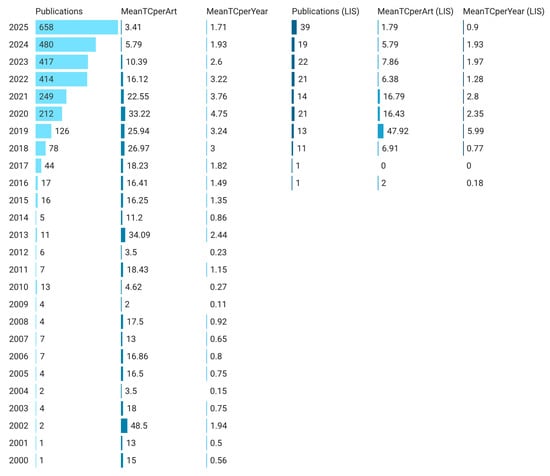
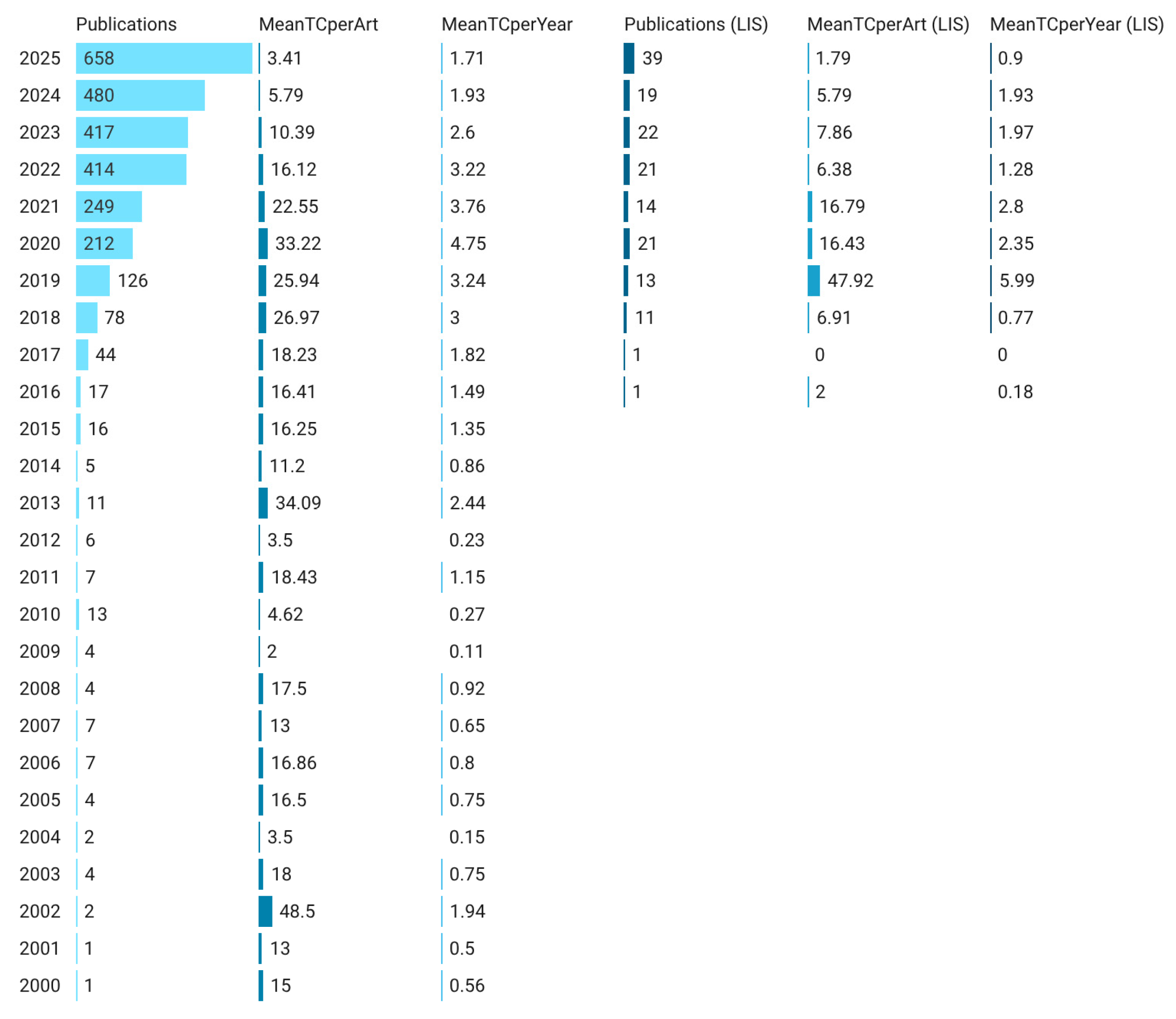
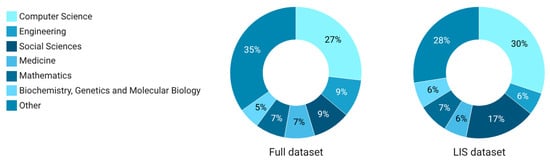
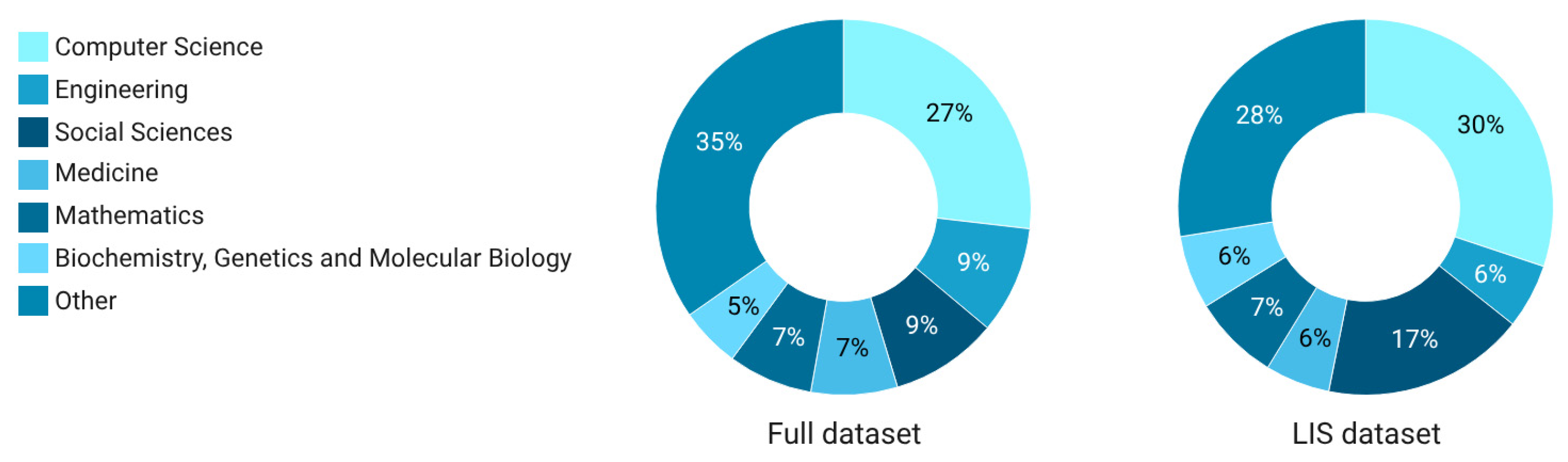
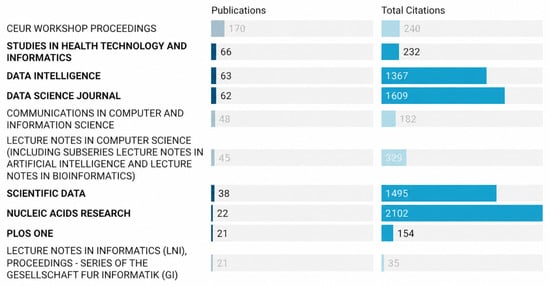
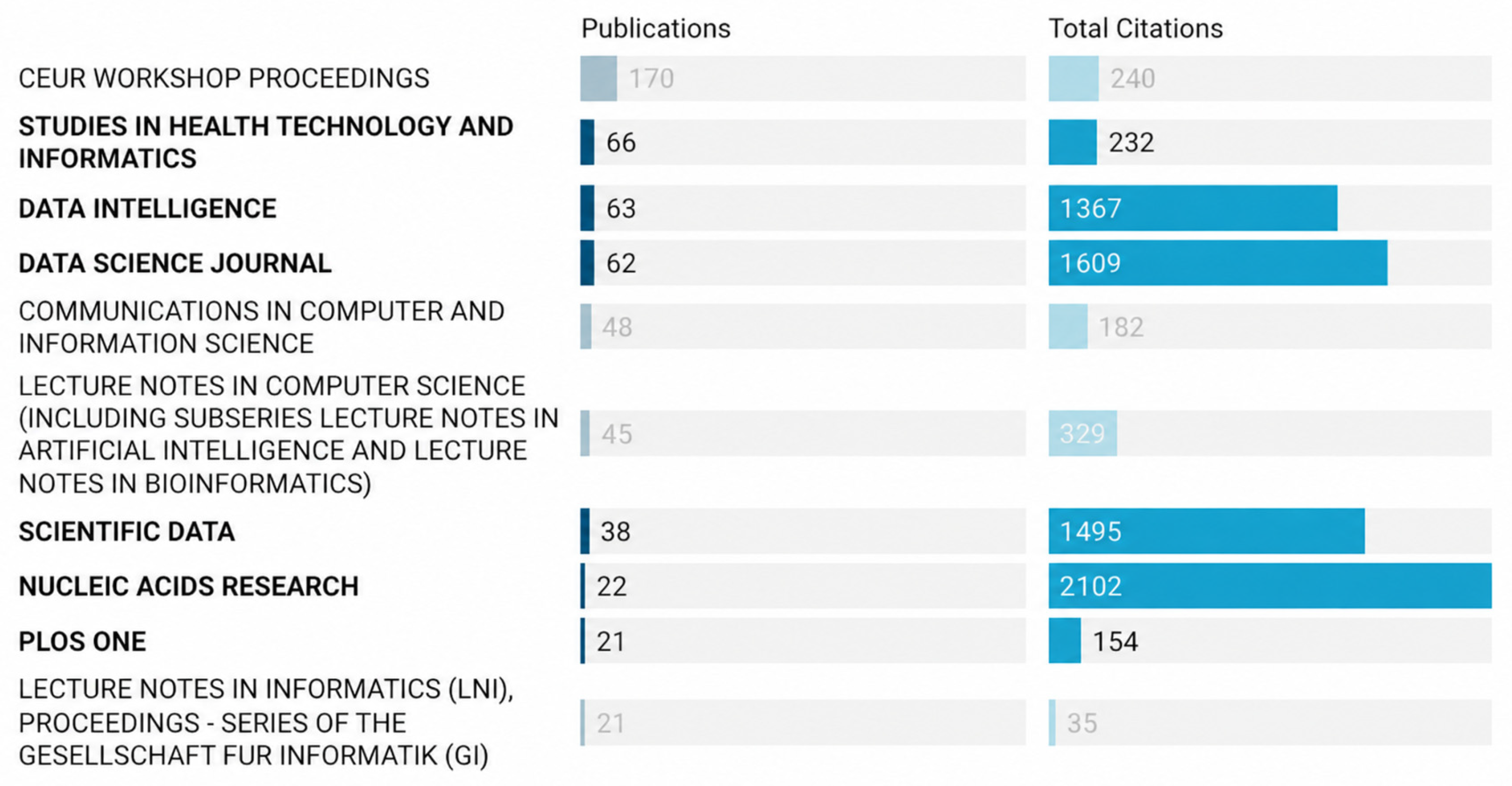
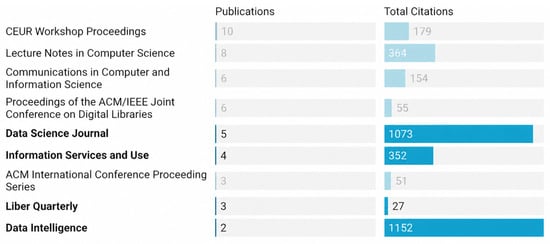
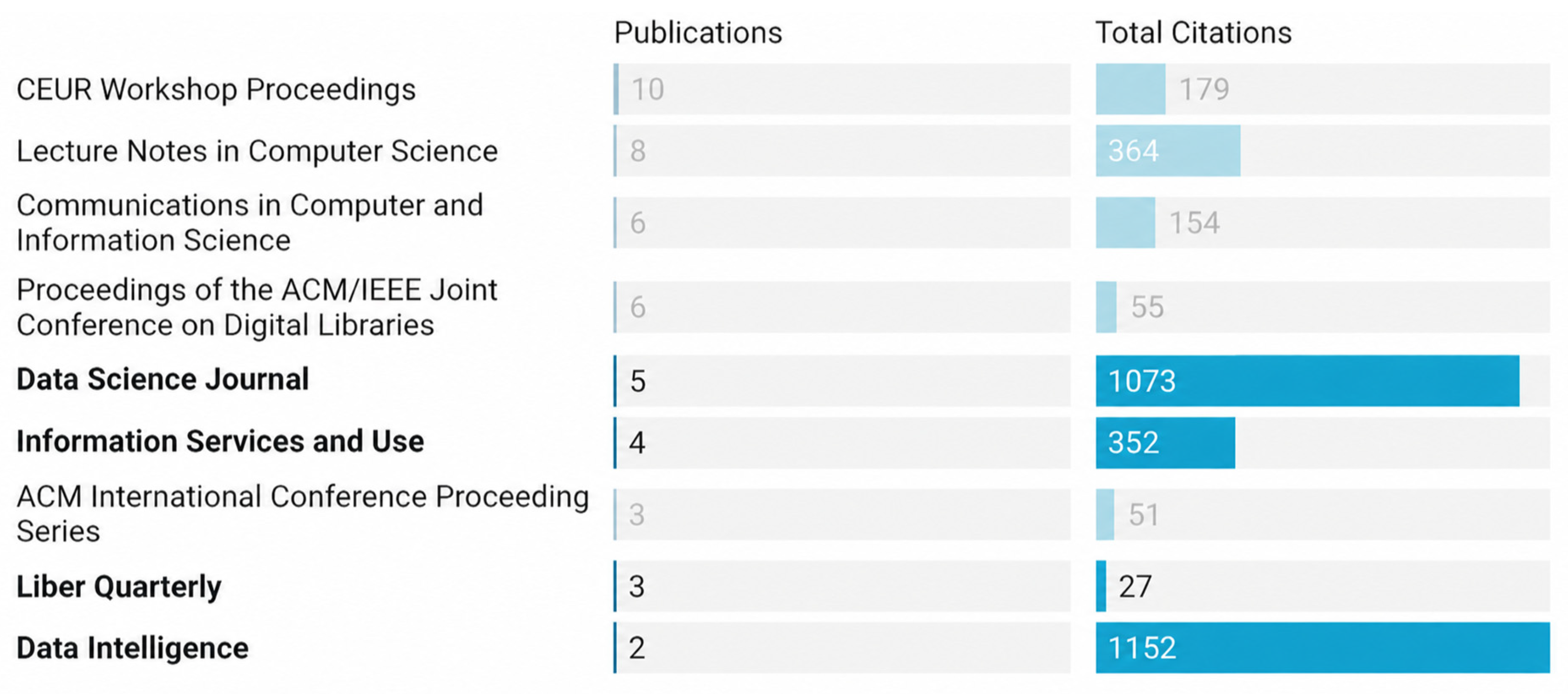
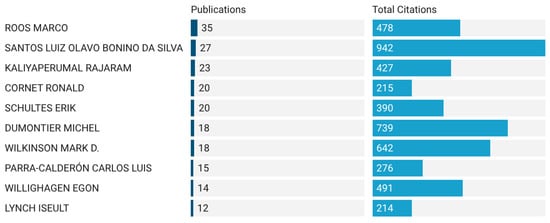
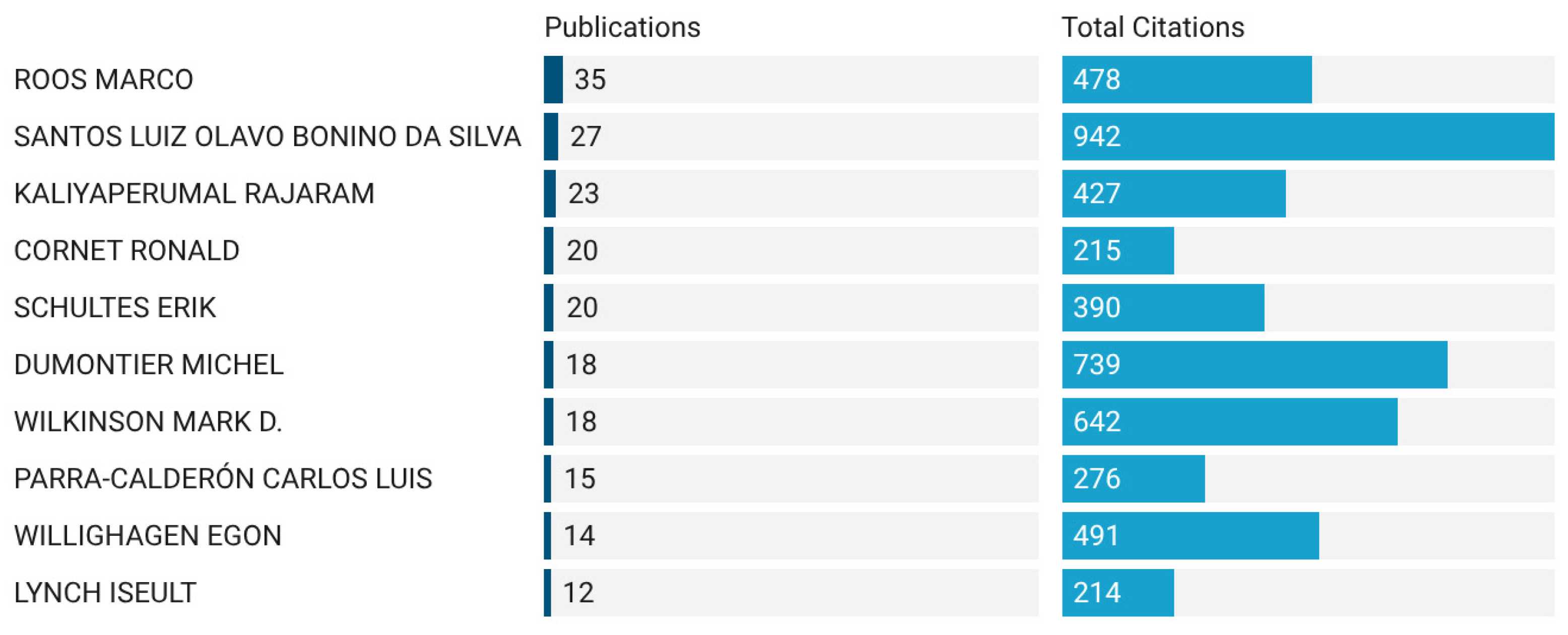
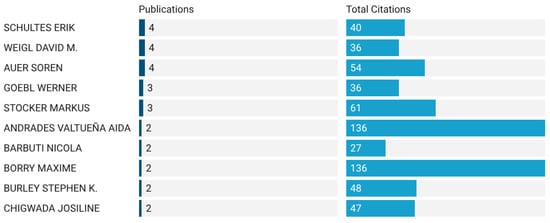
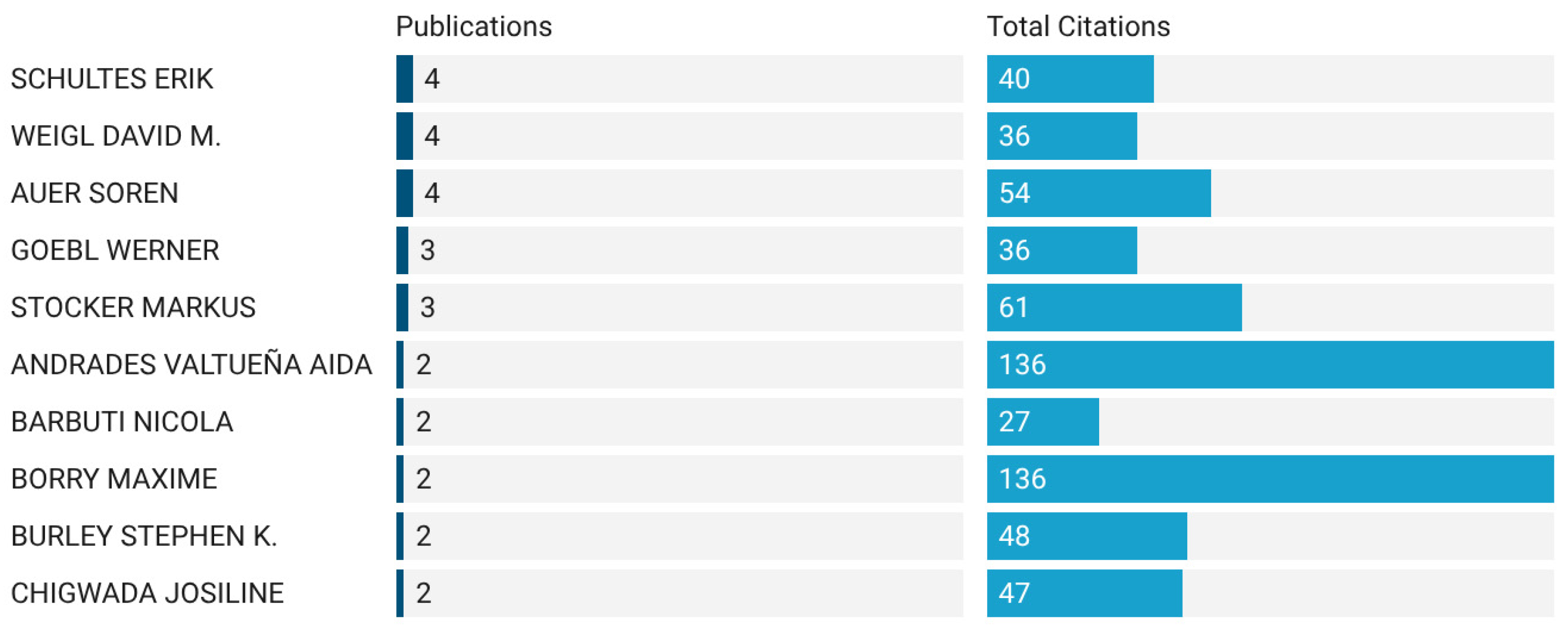
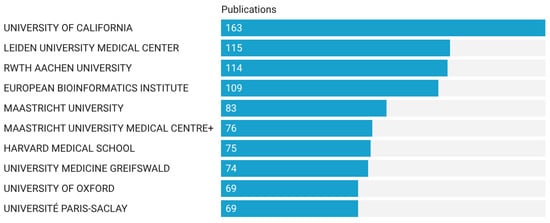
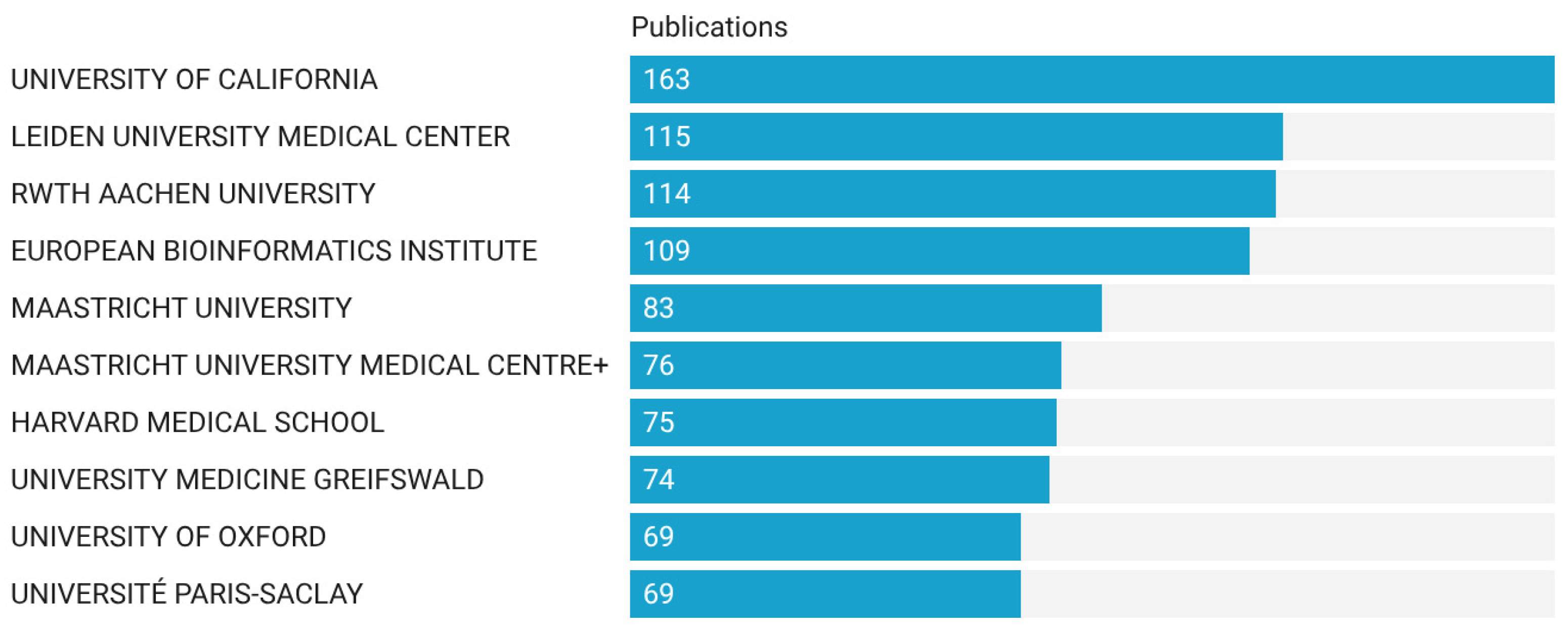
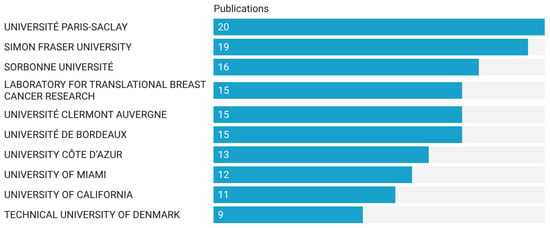
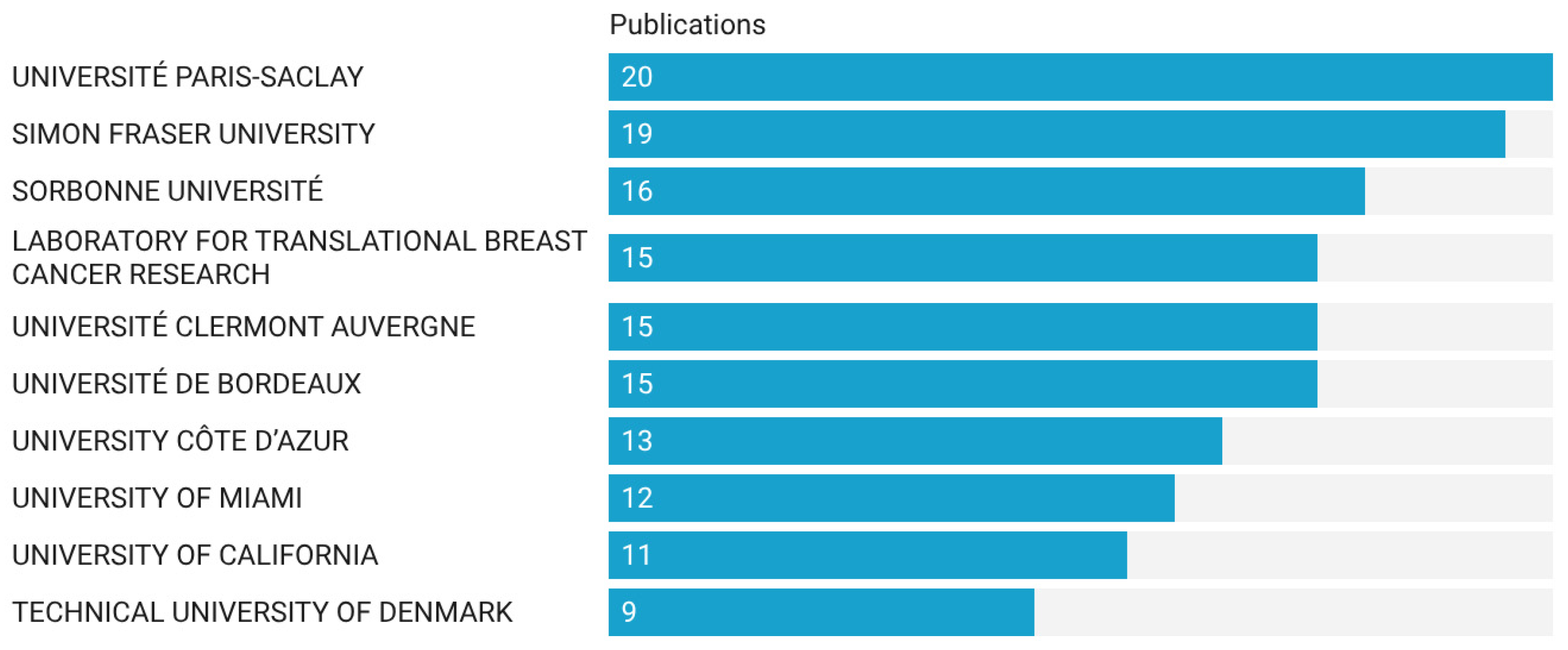
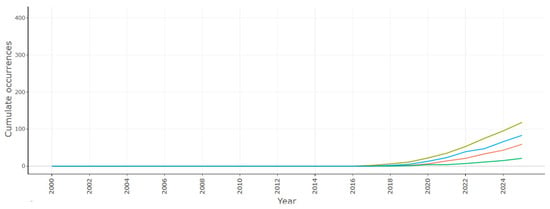
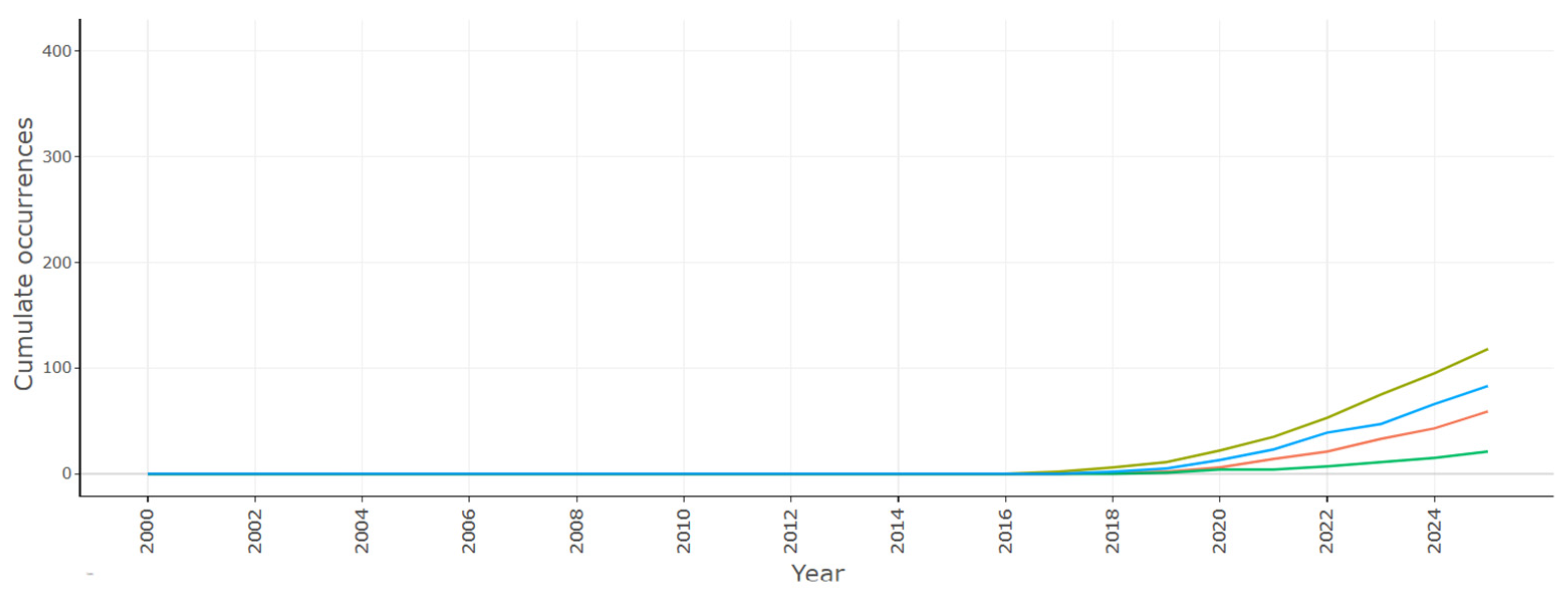
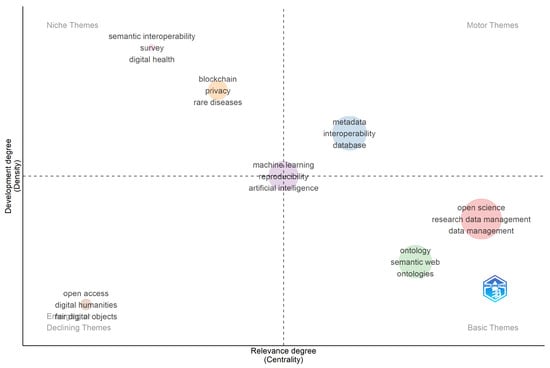
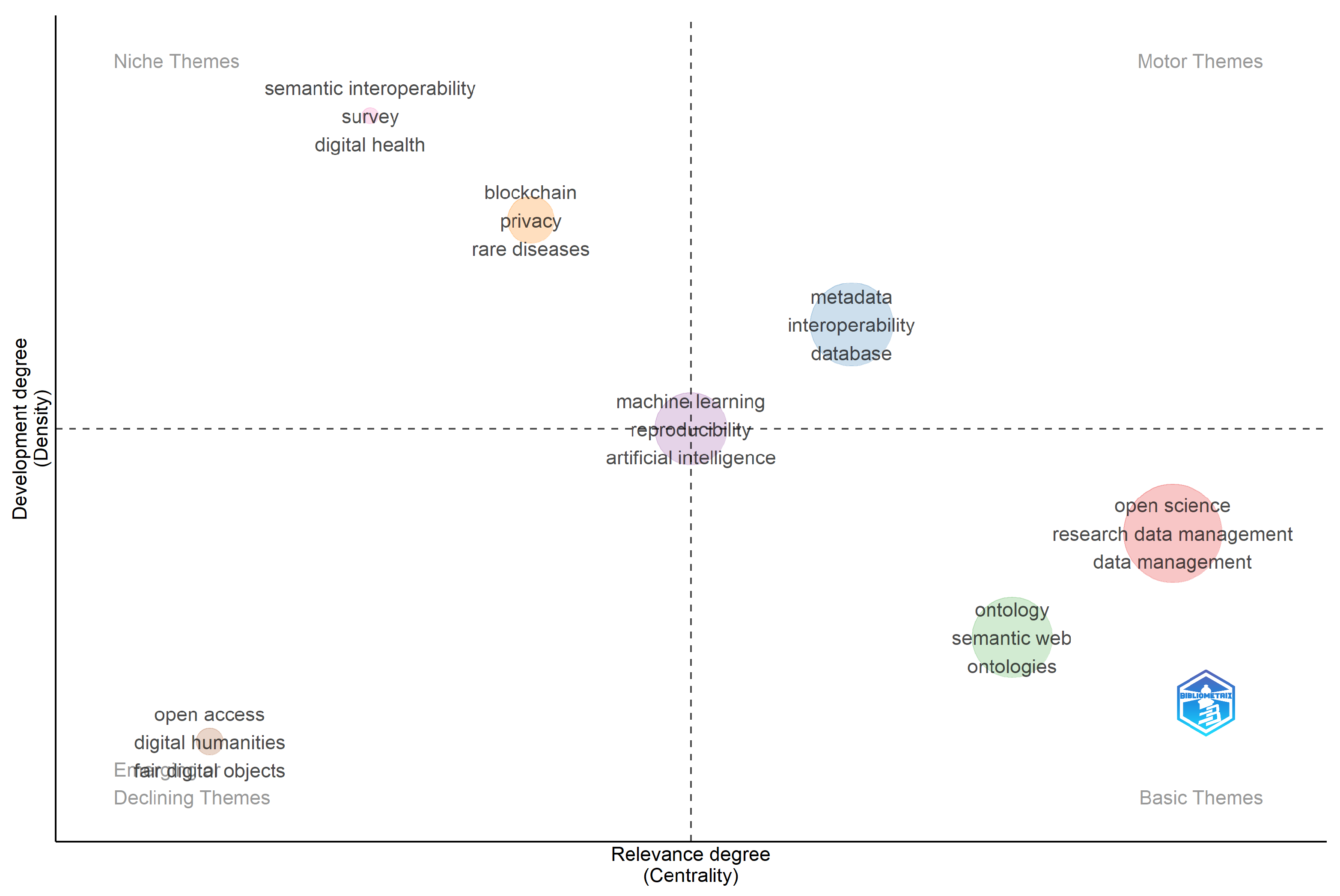
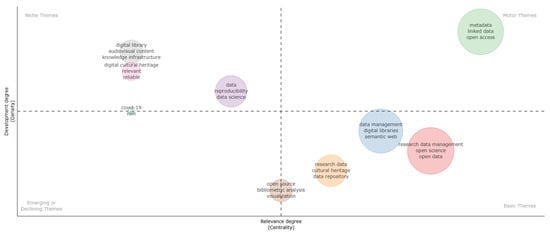
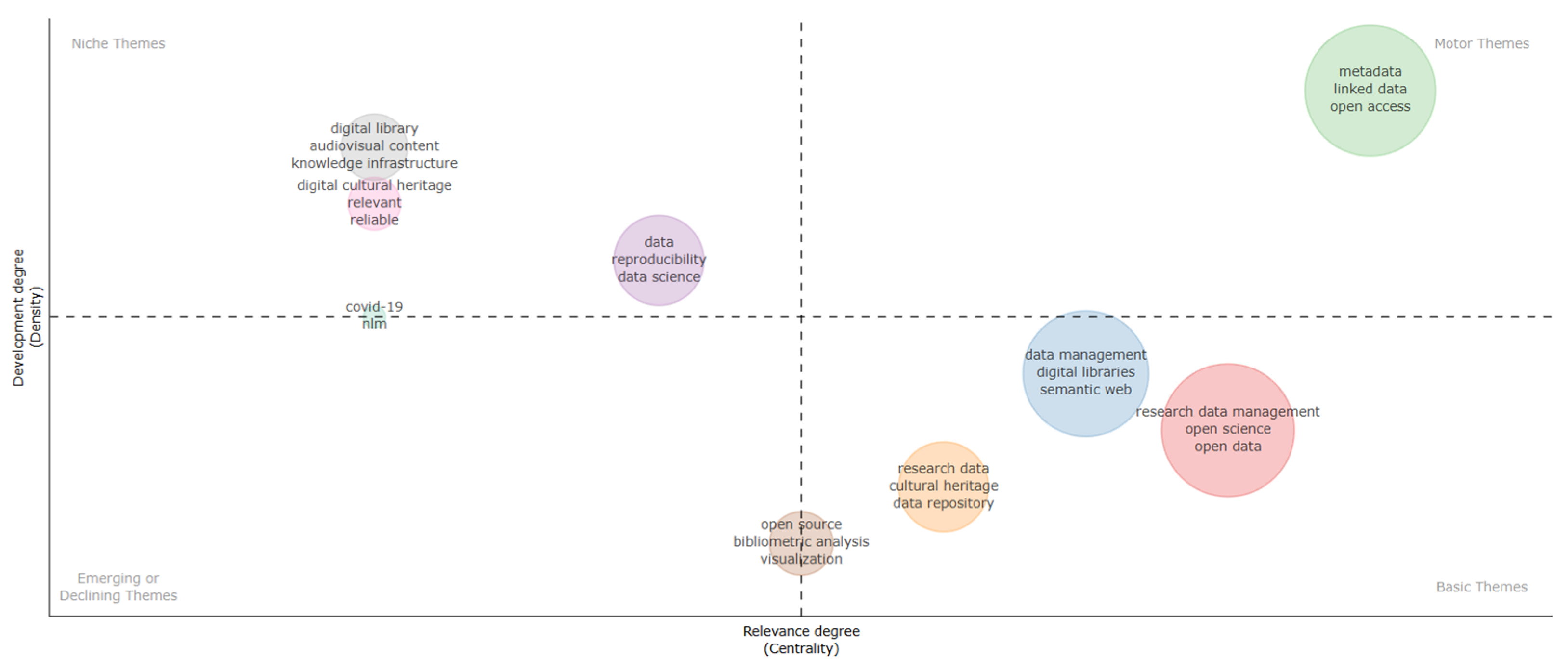
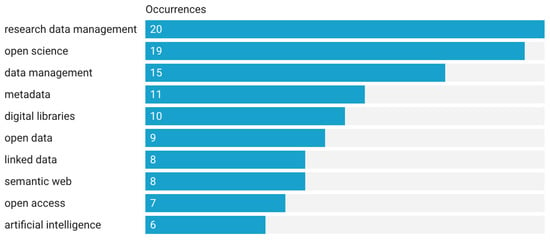
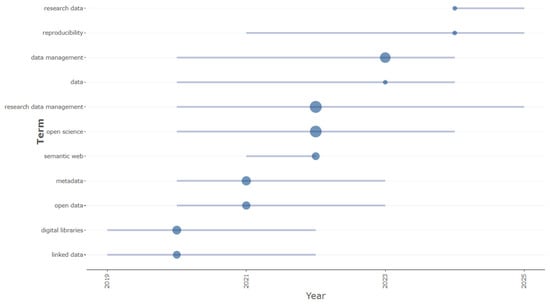
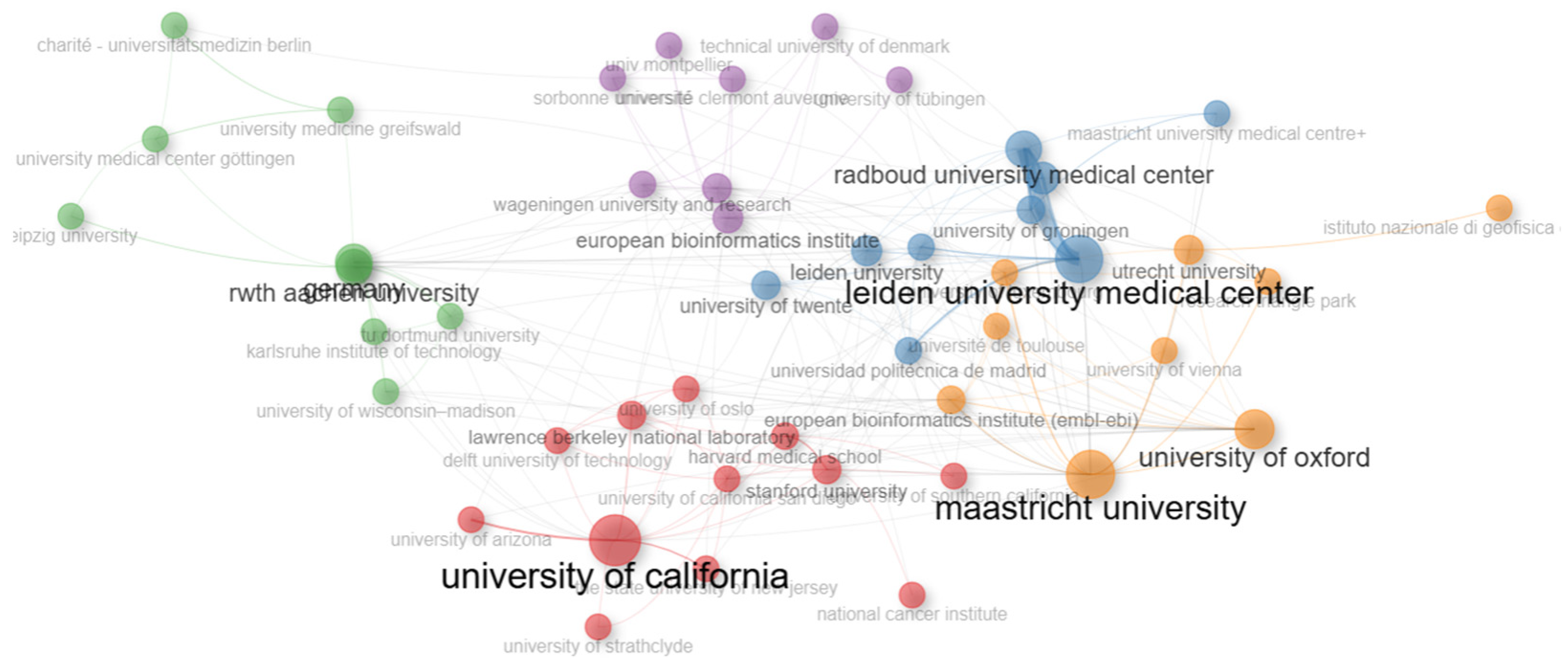
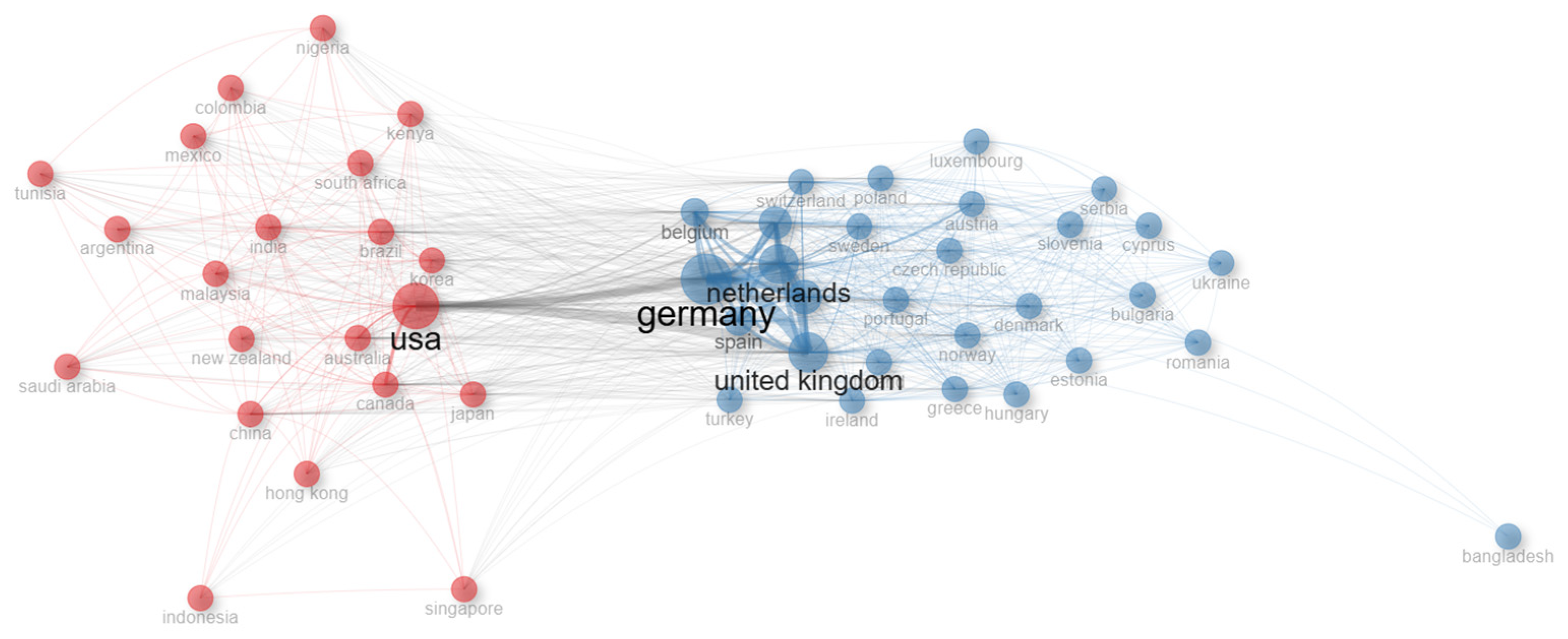
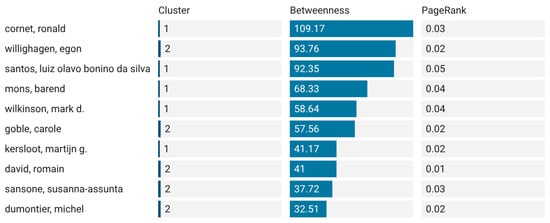
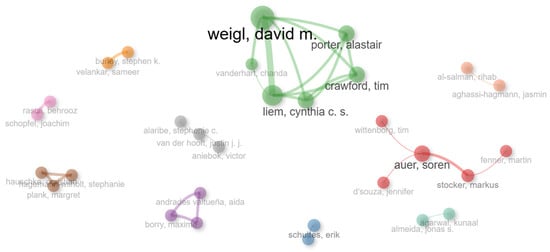
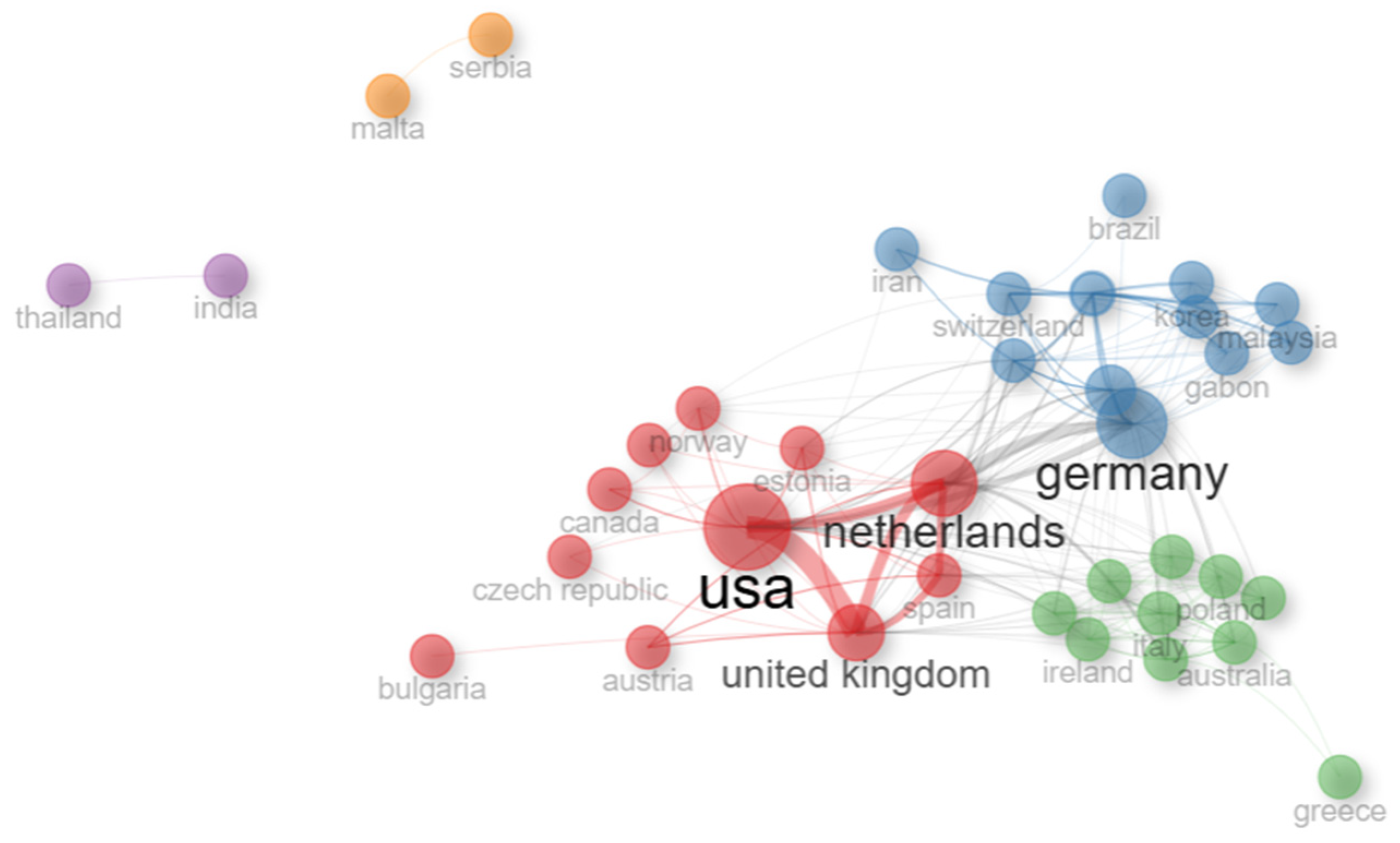

Disclaimer/Publisher’s Note: The statements, opinions and data contained in all publications are solely those of the individual author(s) and contributor(s) and not of MDPI and/or the editor(s). MDPI and/or the editor(s) disclaim responsibility for any injury to people or property resulting from any ideas, methods, instructions or products referred to in the content. |
© 2026 by the authors. Licensee MDPI, Basel, Switzerland. This article is an open access article distributed under the terms and conditions of the Creative Commons Attribution (CC BY) license.