You are currently viewing a new version of our website. To view the old version click .
  • 34 daysTime to First Decision

All Articles (29)

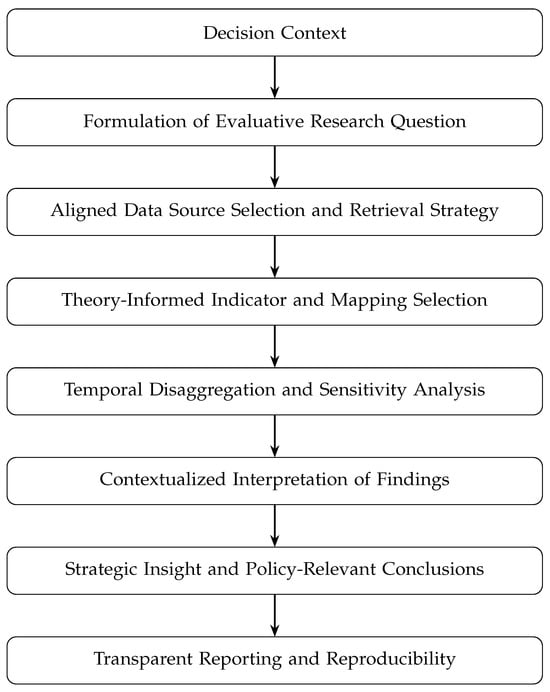
Bibliometric indicators play a key role in assessing research performance at individual, departmental, and institutional levels, influencing both funding allocation, and university rankings. However, despite their widespread use, bibliometrics are often applied indiscriminately and without discrimination, overlooking contextual factors that affect research productivity. This research investigates how gender, academic discipline, institutional location, and academic rank influence bibliometric outcomes within the Greek Higher Education system. A dataset of 2015 faculty profiles from 18 universities and 92 departments was collected and analyzed using data from Google Scholar and Scopus. The findings reveal significant disparities in publication and citation metrics: female researchers, faculty in peripheral institutions, and those in specific disciplines (such as humanities) tend to score lower values across several indicators. These inequalities underscore the risks of applying one-size-fits-all evaluation models in performance-based research funding systems. The paper moves beyond a one-size-fits-all perspective and proposes that bibliometric evaluations should be context-sensitive and grounded in discipline and rank-specific benchmarks. By establishing more refined and realistic expectations for researcher productivity, institutions and policymakers can use bibliometrics as a constructive tool for strategic research planning and fair resource allocation, rather than as a mechanism that reinforces the existing biases. The study also contributes to ongoing international discussions on the responsible use of research metrics in higher education policy.

3 November 2025

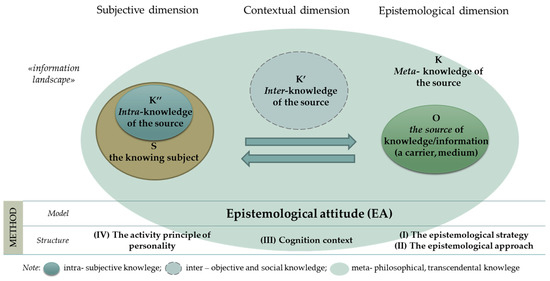
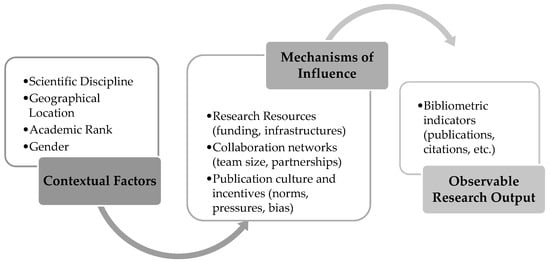
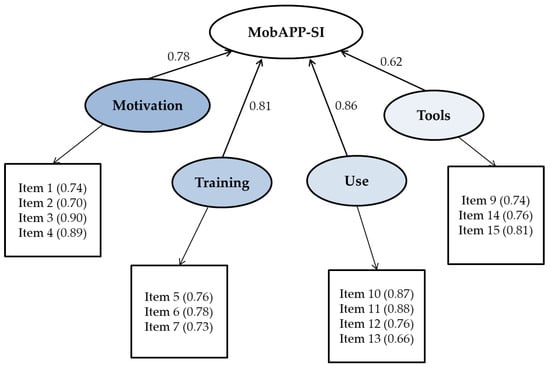
Conceptual framework illustrating how contextual factors influence research output through mediating mechanisms.

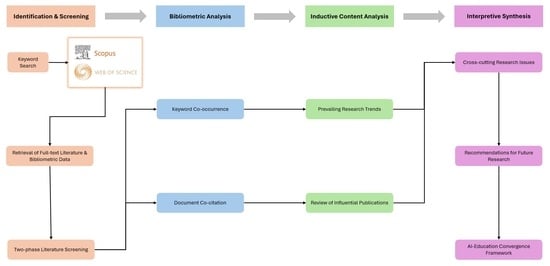
Artificial intelligence (AI) has rapidly permeated education since 2014, propelled by technological innovation and global investment, yet scholarly discourse on contemporary AI-Education intersections remains largely fragmented. The present study addresses this notable gap through a bibliometric-driven and inductive content analysis to inform future research and practice. A total of 317 articles published between 2014 and October 2024 were retrieved from WOSCC and Scopus following the PRISMA protocol. Keyword co-occurrence and co-citation analyses with VOSviewer (version 1.6.20) were employed to visualize the intellectual structures shaping the field, while qualitative inductive content analysis was conducted to address the limitations of bibliometric methods in revealing deeper thematic insights. This dual-method approach identified four thematic clusters and eleven prevailing research trends. Subsequently, through interpretive synthesis, five interrelated research issues were identified: limited congruence between technological and pedagogical affordances, insufficient bottom-up perspectives in AI literacy frameworks, an ambiguous relationship between computational thinking and AI, a lack of explicit interpretation of AI ethics, and limitations of existing professional development frameworks. To address these gaps pragmatically, thirty issue-specific recommendations were consolidated into five overarching themes, culminating in the Integrated AI-Education Convergence Framework. This framework advocates for pedagogy-centric, ethically grounded, and contextually responsive AI integration within interdisciplinary educational research and practice.

3 November 2025

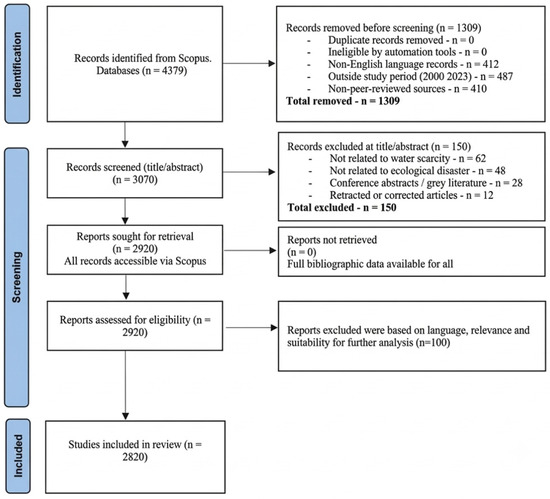
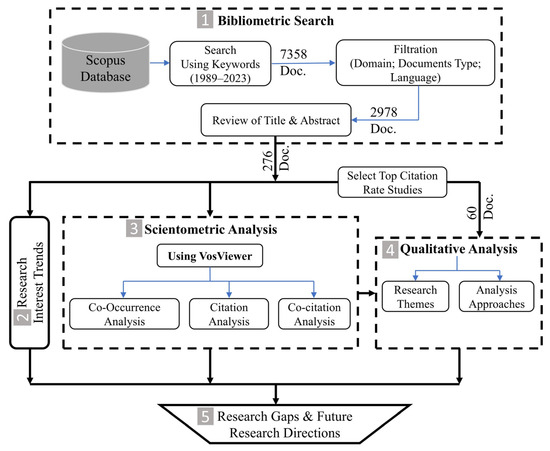
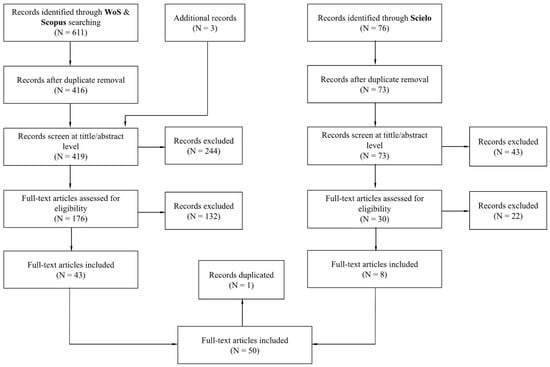
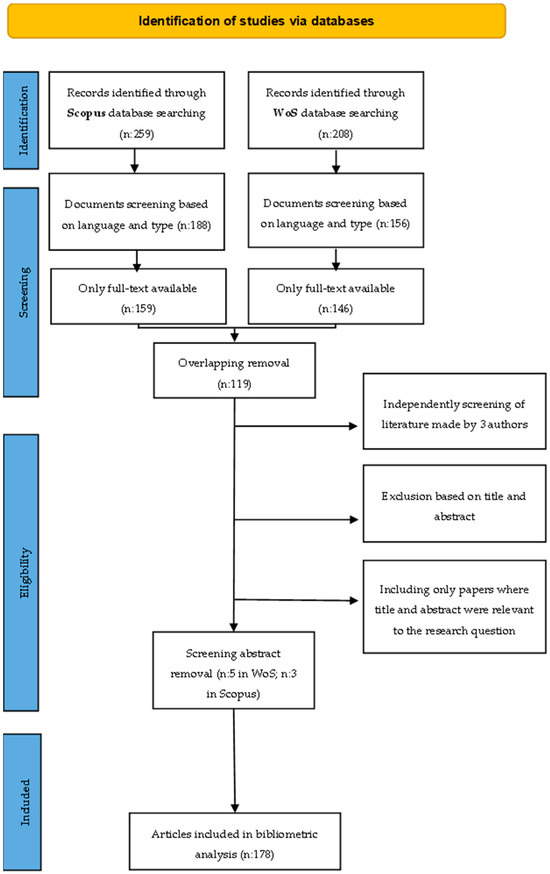
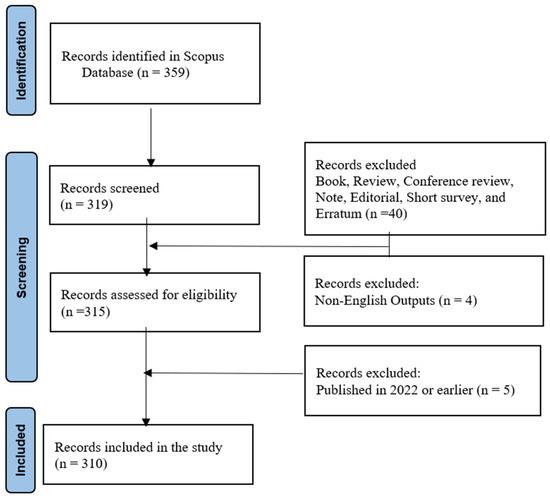
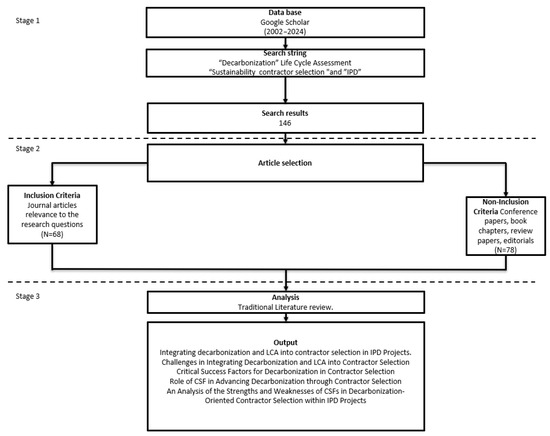
Flow diagram of the review process based on the PRISMA protocol.

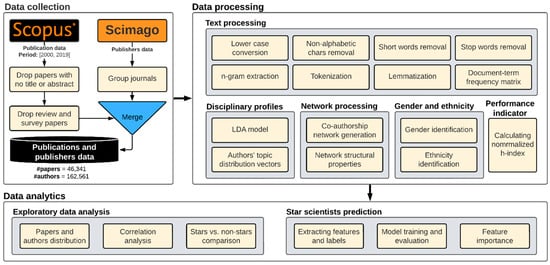
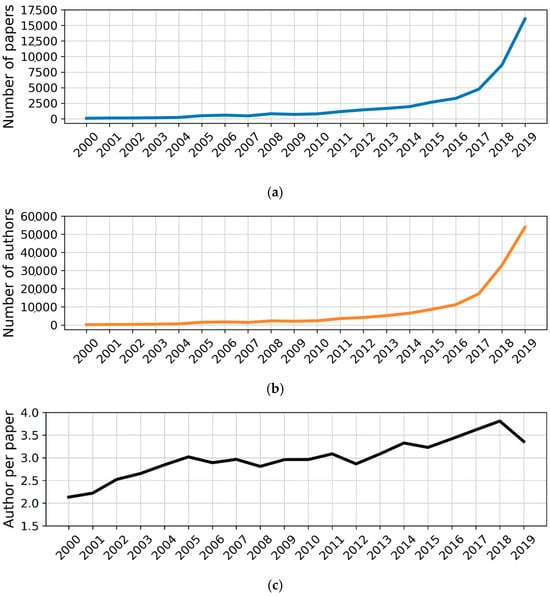
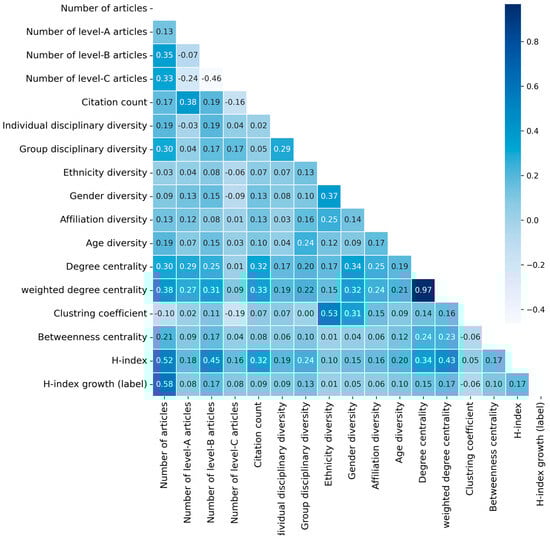
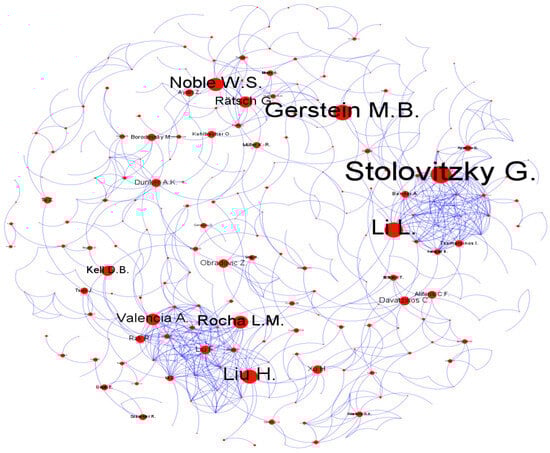
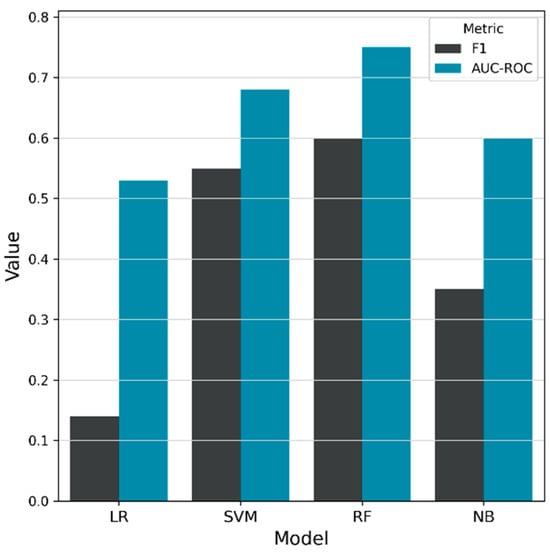
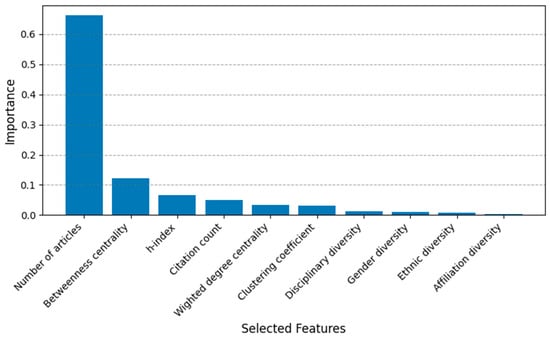
Star scientists are highly influential researchers who have made significant contributions to their field, gained widespread recognition, and often attracted substantial research funding. They are critical for the advancement of science and innovation and significantly influence the transfer of knowledge and technology to industry. Identifying potential star scientists before their performance becomes outstanding is important for recruitment, collaboration, networking, and research funding decisions. This study utilizes machine learning techniques and builds four different classifiers, i.e., random forest, support vector machines, naïve bayes, and logistic regression, to predict star scientists in the field of artificial intelligence while highlighting features related to their success. The analysis is based on publication data collected from Scopus from 2000 to 2019, incorporating a diverse set of features such as gender, ethnic diversity, and collaboration network structural properties. The random forest model achieved the best performance with an AUC of 0.75. Our results confirm that star scientists follow different patterns compared to their non-star counterparts in almost all the early-career features. We found that certain features, such as gender and ethnic diversity, play important roles in scientific collaboration and can significantly impact an author’s career development and success. The most important features in predicting star scientists in the field of artificial intelligence were the number of articles, betweenness centrality, research impact indicators, and weighted degree centrality. Our approach offers valuable insights for researchers, practitioners, and funding agencies interested in identifying and supporting talented researchers.

11 October 2025
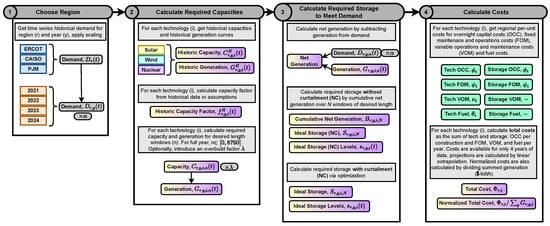
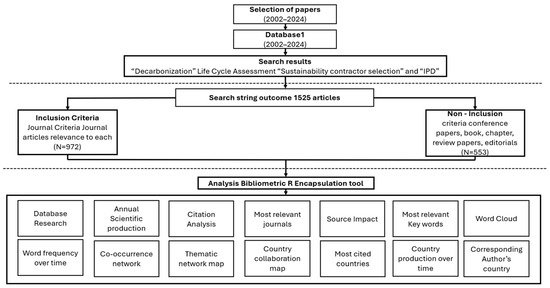
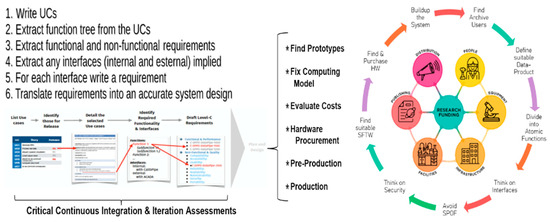
The high-level conceptual flow of the analyses.

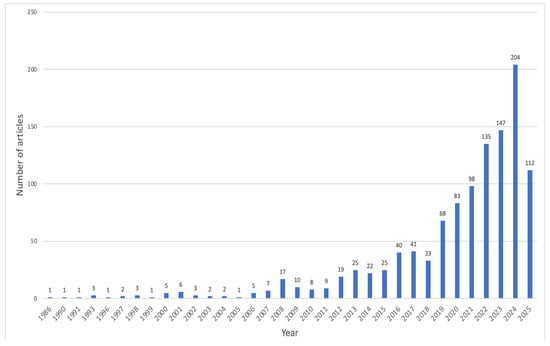
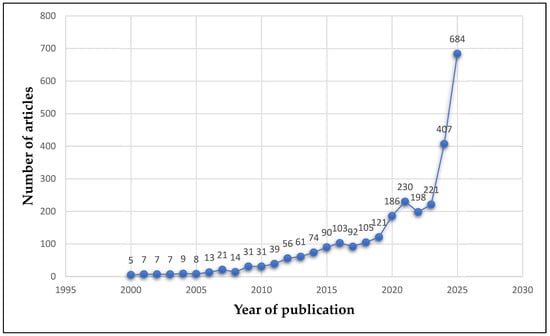
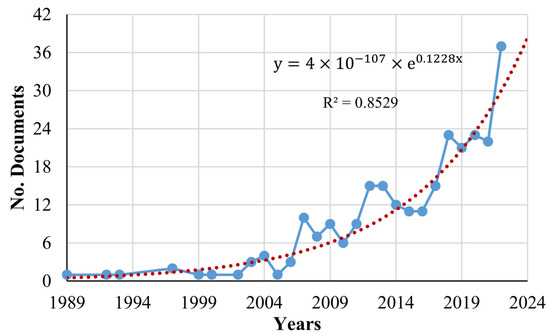
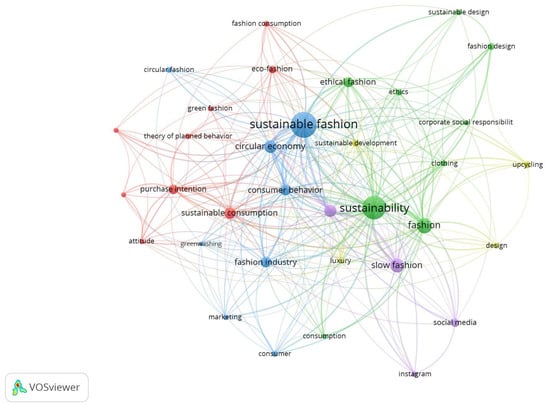
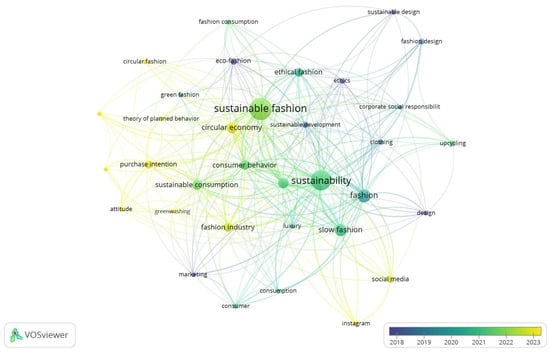
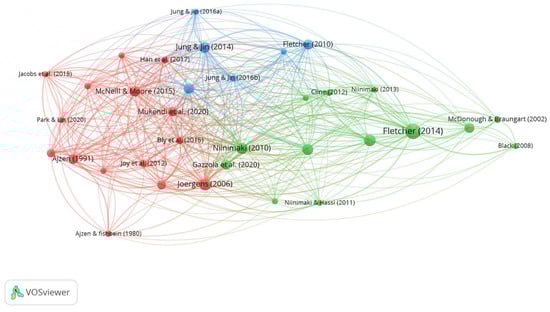
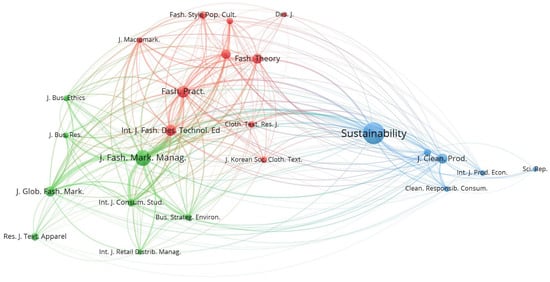
The fashion industry, despite its global economic importance, is a major contributor to environmental degradation and social inequality. In response, sustainable fashion has emerged as a growing movement advocating ethical, ecological, and socially responsible practices. This study presents a comprehensive bibliometric analysis of 1134 peer-reviewed journal articles on sustainable fashion indexed in Scopus from 1986 to 2025. Results show an exponential rise in research output after 2015, with interdisciplinary contributions from social sciences, business, environmental science, and engineering. By applying performance analysis and science mapping techniques, the study identifies five major research themes: “Consumer Behavior,” “Design Ethics,” “Circular Economy,” “Innovation,” and “Digital Media.” The geographic distribution reveals strong outputs from both developed and emerging economies. This study provides an integrative overview of the intellectual landscape of sustainable fashion and serves as a roadmap for researchers, policymakers, and practitioners who are interested in the development of sustainable fashion.

4 October 2025

Numbers of articles on sustainable fashion (1986–2025).

News & Conferences

Issues

Open for Submission

Editor's Choice

Get Alerted

Add your email address to receive forthcoming issues of this journal.

XFacebookLinkedIn
Metrics - ISSN 3042-5042