


Abstract
Offshore wind–hydrogen megaprojects are increasingly recognized as a key pathway towards achieving the UK’s Net Zero targets; however, they face complex and interconnected risks across their lifecycle. This paper presents a systematic review, using peer-reviewed articles, conference papers, and industry reports published between 2000 and 2026 to determine the technical, financial, regulatory, environmental, and socio-technical risks affecting large-scale offshore wind–hydrogen energy systems and approaches to their management. Following the Preferred Reporting Items for Systematic Reviews and Meta-Analyses (PRISMA) framework, this paper examines the risks associated with offshore wind turbines, electrolyzer technologies, offshore hydrogen infrastructure, and subsea assets including hydrogen pipelines, power cables, connectors, manifolds, foundations, and seabed structures, as well as energy and hydrogen storage, looking into compressed or liquid hydrogen storage, underground geological storage where applicable, and battery energy storage. System flexibility risks are also examined, particularly the ability of integrated systems to manage wind intermittency while maintaining stable hydrogen production, financing, regulatory compliance, stakeholder acceptance, and environmental performance. The examination of risks indicates that the key technical risks include electrolyzer degradation, offshore equipment reliability, hydrogen leakage, and system integration challenges. Financial risks include high capital costs, electricity price volatility, uncertain hydrogen demand, cost overruns, and market instability. Regulatory and environmental risks include evolving hydrogen standards, permitting delays, governance uncertainty, marine ecosystem impacts, and climate-related uncertainties, while social risks include public opposition, skills shortages, and health and safety concerns associated with offshore hydrogen activities. The risk management measures that were found include phased project development, long-term purchase agreements, flexible governance, advanced monitoring, comprehensive environmental assessment, stakeholder engagement, and risk sharing among partners. The principal contribution of this paper is a novel lifecycle-based risk taxonomy that classifies the risks and maps their interactions, dependencies, and cascading effects from development to decommissioning. Unlike the other approaches that assess risks in isolation, the developed taxonomy provides an integrated framework for lifecycle-wide assessment and systems-based risk management, supporting improved decision-making, project resilience, and investor confidence.
1. Introduction
The global energy system is undergoing a major transformation, mainly due to the strong need to cut carbon emissions [1]. Concerns about climate change, energy security, and meeting net-zero targets have sped up the search for practical, low-carbon energy solutions. Offshore wind and green hydrogen are seen as key technologies in this shift. When combined, they offer a way to produce large amounts of zero-carbon energy, helping to reduce emissions in sectors where directly using electricity is difficult or too expensive [2]. The United Kingdom is at the forefront of this energy transition. As a global leader in offshore wind, the UK has some of the largest and most advanced offshore wind farms in operation or being built. Its strong wind resources, large maritime areas, existing energy infrastructure, and ambitious policies make it well-placed to combine offshore wind with hydrogen production. This has led to the rise of large-scale offshore wind–hydrogen energy megaprojects. These megaprojects use electricity from offshore wind farms to produce hydrogen through electrolysis, with systems in place for storage, transport, and use [3]. They are highly complex, require large investments, take years to develop, involve many stakeholders, and face uncertainty in engineering, regulations, environment, and markets. Unlike traditional energy projects, offshore wind–hydrogen megaprojects bring together two fast-changing industries, each with its own risks, technology levels, and ways of being managed [4]. Megaprojects often face problems such as budget overruns, delays, failure to meet performance goals, and governance issues [5,6]. Research shows that big infrastructure projects tend to be overly optimistic, sometimes misrepresent facts, make decisions in a fragmented way, and underestimate risks. For offshore wind–hydrogen megaprojects, these problems are even greater because they combine new renewable energy sources with developing hydrogen technology and markets that are not yet mature [7].
Offshore wind–hydrogen megaprojects involve huge investments, often costing several billion pounds. They depend on stable long-term policies and must meet high environmental and social standards [8]. If risks are not managed well, these projects, the national climate goals, and investor trust in hydrogen could all be at risk. On the other hand, effective risk management can accelerate project delivery, reduce costs, and help gain public support. Although research on the risks associated with offshore wind–hydrogen megaprojects is increasing, the literature remains fragmented. Most existing studies address isolated components rather than the integrated system. For instance, technical papers typically examine electrolyzer efficiency [9], hydrogen storage safety, or the reliability of offshore equipment. Policy studies often address permits, subsidies, or regulatory uncertainty [10], while environmental research focuses on marine impacts or lifecycle emissions. Offshore wind and hydrogen are frequently analyzed as separate topics [11], and only a limited number of publications have considered them as a combined socio-technical system [12]. Notably, the few available reviews concentrate exclusively on either offshore wind or hydrogen, without integrating both sectors. This lack of a big-picture view leaves a major gap in knowledge of this subject. Project developers, investors, policymakers, and researchers all need a comprehensive understanding of the risks involved, from the early design stage up to the end of the project. Without a clear way to classify these risks, important connections between wind and hydrogen may go unnoticed, and the spread of risks across different stages and groups may go undetected. For example, if there is uncertainty about who will buy the hydrogen, it can make financing more difficult [13], which in turn affects when and how equipment is purchased. Similarly, delays in getting marine permits can raise costs, increase public opposition [14], and reduce investor trust. Having a joined-up view of risks is especially important in the UK. The country has ambitious policy goals but also faces real challenges, including grid congestion, unclear business models for hydrogen, changing subsidies, competition for seabed space, supply chain problems, and additional environmental checks [8]. People are also worried about impacts on marine life, fisheries, and coastal communities, and the safety of hydrogen systems [15]. While these issues are individually known, there is as yet no full review that brings them all together related to UK offshore wind–hydrogen megaprojects.
This review paper aims to fill that gap by bringing together and evaluating the various risks facing offshore wind–hydrogen megaprojects in the UK. This paper goes beyond looking at risks in isolation by treating them as part of a connected system that includes technical, financial, regulatory, environmental, and social factors. This review also gathers risk mitigation strategies from the literature and organizes them into a clear structure that helps both researchers and decision-makers. This paper supports managing energy megaprojects by bringing together risks from engineering, economics, environmental studies, policy, and social science [16]. It helps us understand how different types of risks interact in complex projects and lays the groundwork for future research and modelling. On the practical side, the risk taxonomy developed in this paper can be used for risk registers, due diligence, investment reviews, and policy-making. The results from risk taxonomy help developers to plan better, financiers to judge risks more accurately, regulators to spot governance issues, and communities to see more clearly how risks are managed [17]. This study comes at a key moment, as countries and investors are putting more money than ever into hydrogen. In the UK, projects in the North Sea, Scottish waters, and industrial areas are making offshore wind–hydrogen systems central to cutting emissions and boosting local economies. But with things moving quickly and many unknowns, it is vital to draw on existing research before making major investments.
The main goal of this review paper is to identify the technical, financial, regulatory, environmental, and socio-technical risks that affect large offshore wind–hydrogen megaprojects at every stage, along with ways to manage them. By bringing together evidence from academic papers, industry reports, and other sources, this review creates a risk taxonomy that covers both individual risks and their interconnections. This review examines large projects that use offshore wind alongside hydrogen production, storage, transport, and use. It focuses on megaprojects, which are big, costly developments with complex engineering, many stakeholders, and national importance. While some international examples are included, the main analysis is based on the UK’s policies, regulations, environment, and markets.
Only a few papers have examined offshore wind and hydrogen as an integrated system and they mostly focused on just one technology, so system-level risks are not well understood; for example, uncertainty about hydrogen offtake markets can make financing more difficult [13], thereby affecting procurement and construction schedules. Delays in marine permitting can also raise costs, increase public opposition [14], and lower investor trust. These examples show that the risks are connected, but the literature often treats them separately. Risk mitigation strategies are rarely discussed alongside risk identification, making them less useful in practice [18] and leaving a major gap, because no comprehensive review currently integrates risks across the combined offshore wind–hydrogen value chain. Many studies list risks but do not suggest ways to address them, while others propose mitigation strategies without linking them to specific risks or project stages. This lack of connection reduces the practical value of the current research for developers, investors, and regulators. Finally, there are few UK-specific studies for offshore wind–H2 megaprojects. While international studies offer useful insights, the UK has a unique context because of its seabed leasing system, grid limits, hydrogen business models, environmental rules, and competition for maritime space. Even though the UK leads in offshore wind and is growing its hydrogen sector, there is no complete review of the risks facing UK offshore wind–hydrogen megaprojects. Previous research has found several technical risks, such as offshore equipment reliability, electrolyzer wear and tear [19], hydrogen leaks, storage problems, weather disruptions, and challenges in integrating systems [20]. The main technical risks identified in this review include electrolyzer degradation and wear, offshore equipment and component reliability, hydrogen leakage, storage-related problems, wind-power variability, and system integration and interoperability challenges. These risks can reduce hydrogen production efficiency, system availability, and overall operational reliability [19].
Financial risks include high upfront costs [21], uncertain income, inflation, changing interest rates, and risks with business partners. Regulatory risks cover changing hydrogen standards [22], delays in getting permits, uncertain subsidies, and inconsistent planning. Environmental risks involve effects on marine life [23], underwater noise, habitat disruption, and emissions over the project’s life. Social risks include community opposition [24], worker shortages, health and safety issues, and unfair impacts. While each risk type has been studied, how they add up and interact is still not well understood.
This paper therefore addresses the identified gaps in the literature and takes a systems approach, seeing risk as something that changes and is connected across many areas. Offshore wind–hydrogen megaprojects are complex systems that operate within broader environmental, institutional, and market contexts. Risks do not exist in isolation; they result from interactions between technologies, people, policies, and nature. This way of thinking aligns with modern ideas about resilience and systems thinking, which emphasize adapting, learning from feedback, and managing uncertainty rather than simply removing risks. The risk taxonomy developed in this paper is intended to provide everyone involved with a shared way to discuss risks. By grouping risks and their management into clear categories, the taxonomy helps engineers, policymakers, investors, environmental experts, and community members communicate more effectively. It also makes it easier to compare different projects and can be used as a basis for future decision-making tools and risk assessments. Beyond its academic value, this study is important for the UK’s industrial and energy policy. Successfully rolling out offshore wind–hydrogen megaprojects could boost energy independence, create high-quality jobs, grow supply chains, and help the UK lead in clean energy exports. But these benefits rely on actively identifying and managing project risks [25]. Understanding the many types of risk is key to turning new technology into a real business and social success. Achieving net zero is not just about technology, it is also about handling complexity.
Offshore wind–hydrogen megaprojects show both the promise and the challenges of the net zero shift. They offer a vision of plentiful renewable energy converted into flexible, zero-carbon fuel, but they also require new levels of coordination among technical systems, institutions, markets, and communities. By reviewing the literature and building a risk taxonomy, this study aims to lay a strong foundation for better offshore wind–hydrogen megaprojects design, smarter policy, and more confident investment [26]. In doing so, it adds to the growing understanding that decarbonization infrastructure is not just about engineering, but about managing complex systems. The findings are meant to help the UK deploy these projects responsibly and to offer insights for other countries working toward a low-carbon future.
2. Methodology
2.1. The Qualitative, Configurative Systematic Literature Review
This study used a qualitative, configurative systematic literature review (SLR) to identify, assess, and synthesize the evidence on risks associated with offshore wind–hydrogen megaprojects in the United Kingdom. This review followed the PRISMA Statement [27] and the PRISMA-P protocol extension [28] to ensure a transparent, repeatable, and methodologically sound process across the search, screening, and synthesis steps.
A configurative SLR was chosen to help interpret, combine, and organize different types of evidence, including technical, economic, environmental, regulatory, and socio-technical and political factors, into a clear risk taxonomy [29]. This method matches the thematic and narrative synthesis with the traditions of approaches often used in research infrastructure and energy systems.
The SLR process involved four stages, as follows:
- Identification—Relevant studies were retrieved from selected bibliographic databases.
- Screening—Duplicate records were removed, and titles and abstracts were reviewed.
- Eligibility Assessment—Full-text articles were assessed against predefined inclusion criteria.
- Inclusion—Studies meeting all criteria were retained for the qualitative synthesis.
The study selection process followed the PRISMA 2020 guidelines and is presented in Figure 1. A total of 459 records were identified through database searches, comprising 108 records from ScienceDirect, 240 records from Scopus, and 111 records from IEEE Xplore. Following the removal of 51 duplicate records, 408 records were screened, of which 342 were excluded based on the predefined inclusion criteria. The remaining 66 reports were retrieved and assessed for eligibility. Following full-text assessment, 12 articles were excluded due to insufficient discussion of risks (n = 6), being conceptual or non-evidence-based studies (n = 4), or lacking relevance to UK offshore wind–hydrogen megaprojects (n = 2). Consequently, 54 studies met the eligibility criteria and were included in the systematic review, as illustrated in Figure 1.
Figure 1.
PRISMA Flow chart diagram of review process.
Table 1 summarizes the 54 studies included in this systematic review, highlighting their project focus, research methods, and risk categories, the key risks identified, the associated impacts or consequences, and the mitigation measures proposed for offshore wind–hydrogen energy megaprojects. The studies collectively cover technical, operational, financial, environmental, socio-technical, safety, and integrated risk dimensions across the offshore wind–hydrogen value chain. This review was conducted and reported in accordance with the PRISMA guidelines; the completed PRISMA checklist is provided in the Supplementary Materials.
Table 1.
Summary of studies included in this systematic review, the key risks identified, and mitigation measures.
Table 1 summarises the 54 studies included in the systematic review, highlighting their project focus, research methods, risk categories, key risks identified, associated impacts or consequences, and the mitigation measures proposed for offshore wind–hydrogen energy megaprojects. The studies collectively cover technical, operational, financial, regulatory, environmental, social, safety, and integrated risk dimensions across the offshore wind–hydrogen value chain.
2.2. Developing a Risk Taxonomy
Firstly, findings from the undertaken SLR were combined to create an integrated list of risks for offshore wind–hydrogen megaprojects. These risks were then grouped into the following categories:
- Technical and operational risks;
- Financial and market risks;
- Regulatory and policy risks;
- Supply chain and infrastructure risks;
- Environmental and climate risks;
- Social and stakeholder risks.
Figure 2 presents the integrated risk taxonomy, showing the six principal risk categories identified through the systematic literature review and their cascading interactions. Risks in offshore wind–hydrogen megaprojects are interconnected, with disruptions in one category potentially triggering downstream effects that influence project cost, schedule, performance, and stakeholder outcomes.
Figure 2.
Integrated risk taxonomy and cascading effects.
3. Systematic Literature Review
3.1. Technical Review of the Technologies Used Within Integrated Wind–Hydrogen Energy Systems
3.1.1. Technical Review of the Electrolyzer Technologies
Selecting the right electrolyzer technology is crucial for offshore wind–hydrogen projects, as it affects efficiency, costs, flexibility, and durability [30]. The main types are alkaline water electrolyzers (AWE), proton exchange membrane (PEM), and solid oxide electrolyzer cells (SOEC). Each type has its own pros, cons, and readiness level, which affect technical risks in offshore environments [31]. The Technology Readiness Level (TRL) framework is used to assess the maturity of electrolyzer technologies. As of 2024, alkaline electrolyzers have reached TRL 8–9, indicating that they are commercially mature, have reliable supply chains, and have proven themselves over many hours of operation [32]. Proton exchange membrane (PEM) electrolyzers are at TRL 7–8, showing they are in advanced testing and early commercial use, with more pilot projects appearing worldwide. Solid oxide electrolysis cells (SOEC) are at TRL 5–6, meaning they are still in early research and development stages, with limited commercial use, but they offer promising theoretical efficiency [33]. The maturity of electrolyzer technology affects its offshore performance and the risks involved. Alkaline electrolyzers are less expensive ($600–800/kW) and reliable, but they take 15–30 min to adjust to changes in wind power. This slow response makes them less ideal for offshore sites where wind conditions change often [84]. PEM electrolyzers are more expensive ($1200–1500/kW), but they can react in just 1–5 s. This rapid response helps manage wind power fluctuations and meet grid demand. As a result, PEM electrolyzers are becoming more common offshore, despite their higher cost [85].
Alkaline Electrolyzer Technology Review
Alkaline water electrolyzers use potassium hydroxide (KOH) as an electrolyte and run at 60 to 80 °C. They are the most widely used water electrolysis technology, with over forty years of industrial use [86]. Modern alkaline electrolyzers reach electrical-to-hydrogen conversion efficiencies of 60–75%. Recent improvements have pushed theoretical efficiency to about 80% in ideal conditions [87]. Alkaline technology stands out for its low cost and well-developed supply chain. In 2024, capital costs for large alkaline systems dropped to $600–800 per kW, much lower than the $2000 or more per kW for newer technologies [88]. Stack lifetimes are reliably documented at 60,000–90,000 h, or about 7–10 years of continuous use, which helps reduce financial uncertainty when planning projects [89].
Even though alkaline electrolyzers are mature, they have technical drawbacks for offshore wind projects due to their limited flexibility. It takes 15–30 min for them to ramp up, which makes it hard to match the changing output of offshore wind [90]. This means operators must either run them continuously at lower efficiency, invest in expensive energy storage, or accept that some wind power will go unused. Alkaline electrolyzers also consume much more energy at lower loads (20–30% of rated capacity), which harms project economics during periods of variable wind [91]. Alkaline technology cannot respond quickly to changes in power, which does not fit well with the fast-changing output of offshore wind, where power levels can shift in minutes or hours [92]. This mismatch increases operating costs and lowers hydrogen production efficiency in offshore settings.
Proton Exchange Membrane (PEM) Electrolyzers Review
PEM electrolyzers use perfluorinated sulfonic acid (Nafion) or similar membranes and operate at 40–80 °C. They are now the preferred choice for renewable energy because they respond quickly to power changes and maintain high efficiency across different loads [93]. These systems can respond to power variations in 1–5 s, making them well-suited to the changing output of offshore wind [94]. Modern PEM electrolyzers reach electrical-to-hydrogen conversion efficiencies of 70–85%, and the best demonstrations have achieved 85–87% in ideal conditions [32]. They can operate at current densities above 2 A/cm2, enabling compact designs, which are important for offshore platforms with limited space [95]. A major advantage of PEM technology offshore is its fast frequency response and ability to follow changing loads, while maintaining high efficiency across 10% to 100% of its range [30]. This flexibility helps it to better utilize wind power and reduces losses when resources vary.
However, PEM technology has three main challenges for offshore use: cost, durability, and material supply.
Capital Cost Premium: PEM electrolyzer capital costs of $1200–1500/kW represent 100–150% premiums over alkaline systems [96]. For a 100 MW offshore hydrogen production facility, this translates to additional capital investment of $60–70 million, significantly impacting project economics and financing requirements [97].
Stack Durability: PEM stacks last 30,000–50,000 h, or about 3–5 years of continuous use, which is much shorter than alkaline stacks [85]. This means stacks need to be replaced more often, which is especially costly and difficult offshore, where maintenance is expensive and weather dependent [92]. Electrolyzer wear and degradation can reduce hydrogen production efficiency and operational reliability over time, while increasing maintenance, replacement requirements, and potential downtime. These effects are particularly significant offshore because maintenance and replacement activities are costly and dependent on suitable weather conditions [92].
Precious Metal Catalyst Dependency: PEM electrolyzers rely on iridium-based oxygen evolution reaction (OER) catalysts, with typical iridium loadings of 10–15 mg/cm2 of electrolyzer cell area. For a 100 MW electrolyzer system, this represents hundreds of kilograms of iridium, creating substantial material supply chain risks and cost vulnerabilities [98]. Recent developments in iridium reduction strategies, such as the epitaxial coating of IrO2 on SnO2 nanoparticles, have achieved active catalysts with iridium contents as low as 7 atomic %, demonstrating potential for a 40–50% iridium reduction, but these advanced catalysts remain at TRL 5–6 and require further validation [99]. Degradation of the ionomer membrane in PEM systems is another durability concern. Running these systems in acidic water at high temperatures and current densities can break down the membrane, especially during frequent starts and stops or with high current use, which are common with renewable energy [100]. Lab tests show membrane degradation rates of 10–20 µV/h, but there is little long-term field data from offshore use [53].
Solid Oxide Electrolysis Cells (SOEC) Review
Solid oxide electrolysis cells (SOECs) work at 700–900 °C by splitting water vapor at high temperatures. They can theoretically reach electrical-to-hydrogen conversion efficiencies of 75–90%, which is much higher than low-temperature systems [84]. This high efficiency comes from thermodynamic and kinetic advantages at these temperatures. SOECs also produce hydrogen and oxygen simultaneously, so the oxygen can be used for industrial purposes or for oxygen-enriched combustion [33]. SOEC technology has made big strides recently. Stack performance has doubled over the last 10 years, and long-term durability has improved by about 100 times thanks to improvements in materials and operating methods [84]. Several multi-megawatt demonstration plants are now under construction or in operation, demonstrating real progress toward commercial use [33].
However, SOEC technology presents significant technical risks for near-term offshore deployment.
SOEC technology is still in the early commercial stage, at TRL 5–6. Most experience comes from research and pilot projects. There is little infrastructure for large-scale deployment, supply chains for key materials are not yet mature, and there is no long-term performance data from real offshore conditions [101]. SOEC systems require a steady heat supply of 700–900 °C to operate efficiently, so they must be paired with heat sources or thermal storage. For offshore wind, this adds complexity and can lower efficiency unless the system is combined with heat and power generation [33]. When wind conditions change, and the system starts or stops, thermal losses further reduce hydrogen production efficiency [102].
SOEC stacks degrade at rates of 1–3% per thousand hours in long-term tests, though some newer systems report rates below 0.5% per thousand hours [103]. These rates, caused by issues such as oxygen electrode sintering and nickel cathode cycling, are still much higher than those observed in mature alkaline and PEM technologies [32]. SOEC systems require specialized materials, such as yttria-stabilized zirconia (YSZ) for electrolytes, lanthanum strontium manganite (LSM) for oxygen electrodes, and unique sealants. The supply chains for these materials at large scales are not yet developed, which creates risks and cost uncertainties [98].
Anion Exchange Membrane (AEM) Electrolyzers Review
AEM technology offers several technical advantages that are especially useful for offshore projects:
Reduced Precious Metal Dependence: AEM cathodes can use non-noble-metal catalysts, such as nickel, cobalt, or iron-based materials, substantially reducing material costs and supply chain risks compared to PEM’s iridium requirements [100]. AEM electrolyzers have better dynamic response times (10–20 s) than alkaline systems and maintain higher efficiency at partial load compared to traditional alkaline designs [104]. Recent tests show that AEM systems can operate on desalinated seawater, reducing the need for freshwater in offshore settings [104].
However, AEM technology is still at TRL 5-7 and lacks long-term data from commercial-scale systems [104]. As shown in Table 2, membrane stability under alkaline conditions remains a problem, with typical ionic conductivity losses of 10–15% per 1000 h in 5 M KOH at 80 °C [104]. There are also challenges in scaling up and a shortage of integrated components for industrial use, which are major barriers to deployment [100].
Table 2.
Summary of the main differences between these technologies.
3.1.2. Technical Review of Seawater Electrolysis
Seawater Sensitivity: Preliminary research indicates that SOEC systems are exceptionally vulnerable to seawater. Early research indicates that SOEC systems are highly sensitive to salt contamination. Even small amounts of chloride or other seawater components can accelerate the breakdown of cell materials, especially the barium-glass-based sealants in SOEC stacks [106]. This makes it very hard to use seawater for SOEC-based offshore hydrogen production unless costly desalination is undertaken first. Anion Exchange Membrane (AEM) water electrolyzers represent an emerging alternative, combining the advantages of both alkaline and PEM technologies. Operating in alkaline media (pH 10–14) with anion-selective membranes rather than proton exchange, AEM electrolyzers achieve conversion efficiencies of 70–82% while maintaining reasonable capital costs ($1000–1200/kW) [32].
3.1.3. Technical Review of the Offshore Hydrogen Transport
Hydrogen that is produced offshore needs to be brought to shore for storage, distribution, and use. Two main ways to transport hydrogen have been studied: pipelines and specialized ships [107]. Both options come with their own technical, economic, and operational challenges. Pipelines make it simple and cost-effective to move large amounts of hydrogen over moderate distances [108]. Current natural gas pipelines cannot be used for hydrogen without major changes to materials, corrosion protection, and regulatory approval [109]. Plans for a long-distance hydrogen network in Europe would require connecting to existing oil and gas systems, which would need a lot of investment and involve complex regulations. Transporting hydrogen by ship, using liquefied hydrogen, ammonia, or methyl formate, is another option for longer distances or when supply needs to be spread out [107]. However, turning hydrogen into a liquid uses about 30% of its energy, making this method less efficient than pipelines [110]. Safety rules and shipping regulations for these hydrogen carriers are still being developed, which creates uncertainty and makes it harder to judge if projects are viable. Integrating hydrogen systems underwater, including placing electrolysis units, transmitting power, and collecting hydrogen, brings new challenges compared to traditional offshore oil and gas work [111]. In addition, offshore hydrogen infrastructure is exposed to geotechnical risks associated with seabed conditions and foundation performance. Variability in marine soil stratigraphy, seabed mobility, scour development around foundations and subsea assets, and soil structure interaction under cyclic wind and wave loading can affect the integrity of offshore platforms, pipelines, power cables, and support structures. These challenges may increase installation complexity, maintenance requirements, project delays, and overall lifecycle costs. Comprehensive geotechnical site investigations, foundation monitoring, and scour protection measures are therefore critical for reducing infrastructure-related risks [107,110,111].
Remotely operated and autonomous underwater vehicles will be important for installing, inspecting, and maintaining these systems [111]. Since there are no standard practices yet for handling and checking hydrogen underwater, there are extra risks that will require new engineering solutions.
3.1.4. Technical Review of the Offshore Wind Energy Storage
Offshore wind resources can vary according to the seasons, weather, and long-term changes, so energy storage is needed to keep hydrogen production reliable [112]. Different storage options have been studied, including compressed hydrogen gas, liquefied hydrogen, ammonia synthesis, power-to-liquid conversion, and battery-based storage. Storing compressed hydrogen in places like salt caverns or old gas fields allows for large-scale, long-term storage and works with the current offshore petroleum infrastructure in UK waters [34]. But there are only a few suitable sites, and the risks of hydrogen reacting with storage materials are not fully understood. Also, using subsea compressors and pressure vessels under changing conditions can cause wear and safety issues that need more research and testing [112].
Battery-based energy storage is needed to store the excess wind energy and provide a short-term power supply when wind generation is low, ensuring a stable and reliable electricity supply for electrolyzers; this, in turn, ensures continuous hydrogen production. Battery systems are highly flexible and can be scaled to different project sizes; however, their high capital cost makes them uneconomical for large-scale, long-duration energy storage [35] Lithium-ion batteries are therefore better suited to short-term storage. Combining batteries with hydrogen storage offers a more cost-effective solution, with batteries managing short-term fluctuations and hydrogen providing long-term energy storage [35,44]. Power-to-X technologies turn hydrogen into ammonia, methanol, or synthetic fuels, making it possible to use current fuel infrastructure and meet certain needs [110]. However, these conversions lose extra energy, usually lowering efficiency by 10 to 20 percent, and they need special catalysts that are not yet fully proven in practice [36].
3.1.5. Technical Review of the Integrated Wind–Hydrogen Energy Systems
Integrating energy storage with wind–hydrogen technology helps address the intermittent nature of renewable energy generation by enabling excess wind energy to be stored and utilized when wind availability is low [37]. During periods of high wind generation and low electricity demand, surplus electrical energy is converted into hydrogen through electrolysis. The hydrogen can then be stored and reconverted into electricity when required, improving the reliability and operational flexibility of renewable energy systems [38]. This integrated approach enhances renewable energy utilization and supports the increased penetration of offshore wind into electrical power systems by providing long-duration energy storage [39].
The technical performance of integrated wind–hydrogen systems depends on the configuration of the energy conversion and storage technologies. Recent studies show that direct wind-to-electrolysis systems achieve average overall efficiencies of approximately 62.4%, while grid-connected configurations achieve efficiencies of around 68.7% due to their ability to provide a more stable power supply to the electrolyzer [37]. Grid-connected systems therefore offer improved operational stability under variable wind conditions. Hybrid systems that combine electrolyzes with battery energy storage demonstrate superior technical performance for managing the variability of offshore wind generation. Batteries provide a rapid short-term balancing of power fluctuations, while hydrogen storage enables long-duration energy storage during extended periods of low wind generation. This complementary operation improves system flexibility, reduces renewable energy curtailment, and enables electrolyzers to operate closer to their optimum operating conditions [40].
Advanced energy management strategies further enhance system performance. Fuzzy logic control methods have demonstrated DC voltage regulation efficiencies of 99.8% while maintaining stable bidirectional power flow under varying operating conditions [40]. These intelligent control systems improve power quality, minimize voltage fluctuations, and enhance the stability and reliability of integrated wind–hydrogen systems. The technical readiness of integrated wind–hydrogen systems has significantly advanced in recent years through the successful demonstration of pilot and commercial-scale projects. Continued improvements in electrolyzer performance, hydrogen storage technologies, battery integration, and advanced control systems have increased the operational reliability, flexibility, and efficiency of these systems, demonstrating their potential to support large-scale offshore renewable energy deployment [37,40].
Table 3 summarizes the performance metrics and configurations of various integrated wind–hydrogen systems, highlighting their technical efficiency, hydrogen production cost, carbon reduction potential, applications, and economic feasibility. Direct wind-to-hydrogen systems represent early-stage pilot and demonstration configurations, achieving an average efficiency of approximately 62.4% with moderate economic viability [39]. Grid-connected wind–hydrogen systems provide improved operational stability through access to supplementary grid power, resulting in higher efficiencies of around 68.7% and enhanced commercial potential [42]. Offshore integrated configurations, including floating energy islands, PEM electrolyzer systems, and alkaline electrolyzer systems, demonstrate greater scalability, with efficiencies typically ranging from 68 to 80% and substantial carbon reduction potential due to their near-zero operational emissions [43]. These systems are particularly well suited to large-scale offshore hydrogen production and long-duration energy storage applications. Furthermore, fully integrated wind–hydrogen networks that combine wind generation, electrolysis, hydrogen storage, and fuel cells offer improved system flexibility, enhanced grid integration capabilities, and optimized performance for utility-scale deployment [44]. Collectively, these developments demonstrate the important role of integrated wind–hydrogen systems in improving renewable energy utilization, reducing wind power curtailment, and enabling the reliable large-scale integration of renewable energy resources [43,44].
Table 3.
Integrated wind–hydrogen systems’ performance metrics and configurations.
3.2. Economic Review of Wind–Hydrogen Energy Systems
The economic performance of wind–hydrogen energy systems is a central research focus, as it determines the commercial viability of green hydrogen production. The literature consistently indicates that the total cost of wind–hydrogen systems depends on wind resource availability, electrolyzer capital costs, electricity generation costs, hydrogen storage requirements, and operation and maintenance expenses. While wind energy offers a low-carbon electricity source, the substantial initial investment required for wind farms and electrolysis equipment remains a significant barrier to large-scale deployment [45]. Multiple studies have found that the electricity generated from wind turbines represents the largest operating expense in hydrogen production. As a result, projects situated in regions with high average wind speeds and capacity factors achieve lower production costs and superior economic performance compared to those in areas with less favorable wind resources. Furthermore, research demonstrates that reducing electricity prices through technological advancements and larger wind installations significantly enhances the financial viability of wind-powered hydrogen production [46]. In the UK, these economic factors are particularly important because offshore wind projects face high capital requirements, uncertainty regarding electricity price, and constraints associated with grid connection and network capacity. These factors can directly influence the cost and economic viability of integrating offshore wind with hydrogen production [46].
The review further indicates that electrolyzer cost is another major determinant of project economics. Recent studies have reported that electrolyzer capital costs typically range from USD 500 to USD 1400 per KW, depending on the electrolyzer technology and manufacturing scale. Researchers concluded that future cost reductions through mass production, improved efficiency, and technological innovation will substantially improve the competitiveness of wind-based hydrogen systems [47]. Several authors have also examined the economic benefits of integrating hydrogen production with wind farms. Their findings showed that converting surplus wind electricity into hydrogen minimizes renewable energy curtailment, increases asset utilization, and improves overall project profitability. Other studies demonstrated that hybrid systems combining wind power with battery storage, grid support, or additional renewable energy sources provide greater operational flexibility and lower overall operating costs than standalone wind–hydrogen systems [48,113]. For UK offshore wind–hydrogen projects, the economic benefits of reducing wind curtailment and improving asset utilization are particularly relevant given the increasing deployment of offshore wind and the need to manage electricity system constraints. The economic performance of integrated projects therefore depends not only on technology costs but also on grid access, infrastructure requirements, hydrogen demand, and the availability of suitable offtake arrangements [113].
This review also emphasizes the importance of government policies in improving project economics. Carbon pricing, renewable energy incentives, tax credits, and investment subsidies have been identified as critical mechanisms for reducing financial risk and encouraging commercial investment. However, researchers consistently note that hydrogen transportation, storage infrastructure, and distribution networks still require substantial investment before wind–hydrogen systems can achieve widespread commercialization [43]. In the UK, the economic viability of wind–hydrogen projects is also influenced by government support mechanisms, hydrogen business models, offshore wind development policies, and electricity market arrangements. The availability and stability of these mechanisms can affect investment decisions, project bankability, revenue certainty, and the ability of developers to secure financing for large-scale integrated projects [43].
This review synthesizes these interconnected economic drivers, highlights the current investment challenges and opportunities, and provides a comprehensive understanding of the factors influencing the financial viability of wind–hydrogen energy systems. The review also identifies future cost-reduction pathways that can support the wider deployment of wind-powered green hydrogen technologies and guide future research and policy development [49].
3.2.1. Review of the Levelized Cost of Hydrogen (LCOH)
The Levelized Cost of Hydrogen (LCOH) is the primary economic metric for assessing the cost-competitiveness of hydrogen production technologies. LCOH quantifies the average lifetime cost of producing one kilogram of hydrogen, incorporating capital investment, operation and maintenance (O&M), financing costs, and annual hydrogen output. Expressed in USD per kilogram of hydrogen, LCOH enables standardized comparisons across various production pathways, irrespective of project scale or operational duration [50]. Despite its widespread use, conventional LCOH calculations exhibit notable limitations. Most analyses apply a uniform discount rate to all project cash flows, disregarding differences in investment risk between initial capital expenditures and future operating revenues. Consequently, capital-intensive renewable hydrogen projects, especially those utilizing wind energy, may appear less economically viable because the methodology disproportionately emphasizes high upfront costs [50]. The literature consistently indicates that wind-powered hydrogen production via electrolysis currently incurs higher costs than fossil-fuel-based alternatives, primarily due to significant investments in wind farms and electrolyzers. The main financial risks posing significant barriers to offshore wind–hydrogen projects include high upfront capital costs, electrolyzer and renewable electricity costs, uncertain hydrogen demand, electricity price volatility, cost overruns, and financing constraints. These risks can increase the levelized cost of hydrogen, reduce project bankability, and create uncertainty over long-term investment returns. High upfront capital costs can reduce project feasibility by increasing the levelized cost of hydrogen and creating greater financing requirements, while market volatility, including fluctuations in electricity prices and hydrogen demand, can increase revenue uncertainty and affect project bankability. Together, these factors can reduce investment attractiveness and make long-term project planning more difficult [50,51].
For example, hydrogen produced through alkaline electrolysis typically exhibits an LCOH of USD 4.5–6.5/kg, while proton exchange membrane (PEM) electrolysis ranges from USD 6.0 to 8.5/kg. Both technologies are commercially available and generate hydrogen with low carbon emissions, generally 0.3–0.8 kg CO2/kg H2 for alkaline systems and 0.4–1.0 kg CO2/kg H2 for PEM systems, making them suitable for low-carbon energy applications [51,52].
In contrast, conventional hydrogen production through Steam Methane Reforming (SMR) remains the most cost-effective approach, with production costs ranging from USD 1.5 to 3.0 per kilogram. However, this economic advantage is offset by high carbon emissions, approximately 0.9–12.0 kg CO2 per kilogram of hydrogen, which conflict with global decarbonization objectives. The integration of Carbon Capture and Storage (CCS) can reduce emissions to 2.0–4.0 kg CO2/kg H2,but increases production costs to USD 2.5–4.5/kg due to additional infrastructure requirements. Methane pyrolysis has been reported to produce hydrogen at USD 2.0–5.0/kg with relatively low carbon emissions of 0.2–1.5 kg CO2/kg H2; however, this technology remains at the demonstration stage and has not achieved broad commercial deployment [54,114]. The literature identifies electricity price and electrolyzer capital cost as the primary determinants of the LCOH for wind-powered hydrogen systems. Since electricity is the largest component of hydrogen production costs, improvements in wind turbine efficiency, higher capacity factors, and lower renewable electricity prices are expected to significantly enhance economic performance. Likewise, continued decreases in electrolyzer manufacturing costs and advances in system efficiency are anticipated to narrow the cost gap between renewable and fossil-based hydrogen production [54].
Most studies compare hydrogen production technologies based on LCOH, carbon intensity, and technology readiness. However, few analyses specifically examine how the economic competitiveness of wind-powered hydrogen systems changes when wind resource variability, electrolyzer utilization rates, and anticipated technology cost reductions are jointly considered. This review integrates the economic, environmental, and technological aspects of wind-based hydrogen production into a comprehensive framework. While wind-derived hydrogen currently has higher production costs than fossil-based alternatives, it offers substantially lower lifecycle carbon emissions and improved long-term sustainability. This analysis clarifies the current economic position of wind-powered hydrogen and highlights the key factors affecting its future commercial viability [55].
Table 4 presents a literature-based comparison of hydrogen production technologies in terms of Levelized Cost of Hydrogen (LCOH), capital intensity, carbon intensity, and technology readiness, with particular emphasis on wind-powered hydrogen production through water electrolysis. The literature indicates that alkaline and proton exchange membrane (PEM) electrolysis are currently the most mature electrolysis technologies for producing hydrogen using wind-generated electricity. Among the wind-based technologies, alkaline electrolysis exhibits the lowest hydrogen production cost, with an LCOH ranging from USD 4.5 to 6.5/kg H2. The technology is commercially available and is characterized by medium-to-high capital investment and a low carbon intensity of 0.3–0.8 kg CO2/kg H2, making it one of the most economically attractive options for large-scale wind–hydrogen projects. The literature attributes its relatively lower cost to its mature design, long operational lifetime, and lower equipment cost compared with newer electrolysis technologies. In contrast, PEM electrolysis has a higher reported LCOH of USD 6.0–8.5/kg H2, mainly due to higher capital costs associated with precious-metal catalysts and more advanced membrane materials. Nevertheless, the literature identifies PEM electrolyzers as particularly suitable for integration with wind energy due to their rapid response to fluctuating electricity generation, high operating flexibility, and ability to operate efficiently under variable power input. These characteristics make PEM technology well suited to intermittent renewable energy systems despite its higher production cost.
Table 4.
Comparison of hydrogen production technologies based on levelized cost of hydrogen (LCOH), capital intensity, carbon intensity, and technology readiness.
The literature consistently reports that the higher production cost of wind-powered hydrogen compared with fossil-based hydrogen is primarily driven by the capital costs of wind turbines and electrolyzers, as well as the cost of renewable electricity. However, both alkaline and PEM electrolysis produce hydrogen with substantially lower carbon emissions than conventional hydrogen production technologies, supporting their role in achieving long-term decarbonization targets. Furthermore, both technologies have reached commercial readiness, indicating that the remaining barriers to widespread deployment are largely economic rather than technological. Overall, the literature suggests that alkaline electrolysis is currently the most cost-effective option for wind-powered hydrogen production, whereas PEM electrolysis offers superior operational flexibility in integrating variable wind resources. Continued reductions in renewable electricity prices and electrolyzer manufacturing costs, and improvements in system efficiency, are expected to narrow the cost gap between wind-derived hydrogen and conventional hydrogen production, thereby improving the commercial competitiveness of wind–H2 systems.
3.2.2. Review of Financial Risk Mechanisms and Project Bankability
Financial risk mechanisms play a key role in making hydrogen projects bankable and attracting private investment. Bankability means a project can secure non-recourse or limited-recourse financing based on its cash flows, which depends on how well risks are managed and shared. Studies on renewable energy project finance show that long-term power purchase agreements (PPAs) or hydrogen purchase agreements (HPAs) can lower the weighted average cost of capital (WACC) by 150 to 350 basis points compared to projects exposed to market risks. This drop in WACC leads to 15–20% lower levelized costs [51]. Risk allocation frameworks assign specific risks to the right project stakeholders. For example, contractors assume construction risk through fixed-price engineering, procurement, and construction (EPC) contracts, and equipment suppliers assume technology risk through performance guarantees. Project sponsors or public authorities manage market or offtake risk through offtake commitments. Governments address regulatory risk by promising stable policies, and lenders are protected from financial risk through credit enhancements. Each way of transferring risk comes with costs, like premiums paid to those taking on the risk, which must be weighed against the financial benefits. For example, using fixed-price EPC contracts to manage construction risk usually raises capital costs by 3 to 5 percent but lowers the WACC by 100 to 200 basis points, leading to net financial benefits of 1 to 3 percent of the project’s net present value (NPV) through lower financing costs [58].
Government risk-mitigation tools can significantly improve project economics. Partial risk guarantees which protect against regulatory, political, or currency risks can boost private investment in emerging markets by 20 to 40% by lowering debt risk premiums [51]. Carbon credits and renewable energy certificates act as indirect subsidies that increase project returns. However, the income from these sources can be very volatile, with yearly changes of 20 to 50%, which adds financial risk that needs to be managed or reflected in risk-adjusted discount rates. Real options analysis shows that giving project sponsors the flexibility to delay, expand, or abandon projects can make up 10 to 30% of total project NPV in unstable energy markets [59]. Developing hydrogen projects in stages and using modular designs offers better risk-adjusted returns than building large, single-phase projects [59]. Countries with weak capital markets, poor credit rating systems, or unstable economies face WACC premiums of 300 to 500 basis points above those in developed markets, which can make otherwise good projects unfeasible [60]. The development trap is a self-reinforcing cycle where high capital costs limit investment in hydrogen infrastructure, preventing large-scale deployment and cost reductions, which keeps capital costs high and projects unattractive to investors. Breaking this cycle of high capital costs limiting hydrogen infrastructure development, which in turn prevents cost reductions from scale, requires coordinated policy actions that support local institutions, mobilize international climate finances, and leverage blended finances that combine concessional and commercial funding [61]. This review advances current knowledge by integrating financial risk allocation, government risk-mitigation instruments, and project finance principles into a unified framework for assessing the bankability of hydrogen projects. Unlike previous studies that focus on individual financial tools, this review demonstrates how these mechanisms work together to reduce financing costs, improve risk-adjusted returns, and enhance investment appeal across various markets. It also addresses the financing challenges in emerging economies, underscoring the need for coordinated policy, institutional strengthening, and innovative financing to manage high capital costs. By synthesizing evidence from renewable energy finance and hydrogen project development, the review offers a comprehensive perspective to help policymakers, investors, and developers design financially viable and scalable green hydrogen projects.
3.3. Review of Environmental and Regulatory Risks of Wind–Hydrogen Projects
Environmental and regulatory risks are important considerations in the development and operation of wind–hydrogen projects because these systems combine renewable energy generation with hydrogen production, storage, and distribution, all of which may have environmental impacts and are subject to evolving regulatory requirements. Environmental risk assessment provides a systematic approach for identifying potential environmental impacts, evaluating compliance with environmental regulations, and supporting environmentally sustainable project implementation throughout the project lifecycle [62]. In the UK, environmental and regulatory risks are significant, as offshore wind–hydrogen projects must comply with established planning, marine licensing, environmental assessment, and regulatory requirements. These factors affect project timelines, development costs, and the feasibility of large-scale integrated projects [62].
The environmental risk assessment process for wind–hydrogen projects begins with problem evaluation, in which potential environmental hazards associated with wind farm construction, electrolyzer operation, hydrogen storage, and transportation are identified alongside environmental protection objectives. This stage defines the scope of the assessment by considering impacts on biodiversity, land use, water resources, air quality, and ecosystem services. For offshore wind–hydrogen infrastructure, the most frequently reported environmental impacts include underwater noise during construction, habitat alterations, seabed disturbance, effects on marine species and fisheries, water demand for electrolysis, and cumulative ecosystem impacts [62].
Environmental risk assessment has evolved from conventional static methodologies to adaptive approaches capable of addressing uncertainty, cumulative environmental effects, and changing climatic conditions. This transition reflects the growing recognition that environmental systems are dynamic and require flexible assessment methods that can incorporate new scientific evidence and monitoring data [63].
The exposure assessment and hazard assessment phases evaluate the likelihood and extent of environmental impacts resulting from wind–hydrogen infrastructure. These assessments identify potential exposure pathways affecting terrestrial and aquatic ecosystems, characterize the environmental consequences of operational activities, and assess the relationship between environmental stressors and ecological responses. Current regulatory approaches increasingly incorporate advanced environmental monitoring, predictive modelling, and stakeholder participation to improve the reliability and transparency of environmental assessments. These methods strengthen regulatory decision-making by integrating conventional environmental assessment techniques with emerging scientific tools and adaptive management practices [64]. For UK offshore wind–hydrogen developments, environmental assessment must also consider the interaction between offshore infrastructure, marine ecosystems, seabed activities, fisheries, and other marine users. These factors can create additional regulatory requirements and contribute to uncertainty in project planning and approval [64]. Environmental protection is closely linked to regulatory compliance throughout the operational life of wind–hydrogen projects. Compliance with environmental legislation, permitting requirements, and monitoring obligations not only minimizes environmental impacts but also promotes efficient resource management and long-term project performance. Organizations that proactively implement environmental management systems often improve operational efficiency, strengthen stakeholder confidence, and enhance their ability to respond to changing regulatory requirements [65]. The UK regulatory environment also requires developers to address planning consent, marine licensing, environmental assessment, grid connection, and hydrogen-related regulatory requirements. Changes or uncertainty in these requirements may increase approval times, compliance costs, and investment risks for large-scale wind–hydrogen projects [65]. In the UK, regulatory risks are further shaped by evolving hydrogen support mechanisms, offshore wind leasing arrangements, and hydrogen market regulations. Uncertainty regarding hydrogen business models, permitting requirements, and marine licensing approvals, and competition for offshore seabed space, can delay final investment decisions and increase development costs. Similarly, compliance with emerging hydrogen safety regulations and certification requirements may require additional project modifications and approval processes, affecting project schedules and investor confidence [8,22,26].
Furthermore, integrating environmental management into the planning, operation, and maintenance of wind–hydrogen facilities supports efficient resource utilization, continuous environmental improvement, stakeholder engagement, and the adoption of innovative technologies that improve environmental performance [66]. Ethical considerations have become increasingly important in environmental and regulatory decision-making to ensure that project assessments remain transparent, equitable, and scientifically credible. Current regulatory approaches emphasize stakeholder participation, fairness, transparency, adaptability, and the One Health approach to balance environmental protection with societal needs. These principles recognize that environmental assessment extends beyond technical analysis by incorporating social values, ecological sustainability, and equitable decision-making into regulatory processes [67]. Finally, monitoring and review are essential components of environmental risk assessment. Continuous environmental monitoring supported by data-driven approaches, artificial intelligence, and machine learning improves the identification of emerging environmental concerns, strengthens regulatory inspections, and enhances predictions of complex environmental interactions [68]. As environmental regulations continue to evolve in response to climate change, biodiversity conservation, and emerging environmental contaminants, integrating advanced monitoring technologies with adaptive regulatory approaches will strengthen environmental protection and improve the long-term sustainability of wind–hydrogen projects [115]. In the UK, these environmental and regulatory factors are therefore closely interconnected with project investment, construction schedules, stakeholder acceptance, and long-term operational performance. Integrating these UK-specific considerations into environmental and regulatory risk assessment is essential for understanding the risks associated with large-scale offshore wind–hydrogen deployment [68,115]. This review contributes to the body of knowledge by synthesizing the recent literature on environmental and regulatory risks associated with wind–hydrogen projects, using the environmental risk assessment phases of problem evaluation, exposure assessment, hazard assessment, risk characterization, risk management, and monitoring. It demonstrates how adaptive environmental assessment, regulatory compliance, ethical decision-making, and advanced monitoring technologies can improve environmental protection while supporting the sustainable deployment of wind–hydrogen systems [115].
Table 5 shows that the risk assessment framework moves through seven main phases, each with its own objectives and risk levels. In the Problem Formulation phase, protection goals are set, and hazards are identified, which can be risky if not handled carefully. Exposure Assessment looks at how environmental stressors reach receptors, while Hazard Assessment examines how different doses cause responses. Risk Characterization brings together exposure and hazard data to estimate the overall risk, often using risk quotients or hazard indices. Risk Management uses these results to develop practical ways to reduce risks and establish monitoring. The Monitoring and Review phase assesses how well these measures work overtime and allows for adjustments as new information becomes available. Each phase builds on the previous one and keeps the focus on protecting both the environment and people from harm [69].
Table 5.
Environmental risk assessment framework for wind–hydrogen projects.
Environmental impact assessments work best when they start with careful baseline data collection to document conditions before a project begins. Good baseline data helps analysts distinguish between project impacts, natural changes, and effects from other human activities. Assessments should consider the age of environmental features and the combined effects of multiple stressors, since ecological changes often result from multiple pressures rather than a single cause [72]. Modern approaches emphasize the need for ongoing monitoring, even after a project is complete, to assess long-term effects and how well mitigation measures work. Taking a long-term view is important for understanding how ecosystems recover, how populations change, and how ecosystem services are provided [72]. Combining environmental and social impact assessments helps identify effects on people and supports management strategies that address both environmental and human needs for sustainability [73].
3.4. Review of Hydrogen Safety and Risk Analysis
Hydrogen leaks are the main safety risk in integrated wind–hydrogen systems. Leaks can cause hydrogen to spread in the air and build up in enclosed spaces, potentially leading to explosions. Using computational fluid dynamics and atmospheric dispersion models helps us understand how hydrogen clouds form and spread in different rupture scenarios and weather conditions [74]. Wind speed plays a key role in explosion risk. Higher wind speeds help dilute hydrogen faster and shrink high-concentration clouds by 70–84%, but they also increase the size of downwind hazard zones, potentially affecting more people [74]. The size of a rupture in hydrogen pipelines, storage vessels, or transfer pipes also significantly influences the consequences of a leak. For example, a 100 mm rupture in a hydrogen containment system generates hydrogen vapor clouds that are 40–65% larger than those produced by 25–50 mm ruptures, requiring larger emergency response and evacuation zones [74].
Hydrogen production and refueling stations that combine both functions pose higher thermal and safety risks than refueling-only stations. Risk analysis shows that accidents are mainly caused by mistakes, aging materials, poor maintenance, and design flaws [75]. Fault tree analysis and analytic hierarchy process weighting indicate that heat generated during hydrogen production, complex operations that require specialized training, lack of regular maintenance, and selecting the wrong components all increase the likelihood of accidents [75]. To reduce risks, facilities should be laid out so that sensitive areas are separated by wind direction, use real-time hydrogen leak detection with atmospheric monitoring, and have automated emergency shutdown systems that trigger if hydrogen levels get too high. This review contributes to the field by synthesizing safety risks associated with hydrogen production, storage, and refueling within integrated wind–hydrogen systems, rather than examining these processes separately. It highlights the integration of hydrogen dispersion modeling, rupture size analysis, and probabilistic risk assessment to improve facility design, optimize emergency response planning, and increase operational reliability. Additionally, this review emphasizes the importance of combining advanced monitoring technologies with predictive risk analysis to strengthen safety management and support the safe, large-scale deployment of wind–hydrogen projects.
3.5. Review of Wind–Hydrogen Safety Protocols and Emergency Response Planning
Good hydrogen safety management needs clear protocols for detecting leaks, containing emergencies, and keeping responders safe throughout the life of wind–hydrogen facilities. The standardized methods, which were developed using detailed computational fluid dynamics models and used for assessing ammonia leaks in marine engine rooms, can also be applied to emergency planning in wind–hydrogen facilities [76]. Because hydrogen is toxic and flammable, ventilation systems must provide enough air exchange to stop dangerous buildup, especially in closed spaces where air does not move freely. Facility designs should include several safety barriers, keep hydrogen storage away from ignition sources, and use multiple leak detection systems to quickly spot problems before hydrogen reaches dangerous levels. Training requirements for wind–H2 facility operators should include hydrogen safety basics, emergency response, and hazard identification [77]. They also need to understand issues unique to hydrogen, like how it can weaken steel and has a risk of ignition from static electricity in dry conditions, and how to handle very cold liquid hydrogen. When shutting down facilities, protocols must ensure all hydrogen is removed and cleaned up before demolition to avoid fire risks during disassembly [78]. Employing strong safety frameworks that are based on the maritime safety rules developed after the Macondo incident, and incorporating risk assessments and formal safety systems, helps to ensure the safety of wind–hydrogen facilities [79]. This review brings together recent research on hydrogen safety protocols and emergency response planning for wind–hydrogen facilities. The findings show that strong safety management depends on a unified approach that covers facility design, ventilation, operator training, emergency shutdowns, and decommissioning. This review also points out that using safety practices from other fields, like maritime and process safety, can improve hydrogen emergency preparedness. It further notes the importance of computational modeling, multiple leak detection systems, and formal safety management systems for quick incident response, reducing accident impacts, and keeping operations safe throughout the facility’s life. These insights help create more reliable and standardized safety protocols for future large-scale wind–hydrogen projects.
4. Systemic Risk Assessment and Integrated Risk Taxonomy for Offshore Wind–Hydrogen Energy Megaprojects
4.1. Systemic Risk Assessment of Wind–Hydrogen Energy Systems
Wind–hydrogen energy systems (WHES) integrate variable wind power generation with hydrogen production, storage, and utilization technologies, resulting in a complex energy system characterized by closely interconnected sources of risk. Evaluating the performance and resilience of WHES therefore necessitates a systemic risk assessment framework that accounts for interactions among technical, operational, economic, environmental, safety, grid integration, storage, and supply chain risks, rather than assessing each risk in isolation [80]. This approach enables a comprehensive understanding of how uncertainties propagate throughout the system and affect overall reliability, efficiency, and long-term sustainability. Previous studies indicate that systemic risk assessment facilitates the identification, evaluation, and prioritization of risks across the entire lifecycle of wind–hydrogen energy systems by considering the interdependencies among wind energy generation, electrolyzer operation, hydrogen storage, grid connection, and supporting infrastructure [80]. Due to the high degree of coupling among these subsystems, disruptions in one component can propagate through the system and negatively impact the performance of other components. System integration challenges can therefore reduce overall project performance by causing system instability, reduced hydrogen production efficiency, storage degradation, equipment damage, and operational downtime. In particular, integration complexity can affect frequency and voltage stability and the coordinated operation of wind generation, electrolyzers, hydrogen storage, and grid infrastructure [80].
Adopting a systems-level perspective thus provides a more accurate representation of operational conditions than conventional risk assessments that evaluate individual risks in isolation.
The interdependent nature of WHES implies that technical failures, such as electrolyzer degradation or equipment malfunction, can reduce hydrogen production efficiency and simultaneously compromise operational reliability and project economics. Fluctuations in wind power generation also affect electrolyzer performance, hydrogen storage operations, and grid stability. Economic uncertainties related to investment costs and hydrogen market conditions may further influence system expansion and long-term viability. Environmental considerations and hydrogen safety are intrinsically linked to system operation, necessitating continuous monitoring and effective mitigation to ensure reliable and sustainable deployment [81].
As wind–hydrogen energy systems expand and become more integrated with electrical networks, the significance of the interactions among different risk categories increases. Grid integration challenges, hydrogen storage performance, infrastructure availability, and supply chain constraints collectively influence system reliability and resilience. Systemic risk assessment should therefore address these cross-sector interactions to support informed decision-making, enhance risk prioritization, and strengthen the overall robustness of WHES under varying operating conditions [81].
The systemic risk assessment framework thus establishes a foundation for identifying and prioritizing the principal risks associated with wind–hydrogen energy systems. Table 5 summarizes the risk categories, their severity, potential impacts, and mitigation priorities, offering a structured basis for evaluating system vulnerabilities and informing the development of effective risk management strategies. The mitigation priorities can be further strengthened by linking specific technical risks to corresponding mitigation technologies, thereby providing clearer guidance for engineering implementation [81]. To improve this taxonomy’s practical application, each major technical risk should be linked to specific mitigation technologies and operational measures. For example, hydrogen leakage risks may be mitigated through continuous hydrogen leak detection systems, ventilation systems, pressure monitoring, and automatic emergency shutdown systems. Electrolyzer degradation risks can be addressed using condition monitoring, predictive maintenance, digital twins, and performance diagnostics. Wind-power variability risks may be mitigated through battery energy storage systems, hydrogen storage buffers, advanced energy management systems, and fuzzy-logic control strategies. Hydrogen storage risks may be reduced through integrity monitoring, pressure control systems, corrosion monitoring, and periodic inspection programs. Similarly, offshore infrastructure and subsea asset risks may be mitigated through structural health monitoring, remotely operated vehicle (ROV) inspection, scour protection measures, and condition-based maintenance. These technology-specific mitigation measures strengthen the practical applicability of the integrated risk taxonomy for engineering decision-making [80,81].
Table 6 presents the technical and operational risks and appropriate mitigation technologies, including condition monitoring and predictive maintenance for equipment degradation, advanced control systems for wind power variability, and inspection and monitoring technologies for offshore and subsea infrastructure, summarizing the major vulnerability categories identified in recent risk taxonomy studies of renewable-hydrogen energy systems [82]. The review of recent risk taxonomy studies breaks down wind–hydrogen system vulnerabilities into eight main categories, each with its own features and operational effects [83]. Technical and operational risks are considered the most important because they directly affect system operation and safety. Technical problems in system components and changes in wind power can affect the entire system. The severity of each risk is judged by how likely it is to happen and how serious its effects could be. Safety risks, even if rare, are given the highest priority because they can have catastrophic consequences [75]. Economic risks are also important, but they come second in safety-focused operations.
Table 6.
Systemic risk assessment framework for wind–hydrogen energy systems.
Environmental and supply chain risks tend to emerge over longer periods, primarily through impacts across the system’s lifecycle and challenges in building new infrastructure, which can slow large-scale adoption. By ranking risks by priority, resources can be focused on technical, operational, and safety issues, since failures in these areas can quickly render the system vulnerable. As more wind–hydrogen systems are used, new concerns are emerging, such as how to keep the grid stable and prevent hydrogen loss from underground storage, especially when these systems account for more than 35% of total power generation [82]. Table 5 organizes these risks to help stakeholders match their risk management spending to the seriousness of each risk and the timeframes involved. This supports better planning for monitoring, maintenance, and emergency responses that fit the needs of wind–H2 systems [81]. This technology-specific approach enables stakeholders to move from broad risk prioritization towards targeted mitigation actions, linking identified vulnerabilities with practical engineering solutions [81].
4.2. Integrated Risk Taxonomy for Offshore Wind–Hydrogen Energy Megaprojects
Offshore wind–hydrogen energy megaprojects consist of multiple interdependent technologies, such as offshore wind farms, hydrogen production facilities, storage systems, transport infrastructure, and grid connections. Because these subsystems function as a unified energy network, risks must be evaluated holistically, as disruptions in one area can propagate throughout the entire project. An integrated risk taxonomy offers a structured framework for identifying, classifying, and understanding the relationships among the diverse risks affecting offshore wind–hydrogen megaprojects [81,116]. In contrast to conventional risk classifications that address technical, economic, or environmental risks in isolation, an integrated risk taxonomy acknowledges the systemic interactions among multiple risk dimensions. The framework synthesized from the reviewed literature organizes risks into six major categories: technical and operational risk, financial and market risk, regulatory and policy risk, supply chain and infrastructure risk, environmental and climate risk, and social and stakeholder risk [81,83]. Collectively, these categories encompass the principal sources of uncertainty influencing project planning, construction, operation, and long-term performance.
Technical and operational risks stem from the complexity of integrating offshore wind generation with hydrogen production, storage, and transmission systems. Equipment reliability, system interoperability, and operational variability directly affect hydrogen production efficiency and project availability [83]. Financial and market risks involve investment uncertainty, capital and operational expenditures, hydrogen price volatility, and financing constraints, all of which influence project feasibility and commercial competitiveness [75]. Regulatory and policy risks result from evolving hydrogen regulations, permitting procedures, subsidy mechanisms, and licensing requirements that may delay project implementation or alter investment decisions. Permit delays can extend project development schedules by postponing environmental approvals, marine licenses, grid connection agreements, and construction commencement. Similarly, evolving hydrogen safety, technical, and environmental standards may require project redesign, additional compliance assessments, and repeated regulatory reviews, resulting in schedule delays, increased development costs, and deferred final investment decisions [75].
Within the UK context, these risks are closely linked to the implementation of hydrogen business models, revenue support mechanisms, marine licensing processes, Crown Estate seabed leasing rounds, grid connection approvals, and evolving hydrogen safety regulations. Delays or uncertainty in these policy mechanisms can postpone final investment decisions, increase financing costs, disrupt procurement schedules, and reduce investor confidence in offshore wind–hydrogen megaprojects [8,22,26].
The most problematic regulatory uncertainties during project development include delays in marine licensing and environmental permitting; uncertainty over hydrogen business models and long-term revenue support mechanisms; evolving hydrogen safety and technical standards; grid connection approval processes; and competition for offshore seabed allocation. These uncertainties can delay final investment decisions, increase financing costs, disrupt procurement schedules, and reduce investor confidence, particularly during the early planning and development stages of offshore wind–hydrogen megaprojects. Permit delays can extend project development schedules by postponing environmental approvals, marine licenses, grid connection agreements, and the start of construction. Similarly, evolving hydrogen safety, technical, and environmental standards may require project redesign, additional compliance assessments, and repeated regulatory reviews, causing schedule delays, higher development costs, and deferred final investment decisions [81,116]. Supply chain and infrastructure risks arise from reliance on specialized manufacturing capacity, critical materials, logistics, port facilities, transmission infrastructure, and hydrogen transportation networks. Disruptions in these areas can delay construction schedules, increase project costs, and reduce overall system reliability [116]. Environmental and climate risks encompass marine ecosystem impacts, water resource requirements for electrolysis, lifecycle emissions, biodiversity disturbances, and the effects of extreme weather conditions on offshore infrastructure [83]. Social and stakeholder risks include public acceptance, stakeholder engagement, workforce capability, and community concerns related to offshore developments and hydrogen infrastructure, all of which influence project implementation and long-term sustainability. Stakeholder opposition can slow project progress by increasing planning objections, extending public consultations, delaying regulatory approvals, and creating legal or political challenges. These effects may postpone investment decisions, construction activities, and overall project delivery [116]. A defining feature of the integrated risk taxonomy is its recognition of the high degree of interconnection among these risk categories. For instance, regulatory delays may interrupt equipment procurement, resulting in supply chain disruptions that subsequently cause technical delays, cost overruns, financing pressures, and diminished project performance. Similarly, environmental challenges may provoke stakeholder opposition, which can affect regulatory approvals and project schedules. These cascading effects illustrate that risks in offshore wind–hydrogen megaprojects evolve as an interconnected system rather than as isolated events, necessitating a holistic approach to risk identification and management [83,116]. The integrated risk taxonomy thus provides a comprehensive framework for understanding how different sources of uncertainty interact across offshore wind–hydrogen megaprojects. By highlighting the interdependencies among technical, financial, regulatory, infrastructure, environmental, and stakeholder risks, the framework facilitates more effective risk prioritization, strategic decision-making, and the development of mitigation measures that enhance project resilience throughout the project lifecycle. To manage interconnected risks throughout the project lifecycle, the literature recommends integrated risk management frameworks, continuous risk monitoring, phased project development, proactive stakeholder engagement, adaptive governance arrangements, and risk-sharing mechanisms among developers, investors, regulators, and supply chain partners [116].
5. Conclusions
This review paper examined the risks associated with offshore wind–hydrogen energy systems in general and with United Kingdom megaprojects in particular, while focusing on the technical, economic, environmental, regulatory, and organizational risks influencing their development and performance. The review showed that offshore wind–hydrogen energy systems offer significant potential for decarbonization and energy security but face interconnected technical, economic, environmental, regulatory, and organizational risks that can affect their development, performance, and long-term viability. Technical uncertainties about how well electrolyzers work, how to build a subsea hydrogen infrastructure, and how to integrate these systems still exist, thus affecting the efficiency and reliability of these systems. These technical issues are found to be closely tied to economic risks, including the cost of hydrogen, high upfront costs, and market instability. Ongoing problems like cost overruns, limited financing, and supply chain issues continue to threaten the success of these projects. Environmental and regulatory challenges, including environmental impact assessments, changing regulations, and permitting processes, are closely linked to technical and financial risks, underscoring the need for a broad risk assessment approach. Finally, organizational and governance issues, like getting stakeholders to work together and make decisions when things are uncertain, are also key to handling the complexity of these large projects.
One of the main outcomes of this review paper is the development of an integrated risk taxonomy and cascading effects framework. The framework synthesizes the reviewed literature by classifying technical, economic, environmental, regulatory, and organizational risks, demonstrating their interrelationships and cascading effects throughout the offshore wind–hydrogen project lifecycle. This integrated taxonomy highlights that risks should be considered collectively rather than independently, providing a structured basis for understanding the complexity of offshore wind–hydrogen megaprojects and supporting future risk assessment and management studies. The findings indicate that improving regulatory clarity, supporting technological innovation, strengthening financial mechanisms, and enhancing stakeholder collaboration will be essential for increasing project resilience and facilitating the successful deployment of offshore wind–hydrogen megaprojects in the United Kingdom.
Supplementary Materials
The following supporting information can be downloaded at: https://www.mdpi.com/article/10.3390/esa3040023/s1.
Author Contributions
Conceptualization, B.O.; methodology, B.O. and R.A.; formal analysis, B.O.; investigation, B.O.; data curation, B.O.; writing—original draft preparation, B.O.; writing—review and editing, B.O., R.A. and D.A.; visualization, B.O.; supervision, D.A. All authors have read and agreed to the published version of the manuscript.
Funding
This research received no external funding.
Data Availability Statement
The original contributions presented in this study are included in the article. Further inquiries can be directed to the corresponding author.
Conflicts of Interest
The authors declare no conflicts of interest.
References
- Geels, F.W.; Sovacool, B.K.; Iskandarova, M. The socio-technical dynamics of net-zero industrial megaprojects: Outside-in and inside-out analyses of the Humber industrial cluster. Energy Res. Soc. Sci. 2023, 98, 103003. [Google Scholar] [CrossRef] [Scilit]
- Younus, H.A.; Al Hajri, R.; Ahmad, N.; Al-Jammal, N.; Verpoort, F.; Al Abri, M. Green hydrogen production and deployment: Opportunities and challenges. Discov. Electrochem. 2025, 2, 32. [Google Scholar] [CrossRef] [Scilit]
- Jiang, H.; Xiong, L.; Chen, W.; Geng, D.; Xu, B. Economic comparison of offshore wind-to-hydrogen production routes based on a unit energy transmission assessment model. Front. Energy Res. 2025, 13, 1709439. [Google Scholar] [CrossRef] [Scilit]
- Ye, Y. Development and prospects of integrated offshore wind-hydrogen technology. In Proceedings of the 2024 3rd International Conference on Energy, Power and Electrical Technology (ICEPET), Chengdu, China, 17–19 May 2024; IEEE: Piscataway, NJ, USA, 2024. [Google Scholar] [CrossRef] [Scilit]
- Tawafan, A.A.; Almasoudi, M.F.; Radhi, O.F. Al-driven E-marketing and tourist behavior: Stimulating smart tourism development in iraq. In International Multi-Disciplinary Conference-Integrated Sciences and Technologies; Springer: Cham, Switzerland, 2025. [Google Scholar] [CrossRef] [Scilit]
- Fullerton, J.R. Planning and Forecasting Level of Effort Contracts with Monte Carlo Simulation. Ph.D. Thesis, George Washington University, Washington, DC, USA, 2025. [Google Scholar]
- Nguyen, T.; Chileshe, N.; Ho, D.T.; Nguyen, V.T.; Tran, Q.P. Significant risks that trigger cost overruns and delays in urban rail projects: A typical case study of Vietnam. Built Environ. Proj. Asset Manag. 2024, 14, 278–295. [Google Scholar] [CrossRef] [Scilit]
- Szostek, C.; Watson, S.; Trifonova, N.; Beaumont, N.; Scott, B. Spatial conflict in offshore wind farms: Challenges and solutions for the commercial fishing industry. Energy Policy 2025, 200, 114555. [Google Scholar] [CrossRef] [Scilit]
- Pollet, B.G. PEM water electrolysers: Bottlenecks, advantages, and outlook. In ECS Meeting Abstracts; The Electrochemical Society: Pennington, NJ, USA, 2025; Volume 247. [Google Scholar] [CrossRef] [Scilit]
- Mensah, R.A.; Correa, A.; Asante-Okyere, S.; Wallmark, C.; Försth, M. A Comprehensive Review of Risks and Mitigation Strategies towards Safe Hydrogen Infrastructure Deployment. Front. Chem. Eng. 2026, 8, 1721648. [Google Scholar] [CrossRef] [Scilit]
- Kroņkalns, D.; Zemīte, L.; Jansons, L.; Backurs, A. Pursuing opportunity: A multi-dimensional analysis of green hydrogen production technologies. Latv. J. Phys. Tech. Sci. 2025, 62, 87–108. [Google Scholar] [CrossRef] [Scilit]
- Watson, S.C.; Somerfield, P.J.; Lemasson, A.J.; Knights, A.M.; Edwards-Jones, A.; Nunes, J.; Pascoe, C.; McNeill, C.L.; Schratzberger, M.; Thompson, M.S.; et al. The global impact of offshore wind farms on ecosystem services. Ocean Coast. Manag. 2024, 249, 107023. [Google Scholar] [CrossRef] [Scilit]
- Palmer, O.; Radet, H.; Camal, S.; Kazempour, J.; Girard, R. Hedging hydrogen: Planning and contracting under uncertainty for a green hydrogen producer. Energy Econ. 2025, 152, 108981. [Google Scholar] [CrossRef] [Scilit]
- Avrami, L.; Kaminiaris, O.; Mela, K.; Demertzis, N. Local Communities’ Perceptions of Offshore Wind Farms in Greece: Evidence From the Diagonian Islands. Ocean Soc. 2026, 3. [Google Scholar] [CrossRef] [Scilit]
- Gazzani, F. Acceptance of offshore wind farm in Southwest Sardinia in Italy. Do regional energy policies matter? Int. J. Energy Sect. Manag. 2024, 18, 2169–2190. [Google Scholar] [CrossRef] [Scilit]
- Weber, M.; Schmidt, A. Fiscal Prudence and Risk Management in Megaprojects: A Longitudinal Analysis of Stuttgart 21. Int. J. Manag. Bus. Dev. 2025, 2, 1–7. [Google Scholar] [CrossRef] [Scilit]
- Sarkheyli-Hägele, A.; Sarkheyli, A.; Sarkheyli, E.; Shahbazi, Z.; Johnsson, M. An interactive and adaptive AI-based decision support system for dynamic risk management in megaprojects. In Proceedings of the 2025 3rd International Conference on Federated Learning Technologies and Applications (FLTA); IEEE: Piscataway, NJ, USA, 2025. [Google Scholar] [CrossRef] [Scilit]
- Kartika, D.; Setiawan, B. The Economic Impact of Project Risk Management on Cost Efficiency and Time Performance in Medium-Scale Construction Projects. Mustard J. Ecobusin 2025, 2, 204–217. [Google Scholar] [CrossRef] [Scilit]
- Campbell-Stanway, C.; Becerra, V.; Prabhu, S. Techno-economic analysis with electrolyser degradation modelling in green hydrogen production scenarios. Int. J. Hydrogen Energy 2025, 106, 80–95. [Google Scholar] [CrossRef] [Scilit]
- Lochhead, R.; Donnelly, O.; Carroll, J. System-level offshore wind energy and hydrogen generation availability and operations and maintenance costs. Wind 2024, 4, 135–154. [Google Scholar] [CrossRef] [Scilit]
- Le, V.N.; Shukla, K.P.; Shashikant, S. A modular design of green hydrogen production systems using offshore wind energy and its economic evaluation. In Proceedings of the Offshore Technology Conference; Society of Petroleum Engineers: Richardson, TX, USA, 2025. [Google Scholar] [CrossRef] [Scilit]
- Graczyk, P.; Brusilo, P.; Graczyk, A.M. Hydrogen as a renewable fuel of non-biological origins in the european union—The emerging market and regulatory framework. Energies 2025, 18, 617. [Google Scholar] [CrossRef] [Scilit]
- Galparsoro, I.; Menchaca, I.; Garmendia, J.M.; Borja, Á.; Maldonado, A.D.; Iglesias, G.; Bald, J. Reviewing the ecological impacts of offshore wind farms. npj Ocean Sustain. 2022, 1, 1. [Google Scholar] [CrossRef] [Scilit]
- Trifonova, N.; Scott, B.E.; Watson, S.C.L.; Szostek, C.; Declerck, M.; Beaumont, N. Fishing, offshore wind energy, climate change and marine spatial planning: Is it possible to plan for a best use of space? Ecol. Solut. Evid. 2025, 6, e70039. [Google Scholar] [CrossRef] [Scilit]
- Edeh, C.G.; Masakara, P.T.; Anyankah, J.C.; Bale, R.; Ojuoluwa, R.F.; Utho, I.E.F.; Adebayo, A.V.; Adimchi, C.C. Integration of Digital Twin Platforms with Machine Learning Models for Early Detection of Project Delays and Cost Overruns. Asian J. Adv. Res. Rep. 2026, 20, 332–349. [Google Scholar] [CrossRef] [Scilit]
- Li, H.; Yazdi, M.; Moradi, R.; Pirbalouti, R.G.; Nedjati, A. Synergistic integration of hydrogen energy economy with UK’s sustainable development goals: A holistic approach to enhancing safety and risk mitigation. Fire 2023, 6, 391. [Google Scholar] [CrossRef] [Scilit]
- Moher, D.; Liberati, A.; Tetzlaff, J.; Altman, D.G.; The PRISMA Group. Preferred reporting items for systematic reviews and meta-analyses: The PRISMA statement. BMJ 2009, 339, b2535. [Google Scholar] [PubMed]
- Moher, D.; Shamseer, L.; Clarke, M.; Ghersi, D.; Liberati, A.; Petticrew, M.; Shekelle, P.; Stewart, L.A.; PRISMA-P Group. Preferred reporting items for systematic review and meta-analysis protocols (PRISMA-P) 2015 statement. Syst. Rev. 2015, 4, 1. [Google Scholar] [PubMed]
- Page, M.J.; McKenzie, J.E.; Bossuyt, P.M.; Boutron, I.; Hoffmann, T.C.; Mulrow, C.D.; Shamseer, L.; Tetzlaff, J.M.; Akl, E.A.; Brennan, S.E.; et al. The PRISMA 2020 statement: An updated guideline for reporting systematic reviews. BMJ 2021, 372, n71. [Google Scholar] [CrossRef] [Scilit] [PubMed]
- Joyo, F.H.; Groppi, D.; Irfan; Astiaso Garcia, D. Integrating offshore wind and green hydrogen. A systematic review of technological progress and system-level challenges. Energies 2026, 19, 696. [Google Scholar] [CrossRef] [Scilit]
- Jiang, H.; Xiong, L.; Chen, W.; Geng, D.; Xu, B. Offshore Wind to Hydrogen Production: Technical Pathways, Challenges, and Prospects. Appl. Sci. 2026, 16, 211. [Google Scholar] [CrossRef] [Scilit]
- Snow, M.N.; Monye, S.I.; Afolalu, S.A.; Kayode, J.F. Green Hydrogen Technologies: Advancements Fueling a Future in Clean Energy. Nipes Jstr Spec. Issue 2025, 7, 807–812. [Google Scholar] [CrossRef] [Scilit]
- Liu, H.; Clausen, L.R.; Wang, L.; Van Herle, J.; Yang, Z.; Chen, M. Flexible operation strategies for wind-powered energy islands utilizing solid oxide electrolyzer. In Electrochemical Society Meeting Abstracts 2025; The Electrochemical Society: Pennington, NJ, USA, 2025. [Google Scholar] [CrossRef] [Scilit]
- Van den Boomen, M.; Van der Meulen, S.; Van Ekris, J.; Spanjers, R.; Ten Voorde, O.; Mulder, J.; Blommaart, P. Optimized expansion strategy for a hydrogen pipe network in the port of Rotterdam with compound real options analysis. Sustainability 2021, 13, 9153. [Google Scholar] [CrossRef] [Scilit]
- Duan, F.; Eslami, M.; Okati, M.; Jasim, D.J.; Mahmood, A.K. Hybrid stochastic and robust optimization of a hybrid system with fuel cell for building electrification using an improved arithmetic optimization algorithm. Sci. Rep. 2025, 15, 1779. [Google Scholar] [CrossRef] [Scilit] [PubMed]
- Ngando Ebba, J.D.; Camara, M.B.; Doumbia, M.L.; Dakyo, B.; Song-Manguelle, J. Industrial-scale renewable hydrogen production system: A comprehensive review of power electronics converters and electrical energy storage. Electronics 2025, 14, 3471. [Google Scholar] [CrossRef] [Scilit]
- Yaseen, M.; Nizami, I.F.; Aldajani, M.B.; Raja, A.A.; Haroon, F.; Abbas, Q. Resilient Constraint Energy Management for Microgrids: Integrating Wasserstein DRO and CVaR-Constrained MPC Under Renewable Uncertainty. IEEE Access 2026, 14, 11534–11559. [Google Scholar] [CrossRef] [Scilit]
- Camuñas García-Miguel, P.L.; Zarilli, D.; Alonso-Martinez, J.; García Plaza, M.; Arnaltes Gómez, S. Optimal operation and market integration of a hybrid farm with green hydrogen and energy storage: A stochastic approach considering wind and electricity price uncertainties. Sustainability 2024, 16, 2856. [Google Scholar] [CrossRef] [Scilit]
- Abdelghany, M.B.; Mariani, V.; Liuzza, D.; Natale, O.R.; Glielmo, L. A unified control platform and architecture for the integration of wind-hydrogen systems into the grid. IEEE Trans. Autom. Sci. Eng. 2023, 21, 4042–4057. [Google Scholar] [CrossRef] [Scilit]
- Kabouri, O.; Azeroual, M.; Bagayogo, A.; El Markhi, H. Optimized energy management in hybrid PV-wind microgrids: Fuzzy logic controller-based strategy with hydrogen system integration for DC bus stability. Wind Eng. 2025, 49, 1417–1438. [Google Scholar] [CrossRef] [Scilit]
- Altimania, M.R.M.; Djurabaev, O.; Atamuratova, Z.; Alsayah, A.M.; Benti, N.E. Techno-economic Assessment of Integrated Wind Powered Electrolysis Systems With Compressed Hydrogen Storage for Grid Balancing and Transportation Fuel Applications. Int. J. Energy Res. 2026, 2026, 5845186. [Google Scholar] [CrossRef] [Scilit]
- Wei, Y.; Fang, W.; Sun, L. Power system restoration strategy considering the wind farm with hydrogen storage. In Proceedings of the 2024 3rd Asia Power and Electrical Technology Conference (APET); IEEE: Piscataway, NJ, USA, 2024. [Google Scholar] [CrossRef] [Scilit]
- Treimane, A.; Blumberga, D. Potential of Wind-Hydrogen (Power-to-X) Energy Systems in Latvia. Rigas Teh. Univ. Zinat. Raksti 2025, 29, 272–284. [Google Scholar] [CrossRef] [Scilit]
- Badawi, A.H.; Moustafa, M.M.Z.; Hamad, M.S.; Abdel-Khalik, A.S.; Hamdy, R.A.R. Hybrid Metaheuristic-Based Probabilistic Planning of Weak Power Grids with Renewable Generation and Hydrogen Energy Storage. Energies 2026, 19, 1288. [Google Scholar] [CrossRef] [Scilit]
- Kalantari, M.; Yousefi, H.; Hajinezhad, A.; Abdoos, M. Towards net-zero wastewater treatment: Integrating wind, solar, and hydrogen storage in arid regions. Edelweiss Appl. Sci. Technol. 2025, 9, 334–359. [Google Scholar] [CrossRef] [Scilit]
- Ji, R. Research on the planning of wind-solar hydrogen storage energy systems based on multienergy complementarity. In Proceedings of the Second International Conference on Artificial Intelligence and Power System (AIPS 2025); SPIE: Bellingham, WA, USA, 2025. [Google Scholar] [CrossRef] [Scilit]
- Yang, Z.; Su, Y.; Sun, H.; Wang, B. Long-term energy storage optimization and operation strategy for polar microgrids under extreme environments. In Proceedings of the 2025 IEEE 9th Conference on Energy Internet and Energy System Integration (EI2); IEEE: Piscataway, NJ, USA, 2025; pp. 1489–1493. [Google Scholar] [CrossRef] [Scilit]
- Uçar, S. Green hydrogen integration in floating energy islands: A review of pathways to sustainable offshore energy ecosystems. In IOP Conference Series: Earth and Environmental Science; IOP Publishing: Bristol, UK, 2025. [Google Scholar] [CrossRef] [Scilit]
- Eriksson, E.L.V.; Gray, E.M.A. Optimization and integration of hybrid renewable energy hydrogen fuel cell energy systems—A critical review. Appl. Energy 2017, 202, 348–364. [Google Scholar] [CrossRef] [Scilit]
- Galevskiy, S.; Qian, H. A binary discounting method for economic evaluation of hydrogen projects: Applicability study based on Levelized Cost of Hydrogen (LCOH). Energies 2025, 18, 3839. [Google Scholar] [CrossRef] [Scilit]
- Trivedi, S.; Shrimali, G. Cost of Capital for Indian Renewable Energy Projects: A Review of Methodologies, Risk Drivers, and Policy Evolution. SSRN 2025. [Google Scholar] [CrossRef] [Scilit]
- Shao, H.; Wang, Y. Political stability, economic risk, and renewable energy technology innovation: International evidence. Am. J. Econ. Sociol. 2025, 84, 449–465. [Google Scholar] [CrossRef] [Scilit]
- Konovalov, D.; Tolstorebrov, I.; Iwamoto, Y.; Lamb, J.J. Hydrogen and Japan’s Energy Transition: A Blueprint for Carbon Neutrality. Hydrogen 2025, 6, 61. [Google Scholar] [CrossRef] [Scilit]
- Caban, J.; Małek, A.; Siemiątkowski, Z. Probabilistic Assessment of Solar-Based Hydrogen Production Using PVGIS, Metalog Distributions, and LCOH Modeling. Energies 2025, 18, 4972. [Google Scholar] [CrossRef] [Scilit]
- Abdelhady, S.; Al-Hinai, N.; Al Kindi, M.; Gültekin, H.; Shaban, A. Techno-Economic Assessment of Offshore Wind Energy-to-Electricity and Hydrogen Production Systems in Egypt and Oman: Insights for the MENA Region. Energies 2025, 19, 129. [Google Scholar] [CrossRef] [Scilit]
- Karimi, M.; Simsek, H. Techno-Economic and Life Cycle Assessment of Hydrogen Production from Biomass-Plastic Co-Gasification with Carbon Capture and Storage. Energies 2026, 19, 929. [Google Scholar] [CrossRef] [Scilit]
- Al-Shikh, S.A.; Al-Ammar, E.A.; Alomari, A.S. Economic feasibility of hydrogen generation using HTR-PM technology in Saudi Arabia. Sustainability 2025, 17, 1730. [Google Scholar] [CrossRef] [Scilit]
- Chukwuma-Eke, E.C.; Ogunsola, O.Y.; Isibor, N.J. A framework for financial risk mitigation in cost control and budget management for energy projects. Int. J. Soc. Sci. Except. Res. 2024, 3, 251–271. [Google Scholar] [CrossRef] [Scilit]
- Sisodia, G.S.; Al Mazrouei, W.M.E.; Mohnot, R.; Rafiuddin, A. Economic risk of wind farm investments in UAE: Evaluation through real options approach. Int. J. Energy Econ. Policy 2023, 13, 658–666. [Google Scholar] [CrossRef] [Scilit]
- Hassan, M.U.; Visas, H.; Ul-Haq, J. Does financial development reduce energy security risk? Evidence from E7 economies. Appl. Econ. Lett. 2025, 32, 3043–3046. [Google Scholar] [CrossRef] [Scilit]
- Chen, P.; Zhong, S.; Zheng, S.; Ullah, S.; Musa, M. Quantifying the influence of natural resources rent, financial development, and institutional quality on energy security risk. Energy Environ. 2026, 37, 1590–1611. [Google Scholar] [CrossRef] [Scilit]
- Ciotta, M.; de Assis Batista, L.; Sant’Anna, L.G.; San Martin Cañas, S.; Magon, P.M.; Costa, H.K.; Moutinho dos Santos, E.; Tassinari, C.C.G. Protocol for modeling integrated CO2 geological storage hubs in offshore environments. Sustain. Environ. 2025, 11, 2556367. [Google Scholar] [CrossRef] [Scilit]
- Flinders, C.; Barnhart, B.; Morrison, E.B.; Anderson, P.D.; Landis, W.G. Probabilistic approaches for risk assessment and regulatory criteria development: Current applications, gaps, and opportunities. Integr. Environ. Assess. Manag. 2025, 21, 1281–1292. [Google Scholar] [CrossRef] [Scilit] [PubMed]
- Bhuller, Y.; Bancroft, X.; Deonandan, R.; Grudniewicz, A.; Wiles, A.; Krewski, D. Key attributes of health and environmental risk decision making: A scoping review. Risk Anal. 2025, 45, 1926–1939. [Google Scholar] [CrossRef] [Scilit] [PubMed]
- Li, H.; Zhang, J. Towards sustainable integration: Techno-economic analysis and future perspectives of co-located wind and hydrogen energy systems. J. Mech. Des. 2024, 146, 020903. [Google Scholar] [CrossRef] [Scilit]
- Ugrinov, S.; Ćoćkalo, D.; Bakator, M.; Kavalić, M.; Gluvakov, V. Integrating environmental management into supply chain strategies. In Proceedings of the XXI International May Conference on Strategic Management-IMCSM25 Proceedings; University of Belgrade: Belgrade, Serbia, 2025. [Google Scholar]
- Bhuller, Y.; Avey, M.; Deonandan, R.; Hartung, T.; Hilton, G.M.; Marles, R.J.; Trombetti, S.; Krewski, D. Ethical principles for regulatory risk decision-making. Regul. Toxicol. Pharmacol. 2025, 159, 105813. [Google Scholar] [CrossRef] [Scilit] [PubMed]
- Fei, F.; Zhang, X.; Cheng, Q.; Wen, Z.; Ma, H.; Zhang, J. New data-driven off-site-supervision mode for flue gas emissions: Data mining of 713 municipal solid-waste incineration factories in China. J. Environ. Manag. 2025, 390, 126219. [Google Scholar] [CrossRef] [Scilit] [PubMed]
- Okeukwu, E.K.; Okeke, O.C.; Irefin, M.O.; Ezeala, H.I.; Amadi, C.C. Environmental impact assessment and environmental risk assessment: Review of concepts, steps and significance. IIARD Int. J. Geogr. Environ. Manag. 2023, 9, 25–51. [Google Scholar] [CrossRef] [Scilit]
- Ratanachai, C. Environmental impact assessment as a tool for risk management. Toxicol. Ind. Health 2020, 7, 379–391. [Google Scholar] [CrossRef] [Scilit] [PubMed]
- Omenge, P.M.; Eshiamwata, G.W.; Makindi, S.M.; Obwoyere, G.O. Public participation in environmental impact assessment and its substantive contribution to environmental risk management: Insights from EIA practitioners and other stakeholders in Kenya’s renewable energy sub-sector. WIT Trans. Ecol. Environ. 2019, 237, 133–144. [Google Scholar] [CrossRef] [Scilit]
- Simangunsong, T.L.; Salami, I.R.S. Environmental risk assessment of landfill. In Proceedings of the E3s Web of Conferences; EDP Sciences: Les Ulis, France, 2024. [Google Scholar] [CrossRef] [Scilit]
- Aznar-Crespo, P.; Aledo, A.; Melgarejo-Moreno, J.; Vallejos-Romero, A. Adapting social impact assessment to flood risk management. Sustainability 2021, 13, 3410. [Google Scholar] [CrossRef] [Scilit]
- Duong, P.A.; Lee, J.; Ryu, B.R.; Kang, H. A preliminary safety assessment of fuel gas supply system in the engine room of the ammonia fuelled ship. J. Mar. Eng. Technol. 2025, 24, 363–382. [Google Scholar] [CrossRef] [Scilit]
- Stavridou, N.; Ma, Y.; Panda, S.; Kumuk, B.; Denis, I. Sustainability and resilience assessment of deep water floating energy islands: A case study in Portugal. In Proceedings of the IOP Conference Series: Earth and Environmental Science; IOP Publishing: Bristol, UK, 2025. [Google Scholar] [CrossRef] [Scilit]
- Haase, M.; Wulf, C.; Baumann, M.; Rösch, C.; Weil, M.; Zapp, P.; Naegler, T. Prospective assessment of energy technologies: A comprehensive approach for sustainability assessment. Energy Sustain. Soc. 2022, 12, 20. [Google Scholar] [CrossRef] [Scilit]
- Shi, L.; Ye, C.; Huang, H.; He, Q. A Design and Safety Analysis of the “Electricity-Hydrogen-Ammonia” Energy Storage System: A Case Study of Haiyang Nuclear Power Plant. Energies 2024, 17, 5500. [Google Scholar] [CrossRef] [Scilit]
- Wifa, E.; Ozah, A.; Achor, P. Decommissioning, Safety and Africa’s Blue Energy Economy: An Analysis of the African Integrated Maritime Strategy (Aims) 2050. J. Sustain. Dev. Law Policy 2023, 14, 27. [Google Scholar] [CrossRef] [Scilit]
- Pegler, D.; Rawlinson-Smith, R.; Michele, S.; Coles, D.; Greaves, D. Comparison of floating offshore wind and tidal range for green hydrogen production and storage for industrial decarbonization. Int. Mar. Energy J. 2025, 8, 343–358. [Google Scholar] [CrossRef] [Scilit]
- Du, Y.; Chen, X.; Dong, Y.; Zhou, X.; Wu, Y.; Lu, Q. Risk Assessment of Offshore Wind-Solar-Current Energy Coupling Hydrogen Production Project Based on Hybrid Weighting Method and Aggregation Operator. Energies 2025, 18, 5525. [Google Scholar] [CrossRef] [Scilit]
- Zhao, L.; Wu, C.; Li, K.; Chen, J. Monte carlo based quantitative risk assessment for power grid operation. In Proceedings of the 2025 7th International Academic Exchange Conference on Science and Technology Innovation (IAECST); IEEE: Piscataway, NJ, USA, 2025. [Google Scholar] [CrossRef] [Scilit]
- Yang, R.; Tang, J.; Saga, R.; Ma, Z. A dynamic hidden Markov model with real-time updates for multi-risk meteorological forecasting in offshore wind power. Sustainability 2025, 17, 3606. [Google Scholar] [CrossRef] [Scilit]
- Qu, J.; Zhou, T.; Zhao, H.; Deng, J.; Luo, Z.; Cheng, F.; Wang, R.; Chen, Y.; Shu, C. Risk analysis of hydrogen leakage at hydrogen producing and refuelling integrated station. Processes 2025, 13, 437. [Google Scholar] [CrossRef] [Scilit]
- Hauch, A.; Küngas, R.; Blennow, P.; Hansen, A.B.; Hansen, J.B.; Mathiesen, B.V.; Mogensen, M.B. Recent advances in solid oxide cell technology for electrolysis. Science 2020, 370, eaba6118. [Google Scholar] [CrossRef] [Scilit] [PubMed]
- Fu, C.; Lan, L.; Qian, Y.; Chen, P.; Shi, Z.; Zhang, X.; Xu, C.; Dong, R. Capacity Configuration and Benefit Assessment of Deep-Sea Wind-Hydrogen System Considering Dynamic Hydrogen Price. Energies 2025, 18, 5175. [Google Scholar] [CrossRef] [Scilit]
- Zun, M.T.; McLellan, B.C. Cost projection of global green hydrogen production scenarios. Hydrogen 2023, 4, 932. [Google Scholar] [CrossRef] [Scilit]
- Kumar, J.; Baroniya, R.; Mandal, S. Renewable energy-driven green hydrogen production: A comprehensive review of technologies, techno-economics, life cycle assessment and digitalization pathways. Energy 2026, 367, 142848. [Google Scholar] [CrossRef] [Scilit]
- Pérez-Vigueras, M.; Sotelo-Boyás, R.; González-Huerta, R.G.; Bañuelos-Ruedas, F. Feasibility analysis of green hydrogen production from oceanic energy. Heliyon 2023, 9, e20046. [Google Scholar] [CrossRef] [Scilit] [PubMed]
- Taroual, K.; Nachtane, M.; Rouway, M.; Tarfaoui, M.; Faik, A.; Mînzu, V.; Hilmi, K.; Saifaoui, D. Marine renewable-driven green hydrogen production toward a sustainable solution and a low-carbon future in Morocco. J. Mar. Sci. Eng. 2024, 12, 774. [Google Scholar] [CrossRef] [Scilit]
- O’Kelly-Lynch, P.D.; Gallagher, P.; Borthwick, A.; McKeogh, E.; Leahy, P. Offshore conversion of wind power to gaseous fuels: Feasibility study in a depleted gas field. Proc. Inst. Mech. Eng. A J. Power Energy 2020, 234, 226–236. [Google Scholar] [CrossRef] [Scilit]
- Calado, G.; Castro, R. Hydrogen production from offshore wind parks: Current situation and future perspectives. Appl. Sci. 2021, 11, 5561. [Google Scholar] [CrossRef] [Scilit]
- Chen, P.; Zou, J.; Wang, C.; Fu, Q.; Cui, L.; Ma, L. Hydrogen Production Power Supply with Low Current Ripple Based on Virtual Impedance Technology Suitable for Offshore Wind-Solar-Storage System. J. Mar. Sci. Eng. 2025, 13, 1997. [Google Scholar] [CrossRef] [Scilit]
- Joyo, F.H.; Falasco, A.; Groppi, D.; Sferra, A.S.; Astiaso Garcia, D. Hydrogen and ammonia production and transportation from offshore wind farms: A techno-economic analysis. Energies 2025, 18, 2292. [Google Scholar] [CrossRef] [Scilit]
- Wulf, C.; Zapp, P.; Schreiber, A. Review of power-to-X demonstration projects in Europe. Front. Energy Res. 2020, 8, 191. [Google Scholar] [CrossRef] [Scilit]
- Rojas-Michaga, M.F.; Michailos, S.; Cardozo, E.; Akram, M.; Hughes, K.J.; Ingham, D.; Pourkashanian, M. Sustainable aviation fuel (SAF) production through power-to-liquid (PtL): A combined techno-economic and life cycle assessment. Energy Convers. Manag. 2023, 292, 117427. [Google Scholar] [CrossRef] [Scilit]
- Khalil, Y.F. A comparative science-based viability assessment among current and emerging hydrogen production technologies. Appl. Sci. 2025, 15, 497. [Google Scholar] [CrossRef] [Scilit]
- Shekhar, S.; Krishnamoorthy, H.S.; Rajashekara, K.; Seetharam, R. Hydrogen-battery hybrid energy system on repurposed offshore platforms for efficient clean-energy transition. In Proceedings of the Offshore Technology Conference; Society of Petroleum Engineers: Richardson, TX, USA, 2025. [Google Scholar] [CrossRef] [Scilit]
- Bollmann, J.; Pitchaimuthu, S.; Kühnel, M.F. Challenges of industrial-scale testing infrastructure for green hydrogen technologies. Energies 2023, 16, 3604. [Google Scholar] [CrossRef] [Scilit]
- Gerhardt-Mörsdorf, J.; Peterssen, F.; Burfeind, P.; Benecke, M.; Bensmann, B.; Hanke-Rauschenbach, R.; Minke, C. Life cycle assessment of a 5 MW polymer exchange membrane water electrolysis plant. Adv. Energy Sustain. Res. 2024, 5, 2300135. [Google Scholar] [CrossRef] [Scilit]
- Shaya, N.; Glöser-Chahoud, S. A review of life cycle assessment (LCA) studies for hydrogen production technologies through water electrolysis: Recent advances. Energies 2024, 17, 3968. [Google Scholar] [CrossRef] [Scilit]
- Rey, J.; Segura, F.; Andújar, J.M. Green hydrogen: Resources consumption, technological maturity, and regulatory framework. Energies 2023, 16, 6222. [Google Scholar] [CrossRef] [Scilit]
- Wang, L.; Liu, W.; Sun, H.; Yang, L.; Huang, L. Advancements and policy implications of green hydrogen production from renewable sources. Energies 2024, 17, 3548. [Google Scholar] [CrossRef] [Scilit]
- Travaglini, R.; Superchi, F.; Lanni, F.; Manzini, G.; Serri, L.; Bianchini, A. Towards the development of offshore wind farms in the Mediterranean Sea: A techno-economic analysis including green hydrogen production during curtailments. IET Renew. Power Gener. 2024, 18, 3112–3126. [Google Scholar] [CrossRef] [Scilit]
- Mishra, S.; Mishra, S.; Sainda, R.; Jha, P.K.; Kulshrestha, V. Alkaline Stable and Mechanically Robust Interpenetrating Polymer Network Type Anion Exchange Membrane for High-Performance Alkaline Electrolyzer. Small 2025, 21, e04320. [Google Scholar] [CrossRef] [Scilit] [PubMed]
- Li, S.; Wang, K.; Wang, G.; Liu, L.; Liang, D.; Xie, Y.; Lv, X. Chlorine Evolution Suppression in Seawater Electrolysis: From Mechanistic Insights and Catalyst Design to Device-Level Innovations. ChemSusChem 2026, 19, e20250005. [Google Scholar] [CrossRef] [Scilit] [PubMed]
- Hauch, A.; Blennow, P.G.; Brodersen, K.; de Moragas, A.L.; Nielsen, C.P.; Padinjarethil, A.K.; Palmerini, F.; Pirou, S.; Sala, E.M.; Thyden, K.T.S. Solid oxide cells performance and durability—A preliminary study. In Proceedings of the Electrochemical Society Meeting Abstracts 2025; The Electrochemical Society: Pennington, NJ, USA, 2025. [Google Scholar] [CrossRef] [Scilit]
- QiuYuan, W.; Wuqing, W.; Jia, L. Techno-economic analysis of hydrogen transportation from offshore wind power. In Proceedings of the 2023 IEEE 6th International Electrical and Energy Conference (CIEE); IEEE: Piscataway, NJ, USA, 2023. [Google Scholar] [CrossRef] [Scilit]
- D’Andrea, M.; Garzón González, M.; McKenna, R. Synergies in offshore energy: A roadmap for the Danish sector. arXiv 2021, arXiv:2102.13581. [Google Scholar]
- Neumann, F.; Zeyen, E.; Victoria, M.; Brown, T. The potential role of a hydrogen network in Europe. Joule 2023, 7, 1793–1817. [Google Scholar] [CrossRef] [Scilit]
- Gorr-Pozzi, E.; Olmedo-González, J.; Selman-Caro, D.; García-Nava, H.; García-Vega, F.; Odériz-Martinez, I.; González-Huerta, R.G.; Zertuche-González, J.A.; Silva, R. Techno-economic analysis of marine hybrid clusters in two potential latin american markets. In Proceedings of the European Wave and Tidal Energy Conference, Bilbao, Spain, 3–7 September 2023. [Google Scholar] [CrossRef] [Scilit]
- Muradov, N.Z.; Veziroğlu, T.N. Carbon-neutral energy sources. In Liberating Energy from Carbon: Introduction to Decarbonization; Springer: New York, NY, USA, 2014. [Google Scholar]
- Zhou, L.; Wang, L.; Wu, Q.; Zhang, R.; Yang, C.; Zhang, Z.; Li, Q.; Fan, H.; Zhang, Y.; Shao, Y.; et al. Integrated analysis of an off-grid offshore energy island with hybrid water electrolyzers for flexible fuel production. Sustain. Energy Technol. Assess. 2026, 95, 105568. [Google Scholar] [CrossRef] [Scilit]
- Zhao, S.; Han, Y.; Xu, Q.; Wang, Z.; Shan, Y. Modeling and Simulation of Electric-Hydrogen Coupled Integrated Energy System Considering the Integration of Wind-PV-Diesel-Storage. Modelling 2024, 5, 1936–1960. [Google Scholar] [CrossRef] [Scilit]
- Evro, S.; Oni, B.A.; T.omomewo, O.S. Carbon neutrality and hydrogen energy systems. Int. J. Hydrogen Energy 2024, 78, 1449–1467. [Google Scholar] [CrossRef] [Scilit]
- Guo, Y.; Song, X.; Zhao, C. Deactivation and mitigation strategies of dual function materials for integrated CO2 capture and utilization under direct air capture and realistic flue gas conditions. Chem. Eng. J. 2025, 525, 170401. [Google Scholar] [CrossRef] [Scilit]
- Wang, K.; Mi, J.; Wang, H.; Liu, X.; Shi, T. Impact of Hydrogen Release on Accidental Consequences in Deep-Sea Floating Photovoltaic Hydrogen Production Platforms. Hydrogen 2025, 6, 52. [Google Scholar] [CrossRef] [Scilit]
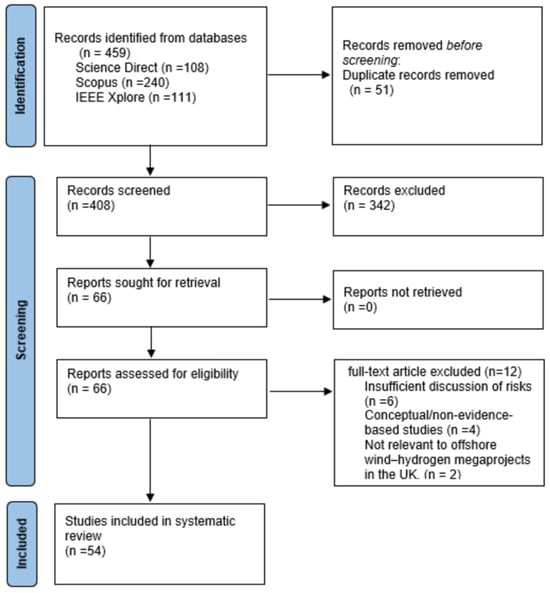
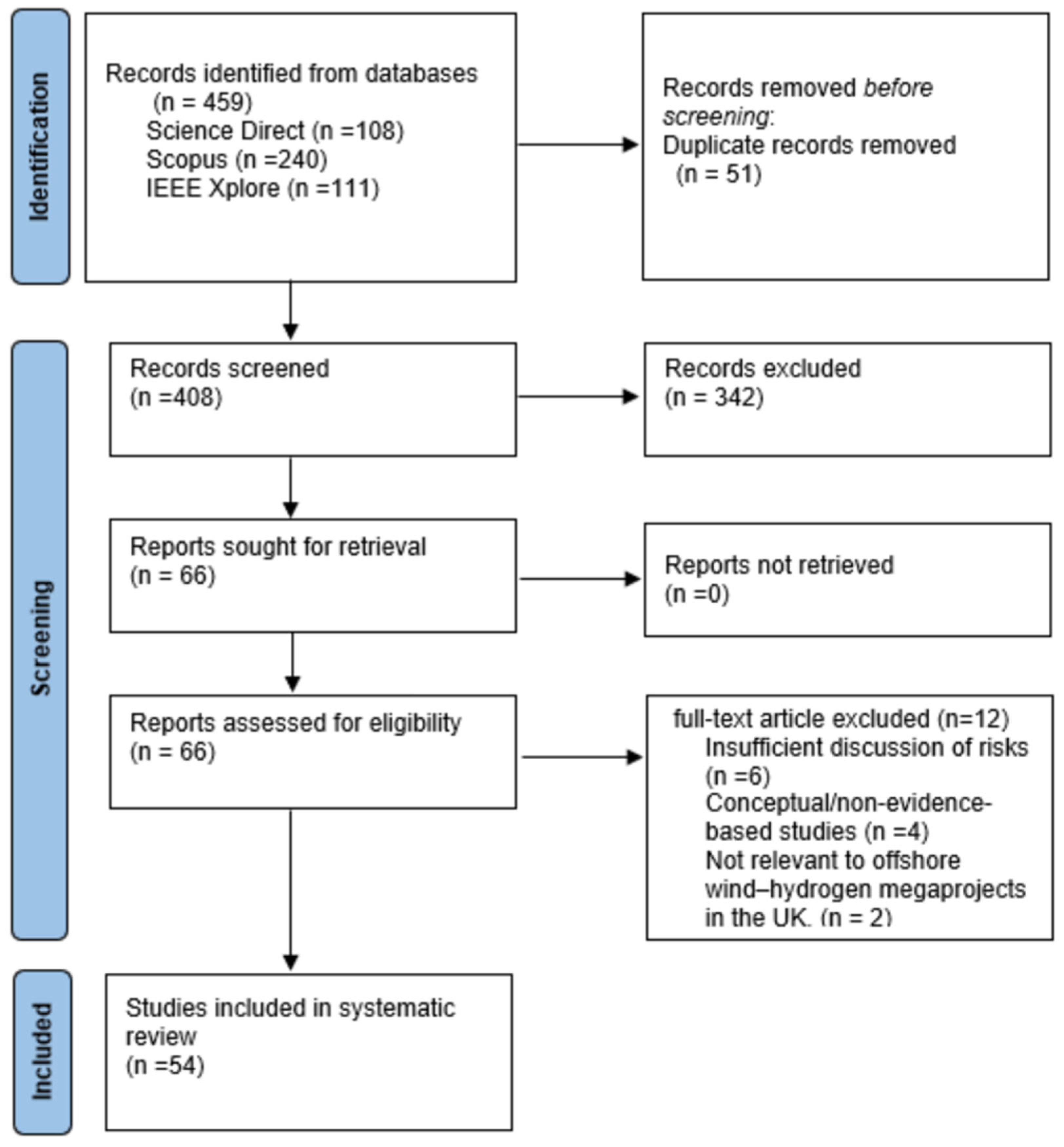
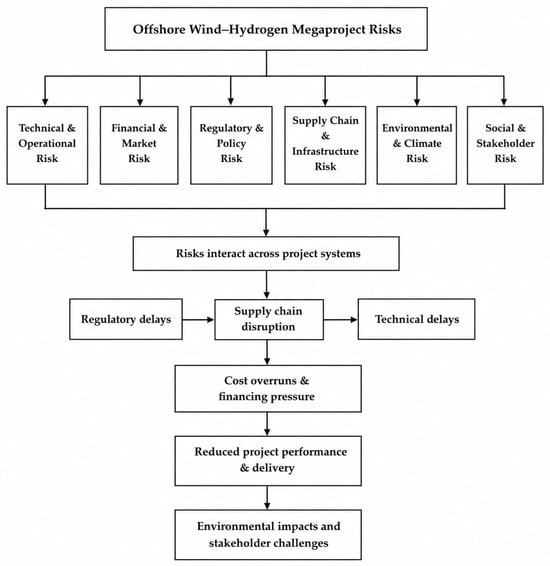
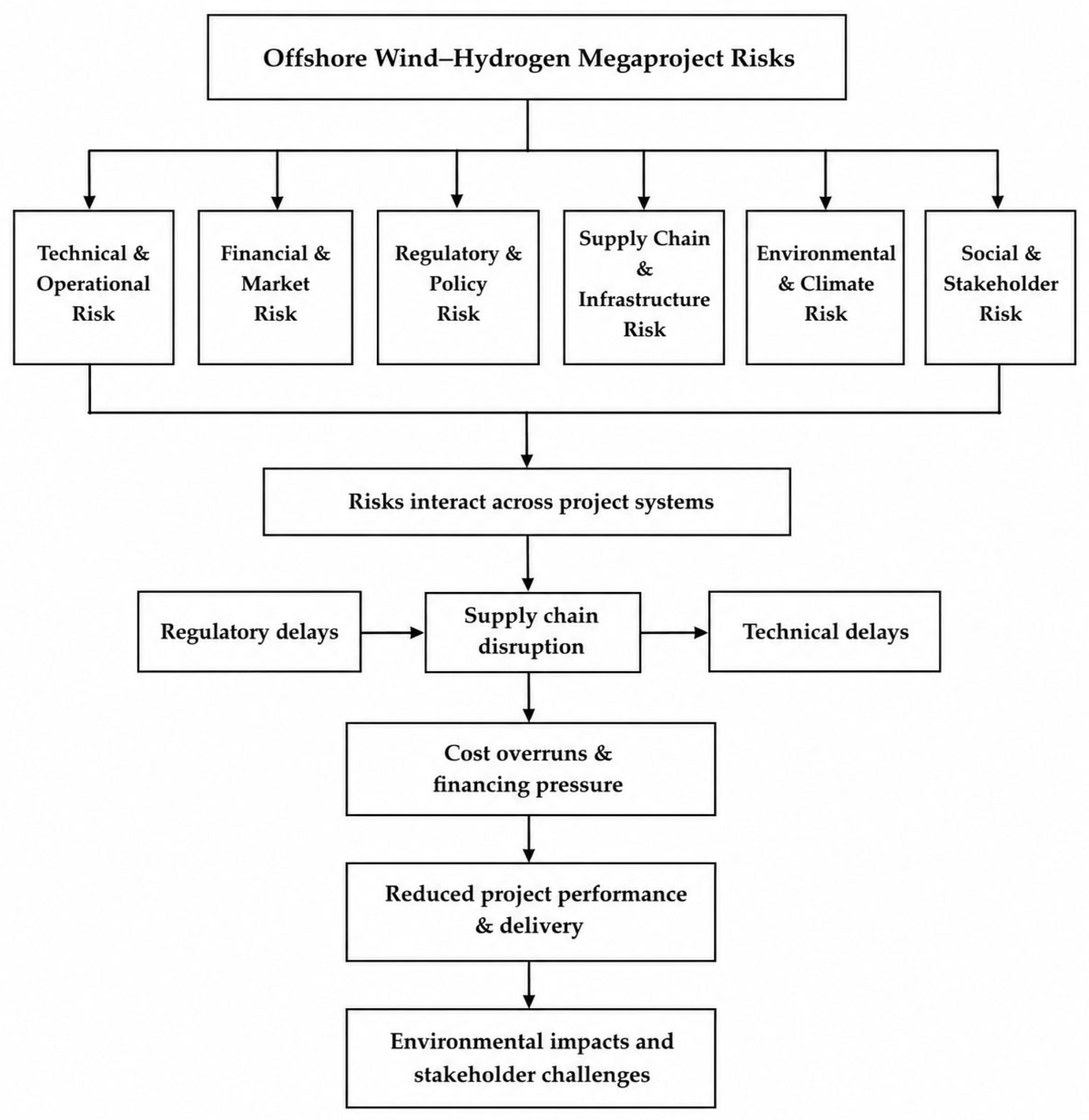

Disclaimer/Publisher’s Note: The statements, opinions and data contained in all publications are solely those of the individual author(s) and contributor(s) and not of MDPI and/or the editor(s). MDPI and/or the editor(s) disclaim responsibility for any injury to people or property resulting from any ideas, methods, instructions or products referred to in the content. |
© 2026 by the authors. Licensee MDPI, Basel, Switzerland. This article is an open access article distributed under the terms and conditions of the Creative Commons Attribution (CC BY) license.