


Abstract
This paper provides a critical review of the existing technical literature on various methods for integrating phase change materials (PCMs) into ground source heat pump (GSHP) systems. It identifies the main barriers and challenges associated with the proposed methods, as well as proposes viable ways to overcome them. The methods for integrating PCMs into GSHPs are grouped into five categories: (1) PCM incorporated into GHE backfill or grout; (2) PCM used in thermal storage tanks coupled to GSHP systems; (3) PCM incorporated into heat-transfer fluid as microencapsulated or related PCM slurries; (4) PCM incorporated into energy geo-structures; and (5) PCM incorporated into building envelopes. The outcomes of this critical review highlight that utilising PCMs in backfill materials around ground heat exchangers (GHEs) enhances thermal performance, regulates soil temperature, and reduces the need for large ground space, though challenges such as low thermal conductivity and potential leakage remain. PCM storage tanks offer energy efficiency benefits, but their cost-effectiveness and long-term performance have yet to be addressed. The use of PCM fluids in GSHP applications is still limited, facing issues such as tube clogging and viscosity-related pressure drops. Integrating PCMs into energy geo-structures shows potential for improved heat transfer efficiency and reduced thermal stress. Incorporating PCMs into building envelopes can boost GSHP system performance, but this requires a thorough evaluation of the long-term performance, material durability, and environmental impacts. Addressing these challenges is essential for effective utilisation of PCMs in GSHPs and validating their benefits in enhancing the performance of GSHP systems.
1. Introduction
The accelerating demand for energy and the consequent environmental degradation have emerged as two predominant issues globally, attributable to the rise in population and the proliferation of human activities. A significant fraction of the global total energy consumption is utilised in the form of thermal energy across various energy systems. Thermal energy within the building sector accounts for approximately 80% of the overall energy needed to provide space heating and domestic hot water. This amount of thermal energy contributes to greenhouse gas production and emission into the environment due to the reliance on fossil fuel combustion [1]. Therefore, the need to develop eco-friendly renewable energy systems that do not rely on fossil fuel cannot be overemphasised. It has been stated that one of the most environmentally friendly sources of energy is geothermal energy [2]. Geothermal resources can be broadly classified according to temperature and application into three categories: (i) high-temperature resources above 150 °C, which are generally suitable for electricity generation; (ii) intermediate- and low-temperature resources below 150 °C, which are commonly used for direct applications; and (iii) low-temperature resources, generally below 32 °C, which are particularly suitable for ground source heat pump (GSHP) applications [3].
GSHP systems, consisting of heat pumps and ground heat exchangers (GHEs), are utilised to produce geothermal energy, which is considered a reliable renewable energy source in most climates. During the cooling season, these systems extract excess heat from buildings and reject it into the ground. During the heating season, they extract thermal energy from the ground to provide space heating. GSHPs are fitted with vertical heat exchangers (VHEs) or horizontal heat exchangers (HHEs). VHEs offer several advantages over HHEs, including higher efficiency and a smaller installation area [4]. Nevertheless, both systems facilitate sustainable thermal energy exchange using the ground as a source and sink of thermal energy. This can reduce or eliminate dependence on fossil fuels. However, these systems need to be improved by enhancing their ability to store heat energy, which can be used when needed, and to reduce the thermal radius in the soil. Therefore, PCMs are increasingly employed in building materials due to their ability to store and release thermal energy effectively. In the construction sector, phase change materials (PCMs) are integrated in the structural components such as flooring and ceilings to enhance temperature comfort and minimize energy consumption linked to space heating and cooling. These materials can be incorporated within the construction aggregates by impregnation [5]. Current research is increasingly directed towards the application of PCMs in building materials. These developments are expected to support innovative approaches for improving building sustainability and energy efficiency.
Over the past decade, phase change material (PCM) technology has undergone significant advancements, driven by the growing demand for efficient thermal energy storage solutions. Early research studies focused primarily on conventional PCMs, such as paraffin waxes, salt hydrates, and fatty acids [6]. However, these materials have limitations, including low thermal conductivity, leakage during phase transitions, and poor long-term stability. These limitations have emphasised the need to develop enhanced materials and integration strategies. Recent research has increasingly explored bio-based PCMs, including plant-derived and fatty-acid-based materials, because of their renewable origin and potential environmental advantages. In parallel, molecularly engineered PCMs and organic compounds with tailored molecular structures have been investigated to achieve more controlled phase-transition temperatures and thermal-storage characteristics. Nanocomposite PCMs have also received increasing attention through the incorporation of high-conductivity nanomaterials, including graphene, carbon nanotubes, carbon nanofibres, metal nanoparticles, and metal oxides, to improve heat-transfer performance [7,8,9,10,11]. Micro- and nano-encapsulation technologies have additionally been developed to reduce leakage and improve the stability and compatibility of PCMs within host materials [12,13]. These developments indicate a transition from the use of conventional PCMs towards engineered and multifunctional PCM systems with tailored thermal, structural, and stability characteristics. Nevertheless, the suitability of these advanced materials for GSHP applications depends not only on their thermophysical properties but also on their compatibility with GHEs, operating temperatures, repeated thermal cycling, environmental conditions, and practical cost considerations.
Moreover, improving the thermal conductivity of PCMs has remained a focal point in research studies, as pure PCMs generally exhibit low thermal conductivity, which limits their efficiency in rapid heat transfer processes [14]. To overcome this limitation, numerous studies, e.g., Refs. [8,9,10,11], explored the incorporation of materials such as graphene, metal oxides, carbon-based structures, and metal foams. These composites demonstrated improved thermal response times and a higher energy efficiency in both passive and active thermal management systems [15].
The integration of latent heat thermal energy storage (TES) systems with phase change materials (PCMs) in ground source heat pump (GSHP) applications offers significant potential for improving energy efficiency by storing excess thermal energy during low-demand periods and releasing it when needed [16,17]. However, the microscopic phase transition mechanisms within phase change materials (PCMs), especially those occurring at the nano- or microscale, play a critical role in determining their thermal performance and overall energy efficiency in practical systems. At these scales, classical heat transfer models often fall short of accurately capturing interfacial phenomena, such as nucleation, crystal growth and thermal boundary resistance. Recent advances in theoretical modelling have enabled a better understanding of these effects, offering opportunities to enhance energy efficiency in practical applications [18,19].
Nucleation, crystal growth, and interfacial heat-transfer resistance strongly influence the rate and completeness of PCM phase change and, consequently, its thermal storage performance. For example, CaCl2·6H2O may experience supercooling due to insufficient nucleation, delaying solidification and latent-heat release [16]. Similarly, interfacial resistance in nanocomposite PCMs, such as paraffin/graphene systems, can limit the benefits of enhanced thermal conductivity [6]. The microstructure of PCM composites, including pore size and distribution, also affects effective thermal conductivity, stability, and phase-change rate [20]. At the modelling level, the Stefan problem and effective heat-capacity method are widely used to represent transient melting and solidification and latent-heat effects [17,21]. More advanced phase-field modelling can capture nucleation, interface evolution, and microstructural changes at the microscale, providing complementary insight for PCM optimisation [22], these mechanisms are relevant to PCM–GSHP applications because they influence phase-change temperature, thermal conductivity, latent-heat utilisation, and charging/discharging behaviour.
At the system level, advanced numerical tools can provide complementary approaches for evaluating PCM–GSHP performance under transient operating conditions. Computational fluid dynamics (CFD) can be used to resolve detailed fluid flow and heat-transfer behaviour within ground heat exchangers, PCM storage components, and PCM-based heat-transfer fluids, while system-level platforms such as TRNSYS can simulate the dynamic interaction between the GSHP, PCM thermal storage, building loads, and ground conditions over extended operating periods. Recent studies have demonstrated the application of TRNSYS to PCM–GSHP systems, including PCM thermal storage and PCM radiant-floor configurations, allowing for system performance to be assessed under different operating and climatic conditions [23]. These approaches can complement component-scale experimental studies by enabling assessment of transient behaviour, control strategies, seasonal operation, and system-level optimisation.
Several review studies have previously examined the application of PCMs in heat pump and geothermal systems; however, their scope and analytical emphasis differ from the present review. Previous reviews have mainly focused on the effectiveness of PCMs in conventional and foundation-based geothermal systems, the integration of PCM thermal energy storage with heat pumps, or the thermophysical properties and design parameters of HP–PCM systems. In contrast, the present review adopts a system-level classification based on the physical location and principal function of the PCM within a GSHP-related system. Five integration approaches are considered: PCM incorporated into GHE backfill or grout, PCM used in thermal storage tanks coupled to GSHP systems, PCM incorporated into the heat-transfer fluid, PCM incorporated into energy geo-structures, and PCM incorporated into building-envelope components see Table 1. Beyond summarising the reported thermal performance, this review critically examines the advantages, limitations, operating conditions, durability, economic considerations, environmental issues, and research gaps associated with each approach. This framework enables direct comparison among otherwise separately studied PCM integration strategies and provides a structured basis for identifying the technical and practical requirements for their future development.
Table 1.
Comparison of previous reviews on PCM-integrated heat pump and geothermal systems within the scope of the present review.
This paper aims to provide a comprehensive review of the recent advances in GSHPs coupled with PCMs reported in the existing technical literature. It begins with an overview of various methods available for integrating PCMs into GSHP applications. Each method is discussed and evaluated based on its underlying mechanisms and reported performance metrics. The paper also identifies the drawbacks and limitations of each integration method. Particular attention is given to areas where current technologies require further development. Following this, the paper addresses the obstacles hindering the widespread adoption of these PCM-GSHP methods in practical applications. Finally, the paper offers suggestions for future studies in this field, proposing research directions that could address the identified challenges and advance the development of more reliable, sustainable and effective PCM-GSHP systems.
2. Literature Search and Review Methodology
A structured literature search and screening procedure was undertaken to identify technical and scientific studies addressing the integration of phase change materials (PCMs) with ground source heat pump (GSHP) systems. The review was designed to identify the principal PCM integration configurations, compare their reported thermal and operational performance, and critically evaluate their limitations, including thermal conductivity, leakage, durability, mechanical behaviour, energy efficiency, cost, and long-term performance.
The literature search was conducted using the following electronic databases, including Scopus, ScienceDirect, ResearchGate and Google Scholar. The search covered publications from 2009 to 2025. The search strategy combined terms related to PCMs, GSHPs, ground heat exchangers, geothermal/geo-energy structures, thermal energy storage, and building applications. The principal search terms were “phase change material”, “PCM”, “microencapsulated phase change material”, “shape-stabilised phase change material”, “ground source heat pump”, “GSHP”, “ground heat exchanger”, “GHE”, “energy pile”, “energy wall”, “geo-energy structure”, and “thermal storage”. These terms were combined using the Boolean operators “AND” and “OR” to identify publications addressing the integration of PCMs with GSHP-related systems and applications. Combinations of PCM-related terms with GSHP, GHE, geo-energy structure and thermal-storage terms were used to identify relevant studies.
The screening process was performed in two stages following the removal of duplicate records. First, the titles and abstracts of the remaining records were screened to exclude studies that were clearly outside the scope of the review. Second, the full texts of potentially relevant studies were assessed against the predefined eligibility criteria. The numbers of records identified, duplicate records removed, records screened, full-text articles assessed, studies excluded, and studies included in the final qualitative synthesis are reported in Table 2.
Table 2.
Literature identification and screening process used for the review.
Because the objective of this work was a technical review rather than a quantitative meta-analysis, the included literature was synthesised narratively. Particular attention was given to the PCM location within the GSHP-related system, thermal function provided by the PCM, method of PCM incorporation, type and thermophysical properties of the PCM, operating conditions, experimental or numerical methodology, reported performance indicators, and identified limitations. Where sufficient information was available, the findings were compared in terms of the heat transfer rate, coefficient of performance (COP), temperature regulation, thermal storage capacity, thermal interference radius, pressure drop, mechanical response, energy consumption, and durability.
The classification framework used in this review is based primarily on the physical location and principal thermal function of the PCM within the GSHP-related system. Five categories were distinguished: (1) PCM incorporated into GHE backfill or grout; (2) PCM used in thermal storage tanks coupled to GSHP systems; (3) PCM incorporated into the heat-transfer fluid as microencapsulated or related PCM slurries; (4) PCM incorporated into energy geo-structures or their components, including energy piles, energy walls, PCM heat exchangers, and PCM-containing interfaces; and (5) PCM incorporated into building-envelope or building-side thermal components that operate in conjunction with GSHP systems. This classification separates applications according to where the PCM is physically introduced and what system-level function it primarily performs. For example, PCM backfill modifies the thermal environment immediately surrounding the ground heat exchanger, whereas a PCM storage tank provides a separate thermal-storage reservoir; PCM slurries transport latent heat through the circulating fluid; PCM geo-structures integrate storage or heat-transfer capability into the structural ground component; and PCM building-envelope systems shift thermal storage to the building side of the heat pump system. The categories are, therefore, intended to be functionally distinct while allowing for individual studies to be discussed under more than one category when a system combines multiple PCM locations or functions.
This framework also provides a consistent basis for comparing the studies summarised in the subsequent sections and in Appendix A. Within each category, studies were evaluated according to their demonstrated benefits, technical limitations, operating conditions, and evidence regarding long-term performance. This approach was adopted to avoid classification solely according to PCM chemistry and, instead, emphasise the system-level role of PCM integration in GSHP applications.
3. PCM Incorporated into GHE Backfill or Grout
Recently there has been a notable level of growing interest in the incorporation of PCMs in the backfill around GHEs of GSHPs. This interest is primarily due to the latent heat storage capacity of PCMs. Their latent heat enables higher energy-density storage, making them suitable for GSHP applications. During the process of phase change, latent heat is either released or absorbed. The temperature of the PCM remains constant during the solidification and melting processes, which enhances the performance of GSHPs. In addition, using PCM in the backfill material decreased the radius of interference in the structure’s surrounding soil, thereby reducing the need for extensive ground and borehole space, which was proved by Yang et al. [28]. Nevertheless, there is a scarcity of research on the utilisation of PCMs in the backfill of GHEs. Furthermore, when employing it in various backfill materials, it is imperative to explore the potential for heat recovery under different operating and ambient conditions. Reference [29] carried out a groundbreaking study, employing a helical GHE to combine both the thermal storage of the ground and PCM storage-tank systems. This study marked the first instance of utilising PCMs in geothermal systems. By substituting sand backfill materials with PCMs, the rate of soil temperature changes was reduced. The utilisation of PCMs as GHE backfill offers several advantages. These include a reduced thermal radius and more stable temperatures during phase transition. These effects may allow for the spacing between multiple GHEs to be reduced. As previously indicated, the integration of PCMs can reduce the space required, thereby alleviating the occurrence of instantaneous ground thermal fluctuations [30]. Reference [31] utilised backfills with PCMs around GHEs, which further confirmed the advantage of PCMs over regular backfill. During a non-continuous operation, the incorporation of PCM in the backfill is preferred owing to its capability to revert to its initial phase [32]. Reference [33] investigated the application of PCMs in the backfill around the horizontal loops of GHEs at shallow depths. The findings showed an improved coefficient of performance (COP) of the heat pumps due to the incorporation of PCMs. According to [34], the employment of PCMs in the backfill had a potential to lower the quantity of boreholes necessary when a fixed energy demand is applied. Reference [35] investigated the use of PCMs in vertical GHEs using a mathematical model. The results showed that the area impacted by the GHEs’ functionality could be decreased by employing PCMs. Reference [36] modelled the performance of a 40% PCM-modified soil as a backfill material. It was concluded that the volumetric heat capacity increased significantly. Also, the temperature variation in the PCM-modified soil can be reduced by up to 3 °C compared with the conventional soil because of the heat storage capability of the PCM and delayed temperature variation. The reduction in the modified soil temperature was found to, in turn, improve the efficiency of the GSHP by up to 17%. It was also highlighted that in order to store 25.8 KJ/Kg in a sensible storage only (without PCM), a ΔT of more than 37 °C was needed, whereas to achieve the same energy storage using a backfill material with 40% PCM-modified soil, only a 5 °C difference was required. Reference [28] experimentally studied the performance of a borehole heat exchanger with diameter of 30 mm and 1200 mm depth. PCM (oleic acid with latent heat of 94 kJ/kg and melting temperature of 8.11 °C) was used in the backfill material, and its performance was compared with that of a typical soil backfill. The running mode of the heat exchanger was continued for 10 h and stopped for 14 h. It was concluded that the PCM backfill delayed the surrounding soil temperature change and reduced its thermal interference radius by 12.2% from that which could be experienced when a typical soil backfill was used. This can shorten the required land area for the borehole heat exchanger. Also, compared with the normal backfill, the heat transfer rate between HEs and surrounding materials was higher by 28% when the PCM backfill was used due to its latent heat storage and release at a constant temperature in the phase change process. Although this research study highlighted the advantages of using PCMs in the backfill instead of pure soil, it did not consider the environmental impacts of the long-term presence of PCM in the ground. Table 2 presents a summary of the key findings of the most recent research studies in the domain of PCM backfill materials around the GHEs and also highlights potential future work in this area.
Overall, the literature provides consistent evidence that PCM-modified backfill can improve the thermal behaviour of GHEs by increasing the effective volumetric heat capacity and reducing temperature fluctuations in the surrounding soil. However, the magnitude of improvement varies substantially among studies. This variation reflects the differences in PCM type, concentration, phase-change temperature, backfill composition, GHE configuration and operating conditions. In addition, the studies use different performance indicators, including COP, heat-exchange rate, soil temperature reduction and thermal interference radius, making direct quantitative comparison difficult. The reported improvements should, therefore, be interpreted in relation to the specific experimental or numerical conditions rather than considered universally achievable values. An important unresolved issue is the identification of an optimum PCM concentration and phase-change temperature that maximises thermal performance without introducing excessive cost, thermal resistance or leakage risk.
3.1. Problems Associated with Using PCM in the Backfill or Grout
Despite the extensive integration of PCMs in engineering activities, these materials encounter certain difficulties [37]. Many conventional PCMs have relatively low thermal conductivity, with values of around 0.235 W/m·K reported for some PCMs [37]. Moreover, the phase change phenomenon that occurs within these materials manifests in the solid-liquid state. Consequently, during the liquid phase, there exists the potential of PCM leakage into the borehole or the trench, which subsequently may cause some adverse environmental consequences such as soil contamination or changing biological structure. To strengthen the thermal conductivity of PCMs, various additives have been employed, such as graphite, carbon fibre, and certain metal compounds that exhibit high thermal conductivity. In order to circumvent the repercussions stemming from PCM leakage, two recently devised methodologies have been emerged. These methodologies encompass the implementation of microencapsulation techniques for PCMs and the promotion of the reaction of materials like polyethylene and silica with PCMs to improve the production of shape-stabilised PCMs (SSPCMs).
3.1.1. Addition of Conductive Particles
Various conductive particles, including metallic and carbon-based nanoparticles, can be used to improve the thermal conductivity of PCMs because of their inherently high thermal conductivity. Carbon-based nanoparticles generally have a lower density than metallic nanoparticles and can offer greater stability. Graphene, carbon fibre, and carbon nanotubes are among the most commonly used carbon-based conductive particles. Cui et al. [38] investigated the enhancement of the thermal conductivity of PCM (soy wax with a melting temperature of 52–54 °C and a thermal conductivity of 0.325 W/m·K) through the addition of carbon nanofibres (CNFs) and carbon nanotubes (CNTs) with diameters of 30 nm and 200 nm, respectively, as shown in Table 3. The nanoparticles were added at a concentration of 10% by weight. The experimental results showed that the thermal conductivity of soy wax increased to 0.40 W/m·K and 0.47 W/m·K when 10% CNTs and CNFs were added, respectively, as shown in Table 4. This enhancement could potentially be further increased through the addition of metal-based nanomaterials, such as copper or iron [39]. Tian et al. [40] prepared a composite PCM (CPCM) by mixing carbonate salt, with a thermal conductivity of 1.3 W/m·K, with magnesium (Mg) nanoparticles, which have a thermal conductivity of 155 W/m·K. The results showed that the thermal conductivity of the CPCM increased by up to 20% with the addition of 2% Mg nanoparticles by weight, reaching 1.6 W/m·K. This study demonstrated the potential for improving thermal conductivity through the addition of Mg nanoparticles. However, it did not explain why higher Mg concentrations (i.e., above 2% by weight) were not investigated or what effects higher concentrations might have on the thermal and other properties of the composite. Wang et al. [41] developed a high-thermal-conductivity PCM by mixing polyethylene glycol with aluminium nitride. The study reported that the addition of 5–30% aluminium nitride by weight to polyethylene glycol increased the thermal conductivity from 0.385 W/m·K to 0.766 W/m·K.
Table 3.
Most recent studies on PCM backfills or grout.
Table 4.
Thermal conductivity of soy wax with different percentage of CNFs and CNTs (Cui et al. [38]).
The addition of conductive materials to PCMs represents a promising approach to enhancing thermal conductivity and improving the overall performance of thermal energy storage systems. Through careful design and optimisation, PCM composites with enhanced thermal properties can be tailored for various applications, contributing to the development of more efficient and sustainable thermal energy technologies. However, although the addition of conductive materials to PCMs offers significant advantages, several disadvantages should also be considered. One notable drawback is the potential increase in material costs associated with incorporating conductive additives. Carbon-based materials, such as carbon nanotubes and graphene, as well as metallic nanoparticles, such as copper and silver, can be expensive to produce and process, potentially increasing the overall cost of PCM composites [47,48].
Furthermore, the addition of conductive materials can sometimes introduce challenges related to material compatibility and stability. Poor dispersion of additives within the PCM matrix can lead to uneven thermal properties and reduced performance [49]. Agglomeration of nanoparticles or uneven distribution of carbon-based additives may result in localised hotspots or reduced thermal conductivity, undermining the effectiveness of the composite material [50]. Hence, more research and experiments should be conducted to assess the stability of PCM composites and ascertain optimum amounts of conductive materials that can be used with the PCMs or to achieve a research breakthrough in restructuring the chemical structure of the materials rather than simply adding high-conductivity additives.
Recent developments in PCMs have increasingly moved beyond conventional paraffin-based formulations towards bio-based and engineered composite PCMs. Bio-based materials, including fatty acids and plant-derived PCMs, offer potential advantages in terms of renewable feedstocks and environmental sustainability, while nanocomposite PCMs provide opportunities to tailor thermal conductivity and heat-transfer characteristics through the controlled incorporation of conductive nanomaterials. The studies discussed above demonstrate that the addition of carbon-based and metallic nanoparticles can substantially modify the thermal conductivity of PCM composites. However, these enhancements are generally accompanied by trade-offs involving PCM fraction, latent heat capacity, material cost, dispersion stability, and long-term durability. These factors are particularly important for GSHP applications, where the PCM must operate repeatedly within relatively narrow temperature ranges and remain stable under prolonged thermal cycling. Therefore, the reported improvements in thermophysical properties should not be considered sufficient evidence of suitability for GSHP applications without further evaluation under representative ground-source operating conditions.
The use of conductive additives provides a clear strategy for overcoming the intrinsically low thermal conductivity of many PCMs. However, the reported thermal enhancement must be considered alongside the associated reduction in PCM fraction, additional material cost and possible effects on viscosity, dispersion and latent heat capacity. Carbon-based additives generally provide effective thermal pathways at relatively low concentrations, whereas metallic additives may offer higher thermal conductivity but can increase density and cost. Consequently, increasing thermal conductivity does not necessarily result in a proportional improvement in overall GSHP performance. The effectiveness of a conductive additive depends on its concentration, dispersion, interfacial contact with the PCM and the dominant heat-transfer mechanism within the GHE. Further comparative studies using consistent testing conditions are, therefore, required to establish the optimum balance between conductivity enhancement and storage capacity.
3.1.2. Encapsulation of Phase Change Material
To overcome the potential problem of PCM loss due to leakage during the phase change from solid to liquid, which limits its applications, it was proposed that the PCM be encapsulated within a shell. Ideally, the shell should possess a higher thermal conductivity than the PCM. Encapsulation can also help address environmental concerns associated with the leakage of PCMs into the surrounding ecosystem. Yuan et al. [51] encapsulated PCMs by immersing silica in paraffin through in situ hydrolysis. They also dispersed graphene oxide in paraffin with liquid SiO2 to enhance the thermal conductivity of paraffin. The thermal conductivities of pure paraffin, paraffin with liquid SiO2, and paraffin with graphene oxide were 0.27, 1.03, and 1.20 W/m·K, respectively. It was found that the thermal conductivity of the silica and graphene-oxide-treated paraffin increased by 25.8%. Zhang et al. [52] improved the thermal conductivity of the PCM n-octadecane by incorporating silica. Microencapsulation was adopted for five samples with different silica ratios. The thermal conductivity of the PCM increased from 0.15 W/m·K to 0.62 W/m·K when 48% silica was added by weight. Encapsulation of PCMs broadens their range of utilisation in indoor and outdoor applications. One of the primary advantages of PCM encapsulation is the preservation of PCM integrity and stability. By encapsulating PCMs within protective shells, issues such as leakage, phase separation, and chemical degradation can be mitigated, thereby extending the lifespan and reliability of PCM-based systems [53,54]. Microencapsulation, in particular, offers excellent protection against PCM leakage and contamination, as individual PCM droplets are surrounded by polymeric shells that effectively isolate them from the external environment [55].
Encapsulation also facilitates the incorporation of PCMs into various matrices and applications, thereby expanding their versatility and usability [13]. Encapsulated PCMs can be easily integrated into building materials, textiles, and composite structures without compromising their performance or functionality. This enables the development of innovative products, such as smart building materials with enhanced thermal insulation capabilities [56]. Furthermore, encapsulation improves the handling and processing of PCMs, making them easier to store, transport, and incorporate into end products [57].
Encapsulated PCMs are typically in the form of free-flowing powders, microcapsules, or granules, facilitating their dispersion and mixing with other materials. This improves the manufacturability and scalability of PCM-based products, reducing production costs and logistical challenges [58]. Despite these advantages, PCM encapsulation also presents certain limitations and challenges. One of the main disadvantages reported was the additional cost and complexity associated with encapsulation processes. The fabrication of encapsulated PCMs requires specialised equipment, materials, and techniques, which can increase production costs and lead times. Moreover, the encapsulation materials themselves may introduce compatibility issues, affecting the overall efficiency and reliability of encapsulated PCM systems [59]. Moreover, if angular natural rock was impregnated with PCM, it was still challenging to create a proper sealing shell. This issue deserves further research. Furthermore, microcapsulation introduced an additional thermal resistance in the polymer shell where microscopic air gaps acted as an insulating barrier that impeded efficient heat conduction. This internal resistance would become particularly problematic in applications where rapid energy transfer is essential. Reference [60] demonstrated that conventional microencapsulated paraffin (∼ 64 µm mean diameter) exhibited significant temperature-lagging during melting and solidification due to these impedances. Their innovative solution included embedding approximately 16% of a low-melt-metal alloy (LMA) by volume to form a conductive percolation network that dramatically reduced the thermal resistance. The results demonstrate the promising potential of microencapsulated PCM/LMA in maintaining lower temperatures in a finless heat sink over an extended period. The system achieved enhancement ratios of 1.87–2.57 and 2.06–3.58 in the time required to reach set point temperatures of 55 °C and 65 °C, respectively, under heat loads ranging from 1.57 to 5.51 kW/m2, attributed to effective LMA percolation. In addition, temperature distributions within the matrix became more uniform, and the cool down (off-cycle) time was shortened, which reduced resistance in both charge and discharge modes. However, integrating a metal alloy introduces its own challenges, such as material compatibility, possible phase segregation, and added system complexity. While percolation of alloys offered a compelling route to overcoming encapsulation-related thermal limitations, optimising their microstructure, shell integrity, and long-term stability remain critical for real-world PCM applications.
The reviewed studies indicate that microencapsulation provides an effective means of controlling PCM leakage and enabling PCM incorporation into porous backfill materials. However, encapsulation introduces a trade-off between containment and thermal performance. Increasing shell thickness can improve mechanical stability and leakage resistance but may increase thermal resistance and reduce the effective PCM fraction. Conversely, thinner shells can increase heat transfer rates and energy-storage density but may reduce durability under repeated thermal cycling. The optimum encapsulation design is, therefore, dependent on the balance between thermal conductivity, PCM loading, mechanical stability and long-term durability. Furthermore, most available studies focus on short-term thermal performance, while evidence regarding capsule degradation under prolonged thermal, hydraulic and mechanical loading remains limited.
3.1.3. Shape-Stabilised PCM (SSPCM)
Shape-stabilised phase change materials (SSPCMs) refer to a class of energy storage materials that are stored within a support structure, enabling them to be utilised in a variety of applications. This support structure serves the crucial function of containing the PCM during the phase change process, thereby preventing any potential leakage that may occur as the molten PCM is confined within the structure. In addition to this containment role, the materials employed for the support structure also possess the advantageous property of enhancing thermal conductivity [61]. This enhanced thermal conductivity is particularly beneficial as it facilitates more efficient heat storage and retrieval. It is worth noting, however, that organic PCMs typically exhibit low thermal conductivity, which can pose challenges in terms of heat transfer when utilised in practical applications. Herein lies the significance of shape stabilisation, as it addresses this issue by enhancing the rate of heat transfer. It is important to acknowledge that while shape stabilisation offers this advantage, it also brings an adverse effect in the form of reduced energy storage density. Consequently, the development of an optimised SSPCM is crucial for improving the overall stability of thermal energy storage systems. By achieving this, novel and highly efficient SSPCMs will broaden the scope of PCM applications, thus allowing for their utilisation in diverse areas due to the inherent flexibility in operation that they offer [61].
SSPCMs are fabricated by incorporating organic PCMs into supporting materials that can improve shape stability and thermal conductivity. Li et al. [62] developed an SSPCM based on a mixture of lauric acid and decanoic acid with silica and expanded graphite. The resulting composite exhibited a latent heat of 109.2 kJ/kg and a thermal conductivity of 1.528 W/m·K [62]. The relatively high thermal conductivity of 1.528 W/m·K should be interpreted as a property of the enhanced SSPCM composite rather than as a typical value for conventional organic PCMs. The incorporation of thermally conductive materials, particularly expanded graphite, provides additional conductive pathways within the PCM composite and, therefore, substantially increases its effective thermal conductivity. Thus, the value reported by Li et al. [62] demonstrates the potential of thermally conductive additives to overcome the low thermal conductivity of conventional PCMs, but it should not be considered representative of PCMs in general. The effectiveness of such thermal enhancement is, however, dependent on the type and concentration of the conductive additives, their dispersion within the PCM matrix and the resulting PCM fraction; therefore, increasing thermal conductivity may also involve a trade-off with the latent heat storage density and material cost. In a study conducted in [62,63], an example of such a material was prepared. It was found that the heat transfer occurring per metre of a borehole filled with SSPCM was 1.223 times that of the crushed concrete. Furthermore, the radius of the thermal interference associated with crushed concrete was 0.9 times lower than that associated with SSPCM [62]. The higher thermal conductivity of SSPCM compared with conventional backfill materials resulted in improved efficiency of the GSHP system.
One important aspect addressed in SSPCMs is the stability of the phase transformation, which helps to overcome one of the storage issues commonly associated with PCMs. In regions where underground water resources are limited, the utilisation of SSPCM is considered appropriate. However, sufficient recovery time is required to ensure a reduction in the thermal radius and stable operation of the GSHP system using SSPCM as the backfill material [64]. The effect of SSPCM on the heat transfer rate per metre depth of the borehole was investigated over a duration of 12 h, particularly in cooling operation [62]. As shown in Figure 1a, the heat transfer rate per unit depth of the borehole filled with SSPCM gradually decreased over time from 227.89 W/m to 85.74 W/m. In comparison, when crushed concrete was employed as the backfill material, the heat transfer rate decreased from 152.40 W/m to 83.46 W/m. Furthermore, the heat storage capacity of the SSPCM backfill material was found to be 2.63 × 10⁵ kJ, whereas that of the crushed concrete backfill material was 2.15 × 10⁵ kJ. This represents a 22% improvement in storage capacity for the SSPCM. Moreover, the effect of the SSPCM backfill material on the coefficient of performance (COP) of the heat pump was numerically investigated and presented in Figure 1b. The simulation results demonstrated that the COP of the heat pump using SSPCM decreased from 6.34 at the beginning of operation to 5.41, while the COP using crushed concrete decreased to 5.12. It is worth noting that after 12 h of operation, the liquid fraction of the SSPCM was only 34%. This highlights the potential efficiency enhancement provided by SSPCM in heat pump systems during extended periods of operation [62].
Figure 1.
(a) Heat transfer rate for different backfill materials; (b) COP values of a heat pump under different types of backfill materials. Data digitised from Li et al. [62] and re-plotted.
SSPCMs offer an alternative to conventional encapsulation by immobilising the PCM within a porous supporting matrix. The main advantage is the reduction in leakage risk while maintaining direct contact between the PCM and the conductive support. However, the incorporation of a supporting material inevitably reduces the proportion of active PCM and, therefore, may reduce the overall latent heat storage density. Conversely, highly conductive supports can improve charging and discharging rates but may increase material cost and alter the mechanical characteristics of the backfill. The available evidence, therefore, suggests that SSPCM performance should not be evaluated using thermal conductivity or latent heat alone. A more appropriate assessment should consider the combined effects of latent heat, effective thermal conductivity, PCM loading, cycling stability and cost.
3.1.4. 3D Printed PCM
Recent advances in additive manufacturing have facilitated the incorporation of phase change materials (PCMs) into three-dimensional thermal energy storage (TES) devices [65]. Three-dimensional printing enables the design and control of the geometry, internal configuration, and porosity of TES devices, which can improve heat transfer efficiency, reduce thermal resistance, and increase system compactness [66]. The incorporation of PCMs into three-dimensionally printed frameworks or lattice structures also provides greater flexibility in designing thermal pathways and improving PCM containment, thereby reducing the potential for leakage and enhancing material stability. Furthermore, three-dimensional printing enables the integration of high thermal conductivity additives into PCM composites, which can further enhance thermal conductivity and heat-transfer performance. This approach also facilitates the development of hybrid configurations that combine latent and sensible heat storage, providing greater design flexibility and improved operational performance [67]. However, these developments have primarily been demonstrated in thermal energy storage and building thermal management applications [65,66,67], rather than in ground source heat pump (GSHP) systems. Therefore, the reported advantages of three-dimensionally printed PCM structures cannot be directly assumed to translate to GSHP applications. In GSHP systems, the effectiveness of such structures would additionally depend on their compatibility with ground heat exchangers, operating temperature ranges, hydraulic conditions, mechanical requirements, and repeated thermal cycling. Despite these advantages, the inherently low thermal conductivity of many PCMs remains one of the primary limitations of their application in thermal energy storage systems. Low thermal conductivity restricts heat transfer rates during melting and solidification, resulting in longer charging and discharging periods. For example, paraffin waxes and salt hydrates typically exhibit thermal conductivities below 0.5 W/m·K [16], which can limit their effectiveness in applications such as ground source heat pumps and energy piles.
Several approaches have, therefore, been investigated to enhance the thermal conductivity of PCMs. The incorporation of high thermal conductivity materials, including metallic particles, such as aluminium and copper, and carbon-based additives, such as graphite, carbon nanotubes, and graphene, has demonstrated considerable potential. For example, Ref. [68] reported an increase of up to 60% in the thermal conductivity of paraffin PCM following the addition of expanded graphite. Similarly, Ref. [69] demonstrated the positive influence of nanomaterials on the heat-transfer performance of PCM composites. Another approach involves incorporating PCMs into porous matrices, such as metal foams and graphite structures. These matrices can provide continuous pathways for heat transfer while simultaneously improving the structural stability of the PCM during phase change [70]. However, these thermal conductivity enhancement methods may involve several trade-offs, including increased material costs, reduced latent heat capacity, and potential compatibility issues between the PCM and the additives. Therefore, further research is required to optimise the concentration and distribution of conductive additives, develop hybrid PCM composites, and investigate advanced encapsulation approaches that incorporate conductive fillers without compromising energy storage capacity or structural integrity. Additive manufacturing provides an additional opportunity to address these challenges by enabling the fabrication of PCM-based TES systems with tailored geometries and controlled thermal pathways. The ability to control the internal structure and heat transfer characteristics through three-dimensional printing could contribute to improved thermal performance, reduced thermal resistance, enhanced PCM containment, and greater design flexibility [66]. However, the available studies cited in this section have primarily investigated three-dimensionally printed PCM systems for thermal energy storage and building thermal management rather than their direct application in GSHP systems [65,66,67]. Consequently, the direct integration of three-dimensionally printed PCM structures with ground heat exchangers remains insufficiently investigated. Further experimental research is, therefore, required to assess the feasibility of three-dimensionally printed PCM systems for GSHP applications, with particular attention to thermal performance, hydraulic compatibility, mechanical integrity, PCM containment, durability, scalability, and long-term thermal cycling.
4. PCM Used in Thermal Storage Tanks Coupled to GSHP Systems
References [71,72] proposed the integration of PCM storage tanks into GSHP systems. The primary objectives of these investigations were to (i) prevent the freezing of greenhouse structures during winter and (ii) investigate the effects of incorporating PCMs into GSHP systems and evaluate their thermal storage performance. Reference [72] further extended this approach by investigating two separate thermal storage reservoirs containing PCMs within the GSHP system. The first storage tank was used to cool the PCM by taking advantage of the lower outdoor temperatures during the night. The stored cooling capacity could subsequently be utilised during hot periods to reduce the temperature of the building. The second storage tank provided an alternative means of releasing heat at a relatively constant temperature, thereby improving the overall performance of the system. The results indicated that greater independence from external temperature conditions was associated with improved system efficiency.
In addition, Ref. [73] investigated the integration of a PCM thermal energy storage tank into a heat pump system. The results showed that incorporating the PCM storage tank improved the overall energy efficiency of the system and contributed to improved thermal management of the building. Reference [74] employed an analytical approach to optimise the encapsulation thickness of PCM storage units. The analysis indicated that the temperature difference, ΔT, was a primary factor determining the appropriate encapsulation thickness because it influences both the energy density of the storage system and the heat transfer rate. A lower ΔT requires a thinner encapsulation layer to facilitate effective heat transfer. The case study suggested that an encapsulation thickness ranging from 0.8 to 3.0 cm was appropriate, depending on the system parameters, such as storage volume, heat pump capacity, and PCM content. Figure 2 presents a schematic diagram of the investigated system. However, the cost effectiveness and long-term performance of the PCM thermal storage system were not evaluated in the study. Further research is, therefore, required to assess the economic feasibility, durability, and long-term thermal performance of PCM storage tanks when integrated with GSHP systems.
Figure 2.
Schematic diagram of a ground source heat pump system integrated with a PCM thermal storage tank: (a) ground loop, (b) water-to-water heat pump, (c) hybrid water–PCM storage tank. Blue lines show cold water/antifreeze streams, red lines hot water streams, and purple lines the refrigerant circuit; arrowheads show the flow direction. The colour gradient in the tank shows thermal stratification, from warm (top) to cool (bottom). Redrawn based on the system described by Hirmiz et al. [74].
In contrast, Ref. [75] suggested that a 50% increase in the total cost could be attributed to borehole drilling if a thermal storage tank was placed next to the boreholes. Also, in order to achieve energy savings, conventional thermal storage, which used a water tank, was compared with PCM thermal storage. It was noticed that the COP of the overall system increased from 3.4 to 4.13 in the heating mode and from 2.9 to 5.89 in the cooling mode, which led to a 20% energy savings when PCM thermal storage was employed. In addition, the overall thermal storage tank’s volume decreased by 10 times when PCM was used instead of water. Overall, Ref. [75] discussed the energy savings of using PCM storage tanks. However, the long-term performance of coupled GSHPs with thermal storage tanks still needs further research. Shi et al. [76] pointed out that a reduction of 40% in energy consumption could be achievable when GSHP and a buried PCM thermal storage were coupled during the cooling season (Jun to Sep). This could lead to a 19.5% costs savings in electricity (Figure 3). Ref. [76] shows how GSHPs and TES have been coupled. However, Ref. [76] did not assess the applicability of the system during heating seasons.
Figure 3.
Schematic of a ground source heat pump system integrating a dual-purpose underground thermal battery (DPUTB): (a) system configuration, (b) cross-section of the DPUTB. In (a), line colours identify the circuits as given in the legend, arrowheads show the flow direction, circles with triangles are circulation pumps, the bow-tie symbol is a valve, and the lightning symbol is the electrical input to the compressor. In (b), small circles are cross-sections of the heat-exchanger coils (green: HEX1 in the inner PCM tank; brown: HEX2 in the outer water annulus), radial dimensions are to scale, and the zig-zag line shows that the tank height is shortened. Redrawn based on the system and design parameters reported by Shi et al. [76].
The use of PCM thermal energy storage tanks in the production of domestic hot water was assessed in [77]. Two tanks were utilised; one filled with 94 kg of PCM with a melting temperature of 53 °C and another tank filled with 93 kg of PCM with a melting temperature of 58 °C. The two tanks were charged with solar panels and heat pumps to use them to heat domestic water. It was pointed out that 164l of water with a temperature of 5 °C could be heated to a temperature above 40 °C. In addition, as the flow rate decreased during solidification, the amount of heat delivered increased. The PCM with a 58 °C melting temperature delivered more heat to the water than the one with a melting point of 53 °C. References [77,78] showed the potential for PCM thermal storage; however, the maintenance costs and its long-term performance were not addressed. Overall, it can be concluded that the results of the simulations and experimental studies show that the PCM thermal storage tank coupled with GSHP is promising and environmentally friendly, and it provides a great opportunity to enhance energy efficiency and savings.
Collectively, the reviewed studies demonstrate that PCM thermal storage tanks can improve the flexibility of GSHP operation by decoupling heat generation and demand and by increasing the effective energy-storage density compared with sensible storage. However, the reported benefits depend strongly on the operating strategy, PCM selection and storage configuration. Water-based sensible storage remains attractive because of its low cost, established technology and high specific heat capacity, whereas PCM storage can achieve greater storage density at smaller volumes. This advantage must, nevertheless, be balanced against the additional cost of PCMs, encapsulation and thermal-management systems. The reviewed studies also use different tank configurations, temperature ranges and operating schedules, making direct comparison of reported energy savings difficult. Long-term studies considering cycling degradation, maintenance requirements and life-cycle cost are, therefore, required before PCM thermal storage can be considered economically superior to conventional sensible storage.
5. PCM Incorporated into the Heat-Transfer Fluid as Microencapsulated or Related PCM Slurries
In heat transfer systems, the heat capacity of the working fluid is an important parameter because it determines the amount of thermal energy that can be absorbed or released by the fluid. Increasing the effective heat capacity of the working fluid can, therefore, enhance its ability to store and transport thermal energy. The incorporation of PCMs into a base fluid provides an effective approach for increasing the thermal energy storage capacity of the fluid. PCMs can store a considerable amount of energy in the form of latent heat, which can provide a substantially higher energy storage density than that associated with the sensible heat capacity of the base fluid. Consequently, the incorporation of PCMs into the base fluid can increase its effective energy storage capacity. During the phase change process, a significant proportion of the supplied thermal energy is absorbed as latent heat, thereby limiting the increase in the temperature of the base fluid [79,80].
Specific heat capacity is an important property for evaluating the amount of energy required to increase the temperature of a working fluid. Specific heat capacity is the amount of heat energy required to raise the temperature of a unit mass of a material by 1 °C. In PCM-based heat-transfer fluids, a higher effective specific heat capacity indicates a more sensible heat storage capacity and can, therefore, contribute to improved thermal energy storage and heat-transfer performance. The incorporation of PCMs can increase the effective heat capacity of the fluid by providing additional thermal energy storage through latent heat. Microencapsulated PCMs (MPCMs) and nano-encapsulated PCMs (NPCMs) are commonly investigated for heat transfer applications. However, the PCM must undergo a cooling cycle after melting to return to its initial phase and enable subsequent reuse. If the PCM remains in the liquid state, its latent heat storage capacity cannot be fully utilised during the subsequent heating cycle. Therefore, the incorporation of MPCMs and NPCMs can potentially increase the effective heat capacity of heat-transfer fluids through the latent heat associated with the phase change process [51,81].
The application of MPCMs and NPCMs in GSHP systems remains relatively limited. Although several studies have investigated the use of MPCMs, studies investigating the incorporation of NPCMs into circulating fluids for GSHP systems remain limited. MPCS can be used as a heat-transfer fluid by dispersing microencapsulated PCMs within a conventional carrier fluid. The principal advantage of MPCS is its ability to increase the effective heat capacity of the working fluid through the latent heat associated with PCM phase transition. However, this does not necessarily result in a corresponding enhancement in convective heat transfer. Kong et al. [82] experimentally investigated the flow and heat-transfer characteristics of MPCS in a helically coiled tube and found that heat-transfer enhancement was limited by the increased viscosity and relatively low fusion latent heat of the PCM. Nevertheless, the MPCS exhibited a higher heat capacity than water, indicating that its principal advantage may be associated with increased thermal energy storage rather than inherently superior convective heat transfer.
Despite these limitations, subsequent studies have demonstrated that MPCS can provide benefits when appropriately integrated into GSHP systems. Pu et al. [83] investigated the use of MPCS in a ground heat exchanger and found that the surface heat-transfer coefficient of the MPCS configuration exceeded that of pure water, with a volume fraction of 12% identified as the optimum condition in their analysis. Kong et al. [31] subsequently conducted field tests of MPCS as a heat-transfer fluid in GSHP systems and reported that an MPCS mass fraction of 8.7% increased the heat transfer rate by approximately 5% compared with a conventional GSHP system at the same pumping conditions. The field study also reported an improvement in the GSHP’s coefficient of performance of up to 4.9%. These findings indicate that MPCS can improve GSHP performance under appropriate operating conditions, although the benefits must be balanced against increased viscosity, pumping requirements, and the potential risk of capsule damage and tube blockage.
Reference [83] investigated MPCS volume fractions of 0%, 7%, 12%, 15%, 25%, and 30% in both straight and Y-shaped ground heat exchangers (GHEs). The results indicated that increasing the MPCM slurry fraction reduced the thermal conductivity and heat capacity of the MPCS while increasing its viscosity. The incorporation of MPCM particles into the GHE also affected the pressure drop. When the MPCS volume fraction was below 12%, the variation in the pressure drop was relatively small. However, when the MPCS volume fraction increased from 12% to 30%, a substantial reduction in the pressure drop was observed. Furthermore, the surface heat-transfer coefficient of the GHE using MPCS was consistently higher than that obtained using water, as shown in Figure 4. A volume fraction of 12% MPCS was, therefore, suggested as an optimum value for achieving favourable GHE performance.
Figure 4.
Efficiency of GSHPs with different % MPCM slurry flowing through Y and straight GHE. Data from Pu et al. [83] and re-plotted.
Reference [31] reported that MPCS slurry could transport a greater amount of thermal energy than water at a given pumping power. The heat transfer rate of the GSHP system using MPCS with a mass fraction of 8.7% increased by approximately 5% compared with that of a conventional GSHP system, as illustrated in Figure 5. However, the study also highlighted the potential operational risks associated with the use of MPCS, particularly the possibility of tube blockage resulting from capsule rupture. Therefore, further investigation is required to evaluate the durability, mechanical stability, and long-term thermal performance of the capsules under continuous GSHP operation.
Figure 5.
Heat transfer rate of GSHPs with 8.7% % MPCM slurry at different flow rates. Data digitised from Kong et al. [31] and re-plotted.
The literature on PCM-based heat-transfer liquids demonstrates a clear trade-off between increased thermal storage capacity and hydraulic performance. Incorporating MPCMs can increase the effective heat capacity of the circulating fluid and reduce temperature fluctuations; however, increasing the PCM concentration can also increase viscosity and pumping requirements. Therefore, a higher PCM concentration does not necessarily result in a higher overall system efficiency. The results reported by Kong et al. [82] illustrate this limitation, as the increase in viscosity and the lower fusion latent heat of the PCM limited the improvement in heat transfer. These findings indicate that PCM slurries should be evaluated using system-level performance indicators that account for both heat-transfer enhancement and pumping power rather than the heat transfer rate alone. Furthermore, capsule rupture, agglomeration and blockage remain important uncertainties for long-term GSHP operation.
6. PCM Incorporated into Energy Geo-Structures
Due to the considerable financial burden associated with vertical drilling for geothermal boreholes and the substantial ground area required for the installation of horizontal heat exchanger (HE) loops, an alternative approach has recently emerged involving the integration of HE pipes into the structural components of buried infrastructure. These systems, commonly referred to as geo-energy structures, include energy diaphragm walls and energy piles [84]. The concept of geo-energy structures has attracted increasing attention as a promising solution to address the growing energy demand for building heating and cooling while simultaneously providing a sustainable and renewable energy source for buildings and infrastructure [85,86]. Consequently, the application of geo-energy piles (GEPs) has expanded significantly worldwide, offering an environmentally sustainable energy solution for buildings in regions including Europe, Canada, China, and Japan [87].
The application of GEPs has recently received considerable research attention [5,43,88,89,90,91,92,93]. Several studies have investigated the incorporation of phase change materials (PCMs) into geo-energy systems to enhance their thermal performance. For example, the thermo-mechanical performance of energy piles manufactured using expanded perlite impregnated with PCM and subsequently coated with epoxy resin was investigated by Yang et al. [43]. The results showed that the cumulative heat transfer increased during 10 h of continuous operation, from 2900 to 3162 kJ, compared with conventional energy piles. In addition, the PCM-based piles exhibited lower displacement at the pile head, as well as reductions in the maximum tip pressure and peak internal stress. A supplementary numerical investigation was conducted to assess the thermal performance of PCM-enhanced energy piles, with particular emphasis on the effects of phase-change temperature and thermal conductivity [43]. The results demonstrated that the heat transfer rate per unit depth (HERPUD) increased with increasing thermal conductivity. Specifically, HERPUD increased from 87.1 W/m at a thermal conductivity of 1.1 W/m·K to 135.6 and 175.9 W/m at thermal conductivities of 2.1 and 3.1 W/m·K, respectively. However, increasing thermal conductivity was also associated with increases in pile-head displacement, thermal deformation, and axial force. Similarly, Ref. [88] conducted a numerical investigation into the potential application of PCM-enhanced ground heat exchangers (GHEs) as a sustainable technology for snow-melting applications. The results indicated that the required number of piles could be reduced by approximately 25–35% owing to the enhanced thermal energy extraction achieved using PCM-modified GEPs. Furthermore, Ref. [90] experimentally and numerically investigated the thermal behaviour of GEPs incorporating PCM under different flow rates. The results showed that the amounts of extracted and rejected heat increased by approximately 16% at a given flow rate when PCM was incorporated into the system. More recently, Ref. [89] experimentally investigated the thermal performance of energy piles incorporating hollow steel spheres filled with PCM as concrete aggregates. The heat transfer rate of the PCM-enhanced piles consistently exceeded that of conventional piles, as illustrated in Figure 6. In addition, the PCM-enhanced piles exhibited more stable temperature recovery and a lower temperature gradient between the soil and the pile. These characteristics contributed to a reduction in thermally induced internal stresses and pile deformation. Reference [91] numerically investigated the performance of energy piles fabricated from high-strength precast concrete to evaluate the effectiveness of PCM backfill. The results demonstrated that the thermal conductivity of the PCM backfill had a pronounced influence on the heat transfer rate of the energy piles. Specifically, the heat transfer rate of the GEP increased by 17% and 32.6% when the thermal conductivity of the PCM backfill was increased by 0.2 and 0.4 W/m·K, respectively. These findings highlight the importance of thermal conductivity enhancement in improving the thermal response of PCM-based geo-energy systems.
Figure 6.
Heat transfer rate during the 3rd cycle of the intermittent operation at different flow rates. Data digitised from Bao et al. [92] and re-plotted.
Despite the growing body of research examining the incorporation of PCM into geo-energy piles, comprehensive investigations into PCM-enhanced geo-energy wall systems remain limited. Furthermore, to the best of the authors’ knowledge, the application of PCM specifically at the soil–geo-energy system interface has not been sufficiently investigated. This represents an important research gap, particularly because thermal interactions at the soil–structure interface can strongly influence heat transfer, thermal interference, and the thermo-mechanical response of geo-energy structures. In this context, Ref. [93] experimentally investigated the thermal behaviour of geo-energy walls and piles incorporating PCM-based heat exchangers. Two types of heat exchangers were considered: conventional heat exchangers and PCM-enhanced heat exchangers. The PCM heat exchangers incorporated two different PCMs with melting temperatures of 42 °C and 26 °C for the geo-energy walls and piles, respectively. The thermal behaviour of the geo-energy walls and piles was experimentally evaluated over 100 h under repeated heating and cooling cycles. The results demonstrated that incorporating PCM into the heat exchangers substantially improved the thermal efficiency of the energy piles, with increases of 43% during cooling and 75% during heating compared with conventional heat exchangers. Similarly, the heat transfer efficiency of the geo-energy wall incorporating the PCM heat exchanger increased by 32% and 43% during heating and cooling, respectively, relative to the conventional system, as shown in Figure 7. In addition, the integration of PCM heat exchangers into geo-energy systems reduced the effects of thermal loading on the surrounding soil, decreased the radius of thermal interference, and mitigated the potential for structural damage associated with thermally induced stresses. However, the benefits of PCM integration must be considered alongside the additional thermal resistance introduced by the encapsulation system. Reference [94] reported that the macro-encapsulated PCM heat exchanger consisted of an inner pipe and an outer pipe, with PCM occupying the annular space between them. Although this configuration effectively addresses PCM leakage and containment issues during phase transitions, it introduces additional thermal resistance through multiple interfaces, including water–inner pipe, inner pipe–PCM, PCM–outer pipe, and outer pipe–surrounding material. Consequently, the geometry and material properties of the encapsulation system play a critical role in governing the overall heat-transfer performance. The study demonstrated that both the PCM layer thickness and pipe spacing significantly influenced the thermal resistance and heat transfer rate of the system. Increasing the PCM layer’s thickness from 8 to 18 mm reduced the heat storage and release rates because of the associated increase in the thermal resistance and the resulting reduction in heat transfer efficiency. This finding indicates that excessively thick PCM layers can retard heat transfer and slow the phase-change process. Accordingly, an optimum PCM layer thickness of 13 mm was selected as a compromise between thermal storage capacity and response time.
Figure 7.
Dissipated/extracted energy for standard and PCM heat exchangers during heating and cooling operations. Data from Elkezza and Mohamed [5] and re-plotted.
Pipe spacing was also found to affect the overall thermal resistance of the system. Increasing the spacing between the casing pipes increased the volume of the cement mortar surrounding the PCM layer, thereby increasing the overall wall resistance because of the relatively low thermal conductivity of the mortar. These results demonstrate that the thermal resistance within macro-encapsulated PCM systems can represent a significant bottleneck and must, therefore, be carefully considered during system design. To address the relatively low thermal conductivity of PCM, Ref. [94] also investigated the incorporation of expanded graphite. The addition of 3 wt.% expanded graphite increased the thermal conductivity of cetane from approximately 0.17 to 0.39 W/m·K. Nevertheless, this enhancement was insufficient to eliminate the thermal resistance associated with the multiple interface layers within the encapsulation system. Therefore, although macro-encapsulation provides important advantages in terms of mechanical integrity and leakage prevention, its effectiveness depends strongly on the optimisation of encapsulation geometry, PCM layer thickness, pipe spacing, material selection, and thermal conductivity enhancement.
Reference [95] carried out a numerical assessment to analyse the thermal performance at the contact area between the soil and pile. This investigation showed that the heat-transfer coefficient at the contact area of the soil and pile exhibited variability during both heating and cooling processes. Consequently, it is imperative that precise heat transfer values at the interface should be accurately determined when designing the system. In addition, experimental investigations are essential to supplement and validate the conclusions derived from the relatively limited numerical studies. As indicated by Bourne-Webb et al. [96], the thermal resistance at the interface of the soil and structure is sensitive to sand density and can be decreased for loose and dense sand by 0.02 m2/kW and 0.005 m2/kW, respectively. Therefore, Ref. [5] investigated the potential enhancement of thermal energy storage at the interface between piles and walls/soil by employing lightweight aggregates (LWAs) impregnated with PCMs. The main purpose of their study was aimed to evaluate the thermal performance of walls and piles utilising PCM-impregnated LWAs mixed with soil at the soil and structure interface. Two distinct organic PCMs with different melting points were used. The outcomes of their investigation confirmed a substantial contribution of thermal energy storage for the interface between energy structures and their surrounding soils. To elaborate further, for the geo-energy pile scenario, the incorporation of 35% PCM LWAs at the interface between the pile and soil resulted in a remarkable increase of 156% and 181% in the inlet and outlet temperature variations during the cooling and heating phases, respectively. Similarly, for energy walls, the introduction of PCM LWAs at the interface between the wall and soil led to an elevation of ΔT by 72% and 83% during the cooling and heating phases, respectively. Moreover, the findings indicated that the effect of PCM inclusion was more pronounced during the heating mode. Their results also showed that the thermal deformation, in terms of thermal stress and strains, experienced a reduction when 35% PCM LWAs were employed at the contact between the energy structures and the surrounding soil, as shown in Figure 8.
Figure 8.
Dissipated/extracted energy for standard and PCM energy piles and walls during heating and cooling operations. Values calculated from the temperature differences and flow conditions reported by Elkezza and Mohamed [5].
7. PCM Incorporated into Building-Envelope
The incorporation of PCMs within the building envelope represents a potentially effective approach to improve the overall performance of GSHP systems, leading to enhanced thermal energy efficiency, enhanced thermal comfort, and reduced environmental impact in buildings. For instance, Oruc et al. [97] conducted a study on the operationalisation of a renewable energy-driven integrated system with latent heat storage for the management of thermal conditions within buildings. The study evaluated the energy and exergy performance of an integrated system combining a PCM-embedded radiant wall, solar energy and GSHP technologies, as shown in Figure 9. The study focused on thermodynamically analysing the PCM embedded radiant wall heating system, which can store heat within the PCMs that were integrated into the wall panels. This stored heat was released during periods when solar energy was unavailable. Four different PCMs were considered in the thermal energy storage analyses in [97]. The results demonstrated that significant improvements can be achieved in both energy and exergy efficiencies compared with a PCM-free radiant heating system. Specifically, the energy efficiency increased from 62% to 87%, and the exergy efficiency rose from 14% to 56% when employing the SP26E PCM. The findings of Oruc’s study confirmed the effectiveness of integrating PCM-embedded radiant heating into renewable energy-based thermal management systems. This integration significantly enhanced both energy and exergy efficiencies, highlighting the potential of such systems for improving building thermal performance while utilising renewable energy sources. Nonetheless, further research is required to validate the benefits of PCM utilisation within the building envelope, particularly in structures connected with GSHP systems.
Figure 9.
Schematic of a heating system coupling a ground source heat pump (GSHP), solar collectors and a PCM-embedded radiant wall: (a) ground loop, (b) R410A heat pump, (c) solar-assisted PCM radiant wall. Blue lines show cold water streams, red lines hot water streams, and purple lines the refrigerant circuit; arrowheads show the flow direction. Numbered circles mark the state points listed in the table, where T and P are the temperature and pressure. Ẇ denotes the electrical power input to the pumps and compressor, the yellow arrow represents solar radiation, and the red arrows at the wall show the 9.7 kW heat delivered to the room. Redrawn based on the system and data reported by Oruc et al. [97].
Reference [98] assessed the change in melting temperature and the latent heat of fusion after impregnating RT21 in gypsum wallboards by direct immersion. The wallboards were dipped in molten PCM at a temperature of 70–80 °C for 60 min. The impregnated gypsum wallboards were then stored in the oven at a temperature of 30 °C and 55 °C for 200 days. It was noticed that at day 200, RT21 experienced an average mass loss of 10% and 40% when stored at 30 °C and 55 °C, respectively. Mass loss was continued even after 200 days due to vaporisation. Also, the latent heat of fusion was found to change from 135 to 165 kJ/kg and 170 kJ/kg when stored at 30 °C and 55 °C respectively. Furthermore, the melting point of RT21 was changed from 21 °C to 28 °C after 200 days. Therefore, Behzadi and Farid [98] suggested that RT21 and other paraffin-based PCMs are not suitable for long-term periods of heat storage. In contrast, Ref. [99] investigated the long-term thermal stability of n-octadecane (C18H38) incorporated into hybrid hollow plaster panels containing exfoliated graphite nanoplatelets. The initial latent heat of n-octadecane was reported as 247.6 J/g during heating and 245.8 J/g during cooling. The PCM-containing panels were subsequently subjected to repeated heating–cooling cycles to evaluate their long-term thermal stability. After 5000 cycles, the reported latent heat decreased to 187.7 J/g, indicating a substantial reduction in the measured storage capacity. However, after 10,000 cycles, a latent heat of 308.7 J/g was reported. This apparent increase relative to the initial value is unusual and should, therefore, be interpreted cautiously. Thermal cycling would not ordinarily be expected to increase the intrinsic latent heat of the same PCM; therefore, the reported increase may be associated with experimental factors, such as sample preparation, PCM distribution within the composite, DSC measurement and baseline determination, or mass normalisation. Since the original study does not establish a definitive mechanism for this increase, it is not considered evidence of an intrinsic improvement in the latent-heat capacity of n-octadecane. This observation also highlights the importance of consistent DSC procedures, sample preparation and mass normalisation when assessing the long-term thermal stability of PCM-based composites. Nevertheless [99], argued that the small changes in the melting temperatures can be considered insignificant and the reduction in latent heat was sufficient for PCM applications. These findings suggested that PCMs can experience changes in their thermal properties and performance over time of storing at temperatures above their melting point or during cycles of heating and cooling. However, further investigation of inorganic, eutectic, bio-based, molecularly engineered, and nanocomposite PCMs is required to determine whether their thermal properties exhibit similar changes during prolonged thermal exposure and repeated thermal cycling.
8. Challenges and Future Research Directions
This section critically synthesises the findings presented in the previous sections and identifies the principal challenges and future research directions for PCM integration into ground source heat pump (GSHP) systems. The synthesis considers the thermal, operational, economic, environmental, and practical implications of the five PCM integration approaches. The main benefits, limitations, and research needs identified from the reviewed literature are summarised in Figure 10, which provides a structured roadmap for the further development of PCM-integrated GSHP systems.
Figure 10.
Road map of using PCM in GSHPs applications.
The reviewed studies demonstrate that PCM integration can improve the thermal and operational performance of GSHP systems, but the magnitude and nature of these benefits depend strongly on the integration approach, PCM characteristics, operating conditions, and system configuration. For PCM incorporated into GHE backfill or grout, reported benefits include reductions in thermal interference and improvements in heat exchange rate, with one study reporting an improvement of nearly 28% compared with conventional soil backfill [36]. Microencapsulated PCM concentrations of 20–50% have also been reported to increase the heat capacity of backfill by up to 3.5 times [36,37]. For PCM thermal storage tanks, the reviewed studies demonstrate potential reductions in energy consumption and improvements in system efficiency, while PCM heat-transfer fluids can increase effective heat capacity and heat-transfer performance but may introduce viscosity and encapsulation-related limitations [81,82]. In energy geo-structures, PCM integration has demonstrated substantial improvements in heat extraction, including increases of up to 181% in some configurations [5]. Similarly, PCM integration into building-envelope systems has demonstrated improvements in energy and exergy efficiency [97]. Overall, the evidence indicates that PCM integration can provide significant thermal benefits across different GSHP configurations; however, these benefits are highly dependent on PCM selection, concentration, operating conditions, system configuration, and long-term stability.
Despite these demonstrated benefits, several technical, operational, economic, environmental, and practical challenges constrain the broader adoption of PCMs in GSHP applications, as illustrated in Figure 10. A major technical limitation is the low thermal conductivity of most PCMs often below 0.3 W/m·K, which impairs effective heat transfer, particularly under intermittent operating conditions [42]. Various strategies were explored to address this issue, such as adding thermally conductive nanoparticles. For instance, incorporating small percentages of carbon nanofibres, carbon nanotubes, or magnesium nanoparticles showed a moderate improvement in the thermal conductivity of PCM composites [38,40]. However, these enhancements come at the cost of increased material expenses and potential issues with dispersion of uniformity and long-term stability. Leakage during the phase transition process is another critical concern. Liquid-phase PCM can potentially seep into surrounding soils, affecting soil structure and posing environmental risks. To mitigate risks with PCM leakage, encapsulation techniques, especially microencapsulation using materials like silica or graphene oxide have been developed. These not only reduce leakage risk but also enhance thermal performance, with reported increases in conductivity up to 1.2 W/m·K [38,39,40]. However, these encapsulation techniques introduce additional challenges. These include increased cost, manufacturing complexity and thermal resistance caused by air gaps between capsules, which can hinder heat transfer. An alternative approach involves the use of shape-stabilised PCMs (SSPCMs), which maintain structural integrity without requiring full encapsulation. These materials have demonstrated significant improvements in the thermal storage and system performance, including enhanced coefficient of performance (COP) [62]. However, the long-term environmental effects of SSPCMs in subsurface conditions remain insufficiently studied. There is a particular concern about the potential degradation of products and their impact on soil and groundwater quality. In addition, recent advancement in the techniques of additive manufacturing is PCM-based TES with 3D printing offers a major step leading to the maximisation of heat transfer, decreased leakage, improved cycle stability and reduction in heat resistance [66].
Cost remains one of the most significant barriers to PCM integration in GSHP systems. The initial costs associated with PCMs and advanced processing methods can substantially increase overall system expenses. While PCM-enhanced systems showed notable gains in efficiency, for example, boosting COP in heating and cooling modes, these performance gains must be weighed against higher capital investment. Without detailed life-cycle assessments and payback analyses, the commercial viability of PCM-enhanced GSHPs remains uncertain. In addition, the lack of long-term operational data limits confidence in the reliability and durability of these systems. More extensive field trials and long-term studies are necessary to validate the performance benefits and assess degradation patterns over time. Addressing these technical, economic, and environmental challenges will be crucial for PCM-integrated GSHP systems to move from experimental application to mainstream adoption.
Both [77,78] conducted promising experiments on PCM tanks for domestic hot water production which showed successful temperature regulation and heat delivery. However, neither study examined the long-term maintenance costs or the potential degradation of PCMs over time. Similarly, Ref. [74] focused on optimising encapsulation thickness, but evaluation of how these design changes would be affected by multiple thermal cycles or storage fatigue was not performed. Material selection and container design pose another technical challenge. Reference [74] emphasised that encapsulation thickness was crucial for both energy density and heat transfer rates. Their analysis found that thinner encapsulation was needed when the temperature differential (ΔT) was low, but thinner walls may compromise structural integrity and lifespan. Furthermore, the selection of container materials was constrained by thermal conductivity, compatibility with PCM, and resistance to corrosion. This challenge, again, was not thoroughly analysed in previous studies. In addition, there are concerns regarding system integration and optimisation, as highlighted in [72], in which a dual-PCM-tank configuration was proposed: one for night-time cooling and another tank for controlled heat release. While this design improved system independence from outdoor temperatures and enhanced performance, it added complexity to the system layout, requiring more precise controls and potentially more frequent maintenance, which may not be feasible for residential or small-scale commercial installations. Despite the promising energy-efficiency outcomes reported across studies [64,75,77], there is a consistent lack of attention to standardised testing protocols and comparative benchmarking. The range of experimental setups, PCM types, storage volumes, and operating conditions makes it difficult to compare results or develop universal design guidelines. The challenges of coupling GSHPs with TES tanks are presented in Figure 10.
Studies on the use of PCM heat transfer liquids outlined the advantage of incorporating phase change materials (PCMs) into base fluids due to their superior latent heat storage capacity. This addition enhanced the energy absorption capability of the fluid without causing substantial temperature rises [81,82]. However, these studies also highlighted an important challenge: PCM performance depends on completing the phase-change cycle. The PCM must melt and subsequently solidify to remain effective. If the PCMs fail to revert to their original solid state due to improper selection of the PCM for the application and/or inadequate cooling, the latent heat becomes unusable and could lead to a steep drop in thermal storage efficiency. This makes the system highly sensitive to operational conditions, therefore necessitating precise thermal management to ensure consistent PCM regeneration. Further research in [81] and [51] emphasised that microencapsulated and nano-encapsulated PCMs (MPCMs/NPCMs) can increase the effective heat capacity of working fluids. However, their practical application is constrained by encapsulation reliability. Encapsulation is vital to prevent leakage, chemical degradation, and agglomeration. Without robust encapsulation, the PCM particles may rupture and could cause blockages or even permanent performance degradation. This raises serious concerns about the long-term mechanical stability of MPCMs/NPCMs, especially under the cyclic thermal and pressure loads experienced in GSHP systems. The experimental work carried out in [82] highlighted another challenge of using PCM liquid and revealed that MPCS exhibited a higher viscosity than water, especially at elevated PCM concentrations. This increased viscosity reduced fluid mobility which necessitated a greater pumping power and generally limited the thermal performance. The increase in viscosity became increasingly problematic as the PCM content rose beyond 12%, and the thermal conductivity of the slurry decreased [83]. Furthermore, the use of 8.7% MPCS in GSHP systems led to an approximately 5% enhancement in heat transfer compared with those of traditional systems at the same pumping power [31]. However, the study also acknowledged a critical operational challenge due to the risk of tube clogging by the rupture of capsules. This reliability issue regarding the durability of encapsulated PCMs under prolonged operational stress needs further attention. Without proven long-term stability and resistance to mechanical damage, these slurries introduce uncertainties that could affect the safety and maintenance requirements of GSHP systems. These cumulative findings are visualised in Figure 10, which presents a roadmap of PCM integration in GSHP systems. It illustrates both the technical benefits and persistent challenges, particularly presenting a brief comparison between thermal enhancement and operational reliability, which must be navigated to achieve practical, large-scale deployment.
The incorporation of phase change materials (PCMs) in energy geo-structures demonstrated a substantial potential for enhancing thermal performance, particularly in applications involving energy geo-piles and walls. Across various experimental and numerical investigations, PCM integration of 35% at the interface between energy piles–soil led to impressive improvements in heat transfer rates and energy efficiency. For example, the use of PCMs resulted in an increased heat extraction of up to 181% [5]. However, despite these promising advancements, several critical challenges still persist which require serious considerations. One of the foremost challenges involves the mechanical stability of PCM-enhanced systems. The phase transition of PCMs, particularly the volume change during melting and solidification, can induce thermal stresses. These stresses may accumulate over time and potentially compromise the structural integrity of surrounding materials such as concrete. However, some studies report reductions in internal stress and vertical displacement [90,93]. These benefits are often counterbalanced by an increased thermal deformation and axial forces, especially when higher thermal conductivities are employed. For instance, when the thermal conductivity of the PCM energy pile increases from 1.1 W/m·K to 3.1 W/m·K, the heat transfer rate rose significantly from 87.1 W/m to 175.9 W/m, effectively doubling the thermal output. However, this improvement also led to higher induced thermal stresses and deformations within the structure, which can compromise the mechanical stability of structures if not properly managed [43]. Another critical issue relates to the interface between soil and structure that significantly influences thermal performance. Experimental data revealed that modifying this interface with PCM-impregnated lightweight aggregates can elevate inlet/outlet temperature differentials by 156–181% in piles and 72–83% in walls during the cooling and heating phases, respectively [5]. While these results highlighted the effectiveness of PCM integration, it also pointed out to the sensitivity of thermal performance to soil conditions and PCM distribution. The non-uniformity of soil compaction, moisture content, and contact resistance can lead to unpredictable heat transfer behaviour, therefore complicating the design and simulation accuracy. Moreover, the design and operational complexity of PCM systems present a practical barrier to widespread adoption. Efficient performance depends not only on the correct selection of PCM with appropriate melting points but also on precise control of heating and cooling cycles and flow rates. This necessitates more advanced monitoring and control systems, which increase both the initial investment and maintenance requirements. Field-scale implementation also raises scalability concerns. PCM behaviour observed under laboratory conditions may not fully translate to large-scale or long-term operation, particularly in heterogeneous or dynamic subsurface environments. Seasonal variations in heating and cooling demand, ground temperature, groundwater movement, and ambient conditions can also influence the ability of PCM-integrated GSHP systems to complete their melting and solidification cycles. A PCM selected for a specific operating temperature may perform differently when subjected to seasonal changes in ground and building loads, particularly where the annual heating and cooling loads are thermally unbalanced. Consequently, long-term simulations should consider complete annual and multi-year operating cycles rather than short-duration laboratory tests. This is particularly important for determining whether the PCM can recover its thermal storage capacity between successive heating and cooling seasons and whether repeated seasonal cycling alters its thermal properties or system performance.
Final challenges for the use of PCM in GES applications include the thermal fatigue and durability over multiple cycles of heating and cooling which remain underexplored areas. Whilst short- to medium-term testing showed efficiency gains, studies assessing the long-term stability are scarce. In addition, degradation of PCM performance due to leakage, subcooling, or loss of latent heat capacity could significantly affect the expected energy savings and mechanical reliability.
Future challenges associated with PCM integration into building envelopes include durability, material stability and long-term performance, particularly when the envelopes are integrated with GSHP systems. One major issue is the thermal degradation and mass loss of PCMs over time when subjected to continuous heat exposure and/or repetitive thermal cycling, as demonstrated in studies [98,99]. These changes can significantly affect the latent heat capacity and melting point of the material, thereby reducing its efficiency and reliability. Another key challenge lies in integrating PCMs effectively with existing building materials without compromising structural integrity, like thermal conductivity, or fire safety. Future research must, therefore, focus on experimental validation under real-world scenarios and optimising encapsulation methods to prevent leakage and degradation.
The economic viability of PCM integration into GSHP applications should, therefore, be evaluated by considering initial investment costs, long-term savings, payback periods and environmental benefits [100]. For example, bio-based PCMs, such as fatty acids (e.g., capric acid, lauric acid, and stearic acid), offer a sustainable alternative to traditional paraffin-based PCMs, with material costs ranging from $5–20/kg depending on purity and thermal properties [101]. While the upfront costs of PCM-GSHP systems are 10–25% higher than conventional GSHPs due to additional heat exchangers, encapsulation materials, and specialised installation, the operational savings can be substantial [102]. Studies indicated that PCM integration can reduce electricity consumption by 15–30% by optimising thermal storage and reducing peak energy demand, leading to significant long-term cost reductions [103].
These findings illustrate the main economic trade-off associated with PCM integration into GSHP systems. The introduction of PCM-based components can increase the initial capital cost through additional PCM, encapsulation, storage equipment, specialised installation and, in some cases, additional drilling or system-control requirements. However, these additional costs may be partly offset by reductions in energy consumption, improved system efficiency, reduced storage volume, or potential reductions in the required size or number of ground heat exchangers. Therefore, the economic benefit of PCM integration should not be assessed solely from the initial investment cost or from thermal performance improvements in isolation. Instead, the relationship between additional capital expenditure and the resulting operational savings should be considered over the expected service life of the system.
The payback period for PCM-GSHP systems varies depending on climate and energy prices. In colder regions with high heating demands, such as Canada or Northern Europe, the payback period typically ranges from 5 to 8 years due to greater energy savings. In moderate climates, such as most parts of the EU, the payback period could extend up to 6–10 years, while in warmer regions with lower heating needs, it may take 8–12 years to recoup the investment [104]. Sensitivity analysis revealed that factors such as thermal conductivity enhancements (e.g., using graphene or expanded graphite), local electricity tariffs, and government incentives (e.g., renewable energy subsidies or tax credits) can significantly influence economic returns [105]. For instance, policies offering 30% grants for renewable energy systems could reduce payback periods to 4–7 years, making PCM-GSHP systems more financially attractive [106].
The economic implications also differ according to the PCM integration approach. For PCM incorporation into GHE backfill or grout, the main potential economic benefit may arise from reducing borehole spacing, borehole number, or land requirements through enhanced thermal storage around the GHE. However, this benefit must be balanced against the cost of PCMs, preparation, mixing and installation. For PCM thermal storage tanks coupled to GSHP systems, the principal additional costs are associated with the storage tank, PCM encapsulation, heat-transfer components and control systems, although the higher energy-storage density of PCMs may reduce the required storage volume. For PCM heat-transfer fluids, the use of microencapsulated or nano-encapsulated PCMs may increase the initial material cost, while increased viscosity, pumping requirements, capsule rupture and potential blockage may increase operating and maintenance costs. For PCM integration into energy geo-structures, the economic advantage may arise from combining structural and geothermal functions and potentially reducing the need for separate ground heat exchangers; however, PCM incorporation can increase construction complexity and requires consideration of long-term structural and thermal durability. Finally, PCM integration into building envelopes may reduce building heating and cooling loads and improve the utilisation of GSHP systems, but the economic return depends on the PCM, installation method, building characteristics, climate and whether the system is installed during new construction or as a retrofit.
Beyond cost savings, PCM integration contributes to carbon emission reductions, aligning with global decarbonisation goals. Research studies showed that PCM-assisted GSHP systems can lower annual CO2 emissions by 20–30% compared with conventional heating and cooling systems [104]. In a case study using stearic acid PCM, a residential GSHP system reduced emissions by 2.5 tons per year [107]. When combined with carbon-pricing mechanisms, such as a $50/ton CO2 tax, these systems could yield an additional $100–200 in annual savings, further improving their economic feasibility.
However, a direct life-cycle cost comparison of the five integration approaches remains difficult because the available studies differ substantially in terms of PCM type and concentration, system configuration, operating conditions, climate, installation requirements, and economic assumptions. Most existing studies primarily focus on thermal and operational performance and provide limited and non-uniform information on capital costs, maintenance, replacement, degradation, and system lifetime. Therefore, while the present review identifies the principal economic considerations associated with each integration approach, a comprehensive and standardised techno-economic and life-cycle assessment remains an important area for future research.
To facilitate quantitative comparison among the five PCM integration approaches, the principal quantitative performance indicators reported in the reviewed studies are summarised in Table 5. The reported results demonstrate considerable variation in both the magnitude and type of improvement, depending on the PCM configuration, PCM concentration, operating conditions, system configuration, reference case, and performance metric considered. It is important to note that the values presented in Table 5 are not directly comparable across all integration approaches, as they represent different physical, thermal, and system-level indicators. For example, PCM backfill studies reported up to 17% improvement in GSHP efficiency, a 28% higher heat-exchange rate, and up to a 3.5-fold increase in heat capacity. PCM thermal storage systems reported increases in COP from 3.4 to 4.13 during heating and from 2.9 to 5.89 during cooling, together with energy-consumption reductions of up to 40%. PCM heat-transfer fluids/slurries showed an approximately 5% improvement in heat transfer rate at an 8.7% MPCS concentration. Energy geo-structure studies reported improvements of 16% in extracted/rejected heat and 43–75% in heat transfer efficiency, while increases of 156–181% and 72–83% were reported for the inlet/outlet temperature difference at pile–soil and wall–soil interfaces, respectively. Building-envelope integration reported increases in energy efficiency from 62% to 87% and exergy efficiency from 14% to 56%. These values should, therefore, be interpreted within the context of their respective performance indicators rather than as directly comparable percentages.
Table 5.
Quantitative comparison of the reported performance improvements for the five PCM integration approaches.
The quantitative synthesis demonstrates that PCM integration can enhance different aspects of GSHP and associated thermal-system performance. However, indicators such as GSHP efficiency, heat-exchange rate, heat capacity, COP, energy consumption, storage volume, electricity cost, heat transfer efficiency, temperature difference, energy efficiency, and exergy efficiency quantify different aspects of system behaviour and cannot be combined into a single performance ranking. Even where similar indicators are reported, such as heat-exchange rate or heat transfer efficiency, differences in system configuration, operating conditions, PCM properties, and reference cases can limit direct comparison. For example, the 28% increase in heat-exchange rate reported for PCM backfill should not be directly compared with the 40% reduction in energy consumption reported for buried PCM thermal energy storage or the 156–181% increase in inlet/outlet temperature difference reported for PCM-enhanced energy piles. Accordingly, Table 5 is intended to provide a structured synthesis of the range of quantitative improvements reported in the literature, rather than to establish a ranking of the five PCM integration approaches. More consistent experimental conditions, system boundaries, reference cases, and performance indicators would be required to enable robust quantitative comparison across the different PCM–GSHP integration approaches.
Taken together, the reviewed evidence indicates that the main research priorities are not limited to improving the thermal properties of PCMs but also include demonstrating their long-term reliability, economic feasibility, environmental safety, and scalability under realistic GSHP operating conditions. Future investigations should, therefore, move beyond short-term laboratory assessments towards long-term field validation, standardised testing procedures, system-level modelling, and integrated technical, economic, and environmental assessments.
The five PCM integration approaches differ considerably in their mechanisms of thermal enhancement, research maturity and implementation requirements. PCM backfill and thermal storage tanks have received comparatively greater research attention and offer relatively straightforward routes for integrating latent heat storage into GSHP systems. In contrast, PCM heat-transfer fluids introduce additional hydraulic and encapsulation challenges, while PCM-enhanced energy geo-structures require simultaneous consideration of thermal and structural performance. PCM integration into building envelopes operates through a different mechanism, primarily reducing and shifting the thermal load imposed on the GSHP rather than directly enhancing ground-side heat transfer. Therefore, comparison based solely on the reported percentage increase in heat transfer rate or COP may be misleading. A broader assessment considering thermal performance, implementation complexity, cost, durability and research maturity provides a more meaningful basis for evaluating the suitability of each approach.
The comparative assessment indicates that PCM backfill currently provides one of the most direct routes for improving the thermal storage capacity of the ground surrounding GHEs, although leakage and low thermal conductivity remain important limitations. PCM thermal storage tanks offer greater control over the timing of energy storage and release but require additional components and control strategies. PCM heat-transfer fluids can increase the effective heat capacity of the circulating medium; however, the associated increase in viscosity and pumping requirements can offset part of the thermal benefit. PCM integration into energy geo-structures provides the additional advantage of combining thermal and structural functions, but the potential increase in thermal stresses and the limited availability of long-term field data constrain wider application. Building-envelope integration can reduce the thermal load on GSHPs but is highly dependent on climate, building characteristics and PCM phase-change temperature. Overall, the literature does not support identifying a universally superior integration approach. Instead, the appropriate strategy depends on the required thermal performance, available space, operating conditions, economic constraints, structural requirements and expected service life.
A prioritised research roadmap for PCM integration into GSHP systems is presented in Figure 11. The roadmap links the five integration approaches with short-, medium- and long-term research priorities, providing a pathway from material-level development and laboratory validation towards field-scale implementation, intelligent optimisation and commercialisation.
Figure 11.
Prioritised research roadmap PCM-integrated ground source heat pumps.
The prioritisation reflects the current research maturity identified from the reviewed literature and the dependency among the different research activities. Standardised characterisation and testing are identified as short-term priorities because reliable and comparable datasets are required before meaningful optimisation or technology-to-technology comparisons can be undertaken. Long-term experimental and field validation should then establish the durability, seasonal performance and reliability of PCM-GSHP systems under realistic conditions. Advanced modelling, AI-assisted optimisation and digital twins should build on these validated datasets to avoid relying on poorly constrained models. Ultimately, the combination of validated experimental evidence, techno-economic and environmental assessment, intelligent control and standardised design procedures should facilitate the transition of PCM-GSHP technologies from laboratory research to commercial deployment. The qualitative technology-readiness ratings presented in Table 6 are based on the evidence identified in the reviewed literature rather than on a formal Technology Readiness Level (TRL) scale. These ratings consider the extent of experimental and numerical investigation, the availability of system-level validation, the degree of practical or field-scale demonstration, and the available evidence regarding durability, reliability and practical implementation. Accordingly, ratings such as “Medium–High”, “Medium” and “Low–Medium” represent qualitative comparative judgements of the current development status of each PCM integration approach and should not be interpreted as formal or quantitative TRL classifications.
Table 6.
Comparative assessment of PCM integration approaches for GSHP systems.
9. Conclusions
This paper aimed to provide a critical review of the primary methods developed for incorporating PCMs into GSHP systems. It also highlights the main barriers and challenges encountered in implementing these methods, as well as it outlines the necessary steps to overcome these issues. The following conclusions were drawn in the study:
- The use of PCMs in the backfill materials around GHEs can improve thermal performance, regulate surrounding soil temperature, reduce thermal fluctuations and potentially minimise required ground space. PCM backfill has comparatively stronger research evidence, but low thermal conductivity and potential PCM leakage remain important limitations. Future research should focus on long-term performance, environmental implications and optimisation of PCM formulations;
- PCM storage tanks in GSHP systems provide opportunities for improving energy efficiency and controlling the timing of energy storage and release. This approach also has comparatively strong research evidence, although additional components, control requirements, cost and long-term performance remain important considerations;
- The research on PCM fluid suitability for GSHP applications remains limited. Increased viscosity, pumping requirements, capsule breakage, clogging and long-term hydraulic stability remain key challenges. Further research should focus on PCM concentration, encapsulation and long-term performance under realistic flow conditions;
- Integrating PCMs into energy geo-structures has shown promising results in enhancing heat-transfer performance while combining thermal and structural functions. However, thermal stresses, PCM–soil interactions and limited long-term field validation remain important challenges requiring further investigation;
- Integrating PCMs into the building envelope can provide another promising strategy for improving GSHP system performance by reducing and shifting building thermal loads. However, its effectiveness depends strongly on climate, building characteristics and PCM phase-change temperature, while long-term durability and environmental impacts require further investigation;
- Overall, the reviewed literature does not support identifying a universally superior PCM integration approach. PCM backfill and thermal storage tanks currently have comparatively stronger research evidence, while PCM heat-transfer fluids and energy geo-structures require further validation and development. The main priorities are standardised testing, long-term and field-scale validation, consistent performance indicators, techno-economic and environmental assessment, and validated modelling and optimisation tools to support the transition towards reliable and commercially viable PCM–GSHP systems.
Author Contributions
M.K. and O.E.: Conceptualization, Investigation, Methodology, Writing-original draft. M.M.: Supervision, Writing—review and editing. All authors have read and agreed to the published version of the manuscript.
Funding
This research received no external funding.
Data Availability Statement
Enquiries about data availability should be directed to the authors.
Acknowledgments
During the preparation of this manuscript, the authors used AI-based image-generation tools to assist in refining the conceptual schematics presented in Figure 10 and Figure 11. These tools were used exclusively for graphical enhancement and were not involved in model formulation, data generation, optimisation, simulation, numerical analysis, or the derivation of scientific conclusions. All AI-assisted outputs were critically reviewed and edited by the authors, who take full responsibility for the accuracy, integrity, and content of the published work.
Conflicts of Interest
The authors declare no conflict of interest.
Appendix A
Table A1.
Summary of the parameters for each incorporation method.
References
- Ozturk, M. Energy and exergy analysis of a combined ground source heat pump system. Appl. Therm. Eng. 2014, 73, 362–370. [Google Scholar] [CrossRef] [Scilit]
- Sircar, A.; Yadav, K.; Sahajpal, S. Overview on Direct Applications of Geothermal Energy. Int. Adv. Res. J. Sci. Eng. Technol. 2016, 3, 128–137. [Google Scholar]
- ASHRAE. Heating, Ventilating, and Air-Conditioning Applications; Atlanta, G.A., Ed.; American Society of Heating, Refrigerating and Air-Conditioning Engineers: Peachtree Corners, GA, USA, 2011. [Google Scholar]
- Habibi, M.; Amadeh, A.; Hakkaki-Fard, A. A numerical study on utilizing horizontal flat-panel ground heat exchangers in ground-coupled heat pumps. Renew. Energy 2020, 147, 996–1010. [Google Scholar] [CrossRef] [Scilit]
- Elkezza, O.; Mohamed, M. Experimental assessment of using Phase Change Lightweight Aggregates to enhance the thermal storage of geo-energy structures. J. Energy Storage 2024, 79, 109981. [Google Scholar] [CrossRef] [Scilit]
- Sharma, R.K.; Ganesan, P.; Tyagi, V.V.; Metselaar, H.S.C.; Sandaran, S.C. Developments in organic solid-liquid phase change materials and their applications in thermal energy storage. Energy Convers. Manag. 2015, 95, 193–228. [Google Scholar] [CrossRef] [Scilit]
- Amin, N.A.M.; Belusko, M.; Bruno, F. An effectiveness-NTU model of a packed bed PCM thermal storage system. Appl. Energy 2014, 134, 356–362. [Google Scholar] [CrossRef] [Scilit]
- Xia, L.; Zhang, P.; Wang, R.Z. Preparation and thermal characterization of expanded graphite/paraffin composite phase change material. Carbon 2010, 48, 2538–2548. [Google Scholar] [CrossRef] [Scilit]
- Zhang, P.; Xiao, X.; Ma, Z.W. A review of the composite phase change materials: Fabrication, characterization, mathematical modeling and application to performance enhancement. Appl. Energy 2016, 165, 472–510. [Google Scholar] [CrossRef] [Scilit]
- Rathore, P.K.S.; Shukla, S.K. Improvement in thermal properties of PCM/expanded vermiculite/expanded graphite shape stabilized composite PCM for building energy applications. Renew. Energy 2021, 176, 295–304. [Google Scholar] [CrossRef] [Scilit]
- Liu, Y.; Zheng, R.; Li, J. High latent heat phase change materials (PCMs) with low melting temperature for thermal management and storage of electronic devices and power batteries: Critical review. Renew. Sustain. Energy Rev. 2022, 168, 112872. [Google Scholar] [CrossRef] [Scilit]
- Jamekhorshid, A.; Sadrameli, S.M.; Farid, M. A review of microencapsulation methods of phase change materials (PCMs) as a thermal energy storage (TES) medium. Renew. Sustain. Energy Rev. 2014, 31, 531–542. [Google Scholar] [CrossRef] [Scilit]
- Pielichowska, K.; Pielichowski, K. Phase change materials for thermal energy storage. Prog. Mater. Sci. 2014, 65, 67–123. [Google Scholar] [CrossRef] [Scilit]
- Mu, B.; Li, M. Fabrication and characterization of polyurethane-grafted reduced graphene oxide as solid-solid phase change materials for solar energy conversion and storage. Sol. Energy 2019, 188, 230–238. [Google Scholar] [CrossRef] [Scilit]
- Nagar, S.; Sharma, K.; Pandey, A.K.; Tyagi, V.V. Effect of graphene and its derivatives on thermo-mechanical properties of phase change materials and its applications: A comprehensive review. Front. Energy 2022, 16, 150–186. [Google Scholar] [CrossRef] [Scilit]
- Zhang, Y.; Zhou, G.; Lin, K.; Zhang, Q.; Di, H. Application of latent heat thermal energy storage in buildings: State-of-the-art and outlook. Build. Environ. 2007, 42, 2197–2209. [Google Scholar] [CrossRef] [Scilit]
- Zhou, D.; Zhao, C.Y.; Tian, Y. Review on thermal energy storage with phase change materials (PCMs) in building applications. Appl. Energy 2012, 92, 593–605. [Google Scholar] [CrossRef] [Scilit]
- Cahill, D.G.; Braun, P.V.; Chen, G.; Clarke, D.R.; Fan, S.; Goodson, K.E.; Keblinski, P.; King, W.P.; Mahan, G.D.; Majumdar, A.; et al. Nanoscale thermal transport. II. 2003–2012. Appl. Phys. Rev. 2014, 1, 011305. [Google Scholar] [CrossRef] [Scilit]
- Chen, H.; Xiang, H.; Dai, F.Z.; Liu, J.; Lei, Y.; Zhang, J.; Zhou, Y. High porosity and low thermal conductivity high entropy (Zr0. 2Hf0. 2Ti0. 2Nb0. 2Ta0. 2) C. J. Mater. Sci. Technol. 2019, 35, 1700–1705. [Google Scholar]
- Tang, J.; Yang, M.; Yu, F.; Chen, X.; Tan, L.; Wang, G. 1-Octadecanol@hierarchical porous polymer composite as a novel shape-stability phase change material for latent heat thermal energy storage. Appl. Energy 2017, 187, 514–522. [Google Scholar] [CrossRef] [Scilit]
- Zivkovic, B.; Fujii, I. An analysis of isothermal phase change of phase change material within rectangular and cylindrical containers. Sol. Energy 2001, 70, 51–61. [Google Scholar] [CrossRef] [Scilit]
- Zhao, Y.; Xing, H.; Zhang, L.; Huang, H.; Sun, D.; Dong, X.; Shen, Y.; Wang, J. Development of phase-field modeling in materials science in China: A review. Acta Metall. Sin. 2023, 36, 1749–1775. [Google Scholar] [CrossRef] [Scilit]
- McKenna, P.C.; Finn, D.P. A TRNSYS model of a building HVAC system with GSHP and PCM thermal energy storage—Component modelling and validation. In Proceedings of the 13th Conference of International Building Performance Simulation Association (BS2013), Chambéry, France, 25–28 August 2013; pp. 3336–3343. [Google Scholar] [CrossRef] [Scilit]
- Gu, H.; Chen, Y.; Yao, X.; Huang, L.; Zou, D. Review on heat pump (HP) coupled with phase change material (PCM) for thermal energy storage. Chem. Eng. J. 2023, 455, 140701. [Google Scholar] [CrossRef] [Scilit]
- Alavy, M.; Shirazi, P.; Rosen, M.A. Effectiveness of phase change materials and their properties on the performance of geothermal and foundation-based energy systems: A review. Appl. Therm. Eng. 2024, 246, 122903. [Google Scholar] [CrossRef] [Scilit]
- Saleem, A.; Ambreen, T.; Ugalde-Loo, C.E. Energy storage-integrated ground-source heat pumps for heating and cooling applications: A systematic review. Energy Storage 2024, 102, 114097. [Google Scholar] [CrossRef] [Scilit]
- Preet, S.; Radcliffe, J. Heat pump–phase change material systems: A comprehensive review of thermophysical properties and design parameters within a 5E analysis framework. Appl. Therm. Eng. 2025, 280, 128293. [Google Scholar] [CrossRef] [Scilit]
- Yang, W.; Xu, R.; Yang, B.; Yang, J. Experimental and numerical investigations on the thermal performance of a borehole ground heat exchanger with PCM backfill. Energy 2019, 174, 216–235. [Google Scholar] [CrossRef] [Scilit]
- Rabin, Y.; Korin, E. Incorporation of Phase-Change Materials Into a Ground Thermal Energy Storage System: Theoretical Study. J. Energy Resour. Technol. 1996, 118, 237–241. [Google Scholar] [CrossRef] [Scilit]
- Bottarelli, M.; Georgiev, A.; Aydin, A.A.; Su, Y.; Yousif, C. Ground-source heat pumps using phase change materials. In Proceedings of the European Geothermal Congress 2013, Pisa, Italy, 3–7 June 2013. [Google Scholar]
- Kong, M.; Alvarado, J.L.; Thies, C.; Morefield, S.; Marsh, C.P. Field evaluation of microencapsulated phase change material slurry in ground source heat pump systems. Energy 2017, 122, 691–700. [Google Scholar] [CrossRef] [Scilit]
- Wang, J.L.; Zhao, J.D.; Liu, N. Numerical simulation of borehole heat transfer with phase change material as grout. Appl. Mech. Mater. 2014, 577, 44–47. [Google Scholar] [CrossRef] [Scilit]
- Bottarelli, M.; Bortoloni, M.; Su, Y.; Yousif, C.; Aydın, A.A.; Georgiev, A. Numerical analysis of a novel ground heat exchanger coupled with phase change materials. Appl. Therm. Eng. 2015, 88, 369–375. [Google Scholar] [CrossRef] [Scilit]
- Lei, H.; Zhu, N. Analysis of phase change materials (PCMs) used for borehole fill materials. Trans. Geoth Resour. Counc. 2009, 33, 92–98. [Google Scholar]
- Yang, W.; Sun, L.; Wu, X. Energy storage and heat transfer characteristics of ground heat exchanger with phase change backfill materials. Trans. Chin. Soc. Agric. Eng. 2014, 30, 193–199. [Google Scholar]
- Dehdezi, P.K.; Hall, M.R.; Dawson, A.R. Enhancement of soil thermo-physical properties using microencapsulated phase change materials for ground source heat pump applications. Appl. Mech. Mater. 2012, 110, 1191–1198. [Google Scholar] [CrossRef] [Scilit]
- Zhao, W.; Hu, Z.; He, W.; Zhang, S.; Yu, H.; Xu, G.; Chen, H. Intermittent mode analysis of a borehole ground heat exchanger with novel phase change backfill materials. Appl. Therm. Eng. 2021, 189, 116716. [Google Scholar] [CrossRef] [Scilit]
- Cui, Y.; Liu, C.; Hu, S.; Yu, X. The experimental exploration of carbon nanofiber and carbon nanotube additives on thermal behaviour of phase change materials. Sol. Energy Mater. Sol. Cells 2011, 95, 1208–1212. [Google Scholar] [CrossRef] [Scilit]
- Qureshi, Z.A.; Ali, H.M.; Khushnood, S. Recent advances on thermal conductivity enhancement of phase change materials for energy storage system: A review. Int. J. Heat Mass Transf. 2018, 127, 838–856. [Google Scholar] [CrossRef] [Scilit]
- Tian, H.; Du, L.; Wei, X.; Deng, S.; Wang, W.; Ding, J. Enhanced thermal conductivity of ternary carbonate salt phase change material with Mg particles for solar thermal energy storage. Appl. Energy 2017, 204, 525–530. [Google Scholar] [CrossRef] [Scilit]
- Wang, W.; Yang, X.; Fang, Y.; Ding, J.; Yan, J. Enhanced thermal conductivity and thermal performance of form-stable composite phase change materials by using β-Aluminum nitride. Appl. Energy 2009, 86, 1196–1200. [Google Scholar] [CrossRef] [Scilit]
- Wang, H.; Zhang, D.; Qian, Z.; Yimit, H.; Luo, Q.; Lin, K. A novel paraffin/graphite PCM backfill for PHC energy pile: Numerical and experimental analysis on thermal performance. Appl. Therm. Eng. 2025, 258, 124656. [Google Scholar] [CrossRef] [Scilit]
- Yang, W.; Yang, B.; Wang, F.; Jing, N. Numerical evaluations on the effects of thermal properties on the thermo-mechanical behaviour of a phase change concrete energy pile. Energy Built Environ. 2023, 4, 1–12. [Google Scholar] [CrossRef] [Scilit]
- Chen, Y.; Luo, T.; Pei, P.; Ran, Y.; Tang, L. Development of a Phase Change Backfill Material with High Heat Capacity and High Thermal Conductivity Used for Ground Source Heat Pumps. Int. J. Energy Res. 2023, 2023, 9180217. [Google Scholar] [CrossRef] [Scilit]
- Liu, H.; Rodriguez-Dono, A.; Zhang, J.; Zhou, N.; Wang, Y.; Sun, Q.; Zhang, L. A new method for exploiting mine geothermal energy by using functional cemented paste backfill material for phase change heat storage: Design and experimental study. J. Energy Storage 2022, 54, 105292. [Google Scholar] [CrossRef] [Scilit]
- Zhang, X.; Xu, M.; Liu, L.; Huan, C.; Zhao, Y.; Qi, C.; Song, K.I. Experimental study on thermal and mechanical properties of cemented paste backfill with phase change material. J. Mater. Res. Technol. 2020, 9, 2164–2175. [Google Scholar] [CrossRef] [Scilit]
- Chen, H.; Cong, T.N.; Yang, W.; Tan, C.; Li, Y.; Ding, Y. Progress in electrical energy storage system: A critical review. Prog. Nat. Sci. 2009, 19, 291–312. [Google Scholar] [CrossRef] [Scilit]
- Li, M. A nano-graphite/paraffin phase change material with high thermal conductivity. Appl. Energy 2013, 106, 25–30. [Google Scholar] [CrossRef] [Scilit]
- Sarı, A.; Karaipekli, A. Thermal conductivity and latent heat thermal energy storage characteristics of paraffin/expanded graphite composite as phase change material. Appl. Therm. Eng. 2007, 27, 1271–1277. [Google Scholar] [CrossRef] [Scilit]
- Mehrali, M.; Latibari, S.T.; Mehrali, M.; Mahlia, T.M.I.; Sadeghinezhad, E.; Metselaar, H.S.C. Preparation of nitrogen-doped graphene/palmitic acid shape stabilized composite phase change material with remarkable thermal properties for thermal energy storage. Appl. Energy 2014, 135, 339–349. [Google Scholar] [CrossRef] [Scilit]
- Yuan, K.; Wang, H.; Liu, J.; Fang, X.; Zhang, Z. Novel slurry containing graphene oxide-grafted microencapsulated phase change material with enhanced thermo-physical properties and photo-thermal performance. Sol. Energy Mater. Sol. Cells 2015, 143, 29–37. [Google Scholar] [CrossRef] [Scilit]
- Zhang, H.; Wang, X.; Wu, D. Silica encapsulation of n-octadecane via sol–gel process: A novel microencapsulated phase-change material with enhanced thermal conductivity and performance. J. Colloid Interface Sci. 2010, 343, 246–255. [Google Scholar] [CrossRef] [Scilit]
- Borreguero, A.M.; Izarra, I.; Garrido, I.; Trzebiatowska, P.J.; Datta, J.; Serrano, Á.; Rodríguez, J.F.; Carmona, M. Thermal and Mechanical Behavior of Elastomers Incorporated with Thermoregulating Microcapsules. Appl. Sci. 2021, 11, 5370. [Google Scholar] [CrossRef] [Scilit]
- Chai, L.; Wang, X.; Wu, D. Development of bifunctional microencapsulated phase change materials with crystalline titanium dioxide shell for latent-heat storage and photocatalytic effectiveness. Appl. Energy 2015, 138, 661–674. [Google Scholar] [CrossRef] [Scilit]
- Gupta, R.; Kedia, S.; Saurakhiya, N.; Sharma, A.; Ranjan, A. Composite nanofibrous sheets of fatty acids and polymers as thermo-regulating enclosures. Sol. Energy Mater. Sol. Cells 2016, 157, 676–685. [Google Scholar] [CrossRef] [Scilit]
- Cai, R.; Sun, Z.; Yu, H.; Meng, E.; Wang, J.; Dai, M. Review on optimization of phase change parameters in phase change material building envelopes. J. Build. Eng. 2021, 35, 101979. [Google Scholar] [CrossRef] [Scilit]
- Chen, X.; Gao, H.; Tang, Z.; Dong, W.; Li, A.; Wang, G. Optimization strategies of composite phase change materials for thermal energy storage, transfer, conversion and utilization. Energy Environ. Sci. 2020, 13, 4498–4535. [Google Scholar] [CrossRef] [Scilit]
- Yang, T.; King, W.P.; Miljkovic, N. Phase change material-based thermal energy storage. Cell Rep. Phys. Sci. 2021, 2, 100540. [Google Scholar] [CrossRef] [Scilit]
- Wei, H.; Wang, C.; Yang, S.; Han, J.; Yang, M.; Zhang, J.; Lu, Y.; Liu, X. A strategy for designing microencapsulated composite phase change thermal storage materials with tunable melting temperature. Sol. Energy Mater. Sol. Cells 2019, 203, 110166. [Google Scholar] [CrossRef] [Scilit]
- Praveen, B.; Suresh, S. Thermal performance of micro-encapsulated PCM with LMA thermal percolation in TES based heat sink application. Energy Convers. Manag. 2019, 185, 75–86. [Google Scholar] [CrossRef] [Scilit]
- Chinnasamy, V.; Heo, J.; Jung, S.; Lee, H.; Cho, H. Shape stabilized phase change materials based on different support structures for thermal energy storage applications–A review. Energy 2023, 262, 125463. [Google Scholar] [CrossRef] [Scilit]
- Li, X.; Tong, C.; Duanmu, L.; Liu, L. Study of a U-tube heat exchanger using a shape-stabilized phase change backfill material. Sci. Technol. Built Environ. 2017, 23, 430–440. [Google Scholar] [CrossRef] [Scilit]
- Li, X.; Tong, C.; Duanmu, L.; Liu, L. Research on U-tube heat exchanger with shape-stabilized phase change backfill material. Procedia Eng. 2016, 146, 640–647. [Google Scholar] [CrossRef] [Scilit]
- Chen, F.; Mao, J.; Chen, S.; Li, C.; Hou, P.; Liao, L. Efficiency analysis of utilizing phase change materials as grout for a vertical U-tube heat exchanger coupled ground source heat pump system. Appl. Therm. Eng. 2018, 130, 698–709. [Google Scholar] [CrossRef] [Scilit]
- Bayram, M.; Ustaoglu, A.; Kursuncu, B.; Hekimoglu, G.; Sari, A.; Uğur, L.O.; Subasi, S.; Gencel, O.; Ozbakkaloglu, T. 3D-printed polylactic acid-microencapsulated phase change material composites for building thermal management. Renew. Sustain. Energy Rev. 2024, 191, 114150. [Google Scholar] [CrossRef] [Scilit]
- Freeman, T.B.; Foster, K.E.; Troxler, C.J.; Irvin, C.W.; Aday, A.; Boetcher, S.K.; Mahvi, A.; Smith, M.K.; Odukomaiya, A. Advanced materials and additive manufacturing for phase change thermal energy storage and management: A review. Adv. Energy Mater. 2023, 13, 2204208. [Google Scholar] [CrossRef] [Scilit]
- Liu, P.; Chen, X.; Wang, G. Advanced 3D-printed phase change materials. Matter 2021, 4, 3374–3376. [Google Scholar] [CrossRef] [Scilit]
- Agyenim, F.; Hewitt, N.; Eames, P.; Smyth, M. A review of materials, heat transfer and phase change problem formulation for latent heat thermal energy storage systems (LHTESS). Renew. Sustain. Energy Rev. 2010, 14, 615–628. [Google Scholar] [CrossRef] [Scilit]
- Jegadheeswaran, S.; Pohekar, S.D. Performance enhancement in latent heat thermal storage system: A review. Renew. Sustain. Energy Rev. 2009, 13, 2225–2244. [Google Scholar] [CrossRef] [Scilit]
- Fang, G.; Li, H.; Yang, F.; Liu, X.; Wu, S. Preparation and characterization of nano-encapsulated n-tetradecane as phase change material for thermal energy storage. Chem. Eng. J. 2009, 153, 217–221. [Google Scholar] [CrossRef] [Scilit]
- Benli, H.; Durmuş, A. Evaluation of ground-source heat pump combined latent heat storage system performance in greenhouse heating. Energy Build. 2009, 41, 220–228. [Google Scholar] [CrossRef] [Scilit]
- Real, A.; García, V.; Domenech, L.; Renau, J.; Montés, N.; Sánchez, F. Improvement of a heat pump based HVAC system with PCM thermal storage for cold accumulation and heat dissipation. Energy Build. 2014, 83, 108–116. [Google Scholar] [CrossRef] [Scilit]
- Moreno, P.; Castell, A.; Sole, C.; Zsembinszki, G.; Cabeza, L.F. PCM thermal energy storage tanks in heat pump system for space cooling. Energy Build. 2014, 82, 399–405. [Google Scholar] [CrossRef] [Scilit]
- Hirmiz, R.; Teamah, H.M.; Lightstone, M.F.; Cotton, J.S. Analytical and numerical sizing of phase change material thickness for rectangular encapsulations in hybrid thermal storage tanks for residential heat pump systems. Appl. Therm. Eng. 2020, 170, 114978. [Google Scholar] [CrossRef] [Scilit]
- Bonamente, E.; Aquino, A.; Cotana, F. A PCM thermal storage for ground-source heat pumps: Simulating the system performance via CFD approach. Energy Procedia 2016, 101, 1079–1086. [Google Scholar] [CrossRef] [Scilit]
- Shi, L.; Qu, M.; Liu, X. A Novel Geothermal Heat Pump System Integrated with Underground Thermal Storage for Shifting Building Electric Demands; Oak Ridge National Laboratory (ORNL): Oak Ridge, TN, USA, 2021.
- Dogkas, G.; Konstantaras, J.; Koukou, M.K.; Vrachopoulos, M.G.; Pagkalos, C.; Stathopoulos, V.N.; Pandis, P.K.; Lymperis, K.; Coelho, L.; Rebola, A. Development and experimental testing of a compact thermal energy storage tank using paraffin targeting domestic hot water production needs. Therm. Sci. Eng. Prog. 2020, 19, 100573. [Google Scholar] [CrossRef] [Scilit]
- Carvalho, A.; Quintino, A.; Fong, J.; De Almeida, A. Thermal storage coupled to a ground source heat pump in a public services building. J. Sustain. Energy 2012, 3, 1. [Google Scholar]
- Zhang, G.H.; Zhao, C.Y. Thermal and rheological properties of microencapsulated phase change materials. Renew. Energy 2011, 36, 2959–2966. [Google Scholar] [CrossRef] [Scilit]
- Delgado, M.; Lázaro, A.; Peñalosa, C.; Zalba, B. Experimental analysis of the influence of microcapsule mass fraction on the thermal and rheological behavior of a PCM slurry. Appl. Therm. Eng. 2014, 63, 11–22. [Google Scholar] [CrossRef] [Scilit]
- Li, W.; Zhang, D.; Jing, T.; Gao, M.; Liu, P.; He, G.; Qin, F. Nano-encapsulated phase change material slurry (Nano-PCMS) saturated in metal foam: A new stable and efficient strategy for passive thermal management. Energy 2018, 165, 743–751. [Google Scholar] [CrossRef] [Scilit]
- Kong, M.; Alvarado, J.L.; Terrell, W., Jr.; Thies, C. Performance characteristics of microencapsulated phase change material slurry in a helically coiled tube. Int. J. Heat Mass Transf. 2016, 101, 901–914. [Google Scholar] [CrossRef] [Scilit]
- Pu, L.; Xu, L.; Zhang, S.; Li, Y. Optimization of ground heat exchanger using microencapsulated phase change material slurry based on tree-shaped structure. Appl. Energy 2019, 240, 860–869. [Google Scholar] [CrossRef] [Scilit]
- Suryatriyastuti, M.E.; Mroueh, H.; Burlon, S. Understanding the temperature-induced mechanical behaviour of energy pile foundations. Renew. Sustain. Energy Rev. 2012, 16, 3344–3354. [Google Scholar] [CrossRef] [Scilit]
- Brandl, H. Energy foundations and other thermo-active ground structures. Géotechnique 2006, 56, 81–122. [Google Scholar] [CrossRef] [Scilit]
- Laloui, L.; Di Donna, A. (Eds.) Energy Geostructures: Innovation in Underground Engineering; John Wiley & Sons: Hoboken, NJ, USA, 2013. [Google Scholar]
- Thomas, H.R.; Rees, S.W. Measured and simulated heat transfer to foundation soils. Géotechnique 2009, 59, 365–375. [Google Scholar] [CrossRef] [Scilit]
- Han, C.; Yu, X.B. An innovative energy pile technology to expand the viability of geothermal bridge deck snow melting for different United States regions: Computational assisted feasibility analyses. Renew. Energy 2018, 123, 417–427. [Google Scholar] [CrossRef] [Scilit]
- Olawoore, I.O. Study of Thermal Performance Enhancement of Geothermal Energy Pile Using PCM. Doctoral Dissertation, University of Surrey, Guildford, UK, 2020. [Google Scholar]
- Mousa, M.M.; Bayomy, A.M.; Saghir, M.Z. Experimental and numerical study on energy piles with phase change materials. Energies 2020, 13, 4699. [Google Scholar] [CrossRef] [Scilit]
- Cao, Z.; Zhang, G.; Liu, Y.; Zhao, X.; Li, C. Influence of backfilling phase change material on thermal performance of precast high-strength concrete energy pile. Renew. Energy 2022, 184, 374–390. [Google Scholar] [CrossRef] [Scilit]
- Bao, X.; Qi, X.; Cui, H.; Tang, W.; Chen, X. Experimental study on thermal response of a PCM energy pile in unsaturated clay. Renew. Energy 2022, 185, 790–803. [Google Scholar] [CrossRef] [Scilit]
- Elkezza, O.; Mohamed, M.; Khan, A. Performance of thermally enhanced geo-energy piles and walls. Geothermics 2022, 98, 102274. [Google Scholar] [CrossRef] [Scilit]
- Hu, Z.; Li, W.; Yang, C.; Huang, H.; Guo, Y.; Ge, F.; Zhang, Y. Thermal performance of an active casing pipe macro-encapsulated PCM wall for space cooling and heating of residential building in hot summer and cold winter region in China. Constr. Build. Mater. 2024, 422, 135831. [Google Scholar] [CrossRef] [Scilit]
- Qi, H.; Zhou, Y.; Zhang, Z.; Wang, B.; Zhang, Y.; Cui, H.; Wang, X. Heat Transfer Performance in Energy Piles in Urban Areas: Case Studies for Lambeth College and Shell Centre UK. Appl. Sci. 2020, 10, 5974. [Google Scholar] [CrossRef] [Scilit]
- Bourne-Webb, P.J.; de Sousa Figueira, J.D.; Freitas, T.B. On the resistance to heat flow across soil-structure interfaces. Energy Build. 2020, 228, 110488. [Google Scholar] [CrossRef] [Scilit]
- Oruc, O.; Dincer, I.; Javani, N. Application of a ground source heat pump system with PCM-embedded radiant wall heating for buildings. Int. J. Energy Res. 2019, 43, 6542–6550. [Google Scholar] [CrossRef] [Scilit]
- Behzadi, S.; Farid, M.M. Long term thermal stability of organic PCMs. Appl. Energy 2014, 122, 11–16. [Google Scholar] [CrossRef] [Scilit]
- Wi, S.; Yang, S.; Lee, J.; Chang, S.J.; Kim, S. Dynamic heat transfer and thermal performance evaluation of PCM-doped hybrid hollow plaster panels for buildings. J. Hazard. Mater. 2019, 374, 428–436. [Google Scholar] [CrossRef] [Scilit]
- Faraj, K.; Khaled, M.; Faraj, J.; Hachem, F.; Castelain, C. Phase change materials for thermal energy storage in buildings: Heating and hybrid applications. J. Energy Storage 2021, 33, 101913. [Google Scholar] [CrossRef] [Scilit]
- Okogeri, O.; Stathopoulos, V.N. What about greener phase change materials? A review on biobased phase change materials for thermal energy storage applications. Int. J. Thermofluids 2021, 10, 100081. [Google Scholar] [CrossRef] [Scilit]
- Wi, S.; Chang, S.J.; Kim, S. Improvement of thermal inertia effect in buildings using shape stabilized PCM wallboard based on the enthalpy-temperature function. Sustain. Cities Soc. 2020, 56, 102067. [Google Scholar] [CrossRef] [Scilit]
- Cellat, K.; Beyhan, B.; Güngör, C.; Konuklu, Y.; Karahan, O.; Dündar, C. Thermal enhancement of concrete by adding bio-based fatty acids as phase change materials. Energy Build. 2015, 106, 156–163. [Google Scholar] [CrossRef] [Scilit]
- Teamah, H.M.; Lightstone, M.F.; Cotton, J.S. Potential of cascaded phase change materials in enhancing the performance of solar domestic hot water systems. Sol. Energy 2018, 159, 519–530. [Google Scholar] [CrossRef] [Scilit]
- Wi, S.; Seo, J.; Jeong, S.-G.; Chang, S.J.; Kang, Y.; Kim, S. Thermal properties of shape-stabilized phase change materials using fatty acid ester and exfoliated graphite nanoplatelets for saving energy in buildings. Sol. Energy Mater. Sol. Cells 2015, 143, 168–173. [Google Scholar] [CrossRef] [Scilit]
- International Energy Agency. Global Energy Review: CO2 Emissions in 2021. 2022. Available online: https://www.iea.org/reports/global-energy-review-co2-emissions-in-2021 (accessed on 18 February 2026).
- Fabiani, C.; Pisello, A.L.; Barbanera, M.; Cabeza, L.F. Palm oil-based bio-PCM for energy efficient building applications: Multipurpose thermal investigation and life cycle assessment. J. Energy Storage 2020, 28, 101129. [Google Scholar] [CrossRef] [Scilit]
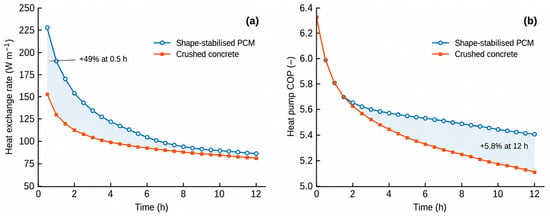
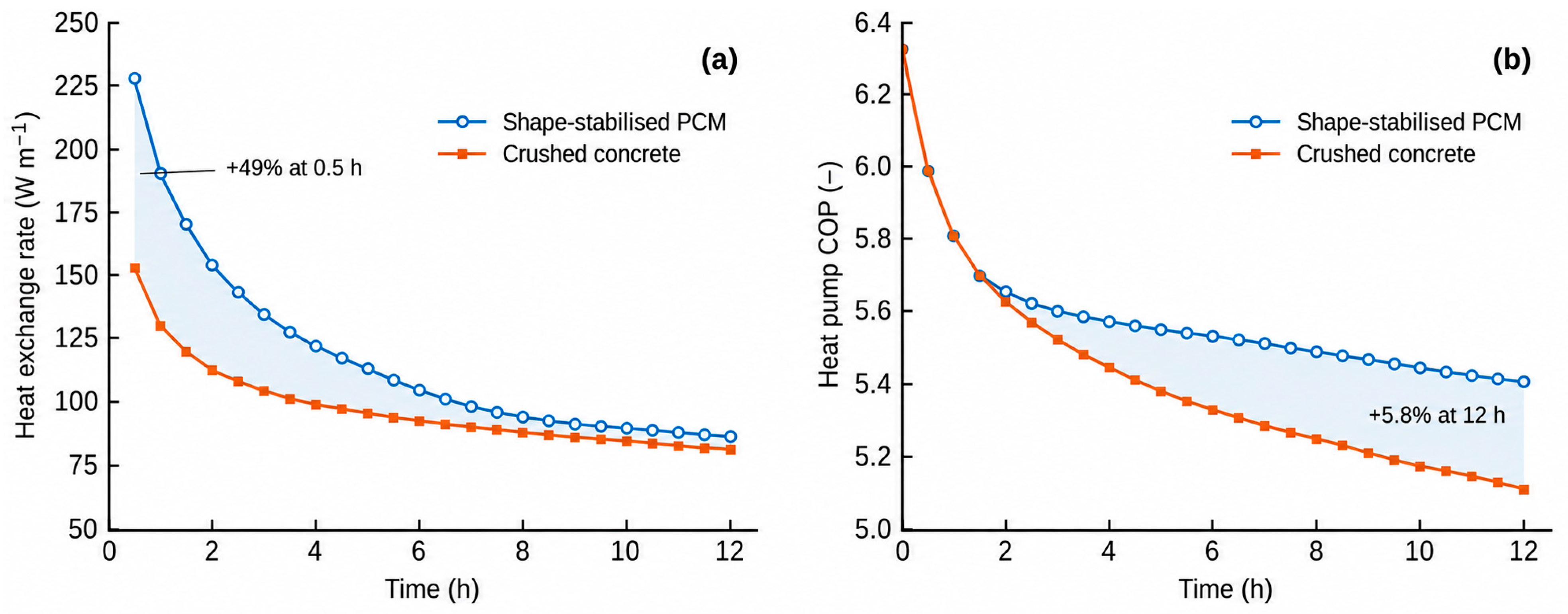
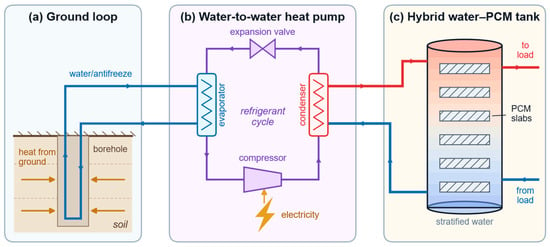
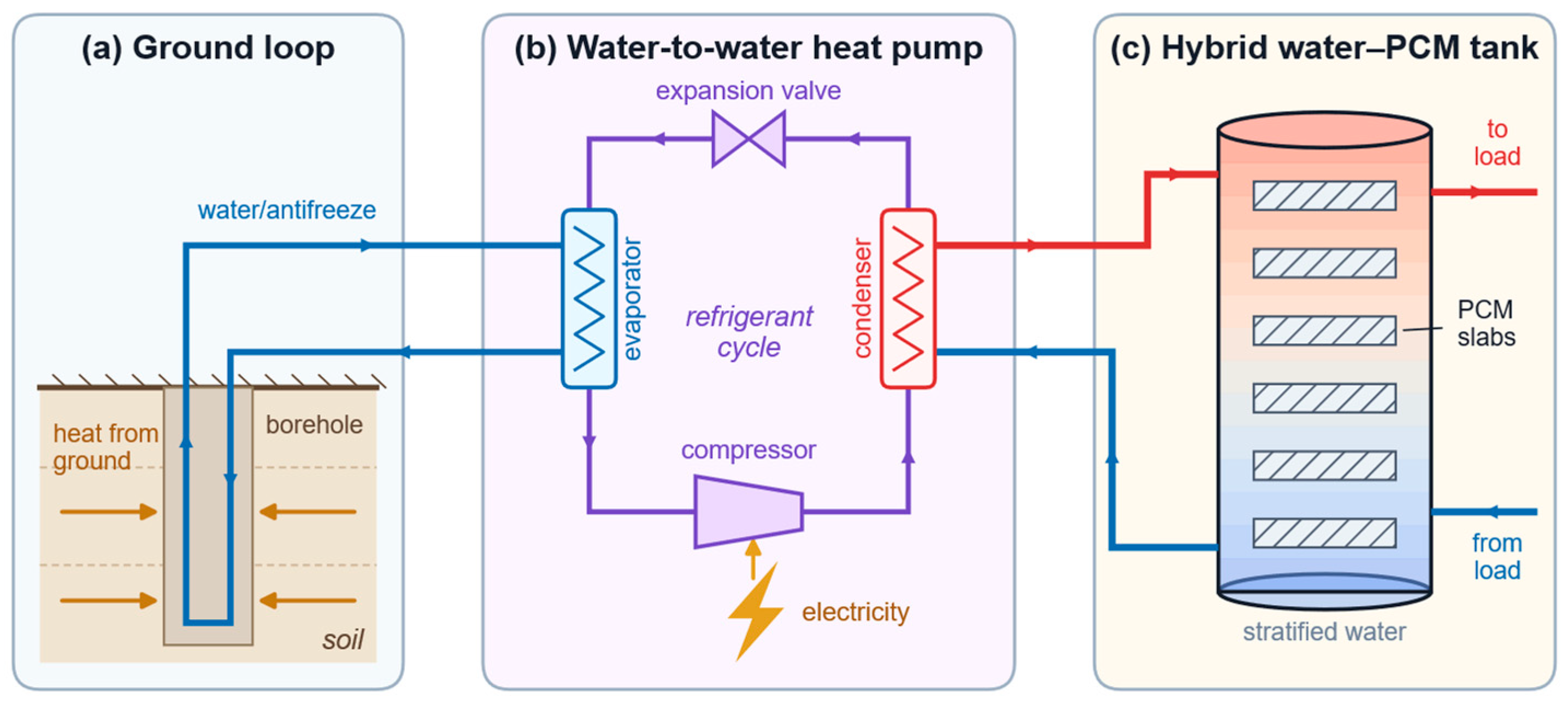
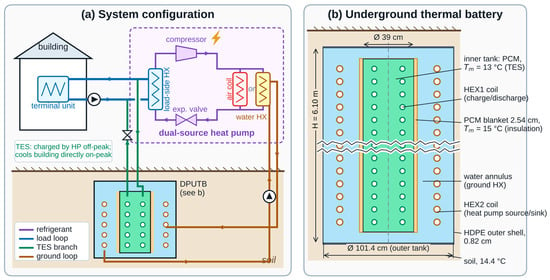
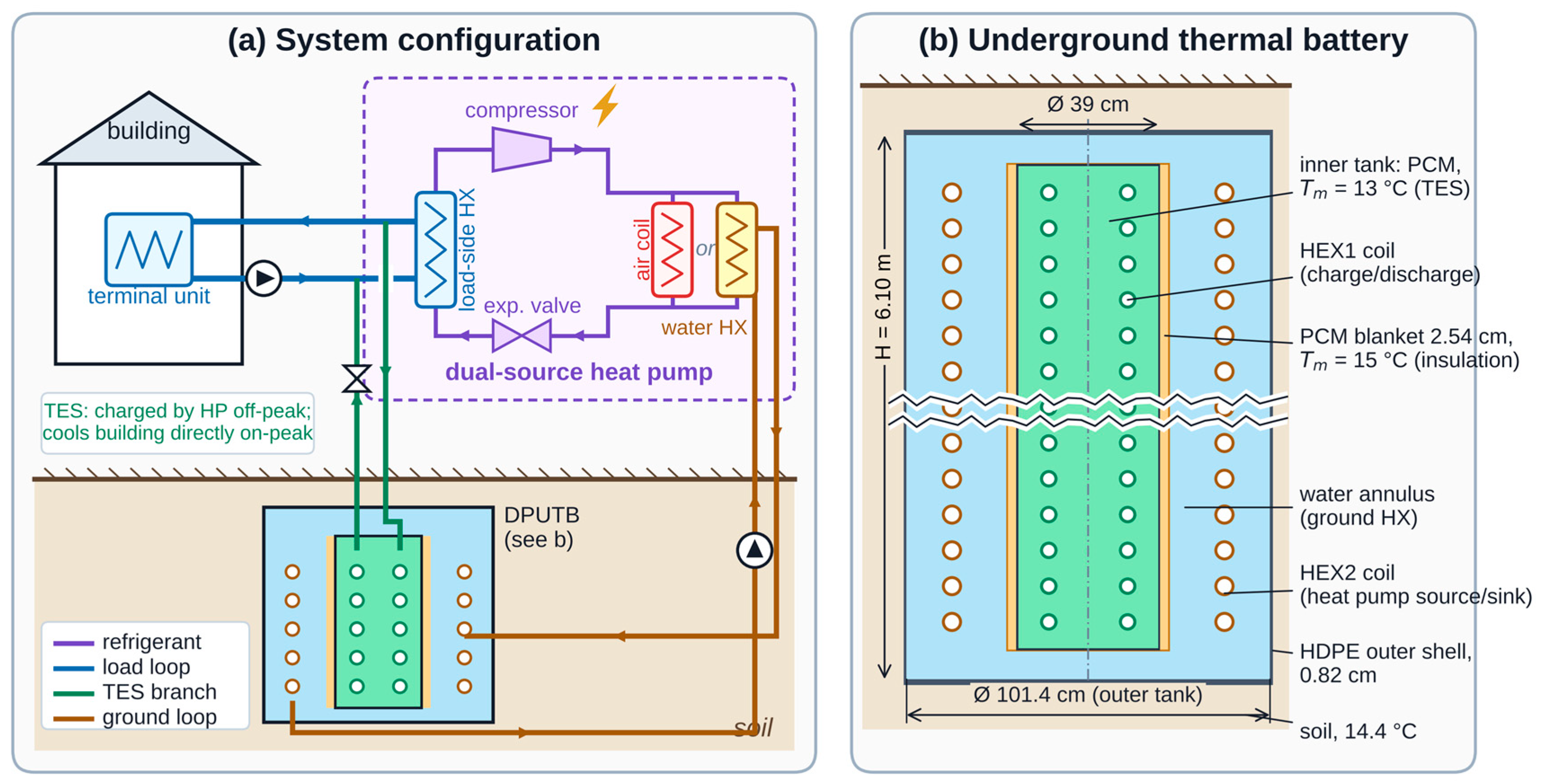
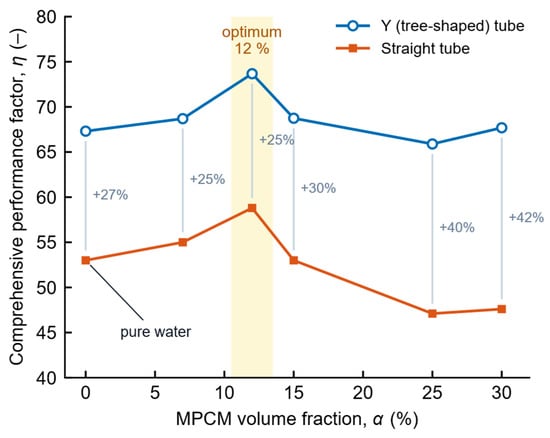
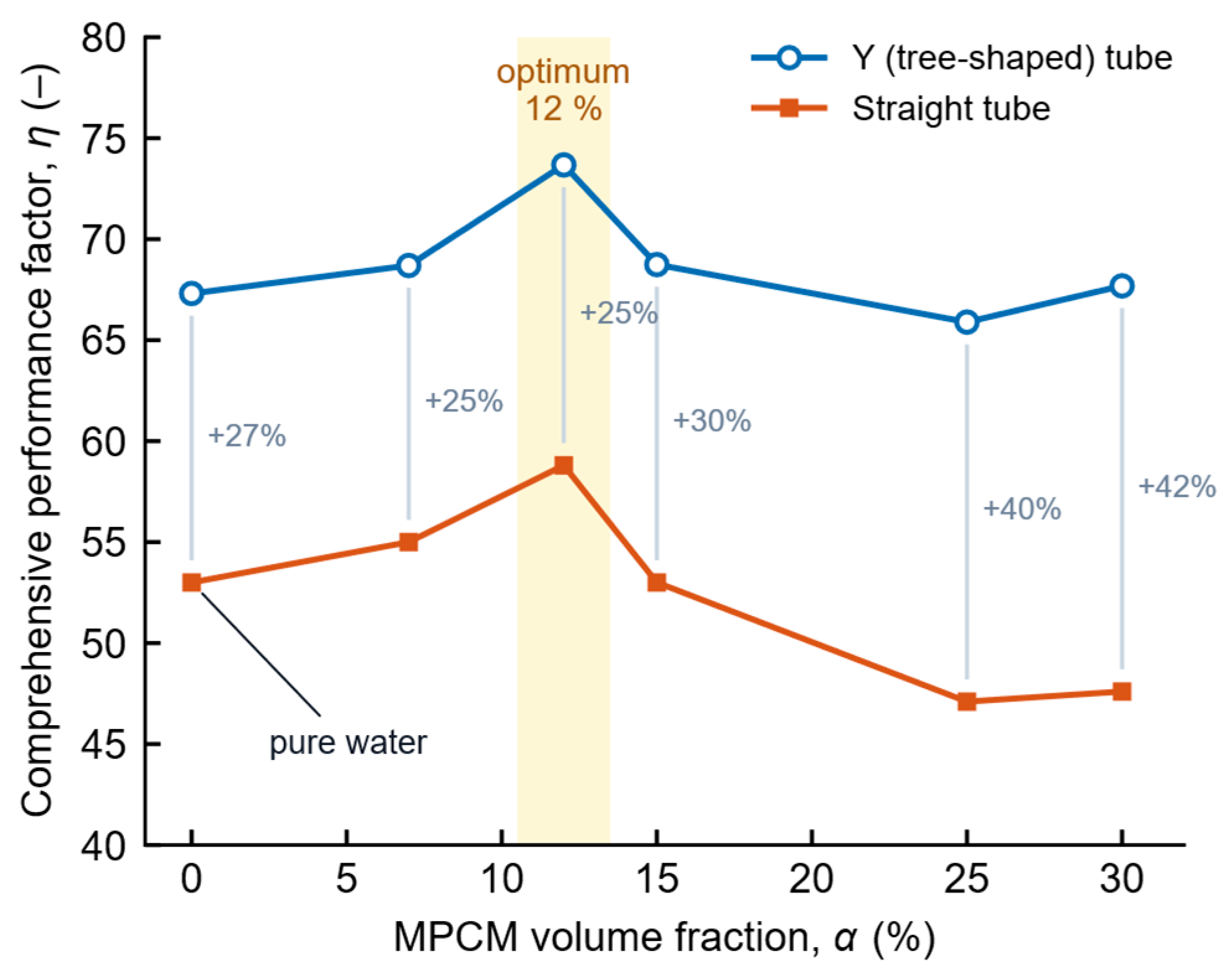
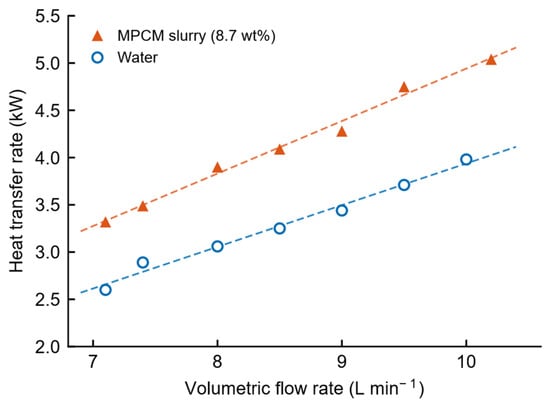
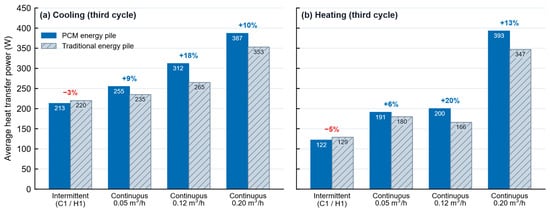
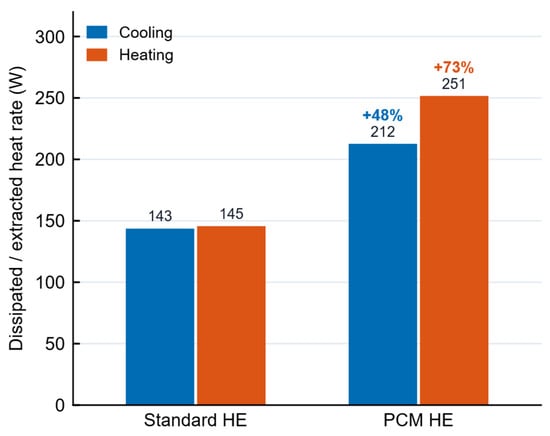
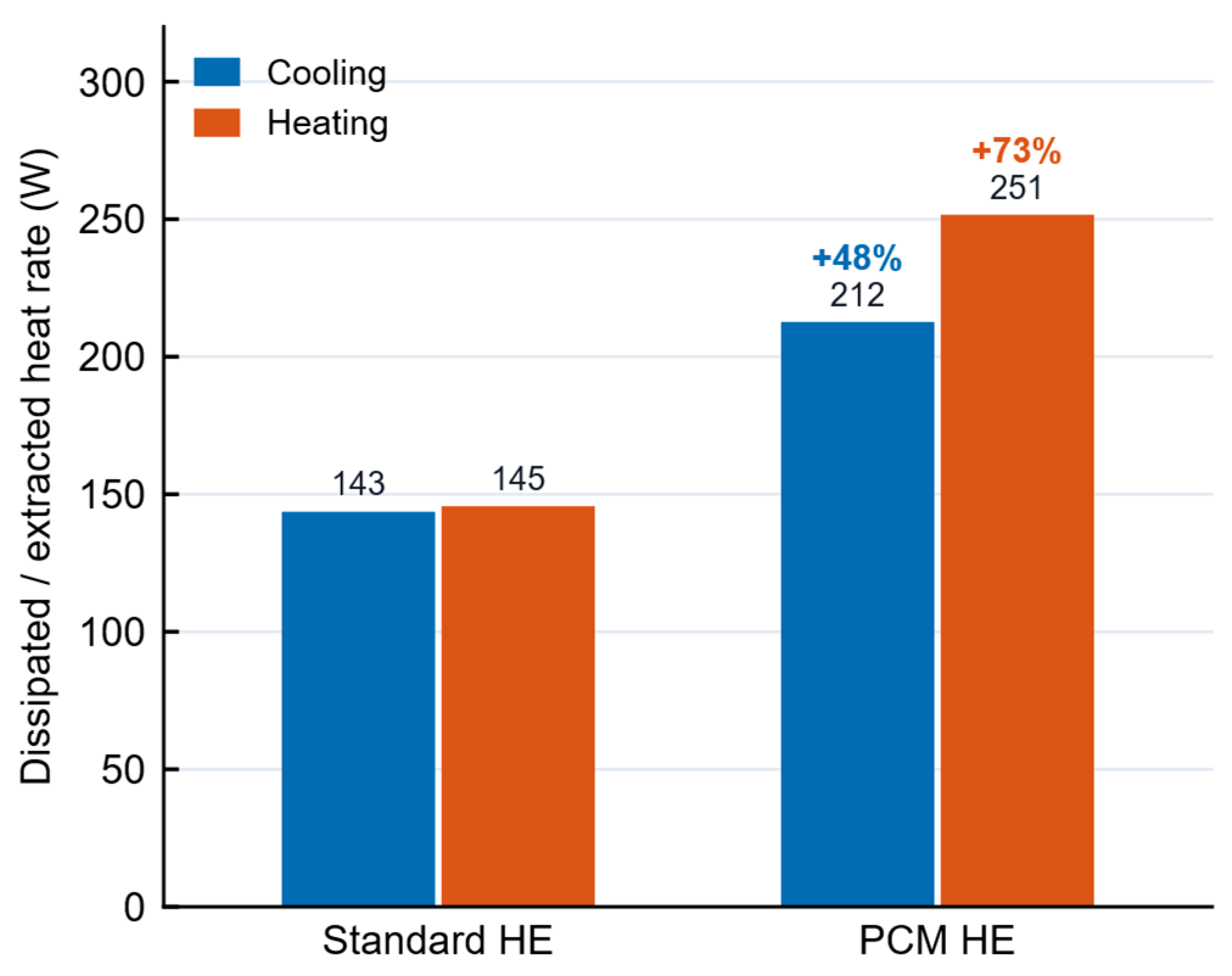
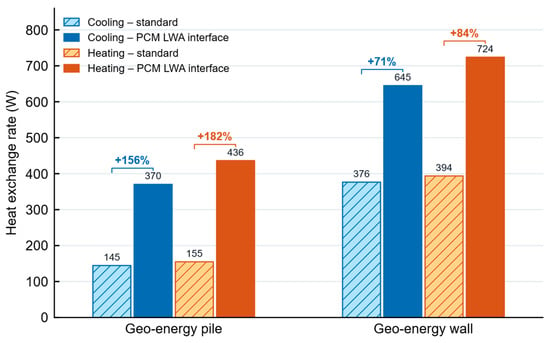
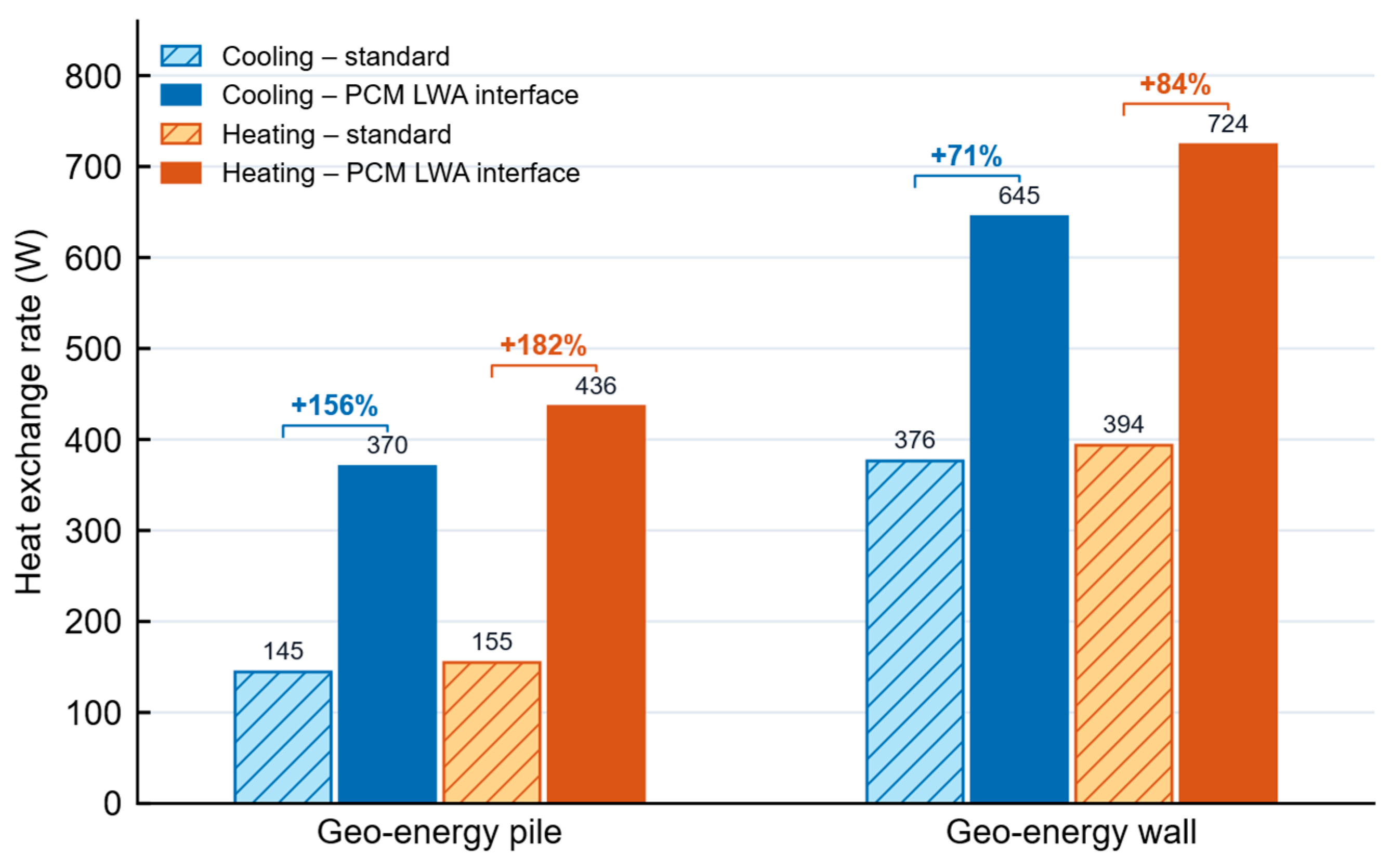
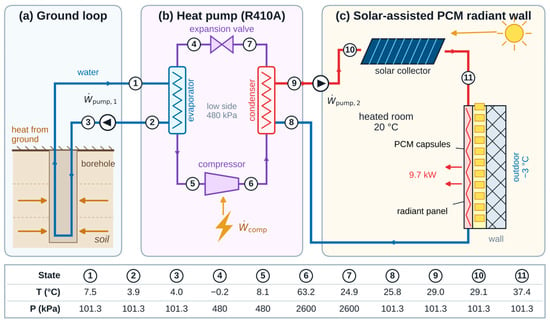
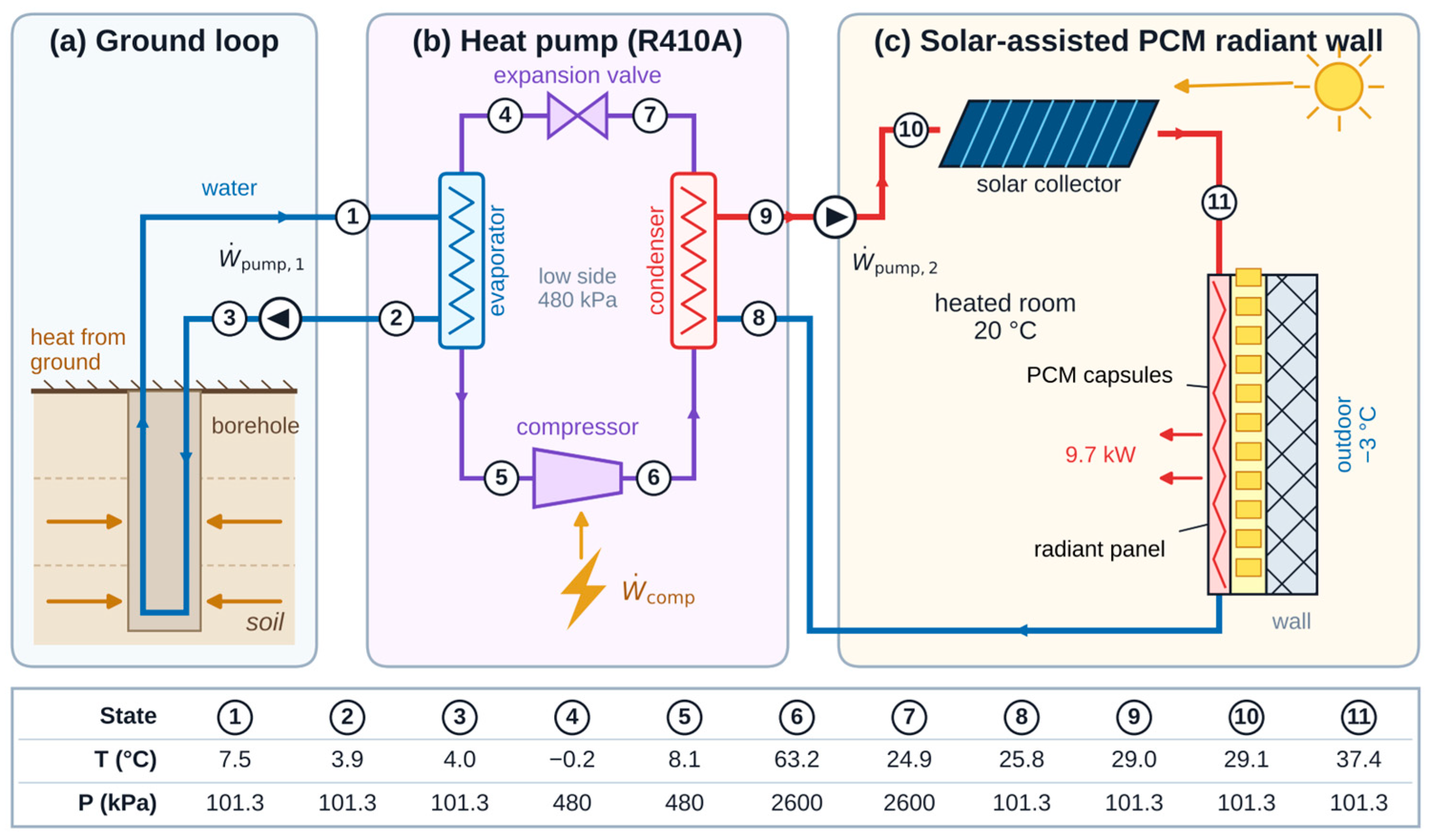
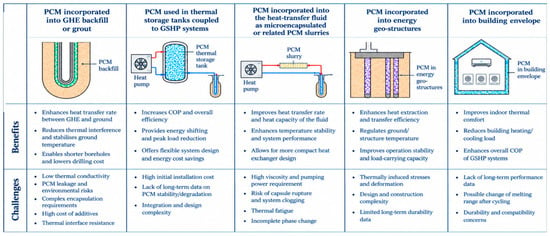
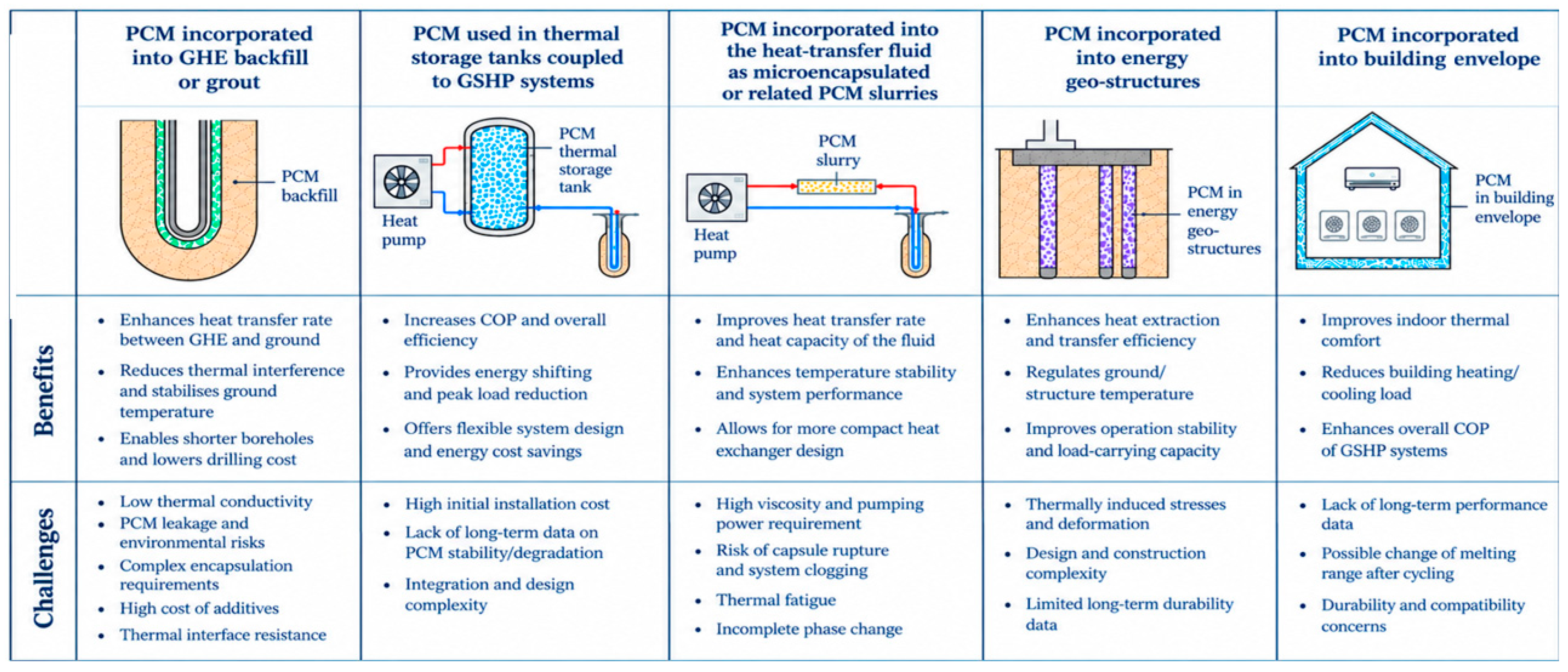
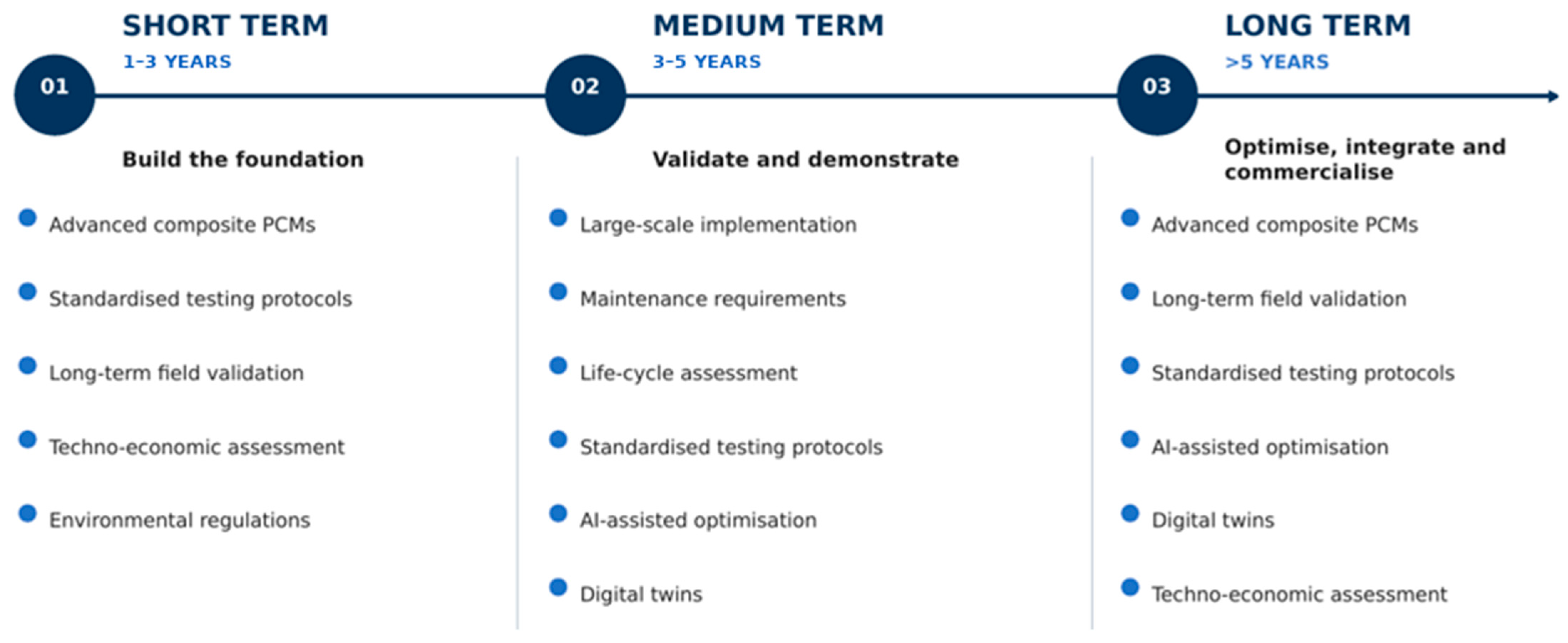

Disclaimer/Publisher’s Note: The statements, opinions and data contained in all publications are solely those of the individual author(s) and contributor(s) and not of MDPI and/or the editor(s). MDPI and/or the editor(s) disclaim responsibility for any injury to people or property resulting from any ideas, methods, instructions or products referred to in the content. |
© 2026 by the authors. Licensee MDPI, Basel, Switzerland. This article is an open access article distributed under the terms and conditions of the Creative Commons Attribution (CC BY) license.