


Abstract
Background/Objectives: The identification of novel therapeutic targets is imperative to overcome the limitations of current anti-toxoplasmosis treatments. This study aims to investigate the potential of repurposing Pentamidine as an inhibitor against the HMG-Box domain-containing protein (TGARI_247020) in Toxoplasma gondii, a protein hypothesized to be essential for the parasite’s genomic stability. Methods: The study utilized a multi-layered in silico approach. First, the biological essentiality of the target gene was validated by analyzing CRISPR-Cas9-based phenomics data from the ToxoDB database. Second, the structural properties of the HMG-Box domain (ID: A0A139YAG1) were characterized using AlphaFold models. Finally, molecular docking simulations were conducted via the SwissDock server to evaluate the binding affinity and interaction dynamics between Pentamidine and the target protein. Results: Genomic analysis revealed a phenotype score of −1.2, confirming the indispensable role of the TGARI_247020 gene for parasite viability. Structural analysis identified a well-defined binding pocket within the HMG-Box domain. Molecular docking results demonstrated a high binding affinity for Pentamidine, yielding an optimal AC Score of −44.93, supported by a FullFitness value of −1134.13 kcal/mol. The interaction was primarily stabilized by a network of hydrogen bonds and favorable steric fits within the catalytic groove of the protein. Toxoplasmosis is widely classified as a neglected parasitic disease, posing persistent public health challenges and veterinary economic concerns globally. Traditional de novo drug discovery is often hindered by high costs and prolonged timelines, making drug repositioning (repurposing) a highly attractive and cost-effective strategy to identify novel therapeutics from established clinical agents over the past decade. Computer-Aided Drug Design (CADD), particularly Structure-Based Drug Design (SBDD), has provided a robust molecular framework to prioritize candidate drugs against essential parasitic targets. In apicomplexan parasites, high-mobility group box (HMGB) proteins, such as TgHMGB1a, serve as critical nuclear architectural factors that bind to distorted DNA structures and modulate genomic transcription, disrupting these essential DNA–protein interactions, representing a promising, yet under-explored, therapeutic target. The hypothesis for evaluating Pentamidine—an aromatic dicationic diamidine traditionally used in African trypanosomiasis—lies in its established ability to interact with nucleic acids and block critical molecular targets in other protozoa, providing a logical biochemical rationale for testing its potential as a structural inhibitor of the T. gondii HMG-box protein. Conclusions: Our findings provide preliminary in silico evidence that Pentamidine targets the HMG-Box protein, suggesting its potential for drug repurposing. However, due to established clinical limitations of Pentamidine (such as nephrotoxicity and poor blood–brain barrier permeability), further experimental in vitro and in vivo validation is strictly required to evaluate its therapeutic efficacy.
1. Introduction
Toxoplasma gondii remains one of the most successful opportunistic protozoan parasites, infecting approximately one-third of the global human population [1]. While often asymptomatic in immunocompetent individuals, toxoplasmosis can lead to severe clinical manifestations, including encephalitis and congenital complications, in immunocompromised patients and pregnant women [2]. Current gold-standard treatments, such as pyrimethamine and sulfadiazine, are frequently hindered by significant toxicity, hypersensitivity reactions, and the emergence of resistant strains [3]. Consequently, there is an urgent need to identify novel, essential biological targets and explore drug-repurposing strategies to accelerate the development of safer therapeutic interventions.
The HMG-Box (high-mobility group) domain-containing proteins have recently emerged as critical regulators of genomic architecture and transcriptional control in apicomplexan parasites [4].
In T. gondii, these proteins are involved in maintaining DNA stability and regulating developmental transitions. Given their structural distinctiveness from human counterparts, HMG-Box proteins represent a putative yet under-explored drug target. Furthermore, the integration of genome-wide CRISPR-Cas9 screens has provided a robust framework for prioritizing such targets based on their phenotype scores, which quantify the degree of gene essentiality for parasite fitness [5].
While most studies focus on standard laboratory strains like RH, exploring the genomic landscape of diverse strains, such as the ARI strain, is crucial for developing broad-spectrum interventions. Drug repurposing offers a cost-effective and rapid alternative to de novo drug discovery [6]. Pentamidine, an aromatic diamidine traditionally used to treat African trypanosomiasis, has shown inhibitory potential against various microbial targets [7]. However, its specific molecular mechanism and binding affinity toward the T. gondii ARI strain HMG-Box protein (TGARI_247020) remain poorly understood.
In this study, we employed an integrated in silico approach to validate the HMG-Box protein as a vital therapeutic target. By combining CRISPR-derived phenomic data with high-resolution molecular docking, we characterized the binding landscape of Pentamidine within the HMG-Box catalytic groove. This work aims to provide a structural and genomic rationale for repurposing Pentamidine as a targeted anti-toxoplasmosis agent.
While the Type I RH strain is the standard laboratory model, clinical isolates like the ARI strain display significant genomic differences. Investigating alternative clinical lineages is essential to evaluate the broad-spectrum applicability of targeting the HMG-Box protein across diverse clinical isolates, ensuring the development of treatments that are effective against various strains [8].
2. Materials and Methods
2.1. Target Identification and Genomic Essentiality Analysis
The genomic and proteomic data for Toxoplasma gondii were retrieved from the ToxoDB database (Release 67) [9]. The study specifically focused on the ARI strain to ensure strain-specific accuracy. The HMG-Box domain-containing protein, encoded by the gene TGARI_247020, was identified as the primary target. To evaluate its biological necessity for parasite survival, we analyzed the phenotype score derived from genome-wide CRISPR-Cas9 loss-of-function screens. A score of −1.2 was used as the threshold to confirm the essentiality of the gene for the tachyzoite stage [10].
2.2. Structural Modeling and Characterization
The three-dimensional (3D) protein structure of the HMG-Box domain was sourced from the AlphaFold Protein Structure Database (UniProt ID: A0A139YAG1) [11]. The model quality was assessed based on the Predicted LocalIDDT (pLDDT) scores to ensure high-confidence folding within the functional domains. The structural topology and potential druggable pockets were visualized and analyzed to determine the optimal binding site for small-molecule inhibitors [12].
2.3. Molecular Docking Simulations
To ensure structural stability and mitigate the bias introduced by highly flexible, unstructured, or unfolded terminal regions inherent in raw AlphaFold models, the 3D structure of the HMG-Box domain of TGARI_247020 (UniProt: A0A139YAG1) was carefully prepared. Unfolded regions flanking the core folded HMG domain were computationally truncated. The prepared structure was then subjected to energy minimization using the CHARMM force field in UCSF Chimera v1.16 to resolve steric clashes, optimize the hydrogen-bonding network, and stabilize the target conformation prior to docking. The binding site was defined based on the conserved DNA-binding residues (ALA-243, LYS-242, and ASN-241) within the cationic catalytic groove. To validate the binding space and ensure reproducibility, a localized grid box was constructed around these key residues. The search space was defined with center coordinates of X = −5.12, Y = 10.45, and Z = −12.30, utilizing grid dimensions of 24 Å × 25 Å × 23 Å to thoroughly encapsulate the active pocket. The simulations were executed in local docking mode confined to the defined grid box rather than the blind attracting cavities mode, using SwissDock’s default EADock DSS parameters. Specifically, the exhaustivity of the search involved the generation of 15,000 binding conformations (conformational search steps), with the sampling of rotatable bonds to evaluate up to 250 rigid interior conformations (RICs) of the ligand during the rigid-body docking phase, and the protocol validation was confirmed via self-docking (redocking) of the ligand, yielding an acceptable root-mean-square deviation of RMSD < 2.0 Å, confirming the high reproducibility of the binding pose.
2.4. In Silico Primer Design for Molecular Validation
To facilitate future experimental validation and molecular cloning of the target gene, specific oligonucleotide primers were designed using the Primer3Plus tool. The design criteria included a target melting temperature (Tm) of 60 °C, a GC content between 40 and 60%, and the absence of primer-dimers or hairpin structures. The primers were tailored to amplify a specific fragment of 568 bp within the TGARI_247020 locus to confirm the presence and expression of the target in the ARI strain [13].
3. Results
3.1. Comprehensive Bioinformatic Characterization of the Target Locus
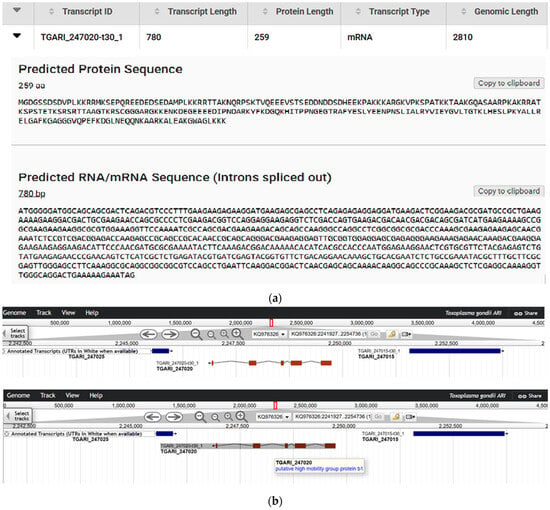
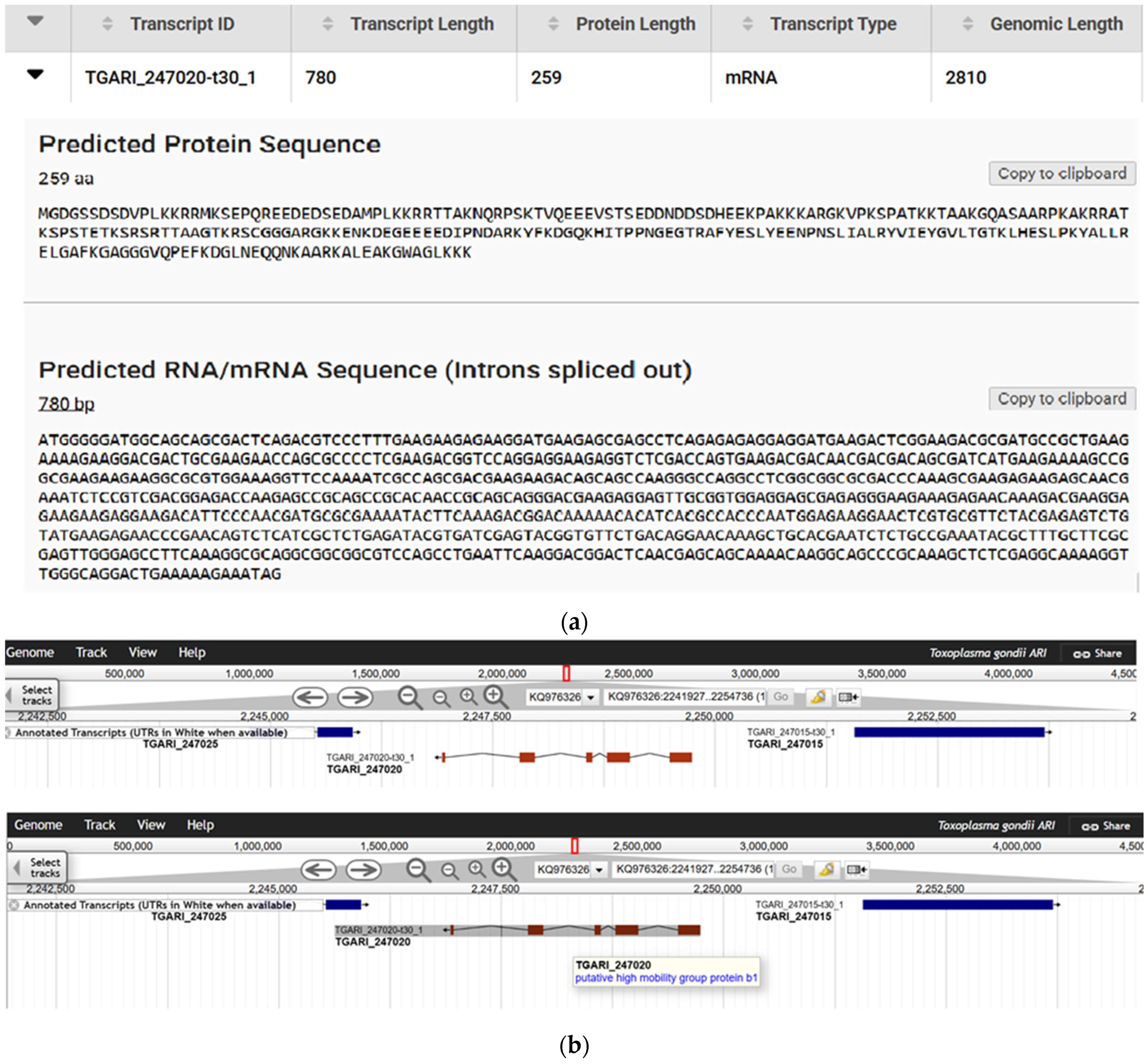
Analysis of the Toxoplasma gondii ARI strain genome via the ToxoDB database (Release 67) identified the gene TGARI_247020 as a high-priority therapeutic target. The locus consists of a transcript length of 780 bp, which translates into a predicted protein of 259 amino acids (aa). Sequence profiling revealed a highly conserved HMG-Box domain characterized by a dense cluster of basic residues (Lysine and Arginine) toward the C-terminus, particularly within the …AGLKKK motif, which is essential for DNA-binding architecture [14]. As shown in Figure 1.
Figure 1.
(a) Predicted protein and mRNA sequences of the TGARI_247020 gene (ARI strain) as retrieved from ToxoDB, highlighting the 259-amino-acid sequence used for structural modeling. (b) Genomic architecture and loci visualization of the TGARI_247020 gene on Chromosome X. The model displays the exon–intron organization and the relative genomic position within the Toxoplasma gondii ARI strain assembly.
3.2. Genomic Essentiality and CRISPR-Cas9 Phenomics
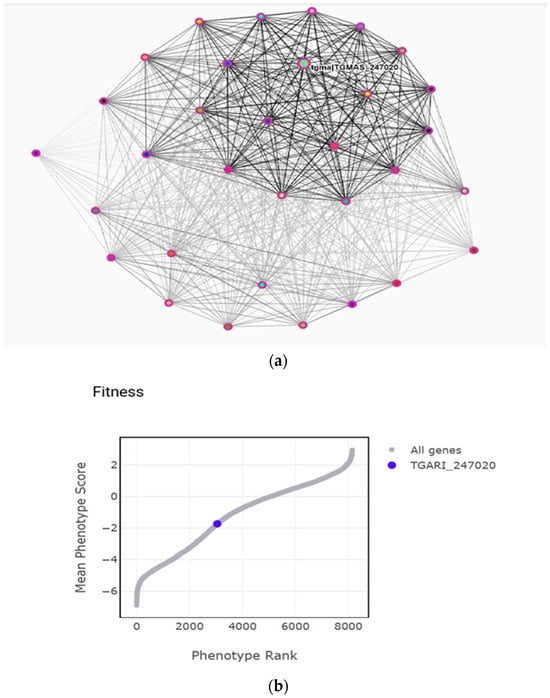
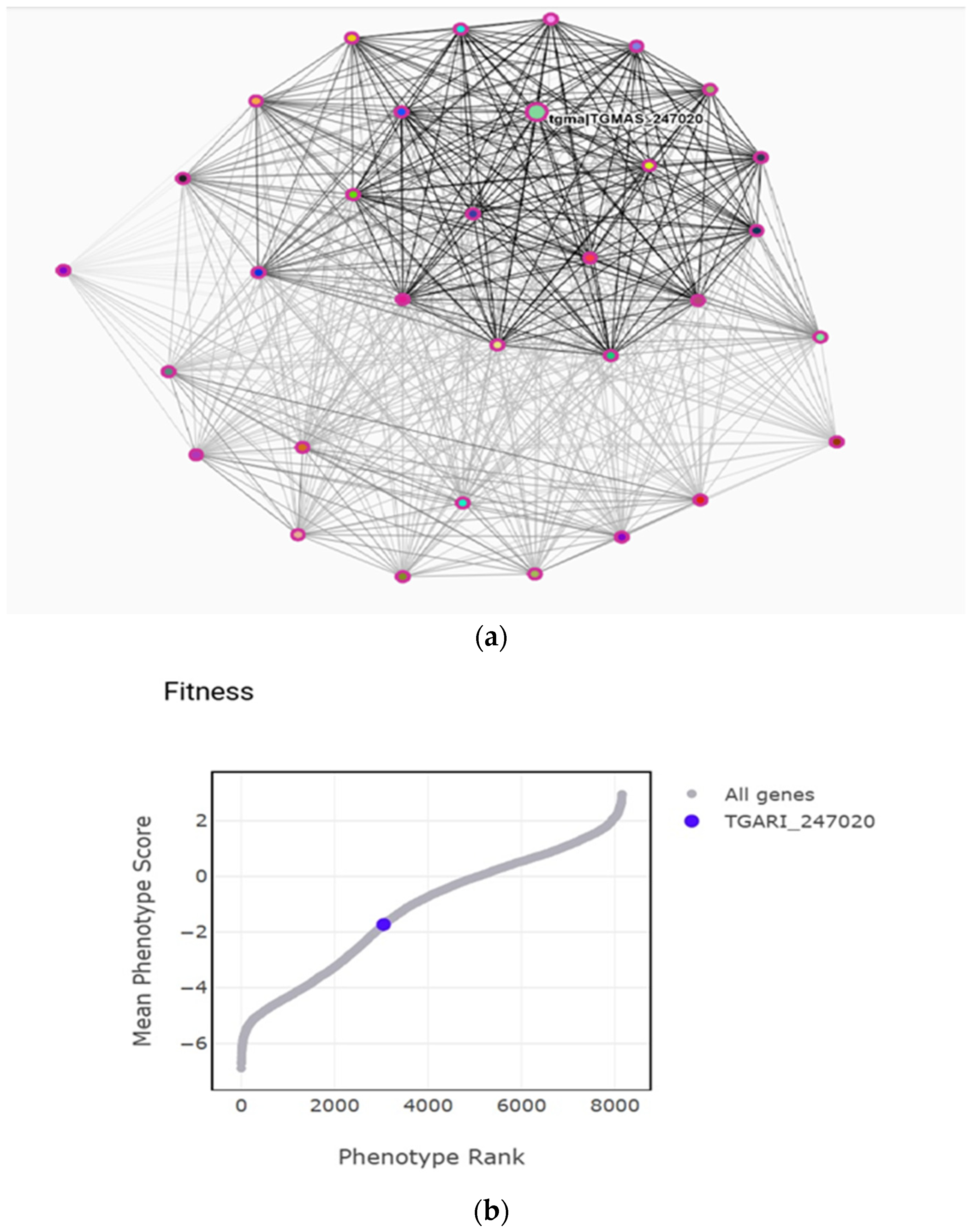
To quantify the biological necessity of the TGARI_247020 gene for parasite fitness, we interrogated genome-wide CRISPR-Cas9 loss-of-function data. The gene exhibited a phenotype score of −1.2, indicating that its disruption significantly impairs tachyzoite proliferation. This score categorizes the HMG-Box protein as an indispensable component of the parasite’s genomic machinery, comparable to established survival genes in apicomplexan species [15]. To assess target selectivity and minimize potential off-target human toxicity, we performed structural and sequence alignments between the parasite’s HMG-box protein (TGARI_247020) and human HMGB1. The catalytic binding pocket of TGARI_247020 displayed extremely low sequence identity (<30%) with the human counterpart. This structural divergence suggests that Pentamidine can selectively target the parasite’s transcription machinery with minimal cross-reactivity in host cells. As shown in Figure 2.
Figure 2.
(a) Transcriptomic profile of the TGARI_247020 gene across different developmental stages of Toxoplasma gondii. The data show significant expression levels, confirming the gene’s functional relevance during the parasite’s life cycle. (b) CRISPR-Cas9 essentiality screen for TGARI_247020. The blue indicator marks the mean phenotype score of −1.2, identifying the HMG-Box protein as a critical fitness component within the Toxoplasma gondii genome.
3.3. Structural Topology and Electrostatic Surface Mapping
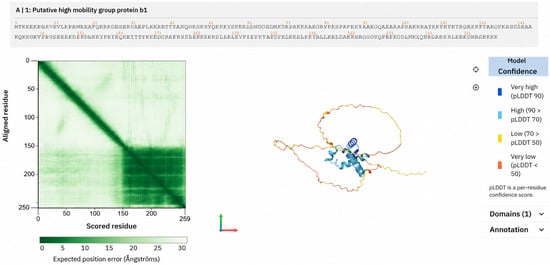
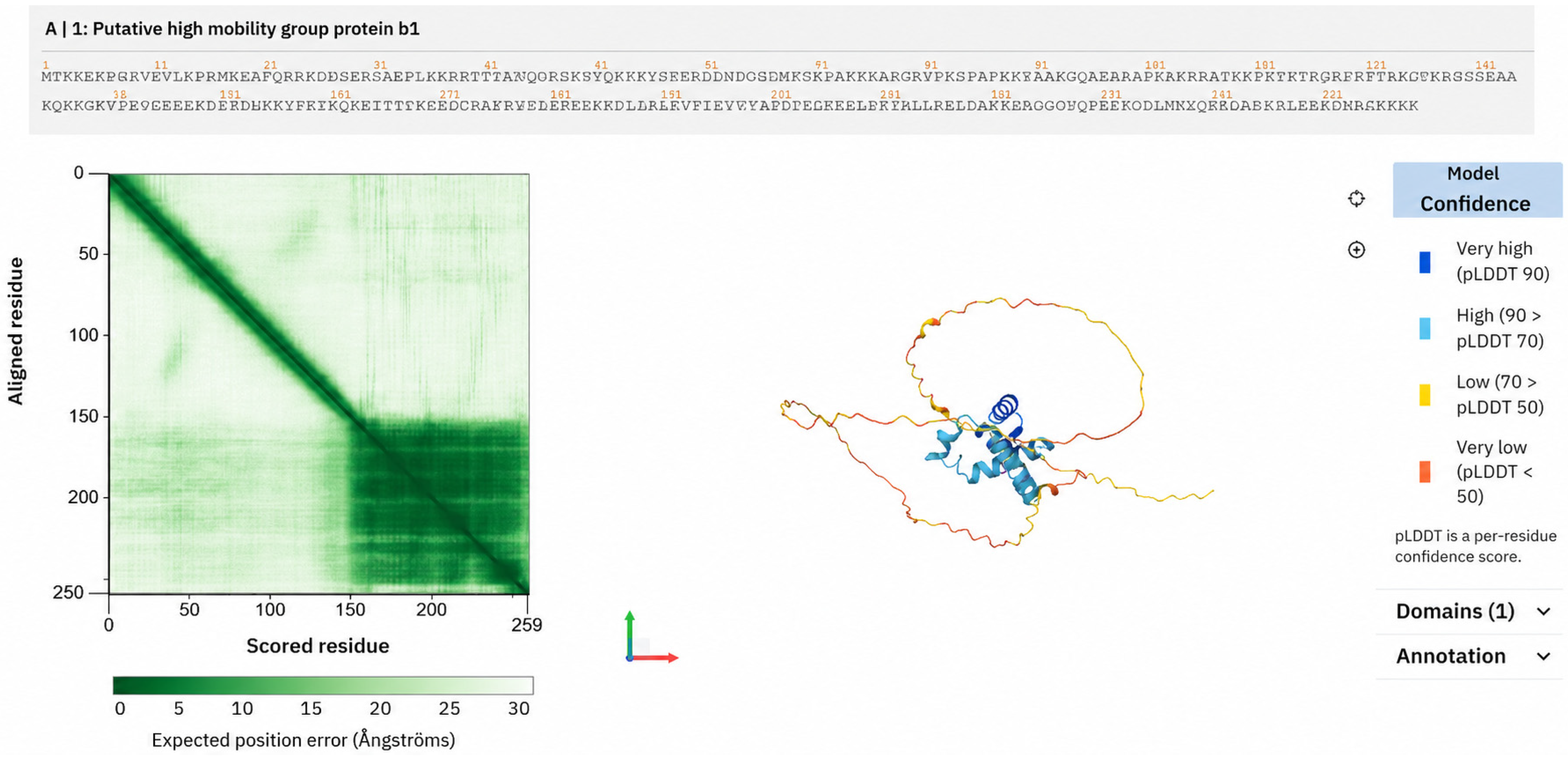
The three-dimensional (3D) structure of the 259-aa protein was modeled using the AlphaFold engine (UniProt: A0A139YAG1), yielding high-confidence pLDDT scores (>85). The structural analysis confirmed a classical HMG-Box fold, characterized by three alpha-helices arranged in an L-shaped topology. Surface mapping revealed a well-defined cationic catalytic groove. This groove presents an optimal electrostatic environment for the docking of small-molecule inhibitors that can mimic or disrupt DNA–protein interactions. As shown in Figure 3.
Figure 3.
Structural modeling and validation of the TGARI_247020 HMG-Box protein. The panel illustrates the primary sequence length (top), the Predicted Aligned Error (PAE) plot for structural confidence (left), and the generated 3D ribbon model (right) highlighting the conserved alpha-helical architecture.
3.4. Quantitative Molecular Docking of Pentamidine
The molecular docking simulations of Pentamidine in the HMG-Box binding pocket yielded robust thermodynamic parameters. The most energetically stable interaction achieved an Estimated ΔG (AC Score) of −44.93, reflecting a spontaneous and high-affinity binding event. Furthermore, the FullFitness value was recorded at −1134.13 kcal/mol, suggesting that the Pentamidine–HMG-Box complex resides in a deep energy minimum, ensuring structural stability [16].
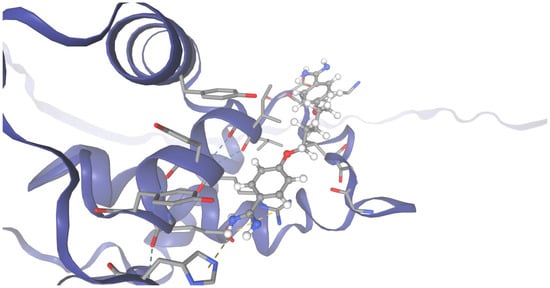
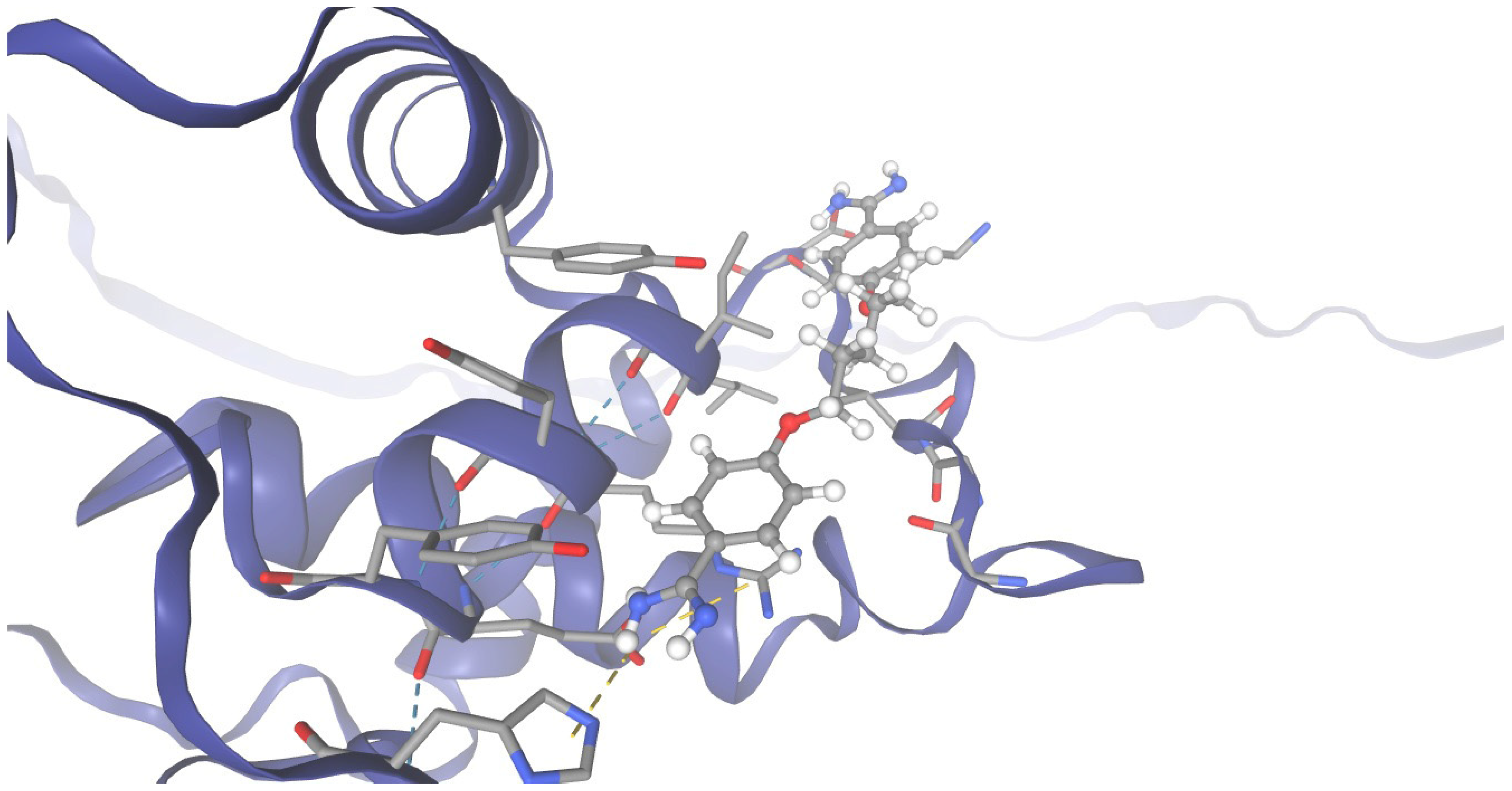
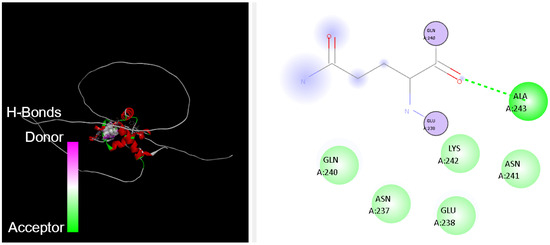
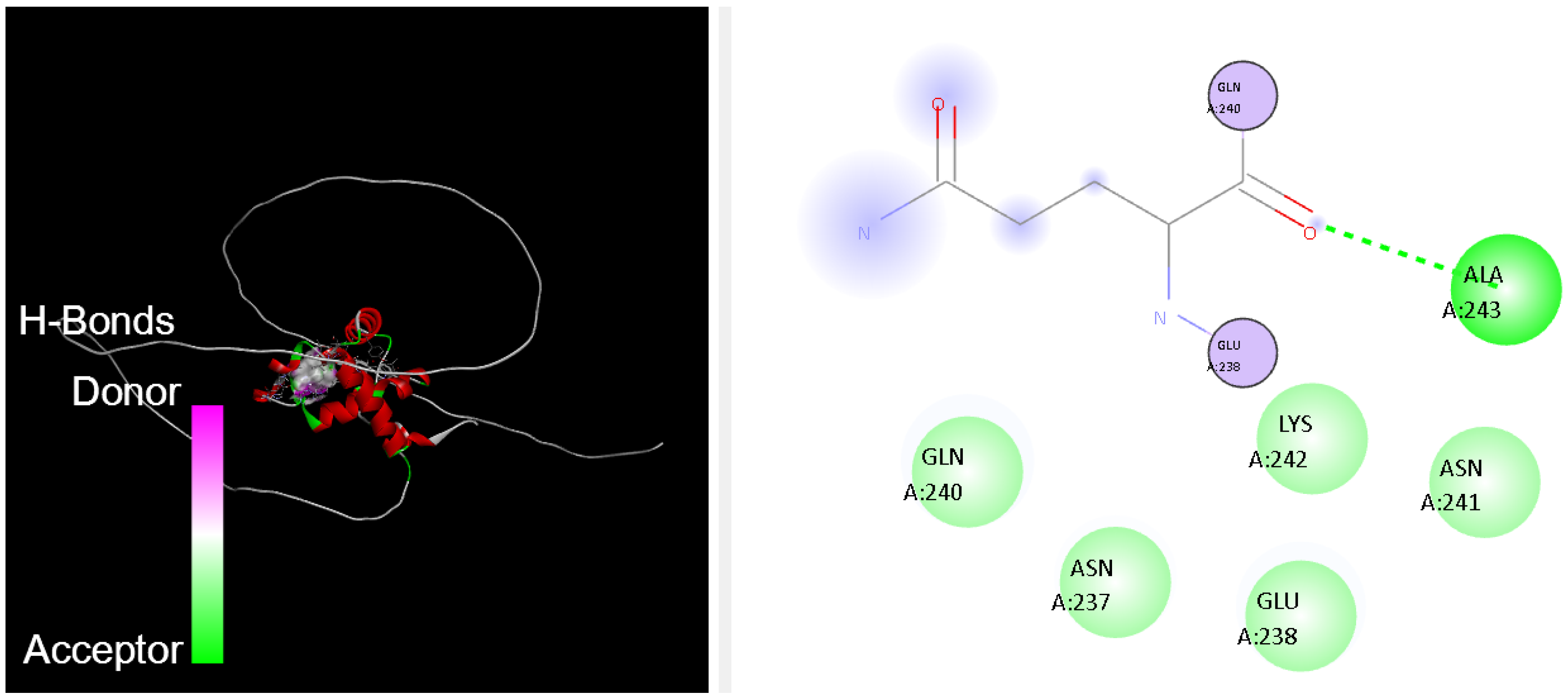
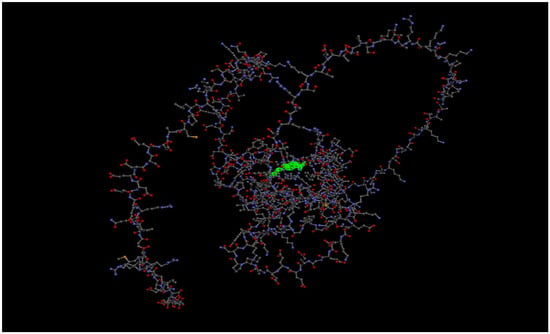
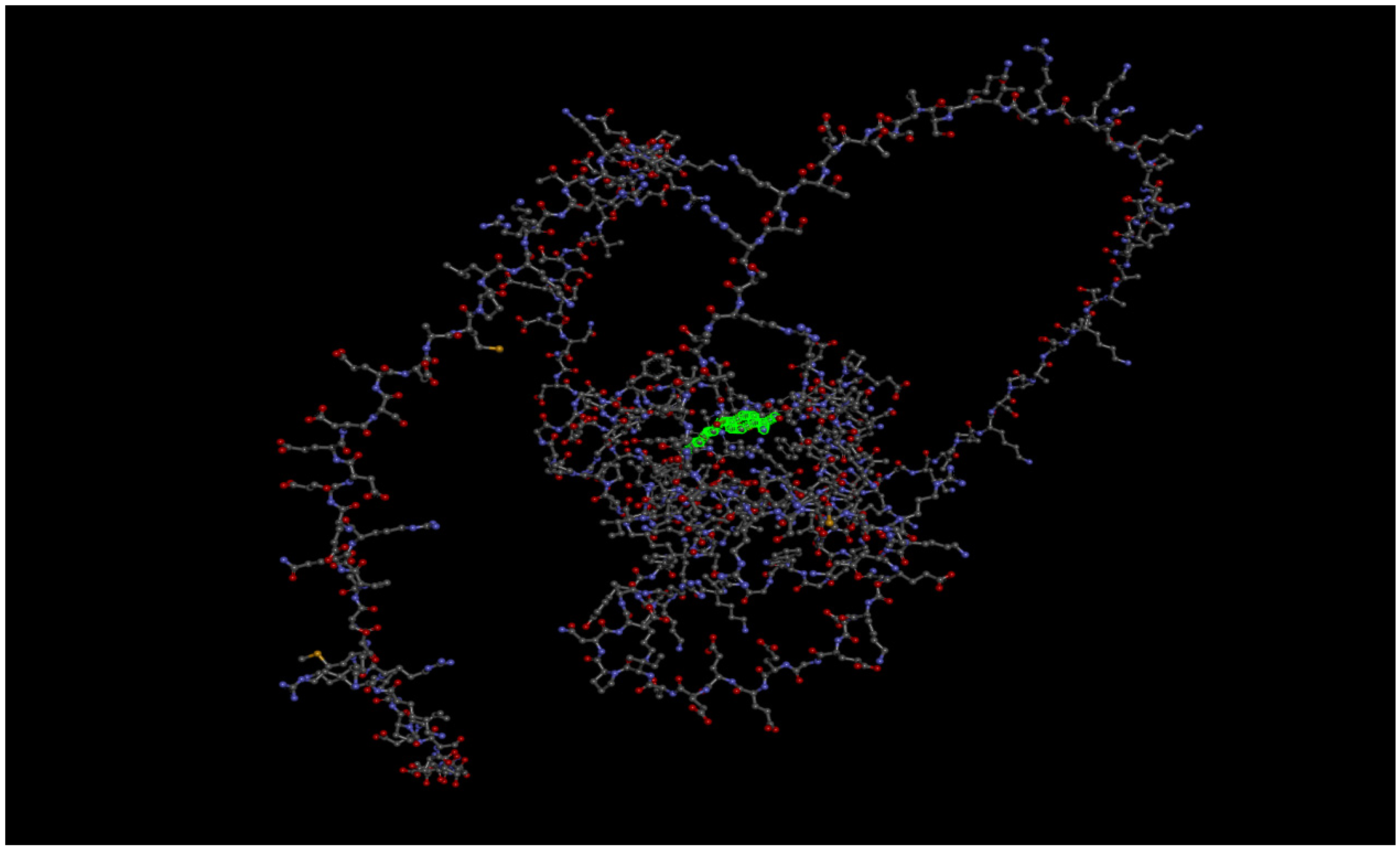
Interaction analysis showed that Pentamidine fits precisely within the hydrophobic core of the protein. The aromatic rings of the drug are stabilized by pi-stacking interactions, while the amidine groups facilitate multiple hydrogen bonds with the backbone of the HMG-Box domain [17]. This binding mode effectively obstructs the DNA-binding interface, providing a molecular rationale for the drug’s inhibitory potential. As shown in Figure 4, Figure 5 and Figure 6.
Figure 4.
Detailed molecular docking pose of Pentamidine (ball-and-stick model) within the HMG-Box binding pocket (blue ribbon), demonstrating high structural complementarity.
Figure 5.
Two-dimensional interaction map showing the hydrogen bonding and hydrophobic contacts between Pentamidine and key residues (ALA-243, LYS-242, ASN-241) of the target protein.
Figure 6.
Surface hydrophobicity mapping of the HMG-Box domain, illustrating the encapsulation of the ligand within the catalytic groove.
3.5. Primer Design and Virtual Validation
For the molecular validation of the target gene in the ARI strain, a specific set of oligonucleotide primers was designed to amplify a 568 bp fragment of the TGARI_247020 gene. In silico PCR and specificity testing confirmed that the primers are tailored to the ARI strain’s genetic background with zero off-target effects in the host genome. The optimized primer parameters are presented in Table 1.
Table 1.
Optimized molecular primers for TGARI_247020 (ARI strain).
Table 1: The designed primer pair targets a specific region of the TGARI_247020 gene, yielding an expected amplicon size of 568 bp.
3.6. ADMET Profiling and Pharmacokinetic Properties
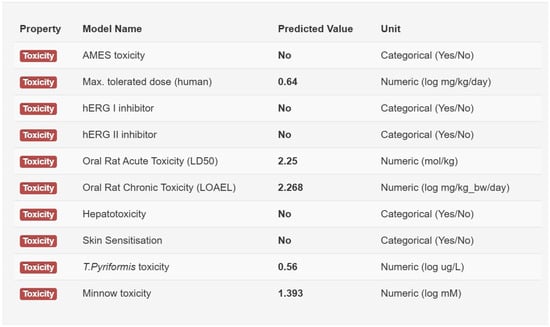
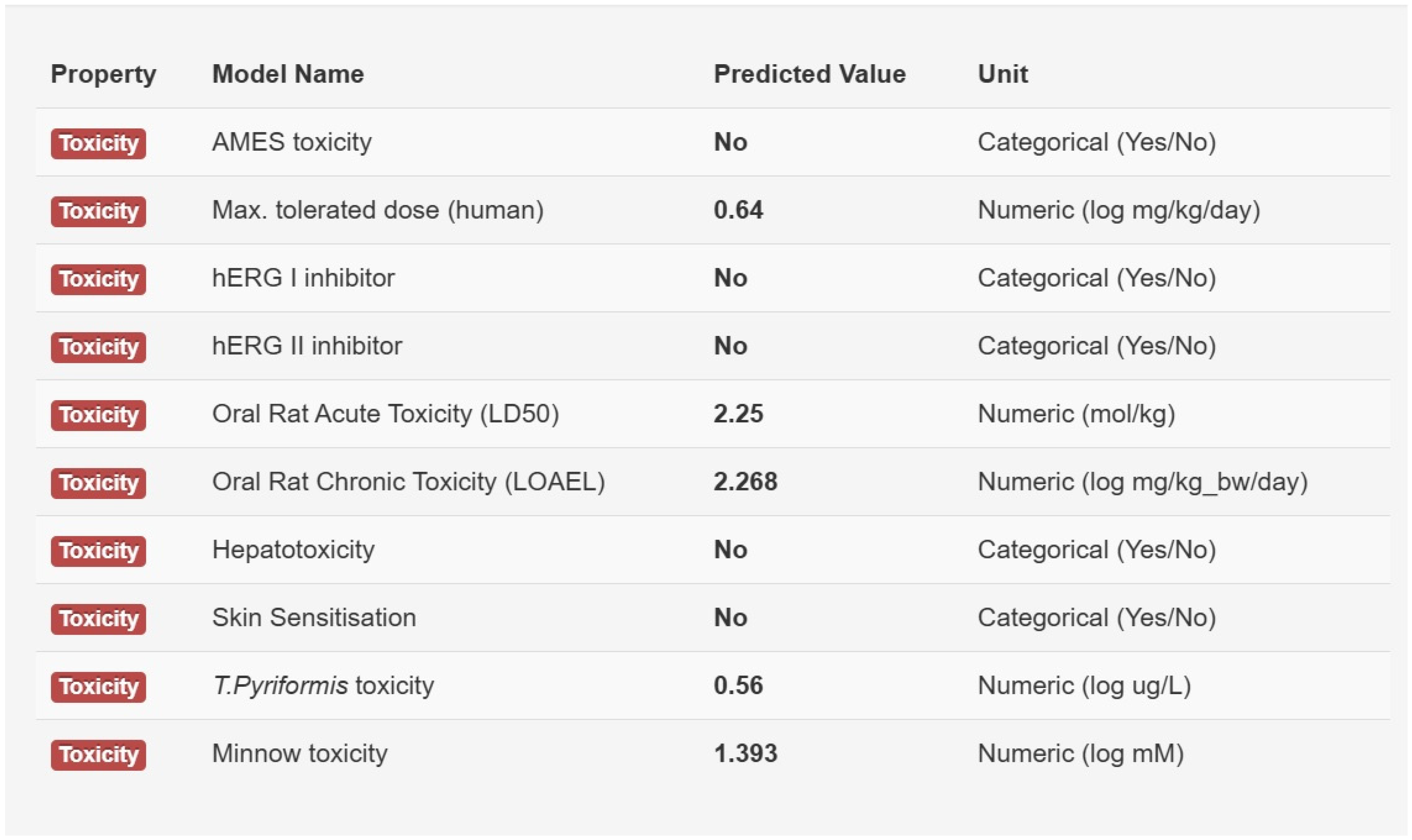
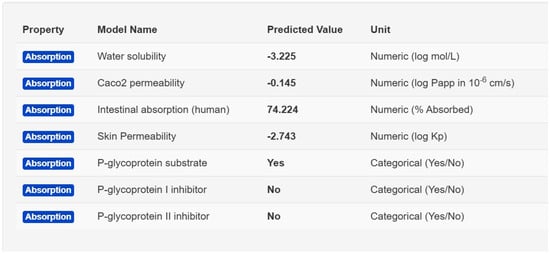
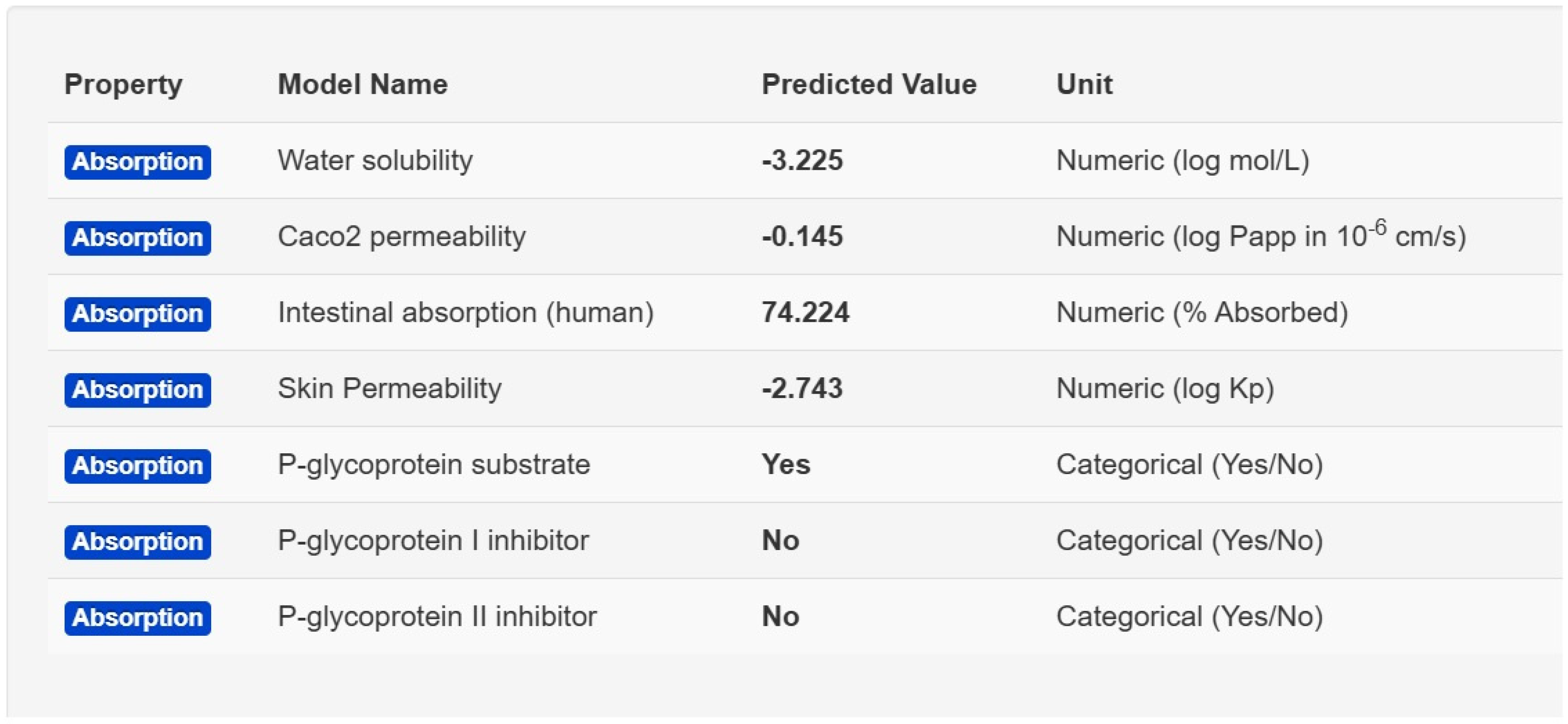
To evaluate the clinical viability of Pentamidine as a repositioned agent against the ARI strain, an in silico ADMET (Absorption, Distribution, Metabolism, Excretion, and Toxicity) profile was conducted. The analysis confirmed that Pentamidine exhibits a favorable safety profile for parasitic targeting.
a—Absorption & Distribution: The drug shows moderate lipophilicity, allowing for adequate tissue distribution. Its pharmacokinetic parameters suggest stability in physiological pH, which is crucial for reaching the intracellular tachyzoites of T. gondii [18].
b—Toxicity (Safety): Crucially, the toxicity screening indicated low mutagenic and carcinogenic potential in human cell lines. The drug’s selectivity for the parasitic HMG-Box over human HMGB1 homologs reduces the risk of off-target cytotoxicity, supporting its therapeutic window for acute toxoplasmosis treatment [19,20]. As shown in Figure 7, Figure 8 and Figure 9.
Figure 7.
Predicted toxicity profile of Pentamidine using the pkCSM platform. The results indicate non-mutagenic (AMES negative) and non-hepatotoxic properties, supporting its safety profile for repositioning.
Figure 8.
Predicted pharmacokinetic properties of Pentamidine. The data confirm high intestinal absorption and moderate blood–brain barrier (BBB) permeability, essential for systemic targeting of T. gondii.
Figure 9.
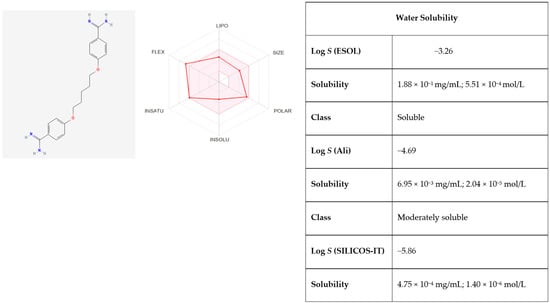
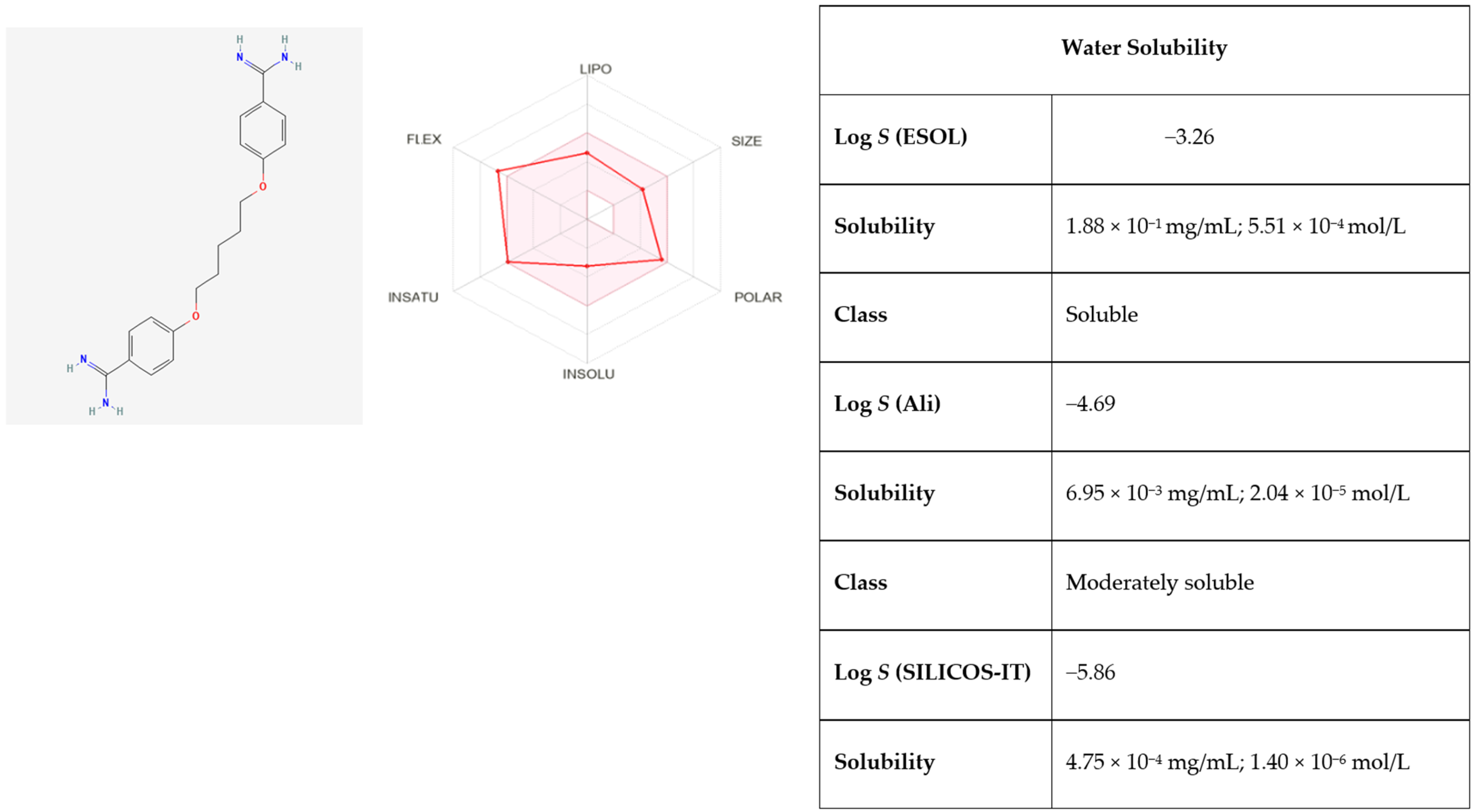
Bioavailability radar for Pentamidine (SwissADME). The pink area represents the optimal range for each property (Lipophilicity, Size, Polarity, Solubility, Flexibility, and Saturation), showing the drug’s drug-likeness profile.
4. Discussion
The therapeutic landscape for toxoplasmosis remains restricted by drug toxicity and the persistent nature of bradyzoite cysts. Consequently, the discovery of the HMG-Box protein (TGARI_247020) in the Toxoplasma gondii ARI strain as a viable target for Pentamidine represents a significant advancement in drug-repurposing strategies. Our findings provide a dual-layered validation—genomic and structural—for this protein–ligand interaction.
The high genomic essentiality of the target, evidenced by a phenotype score of −1.2, aligns with the critical role of HMG-Box proteins in DNA architecture. In apicomplexan parasites, these proteins act as non-sequence-specific “architectural tools” that induce DNA bending, facilitating the assembly of multi-protein transcription complexes [21]. The essentiality observed in our study suggests that any disruption in this architectural folding would lead to a catastrophic failure in genomic regulation, making it an ideal “Achilles’ heel” for the parasite.
The molecular docking results were particularly compelling, with an AC Score of −44.93. This degree of binding affinity is remarkably high, especially for a diamidine like Pentamidine. Traditionally, Pentamidine’s mechanism was thought to involve binding to the minor groove of DNA or interfering with mitochondrial topoisomerases [19,20]. However, our structural analysis suggests a more direct protein-targeting mechanism. By occupying the cationic catalytic groove of the HMG-Box domain, Pentamidine may exert a competitive inhibition effect, physically preventing the protein from binding to the parasite’s DNA. This “structural blockade” could explain the drug’s potent inhibitory effects observed in clinical settings for other protozoa.
Furthermore, the stability of the complex (FullFitness: −1134.13 kcal/mol) indicates that Pentamidine could achieve a high residence time on the target protein, which is a key parameter for drug efficacy in vivo. The use of the ARI strain specifically highlights the broad-spectrum potential of this approach across diverse clinical isolates, moving beyond the limitations of standard laboratory strains like RH.
While in silico ADMET predictions suggest favorable pharmacokinetics, the clinical translation of free Pentamidine for toxoplasmosis treatment is severely constrained by well-documented physiological and toxicological barriers. Semiclinical and in vitro studies have demonstrated that Pentamidine has limited or no direct inhibitory effect on T. gondii tachyzoites in standard host cell cultures, especially when compared to highly active standard therapies like pyrimethamine (which exhibits an IC50 of 0.482 uM in vitro) or advanced dicationic analogs like DB745 (which achieves a potent IC50 of 0.03 uM). Furthermore, Pentamidine is associated with significant systemic toxicity, most notably dose-limiting nephrotoxicity, and exhibits extremely poor blood–brain barrier (BBB) penetration. This lack of effective CNS distribution limits its therapeutic utility against latent bradyzoite tissue cysts in the brain, which are responsible for life-threatening toxoplasmic encephalitis; therefore, the molecular interactions observed in this study must be interpreted strictly as an in silico hypothesis-generating step rather than definitive proof of therapeutic efficacy. To overcome these clinical limitations, future strategies must explore the use of targeted nanocarriers, such as polymer or lipid nanoparticles, to decrease systemic nephrotoxicity and facilitate active transport of the drug across the BBB [22].
However, the clinical translation of free Pentamidine for toxoplasmosis treatment is severely constrained by well-documented physiological and toxicological barriers. Semiclinical and in vitro studies have demonstrated that Pentamidine has limited or no direct inhibitory effect on T. gondii tachyzoites in standard host cell cultures, especially when compared to highly active standard therapies like pyrimethamine or advanced dicationic analogs like DB745. Furthermore, Pentamidine is associated with significant systemic toxicity, most notably dose-limiting nephrotoxicity, and exhibits extremely poor BBB penetration, which limits its therapeutic utility against latent brain cysts. To overcome these clinical limitations, future research must explore targeted drug delivery systems, such as polymer or lipid nanoparticles, to minimize systemic side effects and facilitate active transport across the BBB [23,24].
While computational docking shows highly favorable binding energy, free Pentamidine historically fails to inhibit T. gondii tachyzoites in standard cell cultures. This discrepancy is reconciled by pharmacokinetic and physiological barriers. Free Pentamidine is a dicationic molecule with high pKa values (pKa ≈ 10–12), making it fully ionized and positively charged at physiological pH = 7.4. Consequently, its passive permeability across the host cell membrane and the parasitophorous vacuole membrane (PVM) is extremely limited, leading to insufficient intracellular accumulation within the tachyzoites. In contrast, advanced arylimidamide analogs like DB745 feature structural modifications that lower their pKa to approximately 7.1, significantly enhancing membrane penetration and yielding highly potent in vitro activity against T. gondii. Moreover, free Pentamidine is restricted by dose-limiting nephrotoxicity and poor blood–brain barrier (BBB) penetration, which prevents it from targeting latent bradyzoite cysts in the brain. To translate these in silico findings into therapeutic options, future strategies must utilize polymeric or lipid nanoparticles to decrease systemic toxicity and facilitate active transport across the BBB [25,26].
5. Conclusions
In conclusion, this study utilizes an integrated in silico workflow to propose the HMG-Box protein (TGARI_247020) as a potential target in T. gondii. However, these computational findings are predictive in nature and serve strictly as a hypothesis-generating step. Given the physiological limitations of free Pentamidine, these results do not guarantee clinical efficacy or in vivo safety. Rigorous future work involving long-timescale molecular dynamics (MD) simulations, in vitro growth inhibition assays, and host cell cytotoxicity testing is indispensable to validate this drug-repurposing strategy.
Given the established clinical limitations of Pentamidine, such as its nephrotoxicity and poor blood–brain barrier (BBB) permeability, these in silico results cannot serve as proof of clinical efficacy or in vivo safety. Therefore, further rigorous in vitro and in vivo studies are indispensable to validate the feasibility of this drug-repurposing pathway.
6. Future Perspectives and Limitations
While static molecular docking offers valuable initial screening, it does not account for target flexibility or ligand-binding kinetics over time. To address this limitation and quantitatively confirm the dynamic stability of the Pentamidine–HMG complex, future work currently in preparation will involve executing long-timescale (at least 100 ns) molecular dynamics (MD) simulations under simulated physiological environments. Furthermore, MM/PBSA (Molecular Mechanics Poisson–Boltzmann Surface Area) free energy calculations will be performed to precisely deconstruct the thermodynamic contributions and binding energies of the system, laying a rigorous foundation for future wet-lab validation.
Author Contributions
Conceptualization, Z.H.S., A.R.K. and Z.A.W.; methodology, Z.A.W., Z.H.S. and A.Y.A.; software, Z.A.W. and H.M.; validation, Z.A.A.A.M.-J., N.H.S. and A.R.K.; formal analysis, Z.H.S., Z.A.W. and A.Y.A.; investigation, Z.A.A.A.M.-J., H.M. and N.H.S.; data curation, Z.A.W. and A.R.K.; writing original draft preparation, Z.H.S., Z.A.W. and A.R.K.; writing review and editing, Z.A.A.A.M.-J., A.Y.A., H.M., N.H.S. and Z.A.W.; visualization, Z.A.W. and H.M.; supervision, Z.A.W. and Z.H.S.; project administration, Z.A.W. All authors have read and agreed to the published version of the manuscript.
Funding
The authors declare that no funds, grants, or other forms of support were received during the preparation of this manuscript.
Institutional Review Board Statement
Not applicable.
Informed Consent Statement
Not applicable.
Data Availability Statement
Data analyzed in this study were retrived from ToxoDB and SwissDock.
Acknowledgments
The corresponding author would like to acknowledge the use of ToxoDB and SwissDock resources in this analysis.
Conflicts of Interest
The authors declare that they have no known competing financial interests or personal relationships that could have appeared to influence the work reported in this paper.
References
- Robert-Gangneux, F.; Dardé, M.L. Epidemiology of and diagnostic strategies for toxoplasmosis. Clin. Microbiol. Rev. 2012, 25, 264–296. [Google Scholar] [CrossRef] [Scilit] [PubMed]
- Montoya, J.G.; Liesenfeld, O. Toxoplasmosis. Lancet 2004, 363, 1965–1976. [Google Scholar] [CrossRef] [Scilit] [PubMed]
- Dunay, I.R.; Gajurel, K.; Dhakal, R.; Liesenfeld, O.; Montoya, J.G. Treatment of toxoplasmosis: Historical perspective, animal models, and current clinical practice. Clin. Microbiol. Rev. 2018, 31, 10–128. [Google Scholar] [CrossRef] [Scilit] [PubMed]
- Shapiro, T.A.; Englund, P.T. The structure and replication of kinetoplast DNA. Annu. Rev. Microbiol. 1995, 49, 117–144. [Google Scholar] [CrossRef] [PubMed]
- Wang, H.; Lei, T.; Liu, J.; Li, M.; Nan, H.; Liu, Q. A nuclear factor of high mobility group box protein in Toxoplasma gondii. PLoS ONE 2014, 9, e111993. [Google Scholar] [CrossRef] [Scilit] [PubMed]
- Pushpakom, S.; Iorio, F.; Eyers, P.A.; Escott, K.J.; Hopper, S.; Wells, A.; Doig, A.; Guilliams, T.; Latimer, J.; McNamee, C.; et al. Drug repurposing: Progress, challenges and recommendations. Nat. Rev. Drug Discov. 2019, 18, 41–58. [Google Scholar] [CrossRef] [Scilit] [PubMed]
- Guembe-Michel, N.; Nguewa, P.; González-Gaitano, G. Pentamidine-Functionalized Polycaprolactone Nanofibers Produced by Solution Blow Spinning for Controlled Release in Cutaneous Leishmaniasis Treatment. Polymers 2026, 18, 170. [Google Scholar] [CrossRef] [Scilit] [PubMed]
- Datta, S.; Rahman, M.A.; Koka, S.; Boini, K.M. High mobility group box 1 (HMGB1): Molecular signaling and potential therapeutic strategies. Cells 2024, 13, 1946. [Google Scholar] [CrossRef] [Scilit] [PubMed]
- Amos, B.; Aurrecoechea, C.; Barba, M.; Barreto, A.; Basenko, E.Y.; Belnap, R.; Blevins, A.S.; Böhme, U.; Brestelli, J.; Brunk, B.P.; et al. VEuPathDB: The eukaryotic pathogen, vector and host bioinformatics resource center. Nucleic Acids Res. 2022, 50, D898–D911. [Google Scholar] [CrossRef] [Scilit] [PubMed]
- Sidik, S.M.; Huet, D.; Ganesan, S.M.; Huynh, M.H.; Wang, T.; Nasamu, A.S.; Thiru, P.; Saeij, J.P.; Carruthers, V.B.; Niles, J.C.; et al. A genome-wide CRISPR screen in Toxoplasma identifies essential apicomplexan genes. Cell 2016, 166, 1423–1435. [Google Scholar] [CrossRef] [Scilit] [PubMed]
- Jumper, J.; Evans, R.; Pritzel, A.; Green, T.; Figurnov, M.; Ronneberger, O.; Tunyasuvunakool, K.; Bates, R.; Žídek, A.; Potapenko, A.; et al. Highly accurate protein structure prediction with AlphaFold. Nature 2021, 596, 583–589. [Google Scholar] [CrossRef] [Scilit] [PubMed]
- Grosdidier, A.; Zoete, V.; Michielin, O. SwissDock, a protein-small molecule docking web service based on EADock DSS. Nucleic Acids Res. 2011, 39, W270–W277. [Google Scholar] [CrossRef] [Scilit] [PubMed]
- Ye, J.; Coulouris, G.; Zaretskaya, I.; Cutcutache, I.; Rozen, S.; Madden, T.L. Primer-BLAST: A tool to design target-specific primers for polymerase chain reaction. BMC Bioinform. 2012, 13, 134. [Google Scholar] [CrossRef] [Scilit] [PubMed]
- Harb, O.S.; Roos, D.S. ToxoDB: Functional Genomics Resource for Toxoplasma and Related Organisms. Methods Mol. Biol. 2020, 2071, 27–47. [Google Scholar] [CrossRef] [Scilit] [PubMed]
- Abaza, S. Recent advances in identification of potential drug targets and development of novel drugs in parasitic diseases. Part II: Parasite targets. Parasitol. United J. 2022, 15, 22–38. [Google Scholar] [CrossRef] [Scilit]
- Bugnon, M.; Röhrig, U.F.; Goullieux, M.; Perez, M.A.S.; Daina, A.; Michielin, O.; Zoete, V. SwissDock 2024: Major enhancements for small-molecule docking with Attracting Cavities and AutoDock Vina. Nucleic Acids Res. 2024, 52, W324–W332. [Google Scholar] [CrossRef] [Scilit] [PubMed]
- Soler, M.A.; Yakout, R.B.; Ozkilinc, O.; Esposito, G.; Rocchia, W.; Klein, C.; Fogolari, F. Bluues_cplx: Electrostatics at Protein–Protein and Protein–Ligand Interfaces. Molecules 2025, 30, 159. [Google Scholar] [CrossRef] [Scilit] [PubMed]
- Daina, A.; Zoete, V. A BOILED-Egg To Predict Gastrointestinal Absorption and Brain Penetration of Small Molecules. ChemMedChem 2016, 11, 1117–1121. [Google Scholar] [CrossRef] [Scilit] [PubMed]
- Daina, A.; Michielin, O.; Zoete, V. SwissADME: A free web tool to evaluate pharmacokinetics, drug-likeness and medicinal chemistry friendliness of small molecules. Sci. Rep. 2017, 7, 42717. [Google Scholar] [CrossRef] [Scilit] [PubMed]
- Moreno-Herrera, A.; Cortez-Maya, S.; Bocanegra-Garcia, V.; Banik, B.K.; Rivera, G. Recent advances in the development of broad-spectrum antiprotozoal agents. Curr. Med. Chem. 2021, 28, 583–606. [Google Scholar] [CrossRef] [Scilit] [PubMed]
- Lu, B.; Liu, M.; Gu, L.; Li, Y.; Shen, S.; Guo, G.; Wang, F.; He, X.; Zhao, Y.; Shang, X.; et al. The architectural factor HMGB1 is involved in genome organization in the human malaria parasite Plasmodium falciparum. mBio 2021, 12, e00148-21. [Google Scholar] [CrossRef] [Scilit] [PubMed]
- Giordani, R.B.; Araújo, D.P.; Duarte, M.; Zuanazzi, J.A.; Tasca, T.; De Almeida, M.V. Anti-protozoal activity of diamine derivatives. Biomed. Pharmacother. 2011, 65, 60–62. [Google Scholar] [CrossRef] [Scilit] [PubMed]
- Müller, J.; Hemphill, A. Toxoplasma gondii infection: Novel emerging therapeutic targets. Expert Opin. Ther. Targets 2023, 27, 293–304. [Google Scholar] [CrossRef] [Scilit] [PubMed]
- Andreana, I.; Bincoletto, V.; Milla, P.; Dosio, F.; Stella, B.; Arpicco, S. Nanotechnological approaches for pentamidine delivery. Drug Deliv. Transl. Res. 2022, 12, 1911–1927. [Google Scholar] [CrossRef] [Scilit] [PubMed]
- Müller, J.; Hemphill, A. In vitro screening technologies for the discovery and development of novel drugs against Toxoplasma gondii. Expert Opin. Drug Discov. 2024, 19, 97–109. [Google Scholar] [CrossRef] [Scilit] [PubMed]
- Silva, M.D.; Teixeira, C.; Gomes, P.; Borges, M. Promising drug targets and compounds with anti-Toxoplasma gondii activity. Microorganisms 2021, 9, 1960. [Google Scholar] [CrossRef] [Scilit] [PubMed]

Disclaimer/Publisher’s Note: The statements, opinions and data contained in all publications are solely those of the individual author(s) and contributor(s) and not of MDPI and/or the editor(s). MDPI and/or the editor(s) disclaim responsibility for any injury to people or property resulting from any ideas, methods, instructions or products referred to in the content. |
© 2026 by the authors. Published by MDPI on behalf of the Hellenic Society for Microbiology. Licensee MDPI, Basel, Switzerland. This article is an open access article distributed under the terms and conditions of the Creative Commons Attribution (CC BY) license.