


Abstract
ISO/IEC 17025 accreditation provides a framework for demonstrating the technical competence of testing and calibration within an accredited scope, but its implementation in academic institutions may face structural challenges, such as staff turnover and undefined institutional roles. This study analyzes the Brazilian university laboratory context in the areas of energy, environment, biofuels, and sustainability, through a descriptive quantitative approach based on a survey of laboratory technical managers, complemented by a mapping of official databases and a review of the scientific literature. A total of 40 accredited university laboratories were identified in Brazil, of which 14 were within the specific scope of this study. Questionnaires were sent to all 14 laboratories, and 11 completed responses were obtained, corresponding to a response rate of 78.6%. Among the responding laboratories, 72.7% had maintained accreditation for more than five years, while 45.5% reported publishing more than 20 scientific articles annually. Furthermore, 90.9% of respondents reported using accreditation as a competitive element in funding proposals, and 81.8% reported annual revenues exceeding US$30,000. Regarding scientific production, 54.5% of respondents reported no immediate impact of accreditation on publication in higher-impact journals. International research collaboration was reported by 72.8% of respondents, while 63.6% reported undergraduate and/or graduate student participation in metrological activities. Overall, the findings indicate that respondents associate ISO/IEC 17025 accreditation with perceived benefits in laboratory organization, quality management, traceability, research credibility, and interaction with external partners, while also identifying financial, administrative, and human-resource challenges associated with maintaining accreditation.
1. Introduction
Laboratory accreditation has been increasingly recognized as an important tool for demonstrating the reliability of the data and results produced. In addition to attesting to technical competence and compliance with recognized quality standards, this accreditation provides clients and other stakeholders with evidence that laboratory services are performed consistently and reliably. In this way, accreditation contributes to strengthening the institutional credibility of laboratories and represents a strategic factor for maintaining and expanding their competitiveness in a scenario of increasing demand for quality and reliability [1,2].
Accreditation is a procedure by which an authoritative body formally recognizes that a body (laboratory) or a person (signatory authority) is competent to perform the specified scope of tests in accordance with internationally accepted standards [3,4]. The concept of laboratory accreditation was born of the desire of several groups to demonstrate that the studies being performed met some national standards for quality and interpretation [5].
Thus, accreditation became a tool for eliminating technical barriers and promoting the globalization of markets [6]. Considering the aims of accreditation process, it may be expected that the laboratories accredited will produce accurate data, resulting in a worldwide comparability of data [1]. Although accreditation is increasingly developed in several sectors, such as medical laboratories, food quality control, and chemistry, it is less common in engineering and materials science.
This pattern stems from the distinct structural and operational barriers associated with implementing Quality Management Systems (QMS) within academic environments. Under the ISO/IEC 17025 standard, confirming personnel competence represents a primary compliance criterion; typically, each staff member must systematically satisfy multiple predefined qualifications and technical requirements. Fulfilling these standards is particularly challenging in teaching and research institutions due to inherent institutional characteristics. These factors include poorly defined operational functions, overlapping administrative responsibilities, and a reliance on temporary staff, such as graduate students and fellowship holders, whose high turnover threatens the continuity of rigorous quality records. In recent decades, since the opening of national borders to international trade, the global exchange of products and services has intensified [7].
In addition, the role of universities has been a subject of debate. For some, the role of universities is only academic, i.e., education and research. However, for others, the role is wider, including academic entrepreneurship or commercialization, which usually refers to patents, start-ups, licensing, and collaboration with industry [8]. Considering this point of view, universities can promote the development of global competencies among students through a variety of initiatives related to the internationalization of higher education [9].
Quality assurance in higher education requires the continuous assessment of academic standards through both internal evaluation mechanisms and external peer-review processes. To support this objective, universities commonly adopt national and international accreditation frameworks across different academic programs. The implementation of accreditation systems extends beyond quality assurance itself, influencing institutional attractiveness, academic reputation, internationalization, research and innovation activities, teaching quality, and graduate employability through the adoption of well-established evaluation criteria and performance indicators [10,11].
Higher education institutions play a fundamental role in preparing professionals capable of addressing complex societal challenges and contributing to sustainable development, making the continuous improvement of educational quality a strategic priority [12]. Within universities, laboratories constitute an essential component of engineering education, serving as the primary environment for the development and consolidation of theoretical and practical knowledge since the establishment of engineering programs [13,14].
Beyond facilitating the understanding and application of fundamental scientific and engineering concepts, laboratory activities contribute to the development of problem-solving abilities, competence in handling complex systems, effective communication, and professional attributes such as perseverance, critical thinking, and scientific rigor [15]. Furthermore, laboratories are not limited to supporting undergraduate education through experiential learning approaches that allow students to learn by practice rather than solely through theoretical instruction. They also provide an essential environment for scientific research, enabling the development of research projects at different academic levels and fostering participation in a wide range of scientific and technological investigations [13].
Therefore, this study investigates the reported associations within the energy, environment, biofuels, and sustainability sectors regarding ISO/IEC 17025 accreditation in Brazilian university laboratories. By integrating survey-based evidence with institutional and strategic perspectives, this analysis seeks to describe the operational benefits reported by respondents, structural challenges identified in the literature and survey responses, and the broader implications discussed in previous research.
2. Materials and Methods
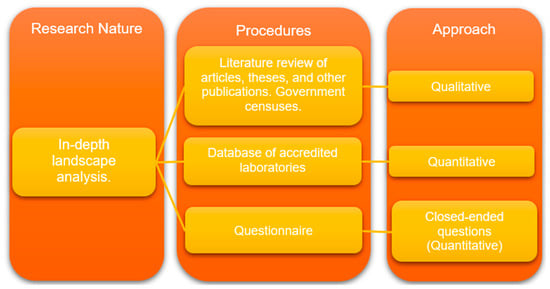
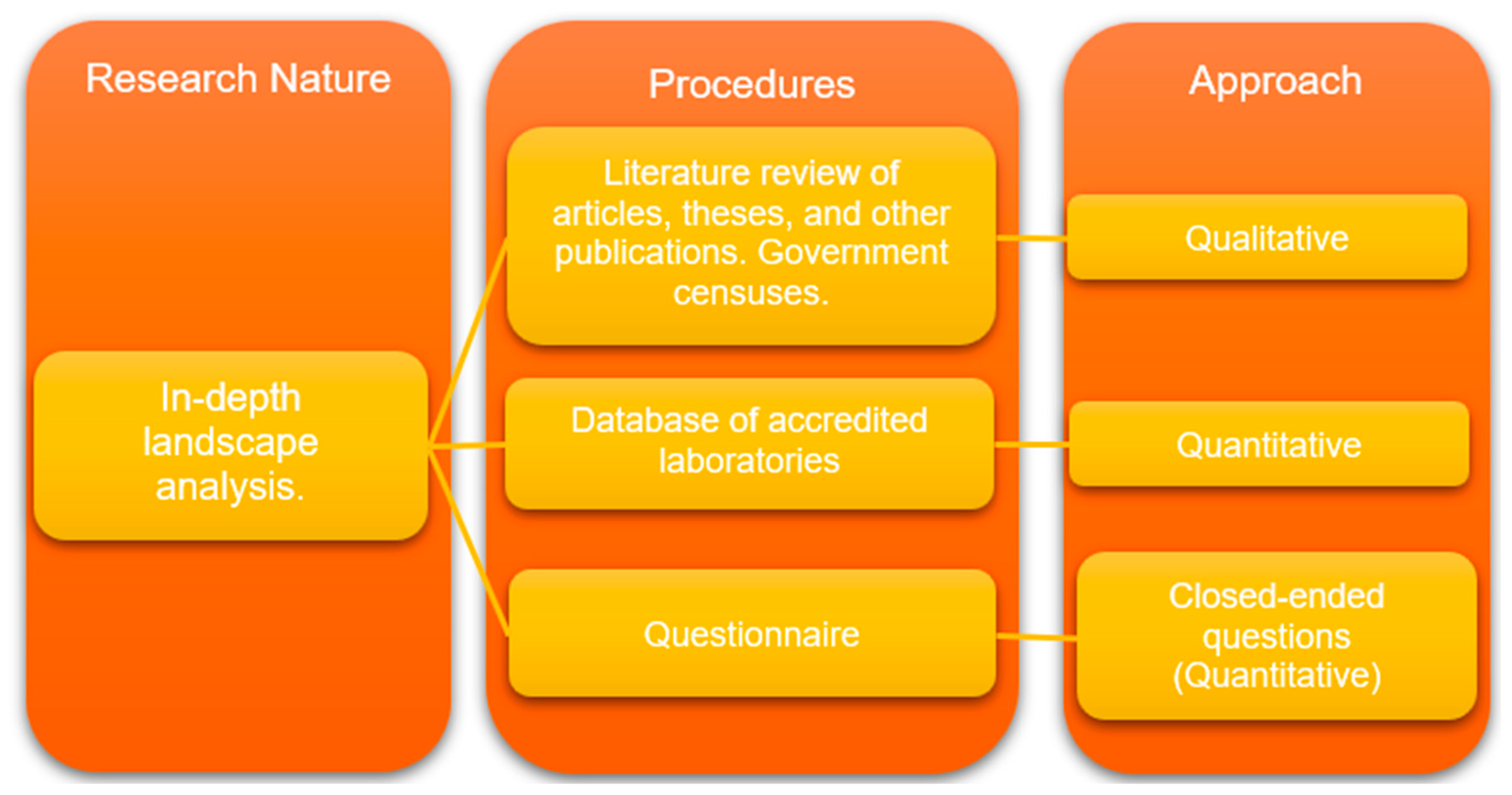
This study uses a descriptive quantitative survey approach to examine the reported characteristics and perceptions of ISO/IEC 17025-accredited university laboratories, exploring their associations with scientific production and institutional performance. The research design integrates three operational stages: literature review, documentary research in official databases, and primary data collection. Figure 1 represents the methodological flowchart of the research, including laboratory identification, database screening, questionnaire administration, descriptive analysis, and interpretation of the results.
Figure 1.
Methodology flowchart.
The first stage consisted of a national mapping of ISO/IEC 17025-accredited university laboratories using the INMETRO database, accessed in August 2025 [16]. The identification of accredited university laboratories was conducted using the public search tool available on the website of the Brazilian National Institute of Metrology, Quality and Technology (INMETRO). The search was initially filtered by the accreditation standard ISO/IEC 17025. The Brazilian Network of Testing Laboratories (RBLE) and the Brazilian Calibration Network (RBC) were examined separately, according to the structure of the INMETRO database. No state-based filter was applied during the initial search. Instead, the geographic distribution was determined from the address information available for each laboratory.
All records identified through the ISO/IEC 17025 search were manually screened. The institutional information provided in the INMETRO registration was examined to determine whether each laboratory was associated with a university. University-associated laboratories included laboratories directly belonging to universities, as well as laboratories linked to university departments, faculties, university hospitals, research centers, or university-affiliated foundations.
For the laboratories identified as university-associated, the accreditation scope available in the INMETRO database was subsequently examined. The scope describes the activities and fields of operation covered by the accreditation. A laboratory was considered within the study scope when at least one activity included in its accreditation scope was directly related to energy, environmental analysis, biofuels, or sustainability. Based on the description of the accredited activities, the laboratories were classified into the thematic groups defined for this study: biofuels, energy, sustainability, and environment.
Laboratories with accreditation scopes covering more than one thematic field were classified in all applicable thematic groups but were counted only once at the laboratory level. This procedure resulted in the identification of 40 accredited university laboratories in Brazil. Of these, 14 laboratories had at least one accredited activity within the thematic scope of the present study and therefore constituted the target population for the questionnaire survey. All information used for this identification and screening procedure was obtained from the public INMETRO database and the corresponding accreditation records.
In the second stage, a structured questionnaire was developed on the Google Forms platform, containing open-ended and closed-ended questions. Its structure was based on the questionnaire framework previously developed and used in the authors’ doctoral thesis [17] and informed by the literature reviewed for the present study. The questionnaire framework was reviewed by the research team before distribution but was not subjected to formal validation or reliability assessment. Participation was voluntary, and questionnaire completion constituted consent, as the items focused solely on laboratory accreditation processes and did not collect personal data. The instrument addressed operational maturity (years of accreditation), technical scope, annual scientific production, financial performance (annual revenue ranges and maintenance costs), and institutional engagement, including student participation and collaboration networks. Finally, the survey was distributed by email during the second half of 2025, preceded by direct phone calls to the identified laboratories. Questionnaires were sent to the technical managers of all 14 eligible laboratories. A total of 11 complete questionnaires were received, corresponding to a response rate of 78.6% (11/14). All 11 respondents completed all questions. For the present study, only the responses to the closed-ended questions were included in the analysis. The open-ended questions were not analyzed in this study. The quantitative data were analyzed using descriptive statistics and presented as absolute frequencies and percentages. Therefore, the questionnaire-based results refer specifically to the 11 responding laboratories and should not be interpreted as representing all 40 accredited university laboratories identified in Brazil. No inferential statistical analysis was performed.
In the final stage, the questionnaire data were analyzed using descriptive statistics. Responses to closed-ended questions were summarized using absolute frequencies and percentages, with the corresponding results presented in graphical form. The analysis focused on the respondents’ reported characteristics, perceptions, and experiences regarding ISO/IEC 17025 accreditation, including accreditation duration, scientific production, funding, institutional partnerships, student involvement, publication-related indicators, revenue, and accreditation maintenance costs. The results were interpreted in relation to the findings reported in scientific literature, allowing similarities and differences between the present study and previous research to be identified.
Because the study is based on a cross-sectional survey of 11 responding laboratories and does not include a control group or longitudinal measurements, the analysis is descriptive and does not establish causal relationships between accreditation and scientific production.
3. Results
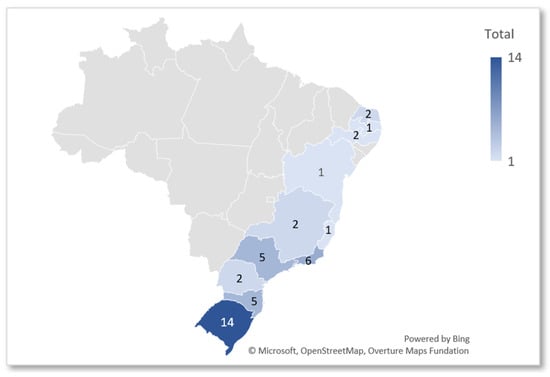
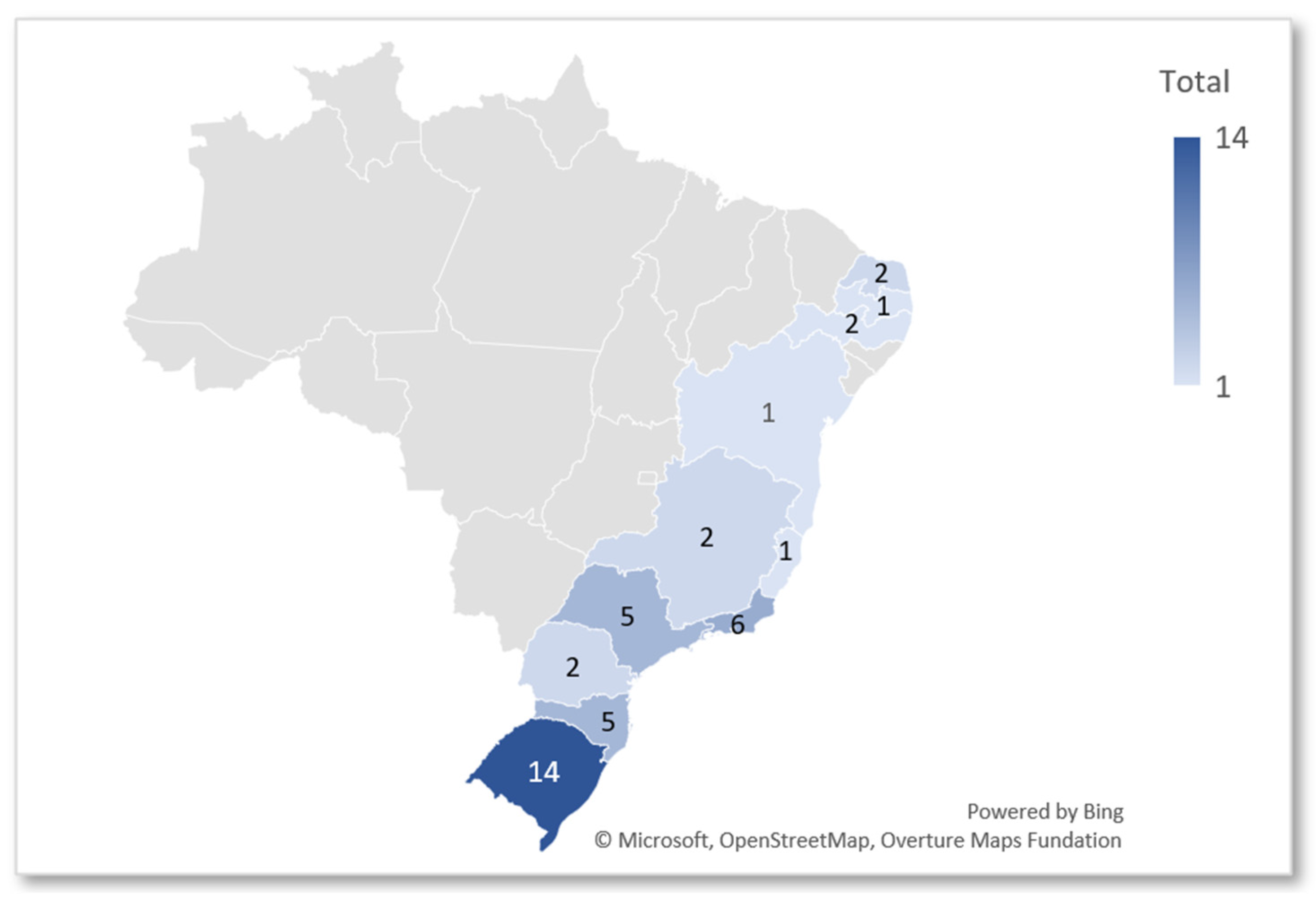
To understand the geographic and institutional context of accredited university laboratories in Brazil, an initial mapping was conducted using the national database of ISO/IEC 17025-accredited laboratories. This mapping identified 40 accredited university laboratories across Brazil. Figure 2 shows their geographic distribution by state. Rio Grande do Sul had the largest number of accredited university laboratories (n = 14), followed by Rio de Janeiro (n = 6), Santa Catarina (n = 5), and São Paulo (n = 5). Minas Gerais, Paraná, and Rio Grande do Norte each had two laboratories, while Bahia, Espírito Santo, Paraíba, and Pernambuco each had one laboratory. No accredited university laboratories were identified in the North or Central-West regions within the mapped dataset.
Figure 2.
Accredited university laboratories distribution per state in Brazil.
The mapping indicates a concentration of accredited university laboratories in the South and Southeast regions. This distribution provides the national context for the specific population considered in this study.
From the 40 accredited university laboratories identified nationally, 14 met the specific scope of this study, covering activities related to energy, environment, biofuels, and sustainability. These 14 laboratories constituted the target population and were invited to participate in the questionnaire survey. A total of 11 laboratories returned complete questionnaires, corresponding to a response rate of 78.6% (11/14).
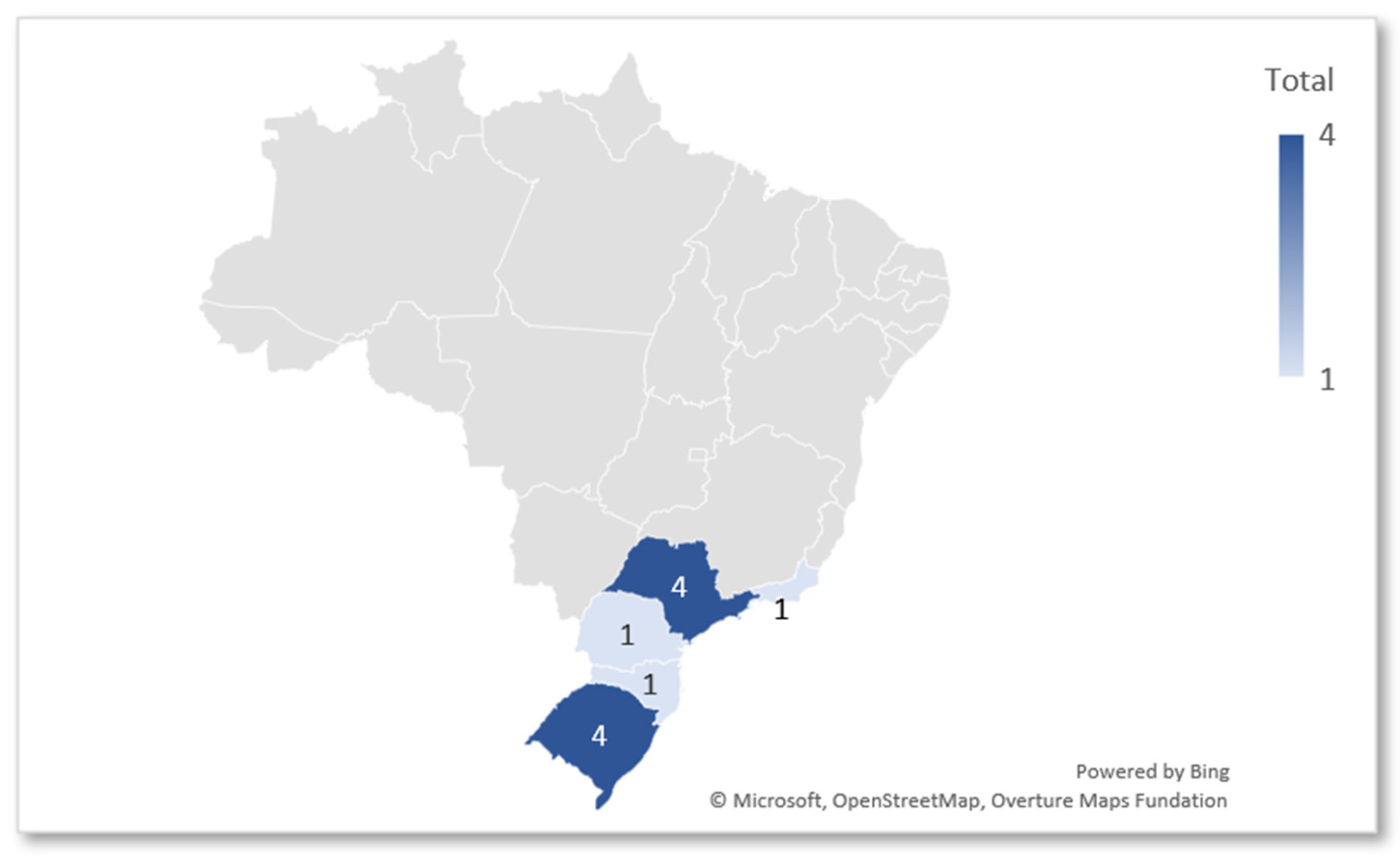
Figure 3 presents the geographic distribution of the 11 responding laboratories within the study scope. The respondents were located in five states: São Paulo (n = 4), Rio Grande do Sul (n = 4), Paraná (n = 1), Santa Catarina (n = 1), and Rio de Janeiro (n = 1). No responding laboratories were located in the North, Northeast, or Central-West regions.
Figure 3.
Geographic distribution of the responding university laboratories within the study scope.
Therefore, the results presented in the following sections are based on the 11 responding laboratories. The analysis describes their reported characteristics, activities, perceptions, and experiences regarding ISO/IEC 17025 accreditation. Figure 4 presents the distribution of the respondents according to the length of time they had maintained accreditation.
Figure 4.
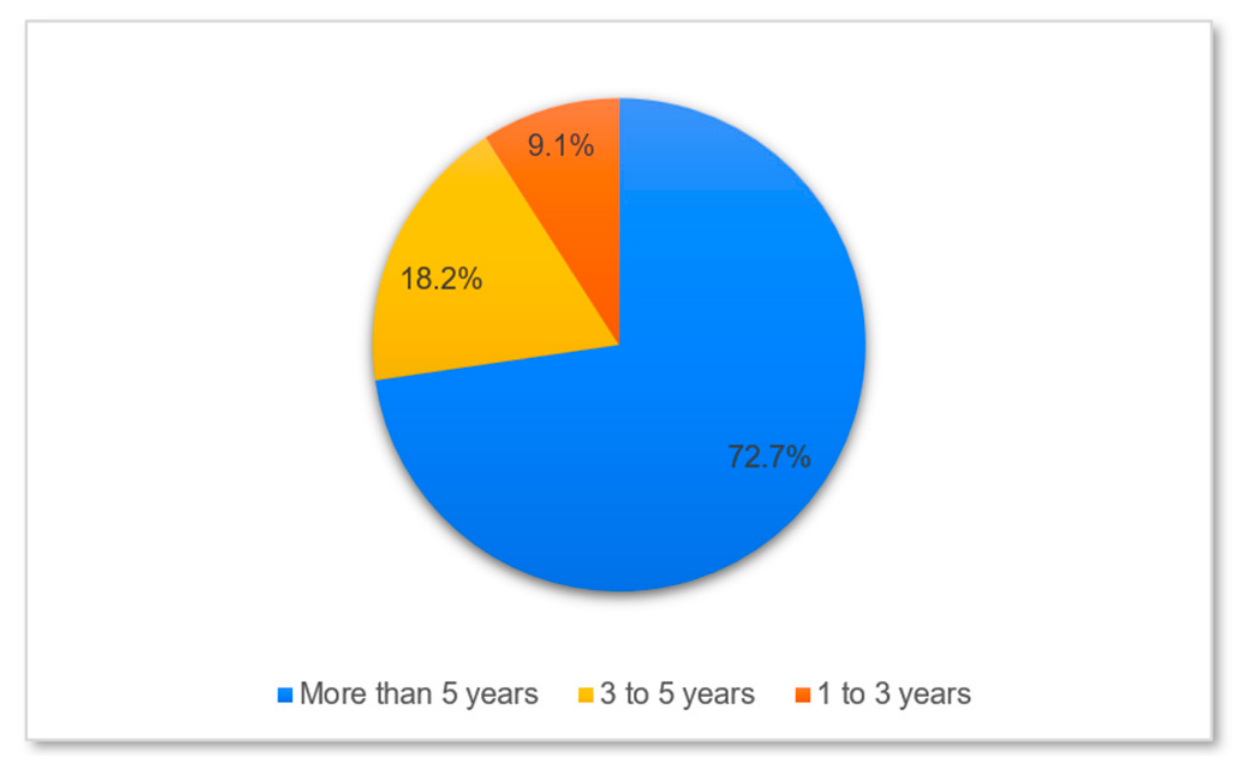
How long has the laboratory held this accreditation.
Figure 4 shows the length of time that the responding laboratories had maintained ISO/IEC 17025 accreditation. 72.7% (n = 8) had been accredited for more than five years, 18.2% (n = 2), for three to five years, and 9.1% (n = 1) for one to three years. Most responding laboratories had maintained ISO/IEC 17025 accreditation for more than five years, showing that accreditation had been maintained for a relatively long period among the respondents. The distribution indicates that most responding laboratories had relatively long experience with ISO/IEC 17025 accreditation. However, because the study is cross-sectional, these data describe the current accreditation profile of the respondents and do not allow conclusions about changes in laboratory performance over time.
The predominance of long-established accredited laboratories suggests that maintaining ISO/IEC 17025 accreditation requires sustained institutional commitment and continuous investment in quality management [18]. According to [19], laboratories with more than five years of accreditation tend to develop a mature quality culture, in which routine audits, proficiency testing, and continuous improvement become integrated into daily operations, providing a stable foundation for high-quality research, technological services, and graduate education.
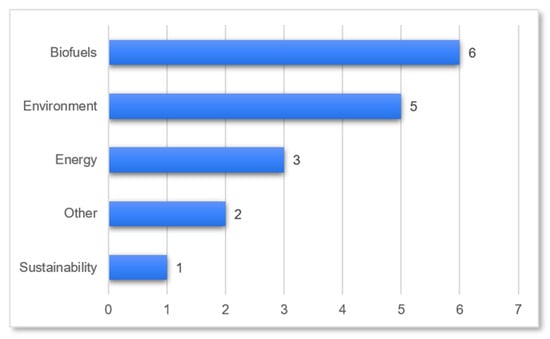
Figure 5 presents the technical fields reported by the responding laboratories. Biofuels were selected by six respondents 54.5% (n = 6), environmental monitoring by 45.5% (n = 5), energy by three 27.3% (n = 3), specialized niche activities by 18.2% (n = 2), and sustainability by one respondent 9.1% (n = 1). Because laboratories could report activities in more than one field, these categories should not be interpreted as mutually exclusive.
Figure 5.
In which of the mentioned fields does the laboratory operate.
The reported technical scopes show that several laboratories operate across more than one thematic area, particularly biofuels and environmental monitoring. This overlap reflects the multidisciplinary nature of the laboratories included in the study.
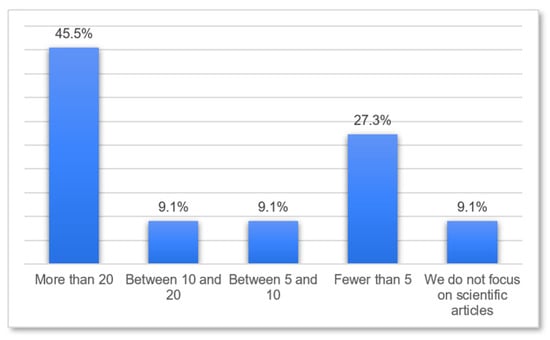
Figure 6 presents the reported average annual number of scientific articles resulting from research conducted in the laboratories. 45.5% (n = 5) reported more than 20 articles per year, three 27.3% (n = 3) reported fewer than five articles, 9.1% (n = 1) reported between five and ten articles, 9.1% (n = 1) reported between ten and twenty articles, and 9.1% (n = 1) indicated that scientific publication was not a primary focus of the laboratory.
Figure 6.
On average, how many scientific articles are published because of research conducted in the laboratory.
The distribution shows substantial variation in reported scientific production among the responding laboratories. Five laboratories reported more than 20 publications per year, whereas four reported fewer than five publications or indicated that scientific publication was not a primary focus. These results describe the publication profiles reported by the respondents and do not establish an association between accreditation and publication productivity.
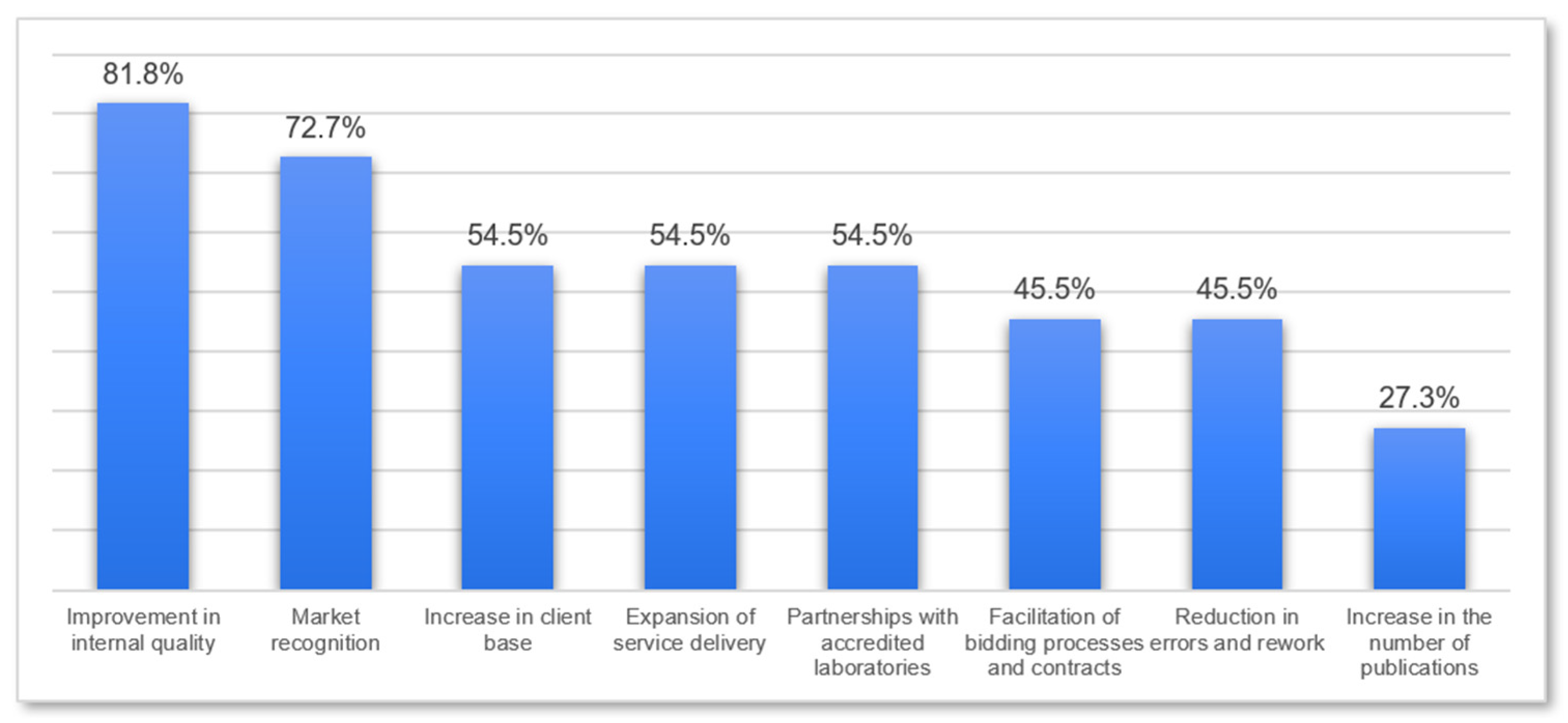
As illustrated in Figure 7, the primary advantages perceived by laboratory managers center on internal quality governance and institutional reputation rather than bibliometric indicators.
Figure 7.
What were the primary benefits obtained following accreditation.
The most prevalent benefit reported was the improvement in internal quality protocols 81.8% (n = 9), followed by enhanced market recognition 72.7% (n = 8). Expanding the client base, increasing service delivery volume, and establishing partnerships with other accredited laboratories each accounted for 54.5% (n = 6) of responses. Conversely, only 27.3% (n = 3) of respondents identified an increase in the number of scientific publications as a direct benefit. According to [20], structured quality governance and risk management can support technical reliability and may facilitate interactions with external stakeholders.
These findings suggest that respondents perceive accreditation as relevant to operational quality and external engagement. These reported benefits may represent possible mechanisms through which accreditation could be associated with research activities, although such mechanisms were not directly tested in the present study. Furthermore, historical data underscores that within the energy and environmental sectors, Brazil leads in the absolute number of accredited academic facilities compared to reference European nations such as Germany, Austria, and Switzerland [21].
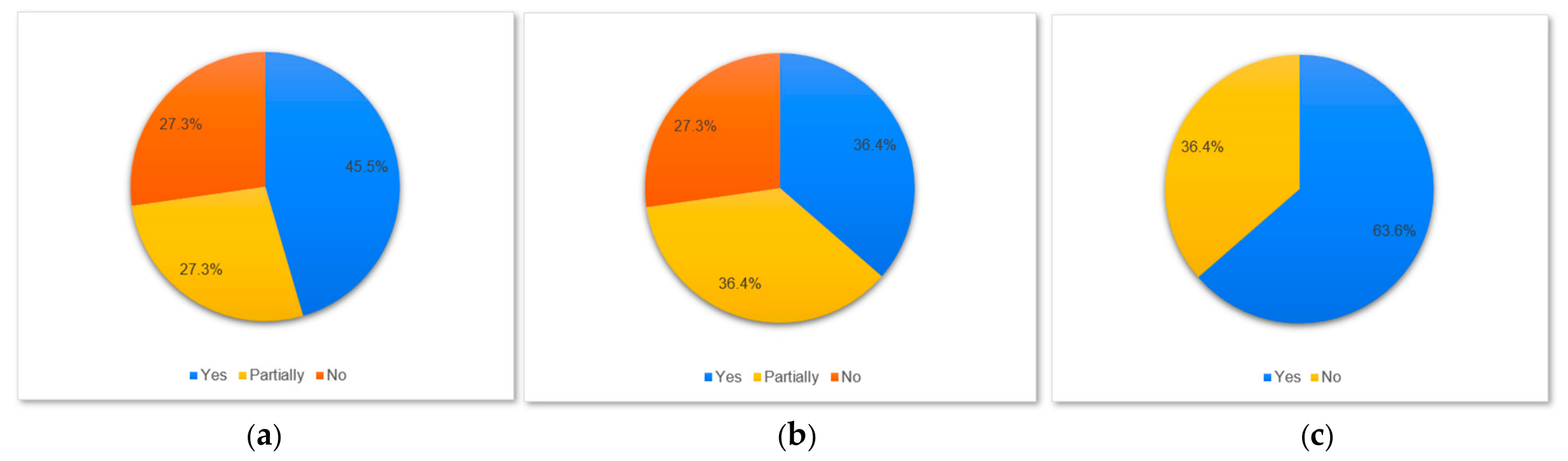
The results presented in Figure 8 show whether the accreditation process facilitated the establishment of partnerships with research groups and international collaboration.
Figure 8.
The accreditation: (a) facilitated the establishment of partnerships with research groups. (b) yielded opportunities for international research collaboration. (c) led to the laboratory being invited to deliver lectures, workshops, or classes. Note: Percentages may not sum to exactly 100% due to single-decimal rounding of the fractional frequencies (n/11).
Regarding institutional alignment, 45.5% (n = 5) of technical managers reported that ISO/IEC 17025 accreditation facilitated partnerships with other research groups, while 27.3% (n = 3) reported partial facilitation (Figure 8a). Thus, 72.7% (n = 8) reported either full or partial facilitation. For international research collaboration (Figure 8b), 36.4% (n = 4) reported full facilitation and 36.4% (n = 4) reported partial facilitation. These responses describe the managers’ perceptions of the role of accreditation in institutional and international collaboration; they do not establish that accreditation caused or increased such collaborations. In terms of academic and educational outreach, a majority of respondents 63.6% (n = 7) of respondents reported that their facilities had received invitations to deliver lectures, workshops, or academic classes and attributed these invitations to their accredited status, while 36.4% (n = 4) observed no such invitations (Figure 8c). These responses indicate that laboratory managers perceive the technical infrastructure not only as an analytical provider but also as a reference for disseminating metrological practices within the university ecosystem.
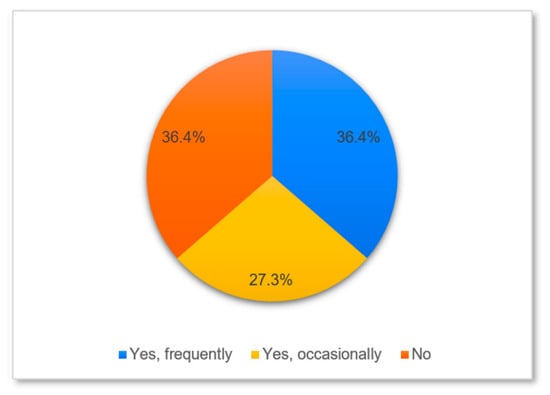
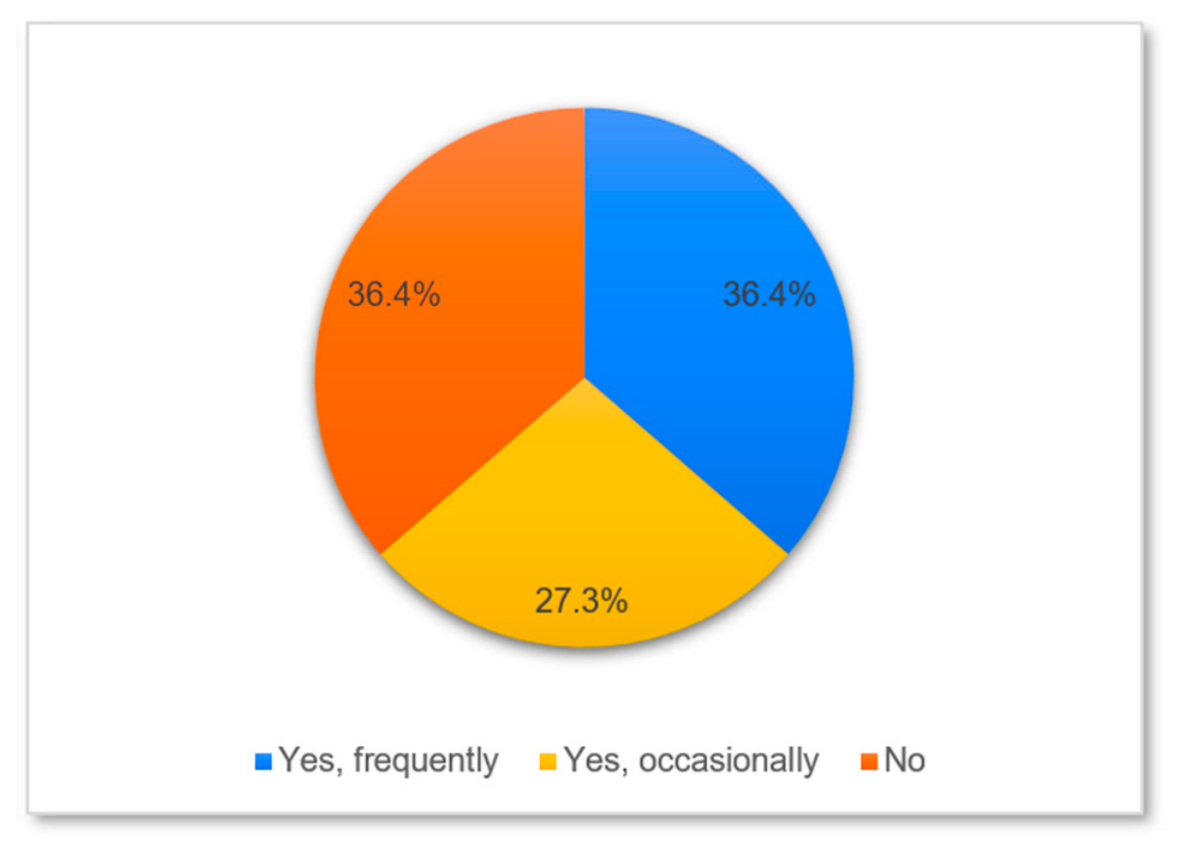
This educational dimension aligns with the dynamics of student integration evaluated in Figure 9, which addresses the direct involvement of undergraduate and graduate students in the accredited quality workflows. As highlighted by [22], holding an audited technical framework reduces transaction costs and structural skepticism between separate facilities.
Figure 9.
Are undergraduate and graduate students involved in activities linked to the accredited processes. Note: Percentages may not sum to exactly 100% due to single-decimal rounding of the fractional frequencies (n/11).
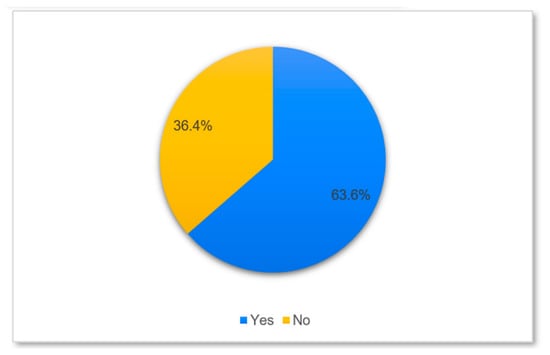
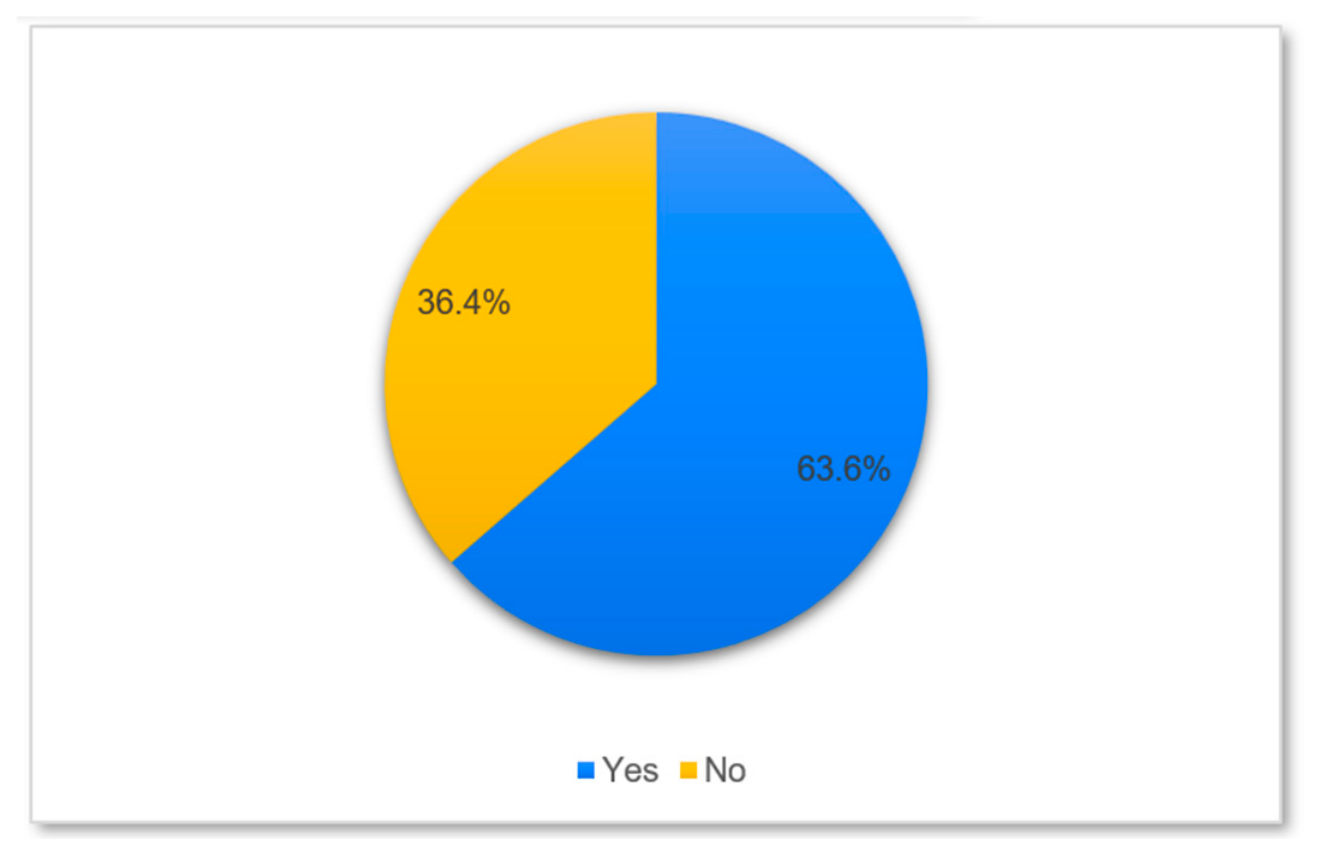
Combining frequent 36.4% (n = 4) and occasional 27.3% (n = 3) engagement shows that 63.7% (n = 7) of managers include undergraduate and graduate students in ISO/IEC 17025 processes, whereas the remaining 36.4% (n = 4) report a complete separation between technical activities and the student body. Participation in routine audits, calibrations, and uncertainty calculations may provide students with practical exposure to metrological procedures. This type of hands-on experience may contribute to the development of operational skills, although the present study did not assess learning outcomes or skill development. However, the present study did not assess learning outcomes or skill development. Figure 10 shows whether the laboratories have directly utilized results from their accredited testing in scientific publications.
Figure 10.
Has the laboratory ever utilized results from accredited testing in scientific publications.
Figure 10 shows that 63.6% (n = 7) of the surveyed laboratories reported using results from accredited testing in scientific publications, whereas 36.4% (n = 4) reported not using such results in their publications. This finding indicates that results generated within the accredited scope are used in scientific publications by some of the responding laboratories. However, the use of accredited test results in publications does not indicate that accreditation increased publication productivity. The use of data generated within an ISO/IEC 17025-accredited scope may be perceived as supporting methodological transparency and traceability in scientific publications.
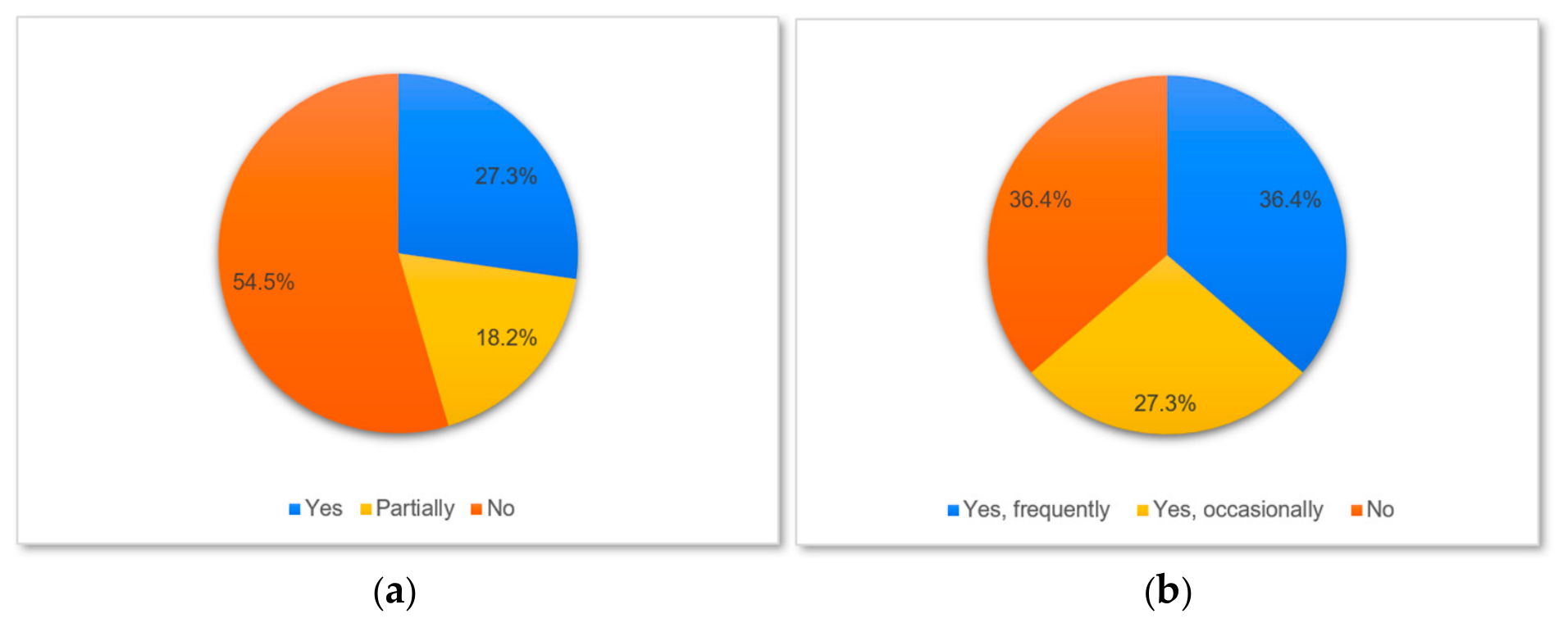
According to Figure 11a, 54.5% (n = 6) of participants report that accreditation has not contributed to publishing papers in journals with a higher impact factor. Conversely, 27.3% (n = 3) declare a direct contribution and 18.2% (n = 2) report a partial impact, combining with a 45.5% (n = 5) share of positive or intermediate perceptions.
Figure 11.
The accreditation: (a) contributed to the publication of papers in journals with a higher impact factor. (b) influenced the increase in citation counts or the scientific relevance of the laboratory’s publications. Note: Percentages may not sum to exactly 100% due to single-decimal rounding of the fractional frequencies (n/11).
These findings illustrate that perceived operational benefits of accreditation do not necessarily correspond to perceived changes in publication-related indicators. The respondents’ assessments suggest that accreditation alone was not generally perceived as sufficient to increase publication in higher-impact journals. Publication outcomes may also depend on factors such as research questions, study design, scientific novelty, and journal-specific editorial criteria, none of which were assessed in the present study.
In Figure 11b, 36.4% (n = 4) reported no influence of accreditation on citation counts or the scientific relevance of their publications, whereas 27.3% (n = 3) reported an influence and 36.4% (n = 4) reported a partial influence. These responses reflect the managers’ perceptions and should not be interpreted as bibliometric evidence of increased citations or scientific relevance. The use of validated and traceable methods may contribute to perceptions of methodological credibility, but this relationship was not directly assessed in the present study. Figure 12 presents the laboratory’s annual revenue range and the average annual cost to maintain accreditation.
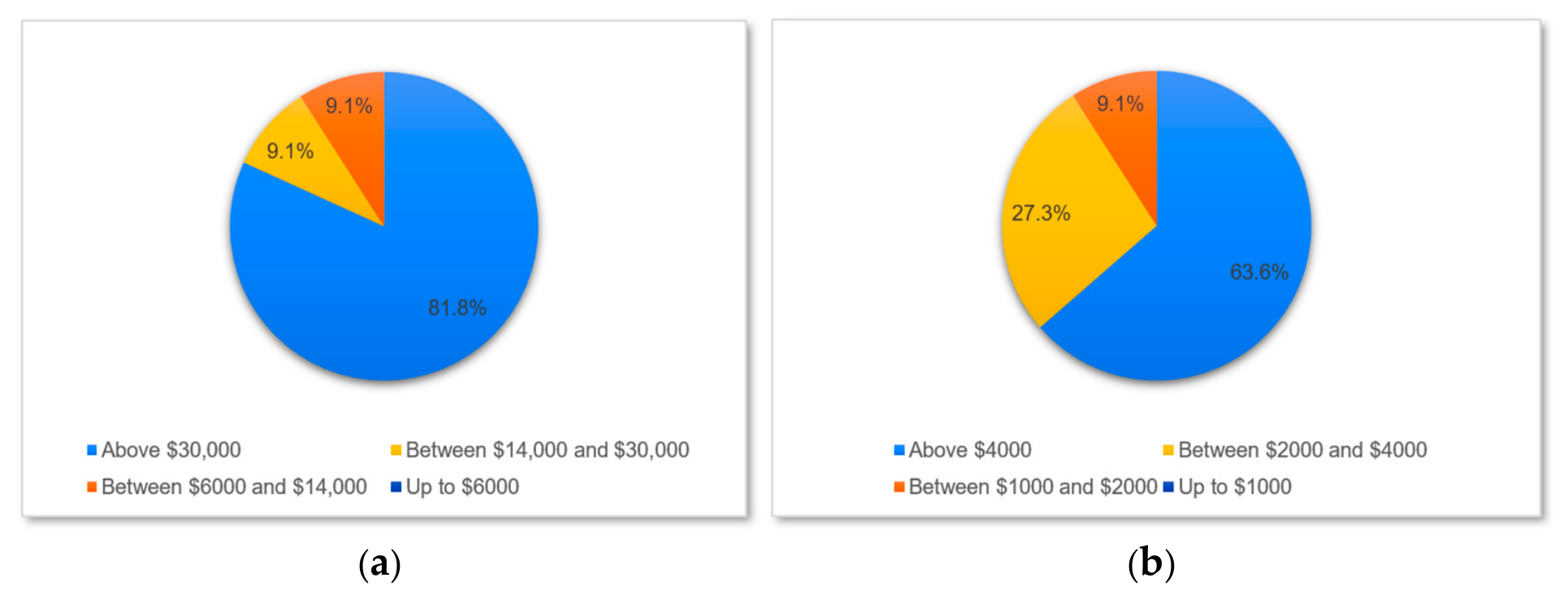
Figure 12.
What is: (a) the laboratory’s annual revenue range. (b) the average annual cost to maintain accreditation, including audits and calibrations.
Financial descriptive data indicate that a majority of the surveyed facilities 81.8% (n = 9) reported an annual revenue exceeding USD 30,000 (Figure 12a). The remaining laboratories were distributed equally across the lower brackets, with 9.1% (n = 1) earning between USD 14,000 and USD 30,000, and 9.1% (n = 1) falling between USD 6000 and USD 14,000. These metrics describe the reported financial context of the participating laboratories. The present study did not determine the specific sources of the reported revenue.
Regarding operational maintenance overheads (Figure 12b), 63.6% (n = 7) of the respondents reported annual expenditures exceeding USD 4000 to maintain their accredited status, including costs associated with proficiency testing, external audits, and equipment calibrations. Additionally, 27.3% (n = 3) spent between USD 2000 and USD 4000, while 9.1% (n = 1) reported costs between USD 1000 and USD 2000.
Most respondents reported that the financial returns fully or partially offset the costs of maintaining accreditation (Figure 13).
Figure 13.
Are the costs of accreditation offset by the financial return it generates.
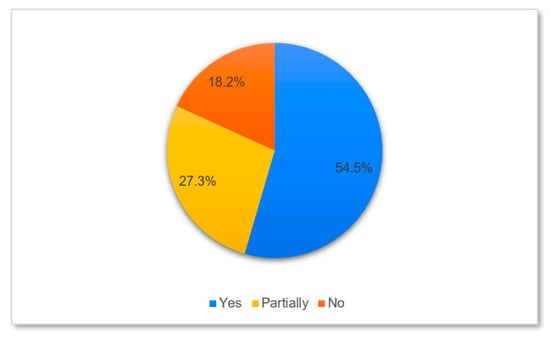
When evaluating whether financial returns offset the costs of maintaining the quality management system (Figure 13), 54.5% (n = 6) of the managers reported full cost recovery, while 27.3% (n = 3) reported partial recovery. Conversely, 18.2% (n = 2) reported no financial compensation from the investment. Thus, 81.8% (n = 9) reported either full or partial cost recovery within their respective institutional contexts.
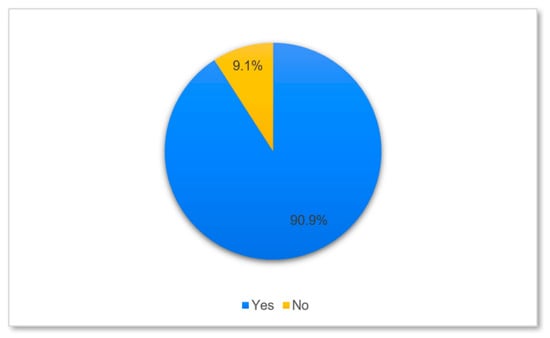
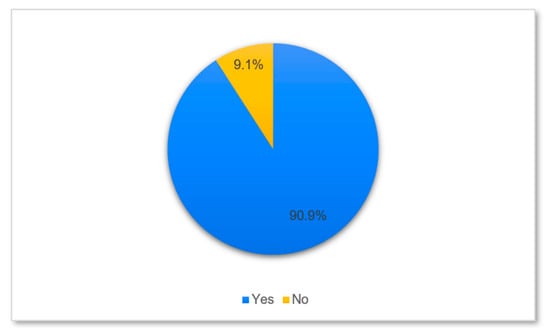
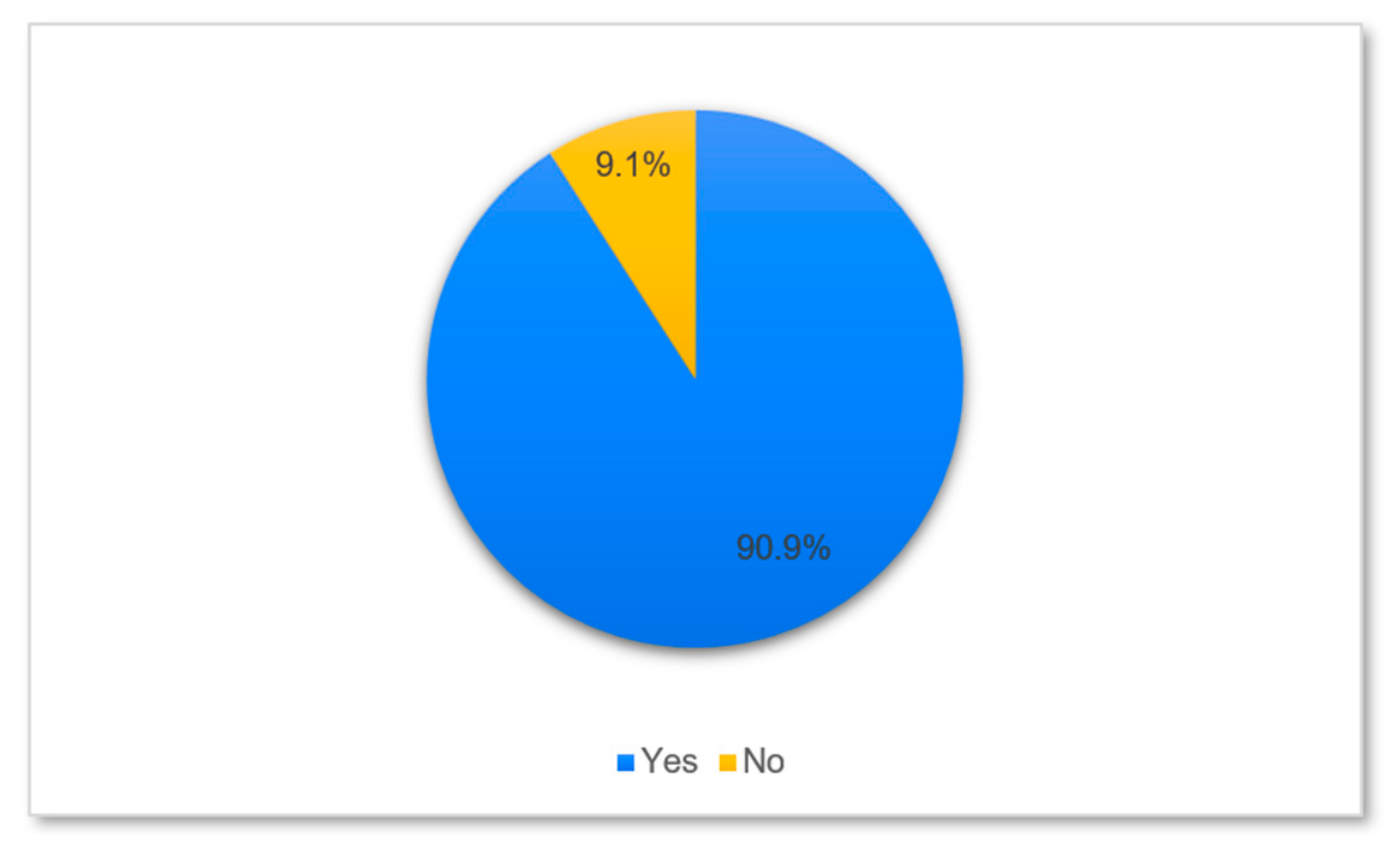
In terms of institutional competitiveness, 90.9% (n = 10) of the respondents reported using ISO/IEC 17025 accreditation as a strategic factor when preparing research funding proposals, whereas 9.1% (n = 1) had not applied it for this purpose (Figure 14). While these responses indicate that accreditation was frequently used by the participating laboratories in research funding proposals, the descriptive nature of this survey does not isolate accreditation as a statistically independent variable affecting proposal success rates.
Figure 14.
Has ISO/IEC 17025 ever been utilized as a competitive advantage in proposals for research funding calls.
Lastly, regarding the general assessment of the quality standard, 90.9% (n = 10) of the technical managers would recommend pursuing ISO/IEC 17025 accreditation to other university facilities, while 9.1% (n = 1) would not recommend it (Figure 15). This finding is consistent with observations from the authors’ previous doctoral research regarding the perceptions of laboratory coordinators [17]. These responses indicate a generally favorable perception of accreditation among the participating laboratory managers, despite the administrative workload and maintenance costs reported elsewhere in the survey.
Figure 15.
Would you recommend ISO/IEC 17025 accreditation to other laboratories.
These findings are consistent with previous research on Brazilian university laboratories, which reported that maintaining ISO/IEC 17025 accreditation requires continuous institutional commitment due to the high costs of implementation and maintenance, personnel turnover, and limited institutional support. These factors were identified as the main barriers to the long-term sustainability of accredited quality management systems in higher education institutions [23].
4. Discussion
This study has several limitations. First, the cross-sectional design and the absence of a non-accredited comparison group or pre-accreditation baseline prevent causal inference regarding the effects of ISO/IEC 17025 accreditation on scientific production. Second, the analysis is based on responses from 11 laboratory managers and therefore reflects reported perceptions rather than independently verified bibliometric or financial indicators. Third, the small sample limits the generalizability of the findings. Because only laboratories that had obtained and maintained accreditation were included, selection and survivorship bias may also be present. In addition, self-reported responses may be affected by recall, social-desirability, and common-method biases. Finally, differences in laboratory size, disciplinary focus, institutional resources, and years of accreditation were not controlled for in the descriptive analysis.
The survey findings indicate that laboratory managers reported several perceived contributions of the ISO/IEC 17025 framework to quality governance and laboratory organization, while also identifying operational and institutional challenges. Regarding geographic distribution, the data reveal a pronounced regional concentration, as the 11 responding laboratories within the study scope are located entirely within the South and Southeast regions of Brazil, led by Rio Grande do Sul and São Paulo. This localized clustering aligns with broader national mapping datasets and indicates an uneven structural landscape, highlighting a lack of accredited academic infrastructure in the North, Northeast, and Central-West regions within this specific technological niche.
Among the responding laboratories, 81.8% (n = 9) reported annual revenue above USD 30,000, while 81.8% (n = 9) also reported that accreditation-related costs were fully or partially offset by financial returns. These findings describe the respondents’ reported financial context and perceptions of cost recovery; they do not establish that accreditation generated the reported revenue.
The sample shows a heterogeneous publication profile: 45.5% (n = 5) of the laboratories reported more than 20 articles per year, whereas 36.4% (n = 4) reported fewer than five annual publications or indicated that scientific publication was not a primary focus. These descriptive data show that accreditation and scientific publication occur together in some laboratories, but they do not establish a relationship between accreditation and publication productivity. This operational distinction is further clarified by the perceived impact of ISO/IEC 17025 on publication-related indicators. Regarding the perceived influence of accreditation on citation counts or the scientific relevance of publications, 36.4% (n = 4) reported no influence, 27.3% (n = 3) reported an influence, and 36.4% (n = 4) reported a partial influence. These responses reflect the managers’ perceptions and should not be interpreted as bibliometric evidence of changes in citation counts or scientific relevance. The findings therefore suggest that perceived operational value and perceived changes in publication-related indicators should be treated as distinct dimensions. Traceability and uncertainty-control procedures required within an ISO/IEC 17025-accredited scope are intended to support measurement reliability and reproducibility within the applicable technical activities. Finally, 90.9% (n = 10) of respondents reported that they would recommend ISO/IEC 17025 accreditation to other university laboratories. At the same time, respondents identified intensive administrative workloads, calibration costs, personnel turnover, and limited institutional support as challenges to the long-term maintenance of their quality management systems.
5. Conclusions
This study provides a descriptive overview of how technical managers perceive ISO/IEC 17025 accreditation within the Brazilian university laboratory framework, mapping reported associations strictly within the energy, environment, biofuels, and sustainability sectors. Respondents reported perceived contributions of the structured quality framework to laboratory organization, quality management, traceability, and institutional credibility. The survey showed that 90.9% (n = 10) of the technical managers reported using accreditation as a strategic element in research funding proposals, while 54.5% (n = 6) reported an expansion in their industrial service portfolio. In addition, 81.8% (n = 9) reported that financial returns fully or partially offset accreditation-related maintenance costs within their respective institutional contexts. These findings describe the reported financial and institutional context of the participating laboratories and do not establish that accreditation generated revenue or caused expansion of external services.
The survey also identified reported associations between accreditation and university–industry interaction and international research collaboration, although these relationships were based on respondents’ perceptions and were not independently verified. Undergraduate and graduate student involvement in accredited activities was reported by 63.6% (n = 7) of respondents, suggesting that accredited laboratory activities may provide opportunities for practical exposure to metrological procedures. Similarly, the reported use of accredited test results in scientific publications does not demonstrate increased publication productivity, citation impact, or scientific relevance.
However, the long-term sustainability of these quality systems faces structural constraints. The pronounced concentration of facilities in the South and Southeast regions underscores an uneven national distribution of accredited academic infrastructure. Additionally, high calibration expenditures, intensive administrative workloads, and personnel turnover present ongoing challenges that often rely on the isolated efforts of individual laboratory teams.
The findings point to the potential value of stronger institutional policies and administrative support for laboratories maintaining ISO/IEC 17025 accreditation. Future studies could examine whether targeted institutional funding and administrative support contribute to the long-term sustainability of accredited university laboratories.
Author Contributions
Conceptualization, D.N., D.Z.M. and L.P.d.O.; methodology, D.N.; software, D.Z.M.; validation, D.N., D.Z.M. and M.H.M.; formal analysis, D.N. and D.Z.M.; investigation, D.N., D.Z.M. and L.P.d.O.; resources, D.N.; data curation, D.N.; writing—original draft preparation, D.N. and D.Z.M.; writing—review and editing, D.N.; visualization, D.N.; supervision, M.H.M. All authors have read and agreed to the published version of the manuscript.
Funding
This study was supported by the Human Resources Program of the Brazilian National Agency of Petroleum, Natural Gas and Biofuels (ANP)-PRH ANP 34 UNESP, managed by the São Paulo Research Foundation (FAPESP), Brazil. Process No. 2025/03620-7.
Institutional Review Board Statement
No identifiable personal or private information was collected; therefore, Institutional Review Board approval was not required.
Informed Consent Statement
The questionnaire focused solely on laboratory accreditation processes and did not collect any personal or private data. Consequently, informed consent was not required.
Data Availability Statement
The descriptive quantitative data supporting the findings of this study are available from the corresponding author upon reasonable request. The raw survey data are not publicly archived to protect the operational anonymity of the participating laboratories.
Conflicts of Interest
The authors declare no conflicts of interest.
References
- Quevauviller, P.; Cofino, W.; Cortez, L. Use of Reference Materials in Accreditation Systems for Environmental Laboratories. TrAC Trends Anal. Chem. 1998, 17, 241–248. [Google Scholar] [CrossRef] [Scilit]
- Cofino, W.P. Accreditation and the Need for Certified Reference Materials. Mikrochim. Acta 1996, 123, 151–161. [Google Scholar] [CrossRef] [Scilit]
- Kailner, A. Quality Management in the Medical Laboratory: A Comparison of Draft Standards. Clin. Chim. Acta 1998, 278, 111–119. [Google Scholar] [CrossRef] [Scilit] [PubMed]
- Sinha, M.; Saini, S.; Gupta, P.; Gulati, N.; Das, A.; Kumar, A.; Mehndiratta, M.; Shekhar, C. Current Status and Way Forward for National Accreditation Board for Testing and Calibration Laboratories Accreditation of Laboratories in Government Organizations. Indian J. Pathol. Microbiol. 2018, 61, 461. [Google Scholar] [CrossRef] [Scilit] [PubMed]
- Heller, G.V.; Katanick, S.L.; Sloper, T.; Garcia, M. Accreditation for Cardiovascular Imaging. JACC Cardiovasc. Imaging 2008, 1, 390–397. [Google Scholar] [CrossRef] [Scilit] [PubMed]
- Silva, G.M.P.; Faria, A.C.O.; Nogueira, R. The Lead Assessor Role in the ISO/IEC 17025:2005 Accreditation of Brazilian Calibration and Testing Laboratories by the General Coordination of Accreditation (Cgcre). Accredit. Qual. Assur. 2014, 19, 127–132. [Google Scholar] [CrossRef] [Scilit]
- Grochau, I.H.; ten Caten, C.S. A Process Approach to ISO/IEC 17025 in the Implementation of a Quality Management System in Testing Laboratories. Accredit. Qual. Assur. 2012, 17, 519–527. [Google Scholar] [CrossRef] [Scilit]
- Lovrenčić Mikelić, I. Accreditation in Croatia: What Is the Position of Testing and Calibration Laboratories from the Science and Higher Education System? Accredit. Qual. Assur. 2020, 25, 243–252. [Google Scholar] [CrossRef] [Scilit]
- Richter, T.; Kjellgren, B. Engineers of the Future: Student Perspectives on Integrating Global Competence in Their Education. Eur. J. Eng. Educ. 2024, 49, 474–491. [Google Scholar] [CrossRef] [Scilit]
- Acevedo-De-los-Ríos, A.; Rondinel-Oviedo, D.R. Impact, Added Value and Relevance of an Accreditation Process on Quality Assurance in Architectural Higher Education. Qual. High. Educ. 2022, 28, 186–204. [Google Scholar] [CrossRef] [Scilit]
- Salah Issa, S. Quality Assurance of Engineering Education in Private Universities in Jordan. Int. J. Eng. Educ. 2000, 16, 158–164. [Google Scholar]
- Segui, L.; Galiana, M. The Challenge of Developing and Assessing Transversal Competences in Higher Education Engineering Courses. Int. J. Eng. Educ. 2023, 39, 2–13. [Google Scholar]
- Cook-Chennault, K.; Farooq, A. A Validated Assessment Tool: Students’ Perceived Value of Engineering Laboratories in a Virtual Environment. Int. J. Eng. Educ. 2023, 39, 860–876. [Google Scholar]
- Lindsay, E.D.; Wankat, P.C. Going the Way of the Slide Rule: Can Remote Laboratories Fungibly Replace the In-Person Experience? Int. J. Eng. Educ. 2012, 28, 192–201. [Google Scholar]
- Hoffa, D.W.; Freeman, S.A. The Impact of Laboratory Report Format on Student Learning. Int. J. Eng. Educ. 2007, 23, 105–113. [Google Scholar]
- INMETRO. Available online: http://www.inmetro.gov.br/laboratorios/rble/ (accessed on 4 August 2025).
- Nascimento, D. Acreditação de Laboratórios de Universidades de Acordo com a Norma ISO/IEC 17025: Uma Análise do Contexto Brasil e Alemanha. Ph.D. Dissertation, São Paulo State University (UNESP), School of Engineering and Sciences, Guaratinguetá, Brazil, 2024. [Google Scholar]
- Nascimento, D.; Felicio, V.; Mauro, D.; Mathias, H. Quality management applied in mechanical engineering. An analysis of the importance of accrediting and certifying University Laboratories aiming at the improvement of the higher education. In Proceedings of the 28th International Congress of Mechanical Engineering (COBEM 2025), Curitiba, Brazil, 10–14 November 2025. [Google Scholar]
- Panagiotidou, E.; Chountalas, P.T.; Magoutas, A.Ι.; Kitsios, F.C. The Multifaceted Impact of ISO/IEC 17025 Accreditation: A Sector-Specific Analysis in Civil Engineering Testing and Calibration Laboratories. TQM J. 2024, 37, 998–1035. [Google Scholar] [CrossRef] [Scilit]
- da Silva, F.R.; Grochau, I.H.; Veit, H.M. System Proposal for Implementation of Risk Management in the Context of ISO/IEC 17025. Accredit. Qual. Assur. 2021, 26, 271–278. [Google Scholar] [CrossRef] [Scilit]
- Nascimento, D.; Romeu, G.H.; Silva, D.A.; Rorato, G.; De, T.; Pereira, L.; Mathias, M.H. Comparison of the Accreditation Status of Energy and Environment Laboratories in Brazilian, Austrian, German, and Swiss Universities. Int. J. Eng. Educ. 2025, 41, 234–244. [Google Scholar]
- Perkmann, M.; Tartari, V.; McKelvey, M.; Autio, E.; Broström, A.; D’Este, P.; Fini, R.; Geuna, A.; Grimaldi, R.; Hughes, A.; et al. Academic Engagement and Commercialization: A Review of the Literature on University–Industry Relations. Res. Policy 2013, 42, 423–442. [Google Scholar] [CrossRef] [Scilit]
- Nascimento, D.; Freitas, L.A.; Mantegazini, D.Z.; Silva, G.H.R.; Mathias, M.H. O contexto da acreditação de laboratórios universitários brasileiros segundo a ISO/IEC 17025: Desafios e perspectivas. Rev. SODEBRAS 2025, 20, 20–25. [Google Scholar]
Disclaimer/Publisher’s Note: The statements, opinions and data contained in all publications are solely those of the individual author(s) and contributor(s) and not of MDPI and/or the editor(s). MDPI and/or the editor(s) disclaim responsibility for any injury to people or property resulting from any ideas, methods, instructions or products referred to in the content. |
© 2026 by the authors. Licensee MDPI, Basel, Switzerland. This article is an open access article distributed under the terms and conditions of the Creative Commons Attribution (CC BY) license.