


Abstract
Three-dimensional (3D) printing has emerged as a versatile approach for the development of electrochemical hardware, enabling customized, miniaturized, modular, and integrated platforms for sensing, energy storage, environmental monitoring, biomedical diagnostics, and materials characterization. This review examines recent advances in the design, fabrication, performance, and applications of 3D-printed electrochemical hardware, with an emphasis on device architecture, printable materials, manufacturing strategies, and post-processing methods. Fused deposition modeling and other additive manufacturing techniques have been employed to fabricate electrochemical cells, electrodes, microfluidic systems, integrated platforms, and auxiliary components using conductive and non-conductive polymeric materials. Reported devices demonstrate advantages in low-cost fabrication, rapid prototyping, geometric flexibility, reduced material consumption, and functional integration, while surface activation and architectural optimization can substantially improve electrochemical performance. However, high electrical resistance, limited exposure of conductive sites, interlayer anisotropy, chemical and mechanical degradation, reproducibility, and scalability remain important challenges. Overall, 3D printing provides a flexible and accessible manufacturing route for electrochemical hardware, with significant potential for customized and portable systems. Further advances in materials, surface engineering, standardization, reproducibility, and scalable manufacturing are required to support broader technological and industrial adoption.
1. Introduction
Additive manufacturing has emerged as a transformative enabling technology for the fabrication of three-dimensional electrochemical hardware, offering unprecedented flexibility in the design of complex geometries, customized architectures, multi-material integration, and mass-transport pathways [1,2,3,4,5]. In contrast to conventional planar systems, which are constrained by traditional manufacturing approaches and limited geometrical flexibility, layer-by-layer three-dimensional fabrication enables the spatial configuration of electrochemical components to be tailored to specific functional requirements [6,7,8,9,10,11]. Moreover, three-dimensional printing enables the fabrication of electrodes with complex internal architectures, including porous, hierarchical, and multilayered structures, which can enhance electrochemically active surface area, mass transport, and overall electrochemical performance. The combination of rapid prototyping, relatively low production costs, design flexibility, and scalability makes 3D-printed electrodes particularly attractive for both large-scale manufacturing and applications requiring customized or disposable electrochemical devices. Furthermore, on-demand fabrication can reduce dependence on specialized manufacturing infrastructure while facilitating the rapid development and adaptation of electrochemical platforms, thereby broadening access to customized electrochemical technologies across research and industrial environments [12,13,14,15,16].
The rapid growth in the development and application of 3D-printed electrochemical devices (3DPEs) in scientific research highlights the need for a comprehensive assessment of the current state of the field and its potential for practical implementation. Therefore, this review examines recent advances in the development and application of 3DPEs, with particular emphasis on their design principles, classification, fabrication strategies, and electrochemical performance. Furthermore, advances in the implementation of 3DPEs across a broad range of electrochemical applications are critically discussed, including electrochemical sensing, electrocatalysis, batteries, and supercapacitors. Although previous reviews have provided comprehensive perspectives on 3D printing for electrochemical energy applications [17], FDM-based electrochemical sensors [18], and, more recently, additive manufacturing electrochemistry [15], the present review adopts electrochemical hardware architecture as its central organizing perspective. Rather than organizing the field primarily according to printing technologies, printable materials, or specific application areas, this review examines how additive manufacturing enables the design and integration of functional electrochemical hardware. Particular attention is given to CAD-based design, cell geometry and architecture, electrode configuration and positioning, sealing and chemical compatibility, modularity, miniaturization, and portability. Moreover, reported devices are classified according to their functional hardware architecture into standalone electrochemical cells, dynamic electrochemical systems, integrated architectures, and auxiliary components. Finally, the major technological and methodological challenges limiting broader implementation are identified, and future research directions are discussed. Through this device-centered framework, this review establishes direct relationships among hardware architecture, fabrication strategy, material selection, electrochemical performance, and practical implementation, thereby providing a complementary hardware-engineering perspective to previous reviews in the field.
2. Methodology
The literature search was conducted using the CAPES Journal Portal (Portal de Periódicos CAPES), considering publications from 2016 to 2026. The search strategy employed combinations of keywords related to additive manufacturing and electrochemical hardware, including “3D printing”, “additive manufacturing”, “electrochemical device”, “electrochemical hardware”, “3D-printed electrode”, “electrochemical cell”, “electrochemical sensor”, “energy storage”, and “electrochemistry”. Publications were screened based on their relevance to the scope of the review, with emphasis on studies addressing the design, fabrication, architecture, performance, and applications of 3D-printed electrochemical hardware. Studies describing electrochemical hardware fabricated exclusively by conventional or non-3D-printing manufacturing methods were excluded. Additional relevant studies identified from the reference lists of the selected publications were also considered when appropriate, as schematically illustrated in Figure 1.
Figure 1.
Flowchart of the literature search, screening, and selection strategy adopted in this review.
3. Additive Manufacturing Technologies for Electrochemical Hardware
3.1. Fused Deposition Modeling (FDM)
Fused Deposition Modeling (FDM) (Figure 2), also referred to as Fused Filament Fabrication (FFF), has been employed for more than two decades and is considered one of the most extensively adopted 3D-printing technologies [19,20,21,22,23,24,25,26]. The technique is based on the controlled extrusion and deposition of thermoplastic material according to a predefined digital model, allowing components to be fabricated through the sequential deposition of individual layers. The process typically begins with the generation of a three-dimensional computer-aided design (CAD) model, which is subsequently converted into a sequence of two-dimensional layers using slicing software. These data are then transferred to the printer, which deposits the material according to the predefined toolpath until the complete structure is obtained. The final properties of FDM-fabricated components depend on several parameters, including the selected material, raster angle, infill density, printing orientation, stacking sequence, printing speed, extrusion temperature and rate, layer deposition time, nozzle movement, and build-platform temperature [19,20,21,22]. An important advantage of FDM is its high degree of control over structural architecture, including shape, dimensions, geometry, interconnectivity, internal organization, and orientation, enabling substantial flexibility in both design and material composition. Nevertheless, improving printing reproducibility, dimensional accuracy, and overall quality control remains an active area of research [25,26].
Figure 2.
Examples of Fused Deposition Modeling (FDM)-based 3D printing.
Recent developments in FDM further demonstrate the versatility and expanding applicability of this manufacturing approach. During the COVID-19 pandemic, for example, FDM emerged as an alternative manufacturing strategy for personal protective equipment (PPE), including face masks and face shields. Another approach is the production of 4D materials, which enables the development of thermally activated hinges, 3D-printed orthoses, high-performance shape-memory thermosets, and advanced structures for biomedical and tissue-engineering applications [27,28]. From a sustainability perspective, recent developments have increasingly focused on natural, renewable, and environmentally compatible filament materials. In biomedical applications, biodegradable composites containing bioactive components have demonstrated promising antibacterial and biocompatible properties when processed through low-temperature FDM [29,30].
3.2. Stereolithography (SLA/MSLA)
Stereolithography (SLA) is an additive manufacturing technique based on vat photopolymerization, in which a focused ultraviolet (UV) laser selectively cures a liquid photopolymer resin in a layer-by-layer manner. During fabrication, the laser traces the cross-section of the desired geometry on the resin, inducing localized photopolymerization and solidification. After completion of each layer, the build platform is repositioned to allow a new layer of liquid resin to be exposed and subsequently cured. SLA is characterized by its high resolution and excellent surface finish, making it particularly attractive for applications requiring precise geometries, including biomedical scaffolds, microfluidic devices, dental and optical models, and precision molds. However, accurate control of exposure conditions and resin chemistry is required to ensure dimensional accuracy and material stability. Despite its high precision, conventional SLA can involve relatively long fabrication times and higher equipment costs, particularly because of its laser-based scanning mechanism. Nevertheless, the technology has become well established in medical, dental, jewelry, and prototyping applications [31,32].
Masked Stereolithography (mSLA) employs a digital light source, typically an LED array combined with a liquid-crystal display (LCD) that acts as a programmable mask, enabling an entire layer of photopolymer resin to be cured simultaneously. Unlike conventional SLA, which relies on point-by-point laser scanning, mSLA exposes all selected regions of a layer at once, substantially reducing printing time. The achievable resolution is primarily determined by the pixel dimensions and optical characteristics of the LCD system, enabling the fabrication of highly detailed structures. Furthermore, the use of LED illumination and comparatively simple mechanical configurations can reduce energy consumption and equipment complexity. These characteristics make mSLA attractive for the cost-effective fabrication of complex and high-resolution components. However, limitations include the finite operational lifetime of the light source and LCD components, as well as challenges associated with maintaining uniform irradiation across large build areas. Accordingly, mSLA has found applications in batch manufacturing, medical-device fabrication, and industrial prototyping [33,34]. Figure 3 shows a schematic representation of the SLA and mSLA processes.
Figure 3.
Schematic representation of the SLA and mSLA processes. The figure was reproduced under the terms of the CC BY 4.0 license [35].
3.3. Printable Materials for Electrochemical Hardware
Recent studies have explored a wide range of printable materials for electrochemical hardware, including two-dimensional materials, conducting polymers, conductive hydrogels, thermoplastic composites, metals, and functional inks [17,36,37,38,39,40]. These materials have been processed by different additive manufacturing techniques and applied to energy storage, electrochemical sensing, and soft bioelectronic devices. Table 1 summarizes the main material classes, printing techniques, applications, and relevant characteristics reported in the selected literature.
Table 1.
Representative printable materials used in electrochemical hardware and related applications.
4. Design Principles of 3D-Printed Electrochemical Hardware
4.1. Computer-Aided Design (CAD)
Computer-Aided Design (CAD) plays a central role in the development of 3D-printed electrochemical hardware, as it enables precise control over device geometry and the spatial integration of electrochemical, fluidic, and structural components. The main design principles associated with CAD include monolithic integration, dimensional tolerance management, self-insulating barriers, and parametric adjustment.
Monolithic integration enables fluidic pathways, gas-diffusion regions, electrode compartments, and structural housings to be incorporated into a unified CAD architecture. Fluid channels can be directly embedded within the device body to provide controlled reactant transport, while gas-diffusion components can be positioned adjacent to flow channels to promote homogeneous gas distribution. At the same time, structural walls can provide the mechanical strength required to withstand internal pressure and sealing forces. Combining multiple functional components into a single printed structure reduces the number of individual parts and interfaces, thereby decreasing potential leakage points and dead volumes while improving mass transport and overall mechanical integrity [41].
Dimensional accuracy and manufacturing tolerances are particularly important when designing electrochemical cells, as printing resolution and material shrinkage directly affect the final dimensions of channels, electrode compartments, sealing interfaces, and mechanical connections. Typical dimensional tolerances may be on the order of 100–200 μm, depending on the printing technique and material, and appropriate clearance offsets should therefore be incorporated into the CAD model for components such as O-rings and current collectors [42]. Dimensional accuracy may also differ between printing directions, with dimensions parallel to the printing bed (XY plane) generally exhibiting higher accuracy than those along the vertical Z-axis, where cumulative layer-height deviations and thermal shrinkage may occur. Internal holes and microfluidic channels can likewise be produced smaller than their nominal CAD dimensions because of molten-material spreading or photopolymerization effects. Consequently, oversizing of approximately 0.15–0.30 mm may be incorporated into holes intended for pins or screws. For liquid-tight electrochemical cells, sealing surfaces require particular attention; when thermoplastic elastomers or O-rings are employed, appropriate compression features can be incorporated into the design. Similarly, adequate separation between conductive and non-conductive regions is required to minimize unintended electrical pathways and short-circuiting [43,44,45].
Another important design strategy is the incorporation of self-insulating barriers. In 3D-printed electrochemical hardware, the intrinsic electrical insulation provided by thermoplastics such as PLA, ABS, and PETG can be exploited to physically separate conductive tracks and electrodes, thereby reducing the risk of short circuits while simultaneously controlling fluidic and ionic pathways within monolithic reactors or sensing platforms [46]. Parametric CAD modeling further increases design flexibility by allowing key dimensions, such as internal volume, channel depth, electrode spacing, and sealing geometry, to be systematically adjusted without completely redesigning the device. Parametric models can therefore accommodate commercial electrodes and O-rings, incorporate dimensional compensation for material shrinkage, optimize fluid channels to control flow and pressure drop, and reduce leakage or undesired gas transport.
4.2. Cell Geometry and Architecture
Cell geometry and electrode architecture strongly influence mass transport, charge transfer, electrolyte distribution, and overall electrochemical performance. Among the geometries enabled by additive manufacturing, interdigitated architectures are particularly attractive because their interlocking structures can shorten ion-diffusion pathways and increase the effective interaction between the electrolyte and electroactive surfaces [47]. Three-dimensional printing also enables the fabrication of through-thickness aligned and other ordered architectures that would be difficult to obtain through conventional manufacturing approaches, as illustrated in Figure 4.
Figure 4.
Overview of three-dimensional (3D) printing for emerging advanced electrode architectures, highlighting a through-thickness aligned structure. The figure was reproduced under the CC BY 4.0 license [48].
Plug-flow and channel-based architectures are particularly relevant for electrochemical systems involving continuous fluid transport, such as flow batteries, electrochemical reactors, and sensing platforms. Plug-flow configurations can promote relatively uniform residence times and reduce stagnant or dead zones [49], whereas customized flow-channel architectures can be designed to enhance mixing, regulate turbulence, and control pressure drop [50,51]. Furthermore, compact multi-electrode architectures integrating working, reference, and counter electrodes within a single printed platform can reduce electrode separation and consequently minimize uncompensated solution resistance and associated ohmic losses [52].
Electrode architecture can also be optimized by controlling hierarchical porosity, lattice dimensions, and tortuosity. Hierarchical pore structures are particularly advantageous because macropores facilitate bulk electrolyte infiltration, mesopores promote ion transport, and micropores increase the accessible electroactive surface area. Similarly, controlling the diameter of lattice struts enables a compromise between fluid permeability, mechanical stability, and electronic conductivity. Ordered geometrical arrays, including triangular and honeycomb-like lattices, may further reduce tortuosity and minimize stagnant regions in which limited electrolyte transport could otherwise promote localized concentration gradients and polarization [53,54,55].
Material selection and manufacturing constraints must be considered together with architectural design. Conductive composites typically consist of thermoplastic matrices containing carbonaceous or metallic fillers that generate interconnected electrical pathways; however, increasing conductive-filler content can modify melt rheology and consequently affect printability and structural resolution [56,57]. Conversely, non-porous insulating structures and microchannel separators can benefit from high-resolution vat-photopolymerization techniques, which can provide dense structures suitable for leak-resistant reactor housings [48].
4.3. Electrode Configuration and Positioning
The configuration and spatial positioning of the working, counter, and reference electrodes are critical considerations in the design of 3D-printed electrochemical hardware because they directly influence uncompensated resistance, electric-field distribution, and mass-transfer behavior. In extrusion-based approaches such as Fused Deposition Modeling (FDM) and Direct Ink Writing (DIW), electrochemical performance can be optimized through appropriate layer orientation, reduced inter-electrode distances, and carefully designed internal fluidic pathways [53,58].
Several geometric and manufacturing parameters can be adjusted to improve electrode performance. Interlocking or interdigitated configurations can shorten ion-diffusion pathways and reduce poorly accessible regions across the active electrode area. Infill density also plays an important role, as lower infill percentages, where mechanically feasible, can increase internal porosity and facilitate electrolyte penetration and mass transport. Printing orientation is similarly important because the direction and continuity of conductive printing paths influence bulk electrical resistance and, consequently, electrochemical response [59,60].
Spatial alignment among the three electrodes must also be carefully controlled. The reference electrode should be positioned sufficiently close to the working-electrode surface to minimize uncompensated solution resistance (IR drop), which can be facilitated through dedicated microfluidic channels or integrated ports. The counter electrode should provide an appropriate geometry and position relative to the working electrode to promote a more uniform current distribution and avoid localized regions of high current density. Furthermore, internal cell volume can be minimized, where appropriate, to enable low-volume electrochemical measurements and improve mass-transfer conditions, with reported designs operating with solution volumes ranging from approximately 50 μL to 10 mL [61].
4.4. Sealing Strategies and Chemical Compatibility
Reliable sealing and chemical compatibility are essential for the long-term operation of 3D-printed electrochemical hardware. FDM-fabricated components may contain interlayer or interstitial voids that can facilitate fluid permeation. Strategies such as high infill density, multiple concentric or solid outer layers, and post-processing approaches can therefore be employed to improve liquid tightness. Solvent-vapor smoothing, for example, may be applied to compatible materials such as ABS. For microfluidic or pressurized electrochemical systems, high-resolution photopolymerization techniques may provide an alternative to extrusion-based manufacturing because they can produce comparatively dense structures with reduced interlayer porosity. Mechanical sealing strategies should preferably incorporate dedicated compression features, such as O-ring grooves, rather than relying exclusively on direct plastic-to-plastic contact or liquid sealants, which may deteriorate during repeated thermal or chemical cycling. Uniform mechanical compression across rigid flanges is also important for minimizing localized creep and microcracking, particularly in brittle carbon-filled thermoplastic composites [51,62,63].
The chemical compatibility of printable materials depends strongly on the electrolyte and operating environment. Polylactic acid (PLA) is inexpensive, readily printable, and can serve as a matrix for conductive fillers such as carbon black, carbon nanotubes (CNTs), or graphene. However, its chemical stability may be compromised under strongly alkaline conditions because of ester hydrolysis. Acrylonitrile butadiene styrene (ABS) provides good toughness and impact resistance for structural cell components but can be susceptible to organic solvents such as acetone and acetonitrile [56]. Carbon- and graphite-containing composites, including carbon-black/PLA and graphene/PLA, are widely employed for 3D-printed working electrodes. Because conductive particles can remain partially embedded within the polymer matrix after printing, mechanical, chemical, or electrochemical surface activation is commonly employed to expose conductive domains and improve electron-transfer kinetics [64].
Polyethylene terephthalate and its glycol-modified form (PET/PETG) provide comparatively high durability and chemical resistance toward several mild aqueous environments and can therefore be useful for non-conductive microfluidic channels, flow-cell bodies, and structural components. Photopolymer resins can also be employed when high geometrical resolution or optical transparency is required, such as in spectroelectrochemical cells. Nevertheless, residual or unreacted components may interact with certain organic solvents or strongly oxidizing electrolytes and should therefore be considered when defining the operational electrochemical environment [65].
4.5. Modularity and Assembly
The design of 3D-printed electrochemical hardware can benefit substantially from modular architectures, particularly when customization, component replacement, and experimental reconfiguration are required. By dividing an electrochemical system into interchangeable functional modules, individual electrodes, fluidic pathways, or reaction chambers can be replaced or modified without requiring fabrication of an entirely new device.
Modularity can be achieved through interchangeable compartments for working, reference, and counter electrodes; standardized fluidic and electrical ports; multi-material integration; and scalable reaction volumes. The combination of non-conductive structural polymers, such as PLA or ABS, with conductive carbon-containing filaments can further enable electrical and structural functions to be incorporated within the same platform. Likewise, modular fluid chambers and channels can be resized or extended through interchangeable printed sections, allowing the same fundamental device architecture to accommodate different experimental conditions [56,59,66].
Assembly strategies should simultaneously provide mechanical stability, accurate alignment, electrical connectivity, and reliable sealing. Leak-resistant joints can be obtained through integrated O-ring grooves and compression fittings, reducing dependence on permanent adhesives. Friction-fit and snap-fit features can facilitate rapid assembly and disassembly while decreasing the number of screws or external fasteners. Electrical connections can be established through metallic pins or wires integrated during or after fabrication, whereas alignment pins and corresponding recesses can ensure reproducible positioning of individual modules during assembly [56,59,66].
4.6. Miniaturization and Low-Volume Analysis
Miniaturization represents another important advantage of 3D-printed electrochemical hardware, particularly for applications requiring low sample consumption, rapid mass transport, or integration with microfluidic systems. Additive manufacturing enables the rapid fabrication of small-volume reaction chambers, microfluidic channels, and integrated electrode configurations, potentially reducing sample requirements to microliter or even nanoliter scales while maintaining controlled electrochemical environments.
The design of miniaturized systems requires simultaneous optimization of geometrical footprint, mass transport, printing orientation, and infill strategy. Reducing inter-electrode distance can decrease uncompensated resistance and facilitate thin-layer or thin-channel electrochemical configurations. Microfluidic channels can be designed to provide controlled flow conditions and improve transport of electroactive species toward the working-electrode surface. In conductive printed components, layer orientation and continuity between the active electrode region and external electrical contact can influence internal electrical resistance. Meanwhile, infill density can be adjusted within non-conductive structural components to reduce material consumption while maintaining sufficiently dense and continuous conductive pathways where electrical transport is required.
Fluidic integration further enables low-volume reaction chambers, which are particularly valuable when working with scarce or expensive analytes, including biological and clinical samples. Modular plug-and-play architectures can facilitate replacement of reference and working electrodes, whereas integrated flow-through manifolds can direct sample streams over electrode surfaces and enable continuous or real-time electrochemical monitoring, as illustrated in Figure 5.
Figure 5.
Schematic representation of green analytical instrumentation (direct measurements, non-invasive, reagent- and solvent-free, fast, multianalyte multiparameter, portable-handling, for use in situ, automated, low-cost and low-maintenance, low power requisites, robust, and remote control) and LC column diameters (nano LC (0.15–0.01 mm), Capillary LC (0.5–0.15 mm), and HPLC (3.2–4 mm)). The figure was reproduced under the CC BY-NC 4.0 license [67].
Material and surface properties are especially important in miniaturized devices because electrical resistance and interfacial kinetics become increasingly significant as device dimensions decrease. Conductive composite filaments containing carbon black, graphene, or metallic particles can be processed by FDM to fabricate integrated electrodes. Post-printing surface activation through chemical etching, electrochemical cycling, mechanical treatment, or thermal processing can subsequently expose conductive domains that remain embedded within the polymer matrix, thereby decreasing charge-transfer resistance and improving electrochemical response [52,67,68].
4.7. Portability and User-Oriented Design
The development of 3D-printed electrochemical hardware for field applications requires a balance between analytical performance, portability, mechanical robustness, and ease of operation. Additive manufacturing is particularly advantageous in this context because lightweight and compact analytical platforms can be rapidly fabricated and customized for specific sampling environments, potentially reducing dependence on conventional laboratory-scale instrumentation.
Portability can be enhanced through miniaturization of fluidic channels, reaction chambers, and overall cell dimensions, thereby reducing both sample requirements and the physical footprint of the analytical system. Monolithic integration can further combine structural housings, fluidic pathways, and fixed electrode positions within a single printed component, reducing the number of interfaces susceptible to leakage or misalignment. Mechanical robustness is also essential for field deployment, and thermoplastics such as PLA and ABS can provide structural protection for electrodes and associated electronic components. Device geometries may additionally incorporate standardized electrical connectors or dedicated spaces for compact electronic and wireless modules, facilitating integration with portable potentiostats and data-acquisition systems.
User-oriented design principles include plug-and-play electrode modules, direct-insertion geometries, simplified maintenance, and intuitive assembly. Interchangeable compartments can enable working, reference, and counter electrodes to be replaced without specialized tools, whereas probe- or trident-like configurations may permit direct contact with sample matrices and reduce sample-preparation requirements. Geometrical optimization can also facilitate cleaning and partial reuse or, alternatively, support low-cost disposable devices where appropriate. Collectively, these strategies can reduce operational complexity and facilitate electrochemical measurements by users outside specialized laboratory environments [69,70,71].
5. Classification of 3D-Printed Electrochemical Hardware Based on Device Architecture
3D-printed electrochemical hardware can be classified according to the primary functional role of the printed structure and the degree of integration among electrochemical, mechanical, and fluidic components. In practice, these categories are not always mutually exclusive, as the same platform may combine standalone, dynamic, integrated, or auxiliary functions. Table 2 summarizes representative devices according to their primary architecture, secondary functionality, fabrication strategy, operational configuration, and reported performance [50,72,73,74,75,76,77,78,79,80].
Table 2.
Classification of 3D-Printed Electrochemical Hardware Based on Device Architecture.
6. Performance Evaluation of 3D-Printed Electrochemical Hardware
6.1. Electrochemical Performance
Recent studies have addressed correlations that determine the performance of 3D-printed electrochemical devices, such as the interplay among the conductive material, three-dimensional architecture, and fabrication and post-processing conditions. The ability to geometrically control the structure at different scales represents one of the main advantages of additive manufacturing, enabling the design of preferential pathways for electronic and ionic transport and increasing the contact area between the electrode and electrolyte. However, achieving high performance requires the simultaneous control of conductivity, surface roughness, porosity, interlayer connectivity, and interfacial stability. Therefore, electrochemical characterization combined with structural and morphological characterization becomes essential for establishing structure–property relationships and defining optimal fabrication conditions for 3D-printed electrochemical hardware [81,82].
A critical factor governing the electrochemical behavior of 3D-printed electrodes is the effective exposure of conductive sites at the electrode/electrolyte interface. Commercial conductive filaments commonly consist of a polymer matrix, such as polylactic acid (PLA), containing carbon black, graphene, graphite or other conductive fillers. Although these materials provide sufficient electrical conductivity for printing, the polymeric phase can partially encapsulate the conductive particles, limiting electron transfer and reducing the electrochemically active surface area. Consequently, as-printed electrodes frequently exhibit relatively high charge-transfer resistance, sluggish heterogeneous electron-transfer kinetics and large peak-to-peak separation in cyclic voltammetry. Surface activation by mechanical polishing, chemical treatment, electrochemical activation, solvent exposure, thermal treatment or laser irradiation has therefore become one of the most important strategies for improving the electrochemical performance of 3D-printed electrodes [81].
An important recent example was reported by Carvalho et al. [81], who investigated the combined use of blue-laser irradiation and electrochemical treatment on carbon-black/PLA 3D-printed electrodes. The combined treatment substantially improved the voltammetric response, reducing the peak-to-peak separation from 690 mV for polished electrodes to 136 mV after activation, while the anodic-to-cathodic peak-current ratio approached unity. Electrochemical impedance spectroscopy also demonstrated reduced charge-transfer resistance, while surface characterization confirmed the removal of insulating PLA and increased exposure of conductive sites. The improved electrode architecture enabled the determination of hydroxychloroquine and paracetamol with detection limits of 0.01 and 0.2 μmol L−1, respectively, demonstrating the direct relationship between surface engineering and analytical performance.
Beyond surface activation, the architecture generated during 3D printing itself represents an important design parameter. Layer-by-layer deposition produces characteristic surface patterns, roughness and heterogeneous distributions of conductive regions that can influence electrolyte accessibility and mass transport. Recent investigations using different printed surface patterns demonstrated that electrode geometry can significantly affect oxidation current, peak separation and electron-transfer kinetics. Structures producing greater surface roughness and improved access to conductive regions generally exhibited enhanced electrochemical responses, although no single pattern was optimal for all redox systems. This finding emphasizes that the geometric freedom offered by additive manufacturing should be considered an electrochemical design variable rather than merely a fabrication advantage.
The geometry of the complete electrochemical device is equally important. In particular, recessed electrode configurations can introduce significant mass-transport limitations, which may lead to erroneous interpretation of electron-transfer kinetics. Numerical simulations and experimental studies have shown that diffusion limitations associated with recessed 3D-printed electrodes can dominate the voltammetric response. The use of non-recessed or inlaid-disk configurations can minimize these effects and provide more reliable measurements of heterogeneous electron-transfer kinetics. Therefore, evaluation of 3D-printed electrochemical hardware should distinguish intrinsic electrode kinetics from responses controlled by diffusion, cell geometry and hydrodynamic conditions [83].
Therefore, the electrochemical evaluation of 3D-printed hardware should not be restricted to analytical figures of merit such as sensitivity and limit of detection. A comprehensive assessment should include cyclic voltammetry using well-established redox probes, electrochemical impedance spectroscopy, determination of the electroactive surface area, heterogeneous electron-transfer kinetics, charge-transfer resistance, capacitive behavior, background current, repeatability, reproducibility and long-term stability. In addition, morphological and chemical characterization by SEM, Raman spectroscopy, XPS and other complementary techniques is essential for correlating electrochemical behavior with changes induced by printing and surface treatment. Such a multimodal approach enables the distinction between improvements arising from increased conductivity, enhanced surface area, modified surface chemistry or changes in mass transport [80].
Recent literature indicates a clear transition from simply demonstrating the feasibility of printing electrodes toward engineering their electrochemical performance. The most promising approaches combine conductive filament optimization, control of printing parameters, rational electrode architecture and targeted post-processing. Nevertheless, reproducibility remains a major challenge because variations in filament composition, printing temperature, layer height, infill density, printing orientation and activation conditions can produce significant differences in conductivity and electrochemical response. Consequently, standardized protocols for fabrication and electrochemical characterization are still required before 3D-printed electrochemical hardware can achieve the level of reproducibility expected from conventional commercial electrodes.
Overall, the available evidence demonstrates that 3D printing should be regarded not merely as a manufacturing technique, but as a platform for the rational design of electrochemical interfaces. The combination of three-dimensional architecture, conductive composite materials and controlled surface modification provides opportunities to simultaneously optimize electrical conductivity, electroactive area, mass transport and interfacial kinetics. Recent advances reported reinforce this perspective and indicate that future developments will increasingly focus on integrating materials engineering, printing parameters and electrochemical design to produce high-performance, reproducible and application-specific electrochemical devices [17].
6.2. Chemical Resistance
Chemical resistance is a fundamental parameter in the performance evaluation of 3D-printed electrochemical hardware, since these devices are frequently exposed to electrolytes, aqueous solutions, redox species, and different analytes during operation. In this context, the selection of materials used for fabricating the cell and electrodes should consider not only their electrical and electrochemical properties, but also their stability in the chemical environment. Studies employing additive manufacturing have demonstrated the possibility of fabricating integrated electrochemical cells from polymeric materials, such as ABS and PLA, including conductive PLA composites containing graphene or carbon black. The use of these materials enables the fabrication of customized, low-cost devices; however, prolonged exposure to the electrolyte can alter surface characteristics, polymer integrity, and the interface between the conductive and insulating phases, factors that may compromise the electrochemical response and device stability [80].
Chemical resistance is directly related to the polymer composition, the nature of the conductive fillers, and the architecture produced during printing. O’Neil et al. demonstrated the one-step fabrication of electrochemical flow cells containing graphene–PLA composite electrodes integrated into a PLA structure, demonstrating the possibility of simultaneously integrating electrolyte transport and electrochemical components within the same printed component. The architecture exhibited behavior compatible with flow cells and reproducibility between devices of approximately 3% by cyclic voltammetry, indicating that dimensional stability and the integrity of printed interfaces are relevant factors for repeated use. Similarly, FDM-fabricated platforms using conductive PLA and insulating polymeric materials have demonstrated potential for electrochemical analysis, further highlighting the importance of chemical compatibility between the printed material and the solutions employed during measurements [84].
Another important aspect of chemical resistance is associated with the treatments used to improve the electrochemical activity of printed electrodes. Exposure of the conductive phase through chemical or electrochemical treatments can increase the electroactive area and improve electron transfer; however, the stability of the modified surface must be considered when the device is subjected to successive analysis cycles. Duarte et al. [80] developed a compact electrochemical cell entirely 3D-printed using ABS and carbon-black-containing PLA, with chemical and electrochemical treatments employed to improve the analytical performance for the sequential determination of steroid hormones. Similarly, Silva-Neto et al. [85] employed electrochemical and Fenton-type pretreatments on 3D-printed carbon-black electrodes to increase sensitivity. These studies demonstrate that surface modification may be necessary to achieve high performance, but they also highlight the need to evaluate the chemical stability of modified surfaces and their ability to maintain their electrochemical properties after repeated exposure to the analytical media [86].
In this context, the evaluation of chemical resistance should be incorporated into a multidimensional characterization of 3D-printed electrochemical hardware, relating chemical stability, structural integrity, and electrochemical performance. In addition to monitoring visual or dimensional changes after exposure to electrolytes, parameters such as response current, charge-transfer resistance, electroactive area, capacitance, and reproducibility should be monitored before and after stability tests. The possibility of using different electrode materials and three-dimensional architectures further increases the need for such evaluation, particularly in applications involving aggressive media or prolonged electrochemical processes. Recent studies have also demonstrated that structures fabricated by stereolithography can be used as closed cells for advanced electrochemical oxidation processes, highlighting the potential of additive manufacturing for applications requiring controlled contact between printed materials, electrolytes, and species subjected to electrochemical degradation. Thus, chemical resistance should be considered together with electrochemical and mechanical stability, constituting an essential requirement for ensuring the reliability, durability, and reproducibility of 3D-printed electrochemical devices [87].
6.3. Mechanical Stability
Mechanical stability is an essential parameter in the performance evaluation of 3D-printed electrochemical hardware, particularly because these devices may be subjected to mechanical stresses during fabrication, assembly, connection to flow systems, handling, and repeated use. Additive manufacturing enables conductive and insulating regions, as well as channels, supports, and compartments with complex geometries, to be integrated into a single structure. Cardoso et al. demonstrated the use of FDM printing for the fabrication of reusable electrochemical cells and sensor platforms, employing ABS and graphene-doped PLA, highlighting the ability of the technology to produce functional devices with customized geometries. Similarly, Katseli et al. [87] developed an integrated three-electrode device in a single printing step using conductive and non-conductive filaments. These results demonstrate that the structural integration provided by 3D printing can reduce the number of components and assembly interfaces, potentially contributing to greater mechanical robustness of the device [72].
Mechanical stability is also directly related to the quality of bonding between different materials and the integrity of the interfaces produced during layer-by-layer deposition. O’Neil et al. developed electrochemical flow cells by multimaterial 3D printing, in which graphene–PLA composite electrodes were directly incorporated into a PLA structure. The simultaneous fabrication of the components enabled the integration, in a single step, of channels for electrolyte transport and the elements responsible for electrochemical detection, with approximately 3% reproducibility between devices based on cyclic voltammetry [84]. Escobar et al. [88] also demonstrated an integrated electrochemical platform fabricated by multimaterial FDM, consisting of a polyamide cell and PLA–carbon nanotube composite electrodes. In this type of configuration, material selection, interlayer adhesion, and dimensional stability of the structure are relevant factors for preserving the cell geometry and the relative position of the electrodes during operation.
Another important aspect of mechanical stability is related to the geometry and structural design of the device. The geometric freedom provided by 3D printing enables the development of flow channels, miniaturized cells, microdroplet analysis systems, and devices with different electrode configurations. Kollender et al. [75] used 3D printing to produce highly customizable heads for microdroplet cell microscopy, employing computational fluid dynamics simulations to optimize channel geometry. The authors experimentally evaluated stability, wettability, and sealing capability, demonstrating adequate electrolyte confinement and design robustness during the experiments.
Complementarily, Ramos et al. [89] developed an FDM-fabricated electrochemical platform for small-volume analyses, consisting of two printed parts that allow the coupling of different conductive materials as working electrodes. The possibility of disassembling and replacing the components, together with the maintenance of a reproducible geometric area, demonstrates the importance of mechanical design for the functionality and reusability of the devices.
Therefore, the evaluation of the mechanical stability of 3D-printed electrochemical hardware should consider not only the strength of the polymeric material, but also the integrity of interlayer interfaces, adhesion between different materials, dimensional stability, connection strength, and the ability to maintain sealing and electrode positioning during operation. In miniaturized devices, these characteristics are directly related to the reproducibility of the electrochemical response, since small changes in geometry, electrode spacing, or flow regime can modify mass transport and, consequently, the analytical signal. Recent studies demonstrate that 3D-printed platforms can exhibit high analytical reproducibility, including compact devices for sequential hormone detection and systems for small-volume analysis. Thus, mechanical stability should be evaluated together with electrochemical, chemical, and dimensional properties, establishing relationships among material, printing parameters, architecture, and performance in order to ensure the reliability, durability, and reproducibility of 3D-printed electrochemical devices [80].
6.4. Reproducibility and Repeatability
Reproducibility and repeatability are fundamental parameters for evaluating the reliability of 3D-printed electrochemical hardware, since small variations during fabrication can modify the geometry, electroactive area, distribution of the conductive material, and, consequently, the electrochemical response. In this context, additive manufacturing offers an important advantage by enabling the reproduction of predefined geometries from digital models, thereby reducing the variability associated with manual fabrication. Cardoso et al. demonstrated the use of FDM printing for the fabrication of electrochemical cells and sensors, highlighting the possibility of producing structures under accessible printing conditions with electroanalytical performance comparable to that of conventional electrodes modified with carbon nanomaterials. However, reproducibility depends on the control of factors such as filament composition, printing temperature, layer height, orientation, infill density, and surface activation conditions [72].
The ability to reproduce devices between different units (device-to-device reproducibility) was particularly clearly demonstrated by O’Neil et al. [84], who developed electrochemical flow cells using multimaterial 3D printing, with graphene–PLA composite electrodes integrated into a PLA structure. The authors reported approximately 3% device-to-device reproducibility, determined by cyclic voltammetry, demonstrating that single-step fabrication can provide high uniformity between devices. Similarly, Katseli et al. [87] developed an integrated electrochemical device containing a working electrode, counter electrode, and pseudo-reference electrode, all fabricated in a single printing step using conductive and non-conductive filaments. The study demonstrates the feasibility of producing integrated electrochemical devices consistently and with geometries defined digitally, although the evaluation should separately consider fabrication uniformity and repeatability of the electrochemical response [84].
Repeatability is also related to the ability of the device to maintain its electrochemical response during successive measurements and after different cycles of use. In this regard, platforms in which electrode geometry and component positioning are strictly controlled offer advantages for obtaining consistent responses. Ramos et al. developed an FDM platform for small-volume analysis, consisting of two printed parts that allow different conductive materials to be coupled as working electrodes. The device enabled reproducible analyses of volumes ranging from 50 to 2000 μL, presenting, for paracetamol, linear calibration curves with r > 0.99 and slopes of 0.29 ± 0.01 μA μmol L−1, with an RSD of 3.4%. These results demonstrate that control of the geometric area and cell configuration can directly contribute to the consistency of the responses obtained under different analytical conditions [89].
In addition to electrode fabrication, the reproducibility of 3D-printed electrochemical hardware depends on the stability of the three-dimensional architecture, control of mass transport, and uniformity of the interfaces between components. Kollender et al. [75] demonstrated that the geometric design of printed cells can be optimized using computational fluid dynamics simulations, resulting in uniform and reproducible conditions for contact between the electrolyte and the analyzed surface.
Similarly, integrated multimaterial platforms have demonstrated that 3D printing can produce cells with controlled geometries and specific compartments for different electrochemical components. Therefore, the evaluation of reproducibility and repeatability should integrate fabrication parameters, geometric characteristics, surface properties, and electrochemical response. Systematic tests involving multiple independent devices, successive measurements, and different fabrication batches are essential for determining system variability and establishing reliable relationships between printing conditions and the final electrochemical performance [88].
6.5. Leakage Prevention and Sealing Performance
Leakage prevention and sealing performance are critical parameters in the evaluation of 3D-printed electrochemical hardware, particularly for devices designed for flow analysis, small-volume measurements, or integrated electrochemical cells. In these systems, the printed structure must maintain adequate containment of the electrolyte while preserving the designed geometry of the reaction or detection zone. Cardoso et al. demonstrated the fabrication of reusable electrochemical cells by FDM using ABS, including configurations for flow and batch measurements, showing the potential of additive manufacturing for producing customized electrochemical architectures. The authors also demonstrated that accessible printing conditions can be used to fabricate functional cells and sensors, highlighting the importance of the printed geometry and assembly in maintaining appropriate electrolyte confinement during operation [66].
The integration of multiple components into a single printed structure can be particularly advantageous for reducing potential leakage pathways associated with conventional assembly. O’Neil et al. [84] developed electrochemical flow cells by simultaneous printing of insulating PLA and a graphene–PLA conductive composite, embedding the electrodes directly into the channel-flow structure. This approach eliminated the need for separate electrode insertion and demonstrated that the printed devices could operate under flow conditions according to the expected hydrodynamic behavior. The authors also reported approximately 3% device-to-device reproducibility, indicating that the fabrication strategy provided consistent device geometry. Although the study primarily focused on electrochemical and fabrication performance rather than a quantitative leakage test, the direct integration of the electrodes and flow channel illustrates the potential of multimaterial additive manufacturing to minimize interfaces that could represent possible leakage pathways [73].
For modular electrochemical hardware, sealing performance is strongly dependent on the mechanical design of the interfaces between printed components. Ferreira et al. [73] developed a compact 3D-printed electrochemical cell composed of three ABS components—the solution vessel, stick, and cover—that can be easily screwed together, with carbon-black/PLA electrodes embedded in the cover. The resulting configuration was designed to operate with relatively small sample volumes, from 0.5 to 3.0 mL, and to accommodate different working electrodes. Similarly, Silva-Neto et al. [86] developed a fully 3D-printed batch-injection analysis system coupled to an electrochemical platform containing eight sensing electrodes, with the components integrated through a threaded assembly without commercial components. These designs demonstrate that threaded connections and controlled contact surfaces can provide practical strategies for assembling 3D-printed electrochemical devices; however, sealing effectiveness must be considered together with dimensional accuracy, surface quality, thread geometry, material deformation, and the compatibility of the interfaces with the operating electrolyte [73,77].
Leakage prevention becomes even more relevant when 3D-printed devices are employed for continuous flow or closed electrochemical processes. Ramos et al. [89] developed a robust FDM-printed electrochemical platform composed of only two printed parts for the reproducible analysis of small sample volumes ranging from 50 to 2000 μL, demonstrating the feasibility of controlling the geometry and coupling different electrode materials within the printed structure. More recently, Dettlaff et al. [86] demonstrated a closed bipolar electrochemical cell fabricated by stereolithography, in which the 3D-printed structure enclosed the electrolyte and incorporated boron-doped diamond particles for electrochemical oxidation experiments. These studies reinforce that sealing should be evaluated as an integral component of device performance, particularly by assessing leakage under static and flow conditions, dimensional stability after electrolyte exposure, integrity of threaded or bonded interfaces, and maintenance of the designed fluidic pathway. Thus, reliable 3D-printed electrochemical hardware requires the optimization of printing parameters, material selection, surface quality, assembly strategy, and sealing architecture to ensure electrolyte containment, operational stability, and reproducible electrochemical performance [86,89].
6.6. Cost and Manufacturing Efficiency
Cost and manufacturing efficiency are important criteria in the performance evaluation of 3D-printed electrochemical hardware, particularly because additive manufacturing can reduce material consumption, fabrication time, and complexity associated with conventional manufacturing methods. The use of low-cost fused deposition modeling (FDM) printers enables the production of electrochemical cells and sensing platforms directly from digital models, without the need for complex machining, molds, or specialized manufacturing infrastructure. Cardoso et al. demonstrated the fabrication of reusable electrochemical cells and sensors using low-cost FDM equipment, ABS, and graphene-doped PLA. The authors reported an estimated fabrication cost of approximately US$6.00 per electrochemical cell, with a total printing time of about 6 h, while 16 sensor strips could be produced in approximately 10 min, at an estimated cost of US$1.00 per sensor. These results illustrate the economic potential of FDM for the rapid production of customized electrochemical hardware, particularly when multiple devices or geometrically complex structures are required [72].
Manufacturing efficiency can be further improved through the integration of multiple functional components within a single printing process. O’Neil et al. [84] demonstrated the fabrication of electrochemical flow cells by simultaneously printing insulating PLA and a commercially available graphene–PLA conductive composite, enabling the electrodes and flow-channel structure to be produced as an integrated device. This approach reduces the need for subsequent assembly and electrode insertion steps, while allowing the geometry of the electrochemical cell to be directly controlled through computer-aided design. The authors also demonstrated approximately 3% device-to-device reproducibility, indicating that the manufacturing approach can combine fabrication simplicity with consistent device performance. Similarly, Katseli et al. demonstrated the single-step fabrication of an integrated three-electrode electrochemical device using conductive and non-conductive filaments, highlighting the capability of multimaterial 3D printing to manufacture complete electrochemical architectures with reduced fabrication complexity [87].
The economic and manufacturing advantages of 3D printing are also associated with the possibility of rapidly adapting the architecture of the device to specific analytical requirements. Escobar et al. [88] employed bimaterial FDM to fabricate a fully integrated electrochemical platform consisting of a polyamide cell and electrodes manufactured from a PLA–carbon nanotube conductive composite. The authors explicitly highlighted the combination of computer-aided design and 3D printing as a strategy for the fast and inexpensive manufacture of customized electrochemical reactionware. The printed platform incorporated separated compartments for the reference and counter electrodes and was subsequently used to investigate the reaction between carbon dioxide and hydrazine, demonstrating that customized electrochemical architectures can be fabricated without relying on conventional machining or assembly procedures. In this context, the economic advantage of additive manufacturing is not limited to the price of the printed material, but also involves reduced tooling requirements, rapid prototyping, design flexibility, and the possibility of producing application-specific devices directly from digital models.
Recent studies further demonstrate that manufacturing efficiency can be associated with the miniaturization and integration of electrochemical components. Duarte et al. developed a miniaturized electrochemical cell entirely manufactured by 3D printing, combining ABS with carbon-black/PLA conductive material and integrating the electrodes into the printed architecture. The device was designed for the sequential determination of steroid hormones, demonstrating the potential of additive manufacturing to combine compact dimensions, integrated functionality, and simplified fabrication. Therefore, the evaluation of Cost and Manufacturing Efficiency should consider not only the direct cost of filament and printing time, but also the number of manufacturing steps, post-processing requirements, assembly complexity, material utilization, scalability, and the possibility of integrating several components into a single printed structure. Overall, the studies based on the papers cited indicate that 3D printing can provide a cost-effective and flexible manufacturing route for electrochemical hardware, particularly when rapid prototyping, customized geometries, low-volume production, and multifunctional integration are required [80].
7. Representative Applications
7.1. Electrochemical Sensing
Electrochemical sensing represents one of the most established applications of 3D-printed electrochemical hardware. The combination of additive manufacturing with electrochemical transducers enables the rapid fabrication of customized cells, electrodes, microfluidic platforms, and integrated sensing devices at low cost. Compared with conventionally manufactured systems, 3D-printed devices offer greater design flexibility, fast prototyping, reduced material consumption, and the possibility of integrating multiple analytical functions into a single platform [87].
One representative example was reported by Cardoso et al. [72], who developed a multifunctional FDM-printed electrochemical cell compatible with different working electrodes, including screen-printed carbon electrodes, gold thin-film electrodes, graphite sheet electrodes, boron-doped diamond electrodes, and fully 3D-printed graphene/PLA electrodes. The platform operated under both static and hydrodynamic conditions (FIA and BIA), allowing voltammetric and amperometric determination of several analytes such as tert-butylhydroquinone, dipyrone, dopamine, catechol, and diclofenac. The authors demonstrated that the graphene/PLA electrodes exhibited analytical performance comparable to carbon nanomaterial-modified electrodes while maintaining a fabrication cost below US$10, highlighting the potential of low-cost additive manufacturing for routine electroanalysis.
Recent studies indicate a transition from single-purpose electrochemical sensors toward modular and reconfigurable analytical platforms. Instead of designing a dedicated sensor for each analyte, current 3D-printed electrochemical hardware increasingly adopts interchangeable architectures capable of accommodating different working electrodes and sensing materials. These universal platforms reduce fabrication costs, improve reusability, and broaden the range of potential applications, from biomedical diagnostics to environmental monitoring and forensic analysis [89].
Beyond heavy metal detection, additive manufacturing has also enabled the fabrication of complete electrochemical sensing platforms rather than only individual electrodes. In one representative study, a fully additively manufactured electrochemical system, including the electrochemical cell and all three electrodes (working, counter, and pseudo-reference), was fabricated using low-cost fused deposition modeling (FDM). The conductive components were produced from carbon black/polylactic acid (CB/PLA) filament, while the electrochemical performance of the working electrode was significantly enhanced through simple mechanical polishing followed by electrochemical activation in NaOH, which increased surface porosity and exposed conductive carbon domains. After activation, the printed platform exhibited analytical performance comparable to or even superior to commercial glassy carbon and screen-printed electrodes, achieving excellent repeatability (RSD = 0.4%) and a dopamine detection limit of 0.1 μmol L−1. These findings demonstrated that low-cost desktop 3D printers can produce complete electrochemical systems suitable for routine laboratory analyses and portable sensing applications, highlighting the potential of additive manufacturing to democratize electrochemical instrumentation [72,76].
Table 3 summarizes the analytical performance of representative 3D-printed electrochemical platforms, highlighting the advantages of electrode integration, miniaturization, and customized geometries. However, direct comparisons with conventional electrodes remain limited, as material composition and surface treatments also influence detection limits and linear ranges, making it difficult to isolate the effects of geometry.
Table 3.
Analytical performance of representative 3D-printed electrochemical sensing platforms.
Beyond laboratory-based analytical systems, these advances in additive manufacturing have also paved the way for the development of miniaturized, portable, and wearable electrochemical devices, expanding the application of 3D-printed platforms toward real-time monitoring and personalized sensing technologies.
Recent advancements in wearable and portable sensing technologies have been significantly driven by 3D printing, which has enabled the creation of customized devices for on-body applications. Examples include smartwatch-compatible biosensors, sweat-monitoring rings, and lightweight microfluidic sensing platforms designed for personal health applications. Concurrently, the introduction of 3D-printed electrodes and microelectrodes has broadened the scope of neurochemical research by allowing precise control over electrode geometry and facilitating straightforward miniaturization. These attributes have enhanced the detection of neurotransmitters such as dopamine and serotonin in complex biological environments [87,90]. Recent studies indicate that electrode geometry encompasses more than mere size or length; the overall shape of the electrode may play a critical role in targeting specific brain subregions and neuronal populations, where local architecture can significantly influence recording or sensing performance [91,92].
Despite the considerable advancements in the development of 3D-printed electrochemical sensors, several substantial challenges persist. A primary challenge is achieving consistent electrode fabrication while utilizing commercially available conductive filaments, which often exhibit variable quality and composition. Even with meticulously maintained printing parameters, discrepancies between production batches—particularly concerning the distribution and loading of carbon additives—can result in marked variations in electrochemical behavior [41,93]. This variability complicates inter-laboratory comparisons and hampers efforts toward establishing standardized performance metrics. Furthermore, electrodes produced through conventional fused filament fabrication often demonstrate diminished activity in their as-printed state due to a portion of the conductive phase being entrapped within the insulating polymer matrix, thereby limiting access to electroactive sites. Consequently, post-printing treatments are frequently necessary to expose conductive domains and enhance charge transfer. However, activation methods such as electrochemical cycling, chemical etching, and thermal conditioning lack consistent application protocols, further complicating direct comparisons among published studies [66]. Another limitation pertains to the inability of fused filament fabrication printers to create very fine microstructures due to their restricted resolution, which adversely affects the production of small features such as microchannels and microelectrode tips, potentially impacting material transport efficiency or signal detection in these devices. While 3D printing facilitates the innovation of new device designs, significant concerns regarding the long-term durability, mechanical integrity, and chemical resistance of printed polymers remain [94]. These characteristics are critical when assessing practical applications in complex biological or environmental contexts.
Recent investigations have focused on the advancements of 3D-printed electrochemical sensors, particularly emphasizing conductive filament materials, surface treatment methods, and additive manufacturing techniques in a broader context. Among these fabrication methods, fused filament fabrication (FFF), also known as fused deposition modeling (FDM), has been the most commonly employed due to its operational simplicity, widespread availability, and compatibility with commercially available conductive thermoplastic filaments [56]. For instance, Rodrigues et al. [95] examined PLA-based carbonaceous materials alongside post-treatment methods such as chemical, electrochemical, laser, and plasma activation, whereas von Zuben et al. [94] provided a comprehensive overview of 3D-printed electrochemical sensors, emphasizing FDM-based manufacturing, printing settings, and application-specific device design. More recently, Rocha et al. [96] delivered a critical review linking conductive filament engineering with the development of 3D-printed electrochemical devices, while outlining practical considerations for advanced applications. Additionally, recent contributions have addressed multifunctional filaments and emerging materials for electrochemical sensing. Munir et al. [53] presented a broader overview of 3D-printed electrodes in electrochemistry, encompassing applications in sensing, electrocatalysis, and energy storage. Collectively, these studies establish a foundational understanding; however, they typically analyze materials, printing conditions, and post-processing protocols in isolation, without fully considering how these factors interact to influence electrochemical performance in practice. This oversight often complicates the comparison of reported performance across studies, as multiple fabrication variables may change concurrently.
7.2. Biomedical and Point-of-Care Diagnostics
The recent advent of biosensor devices as readily available diagnostic tools has significantly transformed contemporary healthcare by facilitating rapid, accurate, and portable disease detection, as schematically represented in Figure 6.
Figure 6.
Schematic representation of electrochemical systems for the detection of various analytes in biofluids using bioreceptors. Creative Commons Attribution 4.0 International License [97].
As analytical instruments, biosensors amalgamate biological recognition elements, such as antibodies, enzymes, and nucleic acids, with digital signals—such as electronic or optical transducers—to identify specific biomarkers in real time [78,97], as schematically illustrated in Figure 7. Nonetheless, traditional methods of biosensor fabrication face numerous limitations. For instance, photolithography techniques, employed in applications like pacemakers and electrochemical glucose detection sensors, are characterized by high costs, extensive time requirements, and an inability to create customized designs. Other fabrication methods, such as screen printing and spin coating, predominantly utilize two-dimensional techniques and are further hampered by issues including the use of hazardous chemicals, considerable material waste, expensive equipment, and challenges in incorporating enzymes or living cells into the manufacturing process [98,99]. Consequently, three-dimensional (3D) printing emerges as a superior method for producing complex, customized, and highly precise biosensor structures suitable for diverse applications.
Figure 7.
Integrated 3D-Printed Microfluidic Device for Immunocapture and Electrochemical Assessment of Transferrin Saturation in Point-of-Care Stroke Diagnostics. The figure was used under the Creative Commons CC BY 4.0 [100].
Beyond the fabrication of isolated sensing components, additive manufacturing has enabled the development of fully integrated electrochemical biosensing platforms, combining electrodes, microcells, and analytical architectures into compact and low-cost diagnostic devices. These advances demonstrate the ability of 3D printing to overcome some limitations associated with conventional biosensor fabrication by enabling customized geometries, multiplexed detection, and point-of-care operation.
Three-dimensional printing has also enabled the development of miniaturized electrochemical platforms for biomedical and point-of-care applications by integrating electrodes and electrochemical cells into compact, low-cost devices. A representative example is the fully 3D-printed electrochemical cell developed for the sequential determination of the steroid hormones estradiol (E2) and progesterone (P4) in artificial urine. The device was fabricated in a single printing step using conductive carbon black/polylactic acid (CB/PLA) filament for the electrodes and acrylonitrile butadiene styrene (ABS) for the insulating structure. After chemical and electrochemical activation to expose the electroactive carbon sites, the sensor exhibited enhanced electrochemical performance, good repeatability (RSD = 3.1%) and reproducibility (RSD = 10.7%), with detection limits of 0.11 μmol L−1 for estradiol and 17.8 μmol L−1 for progesterone. This study highlights the potential of fully integrated 3D-printed electrochemical hardware for rapid, low-cost hormone analysis in biological fluids, demonstrating the feasibility of additive manufacturing for point-of-care diagnostic platforms [80].
Additive manufacturing has also enabled the fabrication of fully integrated electroanalytical platforms for biomedical applications by combining multiple functional components into a single portable device. A representative example is a multimaterial 3D-printed batch injection analysis (BIA) system incorporating an electrochemical cell with eight integrated carbon black-based sensing electrodes. Fabricated using conductive, insulating, and flexible thermoplastic filaments, the device was assembled without commercial components through a simple threaded design, highlighting the versatility and low cost of additive manufacturing. Following electrochemical and Fenton activation, the printed electrodes exhibited enhanced electrochemical performance and were successfully applied to the amperometric determination of adrenaline in artificial urine. The platform provided good repeatability and reproducibility (RSD ≤ 6%), a linear range of 5–40 μmol L−1, a detection limit of 0.61 μmol L−1, and high analytical throughput (approximately 500 analyses h−1). The combination of integrated sensing electrodes, rapid analysis, and portable design demonstrates the potential of fully 3D-printed electrochemical hardware for routine bioanalytical measurements and future point-of-care diagnostic applications [77].
Three-dimensional printed electrochemical hardware has also enabled the development of multiplex biosensing platforms for point-of-care diagnostics. A representative example is a fully 3D-printed micro-volume electrochemical cell integrating six carbon black/polylactic acid (CB/PLA) working electrodes operating with only 250 μL of sample. After surface modification with graphene oxide to promote biomolecule immobilization, the platform was employed for label-free multiplex immunosensing of three COVID-19 biomarkers, including the nucleocapsid (N) protein, the spike receptor-binding domain (S-RBD) protein, and anti-S-RBD antibodies. The device achieved detection limits of 5 pg mL−1 for N protein and 1 pg mL−1 for both S-RBD protein and anti-S-RBD antibodies, while enabling selective sequential detection in saliva and serum samples. The combination of multiple integrated electrodes, low sample volume, and customizable architecture demonstrates the potential of additive manufacturing to produce low-cost, portable electrochemical platforms for multiplex biomarker detection and next-generation point-of-care diagnostic systems [78].
The combination of multiple integrated electrodes, low sample volume, and customizable architecture demonstrates the potential of additive manufacturing to produce low-cost, portable electrochemical platforms for multiplex biomarker detection and next-generation point-of-care diagnostic systems. In addition to fully integrated electrochemical platforms, recent developments have expanded the role of 3D printing toward more complex biomedical architectures, including microfluidic systems, organ-on-chip models, and bioprinted structures capable of reproducing physiological environments.
Integrated 3D-printed biosensors, for example, can be directly employed in microfluidic channels for real-time monitoring, allowing for high-sensitivity detection of cellular responses within microphysiological environments [101]. These miniature sensors have proven capable of continuously monitoring parameters such as temperature, pH, oxygen levels, and ion concentrations within organ-on-a-chip platforms. Furthermore, 3D bioprinting facilitates the development of functional neural and tumor tissue models that incorporate biosensors while maintaining high neuronal viability. In addition to fabricating the sensor electrodes and customized microfluidic channels, 3D printing techniques can create intricate, highly porous, multilayered membranes, essential for regulating sample delivery and filtration in integrated analytical devices [102]. Kumar et al. [102] developed Biomimetic 3D Prototyping of Hierarchically Porous Multilayered Membranes for Enhanced Oil–Water Filtration.
Despite ongoing advancements in technology, the application of 3D printing in the miniaturization of developed biosensors is increasingly driven by trends in elasticity and customization, which promote the evolution of biosensors towards more effective and adaptable healthcare solutions. For instance, researchers have engineered a 3D-printed, gel-modified electrochemical biosensor capable of rapidly tracking bacterial growth and assessing antibiotic sensitivity, successfully identifying growth profiles and sensitivities for E. coli and P. aeruginosa through electrochemical impedance spectroscopy [103]. In another investigation, a cost-effective, four-electrode biochip designed for point-of-care diagnostics was created, enabling simultaneous detection of multiple biomarkers. This enzymatic microchip-based biosensor allows for the rapid identification of cholesterol and choline from a single blood droplet, rendering it suitable for clinical applications [104], as represented in Figure 8.
Figure 8.
Multiplexed immunosensors for point-of-care diagnostic applications. The figure was reused under CC BY 4.0 terms [104].
While 3D printing provides flexibility and customization in sensor fabrication, it is not without challenges, including limited material options, low printing resolution, mechanical instability, and high production costs contingent on the selected materials and printing techniques. Furthermore, biocompatibility presents a significant hurdle for implantable 3D-printed sensors, as most of the available 3D-printable polymers lack electrical conductivity. These materials necessitate modifications, such as metal deposition or the incorporation of conductive fillers like graphite, carbon nanotubes, or silver. For example, researchers have devised an electrochemical sensor featuring a polydimethylsiloxane (PDMS) substrate, gold working and counter electrodes, and an Ag/AgCl quasi-reference electrode, with electrical connections facilitated by graphite-loaded, conductive PDMS through-hole vias [105]. The sensor’s electroactivity was validated through cyclic voltammetry, successfully detecting alkaline phosphatase in colon cancer cell cultures via amperometry. However, the integration of electroplated gold electrodes within flexible polymers may result in delamination or inadequate adhesion over time. Additionally, rough surfaces in 3D-printed sensors can compromise electrochemical performance, leading to increased noise, higher impedance, diminished sensitivity, and inconsistent signal responses. Other challenges include the integration of multiple materials, thermal and chemical stability, post-processing requirements, and limited scalability [106].
Previous reviews have primarily concentrated on classifying printing technologies; however, a comprehensive understanding of how material composition and structural design interact to influence biosensing performance remains elusive. Furthermore, a systematic classification of 3D-printed biosensor applications across various diagnostic fields is currently lacking [103,107].
7.3. Environmental Monitoring
Environmental monitoring entails the quantitative and qualitative assessment of the presence and impact of particles, compounds, nutrients, and pollutants within a specific environment (Figure 9). This practice is essential for implementing and overseeing safety protocols aimed at preserving both environmental integrity and food quality. Research indicates that pollution in air, water, and soil contributes to approximately 9 million premature deaths annually, accounting for one in every six deaths, and incurs economic costs in the trillions of dollars [108]. Furthermore, environmental monitoring plays a vital role in identifying toxic pollutants and pathogens present in the air, soil, or water. The global market for environmental monitoring was valued at approximately $14.5 billion in 2021, with projections suggesting growth to $17.9 billion by 2026, reflecting a compound annual growth rate of 4.5%. Nevertheless, the execution of continuous environmental monitoring necessitates advanced and automated analytical techniques that facilitate sample preconditioning and system standardization [109]. Consequently, there is a pressing need for the development and automation of analytical instruments to enhance the accuracy and cost-effectiveness of monitoring initiatives.
Figure 9.
Schematic representation of the electrochemical sensors for environmental monitoring. The figure was slightly modified and used under CC BY 4.0. from [110].
In this context, 3D printing has emerged as a promising approach for the development of next-generation environmental monitoring platforms. The ability of additive manufacturing to produce customized geometries, integrate sensing components, and rapidly fabricate low-cost analytical devices has accelerated the development of portable electrochemical systems capable of performing decentralized and on-site analyses.
Environmental monitoring is one of the most mature application areas for 3D-printed electrochemical hardware, driven by the demand for portable, low-cost, and customizable analytical devices for on-site detection of pollutants.
Heavy metal determination has received considerable attention because of the high toxicity, persistence, and bioaccumulation potential of these contaminants. Recent studies have demonstrated the successful application of fully or partially 3D-printed electrochemical sensors for the determination of Hg(II), Pb(II), Cd(II), and Cu(II), achieving analytical performance compatible with environmental monitoring requirements. Conductive thermoplastic composites, particularly carbon black/PLA and graphene/PLA filaments, have been widely employed to fabricate portable electrodes and integrated electrochemical devices through FDM-based additive manufacturing. Depending on the sensor configuration, strategies such as in situ electrodeposition of gold films or bismuth microparticles have been adopted to enhance sensitivity and selectivity toward target metals. These platforms have achieved detection limits as low as 0.52 μg L−1 for Hg(II) and 1–2 μg L−1 for Pb(II) and Cu(II), with excellent repeatability and reproducibility, while maintaining low fabrication costs and simple manufacturing procedures. Furthermore, successful analyses of tap water, bottled water, fish oil, and fuel ethanol samples demonstrated their applicability to real matrices, highlighting the potential of 3D-printed electrochemical hardware as a practical solution for decentralized and in situ environmental monitoring of trace metals [111,112,113].
Beyond electrochemical sensing, 3D-printed electrochemical hardware has also been applied to environmental remediation through advanced oxidation processes. A representative example is a stereolithography (SLA)-printed closed bipolar electrochemical cell designed to evaluate the electrochemical activity of individual high-pressure, high-temperature (HPHT) boron-doped diamond (BDD) particles. The additively manufactured platform enabled rapid fabrication of multiple miniaturized reactors while providing precise positioning of the BDD particles without requiring direct electrical connection. Using methylene blue as a model organic contaminant, the system achieved more than 99% degradation within 600 s, with no detectable degradation intermediates by UHPLC-MS or GC-MS. The results demonstrate the versatility of 3D printing for producing customized electrochemical reactors for pollutant degradation studies and highlight the potential of integrating low-cost, scalable BDD particle electrodes into advanced oxidation systems for future water treatment applications [86].
Additive manufacturing has also enabled the development of modular electrochemical platforms for water quality monitoring. A representative example combines fused deposition modeling (FDM) and inkjet printing to fabricate a low-cost electrochemical sensor system for nitrate determination in aquaculture water. The platform consists of a reusable 3D-printed ABS electrochemical cell integrating a carbon-based counter electrode and an Ag|AgCl reference electrode, together with a replaceable inkjet-printed silver working electrode modified with electrodeposited dendritic silver nanostructures. This hybrid manufacturing strategy combines the mechanical robustness and design flexibility of 3D-printed hardware with the high analytical performance of printed metallic electrodes. The sensor achieved a detection limit of 1.40 ppm, exhibited excellent reproducibility and selectivity toward nitrate in complex brackish water matrices, and produced results statistically equivalent to those obtained using the standard spectrophotometric method. Furthermore, the modular configuration allowed repeated use of the electrochemical cell while enabling rapid replacement of the working electrode, demonstrating the potential of additively manufactured electrochemical hardware for routine laboratory analyses and point-of-use environmental monitoring [114]. These developments illustrate that 3D-printed electrochemical hardware is not restricted to contaminant detection but can also contribute to broader environmental applications, including air quality assessment, water monitoring, soil analysis, and agricultural management.
The main representative applications are gas sensors for air analysis, water quality monitoring, and soil analysis. These electrochemical sensors are used for gas-phase transduction of target pollutants and target parameters to determine soil nutrients, pH levels, moisture, and agricultural residues [115,116,117].
7.4. Food Analysis
Three-dimensional (3D) printed electrochemical hardware facilitates the development of low-cost, portable, and customizable sensors that are employed for real-time monitoring of food safety, quality control, and freshness assessment. These devices are generally produced using fused deposition modeling (FDM) techniques, utilizing carbon-based conductive thermoplastic filaments such as polylactic acid (PLA) doped with graphene or graphite [56,118]. Recent advances have demonstrated that the integration of additive manufacturing with functional nanomaterials can significantly improve the analytical performance of food-related electrochemical sensors. For example, a portable non-enzymatic glucose sensor was developed by combining a 3D-printed PLA housing fabricated by fused deposition modeling with a MXene/silk-derived carbon–NiCo2O4 sensing interface. The hybrid architecture integrated the electrical conductivity of MXene, the electrocatalytic activity of NiCo2O4, and the porous structure of silk-derived carbon, resulting in a sensor with a broad linear range (0.001–12 mM), high sensitivity, and a detection limit of 0.25 μM. The device enabled direct glucose determination in freshly squeezed fruit and vegetable juices without sample pretreatment, highlighting the potential of combining additive manufacturing with advanced functional materials for portable food quality and nutritional monitoring applications [119].
One of the most significant environmental challenges currently confronting the global community is the contamination of water, soil, and food supplies by toxic chemicals, including pesticides. Pesticides comprise a category of chemical compounds specifically formulated to enhance agricultural productivity and food quality. However, their widespread and unregulated application has resulted in the accumulation of residues within the environment. Such accumulation poses serious threats to ecological integrity, human health, food safety, and aquatic ecosystems. Among the various pesticides utilized, paraquat (PQ) and carbendazim (CBZ) are two of the most prevalent in numerous countries, classified respectively as herbicides and fungicides. In this sense, Silva et al. [120] proposed an electrochemical sensor for pesticide detection. The sequential analysis of toxic residues like paraquat and carbendazim in honey, milk, and fruit juices was performed down to low micromolar limits of detection (detection limits down to 0.01 μmol/L). Alughare et al. [121], in a review paper, mentioned portable carbon-composite sensors to monitor heavy metals in food and beverage with rapid electroanalytical response. Tuccillo et al. [71] developed trident-shaped fully 3D-printed sensors for freshness and nutrient tracking, specifically to detect ascorbic acid in whole fruits (such as oranges) to measure vitamin C content as an indicator of ripeness and storage life without complex sample preparation. Beyond contaminant detection, 3D-printed electrochemical platforms have also been explored for assessing food authenticity and nutritional characteristics. In this context, 3D-printed sensors were developed for the authentication of Brazilian coffees with Geographical Indication (GI) status by combining PLA-based electrodes containing graphite and gold nanoparticles with chemometric approaches. Cyclic voltammetry coupled with the SIMCA model enabled classification of coffees from different producing regions with accuracy values ranging from 91% to 95%, specificity between 94% and 100%, and sensitivity between 80% and 83%. Furthermore, partial least squares regression models allowed the detection and quantification of adulteration through blending with conventional coffee samples, with detection limits ranging from 1.4% to 10% (w/w). These results demonstrate the potential of 3D-printed electrochemical sensors as rapid, portable, and cost-effective tools for ensuring food authenticity and traceability [122].
Wu et al. [123] produced a miniature dual-channel electrochemical 3D-printed sensing platform for enzyme-free screening of L-lactic acid in foodstuffs, accompanied by pH recognition with portable smartphone readers for quality control. Mutz et al. [122] produced 3D sensors with chemometrics aiming to assure the coffee’s quality, more specifically the coffee’s geographical indication authenticity, which is important for producers and consumers. The application of soft independent modeling of class analogies in conjunction with cyclic voltammetry demonstrated exceptional performance, achieving an accuracy range of 91% to 95%, specificity between 94% and 100%, and sensitivity levels of 80% to 83%. Additionally, the calibration models successfully identified and quantified traditional coffee across all three coffee samples sourced from regions with geographical indications (GI). The detection limits for these samples varied from 1.4% to 10% (w/w), while the quantification ranged from 4.6% to 32%, contingent upon the specific coffee analyzed. This multifunctional platform combined a Cu2O@CuO catalytic structure with a portable 3D-printed electrochemical workstation and an intelligent smartphone-assisted pH recognition system. The sensor exhibited enzyme-free catalytic activity and enabled L-lactic acid detection in food samples within a linear range of 0.1–1000 µmol L−1, with a detection limit of 0.027 µmol L−1, demonstrating the potential of integrating additive manufacturing, electrochemical sensing, and digital imaging technologies for decentralized food safety monitoring [123]. Rivas-Macho et al. [79] designed and produced an electrochemical sensor for the detection of Listeria monocytogenes based on loop-mediated isothermal amplification (LAMP). In the context of electrochemical detection, a novel custom gold concentric three-electrode system was developed, comprising a working electrode, a reference electrode, and a counter electrode, which was positioned at the bottom of the chamber. The loop-mediated isothermal amplification (LAMP) reaction was specifically optimized for a set of primers, achieving a limit of detection of 1.25 picograms of genomic DNA per reaction and demonstrating 100% specificity in detecting all 12 serotypes of Listeria monocytogenes, while not reacting with other Listeria species or food-related bacteria. The redox-active molecule methylene blue was evaluated as the electrochemical transducer, proving to be compatible with the LAMP reaction and effectively differentiating between negative and positive food samples when measurements were taken at the endpoint within the biosensor.
Similarly, 3D printing has enabled the development of integrated electrochemical biosensors for rapid pathogen detection in food matrices. A 3D-printed electrochemical platform based on loop-mediated isothermal amplification (LAMP) was developed for the detection of Listeria monocytogenes. The device incorporated a numerically optimized microfluidic chamber and a custom gold concentric three-electrode system fabricated directly within the platform. The LAMP assay achieved a detection limit of 1.25 pg of genomic DNA per reaction and demonstrated 100% specificity toward the targeted Listeria monocytogenes serotypes. The use of methylene blue as an electrochemical transducer enabled clear discrimination between positive and negative samples, demonstrating the potential of fully integrated 3D-printed devices for rapid, specific, and on-site food pathogen analysis [79].
7.5. Forensic Applications
Three-dimensional printed electrochemical hardware offers a cost-effective, portable, and customizable solution for the rapid on-site screening of explosives, illicit drugs, and toxins. These devices are predominantly manufactured through fused deposition modeling (FDM) utilizing conductive carbon- or graphite-based thermoplastics. They necessitate minimal sample volumes while providing high analytical sensitivity, making them valuable tools for forensic investigations [111,124]. Beyond conventional laboratory instrumentation, additive manufacturing has enabled the development of fully integrated electrochemical platforms that combine the sensing cell and electrodes into compact, low-cost devices suitable for field deployment. The use of conductive thermoplastic composites, particularly graphite/PLA and carbon black/PLA filaments fabricated by fused deposition modeling (FDM), has facilitated the production of disposable analytical systems requiring only microliter sample volumes while maintaining analytical performance comparable to conventional electrochemical sensors. These characteristics have expanded the applicability of 3D-printed electrochemical hardware for forensic screening, biological monitoring, and pharmaceutical analysis.
Illicit drug screening was studied by De Faria et al. [125], in which the detection of psychoactive substances in complex samples using portable graphite-based systems that utilize micro-volume sample interfaces was developed. The authors proposed a portable and cost-effective (U$5.00) 3D-printed device for the electrochemical screening of phenethylamine derivatives for the first time. The cell and all electrodes were fabricated using acrylonitrile butadiene styrene filament, which serves as an insulating material, alongside a conductive filament composed of graphite embedded within a polylactic acid matrix. This fabrication was achieved through the fused deposition modeling (FDM) 3D printing technique. The electrochemical apparatus is designed for micro-volume analysis, accommodating sample volumes ranging from 50 to 2000 μL, which is particularly beneficial for analyses involving low sample quantities. A rapid and sensitive square-wave voltammetry method was established, demonstrating a linear working range of 0.85 to 5.1 μmoL−1, a detection limit of 0.2 μmol L−1, and commendable intra-electrode precision (n = 10, RSD < 5.3%). Furthermore, inter-electrode measurements (n = 3, RSD < 9.8%) confirmed the reproducibility of the electrode production process. Notably, a recovery percentage approaching 100% was observed for a spiked saliva sample, indicating the method’s applicability for quantitative assessments related to recent drug use.
The versatility of 3D-printed electrochemical hardware has also been demonstrated through modular analytical platforms designed for forensic and pharmaceutical screening. For example, a miniaturized ABS-based electrochemical cell integrating 3D-printed carbon black/PLA counter and pseudo-reference electrodes was developed to accommodate both conventional and 3D-printed planar working electrodes. Fabricated by fused deposition modeling together with a low-cost 3D printing pen, the device required only 0.5–3.0 mL of electrolyte and presented an estimated fabrication cost of approximately US$0.30. The platform was successfully applied to the voltammetric screening of counterfeit and adulterated pharmaceuticals, including sildenafil, tadalafil, losartan, and 17α-ethinylestradiol, as well as to the quantitative determination of 17α-ethinylestradiol in commercial contraceptive tablets. Its modular architecture, compatibility with different electrode materials, and extremely low fabrication cost demonstrate the potential of 3D-printed electrochemical hardware as a versatile platform for rapid forensic and pharmaceutical analysis [73].
Another important use is in explosives and gunshot residue, for the detection of trace nitroaromatic explosives, such as DNT and TNT, demonstrating sensitivities that are comparable to or surpass those of conventional glassy carbon electrodes, and in trace analysis, for identification of chemical residues and environmental pollutants through modified metallic or carbon-based 3D sensors designed for enhanced sensitivity [124]. The platform was successfully applied to the analysis of seized blotter paper samples and to the quantitative determination of 25E-NBOH in spiked saliva, demonstrating its potential not only for rapid on-site forensic investigations but also for biological monitoring of recent drug exposure. These findings highlight additively manufactured electrochemical hardware as an affordable alternative to conventional screen-printed electrodes for portable forensic analysis.
Also, toxin detection, as recognition of natural alkaloids, such as those found in specific plant families, which is vital for monitoring food and beverage safety [126,127,128], plays a vital role in the electrochemical sensors. João et al. [128] fabricate and utilize a 3D-printed electrode constructed from a graphene PLA filament for the purpose of detecting and quantifying atropine in beverages, with the objective of facilitating the identification of this substance at crime scenes. The research has demonstrated that electrodes produced through 3D printing with a 3D pen can effectively determine the presence of atropine in spiked beverage samples. The surface of these electrodes underwent electrochemical treatment using sodium hydroxide, which significantly enhanced the electrochemical response to atropine, as confirmed by experiments involving a redox probe. Additionally, analyses can be conducted following a straightforward pre-treatment process, which merely requires dilution in a supporting electrolyte, thus eliminating the necessity for complex sample preparation. The application of 3D printing technology shows considerable potential for the development of additional electrochemical sensors aimed at detecting various drugs frequently encountered at crime scenes, such as date rape drugs.
7.6. Energy Storage Research
3D printing improves electrochemical hardware for energy storage by enabling precise control over electrode geometry, creating thick architectures with high active material loading, and shortening ion transport pathways. Key applications focus on supercapacitors, lithium-ion batteries, and metal–air systems [58,62,129,130]. Figure 10 shows a schematic representation of sensors applied to energy research.
Figure 10.
Scheme of a range of ultraflexible devices integrated on a 1 µm-thick parylene substrate and photographs of the fabricated devices. Ultraflexible ferroelectric polymer transducers (UFPTs) are used for vital parameter sensing and as piezoelectric nanogenerators (PENGs) for harvesting biomechanical energy when attached to the skin. For the comprehensive ultraflexible energy-harvesting device (UEHD), the ultraflexible nanogenerators are combined with ultraflexible circuits comprising organic diodes as rectifiers and thin-film capacitors for energy storage. Scale bar, 1 cm. The figure was used under the Creative Commons Attribution (CC BY) license [131].
Considering lithium-ion batteries (LIBs), Gao et al. [132] utilized fused deposition modeling (FDM) to synthesize a carbon framework from commercially available carbon black/PLA composite filament, where the carbon black content was less than 21.43%. Following this, the carbon framework underwent treatment with Dimethylformamide (DMF) to eliminate the surface PLA, subsequently modified with poly(ortho-phenylenediamine) (PoPD) through electrodeposition. The PoPD-coated frameworks, in conjunction with LiMn2O4 composites, functioned as the cathode, yielding a specific capacity of 69.1 mAh g−1 at a specific current density of 0.036 mA cm−2. Furthermore, the capacity retention was recorded at 84.4% after 200 cycles. This investigation delineated a viable approach for the fabrication of electroactive 3D-printed electrodes utilizing cost-effective, low-dimensional carbon-based materials, specifically targeting applications in aqueous rechargeable lithium-ion batteries. In the context of Direct Ink Writing (DIW), Wang et al. [130] developed a LiFePO4 (LFP) composite ink comprising acetylene black and multi-walled carbon nanotubes. The research team successfully produced thick electrodes featuring three-dimensional patterned structures, achieving an area capacity of up to 7.5 mA·cm−2 at a thickness of 1500 μm, while also demonstrating exceptional cycle stability and high-power density. This study underscored the potential of 3D printing technology to effectively address the challenge of lengthy ion transport pathways inherent in traditional thick electrodes, thereby significantly enhancing the overall performance of lithium-ion batteries.
For sodium-ion batteries, Katsuyama et al. [133] employed a commercial photocurable resin to fabricate a freestanding carbon lattice electrode material utilizing the SLA technique, which was subsequently assembled into a coin-cell sodium-ion battery (SIB). The device exhibited a remarkable areal capacity of 21.3 mAh g−1 at a loading of 98 mg cm−2, significantly exceeding the performance of conventional monolithic electrodes. This research is expected to advance the development of SIB anode materials and enhance the understanding of the ion insertion mechanism in hard carbon, thereby expanding the applicability of three-dimensional printed carbon structures.
Metal–air batteries (MABs) are composed of a metal anode, an electrolyte, and a porous cathode, also referred to as the air electrode. The latter includes a gas diffusion layer, a current collector layer, and a catalyst layer. Metal–air batteries typically utilize various types of electrolytes, chosen based on the chemical properties of the metal involved. These batteries can be categorized into aqueous metal–air batteries, such as zinc–air, magnesium–air, and iron–air batteries, and non-aqueous metal–air batteries, including lithium–air, sodium–air, and potassium–air batteries. The application of three-dimensional printing allows for precise control over the structure and morphology of electrodes. By designing vertical channels with large pores, this technique facilitates oxygen diffusion, while the porous structure enables electrolyte infiltration and provides storage space for active materials. Consequently, these enhancements lead to significant improvements in the capacity, rate performance, and cycle stability of metal–air batteries [134,135]. Furthermore, three-dimensional printed carbon-based materials demonstrate exceptional performance when utilized as catalyst carriers or self-supporting electrodes in metal–air batteries.
Beyond the fabrication of electrodes, additive manufacturing has increasingly been employed to optimize structural components of electrochemical energy storage systems. The design freedom offered by three-dimensional printing enables the fabrication of complex fluidic architectures and electrolyte geometries that are difficult or impossible to produce using conventional manufacturing techniques. These engineered structures improve mass transport, reactant distribution, ionic conduction, and electrode–electrolyte contact, demonstrating that electrochemical performance can be enhanced not only through material development but also through rational geometric design.
Redox flow batteries (RFBs) facilitate the processes of charging and discharging through the redox reactions of active electrolyte molecules present in the solution. The active electrolyte solution is contained within a storage tank that operates independently of the cell and is connected via pipelines. A pump circulates the electrolyte to the cell, where an ion membrane separates the positive and negative electrodes. This configuration allows the active electrolyte molecules to undergo redox reactions within the cell, thereby enabling charge and discharge functionalities.
Besides the development of porous electrodes, additive manufacturing has enabled the optimization of flow-field architectures in redox flow batteries (RFBs). A representative example is the fabrication of lung-inspired conductive flow fields using stereolithography (SLA), followed by conductive surface coating. Compared with conventional interdigitated geometries, the bioinspired flow fields promoted a more homogeneous electrolyte distribution throughout the porous electrode, improved mass transport, and increased reactant accessibility to electrochemically active sites. As a consequence, higher current densities were achieved while simultaneously reducing pressure losses and pumping power requirements. These results demonstrate that 3D printing can be employed not only to fabricate electrochemical hardware but also to engineer advanced fluidic architectures that significantly improve the efficiency of flow-based energy storage systems [50].
For example, Li et al. [136] integrated graphene oxide with Super-P, a conductive carbon black, to formulate a composite ink suitable for direct ink writing (DIW) 3D printing. This resulted in the production of a reduced graphene oxide/Super-P aerogel composite electrode characterized by a hierarchical porous structure, achieving a high specific surface area of 133.15 m2 g−1. The fabricated electrodes were subsequently assembled into a vanadium redox flow battery (VRFB), demonstrating an impressive discharge capacity of 848.4 mAh at a current density of 80 mA cm−2, which exceeds that of traditional graphite felt electrodes by 14.9%. Furthermore, these electrodes exhibited remarkable cycling stability, with a capacity retention rate of 74.29% after 100 cycles. Heijden et al. [137] employed stereolithography (SLA) 3D printing technology to create a model grid structure using a commercial acrylate-based resin (High Temp V2). This structure was later carbonized under high-temperature conditions and assessed as a material for redox flow battery electrodes. Their research systematically examined the effects of printing direction, pillar shape, and flow field design on mass transfer performance. The findings indicated that optimizing printing parameters—such as employing a diagonal printing direction, utilizing helical pillars, and designing finger-like flow fields—can significantly improve the mass transfer coefficient and current density. The printed electrodes exhibited exceptional mass transfer properties in non-aqueous electrolyte solutions, thereby providing a strategic framework for the optimization of structural electrodes.
Three-dimensional printing has also been employed to optimize electrolyte architectures in solid oxide fuel cells (SOFCs), demonstrating that geometric design can substantially influence electrochemical performance. Using stereolithography (SLA), defect-free planar and concavo-convex 8 mol% yttria-stabilized zirconia (8YSZ) electrolytes were fabricated with high structural integrity. Compared with conventional planar electrolytes, the patterned concavo-convex geometry increased the effective electrode–electrolyte contact area while shortening ionic transport pathways, resulting in a 46.2% increase in maximum power density (288.9 mW cm−2 at 850 °C). Combined experimental and multiphysics simulation analyses further demonstrated enhanced reactant consumption and more intense electrochemical activity at the patterned surfaces, particularly near the concave regions. These findings illustrate how the geometric freedom provided by additive manufacturing can improve ionic transport and overall electrochemical efficiency without modifying the electrolyte composition [138].
Finally, an example from supercapacitors (SCs) is Shen et al. [139] study, where it was employed V2O5/Graphene oxide (GO) composites were employed as anode ink and graphene-vanadium nitride quantum dots (G-VNQDs)/GO composites as cathode ink to develop an asymmetric micro-supercapacitor utilizing direct ink writing (DIW) 3D printing technology. The resulting supercapacitors demonstrated exceptional electrochemical performance, achieving a real capacitance of 207.9 mF cm−2 within an electrochemical potential window of 1.6 V. Furthermore, these supercapacitors exhibited commendable cycle stability, retaining 65% of their capacity after 8000 cycles.
7.7. Corrosion and Materials Characterization
3D-printed electrochemical hardware relies heavily on specialized materials like polymer composites and reactive metals, requiring careful analysis of oxidation layers and microgalvanic cells to evaluate performance [56,74,140]. Besides investigating the corrosion behavior of additively manufactured materials themselves, three-dimensional printing has also enabled the fabrication of customized electrochemical hardware for corrosion studies and localized materials characterization. The design freedom offered by additive manufacturing allows the rapid production of electrochemical cells and flow systems with geometries that are difficult or impossible to manufacture using conventional machining techniques, thereby improving electrolyte management, experimental flexibility, and analytical performance.
A representative example is the development of a customized flow-type scanning droplet cell microscope (FT-SDCM) head fabricated by additive manufacturing. By combining computational fluid dynamics (CFD) simulations with 3D printing, a complex flow-cell geometry was designed to provide homogeneous laminar flow, efficient electrolyte confinement, complete wetting of the investigated surface, and minimal backmixing during operation. Experimental validation through localized anodization, chemical and electrochemical dissolution experiments, and downstream atomic absorption spectroscopy confirmed excellent sealing performance, stable operation, and efficient transport of dissolved species without electrolyte leakage. This work demonstrates how additive manufacturing facilitates the rapid prototyping of sophisticated electrochemical characterization hardware for localized corrosion studies and high-throughput electrochemical analyses [75].
Yu et al. [141] studied the microstructural effects of a 3D-Printed Ti-6Al-4V alloy. The authors assessed the corrosion resistance and underlying mechanisms of the Ti-6Al-4V alloy produced through Selective Laser Melting (SLM), Electron Beam Melting (EBM), and Incremental Sheet Forming (ISF) by conducting electrochemical corrosion tests in a 3.5% NaCl solution. Emphasis is placed on the influence of microstructural characteristics. Findings indicate that the equiaxed α + β microstructure in the ISF-manufactured Ti-6Al-4V alloy exhibits superior corrosion resistance compared to the acicular martensitic α′ + β and lamellar α + β microstructures found in the samples produced via SLM and EBM, respectively. This enhanced corrosion resistance can be attributed to two primary factors: (1) a greater proportion of the β phase present in the ISF-manufactured sample, and (2) a reduced fraction of phase interfaces in the equiaxed α + β microstructure compared to the acicular α′ + β and lamellar α + β microstructures, which results in fewer microgalvanic cells. Furthermore, the diminished corrosion resistance observed in the SLM-manufactured sample is linked to the higher strain energy and lower electrochemical potential associated with the presence of martensitic twins, leading to accelerated anodic dissolution and an increased corrosion rate.
Additive manufacturing has also been employed to fabricate customized electrochemical cells specifically designed for corrosion testing. For example, an FDM-printed electrochemical cell produced from a PLA/PTFE composite was validated through galvanic series measurements, cyclic voltammetry, electrochemical impedance spectroscopy (EIS), and potentiodynamic polarization experiments using ASTM F-75 alloys in Hank’s solution. The printed cell exhibited electrochemical performance comparable to that of conventional commercial cells, enabling reliable evaluation of the corrosion behavior of borided and unborided alloys. Beyond demonstrating the feasibility of replacing commercially available electrochemical cells with inexpensive printed alternatives, this work highlights the flexibility of additive manufacturing for rapidly producing application-specific electrochemical hardware that can be readily redesigned for different corrosion studies and materials characterization experiments [74].
Li et al. [142] investigate the electrochemical oxidation and corrosion behavior (oxide layer growth) of 3D-printed RBSiC in an environmentally friendly KH2PO4 electrolyte. It will characterize the microstructure and phase composition of the material while also developing a predictive model for the thickness of the oxidation layer. Experimental findings indicate that the oxidation process of RBSiC, which is influenced by free silicon, is complex and segmented. This process encompasses the oxidation of Si and SiC, as well as the over-passivation of Si under high voltage conditions. Scanning Electron Microscopy (SEM) analysis reveals that the thickness of the oxide film varies between 1.57 μm and 15.5 μm. Electrochemical Impedance Spectroscopy (EIS) and microstructural analysis identify microdefects within the oxide layer that are filled with electrolyte at elevated voltages, resulting in a significant increase in the dielectric constant to 19.65, which represents an almost 500% rise. Consequently, this research calibrates the oxidation current efficiency (η) and the actual dielectric constant of RBSiC in KH2PO4 electrolyte, ultimately leading to the development of a three-stage predictive model that aligns with the observed trends in oxide film growth. Another application is on localized attack (micro-galvanic coupling between secondary phases or print layers can accelerate ion dissolution and pitting compared to traditional wrought materials), as demonstrated by Zinelis et al. [143], investigate the fundamental mechanical properties and electrochemical behavior of Co-Cr 3D-printed metallic orthodontic appliances, as well as to assess the impact of intraoral aging on these properties. The null hypothesis posits that there is no significant difference in the mechanical and electrochemical properties between newly fabricated 3D-printed Co-Cr metallic appliances and those that have undergone intraoral use.
8. Current Challenges
8.1. Material Limitations
The primary material limitations in 3D-printed electrochemical hardware encompass high bulk electrical resistivity, inadequate inter-layer adhesion, and constrained chemical or thermal stability. These challenges arise from the dependence on polymer–carbon composites and a restricted range of printable precursors. The essential material constraints in 3D-printed electrochemical hardware include elevated bulk resistivity, insufficient inter-layer adhesion, and limited stability in chemical and environmental contexts. Regarding the electrical and structural limitations, high resistivity (standard printable composites, like carbon black or graphite mixed with PLA, have high bulk resistance, causing large ohmic/contact drops), anisotropic conduction (layer-by-layer deposition creates uneven electrical pathways, restricting electron transfer compared to bulk metallic or glassy carbon electrodes), and brittleness and clogging (high loads of conductive carbon fillers make filaments very brittle, which frequently causes nozzle jams in FDM printers) can be mentioned. The chemical and physical limitations are due to the insulating polymer matrix (the thermoplastic binder (e.g., PLA or ABS) covers the conductive particles, requiring aggressive chemical or electrochemical activation steps to expose active surface areas), solvent compatibility (common low-cost print polymers dissolve, swell, or degrade when exposed to organic solvents frequently used in non-aqueous electrochemistry), and thermal limits (most affordable printed cell bodies and substrates warp or soften at elevated operating temperatures) [60,61].
Solvent compatibility represents a critical limitation of low-cost 3D-printed electrochemical cells, particularly in non-aqueous applications. PLA- and ABS-based components may undergo swelling, softening, or degradation upon exposure to certain organic solvents, compromising dimensional stability, sealing efficiency, and electrode integrity [56,60,61]. Although these polymers have been successfully employed in integrated electrochemical platforms [80,84], their suitability for aqueous systems does not necessarily extend to organic electrolytes. Furthermore, the chemical resistance of photopolymer resins may be affected by residual or unreacted components [65]. Therefore, solvent-specific compatibility assessments, including mass variation, dimensional stability, and electrochemical performance before and after exposure, are essential to establish reliable operating conditions [86].
8.2. Conductive Filaments and Electrochemical Performance
Current challenges in 3D-printed electrochemical hardware include high ohmic resistance, surface encapsulation, and poor inter-layer connectivity. These limitations stem from the reliance on thermoplastic-carbon composites processed via fused deposition modeling (FDM). The conductive filaments’ limitations can be attributed to an insulating matrix barrier (conductive fillers like carbon black or graphene are mixed into a thermoplastic polymer like PLA. During extrusion, the molten plastic coats the conductive particles, insulating them at the surface), high resistivity (printed parts show significantly higher electrical resistivity (often > 15 Ω⋅cm) compared to raw filaments or metallic conductors), and printability vs. filler loading (increasing the amount of conductive filler past the percolation threshold improves electrical behavior but ruins the material’s rheology, causing nozzle clogging, brittle strands, and poor dimensional reproducibility). Concerning the electromechanical performance, it can be mentioned the slow performance transfer (as-printed electrode interfaces show wide peak-to-peak separations in cyclic voltammetry due to high charge-transfer resistance and uncompensated ohmic (IR) drops), contact resistance (connecting printed tracks to standard metal wires or potentiostats creates unstable contact resistance (ranging up to 103 Ω), introducing background noise during measurements) and the required post-treatment (most devices require aggressive surface activation—such as mechanical polishing, electrochemical etching, or laser ablation—to strip away the surface polymer and expose active carbon pathway) [56,60].
8.3. Long-Term Stability
The long-term stability of 3D-printed electrochemical hardware is limited by interfacial degradation, material leaching, and high contact resistance. These issues stem from structural anisotropy, swelling under continuous electrolyte exposure, and the gradual breakdown of polymer-filler networks. Regarding material and interfacial degradation, polymer swelling and creep (thermoplastics and resins absorb electrolyte solvents over time, leading to dimensional changes, delamination, and mechanical creep), filler leaching (conductive additives (such as carbon black or metal nanoparticles dispersed in a polymer matrix) gradually expose or detach as the outer polymer binder degrades during faradaic reactions), and oxidation (metal-based or liquid-metal components suffer from surface oxidation, which increases charge-transfer resistance and dampens overall sensor or energy storage performance) can be mentioned. About the electrical and structural limitations, the interlayer resistivity anisotropic properties from layer-by-layer deposition create micro-fissures and uneven current distribution, causing localized hotspots and impedance growth), and the poor contact stability (interfacing 3D-printed conductive tracks with external metal hardware (like potentiostats) introduces high contact resistance and signal noise unless specialized welded or thermal joints are used) are the main issues [60,144,145].
8.4. Standardization and Reproducibility
Standardization and reproducibility in 3D-printed electrochemical hardware face key hurdles: material variability, parameter sensitivity, and surface activation needs. The inhomogeneous composition (conductive thermoplastic composites, like PLA mixed with carbon black or graphene, often suffer from uneven filler distribution, leading to local resistance fluctuations), batch-to-batch shifts (commercial filaments vary in polymer-to-carbon ratios, melt flow index, and compounding quality across manufacturing lots), and viscosity conflicts (printable inks and slurries require precise rheological properties that frequently clash with the mechanical or electrical goals of the final electrode) are the main issues regarding material and filament inconsistencies. About the printer and process parameters, the extrusion settings (minor changes in nozzle temperature, print speed, layer height, and infill density alter internal void distribution and inter-layer contact resistance), hardware differences (variations in consumer-versus-industrial FDM printer extruders, gear tension, and thermal bed calibration mean the same G-code yields different electrochemical active areas), and design constraints (over-reliance on mimicking standard planar metal geometries prevents the technology from establishing distinct design rules optimized for additive manufacturing quirks) are the main points to be considered. At last, about the post-processing and surface activation, the insulating polymer skin (as-printed composite electrodes often bury conductive particles beneath an insulating layer of base polymer, requiring rigorous activation), and the treatment variability (mechanical polishing, electrochemical pre-treatments, or solvent/plasma etching lack universal protocols, creating wide variations in background current and electron transfer kinetics) plays the key role [43,56,146].
8.5. Scalability and Industrial Translation
Scaling 3D-printed electrochemical hardware to industrial manufacturing faces major hurdles in material performance, production throughput, and layer consistency. Key bottlenecks include high contact and electrical resistance in composite materials, poor interfacial adhesion between layers, and a lack of manufacturing throughput compared to standard methods like roll-to-roll processing. The two main issues are about the speed vs. quality constraints (slow printing speeds are needed to ensure proper layer melting and low contact resistance, which restricts production volume) and standardization gaps (industrial scaling requires uniform batch reproduction that desktop printers and variable composite inks cannot yet guarantee) [18,60,143].
9. Future Perspectives
3D-printed electrochemical hardware is future-driven to surpass traditional designs, integrating complex geometries and automated systems directly from the specific requirements. Lab-on-a-chip devices (complete implementation of the automated analytical systems from a unique equipment) and microfluidic integration with complex geometries can help mass transport without external connection by wires, for example. Advanced filaments containing conductive thermoplastics with carbon nanomaterials, with on-demand production and integrated post-processing are expectative from fabrication and materials that can be used from now. Another important issue lies in the sustainability and recyclability of this type of materials. Finally, point-of-care diagnostics (miniaturized devices for rapid and fast detection of pathogens, environmental pollutants and others), solar cells, and heat dissipators for data centers and intelligent implants are being developed and are a reality in the near future [147,148,149,150,151].
10. Conclusions
In this review, the main approaches for obtaining 3D-printed electrochemical hardware are discussed. Fabrication strategies, materials, device architectures, electrochemical performance, emerging applications, current challenges, and future perspectives were considered. Overall, the literature demonstrates that additive manufacturing provides a versatile platform for the rapid development of customized electrochemical hardware, particularly when geometric complexity, miniaturization, integration of multiple components, and rapid prototyping are required. The ability to directly fabricate electrodes, electrochemical cells, flow channels, supports, and housings within customized architectures represents an important advantage over conventional manufacturing approaches.
Future developments should focus on multi-material printing, improved conductive composites, reliable surface activation, integrated microfluidic and electrochemical architectures, and standardized protocols for fabrication and characterization. Finally, sustainable materials, recyclability, and life-cycle assessment should be incorporated into future developments to ensure that the reduction in fabrication waste is not offset by difficulties in recycling conductive polymer composites or by hazardous post-processing procedures.
Author Contributions
Conceptualization, P.R.D.A. and H.L.O.J.; methodology, P.R.D.A. and M.L.; writing—original draft preparation, all authors; writing—review and editing, L.K.L.; visualization, A.J.Z.; supervision, P.R.D.A. All authors have read and agreed to the published version of the manuscript.
Funding
This research received no external funding.
Institutional Review Board Statement
Not applicable.
Informed Consent Statement
Not applicable.
Data Availability Statement
No new data were created or analyzed in this study. Data sharing is not applicable to this article.
Acknowledgments
During the preparation of this manuscript/study, the authors used ChatGPT-6 for the purposes of generating graphics and for study design. The authors have reviewed and edited the output and take full responsibility for the content of this publication.
Conflicts of Interest
The authors declare no conflicts of interest.
References
- Hannay, N.B. The role of electrochemistry in the electronic industry. In Electrochemistry in Industry; Plenum Press: Cleveland, OH, USA, 1980; pp. 351–352. [Google Scholar]
- Maharaj, F.D.R.; Wu, W.; Zhou, Y.; Schwanz, L.T.; Marshak, M.P. Exploring Real-World Applications of Electrochemistry by Constructing a Rechargeable Lithium-Ion Battery. J. Chem. Educ. 2019, 96, 3014–3017. [Google Scholar] [CrossRef] [Scilit]
- Yammine, P.; El-Nakat, H.; Kassab, R.; Mansour, A.; El Khoury, B.; Koumeir, D.; Matar, Z.; Chmayssem, A. Recent Advances in Applied Electrochemistry: A Review. Chemistry 2024, 6, 407–434. [Google Scholar] [CrossRef] [Scilit]
- Brinkert, K.; Mandin, P. Fundamentals and future applications of electrochemical energy conversion in space. npj Microgravity 2022, 8, 52. [Google Scholar] [CrossRef] [Scilit] [PubMed]
- Periyasamy, T.; Asrafali, S.P.; Lee, J. Emerging Electrode Materials for Next-Generation Electrochemical Devices: A Comprehensive Review. Micromachines 2026, 17, 106. [Google Scholar] [CrossRef] [Scilit] [PubMed]
- Wang, X.; Li, X.; Kong, D.; Zhao, L.; Cui, Y.; Wang, Y.; Cai, T.; Xue, Q.; Yan, Z.; Xing, W. Platinum-free electrocatalysts for hydrogen oxidation reaction in alkaline media. Nano Energy 2022, 104, 107877. [Google Scholar] [CrossRef] [Scilit]
- Chaplin, B.P. Advantages, Disadvantages, and Future Challenges of the Use of Electrochemical Technologies for Water and Wastewater Treatment. In Electrochemical Water and Wastewater Treatment; Butterworth-Heinemann: Oxford, UK, 2018; p. 451494. [Google Scholar] [CrossRef] [Scilit]
- Zhan, J.; Yao, Y.; Wang, X. Electrochemical technologies for sustainable agricultural water treatment and resource recovery. Int. J. Electrochem. Sci. 2025, 20, 101029. [Google Scholar] [CrossRef] [Scilit]
- Acharya, R.; Dutta, S.D.; Patil, T.V.; Ganguly, K.; Randhawa, A.; Lim, K.T. A Review on Electroactive Polymer–Metal Composites: Development and Applications for Tissue Regeneration. J. Funct. Biomater. 2023, 14, 523. [Google Scholar] [CrossRef] [Scilit] [PubMed]
- Sumdani, M.G.; Islam, M.R.; Yahaya, A.N.A.; Safie, S.I. Recent advancements in synthesis, properties, and applications of conductive polymers for electrochemical energy storage devices: A review. Polym. Eng. Sci. 2022, 62, 269–303. [Google Scholar] [CrossRef] [Scilit]
- Jiang, L.B.; Yuan, X.Z.; Liang, J.; Zhang, J.; Wang, H.; Zeng, G.M. Nanostructured core-shell electrode materials for electrochemical capacitors. J. Power Sources 2016, 331, 408–425. [Google Scholar] [CrossRef] [Scilit]
- Niu, C.; Zhou, G.; Zhang, Q.; Wei, Z.; Kong, Y.; Zhang, S.; Wang, X.; Hou, L. Core-shell structured polymer electrolyte membranes for high absorption of liquid electrolytes and rapid transport of lithium ions: Design, preparation and characterization. Chem. Eng. J. 2025, 522, 166961. [Google Scholar] [CrossRef] [Scilit]
- Xue, Y.; Chen, S.; Yu, J.; Bunes, B.R.; Xue, Z.; Xu, J.; Lu, B.; Zang, L. Nanostructured conducting polymers and their composites: Synthesis methodologies, morphologies and applications. J. Mater. Chem. C Mater. 2020, 8, 10136–10159. [Google Scholar] [CrossRef] [Scilit]
- Palmara, G.; Carvajal, D.; Zanatta, M.; Mas-Marza, E.; Sans, V. Additive manufacturing technologies applied to the electrochemical valorization of biomass. Curr. Res. Green Sustain. Chem. 2023, 7, 100386. [Google Scholar] [CrossRef] [Scilit]
- Crapnell, R.D.; Bernalte, E.; Banks, C.E. Advances in Additive Manufacturing Electrochemistry. Chem. Rev. 2026, 126, 6963–7003. [Google Scholar] [CrossRef] [Scilit] [PubMed]
- Silva, L.R.G.; Lopes, C.E.C.; Tanaka, A.A.; Dantas, L.M.F.; Silva, I.S.; Stefano, J.S. Electrochemical Biosensors 3D Printed by Fused Deposition Modeling: Actualities, Trends, and Challenges. Biosensors 2025, 15, 57. [Google Scholar] [CrossRef] [Scilit] [PubMed]
- Browne, M.P.; Redondo, E.; Pumera, M. 3D Printing for Electrochemical Energy Applications. Chem. Rev. 2020, 120, 2783–2810. [Google Scholar] [CrossRef] [Scilit] [PubMed]
- Pradela, L.A.; Araújo, D.A.G.; Ataide, V.N.; Meloni, G.N.; Paixão, T.R.L.C. Challenges faced with 3D-printed electrochemical sensors in analytical applications. Anal. Bioanal. Chem. 2024, 416, 4679–4690. [Google Scholar] [CrossRef] [Scilit] [PubMed]
- Horn, T.J.; Harrysson, O.L.A. Overview of current additive manufacturing technologies and selected applications. Sci. Prog. 2012, 95, 255–282. [Google Scholar] [CrossRef] [Scilit] [PubMed]
- Sapkota, A.; Ghimire, S.K.; Adanur, S. A review on fused deposition modeling (FDM)-based additive manufacturing (AM) methods, materials and applications for flexible fabric structures. J. Ind. Text. 2024, 54, 15280837241282110. [Google Scholar] [CrossRef] [Scilit]
- Mallikarjuna, B.; Bhargav, P.; Hiremath, S.; Jayachristiyan, K.G.; Jayanth, N. A review on the melt extrusion-based fused deposition modeling (FDM): Background, materials, process parameters and military applications. Int. J. Interact. Des. Manuf. 2025, 19, 651–665. [Google Scholar] [CrossRef] [Scilit]
- Bourell, D.L. Perspectives on Additive Manufacturing. Annu. Rev. Mater. Res. 2016, 46, 1–18. [Google Scholar] [CrossRef] [Scilit]
- Zhou, L.; Miller, J.; Vezza, J.; Mayster, M.; Raffay, M.; Justice, Q.; Al Tamimi, Z.; Hansotte, G.; Sunkara, L.D.; Bernat, J. Additive Manufacturing: A Comprehensive Review. Sensors 2024, 24, 2668. [Google Scholar] [CrossRef] [Scilit] [PubMed]
- Radhika, C.; Shanmugam, R.; Ramoni, M.; Bk, G. A review on additive manufacturing for aerospace application. Mater. Res. Express 2024, 11, 022001. [Google Scholar] [CrossRef] [Scilit]
- Abdulhameed, O.; Al-Ahmari, A.; Ameen, W.; Mian, S.H. Additive manufacturing: Challenges, trends, and applications. Adv. Mech. Eng. 2019, 11, 1687814018822880. [Google Scholar] [CrossRef] [Scilit]
- Wong, K.V.; Hernandez, A. A Review of Additive Manufacturing. Int. Sch. Res. Not. Mech. Eng. 2012, 2012, 208760. [Google Scholar] [CrossRef] [Scilit]
- Dilberoglu, U.M.; Gharehpapagh, B.; Yaman, U.; Dolen, M. The Role of Additive Manufacturing in the Era of Industry 4.0. Procedia Manuf. 2017, 11, 554. [Google Scholar] [CrossRef] [Scilit]
- Rasiya, G.; Shukla, A.; Saran, K. Additive Manufacturing—A Review. Mater. Today Proc. 2020, 47, 6896–6901. [Google Scholar] [CrossRef] [Scilit]
- Bikas, H.; Stavropoulos, P.; Chryssolouris, G. Additive manufacturing methods and modeling approaches: A critical review. Int. J. Adv. Manuf. Technol. 2016, 83, 389–405. [Google Scholar] [CrossRef] [Scilit]
- Beaman, J.J.; Bourell, D.L.; Seepersad, C.C.; Kovar, D. Additive Manufacturing Review: Early Past to Current Practice. J. Manuf. Sci. Eng. Trans. ASME 2020, 142, 110812. [Google Scholar] [CrossRef] [Scilit]
- Üstündağ, M.; Kir, M. Polymer additive manufacturing in stereolithography (SLA) and masked stereolithography (mSLA) methods: A review of advantages, limitations, and current applications. Gumushane Univ. Fen Bilim. Derg. 2025, 15, 1291–1306. [Google Scholar] [CrossRef] [Scilit]
- Kaufmann, B.K.; Rudolph, M.; Pechtl, M.; Wildenburg, G.; Hayden, O.; Clausen-Schaumann, H.; Sudhop, S. mSLAb—An open-source masked stereolithography (mSLA) bioprinter. HardwareX 2024, 19, e00543. [Google Scholar] [CrossRef] [Scilit] [PubMed]
- Junk, S.; Bär, F. Design guidelines for Additive Manufacturing using Masked Stereolithography mSLA. Procedia CIRP 2023, 119, 1122–1127. [Google Scholar] [CrossRef] [Scilit]
- Ahmed, I.; Sullivan, K.; Priye, A. Multi-Resin Masked Stereolithography (MSLA) 3D Printing for Rapid and Inexpensive Prototyping of Microfluidic Chips with Integrated Functional Components. Biosensors 2022, 12, 652. [Google Scholar] [CrossRef] [Scilit] [PubMed]
- Kader, I.T.; Ucar, Y.; Kursoglu, P. Comparative Insights Into the Degree of Conversion of a 3D-Printed Photopolymer Occlusal Splint Resin Fabricated by Stereolithography and Masked Stereolithography Compared to Heat-Polymerized Acrylics. Macromol. Mater. Eng. 2025, 310, e00185. [Google Scholar] [CrossRef] [Scilit]
- Hawes, G.F.; Rehman, S.; Pope, M.A. Rapid prototyping of electrochemical energy storage devices based on two dimensional materials. Curr. Opin. Electrochem. 2020, 20, 36–45. [Google Scholar] [CrossRef] [Scilit]
- Ghorbanizamani, F.; Fidan, D.R.; Kisin, D.N.; Moulahoum, H. Engineering 3D-printed soft electronics: Roles of conducting polymers and conductive hydrogels in biosensor design. Mater. Sci. Eng. B 2026, 323, 118685. [Google Scholar] [CrossRef] [Scilit]
- Hamzah, H.H.; Shafiee, S.A.; Abdalla, A.; Patel, B.A. 3D printable conductive materials for the fabrication of electrochemical sensors: A mini review. Electrochem. Commun. 2018, 96, 27–31. [Google Scholar] [CrossRef] [Scilit]
- Panáček, D.; Urban, M.; Silvestri, A.; Dědek, I.; Nalepa, M.A.; Merkoçi, A.; Prato, M.; Otyepka, M. Nanomaterial-Based Inkjet Printing for Electrochemical Sensing. Small 2026, 22, e13028. [Google Scholar] [CrossRef] [Scilit] [PubMed]
- Ge, L.; Ye, X.; Yu, Z.; Chen, B.; Liu, C.; Guo, H.; Zhang, S.; Sassa, F.; Hayashi, K. A fully inkjet-printed disposable gas sensor matrix with molecularly imprinted gas-selective materials. npj Flex. Electron. 2022, 6, 40. [Google Scholar] [CrossRef] [Scilit]
- Ambrosi, A.; Pumera, M. 3D-printing technologies for electrochemical applications. Chem. Soc. Rev. 2016, 45, 2740–2755. [Google Scholar] [CrossRef] [Scilit] [PubMed]
- Khan, A.J.; Mateen, A.; Khan, S.; He, L.; Wang, W.; Numan, A.; Peng, K.Q.; Malik, I.A.; Hussain, I.; Zhao, G. 3D Printed Micro-Electrochemical Energy Storage Devices. Batter. Supercaps 2023, 6, e202300190. [Google Scholar] [CrossRef] [Scilit]
- da Trindade, S.O.D.; Cândido, T.C.d.O.; Guedes, M.M.; Pereira, A.C. Impact of 3D Printing Parameters on the Electrochemical Response of Additively Manufactured Devices. Analytica 2026, 7, 4. [Google Scholar] [CrossRef] [Scilit]
- Designing for Precision: CAD Tips for Micro-Scale 3D Printing How to Optimize Your Models for Ultra-High Resolution and Micron-Level Tolerances. Available online: https://bmf3d.com/ (accessed on 20 September 2026).
- Xometry Pro: Manufacturing Resources and Services. Available online: https://xometry.pro/ (accessed on 10 October 2026).
- Cardoso, R.M.; Castro, S.V.F.; Stefano, J.S.; Muñoz, R.A.A. Drawing Electrochemical Sensors Using a 3D Printing Pen. J. Braz. Chem. Soc. 2020, 31, 1764–1770. [Google Scholar] [CrossRef] [Scilit]
- Zheng, X.; Mejia-Centeno, K.V.; Khan, M.D.; Cabot, A.; Sun, Q. From printed architectures to functional batteries: Printing technologies, post-processing, and sintering. Adv. Mater. Join. 2026, 1, 2. [Google Scholar] [CrossRef] [Scilit]
- Chu, T.; Park, S.; Fu, K. 3D printing-enabled advanced electrode architecture design. Carbon Energy 2021, 3, 424–439. [Google Scholar] [CrossRef] [Scilit]
- Lozano, I.; López, C.; Menendez, N.; Casillas, N.; Herrasti, P. Design, Construction and Evaluation of a 3D Printed Electrochemical Flow Cell for the Synthesis of Magnetite Nanoparticles. J. Electrochem. Soc. 2018, 165, H688–H697. [Google Scholar] [CrossRef] [Scilit]
- Muñoz-Perales, V.; van der Heijden, M.; García-Salaberri, P.A.; Vera, M.; Forner-Cuenca, A. Engineering Lung-Inspired Flow Field Geometries for Electrochemical Flow Cells with Stereolithography 3D Printing. ACS Sustain. Chem. Eng. 2023, 11, 12243–12255. [Google Scholar] [CrossRef] [Scilit] [PubMed]
- Márquez-Montes, R.A.; Collins-Martínez, V.H.; Pérez-Reyes, I.; Chávez-Flores, D.; Graeve, O.A.; Ramos-Sánchez, V.H. Electrochemical Engineering Assessment of a Novel 3D-Printed Filter-Press Electrochemical Reactor for Multipurpose Laboratory Applications. ACS Sustain. Chem. Eng. 2020, 8, 3896–3905. [Google Scholar] [CrossRef] [Scilit]
- Alshammari, T.; Zestos, A.G. Review of materials for engineering and design of 3D-printed electrochemical sensors. Electrochim. Acta 2026, 573, 149224. [Google Scholar] [CrossRef] [Scilit] [PubMed]
- Munir, S.; Ali, B.; Gul, S. The advancements of 3D-printed electrodes in electrochemistry. Discov. Electrochem. 2024, 1, 14. [Google Scholar] [CrossRef] [Scilit]
- Xue, X.; Chandrasekaran, S.; Zhu, C.; Worsley, M.A.; Li, Y. Architecting the Third Dimension of Electrochemical Energy Storage. ACS Energy Lett. 2026, 11, 2465–2473. [Google Scholar] [CrossRef] [Scilit]
- Mu, Y.; Chu, Y.; Pan, L.; Wu, B.; Zou, L.; He, J.; Han, M.; Zhao, T.; Zeng, L. 3D printing critical materials for rechargeable batteries: From materials, design and optimization strategies to applications. Int. J. Extrem. Manuf. 2023, 5, 042008. [Google Scholar] [CrossRef] [Scilit]
- Rocha, R.G.; de Faria, L.V.; Silva, L.R.C.; Dornellas, R.M.; Janegitz, B.C.; Stefano, J.; Rocha, D.P. 3D-Printed Electrochemical Sensors for Sustainable Electroanalysis: A Critical Assessment of Materials, Green Strategies, and Circular Economy Perspectives. Anal. Methods 2026, 18, 6481–6505. [Google Scholar] [CrossRef] [Scilit] [PubMed]
- Pan, L.; Zhou, S.; Yang, J.; Fei, T.; Mao, S.; Fu, L.; Lin, C.T. 3D-printed electrodes for electrochemical detection of environmental analytes. Anal. Methods 2025, 17, 2235–2253. [Google Scholar] [CrossRef] [Scilit] [PubMed]
- Chang, P.; Mei, H.; Zhou, S.; Dassios, K.G.; Cheng, L. 3D printed electrochemical energy storage devices. J. Mater. Chem. A Mater. 2019, 7, 4230–4258. [Google Scholar] [CrossRef] [Scilit]
- Shergill, R.S.; Davies, O.; Wisby, R.; Bhatia, P.; Miller, C.; Patel, B.A. Green 3D-printed electrochemical sensors: From construction to use. Green Anal. Chem. 2025, 15, 100307. [Google Scholar] [CrossRef] [Scilit]
- Veloso, W.B.; Paixao, T.R.L.C.; Meloni, G.N. The Current Shortcomings and Future Possibilities of 3D Printed Electrodes. Anal. Chem. 2024, 96, 14315–14319. [Google Scholar] [CrossRef] [Scilit] [PubMed]
- Silva, A.L.; Salvador, G.M.d.S.; Castro, S.V.F.; Carvalho, N.M.F.; Munoz, R.A.A. A 3D Printer Guide for the Development and Application of Electrochemical Cells and Devices. Front. Chem. 2021, 9, 684256. [Google Scholar] [CrossRef] [Scilit] [PubMed]
- Kim, C.; Ahn, B.Y.; Cho, S.-H.; Jung, J.-W.; Kim, I.-D. 3D Printing for Energy Storage Devices: Advances, Challenges, and Future Directions. Adv. Mater. 2025, 37, e05943. [Google Scholar] [CrossRef] [Scilit] [PubMed]
- Hu, Y.; Zhou, H.; Wang, N.; Zhi, L.; Li, N.; Liu, Q.; Chen, Z.; Liu, Q.; Mo, F. 3D-printed conductive hydrogels for flexible electrochemical energy storage: Mechanisms, fabrication, and applications. Energy Mater. 2025, 5, 500147. [Google Scholar] [CrossRef] [Scilit]
- Tian, X.; Jin, J.; Yuan, S.; Chua, C.K.; Tor, S.B.; Zhou, K. Emerging 3D-Printed Electrochemical Energy Storage Devices: A Critical Review. Adv. Energy Mater. 2017, 7, 1700127. [Google Scholar] [CrossRef] [Scilit]
- Choińska, M.; Hrdlička, V.; Dejmková, H.; Fischer, J.; Míka, L.; Vaněčková, E.; Kolivoška, V.; Navrátil, T. Applicability of Selected 3D Printing Materials in Electrochemistry. Biosensors 2022, 12, 308. [Google Scholar] [CrossRef] [Scilit] [PubMed]
- Cardoso, R.M.; Kalinke, C.; Rocha, R.G.; Santos, P.L.D.; Rocha, D.P.; Oliveira, P.R.; Janegitz, B.C.; Bonacin, J.A.; Richter, E.M.; Munoz, R.A.A. Additive-manufactured (3D-printed) electrochemical sensors: A critical review. Anal. Chim. Acta 2020, 1118, 73–91. [Google Scholar] [CrossRef] [Scilit] [PubMed]
- Perrucci, M.; Ali, I.; Mansour, F.R.; Ulusoy, H.I.; Ulusoy, S.; Kabir, A.; Abollino, O.; Giacomino, A.; Inaudi, P.; Locatelli, M.; et al. Chemical analysis using miniaturized and Portable 3D printed systems: Where are we now? J. Chromatogr. Open 2025, 8, 100241. [Google Scholar] [CrossRef] [Scilit]
- Kurul, F.; Aydogan, D.; Topcu, D.; Kocer, F.; Akar, Ü.; Koşar, A.; Cetin, A.E.; Topkaya, S.N. An integrated electrochemical platform for low-volume biosensing. npj Biosensing 2026, 3, 18. [Google Scholar] [CrossRef] [Scilit]
- Lakshmi, K.S.J.; Ramya, K.; Amreen, K.; Goel, S. Fully 3D Printed Miniaturized Electrochemical Platform with Plug-and-Play Graphitized Electrodes: Exhaustively Validated for Dopamine Sensing. IEEE Open J. Nanotechnol. 2024, 5, 30–38. [Google Scholar] [CrossRef] [Scilit]
- Kalligosfyri, P.M.; Iula, G.; Nota, G.; Persico, G.; Primiceri, D.; Cinti, S. 3D-printed architectures for (bio)sensing. Biosens. Biomol. Electron. 2026, 1, 4. [Google Scholar] [CrossRef] [Scilit]
- Tuccillo, M.; Kalligosfyri, P.M.; Miglione, A.; Di Natale, C.; Spinelli, M.; Amoresano, A.; Calabria, D.; Mirasoli, M.; Darwish, I.A.; Cinti, S. Trident-shaped fully 3D-printed electrochemical sensor for real-time measurements. Electrochim. Acta 2025, 541, 147285. [Google Scholar] [CrossRef] [Scilit]
- Cardoso, R.M.; Mendonça, D.M.H.; Silva, W.P.; Silva, M.N.T.; Nossol, E.; da Silva, R.A.B.; Richter, E.M.; Muñoz, R.A.A. 3D printing for electroanalysis: From multiuse electrochemical cells to sensors. Anal. Chim. Acta 2018, 1033, 49–57. [Google Scholar] [CrossRef] [Scilit] [PubMed]
- Ferreira, P.A.; de Oliveira, F.M.; de Melo, E.I.; de Carvalho, A.E.; Lucca, B.G.; Ferreira, V.S.; da Silva, R.A.B. Multi sensor compatible 3D-printed electrochemical cell for voltammetric drug screening. Anal. Chim. Acta 2021, 1169, 338568. [Google Scholar] [CrossRef] [Scilit] [PubMed]
- Márquez-Herrera, A.; Zapata-Torres, M.; Montesinos, S. Evaluation of an electrochemical cell 3D-printed with PLA/PTFE polymer filament. Rev. Mex. Fis. 2022, 68, 041002. [Google Scholar] [CrossRef] [Scilit]
- Kollender, J.P.; Voith, M.; Schneiderbauer, S.; Mardare, A.I.; Hassel, A.W. Highly customisable scanning droplet cell microscopes using 3D-printing. J. Electroanal. Chem. 2015, 740, 53–60. [Google Scholar] [CrossRef] [Scilit]
- Richter, E.M.; Rocha, D.P.; Cardoso, R.M.; Keefe, E.M.; Foster, C.W.; Munoz, R.A.A.; Banks, C.E. Complete Additively Manufactured (3D-Printed) Electrochemical Sensing Platform. Anal. Chem. 2019, 91, 12844–12851. [Google Scholar] [CrossRef] [Scilit] [PubMed]
- Silva-Neto, H.A.; Dias, A.A.; Coltro, W.K.T. 3D-printed electrochemical platform with multi-purpose carbon black sensing electrodes. Microchim. Acta 2022, 189, 235. [Google Scholar] [CrossRef] [Scilit] [PubMed]
- de Matos Morawski, F.; Martins, G.; Ramos, M.K.; Zarbin, A.J.G.; Blanes, L.; Bergamini, M.F.; Marcolino-Junior, L.H. A versatile 3D printed multi-electrode cell for determination of three COVID-19 biomarkers. Anal. Chim. Acta 2023, 1258, 341169. [Google Scholar] [CrossRef] [Scilit] [PubMed]
- Rivas-Macho, A.; Eletxigerra, U.; Diez-Ahedo, R.; Merino, S.; Sanjuan, A.; Bou-Ali, M.M.; Ruiz-Rubio, L.; del Campo, J.; Vilas-Vilela, J.L.; Goñi-de-Cerio, F.; et al. Design and 3D printing of an electrochemical sensor for Listeria monocytogenes detection based on loop mediated isothermal amplification. Heliyon 2023, 9, e12637. [Google Scholar] [CrossRef] [Scilit] [PubMed]
- Duarte, L.C.; Baldo, T.A.; Silva-Neto, H.A.; Figueredo, F.; Janegitz, B.C.; Coltro, W.K.T. 3D printing of compact electrochemical cell for sequential analysis of steroid hormones. Sens. Actuators B Chem. 2022, 364, 131850. [Google Scholar] [CrossRef] [Scilit]
- Carvalho, M.S.; Rocha, R.G.; Nascimento, A.B.; Araújo, D.A.G.; Paixão, T.R.L.C.; Lopes, O.F.; Richter, E.M.; Muñoz, R.A.A. Enhanced electrochemical performance of 3D-printed electrodes via blue-laser irradiation and (electro)chemical treatment. Electrochim. Acta 2024, 506, 144995. [Google Scholar] [CrossRef] [Scilit]
- Scheideler, W.J.; Im, J. Recent Advances in 3D Printed Electrodes—Bridging the Nano to Mesoscale. Adv. Sci. 2025, 12, e2411951. [Google Scholar] [CrossRef] [Scilit] [PubMed]
- Miller, C.; Keattch, O.; Shergill, R.S.; Patel, B.A. Evaluating diverse electrode surface patterns of 3D printed carbon thermoplastic electrochemical sensors. Analyst 2024, 149, 1502–1508. [Google Scholar] [CrossRef] [Scilit] [PubMed]
- O’Neil, G.D.; Ahmed, S.; Halloran, K.; Janusz, J.N.; Rodríguez, A.; Rodríguez, I.M.T. Single-step fabrication of electrochemical flow cells utilizing multi-material 3D printing. Electrochem. Commun. 2019, 99, 56–60. [Google Scholar] [CrossRef] [Scilit]
- Silva-Neto, H.A.; Santhiago, M.; Duarte, L.C.; Coltro, W.K.T. Fully 3D printing of carbon black-thermoplastic hybrid materials and fast activation for development of highly stable electrochemical sensors. Sens. Actuators B Chem. 2021, 349, 130721. [Google Scholar] [CrossRef] [Scilit]
- Dettlaff, A.; Tully, J.J.; Wood, G.; Chauhan, D.; Breeze, B.G.; Song, L.; Macpherson, J.V. A closed bipolar electrochemical cell for the interrogation of BDD single particles: Electrochemical advanced oxidation. Electrochim. Acta 2024, 485, 144035. [Google Scholar] [CrossRef] [Scilit]
- Katseli, V.; Economou, A.; Kokkinos, C. Single-step fabrication of an integrated 3D-printed device for electrochemical sensing applications. Electrochem. Commun. 2019, 103, 100–103. [Google Scholar] [CrossRef] [Scilit]
- Escobar, J.G.; Vaněčková, E.; Lachmanová, Š.N.; Vivaldi, F.; Heyda, J.; Kubišta, J.; Shestivska, V.; Španěl, P.; Schwarzová-Pecková, K.; Rathouský, J.; et al. The development of a fully integrated 3D printed electrochemical platform and its application to investigate the chemical reaction between carbon dioxide and hydrazine. Electrochim. Acta 2020, 360, 136984. [Google Scholar] [CrossRef] [Scilit] [PubMed]
- Ramos, D.L.O.; de Faria, L.V.; Alves, D.A.C.; Muñoz, R.A.A.; Santos, W.T.P.D.; Richter, E.M. Electrochemical platform produced by 3D printing for analysis of small volumes using different electrode materials. Talanta 2023, 265, 124832. [Google Scholar] [CrossRef] [Scilit] [PubMed]
- Contreras-Naranjo, J.E.; Perez-Gonzalez, V.H.; Mata-Gómez, M.A.; Aguilar, O. 3D-printed hybrid-carbon-based electrodes for electroanalytical sensing applications. Electrochem. Commun. 2021, 130, 107098. [Google Scholar] [CrossRef] [Scilit]
- Han, T.; Kundu, S.; Nag, A.; Xu, Y. 3D printed sensors for biomedical applications: A review. Sensors 2019, 19, 1706. [Google Scholar] [CrossRef] [Scilit] [PubMed]
- Kalinke, C.; Neumsteir, N.V.; Aparecido, G.D.O.; Ferraz, T.V.D.B.; Santos, P.L.D.; Janegitz, B.C.; Bonacin, J.A. Comparison of activation processes for 3D printed PLA-graphene electrodes: Electrochemical properties and application for sensing of dopamine. Analyst 2020, 145, 1207–1218. [Google Scholar] [CrossRef] [Scilit] [PubMed]
- Dizon, J.R.C.; Espera, A.H.; Chen, Q.; Advincula, R.C. Mechanical characterization of 3D-printed polymers. Addit. Manuf. 2018, 20, 44–67. [Google Scholar] [CrossRef] [Scilit]
- von Zuben, T.W.; Camargo, J.R.; Rocha, R.G.; Santos, P.L.D.; Richter, E.M.; Janegitz, B.C.; Munoz, R.A.A.; Bonacin, J.A. Advances and the growing role of additive manufacturing in the development of 3D-printed electrochemical sensors. Electrochim. Acta 2025, 543, 147566. [Google Scholar] [CrossRef] [Scilit]
- Rodrigues, L.D.S.; da Rocha, G.S.; Fornasier, F.; Matos, R.F.; Nicolini, J.V.; Ferraz, H.C. 3D-Printed Electrodes Based on Polylactic Acid and Carbonaceous Materials for Electrochemical Sensors and Biosensors: Fabrication and Surface Activation via Chemical, Electrochemical, and Laser/Plasma Methods. Electroanalysis 2025, 37, e70020. [Google Scholar] [CrossRef] [Scilit]
- Rocha, R.G.; Siqueira, G.P.; Oliveira, A.C.M.; Bernalte, E.; Crapnell, R.D.; Rodak, A.; Formela, K.; Cieślik, M.; Banks, C.E.; Richter, E.M.; et al. From conductive filament design to 3D-printed devices: A critical review and development guide for advanced electrochemical applications. J. Mater. Chem. A Mater. 2026, 14, 11930–11955. [Google Scholar] [CrossRef] [Scilit]
- Kim, J.; Jeong, J.; Ko, S.H. Electrochemical biosensors for point-of-care testing. Biodes. Manuf. 2024, 7, 548–565. [Google Scholar] [CrossRef] [Scilit]
- Belmonte, I.; White, R.J. 3-D printed microfluidics for rapid prototyping and testing of electrochemical, aptamer-based sensor devices under flow conditions. Anal. Chim. Acta 2022, 1192, 339377. [Google Scholar] [CrossRef] [Scilit] [PubMed]
- Noah, N.M.; Ndangili, P.M. Current Trends of Nanobiosensors for Point-of-Care Diagnostics. J. Anal. Methods Chem. 2019, 2019, 2179718. [Google Scholar] [CrossRef] [Scilit] [PubMed]
- Paolini, D.; Dortez, S.; Pacheco, M.; Gasull, T.; Compagnone, D.; Della Pelle, F.; Escarpa, A. Integrated 3D-Printed Microfluidic Device for Immunocapture and Electrochemical Assessment of Transferrin Saturation in Point-of-Care Stroke Diagnostics. ACS Sens. 2026, 11, 237–246. [Google Scholar] [CrossRef] [Scilit] [PubMed]
- Rajasekaran, P.R.; Chapin, A.A.; Quan, D.N.; Herberholz, J.; Bentley, W.E.; Ghodssi, R. 3D-Printed electrochemical sensor-integrated transwell systems. Microsyst. Nanoeng. 2020, 6, 100. [Google Scholar] [CrossRef] [Scilit] [PubMed]
- Kumar, A.S.; Akoumeh, R.; Ramanathan, A.; Park, J.W.; Thippanna, V.; Patil, D.; Zhu, Y.; Ravichandran, D.; Thummalapalli, S.V.; Sobczak, M.T.; et al. Biomimetic 3D Prototyping of Hierarchically Porous Multilayered Membranes for Enhanced Oil-Water Filtration. ACS Appl. Mater. Interfaces 2025, 17, 8285–8298. [Google Scholar] [CrossRef] [Scilit] [PubMed]
- Sadeghzade, S.; Sheykhi, K.; Shaghaghian, R.; Vaziri, N.M.; Silakhori, M. 3D-printed biosensors for real-time, personalized, and eco-friendly medical diagnostics. Talanta 2026, 302, 129446. [Google Scholar] [CrossRef] [Scilit] [PubMed]
- Rosa, B.G.; Akingbade, O.E.; Guo, X.; Gonzalez-Macia, L.; Crone, M.A.; Cameron, L.P.; Freemont, P.; Choy, K.L.; Güder, F.; Yeatman, E.; et al. Multiplexed immunosensors for point-of-care diagnostic applications. Biosens. Bioelectron. 2022, 203, 114050. [Google Scholar] [CrossRef] [Scilit] [PubMed]
- Maximiano, E.M.; Sequinel, T.; Martins, C.A.; Angnes, L.; Trindade, M.A.G. Newly designed dual-mode electrochemical sensor onto a single polydimethylsiloxane-based chip. Talanta 2021, 221, 121611. [Google Scholar] [CrossRef] [Scilit] [PubMed]
- Nazir, A.; Gokcekaya, O.; Billah, K.M.M.; Ertugrul, O.; Jiang, J.; Sun, J.; Hussain, S. Multi-material additive manufacturing: A systematic review of design, properties, applications, challenges, and 3D printing of materials and cellular metamaterials. Mater. Des. 2023, 226, 111661. [Google Scholar] [CrossRef] [Scilit]
- Rasheed, S.; Kanwal, T.; Ahmad, N.; Fatima, B.; Najam-ul-Haq, M.; Hussain, D. Advances and challenges in portable optical biosensors for onsite detection and point-of-care diagnostics. Trends Anal. Chem. 2024, 173, 117640. [Google Scholar] [CrossRef] [Scilit]
- Gupta, S.K.; Żywiołek, J.; Singh, S.K.; Whig, P. Global environmental pollution: History, science, and solutions. In Sustainable Solutions for Environmental Pollution: Urban Sustainability and Education for Waste Management; Elsevier: Amsterdam, The Netherlands, 2025; pp. 21–48. [Google Scholar] [CrossRef] [Scilit]
- Environmental Monitoring Market Worth $17.9 Billion by 2026—Exclusive Report by MarketsandMarkets. 2022. Available online: https://www.prnewswire.com/news-releases/environmental-monitoring-market-worth-17-9-billion-by-2026--exclusive-report-by-marketsandmarkets-301462516.html (accessed on 10 October 2026).
- Barhoum, A.; Hamimed, S.; Slimi, H.; Othmani, A.; Abdel-Haleem, F.M.; Bechelany, M. Modern designs of electrochemical sensor platforms for environmental analyses: Principles, nanofabrication opportunities, and challenges. Trends Environ. Anal. Chem. 2023, 38, e00199. [Google Scholar] [CrossRef] [Scilit]
- João, A.F.; Castro, S.V.F.; Cardoso, R.M.; Gamela, R.R.; Rocha, D.P.; Richter, E.M.; Muñoz, R.A.A. 3D printing pen using conductive filaments to fabricate affordable electrochemical sensors for trace metal monitoring. J. Electroanal. Chem. 2020, 876, 114701. [Google Scholar] [CrossRef] [Scilit]
- Katseli, V.; Thomaidis, N.; Economou, A.; Kokkinos, C. Miniature 3D-printed integrated electrochemical cell for trace voltammetric Hg(II) determination. Sens. Actuators B Chem. 2020, 308, 127715. [Google Scholar] [CrossRef] [Scilit]
- Walters, J.G.; Ahmed, S.; Rodríguez, I.M.T.; O’Neil, G.D. Trace Analysis of Heavy Metals (Cd, Pb, Hg) Using Native and Modified 3D Printed Graphene/Poly(Lactic Acid) Composite Electrodes. Electroanalysis 2020, 32, 859–866. [Google Scholar] [CrossRef] [Scilit]
- Sibug-Torres, S.M.; Go, L.P.; Castillo, V.C.G.; Pauco, J.L.R.; Enriquez, E.P. Fully integrated 3D-printed electrochemical cell with a modified inkjet-printed Ag electrode for voltammetric nitrate analysis. Anal. Chim. Acta 2021, 1160, 338430. [Google Scholar] [CrossRef] [Scilit] [PubMed]
- Pan, M.; Paré, F.; Baeza, M. 3D-printed sensing platforms and their feasibility for environmental monitoring. Trends Environ. Anal. Chem. 2025, 47, e00276. [Google Scholar] [CrossRef] [Scilit]
- Al-Amri, A.M. Printed Sensors for Environmental Monitoring: Advancements, Challenges, and Future Directions. Chemosensors 2025, 13, 285. [Google Scholar] [CrossRef] [Scilit]
- Siqueira, G.P.; Araújo, D.A.G.; de Faria, L.V.; Ramos, D.L.O.; Matias, T.A.; Richter, E.M.; Paixão, T.R.L.C.; Muñoz, R.A.A. A novel 3D-printed graphite/polylactic acid sensor for the electrochemical determination of 2,4,6-trinitrotoluene residues in environmental waters. Chemosphere 2023, 340, 139796. [Google Scholar] [CrossRef] [Scilit] [PubMed]
- Santos, D.M.D.; Cardoso, R.M.; Migliorini, F.L.; Facure, M.H.M.; Mercante, L.A.; Mattoso, L.H.C.; Correa, D.S. Advances in 3D printed sensors for food analysis. Trends Anal. Chem. 2022, 154, 116672. [Google Scholar] [CrossRef] [Scilit]
- Yin, J.; Wang, P.; Wang, Y. A portable 3D-printed sensor based on MXene/NiCo2O4 nanostructures for in-situ determination of glucose in fresh fruit samples. Microchem. J. 2025, 218, 115454. [Google Scholar] [CrossRef] [Scilit]
- Silva, L.R.G.; Stefano, J.S.; Nocelli, R.C.F.; Campos Janegitz, B. 3D electrochemical device obtained by additive manufacturing for sequential determination of paraquat and carbendazim in food samples. Food Chem. 2023, 406, 135038. [Google Scholar] [CrossRef] [Scilit] [PubMed]
- Alughare, Z.E.; Sanati, A.; Esfandiari, Z.; Ahranjani, P.J. Recent advances in design, and applications of electrochemical sensors focused on green screen-printed electrodes to monitor heavy metals in food and beverage. Microchem. J. 2026, 223, 117192. [Google Scholar] [CrossRef] [Scilit]
- Mutz, Y.S.; Rosario, D.D.; Silva, L.R.G.; Galvan, D.; Stefano, J.S.; Janegitz, B.C.; Weitz, D.A.; Bernardes, P.C.; Conte-Junior, C.A. Lab-made 3D printed electrochemical sensors coupled with chemometrics for Brazilian coffee authentication. Food Chem. 2023, 403, 134411. [Google Scholar] [CrossRef] [Scilit] [PubMed]
- Wu, D.; Wei, Q.; Yu, Z.; Gao, Y.; Knopp, D.; Tang, D. Miniature dual-channel electrochemical 3D-printed sensing platform for enzyme-free screening of L-lactic acid in foodstuffs accompanying pH recognition. Food Chem. 2025, 465, 142188. [Google Scholar] [CrossRef] [Scilit] [PubMed]
- Castro, S.V.F.; Rocha, R.G.; João, A.F.; Richter, E.M.; Munoz, R.A.A. Promising Applications of Additive-Manufactured (3D-printed) Electrochemical Sensors for Forensic Chemistry. Braz. J. Anal. Chem. 2022, 9, 79–105. [Google Scholar] [CrossRef] [Scilit]
- de Faria, L.V.; Macedo, A.A.; Arantes, L.C.; Matias, T.A.; Ramos, D.L.O.; Richter, E.M.; Santos, W.T.P.D.; Muñoz, R.A.A. Novel disposable and portable 3D-printed electrochemical apparatus for fast and selective screening of 25E-NBOH in forensic samples. Talanta 2024, 269, 125476. [Google Scholar] [CrossRef] [Scilit] [PubMed]
- Gezahegn, T.F.; Ambaye, A.D.; Mekoyete, T.M.; Malefane, M.E.; Oyedotun, K.O.; Mokrani, T. Breakthroughs in nanostructured-based chemical sensors for the detection of toxic metals. Talanta Open 2024, 10, 100354. [Google Scholar] [CrossRef] [Scilit]
- Çorman, M.E.; Ozcelikay, G.; Cetinkaya, A.; Kaya, S.I.; Armutcu, C.; Özgür, E.; Uzun, L.; Ozkan, S.A. Metal-organic frameworks as an alternative smart sensing platform for designing molecularly imprinted electrochemical sensors. Trends Anal. Chem. 2022, 150, 116573. [Google Scholar] [CrossRef] [Scilit]
- João, A.F.; Rocha, R.G.; Matias, T.A.; Richter, E.M.; Petruci, J.F.S.; Muñoz, R.A.A. 3D-printing in forensic electrochemistry: Atropine determination in beverages using an additively manufactured graphene-polylactic acid electrode. Microchem. J. 2021, 167, 106324. [Google Scholar] [CrossRef] [Scilit]
- Zhang, F.; Wei, M.; Viswanathan, V.V.; Swart, B.; Shao, Y.; Wu, G.; Zhou, C. 3D printing technologies for electrochemical energy storage. Nano Energy 2017, 40, 418–431. [Google Scholar] [CrossRef] [Scilit]
- Wang, J.; Sun, Q.; Gao, X.; Wang, C.; Li, W.; Holness, F.B.; Zheng, M.; Li, R.; Price, A.D.; Sun, X.; et al. Toward High Areal Energy and Power Density Electrode for Li-Ion Batteries via Optimized 3D Printing Approach. ACS Appl. Mater. Interfaces 2018, 10, 39794–39801. [Google Scholar] [CrossRef] [Scilit] [PubMed]
- Petritz, A.; Karner-Petritz, E.; Uemura, T.; Schäffner, P.; Araki, T.; Stadlober, B.; Sekitani, T. Imperceptible energy harvesting device and biomedical sensor based on ultraflexible ferroelectric transducers and organic diodes. Nat. Commun. 2021, 12, 2399. [Google Scholar] [CrossRef] [Scilit] [PubMed]
- Gao, W.; Pumera, M. 3D Printed Nanocarbon Frameworks for Li-Ion Battery Cathodes. Adv. Funct. Mater. 2021, 31, 2007285. [Google Scholar] [CrossRef] [Scilit]
- Katsuyama, Y.; Kudo, A.; Kobayashi, H.; Han, J.; Chen, M.; Honma, I.; Kaner, R.B. A 3D-Printed, Freestanding Carbon Lattice for Sodium Ion Batteries. Nano-Micro Small 2022, 18, 2202277. [Google Scholar] [CrossRef] [Scilit] [PubMed]
- Wang, Y.; Chen, C.; Xie, H.; Gao, T.; Yao, Y.; Pastel, G.; Han, X.; Li, Y.; Zhao, J.; Fu, K.K.; et al. 3D-Printed All-Fiber Li-Ion Battery toward Wearable Energy Storage. Adv. Funct. Mater. 2017, 27, 1703140. [Google Scholar] [CrossRef] [Scilit]
- Jung, J.W.; Nam, J.S.; Klyukin, K.; Youn, D.Y.; Kim, I.D. Straightforward strategy toward a shape-deformable carbon-free cathode for flexible Li–air batteries in ambient air. Nano Energy 2021, 83, 105821. [Google Scholar] [CrossRef] [Scilit]
- Li, Q.; Dong, Q.; Wang, J.; Xue, Z.; Li, J.; Yu, M.; Zhang, T.; Wan, Y.; Sun, H. Direct ink writing (DIW) of graphene aerogel composite electrode for vanadium redox flow battery. J. Power Sources 2022, 542, 231810. [Google Scholar] [CrossRef] [Scilit]
- van der Heijden, M.; Kroese, M.; Borneman, Z.; Forner-Cuenca, A. Investigating Mass Transfer Relationships in Stereolithography 3D Printed Electrodes for Redox Flow Batteries. Adv. Mater. Technol. 2023, 8, 2300611. [Google Scholar] [CrossRef] [Scilit]
- Zheng, L.; Xu, R.; Zhang, J.; Yu, F.; Li, C.; Sunarso, J.; Zhang, W.; Meng, X.; Yang, N. Enhanced electrochemical performance by structural design of electrolyte surface combining 3D printing technology with multi-physical modelling. Chem. Eng. J. 2023, 451, 139038. [Google Scholar] [CrossRef] [Scilit]
- Shen, K.; Ding, J.; Yang, S. 3D Printing Quasi-Solid-State Asymmetric Micro-Supercapacitors with Ultrahigh Areal Energy Density. Adv. Energy Mater. 2018, 8, 1800408. [Google Scholar] [CrossRef] [Scilit]
- Kalligosfyri, P.M.; Miller, C.; Cinti, S.; Patel, B.A. 3D printed electrode-microwell system: A novel electrochemical platform for miRNA detection. Microchim. Acta 2025, 192, 339. [Google Scholar] [CrossRef] [Scilit] [PubMed]
- Yu, Z.; Chen, Z.; Qu, D.; Qu, S.; Wang, H.; Zhao, F.; Zhang, C.; Feng, A.; Chen, D. Microstructure and Electrochemical Behavior of a 3D-Printed Ti-6Al-4V Alloy. Materials 2022, 15, 4473. [Google Scholar] [CrossRef] [Scilit] [PubMed]
- Li, C.; Liu, Y.; Wang, K.; Qin, Y.; Wu, X. Electrochemical oxidation and corrosion behavior of 3D printed reaction-bonded silicon carbide ceramics in eco-friendly electrolyte. Ceram. Int. 2025, 51, 8997–9011. [Google Scholar] [CrossRef] [Scilit]
- Wei, J.; Deebansok, S.; He, X.; Wang, Q.; Waritanant, T.; Geng, Z.; Li, Y.; Gautam, M.; Luo, G.; Zhang, Y.; et al. 3D printing in lithium battery manufacturing: Opportunities, challenges, and perspectives. Mater. Sci. Eng. R Rep. 2026, 170, 101211. [Google Scholar] [CrossRef] [Scilit]
- Zhaxybayeva, J.; Anish, J.S.; Muhammad, S.; Carvalho, J.D.C.; Singh, R.; Dudar, N.; Chadha, U. 4D printing for energy storage systems: A transformative manufacturing paradigm. J. Energy Storage 2026, 158, 121542. [Google Scholar] [CrossRef] [Scilit]
- Liu, Y.; Ding, H.; Chen, H.; Gao, H.; Yu, J.; Mo, F.; Wang, N. Recent Progress on the Research of 3D Printing in Aqueous Zinc-Ion Batteries. Polymers 2025, 17, 2136. [Google Scholar] [CrossRef] [Scilit] [PubMed]
- Cândido, T.C.d.O.; da Silva, D.N.; Borges, M.M.C.; Barbosa, T.G.; da Trindade, S.O.D.; Pereira, A.C. 3D-Printed Electrochemical Sensors: A Comprehensive Review of Clinical Analysis Applications. Analytica 2024, 5, 552–575. [Google Scholar] [CrossRef] [Scilit]
- Chen, X.; Liu, X.; Ouyang, M.; Chen, J.; Taiwo, O.; Xia, Y.; Childs, P.R.N.; Brandon, N.P.; Wu, B. Multi-metal 4D printing with a desktop electrochemical 3D printer. Sci. Rep. 2019, 9, 6926. [Google Scholar] [CrossRef] [Scilit] [PubMed]
- Sebuyoya, R.; O’Neil, G.D. Harnessing the potential of artificial intelligence and 3D-printed electrochemical sensors for environmental analysis. Curr. Opin. Electrochem. 2026, 55, 101772. [Google Scholar] [CrossRef] [Scilit]
- Goh, G.D.; Yeong, W.Y. Applications of machine learning in 3D printing. Mater. Today Proc. 2022, 70, 95–100. [Google Scholar] [CrossRef] [Scilit]
- Mubarak, S.; Dhamodharan, D.; Byun, H.S. Recent advances in 3D printed electrode materials for electrochemical energy storage devices. J. Energy Chem. 2023, 81, 272–312. [Google Scholar] [CrossRef] [Scilit]
- Li, T.; Sala, X.; Muñoz, J. Sustainable wet-chemical sintering of metal-based 3D-printed electrodes enables high-performance electrochemical transducers. Mater. Today Commun. 2026, 53, 115338. [Google Scholar] [CrossRef] [Scilit]
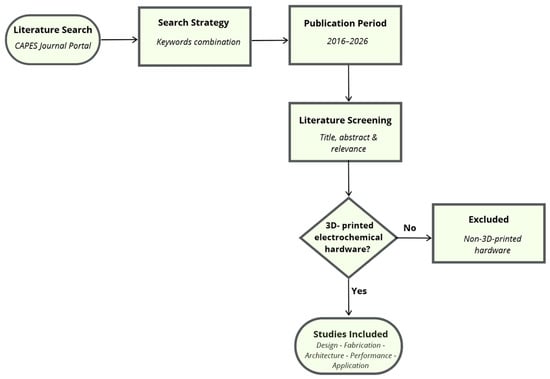
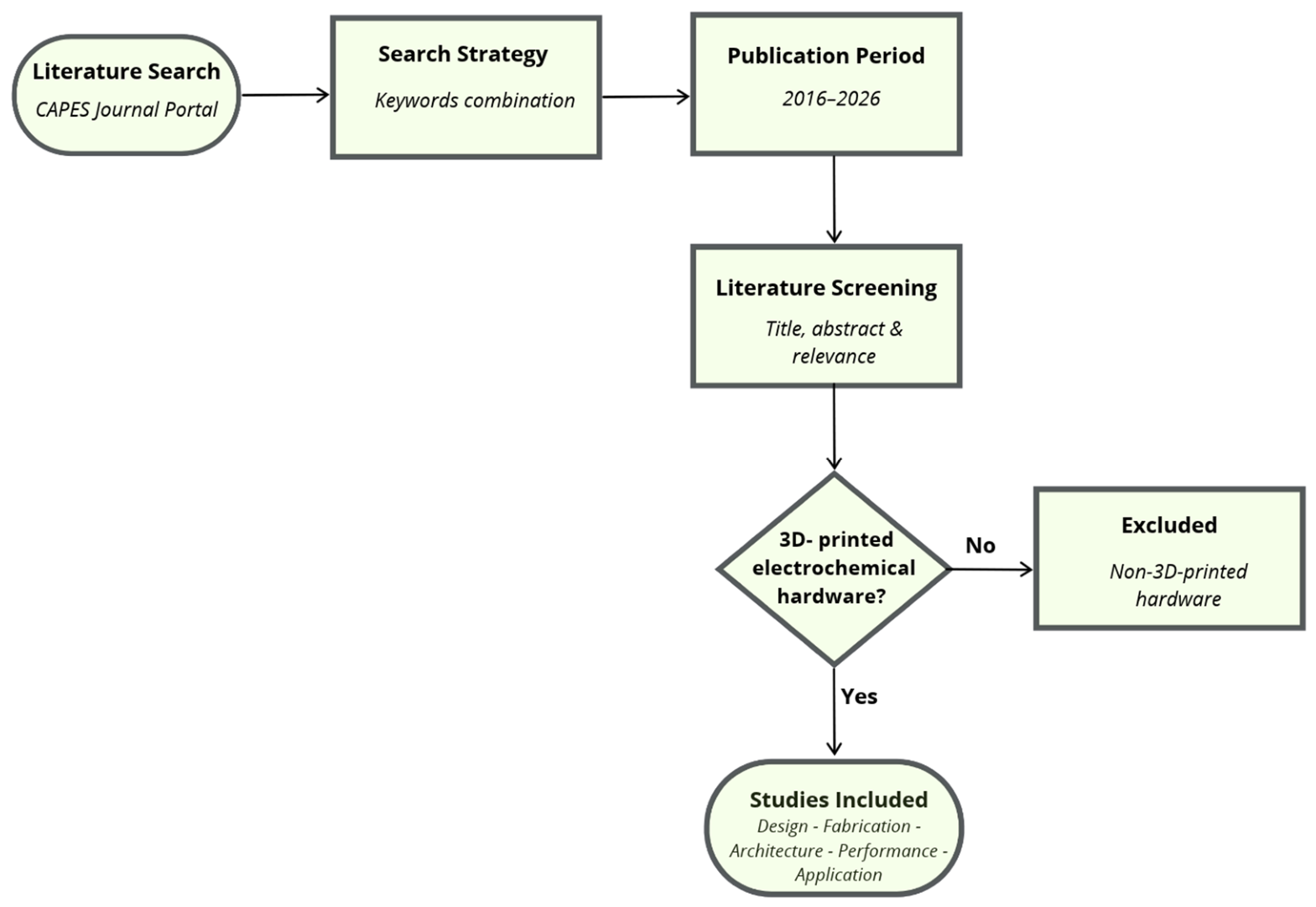
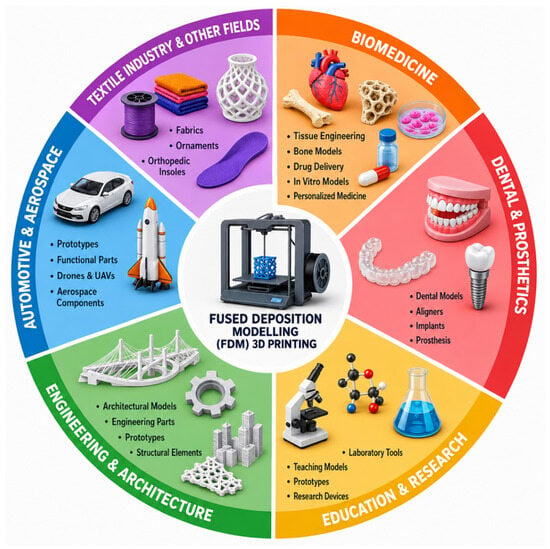
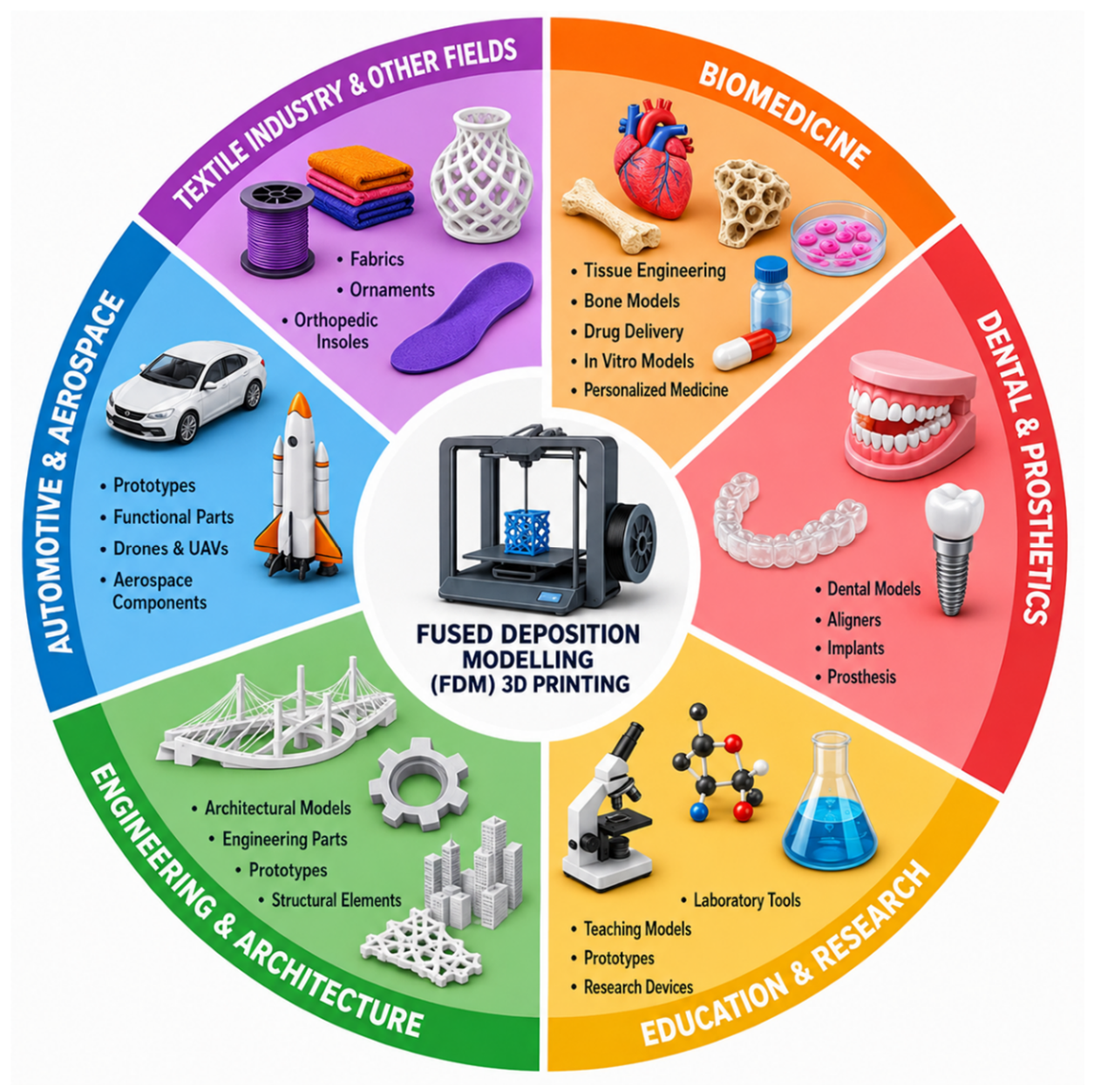
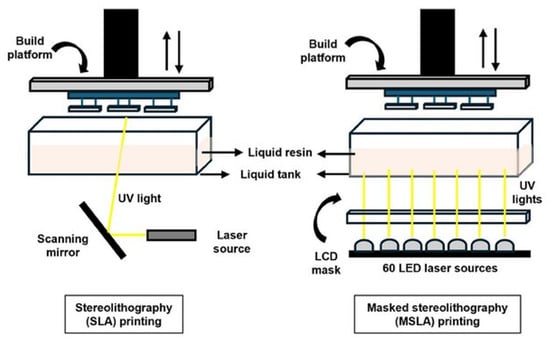
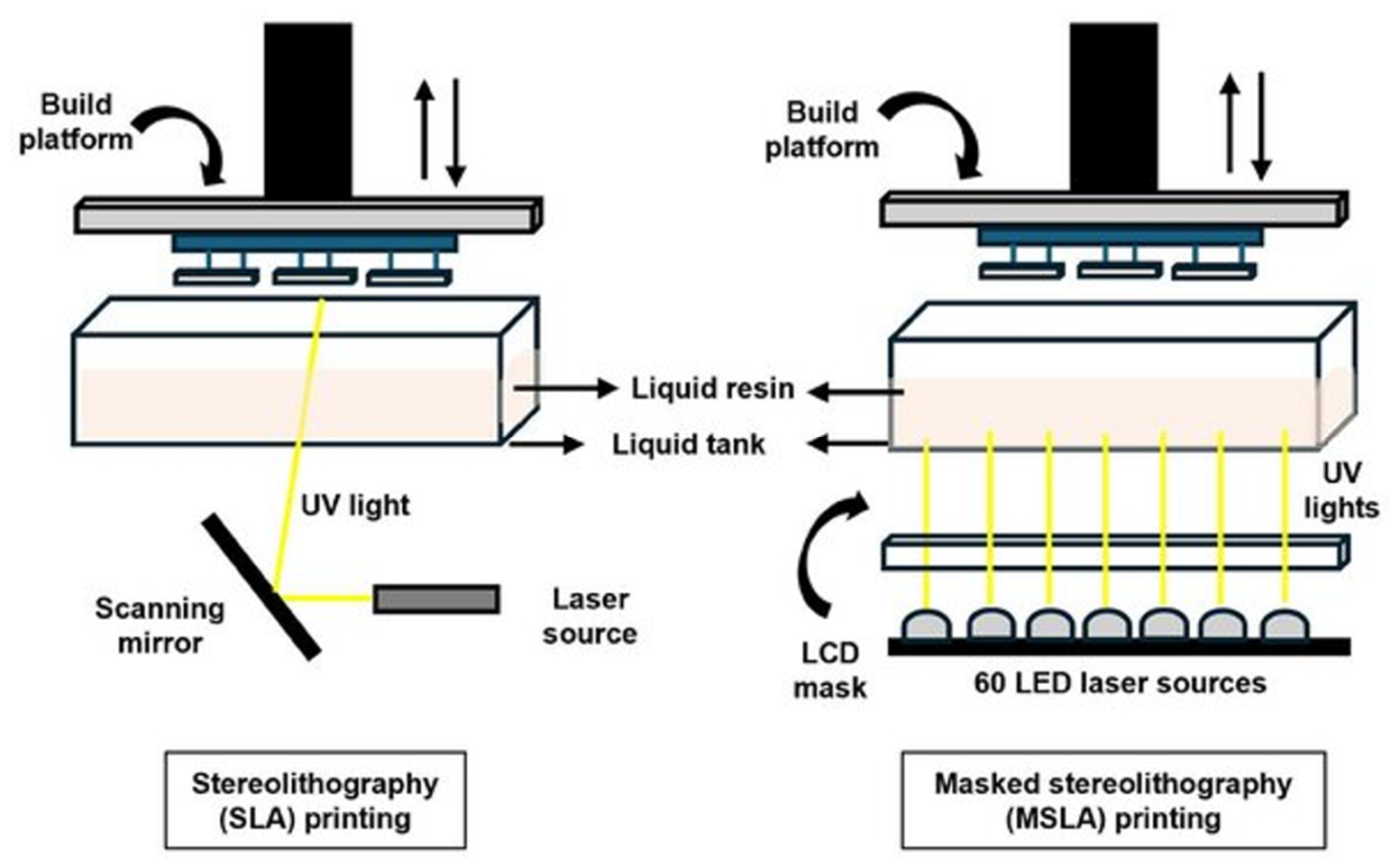
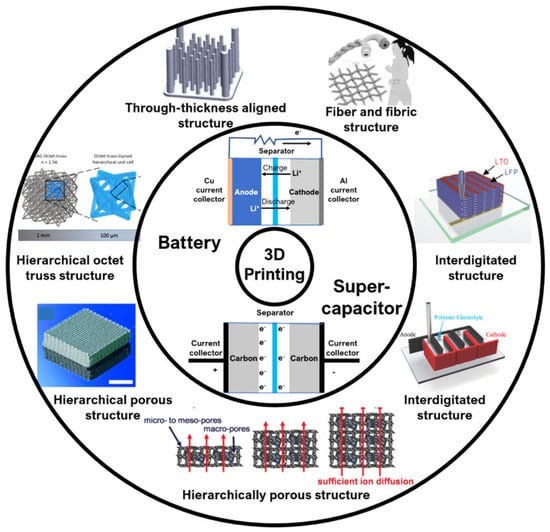
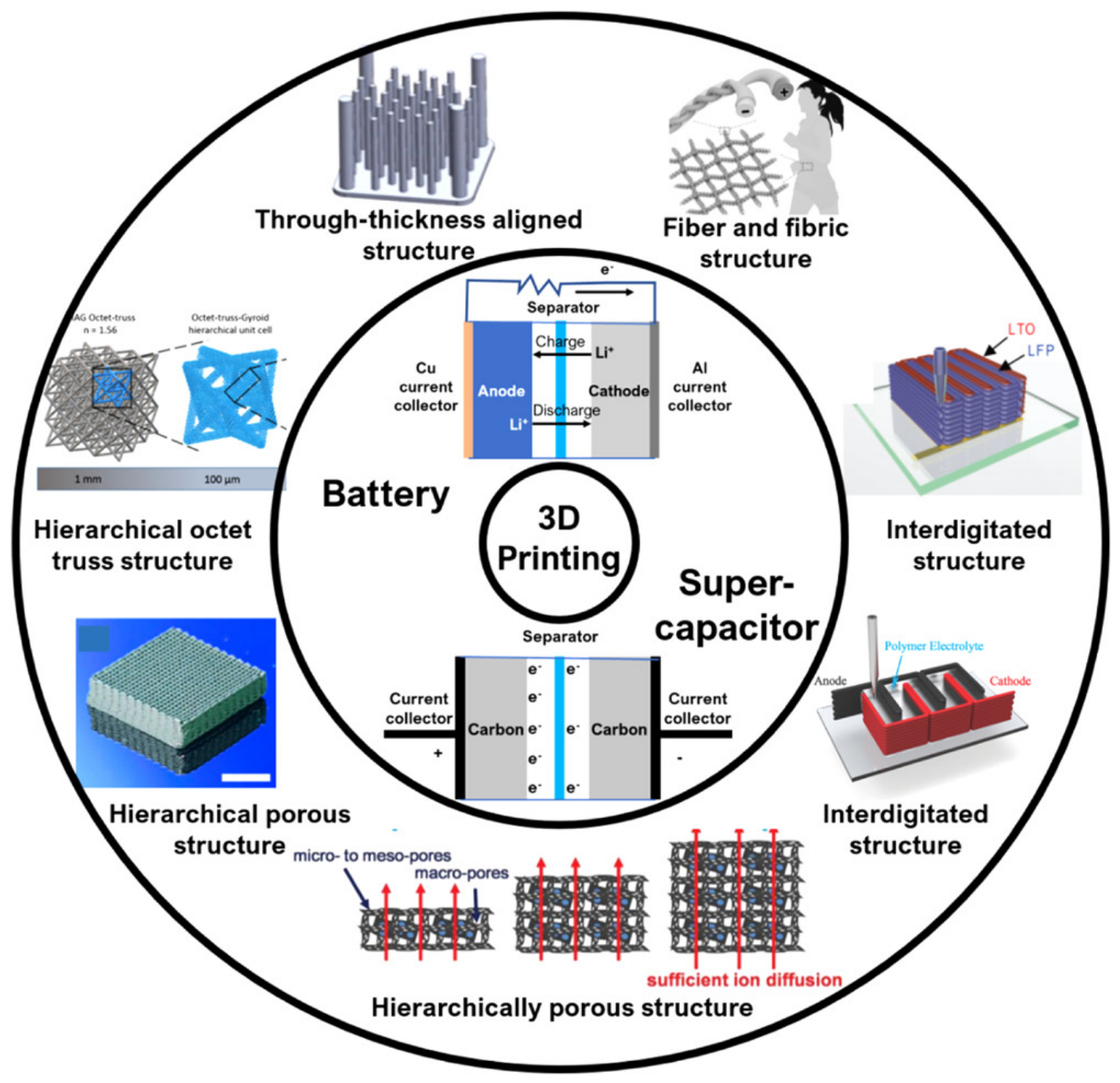
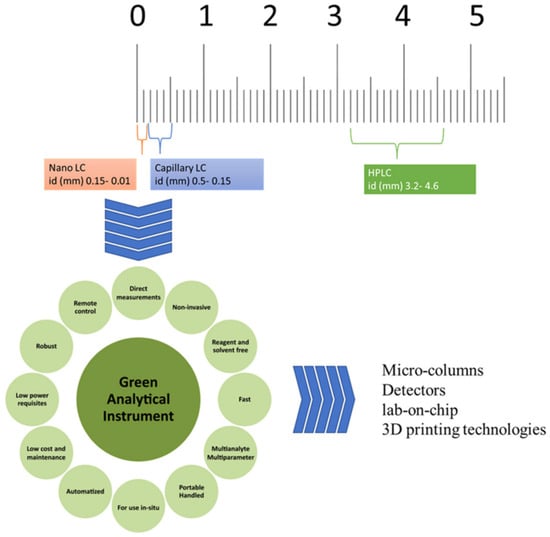
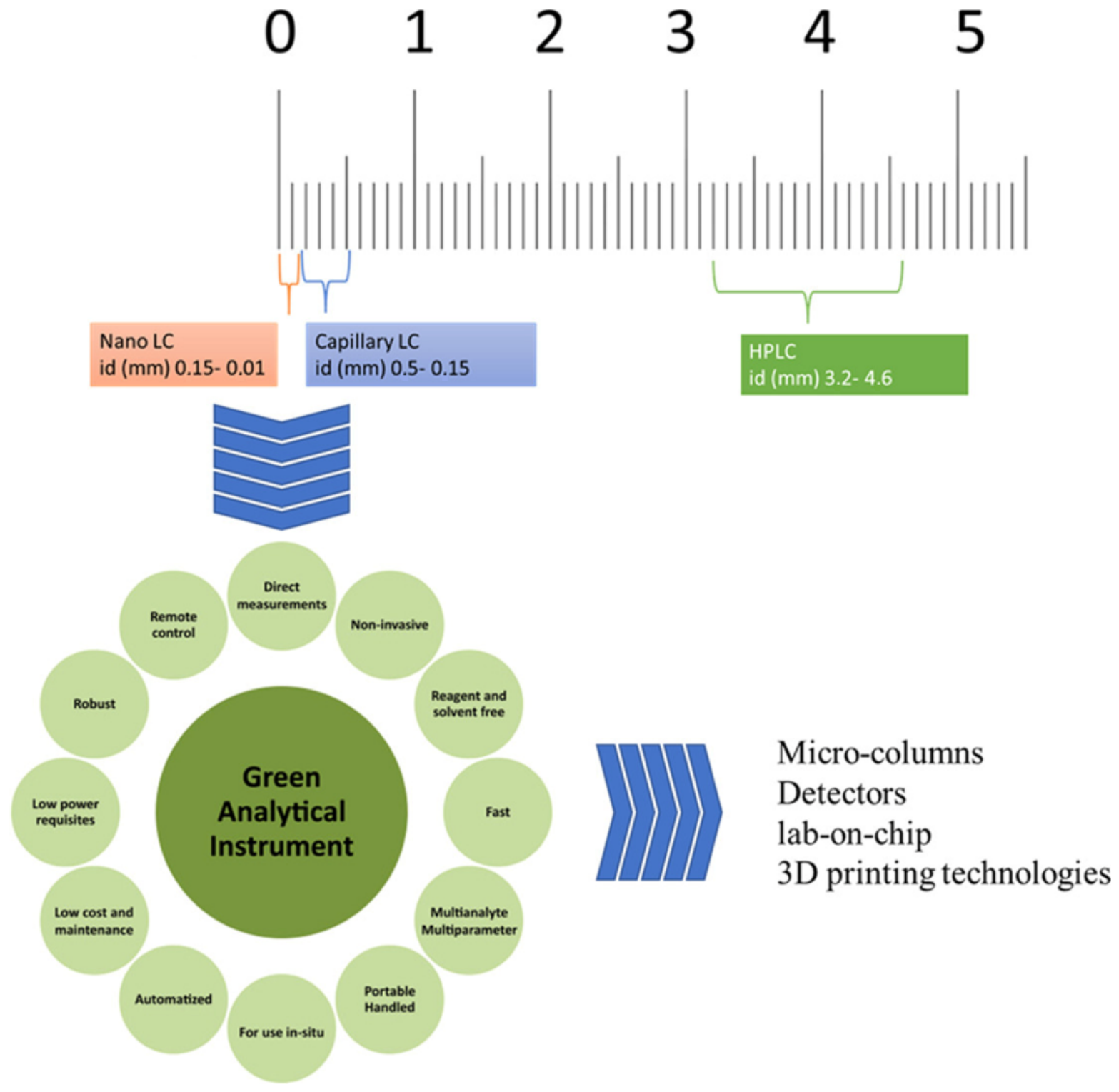

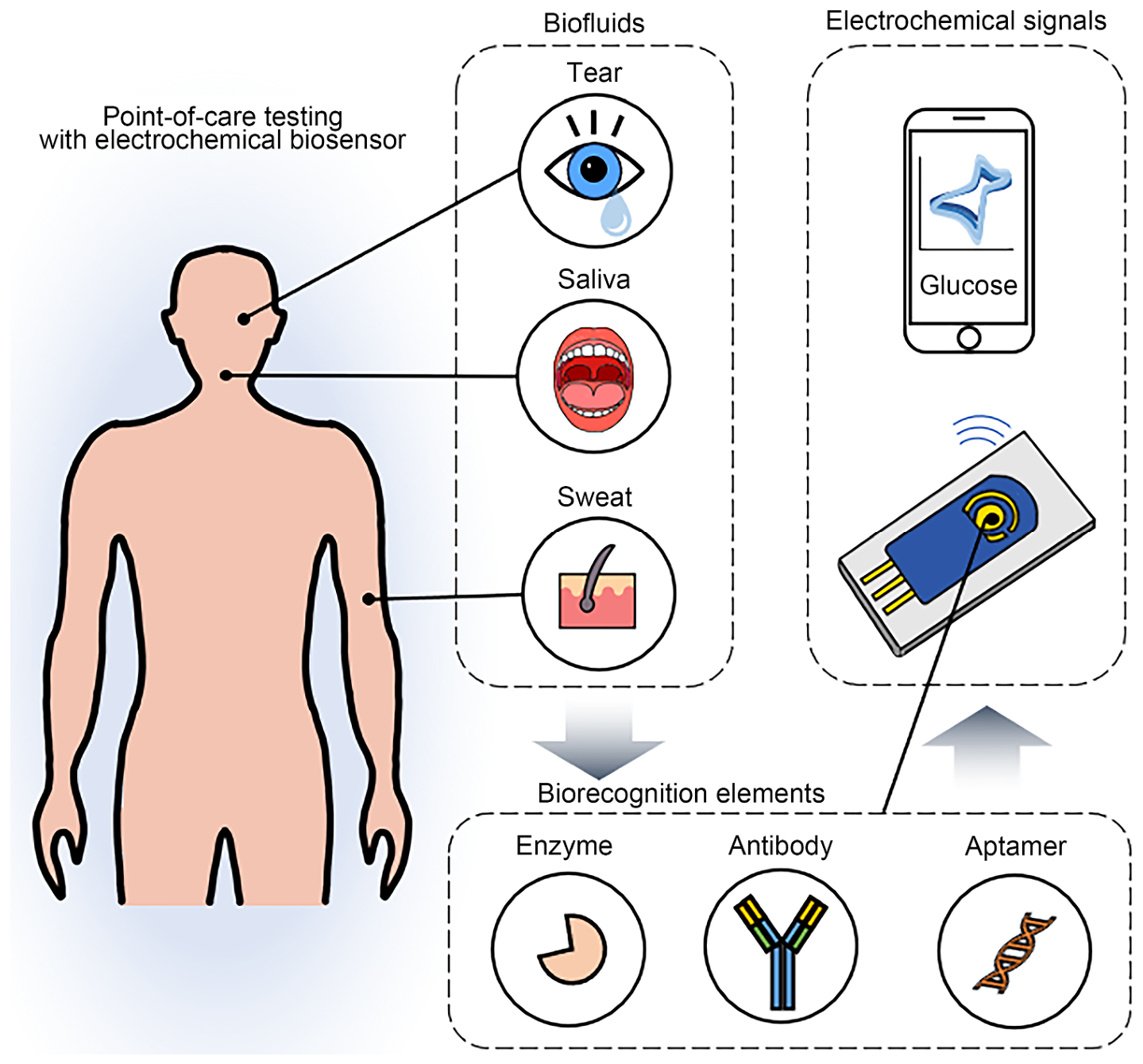
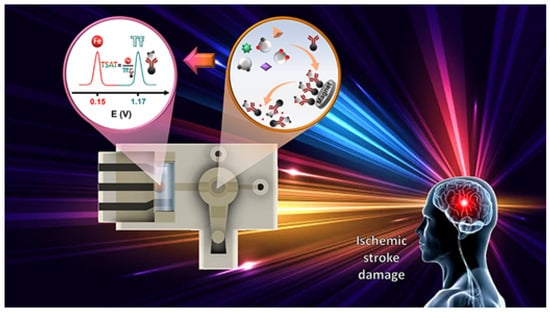
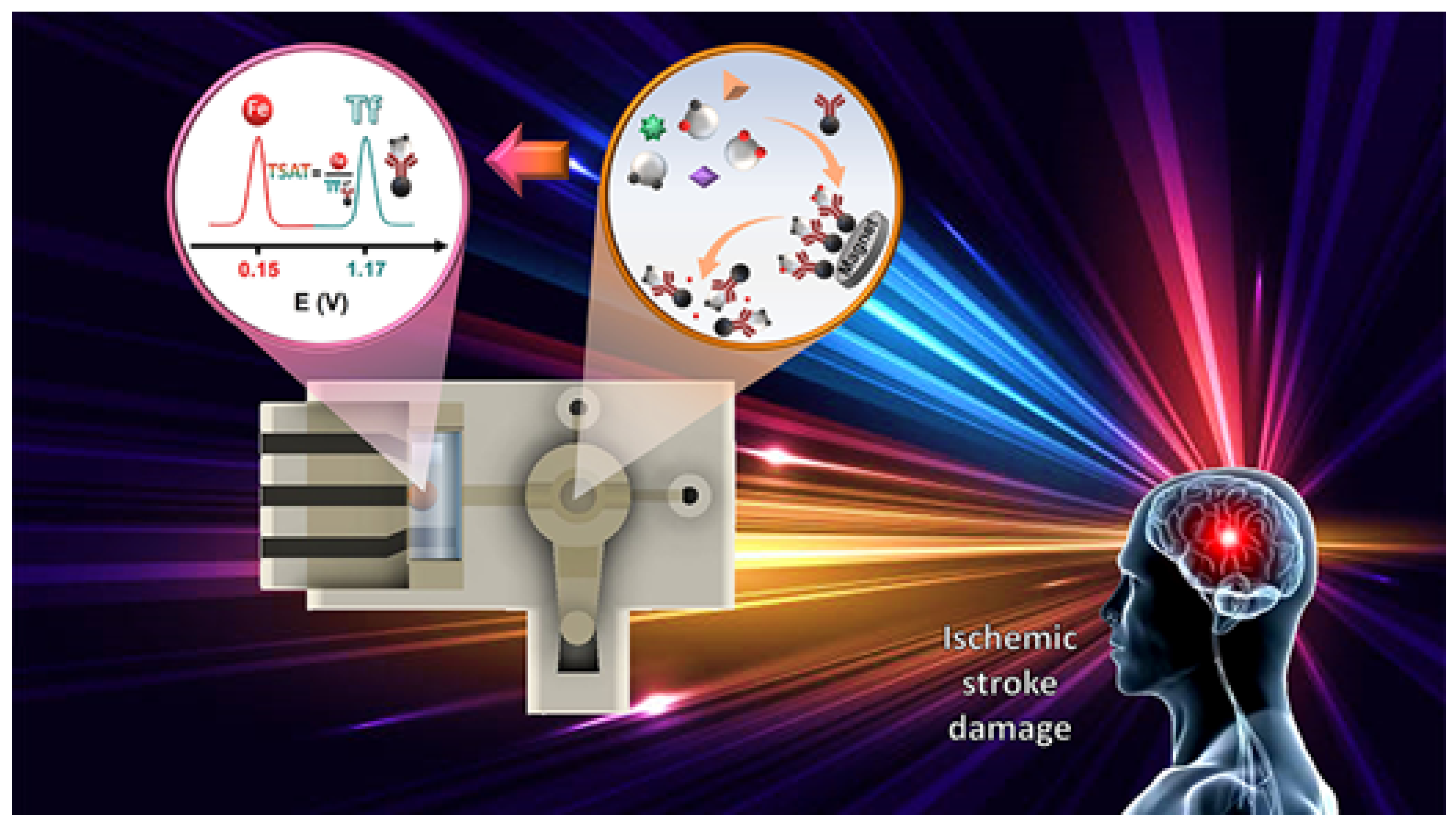
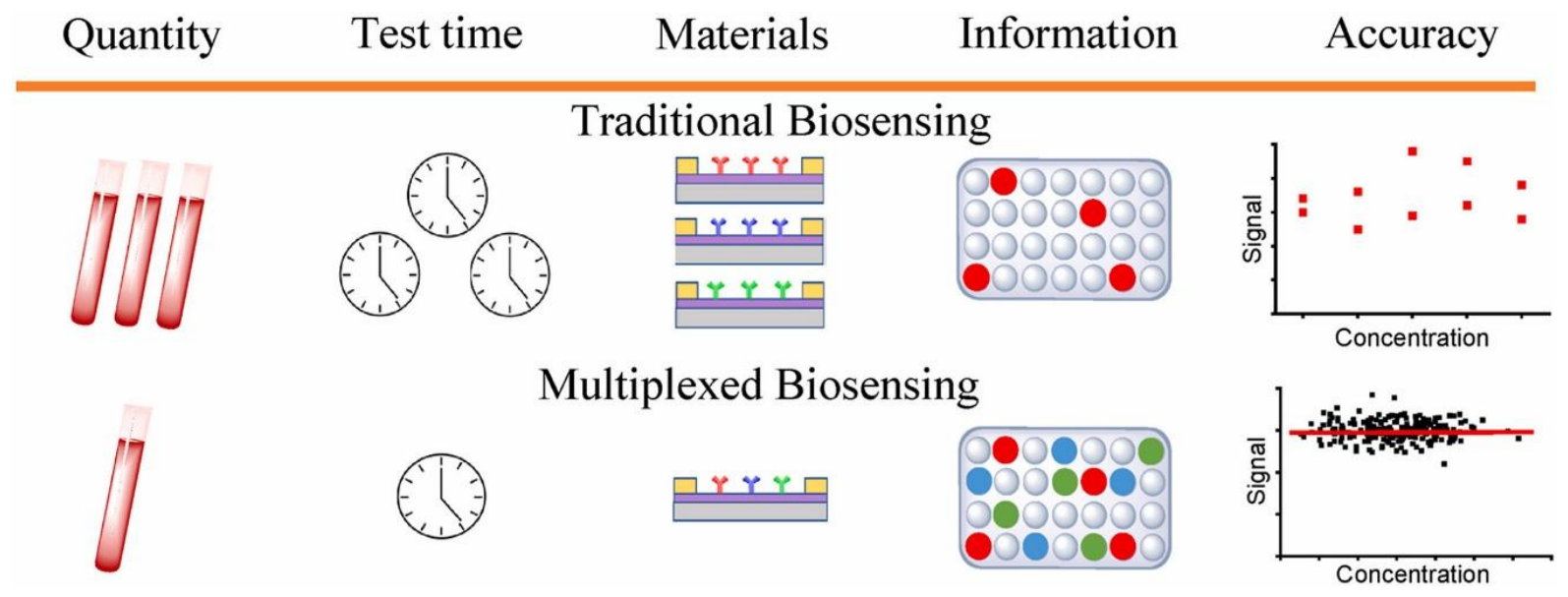
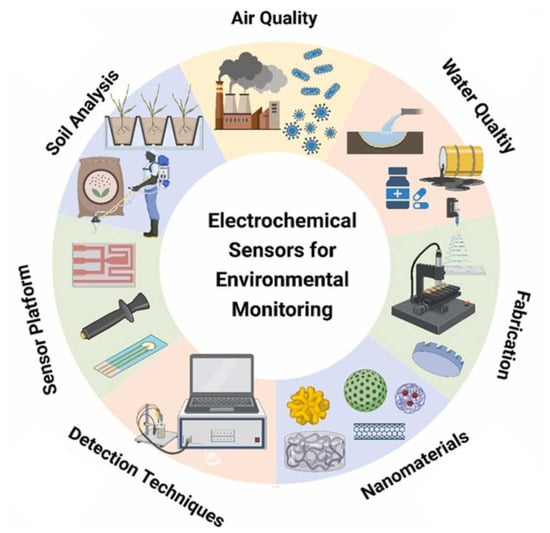
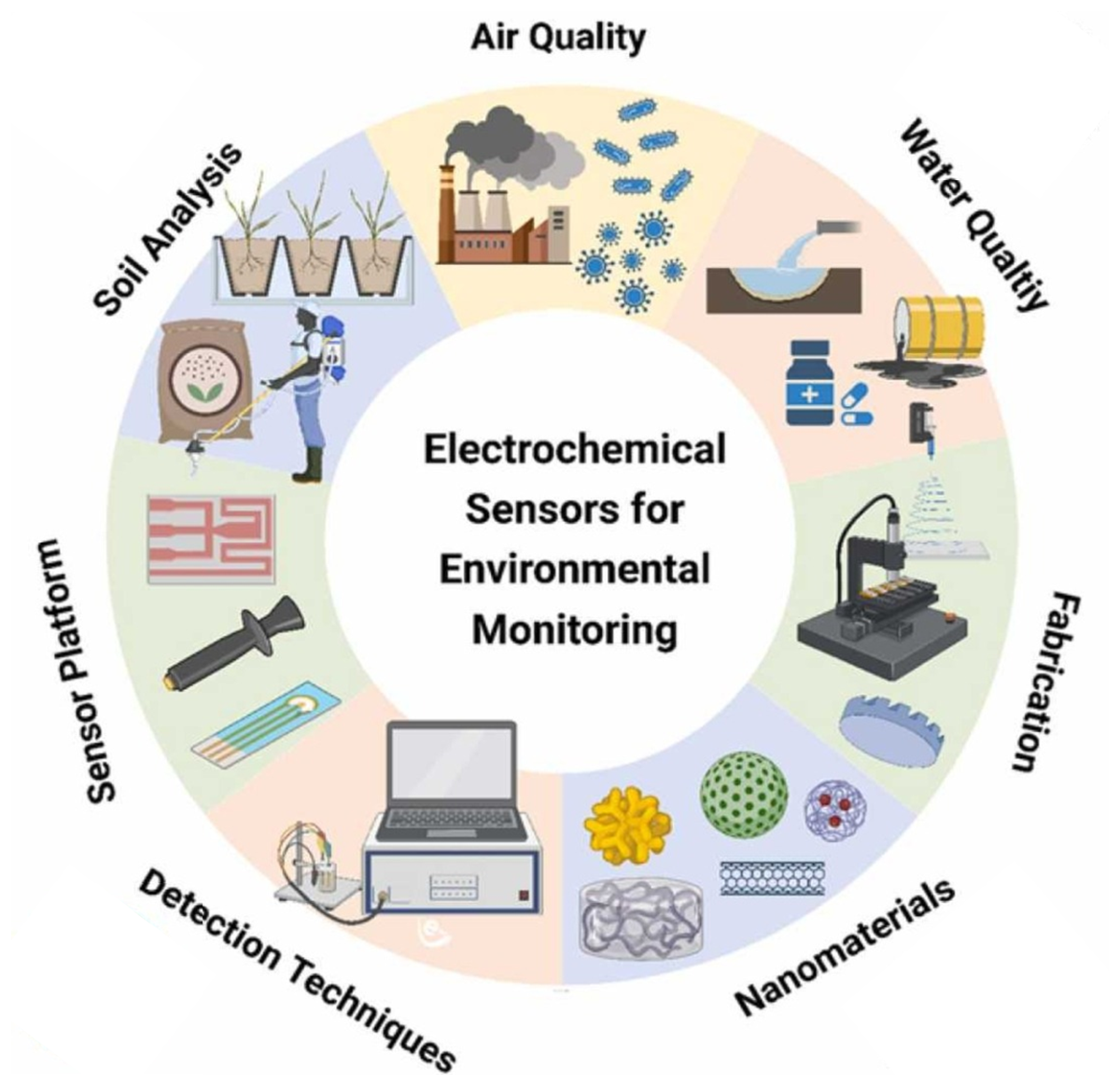
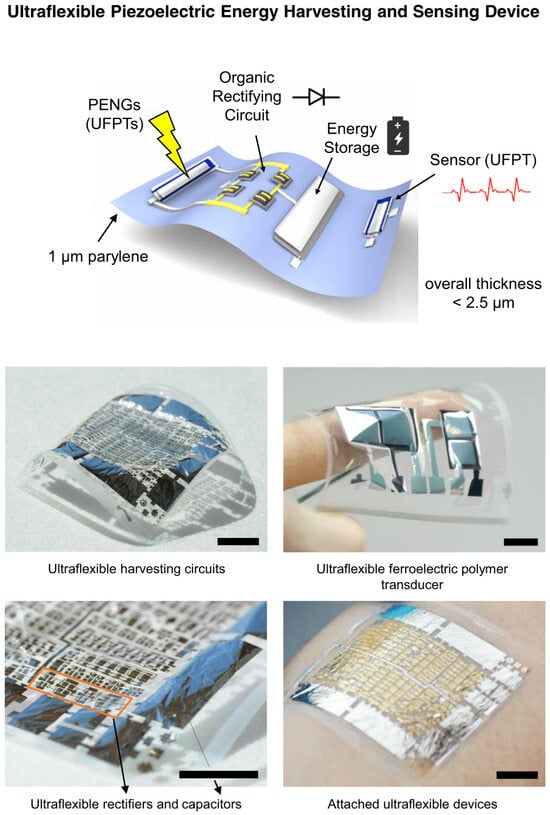
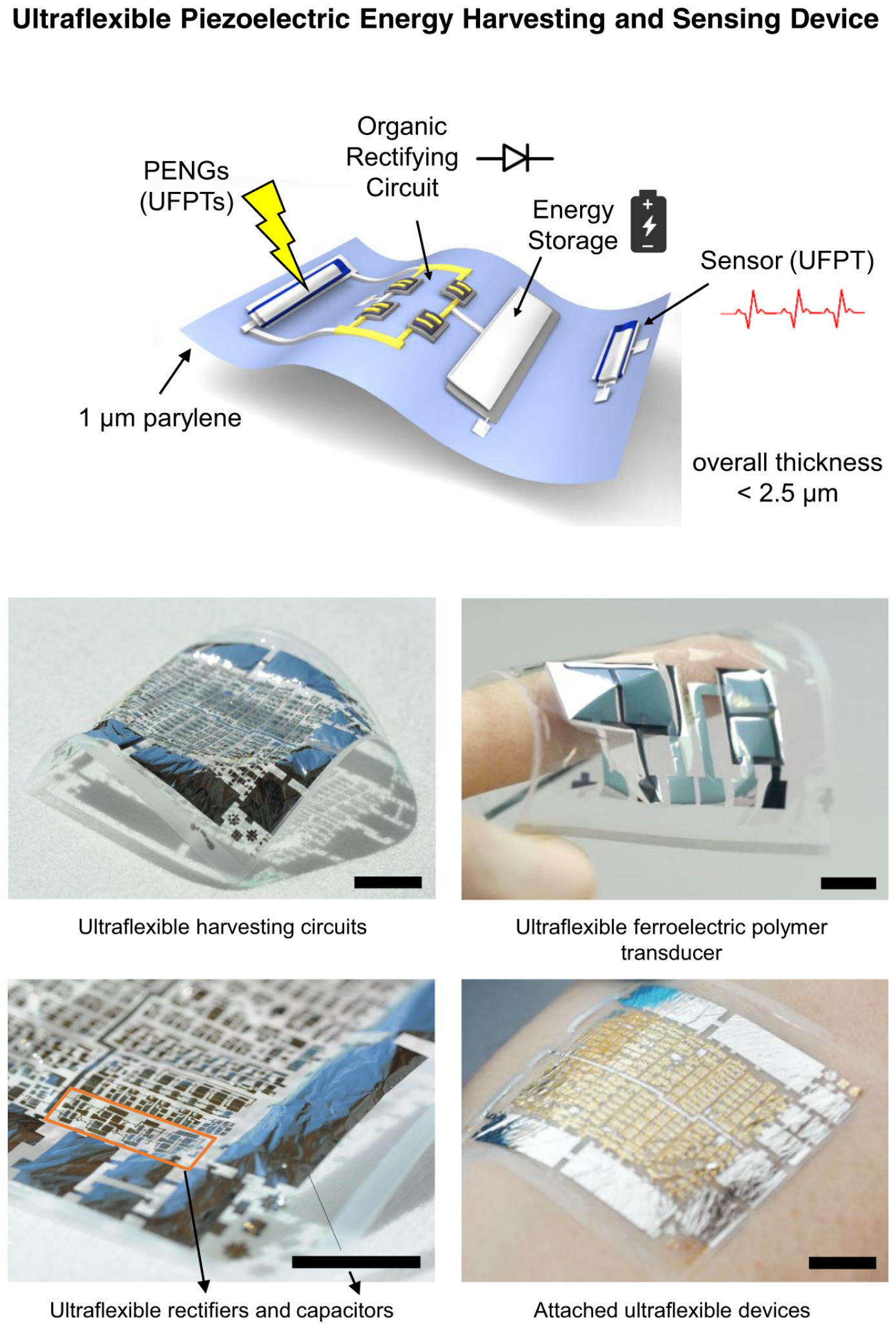

Disclaimer/Publisher’s Note: The statements, opinions and data contained in all publications are solely those of the individual author(s) and contributor(s) and not of MDPI and/or the editor(s). MDPI and/or the editor(s) disclaim responsibility for any injury to people or property resulting from any ideas, methods, instructions or products referred to in the content. |
© 2026 by the authors. Licensee MDPI, Basel, Switzerland. This article is an open access article distributed under the terms and conditions of the Creative Commons Attribution (CC BY) license.