


Abstract
To develop scientific literacy, many STEM faculty members assign technical writing; however, they often cannot make time to assign writing for a lay audience, especially in high-enrollment courses. This creates an opportunity gap for students when they do not get to practice translating their scientific literacy into accessible ideas. To address this gap, this collaborative study between writing specialists from the university learning support center and a biochemistry faculty member assigning informative writing and peer review in a high-enrollment class was designed. Even when peer review is properly scaffolded as research recommends, peers generally do not find each other’s feedback credible. Therefore, this quasi-experimental study examines how an expert mentor facilitating peer review influences student experience and feedback quality. The study quantitatively analyzed grades and survey data from 71 Treatment students (who participated in peer review groups) and 50 Control students and qualitatively coded peer feedback from a subset of 24 students. Despite the two groups’ similarities at baseline, the Treatment group offered more effective peer feedback and earned higher essay grades than the Control group, while both groups experienced positive attitude changes. To ensure that all students have access to these benefits, we provide recommendations for implementing such groups into STEM classes that assign writing.
1. Introduction
Peer review has been widely accepted as beneficial when it follows established best practices [1,2,3]. Its benefits are present across the disciplines [4] and derive from both giving and receiving peer feedback. Peer review has been highly adopted across learning modalities in higher education and can occur in many forms, including face-to-face or online, in pairs or small groups, and synchronously or asynchronously (sometimes anonymously). Research supports that when students are taught specific strategies for how to provide effective feedback on writing and are given clear directions for peer review, they feel more competent offering feedback and learn the value of receiving peer feedback [5,6,7,8,9]. While the attitudinal changes are valuable, it is not clear that these peer review opportunities are helping students draft effective feedback that their peers can use to make substantial changes to their work, as they might with expert facilitation. From our review of the literature, peer review most commonly consists of asynchronous written peer feedback, usually between two students. Instructions and scaffolding are common. Instructor-led peer review groups are uncommon across the curriculum and unstudied but are found in creative writing and on occasion in composition. Additionally, research overlooks non-instructor expert-led peer review: someone with prior experience teaching writing and offering feedback to students individually who comes from outside the classroom, actively facilitates, and participates in the process of giving and discussing feedback.
In our study, the experts were two Writing Specialists with a combined 30 years of teaching and learning support experience. In our work as writing specialists and through assigning peer review, we have noticed that students need help developing their feedback skills and ability to critically assess their own writing. This study on a biochemistry course included an in-class peer review workshop for all students, plus an option to join synchronous expert-led peer review groups out of class.
1.1. Benefits of Peer Review
Participating in peer review has been shown to increase students’ audience awareness [4], writing abilities, and feedback quality, especially for students with less peer review experience [10]. In fact, students who give feedback (rather than receive it) show larger gains in writing abilities [10,11]. Further, when students are given a rubric and incentivized to take writing and peer review seriously, the comments they write can be comparable to instructors’ comments [12]. Other studies have demonstrated that feedback from multiple peers is more effective than feedback from one instructor [5,13].
Aside from increased writing and feedback skills, the peer review process boosts metacognition, agency, and communication skills [3,14]. Students can also expand their confidence, critical thinking, and interpersonal skills when working with peers [15]. An experimental study noted benefits from students responding anonymously because they can be honest; it seems students value the peer review process in part for the sense of community they feel [16], and they report more interaction and a stronger feeling of connection with their peers and instructors [14]. Peer review can also reduce writing anxiety [17] as well as the time it takes to write the entire paper [3]. An additional benefit for STEM students is the opportunity to continue honing their scientific literacy [18] and prepare for engagement in the scholarly peer review process [19].
1.2. Best Practices for Effective Peer Review
A long history of peer review scholarship has resulted in multiple best practices. A foundational practice is ensuring student buy-in, which is aided by the faculty presenting a clear purpose and commitment [20]. Instructors should endeavor to increase student buy-in by demonstrating their enthusiasm for peer review and explaining that intentionally learning how to give effective feedback could ensure that everyone benefits from the experience [3,20].
According to an extensive review of the literature, especially for multilingual students, a positive and supportive peer review experience is also necessary to help them become better writers and collaborators [1]. The review concluded that students should work with the same peers to encourage the development of trust and be taught to approach their peers’ work in a collaborative, non-judgmental way.
One experimental study found that scaffolding peer review in multiple sessions is optimal to create an ideal learning situation [3]. Multiple studies’ findings also underscore the importance of using a student-centered and accessible peer review script and rubric [3,5,14]. Providing these guiding materials and training on how to offer peer feedback can be particularly helpful to ensure multilingual students feel equipped enough to give global feedback instead of focusing on sentences [21].
Since many students have trouble being objective, it is critical to teach them how to offer effective feedback and maybe even assess the quality of their feedback [14,22], which can be especially useful for STEM students as they develop their skills in science literacy and communication. A review of the literature found that instructors should provide a clear rubric and practice with samples [23]. Discussing their assessment of the sample writing aloud and explaining how they would score something is an effective way to model how they want students to respond to the writing [23,24]. Instructors should then invite students to ask clarifying questions about the assignment [23]. After modeling their own feedback, giving students a chance to practice with samples can reduce anxiety and increase honesty. Students also need time to reflect on and talk about their review process [23]. Post-peer response activities are also significant, such as having students determine how they will revise based on the comments they received and sharing their revised paper and changes with their original peer review group [25]. By providing clear, specific materials and taking the time to teach students how to offer effective feedback and reflect on their own feedback, instructors can provide students with a solid peer review foundation.
1.3. Qualities and Perceptions of Peer and Instructor Feedback
Even when peer review follows these established best practices, students often prefer their instructors’ feedback. Students may not trust their peers’ skills [3] and some students believe their instructors’ feedback and grades are more valid and reliable. It is logical that students are wary of peer grading and feedback when they fear their peers are less serious, objective, and qualified to assess their writing [26,27,28]. Conversely, students often assume instructor feedback is inherently better than peer feedback [27]. In fact, one descriptive study found that the commenter’s status level influences newer writers’ assessment of feedback received. They questioned peer feedback but did not challenge instructor feedback [26]. This is the case even if instructors—especially those without pedagogical training on how students learn—have expert blind spots [29] that can result in feedback that is inaccessible to students [30,31]. To complicate matters, when students rated the comments’ helpfulness, not knowing whether the comment came from a peer or the instructor, students perceived the helpfulness of peers and instructors as roughly the same [26]. Though students likely cannot identify whether the feedback came from the instructor or peer, when they know it is from a peer and do not view peer feedback as helpful, they are less likely to make revisions, thus rendering the feedback unnecessary [26,32].
Studies of student feedback have found that students often offer feedback that is unspecific [1,33], overly focused on low-level issues [34], subjective [14], and too complimentary [33]. Peer feedback tends to focus on the word and sentence level rather than global issues of content and organization [6,35]. Even when the rubric specifically discouraged it, students were more likely than instructors to offer solutions to low-level prose issues [12]. The content of students’ comments included more summary statements and fewer directive statements compared to graduate student peers and an instructor [26]. In terms of length, undergraduate students produced shorter comments with fewer idea units [26]. Similarly, an in-depth analysis of student and instructor comments reported that students gave a similar number of comments as the instructors but with fewer words per comment [12]. The study also found that students offered twice as much praise as the instructors [12]; in another study peers gave almost 70% more praise than the instructor [26]. A detailed investigation of 1132 coded feedback comments from 66 peers in a chemistry class writing assignment found that 20% of peer comments were praise and 89% lacked “localizing language” that referenced a specific section of the paper when describing a problem [36]. Despite its characteristic lack of specificity, peer feedback was deemed more accessible than instructor feedback, which can be worded in a way that is confusing or impervious to students [3].
While students may question the value of their peers’ feedback, they generally have a positive attitude about the peer review process itself [14,27] and perceive that it helps them better understand the assignment [3]. They also typically believe that giving and receiving feedback will lead them to improving their own writing in revision [3,5].
However, students have preferences for the type of feedback they receive and agree with experts that feedback with clear guidance and suggestions is best, all of which instructors provided more often than peers [26]. Students also ascribed high value to positive comments and rated them as more helpful than critical comments [26]. This finding suggests that even if constructive comments are effective, for writers to internalize them and find them helpful, they may need to be packaged more positively. To help students receive the type of peer review they seek—while leveling up the peer feedback to increase the likelihood that it will be applied during revision—it seems worthwhile to consider an underexplored peer review model.
1.4. Expert-Led Peer Review
In our review of the literature, peer review groups do not commonly include a facilitator. When facilitators have been used, they are usually tutors, graduate students, or instructors and rarely, if ever, expert mentors. Tutors can be effective when tutor coordinators and the instructor agree upon clear goals, guidelines, roles, and plans in advance [37]. The instructor should demonstrate complete confidence in the tutor and their skills to ensure students buy in, and tutors need to have a high sense of self-efficacy and be well-trained in group facilitation [37]. Even when peer tutors are well-trained, students often question their peers’ credibility [24,38], creating an often insurmountable barrier. Using graduate instead of undergraduate students likely injects more credibility into the facilitator role, but TA training is not the same as facilitator training. Thus, graduate students tend to struggle to balance the authority of the teacher with the less directive and prescriptive role of facilitator because they do not feel teacherly enough in that capacity [39]. They also had trouble facilitating in a way that encourages students to help each other [39].
While uncommon, especially outside the field of composition, instructor-led writing conferences that include multiple students are one example of an “expert” leading peer review. When an instructor facilitates peer review groups in their own classroom, their credibility is already established and their presence interwoven in the peer review process via the prompt, rubric, and other materials [11,24]. One style of instructor facilitation is emphasizing conversation and praise while encouraging writers to practice conversing like writers [40]. Another style is to exemplify feedback-giving while helping the writer improve their work. In this style, instructors mentor student reviewers by modeling how they give feedback and helping the reviewers level-up their own comments and potentially increase their writing skills [11]. At the same time, instructors can learn from student reviewers and revise their feedback as a result. The downside of the instructor facilitating peer review groups is that students may internalize the instructor’s notion of what makes good writing based purely on their hierarchical position [11]. Because instructors are the graders and ultimate judges, this could encourage peer responders to defer to their instructors’ ideas and not share their honest feedback, which could inhibit their own growth as writers.
An expert mentor could help students avoid being usurped by their instructors’ influence. Someone filling this role would be seen as credible due to their subject-matter expertise but not hold the power of determining grades [38]. In writing, an expert is someone who makes transparent the process of discussing feedback and the different levels of effective feedback, rather than operating from the opaqueness of expert bias. Although expert mentors in the classroom are underrepresented in the literature, an analysis of the reality show Project Runway presents a model in which an expert and non-judge (e.g., Tim Gunn) praises and offers validation as well as constructive feedback [38]. Because of his credentials, the contestants relate to Gunn both collegially and as a mentor. This seems to be the ideal persona to fill the gap in peer review group facilitation, though few articles acknowledge this role. One way to achieve this is for instructors to join each other’s peer review sessions, acting as an expert mentor and non-grader [38]. One university accounting program included a writing consultant and professional accountant in their peer review groups but did not provide details as to how the writing consultant mentored the students [41]. In response to such sparse examples, this paper examines how having expert mentors, in the form of staff writing specialists who facilitate peer review groups, would impact student writers.
1.5. Research Questions
Three research questions guided our study.
- Do the students who self-selected into the Treatment group start with more experience, better attitudes, and different reasons for joining?
- Is there a correlation between the intervention and the quality of feedback students gave?
- What are the differences between Treatment and Control students after the intervention?
2. Materials and Methods
The study was a collaboration between two Writing Specialists (professional writing support staff), the Director of Writing Support Services, and an Associate Professor of Teaching from the Molecular and Cellular Biology department.
2.1. Course Context and Essay Assignment
BIS 102 (Structure and Function of Biomolecules) is an upper-division biochemistry course serving a variety of biology-related majors (e.g., cell biology, genetics) at the start of their upper-division coursework. The course is taught over a 10-week quarter and enrollment ranges from 200 to 400 students, with 213 students in spring 2019. In that quarter, the class consisted of monolingual and multilingual students, 36.2% transfer students, 40.8% first-generation college students, and 20.7% minoritized students. The course included an exploratory writing assignment (350-word minimum) that encouraged students to write about a topic of interest related to but not explicitly covered in the course. They were also asked to write for an audience of peers (juniors and seniors in college) who are not science majors. The goals of the assignment were to (1) increase student engagement in the class, (2) help students see how biochemistry is everywhere, (3) provide practice in putting science in their own words, (4) allow students to derive content to promote a more active role in their learning process, and (5) reveal to the instructor what interests students in biochemistry. Students were asked to submit a first draft, provide feedback to two peers on the first draft, and submit a final draft. They were graded as follows: 10% in-class workshop participation, 20% first draft, 20% feedback to peers, and 50% essay score.
The Writing Specialists led an in-class workshop on peer review for all BIS 102 students in Week 3 of the quarter. Prior to the workshop, students read a sample essay from a former BIS 102 student and wrote feedback using the grading rubric. The workshop commenced with students swapping their written feedback with a partner and reading their partners’ comments as if they were the original essay writer. The partners then discussed the following questions:
- How does the tone of the feedback make you feel?
- Do you think your peer mentioned the most significant areas of concern? If not, what issues do you think are more significant?
- Did your peer mention what’s working well in the essay? If so, do you agree with this assessment?
- Would you know what to revise?
- Is the feedback effective? What makes feedback effective or not?
The Writing Specialists then facilitated a class discussion about Question 2 (the key areas of concern with the paper). After each student shared their ideas, the facilitators verbalized how they saw each point connected to a specific rubric category as a real-time model for students (see [23] as an example). Regarding Question 3, the Writing Specialists polled the room to see how often positive feedback was employed and discussed the value of balancing positive and negative feedback. The workshop concluded with a discussion of six dimensions of effective feedback which
- Is reader-centered;
- Uses specific evidence from the essay;
- Provides suggestions for revision;
- Points out both what is working and what is not working;
- Uses full sentences and questions;
- Does not correct grammar (unless it causes confusion—point to the rubric to explain why).
All students were shown how to apply those six criteria to the 5-point Feedback Rubric that their professor would use to assess their feedback, included in Supplementary File S1.
After the workshop concluded, the Writing Specialists introduced two optional extra credit opportunities for students: out-of-class peer review groups and pre- and post-surveys. (Completing both opportunities garnered students 1% of extra credit. If students could not attend the peer review groups, another path to earn extra credit was to meet individually with a writing specialist or Tutor. These students were excluded from the study.) They then described the study and directed students to the consent form to opt in. Students were told that their study participation was optional and extra credit was not tied to study participation. All students were invited to take the pre-survey, which was assessing the following constructs: academic knowledge, self-efficacy, self-confidence, academic motivation, and optimism and pessimism [42]. These constructs were selected to understand if more experience, higher comfort and self-efficacy, and certain types of motivation correlate with giving better feedback or opting into peer review groups. The survey questions were created and applied to a 2018 pilot study and then revised for this study to ensure they were clearly worded. Question topics align with the aforementioned constructs thusly: comfort writing essays and giving feedback maps onto the self-efficacy and self-confidence constructs; comfort receiving feedback reflects attitudes and maps to the optimism and pessimism constructs; prior peer feedback experience and knowledge of giving feedback map to the academic knowledge construct; and attitudes about giving and receiving feedback and interest in reading peers’ papers (which reflects attitudes) map to the optimism and pessimism constructs. The design of the questions mirrors prior studies: comfort [43]; prior peer feedback experience, knowledge of giving feedback, and attitudes toward giving and receiving feedback [14]; and knowledge of giving feedback and interest in reading peers’ papers [18].
Students were given 5 weeks to work on their paper, with the first draft due in Week 8. By Week 9, the professor assigned all students to give anonymous, asynchronous feedback to 2 randomly assigned peers using the course’s learning management system, Canvas. They selected a rating (e.g., “full marks,” “almost there”) for each of the 8 rubric categories (topic choice, connection to class, length, prose and definition of scientific terms, grammar [only to the extent that errors distracted the reader], documentation, audience engagement, and clarity). They were also instructed to write a comment for at least 3 rubric categories. Students were told that their professor would score their feedback based on the rubric presented during the in-class workshop.
The final essay draft was due in Week 10 and was professor-graded. All students were invited to take the post-survey (students could still complete the post-survey without having done the pre-survey, but not for extra credit), which included many of the same questions as the pre-survey, as well as questions about their opinion on the writing assignment and the biggest benefit they gained from the peer review groups (if applicable).
2.2. Peer Review Groups (Intervention)
A total of 100 students participated in the out-of-class peer review groups. Each group consisted of 3–4 students who met for 50 min with a writing specialist in two consecutive weeks (groups either met in Weeks 5 and 6 or Weeks 7 and 8). Over the two weeks, the group reviewed each student’s paper, and everyone gave feedback to 2–3 peers. The structure of the session was as follows:
- The group reviews the components of effective feedback and reads the peer review workshop script and the writer chooses 3 areas from the workshop script that they would like feedback on (5 min). The workshop script questions were derived from the essay rubric, but unlike the rubric which assigned a score for each category, students answered how (not if) the writer met the criteria and/or provided suggestions to better meet the criteria (see Supplementary File S2 for the complete script).
- The group reads and writes feedback on Writer 1’s draft (10 min).
- The group discusses the feedback as a group (10 min).
- The group reads and writes feedback on Writer 2’s draft (10 min).
- The group discusses the feedback. In the second session, this process is repeated for Writer 3 and Writer 4 (10 min).
Selecting 3 workshop script questions that were most relevant to writers at their particular stage of the writing process gave students agency. The questions were designed to be reader-centered and student-appropriate, meaning that students would more likely feel qualified to answer the questions. For example, one commonly selected area of the workshop script was “Is this piece engaging for a non-science major, college-age audience?” Since the reviewers knew this audience well, they could reasonably offer feedback, and the subquestions—“if yes, what makes it engaging for its audience?” and “if no, what ideas or questions can you provide to help the writer better engage their audience?”—encouraged responders to explicitly state why they felt the paper was or was not engaging. The questions were also intended to support the drafting process rather than assign grades, as revisions were expected after feedback.
A key component of the peer review groups was the inclusion of an (expert) writing specialist, who brought writing and learning center pedagogy [44] and teaching experience into the group. Using this pedagogy, the Writing Specialist facilitated group discussion, first inviting all students to contribute while speaking up only when observing the discussion remaining topical. To encourage deeper conversation, the Writing Specialist asked responders for textual evidence or relevant rubric categories if their feedback was vague, encouraged the writer to respond and pose questions to the responders, and modeled a response to the text to demonstrate effective feedback. The Writing Specialist’s expertise in responding to writing was balanced by the students’ content expertise. Throughout, the Writing Specialist took field notes for later reference.
2.3. Data Collection
The data for this study consisted of essay grades, exam grades, course grades, and pre- and post-survey responses for 121 students (a handful of students who opted in were excluded from the study for the following reasons: dropping the class, not attending the in-class workshop, not submitting the final essay or completing the two peer review submissions, doing the alternative extra credit option, or only attending one week of peer review groups). They were then separated into two groups: Treatment (n = 70) and Control (n = 51). The Treatment students were those who attended both peer review groups, completed the surveys, and attended the in-class workshop. The Control students did not attend the peer review groups but did complete the surveys and attended the in-class workshop (5 students from the Treatment group and 5 students from the Control group did not complete the post-survey; their pre-survey responses were excluded from the pre-/post-comparisons but retained for all other analyses). Students’ names and any identifying personal information were then deleted and students were assigned a number identifier.
A subset of 12 Control and 12 Treatment students was randomly selected for qualitative analysis of peer feedback. Each of these 24 students gave peer feedback to 2 peers, meaning that 48 peer reviews were included in the feedback analysis.
2.4. Data Analysis
2.4.1. Analysis of Surveys
The pre- and post-surveys included both numerical and free response questions, so the analysis was both quantitative and qualitative. In order to test if the differences in values between the pre- and post-surveys happened by chance, we used a paired t-test to analyze the pre- and post-survey means for each question for both the Treatment and Control groups. The mean responses for Treatment pre- and post-questions were each compared and then the mean responses for Control pre- and post-questions were each compared to see if the changes in attitudes happened by chance.
Three types of questions on the surveys were qualitatively analyzed: students’ reasons for joining or not joining peer review groups (pre-survey), the biggest benefits of peer review groups for the Treatment students (post-survey), and students’ attitudes about giving and receiving peer feedback (pre- and post-survey). The Writing Specialists inductively developed and refined a thematic coding scheme by using survey responses from students not included in the study. We independently applied the coding scheme to the study data and then jointly came to a consensus when finalizing the codes, acknowledging that a single student could have multiple codes attributed to their response.
2.4.2. Analysis of Student Performance
In order to analyze the essay grades between Treatment and Control, we used a paired t-test to compare the mean values for both groups. Then, to see if there were relationships between the final essay scores and exam scores, course grade, and prior peer review experience, we used multivariate linear regression and computed correlation coefficients (Pearson’s r) for the Treatment and the Control groups.
2.4.3. Analysis of Peer Feedback
The guiding principles of effective feedback were as follows: (1) would the writer know how to revise; (2) could the writer interpret and apply the feedback on their own terms. By following these overarching principles and the 6 specific dimensions of effective feedback from the workshop, we devised a hierarchical scale of effective feedback: Basic, More Effective, and Most Effective. The coding scheme (Table 1) was initially created deductively during analysis of a sample of student feedback not included in the study. The coding scheme was then applied to the actual data and was refined inductively as elements that were not yet reflected were discovered. Basic feedback comprises comments that, in general, will not help writers in revision because they are too vague. More Effective feedback increases the specificity and will likely help writers to some degree in revision. Most Effective feedback offers reader-centered, location-specific, concrete praise and suggestions and/or questions for improvement as well as the rationale behind the feedback, which would encourage writers to accomplish substantial revision.
Table 1.
Simplified scale of peer feedback.
Within the tiered levels of the scale of effective feedback are 19 elements used to create a coding scheme (the simplified version is shown in Table 1 and the version with full descriptions and examples is shown in Supplementary File S3).
For example, a What’s Not Working comment could be classified in three ways depending on the degree of specificity. In addition to applying the effectiveness codes, each peer review was ascribed a requisite feedback scope code noting whether the scope of the feedback was minimal, average, or thorough.
We separately applied the coding categories to the 48 samples of peer feedback and then recorded the codes together. We remained intentionally unaware of which sets of feedback came from Treatment or Control groups while coding to avoid bias and enhance validity when applying the codes. A Cohen’s kappa analysis determined a substantial initial agreement between the two raters, κ = 0.67, yet we decided to arrive at complete consensus including re-examining the code categories with the lowest agreement until we reached consensus for every code (similar to [12]), resulting in a kappa value of 1.
The comment locations (on the rubric [preferred], in the margins, or in an endnote) and total word count were also recorded. As data analysis is iterative, we adjusted the coding scheme and re-coded the Explanation, What’s Not Working, and feedback scope codes to better account for nuances in those categories and challenges in the initial coding phase.
Once the feedback scope scores were determined, we looked at correlations between feedback quality and other factors such as presence in the Treatment or Control group and prior writing experience.
3. Results and Discussion
3.1. Do the Students Who Self-Selected into the Treatment Group Start with More Experience, Better Attitudes, and Different Reasons for Joining?
Since placement into the Treatment and Control groups was not randomized, an important first step was to investigate the baseline similarities and differences between Treatment (n = 70) and Control (n = 51) students at the time of their self-selection. We considered their prior writing and peer review experiences, initial attitudes about writing, and motivations for joining or not joining peer review groups.
3.1.1. Students’ Prior Experiences with Writing and Peer Review
Treatment and Control students began the BIS 102 class with similar writing and peer review experiences. From comparing students’ self-reported prior feedback experience (on a scale from 0 to 3) and writing-intensive experience (counting the number of courses they listed), it appears that, on average, Treatment and Control students had similar amounts of prior writing-intensive experience (an average of between 2 and 2.5 classes) and peer review experience (in an average of 1.5 classes).
3.1.2. Students’ Initial Attitudes About Writing and Peer Review
To assess Treatment and Control students’ attitudes about giving and receiving feedback at the beginning of the course, we turned to their responses on the pre-survey, which included seven-point Likert questions and open-ended questions. For the former, students rated their comfort writing the BIS 102 essay, their comfort giving and receiving peer feedback in BIS 102, their knowledge of giving effective feedback to their BIS 102 peers, their understanding of how to apply the rubric to their BIS 102 essay, and their eagerness to read their peers’ BIS 102 essays. From a two-sample, two-tailed t-test, none of these questions yielded a statistically significant difference between the mean responses of Treatment and Control students. This suggests that Treatment and Control students started the class with similar attitudes about writing and peer review despite self-selecting into different groups.
Students’ open-ended pre-survey comments about giving and receiving peer feedback allow for a more nuanced interpretation of their initial attitudes. From a thematic analysis of their responses, Treatment and Control students both predominantly express attitudes ranging from cautiously optimistic to optimistic (willing, interested, looking forward, excited). The most noticeable difference is comfort. Comfortable is the most common attitude Treatment students reported experiencing (11 tokens mentioning some degree of comfort), versus three tokens that mention some degree of comfort for Control students. Thus, while the Likert comfort-level questions on the pre-survey were not statistically significant across the two groups, the qualitative analysis reveals that of all the possible ways to describe their attitudes, Treatment students explained their attitudes in terms of comfort at double the rate of Control students.
Although Control students infrequently mentioned comfort, they rarely exhibited negative attitudes about giving/receiving peer feedback. For both groups, when they expressed apprehensions, these tended to be second-guessing or uncertainty around their own abilities. One Control student wrote, “I don’t know how to give a great responds [sic] on how other people writing [sic] since my writing skill is not any better.” This comment reflects a common belief that being a strong writer and giving effective feedback go hand in hand, which suggests that Control students did not opt out of peer review groups due to negative thoughts about the value of giving feedback. Alternatively, some students recognized the opportunities of reading others’ work and giving feedback as vehicles to improve their own writing. For instance, one Treatment student wrote, “I think feedback is important because when critiquing others, you can learn about some of your own mistakes you might not be aware of.” In sum, some students’ sense of themselves as writers hindered their willingness to give feedback, while in other cases, students exhibited an understanding of the benefits they could receive from giving peer feedback.
A handful of students expressed negative past experiences with peer feedback (three Treatment students and four Control students). In regard to giving peer feedback, one Treatment student wrote, “I am not too comfortable peer reviewing other students’ work because when I had to do it in the past, it wasn’t taken too seriously, so I’ve never learned how to do it properly.” In terms of receiving peer feedback, one Control student expressed frustration with peers in the past “do[ing] feedbacks [sic] half-heartedly and it leaves me even more confused.” This student then ended with an expression of hope: “But I’m hoping that since this is an upper division class, people would be more serious about their feedbacks [sic],” which was a pattern other students exhibited as well. From this survey question, students repeatedly voiced the belief and aspiration that peer feedback is (and can be) beneficial and helpful. Taken together, these comments demonstrate students’ desire for everyone to be instructed and incentivized on how to give effective feedback, so the caliber of effective peer feedback rises for the entire class. They also show that despite a difference in comfort, Treatment and Control students started the quarter with similar attitudes about peer review.
3.1.3. Motivations for Joining or Not Joining Peer Review Groups
We explored students’ reasons for joining peer review groups to better understand their self-selection (Figure 1).
Figure 1.
Reasons for joining (Treatment).
The most popular motivator for joining a peer review group was receiving feedback, but other common reasons were improving the paper/grade and extra credit. (Students’ responses on the pre-survey were coded and sorted amongst these categories. If a student mentioned multiple reasons, each reason was coded separately.) Outside of these top three reasons, the other reasons given were notably less popular. Of the 19 students who indicated extra credit as a motivator (which was 27% of all Treatment students who completed the pre-survey), not all were purely driven by the offer of extra credit: almost half (nine students) described at least one other reason for joining. This indicates that most students who joined believed that the experience would be internally meaningful to them, including those who selected the externally motivating extra credit.
Interestingly, of the 51 students who opted out of peer review groups (Control), only 41% (n = 21) were certain they were not going to participate. For these students, time (n = 14) was by far the most common reason given. Feeling too busy or experiencing a schedule conflict outweighed all the other combined reasons students gave for not attending: (1) feeling that the groups were not necessary or not helpful, (2) discomfort with the experience, or (3) a negative view of the class or assignment. It is noteworthy that while Control students expressed less comfort in peer review (as shown in the thematic survey analysis in Section 3.1.2), the majority did not connect this to their reason for not joining the peer review groups. This, in combination with the result of no statistical significance in Control and Treatment students’ comfort levels, suggests the two groups were quite similar at the time of group selection.
For the remaining 30 Control students (59%), it appears they intended to join a group when they took the survey, as they instead described their reason for joining the peer review groups. This demonstrates that there was even higher interest in participating in the groups than the final numbers show. The most common reasons Control students gave were to improve their writing, improve the paper/grade, and get feedback, which are notably similar to Treatment students’ reasons. Furthermore, sorting students’ reasons into process-oriented (intangible, long-term goals) and product-oriented (concrete, immediate goals) revealed that Treatment and Control students’ reasons were evenly split between the two types. Thus, the types of reasons Control students supplied do not seem to explain their lack of follow-through or pinpoint how Treatment and Control students differ. Taken together, while there are a few ways that Treatment and Control students differ (Treatment students: slightly more descriptions of comfort and time to participate), they are not substantial. It appears that the baseline for both groups of students is similar, and the factors investigated in Section 3.1 will likely not influence the quality of their peer feedback.
3.2. Is There a Correlation Between the Intervention and the Quality of Feedback Students Gave?
To investigate the relationship between the intervention and the quality of peer feedback, feedback quality was analyzed both quantitatively and qualitatively using a random sample (n = 24) of Treatment and Control participants. The quantitative measurement of feedback quality was determined by holistically assessing the overall helpfulness and completeness of each comment; this resulted in a feedback scope rating of minimal, average, or thorough (see Table 1). Since students completed two peer reviews, they received two feedback scope scores, which were translated into a five-point scale (e.g., a score of 1 corresponded to two minimal feedback ratings and a score of 5 corresponded to two thorough feedback ratings). We then correlated participation (0 = Control, 1 = Treatment) with the feedback scope score (Figure 2). The correlation coefficient (r) 0.208 suggested a potentially positive relationship between presence in the Treatment group and the feedback scope (quality) score, which indicates that the quality of the feedback was potentially impacted by participating in the Treatment group.
Figure 2.
Feedback scope (24 students with 48 feedback scope codes).
For BIS 102 students who received feedback from a Control student, the quality of feedback is like a roll of the dice: all three levels of feedback are fairly evenly represented. However, for BIS 102 students who received feedback from a Treatment student, there is almost a three times higher likelihood of receiving thorough feedback as opposed to minimal feedback. Treatment students also gave thorough feedback more often than both minimal and average feedback combined.
While quantitative analysis suggests a possible weak positive correlation between feedback quality and participation in the peer review groups, qualitative analysis allowed for a more nuanced and fine-grained depiction of students’ peer feedback quality. Figure 3 depicts how often Treatment and Control students used the 16 types of comments (excluding the feedback scope codes) on the scale of peer feedback (Table 1) sorted into three levels of feedback effectiveness.
Figure 3.
Scale of effective feedback.
Control students provided more instances of Basic feedback and More Effective feedback while the Treatment students provided more instances of Most Effective feedback. It is noteworthy that this trend occurs for each feedback type and that while Control students offered effective feedback, Treatment students consistently outperformed them in terms of quality.
The most frequent feedback type all students used was Reader-Centered (87 comments for Control and 99 comments for Treatment), which are comments that mention the reader specifically, the audience in general, or the reading experience (e.g., comments that mention “I”) (Figure 3). As a reader-centered approach was modeled in the in-class workshop for all students and peer review groups for Treatment students, it was not surprising that students heavily utilized this feedback feature. The second most frequent feedback category was What’s Working-General for Control students (44 comments) and Suggestion-Specific for Treatment students (32 comments). This is significant because of the stark difference in quality between these two categories. A What’s Working-General comment is vague praise not associated with any particular part of the essay and is oriented around a diagnosis. For example, “I think the topic that you chose was very interesting and is definitely appropriate for this paper.” A Suggestion-Specific comment offers a suggestion and example of how to meet that suggestion and is oriented around a solution. For example, “I know it is hard to explain it with one to two sentences, but you can try to find a definition or simply add a few adjectives to describe what the dynamic nature of the cell membrane is.” Again we see that Treatment students outperform Control students as Suggestion-Specific is the most effective type of feedback while What’s Working-General is the most basic type of feedback. A writer would have a much clearer sense of how to apply Suggestion-Specific comments as opposed to What’s Working-General, and ultimately that is what matters.
One of the largest discrepancies between Treatment and Control was in the question category (three comments for Control and 13 comments for Treatment). Asking a question often feels less “natural” when giving peer feedback since responders are generally taught to share comments or suggestions rather than pose questions. Posing questions indicates responders trust that writers will think critically about how their writing is impacting the audience, ensuring writers maintain agency during revision. Questioning was the least frequently used of the Most Effective feedback codes, but the Treatment group asked over four times more questions. While the modeling in class was not enough to encourage Control students to adopt this practice, it seems possible that the expert facilitators’ frequent use of questions during the peer review groups may have encouraged Treatment students to do so.
Some rubric categories invite more opportunities for beneficial feedback than others. In the instructor-assigned peer review for the whole class, the reviewers now chose three areas of the rubric to comment on for each paper they reviewed, and Figure 4 depicts Control and Treatment students’ peer review comments sorted by rubric categories.
Figure 4.
Peer review comments per rubric category.
Control students gave 95 total comments, and they gave more comments than Treatment students about topic choice, length, grammar, documentation, and clarity. Treatment students wrote 82 total comments, and more comments about connection to class, prose, and audience engagement. (Some students chose to leave more than the three requisite comments. Some students additionally or instead chose to write comments in the margins or as an endnote: these comments were not included in Figure 4 because they were not written on the rubric, but they were included in all other analyses.) Not all rubric categories are equal in their complexity. In fact, four of the five categories most often chosen by Control students—topic choice, length, grammar, and documentation—allow for less substantial comments because satisfying these rubric categories is more definitive (e.g., the paper either is or is not >350 words). Students in the peer review groups confirmed this perspective when they rarely, if ever, selected those four categories when requesting feedback from the group. The remaining four categories of clarity, connection to class, prose, and audience engagement—three of which Treatment students chose more often—seemed to offer the most potential for substantive feedback and a more complex discussion of the paper. When these categories were first discussed in the peer review groups, field notes showed Treatment students often gave general feedback without textual support and offered praise when they could have assessed more critically. These are the tendencies we regularly observe when students offer feedback and they are reflected in the literature [1,12,36]. In these situations, the expert facilitators prompted students to support their feedback with evidence from the draft and rubric, used iterative prompting to deepen thinking and combat students’ subject-matter expert bias, and encouraged them to focus on the most significant areas of revision. Students were strongest in discussing the connection to class rubric category as they were the course content experts in the peer review groups. Therefore, the finding that Treatment students offered more comments on connection to class, prose, and audience engagement underscores the impact of peer review groups as well as students’ understanding of effective feedback.
To dive more deeply into the concept of effective feedback, it was important to assess the feedback (using the levels of effective feedback from Figure 3) specifically within a high-value rubric category such as prose (Figure 5). (Note that while Figure 4 depicts feedback comments, Figure 5 depicts feedback comment codes (i.e., one comment could contain multiple codes, and each code is categorized as a different level of effective feedback [see Figure 3]).)
Figure 5.
Quality of prose peer feedback.
Control and Treatment students equally commented on prose at the Basic feedback and More Effective feedback levels, but Treatment students commented on prose at the highest level (Most Effective feedback) 36.5% more than Control students. Treatment students also gave more prose comments than Control students (Figure 4). A frequent conversation in the peer review groups was whether the prose was appropriate for the audience of non-science readers. In the first session, students often did not notice when drafts were too complex for their audience, likely due to their own expert bias as subject-matter experts. This is when the facilitators stepped in with iterative prompting around readability and shared where we, outside of STEM, did not understand. By the second peer review group session, our field notes reflected that students were the ones questioning whether the audience would understand and suggesting strategies to streamline the topic, techniques the facilitators had modeled. The two hours spent in expert-facilitated peer review groups may have contributed to Treatment students’ better quality of prose comments.
As a final investigation into feedback quality, we also analyzed feedback quantity. For the Treatment group, the correlation between feedback quality (as determined by the feedback scope codes) and feedback quantity (as determined by the number of words in each feedback comment) was weak and not statistically significant (0.496, p > 0.1). However, for the Control group, the correlation was strong and statistically significant (0.809, p < 0.01). While it is surprising that the two groups’ feedback patterned so differently, we intuit that there is no correlation between feedback quality and quantity for Treatment students because they had ample opportunities to practice talking about rubric categories in peer review groups. This presented the possibility that their comments could be effective no matter their length. However, for Control students, higher quality feedback comments tended to have more words. Lacking the experience of engaging with the rubric categories in peer review groups and having to explore their thinking while constructing their ideas meant they might need more words to present an effective comment.
In sum, all of these findings indicate that there is a positive relationship between participating in the intervention and the quality of students’ feedback. Our study did not determine if structured practice time or inclusion of an expert was more influential in affecting Treatment students’ quality of feedback. Future studies could isolate the expert-led variable from the structured practice variable to answer this question.
To assess whether other factors could have impacted Treatment students’ higher quality of peer feedback, we used a multivariate linear regression comparing student feedback quality with students’ BIS 102 average exam score, final exam score, final course grade, essay grade, prior peer feedback experience, and prior writing-intensive course experience. None of these factors were found to be statistically significant (p < 0.05) and therefore are apparently not associated with influencing stronger feedback skills.
3.3. What Are the Differences Between Treatment and Control Students After the Intervention?
To understand whether Treatment and Control students differed at the end of the quarter, we analyzed their essay grades and whether their attitudes about writing and peer review changed, especially since the two groups began the quarter at similar baselines.
3.3.1. Essay Grades
Treatment students earned a higher essay score on average versus Control students, with a 7.9% grade difference (paired t-tests showed statistically significant difference between means at p < 0.001). We hypothesize that Treatment students could have developed stronger feedback skills during peer review group conversations and applied that level of critical thinking to their own revision, potentially influencing their grade. Many studies in the peer review literature support this idea regarding the implications for students who participate in structured peer review [4,10,30]. However, our multivariate linear regression did not show a correlation between paper grades and feedback quality, so future research could explore if these two factors are related.
3.3.2. Changes in Students’ Attitudes About Peer Review and the Writing Assignment
We considered to what extent students’ opinions about writing and peer review changed from the beginning to the end of the quarter. From their post-survey, many students enjoyed reading their peers’ papers and found value in the feedback they received: “I was interested to read peer papers and give constructive criticism. Also, it is good to receive other people’s point of view to gain more insight on my paper” (Control student). However, some students did not feel like they received helpful feedback from peers who the professor assigned to respond to their essay and highlighted the inequity between giving considerate feedback and not receiving it in kind: “I didn’t recieve [sic] useful feedback from my reviewers. I spent hours on my review and gave multiple suggestions. I gave each comment a paragraph and I received useless sentences in return” (Treatment student). One Treatment student specifically mentioned the value of peer review groups: “I learned a lot from the peer review group so I know what to expect in other people’s papers, Therefore I feel confident giving feedbacks [sic] to my classmate… From their comments, I learned a lot and know what to Change [sic] in my own essays.” This sampling of post-survey comments reinforces the themes in the pre-survey, showing that students consistently care about their peers’ perspectives, fairness and helpful feedback.
From comparing students’ responses to the Likert questions from the pre-survey to post-survey (if a respondent did not complete the post-survey, their pre-survey was excluded from this analysis), on average, all respondents reported more comfort writing essays in BIS 102 after having done it, regardless of whether they participated in the intervention (Table 2).
Table 2.
Change in comfort writing BIS 102 essays (7-point scale).
To assess this, a t-test on the pre- and post-response means was performed and each yielded a statistically significant different value at p < 0.001. This suggests that no matter how they felt about writing essays initially, going through the process of writing and giving and receiving feedback positively influenced their comfort. Resistance can be assuaged by experience.
Additionally, all students reported increased knowledge giving effective feedback in BIS 102 after having done it (Table 3).
Table 3.
Change in knowledge of giving effective feedback to peers (7-point scale).
The Treatment group had an average increase of 6.3% and the Control group had an average increase of 7.17%; these values were compared to see if the difference could be attributed to random chance and were found to be statistically significant using a t-test at p < 0.01 (Table 3). Treatment students may not have reported the same level of feedback growth because their feedback was critiqued during the peer review workshops, which helped them realize the complexity of giving effective feedback. Conversely, the Control group may have had a false sense of confidence as they did not receive feedback on their feedback. Regardless, both Treatment and Control students pattern similarly with their changes in attitudes.
When taken together, these findings show change amongst Treatment and Control students. While both groups demonstrated positive changes in attitude, Treatment students outperformed Control students on their essay grade. Because of Treatment students’ higher grades and all students’ expressed interest and willingness to engage in peer review groups, they would likely be valuable for all students, especially when the time barrier for participation is removed. Students whose writing is less strong could benefit from participating in peer review groups in two ways. First, they would likely receive more effective feedback and learn how to give more effective feedback, and second, they would potentially get to read and discuss more effective writing, which could influence their own thinking and writing for the same assignment. From this perspective, there is an equity incentive for all students to partake in peer review groups, eliminating as many barriers for participation as possible.
4. Recommendations
Our findings illustrate the value of a peer review intervention that includes additional structured practice and an expert facilitator in a high-enrollment STEM course, as measured by Treatment students’ feedback quality and positive change in attitudes about giving and receiving peer feedback. We acknowledge that implementing effective peer review can be daunting, especially for instructors with large enrollments, less experience teaching and assessing writing, and too tight a curriculum to make space for peer review [19]. Students, especially those in STEM classes, may also express initial resistance and discomfort with peer review, as well as unawareness of the vital role peer review plays in scientific research and publishing [22].
Our study revealed that prior experience giving feedback likely does not correlate to giving high-quality feedback as there is too much variability in students’ prior experience—whether they have been taught to offer effective feedback or are assumed to have the skills. Pre-surveyed attitudes about giving feedback exemplified this variety of skills in that while Control students were not expressing anti-peer review attitudes in general, they did worry about their own abilities to give feedback. Knowing that many feared harsh feedback, did not believe they could offer any insight when giving feedback, and had negative experiences in the past, we recommend students be taught how to give effective feedback. Additionally, based on myriad research and our own findings, especially that all students’ comfort with writing increased as a result of peer review, we recommend integrating expert-led peer review in courses that assign writing.
Since it is critical to design peer review to help students generate effective feedback, we recommend collaborating with campus writing support staff. Depending on the institution, partner options may include professional staff, faculty, or well-trained graduate students or peer tutors. On Location: Theory and Practice in Classroom-Based Writing Tutoring [45] is a comprehensive resource when preparing students for peer review facilitation. In addition, infusing peer review with a learning support ethos can level up the group dynamics and encourage a growth mindset by focusing on pedagogical elements like aspiring to achieve critical community [46], fostering rhetorical listening [47], posing tailored questions [48], encouraging practice, and offering suggestions and praise [49,50].
Writing support pedagogy and our years of teaching experience were central to how we led peer review groups, helping build trust and guide small group discussions. Because sharing their work asks writers to be vulnerable, we fostered a comfortable space and emphasized positive reinforcement which invited open and honest discussion. It was also key to make sure students understood the powerful role collaboration plays in peer review [20]. We recognized that even when students have meaningful insights and feedback to share, and even when assigned, student group leaders understandably often lack facilitation skills or confidence to lead [35]; it is rare that a peer review student will encourage the group to be more analytical. This awareness encouraged more intentionality while facilitating peer review groups. As discussed in Section 2.2, we modulated between inserting ourselves to model how we responded to a script question when students offered more topical feedback that we knew could be more deeply explored and retreating when students asserted their own subject-matter or course-related expertise. This flexibility is critical to creating a balanced yet meaningful peer review experience in which the students and the writing expert all learn from each other. In fact, Treatment students reported the two biggest benefits from the experience were receiving valuable feedback and hearing other perspectives, facets that may have stemmed from the design of the peer review groups. Many comments specifically mentioned the Writing Specialist or multiple people giving feedback. One student explained, “It was great to give/receive structured feedback in such a way that didn’t seem overly critical or as though the author was being ‘ganged up on.’” Students seemed to have found the peer review groups accessible and valued the collaborative experience.
To encourage student buy-in when first presenting peer review, we recommend including product- and process-orientated reasons in the rationale. For example, an instructor could present evidence for how participating in peer review may help students become stronger writers and produce stronger papers for that class [4,30]. This allows faculty members to meet students where they are, often valuing product over process, while encouraging them to also understand the potentially positive impacts on their writing. To further build trust, instructors should also express complete confidence in the expert mentor’s skills facilitating the peer review groups. Clear expectations throughout the entire process will likely affect student buy-in, including explaining the relationship between feedback and word count. If the implementation matches our expert-led small groups, there may be no need to require a word count, because for our Treatment students, there was no statistically significant correlation between feedback quantity and quality. If not, we recommend requiring a minimum word count, as our data suggest a strong positive correlation between Control students’ feedback quality and word count, meaning the longer that comments tended to be, the more effective they were. Instituting a word count requirement per comment would likely increase the efficacy of the feedback.
Attention to all design elements will help ensure peer review experiences set students up for success. Since research suggests that instructors must do more than lecture and offer handouts, integrating positionality, questions, and praise in an interactive way is vital to peer review design [20]. Students often believe they should take the position of grader when giving feedback, which could create more apprehension when responding to their peers [20]. Thus, teaching them to practice reader-centered feedback may free them of the assumed responsibility to give the same feedback as teachers. Operating as a friendly reader creates more opportunities to pose questions, a skill that can be learned. Students less commonly employ questions than directive feedback, but questions can encourage writers to reflect and make connections that directive feedback could stifle. While suggestions can provide writers with concrete options, so often when we pose questions, writers generate unique revisions that we could never have imagined, which demonstrates the limitations of our suggestions. Questioning may also help responders relinquish power to the writer where it belongs in the first place. To encourage writer agency and voice, we do not recommend telling writers what to change. However, we do suggest responders learn to offer effective suggestions, and many students would benefit from learning how to give sentence-length, specific suggestions that their peers would know how to apply in revision. It is also important to model how to authentically praise a writer’s effort or work. While students typically praise more than instructors [12,26,36], teaching them how to offer authentic praise could help writers better understand what specifically is working well and why, as well as encourage them to employ those same techniques in revision. Students must practice, reflect, and discuss these specific feedback strategies (individually and in groups) before expecting better quality feedback. This process would likely help students improve their feedback skills and clarify their role as responders, ensuring they understand they should act as readers, not graders.
To foster students’ reader-centered feedback, we recommend providing an effective peer review script. While we recommend partnering with a writing expert, distributing a well-designed peer review script is essential when students facilitate workshop groups. Because the script should be directly connected to the course materials and can be a challenge to write, we recommend designing questions mirroring the prompt and rubric [5]. As students may not have the desire to judge their peers’ work, it is imperative to include criteria they feel equipped to evaluate [6]. For example, “In one or two sentences only, state in your own words what you think the [writer’s] position is” and “What do you think is the weakest evidence for the writer’s/speaker’s position? Why?” [6] (p. 36) (see Section 2.2 for how we implemented Nilson [6]’s advice). An intentional script can also demonstrate how the instructor wants students to engage with sentence-level concerns. Students often focus on grammar and sentence structure [20], but a specific task on the script may widen their focus while still offering a way to acknowledge sentence-level concerns, like asking students to underline all errors they notice [6]. This task prohibits fixing the work and altering the writer’s voice but allows the reader to show where they struggled at the sentence level. We followed these guidelines in our peer review groups and students demonstrated capability in addressing all of the script questions.
Another way to set students up for peer review success is to intentionally design group size. Structured feedback from at least four peers has been determined to yield more effective revisions than when students only receive professor feedback, which should be taken into consideration when creating peer review groups [5]. A larger group also offers more opportunity for collaborative discussion and rapport-building, especially when an expert is included and asks probing questions while encouraging contributions from all group members. To give writers agency, facilitators can empower them to assign questions and tasks to their peers and follow up on the feedback when they need more information. Expert mentors should ensure time for conversation; this is a critical part of the process because it can yield new discoveries and questions that individual responders may not generate on their own.
The observed success of Treatment students in this study has prompted the recommendation to implement in-class peer review groups, giving all students access to structured peer collaboration and the opportunity to develop their peer review skills. Assigning peer review as an in-class activity may prevent additional barriers for any one student and eliminate the possibility of self-selection bias for those who feel more comfortable or capable of engaging in peer review. Students may even interpret peer review as more valuable when held during class [20]. While it is worth understanding students’ comfort with synchronous peer review outside of class and the fact that some research shows certain students (namely women) benefit from asynchronous peer review [14], in-person peer review seems to yield social benefits [4]. If in-class peer review is not feasible, we recommend assigning in-person or online synchronous peer review partnered with a campus writing expert to closely mimic the collaborative and communal classroom experience. To provide equitable opportunities for all students, time spent on out-of-class peer review should be included in the total course hours required, so this activity does not become an additional burden.
The value of expert-led peer review groups, infused with learning support and writing center pedagogical practices, is that they appear to have helped writers hone their feedback skills, created a collaborative environment, and supported students to level up their thinking and conversations. These benefits underscore the possibilities of partnering with campus writing experts to facilitate synchronous, structured, and collaborative peer review. To obtain the potential benefits, all students deserve access to this kind of peer review experience.
Supplementary Materials
The following supporting information can be downloaded at https://www.mdpi.com/article/10.3390/higheredu5040104/s1: Supplementary File S1: Feedback rubric; Supplementary File S2: Workshop script; Supplementary File S3: Scale of peer feedback.
Author Contributions
Conceptualization, A.L., B.M., M.M. and K.S.; methodology, A.L., B.M., M.M. and K.S.; validation, A.L., B.M. and K.S.; formal analysis, A.L., B.M. and K.S.; investigation, A.L. and B.M.; resources, A.L. and B.M.; data curation, A.L. and K.S.; writing—original draft preparation, A.L. and B.M.; writing—review and editing, A.L., B.M., M.M. and K.S.; visualization, A.L. and B.M.; project administration, A.L. and B.M. All authors have read and agreed to the published version of the manuscript.
Funding
This research received no external funding.
Institutional Review Board Statement
The study was conducted in accordance with the Declaration of Helsinki and approved by the Institutional Review Board of UC Davis (protocol code 1385233-1 on 8 April 2019).
Informed Consent Statement
Informed consent was obtained from all subjects involved in the study.
Data Availability Statement
The data that has been used is confidential, and the authors do not have permission to share data.
Conflicts of Interest
The authors declare no conflicts of interest.
References
- Azaza, M.; Khemakhem, S. Peer Feedback in Writing: Opportunities for Collaboration and Potential Pitfalls. Int. J. Assess. Eval. 2020, 27, 1–13. [Google Scholar] [CrossRef] [Scilit]
- Baharudin, M.D.; Razali, A.B. A Review of Literature on the Potentials and Problems of Face-to-Face and Online Peer Feedback and the Patterns of Interaction among ESL/EFL Learners in a Peer Feedback Environment. 3L Lang. Linguist. Lit. 2021, 27, 114–128. [Google Scholar] [CrossRef] [Scilit]
- Gaynor, J.W. Peer Review in the Classroom: Student Perceptions, Peer Feedback Quality and the Role of Assessment. Assess. Eval. High. Educ. 2020, 45, 758–775. [Google Scholar] [CrossRef] [Scilit]
- Jordan, T.J. ‘Pity the Readers’ Peer Review as a Strategy for Teaching Writing to Business Students. J. High. Educ. Theory Pract. 2020, 20, 67. [Google Scholar] [CrossRef] [Scilit]
- Ambrose, S.A. How Learning Works: Seven Research-Based Principles for Smart Teaching; The Jossey-Bass Higher and Adult Education Series; Jossey-Bass: San Francisco, CA, USA, 2010. [Google Scholar]
- Nilson, L.B. Improving Student Peer Feedback. Coll. Teach. 2003, 51, 34–38. [Google Scholar] [CrossRef] [Scilit]
- Paulus, T.M. The Effect of Peer and Teacher Feedback on Student Writing. J. Second Lang. Writ. 1999, 8, 265–289. [Google Scholar] [CrossRef] [Scilit]
- Straub, R. (Ed.) A Sourcebook for Responding to Student Writing; Hampton Press: Cresskill, NJ, USA, 1999. [Google Scholar]
- Straub, R. Responding—Really Responding—To Other Students’ Writing. In The Subject is Writing: Essays by Teachers and Students; Bishop, W., Ed.; Boynton/Cook Heinemann: Portsmouth, NH, USA, 2003; pp. 162–172. ISBN 978-0-86709-548-7. [Google Scholar]
- Lundstrom, K.; Baker, W. To Give Is Better than to Receive: The Benefits of Peer Review to the Reviewer’s Own Writing. J. Second Lang. Writ. 2009, 18, 30–43. [Google Scholar] [CrossRef] [Scilit]
- Ching, K.L. The Instructor-Led Peer Conference: Teachers as Participants in Peer Response. In Peer Pressure, Peer Power: Theory and Practice in Peer Review and Response for the Writing Classroom; Corbett, S.J., LaFrance, M., Decker, T.E., Eds.; Fountainhead Press: Southlake, TX, USA, 2014; pp. 15–28. [Google Scholar]
- Patchan, M.M.; Charney, D.; Schunn, C.D. A Validation Study of Students’ End Comments: Comparing Comments by Students, a Writing Instructor, and a Content Instructor. J. Writ. Res. 2009, 1, 124–152. [Google Scholar] [CrossRef] [Scilit]
- Cho, K.; Schunn, C.D. Scaffolded Writing and Rewriting in the Discipline: A Web-Based Reciprocal Peer Review System. Comput. Educ. 2007, 48, 409–426. [Google Scholar] [CrossRef] [Scilit]
- Burke Moneypenny, D.; Evans, M.; Kraha, A. Student Perceptions of and Attitudes toward Peer Review. Am. J. Distance Educ. 2018, 32, 236–247. [Google Scholar] [CrossRef] [Scilit]
- Ruegg, R. The Relative Effects of Peer and Teacher Feedback on Improvement in EFL Students’ Writing Ability. Linguist. Educ. 2015, 29, 73–82. [Google Scholar] [CrossRef] [Scilit]
- Lu, R.; Bol, L. A Comparison of Anonymous Versus Identifiable E-Peer Review On College Student Writing Performance and the Extent of Critical Feedback. J. Interact. Online Learn. 2007, 6, 100–115. [Google Scholar]
- Sivaci, S. The Effects of Peer Feedback on Writing Anxiety Levels of Pre-Service English Teachers. Read. Matrix Int. Online J. 2020, 20, 131–139. [Google Scholar]
- Geithner, C.A.; Pollastro, A.N. Doing Peer Review and Receiving Feedback: Impact on Scientific Literacy and Writing Skills. Adv. Physiol. Educ. 2016, 40, 38–46. [Google Scholar] [CrossRef] [Scilit]
- Brieger, K.; Bromley, P. A Model for Facilitating Peer Review in the STEM Disciplines: A Case Study of Peer Review Workshops Supporting Student Writing in Introductory Biology Courses. Double Helix J. Crit. Think. Writ. 2014, 2, 1–10. [Google Scholar] [CrossRef] [Scilit]
- Brammer, C.; Rees, M. Peer Review from the Students’ Perspective: Invaluable or Invalid? Compos. Stud. 2007, 35, 71–85. [Google Scholar]
- Berg, E.C. The Effects of Trained Peer Response on ESL Students’ Revision Types and Writing Quality. J. Second Lang. Writ. 1999, 8, 215–241. [Google Scholar] [CrossRef] [Scilit]
- Mitchell, T.J.; McKee, J.; Arino de la Rubio, E. The Science of Writing: Experimenting with Peer Review at a STEM University. CEA Forum 2019, 48, 92–128. [Google Scholar]
- Philippakos, Z.A. Giving Feedback: Preparing Students for Peer Review and Self-Evaluation. Read. Teach. 2017, 71, 13–22. [Google Scholar] [CrossRef] [Scilit]
- Stanton, C. Peer Persuasion: An Ethos-Based Theory of Identification and Audience Awareness. In Rethinking Peer Review: Critical Reflections on a Pedagogical Practice; Jackson, P., Weaver, C., Eds.; The WAC Clearinghouse; University Press of Colorado: Denver, CO, USA, 2023; pp. 99–117. [Google Scholar]
- Hansen, J.G.; Liu, J. Guiding Principles for Effective Peer Response. ELT J. 2005, 59, 31–38. [Google Scholar] [CrossRef] [Scilit]
- Cho, K.; Schunn, C.D.; Charney, D. Commenting on Writing: Typology and Perceived Helpfulness of Comments from Novice Peer Reviewers and Subject Matter Experts. Writ. Commun. 2006, 23, 260–294. [Google Scholar] [CrossRef] [Scilit]
- Cho, K.; Schunn, C.D.; Wilson, R.W. Validity and Reliability of Scaffolded Peer Assessment of Writing from Instructor and Student Perspectives. J. Educ. Psychol. 2006, 98, 891–901. [Google Scholar] [CrossRef] [Scilit]
- Kaufman, J.H.; Schunn, C.D. Students’ Perceptions about Peer Assessment for Writing: Their Origin and Impact on Revision Work. Instr. Sci. 2011, 39, 387–406. [Google Scholar] [CrossRef] [Scilit]
- Nathan, M.J.; Petrosino, A. Expert Blind Spot Among Preservice Teachers. Am. Educ. Res. J. 2003, 40, 905–928. [Google Scholar] [CrossRef] [Scilit]
- Cho, K.; MacArthur, C. Learning by Reviewing. J. Educ. Psychol. 2011, 103, 73–84. [Google Scholar] [CrossRef] [Scilit]
- Scott, A. Commenting across the Disciplines: Partnering with Writing Centers to Train Faculty to Respond Effectively to Student Writing. J. Response Writ. 2015, 1, 77–88. [Google Scholar]
- Atwater, L.E.; Waldman, D.A.; Atwater, D.; Cartier, P. An Upward Feedback Field Experience: Supervisors’ Cynicism, Reactions, and Commitment to Subordinates. Pers. Psychol. 2000, 53, 275–297. [Google Scholar] [CrossRef] [Scilit]
- Manning, S.J.; Jobbitt, T. Engaged and Interactive Peer Review: Introducing Peer Review Circles. RELC J. 2019, 50, 475–482. [Google Scholar] [CrossRef] [Scilit]
- Lockhart, C.; Ng, P. Analyzing Talk in ESL Peer Response Groups: Stances, Functions, and Content. Lang. Learn. 1995, 45, 605–651. [Google Scholar] [CrossRef] [Scilit]
- Nelson, G.L.; Murphy, J.M. An L2 Writing Group: Task and Social Dimensions. J. Second Lang. Writ. 1992, 1, 171–193. [Google Scholar] [CrossRef] [Scilit]
- Finkenstaedt-Quinn, S.A.; Snyder-White, E.P.; Connor, M.C.; Gere, A.R.; Shultz, G.V. Characterizing Peer Review Comments and Revision from a Writing-to-Learn Assignment Focused on Lewis Structures. J. Chem. Educ. 2019, 96, 227–237. [Google Scholar] [CrossRef] [Scilit]
- Grobman, L.; Spigelman, C. Conclusion: HYBRID MATTERS: The Promise of Tutoring on Location. In On Location: Theory and Practice in Classroom-Based Writing Tutoring; Spigelman, C., Grobman, L., Eds.; Utah State University Press: Logan, UT, USA, 2005; pp. 219–232. ISBN 978-0-87421-501-4. [Google Scholar]
- Gerben, C. Make It Work: Project Runway as Model and Metaphor of Authority and Expertise. In Peer pressure, Peer Power: Theory and Practice in Peer Review and Response for the Writing Classroom; Corbett, S.J., LaFrance, M., Decker, T.E., Eds.; Fountainhead Press: Southlake, TX, USA, 2014; pp. 29–42. [Google Scholar]
- Corbett, S.J.; Serenita, S.; Gruessner, S.; Brown, M.; Gordon, F.; Brady, H. Small-Group Peer Response and the Role of the Group Facilitator as “Meta-Tutor”: A Symposium on Guided Peer Response. In Peer Pressure, Peer Power: Theory and Practice in Peer Review and Response for the Writing Classroom; Corbett, S.J., LaFrance, M., Decker, T.E., Eds.; Fountainhead Press: Southlake, TX, USA, 2014; pp. 185–194. [Google Scholar]
- Mayberry, B. Resisting Theory: The Wisdom of the Creative Writing Workshop. In Rethinking Peer Review: Critical Reflections on a Pedagogical Practice; Jackson, P., Weaver, C., Eds.; The WAC Clearinghouse; University Press of Colorado: Denver, CO, USA, 2023; pp. 41–57. [Google Scholar]
- McIsaac, C.M.; Sepe, J.F. Improving the Writing of Accounting Students: A Cooperative Venture. J. Account. Educ. 1996, 14, 515–533. [Google Scholar] [CrossRef] [Scilit]
- Cane, J.; O’Connor, D.; Michie, S. Validation of the Theoretical Domains Framework for Use in Behaviour Change and Implementation Research. Implement. Sci. 2012, 7, 37. [Google Scholar] [CrossRef] [Scilit]
- Cheng, Y.-C.; Ku, H.-Y. An Investigation of the Effects of Reciprocal Peer Tutoring. Comput. Hum. Behav. 2009, 25, 40–49. [Google Scholar] [CrossRef] [Scilit]
- Sanford, D.R. The Rowman and Littlefield Guide for Peer Tutors, 1st ed.; Theory and Practice for Peer Tutors and Learning Center Professionals Series; Rowman & Littlefield Publishers, Incorporated: New York, NY, USA, 2020. [Google Scholar]
- Spigelman, C.; Grobman, L. (Eds.) On Location: Theory and Practice in Classroom-Based Writing Tutoring; Utah State University Press: Logan, UT, USA, 2005. [Google Scholar]
- Bettez, S.C.; Hytten, K. Community Building in Social Justice Work: A Critical Approach. Educ. Stud. 2013, 49, 45–66. [Google Scholar] [CrossRef] [Scilit]
- Ratcliffe, K. Rhetorical Listening: A Trope for Interpretive Invention and a “Code of Cross-Cultural Conduct”. Coll. Compos. Commun. 1999, 51, 195. [Google Scholar] [CrossRef] [Scilit]
- Thompson, I.; Mackiewicz, J. Questioning in Writing Center Conferences. Writ. Cent. J. 2014, 33, 37–70. [Google Scholar] [CrossRef] [Scilit]
- Master, A. Praise That Makes Learners More Resilient; Student Experience Research Network: Washington, DC, USA, 2015. [Google Scholar]
- Toms, M.L. Put the Pencil Down: Essentials of Tutoring, Teacher’s Edition; North Carolina State University: Raleigh, NC, USA, 2011. [Google Scholar]
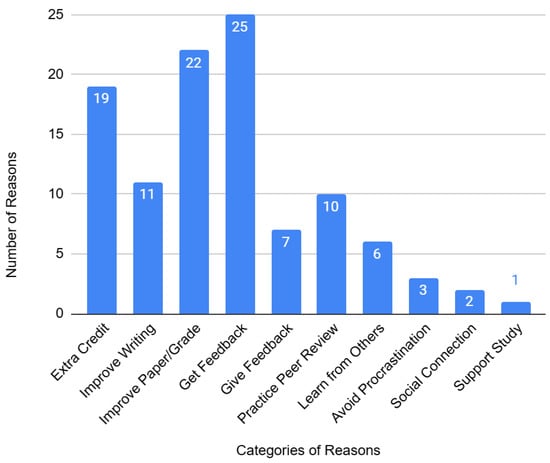
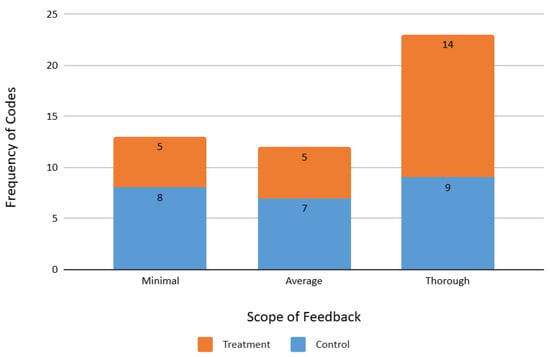
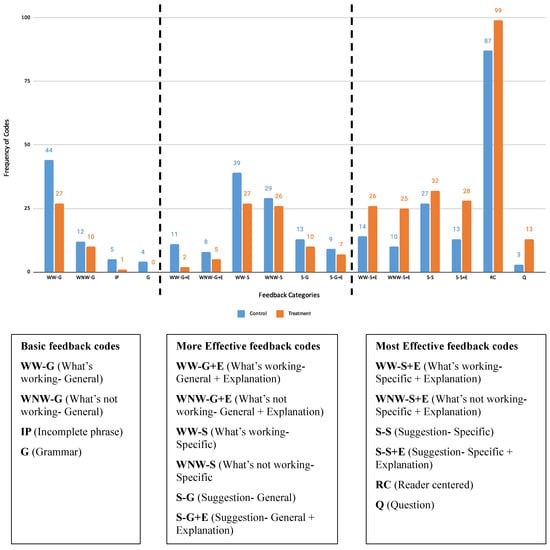
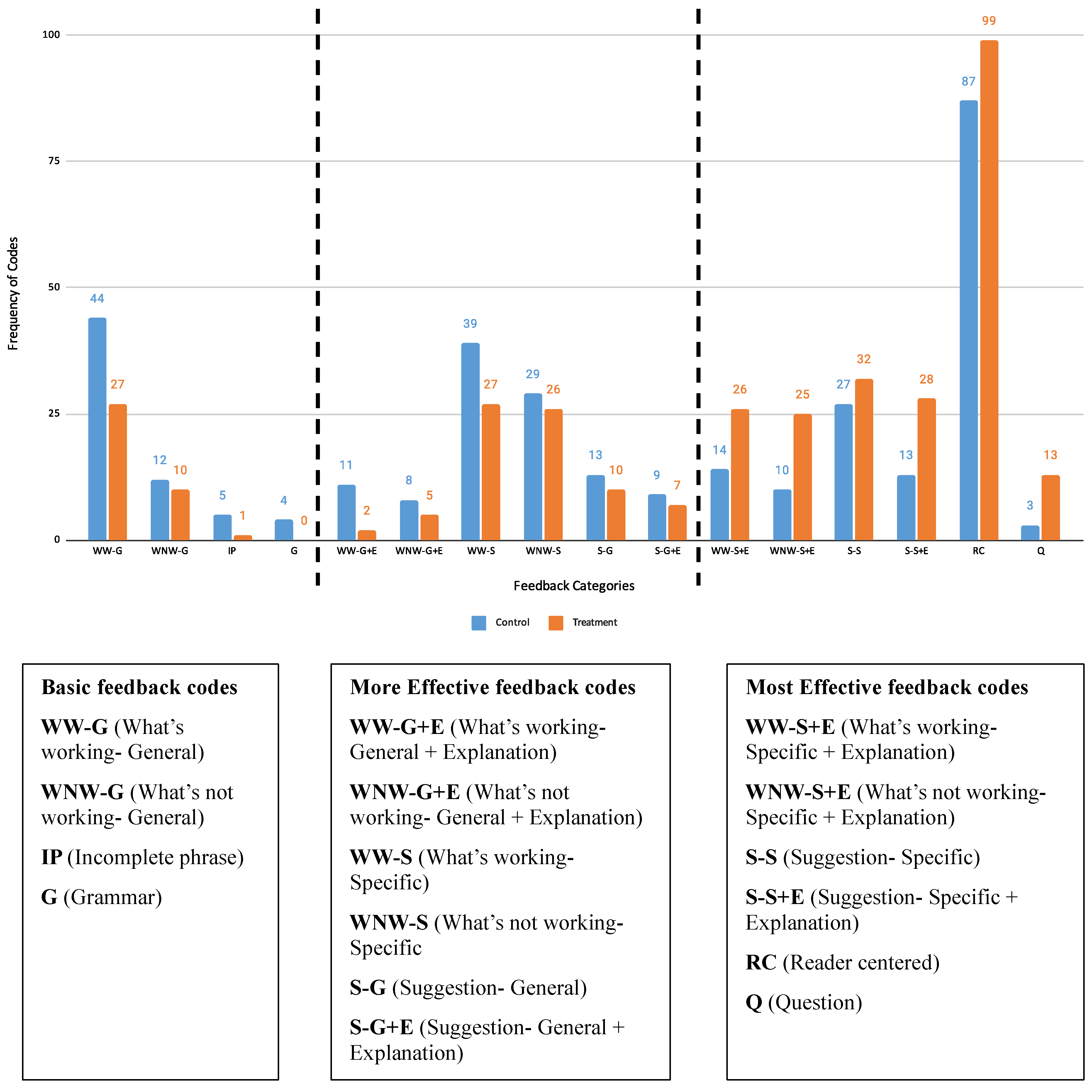
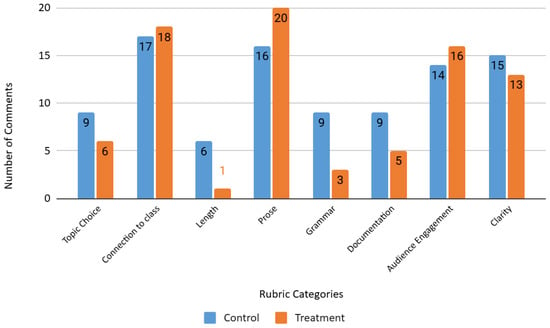
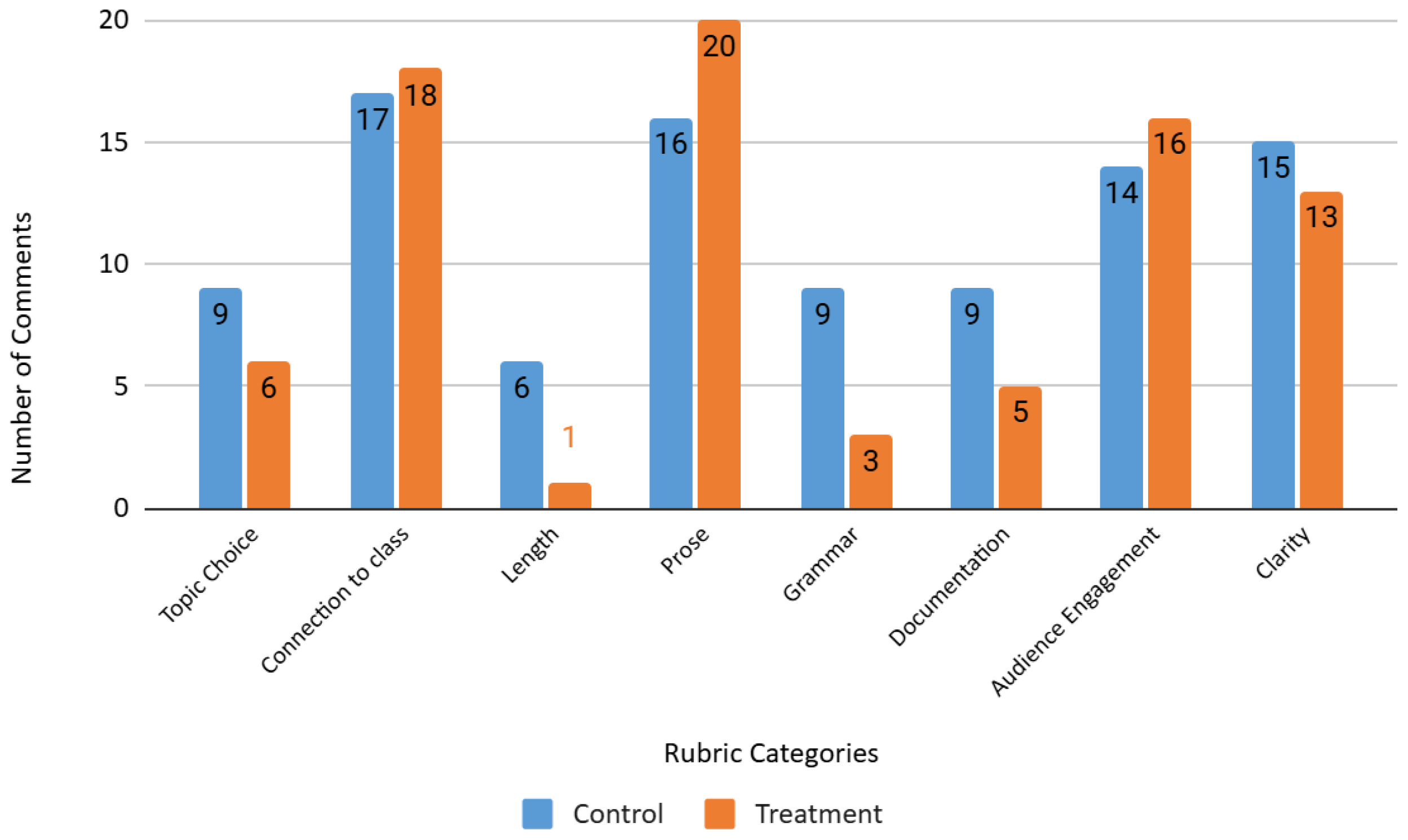
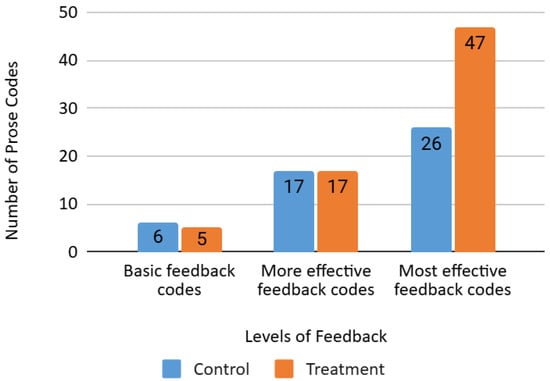
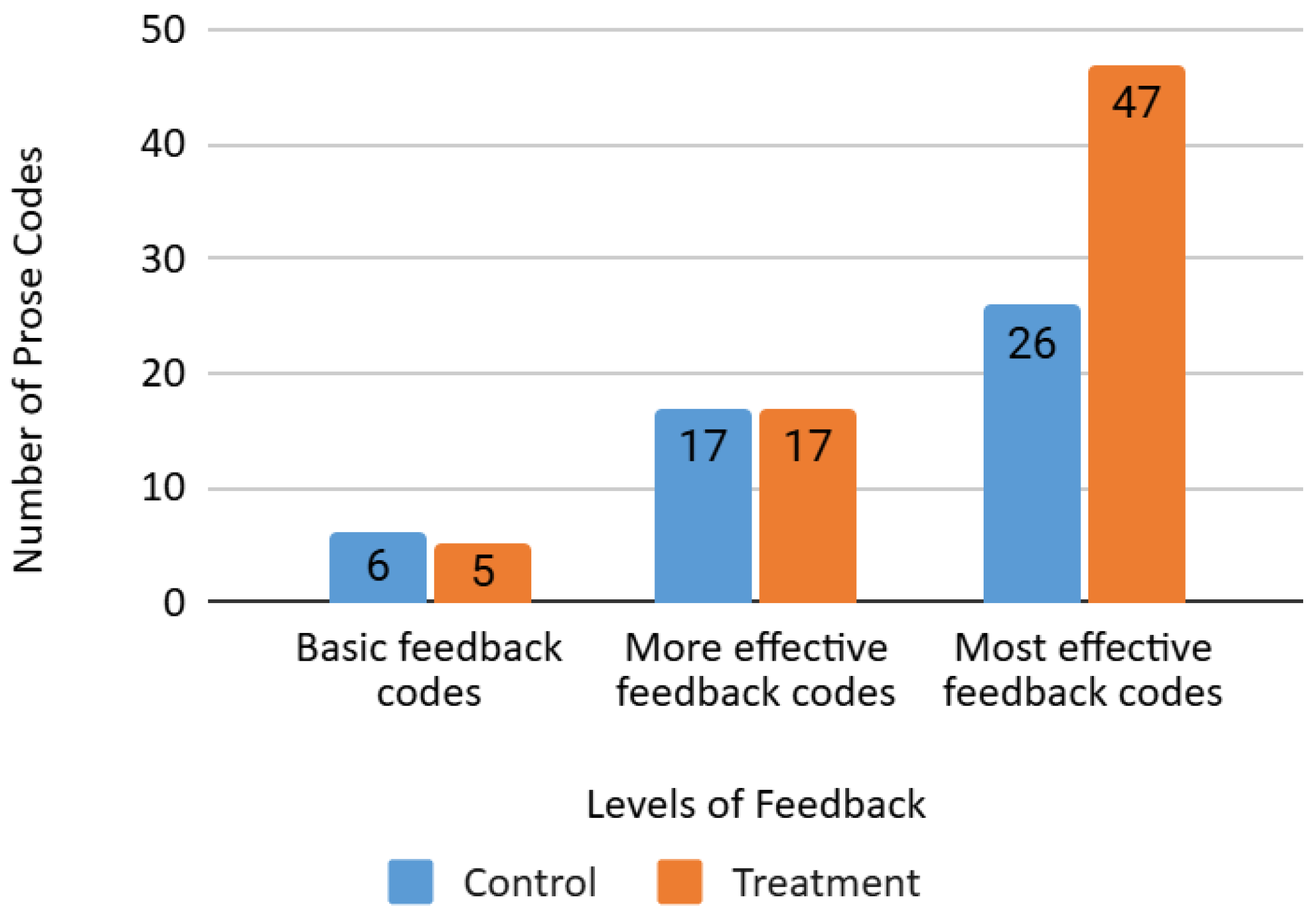

Disclaimer/Publisher’s Note: The statements, opinions and data contained in all publications are solely those of the individual author(s) and contributor(s) and not of MDPI and/or the editor(s). MDPI and/or the editor(s) disclaim responsibility for any injury to people or property resulting from any ideas, methods, instructions or products referred to in the content. |
© 2026 by the authors. Licensee MDPI, Basel, Switzerland. This article is an open access article distributed under the terms and conditions of the Creative Commons Attribution (CC BY) license.