


Abstract
Incorporating warm-season legumes such as sunn hemp (SH: Crotalaria juncea L.) into tall fescue (TF: Lolium arundinaceum (Schreb.) Darbysh.) paddocks may improve summer herbage accumulation (HA) and nutritive value when TF becomes dormant. This study evaluated the effects of interseeding methods, nitrogen rates, and harvest timing on the HA and nutritive value of SH interseeded into established TF pasture over two growing seasons (2016–2017) at Forage Systems Research Center, Linneus, Missouri. Three interseeding methods, pure tall fescue control (PF), strip-kill drill (SK), and mowed-drill (MD), were evaluated in combination with two nitrogen rates (full rate, F; zero rate, Z) and three harvest timings (45, 55, and 65 days after planting, DAP) in a split-split-plot randomized complete block design. HA varied between years, with SK producing the greatest yield in 2016 (2489 kg DM ha−1) but declining significantly in 2017 (1697 kg DM ha−1; p < 0.001) due to unfavorable establishment conditions. Harvest at 65 DAP consistently maximized HA across both years, while earlier harvest timings (45–55 DAP) produced greater crude protein, in vitro true digestibility, and neutral detergent fiber digestibility and lower fiber concentrations, indicating a trade-off between yield and nutritive value with advancing harvest timing. Interseeded treatments consistently produced lower fiber concentrations and greater IVTD than PF, though effects on NDFD varied by year and method. The MD method required fewer field operations and inputs compared to SK, eliminating the need for herbicide application and specialized equipment, while producing HA and nutritive value were not significantly different from PF under nitrogen fertilization. Overall, SH interseeding can improve summer HA and nutritive value in TF-based systems, with the MD method offering the most practical approach for producers.
1. Introduction
Cool-season species such as tall fescue (TF: Lolium arundinaceum (Schreb.) Darbysh.) account for most pastures in the Midwest, providing abundant high-quality forage during spring, early summer, and early fall [1]. However, cool-season species’ growth declines and becomes dormant during summer [2,3,4,5], reducing overall forage productivity. Therefore, livestock producers face a major challenge in mitigating the uneven seasonal herbage accumulation and quality distribution. This necessitates producers to purchase commercial feed or depend on stored forages such as hay or silage to meet the dietary requirements of cattle. There is a need to find alternative methods to increase productivity and nutritional value during summer.
Integrating warm-season species like Bermudagrass [Cynodon dactylon (L.) Pers.] into tall fescue-based pasture systems is a common practice to increase annual forage production and improve animal weight gains. However, ref. [6] found that moving animals to warm-season pasture during summer is only beneficial if the forage quality of the warm-season component is equal to or better than that of tall fescue.
Interseeding warm-season grasses can improve total forage dry matter yield and extend forage availability over a longer period during critical summer months [7,8]. However, interseeding a grass species like Teff into tall fescue pastures can reduce forage nutritive value [9].
Interseeding legumes like birdfoot trefoil (Lotus corniculatus L.) into cool-season pastures has been recognized to improve cattle performance and forage intake by grazing animals and extend the grazing season [10]. However, the use of legumes such as this and others is limited by difficulty in establishment and poor stand persistence [11,12,13,14], susceptibility to fungal diseases [15], or to sensitivity of early seedling stage to grass competition [16]. Therefore, alternative warm-season legume species need to be integrated into tall fescue pastures to improve both yield and nutritive values of forage during summer months.
Sunn hemp (SH: Crotalaria juncea L.) is one such annual, tropical legume adapted to a wide range of environmental conditions and offers several advantages over more commonly studied species such as cowpea (Vigna unguiculata L.), lablab (Lablab purpureus L.), and annual clovers (Trifolium spp.). It demonstrated adequate regrowth potential after initial harvest, quickly accumulating considerable herbage mass and, when managed in a low-input system, showed significant potential for balanced forage mass and nutritive value distribution between leaf and stem [17,18]. Sunn hemp thrives on marginal to well-drained, coarse- to fine-textured soils with a pH ranging from 6.0 to 7.0, and in droughty conditions [19,20]. In terms of nitrogen fixation efficiency, sunn hemp has been reported to fix between 70 and 130 kg N ha−1 [21], comparing favorably with cowpea (40–97 kg N ha−1; [22]) and white clover species (80–100 kg N ha−1; [23]). Sunn hemp’s regrowth and forage quality make it a promising legume for interseeding into tall fescue pastures. Previous research on sunn hemp has primarily focused on its use as a warm-season annual cover crop [24], with limited attention to its integration into established cool-season grass pastures under practical producer-oriented management scenarios. While only few studies have evaluated the establishment of warm-season annual legumes into cool-season grass swards [25], the specific combination of interseeding method, nitrogen rate, and harvest timing effects on combined herbage accumulation and nutritive value of sunn hemp interseeded into tall fescue has not been adequately characterized for the mid-South region of the United States. This study addresses these gaps by evaluating three interseeding methods representing in combination with two nitrogen rates and three harvest timings spanning the summer growing period in an established tall fescue pasture in the mid-South United States. This study evaluated how different interseeding methods, with or without nitrogen, affect summer herbage accumulation and nutritive value in tall fescue systems. We hypothesized that interseeding SH into established TF pasture using aggressive sod disruption methods (SK) would produce greater combined herbage accumulation and improved nutritive value compared to minimal disturbance methods (MD) and pure tall fescue control (PF), and that later harvest timing would maximize herbage accumulation while earlier harvest timing would optimize nutritive value.
2. Materials and Methods
2.1. Use of Generative Artificial Intelligence (GenAI)
Scite AI (Scite Assistant, Research Solutions Inc., Brooklyn, NY, USA) was used to assist in literature search and citation verification. Claude (Claude Sonnet 5, Anthropic, San Francisco, CA, USA) was used to assist in generating and troubleshooting SAS code for statistical analysis, and in refining text for the discussion and conclusions sections. The AI tools did not contribute to study design, data collection, or writing and interpretation of results.
2.2. Environmental Conditions
This 2 yr experiment was conducted during the summer growing seasons (June–Aug.) of 2016 and 2017 at the University of Missouri Forage Systems Research Center, Linneus, MO (39°51′ N; 93°6′ W). The experimental site’s soil was characterized as an Armstrong clay loam (fine, smectitic, mesic, Aquertic Hapludalfs). Composite soil samples were collected at a dept of 15 cm prior to the experiment, indicating a pH of 6.3 (medium). Bray-I P (24.7 kg ha−1: low) and ammonium acetate extraction Ca, Mg, and K were 5819.5 (high), 432.6 (low), and 271.2 (medium) kg ha−1, respectively. Soil organic matter was 42 g kg−1. Average maximum and minimum temperatures during the June through August growing season were 29.2 °C and 18.0 °C, respectively. The amount of rainfall and distribution varied between years (Table 1). Total precipitation during the 2016 growing season (June through Aug.) was 6.3% greater than the 18 yr average and 3% less than the 18 yr average in 2017.
Table 1.
Monthly total and 18 yr mean precipitation along with mean monthly and 18 yr mean air temperature records and sunn hemp growing degree days (GDD) for June through August 2016 and 2017 growing seasons at Forage Systems Research Center near Linneus, MO, during the experiment.
Sunn hemp growing degree days (GDD) were calculated as [(Tmax + Tmin)/2] − 10 °C, where Tmax and Tmin were daily maximum and minimum temperatures recorded, respectively. The base temperature for the growth of SH used in the calculation was 10 °C [26]. Monthly sunn hemp GDD totals increased from June to July and then decreased from July to August in both years, corresponding to the seasonal temperature trends observed during the growing period (Table 1).
2.3. Experimental Design and Planting
The experiment followed a split-split-plot arrangement in a randomized complete block design (RCBD) with four replications (blocks). The whole-plot factor was the interseeding method: pure tall fescue (PF), mowed-drill sunn hemp (SH) interseeded into tall fescue pasture (MD): the MD treatment was designed to simulate grazing conditions by mowing the existing TF stand to a residual height of ~10 cm prior to drilling SH seed, and strip-kill drill SH interseeded into TF pasture (SK). Each whole plot measured 15 × 15 m2. Each whole plot was split into two subplots receiving either 80 lbs·ac−1 of nitrogen as urea (46-0-0; F; fertilized) or 0 lbs·ac−1 of nitrogen (Z; unfertilized) based on local recommendations for tall fescue pasture growth in the region. Nitrogen was applied on June 15, the day of planting in both years. Each subplot was further divided into three sub-subplots of 1 m2 each, corresponding to harvest timing at 45, 55, or 65 days after planting (DAP), where different physical areas within each subplot were harvested at each timing.
The experiment was established in an existing stand of Kentucky-31 (KY-31) tall fescue 4–5 years old at the time of establishment. For the SK treatments, plots were hayed on 1 June and strip-killed on 10 June using [Roundup® (glyphosate), Bayer, Creve Coeur, MO, USA] at 1.3 L acre−1 to create 30 cm-wide bands spaced 60 cm apart. Pure TF plots were hayed on 1 June and allowed to regrow naturally, while MD plots were mowed to a residual height of approximately 10 cm on planting day only. On 15 June of both years, SH cultivar ‘Tropic Sun’ was inoculated with a commercial Bradyrhizobium sp. (Vigna) peanut inoculant (Molokai Seed Company, Kaunakakai, HI, USA) at a rate of 5 g kg−1 immediately prior to planting on 15 June of both years. Inoculant was applied as a slurry and seeds were allowed to dry in the shade for 20 min before drilling to ensure inoculant viability and drilled at 35 kg ha−1 using a no-till drill (Flex-II, Truax Company, Inc., New Hope, MN, USA) between 60 cm rows in SK and MD interseeding plots only. Pure tall fescue (PF) plots did not receive SH seed and served as the control. In the MD plots, SH was drilled directly into the mowed tall fescue sward at 60 cm row spacing. In the SK plots, SH was drilled into the 30 cm-wide herbicide-treated strips that had been created by the glyphosate application on 10 June, with strips spaced 60 cm apart to allow SH establishment in the weed-free zones between the retained tall fescue rows. This experiment was conducted under a low-input management system representative of producer conditions in the region. No phosphorus, potassium, or supplemental weed management practices were implemented during the experimental period, except for the glyphosate strip application used to establish the SK treatment. This approach reflects the low input nature of SH interseeding systems and the minimal management inputs typically available to producers in the mid-South region.
2.4. Harvest Scheduling and Sampling
Harvests were conducted on 30 July (45 DAP), 9 August (55 DAP), and 20 August (65 DAP) in both 2016 and 2017. At each harvest timing, aboveground biomass was collected from two randomly selected interior 1 m2 areas within each fertilized (F) and unfertilized (Z) subplot by hand-clipping all plants at 10 cm residual height. The two 1 m2 samples collected from each subplot were treated as subsamples and averaged prior to statistical analysis to provide a single composite observation per subplot experimental unit, consistent with the split-split-plot design structure. Sampling areas were randomly selected from the interior of each subplot to minimize border effects. Different areas within each subplot were designated for each harvest timing prior to experiment initiation to ensure that previously sampled areas were not re-harvested at subsequent timings.
Harvested material was immediately separated into legume (sunn hemp) and grass (tall fescue) components and the fresh weights of each component were recorded. Samples were oven-dried at 55 °C for 72 h and weighed to determine percent partial dry matter (DM). Samples were then ground to pass a 1.0 mm screen using a Wiley cutting mill (Thomas Scientific, Swedesboro, NJ, USA) for laboratory and total DM determination. Partial, laboratory, and total DM were determined following procedures outlined by [27]. Herbage accumulation (HA; kg DM ha−1) was calculated separately for grass and legume components as the product of total DM (%) and fresh weight of samples (kg ha−1). Total HA in interseeded systems was calculated as the sum of legume (SH) and grass (TF) dry matter yields (kg DM ha−1). Ground samples were retained for subsequent forage nutritive value analysis.
2.5. Laboratory Analysis
Laboratory DM content (%) on all ground forage samples was determined separately for each component (grass and legume) and sampling date in an interseeded system. Briefly, 2 g of ground sample were dried at 100 °C for 24 h and weighed to calculate laboratory DM content.
All samples were then analyzed for nitrogen content (%) using an Elementar vario MACRO cube carbon–nitrogen analyzer (Elementar Analysensysteme GmbH, Langenselbold, Germany). A factor of 6.25 was used to calculate crude protein (CP) content on a DM basis using the laboratory DM content. Fiber was determined using an ANKOM2000 Fiber Analyzer by sequential heat-stable bacterial amylase-treated neutral detergent fiber-acid detergent fiber (NDF-ADF) with sodium sulfite batch procedures as outlined by ANKOM Technology Corp (Macedon, NY, USA). Forage in vitro true digestibility (IVTD; 48 h) was determined using the Daisy II system (ANKOM Technology Corp, Macedon, NY, USA). The neutral detergent fiber digestibility (NDFD; 48 h.) was calculated according to [28].
All nutritive value parameters were determined separately for grass (tall fescue) and legume (sunn hemp) components. Combined forage nutritive value parameters (CP, NDF, ADF, IVTD, and NDFD) for interseeded treatments were subsequently calculated as dry-matter-weighted means of the two components using the following equation:
where CC is the combined concentration (g kg−1 DM); CTF and CSH are the measured concentrations in tall fescue and sunn hemp components, respectively, and DMTF and DMSH are the corresponding dry matter yields (kg ha−1) of each component. For the pure tall fescue control (PF), nutritive values were determined directly from the tall fescue component.
CC = [(CTF × DMTF) + (CSH × DMSH)]/(DMTF + DMSH)
2.6. Statistical Analysis
The experiment was analyzed as a split-split-plot arrangement in a randomized complete block design using the MIXED procedure of SAS version 9.4 [29], with Block as the blocking factor. Interseeding method (Method) was treated as the whole-plot factor, nitrogen rate (N-Rate) as the subplot factor, and days after planting (DAP) as the sub-subplot factor. Random effects included Block and Block × Method, accounting for the whole-plot error structure. Since the same experimental plots were sampled in both years, Year was modeled as a REPEATED factor using the following statement:
REPEATED Year/SUBJECT = Block * Method * Nrate TYPE = CS; with a compound symmetry covariance structure specified to account for correlation between measurements taken on the same experimental unit across years. This specification estimates the subplot-level (Block × Method × N-Rate) error variance within the covariance structure itself, avoiding redundant specification of the same variance component as a separate random effect, while DAP and its interactions remained evaluated against the residual (sub-subplot) error. This model converged with no evidence of estimation instability for any response variable.
Fixed effects included Year, Method, N-Rate, and DAP, along with all two-way, three-way, and four-way interactions. Least squares (LS) means were estimated for all main effects and the interactions Year × Method, Year × N-Rate, Year × DAP, Method × N-Rate, Method × DAP, and N-Rate × DAP. Three-way and four-way interactions were tested but were non-significant (p > 0.05) for all response variables and are therefore not presented. For significant Year × treatment interactions, simple effects tests were performed within each year using the SLICE option to facilitate within-year mean separation. Denominator degrees of freedom were adjusted using the Kenward–Roger method to account for missing values and control Type I error rates. Mean separation was performed using Tukey’s honest significant difference (HSD) test at a significance level of α = 0.05. All response variables, herbage accumulation (HA), crude protein (CP), neutral detergent fiber (NDF), acid detergent fiber (ADF), in vitro true digestibility (IVTD), and neutral detergent fiber digestibility (NDFD), were analyzed separately using the same model structure.
3. Results
3.1. Herbage Accumulation
Herbage accumulation (HA) was significantly affected by year, interseeding method, nitrogen rate, and days after planting (DAP), as well as by Year × Method, Year × DAP, and N-Rate × DAP interactions (Table 2).
Table 2.
Analysis of variance for herbage accumulation (HA) and † nutritional parameters of sunn hemp interseeded into tall fescue pasture as affected by interseeding method (Method) ‡, nitrogen rate (N-Rate), and days after planting (DAP).
The Year × Method interaction significantly (p < 0.0001) affected HA (Figure 1a). In 2016, HA did not differ significantly among interseeding methods, with SK (2489 kg DM ha−1) and PF (2167 kg DM ha−1) producing the highest HA while MD (2029 kg DM ha−1) was intermediate and not significantly different from either SK or PF. In 2017, HA declined for all methods compared to 2016, with SK (1697 kg DM ha−1) and MD (1401 kg DM ha−1) producing significantly lower HA while PF (2144 kg DM ha−1) remained intermediate and was not significantly different from either SK or MD (Figure 1a). Among methods, SK exhibited the highest year-to-year variation, with HA declining significantly from 2489 kg DM ha−1 in 2016 to 1697 kg DM ha−1 in 2017 (p < 0.0001), while PF remained relatively consistent across years (2167 vs. 2144 kg DM ha−1).
Figure 1.
Least squares (LS) means of herbage accumulation (HA: kg DM ha−1) of sunn hemp interseeded into tall fescue pasture as affected by (a) Year × interseeding method, (b) Year × DAP, and (c) nitrogen rate × DAP at Linneus, Missouri, during 2016 and 2017. DAP = days after planting; Interseeding method = PF: pure tall fescue; MD: mowed-drill; SK: strip-kill drill; Nitrogen rates = Fertilized: 80 lbs·ac−1; Unfertilized = 0 lbs·ac−1). Error bars represent standard error of LS means. Within each panel, means followed by different letters differ significantly (p < 0.05).
The Year × DAP interaction also significantly (p = 0.0008) influenced HA (Figure 1b). In 2016, HA at 65 DAP was highest (2790 kg DM ha−1), which was significantly higher than 45 DAP (2101 kg DM ha−1) and 55 DAP (1794 kg DM ha−1). A similar trend was observed in 2017 with the highest HA observed at 65 DAP (2207 kg DM ha−1), significantly (p < 0.05) greater than at 45 DAP (1326 kg DM ha−1), while 55 DAP (1709 kg DM ha−1) was intermediate (Figure 1b). Across both years, later harvest at 65 DAP consistently resulted in greater HA compared to earlier harvest timings.
The N-Rate × DAP interaction significantly (p = 0.0132) affected HA (Figure 1c). Application of full nitrogen rate (F) at 65 DAP produced the HA (2967 kg DM ha−1), which was significantly greater than all other N-Rate × DAP combinations. Herbage accumulation at F × 45 DAP (1943 kg DM ha−1), F × 55 DAP (1986 kg DM ha−1), and Z × 65 DAP (2030 kg DM ha−1) were statistically similar and intermediate, while Z × 45 DAP (1484 kg DM ha−1) and Z × 55 DAP (1516 kg DM ha−1) produced the lowest HA (Figure 1c).
3.2. Crude Protein Concentration
Crude protein (CP) concentration was significantly affected by year, method, nitrogen rate, and DAP, as well as their interactions Year × DAP, Method × N-Rate, and Method × DAP (Table 2).
The Year × DAP interaction significantly (p < 0.0001) influenced CP concentration (Figure 2a). In both years, CP was highest at 45 DAP (2016: 146 g kg−1 DM; 2017: 146 g kg−1 DM) and declined with later harvest timing. In 2016, CP at 65 DAP (137 g kg−1 DM) was intermediate and not significantly different from either at 45 or 55 DAP (134 g kg−1 DM). In contrast, 2017 showed a more pronounced and consistent decline, with CP decreasing significantly from 45 DAP (146 g kg−1 DM) to 55 DAP (126 g kg−1 DM) and 65 DAP (116 g kg−1 DM), with all three harvest timings significantly different from each other (Table 2; Figure 2a).
Figure 2.
Least squares (LS) means of crude protein (CP: g kg−1 DM) of sunn hemp interseeded into tall fescue pasture as affected by (a) Year × DAP (b) Interseeding method × N-Rate (c) Interseeding method × DAP) at Linneus, Missouri, during 2016 and 2017. DAP = days after planting; Interseeding method = PF: pure tall fescue; MD: mowed-drill; SK: strip-kill drill; Nitrogen rates = Fertilized: 80 lbs·ac−1; Unfertilized = 0 lbs·ac−1). Error bars represent standard error of LS means. Within each panel, means followed by different letters differ significantly (p < 0.05).
The Method × N-Rate interaction significantly (p = 0.0066) affected CP concentration (Figure 2b). Interseeded treatments with full nitrogen application (F) produced the highest CP concentrations (SK × F: 145 g kg−1 DM; MD × F: 150 g kg−1 DM), which were significantly greater than the PF control with full nitrogen (PF × F: 132 g kg−1 DM). The PF control without nitrogen (PF × Z: 104 g kg−1 DM) produced the lowest CP concentration, significantly lower than all other Method × N-Rate combinations (Table 3; Figure 2b). Notably, MD × Z (140 g kg−1 DM) and SK × F (145 g kg−1 DM) were statistically similar, suggesting that interseeding without nitrogen can achieve comparable CP concentrations to nitrogen-fertilized interseeded treatments. The Method × DAP interaction also significantly (p = 0.0026) influenced CP concentration (Figure 2c). MD maintained consistently high CP across all harvest timings with no significant differences among DAP levels within MD. SK produced the highest CP at 45 DAP (154 g kg−1 DM) but declined significantly at 55 DAP (133 g kg−1 DM) and 65 DAP (130 g kg−1 DM). In contrast, PF showed a progressive and significant decline in CP with later harvest timing, from 135 g kg−1 DM at 45 DAP to 112 g kg−1 DM at 55 DAP and 108 g kg−1 DM at 65 DAP (Table 3; Figure 2c). Nitrogen rate significantly (p < 0.0001) affected CP concentration (Table 2), with full nitrogen application (F: 143 g kg−1 DM) producing significantly greater CP than zero nitrogen (Z: 126 g kg−1 DM) across both years (Table 3).
Table 3.
Least squares means of herbage accumulation (HA: kg DM ha−1) and † nutritional parameters (g kg−1 DM) of sunn hemp interseeded into tall fescue pasture as affected by interseeding method (Method), nitrogen rate (N-Rate), and days after planting (DAP) at Forage Systems Research Center, Linneus, Missouri, during 2016 and 2017.
3.3. Fiber Concentration
Neutral detergent fiber (NDF) concentration was significantly affected by method (p = 0.0019) and DAP (p = 0.0050), and their interaction Year × Method (p < 0.0001; Table 2; Figure 3a). In 2016, PF produced the highest NDF concentration (601 g kg−1 DM), which was significantly greater than both SK (503 g kg−1 DM) and MD (495 g kg−1 DM), while SK and MD were not significantly different from each other. In 2017, PF again produced the highest NDF (573 g kg−1 DM), followed by SK (538 g kg−1 DM), with MD producing the lowest NDF (466 g kg−1 DM). Notably, PF NDF was significantly higher than SK and MD in both years, while SK increased significantly from 2016 to 2017 (503 vs. 538 g kg−1 DM; Table 3; Figure 3a). DAP significantly affected NDF concentration (p = 0.0050; Table 2), with NDF increasing with later harvest timing across both years. The greatest NDF (541–544 g kg−1 DM) was produced at 65 DAP, which was significantly greater than at 45 DAP (511–520 g kg−1 DM), while at 55 DAP was intermediate (525–535 g kg−1 DM) and not significantly different from either at 45 or 65 DAP (Table 3).
Figure 3.
Least squares (LS) means of neutral detergent fiber (NDF: g kg−1 DM) of sunn hemp interseeded into tall fescue pasture as affected by (a) Year × interseeding method; acid detergent fiber (ADF: g kg−1 DM) of sunn hemp interseeded into tall fescue pasture as affected by (b) Year × DAP and (c) interseeding method × DAP at Linneus, Missouri, during 2016 and 2017. DAP = days after planting; Interseeding method = PF: pure tall fescue; MD: mowed-drill; SK: strip-kill drill. Error bars represent standard error of LS means. Within each panel, means followed by different letters differ significantly (p < 0.05).
Acid detergent fiber (ADF) concentration was significantly affected by year (p < 0.0001), method (p < 0.0001), and DAP (p < 0.0001), as well as their interactions Year × DAP (p = 0.0214; Table 2; Figure 3b) and Method × DAP (p = 0.0366; Table 2). In 2016, ADF increased progressively with later harvest timing, from 288 g kg−1 DM at 45 DAP to 308 g kg−1 DM at 55 DAP and 322 g kg−1 DM at 65 DAP, with all three harvest timings significantly different (p < 0.05) from each other. In 2017, the greatest ADF (299 g kg−1 DM) was produced at 65 DAP, while ADF at 45 (282 g kg−1 DM) and 55 DAP (287 g kg−1 DM) were not significantly different from each other (Table 3; Figure 3b). Across both years, ADF was consistently higher in 2016 than 2017 at all harvest timings.
The Method × DAP interaction also significantly affected ADF concentration (p = 0.0366; Table 2; Figure 3c). PF maintained the greatest ADF across all harvest timings (45 DAP: 305; 55 DAP: 309; 65 DAP: 317 g kg−1 DM), with no significant differences among DAP levels within PF. SK and MD showed similar patterns, with ADF at 45 DAP (SK: 278; MD: 272 g kg−1 DM) significantly lower than at 65 DAP (SK: 310; MD: 305 g kg−1 DM), while at 55 DAP was intermediate for both methods (Table 3; Figure 3c).
3.4. Forage Digestibility
In vitro true digestibility (IVTD) was significantly affected by method (p < 0.0001), nitrogen rate (p = 0.0481), and DAP (p < 0.0001), as well as their interactions Year × DAP (p < 0.0001) and N-Rate × DAP (p = 0.0322; Table 2). The Year × DAP interaction significantly influenced IVTD (p < 0.0001; Table 2; Figure 4a). In 2016, the greatest IVTD (821 g kg−1 DM) was observed at 45 DAP, which was significantly greater than at 55 (802 g kg−1 DM) and 65 (788 g kg−1 DM) DAP. In 2017, however, the greatest IVTD (822 g kg−1 DM) was observed at 55 DAP, which was significantly greater than at 45 (804 g kg−1 DM) and 65 (768 g kg−1 DM) DAP. Across both years, the consistently lowest IVTD was recorded at 65 DAP, with 2017 at 65 DAP (768 g kg−1 DM) being the lowest concentration of all combinations (Table 3; Figure 4a).
Figure 4.
Least squares (LS) means of in vitro true digestibility (IVTD, g kg−1 DM) of sunn hemp interseeded into tall fescue pasture as affected by (a) Year × DAP and (b) nitrogen rate × DAP at Linneus, Missouri, during 2016 and 2017. DAP = days after planting; Nitrogen rates = Fertilized: 80 lbs·ac−1; Unfertilized = 0 lbs·ac−1. Error bars represent standard error of LS means. Within each panel, means followed by different letters differ significantly (p < 0.05).
The N-Rate × DAP interaction significantly affected IVTD (p = 0.0322; Table 2; Figure 4b). Full nitrogen application (F) at 45 DAP concentrated the greatest IVTD (820 g kg−1 DM), significantly greater than zero nitrogen (Z) at 45 DAP (804 g kg−1 DM). At 55 DAP, F (811 g kg−1 DM) and Z (814 g kg−1 DM) were not significantly different from each other.
Both N rates produced the lowest and statistically similar IVTD at 65 DAP (F: 780; Z: 775 g kg−1 DM; Table 3; Figure 4b).
Method significantly affected IVTD (p < 0.0001; Table 2), with MD concentrating the greatest IVTD (818 and 808 g kg−1 DM in 2016 and 2017, respectively), followed by SK (800 and 800 g kg−1 DM) and PF producing the lowest IVTD (792 and 785 g kg−1 DM; Table 3).
Neutral detergent fiber digestibility (NDFD) was significantly affected by year (p = 0.0021) and DAP (p < 0.0001), as well as their interactions Year × Method (p < 0.0001) and Year × DAP (p < 0.0001; Table 2).
The Year × Method interaction significantly influenced NDFD (p < 0.0001; Table 2; Figure 5a). In 2016, PF produced the highest NDFD (655 g kg−1 DM), followed by MD (633 g kg−1 DM), while SK produced the lowest NDFD (602 g kg−1 DM). In 2017, however, SK (628 g kg−1 DM) and PF (625 g kg−1 DM) were similar and significantly greater than MD (573 g kg−1 DM). Notably, MD NDFD declined significantly from 2016 to 2017 (633 vs. 573 g kg−1 DM) while SK improved significantly from 2016 to 2017 (602 vs. 628 g kg−1 DM; Table 3; Figure 5b).
Figure 5.
Least squares (LS) means of neutral detergent fiber digestibility (NDFD, g kg−1 DM) of sunn hemp interseeded into tall fescue pasture as affected by (a) Year × interseeding method and (b) Year × DAP at Linneus, Missouri, during 2016 and 2017. DAP = days after planting; Interseeding method = PF: pure tall fescue; MD: mowed-drill; SK: strip-kill drill. Error bars represent standard error of LS means. Within each panel, means followed by different letters differ significantly (p < 0.05).
The Year × DAP interaction also significantly influenced NDFD (p < 0.0001; Table 2; Figure 5b). In 2016, the highest NDFD (655 g kg−1 DM) was recorded at 45 DAP, which was significantly greater than at 65 DAP (606 g kg−1 DM), while at 55 DAP (628 g kg−1 DM) it was intermediate and not significantly different from either. In 2017, the greatest NDFD (654 g kg−1 DM) was recorded at 55 DAP, which was significantly greater than at 45 (609 g kg−1 DM) and 65 (564 g kg−1 DM) DAP, with all three harvest timings significantly different from each other (Table 3; Figure 5b).
4. Discussion
4.1. Herbage Accumulation
Herbage accumulation (HA) depended on nitrogen and harvest timing, while interseeding benefits required successful establishment.
The range of HA of PF + SH (1326 to 2790 kg DM ha−1) across year, method, nitrogen rate, and DAP, and their interactions was within the HA reported in other studies [25,30]. The generally lower HA observed in 2017 across all interseeding methods may be attributed to the interactive effects of weather conditions on both forage components (Table 1). High precipitation during the initial establishment phase likely created waterlogged soil conditions unfavorable for sunn hemp (SH) establishment [31], as evidenced by the dramatically reduced SH contribution to combined herbage in 2017, where SH comprised only 10–15% of combined herbage in SK plots compared to 27–49% in 2016 (Table S1). Furthermore, the relatively lower precipitation and elevated temperatures during July–August 2017 likely induced summer dormancy in tall fescue (TF), thereby reducing the grass component of combined yield during this period. The net effect of compromised SH establishment and TF summer dormancy likely contributed to the overall lower combined yield observed in 2017.
Interseeding method significantly influenced the extent of yield variation between years, largely due to its effect on the balance between SH and TF components. Legumes differ in their ability to compete with grasses in integration and depend upon the establishment methods [16]. The SK method, which involved the greatest suppression of existing TF, produced the highest combined HA in 2016 (2489 kg DM ha−1) when SH establishment was favorable, with SH contributing approximately 27–49% of combined herbage across harvest timings (Table S1). However, SK HA declined in 2017 (1697 kg DM ha−1) when SH establishment failed in three of four experimental blocks, with SH absent from harvested herbage in those plots, leaving little forage to compensate for the suppressed TF stand. This establishment failure can be attributed to the above-average June precipitation in 2017 (176.0 mm vs. 18 yr mean of 137.5 mm), which likely created waterlogged soil conditions in the herbicide-treated strip-kill zones where the existing TF sod had been suppressed and soil structure was most susceptible to saturation. Under waterlogged conditions, soil aeration is severely compromised, inhibiting the aerobic root development and effective Bradyrhizobium nodulation required for successful SH establishment [31]. Consequently, SH comprised only 10–15% of combined herbage in SK plots in 2017 compared to 27–49% in 2016, resulting in a stand dominated by the already-suppressed TF component with minimal legume contribution to offset the yield deficit. It should be noted that while SK produced numerically greater HA than PF in 2016 (2489 vs. 2167 kg DM ha−1), this difference was not statistically significant (p = 0.333), indicating that no confirmed yield advantage of SK over TF was established in either year. In contrast, in a PF, which involved no disturbance of the existing TF stand, maintained relatively consistent HA across years (2167 vs. 2144 kg DM ha−1), suggesting that the retained fescue component buffered against year-to-year variation in SH establishment success. The MD method produced intermediate results, with HA declining from 2029 kg DM ha−1 in 2016 to 1401 kg DM ha−1 in 2017. In 2017, SH establishment in the MD treatment was similarly compromised, with one block experiencing complete stand failure with no harvestable crop and the remaining blocks showing variable SH contributions (Table S1), reflecting the sensitivity of this method to unfavorable establishment conditions.
Herbage accumulation showed a progressive increase in 2017. The lowest HA at 45 DAP in 2017 likely reflects the impact of above-average June precipitation (176.0 mm vs. 18 yr mean of 137.5 mm) on SH, as early harvest captured the stand before it had sufficient time to recover from the poor establishment conditions. The progressive yield increase with later harvest timing in 2017 suggests that SH required additional growing time to compensate for the initially compromised stand, and that later harvest timings allowed greater HA despite the challenging establishment year. In contrast, 2016 did not exhibit a consistent increasing trend across harvest timings. While 65 DAP produced the greatest HA, supported by above-average August precipitation (154.4 mm vs. 18 yr mean of 106.8 mm) that promoted sustained HA, HA at 55 DAP was unexpectedly lower than at 45 DAP. This mid-season yield decline likely reflects a transitional period in the combined forage system, where the cool-season tall fescue component had begun its summer dormancy while the warm-season sunn hemp component had not yet reached peak biomass accumulation. This seasonal transition, characteristic of combined cool- and warm-season forage systems, may have resulted in a temporary reduction in combined yield at intermediate harvest timings [32]. Notably, the yield difference between years was smallest at 55 DAP (85 kg DM ha−1) compared to 45 DAP (775 kg DM ha−1) and 65 DAP (583 kg DM ha−1), suggesting that intermediate harvest timing was most stable across years despite the contrasting weather conditions.
Nitrogen fertilization consistently increased HA across all harvest timings. The effect of nitrogen application was particularly pronounced at 65 DAP, where the HA advantage of full nitrogen application (F) over zero nitrogen (Z) was nearly double that observed at earlier harvest timings, suggesting a synergistic relationship between nitrogen availability and growing season length. This amplified response at later harvest timing likely reflects the cumulative effect of nitrogen on HA, as both the TF and SH components had greater opportunity to utilize applied nitrogen over a longer growing period [32]. Although SH is capable of biological nitrogen fixation (BNF) through root nodulation, the consistent HA response to nitrogen application across all harvest timings in this study likely reflects the contribution of TF, which is well-known for its responsiveness to nitrogen fertilization [33], that primarily stimulated TF growth and recovery rather than SH herbage production. Consequently, the greatest benefit of nitrogen fertilization was realized at 65 DAP, when both forage components had the maximum growing time to respond to nitrogen application and HA, suggesting the importance of coordinating nitrogen management with harvest timing in combined cool- and warm-season forage systems.
Comparison of interseeding treatments with PF control provided important insights into the HA implications of SH interseeded in established TF pastures. Neither interseeding method produced statistically greater HA than the PF control in either year. While SK produced numerically greater HA than PF in 2016 (2489 vs. 2167 kg DM ha−1), this difference was not statistically significant (p = 0.343). In 2017, SK HA was numerically lower than the PF control (1697 vs. 2144 kg DM ha−1; p = 0.062), though this difference did not reach statistical significance. The MD method similarly did not provide a HA advantage over the PF control in either year (2029 vs. 2167 kg DM ha−1 in 2016; 1401 vs. 2144 kg DM ha−1 in 2017), suggesting that the minimal soil disturbance associated with this method was insufficient to establish a competitive SH stand in the existing TF sward. While these results suggest some sensitivity of the MD method to unfavorable SH establishment conditions, it is important to acknowledge that characterizing the HA stability of any interseeding method based on only two growing seasons has inherent limitations. The two years in this study were notably contrasting, one with favorable and one with particularly challenging SH establishment conditions, which provides some basis for evaluating method sensitivity to environmental variability. Nevertheless, conclusions regarding long-term HA stability of the MD method will require evaluation across additional years and locations.
An important practical consideration emerging from this study is the comparison of interseeded systems without nitrogen fertilization against the PF with nitrogen application. The nitrogen-fixing capacity of SH offers the potential to reduce or eliminate nitrogen fertilizer inputs in interseeded systems [30]. However, the results of this study suggest that the HA of SH interseeding without nitrogen application may not be sufficient to match the productivity of nitrogen-fertilized TF monoculture, particularly under challenging establishment conditions. An equally important consideration not fully addressed in this study is the potential long-term competitive impact of repeated SH interseeding on TF stand persistence and productivity. While SH is an annual species that does not persist beyond a single growing season, repeated interseeding, particularly using aggressive sod disruption methods such as SK, could progressively weaken the perennial TF stand through physical soil disturbance, herbicide exposure of retained TF rows, and interspecific competition for soil nutrients, water, and light during the growing season [16]. The MD method, which involved minimal soil disturbance and relied on moderate competition rather than sod suppression, may pose a lower risk to long-term TF stand persistence. Additionally, although SH’s BNF capacity has the potential to enrich soil nitrogen over time [30], the net effect on soil carbon and nitrogen cycling under repeated interseeding will depend on the balance between nitrogen inputs from BNF, nitrogen immobilization in SH residue decomposition, and nitrogen uptake by the TF component. These dynamics remain uncharacterized under the interseeded conditions evaluated in this study and represent an important area for future investigation. From a practical standpoint, the MD interseeding method, while not providing a HA advantage over the PF control, requires fewer field operations and inputs compared to the SK method, specifically eliminating the need for herbicide application and specialized sod disruption equipment. While a formal economic analysis was beyond the scope of this study, the reduced number of operations associated with the MD method suggests potential for lower establishment costs compared to SK. Producers seeking to integrate warm-season legumes into TF-based systems may therefore find the MD method a more practical option, particularly in regions where weather variability poses a significant risk to legume establishment success.
4.2. Crude Protein Concentration
Mowed-drill interseeding sustained higher, more stable crude protein than pure tall fescue across harvest timings.
The Year × DAP interaction revealed that CP concentration declined with later harvest timing in both years, consistent with the well-documented relationship between plant maturity and protein concentration in forage species [34]. However, the rate of decline differed notably between years, with 2017 showing a more pronounced and consistent decrease across harvest timings compared to 2016 (Figure 2). The less pronounced decline in 2016 at 65 DAP, where CP remained intermediate between 45 and 55 DAP, may reflect the influence of above-average August precipitation (154.4 mm vs. 18 yr mean of 106.8 mm). This abundant moisture after a dry spell in July likely promoted a late-season flush of vegetative growth and supported continued soil nitrogen uptake, thereby maintaining higher CP concentrations at later harvest timings [35]. In contrast, the below-average August precipitation in 2017 (71.9 mm) did not accelerate structural carbohydrate accumulation (identical NDF concentrations across both the years) but rather limited the plant’s ability to maintain its protein concentration [36]. Under these moisture-limiting conditions, the pool of accumulated nitrogen was steadily diluted by normal structural growth without the growth of new vegetative tissue. Additionally, the dry conditions likely triggered lower leaf senescence [36] in the SH component, causing the shedding of high-protein leaf mass and leaving a harvested biomass dominated by lower-quality stem tissue, which resulted in the more pronounced and consistent decline in CP.
The Method × N-Rate interaction highlighted the combined influence of interseeding method and nitrogen fertilization on CP concentration. Interseeded treatments with full nitrogen application (SK × F and MD × F) produced significantly (p < 0.05) greater CP than the PF with nitrogen (PF × F), demonstrating the nutritional value advantage of incorporating SH into TF-based systems. This CP advantage of interseeded treatments likely reflects the high inherent protein content of SH, which as a legume is capable of BNF and typically maintains higher tissue nitrogen concentrations than grasses [30]. The dramatically lower CP observed in the PF control without nitrogen (PF × Z: 104 g kg−1 DM) underscores the importance of either nitrogen fertilization or legume interseeding for maintaining adequate protein concentrations in TF-based forage systems. Notably, the similar CP concentrations observed between MD × Z and SK × F suggest that interseeding SH without nitrogen fertilization can achieve comparable protein concentrations to nitrogen-fertilized interseeded treatments, highlighting the potential of SH interseeding to reduce nitrogen fertilizer requirements while maintaining forage nutritional quality [30].
The Method × DAP interaction revealed distinct patterns of CP response to harvest timing in both years. The MD method maintained consistently high CP concentrations across all harvest timings in both years, suggesting a degree of nutritive value stability that was not observed in SK or PF. While this stability is encouraging, it should be acknowledged that this observation is based on only two growing seasons, which limits the strength of conclusions regarding the long-term CP stability of the MD method; multi-year evaluation across diverse environments will be needed to fully characterize the consistency of this response. Increased competition in MD may have resulted in a slower growth rate and thus delayed morphological maturity relative to SH growing in the less competitive SK strips, which could have contributed to maintenance of higher nitrogen concentration and hence CP concentrations. This interpretation, while consistent with the observations made by [37], who reported that slow plant growth and development due to environmental stresses enables plants to maintain forage quality for a more extended period, was not directly measured in this study and should be interpreted with caution. In contrast, SH crops in the SK treatment with minimal grass competition experienced less resource limitation likely matured more rapidly, contributing to the more significant decline in CP with advancing harvest timing as compared to MD. The most pronounced decline was observed in PF, where CP decreased consistently and significantly with each successive harvest timing, consistent with the expected maturity-related decline in protein concentration in tall fescue [38]. These findings suggest that interseeding SH, particularly using the MD method, can help maintain higher and more stable CP concentrations across a wider range of harvest timings compared to PF stands.
The significant main effect of nitrogen rate on CP concentration, with full nitrogen application producing greater CP than zero nitrogen across all treatments and years, is consistent with the well-established positive relationship between nitrogen availability and forage protein concentration [39]. Nitrogen fertilization promotes vegetative growth and increases tissue nitrogen concentration, directly contributing to higher CP values in both grass and legume components of the combined forage system.
Tall fescue in this study provided CP concentration ranging from 112–125 g kg−1 DM, which is relatively greater than 100 g CP kg−1 DM recorded by [40] during summer. By this measure, the CP concentration obtained from MD (140–150 g kg−1 DM) and SK (135–143 g kg−1 DM) were sufficient to support most size classes of cattle, which require CP concentrations ranging from 70 g kg−1 for mature beef cows and up to 190 g kg−1 for high-producing dairy cows [41,42].
4.3. Fiber Concentration
Sunn hemp interseeding lowered fiber concentrations relative to pure tall fescue, especially at earlier harvests.
The Year × Method interaction significantly influenced NDF concentration, with the pure fescue (PF) consistently producing the highest NDF across both years, while SK and MD maintained lower NDF concentrations. The higher NDF observed in PF reflects the characteristically high cell wall content of tall fescue during summer when maturity accelerates [43]. Nutritive concentrations (e.g., NDF) of sunn hemp (SH) were comparable to the USDA’s highest hay-quality designation for alfalfa hay [44]. Therefore, the lower NDF in SK and MD likely reflects the contribution of the SH component, which diluted the high-NDF tall fescue biomass in the combined stand. These observations agree with others who reported reduction in NDF concentrations in different legume-grass binary mixtures [45,46]. However, the significant increase in SK NDF from 2016 to 2017 may reflect the reduced SH component in 2017 due to poor establishment conditions, resulting in a greater proportion of high-NDF tall fescue in the combined SK stand compared to 2016. The consistently low NDF in MD across both years suggests that increased competition in MD may have resulted in a slower growth rate and thus potentially delayed maturity, which could have contributed to lower fiber concentration. This interpretation, while consistent with the observations made by [37], who reported that slow plant growth and development due to environmental stress enables plants to maintain forage quality for a more extended period, was not directly evaluated in this study and should be interpreted with caution.
Harvest intervals (DAP) significantly influenced NDF concentration, with later harvest timings associated with higher NDF values across both years. This pattern is consistent with the well-documented relationship between plant maturity and cell wall accumulation in forage species, where advancing maturity results in increased structural carbohydrate deposition and higher NDF concentrations [47,48].
The Year × DAP interaction can be understood through the differential accumulation of cellulose and lignin (ADF) across DAP and years [49,50,51], as progressive ADF accumulation directly constraints digestibility and reduces IVTD. In 2016, favorable early-season moisture conditions promoted rapid SH establishment, resulting in higher proportion of young, leaf-dominated biomass at 45 DAP. Leaf tissue in legumes is characterized by thin walls, low lignin concentrations, and high mesophyll cell content, which are associated with low ADF and high IVTD [37]. As harvest advanced to 65 DAP in 2016, SH plants underwent progressive primary and secondary stem lignification, increasing the proportion of structural, low-digestibility stem tissue in harvested biomass, explaining both the more progressive ADF increase observed across all three harvest timings in 2016 and the corresponding consistent decline in IVTD [50]. The consistently higher ADF observed in 2016 compared to 2017 across all harvest timings may reflect the influence of above-average August precipitation in 2016 (154.4 mm vs. 18 yr mean of 106.8 mm), which could have promoted continued vegetative and structural growth, resulting in greater cell wall accumulation particularly in the PF component. However, it should be acknowledged that other environmental factors not measured in this study may have also contributed to the observed differences between years, and this interpretation should be regarded as a hypothesis rather than a confirmed mechanism. In contrast, and consistent with the species composition data (Table S1), above-average June precipitation in 2017 (176.0 mm vs. 18 yr mean of 137.5 mm) compromised SH establishment, leaving the combined stand dominated by summer-dormant tall fescue with elevated cell wall concentrations at 45 DAP; consequently, IVTD at 45 DAP in 2017 was lower than expected despite relatively lower ADF, a pattern explained by the negligible contribution of young, highly digestible SH leaf tissue to the combined stand at this early harvest timing. By 55 DAP in 2017, partial SH stand recovery increased the proportion of digestible leaf tissue in harvested biomass, shifting peak IVTD from 45 DAP (2016) to 55 DAP (2017), while ADF differences between early harvest timings were weakened due to the limited SH component. The convergence of advanced SH stem maturity, increased lignification, and reduced proportional leaf tissue contribution at 65 DAP in both years account for the consistently highest ADF and lowest IVTD observed at this harvest timing across both growing seasons [34,37,50].
The Method × DAP interaction revealed that PF maintained consistently high ADF regardless of harvest timing, while interseeded treatments (SK and MD) showed greater responsiveness to DAP, with ADF at 45 DAP significantly lower than at 65 DAP for both methods. The high and stable ADF in PF across all harvest timings is consistent with the characteristically high structural carbohydrate content of mature tall fescue [43]. In contrast, the lower ADF at early harvest timings in SK and MD likely reflects the contribution of young SH plants, which at earlier harvest stages have a higher proportion of digestible leaf tissue relative to structural stem tissue, resulting in lower combined ADF concentrations. As the season progressed to 65 DAP, SH plants matured and accumulated more structural tissue, contributing to the significant increase in ADF observed at later harvest timings in interseeded treatments.
Our evaluation indicated that interseeded tall fescue (PF) swards with SH (SK and MD) consistently exhibited lower whole-plant fiber concentrations during the hot summer months compared with PF stand. Across years, PF accumulated greater NDF and ADF than SK and MD (PF NDF = 587 g kg−1 DM; ADF = 311 g kg−1 DM vs. SK NDF (521 g kg−1 DM; ADF = 295 g kg−1 DM and MD NDF = 481 g kg−1 DM; ADF = 288 g kg−1 DM), indicating that legume components dilute structural tissue and contribute more digestible biomass during heat stress. This pattern aligns with literature showing legume–grass mixtures can lower fiber fractions and improve energy availability relative to cool-season grasses grown as monocultures, particularly when harvest timing emphasizes leaf-rich biomass [52,53,54], and when NDF targets for beef cattle are considered [41]. While some sources mention that ADF targets for high-producing dairy cows (e.g., approximately 210 g ADF kg−1 DM: [55,56]) may not be met by all legume-grass mixtures at every cut, the observed reductions in ADF for SK and MD under summer conditions are consistent with a general trend that legume interseeding can reduce structural fiber when harvested at optimum leaf-dominant stages [52,56]. However, as with the HA and CP observations, these conclusions are based on two years of data representing contrasting establishment conditions and should be interpreted as preliminary evidence of relative method performance rather than a definitive characterization of MD nutritive value stability across diverse environments. Overall, SH interseeding appears to be capable of improving the fiber profile of tall fescue-based forages, particularly with earlier harvests that maximize sunn hemp’s contribution to the biomass.
4.4. Forage Digestibility
Interseeding improved in vitro true digestibility over pure tall fescue, though fiber digestibility varied by year and method.
The Year × DAP interaction revealed distinct patterns of IVTD response to harvest timing between years, with at 45 DAP concentrating the greatest digestibility in 2016 while at 55 DAP it was greater in 2017. This year-dependent variation in optimal harvest timing likely reflects differences in forage composition between years associated with the contrasting weather conditions. In 2016, favorable establishment conditions and above-average August precipitation may have supported rapid sunn hemp (SH) growth, resulting in higher proportions of young, highly digestible SH tissue at DAP 45. In 2017, the compromised establishment and subsequent recovery may have resulted in delayed SH maturity, shifting the peak digestibility to 55 DAP when the proportion of digestible SH biomass was maximized. The consistently lowest IVTD at 65 DAP in both years is consistent with the well-documented decline in forage digestibility with advancing plant maturity, as structural carbohydrate accumulation reduces the proportion of digestible cell contents [25]. The particularly low IVTD at 65 DAP 2017 (768 g kg−1 DM) likely reflects the combined effect of mature tall fescue entering its fall regrowth period with lower digestibility and the less productive SH stand contributing proportionally less digestible biomass.
The N-Rate × DAP interaction showed that the effect of nitrogen rate on IVTD was most pronounced at early harvest timing (45 DAP), where full nitrogen application concentrated significantly greater IVTD than zero nitrogen. This suggests that nitrogen fertilization enhanced the digestibility of the combined forage stand at early harvest timings, possibly by promoting vegetative growth and maintaining a higher proportion of digestible leaf tissue relative to structural stem tissue [57,58]. The lack of significant nitrogen rate effect at 55 DAP and the consistently low IVTD at 65 DAP regardless of nitrogen rate suggests that harvest timing had a dominant effect on digestibility compared to nitrogen management at later harvest stages, when structural carbohydrate accumulation overrides the positive effects of nitrogen on tissue composition on maturity.
The significant main effect of method on IVTD, with MD producing the greatest digestibility followed by SK and PF, is consistent with the lower ADF and NDF concentrations observed in interseeded treatments, reflecting the contribution of the highly digestible SH component to combined forage quality, and thus the higher IVTD in interseeded treatments compared to pure tall fescue (PF). Greater IVTD concentrations with legume-grass binary mixtures than grass monocultures were similarly reported in previous research [59,60].
The Year × Method interaction revealed a reversal in NDFD rankings between years. In 2016 PF produced the highest NDFD (655 g kg−1 DM), significantly greater than SK (602 g kg−1 DM), while MD was intermediate (633 g kg−1 DM). The higher NDFD observed in PF in 2016 likely reflects the characteristically high fiber digestibility of actively growing tall fescue during favorable spring and summer growing conditions, rather than any contribution from sunn hemp, as PF contained no legume component. The lower NDFD in SK in 2016 relative to PF may reflect the greater proportion of mature SH fiber in the SK stand, as species composition data (Table S1) indicated that sunn hemp comprised approximately 49–55% of combined herbage at 65 DAP in 2016, and SH fiber may have lower digestibility at advanced maturity stages compared to actively growing TF.
In 2017, the NDFD ranking reversed dramatically, with MD producing the lowest NDFD (573 g kg−1 DM) while SK and PF were similar and significantly greater. The significant decline in MD NDFD from 2016 to 2017 (633 vs. 573 g kg−1 DM) likely reflects the poor SH establishment in the MD treatment in 2017, where one block experienced complete stand failure and the remaining blocks showed variable and reduced SH contributions (Table S1). Under these conditions, the MD stand was likely dominated by mature, low-digestibility TF with minimal contribution from the highly digestible young SH component, resulting in reduced combined NDFD. Conversely, the significant improvement in SK NDFD from 2016 to 2017 (602 vs. 628 g kg−1 DM) may reflect the greater proportion of TF in the SK stand in 2017 due to SH establishment failure, as the retained TF component during favorable fall growing conditions may have contributed positively to combined fiber digestibility. These contrasting patterns highlight the complex and year-dependent relationship between interseeding methods, establishment success, species composition, and combined forage fiber digestibility.
The Year × DAP interaction showed that optimal harvest timing for NDFD differed between years. In 2016, the greatest NDFD was observed at 45 DAP, while in 2017 it was greatest at 55 DAP, a pattern similar to that observed for IVTD. This parallel response of both digestibility parameters to harvest timing and year suggests a common underlying mechanism related to the proportion and maturity of SH and TF components in the combined stand. The consistently lowest NDFD at 65 DAP in both years, and particularly in 2017 (564 g kg−1 DM), confirms that later harvest significantly reduces fiber digestibility, likely due to increased lignification of cell wall components with advancing plant maturity [25]. These findings collectively suggest that early to intermediate harvest timings (45–55 DAP) are preferable for maximizing fiber digestibility in SH-PF forage systems, and that the optimal timing may vary between years depending on establishment conditions and seasonal weather patterns.
5. Limitations and Future Research
It should be noted that conclusions regarding the relative stability and practical advantage of the MD method across both HA and nutritive value parameters are based on two growing seasons. While these seasons were environmentally contrasting and provided a meaningful initial evaluation, multi-year and multi-location studies are needed to fully characterize the consistency and reliability of the MD interseeding approach under the broader range of conditions producers may encounter. While direct measurement of BNF rates was beyond the scope of this study, the comparable CP concentrations observed between unfertilized interseeded treatments and nitrogen-fertilized treatments suggest that BNF may have partially compensated for the absence of applied nitrogen, supporting the potential of SH interseeding to reduce nitrogen fertilizer requirements in TF-based forage systems. Direct quantification of BNF remains an important area for future work. Similarly, while a formal economic analysis was beyond the scope of this study, the reduced number of field operations associated with the MD method suggests potential for lower establishment costs compared to SK, which also will remain an important area of future research. Future research should specifically evaluate (1) the long-term effects of repeated SH interseeding on TF stand persistence and productivity under varying soil and climatic conditions; (2) the impact of SH interseeding on soil carbon and nitrogen cycling, including direct quantification of BNF rates; (3) strategies for improving SH establishment success under variable early-season precipitation; and (4) the economic feasibility of SH interseeding systems across diverse producer contexts in the mid-South region.
6. Conclusions
Interseeding sunn hemp (SH) into established tall fescue (TF) pasture improved forage nutritive value and herbage accumulation (HA) under favorable establishment conditions, although the magnitude of these benefits was strongly influenced by interseeding methods, harvest timing, nitrogen management, and seasonal weather conditions. The strip-kill (SK) method produced the greatest HA under favorable establishment conditions in 2016, but this advantage was not maintained in 2017 when above-average early season precipitation compromised SH establishment, highlighting the sensitivity of interseeded systems to establishment year weather. Later harvest timing (65 DAP) consistently maximized HA across both years, while earlier harvest timings (45–55 DAP) produced superior nutritive value, indicating a yield–quality trade-off that producers should consider when determining optimal harvest timing. Interseeded treatments consistently produced lower NDF and ADF and greater IVTD and CP compared to pure tall fescue, while NDFD varied by year and method, with the mowed-drill (MD) method maintaining the most stable nutritive value profile across harvest timings and years. Nitrogen fertilization significantly increased HA and CP; however, SH interseeding without nitrogen produced comparable CP to nitrogen-fertilized treatments, consistent with the well-documented BNF capacity of SH, supporting the potential of SH interseeding to reduce nitrogen fertilizer requirements in TF-based forage systems.
Overall, the MD method represents the most practically viable interseeding approach, offering significant nutritive value improvements with fewer field operations and reduced weather-related risk compared to SK.
Supplementary Materials
The following supporting information can be downloaded at: https://www.mdpi.com/article/10.3390/grasses5030036/s1, Table S1: Mean percentage contribution (%) of sunn hemp (SH) and tall fescue (TF) to combined herbage accumulation by interseeding method, harvest timing, and year.
Author Contributions
Conceptualization, I.L. and H.N.; methodology, I.L. and H.N.; validation, I.L. and H.N.; formal analysis, I.L.; investigation, I.L.; resources, H.N.; data curation, I.L.; writing—original draft preparation, I.L.; writing—review and editing, I.L. and H.N.; visualization, I.L.; supervision, H.N., F.F. and R.K.; project administration, H.N.; funding acquisition, H.N. All authors have read and agreed to the published version of the manuscript.
Funding
This research was funded by the Division of Plant Sciences, University of Missouri, Columbia, MO, 65211, and the United States Department of Agriculture-National Institute of Food and Agriculture Multistate Research Project (USDA-NIFA NC-1119), USA.
Data Availability Statement
The data presented in this study are available upon reasonable request from the corresponding author, due to ongoing analyses and planned follow-up publications based on the same dataset.
Acknowledgments
The authors acknowledge the University of Missouri for providing the field resources during the investigation. During the preparation of this manuscript/study, Scite AI (Scite Assistant, Research Solutions Inc., Brooklyn, NY, USA) was used to assist in literature search and citation verification. Claude (Claude Sonnet 5, Anthropic, San Francisco, CA, USA) was used to assist in generating and troubleshooting SAS [SAS 9.4] code for statistical analysis and in refining text for the discussion and conclusions sections. The AI tools did not contribute to study design, data collection, or writing and interpretation of results. The authors have reviewed and edited the output and take full responsibility for the content of this publication.
Conflicts of Interest
The authors declare no conflicts of interest.
Abbreviations
The following abbreviations are used in this manuscript:
| ADF | Acid detergent fiber |
| CP | Crude protein |
| DAP | Days after planting |
| GDD | Growing degree days |
| HA | Herbage accumulation |
| IVTD | In vitro true digestibility |
| MD | Mowed-drill sunn hemp interseeded into tall fescue pasture |
| NDF | Neutral detergent fiber |
| NDFD | Neutral detergent fiber digestibility |
| PF/TF | Pure tall fescue/Tall fescue |
| SH | Sunn hemp |
| SK | Strip-killed drill sunn hemp interseeded into tall fescue pasture |
References
- Cuomo, G.J.; Johnson, D.G.; Head, W.A. Interseeding kura clover and birdsfoot trefoil into existing cool-season grass pastures. Agron. J. 2001, 93, 458–462. [Google Scholar] [CrossRef] [Scilit]
- Burns, J. Utilization, quality, and anti-quality factors—Nutritive value. In Tall Fescue for the Twenty-First Century; Fribourg, H.A., Hannaway, D.B., West, C.P., Eds.; ASA, CSSA, and SSSA: Madison, WI, USA, 2009; Volume 53, pp. 159–202. [Google Scholar] [CrossRef] [Scilit]
- Bughrara, S.S.; Sleper, D.A.; Krause, G.F. Genetic variation in tall fescue digestibility estimated using a prepared cellulase solution. Crop Sci. 1991, 31, 883–889. [Google Scholar] [CrossRef] [Scilit]
- Wolf, D.D.; Brown, R.H.; Blaser, R.E. Physiology of growth and development. In Tall Fescue, Agronomy Monographs; Buckner, R.C., Bush, L.P., Eds.; ASA, CSSA, and SSSA: Madison, WI, USA, 1979; Volume 20, pp. 75–92. [Google Scholar]
- Nelson, C.J.; Moser, L.E. Plant factors affecting forage quality. In Forage Quality, Evaluation and Utilization; Fahey, G.C., Ed.; ASA, CSSA, and SSSA: Madison, WI, USA, 1994; pp. 115–154. [Google Scholar]
- Kallenbach, R.L.; Crawford, R.J.; Massie, M.D.; Kerley, M.S.; Bailey, N.J. Integrating bermudagrass into tall fescue-based pasture systems for stocker cattle. J. Anim. Sci. 2012, 90, 387–394. [Google Scholar] [CrossRef] [Scilit] [PubMed]
- Reinbott, T.M.; Blevins, D.G. Multiyear Use of Killed Strips for Forage and Grain Sorghum Production in a Tall Fescue Pasture. J. Prod. Agric. 1995, 8, 354–359. [Google Scholar] [CrossRef] [Scilit]
- Belesky, D.; Wilkinson, S.; Dawson, R.; Elsner, J.E. Forage production of a tall fescue sod intercropped with sorghum × sudangrass and rye. Agron. J. 1981, 73, 657–660. [Google Scholar] [CrossRef] [Scilit]
- Clapham, W.; Fedders, J.; Abaye, O. Interseeding teff into tall fescue swards to improve late summer forage production. Forage Grazinglands 2011, 9, 1–10. [Google Scholar] [CrossRef] [Scilit]
- Wen, L.; Kallenbach, R.L.; Williams, J.E.; Roberts, C.A.; Beuselinck, P.R.; Mcgraw, R.L.; Benedict, H.R. Performance of steers grazing rhizomatous and nonrhizomatous birdsfoot trefoil in pure stands and in tall fescue mixtures. J. Anim. Sci. 2002, 80, 1970–1976. [Google Scholar] [CrossRef] [Scilit] [PubMed]
- Seaney, R.R.; Henson, P.R. Birdsfoot trefoil. In Advances in Agronomy; Brady, N.C., Hall, R., Eds.; Cornell University: Ithaca, NY, USA, 1980; Volume 22, pp. 119–157. [Google Scholar] [CrossRef] [Scilit]
- Hill, M.J.; Hoveland, C.S. Defoliation and moisture stress influence competition between endophyte-free tall fescue and white clover, birdsfoot trefoil, and caucasian clover. Aust. J. Agric. Res. 1993, 44, 1135–1145. [Google Scholar] [CrossRef] [Scilit]
- Beuselinc, P.R.; Grant, W.F. Birdsfoot trefoil. In Forages: An Introduction to Grassland Agriculture; Barnes, R.F., Miller, D.A., Nelson, C.J., Eds.; Iowa State University Press: Ames, IW, USA, 1995; Volume 1, pp. 237–248. [Google Scholar]
- Kallenbach, R.L.; McGraw, R.L.; Beuselinc, P.R.; Roberts, C.A. Summer and autumn growth of rhizomatous birdsfoot trefoil. Crop Sci. 2001, 41, 149–156. [Google Scholar] [CrossRef] [Scilit]
- Miller-Garvin, J.E.; Hansen, J.L.; Ehlke, N.J.; Papadopoulos, Y.A.; Smith, R.R.; Bergstrom, G.C.; Wunsch, M.J.; Kalb, D.W.; Tillapaugh, B.P.; Crawford, J.L.; et al. Improving Birdsfoot Trefoil for Resistance to Fusarium Wilt. Crop Sci. 2011, 51, 585–591. [Google Scholar] [CrossRef] [Scilit][Green Version]
- Min, D.-H.; Moyer, J. Establishing Legumes in a Tall Fescue Sward. Am. J. Plant Sci. 2015, 6, 355–361. [Google Scholar] [CrossRef]
- Lepcha, I.; Naumann, H.D.; Fritschi, F.B.; Kallenbach, R.L. Herbage accumulation, nutritive value, and regrowth potential of sunn hemp at different harvest regimens and maturity. Crop Sci. 2019, 59, 413–421. [Google Scholar] [CrossRef] [Scilit]
- Lepcha, I.; Naumann, H.D. Partitioning of forage mass and nutritive value in sunn hemp leaf and stem components. Int. J. Agron. 2021, 2021, 5547120. [Google Scholar] [CrossRef] [Scilit]
- National Research Council. Tropical Legumes: Resources for the Future, 1979th ed.; The Minerva Group, Inc.: New York, NY, USA, 2002; pp. 165–168. [Google Scholar] [CrossRef] [Scilit] [PubMed]
- Treadwell, D.; Chase, C.; Cho, A.; Alligood, M.; Elsakr, J. Potential for sunn hemp (Crotalaria juncea) to utilize soil potassium. In Proceedings of the Florida State Horticultural Society, Gainesville, FL, USA, 1 December 2009. [Google Scholar]
- Ashworth, A.J.; West, C.P.; Allen, F.L.; Keyser, P.D.; Weiss, S.A.; Tyler, D.D.; Beamer, K.P. Biologically fixed nitrogen inlegume intercropped systems: Comparison of nitrogen-difference andnitrogen-15 enrichment techniques. Agron. J. 2015, 107, 2419–2430. [Google Scholar] [CrossRef] [Scilit]
- Peoples, M.B.; Brockwell, J.; Herridge, D.F.; Rochester, I.J.; Alves, B.J.R.; Urquiaga, S.; Boddey, R.M.; Dakora, F.D.; Bhattarai, S.; Maskey, S.L.; et al. The contributions of nitrogen-fixing crop legumes to the productivity of agricultural systems. Symbiosis 2009, 48, 1–17. [Google Scholar] [CrossRef] [Scilit]
- Caradus, J.R.; Roldan, M.; Voisey, C.R.; Woodfield, D.R. White Clover (Trifolium repens L.) Benefits in Grazed Pastures and Potential Improvements. In Production and Utilization of Legumes-Progress and Prospects; IntechOpen: London, UK, 2023. [Google Scholar] [CrossRef] [Scilit]
- Garzon, J.; Vendramini, J.; Silveira, M.L.; Moriel, P.; da Silva, H.M.S.; Dubeux, J.C.B.; Kaneko, M.; Carnelos, C.C.; Mamede, P.A. Harvest management and genotype effects on sunn hemp forage characteristics. Agron. J. 2021, 113, 298–307. [Google Scholar] [CrossRef] [Scilit]
- Corbin, M.D.; Nave, R.L.; Naumann, H.D.; Bates, G.E.; Boyer, C.; de Almeida, O.G. Does adding legumes to tall fescue pastures before stockpiling improve productivity and animal performance? Agron. J. 2024, 116, 3081–3096. [Google Scholar] [CrossRef] [Scilit]
- Balkcom, K.S.; Massey, J.M.; Mosjidis, J.A.; Price, A.J.; Enloe, S.F. Planting date and seeding rate effects on sunn hemp biomass and nitrogen production for a winter cover crop. Int. J. Agron. 2011, 2011, 237510. [Google Scholar] [CrossRef] [Scilit]
- Undersander, D.; Mertens, D.R.; Thiex, N. Forage Analyses Procedures. National Forage Testing. University of Wisconsin-Madison. 1993. Available online: https://fyi.extension.wisc.edu/forage/files/2014/01/NFTA-Forage-Analysis-Procedures.pdf (accessed on 5 June 2026).
- Mertens, D.R. Do we need to consider NDF digestibility in the formulation of ruminant diets? In Proceedings of the 27th Western Nutrition Conference, Western Nutrition Conference Committee, Winnipeg, MB, Canada, 19–20 September, 2006; pp. 75–98. [Google Scholar]
- SAS Inst. The SAS System for Windows, version 9.4; SAS Inst Inc.: Cary, NC, USA, 2013.
- Naumann, H.D.; Dubeux, J.C., Jr.; Tooley, J.A.; Lory, J.A.; Bretas, I.L. Nitrogen Dynamics in Sunn Hemp Intercropped Tall Fescue Pastures. Agronomy 2025, 15, 1027. [Google Scholar] [CrossRef] [Scilit]
- Mosjidis, J.D.; Balkcom, K.S.; Burke, J.M.; Casey, P.; Hess, J.B.; Wehtje, G. Production of the Sunn Hemp Cultivars; ‘AU Golden’ and ‘AU Durbin’ Developed by Auburn University. 2013. Available online: https://www.researchgate.net/publication/268514202_Production_of_the_Sunn_Hemp_Cultivars_'AU_Golden'_and_'AU_Durbin'_Developed_by_Auburn_University (accessed on 6 June 2026).
- Herring, E.M.; Darapaneni, V.; Cândido, B.M.; Tooley, J.A.; Lory, J.A.; Kallenbach, R.L.; Naumann, H.D. Evaluating Sunn Hemp Intercropped in Tall Fescue Pastures for Summer Stocker Cattle Using Proximal and Satellite Sensing. Grass Forage Sci. 2026, 81, e70053. [Google Scholar] [CrossRef] [Scilit]
- Lemur, R.; Walker, D. Nitrogen’s influence on stockpiling of ‘Jesup’ tall fescue cultivars with diverse fungal endophyte presence. Crop Forage Turfgrass Manag. 2021, 7, e20084. [Google Scholar] [CrossRef] [Scilit]
- Coblentz, W.K.; Ottman, M.J.; Kieke, B.A. Effects of harvest date and growth stage on triticale forages in the southwest United States: Agronomic characteristics, nutritive value, energy density, and in vitro disappearance of dry matter and fiber. J. Anim. Sci. 2022, 100, skac021. [Google Scholar] [CrossRef] [Scilit] [PubMed]
- Schärer, M.L.; Fuchslueger, L.; Canarini, A.; Richter, A.; Lüscher, A.; Kahmen, A. Post-drought organic carbon mineralization leads to high productivity and nutrient uptake efficiency of perennial grassland after rewetting. Soil Biol. Biochem. 2025, 204, 109744. [Google Scholar] [CrossRef] [Scilit]
- Chen, D.; Wang, S.; Xiong, B.; Cao, B.; Deng, X. Carbon/Nitrogen Imbalance Associated with Drought-Induced Leaf Senescence in Sorghum bicolor. PLoS ONE 2015, 10, e0137026. [Google Scholar] [CrossRef] [Scilit] [PubMed]
- Van Soest, P.J. Nutritional Ecology of the Ruminant, 2nd ed.; Cornell University Press: Ithaca, NY, USA, 1994; pp. 1–402. [Google Scholar]
- Brink, G.E.; Casler, M.D. Yield and Nutritive Value Differences Among Cool-Season Grasses. Forage Grazinglands 2012, 10, 1–11. [Google Scholar] [CrossRef] [Scilit]
- Cherney, D.J.; Cherney, J.H. Split Application of Nitrogen on Temperate Perennial Grasses in the Northeast USA. Forage Grazinglands 2006, 4, 1–9. [Google Scholar] [CrossRef] [Scilit]
- Matches, A.G. Management. In Tall Fescue, Agronomy Monograph; Buckner, R.C., Bush, L.P., Eds.; ASA, CSSSA, and SSSA: Madison, WI, USA, 1979; Volume 20, pp. 171–199. [Google Scholar] [CrossRef] [Scilit]
- Buxton, D.R. Quality-related characteristics of forages as influenced by plant environment and agronomic factors. Anim. Feed Sci. Technol. 1996, 59, 37–49. [Google Scholar] [CrossRef] [Scilit]
- National Academy of Sciences, Engineering, and Medicine. Nutrient requirements of beef cattle. In Subcommittee on Beef Cattle Nutrition, 8th ed.; Subcommittee on Beef Cattle Nutrition, Committee on Animal Nutrition, Board on Agriculture, National Research Council; National Academy Press: Washington, DC, USA, 2016. [Google Scholar] [CrossRef] [Scilit] [PubMed]
- Insua, J.R.; Agnusdei, M.G.; Di Marco, O.N. Leaf morphogenesis influences nutritive-value dynamics of tall fescue (Lolium arundinaceum) cultivars of different leaf softness. Aust. J. Agric. Res. 2017, 68, 51–61. [Google Scholar] [CrossRef] [Scilit]
- Agricultural Marketing Service, USDA. The Livestock, Poultry, and Grain Market News Handbook. 2020. Available online: https://www.ams.usda.gov/sites/default/files/media/LPGMNReporterHandbook.pdf (accessed on 7 June 2026).
- Zemenchik, R.A.; Albrecht, K.A.; Shaver, R.D. Improved Nutritive Value of Kura Clover– and Birdsfoot Trefoil–Grass Mixtures Compared with Grass Monocultures. Agron. J. 2002, 94, 1131–1138. [Google Scholar] [CrossRef] [Scilit]
- Kim, B.W.; Albrecht, K.A. Forage Quality Management of Kura Clover in Binary Mixtures with Kentucky Bluegrass, Orchardgrass, or Smooth Bromegrass. Asian-Aust. J. Anim. Sci. 2011, 24, 344–350. [Google Scholar] [CrossRef] [Scilit]
- Han, K.J.; Pitman, W.D.; Kim, M.; Day, D.F.; Alison, M.W.; McCormick, M.E.; Aita, G. Ethanol production potential of sweet sorghum assessed using forage fiber analysis procedures. GCB Bioenergy 2012, 5, 358–366. [Google Scholar] [CrossRef] [Scilit]
- Anderson, W.F.; Dien, B.S.; Jung, H.J.G.; Vogel, K.P.; Weimer, P.J. Effects of Forage Quality and Cell Wall Constituents of Bermuda Grass on Biochemical Conversion to Ethanol. Bioenergy Res. 2009, 3, 225–237. [Google Scholar] [CrossRef] [Scilit]
- Naorem, A.; Louhaichi, M.; Hassan, S.; Sarker, A.; Udayana, S.K.; Jayaraman, S.; Patel, S. Does Maturity Change the Chemical-Bromatological Makeup of Cladodes in Spineless Forage Cactus? Sustainability 2022, 14, 11411. [Google Scholar] [CrossRef] [Scilit]
- Jung, H.J.G.; Samac, D.A.; Sarath, G. Modifying crops to increase cell wall digestibility. Plant Sci. 2012, 185-186, 65–77. [Google Scholar] [CrossRef] [Scilit] [PubMed]
- Lamb, J.F.; Hans-Joachim, G.J.; Riday, H. Harvest Impacts on Alfalfa Stem Neutral Detergent Fiber Concentration and Digestibility and Cell Wall Concentration and Composition. Crop Sci. 2012, 52, 2402–2412. [Google Scholar] [CrossRef] [Scilit]
- Gonzalez-V, E.A.; Hussey, M.A.; Ortega-S, J.A. Nutritive Value of Desmanthus Associated With Kleingrass During the Establishment Year. Rangel. Ecol. Manag. 2005, 58, 308–314. [Google Scholar] [CrossRef] [Scilit][Green Version]
- Abera, M.; Tolera, A.; Nurfeta, A.; Geleti, D. Herbage accumulation and nutritive value of mixtures of desho grass and Vicia spp. in southern Ethiopia. Agron. J. 2021, 114, 165–172. [Google Scholar] [CrossRef] [Scilit]
- Kebede, G.; Worku, W.; Feyissa, F.; Jifar, H. Fodder productivity and nutritional quality of oat and vetch mixtures improved with application of NP fertilizers in Ethiopia. Crop Forage Turfgrass Manag. 2025, 11, e70054. [Google Scholar] [CrossRef] [Scilit]
- Eastridge, M.L.; Bucholtz, H.F.; Slater, A.L.; Hall, C.S. Nutrient requirements for dairy cattle of the National Research Council versus some commonly used ration software. Symposium: Putting nutrition research into application on the farm. J. Dairy Sci. 1998, 81, 3049–3062. [Google Scholar] [CrossRef] [Scilit] [PubMed]
- Waldron, B.L.; Bingham, T.J.; Creech, J.E.; Peel, M.D.; Miller, R.; Jensen, K.B.; ZoBell, D.R.; Eun, J.S.; Heaton, K.; Snyder, D.L. Binary mixtures of alfalfa and birdsfoot trefoil with tall fescue: Herbage traits associated with the improved growth performance of beef steers. Grassl. Sci. 2019, 66, 74–87. [Google Scholar] [CrossRef] [Scilit]
- Grabovskyi, M.; Kucheruk, P.; Pavlichenko, K.; Roubík, H. Influence of macronutrients and micronutrients on maize hybrids for biogas production. Environ. Sci. Pollut. Res. 2023, 30, 70022–70038. [Google Scholar] [CrossRef] [Scilit] [PubMed]
- Reddy, B.V.S.; Reddy, P.S.; Bidinger, F.; Blümmel, M. Crop management factors influencing yield and quality of crop residues. Field Crops Res. 2003, 84, 57–77. [Google Scholar] [CrossRef] [Scilit]
- Sleugh, B.; Moore, K.J.; George, J.R.; Brummer, E.C. Binary Legume–Grass Mixtures Improve Forage Yield, Quality, and Seasonal Distribution. Agron. J. 2000, 92, 24–29. [Google Scholar] [CrossRef] [Scilit]
- Rao, S.C.; Northup, B.K.; Phillips, W.A.; Mayeux, H.S. Interseeding Novel Cool-Season Annual Legumes to Improve Bermudagrass Paddocks. Crop Sci. 2007, 47, 168–173. [Google Scholar] [CrossRef] [Scilit]
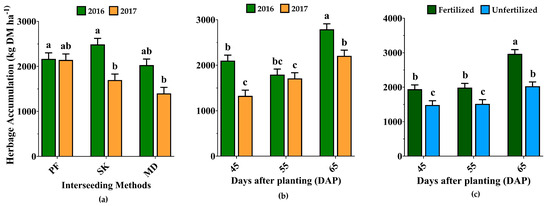
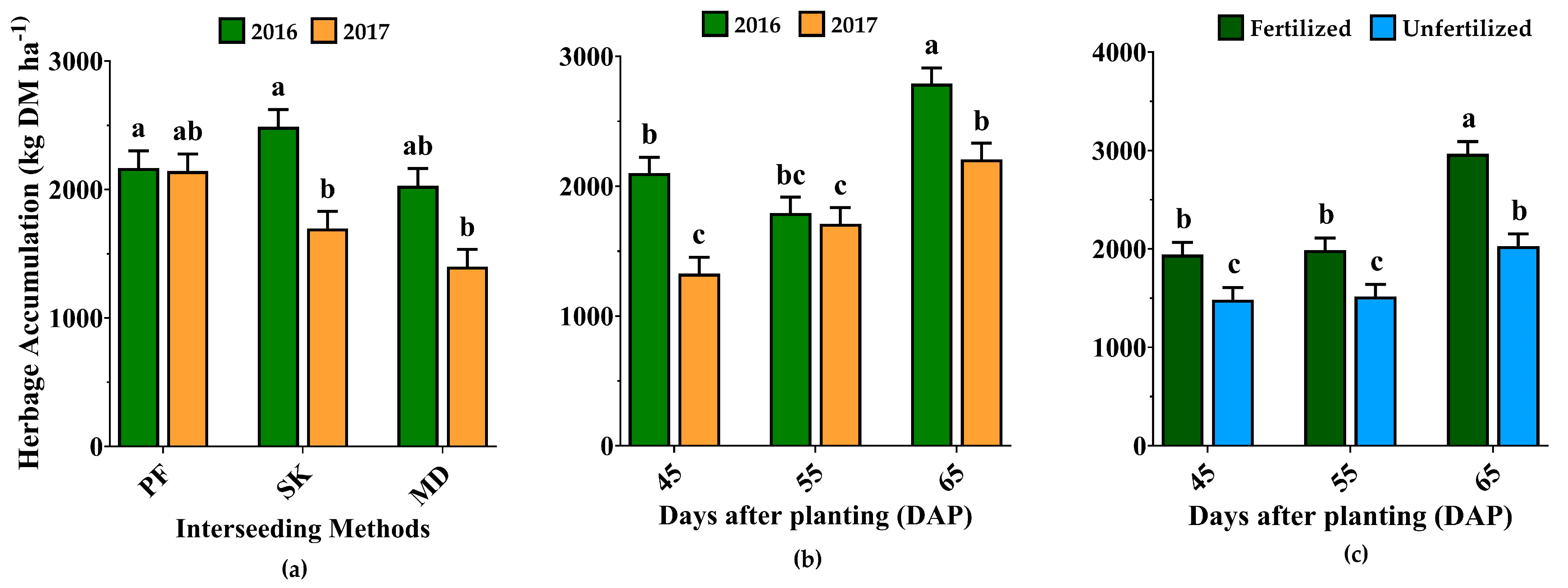
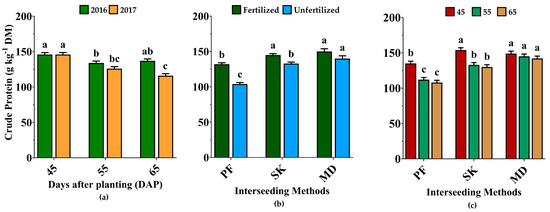
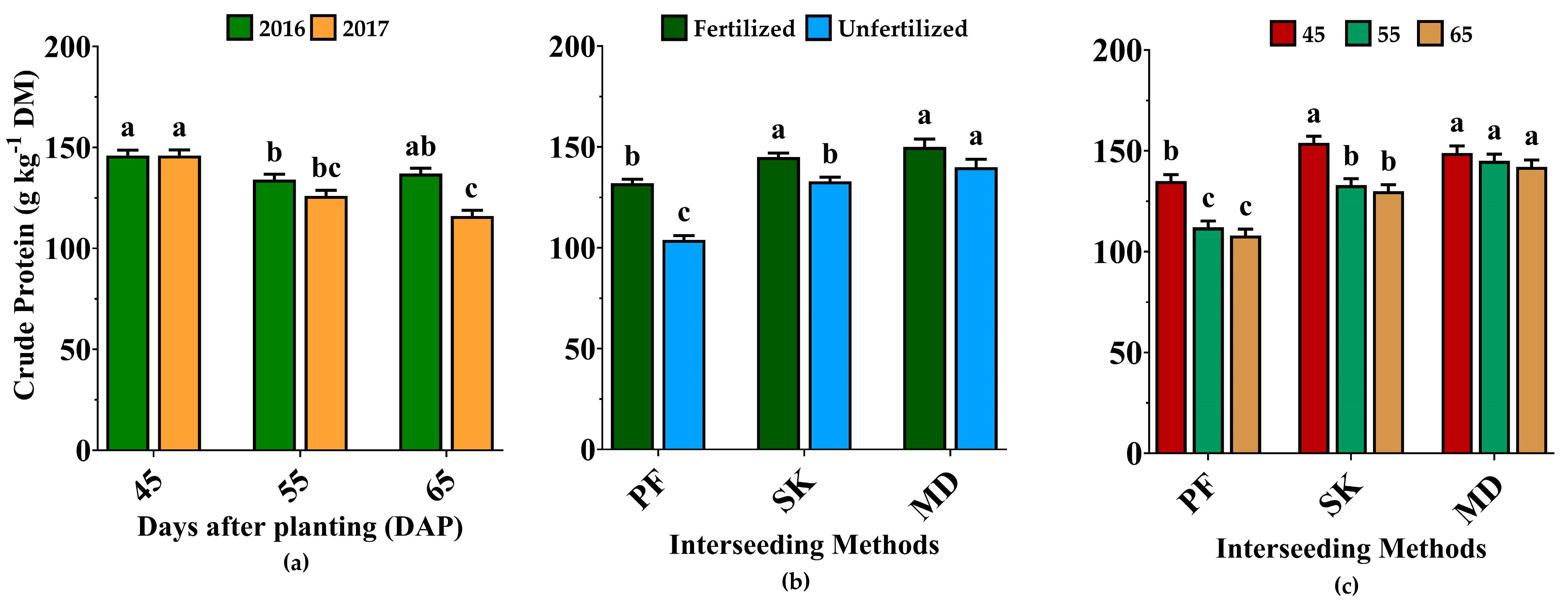
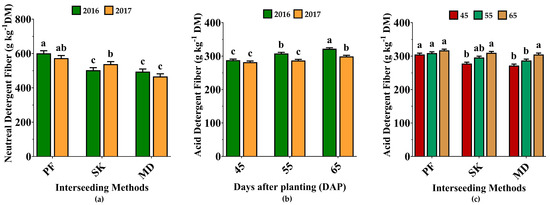
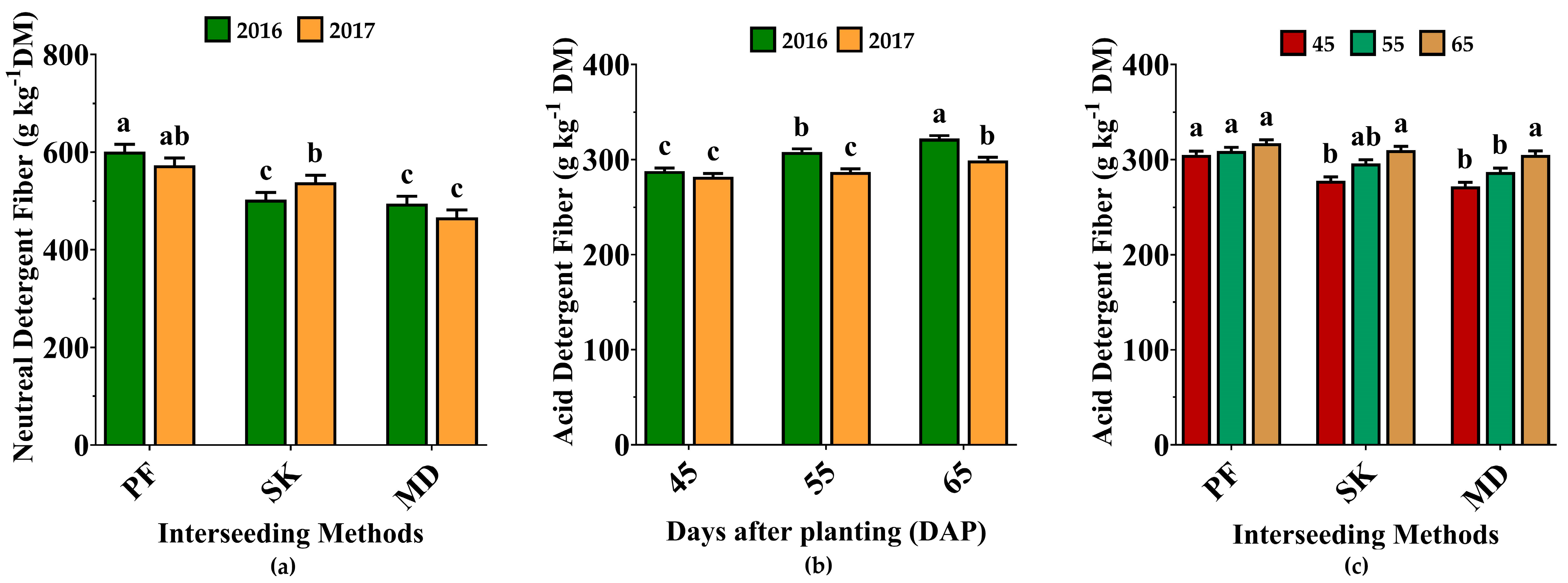
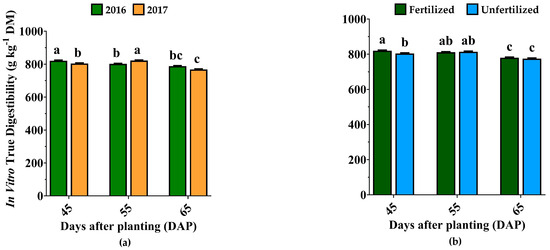
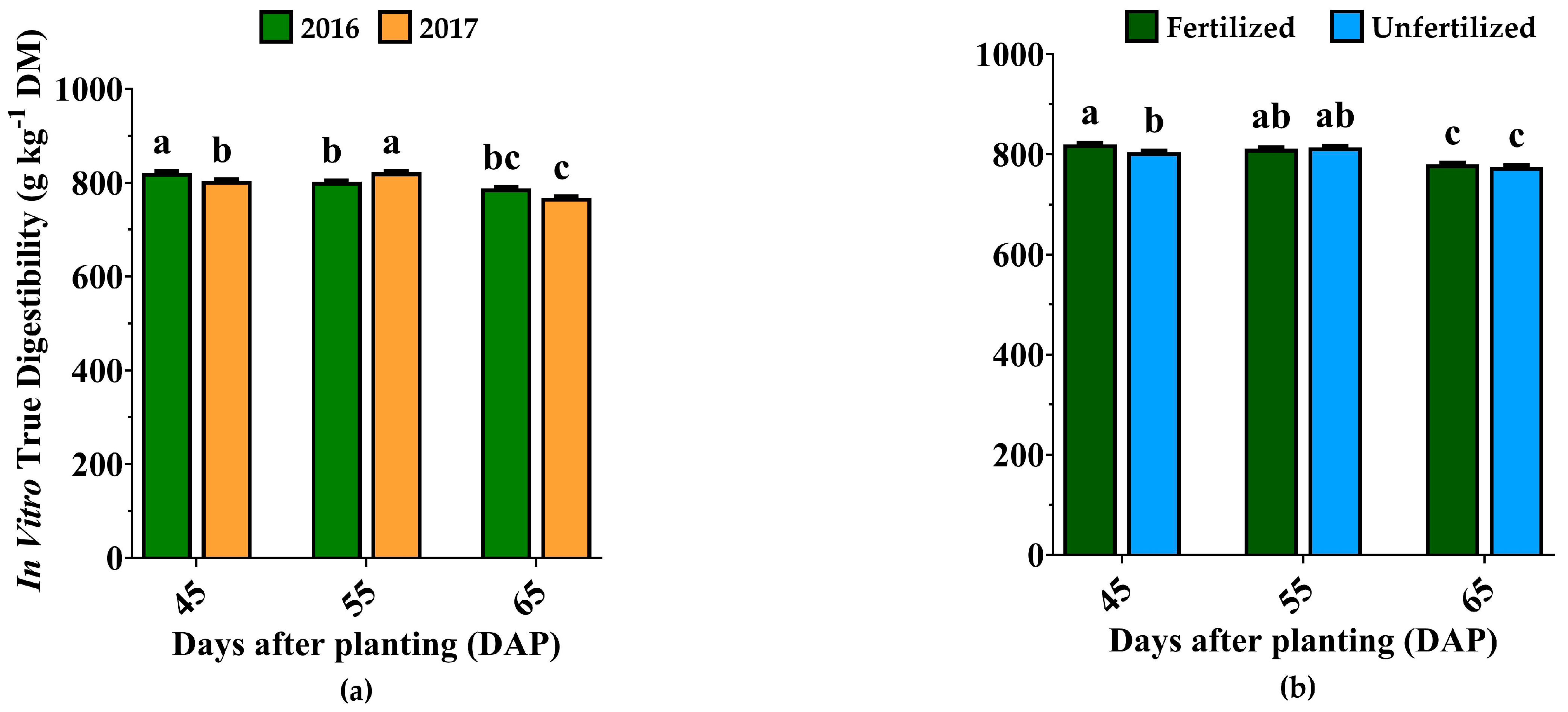
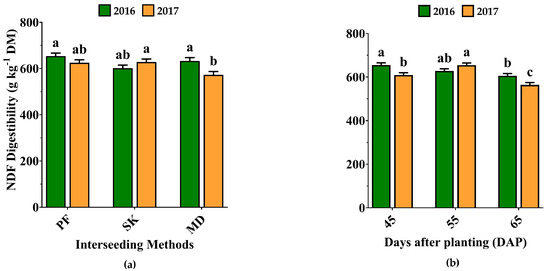

Disclaimer/Publisher’s Note: The statements, opinions and data contained in all publications are solely those of the individual author(s) and contributor(s) and not of MDPI and/or the editor(s). MDPI and/or the editor(s) disclaim responsibility for any injury to people or property resulting from any ideas, methods, instructions or products referred to in the content. |
© 2026 by the authors. Licensee MDPI, Basel, Switzerland. This article is an open access article distributed under the terms and conditions of the Creative Commons Attribution (CC BY) license.