


Abstract
Modern agrochemicals support crop productivity and food security, yet their residues, transformation products and formulation components can move through the agro-food chain and affect plants, soil organisms, wildlife, livestock and people. This review addresses a persistent gap in the literature: most existing assessments examine single compounds, single organisms or single environmental compartments in isolation, whereas real-world exposure spans the entire agro-food chain and connects plant, animal, environmental and human health. To address this gap, this review was designed as an integrative, One-Health-oriented synthesis of the original evidence assembled on organophosphate, neonicotinoid and glyphosate-based products, covering environmental fate, exposure pathways, molecular toxicity, non-target effects and ecosystem consequences. The main body of work consists of a structured literature research and comparative evidence assessment across laboratory, mesocosm and field studies, from which a cross-level evaluation was constructed: oxidative stress, neurotoxocity, endocrine and immune disruption, soil microbiome alteration, pollinator and aquatic biodiversity loss, food and feed residues, antimicrobial-resistance pathways and insecticide resistance affecting disease vectors. Particular attention is given to formulation effects, mixtures, chronic low-dose exposure and the distinction between contaminant removal, transformation, detoxification and mineralisation. Finally, the review evaluates integrated pest management, precision application, biological control, phytoremediation, nanotechnology-assisted treatment and synthetic-biology-enabled bioremediation. The synthesis identifies evidence gaps in field-scale validation, mixture toxicity, One Health surveillance and regulatory integration and proposes priorities for safer agrochemical use, environmental monitoring and ecosystem-based risk reduction.
1. Introduction
Agrochemicals are integral to modern food production because they help control weeds, insects and plant pathogens, improve crop protection and support stable agricultural yields. Pesticides are used across agricultural systems and the wider food sector, but their benefits must be considered alongside their potential effects on non-target organisms and environmental health [1]. Although the term agrochemicals can include fertilisers, plant-growth regulators and other inputs, this review focuses specifically on pesticides, and in particular on organophosphate insecticides, neonicotinoid insecticides and glyphosate-based herbicides. These three groups were selected because they represent three distinct modes of agricultural action and toxicology (acetylcholinesterase inhibition, agonism of nicotinic acetylcholine receptors and disruption of plant metabolism), they are among the most widely used pesticide groups worldwide, and their contrasting environmental behaviour allows the ecotoxicological and One Health questions addressed here to be examined consistently across the agro-food chain.
The effects of agrochemicals extend beyond their intended targets because these substances can be transported through soil, surface water, groundwater, air and food webs. Their residues and transformation products may influence soil microbial communities, aquatic organisms, pollinators, birds, amphibians and other wildlife. At the ecosystem level, these effects may contribute to the disruption of pollination, nutrient cycling, natural pest control and aquatic food webs. Pesticide exposure is also one of several interacting pressures associated with biodiversity loss and insect decline, alongside habitat degradation, intensive agriculture, pollution and climate change [2].
Agrochemical contamination can also create pathways connecting environmental exposure with animal and human health. Residues may enter livestock through contaminated feed, water and pasture and can subsequently be detected in animal-derived foods. A global systematic review of pesticide residues in raw cow’s milk identified substantial geographical variation in contamination and reported areas where estimated health risks exceeded acceptable thresholds [3]. Human exposure may occur through dietary intake, inhalation and dermal contact, particularly among agricultural workers and rural populations. Evidence from toxicological and epidemiological studies has associated chronic or high-intensity pesticide exposure with neurological, respiratory, endocrine and other long-term health concerns, although the strength of evidence varies according to the chemical, exposure level, duration and health outcome examined [4].
The One Health approach provides a suitable framework for understanding these interconnected pathways. It recognises that the health of people, domestic and wild animals, plants and ecosystems are closely linked and interdependent [5]. Within this framework, agrochemical risk is not limited to the toxicity of an individual compound or its effects on a single species. Instead, it includes interactions among environmental contamination, soil and ecosystem functions, biodiversity, food and feed safety, animal health and public health. Recent syntheses of pesticide occurrence, environmental fate and health effects likewise conclude that effective management of these risks requires integrated, One-Health-based strategies [6].
This review therefore examines the ecotoxicological impacts of modern agrochemicals across the agro-food chain, focusing on their environmental fate, molecular mechanisms of toxicity, effects on soil and biodiversity, food and animal exposure pathways, and implications for human health. It further evaluates integrated pest management, environmental monitoring and emerging remediation technologies as components of a One Health strategy for reducing agrochemical risks.
This review is a narrative, integrative review rather than a systematic review or meta-analysis. Its objective is to synthesise and interpret evidence on environmental fate, ecotoxicology, food-chain exposure, biodiversity, risk assessment and remediation within a One Health framework, rather than to follow a pre-registered protocol or to pool effect estimates. A structured literature search was performed in Web of Science, Scopus, PubMed and Google Scholar, covering peer-reviewed publications available up to 2026, with priority given to studies published from 2015 onwards and to the most recent evidence available at the time of writing. Search terms combined three groups of keywords: chemical terms (for example, organophosphate, neonicotinoid, glyphosate, pesticide, agrochemical); outcome terms (for example, ecotoxicology, oxidative stress, endocrine disruption, soil microbiome, antimicrobial resistance, pollinator, biodiversity, pesticide residues); and framework terms (for example, One Health, environmental fate, integrated pest management, remediation, risk assessment). Reference lists of key reviews and authoritative reports were also screened to identify additional relevant studies.
Priority was given to peer-reviewed research articles, systematic reviews and meta-analyses, and to authoritative reports and guidance from international bodies, including the World Health Organization, the Food and Agriculture Organization of the United Nations, the European Food Safety Authority and the European Environment Agency. Records were screened by title and abstract, and full texts were retained when they addressed the environmental fate, ecotoxicological effects, food-chain exposure or remediation of organophosphates, neonicotinoids, glyphosate-based herbicides or pesticides more broadly. Non-English records, studies without an agrochemical component, and studies concerned solely with unrelated industrial contaminants were excluded. In appraising the evidence, a distinction is maintained throughout the review between laboratory and mechanistic findings, mesocosm and field studies, epidemiological associations, and surveillance or monitoring data; conclusions drawn from the broader contaminant-remediation literature, where pesticide-specific studies are not yet available, are identified as such.
2. Agrochemicals and Modern Food Production
2.1. Agrochemicals, Food Security and Environmental Costs
Agrochemicals are important components of modern agricultural production because they help protect crops from weeds, insect pests and plant pathogens, while fertilisers and soil amendments support nutrient availability and crop development. By reducing losses before and after harvest, these products can contribute to yield stability, product quality and the economic viability of farming systems. Pesticides are used across agricultural and food-production systems, including crop cultivation, forestry, aquaculture and the preservation of food products [1].
The contribution of agrochemicals to food security should not, however, be interpreted as evidence that greater chemical use is always beneficial. Food security also depends on soil fertility, water availability, biodiversity, climate resilience, farmer livelihoods, access to technology and effective agricultural governance. Chemical inputs may support production in the short term, but their effectiveness can decline when repeated use contributes to pest resistance, soil degradation, contamination or the loss of beneficial organisms. Sustainable agricultural systems therefore require a balance between crop protection, productivity and the long-term maintenance of environmental resources [7].
The environmental costs of chemical-intensive agriculture arise partly from the movement of agrochemicals beyond their intended targets. Following application, active ingredients may be transported through spray drift, volatilisation, surface run-off, leaching and soil erosion. They may subsequently reach groundwater, rivers, wetlands, sediments, crops, livestock and wildlife. Non-target effects can occur in pollinators, aquatic organisms, soil fauna, birds, amphibians and microorganisms, potentially affecting pollination, nutrient cycling, decomposition, natural pest control and aquatic food webs [1]. Repeated exposure may also contribute to the development of resistance in pest and vector populations, reducing the effectiveness of agricultural and public-health interventions.
Agrochemicals encompass several functional groups used at different stages of the agro-food chain. These include insecticides, herbicides, fungicides, nematicides, fertilisers, soil conditioners, plant-growth regulators, adjuvants, biopesticides and emerging nano-enabled formulations. The present review focuses primarily on organophosphate insecticides, neonicotinoid insecticides and glyphosate-based herbicides because they represent important examples of neurotoxic, systemic and herbicidal products with potentially wide environmental distribution. Other agrochemical categories are considered where they contribute to mixture toxicity, soil-health alteration, residue transfer or broader One Health pathways.
Risk assessment should not be limited to the concentration of the parent compound immediately after application. Agrochemicals may undergo biological, chemical and photochemical transformation, producing metabolites or degradation products with different persistence, mobility and toxicity. In addition, commercial formulations may contain surfactants, solvents and other co-formulants that modify absorption, environmental behaviour and biological effects. Assessing only the isolated active ingredient may therefore underestimate the toxicity of the formulation used in the field.
Mixture exposure is another important consideration. Agricultural organisms and human populations are rarely exposed to one chemical at a time. They may encounter combinations of pesticides, fertilisers, veterinary medicines, antibiotics, metals and other environmental contaminants. Such mixtures may produce additive, synergistic or antagonistic effects that are not predicted by single-compound testing. Food-chain transfer provides an additional exposure pathway, as pesticide residues may enter animal-derived products and contribute to dietary human exposure [3].
Accordingly, modern agrochemical assessment should integrate agricultural benefits with environmental fate, formulation composition, transformation products, mixture toxicity and residue transfer. This broader approach provides the basis for evaluating agrochemicals within a One Health framework, in which crop productivity is considered alongside soil integrity, biodiversity, animal health, food safety and public health.
2.2. Priority Agrochemicals and Exposure Pathways
This review focuses on organophosphate insecticides, neonicotinoid insecticides and glyphosate-based herbicides. These groups represent distinct modes of agricultural action and provide contrasting examples of neurotoxic, systemic and herbicidal agrochemicals. Their environmental significance is influenced not only by the properties of their active ingredients but also by application frequency, formulation composition, environmental persistence, transformation products and patterns of human and animal exposure [1].
Organophosphate insecticides are used to control a wide range of chewing and sucking insect pests in field crops, horticultural systems, orchards and stored agricultural products. Their principal toxicological mechanism involves inhibition of acetylcholinesterase, an enzyme required for normal neurotransmission (Table 1). This mechanism accounts for their effectiveness against target insects but also creates risks for non-target organisms, including pollinators, aquatic invertebrates, birds, livestock and humans.
Table 1.
Agrochemical groups, exposure pathways, and One Health implications [3,4,8,9,10,11,12,13,14].
After application, organophosphates may remain on plant surfaces, enter the soil or be transported into surface water through run-off and erosion. Their persistence varies according to the specific compound and environmental conditions such as temperature, pH, moisture, organic-matter content and microbial activity. Residues may be detected on crops, in soil and sediments, and in water bodies receiving agricultural drainage. Occupational exposure may occur during mixing, loading, spraying, equipment cleaning and re-entry into treated fields. Dietary exposure may result from residues remaining on food crops or from transfer into animal feed and livestock products [4].
Neonicotinoids are systemic insecticides used as seed treatments, soil applications and foliar sprays. Their systemic properties allow them to move through plant tissues, including leaves, pollen, nectar and other plant parts. This characteristic provides effective protection against sap-feeding and soil-dwelling pests, but it also increases the potential for exposure among pollinators and other organisms that interact with treated plants (Table 1).
Neonicotinoids can be transported from agricultural soils to surface waters through run-off, drainage and erosion. Their residues may persist in soil and may be taken up by subsequent crops, creating repeated or background exposure in agricultural landscapes. Aquatic invertebrates may be exposed to residues transported into streams, ponds and wetlands, while bees and other pollinators may encounter residues in pollen and nectar. Evidence from mammalian studies also indicates that neonicotinoids can affect neuronal development, neurochemical signalling, oxidative balance and behaviour in non-target vertebrates, although the magnitude and relevance of these effects depend on the compound, dose, exposure duration and species examined [8].
Human exposure to neonicotinoids may occur through occupational contact, dietary intake and environmental media. Agricultural workers may be exposed during seed treatment, spraying, equipment handling and harvesting. Consumers may be exposed through residues on or within food products, although risk depends on residue concentration, dietary intake, processing and regulatory controls. Neonicotinoid residues may also enter animal feed and contribute to exposure in livestock and animal-derived food products.
Glyphosate-based herbicides are primarily used for post-emergence weed control in annual crops, perennial crops, orchards, plantations and non-crop areas. They may also be applied before planting or harvesting in some agricultural systems. Glyphosate inhibits the shikimate pathway in plants (Table 1), but commercial formulations may contain surfactants and other co-formulants that modify environmental behaviour and toxicity.
Glyphosate can bind strongly to soil particles, although its movement and persistence depend on soil characteristics, application conditions and microbial degradation. Run-off, erosion, spray drift and leaching may transport glyphosate and its transformation products into surface water and groundwater. Its major degradation product, aminomethylphosphonic acid, may persist under some environmental conditions and should be considered in monitoring and risk assessment. Exposure may therefore occur in crops, soil microorganisms, aquatic organisms, terrestrial wildlife, livestock and humans.
Glyphosate-based products may affect non-target plants and soil microorganisms, particularly where repeated applications alter plant diversity, rhizosphere conditions or microbial community structure. Occupational exposure can occur during mixing, spraying, equipment cleaning and field re-entry. Dietary exposure may result from residues in food and feed, while livestock may be exposed through contaminated forage, water and soil. Human exposure to pesticides more generally occurs through ingestion, inhalation and dermal absorption, with agricultural workers often experiencing higher or more frequent exposure than the general population [4].
The three priority agrochemical groups can move through interconnected environmental compartments rather than remaining at the site of application. Soil acts as both a reservoir and a transformation environment, while water facilitates transport to aquatic ecosystems and drinking-water sources. Airborne drift may expose neighbouring crops, natural habitats, farm workers and nearby communities. Crops and vegetation can retain residues on their surfaces or absorb them into internal tissues, creating pathways to pollinators, herbivores, livestock and consumers.
Post-harvest exposure is also relevant because residues may remain on stored grains, fruits, vegetables and animal feed. Contamination can occur during storage, transport and processing, particularly when treated commodities are handled without adequate controls. Pesticide residues have also been reported in animal-derived food products, including raw cow’s milk, demonstrating the importance of considering transfer through livestock and the food chain [3].
Accordingly, the environmental assessment of organophosphates, neonicotinoids and glyphosate-based herbicides should consider the complete exposure pathway from application to environmental transport, biological uptake, residue transfer and human or animal contact (Table 1).
This approach also requires consideration of commercial formulations, metabolites and mixtures, since the toxicity and persistence of a field-applied product may differ from those of the isolated active ingredient.
2.3. One Health Perspective on Agrochemical Exposure
The One Health perspective recognises that plant, soil, animal, human and ecosystem health are interconnected. Agrochemical exposure can therefore produce effects across several biological and environmental compartments rather than remaining limited to the target pest or treated crop. Changes in soil microbial communities, for example, may influence nutrient cycling, plant development and crop resistance to disease. These changes can subsequently affect soil fauna, wildlife, livestock and human food systems. Similarly, contamination of surface water can influence aquatic organisms, drinking-water quality, irrigation systems and the health of communities dependent on affected water resources [1,15,16].
Plant health is closely associated with soil and ecosystem health. Agrochemical application may protect crops from pests and diseases in the short term, but repeated or poorly managed use can alter beneficial microorganisms, pollinators, decomposers and natural pest-control organisms. The resulting ecological changes may affect crop productivity and resilience, particularly when agrochemical exposure occurs together with habitat loss, climate stress, nutrient imbalance or water scarcity. A One Health assessment should therefore consider both the intended agricultural benefit and the potential effects on the ecological processes that support long-term food production.
Environmental contamination also creates connections between agrochemical use and food safety. Residues may remain on crops or become incorporated into plant tissues, soil, water and animal feed. Livestock may be exposed through contaminated pasture, drinking water or feed, allowing residues to enter animal-derived products. These pathways can contribute to human dietary exposure, particularly when monitoring is incomplete or when several compounds occur together. Pesticide residues have been detected in animal-derived foods, including raw cow’s milk, demonstrating the importance of considering transfer between agricultural environments, livestock and consumers [3].
The “farm to fork” pathway provides a useful framework for tracing agrochemical exposure across the entire agro-food chain (Figure 1). It begins with the selection, formulation and application of an agrochemical and continues through transport in soil, water and air. The pathway then includes uptake by crops, exposure of pollinators and wildlife, contamination of livestock feed and water, persistence during harvesting and storage, processing of agricultural commodities, and eventual dietary exposure. This approach is important because risks may emerge at different stages of the chain. A compound that is controlled at the point of application may still present a concern if its metabolites persist in soil, enter water, accumulate in food or affect non-target organisms.
Figure 1.
Integrated One Health pathways of agrochemical exposure.
A One Health perspective also requires closer integration between environmental, agricultural, veterinary and public-health surveillance. Environmental monitoring can identify residues in soil, water, sediments and biota, while agricultural monitoring can provide information about application practices, treated crops and residue-management procedures. Veterinary surveillance can detect exposure or health effects in livestock and sentinel animals, whereas public-health systems can monitor occupational exposure, dietary intake and potential health outcomes. Current evidence indicates that environmental and human-exposure research is often geographically uneven and insufficiently integrated, limiting the ability to connect contamination patterns with health risks [17].
Integrated surveillance should therefore combine chemical measurements with ecological, microbiological, veterinary and human-health indicators. Such coordination would improve early detection of contamination, support evidence-based regulation and enable interventions before agrochemical effects become established across food systems or ecosystems. Within this framework, One Health is not only a descriptive concept but also a practical basis for improving agrochemical management, food safety and environmental protection.
3. Ecotoxicological Effects Across Biological Levels
Agrochemical toxicity can be expressed across several biological levels, from molecular interactions and cellular stress responses to physiological dysfunction, impaired reproduction, altered behaviour and population decline. These effects are not uniform across all compounds. They depend on the chemical class, formulation, exposure route, concentration, duration, developmental stage, species and environmental conditions [18]. These levels and the direction of evidence linking them are summarised in Figure 2. The figure summarises the exposure determinants, principal molecular and cellular mechanisms, organism-level outcomes and population-to-ecosystem consequences, together with the direction of evidence linking them. Evidence is strongest for laboratory and mechanistic endpoints; uncertainty increases towards field, epidemiological and ecosystem levels.
Figure 2.
Conceptual framework of the hierarchical cascade linking molecular mechanisms of agrochemical toxicity to ecosystem-level consequences.
A central challenge in agrochemical ecotoxicology is linking early molecular changes with biologically meaningful outcomes. A pesticide may initially alter an enzyme, receptor, membrane or signalling pathway, followed by cellular stress, tissue damage and physiological dysfunction. When exposure is persistent or repeated, these effects may influence growth, reproduction, behaviour, immune competence and survival, eventually affecting populations and ecosystem functions.
3.1. Molecular and Physiological Mechanisms
Neurotoxicity is a major mechanism associated with several pesticide classes. Organophosphate insecticides inhibit acetylcholinesterase, resulting in excessive accumulation of acetylcholine and disruption of synaptic transmission. Acute exposure may produce tremors, impaired coordination, respiratory dysfunction and mortality, whereas chronic or sublethal exposure may affect behaviour, learning, sensory processing and reproduction.
Neonicotinoids act primarily as agonists of nicotinic acetylcholine receptors in insects. Their selectivity for insect receptors contributes to their insecticidal activity, but non-target vertebrates also possess nicotinic receptors that may be affected under particular exposure conditions. Studies of mammalian exposure have reported changes in neurodevelopment, neurochemical signalling, acetylcholinesterase activity, behaviour and inflammatory responses [8].
Neurotoxicity can also occur indirectly through oxidative stress, mitochondrial damage and neuroinflammation. These secondary mechanisms may extend the effects of pesticide exposure beyond the initial interaction with a neurotransmitter system. In ecological settings, behavioural changes may be especially important because impaired navigation, feeding, predator avoidance or reproductive behaviour can occur before mortality becomes evident.
Oxidative stress occurs when the production of reactive oxygen species exceeds the capacity of antioxidant systems to maintain cellular balance. Pesticides may increase reactive oxygen species through interference with mitochondrial respiration, disruption of cellular membranes, altered detoxification pathways and inflammatory responses. Biomarkers commonly used to assess this process include lipid peroxidation, protein oxidation, DNA damage and changes in the activity of superoxide dismutase, catalase, glutathione peroxidase and glutathione-S-transferase [1].
Oxidative stress is important because it can connect several mechanisms of toxicity. Damage to lipids may alter membrane function, protein oxidation may impair enzymes and receptors, and oxidative DNA damage may contribute to mutagenesis or altered gene regulation. In pollinators, fish, amphibians and terrestrial vertebrates, persistent oxidative stress may reduce growth, reproduction, immune competence and tolerance to additional environmental stressors.
Mitochondrial dysfunction occurs when pesticide exposure interferes with electron transport, ATP production, membrane potential or cellular redox regulation. Because mitochondria also participate in calcium regulation and programmed cell death, their impairment can increase reactive oxygen species, reduce cellular energy availability and activate apoptotic pathways [8].
Energy-demanding tissues, including the nervous system, muscles, reproductive organs and developing embryos, may be particularly vulnerable to mitochondrial impairment. At the organismal level, reduced energy production can affect movement, foraging, thermoregulation, growth and reproduction. Mitochondrial dysfunction may also intensify oxidative stress and contribute to tissue damage, particularly when pesticide exposure occurs alongside high temperature, malnutrition, pathogens or other environmental pollutants.
Endocrine disruption occurs when pesticides interfere with hormone synthesis, transport, metabolism or receptor activity. Reported effects include alterations in thyroid hormones, sex steroids, glucocorticoids and metabolic regulation. Studies of agricultural workers and pesticide applicators have identified associations between pesticide exposure and changes in thyroid hormone concentrations, although the direction and magnitude of these effects vary according to the pesticide class, exposure level and characteristics of the study population [19].
Endocrine disruption is particularly important during embryonic development, puberty, pregnancy and reproduction. Alterations in hormone signalling during these sensitive periods may affect organ development, sexual differentiation, fertility, metabolism and neurodevelopment. However, endocrine-related outcomes should be interpreted cautiously because they may also be influenced by chemical mixtures, nutritional status, age, sex, genetic background and other environmental factors.
Immune dysregulation occurs when agrochemical exposure alters immune-cell activity, inflammatory signalling, oxidative balance or the integrity of biological barriers. Depending on the compound and exposure conditions, pesticides may suppress immune responses or promote persistent and inappropriate inflammation. These effects can influence resistance to infectious diseases, susceptibility to parasites and responses to vaccination or other immune challenges.
Pesticide-associated immune effects may also interact with endocrine and microbiome pathways. Disruption of gut or environmental microbial communities can influence immune development and inflammatory signalling. Evidence concerning endocrine-disrupting chemicals, including some pesticide groups, indicates associations with altered inflammatory markers, although the direction and biological significance of these effects remain compound-specific and require further investigation [20].
Genotoxicity refers to pesticide-induced damage to genetic material, including DNA strand breaks, oxidative DNA damage, chromosomal abnormalities, micronucleus formation and impaired DNA repair. These effects may arise directly through reactive metabolites or indirectly through oxidative stress, inflammation and disruption of cell-cycle regulation. Potential consequences include mutations, reduced cell viability, developmental abnormalities and increased susceptibility to disease.
Genotoxic effects are relevant to environmental and human health because they may affect somatic cells, germ cells and developing embryos. However, findings from in vitro experiments or high-dose animal studies should not automatically be interpreted as evidence of equivalent risks under environmental exposure conditions. Interpretation should consider exposure concentration, duration, formulation, species sensitivity and consistency across experimental systems [4].
Epigenetic alteration refers to changes in gene regulation that occur without modifying the underlying DNA sequence. Pesticide exposure may influence DNA methylation, histone modification, chromatin structure and non-coding RNA expression, thereby affecting developmental, metabolic, reproductive, immune and neurological pathways.
These effects are particularly relevant during sensitive developmental and reproductive stages because altered gene regulation may persist after the original exposure has ended. Animal studies have reported intergenerational and transgenerational effects following exposure to endocrine-disrupting chemicals, including certain pesticides. However, evidence for transgenerational effects in humans remains limited, and findings from animal models should not be directly extrapolated to human populations without further validation [21].
Microbiome disturbance occurs when agrochemical exposure alters the composition, diversity or function of microbial communities in soil, water, plants, animals and humans. In soil, these changes may affect nutrient cycling, decomposition, carbon transformation and plant–microbe interactions. In aquatic environments, microbial disturbance may influence primary production, organic-matter degradation and food-web processes [1].
Microbiome disturbance may also modify agrochemical toxicity. Microorganisms can transform pesticides into products that are more, less or equally toxic than the parent compound. At the same time, pesticide exposure may select for tolerant microorganisms, alter microbial functional genes and influence the abundance or transfer of resistance determinants. The ecological significance of these changes depends on whether alterations in community composition led to measurable losses of microbial functions or ecosystem processes.
These mechanisms should not be considered as isolated effects. Neurotoxicity may be intensified by oxidative stress and mitochondrial dysfunction, while endocrine disruption may interact with epigenetic changes and immune dysregulation. Microbiome disturbance may influence metabolism, immune function and the transformation of agrochemicals in the environment.
For this reason, ecotoxicological assessment should integrate molecular biomarkers with physiological, behavioural, reproductive, population and ecosystem-level endpoints. Such integration can help distinguish transient molecular responses from adverse outcomes that have consequences for organism health, biodiversity, ecosystem services and One Health.
3.2. Soil Microbiome and Plant Health
The soil microbiome is a central component of soil health because microorganisms regulate nutrient cycling, organic-matter decomposition, plant nutrition and interactions between plants and their biotic environment. Agrochemical exposure can alter the composition, abundance and functional activity of bacterial and fungal communities, with consequences that may extend beyond microbial diversity to affect soil fertility, crop performance and ecosystem resilience [1].
Pesticides may modify soil microbial communities by inhibiting sensitive taxa, favouring tolerant organisms or changing the availability of carbon and nutrients. These responses can result in shifts in bacterial and fungal diversity, community structure and functional composition. The magnitude and direction of microbial responses depend on the pesticide class, application rate, soil properties, climate, organic-matter content and duration of exposure [12,14,15,22].
Changes in microbial composition do not necessarily indicate immediate loss of soil function. Some microbial communities may recover after exposure, whereas repeated applications may produce persistent changes or select for organisms capable of tolerating or degrading specific compounds. It is therefore important to assess both taxonomic composition and functional activity when evaluating agrochemical effects on soil microbiomes [12,14].
Agrochemicals may reduce microbial biomass and alter the activity of enzymes involved in carbon, nitrogen and phosphorus transformations. Soil enzymes such as dehydrogenase, β-glucosidase, urease and phosphatase are commonly used to indicate changes in microbial activity and nutrient cycling. Reductions in these activities may suggest impaired microbial metabolism, although responses can vary according to soil type, exposure duration and the availability of alternative substrates [12,22].
Microbial biomass and enzyme activity may also respond differently from microbial diversity. A soil may retain a relatively stable number of microbial taxa while experiencing changes in metabolic activity or functional capacity. For this reason, microbial biomass, enzyme activity, phospholipid fatty acids and molecular community analyses should be interpreted together rather than used as isolated indicators of soil health [22].
Microorganisms drive the decomposition of plant residues and soil organic matter, releasing nutrients required for plant growth. Agrochemical-induced changes in microbial communities or enzyme activity may slow decomposition, alter carbon turnover and interfere with nitrogen and phosphorus cycling [12,23]. These effects may reduce nutrient availability or change the timing and form in which nutrients become accessible to crops.
Disruption of microbial processes may also influence soil structure and organic-matter retention. Reduced decomposition can limit nutrient release, whereas changes in microbial activity may accelerate the loss of particular organic compounds. The ecological consequences depend on the balance between microbial inhibition, compensatory activity by tolerant organisms and the capacity of the soil community to recover [23,24,25].
Mycorrhizal fungi and plant-growth-promoting microorganisms support plant nutrition, root development and resistance to environmental stress. They can improve phosphorus acquisition, contribute to nitrogen availability, produce plant-growth regulators, suppress pathogens and induce plant defence responses. Agrochemical exposure may disrupt these interactions by reducing microbial colonisation, altering root exudates or changing the chemical conditions of the rhizosphere [14,26,27].
The effects on symbiotic microorganisms may be particularly important when crops are exposed to drought, nutrient limitation, pathogens or temperature stress. Damage to beneficial microbial associations may reduce plant resilience even when the pesticide does not produce severe direct toxicity in the plant. Conversely, some microorganisms may degrade agrochemicals or increase plant tolerance, indicating that the soil microbiome can act both as a target of toxicity and as a potential mechanism of environmental adaptation [28].
Alterations in the soil microbiome may affect crop nutrition by reducing nutrient mineralisation, phosphorus solubilisation, nitrogen fixation or mycorrhizal nutrient transfer. Over time, these changes may contribute to reduced soil fertility and greater dependence on external fertiliser inputs. They may also affect plant growth by modifying root development, hormone production and the availability of essential nutrients.
Plant disease resistance can be influenced in two opposing ways. Agrochemicals may reduce pathogen pressure directly, but they may also reduce beneficial microorganisms that suppress pathogens or stimulate plant defence. Changes in rhizosphere microbial networks may therefore alter the balance between disease protection and disease susceptibility. The overall outcome is likely to depend on pesticide type, application frequency, crop species, soil conditions and the presence of beneficial or pathogenic microorganisms.
The relationship between soil microbiome health and crop productivity should consequently be evaluated using both microbial and plant-level indicators. Relevant endpoints include microbial biomass, community composition, enzyme activity, nutrient availability, root colonisation, plant growth, nutrient uptake, disease severity and yield. This integrated assessment can clarify whether agrochemical exposure produces a temporary microbial disturbance or a persistent decline in soil function and plant health.
3.3. Biodiversity and Ecosystem Services
Agrochemical exposure can affect biodiversity through direct toxicity, sublethal physiological effects, habitat contamination, food-web disruption and changes in species interactions. These effects may occur in both terrestrial and aquatic ecosystems, and their ecological importance depends on the sensitivity of exposed species, the persistence of the chemical, the timing of exposure and the capacity of affected communities to recover. The consequences may extend beyond individual organisms by altering ecosystem functions such as pollination, natural pest control, nutrient cycling and water purification [1].
Pollinators may be exposed to agrochemicals through contaminated pollen, nectar, dust, water and plant surfaces. Insecticides can cause direct mortality, but sublethal effects may also impair feeding, navigation, learning, reproduction, immune function and colony development. These effects are particularly important for social insects because individual impairment can influence colony-level productivity and survival [29,30,31].
Beneficial insects, including parasitoids, predatory beetles, lacewings and other natural enemies, may also be affected by direct exposure or by consuming contaminated prey. A reduction in these organisms can weaken biological pest control and increase dependence on chemical applications. In agricultural landscapes, pesticide exposure may therefore create a feedback process in which the loss of natural enemies contributes to secondary pest outbreaks and further pesticide use. Herbicide exposure has also been associated with increased mortality and reduced longevity, reproduction and predation in arthropod natural enemies [32].
Insect decline is driven by multiple interacting pressures, including pesticide use, habitat loss, pollution, invasive species, intensive agriculture and climate change. The contribution of agrochemicals should therefore be evaluated within this wider ecological context rather than treated as an isolated cause of biodiversity loss [2].
Soil fauna, including earthworms, collembolans, mites and nematodes, may be exposed to agrochemicals through direct contact with treated soil, contaminated organic matter and residues in soil water. These organisms contribute to soil aggregation, organic-matter fragmentation, decomposition and nutrient release. Their decline or behavioural impairment may affect soil structure and the activity of microbial decomposers [1].
Decomposer organisms are particularly important because they connect biodiversity with ecosystem functioning. Agrochemical exposure may reduce decomposer abundance, alter feeding activity or change microbial interactions involved in the breakdown of plant residues. Such effects may modify carbon turnover, nitrogen availability and the rate at which nutrients are returned to the soil. However, responses may vary according to soil type, organic-matter content, pesticide persistence and the ability of tolerant species to replace sensitive taxa [28].
Agrochemicals enter aquatic environments through surface run-off, spray drift, soil erosion, drainage and groundwater discharge. Aquatic invertebrates may be exposed to short-term contamination pulses following rainfall or to chronic low concentrations in sediments and surface water. Sensitive taxa may experience impaired growth, feeding, reproduction, development and behaviour before measurable changes in community abundance occur [1].
Fish may be affected through gill exposure, dietary uptake and contaminated sediments. Potential outcomes include neurotoxicity, oxidative stress, endocrine disruption, developmental abnormalities and impaired reproduction. Amphibians may be particularly vulnerable because their permeable skin and aquatic–terrestrial life cycle expose them to contaminants in both water and soil. Agrochemical exposure during embryonic and larval development may affect growth, metamorphosis, behaviour and survival [33].
Changes in aquatic invertebrate communities can produce wider food-web effects. The loss of sensitive insect larvae and crustaceans may reduce food availability for fish, amphibians, birds and bats. It may also alter decomposition, nutrient cycling and the emergence of aquatic insects into surrounding terrestrial ecosystems [1].
Birds and terrestrial vertebrates may be exposed through direct contact, inhalation, contaminated drinking water and consumption of treated seeds, plants, insects or other prey. Exposure can result in acute toxicity, but indirect effects may also occur through the reduction of food resources or changes in habitat quality. Declines in insects and other invertebrates may affect species that depend on them during breeding and chick-rearing periods [34,35].
Sublethal effects may include altered behaviour, reduced reproductive success, impaired development, reduced body condition and changes in predator–prey interactions. Wildlife species can also serve as sentinels of environmental contamination because they integrate exposure across several pathways and may move between agricultural and natural habitats.
Biodiversity supports ecosystem services that are essential to agricultural productivity and human well-being. Pollinators contribute to the reproduction of many crops and wild plants, while predatory insects, birds and other natural enemies help regulate pest populations. Soil fauna and microorganisms support decomposition, nutrient cycling, soil formation and fertility. Aquatic organisms contribute to organic-matter processing, food-web stability and water-quality regulation [1].
Agrochemical-induced biodiversity loss may therefore reduce ecosystem resilience and increase dependence on external agricultural inputs. For example, the loss of pollinators may reduce crop reproductive success, while the decline of natural enemies may increase pest pressure. Changes in decomposer communities may alter nutrient availability, and contamination-related losses of aquatic organisms may reduce the capacity of streams and wetlands to process pollutants and maintain water quality.
Climate change may modify agrochemical exposure and toxicity by changing temperature, rainfall, soil moisture, hydrological flow and pest distributions. Heavy rainfall can increase run-off and contaminant transport, whereas drought may concentrate residues in soil and surface water. Higher temperatures may accelerate chemical transformation but can also increase uptake, metabolic stress and toxicity in exposed organisms [2].
Agrochemicals may also interact with other pollutants, including fertilisers, metals, pharmaceuticals, antibiotics, microplastics and industrial contaminants. Combined exposure may produce additive or synergistic effects that are not predicted by single-compound testing. Climate-related stress, nutritional limitation and pathogen exposure may further reduce the ability of organisms to tolerate chemical contamination.
The ecological effects of agrochemicals should therefore be assessed using multi-stressor approaches that integrate chemical exposure with climate conditions, habitat quality, disease pressure and resource availability. This is necessary to determine whether an agrochemical produces an isolated toxic response or contributes to a broader decline in ecosystem stability and function.
4. One Health Consequences
4.1. Food, Feed, Animal and Human Health
Agrochemical exposure creates connections between environmental contamination, agricultural production, animal health, food safety and human health. These connections arise because residues can move from treated crops and soils into water, animal feed, livestock tissues, animal-derived foods and human diets. A One Health assessment therefore needs to consider the complete exposure pathway rather than evaluating environmental and human-health effects separately.
Agrochemical residues may remain on the surface of crops, become absorbed into plant tissues or accumulate in soil and water. Their persistence depends on the chemical properties of the active ingredient, formulation, environmental conditions, application frequency and post-application degradation. Transformation products may also remain biologically active and should be included in residue and risk assessments.
Contaminated crops can contribute directly to dietary exposure, while contaminated feed and water can expose livestock and lead to residues in meat, milk, eggs and other animal-derived products. A systematic review of pesticide residues in raw cow’s milk identified substantial geographical variation and reported regions where estimated dietary risks exceeded acceptable thresholds [3].
Food processing, storage and cooking may reduce some residues, but these processes do not necessarily eliminate all compounds or transformation products. Residue monitoring should therefore consider raw agricultural commodities, processed foods, animal products and feed materials. It should also account for cumulative exposure to several compounds rather than focusing exclusively on compliance with individual maximum residue limits.
Agricultural workers may experience exposure during pesticide mixing, loading, spraying, equipment cleaning, crop harvesting and re-entry into treated fields. Dermal contact and inhalation are important occupational pathways, while accidental ingestion may occur through contaminated hands, food, water or smoking materials during field work. Exposure levels are influenced by application methods, protective equipment, training, climatic conditions and the availability of safety controls [4,36,37].
The general population is more commonly exposed through dietary intake, drinking water, residential proximity to agricultural areas and contaminated dust or air. Children, pregnant people and individuals with high dietary consumption of particular food products may have different exposure patterns from the general population. Chronic exposure is especially difficult to assess because it may involve low concentrations of several compounds over extended periods [4].
Livestock can function as sentinel populations because they may share environmental conditions with agricultural workers and rural communities. Exposure through feed, pasture, soil and water can provide information about the movement of agrochemicals through agricultural systems. Monitoring livestock may also identify contamination that could affect food products and human consumers.
Wildlife species can provide complementary evidence because they occupy different ecological niches and integrate exposure across soil, water and food webs. Birds, amphibians, mammals, pollinators and aquatic organisms may act as indicators of environmental contamination and ecological stress. Sentinel studies are most informative when measurements of agrochemical residues are combined with biomarkers of neurotoxicity, oxidative stress, endocrine disruption, genotoxicity, immune effects or reproductive impairment. A One Health systematic review has highlighted the value of integrating contaminant measurements with genotoxicity biomarkers in animals from agricultural and other human-modified ecosystems [38].
Human and animal health outcomes are considered here from the perspective of One Health consequences rather than mechanisms. Cholinergic toxicity associated with organophosphates, nicotinic and neurodevelopmental effects associated with neonicotinoids, endocrine-mediated reproductive outcomes and immune suppression are mechanistically established in laboratory and experimental systems [4,8,19,39,40,41]. At the level of exposed human and animal populations, however, these effects translate into associations of variable strength and direction, which depend on the chemical, formulation, exposure route, dose, duration, species and developmental stage.
Although toxicological and epidemiological studies have identified associations between pesticide exposure and neurological, reproductive, endocrine, immune and developmental outcomes, demonstrating causation in human populations remains difficult. Exposure is often estimated indirectly through occupation, residential location, dietary questionnaires or a limited number of biological samples. These approaches may not accurately represent long-term internal exposure or exposure to mixtures.
Additional limitations include differences in pesticide metabolism, changing application practices, recall bias, incomplete control of confounding factors and limited information about co-exposures. Health outcomes may also develop many years after exposure, making temporal relationships difficult to establish. Evidence from in vitro studies and animal models can clarify mechanisms, but it cannot automatically establish equivalent risks in humans.
Human-health conclusions should therefore distinguish between biological plausibility, experimental evidence, epidemiological association and demonstrated causation. Stronger evidence will require longitudinal studies, repeated biomonitoring, accurate exposure reconstruction, mixture assessment and coordinated environmental, agricultural, veterinary and public-health surveillance.
4.2. Endocrine Disruption, Antimicrobial Resistance and Vector Dynamics
Endocrine disruption, antimicrobial resistance and disease-vector dynamics represent three connected One Health pathways through which agrochemical exposure may influence environmental, animal and human health. Although these pathways involve different biological mechanisms, they may converge through shared environmental compartments, including soil, water, crops, livestock, wildlife and agricultural communities. A combined approach is therefore useful for examining how agrochemical exposure may influence physiological regulation, microbial evolution and the transmission of infectious diseases [19,42].
Endocrine disruption occurs when agrochemicals interfere with hormone synthesis, transport, metabolism, receptor binding or hormone-mediated gene regulation. Potential targets include thyroid signalling, steroidogenesis, glucocorticoid pathways and metabolic regulation. In agricultural workers and pesticide applicators, pesticide exposure has been associated with altered thyroid hormone concentrations, although the direction and magnitude of these effects vary among chemical classes, exposure levels and study populations [19].
Endocrine effects are particularly important during embryonic development, puberty, pregnancy and reproduction. Altered hormone signalling during these sensitive periods may affect sexual differentiation, fertility, foetal development, metabolism, neurodevelopment and immune maturation [41,43,44]. Reproductive disruption may also occur in wildlife and livestock, potentially affecting population growth and agricultural productivity [34].
However, endocrine-related outcomes should not be attributed to agrochemical exposure without considering other influences. Chemical mixtures, nutritional status, age, sex, genetic background, disease and exposure to other endocrine-disrupting substances may modify the observed response [41,44,45]. Evidence should therefore be interpreted according to the specific compound, exposure route, biological endpoint and level of organisation examined [41,44].
Agricultural environments can act as interfaces where resistant microorganisms and antimicrobial-resistance genes circulate between soil, water, plants, animals and humans. Manure, irrigation water, wastewater, livestock production and contaminated fresh produce may facilitate the movement of resistant bacteria and resistance genes through the food chain [26].
Agrochemicals may contribute to this pathway through microbial stress, changes in community composition and disruption of environmental microbiomes. Non-antibiotic chemical contaminants may create selective conditions that favour tolerant organisms or alter the abundance and mobility of resistance determinants. Potential mechanisms include co-selection with antibiotics and metals, enrichment of resistant microbial populations, changes in mobile genetic elements and horizontal gene transfer. However, the evidence linking pesticide exposure specifically with clinically important antimicrobial resistance remains less developed than the evidence for antibiotic use, metals and other environmental contaminants. These mechanisms are biologically plausible and supported by laboratory and mesocosm studies, but they should be interpreted as potential pathways rather than established effects, because field evidence linking pesticide exposure to clinically relevant antimicrobial resistance remains limited [15,16,46].
This distinction is important for avoiding overstatement. Pesticides should not be assumed to produce the same selection pressure as antibiotics, and the presence of resistance genes in an agricultural environment does not demonstrate transmission to humans or animals. Research should instead determine whether environmentally realistic pesticide concentrations alter resistance-gene abundance, microbial fitness, plasmid mobility or horizontal gene transfer under field conditions. Environmental risk assessment for AMR should also consider mixtures involving pesticides, antibiotics, metals, disinfectants and other contaminants [47].
The potential AMR pathway is particularly relevant to food safety. Resistant bacteria or resistance genes may be transferred from soil and irrigation water to crops, from crops to consumers, or between agricultural animals, wildlife and humans. Integrated surveillance should therefore combine chemical residue analysis with culture-based resistance testing, antimicrobial-resistance gene detection, microbial community profiling and monitoring of agricultural practices.
Agrochemical exposure may influence disease-vector systems through direct toxicity, changes in vector abundance, selection for insecticide resistance and disruption of predator–prey interactions [48,49]. Agricultural insecticides can reduce populations of mosquitoes and other arthropod vectors, but repeated exposure may select for resistance mechanisms that reduce the effectiveness of both agricultural and public-health insecticides [50,51].
Insecticide resistance may involve enhanced metabolic detoxification, target-site mutations, reduced penetration through the cuticle and behavioural avoidance. These mechanisms can develop within vector populations and may produce cross-resistance between chemicals used in agricultural pest control and those used for malaria, dengue or other vector-control programmes [52].
Agrochemical exposure may also change vector abundance indirectly by affecting aquatic habitats, vegetation, predators and competitors. For example, contamination of breeding sites may reduce sensitive aquatic organisms that serve as predators or competitors, potentially altering vector development and survival [48,49]. Conversely, broad-spectrum insecticide exposure may reduce both vectors and beneficial organisms, producing unpredictable changes in community structure [42,49].
Changes in vector abundance do not automatically translate into changes in disease transmission. Transmission depends on vector competence, pathogen prevalence, host availability, biting behaviour, temperature, precipitation and habitat conditions [53,54,55]. Agrochemical exposure may influence some of these factors, but the direction of the effect will vary according to the vector species, chemical, ecological setting and pathogen involved [53,55].
These three pathways may interact across shared environmental and biological systems. Endocrine and immune disruption may alter host susceptibility to infection, while microbial disturbance may influence both antimicrobial resistance and the metabolism of agrochemicals [14,41,42]. Insecticide resistance may reduce the effectiveness of vector-control programmes, while environmental contamination may alter vector habitats and the ecological communities that regulate them [42,49,51].
A One Health framework should therefore integrate:
- Endocrine and reproductive biomarkers in humans, livestock and wildlife.
- Resistance genes and resistant bacteria in soil, water, crops and animal populations.
- Insecticide-resistance markers in agricultural and disease-vector species.
- Agrochemical residues and transformation products.
- Ecological indicators of vector abundance, predator communities and habitat quality.
- Human and animal disease surveillance.
The central objective should be to identify connected risks without assuming that every environmental association represents a confirmed causal pathway. Stronger evidence will require longitudinal monitoring, realistic mixture experiments, field-based studies and coordinated surveillance across environmental, agricultural, veterinary and public-health sectors.
5. Sustainable Agrochemical Management and Remediation
5.1. Prevention and Integrated Pest Management
Prevention is the most effective approach for reducing agrochemical risks because it limits the need for chemical intervention before environmental contamination occurs. Integrated pest management (IPM) combines cultural, biological, physical and chemical measures within an ecological framework. Its objective is not the complete eradication of pests but the maintenance of pest populations below economically damaging levels while reducing risks to human health, biodiversity and ecosystem functions [56].
Crop rotation can interrupt pest and pathogen life cycles by changing the host plants available within a field. Rotating crops with different nutritional requirements and rooting patterns may also improve soil structure, nutrient cycling and microbial diversity. The effectiveness of rotation depends on the biology of the target pest, the duration of the rotation, landscape context and the selection of appropriate crop sequences.
Rotations may be particularly useful for reducing soil-borne pests and diseases that persist when the same crop is grown repeatedly. They can also contribute to reduced pesticide dependence when combined with resistant cultivars, biological control and improved monitoring. Crop rotation should therefore be considered both a pest-management strategy and a soil-health intervention [57].
Pest- and disease-resistant cultivars are an important component of integrated pest management because they can reduce pest development, pathogen infection and crop damage, thereby lowering reliance on pesticide applications. Their effectiveness is enhanced when combined with complementary measures such as crop rotation, biological control and habitat management. Host-plant resistance can interact with natural enemies in either synergistic or disruptive ways, so these interactions should be considered when designing IPM programmes [58]. Habitat management can further reduce pest pressure by supporting natural enemies or altering pest behaviour, which may decrease insecticide dependence [59].
Resistance should not, however, be regarded as a permanent solution. Repeated reliance on a single resistance trait can favour pest or pathogen populations capable of overcoming it. Deploying multiple resistance genes, alternating resistance sources and maintaining cultivar diversity can reduce the risk of resistance breakdown and help preserve long-term effectiveness [60].
Biological control suppresses pest populations through natural enemies, including predators, parasitoids and pathogenic microorganisms. Conservation biological control seeks to protect and enhance naturally occurring enemies by providing suitable habitats and resources, whereas augmentative biological control involves the periodic release of mass-reared agents to strengthen pest suppression [61,62]. These approaches can reduce dependence on broad-spectrum insecticides, although their effectiveness depends on landscape structure, resource availability and interactions with resident natural-enemy communities [63].
Biological control may be disrupted when pesticides harm beneficial organisms or reduce the prey and hosts on which they depend. Integrated pest management should therefore prioritise monitoring, threshold-based decisions, selective products and targeted applications, while preserving refuge areas and semi-natural habitats where feasible. Field evidence indicates that selective insecticides can conserve predator communities and maintain predator-to-prey ratios compatible with effective biological control [64].
Habitat management enhances the ecological conditions required by natural enemies and pollinators. Flowering margins, hedgerows, cover crops, field borders and non-crop refuges can provide nectar, pollen, shelter and alternative prey. These habitats may increase the abundance and diversity of beneficial organisms while reducing the likelihood that pest populations will reach damaging levels.
Habitat management should be adapted to the crop, pest complex and local landscape. Poorly selected vegetation may harbour pests, compete with crops or require additional management. The most effective strategies are therefore those that combine habitat design with monitoring, selective pesticide use and protection of existing natural habitats [65].
Precision application is a core component of precision crop protection, using georeferenced mapping, remote sensing, pest detection, variable-rate technology and targeted spraying to match agrochemical applications with the location, timing and severity of a pest, weed or disease problem [66,67]. By limiting treatment to affected areas and applying only the required dose, these systems can reduce treated area, pesticide use, spray drift and exposure of non-target organisms. For example, the integration of remote weed mapping with autonomous spraying reduced the treated area compared with broadcast application, although detection errors showed that precision systems still require rigorous validation [68]. The effectiveness of precision application depends on accurate pest identification, reliable estimates of pest distribution, local weather data and appropriate equipment calibration. Sensor accuracy, wind speed and direction, droplet size, travel speed and canopy structure can all influence spray deposition and environmental performance [67]. Precision technology should therefore support improved monitoring and decision-making rather than simply enable more frequent or extensive pesticide use. Efficiency gains do not automatically result in lower total agrochemical consumption, because behavioural responses can offset potential resource savings, making reductions in overall application volume and environmental exposure important performance criteria [69].
Threshold-based spraying should begin with systematic monitoring and should be undertaken only when pest abundance, disease severity or forecast conditions indicate that economic injury is likely. Action thresholds translate field observations into management decisions, helping to prevent routine calendar-based spraying or treatment triggered by the detection of a single organism. They also encourage the identification of harmful pests alongside beneficial and harmless species, thereby supporting more selective and ecologically informed control decisions [70].
Thresholds should reflect crop value, treatment costs, pest or pathogen density, crop development stage, weather conditions, natural-enemy activity and the expected relationship between damage and yield loss. For disease management, the appropriate threshold may vary with pathogen biology, host susceptibility, weather and the crop’s capacity to compensate for tissue damage [71]. Threshold decisions should also consider pesticide-resistance risk and environmental effects, including impacts on biological control and other ecosystem services. In practice, treatment thresholds can be refined according to local economic conditions, as demonstrated for citrus psyllid management, where application costs, market value, pest density and expected yield loss were used to determine the optimal timing and frequency of spraying [72].
Reducing pesticide use does not necessarily mean eliminating all chemical protection. It involves prioritising prevention, biological control, resistant cultivars and targeted applications, while reserving pesticides for situations in which other measures are insufficient. When chemical treatment is necessary, the least hazardous effective product should be selected and applied at the lowest effective dose.
Reduced use can also involve:
- Avoiding prophylactic applications.
- Selecting less persistent or more selective compounds.
- Limiting treatment to infested areas.
- Maintaining untreated refuge zones.
- Avoiding spraying during periods of pollinator activity.
- Preventing contamination of water bodies and drainage systems.
- Following appropriate pre-harvest intervals.
- Managing and disposing of unused products safely.
This approach can reduce exposure of agricultural workers, consumers and non-target organisms while slowing the development of pesticide resistance.
Farmer knowledge is a core condition for the successful implementation of integrated pest management (IPM). Training should be practical, participatory and decision-oriented, covering pest identification, crop monitoring, economic thresholds, application timing, equipment calibration, personal protection, resistance management, biological control and safe pesticide storage. Farmer field schools and locally adapted extension services can translate ecological principles into field-level decisions. Evidence indicates that farmer field schools improve IPM knowledge and the adoption of beneficial practices, although their long-term effectiveness depends on facilitator quality, institutional support and programme scale [73]. Increased knowledge does not necessarily lead to the adoption of the entire IPM package, as farmers may adopt individual practices selectively and require continued technical support to combine them effectively [74].
Sustainable IPM also depends on access to suitable seed, resistant cultivars, biological-control products, monitoring tools, protective equipment and reliable advisory services. Adoption is influenced not only by farmer knowledge but also by the affordability, usability and compatibility of alternative practices, as well as by access to information, financial support and enabling policy conditions [75]. Where these resources are unavailable or costly, farmers may continue to rely on routine pesticide application because it offers a familiar and immediately accessible response to pest pressure. The experience of national IPM programmes further shows that weak institutional support and aggressive pesticide promotion can undermine the continuation of sustainable pest-management practices [76]. IPM programmes should therefore address technical knowledge alongside labour requirements, production costs, market incentives, extension capacity and local regulatory conditions.
Prevention and IPM should consequently be understood as coordinated systems rather than as single interventions. Effective programmes combine crop health, regular monitoring, economic thresholds, conservation of natural enemies and the selective use of chemical controls when necessary [70]. The performance of biological control can also vary with ecological and landscape conditions, which reinforces the need for locally adapted and flexible management strategies [61]. When these measures are implemented together, IPM can reduce unnecessary pesticide use while supporting crop productivity, natural-enemy communities and wider ecosystem services [70,73].
5.2. Biological and Technological Remediation
Remediation technologies (Table 2) can complement prevention and integrated pest management by addressing agrochemical residues that have already entered soil, sediment, water or agricultural drainage systems. However, remediation performance should be evaluated against clearly defined endpoints. Removal refers to the reduction or disappearance of a contaminant from the sampled environmental compartment, which may result from adsorption, sequestration, transfer or physical separation. Transformation refers to the conversion of the parent compound into one or more metabolites or degradation products. Detoxification requires evidence that the biological or ecological hazard has been reduced, whereas mineralisation represents a more complete breakdown into inorganic end products such as carbon dioxide, water and mineral nutrients. A reduction in the concentration of the parent compound therefore does not, on its own, demonstrate detoxification or mineralisation, because transformation products may remain persistent or biologically active [77].
Table 2.
Comparison of biological and technological remediation approaches [78,79,80,81,82,83,84,85,86,87].
Phytoremediation uses plants and their associated rhizosphere microorganisms [88] to contain, extract, immobilise or degrade contaminants (Table 2). Depending on the plant species and contaminant, relevant processes include phytoextraction, phytostabilisation, phytodegradation, phytovolatilisation and rhizodegradation. Mycorrhiza-assisted degradation mechanisms, characterised largely in studies of plant symbioses and persistent organic pollutants, are increasingly being applied to pesticide residues in agricultural soils [88,89]. Root exudates can modify contaminant bioavailability and stimulate microbial activity, whilst plant tissues may accumulate residues or support their transformation through metabolic pathways [90]. Phytoremediation is generally attractive because it can be comparatively inexpensive and compatible with landscape restoration, but it is constrained by plant tolerance, contaminant bioavailability, root-zone depth, seasonal growth and the time required to achieve meaningful reductions. Phytoextraction also creates a secondary management problem because contaminated biomass must be harvested, stored and disposed of safely. Plant uptake should therefore not be interpreted as contaminant destruction unless subsequent degradation and mass balance have been demonstrated.
Microbial degradation is based on the capacity of bacteria, fungi and other microorganisms to use, transform or co-metabolise contaminants (Table 2). Microbial processes may include hydrolysis, oxidation, reduction, dealkylation, dehalogenation and ring cleavage, depending on the chemical structure of the agrochemical and the environmental conditions. The efficiency of microbial remediation is strongly influenced by pH, temperature, oxygen availability, redox conditions, organic matter, moisture, contaminant concentration and the presence of competing substrates. Reviews of bacterial bioremediation indicate that many promising results have been obtained in laboratory or microcosm systems, whilst field performance is more variable because environmental conditions are less controllable [88,91].
Enzyme-mediated remediation provides a more targeted approach by using purified enzymes, cell-bound enzymes or enzyme-producing organisms to transform specific chemical bonds (Table 2). Hydrolases, oxidoreductases, laccases, peroxidases and phosphotriesterases have been investigated for the transformation of pesticide and other xenobiotic compounds [92]. Enzyme-based systems may offer advantages where whole-cell growth is inhibited by toxicity or where a defined reaction is required. Nevertheless, enzyme activity can decline through denaturation, sorption to soil particles, unfavourable pH or temperature, and inhibition by co-contaminants. Recent work on enzyme redesign and data-assisted biocatalyst development suggests that synthetic biology and computational approaches may improve catalytic stability and substrate specificity, but these systems still require validation in realistic environmental matrices [93].
Bioaugmentation involves the addition of selected microorganisms with demonstrated degradative capabilities, whereas biostimulation enhances the activity of indigenous microbial communities through amendments such as nutrients, electron donors, electron acceptors, oxygen, organic substrates or suitable habitat conditions (Table 2). Bioaugmentation may be useful when the resident microbial community lacks the required catabolic pathway, but introduced organisms may fail to establish because of predation, competition, environmental stress or limited access to the contaminant. Biostimulation can avoid some of these establishment problems, although excessive amendment may cause oxygen depletion, nutrient imbalances or secondary pollution. Both approaches should therefore be designed around the target compound and environmental compartment rather than applied as universal treatments. Their evaluation should include changes in the parent compound, transformation products, toxicity and microbial function, not simply a single percentage reduction in concentration. Pesticide-specific evidence for bioaugmentation and biostimulation derives mainly from laboratory and microcosm studies, whilst field-scale validation remains limited [88,91].
Nanotechnology-assisted remediation can increase contaminant capture, catalysis and mass transfer (Table 2). Nanomaterials such as nano-zero-valent iron, carbon-based materials, metal oxides and nanocomposites have been investigated as adsorbents, photocatalysts, redox agents and components of nanobioremediation or nanophytoremediation systems [85]. In wastewater treatment, the large surface area and reactivity of nanomaterials may improve adsorption, filtration, oxidation and photocatalytic degradation [94]. Direct evidence for nanomaterial-assisted remediation of pesticides under agricultural field conditions remains scarce; much of the supporting evidence concerns wastewater or model contaminants, and conclusions for pesticide residues in soils should therefore be regarded as extrapolated from the broader contaminant-remediation literature [88,95]. However, adsorption or immobilisation is a removal or containment outcome, not necessarily mineralisation. Nanomaterials may also aggregate, migrate, persist or generate secondary toxic effects, and their environmental fate must be assessed alongside their remediation performance. The use of nanomaterials should therefore include monitoring of residual particles, transformation products, bioavailability and ecotoxicity rather than relying only on apparent contaminant removal [95].
Synthetic-biology-enabled bioremediation seeks to improve remediation by modifying microbial hosts, regulatory circuits or metabolic pathways (Table 2). Potential applications include the introduction of genes encoding degradative enzymes, pathway optimisation, engineered biosensors for contaminant detection, and regulatory systems that activate degradation only under defined environmental conditions. Synthetic biology may therefore help address limitations associated with slow degradation, incomplete pathways or poor substrate specificity. However, engineered microorganisms also raise concerns regarding containment, horizontal gene transfer, ecological establishment, genetic stability and regulatory oversight. These risks are particularly important for open environmental release, where the behaviour of an engineered organism may differ from its performance in a controlled laboratory system [96].
Engineered microbial consortia extend this approach by assigning different functions to different microbial members. One organism may initiate the transformation of a complex contaminant, whilst another metabolises an intermediate product or removes a toxic co-metabolite. Metabolic cross-feeding, division of labour and syntrophic interactions can allow a consortium to perform reactions that are difficult for a single isolate. Defined consortia may be assembled through bottom-up design, whilst top-down approaches can enrich and stabilise functional communities from existing environmental microbiomes [97,98].
Nevertheless, consortium performance depends on the stability of microbial interactions, resource availability, contaminant concentration and environmental conditions. Engineering a community does not guarantee complete degradation, and its performance must be verified through chemical analysis, metabolite identification and toxicity testing.
The selection of a remediation strategy should therefore be based on the physicochemical properties of the contaminant, the characteristics of the receiving environment, the required endpoint and the feasibility of long-term monitoring. Integrated systems may combine phytoremediation with microbial inoculation, enzyme treatment, biostimulation, adsorption or photocatalysis. Such combinations can improve treatment performance, but they may also introduce interactions that complicate attribution of the observed effect. Remediation studies should report the initial and final concentrations of the parent compound, identified transformation products, treatment controls, detection limits, toxicity endpoints and, where possible, a mass balance. Claims of detoxification or mineralisation should be reserved for studies that demonstrate reduced biological activity or conversion to verified inorganic end products. The decision pathway, including endpoint verification and the distinction between removal, transformation, detoxification and mineralisation, is illustrated in Figure 3.
Figure 3.
Selecting and verifying remediation approaches for agrochemical contamination.
Application experience and cost–benefit considerations differ markedly among these approaches. Biological approaches, including phytoremediation, microbial degradation, bioaugmentation and biostimulation, are generally regarded as low-cost and environmentally compatible options for pesticide-contaminated soils, and successful cases have been reported for insecticides, herbicides and fungicides; their main economic drawbacks are slow degradation rates, dependence on site-specific environmental conditions and the time and monitoring required to verify the endpoint. Enzyme-based, nanotechnology-assisted and synthetic-biology approaches offer higher specificity or speed, but they have been validated mainly at laboratory or pilot scale, their development and containment costs are higher, and large-scale field studies are still needed before their cost–benefit balance can be established. For all approaches, the cost–benefit balance depends on the contaminant, the affected matrix, the land-use context and the required verification endpoint, and it is currently demonstrated for only a subset of settings [88,89,95,96].
Accordingly, no general claim that agrochemicals undergo “over 90% mineralisation” should be made without compound-specific and reproducible evidence. A high removal percentage may instead reflect sorption, sequestration, volatilisation, incomplete transformation or the formation of metabolites that were not measured. A scientifically defensible assessment of biological and technological remediation must distinguish disappearance from destruction, transformation from detoxification, and contaminant reduction from genuine mineralisation.
5.3. Safety and Limitations of Emerging Technologies
Emerging biological and technological remediation methods can reduce agrochemical contamination, but their environmental safety cannot be inferred from the disappearance of the parent compound alone. A reduction in measured concentration may reflect adsorption, sequestration, dilution, volatilisation or transfer to another environmental compartment rather than destruction. Remediation assessments should therefore distinguish between parent-compound removal, chemical transformation, detoxification and mineralisation, whilst identifying and testing the products formed during treatment [77].
Biological, enzymatic, photochemical and catalytic treatments may convert an agrochemical into several transformation products. These products may be less toxic than the parent compound, but they may also retain biological activity, persist in the environment, become more mobile or affect different organisms. Consequently, a treatment that achieves high removal of the parent compound should not automatically be described as detoxification. Analytical monitoring should include targeted analysis of known metabolites, non-target screening where feasible, and toxicity tests using relevant organisms or biological endpoints [77].
Secondary toxicity may also arise when remediation changes the availability or chemical form of a contaminant. For example, desorption can increase short-term bioavailability, whilst partial degradation can produce compounds that interact with other residues in the soil or water matrix. Mixture effects are particularly important because contaminants and their transformation products may act additively or, in some cases, interact synergistically [99]. Risk assessment should therefore consider the toxicity of treatment residues, co-contaminants and transformation-product mixtures rather than focusing exclusively on the percentage reduction of the original agrochemical.
Nanotechnology-assisted remediation introduces additional uncertainties because the nanomaterial itself becomes part of the environmental system. Nanoparticles may aggregate, dissolve, migrate through soil pores, bind to natural organic matter or enter water, plants and soil organisms. Their mobility and persistence depend on particle size, surface chemistry, coating, concentration, pH, ionic strength, soil texture and organic-matter content. Nanomaterials used as adsorbents or catalysts may also change contaminant bioavailability without destroying the contaminant, creating a risk that pollutants are merely transferred between environmental compartments [85].
The ecotoxicological effects of nanomaterials must therefore be evaluated alongside their remediation performance. Potential concerns include oxidative stress, membrane damage, altered microbial communities, phytotoxicity and effects on aquatic or soil invertebrates. Long-term studies are needed to determine whether nanomaterials remain stable, become remobilised during changes in pH or redox conditions, or generate secondary particles with different biological properties [95]. A technology should not be considered sustainable solely because it reduces the concentration of an agrochemical if it introduces a persistent or biologically active nanomaterial into the same environment.
Engineered microorganisms present distinct biological risks. Genetic material carried on plasmids, transposons or other mobile vectors may be transferred to indigenous microorganisms through horizontal gene transfer. Such transfer could spread degradative pathways, selectable markers or other genetic traits beyond the intended host. The probability and consequences of transfer depend on the genetic construct, recipient community, environmental conditions, selective pressures and persistence of the engineered organism [100].
Environmental establishment is another important limitation. An engineered microorganism may fail to survive because of competition, predation, nutrient limitation, environmental stress or the absence of a suitable ecological niche. Conversely, if it establishes successfully, its population dynamics and interactions with native communities may be difficult to predict. Synthetic-biology approaches such as auxotrophy, conditional lethality, genetic kill switches, genome recoding and other containment systems can reduce these risks, but no containment strategy should be assumed to be completely fail-safe [87].
The use of engineered microorganisms should therefore prioritise contained or semi-contained systems, including treatment reactors, enclosed bioreactors and recoverable carrier materials, wherever possible. Environmental release would require evidence that the organism is genetically stable, does not transfer unintended traits, does not disrupt native microbial communities and can be detected or removed if unexpected effects occur. Synthetic bacteria developed for environmental remediation have been proposed with biosafety features, but their application remains dependent on risk assessment and regulatory approval [101].
A major limitation of emerging remediation technologies is the gap between laboratory performance and field-scale effectiveness. Laboratory experiments commonly use defined contaminant concentrations, simplified matrices and optimised temperature, pH, nutrient and oxygen conditions. Field sites are more heterogeneous and may contain aged residues, mixed contaminants, variable moisture, preferential flow pathways and spatially uneven microbial communities. These factors can reduce contaminant bioavailability, limit microbial activity or produce inconsistent treatment outcomes [102].
Field-scale performance should therefore be demonstrated through replicated pilot studies that include untreated controls, realistic environmental conditions, adequate monitoring periods and compound-specific analytical methods. Studies should report treatment costs, energy requirements, amendment losses, biomass management, changes in microbial communities and the persistence of transformation products. Results obtained in short-term microcosm experiments should not be presented as evidence of reliable long-term remediation without field validation. Systematic evidence from bacterial bioremediation similarly indicates that many successful results have been obtained under optimised conditions, whilst scale-up remains constrained by environmental variability and incomplete understanding of field microbial processes [91].
Regulatory assessment should address the complete remediation system, including the active organism or nanomaterial, the parent contaminant, transformation products, exposure pathways and potential effects on non-target organisms. For engineered microorganisms, the assessment should include genetic stability, vector design, horizontal gene transfer, survival, dispersal, persistence, reversibility and containment. For nanomaterials, it should include particle characterisation, environmental fate, degradation or dissolution, mobility, bioaccumulation and ecotoxicity. Synthetic-biology reviews emphasise that successful environmental deployment requires attention not only to technical performance but also to biosafety, biosecurity, governance, public acceptance and post-release monitoring [103].
Risk management should follow a precautionary and life-cycle-based approach. This includes laboratory containment, staged testing, independent environmental risk assessment, emergency response procedures, transparent reporting and post-treatment surveillance. Where environmental release is proposed, regulatory authorities should require evidence that the benefits of deployment outweigh the risks and that effective monitoring and mitigation measures are available. Synthetic biology may help address some biosafety requirements through engineered containment systems, but these systems should complement rather than replace physical containment, regulatory oversight and ecological monitoring [87,101].
Overall, emerging remediation technologies should be evaluated according to both their treatment efficacy and their unintended consequences. A scientifically robust assessment should measure the parent compound, transformation products, toxicity, microbial and ecological effects, nanomaterial fate, field persistence and the feasibility of containment. Claims of safe or complete remediation should be restricted to cases supported by reproducible, compound-specific and environmentally realistic evidence. This approach is essential for preventing a remediation intervention from replacing one form of contamination with another.
6. Risk Assessment, Monitoring and Research Priorities
Risk assessment is essential for determining whether agrochemical use is compatible with environmental protection and One Health objectives. However, current approaches often rely on simplified exposure scenarios, standard test organisms and measurements of individual active ingredients. These methods are useful for hazard identification, but they may not fully represent the mixtures, formulations, metabolites, repeated exposures and ecological interactions that occur in agricultural landscapes. Integrated modelling approaches that combine environmental fate with exposure and risk assessment for soil, water, biota and human intake are increasingly used to support this integration [104].
6.1. Limitations of Current Risk Assessment
Current risk assessment frequently relies on single-compound testing. Individual active ingredients are often assessed separately under controlled laboratory conditions, even though agricultural environments contain mixtures of herbicides, insecticides, fungicides, adjuvants, fertilisers and transformation products. Single-compound studies can identify substance-specific hazards, but they may underestimate risks arising from cumulative exposure, shared modes of action or interactions among chemicals. Mixture effects are not necessarily predictable from the toxicity of each individual compound, because chemicals may produce additive, synergistic or antagonistic responses [99].
A related limitation is the predominance of short-term exposure studies. Acute lethality and short-duration laboratory assays are comparatively easy to standardise, but they may not detect delayed, cumulative or sublethal effects. Repeated exposure can affect growth, reproduction, behaviour, immune function, development and population recovery without causing immediate mortality. In pollinator research, laboratory studies have dominated the evidence base, whilst relatively few studies have connected individual-level effects to colony, population or pollination outcomes [11]. Evidence from bee mixture studies also shows that available data have been weighted towards acute mortality, with fewer investigations addressing chronic oral exposure or interactions with non-chemical stressors [105].
Mixture assessment remains insufficient in both experimental design and regulatory interpretation. Agricultural organisms may encounter combinations of chemicals simultaneously or sequentially, alongside nutritional stress, pathogens, temperature extremes, drought and habitat loss. These stressors may alter uptake, detoxification, energy allocation or sensitivity to pesticides. Mixture studies should therefore include realistic exposure concentrations, repeated applications and biologically relevant stressors, rather than relying only on high-dose binary mixtures. Concentration-addition and response-addition models can provide useful starting points, but they should be tested against observed biological responses and should not be treated as universal predictions of mixture toxicity [99,105].
Risk assessment also requires greater attention to commercial formulations rather than active ingredients alone. Formulations may contain solvents, surfactants, stabilisers, safeners and other co-formulants that alter absorption, persistence, environmental transport and toxicity. A systematic comparison of pesticide active ingredients and their product formulations found that formulation toxicity cannot always be predicted from the toxicity of the active ingredient in isolation [106]. Exposure assessments should consequently record the complete product formulation, application rate, route of exposure, frequency of use and environmental conditions. Occupational exposure studies similarly require information on formulation, intensity, duration and frequency rather than relying only on the name of the active ingredient [37].
Metabolites and transformation products are another under-assessed component of agrochemical risk. Hydrolysis, photolysis, oxidation, reduction and microbial degradation may produce compounds with different mobility, persistence and biological activity from the parent pesticide. Measuring only the parent compound can therefore produce a misleading impression of environmental recovery. Monitoring should include known metabolites and, where possible, non-target screening for previously unidentified products. Chemical analysis should be complemented by toxicity testing to determine whether treatment or environmental degradation has reduced biological hazard rather than simply changed the chemical profile [77].
The protection of ecosystem services is also insufficiently represented in conventional risk assessment. Standard tests may focus on survival or reproduction in a limited number of species, whilst providing little information about pollination, biological pest control, decomposition, nutrient cycling, soil formation and water regulation. Soil fauna are particularly important in this regard. Collembola, for example, can be more sensitive to some pesticides than larger soil invertebrates, and changes in their abundance or reproduction may affect soil communities and ecological functions [107]. Similarly, research on agrochemical effects in pollinators has concentrated disproportionately on honey bees, with fewer studies addressing bumble bees, solitary bees, stingless bees and the wider consequences for pollination networks [29].
Ecosystem-service endpoints should therefore be incorporated into risk assessment alongside conventional individual-level toxicity measures. Relevant endpoints may include pollination efficiency, colony development, predator abundance, pest suppression, soil respiration, decomposition rates, nutrient cycling, microbial functional diversity and crop yield. These measures can help connect toxicological effects to ecological consequences and agricultural productivity. A reduction in the abundance of a non-target organism may be more important when that organism provides a critical service, such as pollination or natural pest control.
Limited field-scale validation further reduces confidence in translating laboratory results into environmental predictions. Laboratory experiments provide control over exposure concentration, temperature, soil type and organismal response, but field conditions are heterogeneous. Agrochemicals may bind to soil particles, move through drainage networks, accumulate in sediments, degrade at different rates or interact with other stressors. Field studies may also reveal recovery, compensation or community-level effects that are not apparent in short-term laboratory assays. The evidence base for pollinator risk assessment demonstrates the importance of combining laboratory exposure studies with field measurements of realistic exposure and biological outcomes [11].
Future research should prioritise long-term, multi-compound and field-realistic study designs. Monitoring programmes should measure agrochemical concentrations in soil, water, sediment, plants, pollen and nectar, whilst also recording metabolites and relevant exposure pathways. Biological monitoring should include multiple trophic levels and functional endpoints, including soil organisms, pollinators, natural enemies, aquatic invertebrates and microbial communities. Standardised methods for formulations, mixture toxicity, chronic exposure, metabolite identification and ecosystem-service assessment would improve comparability between studies and strengthen regulatory decision-making.
Overall, current risk assessment provides important information about the hazards of individual active ingredients, but it does not always capture the complexity of agricultural exposure. A more protective framework should integrate single-compound toxicity with formulation-specific data, mixture modelling, chronic and sublethal endpoints, transformation-product analysis, ecosystem-service indicators and field-scale validation. This broader approach would improve the ecological relevance of risk estimates and provide stronger evidence for decisions that protect environmental, animal and human health.
6.2. Integrated One Health Monitoring
Integrated One Health monitoring should link environmental, animal, plant, food, and human-health data within a common surveillance framework. Rather than treating pesticide residues, soil degradation, biodiversity loss, antimicrobial resistance, and human exposure as separate problems, monitoring programmes should identify shared exposure pathways, use harmonised sampling and analytical methods, and translate results into coordinated risk-management actions. Such integration is consistent with current One Health guidance, which emphasises multi-sectoral data collection, information sharing, joint risk assessment, and coordinated interpretation across human, animal, plant, and environmental systems [108]. One Health intelligence systems similarly aim to combine information from multiple sectors to support early detection, risk assessment, and prevention at the human–animal–environment interface.
6.2.1. Chemical Residue Monitoring
Chemical residue monitoring should extend beyond food commodities to include agricultural soils, sediments, surface water, groundwater, irrigation water, air, dust, crops, animal tissues, and biological samples from exposed populations. Target analytes should include active ingredients, relevant metabolites, transformation products, persistent co-contaminants, and, where possible, formulation components. This broader approach is necessary because the environmental occurrence of a compound does not necessarily correspond to its original application profile, and transformation products may remain mobile, persistent, or biologically active.
Sampling should be spatially stratified according to crop type, application intensity, soil characteristics, hydrology, livestock density, and proximity to homes, schools, water bodies, and protected habitats. Temporal sampling should include baseline periods, application windows, rainfall events, irrigation cycles, harvest periods, and post-application persistence. Large-scale soil surveillance has demonstrated the value of systematic sampling because pesticide occurrence cannot be reliably predicted from isolated local studies alone [109].
Chemical monitoring should also incorporate mixture analysis and cumulative exposure assessment. Conventional compliance testing often focuses on individual compounds and legally defined maximum residue limits, whereas real-world exposure may involve multiple pesticides, metabolites, veterinary medicines, and environmental contaminants. The resulting data should therefore be linked with toxicity, persistence, mobility, bioaccumulation, and mixture-effect information rather than interpreted solely as pass or fail measurements. The Codex pesticide-residue system provides a useful basis for monitoring food and feed commodities, because maximum residue limits are established through dietary risk assessment and supervised residue trials [110].
6.2.2. Soil-Health Indicators
Soil-health surveillance should combine chemical, physical, biological, and functional indicators. Core chemical indicators may include soil organic carbon, total nitrogen, pH, cation-exchange capacity, nutrient availability, salinity, pesticide residues, and concentrations of potentially toxic elements. Physical indicators should include bulk density, aggregate stability, water-holding capacity, infiltration, compaction, and erosion susceptibility. Biological indicators should include microbial biomass, microbial respiration, extracellular enzyme activities, earthworm abundance, nematode abundance and trophic structure, collembolan density, and measures of soil biodiversity.
The use of a single soil-quality index should be avoided unless the indicators have been validated for the relevant soil type, climate, crop system, and management history. Soil-health assessments can be distorted when biological indicators are omitted or when chemical measurements are treated as sufficient proxies for ecosystem functioning. A global meta-analysis identified soil nematodes as useful indicators because agricultural practices affected their abundance, diversity, trophic structure, and food-web complexity [111]. Similarly, microbial biomass carbon, phospholipid fatty acids, and enzyme activities may respond earlier than soil organic carbon or total nitrogen to changes in agricultural management, making them valuable early-warning indicators [22].
Pesticide monitoring should be interpreted alongside soil biological measurements. A systematic review found that neonicotinoid exposure was associated in a substantial proportion of studies with changes in soil microbial community structure, diversity, enzyme activity, functioning, and nitrogen transformation, although field-based evidence and methodological standardisation remain limited [12].
Consequently, soil surveillance should measure both contaminant concentrations and biological responses, including indicators of decomposition, nutrient cycling, carbon storage, and soil food-web integrity.
6.2.3. Biodiversity and Ecosystem-Function Indicators
Biodiversity monitoring should include organisms that represent different trophic levels and ecological functions. Appropriate indicators may include pollinators, natural enemies of crop pests, soil invertebrates, aquatic macroinvertebrates, amphibians, birds, vegetation communities, and microbial taxa. Monitoring should record not only species richness and abundance but also functional traits, reproductive success, community composition, phenological changes, and ecological interactions.
For pollinators, surveillance should extend beyond honey bees to bumble bees, solitary bees, stingless bees, butterflies, hoverflies, and other regionally important taxa. A systematic review showed that research on agrochemical effects has been heavily concentrated on honey bees, whilst comparatively little is known about many other pollinator groups [11]. This taxonomic bias may cause monitoring systems to underestimate risks to species with different foraging ranges, life histories, nesting habitats, and sensitivities.
The interpretation of biodiversity data should be connected to ecosystem functions, including pollination, biological pest control, decomposition, nutrient cycling, soil formation, water regulation, and food-web stability. Evidence from a systematic review indicates that pesticide sensitivity differs among soil-fauna groups, with collembolans among the more sensitive taxa for several pesticide effects [107]. Monitoring programmes should therefore combine community-level indicators with functional endpoints, such as predation rates, pollination efficiency, decomposition rates, nitrogen transformation, and natural pest suppression. This approach is more informative than relying on mortality measurements for a single indicator species.
6.2.4. Microbiome and Resistance-Gene Surveillance
Microbiome surveillance should characterise changes in microbial diversity, community structure, functional potential, and resistance determinants across soil, water, sediment, manure, crops, animal production systems, food-processing environments, and human-associated samples. Molecular methods, including quantitative polymerase chain reaction, amplicon sequencing, metagenomics, and metatranscriptomics, can be combined with culture-based methods to identify both resistance genes and viable resistant organisms.
Resistance surveillance should include antimicrobial-resistant bacteria, clinically important resistance genes, mobile genetic elements, antimicrobial residues, and the physicochemical conditions that may promote selection or horizontal gene transfer. Wastewater is a useful population-level matrix because it provides composite information about microbial communities and resistance genes in a defined catchment. However, wastewater results cannot automatically be attributed to human clinical sources because resistant organisms and genes may also originate from animals, agriculture, food production, and the wider environment [112].
Environmental surveillance should also consider the possibility that low concentrations of antimicrobials may contribute to selection for resistance. A recent meta-analysis found considerable variation in selective concentrations among antimicrobial compounds and highlighted the limited standardisation of methods used to derive environmental thresholds [113]. Therefore, resistance-gene data should be interpreted together with antimicrobial concentrations, bacterial abundance, mobility markers, land-use information, antimicrobial-use records, and clinical or veterinary resistance patterns. The Quadripartite guidance provides a framework for integrating antimicrobial-resistance and antimicrobial-use surveillance across human, animal, plant, and environmental sectors [108].
6.2.5. Food and Feed Monitoring
Food and feed surveillance should cover primary agricultural products, processed foods, animal feed, forage, drinking water for livestock, and products from aquaculture and apiculture. Monitoring targets should include pesticide residues, veterinary-drug residues, mycotoxins, heavy metals, persistent organic pollutants, antimicrobial residues, and microbial hazards. Sampling plans should account for both local consumption and trade pathways, particularly where commodities move between regions with different regulatory standards.
Food monitoring should be connected to environmental and production data. For example, residues in crops may reflect soil persistence, irrigation-water contamination, spray drift, post-harvest treatment, or contamination during storage and processing. Feed monitoring is equally important because contaminated feed can transfer chemicals or mycotoxins to livestock, poultry, fish, and ultimately animal-derived foods. Codex maximum residue limits provide internationally recognised reference points for pesticide residues in food and feed, but they should be complemented by exposure assessment for vulnerable groups, cumulative dietary exposure analysis, and surveillance of commodities that are locally important but poorly represented in international datasets [110,114].
Food and feed data should also be linked to animal-health and population-health surveillance. Intensified agricultural and livestock production can generate simultaneous exposures to pesticides, veterinary medicines, antimicrobial-resistant pathogens, and environmental contaminants. However, the combined health risks of these exposures remain insufficiently characterised in many settings [42]. A One Health monitoring system should therefore track contamination from production to consumption rather than treating food safety as an isolated endpoint.
6.2.6. Sentinel Animals and Wildlife
Sentinel animals can provide early evidence of contaminant exposure and ecological change when their ecology, feeding behaviour, habitat use, or physiological characteristics place them at relevant exposure interfaces. Suitable sentinel species may include honey bees and other pollinators, livestock, companion animals, fish, amphibians, birds of prey, small mammals, and wildlife inhabiting agricultural margins or downstream habitats. Sentinel selection should be based on a clearly defined exposure hypothesis rather than convenience alone.
Sentinel monitoring should combine measurements of chemicals or metabolites in tissues, blood, milk, feathers, hair, eggs, or excreta with physiological, pathological, reproductive, behavioural, immunological, microbiological, and genotoxicity endpoints. A recent One Health review identified cattle and domestic dogs as potentially informative sentinel models in agricultural and shared human environments, whilst emphasising that environmental chemical measurements are too often disconnected from biomarker assessment in sentinel populations [38].
Wildlife monitoring is particularly important for detecting exposure beyond farm boundaries. However, sentinel data should not be interpreted as direct evidence of population-level decline unless exposure measurements are linked with survival, reproduction, recruitment, movement, and population abundance. For bees, for example, field monitoring should connect individual-level exposure and sublethal effects with colony performance, reproductive output, and wider pollinator-population trends [11].
6.2.7. Occupational and Population-Health Surveillance
Occupational surveillance should prioritise agricultural workers, pesticide applicators, mixers and loaders, seasonal workers, livestock keepers, greenhouse workers, agricultural transport workers, and individuals involved in pesticide storage and disposal. Exposure assessment should record active ingredients, formulations, application methods, crops, tasks, frequency, duration, use of personal protective equipment, re-entry intervals, equipment maintenance, and accidental spills. These variables should be collected using standardised definitions so that exposure estimates can be compared across studies and regions.
Biological monitoring may include urinary metabolites, blood concentrations, cholinesterase activity where appropriate, oxidative-stress markers, endocrine or reproductive biomarkers, and other validated indicators of internal dose or early biological effect. These measurements should be combined with occupational histories and health outcomes rather than used as isolated laboratory results. A meta-analysis of occupational pesticide studies found substantial variation in the determinants used to characterise exposure and recommended harmonised information on formulation, intensity, duration, and frequency [37].
Population-health surveillance should include acute poisonings, emergency-department visits, respiratory and neurological symptoms, reproductive outcomes, developmental outcomes, selected cancers, chronic disease indicators, and mental-health outcomes where scientifically justified. Surveillance should also include nearby residents, children, pregnant people, older adults, and communities dependent on contaminated water or locally produced food. Exposure data should be geographically linked with agricultural practices, environmental residues, food-consumption patterns, occupational activities, and socioeconomic characteristics.
A major priority is the integration of routinely collected data with targeted epidemiological studies and biomonitoring. Current evidence is often fragmented across environmental, veterinary, occupational, and clinical systems, making it difficult to estimate combined exposure to multiple agrochemicals and other agricultural hazards [42]. Integrated surveillance should therefore use interoperable databases, common identifiers for sampling locations and time periods, transparent quality-control procedures, and clear rules for data governance and privacy.
6.2.8. Data Integration and Decision Thresholds
The value of One Health monitoring depends on whether measurements can be integrated into actionable assessments. Monitoring systems should define, before sampling begins, the management questions they are intended to answer, such as whether a residue source is active, whether soil functions are deteriorating, whether resistance selection is increasing, whether a food commodity presents unacceptable exposure, or whether a vulnerable population requires intervention.
A practical system should combine four components: exposure indicators, biological-effect indicators, ecological-function indicators, and health-outcome indicators. Data should be analysed using spatial and temporal models that account for mixtures, repeated exposure, seasonality, hydrological transport, land use, climate, and socioeconomic vulnerability. Results should be reported using common terminology and uncertainty estimates, with alert thresholds linked to predefined actions such as confirmatory sampling, source investigation, worker protection, food recall, remediation, or changes in pesticide-use practices.
The principal objective is not to produce more isolated measurements, but to establish a surveillance system capable of connecting chemical pressure with changes in ecosystems, animals, food systems, and human health. Such a system would provide an evidence base for prevention, support earlier intervention, and improve the evaluation of integrated pest management and other risk-reduction measures.
6.3. Priority Knowledge Gaps
Despite substantial progress in agrochemical toxicology and environmental monitoring, important uncertainties continue to limit One Health risk assessment. The most urgent gaps concern exposure realism, biological mechanisms, field-scale effects, remediation safety, and the integration of environmental and public-health evidence.
6.3.1. Chronic Low-Dose and Mixture Exposure
Most toxicological evidence is still based on individual active ingredients, relatively short exposure periods, and endpoints measured at concentrations higher than those commonly observed in the environment. In contrast, people, livestock, wildlife, plants, and microorganisms are commonly exposed to repeated low doses of multiple pesticides, metabolites, veterinary medicines, fertilisers, and other environmental contaminants. The health significance of these exposures remains difficult to establish because dose–response relationships may be non-linear, effects may occur after long latency periods, and sensitive developmental windows may be overlooked.
Mixture assessment is particularly important because compounds with different modes of action may produce additive, synergistic, or antagonistic effects. A systematic review concluded that cumulative effects should generally be addressed even when strong synergy is uncommon across all chemical combinations [99]. However, the available evidence is uneven across species and endpoints, and many studies examine acute mortality rather than chronic immune, reproductive, behavioural, metabolic, or microbiome-related outcomes. Future research should prioritise environmentally realistic mixture ratios, repeated-dose designs, developmental exposure, multiple biological levels, and combined chemical and non-chemical stressors. The European Food Safety Authority has developed tiered methods for assessing combined exposure, but major uncertainties remain regarding chemical grouping, common modes of action, exposure correlation, and interactions among substances [115]. Emerging evidence also shows that pesticides can promote bacterial antibiotic resistance through direct selection and enhanced horizontal gene transfer, underscoring the need to integrate resistance endpoints into pesticide risk assessment [16].
6.3.2. Formulation and Metabolite Toxicity
Regulatory and experimental studies frequently emphasise the toxicity of pesticide active ingredients, whilst giving less attention to commercial formulations, adjuvants, safeners, impurities, and transformation products. This distinction is important because co-formulants may alter absorption, persistence, transport, bioavailability, and toxicity. A systematic review of comparative studies found that pesticide formulations can produce toxic effects that differ from those predicted from the active ingredient alone [106].
Metabolites also require more systematic assessment. Some transformation products may be less toxic than the parent compound, but others can be more persistent, mobile, bioavailable, or biologically active. They may also occur in food, pollen, nectar, soil pore water, groundwater, and animal tissues even when the parent compound is no longer detectable. Current risk assessment should therefore evaluate relevant metabolites and formulations using environmental concentrations and realistic exposure pathways. EFSA guidance for bee risk assessment specifically identifies the need to consider metabolites, formulated products, mixture toxicity, and sublethal effects in the same assessment framework [116].
Priority research should compare active ingredients with complete commercial products under chronic, field-realistic conditions. It should also establish validated analytical methods for co-formulants and transformation products, determine their environmental fate, and identify when formulation-level testing is necessary for regulatory decision-making.
6.3.3. Microbiome-Mediated Effects
The microbiome is a major but insufficiently characterised mediator of agrochemical effects. Pesticide exposure can alter the composition, diversity, metabolic activity, and functional interactions of microbial communities in soil, plants, animals, wildlife, and humans. These changes may influence nutrient cycling, plant growth, pathogen resistance, immune development, metabolism, and the persistence or transformation of chemicals.
Evidence from soil studies remains inconsistent because experiments differ substantially in soil type, pesticide concentration, exposure duration, microbial endpoints, and sequencing methods. In a systematic review of neonicotinoid exposure, only a minority of studies were field-based, and the influence of soil physicochemical conditions was poorly addressed [12]. This limits the ability to distinguish direct pesticide toxicity from changes caused by pH, organic matter, moisture, nutrient availability, climate, or agricultural management.
A further gap concerns the movement of microbial effects across One Health interfaces. Environmental and animal microbiomes can influence human microbiomes, whilst the human microbiome can modify responses to environmental chemicals through metabolic and immune pathways [117]. Future work should therefore combine exposomics, metagenomics, metabolomics, microbial culturing, host-health measurements, and longitudinal sampling. Research should move beyond taxonomic descriptions and determine whether observed microbial changes produce adverse functional consequences, alter chemical susceptibility, or affect pathogen and resistance-gene dynamics.
6.3.4. Field-Scale Ecological Consequences
A central knowledge gap is the limited translation of laboratory and plot-level findings into field-scale ecological consequences. Agrochemical effects may be diluted, amplified, or redirected by landscape structure, hydrology, crop rotation, weather, soil heterogeneity, refuge habitats, repeated applications, and interactions among species. Consequently, changes observed in a single organism under controlled conditions do not necessarily predict effects on populations, communities, food webs, or ecosystem services.
Large-scale evidence indicates that pollution can produce substantial negative effects on soil biodiversity, yet the mechanisms and consequences for ecosystem functioning remain poorly resolved [118]. Similarly, soil-fauna responses differ among taxonomic groups, and pesticide sensitivity may alter community composition and food-web structure rather than simply reduce total abundance [107].
Research should therefore prioritise replicated landscape-scale studies that measure exposure, population dynamics, community composition, reproductive success, species interactions, ecosystem functions, and recovery after exposure. Important endpoints include pollination, natural pest regulation, decomposition, nutrient cycling, aquatic productivity, soil formation, and resilience following drought or other environmental stressors. Long-term ecological observatories and harmonised monitoring networks are needed to identify cumulative effects that are not detectable in short-term experiments.
6.3.5. Pesticide-Associated Antimicrobial Resistance Mechanisms
The relationship between pesticide exposure and antimicrobial resistance remains insufficiently understood. Most resistance research has focused on antibiotics and clinical or veterinary settings, whilst the potential contribution of herbicides, insecticides, fungicides, pesticide mixtures, and formulation components has received less attention. The key uncertainty is whether pesticide exposure directly selects for resistance, indirectly promotes co-selection, changes microbial community structure, increases horizontal gene transfer, or alters the persistence and transmission of resistant organisms.
Wastewater environments illustrate the complexity of this problem because antibiotic-resistance genes and resistant bacteria occur alongside multiple chemical pollutants. Potential resistance drivers include antibiotics, metals, disinfectants, non-antibiotic pharmaceuticals, personal-care chemicals, and other contaminants that may impose overlapping selection pressures [47]. However, the specific contribution of agricultural pesticides remains difficult to separate from antimicrobial use, manure application, wastewater contamination, soil properties, and microbial community changes. Distinguishing these contributions is an explicit priority in current One Health reviews of pollution and the soil microbiome [15].
A priority research programme should use environmentally realistic pesticide concentrations and investigate oxidative stress responses, membrane permeability, efflux systems, mutation rates, plasmid stability, integrons, and horizontal gene transfer. Experiments should also measure resistance selection thresholds under mixed exposure to pesticides, antibiotics, metals, and other contaminants. Current evidence for environmental selection is highly compound-dependent and methodologically heterogeneous, which complicates the establishment of protective thresholds [113]. Integrated studies should connect environmental resistance-gene measurements with animal, food, and clinical surveillance.
6.3.6. Long-Term Safety of Remediation Technologies
Remediation technologies are often evaluated according to their ability to reduce the concentration of a target contaminant, but contaminant removal does not always mean risk elimination. Biological, chemical, advanced oxidation, nanotechnology, and engineered-biology approaches may transform contaminants into products with different toxicity, mobility, persistence, or bioavailability. They may also disturb microbial communities, generate secondary waste, release nanoparticles, or create new selection pressures.
Reviews of nanotechnology-based remediation have identified concerns related to nanoparticle persistence, bioaccumulation, trophic transfer, and ecotoxicological effects on non-target organisms [95]. Biological remediation also requires stronger evidence beyond laboratory demonstrations. Although microorganisms and mixed cultures can degrade persistent pollutants under controlled conditions, field performance depends on temperature, pH, nutrient availability, contaminant mixtures, soil structure, hydrology, and competition with indigenous communities [102].
Long-term safety assessment should therefore include transformation-product identification, residual toxicity, microbial-community recovery, resistance-gene abundance, non-target effects, bioaccumulation, food-chain transfer, greenhouse-gas emissions, and post-remediation land use. Remediation studies should include untreated controls, realistic field conditions, follow-up periods lasting several seasons or years, and monitoring of both the treated site and surrounding ecosystems. Emerging engineering-biology approaches also require explicit assessment of containment, persistence, gene transfer, governance, and ecological reversibility before large-scale deployment [103].
6.3.7. Integration of Environmental and Public-Health Data
The final priority gap is the weak integration of environmental measurements with occupational, veterinary, food-safety, and population-health data. Environmental monitoring often reports concentrations in soil, water, or food, whilst health surveillance records symptoms or disease outcomes without sufficiently detailed exposure information. This separation creates exposure misclassification, prevents identification of shared sources, and makes it difficult to evaluate cumulative risks across humans, animals, and ecosystems.
A systematic review of intensified food production in the Greater Mekong Subregion found that studies commonly examined individual hazards in isolation, despite simultaneous exposure to pesticides, antimicrobial-resistant pathogens, livestock-related hazards, and other stressors [42]. Similar limitations occur when environmental data are collected at a different spatial or temporal scale from health data, or when laboratory results use incompatible units, detection limits, metadata, and quality-control procedures.
Future One Health research should establish interoperable data systems linking environmental samples, agricultural practices, food and feed chains, animal health, occupational histories, human biomonitoring, clinical outcomes, and socioeconomic vulnerability. Shared geographic identifiers, common exposure definitions, harmonised analytical methods, and transparent data-governance procedures are essential. The Quadripartite One Health Intelligence framework identifies interoperability, minimum datasets, risk-pathway mapping, and cross-sector data sharing as necessary for effective hazard identification and early warning.
The objective should not be to collect more disconnected measurements but to generate linked evidence that can identify sources, explain mechanisms, quantify risks, and support prevention. Closing this gap would allow environmental changes to be interpreted alongside human and animal health outcomes, thereby making One Health surveillance more predictive and more useful for regulatory and public-health decision-making.
7. Conclusions
Assessment of agrochemical risks should span the entire agro-food chain within a One Health framework, integrating environmental fate, chronic and mixture exposure, transformation products, soil health, biodiversity and food safety. Risk reduction should prioritise prevention and integrated pest management, supported by surveillance that extends from soils and water to crops, feed, livestock and human biomonitoring. Remediation technologies should complement rather than replace prevention; their evaluation must distinguish contaminant removal from transformation, detoxification and mineralisation, and emerging tools such as nanomaterials, engineered microorganisms and synthetic-biology systems require staged testing, containment and long-term monitoring. Future work should prioritise field-scale validation, mixture and chronic low-dose toxicity, pesticide-associated antimicrobial resistance and integrated One Health surveillance, so that agricultural productivity can be reconciled with ecosystem protection and safer, more resilient food systems.
Funding
This research received no external funding.
Institutional Review Board Statement
Not applicable.
Informed Consent Statement
Not applicable.
Data Availability Statement
The original contributions presented in this study are included in the article. Further inquiries can be directed to the corresponding author.
Acknowledgments
This research was carried out with the support of ADER 16.1.2. project “Research on the development of a food quality scheme along the food chain according to the One Health concept”. During the preparation of this manuscript, the author used Gamma 3.0, a web-based application to improve the design and visual presentation of Figure 1, Figure 2 and Figure 3. The author has reviewed and edited the output and takes full responsibility for the content of this publication.
Conflicts of Interest
The author declares no conflicts of interest.
Abbreviations
The following abbreviations are used in this manuscript:
| AMR | Antimicrobial resistance |
| ATP | Adenosine triphosphate |
| DNA | Deoxyribonucleic acid |
| EFSA | European Food Safety Authority |
| FAO | Food and Agriculture Organisation |
| IPM | Integrated pest management |
| pH | Potential of hydrogen |
| RNA | Ribonucleic acid |
| WHO | World Health Organization |
References
- Pathak, V.M.; Verma, V.; Rawat, B.; Kaur, B.; Babu, N.; Sharma, A.; Dewali, S.; Yadav, M.; Kumari, R.; Singh, S.; et al. Current status of pesticide effects on environment, human health and its eco-friendly management as bioremediation: A comprehensive review. Front. Microbiol. 2022, 13, 962619. [Google Scholar] [CrossRef] [Scilit] [PubMed]
- Gebremariam, G.H. A systematic review of insect decline and discovery: Trends, drivers, and conservation strategies over the past two decades. Psyche J. Entomol. 2024, 5998962. [Google Scholar] [CrossRef] [Scilit]
- Boudebbouz, A.; Boudalia, S.; Boussadia, M.I.; Gueroui, Y.; Habila, S.; Bousbia, A.; Symeon, G. Pesticide residues levels in raw cow’s milk and health risk assessment across the globe: A systematic review. Environ. Adv. 2022, 9, 100266. [Google Scholar] [CrossRef] [Scilit]
- Shekhar, C.; Khosya, R.; Thakur, K.; Mahajan, D.; Kumar, R.; Kumar, S.; Sharma, A.K. A systematic review of pesticide exposure, associated risks, and long-term human health impacts. Toxicol. Rep. 2024, 13, 101840. [Google Scholar] [CrossRef] [Scilit] [PubMed]
- World Health Organization. Tripartite and UNEP Support OHHLEP’s Definition of “One Health”. Available online: https://www.who.int/news/item/01-12-2021-tripartite-and-unep-support-ohhlep-s-definition-of-one-health (accessed on 1 July 2026).
- Dadaşer Çelik, F.; Sezer, Z.; Ateş, N. Pesticides, environmental contamination, and public health: A One Health perspective. J. Clin. Pract. Res. 2026, 48, 99–109. [Google Scholar] [CrossRef] [Scilit] [PubMed]
- Boros, A.; Szólik, E.; Desalegn, G.; Tőzsér, D. A systematic review of opportunities and limitations of innovative practices in sustainable agriculture. Agronomy 2024, 15, 76. [Google Scholar] [CrossRef] [Scilit]
- Costas-Ferreira, C.; Faro, L.R.F. Neurotoxic effects of neonicotinoids on mammals: What is there beyond the activation of nicotinic acetylcholine receptors? A systematic review. Int. J. Mol. Sci. 2021, 22, 8413. [Google Scholar] [CrossRef] [Scilit] [PubMed]
- Kaushal, J.; Khatri, M.; Arya, S.K. A treatise on organophosphate pesticide pollution: Current strategies and advancements in their environmental degradation and elimination. Ecotoxicol. Environ. Saf. 2020, 207, 111483. [Google Scholar] [CrossRef] [Scilit] [PubMed]
- Mdeni, N.L.; Adeniji, A.O.; Okoh, A.I.; Okoh, O.O. Analytical evaluation of carbamate and organophosphate pesticides in human and environmental matrices: A review. Molecules 2022, 27, 618. [Google Scholar] [CrossRef] [Scilit] [PubMed]
- Lundin, O.; Rundlöf, M.; Smith, H.G.; Fries, I.; Bommarco, R. Neonicotinoid insecticides and their impacts on bees: A systematic review of research approaches and identification of knowledge gaps. PLoS ONE 2015, 10, e0136928. [Google Scholar] [CrossRef] [Scilit] [PubMed]
- Akter, S.; Hulugalle, N.R.; Jasonsmith, J.; Strong, C. Changes in soil microbial communities after exposure to neonicotinoids: A systematic review. Environ. Microbiol. Rep. 2023, 15, 463–476. [Google Scholar] [CrossRef] [Scilit] [PubMed]
- Klátyik, S.; Simon, G.; Oláh, M.; Mesnage, R.; Antoniou, M.; Zaller, J.G.; Székács, A. Terrestrial ecotoxicity of glyphosate, its formulations, and co-formulants: Evidence from 2010–2023. Environ. Sci. Eur. 2023, 35, 51. [Google Scholar] [CrossRef] [Scilit]
- van Bruggen, A.H.C.; Finckh, M.R.; He, M.; Ritsema, C.J.; Harkes, P.; Knuth, D.; Geissen, V. Indirect effects of the herbicide glyphosate on plant, animal and human health through its effects on microbial communities. Front. Environ. Sci. 2021, 9, 763917. [Google Scholar] [CrossRef] [Scilit]
- Zhu, Y.-G.; Zhu, D.; Chen, Q.-L.; Rillig, M.C. Impacts of pollution on the soil microbiome. Nat. Rev. Microbiol. 2026, 1–14. [Google Scholar] [CrossRef] [Scilit] [PubMed]
- Zhao, Y.; Wu, J.; Wei, C.; Li, L.-L.; Liang, F.; Man, Y.; Zhang, H.; Han, L.; Fang, H.; Zheng, Y.; et al. New focus on ecological risks of pesticides: The effect of pesticides on the development of bacterial antibiotic resistance. J. Hazard. Mater. 2026, 486, 141062. [Google Scholar] [CrossRef] [Scilit] [PubMed]
- Fuhrimann, S.; Wan, C.; Blouzard, E.; Veludo, A.F.; Holtman, Z.; Chetty-Mhlanga, S.; Dalvie, M.A.; Atuhaire, A.; Kromhout, H.; Röösli, M.; et al. Pesticide research on environmental and human exposure and risks in sub-Saharan Africa: A systematic literature review. Int. J. Environ. Res. Public Health 2022, 19, 259. [Google Scholar] [CrossRef] [Scilit] [PubMed]
- Schaap, I.; Buedenbender, L.; Johann, S.; Hollert, H.; Dogruer, G. Impact of chemical pollution on threatened marine mammals: A systematic review. J. Hazard. Mater. 2023, 459, 132203. [Google Scholar] [CrossRef] [Scilit] [PubMed]
- Suratman, S.; Suhartono, S. Pesticides exposure and thyroid hormone levels among agricultural workers and pesticide applicators: A systematic review. J. Kesehat. Lingkung. 2022, 14, 178–192. [Google Scholar] [CrossRef] [Scilit]
- Liu, Z.-Q.; Lu, Y.W.; Zhong, K.; Wang, C.; Xu, X. The associations between endocrine-disrupting chemicals and markers of inflammation and immune responses: A systematic review and meta-analysis. Ecotoxicol. Environ. Saf. 2022, 234, 113382. [Google Scholar] [CrossRef] [Scilit] [PubMed]
- Van Cauwenbergh, O.; Di Serafino, A.; Tytgat, J.; Soubry, A. Transgenerational epigenetic effects from male exposure to endocrine-disrupting compounds: A systematic review on research in mammals. Clin. Epigenet. 2020, 12, 65. [Google Scholar] [CrossRef] [Scilit] [PubMed]
- Cusset, E.; Bennegadi-Laurent, N.; Recous, S.; Bernard, P.-Y.; Perrin, A.-S.; Tscheiller, R.; Trinsoutrot-Gattin, I.; Riah-Anglet, W. Which soil microbial indicators should be included in routine laboratory tests to support the transition to sustainable management of arable farming systems? A meta-analysis. Ecol. Indic. 2024, 167, 112706. [Google Scholar] [CrossRef] [Scilit]
- Arora, S.; Sahni, D. Pesticides effect on soil microbial ecology and enzyme activity: An overview. J. Appl. Nat. Sci. 2016, 8, 1126–1132. [Google Scholar] [CrossRef] [Scilit]
- Ullah, M.R.; Dijkstra, F.A. Fungicide and bactericide effects on carbon and nitrogen cycling in soils: A meta-analysis. Soil Syst. 2019, 3, 23. [Google Scholar] [CrossRef] [Scilit]
- Daunoras, J.; Kačergius, A.; Gudiukaitė, R. Role of soil microbiota enzymes in soil health and activity changes depending on climate change and the type of soil ecosystem. Biology 2024, 13, 85. [Google Scholar] [CrossRef] [Scilit] [PubMed]
- Khan, N.; Humm, E.A.; Jayakarunakaran, A.; Hirsch, A.M. Reviewing and renewing the use of beneficial root and soil bacteria for plant growth and sustainability in nutrient-poor, arid soils. Front. Plant Sci. 2023, 14, 1147535. [Google Scholar] [CrossRef] [Scilit] [PubMed]
- Okiobe, S.T.; Meidl, P.; Koths, T.; Olschewsky, D.; Rillig, M.C.; Lammel, D.R. Root colonization by arbuscular mycorrhizal fungi is reduced in tomato plants sprayed with fungicides. Front. Agron. 2022, 4, 1028195. [Google Scholar] [CrossRef] [Scilit]
- Wang, H.; Ren, W.; Xu, Y.; Wang, X.; Ma, J.; Sun, Y.; Hu, W.; Chen, S.; Dai, S.; Song, J.; et al. Long-term herbicide residues affect soil multifunctionality and the soil microbial community. Ecotoxicol. Environ. Saf. 2024, 283, 116783. [Google Scholar] [CrossRef] [Scilit] [PubMed]
- Bernardes, R.C.; Botina, L.L.; dos Santos Araújo, R.; Guedes, R.N.C.; Martins, G.F.; Lima, M.A.P. Artificial intelligence-aided meta-analysis of toxicological assessment of agrochemicals in bees. Front. Ecol. Evol. 2022, 10, 845608. [Google Scholar] [CrossRef] [Scilit]
- Liu, X.; Zhu, W.; Gai, X.; Liu, S.; Wang, C.; Lv, L.; Wang, Y.; Wang, X.; Lu, Z.; Wang, Z. Synergistic disruption of detoxification, immunity, and neural pathways in honeybees following co-exposure to cyantraniliprole and difenoconazole. Pestic. Biochem. Physiol. 2025, 214, 106640. [Google Scholar] [CrossRef] [Scilit] [PubMed]
- Chen, L.; Liu, Q.; Xu, M.; Mao, L.; Liu, X.; Wang, D.; Wu, C.; Wang, Y. Synergistic impacts of flupyradifurone and uniconazole on oxidative stress biomarkers and immune-related gene expression in honey bees. Environ. Sci. Eur. 2025, 38, 6. [Google Scholar] [CrossRef] [Scilit]
- Zilnik, G.; Bergeron, P.E.; Chuang, A.; Diepenbrock, L.M.; Hanel, A.; Middleton, E.G.; Moretti, E.; Schmidt-Jeffris, R.A. Meta-analysis of herbicide non-target effects on pest natural enemies. Insects 2023, 14, 787. [Google Scholar] [CrossRef] [Scilit] [PubMed]
- Martin, C.; Capilla-Lasheras, P.; Monaghan, P.; Burraco, P. The impact of chemical pollution across major life transitions: A meta-analysis on oxidative stress in amphibians. Proc. R. Soc. B Biol. Sci. 2024, 291, 20241536. [Google Scholar] [CrossRef] [Scilit] [PubMed]
- Gibbons, D.; Morrissey, C.A.; Mineau, P. A review of the direct and indirect effects of neonicotinoids and fipronil on vertebrate wildlife. Environ. Sci. Pollut. Res. 2015, 22, 103–118. [Google Scholar] [CrossRef] [Scilit] [PubMed]
- Etterson, M.A.; Garber, K.; Odenkirchen, E. Mechanistic modeling of insecticide risks to breeding birds in North American agroecosystems. PLoS ONE 2017, 12, e0176998. [Google Scholar] [CrossRef] [Scilit] [PubMed]
- Damalas, C.A.; Koutroubas, S.D. Farmers’ exposure to pesticides: Toxicity types and ways of prevention. Toxics 2016, 4, 1. [Google Scholar] [CrossRef] [Scilit] [PubMed]
- Oltramare, C.; Médiouni, Z.; Shoman, Y.; Hopf, N.B.; Graczyk, H.; Berthet, A. Determinants of pesticide exposure in occupational studies: A meta-analysis. Toxics 2023, 11, 623. [Google Scholar] [CrossRef] [Scilit] [PubMed]
- Gorla, N.; Nieves, M.; Ferré, D. Genotoxicity in unconventional mammalian models of wild, urban, and agricultural ecosystems: A systematic review under the One Health approach. Genes 2025, 16, 525. [Google Scholar] [CrossRef] [Scilit] [PubMed]
- Coppola, L.; Lori, G.; Tait, S.; Sogorb, M.Á.; Estevan, C. Evaluation of developmental toxicity of chlorpyrifos through new approach methodologies: A systematic review. Arch. Toxicol. 2025, 99, 935–981. [Google Scholar] [CrossRef] [Scilit] [PubMed]
- Bianchi, S.; Nottola, S.A.; Torge, D.; Palmerini, M.G.; Necozione, S.; Macchiarelli, G. Association between female reproductive health and Mancozeb: Systematic review of experimental models. Int. J. Environ. Res. Public Health 2020, 17, 2580. [Google Scholar] [CrossRef] [Scilit] [PubMed]
- de Araújo-Ramos, A.T.; Passoni, M.T.; Romano, M.A.; Romano, R.M.; Martino-Andrade, A.J. Controversies on endocrine and reproductive effects of glyphosate and glyphosate-based herbicides: A mini-review. Front. Endocrinol. 2021, 12, 627210. [Google Scholar] [CrossRef] [Scilit] [PubMed]
- Richter, C.; Custer, B.; Steele, J.A.; Wilcox, B.A.; Xu, J. Intensified food production and correlated risks to human health in the Greater Mekong Subregion: A systematic review. Environ. Health 2015, 14, 104. [Google Scholar] [CrossRef] [Scilit]
- Albadawi, E.A.; Alzaman, N.; Elhassan, Y.H.; Eltahir, H.M.; Abouzied, M.M.; Albadrani, M. The association between maternal endocrine-disrupting chemical exposure during pregnancy and the incidence of male urogenital defects: A systematic review and meta-analysis. Metabolites 2024, 14, 477. [Google Scholar] [CrossRef] [Scilit] [PubMed]
- Rappazzo, K.M.; Coffman, E.; Hines, E.P. Exposure to perfluorinated alkyl substances and health outcomes in children: A systematic review of the epidemiologic literature. Int. J. Environ. Res. Public Health 2017, 14, 691. [Google Scholar] [CrossRef] [Scilit] [PubMed]
- Toledano, J.M.; Puche-Juárez, M.; Moreno-Fernández, J.; González-Palacios, P.; Rivas, A.; Ochoa, J.J.; Díaz-Castro, J. Implications of prenatal exposure to endocrine-disrupting chemicals in offspring development: A narrative review. Nutrients 2024, 16, 1556. [Google Scholar] [CrossRef] [Scilit] [PubMed]
- Lyu, L.; Lu, Q.; Huang, C.; Zhang, X.; Yao, J.; Zhao, H.; Zou, C. Pesticide type distinctly shapes soil resistomes: A comparative analysis of antibiotic and non-antibiotic agro-chemicals. Agriculture 2025, 15, 2015. [Google Scholar] [CrossRef] [Scilit]
- Zhao, F.; Yu, Q.; Zhang, X. A mini-review of antibiotic resistance drivers in urban wastewater treatment plants: Environmental concentrations, mechanism and perspectives. Water 2023, 15, 3165. [Google Scholar] [CrossRef] [Scilit]
- Chan, K.; Bottomley, C.; Saito, K.; Lines, J.; Tusting, L.S. The control of malaria vectors in rice fields: A systematic review and meta-analysis. Sci. Rep. 2022, 12, 19694. [Google Scholar] [CrossRef] [Scilit] [PubMed]
- Lugassy, L.; Amdouni-Boursier, L.; Alout, H.; Berrebi, R.; Boëte, C.; Boué, F.; Boulanger, N.; Cosson, J.-F.; Durand, T.; Garine, É.; et al. What is the evidence that ecosystem components or functions have an impact on infectious diseases? A systematic review protocol. Environ. Evid. 2019, 8, 4. [Google Scholar] [CrossRef] [Scilit]
- Hustedt, J.C.; Boyce, R.M.; Bradley, J.; Hii, J.; Alexander, N. Use of pyriproxyfen in control of Aedes mosquitoes: A systematic review. PLoS Neglected Trop. Dis. 2020, 14, e0008205. [Google Scholar] [CrossRef] [Scilit] [PubMed]
- Matiya, D.J.; Philbert, A.B.; Kidima, W.; Matowo, J.J. Dynamics and monitoring of insecticide resistance in malaria vectors across mainland Tanzania from 1997 to 2017: A systematic review. Malar. J. 2019, 18, 102. [Google Scholar] [CrossRef] [Scilit] [PubMed]
- Abbasi, E. Mechanisms of insecticide resistance in mosquitoes: A systematic review of biochemical and physiological perspectives for sustainable vector control. Medicine 2026, 105, 48068. [Google Scholar] [CrossRef] [Scilit] [PubMed]
- Brugueras, S.; Fernández-Martínez, B.; Martínez-de la Puente, J.; Figuerola, J.; Montalvo, T.; Rius, C.; Larrauri, A.; Gómez-Barroso, D. Environmental drivers, climate change and emergent diseases transmitted by mosquitoes and their vectors in southern Europe: A systematic review. Environ. Res. 2020, 190, 109973. [Google Scholar] [CrossRef] [Scilit] [PubMed]
- Naish, S.; Dale, P.; Mackenzie, J.S.; McBride, J.; Mengersen, K.; Tong, S. Climate change and dengue: A critical and systematic review of quantitative modelling approaches. BMC Infect. Dis. 2014, 14, 167. [Google Scholar] [CrossRef] [Scilit] [PubMed]
- Perez, G.; Bournez, L.; Boulanger, N.; Fite, J.; Livoreil, B.; McCoy, K.D.; Quillery, E.; René-Martellet, M.; Bonnet, S. The distribution, phenology, host range and pathogen prevalence of Ixodes ricinus in France: A systematic map and narrative review. Peer Community J. 2023, 3, e81. [Google Scholar] [CrossRef] [Scilit]
- Food and Agriculture Organization of the United Nations. Integrated Pest Management. Available online: https://www.fao.org/pest-and-pesticide-management/ipm/integrated-pest-management/en/ (accessed on 10 July 2026).
- Food and Agriculture Organization of the United Nations. How to Practise Integrated Pest Management. Available online: https://www.fao.org/agriculture/crops/thematic-sitemap/theme/spi/scpi-home/managing-ecosystems/integrated-pest-management/ipm-how/en/ (accessed on 15 July 2026).
- Peterson, J.A.; Ode, P.J.; Oliveira-Hofman, C.; Harwood, J.D. Integration of plant defense traits with biological control of arthropod pests: Challenges and opportunities. Front. Plant Sci. 2016, 7, 1794. [Google Scholar] [CrossRef] [Scilit] [PubMed]
- Rizvi, S.; Reynolds, O.L.; Haque, A.; Furlong, M.J.; Mo, J.; Melo, M.C.; Akter, S.; Sandoval-Gómez, V.E.; Johnson, A.C.; Gurr, G.M. Prospects for habitat management to suppress vegetable pests in Australia. Austral Entomol. 2022, 61, 3–28. [Google Scholar] [CrossRef] [Scilit]
- Djian-Caporalino, C.; Palloix, A.; Fazari, A.; Marteu, N.; Barbary, A.; Abad, P.; Sage-Palloix, A.-M.; Mateille, T.; Risso, S.; Lanza, R.; et al. Pyramiding, alternating or mixing: Comparative performances of deployment strategies of nematode resistance genes to promote plant resistance efficiency and durability. BMC Plant Biol. 2014, 14, 53. [Google Scholar] [CrossRef] [Scilit] [PubMed]
- Cloyd, R.A. How effective is conservation biological control in regulating insect pest populations in organic crop production systems? Insects 2020, 11, 744. [Google Scholar] [CrossRef] [Scilit] [PubMed]
- van Lenteren, J.C. The state of commercial augmentative biological control: Plenty of natural enemies, but a frustrating lack of uptake. BioControl 2012, 57, 1–20. [Google Scholar] [CrossRef] [Scilit]
- Pérez-Álvarez, R.; Nault, B.A.; Poveda, K. Effectiveness of augmentative biological control depends on landscape context. Sci. Rep. 2019, 9, 8664. [Google Scholar] [CrossRef] [Scilit] [PubMed]
- Bordini, I.; Ellsworth, P.C.; Naranjo, S.E.; Fournier, A. Novel insecticides and generalist predators support conservation biological control in cotton. Biol. Control 2021, 154, 104502. [Google Scholar] [CrossRef] [Scilit]
- Duque-Trujillo, D.; Hincapié, C.A.; Osorio, M.; Zartha Sossa, J.W. Strategies for the attraction and conservation of natural pollinators in agroecosystems: A systematic review. Int. J. Environ. Sci. Technol. 2022, 20, 4499–4512. [Google Scholar] [CrossRef] [Scilit]
- Mesías-Ruiz, G.A.; Pérez-Ortiz, M.; Dorado, J.; de Castro, A.I.; Peña, J.M. Boosting precision crop protection towards agriculture 5.0 via machine learning and emerging technologies: A contextual review. Front. Plant Sci. 2023, 14, 1143326. [Google Scholar] [CrossRef] [Scilit] [PubMed]
- Mahmud, M.S.; Zahid, A.; He, L.; Martin, P.L. Opportunities and possibilities of developing an advanced precision spraying system for tree fruits. Sensors 2021, 21, 3262. [Google Scholar] [CrossRef] [Scilit] [PubMed]
- Hunter, J.E.; Gannon, T.W.; Richardson, R.J.; Yelverton, F.H.; León, R.G. Integration of remote-weed mapping and an autonomous spraying unmanned aerial vehicle for site-specific weed management. Pest Manag. Sci. 2020, 76, 1386–1392. [Google Scholar] [CrossRef] [Scilit] [PubMed]
- Carsten, P.; Techen, A.-K.; Robinson, J.S.; Helming, K. Rebound effects in agricultural land and soil management: Review and analytical framework. J. Clean. Prod. 2019, 227, 1054–1067. [Google Scholar] [CrossRef] [Scilit]
- Naranjo, S.E.; Ellsworth, P.C. Fifty years of the integrated control concept: Moving the model and implementation forward in Arizona. Pest Manag. Sci. 2009, 65, 1263–1271. [Google Scholar] [CrossRef] [Scilit] [PubMed]
- Ficke, A.; Cowger, C.; Bergstrom, G.C.; Brodal, G. Understanding yield loss and pathogen biology to improve disease management: Septoria nodorum blotch: A case study in wheat. Plant Dis. 2018, 102, 696–707. [Google Scholar] [CrossRef] [Scilit] [PubMed]
- Monzó, C.; Stansly, P.A. Economic injury levels for Asian citrus psyllid control in process oranges from mature trees with high incidence of huanglongbing. PLoS ONE 2017, 12, e0175333. [Google Scholar] [CrossRef] [Scilit] [PubMed]
- Waddington, H.; Snilstveit, B.; García Hombrados, J.; Vojtkova, M.; Phillips, D.R.; Davies, P.R.; White, H. Farmer field schools for improving farming practices and farmer outcomes: A systematic review. Campbell Syst. Rev. 2014, 10, i-335. [Google Scholar] [CrossRef] [Scilit]
- Erbaugh, J.M.; Donnermeyer, J.; Amujal, M.; Kidoido, M. Assessing the impact of farmer field school participation on IPM adoption in Uganda. J. Int. Agric. Ext. Educ. 2010, 17, 5–17. [Google Scholar] [CrossRef] [Scilit]
- Gemtou, M.; Kakkavou, K.; Anastasiou, E.; Fountas, S.; Pedersen, S.M.; Isakhanyan, G.; Tarekegn, K.; Pazos-Vidal, S. Farmers’ transition to climate-smart agriculture: A systematic review of the decision-making factors affecting adoption. Sustainability 2024, 16, 2828. [Google Scholar] [CrossRef] [Scilit]
- Thorburn, C. The rise and demise of integrated pest management in rice in Indonesia. Insects 2015, 6, 381–406. [Google Scholar] [CrossRef] [Scilit]
- Meng, X.; Guo, Y.; Wang, Y.; Fan, S.; Wang, K.; Han, W. A systematic review of photolysis and hydrolysis degradation modes, degradation mechanisms, and identification methods of pesticides. J. Chem. 2022, 2022, 9552466. [Google Scholar] [CrossRef] [Scilit]
- Ali, H.; Khan, E.; Sajad, M.A. Phytoremediation of heavy metals: Concepts and applications. Chemosphere 2013, 91, 869–881. [Google Scholar] [CrossRef] [Scilit] [PubMed]
- Megharaj, M.; Ramakrishnan, B.; Venkateswarlu, K.; Sethunathan, N.; Naidu, R. Bioremediation approaches for organic pollutants: A critical perspective. Environ. Int. 2011, 37, 1362–1375. [Google Scholar] [CrossRef] [Scilit] [PubMed]
- Mendoza-Burguete, Y.; Pérez-Rea, M.d.l.L.; Ledesma-García, J.; Campos-Guillén, J.; Ramos-López, M.Á.; Guzmán, C.; Rodríguez Morales, J.A. Global situation of bioremediation of leachate-contaminated soils by treatment with microorganisms: A systematic review. Microorganisms 2023, 11, 857. [Google Scholar] [CrossRef] [Scilit] [PubMed]
- Rosa, F.M.; Mota, T.F.M.; Busso, C.; de Arruda, P.V.; Brito, P.E.M.; Miranda, J.L.; Trentin, A.B.; Dekker, R.F.H.; da Cunha, M.A.A. Filamentous fungi as bioremediation agents of industrial effluents: A systematic review. Fermentation 2024, 10, 143. [Google Scholar] [CrossRef] [Scilit]
- Tagliabue, F.; Marini, E.; De Bernardi, A.; Vischetti, C.; Casucci, C. A systematic review on earthworms in soil bioremediation. Appl. Sci. 2023, 13, 10239. [Google Scholar] [CrossRef] [Scilit]
- Ferrarini, A.; Fracasso, A.; Spini, G.; Fornasier, F.; Taskin, E.; Fontanella, M.C.; Beone, G.M.; Amaducci, S.; Puglisi, E. Bioaugmented phytoremediation of metal-contaminated soils and sediments by hemp and giant reed. Front. Microbiol. 2021, 12, 645893. [Google Scholar] [CrossRef] [Scilit] [PubMed]
- Asghar, N.; Hussain, A.; Nguyễn, Đ.A.; Ali, S.; Hussain, I.; Junejo, A.; Ali, A. Advancement in nanomaterials for environmental pollutants remediation: A systematic review on bibliometrics analysis, material types, synthesis pathways, and related mechanisms. J. Nanobiotechnol. 2024, 22, 26. [Google Scholar] [CrossRef] [Scilit] [PubMed]
- El-Ramady, H.; El-Henawy, A.; Amer, M.; Omara, A.E.-D.; Elsakhawy, T.; Salama, A.-M.; Ezzat, A.; El-Sherif, A.F.; Elmahrouk, M.; Shalaby, T. Agro-pollutants and their nano-remediation from soil and water: A mini-review. Environ. Biodivers. Soil Secur. 2020, 4, 361–379. [Google Scholar] [CrossRef] [Scilit]
- Aminian-Dehkordi, J.; Rahimi, S.; Golzar-Ahmadi, M.; Singh, A.; López, J.; Ledesma-Amaro, R.; Mijaković, I. Synthetic biology tools for environmental protection. Biotechnol. Adv. 2023, 68, 108239. [Google Scholar] [CrossRef] [Scilit] [PubMed]
- Torres, L.L.; Krüger, A.; Csibra, E.; Gianni, E.; Pinheiro, V.B. Synthetic biology approaches to biological containment: Pre-emptively tackling potential risks. Essays Biochem. 2016, 60, 393–410. [Google Scholar] [CrossRef] [Scilit] [PubMed]
- Aljabri, M. Recent advances in pesticide bioremediation: Integrating microbial, phytoremediation, and biotechnologi-cal strategies—A comprehensive review. Environ. Pollut. Bioavailab. 2025, 37, 17. [Google Scholar] [CrossRef] [Scilit]
- Nurbaity, A.; Safitri, A.; Fauziah, R.; Suminar, E.; Istifadah, N. The effect of arbuscular mycorrhizal fungi and mycorrhizal helper bacteria doses on in vitro potato plantlet propagation. Sci. Bull. Ser. F Biotechnol. 2025, 29, 18. [Google Scholar]
- Bergamo, R.H.S.; Daquila, B.V.; Conte, H. Phytoremediation technique on the rehabilitation of contaminated areas and the application of Zantedeschia aethiopica (L.) in this process: A narrative review. Res. Soc. Dev. 2022, 11, e155111536959. [Google Scholar] [CrossRef] [Scilit]
- Abdul Muhsin, Z.A.; Mutar, S.; Mohammed, N.U.G. A systematic review of bioremediation of soil pollution using different types of bacteria 2015–2023. Wasit J. Pure Sci. 2024, 3, 136–150. [Google Scholar] [CrossRef] [Scilit]
- Burlacu (Grigoras), A.; Boiu-Sicuia, O.A.; Popa, A.; Israel-Roming, F. Screening for lignin-degrading microorganisms. Sci. Bull. Ser. F Biotechnol. 2025, 29, 103. [Google Scholar]
- Dutta, K.; Shityakov, S.; Khalifa, I. New trends in bioremediation technologies toward environment-friendly society: A mini-review. Front. Bioeng. Biotechnol. 2021, 9, 666858. [Google Scholar] [CrossRef] [Scilit] [PubMed]
- Chahar, M.; Khaturia, S.; Singh, H.L.; Solanki, V.S.; Agarwal, N.; Sahoo, D.K.; Yadav, V.K.; Patel, A. Recent advances in the effective removal of hazardous pollutants from wastewater by using nanomaterials: A review. Front. Environ. Sci. 2023, 11, 1226101. [Google Scholar] [CrossRef] [Scilit]
- Ejaz, M.; Gul, A.; Öztürk, M.; Hafeez, A.; Türkyılmaz Ünal, B.; Jan, S.U.; Siddique, M.T. Nanotechnologies for environmental remediation and their ecotoxicological impacts. Environ. Monit. Assess. 2023, 195, 1368. [Google Scholar] [CrossRef] [Scilit] [PubMed]
- Jaiswal, S.; Shukla, P. Alternative strategies for microbial remediation of pollutants via synthetic biology. Front. Microbiol. 2020, 11, 808. [Google Scholar] [CrossRef] [Scilit] [PubMed]
- Li, X.; Wu, S.; Dong, Y.; Fan, H.; Bai, Z.; Zhuang, X. Engineering microbial consortia towards bioremediation. Water 2021, 13, 2928. [Google Scholar] [CrossRef] [Scilit]
- Cao, Z.; Yan, W.; Ding, M.-Z.; Yuan, Y.-J. Construction of microbial consortia for microbial degradation of complex compounds. Front. Bioeng. Biotechnol. 2022, 10, 1051233. [Google Scholar] [CrossRef] [Scilit] [PubMed]
- Cedergreen, N. Quantifying synergy: A systematic review of mixture toxicity studies within environmental toxicology. PLoS ONE 2014, 9, e96580. [Google Scholar] [CrossRef] [Scilit] [PubMed]
- Davison, J. Towards safer vectors for the field release of recombinant bacteria. Environ. Biosaf. Res. 2002, 1, 9–18. [Google Scholar] [CrossRef] [Scilit] [PubMed]
- Thai, T.D.; Lim, W.; Na, D. Synthetic bacteria for the detection and bioremediation of heavy metals. Front. Bioeng. Biotechnol. 2023, 11, 1178680. [Google Scholar] [CrossRef] [Scilit] [PubMed]
- Mateescu, C.; Lungulescu, E.-M.; Nicula, N.-O. Effectiveness of biological approaches for removing persistent organic pollutants from wastewater: A mini-review. Microorganisms 2024, 12, 1632. [Google Scholar] [CrossRef] [Scilit] [PubMed]
- Lea-Smith, D.J.; Hassard, F.; Coulon, F.; Partridge, N.; Horsfall, L.; Parker, K.D.J.; Smith, R.; McCarthy, R.R.; McKew, B.A.; Gutiérrez, T.; et al. Engineering biology applications for environmental solutions: Potential and challenges. Nat. Commun. 2025, 16, 3538. [Google Scholar] [CrossRef] [Scilit] [PubMed]
- Suciu, N.; Trevisan, M.; Fragkoulis, G.; Lamastra, L.; Triachini, S.; Abrantes, N.; Nørgaard, T.; Harkes, P.; Nunes, J.P.; Silva, V.; et al. One Health perspective: An integrated in-silico approach to assess the environmental fate of pesticides, the exposure of aquatic and soil organisms and the risks for human health. Environ. Res. 2026, 294, 123805. [Google Scholar] [CrossRef] [Scilit] [PubMed]
- Carnesecchi, E.; Svendsen, C.; Lasagni, S.; Grech, A.; Quignot, N.; Amzal, B.; Toma, C.; Tosi, S.; Rortais, A.; Cortiñas Abrahantes, J.; et al. Investigating combined toxicity of binary mixtures in bees: Meta-analysis of laboratory tests, modelling, mechanistic basis and implications for risk assessment. Environ. Int. 2019, 133, 105256. [Google Scholar] [CrossRef] [Scilit] [PubMed]
- Nagy, K.; Duca, R.C.; Lovas, S.; Creta, M.; Scheepers, P.T.J.; Godderis, L.; Ádám, B. Systematic review of comparative studies assessing the toxicity of pesticide active ingredients and their product formulations. Environ. Res. 2019, 181, 108926. [Google Scholar] [CrossRef] [Scilit] [PubMed]
- Joimel, S.; Chassain, J.; Artru, M.; Faburé, J. Collembola are among the most pesticide-sensitive soil fauna groups: A meta-analysis. Environ. Toxicol. Chem. 2022, 41, 2333–2341. [Google Scholar] [CrossRef] [Scilit] [PubMed]
- World Health Organization; Food and Agriculture Organization of the United Nations; United Nations Environment Programme; World Organisation for Animal Health. Quadripartite Guidance on One Health Integrated Surveillance of Antimicrobial Resistance and Use; World Health Organization: Geneva, Switzerland, 2025. [Google Scholar] [CrossRef] [Scilit]
- European Environment Agency. Pesticide Residues in European Soils. European Zero Pollution Dashboards. Available online: https://www.eea.europa.eu/en/european-zero-pollution-dashboards/indicators/pesticide-residues-in-eu-soils-signal (accessed on 20 July 2026).
- Food and Agriculture Organization of the United Nations; World Health Organization. Pesticides. Codex Alimentarius. Available online: https://www.fao.org/fao-who-codexalimentarius/thematic-areas/pesticides/en (accessed on 20 July 2026).
- Puissant, J.; Villenave, C.; Chauvin, C.; Plassard, C.; Blanchart, E.; Trap, J. Quantification of the global impact of agricultural practices on soil nematodes: A meta-analysis. Soil Biol. Biochem. 2021, 161, 108383. [Google Scholar] [CrossRef] [Scilit]
- Tiwari, A.; Kurittu, P.; Al-Mustapha, A.I.; Heljanko, V.; Johansson, V.; Thakali, O.; Mishra, S.K.; Lehto, K.; Lipponen, A.; Oikarinen, S.; et al. Wastewater surveillance of antibiotic-resistant bacterial pathogens: A systematic review. Front. Microbiol. 2022, 13, 977106. [Google Scholar] [CrossRef] [Scilit] [PubMed]
- Murray, A.K.; Stanton, I.C.; Tipper, H.J.; Wilkinson, H.; Schmidt, W.; Hart, A.; Singer, A.C.; Gaze, W.H. A critical meta-analysis of predicted no effect concentrations for antimicrobial resistance selection in the environment. Water Res. 2024, 263, 122310. [Google Scholar] [CrossRef] [Scilit] [PubMed]
- Botnaru, V.N.; Ignat, A.; Morariu, P.C.; Nedelcu, A.H.; Morariu, B.A.; Di Gioia, M.L.; Lupu, V.V.; Dragostin, O.M.; Caba, I.-C.; Anton, E.; et al. Innovative analytical approaches for food pesticide residue detection: Towards One Health-oriented risk monitoring. J. Xenobiot. 2025, 15, 151. [Google Scholar] [CrossRef] [Scilit] [PubMed]
- European Food Safety Authority. Chemical Mixtures. Available online: https://www.efsa.europa.eu/en/topics/topic/chemical-mixtures (accessed on 22 July 2026).
- European Food Safety Authority. Guidance Document on the Risk Assessment of Plant Protection Products on Bees (Apis mellifera, Bombus spp. and Solitary Bees). 2013. Available online: https://www.efsa.europa.eu/sites/default/files/assets/130909-streissl.pdf (accessed on 18 July 2026).
- Trinh, P.; Zaneveld, J.; Safranek, S.; Rabinowitz, P. One Health relationships between human, animal, and environmental microbiomes: A mini-review. Front. Public Health 2018, 6, 235. [Google Scholar] [CrossRef] [Scilit] [PubMed]
- Phillips, H.R.P.; Cameron, E.K.; Eisenhauer, N.; Burton, V.J.; Ferlian, O.; Jin, Y.; Kanabar, S.; Malladi, S.; Murphy, R.E.; Peter, A.; et al. Global changes and their environmental stressors have a significant impact on soil biodiversity: A meta-analysis. iScience 2024, 27, 110540. [Google Scholar] [CrossRef] [Scilit] [PubMed]
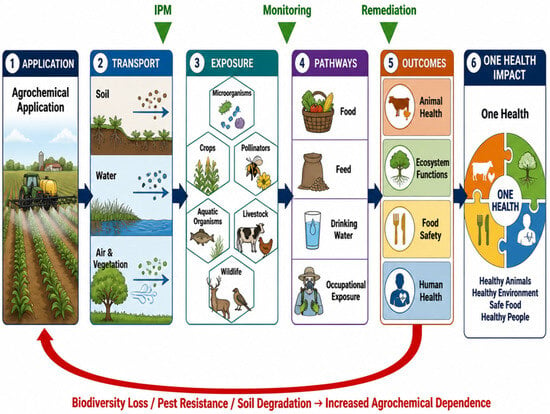
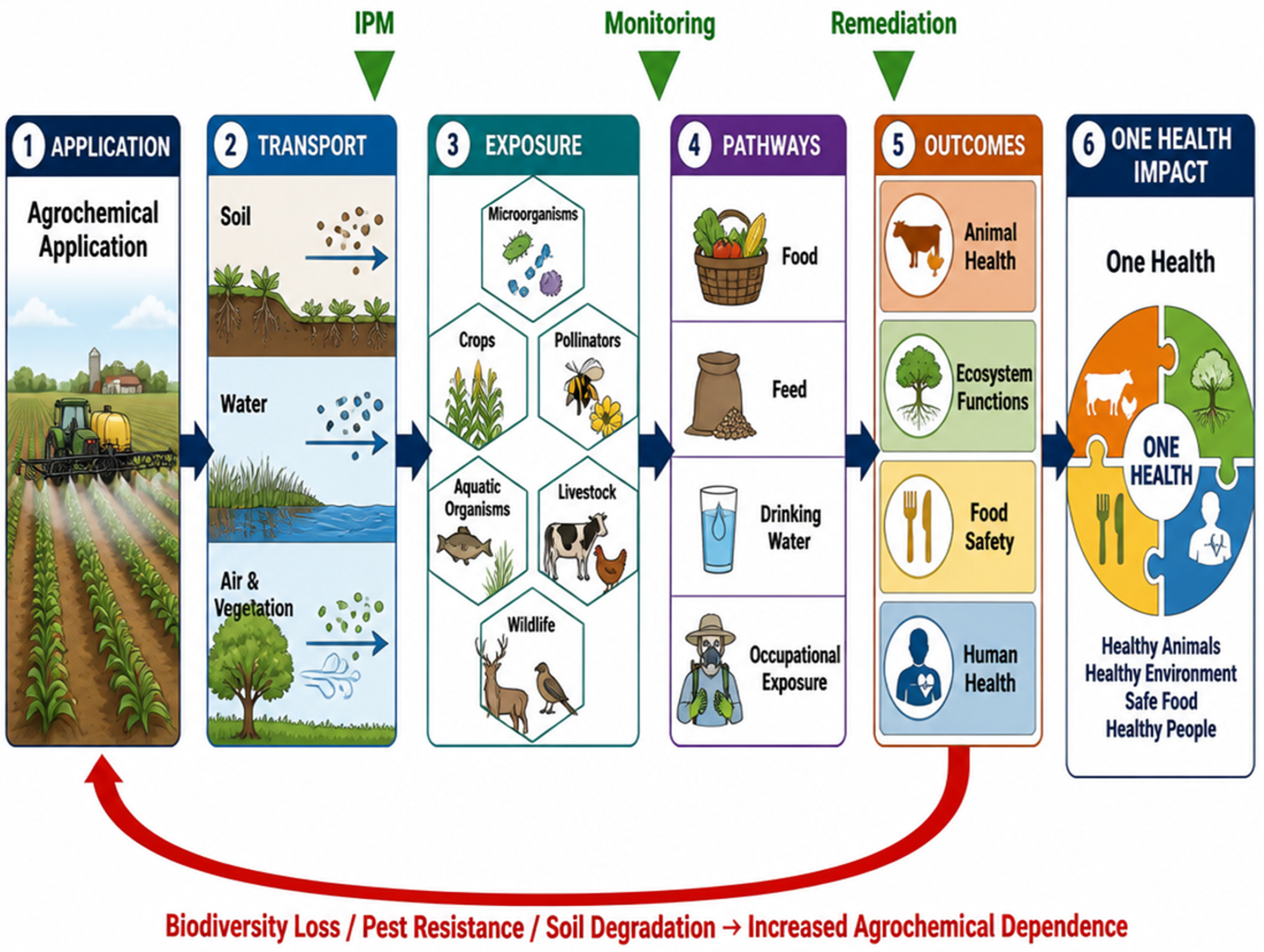
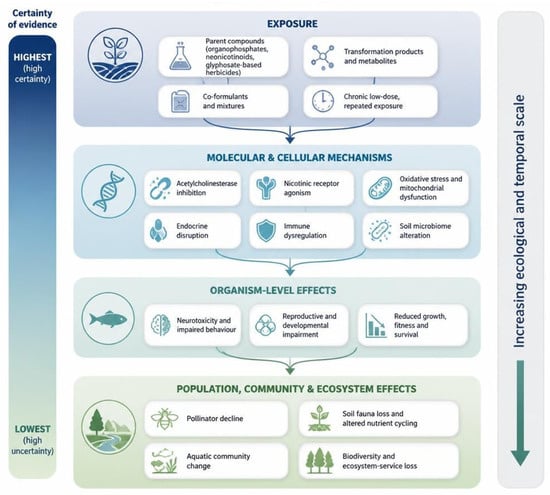
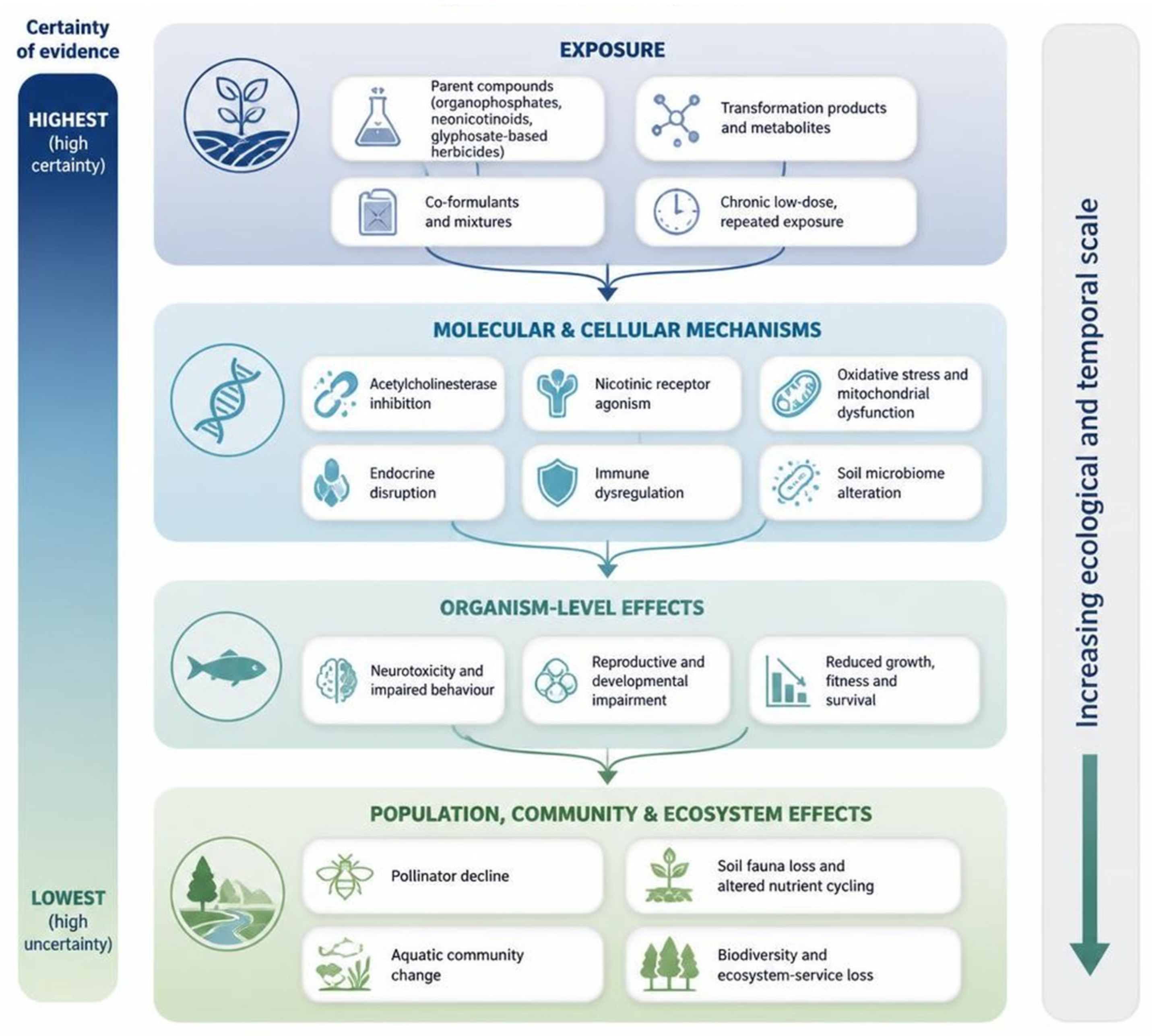
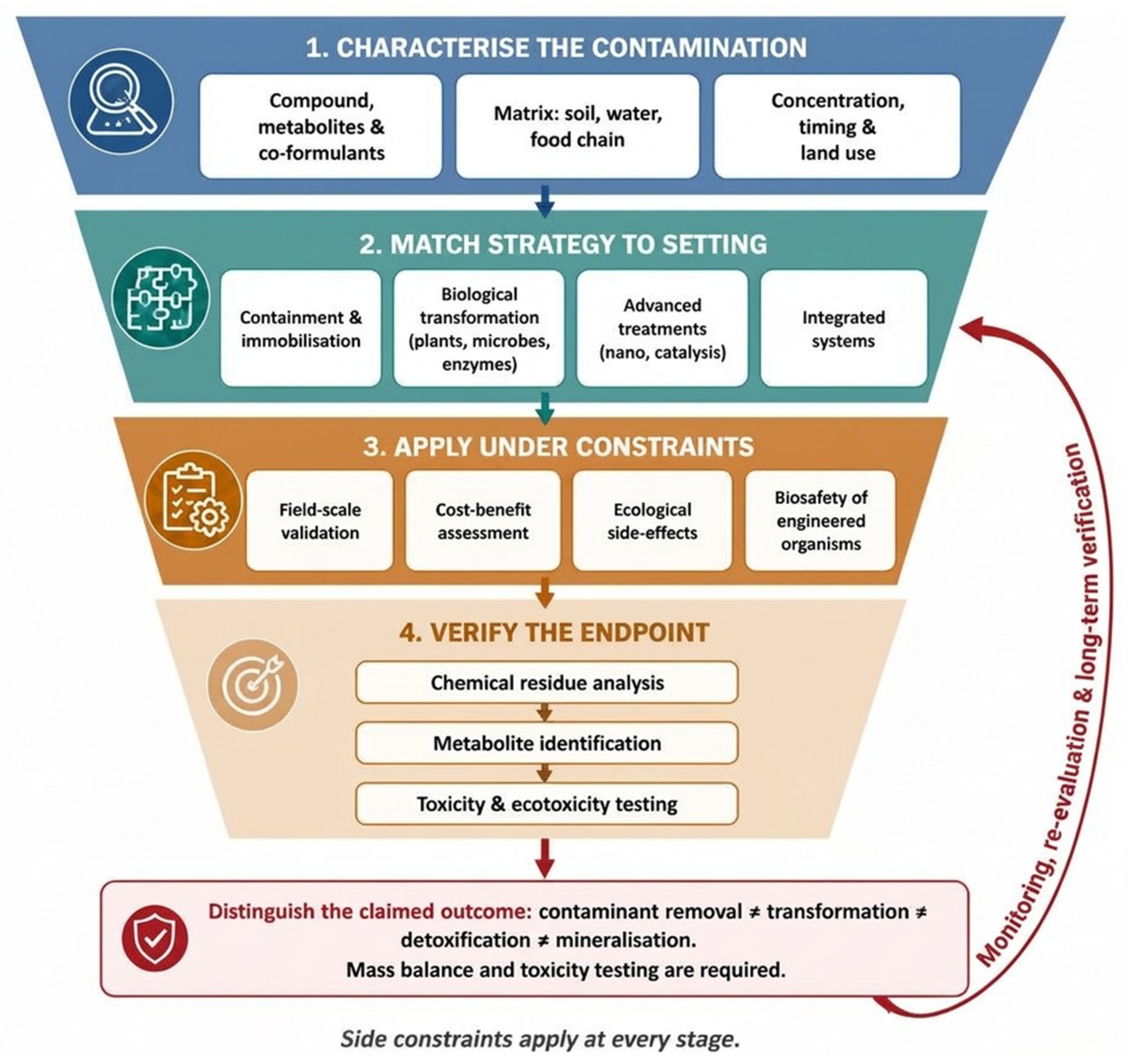

Disclaimer/Publisher’s Note: The statements, opinions and data contained in all publications are solely those of the individual author(s) and contributor(s) and not of MDPI and/or the editor(s). MDPI and/or the editor(s) disclaim responsibility for any injury to people or property resulting from any ideas, methods, instructions or products referred to in the content. |
© 2026 by the author. Licensee MDPI, Basel, Switzerland. This article is an open access article distributed under the terms and conditions of the Creative Commons Attribution (CC BY) license.