


Abstract
Families with low income are faced with various intertwined public health issues, including low literacy levels and nutrition insecurity. Although numerous studies have detailed effective methodologies for delivering literacy or nutrition education in silos, there is no protocol for developing, implementing, and evaluating a brief, interdisciplinary literacy and nutrition education program for parent–child dyads. Books & Cooks, a seven-week literacy and nutrition education program aimed at improving families’ literacy and nutrition capacities by providing parents with strategies to assist their child, facilitating interactive education lessons, and providing take-home reflection activities, was piloted during the 2023–2024 school year. Results informed the protocol for current and future cohorts in efforts to further enhance outcomes. Family literacy capacity is addressed using evidence-based, grade-appropriate literacy techniques and evaluated using validated and internally developed instruments. Family nutrition capacity is addressed through education and cooking lessons based on the 2020–2025 Dietary Guidelines and MyPlate and evaluated using validated instruments. Results will be analyzed by assessing change from baseline to post-program completion, addressing potential confounding factors, and utilizing randomization. By detailing the development, implementation, and evaluation of this study, we anticipate that this protocol will provide guidance for cross-functional collaborators who seek to address various public health concerns in at-risk populations.
Keywords:
literacy; nutrition; parenting; family; child; public health; interdisciplinary; cross-functional; education; protocol; intervention 1. Introduction
The intersection of literacy, nutrition, and food security for families with low income presents a promising opportunity for interdisciplinary interventions to improve families’ health and well-being. Maslow’s Hierarchy of Needs proposes that basic requirements for human survival, such as access to food, must be met prior to satisfying higher needs, such as academic achievement [1]. In 2023, 13.5% of all households in the United States (US) experienced food insecurity, indicating that they did not have consistent access to enough food to live a healthy life. In comparison, 17.9% of households with children and approximately 19.2% of children experienced food insecurity [2]. For households with children living under 185% of the poverty line, food insecurity rates were significantly worse, affecting 38.4% of households.
Among school-aged children, food insecurity is associated with worse mental health, more behavioral problems, and poorer academic outcomes [3,4]. School-based initiatives that address childhood food insecurity through free meals have resulted in improved academic performance [5]. At the household level, food insecurity has been linked to poorer diet quality [6,7] and significantly worse health outcomes that follow children into adulthood [8]. Limited research has investigated the association between healthful dietary patterns and academic reading outcomes in elementary-aged children from families with low income, particularly in the US; moreover, evidence to suggest that healthful dietary patterns can positively impact academic achievement is weak [9]. However, emerging associations have been identified between greater consumption of sugar-sweetened beverages and salty or sweet snacks and significantly lower test scores in math and English language arts [10]. Collectively, these results demonstrate that further research is warranted to establish a connection between access to food, dietary quality, and literacy as a component of academic success.
In addition to struggling with access to healthful foods, reports from the National Assessment of Educational Progress (NAEP) have consistently found that elementary-aged children who attend economically disadvantaged schools score significantly lower on reading than their counterparts [11]. Longitudinal assessments of student trajectories have found that when third-grade students read below grade level, they are less likely to graduate high school and are less likely to participate in college preparatory activities than students who meet or exceed reading expectations [12]. Studies have shown that the effects of poor academic achievement and high school dropout rates can follow individuals across their lives [13]. Students who drop out of high school are more likely to struggle with employment, receive government assistance, and are more likely to report poor health, the effects of which are worse for individuals who grew up in families with low income [13]. These statistics suggest that children from families with low income are less likely to meet both the basic and higher needs required to establish lifelong health and well-being.
These trends are evident among Florida families, where 45% of third-to-fifth graders are not reading at grade level [14], and 19.1% of children experience food insecurity [15]. Florida is the most populous state in the southeast and the third-fastest growing state in the nation, with a population of over 22 million people [16]. Given the implications of poor literacy and food insecurity for children, researching effective approaches to address these intertwined public health issues is especially pressing.
1.1. Program Context
New Worlds Reading is a free at-home literacy program, operating under the University of Florida’s Lastinger Center for Learning, designed to provide literacy resources for eligible pre-kindergarten through fifth-grade students attending public or charter schools and reading below grade level [17]. The initiative was signed into law in June 2021 as a program to help Florida’s striving readers strengthen their literacy skills, build reading confidence, and foster a lifelong love of reading. Each month during the school year, eligible children receive a free book tailored to their interests with resources and activities for caregivers and children to use together. Books and materials are available in English, Spanish, Haitian Creole, and braille. Through collaborative partnerships, New Worlds Reading has enrolled over 300,000 students and delivered over ten million free books as of summer 2025. Books & Cooks is a research-based parent–child educational program, funded by the University of Florida Lastinger Center under New Worlds Reading, created to support families with low income whose children are reading below grade level. In establishing this partnership, Books & Cooks researchers recognized that parents are the critical means through which the intervention can achieve key outcomes in the intertwined areas of nutrition, food security, and literacy. By addressing these issues simultaneously, outcomes in both areas may be optimized.
Children’s first experiences with literacy and nutrition take place within the family context. Previous research has demonstrated the importance of targeting the family unit as a means to improve family literacy and nutrition outcomes [18,19]. Specifically, parents are regarded as critical models and facilitators of early literacy development and dietary behaviors. Prior research suggests that shared parent–child reading can improve literacy skills among school-aged children [20]. Similarly, parents’ own nutritional knowledge and dietary practices have been linked to their children’s dietary behaviors [21,22]. Though parents play a critical role in their children’s literacy and dietary behaviors, they may face significant resource barriers that challenge their ability to support their children’s literacy and nutrition development [23,24]. Given the limited autonomy children have in making their own literacy and dietary choices, it is important to empower parents with the knowledge, skills, and resources to navigate literacy and nutrition-related barriers so they are better equipped to cultivate improved home literacy and food environments for their families [18,25]. Previous research supports the need for parental involvement in children’s education, demonstrating that the most successful education programs for school-aged children are those that involve their parents [26]. At present, however, there is limited guidance for the best parent-involvement practices in children’s literacy and nutrition education programming in the elementary years; therefore, interventions that help bridge this research gap are warranted.
Given the additional support families with low income may need to achieve literacy goals, the Books & Cooks intervention aims to address basic (nutrition) and higher (literacy) needs through its family-centered programming. To our knowledge, there is a research gap about the potential effectiveness of interdisciplinary, family-centered programs that seek to improve family literacy and nutrition capacity simultaneously. Logistically, incorporating interdisciplinary programming may expand interest by broadening the appeal of the program to allow for multiple motivators of interest. Due to the complexity of addressing multiple public health outcomes in families with low income and children over seven weeks, and because interdisciplinary education programming for this demographic is scarce, a meticulous protocol describing the Books & Cooks program’s design and delivery is necessary. The Books & Cooks team comprises researchers and content experts who specialize in child literacy, nutrition, and parenting. Through these cross-functional collaborations, we aim to improve outcomes in each of these areas.
1.2. Objectives and Hypotheses
The objectives of the Books & Cooks program are to improve family literacy and nutrition capacity. Family literacy capacity is defined using various variables of interest, with the primary family literacy outcome being the home literacy environment and secondary outcomes including all remaining literacy outcomes such as parental reading instruction and parental teaching efficacy. We hypothesize that primary and secondary family literacy outcomes will improve as a result of this program. Family nutrition capacity is defined using various variables of interest, with the primary family nutrition outcome being household food security status, and secondary outcomes including all remaining nutrition outcomes such as household nutrition security, adult diet quality, cooking self-efficacy, and family mealtime behaviors. We hypothesize that primary and secondary family nutrition outcomes will improve as a result of this program. Providing enrolled parents with universal skills that can be applied to family literacy and food and mealtime interactions will bridge the two intertwined disciplines. In the parenting domain, we hypothesize that parental stress will decrease, and parental sense of competence will increase as a result of this program.
1.3. Justification
There is no existing protocol for a brief interdisciplinary education program addressing literacy, nutrition, and parenting issues for families; therefore, guidance is needed. Furthermore, results from the pilot study identified several opportunities for improvement related to the study protocol. These include less restrictive eligibility criteria and more emphasis on recruitment in efforts to increase the sample size, the addition of randomization to better assess the effectiveness of the program, a more targeted curriculum to enhance outcomes and provide more opportunities for skill reinforcement, and revised evaluation tools that more directly correspond with programming and are more appropriate for participants. Results from the pilot study have been analyzed and are expected to be published in 2026.
2. Materials and Methods
2.1. Setting
The Books & Cooks program was developed at the University of Florida in Gainesville, Florida. The interdisciplinary program will be delivered across five (or more) counties in Florida by a trained Educator. Educators are required to have a bachelor’s degree in an appropriate area and four years of relevant experience, or an equivalent combination of education and experience. One Educator is assigned to administer the program within each county. The Educator is responsible for finding suitable administration sites (i.e., schools, community centers, Extension offices). The Educator delivers the on-site, seven-week program three times each week—once to families with children in each of three grade bands (Kindergarten-Grade 1, Grades 2–3, and Grades 4–5). The first week of the program is an orientation to the program. The remaining six weeks include educational instruction delivered to parents (literacy and parenting) and parent–child dyads (literacy and nutrition), an interactive cooking demonstration, and a catered meal. Due to the multidimensional aspects of programming, it is imperative that Educators identify program-delivery sites that meet program needs.
Throughout the six educational weeks of programming, families are encouraged to complete intervention-related activities at home, utilizing the Family Memory Book (FMB). The FMB is a workbook with weekly literacy learning objectives termed “Literacy Focus” and activities termed “Book Challenge,” nutrition learning objectives termed “Nutrition Focus” and activities termed “Cook Challenges,” and parenting tips termed “Parenting Tip” and activities termed “Family Connection”. The FMB provides families opportunities to apply take-home class resources through completing reflection opportunities and implementing strategies from weekly lesson themes. Literacy resources provided to families include nutrition-themed, grade-appropriate books according to state grade-level literacy standards. Nutrition resources provided to families include food provisioning resources (i.e., one model being a home-delivered meal kit that contains recipe cards and ingredients for three family meals that meet nutrition standards and the specific cultural or religious needs of families, and a subsequent model being a grocery stipend that is complemented by previously tested, culturally appropriate recipe cards and grocery shopping guides for two meals) [27].
Adult participants are asked to complete baseline, post, three-month follow-up, and weekly surveys at home to allow for more programming time; however, opportunities to do so on-site are also provided. Child participants should complete baseline, post, and three-month follow-up surveys on-site, as data are collected by a trained facilitator without the participation or guidance of parents.
2.2. Eligibility
To be eligible for the Books & Cooks program, the adult participant must be at least 18 years old. Families must also reside in one of the participating Florida counties and have at least one child enrolled in kindergarten through fifth grade. Additionally, families cannot have previously participated in the program. In the pilot study, eligible participants had a total household income less than 200% the federal poverty line; however, in efforts to increase program participation, families with low income are given enrollment priority, but other families may be enrolled if space permits. Priority will also be given to families whose children are enrolled in New Worlds Reading, indicating that their child is not reading at grade level. Enrollment preference follows this sequence: 1) under 200% of the federal poverty line and enrolled in New Worlds Reading; 2) under 200% of the federal poverty line but not enrolled in New Worlds Reading; 3) over 200% federal poverty line but are enrolled in New Worlds Reading; and 4) over 200% the federal poverty line and not enrolled in New Worlds Reading. This enrollment procedure allows us to target the audience at the highest need while also allowing for full enrollment in classes.
2.3. Curriculum Development
The intervention consists of seven sessions (one orientation week and six educational weeks), which include in-class lessons and workshops (Figure 1) as well as at-home reflection and interactive activities.
Figure 1.
Flow of in-class educational programming from beginning to end of class time.
Three teams comprising experts in their specific content area (literacy, nutrition, or parenting) developed the curriculum. Dividing curriculum development was most effective due to content specificity and the delivery design. Team members included researchers, an evaluation specialist, school educators, and two registered dietitians. Teams collaboratively edited the curriculum to improve the flow of delivery and add opportunities for reflection, as previous studies have demonstrated the importance of reflection for content reinforcement and academic achievement purposes [28].
The primary theory used to develop the Books & Cooks curriculum was the Social Cognitive Theory (SCT), coined by Albert Bandura [29,30]. The SCT is one of the most widely used theories in nutrition education interventions, and SCT-based nutrition education interventions have effectively elicited behavior change in children [31,32]; however, literacy and parenting educational interventions for families with young children are scarce and generally do not use the SCT explicitly [33,34]. The theory describes human behavior as the result of three constructs: personal/cognitive factors (i.e., attitudes, knowledge, expectations, goals), behavioral factors (i.e., self-efficacy, skills, engagement in or practice with construct-related activities), and environmental factors (socioeconomic status, social support, social norms, home environment, relationships) [29,30]. Each construct is addressed in the curriculum in an effort to shift behaviors toward program objectives (Table 1, Table 2 and Table 3).
Table 1.
Literacy curriculum elements by Social Cognitive Theory (SCT) constructs.
Table 2.
Nutrition curriculum elements by Social Cognitive Theory (SCT) constructs.
Table 3.
Parenting curriculum elements by Social Cognitive Theory (SCT) constructs.
In addition to the discipline-specific SCT-related curriculum components, we also included environmental components that applied to all disciplines. These included guided notes via the FMB, which help to facilitate parent learning and support families with low literacy levels, as well as Spanish-language materials to enable families whose first language is Spanish to participate.
In addition to the SCT, elements from other approaches were utilized to design the curriculum. These included backward planning, Bronfenbrenner’s concept of proximal processes, Vygotsky’s Zone of Proximal Development, and Experiential Learning Theory with deliberate practice. Backward planning is a curriculum development process that is widely used in educational settings and requires lesson planning to start with the end goal and work backwards to determine how learners reach such goals [35]. In this context, the primary outcomes were improved family literacy and nutrition capacity, which are thought to be impacted through interactions between parents and children. Bronfenbrenner and Morris (1998) proposed that proximal processes, which are “enduring forms of interaction in the immediate environment”, are the primary means by which development proceeds [36]. A core proposition of the Books & Cooks model was that parents are the critical conduits for proximal processes in both the literacy and nutrition domains. We propose that parents shape their child’s literacy development through high-quality interactions in guided reading activities and shape nutrition and healthy eating behaviors through conversations and interactions surrounding food preparation and family meals. We also designed program activities based on Vygotsky’s Zone of Proximal Development, which is defined as the “distance between the actual developmental level (of the learner) as determined by independent problem solving and the level of potential development as determined through problem solving under adult guidance, or in collaboration with more capable peers” [37]. Recent interpretations of Vygotsky have focused on scaffolding, in which the adult provides guidance and support in response to the skills and needs being expressed by the child [38,39,40,41,42]. Both the adult and the child actively shape the nature of the interaction, with adults allowing children to increase their independent functioning in a gradual process of assuming greater responsibility as they are able. Experiential Learning Theory, coined by John Dewey, emphasizes that students learn through meaningful experiences they actively participate in throughout their lives [43,44]. Books & Cooks provides meaningful experiences to families through participatory parent–child Cooking Demonstrations, Reading Activities, home-based meal preparation, and take-home FMB challenges.
The Literacy Lesson was designed to teach adult participants how to help their child meet grade-appropriate literacy standards. When selecting the content to include in the curriculum, literacy experts created the curriculum framework based on the U.S. Department of Education’s Institute of Education Sciences’ kindergarten through third grade educator practice guide and the fourth through ninth grade educator practice guide [45,46]. Since Books & Cooks is delivered to families with children in kindergarten through fifth grade, the four practice recommendations within the educator practice guide for kindergarten through third grade were referenced heavily. These four practice recommendations include: teaching academic language skills and vocabulary knowledge; developing awareness of segments of sounds in speech and linking them to letters; decoding words, analyzing word parts, and writing and recognizing words; and connecting text to everyday life to enhance reading accuracy, fluency, and comprehension [45]. Literacy experts also reviewed the existing literature on family-based literacy interventions for school-aged children to identify strategies that have been found to be effective in other settings.
After reviewing foundational literacy skills across these resources, literacy experts reviewed the English Language Arts (ELA) B.E.S.T Standards and selected six universal skills (one for each week of programming) that could be applied to all grade-level bands (Table A1) [47]. The final selection of skills to incorporate in the curriculum included phonics and word analysis, fluency, academic vocabulary and morphology, context and connotation, retell and summarize, and text structure and features. Within each Literacy Lesson, the Gradual Release of Responsibility (GRR) Model is utilized to help parents implement strategies with their children independently, as it has been established as an effective strategy for delivering literacy education [48]. The “I do, We do, You do” aspect of the GRR Model enables Educators to teach parents how they can help their children improve literacy skills at home [49,50].
Due to the uniqueness of the Books & Cooks program, nutrition experts determined that developing a new curriculum as opposed to using an existing one was most appropriate. Unlike the Literacy and Parenting Lessons, the Nutrition Lesson was the same across all grade-level bands. The nutrition team reviewed existing, successful nutrition education programs developed for children and families, including the Supplemental Nutrition Assistance Program (SNAP) Education curriculum, with a focus on programs delivered to those with low income [51,52]. The 2020–2025 USDA Dietary Guidelines served as the framework for the Nutrition Lessons, with consistent usage of MyPlate, the USDA government food guide designed to help people meet the dietary recommendations outlined within the Dietary Guidelines for Americans [53]. Previous programs rooted in MyPlate, including the Discover MyPlate nutrition education program, comprising five 30 min lessons that provided kindergarten students with foundational nutrition knowledge, have been beneficial for children [54,55,56]. Moreover, rooting the curriculum in MyPlate created alignment with potential school-based nutrition education, which references national guidelines throughout instruction. In efforts to reach the program objectives of improving diet quality and nutrition security, six topics (one for each week of programming) were selected for the Nutrition Lessons: food and kitchen safety; an overview of MyPlate; fruits and vegetables; protein and dairy; whole grains and fiber; and healthy hydration. Across each of these food groups, recommendations for eating within MyPlate guidelines while also meeting personal, cultural, and/or religious needs were included (e.g., using preferred spices to enhance flavors). Additionally, Nutrition Lessons were reviewed by literacy experts to confirm that messaging and communication efforts were appropriate for all grade levels.
Once literacy and nutrition learning objectives were outlined, the parenting team constructed a series of parenting strategies. Strategies were designed with parents and less traditional caregivers in mind. The selected strategies were chosen because they could be applied to the literacy and nutrition domains and were culturally responsive to contemporary parenting challenges. Using their expertise in family development, subject matter specialists identified scaffolding, motivation, screentime management, resiliency, family bonding and routines, and constructive feedback as essential parenting strategies that met these needs. Scaffolding was the first-taught parenting strategy so that parents could help their children independently address literacy and nutrition challenges throughout the remainder of the program [39,57]. Motivation, a predictor of behavior according to various behavioral theories, including SCT, was included because previous research has demonstrated that a supportive home environment and an increased level of interest from parents are associated with their children’s motivation to engage in a certain behavior [58,59]. Screentime management, an emerging parenting issue, was included since sedentary behaviors such as non-school-related screen time are associated with poorer academic success and health [60,61]. Resiliency was selected as a parenting strategy because previous research has demonstrated that resiliency is a result of strong parental involvement and paramount to the academic and non-academic success of children [62]. Family bonding and routines were included since previous research has revealed that parental warmth, family routines, and the emotional and physical structure of the environment are important factors in creating positive learning environments for children [63,64,65,66]. Family cooking activities that emphasize positive guidance and a supportive, friendly atmosphere have also been associated with positive outcomes in the areas of parent–child bonding and parent–child interactions [67]. The final parenting strategy, giving feedback, was included since positive, explicit feedback from parents creates learning opportunities for children [68]. Together, these six strategies provide a cohesive framework designed to help parents navigate literacy and nutrition-related challenges their children may need assistance in overcoming.
2.4. Curriculum Description and Content
Learning objectives for each lesson across the three content areas were created in collaboration with education experts prior to building out the curriculum (Table 4).
Table 4.
Weekly literacy, nutrition, and parenting lesson themes and objectives.
The literacy lessons are delivered to adult participants only. During the administration of the literacy lessons, child participants are cared for by childcare professionals. Although literacy concepts are the same each week across all grade-level bands, lessons are adjusted for grade-level appropriateness (2–3 grade-band example in Table 5). Each Literacy Lesson is designed to support parents to help their child meet weekly theme standards. The in-class lesson teaches parents through a learning activity how they can help their child meet the theme standard, the in-class Reading Activity provides parents with the opportunity to practice helping their child reach the theme standard with live guidance from the Educator, and the at-home Reading Challenge in the FMB facilitates opportunities to practice these skills independently while reading about nutrition topics in their respective grade-appropriate book.
Table 5.
Literacy curriculum for grade-band 2–3.
The Nutrition Lessons are delivered to adult and child participants simultaneously, and the content does not differ across grade-level bands, since recommendations for children remain the same, and because previous studies have highlighted that many are still unaware of or do not use MyPlate as a nutritional guide [69]. Each in-class Nutrition Lesson includes a learning activity and a taste-test activity with a food preparation component (termed “Cooking Demonstration”). Outside of each in-class lesson, families participate in cooking meals together, as research has demonstrated that nutrition education complemented by cooking activities may improve diet quality [70,71,72]. Two food provisioning methods will be tested: 1) providing families with three meals weekly via a meal kit delivery service (valued at $85/week) that includes recipe cards and necessary ingredients, and 2) providing families with a grocery stipend of $50 to offset grocery costs for two meals that are complemented with recipe cards and supplemental grocery shopping resources. Both meal kits [73,74] and grocery stipends [75] have been demonstrated to be effective methods for addressing food insecurity; however, research has yet to explicitly compare methods and identify the most optimal strategy. Families will complete a corresponding “Cook Challenge” in their FMB, designed to help them engage with the respective food provisioning model (Table 6, meal kit provisioning version).
Table 6.
Weekly nutrition lesson themes, in-class activities, and at-home activities.
The Parenting Lessons are also delivered to adult participants only. Each in-class parenting lesson teaches parents a new parenting strategy and provides examples for applying each strategy to literacy- and nutrition-related challenges they may encounter with their children during that week. For example, for the Week 6 parenting strategy, ‘Giving Feedback,’ Educators teach parents how to give positive, constructive feedback to their child as they help their child use text features (the Week 6 literacy theme) and hydrate healthfully (the Week 6 nutrition theme). Parenting strategies can be practiced at home via the Family Connection activities in the FMB. For example, the Week 6 Family Connection activity asks parents to provide immediate, positive, specific feedback to their child as they attempt to reach a literacy or nutrition goal and to reflect on this experience.
3. Study Protocol
3.1. Research Design
The pilot 2023–2024 Books & Cooks cohort underwent an intervention pre-/post-study, which included two waves, one in the fall of 2023 and another in the spring of 2024. The study design from the pilot study did not change for future iterations of the program, apart from adding the randomization component.
The study timeline reflects the US public school calendar with one wave of participants in the fall semester and a second wave in the spring, since students should be in the same grade throughout the entire cohort. Pilot recruitment began in early October due to the need to secure IRB approval; however, future cohorts will begin recruitment in the summer, prior to the fall intervention, by connecting with community members in efforts to expand program reach and prevent programming from interfering with fall and winter holidays. Most participant enrollment is expected to occur immediately before and during the first week of school when families are establishing their schedules for the fall semester. If participants are deemed eligible, they will be enrolled as study participants and randomized to the waitlist control or intervention groups. Participants randomized to the control group will complete baseline and post measures in the fall but will not be exposed to the intervention until the spring. The study design for the fall and spring waves will be identical. Comparisons between the intervention and control groups are the primary interest of this study.
Participants will be asked to complete primary data collection assessments three times: within two weeks prior to orientation (baseline data collection); within two weeks of intervention completion (post data collection); and three months after the intervention end date. In total, the Books & Cooks program collects outcome data at three time points (baseline, post, and three-month follow-up) and intervention data during each of the six weeks of education (Figure 2).
Figure 2.
Books & Cooks recruitment, randomization, data collection, and delivery timeline from beginning to end.
3.2. Recruitment of Participants and Controls, Power, and Randomization
Recruitment will occur across five or more Florida counties with a higher prevalence of both food insecurity and children reading below grade level compared to neighboring counties. Recruitment will occur through two primary mechanisms: families enrolled in New Worlds Reading will be targeted through text and email messages, and families with children attending elementary schools in delivery neighborhoods will be recruited by Educators at the local level. This personalized recruitment will require Educators to foster relationships with school professionals, attend local events, and disperse the recruitment flyer. The aim of recruitment is to inform potential participants about the Books & Cooks program and to collect screener responses. Screener responses will enable researchers to enroll participants in the study by determining their eligibility and obtaining consent.
Recruitment will occur in the summer, recruiting families for both the fall and spring cohorts. During recruitment, the aim is to enroll families following the prioritization sequence described within Section 2.2 above. A power analysis was conducted using the pilot primary family literacy outcome, the Home Literacy Environment variable, because it is the primary outcome under the family literacy domain, as it has been shown to influence children’s reading development and may be associated with children’s reading comprehension [76]. The power analysis determined that 160 participants (80 in the intervention group and 80 in the control group) were needed to achieve an effect size of 0.23, where power equals 0.80. Our aim is to recruit at least 300 families across five counties to be randomized into the intervention or the waitlist control groups, each with 150 families. These conditions account for power analysis requirements, manageable class sizes as reported by Educators, and participant attrition. Recruiting 300 families will enable power analysis requirements to be met if up to 40% of participants are lost to attrition, estimates which exceed most attrition rates based on reports from a systematic review investigating attrition in nutrition education programs with intervention and control groups [77].
To achieve recruitment requirements, each Educator will aim to enroll 60 families in their county: 20 in the kindergarten and first grade level band; 20 in the second and third grade level band; and 20 in the fourth and fifth grade level band. The 20 families within each grade level band will be randomized into two groups, an intervention group (n = 10) that will participate in the fall cohort and a control group (n = 10) that will be put on a waitlist and participate in the spring cohort. Although each group is designed to include 10 families, Educators will cap enrollment at the 12–14 range in anticipation of dropout and for classroom management concerns. Randomization will be completed using an Excel generator. Families will be informed about their eligibility and assigned group two weeks prior to the baseline data collection session.
3.3. Delivery of Intervention
The intervention was collaboratively developed by researchers, education experts, and an evaluation specialist. The program will be delivered by the Educator in each county. Each Educator will hire two childcare professionals to care for all children who attend the educational sessions. An education specialist will visit each delivery site to observe Educators’ delivery style and engagement with their class in efforts to improve program delivery quality. Additionally, Educators will participate in trainings and meet weekly to discuss curriculum delivery to optimize treatment fidelity across sites.
3.4. Evaluation Instruments
All adult evaluation instruments are self-administered and completed via Qualtrics. The screener delivered to potential participants will collect basic demographic information. Additionally, the 16-item Inventory of Family Protective Factors Brief Assessment [78] will be delivered to adults to help describe their family’s experiences at home.
Process evaluation instruments include a weekly survey via Qualtrics. In the pilot, the weekly survey included five items that assessed the acceptability of the meal kits and two items that assessed their reading behaviors at home. In future iterations, the weekly survey will include four items that assess families’ acceptability and interaction with the food provisioning model and two items per discipline that assess their engagement with and the usefulness of activities within the FMB.
Outcome evaluation instruments that will be delivered to adult participants at baseline, post, and three-month follow-up time points were selected to assess the efficacy of the three curriculum areas: literacy (Table 7), nutrition (Table 8), and parenting (Table 9). Participants are compensated $20 for completing the baseline assessment, $30 for completing the post assessment, and $40 for completing the three-month follow-up assessment. Several evaluation instruments administered in the pilot study have been updated or removed.
Table 7.
Literacy measures.
Table 8.
Nutrition measures.
Table 9.
Parenting measures.
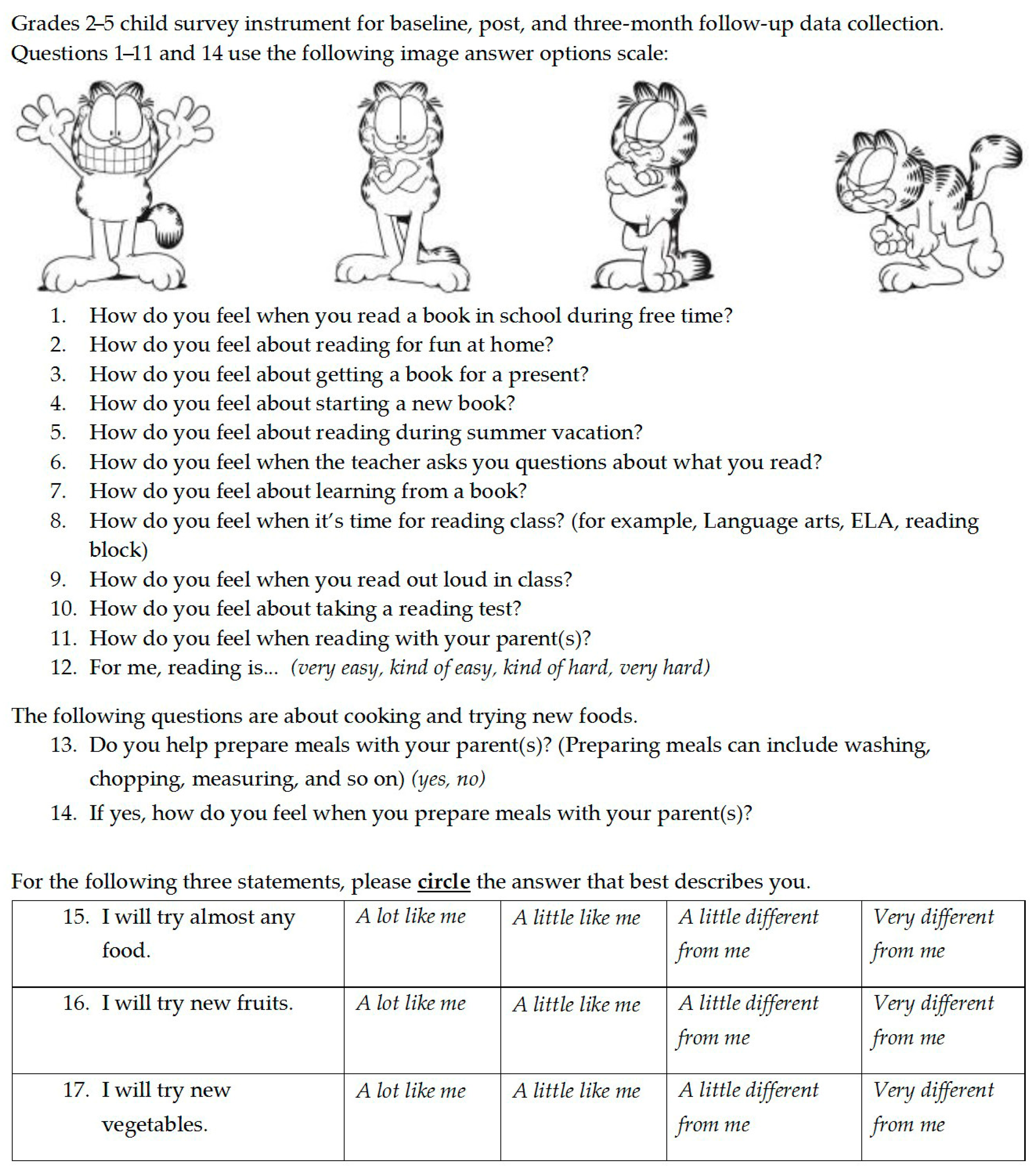
Baseline, post, and three-month follow-up data collection timepoints will also include survey administration to children enrolled in the study. All children will complete their assessments in paper format, and a trained researcher will enter their responses into an identical survey via Qualtrics. Children should complete assessments themselves, but may require the support and guidance of a trained researcher. In the pilot study, child surveys were specific to each grade-level band and inquired about children’s reading behaviors and enjoyment. Due to issues with survey administration, the complexity of the survey questions, and the content of the surveys themselves, future iterations of the study will administer a 10-item adapted version of the Elementary Reading Attitudes Scale [90] along with internally developed items to assess children’s reading difficulty and their feelings toward reading with their parents. In addition, we added five internally developed items related to cooking and food: frequency of child participation in meal preparation, child enjoyment of food preparation, and three items related to willingness to try foods (fruits, vegetables, and any food). Although all child surveys contain the same items, answer options differ across grade-level bands for grade-level appropriateness (Figure A1).
In addition to outcomes, outputs such as program applications, enrollment, and attendance will be evaluated. Program applications will be evaluated using eligibility screener completion rates, program enrollment will be evaluated by comparing class sizes at baseline to program interest rates, and program attendance will be monitored by each delivery site’s program facilitator.
3.5. Statistical Analysis Plan
The individual (parent or caregiver) who completed the screener, baseline, and post assessments is the primary unit of analysis in this study. Descriptive statistics, including frequencies, will be used to describe participant characteristics at baseline using data collected from the screener survey. These data will be used to identify demographic differences between control and intervention groups and account for these differences in the interpretation of results.
All grade-level bands and all counties will be combined within their respective control and intervention groups for primary data analysis. Differences in baseline values of primary and secondary outcomes between control and intervention groups, termed group-by-time interactions, will be tested using independent samples t-tests or non-parametric equivalents as appropriate. Missing primary outcome data due to dropout (monotone) will be evaluated by a statistician, and differences in dropout rates across both groups and/or participant characteristics (i.e., demographics) will be accounted for in efforts to improve data quality and reporting. Statistical differences, as determined by an alpha of 5%, at the post timepoint will determine the effectiveness of the intervention in improving primary and secondary outcomes between the control and intervention groups. Testing for statistical differences will be conducted by analyzing change from baseline-to-post using paired samples t-tests and linear mixed models, adjusting for baseline values. Additional models will include analyses accounting for confounding variables. All models will be appropriate for unbalanced experimental designs, and variance and normality will be calculated.
Primary analyses will investigate the intervention’s ability to improve primary outcomes (the home literacy environment and household food security status). Secondary analyses will investigate differences between all secondary outcomes. Tertiary analyses will explore subgroup differences by clustering based on various groups (i.e., food provisioning models; household income; parent education; grade level or county of enrollment; and household structure) and thus may require additional power analyses to meet statistical needs. Other analyses will explore the sustainability of program outcomes at the three-month follow-up timepoint. Additionally, comparisons across cohorts will allow us to compare food provisioning models. Analyses will be performed in SPSS v.31 (IBM, New York, NY, USA), SAS 9.4M9 (SAS Institute, Cary, NC, USA), and JMP 18 (SAS Institute, Cary, NC, USA) software. Effect sizes will be reported and labeled as small (above 0.20), medium (above 0.50), or large (above 0.80).
3.6. Logic Model
A logic model detailing the target population, required resources (inputs), intervention activities and participants (outputs), anticipated improvements in short-term variables and long-term constructs (outcomes-impact), and underlying speculations (assumptions) has been developed (Figure 3).
Figure 3.
Books & Cooks logic model.
4. Results
The project was funded in 2023, the pilot study occurred during the 2023–2024 school year, and the revised study following this detailed protocol is currently being conducted. Data collection started for this project in the fall of 2024. Results from the fall 2024 to spring 2025 cohort that includes the meal kit provisioning model are expected to be submitted for publication in 2026. Results from the fall 2025 to spring 2026 cohort that includes the grocery stipend food provisioning model are expected to be submitted for publication in 2027. We do not intend to compare the two models (grocery stipends or meal kits) to one another, as we anticipate the grocery stipend group requiring more support and, therefore, more intensive interactions in order to achieve similar outcomes. Additionally, outcome and programmatic results will be reported to active program funders twice annually, potential funders as necessary, and internal team members regularly via developed reports and oral presentations.
5. Discussion
Outlining the complex protocol required to successfully deliver the Books & Cooks intervention is necessary since there is limited guidance on how to design, develop, and implement an interdisciplinary education intervention for families of school-aged children. Although education interventions have addressed literacy, nutrition, and parenting concepts in silos, we were unable to identify previous research that addressed all three of these disciplines simultaneously. Since the essentialness of parental involvement in shifting children’s behaviors has been well established [91], the Books & Cooks intervention framed parenting as the primary mechanism by which household literacy and nutrition outcomes may change. To our knowledge, Books & Cooks is the first family-based program that uses parenting as a mechanism for improving household literacy and nutrition capacities. We propose that by recognizing parents and caregivers as their child’s first teacher and the primary influence on their family’s literacy and nutrition capacity, Books & Cooks will have a sustainable impact on these public health issues. By building parents’ skills that directly impact their children’s development, we anticipate that parents will exit Books & Cooks with the capacity to continue implementing strategies that improve their household literacy and nutrition.
5.1. Strengths and Limitations of Programming
Given the resources needed to create and deliver an education intervention to hundreds of families, the effort and time families commit to participating, and the need for multiple predictors of health to be addressed in families with low income, implementing a multi-dimensional program that may improve intertwined issues in these families’ lives is warranted. We acknowledge the potential limitations that may arise given the breadth of this programming, as it is challenging to create materials that intensively engage families with enough depth to create lasting change.
The most successful education programs delivered to children are at least five months in length and have three or fewer learning objectives [92], compared to the Books & Cooks program, which includes six consecutive weeks of instruction across three content areas, each with its own set of six learning objectives. To address content overload and brevity concerns, each content team streamlined the curriculum: the literacy team used scaffolding techniques to build lessons on top of each other; the nutrition team grounded their messaging in MyPlate and built weekly lessons around this singular tool; and the parenting team served as a bridge between literacy and nutrition by teaching parenting skills that could be applied to both disciplines. Previous childhood literacy interventions have demonstrated effectiveness in as little as one month or 6 weeks [93,94], and previous childhood nutrition interventions have seen positive effects in interventions that lasted one month or five weeks [26]; therefore, although the length of the Books & Cooks program may be a limitation, results from previous studies demonstrate that short interventions do have the potential for positive impact.
Moreover, the Books & Cooks curriculum design was rooted in the SCT, which has been demonstrated to be a key element in successful education interventions [32,33]. By utilizing all three constructs of the SCT, Books & Cooks maximized its messaging in class through interactive instruction and at-home reflection activities [28,44]. Additionally, by implementing techniques from previous effective interventions, such as taste testing or reading in class, our multi-faceted program design may counteract some potential limitation concerns related to brevity or content overload [26,92].
5.2. Literacy
Most existing research on the role of families in cultivating reading skills has been conducted in preschool populations, with less research addressing these issues in school-aged populations [18]. Despite this imbalance, multiple meta-analyses have analyzed the research that has been published on family-based interventions for children in elementary school [18,20,91,95,96]. Previous research has demonstrated that children’s reading acquisition, vocabulary, phonological awareness, and spelling may improve when their parents provide literacy instruction [18,97]. Petersen-Brown and colleagues (2024) concluded that caregivers can effectively build children’s capacities, but suggested that the best results are achieved when parents are adequately trained for specific skills [96]. In their meta-analysis, Senechal and Young (2006) found that interventions focused on building parent skills had larger effect sizes than those that only focused on parents reading to children [97]. In sum, these meta-analyses suggest that parents can play a critical role in the acquisition of reading skills during the elementary-school years, but that additional research using more rigorous designs is needed.
In addition to checking the relevant research literature, we developed the Books & Cooks literacy curriculum by leveraging the expertise of elementary school educators and literacy researchers, and by utilizing existing resources, including education guides from the US Department of Education, which provide specific recommendations for evidence-based, grade-appropriate strategies to help students reach academic success [45,46]. Incorporating Florida state standards was imperative since children’s literacy skills are determined in school via state exams [98].
Since Books & Cooks is not a school-based program, we leveraged parental involvement by providing parents with direct instruction on how to implement literacy techniques with their children. By providing parents with the skillset to improve their children’s literacy, similar to what successful interventions have done and continue to encourage, we anticipate that parents’ teaching capabilities will improve. Thus, we propose that their children’s literacy, as measured by statewide literacy assessments, will also improve. A limitation of this study is that we are unable to assess children’s baseline or change in literacy achievement, as this data is collected through state assessments and thus is not easily accessible; therefore, we rely fully on parental reports of their reading practices and home literacy environment to track their progress. Future studies should prioritize collecting children’s performance data to gain a better understanding of programmatic impacts on children’s literacy.
5.3. Nutrition
Previous research has identified numerous factors that contribute to the nutritional capacity of families, as well as elements of nutrition education interventions that contribute to their success. A scoping review investigating the diet quality and food security status of families with school-age children and low income identified five influential household factors: parental behaviors (i.e., parental self-efficacy and modeling), child behaviors (i.e., picky eating behaviors and involvement in food preparation), food procurement behaviors (i.e., consideration for food preparation time and price), food preparation behaviors (i.e., cooking skills and having cooking supplies), and the household environment (i.e., family dinner frequency and family chaos) [19]. These insights enabled us to address factors that have previously been demonstrated to contribute to families’ nutrition in the Books & Cooks intervention.
It has been demonstrated that nutrition education interventions have the potential to improve various nutrition outcomes, including food security status [99,100]. Successful nutrition education interventions are multi-dimensional and include components that the Books & Cooks program also incorporates, such as a theory-driven design, complementary healthy food, taste-testing and food preparation activities, age-appropriate learning activities that complement lesson lectures, face-to-face parental involvement, and instruction delivered by a trained professional [26,92,101]. The most successful nutrition education programs are centered around fewer topics to avoid confusing or overwhelming participants, as this may inhibit behavior change [92]; therefore, the Books & Cooks program based its nutrition education on MyPlate with an emphasis on working together as a family to prepare balanced meals. Nutrition education interventions centered around MyPlate have improved teachers’ ability to deliver nutrition education to kindergarten students [54], and various studies have elicited positive outcomes, including increased nutrition knowledge in fifth graders [56] and improved diet quality, including higher consumption of whole grains, fruits, and vegetables in young adults [92,93,102]. However, several studies have revealed that many individuals are unaware of or do not use MyPlate as a resource, including families with young children [69]. Since the Nutrition Lessons were delivered to all family members, it was important to ground the content in MyPlate, which is appropriate for all ages and has been demonstrated to be effective.
In the pilot study, families received meal kits to provide families with opportunities to prepare and eat balanced meals with various MyPlate food groups, and to encourage participation among all family members in food preparation. Previous nutrition education interventions that incorporated a cooking component have elicited diet quality and cooking self-efficacy improvements [70,72]. Furthermore, a multitude of studies have demonstrated that cooking and eating meals together at home is associated with improved nutrition and health outcomes [103]. One study sought to improve the household nutrition environment by implementing a nutrition and cooking education program to underserved elementary and middle school students and their parents, and successfully improved participants’ nutrition knowledge, cooking self-efficacy, vegetable consumption, and communication about healthy eating [72]. By conducting cooking demonstrations in class and facilitating cooking involvement and mealtime togetherness at home, the Books & Cooks program anticipates improving similar outcomes.
An additional benefit of meal kits is their ability to address food insecurity in families with low income [73]; however, the expense of meal kits is challenging from the perspective of program financial sustainability, and the sustainability of the program’s impact once food provisioning ceases remains unclear [27]. The inclusion of three-month follow-up data will help to determine long-term programmatic impact, as food provisioning will cease upon program completion. Due to these limitations, the effectiveness of grocery stipends will also be tested across various Books & Cooks cohorts. Grocery stipends are a more sustainable, feasible support mechanism compared to the food provisioning model and have been demonstrated to elicit similar outcomes [75]. Additionally, they help support life skills such as navigating the grocery store and shopping on a budget that families may benefit from. By testing these two models, we will add clarity to the small body of research that compares these two food provisioning models. Furthermore, we anticipate that facilitating opportunities for family-centered food preparation will provide parents and children with the cooking skills and efficacy required to continue preparing meals together after the completion of the program.
5.4. Parenting
Parenting is the primary mechanism by which literacy and nutrition outcomes are proposed to be achieved in the Books & Cooks curriculum. The intention for the parenting content was to provide families with the holistic support required to achieve literacy and nutrition aims. The family unit is a key contributing factor in public health, with research demonstrating that family-centered interventions are opportunities for improving health and preventing disease [104]. However, programs that target parents with elementary-school-aged children are scarce in both the literacy and nutrition domains, with various descriptions of what constitutes parental involvement [18,105]. Further, although numerous education interventions have highlighted the importance of parental involvement in children’s learning, integrating parental education with parent–child reading and nutrition activities is a relatively novel approach. However, food and nutrition security interventions that involve the whole family tend to have sustained positive outcomes across food security and dietary measures [52,106].
The parenting curriculum was guided by parenting experts who used theory and existing research to identify parenting strategies that could be applied to both nutrition and literacy content. Barnes et al. [104] proposed six perspectives for utilizing the family unit to improve public health outcomes, with one perspective highlighting the importance of empowering families to solve their own problems through assessing their unique needs and capabilities, and another focusing on strengthening family capacities and modeling positive health practices. It is assumed that parents enrolled their families in the Books & Cooks program because they were aware of their child’s need to improve their literacy skills and their families’ interest in improving nutrition behaviors and access to healthy foods. Moreover, the parenting component is the proposed mechanism by which families can address healthy eating and positive literacy practices in their daily lives. Both Literacy and Nutrition Lessons provided parents with relevant knowledge and skills, whereas the Parenting Lesson empowered parents to enact these newly established skills with their children at home. At present, we do not attempt to determine which of these parenting strategies was most effective in helping parents navigate literacy and nutrition challenges with their children. Since we do not gather enough information from parents to detangle the importance of each parenting strategy, we are unable to identify specific parenting-related curriculum components that influenced literacy, nutrition, or parenting outcomes, including parental stress and self-efficacy; therefore, future research is warranted to determine which parenting strategies families with young children find helpful. We anticipate that the Books & Cooks program will provide further justification for parental involvement and that our parenting education outline may serve as a guide for future researchers aiming to bridge this research gap.
5.5. Implications for Future Implementation and Research
Analyzing results from the pilot cohort of the Books & Cooks program has revealed successes and opportunities for improvement as the program continues to expand its reach to vulnerable families across Florida. Achieving program objectives across all three disciplines would demonstrate that other studies should consider incorporating an interdisciplinary approach, especially because at-risk families may benefit from similar programmatic efforts. To provide better support to families, the Books & Cooks program is exploring partnerships with state Extension agents who would meet annual objectives by implementing our programming. We are also considering designing a condensed or online version of the Books & Cooks program that may benefit families who cannot commit to the full in-person intervention. Additionally, we are considering lengthening the program in efforts to further enhance outcomes. We are not considering moving toward a school-based intervention; however, they remain a key resource for recruiting children and families.
Some logistics that researchers should be aware of when designing, developing, and implementing an interdisciplinary program include having a trained professional who can deliver interdisciplinary education, utilizing local community partnerships to increase program engagement and support, identifying a host site that meets interdisciplinary needs, and hiring childcare professionals to manage the children in attendance so that the Educator can focus on program delivery. Other elements that researchers should consider include cross-functional partners’ priorities and perspectives, as well as funder aims. Additionally, researchers should consider adapting their intervention to address participants’ cultural, religious, or other personal needs in order to enhance outcomes.
6. Conclusions
To our knowledge, this is the first protocol outline for an interdisciplinary literacy and nutrition education intervention delivered to families with elementary school children. Additionally, this is the first study to our knowledge that uses parenting as a mechanism for jointly achieving family literacy and nutrition outcomes. Outlining education intervention protocols is imperative, as researchers continue to heavily invest in developing, designing, delivering, and evaluating education interventions that require evidence-based methodologies. Since at-risk groups, including families with elementary children, may benefit from programs that address numerous public health factors, collaborating cross-functionally to develop interdisciplinary programs may be the most efficient way to provide support. We anticipate that Books & Cooks will be a supportive resource for at-risk families; therefore, the Books & Cooks protocol and outcomes should be reviewed and adapted for other interdisciplinary education programs with goals of improving families’ health and well-being.
Author Contributions
Conceptualization, M.B. and D.D.; methodology, M.B., D.D., A.P., J.D., K.S. and A.M.; investigation, D.D.; resources, M.B., D.D., A.P., J.D., K.S. and A.M.; data curation, M.B., D.D. and A.P.; writing—original draft preparation, M.B.; writing—review and editing, D.D. and A.P.; visualization, M.B. and A.P.; supervision, D.D. and A.M.; project administration, D.D.; funding acquisition, K.S., D.D., A.M. and J.D. All authors have read and agreed to the published version of the manuscript.
Funding
This research and the APC were funded by the University of Florida Lastinger Center for Learning and New Worlds Reading, grant number AWD13188_MOD0008 NWRI.
Institutional Review Board Statement
The study was conducted in accordance with the Declaration of Helsinki and approved by the Institutional Review Board of The University of Florida on 19 September 2023 (IRB#: IRB202301058).
Informed Consent Statement
Informed consent was obtained from all subjects involved in the study.
Data Availability Statement
No data were presented in this protocol outline.
Acknowledgments
The authors acknowledge Jennifer Wise and Jessica Hart for guiding project implementation and for supporting the implementation portions of this protocol. We would also like to acknowledge the Books & Cooks Educators for bringing the program to fruition and the participating families who have devoted their time and energy to the program.
Conflicts of Interest
The authors declare no conflicts of interest. The funders had no role in the design of the study; in the collection, analyses, or interpretation of data; in the writing of the manuscript; or in the decision to publish the results.
Abbreviations
The following abbreviations are used in this manuscript:
| NAEP | National Assessment of Educational Progress |
| FMB | Family Memory Book |
| SCT | Social Cognitive Theory |
| ELA | English Language Arts |
| B.E.S.T | Benchmarks for Excellent Student Thinking |
| GRR | Gradual Release of Responsibility |
| SNAP | Supplemental Nutrition Assistance Program |
| USDA | United States Department of Agriculture |
| US | United States |
Appendix A
Table A1.
Florida State educational standards [47] across weekly literacy lesson themes and grade levels.
Figure A1.
Grades 2–5 child survey instrument [90].
References
- McLeod, S. Maslow’s Hierarchy of Needs. Available online: https://www.simplypsychology.org/maslow.html (accessed on 31 January 2025).
- Rabbitt, M.P.; Reed-Jones, M.; Hales, L.J.; Burke, M.P. Household Food Security in the United States in 2023; U.S. Department of Agriculture, Economic Research Service: Washington, DC, USA, 2024. [Google Scholar]
- Gallegos, D.; Eivers, A.; Sondergeld, P.; Pattinson, C. Food Insecurity and Child Development: A State-of-the-Art Review. Int. J. Environ. Res. Public. Health 2021, 18, 8990. [Google Scholar] [CrossRef] [Scilit]
- Shankar, P.; Chung, R.; Frank, D.A. Association of Food Insecurity with Children’s Behavioral, Emotional, and Academic Outcomes: A Systematic Review. J. Dev. Behav. Pediatr. 2017, 38, 135–150. [Google Scholar] [CrossRef] [Scilit]
- Schwartz, A.E.; Rothbart, M.W. Let Them Eat Lunch: The Impact of Universal Free Meals on Student Performance. J. Policy Anal. Manag. 2020, 39, 376–410. [Google Scholar] [CrossRef] [Scilit]
- Hanson, K.L.; Connor, L.M. Food Insecurity and Dietary Quality in US Adults and Children: A Systematic Review. Am. J. Clin. Nutr. 2014, 100, 684–692. [Google Scholar] [CrossRef] [Scilit]
- Landry, M.J.; Van Den Berg, A.E.; Asigbee, F.M.; Vandyousefi, S.; Ghaddar, R.; Davis, J.N. Child-Report of Food Insecurity Is Associated with Diet Quality in Children. Nutrients 2019, 11, 1574. [Google Scholar] [CrossRef] [Scilit]
- Thomas, M.M.C.; Miller, D.P.; Morrissey, T.W. Food Insecurity and Child Health. Pediatrics 2019, 144, e20190397. [Google Scholar] [CrossRef] [Scilit]
- Burrows, T.; Goldman, S.; Pursey, K.; Lim, R. Is There an Association between Dietary Intake and Academic Achievement: A Systematic Review. J. Hum. Nutr. Diet. 2017, 30, 117–140. [Google Scholar] [CrossRef] [Scilit] [PubMed]
- Bleiweiss-Sande, R.; Chui, K.; Wright, C.; Amin, S.; Anzman-Frasca, S.; Sacheck, J.M. Associations between Food Group Intake, Cognition, and Academic Achievement in Elementary Schoolchildren. Nutrients 2019, 11, 2722. [Google Scholar] [CrossRef] [Scilit] [PubMed]
- National Assessment of Educational Progress. NAEP Data Explorer. Available online: https://www.nationsreportcard.gov/ndecore/xplore/NDE (accessed on 18 March 2025).
- Lesnick, J.; Goerge, R.M.; Smithgall, C.; Gwynne, J. A Longitudinal Analysis of Third-Grade Students in Chicago in 1996–97 and Their Educational Outcomes; Annie, E., Ed.; Casey Foundation: Chicago, IL, USA, 2010. [Google Scholar]
- Lansford, J.E.; Dodge, K.A.; Pettit, G.S.; Bates, J.E. A Public Health Perspective on School Dropout and Adult Outcomes: A Prospective Study of Risk and Protective Factors from Age 5 to 27 Years. J. Adolesc. Health 2016, 58, 652–658. [Google Scholar] [CrossRef] [Scilit]
- Florida Department of Education. 2023–2024 Florida Report Card. Available online: https://edudata.fldoe.org/ReportCards/Schools.html?school=0000&district=00 (accessed on 21 March 2025).
- Feeding America. Food Insecurity Among the Child Population in Florida. Available online: https://map.feedingamerica.org/county/2022/child/florida (accessed on 17 March 2025).
- Perry, M.; Rogers, L.; Wilder, K. Florida Fastest-Growing State for First Time Since 1957. Available online: https://www.census.gov/library/stories/2022/12/florida-fastest-growing-state.html (accessed on 31 January 2025).
- About Us & Partners. Available online: https://www.newworldsreading.com/en/about-us/ (accessed on 27 May 2025).
- Dahl-Leonard, K.; Hall, C.; Cho, E.; Capin, P.; Roberts, G.J.; Kehoe, K.F.; Haring, C.; Peacott, D.; Demchak, A. Examining the Effects of Family-Implemented Literacy Interventions for School-Aged Children: A Meta-Analysis. Educ. Psychol. Rev. 2025, 37, 10. [Google Scholar] [CrossRef] [Scilit]
- Eicher-Miller, H.A.; Graves, L.; McGowan, B.; Mayfield, B.J.; Connolly, B.A.; Stevens, W.; Abbott, A. A Scoping Review of Household Factors Contributing to Dietary Quality and Food Security in Low-Income Households with School-Age Children in the United States. Adv. Nutr. 2023, 14, 914–945. [Google Scholar] [CrossRef] [Scilit]
- Sénéchal, M.; Young, L. The Effect of Family Literacy Interventions on Children’s Acquisition of Reading from Kindergarten to Grade 3: A Meta-Analytic Review. Rev. Educ. Res. 2008, 78, 880–907. [Google Scholar] [CrossRef] [Scilit]
- Larsen, J.K.; Hermans, R.C.J.; Sleddens, E.F.C.; Engels, R.C.M.E.; Fisher, J.O.; Kremers, S.P.J. How Parental Dietary Behavior and Food Parenting Practices Affect Children’s Dietary Behavior. Interacting Sources of Influence? Appetite 2015, 89, 246–257. [Google Scholar] [CrossRef] [Scilit] [PubMed]
- Adams, A.K.; LaRowe, T.L.; Cronin, K.A.; Prince, R.J.; Wubben, D.P.; Parker, T.; Jobe, J.B. The Healthy Children, Strong Families Intervention: Design and Community Participation. J. Prim. Prev. 2012, 33, 175–185. [Google Scholar] [CrossRef] [Scilit]
- Arlinghaus, K.R.; Laska, M.N. Parent Feeding Practices in the Context of Food Insecurity. Int. J. Environ. Res. Public. Health 2021, 18, 366. [Google Scholar] [CrossRef] [Scilit] [PubMed]
- Landry, M.J.; Burgermaster, M.; Van Den Berg, A.E.; Asigbee, F.M.; Vandyousefi, S.; Ghaddar, R.; Jeans, M.R.; Yau, A.; Davis, J.N. Barriers to Preparing and Cooking Vegetables Are Associated with Decreased Home Availability of Vegetables in Low-Income Households. Nutrients 2020, 12, 1823. [Google Scholar] [CrossRef] [Scilit] [PubMed]
- Rex, S.M.; Kopetsky, A.; Bodt, B.; Robson, S.M. Relationships among the Physical and Social Home Food Environments, Dietary Intake, and Diet Quality in Mothers and Children. J. Acad. Nutr. Diet. 2021, 121, 2013–2020. [Google Scholar] [CrossRef] [Scilit]
- Murimi, M.W.; Moyeda-Carabaza, A.F.; Nguyen, B.; Saha, S.; Amin, R.; Njike, V. Factors That Contribute to Effective Nutrition Education Interventions in Children: A Systematic Review. Nutr. Rev. 2018, 76, 553–580. [Google Scholar] [CrossRef] [Scilit]
- Carman, K.; Sweeney, L.H.; House, L.A.; Mathews, A.E.; Shelnutt, K.P. Acceptability and Willingness to Pay for a Meal Kit Program for African American Families with Low Income: A Pilot Study. Nutrients 2021, 13, 2881. [Google Scholar] [CrossRef] [Scilit]
- Zhai, N.; Huang, Y.; Ma, X.; Chen, J. Can Reflective Interventions Improve Students’ Academic Achievement? A Meta-Analysis. Think. Skills Creat. 2023, 49, 101373. [Google Scholar] [CrossRef] [Scilit]
- Bandura, A. Health Promotion from the Perspective of Social Cognitive Theory. Psychol. Health 1998, 13, 623–649. [Google Scholar] [CrossRef] [Scilit]
- Kelder, S.H.; Hoelscher, D.; Perry, C.L. How Individuals, Environments, and Health Behaviors Interact: Social Cognitive Theory. In Health Behavior: Theory, Research, and Practice; Glanz, K., Rimer, B.K., Viswanath, K., Eds.; Jossey-Bass: San Francisco, CA, USA, 2015; pp. 159–181. ISBN 978-1-118-62898-0. [Google Scholar]
- Gaines, A.; Turner, L.W. Improving Fruit and Vegetable Intake among Children: A Review of Interventions Utilizing the Social Cognitive Theory. Californian J. Health Promot. 2009, 7, 52–66. [Google Scholar] [CrossRef] [Scilit]
- Young Hong, M. The Effect of Social Cognitive Theory-Based Interventions on Dietary Behavior within Children. J. Nutr. Health Food Sci. 2016, 4, 1–9. [Google Scholar] [CrossRef] [Scilit]
- Lanjekar, P.D.; Joshi, S.H.; Lanjekar, P.D.; Wagh, V. The Effect of Parenting and the Parent-Child Relationship on a Child’s Cognitive Development: A Literature Review. Cureus 2022, 14, e30574. [Google Scholar] [CrossRef] [Scilit] [PubMed]
- McBreen, M.; Savage, R. The Impact of a Cognitive and Motivational Reading Intervention on the Reading Achievement and Motivation of Students At-Risk for Reading Difficulties. Learn. Disabil. Q. 2022, 45, 199–211. [Google Scholar] [CrossRef] [Scilit]
- McTighe, J. The Fundamentals of Backwards Planning. El Magazine. 1 September 2019. Available online: https://www.ascd.org/el/articles/the-fundamentals-of-backward-planning (accessed on 18 March 2025).
- Bronfenbrenner, U.; Morris, P.A. The Ecology of Developmental Processes. In Handbook of Child Psychology: Theoretical Models of Human Development, 5th ed.; John Wiley & Sons, Inc.: Hoboken, NJ, USA, 1998; Volume 1, pp. 993–1028. ISBN 978-0-471-05527-3. [Google Scholar]
- Vygotsky, L. Mind in Society: The Development of Higher Psychological Processes; Harvard University Press: Oxford, UK, 1980; ISBN 978-0-674-57629-2. [Google Scholar]
- Cazden, C. Peekaboo as an Instructional Model: Discourse Development at Home and at School. Papers and Reports on Child Language Development, No. 17; Stanford University Department of Linguistics: Palo Alto, CA, USA, 1979. [Google Scholar]
- Reynolds, D. Interactional Scaffolding for Reading Comprehension: A Systematic Review. Lit. Res. 2017, 66, 135–156. [Google Scholar] [CrossRef] [Scilit]
- Stone, C.A. The Metaphor of Scaffolding: Its Utility for the Field of Learning Disabilities. J. Learn. Disabil. 1998, 31, 344–364. [Google Scholar] [CrossRef] [Scilit]
- Van De Pol, J.; Volman, M.; Beishuizen, J. Scaffolding in Teacher–Student Interaction: A Decade of Research. Educ. Psychol. Rev. 2010, 22, 271–296. [Google Scholar] [CrossRef] [Scilit]
- Wood, D.; Bruner, J.S.; Ross, G. The Role of Tutoring in Problem Solving. J. Child Psychol. Psychiatry 1976, 17, 89–100. [Google Scholar] [CrossRef] [Scilit]
- Grady, R.T. An Interpretation of Dewey’s Experiential Learning Theory; ERIC Processing and Reference Facility: Bethesda, MD, USA, 2003. [Google Scholar]
- Varman, S.D.; Cliff, D.P.; Jones, R.A.; Hammersley, M.L.; Zhang, Z.; Charlton, K.; Kelly, B. Experiential Learning Interventions and Healthy Eating Outcomes in Children: A Systematic Literature Review. Int. J. Environ. Res. Public. Health 2021, 18, 10824. [Google Scholar] [CrossRef] [Scilit]
- Foorman, B.; Coyne, M.; Denton, C.A.; Dimino, J.; Hayes, L.; Justice, L.; Lewis, W.; Wagner, R. Foundational Skills to Support Reading for Understanding in Kindergarten Through 3rd Grade: Practice Guide Summary; Institute of Education Sciences (IES): Washington, DC, USA, 2019. [Google Scholar]
- Vaughn, S.; Jayanthi, M.; Gersten, R.; Dimino, J.; Taylor, M.J.; Newman-Gonchar, R.; Krowka, S.; Haymond, K.; Wavell, S. Providing Reading Interventions for Students in Grades 4–9; Institute of Education Sciences (IES): Washington, DC, USA, 2022. [Google Scholar]
- Florida’s B.E.S.T Standards: English Language Arts. Available online: https://www.fldoe.org/core/fileparse.php/7539/urlt/elabeststandardsfinal.pdf (accessed on 28 May 2025).
- Fisher, D.D. Effective Use of the Gradual Release of Responsibility Model; Author Monographs: San Diego, CA, USA, 2008. [Google Scholar]
- New South Wales Government. Gradual Release of Responsibility. Available online: https://education.nsw.gov.au/teaching-and-learning/curriculum/explicit-teaching/explicit-teaching-strategies/gradual-release-of-responsibility.html (accessed on 28 May 2025).
- McVee, M.B.; Ortlieb, E.; Reichenberg, J.S. The Gradual Release of Responsibility in Literacy Research and Practice; Emerald Publishing Limited: Bingley, UK, 2019; Volume 10, ISBN 978-1-78769-448-4. [Google Scholar]
- Marshall, A.N.; Chuang, R.-J.; Chow, J.; Ranjit, N.; Dave, J.M.; Mathur, M.; Markham, C.; Sharma, S.V. Food Insecurity among Low-Income Households with Children Participating in a School-Based Fruit and Vegetable Co-Op. Children 2022, 9, 1250. [Google Scholar] [CrossRef] [Scilit]
- Rivera, R.L.; Maulding, M.K.; Abbott, A.R.; Craig, B.A.; Eicher-Miller, H.A. SNAP-Ed (Supplemental Nutrition Assistance Program–Education) Increases Long-Term Food Security among Indiana Households with Children in a Randomized Controlled Study. J. Nutr. 2016, 146, 2375–2382. [Google Scholar] [CrossRef] [Scilit]
- USDA. MyPlate. Available online: https://www.myplate.gov/ (accessed on 28 May 2025).
- Friesen, C.A. An Evaluation of Discover Myplate: An Inquiry- Based Nutrition Education Curriculum for Kindergarten Students. J. Nutr. Health Food Sci. 2017, 5, 1–5. [Google Scholar] [CrossRef] [Scilit]
- Smethers, A. Discover MyPlate: Nutrition Education for Kindergarten. J. Nutr. Educ. Behav. 2019, 51, 1030–1031. [Google Scholar] [CrossRef] [Scilit]
- Wilson, S.B. An Evaluation of Change in Nutrition Knowledge Based on the Myplate Curriculum for 5th Grade Students. Master’s Thesis, D’Youville College, Buffalo, NY, USA, 2018. [Google Scholar]
- Mermelshtine, R. Parent–Child Learning Interactions: A Review of the Literature on Scaffolding. Br. J. Educ. Psychol. 2017, 87, 241–254. [Google Scholar] [CrossRef] [Scilit] [PubMed]
- Baker, L. The Role of Parents in Motivating Struggling Readers. Read. Writ. Q. 2003, 19, 87–106. [Google Scholar] [CrossRef] [Scilit]
- Baker, L.; Scher, D. Beginning Readers’ Motivation for Reading in Relation to Parental Beliefs and Home Reading Experiences. Read. Psychol. 2002, 23, 239–269. [Google Scholar] [CrossRef] [Scilit]
- Stiglic, N.; Viner, R.M. Effects of Screentime on the Health and Well-Being of Children and Adolescents: A Systematic Review of Reviews. BMJ Open 2019, 9, e023191. [Google Scholar] [CrossRef] [Scilit]
- Tremblay, M.S.; LeBlanc, A.G.; Kho, M.E.; Saunders, T.J.; Larouche, R.; Colley, R.C.; Goldfield, G.; Gorber, S.C. Systematic Review of Sedentary Behaviour and Health Indicators in School-Aged Children and Youth. Int. J. Behav. Nutr. Phys. Act. 2011, 8, 98. [Google Scholar] [CrossRef] [Scilit]
- Kovács, K.E.; Dan, B.; Hrabéczy, A.; Bacskai, K.; Pusztai, G. Is Resilience a Trait or a Result of Parental Involvement? The Results of a Systematic Literature Review. Educ. Sci. 2022, 12, 372. [Google Scholar] [CrossRef] [Scilit]
- Hill, T.; Palacios, N. The Influence of Parental Warmth and Stress on Reading through Approaches to Learning: Racial/Ethnic Variation. Infant Child Dev. 2021, 30, e2210. [Google Scholar] [CrossRef] [Scilit]
- Meng, C. Parent–Child Interactions Longitudinally Mediate the Association between Shared Literacy Activities and Emergent Literacy and Oral Language Skills. Read. Writ. 2021, 34, 1593–1612. [Google Scholar] [CrossRef] [Scilit]
- Spagnola, M.; Fiese, B.H. Family Routines and Rituals: A Context for Development in the Lives of Young Children. Infants Young Child. 2007, 20, 284–299. [Google Scholar] [CrossRef] [Scilit]
- Dearing, E.; Tang, S. The Home Learning Environment and Achievement during Childhood; Routledge: New York, NY, USA, 2010. [Google Scholar]
- Tørslev, M.K.; Bjarup Thøgersen, D.; Høstgaard Bonde, A.; Bloch, P.; Varming, A. Supporting Positive Parenting and Promoting Healthy Living through Family Cooking Classes. Int. J. Environ. Res. Public. Health 2021, 18, 4709. [Google Scholar] [CrossRef] [Scilit] [PubMed]
- Segal, A.; Martin-Chang, S. ‘What Does an O Say When There’s No E at the End?’ Parents’ Reading-Related Knowledge and Feedback during Child-to-Parent Reading. J. Res. Read. 2019, 42, 349–370. [Google Scholar] [CrossRef] [Scilit]
- Killion, K.E.; Gaiser, J.; Soucy, A.; Waring, M.E. Awareness and Use of MyPlate among US Adults with Young Children. J. Nutr. Educ. Behav. 2024, 56, 822–828. [Google Scholar] [CrossRef] [Scilit]
- Allirot, X.; Da Quinta, N.; Chokupermal, K.; Urdaneta, E. Involving Children in Cooking Activities: A Potential Strategy for Directing Food Choices toward Novel Foods Containing Vegetables. Appetite 2016, 103, 275–285. [Google Scholar] [CrossRef] [Scilit]
- Haynes-Maslow, L.; Jones, L.; Morris, L.; Anderson, A.; Hardison-Moody, A. Development and Evaluation of a Family-Based Cooking and Nutrition Education Program. J. Ext. 2020, 58, 16. [Google Scholar] [CrossRef] [Scilit]
- Jarpe-Ratner, E.; Folkens, S.; Sharma, S.; Daro, D.; Edens, N.K. An Experiential Cooking and Nutrition Education Program Increases Cooking Self-Efficacy and Vegetable Consumption in Children in Grades 3–8. J. Nutr. Educ. Behav. 2016, 48, 697–705. [Google Scholar] [CrossRef] [Scilit]
- Chambers, K.-A.; Johns, T.; Sierra, I.R.; Mitchell, A.; House, L.; Mathews, A.; Shelnutt, K. Evaluate the Impact of a Healthy Meal Kit Intervention on Food Security and Fruit and Vegetable Intake at Post and Follow-Up. J. Nutr. Educ. Behav. 2023, 55, 17–18. [Google Scholar] [CrossRef] [Scilit]
- Sweeney, L.H. Evaluating the Feasibility and Impact of Meal Kits on Dietary Behaviors and the Home Food Environment of Families with Low Income. Ph.D. Thesis, University of Florida, Gainesville, FL, USA, 2021. [Google Scholar]
- Lee, Y.Y.; Caron-Roy, S.; Turko, B.; Shearer, J.; Campbell, D.J.; Elliott, C.; Barker, D.; Raine, K.D.; Tyminski, S.; Olstad, D.L. Experiences and Perceived Outcomes of a Grocery Gift Card Programme for Households at Risk of Food Insecurity. Public Health Nutr. 2023, 26, 2460–2469. [Google Scholar] [CrossRef] [Scilit]
- Dong, Y.; Wu, S.X.-Y.; Dong, W.-Y.; Tang, Y. The Effects of Home Literacy Environment on Children’s Reading Comprehension Development: A Meta-Analysis. Educ. Sci. Theory Pract. 2020, 20, 63–82. [Google Scholar] [CrossRef] [Scilit]
- Smokowski, P.; Corona, R.; Bacallao, M.; Fortson, B.L.; Marshall, K.J.; Yaros, A. Addressing Barriers to Recruitment and Retention in the Implementation of Parenting Programs: Lessons Learned for Effective Program Delivery in Rural and Urban Areas. J. Child Fam. Stud. 2018, 27, 2925–2942. [Google Scholar] [CrossRef] [Scilit]
- Gardner, D.L.; Huber, C.H.; Steiner, R.; Vazquez, L.A.; Savage, T.A. The Development and Validation of the Inventory of Family Protective Factors: A Brief Assessment for Family Counseling. Fam. J. 2008, 16, 107–117. [Google Scholar] [CrossRef] [Scilit]
- Niklas, F.; Cohrssen, C.; Tayler, C. Parents Supporting Learning: A Non-Intensive Intervention Supporting Literacy and Numeracy in the Home Learning Environment. Int. J. Early Years Educ. 2016, 24, 121–142. [Google Scholar] [CrossRef] [Scilit]
- DeBaryshe, B.D.; Binder, J.C. Development of an Instrument for Measuring Parental Beliefs about Reading Aloud to Young Children. Percept. Mot. Ski. 1994, 78, 1303–1311. [Google Scholar] [CrossRef] [Scilit]
- Niklas, F.; Schneider, W. Home Literacy Environment and the Beginning of Reading and Spelling. Contemp. Educ. Psychol. 2013, 38, 40–50. [Google Scholar] [CrossRef] [Scilit]
- Thompson, F.E.; Midthune, D.; Kahle, L.; Dodd, K.W. Development and Evaluation of the National Cancer Institute’s Dietary Screener Questionnaire Scoring Algorithms. J. Nutr. 2017, 147, 1226–1233. [Google Scholar] [CrossRef] [Scilit]
- Calloway, E.E.; Carpenter, L.R.; Gargano, T.; Sharp, J.L.; Yaroch, A.L. Development of New Measures to Assess Household Nutrition Security, and Choice in Dietary Characteristics. Appetite 2022, 179, 106288. [Google Scholar] [CrossRef] [Scilit]
- Economic Research Service U.S. Adult Food Security Survey Module 2012. Available online: https://www.ers.usda.gov/sites/default/files/_laserfiche/DataFiles/50764/26623_ad2012.pdf?v=3672.4 (accessed on 20 June 2025).
- Calloway, E.E.; Carpenter, L.R.; Gargano, T.; Sharp, J.L.; Yaroch, A.L. New Measures to Assess the “Other” Three Pillars of Food Security–Availability, Utilization, and Stability. Int. J. Behav. Nutr. Phys. Act. 2023, 20, 51. [Google Scholar] [CrossRef] [Scilit]
- Feldman, S.; Eisenberg, M.E.; Neumark-Sztainer, D.; Story, M. Associations between Watching TV during Family Meals and Dietary Intake among Adolescents. J. Nutr. Educ. Behav. 2007, 39, 257–263. [Google Scholar] [CrossRef] [Scilit]
- Lahne, J.; Wolfson, J.A.; Trubek, A. Development of the Cooking and Food Provisioning Action Scale (CAFPAS): A New Measurement Tool for Individual Cooking Practice. Food Qual. Prefer. 2017, 62, 96–105. [Google Scholar] [CrossRef] [Scilit]
- Gilmore, L.; Cuskelly, M. The Parenting Sense of Competence Scale: Updating a Classic. Child Care Health Dev. 2024, 50, e13173. [Google Scholar] [CrossRef] [Scilit]
- Berry, J.O.; Jones, W.H. The Parental Stress Scale: Initial Psychometric Evidence. J. Soc. Pers. Relatsh. 1995, 12, 463–472. [Google Scholar] [CrossRef] [Scilit]
- Nootens, P.; Morin, M.-F.; Alamargot, D.; Gonçalves, C.; Venet, M.; Labrecque, A.-M. Differences in Attitudes toward Reading: A Survey of Pupils in Grades 5 to 8. Front. Psychol. 2019, 9, 2773. [Google Scholar] [CrossRef] [Scilit] [PubMed]
- Kupzyk, S.; LaBrot, Z.C.; Collins, M.J. An Updated Systematic Review on Parent Tutoring. Educ. Treat. Child. 2023, 46, 59–75. [Google Scholar] [CrossRef] [Scilit]
- Murimi, M.W.; Kanyi, M.; Mupfudze, T.; Amin, R.; Mbogori, T.; Aldubayan, K. Factors Influencing Efficacy of Nutrition Education Interventions: A Systematic Review. J. Nutr. Educ. Behav. 2016, 49, 142–165. [Google Scholar] [CrossRef] [Scilit]
- Lonigan, C.; Whitehurst, G. Relative Efficacy of Parent and Teacher Involvement in a Shared-Reading Intervention for Preschool Children from Low-Income Backgrounds. Early Child. Res. Q. 1998, 13, 263–290. [Google Scholar] [CrossRef] [Scilit]
- Whitehurst, G.; Falco, F.L.; Lonigan, C.; Fischel, J.E.; DeBaryshe, B.D.; Valdez-Menchaca, M.C.; Caulfield, M. Accelerating Language Development through Picture Book Reading. Dev. Psychol. 1988, 24, 552–559. [Google Scholar] [CrossRef]
- Noble, C.; Sala, G.; Peter, M.; Lingwood, J.; Rowland, C.; Gobet, F.; Pine, J. The Impact of Shared Book Reading on Children’s Language Skills: A Meta-Analysis. Educ. Res. Rev. 2019, 28, 100290. [Google Scholar] [CrossRef] [Scilit]
- Petersen-Brown, S.; Kinsey Hawley, E.; Fischer, E.; Schneider, M. A Review and Meta-Analysis of Literacy Interventions Implemented by Caregivers at Home. Prev. Sch. Fail. Altern. Educ. Child. Youth 2024, 68, 92–102. [Google Scholar] [CrossRef] [Scilit]
- Senechal, M. The Effect of Family Literacy Interventions on Children’s Acquisition of Reading: From Kindergarten to Grade 3; The National Center for Family Literacy: Portsmouth, NH, USA, 2006; pp. 1–39. [Google Scholar]
- Florida Department of Education. 2024–2025 Statewide Assessments Guide; Florida Department of Education: Tallahassee, FL, USA, 2024.
- Ezekekwu, E.; Salunkhe, S.S.; Jennings, J.C.; Kelly Pryor, B.N. Community-Based and System-Level Interventions for Improving Food Security and Nutritious Food Consumption: A Systematic Review. J. Hunger Environ. Nutr. 2022, 17, 149–169. [Google Scholar] [CrossRef] [Scilit]
- Dollahite, J.; Olson, C.; Scott-Pierce, M. The Impact of Nutrition Education on Food Insecurity among Low-income Participants in EFNEP. Fam. Consum. Sci. Res. J. 2003, 32, 127–139. [Google Scholar] [CrossRef] [Scilit]
- Meiklejohn, S.; Ryan, L.; Palermo, C. A Systematic Review of the Impact of Multi-Strategy Nutrition Education Programs on Health and Nutrition of Adolescents. J. Nutr. Educ. Behav. 2016, 48, 631–646. [Google Scholar] [CrossRef] [Scilit]
- Schroeter, C.; Corder, T.; Brookes, B.; Reller, V. An Incentive-Based Health Program Using MyPlate: A Pilot Study Analyzing College Students’ Dietary Intake Behavior. J. Am. Coll. Health 2021, 69, 252–259. [Google Scholar] [CrossRef] [Scilit]
- Glanz, K.; Metcalfe, J.J.; Folta, S.C.; Brown, A.; Fiese, B. Diet and Health Benefits Associated with In-Home Eating and Sharing Meals at Home: A Systematic Review. Int. J. Environ. Res. Public. Health 2021, 18, 1577. [Google Scholar] [CrossRef] [Scilit]
- Barnes, M.D.; Hanson, C.L.; Novilla, L.B.; Magnusson, B.M.; Crandall, A.C.; Bradford, G. Family-Centered Health Promotion: Perspectives for Engaging Families and Achieving Better Health Outcomes. Inq. J. Health Care Organ. Provis. Financ. 2020, 57, 0046958020923537. [Google Scholar] [CrossRef] [Scilit]
- Black, A.P.; D’Onise, K.; McDermott, R.; Vally, H.; O’Dea, K. How Effective Are Family-Based and Institutional Nutrition Interventions in Improving Children’s Diet and Health? A Systematic Review. BMC Public Health 2017, 17, 818. [Google Scholar] [CrossRef] [Scilit]
- Marshall, A.N.; Markham, C.; Ranjit, N.; Bounds, G.; Chow, J.; Sharma, S.V. Long-Term Impact of a School-Based Nutrition Intervention on Home Nutrition Environment and Family Fruit and Vegetable Intake: A Two-Year Follow-up Study. Prev. Med. Rep. 2020, 20, 101247. [Google Scholar] [CrossRef] [Scilit]
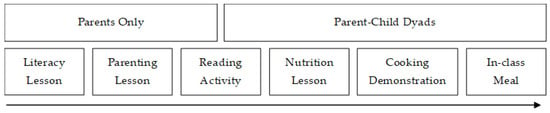
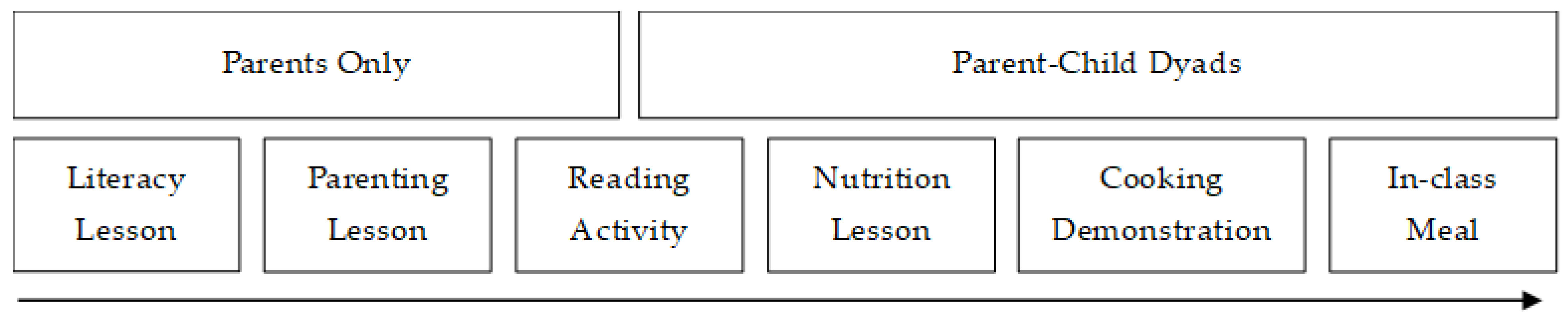
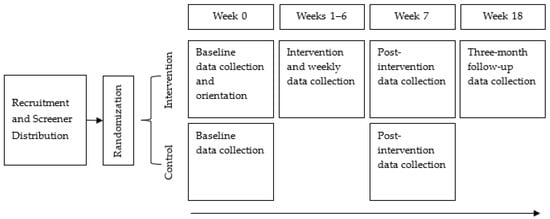
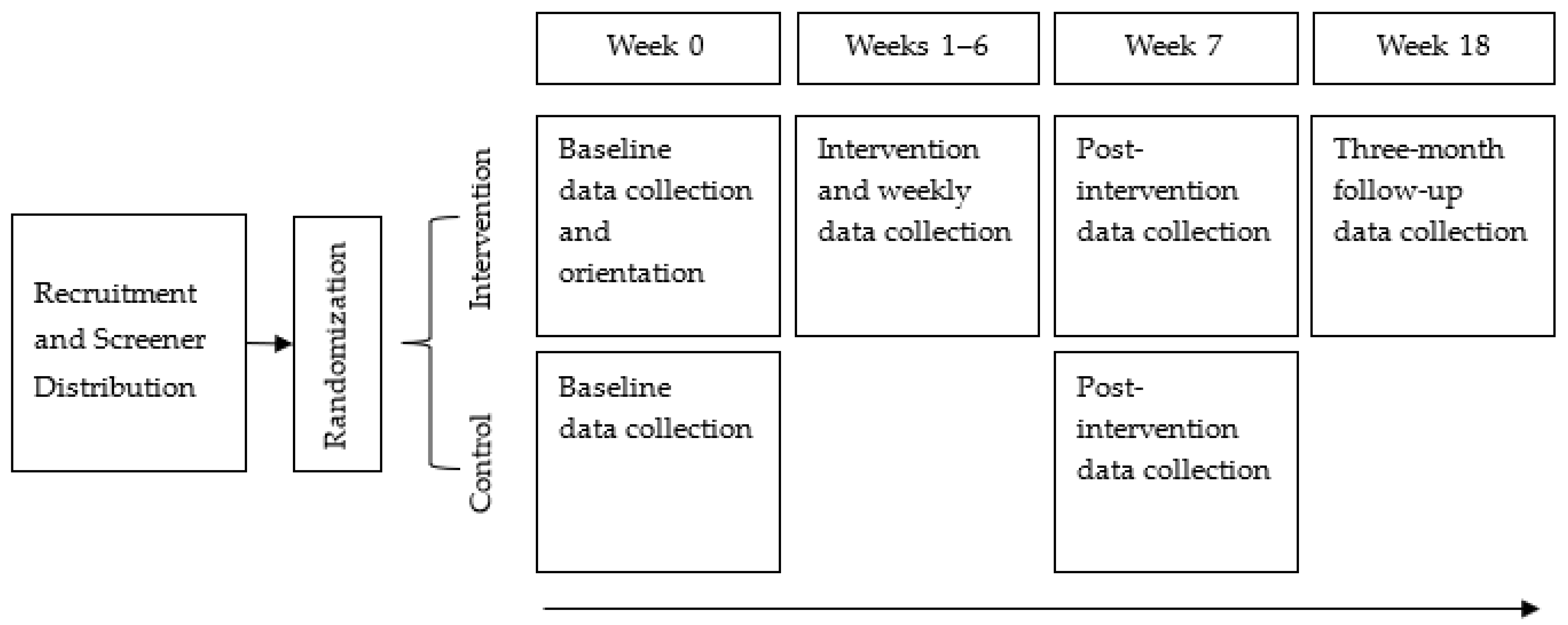
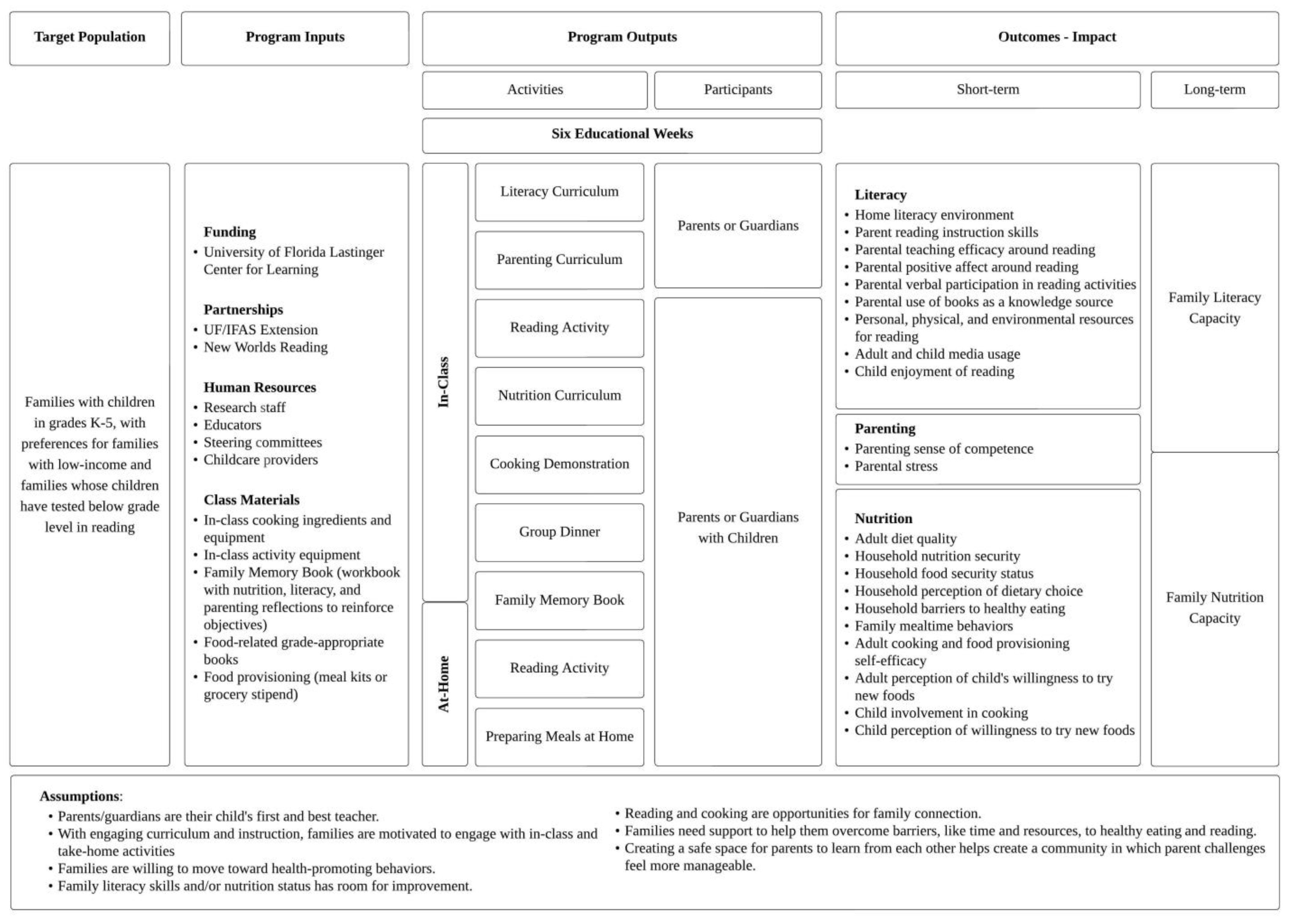

Disclaimer/Publisher’s Note: The statements, opinions and data contained in all publications are solely those of the individual author(s) and contributor(s) and not of MDPI and/or the editor(s). MDPI and/or the editor(s) disclaim responsibility for any injury to people or property resulting from any ideas, methods, instructions or products referred to in the content. |
© 2026 by the authors. Licensee MDPI, Basel, Switzerland. This article is an open access article distributed under the terms and conditions of the Creative Commons Attribution (CC BY) license.