


Highlights
What are the main findings?
- Non-invasive neuromodulation significantly reduced pain intensity and improved functional outcomes in children and adolescents across diverse pain conditions, with no serious adverse events reported.
- Auricular neuromodulation showed the most consistent and sustained benefits, particularly in nociplastic abdominal pain disorders.
What is the implication of the main finding?
- Non-invasive neuromodulation represents a safe, drug-sparing adjunct to conventional pediatric pain management, especially in conditions where pharmacological options are limited or undesirable.
- Standardization of stimulation protocols and longer-term randomized trials are needed to support clinical implementation and clarify neuroplastic mechanisms in the developing nervous system.
Abstract
Pain in children and adolescents remains an underestimated and undertreated condition, with long-term physical and psychosocial consequences. Non-invasive neuromodulation has emerged as a promising, low-risk approach for managing acute and chronic pain by modulating central and peripheral neural pathways. This systematic review followed PRISMA 2020 guidelines to evaluate the efficacy, safety, and clinical applicability of non-invasive neuromodulation techniques in pediatric pain. Searches were conducted in PubMed, Embase, Scopus, Web of Science, Cochrane CENTRAL, and ScienceDirect for randomized controlled trials (RCTs) published between 2015 and 2025. Six RCTs met the inclusion criteria, encompassing percutaneous electrical nerve field stimulation (PENFS), transcutaneous auricular vagus nerve stimulation (taVNS), transcutaneous electrical acupoint stimulation (TEAS), and transcutaneous electrical nerve stimulation (TENS). Four trials reported significant reductions in pain intensity alongside improvements in functional outcomes and quality of life, particularly in functional abdominal pain and postoperative contexts. Most studies showed low or moderate risk across domains, with appropriate randomization and blinded assessment. No serious adverse events were reported, confirming an excellent safety profile. These findings support non-invasive neuromodulation as a feasible and well-tolerated adjunct to conventional pediatric pain management. Further high-quality trials are warranted to standardize protocols and explore mechanisms of neuroplasticity in the developing nervous system. PROSPERO (CRD420251170866).
1. Introduction
Pain in children and adolescents represents a major clinical and social challenge that remains frequently underestimated and undertreated. It is estimated that up to 30% of young individuals experience recurrent pain, whether of musculoskeletal, neuropathic, functional, or postoperative origin, with substantial consequences for quality of life, school performance, sleep, and psychological well-being [1,2]. Pharmacological management, although widely adopted, faces important limitations related to variable efficacy, the risk of adverse effects, and the lack of robust evidence regarding the long-term use of analgesics and opioids in this age group [3]. In this context, non-invasive neuromodulation has emerged as a safe and effective non-pharmacological strategy for the management of pediatric pain.
The developing nervous system displays unique features of neuroplasticity and functional immaturity, with synaptic connections still undergoing refinement and descending inhibitory systems being less developed [4]. These characteristics make children particularly vulnerable to repetitive painful stimuli and to the potential adverse effects of pharmacological or invasive interventions [5]. Prolonged exposure to opioids, anesthetics, or neural blocks may interfere with the maturation of sensory and cognitive circuits and impose systemic and psychological risks [6]. Conversely, non-invasive and reversible modulatory techniques, such as magnetic or electrical stimulation, act without the need for tissue penetration, favoring physiological development and the adaptive reorganization of the growing nervous system [7].
Non-invasive neuromodulation operates by modulating peripheral and central neural circuits involved in pain perception and regulation. Among available modalities are transcranial direct current stimulation (tDCS), repetitive transcranial magnetic stimulation (rTMS), transcutaneous electrical nerve stimulation (TENS and TEAS), transcutaneous auricular vagus nerve stimulation (taVNS), percutaneous electrical nerve field stimulation (PENFS), and repetitive peripheral magnetic stimulation (rPMS) [8,9]. These techniques deliver low-intensity electrical currents or magnetic fields to induce synaptic plasticity, modulate descending inhibitory pathways, and restore the balance between neuronal excitation and inhibition—without the risks associated with invasive procedures [10,11].
From a neurophysiological perspective, non-invasive neuromodulation techniques share the common goal of modifying neuronal excitability and reorganizing pain-processing networks, although they act through distinct mechanisms. Techniques such as rTMS and tDCS directly modulate cortical excitability, promoting synaptic plasticity and adjusting the balance between GABAergic inhibition and glutamatergic excitation in regions such as the primary motor cortex (M1) and dorsolateral prefrontal cortex (DLPFC) [8,12]. These cortical areas integrate descending inhibitory pathways that project to the periaqueductal gray and rostral ventromedial medulla, from which serotonergic and noradrenergic neurons regulate nociceptive transmission within the spinal dorsal horn.
Peripheral techniques, including rPMS, TENS, TEAS, and PENFS, primarily act via segmental mechanisms, activating large-diameter Aβ afferents that inhibit nociceptive interneurons according to the gate control theory of pain while secondarily engaging descending modulatory circuits [11,12]. In contrast, taVNS stimulates auricular vagal afferents projecting to the nucleus tractus solitarius, autonomic centers, and limbic structures, thereby reducing sympathetic reactivity and neurogenic inflammation [9].
Although these modalities differ in target and mechanism, they converge on a shared outcome: the restoration of the excitatory–inhibitory balance within pain networks, facilitating adaptive neuroplasticity and sustained nociceptive relief [13]. While growing evidence supports the analgesic benefits of non-invasive neuromodulation in adults with chronic pain, studies in pediatric populations remain limited.
Therefore, the present systematic review aimed to evaluate the efficacy, safety, and clinical applicability of non-invasive neuromodulation techniques for the treatment of acute and chronic pain in children and adolescents, synthesizing evidence exclusively from randomized controlled trials published over the last decade.
2. Materials and Methods
2.1. Study Design
This systematic review evaluates the efficacy and safety of non-invasive neuromodulation techniques for the management of acute and chronic pain in children and adolescents. The review follows the Preferred Reporting Items for Systematic Reviews and Meta-Analyses (PRISMA) guidelines [14] and registered in PROSPERO (CRD420251170866; https://www.crd.york.ac.uk/PROSPERO/view/CRD420251170866, accessed on 26 December 2025); No major amendments were made after registration.).
2.2. Eligibility Criteria
Eligibility criteria are defined according to the PICO framework:
Population: Children and adolescents aged 0 to 18 years with acute or chronic pain conditions, including nociplastic, neuropathic, musculoskeletal, functional abdominal, or postoperative pain. Studies including participants older than 18 years were excluded, as are animal or preclinical models.
Intervention: Clinical trials employing non-invasive neuromodulation techniques, including transcranial direct current stimulation (tDCS), repetitive transcranial magnetic stimulation (rTMS), transcutaneous vagus nerve stimulation (taVNS), percutaneous electrical nerve field stimulation (PENFS), transcutaneous electrical nerve stimulation (TENS), transcutaneous electrical acupoint stimulation (TEAS), or peripheral magnetic stimulation (rPMS). Eligible studies must describe stimulation parameters (site, frequency, intensity, duration, number of sessions, and total treatment period).
Comparison: Sham/placebo stimulation, usual care (e.g., pharmacological management or physiotherapy), or another active intervention (e.g., exercise, behavioral therapy).
Primary outcomes: Pain intensity assessed by validated scales (Visual Analog Scale, Numerical Rating Scale, or Faces Pain Scale–Revised), responder rate (≥30% or ≥50% pain reduction), or frequency/severity of pain episodes.
Secondary outcomes: Functional disability (Functional Disability Inventory or comparable tools), quality of life (PedsQL, CHQ), psychological outcomes (anxiety, depression, sleep quality), and adverse events or tolerability.
Study design: Only randomized controlled trials (RCTs) published in peer-reviewed journals are included. Non-randomized studies, case series, reviews, editorials, and conference abstracts without full data are excluded.
2.3. Information Sources
Searches are conducted in PubMed/MEDLINE, Embase, Scopus, Web of Science, Cochrane Central (CENTRAL), and ScienceDirect. Additional records are identified by screening reference lists of included studies and relevant reviews and by consulting domain experts.
2.4. Search Strategy
A comprehensive and reproducible electronic search strategy was developed in accordance with PRISMA guidelines. Searches were conducted in PubMed/MEDLINE, Embase, Scopus, Web of Science, Cochrane CENTRAL, and ScienceDirect, covering studies published between January 2015 and October 2025. Only full-text articles published in English were considered.
The search strategy combined controlled vocabulary (MeSH and Emtree terms) and free-text keywords related to pain, pediatric populations, and non-invasive neuromodulation techniques. Boolean operators (AND/OR) were used consistently across databases.
Reference lists of all included studies and relevant systematic reviews were manually screened to identify additional eligible trials. The complete search strategies for all databases are also provided in Supplementary Material File S1.
2.5. Study Selection
All identified records are imported into Rayyan for duplicate removal and screening. Two independent reviewers (GSP and MLS) screen titles and abstracts, followed by full-text assessment based on the eligibility criteria. Disagreements are resolved through discussion or by a third reviewer (LMAF). The selection process is documented using a PRISMA 2020 flow diagram, with reasons for full-text exclusions recorded.
2.6. Data Extraction
Data extraction is conducted independently by two reviewers using a standardized form. Extracted variables include study characteristics (author, year, country, sample size), population details (age, diagnosis, pain type), intervention parameters (device, frequency, intensity, duration, number of sessions, stimulation site), comparator type, outcome measures, follow-up period, and adverse events. Missing data are requested from study authors when necessary.
2.7. Risk of Bias Assessment
The risk of bias in included RCTs is assessed using the Cochrane Risk of Bias 2.0 (RoB 2) tool, addressing five domains: randomization process, deviations from intended interventions, missing outcome data, outcome measurement, and selection of the reported result. Each domain is classified as low risk, some concerns, or high risk. Visual summaries are created using Robvis.
Reporting bias was assessed qualitatively by examining outcome consistency across trials, selective outcome reporting, and protocol adherence. Formal funnel plot analysis was not performed due to the limited number of included studies per intervention modality.
2.8. Data Synthesis
A narrative synthesis will be conducted to summarize and compare all included studies according to participants’ age group, pain diagnosis, neuromodulation modality, stimulation parameters, comparators, and reported outcomes. Results will be organized by intervention type (e.g., PENFS, TENS, TEAS, taVNS, rTMS, rPMS) and pain category (functional abdominal pain, postoperative pain, orofacial pain, or exercise-induced soreness).
For comparative purposes, continuous data will be described using Mean Difference (MD) or Standardized Mean Difference (SMD, Hedges’ g), while dichotomous data will be reported as Risk Ratio (RR) with corresponding 95% confidence intervals (CIs), when available.
Heterogeneity across studies will be qualitatively explored considering differences in age, stimulation protocol (frequency, duration, and site), and outcome measures. Subgroup interpretation will distinguish between modalities (tDCS, rTMS, taVNS, TENS, PENFS), pain types (neuropathic vs. functional vs. postoperative), and age ranges (children vs. adolescents). Studies judged at high risk of bias will be discussed separately to avoid overinterpretation of findings.
If pooling is not feasible, due to the limited number of trials and heterogeneity of interventions, a descriptive synthesis will identify consistent patterns of benefit, variability in stimulation protocols, and research gaps (e.g., small sample sizes, short follow-up, limited mechanistic data).
The certainty of evidence for each outcome was assessed using a modified GRADE approach, considering risk of bias, inconsistency, indirectness, imprecision, and publication bias. Certainty was classified as high, moderate, low, or very low.
3. Results
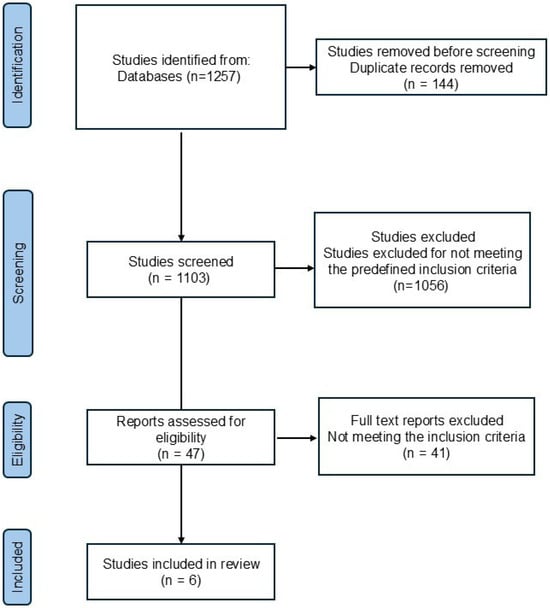
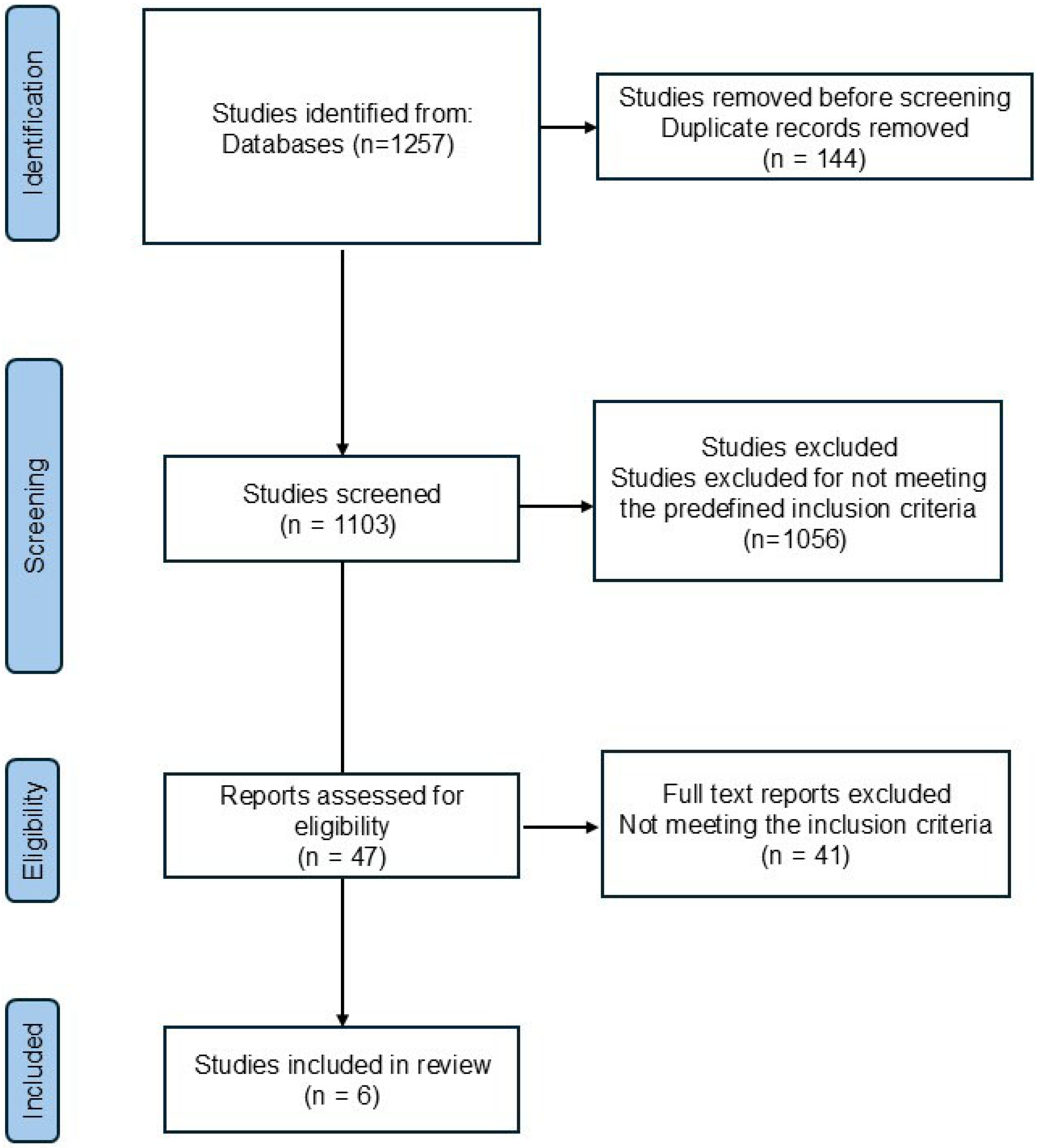
A systematic search in PubMed, Web of Science, ScienceDirect, Scopus, Embase, and Cochrane CENTRAL databases yielded 1247 records. After the removal of 144 duplicates, a total of 1103 unique articles were screened for potential eligibility. Following title and abstract screening, 1056 records were excluded for not meeting the predefined inclusion criteria (e.g., non-pediatric populations, non-neuromodulation interventions, or observational designs). The remaining 47 full-text articles were assessed for eligibility, of which 39 were excluded due to reasons such as inadequate study design (non-randomized or uncontrolled trials), irrelevant intervention (invasive neuromodulation or behavioral-only therapy), or insufficient pain-related outcome data.
Ultimately, six randomized controlled trials (RCTs) met all inclusion criteria and were included in this systematic review. These studies evaluated non-invasive neuromodulation techniques—including percutaneous electrical nerve field stimulation (PENFS), transcutaneous electrical nerve stimulation (TENS), transcutaneous electrical acupoint stimulation (TEAS), transcutaneous auricular vagus nerve stimulation (taVNS)—for the management of acute and chronic pain in children and adolescents (Table 1).
Table 1.
Randomized controlled trials investigating non-invasive neuromodulation techniques for pain management in children and adolescents.
All studies reported good tolerability and no serious adverse events. The PRISMA 2020 flow diagram summarizing the selection process is presented in Figure 1.
Figure 1.
Prisma flow diagram.
3.1. Study Selection and Characteristics
The included studies cover diverse modalities. Percutaneous electrical nerve field stimulation (PENFS) in adolescents with nociplastic abdominal pain disorders or irritable bowel syndrome [15,16]. Transcutaneous electrical nerve stimulation (TENS) for dental procedural pain [18] and nociplastic abdominal pain [19]. Transcutaneous auricular vagus nerve stimulation (taVNS) for abdominal pain in adolescents [17]. Transcutaneous electrical acupoint stimulation (TEAS) for postoperative orthopedic pain in children [20].
Collectively, these trials provide convergent evidence that non-invasive neuromodulation can significantly reduce pain intensity and improve quality of life or functional scores in pediatric and young populations, with no reports of serious adverse events.
Examples of excluded full-text studies included trials enrolling adult populations, non-randomized designs, invasive neuromodulation techniques, or studies reporting only physiological outcomes without pain-related measures.
3.2. Interventions
Despite methodological heterogeneity, all studies shared the defining characteristic of delivering non-invasive, low-risk electrical or magnetic stimulation aimed at modulating peripheral or central pain pathways.
Auricular field stimulation (PENFS) was applied using a multichannel ear device delivering alternating low-frequency pulses (1–10 Hz, 3.2 V) in weekly 5-day cycles over 4 weeks. TENS and TEAS studies employed high-frequency protocols (100–200 pps or 2/100 Hz alternation) targeting extra-oral or acupoint sites (LI4, PC6) for 20–30 min per session. taVNS used bilateral tragus or cymba conchae electrodes at 25 Hz for 30 min/day over 4 weeks.
Across studies, total treatment duration ranged from a single session (acute or experimental designs) to 4 weeks of repeated interventions. Most protocols were double-blind and sham-controlled, ensuring internal validity and minimizing expectancy bias.
3.3. Primary Outcomes
Pain Intensity and Symptom Reduction
Six RCTs reported statistically significant decreases in pain intensity versus sham or usual care: PENFS reduced abdominal pain by 2–3 points on the PFSD scale after 3 weeks, with effects sustained at 9-week follow-up [15,16]. taVNS led to a ≥30% reduction in mean VAS scores and functional disability (p < 0.001). TEAS decreased Faces Pain Scale-Revised scores in the first 24 h post-surgery and reduced opioid use. TENS provided moderate analgesia during dental procedures compared with control (p < 0.01).
3.4. Secondary Outcomes
3.4.1. Functional and Psychological Outcomes
Four studies measured functional disability and quality of life, showing meaningful improvements on the FDI and PedsQL scales. Two trials also reported reductions in anxiety and improved well-being, particularly in nociplastic abdominal pain disorders treated with auricular stimulation.
3.4.2. Neurophysiological Correlates
Some studies reported secondary physiological correlates of analgesia, including autonomic modulation and muscle relaxation following peripheral electrical stimulation. However, neurophysiological outcomes were heterogeneous and exploratory, precluding firm conclusions.
3.5. Limitations
Several methodological issues limit the generalizability of current findings:
Small sample sizes (n = 24–115) reduce statistical power.
Heterogeneity of stimulation protocols (frequency, duration, dose) precludes meta-analytic pooling.
Short-term follow-up (mostly ≤3 months) limits understanding of long-term effects.
Variable sham control fidelity, especially in TENS/TEAS designs, may introduce performance bias.
Incomplete parameter reporting (coil/electrode positioning, current density) hampers reproducibility.
3.6. Certainty of Evidence and Risk of Bias
Overall certainty of evidence was rated as moderate for pain intensity reduction and safety outcomes, low to moderate for functional disability and quality of life, and low for neurophysiological outcomes due to indirectness and imprecision.
3.6.1. Pain Intensity Reduction
Six trials demonstrated significant reductions in pain intensity for modalities such as PENFS, taVNS, TEAS, and high-frequency TENS. Evidence was downgraded due to (1) small sample sizes in several trials and (2) heterogeneity in stimulation protocols (frequency, duration, and sites). However, consistent direction of effect and low risk of bias in most RCTs supported upgrading to moderate certainty.
3.6.2. Functional Disability and Quality of Life
Three RCTs reported improvements in functional disability (FDI) and overall well-being. Downgrades were applied due to imprecision (wide confidence intervals, limited sample sizes) and heterogeneity of measurement tools. Consistency across PENFS and taVNS trials prevented further downgrading.
3.6.3. Neurophysiological Outcomes
Findings were based primarily on small experimental trials with limited generalizability to younger children. Studies also varied in neurophysiological measures (MEP, EMG, rs-fMRI metrics), preventing synthesis. Although internally consistent, the indirectness and small N resulted in low certainty.
3.6.4. Safety and Adverse Events
Across all RCTs, no serious adverse events were reported, and tolerability was consistently high. Evidence was rated as high in consistency and directness but downgraded to moderate certainty because of small sample sizes and short follow-up durations. Nevertheless, safety signals appear robust across modalities.
3.7. Risk of Bias
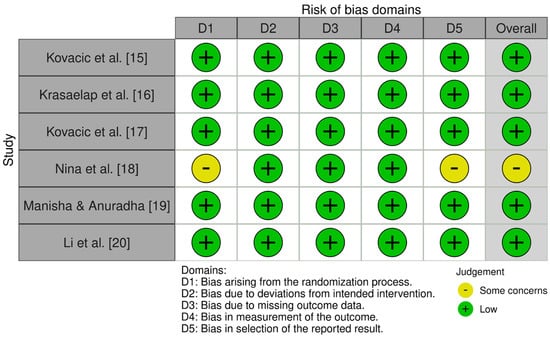
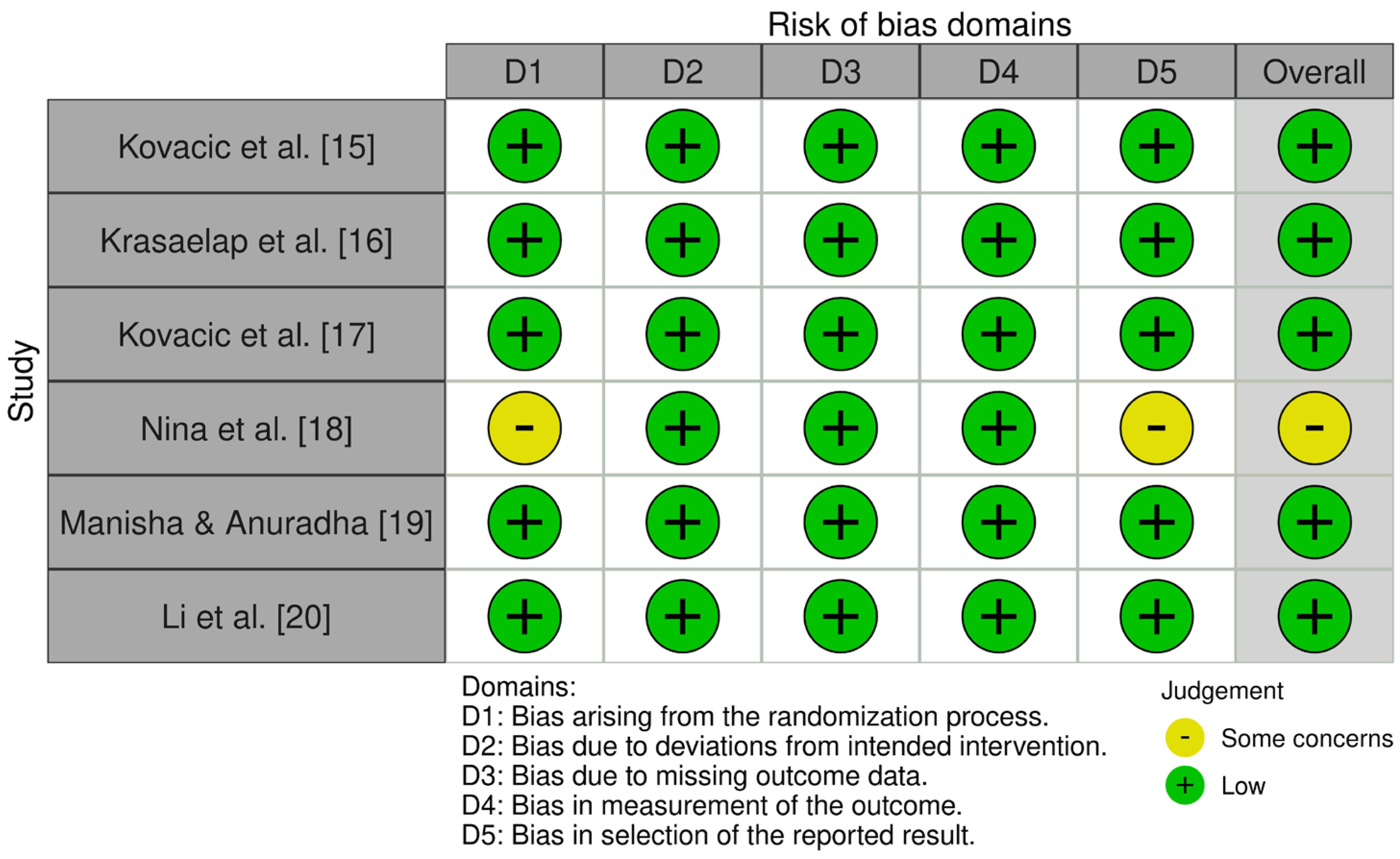
Risk of bias was evaluated using Cochrane RoB 2.0. Most studies the six RCTs showed low or moderate risk across domains, with appropriate randomization and blinded assessment. Five RCTs [15,16,17,19,20] demonstrated low risk of bias with complete follow-up and validated sham controls. One study [18] showed “some concerns” due to limited reporting of allocation concealment and participant blinding (Figure 2).
Figure 2.
Risk of bias of the included randomized controlled trials assessed using the Cochrane Risk of Bias 2.0 (RoB 2) tool for the following studies: Kovacic et al. [15], Krasaelap et al. [16], Kovacic et al. [17], Nina et al. [18], Manisha and Anuradha [19], and Li et al. [20].
No study exhibited high risk of bias in outcome measurement or selective reporting. Overall, the methodological quality of the evidence base is moderate to high, supporting the reliability of findings regarding the safety and analgesic potential of non-invasive neuromodulation in children and adolescents.
4. Discussion
The findings of this systematic review indicate that non-invasive neuromodulation techniques represent a safe and potentially effective approach for pain management in children and adolescents. Among the six RCTs included, six demonstrated significant reductions in pain intensity, accompanied by improvements in functional capacity, quality of life, and, in some cases, neurophysiological parameters associated with pain modulation. None of the studies reported serious adverse events, reinforcing the excellent safety profile of these interventions in pediatric populations.
The most consistent evidence was found for nociplastic abdominal pain and irritable bowel syndrome (IBS) in adolescents treated with percutaneous electrical nerve field stimulation (PENFS). This non-invasive auricular therapy targets low-threshold afferent fibers, including Aβ fibers and vagally mediated autonomic afferents. Activation of these fibers modulates inhibitory interneurons in the spinal cord and recruits descending pain-control pathways, thereby regulating both sensory perception and autonomic visceral responses. Across three RCTs [15,16,17], PENFS produced significant reductions in pain frequency, intensity, and duration, with sustained effects for up to nine weeks. These benefits are likely mediated by normalization of viscerosensory hyperexcitability and attenuation of sympathetic reactivity—key mechanisms underlying nociplastic gastrointestinal pain. Consistent with this mechanism, transcutaneous auricular vagus nerve stimulation (taVNS) also demonstrated significant reductions in pain and functional disability, supporting the role of vagal activation in the inhibition of nociceptive transmission and modulation of autonomic and inflammatory responses [17]. taVNS exhibited an excellent safety profile, with only minor transient ear discomfort reported.
In the context of acute menstrual pain, high-frequency transcutaneous electrical nerve stimulation (TENS) has demonstrated significant efficacy as a non-pharmacological approach for managing primary dysmenorrhea in adolescents. Manisha and Anuradha [19] showed that TENS applied at the lumbosacral root level (L3–L5) using 100 Hz frequency and 80 µs pulse width for 20 min markedly reduced abdominal, back, and thigh pain in girls aged 14–19 years compared with a control group receiving no intervention. Pain intensity decreased by approximately four to five points on the Numerical Pain Rating Scale (p < 0.001), and modest reductions in systolic and diastolic blood pressure were also observed, suggesting concomitant autonomic modulation. Furthermore, the observed cardiovascular effects may reflect a reduction in sympathetic tone and an enhancement of parasympathetic balance, contributing to both analgesic and systemic relaxation effects. Collectively, these findings reinforce high-frequency TENS as a safe, effective, and accessible strategy for acute pain management in adolescents with dysmenorrhea, aligning with the ongoing clinical effort to reduce reliance on pharmacological analgesics in young populations.
In the context of acute procedural pain, TENS demonstrated a partial analgesic effect in pediatric dental procedures. The randomized trial by Nina et al. [18] showed that high-frequency TENS significantly reduced pain scores compared with no intervention; however, its analgesic efficacy remained inferior to local anesthesia. These findings indicate that TENS should not be considered a substitute for anesthetic techniques but rather an adjunctive, non-invasive strategy that may enhance comfort, reduce anxiety, or complement standard analgesic approaches. Neurophysiologically, TENS activates large-diameter Aβ afferents and engages spinal inhibitory mechanisms via gate control, with additional recruitment of descending analgesic pathways. Nevertheless, the intensity and duration of acute procedural pain likely exceed the modulatory capacity of TENS alone, reinforcing its role as a complementary intervention rather than a standalone analgesic modality.
Taken together, these findings suggest that different neuromodulation modalities converge on shared analgesic mechanisms, including inhibition of ascending nociceptive pathways, facilitation of descending inhibitory circuits, and rebalancing of central-peripheral autonomic activity. The consistent absence of serious adverse events across studies underscores the translational potential of these interventions in pediatric clinical practice—especially where pharmacological treatments are limited or undesirable.
Nevertheless, interpretation of these results must consider several methodological limitations. The small number of RCTs, modest sample sizes, heterogeneity of stimulation parameters (frequency, intensity, duration, and site), and predominantly short follow-up periods hinder between-study comparisons and limit generalizability. Incomplete reporting of technical parameters and variability in sham-control design—particularly in electrical stimulation studies—may introduce performance bias and restrict reproducibility.
Despite these constraints, the collective evidence reveals a consistent trend toward clinical benefit with excellent tolerability. Future research should focus on protocol standardization, validated outcome measures, and long-term follow-up to consolidate the role of non-invasive neuromodulation in pediatric pain management. Moreover, upcoming studies should explore neurobiological and psychosocial factors influencing treatment response and investigate the integration of these modalities into multidisciplinary rehabilitation programs.
5. Conclusions
In summary, this systematic review demonstrates that non-invasive neuromodulation is a promising and safe therapeutic strategy for the treatment of pain in children and adolescents, with growing evidence of efficacy across functional, postoperative, and musculoskeletal conditions. As methodological rigor and mechanistic understanding advance, non-invasive neuromodulation may become an essential complementary tool in pediatric pain management, contributing to a deeper understanding of neural plasticity and analgesic modulation in the developing nervous system.
Supplementary Materials
The following supporting information can be downloaded at: https://www.mdpi.com/article/10.3390/future4010005/s1, Table S1: PRISMA 2020 Checklist. File S1: PRISMA 2020 checklist for this systematic review.
Author Contributions
Conceptualization, G.S.P., A.B.O., M.L.d.S. and L.M.A.F.; methodology, G.S.P., A.B.O., M.L.d.S. and L.M.A.F.; software, G.S.P.; validation, M.L.d.S. and L.M.A.F.; formal analysis, G.S.P., A.B.O., M.L.d.S. and L.M.A.F.; investigation, G.S.P., A.B.O., M.L.d.S. and L.M.A.F.; resources, L.M.A.F.; data curation, G.S.P., A.B.O., M.L.d.S. and L.M.A.F.; writing—original draft preparation, G.S.P., A.B.O., M.L.d.S. and L.M.A.F.; writing—review and editing, M.L.d.S. and L.M.A.F.; visualization, G.S.P., M.L.d.S. and L.M.A.F.; supervision, M.L.d.S. and L.M.A.F.; project administration, M.L.d.S.; funding acquisition, L.M.A.F. All authors have read and agreed to the published version of the manuscript.
Funding
This work was supported by the Federal University of Alfenas—UNIFAL-MG and Coordenação de Aperfeiçoamento de Pessoal de Nível Superior—Brazil (CAPES)—Finance Code 001 and Fundação de Amparo à Pesquisa do Estado de Minas Gerais (FAPEMIG). Gabrielly Santos Pereira received a FAPEMIG scholarship as part of this research. This work is financed by national funds through the FCT—Foundation for Science and Technology, I.P., under the project UIDB/04585/2020.
Institutional Review Board Statement
Not applicable.
Informed Consent Statement
Not applicable.
Data Availability Statement
No new data were created or analyzed in this study. All data supporting the findings of this systematic review are derived from previously published articles, which are cited in the reference list.
Conflicts of Interest
The authors declare no conflicts of interest.
Abbreviations
The following abbreviations are used in this manuscript:
| Aβ | Large-diameter afferent fiber type (A-beta) |
| AE | Adverse event |
| CMJ | Countermovement jump |
| DLPFC | Dorsolateral prefrontal cortex |
| EMG | Electromyography |
| ERAS | Enhanced recovery after surgery |
| FD | Functional dyspepsia |
| FDI | Functional Disability Inventory |
| IBS | Irritable bowel syndrome |
| MD | Mean difference |
| MEP | Motor-evoked potential |
| MSO | Maximal stimulator output |
| NAPD | Nociplastic abdominal pain disorder |
| PENFS | Percutaneous electrical nerve field stimulation |
| PFSD | Pain Frequency–Severity–Duration scale |
| rPMS | Repetitive peripheral magnetic stimulation |
| rTMS | Repetitive transcranial magnetic stimulation |
| RR | Risk ratio |
| SMD | Standardized mean difference |
| taVNS | Transcutaneous auricular vagus nerve stimulation |
| TEAS | Transcutaneous electrical acupoint stimulation |
| TENS | Transcutaneous electrical nerve stimulation |
| tDCS | Transcranial direct current stimulation |
| VAS | Visual Analog Scale |
References
- Chambers, C.T.; Dol, J.; Tutelman, P.R.; Langley, C.L.; Parker, J.A.; Cormier, B.T.; Macfarlane, G.J.; Jones, G.T.; Chapman, D.; Proudfoot, N.; et al. The prevalence of chronic pain in children and adolescents: A systematic review update and meta-analysis. Pain 2024, 165, 2215–2234. [Google Scholar] [CrossRef] [Scilit] [PubMed]
- Mikkelsen, H.T.; Haraldstad, K.; Helseth, S.; Skarstein, S.; Småstuen, M.C.; Rohde, G. Pain and health-related quality of life in adolescents and the mediating role of self-esteem and self-efficacy: A cross-sectional study including adolescents and parents. BMC Psychol. 2021, 9, 128. [Google Scholar] [CrossRef] [Scilit] [PubMed]
- Cooper, T.E.; Fisher, E.; Gray, A.L.; Krane, E.; Sethna, N.; van Tilburg, M.A.; Zernikow, B.; Wiffen, P.J. Opioids for chronic non-cancer pain in children and adolescents. Cochrane Database Syst. Rev. 2017, 7, CD012538. [Google Scholar] [CrossRef] [Scilit] [PubMed]
- Simons, S.H.; Tibboel, D. Pain perception development and maturation. Semin. Fetal Neonatal Med. 2006, 11, 227–231. [Google Scholar] [CrossRef] [Scilit] [PubMed]
- Mitchell, A.; Boss, B.J. Adverse effects of pain on the nervous systems of newborns and young children: A review of the literature. J. Neurosci. Nurs. J. Am. Assoc. Neurosci. Nurses 2002, 34, 228–236. [Google Scholar] [CrossRef] [Scilit] [PubMed]
- Olejnik, L.; Lima, J.P.; Sadeghirad, B.; Busse, J.W.; Florez, I.D.; Ali, S.; Bunker, J.; Jomaa, D.; Bleik, A.; Eltorki, M. Pharmacologic Management of Acute Pain in Children: A Systematic Review and Network Meta-Analysis. JAMA Pediatr. 2025, 179, 407–417. [Google Scholar] [CrossRef] [Scilit] [PubMed]
- Doruk Camsari, D.; Kirkovski, M.; Croarkin, P.E. Therapeutic Applications of Noninvasive Neuromodulation in Children and Adolescents. Psychiatr. Clin. N. Am. 2018, 41, 465–477. [Google Scholar] [CrossRef] [Scilit] [PubMed]
- Ong Sio, L.C.; Hom, B.; Garg, S.; Abd-Elsayed, A. Mechanism of Action of Peripheral Nerve Stimulation for Chronic Pain: A Narrative Review. Int. J. Mol. Sci. 2023, 24, 4540. [Google Scholar] [CrossRef] [Scilit] [PubMed]
- Chen, J.; Kuang, H.; Chen, A.; Dungan, J.; Cousin, L.; Cong, X.; Patel, P.; Starkweather, A. Transcutaneous Auricular Vagus Nerve Stimulation for Managing Pain: A Scoping Review. Pain Manag. Nurs. 2025, 26, 33–39. [Google Scholar] [CrossRef] [Scilit] [PubMed]
- Patel, R.; Lumb, B.M.; Bannister, K. Editorial: Plasticity of Endogenous Pain Modulatory Circuits in Neuropathy. Front. Pain Res. 2021, 2, 776948. [Google Scholar] [CrossRef] [Scilit] [PubMed]
- Guzzi, G.; Della Torre, A.; Bruni, A.; Lavano, A.; Bosco, V.; Garofalo, E.; La Torre, D.; Longhini, F. Anatomo-physiological basis and applied techniques of electrical neuromodulation in chronic pain. J. Anesth. Analg. Crit. Care 2024, 4, 29. [Google Scholar] [CrossRef] [Scilit] [PubMed]
- Bannister, K.; Patel, R.; Hughes, S. The descending modulation of pain. Pain 2025, 166, S55–S59. [Google Scholar] [CrossRef] [Scilit]
- Duarte-Moreira, R.J.; Shirahige, L.; Rodriguez-Prieto, I.E.; Alves, M.M.; Lopes, T.D.S.; Baptista, R.F.; Hazime, F.A.; Zana, Y.; Kubota, G.T.; de Andrade, D.C.; et al. Evidence-Based Umbrella Review of Non-Invasive Neuromodulation in Chronic Neuropathic Pain. Eur. J. Pain 2025, 29, e4786. [Google Scholar] [CrossRef] [Scilit] [PubMed]
- Page, M.J.; McKenzie, J.E.; Bossuyt, P.M.; Boutron, I.; Hoffmann, T.C.; Mulrow, C.D.; Shamseer, L.; Tetzlaff, J.M.; Akl, E.A.; Brennan, S.E.; et al. The PRISMA 2020 statement: An updated guideline for reporting systematic reviews. BMJ 2021, 29, 372. [Google Scholar] [CrossRef] [Scilit]
- Kovacic, K.; Hainsworth, K.; Sood, M.; Chelimsky, G.; Unteutsch, R.; Nugent, M.; Simpson, P.; Miranda, A. Neurostimulation for abdominal pain-related functional gastrointestinal disorders in adolescents: A randomised, double-blind, sham-controlled trial. Lancet Gastroenterol. Hepatol. 2017, 2, 727–737. [Google Scholar] [CrossRef] [Scilit]
- Krasaelap, A.; Sood, M.R.; Li, B.U.K.; Unteutsch, R.; Yan, K.; Nugent, M.; Simpson, P.; Kovacic, K. Efficacy of Auricular Neurostimulation in Adolescents With Irritable Bowel Syndrome in a Randomized, Double-Blind Trial. Clin. Gastroenterol. Hepatol. Off. Clin. Pract. J. Am. Gastroenterol. Assoc. 2020, 18, 1987–1994.e2. [Google Scholar] [CrossRef] [Scilit]
- Kovacic, K.; Kolacz, J.; Lewis, G.F.; Porges, S.W. Impaired Vagal Efficiency Predicts Auricular Neurostimulation Response in Adolescent Functional Abdominal Pain Disorders. Am. J. Gastroenterol. 2020, 115, 1534–1538. [Google Scholar] [CrossRef] [Scilit] [PubMed]
- Cebalo, N.; Bašić Kes, V.; Urlić, I.; Karlović, Z.; Negovetić Vranić, D. The Effect of Transcoutaneous Electrical Nerve Stimulation on Pain Control during Dental Procedure in Children 9–14 Years Old. Psychiatr. Danub. 2021, 33, 1316–1319. [Google Scholar] [PubMed]
- Manisha, U.; Anuradha, L. Effect of high frequency transcutaneous electrical nerve stimulation at root level menstrual pain in primary dysmenorrhea. J. Bodyw. Mov. Ther. 2021, 26, 108–112. [Google Scholar] [CrossRef] [Scilit] [PubMed]
- Li, Y.; Ma, Y.; Guo, W.; Ge, W.; Cheng, Y.; Jin, C.; Guo, H. Effect of transcutaneous electrical acupoint stimulation on postoperative pain in pediatric orthopedic surgery with the enhanced recovery after surgery protocol: A prospective, randomized controlled trial. Anaesth. Crit. Care Pain Med. 2023, 42, 101273. [Google Scholar] [CrossRef] [Scilit] [PubMed]

Disclaimer/Publisher’s Note: The statements, opinions and data contained in all publications are solely those of the individual author(s) and contributor(s) and not of MDPI and/or the editor(s). MDPI and/or the editor(s) disclaim responsibility for any injury to people or property resulting from any ideas, methods, instructions or products referred to in the content. |
© 2026 by the authors. Licensee MDPI, Basel, Switzerland. This article is an open access article distributed under the terms and conditions of the Creative Commons Attribution (CC BY) license.