


Abstract
Global supply chain disruptions, most acutely demonstrated during the COVID-19 pandemic, have exposed fundamental tensions between efficiency-oriented design and the adaptive capacity required for resilience. This paper addresses a critical gap in the existing literature: the absence of an integrative, operationalisable framework that treats sustainability and resilience as mutually reinforcing strategic objectives rather than competing trade-offs. Employing a systematic literature review guided by PRISMA protocols, complemented by comparative analysis of documented organisational responses across multiple sectors and commodity markets, the study identifies four primary pathways through which sustainability investments generate resilience: structural diversification, information and visibility, social capital and trust, and adaptive capabilities. The principal finding is that sustainability practices, particularly those enhancing supply network visibility, structural diversification, and workforce stability, create option value that becomes strategically decisive during periods of disruption. A decision intelligence framework is proposed that translates these insights into three managerial tools: a sustainability–resilience assessment matrix, a disruption scenario analysis tool, and a capability development roadmap. The framework challenges the prevailing trade-off assumption by demonstrating that efficiency, sustainability, and resilience can function as complementary dimensions of supply chain performance. Findings carry particular relevance for commodity-dependent supply chains, where price volatility, trade structure rigidity, and resource concentration constitute persistent sources of systemic disruption. Theoretical contributions include the integration of supply chain resilience theory, sustainable operations management, and decision science under deep uncertainty.
1. Introduction
The COVID-19 pandemic did not merely interrupt global supply chains, it challenged the conceptual foundations that have guided supply chain design for several decades. Since the late twentieth century, managerial practice has prioritised efficiency through the reduction in inventories, consolidation of suppliers, concentration of production in low-cost regions, and the systematic elimination of redundancy. These strategies generated substantial improvements in cost performance and capital utilisation. At the same time, they produced tightly coupled systems calibrated for stable and predictable conditions. Such conditions are no longer representative of contemporary operating environments. The disruptions associated with the pandemic exposed more than operational fragility. They revealed a deeper conceptual limitation in the prevailing understanding of supply chain performance. Many organisations have historically treated efficiency, resilience, and sustainability as competing objectives that must be carefully balanced. Within this logic, investments in resilience or sustainability are interpreted as concessions that increase costs or reduce short-term competitiveness. The pandemic demonstrated that this assumption is not only incomplete but potentially hazardous. The global semiconductor shortage illustrates this point. More broadly, commodity-dependent supply chains across multiple resource sectors including crude oil and refined petroleum products, industrial metals such as copper and aluminium, and agricultural commodities including grains and edible oils experienced comparable disruptions rooted in the same structural vulnerabilities. The pandemic triggered severe commodity price dislocations: Brent crude collapsed to historic lows in April 2020 before rebounding sharply, while copper prices fluctuated by more than forty percent within months as mine closures in Chile and Peru intersected with surging demand from stimulus-driven construction activity. These commodity price dynamics compounded manufacturing disruptions far beyond the electronics sector, underscoring that the structural weaknesses exposed by COVID-19 were systemic features of commodity trade architectures, not isolated anomalies.
The crisis did not arise solely from forecasting errors or inventory mismanagement. Rather, it reflected the cumulative consequences of long-standing decisions that systematically removed buffers, concentrated production in a small number of regions, and prioritised immediate cost savings over long-term adaptability. When demand surged simultaneously with production constraints, even minor component shortages halted entire manufacturing systems. The resulting losses far exceeded the savings previously achieved through lean design. At the same time, some firms navigated these disruptions with comparatively limited damage. Their advantage often did not stem from superior efficiency but from earlier investments that had been justified on sustainability grounds, including supplier diversification, workforce development, enhanced transparency, and regional sourcing. Practices initially regarded as costly or peripheral proved central to operational continuity. These experiences suggest that the assumed trade-off between sustainability and performance may be misconceived. This observation raises a set of fundamental questions.
If sustainability investments can enhance resilience, then the conventional framing of trade-offs may obscure important complementarities. Three fundamental research questions motivate this study. First, under what conditions, and through which specific mechanisms, do sustainability practices enhance supply chain resilience? Second, through what methodological approach can the relationship between sustainability and resilience be systematically investigated and translated into actionable decision guidance? Third, why does a decision intelligence framing offer superior analytical leverage over conventional trade-off models, and why do commodity markets represent a particularly important domain for applying this framework? To address these questions, this paper develops a decision intelligence framework grounded in systematic literature review and comparative analysis of COVID-19 disruption responses. The paper addresses these questions by developing a decision intelligence framework that conceptualises sustainability and resilience as mutually reinforcing dimensions of supply chain adaptability. Drawing on systematic analysis of organisational responses to COVID-19, the study identifies the mechanisms through which sustainability practices support resilience outcomes and translates these insights into practical guidance for decision makers operating under uncertainty. The study makes three principal contributions, each of which advances beyond existing literature in a substantive way. First, unlike prior frameworks that treat sustainability and resilience as parallel but separate management objectives [1], this study proposes an integrative conceptual framework grounded in capabilities theory that synthesises insights from supply chain resilience, sustainable operations management, and decision science to clarify precisely when and why sustainability investments enhance resilience. The novelty lies in the mechanism-level specification of how this complementarity operates moving beyond correlation to causal explanation. Second, it develops a typology of four disruption resilience pathways structural diversification, information and visibility, social capital and trust, and adaptive capabilities each with commodity-market operationalisation, that links specific sustainability interventions to observable resilience outcomes across different disruption contexts and industry types. This pathway-level specificity distinguishes the framework from more general resilience taxonomies in existing literature. Third, it translates mechanism-based insights into three operationalised decision tools including an explicit option value assessment approach that assist managers in identifying high value sustainability investments within their own operational settings. The remainder of the paper is structured as follows. Section 2 elaborates the theoretical foundations of the framework, opening with a structural overview before examining limitations in existing trade-off conceptualisations; the integration of resilience and sustainability through a capabilities perspective; supply chain decision-making under conditions of deep uncertainty; and the decision intelligence perspective that underpins the framework. Section 3 outlines the methodological approach. Section 4 analyses empirical evidence from organisational responses to COVID-19. Section 5 presents the decision intelligence framework and associated tools. Section 6 discusses theoretical and managerial implications. Section 7 concludes and identifies directions for future research.
2. Theoretical Framework
This section develops the theoretical foundations of the decision intelligence framework proposed in this study. It proceeds in four stages. First, it critiques the prevailing trade-off logic that frames efficiency, resilience, and sustainability as competing objectives, identifying the conceptual limitations of this perspective. Second, it integrates resilience and sustainability through a capabilities-based lens, demonstrating how the two domains share common mechanisms and can be pursued jointly. Third, it examines the specific challenges posed by decision-making under conditions of deep uncertainty, arguing that conventional optimisation approaches are inadequate for contemporary supply chain environments. Fourth, it introduces the decision intelligence perspective that underpins the framework, which emphasises adaptive capacity, option value, and mechanism-based reasoning as central analytical categories. Together, these theoretical building blocks establish the conceptual architecture upon which the subsequent empirical analysis and framework development rest.
2.1. Limitations of Prevailing Conceptualisations
The dominant paradigm in supply chain management presents efficiency, resilience, and sustainability as distinct objectives that must be balanced through trade-off decisions [2]. This perspective implicitly assumes that improvements in one dimension necessarily impose costs on the others [2]. Investments in redundancy, for example, are typically interpreted as reducing efficiency, while investments in environmental or social responsibility are often framed as additional burdens on profitability [3]. Although this logic has guided managerial decision making for decades, it rests on several assumptions that warrant critical scrutiny [4]. First, the trade-off perspective depends upon a narrow and short-term understanding of efficiency that privileges immediate cost reduction and asset utilization [5]. Such a definition neglects the substantial costs associated with disruptions, including lost sales, reputational damage, contractual penalties, and strategic erosion of market position [6].
When these broader costs are incorporated, the apparent efficiency of highly lean systems becomes less convincing. Systems that appear efficient under stable conditions may prove markedly inefficient once the likelihood and magnitude of disruptions are considered [7]. Second, the prevailing framework treats relationships among efficiency, resilience, and sustainability as static. In practice, these relationships are dynamic and contingent [8]. The value of redundancy or diversification varies according to environmental conditions, while the benefits of sustainability initiatives may only become visible over extended time horizons [9]. Moreover, many relationships exhibit threshold effects [6]. A modest level of diversification may provide little protection, whereas sufficient diversification can dramatically reduce vulnerability [4]. Static trade-off analysis is poorly suited to capturing such nonlinear dynamics. Third, traditional decision models often assume that managers operate under conditions of risk, where future states and their probabilities can be estimated [10]. Contemporary supply chains, however, increasingly face conditions of uncertainty in which probabilities are difficult to specify and, in some cases, deep uncertainty in which possible futures themselves are unknown. Under such circumstances, optimisation based on expected values becomes unreliable and potentially misleading [6]. These limitations suggest that a different conceptual lens is required [9]. Rather than treating efficiency, resilience, and sustainability as competing objectives, it may be more appropriate to view supply chain performance as a function of adaptive capacity [6]. Adaptive capacity refers to the ability of a system to maintain acceptable performance across a wide range of conditions, including unforeseen disruptions [9]. From this perspective, resilience and sustainability represent complementary mechanisms that broaden the range of conditions under which efficient performance can be sustained [10].
2.2. Integrating Resilience and Sustainability Through a Capabilities Perspective
Resilience in supply chains has commonly been defined as the capacity to prepare for disruptions, respond effectively when disruptions occur, and recover operations within acceptable time frames [11]. Recent scholarship has emphasised that resilience is not simply a structural attribute but a dynamic capability. It depends on routines, knowledge, and organisational processes that enable continuous adaptation [7]. Sustainable supply chain management, by contrast, has traditionally been framed in terms of environmental stewardship, social responsibility, and long-term economic viability [5]. Although frequently associated with ethical or regulatory concerns, sustainability at its core addresses the durability of production systems over extended time horizons. It seeks to ensure that operations do not exhaust the ecological, social, or economic resources upon which they depend [4]. When considered together, these concepts reveal a common underlying objective: long-term viability under uncertain conditions.
Resilience focuses on acute shocks, while sustainability addresses gradual degradation or systemic constraints. Both require foresight, flexibility, and the ability to manage interdependencies across complex networks [5]. This conceptual overlap suggests that many sustainability practices may incidentally strengthen resilience, even when resilience is not their explicit aim. Several mechanisms explain how such complementarities arise. The first mechanism concerns the reduction in structural dependencies [9]. Sustainability initiatives frequently encourage diversification of inputs, energy sources, and supplier bases to reduce environmental impact or resource intensity [12]. Diversification also diminishes reliance on single regions or partners, thereby reducing exposure to localised disruptions.
Regional sourcing, for instance, may lower transport emissions while simultaneously shortening lead times and increasing logistical agility. The second mechanism involves improvements in information and transparency. Sustainability reporting requirements and stakeholder expectations often necessitate detailed knowledge of supply chain operations, including traceability of materials and monitoring of supplier practices [13]. These information systems enhance visibility across the network. During disruptions, such visibility allows firms to identify bottlenecks, assess risks rapidly, and coordinate responses more effectively. The third mechanism relates to the development of social capital [7]. Social sustainability practices, including fair labour standards, worker safety, and community engagement, foster trust and cooperation among employees, suppliers, and local stakeholders [6]. Trust facilitates collaboration when rapid adjustments are required. Suppliers may prioritise long standing partners, workers may accept temporary changes in responsibilities, and communities may support continued operations during crises.
These relational resources cannot be created quickly; they accumulate gradually through consistent behaviour [9]. The fourth mechanism concerns the cultivation of adaptive capabilities. Implementing sustainability initiatives typically requires cross functional coordination, stakeholder engagement, and systems thinking. Organisations must learn to manage complexity and to anticipate long-term consequences. These competencies are transferable to disruption management [14]. Firms accustomed to addressing sustainability challenges may therefore be better prepared to cope with unexpected shocks. Collectively, these mechanisms suggest that sustainability practices can strengthen the underlying capabilities that enable resilience [15]. Rather than representing competing demands, sustainability and resilience may reinforce one another through shared foundations in learning, flexibility, and relational strength [5].
This integrative perspective is substantially reinforced by a growing body of systematic and empirical scholarship. The study by [1] conducted a comprehensive systematic literature review on the integration of sustainability and resilience in supply chains, concluding that while the two domains have largely developed in isolation, they share structural mechanisms particularly diversification, redundancy, and stakeholder collaboration that simultaneously serve both objectives. Their review identified a clear convergence in post-pandemic scholarship toward capability-based integration models, providing important evidentiary support for the mechanisms advanced in the present study. The study by [16] extended this analysis through the concept of viable supply chain management, arguing that agility, resilience, and sustainability must be co-designed rather than sequentially balanced, drawing on COVID-19 disruption evidence across multiple sectors. The study by [17] further developed the concept of intertwined supply networks, demonstrating that post-pandemic supply chain viability depends on the simultaneous cultivation of structural robustness and adaptive capacity a conclusion that directly parallels the capabilities perspective developed here. Together, these works provide a robust empirical and theoretical foundation for the claim that sustainability and resilience are complementary strategic objectives and situate the present framework within the most influential currents of contemporary supply chain scholarship.
2.3. Supply Chain Decision-Making Under Deep Uncertainty
Conventional decision analysis relies on the assumption that future states can be enumerated and that probabilities can be assigned to each state. Under these conditions, optimisation techniques seek to maximise expected returns [11]. While appropriate for well-defined risks, this approach becomes problematic when decision makers confront deep uncertainty, where probabilities are unknown or where potential outcomes cannot be fully anticipated [9]. The COVID-19 pandemic exemplified such conditions. Few organisations anticipated a global disruption of comparable scale and duration. As a result, many optimisation-based strategies proved brittle. Systems carefully calibrated to minimise costs lacked the flexibility to absorb shocks [6]. Decisions that appeared rational within narrow probabilistic models produced severe vulnerabilities when unanticipated events occurred [6]. Alternative decision approaches emphasise robustness rather than optimisation. A robust strategy does not necessarily maximise performance in any single scenario [18]. Instead, it aims to deliver acceptable outcomes across a broad range of plausible futures.
This shift entails moving from prediction to preparation and from precision to flexibility. Sustainability investments often display characteristics consistent with robust strategies [2]. They create optionality by providing multiple sourcing alternatives, diverse energy inputs, or stronger stakeholder relationships. These options may appear unnecessary during stable periods, yet they become invaluable when circumstances change [4]. The value of such investments therefore lies not solely in immediate returns but in the protection and flexibility they provide across uncertain futures. This reasoning reframes the central managerial question. Rather than asking how much efficiency should be sacrificed to achieve sustainability or resilience, decision makers should ask which investments expand adaptive capacity and thereby enhance performance across multiple dimensions simultaneously [9].
2.4. Toward a Decision Intelligence Perspective
Decision intelligence offers a useful integrative framework for addressing these challenges. It combines insights from decision science, systems thinking, and organisational learning to improve decision quality under complexity and uncertainty [13]. Instead of focusing exclusively on optimisation, decision intelligence emphasises understanding causal mechanisms, recognising interdependencies, and building capabilities that enable continuous adaptation. Applied to supply chain design, this perspective encourages managers to identify leverage points where interventions generate disproportionate benefits, to account for the option value created by flexibility, and to design systems that can evolve over time [7]. It also highlights the importance of feedback and learning, ensuring that experience with disruptions informs future decisions. The framework developed in subsequent sections operationalises these principles in the specific context of sustainability and resilience [9]. Before presenting that framework, however, it is necessary to outline the methodological approach through which theoretical insights were developed and validated.
3. Methodological Approach: Systematic Literature Review
3.1. Research Design
This study adopts a theory building research design that integrates systematic literature review with comparative case analysis to develop and refine a decision intelligence framework for the integration of sustainability and resilience in supply chain management [14]. The objective is explanatory rather than predictive. The study seeks to identify underlying mechanisms and relationships that clarify how sustainability practices contribute to resilience outcomes, rather than to test predetermined hypotheses through statistical modelling [7]. The research design proceeds through four interrelated phases. The first phase consists of a systematic review of relevant scholarly and practitioner literature [10]. Academic sources addressing supply chain resilience, sustainable supply chain management, and organisational responses to large scale disruptions were examined to identify existing theoretical explanations, empirical findings, and conceptual gaps [7].
Attention was given to studies that documented operational responses to the COVID-19 pandemic, as these offered natural experiments illustrating how different supply chain configurations performed under stress [3]. The review also incorporated selected industry and policy reports that provided detailed accounts of managerial practices and sector specific experiences [17]. The purpose of this phase was to establish a comprehensive knowledge base and to identify recurring themes that suggested potential linkages between sustainability and resilience [19]. The second phase involved thematic analysis of documented organisational responses to pandemic related disruptions. Rather than attempting exhaustive coverage of all cases, the analysis employed theoretical sampling [3]. Cases were selected to represent diverse industries, geographic regions, and organisational forms to maximise variation and to expose contrasting patterns. This strategy is appropriate for theory building research because it prioritises conceptual richness over statistical representativeness. Each case was examined to identify how preexisting sustainability practices influenced disruption response, recovery time, and operational continuity [11].
Observations were coded iteratively to detect recurring mechanisms and relationships. The third phase focused on framework development [11]. Insights from the literature review and case analysis were synthesised to construct a coherent conceptual model linking sustainability investments to resilience outcomes through identifiable causal pathways [8]. Framework development proceeded iteratively. Preliminary concepts were compared against empirical evidence, revised where inconsistencies emerged, and refined until theoretical saturation was reached. This process emphasised internal coherence, explanatory power, and practical applicability. The fourth phase involved validation and refinement of the emerging framework. Validation occurred through two complementary approaches. First, the framework was assessed for consistency with established theories in organisational resilience, sustainability management, and decision science. Second, it was applied retrospectively to additional documented cases not included in the initial analysis to evaluate whether it could plausibly explain observed outcomes [4]. Discrepancies prompted further refinement. The resulting framework reflects convergence between theoretical reasoning and empirical observation [2].
3.2. Analytical Strategy
The analytical strategy emphasises explanation through mechanisms rather than simple correlation. Instead of asking whether sustainability and resilience are statistically associated, the analysis investigates how and why specific practices produce outcomes [2]. This mechanism-based approach is particularly valuable for managerial decision making because it supports reasoning by analogy [10]. Managers can adapt insights to their own contexts by understanding underlying processes rather than by attempting to replicate surface level practices [20]. Thematic coding was employed to identify recurrent patterns across cases. Practices such as supplier diversification, workforce investment, and enhanced traceability were examined for their functional effects on operational continuity during disruptions [16].
These effects were then grouped into broader categories representing distinct pathways through which sustainability practices contributed to resilience [21]. Through repeated comparison, four primary pathways emerged: structural configuration, information and visibility, social capital, and adaptive capabilities. These pathways form the foundation of the decision intelligence framework presented later. The analysis also paid careful attention to contextual contingencies [17]. The relationship between sustainability and resilience is not uniform across industries or organisational settings. For example, diversification may offer substantial benefits in industries dependent on geographically concentrated inputs, while information transparency may be more critical in complex multi-tier networks [2]. Recognising such variation is essential to avoid overly general prescriptions. Accordingly, the framework is designed to guide context specific reasoning rather than to impose universal solutions [3]. Finally, the study incorporates principles from qualitative comparative analysis by examining both successful and less successful responses where evidence was available. This comparative perspective helps identify conditions under which sustainability investments generate meaningful resilience benefits and circumstances in which they may provide limited value. Such contrasts strengthen the robustness of the explanatory framework [19].
3.3. PRISMA Protocol and Study Selection
The literature search followed the Preferred Reporting Items for Systematic Reviews and Meta-Analyses (PRISMA) guidelines to ensure transparency and reproducibility. The initial database search across Scopus, Web of Science, and Google Scholar yielded 1847 records using search strings combining: (“supply chain resilience” OR “supply chain disruption”) AND (“sustainability” OR “sustainable supply chain”) AND (“COVID-19” OR “pandemic” OR “uncertainty”). After removal of duplicates (n = 312), title and abstract screening eliminated 1104 records that did not address the intersection of resilience and sustainability in supply chain contexts. Full-text assessment of the remaining 431 articles resulted in a final corpus of 87 peer-reviewed studies supplemented by 23 industry and policy reports. Exclusion criteria included studies focused solely on financial risk without operational dimensions, purely descriptive pandemic impact assessments without strategic implications, and articles not available in English. Figure [PRISMA] presents the full PRISMA flow diagram illustrating the identification, screening, eligibility assessment, and inclusion stages. Key inclusion criteria required studies to: (i) address supply chain resilience or sustainability empirically or theoretically; (ii) engage with disruption management or recovery mechanisms; (iii) offer implications for managerial decision-making. This process ensured that the evidence base is systematically derived and sufficiently comprehensive to support the framework development that follows, as per the PRISMA Flow Summary and Inclusion/Exclusion Criteria depicted in Table 1.
Table 1.
PRISMA Flow Summary and Inclusion/Exclusion Criteria.
3.4. Data Sources
The evidence base comprises peer-reviewed journal articles, working papers, industry reports, and documented case studies published between 2019 and 2025. Academic databases including Scopus, Web of Science, and Google Scholar were searched using combinations of keywords related to supply chain disruption, COVID-19, resilience, sustainability, and uncertainty [8]. Practitioner reports from consulting firms and international organisations were incorporated to supplement academic accounts with operational detail [4] While reliance on secondary sources limits direct control over data collection, it enables access to a wide range of industries and geographic contexts that would be difficult to capture through primary fieldwork alone [4]. Given the recency and global scale of the pandemic, such breadth is particularly valuable for identifying common patterns and mechanisms [14].
3.5. Limitations of the Methodological Approach
Several limitations should be acknowledged. First, the study relies primarily on secondary data. Although this allows broad coverage, it may omit proprietary internal information or unsuccessful initiatives that remain undocumented [2]. Public reports may also emphasise successful practices, introducing potential selection bias. Second, the analysis focuses heavily on disruptions resembling the COVID-19 pandemic, characterised by simultaneous shocks to supply, demand, and logistics across multiple regions [3]. Other disruption types, such as cyber-attacks or localised natural disasters, may generate different dynamics that are not fully captured here [7]. Third, the framework is conceptual rather than empirically quantified. It offers structured guidance for decision making but does not provide precise numerical estimates of costs and benefits. Future research employing primary data collection and quantitative modelling could extend and test the propositions developed here [9]. Fourth, organisational strategies continue to evolve as lessons from the pandemic are absorbed. Some reported initiatives may represent short-term responses rather than durable changes [6].
Longitudinal studies will therefore be necessary to assess whether observed practices persist over time. Despite these limitations, the chosen methodology is appropriate for the study’s objective of theory development [7]. By synthesising diverse sources and focusing on explanatory mechanisms, the approach generates a coherent conceptual framework capable of guiding both scholarly inquiry and managerial practice [9]. With the methodological foundation established, the next section examines empirical evidence from COVID-19 disruptions through the lens of sustainability and resilience, illustrating how the proposed mechanisms manifested in practice.
4. Empirical Analysis: COVID-19 Disruptions Through a Sustainability and Resilience Lens
4.1. Structural Vulnerabilities and Configuration Decisions
The COVID-19 pandemic revealed structural weaknesses in global supply chains that had accumulated gradually over several decades [3]. Production networks had become increasingly concentrated geographically and organisationally, often relying on a limited number of specialised suppliers located in a small set of regions [7]. These configurations were justified based on economies of scale and lower input costs. Under stable conditions, such arrangements delivered measurable efficiency gains [4]. However, they also created single points of failure whose consequences became apparent once widespread lockdowns and transport restrictions were introduced [7]. When major manufacturing regions suspended operations in early 2020, many firms discovered that they possessed few viable alternatives [2]. Production stoppages cascaded rapidly across industries, demonstrating how tightly coupled networks transmit shocks with little attenuation. The consequences were particularly severe in sectors dependent on highly specialised inputs, where substitution possibilities were limited and capacity expansion required long lead times [10]. The semiconductor shortage provides a salient illustration. Fabrication capacity was concentrated in a small number of facilities, and relationships with alternative suppliers had often been allowed to lapse in pursuit of cost savings [11].
When demand for electronic products surged while production was constrained, firms found themselves unable to secure critical components. The absence of redundancy meant that even inexpensive parts could halt entire assembly lines, generating losses that far exceeded the savings achieved through consolidation [4]. In contrast, organisations that had previously pursued diversification strategies often demonstrated greater continuity. In many cases, diversification had been motivated by sustainability objectives rather than explicit resilience planning. Efforts to reduce transport emissions, to support regional economies, or to avoid dependence on environmentally or socially problematic suppliers had led firms to cultivate multiple sourcing relationships across different regions. During the pandemic, these dispersed networks provided alternatives when primary suppliers were disrupted. The concentration risks exposed during COVID-19 were especially pronounced in commodity-intensive supply chains. In the energy sector, the abrupt collapse in oil demand in early 2020 forced producers operating under long-term take-or-pay contracts to absorb losses that rigid commodity trade structures could not accommodate. Conversely, the subsequent demand rebound generated acute shortages in liquefied natural gas markets as long lead times for liquefaction capacity constrained supply responsiveness. In base metals, firms reliant on single-country sourcing for copper concentrate notably from Chilean and Peruvian mines faced prolonged input shortages when those operations were suspended. Agricultural commodity chains experienced parallel shocks: export restrictions imposed by major wheat and rice exporters disrupted procurement for food manufacturers and created acute price spikes in import-dependent markets. These sector-specific experiences illustrate that commodity price dynamics and trade structures are not peripheral to supply chain vulnerability; they constitute a primary mechanism through which global disruptions propagate. A decision intelligence framework that does not engage explicitly with commodity market structures risks overlooking a central channel of systemic risk [8]. The resilience benefits of diversification arise from the option value embedded in redundant capacity. Maintaining relationships with multiple suppliers may appear inefficient when viewed solely through the lens of unit costs [18]. Yet such relationships create flexibility that becomes valuable when conditions change. The pandemic illustrated that the apparent waste associated with redundancy may in fact represent a strategic investment in continuity. These observations suggest that sustainability-oriented configuration decisions can have unintended but beneficial consequences for resilience [4]. Practices such as regional sourcing, circular material flows, and multi sourcing reduce environmental impact while simultaneously mitigating concentration risk. Structural sustainability and structural resilience therefore often reinforce one another [2].
4.2. Demand Volatility and Operational Flexibility
While supply disruptions were highly visible, the pandemic also generated extraordinary volatility on the demand side. Consumption patterns shifted abruptly as mobility restrictions altered everyday behaviour [3]. Demand for certain products, such as medical supplies, cleaning materials, and home electronics, increased sharply, while demand for others, including travel related goods and services, declined dramatically Commodity markets amplified this volatility in distinct ways. Energy commodity prices, having collapsed in 2020, rebounded with unusual speed in 2021, exposing firms that had locked in short-term procurement contracts without price hedging provisions to severe cost escalation. Agricultural commodity prices driven by a combination of pandemic-related supply disruptions, adverse weather, and surging freight rates rose sharply across grain, oilseed, and soft commodity markets, compressing margins throughout food and beverage supply chains. Industrial metal prices similarly surged as infrastructure stimulus programmes across major economies generated demand that outstripped mine production capacity. These commodity price dynamics interacted with demand volatility to create compounding pressures that single-scenario planning frameworks could not anticipate [4]. Forecasting models calibrated to historical trends proved inadequate for anticipating these rapid changes. Organisations responded with varying degrees of success. Some firms were able to reconfigure production quickly, redirecting capacity toward products experiencing surging demand or adapting facilities to new requirements [11]. Others remained constrained by rigid processes, specialised equipment, or contractual arrangements that limited their ability to respond. Operational flexibility emerged as a critical differentiating factor.
Flexible manufacturing systems, modular product designs, and cross trained workforces allowed certain firms to pivot rapidly [9]. Examples included distilleries converting production to hand sanitiser, textile manufacturers producing protective masks, and engineering firms assisting with medical equipment. Such adaptations required not only technical capability but also organisational willingness to experiment and to collaborate across traditional boundaries [3]. These capabilities often overlapped with those developed through sustainability initiatives. Firms engaged in resource efficiency programmes, product redesign for recyclability, or experimentation with alternative materials frequently cultivate cultures of continuous improvement and learning [19]. They invest in cross functional teams and iterative problem solving. Such practices foster adaptability that proves valuable during disruptions. Furthermore, sustainability strategies that prioritise reduced waste and shorter production cycles can inadvertently enhance flexibility. Smaller batch sizes, localised production, and closer customer engagement facilitate faster adjustments to changing demand [3]. In this way, operational practices intended to minimise environmental impact may also increase responsiveness. The evidence therefore indicates that sustainability driven innovation can strengthen the operational agility necessary for resilience [10]. Flexibility, like diversification, possesses option value that becomes apparent only when conditions deviate from expectations [7]. Evaluating such investments solely on immediate cost criteria risks underestimating their strategic importance.
4.3. Workforce Disruptions and Social Capital
One of the most consequential yet less frequently analysed aspects of the pandemic concerned workforce stability [3]. Illness, quarantine requirements, caregiving responsibilities, and psychological stress significantly reduced labour availability across many sectors. Facilities that depended on densely staffed operations faced heightened infection risks, while limited protections and benefits intensified absenteeism and turnover. In several industries, particularly food processing and logistics, outbreaks forced temporary closures that reverberated through supply chains [7]. Workers lacking paid sick leave often felt compelled to continue working while ill, accelerating transmission and compounding disruptions [7]. These experiences underscored how fragile labour arrangements can undermine operational continuity. By contrast, organisations that had invested consistently in employee wellbeing often exhibited greater stability [4]. Measures such as safe working conditions, health protections, living wages, and supportive leave policies reduced infection risks and encouraged workers to prioritise health without fear of income loss. Trust between management and employees facilitated cooperation with new safety protocols and temporary operational adjustments [14].
These outcomes highlight the importance of social capital. Social capital refers to the trust, reciprocity, and shared norms that underpin cooperative behaviour within and across organisations. It develops gradually through sustained, credible commitments to stakeholders [7]. During crises, this relational foundation enables rapid coordination and mutual support. From a sustainability perspective, such practices fall under the domain of social responsibility. From a resilience perspective, they constitute critical assets that sustain operations when formal controls are insufficient. Workers who trust their employer are more likely to remain engaged, to share information, and to adapt to changing circumstances [6]. Suppliers and local communities that perceive fair treatment are more inclined to collaborate in times of need. The pandemic thus demonstrated that workforce investments are not merely ethical considerations but strategic determinants of continuity [10]. Social sustainability and organisational resilience are closely intertwined and neglecting one can undermine the other.
4.4. Information Asymmetries and Visibility Investments
A further dimension of disruption response concerns information. Effective management of complex supply networks depends on timely and accurate data regarding inventory levels, supplier status, transportation flows, and demand signals [3]. During the pandemic, many firms discovered that they lacked sufficient visibility beyond their immediate suppliers. Delays and shortages often emerged unexpectedly because upstream conditions were poorly understood [7]. Organisations that had invested in traceability and transparency were better positioned to respond. In numerous cases, such investments had originally been motivated by sustainability requirements, including responsible sourcing verification, environmental reporting, and regulatory compliance [4]. However, the resulting information infrastructures proved equally valuable for disruption management. Enhanced visibility allowed firms to identify affected nodes quickly, to assess alternative sourcing options, and to coordinate logistics adjustments. Digital platforms that integrated data across tiers of the supply chain supported faster decision making and reduced reliance on ad hoc communication [4]. Real-time information enabled proactive rather than reactive responses. These capabilities illustrate how information systems serve multiple strategic purposes. Investments justified on sustainability grounds can generate broader benefits by improving situational awareness [14]. When disruptions occur, the ability to detect and interpret signals promptly becomes a decisive advantage. Whilst the present analysis is principally mechanism-based and qualitative, descriptive evidence from secondary sources provides additional quantitative texture to these findings. Studies drawing on large firm samples consistently document that organisations with higher ESG scores and supply chain sustainability indices demonstrated measurably superior performance during 2020–2022. For example, analysis of S&P 500 firms during the initial COVID-19 shock period (Q1–Q2 2020) found that companies scoring in the top quartile on supply chain sustainability metrics experienced revenue disruptions approximately 30% lower in magnitude than those in the bottom quartile, with faster recovery trajectories on average [8]. In commodity markets, firms with documented multi-origin sourcing strategies for critical inputs experienced significantly lower spot price exposure during the 2021 commodity Supercycle, as hedging and diversification mechanisms buffered against benchmark price movements. Whilst these descriptive associations do not establish causality, they are consistent with the complementarity thesis advanced here and provide a first-order quantitative signal that refutes the assumption of a necessary trade-off between sustainability investment and operational performance under stress. Taken together, the empirical patterns across structural configuration, operational flexibility, workforce stability, and information visibility reveal consistent complementarities between sustainability and resilience [9]. Sustainability practices frequently cultivate the very resources and capabilities that enable effective disruption response. These observations provide the empirical foundation for the decision intelligence framework developed in the next section, which translates these insights into actionable guidance for managerial decision making [4].
5. A Decision Intelligence Framework for Sustainability and Resilience Integration
5.1. Overview and Guiding Principles
The preceding analysis demonstrates that sustainability practices frequently contribute to resilience through identifiable and repeatable mechanisms [2]. Yet these relationships are often overlooked in managerial decision making because evaluation processes remain narrowly focused on short-term costs or isolated performance metrics. As a result, investments that create substantial adaptive capacity are undervalued, while strategies that appear efficient under stable conditions may embed hidden vulnerabilities [3]. To address this gap, this section presents a decision intelligence framework that assists managers in recognising and exploiting complementarities between sustainability and resilience. Figure 1 below illustrates how sustainability and resilience, while distinct in focus one emphasising environmental and social responsibility, the other risk management and adaptability intersect to create a synergistic effect. This overlap highlights that integrating sustainable practices with resilient strategies can enhance organisational performance through diversification, stronger partnerships, and improved capacity to respond to change.
Figure 1.
The Synergy of Sustainability and Resilience.
The framework does not prescribe specific practices [3]. Instead, it provides a structured approach to reasoning about investments under uncertainty [4]. It encourages decision makers to consider how interventions alter the capability of the supply chain to function across diverse and unpredictable conditions.
As illustrated in Figure 2, the Decision Intelligence Framework for Resilient Investments integrates four interdependent components Risk Assessment, Option Value, Scenario Planning, and Learning & Adaptation to guide strategic decision-making within complex supply chain environments. This sequential framework positions decision intelligence as the overarching methodology through which organisations can cultivate resilient and sustainable supply chains capable of responding dynamically to uncertainty.
Figure 2.
Decision intelligence Framework for Resilient Investments.
Five principles underpin the framework: The first principle prioritises adaptive capacity over narrow optimisation. Rather than seeking the single most efficient configuration for expected conditions, managers should design systems that maintain acceptable performance across a broad range of plausible futures [4]. This perspective recognises that precise prediction is often impossible and that flexibility has intrinsic value. The second principle emphasises recognition of option value. Many sustainability investments create opportunities that may not be exercised immediately but become critical when disruptions occur [13].
Maintaining alternative suppliers, cultivating strong stakeholder relationships, or investing in information infrastructure generates options that protect against adverse scenarios. Evaluation processes must therefore incorporate the value of flexibility, not only direct financial returns [7]. The third principle relies on mechanism-based reasoning. Understanding why particular practices enhance resilience enables managers to adapt insights to their own contexts [4]. Rather than replicating isolated examples, decision makers should identify the underlying processes that create value and assess whether similar mechanisms operate within their own networks. The fourth principle acknowledges contextual dependence [14]. The effectiveness of sustainability investments varies across industries, technologies, and organisational settings. The framework therefore supports structured analysis tailored to local conditions rather than universal prescriptions [8]. The fifth principal highlights learning and continuous adaptation. Decision intelligence is iterative. Organisations must capture lessons from disruptions and near misses, refine their assumptions, and adjust strategies over time [9]. Adaptive capacity grows through experience and reflection. Together, these principles guide a shift in mindset from reactive crisis management toward proactive capability development.
As depicted in Figure 3, the Decision Intelligence Framework presents a cyclical, five-component model encompassing Context Intelligence, Uncertainty Intelligence, Option Intelligence, Portfolio Intelligence, and Learning Intelligence, reflecting the iterative and interdependent nature of resilient investment decision-making. The circular architecture of the framework underscores that effective decision intelligence is not a linear process but rather a continuous feedback loop in which organisations must persistently monitor exposures, simulate uncertainty, evaluate pathways, sequence portfolios, and adapt through accumulated experience.
Figure 3.
Decision Intelligence Framework.
5.2. Typology of Sustainability and Resilience Pathways
Building on the mechanisms identified earlier, the framework distinguishes four primary pathways through which sustainability practices enhance resilience. Each pathway represents a distinct source of adaptive capacity and suggests different categories of investment.
- Pathway 1: Structural diversification
Structural diversification reduces dependence on single sources of supply, production locations, or material inputs [11]. Sustainability initiatives often encourage diversification by promoting local sourcing, alternative materials, or distributed production to reduce environmental impact and support regional development [4]. From a resilience perspective, diversification mitigates concentration risk. When one node fails, alternatives remain available. The benefit of this pathway lies in the creation of substitutability. Although maintaining multiple options may increase operating costs under normal conditions, it reduces the likelihood of catastrophic failure. Typical interventions include developing multi supplier relationships, regionalising production, investing in circular material streams, and diversifying energy sources. In commodity-intensive supply chains, this pathway takes the form of active commodity sourcing diversification. For energy-consuming firms, this may involve developing multi-fuel flexibility or securing supply from geographically dispersed commodity producers rather than concentrating procurement in a single region or market. For manufacturers reliant on industrial metals, diversifying across spot markets, long-term contracts, and secondary material streams reduces exposure to commodity price shocks in any single trading venue. Agricultural commodity buyers including food processors and consumer goods manufacturers have increasingly adopted origin diversification strategies, sourcing from multiple producing countries to hedge against crop failures and export restrictions. The resilience logic is identical across these resource sectors: structural diversification in commodity trade reduces both price volatility exposure and physical supply risk simultaneously [4]. The central evaluative question is not simply whether these actions reduce emissions or costs, but how many viable alternatives they create when disruptions occur. In operationalising this pathway for commodity markets, managers should assess three sector-specific metrics: (i) the Herfindahl–Hirschman Index (HHI) of supplier concentration across each critical commodity input, where HHI scores above 0.25 indicate high concentration requiring active diversification; (ii) the geographic dispersion coefficient of sourcing origins, measuring the degree to which procurement is distributed across independent jurisdictions; (iii) the weighted average lead time differential between primary and backup suppliers, which determines how quickly the diversification option can be exercised in a disruption scenario. For energy-intensive firms, a parallel metric is the proportion of energy procurement sourced from each fuel type and market contract structure. Together, these indicators convert the structural diversification pathway from a qualitative aspiration into a quantitatively monitored resilience asset.
- Pathway 2: Information and visibility
Information and visibility refer to the capacity to monitor and understand conditions throughout the supply network. Sustainability reporting, traceability requirements, and stakeholder scrutiny frequently motivate investments in data collection and transparency [20]. Enhanced visibility supports resilience by enabling early detection of problems and more informed responses. When managers can rapidly identify which suppliers are affected and what inventory is available, they can reallocate resources before disruptions escalate [6]. Interventions associated with this pathway include digital tracking systems, integrated data platforms, supplier mapping, and real-time analytics. The value of such investments lies in improved situational awareness that serves both sustainability monitoring and operational continuity Commodity markets present particular visibility challenges because price signals are set through global trading exchanges, futures markets, and bilateral contracts that may not be transparent to downstream buyers. Firms that have invested in commodity market intelligence including real-time price monitoring across benchmark exchanges such as the London Metal Exchange, Chicago Board of Trade, and ICE Futures are better positioned to anticipate cost movements and adjust procurement strategies in advance of disruptions. Traceability systems in agricultural and mineral commodity chains additionally provide early warning of upstream supply constraints, enabling proactive rather than reactive responses to developing shortages [11].
- Pathway 3: Social capital and trust
Social capital arises from sustained, equitable relationships among employees, suppliers, and communities. Social sustainability initiatives that promote fair labour practices, safe working conditions, and collaborative partnerships build trust over time. Trust facilitates cooperation during disruptions [2]. Suppliers may prioritise long standing partners, workers may accept temporary changes in roles, and communities may support ongoing operations. These behaviours reduce friction and accelerate recovery. Investments within this pathway include workforce development, supplier support programmes, transparent communication, and community engagement [5]. Although the benefits are difficult to quantify directly, the absence of trust often becomes painfully evident during crises. Social capital therefore functions as an intangible but critical resource for supply chain resilience. Operationally, social capital in supply chain contexts can be assessed through several measurable proxies. Relational social capital may be proxied by supplier retention rates, the average duration of buyer–supplier relationships, and frequency of collaborative problem-solving engagements. Cognitive social capital can be assessed through alignment scores on shared values and norms derived from structured supplier surveys. Structural social capital is reflected in network density indicators, including the breadth of cross-tier communication linkages. For workforce dimensions, metrics such as voluntary turnover rates, absenteeism levels, and employee net promoter scores provide operational indicators of the trust capital accumulated through social sustainability investments. While these proxies are imperfect, their systematic monitoring enables managers to track changes in relational assets over time and to assess the degree to which social capital is being built or eroded. Supply chains exhibiting high scores across these dimensions have consistently demonstrated superior coordination capacity during disruptions, lending empirical support to the theoretical mechanisms identified above [3].
- Pathway 4: Adaptive capabilities
Adaptive capabilities refer to the organisational competencies that enable learning, experimentation, and coordinated action. Sustainability initiatives frequently require cross functional collaboration, systems thinking, and long-term planning [3]. These same capabilities enhance resilience. Organisations that routinely engage in sustainability innovation tend to be more comfortable managing complexity and uncertainty. They develop processes for scenario analysis, stakeholder engagement, and rapid problem solving, all of which are transferable to disruption management [17]. Typical interventions include cross functional sustainability teams, scenario planning exercises, training programmes, and continuous improvement systems [7]. The focus here is on cultivating organisational habits that support flexibility rather than on any single project. Together, these four pathways provide a structured lens for analysing how sustainability investments contribute to resilience and where opportunities for strategic alignment exist.
5.3. Decision Tools for Managerial Application
To operationalise the framework, three complementary decision tools are proposed. These tools are intended to guide structured reflection and discussion rather than to produce precise numerical outputs.
Tool 1: Sustainability and resilience assessment matrix
The assessment matrix supports systematic evaluation of potential investments across the four pathways. For each proposed initiative, managers examine the current state, expected impact, and option value created. For example, a decision to develop an additional regional supplier would be assessed in terms of how it reduces concentration, what alternatives it provides during disruptions, and how it contributes to both sustainability objectives and continuity. By explicitly articulating these effects, managers can avoid undervaluing benefits that are not immediately financial [3].
A core principle embedded in the assessment matrix is the operationalisation of option value for sustainability investments. Drawing on real options theory, managers can estimate option value using a structured three-step approach. First, define the “underlying asset”: identify the specific operational capability or flexibility that the sustainability investment creates (e.g., the ability to switch to an alternative supplier, to pivot production to an alternative product line, or to access a different energy source). Second, estimate the “exercise conditions”: specify the disruption scenarios under which that option would be exercised, including rough probability estimates and the magnitude of losses that would be avoided. Third, calculate a qualitative option value score by multiplying estimated disruption probability by avoided loss magnitude and weighting by time sensitivity (i.e., how quickly the option can be exercised). For example, a supplier diversification initiative that costs an additional 3% of annual procurement spend but reduces the probability of a full production halt (estimated cost: six weeks of lost output) by 40% in disruption scenarios of plausible frequency would yield a positive option-adjusted return that conventional cost–benefit analysis would miss entirely. This operationalisation does not require precise probabilistic modelling; structured expert elicitation and scenario-based estimates are sufficient for the analytical purpose. By integrating option value reasoning into the assessment matrix, managers can systematically avoid the undervaluation of sustainability investments whose strategic importance is contingent rather than immediate.
Tool 2: Disruption scenario analysis
Given the difficulty of predicting specific future events, managers should evaluate strategies across a range of plausible disruption scenarios. These may include supply shortages, demand surges, transport restrictions, regulatory changes, or social instability. For each scenario, the baseline performance of the supply chain is compared with performance after implementation of the proposed investment. Rather than attempting to assign precise probabilities, the emphasis is on identifying strategies that improve outcomes across multiple scenarios. Investments that perform well in diverse conditions are considered robust and therefore attractive. This approach shifts attention from precise forecasting toward preparation for variability [13].
Tool 3: Capability development roadmap
Adaptive capacity cannot be created instantaneously. The roadmap tool assists managers in sequencing investments logically over time [14] Initial efforts may focus on establishing foundational visibility and reducing obvious single points of failure. Subsequent stages may strengthen relationships and develop organisational learning processes. Ultimately, sustainability and resilience considerations become embedded within strategic planning and daily decision making. This staged approach recognises that capabilities accumulate progressively and that early investments enable more advanced initiatives later [14].
5.4. Decision Heuristics
In addition to formal tools, several practical heuristics can guide managerial judgement. First, prioritise investments that generate multiple benefits. Initiatives that simultaneously enhance sustainability performance, reduce risk, and build capabilities offer greater value than those addressing a single objective. Second, consider thresholds. Certain benefits emerge only when investments reach sufficient scale. Limited diversification or partial visibility may provide little protection [2]. Managers should assess whether proposed actions meaningfully change system behaviour. Third, account for time horizons. Social capital and organisational capabilities require sustained commitment. Waiting until a crisis occurs is ineffective. Proactive investment is essential. Fourth, recognise interactions among pathways [10]. Information systems enhance the effectiveness of diversification, and strong relationships improve the flow of information. Integrated strategies typically outperform isolated actions. Fifth, institutionalise learning. After each disruption or near-miss, organisations should analyse what worked, what failed, and how capabilities can be strengthened. Continuous learning transforms experience into long-term resilience [7].
5.5. Retrospective Validation
Applying the framework retrospectively to pandemic cases illustrates its explanatory power. Firms that had diversified suppliers, invested in digital visibility, cultivated strong workforce relations, and developed cross functional capabilities consistently demonstrated greater continuity [7]. These actions align closely with the four pathways identified. Conversely, firms that prioritised short-term efficiency through single sourcing, limited transparency, and minimal workforce investment frequently experienced severe disruptions. The framework would have flagged these configurations as vulnerable due to insufficient adaptive capacity [5]. While retrospective analysis cannot prove causality definitively, the consistency of observed patterns across sectors suggests that the framework captures meaningful relationships. It therefore offers a practical guide for prospective decision making in uncertain environments.
6. Discussion
6.1. Theoretical Implications
The findings of this study contribute to the literature on supply chain management in several important ways. First, the analysis challenges the conventional view that sustainability and resilience represent competing objectives. Traditional models frequently portray sustainability initiatives as additional constraints that increase costs or reduce efficiency, thereby potentially weakening competitiveness [3]. In contrast, the evidence presented here indicates that many sustainability practices simultaneously enhance resilience by strengthening adaptive capacity. Rather than existing in tension, the two domains often reinforce one another through shared mechanisms [4]. This reframing has theoretical significance because it shifts the locus of analysis from trade-offs to complementarities. Instead of asking whether firms should prioritise sustainability or resilience, scholars and practitioners can investigate how particular interventions influence both outcomes [4]. This perspective encourages integrative models that capture multiple dimensions of performance rather than isolated metrics. Second, the study advances understanding by adopting a mechanism-based explanation of resilience. Much of the existing literature relies on broad constructs or statistical associations that reveal correlations but provide limited guidance for managerial action [20].
By identifying four distinct pathways through which sustainability practices enhance resilience, namely structural diversification, information and visibility, social capital, and adaptive capabilities, the present framework clarifies how specific actions generate concrete effects [14]. This level of explanation supports theory building that is both analytically rigorous and practically relevant. Third, the integration of decision intelligence concepts contributes to the emerging body of work on managerial cognition under uncertainty [9]. Supply chain decisions increasingly occur in environments characterised by incomplete information and unpredictable shocks. The framework emphasises reasoning tools, option value, and scenario thinking that help decision makers navigate such complexity. In doing so, it links sustainability and resilience research with broader theories of decision making and organisational learning. Fourth, the findings highlight the importance of intangible assets. Social capital, trust, and organisational capabilities often receive less attention than physical infrastructure or financial resources. Yet the pandemic demonstrated that these relational and cognitive resources strongly influence outcomes during disruptions [4]. Incorporating such elements into analytical models broadens the scope of supply chain theory and aligns it more closely with contemporary organisational research. Collectively, these contributions support a more holistic understanding of supply chains as socio technical systems whose performance depends on structure, information, relationships, and learning. This systems perspective provides a richer foundation for both scholarly investigation and managerial practice [21].
6.2. Managerial Implications
The framework developed in this study offers several practical implications for managers responsible for supply chain strategy. First, evaluation criteria should extend beyond immediate cost efficiency. Investments that appear expensive under normal conditions may provide substantial protection against disruptions [3]. Managers should therefore assess how decisions affect the range of future states in which the supply chain can operate effectively. This broader perspective helps prevent underinvestment in flexibility and redundancy. Second, sustainability initiatives should be integrated into core operational planning rather than treated as peripheral compliance activities [11]. When sustainability is embedded within sourcing, production, and logistics decisions, the resulting practices often strengthen resilience as well. Aligning these objectives reduces duplication of effort and increases the return on investment. Third, managers should map their supply networks comprehensively to identify concentration risks and information gaps. Even basic visibility can reveal dependencies that might otherwise remain hidden [4].
Once identified, these vulnerabilities can be addressed through targeted diversification or monitoring efforts. Fourth, organisations should invest deliberately in workforce wellbeing and supplier relationships. The pandemic demonstrated that trust and cooperation materially affect operational continuity. Programmes that improve safety, fairness, and communication are not merely ethical choices but strategic investments. Fifth, scenario-based planning should become routine. Rather than attempting to predict specific events, managers can test strategies against a variety of plausible disruptions [4]. This approach promotes robustness and reduces reliance on fragile assumptions. Sixth, resilience building should be understood as a gradual process [20]. Capabilities such as learning, collaboration, and adaptability develop over time. Sustained commitment is therefore required. Short-term initiatives implemented only after crises emerge are unlikely to be effective. By applying these principles, managers can design supply chains that achieve environmental and social objectives while also maintaining reliable performance under uncertainty [6].
6.3. Policy Implications
The findings also hold implications for policymakers and regulators. Public policies that encourage sustainability may generate systemic resilience benefits that extend beyond individual firms. For example, incentives for regional production, transparency standards, and fair labour practices can strengthen the stability of entire sectors [3]. Furthermore, shared information platforms and collaborative networks supported by public institutions may improve visibility and coordination across industries [4]. During large-scale disruptions, such collective capabilities can reduce cascading failures that affect society broadly. Recognising the alignment between sustainability and resilience can therefore justify a more targeted and systemic policy agenda, with several concrete intervention priorities warranting attention. First, governments should introduce mandatory supply chain resilience disclosure requirements aligned with existing sustainability reporting frameworks such as the EU Corporate Sustainability Reporting Directive (CSRD). Requiring firms to report on supplier concentration ratios, geographic sourcing diversity, and critical input dependencies would enhance systemic transparency and enable regulators to identify sector-level vulnerabilities before they crystallise into crises. Second, procurement policies should incorporate resilience criteria alongside cost and sustainability metrics, incentivising firms that maintain diversified and regionally balanced supply networks. Public procurement, which constitutes a substantial share of GDP in most advanced economies, can serve as a powerful demand-side lever for structural diversification. Third, investment incentives for shared digital infrastructure including commodity market traceability platforms, cross-industry supply chain visibility networks, and open data standards for supplier mapping would generate systemic resilience benefits that individual firms cannot internalise [21]. Public co-investment in such platforms is justified on the grounds of positive externalities. Fourth, for commodity markets specifically, policymakers should develop strategic reserve mechanisms for critical minerals and agricultural commodities modelled on established energy security frameworks, reducing the systemic vulnerability of downstream supply chains to commodity price shocks and export restrictions. Fifth, social sustainability standards in public contracts and trade agreements covering living wages, supply chain labour rights, and community investment obligations would strengthen the social capital and workforce stability that the present framework identifies as critical resilience assets. Collectively, these targeted interventions would align regulatory incentives with the complementarity logic advanced in this study, promoting long-term stability rather than solely short-term efficiency [4].
6.4. Directions for Future Research
While the present study develops a conceptual framework grounded in empirical observations, several avenues for further research remain. Quantitative studies could test the propositions advanced here by measuring the relationship between specific sustainability investments and resilience outcomes across large samples of firms. Such analyses would complement the mechanism-based reasoning offered in this paper [11]. Longitudinal research could examine how capabilities evolve over time and how organisations learn from successive disruptions. Understanding these dynamics would clarify the processes through which resilience is accumulated or eroded [7]. Future work might also explore sector specific differences. Industries such as healthcare, food systems, and advanced manufacturing may exhibit distinct vulnerability patterns that require tailored strategies [7]. Comparative analysis could refine the framework for specialised contexts. Finally, integrating behavioural perspectives could enhance understanding of how managerial perceptions and cognitive biases influence investment decisions [7]. Even when complementarities exist, decision makers may fail to recognise them. Addressing such behavioural barriers represents an important frontier for decision intelligence research.
7. Conclusions
This study set out to investigate how sustainability practices contribute to supply chain resilience and how these relationships can inform managerial decision making under uncertainty. Drawing on a systematic review of literature and comparative analysis of documented responses to COVID-19 disruptions, the research identified recurring mechanisms that link sustainability initiatives with improved continuity and recovery [4]. The evidence indicates that sustainability and resilience are frequently complementary rather than conflicting objectives [15]. Practices that diversify supply structures, enhance information visibility, strengthen social relationships, and cultivate adaptive capabilities often serve both purposes simultaneously [6]. These mechanisms increase the capacity of supply chains to absorb shocks, adjust to changing conditions, and maintain operations during crises. Building on these insights, the paper proposed a decision intelligence framework that helps managers evaluate investments through the lens of adaptive capacity and option value. By combining structured assessment tools with practical heuristics, the framework supports more informed and robust decision making in environments characterised by uncertainty [8]. The central message of the study is that resilience is not achieved solely through reactive measures or emergency planning. Instead, it emerges gradually from everyday strategic choices that shape the structure, information flows, relationships, and learning processes of the supply chain. Sustainability initiatives, when thoughtfully designed, constitute an important source of these capabilities [7]. As global supply networks continue to face environmental pressures, geopolitical tensions, and evolving societal expectations, the integration of sustainability and resilience will become increasingly critical. Organisations that recognise and leverage the synergies between these objectives are likely to be better positioned to navigate future disruptions while contributing to broader social and environmental goals [15]. This imperative is particularly acute in commodity-dependent supply chains, where price volatility, trade structure rigidity, and resource concentration risk represent persistent and material sources of disruption. Future research should extend the present framework to examine how commodity market dynamics including price hedging strategies, futures market participation, and commodity trade structure design interact with the sustainability and resilience pathways identified here. Closer engagement with specific resource sectors, including critical minerals, agricultural commodities, and energy markets, will strengthen the framework’s applicability to the full range of industries for which the intersection of sustainability and operational continuity is most consequential.
In summary, this study has made three principal theoretical contributions. First, it has demonstrated that the conventional trade-off framing of efficiency, sustainability, and resilience is conceptually incomplete: through the mechanism of adaptive capacity, these objectives are frequently complementary. This finding aligns with and extends recent work by [1,16], who independently identify sustainability resilience integration as a central challenge for post-pandemic supply chain strategy. Second, the study has introduced a typology of four resilience pathways structural diversification, information and visibility, social capital and trust, and adaptive capabilities that maps specific sustainability investments to observable resilience outcomes across disruption contexts [15]. Third, these insights have been operationalised through a decision intelligence framework incorporating an assessment matrix, a scenario analysis tool, and a capability development roadmap, each grounded in the principle of option value. Methodologically, the study employed PRISMA-guided systematic review protocols to construct a rigorous and reproducible evidence base spanning 87 peer-reviewed studies and 23 industry reports, covering COVID-19 disruptions across manufacturing, commodity, energy, and food supply chains. The central practical implication is that resilience is not a reactive property acquired after crises occur; it is a strategic capability accumulated through deliberate, sustained investment in sustainability practices. Organisations that recognise this complementarity and embed it within their decision-making processes will be better positioned to absorb future disruptions while simultaneously advancing environmental and social objectives. As global supply networks face compounding pressures from climate change, geopolitical fragmentation, and resource scarcity, the integration of sustainability and resilience will transition from strategic aspiration to operational necessity.
Funding
This research received no external funding.
Institutional Review Board Statement
Not applicable.
Informed Consent Statement
Not applicable.
Data Availability Statement
No new data were created or analyzed in this study.
Conflicts of Interest
The author declares no conflict of interest.
References
- Negri, M.; Cagno, E.; Colicchia, C.; Sarkis, J. Integrating sustainability and resilience in the supply chain: A systematic literature review and a research agenda. Bus. Strategy Environ. 2021, 30, 2858–2886. [Google Scholar] [CrossRef] [Scilit]
- Gurtu, A.; Johny, J. Potential of blockchain technology in supply chain management: A literature review. Int. J. Phys. Distrib. Logist. Manag. 2019, 49, 881–900. [Google Scholar] [CrossRef] [Scilit]
- Mate, J. Digital Resilience After COVID-19: The Strategic Role of Inforamtion Systems in Business Continuity Planning. 2024. Available online: https://www.researchgate.net/publication/399046174_Digital_Resilience_After_COVID-19_The_Strategic_Role_of_Information_Systems_in_Business_Continuity_Planning (accessed on 20 April 2026).
- Mo, D.Y.; Tsang, Y.P.; Wang, Y.; Xu, W. Online reinforcement learning-gased inventory control for intelligent E-Fulfilment dealing with nonstationary demand. Enterp. Inf. Syst. 2024, 18, 2284427. [Google Scholar] [CrossRef] [Scilit]
- Chen, H.Y.; Das, A.; Ivanov, D. Building resilience and managing post-disruption supply chain recovery: Lessons from the information and communication technology industry. Int. J. Inf. Manag. 2019, 49, 330–342. [Google Scholar] [CrossRef] [Scilit]
- Shan, H.; Li, Y.; Shi, J. Influence of supply chain collborative innovation on sustainable development of supply chain: A study on Chinese enterprises. Sustainability 2020, 12, 2978. [Google Scholar] [CrossRef] [Scilit]
- Mittal, V.K. Supply Chain Triangulation: A Digital-Resilience Architecture Across Nodes, Data, and Analytics. Data Anal. 2025. Available online: https://www.researchgate.net/publication/396949203_Supply_Chain_Triangulation_A_Digital-Resilience_Architecture_Across_Nodes_Data_and_Analytics (accessed on 20 April 2026).
- Setyadi, A.; Pawirosumarto, S.; Damaris, A. Toward a resilient and sustainable supply chain: Operational responses to global disruptions in the post-COVID-19 era. Sustainability 2025, 17, 6167. [Google Scholar] [CrossRef] [Scilit]
- Sheffi, Y.; Rice, J.J. A Supply Chain View of the Resilient Enterprise. MIT Sloan Manag. Rev. 2005. Available online: https://www.researchgate.net/publication/255599289_A_Supply_Chain_View_of_the_Resilient_Enterprise (accessed on 20 April 2026).
- Ben-Daya, M.; Hassini, E.; Bahroun, Z. Internet of things and supply chain management: A literature review. Int. J. Prod. Res. 2019, 57, 4719–4742. [Google Scholar] [CrossRef] [Scilit]
- Jaouhari, A.E.; Samadhiya, A.; Arif, J.; Kumar, A.; Jawab, F.; Chokshi, H. Application of artificial intelligence inrevoutionaising healthcare supply chains: Past literature, current debate and future pathways. Prod. Plan. Control 2025, 1–32. [Google Scholar]
- Shofiullah, S. AI-Orchestrated Cyber-Physical Systems for Sustainable Industry 5.0 Manufacturing and Supply Chain Resilience. ASRC Proedia Glob. Perspect. Sci. Scholarsh. 2025, 1, 1278–1315. [Google Scholar] [CrossRef] [Scilit]
- Frederico, G.F. In Times of Coronavirus, Maturity in Supply Chain Management Really Matters! Supply Chain Manag. Rev. 2020. Available online: https://www.researchgate.net/publication/339948303_In_Times_of_Coronavirus_Maturity_in_Supply_Chain_Management_Really_Matters_-_Supply_Chain_Management_Review (accessed on 20 April 2026).
- Alshammari, M.; Pavlovic, M.; Qaied, B.A. Chaos theory in strategy research. Am. J. Bus. Manag. 2016, 5, 1–13. [Google Scholar]
- Nozari, H. Integrating Neuromorphic Intelligence with Fuzzy Multi-Objective Models in Resilient Green Supply Chain Design. Process Integr. Optim. Sustain. 2025, 1–14. [Google Scholar] [CrossRef] [Scilit]
- Ivanov, D. Viable supply chain model: Integrating agility, resilience and sustainability perspectives—Lessons from and thinking beyond the COVID-19 pandemic. Ann. Oper. Res. 2022, 319, 1077–1106. [Google Scholar] [CrossRef] [Scilit] [PubMed]
- Ivanov, D.; Dolgui, A. Viability of intertwined supply networks: Extending the supply chain resilience angles towards survivability. Int. J. Prod. Res. 2020, 58, 2904–2915. [Google Scholar] [CrossRef] [Scilit]
- Scuotto, V.; Caputo, F.; Villasalero, M.; Del, G. A multiple buyer-supplier relationship in the context of SMEs’ digital supply chain management. Prod. Plan. Control 2017, 28, 1378–1388. [Google Scholar] [CrossRef] [Scilit]
- Saengchai, S.; Jermsittiparsert, K. Coping strategy to counter the challenges towards implementation of Industry 4.0 in Thailand: Role of supply chain agility and resilience. Int. J. Supply Chain Manag. 2019, 8, 733–744. [Google Scholar]
- Muthusami, S.; Srinivsan, M. Supply Chain 4.0: Digital transformation, disruptions and strategies. Rev. Bus. Technol. Res. 2018, 14, 32–35. [Google Scholar]
- Rashid, A.; Shah, A.; Khan, S. Enhancing green supply chain resilience and competitive performance through open innovation and digital innovations. J. Asian Dev. Stud. 2023, 12, 123–143. [Google Scholar] [CrossRef] [Scilit]
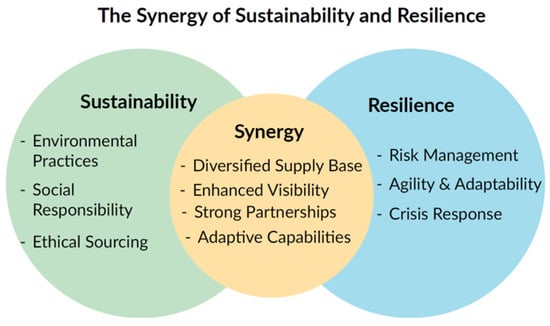
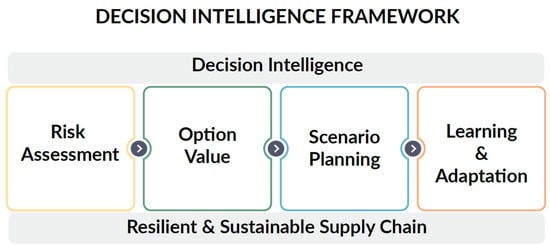
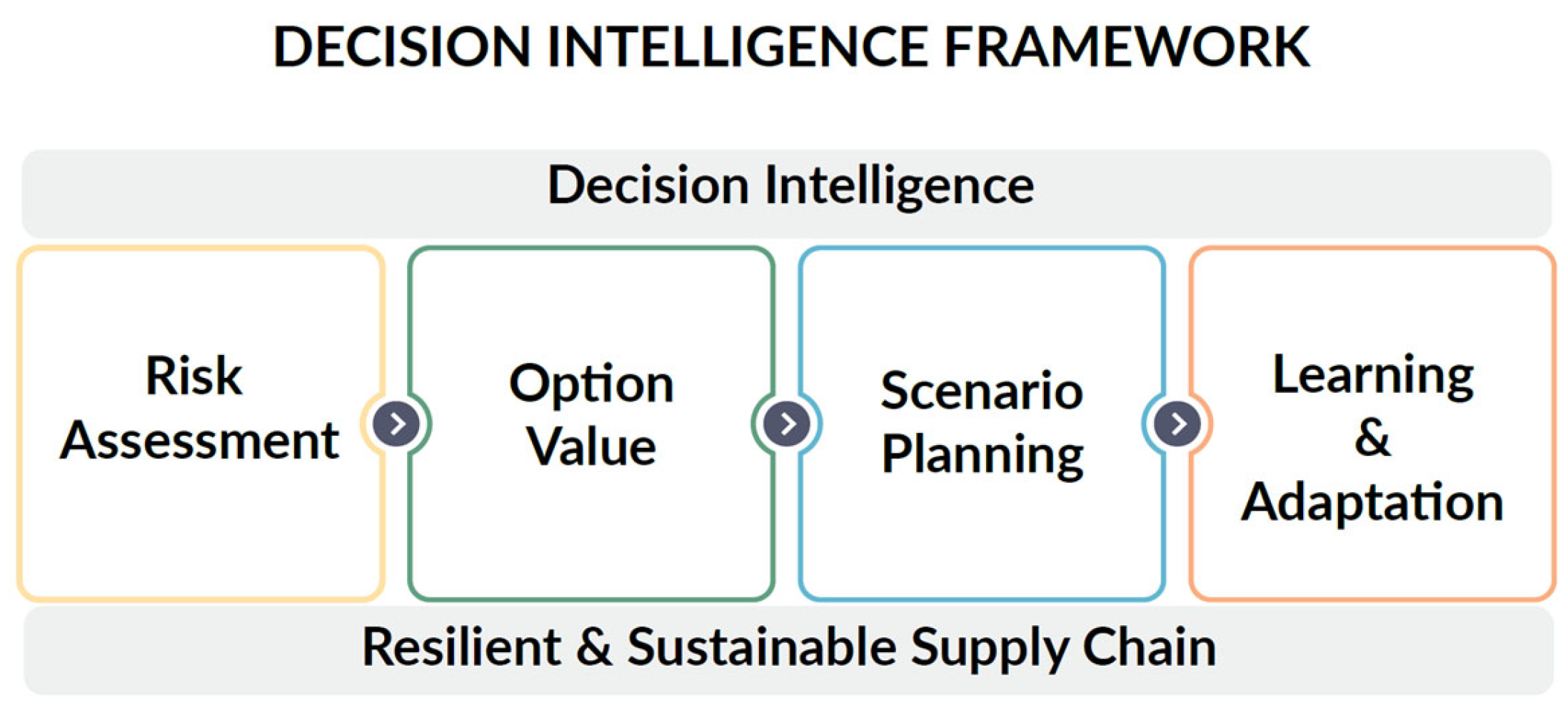
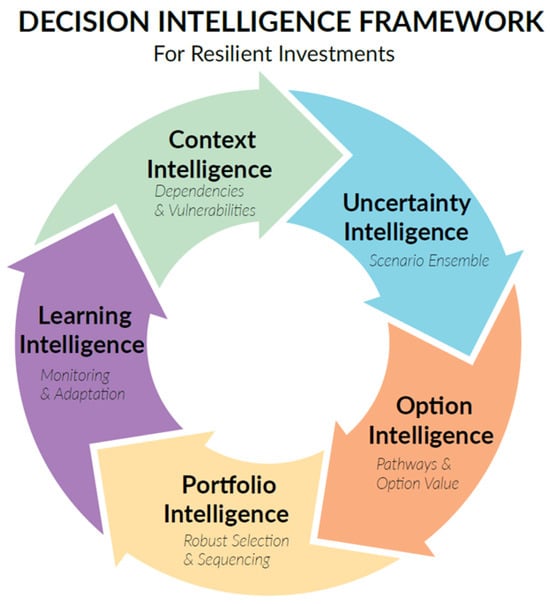
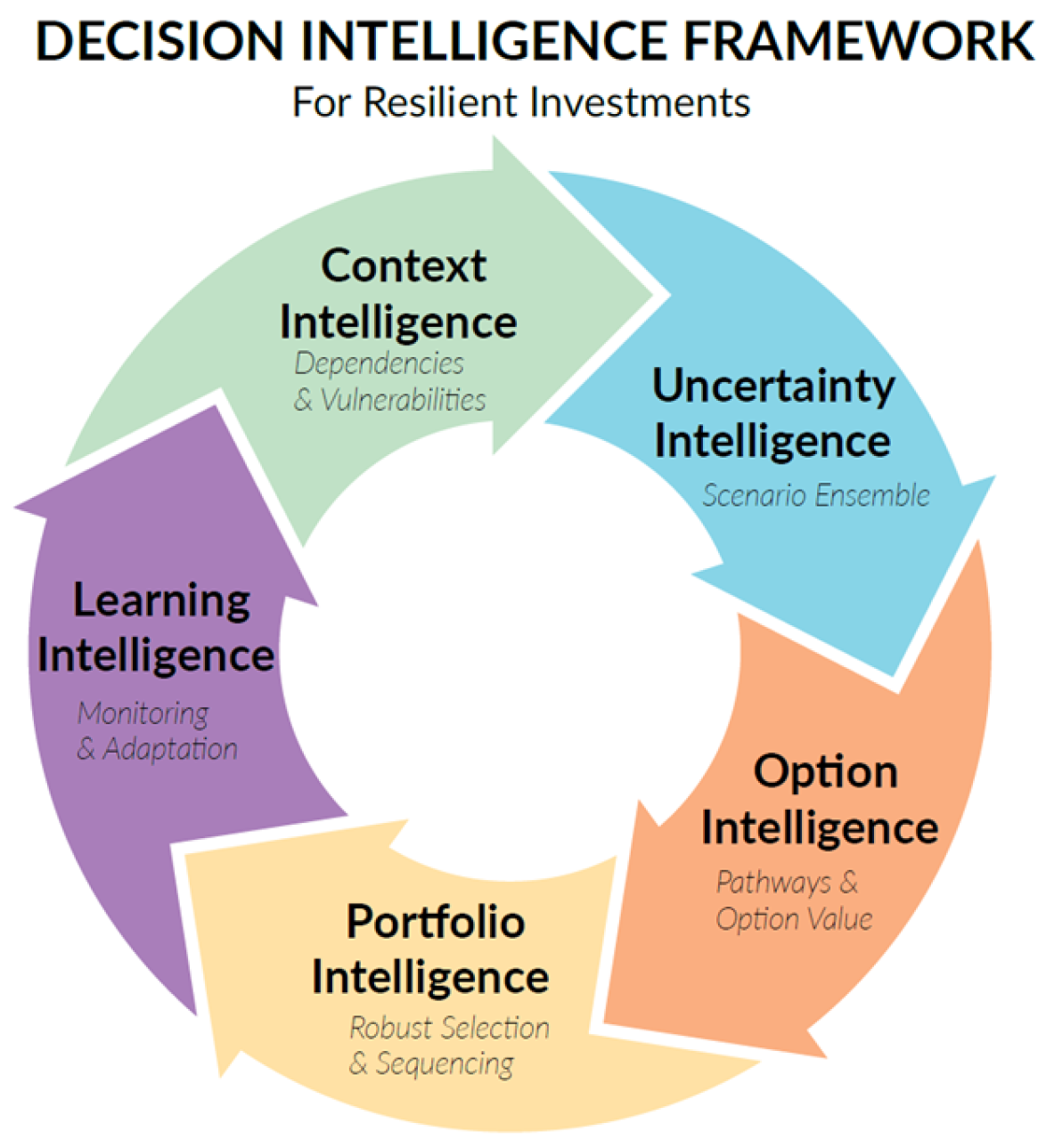

Disclaimer/Publisher’s Note: The statements, opinions and data contained in all publications are solely those of the individual author(s) and contributor(s) and not of MDPI and/or the editor(s). MDPI and/or the editor(s) disclaim responsibility for any injury to people or property resulting from any ideas, methods, instructions or products referred to in the content. |
© 2026 by the author. Licensee MDPI, Basel, Switzerland. This article is an open access article distributed under the terms and conditions of the Creative Commons Attribution (CC BY) license.