


Abstract
Reliable molecular identification of plants depends on reference libraries of DNA sequences, and complete plastid genomes (plastomes) used as super-barcodes are increasingly the reference of choice for taxonomically difficult groups. We assess how ready the flora of Poland is for plastome-based super-barcoding by combining national checklists of vascular plants, mosses, and liverworts with the current availability of complete plastomes in GenBank. For 3339 species we quantify coverage, its distribution across families and genera, the provenance of the sequenced material, and the gap between coverage and expected species-level resolution. A complete plastome was available for 54.4% of species, but coverage was uneven: liverworts (76.0%) and mosses (75.6%) were close to reference-complete, whereas the much larger vascular flora reached only 45.9%. Effective vascular coverage fell to roughly 39% once low-resolution genera were excluded, because many uncovered species belong to apomictic or hybridogenous complexes such as Taraxacum, Hieracium, and Alchemilla, where plastomes alone cannot resolve identity. Most sequenced material was of non-European origin, which weakens fine-scale identification of local populations. We identify 1011 high-value sequencing targets and recommend a tiered, marker-aware strategy combining the plastome with nuclear ribosomal DNA and, selectively, low-copy nuclear or mitochondrial markers. Defining readiness by the proportion of the flora that can actually be identified turns a static inventory into a prioritized roadmap transferable to other Central European floras.
1. Introduction
Accurate species identification is the foundation of almost everything we do with plants, from cataloguing biodiversity and monitoring protected species to controlling trade in medicinal and endangered taxa. For more than two decades, DNA barcoding has offered a fast and standardized way to identify species from short, universal DNA regions, complementing classical morphology-based identification [1]. In animals, a single mitochondrial gene (COI) works well as a universal barcode, but plants have proven far more difficult: their commonly used plastid regions evolve slowly and often do not vary enough to separate closely related species [2]. After comparing many candidate markers, the Consortium for the Barcode of Life (CBOL) Plant Working Group recommended a two-locus plastid barcode combining rbcL and matK, later complemented by trnH-psbA and the nuclear ribosomal ITS (Intrenal Trascribed Spacer) region [1,3].
The practical stakes of reliable plant identification are high and growing, which is why molecular identification has moved well beyond academic taxonomy into regulation, trade, and public safety. In the herbal-medicine and supplement sector, where raw plant material is dried, powdered, or processed beyond morphological recognition, DNA-based identification has repeatedly exposed adulteration, substitution, and mislabelling, and high-throughput sequencing of complex traditional medicines has revealed ingredients derived from trade-restricted species alongside undeclared and potentially unsafe components [4]. The same molecular tools underpin enforcement of the Convention on International Trade in Endangered Species (CITES), allowing customs and forensic laboratories to detect protected taxa in processed products where visual identification is impossible, and they are increasingly applied to food authentication, biosecurity, and the monitoring of biodiversity through environmental DNA and metabarcoding [5]. Across all of these applications the principle is the same: a molecular identification is only as reliable as the reference sequences it is compared against, which makes the coverage and quality of plant reference libraries a practical, not merely academic, concern.
Even with these standard markers, species-level resolution in plants remains modest. In a local temperate flora, the rbcL + matK combination resolved only about half of the sampled species, and discrimination drops sharply in species-rich or recently diverged groups (Bromeliaceae fell to roughly 43% [6]). Such failures are not random. They concentrate in taxonomically “difficult”; genera marked by hybridization, polyploidy, apomixis, recent radiation, and incomplete lineage sorting, including Aquilegia, Hieracium, Poa, Potentilla, Quercus, Rubus, Salix, and Taraxacum [7]. In one Arctic flora, core-barcode discrimination ranged from 85% in Carex down to 0% in Salix, and plastid haplotypes in Taraxacum did not match species boundaries at all [8]. These are exactly the groups for which reliable identification matters most and is hardest to achieve.
One response to the limits of short barcodes has been to use much more sequence. Instead of a few hundred base pairs, the entire plastid genome (the plastome, roughly 120–160 kb in most angiosperms) can be treated as a single, very long barcode. This approach, first proposed as “ultra-barcoding” using the whole chloroplast genome together with nuclear ribosomal DNA [9] and now widely called “super-barcoding”, was consolidated as a general strategy as whole-chloroplast sequences became increasingly available, and the shift from single genes to whole genomes was framed as the natural next stage of plant DNA barcoding [10]. It became practical thanks to high-throughput sequencing and genome skimming, which recover high-copy organellar and ribosomal sequences cheaply from total DNA [11,12]. The logic is simple: by capturing variation across the whole plastome rather than a few loci, super-barcodes provide far more characters for distinguishing taxa, while avoiding the PCR-amplification problems of single markers.
In practice, super-barcoding usually outperforms standard barcodes. Whole plastomes raised species discrimination from 56% to 78% in Calligonum [13] and have been used successfully to authenticate or delimit species in genera as varied as Agrimonia [14], Dracaena [15], Ottelia [16], Stipa [12], and Cephalotaxus, where the complete plastome both separated species and flagged previously unrecognized cryptic diversity [17]. The approach has proved especially valuable for authenticating medicinal plants that are notoriously hard to tell apart: in Fritillaria, a genus whose dried bulbs are an important traditional medicine and a frequent target of adulteration, the complete plastome distinguished closely related species that short markers confound, supporting its use as a practical super-barcode for quality control [18]. Importantly, super-barcoding is not a guaranteed solution. In rapidly radiating or reticulate groups its power also drops, reaching only about 87.5% in Fritillaria [19] and as low as 60% in Lauraceae [20], and similarly low plastome differentiation has been reported across lineages of Poales [21]. Because plastomes are uniparentally inherited and behave as a single linked locus, they cannot resolve hybrids or capture nuclear-level differences, which is why pairing plastomes with nuclear ribosomal DNA is often recommended [9]. Recent work is also beginning to couple whole-plastome data with computational approaches, including machine-learning classifiers, both to identify species and to flag cryptic diversity, pointing to where the method may develop next [22]. In other words, having a plastome available for a species is necessary but not always sufficient for identifying it.
A further sign that complete plastomes are becoming a standard currency of plant systematics is their growing inclusion in formal descriptions of new taxa, not just in dedicated barcoding studies. Whereas a new species or variety was traditionally circumscribed on morphology and perhaps a few short markers, authors increasingly deposit complete organellar genomes alongside the type material, both as a permanent molecular reference and as direct evidence of phylogenetic placement [23,24,25,26]. The complete plastomes have been central to delimiting and naming cryptic lineages in liverworts such as Calypogeia [27], Pellia s.l. [28] and to resolving species boundaries in difficult aquatic genera such as Ottelia [16]. This trend has been actively encouraged at the journal level, with dedicated article series inviting the publication of complete plastome and mitogenome sequences as citable reference data. As this practice spreads, the reference plastome attached to a name increasingly becomes part of the species concept itself, which further raises the value of a systematic, flora-wide accounting of which species already have such data and which do not.
These limitations make the completeness and quality of reference data a central, and often overlooked, issue. A barcode-based identification system is only as good as its reference library: a query sequence can only be matched if a correctly identified, vouchered reference already exists [29]. Building such libraries at the scale of an entire national flora is a recognized goal, and several countries and regions have invested heavily in it. Wales produced the first complete national DNA barcode database for a country’s native flowering plants and conifers [30], and large coordinated efforts in China have built barcode libraries for thousands of species, increasingly adding plastome super-barcodes specifically for the species-rich genera where short markers fail [29,31]. These initiatives show both the value of national-scale reference data and the strategic choice of where to deploy expensive whole-plastome sequencing.
For the flora of Poland, no such assessment exists. Although the number of published plant plastomes is growing rapidly worldwide, it is not clear how much of the Polish flora is actually covered, which parts of the flora remain blank, or where the available plastomes even come from. The last point is rarely examined but matters: a plastome generated from a distant foreign population may identify a species in principle, yet tell us little about the genetic variation present in Polish populations, and intraspecific plastome variation can itself blur species limits in difficult groups [8,32]. A national flora is a natural unit for this kind of stocktaking, because it is bounded, taxonomically well documented, and directly relevant to conservation, biomonitoring, and regulatory needs.
Here we use complete checklists of the flora of Poland, covering vascular plants [33], mosses [34,35] and liverworts [36], combined with the current availability of complete plastomes in public databases, to assess the readiness of the Polish flora for plastome-based super-barcoding. Rather than simply counting available plastomes, we ask three connected questions. First, how complete is plastome coverage, and how is it distributed across the taxonomic and phylogenetic structure of the flora? Second, where do these plastomes come from, in terms of the country of origin and year of submission, and what does this provenance imply for identifying Polish material? Third, how large is the gap between coverage and resolution, given that many species belong to genera where even whole plastomes are expected to discriminate poorly? By answering these questions, we aim to provide both a current-state picture of super-barcoding readiness for a Central European flora and a prioritized roadmap for the sequencing still needed to make a national super-barcode reference library a realistic goal.
2. Materials and Methods
The analysis is based on complete checklists of the flora of Poland covering vascular plants [33], mosses [34,35], and liverworts [36], which also supplied the accepted-name taxonomic backbone for each group. For each species, information on the availability of a complete plastome in GenBank was compiled, together with, where available, the GenBank accession number, the year of submission, and the country of origin of the sequenced material. Searches were performed in the NCBI Nucleotide database using the species name combined with the filters chloroplast [filter] AND “complete genome” [title], supplemented by genus-level searches for taxa with unstable or recently revised nomenclature; the final search was completed on 20 May 2026. Both primary INSDC records and RefSeq (NC_) records were screened, and where a RefSeq entry and its source record described the same assembly only the primary accession was retained, so that no species was counted twice. Only assemblies annotated as complete plastid genomes were scored as coverage; partial plastomes, individual plastid regions, unassembled contigs, and records falling outside the plausible plastome length range for the relevant lineage were excluded. GenBank organism names were reconciled to the checklist backbone rather than the reverse: synonyms were resolved against the synonymy given in the source checklists and, for names absent from them, against Plants of the World Online, and both the resolved name and the name as deposited are retained in Supplementary File S1 so that the mapping is auditable. Names that could not be assigned unambiguously to a species in the Polish checklists were not scored as coverage. Recently revised taxa, together with infraspecific and aggregate-level accessions, were reviewed manually by two of the authors, with disagreements resolved by consensus. The compiled records were distributed across twelve spreadsheets organized alphabetically and by major groups; these were merged into a single species-level dataset for analysis (Supplementary File S1).
Source records used two slightly different layouts, which were reconciled into one common schema with the fields: species, major group (vascular plants, mosses, or liverworts), family, genus, plastome availability, number of accessions, earliest submission year, country of origin, and region. A species was scored as having a plastome available only when at least one valid GenBank accession was recorded for it; entries without an accession were scored as not covered, in line with the rule that a recorded accession means a genome is present and its absence means it is not.
Accession strings were checked against the expected GenBank format and normalized (for example, harmonizing letter case); a small number of records carried obvious typographic noise that was corrected where the intended accession was unambiguous. Accessions were then deduplicated on the normalized accession string, and multiple accessions belonging to one species were collapsed into a single species-level record retaining the accession count and the earliest submission year. Country names were standardized to a controlled list and further grouped into broader regions (Poland, Europe excluding Poland, Asia, North America, and Other). Where the same species name appeared in more than one source sheet, the records were merged into a single species entry, with plastome availability taken as positive if any record carried a valid accession and the earliest recorded submission year retained.
Plastome coverage was defined at the species level as the proportion of species with at least one complete plastid genome in GenBank, calculated overall and separately for vascular plants, mosses, and liverworts, and broken down by family and genus. Temporal accumulation was summarized as the cumulative number of species with a plastome by year of submission. Provenance was summarized for the subset of species with a recorded country of origin, both by region and by the most frequent source countries.
To distinguish nominal coverage from expected identifiability, genera were flagged as low-resolution where species discrimination by a plastome is expected to be limited. A genus was flagged if it met at least one of three criteria: (i) published evidence that complete plastomes or plastid barcodes fail to discriminate accepted species in that genus or a close relative; (ii) documented widespread apomixis or agamospermy among its representatives in the Polish flora; or (iii) documented frequent interspecific hybridization and/or polyploid complex structure in the Central European flora, as recorded in the national checklist and revisionary literature. The criterion or criteria met, and the supporting source, are given for each genus in Supplementary Table S1. The flag set is evidence-based but necessarily incomplete, since a biologically difficult genus for which no plastome-level study has yet been published cannot be flagged; effective coverage as calculated here is therefore an optimistic bound. The set of flagged genera used here comprised Alchemilla, Carex, Cotoneaster, Crataegus, Dactylorhiza, Epipactis, Euphrasia, Festuca, Galium, Hieracium, Oenothera, Pilosella, Sorbus, Taraxacum, and Viola. An “effective coverage” for vascular plants was then calculated by restricting covered species to those in genera not flagged as low-resolution, so as to approximate the fraction of the flora for which a plastome is both available and expected to be informative. Species without a plastome were partitioned in the same way to define high-value sequencing targets (uncovered species in reliable genera) separately from uncovered species in low-resolution genera, where a plastome alone is not expected to resolve identification.
All data cleaning, merging, and calculation were performed in Python 3.11 using the pandas library, and figures were produced with matplotlib and exported as scalable vector graphics. The complete cleaned dataset, with one row per species and the fields described above, is provided as a Supplementary Materials, together with the prioritized list of high-value sequencing targets (Supplementary File S1).
3. Results and Discussion
3.1. Plastome Coverage of the Polish Flora: Extent, Distribution, and the Limits of Counting
After merging the source data into a single species-level dataset, the flora comprised 3339 species across three groups: 2388 vascular plants, 697 mosses, and 254 liverworts. A complete plastome was available in GenBank for 1815 species, an overall coverage of 54.4% (Figure 1). Coverage was strongly uneven among groups. The two bryophyte lineages were close to reference-complete, with 76.0% of liverworts (193/254) and 75.6% of mosses (527/697) represented by at least one plastome, whereas vascular plants, despite being by far the largest group, were the least complete at 45.9% (1095/2388). The part of the flora that is largest and most relevant to applied identification is therefore also the part where reference data are most lacking. The bryophyte result is not accidental: sustained, focused plastome sequencing of mosses and liverworts over the past decade has brought these lineages close to completeness, showing that near-complete plastome coverage of a national group is an achievable goal rather than an abstraction. National and regional reference libraries elsewhere point the same way, both in demonstrating the value of this kind of stocktaking and in the strategy of deploying whole-plastome sequencing where shorter markers fail [30,31].
Figure 1.
Plastome coverage of the flora of Poland, overall and by major groups. Bars show the percentage of species with at least one complete plastid genome in GenBank for all species combined (54.4%), vascular plants (45.9%, 1095/2388), mosses (75.6%, 527/697), and liverworts (76.0%, 193/254). The two bryophyte groups are close to reference-complete, whereas the much larger vascular flora is the least covered.
Within vascular plants, coverage varied widely among families (Figure 2). A few were almost fully sequenced, including the ferns Equisetaceae (90%) and Aspleniaceae (88%), but several large and ecologically or economically important families fell far below the group mean of 45%. The most consequential gaps were in species-rich families: Asteraceae (40% of 323 species), Caryophyllaceae (42% of 96), Scrophulariaceae (28% of 64), and Lamiaceae (43% of 60), together with the very poorly covered Solanaceae (14% of 14) and Saxifragaceae (10% of 20). Because these families contribute to many species, their low coverage drives much of the overall vascular shortfall and indicates where coordinated sequencing would yield the greatest gain.
Figure 2.
Plastome coverage of selected vascular plant families in the Polish flora. Bars show the percentage of species per family with a complete plastid genome; numbers in parentheses give the total number of species per family. Species-rich families such as Asteraceae, Caryophyllaceae, Scrophulariaceae, and Lamiaceae fall well below the vascular-plant mean (45%, dashed line), so their gaps contribute disproportionately to the overall shortfall.
The number of species with a plastome rose steeply over the past two decades and continued to increase through 2026 (Figure 3), consistent with the falling cost of high-throughput sequencing and the spread of genome skimming. The trajectory is clear: plastome data for the Polish flora are being generated faster than ever, and the limiting factor is now where that effort is directed rather than whether it is technically feasible. The bottleneck has shifted from technology to coordination and targeting, as new complete plastid genomes continue to be published for individual species across the seed-plant tree, spanning medicinal herbs, ornamentals, timber trees, and large, taxonomically complex genera [37,38,39,40,41,42,43,44,45,46,47,48,49,50,51,52], each one enlarging the comparative reference base that national super-barcoding ultimately draws on.
Figure 3.
Cumulative accumulation of plastome-covered species of the Polish flora by year of GenBank submission, shown overall and separately for vascular plants, mosses, and liverworts. The steep, continuing rise indicates that data generation is no longer the main constraint.
Nominal coverage overstates how much of the flora can actually be identified from a plastome. Partitioning the vascular flora by whether a species belongs to a taxonomically difficult, low-resolution genus (one marked by apomixis, frequent hybridization, polyploidy, or recent radiation) revealed a large practical gap (Figure 4). Of the 2388 vascular species, 938 were both covered and in a reliable genus, while 157 covered species belonged to low-resolution genera where a plastome is unlikely to separate the taxa. A further 780 uncovered species were in reliable genera, and 513 uncovered species were in low-resolution genera. Excluding species in low-resolution genera, effective coverage fell from a nominal 45.9% to roughly 39%. The pattern is sharper still at the genus level (Figure 5): the single genus Taraxacum, with 302 microspecies in the flora, had almost no plastome coverage (about 0.7%), and other large low-resolution genera such as Hieracium (110 species, 25% covered), Carex (93 species, 67%), and Festuca (33 species, 30%) occupied the same problematic region of high species number and limited prospects for plastome-based discrimination.
Figure 4.
The coverage–resolution gap in the vascular flora of Poland. Vascular species are partitioned by plastome availability (covered vs. uncovered) and by genus type (reliable vs. low-resolution, the latter marked by apomixis, hybridization, polyploidy, or recent radiation). Of 2388 species, 938 are covered and in reliable genera, 157 covered but in low-resolution genera, 780 uncovered in reliable genera, and 513 uncovered in low-resolution genera. Restricting coverage to informative (reliable-genus) species lowers effective coverage from a nominal 45.9% to roughly 39%.
Figure 5.
Genus-level view of the coverage–resolution gap in the vascular flora. Each point is a genus, plotted by the number of species in the Polish flora against percentage plastome coverage; low-resolution genera are highlighted. Large, species-rich, low-resolution genera such as Taraxacum (302 microspecies, ~0.7% covered) and Hieracium (110 species, ~25%) occupy the high-species, low-prospect region where additional plastome sequencing adds little identifying power.
This gap is the central message of the survey. A plastome can resolve a species only when that species is genetically distinct in its plastid genome from its close relatives, and this condition fails systematically in particular biological situations. Because the plastid genome is uniparentally inherited and does not recombine, it behaves as a single linked locus and records only one parental history [17]. It therefore cannot, on its own, detect hybrid origin, capture biparental signals, or distinguish lineages that have not yet diverged in their plastid sequence. These limits are not marginal. Even whole-plastome super-barcoding reaches only about 87.5% discrimination in Fritillaria [19] and as little as 60% in Lauraceae [20], and standard plastid markers drop to 0% in genera such as Salix [8]. The same biology is visible in our own group: in the leafy liverwort genus Calypogeia, the complete plastome discriminated species at 95.45%, the one failure traceable to cryptic speciation in C. suecica [27]. A high success rate and a residual failure caused by a cryptic lineage is exactly the pattern expected when a plastome works well for most species but cannot, by itself, resolve recently diverged or hidden taxa.
3.2. Cryptic Species, Hybrids, and Polyploids
Three overlapping problems account for most of the resolution gap, and all three are well represented in the Polish flora. The first is cryptic and recently diverged species, where biologically distinct taxa have not yet accumulated plastid differences; here even a complete plastome may fail to recover species as separate units, and additional markers are needed to test whether cryptic lineages exist at all [27]. This situation is not confined to a few isolated examples: across land plants the slowly evolving plastome routinely lags behind species divergence, so that recently separated lineages share identical or near-identical plastid haplotypes despite being distinct biological entities [10].
The second is hybridization and chloroplast capture. Because the plastome is maternally inherited in most angiosperms, a hybrid or introgressed lineage can carry a plastome nearly identical to that of an unrelated maternal donor, so plastid data alone may group taxa by maternal history rather than species identity [53]. The signature of this process is a strong incongruence between plastid and nuclear genealogies, and it is precisely documented in one of the genera that dominate the gap here: in Pilosella and Hieracium (Asteraceae), chloroplast haplotypes form groups that conflict sharply with the nuclear ribosomal phylogeny and with morphology, a pattern most plausibly explained by ancient intergeneric hybridization and repeated chloroplast capture [54]. Where a plastome has been captured in this way, even a complete super-barcode reports the history of the maternal donor rather than the identity of the plant carrying it.
The third is polyploidy combined with apomixis, the defining feature of the genera that dominate the gap in our data, Taraxacum, Hieracium, Sorbus, and Alchemilla. These groups form classic agamic complexes, in which repeated hybridization between sexual progenitors, followed by polyploidization and a switch to asexual seed formation, fixes and propagates very large numbers of microspecies [55]. Because each microspecies is effectively a clonal lineage of recent hybrid origin, the members of such a complex share recent common ancestry and differ little in their organellar genomes: in Taraxacum, for example, genotypic variation is high among microspecies groups but low within them, and much of the within-group variation is mutational rather than reflecting deep divergence [56]. A plastome, which samples only the maternal lineage, therefore captures almost none of the variation that separates these microspecies, so plastome coverage of such genera, even if complete, would add little identifying power. This is why the apparent vascular gap is partly an illusion: a large share of the missing species belongs to Taraxacum and similar genera, where sequencing more plastomes is not the solution.
3.3. Complementary Markers Beyond the Plastome
Where the plastome fails, no single marker rescues every case, but several complementary sources of signal can be recovered from the same genome-skimming data and matched to the type of problem. The most practical complement is the nuclear ribosomal DNA cluster. The rDNA cistron, including the ITS regions, is biparentally inherited, present in high copy number, and recovered alongside the plastome at no extra sequencing cost, which makes it the natural second marker [9]. In Acer, a genus shaped by extensive hybridization, nuclear rDNA identified species that the plastome alone could not, precisely because it carries the biparental signal the maternally inherited plastome lacks [53]. The rDNA cluster is not a universal fix, however. The concerted evolution that normally homogenizes rDNA copies breaks down in many apomictic and allopolyploid lineages, so divergent rDNA arrays can persist within a single individual in exactly the genera where identification is hardest, including Hieracium, Rubus, and Ranunculus [57]. Moreover, when plastid and nuclear data conflict because of hybridization, simply concatenating them can mislead, and the two are often better analyzed separately so that the cytonuclear conflict itself becomes informative rather than averaged away [53].
Low-copy nuclear genes are a second nuclear option, attractive in principle because they are biparentally inherited, often fast-evolving, and well suited to disentangling polyploidy and hybridization [58]. In practice their performance is uneven. A test of the low-copy gene Xdh in Dendrobium found that it was actually less variable than ITS and could not resolve relationships among closely related species within a section, whereas the multi-copy ITS was about three times more variable and performed better at low taxonomic levels [58]. Other low-copy markers have worked well as group-specific barcodes, such as Agt1 in Bromeliaceae [59], but they typically require additional laboratory effort, including dedicated primers or cloning, and the most informative locus differs from group to group. Low-copy nuclear genes are therefore best treated as a targeted tool for specific difficult clades rather than a universal addition.
The mitochondrial genome is the third option, and although it is often dismissed as too conservative for species-level work, its usefulness is more group-dependent than is usually assumed. Plant mitogenomes evolve slowly at the sequence level and vary greatly in structure, which is why the animal barcode cox1 was never adopted for plants and why mitochondrial markers generally provide too little variation for species-level work [1]; in a direct comparison of candidate loci, mitochondrial cox1 resolved only about 10% of species, far below the plastid markers [60]. In some lineages, however, the mitogenome carries enough variation to outperform the plastome. In Calypogeia, the liverwort mitogenome proved unexpectedly variable and worked as a super-mitobarcode for species identification [61], and the balance between the two organelles is not fixed even within a single subclass: across Pellidae the plastome is generally the more variable genome, yet in Apopellia this pattern is reversed, with a dynamic, structurally reduced mitogenome that has reshaped its intergenic content and intron architecture [62]. The decisive point for super-barcoding is that the mitogenome can succeed precisely where the plastome fails: in the grass tribe Stipeae, where plastome differentiation is so low that even a complete-plastome super-barcode cannot separate all species, complete and fragmentary mitogenome sequences provided usable signal for both species delimitation and phylogenetic reconstruction [63].
This potential is becoming easier to exploit because the number of complete plant mitochondrial genomes is growing rapidly, driven by long-read and hybrid assembly approaches that finally make these large, repeat-rich, structurally complex genomes tractable. Complete mitogenomes are now being published routinely for economically and medicinally important species [64], for taxonomically difficult bryophyte lineages [62], and as dedicated references for groups where the plastome underperforms [63], so the reference base needed to use mitochondrial data is expanding from almost nothing to a usable resource for an increasing number of clades. As complete mitogenomes accumulate as routine by-products of genome skimming, they are best seen not as a general alternative to the plastome but as a targeted supplement, most valuable in the specific lineages, such as liverworts and certain grasses, where they happen to carry the variation the plastome lacks.
Taken together, the practical recommendation for the difficult Polish genera is a deliberate multi-marker design built around the plastome plus nuclear rDNA, with low-copy nuclear or mitochondrial markers added selectively where a group is known to need them, and with the explicit expectation that some apomictic and hybridogenous complexes will remain unresolvable by sequence alone.
3.4. Intraspecific Variation and the Risk of Using Foreign Reference Plastomes
A problem that underlies the whole idea of a national reference library is that, for most species, we do not know how much the plastome varies below the species level, because very few species have more than one complete plastome sequenced. Where multiple genomes do exist, the amount of intraspecific variation is inconsistent and hard to predict. In the leafy liverwort Nowellia curvifolia, two European specimens were nearly identical, yet the wider comparison that included non-European material revealed enough divergence to suggest cryptic speciation within what is treated as a single species [32]. At the opposite extreme, plastomes of Riccia fluitans from Korea and Poland differed by only 59 SNPs (single nucleotide polymorphism) despite the continental distance, and Marchantia polymorpha from Korea and Japan by just four, indicating almost identical plastomes across enormous geographic separation [65]. The pattern is not even consistent within a genus: in Conocephalum, two samples of C. salebrosum differed by a single SNP while congeners diverged far more [65].
This unpredictability is the core practical risk for barcoding a national flora. Because most plastomes in public databases come from foreign, often intercontinental sources (Figure 6), a national barcoding effort that relies on them is implicitly assuming that a plastome from a distant population represents the local one. Our data show that this assumption sometimes holds and sometimes fails badly, and there is usually no way to know in advance which case applies. For a species like Riccia fluitans a Korean reference would identify Polish material almost perfectly, but for a species like Nowellia curvifolia a single foreign sequence could place local material in the wrong lineage entirely. The danger is greatest precisely in the cryptic-species complexes that are already the hardest to identify, where intercontinental samples are most likely to belong to different genetic lineages than the local plants. Grounding a Polish super-barcode reference in Polish or at least European material is therefore not a minor preference but a safeguard against systematic misidentification, and the foreign-dominated provenance documented here marks a real weakness of the current resource.
Figure 6.
Geographic provenance of sequenced material for Polish-flora species with a recorded country of origin (401 species). Counts are summarized by source country and region. Non-European sources dominate, with China alone underlying 170 species (more than all European countries combined) and the USA 54, whereas Polish material accounts for only 34 species and European material in total for 131 (30% of those with known origin). Most accessions lacked provenance information, so the figure describes the documented subset rather than the full flora.
The same point is reinforced by the many cases where the plastome lacks resolution even between accepted species, so that the choice of marker matters as much as the choice of source population. In the genus Pulsatilla, the complete plastome did not separate the closely related P. patens and P. vernalis, both present in the Polish flora; only the ITS2 region of the nuclear rDNA cluster delimited them [66]. This is not an isolated quirk of Pulsatilla. The same failure of whole plastomes to track species boundaries has been reported across unrelated lineages and life forms. In the New Caledonian conifer genus Araucaria, complete plastid genomes barely improved on the standard barcode and could not reliably discriminate among 11 of the 13 species, an evolutionarily young radiation where plastome haplotypes do not match morphological species [67]. In ginseng (Panax) the plastome likewise failed to deliver a meaningful gain in species identification [68]. Even where super-barcoding mostly succeeds, residual failures persist in the most recently diverged units: a whole-plastome study of Fritillaria in China resolved 20 of 21 species but could not separate members of the F. cirrhosa complex [69], and in the grass genus Stipa no single plastid locus was variable enough to act as a barcode and even the complete plastome did not discriminate all taxa [12]. The unifying feature of these cases, spanning conifers, monocots, grasses, and eudicots, is recent or reticulate divergence, where the slowly evolving plastome has not had time to accumulate species-specific differences.
The opposite failure mode also occurs, where the plastome carries far more variation than the current taxonomy recognizes. In the Aneura pinguis complex the plastome is extraordinarily variable, with nucleotide diversity an order of magnitude higher than the mitogenome, reflecting deep cryptic speciation hidden within a single morphological species [70]. Taken together, these examples bracket the problem: the same organelle that fails to distinguish two Pulsatilla or two Dendrobium species carries deep divergence among cryptic Aneura lineages, so neither coverage nor a fixed expectation of plastome resolution can be assumed across the flora.
A further, easily overlooked complication is heteroplasmy at the level of individual nucleotides rather than genome structure. Long-read sequencing of liverwort organelles did not detect the structural heteroplasmy known from seed-plant plastomes, but it did reveal nucleotide-level heteroplasmy in liverwort organellar genomes, expressed as substitutions, indels, and short tandem-repeat polymorphisms, some resembling RNA-editing patterns [71]. Intra-individual SNP heteroplasmy is also documented in angiosperm plastomes, for example more than a hundred variable sites in Gentiana tongolensis, attributed to biparental inheritance or DNA transfer [72]. For super-barcoding this means that a single reference sequence can collapse genuine within-individual variation into a consensus, and that automated assembly may silently mask sites that are in fact polymorphic. The practical consequence is modest but real: reference plastomes for difficult or under-studied groups should ideally be built with methods that can report, rather than hide, heteroplasmic positions.
3.5. Provenance and the Meaning of a Reference Plastome
Even where a plastome exists, its value as a national reference depends partly on where the sequenced material came from. Provenance was recorded for 401 species; within this subset the geographic origin of sequenced material was dominated by non-European sources (Figure 6). China alone underlay 170 species, more than all European countries combined, followed by the USA (54), while material of Polish origin underlay only 34 species and European material in total accounted for 131 (30% of those with known origin). This matters because plastid variation can exist within a species and, in difficult groups, intraspecific plastome variation can blur species limits [8]. A plastome from a geographically remote population is still useful for assigning a specimen to a broadly defined species, but it is a weaker anchor for fine-scale identification and for any application that depends on local genetic variation, such as provenance testing or population-level monitoring. As a practical rule, a non-European reference is best treated as provisional for any species in a taxonomically difficult genus or one with known cryptic structure, and confirmed against at least one European accession before it is used for regulatory or population-level applications. Because provenance was missing for most accessions, this conclusion describes the documented subset rather than the full flora; completing the field from GenBank metadata would allow the point to be tested across the whole flora. Because geographic origin is not a required field in INSDC submissions, several complementary levers could raise its completeness: journals that publish plastome announcements could require a collection locality alongside the voucher, as some already require the voucher alone; a minimum-metadata standard for organellar-genome submissions could make the geographic-origin qualifier expected rather than optional; and national or regional barcoding initiatives can simply mandate it for their own outputs. The marginal cost of recording provenance at submission is negligible, whereas recovering it afterwards is often impossible.
3.6. Towards a National Super-Barcode Reference Library
National and regional barcode libraries elsewhere provide both a benchmark and a set of lessons. The first complete national resource, for the native flowering plants and conifers of Wales, covered all 1143 species and achieved a dual-locus rbcL + matK barcode for 89.7% of the flora, built largely from herbarium material [30]. At a larger scale, the Canadian effort assembled barcodes for 5076 of 5190 vascular species (98%) from more than 20,000 specimens, yet even with near-complete coverage species-level discrimination with standard markers reached only about 81% with the best single locus, falling further in difficult genera and in the Arctic flora [73,74]. In China, the foundational seed-plant study sampled 6286 individuals of 1757 species to establish ITS as a core marker [3], and more recent regional libraries have begun to add whole plastomes specifically for the hardest groups: a library for the woody plants of tropical and subtropical China now pairs standard barcodes for 2520 species with a dedicated super-barcode set of complete plastomes for 1139 species [31]. Two lessons stand out for Poland. First, even exhaustive coverage does not translate into exhaustive identification, exactly the coverage-resolution gap documented here. Second, herbaria make national-scale sampling feasible and, crucially, supply locally sourced, expertly identified, vouchered material, which directly addresses the provenance weakness of relying on foreign GenBank plastomes.
Against this background, our results suggest a realistic and sequenced path for Poland rather than a single undifferentiated target. The immediate priority is the 780 uncovered vascular plant species that fall in genera where a plastome is expected to give a clear answer; these are the high-value sequencing targets, listed in the Supplementary Materials, and the vascular families holding the largest absolute gaps among them are Asteraceae (109 species), Caryophyllaceae (56), Scrophulariaceae (40), Lamiaceae (34), and Poaceae (31). Wherever possible this sequencing should draw on Polish or at least European specimens, ideally vouchered herbarium or freshly collected material, so that the reference captures local rather than intercontinental variation; routine genome skimming now recovers complete plastomes and nuclear ribosomal DNA even from herbarium specimens many decades old and from minute, highly degraded DNA samples, which makes the millions of identified, vouchered sheets in existing collections a realistic sequencing resource [75]. The remaining 513 uncovered species lie in low-resolution genera, where whole-plastome sequencing alone will not solve identification; these need the combined plastome + rDNA strategy outlined above, with low-copy nuclear or mitochondrial markers added selectively, and an honest acknowledgment that some apomictic and hybridogenous complexes such as Taraxacum, Hieracium, and Sorbus will not be separable by sequence alone and will continue to require expert morphological and cytological input [76]. The bryophytes, already at roughly three-quarters coverage, are within reach of becoming a near-complete national reference with comparatively modest additional effort, and could serve as a proof of concept for the larger vascular task.
A national super-barcode reference library is therefore best defined not by the number of plastomes accumulated, but by the proportion of the flora that can actually be identified, grounded in local material, and matched marker-by-marker to the biology of each group. By that definition the flora of Poland is currently about half ready, with the bryophytes far ahead of the vascular plants, a large but tractable list of high-value gaps, and a smaller core of genuinely hard groups where sequence data will always need to be combined with classical taxonomy. Framing readiness this way turns a static inventory into an actionable plan, and provides a template that could be applied to other Central European floras facing the same mixture of opportunity and limitation.
4. Future Perspectives
Several developments are likely to shape how quickly the remaining gaps can be closed and how useful the resulting reference library will be. The most immediate is the continued fall in sequencing costs and the maturation of genome skimming, which already turns a single shallow sequencing run into a complete plastome, the full nuclear ribosomal cistron, and often the mitogenome at the same time, so that each newly sequenced specimen contributes several markers rather than one [75]. Pairing this with the systematic use of vouchered herbarium material would let a national effort progress taxon by taxon while keeping every reference sequence tied to an expertly identified, physically archived specimen.
For the genuinely hard groups, the clearest way forward is to move beyond the plastome into the nuclear genome. Where species boundaries are blurred by hybridization, polyploidy, and recent radiation, adding more plastid data yields little, because the plastome behaves as a single, uniparentally inherited linked locus however long it is; the limiting factor becomes access to many independent biparentally inherited loci [76]. Universal nuclear target-capture systems such as the Angiosperms353 probe set, which recovers hundreds of low-copy nuclear genes from any flowering plant, offer a repeatable and increasingly standardized route to exactly this kind of data [77]. Two properties make the approach particularly relevant to a national reference library. The first is its tolerance of degraded material: a survey of 435 herbarium specimens spanning angiosperm diversity and up to two centuries old recovered on average 207 of the 353 target genes, and 47 genes were still obtained from an 1815 collection of the critically endangered Mellissia begoniifolia, although recovery declined measurably with specimen age and was consistently higher for silica-dried than for herbarium material [78]. The second is that the resulting data are analytically tractable in exactly the situations where plastomes fail. Because target capture yields biparentally inherited loci, divergent alleles within a single accession can be detected and sorted into parental lineages rather than averaged into a consensus: the HybPhaser workflow applied to Angiosperms353 data recovered all known hybrids in a test set and phased them into components resembling their parental haplotypes [79]. This capability has since been applied to apomictic complexes of precisely the kind that dominate the uncovered part of the Polish vascular flora, with 1114 phased loci used to place putative apomictic diploid hybrids of Boechera into a phylogeny that had previously contained only sexual diploids [80], and to disentangle the reticulate histories of polyploid Azorella species [81]. For genera such as Taraxacum, Hieracium, Rubus, Alchemilla, and Sorbus, where a plastome records only the maternal contribution and a correct plastome match can still yield a wrong identification, this is the operationally decisive difference.
The trade-offs, however, are real and argue against applying target capture flora-wide. Genome skimming requires no probe kit, needs only shallow coverage, and delivers plastome, nuclear ribosomal cistron, and often mitogenome from a single library, with assembly that is well automated and computationally light. Target capture adds a per-sample hybridisation and probe-kit cost and a substantially longer analytical path—read sorting to targets, per-locus assembly, paralogue screening, allele phasing, and orthologue selection before any tree can be built—and this analytical burden, rather than the sequencing itself, is where the effort now sits, particularly for the polyploids the method is invoked to resolve. Nor does target capture automatically outperform a well-designed skim: deep genome skimming of Rhododendron recovered nuclear genes efficiently from herbarium specimens at roughly 15× coverage, and loci retrieved against a taxon-specific reference carried less missing data and produced better-resolved trees than the Angiosperms353 set itself [82]. Resolution also remains group-dependent rather than guaranteed: applied to more than 50 tuberous orchid species of the Eastern Mediterranean, the Angiosperms353 loci yielded a well-supported phylogeny but did not settle competing species-delimitation models, and the informativeness of individual loci varied strongly with divergence depth [83]. A pragmatic compromise, already demonstrated for timber identification in Meliaceae, is to use capture data as a discovery layer and then distil short, PCR-amplifiable diagnostic regions from the high-performing loci for routine use [84]. Alongside richer data, analysis is also advancing: coupling whole-plastome and multi-locus data with computational classifiers, including machine-learning approaches, is beginning to improve both identification and the detection of cryptic diversity [22]. A practical national strategy would therefore be tiered: complete plastomes, generated by genome skimming, for the bulk of the flora; plastome + -rDNA for moderately difficult genera; and nuclear target capture reserved for the small core of apomictic, hybridogenous, and polyploid complexes where nothing cheaper will work, with the aim of extracting from those data a compact set of diagnostic nuclear markers that can then be applied at scale.
The genera behind this recommendation are not an arbitrary list; the criteria met and the supporting evidence for each are given in Supplementary Table S1. In the agamic complexes the barrier is reproductive. Apomixis in Taraxacum is diplosporous, and the locus controlling it has been mapped to a nucleolar organizer chromosome without an associated hemizygous region [85], while in Hieracium aposporous development has been dissected through a reference linkage map built from developing ovule transcripts [86]; in both genera, and in the Hieracium segregate Pilosella, clonally propagated microspecies inherit the plastome maternally and are therefore invisible to it. Elsewhere the barrier is reticulation. Extensive allopolyploidy and gene duplication framed the evolution of the fine-leaved Loliinae to which the Polish Festuca species belong [87]; the Oenothera complexes, maintained by permanent translocation heterozygosity, have required dedicated molecular marker systems [88]; plastome-scale work across Rubioideae, the subfamily containing Galium, shows how narrow the informative signal becomes among close relatives [89]; and the high-polyploid violets arose by allodecaploidization followed by recurrent polyploidization, a history recoverable from nuclear homoeologs but not from a maternally inherited plastid [90]. Three young or hybridizing lineages make the same point from different directions: sibling allopolyploids in the Dactylorhiza majalis complex remain genetically and ecophysiologically distinct while sharing maternal plastomes [91,92]; phylogenomic incongruence is pervasive throughout the hemiparasitic Euphrasia [93]; and in Epipactis iterative allogamy–autogamy transitions drive an ongoing radiation in which accepted species differ minimally [94]. The apomictic Rosaceae converge on the same conclusion. Reticulate evolution in Crataegus is recovered by nuclear ITS2 and, at genome scale, by 257 nuclear loci, but not by the chloroplast genome [95,96]; Alchemilla and its relatives have been resolved only at and above the generic level, and then only from combined plastid and nuclear data [97]; and apomixis together with hybridization drives the phyletic differentiation of Sorbus microspecies, which carry the plastome of a single maternal progenitor [98,99]. Cotoneaster is the one flagged genus for which infrageneric plastome comparison has been carried out directly, and it confirms the pattern [100].
Two further directions deserve attention. First, the value of any reference library grows as it is linked to downstream applications, from authenticating herbal products and enforcing trade controls to environmental DNA monitoring of habitats and protected species; designing the Polish reference data with these uses in mind, including consistent vouchering and open deposition, would maximize their practical return. Second, intraspecific sampling remains the weakest part of the current picture: for most species only one plastome exists, and the contrasting cases documented here show that a single sequence can either represent a species well or hide deep cryptic structure. Adding even a few geographically spread accessions for ecologically or economically important species would substantially improve the reliability of identifications and turn the reference library from a catalogue of species into a record of the variation within them.
5. Conclusions
The flora of Poland is currently about half ready for plastome-based super-barcoding. Coverage is highly uneven: the bryophytes are close to a complete national reference, whereas the much larger vascular flora lags well behind, and effective coverage is lower still once taxonomically difficult genera are excluded. Most available plastomes derive from foreign, often intercontinental material, which is an acceptable anchor for broadly defined species but a weak one for fine-scale or population-level identification of Polish material. The decisive distinction is between coverage and identifiability: in apomictic, hybridogenous, and recently radiated complexes, additional plastomes add little, and a multi-marker strategy combining the plastome with nuclear ribosomal DNA—and, selectively, low-copy nuclear or mitochondrial data—is required. Defining readiness by the proportion of the flora that can actually be identified, grounded in locally sourced and vouchered material, turns a static sequence inventory into an actionable, prioritized plan that other Central European floras could adopt.
Supplementary Materials
The following supporting information can be downloaded at https://www.mdpi.com/article/10.3390/applbiosci5030071/s1, Supplementary File S1: Dataset of Polish flora plastomes.
Author Contributions
Conceptualization, J.S. (Jakub Sawicki) and M.S.; methodology, J.S. (Jakub Sawicki) and M.S.; software, J.S. (Jakub Sawicki); validation, J.S. (Jakub Sawicki), M.S., K.K., N.P., A.G. and J.S. (Joanna Szablińska); formal analysis, J.S. (Jakub Sawicki); investigation, A.G., N.P., W.C. and K.K.; data curation, A.G., N.P., W.C., K.K. and J.S. (Joanna Szablińska); writing—original draft preparation, M.S. and J.S. (Jakub Sawicki); writing—review and editing, all authors; visualization, M.S. and J.S. (Jakub Sawicki); supervision, J.S. (Jakub Sawicki) and M.S. All authors have read and agreed to the published version of the manuscript.
Funding
This research received no external funding.
Institutional Review Board Statement
Not applicable.
Informed Consent Statement
Not applicable.
Data Availability Statement
The original contributions presented in this study are included in the article and Supplementary Materials. Further inquiries can be directed to the corresponding authors.
Acknowledgments
During the preparation of this manuscript, the author used a Grammarly 1.2 tool for the purposes of correcting English. The authors have reviewed and edited the output and take full responsibility for the content of this publication.
Conflicts of Interest
The authors declare no conflicts of interest.
Abbreviations
The following abbreviations are used in this manuscript:
| CBOL | Consortium for the Barcode of Life |
| CITES | Convention on International Trade in Endangered Species |
| cp | chloroplast (plastid) |
| ITS | internal transcribed spacer |
| rDNA | ribosomal DNA |
| SNP | single-nucleotide polymorphism |
References
- Hollingsworth, P.M. CBOL Plant Working Group. A DNA barcode for land plants. Proc. Natl. Acad. Sci. USA 2009, 106, 12794–12797. [Google Scholar] [CrossRef] [Scilit] [PubMed]
- Hollingsworth, P.M.; Graham, S.W.; Little, D.P. Choosing and using a plant DNA barcode. PLoS ONE 2011, 6, e19254. [Google Scholar] [CrossRef] [Scilit] [PubMed]
- China Plant BOL Group; Li, D.-Z.; Gao, L.-M.; Li, H.-T.; Wang, H.; Ge, X.-J.; Liu, J.-Q.; Chen, Z.-D.; Zhou, S.-L.; Chen, S.-L.; et al. Comparative analysis of a large dataset indicates that internal transcribed spacer (ITS) should be incorporated into the core barcode for seed plants. Proc. Natl. Acad. Sci. USA 2011, 108, 19641–19646. [Google Scholar] [CrossRef] [Scilit] [PubMed]
- Coghlan, M.L.; Haile, J.; Houston, J.; Murray, D.C.; White, N.E.; Moolhuijzen, P.; Bellgard, M.I.; Bunce, M. Deep sequencing of plant and animal DNA contained within traditional Chinese medicines reveals legality issues and health safety concerns. PLoS Genet. 2012, 8, e1002657. [Google Scholar] [CrossRef] [Scilit] [PubMed]
- Staats, M.; Arulandhu, A.J.; Gravendeel, B.; Holst-Jensen, A.; Scholtens, I.; Peelen, T.; Prins, T.W.; Kok, E. Advances in DNA metabarcoding for food and wildlife forensic species identification. Anal. Bioanal. Chem. 2016, 408, 4615–4630. [Google Scholar] [CrossRef] [Scilit] [PubMed]
- Maia, V.H.; da Mata, C.S.; Franco, L.O.; Cardoso, M.A.; Cardoso, S.R.S.; Hemerly, A.S.; Ferreira, P.C.G. DNA barcoding Bromeliaceae: Achievements and pitfalls. PLoS ONE 2012, 7, e29877. [Google Scholar] [CrossRef] [Scilit] [PubMed]
- Spooner, D.M. DNA barcoding will frequently fail in complicated groups: An example in wild potatoes. Am. J. Bot. 2009, 96, 1177–1189. [Google Scholar] [CrossRef] [Scilit] [PubMed]
- Saarela, J.M.; Sokoloff, P.C.; Gillespie, L.J.; Consaul, L.L.; Bull, R.D. DNA barcoding the Canadian Arctic flora: Core plastid barcodes (rbcL + matK) for 490 vascular plant species. PLoS ONE 2013, 8, e77982. [Google Scholar] [CrossRef] [Scilit] [PubMed]
- Kane, N.; Sveinsson, S.; Dempewolf, H.; Yang, J.Y.; Zhang, D.; Engels, J.M.M.; Cronk, Q. Ultra-barcoding in cacao (Theobroma spp.; Malvaceae) using whole chloroplast genomes and nuclear ribosomal DNA. Am. J. Bot. 2012, 99, 320–329. [Google Scholar] [CrossRef] [Scilit] [PubMed]
- Li, X.; Yang, Y.; Henry, R.J.; Rossetto, M.; Wang, Y.; Chen, S. Plant DNA barcoding: From gene to genome. Biol. Rev. 2015, 90, 157–166. [Google Scholar] [CrossRef] [Scilit] [PubMed]
- Coissac, E.; Hollingsworth, P.M.; Lavergne, S.; Taberlet, P. From barcodes to genomes: Extending the concept of DNA barcoding. Mol. Ecol. 2016, 25, 1423–1428. [Google Scholar] [CrossRef] [Scilit] [PubMed]
- Krawczyk, K.; Nobis, M.; Myszczyński, K.; Klichowska, E.; Sawicki, J. Plastid super-barcodes as a tool for species discrimination in feather grasses (Poaceae: Stipa). Sci. Rep. 2018, 8, 1924. [Google Scholar] [CrossRef] [Scilit] [PubMed]
- Song, F.; Li, T.; Burgess, K.S.; Feng, Y.; Ge, X.-J. Complete plastome sequencing resolves taxonomic relationships among species of Calligonum L. (Polygonaceae) in China. BMC Plant Biol. 2020, 20, 261. [Google Scholar] [CrossRef] [Scilit] [PubMed]
- Lee, J.-J.; Kang, J.-S.; Kim, Y.J.; Lee, Y.S.; Park, J.Y.; Jang, W.; Moon, B.C.; Kim, Y.; Kim, T.-Y.; Yang, T.-J. Super-barcoding of four Agrimonia species distributed in Korea based on complete plastid genomes and nuclear ribosomal DNAs. PLoS ONE 2026, 21, e0341151. [Google Scholar] [CrossRef] [Scilit] [PubMed]
- Zhang, Z.; Zhang, Y.; Song, M.; Guan, Y.; Ma, X. Species identification of Dracaena using the complete chloroplast genome as a super-barcode. Front. Pharmacol. 2019, 10, 1441. [Google Scholar] [CrossRef] [Scilit] [PubMed]
- Ji, Y.; Yang, J.; Landis, J.B.; Wang, S.; Yang, Z.; Zhang, Y. Deciphering the taxonomic delimitation of Ottelia acuminata (Hydrocharitaceae) using complete plastomes as super-barcodes. Front. Plant Sci. 2021, 12, 681270. [Google Scholar] [CrossRef] [Scilit] [PubMed]
- Wang, J.; Fu, C.-N.; Mo, Z.-Q.; Möller, M.; Yang, J.-B.; Zhang, Z.-R.; Li, D.-Z.; Gao, L.-M. Testing the complete plastome for species discrimination, cryptic species discovery and phylogenetic resolution in Cephalotaxus (Cephalotaxaceae). Front. Plant Sci. 2022, 13, 768810. [Google Scholar] [CrossRef] [Scilit] [PubMed]
- Wu, L.; Wu, M.; Cui, N.; Xiang, L.; Li, Y.; Li, X.; Chen, S. Plant super-barcode: A case study on genome-based identification for closely related species of Fritillaria. Chin. Med. 2021, 16, 52. [Google Scholar] [CrossRef] [Scilit] [PubMed]
- Chen, Q.; Wu, X.; Zhang, D. Comparison of the abilities of universal, super, and specific DNA barcodes to discriminate among the original species of Fritillariae cirrhosae bulbus and its adulterants. PLoS ONE 2020, 15, e0229181. [Google Scholar] [CrossRef] [Scilit] [PubMed]
- Liu, J.; Provan, J.; Gao, L.-M.; Li, D.-Z. Can plastid genome sequencing be used for species identification in Lauraceae? Bot. J. Linn. Soc. 2021, 197, 1–14. [Google Scholar] [CrossRef] [Scilit]
- Krawczyk, K.; Paukszto, Ł.; Maździarz, M.; Sawicki, J. The low level of plastome differentiation observed in some lineages of Poales hinders molecular species identification. Front. Plant Sci. 2023, 14, 1275377. [Google Scholar] [CrossRef] [Scilit] [PubMed]
- Shah, P.; Jain, N.; Gawande, N.; Sharma, T.; Devanathan, K.; Sankaranarayanan, S.; Balaji, R. Advancing plant DNA barcoding: Integrating chloroplast genome sequencing, cryptic diversity discovery and machine learning. Mol. Biol. Rep. 2026, 53, 550. [Google Scholar] [CrossRef] [Scilit] [PubMed]
- Park, J.; Kim, Y.; Kwon, W.; Xi, H.; Park, C.H. The complete chloroplast genome sequence of new species candidate of Plantago depressa Willd. in Korea (Plantaginaceae). Mitochondrial DNA Part B 2021, 6, 1961–1963. [Google Scholar] [CrossRef] [Scilit] [PubMed]
- Plášek, V.; Sawicki, J.; Seppelt, R.D.; Cave, L.H. Orthotrichum cupulatum Hoffm. ex Brid. var. lithophilum, a new variety of epilithic bristle moss from Tasmania. Acta Soc. Bot. Pol. 2023, 92, 176370. [Google Scholar] [CrossRef] [Scilit]
- Guo, Z.-Y.; Liu, H.-M.; Wang, K.-K.; Fujiwara, T.; Liu, Z.-Y.; Zhang, X.-C.; Schneider, H. Huperzia crassifolia (Lycopodiaceae), a new species from China based on morphological characters and molecular evidence. PhytoKeys 2024, 246, 27–42. [Google Scholar] [CrossRef] [Scilit] [PubMed]
- Shen, L.; Ma, H.-J.; Meng, W.-Q.; Wang, L.-J.; Wang, R.-B.; Wang, X.; Wang, W.-Z.; Lv, G.-S.; Shao, J.-W.; Liu, K. Ranunculus yuexiensis (Ranunculaceae): A new species from Dabie Mountains, China, based on plastome and morphological data. Ecol. Evol. 2025, 15, e72418. [Google Scholar] [CrossRef] [Scilit] [PubMed]
- Ślipiko, M.; Myszczyński, K.; Buczkowska, K.; Bączkiewicz, A.; Szczecińska, M.; Sawicki, J. Molecular delimitation of European leafy liverworts of the genus Calypogeia based on plastid super-barcodes. BMC Plant Biol. 2020, 20, 243. [Google Scholar] [CrossRef] [Scilit] [PubMed]
- Czochór, W.; Koczwara, K.; Sawicki, J.; Szczecińska, M. Revisiting the Pellia sensu lato complex: An integrative review of taxonomic revision, phylogeny, and molecular biology. Acta Soc. Bot. Pol. 2025, 94, 216403. [Google Scholar] [CrossRef] [Scilit]
- Song, F.; Li, T.; Yan, H.-F.; Feng, Y.; Jin, L.; Burgess, K.S.; Ge, X.-J. Plant DNA barcode library for native flowering plants in the arid region of northwestern China. Mol. Ecol. Resour. 2023, 23, 1389–1402. [Google Scholar] [CrossRef] [Scilit] [PubMed]
- de Vere, N.; Rich, T.C.G.; Ford, C.R.; Trinder, S.A.; Long, C.; Moore, C.W.; Satterthwaite, D.; Davies, H.; Allainguillaume, J.; Ronca, S.; et al. DNA barcoding the native flowering plants and conifers of Wales. PLoS ONE 2012, 7, e37945. [Google Scholar] [CrossRef] [Scilit] [PubMed]
- Jin, L.; Shi, H.-Y.; Li, T.; Zhao, N.; Xu, Y.; Xiao, T.-W.; Song, F.; Ma, C.-X.; Li, Q.-M.; Lin, L.-X.; et al. A DNA barcode library for woody plants in tropical and subtropical China. Sci. Data 2023, 10, 819. [Google Scholar] [CrossRef] [Scilit] [PubMed]
- Sawicki, J.; Krawczyk, K.; Ślipiko, M.; Szczecińska, M. Sequencing of organellar genomes of Nowellia curvifolia (Cephaloziaceae Jungermanniales) revealed the smallest plastome with complete gene set and high intraspecific variation suggesting cryptic speciation. Diversity 2021, 13, 81. [Google Scholar] [CrossRef] [Scilit]
- Mirek, Z.; Piękoś-Mirkowa, H.; Zając, A.; Zając, M. Flowering Plants and Pteridophytes of Poland. A checklist; Biodiversity of Poland 1; W. Szafer Institute of Botany, Polish Academy of Sciences: Kraków, Poland, 2002. [Google Scholar]
- Ochyra, R.; Żarnowiec, J.; Bednarek-Ochyra, H. Census Catalogue of Polish Mosses; Biodiversity of Poland 3; W. Szafer Institute of Botany, Polish Academy of Sciences: Kraków, Poland, 2003. [Google Scholar]
- Stebel, A.; Żarnowiec, J. Revised Red-list of Polish mosses (version 2025). Acta Soc. Bot. Pol. 2025, 94, 207184. [Google Scholar] [CrossRef] [Scilit]
- Szweykowski, J. An Annotated Checklist of Polish Liverworts and Hornworts; W. Szafer Institute of Botany, Polish Academy of Sciences: Kraków, Poland, 2006. [Google Scholar]
- Dinka, M.D.; Popa, M.O.; Trzeciak, P.; Spalik, K.; Soghigian, J.; Piwczyński, M. The complete plastid genome of Ferula communis (Apiaceae): Structural features and phylogenetic insights. Acta Soc. Bot. Pol. 2025, 94, 216747. [Google Scholar] [CrossRef] [Scilit]
- Jiang, Y.; Zhu, C.; Wang, S.; Wang, F.; Sun, Z. Identification of three cultivated varieties of Scutellaria baicalensis using the complete chloroplast genome as a super-barcode. Sci. Rep. 2023, 13, 5602. [Google Scholar] [CrossRef] [Scilit] [PubMed]
- Wang, Y.; Li, X.; Yin, H.; Li, J.; Fan, Z.; Liu, W. Characterization and phylogenetic analysis of the complete chloroplast genome of Camellia chrysanthoides (Theaceae). Mitochondrial DNA Part B 2021, 6, 3157–3159. [Google Scholar] [CrossRef] [Scilit] [PubMed]
- Hong, Z.; Wu, Z.; Zhao, K.; Yang, Z.; Zhang, N.; Guo, J.; Tembrock, L.R.; Xu, D. Comparative analyses of five complete chloroplast genomes from the genus Pterocarpus (Fabaceae). Int. J. Mol. Sci. 2020, 21, 3758. [Google Scholar] [CrossRef] [Scilit] [PubMed]
- Tao, L.; Duan, H.; Tao, K.; Luo, Y.; Li, Q.; Li, L. Complete chloroplast genome structural characterization of two Phalaenopsis (Orchidaceae) species and comparative analysis with their alliance. BMC Genom. 2023, 24, 359. [Google Scholar] [CrossRef] [Scilit] [PubMed]
- Zeng, M.-Y.; Li, M.-H.; Lan, S.; Yin, W.-L.; Liu, Z.-J. Comparative phylogenomic study of Malaxidinae (Orchidaceae) sheds light on plastome evolution and gene divergence. Int. J. Mol. Sci. 2024, 25, 11181. [Google Scholar] [CrossRef] [Scilit] [PubMed]
- Liu, L.; Du, J.; Liu, Z.; Zuo, W.; Wang, Z.; Li, J.; Zeng, Y. Comparative and phylogenetic analyses of nine complete chloroplast genomes of Orchidaceae. Sci. Rep. 2023, 13, 21403. [Google Scholar] [CrossRef] [Scilit] [PubMed]
- Aziz, A.; Almutairi, M.M. The complete chloroplast genome sequence of the North American sclerophyllous evergreen shrub, Quercus turbinella (Fagaceae). Mitochondrial DNA Part B 2024, 9, 123–127. [Google Scholar] [CrossRef] [Scilit] [PubMed]
- Yang, J.-B.; Yang, S.-X.; Li, H.-T.; Yang, J.; Li, D.-Z. Comparative chloroplast genomes of Camellia species. PLoS ONE 2013, 8, e73053. [Google Scholar] [CrossRef] [Scilit] [PubMed]
- Li, L.; Wu, Q.; Zhai, J.; Wu, K.; Fang, L.; Li, M.; Zeng, S.; Li, L. Comparative chloroplast genomics of 24 species shed light on the genome evolution and phylogeny of subtribe Coelogyninae (Orchidaceae). BMC Plant Biol. 2024, 24, 16. [Google Scholar] [CrossRef] [Scilit] [PubMed]
- Tao, K.; Tao, L.; Huang, J.; Duan, H.; Luo, Y.; Li, L. Complete chloroplast genome structural characterization of two Aerides (Orchidaceae) species with a focus on phylogenetic position of Aerides flabellata. BMC Genom. 2024, 25, 552. [Google Scholar] [CrossRef] [Scilit] [PubMed]
- Chen, J.; Wang, F.; Zhou, C.; Ahmad, S.; Zhou, Y.; Li, M.; Liu, Z.; Peng, D. Comparative phylogenetic analysis for Aerides (Aeridinae, Orchidaceae) based on six complete plastid genomes. Int. J. Mol. Sci. 2023, 24, 12473. [Google Scholar] [CrossRef] [Scilit] [PubMed]
- Cao, Y.-H.; Hu, M.-J.; Tong, Y.; Zhang, Y.-P.; Zheng, R.-Y.; Zhao, K.; Peng, D.-H.; Zhou, Y.-Z. Basic chloroplast genome characterization of Phalaenopsis stobartiana (Orchidaceae) from China. Mitochondrial DNA Part B 2022, 7, 296–298. [Google Scholar] [CrossRef] [Scilit] [PubMed]
- Chen, P.; Zhang, Z.; Song, X.; Zhang, Z. Characterization and phylogenetic analysis of the complete chloroplast genome sequence of Phalaenopsis deliciosa (Rchb. f. 1854). Mitochondrial DNA Part B 2024, 9, 1390–1394. [Google Scholar] [CrossRef] [Scilit] [PubMed]
- Yang, W.T.; Wu, K.L.; Fang, L.; Zeng, S.J.; Li, L. The complete chloroplast genomes of Blepharoglossum elegans and B. grossum and comparative analysis with related species (Orchidaceae, Malaxideae). Genes 2023, 14, 1069. [Google Scholar] [CrossRef] [Scilit] [PubMed]
- Zhang, J.; Li, Y.; Yuan, X.; Wang, Y. The complete chloroplast genome sequence of Pterocarpus macrocarpus. Mitochondrial DNA Part B 2020, 5, 728–729. [Google Scholar] [CrossRef] [Scilit] [PubMed]
- Fu, N.; Xu, Y.; Jin, L.; Xiao, T.-W.; Song, F.; Yan, H.-F.; Chen, Y.-S.; Ge, X.-J. Testing plastomes and nuclear ribosomal DNA sequences as the next-generation DNA barcodes for species identification and phylogenetic analysis in Acer. BMC Plant Biol. 2024, 24, 411. [Google Scholar] [CrossRef] [Scilit] [PubMed]
- Fehrer, J.; Gemeinholzer, B.; Chrtek, J., Jr.; Bräutigam, S. Incongruent plastid and nuclear DNA phylogenies reveal ancient intergeneric hybridization in Pilosella hawkweeds (Hieracium, Cichorieae, Asteraceae). Mol. Phylogenet. Evol. 2007, 42, 347–361. [Google Scholar] [CrossRef] [Scilit] [PubMed]
- Šarhanová, P.; Sharbel, T.F.; Sochor, M.; Vašut, R.J.; Dančák, M.; Trávníček, B. Hybridization drives evolution of apomicts in Rubus subgenus Rubus: Evidence from microsatellite markers. Ann. Bot. 2017, 120, 317–328. [Google Scholar] [CrossRef] [Scilit] [PubMed]
- Majeský, Ľ.; Vašut, R.J.; Kitner, M.; Trávníček, B. The pattern of genetic variability in apomictic clones of Taraxacum officinale indicates the alternation of asexual and sexual histories of apomicts. PLoS ONE 2012, 7, e41868. [Google Scholar] [CrossRef] [Scilit] [PubMed]
- Macháčková, P.; Majeský, Ľ.; Hroneš, M.; Bílková, L.; Hřibová, E.; Vašut, R.J. New insights into ribosomal DNA variation in apomictic and sexual Taraxacum (Asteraceae). Bot. J. Linn. Soc. 2022, 199, 790–815. [Google Scholar] [CrossRef] [Scilit]
- Burzacka-Hinz, A.; Dudek, M.; Szlachetko, D.L. Potential use of low-copy nuclear gene Xdh at lower taxonomic levels based on phylogenetic analysis of the nominal section of Dendrobium. Acta Soc. Bot. Pol. 2024, 93, 177922. [Google Scholar] [CrossRef] [Scilit]
- Bratzel, F.; Heller, S.; Cyrannek, N.; Paule, J.; Leme, E.M.C.; Loreth, A.; Nowotny, A.; Kiefer, M.; Till, W.; Barfuss, M.H.J.; et al. The low-copy nuclear gene Agt1 as a novel DNA barcoding marker for Bromeliaceae. BMC Plant Biol. 2020, 20, 111. [Google Scholar] [CrossRef] [Scilit] [PubMed]
- Fazekas, A.J.; Burgess, K.S.; Kesanakurti, P.R.; Graham, S.W.; Newmaster, S.G.; Husband, B.C.; Percy, D.M.; Hajibabaei, M.; Barrett, S.C.H. Multiple multilocus DNA barcodes from the plastid genome discriminate plant species equally well. PLoS ONE 2008, 3, e2802. [Google Scholar] [CrossRef] [Scilit] [PubMed]
- Ślipiko, M.; Myszczyński, K.; Buczkowska, K.; Bączkiewicz, A.; Sawicki, J. Super-mitobarcoding in plant species identification? It can work! The case of leafy liverworts belonging to the genus Calypogeia. Int. J. Mol. Sci. 2022, 23, 15570. [Google Scholar] [CrossRef] [Scilit] [PubMed]
- Czochór, W.; Koczwara, K.; Pupek, N.; Górski, P.; Szablińska, J.; Sawicki, J.; Szczecińska, M. Comparative organellar genomics of Pellidae: Insights into codon usage, nucleotide diversity, and structural evolution. Plants 2026, 15, 997. [Google Scholar] [CrossRef] [Scilit] [PubMed]
- Krawczyk, K.; Maździarz, M.; Paukszto, Ł.; Nobis, M.; Sawicki, J. Phylogenetic reconstruction and species delimitation in Stipeae with special reference to Stipa (Poaceae, Pooideae) using mitochondrial genomes. Cladistics 2025, 41, 358–371. [Google Scholar] [CrossRef] [Scilit] [PubMed]
- Guan, C.; Li, X.; Mu, W.; Mu, H.; Yang, S. Characterization and phylogenetic analysis of the complete mitochondrial genome of a unique economic plant Lycium barbarum L. Acta Soc. Bot. Pol. 2023, 92, 170979. [Google Scholar] [CrossRef] [Scilit]
- Sawicki, J.; Szczecińska, M.; Krawczyk, K.; Paukszto, Ł.; Maździarz, M.; Ślipiko, M.; Myszczyński, K. Comparative analysis of Apopellia endiviifolia plastomes reveals a strikingly high level of differentiation between its terrestrial and water form. Diversity 2021, 13, 674. [Google Scholar] [CrossRef] [Scilit]
- Szczecińska, M.; Sawicki, J. Genomic resources of three Pulsatilla species reveal evolutionary hotspots, species-specific sites and variable plastid structure in the family Ranunculaceae. Int. J. Mol. Sci. 2015, 16, 22258–22279. [Google Scholar] [CrossRef] [Scilit] [PubMed]
- Ruhsam, M.; Rai, H.S.; Mathews, S.; Ross, T.G.; Graham, S.W.; Raubeson, L.A.; Mei, W.; Thomas, P.I.; Gardner, M.F.; Ennos, R.A.; et al. Does complete plastid genome sequencing improve species discrimination and phylogenetic resolution in Araucaria? Mol. Ecol. Resour. 2015, 15, 1067–1078. [Google Scholar] [CrossRef] [Scilit] [PubMed]
- Ji, Y.; Liu, C.; Yang, Z.; Yang, L.; He, Z.; Wang, H.; Yang, J.; Yi, T. Testing and using complete plastomes and ribosomal DNA sequences as the next-generation DNA barcodes in Panax (Araliaceae). Mol. Ecol. Resour. 2019, 19, 1333–1345. [Google Scholar] [CrossRef] [Scilit] [PubMed]
- Chen, Q.; Hu, H.; Zhang, D. DNA barcoding and phylogenomic analysis of the genus Fritillaria in China based on complete chloroplast genomes. Front. Plant Sci. 2022, 13, 764255. [Google Scholar] [CrossRef] [Scilit] [PubMed]
- Myszczyński, K.; Bączkiewicz, A.; Buczkowska, K.; Ślipiko, M.; Szczecińska, M.; Sawicki, J. The extraordinary variation of the organellar genomes of the Aneura pinguis revealed advanced cryptic speciation of the early land plants. Sci. Rep. 2017, 7, 9804. [Google Scholar] [CrossRef] [Scilit] [PubMed]
- Sawicki, J.; Krawczyk, K.; Kurzyński, M.; Maździarz, M.; Paukszto, Ł.; Sulima, P.; Szczecińska, M. Nanopore sequencing of organellar genomes revealed heteroplasmy in simple thalloid and leafy liverworts. Acta Soc. Bot. Pol. 2023, 92, 172516. [Google Scholar] [CrossRef] [Scilit]
- Sun, S.-S.; Zhou, X.-J.; Li, Z.-Z.; Song, H.-Y.; Long, Z.-C.; Fu, P.-C. Intra-individual heteroplasmy in the Gentiana tongolensis plastid genome (Gentianaceae). PeerJ 2019, 7, e8025. [Google Scholar] [CrossRef] [Scilit] [PubMed]
- Kuzmina, M.L.; Braukmann, T.W.A.; Fazekas, A.J.; Graham, S.W.; Dewaard, S.L.; Rodrigues, A.; Bennett, B.A.; Dickinson, T.A.; Saarela, J.M.; Catling, P.M.; et al. Using herbarium-derived DNAs to assemble a large-scale DNA barcode library for the vascular plants of Canada. Appl. Plant Sci. 2017, 5, 1700079. [Google Scholar] [CrossRef] [Scilit] [PubMed]
- Braukmann, T.W.A.; Kuzmina, M.L.; Sills, J.; Zakharov, E.V.; Hebert, P.D.N. Testing the efficacy of DNA barcodes for identifying the vascular plants of Canada. PLoS ONE 2017, 12, e0169515. [Google Scholar] [CrossRef] [Scilit] [PubMed]
- Zeng, C.-X.; Hollingsworth, P.M.; Yang, J.; He, Z.-S.; Zhang, Z.-R.; Li, D.-Z.; Yang, J.-B. Genome skimming herbarium specimens for DNA barcoding and phylogenomics. Plant Methods 2018, 14, 43. [Google Scholar] [CrossRef] [Scilit] [PubMed]
- Wang, X.; Gussarova, G.; Ruhsam, M.; de Vere, N.; Metherell, C.; Hollingsworth, P.M.; Twyford, A.D. DNA barcoding a taxonomically complex hemiparasitic genus reveals deep divergence between ploidy levels but lack of species-level resolution. AoB Plants 2018, 10, ply026. [Google Scholar] [CrossRef] [Scilit] [PubMed]
- Johnson, M.G.; Pokorny, L.; Dodsworth, S.; Botigué, L.R.; Cowan, R.S.; Devault, A.; Eiserhardt, W.L.; Epitawalage, N.; Forest, F.; Kim, J.T.; et al. A universal probe set for targeted sequencing of 353 nuclear genes from any flowering plant designed using k-medoids clustering. Syst. Biol. 2019, 68, 594–606. [Google Scholar] [CrossRef] [Scilit] [PubMed]
- Brewer, G.E.; Clarkson, J.J.; Maurin, O.; Zuntini, A.R.; Barber, V.; Bellot, S.; Biggs, N.; Cowan, R.S.; Davies, N.M.J.; Dodsworth, S.; et al. Factors affecting targeted sequencing of 353 nuclear genes from herbarium specimens spanning the diversity of angiosperms. Front. Plant Sci. 2019, 10, 1102. [Google Scholar] [CrossRef] [Scilit] [PubMed]
- Nauheimer, L.; Weigner, N.; Joyce, E.; Crayn, D.; Clarke, C.; Nargar, K. HybPhaser: A workflow for the detection and phasing of hybrids in target capture data sets. Appl. Plant Sci. 2021, 9, e11441. [Google Scholar] [CrossRef] [Scilit] [PubMed]
- Hay, N.M.; Pryer, K.M.; Windham, M.D. Phasing Hyb-Seq loci from two combined bait sets to investigate phylogenetic patterns of hybridization within Boechera s.s. (Brassicaceae). Ann. Bot. 2025, mcaf202. [Google Scholar] [CrossRef] [Scilit] [PubMed]
- Ning, W.; Meudt, H.M.; Nicolas, A.N.; Plunkett, G.M.; Heenan, P.B.; Lee, W.G.; Tate, J.A. Resolving reticulate evolutionary histories of polyploid species of Azorella (Apiaceae) endemic to New Zealand. Mol. Phylogenet. Evol. 2026, 214, 108469. [Google Scholar] [CrossRef] [Scilit] [PubMed]
- Mo, Z.-Q.; Fu, C.-N.; Twyford, A.D.; Hollingsworth, P.M.; Zhang, T.; Yang, J.-B.; Li, D.-Z.; Gao, L.-M. Evaluating the utility of deep genome skimming for phylogenomic analyses: A case study in the species-rich genus Rhododendron. Plant Divers. 2025, 47, 593–603. [Google Scholar] [CrossRef] [Scilit] [PubMed]
- Anthoons, B.; Veltman, M.A.; Tsiftsis, S.; Gravendeel, B.; Drouzas, A.D.; de Boer, H.; Madesis, P. Exploring the potential of Angiosperms353 markers for species identification of Eastern Mediterranean orchids. Mol. Phylogenet. Evol. 2025, 209, 108360. [Google Scholar] [CrossRef] [Scilit] [PubMed]
- Bellot, S.; Bourobou, D.N.; Quintero-Berns, C.; Csiba, L.; Gasson, P.; McBride, B.; Ilondea, B.A.; Bouka, G.U.D.; Ebanyenle, E.; Moundounga, C.G.; et al. Leveraging target enrichment and genome skimming (Hyb-Seq) of herbarium collections to unlock timber DNA barcoding. Appl. Plant Sci. 2026, 14, e70063. [Google Scholar] [CrossRef] [Scilit] [PubMed]
- Vašut, R.J.; Vijverberg, K.; van Dijk, P.J.; de Jong, H. Fluorescent in situ hybridization shows DIPLOSPOROUS located on one of the NOR chromosomes in apomictic dandelions (Taraxacum) in the absence of a large hemizygous chromosomal region. Genome 2014, 57, 609–620. [Google Scholar] [CrossRef] [Scilit] [PubMed]
- Shirasawa, K.; Hand, M.L.; Henderson, S.T.; Okada, T.; Johnson, S.D.; Taylor, J.M.; Spriggs, A.; Siddons, H.; Hirakawa, H.; Isobe, S.; et al. A reference genetic linkage map of apomictic Hieracium species based on expressed markers derived from developing ovule transcripts. Ann. Bot. 2015, 115, 567–580. [Google Scholar] [CrossRef] [Scilit] [PubMed]
- Díaz-Pérez, A.J.; Sharifi-Tehrani, M.; Inda, L.A.; Catalán, P. Polyphyly, gene-duplication and extensive allopolyploidy framed the evolution of the ephemeral Vulpia grasses and other fine-leaved Loliinae (Poaceae). Mol. Phylogenet. Evol. 2014, 79, 92–105. [Google Scholar] [CrossRef] [Scilit] [PubMed]
- Rauwolf, U.; Golczyk, H.; Meurer, J.; Herrmann, R.G.; Greiner, S. Molecular marker systems for Oenothera genetics. Genetics 2008, 180, 1289–1306. [Google Scholar] [CrossRef] [Scilit] [PubMed]
- Ciborowski, K.; Szczecińska, M.; Maździarz, M.; Sawicki, J.; Paukszto, Ł. Decoding evolution of Rubioideae: Plastomes reveal sweet secrets of codon usage, diagnostides, and superbarcoding. Genes 2024, 15, 562. [Google Scholar] [CrossRef] [Scilit] [PubMed]
- Marcussen, T.; Jakobsen, K.S.; Danihelka, J.; Ballard, H.E.; Blaxland, K.; Brysting, A.K.; Oxelman, B. Inferring species networks from gene trees in high-polyploid North American and Hawaiian violets (Viola, Violaceae). Syst. Biol. 2012, 61, 107–126. [Google Scholar] [CrossRef] [Scilit] [PubMed]
- Balao, F.; Tannhäuser, M.; Lorenzo, M.T.; Hedrén, M.; Paun, O. Genetic differentiation and admixture between sibling allopolyploids in the Dactylorhiza majalis complex. Heredity 2016, 116, 351–361. [Google Scholar] [CrossRef] [Scilit] [PubMed]
- Wolfe, T.M.; Balao, F.; Trucchi, E.; Bachmann, G.; Gu, W.; Baar, J.; Hedrén, M.; Weckwerth, W.; Leitch, A.R.; Paun, O. Recurrent allopolyploidizations diversify ecophysiological traits in marsh orchids (Dactylorhiza majalis s.l.). Mol. Ecol. 2023, 32, 4777–4790. [Google Scholar] [CrossRef] [Scilit] [PubMed]
- Garrett, P.; Becher, H.; Gussarova, G.; dePamphilis, C.W.; Ness, R.W.; Gopalakrishnan, S.; Twyford, A.D. Pervasive phylogenomic incongruence underlies evolutionary relationships in eyebrights (Euphrasia, Orobanchaceae). Front. Plant Sci. 2022, 13, 869583. [Google Scholar] [CrossRef] [Scilit] [PubMed]
- Sramkó, G.; Paun, O.; Brandrud, M.K.; Laczkó, L.; Molnár, A.; Bateman, R.M. Iterative allogamy–autogamy transitions drive actual and incipient speciation during the ongoing evolutionary radiation within the orchid genus Epipactis (Orchidaceae). Ann. Bot. 2019, 124, 481–497. [Google Scholar] [CrossRef] [Scilit] [PubMed]
- Zarrei, M.; Stefanović, S.; Dickinson, T.A. Reticulate evolution in North American black-fruited hawthorns (Crataegus section Douglasia; Rosaceae): Evidence from nuclear ITS2 and plastid sequences. Ann. Bot. 2014, 114, 253–269. [Google Scholar] [CrossRef] [Scilit] [PubMed]
- Liston, A.; Weitemier, K.A.; Letelier, L.; Podani, J.; Zong, Y.; Liu, L.; Dickinson, T.A. Phylogeny of Crataegus (Rosaceae) based on 257 nuclear loci and chloroplast genomes: Evaluating the impact of hybridization. PeerJ 2021, 9, e12418. [Google Scholar] [CrossRef] [Scilit] [PubMed]
- Gehrke, B.; Bräuchler, C.; Romoleroux, K.; Lundberg, M.; Heubl, G.; Eriksson, T. Molecular phylogenetics of Alchemilla, Aphanes and Lachemilla (Rosaceae) inferred from plastid and nuclear intron and spacer DNA sequences, with comments on generic classification. Mol. Phylogenet. Evol. 2008, 47, 1030–1044. [Google Scholar] [CrossRef] [Scilit] [PubMed]
- Ludwig, S.; Robertson, A.; Rich, T.C.G.; Djordjevic, M.; Cerovic, R.; Houston, L.; Harris, S.A.; Hiscock, S.J. Breeding systems, hybridization and continuing evolution in Avon Gorge Sorbus. Ann. Bot. 2013, 111, 563–575. [Google Scholar] [CrossRef] [Scilit] [PubMed]
- Hamston, T.J.; de Vere, N.; King, R.A.; Pellicer, J.; Fay, M.F.; Cresswell, J.E.; Stevens, J.R. Apomixis and hybridization drives reticulate evolution and phyletic differentiation in Sorbus L.: Implications for conservation. Front. Plant Sci. 2018, 9, 1796. [Google Scholar] [CrossRef] [Scilit] [PubMed]
- Yang, J.; Kim, S.H.; Pak, J.H.; Kim, S.C. Infrageneric plastid genomes of Cotoneaster (Rosaceae): Implications for the plastome evolution and origin of C. wilsonii on Ulleung Island. Genes 2022, 13, 728. [Google Scholar] [CrossRef] [Scilit] [PubMed]
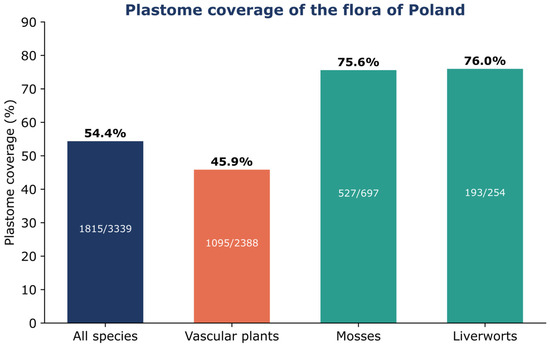
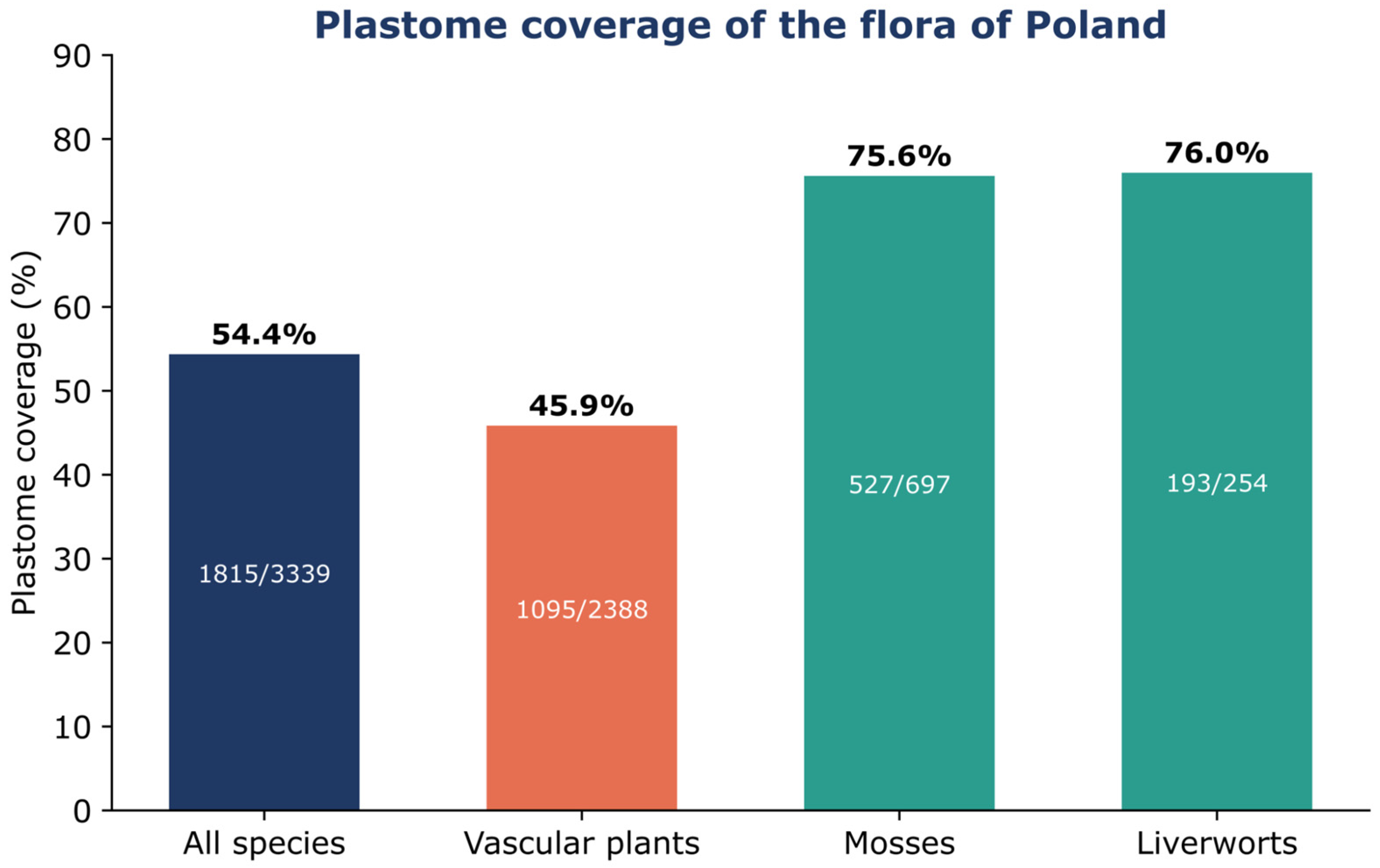
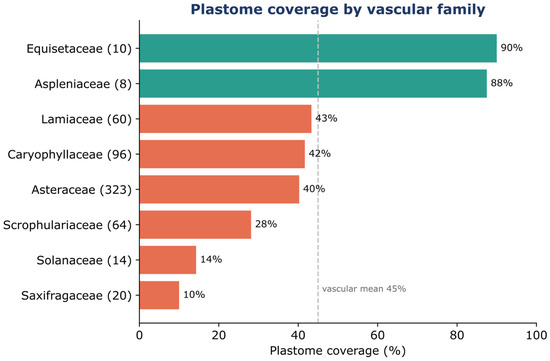
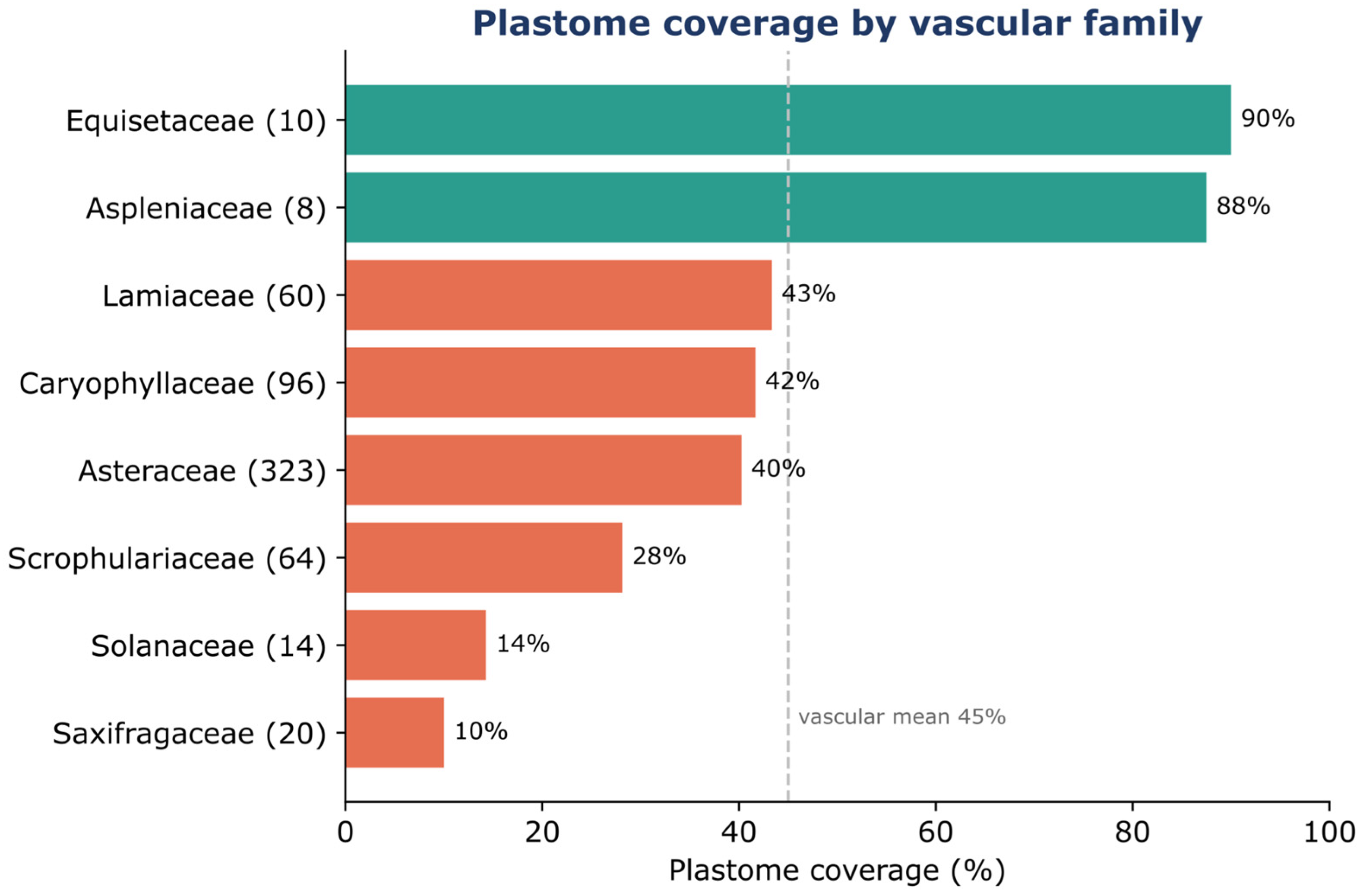
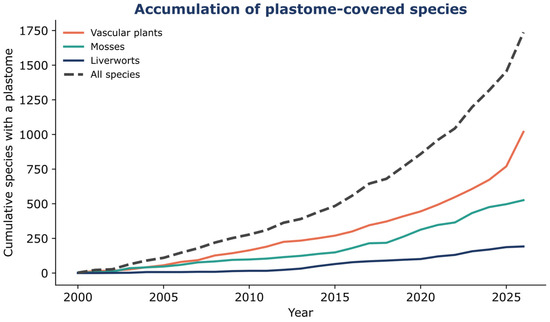
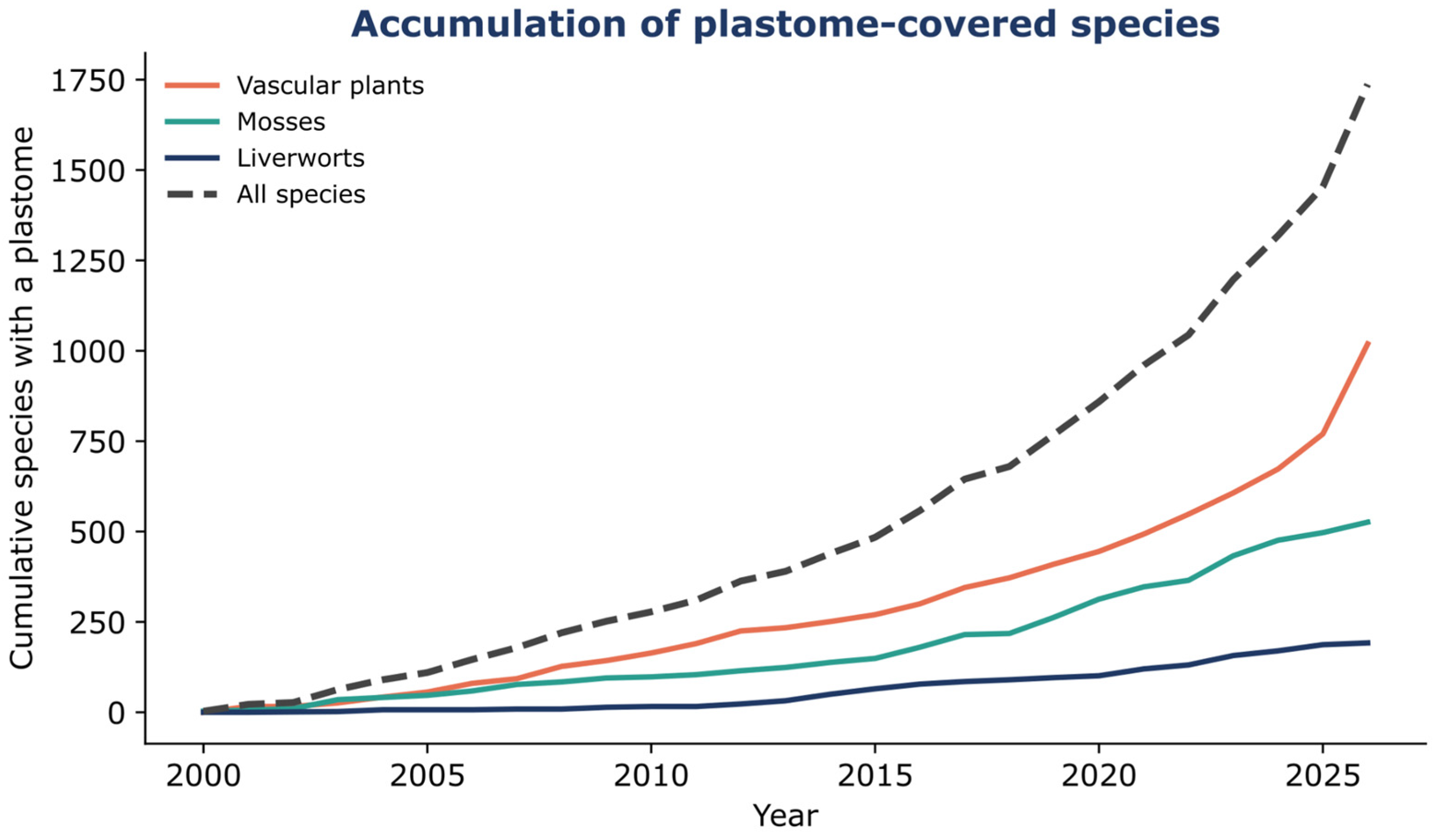
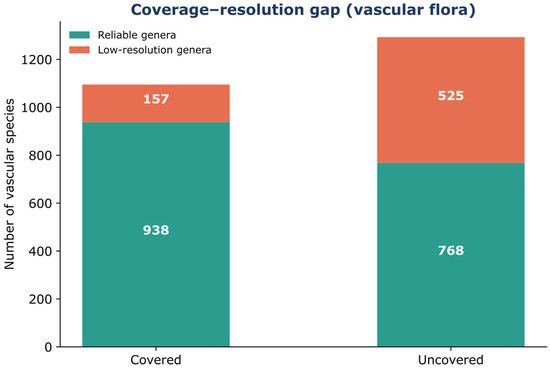
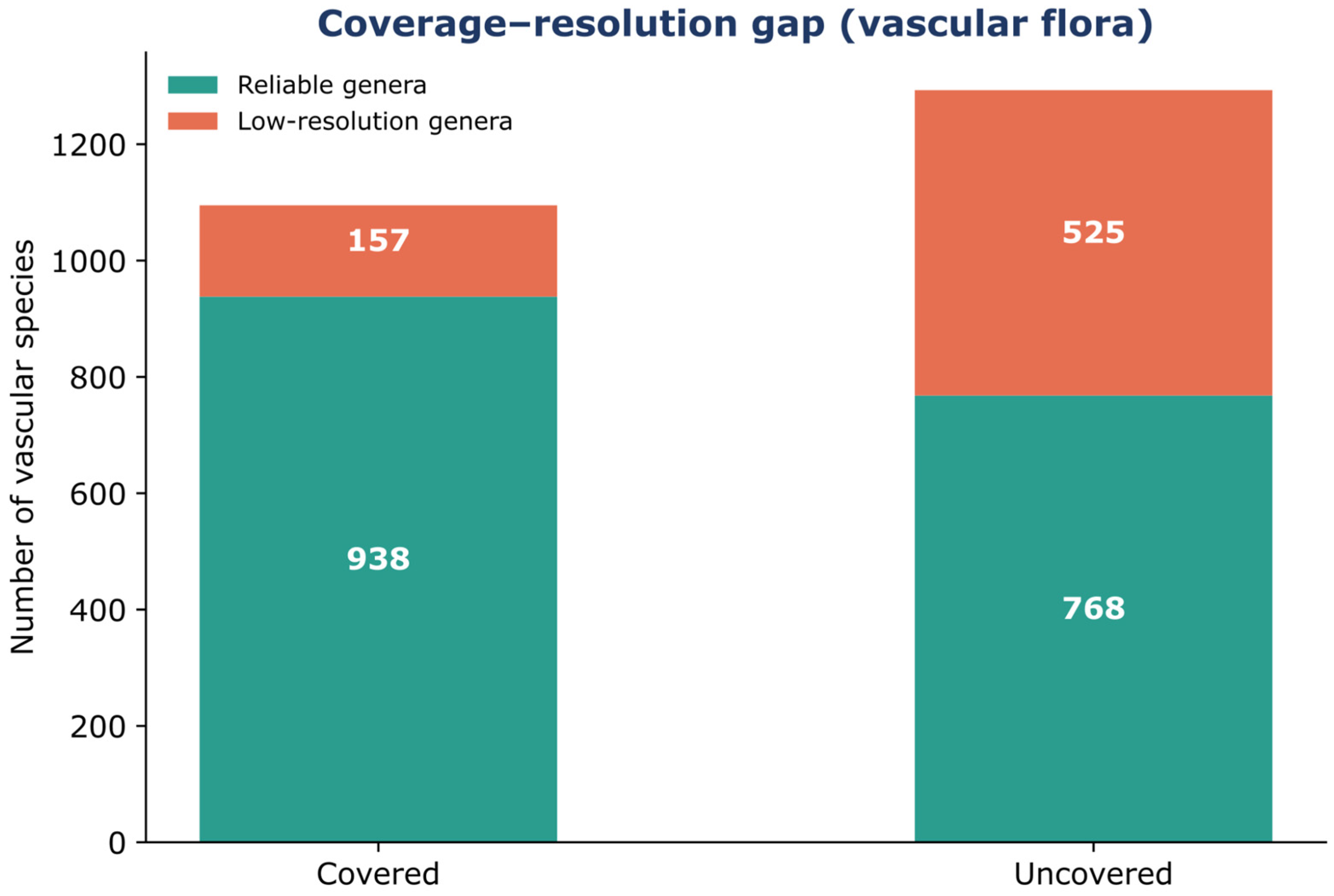
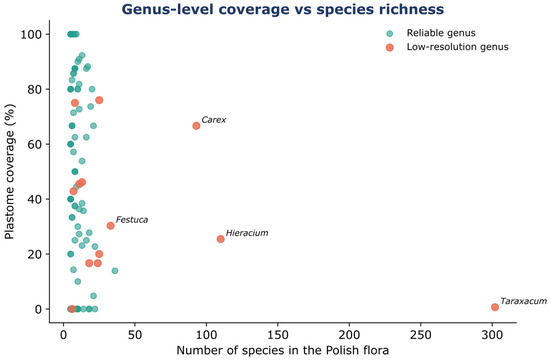
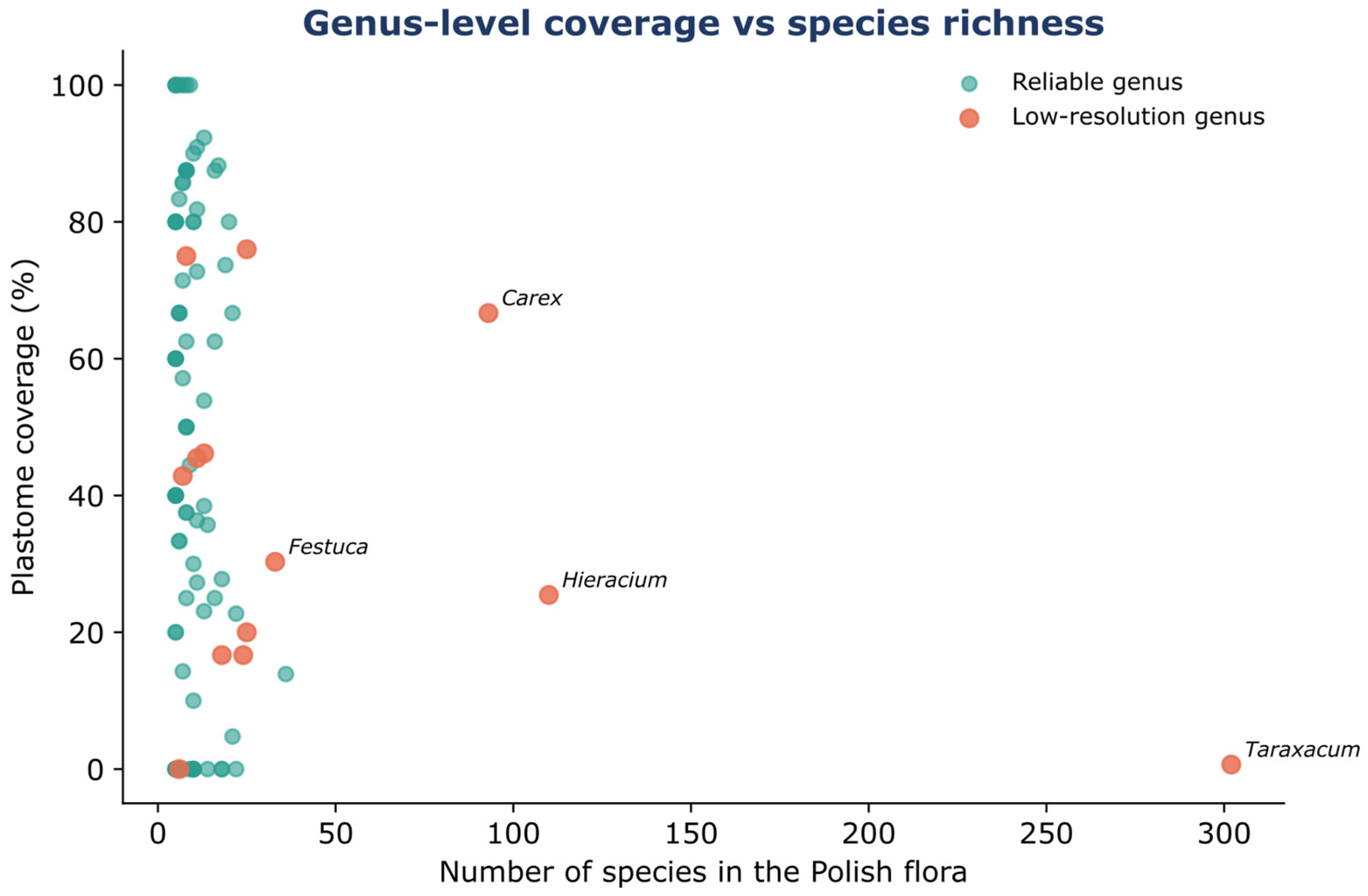
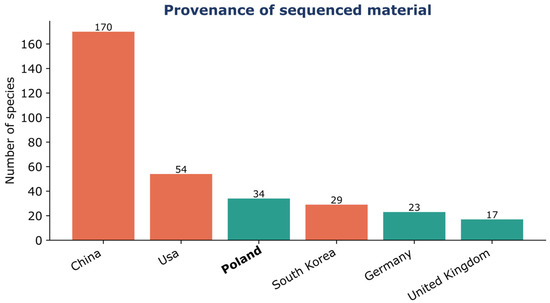
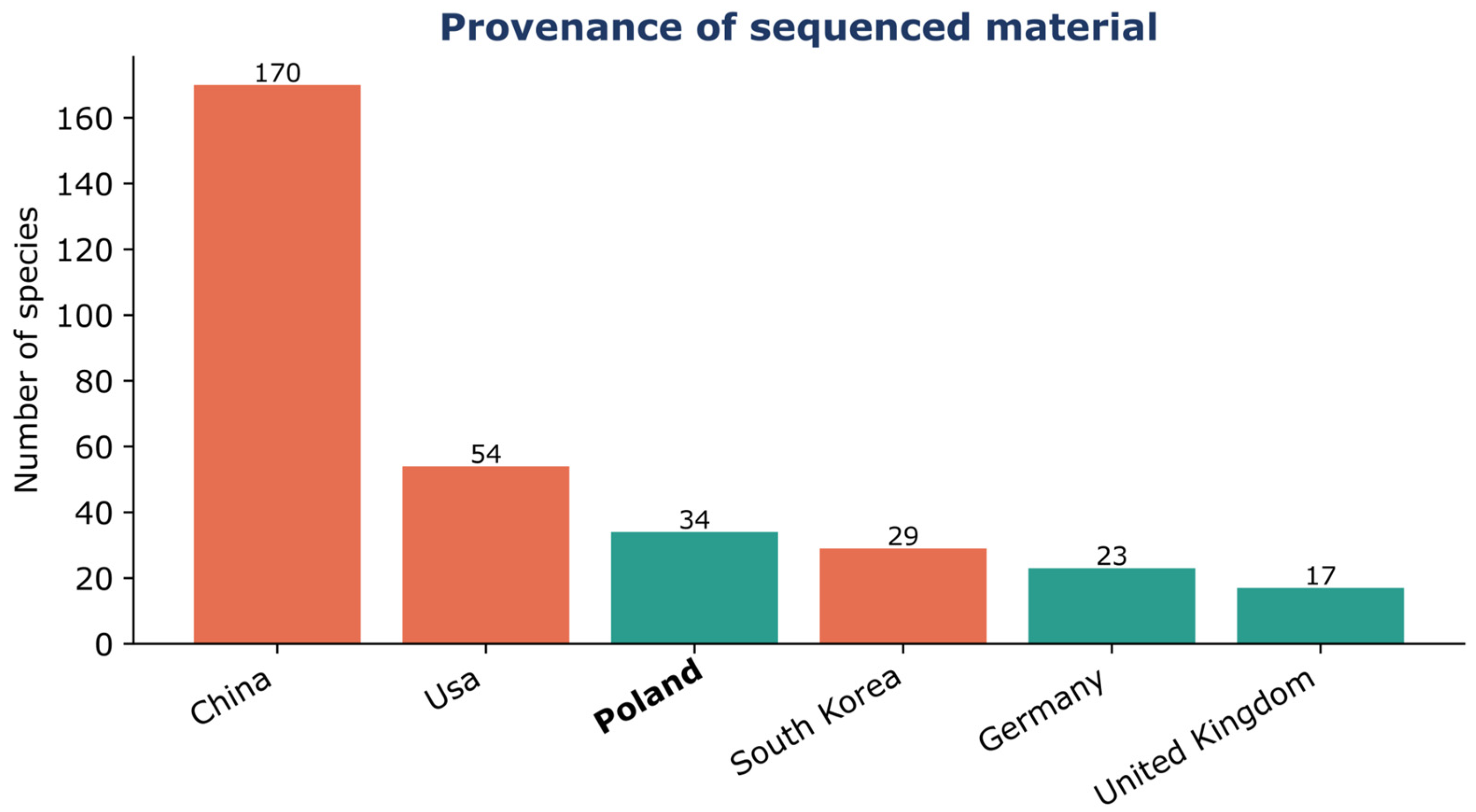
Disclaimer/Publisher’s Note: The statements, opinions and data contained in all publications are solely those of the individual author(s) and contributor(s) and not of MDPI and/or the editor(s). MDPI and/or the editor(s) disclaim responsibility for any injury to people or property resulting from any ideas, methods, instructions or products referred to in the content. |
© 2026 by the authors. Licensee MDPI, Basel, Switzerland. This article is an open access article distributed under the terms and conditions of the Creative Commons Attribution (CC BY) license.