


Abstract
Automotive paint sludge (APS) is a hazardous industrial waste generated during automotive coating operations and is characterized by high moisture content, variable organic and inorganic composition, volatile organic compounds, pigments and heavy metals. Conventional disposal methods, including landfilling and direct incineration, present increasing environmental and regulatory challenges, thereby motivating interest in thermochemical conversion technologies for APS valorization and energy recovery. This review evaluates the current state of research on APS thermochemical conversion through incineration, pyrolysis and gasification pathways. The review compares the major operational characteristics of thermochemical pathways, including reactor conditions, temperature ranges, product yields, energy recovery potential, pollutant formation and downstream cleanup requirements. Also, techno-economic considerations such as drying energy demand and scale-up limitations are discussed. According to the current literature, incineration is the most industrially mature route for APS destruction, whereas pyrolysis offers more flexibility for fuel and material recovery. Gasification shows potential for syngas and hydrogen production but remains insufficiently studied for APS applications. Despite growing interest in APS valorization, a lot of research gaps remain regarding standardized feedstock classification, pilot-scale validation, process integration, environmental risk assessment and techno-economic optimization. Conclusively, future approaches towards managing APS would need to incorporate process optimization for specific APS types, incorporation of co-processing techniques, as well as an overall assessment for both environmental and economic feasibility.
1. Introduction
The automotive industry continues to grow in response to rising global mobility demands, driven by rapid economic growth and industrialization across both developed and emerging regions. High vehicle ownership and production rates in the European Union (EU), the United States (USA), Australia, Japan, and South Africa (SA) is evidence of this ongoing trend [1]. Japan had about 488 vehicles per 1000 people over similar recent years and Australia around 578 per 1000 [2]. Across the EU, many countries report ownership levels exceeding 520 vehicles per 1000 people, and SA’s ownership rate stands notably higher than the African average at approximately 176 vehicles per 1000 people [2,3,4]. As a result, this growth has led to a parallel rise in waste generation, along with an increased need for the reduction in waste production and improvement in the recycling process, thus reducing landfill use [5].
There are four main stages in the production process of automobiles, which are stamping, welding, painting and assembly [6]. The painting stage plays an important role in providing both aesthetic quality and corrosion protection to vehicle bodies. Automotive paints consist of four distinct layers: the primer, primer surfacer, basecoat and clearcoat. The primer, which is the bottom layer, is responsible for strong adhesion between the coat and the vehicle body. Above this layer, the primer surfacer provides mechanical strength and improves resistance to corrosion and environmental degradation. The bbasecoatimparts colour and visual appeal, incorporating pigments, alumina platelets, and mica particles uniformly dispersed within a polymeric binder. The cclearcoatfunctions as a shielding barrier, protecting the underlying coatings from ultraviolet (UV) radiation, oxidation and physical wear. Each layer has a distinct purpose and chemical composition based on the type of car, make, and the year of production [7,8,9].
Throughout these operations, the industry makes use of huge amounts of natural resources such as water, fossil fuels and natural metals, all the while producing various forms of waste products, which include liquid, solid and gaseous waste streams, either hazardous or non-hazardous wastes [10,11]. An estimated 5% of the world’s industrial waste comes from this industry, with OEMs (original equipment manufacturers) contributing approximately 56 kg of waste per automobile, of which 12.5% is considered hazardous [12,13]. Hazardous wastes arise at multiple stages of production, as shown in Figure 1 [11]. Among these, the painting process is the main source of hazardous waste due to the generation of paint residues, solvents and automotive paint sludge (APS), which constitutes the largest hazardous fraction. APS is classified under the EU (European Union) waste code 080113*, which refers to waste paints and varnishes containing organic solvents or other hazardous substances, with the asterisk (*) indicating that the waste is considered hazardous [11].
Figure 1.
Points of hazardous waste formation during the production of automobiles [11].
In large automobile manufacturing plants, vehicle bodies are painted within enclosed paint spray booths where automated spray systems are used to apply successive paint layers uniformly. Even with this automation, the general transfer efficiency of the process is pretty low. About 40–50% of the sprayed paint does not reach the automotive surface and escapes into the surrounding air as fine mist or overspray [14,15]. The overspray is normally caught by water curtains or wet scrubbing systems, producing a mixture of water and paint particles. The mixture is then transported by suction systems to sludge pits to recover water through solid–liquid separation. Automotive paint sludge is the semisolid substance that is left over after the water recovery process [14]. Studies have reported that on average automotive manufacturing plants generally generate between 1.5 and 5.0 kg of paint sludge per vehicle produced [16,17].
Most countries still manage automotive paint sludge by dewatering, followed by landfilling or incineration. These practices carry significant risks to the environment and human health because they contribute to soil, groundwater and air pollution [18]. Though the waste management hierarchy prioritizes recycling, recovery and reuse over waste disposal, these methods remain considerably unexploited for APS. In addition, landfilling is becoming increasingly costly and needs long-term environmental monitoring. Therefore, a move from conventional disposal to more efficient and sustainable treatment technologies is necessary, and thermochemical conversion is amongst these processes [18].
While incineration and landfilling remain the dominant strategies for managing APS, they have serious negative effects on the environment [18]. Incineration and co-combustion of paint sludge can produce toxic emissions including polychlorinated dibenzo-p-dioxins, dibenzofurans, polycyclic aromatic hydrocarbons and heavy metals, which pose threats to air quality and human health, and may result in hazardous ash residues requiring careful control and disposal [11,19,20]. This has driven the exploration of alternative treatment methods [18].
Reuse in primers and sealants, integration into building materials like asphalt and concrete, and biological stabilization through composting or bioleaching are some of the ways that APS recycling has been explored [14]. The heterogeneous composition of APS often requires process-specific reagents and pretreatment steps, while integration into construction materials is generally limited to low substitution levels (generally ≤5 wt.% in cementitious systems, though up to ~20 wt.% replacement has been reported for bituminous binders) due to reductions in mechanical strength [21,22,23]. Unlike conventional biosolids or wastewater treatment sludge, which consist mostly of biodegradable organic matter and nutrients which can be useful for agricultural activities [24,25], APS is made up of synthetic polymers, solvents and heavy metals that make its reuse difficult [16]. The typical method of treating biosolids is biological degradation [26], while APS necessitates physico-chemical treatments such as coagulation, flocculation and dewatering. APS resistance to biological degradation is further complicated by the presence of inorganic components and cross-linked polymers [11,14,24]. Biological treatments involve the use of microorganisms along with nutrients or amendments such as composting agents, bulking materials (e.g., sawdust or straw), or bioleaching microorganisms, frequently resulting in dilution effects rather than complete contaminant removal [14,27].
These alternative treatment methods require exact sludge composition control and are limited in application, as contaminants are often immobilized rather than fully degraded. Together with the challenges faced with incineration and landfilling, this propels the need for more sustainable and integrated treatment approaches that enable both energy recovery and complete pollutant destruction, and minimal impact on the environment.
Recovering valuable metals and nutrients, limiting the release of VOCs, and reducing the volume of waste can be made possible by energy recovery from APS through thermochemical conversion processes. For example, Tian et al. [19] showed that pyrolysis of APS produced a gas fraction rich in methane, carbon monoxide, and ammonia and a liquid fraction containing hydrocarbons like styrene and toluene, illustrating both effective breakdown of VOC precursors and recovery of energy-rich chemical products. In addition to reducing VOC emissions, Yang et al. [28] displayed that the chemical looping gasification process for oil-based APS produced syngas, which is combustible and mostly constituted of hydrogen (3.88%), carbon monoxide (1.69%) and methane (0.87%). A 2020 study by Sathiya Prabhakaran et al. [20] on the co-combustion of paint sludge and lignite showed higher heat output and helped immobilize hazardous metals in ash, which decreased volume and generated energy. Earlier work by Nakouzi et al. [29] converted APS by pyrolysis into useful ceramic materials along with recoverable liquid hydrocarbons and off-gases, further demonstrating multi-product energy and material recovery potential from APS. While thermochemical technologies have been developed for other wastes, such as municipal solid waste and different biomass residues, including food and agricultural wastes (as common targets for bio-oil, syngas, and biochar production), APS poses particular difficulties due to its complex chemical properties, high moisture content, and heterogeneous composition [30,31,32].
Although there is growing interest in thermochemical treatment technologies for industrial wastes, the literature on APS remains fragmented and limited. Most studies focus on individual treatment methods, making it difficult to obtain an overall understanding of the opportunities and challenges associated with APS thermochemical conversion. Therefore, the aim of this review is to summarize and discuss the current state of research and development on the thermochemical conversion of APS, with a focus on incineration, pyrolysis and gasification. The review seeks to identify the difficulties and challenges involved and thus identify potential gaps to be explored that can contribute toward finding a sustainable solution to this waste. The novelty of this review lies in bringing together the currently scattered literature on APS thermochemical conversion and providing a comparative discussion of the main treatment pathways, their challenges, and future research needs.
2. Review Methodology
This work adopts a literature review methodology to evaluate the current state of knowledge on the thermochemical conversion of APS. The review focuses primarily on incineration/combustion, pyrolysis and gasification. Additional attention was given to the co-utilization of APS with other waste materials, catalytically assisted thermo-chemical conversion and the incorporation of APS into clay brick production due to the high-temperature curing conditions involved in brick manufacturing.
Due to the relatively limited number of publications specifically focused on automotive paint sludge thermal treatment, a broad and inclusive literature review methodology was adopted. The relevant literature was obtained from Google Scholar, ScienceDirect, and Scopus databases. The search process used a combinations of key-words and phrases “automotive paint sludge”, “paint sludge pyrolysis”, “paint sludge gasification”, “paint sludge incineration”, “thermochemical conversion of paint sludge”, “co-gasification of paint sludge”, “thermal treatment of hazardous sludge”, “thermal recycling of paint sludge”, “combustion of paint waste” and “paint sludge in clay bricks”. Boolean operators AND, OR, and NOT were used to refine the search results and improve relevance. No publication year restriction was imposed during the literature search process.
The inclusion criteria considered research papers, theses, patents and technical reports that addressed thermal conversion or high-temperature utilization of APS and related wastes. Studies focused solely on biological treatment or conventional landfill disposal without thermal relevance were excluded unless they provided important comparative insights. Priority was given to APS-specific studies, while selected studies on sewage sludge and other related waste streams were additionally consulted where APS-specific information was limited.
Because the present work is intended as a narrative review rather than a bibliometric or systematic review study, detailed statistical analysis and bibliometric mapping were not performed. Instead, a thematic synthesis was conducted, as illustrated by the word cloud in Figure 2, summarizing the most frequently occurring concepts across the included literature. Each paper was examined to identify the objectives and methods employed by the authors, the major findings and outcomes obtained and the limitations or gaps within the study.
Figure 2.
Word cloud visualization of the literature search and screening terms used for the review.
3. Characteristics of APS
Automotive paint sludge comes in two main types, solvent-based and water-based, depending on the paint type used [19]. Water-based paint is mostly used for basecoats, whereas solvent-based ones are common for clearcoats [17]. Lately, water-based paints have gained popularity because they release fewer VOCs than solvent-based options [17,33]. Solvent-based paint sludge generally exhibits a higher calorific value, and its solvent fraction can be recovered through distillation; in contrast, no widely established recycling route currently exists for water-based paint sludge. As a result, solvent-based sludge is often mixed with water-based sludge and co-processed in cement kilns as a supplementary fuel [19]. Even with some differences, both sludge types are characterized by high carbon content and complex chemical compositions that make their management hard [19].
Oil-based and water-based APS change in physical appearance under wet and dry conditions. According to Liu et al. [34], wet samples showed spongy and muddy morphologies, while the dried ones were observed to be pulverous. These physical characteristics can influence both the handling and treatment of the sludge. The wet sludge tends to be sticky in its nature, and this causes difficulties when handling; it needs to be dewatered or dried first before undergoing thermal processing. In addition to this, wet sludge keeps releasing VOCs throughout its entire storage life, which raises environmental and operational concerns during its handling and storage [14,33,34,35]. Dry sludge is easy to transport, as well as process and store because of its dust-like and fluid nature. In addition, dry sludge emits fewer VOCs within a shorter period of time, thus making it a better candidate for thermal treatment compared to wet sludge [11,14,36].
The chemical makeup of APS differs according to the formulation of the paint and the application process. Basically, APS is largely constituted by water and organic solvents along with uncured polymer resins, pigments, curing agents, flotation additives and other minor formulation ingredients [14]. Researchers generally characterize APS using physicochemical parameters such as moisture content, ash content, organic matter, pH, hardness, calorific value and heavy metal concentration [37,38]. Relevant data from the literature is shown in Table 1 below. For example, Gautam et al. [39] studied paint sludge collected from the Toyota manufacturing facility in Ramnagar, Bangalore, India, after mechanical dewatering. The sludge sample contained 29.9 wt. % moisture (as received), 75.2 wt.% volatile matter, 2.1 wt.% fixed carbon and 22.7 wt.% ash. The ash was mostly TiO2 (53%) and Al2O3 (18%), which reflects the common use of white-pigmented coatings. On a dry basis, APS normally holds 70–90 wt.% organic matter, mostly originating from uncured polymeric binders, monomers and residual solvents, resulting in a higher heating value (HHV) in the range of 4000–6000 kcal/kg (17–25 MJ/kg) [14], which is comparable to lignocellulosic biomass, which typically has an HHV in the range of 17–21 MJ/kg [40]. This indicates its potential for energy recovery through incineration or thermochemical conversion processes such as pyrolysis or co-processing in cement kilns [14,17,38].
In addition, APS demonstrates solubility in organic solvents such as xylene and thinner waste, but is largely insoluble in water, hexane, or alcohol. This property offers potential for in-plant recycling or material recovery, particularly of primer materials, which have been reported to be up to 15% cheaper than virgin primers when recovered from sludge residues [38]. Clearcoat sludge is mostly organic binders and solvents, resulting in low ash content (e.g., 4.84 wt.% on dry basis) and a greater HHV of 26.57 MJ/kg [41]. Basecoat and primer sludges are composed of inorganic pigments and fillers, leading to higher ash (36.17 wt.% for basecoat, 60.24 wt.% for primer) and lower HHV (18.64 MJ/kg and 9.88 MJ/kg, respectively) [41]. These differences come from clearcoat’s emphasis on gloss without pigments versus coloured layers’ use of inorganics for opacity and adhesion. Basecoat and primer sludges also show elevated concentrations of metals like Ti, Cr, Co and Cu, because of pigments (e.g., TiO2), anticorrosives, and fillers. Clearcoat has far lower metal amounts, confirming its minimal inorganic content. Such metals accumulate as oxides, increasing ash and reducing energy density [41,42]. APS is extremely sticky and difficult to handle because of the presence of uncured paint resins, which cure and form a film when heated. To make APS management easier, detackification chemical agents are often added to the sludge [14].
Overall, the presence of heavy metals, VOCs and other toxic organic substances in APS makes it an extremely hazardous waste, as summarized in Table 1. These substances have the ability to cause long-lasting environmental effects and serious health and safety hazards, including toxicity, reactivity, corrosivity, flammability and potential carcinogenic effects [19,43]. Due to its high total organic carbon and dissolved organic carbon contents, APS is unsuitable for direct landfill disposal, as leachate may contaminate soil and groundwater if improperly managed [38]. The non-biodegradable nitrogen-containing polymers also make their degradation process and long-term environmental stability even harder [19].
Thermogravimetric Analysis
Thermogravimetric analysis (TGA) is a thermal characterization technique used to evaluate the thermal stability and decomposition behaviour of materials by measuring changes in their mass as a function of temperature or time under a controlled atmosphere. It provides important information on moisture content, volatile matter release, thermal degradation stages and residual ash formation. TGA is widely and extensively used in the characterization of solid wastes and fuels, including biomass, plastics, and industrial wastes, to determine their suitability for thermochemical conversion processes such as pyrolysis, gasification and combustion [44,45,46,47]. For complex industrial residues such as APS, TGA is particularly useful for understanding the degradation behaviour of the organic binders, solvents, and polymeric resins that constitute a significant fraction of the sludge [19,41].
According to Gerassimidou et al. [45], APS shows stages of thermal decomposition at 471 °C, 596 °C, and 767 °C, which can be associated with the breakdown of volatile chemicals and organic resin compounds. A mass loss of 20% was observed while heating up to 1200 °C. The pigment-rich nature of APS was reflected in the residual, which was mainly composed of inorganic oxides such as TiO2, AlO3, and BaO. Januri et al. [48] evaluated APS’s suitability for microwave-assisted pyrolysis and energy recovery using thermal, FTIR, and proximate analytical techniques. The sludge had a heating value of 22.3 MJ/kg and comprised 38.3% moisture, 28.8% ash, 22.2% volatile matter, and 10.7% fixed carbon. FTIR analysis revealed strong hydrocarbon-related functional groups from organic resins and binders, while water-related peaks reflected the high moisture content. Thermal analysis revealed that APS melts and degrades between 260 and 500 °C, which is consistent with the breakdown of polymeric paint components. Microwave pyrolysis converted most of the organic matter into gases and condensable liquids. The product yields were 64.7% gas, 26.1% aqueous, 0.27% liquid oil, and 8.9% solid residue. The authors also noted that the inherent moisture in APS can enhance microwave absorption, suggesting that APS may be treated by microwave pyrolysis without the requirement of extensive pre-drying. The study of Tian et al. [19], compared solvent-based and water-based APS using TG-FTIR and Py-GC/MS, observing that both sludge types began significant weight loss near 200 °C. Primary mass loss occurs between 130 and 560 °C for solvent-based APS and 109–548 °C for water-based APS, with peaks linked to H2O, CO2, CH4, NH3, phenols, and CO release detected by TG-FTIR. The activation energies vary between 165 and 179 kJ/mol, with order-based nucleation models. The products include hydrocarbons (47%), oxygenated compounds (43%), and other species like nitrogen-containing compounds, e.g., melamine. The results of Py-GC/MS show the energy-rich volatiles.
Thermogravimetric analysis of polyurethane paint sludge by Wang et al. [36] shows that the pyrolysis process occurs in distinct thermal degradation stages depending on the paint type. Based on the study, waterborne polyurethane paint sludge has a decomposition process that occurs in two stages. The first stage is when volatiles are released, which happens between 200 and 325 °C, while the second stage is when major decomposition takes place between 330 and 500 °C, during which significant weight loss is observed due to the breakdown of large organic molecules into smaller gaseous compounds. In contrast, oily polyurethane paint sludge decomposes in four stages, beginning at approximately 200 °C and extending up to 790 °C, with the final stage corresponding to the pyrolysis of fixed carbon residues. During thermal decomposition, a variety of gaseous and condensable products are produced. The major gaseous products include CH4, CO2, CO, and water vapour, along with hydrocarbons such as alkanes, olefins, and aromatic compounds. The high percentage of volatile matter, around 97.81% for waterborne paint sludge, suggests that the major part of the material will be transformed into gaseous or liquid forms during the pyrolysis process. Furthermore, the paint sludge has a calorific value of roughly 18.84 MJ/kg, which is close to that of low-grade coals [38,49].
Yang et al. [28] investigated the thermal behaviour of oil-based APS during chemical looping gasification using red mud as an oxygen carrier. Thermogravimetric-differential thermal analysis (TG-DTA) showed that APS decomposes through several stages. The first stage, at temperatures below 270 °C, refers to the evaporation of free and bound moisture. The second stage, in the range of 270 to 480 °C, represents low-temperature pyrolysis, where large organic molecules in the paint resins undergo chain scission reactions to form smaller hydrocarbons and release CO2. In the following stage of high-temperature pyrolysis, the curve in the TG graph is stable, with most of the volatile compounds already evaporated and a mass loss of about 93 wt.%. In this stage, compounds of tar and gaseous organic molecules undergo decomposition to form substantial amounts of CH4 and CO2, with a portion of the methane gas undergoing a second stage of decomposition to form H2 and CO. In the last stage, which is a chemical looping gasification reaction, CH4 and CO2 react with the red mud oxygen carrier, and CO2 reacts with the remaining carbon. The metal oxides Fe2O3 and Al2O3 in the red mud facilitate the reaction, producing H2 and CO gas and thus showing the suitability of APS as a fuel in a gasification process [28].
Recent work by Kalani et al. [41] gives a comprehensive thermal decomposition characterization of five APS streams, producing data that is relevant to pyrolysis and gasification. Using TG/DTG analysis under both nitrogen and air atmospheres across multiple heating rates, the authors found that APS decomposes in three stages: moisture and VOC removal (30–220 °C), devolatilization and resin cracking (220–550 °C) and carbonization of inorganics (550–800 °C). Clearcoat and basecoat sludges displayed the highest volatile content, greatest mass loss during devolatilization, higher heating values and pyrolysis activation energies of 126–140 kJ/mol, which is comparable to that of lignocellulosic biomass, confirming their potential as feedstocks for thermochemical conversion processes. Whereas primer and electrocoat sludges were found to contain more than 50 wt.% ash and displayed limited mass loss, indicating restricted energy recovery potential but strong catalytic potential due to their metal oxide content, which could act as in situ catalysts, accelerating char conversion and tar cracking during cogasification or copyrolysis with carbonaceous materials. Phosphate-coat sludge, with only 3.17 wt.% volatiles, 73.46% ash and the lowest HHV of 0.611 MJ/kg, decomposed very little and was thus not a strong candidate for thermal treatment and was more suitable for metal recovery or civil engineering uses like cement/aggregate replacement. The kinetic evaluation exhibited activation energies in the range of 74–140 kJ/mol for primary decomposition, with higher second-stage values reflecting the stability of cross-linked paint resins. The compositional differences between APS types influence drying requirements, devolatilization behaviour, tar formation and ash-related issues during thermochemical conversion.
In addition to single-feedstock studies, the thermochemical behaviour of APS has also been investigated in mixed-waste systems. Tao et al. [50] analyzed a hazardous waste mixture consisting of paint slag and tar slag using TGA and observed a three-stage pyrolysis process. The first stage, which ranges between 40 °C and 105 °C, involves the evaporation of moisture. The main pyrolysis stage involved a significant gas evolution. The thermogravimetric analysis indicated that three main decomposition peaks occurred at 302 °C, 752 °C, and 1079 °C. These peaks indicated that successive degradation reactions of organic compounds occurred. Similarly, Zhou et al. [51] used the thermogravimetric technique to examine the thermal breakdown properties of APS during co-pyrolysis with sewage sludge. The authors reported that 10% char residue is produced following co-pyrolysis and an APS heating value of 18.6 MJ kg−1. They also discovered that when sewage sludge is co-pyrolyzed with APS, changes in TG curves indicated that synergistic effects occurred. These effects enhanced the formation of H2 and CO gases. These effects were attributed to catalytic reactions that occurred because of the metal oxide compounds present in ash. These compounds acted as a catalyst. These findings suggest that APS can participate effectively in co-pyrolysis systems, which may lead to increased gas yields through the occurrence of catalytic reactions caused by the metal oxides contained in the sludge ash.
The thermal behaviour of APS displays characteristics that fall between those of biomass and synthetic polymers when compared to other common waste-derived fuels. Lignocellulosic biomass typically decomposes over a range of 200–500 °C, with specific peaks related to the degradation of hemicellulose, cellulose, and lignin, with 10–20% char residue typically produced because of the presence of lignin in the biomass [52,53,54]. Due to their high volatile matter content and low ash content, synthetic polymers, such as plastics like polyethylene (PE), polypropylene (PP), and polystyrene (PS), have a single peak associated with plastic degradation that usually occurs over a range of 350–500 °C with minimal residue formed [46,52,54,55]. Tyres are primarily composed of natural rubber and synthetic rubbers such as styrene-butadiene rubber and butadiene rubber. TGA studies show that pyrolysis occurs in stages, beginning with additive volatilization at 200–320 °C, followed by natural rubber degradation at 320–400 °C, and decomposition of styrene-butadiene and butadiene rubbers at 400–520 °C, with only minor mass loss above 520 °C, indicating that pyrolysis is largely complete by ~500 °C [56,57]. Significant char residues are produced, often 30–40%, as a result of the presence of carbon black and mineral fillers [54]. APS therefore demonstrates intermediate behaviour: it begins losing mass at relatively low temperatures due to moisture release similar to biomass, while its main devolatilization range overlaps with both biomass and plastics. However, APS typically produces moderate char yields due to its inorganic pigment content.
The aforementioned studies show that APS has thermally degradable organic components that produce combustible gases, condensable hydrocarbons and inorganic-rich char during thermal treatment. The single-feedstock TGA studies such as those by [19,47,48] has a thermal decomposition behaviour primarily consisting of moisture evaporation (30–220 °C) followed by devolatilization (220–550 °C) of organic paint resins and the formation of gaseous hydrocarbons during pyrolysis. The organic matter decomposes to form energy carriers, whereas the inorganic pigments remain as residues with potential catalytic activity, supporting the use of APS in thermochemical conversion processes such as pyrolysis, gasification and co-processing. The thermal decomposition profile of APS, characterized by a main DTG region between approximately 200 and 550 °C and moderate char formation, compares favourably with other waste-derived fuels. These similarities in thermal behaviour indicate that APS can act as a viable feedstock for energy recovery. Co-treatment with other wastes can improve thermochemical conversion performance. While single-feedstock APS decomposition is largely governed by its intrinsic composition and which in turn produces moderate gas yields because of the presence of inorganic components (ash) and high moisture, co-processing with other wastes can promote synergistic reactions that enhance gas formation and overall energy recovery.
Table 1.
Characterization of APS [14].
4. Overview of Other Recycling Processes
Automotive paint sludge contains significant organic (solvents, resins) and inorganic (pigments, additives) materials and thus offers a lot of recoverable energy potential [58]. However just like sewage sludge, it comes with difficulties like high moisture, ash and heavy metals. Energy recovery from APS can be achieved through biological or thermochemical pathways, each accompanied by inherent trade-offs.
Anaerobic digestion (AD) is a main biological method, which is considered a relatively cost-effective management option for paint sludge, enabling the reduction in organic contaminant release while simultaneously generating biogas [16,60]. Traditional AD has low uptake in paint sludge treatment because paint solvents and resins inhibit microorganism activity [61]. Nonetheless, recent studies suggest some potential. For example, Moradi et al. [16] added biochar into a mesophilic AD reactor (APS mixed with conventional sludge) and found that it greatly improved the biogas yield. The optimum blend (3:1 APS: sludge with 26 g/L biochar) produced ~530 mL biogas (about 50% methane) within one month. This showed that APS can be used as a feedstock for biogas production given that conditions are optimized. Similarly, vermicomposting (mixing APS with other biosolids) has been tested; one study found it could immobilize Cr6+ (reducing it from 5 to 0.2 mg/kg) by coprocessing paint sludge with sewage sludge [62]. Even so, biological routes generally yield limited energy compared to sludge with only biodegradable organics, and residual heavy metals remain in the digestate/compost [63].
5. Preparation of APS for Thermochemical Conversion
Thermochemical conversion refers to a group of heat-driven processes that transform solid or liquid waste materials into valuable products such as syngas, oil, char, or directly into energy in the form of heat and electricity. These processes take place by means of chemical decomposition of organic matter under controlled temperature and oxygen conditions. Based on the extent of oxidation and reaction environment, thermochemical conversion can be widely categorized into incineration (combustion), pyrolysis, gasification, and co-gasification [64,65].
Thermochemical methods are particularly suitable for treating carbon-rich and high-calorific wastes such as APS, which is characterized by its high organic and hydrocarbon content. In comparison to biological or physicochemical treatments, thermochemical processes can achieve volume reduction, energy recovery, and detoxification of hazardous compounds in a single step [14,17,31].
Moisture content is a critical parameter in thermochemical conversion processes, as excessive moisture can negatively impact process efficiency and product quality [60,66]. Fresh APS is extremely wet, having an average water content of about 90%. Most thermal treatment methods therefore start with mechanical dewatering, which is typically carried out through filter presses or centrifuges, which can decrease moisture content from around 90% to 80–70% [14]. This is followed by thermal drying, which can further reduce the moisture content to below 5–15%, thereby significantly improving process efficiency [14,24].
In low-oxygen or no-oxygen processes such as gasification and pyrolysis, high moisture content can be a drawback. It can restrict devolatilization and slow reaction kinetics, which can lower the yield and energy quality of the combustible gases or syngas produced [67]. For example, in a patented process by Narula et al. [68], APS is first dried under vacuum at temperatures below 200 °C to evaporate water and low-boiling solvents prior to pyrolysis taking place. This resulted in obtaining an equal amount of gaseous, liquid and solid fractions (approximately 1:1:1 by weight), with the gaseous fraction rich in hydrocarbon compounds. Without such pretreatment, the latent heat of water vaporization greatly reduces process efficiency. On the other hand, Muniz et al. [69] performed pyrolysis of wet paint sludge and reported product distributions of 25–37% gas, 34–63% liquid, and 25–37% solid (depending on resin type), with only 30–40% char recovery because of energy losses associated with moisture evaporation. The moisture content of APS also directly influences the hydrogen-to-carbon (H/C) ratio of the reacting system, which plays an important role in determining product distribution and quality. Water or steam levels in moderation are known to promote favourable reactions such as steam reforming of volatiles, char gasification, water–gas reactions and water–gas shift reactions. This has the effect of enriching hydrogen formation and enhancing gas quality in gasification and reforming-based processes. But when moisture exceeds the optimal threshold, the heat sink effect takes over and cancels out those benefits, lowering the energy content of product gases and reducing the overall gasification efficiency [60].
In combustion systems, elevated moisture content decreases flame temperature and combustion efficiency, leading to increased auxiliary fuel requirements and higher emissions per unit of useful energy recovered. In certain co-processing approaches (e.g., cement-kiln feed), APS is mixed with dry fuels or treated chemically (e.g., with desulfurizers) to enable safer combustion without extensive drying [39]. Bearing a high organic carbon content, APS is commonly incinerated as hazardous waste or co-fired in cement kilns as refuse-derived fuel. Even after mechanical dewatering, APS typically still contains more than 60 wt.% moisture, which severely limits the suitability of this feedstock for thermochemical conversion and its acceptability as refuse-derived fuel in cement kilns. The high moisture content increases combustion instability, reduces thermal efficiency, and restricts kiln feed rates to below 5% of clinker capacity due to risks of incomplete burnout and elevated carbon monoxide (CO) emissions. Thus, for improving handling and storage and for increasing downstream conversion efficiency, thermal pre-drying is a necessity. Conventional heating, hot gas drying, or microwave irradiation has been commonly used to reduce moisture before incineration, pyrolysis, quasi-pyrolysis, gasification, or co-firing. In particular, microwave irradiation can offer the additional advantage of rapid volumetric heating and enhanced bound water release due to dipolar interaction [58]. Overall, sufficient thermal pretreatment is normally a prerequisite for the effective thermochemical processing of APS [58]. Energy and cost for drying remain a significant issue, with advanced drying (microwave, superheated steam) proposed but rarely demonstrated at industrial scale.
5.1. Incineration
A summary of the incineration studies discussed in this section is provided in Table 2. Muniz et al. [69] reviewed the disposal and recycling pathways for hazardous paint wastes generated by the automotive and engineering industries, reporting incineration as the dominant option for paint sludge management. It was pointed out that paint waste has a high calorific value, making it suitable as a supplementary fuel. However, its incineration presents risks of heavy-metal emissions, toxic ash and potential dioxin formation, drawing attention to the regulatory problems associated with direct combustion, i.e., incineration without prior treatment, stabilization, or material recovery. Several recycling alternatives, such as incorporation into road materials, coloured concrete and sealant formulations, were also presented. These approaches were found to be technically feasible, simple, financially viable and offering an environmentally beneficial reuse pathway. Their use is however limited by regulatory requirements, emissions concerns (e.g., VOCs), variability in sludge composition, logistical challenges, and limited large-scale implementation, making their feasibility largely site-specific [70]. The study did not examine thermochemical pathways such as pyrolysis or gasification, nor did it provide emission data or combustion performance metrics. Such analysis would have enabled a more robust comparison between conventional incineration and emerging thermochemical processes.
Direct incineration also known as combustion or burning of APS is generally done only in specialized systems [64]. Sludge is burned in a provided chamber with excess air, mainly producing carbon dioxide and water, leaving behind a mineral residue in the form of ash. The carbon dioxide generated is normally released with the flue gas into the atmosphere, although some facilities may implement emission control measures or carbon capture technologies to reduce its environmental impact [71]. The ash needs to either be properly disposed of or, whenever possible, reused as a raw material in the production process of construction products [72]. The main product, which is heat, must be immediately utilized for power production as storage is not practical [72]. However, when incineration is considered as a treatment option, technology and cost become major limitations. For incineration to be economically viable, the process must operate autothermically, meaning enough water must be removed through mechanical dewatering so that the sludge can sustain combustion without needing auxiliary fuel [73]. There are still some difficulties in the management of emissions and ash. Particulate matter, VOCs, acidic gases and other pollutants emitted during incineration must be captured or reduced as part of emission control, and the ash must be appropriately managed to minimize environmental damage [71,74].
The most common commercial incineration route is co-processing in cement kilns. Paint sludge is fed into a cement rotary kiln along with raw materials; it effectively burns at ~1400–2000 °C, integrating its inorganics into the clinker and using its organic part as fuel. Cement co-processing of APS is already a commercial practice in some regions as Muniz et al. [69] noted. Industrial trials, conducted at a Toyota supplier in collaboration with ACC Cement in India by Gautam et al. [39], have demonstrated that cement kilns provide the high temperatures and long residence times required for the complete destruction of organic components in paint sludge. They also showed that cement kiln co-processing can effectively absorb both the energy and mineral value of the waste without forming harmful emissions, as the combustion products are treated within the kiln’s existing pollution control systems. In this sense, cement kiln co-processing functions as a waste-to-energy incineration system, simultaneously achieving hazardous waste destruction and energy recovery while avoiding the creation of residual ash. In contrast, conventional incineration and landfilling are generally regarded as less sustainable options, with cement kiln co-processing ranking higher in the waste management hierarchy due to its combined material and energy recovery benefits.
A study by Suriyawong et al. [75] investigated particulate formation and trace-element behaviour during the combustion of recovered paint solids (RPS) and coal, both individually and in co-combustion. The RPS, generated from automobile paint-booth overspray had a heating value of about 24.92 MJ/kg and was characterized by high volatile matter (76.5% wt), substantial moisture content (46.3% wt) and elevated chlorine levels (3419 ppm) relative to coal, which has a heating value of about 28.04 MJ/kg, lower volatile matter (48.3% wt), lower moisture content (27.7% wt), and significantly lower chlorine levels (10 ppm). Combustion experiments were performed in a laboratory-scale tubular furnace at 1200 °C for both RPS alone and for mixtures with sub-bituminous coal. Co-combustion significantly increased the formation of submicrometer particles (geometric mean = 24.5 nm), contributed to more reducing local conditions and the formation of volatile chlorine species. Trace element partitioning also shifted: arsenic, chromium and lead exhibited greater volatilization and enrichment in fine-mode ash, whereas mercury was fully volatilized and showed a 62% increase in oxidized HgCl2 under co-combustion. This study points out the energy recovery potential of RPS thermal treatment while emphasizing the need for emission control measures to manage increased fine particle and trace metal emissions.
5.2. Pyrolysis
Pyrolysis is commonly used for sludge treatment because it offers advantages like efficient processing, volume reduction and the recovery of valuable products [76]. By definition, pyrolysis is an endothermic process in which solid waste is thermally broken down into gaseous, liquid, and solid intermediates in the absence of oxygen. It is normally carried out at temperatures between 250 °C and 800 °C, depending on the type of feedstock and pyrolysis method such as slow pyrolysis, fast pyrolysis, and flash pyrolysis [77,78,79]. Pyrolysis methods differ mainly in heating rate and residence time. Slow pyrolysis operates at low heating rates (around 5–7 °C/min) and long residence times (over 1 h), favouring char production. In contrast, fast pyrolysis uses high heating rates (>100 °C/min) at moderate temperatures (400–600 °C) and short residence times (0.5–2 s) to maximize oil yield [77]. Flash pyrolysis is an extreme form of fast pyrolysis that involves very high heating rates and short residence times (<1 s), producing up to 60–75 wt.% oil. But before it can be used as a fuel for transportation, this oil must be upgraded because it has a lower energy content and less desirable properties than traditional fossil fuels [80].
The liquid product, alternatively referred to as pyrolysis oil, is a heterogeneous mixture that contains a considerable amount of oxygen and alkaline properties. Through catalytic cracking, hydrodeoxygenation and other upgrading processes, this oil can be additionally refined into fuels like gasoline, diesel, and jet fuel or into important chemicals like phenols, organic acids, and aromatic compounds [81,82]. The solid residue (char) may be used as a fuel or applied to soil to act as an enhancer or used as an adsorbent to remove contaminants such as heavy metals, dyes and organic pollutants from water and air [79,83]. Producer gas, pyro gas, or syngas are some of the common names utilized to describe the gaseous pyrolysis product. It is mostly composed of hydrogen, carbon monoxide, methane, carbon dioxide and other light hydrocarbons, and it can be used as a combustible fuel for heat and power generation or further processed as a feedstock for chemical synthesis and fuel production [82,83]. Despite its advantages, conventional sludge pyrolysis can face limitations, like the poor application performance of the resulting residues, which is mostly due to high concentrations of heavy metals, residual organic contaminants, low nutrient value, and inconsistent physical properties, restricting their use in soil amendment, adsorption, or other beneficial applications. Moreover, the low volatiles and high ash content of the feedstock can reduce the yield and quality of the gaseous and liquid products [57,84,85,86,87]. A summary of the conventional pyrolysis studies is presented in Table 3. These studies illustrate the strong dependence of product distribution on process temperature, residence time and feedstock composition.
Table 2.
Summary of incineration studies.
Nakouzi et al. [29] showed one of the earliest thermochemical valorization routes for APS through pyrolysis under controlled nitrogen atmospheres. APS, obtained from the Ford Motor Company plant, was first dried (initial moisture content not specified) and pyrolyzed at 600 °C for 2 h in a quartz tube reactor with nitrogen purged to achieve an inert environment. The process generated 36.5 wt % off-gases, 28.4 wt % liquid hydrocarbons, and 35.1 wt % solid char. The solid residue consisted mainly of calcium titanate (CaTiO3), barium titanate (BaTiO3), titanium dioxide (TiO2), amorphous alumina (Al2O3) and carbon. Titanium nitride (TiN) was formed by sintering at 1000 °C in ammonia. The produced materials were further utilized as reinforcing additives by blending them with aluminum powder to fabricate metal matrix composites and by incorporating them as 20 wt % fillers in polypropylene. In the latter case, the impact strength remained comparable to talc-filled polypropylene (0.4 ft-lb/in), while Young’s modulus increased from 2164 MPa for unreinforced polypropylene to 3108 MPa with the APS-derived filler. This work showed that APS can be transformed into low-cost, composition-tolerant ceramic composites suitable for “low-tech” reinforcement applications such as in the fabrication of metal matrix composites (MMCs) and reinforced plastic components, providing a viable alternative to conventional disposal and demonstrating the potential for value-added utilization of APS.
Another study by Muniz et al. [69] showed that pyrolysis “deactivates” APS by destroying organics and providing a substantial reduction in the quantity of the solids. The authors studied the deactivation of paint sludge containing alkyd, latex, and polyurethane resins utilizing batch pyrolysis at temperatures between 450 and 650 °C. The process resulted in major mass reductions ranging from 70% to 96%, depending on the type of resin. The gaseous products, made up mostly of light hydrocarbons (methane, ethane, ethylene and propane), showed high calorific value, indicating potential for energy recovery. Liquid fractions consisted predominantly of aromatic and aliphatic hydrocarbons and could be reused as solvents or fuel. The study demonstrated that higher temperatures and shorter reaction times favoured improved energy efficiency, while reaction time had limited influence on the solid residue reduction. Although conducted in a batch reactor at laboratory scale, this work provides foundational evidence supporting pyrolysis as an effective thermal treatment method for automotive paint sludge.
The pyrolysis behaviour of solvent-based (OAPS) and water-based (WAPS) automobile paint sludge is compared in an experimental study by Tian et al. [19] using thermogravimetric-Fourier transform infrared (TG-FTIR), pyrolysis-gas chromatography-mass spectrometry (Py-GC/MS), and iso-conversional kinetic models including Flynn–Wall–Ozawa (FWO) and Kissinger–Akahira–Sunose (KAS). The authors identified three pyrolysis stages, with the main devolatilization taking place in the second stage. The activation energies for OAPS (179.09 kJ/mol via FWO; 168.28 kJ/mol via KAS) were a little higher than those for WAPS (175.90 kJ/mol via FWO; 164.80 kJ/mol via KAS), suggesting that OAPS requires more energy for thermal decomposition and is therefore more thermally stable. Gas evolution analysis indicated that CH4, CO2, and NH3 were the dominant gaseous products for both sludges, while Py-GC/MS showed that OAPS pyrolysis primarily produced hydrocarbons (47.2%), whereas WAPS produced a higher proportion of oxygenated compounds (42.7%). The results from the proximate and ultimate analyses showed that OAPS contains high volatile matter (96.36%) and a relatively high heating value (29.67 MJ/kg) compared to WAPS (72.41% and 20.93 MJ/kg, respectively), leading to a massive mass loss during pyrolysis (≈93% for OAPS), with notable compounds like styrene and melamine detected among the decomposition products. OAPS (1.74%) had a far lower ash content than WAPS (25.04%). These results imply that OAPS is more suitable for energy recovery due to its higher calorific value and hydrocarbon-rich products, whereas WAPS, with its higher oxygenated compound content and ash fraction, may be more suited for chemical recovery but with lower fuel quality.
In a fixed-bed reactor, Tian et al. [88] investigated the pyrolysis of paint sludge at 1000–1400 °C under nitrogen. They proved that paint sludge can be converted into carbon black (CB) with a maximum yield of 25.1 wt.% and a high percentage of carbon, more than 96%. They concluded that the formation of graphitized carbon structures and spherical carbon black particles is enhanced at high temperatures.
5.2.1. Catalytic and Microwave-Assisted Pyrolysis
Thermal (non-catalytic) pyrolysis uses only heat as a driver for the degradation of organic materials. This needs higher temperatures as well as longer residence times [89]. Catalytic pyrolysis, however, employs catalysts to lower activation energies, enabling lower temperatures, faster rates and targeted products while suppressing nitrogenous pollutants like NH3 and HCN [89,90,91]. Catalysts boost gas yields, produce narrower-boiling liquids with superior fuel properties, and drive deoxygenation/aromatization for stable, low-oxygen oils [89].
In comparison to traditional pyrolysis, which relies on external heating through conduction and convection [82], microwave-assisted pyrolysis uses electromagnetic radiation to heat the material internally and volumetrically. This allows for more uniform and rapid heating, improving heat transfer within the feedstock. As a result, microwave-assisted pyrolysis can handle wet materials more effectively, since water absorbs microwave energy and promotes internal heating, decreasing the need for extensive pre-drying. In addition, the enhanced heating efficiency facilitates more effective breakdown of hydrocarbon chains compared to conventional pyrolysis [84,92].
A summary of catalytic and microwave-assisted pyrolysis studies is provided in Table 4, including catalyst types, operating conditions and main products. Table 4 shows that microwave-assisted systems significantly influence product distribution depending on operating power and additives.
Idris et al. [93] applied microwave pyrolysis at 600–1000 Watts for 10–45 min to APS char impregnated with 5 M potassium hydroxide (KOH), using a KOH-to-char ratio of 1:3. As a result, carbonization and pore formation occurred under a nitrogen flow. Higher power and longer irradiation (e.g., 1000 W, 45 min) yield higher carbon content (up to 89 wt %), surface area (434 m2/g) and pore volume (0.290 cm3/g), though mesopore-dominated (2.67 nm). The yield of the activated APS char reduced with power and time because of volatile removal, improving porosity but falling short of supercapacitor standards (>1000 m2/g). However, Idris et al. [93], did not evaluate the electrochemical performance of the AC in a real supercapacitor or compare it to commercial carbons. If they had built actual cells and tested cycling stability, the outcome would indicate whether APS-derived AC meets device requirements. Rahman et al. [94] looked into AC as a microwave absorber (MWA) for the pyrolysis of APS. 200 g of APS was pyrolyzed at 600 W for 30 min under N2 after being mixed with 10, 15, 20, and 25 weight percent AC. They found that, in the absence of AC, the gas phase accounted for 75.5% of the pyrolysis product distribution. Adding 10% AC shifted the balance to obtain 79.61% liquid phase, giving the highest oil yield of 9.9 g. The 25% AC sample produced the greatest liquid of 84.91%; however, the liquid was mostly aqueous, indicating a limited yield of the desired organic oil fraction. Solid char yields changed only slightly across loadings, ranging from 7.89% to 11.35% of the original APS, indicating that the application of microwave absorbers primarily affects the liquid and gas fractions rather than the solid residue. The authors conclude that 10% AC is optimal for maximizing oil recovery from APS. Januri et al. [48] used microwave-assisted pyrolysis on APS collected from a Malaysian automotive plant, which contained 38% water and had a calorific value of 22.3 MJ/kg. A modified commercial microwave (250 mL/min N2 purge, 150 mL/min carrier) was utilized while varying three sample weight loadings, microwave power, and radiation time. The optimum conditions for maximizing liquid hydrocarbon oil were 200 g loading, 1000 W power and 30 min radiation, yielding 0.1 g (0.27% of the feed) liquid oil. Under these conditions the product distribution was 8.9% solid char, 0.27% liquid oil, 26.13% aqueous phase and 64.7% gas. Yields plateaued beyond 30 min, indicating longer residence does not improve recovery and may increase cost. Microwave-assisted pyrolysis can efficiently turn high-moisture APS into usable oil and gas while using water as a built-in heating medium, making it a viable alternative to conventional hazardous waste disposal.
5.2.2. Co-Pyrolysis
To overcome issues faced with single feedstock pyrolysis such as low energy content, high ash or contaminant levels, unfavourable product distribution, and poor char quality, recent research has heavily focused on co-pyrolysis of sludge with biomass or other additives. Because sludge and biomass differ in ash content, volatile matter, and elemental composition, synergistic effects can arise during co-processing, improving product quality and enhancing overall resource utilization [76]. The co-pyrolysis of APS with other waste streams discussed below is summarized in Table 5.
Work by Zhou et al. [51] investigated the co-pyrolysis of sewage sludge (SS) and APS, focused at optimizing the disposal of sewage sludge in cement kiln systems. The study was conducted utilizing thermogravimetric analysis (TGA) coupled with thermogravimetric-mass spectrometry (TGA-MS). The authors first characterized the individual pyrolysis behaviours and showed that APS possesses low moisture of 2.17%, high ash content of 54.22%, and a calorific value of 18.58 MJ/kg, while SS exhibited high moisture of 54%, low ash of 8.47%, and a slightly higher calorific value of 18.81 MJ/kg, highlighting the complementary properties of the two feedstocks for co-pyrolysis. They found that co-pyrolysis had both synergistic and antagonistic effects. Synergistic effects were mostly caused by hydrogen free radicals in sewage sludge and catalytic iron components in paint sludge ash, enhancing gas production, including compounds such as CH4, CO and C6H6. Antagonistic effects arise from changes in the physical form during mixing, leading to film formation that prevents volatile release and raises coke yield while reducing tar output. The study identified an optimal blend ratio of 60% SS and 40% APS that maximizes synergistic benefits while reducing antagonistic effects. According to the kinetic results, the activation energy required for co-pyrolysis is higher than that needed for individual pyrolysis processes. And thermodynamics implies that the process of co-pyrolysis is not spontaneous. Evolved gas analysis also confirms increased production of methane, carbon monoxide and other small hydrocarbons in the presence of APS, related to the catalytic role of iron and improved radical reactions. Overall, this study adds to the understanding of co-pyrolysis mechanisms, providing valuable guidance for sustainable energy recovery and hazardous waste management in cement plants.
Tian et al. [88] employed thermogravimetric analysis and kinetic modelling to evaluate the co-pyrolysis of paint sludge, oil sludge, waste printed circuit boards (PCBs) and penicillin fermentation residue. Their results found that paint sludge/PCBs/penicillin decomposed at 150–550 °C (volatile-rich), while oil sludge broke down at 550–900 °C. The paint sludge/penicillin blend showed the strongest synergy, driven by mutual volatility, lowering activation energies and enhancing pyrolysis performance, whereas oil sludge/paint showed antagonism. Selecting the right waste blend is key to optimizing hazardous waste co-pyrolysis. Although insightful, additional validation under continuous reactor settings and life-cycle assessment is required to determine whether large-scale adoption is feasible.
Table 3.
Overview of reviewed conventional sludge pyrolysis studies and their outcomes.
Table 4.
APS catalytic and microwave-assisted sludge pyrolysis.
Table 5.
Summary of APS co-pyrolysis studies with other materials.
5.3. Gasification
Sludge gasification is a thermochemical process that converts dried sludge into syngas and ash at high temperatures, usually around 1000 °C, using gasifying agents like air, steam, oxygen, carbon dioxide, or combinations of them [73,95]. With pure oxygen as the oxidizing agent, it can run at even higher temperatures (1400–1700 °C) and pressures (0.6–2.6 MPa) [73]. The process releases thermal energy, which can be used for power generation or process heat [73]. Syngas, also known as synthesis gas, is a combustible mixture made up of carbon monoxide, hydrogen, methane, as well as heavier hydrocarbon species like tars and lighter hydrocarbons like ethane and propane [95]. Syngas can be made from nearly any hydrocarbon-based feedstock, including natural gas, coal and organic waste, via reactions with steam, oxygen, or carbon dioxide [96,97]. The produced syngas composition and quality are controlled by the feedstock properties, the chosen gasifying agents, reactor configuration, catalytic influences, and operating conditions [95].
Gasification takes place through four major sequential stages, which are drying, pyrolysis, oxidation and reduction [77]. Each stage assists in breaking down complex hydrocarbons into simpler gaseous components through a series of reactions [98,99]. During the drying stage, moisture is removed from the feedstock and turned into steam. This steam can contribute to the thermal decomposition of the material into syngas. In the pyrolysis stage, the carbonaceous materials of the feedstock begin to decompose into a carbon-rich char and volatile species in the absence of oxygen [95]. The process then goes to the oxidation stage, where partial combustion of the feedstock with a gasifying agent results in the production of carbon dioxide and water, while also releasing heat that sustains the overall reaction. Finally, in the reduction stage, high-temperature chemical reactions occur in an oxygen-limited environment, turning the remaining char and intermediate gases into syngas. These include the Boudouard reaction, steam reforming, the water–gas shift reaction and methanation. Majority of these reactions are endothermic and require the supply of energy, except for methanation, which is exothermic [98,99,100].
APS gasification remains underexplored, as evidenced by the identification of a single relevant study [56], indicating a clear gap in the literature. On the other hand, the gasification of other industrial sludges, particularly municipal sewage sludge, has been broadly studied. Comprehensive reviews of sewage sludge gasification were published by [60,101]. Different reactor types, including fixed-bed, bubbling fluidized-bed, circulating fluidized-bed, as well as auger and rotary kiln reactors, were explored. They showed that gas yield and tar formation are significantly impacted by reactor design [60,101]. Fluidized-bed and circulating fluidized-bed reactors provide high gas output and clean syngas, whereas downdraft fixed-bed reactors produce low-tar syngas but may face slag and pressure issues. Auger reactors yield high-quality gas with low tar, whereas rotary kilns and plasma reactors can improve tar removal but suffer from low heat transfer or high energy demand, respectively [60,101]. Catalytic processes were also studied using metal oxides like CaO, Fe2O3 and Ni-based catalysts to enhance hydrogen production and decrease tar formation during sludge pyrolysis and gasification [60,101].
The chemical looping gasification (CLG) of oil-based wet APS (OWAPS) was explored as an alternative to conventional thermal treatments by Yang et al. [56]. Unlike traditional gasification, which directly reacts feedstock with the gasifying agent, which can be air, oxygen, or steam, CLG uses a solid oxygen carrier to supply lattice oxygen, generating reactive oxygen species (ROS) that selectively improve CH4 cracking and CO2 reduction while minimizing direct combustion [56,102,103]. Red mud (RM) containing 30.5% Fe2O3 and 21.2% Al2O3 was used as an inexpensive iron-based oxygen carrier (OC) by Yang et al. [28]. Optimal conditions were obtained at 1000 °C for 60 min using a carrier-gas flow of 2.4 L/h and an RM-OC:APS mass ratio of 2:1 yielding flammable-gas concentrations of 3.88% H2, 1.69% CO and 0.87% CH4. These corresponded to gas productions of 0.37, 0.16 and 0.09 L/g APS respectively. The mechanistic analysis links these results to lattice-oxygen migration from Fe2O3 to the reaction zone, where ROS drive CH4 dehydrogenation and CO2 reduction. Gas concentrations were diluted by a large N2 sweep, so the reported yields underestimate the actual production potential in a larger reactor. The performance declined when the RM-OC addition ratio exceeded 2:1, indicating structural collapse of the carrier at higher loadings. Only OWAPS was examined, leaving other APS types untested. While the RM-OC showed good regeneration over ten cycles, a modest decrease in gas output was observed, suggesting potential long-term deactivation.
Because APS gasification remains insufficiently studied, research on key performance indicators commonly used in biomass, sewage sludge and other gasification studies, including gasifying agents, equivalence ratio (ER), steam-to-feed ratio (SFR), cold gas efficiency, carbon conversion efficiency, tar yield, and syngas cleanup requirements, remains limited for APS systems. ER is the ratio of the actual air supplied to the stoichiometric amount required, whereas SFR is the ratio of steam to fuel, the fuel being the feedstock entering the gasifier. These two parameters affect the heating value, composition, and general efficiency of the process [104,105].
Air gasification is simple to carry out but it produces nitrogen-diluted syngas. On the other hand, oxygen, steam, or air-steam-based gasification systems may improve carbon conversion, syngas quality and cold gas efficiency at the expense of higher oxygen supply and system complexity [106]. Generally, low ER causes greater production of tar and char, whereas high oxidant input reduces the lower heating value of the gas produced due to oxidation of carbon to CO2 [104,105]. For this reason, practical gasification is often operated in the approximate range of 0.2–0.4, depending on reactor design and feedstock properties [107,108,109]. Cold gas efficiency indicates how much of the feed’s chemical energy remains in the product gas, and it is often improved when steam or oxygen is used instead of air under optimized conditions [110,111]. Pressure may affect syngas composition. Under high pressure, CH4 levels tend to rise while H2 drops slightly, and both tar formation and heat transfer are affected [112,113]. The reason behind this lies in the inhibitory effect of pyrolysis and vaporization processes under high pressure. In this case, the amount of char is increased; however, this type of char is much less reactive, thus leading to lower production of CO and H2 [114]. Nevertheless, there are some positives to pressurized gasification. It produces compressed syngas that can be directly fed into downstream synthesis processes, and it may also support better overall energy performance since there will be no need for more gas compression and improved process integration [113,114,115]. Still, these advantages come with trade-offs. Cold gas efficiency may take a hit, largely because of higher CH4 formation and compression-related inefficiencies drag it down [113,115]. At the same time, one cannot overlook the practical aspect of pressurization. These systems need robust, pressure-rated equipment, which, of course, would increase costs.
Carbon conversion generally increases with higher temperature and appropriate oxidant or steam dosing, but overly high oxidant input can shift the process toward complete combustion and reduce the fraction of fuel value recovered as syngas [108,116].
One of the main challenges in gasification operations is still the formation of tar. Tar in syngas is often undesirable since it not only indicates low gasification efficiency but also complicates gas cleaning. The reason for this is that, in the case of insufficient removal, it can condense and clog of pipelines and equipment [117,118]. The reduction can be achieved by elevating temperature, improving ER, injecting air/steam in stages, using catalysts, and using auxiliary equipment such as thermal and catalytic tar crackers [119,120,121,122]. Variations also exist in terms of gas cleaning requirements depending on the kind of gasifying agent used. Gasification that is done using air will require a process where the gas has to be cleaned through particle and tar removal. Where oxygen or steam is used in gasification, there would be increased needs to remove sulfur, chlorine, and condensable hydrocarbons due to the increased presence of reactive gases [117,123]. Syngas produced using APS will also have volatilized heavy metals and particulates derived from pigments and coatings used in their production, which complicates their cleanup relative to more traditional biomass gasification systems. This means that assessment of gasification performance must also take into account the subsequent cleanup required.
6. Comparison Analysis
6.1. Thermochemical Conversion Methods
The thermochemical options covered in this review work in quite different ways and lead to different products, energy efficiencies, environmental footprints and levels of technological readiness. Even though all three technologies break down APS by heating it, each one is only suitable under certain conditions, depending on the sludge composition, what products or outcomes are desired, and the practical limits of the process. Table 6 below compares the operating conditions, main products and emission concerns of incineration, pyrolysis, and gasification.
Table 6.
APS thermochemical conversion pathways.
Incineration appears as the most industrially advanced APS thermal treatment route at present, particularly when cement kilns are used [33,39]. The process occurs under excess oxygen at very high temperatures, ranging from 850 to 1400 °C, which ensures that all hazardous organic compounds are totally oxidized and the volume of the waste is greatly reduced [69,124]. Its main strengths are robustness and operational simplicity, because the material is fully oxidized, very little tar or organic residue is formed. In cement kilns, the inorganic ash can also be incorporated into clinker, which helps to reduce the amount of secondary solid waste [39]. However, direct combustion of APS is very sensitive to high moisture content. High moisture weakens flame stability, lowers thermal efficiency, and increases the need for auxiliary fuel. In addition, incineration can produce particulate matter, acid gases, volatile heavy metals, dioxins and furans, so it requires extensive flue-gas-cleaning systems and strict emission control measures [39,124,125].
Although incineration is the most commercially mature route, the available APS-specific studies are few. Only two dedicated APS combustion experiments, Sathiya Prabhakaran et al. [20] and Suriyawong et al. [75], plus one industrial trial [39] and one review [70]. The remainder of the incineration discussion in this review comes from general incineration principles established for other waste streams [64,71,72,73,74].
Gasification provides the possibility of producing combustible syngas which may be used for heat, electricity generation or chemical synthesis [95,96,97]. Unlike in pyrolysis where there is no oxidation, gasification is conducted through partial oxidation using oxygen or steam or both at temperatures ranging from 700 to 1200 °C [73,95,124]. The quality of the produced syngas depends on the type of gasifying agent, ER, SFR, residence time, and feedstock characteristics [95]. Air gasification is more straightforward and cheaper to operate, but it produces syngas that is diluted with nitrogen gas. Steam and oxygen gasification may enhance the hydrogen yield and energy content of the produced gas although this will require greater expenses [60,101]. Despite the limited research on the APS gasification process, it seems that high ash and water content may affect carbon conversion negatively and lead to increased tar yields [11,38,60]. Inorganic constituents may simultaneously provide catalytic benefits by promoting cracking and reforming reactions. The cleaning of syngas is still a huge issue because syngas generated through the APS process could have tar, dust, chlorides, sulfides and heavy metals that need to be treated [59,101,125].
Compared with incineration and pyrolysis, gasification currently represents the least developed APS thermochemical pathway. Gasification has a single APS-specific study [28], making the gasification section almost entirely reliant on sewage sludge reviews [60,101] and general principles. This is the most significant evidence gap in the manuscript.
Pyrolysis gives more opportunities to recover useful products from APS. This conversion produces gases, liquid and solid products from APS [76,125]. Lack of oxygen in this process ensures that there is limited combustion, thereby favoring the formation of hydrocarbons and char production. Pyrolysis is endothermic which means that heat energy is required to maintain it. One can use different approaches, such as electric heating or directing hot gases from a boiler into the reactor. However, despite the necessity of heat energy, only a small amount of feedstock or auxiliary fuel needs to be burnt to raise the required temperature level. Thus, obtaining low temperatures is not as much of a difficult task as is in incineration [77,78,79].
The pyrolysis process works best with APS streams which contain elevated levels of organic material including clearcoat and solvent-based sludges because these streams have more volatile compounds and higher calorific values [19,41]. The process is very sensitive to the characteristics of the sludge itself. The production of liquid fuel decreases when ash content and inorganic materials increase but the process generates more char material [19,41]. The process of devolatilization becomes more challenging because of high moisture levels which also require additional energy input for the operation [14,69].
In addition, another constraint is the variation in the qualities of products from the process depending on heating rate, residence time and reaction design. Even though the process works effectively, it produces tars and oxygenated substances in the liquid product, which require further processing to utilize them as fuel [81,82].
6.2. Feedstock-Driven Variability
The most significant source of variability across APS thermochemical studies is the feedstock itself. As documented in Table 1 and Section 2, APS spans an extraordinarily wide compositional range. On a dry basis, ash content varies from 1.74 wt.% (oil-based APS [87]) to 73.46 wt.% (phosphate-coat sludge [41]), and higher heating value ranges from 0.61 MJ/kg (phosphate coat) to 29.67 MJ/kg (oil-based APS [88]). Moisture content as-received ranges from 2.4% [39] to 70.65% [51]. These are not minor differences among replicates; they represent fundamentally different materials that should not be treated as a single feedstock. These physicochemical properties vary considerably depending on paint formulation, application and collection process, dewatering methods and the chemicals added during processing. These variations have an influence on thermochemical behaviour and ultimately determine process performance [11,21,125]. A clear trend across the reviewed studies is that APS with lower ash content and higher volatile matter performs better during pyrolysis and gasification. It was observed that clearcoat and solvent-based sludges which contained a high amount of organic compounds and low inorganic pigments exhibited high calorific value, high volatile matter content, and energy recovery [27,41]. The thermal behaviour of these types of paint sludge resembles that of lignocellulosic biomass since devolatilization of organics is the dominant process. Hence, the above sludges tend to generate more vapours containing hydrocarbons and have higher gas yields. Conversely, water-based, primer, electrocoat, and phosphate-coat paint sludges feature much higher ash levels and lower calorific values, resulting in greater production of char and ash residues, oxygenates and poor fuel quality [19,29,41]. The presence of oxides, such as TiO2, Al2O3, and Fe2O3, might affect co-processing not as a major energy source but as in situ catalysts and sorbents [41]. Due to significant compositional differences among various types of paints, research on “APS pyrolysis” should mention the specific paint coating.
Moisture content also emerged as one of the most important limiting factors across nearly all thermochemical methods. Studies involving wet APS consistently reported lower thermal efficiency because substantial amounts of process energy are used up during moisture evaporation before any devolatilization reactions take place [48,68]. Excessive moisture lowers reactor temperature stability, suppresses volatile release and reduces syngas calorific value. However, there are other research works that suggest that a moderate amount of moisture can be helpful during gasification and microwave-assisted pyrolysis, because it can support steam reforming reactions and boost hydrogen production [29,48]. This indicates that moisture plays a dual role in APS conversion: excessive water acts as a thermal burden, while controlled moisture may enhance secondary gas-phase reactions.
The practical conclusion is that feedstock characterization granularity determines the value of any thermochemical study. Studies that report only bulk “APS” properties without identifying the paint layer type or solvent/water base provide data of limited comparative value. Going forward, researchers should adopt the classification framework used by [41] (electrocoat, primer, basecoat, clearcoat, phosphate coat) or at minimum distinguish solvent-based from water-based APS, as done by Tian et al. [27].
The co-processing of APS with other feedstocks can increase gas production and decrease char formation, but all depend on the type of the co-feed and the blending ratios employed [51,88]. For the co-pyrolysis of APS—sewage sludge—synergism is credited to the hydrogen radicals released from the sewage sludge and the catalytic action of the iron oxides in APS ash [51]. In APS-WPCBs co-pyrolysis, the improvement has been associated with the mutual release of volatile compounds [88]. By contrast, APS-oil sludge blends may show antagonistic behaviour because film formation can hinder volatile release. More broadly, inorganic ash components such as Fe2O3, TiO2, Al2O3, and CaO can catalyze cracking and secondary reactions, promoting CO and CH4 formation and improving gas production [29]. At the same time, high ash content can lower energy density, increase char production and create operational problems such as slagging, fouling, and heavy-metal enrichment in the solid residue [126]. Overall, APS ash can be both beneficial and detrimental, so “synergy” in co-pyrolysis and co-gasification should be interpreted as a blend-specific phenomenon rather than a universal effect.
6.3. Reactor Configuration
The reviewed literature spans at least five reactor configurations: thermogravimetric analyzers, batch quartz tube reactors, fixed-bed reactors, microwave-assisted systems and industrial cement kilns. Product distributions from these systems are not directly comparable.
Most APS pyrolysis studies were conducted using TGA and TGA-MS systems operating between 450 and 650 °C under inert nitrogen atmospheres [27,29,69]. These provided kinetic parameters and decomposition staging but do not produce the gas/liquid/solid mass balances that process design requires. The activation energies reported for APS pyrolysis (126–179 kJ/mol depending on APS type and kinetic method [27,41]) are analytically useful for comparing thermal stability across feedstocks, but they cannot be used to predict product yields in a continuous reactor. Several studies [47,48,49,51] report only TGA data and then recommend specific thermochemical pathways; these recommendations rest on kinetic inference, not mass balance evidence.
Batch and fixed-bed reactor studies produce the product distributions most commonly cited in this review. Nakouzi et al. [29] used a quartz tube reactor at 600 °C with pre-dried APS and reported 36.5 wt.% gas, 28.4 wt.% liquid, and 35.1 wt.% char. Muniz et al. [69] pyrolyzed wet paint sludge and reported 25–37% gas, 34–63% liquid, and 25–37% solid depending on resin type, with only 30–40% char recovery credited to energy losses from moisture evaporation. The difference in char yield alone (35% versus 30–40%) reflects moisture content rather than feedstock chemistry, yet both studies are cited as evidence for APS pyrolysis yields without this distinction.
Microwave-assisted systems introduce a further variable: the feedstock’s dielectric properties become a process parameter. In Januri et al. [48], moisture content enhanced microwave absorption, allowing the system to process high-moisture APS without extensive pre-drying. The product distribution, 64.7% gas, 26.1% aqueous phase, 0.27% liquid oil, 8.9% char, is markedly different from conventional pyrolysis results by Nakouzi et al. [29]. This product slate reflects the unique heating mechanism of microwaves (volumetric, selective heating of polar molecules) rather than any intrinsic difference in APS reactivity. Direct comparison of microwave and conventional pyrolysis yields without acknowledging this mechanistic difference is misleading.
The single industrial-scale data point, cement kiln co-processing [39], operates at 1400–2000 °C with residence times of seconds, under highly oxidizing conditions. It is a combustion process, not pyrolysis or gasification, and its objectives (clinker production, waste destruction) differ fundamentally from those of the laboratory studies. Extrapolating lab-scale pyrolysis or gasification yields to industrial cement kiln performance is not valid.
6.4. Products
There are instances where the product yield figures presented are not directly comparable due to the different definitions of the products among various research works. While some authors have distinguished between aqueous and organic liquid phase fractions, others have presented their results in terms of total condensable liquid fraction without making any distinctions as to the composition [48]. The same can be observed in the case of gas compositions wherein qualitative results have been reported, and not quantitative results, with inconsistent normalization methods and residence times [28,29,50,51,69,88]. Thus, it becomes hard to understand whether the differences in the product yield distribution are related to the reactor conditions or to the inconsistency in analytical methods. It is recommended to use standardized reporting for future studies of APS thermochemical conversion.
6.5. Emissions and Environmental Challenges
Table 7 depicts the relationship between the heterogeneity of APS composition and its resulting environmental emissions when undergoing thermochemical processes. The temperature, availability of oxygen, and ash chemistry play an important role in defining the nature of pollutant distribution among gas, particulates and solid residue products [14,41]. Paint solvents and additives, such as chlorinated chemicals that are found in paints and in paint-booth treatment chemicals, can be considered as precursors to hydrogen chloride (HCl) production [11,127]. In oxidative environments, as encountered in combustion and incineration, these chemicals have the potential to increase dioxin and furan formation, especially at intermediate temperatures (200–400 °C) [11,128,129]. Water-based APS solvent contains about 44 mg/L of CI while water-based APS solvent contains 29 mg/L of CI [11]. Clearcoat and primer coat have the highest concentration of Cl in APS.
Table 7.
Relationship between APS composition, thermal conversion emissions and environmental control requirements.
The moisture content will affect the chlorine-releasing behaviour during the incineration of the sludge. Xu et al. [128] conducted a study on the removal of HCl during sludge combustion employing Ca(OH)2 as the sorbent for the acid gas. They reported that an increase in the moisture level of sludge from 5% to 50% caused an increase in HCl emission from 2.776 to 5.091 mg/m3 along with a decrease in the rate of HCl removal from 79.81% to 62.87%. In this regard, water vapour causes faster chlorination reactions by causing chlorine to be released from large organic molecules and assisting in substitution reactions within polymers present in sludge. It can thus be inferred that HCl formation might be enhanced owing to water vapour involvement in the degradation processes. These results suggest that high-moisture APS streams, especially those based on water, may promote the generation of acid gas during incineration.
Sulfur compounds are burned off during combustion, forming sulfur oxides (SOx). In the case of gasification and pyrolysis (conditions limited by oxygen) where there is a predominance of reduced sulfur, hydrogen sulfide (H2S) is formed and is then oxidized during subsequent combustion [41,129]. With respect to the amount of sulfur content in both types of APS reported by Tian et al. [88], solvent-based APS contains 0.63 wt.% with a higher likelihood of sulfur pollutants while water-based APS contains 33 wt.% sulfur content [88]. Nitrogen compounds can give rise to nitrogen oxides (NOX) under high temperature oxidative conditions or alternatively NH3 and HCN under oxygen limiting conditions like gasification and pyrolysis [41,51,85,88]. Heavy metals contained in APS are not completely volatized but rather they tend to partition in residual products, which consequently leads to the enrichment of the toxic ash fraction from the process. Organic polymeric substances are subject to thermal degradation to produce volatile organic compounds (VOCs), tars and polycyclic aromatic hydrocarbons (PAHs).
The heavy metals contained in APS will not undergo total destruction in the course of their thermochemical treatment. Instead, they will segregate either in the solid residues (bottom ash, slag, and fly ash) or flue gases according to their volatilities. As a result, the segregation of metals in the solid residue in the course of the thermal process will depend on the metal volatility. Generally, most metals will end up being segregated in bottom ash and cyclone fly ash. More volatile metals like Cd and Pb are likely to be found in finer ashes while less volatile metals like Cu, Ni, and Cr will be found in bottom ash [130,131]. The metal segregations are influenced by different factors including temperature, redox conditions, reactions with other inorganic materials including mineral matter, Cl and S species [132,133,134,135]. Temperature has been seen to favour heavy metals enrichment in particulates especially during pyrolysis and incineration treatments.
The composition of the feed is another vital factor where sulfur and phosphorous stabilize the metals, hence preventing the volatilization of Zn. On the other hand, the presence of chlorine increases the metal volatilization due to the formation of volatile chloride and weakened interactions between metals and minerals [136]. Further, the co-incineration process also affects the fate of the metal, whereby synergistic effects favour Cu while Cd and Pb do not experience any effect as seen through the thermodynamic and experimental studies [137]. Consequently, these interactions help in determining whether the metals remain in the bottom ash or get transferred into the fly ash and flue gas after thermal processing. Furthermore, organic contents of the sludge decompose into various pollutants such as VOCs, tars, and PAHs in oxygen-limiting environments or conditions leading to incomplete combustion [128,138]. Studies conducted by Gautam et al. [39] have shown that co-processing of cement kilns presents an alternative solution to manage APS due to high temperatures (1400–1450 °C) and long residence time (4–5 s) favouring the efficient destruction of organic contaminants. The emissions of dioxin/furans, HCl, SO2, and heavy metals were within the prescribed limits of the Central Pollution Control Board (CPCB), although HCl could not be detected during co-processing suggesting some in situ neutralization process for acid gases. However, the NOX emissions during co-processing were higher than the permissible limit of CPCB of 400 mg/Nm3 with a value of 502.43 mg/Nm3 and particulate matter increased from 228.91 to 259.84 mg/Nm3.
Pollutant production does not only depend on processes involved but more on the nature of chemical constituents present in APS; thus, the importance of classifying feedstock during consideration of thermochemical conversion approaches.
6.6. Techno-Economic and Scale-Up Considerations for APS Thermochemical Conversion
Fresh APS coming out of the paint booth contains moisture of approximately 90% [14]. The mechanical dewatering through filter pressing or centrifugation processes this water content into 80–70%, thus necessitating further drying up to 5–15% before thermochemical conversion of the sludge can be achieved [14]. Energy cost incurred by this process is high, and it significantly decreases the efficiency of the overall process, especially when considered from an independent APS processing plant viewpoint. For instance, in the case of combustion techniques, additional fuel becomes necessary to keep the temperature constant in the reactor during treatment of high-moisture APS [39], whereas pyrolysis and gasification become less efficient due to the presence of high moisture [56,139].
Every kilogram of water that must be evaporated carries a latent heat penalty of approximately 2260 kJ, and the magnitude of this penalty relative to the energy content of the dry solids determines whether a given APS type can sustain autothermal operation. Drying is only economically justified if the recovered solids contain sufficient calorific value to offset the energy consumed. The theoretical drying energy requirement and net energy recovery for the different APS types are presented in Table 8. The values have been obtained from APS HHV based on [41] considering an initial moisture content of 70% while the final moisture level was taken at 10%. Under these conditions, about 0.67 kg of water must be removed per kilogram of wet APS. Using the latent heat of vaporization of water (2.260 MJ/kg), the minimum theoretical drying energy is 1.51 MJ/kg wet APS. For clearcoat sludge (HHV 26.57 MJ/kg, ash 4.84 wt.%), the energy recovered after drying to 10% moisture (approximately 7.97 MJ per kg of original wet sludge at 70% moisture) exceeds the latent heat required for evaporation by a factor of 4.95. For primer sludge (HHV 9.88 MJ/kg, ash 60.24 wt.%), the net energy margin narrows to less than 1.45 MJ/kg, meaning most of the recovered energy is consumed by drying. Thermal conversion is unlikely to be energetically self-sustaining for phosphate-coat sludge (HHV 0.61 MJ/kg, ash 73.46 wt.%), since the energy needed for drying is more than the energy recoverable from the dried particles. These comparisons demonstrate that APS fractions cannot be treated as energetically equivalent feedstocks and that high-ash APS streams may function as net energy sinks rather than viable fuels during thermal processing. This represents a lower-bound estimate; actual industrial drying energy is typically higher due to heat losses and non-ideal transfer conditions.
Table 8.
Estimated drying energy demand and net energy recovery of APS types after drying to 10 wt.% moisture.
Traditional hot air drying technology is extensively used in the sludge treatment process, although this approach uses conduction and convection, both of which become less effective as the water content increases because of the heat sink effect [58]. Mechanical dewatering systems are more efficient in terms of energy use per kg of water removed, yet they can only remove water up to around 70% moisture content, which is inadequate for thermochemical conversion processes such as pyrolysis or gasification. Microwave irradiation provides an alternative drying route based on volumetric heating and enhanced release of bound water through dipolar interaction [58]. In addition, the water itself acts as a microwave absorber, which can reduce drying time and improve heating efficiency under suitable conditions. However, microwave systems for APS remain largely at laboratory or pilot scale, and their capital cost per unit of water removed is significantly higher than that of conventional thermal dryers. In contrast, industrial hot gas drying systems, while widely implemented, still need substantial energy input and capital investment. According to Ruffino et al. [134], a paint sludge turbo drying system with the capacity to process 3000 ton/year will need about €1.1–1.2 million in investment. Moreover, the process consumes lots of energy and will need about 180,000 Nm3 of methane and 360 MWh of electricity, which amounts to approximately €90,000 per year in energy cost.
Cement kilns co-processing represents one of the few industrial routes where a partial bypass to external drying is possible since APS could be added at less than 5% of clinker capacity without having to dry much since the temperature inside the kiln ranges between 1400 and 2000 degrees C with long residence time that allows wet feed addition,” [39]. However, the same moisture that is tolerated in the kiln creates combustion instability, reduces thermal efficiency and increases CO emissions [14]. Most pyrolysis and many gasification systems specify low-moisture feed (often ≤10–15 wt.%) to stay within design heat-balance and product-quality limits [60]. That means drying is usually a mandatory capital and operating cost, not an optional add-on.
The material’s stickiness poses a real challenge for APS drying equipment. When heated, uncured paint resins in APS may soften and form a film that can accumulate in rotary dryers and foul heat exchanger surfaces [14,138]. To lessen this, detackification chemicals are commonly added, which adds a waste stream and a cost for consumables [138]. Vacuum drying, as patented by Narula et al. [68], avoids the fouling problem by evaporating water and solvents below 200 °C, but vacuum systems carry higher capital cost, slower throughput and batch-mode operation that is poorly suited to the continuous feed rates a commercial pyrolysis plant would require [140].
End-of-pipe control is another significant contributor to the level of complexity in the processes along with downstream product cleanup processes. Combustion systems need advanced flue gas treatment units to regulate particulate matter, acid gases, volatile metals, dioxins and furans [34,60]. While in general, pyrolysis produces lower direct atmospheric emissions, significant costs may arise from tar condensation, liquid upgrading and char handling [59,141]. Gasification systems typically exhibit the greatest operational complexity because syngas cleanup may involve multiple stages for tar removal, particulate filtration, sulfur capture, chlorine removal, and heavy-metal control prior to downstream utilization [60,125]. These gas-cleaning requirements may make process costs very high at smaller scales, particularly when APS feedstocks exhibit high ash and contaminant concentrations.
Scale-up limitations also remain a major barrier for APS thermochemical valorization. Most published APS studies have been conducted using thermogravimetric analyzers, laboratory batch reactors, or small pilot-scale systems under highly controlled operating conditions. However, industrial APS streams exhibit substantial variability in composition, moisture content, and rheological behaviour, complicating continuous feeding, heat transfer, and process stability at larger scales. Reactor fouling, slagging, ash agglomeration and corrosion risks may increase substantially during long-term operation because APS contains inorganic pigments, chlorinated compounds, and heavy metals. These challenges are particularly important for gasification systems operating at elevated temperatures.
From a techno-economic perspective, co-processing approaches seem relatively more viable compared to the standalone approach of thermal conversion by APS. The inclusion of APS processing into cement kilns, waste-to-energy systems, or coprocessing/co-gasification can help offset some of the drying cost associated with the processes while also contributing to improved economics. APS streams that contain high levels of organic materials and low amounts of ash may be better suited for use economically as fuels or chemicals, while streams that are rich in ash content may be better utilized as materials or processed in co-processing approaches. Future studies should therefore prioritize integrated techno-economic assessment, lifecycle analysis and pilot-scale validation in addition to laboratory-scale conversion efficiency measurements.
7. Gaps in Knowledge
Although the growing attention towards thermochemical conversion of APS into more valuable products cannot be overlooked, there are certain research gaps that hinder the development of economically feasible technologies for APS treatment. Even though certain research works such as [19,41] provided useful information on the chemical composition and behaviour of APS during thermochemical conversions, one of the key research gaps identified is related to the lack of consistent APS classification approaches. APS is frequently treated as a uniform feedstock despite substantial differences between solvent-based, water-based, clearcoat, primer, electrocoat, and phosphate-coat sludges in terms of moisture content, ash fraction, calorific value, volatile matter and metal composition. Future studies should therefore adopt feedstock-specific characterization protocols to improve reproducibility and enable more robust comparison between thermochemical conversion pathways.
There is also limited availability of standardized process-performance indicators. Many APS studies focus primarily on thermal degradation behaviour or product identification while failing to report key operational parameters such as energy recovery efficiency, carbon conversion efficiency, cold gas efficiency, tar yield, product mass balance, and emission characteristics.
Another main knowledge gap is the limited amount of APS-specific gasification research currently available. Compared with pyrolysis and incineration, APS gasification has received very little direct experimental investigation, with most discussions relying heavily on the broader biomass and sewage-sludge gasification literature. As a result, the applicability of conventional gasification performance trends to APS remains uncertain because APS possesses distinct moisture levels, ash composition, metal content, and thermal behaviour. Additional APS-focused studies are therefore required to evaluate syngas quality, tar formation, reactor stability, emissions and process efficiency under realistic operating conditions. Greater emphasis should also be placed on pilot-scale validation and systematic comparison of operating conditions to better assess the feasibility of APS gasification for industrial applications.
The majority of APS studies are restricted to thermogravimetric analysis or small batch reactors, whereas continuous reactor systems commonly used for other feedstocks (e.g., fluidized-bed or rotary kiln reactors) remain largely unexplored. Consequently, important engineering challenges associated with continuous feeding, reactor fouling, slagging, corrosion, ash agglomeration, tar management, and long-term operational stability remain insufficiently understood under realistic industrial conditions. Experimental studies using continuous or pilot-scale reactors are needed to evaluate heat transfer, residence time and gas–solid interactions under realistic operating conditions.
Environmental and techno-economic assessment is still underdeveloped within the current APS literature. Although many studies acknowledge concerns related to heavy metals, volatile organic compounds, particulate emissions, dioxins, and hazardous ash residues, relatively few investigations systematically evaluate pollutant partitioning or life-cycle environmental impacts across thermochemical pathways. Similarly, limited information is available regarding drying energy penalties, auxiliary fuel demand, gas-cleaning costs, process integration and economic feasibility at industrial scale. Future work should therefore integrate thermochemical performance analysis with environmental-risk assessment, life-cycle analysis and techno-economic evaluation to identify commercially viable APS valorization strategies.
Current evidence suggests that integrated co-processing approaches may represent the most promising near-term pathway for sustainable APS management [14,38]. Co-processing APS with biomass, sewage sludge, and municipal solid waste or industrial residues may improve thermal efficiency, dilute problematic inorganic constituents and reduce operational costs through shared infrastructure and heat integration [52,58]. Further research should therefore prioritize feedstock blending strategies, catalytic upgrading methods, advanced gas-cleaning technologies and process intensification approaches capable of improving energy recovery without harming the environment.
8. Conclusions and Future Prospects
Automotive paint sludge represents a complex and heterogeneous hazardous waste stream characterized by high moisture content, variable organic and inorganic composition, volatile compounds, pigments and potentially toxic heavy metals. These characteristics strongly influence thermochemical conversion behaviour and must be considered when evaluating APS management strategies. The present review demonstrates that APS cannot be treated as a single uniform feedstock because significant differences exist between solvent-based, water-based, clearcoat, primer, electrocoat and phosphate-coat sludges in terms of thermal stability, ash content, calorific value, devolatilization behaviour and pollutant generation.
Among the thermochemical pathways reviewed, incineration remains the most industrially mature option, particularly through cement-kiln co-processing systems that enable effective hazardous-waste destruction and substantial volume reduction. However, high moisture content, auxiliary fuel demand, and extensive flue-gas-cleaning requirements remain major operational and environmental limitations. Pyrolysis has received the greatest research attention for APS valorization. Nevertheless, its performance remains highly sensitive to APS composition, moisture content, reactor configuration and operating conditions, leading to noticeable variability in product distribution and fuel quality across studies. Gasification shows promise for syngas production, particularly when optimized via steam or oxygen-assisted operation. However, APS-specific gasification research remains extremely limited, and issues associated with tar formation, gas cleanup, reactor stability and feedstock variability continue to hinder industrial implementation. While high moisture content of APS is normally viewed as a drawback for thermo-chemical conversion processes, it can potentially act as an in situ gasifying agent in co-gasification systems. The inherent moisture content of the APS could supply the oxygen needed for oxygen-deficient feedstock materials, driving water–gas shift reactions that produce carbon monoxide, which is a component of syngas [42,99]. However, it is still poorly understood how APS moisture affects gas composition, reaction mechanisms, and the overall process efficiency.
Although mineral matter may offer some benefits during co-processing, this effect remains poorly understood and has not yet been systematically evaluated. Overall, APS has significant latent energy potential, but its practical use will depend on overcoming moisture, ash and contaminant-related barriers through improved pretreatment, co-processing, and scale-up studies.
Thermochemical conversion performance cannot be evaluated only according to product yield or thermal efficiency. Environmental emissions, pollutant partitioning, downstream cleanup requirements, drying energy penalties, and process economics also play critical roles in determining the overall sustainability of APS management technologies. Incineration systems require extensive emission-control infrastructure, pyrolysis systems frequently require product upgrading and tar management and gasification systems involve highly complex syngas-cleaning requirements. In addition, high moisture and ash contents remain major cross-cutting challenges that increase energy demand and reduce process efficiency across all thermochemical pathways.
Although considerable progress has been made in understanding APS thermochemical behaviour, the current literature remains dominated by laboratory-scale studies, thermogravimetric analysis, and non-standardized reporting methodologies. More pilot-scale validation, standardized performance indicators, environmental-risk assessment, and techno-economic evaluation are required before large-scale implementation can be achieved. Conclusively, future approaches towards managing APS would need to incorporate process optimization for specific APS types, incorporation of co-processing techniques, as well as an overall assessment for both environmental and economic feasibility.
Author Contributions
Conceptualization, A.-e.M.; methodology, software, validation, formal analysis, investigation, and writing—original draft preparation, N.M.; writing—review and editing, supervision, project administration, and funding acquisition, A.-e.M.; writing—review, N.N. All authors have read and agreed to the published version of the manuscript.
Funding
This research and the APC are funded by the National Research Foundation of South Africa (NRF), Grant Number: NFSG250226300178.
Institutional Review Board Statement
This Non-human research study was reviewed by College of Science, Engineering and Technology_School of Engineering_ERC on 12/02/2024 in compliance with the Unisa Policy on Research Ethics and the Standard Operating Procedure on Research Ethics Risk Assessment. Ethics Approval from 12/02/2024 to 12/02/2027, ref#:2743.
Informed Consent Statement
Not applicable.
Data Availability Statement
Data will be made available on request to the corresponding author.
Acknowledgments
The authors are grateful for the funding provided by the NRF and the University of South Africa.
Conflicts of Interest
The authors declare no conflicts of interest.
References
- Nkosi, N.; Mthombeni, N.H. An inventory analysis of waste tyre generation and management in South Africa. Waste Manag. 2025, 194, 353–365. [Google Scholar] [CrossRef] [Scilit] [PubMed]
- Sharma, P.; Gallagher, M.; Foster, A. Global Car Ownership Statistics; Gitnux: New York, NY, USA, 2026. [Google Scholar]
- Dey, M.; Jambhale, R. Car ownership Statistics by Country, Brand, Trend and Facts; ElectroIQ: Tirat Carmel, Israel, 2025. [Google Scholar]
- Statista Research Department. South Africa: Total Number of Registered Vehicles 2024; By Category; Statista Research Department: Hamburg, Germany, 2025. [Google Scholar]
- Vijaya, A.; Meisterknecht, J.P.S.; Angreani, L.S.; Wicaksono, H. Advancing sustainability in the automotive sector: A critical analysis of environmental, social, and governance (ESG) performance indicators. Clean. Environ. Syst. 2025, 16, 100248. [Google Scholar] [CrossRef] [Scilit]
- Za’bar, J.; Abd Rahman, N.; Idris, S.S. Effect of Activated Carbon and Catalyst on Physical and Chemical Properties of Pyrolytic Oil from Microwave Assisted Pyrolysis of Automotive Paint Sludge (APS). IOP Conf. Ser. Mater. Sci. Eng. 2021, 1053, 012085. [Google Scholar] [CrossRef] [Scilit]
- Nirmal, U.; Musa, M.A.; Yuhazri, M.Y.; Ahmad, M.M.H.M. Development of Car Coating Materials over the Past Decade for Paint Protection Applications—An Overview on the Different Types of Paint Protections. Polymers 2025, 17, 3114. [Google Scholar] [CrossRef] [Scilit] [PubMed]
- Giampieri, A.; Ling-Chin, J.; Ma, Z.; Smallbone, A.; Roskilly, A.P. A review of the current automotive manufacturing practice from an energy perspective. Appl. Energy 2020, 261, 114074. [Google Scholar] [CrossRef] [Scilit]
- Zhang, N.; Wang, C.; Sun, Z.; Mei, H.; Huang, W.; Xu, L.; Xie, L.; Guo, J.; Yan, Y.; Li, Z.; et al. Characterization of automotive paint by optical coherence tomography. Forensic Sci. Int. 2016, 266, 239–244. [Google Scholar] [CrossRef] [Scilit] [PubMed]
- Ali, A.; Gulraiz, K. Solid waste management practices in automobile industries. J. Nat. Appl. Sci. Pak. 2021, 3, 641–652. [Google Scholar] [CrossRef] [Scilit]
- Salihoglu, G.; Salihoglu, N.K. A review on paint sludge from automotive industries: Generation, characteristics and management. J. Environ. Manag. 2016, 169, 223–235. [Google Scholar] [CrossRef] [Scilit]
- Erdoğan, B.; Salihoglu, G. Evaluation of the Solid and Hazardous Wastes Generated by the Automotive Industry in Turkey. Int. J. Therm. Environ. Eng. 2018, 16, 1681–1690. [Google Scholar] [CrossRef] [Scilit]
- Istriteanu, S.; Bajenaru, V.; Badea, F. The Automotive Industry’s Transition to the Circular Economy through Digital Transformation. Int. J. Mechatron. Appl. Mech. 2024, 15, 101–112. [Google Scholar]
- Ruffino, B.; Campo, G.; Idris, S.S.; Salihoğlu, G.; Zanetti, M. Automotive Paint Sludge: A Review of Pretreatments and Recovery Options. Resources 2023, 12, 45. [Google Scholar] [CrossRef] [Scilit]
- Poozesh, S.; Akafuah, N.; Saito, K. Effects of automotive paint spray technology on the paint transfer efficiency—A review. Proc. Inst. Mech. Eng. Part D J. Automob. Eng. 2017, 232, 282–301. [Google Scholar] [CrossRef] [Scilit]
- Moradi, M.; Sadani, M.; Shahsavani, A.; Bakhshoodeh, R.; Alavi, N. Enhancing anaerobic digestion of automotive paint sludge through biochar addition. Heliyon 2023, 9, e17640. [Google Scholar] [CrossRef] [Scilit] [PubMed]
- Salihoglu, N.K.; Ucaroglu, S.; Salihoglu, G. Bioconversion of industrial wastes: Paint sludge from automotive manufacturing. J. Mater. Cycles Waste Manag. 2018, 20, 2100–2109. [Google Scholar] [CrossRef] [Scilit]
- Yeganeh, B.; Khatamgooya, A. The feasibility study of stabilizing the automotive paint sludge by recycling, to produce green concrete blocks, considering environmental and mechanical factors. J. Mater. Cycles Waste Manag. 2023, 25, 931–943. [Google Scholar]
- Tian, L.; Liu, T.; Yang, J.; Yang, H.; Liu, Z.; Zhao, Y.; Huang, Q.; Huang, Z. Pyrolytic kinetics, reaction mechanisms and gas emissions of waste automotive paint sludge via TG-FTIR and Py-GC/MS. J. Environ. Manag. 2023, 328, 116962. [Google Scholar] [CrossRef] [Scilit]
- Sathiya Prabhakaran, S.P.; Swaminathan, G.; Joshi, V.V. Energy conservation—A novel approach of co-combustion of paint sludge and Australian lignite by principal component analysis, response surface methodology and artificial neural network modeling. Environ. Technol. Innov. 2020, 20, 101061. [Google Scholar] [CrossRef] [Scilit]
- Salmani, J.H.; Yousefi, M.; Sanjarifard, A.; Nowee, S.M.; Asgari, A.; Sedaghat, E.; Lakzian, K. An environmental-friendly procedure for recycling automotive paint sludge. Recent Prog. Sci. 2025, 2, 8. [Google Scholar] [CrossRef] [Scilit]
- Ahmad, S.I.; Ahmed, Z.B.; Ahmed, T. Feasibility of sludge generated in water-based paint industries as cement replacement material. Case Stud. Constr. Mater. 2022, 16, e01119. [Google Scholar] [CrossRef] [Scilit]
- Feng, D.; Zhao, Y.; Zhang, Y.; Xu, H.; Zhang, L.; Sun, S. Catalytic mechanism of ion-exchanging alkali and alkaline earth metallic species on biochar reactivity during CO2/H2O gasification. Fuel 2018, 212, 523–532. [Google Scholar] [CrossRef] [Scilit]
- Dargode, K. Sludge Dryer India, Paint Sludge Management: Guide to Industrial Coating Waste; AS Engineers: Ahmedabad, India, 2025. [Google Scholar]
- Popoola, L.T.; Olawale, T.O.; Salami, L. A review on the fate and effects of contaminants in biosolids applied on land: Hazards and government regulatory policies. Heliyon 2023, 9, e19788. [Google Scholar] [CrossRef] [Scilit] [PubMed]
- Elgarahy, A.M.; Eloffy, M.G.; Priya, A.K.; Yogeshwaran, V.; Yang, Z.; Elwakeel, K.Z.; Lopez-Maldonado, E.A. Biosolids management and utilizations: A review. J. Clean. Prod. 2024, 451, 141974. [Google Scholar] [CrossRef] [Scilit]
- Tian, Y.; Chen, L.; Wu, M.; Gao, L.; Michel, F.C.; Dick, W.A. Windrow Composting of Waste Paint Sludge Containing Melamine Resins. Compost Sci. Util. 2015, 23, 199–206. [Google Scholar] [CrossRef] [Scilit]
- Yang, R.; Wang, Z.; Cheng, M.; Yang, Y.; Huang, Z.; Cen, Q.; Zhao, Y.; Zhou, T.; Liu, Z.; Li, B. Chemical looping gasification of automotive paint sludge with red mud oxygen carrier for flammable gas production. Chem. Eng. J. 2024, 497, 154676. [Google Scholar] [CrossRef] [Scilit]
- Nakouzi, S.; Mielewski, D.; Ball, J.C.; Kim, B.R.; Salmeen, I.T.; Bauer, D.; Narula, C.K. A novel approach to paint sludge recycling: Reclaiming of paint sludge components as ceramic composites and their applications in reinforcement of metals and polymers. J. Mater. Res. 1998, 13, 53–60. [Google Scholar] [CrossRef] [Scilit]
- Quan, C.; Ravelomanantsoa, V.S.; Olazar, L.; Santamaria, L.; Lopez, G.; Liu, L.; Gao, N. Thermochemical conversion of waste into energy: A review. Environ. Chem. Lett. 2026, 24, 295–320. [Google Scholar]
- Hu, Y.; Chen, Z. Thermochemical Conversion of Sewage Sludge: Progress in Pyrolysis and Gasification. Water 2025, 17, 1833. [Google Scholar] [CrossRef] [Scilit]
- Jha, S.; Nanda, S.; Acharya, B.; Dalai, A.K. A Review of Thermochemical Conversion of Waste Biomass to Biofuels. Energies 2022, 15, 6352. [Google Scholar] [CrossRef] [Scilit]
- Uçaroğlu, S.; Gümrah, B.G. Management of water-based paint sludge originating from the automotive industry via composting. J. Air Waste Manag. Assoc. 2024, 74, 279–289. [Google Scholar] [CrossRef] [Scilit] [PubMed]
- Liu, Z.; Yan, Y.; Lv, T.; Huang, Z.; Liu, T.; Huang, Q.; Yang, J.; Chen, Y.; Zhao, Y.; Zhou, T. Comprehensive understanding the emission characteristics and kinetics of VOCs from automotive waste paint sludge in a environmental test chamber. J. Hazard. Mater. 2022, 429, 128387. [Google Scholar] [CrossRef] [Scilit] [PubMed]
- Metali, A.; Ziati, M.; Cameselle, C.; Gouveia, S. Atmospheric Emissions of Volatile Organic Compounds from a Solvent Paint Sludge—Chemical Identification and Quantification. Sci. Iran. 2025. [Google Scholar] [CrossRef] [Scilit]
- Wang, M.; Zhang, Z.; Ahmad, M.B.; Hu, Z.; Deng, N.; Su, M.; Wang, X. The TGAFTIR-GC/MS characterizations of pyrolysis of polyurethane paint slags. Therm. Sci. 2024, 28, 4421–4434. [Google Scholar] [CrossRef] [Scilit]
- Rosli, N.L.; Rahman, N.A.; Kadri, A. Methane Synthesis from Automotive Paint Sludge via Microwave Assisted Pyrolysis. IOP Conf. Ser. Mater. Sci. Eng. 2018, 358, 012029. [Google Scholar] [CrossRef] [Scilit]
- Gadhekar, N.V.; Khedikar, I.P.; Thergaonkar, V.P. Characterization of Paint Sludge from an Automobile Industry. IOSR J. Eng. (IOSRJEN) 2019, 77–79. [Google Scholar] [CrossRef]
- Gautam, S.P.; Bundela, P.S.; Murumkar, M. Paint sludge waste co-processing at the ACC Wadi Cement Works in Karnataka, India. WIT Trans. Ecol. Environ. 2010, 140, 57–66. [Google Scholar] [CrossRef] [Scilit]
- Esteves, B.; Sen, U.; Pereira, H. Influence of Chemical Composition on Heating Value of Biomass: A Review and Bibliometric Analysis. Energies 2023, 16, 4226. [Google Scholar] [CrossRef] [Scilit]
- Kalani, P.; Oliver, I.; Molto-Berenguer, J.; Conesa, J.A.; Yapi, L.; Nofemele, Z.; Mavukwana, A. Thermal Decomposition Behavior and Characterization of Automotive Paint Sludge. Int. J. Chem. Eng. 2025, 2025, 2208949. [Google Scholar] [CrossRef] [Scilit]
- Dalmazzo, D.; Vercelli, A.; Santagata, E.; Ruffino, B.; Zanetti, M.C. Rheological characterization and performance-related evaluation of paint sludge modified binders. Mater. Struct. 2017, 50, 74. [Google Scholar]
- Barkusaraey, F.H.; Mafigholami, R.; Ghasemi, M.F.; Khayati, G. Isolation and Identification of Resistant Microorganisms from Automotive paint Sludge. Jundishapur J. Health Sci. Kowsar Med. Inst. 2020, 12, 46–52. [Google Scholar] [CrossRef] [Scilit]
- Escalante, J.; Chen, W.H.; Tabatabaei, M.; Hoang, A.T.; Kwon, E.E.; Andrew Lin, K.Y.; Saravanakumar, A. Pyrolysis of lignocellulosic, algal, plastic, and other biomass wastes for biofuel production and circular bioeconomy: A review of thermogravimetric analysis (TGA) approach. Renew. Sustain. Energy Rev. 2022, 169, 112914. [Google Scholar] [CrossRef] [Scilit]
- Gerassimidou, S.; Velis, C.A.; Williams, P.T.; Komilis, D. Characterisation and composition identification of waste-derived fuels obtained from municipal solid waste using thermogravimetry: A review. Waste Manag. Res. 2020, 39, 539–555. [Google Scholar]
- Oyedun, A.O.; Tee, C.-Z.; Fung, K.Y.; Pistikopoulos, E.N.; Ng, D.K.S. Thermogravimetric analysis of the pyrolysis characteristics and kinetic studies of plastic and biomass waste. J. Anal. Appl. Pyrolysis 2014, 111, 95–105. [Google Scholar]
- Khezri, S.M.; Shariat, S.M.; Tabibian, S. Reduction of pollutants in painting operation and suggestion of an optimal technique for extracting titanium dioxide from paint sludge in car manufacturing industries—Case study (SAIPA). Toxicol. Ind. Health 2012, 28, 463–469. [Google Scholar] [PubMed]
- Januri, Z.; Rahman, N.A.; Idris, S.S.; Matali, S.; Manaf, S.F.A. Microwave assisted pyrolysis (MAP) of automobile paint sludge (APS). Teknologi 2015, 8, 7–11. [Google Scholar]
- Park, S.; Zaib, Q.; Park, H. Characterization and optimization of calorific value of low grade coal by statistical experiment and modelling. Environ. Eng. Res. 2021, 26, 200070. [Google Scholar]
- Tao, L.; Zhao, G.-B.; Qian, J.; Qin, Y.-K. TG–FTIR characterization of pyrolysis of waste mixtures of paint and tar slag. J. Hazard. Mater. 2010, 175, 754–761. [Google Scholar] [CrossRef] [Scilit] [PubMed]
- Zhou, S.; Zhao, Q.; Yu, T.; Yao, X. Co-pyrolysis of Sewage Sludge with Paint Sludge: Kinetics and Thermodynamic Analysis via Iso-conversional Methods. J. Wuhan Univ. Technol.-Mat. Sci. Ed. 2024, 39, 716–727. [Google Scholar] [CrossRef] [Scilit]
- Singo, V.H.; Fajimi, L.I.; Seedat, N.; Roopchund, R. Synergistic Effects of Waste Tires, Plastic, and Biomass in Pyro-Oil Production. ACS Omega 2025, 10, 7609–7620. [Google Scholar] [CrossRef] [Scilit] [PubMed]
- Paredes, R.; Castells, B.; Tascón, A. Thermogravimetric Assessment of Biomass: Unravelling Kinetic, Chemical Composition and Combustion Profiles. Fire 2024, 7, 396. [Google Scholar] [CrossRef] [Scilit]
- Čabalová, I.; Ház, A.; Krilek, J.; Bubeníková, T.; Melicherčík, J.; Kuvik, T. Recycling of Wastes Plastics and Tires from Automotive Industry. Polymers 2021, 13, 2210. [Google Scholar] [CrossRef] [Scilit] [PubMed]
- Singh, R.K.; Ruj, B.; Sadhukhan, A.K.; Gupta, P. Impact of Fast and Slow Pyrolysis on the Degradation of Mixed Plastic Waste: Product Yield Analysis and Their Characterization. J. Energy Inst. 2019, 92, 1647–1657. [Google Scholar] [CrossRef] [Scilit]
- Yang, Q.; Yu, S.; Zhong, H.; Liu, T.; Yao, E.; Zhang, Y.; Zou, H.; Du, W. Gas products generation mechanism during co-pyrolysis of styrene-butadiene rubber and natural rubber. J. Hazard. Mater. 2021, 401, 123302. [Google Scholar] [CrossRef] [Scilit] [PubMed]
- Han, W.; Han, D.; Chen, H. Pyrolysis of Waste Tires: A Review. Polymers 2023, 15, 1604. [Google Scholar] [CrossRef] [Scilit] [PubMed]
- Abu Bakar, N.F.; Muhd Sidek, M.N.; Suharman, S.M.; Abd Rahman, N. Characterization and evaluation of dried automotive paint sludge as cement-based composite. Mater. Today Proc. 2022, 63, S301–S305. [Google Scholar] [CrossRef] [Scilit]
- Yenikaya, S.; Salihoglu, G.; Salihoglu, N.K.; Yenikaya, G. Microwave Drying of Automotive Industry Paint Sludge. J. Hazard. Toxic Radioact. Waste 2018, 22, 04018015. [Google Scholar] [CrossRef] [Scilit]
- Gao, N.; Kamran, K.; Quan, C.; Williams, P.T. Thermochemical conversion of sewage sludge: A critical review. Prog. Energy Combust. Sci. 2020, 79, 100843. [Google Scholar] [CrossRef] [Scilit]
- Nair, K.S.; Manu, B.; Azhoni, A. Sustainable treatment of paint industry wastewater: Current techniques and challenges. J. Environ. Manag. 2021, 296, 113105. [Google Scholar] [CrossRef] [Scilit]
- Avili, R.G.; Takdastan, A.; Atabi, F.; Omrani, G.A. Feasibility study of chromium removal from paint sludge with biological sludge, using vermicompost by Eisenia fetida (case study: Saipa automotive industry). Jundishapur J. Health Sci. 2018, 10, e78891. [Google Scholar] [CrossRef] [Scilit]
- Cao, Y.; Pawłowski, A. Sewage sludge-to-energy approaches based on anaerobic digestion and pyrolysis: Brief overview and energy efficiency assessment. Renew. Sustain. Energy Rev. 2012, 16, 1657–1665. [Google Scholar] [CrossRef] [Scilit]
- Kundu, K.; Chatterjee, A.; Bhattacharyya, T.; Roy, M.; Kaur, A. Thermochemical Conversion of Biomass to Bioenergy: A Review. In Prospects of Alternative Transportation Fuels. Energy, Environment, and Sustainability; Singh, A., Agarwal, R., Agarwal, A., Dhar, A., Shukla, M., Eds.; Springer: Singapore, 2018. [Google Scholar]
- McKendry, P. Energy production from biomass. (Part 2): Conversion technologies. Bioresour. Technol. 2002, 83, 47–54. [Google Scholar] [CrossRef] [Scilit] [PubMed]
- Hu, M.; Ye, Z.; Zhang, H.; Chen, B.; Pan, Z.; Wang, J. Thermochemical conversion of sewage sludge for energy and resource recovery: Technical challenges and prospects. Environ. Pollut. Bioavailab. 2021, 33, 145–163. [Google Scholar] [CrossRef] [Scilit]
- Gao, Y.; Wang, M.; Raheem, A.; Wang, F.; Wei, J.; Xu, D.; Song, X.; Bao, W.; Huang, A.; Zhang, S.; et al. Syngas Production from Biomass Gasification: Influences of Feedstock Properties, Reactor Type, and Reaction Parameters. ACS Omega 2023, 8, 31620–31631. [Google Scholar] [CrossRef] [Scilit] [PubMed]
- Narula, C.K.; Kim, B.R.; Salmeen, I.T. Pyrolytic Conversion of Paint Sludge to Useful Materials. U.S. Patent No. 5,543,367, 6 August 1996. [Google Scholar]
- Muniz, L.; Costa, A.; Steffani, E.; Zattera, A.; Hofsetz, K.; Bossardi, K.; Valentini, L. A study of paint sludge deactivation by pyrolysis reactions. Braz. J. Chem. Eng. 2003, 20, 63–68. [Google Scholar] [CrossRef] [Scilit]
- Kulkarni, M. Review of recycling options for hazardous paint waste. Int. J. Nov. Res. Eng. Sci. 2016, 3, 43–48. [Google Scholar]
- Ji, S. Study on Carbon Emission from Sludge Drying and Incineration Process. In The Second International Conference on Materials Chemistry and Environmental Protection—MEEP; SciTePress: Setúbal, Portugal, 2018; pp. 273–277. ISBN 978-989-758-360-5. [Google Scholar]
- Bridgwater, A.V. Renewable fuels and chemicals by thermal processing of biomass. Chem. Eng. J. 2003, 91, 87–102. [Google Scholar] [CrossRef] [Scilit]
- Fuerhacker, M.; Haile, T.M. Treatment and Reuse of Sludge. In Waste Water Treatment and Reuse in the Mediterranean Region; Barceló, D., Petrovic, M., Eds.; The Handbook of Environmental Chemistry; Springer: Berlin, Heidelberg, 2010; Volume 14. [Google Scholar]
- Tyagi, V.K.; Lo, S.L. Energy and Resource Recovery from Sludge: Full-Scale Experiences. Environ. Mater. Waste Resour. Recovery Pollut. Prev. 2016, 221–244. [Google Scholar] [CrossRef] [Scilit]
- Suriyawong, A.; Rogan Magee, R.; Peebles, K.; Biswas, P. Energy Recycling by Co-Combustion of Coal and Recovered Paint Solids from Automobile Paint Operations. J. Air Waste Manag. Assoc. 2009, 59, 560–567. [Google Scholar] [CrossRef] [Scilit] [PubMed]
- Han, L.; Li, J.; Qu, C.; Shao, Z.; Yu, T.; Yang, B. Recent progress in sludge co-pyrolysis technology. Sustainability 2022, 14, 7574. [Google Scholar] [CrossRef] [Scilit]
- Yaashikaa, P.R.; Kumar, P.S.; Varjani, S.; Saravanan, A. A critical review on the biochar production techniques, characterization, stability and applications for circular bioeconomy. Biotechnol. Rep. 2020, 28, e00570. [Google Scholar] [CrossRef] [Scilit]
- Pahnila, M.; Koskela, A.; Sulasalmi, P.; Fabritius, T. A Review of Pyrolysis Technologies and the Effect of Process Parameters on Biocarbon Properties. Energies 2023, 16, 6936. [Google Scholar] [CrossRef] [Scilit]
- Tanger, P.; Field, J.L.; Jahn, C.E.; DeFoort, M.W.; Leach, J.E. Biomass for thermochemical conversion: Targets and challenges. Front. Plant Sci. 2013, 4, 218. [Google Scholar] [CrossRef] [Scilit] [PubMed]
- Ighalo, J.O.; Iwuchukwu, F.U.; Eyankware, O.E.; Iwuozor, K.O.; Olotu, K.; Bright, O.C.; Igwegbe, C.A. Flash pyrolysis of biomass: A review of recent advances. Clean Technol. Environ. Policy 2022, 24, 2349–2363. [Google Scholar] [CrossRef] [Scilit]
- Carrasco Díaz, A.; Abdelouahed, L.; Brodu, N.; Montes-Jiménez, V.; Taouk, B. Upgrading of Pyrolysis Bio-Oil by Catalytic Hydrodeoxygenation, a Review Focused on Catalysts, Model Molecules, Deactivation, and Reaction Routes. Molecules 2024, 29, 4325. [Google Scholar] [CrossRef] [Scilit] [PubMed]
- Lahijani, P.; Mohammadi, M.; Mohamed, A.R.; Ismail, F.; Lee, K.T.; Amini, G. Upgrading biomass-derived pyrolysis bio-oil to bio-jet fuel through catalytic cracking and hydrodeoxygenation: A review of recent progress. Energy Convers. Manag. 2022, 268, 115956. [Google Scholar] [CrossRef] [Scilit]
- Tan, X.; Liu, Y.; Zeng, G.; Wang, X.; Hu, X.; Gu, Y.; Yang, Z. Application of biochar for the removal of pollutants from aqueous solutions. Chemosphere 2015, 125, 70–85. [Google Scholar] [CrossRef] [Scilit] [PubMed]
- Talwar, P.; Agudelo, M.A.; Nanda, S. Pyrolysis Process, Reactors, Products, and Applications: A Review. Energies 2025, 18, 2979. [Google Scholar] [CrossRef] [Scilit]
- Zhang, Y.; Liang, Y.; Li, S.; Yuan, Y.; Zhang, D.; Wu, Y.; Xie, H.; Brindhadevi, K.; Pugazhendhi, A.; Xia, C. A review of biomass pyrolysis gas: Forming mechanisms, influencing parameters, and product application upgrades. Fuel 2023, 347, 128461. [Google Scholar] [CrossRef] [Scilit]
- Mohamed, B.A.; Ruan, R.; Bilal, M.; Khan, N.A.; Awasthi, M.K.; Amer, M.A.; Leng, L.; Hamouda, M.A.; Vo, D.V.N.; Li, J. Co-pyrolysis of sewage sludge and biomass for stabilizing heavy metals and reducing biochar toxicity: A review. Environ. Chem. Lett. 2023, 21, 1231–1250. [Google Scholar] [CrossRef] [Scilit]
- Sørmo, E.; Dublet-Adli, G.; Menlah, G.; Flatabø, G.Ø.; Zivanovic, V.; Carlsson, P.; Almås, Å.; Cornelissen, G. Heavy Metals in Pyrolysis of Contaminated Wastes: Phase Distribution and Leaching Behaviour. Environments 2024, 11, 130. [Google Scholar] [CrossRef] [Scilit]
- Tian, L.; Liu, T.; Yang, J.; Zhao, Y.; Huang, Q.; Huang, Z. Direct production and characterization of carbon black from organic hazardous wastes via high temperature pyrolysis and volatiles condensation. J. Environ. Chem. Eng. 2025, 13, 119206. [Google Scholar] [CrossRef] [Scilit]
- Lyu, L.; Bagchi, M.; Markoglou, N.; An, C.; Peng, H.; Bi, H.; Yang, X.; Sun, H. Towards environmentally sustainable management: A review on the generation, degradation, and recycling of polypropylene face mask waste. J. Hazard. Mater. 2024, 461, 132566. [Google Scholar] [CrossRef] [Scilit] [PubMed]
- Palanivelrajan, A.R.; Feroskhan, M. Comparison of various catalysts in pyrolysis process: A review. Mater. Today Proc. 2023, 84, 47–56. [Google Scholar] [CrossRef] [Scilit]
- Palma López, A.; Lozano Calvo, S.; Ruiz-Montoya, M.; Díaz, M.J. Direct pyrolysis of catalysed raw sewage sludge unlocks superior energy recovery: A kinetic evidence. Environ. Sci. Pollut. Res. 2026, 33, 3887–3895. [Google Scholar] [CrossRef] [Scilit]
- Qi, C.; Weinell, C.E.; Dam-Johansen, K.; Wu, H. A review of blasting waste generation and management in the ship repair industry. J. Environ. Manag. 2021, 300, 113714. [Google Scholar] [CrossRef] [Scilit]
- Idris, S.S.; Bojy, M.N.; Januri, Z. Conversion of Auto-motive Paint Sludge to Activated Carbon via Microwave Pyrolysis Technique for Supercapacitor Application. Malays. J. Chem. Eng. Technol. 2020, 3, 35–43. [Google Scholar] [CrossRef] [Scilit]
- Rahman, S.N.F.S.A.; Rahman, N.A.; Idris, S.S.; Bakar, N.F.A.; Mokhtar, R.; Januri, Z. Microwave Pyrolysis of Automotive Paint Sludge (Aps) at Medium Microwave Power: Effect of Microwave Absorber Loading. ARPN J. Eng. Appl. Sci. 2017, 12, 3285–3289. [Google Scholar]
- Farzad, S.; Mandegari, M.A.; Görgens, J.F. A critical review on biomass gasification, co-gasification, and their environmental assessments. Biofuel Res. J. 2016, 3, 483–495. [Google Scholar] [CrossRef] [Scilit]
- Khosravani, H.; Meshksar, M.; Reza Rahimpour, H.; Reza Rahimpour, M. Chapter 1—Introduction to syngas products and applications. In Advances in Synthesis Gas: Methods, Technologies and Applications; Elsevier: Amsterdam, The Netherlands, 2023; Volume 3, pp. 3–25. [Google Scholar]
- Mahboob, S.; Tahir, K.; Ali, K.; Liaqat, I.; Aftab, N. Development of Syngas using feedstock for the replacement of expensive energy resources. In Research Advances in Syngas; IntechOpen: London, UK, 2023. [Google Scholar]
- Seo, Y.; Alam, T.; Yang, W. Gasification of Municipal Solid Waste; Intechopen: London, UK, 2018; Volume 7, pp. 1–18. [Google Scholar]
- Rajabi, M.; Mehrpooya, M.; Haibo, Z.; Huang, Z. Chemical looping technology in CHP (combined heat and power) and CCHP (combined cooling heating and power) systems: A critical review. Appl. Energy 2019, 253, 113544. [Google Scholar] [CrossRef] [Scilit]
- Pradana, Y.S.; Budiman, A. Bio-syngas derived from Indonesian oil palm empty fruit bunch (EFB) using middle-scale gasification. J. Eng. Sci. Technol. 2014, 10, 1–8. [Google Scholar] [CrossRef] [Scilit]
- Śpiewak, K. Gasification of Sewage Sludge—A Review. Energies 2024, 17, 4476. [Google Scholar] [CrossRef] [Scilit]
- Fang, Y.; Li, W.; You, S. Chapter 17—Techno-economic analysis of biomass thermochemical conversion to biofuels. In Value-Chain of Biofuels; Elsevier: Amsterdam, The Netherlands, 2022; pp. 379–394. [Google Scholar]
- Shahabuddin, M.; Alam, M.T.; Krishna, B.B.; Bhaskar, T.; Perkins, G. A review on the production of renewable aviation fuels from the gasification of biomass and residual wastes. Bioresour. Technol. 2020, 312, 10–15. [Google Scholar] [CrossRef] [Scilit]
- Cvetinović, D.; Erić, A.; Milutinović, N.; Petrov, N.; Andelković, J.; Bakić, V. Thermodynamic equilibrium modeling of biomass gasification: Effects of operating conditions on gasifier performance. J. King Saud. Univ. Sci. 2024, 36, 103370. [Google Scholar] [CrossRef] [Scilit]
- Susastriawan, A.A.P.; Saptoadi, H.; Purnomo. Small-scale downdraft gasifiers for biomass gasification: A review. Renew. Sustain. Energy Rev. 2017, 76, 989–1003. [Google Scholar] [CrossRef] [Scilit]
- Ramalingam, S.; Rajendiran, B.; Subramiyan, S. Recent advances in the performance of Co-Current gasification technology: A review. Int. J. Hydrogen Energy 2020, 45, 230–262. [Google Scholar] [CrossRef] [Scilit]
- Kumar, A.; Jones, D.D.; Hanna, M.A. Thermochemical Biomass Gasification: A Review of the Current Status of the Technology. Energies 2009, 2, 556–581. [Google Scholar] [CrossRef] [Scilit]
- Žandeckis, A.; Kirsanovs, V.; Blumberga, D.; Veidenbergs, I. The Influence of Process Temperature, Equivalence Ratio and Fuel Moisture Content on Gasification Process: A Review; Riga Technical University: Riga, Latvia, 2014. [Google Scholar]
- Bridgwater, A.V. Review of fast pyrolysis of biomass and product upgrading. Biomass Bioenergy 2012, 38, 68–94. [Google Scholar] [CrossRef] [Scilit]
- Arena, U. Process and technological aspects of municipal solid waste gasification: A review. Waste Manag. 2012, 32, 625–639. [Google Scholar] [CrossRef] [Scilit] [PubMed]
- Basu, P. Biomass Gasification, Pyrolysis and Torrefaction: Practical Design and Theory, 3rd ed.; Academic Press: London, UK, 2018; pp. 155–329. [Google Scholar]
- Ajorloo, M.; Ghodrat, M.; Scott, J.; Strezov, V. Recent advances in thermodynamic analysis of biomass gasification: A review on numerical modelling and simulation. J. Energy Inst. 2022, 102, 395–419. [Google Scholar] [CrossRef] [Scilit]
- Milioni, A. Gasification Process. Chemical Engineer—On Contract Cooperator—University UCBM—Rome (Italy). Available online: https://www.oil-gasportal.com/gasification-process/?print=print (accessed on 14 June 2026).
- Spiewak, K.; Czerski, G.; Bijak, K. The Effect of Temperature-Pressure Conditions on the RDF Gasification in the Atmosphere of Steam and Carbon Dioxide. Energies 2021, 14, 7502. [Google Scholar] [CrossRef] [Scilit]
- Tewari, K.; Balyan, S.; Jiang, C.; Robinson, B.; Bhattacharyya, D.; Hu, J. Unlocking Syngas Synthesis from the Catalytic Gasification of Lignocellulose Pinewood: Catalytic and Pressure Insights. ACS Sustain. Chem. Eng. 2024, 12, 4718–4730. [Google Scholar] [CrossRef] [Scilit] [PubMed]
- Higman, C.; van der Burgt, M. The Thermodynamics of Gasification; Gasification; U.S. Environmental Protection Agency: Washington, DC, USA, 2008; pp. 11–31.
- Cortazar, M.; Santamaria, L.; Lopez, G.; Alvarez, J.; Zhang, L.; Wang, R.; Bi, X.; Olazar, M. A comprehensive review of primary strategies for tar removal in biomass gasification. Energy Convers. Manag. 2023, 276, 116496. [Google Scholar] [CrossRef] [Scilit]
- Zhang, L.; Xu, C.; Champagne, P. Overview of recent advances in thermo-chemical conversion of biomass. Energy Convers. Manag. 2010, 51, 969–982. [Google Scholar] [CrossRef] [Scilit]
- Santana, H.E.P.; Jesus, M.; Santos, J.; Rodrigues, A.C.; Pires, P.; Ruzene, D.S.; Silva, I.P.; Silva, D.P. Lignocellulosic Biomass Gasification: Perspectives, Challenges, and Methods for Tar Elimination. Sustainability 2025, 17, 1888. [Google Scholar] [CrossRef] [Scilit]
- Devi, L.; Ptasinski, K.J.; Janssen, F.J.J.G. A review of the primary measures for tar elimination in biomass gasification processes. Biomass Bioenergy 2003, 24, 125–140. [Google Scholar] [CrossRef] [Scilit]
- Milne, T.A.; Evans, R.J.; Abatzaglou, N. Biomass Gasifier “Tars”: Their Nature, Formation, and Conversion; NREL: Golden, CO, USA, 1998.
- Sutton, D.; Kelleher, B.; Ross, J.R.H. Review of literature on catalysts for biomass gasification. Fuel Process. Technol. 2001, 73, 155–173. [Google Scholar] [CrossRef] [Scilit]
- Motta, I.L.; Marchesan, A.N.; Maciel Filho, R.; Maciel, M.R.W. Syngas cleaning and conditioning in biomass gasification plants: A review of technologies, bibliometric trends, and future directions. Int. J. Hydrogen Energy 2025, 2025, 150234. [Google Scholar] [CrossRef] [Scilit]
- Đurđević, D.; Blecich, P.; Jurić, Ž. Energy Recovery from Sewage Sludge: The Case Study of Croatia. Energies 2019, 12, 1927. [Google Scholar] [CrossRef] [Scilit]
- Zaharioiu, A.M.; Bucura, F.; Ionete, R.E.; Marin, F.; Constantinescu, M.; Oancea, S. Opportunities regarding the use of technologies of energy recovery from sewage sludge. SN Appl. Sci. 2021, 3, 775. [Google Scholar] [CrossRef] [Scilit]
- Brandstätter, G.; Fürsatz, K.; Long, A.; Hanni, T.; Schubert, T. Exploring the potential of sewage sludge for gasification and resource recovery: A review. Environ. Technol. Innov. 2025, 40, 104346. [Google Scholar] [CrossRef] [Scilit]
- Kim, B.R. VOC emissions from automotive painting and their control: A review. Environ. Eng. Res. 2011, 16, 1–9. [Google Scholar] [CrossRef] [Scilit]
- Xu, Z.; Tan, J.; Hu, C.; Fang, P.; Xiao, X.; Huang, J.; Wu, H.; Tang, Z.; Chen, D. Effect of Ca(OH)2 on the Release Characteristics of HCl during Sludge Combustion. ACS Omega 2020, 5, 27197–27203. [Google Scholar] [CrossRef] [Scilit] [PubMed]
- Delkash, M. Air Emissions from Combustion and Incineration Processes: Insights into Air Quality and US EPA Regulations. Water Air Soil Pollut. 2026, 237, 104. [Google Scholar]
- Meng, J.; Shen, J.; Srinivasakannan, C.; Liang, J.; Duan, X. Thermodynamic Simulation of Heavy-Metal Transformation During Municipal Sludge Incineration Process. Water Air Soil Pollut. 2026, 237, 463. [Google Scholar] [CrossRef] [Scilit]
- Nzihou, A.; Stanmore, B. The fate of heavy metals during combustion and gasification of contaminated biomass—A brief review. J. Hazard. Mater. 2013, 256–257, 56–66. [Google Scholar] [CrossRef] [Scilit] [PubMed]
- Dong, J.; Chi, Y.; Tang, Y.; Ni, M.; Nzihou, A.; Weiss-Hortala, E.; Huang, Q. Effect of Operating Parameters and Moisture Content on Municipal Solid Waste Pyrolysis and Gasification. Energy Fuels 2015, 29, 7516–7525. [Google Scholar] [CrossRef] [Scilit]
- Latosińska, J.; Czapik, P. The Ecological Risk Assessment and the Chemical Speciation of Heavy Metals in Ash after the Incineration of Municipal Sewage Sludge. Sustainability 2020, 12, 6517. [Google Scholar] [CrossRef] [Scilit]
- Ruffino, B.; Farina, A.; Dalmazzo, D.; Blengini, G.; Zanetti, M.; Santagata, E. Cost analysis and environmental assessment of recycling paint sludge in asphalt pavements. Environ. Sci. Pollut. Res. 2021, 28, 24628–24638. [Google Scholar]
- Marani, M.; Belluco, E.; D’Alpaos, A.; Defina, A.; Lanzoni, S.; Rinaldo, A. On the drainage density of tidal networks. Water Resour. Res. 2003, 39, 1040. [Google Scholar] [CrossRef] [Scilit]
- Ji, L. The high-temperature volatilization of sylvite and solid reaction process between sylvite and minerals. IOP Conf. Ser. Earth Environ. Sci. 2019, 233, 052003. [Google Scholar] [CrossRef] [Scilit]
- Chen, M.; Oshita, K.; Takaoka, M.; Shiota, K. Co-incineration effect of sewage sludge and municipal solid waste on the behavior of heavy metals by phosphorus. Waste Manag. 2022, 152, 112–117. [Google Scholar] [CrossRef] [Scilit] [PubMed]
- Rijo, B.; Nobre, C.; Brito, P.; Ferreira, P. An Overview of the Thermochemical Valorization of Sewage Sludge: Principles and Current Challenges. Energies 2024, 17, 2417. [Google Scholar] [CrossRef] [Scilit]
- Chang, H.; Yuan, J.; Zhao, Y.; Bisinella, V.; Damgaard, A.; Christensen, T.H. Carbon footprints of incineration, pyrolysis, and gasification for sewage sludge treatment. Resour. Conserv. Recycl. 2025, 212, 107939. [Google Scholar] [CrossRef] [Scilit]
- Mansour, N.E.; Metwally, K.A.; Tantawy, A.A.; Elbeltagi, A.; Salem, A.; Dewidar, A.Z.; Okasha, A.M.; Moustapha, M.E.; Elwakeel, A.E. Automated vacuum drying kinetics, thermodynamics, and economic analysis of sage leaves. Sci. Rep. 2025, 15, 18779. [Google Scholar] [CrossRef] [Scilit] [PubMed]
- Raheem, A.; Sikarwar, V.S.; He, J.; Dastyar, W.; Dionysiou, D.D.; Wang, W.; Zhao, M. Opportunities and challenges in sustainable treatment and resource reuse of sewage sludge: A review. Chem. Eng. J. 2018, 337, 616–641. [Google Scholar] [CrossRef] [Scilit]
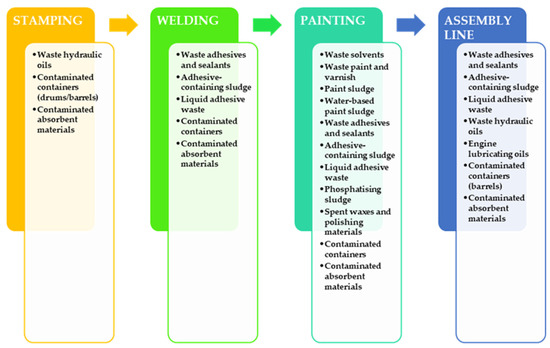
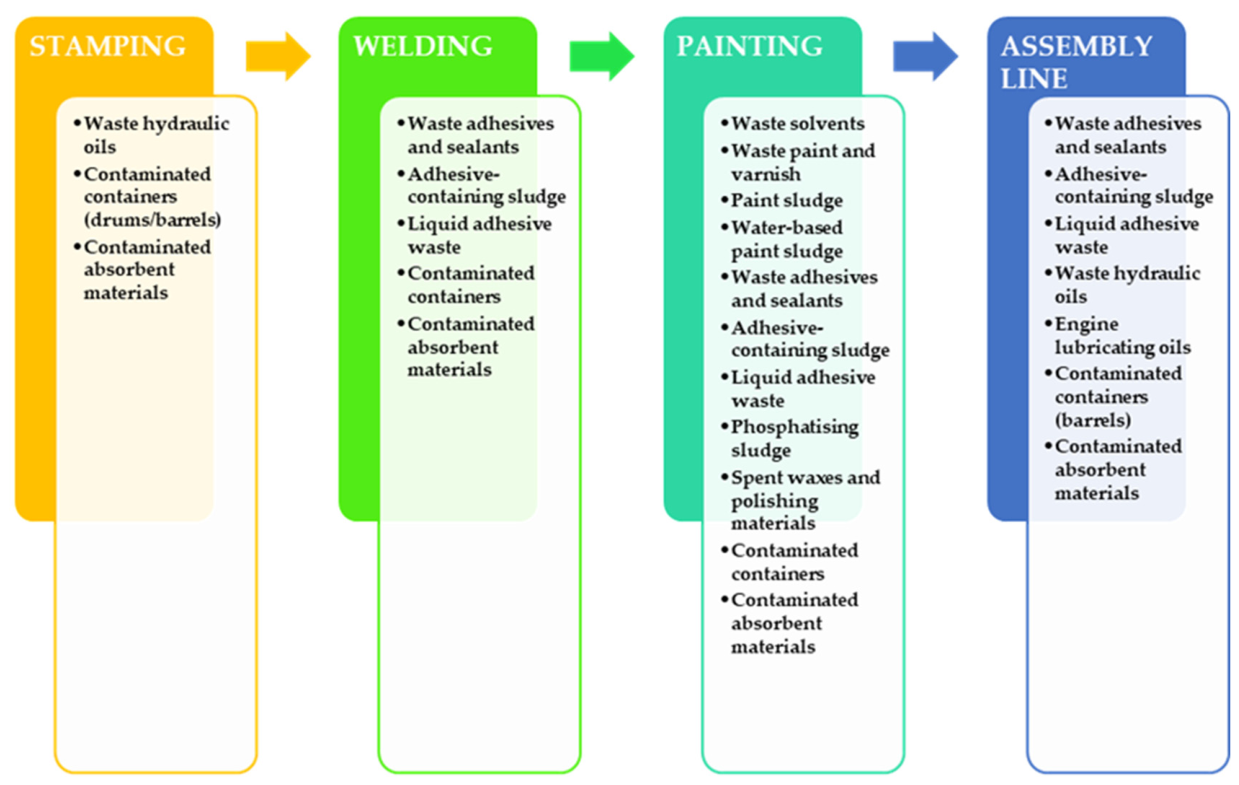
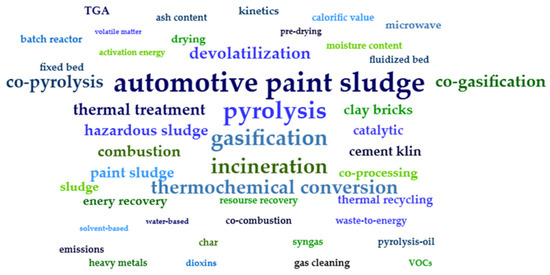
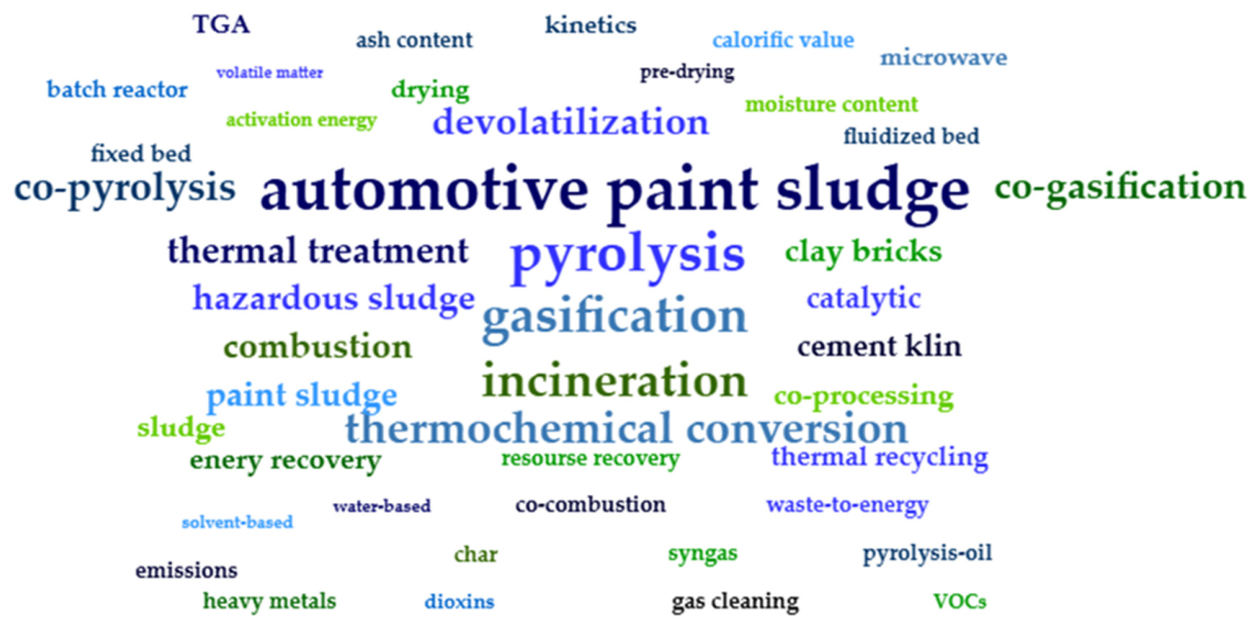

Disclaimer/Publisher’s Note: The statements, opinions and data contained in all publications are solely those of the individual author(s) and contributor(s) and not of MDPI and/or the editor(s). MDPI and/or the editor(s) disclaim responsibility for any injury to people or property resulting from any ideas, methods, instructions or products referred to in the content. |
© 2026 by the authors. Licensee MDPI, Basel, Switzerland. This article is an open access article distributed under the terms and conditions of the Creative Commons Attribution (CC BY) license.