


Abstract
The growing global demand for clean and sustainable energy has reignited interest in nuclear power as a carbon-free alternative to fossil fuels, driving an increase in uranium mining. However, uranium extraction releases radioactive elements along with toxic and heavy metals, posing serious environmental risks. A combined narrative and systematic review was employed to evaluate remediation mechanisms, performance trends, sustainability, and emerging technological advancements. The results indicate that phytoremediation remains the most extensively studied and field-applicable technique, while phycoremediation offers rapid uptake in aqueous systems and mycoremediation demonstrates higher tolerance to extreme conditions. However, limitations such as slow remediation rates, site-specific performance, and scalability challenges restrict their widespread implementation. This study also highlights the emerging role of artificial intelligence and machine learning in optimizing remediation processes, although their application remains limited, particularly in fungal systems. Furthermore, the integration of nature-based solutions into nuclear waste management frameworks, aligned with international safety standards, presents a promising pathway for sustainable remediation. Future research should focus on developing hybrid remediation strategies, establishing performance thresholds under high contamination conditions, and advancing AI-driven, site-specific optimization models to enhance efficiency and scalability.
1. Introduction
1.1. Motivation and Challenges
With increasing global demand for clean and sustainable energy, the nuclear energy sector is gaining momentum. One of the reasons for this interest is that, unlike fossil energy, nuclear energy does not involve any emission of greenhouse gases during its operation, making it a clean and reliable energy source. According to the International Atomic Energy Agency (IAEA), global nuclear capacity reached 393.8 GWe provided by 438 operational reactors in 32 countries by the end of 2022 [1]. The United States (U.S.), the world’s largest producer of nuclear energy, significantly contributes with 92 operational reactors as of July 2022, though down by 12 since 2011 [2]. Despite the decline in reactors, nuclear energy has supplied around 20% of U.S. power since the 1990s. In 2023, the nuclear power plants in the U.S. generated 775 billion kilowatt hours (kWh) of electricity [3].
Radionuclides or radioisotopes are the unstable form of an element that emit radiation to transform into a more stable form [4]. Both natural and human-caused sources release these radionuclides into the environment. The solar system, the outer universe, and radioactive materials present in the Earth’s crust are sources of natural radiation [5]. In contrast, anthropogenic sources of radioactive contamination include nuclear explosions, accidental slips, and emissions from all nuclear fuel cycles, including mining and milling, fuel fabrication, and reprocessing [6,7]. For instance, during the mining and milling of uranium (U), radium (Ra), a highly radioactive metal with a half-life period of 1601 years, is produced, which can cause leukemia in human beings [7].
Nuclear waste contains various fission products and long-lived radionuclides, including neptunium (Np), plutonium (Pu), americium (Am), curium (Cm), cesium (Cs), and strontium (Sr), having the potential to cause harm to human health and the environment [7]. The increasing levels of radioactive particles in the environment due to human interventions have become a significant concern. Therefore, sustainable remediation processes are essential to immobilize radioactive nuclides and prevent their transport within the biosphere.
Several physical and chemical remediation methods exist for managing radioactive waste effectively. However, these processes are often expensive, energy-intensive, and may involve the use of strong acids that can degrade the environment. Additionally, they can generate secondary waste that requires careful handling and treatment. Given the environmental risks and high costs associated with traditional remediation techniques, there is growing interest in biological remediation techniques as a more sustainable and cost-effective solution for managing radioactive waste.
1.2. Background
Physical remediation process. Physical remediation technologies, which involve soil replacement, removal, or the installation of barriers, are considered highly effective due to the relatively short time required to remediate contaminated sites [8]. Physical remediation process includes techniques, such as incineration, soil excavation, and solidification [5,9,10]. Yao et al. [11] highlighted that physical remediation includes soil replacement (using clean soil to replace or partly replace the contaminated soil) or thermal desorption (using steam, microwave, and infrared radiation to make the contaminant volatile). Veetil et al. [12] performed physical separation techniques on sediments contaminated with copper (Cu) and polycyclic aromatic hydrocarbons (PAHs) and found froth flotation to be effective for separating both Cu and PAHs. More recently, Akhtar et al. [13] conducted a comparative study of different remediation techniques, including physical remediation for heavy metals. For physical remediation, they used ultraviolet light irradiation in a photocatalytic reactor, resulting in 55% removal of chromium (Cr) and 44% removal of zinc (Zn). Although physical remediation methods, such as soil replacement, thermal treatment, and solidification, are effective in reducing heavy metal contamination, they are often limited by high labor and material costs, soil degradation, destruction of soil fertility and structure, high energy consumption, and significant ecological disturbance, making them less suitable for large-scale or long-term applications [14].
Electrokinetic remediation process. Electrokinetic remediation uses low-intensity electric current to induce electromigration of metal ions in contaminated soil [10]. Roh et al. [15] evaluated electrochemically enhanced immobilization of radionuclides in contaminated groundwater, specifically U and technetium (Tc), using zero-valent iron (Fe). Their results highlighted that the reductive coprecipitation of radionuclides by iron oxidation is an effective method for decontamination of polluted groundwater. Another study from Roh et al. [16] investigated the incorporation of the same radioactive contaminants into pyroaurite-like phases using electrochemical synthesis. Using iron electrodes to coprecipitate the contaminants, they found that the synthesized phases showed lower solubility and higher stability, making them effective for removing U and Tc from contaminated water. Recently, Agarwal et al. [17] presented a novel two-step electrochemical method for recovering U and Pu from acidic aqueous waste solutions via bulk electrolysis using platinum gauze. Their findings suggested that this method has high U and Pu recovery efficiencies and offers advantages, such as operational simplicity, potential remote handling, and minimal secondary waste generation over traditional recovery methods. Recently, Sun et al. [18] conducted a review study and concluded that although electrokinetic remediation is an effective method for pollutant removal, the technology is limited by the dissolution of metal ions in soil and high electric energy consumption.
Chemical remediation process. Chemical remediation processes involve the use of chemical reagents to stabilize, reduce, or transform contaminants into less toxic forms. It includes techniques such as adsorption, chemical precipitation, ion exchange, and wet oxidation. Wang et al. [19] explored the possibility of using graphene oxide as a suitable adsorbent for the removal of U(VI) in solutions. Their result highlighted the strong influence of pH on the sorption of U(VI). They also found that the sorption percentage decreases with increasing ionic strength and decreasing solid-to-liquid ratio. Gao et al. [20] used mixtures of ferric chloride and citric acid to perform chemical washing of contaminated paddy soil. They achieved a higher removal rate for cadmium (Cd) than for other elements and concluded that the speciation profile of metal and the type of soil determine the removal efficiency. Recently, Xu et al. [21] conducted a systematic review of different types of stabilizing materials employed to remediate heavy metal-polluted soils using chemical stabilization technology. While chemical remediation offers rapid and cost-effective solutions for stabilizing or mobilizing heavy metals in contaminated soils, it often results in temporary effectiveness, poses risks of secondary pollution, can be invasive to soil structure and ecosystems, and may require large quantities of chemical amendments, making it less sustainable for long-term or large-scale applications [22]. More details on the remediation of toxic heavy metals by chemical processes have been reviewed by Alam et al. [23].
Membrane separation process. Membrane separation processes use selectively permeable membranes to separate or concentrate solvents and solutes under driving forces such as pressure, concentration, or potential difference [24,25]. Common membrane processes include reverse osmosis, ultrafiltration, nanofiltration, and microfiltration. Deshmukh et al. [26] studied the separation of radioactive cobalt (Co), ruthenium (Ru), and iodine (I) in trace concentrations by cellulose acetate membranes using small reverse osmosis test cells. They found that the separation efficiency followed the order Co > Ru > I. Additionally, they concluded that the permeate flux increases with pressure, and radioactive separation efficiency increases with feed activity. Yarlagadda et al. [27] investigated direct contact membrane distillation for treating saline groundwater contaminated with As, U, and F. They compared permeate production rates and contaminant removal efficiencies of polypropylene and polytetrafluoroethylene membranes. Their results showed that the process achieved over 99% rejection of salts and contaminants. Castro-Muñoz et al. [28] reviewed nanocomposite membranes for heavy metals removal from contaminated water. They identified that polymeric membranes could exhibit a removal efficiency between 77 and 99%, while nanocomposite membranes are able to offer up to 100% removal with high permeation rates (from 80 to up to 1300 Lm−2h−1). Membranes used in radioactive waste treatment must be carefully selected and maintained because fouling and radiation exposure can degrade their performance, increase operational hazards, and compromise safety in nuclear facilities [29]. More details on membrane purification in radioactive waste management have been reviewed by Ambashta and Sillanpää [30].
Biological remediation process. Biological remediation process utilizes biological components, such as microorganisms, fungi, plants, and animals, or their derivatives, and combinations of them, to degrade, eliminate, and transform toxic pollutants into non-toxic or less toxic forms [31]. These processes are cost-effective and remove pollutants with no/less accumulation of secondary pollutants [32]. It includes techniques, such as phytoremediation, phycoremediation, and mycoremediation, that utilize the natural ability of plants, algae, and fungi, respectively, to remove or transform toxic elements. Bioremediation may be performed in situ or ex situ, depending on factors such as cost, site conditions, and contaminant characteristics [33]. Leong and Chang [34] reviewed the advances and mechanisms involved in bioremediation and biosorption of heavy metals using microalgae. They concluded that bioremediation and biosorption involve multiple processes, including extracellular adsorption, reduction, volatilization, complex formation, ion exchange, intracellular accumulation, chelation, and biomethylation. Ali et al. [35] highlighted that understanding the heavy metal uptake by plants from soil will help in promoting phytomining for the extraction of metals from low-grade ores. More details on the remediation of toxic heavy metals by biological processes have been reviewed by Jacob et al. [36].
1.3. Goal and Objectives
This study focuses on current nature-based remediation practices, particularly phytoremediation, phycoremediation, and mycoremediation, as sustainable approaches for managing toxic and radioactive waste generated from various sources. The primary objectives are: (a) review recent advances in biological remediation of toxic and radioactive waste, (b) identify the research evolution of biological remediation technologies, (c) highlight existing challenges and future directions for sustainable remediation, and (d) assess the current and potential application of machine learning (ML) and artificial intelligence (AI) in enhancing the efficiency of biological remediation technologies. A combination of qualitative analysis (narrative review) and quantitative analysis (systematic review) was used to classify current approaches, highlight key research, and identify existing gaps.
2. Narrative Review
The narrative review provides an overview of biological remediation techniques, particularly phytoremediation, phycoremediation, and mycoremediation, for removing toxic and radioactive metals, and highlights key research gaps. These three methods are nature-based approaches for the removal of radioactive contaminants, each utilizing distinct biological mechanisms and organisms.
2.1. Phytoremediation
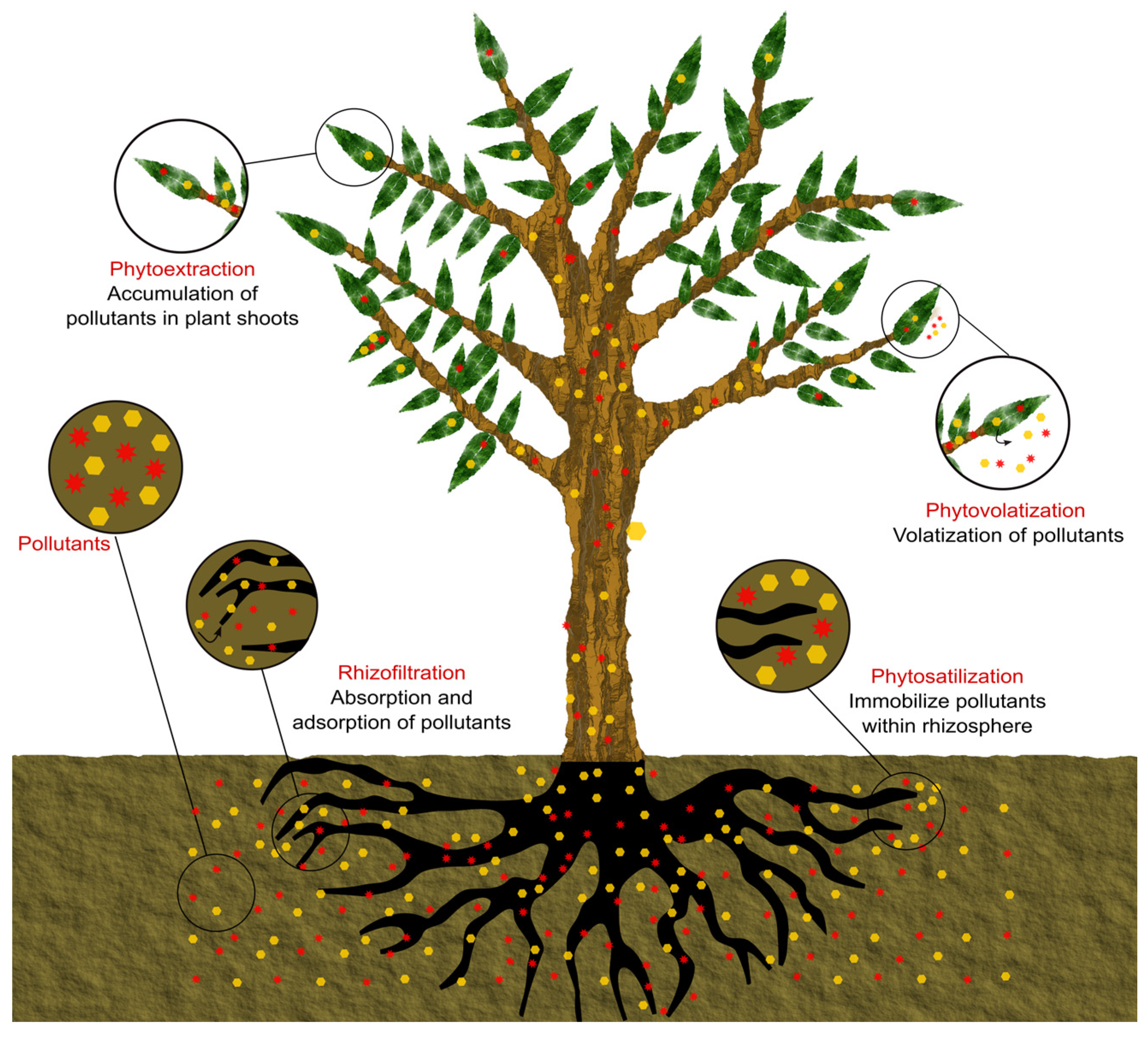
Phytoremediation uses plants to efficiently remove and immobilize contaminants from soil and water. It involves the breakdown and degradation of the contaminants by plants into less toxic elements, or absorption and storage of contaminants in the plant [5]. Based on the decomposition of metals, phytoremediation is classified as phytoextraction, rhizofiltration, phytostabilization, phytovolatization, and phytodegradation (Figure 1) [6,7,9].
Phytoextraction. Phytoextraction harnesses the natural capacity of plants to absorb a wide range of chemical elements through the root system, translocate them via vascular tissues, and sequester them in the aerial parts of the plant [6]. The efficiency of hyperaccumulating plants in transporting the contaminated metals from the soil to different parts of the plant [9], as well as the bioavailability of contaminant metals in the soil [6], governs the metal phytoextraction. An earlier study on heavy metal accumulation (e.g., Cd, Pb, Cu, and Zn) in Polygonum thunbergii for phytoextraction done by Kim et al. [37], found a detectable amount of metals in whole plants. Their result showed that Cd was only detectable in the stem. Furthermore, their findings highlight effective accumulation of heavy metals by P. thunbergii. Ma et al. [38] examined the phytoextraction potential of hybrid giant Napier (HGN) grass for removing heavy metals from contaminated tailings. Following a two-year cultivation of HGN, they found that the heavy metals (e.g., Zn, Mn, Cu, Pb, Cd, Cr, and As) removal for tailings and the control soil ranged from 12 to 26% and 16 to 74%, respectively.
Rhizofiltration. Rhizofiltration is the use of plant roots to absorb, concentrate, and precipitate heavy and toxic elements from polluted effluents [7,39,40]. The rhizofiltration process not only helps in preventing harmful leachate from forming but also helps in the reduction of soil erosion and the distribution of contaminated metals to different areas by reducing the volume of water that percolates into the soil [41]. An earlier study by Dushenkov et al. [39] evaluated the efficacy of many hydroponically grown terrestrial plants (Brassica juncea) in removing toxic metals, including Cu, Cd, Cr, Ni, Pb, and Zn, from aqueous solution. Their results indicate that the roots of terrestrial plants have an intrinsic ability to absorb and precipitate heavy metals from solutions. Karkhanis et al. [42] studied the removal efficiency of heavy metals from coal ash leachate using a variety of aquatic plants, such as water hyacinth, duckweed, and pistia. Their results suggest that pistia and duckweed show efficient potential to uptake heavy metals (e.g., Zn, Cr, and Cu), while the uptake of Zn and Cu was lower in the case of water hyacinth.
Phytostabilization. Phytostabilization leverages the ability of plants to immobilize and stabilize the contaminants and metals present in the soil, causing precipitation within the root system zone [7,9]. Presently, phytostabilization is commonly used to stabilize heavy metals in tailings and is generally regarded as an effective method to achieve long-term tailings remediation [43]. Alsabbagh and Abuqudaria [44] examined the use of sunflower plants (Helianthus annuus) in reducing U content from U-rich carbonate soil. Their results show that most of the U was accumulated in roots, and only 3% of the U was transferred to harvestable shoots. Lacalle et al. [45] evaluated a variety of plants, including crops and native species, in two soils (agriculture and mining) contaminated with Cd, Pb, and Zn. They found that the combination of Cynara cardunculus and Brassica juncea Czern achieved a higher reduction in metal extractability, while the addition of compost in mining soil reduced calcium chloride-extractable Cd and Zn by 12–50% and 71–76%, respectively. A more detailed review on phytostabilization has been done by Bolan et al. [46].
Phytovolatilization. In phytovolatilization, plants take up the metals and transpire them through xylem, which are further transformed into volatile forms and finally released in the atmosphere via stomata [47]. These techniques exploit the ability of plants to transpire enormous amounts of water and have even been used for tritium remediation [6]. Early studies utilized plants to volatilize selenium (Se) present in the soil or wastewater [48,49]. Guarino et al. [50] assayed the phytoremediation ability of Arundo donax L., assisted by a plant growth-promoting bacteria consortium, as well as epigenetic response to arsenic (As) pollution. Their results showed that while the bioaccumulation factor doubled the presence of the bacteria consortium, the overall As accumulation in plants remained very low and was only detectable at the high As concentration of 20 mg/L. Notably, around 75% of As was volatilized by transpiration, with only 0.15% accumulated in the plant and 25% retained in the soil. Further details on phytovolatilization can be found in a review by Limmer and Burken [51].
Phytoremediation is a multidisciplinary approach that involves complex interactions between soil, heavy metals, plants, and soil microorganisms [47]. Bioavailability and phytoavailability of heavy metals in the soil are important for the uptake by microorganisms and plants, respectively. Heavy metal availability depends on a variety of factors, including plant physiology, soil chemistry, and plant–microbe interaction [47,52,53]. Plants take heavy metals from soil solution via roots’ active transport process requiring energy expenditure (symplastic transport) or through passive uptakes, such as facilitated diffusion (apoplastic transport) [54,55]. To enhance these processes, various soil amendments, such as organic acids, biochar, and nanoparticles, can be introduced. For example, Wu et al. [44] examined the influences of organic acids, including citric and lactic acid, on U mobility in Brassica juncea var. foliosa. They found that the complexation of U with these acids reduced the U immobilized on the root surfaces and facilitated U translocation from roots to shoots.
Figure 1.
Phytoremediation mechanism for heavy metal removal [40,56].
Sustainability and life cycle assessment. Phytoremediation utilizes natural plant resources and offers a high level of sustainability compared to traditional remediation methods. It not only removes pollutants but also promotes the restoration of ecosystems and serves as a potential pathway to achieving carbon neutrality. Applying the LCA method to phytoremediation can help identify the most effective strategy, assess its regulatory feasibility compared to conventional methods, pinpoint environmental impact hotspots across application cycles, and suggest measures to reduce resource losses, such as chemicals, electricity, water, and biomass [57]. However, comprehensive economic analyses of phytoremediation are still limited [58]. A comprehensive LCA study by Aghili and Golzary [59] demonstrated that phytoremediation is an environmentally favorable and cost-effective approach for heavy metal-contaminated soils, evaluating multiple impact categories such as climate change, toxicity, resource depletion, and land and water use. Their findings emphasize the importance of LCA-based decision-making in selecting appropriate remediation strategies and avoiding unnecessary environmental burdens.
Phang et al. [60] conducted a thorough review of the ecological and economic benefits of phytoremediation, highlighting the cost-effectiveness of using native plants. They suggest that creating an economic value strategy and decision-making tools could address the challenges faced by phytoremediation, such as site complexities and stakeholder doubts. Plant, contaminant, and environmental factors are significant in determining the outcome of phytoremediation. Wang and Delavar [61] examined factors that influence phytoremediation’s underutilization and real costs when time and land values are considered. They suggest that phytoremediation is suitable for remote areas with low land values due to its gradual restoration process; however, its inherent slow pace makes it unsuitable and cost-ineffective in regions such as growing urban areas. The plant waste produced from the phytoremediation could be utilized for renewable energy generation. LCA conducted by Witters et al. [62] demonstrated that phytoremediation can be effectively integrated with bioenergy production, enabling both contaminant management and renewable energy generation. Their results showed that silage maize used for biogas production provided the highest energy output and CO2 reduction, while willow systems offered greater carbon abatement when replacing fossil fuel-based electricity, highlighting trade-offs between energy efficiency and carbon mitigation in phytoremediation strategies. A recent case study by Richardson et al. [63] demonstrated that phytomining of rare earth elements can be a low-emission and economically viable approach, with a total cost of approximately 6213 USD per acre over a six-week period. The cost of phytoremediation has been reported to be approximately 37.7 USD per m3 of contaminated soil, with both capital and operational expenses contributing significantly to the overall cost, and remaining substantially lower than conventional remediation methods [58]. More details can be found in the review by Kafle et al. [64].
Machine learning and artificial intelligence studies. Given the complex, multifactorial nature of phytoremediation, advanced data-driven approaches, such as ML and AI, have emerged as powerful tools to model, predict, and optimize its performance under varying environmental and operational conditions. Shi et al. [65] utilized ML algorithms to identify the critical factors, including soil properties, plant families and genes, and heavy metal properties, affecting the phytoextraction efficiency of hyperaccumulators. They suggest that the plant family is a significant factor affecting the bioconcentration, metal extraction, and remediation time. Additionally, their results showed that heavy metal characteristics, particularly metal ion radius, play an important role in affecting metal accumulation in the shoot. Hao et al. [66] trained Gradient Boosting and Extreme Gradient Boosting models with optimized parameters (learning rate = 0.1, max depth = 3, and n_estimators = 300) to estimate and improve vanadium concentrations in the phytoremediation process. The models’ performance was assessed using mean square error (MSE) and the coefficient of determination (R2), yielding strong predictive performance (R2 = 0.95, MSE = 1.20). Furthermore, they found that the initial concentration and experimental duration significantly influence the model’s prediction. More recently, Bas et al. [67] introduced a new method that uses ML algorithms and genetic optimization for nano-phytoremediation to combat heavy metal pollution in aquatic systems. Further details on the application of AI in phytoremediation have been reviewed by Singh et al. [68].
2.2. Phycoremediation
Phycoremediation refers to the application of algae for the removal or biotransformation of contaminants, such as nutrients and xenobiotics, in wastewater [69]. It involves the uptake, accumulation, and degradation of contaminants from the polluted water bodies into non-toxic forms by algal cells [56]. Algae are photosynthetic, pigment-producing, and protein-rich microorganisms that actively contribute to wastewater treatment through their unique ability to generate their own carbon source and oxygen. Based on size and complexity, algae are broadly classified as macroalgae (large and multicellular) and microalgae (microscopic and usually unicellular). Microalgae can remove heavy metals via a two-stage mechanism, particularly rapid biosorption and slow bioaccumulation (Figure 2) [34]. They use various self-protection mechanisms, such as metal-binding peptides (e.g., phytochelatins and glutathione), antioxidant enzymes, and specialized functional groups in their cell walls, to mitigate heavy metal toxicity. Some species also thrive in contaminated environments due to their metal tolerance, and low concentrations of toxic metals can even stimulate their growth via hormesis. Kumar et al. [70] provided a detailed summary of the application of microalgae in heavy metal remediation.
Figure 2.
Phycoremediation mechanism for heavy metal removal by macroalgae [34,56].
Mendoza-Cózatl et al. [71] investigated the ability of Euglena gracilis to simultaneously remove and accumulate Zn, Cd, and Pb. They found that E. gracilis removed 80% of Cd present in the medium when cultured with 20 or 50 μM cadmium chloride, 70% to 80% of the Zn present in the medium when cultured with 5 to 50 μM zinc sulfate, and <15% Pb when cultured with 100 or 200 μM lead nitrate. Vogel et al. [72] studied the biosorption of U(VI) by the green algae, Chlorella vulgaris. Their results show that both active and inactive algal cells bind uranium in significant amounts of around 14 mg U/g dry biomass and 28 mg U/g dry biomass, respectively. More recently, Cheng et al. [73] studied the biosorption of thorium (Th) by Chlorella vulgaris and investigated the effect of pH, metal concentration, dosage, time, and thermodynamics of uptake. Their result showed that pH and initial metal ion concentration influence the adsorption capacity of the biosorbent and increase with the temperature up to 45 °C. Further details on phycoremediation of toxic and heavy metals are provided in review studies by Zeraatkar et al. [74] and Faruque et al. [75].
Sustainability and life cycle assessment. Application of algae for wastewater treatment is considered one of the cost-effective methods, as algae can grow easily in stagnant water and rivers without any extra nutrients, and are capable of removing heavy metals from industrial wastewater [76]. Studies done by Tam et al. [77] and Cheng et al. [78] demonstrate that both living and dead microalgal cells can be used to remove toxic elements, such as tributyltin and heavy metals. Furthermore, algae are promising organisms for biofuel production. Arashiro et al. [79] conducted an LCA study to evaluate the environmental impacts of microalgae-based systems for treating urban and industrial wastewater, alongside the recovery of various bioproducts. Additionally, a comparative analysis with a conventional system using a standard growth medium was also performed to highlight the potential benefits of wastewater-based cultivation. In terms of bioproduct recovery, the results showed that microalgae wastewater treatment systems reduced environmental impacts by up to five times compared to conventional systems using standard growth media, primarily due to lower chemical inputs for cultivation. An LCA study performed by Crippa et al. [80] evaluated the environmental impacts of integrating microalgal cultivation in a wastewater treatment system and compared it to a conventional wastewater treatment system without such integration. Their results suggest that this integration can be environmentally beneficial, particularly when residual algal biomass is valorized, such as through the production of bio-stimulants for crop stimulation. A more detailed review on algae-based technologies for biofuel production and wastewater remediation has been done by Nhat et al. [81].
Machine learning and artificial intelligence studies. Artificial intelligence has been utilized to minimize the complexities in wastewater treatment [82]. In phycoremediation, Galang et al. [83] applied AI/ML techniques to model the interactions among 19 water quality parameters in relation to biogenic CO2 emissions and chemical oxygen demand concentrations as target outputs, within a bioreactor system operating at an algae-to-activated sludge ratio of 1:5. Their results showed that a multi-input multi-output feed forward neural network (19-20-2 architecture), trained using the Levenberg–Marquardt algorithm, achieved R2 values above 0.99 and low RMSE for both training and validation phases. Podder and Majumder [84] used artificial neural networks (ANNs) to predict the removal efficacy of As by Botryococcus braunii from synthetic wastewater. They investigated the effects of several parameters, including initial pH, inoculum size, contact time, and initial As concentration, and found the maximum removal efficiency of As (III) and As (V) to be 85.22% and 88.15%, respectively.
2.3. Mycoremediation
Mycoremediation uses fungi to absorb, stabilize, or degrade contaminants from the soil. It is a combination of two words: myco (Greek for fungus) and remediation (Latin for restoring balance). Fungi are often a dominant part of soil microflora, especially in acidic soils, and are significant for maintaining the soil’s ecological functions [85]. In mycoremediation, fungal hyphae (thread-like structures) form a filamentous network across roots, rocks, and soil particles, enabling the fungi to tolerate heavy metals and adapt to extreme conditions of temperature, pH, and nutrient availability [86]. Metal mobilization by fungi occurs through the secretion of organic acids, such as citrate and oxalate, which enhance metal solubilization via acidification [87].
The mechanistic pathways of mycoremediation can be grouped into four categories: avoidance, reducing metal toxicity via biosorption, precipitation, and absorption; extrusion, actively transporting contaminants out of fungal cells; sequestration, producing intracellular chelators to immobilize contaminants; and biotransformation, chemically modifying contaminants through methylation, demethylation, oxidation, reduction, or volatilization [88]. Fungi often transform heavy metals through three principles, including: biosorption (a passive, metabolically independent process performed by live or dead cells), bioaccumulation (an active, metabolically dependent process in live cells), and biovolatilization (conversion of inorganic and organic compounds into volatile derivatives) [89]. In the context of mycoremediation, these processes are often referred to as mycoaccumulation, mycodegradation, mycovolatilization, and mycostabilization (Figure 3) [90].
Radionuclide-specific interactions further demonstrate the potential of fungi for targeted remediation. Bystrzejewska-Piotrowska and Bazała [91] proposed two pathways for the passive transport of Cs in mycelium: (a) uptake via a non-specific potassium channel in the plasmalemma, followed by diffusion within the hyphae, and (b) extracellular movement from the medium through inter-hyphal cavities into the fruit bodies. A study by Purvis et al. [92] investigated uranium biosorption by lichenized ascomycete Trapelia involuta on a range of uraniferous minerals, including metazeunerite, metatorbernite, and autunite. Their results showed that uranium, iron, and copper preferentially accumulate in the outer melanized regions of the apothecia, likely due to melanin-like pigments that facilitate metal binding.
Further insights into uranium targeting mechanisms have been provided by a comparative study on U(VI) interactions with fungi, including Schizophyllum commune, Pleurotus ostreatus, and Leucoagaricus naucinus. The study demonstrated that while common mechanisms such as biosorption, accumulation, and crystallization govern uranium uptake, the underlying biochemical pathways are species-specific, highlighting the potential for targeted radionuclide remediation through appropriate fungal selection [93]. Additionally, certain fungi (e.g., Schizophyllum commune) exhibit unique metabolic responses, including the release of indole-based compounds, indicating adaptive and selective interactions with uranium. In general, the bioassociation of fungi with uranium occurs via carboxylic and phosphate groups of organic ligands, with a preferential affinity for phosphate groups [93].
Figure 3.
Mycoremediation mechanisms for heavy metal removal [90,94].
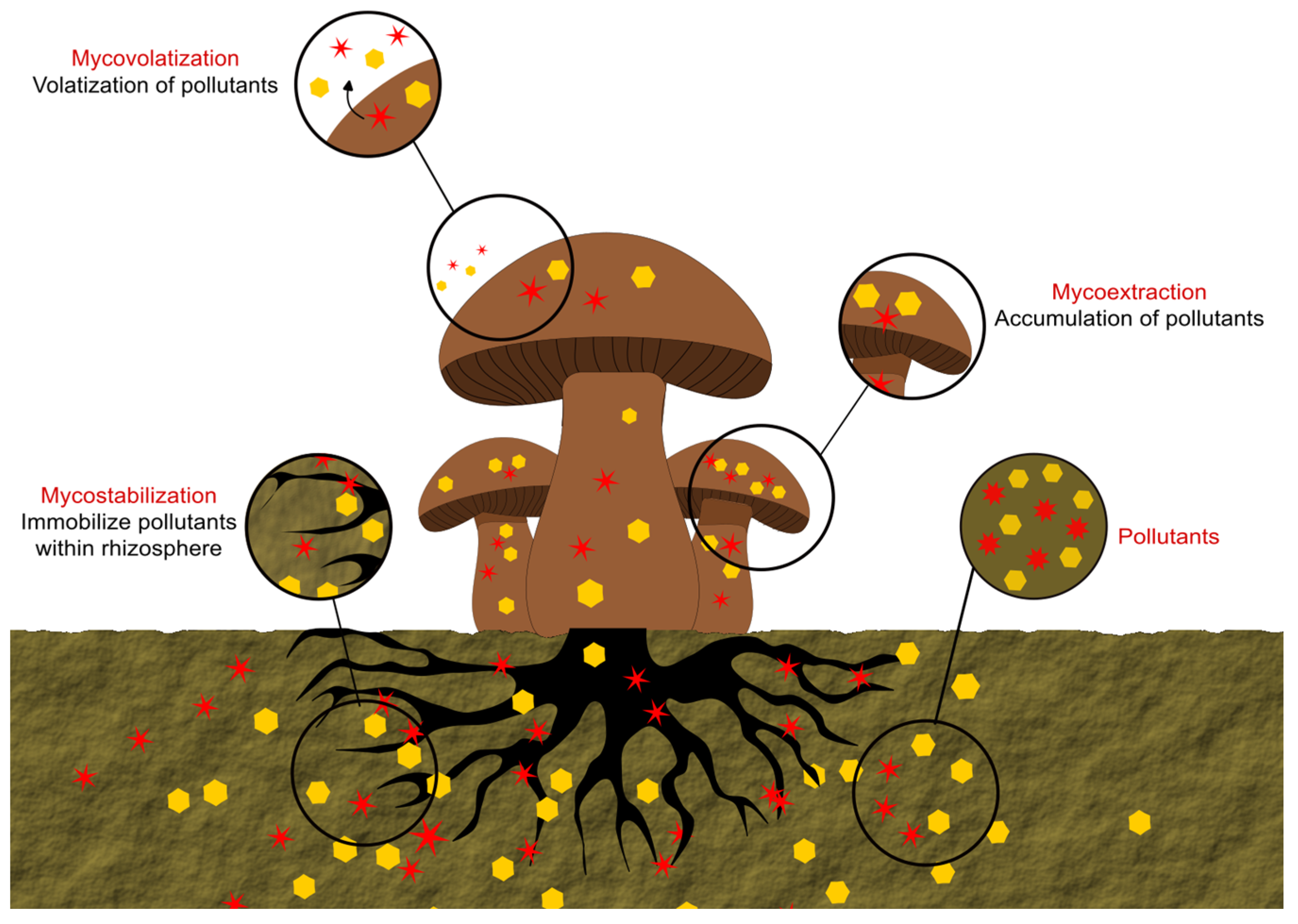
Earlier studies have shown the accumulation of radioactive Cs in wild mushrooms after nuclear accidents, such as Chernobyl and Fukushima [95,96]. Dighton and Horrill [97] studied the accumulation of radioactive isotopes of Cs in the mycorrhizal fungi, particularly Lactarius rufus and Incoybe longicystis, in upland Britain, after the Chernobyl accident. The results showed the presence of a substantial portion of Cs in the fruiting bodies of the fungal species both before and after the Chernobyl accident, suggesting the accumulation of radionuclides by fungal mycelia. Galanda et al. [98] monitored the mycoremediation properties of oyster mushrooms cultivated in soil contaminated with radioactive isotopes of Pu and Am. Their result highlighted the competence of the oyster mushroom in extracting radionuclides from the background. Liu et al. [99] analyzed the ability of Absidia corymbifera to accumulate radioactive U(VI) from aqueous solution while investigating the effect of parameters such as dose, temperature, pH, ionic strength, and contact time. They found that the maximum bioaccumulation capacity reached 46.5 mg/g in pH 6 at 298 K, highlighting the potential of the fungi as efficient biosorbents.
Wu et al. [100] investigated mycoextraction (Clitocybe maxima) in combination with carbonaceous sorbents (biochar and activated carbon) for the remediation of heavy metals. They found that the addition of carbonaceous amendments reduced acid-soluble Cd and Cu by 5.13–14.06% and 26.86–49.58%, respectively. Additionally, the carbonaceous amendments enhanced the mycoextraction efficiency of Cd and Cu by 25.64–153.85% and 15.18–107.22%, respectively. Boriová et al. [101] studied the biovolatilization and bioaccumulation capabilities of different toxic elements by the microscopic filamentous fungus, Scopulariopsis brevicaulis. Further details on mycoremediation are provided in a review study by Kumar et al. [88]. Table 1 summarizes the representative biomaterials, target radionuclides, and underlying uptake mechanisms for these bioremediation strategies.
Sustainability and life cycle assessment. Fungi are naturally present almost everywhere on the Earth. Mycoremediation can be a potential strategy to alleviate heavy metal contamination in soil and water, as fungi offer several advantages, which include robust growth, an immense hyphal network, production of multipurpose extracellular enzymes, a high surface area-to-volume ratio, tolerance to complex pollutants, adaptability to fluctuations in pH and temperature, and the presence of metal-binding proteins [88]. Compared to other biological agents, such as algae, fungi are relatively more tolerant to higher levels of contamination [102,103]. Furthermore, in contrast to phytoremediation, mycoremediation is faster, offers a higher direct surface-area-to-volume ratio, and allows for rapid biomass proliferation, making it highly effective under diverse environmental conditions [104]. A more recent review study by Roy et al. [105] identified temperature, rhizosphere pH, redox potential, and substrate concentration as key factors influencing the efficiency of mycoremediation. Additionally, their findings highlight substantial challenges in accurately simulating natural environmental conditions in laboratory settings and in scaling these findings for practical applications, primarily due to limitations in enzyme productivity and stability. They suggest that genetic engineering could help in addressing the existing limitations.
Machine learning and artificial intelligence studies. No studies were identified that applied ML or AI in the context of mycoremediation. The results of the systematic review presented in Section 3 further support this observation.
Table 1.
Comparative overview of phytoremediation, phycoremediation, and mycoremediation strategies for radioactive contaminant removal, including representative biomaterials, target radionuclides, and key uptake mechanisms.
3. Systematic Review
Systematic reviews minimize author bias that may arise from personal research interests and help identify key factors and approaches from prior studies to inform future research and development. This section covers phytoremediation, phycoremediation, and mycoremediation techniques for the removal of toxic and radioactive materials and heavy metals. The analysis looks into trends of these three fields over the last 26 years, between January 2000 and December 2025.
A database was generated from the Web of Science™ by searching article titles, abstracts, and keywords for journal articles between 2000 and 2025. The following keyword sets were used for the collection of records in the Web of Science™:
- Keyword set 1: (toxic OR radioactive OR heavy) AND (phytoremediation OR phytoextraction OR phytostabilization OR rhizofiltration OR phytovolatilization OR phycoremediation OR mycoremediation)
- Keyword set 2: (economic OR economy OR sustainability OR environment OR sustainable OR emission OR life cycle OR techno-economic OR cost OR artificial intelligence OR machine learning OR neural network OR predictive OR prediction) AND (phytoremediation OR phytoextraction OR phytostabilization OR rhizofiltration OR phytovolatilization OR phycoremediation OR mycoremediation).
A total of 847 papers were identified for keyword set 1 following the PRISMA 2020 statement (Figure 4). Table 2 presents the top 10 most cited studies on phytoremediation, phycoremediation, and mycoremediation based on keyword set 1. Most of these highly cited articles focus on phytoremediation, indicating that comparatively fewer studies have addressed phycoremediation and mycoremediation. Nonetheless, interest in phycoremediation and mycoremediation appears to be growing, as reflected by the rising number of citations between January 2000 and December 2025 (Figure 5).
Figure 4.
PRISMA flow diagram for the systematic review.
Table 2.
Top ten most cited studies on phytoremediation, phycoremediation, and mycoremediation based on defined keyword set 1 from January 2000 to December 2025.
Figure 5.
Number of citations (left) and sustainability and AI/ML studies (right), using phytoremediation, phycoremediation, and mycoremediation between January 2000 and December 2025.
Similarly, a separate database was created using the defined keyword set 2, focusing on sustainability and the application of ML and AI across the aforementioned remediation techniques. This yielded a total of 356 articles, with the majority concentrated on sustainability-related studies (Figure 5). In contrast, only a small fraction addressed AI/ML applications, highlighting a critical gap and the need for further research into predictive modeling approaches that could enhance the scalability, efficiency, and long-term viability of remediation strategies. Among the three remediation types analyzed, mycoremediation had the fewest studies, suggesting that this technique remains underexplored in both sustainability and AI/ML contexts. Table 3 shows the top 10 most cited sustainability and AI/ML studies on phytoremediation, phycoremediation, and mycoremediation resulting from the defined keyword set 2.
4. Discussion
The growing global demand for clean and sustainable energy has renewed interest in nuclear power as a prominent low-emission alternative to fossil fuels. In 2024, the U.S., the leading producer of nuclear energy, generated nearly 782 billion kWh of electricity from nuclear sources, which accounted for around 20% of the nation’s total electricity generation and nearly half of its carbon-free power. As of August 2023, 93 nuclear reactors were operational across 54 nuclear power plants in 28 states.
Uranium, the primary fuel for nuclear power, is central to this energy transition. However, economically viable U reserves are geographically concentrated [120], with Kazakhstan (39%), Canada (24%), and Namibia (12%) collectively accounting for nearly 75% of global production in 2024 [121]. The current global demand for uranium is about 67,000 tonnes U per year, the majority of which is utilized by the power sector, with a small amount for medical and research purposes. The projections reported by the Organization for Economic Co-operation and Development (OECD) indicate a continued rise in U demand, emphasizing the urgent need for safer, more sustainable extraction technologies and post-mining remediation strategies [122]. In situ leaching, which accounts for more than 60% of global uranium production, offers economic advantages but raises environmental concerns, particularly groundwater contamination and long-term soil degradation [122].
Table 3.
Top ten most cited sustainability and AI/ML studies based on defined keyword set 2.
Conventional U mining separates U from its radioactive decay products, retaining the majority (80–90%) of the radioactivity in tailings [130]. According to the U.S. Nuclear Regulatory Commission (NRC), these tailings must be managed to ensure long-term containment and minimal environmental dispersion (10 CFR Part 40). The migration of radioactive contamination once deposited on soil is governed by convective transport by flowing water, dispersion caused by spatial variations in convection velocities, diffusive movement within fluid, and physicochemical interactions with the soil matrix [131]. The overarching regulatory objective is the permanent isolation of contaminants through stable site selection, favorable geologic conditions, and resistance to erosion and natural disturbances.
Nature-based solutions such as phytoremediation, particularly phytoextraction, rhizofiltration, and phytostabilization, can play a dual role in the mining industry by mitigating environmental contamination and enabling the recovery of valuable metals from the tailings. Phytoextraction has gained increasing attention as a novel strategy for sustainable resource recovery in the mining sector. In 2024, the U.S. Department of Energy (DOE) Advanced Research Projects Agency-Energy (ARPA-E) allocated 9.9 million USD to support the development of a low-carbon, cost-competitive domestic supply chain for nickel through phytoextraction (phytomining), a process that uses plants to extract nickel from the soil. This initiative aims to establish an environmentally sustainable method for sourcing critical minerals while contributing to the broader goal of achieving a net-zero carbon economy.
From a policy perspective, bioremediation technologies can be integrated into nuclear waste management as complementary strategies within the IAEA’s multi-barrier framework, particularly for near-surface and legacy contamination [132,133]. This is further supported by ongoing IAEA technical cooperation initiatives aimed at developing in situ bioremediation techniques for uranium-contaminated aquifers, highlighting the growing institutional recognition of biological approaches in nuclear remediation [134].
Phytostabilization, in particular, aligns closely with regulatory goals by reducing erosion, immobilizing contaminants in the rhizosphere, and limiting human and ecological exposure [125]. Experimental studies support the potential of phytoremediation in U-contaminated environments [44,135]. A recent study by Favas et al. [136] investigated the U concentration in water–soil–plant matrices combining terrestrial and aquatic native plant species in the Sevilha mine. They found that the accumulation of U in the plant followed root > leaves > stem > flower/fruits, confirming the ability of roots to accumulate the radionuclide from soil or sediment. Similar studies by Shtangeeva [137] demonstrated a significant increase in concentrations of Th and U in plant roots compared to shoots. This root sequestration supports long-term stabilization of radionuclides in contaminated soils.
The effectiveness of phytoremediation is strongly governed by uranium bioavailability, which depends on its speciation, redox state, and soil properties such as pH, texture, and organic matter [53,138,139]. The BCR sequential extraction method shows that uranium mainly occurs in the residual fraction, implying low bioavailability, although reactions such as adsorption, desorption, and complexation can mobilize it [52,139,140,141]. Uranium exists primarily in two oxidation states, U(IV) and U(VI), with the more soluble U(VI) form (as uranyl ion, UO22+) prevailing under oxidizing conditions and the less mobile U(IV) form (as uraninite, UO2) dominating under reducing conditions [53,142]. Soil chemistry, including the presence of cations (Ca2+, Fe2+, and Fe3+), anions (carbonate, phosphate, and sulfate), silica, natural rock-forming minerals, organic substances, and microorganisms, further controls uranium mobility [143].
At the plant–microbe–soil interface, microorganisms influence uranium mobility and bioavailability by reducing soluble U(VI) to insoluble U(IV) and facilitating adsorption and precipitation through cell surface functional groups and ligand interactions [53]. These processes, combined with plant uptake mechanisms, create dynamic pathways governing uranium transport and immobilization in the rhizosphere. Plants primarily absorb uranium as uranyl ions through active and passive transport, with most uranium binding to negatively charged and phosphate groups in root cell walls, thereby limiting its translocation to aerial parts [53,144,145]. Consequently, uranium sequestration in roots serves as a natural barrier that limits translocation within plants and helps mitigate its phytotoxic effects [146]. Doustaly et al. [147] predicted U speciation and exposure conditions affecting U bioavailability in Arabidopsis thaliana. They found that oxidative stress, cell wall and hormone biosynthesis, and signaling pathways, including phosphate signaling, were affected by U exposure. Additionally, their results suggest that the main actors in iron uptake and signaling (IRT1, FRO2, AHA2, AHA7, and FIT1) were downregulated upon exposure to uranyl and identified three transporter genes (IRT1, FRO2, and FIT1) involved in U uptake and translocation in Arabidopsis thaliana.
Despite its potential, phytoremediation remains time-intensive and highly site-specific [61] and still remains underutilized and continues to be in the early stages of investigation and technological advancement [64]. The applicability of bioremediation in highly contaminated environments is constrained by toxicity effects at elevated radionuclide concentrations, which can inhibit plant growth and microbial activity beyond site-specific threshold levels [53]. Established hyperaccumulation thresholds for heavy metals include >10,000 mg kg−1 for Mn, 3000 mg kg−1 for Zn, 1000 mg kg−1 for Pb, Ni, or As, 300 mg kg−1 for Cu and Co, and >100 mg kg−1 for Cd, whereas comparable threshold values for uranium have not yet been defined, highlighting a critical gap in identifying uranium hyperaccumulators [53].
To enhance performance, soil amendments such as biochar have been widely investigated. Biochar is a low-cost material increasingly used as a soil additive due to its soil-amending properties, which enhance fertility, water-holding capacity, pH balance, nutrient retention, carbon sequestration, microbial activity, and pollution remediation [148]. Simiele et al. [149] assessed the effect of biochar amendment on the physicochemical properties of former mine soil, contaminated by As, and the growth and metal uptake by Salicaceae species. Their findings showed that homogeneous application of biochar improved soil conditions, such as increasing pH and electrical conductivity, while also promoting better root development and biomass production in Salicaceae species, thereby enhancing the overall effectiveness of phytoremediation. Furthermore, a uranium-tolerant bacterium (Bacillus cereus B6) isolated from contaminated rhizosphere soil was shown to enhance plant growth and significantly improve uranium uptake and translocation in Sorghum sudanense [150]. This plant–microbe system demonstrates strong potential for improving the efficiency of phytoremediation in uranium-contaminated soils.
The integration of ML and AI into phytoremediation research offers further opportunities for innovation. These data-driven methods can model complex plant–soilcontaminant interactions, enabling prediction and optimization of remediation outcomes. For instance, Manzoor et al. [151] demonstrated that ANN, combined with genetic algorithms, provides a highly accurate and efficient method for optimizing Pb extraction from contaminated soil using Pelargonium hortorum, outperforming traditional response surface methodology and supporting the development of a cost-effective, sustainable phytoremediation strategy. AI and ML techniques have the potential to significantly accelerate phytoremediation research by enhancing predictive accuracy, guiding the selection of plant species, and informing site-specific remediation under varying environmental conditions. Nonetheless, the systematic review (Section 3) conducted in this study indicates that the application of AI/ML in phytoremediation remains limited, highlighting a key area for future research and development.
5. Conclusions and Future Directions
The global shift toward clean and sustainable energy sources has intensified the demand for uranium, the primary fuel used in nuclear power generation. While uranium plays a pivotal role in supporting carbon-free energy transition, its extraction and processing pose significant environmental challenges, including groundwater contamination and long-term soil degradation. These impacts are largely driven by the release of radioactive decay products, primarily from the U-238 chain, and associated heavy metals.
This study presents a comprehensive overview of current nature-based biological remediation strategies for radioactive and heavy metal contamination, with a primary focus on phytoremediation, phycoremediation, and mycoremediation techniques. The review integrates both narrative and systematic approaches. The narrative component qualitatively analyzes existing remediation methods, while the systematic component incorporates bibliometric analysis to identify leading studies and research trends. Although nature-based remediation utilizes biological agents’ natural ability to clean up contaminants and is more environmentally sound than conventional remediation methods, this technique is time-intensive, and its effectiveness varies with soil and vegetation characteristics. The systematic review highlights a limited number of artificial intelligence and machine learning studies conducted in the field of nature-based remediation, suggesting the need for continued innovation. Furthermore, this study explores nature-based remediation practices for sustainable mining practices. Nature-based techniques such as phytoremediation can serve a dual role of extracting critical elements as well as remediating the tailings generated from mining industries. Future research should aim to bridge current knowledge gaps, scale up laboratory findings to field applications, and develop adaptive and data-driven remediation systems that are both environmentally and economically sustainable.
Recommendations for further research on the remediation of radioactive and toxic elements using phytoremediation, phycoremediation, and mycoremediation are as follows:
- Application of phytoremediation, phycoremediation, and mycoremediation methods to uranium mine tailings.
- Assessment of biochar’s potential as a sustainable enhancer of phytoremediation, phycoremediation, and mycoremediation techniques.
- Integration of artificial intelligence and machine learning to develop adaptive, data-driven remediation systems.
Author Contributions
Conceptualization, S.P. and A.M.; methodology, S.P. and A.M.; writing—original draft preparation, S.P.; writing—review and editing, A.M. and I.C.; visualization, S.P.; supervision, A.M.; funding acquisition, A.M. All authors have read and agreed to the published version of the manuscript.
Funding
This project received partial funding from the Idaho Department of Commerce (IGEM-Commerce Grant #5358).
Data Availability Statement
The authors declare that the data used to reach the findings of this study are provided in this manuscript.
Acknowledgments
The authors wish to acknowledge the Idaho Department of Commerce for their support and Kat Richardson for her input.
Conflicts of Interest
The authors declare that they have no known competing financial interest or personal relationships that could have appeared to influence the work reported in this paper.
Abbreviations
The following abbreviations are used in this manuscript:
| Am | Americium |
| As | Arsenic |
| Cd | Cadmium |
| Cm | Curium |
| Co | Cobalt |
| Cr | Chromium |
| Cs | Cesium |
| Cu | Copper |
| Fe | Iron |
| I | Iodine |
| Mn | Manganese |
| Ni | Nickel |
| Np | Neptunium |
| Pb | Lead |
| Pu | Plutonium |
| Ra | Radium |
| Ru | Ruthenium |
| Se | Selenium |
| Sr | Strontium |
| Tc | Technetium |
| Th | Thorium |
| U | Uranium |
| Zn | Zinc |
References
- IAEA. Nuclear Technology Review. Available online: https://www.iaea.org/gc67/gc67inf4 (accessed on 23 September 2024).
- World Economic Forum. Which Countries Have the Most Nuclear Reactors? Available online: https://www.weforum.org/agenda/2022/10/which-countries-have-the-most-nuclear-reactors/ (accessed on 23 September 2024).
- US DOE 5 Fast Facts About Nuclear Energy. Available online: https://www.energy.gov/ne/articles/5-fast-facts-about-nuclear-energy (accessed on 23 September 2024).
- IAEA. Radioisotopes. Available online: https://www.iaea.org/topics/nuclear-science/isotopes/radioisotopes (accessed on 23 September 2024).
- Elaboudi, Z.; Madinzi, A.; Saadi, R.; Laissaoui, A.; Kurniawan, T.A.; Anouzla, A.; Souabi, S. A Review of Radionuclides Impacts and Remediation Techniques. Euro-Mediterr. J. Environ. Integr. 2025, 10, 1243–1259. [Google Scholar] [CrossRef] [Scilit]
- Dushenkov, S. Trends in Phytoremediation of Radionuclides. Plant Soil 2003, 249, 167–175. [Google Scholar] [CrossRef] [Scilit]
- Sharma, S.; Singh, B.; Manchanda, V.K. Phytoremediation: Role of Terrestrial Plants and Aquatic Macrophytes in the Remediation of Radionuclides and Heavy Metal Contaminated Soil and Water. Environ. Sci. Pollut. Res. 2015, 22, 946–962. [Google Scholar] [CrossRef] [Scilit]
- Khalid, S.; Shahid, M.; Niazi, N.K.; Murtaza, B.; Bibi, I.; Dumat, C. A Comparison of Technologies for Remediation of Heavy Metal Contaminated Soils. J. Geochem. Explor. 2017, 182, 247–268. [Google Scholar] [CrossRef] [Scilit]
- Natarajan, V.; Karunanidhi, M.; Raja, B. A Critical Review on Radioactive Waste Management through Biological Techniques. Environ. Sci. Pollut. Res. 2020, 27, 29812–29823. [Google Scholar] [CrossRef] [Scilit] [PubMed]
- Adeola, A.O.; Iwuozor, K.O.; Akpomie, K.G.; Adegoke, K.A.; Oyedotun, K.O.; Ighalo, J.O.; Amaku, J.F.; Olisah, C.; Conradie, J. Advances in the Management of Radioactive Wastes and Radionuclide Contamination in Environmental Compartments: A Review. Environ. Geochem. Health 2023, 45, 2663–2689. [Google Scholar] [CrossRef] [Scilit] [PubMed]
- Yao, Z.; Li, J.; Xie, H.; Yu, C. Review on Remediation Technologies of Soil Contaminated by Heavy Metals. Procedia Environ. Sci. 2012, 16, 722–729. [Google Scholar] [CrossRef] [Scilit]
- Veetil, D.P.; Mercier, G.; Blais, J.-F.; Chartier, M.; Tran, L.H.; Taillard, V. Remediation of Contaminated Dredged Sediments Using Physical Separation Techniques. Soil Sediment Contam. 2014, 23, 932–953. [Google Scholar] [CrossRef] [Scilit]
- Akhtar, F.Z.; Archana, K.M.; Krishnaswamy, V.G.; Rajagopal, R. Remediation of Heavy Metals (Cr, Zn) Using Physical, Chemical and Biological Methods: A Novel Approach. SN Appl. Sci. 2020, 2, 267. [Google Scholar] [CrossRef] [Scilit]
- Xu, L.; Zhao, F.; Xing, X.; Peng, J.; Wang, J.; Ji, M.; Li, B.L. A Review on Remediation Technology and the Remediation Evaluation of Heavy Metal-Contaminated Soils. Toxics 2024, 12, 897. [Google Scholar] [CrossRef] [Scilit]
- Roh, Y.; Lee, S.Y.; Elless, M.P.; Cho, K.-S. Electro-enhanced Remediation of Radionuclide-contaminated Groundwater Using Zero-valent Iron. J. Environ. Sci. Health Part A 2000, 35, 1043–1059. [Google Scholar] [CrossRef] [Scilit]
- Roh, Y.; Lee, S.Y.; Elless, M.P.; Foss, J.E. Incorporation of Radioactive Contaminants into Pyroaurite-Like Phases by Electrochemical Synthesis. Clays Clay Min. 2000, 48, 266–271. [Google Scholar] [CrossRef] [Scilit]
- Agarwal, R.; Gamare, J.S.; Nandi, C.; Phatak, R.; Sharma, M.K.; Jayachandran, K.; Kaity, S. A “Two-Step” Electrochemical Approach for Recovery of Plutonium and Uranium from Aqueous Acidic Waste Solutions. Inorg. Chem. 2024, 63, 2090–2097. [Google Scholar] [CrossRef] [Scilit]
- Sun, Z.; Zhao, M.; Chen, L.; Gong, Z.; Hu, J.; Ma, D. Electrokinetic Remediation for the Removal of Heavy Metals in Soil: Limitations, Solutions and Prospection. Sci. Total Environ. 2023, 903, 165970. [Google Scholar] [CrossRef] [Scilit]
- Wang, C.L.; Li, Y.; Liu, C.L. Sorption of Uranium from Aqueous Solutions with Graphene Oxide. J. Radioanal. Nucl. Chem. 2015, 304, 1017–1025. [Google Scholar] [CrossRef] [Scilit]
- Gao, J.; Zhao, J.; Dong, C.; Wu, L.; Hu, P. Remediation of Metal-Contaminated Paddy Soils by Chemical Washing with FeCl3 and Citric Acid. J. Soils Sediments 2018, 18, 1020–1028. [Google Scholar] [CrossRef] [Scilit]
- Xu, D.-M.; Fu, R.-B.; Wang, J.-X.; Shi, Y.-X.; Guo, X.-P. Chemical Stabilization Remediation for Heavy Metals in Contaminated Soils on the Latest Decade: Available Stabilizing Materials and Associated Evaluation methods—A Critical Review. J. Clean. Prod. 2021, 321, 128730. [Google Scholar] [CrossRef] [Scilit]
- Sánchez-Castro, I.; Molina, L.; Prieto-Fernández, M.-Á.; Segura, A. Past, Present and Future Trends in the Remediation of Heavy-Metal Contaminated Soil–Remediation Techniques Applied in Real Soil-Contamination Events. Heliyon 2023, 9, e16692. [Google Scholar] [CrossRef] [Scilit] [PubMed]
- Alam, O.; Zheng, X.; Du, D.; Qiao, X.; Dai, L.; Li, J.; Xia, J.; Ye, J.; Zhong, S. A Critical Review on Advances in Remediation of Toxic Heavy Metals Contaminated Solids by Chemical Processes. J. Environ. Chem. Eng. 2024, 12, 113149. [Google Scholar] [CrossRef] [Scilit]
- Zhang, Y.; Ding, C.; Gong, D.; Deng, Y.; Huang, Y.; Zheng, J.; Xiong, S.; Tang, R.; Wang, Y.; Su, L. A Review of the Environmental Chemical Behavior, Detection and Treatment of Antimony. Environ. Technol. Innov. 2021, 24, 102026. [Google Scholar] [CrossRef] [Scilit]
- Chen, Z.; Li, Z.; Chen, J.; Kallem, P.; Banat, F.; Qiu, H. Recent Advances in Selective Separation Technologies of Rare Earth Elements: A Review. J. Environ. Chem. Eng. 2022, 10, 107104. [Google Scholar] [CrossRef] [Scilit]
- Deshmukh, U.A.; Ramachandhran, V.; Misra, B.M. Removal of Radionuclides from Liquid Streams by Reverse Osmosis. Int. J. Radiat. Appl. Instrum. Part A Appl. Radiat. Isot. 1987, 38, 971–974. [Google Scholar] [CrossRef] [Scilit]
- Yarlagadda, S.; Gude, V.G.; Camacho, L.M.; Pinappu, S.; Deng, S. Potable Water Recovery from As, U, and F Contaminated Ground Waters by Direct Contact Membrane Distillation Process. J. Hazard. Mater. 2011, 192, 1388–1394. [Google Scholar] [CrossRef] [Scilit] [PubMed]
- Castro-Muñoz, R.; González-Melgoza, L.L.; García-Depraect, O. Ongoing Progress on Novel Nanocomposite Membranes for the Separation of Heavy Metals from Contaminated Water. Chemosphere 2021, 270, 129421. [Google Scholar] [CrossRef] [Scilit]
- Zakrzewska-Trznadel, G. Advances in Membrane Technologies for the Treatment of Liquid Radioactive Waste. Desalination 2013, 321, 119–130. [Google Scholar] [CrossRef] [Scilit]
- Ambashta, R.D.; Sillanpää, M.E.T. Membrane Purification in Radioactive Waste Management: A Short Review. J. Environ. Radioact. 2012, 105, 76–84. [Google Scholar] [CrossRef] [Scilit]
- Aparicio, J.D.; Raimondo, E.E.; Saez, J.M.; Costa-Gutierrez, S.B.; Álvarez, A.; Benimeli, C.S.; Polti, M.A. The Current Approach to Soil Remediation: A Review of Physicochemical and Biological Technologies, and the Potential of Their Strategic Combination. J. Environ. Chem. Eng. 2022, 10, 107141. [Google Scholar] [CrossRef] [Scilit]
- Priyadarshanee, M.; Das, S. Biosorption and Removal of Toxic Heavy Metals by Metal Tolerating Bacteria for Bioremediation of Metal Contamination: A Comprehensive Review. J. Environ. Chem. Eng. 2021, 9, 104686. [Google Scholar] [CrossRef] [Scilit]
- Azubuike, C.C.; Chikere, C.B.; Okpokwasili, G.C. Bioremediation Techniques-Classification Based on Site of Application: Principles, Advantages, Limitations and Prospects. World J. Microbiol. Biotechnol. 2016, 32, 180. [Google Scholar] [CrossRef] [Scilit]
- Leong, Y.K.; Chang, J.-S. Bioremediation of Heavy Metals Using Microalgae: Recent Advances and Mechanisms. Bioresour. Technol. 2020, 303, 122886. [Google Scholar] [CrossRef] [Scilit]
- Ali, H.; Khan, E.; Sajad, M.A. Phytoremediation of Heavy Metals—Concepts and Applications. Chemosphere 2013, 91, 869–881. [Google Scholar] [CrossRef] [Scilit]
- Jacob, J.M.; Karthik, C.; Saratale, R.G.; Kumar, S.S.; Prabakar, D.; Kadirvelu, K.; Pugazhendhi, A. Biological Approaches to Tackle Heavy Metal Pollution: A Survey of Literature. J. Environ. Manag. 2018, 217, 56–70. [Google Scholar] [CrossRef] [Scilit]
- Kim, I.S.; Kang, K.H.; Johnson-Green, P.; Lee, E.J. Investigation of Heavy Metal Accumulation in Polygonum thunbergii for Phytoextraction. Environ. Pollut. 2003, 126, 235–243. [Google Scholar] [CrossRef] [Scilit]
- Ma, C.; Ming, H.; Lin, C.; Naidu, R.; Bolan, N. Phytoextraction of Heavy Metal from Tailing Waste Using Napier Grass. CATENA 2016, 136, 74–83. [Google Scholar] [CrossRef] [Scilit]
- Dushenkov, V.; Kumar, P.B.A.N.; Motto, H.; Raskin, I. Rhizofiltration: The Use of Plants to Remove Heavy Metals from Aqueous Streams. Environ. Sci. Technol. 1995, 29, 1239–1245. [Google Scholar] [CrossRef] [Scilit] [PubMed]
- Favas, P.J.C.; Pratas, J.; Varun, M.; D’Souza, R.; Paul, M.S. Phytoremediation of Soils Contaminated with Metals and Metalloids at Mining Areas: Potential of Native Flora. In Environmental Risk Assessment of Soil Contamination; IntechOpen: London, UK, 2014; ISBN 978-953-51-1235-8. [Google Scholar]
- Bakshe, P.; Jugade, R. Phytostabilization and Rhizofiltration of Toxic Heavy Metals by Heavy Metal Accumulator Plants for Sustainable Management of Contaminated Industrial Sites: A Comprehensive Review. J. Hazard. Mater. Adv. 2023, 10, 100293. [Google Scholar] [CrossRef] [Scilit]
- Karkhanis, M.; Jadia, C.; Fulekar, M.H. Rhizofiltration of Heavy Metals from Coal Ash Leachate. Asian J. Water Environ. Pollut. 2006, 3, 91–94. [Google Scholar] [CrossRef] [Scilit]
- Shi, Y.; Zang, Y.; Yang, H.; Zhang, X.; Shi, J.; Zhang, J.; Liu, B. Biochar Enhanced Phytostabilization of Heavy Metal Contaminated Mine Tailings: A Review. Front. Environ. Sci. 2022, 10, 1044921. [Google Scholar] [CrossRef] [Scilit]
- Alsabbagh, A.H.; Abuqudaira, T.M. Phytoremediation of Jordanian Uranium-Rich Soil Using Sunflower. Water Air Soil Pollut. 2017, 228, 219. [Google Scholar] [CrossRef] [Scilit]
- Lacalle, R.G.; Bernal, M.P.; Álvarez-Robles, M.J.; Clemente, R. Phytostabilization of Soils Contaminated with As, Cd, Cu, Pb and Zn: Physicochemical, Toxicological and Biological Evaluations. Soil Environ. Health 2023, 1, 100014. [Google Scholar] [CrossRef] [Scilit]
- Bolan, N.S.; Park, J.H.; Robinson, B.; Naidu, R.; Huh, K.Y. Chapter Four–Phytostabilization: A Green Approach to Contaminant Containment. In Advances in Agronomy; Sparks, D.L., Ed.; Academic Press: Cambridge, MA, USA, 2011; Volume 112, pp. 145–204. [Google Scholar]
- Shah, V.; Daverey, A. Phytoremediation: A Multidisciplinary Approach to Clean up Heavy Metal Contaminated Soil. Environ. Technol. Innov. 2020, 18, 100774. [Google Scholar] [CrossRef] [Scilit]
- Zieve, R.; Peterson, P.J. Volatilization of Selenium from Plants and Soils. Sci. Total Environ. 1984, 32, 197–202. [Google Scholar] [CrossRef] [Scilit]
- Pilon-Smits, E.A.H.; de Souza, M.P.; Hong, G.; Amini, A.; Bravo, R.C.; Payabyab, S.T.; Terry, N. Selenium Volatilization and Accumulation by Twenty Aquatic Plant Species. J. Environ. Qual. 1999, 28, 1011–1018. [Google Scholar] [CrossRef] [Scilit]
- Guarino, F.; Miranda, A.; Castiglione, S.; Cicatelli, A. Arsenic Phytovolatilization and Epigenetic Modifications in Arundo donax L. Assisted by a PGPR Consortium. Chemosphere 2020, 251, 126310. [Google Scholar] [CrossRef] [Scilit] [PubMed]
- Limmer, M.; Burken, J. Phytovolatilization of Organic Contaminants. Environ. Sci. Technol. 2016, 50, 6632–6643. [Google Scholar] [CrossRef] [Scilit]
- Zhang, C.; Yu, Z.; Zeng, G.; Jiang, M.; Yang, Z.; Cui, F.; Zhu, M.; Shen, L.; Hu, L. Effects of Sediment Geochemical Properties on Heavy Metal Bioavailability. Environ. Int. 2014, 73, 270–281. [Google Scholar] [CrossRef] [Scilit]
- Chen, L.; Liu, J.; Zhang, W.; Zhou, J.; Luo, D.; Li, Z. Uranium (U) Source, Speciation, Uptake, Toxicity and Bioremediation Strategies in Soil-Plant System: A Review. J. Hazard. Mater. 2021, 413, 125319. [Google Scholar] [CrossRef] [Scilit] [PubMed]
- Ling, T.; Gao, Q.; Du, H.; Zhao, Q.; Ren, J. Growing, Physiological Responses and Cd Uptake of Corn (Zea mays L.) under Different Cd Supply. Chem. Speciat. Bioavailab. 2017, 29, 216–221. [Google Scholar] [CrossRef] [Scilit]
- Wu, R.; Fan, Y.; Wu, Y.; Zhou, S.; Tang, S.; Feng, X.; Tan, X.; Wang, J.; Liu, L.; Jin, Y.; et al. Insights into Mechanism on Organic Acids Assisted Translocation of Uranium in Brassica juncea Var. foliosa by EXAFS. J. Environ. Radioact. 2020, 218, 106254. [Google Scholar] [CrossRef] [Scilit]
- Shackira, A.M.; Jazeel, K.; Puthur, J.T. Phycoremediation and Phytoremediation: Promising Tools of Green Remediation. In Sustainable Environmental Clean-Up; Elsevier: Amsterdam, The Netherlands, 2021; pp. 273–293. ISBN 978-0-12-823828-8. [Google Scholar]
- Khan, A.H.A.; Kiyani, A.; Santiago-Herrera, M.; Ibáñez, J.; Yousaf, S.; Iqbal, M.; Martel-Martín, S.; Barros, R. Sustainability of Phytoremediation: Post-Harvest Stratagems and Economic Opportunities for the Produced Metals Contaminated Biomass. J. Environ. Manag. 2023, 326, 116700. [Google Scholar] [CrossRef] [Scilit]
- Wan, X.; Lei, M.; Chen, T. Cost–Benefit Calculation of Phytoremediation Technology for Heavy-Metal-Contaminated Soil. Sci. Total Environ. 2016, 563, 796–802. [Google Scholar] [CrossRef] [Scilit]
- Aghili, S.; Golzary, A. Greening the Earth, Healing the Soil: A Comprehensive Life Cycle Assessment of Phytoremediation for Heavy Metal Contamination. Environ. Technol. Innov. 2023, 32, 103241. [Google Scholar] [CrossRef] [Scilit]
- Phang, L.-Y.; Mingyuan, L.; Mohammadi, M.; Tee, C.-S.; Yuswan, M.H.; Cheng, W.-H.; Lai, K.-S. Phytoremediation as a Viable Ecological and Socioeconomic Management Strategy. Environ. Sci. Pollut. Res. 2024, 31, 50126–50141. [Google Scholar] [CrossRef] [Scilit] [PubMed]
- Wang, J.; Aghajani Delavar, M. Techno-Economic Analysis of Phytoremediation: A Strategic Rethinking. Sci. Total Environ. 2023, 902, 165949. [Google Scholar] [CrossRef] [Scilit] [PubMed]
- Witters, N.; Mendelsohn, R.O.; Van Slycken, S.; Weyens, N.; Schreurs, E.; Meers, E.; Tack, F.; Carleer, R.; Vangronsveld, J. Phytoremediation, a Sustainable Remediation Technology? Conclusions from a Case Study. I: Energy Production and Carbon Dioxide Abatement. Biomass Bioenergy 2012, 39, 454–469. [Google Scholar] [CrossRef] [Scilit]
- Richardson, K.; Mirkouei, A.; Duellman, K.; Aylward, A.; Zirker, D.; Schwarz, E.; Sun, Y. Extraction of Rare Earth Elements from Idaho-Sourced Soil Through Phytomining: A Case Study in Central Idaho, USA. Sustainability 2025, 17, 5118. [Google Scholar] [CrossRef] [Scilit]
- Kafle, A.; Timilsina, A.; Gautam, A.; Adhikari, K.; Bhattarai, A.; Aryal, N. Phytoremediation: Mechanisms, Plant Selection and Enhancement by Natural and Synthetic Agents. Environ. Adv. 2022, 8, 100203. [Google Scholar] [CrossRef] [Scilit]
- Shi, L.; Li, J.; Palansooriya, K.N.; Chen, Y.; Hou, D.; Meers, E.; Tsang, D.C.W.; Wang, X.; Ok, Y.S. Modeling Phytoremediation of Heavy Metal Contaminated Soils through Machine Learning. J. Hazard. Mater. 2023, 441, 129904. [Google Scholar] [CrossRef] [Scilit]
- Hao, L.; Zhou, H.; Zhao, Z.; Zhang, J.; Fu, B.; Hao, X. Enhanced Phytoremediation of Vanadium Using Coffee Grounds and Fast-Growing Plants: Integrating Machine Learning for Predictive Modeling. J. Environ. Manag. 2024, 370, 122747. [Google Scholar] [CrossRef] [Scilit]
- Bas, S.; Aasim, M.; Gumus, N.E.; Katırcı, R.; Ali, S.A.; Karatas, M. Genetic Algorithms Assisted Machine Learning Algorithms to Optimize Nano-Phytoremediation of Cadmium Designed by Response Surface Methodology. Int. J. Phytoremediat. 2025, 27, 1057–1065. [Google Scholar] [CrossRef] [Scilit]
- Singh, P.; Pani, A.; Mujumdar, A.S.; Shirkole, S.S. New Strategies on the Application of Artificial Intelligence in the Field of Phytoremediation. Int. J. Phytoremediat. 2023, 25, 505–523. [Google Scholar] [CrossRef] [Scilit]
- Olguín, E.J. Phycoremediation: Key Issues for Cost-Effective Nutrient Removal Processes. Biotechnol. Adv. 2003, 22, 81–91. [Google Scholar] [CrossRef] [Scilit]
- Suresh Kumar, K.; Dahms, H.-U.; Won, E.-J.; Lee, J.-S.; Shin, K.-H. Microalgae—A Promising Tool for Heavy Metal Remediation. Ecotoxicol. Environ. Saf. 2015, 113, 329–352. [Google Scholar] [CrossRef] [Scilit] [PubMed]
- Mendoza-Cózatl, D.G.; Rangel-González, E.; Moreno-Sánchez, R. Simultaneous Cd2+, Zn2+, and Pb2+ Uptake and Accumulation by Photosynthetic Euglena gracilis. Arch. Environ. Contam. Toxicol. 2006, 51, 521–528. [Google Scholar] [CrossRef] [Scilit] [PubMed]
- Vogel, M.; Günther, A.; Rossberg, A.; Li, B.; Bernhard, G.; Raff, J. Biosorption of U(VI) by the Green Algae Chlorella vulgaris in Dependence of pH Value and Cell Activity. Sci. Total Environ. 2010, 409, 384–395. [Google Scholar] [CrossRef] [Scilit]
- Cheng, K.; Qu, L.; Mao, Z.; Liao, R.; Wu, Y.; Hassanvand, A. Biosorption of Thorium onto Chlorella vulgaris Microalgae in Aqueous Media. Sci. Rep. 2024, 14, 20866. [Google Scholar] [CrossRef] [Scilit] [PubMed]
- Zeraatkar, A.K.; Ahmadzadeh, H.; Talebi, A.F.; Moheimani, N.R.; McHenry, M.P. Potential Use of Algae for Heavy Metal Bioremediation, a Critical Review. J. Environ. Manag. 2016, 181, 817–831. [Google Scholar] [CrossRef] [Scilit]
- Faruque, M.O.; Uddin, S.; Hossain, M.M.; Hossain, S.M.Z.; Shafiquzzaman, M.; Razzak, S.A. A Comprehensive Review on Microalgae-Driven Heavy Metals Removal from Industrial Wastewater Using Living and Nonliving Microalgae. J. Hazard. Mater. Adv. 2024, 16, 100492. [Google Scholar] [CrossRef] [Scilit]
- Singh, A.; Pal, D.B.; Kumar, S.; Srivastva, N.; Syed, A.; Elgorban, A.M.; Singh, R.; Gupta, V.K. Studies on Zero-Cost Algae Based Phytoremediation of Dye and Heavy Metal from Simulated Wastewater. Bioresour. Technol. 2021, 342, 125971. [Google Scholar] [CrossRef] [Scilit]
- Tam, N.F.Y.; Chong, A.M.Y.; Wong, Y.S. Removal of Tributyltin (TBT) by Live and Dead Microalgal Cells. Mar. Pollut. Bull. 2002, 45, 362–371. [Google Scholar] [CrossRef] [Scilit]
- Cheng, J.; Yin, W.; Chang, Z.; Lundholm, N.; Jiang, Z. Biosorption Capacity and Kinetics of Cadmium(II) on Live and Dead Chlorella vulgaris. J. Appl. Phycol. 2017, 29, 211–221. [Google Scholar] [CrossRef] [Scilit]
- Arashiro, L.T.; Josa, I.; Ferrer, I.; Van Hulle, S.W.H.; Rousseau, D.P.L.; Garfí, M. Life Cycle Assessment of Microalgae Systems for Wastewater Treatment and Bioproducts Recovery: Natural Pigments, Biofertilizer and Biogas. Sci. Total Environ. 2022, 847, 157615. [Google Scholar] [CrossRef] [Scilit]
- Crippa, I.; Dolci, G.; Grosso, M.; Rigamonti, L. Life Cycle Assessment of Microalgal Biomass Valorization from a Wastewater Treatment Process. Waste Biomass Valor 2025, 16, 525–541. [Google Scholar] [CrossRef] [Scilit]
- Vo Hoang Nhat, P.; Ngo, H.H.; Guo, W.S.; Chang, S.W.; Nguyen, D.D.; Nguyen, P.D.; Bui, X.T.; Zhang, X.B.; Guo, J.B. Can Algae-Based Technologies Be an Affordable Green Process for Biofuel Production and Wastewater Remediation? Bioresour. Technol. 2018, 256, 491–501. [Google Scholar] [CrossRef] [Scilit] [PubMed]
- Zhao, L.; Dai, T.; Qiao, Z.; Sun, P.; Hao, J.; Yang, Y. Application of Artificial Intelligence to Wastewater Treatment: A Bibliometric Analysis and Systematic Review of Technology, Economy, Management, and Wastewater Reuse. Process Saf. Environ. Prot. 2020, 133, 169–182. [Google Scholar] [CrossRef] [Scilit]
- Galang, M.G.K.; Chen, J.; Cobb, K.; Zarra, T.; Ruan, R. Development of Machine Learning Model for the Sustainable Phycoremediation of Municipal Wastewater. J. Water Process Eng. 2024, 67, 106105. [Google Scholar] [CrossRef] [Scilit]
- Podder, M.S.; Majumder, C.B. The Use of Artificial Neural Network for Modelling of Phycoremediation of Toxic Elements As(III) and As(V) from Wastewater Using Botryococcus braunii. Spectrochim. Acta Part A Mol. Biomol. Spectrosc. 2016, 155, 130–145. [Google Scholar] [CrossRef] [Scilit]
- Zhu, Y.G.; Shaw, G. Soil Contamination with Radionuclides and Potential Remediation. Chemosphere 2000, 41, 121–128. [Google Scholar] [CrossRef] [Scilit]
- Akpasi, S.O.; Anekwe, I.M.S.; Tetteh, E.K.; Amune, U.O.; Shoyiga, H.O.; Mahlangu, T.P.; Kiambi, S.L. Mycoremediation as a Potentially Promising Technology: Current Status and Prospects—A Review. Appl. Sci. 2023, 13, 4978. [Google Scholar] [CrossRef] [Scilit]
- Siddharthan, S.; Thangaraj, S.; Paulraj, S.; RajaMohmed, B.; Rakkamuthu, K.; Dharmaraj, V.; Renganathan, M.; Umadevi, P. Myco-remediation of Selenium Contaminated Environment and Future Prospects: An Overview. Environ. Qual. Manag. 2023, 33, 869–877. [Google Scholar] [CrossRef] [Scilit]
- Kumar, A.; Yadav, A.N.; Mondal, R.; Kour, D.; Subrahmanyam, G.; Shabnam, A.A.; Khan, S.A.; Yadav, K.K.; Sharma, G.K.; Cabral-Pinto, M.; et al. Myco-Remediation: A Mechanistic Understanding of Contaminants Alleviation from Natural Environment and Future Prospect. Chemosphere 2021, 284, 131325. [Google Scholar] [CrossRef] [Scilit]
- Akhtar, N.; Mannan, M.A. Mycoremediation: Expunging Environmental Pollutants. Biotechnol. Rep. 2020, 26, e00452. [Google Scholar] [CrossRef] [Scilit] [PubMed]
- Chakraborty, A.; Mandal, S.; Mandal, K.; Das, D.; Bose, S.K.; Laha, A.; Ghosh, S. Potential Approach of Mushrooms in Bioremediation—A Short Review. J. Adv. Zool. 2023, 44, 2498–2501. [Google Scholar] [CrossRef] [Scilit]
- Bystrzejewska-Piotrowska, G.; Bazała, M.A. A Study of Mechanisms Responsible for Incorporation of Cesium and Radiocesium into Fruitbodies of King Oyster Mushroom (Pleurotus eryngii). J. Environ. Radioact. 2008, 99, 1185–1191. [Google Scholar] [CrossRef] [Scilit] [PubMed]
- Purvis, O.W.; Bailey, E.H.; McLean, J.; Kasama, T.; Williamson, B.J. Uranium Biosorption by the Lichen Trapelia Involuta at a Uranium Mine. Geomicrobiol. J. 2004, 21, 159–167. [Google Scholar] [CrossRef] [Scilit]
- Wollenberg, A.; Kretzschmar, J.; Drobot, B.; Hübner, R.; Freitag, L.; Lehmann, F.; Günther, A.; Stumpf, T.; Raff, J. Uranium(VI) Bioassociation by Different Fungi—A Comparative Study into Molecular Processes. J. Hazard. Mater. 2021, 411, 125068. [Google Scholar] [CrossRef] [Scilit]
- Chatterjee, S.; Sarma, M.K.; Deb, U.; Steinhauser, G.; Walther, C.; Gupta, D.K. Mushrooms: From Nutrition to Mycoremediation. Environ. Sci. Pollut. Res. 2017, 24, 19480–19493. [Google Scholar] [CrossRef] [Scilit]
- Oolbekink, G.; Kuyper, T. Radioactive Caesium from Chernobyl in Fungi. Mycologist 1989, 3, 3–6. [Google Scholar] [CrossRef] [Scilit]
- Ohnuki, T.; Sakamoto, F.; Kozai, N.; Nanba, K.; Neda, H.; Sasaki, Y.; Niizato, T.; Watanabe, N.; Kozaki, T. Role of Filamentous Fungi in Migration of Radioactive Cesium in the Fukushima Forest Soil Environment. Environ. Sci. Process. Impacts 2019, 21, 1164–1173. [Google Scholar] [CrossRef] [Scilit]
- Dighton, J.; Horrill, A.D. Radiocaesium Accumulation in the Mycorrhizal Fungi Lactarius rufus and Inocybe longicystis, in Upland Britain, Following the Chernobyl Accident. Trans. Br. Mycol. Soc. 1988, 91, 335–337. [Google Scholar] [CrossRef] [Scilit]
- Galanda, D.; Mátel, Ľ.; Strišovská, J.; Dulanská, S. Mycoremediation: The Study of Transfer Factor for Plutonium and Americium Uptake from the Ground. J. Radioanal. Nucl. Chem. 2014, 299, 1411–1416. [Google Scholar] [CrossRef] [Scilit]
- Liu, L.; Zhang, Z.; Song, W.; Chu, Y. Removal of Radionuclide U(VI) from Aqueous Solution by the Resistant Fungus Absidia corymbifera. J. Radioanal. Nucl. Chem. 2018, 318, 1151–1160. [Google Scholar] [CrossRef] [Scilit]
- Wu, B.; Cheng, G.; Jiao, K.; Shi, W.; Wang, C.; Xu, H. Mycoextraction by Clitocybe maxima Combined with Metal Immobilization by Biochar and Activated Carbon in an Aged Soil. Sci. Total Environ. 2016, 562, 732–739. [Google Scholar] [CrossRef] [Scilit] [PubMed]
- Boriová, K.; Cerňanský, S.; Matúš, P.; Bujdoš, M.; Simonovičová, A. Bioaccumulation and Biovolatilization of Various Elements Using Filamentous Fungus Scopulariopsis brevicaulis. Lett. Appl. Microbiol. 2014, 59, 217–223. [Google Scholar] [CrossRef] [Scilit]
- Yadav, K.K.; Gupta, N.; Kumar, V.; Singh, J.K. Bioremediation of Heavy Metals From Contaminated Sites Using Potential Species: A Review. Indian J. Environ. Prot. 2017, 37, 65. [Google Scholar]
- Rezania, S.; Taib, S.M.; Din, M.F.M.; Dahalan, F.A.; Kamyab, H. Comprehensive Review on Phytotechnology: Heavy Metals Removal by Diverse Aquatic Plants Species from Wastewater. J. Hazard. Mater. 2016, 318, 587–599. [Google Scholar] [CrossRef] [Scilit]
- Kumar, A.; Cabral-Pinto, M.; Kumar, A.; Kumar, M.; Dinis, P.A. Estimation of Risk to the Eco-Environment and Human Health of Using Heavy Metals in the Uttarakhand Himalaya, India. Appl. Sci. 2020, 10, 7078. [Google Scholar] [CrossRef] [Scilit]
- Roy, A.; Gogoi, N.; Haider, F.U.; Farooq, M. Mycoremediation for Sustainable Remediation of Environmental Pollutants. Biocatal. Agric. Biotechnol. 2025, 64, 103526. [Google Scholar] [CrossRef] [Scilit]
- Singh, S.; Eapen, S.; Thorat, V.; Kaushik, C.P.; Raj, K.; D’Souza, S.F. Phytoremediation of 137cesium and 90strontium from Solutions and Low-Level Nuclear Waste by Vetiveria zizanoides. Ecotoxicol. Environ. Saf. 2008, 69, 306–311. [Google Scholar] [CrossRef] [Scilit]
- Lombi, E.; Zhao, F.J.; McGrath, S.P.; Young, S.D.; Sacchi, G.A. Physiological Evidence for a High-Affinity Cadmium Transporter Highly Expressed in a Thlaspi caerulescens Ecotype. New Phytol. 2001, 149, 53–60. [Google Scholar] [CrossRef] [Scilit] [PubMed]
- Horikoshi, T.; Nakajima, A.; Sakaguchi, T. Accumulation of Uranium by Chlorella Cells Grown under Autotrophic, Heterotrophic and Mixotrophic Culture Conditions. Agric. Biol. Chem. 1981, 45, 781–783. [Google Scholar] [CrossRef] [Scilit]
- Khudzari, J.; Fukuda, S.; Shiraiwa, Y.; Iwamoto, K. Kinetic Properties of 137Cs Uptake by the Cesium-Accumulating Eustigmatophycean Microalga. Environ. Sci. Pollut. Res. 2023, 30, 34460–34467. [Google Scholar] [CrossRef] [Scilit]
- Borovicka, J.; Kubrová, J.; Rohovec, J.; Anda, Z.; Dunn, C.E. Uranium, Thorium and Rare Earth Elements in Macrofungi: What Are the Genuine Concentrations? Biometals 2011, 24, 837–845. [Google Scholar] [CrossRef] [Scilit]
- Pulford, I.D.; Watson, C. Phytoremediation of Heavy Metal-Contaminated Land by Trees—A Review. Environ. Int. 2003, 29, 529–540. [Google Scholar] [CrossRef] [Scilit]
- Sarwar, N.; Imran, M.; Shaheen, M.R.; Ishaque, W.; Kamran, M.A.; Matloob, A.; Rehim, A.; Hussain, S. Phytoremediation Strategies for Soils Contaminated with Heavy Metals: Modifications and Future Perspectives. Chemosphere 2017, 171, 710–721. [Google Scholar] [CrossRef] [Scilit]
- Yan, A.; Wang, Y.; Tan, S.N.; Yusof, M.L.M.; Ghosh, S.; Chen, Z. Phytoremediation: A Promising Approach for Revegetation of Heavy Metal-Polluted Land. Front. Plant Sci. 2020, 11, 359. [Google Scholar] [CrossRef] [Scilit] [PubMed]
- Tangahu, B.V.; Sheikh Abdullah, S.R.; Basri, H.; Idris, M.; Anuar, N.; Mukhlisin, M. A Review on Heavy Metals (As, Pb, and Hg) Uptake by Plants through Phytoremediation. Int. J. Chem. Eng. 2011, 2011, 939161. [Google Scholar] [CrossRef] [Scilit]
- Lasat, M.M. Phytoextraction of Toxic Metals: A Review of Biological Mechanisms. J. Environ. Qual. 2002, 31, 109–120. [Google Scholar] [CrossRef] [Scilit] [PubMed]
- Mahar, A.; Wang, P.; Ali, A.; Awasthi, M.K.; Lahori, A.H.; Wang, Q.; Li, R.; Zhang, Z. Challenges and Opportunities in the Phytoremediation of Heavy Metals Contaminated Soils: A Review. Ecotoxicol. Environ. Saf. 2016, 126, 111–121. [Google Scholar] [CrossRef] [Scilit] [PubMed]
- Rajkumar, M.; Ae, N.; Prasad, M.N.V.; Freitas, H. Potential of Siderophore-Producing Bacteria for Improving Heavy Metal Phytoextraction. Trends Biotechnol. 2010, 28, 142–149. [Google Scholar] [CrossRef] [Scilit]
- Rajkumar, M.; Sandhya, S.; Prasad, M.N.V.; Freitas, H. Perspectives of Plant-Associated Microbes in Heavy Metal Phytoremediation. Biotechnol. Adv. 2012, 30, 1562–1574. [Google Scholar] [CrossRef] [Scilit] [PubMed]
- Ashraf, S.; Ali, Q.; Zahir, Z.A.; Ashraf, S.; Asghar, H.N. Phytoremediation: Environmentally Sustainable Way for Reclamation of Heavy Metal Polluted Soils. Ecotoxicol. Environ. Saf. 2019, 174, 714–727. [Google Scholar] [CrossRef] [Scilit] [PubMed]
- Li, G.; Yao, J. A Review of In Situ Leaching (ISL) for Uranium Mining. Mining 2024, 4, 120–148. [Google Scholar] [CrossRef] [Scilit]
- World Nuclear Association. World Uranium Mining Production–World Nuclear Association. Available online: https://world-nuclear.org/information-library/nuclear-fuel-cycle/mining-of-uranium/world-uranium-mining-production (accessed on 21 July 2025).
- NEA Uranium 2022: Resources, Production and Demand. Available online: https://www.oecd-nea.org/jcms/pl_79960/uranium-2022-resources-production-and-demand?details=true (accessed on 21 July 2025).
- Rawat, I.; Ranjith Kumar, R.; Mutanda, T.; Bux, F. Dual Role of Microalgae: Phycoremediation of Domestic Wastewater and Biomass Production for Sustainable Biofuels Production. Appl. Energy 2011, 88, 3411–3424. [Google Scholar] [CrossRef] [Scilit]
- Garbisu, C.; Alkorta, I. Phytoextraction: A Cost-Effective Plant-Based Technology for the Removal of Metals from the Environment. Bioresour. Technol. 2001, 77, 229–236. [Google Scholar] [CrossRef] [Scilit] [PubMed]
- Mendez, M.O.; Maier, R.M. Phytostabilization of Mine Tailings in Arid and Semiarid Environments—An Emerging Remediation Technology. Environ. Health Perspect. 2008, 116, 278–283. [Google Scholar] [CrossRef] [Scilit]
- Glick, B.R. Phytoremediation: Synergistic Use of Plants and Bacteria to Clean up the Environment. Biotechnol. Adv. 2003, 21, 383–393. [Google Scholar] [CrossRef] [Scilit]
- Suman, J.; Uhlik, O.; Viktorova, J.; Macek, T. Phytoextraction of Heavy Metals: A Promising Tool for Clean-Up of Polluted Environment? Front. Plant Sci. 2018, 9, 1476. [Google Scholar] [CrossRef] [Scilit]
- Shen, X.; Dai, M.; Yang, J.; Sun, L.; Tan, X.; Peng, C.; Ali, I.; Naz, I. A Critical Review on the Phytoremediation of Heavy Metals from Environment: Performance and Challenges. Chemosphere 2022, 291, 132979. [Google Scholar] [CrossRef] [Scilit]
- Asgari Lajayer, B.; Ghorbanpour, M.; Nikabadi, S. Heavy Metals in Contaminated Environment: Destiny of Secondary Metabolite Biosynthesis, Oxidative Status and Phytoextraction in Medicinal Plants. Ecotoxicol. Environ. Saf. 2017, 145, 377–390. [Google Scholar] [CrossRef] [Scilit]
- U.S. Environmental Protection Agency (EPA). Radioactive Waste from Uranium Mining and Milling. Available online: https://www.epa.gov/radtown/radioactive-waste-uranium-mining-and-milling (accessed on 3 August 2025).
- US EPA. Review of Phytoremediation Technologies for Radiological Contamination. Available online: https://nepis.epa.gov/Exe/ZyNET.exe/P1014KGT.txt?ZyActionD=ZyDocument&Client=EPA&Index=2016%20Thru%202020&Docs=&Query=&Time=&EndTime=&SearchMethod=1&TocRestrict=n&Toc=&TocEntry=&QField=&QFieldYear=&QFieldMonth=&QFieldDay=&UseQField=&IntQFieldOp=0&ExtQFieldOp=0&XmlQuery=&File=D%3A%5CZYFILES%5CINDEX%20DATA%5C16THRU20%5CTXT%5C00000029%5CP1014KGT.txt&User=ANONYMOUS&Password=anonymous&SortMethod=h%7C-&MaximumDocuments=1&FuzzyDegree=0&ImageQuality=r75g8/r75g8/x150y150g16/i425&Display=hpfr&DefSeekPage=&SearchBack=ZyActionL&Back=ZyActionS&BackDesc=Results%20page&MaximumPages=1&ZyEntry=8# (accessed on 16 February 2026).
- IAEA. Disposal of Radioactive Waste. Available online: http://www.iaea.org/publications/8420/disposal-of-radioactive-waste (accessed on 16 February 2026).
- IAEA. Policy and Strategies for Environmental Remediation. Available online: http://www.iaea.org/publications/10622/policy-and-strategies-for-environmental-remediation (accessed on 16 February 2026).
- IAEA. Developing Enhanced In Situ Bioremediation Techniques for Uranium Containing Aquifers of Decommissioned Acid In Situ Leaching Uranium Mines. Available online: http://www.iaea.org/projects/tc/cpr9061 (accessed on 16 February 2026).
- Hung, L.V.; Maslov, O.D.; Nhan, D.D.; My, T.T.T.; Ho, P.K.N. Uranium Uptake of Vetiveria zizanioides (L.) Nash; JINR-E-18-2010-71; Flerov Laboratory of Nuclear Reactions, Joint Institute for Nuclear Research: Dubna, Russia, 2010. [Google Scholar]
- Favas, P.J.C.; Pratas, J.; Mitra, S.; Sarkar, S.K.; Venkatachalam, P. Biogeochemistry of Uranium in the Soil-Plant and Water-Plant Systems in an Old Uranium Mine. Sci. Total Environ. 2016, 568, 350–368. [Google Scholar] [CrossRef] [Scilit]
- Shtangeeva, I. Uptake of Uranium and Thorium by Native and Cultivated Plants. J. Environ. Radioact. 2010, 101, 458–463. [Google Scholar] [CrossRef] [Scilit] [PubMed]
- Mortvedt, J.J. Plant and Soil Relationships of Uranium and Thorium Decay Series Radionuclides—A Review. J. Environ. Qual. 1994, 23, 643–650. [Google Scholar] [CrossRef] [Scilit]
- Selvakumar, R.; Ramadoss, G.; Menon, M.P.; Rajendran, K.; Thavamani, P.; Naidu, R.; Megharaj, M. Challenges and Complexities in Remediation of Uranium Contaminated Soils: A Review. J. Environ. Radioact. 2018, 192, 592–603. [Google Scholar] [CrossRef] [Scilit] [PubMed]
- Vandenhove, H.; Cuypers, A.; Van Hees, M.; Koppen, G.; Wannijn, J. Oxidative Stress Reactions Induced in Beans (Phaseolus vulgaris) Following Exposure to Uranium. Plant Physiol. Biochem. 2006, 44, 795–805. [Google Scholar] [CrossRef] [Scilit]
- Hu, N.; Chen, S.; Lang, T.; Zhang, H.; Chen, W.; Li, G.; Ding, D. A Novel Method for Determining the Adequate Dose of a Chelating Agent for Phytoremediation of Radionulides Contaminated Soils by M. cordata. J. Environ. Radioact. 2021, 227, 106468. [Google Scholar] [CrossRef] [Scilit]
- Kumar, A.; Kumar, V.; Saroop, S.; Arsenov, D.; Bali, S.; Radziemska, M.; Bhardwaj, R. A Comprehensive Review of Uranium in the Terrestrial and Aquatic Environment: Bioavailability, Immobilization, Tolerance and Remediation Approaches. Plant Soil 2023, 490, 31–65. [Google Scholar] [CrossRef] [Scilit]
- Romanchuk, A.Y.; Vlasova, I.E.; Kalmykov, S.N. Speciation of Uranium and Plutonium From Nuclear Legacy Sites to the Environment: A Mini Review. Front. Chem. 2020, 8, 630. [Google Scholar] [CrossRef] [Scilit]
- Nie, X.; Dong, F.; Liu, N.; Liu, M.; Zhang, W.; Sun, S.; Yang, J. An Investigation on the Subcellular Distribution and Compartmentalization of Uranium in Phaseolus vulgaris L. J. Radioanal. Nucl. Chem. 2014, 299, 1351–1357. [Google Scholar] [CrossRef] [Scilit]
- Nie, X.; Dong, F.; Liu, N.; Liu, M.; Zhang, D.; Kang, W.; Sun, S.; Zhang, W.; Yang, J. Subcellular Distribution of Uranium in the Roots of Spirodela punctata and Surface Interactions. Appl. Surf. Sci. 2015, 347, 122–130. [Google Scholar] [CrossRef] [Scilit]
- Lai, J.; Liu, Z.; Li, C.; Luo, X. Analysis of Accumulation and Phytotoxicity Mechanism of Uranium and Cadmium in Two Sweet Potato Cultivars. J. Hazard. Mater. 2021, 409, 124997. [Google Scholar] [CrossRef] [Scilit]
- Doustaly, F.; Combes, F.; Fiévet, J.B.; Berthet, S.; Hugouvieux, V.; Bastien, O.; Aranjuelo, I.; Leonhardt, N.; Rivasseau, C.; Carrière, M.; et al. Uranium Perturbs Signaling and Iron Uptake Response in Arabidopsis thaliana Roots. Metallomics 2014, 6, 809–821. [Google Scholar] [CrossRef] [Scilit]
- Ghosh, D.; Maiti, S.K. Biochar Assisted Phytoremediation and Biomass Disposal in Heavy Metal Contaminated Mine Soils: A Review. Int. J. Phytoremediat. 2021, 23, 559–576. [Google Scholar] [CrossRef] [Scilit] [PubMed]
- Simiele, M.; Lebrun, M.; Miard, F.; Trupiano, D.; Poupart, P.; Forestier, O.; Scippa, G.S.; Bourgerie, S.; Morabito, D. Assisted Phytoremediation of a Former Mine Soil Using Biochar and Iron Sulphate: Effects on As Soil Immobilization and Accumulation in Three Salicaceae Species. Sci. Total Environ. 2020, 710, 136203. [Google Scholar] [CrossRef] [Scilit] [PubMed]
- Wu, L.; Zhang, L.; Wang, N.; Huang, W.; Wang, Y.; Sun, M.; Zheng, G.; Wang, W.; Shi, C. Bioprospecting of a Native Plant Growth-Promoting Bacterium Bacillus Cereus B6 for Enhancing Uranium Accumulation by Sudan Grass (Sorghum sudanense (Piper) Stapf). Biology 2025, 14, 58. [Google Scholar] [CrossRef] [Scilit] [PubMed]
- Manzoor, M.; Kamboh, U.R.; Gulshan, S.; Tomforde, S.; Gul, I.; Siddiqui, A.; Arshad, M. Optimizing Sustainable Phytoextraction of Lead from Contaminated Soil Using Response Surface Methodology (RSM) and Artificial Neural Network (ANN). Sustainability 2023, 15, 11049. [Google Scholar] [CrossRef] [Scilit]
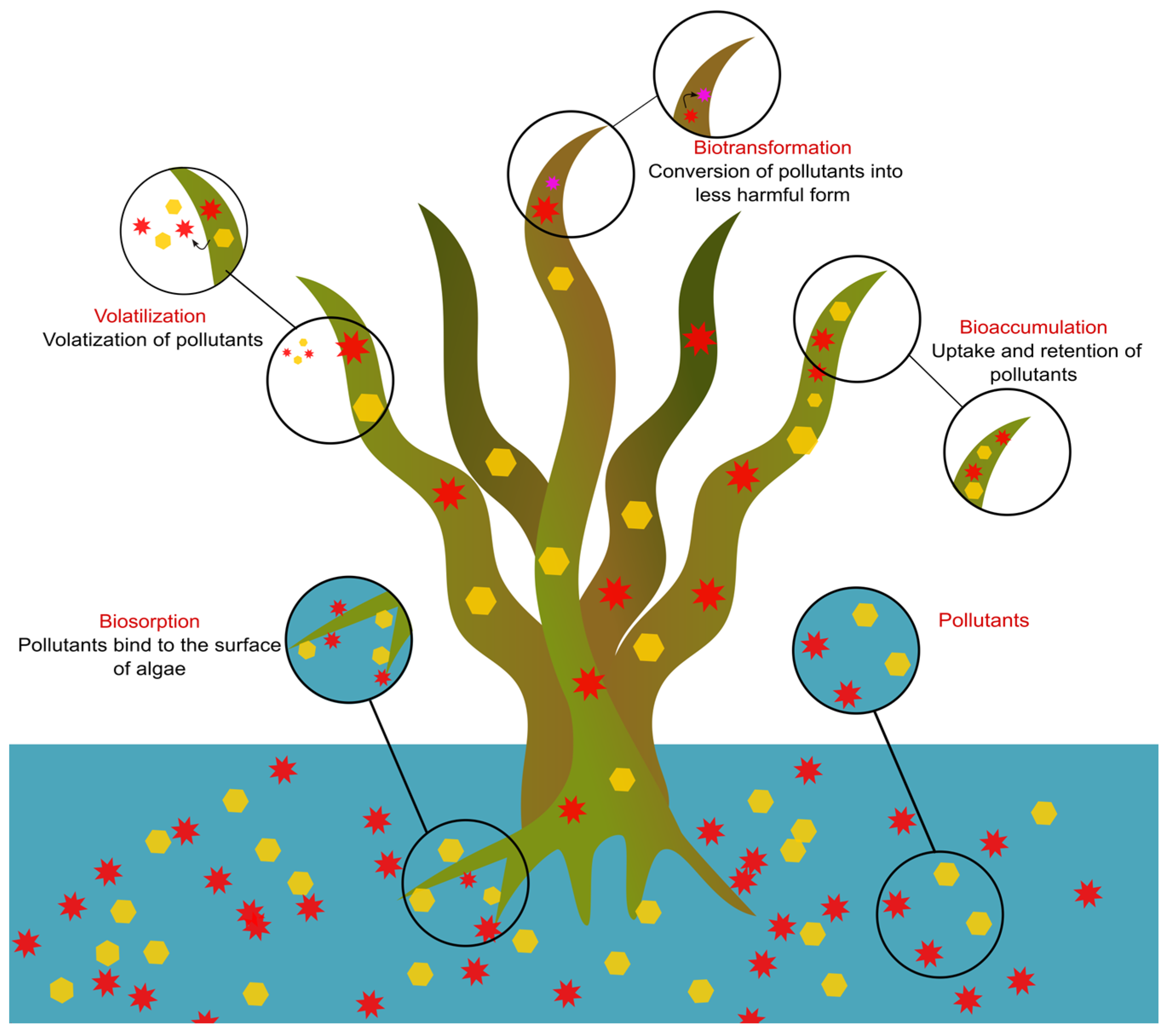
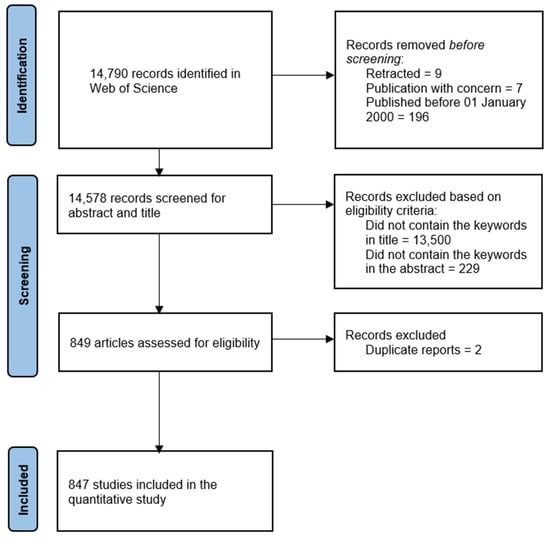
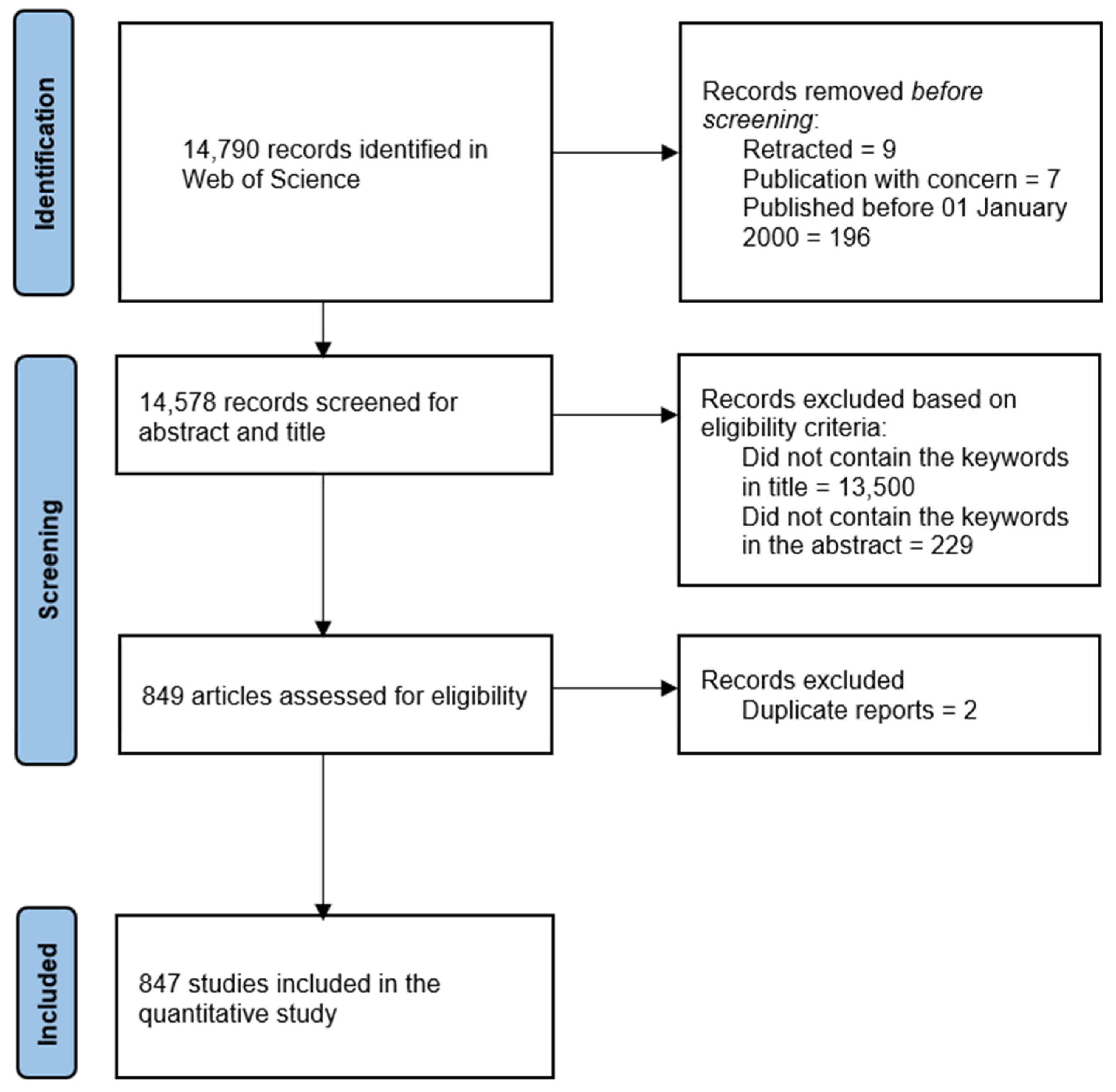
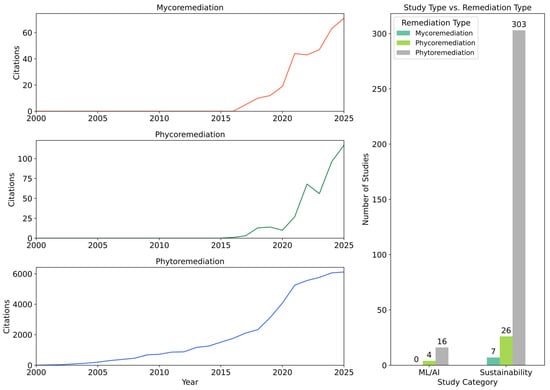
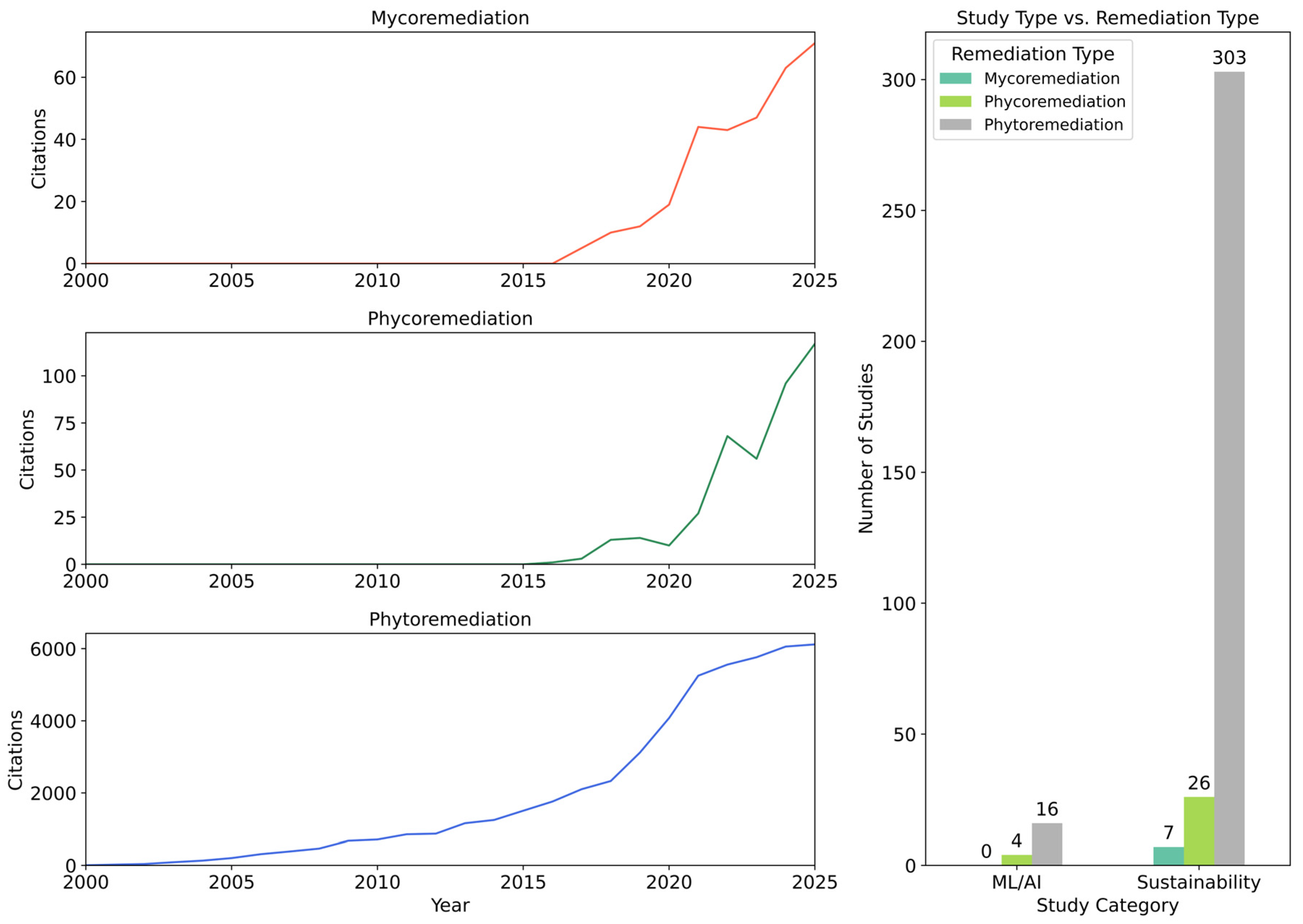

Disclaimer/Publisher’s Note: The statements, opinions and data contained in all publications are solely those of the individual author(s) and contributor(s) and not of MDPI and/or the editor(s). MDPI and/or the editor(s) disclaim responsibility for any injury to people or property resulting from any ideas, methods, instructions or products referred to in the content. |
© 2026 by the authors. Licensee MDPI, Basel, Switzerland. This article is an open access article distributed under the terms and conditions of the Creative Commons Attribution (CC BY) license.