


Abstract
Limited access to quality seed constrains vegetable productivity and food security in Uganda, where informal seed systems remain central to farmers’ access to seed but are inadequately documented and largely unregulated. This study documented vegetable seed production and management practices, identified opportunities and constraints within informal seed systems, and examined the role of community seed banks in strengthening seed security. Using a mixed-method approach, quantitative surveys and key informant interviews were conducted with seed producers, seed traders, and community seed bank leaders across Uganda. Study respondents were predominantly men, with most respondents aged ≥35 years, despite women’s and youth’s primary role in vegetable production. Respondents reported key seed management constraints of seed storage pests, low-quality seeds, inconsistent market supply and price fluctuations, limited capital, and weak regulatory oversight. Seed treatment practices primarily consisted of sun-drying and plant-based pesticides, while seed quality assessment relied largely on experience and visual inspection, using cues such as seed color, size, and cleanliness, with limited use of standardized testing. Given that most vegetable growers obtain seeds through community-based seed channels, strengthening actors’ capacity to produce and supply high-quality seed is essential for sustaining vegetable production, improving farmer incomes, and enhancing food and nutrition security.
1. Introduction
Food and nutritional insecurity remain significant concerns in low-income developing countries, particularly in Sub-Saharan Africa [1]. In Uganda, approximately 46% of the population is food insecure [2], with high rates of undernutrition, low dietary diversity, and subclinical micronutrient deficiencies [3]. Overreliance on starchy staple crops as primary foods, driven by limited nutrition knowledge, cultural preferences, and economic constraints, contributes to undernutrition [4]. Increasing vegetable production offers an important pathway to improving dietary quality and household nutrition; however, it is constrained in Uganda by farmers’ limited access to high-quality seed [5,6]. Access to high-quality vegetable seed is critical for enhancing crop production, conserving traditional crop varieties and cultivar diversity, increasing household income, and improving overall food and nutritional security [7].
Seed is the foundation of vegetable production; however, seed insecurity remains a major challenge in Uganda due to a weakly developed seed sector characterized by limited research investment, inadequate regulatory frameworks, and weak monitoring and quality assurance systems [8]. Although Uganda’s seed sector is largely informal [7], vegetable farmers increasingly prefer improved cultivars that are high-yielding and resistant to extreme weather and pests [9,10]. Most certified vegetable seeds are imported, and seed repackaging, marketing, and distribution are largely carried out through informal channels involving individual seed producers, local seed businesses, and seed traders [11]. The formal certified seed sector faces constraints, including high supply chain costs, insufficient infrastructure, inadequate seed laws and regulations, particularly in field inspection, quality control services, and overall affordability [12]. Certified seeds are often costly and inaccessible to smallholder rural farmers [13], resulting in continued reliance on community-based seed production. The Uganda National Seed Policy [14] advocates for an integrated seed sector that strengthens linkages between formal and informal systems. The policy aims to serve most farmers by strengthening capacity development, improving access to quality seed, strengthening connections with research institutions, and establishing quality assurance frameworks to enhance seed security. Within this framework, individual seed producers, local seed businesses, and community seed banks have become key intermediaries, connecting formal and informal seed sources and ensuring growers’ timely access to quality vegetable seeds [8].
Although community-based seed sources play a crucial role in providing seed security in rural farming communities, seed quality remains a persistent challenge. Our study contributes to efforts to improve the availability of high-quality of vegetable seed within community-based seed systems in Uganda. Most research efforts associated with seed in Uganda have focused on major staple crops, such as maize (Zea mays L.), soybean (Glycine max (L.) Merr.), peanut (Arachis hypogaea L.), cowpea (Vigna unguiculata (L.) Walp.), and common bean, eaten fresh or dry (Phaseolus vulgaris L.) [15], with minimal attention to the seed of vegetable crops. This study examined vegetable seed production and management practices among individual seed producers and local seed traders and identified the opportunities and constraints of vegetable seed production and marketing. It also assessed the establishment of community seed banks and their role in providing farmers with timely access to high-quality seeds. The study aimed to: (1) identify current informal vegetable seed production and management practices by local seed producers and seed traders in Uganda, (2) assess the opportunities and constraints associated with vegetable seed production, management, and marketing in relation to seed security, and (3) examine the role of community seed banks in improving vegetable seed security for rural farming communities.
Conceptual Framework
This study is guided by a conceptual framework informed by the integrated seed systems model and agricultural market coordination theory. Together, they explain how seed access, quality, and use are shaped by institutional, market, and knowledge dynamics within smallholder farming systems. The integrated seed systems model suggests that farmers obtain seed through multiple, interconnected formal and informal seed channels [7,16]. These systems coexist and complement each other, with farmers often relying on both to meet their diverse seed requirements in terms of availability, quality, affordability, and varietal preferences [17]. In this study, individual seed producers and seed traders obtain seed from various sources, reproduce it, and repackage it for sale to smallholder farmers within their communities. In such cases, strengthened integrated seed systems enhance functional performance, ensuring seed security while preserving cultivar diversity and farmer relevance [18]. This study is further guided by the normative Seed Security Conceptual Framework (SSCF) [19,20], which conceptualizes seed security as the condition in which all farmers have sustained access to sufficient quantities of good-quality seed of preferred and adapted seed cultivars to their agroecological conditions and socioeconomic needs at all times, including during periods of stress or shock. The SSCF extends the seed security framework by describing five interrelated dimensions: seed availability, seed access, seed quality, varietal suitability, and seed system resilience.
The market coordination theory highlights how weak vertical and horizontal linkages among seed producers, traders, extension services, and farmers limit the flow of seed-based information, increase transaction costs, and constrain access to timely, high-quality seed [21]. In Uganda, such coordination failures contribute to a continued reliance on informal seed markets and trust-based transactions, despite existing challenges of limited seed quality assurance and inconsistent supply. The framework conceptualizes key seed system characteristics, including seed sources and quality assurance mechanisms, seed storage and seed treatment practices, and market reliability, as structural factors influencing farmers’ seed access and seed-use decisions. Agricultural extension services are positioned as key intermediaries that facilitate knowledge exchange, enhance farmer capacity, support the functioning of the seed systems, and strengthen linkages among farmers and other seed system actors [22]. Extension approaches, including training, demonstration fields, resource support, farmer-to-farmer learning, and seed advisory services, influence farmers’ awareness of seed quality attributes, seed storage and treatment practices, and cultivar selection [23]. Individual characteristics of seed system actors, including sex, age, education level, experience, and resource availability, further influence seed use behavior, the adoption of improved seed management practices, and overall seed security.
2. Materials and Methods
2.1. Study Area and Study Design
This study was conducted between May and September 2025 in selected districts across central, eastern, and western Uganda that are characterized by substantial vegetable production and active informal seed markets. The study districts included Buikwe, Mukono, Mityana, and Wakiso in central Uganda; Buyende, Iganga, Luuka, and Kamuli in eastern Uganda; and Mubende, Kibaale, and Hoima in western Uganda (Figure 1). A cross-sectional, mixed-method design was employed to examine vegetable seed production, management, storage, and marketing practices among individual seed producers, local seed traders, and community seed banks (CSBs).
Figure 1.
Map of Uganda showing the 10 study districts from which community-based seed actors were selected, including 67 seed producers from four districts in Eastern Uganda, 98 seed traders from four districts in Eastern Uganda, and 24 community seed bank leaders in eight districts across Uganda.
2.2. Study Population
The study enrolled three groups of participants, including community-based individual vegetable seed producers, vegetable seed traders, and leaders of community seed banks with vegetable seed. The study targeted adult individuals (≥18 years) involved in vegetable seed production, management, and/or trading in four districts in Eastern Uganda (Buyenda, Iganga, Luuka, and Kamuli), or in community-based seed management in eight districts across Uganda.
For the first study group, a non-probabilistic purposive sampling approach, complemented by snowball sampling, was used to identify community-based seed producers with direct experience in vegetable seed production and management [24]. A total of 67 individual seed producers were purposively selected at the household level based on their documented engagement in vegetable seed production and management for their own use, informal seed exchanges, and/or sale. Initially, 23 seed producers were identified through farmer networks and referrals from registered seed traders who supplied seed for multiplication and repackaging for sale to vegetable growers. To increase the sample size beyond referrals, an additional 44 seed producers were identified through purposive and snowball sampling [25], bringing the total to 67 seed producer respondents.
For the second study group, local seed traders were purposively selected among registered seed business operators holding valid trading certificates in Eastern Uganda. Ninety-eight seed traders were interviewed, primarily located in trading centers where smallholder farmers commonly purchased vegetable seed.
For the third study group, CSBs were purposively selected based on their history of vegetable seed production, saving, distribution, and, in some cases, sales. A CSB may have managed seed crops other than vegetables, such as cereals and grains. CSBs operate as informal, farmer-managed, seed-saving initiatives, often supported by non-governmental organizations (NGOs) with limited regulatory oversight [26]. Twelve CSBs were selected across the study in eight districts, and the districts with CSBs included Buikwe (1 CSB), Mukono (2 CSBs), Mityana (1 CSB), Wakiso (2 CSBs), Iganga (2 CSBs), Mubende (1 CSB), Kibaale (1 CSB), and Hoima (2 CSBs). Two key leaders from each CSB were interviewed. These respondents, specifically the chairperson, vice chairperson, treasurer, and/or seed bank secretary, provided information on the CSB’s establishment, governance, vegetable seed production and storage practices, dissemination mechanisms, and overall performance.
2.3. Data Collection
Two structured survey tools, one for seed producers and one for seed traders, were developed to collect both quantitative and qualitative data. A separate structured key informant guide was used to collect information from CSB leaders on CSB institutional arrangements, activities, and outcomes related to vegetable seed production and management. Before data collection, quantitative survey tools were pretested with 15 vegetable seed producers and five vegetable seed traders in Kamuli District Municipality to evaluate the clarity and relevance of the survey content, as well as the validity and interpretability of respondents’ answers [27]. Feedback from the pretest informed minor revisions to improve question flow and comprehension. Pretest participants were excluded from the final survey. All surveys and interviews were administered in person by the senior author. Data collected included respondents’ demographic characteristics, vegetable seed crops produced or traded, seed production and management practices, storage methods, quality assessment approaches, and perceived benefits and challenges associated with seed activities. Within the demographics, respondents used sex to classify themselves as men or women based on biological distinctions. The CSB survey tool captured information about establishment processes, organizational structure, seed production and distribution activities, and institutional support mechanisms.
2.4. Ethics Approval
Study ethical approvals were obtained from Iowa State University’s Institutional Review Board (IRB ID: 24-45), Makerere University College of Agriculture and Environmental Sciences Research Ethics Committee (CAES-REC-2024-104), and the Uganda National Council for Science and Technology (UNCST: A466ES). Informed consent was obtained from all study participants before data collection. No personally identifying information was collected to ensure confidentiality.
2.5. Data Analysis
Quantitative data were entered, cleaned, and coded in Microsoft Excel (Microsoft 365 MSO (Version 2606 Build 16.0.20131.20154) 32-bit), then exported to IBM SPSS Statistics (Version 29.0.1.1 (244)) for analysis. Descriptive statistics, including frequencies, percentages, means, and cross-tabulations, were used to summarize respondent characteristics and seed system practices. Qualitative data from CSB leader interviews were analyzed using thematic analysis techniques [28]. Interview notes were coded inductively following the procedures outlined by [29]. Codes were developed based on recurring, unique, or unexpected words and phrases, particularly where themes overlapped across CSBs or were repeatedly emphasized by respondents. Thematic categories were refined through iterative comparison and synthesis to capture key patterns related to CSB functionality, benefits, and challenges.
Limitations of the study include that the findings represent only the population from which the sample was drawn, and that all analyses rely exclusively on questionnaire and interview responses. This study’s analysis focuses on the current community-based, informal vegetable seed systems. Although seed traders and CSBs may obtain some seed through the formal seed channels, the study does not extensively examine how the formal seed actors, including seed companies, certification bodies, research institutions, and regulatory agencies, interact or integrate with the informal system.
3. Results
This study examines Uganda’s informal vegetable seed system, encompassing vegetable seed producers, traders, and community seed bank leaders. It introduces current information on how community-based seed actors produce, manage, store, and distribute vegetable seed within local networks, thereby shaping local vegetable seed security.
3.1. Community-Based Seed Producers and Seed Traders
3.1.1. Demographics of Seed Producers and Seed Traders
The study found that seed production and trading were largely dominated by men, who comprised 68.7% of seed producers and 52% of seed traders. Women represented 31.3% of seed producers and 48% of seed traders. Demographics also showed that most respondents were adults (≥35 years) (57.1% of seed producers and 68.7% of seed traders) and were married 74.6% of seed producers and 78.6% of seed traders. Most seed producers had attained some primary education (65.7%), while smaller percentages had completed secondary (25.4%) or tertiary (9%) education. In contrast, nearly half of local seed traders (48%) had attained tertiary education, 29.6% had attained secondary education, and fewer (22.4%) had attained primary education, indicating higher levels of formal education completed among traders than producers.
3.1.2. Vegetable Seed Source and Production Practices
Vegetable seed producers primarily obtained seed for seed crop production from their own saved seed (49.3%) and from local seed traders (31.3%). An additional 19.4% relied on both their own-saved seed and purchases from local seed traders. Study respondents highlighted that these sources were trusted and consistent (51.1%), easily accessible (34%), and offered seed in desired quantities at affordable prices (12.1%). Most individual seed producers (70.2%) owned the land used for seed production, while 19.4% rented land and 10.4% relied on a combination of owned and rented plots. The most common vegetable seed crops grown were fresh common bean (Phaseolus vulgaris L.), eggplant (Solanum spp.), pumpkin (Cucurbit spp.), tomato (Solanum lycoperscum L.), leafy amaranth (Amaranthus spp.), collard green (Brassica oleracea var. viridis L.), green pepper (Capsicum annuum L.), onion (Allium cepa L.), and leafy African nightshade (Solanum nigrum L.) (Figure 2).
Figure 2.
Common vegetable and legume crops grown for seed, as reported by 67 seed producers across the four study districts of Buyende, Iganga, Luuka, and Kamuli in Eastern Uganda.
The majority of seed traders (78.6%) relied entirely on external suppliers, while a few (21.4%) produced the seed they sold. Seed traders obtained vegetable seed mainly from other seed traders (93.5%), individual seed producers (39%), and seed companies (31.2%), indicating a complex, interconnected supply network at the community level. Traders in the study handled a wide range of vegetable crops, with tomato, eggplant, bulb onion, collard green, common bean, pumpkin, leafy amaranth, cabbage, and carrot accounting for the majority of vegetable seed traded (Figure 3).
Figure 3.
Common vegetable and legume crops sold as seeds, as reported by 98 local seed traders across the four study districts of Buyende, Iganga, Luuka, and Kamuli in Eastern Uganda.
3.1.3. Seed Marketing Practices Among Vegetable Seed Producers and Traders
More than half of the seed producers (55.2%) reported being able to differentiate among cultivars available on the market for seed multiplication, based on field-observable characteristics (78.3%), including growth habit, uniformity in color and size, input requirements, and seed source (21.3%). Despite that, seed actors (50% of seed producers and 62.3% of seed traders) identified low seed quality and non-true-to-type cultivars as challenges in seed production, with more than half of seed traders (51%) engaged in seed multiplication and repackaging.
Seed producers produced vegetable seed crops and extracted seed primarily for household use to be planted in subsequent seasons (49.3%), or for sale (44.8%), while 5.9% used extracted seed for both their own use and sale. Locally produced seed was sold to local seed traders (62.2%) for resale and to other farmers (37.8%) for vegetable production. Most seed traders (89.8%) operated from fixed shops or permanent retail stores, while a smaller proportion (10.2%) sold seed through mobile arrangements. Although all vegetable seed traders sold factory-packed seed supplied by suppliers, more than half (51%) reported reproducing and repackaging vegetable seed into smaller quantities to allow farmers to purchase affordable, preferred quantities.
Study respondents identified several major seed storage challenges associated with vegetable seed handling and management, including rodent damage (80.6% of seed producers and 67.3% of seed traders), seed rot (40.3% and 23.6%, respectively), insect pest infestations (22.4% and 13.3%, respectively), and theft (14.9% and 7.1%, respectively). Collectively, these challenges illustrate the multifaceted postharvest risks associated with informal seed systems and their potential impacts on seed availability and quality. Management of unsold or low-quality seed varied among seed traders: 35.7% reused it for their own crop production and seed production for resale, 35.7% discarded it, 33.7% returned it to suppliers, and 4.1% minimized losses by stocking small quantities. Additional constraints included limited storage space and containers (11.9% of producers and 2.0% of traders), limited capital (10.4% of producers), and limited infrastructure, such as road networks and seed testing services (3.0% of producers and 5.2% of traders).
3.1.4. Seed Storage Management and Seed Treatment Practices
Most seed producers (97.1%) reported sun-drying seeds before and during storage, while only a small proportion used shade-drying (2.9%). During storage, seed producers reported using polyethylene bags (100%), sisal bags (74.6%), recycled metallic or plastic containers (32.4%), and unused plastic containers, such as jerrycans (26.5%), for seed storage, largely due to their low cost, availability, and accessibility. Seed producers in this study employed a variety of pest management techniques, including mixing seed with wood ash (83.3%), maintaining consistent sun drying (52.3%), applying synthetic pesticides (55.6%), and using dried plant-based insect repellents (33.3%). The latter included materials such as red pepper (Capsicum spp.), bottle brush (Melaleuca spp.), Lantana (Lantana camala L.), hemp (Cannabis spp.), neem (Azadirachta indica A. Juss.), and cypress (Cupressus spp.).
Seed traders stored seed in sisal bags (35.7%), and unused plastic containers, such as jerrycans and silos (13.3%), before repacking it into saleable units. Most traders (86.7%) used wooden shelves and raised pallets to store containers with seed and to reduce moisture exposure and pest damage compared to ground storage; however, nearly one-third (30.6%) still placed seed directly on the ground, a practice associated with higher risks of moisture absorption, pest infestation, and seed quality loss. Seed traders employed a broader yet still largely informal set of assurance mechanisms they deemed necessary for seed quality and marketability. During seed storage, all seed traders reported assessing seed quality through routine inspection and repeated sun-drying (51.2%) and relied on post-sale feedback from farmers who purchased seeds from them (50.2%). In addition, traders relied on visual and physical indicators, including the absence of insect damage (91.7%), uniformity in seed color and size (94.1%), seed cleanliness (19.4%), and, to a lesser extent, germination ability (10%).
3.1.5. Motivations and Recommendations for Improved Seed Security Among Community-Based Seed Systems
Seed producers and traders reported multiple motivations for engaging in vegetable seed production, management, and trade. Income generation was the dominant driver for both seed producers (73.1%) and traders (85.7%), underscoring the commercial importance of local seed enterprises. Food security was also a key motivation, particularly among seed producers (76.1%), while a smaller proportion of traders (10.2%) cited food-related benefits. Women seed traders emphasized seed security for improved household food consumption (70%) and networking benefits (56.7%).
Study respondents highlighted several interventions to improve seed security and seed market performance in community-based seed systems. Establishment of stronger seed quality monitoring systems to ensure that vegetable seed cultivars reaching the market meet farmers’ expectations was reported by 74.3% of producers and 75.7% of traders. Subsidized seed pricing was also widely recommended (40.3% of producers and 47.0% of traders), highlighting the affordability constraints faced by vegetable producers and the role of price support mechanisms in improving access to improved vegetable seeds. Capacity-building interventions and the consistent availability of preferred cultivars emerged as important priorities. Furthermore, 38.8% of producers and 44.9% of traders identified training and field demonstrations as critical strategies for increasing awareness and adoption of high-quality seed available in the market.
Local seed production was emphasized by respondents to ensure a more reliable and consistent seed supply, as certain cultivars were reported to be inconsistently available in the seed market. Field demonstrations were particularly important in vegetable production systems, where farmers often rely on observed field performance to assess seed quality, adaptability, and suitability under local growing conditions. Access to financial support was more frequently emphasized by producers (22.4%) than traders (7.1%), reflecting producers’ greater capital constraints in seed multiplication, storage, and quality management. Respondents also cited infrastructure improvements, including roads and storage facilities, which limit efficient seed distribution and post-harvest handling in rural seed markets [30]. Both producers (11.9%) and traders (8.2%) emphasized the importance of forming or strengthening seed actors’ associations to pool resources for storage containers, access to quality seed, training, and improved market linkages. Suggested collective action models for seed producers and seed traders in vegetable systems could enhance their bargaining power, improve access to extension services, and facilitate engagement with regulatory and government institutions.
3.2. Community Seed Banks (CSBs)
All the studied CSBs were NGO-supported and used a community-managed seed governance model. CSBs operated under an informal, centralized model of seed production, management, and distribution, limiting their operations to members of their local communities. CSBs provide seeds to community members facing seed shortages or seeking to experiment with new crops or cultivars [26]. Seeds are borrowed at planting, grown, then repaid at harvest time. The seed fund was built by purchasing seed from local growers at harvest time, by members contributing seed, or by establishing member-managed seed production fields within their communities [31]. Analysis of responses from leaders of community seed banks (CSBs) revealed several attributes characterizing their approaches to seed production and postharvest management. The following subsections provide a detailed description of the recurrent themes identified during the study.
3.2.1. Origins and Institutional Development
The qualitative findings revealed that CSBs in Uganda largely emerged through a combination of external institutional support and farmer-led initiatives. Most CSBs were established by non-governmental organizations and government agencies, often building on pre-existing farmer groups, farmer savings associations, or women’s groups. Respondents consistently emphasized the importance of sustained partnerships with both public and private institutions, including research institutions, universities, NGOs, and government agencies, as critical enablers of CSB performance. In several cases, CSB leaders reported that exposure visits to other better-performing seed banks catalyzed farmer interest, leading to the localization, expansion, and adaptation of new seed-saving models. CSBs evolved through incremental social organization supported by external actors, combining formal technical inputs with local knowledge systems [8], over time, transitioning from informal farmer groups to local seed-saving cooperatives and later emerging as hybrid institutions that bridge informal and formal seed systems [31]. This evolution was reflected in an exemplar quotation from a CSB leader, who stated, “We were an already-existing women’s group operating projects, including tailoring, crafts making, commercial vegetable production, saving groups, etc. In 2015, we were approached by an NGO official, and with their support and training, we started a seed bank where we are now saving seed in addition to other projects. We were later introduced to a seed company who purchase seed from us at harvest”.
Across study sites, CSBs articulated multiple, overlapping objectives, including improving household seed and food security, conserving indigenous and farmer-preferred cultivars and seeds, promoting agroecological farming practices, and generating supplementary income for members. Respondents emphasized that seed and its cultivars produced and conserved through CSBs were primarily local, organic, and culturally acceptable, in contrast to commercially bred cultivars, which are perceived as costly, inadequately adapted, and inconsistently available.
3.2.2. Organizational Structure and Operational Arrangements
CSBs exhibited relatively formalized internal governance structures, typically comprised of elected management committees with designated roles, such as chairperson, secretary, treasurer, agronomist, and quality assurance officers, as well as a monitoring team. Membership was geographically localized, with entry membership fees and annual subscriptions to reinforce group commitment. “All members of our seed bank must be residents within our subcounty with access to land for seed crop production and easy field monitoring,” stated one leader of a CSB. Across all CSBs studied, key operational features included a seed loan system, collective seed storage, and coordinated marketing for all members. The seed loan system functioned as a form of seed credit in which seeds were loaned to individual farmers who maintained active membership and subscription status within a seed-saving group or CSB [32]. This seed arrangement was commonly summarized as “take 1 kg, return 2 kg,” requiring borrowers to repay twice the quantity of seed received. The system served both as a mechanism for conserving and expanding seed stocks and as an internal credit model that increased seed availability among members. In contrast, non-members were generally able to access CSB seeds only through direct cash purchases.
Training and experiential learning emerged as central to CSB functionality. Members reported receiving training in seed production, time- and space-isolation techniques, grading, drying, storage, and pest management, as well as exposure visits to other CSBs in Uganda. Such training has equipped seed producers with the technical capacity and confidence necessary for seed production and management, enabling them to produce and access quality seed through seed grading, sorting, and growing using plant-based biofertilizers and biopesticides, as well as improved storage practices. One CSB leader said, “We got trained in the best agronomic practices of use of home-made fertilizers, line cropping, time and space isolation, seed grading, sorting seeds to uniformity, and hermetic seed storage, crop demonstrations for others to learn, and profitable crop enterprise selection. I now serve as a trainer to other seed producers in the community.” The reliance on training-of-trainers systems, farmer field schools, and peer learning is consistent with evidence that informal quality assurance systems, grounded in observation and shared experience, play a critical role in non-certified seed systems [16]. While such seed systems may lack formal seed certification mechanisms, they are often effective at building trust, facilitating networking, and promoting access to and adoption of quality vegetable cultivars and seeds among smallholder farmers.
3.2.3. Contributions to Seed Security and Local Livelihoods
Community seed banks play a significant role in cultivar and varietal conservation, seed multiplication, distribution, and improvement, and in adding value to seeds, primarily for farmer-preferred open-pollinated cultivars through farmer-participatory crop improvement [33]. CSB leaders reported that they primarily saved farmer-preferred cultivars across seasons through seasonal seed collection and storage and facilitated farmer-to-farmer seed exchange. Through collective and participatory cultivar selection, farmers identify and multiply seed from crops with desirable agronomic and market traits, thereby maintaining seed availability and genetic diversity within their communities. During cultivar seed selection, CSB leaders prioritized cultivar traits such as disease and drought resistance, high yield, good taste, cultural acceptability, short maturity periods, and low input requirements. Some CSBs (10) had registered as community-based organizations so they could benefit from other government initiatives to advance local seed and food sovereignty while providing complementary services, such as access to affordable seed credit for rural households [26]. Vegetable seed producers enrolled in CSBs highlighted several benefits, including timely access to cultivars and seeds, reduced dependence on inconsistent seed markets, strengthened social networks, income from seed sales, and improved livelihoods overall. Importantly, CSBs supported both in situ and ex situ conservation of vegetable genetic resources, contributing to local agricultural biodiversity among seed producers.
3.2.4. Linkages Between Community Seed Banks with Formal Seed Systems
Five of 12 CSBs were formally registered and operated as out-growers for certified seed companies and registered seed suppliers. In addition, these CSBs participated in government-supported quality-declared seed (QDS) schemes, highlighting their capacity to engage with and contribute to formal seed value chains. One of the respondents reported that, “through our partnering NGO, we were introduced to Uganda’s National Agricultural Research Organization (NARO) and National Crops Resources Research Institute (NaCRRI), who reached out to us as a seed source of common bean for improvement to produce early generation cultivar seed for farmers under the Quality-declared Seed Initiative”. QDS is an intermediary seed initiative recognized under Uganda’s 2018 National Seed Policy, designed to complement both the formal and informal seed systems by increasing the availability and affordable access to quality seed of farmer-preferred cultivars [34]. QDS enables farmers and farmer groups to produce and sell high-quality cultivars and seeds within their communities, thereby improving seed security among smallholder farmers [35]. QDS initiative supports seed producers’ technical capacity in applied seed production, promotes a market-oriented approach that emphasizes producing seed aligned with customer demand, and links seed producers with key input and service providers. These linkages include access to improved foundation seed of farmer-preferred cultivars from Uganda’s National Crops Resources Research Institute (NARO) and quality assurance services from the National Seed Certification Service. One respondent explained, “NARO provided us with higher-yielding foundation seed of improved, farmer-preferred common bean cultivars which we multiplied and sold at a reduced price compared to prevailing market rates.”
Seed producers in CSBs primarily sold multiplied QDS seed in its raw form, with minimal value addition, and transactions relied on personal trust and relationships reinforced through after-sales support, including agronomic guidance and technical advice on seed quality [36]. Ref. [37] lists both open-pollinated and hybrid cultivars of a wide range of crops, including cereals, legumes, oil crops, forage crops, industrial crops, and vegetables, as eligible for QDS production. However, QDS in Uganda remains limited to a narrow set of open-pollinated cereals, oilseed crops, and some legumes and root crops, with minimal emphasis on commercial vegetables [34]. Despite this limitation, study respondents operating under CSBs were engaged in vegetable seed production, in addition to the QDS-recommended seed crops, leveraging their reputation as trusted local seed producers and tapping into an existing community-level market for vegetable seed.
Vegetable crops grown for seed by CSBs included tomato, leafy amaranth, pumpkin, potato, green onion, and eggplant, reflecting both local demand and producers’ familiarity with these crops alongside staple grain seed. Individual seed producers utilized CSB resources, including knowledge acquisition and training, seed storage containers and space, and a marketing network, to ensure that quality seeds were produced, stored, and marketed [8,38].
Recommended improvement strategies by CSB leaders included strengthening governance structures, regular training and exposure visits, market assurance for their locally produced seed, and access to affordable seed management technologies such as triple-layer bags for storage and driers. These recommendations align with calls for integrated seed sector development, where CSBs are embedded within supportive policy, extension and outreach, and research frameworks rather than treated as stand-alone interventions [17]. Policy efforts should prioritize strengthening the institutional capacity of CSBs, expanding farmer training on seed management and nutrition-sensitive agriculture, and integrating CSBs into national seed system strategies to enhance seed security among smallholder farmers.
3.2.5. Sustainability and Operational Challenges
Despite their benefits, CSBs faced substantial and diverse sustainability challenges. CSB leaders stated technical challenges, such as difficulties in maintaining seed quality control and limited long-term storage capacity, were compounded by organizational issues, including mismanagement, declining member motivation, theft, and weak record-keeping systems (Table 1). Economic challenges also emerged, particularly limited financial resources and seed producers’ preference for short-term income opportunities over collective seed production. Several respondents noted that CSBs frequently collapsed or transitioned into individually operated enterprises after external support was withdrawn, highlighting a reliance on facilitation rather than durable institutional capacity. Competition from private seed suppliers was reported to further undermine collective seed production efforts, weakening the long-term viability of CSBs among CSBs in Uganda [26]. Overall, these patterns are consistent with broader evidence that CSBs remain vulnerable in contexts characterized by weak governance structures and irregular follow-up support [31]. The practice of consuming seeds during periods of food scarcity by seed producers underscores a structural tension between long-term conservation goals and households’ immediate livelihood needs in resource-constrained environments, which was reported to be minimal during collective seed management under CSBs.
Table 1.
Challenge themes reported by 24 leaders from 12 community seed banks (CSBs) across eight districts in Uganda: Buikwe, Mukono, Mityana, Wakiso, Iganga, Mubende, Kibaale, and Hoima.
4. Discussion
The findings demonstrate that community-based vegetable seed systems comprise interconnected actors rather than isolated seed channels. Individual seed producers, local traders, and community seed banks collectively contributed to seed production, multiplication, storage, distribution, and access among rural farming communities. The study supports the integrated seed systems perspective, which recognizes that farmers obtain seed through multiple formal and informal channels that coexist and interact rather than operate independently.
4.1. Characteristics of Community-Based Seed Producers and Seed Traders
The predominance of men among seed producers and traders indicates an important gender dimension within community-based seed enterprises, consistent with broader patterns in agricultural input markets, where men typically hold a disproportionate share of commercial seed activities [39]. Ref. [40] similarly reported that men frequently control the commercialization of seed and the management of specialized seed enterprises, even though women contribute to substantial, yet often undervalued, roles in seed selection, field management, and informal exchange systems. Despite men’s dominance in vegetable seed control, women remain the primary actors in vegetable production in Uganda [10,41]. Despite being underrepresented among seed traders, women placed particular importance on seed security to enhance household food consumption and strengthen social connections, illustrating that seed trade provides benefits that extend beyond economic returns.
In terms of age distribution, most respondents were adults (≥35 years), suggesting that vegetable seed enterprises are primarily operated by older, and possibly more experienced, individuals, consistent with [42]. This pattern underscores persistent challenges in attracting youth to seed enterprises without targeted incentives, training opportunities, and business development support. The Global Alliance for the Future of Food [43] emphasizes that resilient seed systems rely heavily on intergenerational engagement and meaningful youth participation. The study highlights the importance of considering sex and gender dynamics in seed systems to strengthen the participation of women and youth, as recommended by [44,45,46].
Educational levels differed markedly between seed producers and traders. The educational disparities between seed producers and traders influence seed management capacity, the adoption of improved seed-handling practices, and participation in quality regulatory processes [47]. These demographic and educational patterns reveal structural inequalities within local vegetable seed systems and highlight the need for targeted capacity-building efforts, especially for women, youth, and seed producers with limited formal education.
4.2. Vegetable Seed Production, Management, and Marketing Practices
The study found that seed producers primarily used their own land for vegetable seed production and sourced seed for multiplication and sale from both formal and informal seed sources. Seed producers’ reliance on their own-saved seed and local seed traders reflects the importance of seed availability, accessibility, trust, and consistency of seed supply, as well as the ability of these sources to provide cultivars preferred by farmers. Similar trends of high land ownership among seed producers have been observed in other African vegetable systems, where secure land access increases producers’ willingness to invest in long-term seed production [48]. Seed producers cultivated a diverse range of vegetable and legume crops in intercropping systems, rather than in dedicated fields with appropriate isolation distances, roguing, and quality-control measures, prioritizing seed crops that are well adapted, marketable, and culturally important [49,50] The dominance of common beans and eggplant aligns with patterns reported in Uganda and Tanzania, where strong local demand and established production knowledge make these crops central to farmer-managed seed systems [7]. Tropical pumpkin (Cucurbita spp.) has emerged as a promising crop for enhancing nutritional food security and supporting income generation among farming communities [51].
Vegetable seed traders play a critical role in distributing cultivars preferred by farmers, sourcing seed from various certified formal and informal channels, including local seed producers, local seed businesses, research institutions, and seed companies. Seed traders play a central role as intermediaries between various seed sources and vegetable producers. Similar dynamics have been documented in other African vegetable seed markets, where informal traders act as central nodes linking farmers, local multipliers, and formal suppliers, thereby influencing seed availability, price, and cultivar diversity [52]. The role of community-based traders is particularly significant in contexts where formal seed distribution channels are limited [15]. The most traded vegetable seed crops of tomatoes, eggplant, and onions dominate the vegetable seed trade due to their strong consumer demand and high market turnover [53]. The combination of traders’ reliance on local networks and their central role in distributing seeds of key vegetable crops underscores the importance of strengthening their linkages with formal and informal seed actors to enhance seed quality and ensure a consistent supply.
In addition to permanent retail outlets for seed trade, mobile arrangements were reported to be used in most regions of Eastern Uganda, characterized by informal, spatially flexible selling practices, in which traders use temporary or movable setups (market stalls) and itinerant vending in marketplaces, relocating across trading points in response to market dynamics and seasonal demand. The predominance of permanent retail outlets suggests a relatively established local seed trade, consistent with findings from African vegetable markets where fixed-location traders play a key role in ensuring consistent seed availability for smallholder farmers [54]. Reported vegetable seed multiplication and repacking practices reflect a growing retail strategy in vegetable seed systems across Eastern Uganda, where repackaging seed into smaller amounts enhances seed accessibility and affordability for resource-constrained farmers but may also expose seed to quality deterioration under suboptimal handling conditions [55].
The findings emphasize the pivotal role of experiential learning in seed selection, as farmers heavily rely on visible crop performance traits rather than formal certification systems. Farmers prefer crops and seed cultivars that have demonstrated consistent performance under local conditions, often through on-farm experience or observations from neighboring fields [7]. Community-based seed producers typically grow seed locally and sell it through informal channels to growers, operating with minimal certification standards [56,57], and within weakly regulated seed systems [6]. Although Uganda’s National Seed Certification Service (NSCS) is mandated to regulate seed production, certify seed, and monitor compliance with national seed standards, limited technical personnel and financial resources constrain its ability to supervise the large number of community-based seed actors effectively [41,57,58]. This regulatory gap is reflected in our findings, as seed actors were involved in seed multiplication and repackaging for sale in smaller, more affordable quantities with minimal seed quality assessment standards, practices that may increase the risk of initial seed quality deterioration, and varietal impurity in community-based seed systems [48].
4.3. Seed Storage and Seed Treatment Practices
Sun drying remains a common postharvest management practice among community-based seed actors, in which direct sunlight reduces seed moisture content to prepare seed for storage [59], despite evidence that excessive heat exposure can negatively affect seed viability and vigor [60]. Exposure to direct sunlight and fluctuating temperatures and humidity accelerates seed deterioration by causing repeated cycles of drying and moisture uptake, leading to membrane damage, loss of seed vigor, reduced germination, and shortened storage life [41,59]. During seed storage, traders relied on locally available containers that balance cost, convenience, and space limitations [61,62]. The findings reveal that community-based seed actors employ adaptive seed-handling practices that vary in their effectiveness, highlighting opportunities to strengthen seed quality through low-cost, context-appropriate interventions. Promoting improved seed-drying methods, moisture-resistant storage containers, and farmer training in seed storage and postharvest management attributes efforts to reduce seed deterioration and enhance the quality of seed available in community-based vegetable seed markets.
Community-based seed producers employed locally available pest deterrents, demonstrating their reliance on indigenous knowledge and readily accessible techniques, including sun drying and the use of ash and botanicals widely used for pest control methods [63]. The phytochemicals released by these plant materials and ash help repel, irritate, or suffocate pests, thereby extending seed storage life [64]. The combined use of diverse storage containers and pest control methods reflects farmers’ strategic adaptations to protect seed quality in resource-limited settings. Furthermore, dependence on farmer feedback as a quality assessment mechanism is reactive and may fail to detect deterioration before the seed reaches the market [41,65]. Most seed producers use local markets to manage seed quality risks [66]; they sell seed at seed harvest and later repurchase it at the start of the growing season to regrow, multiply, and sell again.
Similar practices have been reported in other African vegetable seed markets, where traders combine trust-based sourcing, regulatory cues, and limited physical inspection to manage quality risks in the absence of enforceable seed standards [67]. The reliance on informal quality indicators by both producers and traders highlights systemic gaps in seed quality assurance within community-based vegetable seed systems. While demonstration plots and supplier trust help mitigate this risk, limited use of quality assessment and formal verification may contribute to variable seed performance and reduce farmer confidence in seed supplied by such sources. There is a broader need to strengthen seed actors’ technical capacity by developing practical knowledge and skills in seed quality assessment, including cultivar identification, varietal purity, seed health evaluation, physiological quality testing, and appropriate postharvest handling and storage practices.
4.4. Challenges and Opportunities Associated with Vegetable Seed Management
The study highlighted that in current informal vegetable seed systems, seed producers and traders often absorb quality-related losses themselves or repurpose low-quality seed because formal buyback arrangements and storage facilities are rarely available [54]. These practices highlight structural vulnerabilities in the community-based vegetable seed trade, particularly the absence of clear quality standards, inconsistent seed supply, limited seed testing, and weak feedback loops among traders, producers, and suppliers [52]. In the broader seed market, both producers and traders identified low seed quality, characterized by low germination rates and cultivars not being true-to-type, as well as seasonal market demand with price fluctuations, as major challenges. The presence of counterfeit seed in Uganda’s seed market has been widely reported, attributed to farmers’ growing demand for quality seed amid weakly regulated seed systems [58]. This level of “fake” seed is increasingly undermining the formal sector, encouraging farmers to rely on trusted, locally produced farmer-produced cultivars [68].
The strong emphasis on quality oversight reflects ongoing concerns about inconsistent seed performance across vegetable seed systems in Africa, where inadequate seed quality control has been shown to erode farmers’ confidence and hinder the adoption of improved cultivars [69]. Vegetable growers largely rely on local seed producers and seed traders as key sources of information on vegetable field production and postharvest management practices. Their close interaction with farming communities positions them as important channels for disseminating knowledge on seed selection, crop management, storage, and quality assessment [8]. The study highlights the need for targeted training and capacity-building interventions for local seed producers and traders to strengthen their technical knowledge to improve vegetable crop and seed production for farmers. Similar collective action models in African vegetable seed systems have been shown to enhance bargaining power, improve access to extension services, and facilitate engagement with regulatory and government institutions [70]. Overall, their recommendations emphasize the importance of integrated interventions that combine quality assurance, capacity building, financial support, and institutional strengthening to enhance the performance and resilience of community-based vegetable seed systems.
4.5. Role of Community Seed Banks in Improving Vegetable Seed Security
The findings indicate that CSBs serve functions extending beyond seed conservation. They improve access to seed, conserve farmer-preferred cultivars, support social networks, provide opportunities for income generation, and, in some cases, connect local producers to formal seed programs. This multifunctionality is consistent with evidence that CSBs can contribute simultaneously to seed sovereignty, agrobiodiversity conservation, seed access, and rural livelihoods. CSBs’ strong focus on indigenous vegetable seed crops, including open-pollinated cultivars, and on saving seed for subsequent growing seasons is particularly significant in Uganda, where formal vegetable seed markets are dominated by imported, often inconsistent seed that remains financially and geographically inaccessible to many smallholder vegetable producers in rural farming communities [71]. Efforts to ensure a consistent market supply with farmer-preferred cultivars could enhance seed security among farming communities.
Seed exchange arrangements through member contributions, seed credits, and direct cash purchases from the CSBs have been documented across African CSBs as culturally embedded strategies for sustaining seed stocks while reinforcing collective accountability [31]. However, their effectiveness depends on record-keeping, quality control, pre-distribution inspection, and enforcement of organizational requirements, areas in which several Ugandan CSBs later experienced difficulties. CSBs’ contribution to seed security was further strengthened by linkages with formal seed systems, participating in certified seed multiplication and Quality Declared Seed initiatives and maintaining relationships with agricultural research institutions. Collectively, these findings demonstrate that community seed banks can complement formal seed systems by improving the availability, accessibility, and continuity of locally preferred vegetable seed while contributing to the conservation of crop diversity and strengthening community resilience to seed shortages.
5. Conclusions
Community-based vegetable seed channels, comprising individual seed producers, local seed traders, and community seed banks, play a central role in ensuring seed security among farming communities in Uganda. These complementary seed channels produce and distribute a diverse range of vegetable cultivars, including locally adapted, farmer-preferred, open-pollinated, hybrid, and improved cultivars, thereby enhancing seed availability, household food security, income generation, and livelihood resilience. However, realizing their full potential remains challenging due to weak seed quality assurance systems, inadequate postharvest storage, unstable market supply chains, limited access to finance, and ineffective institutional governance. Respondents consistently identified strengthened seed quality monitoring, regular training in commercial seed production and seed quality management, improved storage technologies, field demonstrations, and stronger institutional linkages as the highest priorities to improve the performance of community-based seed systems. The study findings demonstrate that strengthening technical capacity and improving coordination among all stakeholders in the seed sector, including farmers, seed producers, seed traders, research institutions, agricultural extension and outreach, and regulatory agencies, are fundamental to increasing the availability of quality vegetable seed within local markets.
Strengthening Uganda’s vegetable seed system requires coordinated action that recognizes community-based seed actors as complementary to, rather than separate from, the formal seed sector. Respondents identified several priorities for strengthening seed systems, including more effective seed quality oversight to limit counterfeit and low-quality seed, expanded outreach training and extension services for seed producers and traders through public institutions, improved access to financial capital, and stronger seed actors’ associations to support collective seed production, information sharing, and access to quality seed. Community seed banks emerged as important local institutions that conserve farmer-preferred cultivars, enhance timely access to seed, strengthen social networks, and, in some cases, facilitate the integration of seed producers into formal seed sector initiatives, including Quality Declared Seed (QDS) production. Continued support through policy recognition, research collaborations, extension services, and regulatory engagement could strengthen synergies between informal and formal vegetable seed systems, thereby improving seed quality, accessibility, local capacity, and the resilience of smallholder farming communities in Uganda.
Overall, this study demonstrates that community-based seed systems are not peripheral components of Uganda’s seed sector but fundamental pillars of a pluralistic seed system that complement formal seed supply channels. By integrating the perspectives of individual seed producers, local seed traders, and community seed banks, the study provides evidence that strengthening local seed enterprises, improving technical capacity in seed quality management, enhancing institutional partnerships, and expanding market-oriented support can substantially improve vegetable seed security among farming communities. Further research should evaluate scalable models that strengthen linkages between community-based seed actors and formal regulatory systems, and assess the long-term impacts of capacity building, improved storage technologies, and decentralized seed quality assurance mechanisms. Such efforts would provide valuable insights into strategies to enhance the sustainability, inclusiveness, and resilience of seed systems, while ensuring that smallholder farmers have reliable access to high-quality vegetable seed adapted to local agroecological conditions and farmers’ preferences.
Author Contributions
Conceptualization: S.K., G.R.N. and A.S.G.; methodology: S.K., G.R.N., D.G.A. and A.S.G.; investigation: S.K., G.R.N. and A.S.G.; writing—original draft: S.K.; writing, reviewing, and editing: S.K., G.R.N., D.G.A. and A.S.G.; visualization: S.K., G.R.N., D.G.A. and A.S.G.; funding acquisition: G.R.N.; supervision: G.R.N., D.G.A. and A.S.G. All authors have read and agreed to the published version of the manuscript.
Funding
This research was supported by Iowa State University through a gift to the Iowa State University Foundation under the Global Professor in Global Resource Systems.
Institutional Review Board Statement
The authors declare that they have complied with ethical standards. This study was approved by Iowa State University’s IRB (IRB ID: 24-45) and the Uganda National Council for Science and Technology (UNCST ID: A466ES). The authors confirm that all human participants provided informed consent.
Informed Consent Statement
Informed consent was obtained from all study participants before data collection. No personally identifying information was collected to ensure confidentiality.
Data Availability Statement
All relevant data are reported in the manuscript. Further inquiries can be directed to the respective authors.
Acknowledgments
We gratefully acknowledge all respondents who participated in the study and generously contributed their time. We thank the Iowa State University Uganda-Program, Kamuli, Uganda for their logistical assistance throughout this study. Francis Akitwine is acknowledged for his assistance in developing the map of Uganda presented in Figure 1. During the preparation of this work, the author(s) used Grammarly 1.160.0 and M365 Copilot in Microsoft Word Version 16.111 for grammar and syntax at the editing, reviewing, and format-checking stages of the manuscript. The author(s) reviewed and edited the content as needed and take(s) full responsibility for the content of this publication.
Conflicts of Interest
The authors declare no competing interests.
References
- Food and Agriculture Organization of the United Nations (FAO). World Food and Agriculture—Statistical Yearbook; FAO: Rome, Italy, 2025. [Google Scholar] [CrossRef] [Scilit]
- Uganda Bureau of Statistics (UBOS). The National Population and Housing Census; Uganda Bureau of Statistics (UBOS): Kampala, Uganda, 2024; Available online: https://www.ubos.org/wp-content/uploads/2024/12/National-Population-and-Housing-Census-2024-Final-Report-Volume-1-Main.pdf (accessed on 11 January 2026).
- Ogenrwoth, B.; Akumu, G.; Mugisha, J.; Muyonga, J.H. Nutritional status research in Uganda: A critical review and trend analysis. Afr. J. Food Agric. Nutr. Dev. 2022, 22, 21243–21268. [Google Scholar] [CrossRef] [Scilit]
- Kabwama, S.N.; Bahendeka, S.K.; Wesonga, R.; Mutungi, G.; Guwatudde, D. Low consumption of fruits and vegetables among adults in Uganda: Findings from a countrywide cross-sectional survey. Arch. Public Health 2019, 77, 4. [Google Scholar] [CrossRef] [Scilit] [PubMed]
- Okoma, R.N.; Omuse, E.R.; Mutyambai, D.M.; Beesigamukama, D.; Murongo, M.F.; Subramanian, S.; Chidawanyika, F. An assessment of vegetable production constraints, trait preferences, and willingness to adopt sustainable intensification options in Kenya and Uganda. Front. Sustain. Food Syst. 2025, 9, 1471333. [Google Scholar] [CrossRef] [Scilit]
- Tusiime, S.M.; Nonnecke, G.R.; Jensen, H.H. Tomato seed value chain analysis and seed conditioning among seed companies in Uganda. Int. Food Agribus. Manag. Rev. 2020, 23, 501–514. [Google Scholar] [CrossRef] [Scilit]
- McGuire, S.; Sperling, L. Seed systems smallholder farmers use. Food Secur. 2016, 8, 179–195. [Google Scholar] [CrossRef] [Scilit]
- Mulesa, T.H.; Dalle, S.P.; Makate, C.; Haug, R.; Westengen, O.T. Pluralistic seed system development: A path to seed security. Agronomy 2021, 11, 372, Erratum in Agronomy 2021, 11, 1838. [Google Scholar] [CrossRef] [Scilit]
- Afari-Sefa, V.; Tenkouano, A.; Ojiewo, C.O.; Keatinge, J.D.H.; Hughes, J.d’A. Vegetable breeding in Africa: Constraints, complexity, and contributions toward achieving food and nutritional security. Food Secur. 2012, 4, 115–127. [Google Scholar] [CrossRef] [Scilit]
- Kwikiiriza, S. Evaluation of Horticultural Practices for Tropical Squash Production and Marketing Among Smallholder Youth Farmers in Kamuli, Uganda. Master’s Thesis, Iowa State University, Ames, IA, USA, 2022. [Google Scholar]
- Schreinemachers, P.; Howard, J.; Turner, M.; Groot, S.N.; Dubey, B.; Mwadzingeni, L.; Chagomoka, T.; Ngugi, M.; Afari-Sefa, V.; Hanson, P.; et al. Africa’s evolving vegetable seed sector: Status, policy options and lessons from Asia. Food Secur. 2021, 13, 511–523. [Google Scholar] [CrossRef] [Scilit]
- Mulesa, T.H.; Otieno, G.; Dalle, P.S.; Mubiru, D.M.; Westengen, O.T. Seeding Diversity: Enhancing Farmers’ Access to Crop Varieties and Quality Planting Materials in Uganda’s Seed Systems; Norwegian University of Life Sciences: Ås, Norway, 2024. [Google Scholar] [CrossRef]
- Tusiime, S.M.; Nonnecke, G.R.; Masinde, D.M.; Jensen, H.H. Evaluation of horticultural practices for sustainable tomato production in Eastern Uganda. HortScience 2019, 54, 1934–1940. [Google Scholar] [CrossRef] [Scilit]
- Ministry of Agriculture, Animal Industry and Fisheries, Uganda (MAAIF). The National Seed Policy. 2018. Available online: https://www.agriculture.go.ug/wp-content/uploads/2023/01/National-Seed-Policy.pdf (accessed on 20 December 2025).
- Nabuuma, D.; Reimers, C.; Hoang, K.; Stomph, T.; Swaans, K.; Raneri, J.E. Impact of seed system interventions on food and nutrition security in low- and middle-income countries: A scoping review. Glob. Food Secur. 2022, 33, 2211–9124. [Google Scholar] [CrossRef] [Scilit]
- Louwaars, N.P.; de Boef, W.S.; Edeme, J. Integrated seed sector development in Africa: A basis for seed policy and law. J. Crop Improv. 2013, 27, 186–214. [Google Scholar] [CrossRef] [Scilit]
- Mastenbroek, A.; Otim, G.; Ntare, B.R. Institutionalizing Quality Declared Seed in Uganda. Agronomy 2021, 11, 1475. [Google Scholar] [CrossRef] [Scilit]
- Ncube, B.L.; Wynberg, R.P.; McGuire, S.J. Towards a holistic framework: Exploring the relationship between seed security and food security dynamics among smallholder farmers in Chimanimani, Zimbabwe. Agric. Syst. 2025, 230, 104492. [Google Scholar] [CrossRef] [Scilit]
- Dalle, S.P.; Westengen, O.T. Seed Security in Theory and Practice: A Comparative Study of Seed Security Frameworks and Their Use; Noragric Report. No. 86; Norwegian University of Life Sciences: Ås, Norway, 2020; Available online: https://esfsac-ethiopia.org/wp-content/uploads/2025/12/Seed-Security-in-Theory-and-Practice-Comparative-Study.pdf (accessed on 20 February 2026).
- Food and Agriculture Organization of the United Nations (FAO). Building Capacity for Seed Security Assessments. Household Seed Security Concepts and Indicators; FAO: Addis Ababa, Ethiopia, 2015; Available online: https://www.fao.org/fileadmin/user_upload/food-security-capacity-building/docs/Seeds/SSCF/Seed_security_concepts_and_indicators_FINAL.pdf (accessed on 17 December 2025).
- Barrett, C.B. Smallholder market participation: Concepts and evidence from eastern and southern Africa. Food Policy 2008, 33, 299–317. [Google Scholar] [CrossRef] [Scilit]
- Poulton, C.; Dorward, A.; Kydd, J. The future of small farms. New directions for services, institutions, and intermediation. World Dev. 2010, 38, 1413–1428. [Google Scholar] [CrossRef] [Scilit]
- Anderson, J.R.; Feder, G. Agricultural extension. In Handbook of Agricultural Economics; Evenson, R., Pingali, O., Eds.; Elsevier: Amsterdam, The Netherlands, 2007; pp. 2343–2378. [Google Scholar] [CrossRef] [Scilit]
- Acharya, A.S.; Prakash, A.; Saxena, P.; Nigam, A. Sampling: Why and how of it? Indian J. Med. Spec. 2013, 4, 330–333. [Google Scholar] [CrossRef] [Scilit]
- Snijders, T.A.B. Estimation on the basis of snowball samples: How to weight? Bull. Sociol. Methodol. 1992, 36, 59–70. [Google Scholar] [CrossRef] [Scilit]
- Vernooy, R.; Rana, J.; Otieno, G.; Mbozi, H.; Shrestha, P. Farmer-led seed production: Community seed banks enter the national seed market. Seeds 2022, 1, 164–180. [Google Scholar] [CrossRef] [Scilit]
- Creswell, J.W. Research Design: Qualitative, Quantitative, and Mixed Methods Approaches, 4th ed.; Sage Publications: Thousand Oaks, CA, USA, 2014. [Google Scholar]
- Bernard, H.R.; Wutich, A.; Ryan, G.W. Analyzing Qualitative Data: Systematic Approaches, 2nd ed.; Sage Publications: Thousand Oaks, CA, USA, 2016. [Google Scholar]
- Braun, V.; Clarke, V.; Hayfield, N.; Terry, G. Thematic analysis. In Handbook of Research Methods in Health Social Sciences; Liamputtong, P., Ed.; Springer: Berlin/Heidelberg, Germany, 2019; pp. 843–860. [Google Scholar] [CrossRef] [Scilit]
- Fuglie, K.; Madhur, G.; Aparajita, G.; Maloney, W. Harvesting Prosperity: Technology and Productivity Growth in Agriculture; World Bank Group: Washington, DC, USA, 2020. [Google Scholar] [CrossRef] [Scilit]
- Vernooy, R.; Mulesa, T.H.; Gupta, A.; Jony, J.A.; Koffi, K.E.; Mbozi, H.; Singh, P.B.; Shrestha, P.; Tjikana, T.T.; Wakkumbure, C.L.K. The role of community seed banks in achieving farmers’ rights. Dev. Pract. 2020, 5, 561–574. [Google Scholar] [CrossRef] [Scilit]
- Nanyonjo, G.; Nchanji, E. Seed credit model in Uganda: Participation and empowerment dynamics among smallholder women and men farmers. Glob. Food Secur. 2023, 39, 100720. [Google Scholar] [CrossRef] [Scilit] [PubMed]
- Vernooy, R.; Adokorach, J.; Gupta, A.; Otieno, G.; Rana, J.; Shrestha, P.; Subedi, A. Promising strategies to enhance the sustainability of community seed banks. Sustainability 2024, 16, 8665. [Google Scholar] [CrossRef] [Scilit]
- Ssemwogerere, C.; Adong, C.J. Quality Declared Seed Class: Bridging the Gap in Quality Seed Availability and Access for Non-Hybrid Crops in Uganda; ISSD: Kampala, Uganda, 2021; Available online: https://issduganda.org/documents/ProjectBriefs/ISSD_Uganda_Briefs19.pdf (accessed on 19 December 2025).
- Ministry of Agriculture, Animal Industry and Fisheries (MAAIF). Seeds and Plant (Quality Declared Seed) Regulations; Statutory Instrument No. 5; MAAIF: Entebbe, Uganda, 2020; Available online: https://ulii.org/en/akn/ug/act/si/2020/5/eng@2020-01-24/publication (accessed on 17 December 2025).
- Walter, S.B.; Thijssen, M.H.; Borman, G.D.; Kusters, C.; Schaap, M.; Subedi, A.; Hassena, M.; Gelmesa, D.; Kassa, N.; Teshome, T.; et al. Integrated seed sector development in Africa: Adaptation of the approach in national seed programs. Agric. Syst. 2025, 228, 104368. [Google Scholar] [CrossRef] [Scilit]
- Food and Agriculture Organization of the United Nations (FAO). Quality Declared Seed Systems; FAO Plant Production and Protection Paper, No. 185; FAO: Rome, Italy, 2006; Available online: https://www.fao.org/4/a0503e/a0503e00.pdf (accessed on 17 December 2025).
- Westengen, O.T.; Skarbø, K.; Mulesa, T.H.; Berg, T. Access to genes: Linkages between genebanks and farmers’ seed systems. Food Secur. 2018, 10, 9–25. [Google Scholar] [CrossRef] [Scilit]
- Longley, C.; Ferris, S.; O’Connor, A.; Maina, M.; Rubyogo, J.C.; Templer, N. Uganda Seed Sector Profile. A Feed the Future Global Supporting Seed Systems for Development Activity Report. 2021. Available online: https://hdl.handle.net/10568/119639 (accessed on 17 December 2025).
- McEwan, M.A.; Matui, M.S.; Mayanja, S.; Namanda, S.; Ogero, K. Gender dynamics in seed systems: Female makeover or male takeover of specialized sweetpotato seed production, in Lake Zone, Tanzania. Food Secur. 2023, 15, 693–710. [Google Scholar] [CrossRef] [Scilit] [PubMed]
- Tusiime, S.M. Current Status and Prospects of Tomato Seed Production and Distribution in Uganda. Ph.D. Dissertation, Iowa State University, Ames, IA, USA, 2019. [Google Scholar]
- Mastenbroek, A.; Chebet, A.; Muwanika, C.T.; Adong, J.; Okot, F.; Otim, G.; Birungi, J.; Kansiime, M.; Oyee, P.; Ninsiima, P. Supporting Local Seed Businesses: A Training Manual for ISSD Uganda; Integrated Seed Sector Development: Wageningen, The Netherlands, 2015; Available online: https://edepot.wur.nl/335946 (accessed on 17 December 2025).
- Global Alliance for the Future of Food. Resilient Seed Systems: Shared Action Framework. Policy Brief Paper. 2019. Available online: https://futureoffood.org/insights/resilient-seed-systems-shared-action-framework/ (accessed on 19 February 2026).
- Brearley, E.; Kramer, B. Gender and Promoting Quality Seeds in Africa: A Literature Review; ISSD Africa: Kampala, Uganda, 2020; Available online: https://issdafrica.org/2020/12/08/literature-review-gender-and-promoting-quality-seeds-in-africa/ (accessed on 10 March 2026).
- Breen, C.; Ndlovu, N.; McKeown, P.C.; Spillane, C. Legume seed system performance in sub-Saharan Africa: Barriers, opportunities, and scaling options. A review. Agron. Sustain. Dev. 2024, 44, 20. [Google Scholar] [CrossRef] [Scilit] [PubMed]
- Kramer, B.; Trachtman, C. Gender dynamics in seed systems: An integrative review of seed promotion interventions in Africa. Food Secur. 2024, 16, 19–45. [Google Scholar] [CrossRef] [Scilit]
- Wokibula, R.A.; Dentzman, K.; Akitwine, F.; Mtama, J.G.; Mbeiza, M.; Burras, C.L. Factors that affect the adoption of fertilizer among cocoa farmers in developing countries: A Review. Glob. Chall. 2025, 9, 2400175. [Google Scholar] [CrossRef] [Scilit] [PubMed]
- Ayenan, M.A.T.; Aglinglo, L.A.; Zohoungbogbo, H.P.F.; N’Danikou, S.; Honfoga, J.; Dinssa, F.F.; Hanson, P.; Afari-Sefa, V. Seed systems of traditional African vegetables in Eastern Africa: A Systematic Review. Front. Sustain. Food Syst. 2021, 5, 689909. [Google Scholar] [CrossRef] [Scilit]
- Mudege, N.N.; Nyekanyeka, T.; Kapalasa, E.; Chevo, T.; Demo, P. Understanding collective action and women’s empowerment in potato farmer groups in Ntcheu and Dedza in Malawi. J. Rural Stud. 2015, 42, 91–101. [Google Scholar] [CrossRef] [Scilit]
- Ojiewo, C.; Keatinge, J.D.H.; Hughes, J.; Tenkouano, A.; Nair, R.; Varshney, R.; Siambi, M.; Monyo, E.; Ganga-Rao, N.; Silim, S. The Role of Vegetables and Legumes in Assuring Food, Nutrition, and Income Security for Vulnerable Groups in Sub-Saharan Africa. World Med. Health Policy 2015, 7, 187–210. [Google Scholar] [CrossRef] [Scilit]
- Kwikiiriza, S.; Nonnecke, G.R.; Nair, A.; Akitwine, F.; Burras, C.L. Hybrid cultivars and straw mulch improve yield and gross margin of squash in Eastern Uganda. HortTechnology 2026, 36, 114–123. [Google Scholar] [CrossRef] [Scilit]
- Sperling, L.; Gallagher, P.; McGuire, S.; March, J.; Templer, N. Informal seed traders: The backbone of seed business and African smallholder seed supply. Sustainability 2020, 12, 7074. [Google Scholar] [CrossRef] [Scilit]
- Tamale, A.; Atuheire, C.; Kasozi, K.I.; Zirintunda, G.; Kiguli, J.; Sente, C.; Khaitsa, M. Vegetable consumption predictors in three markets, Kampala, Uganda. Afr. J. Rural Dev. 2025, 10, 286–297. [Google Scholar]
- Steeg, E.M.S.; Louwaars, N.P. Market-driven transitions in the vegetable seed sector in sub-Saharan Africa. Agric. Syst. 2024, 221, 104113. [Google Scholar] [CrossRef] [Scilit]
- Bertin, T.; Degrande, A.; Tchoundjeu, Z.; Asaah, E.K.; Tsobeng, A. Enhancing farmers’ access to quality planting materials through community-based seed and seedling systems: Experiences from the Western Highlands of Cameroon. Middle East. J. Sci. Res. 2012, 12, 455–463. [Google Scholar] [CrossRef] [Scilit]
- Bagamba, F.; Ntakyo, P.R.; Otim, G.; Spielman, D.J. Changing the Landscapes in Uganda’s Seed System: An Analysis of Policy and Performance; Integrated Seed Sector Development (ISSD) Uganda Program: Kampala, Uganda, 2021; Available online: https://issdafrica.org/wp-content/uploads/2022/09/Policy-brief_Changing-landscapes-in-Ugandas-seed-sector.pdf (accessed on 8 May 2026).
- Bagamba, F.; Ntakyo, P.R.; Otim, G.; Spielman, D.J.; Van Campenhout, B. Policy and performance in Uganda’s seed sector: Opportunities and challenges. Dev. Policy Rev. 2023, 41, e12665. [Google Scholar] [CrossRef] [Scilit]
- Edema, R.; Mbabazi, S.T.; Adebo, A.O.; Dramadri, I.O. Seed systems in Uganda: Review of present status and future needs. Afr. J. Rural Dev. 2021, 6, 121–133. [Google Scholar]
- Njonjo, M.; Muthomi, J.W.; Mwang’ombe, A. Production practices, postharvest handling, and quality of cowpea seed used by farmers in Makueni and Taita Taveta counties in Kenya. Int. J. Agron. 2019, 12, 1607535. [Google Scholar] [CrossRef] [Scilit]
- Pedrosa, L.M.; de Almeida Moreira, B.R.; Martins, C.C. Optimization of harvesting and drying techniques for quality seed production in specialty crops: A Systematic Review and Meta-Analysis. Agronomy 2024, 14, 1705. [Google Scholar] [CrossRef] [Scilit]
- N’Danikou, S.; Ayenan, M.A.T.; Sigalla, J.P.; Shango, A.J.; van Zonneveld, M. Storage behavior and seed longevity of traditional African vegetables: A review. Seed Sci. Technol. 2024, 52, 177–192. [Google Scholar] [CrossRef] [Scilit]
- Shrestha, R.B.; Gauchan, D. Community-based seed systems for agrobiodiversity and resilient farming of smallholder agriculture in South Asia. In Strengthening Seed Systems. Promoting Community-Based Seed Systems for Biodiversity Conservation and Food & Nutrition Security in South Asia; Shrestha, R.B., Penunia, M.E., Asim, M., Eds.; Momin Offset Press: Dhaka, Bangladesh, 2020; pp. 29–54. ISBN 978-984-34-8590-8. Available online: https://asianfarmers.org/wp-content/uploads/2010/04/Book-Strengthening-Seed-Systems-CBSS-SAC-AFA-PARC-2020.pdf (accessed on 21 July 2026).
- Hlatshwayo, S.I.; Modi, A.T.; Hlahla, S.; Ngidi, M.; Mabhaudhi, T. Usefulness of seed systems for reviving smallholder agriculture: A South African perspective. Afr. J. Food Agric. Nutr. Dev. 2021, 2, 17581–17603. [Google Scholar] [CrossRef] [Scilit] [PubMed]
- Kushwaha, D.; Anuhya, S.; Sai Thilak, K. Traditional seed storage practices: Lessons from indigenous knowledge. In Advances in Seed Storage and Preservation Science, Technology and Sustainability, 1st ed.; Chauhan, J.S., Badoni, A., Chamoli, V., Pathak, M.K., Eds.; BioThink: Dehradun, India, 2025; pp. 61–89. [Google Scholar] [CrossRef]
- Likhayo, P.; Anani, B.Y.; Tefera, T.; Mueke, J. Maize grain stored in hermetic bags: Effect of moisture and pest infestation on grain quality. J. Food Qual. 2018, 2018, 2515698. [Google Scholar] [CrossRef] [Scilit]
- McGuire, S.; Sperling, L. The links between food security and seed security: Facts and fiction that guide response. Dev. Pract. 2011, 21, 493–508. [Google Scholar] [CrossRef] [Scilit]
- Kansiime, M.K.; Mastenbroek, A. Enhancing resilience of farmer seed systems to climate-induced stresses: Insights from a case study in West Nile region, Uganda. J. Rural Stud. 2016, 47, 220–230. [Google Scholar] [CrossRef] [Scilit]
- Maha, A.; Billings, L.; Gilligan, T.A.; Karachiwaila, N. Evaluation of the Impact of E-Verification on Counterfeit Agricultural Inputs and Technology Adoption in Uganda; International Food Policy Research Institute: Washington, DC, USA, 2015; Available online: https://cgspace.cgiar.org/bitstreams/04fc9bca-dcdd-4f0e-b34b-344e670b8e81/download (accessed on 10 March 2026).
- Kuhlmann, K.A.; Nalinya, N.; Tara, F.; Spielman, D.J. A comparative study of the legal and regulatory dimension of seed sector development in Sub-Saharan Africa using regulatory systems maps: The case of Ethiopia, Rwanda, and Uganda. Agric. Syst. 2025, 228, 104351. [Google Scholar] [CrossRef] [Scilit]
- Shiferaw, B.; Hellin, J.; Muricho, G. Improving market access and agricultural productivity growth in Africa: What role for producer organizations and collective action institutions? Food Secur. 2011, 3, 475–489. [Google Scholar] [CrossRef] [Scilit]
- FAO; European Union; CIRAD. Food Systems Profile-Uganda. Catalyzing the Sustainable and Inclusive Transformation of Food Systems; FAO: Rome, Italy; European Union: Brussels, Belgium; CIRAD: Montpellier, France, 2023. [Google Scholar] [CrossRef] [Scilit]
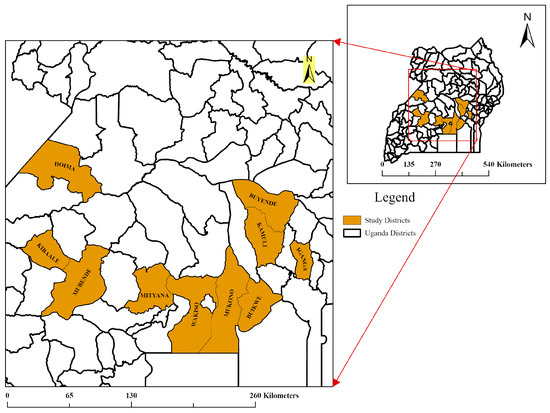
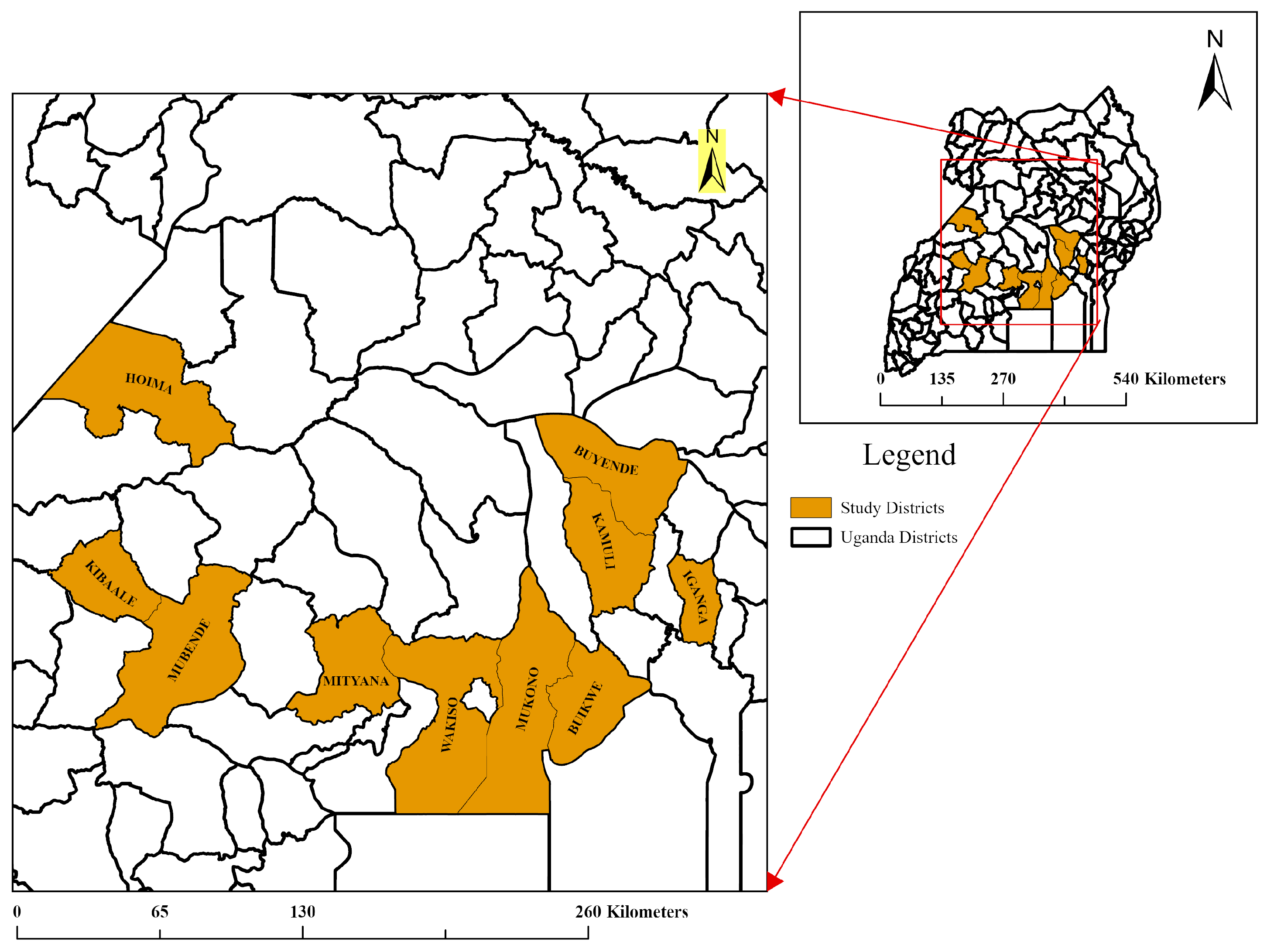
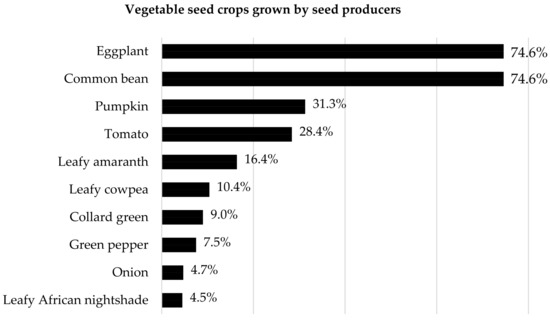
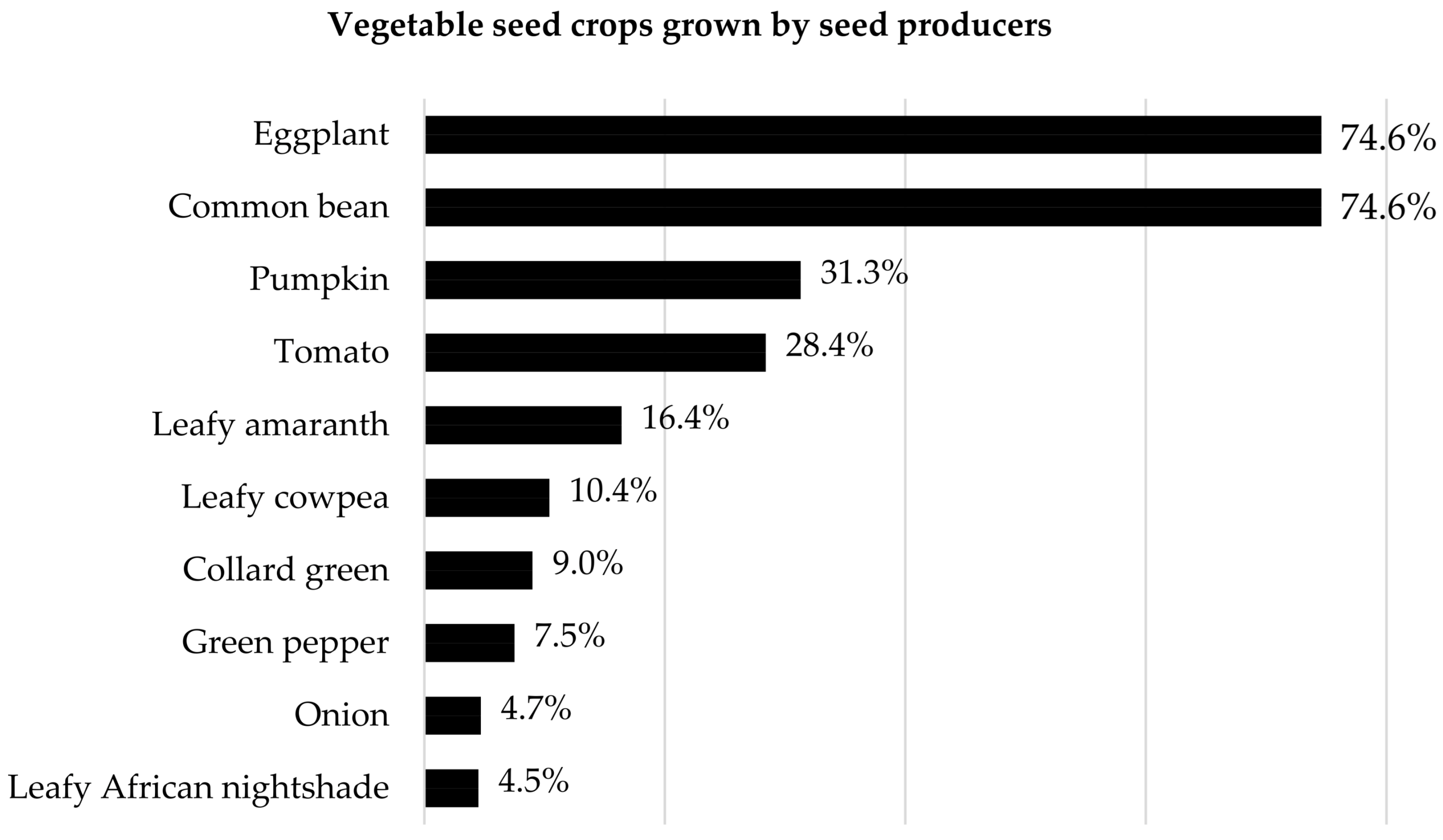
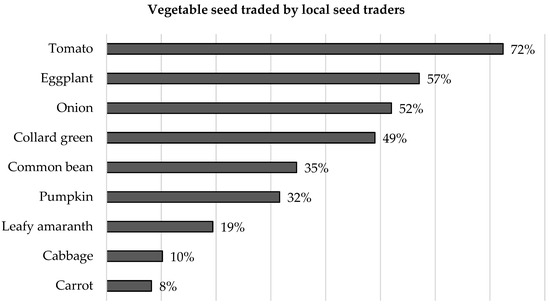

Disclaimer/Publisher’s Note: The statements, opinions and data contained in all publications are solely those of the individual author(s) and contributor(s) and not of MDPI and/or the editor(s). MDPI and/or the editor(s) disclaim responsibility for any injury to people or property resulting from any ideas, methods, instructions or products referred to in the content. |
© 2026 by the authors. Licensee MDPI, Basel, Switzerland. This article is an open access article distributed under the terms and conditions of the Creative Commons Attribution (CC BY) license.