


Abstract
Seismic-resistant reinforcing steels (rebars) are indispensable for improving the safety and resilience of reinforced concrete structures subjected to earthquake loading. To perform effectively under such severe conditions, these steels must combine high strength with adequate ductility, toughness, and fatigue resistance. Achieving this balance depends on the control of the steel’s microstructure. In this context, microalloying with vanadium (V), niobium (Nb), and titanium (Ti) has become an effective strategy for controlling microstructural evolution through grain refinement, precipitation strengthening, recrystallization control, and phase transformation, therefore enhancing both monotonic and cyclic mechanical performance. Although the effects of microalloying and strengthening mechanisms in reinforcing steels are well documented, studies examining their combined influence on seismic applications remain relatively limited. This review therefore provides an integrated perspective by examining how alloy composition, thermomechanical processing routes, microstructural evolution, and strengthening mechanisms interact to determine the mechanical and fatigue performance required for seismic-resistant reinforcing steels. Rather than considering these aspects separately, this review focuses on the interactions between processing, microstructure, and mechanical behavior that determine the overall performance of reinforcing steels. This review also highlights the main scientific and technological challenges in the field, discusses the remaining knowledge gaps, and suggests future research directions for the development of next-generation seismic-resistant reinforcing steels.
1. Introduction
Over the past twenty years, the advancement of reinforcing steels for earthquake-resistant structures has emerged as a key concern, primarily due to the need for materials that combine high strength, ductility, and the ability to absorb energy under cyclic loading [1,2].
The increasing seismic design requirements introduced by modern building codes such as BS4449 standard and Eurocode 8 have highlighted the limitations of conventional reinforcing steels, particularly regarding ductility, cyclic stability, and energy dissipation capacity during earthquakes [3,4]. Therefore, the metallurgical design of seismic grade steels is primarily based on the optimization of hardening mechanisms: precipitation hardening, grain refinement, solid-solution strengthening, and work strengthening [5,6,7,8].
Microalloying elements such as vanadium, niobium, and titanium are crucial in controlling microstructural evolution during thermomechanical processing [5,9,10]. These elements precipitate as fine carbides, nitrides, and carbonitrides (e.g., V(C,N), Nb(C,N), TiC), which impede dislocation movement and stabilize ferrite–pearlite or ferrite–bainite microstructures, thereby enhancing both yield strength and toughness [11,12,13,14]. The effectiveness of precipitates such as V(C,N), Nb(C,N), and TiC in microalloyed steels strongly depends on several interdependent factors [15,16,17]. Their formation is controlled by the elemental composition of the steel, particularly the content of vanadium, niobium, titanium, carbon, and nitrogen. The size, morphology, and distribution of these precipitates are crucial, with fine, uniformly dispersed nanoparticles providing the most effective strengthening by impeding dislocation motion and refining the microstructure [18]. Processing conditions, including deformation during rolling and the cooling rate after hot working, have a significant impact on the nucleation, growth, and thermal stability of precipitates [19]. Properly controlled thermomechanical treatments enhance a dense dispersion of stable precipitates, maximizing yield strength while preserving ductility, which is particularly critical for steels intended for seismic applications [17,20,21].
The Tempcore and Thermo-Mechanical Controlled Processing (TMCP) routes have been particularly successful in producing high-strength seismic rebars by carefully controlling the transformation kinetics during cooling. The Tempcore process, in particular, generates a graded microstructure featuring a martensitic–bainitic surface layer and a ductile ferritic–pearlitic core, which enhances strain distribution and cyclic toughness [22]. When coupled with microalloying, these processes can yield steels exceeding 600 MPa yield strength while maintaining elongation capacities required by seismic codes [18]. However, microalloying must be carefully balanced: excessive Nb or Ti may result in coarse precipitates or grain coarsening during reheating, thus, reducing the toughness [14].
Recent investigations on low-cycle fatigue (LCF) behavior of microalloyed rebars have provided deeper insight into the link between microstructure and seismic performance [23]. It has been demonstrated that the cyclic softening or hardening response of reinforcing steels is influenced by factors such as precipitate size, dislocation density, and susceptibility to strain aging [24]. In particular, steels exhibiting a homogeneous dispersion of nanoscale V(C,N) precipitates combined with a refined ferrite–bainite microstructure tend to show superior cyclic strength and enhanced energy dissipation capacity [7]. In contrast, strain-aging phenomena—arising from the interaction between mobile dislocations and interstitial atoms such as carbon and nitrogen—can lead to discontinuous yielding (Lüders bands) and a reduction in ductility under cyclic loading conditions [25,26].
The addition of niobium effectively limits austenite recrystallization by exerting both solute drag and particle pinning effects, which in turn produce a much finer ferritic grain structure after phase transformation [9]. Vanadium, on the other hand, contributes mainly to the strengthening stage that follows rolling, through the formation of extremely fine V(C,N) precipitates during the cooling sequence [27]. These particles provide a noticeable increase in yield strength while maintaining adequate ductility. When used together, niobium and vanadium create a complementary microalloying system that harmonizes grain refinement with precipitation hardening, leading to mechanical properties well suited to seismic-resistant steels [28].
Furthermore, thermomechanical parameters—including cooling rate, finishing rolling temperature, and coiling conditions—exert a crucial influence on the resulting microstructure and mechanical performance of micro alloyed steels. Ma et al. [29] demonstrated that a coordinated adjustment of deformation amount and temperature promotes significant austenite grain refinement and a more homogeneous dispersion of micro-alloy precipitates.
In recent decades, industrial practices and regulatory frameworks have adapted to integrate advances in metallurgy into the production and qualification of reinforcing steels. International standards—such as BS 4449 [4], Eurocode 8 [3], and the recommendations issued by guidelines from ACI [30] and NIST [31]—now define not only the minimum yield and tensile strength levels, but also prescribe limits for total elongation, strain-hardening ratio, and cyclic behavior. Together, these requirements help guarantee that reinforcing steels combine sufficient strength and ductility to perform safely during seismic events. In particular, BS 4449 [4] defines characteristic yield strength classes up to 500 MPa and includes ductility criteria intended for seismic reinforcement applications. These regulatory developments reflect a growing recognition of the need to link microstructural design—via thermomechanical processing and microalloying—to macroscopic seismic performance, especially for high-strength reinforcement bars (HSRBs).
To further illustrate the relationship between the representative performance requirements specified in international seismic reinforcing steel standards and the corresponding microstructural design strategies discussed throughout this review, a summary is provided in Table 1.
Table 1.
Representative requirements from international seismic reinforcing steel standards and their implications for microstructural design.
Despite significant advances in the field, existing reviews have generally addressed microalloying strategies, strengthening mechanisms, fatigue behavior, or thermomechanical processing as separate topics, leaving their interrelationships in seismic-resistant reinforcing steels insufficiently explored. Consequently, important knowledge gaps remain. There is still no consensus regarding the optimal microalloying composition capable of balancing yield strength, ductility, and fatigue life under cyclic seismic loading. Furthermore, the complex interactions among precipitation behavior, thermomechanical history, and strain aging are not yet fully understood. In addition, most published studies continue to focus primarily on monotonic tensile behavior, whereas investigations into both low- and high-cycle fatigue remain relatively limited. These limitations highlight the need for integrated approaches combining microstructural characterization, mechanical testing, and modeling to establish robust relationships between metallurgical mechanisms and seismic performance [22,38,39].
Therefore, this review aims to establish a comprehensive link between microalloying, microstructural evolution, strengthening mechanisms, fatigue behavior, and seismic performance in reinforcing steels, with special focus on:
the role of microalloying in structural refinement;
the review of the strengthening mechanisms employed in the development of seismic-resistant steels;
the influence of thermomechanical processing on grain refinement and phase transformation;
the influence of microstructure on fatigue resistance under cyclic loading.
To structure and clarify the analysis of the reviewed literature, an overview of the adopted classification framework is provided in Figure 1. This conceptual scheme highlights the interrelationships between microstructural design and processing routes (Microalloying, TMCP, and seismic standards), the strengthening mechanisms governing the mechanical response, and their role in linking microstructural features, fatigue behavior under cyclic loading, and seismic performance in terms of strength, ductility, and structural integrity.
Figure 1.
Schematic overview of the adopted classification framework.
By consolidating findings from both academic and industrial studies, this review aims to identify the most effective metallurgical strategies for producing seismic-resistant reinforcing steels. It also highlights the contribution of advanced characterization techniques and critical analysis in establishing robust microstructure–property relationships and identifying future research directions.
2. Microstructural Design and Hardening Mechanisms
Achieving an optimal balance between strength and ductility in seismic-resistant reinforcing steels relies on the combined effects of chemical composition, microalloying additions, and thermomechanical processing. These factors govern the activation of the main strengthening mechanisms, including grain refinement, precipitation strengthening, solid-solution strengthening, and phase transformation. The following sections review these metallurgical strategies and their contribution to the mechanical performance of seismic reinforcing steels.
2.1. Fundamentals of Microstructural Design in Seismic-Grade Steels
The microstructural design of seismic-grade reinforcing steels aims to optimize the balance between strength, ductility, strain-hardening capability, and energy dissipation under cyclic loading. These properties are primarily governed by the nature and distribution of the microstructural constituents formed during thermomechanical processing.
In practice, seismic rebars are generally designed around refined ferritic and ferrite–pearlite, capable of ensuring stable plastic deformation and improved cyclic resistance. This metallurgical approach is also reflected in several international standards for seismic reinforcing steels, which emphasize the necessity of achieving a balanced combination of strength, ductility, weldability, and energy dissipation capacity. For instance, the Chinese standard GB/T 1499.2 [32] specifies that the metallurgical structure of hot-rolled ribbed rebars should be mainly composed of ferrite and pearlite in order to preserve adequate ductility and service performance. Similarly, standards such as ASTM A706 [40], ISO 6935 [41], and BS 4449 [4] establish strict requirements regarding tensile-to-yield strength ratio, elongation, and weldability, which are commonly achieved through refined ferritic and ferrite–pearlite-based microstructures.
Ferrite acts as a ductile matrix that accommodates plastic strain and enhances toughness, whereas pearlite contributes to strengthening through its higher hardness and dislocation density [42]. Consequently, ferrite–pearlite microstructures remain widely used in seismic reinforcing steels because they provide a favorable balance between strength, ductility, and weldability. Achieving this balance requires precise control of phase transformation and cooling conditions through thermomechanical processing and microalloying strategies.
2.2. Role of Microalloying in Structural Refinement
Microalloying is one of the most effective approaches for improving the mechanical performance of seismic-grade reinforcing steels while preserving adequate ductility and weldability. Small additions of niobium (Nb), vanadium (V), and titanium (Ti) control recrystallization, grain growth, phase transformation, and precipitation during thermomechanical processing, thereby promoting grain refinement and precipitation strengthening. In addition, nanoscale carbonitride precipitates, such as Nb(C,N), V(C,N), and TiN, hinder dislocation motion and contribute to grain boundary stabilization, leading to an improved balance between strength and ductility.
2.2.1. Effect of Niobium Addition
Several studies have demonstrated that Nb addition significantly enhances the microstructural refinement and mechanical performance of seismic reinforcing steels through grain refinement and precipitation strengthening mechanisms. Nb microalloying promotes ferrite grain refinement, reduces pearlite lamellar spacing, and favors the precipitation of fine NbC particles that hinder dislocation motion and inhibit grain growth during thermo-mechanical processing [28,43]. In addition, Nb retained in solid solution can delay recrystallization and enhance hardenability, contributing to the formation of finer ferritic microstructures and improved strength–ductility balance [44]. These combined effects confirm the important role of niobium in optimizing the mechanical performance of seismic-grade rebars.
A summary of the main effects of Nb microalloying on the microstructure and mechanical properties of seismic reinforcing steels is presented in Table 2.
Table 2.
Literature summary of the influence of niobium microalloying on the microstructure, strengthening mechanisms, and mechanical performance of high-strength reinforcing steels.
2.2.2. Effect of Vanadium Addition
Vanadium is one of the most effective microalloying elements for strengthening seismic reinforcing steels through precipitation hardening. During cooling, nanoscale V(C,N) precipitates (typically 10–30 nm) form and hinder dislocation motion, leading to a significant increase in strength. The efficiency of this mechanism depends strongly on the thermal history, particularly the cooling and coiling conditions, which govern the size, distribution, and volume fraction of the precipitates [47]. In high-strength Tempcore rebars, increasing vanadium content promotes both V(C,N) precipitation and bainite formation in the core, resulting in higher yield strength. The Ashby–Orowan mechanism has been identified as the dominant contributor to this strengthening effect, highlighting the critical role of nanoscale precipitates in enhancing mechanical performance [48].
In ferrite–pearlite reinforcing steels, vanadium additionally promotes interphase precipitation during transformation, leading to further strengthening. The magnitude of this effect increases with vanadium content and decreases with finishing rolling temperature, indicating the importance of process optimization. However, the precipitation behavior may be altered in multi-microalloyed systems. In particular, the addition of niobium can promote the formation of coarse (Nb,V)(C,N) precipitates at elevated temperatures, reducing the amount of vanadium remaining in solid solution and consequently decreasing the precipitation strengthening efficiency associated with V(C,N) formation. These observations demonstrate that the strengthening potential of vanadium is governed not only by its concentration but also by thermo-mechanical processing parameters and interactions with other microalloying elements [49].
2.2.3. Effect of Titanium Addition
Titanium is widely used as a microalloying element in high-strength steels because of its strong affinity for carbon and nitrogen, leading to the formation of stable TiN, TiC, and Ti(C,N) precipitates. Unlike vanadium and niobium, titanium primarily controls austenite grain growth through thermally stable TiN precipitates, which pin austenite grain boundaries during reheating and promote grain refinement, thereby improving strength and toughness [50]. In addition, fine TiC and Ti(C,N) precipitates contribute to precipitation strengthening by hindering dislocation motion, although their strengthening effect is generally lower than that of V(C,N) and Nb(C,N). The effectiveness of titanium microalloying depends strongly on the Ti/N ratio, while excessive titanium additions may promote coarse TiN particles that provide limited strengthening and may reduce toughness by acting as crack initiation sites [51,52].
Because of its ability to stabilize grain size during reheating and hot deformation, titanium is frequently combined with niobium and vanadium in modern microalloyed steels. In such systems, TiN particles control austenite grain growth at high temperatures, while Nb(C,N) and V(C,N) precipitates contribute to recrystallization control and precipitation strengthening during cooling. This complementary behavior has led to the increasing use of Ti-containing multi-element microalloying strategies for the development of high-strength structural and seismic-grade steels [10].
The transition from single to multi-element microalloying strategies has been driven by the increasing demand for steels combining high strength, ductility, toughness, and process robustness. While individual microalloying elements such as V, Nb, and Ti provide specific strengthening benefits, their combined addition enables the simultaneous activation of grain refinement, precipitation strengthening, and recrystallization control, resulting in a superior balance of mechanical properties for seismic-resistant reinforcing steels. The following section critically reviews the main V–Nb, Nb–Ti, and Nb–V–Ti microalloying systems and their influence on microstructure and mechanical performance.
2.2.4. Effect of Multi-Element Microalloying
The growing demand for high-strength steels exhibiting an improved balance between strength, ductility, toughness, and process robustness has driven the development of multi-element microalloying strategies. Unlike single-element additions, the combined use of vanadium (V), niobium (Nb), and titanium (Ti) activates complementary metallurgical mechanisms, resulting in superior mechanical performance.
One of the main benefits of multi-element microalloying is enhanced grain refinement. Niobium delays austenite recrystallization through solute drag and the precipitation of Nb-rich carbonitrides [53], while thermally stable TiN precipitates effectively pin austenite grain boundaries and suppress grain growth during reheating [51]. Their combined action produces a finer and more homogeneous austenitic microstructure prior to phase transformation, thereby improving strength, ductility, and toughness [54,55].
Multi-element microalloying also enhances precipitation strengthening by promoting the formation of nanoscale NbC, Nb(C,N), V(C,N), TiC, and TiN precipitates. These particles impede dislocation motion and increase the resistance to plastic deformation. Compared with single-element additions, combined microalloying promotes finer and more stable carbonitride dispersions through modified precipitation kinetics, resulting in a greater strengthening contribution and improved mechanical performance [56,57].
The superior performance of multi-microalloyed steels arises from the synergistic interaction of grain refinement, precipitation strengthening, and recrystallization control rather than from the contribution of a single alloying element. The combined action of these mechanisms promotes refined and homogeneous microstructures, enabling higher strength while maintaining adequate ductility and toughness. Consequently, multi-element microalloying has become an effective strategy for developing seismic-resistant reinforcing steels capable of meeting the demanding mechanical and structural requirements of earthquake-resistant applications [35,58].
2.3. Microstructural Control via Phase Transformation and Dislocation Substructure
Phase transformation plays a key role in the microstructural design of seismic-grade steels by determining the final balance between strength and ductility. During thermomechanical processing and cooling, the transformation of austenite into ferrite, bainite, or martensite is controlled by alloy composition and processing parameters, enabling the development of microstructures tailored to seismic performance. Among these constituents, bainite is particularly attractive because it provides high strength while maintaining adequate toughness and ductility.
In addition, dislocation substructure contributes significantly to strengthening. Hot deformation and subsequent cooling generate high dislocation densities within the ferritic matrix, where their interaction and accumulation hinder further dislocation motion, thereby increasing the resistance to plastic deformation.
The contribution of dislocation strengthening has been highlighted in several studies on advanced high-strength steels. Nousiainen et al. [59] showed that dislocation strengthening becomes increasingly important when precipitation strengthening is less effective, thereby preserving high strength despite the presence of coarser or less densely distributed precipitates. Similarly, Huang et al. [22] reported that lower finishing cooling temperatures in seismic reinforcing steels promoted ferrite grain refinement and increased dislocation density, particularly near ferrite grain boundaries. The resulting dislocation networks enhanced strength by impeding dislocation motion while also providing preferential nucleation sites for microalloy precipitates, highlighting the strong synergy between dislocation strengthening and precipitation behavior. Overall, the mechanical performance of seismic steels is governed by the combined effects of phase transformation, grain refinement, precipitation strengthening, and dislocation strengthening.
Therefore, controlling these microstructural features through alloy design and thermomechanical processing is essential to achieve the strength, ductility, and toughness required for seismic-resistant reinforcing bars. These interactions also highlight the complexity of optimizing strengthening mechanisms, as discussed in the following critical analysis.
3. Critical Discussion and Current Challenges in Microalloying Strategies for Seismic Reinforcing Steels
Despite the extensive research conducted on microalloyed seismic reinforcing steels, the available literature does not yet support the definition of a universally applicable Nb–V–Ti composition. As summarized in Table 3, considerable variability exists in the investigated microalloying strategies and experimental approaches. While some studies focused on optimizing Nb additions under nearly constant V contents, others investigated V-bearing, Nb–V, Nb–Ti, or Nb–V–Ti systems, often using fixed chemical compositions. Moreover, several investigations primarily evaluated the influence of thermomechanical processing parameters, such as rolling conditions, cooling rate, or isothermal transformation temperature, rather than systematically optimizing alloy chemistry. Consequently, the reported microalloying compositions represent study-specific solutions that are closely linked to the selected processing conditions and targeted mechanical properties, making direct comparison between studies difficult. Therefore, although significant progress has been achieved, defining an optimal and universally applicable Nb–V–Ti microalloying strategy for seismic-resistant reinforcing steels remains an unresolved issue.
Table 3.
Comparison of representative microalloying strategies, investigated variables, and key findings reported for seismic-resistant reinforcing steels.
3.1. Limitations of Multi-Microalloying Associated with Coarse Precipitate Formation
Although the combined use of microalloying elements such as Nb, V, and Ti has been widely recognized as an effective strategy for improving the mechanical performance of seismic-resistant reinforcing steels, increasing the microalloying content does not necessarily result in continuous improvements. Several studies have reported that excessive Ti additions promote the formation of coarse Ti-containing phases, such as TiN, TiS, and TiO, which consume a significant fraction of the available Ti, inhibit the formation of TiC precipitates, and consequently weaken the precipitation strengthening effect [10,52]. Likewise, increasing the Ti content has been shown to promote precipitate coarsening, further reducing the strengthening contribution associated with precipitation [14]. Similar observations have been reported for Nb-containing steels, where excessive Nb additions promote the formation of coarse Nb carbides, indicating that excessive Nb may also limit the effectiveness of precipitation strengthening [34]. In V-microalloyed steels, increasing the V/N ratio increases the fraction of coarse V(C,N) precipitates while reducing the proportion of fine precipitates. Since the strengthening contribution of precipitates becomes negligible when their size exceeds approximately 60 nm, precipitate coarsening significantly limits the effectiveness of precipitation strengthening [64]. These findings demonstrate that the effectiveness of multi-microalloying strategies depends not only on the selection of alloying elements but also on controlling their concentration and the thermomechanical processing conditions to promote a high density of fine nanoscale precipitates while minimizing precipitate coarsening. Therefore, optimizing precipitate size and distribution, rather than simply increasing the microalloying content, remains one of the major challenges in the development of high-performance seismic-resistant reinforcing steels.
3.2. Balancing Bainite Fraction and Ductility
Available studies indicate that increasing the bainite fraction generally improves mechanical strength but may compromise plastic deformation capacity. One study reported that a steel containing approximately 83% bainite exhibited higher yield strength, whereas a steel with a lower bainite fraction (≈36%) and a higher ferrite content showed superior plasticity and slightly higher elongation [65]. Similarly, another study demonstrated that the transformation of the microstructure from ferrite–pearlite to ferrite–pearlite–bainite significantly increased the tensile strength (up to 995 MPa), but resulted in lower plasticity [34].
These findings suggest that maximizing the bainite fraction is not necessarily the optimal strategy for seismic-resistant reinforcing steels, where adequate ductility is required to accommodate inelastic deformation during seismic loading. Instead, a balanced ferrite–bainite microstructure appears to provide a more favorable strength–ductility combination. However, the optimum bainite fraction has not yet been established, as it remains strongly dependent on alloy composition and thermomechanical processing conditions.
3.3. Relative Contributions of Grain Refinement and Precipitation Strengthening in Seismic-Resistant Rebars
The relative contributions of precipitation strengthening and grain refinement remain one of the major unresolved issues in microalloyed seismic reinforcing steels. Available studies report different results depending on alloy chemistry, microalloying strategy, and thermomechanical processing. Chen et al. [60] identified grain refinement as the dominant strengthening mechanism in V–Nb microalloyed seismic rebars, contributing more than 35% of the yield strength increment, whereas bainitic strengthening accounted for only about 16.5%. A similar trend was reported for V-microalloyed rebars [64], where grain refinement remained the largest contributor to yield strength (210–241 MPa), although the precipitation strengthening increment increased markedly from 62 to 131 MPa with increasing V content. In contrast, Nb-containing anti-seismic rebars [45] exhibited precipitation strengthening as the dominant mechanism (≈298 MPa), exceeding the contribution of grain refinement (≈191 MPa). These contrasting findings indicate that neither grain refinement nor precipitation strengthening can be considered universally dominant. Instead, their relative contributions depend on alloy composition, precipitate characteristics, and thermomechanical processing, highlighting the need to optimize their combined effect rather than maximize a single strengthening mechanism.
4. Strengthening Mechanisms in Microalloyed Steels
The mechanical performance of microalloyed steels used in seismic applications results from the combined action of several strengthening mechanisms that govern the balance between strength, ductility, and toughness. The principal mechanisms include solid solution strengthening, grain refinement strengthening, precipitation strengthening, and dislocation hardening. Their relative contributions depend on alloy composition, thermomechanical processing, and the resulting microstructure, making their optimization essential for the development of high-performance seismic reinforcing steels.
4.1. Solid Solution Strengthening
Solid solution strengthening results from the dissolution of substitutional or interstitial alloying elements in the ferritic or austenitic matrix. The resulting lattice distortions impede dislocation motion, thereby increasing the yield strength. Its effectiveness depends on the concentration and distribution of solute atoms retained in solid solution. In microalloyed steels, elements such as Nb, Ti, Mn, Si, and Mo contribute to this mechanism when they remain dissolved rather than precipitating as carbides, nitrides, or carbonitrides. Consequently, solid solution strengthening is most significant under processing conditions that suppress precipitation or promote the formation of coarse precipitates with limited strengthening efficiency.
Several studies have demonstrated the importance of this mechanism in microalloyed steels. Zeng et al. [45] reported that increasing the Nb content enhanced the contribution of solute Nb atoms retained in austenite, resulting in additional strengthening through lattice distortion and delayed phase transformation. Similarly, Wang et al. [66] showed that appropriate solution treatment temperatures promoted the dissolution of Ti atoms into the matrix, thereby increasing solid solution strengthening and improving both yield and tensile strength.
Although its contribution is generally lower than that of grain refinement or precipitation strengthening, solid solution strengthening remains an important component of the overall strengthening strategy in microalloyed steels. Furthermore, its interaction with grain refinement, precipitation hardening, and dislocation strengthening contributes to the development of steels exhibiting a favorable combination of strength, ductility, and toughness required for seismic reinforcing steel applications.
4.2. Grain Refinement Strengthening
Grain refinement is one of the most effective strengthening mechanisms in microalloyed steels because it simultaneously improves strength and toughness. Its strengthening effect is described by the Hall–Petch relationship [18]:
where σy is the yield strength, σ0 is the friction stress, k is the Hall–Petch coefficient, and d is the average grain diameter.
σy = σ0 + k d−1/2
As grain size decreases, the increased grain boundary density impedes dislocation motion, leading to higher yield strength while improving resistance to crack propagation.
In microalloyed steels, grain refinement is achieved through a combination of controlled thermo-mechanical processing and microalloying additions. Niobium delays recrystallization during hot rolling, titanium inhibits austenite grain growth through TiN precipitation, and vanadium contributes indirectly by influencing phase transformation behavior [35]. The resulting refinement of austenite and ferrite grains provides a significant contribution to the overall strength of the steel.
Several studies have quantified the importance of this mechanism. Huang et al. [28] reported that reducing ferrite grain size from 5.2 μm to approximately 3 μm increased the grain refinement contribution to yield strength from about 250 MPa to more than 320 MPa. Similarly, Chen et al. [60] demonstrated that grain refinement accounted for more than 35% of the strengthening observed in V–Nb microalloyed seismic reinforcing bars.
The ability of grain refinement to simultaneously increase yield strength while preserving toughness and ductility makes it one of the most effective strategies for satisfying the mechanical performance requirements specified for seismic reinforcing steels.
4.3. Precipitation Strengthening
Precipitation strengthening is one of the most effective strengthening mechanisms in microalloyed steels and arises from the formation of fine carbides, nitrides, and carbonitrides of microalloying elements such as niobium, vanadium, and titanium. During thermo-mechanical processing and subsequent cooling, these nanoscale precipitates hinder dislocation motion by either being sheared or bypassed through the Orowan mechanism [67], resulting in an increase in yield strength. The effectiveness of this mechanism depends primarily on precipitate size, volume fraction, morphology, and spatial distribution.
In microalloyed steels, precipitation strengthening is mainly associated with the formation of NbC, Nb(C,N), V(C,N), TiC, and TiN precipitates. Fine nanoscale precipitates are the most effective because they provide numerous obstacles to dislocation motion, whereas coarse precipitates exhibit lower strengthening efficiency due to their larger interparticle spacing, which facilitates dislocation bypass [68].
Several studies have highlighted the significant contribution of precipitation strengthening to the mechanical performance of microalloyed steels. According to the review conducted by Sun et al. [15], Nb-containing carbonitrides can precipitate at different stages of processing, including in austenite, during phase transformation, or within ferrite and bainite. However, precipitates formed in ferrite and bainite provide the greatest strengthening effect, increasing the yield strength by more than 300 MPa, compared with approximately 100 MPa for precipitation occurring exclusively in austenite. These findings highlight the importance of controlling precipitation kinetics to maximize strengthening efficiency.
The contribution of precipitation strengthening is strongly influenced by alloy composition and processing conditions. Liu et al. [69] reported that increasing the Nb content from 0.02 to 0.03 wt.% enhanced strengthening through the combined effects of precipitation, grain refinement, and phase transformation, resulting in higher yield and tensile strengths. However, a further increase to 0.064 wt.% provided only limited benefits because of precipitate coarsening and the persistence of undissolved Nb-rich phases, demonstrating that strengthening efficiency depends not only on precipitate quantity but also on their size and distribution. In addition, processing parameters such as reheating temperature, cooling rate, and coiling temperature strongly influence precipitation behavior. Excessively high temperatures promote precipitate coarsening, whereas insufficient thermal activation limits precipitate nucleation and growth. Therefore, optimizing thermomechanical processing is essential to produce a fine and stable precipitate population and maximize strengthening efficiency.
Overall, precipitation strengthening is a major contributor to the strength of microalloyed steels, provided by a fine and uniform precipitate distribution, ensuring an optimal balance between strength and ductility.
4.4. Dislocation Hardening/Work Hardening
Dislocation hardening, also known as work hardening, results from the accumulation of dislocations during plastic deformation. The increased dislocation density hinders dislocation motion through mutual interactions, thereby enhancing the yield and tensile strengths of the steel.
This strengthening mechanism is particularly important in ferritic microstructures, where high dislocation densities are retained after thermo-mechanical processing and controlled cooling. Its contribution is commonly described by the Taylor relationship, which correlates the flow stress with the square root of the dislocation density [70]. Consequently, processing routes that promote dislocation storage can significantly enhance the strength of microalloyed steels.
Several studies have highlighted the importance of dislocation strengthening in advanced high-strength steels. Ma et al. [33] reported that dislocation strengthening contributed up to 198 MPa to the yield strength of X80 pipeline steel under optimized processing conditions, owing to the high dislocation density generated during thermomechanical processing and controlled cooling. Although conducted on pipeline steel, the underlying strengthening mechanism is directly relevant to microalloyed seismic reinforcing steels. Dislocation strengthening becomes particularly important when precipitation strengthening is reduced by precipitate coarsening or a low precipitate density. In addition, a high dislocation density enhances both strength and strain-hardening capacity, delaying localized deformation. Therefore, optimizing thermomechanical processing parameters, including deformation temperature, strain rate, and cooling rate, is essential for maximizing the mechanical performance of seismic reinforcing steels.
Overall, dislocation hardening acts synergistically with grain refinement, precipitation strengthening, and solid solution strengthening to achieve the required balance between strength and ductility.
These strengthening mechanisms operate simultaneously in microalloyed steels, and their relative contributions are strongly influenced by alloy composition and thermomechanical processing. Their main characteristics are summarized in Table 4.
Table 4.
Summary of the principal strengthening mechanisms in microalloyed steels.
5. Synergistic Effects and Optimization Strategies
5.1. Synergistic Interactions Between Strengthening Mechanisms
The mechanical performance of seismic-grade steels results from the simultaneous interaction of several strengthening mechanisms rather than from the contribution of a single mechanism. Grain refinement, precipitation strengthening, solid-solution strengthening, dislocation hardening, and phase transformation act synergistically, with their relative contributions depending on alloy composition and thermomechanical processing conditions [61].
Phase transformation plays a central role in coordinating these interactions by linking microalloying, precipitation behavior, and microstructural evolution. During cooling, the formation of ferritic, bainitic, or multiphase microstructures influences precipitate distribution and dislocation density, while microalloy precipitates and grain boundary density modify transformation kinetics. Consequently, optimizing alloy composition and processing conditions enables the simultaneous activation of complementary strengthening mechanisms, producing refined microstructures with an improved balance between strength, ductility, and toughness required for seismic-grade steels [71,72].
Several studies on Nb–Ti, Nb–V–Ti, and V–N microalloyed seismic reinforcing steels have demonstrated that the relative contribution of individual strengthening mechanisms varies significantly with both alloy design and thermomechanical processing conditions [60,62]. As summarized in Table 5, grain refinement and precipitation strengthening generally provide the largest contribution to yield strength, whereas the contributions of dislocation and solid-solution strengthening remain comparatively lower. However, their relative importance changes according to the microalloying strategy and processing route. For instance, lowering the transformation temperature in Nb–Ti steels enhance grain refinement, whereas increasing Nb content and cooling rate in Nb–V–Ti steels promote the combined effects of grain-boundary, dislocation, and precipitation strengthening. Similarly, increasing the V–N content enhances precipitation strengthening and solid-solution strengthening, although excessive additions may reduce ductility because of precipitate coarsening and a lower tensile-to-yield strength ratio.
Table 5.
Typical strengthening mechanism contributions in microalloyed steels.
These findings demonstrate that no single strengthening mechanism can provide the combination of strength, ductility, toughness, and fatigue resistance required for seismic applications. Instead, the superior mechanical performance of modern seismic reinforcing steels results from the synergistic interaction of multiple strengthening mechanisms, optimized through appropriate alloy design and thermomechanical processing. Consequently, the development of advanced seismic-grade steels should be viewed as an integrated microstructural engineering strategy rather than the maximization of any individual strengthening mechanism. The relationships between strengthening mechanisms, processing parameters, microstructural evolution, and service requirements are schematically illustrated in Figure 2.
Figure 2.
Synergistic strengthening mechanisms in seismic steels. Solid arrows indicate direct interactions between strengthening mechanisms and their contribution to the synergistic effect. Dashed arrow represents the influence of thermomechanical processing on the combined strengthening effect.
While Table 5 highlights how the relative contributions of strengthening mechanisms vary with different microalloying strategies, these contributions are also strongly influenced by thermomechanical processing. Processing routes such as TMCP, controlled rolling, and the Tempcore process determine the final microstructure by controlling recrystallization, phase transformation, precipitation behavior, and dislocation density, thereby optimizing the strength–ductility balance required for seismic reinforcing steels.
5.2. Role of Thermomechanical Processes
Beyond alloy design, thermomechanical processing (TMP) plays a fundamental role in determining the relative contribution of individual strengthening mechanisms and optimizing the microstructure and mechanical performance of seismic-grade steels [73]. While microalloying provides the potential for strengthening, thermomechanical processing governs the activation and efficiency of strengthening mechanisms through its influence on recrystallization, phase transformation, precipitate formation, and grain refinement. Consequently, the final properties of seismic steels depend not only on alloy composition but also on the thermal and deformation history imposed during processing.
Among the various thermomechanical processing (TMP) routes, TMCP and Tempcore technology are widely used to optimize the microstructure and mechanical properties of seismic reinforcing steels, although they rely on different processing principles. TMCP combines controlled hot deformation within the non-recrystallization temperature range with accelerated cooling, thereby suppressing grain growth and promoting the formation of refined ferritic microstructures enriched with nanoscale precipitates. Such microstructures maximize both Hall–Petch strengthening and precipitation hardening while maintaining adequate ductility.
The Tempcore process, extensively used for the production of high-strength reinforcing bars, represents another effective strategy for microstructural optimization. Rapid surface quenching immediately after hot rolling, followed by self-tempering induced by heat transfer from the core, generates a heterogeneous microstructure consisting of a strong martensitic or bainitic outer layer and a ductile ferritic–pearlitic core. This combination provides an advantageous balance between strength, toughness, and deformability required for seismic applications [74].
Similarly, controlled rolling performed within carefully selected temperature ranges delays recrystallization and promotes ferrite grain refinement. By adjusting parameters such as finishing rolling temperature, strain accumulation, and cooling rate, it becomes possible to tailor phase transformation behavior and precipitation kinetics, leading to enhanced mechanical performance and improved resistance to seismic loading [46].
Overall, thermomechanical processing should be viewed as a microstructural engineering tool rather than merely a shaping operation. Through the precise control of thermal cycles and deformation schedules, TMCP, Tempcore, and controlled rolling enable the simultaneous activation of grain refinement, precipitation strengthening, dislocation hardening, and phase transformation control. The resulting synergistic effects are essential for achieving the balance between strength, ductility, and toughness required in modern seismic-grade reinforcing steels.
Beyond their influence on static mechanical properties, microstructural features developed through microalloying and thermomechanical processing also govern the fatigue resistance and cyclic performance of reinforcing steels. These aspects are particularly important in seismic applications, where materials are subjected to repeated loading and unloading cycles.
5.3. Implications for Fatigue Resistance and Seismic Performance
In seismic applications, reinforcing steels are subjected to repeated cyclic loading, which may occur over a wide range of strain amplitudes and cycle numbers, encompassing both low-cycle fatigue (LCF) associated with severe seismic events and high-cycle fatigue (HCF) related to service vibrations or repeated loading. Consequently, fatigue resistance represents a critical design requirement in addition to conventional strength and ductility criteria. Fatigue behavior is strongly influenced by microstructural characteristics, including grain size, dislocation density, phase constitution, and precipitate distribution, all of which affect crack initiation and propagation mechanisms [75].
Although both fatigue regimes are relevant to seismic reinforcing steels, they differ in their dominant damage mechanisms and, consequently, in the microstructural characteristics required to optimize fatigue performance. Under LCF conditions, fatigue resistance is primarily associated with the ability of the microstructure to maintain cyclic stability during repeated plastic deformation. Cyclic softening and preferential crack propagation through relatively brittle tempered martensitic regions have been reported in thermomechanically treated rebars subjected to seismic-type loading [76]. In contrast, HCF performance is mainly governed by fatigue crack initiation and propagation, making grain size, grain boundaries, non-metallic inclusions, porosity, and second-phase particles key microstructural factors controlling fatigue life [77].
Under LCF conditions, fatigue life is commonly interpreted using the Coffin–Manson relationship, which correlates the plastic strain amplitude with the number of cycles to failure. Microstructural refinement and precipitation strengthening contribute to improved LCF resistance by enhancing cyclic plastic stability and delaying fatigue damage accumulation. Under HCF conditions, the crack growth rate is commonly described by the Paris law. In this stage, grain boundaries and finely dispersed precipitates act as effective microstructural barriers that hinder crack advance and reduce the crack growth rate [78,79].
Representative quantitative fatigue data reported for microalloyed seismic reinforcing steels are summarized in Table 6.
Table 6.
Summary of fatigue performance in V-microalloyed reinforcing steels.
Among these factors, grain refinement plays a key role in improving fatigue performance by promoting a more homogeneous distribution of plastic deformation, reducing local stress concentrations, and delaying crack initiation. In addition, grain boundaries hinder crack propagation, thereby enhancing fatigue life. Studies comparing microalloyed and thermomechanically treated reinforcing steels have shown that homogeneous ferrite–pearlite microstructures generally exhibit superior fatigue resistance to heterogeneous microstructures with pronounced hardness gradients and multiphase interfaces [80].
Precipitation strengthening contributes significantly to fatigue resistance when precipitates are fine, stable, and uniformly distributed. Nanoscale precipitates, including VN, NbC, and complex carbonitrides, hinder dislocation motion during cyclic deformation and stabilize the dislocation substructure. Optimized V/N ratios in V–N microalloyed rebars improve cyclic strength, fatigue life, and hysteretic energy dissipation by promoting refined VN precipitates that delay microcrack initiation and propagation [7,63]. Likewise, Nb-containing precipitates enhance cyclic stability by promoting stable dislocation arrangements during repeated loading [38].
Phase constitution further influences fatigue performance. Bainitic microstructures generally provide higher strength and improved cyclic stability due to their refined substructure and elevated dislocation density, whereas ferritic microstructures may offer superior ductility and energy absorption capacity. Consequently, the optimal fatigue response is often achieved through a balanced microstructural design that combines appropriate phase fractions with controlled precipitation behavior and grain refinement [38].
The thermomechanical processing route employed during steel production also plays a decisive role. Processes such as TMCP, microalloying-assisted controlled rolling, and Tempcore treatment influence fatigue performance indirectly through their effects on grain size, precipitate distribution, residual stresses, and phase transformation behavior. The ability of these processing routes to generate refined and stable microstructures contributes to improved resistance to both crack initiation and crack propagation under cyclic loading conditions.
Overall, fatigue resistance in seismic-grade steels should be regarded as a direct consequence of microstructural engineering. The combined optimization of grain refinement, precipitation strengthening, phase constitution, and thermomechanical processing enables the development of reinforcing steels capable of simultaneously achieving high strength, adequate ductility, and enhanced resistance to cyclic loading. Such characteristics are essential for ensuring structural integrity and energy dissipation capacity during seismic events.
Advanced characterization techniques have become indispensable for understanding strengthening mechanisms in microalloyed steels. While their application to seismic reinforcing steels remains relatively limited, the following section reviews their role in elucidating the relationships between processing, microstructure, and strengthening mechanisms, and highlights their potential application to the development of seismic-resistant reinforcing steels.
6. Emerging Research Tools for the Development of Seismic-Resistant Reinforcing Steel
6.1. Advanced Characterization Techniques for Understanding Strengthening Mechanisms in Seismic Reinforcing Steels
Conventional characterization methods, including optical microscopy and scanning electron microscopy (SEM), have long been used to describe the ferrite–pearlite microstructure of reinforcing steels. Although these techniques remain essential for standard metallographic examination, they provide only qualitative or semi-quantitative information and cannot fully explain the improvement in mechanical performance resulting from thermomechanical processing or microalloying. In particular, they cannot accurately quantify dislocation structures, characterize nanoscale precipitates, or establish direct correlations between microstructural evolution and strengthening mechanisms. Consequently, they are insufficient to fully elucidate the origins of strength and ductility in modern seismic reinforcing steels.
To overcome these limitations, recent studies have progressively adopted advanced characterization techniques that investigate the material across multiple length scales. At the microscale, EBSD has considerably expanded the understanding of deformation mechanisms by providing quantitative information on grain refinement, crystallographic orientation, Kernel Average Misorientation (KAM), Geometrically Necessary Dislocation (GND) density and grain boundary characteristics [21,81]. These parameters allow researchers to distinguish whether strength improvements originate primarily from grain boundary strengthening or from dislocation accumulation, information that cannot be extracted from conventional metallography. Nevertheless, EBSD remains insensitive to nanoscale precipitation, which is one of the dominant strengthening mechanisms in Nb- and V-microalloyed steels.
The characterization of precipitates therefore requires techniques with significantly higher spatial resolution. TEM, complemented by HRTEM and EDS analyses, enables direct observation of carbonitride precipitates together with their morphology, crystallographic structure and chemical composition [21,34]. These analyses have substantially improved the understanding of precipitation strengthening by revealing how precipitate size, coherency and distribution evolve with thermomechanical processing. However, TEM observations remain inherently local, and the limited observation volume raises questions regarding the statistical representativeness of the measured precipitate population, particularly in heterogeneous microstructures.
Recent developments in Atom Probe Tomography (APT) have addressed part of this limitation by providing three-dimensional atomic-scale characterization of precipitate chemistry, solute segregation and precipitate number density [82]. Unlike TEM, APT allows quantitative determination of the spatial distribution of nanoscale precipitates that directly control strengthening efficiency. Nevertheless, APT is itself constrained by the extremely small analysed volume, making quantitative interpretation sensitive to sampling statistics. For this reason, recent studies have demonstrated that combining APT with complementary techniques such as matrix dissolution methods (MDT) provides a far more reliable evaluation of precipitate populations than either technique used independently.
These observations demonstrate that the current challenge is no longer the availability of advanced characterization techniques, but their integration. Grain refinement, dislocation evolution, and precipitation strengthening do not occur independently; they interact continuously during thermomechanical processing to determine the final mechanical behavior of seismic reinforcing steels. Consequently, future investigations should move beyond isolated characterization techniques and adopt integrated multiscale approaches combining crystallographic, microstructural, and chemical information to establish comprehensive structure–property relationships. Such strategies are expected to provide the predictive understanding required for the design of next-generation high-performance seismic reinforcing steels.
6.2. Multiscale Modelling Approach; Toward Predictive Design of Seismic Resistant Reinforcing Steel
Although advanced characterization techniques such as EBSD, TEM and APT provide detailed information on grain morphology, precipitate distribution and local chemical composition, they remain primarily descriptive and cannot directly predict the mechanical response of reinforcing steels under complex loading conditions. To address this limitation, multiscale modelling has emerged as a powerful computational approach for establishing quantitative relationships between alloy composition, thermomechanical processing, microstructural evolution and mechanical performance. Rather than replacing experimental characterization, it complements these techniques by providing predictive insights that can significantly accelerate the development of advanced steels.
Among these approaches, phase-field modelling has become one of the most widely adopted methods for predicting microstructural evolution during materials processing. It enables the simulation of grain growth, phase transformations and precipitation kinetics under different processing conditions, thereby providing valuable insight into the formation of complex microstructures. Such capabilities are particularly relevant for microalloyed steels, where the size, distribution and stability of Nb-, V- and Ti-rich precipitates strongly influence strengthening mechanisms. Nevertheless, despite its ability to accurately predict microstructural evolution, phase-field modelling does not directly describe the mechanical behavior of the material, limiting its ability to establish complete structure–property relationships [83,84,85].
To overcome this limitation, crystal plasticity (CP) models extend microstructural characterization by predicting grain-scale mechanical behavior based on crystallographic information [86]. By explicitly accounting for crystallographic orientation and deformation mechanisms, crystal plasticity simulations provide valuable information on strain localization, plastic deformation and fatigue damage initiation [87]. These models have demonstrated considerable potential for predicting the mechanical response of complex polycrystalline materials and for improving the understanding of micromechanical phenomena [88]. However, their widespread application remains constrained by high computational costs, demanding calibration procedures and the need for extensive experimental datasets to identify constitutive parameters. In addition, crystal plasticity primarily focuses on deformation behavior and is generally not coupled with models describing precipitation evolution or phase transformations.
Recognizing that no single modelling approach is sufficient to describe the entire processing–microstructure–property chain, Integrated Computational Materials Engineering (ICME) has emerged as a comprehensive framework that combines computational thermodynamics (CALPHAD), diffusion simulations, phase-field modelling, crystal plasticity and finite element analysis within a unified design strategy. By integrating these complementary computational tools, ICME enables the prediction of phase stability, microstructural evolution and mechanical properties from alloy composition and processing parameters, thereby considerably accelerating the development of advanced steels [89,90].
Despite these significant advances, the application of integrated multiscale modelling to seismic-resistant reinforcing steels remains limited. Current developments in seismic rebars continue to rely predominantly on experimental alloy design, thermomechanical processing and advanced characterization techniques, while predictive computational frameworks linking alloy chemistry, precipitation behavior, grain-scale deformation and seismic performance have rarely been reported. This highlights an important research gap. Future research should therefore focus on integrating advanced characterization techniques with multiscale modelling approaches within an ICME framework to establish predictive composition–processing–microstructure–property relationships and accelerate the development of next-generation seismic-resistant reinforcing steels.
To summarize multiscale modelling approaches, Table 7 compares their main objectives, strengths, limitations and potential contribution to the future development of seismic-resistant reinforcing steels.
Table 7.
Critical comparison of the principal multiscale modelling approaches and their potential contribution to the development of seismic-resistant reinforcing steels.
7. Conclusions
The mechanical performance of seismic-resistant reinforcing steels does not rely on one strengthening mechanism. It results from the combination of alloy design, thermomechanical processing and microstructural evolution. In order to achieve a balance between strength, ductility, toughness, and fatigue resistance, grain refinement, solid solution strengthening, precipitation strengthening, phase transformation, and dislocation strengthening interact together, with the contribution of each mechanism depending on the alloy composition and thermomechanical processing conditions.
The studies examined in this review also highlight that there is no single chemical composition for steels intended for seismic application. The strengthening effect of vanadium, niobium and titanium depends not only on the selected microalloying element, but also on the chemical composition of the studied steel, the processing conditions and the precipitation characteristics accordingly. Therefore, the optimum alloy design varies from one steel to another, resulting in the variability in strengthening contributions reported across the literature.
The mechanical performance of reinforcing steels is strongly influenced by thermomechanical processing, as it provides the conditions required for the activation of the different strengthening mechanisms. Throughout processing, parameters such as rolling temperature and cooling conditions influence recrystallization, phase transformations, precipitation and dislocation density, leading to different microstructural characteristics. These latest results determine the balance between mechanical strength, ductility and fatigue resistance.
Seismic design standards recognize fatigue resistance as an important performance requirement in addition to tensile properties. Optimizing grain size, precipitate size and distribution, phase composition and inclusion characteristics improves fatigue crack initiation and propagation, resulting in better performance under cycling loading.
Overall, this review provides a comprehensive synthesis of the microalloying strategies and the associated strengthening mechanisms for the development of seismic-resistant reinforcing steels and it identifies the areas that require further investigation. This review may represent a useful reference for the continued development of high-performance reinforcing steels for seismic application, contributing to safer and more resilient structures by providing a better understanding of the relationships between alloy design, processing, microstructure and mechanical performance.
8. Future Perspectives
Although significant progress has been achieved in the development of seismic-resistant reinforcing steels, several scientific and technological challenges remain before the full potential of microalloying strategies can be realized. Future research should move beyond the optimization of individual strengthening mechanisms and focus on developing integrated approaches that establish quantitative relationships between alloy composition, thermomechanical processing, microstructural evolution, and structural performance under seismic loading.
One of the main priorities is the optimization of multi-microalloying strategies. Although combinations of V, Nb, and Ti have demonstrated considerable potential for simultaneously improving strength, ductility, and fatigue resistance, the optimum concentrations and interactions of these elements remain insufficiently understood. Future studies should aim to identify composition windows that maximize the beneficial effects of nanoscale precipitation while avoiding precipitate coarsening, excessive bainite formation, or reduced ductility under industrial processing conditions.
Another important research direction is the broader application of advanced characterization techniques capable of revealing the complex mechanisms governing strengthening at multiple length scales. The combined use of EBSD, TEM, atom probe tomography (APT), synchrotron-based characterization, and in situ experimental techniques will provide a more comprehensive understanding of precipitation evolution, dislocation structures, phase transformation behavior, and fatigue damage mechanisms. Such approaches are expected to bridge the gap between microstructural observations and macroscopic mechanical performance.
In parallel, the integration of computational approaches into alloy development is expected to play an increasingly important role. Multi-scale modeling frameworks combining CALPHAD thermodynamic calculations, phase-field simulations, crystal plasticity finite element modeling, and Integrated Computational Materials Engineering (ICME) offer promising tools for predicting precipitation behavior, phase evolution, and mechanical properties while reducing experimental trial-and-error. Coupling these approaches with machine learning and data-driven optimization could further accelerate the design of advanced seismic reinforcing steels.
Finally, future alloy development should increasingly incorporate fatigue resistance as a primary design criterion rather than considering it only after conventional tensile properties have been optimized. At the same time, greater attention should be devoted to the industrial implementation of optimized microalloying strategies, ensuring that improvements achieved at the laboratory scale can be translated into robust, economically viable, and reproducible large-scale steel production. Addressing these challenges will contribute to the development of next-generation seismic-resistant reinforcing steels capable of meeting increasingly demanding requirements for structural safety, durability, and sustainability.
Author Contributions
J.E.H.: Conceptualization, methodology, literature review, data curation, writing—original draft preparation. B.O.: Supervision, validation, writing—review and editing. A.F.: Supervision, validation, writing—review and editing. All authors have read and agreed to the published version of the manuscript.
Funding
This research received no external funding.
Data Availability Statement
This review study is based on previously published data. No new data were created or analyzed in this study. Data sharing is not applicable to this article.
Conflicts of Interest
Author Ahmed Faih is employed by the company Riva Industries. The remaining authors declare that the research was conducted in the absence of any commercial or financial relationships that could be construed as a potential conflict of interest.
Abbreviations
The following abbreviations are used in this manuscript:
| ACI | American Concrete Institute |
| ASTM | American Society for Testing and Materials |
| HCF | High-Cycle Fatigue |
| LCF | Low cycle fatigue |
| TMCP | Thermomechanical controlled processing |
| V | Vanadium |
| Nb | Niobium |
| Ti | Titanium |
| V(C,N) | Vanadium carbonitrides |
| Nb(C,N) | Niobium carbonitrides |
| Ti(C,N) | Titanium carbonitrides |
| TiN | Titanium nitrides |
| TiC | Titanium carbides |
| NbC | Niobium carbides |
| VN | Vanadium nitrides |
| APT | Atom Probe Tomography |
| CP | Crystal Plasticity |
| EBSD | Electron Backscatter Diffraction |
| GND | Geometrically Necessary Dislocation |
| HRTEM | High-Resolution Transmission Electron Microscopy |
| ICME | Integrated Computational Materials Engineering |
| KAM | Kernel Average Misorientation |
| QST | Quenching and Self-Tempering |
| CALPHAD | Calculation of phase diagram |
References
- Yang, C. Development of High Strength Construction Rebars. In Proceedings of the International Seminar on Production and Application of High Strength Seismic Grade Rebar Containing Vanadium, Beijing, China, 23 June 2010; Central Iron and Steel Research Institute: Beijing, China, 2010. [Google Scholar]
- Kelly, D.J.; Lepage, A.; Mar, D.; Restrepo, J.I.; Sanders, J.C.; Taylor, A.W. Use of High-Strength Reinforcement in Earthquake-Resistant Concrete Structures; NIST GCR 14-917-30; National Institute of Standards and Technology (NIST): Gaithersburg, MD, USA, 2014.
- EN 1998-1:2004 Eurocode 8; Eurocode 8: Design of Structures for Earthquake Resistance—Part 1: General Rules, Seismic Actions and Rules for Buildings. European Committee for Standardization (CEN): Brussels, Belgium, 2004.
- BS 4449:2005+A3:2016; Steel for the Reinforcement of Concrete—Weldable Reinforcing Steel—Bar, Coil and Decoiled Product—Specification. British Standards Institution (BSI): London, UK, 2016.
- Deardo, A.J. Microalloyed Steels: Past, Present and Future. In HSLA Steels 2015, Microalloying 2015 & Offshore Engineering Steels 2015; Springer: Cham, Switzerland, 2016; pp. 17–32. [Google Scholar]
- Das, B.; Bakkar, A.; Khutia, N.; Das, D. Low-Cycle Fatigue Performance Evaluation of TMT Rebar. Mater. Today Proc. 2017, 4, 2554–2563. [Google Scholar] [CrossRef] [Scilit]
- Lv, Y.; Sheng, G.; Huang, Z. High Strain and Low-Cycle Fatigue Behaviors of Rebars Produced by QST and V-N Microalloying Technology. Constr. Build. Mater. 2013, 48, 67–73. [Google Scholar] [CrossRef] [Scilit]
- Yang, C.-F.; Wang, Q.-L. Research, Development, and Production of V-N Microalloyed High-Strength Rebars for Building in China. J. Iron Steel Res. Int. 2008, 15, 81–86. [Google Scholar] [CrossRef] [Scilit]
- Deardo, A.J. Niobium in modern steels. Int. Mater. Rev. 2003, 48, 371–402. [Google Scholar] [CrossRef] [Scilit]
- Zhang, Y.; Ma, Y. Research Progress on Titanium–Niobium Micro-Alloyed High-Strength Steel. Materials 2025, 18, 325. [Google Scholar] [CrossRef] [Scilit] [PubMed]
- Sokoli, D.; Hogsett, G.; Limantono, A.A.; Suselo, A.; Al-Tarafany, D.; Ghannoum, W.M. Acceptable Elongations and Low-Cycle Fatigue Performance for High-Strength Reinforcing Bars: Final Report; University of Texas at San Antonio, Charles Pankow Foundation: San Antonio, TX, USA, 2019. [Google Scholar]
- Zhang, Y.; Yang, C.; Liu, S. Study of V-N Microalloyed Steels for Reinforcing Bars. Iron Steel Vanadium Titan. 2000, 21, 12–15. [Google Scholar]
- Vervynckt, S.; Thibaux, P.; Verbeken, K. Effect of Niobium on the Microstructure and Mechanical Properties of Hot-Rolled Microalloyed Steels After Recrystallization-Controlled Rolling. Met. Mater. Int. 2012, 18, 37–46. [Google Scholar] [CrossRef] [Scilit]
- Lu, C.; Yin, S.; Ma, Z.; Lu, J.; Cao, J. Effect of Ti Content on Microstructure Evolution and Mechanical Properties of High-Strength Anti-Seismic Rebar. JOM 2024, 76, 5081–5094. [Google Scholar] [CrossRef] [Scilit]
- Sun, L.-Y.; Liu, X.; Xu, X.; Lei, S.-W.; Li, H.-G.; Zhai, Q.-J. Review on niobium application in microalloyed steel. J. Iron Steel Res. Int. 2022, 29, 1513–1525. [Google Scholar] [CrossRef] [Scilit]
- Wang, S.; Gao, Z.; Wu, G.; Mao, X. Titanium microalloying of steel: A review of its effects on processing, microstructure and mechanical properties. Int. J. Miner. Metall. Mater. 2022, 29, 645–661. [Google Scholar] [CrossRef] [Scilit]
- Baker, T.N. Processes, microstructure and properties of vanadium microalloyed steels. Mater. Sci. Technol. 2009, 25, 1083–1107. [Google Scholar] [CrossRef] [Scilit]
- Baker, T.N. Microalloyed steels. Ironmak. Steelmak. 2016, 43, 264–307. [Google Scholar] [CrossRef] [Scilit]
- Wang, T.; Li, Z.; Wang, J.; Li, C.; Zeng, Z.; Wei, F. Effect of different isothermal times on the microstructure and mechanical properties of high-strength rebar. High Temp. Mater. Process. 2023, 42, 20220266. [Google Scholar] [CrossRef] [Scilit]
- Lu, J.; Omotoso, O.; Wiskel, J.B.; Ivey, D.G.; Henein, H. Strengthening mechanisms and their relative contributions to the yield strength of microalloyed steels. Metall. Mater. Trans. A 2012, 43, 3043–3061. [Google Scholar] [CrossRef] [Scilit]
- Jiang, Y.; Gu, S.; Wang, J.; Wei, F.; Zeng, Z.; Wang, T.; Shi, H.; Li, C.; Li, Z. Effect of cooling temperature on microstructure and mechanical properties of Nb microalloyed hot-rolled rebar. J. Mater. Res. Technol. 2024, 33, 1822–1834. [Google Scholar] [CrossRef] [Scilit]
- Huang, S.; Li, C.; Li, Z.; Zhuang, C.; Zeng, Z.; Wang, J. Effect of Thermal Simulation Process on Microstructure of Seismic Steel Bars. Materials 2022, 15, 3438. [Google Scholar] [CrossRef] [Scilit] [PubMed]
- Cui, K.; Yang, H.; Li, Z.; Wang, G.; Zhao, H.; Li, Y. Effects of V-N Microalloying on Low-Cycle Fatigue Property in the Welded Joints of Constructional Steel. Materials 2023, 16, 5860. [Google Scholar] [CrossRef] [Scilit] [PubMed]
- Paul, S.K. A review on cyclic hardening and softening behavior of alloys. J. Alloys Metall. Syst. 2025, 9, 100153. [Google Scholar] [CrossRef] [Scilit]
- Pussegoda, L.N. Strain Age Embrittlement in Reinforcing Steels. Ph.D. Thesis, University of Canterbury, Christchurch, New Zealand, 1978. [Google Scholar]
- Loporcaro, G.; Cuevas, A.; Pampanin, S.; Kral, M.V. Strain-ageing effects on the residual low-cycle fatigue life of low-carbon steel reinforcement. Mater. Struct. 2022, 55, 35. [Google Scholar] [CrossRef] [Scilit]
- Lagneborg, R.; Siwecki, T.; Zajac, S.; Hutchinson, B. Role of vanadium in microalloyed steels. Scand. J. Met. 1999, 28, 186–241. [Google Scholar]
- Huang, S.; Li, C.; Li, Z.; Zeng, Z.; Zhai, Y.; Wang, J.; Liu, Z.; Zhuang, C. Quantitative analysis of microstructure and mechanical properties of Nb-V microalloyed high-strength seismic reinforcement with different Nb additions. High Temp. Mater. Process. 2021, 40, 300–309. [Google Scholar] [CrossRef] [Scilit]
- Ma, Q.; Yin, S.; Shang, C.; Liu, Q.; Li, B.; Jia, S. Recrystallization and Second-Phase Precipitation in Nb-V Microalloyed Steels: A Thermal Simulation Study. Materials 2025, 18, 3069. [Google Scholar] [CrossRef] [Scilit] [PubMed]
- ACI Committee 318. Building Code Requirements for Structural Concrete (ACI 318-19) and Commentary; American Concrete Institute: Farmington Hills, MI, USA, 2019. [Google Scholar]
- Moehle, J.P.; Hooper, J.D.; Lubke, C.D. Seismic Design of Reinforced Concrete Special Moment Frames: A Guide for Practicing Engineers, 2nd ed.; NEHRP Seismic Design Technical Brief No. 1, NIST GCR 16-917-40; National Institute of Standards and Technology: Gaithersburg, MD, USA, 2016.
- GB/T 1499.2-2018; Steel for the Reinforcement of Concrete—Part 2: Hot Rolled Ribbed Bars. Standardization Administration of China: Beijing, China, 2018.
- Ma, G.; Chen, Y.; Wu, G.; Wang, S.; Li, T.; Liu, W.; Wu, H.; Gao, J.; Zhao, H.; Zhang, C.; et al. The Effects of Microalloying on the Precipitation Behavior and Strength Mechanisms of X80 High Strength Pipeline Steel Under Different Processes. Crystals 2023, 13, 714. [Google Scholar] [CrossRef] [Scilit]
- Wang, T.; Gu, S.; Wang, J.; Wei, F.; Zeng, Z.; Jiang, Y.; Shi, H.; Li, C.; Li, Z. Effect of Nb Content and Cooling Rate on the Mi-crostructure Transformation and Mechanical Properties of Hot-Rolled Rebar. J. Mater. Res. Technol. 2024, 31, 244–253. [Google Scholar] [CrossRef] [Scilit]
- Vervynckt, S.; Verbeken, K.; Lopez, B.; Jonas, J.J. Modern HSLA steels and role of non-recrystallisation temperature. Int. Mater. Rev. 2012, 57, 187–207. [Google Scholar] [CrossRef] [Scilit]
- Schönbauer, B.M.; Ghosh, S.; Kömi, J.; Frondelius, T.; Mayer, H. Influence of Small Defects and Nonmetallic Inclusions on the High and Very High Cycle Fatigue Strength of an Ultrahigh-Strength Steel. Fatigue Fract. Eng. Mater. Struct. 2021, 44, 2990–3007. [Google Scholar] [CrossRef] [Scilit]
- Sangid, M.D. The Physics of Fatigue Crack Initiation. Int. J. Fatigue 2013, 57, 58–72. [Google Scholar] [CrossRef] [Scilit]
- Sim, J.H.; Kim, T.Y.; Kim, J.Y.; Kim, C.W.; Chung, J.H.; Moon, J.; Lee, C.H.; Hong, H.U. On the Strengthening Effects Affecting Tensile and Low Cycle Fatigue Properties of Low Alloyed Seismic/Fire Resistant Structural Steels. Met. Mater. Int. 2020, 28, 337–345. [Google Scholar] [CrossRef] [Scilit]
- Rocha, M.; Brühwiler, E.; Nussbaumer, A. Microstructural influence on the scatter in the fatigue life of steel reinforcement bars. Int. J. Fatigue 2015, 75, 205–212. [Google Scholar] [CrossRef] [Scilit]
- ASTM A706/A706M-22a; Standard Specification for Deformed and Plain Low-Alloy Steel Bars for Concrete Reinforcement. ASTM International: West Conshohocken, PA, USA, 2022.
- ISO 6935-2:2007; Steel for the Reinforcement of Concrete—Part 2: Ribbed Bars. International Organization for Standardization: Geneva, Switzerland, 2007.
- Krauss, G. Steels: Processing, Structure, and Performance; ASM International: Materials Park, OH, USA, 2005. [Google Scholar]
- Jiang, Y.; Gu, S.; Wang, J.; Wei, F.; Li, Z.; Li, C.; Wang, T.; Zeng, Z. Effect of cooling rate and Nb synergistic strengthening on microstructure and mechanical properties of high strength rebar. High Temp. Mater. Process. 2024, 43, 20220330. [Google Scholar] [CrossRef] [Scilit]
- Altuna, M.A.; Iza Mendia, A.; Gutiérrez, I. Precipitation of Nb in Ferrite After Austenite Conditioning. Part II: Strengthening Contribution in High-Strength Low-Alloy (HSLA) Steels. Metall. Mater. Trans. A 2012, 43, 4571–4586. [Google Scholar] [CrossRef] [Scilit]
- Zeng, Z.; Li, C.; Li, Z.; Zhai, Y.; Wang, J.; Li, Z. Effect of Nb content and thermal deformation on the microstructure and mechanical properties of high-strength anti-seismic rebar. Mater. Sci. Eng. A 2022, 840, 142929. [Google Scholar] [CrossRef] [Scilit]
- Shen, B.; Gu, S.; Wang, J.; Wei, F.; Li, Z.; Zeng, Z.; Zhang, J.; Li, C. Effect of Controlling Nb Content and Cooling Rate on the Microstructure, Precipitation Phases, and Mechanical Properties of Rebar. Materials 2024, 17, 1545. [Google Scholar] [CrossRef] [Scilit] [PubMed]
- Liu, H.; Yang, B.; Chen, Y.; Li, C.; Liu, C. Precipitation law of vanadium in microalloyed steel and its performance influencing factors. Materials 2022, 15, 8146. [Google Scholar] [CrossRef] [Scilit] [PubMed]
- Choi, W.; Won, S.; Kim, G.-S.; Kang, N. Artificial Neural Network Modelling of the Effect of Vanadium Addition on the Tensile Properties and Microstructure of High-Strength Tempcore Rebars. Materials 2022, 15, 3781. [Google Scholar] [CrossRef] [Scilit] [PubMed]
- Pan, H.-B.; Zhang, M.-J.; Liu, W.-M.; Yan, J.; Wang, H.-T.; Xie, C.-S.; Guo, Z. Effects of micro-alloying and production process on precipitation behaviors and mechanical properties of HRB600. J. Iron Steel Res. Int. 2017, 24, 536–543. [Google Scholar] [CrossRef] [Scilit]
- Matlock, D.K.; Speer, J.G. Microalloying concepts and application in long products. Mater. Sci. Technol. 2009, 25, 1118–1125. [Google Scholar] [CrossRef] [Scilit]
- Baker, T.N. Titanium microalloyed steels. Ironmak. Steelmak. 2019, 46, 1–55. [Google Scholar] [CrossRef] [Scilit]
- Wang, J.; Hu, H.; Liu, M.; Xu, G. Effects of solute alloying elements on solid solubility of TiC in austenite. Mater. Today Commun. 2024, 41, 110518. [Google Scholar] [CrossRef] [Scilit]
- Vervynckt, S.; Verbeken, K.; Thibaux, P.; Liebeherr, M.; Houbaert, Y. Austenite Recrystallization-Precipitation Interaction in Niobium Microalloyed Steels. ISIJ Int. 2009, 49, 911–920. [Google Scholar] [CrossRef] [Scilit]
- Alogab, K.A.; Matlock, D.K.; Speer, J.G.; Kleebe, H.J. Influence of Niobium Microalloying on Austenite Grain Coarsening Behavior of Ti-Modified SAE 8620 Steel. ISIJ Int. 2007, 47, 307–316. [Google Scholar] [CrossRef] [Scilit]
- Wen, X.-L.; Mei, Z.; Jiang, B.; Zhang, L.-C.; Liu, Y.-Z. Effect of normalizing temperature on microstructure and mechanical properties of a Nb-V microalloyed large forging steel. Mater. Sci. Eng. A 2016, 671, 233–243. [Google Scholar] [CrossRef] [Scilit]
- Wen, H.; Wang, Q.; Dou, Y.; Wang, Q.; Xu, X.; Wang, Q. Comparison of Strengthening Mechanism of the Nb, V, and Nb-V Micro-Alloyed High-Strength Bolt Steels Investigated by Microstructural Evolution and Strength Modeling. Metals 2024, 14, 1309. [Google Scholar] [CrossRef] [Scilit]
- Sun, L.; Song, R.; Zhao, S.; Zhang, Y.; Ren, S. Effect of V-Nb Composite Microalloying on Microstructure and Properties of Non-Quenched and Tempered Forged Steel. Steel Res. Int. 2023, 94, 2300029. [Google Scholar] [CrossRef] [Scilit]
- Xie, K.Y.; Zheng, T.; Cairney, J.M.; Kaul, H.; Williams, J.G.; Barbaro, F.J.; Killmore, C.R.; Ringer, S.P. Strengthening from Nb-rich clusters in a Nb-microalloyed steel. Scr. Mater. 2012, 66, 710–713. [Google Scholar] [CrossRef] [Scilit]
- Nousiainen, O.; Hannula, J.; Saukko, S.; Kaijalainen, A.; Kömi, J. Evaluation of Strengthening Mechanisms in Novel Fully Ferritic Advanced High-Strength Steels. Steel Res. Int. 2024, 95, 2300293. [Google Scholar] [CrossRef] [Scilit]
- Chen, W.; Cao, J.; Yang, Y.; Shi, Z.; Zhang, W.; Huang, M. Investigation on the Strengthening and Toughening Mechanism of 500 MPa V Nb Microalloyed Anti Seismic Rebars. Mater. Sci. 2015, 21, 536–542. [Google Scholar] [CrossRef] [Scilit]
- Zeng, Z.; Li, C.; Li, Z.; Zhai, Y.; Wang, J.; Liu, Z. Effect of final cooling temperature on the microstructure and mechanical properties of high-strength anti-seismic rebar. Mater. Res. Express 2021, 8, 096525. [Google Scholar] [CrossRef] [Scilit]
- Zhang, J.; Gu, S.; Wang, J.; Wei, F.; Li, Z.; Zeng, Z.; Shen, B.; Li, C. Effect of isothermal transformation temperature on the microstructure, precipitation behavior, and mechanical properties of anti-seismic rebar. High Temp. Mater. Process. 2024, 43, 20240028. [Google Scholar] [CrossRef] [Scilit]
- Lv, Y.; Sheng, G.; Jiao, Y. Effect of V/N ratio on the high strain and low cycle fatigue behaviors of V-N microalloyed rebars. Constr. Build. Mater. 2014, 69, 18–25. [Google Scholar] [CrossRef] [Scilit]
- Liu, X.; Lin, X.; Guo, Y.; Lu, C.; Zhang, Y.; Cao, J. Study on the Microstructure, Properties, and Strengthening Mechanism of V-N Microalloyed High-Strength Anti-Seismic Rebars. JOM 2025, 77, 5855–5866. [Google Scholar] [CrossRef] [Scilit]
- Cong, J.; Li, J.; Fan, J.; Misra, R.D.K.; Xu, X.; Wang, X. Effect of Austenitic State before Ferrite Transformation on the Mechanical Behavior at an Elevated Temperature for Seismic-Resistant and Fire-Resistant Constructional Steel. J. Mater. Res. Technol. 2021, 13, 1220–1229. [Google Scholar] [CrossRef] [Scilit]
- Wang, Y.; Che, Z.-C.; Chen, Y.-F.; Yang, S.-F.; Xue, Q.-H.; Bai, J. Influence mechanism of solution temperature on microstructure evolution and tensile properties of Ti microalloyed high strength steel CGLC700. J. Mater. Res. Technol. 2024, 30, 2936–2944. [Google Scholar] [CrossRef] [Scilit]
- Gutierrez-Urrutia, I.; Raabe, D. High strength and ductile low density austenitic FeMnAlC steels: Simplex and alloys strengthened by nanoscale ordered carbides. Mater. Sci. Technol. 2014, 30, 1099–1104. [Google Scholar] [CrossRef] [Scilit]
- Kong, H.J.; Liu, C.T. A Review on Nano-Scale Precipitation in Steels. Technologies 2018, 6, 36. [Google Scholar] [CrossRef] [Scilit]
- Liu, X.; Zhang, Y.; Chen, W.; Cao, J.; Lu, C.; Luo, H.; Zhang, W.; Guo, A. Effect of solution and precipitation of Nb on microstructure and strengthening mechanism of high-strength anti-seismic rebar. J. Mater. Eng. Perform. 2025, 34, 1903–1915. [Google Scholar] [CrossRef] [Scilit]
- Kassner, M.E. Taylor Hardening in Five-Power-Law Creep of Metals and Class M Alloys. Acta Mater. 2004, 52, 1–9. [Google Scholar] [CrossRef] [Scilit]
- Vervynckt, S.; Verbeken, K.; Thibaux, P.; Houbaert, Y. Recrystallization-precipitation interaction during austenite hot deformation of a Nb microalloyed steel. Mater. Sci. Eng. A 2011, 528, 5519–5528. [Google Scholar] [CrossRef] [Scilit]
- Gladman, T. The Physical Metallurgy of Microalloyed Steels; The Institute of Materials: London, UK, 1997. [Google Scholar]
- Sung, H.K.; Lee, D.H.; Shin, S.Y.; Lee, S.; Yoo, J.Y.; Hwang, B. Effect of finish cooling temperature on microstructure and mechanical properties of high strength bainitic steels containing Cr, Mo, and B. Mater. Sci. Eng. A 2015, 624, 14–22. [Google Scholar] [CrossRef] [Scilit]
- Park, C.S.; Yi, H.J.; Kim, Y.T.; Han, S.W.; Lee, T.; Moon, Y.H. Tempcore Process Simulator to Analyze Microstructural Evolution of Quenched and Tempered Rebar. Appl. Sci. 2019, 9, 2938. [Google Scholar] [CrossRef] [Scilit]
- Campbell, F.C. (Ed.) Fatigue and Fracture: Understanding the Basics; ASM International: Materials Park, OH, USA, 2012. [Google Scholar]
- Bakkar, M.A.; Kanrar, B.; Saha, R.; Das, D. High-Strain Low-Cycle Fatigue Behavior of Thermomechanically Treated Rebar. J. Fail. Anal. Prev. 2020, 20, 1029–1037. [Google Scholar] [CrossRef] [Scilit]
- Chan, K.S. Roles of Microstructure in Fatigue Crack Initiation. Int. J. Fatigue 2010, 32, 1428–1447. [Google Scholar] [CrossRef] [Scilit]
- Ghosh, A. Low Cycle Fatigue Behaviour of Engineering Metallic Materials: Review on Cyclic Deformation Micro-Mechanism. Mech. Mater. 2024, 188, 104852. [Google Scholar] [CrossRef] [Scilit]
- Manjunatha, M.; Gorash, Y.; Comlekci, T.; Milne, L.; Mackenzie, D. Very High Cycle Fatigue and Fatigue Crack Growth of Steels: A Review. Appl. Sci. 2026, 16, 1737. [Google Scholar] [CrossRef] [Scilit]
- Paul, S.K.; Rana, P.K.; Das, D.; Chandra, S.; Kundu, S. High and low cycle fatigue performance comparison between micro alloyed and TMT rebar. Constr. Build. Mater. 2014, 54, 170–179. [Google Scholar] [CrossRef] [Scilit]
- Wilkinson, A.J.; Britton, T.B. Strains, Planes, and EBSD in Materials Science. Mater. Today 2012, 15, 366–376. [Google Scholar] [CrossRef] [Scilit]
- Weber, L.; Webel, J.; Mücklich, F.; Kraus, T. Precipitate Number Density Determination in Microalloyed Steels by Complementary Atom Probe Tomography and Matrix Dissolution. J. Mater. Sci. 2022, 57, 12585–12599. [Google Scholar] [CrossRef] [Scilit]
- Tourret, D.; Liu, H.; Llorca, J. Phase-Field Modeling of Microstructure Evolution: Recent Applications, Perspectives and Challenges. Prog. Mater. Sci. 2022, 123, 100810. [Google Scholar] [CrossRef] [Scilit]
- Militzer, M. Phase Field Modeling of Microstructure Evolution in Steels. Curr. Opin. Solid State Mater. Sci. 2011, 15, 106–115. [Google Scholar] [CrossRef] [Scilit]
- Rahnama, A.; Clark, S.; Janik, V.; Sridhar, S. A Phase-Field Model for Interphase Precipitation in V-Micro-Alloyed Structural Steels. Comput. Mater. Sci. 2017, 137, 257–265. [Google Scholar] [CrossRef] [Scilit]
- Loukadakis, V.; Papaefthymiou, S. Advancements in and Applications of Crystal Plasticity Modelling of Metallic Materials. Crystals 2024, 14, 883. [Google Scholar] [CrossRef] [Scilit]
- Chen, B.; Hamada, S.; Li, W.; Noguchi, H. Crystal Plasticity FEM Study of Material and Mechanical Effects on Damage Accumulation Mode of Fatigue Crack Propagation. Int. J. Fatigue 2023, 173, 107683. [Google Scholar] [CrossRef] [Scilit]
- Hémery, S.; Villechaise, P.; Banerjee, D. Microplasticity at Room Temperature in α/β Titanium Alloys. Metall. Mater. Trans. A 2020, 51, 4931–4969. [Google Scholar] [CrossRef] [Scilit]
- Wang, W.Y.; Li, J.; Liu, W.; Liu, Z.-K. Integrated Computational Materials Engineering for Advanced Materials: A Brief Review. Comput. Mater. Sci. 2019, 158, 42–48. [Google Scholar] [CrossRef] [Scilit]
- Luo, A.A. Material Design and Development: From Classical Thermodynamics to CALPHAD and ICME Approaches. Calphad 2015, 50, 6–22. [Google Scholar] [CrossRef] [Scilit]
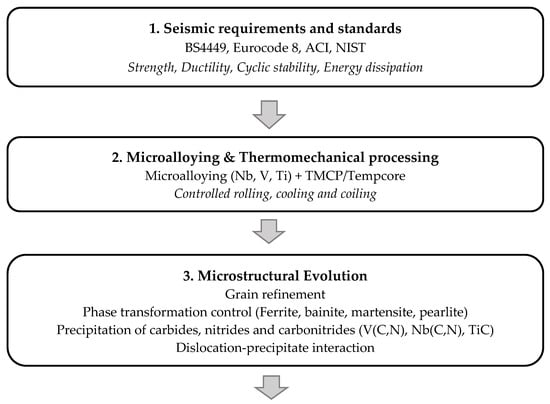
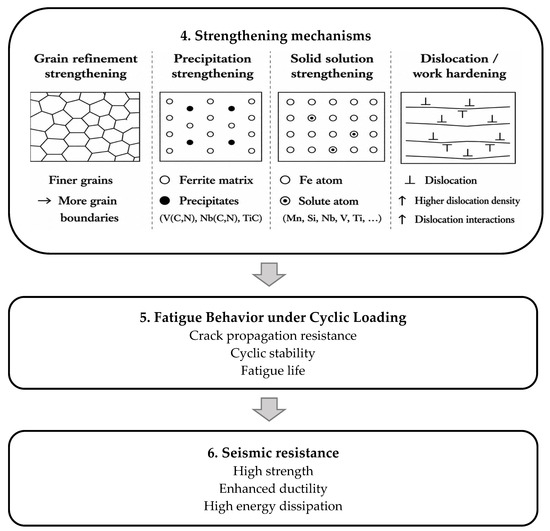
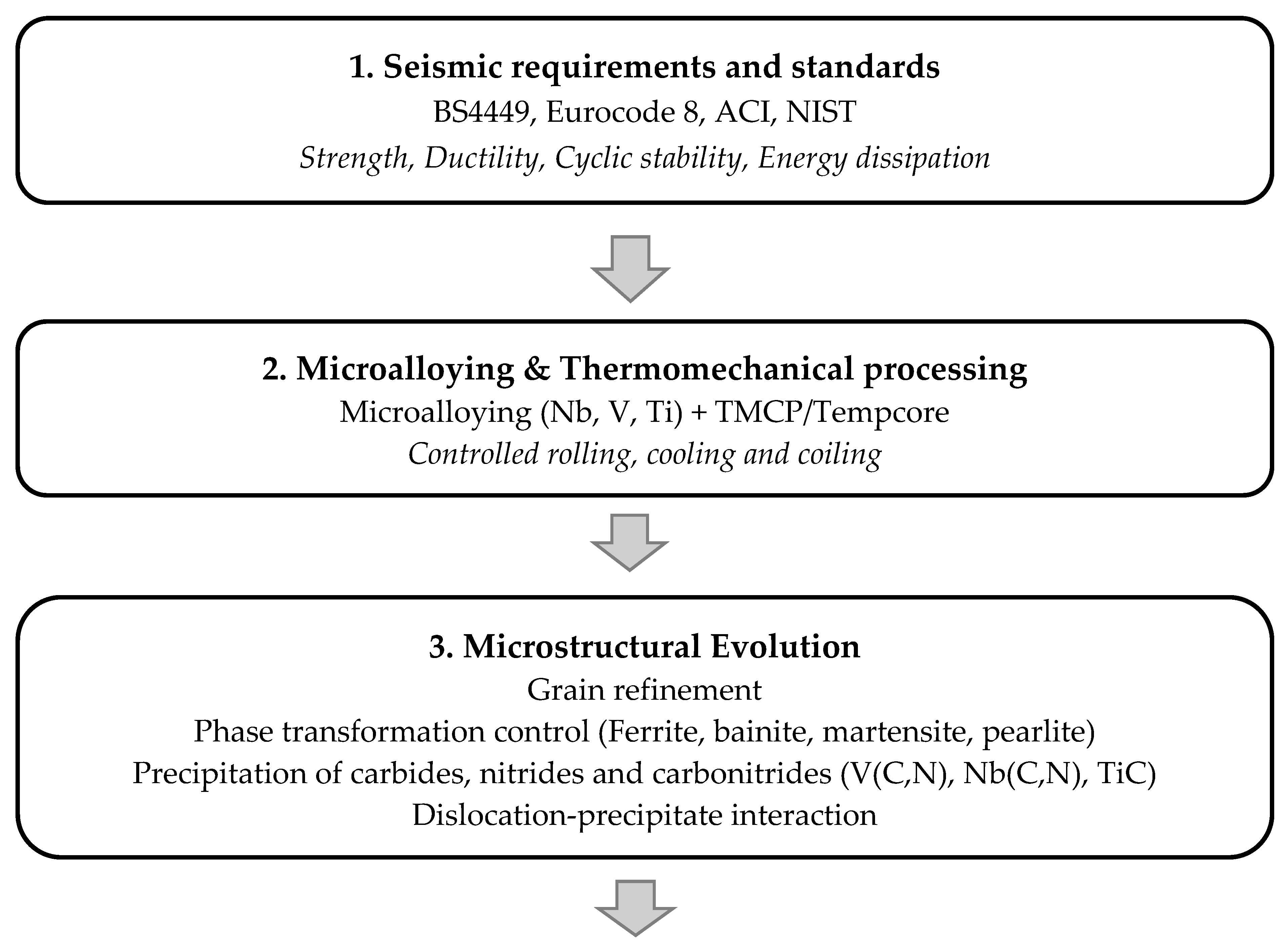
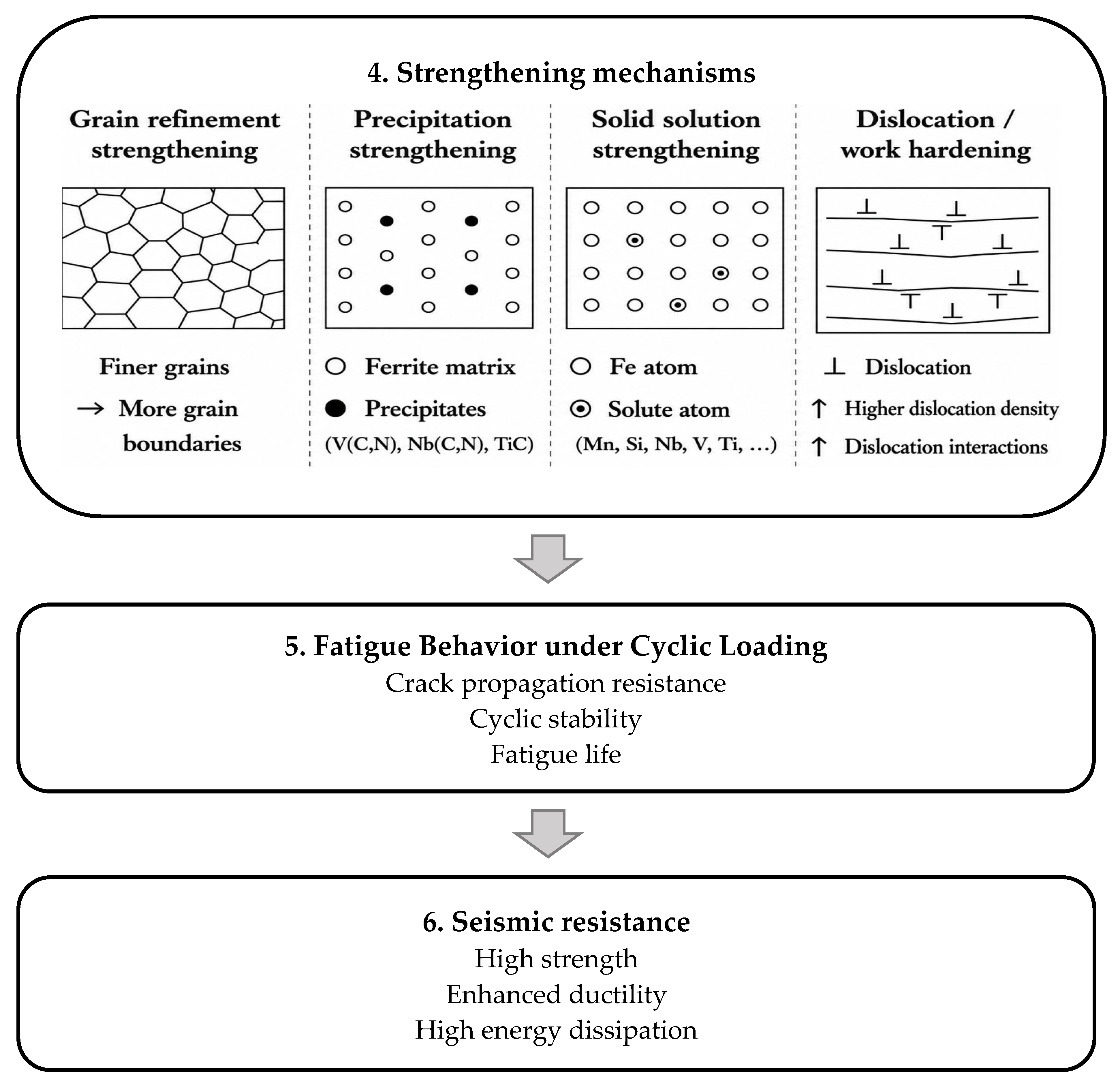
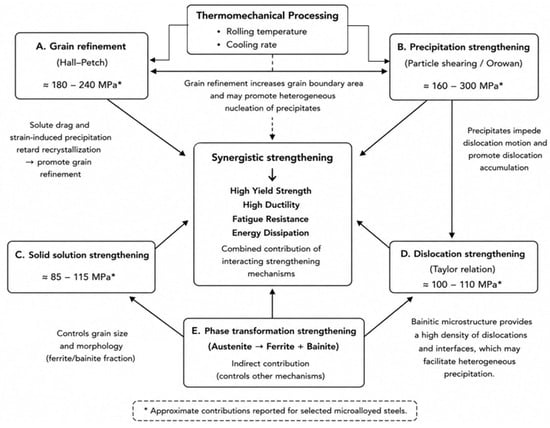
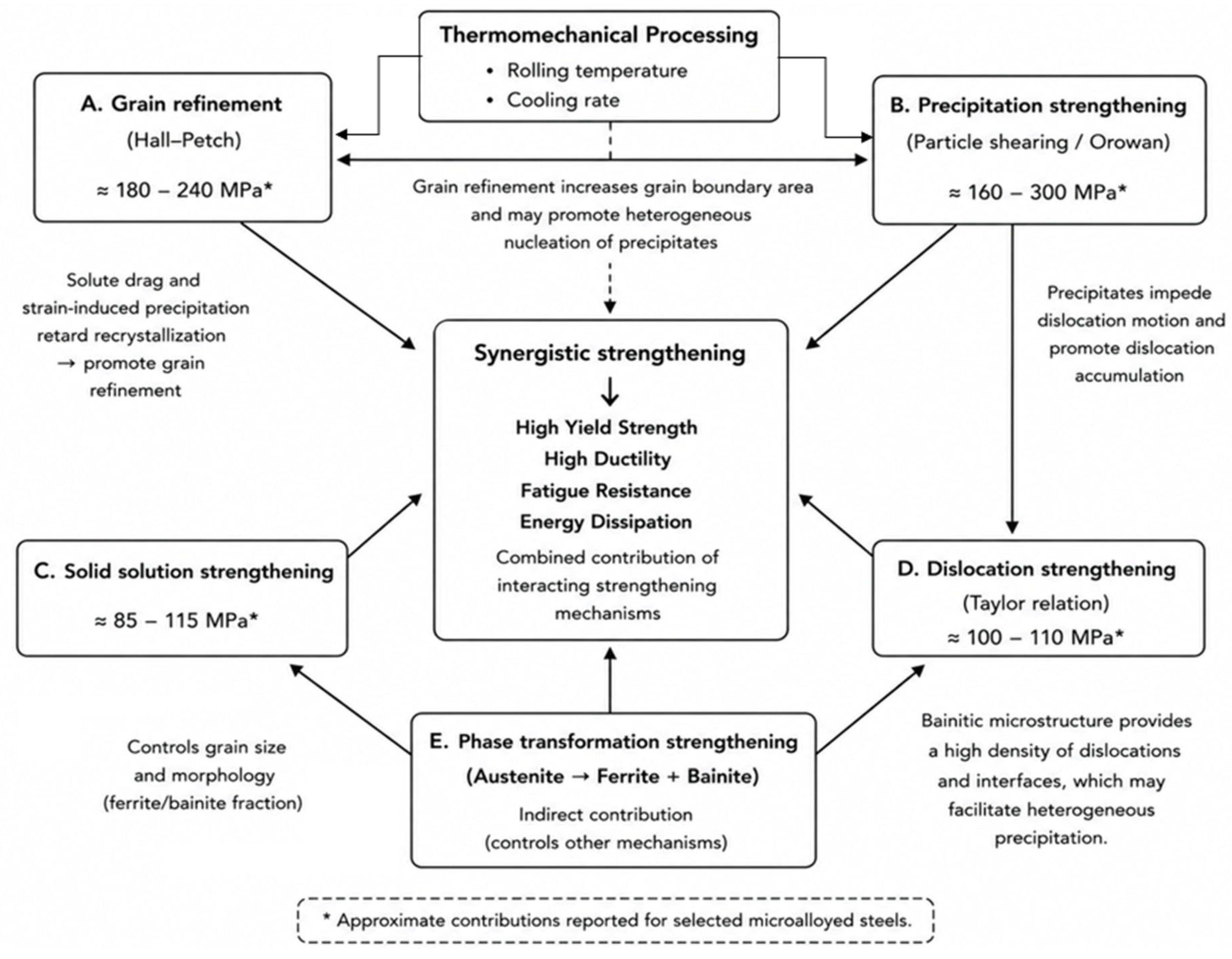

Disclaimer/Publisher’s Note: The statements, opinions and data contained in all publications are solely those of the individual author(s) and contributor(s) and not of MDPI and/or the editor(s). MDPI and/or the editor(s) disclaim responsibility for any injury to people or property resulting from any ideas, methods, instructions or products referred to in the content. |
© 2026 by the authors. Licensee MDPI, Basel, Switzerland. This article is an open access article distributed under the terms and conditions of the Creative Commons Attribution (CC BY) license.