


Abstract
Diversion is defined as the practice of providing an alternative outcome for children who have engaged in offending behaviour, which keeps them away from the formal criminal justice system. Diversion is a significant element of the Child First approach, and is widely implemented across England and Wales. The increase in use of diversion in recent years has contributed to reductions in First Time Entrant rates; however, evidence regarding whether these measures reduce reoffending is limited. Diversion practices vary significantly both nationally and internationally. Hence, much could be learnt from reviewing the international literature to establish what could be implemented in England and Wales. Therefore, this systematic review aims to explore the effect of different types of diversion measures on reoffending in First Time Entrants. To do this, a comprehensive search of 10 electronic databases was undertaken to systematically identify literature relating to youth justice diversion. A systematic screening procedure was followed to identify studies that met inclusion criteria, data on key information was extracted and studies were assessed using a quality assessment tool. Results were synthesised using the EMMIE framework, to increase applicability to practice. A total of 12 distinct studies were included in the review, with both experimental and quasi-experimental design. One study was conducted in Norway, one in the Netherlands and the rest in the United States of America. Findings were varied but generally suggested diversion leads to lower rates of recorded reoffending than formal processing. When comparing between types of diversion, often there was no difference in reoffending but generally, the least intensive intervention showed the best results. However, findings from one study that considered self-reported offending prompts consideration of whether diversion genuinely affects behaviour or simply influences the detection of offences. This review indicates promising results for diversion interventions but highlights the need for further research to provide conclusive evidence regarding which measures are most effective.
1. Introduction
Contact with the criminal justice system has been described as “a violent disruption of a child’s life” which risks their well-being and development (Anderson & Ratanadilok, 2019, p. 200). Formal system contact is widely understood to be harmful for children, and research suggests it may increase the risk of future offending behaviour (McAra & McVie, 2007). This is underpinned by labelling theory, which highlights the impact of stigmatisation on identity development and future behaviour (H. S. Becker, 1963). To minimise these negative effects, diversion measures intend to keep children away from formal justice processes, particularly for those with relatively minor or first offences. Diversion measures have been used within the justice system in England and Wales for decades. For example, the use of police warnings or cautions was first documented in 1858 (Steer, 1970 as cited by Cushing, 2014), though their use has fluctuated and been significantly impacted by political trends. At present, diversion measures are widely implemented across Youth Justice Services (YJSs) in England and Wales (Robin-D’Cruz & Tibbs, 2019) and diversion forms a significant part of the Child First approach (Youth Justice Board [YJB], 2021b). However, despite enthusiastic uptake in recent years, the theoretical underpinnings of diversion have received little scrutiny, and the evidence base is far from conclusive (Haines et al., 2020). It seems apparent that increasing diversion will reduce first time entrant (FTE) rates, a key performance indicator measured by the youth justice board (Youth Justice Board [YJB], 2025), as children who have been diverted are simply excluded from this statistic. However, whether it has a positive impact on their subsequent behaviour is less clear.
Smith (2024) describes areas of “uncertainty, incomplete knowledge and controversy” (p. 140) within this field and research appears to be significantly impacted by the ambiguity in both definition and practice (Hoge, 2016). Broadly, diversion aims to direct children away from the criminal justice system in order to reduce the intrusion and stigmatisation they experience. This is understood to have a positive impact on wellbeing but also on future offending behaviour, as children are less likely to have internalised a ‘criminal’ identity and are more able to desist from offending (Bramley et al., 2019). However, exactly what children are intended to be diverted from and to is unclear, and often variable in practice (Richards, 2014). Diversion can take place at different points in the criminal justice system and be determined by different organisations such as the police, YJS or court intake officers (Hoge, 2016). International differences in diversion practice are significant, but practice also varies from one US state to another (Niedzwiecki et al., 2015) and from one city to another in England and Wales (Robin-D’Cruz & Tibbs, 2019). Different interventions are often informed by different theoretical models and approaches (Smith, 2018) such as restorative justice interventions where the focus is on repairing harm (Braithwaite, 1989; Tyler, 2006) or welfare interventions which aim to promote the wellbeing of the child and their family (Pratt, 1986, as cited in Smith, 2018).
Within the field of diversion, there has historically been a tension between what Cohen (1979, p. 349) called “true diversion” which involves removing the child from the system entirely and “new diversion” which involves offering intervention in place of a formal criminal justice response. On one hand, some consider diversion as an approach that involves minimal, or even no intervention, to minimise the child’s contact with the system as much as possible and thus have the greatest effect in terms of reducing risk of labelling and stigma (Schur, 1973). Meanwhile, others consider it a proactive, intervention-focused practice, where significant resources are used to intervene with the individual to meet their needs and provide them with the support they need to be able to desist from offending behaviour, which Kelly and Armitage (2015, p. 117) call “interventionist diversion”. These two approaches are opposing, meaning the field lacks clarity regarding what effective practice should look like (Hoge, 2016). Furthermore, due to court backlogs since the COVID-19 pandemic (Crest Advisory, 2022) and the financial implications of court processing, there is often a focus on reducing the number of children who are processed through court, without evidence of whether the alternative is more effective.
Out-of-court disposals are used in England and Wales to divert children away from formal court processes (Youth Justice Board [YJB], 2024). These can be informal outcomes given by the police, in conjunction with the YJS, to avoid a child having to be formally processed. For example, Outcome 22 can be used when a child engages in some sort of diversionary intervention and therefore no further action is taken. This outcome can be used at any stage of an investigation, including in the early stages when the evidential threshold is not met (e.g., because a victim does not wish to continue), or at a later stage when the decision can be made to defer prosecution until the child has been given opportunity to engage in diversionary intervention. In this case, if they complete the identified intervention there will be no further action but if they do not, the investigation may continue, and a charge may be given. Alternatively, a Community Resolution can be given for ‘low-level’ offences where a course of action is set, such as engaging in intervention or apologising to the victim, but there are no consequences if the child does not complete this. Out-of-court disposals can also be a more formal process, in the form of a Youth Caution or Youth Conditional Caution. For this outcome a child is still interviewed by the police under caution; however, if they provide a full admission of guilt, a caution may be deemed appropriate. An assessment is completed by the YJS to identify necessary work, lasting no longer than 16 weeks. The difference between the two is that a conditional caution involves compulsory conditions which the child must complete to avoid being sent to court, while the intervention associated with standard cautions is voluntary. Whilst these processes provide some structure to the diversion methods in England and Wales, there is still variability as to how this looks in practice in different areas of England and Wales. As diversion is not a statutory requirement of YJSs, formal data is not collected on exactly how diversion is implemented in each service/area for example, who is diverted, for what offences and what impact this has on subsequent offending or desistance (Robin-D’Cruz & Tibbs, 2019). A review by Keenan et al. (2023) provides a comprehensive overview of the research in England and Wales which enhances understanding of current practice but also highlights the lack of ‘rigorous empirical research in the field’ (p. 199).
Furthermore, out-of-court disposals, as used in England and Wales, are often what Hoge (2016) describes as a “quasi-judicial program” in that the child is not entirely “divorced from the system” (p. 993) as they still meet with the police, attend a YJS building and can be requested to complete a range of interventions, in some cases with the threat of being formally charged if these are not completed. Their intervention could look very similar to a child who has been processed formally and given a short community order, the only difference being that they have not attended court. Furthermore, even informal out-of-court disposals can be disclosed on enhanced Disclosure and Barring Service checks (Kelly & Armitage, 2015), meaning it could be argued that this contact can still be oppressive and stigmatising and perhaps even leads to question whether this is aligned with the true meaning of diversion (Cushing, 2016).
There are also restrictions of diversion in different areas, which can impact who is eligible to be diverted. For example, in England and Wales children are required to admit their offence, or at least accept responsibility, to be eligible for some diversion outcomes (Youth Justice Board [YJB], 2024), which Cushing (2014) describes as “regrettable” (p. 41) as it can put pressure on children to admit guilt so that they can avoid formal processing, regardless of whether this is true. Furthermore, if decisions regarding diversion depend on factors such as prior system contact, diversion may be at risk of amplifying inequalities, as Black and mixed heritage boys are more likely to have already had contact due to this group being disproportionately criminalised (Her Majesty’s Inspectorate of Probation [HMIP], 2021).
While diversion intends to reduce offending by keeping children from the system, there is a risk that it may increase the number of children in contact with the justice system, by including children in diversion schemes who would otherwise not have had any system contact (i.e., would have been released by the police with no further action) (Hoge, 2016). Cohen (1979) described the “irony” (p. 346) of alternative diversion interventions in fact becoming “programs which supplement the existing system … attracting new populations”, describing this as “widening the net” (p. 347). The term ‘net-widening’ is now commonly used, and increased awareness means efforts are made for this to be avoided. However, it can often still occur unintentionally, for example when police or schools are tempted to use an available diversion intervention because of its reported effectiveness, with a child whose offending would have otherwise been dealt with an informal warning or typical school discipline procedures (Hoge, 2016). Being involved in diversion may have stigmatising effects, particularly when compared to having no contact with the system, and it can increase the risk of future formal processing if conditions of the diversion are breached, hence potentially criminalising children unnecessarily. Debates regarding diversion have been ongoing for decades (Bullington et al., 1978) and this tension between ‘doing nothing’ and ‘doing something’ is yet to be resolved.
To summarise, diversion is currently a youth justice priority in England and Wales (Youth Justice Board [YJB], 2021b) and whilst the theoretical basis for this is sound—and there is significant research evidence to suggest formal processing is harmful for children and increases risk of reoffending (McAra & McVie, 2007)—there is a gap in our understanding of what good diversion looks like. Below, existing reviews of the literature are discussed and the purpose of the current review is outlined, aiming to go some way filling this gap by reviewing existing studies from around the world to inform diversion practices in England and Wales.
1.1. Previous Reviews
There are several existing reviews in the field of youth justice diversion. Whilst their findings vary, they generally suggest that diversion measures are effective at reducing recidivism when compared to formal processing, particularly when these occur pre-charge, but have differing findings related to what types of diversion measures are most effective. A review by Petrosino et al. (2010) concluded that formal processing had a negative impact on reoffending. They found the biggest differences in studies that compared formal processing to diversion with services, rather than minimal intervention, suggesting that diversion into supportive services is most effective. Meanwhile, two meta-analyses have explored the effectiveness of youth diversion measures (Schwalbe et al., 2012; H. A. Wilson & Hoge, 2013), with differing findings. The results of H. A. Wilson and Hoge’s (2013) review indicated that diversion is more effective at reducing reoffending than formal justice processing. Specifically, they found pre-charge diversion to be more effective than post-charge. Meanwhile, Schwalbe et al. (2012) found a non-significant relationship between diversion and reoffending, with only family-based interventions being found to be effective. Within these and other similar reviews, it is difficult to identify commonality in the population targeted, the point of intervention, the content of the programme and the intended outcomes. Later reviews have therefore tended to have a more specific focus, for example, J. S. Wong et al. (2016) examined diversion programmes informed by restorative justice, finding them to be generally effective. Meanwhile, D. B. Wilson et al. (2018) examined the effectiveness of specific diversion measures which are initiated pre-charge by the police. They also found that these measures significantly reduce future “delinquent behaviour” when compared to traditional processing.
While these more specific reviews have been helpful, they do not represent the types of diversion commonly used across England and Wales today (Keenan et al., 2023). Furthermore, even the latest of these reviews (D. B. Wilson et al., 2018) only includes papers until January 2017, meaning more recent research is not represented. Most recently, an evidence review has been completed by the Youth Endowment Fund and National Children’s Bureau (Keenan et al., 2023) which provides a comprehensive summary of the evidence in this field. However, it is limited to only research in England and Wales, meaning there continues to be a gap in the field for a thorough review of international research, which could help inform practice.
Furthermore, in previous reviews, there is significant heterogeneity within the populations studied, particularly concerning prior justice system involvement. This is a problem when considering that diversion intends to minimise any negative impacts of system involvement, meaning those who have previously had formal system involvement are unlikely to benefit from the effects of diversion in the same way that FTEs would. There is therefore a need for further review which is more specific about exactly who is being diverted and from what.
1.2. The Current Review
This systematic review aims to synthesise current evidence related to the effectiveness of diversion interventions in reducing reoffending in FTEs. Given the varying definitions of diversion, as discussed above, it was important to clearly define the concept of diversion within this review. Diversion is defined as any intervention or measure by which children receive an alternative outcome that avoids escalation into the formal youth justice system (Youth Justice Board [YJB], 2021a), specifically diversion which occurs prior to the child attending court. In this review, the diverted population are defined as children with no previous recorded offending, due to the need for specificity regarding the different types of diversion carried out with different groups. An up-to-date international review of the literature is also required given the increased focus on diversion internationally in the past decade and hence the potential for a large research output measuring effectiveness of new interventions which would not have been included in previous reviews. In order to increase the utility of this review for practitioners and policymakers, this review is informed by principles of realist evaluation (Pawson & Tilley, 1997) and uses the EMMIE framework (Johnson et al., 2015) to synthesise the evidence. As well as considering effectiveness, this method of synthesis considers how a given intervention might produce the desired effects and what conditions might make them more or less likely (Tompson et al., 2021). It also considers the challenges associated with implementing diversion measures and their cost-effectiveness given these are important considerations for policymakers when considering whether an effective intervention will be implemented. An overview of the EMMIE framework is provided in Table 1.
Table 1.
EMMIE framework elements and definitions (Johnson et al., 2015).
1.3. Study Selection Criteria
The inclusion criteria used for selecting studies are provided in Box 1. Any study that did not fulfil the criteria was therefore excluded from the review. Publication date was restricted to 2008 onwards, due to the changes in diversion policy that happened in the UK during this year and the change in diversion practices internationally during this period, in addition to the fact that earlier research has been robustly reviewed by previous authors and therefore inclusion would lead to repetition of previous findings.
Box 1. Definitions of inclusion and exclusion criteria.
| Population: Children aged 10–17 years who are suspected to have perpetrated their first offence. Studies that include individuals outside this range will be included only if more than 80% of participants are within the desired age range. Studies that describe any prior offending by the child are excluded. Intervention: Any programme, intervention, measure or scheme which diverts children away from formal contact with the youth justice system. Must take place before the child has been involved in any formal justice procedures (e.g., attending court). Comparison: Control group who have not been offered the diversion being measured. Could be formally processed through the system (e.g., attend court) or be offered an alternative form of diversion (i.e., no intervention or a control intervention). Studies where the control group are children who refused to participate or did not complete the intervention will be excluded. There must also be some attempt to ensure the comparison group is comparable to the intervention group in terms of the severity of offending (e.g., same eligibility criteria, participant matching or statistical controls). Outcome: Quantitative measures of offending behaviour including arrests, convictions, reports of antisocial behaviour, scores on self-report measures of offending behaviour. Qualitative measures will be excluded. Study Design: Experimental and quasi-experimental design with a control group. Language: No restrictions. Effort will be made to translate papers into English as accurately as possible to include in the review. Where this is not possible, publications may have to be excluded. Date: Published between January 2008 and August 2024. |
2. Methods
A protocol was developed outlining the objectives and methodology for the review, which was then followed precisely to reduce the risk of bias. The steps of a systematic review were followed, as outlined in the Cochrane Handbook for Systematic Reviews of Interventions (Higgins et al., 2019). Preferred Reporting Items for Systematic Reviews and Meta-Analyses (PRISMA) guidelines (Page et al., 2021) were also referenced to ensure all elements of the review are appropriately reported.
2.1. Search Strategy
A search strategy was developed to access all research, published and unpublished, related to the effectiveness of diversion interventions within youth justice.
2.1.1. Sources of Literature
An electronic literature search was conducted in August 2024 within the following sources:
- OVID PsycInfo;
- OVID Medline;
- Scopus;
- ProQuest National Criminal Justice Reference Service (NJCRS) Abstracts;
- ProQuest Criminal Justice Database;
- ProQuest Applied Social Sciences Index and Abstract (ASSIA);
- ProQuest Policy File Index;
- Campbell Collaboration Library;
- ProQuest Dissertations & Theses A&I;
- Open Science Framework;
- Bibliographies of existing reviews in this field;
- Forward and backward citation searches of included studies (using Scopus or Google Scholar);
- Contacting field experts regarding their knowledge of any additional studies that meet the inclusion criteria.
2.1.2. Search Terms
Search terms used within the electronic databases are outlined in Box 2. These were created following scoping searches of the literature which helped establish the types of words commonly used to describe the key terms. Scoping searches also revealed terms which needed to be more specific, for example, excluding reports related to “cardiac arrest”. This meant search terms were able to effectively capture all of the relevant literature, without creating unnecessary workload of screening large numbers of entirely irrelevant reports. Search terms were intentionally broad, to ensure inclusion of all the relevant literature, given the inconsistent definitions of terms within this field. Where necessary, the strategy was adapted to fit the relevant database.
Box 2. Search terms for online databases.
| youth* OR child* OR adolescen* OR juvenile* OR student* OR pupil* OR teen* OR kids OR minors OR boy* OR girl* OR “under 18” OR “under-18” OR (young ADJ (person OR people OR offender OR offenders OR men OR women)) AND crime OR criminal* OR offend* OR offence* OR offense* OR reoffend* OR re-offend* OR antisocial OR anti-social OR illegal OR delinquen* OR devian* OR aggress* OR violen* OR recidivis* OR (arrest* NOT cardiac) OR rearrest* OR re-arrest* OR convict* OR reconvict* OR re-convict* OR (charge* ADJ3 (offence* OR offense* OR crim*)) OR adjudicat* OR justice OR “first time entrant” OR police OR policing OR court OR “law enforcement” OR corrections OR correctional OR misdemean* OR misconduct AND divert OR diverting OR diverted OR diversion* OR caution* OR (warning ADJ4 police) OR reprimand OR pre-trial OR pretrial OR pre-charge OR pre-caution OR pre-court OR pre-arrest OR prearrest OR pre-booking OR “out-of-court” OR “out of court” OR “community resolution” OR “no further action” OR “outcome 21” OR “outcome 22” OR “mental health court” OR “teen court” OR “children’s court” OR “drug court” OR “restorative justice” OR restitution OR “early intervention” OR “non-prosecution” OR “deferred prosecution” OR (triage ADJ3 (model OR scheme OR programme OR project)) OR (alternative ADJ3 (outcome OR disposal OR disposition OR program* OR intervention OR prosecution OR sentence)) |
2.2. Study Selection
All publications retrieved from the search were stored within Endnote 20 and duplicates were removed by the software. Publications were then exported into Rayyan (Ouzzani et al., 2016), an online screening tool. The titles and abstracts of all publications were screened for eligibility according to the above inclusion criteria (Box 1). Once all publications had been screened, the included studies were then read in full to determine eligibility. Studies were included only if the majority of participants were aged 10–17 and had not previously engaged in offending behaviour. Diversion measures had to be implemented prior to any formal justice system procedures and the study had to have an experimental or quasi-experimental design and include a comparison group. The comparison could either have been formally processed or offered an alternative form of diversion and there had to be some attempt to ensure the two groups were comparable. The outcome for all studies had to be a quantitative measure of offending.
Where publications were not in English, an online translation tool was used to establish eligibility. All of these publications were excluded based on their title/abstract and therefore no further translation was required.
2.3. Quality Assessment
The QualSyst checklist for assessing the quality of quantitative studies (Kmet et al., 2004) was used to assess the included studies. This validated tool was selected due to its capacity to be used with any quantitative study design, meaning it was suitable for all included studies. The tool includes a checklist of 14 questions which are rated as “yes”, “partial”, “no” or “not applicable” and a summary score is then calculated. The manual provides guidance regarding how each item should be scored (Kmet et al., 2004). Quality assessment was completed for each paper by the first author. An impartial second reviewer then assessed a random selection of four papers (25%) to ensure inter-rater reliability. Discrepancies in ratings between the two reviewers were discussed and an agreement reached. The quality assessment was intended to provide more detailed information for the review, rather than identify publications to be excluded.
2.4. Data Extraction
Data extraction was completed for all included studies using a pre-defined proforma, which is considered best practice to reduce risk of error and bias (Taylor et al., 2021). Before use, the proforma was piloted on three studies included in D. B. Wilson et al.’s (2018) review and improvements were made. The proforma was completed for each study and saved in preparation for data synthesis. Data extracted included general information related to the report, characteristics of the study, details of the intervention and control group, outcomes measures, results observed, any mechanisms and moderators discussed, any information regarding implementation or cost/benefit analysis and finally the conclusions drawn.
3. Results
The above database search resulted in a total of 14,785 results which were downloaded into EndNote 20 (see Figure 1). The reference lists of previous reviews in this field (Keenan et al., 2023; Schwalbe et al., 2012; D. B. Wilson et al., 2018; H. A. Wilson & Hoge, 2013) were also downloaded, restricted by publication date, and added to the folder in EndNote 20. This resulted in addition of 163 records. Next, 4163 duplicates were removed, leaving 10,785 results. After titles and abstracts were screened, a further 10,653 were removed, meaning only 132 remained. These reports were then used for forward and backward citation searching using Scopus and Google Scholar and a further 25 new reports were added whose title and abstract fit the screening criteria. Field experts were contacted, and one additional paper was identified (Nadel et al., 2019).
Figure 1.
PRISMA diagram of systematic study selection process.
There was therefore a total of 153 records for potential inclusion. These reports were then read in full by the first author and compared to the inclusion criteria to confirm their eligibility, consulting the second author when required to discuss eligibility queries. Ninety-eight studies were excluded due to not fitting the inclusion criteria. Reasons for exclusion are provided within Figure 1.
This resulted in 21 reports being included in the final review: 14 journal articles, six PhD or MSc theses, and one technical report. Three of the theses and the technical report reported the same studies included within the journal articles. However, these were included, in line with Cochrane guidance (Higgins et al., 2019), to provide the most complete information possible about the studies. Within the remaining 17 reports, there were three large scale, long-term studies that are explored within multiple reports—The Crossroads Study (Beardslee et al., 2019; Cauffman et al., 2021; Fine et al., 2017; Robertson et al., 2021), The Indianapolis Juvenile Restorative Justice Experiment (Hipple & McGarrell, 2008; Jeong et al., 2012) and The Philadelphia Police School Diversion Program (Goldstein et al., 2019; NeMoyer et al., 2023a). So as not to inflate their findings, the groups of reports are recorded under one ‘study’, but it should be noted that each report has its own methodology.
3.1. Characteristics of Included Studies
The characteristics and main findings of the included studies are presented in Table 2. Ten studies were completed in the USA, one in Norway and one in the Netherlands. Studies were published between 2008 and 2024. None of the studies were included in previous reviews (Petrosino et al., 2010; Schwalbe et al., 2012; D. B. Wilson et al., 2018; H. A. Wilson & Hoge, 2013). Three studies used a randomised experimental design, while nine were quasi-experimental, all using quantitative data.
Table 2.
Characteristics and results of included studies.
A total sample of 126,587 participants contributed to the data reviewed. They ranged in age from seven to 22 years with a mean age of 15.0 years. The number of participants in each study ranged from 193 to 102,024. All studies had a majority male sample however, the size of this majority varied greatly from 54.4% to 71.4% in studies without restrictions and 100% male in the Crossroads Study which restricted inclusion to boys only. Ethnicity of participants was well reported, with all studies referencing ethnicity or heritage and most studies including a relatively detailed ethnicity split. This demonstrates an improvement in modern studies as eight studies in D. B. Wilson et al.’s (2018) review did not include any information about ethnicity. However, some studies only reported simplified groups such as “White” and “other” or “Dutch parents” and “non-Dutch parents” which likely missed relevant detail. The split of ethnicities greatly varied depending on the location of the study, for example studies in California had a large proportion of Latinx participants, whilst studies in Philadelphia had predominantly Black participants.
The most common diversion intervention measured was teen court, which was evaluated in four separate studies (Hartsell & Novak, 2022; Jacobsen, 2013; Norris et al., 2011; R. Y. Owen, 2020), one of which also measured drug court (Hartsell & Novak, 2022). All other diversion interventions were unique. Two interventions were based on restorative justice principles (Jeong et al., 2012; Norris et al., 2011), one used ‘scared straight’ principles (Adamson, 2018), one used ‘civil citation’ which included community service hours, access to counselling, treatment, and other appropriate community resources (Nadel et al., 2019), and another used motivational interviewing (D’Amico et al., 2013). Those diverted in the Crossroads study experienced probation supervision (Petrosino et al., 2010; Schwalbe et al., 2012; D. B. Wilson et al., 2018; H. A. Wilson & Hoge, 2013) and those diverted in the Philadelphia School Diversion Program were referred to voluntary community-based services by a social worker (Goldstein et al., 2019; NeMoyer et al., 2023a). One study examined a ‘conditional waiver of prosecution’ which involved no immediate punishment but a period of 6–24 months in which any further offence will result in the original case being resumed (Sandøy et al., 2024). For some this also involved specified conditions such as attending appointments with healthcare or substance-use services.
Similarly, comparison groups varied, with six comparing the diversion to formal processing and six comparing it to another type of diversion. Formal processing included being arrested (compared to being diverted pre-arrest) (e.g., Goldstein et al., 2019) and being processed through a formal court system (e.g., Hartsell & Novak, 2022). Alternative diversions tended to be the standard diversion being offered in that area, for example diversion delivered by probation (Jacobsen, 2013). One study created a placebo group in which children were diverted but did not receive the intervention being studied (Vooren et al., 2023).
All studies used a binary measure of reoffending, taken from official records. Reoffending was defined differently across the studies, some used re-arrest data (Adamson, 2018; Goldstein et al., 2019; Hartsell & Novak, 2022; Nadel et al., 2019) one used court referral data (R. Y. Owen, 2020) and another used reconviction data (Jacobsen, 2013). Some studies did not provide a definition of reoffending, for example Vooren et al. (2023) reported to use data on “criminal involvement” (p. 698) with no information on how this was defined. Two papers indicated exclusion criteria, namely excluding traffic violations (Jacobsen, 2013; Norris et al., 2011). The follow-up periods in the studies varied greatly, from as short as six months to as long as 12 years.
Time to reoffend was examined by Sandøy et al. (2024) and in studies associated with the Indianapolis Juvenile Restorative Justice Experiment (Hipple & McGarrell, 2008; Jeong et al., 2012). These studies also measured the number of subsequent offences, as did Jacobsen (2013). Self-reported offending was used by the Crossroads Study and D’Amico et al.’s (2013) study, in addition to officially recorded reoffending.
3.2. Quality of Included Studies
The quality assessment scores calculated using the QualSyst tool (Kmet et al., 2004) are provided in Table 2. Overall, the quality of included studies was high, with all scoring above Kmet et al.’s (2004) suggestion of a “conservative” cut-off of 75%. The high quality was likely impacted by the inclusion criteria, which excluded papers that did not attempt to make the comparison groups comparable, for example by using matching or statistical controls. This means some low-quality studies may have been excluded within the screening process. Furthermore, the use of official records in all the studies significantly limited the potential for bias within data collection and significantly reduced attrition, both markers of quality. Attrition was minimal in most included studies, with only one study having significant attrition related to issues with linking data between databases, resulting in 14% of the sample being removed (Vooren et al., 2023). However, authors conducted statistical analysis which demonstrated this attrition had minimal effects on the results. The main attrition issue within this review related to the three studies had variable follow-up lengths, due to collecting reoffending data on the same date, regardless of when the child’s offence was committed. This meant that some participants had longer in which to reoffend than others, hence skewing the data. In Jacobsen’s (2013) study, this appears to have affected both the intervention and control groups equally, while in Adamson’s (2018) and Norris et al.’s (2011) studies the follow-up period for the comparison group appears to be significantly longer than for the intervention group. Additionally, in these same two studies, data was only accessible up until the participants turned 18, meaning data was missing for older children in the sample, an example of differential attrition. Neither study appears to have attempted to control for these issues, meaning their results and findings are likely to have been impacted by this bias.
Most quasi-experimental studies acknowledged that randomisation would be the “gold standard” for these types of studies but this is difficult in justice settings due to access to funding and ethical issues associated with giving different outcomes to children who have engaged in the same offending behaviour. Blinding, the practice of reducing bias by preventing researchers and/or participants from knowing which group they are allocated to (National Institute for Health and Care Excellence, 2025), was not used in any of the studies due to the challenges of disguising intervention type. There is a risk that police could have changed their arresting behaviour based on the knowledge of the study or their opinions on diversion; however, there was no evidence of this within the reports.
Selection bias is a key concern for quasi-experimental research, as there is a risk that the samples differ with respect to key variables (Stuart & Rubin, 2008). Propensity score matching (PSM) was used in The Philadelphia Police School Diversion Program (Goldstein et al., 2019; NeMoyer et al., 2023a) and two other studies (Hartsell & Novak, 2022; R. Y. Owen, 2020) as a way to reduce the impact of selection bias. PSM is a statistical method used to replicate a randomised control trial by matching individuals on a set of observable characteristics to better estimate the true effect of an intervention (Austin, 2011). One study used regression methods to reduce selection bias, having a similar effect of being able to reduce the effects of confounding variables (Sandøy et al., 2024). Historical comparison was used by two studies (Adamson, 2018; Norris et al., 2011), comparing the intervention group with a group of children who would have been eligible for the intervention had it been developed when they offended. The critique of this type of sampling is that there may be inherent differences between the groups; however, in this review both studies used regression methods to control for group differences, reducing this bias. The Crossroads Study ensured comparability of groups by selecting children with the same moderate severity offences that are eligible to be processed either formally or informally (Beardslee et al., 2019; Cauffman et al., 2021; Fine et al., 2017; Robertson et al., 2021), as did Nadel et al. (2019). However, authors do acknowledge there may have been some difference between the groups, so key demographic variables were statistically controlled to reduce this potential bias. Similarly, Jacobsen (2013) compared those allocated to teen court with those allocated to the traditional diversion offer, where the general eligibility criteria was the same. However, in this study no statistical controls were used to reduce selection bias, meaning there may have been differences between who was allocated to each group, which may have impacted reoffending.
There was evidence of sampling bias in some of the studies, for example, Beardslee et al.’s (2019) sample of children who had offended but not been arrested were recruited through peers of participants in the main study. However, most studies used pre-existing data which reduced bias and meant they were able to include large sample sizes from across a state (Hartsell & Novak, 2022; Nadel et al., 2019) or country (Sandøy et al., 2024). Sample sizes were generally well matched, though some studies did have imbalanced samples. For example, Hartsell and Novak’s (2022) four sub-samples differed in size from 636 to 5604.
Statistical reporting was mixed. Often, significance of a finding was discussed but effect size was not clearly identified (i.e., could only be found within a table). Power analysis was also rarely mentioned. In order to examine publication bias, the results from journal articles were compared to thesis documents. This did not indicate evidence of bias, as there were similar ratios of significant and non-significant results in the two types of report. However, publication bias may still be relevant, as there may be studies that have never made it into the public domain due to their findings (Hopewell et al., 2009).
The description of the details of the interventions was relatively poor in several studies, meaning experiments were not reproducible. It was not easy to distinguish key features within the text and prior knowledge of the system was often assumed. Often, there was good description of the process of diversion (e.g., attending teen court) but vague information about what happened next (e.g., the sanctions given to the child).
3.3. Data Synthesis
It was not appropriate to use meta-analysis due to the heterogeneity of the interventions and comparators examined in this review, and the variation in methodological study designs used (Lensen, 2023). If completed, an effect estimate would have no meaning or practical utility. Therefore, a narrative synthesis of the included studies is provided below. This synthesis uses the EMMIE framework (Johnson et al., 2015, see Table 1), intended to provide greater context to the review findings, as discussed previously.
3.3.1. Effects
The effects of the diversion intervention on the outcomes of interest were well reported. Studies that compared one type of diversion to another tended not to find a significant difference in reoffending (D’Amico et al., 2013; Jacobsen, 2013; Jeong et al., 2012). Meanwhile, diversion compared to formal processing, tended to show more promising results (Cauffman et al., 2021; Hartsell & Novak, 2022; Nadel et al., 2019; NeMoyer et al., 2023a; Sandøy et al., 2024). This suggests that diversion may be generally more effective than formal processing but that the specific type of diversion used is less important.
Four studies measured the effectiveness of a teen court intervention, one found it was more effective than formal processing (Hartsell & Novak, 2022) while another found no significant difference between teen court and formal processing (R. Y. Owen, 2020). Hartsell and Novak (2022) found it to be more effective than drug court, meanwhile two other studies found it to be no more effective than alternative diversion measures (Jacobsen, 2013; Norris et al., 2011). This difference in findings is likely related to the different implementation of teen court in different areas and, more importantly, the sanctions available for the children to be given.
In studies that compared diversion to non-intervention or less intensive intervention, namely dismissal (Hartsell & Novak, 2022), ‘sanction and dismiss’ (The Crossroads Study, e.g., Fine et al., 2017) or a placebo group who avoided prosecution but were not offered intervention (Vooren et al., 2023), these participants were always least likely to be rearrested. Similarly, the 2 h REACH intervention evaluated by Adamson (2018) was much less intensive than the control group (which included interventions such as substance abuse programmes and community service) and again this was found to be more effective with respect to re-arrest. Meanwhile, in Beardslee et al.’s (2019) study, their ‘undetected’ sample who had committed offences but never been arrested and thus had no intervention at all, were again the least likely to be rearrested. This provides support for the idea of minimal intervention being the most effective form of diversion.
Opposing this, Sandøy et al. (2024) found that a conditional waiver of prosecution was more effective when there were compulsory conditions attached, making it a more intensive intervention. However, this may be because the conditions were effective in their own right, for example substance use intervention or support provided by social services.
Interestingly, the Crossroads Study found that formal processing leads to higher rates of arrest and incarceration after five years and higher rates of self-reported violence but no significant difference in self-reported total offending.
3.3.2. Mechanisms
Most of the studies considered mechanisms within their report. Several studies considered the negative consequences of formal processing and indicated that diversion works by reducing exposure to these consequences. The stress and potential trauma of police/court processes (NeMoyer et al., 2023a), the interruption caused to the child’s life (Beardslee et al., 2019), increased contact with peers who engage in delinquent behaviour (Robertson et al., 2021), exposure to unsafe settings (Beardslee et al., 2019) and stigmatisation (Goldstein et al., 2019) were all discussed as negative consequences that diversion allows children to avoid. Stigmatisation and labelling were discussed by several authors (e.g., Adamson, 2018; Cauffman et al., 2021; Nadel et al., 2019). They consider that the stigma associated with formal justice system involvement can reduce opportunity for prosocial and socially normative opportunities, leading children to become ostracised and pushing them further into criminal behaviour (Goldstein et al., 2019). Furthermore, it can lead to the development of “delinquent” self-identities, which become self-fulfilling as the child behaves in the way that is expected of them (Beardslee et al., 2019; Nadel et al., 2019). The impact of this stigma is also amplified by receiving a criminal record, the impact of which can last into adulthood (Cauffman et al., 2021). Adamson (2018) relate their findings to the fact that REACH is a very short intervention (2 h), meaning children are not embedded in the system and thus the impact of stigmatisation is limited. Similarly, Hartsell and Novak (2022) suggest teen court may be perceived as less formal than drug court or probation, making it less stigmatising and “ensnaring” (p. 1838) and thus more effective.
R. Y. Owen (2020) notes that, while their aim is to reduce this negative impact, diversion interventions can also lead to labelling, as children are often still involved in a justice system process which may have associated stigma. Jacobsen (2013) notes that, while teen court is intended to feel different to formal court, there are significant similarities, which may reduce its effectiveness. Beardslee et al. (2019) also highlight that, while there are differences between the diversion and formal processing experienced by their participants (e.g., shorter time supervised, not having to attend court, no time in police custody, smaller fines), there are also significant similarities between the two as both groups are given community supervision and asked to complete sanctions. Diversion may therefore have been experienced as similar to formal processing in some studies, hence limiting its effectiveness.
Another frequently discussed mechanism to explain why those children who are diverted or dismissed are less likely to be rearrested is the increased monitoring and surveillance experienced by formally processed children (Beardslee et al., 2019; Fine et al., 2017; Goldstein et al., 2019; Hartsell & Novak, 2022; NeMoyer et al., 2023a). Hartsell and Novak (2022) explain that those who are diverted will usually be monitored less closely and for less time than those formally processed, meanwhile those who are dismissed will experience even less monitoring and have no risk of being arrested for technical or administrative violations. They suggest that they may have found teen court to be more successful than drug court due to the different levels of monitoring involved in the two. Beardslee et al. (2019) suggest those with more surveillance may simply be more likely to have their illegal behaviour detected and reported, supported by their finding that none of the ‘undetected’ group were arrested during the follow-up period, despite self-reporting the same level of offending in the follow-up period. They suggest increased surveillance does not just come from the justice system, but also the school, neighbours, parents of peers, etc., who might be more likely to interpret their behaviour as worthy of reporting, with the knowledge that they have been involved with the system.
Deterrence theory, which suggests that children should receive punishment for their offending behaviour, to learn not to repeat it (G. Becker, 1968), was discussed as a mechanism in two studies (Sandøy et al., 2024; Vooren et al., 2023). This theory was proposed by Vooren et al. (2023) as their Halt intervention was found to be significantly less effective than a placebo, leading the authors to suggest that completing the Halt programme did not act as a sufficient deterrent to reoffending due to the nature of the intervention, which focused on restorative justice rather than punishment. They suggest that the restorative focus may have led children to feel ‘justified’ (p. 705) in their offending after completing the intervention as the intervention is considered to have cancelled out any wrongdoing. However, what the authors fail to consider is it may not be that the Halt programme increased risk of reoffending, rather that the placebo group, by not having to attend any intervention, experienced the positive effects of non-intervention. Meanwhile, Sandøy et al. (2024) suggest the success of the conditional waiver of prosecution with conditions may be related to it being experienced as more intrusive and unpleasant than the other options and thus may have a deterrent effect. However, they also recognise it may instead be because the conditions associated allow the child to access effective services.
3.3.3. Moderators
Most of the included studies explored at least one moderating variable, though often non-significant results were found. The impact that completion of the diversion intervention had on effectiveness was explored by three studies. R. Y. Owen (2020) found that the decision to participate in teen court was predictive of reoffending, but whether the child successfully completed all the associated sanctions was not. Meanwhile, Norris et al. (2011) found that those who completed teen court were significantly less likely to reoffend then non-completers. D’Amico et al. (2013) also found that completing all sessions of motivational interviewing slightly reduced likelihood of reoffending. They suggest that completing the sessions could increase the effectiveness of the programme, or non-completion could simply be an indicator of those who are not ready or willing to make positive change. Norris et al. (2011) explored whether the number of sanctions given by a teen court moderated the effectiveness, finding that the more sanctions a child was given, the more likely they were to reoffend. However, this effect disappeared when non-completers were removed, which they suggest may be because too many sanctions increases the risk of drop-out as participants feel alienated by the process. Alternatively, they also suggest it could be that those giving the sanctions had identified those at greatest risk of reoffending and given them more sanctions because they felt they needed the additional intervention.
Within the Crossroads Study, Cauffman et al. (2021) found formal processing was related to lower perceptions of opportunities, less ability to suppress aggression, a greater affiliation with delinquent peers, and slightly lower odds of graduating high school. As those formally processed were found to be more likely to reoffend, any of these factors could be considered moderators. Meanwhile, within the same longitudinal study, Robertson et al. (2021) found that callous-unemotional traits made participants more likely to reoffend, regardless of whether they were diverted or processed formally.
Adamson (2018) found that age was a significant moderator, in that REACH was only effective in reducing re-arrest for older children (age 14–17 years) and not younger (10–13 years) when compared to alternative diversion offers. They suggest that having a first offence at a young age may be indicative of more complex problems and therefore a longer intervention may be required for these children, rather than the 2 h minimal intervention. Similarly, Norris et al. (2011) found that younger children in their sample (age 11–14 years) did not benefit from either teen court or the comparison diversion. They suggest that perhaps these children are too young to ‘take it seriously’.
Vooren et al. (2023) found that the Halt programme was less suitable for those who had committed solo offences compared to group offences. They suggest there may be psychological differences between those who engage in solo, compared to group, offending behaviour. This, alongside other features of a child’s offending behaviour, is worthy of further research.
Several studies also made suggestions regarding moderating variables in their discussion sections, despite not examining these in the study. For example, Jeong et al. (2012) suggested the reason the positive impact of family group conferences did not persist long-term is because it is a short one-hour-long intervention, suggesting that if the conferences were repeated they may have had a greater impact. Similarly, Vooren et al. (2023) suggest that the time between offence and sanction may impact effectiveness, suggesting the poor performance of Halt may have been related to the wait of up to two months between offence and intervention. While Hipple and McGarrell (2008) found the type of facilitator was not a significant moderator of the relationship between diversion and reoffending, they suggest that factors such as how seriously the child takes the intervention and how much the facilitator sticks to their training might moderate effectiveness. All of these potential moderators could be worthy of future investigation.
3.3.4. Implementation
None of the included studies discussed intervention implementation in their reports. This kind of information is usually excluded from published journal articles due to limitations on word count. However, the Philadelphia Police School Diversion Program does have a separate publication, not included in this review, which provides a full implementation outcomes analysis (NeMoyer et al., 2025).
3.3.5. Economics
Financial benefits of diversion were referred to in many of the studies, though usually in very minimal detail (e.g., Cauffman et al., 2021). The relative cost savings of teen court were mentioned by two papers, which both considered the economic benefit of an intervention that relies mainly on volunteers, compared to traditional court processing that has high staffing costs (Norris et al., 2011; R. Y. Owen, 2020). The Philadelphia Police School Diversion Program papers both briefly mention economics but the authors have conducted a full cost–benefit analysis that is published separately (NeMoyer et al., 2023b). They found that the programme produced an annual cost saving of approximately $1.9 million in its fifth year of operation, when comparing the cost of running the diversion programme to the direct savings associated with arrests and the indirect savings related to victim and lost productivity costs.
Interestingly, one paper briefly considers the economic cost of net-widening, noting that including cases in diversion who would have been better served by non-intervention is not cost effective (Norris et al., 2011). This is an important point to note, given there is often significant emphasis on the economic benefits of diversion rather than costs.
4. Discussion
The aim of this systematic review was to synthesise evidence related to the effectiveness of pre-court diversion interventions for children in conflict with the law for the first time. To the authors’ knowledge, it is the first systematic review to consider diversion measures specifically for this population. The included studies are varied with respect to the interventions evaluated, comparison groups used, and results observed, though there are also some trends within the findings.
Overall, the findings provide tentative support for the use of diversion when compared to formal processing, with several studies indicating lower levels of reoffending in these groups. In particular, the findings indicate that the least intensive intervention (including no intervention at all) is usually the most effective at reducing reoffending rates. There was no particular type of diversion measure that appeared most effective and often study design inhibited this type of comparison between studies.
Reducing exposure to the negative consequences of formal processing, namely stigmatisation along with others, was the most commonly described mechanism. This aligns with the literature discussed within the Introduction of this paper, which identifies the function of diversion in reducing stigma and subsequently reducing reoffending (Bramley et al., 2019). The risk that diversion measures can themselves be stigmatising, and perhaps not as different to formal processing as they intend to be, was also discussed. Consideration was given to whether diversion may reduce reoffending rates due to these children being less closely monitored, and thus affecting detected offending rather than behaviour. This was supported by Beardslee et al.’s (2019) findings when comparing those whose offending had gone ‘undetected’ to those who had been arrested. The results of the review also suggest moderators that should be considered include age, intervention uptake and completion, whether the offence was perpetrated as part of a group and individual differences related to personality, namely ‘callous-unemotional’ traits.
The studies were all assessed as relatively high quality and there was no observed difference in the findings of those assessed as the highest quality and those assessed as lower quality, nor between those studies reported in journals compared to thesis documents. While this is a comprehensive review, there are some limitations, outlined below, which provide guidance for areas of future research and review.
4.1. Limitations and Recommendations for Research
The review only included papers from 2008 onwards, due to the changes in diversion policy that happened in the UK during this time, and the fact that there are many existing reviews that have reviewed earlier research. However, given this review’s increased specificity, with the addition of restricting to only studies of FTEs, it may have been beneficial to have included older papers (e.g., McGarrell & Hipple, 2007) for a more complete picture of the literature base.
None of the included studies were conducted in the UK and the majority were conducted in the USA, where criminal justice practices differ significantly. However, this could also be considered a strength of the review, as it provides insight into alternative approaches which the UK could consider adopting. Given the amount of diversion activity that occurs across England and Wales (Robin-D’Cruz & Tibbs, 2019), the lack of inclusion in this review indicates a need for more evaluative research into current practice. It would also be interesting to learn from research in countries which have systems better aligned with Child First principles, such as Scotland (Hazel, 2008) and New Zealand (New Zealand Government, 2024), than those included in this review.
During this review, it was at times challenging to align the definition of “first-time entrant” used in England and Wales (see Box 1) with the population described in the papers. Whilst the definition of FTE is precise, in practice there is some ambiguity regarding this classification, and it is generally a term used within key performance indicator data rather than within services. Since the definition requires that a child must receive a caution or conviction, children may have interactions with the police long before they are formally classified as an FTE. There is also no limit on the number of police contacts or diversion outcomes a child can experience before being classified as an FTE. Because this definition is based on outcomes, any changes to national guidelines concerning decision-making related to these outcomes will affect which children are classified as FTEs. The screening of the papers also highlighted that the term “diversion” is poorly defined and used inconsistently. Other terms used within papers are also poorly defined (e.g., “post-adjudication”) and an intervention with the same name (e.g., drug court) often looks different and is used with different types of children in different areas. While this is somewhat to be expected given that the review explores international literature, future research studies should endeavour to clearly define their intervention and its purpose. Additionally, the screening process of this review highlighted that often diversion interventions are offered to children with a wide range of offending histories, including those who have previously been in custody. While it is positive for all children to be given support to find pathways out of the system, it does seem that “true” diversion may not be being measured in many of these studies. When considering how FTE rates can be reduced in England and Wales, it would be beneficial for future research to focus specifically on this group.
While it is a strength that all studies used an objective, quantitative measure of reoffending in the form of police or court data, this does limit the findings of the review as proven reoffending significantly underrepresents true offending behaviour (Ministry of Justice, 2016), and detection rates differ for different types of offences (N. Owen & Cooper, 2013) which can bias findings. Future research should include self-report measures of offending, similar to the Crossroads Study (e.g., Cauffman et al., 2021) which are not impacted by detection and sanctioning. Furthermore, this will help identify whether diversion measures truly have a positive effect on children’s offending behaviour or simply reduce the likelihood that they are detected, due to being less closely monitored.
As well as binary reoffending data, whether from records or self-report, it is important for studies to consider additional reoffending variables including time to reoffend, number of reoffences and severity of reoffending (Jeong et al., 2012). Desistance can be a lengthy, non-linear process, meaning focusing only on binary reoffending is oversimplified and may mean important markers of success are missed (Bateman & Wigzell, 2020). It is important to have realistic expectations of interventions in youth justice, where the recipients are children who often live in chaotic environments, meaning expecting no ‘slip ups’ may be unrealistic. Looking at long-term data allows for a more accurate picture of the outcomes to be captured, exemplified by studies of the Philadelphia School Diversion Program in which short-term outcomes displayed no significant difference, but long-term outcomes did (Goldstein et al., 2019; NeMoyer et al., 2023a). Additionally, non-offending outcomes are also highly important and often overlooked (K. Wong, 2019). These could include the child’s wellbeing, their educational performance, educational adjustment, use of leisure time, substance use or relationships with their parents (Hoge, 2016). Future studies should consider including these additional markers of success and future systematic reviews may consider exploring a broader range of outcomes to measure effectiveness.
Future research should further explore the mechanisms involved in the relationships between diversion and outcomes for children (Smith, 2024). Hipple et al. (2014) have explored features of Family Group Conferences that improve outcomes, and more research similar to this would be highly useful for practice. Furthermore, it would be interesting for research to explore the meaning that participants make of the intervention they engage with, in order to provide more insights into possible moderators. For example, Norris et al. (2011) suggest that perhaps feeling rejected or embarrassed in a teen court makes it less effective (Norris et al., 2011). It could be beneficial to explore what types of interventions work for children with different characteristics, so that children can be more effectively placed into the diversion interventions that are most likely to work for them (Norris et al., 2011).
This review highlighted the absence of consideration of how diversion interventions are implemented within the included studies. It would be beneficial for future research to evaluate processes as well as outcomes (Mears et al., 2016).
4.2. Conclusions and Implications for Policy and Practice
Overall, this systematic review provides support for minimal intervention and maximum diversion. It tentatively supports diversion into social/healthcare services while highlighting the need for further research into what works for diverting FTEs away from the youth justice system to ensure welfare intervention efforts are not inadvertently punitive or stigmatising. No studies found diversion to be significantly less effective than formal processing, but there is more research to be done to examine how effective diversion is for FTEs and which types of diversion work best. Generally, the findings of this review indicate that diversion practices should continue, as they have the potential to reduce reoffending, as well as being able to process cases more quickly, which is preferable for victims (Crest Advisory, 2022), and with less cost (The Centre for Justice Innovation, 2016). However, it is important to be conscious of the risk of net-widening which should be avoided at all costs.
Of concern is the indication that diversion may simply be effective in removing children from the spotlight of the criminal justice system, so that their offending goes undetected, rather than truly impacting their behaviour. This was supported by findings within the Crossroads Study, in which arrest data was associated with the type of system processing, but overall self-reported offending behaviour was not (Beardslee et al., 2019; Cauffman et al., 2021). This brings into question the findings of all previous studies of diversion interventions which have relied on officially recorded data alone, highlighting the importance of future research considering both self-reported and recorded offending to ensure diversion interventions are facilitating children to make changes to their behaviour, rather than simply allowing them to go “under the radar” (Beardslee et al., 2019, p. 342). Further longitudinal research may also provide clarity regarding whether the initial decision to divert a child, while perhaps initially only keeping their further offending from being detected, may in the long-term lead to changes in behaviour due to not becoming entrapped within the system. This is an important area for future research as there is a risk in this field that practice is driven by meeting targets, but this may not translate to policy interventions that actually benefit children.
The findings of this systematic review should be considered within the context of changes to policy and practice in England and Wales, exploring how elements of effective interventions internationally could be integrated into current diversion offers. For example, consideration may be made regarding how diversion offers could involve less direct intervention with children to reduce stigmatisation and any necessary intervention could be delivered by external services. Furthermore, better evaluation of existing diversion in England and Wales is required in order to establish how and where improvements are required. For example, the vast majority of YJSs in England and Wales have a point of arrest diversion service (Robin-D’Cruz & Tibbs, 2019) but very few have been evaluated and when they have there have often been issues of small sample sizes and unmatched groups (Haines et al., 2013). This highlights the need for funding for research in this area to establish what current practice is working well, so that good practice can be shared, rather than services working in silos.
Adopting best practice in diversion will also require collaboration with associated organisations. For example, the police, who hold significant responsibility in decision-making, tend to be driven by performance indicators related to number of charges (College of Policing, 2023), which diversion measures inherently jeopardise. Hence, a shared understanding of the benefits of diversion and clear policies regarding its implementation will reduce the risk of disagreements between police forces and YJSs. Similarly, HMIP will need to have clear evidence-based criteria for assessing services diversion measures, so that they are not inadvertently encouraging poor practice.
Author Contributions
Conceptualisation, H.S. and E.P.; methodology, H.S.; formal analysis, H.S. and E.P.; data curation, H.S.; writing—original draft preparation, H.S.; writing—review and editing, H.S. and E.P.; supervision, E.P.; visualisation, H.S. All authors have read and agreed to the published version of the manuscript.
Funding
This research received no external funding.
Data Availability Statement
No new data were created or analysed in this study. Data sharing is not applicable to this article. More information regarding the review process and included studies can be requested from the corresponding author.
Conflicts of Interest
The authors declare no conflicts of interest.
References
- Adamson, V. (2018). Diversion programs: Measuring recidivism rates for first-time offenders in the REACH program [Master’s thesis, University of Louisiana at Lafayette]. ProQuest Dissertations & Theses Global. Available online: http://nottingham.idm.oclc.org/login?url=https://www.proquest.com/dissertations-theses/diversion-programs-measuring-recidivism-rates/docview/2207615097/se-2?accountid=8018 (accessed on 29 August 2024).
- Anderson, M., & Ratanadilok, K. (2019). Diversion and restorative justice as tools to protect children from the violence of criminal justice involvement: Lessons from Thailand. In W. O’Brien, & C. Foussard (Eds.), Violence against children in the criminal justice system: Global perspectives on prevention (pp. 198–215). Routledge. [Google Scholar]
- Austin, P. C. (2011). An introduction to propensity score methods for reducing the effects of confounding in observational studies. Multivariate Behavioral Research, 46(3), 399–424. [Google Scholar] [CrossRef] [Scilit] [PubMed]
- Bateman, T., & Wigzell, A. (2020). Exploring recent trends in youth justice reconvictions: A challenge to the complexity thesis. Youth Justice, 20(3), 252–271. [Google Scholar] [CrossRef] [Scilit]
- Beardslee, J., Miltimore, S., Fine, A., Frick, P. J., Steinberg, L., & Cauffman, E. (2019). Under the radar or under arrest: How is adolescent boys’ first contact with the juvenile justice system related to future offending and arrests? Law and Human Behavior, 43(4), 342–357. [Google Scholar] [CrossRef] [Scilit] [PubMed]
- Becker, G. (1968). Crime and punishment: An economic approach. Journal of Political Economy, 76(2), 169–217. [Google Scholar] [CrossRef] [Scilit]
- Becker, H. S. (1963). Outsiders: Studies in the sociology of deviance. The Free Press. [Google Scholar]
- Braithwaite, J. (1989). Crime, shame and reintegration. Cambridge University Press. [Google Scholar] [CrossRef] [Scilit]
- Bramley, R., Hall, M.-A., Ely, C., & Robin-D’Cruz, C. (2019). Youth diversion evidence and practice briefing: Minimising labelling. The Centre for Jusice Innovation. Available online: https://justiceinnovation.org/sites/default/files/media/documents/2019-09/minimising_labelling_final.pdf (accessed on 15 June 2026).
- Bullington, B., Sprowls, J., Katkin, D., & Phillips, M. (1978). A critique of diversionary juvenile justice. Crime & Delinquency, 24(1), 59–71. [Google Scholar] [CrossRef] [Scilit]
- Cauffman, E., Beardslee, J., Fine, A., Frick, P. J., & Steinberg, L. (2021). Crossroads in juvenile justice: The impact of initial processing decision on youth 5 years after first arrest. Development and Psychopathology, 33(2), 700–713. [Google Scholar] [CrossRef] [Scilit] [PubMed]
- Cohen, S. (1979). The punitive city: Notes on the dispersal of social control. Contemporary Crises, 3, 339–363. [Google Scholar] [CrossRef] [Scilit]
- College of Policing. (2023). Measuring success—Key performance indicators for forces. College of Policing. Available online: https://www.college.police.uk/national-operating-model-rasso/measuring-success-transparency-and-data (accessed on 22 September 2024).
- Crest Advisory. (2022). Making the criminal justice system work better: How to improve out-of-court disposals and diversion schemes. Available online: https://www.crestadvisory.com/post/the-use-of-out-of-court-disposals-and-diversion-at-the-front-end (accessed on 28 September 2024).
- Cushing, K. (2014). Diversion from prosecution for young people in England and Wales—Reconsidering the mandatory admission criteria. Youth Justice, 14(2), 140–153. [Google Scholar] [CrossRef] [Scilit]
- Cushing, K. (2016). An analysis of the mandatory admission criterion within youth justice diversionary processes [Doctoral thesis, University of Bedfordshire]. Bedfordshire. Available online: https://www.semanticscholar.org/paper/An-analysis-of-the-mandatory-admission-criterion-Cushing/d8d8e5f02e8015cfd92a04941a86a9b805cb801b (accessed on 22 September 2024).
- D’Amico, E. J., Hunter, S. B., Miles, J. N. V., Ewing, B. A., & Osilla, K. C. (2013). A randomized controlled trial of a group motivational interviewing intervention for adolescents with a first time alcohol or drug offense. Journal of Substance Abuse Treatment, 45(5), 400–408. [Google Scholar] [CrossRef] [Scilit] [PubMed]
- Fine, A., Donley, S., Cavanagh, C., Miltimore, S., Steinberg, L., Frick, P., & Cauffman, E. (2017). And justice for all: Determinants and effects of probation officers’ processing decisions regarding first-time juvenile offenders. Psychology, Public Policy, and Law, 23(1), 105–117. [Google Scholar] [CrossRef] [Scilit]
- Goldstein, N. E. S., Cole, L. M., Houck, M., Haney-Caron, E., Holliday, S. B., Kreimer, R., & Bethel, K. (2019). Dismantling the school-to-prison pipeline: The Philadelphia police school diversion program. Children and Youth Services Review, 101, 61–69. [Google Scholar] [CrossRef] [Scilit]
- Haines, K., Case, S., Davies, K., & Charles, A. (2013). The Swansea Bureau: A model of diversion from the youth justice system. International Journal of Law, Crime and Justice, 41(2), 167–187. [Google Scholar] [CrossRef] [Scilit]
- Haines, K., Case, S., Smith, R., Joe Laidler, K., Hughes, N., Webster, C., Goddard, T., Deakin, J., Johns, D., Richards, K., & Gray, P. (2020). Children and crime: In the moment. Youth Justice, 21(3), 275–298. [Google Scholar] [CrossRef] [Scilit]
- Hartsell, E. N., & Novak, A. (2022). A comparison of re-arrest outcomes between youth in juvenile drug court, teen court, probation, and dismissed cases. Crime and Delinquency, 68(10), 1819–1846. [Google Scholar] [CrossRef] [Scilit]
- Hazel, N. (2008). Cross-national comparison of youth justice. Youth Justice Board. Available online: https://dera.ioe.ac.uk/id/eprint/7996/1/Cross_national_final.pdf (accessed on 2 December 2024).
- Her Majesty’s Inspectorate of Probation [HMIP]. (2021). The experiences of black and mixed heritage boys in the youth justice system. Her Majesty’s Inspectorate of Probation. Available online: https://cdn.websitebuilder.service.justice.gov.uk/uploads/sites/32/2025/03/The-experiences-of-black-and-mixed-heritage-boys-in-the-youth-justice-system-thematic-report-v1.0.pdf (accessed on 7 July 2026).
- Higgins, J. P. T., Thomas, J., Chandler, J., Cumpston, M., Li, T., Page, M. J., & Welch, V. A. (2019). Cochrane handbook for systematic reviews of interventions (2nd ed.). John Wiley & Sons Ltd. [Google Scholar]
- Hipple, N. K., Gruenewald, J., & McGarrell, E. (2014). Restorativeness, procedural justice, and defiance as long-term predictors of reoffending of participants in family group conferences. Crime & Delinquency, 60(8), 1131–1157. [Google Scholar] [CrossRef] [Scilit]
- Hipple, N. K., & McGarrell, E. F. (2008). Comparing police- and civilian-run family group conferences. Policing: An International Journal of Police Strategies & Management, 31(4), 553–577. [Google Scholar] [CrossRef] [Scilit]
- Hoge, R. D. (2016). Application of precharge diversion programs. Criminology and Public Policy, 15(3), 991–999. [Google Scholar] [CrossRef] [Scilit]
- Hopewell, S., Loudon, K., Clarke, M. J., Oxman, A. D., & Dickersin, K. (2009). Publication bias in clinical trials due to statistical significance or direction of trial results. Cochrane Database of Systematic Reviews, 2009(1), Mr000006. [Google Scholar] [CrossRef] [Scilit] [PubMed]
- Huizinga, D., Esbensen, F.-A., & Weiher, A. W. (1991). Are there multiple paths to delinquency. Journal of Criminal Law and Criminology, 82, 83–118. [Google Scholar] [CrossRef] [Scilit]
- Jacobsen, J. L. E. (2013). The relationship between juvenile diversion programs and recidivism for juvenile offenders [Master’s thesis, University of Nevada]. Available online: https://www.proquest.com/docview/1416348303?_bd=wl4%2FtZjdUcg3aK09Bovt0XQqqnM%3D&accountid=8018&bdid=75951&parentSessionId=AP4SQnb%2Bt3V8AFd8O1SGSnsn7hc0W93xkaNyvkSPugQ%3D&sourcetype=Dissertations%20&%20Theses (accessed on 1 September 2024).
- Jeong, S., McGarrell, E. F., & Hipple, N. K. (2012). Long-term impact of family group conferences on re-offending: The Indianapolis restorative justice experiment. Journal of Experimental Criminology, 8(4), 369–385. [Google Scholar] [CrossRef] [Scilit]
- Johnson, S. D., Tilley, N., & Bowers, K. J. (2015). Introducing EMMIE: An evidence rating scale to encourage mixed-method crime prevention synthesis reviews. Journal of Experimental Criminology, 11(3), 459–473. [Google Scholar] [CrossRef] [Scilit]
- Keenan, C., Strange, L., Neyroud, P., & Corr, M.-L. (2023). An evidence review on youth diversion programmes. Youth Endowment Fund and National Children’s Bureau. Available online: https://youthendowmentfund.org.uk/wp-content/uploads/2024/03/NCB-YEF-Diversion-Evidence-Review-for-Publication.pdf (accessed on 1 July 2024).
- Kelly, L., & Armitage, V. (2015). Diverse diversions: Youth justice reform, localized practices, and a ‘new interventionist diversion’? Youth Justice, 15(2), 117–133. [Google Scholar] [CrossRef] [Scilit]
- Kmet, L. M., Lee, R. C., & Cook, L. S. (2004). Standard quality assessment criteria for evaluating primary research papers from a variety of fields. Health Alberta Heritage Foundation for Medical Research. Available online: https://era.library.ualberta.ca/items/48b9b989-c221-4df6-9e35-af782082280e (accessed on 5 August 2024).
- Lensen, S. (2023). When to pool data in a meta-analysis (and when not to)? Fertility and Sterility, 119(6), 902–903. [Google Scholar] [CrossRef] [Scilit] [PubMed]
- McAra, L., & McVie, S. (2007). Youth Justice?: The impact of system contact on patterns of desistance from offending. European Journal of Criminology, 4(3), 315–345. [Google Scholar] [CrossRef] [Scilit]
- McGarrell, E. F., & Hipple, N. K. (2007). Family group conferencing and re-offending among first-time juvenile offenders: The Indianapolis experiment. Justice Quarterly, 24(2), 221–246. [Google Scholar] [CrossRef] [Scilit]
- Mears, D. P., Kuch, J. J., Lindsey, A. M., Siennick, S. E., Pesta, G. B., Greenwald, M. A., & Blomberg, T. G. (2016). Juvenile court and contemporary diversion: Helpful, harmful, or both? Criminology & Public Policy, 15(3), 953–981. [Google Scholar] [CrossRef] [Scilit]
- Ministry of Justice. (2016). Proven reoffending statistics: Definitions and measurement. Ministry of Justice. Available online: https://assets.publishing.service.gov.uk/media/5a8083fbed915d74e33fae03/proven-reoffending-definitions-measurement-Oct16.pdf (accessed on 13 January 2024).
- Nadel, M., Bales, W., & Pesta, G. (2019). An assessment of the effectiveness of civil citation as an alternative to arrest among youth apprehended by law enforcement. Florida State University. [Google Scholar]
- National Institute for Health and Care Excellence. (2025). Glossary. Available online: https://www.nice.org.uk/glossary?letter=b#:~:text=Blinding%20or%20masking,is%20to%20protect%20against%20bias (accessed on 7 July 2026).
- NeMoyer, A., Le, T., Taylor, A., Pollard, A., Kreimer, R., Anjaria, N., Zhang, F., Kikuchi, G., Lattanzio, M., & Goldstein, N. E. S. (2023a). Long-term arrest and school outcomes of the Philadelphia police school diversion program. Psychology, Public Policy, and Law, 29(4), 471–485. [Google Scholar] [CrossRef] [Scilit]
- NeMoyer, A., Mai, C., Kreimer, R., Le, T., Pollard, A., & Goldstein, N. E. S. (2023b). Reducing agency and social costs by keeping kids in school and out of the justice system: A cost–benefit analysis of the Philadelphia Police School Diversion Program. Policing: A Journal of Policy and Practice, 17, paac061. [Google Scholar] [CrossRef] [Scilit]
- NeMoyer, A., Pollard, A., Le, T., Kreimer, R., Lattanzio, M., & Goldstein, N. E. (2025). Implementation outcomes of the Philadelphia Police School Diversion Program: A school-based alternative-to-arrest initiative. Journal of Crime and Justice, 48(1), 73–95. [Google Scholar] [CrossRef] [Scilit]
- New Zealand Government. (2024). The child and youth strategy 2024–2027. Te Kāwanatanga o Aotearoa. Available online: https://www.msd.govt.nz/documents/about-msd-and-our-work/child-youth-wellbeing/strategy-and-plan/the-child-and-youth-strategy-2024-27.pdf (accessed on 8 January 2025).
- Niedzwiecki, E., Irazola, S., Churchill, C., & Field, M. (2015). Massachusetts juvenile diversion assessment study. Office of Juvenile Justice and Delinquency Prevention. Available online: https://static1.squarespace.com/static/58ea378e414fb5fae5ba06c7/t/593709d2197aeac077e3f2f9/1496779220634/MADiversion_FinalReport_2015+01+14-FINAL.PDF (accessed on 2 August 2024).
- Norris, M., Twill, S., & Kim, C. (2011). Smells like teen spirit: Evaluating a midwestern teen court. Crime and Delinquency, 57(2), 199–221. [Google Scholar] [CrossRef] [Scilit]
- Ouzzani, M., Hammady, H., Fedorowicz, Z., & Elmagarmid, A. (2016). Rayyan-a web and mobile app for systematic reviews. Systematic Reviews, 5(1), 210. [Google Scholar] [CrossRef] [Scilit] [PubMed]
- Owen, N., & Cooper, C. (2013). The start of a criminal career: Does the type of debut offence predict future offending. Home Office. Available online: https://assets.publishing.service.gov.uk/government/uploads/system/uploads/attachment_data/file/261222/horr77.pdf (accessed on 2 February 2024).
- Owen, R. Y. (2020). An evaluation of Salt Lake peer court effectiveness: Completion and recidivism [Doctoral thesis, University of Utah]. Available online: https://www.proquest.com/docview/2696856058?_bd=Dps%2BpknuCScbg4G4NrmzUIMx6oA%3D&accountid=8018&bdid=75952&parentSessionId=QgQxvE9rT%2FCNSNp%2BF4zH6NXoy8cWrBi4%2FgZRAH5%2BHqA%3D&sourcetype=Dissertations%20&%20Theses (accessed on 6 September 2024).
- Page, M. J., McKenzie, J. E., Bossuyt, P. M., Boutron, I., Hoffmann, T. C., Mulrow, C. D., Shamseer, L., Tetzlaff, J. M., Akl, E. A., Brennan, S. E., Chou, R., Glanville, J., Grimshaw, J. M., Hróbjartsson, A., Lalu, M. M., Li, T., Loder, E. W., Mayo-Wilson, E., McDonald, S., … Moher, D. (2021). The PRISMA 2020 statement: An updated guideline for reporting systematic reviews. Systematic Reviews, 10(1), 89. [Google Scholar] [CrossRef] [Scilit] [PubMed]
- Pawson, R., & Tilley, N. (1997). Realistic evaluation (1st ed.). SAGE Publications, Limited. [Google Scholar]
- Petrosino, A., Turpin-Petrosino, C., & Guckenburg, S. (2010). Formal system processing of juveniles: Effects on delinquency. Campbell Systematic Reviews, 6(1), 1–88. [Google Scholar] [CrossRef] [Scilit]
- Richards, K. (2014). Blurred lines: Reconsidering the oncept of ‘diversion’ in youth justice systems in Australia. Youth Justice, 14(2), 122–139. [Google Scholar] [CrossRef] [Scilit]
- Robertson, E. L., Frick, P. J., Ray, J. V., Thornton, L. C., Wall Myers, T. D., Steinberg, L., & Cauffman, E. (2021). Do callous–unemotional traits moderate the effects of the juvenile justice system on later offending behavior? Journal of Child Psychology and Psychiatry and Allied Disciplines, 62(2), 212–222. [Google Scholar] [CrossRef] [Scilit] [PubMed]
- Robin-D’Cruz, C., & Tibbs, E. (2019). Mapping youth diversion in England and Wales. The Centre for Justice Innovation. Available online: https://justiceinnovation.org/sites/default/files/media/documents/2019-02/mapping-youth-diversion-in-england-and-wales-final.pdf (accessed on 28 March 2024).
- Sandøy, T. A., Osthus, S., & Bretteville-Jensen, A. L. (2024). Preventing future crime in adolescent drug offenders: A study of differential sanction effects on recidivism. Criminology & Criminal Justice: An International Journal, 24(1), 164–183. [Google Scholar] [CrossRef] [Scilit]
- Schur, E. M. (1973). Radical nonintervention: Rethinking the delinquency problem (1st ed.). Prentice-Hall. [Google Scholar]
- Schwalbe, C. S., Gearing, R. E., MacKenzie, M. J., Brewer, K. B., & Ibrahim, R. (2012). A meta-analysis of experimental studies of diversion programs for juvenile offenders. Clinical Psychology Review, 32(1), 26–33. [Google Scholar] [CrossRef] [Scilit] [PubMed]
- Smith, R. S. (2018). Diversion in youth justice: What can we learn from historical and contemporary practices? Routledge. [Google Scholar]
- Smith, R. S. (2024). Diversion: What do we know? In B. C. Welsh, S. N. Zane, & D. P. Mears (Eds.), The Oxford handbook of evidence-based crime and justice policy. Oxford University Press. [Google Scholar]
- Stuart, E. A., & Rubin, D. B. (2008). Best practices in quasi–experimental designs: Matching methods for causal inference. In J. Osborne (Ed.), Best practices in quantitative methods (pp. 155–176). SAGE Publications, Inc. [Google Scholar] [CrossRef] [Scilit]
- Taylor, K. S., Mahtani, K. R., & Aronson, J. K. (2021). Summarising good practice guidelines for data extraction for systematic reviews and meta-analysis. BMJ Evidence-Based Medicine, 26(3), 88–90. [Google Scholar] [CrossRef] [Scilit] [PubMed]
- The Centre for Justice Innovation. (2016). Valuing youth diversion: A toolkit for practitioners. Available online: https://justiceinnovation.org/sites/default/files/media/document/2019/Valuing%20youth%20diversion%20A%20toolkit%20for%20practitioners.pdf (accessed on 28 March 2024).
- Tompson, L., Belur, J., Thornton, A., Bowers, K. J., Johnson, S. D., Sidebottom, A., Tilley, N., & Laycock, G. (2021). How strong is the evidence-base for crime reduction professionals? Justice Evaluation Journal, 4(1), 68–97. [Google Scholar] [CrossRef] [Scilit]
- Tyler, T. R. (2006). Why people obey the law (revised ed.). Princeton University Press. [Google Scholar] [CrossRef] [Scilit]
- Vooren, M., Rud, I., Cornelisz, I., Van Klaveren, C., Groot, W., & Maassen van den Brink, H. (2023). The effects of a restorative justice programme (Halt) on educational outcomes and recidivism of young people. Journal of Experimental Criminology, 19(3), 691–711. [Google Scholar] [CrossRef] [Scilit]
- Wilson, D. B., Brennan, I., & Olaghere, A. (2018). Police-initiated diversion for youth to prevent future delinquent behavior: A systematic review. Campbell Systematic Reviews, 14(1), 1–88. [Google Scholar] [CrossRef] [Scilit] [PubMed]
- Wilson, H. A., & Hoge, R. D. (2013). The effect of youth diversion programs on recidivism: A meta-analytic review. Criminal Justice and Behavior, 40(5), 497–518. [Google Scholar] [CrossRef] [Scilit]
- Wong, J. S., Bouchard, J., Gravel, J., Bouchard, M., & Morselli, C. (2016). Can at-risk youth be diverted from crime?: A meta-analysis of restorative diversion programs. Criminal Justice and Behavior, 43(10), 1310–1329. [Google Scholar] [CrossRef] [Scilit]
- Wong, K. (2019). If reoffending is not the only outcome, what are the alternatives? HM Inspectorate of Probation. Available online: https://www.justiceinspectorates.gov.uk/hmiprobation/wp-content/uploads/sites/5/2019/11/Academic-Insights-Wong.pdf (accessed on 28 March 2024).
- Youth Justice Board [YJB]. (2021a). Definitions for prevention and diversion. Available online: https://yjresourcehub.uk/images/YJB/Definitions_for_Prevention_and_Diversion_YJB_2021.pdf (accessed on 28 March 2024).
- Youth Justice Board [YJB]. (2021b). Strategic plan: 2021–2024. Youth Justice Board. Available online: https://assets.publishing.service.gov.uk/media/603f6d268fa8f577c44d65a8/YJB_Strategic_Plan_2021_-_2024.pdf (accessed on 28 March 2024).
- Youth Justice Board [YJB]. (2024). Case management guidance. Youth Justice Board. Available online: https://www.gov.uk/guidance/case-management-guidance/how-to-work-with-children (accessed on 19 April 2024).
- Youth Justice Board [YJB]. (2025). Key performance indicator guidance for youth justice services. Available online: https://assets.publishing.service.gov.uk/media/69396986cfacd5e888491d1e/KPI_Recording_Guidance_v2.2_December_2025.pdf (accessed on 15 June 2026).
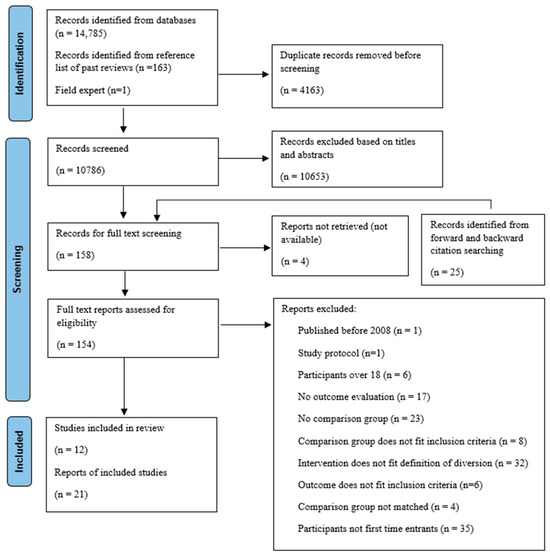

Disclaimer/Publisher’s Note: The statements, opinions and data contained in all publications are solely those of the individual author(s) and contributor(s) and not of MDPI and/or the editor(s). MDPI and/or the editor(s) disclaim responsibility for any injury to people or property resulting from any ideas, methods, instructions or products referred to in the content. |
© 2026 by the authors. Licensee MDPI, Basel, Switzerland. This article is an open access article distributed under the terms and conditions of the Creative Commons Attribution (CC BY) license.