


Abstract
In recent years, large-scale optimization problems have become increasingly common in various fields, such as machine learning and data analysis, generating increased references to both computational cost and accurate solutions. The Grey Wolf Optimizer (GWO) is an efficient collective intelligence algorithm; however, its performance may be limited when high-permissive problems are allowed or in environments with strong multimodal landscapes. In this paper, we propose the Parallel Balanced Grey Wolf Optimizer (ParallelBGWO), a parallel extension of GWO that aims to improve the balance between exploration and exploitation of the search space. The proposed algorithm divides the total population into multiple subpopulations, which cooperate through information exchange. This cooperation reduces the probability of premature convergence and enhances the global search. The parallel implementation exploits modern multi-core computing architectures, achieving a significant reduction in execution time, while at the same time maintaining or improving the quality of the final solutions. Experimental evaluations on high-dimensional benchmark functions show that ParallelBGWO exhibits faster convergence and a reduced number of objective function evaluations compared to the classical version of GWO and other prominent methods. The results highlight ParallelBGWO as an efficient approach for demanding global optimization problems.
1. Introduction
The basic goal of global optimization is to find the global minimum of a continuous multidimensional function, which is defined as
with S:
with and representing lower and upper bounds for each variable .
In recent years, global optimization problems have become increasingly prevalent in modern scientific fields, such as machine learning [1,2], big data analysis [3], communication systems [4], and energy management [5]. The growing complexity of these applications often leads to high-dimensional problems, making effective exploration of the solution space particularly challenging. Of particular interest are large-scale global optimization (LSGO) problems [6], where computational complexity increases significantly. In such cases, classical deterministic methods often fail to provide satisfactory solutions within a reasonable time, either due to high computational cost or because they become trapped in local minima. The importance of LSGO problems has been recognized internationally through competitions organized within the framework of the IEEE Congress on Evolutionary Computation (CEC) [7,8,9], which significantly strengthened research in this field. To address these challenges, there has been growing interest in metaheuristic and stochastic algorithms capable of effectively approximating the global optimum, even in complex and high-dimensional environments. The Grey Wolf Optimizer (GWO) [10,11] is a widely used swarm intelligence algorithm inspired by the cooperative behavior of wolf packs. Its simplicity and relatively fast convergence make it particularly attractive for continuous optimization problems. However, when applied to large-scale problems, it exhibits limited exploration capability and an increased risk of premature convergence.
Although numerous variants of the GWO have been proposed in the literature to improve either exploration or exploitation performance, limited attention has been given to the simultaneous enhancement of scalability, computational efficiency, and adaptive convergence control in large-scale optimization environments. The novelty of the proposed approach lies in addressing these challenges through the integration of cooperative parallel population evolution, local refinement mechanisms, and adaptive termination strategies within the GWO framework. In particular, many existing approaches do not fully exploit parallel search mechanisms while simultaneously incorporating efficient stopping criteria to reduce unnecessary computational effort. Motivated by these limitations, the present work aims to improve the applicability of GWO in large-scale global optimization problems through a unified optimization scheme that enhances both search efficiency and convergence behavior. Unlike existing GWO variants, the proposed method simultaneously integrates parallel cooperation, adaptive propagation, and termination control within a unified framework. The main contributions of this work are summarized as follows:
- A parallel cooperative extension of the GWO, where the population is divided into multiple subpopulations to enhance exploration in large-scale search spaces.
- A propagation mechanism that enables controlled information exchange among subpopulations, improving convergence speed while maintaining population diversity.
- The incorporation of local refinement through the BFGS algorithm and adaptive termination strategies to improve convergence accuracy and reduce unnecessary computational effort.
- A comprehensive experimental evaluation on large-scale benchmark problems, demonstrating improved performance in terms of computational efficiency, solution quality, and robustness.
In this context, the Parallel Balanced Grey Wolf Optimizer (ParallelBGWO) is proposed, which is a parallel extension of GWO that aims to improve the balance between exploration and exploitation. The proposed algorithm divides the population into subpopulations that evolve simultaneously and exchange information, reducing the probability of being trapped at local extremes. In addition, a local optimization procedure is incorporated through the BFGS algorithm [12], while a termination rule [13] is implemented to effectively terminate the global optimization method. This modification avoids unnecessary calculations. Also, at the subpopulation level, different termination strategies (ANY, MAJORITY, and ALL) are considered, which determine when the overall process is completed based on the convergence status of the individual clusters. The use of flexible termination criteria helps to avoid unnecessary calculations and improve the overall computational efficiency of the algorithm. The proposed algorithm was tested on real-world problems. As a representative real-world application, the training of artificial neural networks (ANNs) can be formulated as a high-dimensional, non-convex optimization problem where the objective is to determine the optimal set of model parameters by minimizing a predefined loss function. Due to the complexity of the search space and the presence of multiple local optima, conventional gradient-based methods may suffer from premature convergence. In this context, global optimization techniques provide a powerful alternative. For this reason, ANN training is employed in this work as an additional application to evaluate the effectiveness and robustness of the proposed ParallelBGWO algorithm.
The proposed ParallelBGWO algorithm is primarily intended for continuous large-scale black-box optimization problems, where the objective function is accessible only through function evaluations and analytical gradient information is unavailable. In such cases, each function evaluation may be computationally expensive, making the reduction in the total number of evaluations a critical objective. In addition, due to its parallel architecture, the method is particularly suitable for computationally demanding optimization tasks, where reducing execution time and accelerating convergence are of practical importance.
The remainder of this paper is organized as follows. Section 2 reviews the related literature and positions the proposed method within the current state of the art. Section 3 presents the BGWO algorithm, along with the proposed ParallelBGWO variant and its corresponding flowchart. Section 4 describes the benchmark test functions and reports the experimental results. Section 5 discusses the obtained results. Finally, Section 6 concludes the paper and outlines directions for future research.
2. Literature Review
2.1. Classical and Swarm-Based Metaheuristic Optimization Methods
Global optimization problems constitute a fundamental research topic across many scientific domains, as the need to determine optimal solutions arises in an increasing number of practical applications. The growing complexity of modern systems frequently leads to nonlinear, multimodal, and high-dimensional optimization problems, where classical deterministic approaches often fail to provide reliable solutions. Consequently, metaheuristic optimization algorithms have emerged as efficient alternatives due to their ability to explore large search spaces while avoiding local optima [14]. Among the earliest and most widely adopted metaheuristic approaches are evolutionary algorithms, which simulate principles of biological evolution. Genetic algorithms (GAs) constitute one of the first successful population-based optimization techniques, employing mechanisms such as selection, crossover, and mutation to iteratively evolve candidate solutions [14,15]. Differential Evolution (DE) was later introduced as an efficient optimization algorithm for continuous domains, offering simple implementation and robust convergence behavior [16,17]. Another important category of optimization methods is swarm intelligence, where search agents cooperate by simulating collective behaviors observed in natural systems. Representative algorithms include Particle Swarm Optimization (PSO) [18,19], Ant Colony Optimization (ACO) [20,21] and Artificial Bee Colony (ABC) [22,23], which have demonstrated strong performance across a variety of optimization tasks.
2.2. Recent Adaptive Metaheuristic Algorithms and Their Limitations
In recent years, significant research attention has focused on the development of advanced metaheuristic algorithms aiming to improve search efficiency and convergence behavior. Various nature-inspired and adaptive optimization techniques have been proposed to enhance the balance between exploration and exploitation during the search process, which is widely regarded as a critical factor in metaheuristic performance [24,25]. Similarly, the Bat Algorithm (BA), which simulates the echolocation behavior of bats, has shown promising results in engineering optimization and global search applications [26,27]. Additional modern swarm-based approaches include the Whale Optimization Algorithm (WOA) [28,29], Harris Hawks Optimization (HHO) [30,31], Aquila Optimizer (AO) [32,33], Arithmetic Optimization Algorithm (AOA) [34,35], Magnificent Frigatebird Optimization Algorithm (MFO) [36], and Salp Swarm Algorithm (SSA) [37,38]. These optimization algorithms seek to improve performance through adaptive movement operators, nonlinear parameter adjustment, and dynamic search strategies. However, despite their promising effectiveness, many recent metaheuristic methods continue to exhibit important limitations. In particular, they may suffer from premature convergence, insufficient population diversity preservation, and reduced robustness when applied to highly multimodal or large-scale optimization problems. Such limitations remain common challenges in modern metaheuristic optimization research and motivate the continuous development of improved and hybrid optimization strategies. To provide a clearer perspective, the limitations of existing metaheuristic methods can be categorized into several main groups:
- (i)
- Exploration–exploitation imbalance, where algorithms fail to maintain an effective trade-off during the search process.
- (ii)
- Premature convergence, which leads to suboptimal solutions due to loss of population diversity.
- (iii)
- Limited scalability, particularly in large-scale global optimization (LSGO) problems.
- (iv)
- Insufficient parallel cooperation mechanisms, as many methods rely on sequential execution or weak interaction among subpopulations. These limitations highlight the need for more robust, scalable, and cooperative optimization frameworks.
2.3. Grey Wolf Optimization Variants
Among swarm-based optimization algorithms, the GWO has attracted considerable attention due to its simplicity and effectiveness in solving continuous optimization problems. Inspired by the leadership hierarchy and cooperative hunting behavior of gray wolves, GWO models the interaction between and wolves to guide the search process toward promising regions of the solution space [10,11]. Despite its effectiveness, the original GWO algorithm may suffer from premature convergence and reduced exploration ability when applied to large-scale or complex optimization problems. To address these limitations, several improved GWO variants have been proposed in recent years. Chen et al. introduced the Balanced Grey Wolf Optimizer (BGWO), which aims to maintain a better balance between exploration and exploitation during the optimization process [39]. Similarly, Adhikary and Acharyya proposed the Randomized Balanced Grey Wolf Optimizer (RBGWO), incorporating stochastic perturbation mechanisms to improve search diversity [40]. Furthermore, Wang et al. developed the Adaptively Balanced Grey Wolf Optimizer (ABGWO), which dynamically adjusts the balance between exploration and exploitation throughout the search process [41].
2.4. Parallel and Cooperative Metaheuristic Frameworks
To further improve optimization efficiency, recent studies have emphasized the importance of parallel and cooperative metaheuristic strategies, where the population is divided into multiple subpopulations that explore different regions of the search space simultaneously. The exchange of information between these subpopulations improves diversity preservation, reduces premature convergence, and accelerates the optimization process. Such cooperative approaches have been successfully demonstrated in modern parallel implementations of algorithms such as Smell Agent Optimization (SAO) [42,43]. However, despite their effectiveness, most existing parallel metaheuristic approaches rely on relatively fixed communication strategies and simplistic propagation mechanisms, while limited attention has been devoted to systematically studying the effects of structured propagation control and adaptive termination coordination.
In addition to stochastic metaheuristic approaches, deterministic global optimization methods have also been extensively studied. These methods aim to provide theoretical guarantees for convergence by systematically exploring the search space, but their computational cost often increases significantly with problem dimensionality. Recent benchmarking studies have provided a comprehensive comparison between deterministic and stochastic optimization algorithms. In particular, the large-scale study by Stripinis and Paulavičius [44] evaluates a wide range of deterministic derivative-free methods against stochastic optimizers across numerous benchmark problems, showing that deterministic methods perform well in low-dimensional settings, while stochastic approaches exhibit superior scalability and robustness in high-dimensional problems.
2.5. Research Gap and Motivation
Based on the above categorized limitations, several research gaps remain evident in the current literature. First, although numerous enhanced variants of GWO have been proposed, most existing studies focus primarily on sequential implementations and do not investigate structured cooperative parallel execution. Second, while parallel metaheuristic approaches have demonstrated computational benefits, the integration of Balanced Grey Wolf Optimization mechanisms within a parallel multi-subpopulation framework remains relatively unexplored. Third, configurable propagation strategies and adaptive termination mechanisms have not been sufficiently investigated in BGWO-based parallel optimization frameworks. Motivated by these limitations, the present work proposes a ParallelBGWO designed to improve the search efficiency of the classical GWO framework. The proposed method introduces a subpopulation-based cooperative parallel architecture, configurable information propagation strategies, adaptive termination policies, and local search refinement in order to improve convergence efficiency and optimization robustness. A summary of the related literature is shown in Table 1.
Table 1.
Summary of the related literature and research gap.
3. Materials and Methods
3.1. The BGWO Algorithm
The BGWO is an improved version of the GWO, aiming to improve the balance between global exploration and local exploitation. In BGWO, each search agent represents a wolf, whose position corresponds to a candidate solution in the D-dimensional search space. First, a population of n wolves is randomly generated within the allowable limits of the problem. Then the objective function value is calculated for each wolf and a fitness ranking is performed. The three best solutions are defined as wolves and and constitute the leading trio of the population. The remaining wolves update their positions guided by the three leaders, according to the prey encirclement mechanism that characterizes GWO. In each iteration of the algorithm, a nonlinear convergence factor a is calculated, which controls the dynamics of the search. In contrast to the classic GWO, where the factor decreases linearly, in BGWO, a nonlinear decay is used, which allows for more intense exploration in the initial iterations and a gradual increase in exploitation in the final phases of the process. Specifically, the proposed BGWO employs an exponential nonlinear decay formulation for the convergence factor a, as defined in Algorithm 1 instead of the standard linear reduction adopted in the original GWO. This formulation provides a slower reduction during the early optimization stages to reinforce exploration, followed by a smoother transition toward exploitation in later iterations. Consequently, the proposed strategy alleviates the overly rapid convergence behavior commonly associated with the linear decay mechanism of conventional GWO. For each wolf , random coefficients are generated and used to calculate the control vectors and distances from the three leaders. The use of stochastic coefficients plays a key role in preserving population diversity and enhancing exploratory behavior during the search process. Randomization enables the algorithm to avoid premature convergence and escape local optima by generating diversified search trajectories. Although more advanced strategies, such as adaptive weighting schemes or attention-based mechanisms, have been proposed in recent metaheuristic approaches, these methods often introduce additional computational complexity and algorithmic overhead. In the context of large-scale optimization problems, where efficiency and scalability are critical, the use of stochastic coefficients provides a favorable trade-off between exploration capability and computational cost. Therefore, stochastic components are retained in the present formulation to maintain the simplicity, scalability, and effectiveness of the BGWO framework, while still achieving a balanced search behavior. The distances are calculated per dimension, taking into account the relative position of each wolf with respect to and . In the BGWO algorithm, there is a position update mechanism where independent stochastic scaling factors in the interval are introduced. These factors randomly strengthen or weaken the influence of each leader, reducing excessive dependence on the current optimal solutions and enhancing population differentiation. For each wolf, three intermediate positions are calculated, each of which is guided by one of the leaders. The final updated position is the average of these three stochastic scaled positions.
This procedure improves the ability to escape from local minima and makes the algorithm more robust to problems with high multimodality. After all wolves have been updated, the objective function is recalculated, and the leading trio is redefined based on the new ranking. The iterative process continues until some termination criterion is met. The steps of the BGWO algorithm are presented in the following algorithm.
| Algorithm 1 BGWO algorithm. |
INPUT - f: objective function - n: population size (number of wolves) - D: problem dimension - T: maximum number of iterations - k: convergence coefficient //BGWO parameter - : termination criterion as the local search rate. OUTPUT -: best solution (alpha wolf) INITIALIZATION - Set as the iteration counter - Initialize wolves {} - Compute fitness for each wolf - Identify best three wolves: Main pseudocode 01 while stopping criterion is not met do 02 Compute nonlinear convergence factor: 03 for each wolf {} do 04 Draw ∽ 05 Compute coefficient vectors: 06 Compute A-vectors: 07 Compute distances to leaders: 08 Draw stochastic scaling factors ∽ 09 Compute stochastic guided positions (BGWO update): 10 11 Update wolf position: 12 Draw r∽ 13 if then 14 Apply local search . In this procedure, the local optimization method of Powell [12] was used. 15 end if 16 end for 17 Set 18 if then terminate 19 Evaluate for all wolves 20 Update wolves based on best fitness values 21 Compute . This termination method was introduced in [13]. 22 if for iterations then terminate. 23 Update wolves based on best fitness values 24 end while // Goto termination check Return |
3.2. The Parallel Algorithm of BGWO
The parallel implementation of the BGWO is based on dividing the population into N subpopulations, which are executed independently on different processing units. First, the parameters are initialized and the termination strategy is selected. The algorithm also employs a propagation method ), a propagation rate , a number of propagated agents ), and a termination criterion to regulate communication and stopping conditions among subpopulations.
The propagation rate determines how frequently the propagation mechanism is activated during the optimization process, controlling the number of iterations between successive information exchanges among subpopulations. Smaller values of lead to more frequent communication, which may accelerate convergence but can reduce diversity, while larger values allow more independent exploration of the search space. Similarly, the number of propagated agents defines how many candidate solutions are exchanged during each propagation step. Higher values of increase the amount of shared information and may enhance exploitation of promising search regions; however, excessive propagation may reduce diversity and increase the risk of premature convergence. In the present work, the values of and were selected empirically to achieve a balance between exploration and exploitation. The specific values of and used in this study are reported in the Experimental Section. These parameters were selected based on preliminary experiments, where different configurations were evaluated in terms of convergence speed and solution quality. The adopted values were found to provide an effective trade-off between efficient information exchange and preservation of population diversity.
In each iteration, the number of subpopulations that have satisfied the termination criterion is calculated. This information is compared with a threshold , which defines the minimum number of subpopulations that must satisfy the termination criterion according to the selected termination strategy as follows: , where the algorithm proceeds when at least one subpopulation terminates; , where at least the majority of the subpopulations are required to have terminated; and , where all subpopulations must have terminated.
Then, each subpopulation evolves in parallel by performing the basic steps of BGWO (evaluation, leader selection, and position update). At intervals determined by , a propagation mechanism based on the selected propagation method is applied to exchange good solutions between the subpopulations using selected agents. The iteration counter is incremented and the overall termination criterion is checked. If it is not satisfied, the process is repeated. Upon termination, a local search is applied to the best solution and the final result is returned. The steps of the parallel BGWO algorithm are presented in Algorithm 2.
| Algorithm 2 The parallel algorithm of BGWO. |
INPUT - f: objective function - N: number of subpopulations - : propagation method - : propagation rate - : number of agents for propagation - : termination criterion - : termination strategy, ∈ {ANY, MAJORITY, ALL} OUTPUT -: global best solution over all subpopulations INITIALIZATION - Set - Select termination strategy MAIN LOOP 01 Compute the number of terminated subpopulations. 02 If ← then 03 04 Else if ← then 05 06 Else ← then 07 08 End if 09 For k∈ in Parallel do 10 Execute for each subpopulation k all the instructions in the inner part of the whole of the basic algorithm. 11 End For 12 If t mod 0, apply the propagation scheme with agents to the subpopulations. 13 Set 14 End if 15 If According to parameter its termination rule does not apply, go to Main Step. 16 Apply local search procedure to 17 End if |
In the proposed implementation, each subpopulation is assigned to an independent processing unit, typically mapped to a separate thread or CPU core, enabling concurrent execution. A shared-memory parallelization model is adopted, where subpopulations evolve independently and synchronization is required only during the propagation phase. To reduce synchronization overhead, communication is performed at predefined intervals rather than at every iteration. Load balancing is facilitated by the adopted termination strategies (ANY, MAJORITY, ALL), which allow the algorithm to proceed without requiring all subpopulations to terminate simultaneously, thereby minimizing idle waiting. In particular, the ANY strategy enables early continuation when at least one subpopulation satisfies the stopping criterion. The computational overhead of the propagation mechanism remains limited, as it involves only the exchange of a small number of elite solutions among subpopulations. This cost is negligible compared to the objective function evaluations and is compensated by the improved convergence behavior achieved through effective information sharing.
Furthermore, the steps of the proposed method are also graphically shown in Figure 1.
Figure 1.
Flowchart of parallel BGWO.
Figure 2 illustrates the creation of parallel processes and the information propagation mechanism in the parallel BGWO framework. Each thread corresponds to an independent processing unit (PU), which manages a subpopulation. The subpopulations evolve simultaneously, exploring different regions of the search space through the basic mechanisms of BGWO. Parallel execution allows for independent search for solutions, while at the same time supporting cooperation through propagation mechanisms. During this phase, selected high-quality solutions are transferred between subpopulations according to predefined exchange strategies. When a subpopulation finds a particularly good solution, its propagation to other subpopulations can accelerate the overall convergence. Overall, the combination of parallel exploration and controlled information exchange makes parallel BGWO more efficient, allowing a better balance between exploration and exploitation.
Figure 2.
Thread creation diagram and propagation methods. The red arrows denote propagation between threads.
3.3. The Propagation Mechanism
During the propagation mechanism, the best values identified by each subpopulation are shared with the others, replacing their worst values. The goal of this process is to ensure that the subpopulations exchange their optimal findings, thereby enhancing the overall evolutionary process. Unlike conventional migration topologies (ring, star, or fully connected), the proposed propagation mechanism adopts a flexible and lightweight communication strategy tailored for large-scale optimization problems. These traditional topologies rely on fixed communication patterns, which may introduce increased synchronization and communication overhead as the number of subpopulations grows. In the proposed framework, simplified propagation strategies were adopted instead of conventional migration topologies, such as ring, star, or fully connected communication schemes, in order to preserve structural simplicity and reduce communication overhead within the parallel architecture. Although fixed migration topologies are commonly employed in island-model parallel metaheuristics, their use may increase synchronization and communication requirements as the number of subpopulations grows. The selected propagation mechanisms provide a lightweight and flexible communication scheme, enabling efficient information exchange while maintaining the computational efficiency of the proposed framework. The investigation of more sophisticated migration topologies constitutes an interesting direction for future research. The following four scenarios describe how propagation can take place:
- 1.
- One-to-One (1to1): In this case, a randomly selected subpopulation sends its best values to another subpopulation, also chosen at random.
- 2.
- One-to-All (1toN): Here, a random subpopulation shares its best values with all other subpopulations.
- 3.
- All-to-One (Nto1): All subpopulations send their best values to a single subpopulation, which is chosen at random.
- 4.
- All-to-All (NtoN): Each subpopulation communicates its best values to every other subpopulation.
This mechanism facilitates information exchange among subpopulations, increasing the likelihood of discovering optimal solutions through collaboration and communication.
3.4. Computational Complexity Analysis
The computational complexity of the proposed ParallelBGWO algorithm is primarily determined by the evaluation of the objective function and the propagation mechanism among subpopulations. Assuming a population size of n, problem dimensionality D, and a maximum number of iterations t, the computational complexity of the sequential BGWO algorithm can be approximated as since each search agent updates all decision variables during every iteration. In the parallel formulation, when the population is divided into N subpopulations executed concurrently, the computational workload assigned to each processing unit is reduced to approximately , excluding communication overhead. The additional cost introduced by the propagation mechanism depends on the selected communication strategy and the number of propagated agents , resulting in an overhead of per propagation phase in the worst-case scenario. Consequently, the proposed parallel architecture exhibits near-linear workload reduction as the number of processing units increases, provided that communication overhead remains sufficiently limited. Therefore, the proposed framework improves computational efficiency by distributing the optimization workload across multiple processing units while maintaining acceptable communication cost. This theoretical analysis is consistent with the observed reduction in the number of objective function evaluations reported in the experimental results, which serve as a proxy for computational cost in black-box optimization problems.
4. Experimental Section
This section begins with a description of the functions that will be used in the experiments and then presents, in detail, the experiments that were performed, in which the parameters available in the proposed algorithm were studied, in order to study their reliability and adequacy.
4.1. Test Functions
A variety of benchmark test functions were used in the conducted experiments. These functions have been widely adopted in previous studies [45,46,47,48]. In the present work, the test functions are evaluated using dimensionalities ranging from 25 to 150, where the constant n denotes the dimension of the objective function. The benchmark test functions used in the experimental study are summarized in Table 2, including their mathematical formulation dimensionality and global optimum values.
Table 2.
Benchmark test functions used in experimental study.
4.2. Experimental Results
A series of experiments were carried out for the previously mentioned functions, and these experiments were executed on an AMD RYZEN 5950X with 128GB RAM. The operating system of the running machine was Debian Linux. Each experiment was conducted 30 times, with different random numbers each time, and the averages were recorded. The software used in the experiments was coded in C++ using the freely available optimization environment of OPTIMUS [49], which can be downloaded from https://github.com/itsoulos/OPTIMUS (accessed on 25 May 2026). The adoption of the publicly available OPTIMUS optimization framework improves the reproducibility of the experimental study and facilitates independent verification of the reported results by other researchers. All comparative methods were independently implemented and evaluated within the same experimental framework and were not directly adopted from the corresponding literature. All algorithms were implemented in C++ and executed under identical hardware and software conditions to ensure a fair and consistent comparison. Specifically, the number of agents (population size) was set to 200 for all algorithms, the maximum number of iterations was fixed at 200, and the local search rate was uniformly set to 5% (local search probability). These shared settings ensure that performance differences arise from algorithmic design rather than differences in experimental configuration. Algorithm-specific parameters were selected according to standard practices reported in the literature and were kept constant throughout all experiments. No problem-specific parameter tuning was applied in order to avoid bias and to maintain methodological consistency. In the conducted experiments, the propagation parameters were set to ( = 1) and ( = 1), corresponding to a minimal communication configuration. This choice was made to limit communication overhead while preserving the benefits of information exchange among subpopulations. The values used for each parameter are shown in Table 3.
Table 3.
The values for the experimental parameters.
In the following tables, the reported values correspond to the average number of function evaluations over 30 independent runs. The values in parentheses denote the proportion of runs in which the global minimum was successfully identified. The absence of such values indicates a success rate of 100%.
4.3. Impact of the Number of Clusters
Table 4 presents a comparative analysis of the average number of objective function evaluations obtained for different numbers of subpopulations (1, 3, 10, 20, and 30) across benchmark problems of dimensions 25, 50, 100, and 150. Lower values indicate improved computational efficiency. The results show that increasing the number of clusters generally reduces the required number of function evaluations. For example, in Büche Rastrigin_100 and Different Powers_100, the use of a single cluster leads to higher computational costs of 17,769 and 23,887, respectively, while improved performance is observed in higher cluster configurations. This behavior indicates that partitioning the population into multiple subpopulations enhances diversity and promotes parallel exploration of different regions of the search space, thereby reducing premature convergence. It is also observed that configurations with 10 and 20 clusters consistently achieve the lowest or comparably low function call values, such as 6828 and 6837 for Büche Rastrigin_150 and 12,003 and 12,858 for Different Powers_150, respectively, indicating a more effective balance between exploration and exploitation. In addition to reducing the number of objective function evaluations, these intermediate configurations also improve solution quality. Specifically, configurations with 10 and 20 subpopulations achieve lower final objective values and reduced variance across independent runs, indicating more stable convergence behavior compared to both smaller and larger cluster settings. On the contrary, further increasing the number of clusters to 30 does not lead to additional improvements, and in several cases, results in increased computational cost. This performance degradation can be attributed to excessive population fragmentation, which reduces the number of agents per subpopulation and weakens the exploitation capability within each cluster. As a result, the search process becomes overly distributed and less effective in refining promising regions, leading to slower convergence and reduced solution quality. Overall, the total number of function calls decreases from 384,022 (1 cluster) to 363,819 (3 clusters) and further to approximately 173,392–174,401 for 10–20 clusters. In contrast, the cost increases again to 228,652 for 30 clusters. These results indicate that the cooperative structure of multiple subpopulations can significantly reduce computational cost provided that an appropriate balance in the number of clusters is maintained.
Table 4.
Comparison of different numbers of subpopulations in terms of average objective function evaluations.
The diagram of Figure 3 shows the effect of the number of clusters on the performance of the algorithm. Specifically, the cases of 1, 3, 10, 20, and 30 clusters are compared. It is observed that the use of more subpopulations reduces the number of function calls, with the cases of 10 and 20 clusters showing the smallest values. On the contrary, when only 1 cluster is used, the method shows greater dispersion and higher values, which indicates lower efficiency. The Kruskal–Wallis statistical test (p = 0.0000013) shows that there are statistically significant differences between different numbers of clusters. Therefore, the results show that using an appropriate number of subpopulations can improve the performance and convergence speed of the algorithm.
Figure 3.
Impact of the number of clusters.
4.4. Impact of Propagation Mechanism
Table 5 presents the comparative evaluation of the proposed method with and without the propagation mechanism (PROP = 0 and PROP = 1) in terms of average objective function evaluations over benchmark functions of dimensions 25, 50, 100, and 150. The PROP parameter indicates the presence or absence of the information propagation mechanism between the subpopulations: the case of PROP = 0 corresponds to execution without propagation, while the case of PROP = 1 corresponds to execution with propagation enabled. The results show that the activation of the propagation mechanism leads, in almost all the examined functions and dimensions, to a reduction in the number of evaluations compared to the corresponding execution without propagation. For example, in the Büche Rastrigin_150 function, the number of evaluations is reduced from 22,453 to 6828, in the Sharp Ridge_150 from 10,708 to 3034, while in the Zakharov_150 from 9869 to 1539. The improvement is correspondingly significant in lower dimensions, which suggests that the propagation mechanism not only favors large-scale problems but also improves the overall behavior of the method. The total number of function calls is reduced from about 493,939 in the case without propagation (PROP = 0) to about 173,392 in the case with propagation (PROP = 1). This difference corresponds to a significant reduction in the overall computational cost and confirms that information propagation between subpopulations is an important mechanism for improving the efficiency of the proposed method. Overall, the results show that the integration of the propagation mechanism enhances the computational behavior of the algorithm, reducing the number of required objective function evaluations and improving efficiency.
Table 5.
Comparison of the proposed method with and without the propagation mechanism in terms of average objective function evaluations.
Figure 4 shows the comparison of the method when the propagation function is enabled and disabled. Specifically, PROP = 1 indicates that propagation is enabled while PROP = 0 indicates that the method is executed without propagation. It is observed that when propagation is enabled (PROP = 1), the method requires significantly fewer function calls and exhibits lower dispersion, which indicates faster convergence. The comparison is performed using the paired Wilcoxon statistical test, following the conventional star notation (ns: p > 0.05, *: p < 0.05, **: p < 0.01, ***: p < 0.001, ****: p < 0.0001), where the overall result (p < 0.0001) shows that the difference between the two cases is significant. Therefore, the results show that enabling propagation improves the efficiency of the proposed method.
Figure 4.
Impact of propagation mechanism.
It should be noted, however, that the propagation mechanism introduces additional communication overhead which is not explicitly reflected in the number of function evaluations. Nevertheless, this overhead remains relatively low, as it mainly involves the exchange of a limited number of high-quality solutions and is therefore outweighed by the significant gains in convergence efficiency observed in the experiments. This observation is consistent with the overall reduction in computational cost reported across the benchmark problems.
4.5. Communication Strategy with 10 Subpopulations
Table 6 reports the average number of objective function evaluations obtained under four different propagation strategies (1to1, 1toN, Nto1 and NtoN) when 10 subpopulations are employed. Lower values indicate better performance with the best-performing value in each row highlighted in bold for clarity. The results show that the NtoN strategy exhibits the best computational behavior overall and leads to the smallest function call values in the vast majority of the functions examined. For example, in the Büche Rastrigin_150 function, the NtoN strategy requires 6828 function calls compared to 18,787 for the 1to1 strategy, 10,340 for 1toN, and 11,452 for Nto1. Correspondingly, in Zakharov_150, the NtoN strategy requires only 1539 function calls while the 1to1, 1toN, and Nto1 strategies require 9158, 4352, and 4690, respectively. Therefore, the fully bidirectional information dissemination between subpopulations enhances cooperation and facilitates faster diffusion of useful information in the population. The 1toN and Nto1 strategies also show improved behavior compared to the basic 1to1 approach. The total number of function calls is 432,256 for the 1to1 strategy, 254,443 for 1toN, 274,853 for Nto1, and only 173,392 for NtoN. These results show that, for the case of 10 subpopulations, the NtoN strategy is the most efficient choice as it achieves the lowest overall computational requirement.
Table 6.
Comparison of propagation strategies under 10 subpopulations in terms of average objective function evaluations.
Figure 5 shows the comparison of different communication modes between subpopulations when 10 clusters are used, based on the number of function calls. The configurations examined are 1to1, 1toN, Nto1, and NtoN, which express different information dissemination schemes between subpopulations. It is observed that the NtoN configuration presents the lowest values and the smallest dispersion, which indicates faster convergence of the algorithm. On the contrary, the 1to1 case presents a higher number of function calls. The overall statistical analysis was performed with the Friedman test (p < 0.0001), while the individual comparisons were performed with paired Wilcoxon tests following the conventional star notation (ns: p > 0.05, *: p < 0.05, **: p < 0.01, ***: p < 0.001, ****: p < 0.0001). The presence of **** (p < 0.0001) indicates that the differences between the methods are statistically significant. The results suggest that the exchange of information between all subpopulations is significant.
Figure 5.
Communication strategy with 10 subpopulations.
4.6. Communication Strategy with 20 Subpopulations
Table 7 presents the corresponding results for the same propagation strategies when 20 subpopulations are utilized. Lower values indicate better performance, with the best-performing value in each row highlighted in bold for clarity. The results show that, also in the case of 20 subpopulations, the NtoN strategy displays the overall most efficient behavior, as it achieves the lowest or among the lowest function call values. Indicatively, in the Rosenbrock_150 function, the NtoN strategy requires 6356 function calls, compared to 23,645 for 1to1, 8431 for 1toN, and 11,263 for Nto1. Accordingly, in Rastrigin_150, the required evaluations are reduced to 4861 for NtoN compared to 8674, 5954, and 5671 for the 1to1, 1toN, and Nto1 strategies, respectively. These results suggest that the fully cooperative form of propagation significantly accelerates the diffusion of useful information between subpopulations and facilitates convergence towards better regions of the search space. The 1toN and Nto1 strategies also show improved behavior compared to the basic 1to1 approach, which confirms that even partial information propagation is beneficial for the search process. The total number of function calls is 414,978 for the 1to1 strategy, 195,980 for 1toN, 222,989 for Nto1, and only 174,401 for NtoN. These results show that, for the case of 20 subpopulations, the NtoN strategy is again the most efficient choice, as it achieves the lowest overall computational requirement.
Table 7.
Comparison of propagation strategies under 20 subpopulations in terms of average objective function evaluations.
Figure 6 shows the comparison of different communication modes between subpopulations when 20 clusters are used, based on the number of function calls. The configurations examined are 1to1, 1toN, Nto1, and NtoN, which express different information dissemination schemes between subpopulations. It is observed that the NtoN configuration presents the lowest values and the smallest dispersion, which indicates faster convergence of the algorithm. On the contrary, the 1to1 case presents a higher number of function calls. The overall statistical analysis was performed with the Friedman test (p < 0.0001), while the individual comparisons were performed with paired Wilcoxon tests, following the conventional star notation (ns: p > 0.05, *: p < 0.05, **: p < 0.01, ***: p < 0.001, ****: p < 0.0001). The presence of **** (p < 0.0001) indicates that the differences between the methods are statistically significant. The results suggest that the exchange of information between all subpopulations is significant.
Figure 6.
Communication strategy with 20 subpopulations.
A combined analysis of the communication strategies for both 10 and 20 subpopulations shows that the NtoN scheme consistently achieves the best performance in terms of objective function evaluations. However, it should be noted that this conclusion is based primarily on evaluation efficiency, as runtime and communication overhead have not been explicitly measured. The improved performance of the NtoN strategy can be explained by its fully cooperative communication mechanism, which enables rapid dissemination of high-quality solutions across all subpopulations. This leads to more stable convergence behavior and increased robustness, as promising regions of the search space are more effectively exploited. In contrast, more limited communication schemes restrict information flow, resulting in slower convergence and higher variability. Although the NtoN strategy introduces additional communication operations, this overhead is relatively small compared to the cost of objective function evaluations, especially in high-dimensional problems. Therefore, NtoN can be considered the most effective strategy in terms of solution quality and robustness, while its optimality should be interpreted within the context of evaluation-based performance rather than strict computational cost.
4.7. The Proposed Method in Comparison with Other Methods
To provide a more rigorous and statistically sound evaluation of the proposed method, the results are reported in terms of the mean and standard deviation (mean ± std) of the final objective function values over 30 independent runs. This allows for a comprehensive assessment of both solution quality and robustness. The proposed method consistently achieves competitive or superior final objective values accompanied by low variance across independent runs. This indicates not only high accuracy but also stable and reliable convergence behavior compared to the examined algorithms.
Table 8 presents the comparative performance of the proposed method against established metaheuristic algorithms, namely GA, DE, GWO, ParallelDE, SAOP, BGWO, and WOA, in terms of average objective function evaluations over benchmark functions of dimensions 25, 50, 100, and 150. Lower values indicate superior optimization efficiency. The results show that the proposed method shows the best performance most of the time. Indicatively, in the Zakharov_150 function, the proposed method requires 1539 evaluations, compared to 38,858 for GA, 14,744 for DE, 3251 for GWO, 5613 for ParallelDE, 4341 for SAOP, 3333 for BGWO, and 11,943 for WOA. Correspondingly, on Sharp Ridge_150, the proposed method achieves 3034 function calls, compared to 12,266, 12,231, 25,399, 5614, 4055, 24,923, and 8022, respectively. Particularly important is the fact that the proposed approach maintains its efficiency not only in complex and multimodal problems but also in functions of different structures, presenting consistently low computational cost across the entire range of dimensions. The total number of function calls of the proposed method amounts to 173,392, compared to 777,899 for GA, 762,504 for DE, 772,866 for GWO, 314,144 for ParallelDE, 263,370 for SAOP, 724,617 for BGWO, and 371,962 for WOA. In conclusion, it follows that the combination of the cooperative subpopulation structure, the information dissemination mechanism, and the overall parallelized search strategy substantially enhances the efficiency of the algorithm, making it particularly suitable for optimization and high-dimensional problems.
Table 8.
Comparison of the proposed method against competing metaheuristic algorithms in terms of average objective function evaluations.
Figure 7 shows the comparison of the performance of various optimization algorithms in terms of the number of function calls. Specifically, the comparison of the algorithms GENETIC, DE, GWO, PARALLELDE, SAOP, BGWO, PROPOSED, and WOA. It is observed that the proposed algorithm presents the smallest values of function calls and less variance compared to most algorithms; therefore, it has faster convergence.The GENETIC, DE, and BGWO algorithms show greater dispersion and higher values, while PARALLELDE shows low values. The Kruskal–Wallis statistical test (p < 2.2 × 10⁻¹⁶) shows that there are statistically significant differences between the algorithms. Overall, the results indicate that the proposed method is superior in terms of efficiency.
Figure 7.
The proposed method in comparison with others.
4.8. Robust Statistical Evaluation of Algorithm Performance
To provide a more rigorous and statistically sound evaluation of the proposed method, the final optimization performance is assessed using multiple statistical indicators. Specifically, the results are reported in terms of the mean and standard deviation (mean ± std) of the final objective function values over 30 independent runs, as summarized in Table 9. The proposed method consistently achieves near-zero objective values with negligible variance, demonstrating both high accuracy and strong robustness compared to the competing algorithms. In contrast, the majority of the compared methods exhibit significantly higher objective values and larger variability, indicating less stable performance. Overall, these results highlight the superiority of the proposed method in terms of both solution quality and robustness across the examined benchmark functions.
Table 9.
Statistical comparison of optimization algorithms on benchmark functions in terms of mean and standard deviation (mean ± std) of the final objective values over 30 independent runs.
4.9. Performance Comparison on Low-Dimensional Benchmark Functions
To further strengthen the experimental evaluation, a subset of standard benchmark functions commonly used in deterministic global optimization is considered, including both GKLS instances and classical low-dimensional test functions such as BRANIN, GOLDSTEIN, and HARTMAN [50,51]. Specifically these problems correspond to low-dimensional settings, providing a suitable testbed for assessing performance in scenarios where deterministic methods are particularly effective, as summarized in Table 10. The proposed method consistently requires significantly fewer function evaluations to reach the target accuracy across all tested instances. In particular, it achieves substantial reductions in computational effort compared to the other considered methods, often exceeding 50%. These results demonstrate the efficiency and robustness of the proposed approach in low-dimensional deterministic optimization problems.
Table 10.
Performance comparison of optimization algorithms on low-dimensional benchmark functions reported in terms of the number of function evaluations required to reach the target accuracy.
4.10. Performance Comparison Between DIRECT and the Proposed Method
Based on the results presented in Table 11, where the values correspond to the number of objective function evaluations, the performance of the proposed method relative to DIRECT varies [52] across benchmark functions and problem dimensions. For the Zakharov function, the proposed method consistently requires significantly fewer evaluations across all tested dimensions (100, 150, and 200), indicating a clear efficiency advantage. In the AttractiveSector function, the performance is mixed: the proposed method is less efficient at 100 dimensions, comparable at 150 dimensions, and more efficient at 200 dimensions. Similarly, for the Step Ellipsoidal function, the proposed method requires more evaluations at lower dimensions (100 and 150) but outperforms DIRECT at 200 dimensions. Overall, while DIRECT exhibits stable performance due to its deterministic nature, the proposed method demonstrates improved efficiency in higher-dimensional cases, suggesting a more effective handling of increased problem complexity.
Table 11.
Number of objective function evaluations for DIRECT and the proposed method.
4.11. A Sensitivity Analysis
A sensitivity analysis is conducted to assess the impact of the propagation parameters and on the performance of the proposed algorithm using the Rosenbrock function (D = 25). The results expressed in terms of the number of function evaluations are presented in Figure 8 and Figure 9. As illustrated in Figure 8, the parameter has a significant influence on the computational cost. In particular, increasing generally results in a higher number of function evaluations, although the relationship is not strictly monotonic. This behavior suggests that larger propagation ranges enhance exploration capabilities, at the expense of increased computational overhead due to redundant evaluations. In contrast, Figure 9 shows that the parameter has a relatively limited effect on the number of function evaluations, as only minor variations are observed across different parameter settings. Overall, moderate values of both parameters appear to provide an effective trade-off between convergence efficiency and computational cost. Furthermore, the communication cost increases with higher values of and , since broader propagation mechanisms lead to more frequent interactions among agents. Notably, the solution quality remains largely stable across different parameter configurations, indicating that the proposed algorithm is robust with respect to and . This observation suggests that these parameters primarily influence computational effort rather than the final optimization accuracy.
Figure 8.
Sensitivity analysis of the propagation parameter in terms of the number of function evaluations on the Rosenbrock function (D = 25).
Figure 9.
Sensitivity analysis of the propagation parameter in terms of the number of function evaluations on the Rosenbrock function (D = 25).
To further investigate the effect of information exchange mechanisms, a sensitivity analysis of the four propagation strategies (1to1, 1toN, Nto1, and NtoN) is conducted under varying values of the propagation parameters and . The corresponding results are presented in Figure 10 and Figure 11. As illustrated in Figure 10, the choice of propagation strategy has a pronounced impact on convergence behavior. In particular, the NtoN strategy achieves the lowest number of function evaluations for smaller values of , indicating accelerated convergence due to intensive information exchange. However, as increases, the performance of NtoN deteriorates, suggesting that excessive propagation may introduce redundant communication and reduce overall efficiency. In contrast, more localized strategies, such as 1to1 exhibit more stable behavior across different values of , albeit with generally slower convergence. The 1toN and Nto1 strategies demonstrate intermediate performance, effectively balancing exploration and exploitation. Figure 11 further highlights the influence of the propagation strategies with respect to . Specifically, the NtoN strategy consistently attains the lowest number of function evaluations demonstrating significantly faster convergence. This observation indicates that frequent and widespread information exchange can substantially accelerate the optimization process. Nevertheless, such aggressive propagation schemes may lead to premature homogenization of the population, whereby diversity is rapidly reduced and the algorithm becomes prone to convergence to suboptimal solutions. Conversely, more restrictive strategies preserve population diversity for longer periods, resulting in slower yet potentially more robust convergence. Overall, the propagation strategy introduces a trade-off between convergence speed, communication cost, and population diversity. Moderate interaction schemes (such as 1toN and Nto1) provide a balanced compromise, achieving efficient convergence while mitigating the risk of premature homogenization.
Figure 10.
Effect of different propagation strategies (1to1, 1toN, Nto1, NtoN) on convergence performance under varying values of .
Figure 11.
Effect of different propagation strategies (1to1, 1toN, Nto1, NtoN) on convergence performance under varying values of .
4.12. Practical Problems
To further examine the practical efficiency and scalability of the proposed optimization algorithm, two real-world engineering design problems were investigated: the GasCycle [53] and the Tandem Queueing System [54]. These problems were selected because they differ significantly in mathematical formulation and computational complexity, providing a comprehensive framework for evaluating the algorithm’s performance under diverse and realistic conditions.
Each problem was tested across multiple dimensional configurations, ranging from 25 to 500 variables, in order to assess how the algorithm behaves as the search space becomes more complex. For every configuration, the execution time in seconds was recorded as the main performance indicator. This experimental setup enables a direct comparison of how computational efficiency changes with increasing dimensionality.
- GasCycle Thermal CycleVars: .Bounds:Penalty: infeasible .The GasCycle scenario presents a more computationally demanding optimization problem, allowing a clearer assessment of algorithmic scalability under increased complexity.
Figure 12 outlines the comparison of the number of calls of the objective function with respect to the dimension of the problem for the GasCycle problem. It is observed that most methods generally show a constant or slightly decreasing trend in the number of function calls as the dimension increases. The PARALLELDE algorithm maintains a significantly higher number of calls in all dimensions. GENETIC, GWO, BGWO, and DE move in medium-value levels, presenting mild fluctuations. The proposed method (ParallelBGWO) displays one of the lowest values in the number of calls and maintains a relatively constant and controllable behavior throughout the range of dimensions.
Figure 12.
Comparison of function calls across dimensions (GasCycle).
Figure 13 shows the comparison of the execution time of the algorithms with respect to the dimension of the problem for the GasCycle problem. It is observed that the execution time increases progressively with increasing dimensions for all methods, which is expected due to the increased computational complexity. PARALLELDE shows significantly longer execution times compared to the other algorithms. GENETIC, GWO, BGWO, SAOP, DE, and WOA show a similar scaling with a relatively smooth and linear increase in time. The proposed method (ParallelBGWO) follows a corresponding incremental path, maintaining execution times comparable to most algorithms of the same category and clearly lower than PARALLELDE.
Figure 13.
Comparison of execution time across dimensions (GasCycle).
- Tandem Space Trajectory (MGA-1DSM, EVEEJ + 2×Saturn)Vars(): .Objective:Notes: decreases (log-like) in ( km/s floor), leg/branch costs decrease with TOF.
Figure 14 shows the comparison of the number of calls of the objective function with respect to the dimension of the problem for the algorithms under consideration. It is observed that the number of function calls remains relatively constant for most methods as the dimension increases, with small fluctuations per case. The BGWO algorithm displays the highest number of calls in almost all dimensions, maintaining high values with small changes. GENETIC and PARALLELDE exhibit greater fluctuations. In contrast, GWO, SAOP, DE, and WOA move at lower call levels with relatively smooth behavior. The proposed method (ParallelBGWO) exhibits among the lowest values in the number of calls and maintains stable behavior as the dimension increases.
Figure 14.
Comparison of function calls across dimensions (Tandem).
Figure 15 shows the comparison of the execution time of various algorithms with respect to the dimension of the problem. We observe that as the dimension increases, the execution time for all algorithms also increases. The proposed method (ParallelBGWO) clearly exhibits better scaling behavior compared to the classic BGWO and other algorithms, maintaining lower execution times in all dimensions, especially in large dimensions (400–500). In contrast, algorithms such as Genetic and ParallelDE show a sharp increase in execution time in high dimensions, which indicates lower computational efficiency on large problems. Overall, the results demonstrate that the proposed ParallelBGWO achieves a better balance between performance and computational cost, making it a suitable choice for large-scale problems.
Figure 15.
Comparison of execution time across dimensions (Tandem).
4.13. Comprehensive Evaluation of Solution Quality and Efficiency on Real-World Problems
Table 12 presents the final solution quality obtained by all compared algorithms on the GasCycle and Tandem case studies. The results are reported in terms of the mean and standard deviation over 30 independent runs. As observed, all algorithms achieve comparable objective values, particularly for the GasCycle problems, where the solutions converge to nearly identical values with negligible variance. This indicates that the considered problems can be reliably solved by multiple methods. Notably, the proposed method attains solution quality that is on par with the best-performing algorithms without any observable degradation in accuracy. These findings confirm that the previously demonstrated reductions in function evaluations and execution time are not achieved at the expense of solution quality. Moreover, the low standard deviation values across most cases indicate stable and consistent performance. Overall, the results demonstrate that the proposed approach effectively balances computational efficiency and solution accuracy in real-world optimization scenarios. Furthermore, it is important to note that both the GasCycle and Tandem case studies correspond to well-defined optimization problems in which all candidate solutions remain feasible by construction. Consequently, constraint violations are not applicable, and all methods consistently produce feasible solutions.
Table 12.
Final solution quality obtained by all compared algorithms on the GasCycle and Tandem case studies, reported as mean and standard deviation (mean ± std) over 30 independent runs.
4.14. Impact of the Subpopulation Termination Criterion on Practical Problems
Figure 16 shows the effect of different subpopulation termination criteria (ANY, MAJORITY, ALL) on the number of objective function evaluations for the GasCycle problem in different dimensions. From the results, it is observed that the ANY strategy presents the smallest number of function calls in all dimensions. This shows that a more flexible termination criterion can significantly reduce the computational cost. In contrast, the MAJORITY strategy requires a larger number of evaluations as termination is triggered only when the majority of subpopulations are completed. The ALL strategy displays the highest values since it requires the completion of all subpopulations before termination. Therefore, the results show that the more stringent the termination criterion, the higher the overall computational cost.
Figure 16.
Effect of subpopulation termination rule on function evaluations (GasCycle).
In the Tandem problem, a similar behavior is observed regarding the effect of the termination criteria on the number of evaluations of the objective function. The ANY strategy also presents the lowest function call values in all dimensions; thus, it is a more flexible termination criterion that can significantly reduce the computational cost. The MAJORITY strategy presents greater variability and generally requires more evaluations, while the ALL strategy leads to the largest function call values, as the search process continues until all subpopulations are completed. Therefore, the stringency of the termination criterion significantly affects the efficiency of the algorithm, with the ANY strategy offering the most computationally efficient approach. This improvement in computational efficiency is achieved without any noticeable degradation in solution quality, as confirmed by the results reported in Table 13. The final objective values obtained using the ANY strategy remain comparable to those achieved with the MAJORITY and ALL strategies. The experimental results for this case are shown graphically in Figure 17.
Table 13.
Comparison of final objective values (mean ± standard deviation) for the ANY, MAJORITY, and ALL strategies on Tandem and GasCycle practical problems.
Figure 17.
Effect of subpopulation termination rule on function evaluations (Tandem).
Table 13 reports the mean and standard deviation of the final objective values obtained by the ANY, MAJORITY, and ALL strategies for the Tandem and GasCycle case studies across different problem sizes. The mean values correspond to the average performance over multiple independent runs, while the standard deviation reflects the consistency and robustness of each strategy. The results indicate that all three strategies achieve comparable objective values across all cases, with only minor differences observed. In addition, the relatively low standard deviation values suggest stable performance across runs for all strategies. In conjunction with the results presented in Figure 16 and Figure 17, which show a reduction in the number of function evaluations for the ANY strategy, these findings suggest that the improvement in computational efficiency is not accompanied by a significant change in final solution quality. Overall, the ANY, MAJORITY, and ALL strategies demonstrate similar levels of solution quality, with ANY offering improved efficiency while maintaining comparable performance.
4.15. Neural Network Training Experiments
To validate the effectiveness of the proposed method, it was applied to the training of artificial neural networks [55,56] for classification problems using benchmark datasets from publicly available repositories.
The neural network training experiments were conducted using a Multilayer Perceptron (MLP) architecture with a single hidden layer consisting of 10 neurons. The network weights were initialized within the range [−10, 10]. The evaluation was performed on classification datasets obtained from the UCI Machine Learning Repository using a ten-fold cross-validation protocol. All input features were normalized prior to training. The training objective was defined as the minimization of the Mean Squared Error (MSE). The optimization process follows a hybrid global–local strategy. In the global phase, the ParallelBGWO is employed with a population of 50 agents, distributed across subpopulations during parallel execution (1, 5, and 10 threads). The propagation mechanism is set to the Nto1 communication scheme, enabling controlled information exchange among subpopulations. In the local phase, the BFGS algorithm is applied for 200 iterations to refine the best solution obtained from the global search. The optimization process is terminated using a similarity-based stopping criterion.
The classification datasets were selected from widely used benchmark repositories, including the UCI Machine Learning Repository, the KEEL dataset repository, and the StatLib database. These datasets were chosen due to their diversity in dimensionality, class distribution, and classification complexity, allowing for a comprehensive evaluation of the performance and robustness of the proposed optimization method. Results are reported as the mean classification error over multiple independent runs.
- 1.
- The UCI database, https://archive.ics.uci.edu/ (accessed on 28 March 2026) [57].
- 2.
- The Keel website, https://sci2s.ugr.es/keel/datasets.php (accessed on 28 March 2026) [58].
- 3.
- The Statlib URL, https://lib.stat.cmu.edu/datasets/index (accessed on 28 March 2026).
From these databases, the following datasets were obtained:
- 1.
- Circular dataset, which contains artificially generated data.
- 2.
- Heart dataset [59], a medical dataset used for the prediction of heart diseases.
- 3.
- Ionosphere dataset, a climate dataset [60].
- 4.
- Liverdisorder dataset [61], a medical dataset.
- 5.
- Lymography dataset [62].
- 6.
- Pima dataset [63].
- 7.
- Spiral dataset, which is an artificial dataset.
- 8.
- Statheart, a dataset related to the detection of heart diseases.
- 9.
- Wdbc dataset [64].
- 10.
- Wine dataset, used for the detection of quality of wines [65,66].
All experiments were conducted 10 times, each with a different random seed. To validate the results, the widely used ten-fold cross-validation method was applied. For the classification datasets, the mean classification error is presented, computed according to the following formula:
In this equation, the set T denotes the used test set. In the experiments, the following methods were used:
- 1.
- ADAM optimizer [67] was used to train a neural network with 10 processing nodes.
- 2.
- BFGS optimizer [68] incorporated to train a neural network with 10 processing nodes.
- 3.
- GENETIC, where a neural network [14,15] was used to train a neural network with 10 processing nodes.
- 4.
- PROPOSED, where the described method is used to train a neural network with 10 processing nodes.
The selected classification datasets are widely used benchmark problems in the machine learning and neural network literature, enabling reliable evaluation of classification performance. Furthermore they provide diversity in terms of dimensionality class distribution and classification complexity, allowing for a comprehensive assessment of the effectiveness and robustness of the proposed optimization method across different types of learning tasks. In addition, these datasets correspond to optimization problems of varying difficulty in neural network training, including high-dimensional and non-convex search spaces. This makes them suitable for evaluating the performance of the proposed method in large-scale black-box optimization settings.
The results obtained by the previously mentioned methods are presented in Table 14.
Table 14.
Average classification error rates on some classification datasets using a series of methods.
Table 14 indicates that PROPOSED is the most effective method overall in terms of classification error rate, since it achieves the lowest average error, 19.84% compared with 26.26% for GENETIC, 34.78% for ADAM, and 35.17% for BFGS. Because lower values correspond to better performance, this result demonstrates a clear overall superiority of PROPOSED over both the two gradient-based baselines and the evolutionary GENETIC approach. This advantage is not marginal but substantial, suggesting that the proposed scheme attains a more favorable balance between adaptation and generalization across the examined classification datasets.
At the individual dataset level, PROPOSED ranks first in 9 out of the 10 datasets, yielding the lowest error on Circular, Heart, Ionosphere, Lymography, Pima, Spiral, Statheart, Wine, and Wdbc. The only exception is Liverdisorder, where GENETIC achieves a slightly lower error rate than PROPOSED. Nevertheless, this isolated case does not alter the overall pattern, which is characterized by consistent and widespread superiority of the proposed method across heterogeneous classification problems. It is particularly noteworthy that the advantage of PROPOSED is preserved even on demanding datasets such as Spiral, while especially pronounced improvements are observed on Heart, Statheart, Wine, and Wdbc, relative to the competing methods.
Overall, the results support the conclusion that PROPOSED does not merely provide occasional strong outcomes, but rather exhibits greater robustness and stronger generalization ability across nearly the entire experimental setting. Therefore, it can be regarded as the most reliable method among the four compared models under the present evaluation protocol. Results are reported as the mean classification error over multiple independent runs.
The statistical analysis based on the Friedman test with the Nemenyi post hoc procedure showed that there are overall statistically significant differences among the four models on the classification datasets of Table 14. Specifically, the overall Friedman p-value is , which is well below 0.05, thus rejecting the null hypothesis of equivalent model performance in terms of classification error.
The pairwise comparisons reported in Figure 18 indicate that PROPOSED significantly outperforms both ADAM and BFGS, since in both cases, the obtained p-value is , corresponding to an extremely significant difference. In contrast, the comparisons ADAM-BFGS (p = 1.0000), ADAM-GENETIC (p = 0.1096), BFGS-GENETIC (p = 0.1096), and GENETIC-PROPOSED (p = 0.3069) are not statistically significant at the = 0.05 level. Therefore, the results establish PROPOSED as the statistically strongest approach relative to the classical ADAM and BFGS schemes, whereas its superiority over GENETIC, although visible at the level of average error, is not statistically confirmed by the Nemenyi post hoc test.
Figure 18.
Statistical comparison of ANN training methods based on Friedman/Nemenyi post hoc analysis.
5. Discussion
5.1. Effect of the Parallel Architecture
The experimental results demonstrate that the effectiveness of ParallelBGWO derives from the coordinated integration of four principal structural components: population partitioning into cooperating subpopulations, inter-cluster information propagation, communication strategy selection, and flexible termination criteria. Collectively, these mechanisms improve the balance between exploration and exploitation, which is fundamental in large-scale optimization. Furthermore, the findings indicate that parallelization contributes not only to reduced execution time but also to enhanced search dynamics, since the concurrent exploration of multiple search regions mitigates premature convergence and facilitates the dissemination of beneficial search information. The analysis of the number of subpopulations further indicates that algorithmic performance is highly dependent on the degree of population partitioning. While the transition from a single-population model to multiple cooperating clusters significantly reduces computational cost, the improvement is not monotonic. Specifically, configurations employing 10 and 20 subpopulations provide the most favorable trade-off, whereas increasing the number to 30 does not yield proportional benefits. This suggests that excessive fragmentation may weaken the internal evolutionary pressure of each subpopulation and reduce exploitation efficiency. Consequently, an appropriate compromise between diversity preservation and local search pressure is necessary. Overall, these findings suggest that the effectiveness of the parallel architecture is strongly dependent on maintaining a balance between subpopulation diversity and intra-cluster selection pressure. While increasing the number of subpopulations enhances exploration through distributed search, excessive fragmentation weakens convergence pressure, leading to diminishing returns. This highlights the importance of selecting an appropriate level of parallelism depending on the problem complexity.
5.2. Impact of Communication and Propagation Mechanisms
The propagation mechanism is shown to constitute a critical component of the proposed method. The comparison between PROP = 0 and PROP = 1 demonstrates that enabling information propagation significantly decreases the number of objective function evaluations, indicating that subpopulation cooperation is essential to the efficiency of the optimization process. This finding suggests that the rapid dissemination of locally generated high-quality solutions enhances the global guidance of the search process. Similarly, the evaluation of alternative communication strategies indicates that the fully bidirectional NtoN scheme consistently achieves the lowest computational cost relative to the 1to1, 1toN, and Nto1 approaches. This superiority is further validated through Friedman and Wilcoxon statistical tests, confirming that full information exchange among subpopulations represents the most effective strategy for exploiting cooperative parallelism. These observations reveal a fundamental trade-off between communication intensity and population diversity. While frequent and global information exchange (NtoN) accelerates convergence by rapidly disseminating high-quality solutions, it also increases the risk of premature convergence due to loss of diversity. Conversely, more restrictive communication schemes preserve diversity but slow down convergence. Therefore, selecting an appropriate propagation strategy is crucial and should be adapted to the problem landscape.
5.3. Analysis of Termination Strategies
With respect to subpopulation termination criteria, the ANY strategy consistently yields the lowest number of function evaluations on the GasCycle and Tandem problems, whereas the MAJORITY and ALL strategies result in higher computational cost. This outcome is expected, as stricter termination rules prolong execution even when a subset of subpopulations has already converged. These observations indicate that termination flexibility constitutes a significant determinant of algorithmic efficiency rather than a minor implementation detail. The proposed framework benefits when unnecessary waiting among subpopulations is minimized, thereby allowing more efficient use of computational resources.
5.4. Comparative Performance Evaluation
The comparison with established metaheuristic methods further reinforces the effectiveness of the proposed approach. Across benchmark problems with dimensionality ranging from 25 to 150, ParallelBGWO achieves the lowest number of function evaluations compared with GA, DE, GWO, ParallelDE, SAOP, BGWO, and WOA. Its superiority is particularly evident on demanding functions such as Zakharov and Sharp Ridge. Moreover, in the practical GasCycle and Tandem optimization problems, ParallelBGWO maintains low computational cost and execution time as dimensionality increases, thereby demonstrating improved scalability. This property is particularly desirable in large-scale optimization contexts, where the growth of computational burden must remain controlled as problem complexity increases. While the proposed method demonstrates clear advantages in terms of computational efficiency, a comprehensive evaluation must also consider solution quality. The experimental results show that the proposed approach consistently achieves competitive or superior final objective values, accompanied by low standard deviation across independent runs. This indicates not only high accuracy but also stable and reliable convergence behavior. Therefore, the method improves computational efficiency without compromising solution quality, achieving a balanced overall performance. This behavior can be further interpreted through the fundamental differences between stochastic and deterministic optimization approaches. Deterministic methods, particularly gradient-based techniques, are known to provide strong convergence guarantees and high solution accuracy in smooth and well-structured problems, making them preferable for problems where reliability and precision are critical. However, their performance typically deteriorates in high-dimensional and multimodal search spaces, where they are more prone to premature convergence. An important observation is that the proposed method exhibits improved relative performance as the dimensionality increases. This suggests that the cooperative parallel structure becomes increasingly effective in handling the complexity of high-dimensional search spaces, where deterministic methods tend to struggle due to the exponential growth of the search domain. In contrast, stochastic metaheuristic methods exhibit enhanced exploration capabilities and greater robustness, making them more suitable for large-scale and non-convex optimization problems. This distinction further supports the design of the proposed framework, which integrates global stochastic search with local deterministic refinement in order to achieve both exploration efficiency and solution accuracy. From a practical standpoint, these results indicate that the proposed method is particularly suitable for large-scale optimization problems, where balancing exploration and exploitation is critical. In such cases, the integration of parallel exploration with adaptive information exchange provides a robust mechanism for achieving both fast convergence and high solution quality.
5.5. Practical Applicability and Neural Network Validation
The application of ParallelBGWO to neural network training further demonstrates its practical utility. In this setting, the proposed method achieves the lowest average classification error compared with ADAM, BFGS, and GA, while attaining superior performance on the majority of the examined datasets. Statistical analysis using Friedman and Nemenyi post hoc procedures confirms that the superiority of ParallelBGWO over ADAM and BFGS is statistically significant. Although the method also outperforms the genetic algorithm in average terms, this difference is not statistically significant at the same confidence level. Overall, the experimental analysis consistently indicates that the performance of the proposed framework is governed by the interplay between exploration capability, communication efficiency, and population diversity. The results highlight that no single configuration is universally optimal; instead, the algorithm benefits from a careful balance of its design components depending on the problem characteristics.
5.6. Limitations and Future Research Directions
The obtained results indicate that the effectiveness of ParallelBGWO is attributable to its ability to combine efficient global exploration with rapid exploitation of shared subpopulation knowledge. The proposed framework successfully mitigates both premature convergence and excessive search dispersion, suggesting that its architecture functions as a coherent optimization strategy. Nevertheless, several limitations warrant further investigation. The number of subpopulations and the communication strategy remain fixed design parameters and could be adaptively adjusted in future implementations. Furthermore, additional evaluation metrics, including solution-quality variance and performance on constrained optimization problems, should be considered in future studies. Finally the assessment of ParallelBGWO on deeper neural architectures and in noisier stochastic environments would further strengthen its practical validation. Overall, the findings demonstrate that ParallelBGWO constitutes a substantive extension of BGWO and provides an efficient, robust, and scalable optimization framework for large-scale global optimization problems.
6. Conclusions
The results of the present study demonstrate that the proposed ParallelBGWO constitutes a substantial and effective extension of the classical BGWO framework for solving high-dimensional and computationally demanding optimization problems. The introduced parallel architecture based on the cooperation of multiple subpopulations, coordinated information propagation, and flexible termination strategies significantly enhances the balance between exploration and exploitation. The experimental evaluation across a wide range of benchmark problems confirms that the proposed method consistently reduces computational cost, as reflected by the lower number of objective function evaluations and competitive execution times, while maintaining high solution quality and stability. In particular, configurations with 10 and 20 subpopulations provide the most favorable trade-off between convergence speed and search accuracy, highlighting the importance of appropriate population partitioning.
The analysis of termination strategies further indicates that the ANY criterion achieves the lowest computational cost, as it allows the algorithm to proceed without unnecessary synchronization delays, whereas the MAJORITY and ALL strategies impose stricter conditions that increase execution time without proportional benefits. This finding demonstrates that termination flexibility plays a crucial role in improving the efficiency of cooperative parallel optimization. Furthermore, the propagation mechanism is shown to be a key factor in accelerating convergence by enabling efficient information exchange among subpopulations. Among the examined communication strategies, the NtoN scheme exhibits the most robust overall performance, suggesting that full bidirectional information sharing enhances cooperation and improves global search guidance. The superiority of the proposed method is not limited to synthetic benchmark functions but extends to practical optimization scenarios, including the GasCycle and Tandem problems, as well as neural network training tasks. In these cases, ParallelBGWO achieves competitive or superior performance compared to established optimization methods, while maintaining robustness and consistency across multiple runs.
Overall, the findings suggest that ParallelBGWO provides an efficient, scalable, and flexible optimization framework, particularly suitable for large-scale and complex search spaces where traditional methods may suffer from premature convergence or high computational cost. Future research directions include the development of adaptive mechanisms for dynamically tuning propagation and communication parameters, the investigation of more advanced information exchange strategies, and the extension of the proposed framework to constrained and noisy optimization environments.
Author Contributions
G.K., K.G.B., V.C. and I.G.T. conceived of the idea and the methodology, and G.K. and V.C. implemented the corresponding software. G.K. conducted the experiments, employing objective functions as test cases, and provided the comparative experiments. I.G.T. performed the necessary statistical tests. All authors have read and agreed to the published version of the manuscript.
Funding
This research has been financed by the European Union: Next Generation EU through the Program Greece 2.0 National Recovery and Resilience Plan, under the call RESEARCH–CREATE–INNOVATE, project name “iCREW: Intelligent small craft simulator for advanced crew training using Virtual Reality techniques” (project code: TAEDK-06195).
Institutional Review Board Statement
Not applicable.
Informed Consent Statement
Not applicable.
Data Availability Statement
The original contributions presented in this study are included in the article. Further inquiries can be directed to the corresponding author.
Conflicts of Interest
The authors declare no conflicts of interest.
References
- Bertsimas, D.; Margaritis, G. Global optimization: A machine learning approach. J. Glob. Optim. 2025, 91, 1–37. [Google Scholar] [CrossRef] [Scilit]
- Gauthaman, S.A.; Muniasamy, A.; Kamaldheen, R.; Kumar, S.S.M.; Murugesan, K.; Viswanathan, M.K.; Devendran, H. Introduction to machine learning and optimization in healthcare. In Integrative Machine Learning and Optimization Algorithms for Disease Prediction; IGI Global Scientific Publishing: Hershey, PA, USA, 2026; pp. 1–34. [Google Scholar]
- Theodorakopoulos, L.; Karras, A.; Krimpas, G.A. Optimizing apache spark MLlib: Predictive performance of large-scale models for big data analytics. Algorithms 2025, 18, 74. [Google Scholar] [CrossRef] [Scilit]
- Nassef, A.M.; Abdelkareem, M.A.; Maghrabie, H.M.; Baroutaji, A. Review of metaheuristic optimization algorithms for power systems problems. Sustainability 2023, 15, 9434. [Google Scholar] [CrossRef] [Scilit]
- Recalde, A.; Cajo, R.; Velasquez, W.; Alvarez-Alvarado, M.S. Machine learning and optimization in energy management systems for plug-in hybrid electric vehicles: A comprehensive review. Energies 2024, 17, 3059. [Google Scholar] [CrossRef] [Scilit]
- Kyrou, G.; Charilogis, V.; Tsoulos, I.G. A Novel Method That Is Based on Differential Evolution Suitable for Large-Scale Optimization Problems. Foundations 2026, 6, 2. [Google Scholar] [CrossRef] [Scilit]
- Tang, K.; Li, X.; Suganthan, P.N.; Yang, Z.; Weise, T. Benchmark Functions for the CEC’2010 Special Session and Competition on Large-Scale Global Optimization; Nature Inspired Computation and Applications Laboratory, USTC: Hefei, China, 2007; Volume 24, pp. 1–18. [Google Scholar]
- Li, X.; Tang, K.; Omidvar, M.N.; Yang, Z.; Qin, K.; China, H. Benchmark functions for the CEC 2013 special session and competition on large-scale global optimization. Gene 2013, 7, 8. [Google Scholar]
- Molina, D.; Herrera, F. Iterative hybridization of DE with local search for the CEC’2015 special session on large scale global optimization. In Proceedings of the 2015 IEEE Congress on Evolutionary Computation (CEC), Sendai, Japan, 25–28 May 2015; pp. 1974–1978. [Google Scholar]
- Long, W.; Jiao, J.; Liang, X.; Tang, M. Inspired grey wolf optimizer for solving large-scale function optimization problems. Appl. Math. Model. 2018, 60, 112–126. [Google Scholar] [CrossRef] [Scilit]
- Long, W.; Cai, S.; Jiao, J.; Tang, M. An efficient and robust grey wolf optimizer algorithm for large-scale numerical optimization: W. Long et al. Soft Comput. 2020, 24, 997–1026. [Google Scholar] [CrossRef] [Scilit]
- Powell, M.J.D. A tolerant algorithm for linearly constrained optimization calculations. Math. Program. 1989, 45, 547–566. [Google Scholar] [CrossRef] [Scilit]
- Charilogis, V.; Tsoulos, I.G. Toward an ideal particle swarm optimizer for multidimensional functions. Information 2022, 13, 217. [Google Scholar] [CrossRef] [Scilit]
- Wan, H. Applying the genetic algorithm to optimization problems. WIT Trans. Inf. Commun. 2026, 2, 452–462. [Google Scholar]
- Pereira, C.M.N.A.; Schirru, R.; Martinez, A.S. Learning an optimized classification system from a data base of time series patterns using genetic algorithms. WIT Trans. Inf. Commun. Technol. 2026, 22, 22–34. [Google Scholar]
- Koyuncuoğlu, M.U. Sustainable configuration of production lines: Multi-objective energy-efficient optimization with adaptive differential evolution and golden ratio algorithms. Eng. Appl. Artif. Intell. 2026, 165, 113469. [Google Scholar] [CrossRef] [Scilit]
- Horrillo-Quintero, P.; Garcia-Trivino, P.; Carrasco-Gonzalez, D.; Fernandez-Ramirez, L.M. Optimal control strategy based on differential evolution algorithm for seamless transition between islanded and grid-connected operation modes in microgrid clusters. Expert. Appl. 2026, 297, 129461. [Google Scholar] [CrossRef] [Scilit]
- Gupta, S.; Gautam, K. Enhanced cooperative learning and local search integrated particle swarm optimization for global optimization and coverage enhancement in wireless sensor network. Swarm Evol. Comput. 2026, 100, 102262. [Google Scholar] [CrossRef] [Scilit]
- Li, Z.; Wang, P.; Feng, Y.; Zhang, G.; Guo, Z.; Zhang, M.; Zhang, Y. Optimization of manipulator inverse kinematics using improved particle swarm algorithm for enhanced manufacturing efficiency. Proc. Inst. Mech. Eng. B J. Eng. Manuf. 2026, 240, 188–202. [Google Scholar] [CrossRef] [Scilit]
- Chen, F.; Wu, X.; Wang, Z.; Qi, W.; Li, P. A New Ant Colony Optimization-Based Dynamic Path Planning and Energy Optimization Model in Wireless Sensor Networks for Mobile Sink by Using Mixed-Integer Linear Programming. Biomimetics 2026, 11, 44. [Google Scholar] [CrossRef] [Scilit] [PubMed]
- Yang, W.; Huang, C.; Ji, P. Ant colony algorithm optimized by local search and adaptive strategy for drilling sequence path planning. J. Mech. Sci. Technol. 2026, 40, 1291–1301. [Google Scholar] [CrossRef] [Scilit]
- Saini, G.; Jadon, S.S.; Chaube, S. Learning-aided Artificial Bee Colony with neural knowledge transfer for global optimization. Sci. Rep. 2026, 16, 7019. [Google Scholar] [CrossRef] [Scilit]
- Saini, G.; Jadon, S.S. A neural knowledge learning-driven artificial bee colony algorithm with reinforcement adaptation for global optimization. Appl. Soft Comput. 2026, 191, 114662. [Google Scholar] [CrossRef] [Scilit]
- Nouri, P.; Kamarposhti, M.A.; Nouri, T.; Radmehr, M. Optimization of fuzzy logic controller in the converter of a standalone solar power system using the firefly algorithm. Sci. Rep. 2026, 16, 10248. [Google Scholar] [CrossRef] [Scilit] [PubMed]
- Sutrisno, D.; Ardhika, D.Y.; Siddiq, S.A.; Prakasa, M.A.; Fauzi, M.A.; Widiyawati, E.; Kurniawan, I.H.; Wibowo, R.S.; Budiharto Putri, V.L.; Robandi, I. Application of Firefly Algorithm for Optimizing the Available Transfer Capability in the Sulbagsel Electricity System of Indonesia. Int. J. Intell. Eng. Syst. 2026, 19, 731–744. [Google Scholar] [CrossRef] [Scilit]
- Senandes, R.S.; Brante, G.; Souza, R.D.; Azarbahram, A.; López, O.L.A. Bat Algorithm-Based Energy Beamforming for Wireless Power Transfer with Dynamic Metasurface Antennas. IEEE Trans. Commun. 2026, 74, 4078–4089. [Google Scholar] [CrossRef] [Scilit]
- Alsumaiei, A.A. Physics-constrained neural network for daily pan evaporation forecasting in hyper-arid climates optimized by Bat Algorithm. J. Hydrol. 2026, 134936. [Google Scholar] [CrossRef] [Scilit]
- Almufti, S.M.; Hassan, N.S.; Mercado, M.C.; Felix, J.W.G.; Barbosa, T.S.; Supan, F.E. Survey on whale optimization algorithm: From fundamental principles to modern adaptations and applications. Int. J. Inf. Technol. Comput. Eng. 2026, 6, 1–19. [Google Scholar] [CrossRef] [Scilit]
- Su, Y.; Liu, Y. A novel marine predator whale optimization algorithm for global numerical optimization. Eng. Optim. 2026, 58, 203–239. [Google Scholar] [CrossRef] [Scilit]
- Alauthman, M.; Al-Qerem, A.; Almomani, A.; Ishtaiwi, A.M.; Aldweesh, A.; Arafah, M.; Arya, V.; Gupta, B.B. Enhancing Web of Things Security Using Harris Hawks Optimization with Reinforcement Learning. Int. J. Cogn. Comput. Eng. 2026, 7, 376–388. [Google Scholar] [CrossRef] [Scilit]
- Zeng, J.; Chen, M.R.; Guo, Z.; Zhang, Z.; Zhong, S. An Improved Large-Scale Multi-objective Competitive Swarm Optimizer Based on Harris Hawks Optimization. In International Conference on Behavioural and Social Computing; Springer Nature Singapore: Singapore, 2025; pp. 30–42. [Google Scholar]
- Varshney, M.; Ali, M. A Modified Aquila Optimizer for Application to Plate–Fin Heat Exchangers Design Problem. Mathematics 2026, 14, 431. [Google Scholar] [CrossRef] [Scilit]
- Wreford, A.I. Optimization of Deep Neural Networks for Heart Disease Diagnosis Using the Aquila Optimizer: Bridging AI and Bio-Inspired Computation. J. Sci. Technol. 2026, 4, 62–70. [Google Scholar]
- Sheng, W.; Yang, X.; Jia, D.; Liu, K.; Han, Q.; Li, C. Fault Location Method for Distribution Networks Based on Cluster Partitioning and Arithmetic Optimization Algorithm. Processes 2026, 14, 493. [Google Scholar] [CrossRef] [Scilit]
- Toğan, V.; Said Sulub, A.; Azim Eirgash, M.; Mostofi, F. Project Scheduling to Minimize the Time and Cost in Large-Scale Construction Projects with Repulsion-Based Improved Arithmetic Optimization. J. Constr. Eng. Manag. 2026, 152, 04025277. [Google Scholar] [CrossRef] [Scilit]
- Kyrou, G.; Charilogis, V.; Tsoulos, I.G. A Novel Magnificent Frigatebird Optimization Algorithm with Proposed Movement Strategies for Enhanced Global Search. Analytics 2025, 5, 1. [Google Scholar] [CrossRef] [Scilit]
- Lin, J.; Zhang, X.; Li, R.; Huang, Y.; Qin, Q. Multi-Strategy Enhanced Hybrid Salp Swarm Algorithm for Robust Association Rule Mining in Dynamic Environments. Int. J. Pattern Recognit. Artif. Intell. 2026, 40, 2650005. [Google Scholar] [CrossRef] [Scilit]
- Nguyen, K.D.; Tran, T.T.; Vo, D.N. An efficient Salp Swarm Algorithm for optimizing wind farm layouts with neighboring farm impacts. Int. J. Green Energy 2026, 23, 420–435. [Google Scholar] [CrossRef] [Scilit]
- Chen, J.; Zhu, H.; Shu, T.; Cao, C.; Deng, Y.; Cheng, Q. Balanced Grey Wolf Optimizer Algorithm for Backpropagation Neural Networks. Mathematics 2026, 14, 554. [Google Scholar] [CrossRef] [Scilit]
- Adhikary, J.; Acharyya, S. Randomized Balanced Grey Wolf Optimizer (RBGWO) for solving real life optimization problems. Appl. Soft Comput. 2022, 117, 108429. [Google Scholar] [CrossRef] [Scilit]
- Wang, J.; Lin, D.; Zhang, Y.; Huang, S. An adaptively balanced grey wolf optimization algorithm for feature selection on high-dimensional classification. Eng. Appl. Artif. Intell. 2022, 114, 105088. [Google Scholar] [CrossRef] [Scilit]
- Amusat, R.O.; Ocheni, U.U.; Shodiya, S.; Salau, R. Enhanced MPPT Using Hybrid Smell Agent and Particle Swarm Optimization under Partial Shading in PV Arrays. Uniabuja J. Eng. Technol. (UJET) 2026, 3, 71–81. [Google Scholar]
- Kyrou, G.; Tsoulos, I.G.; Gianni, A.M.; Charilogis, V. Parallel smell agent optimization (SAO): Collaborative subpopulations for accelerated convergence. Symmetry 2025, 17, 592. [Google Scholar] [CrossRef] [Scilit]
- Stripinis, L.; Paulavičius, R. An extensive numerical benchmark study of deterministic vs. stochastic derivative-free global optimization algorithms. arXiv 2022, arXiv:2209.05759. [Google Scholar] [CrossRef] [Scilit]
- Ali, M.M.; Kaelo, P. Improved particle swarm algorithms for global optimization. Appl. Math. Comput. 2008, 196, 578–593. [Google Scholar] [CrossRef] [Scilit]
- Koyuncu, H.; Ceylan, R. A PSO based approach: Scout particle swarm algorithm for continuous global optimization problems. J. Comput. Des. Eng. 2019, 6, 129–142. [Google Scholar] [CrossRef] [Scilit]
- Siarry, P.; Berthiau, G.; Durdin, F.; Haussy, J. Enhanced simulated annealing for globally minimizing functions of many-continuous variables. ACM Trans. Math. Softw. (TOMS) 1997, 23, 209–228. [Google Scholar] [CrossRef] [Scilit]
- LaTorre, A.; Molina, D.; Osaba, E.; Poyatos, J.; Del Ser, J.; Herrera, F. A prescription of methodological guidelines for comparing bio-inspired optimization algorithms. Swarm Evol. Comput. 2021, 67, 100973. [Google Scholar] [CrossRef] [Scilit]
- Tsoulos, I.G.; Charilogis, V.; Kyrou, G.; Stavrou, V.N.; Tzallas, A. OPTIMUS: A Multidimensional Global Optimization Package. J. Open Source Softw. 2025, 10, 7584. [Google Scholar] [CrossRef] [Scilit]
- Ali, M.M.; Khompatraporn, C.; Zabinsky, Z.B. A numerical evaluation of several stochastic algorithms on selected continuous global optimization test problems. J. Glob. Optim. 2005, 31, 635–672. [Google Scholar] [CrossRef] [Scilit]
- Floudas, C.A.; Pardalos, P.M.; Adjiman, C.; Esposito, W.R.; Gümüs, Z.H.; Harding, S.T.; Klepeis, J.L.; Meyer, C.A.; Schweiger, C.A. Handbook of Test Problems in Local and Global Optimization; Springer Science & Business Media: Berlin/Heidelberg, Germany, 2013; Volume 33. [Google Scholar]
- Jones, D.R.; Martins, J.R. The DIRECT algorithm: 25 years later. J. Glob. Optim. 2021, 79, 521–566. [Google Scholar] [CrossRef] [Scilit]
- Luo, B.; Su, X.; Zhang, S.; Yan, P.; Liu, J.; Li, R. Analysis of a novel gas cycle cooler with large temperature glide for space cooling. Energy 2025, 326, 136294. [Google Scholar] [CrossRef] [Scilit]
- Keerthika, R.; Niranjan, S.P.; Komala Durga, B. A Survey on the tandem queueing models. Scope 2025, 14, 134–148. [Google Scholar]
- Abiodun, O.I.; Jantan, A.; Omolara, A.E.; Dada, K.V.; Mohamed, N.A.; Arshad, H. State-of-the-art in artificial neural network applications: A survey. Heliyon 2018, 4, e00938. [Google Scholar] [CrossRef] [Scilit] [PubMed]
- Suryadevara, S.; Yanamala, A.K.Y. A Comprehensive Overview of Artificial Neural Networks: Evolution, Architectures, and Applications. Rev. Intel. Artif. Med. 2021, 12, 51–76. [Google Scholar]
- Kelly, M.; Longjohn, R.; Nottingham, K. The UCI Machine Learning Repository. Available online: https://archive.ics.uci.edu (accessed on 25 May 2026).
- Derrac, J.; Garcia, S.; Sanchez, L.; Herrera, F. Keel data-mining software tool: Data set repository, integration of algorithms and experimental analysis framework. J. Mult. Valued Log. Soft Comput. 2015, 17, 255–287. [Google Scholar]
- Kononenko, I.; Šimec, E.; Robnik-Šikonja, M. Overcoming the myopia of inductive learning algorithms with RELIEFF. Appl. Intell. 1997, 7, 39–55. [Google Scholar] [CrossRef] [Scilit]
- Perantonis, S.J.; Virvilis, V. Input feature extraction for multilayered perceptrons using supervised principal component analysis. Neural Process. Lett. 1999, 10, 243–252. [Google Scholar] [CrossRef] [Scilit]
- Garcke, J.; Griebel, M. Classification with sparse grids using simplicial basis functions. Intell. Data Anal. 2002, 6, 483–502. [Google Scholar] [CrossRef] [Scilit]
- Cestnik, B.; Kononenko, I.; Bratko, I. ASSISTANT 86: A knowledge-elicitation tool for sophisticated users. In Proceedings of the 2nd European Conference on European Working Session on Learning, Bled, Yugoslavia, 1 May 1987; pp. 31–45. [Google Scholar]
- Smith, J.W.; Everhart, J.E.; Dickson, W.C.; Knowler, W.C.; Johannes, R.S. Using the ADAP learning algorithm to forecast the onset of diabetes mellitus. In Proceedings of the Annual Symposium on Computer Application in Medical Care, Washington, DC, USA, 6–9 November 1988; p. 261. [Google Scholar]
- Wolberg, W.H.; Mangasarian, O.L. Multisurface method of pattern separation for medical diagnosis applied to breast cytology. Proc. Natl. Acad. Sci. USA 1990, 87, 9193–9196. [Google Scholar] [CrossRef] [Scilit]
- Raymer, M.L.; Doom, T.E.; Kuhn, L.A.; Punch, W.F. Knowledge discovery in medical and biological datasets using a hybrid Bayes classifier/evolutionary algorithm. IEEE Trans. Syst. Man Cybern. Part B (Cybern.) 2003, 33, 802–813. [Google Scholar] [CrossRef] [Scilit]
- Zhong, P.; Fukushima, M. Regularized nonsmooth Newton method for multi-class support vector machines. Optim. Methods Softw. 2007, 22, 225–236. [Google Scholar] [CrossRef] [Scilit]
- Kingma, D.P.; Ba, J. Adam: A method for stochastic optimization. arXiv 2014, arXiv:1412.6980. [Google Scholar]
- Xia, J.H.; Kumta, A.S. Feedforward neural network trained by BFGS algorithm for modeling plasma etching of silicon carbide. IEEE Trans. Plasma Sci. 2010, 38, 142–148. [Google Scholar] [CrossRef] [Scilit]
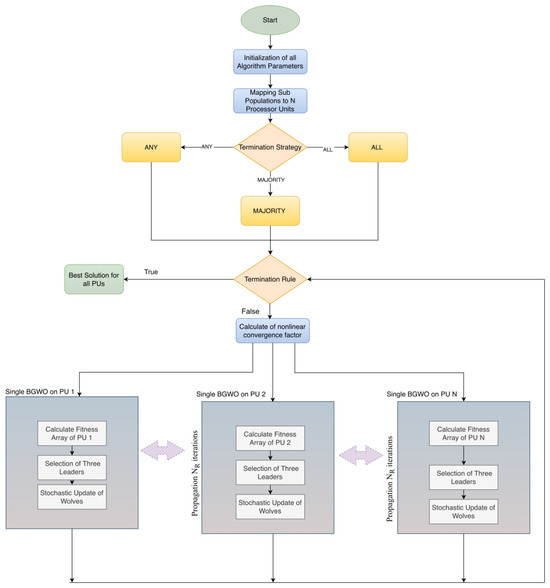
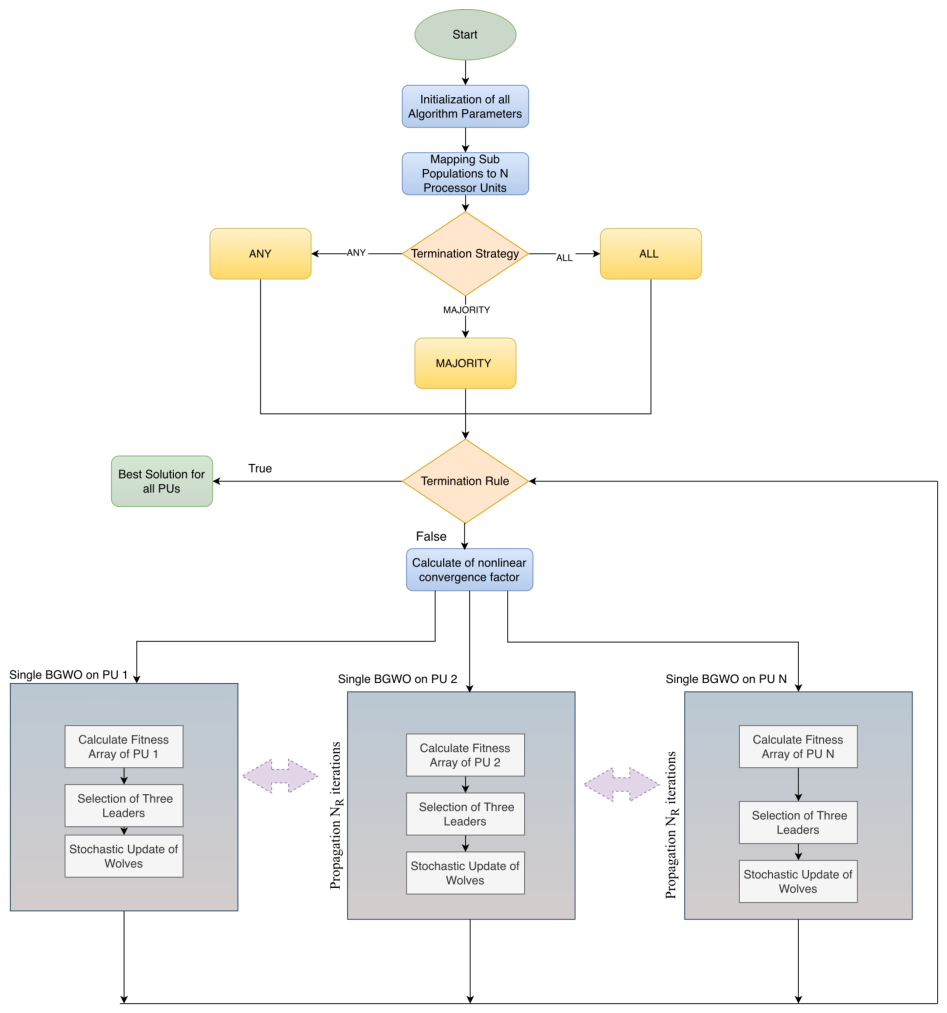
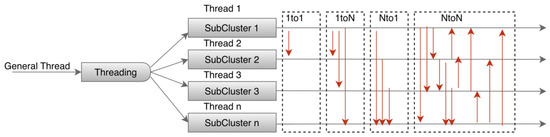
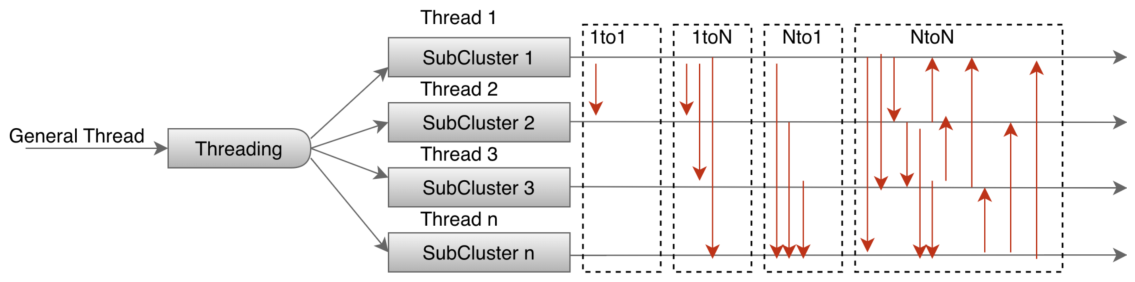
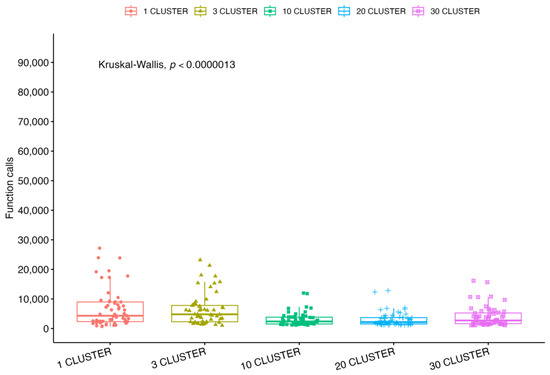
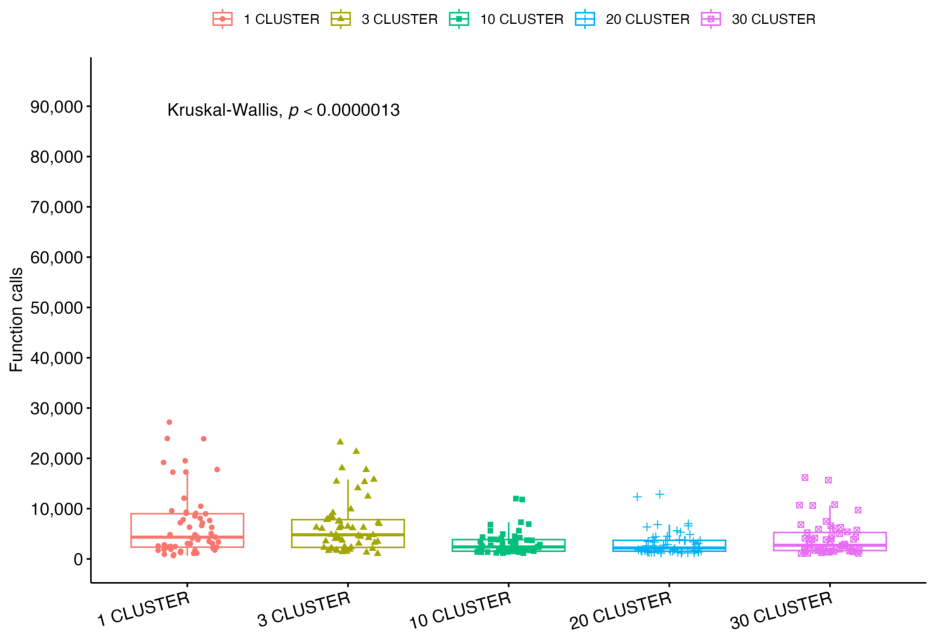
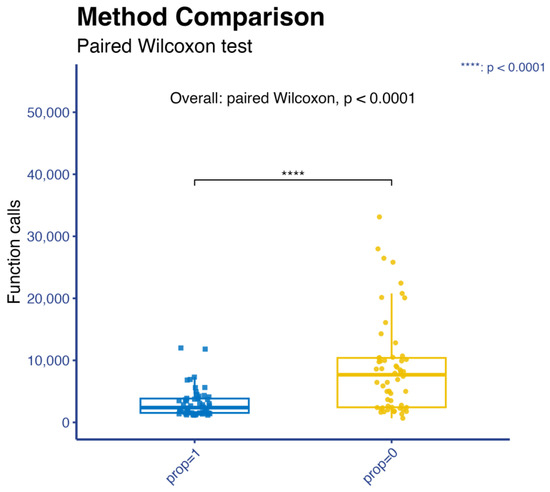
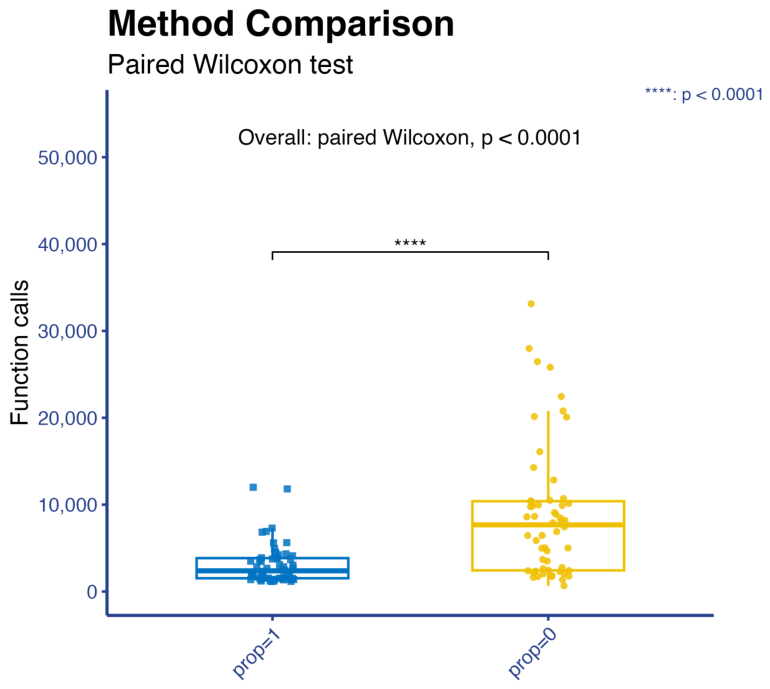
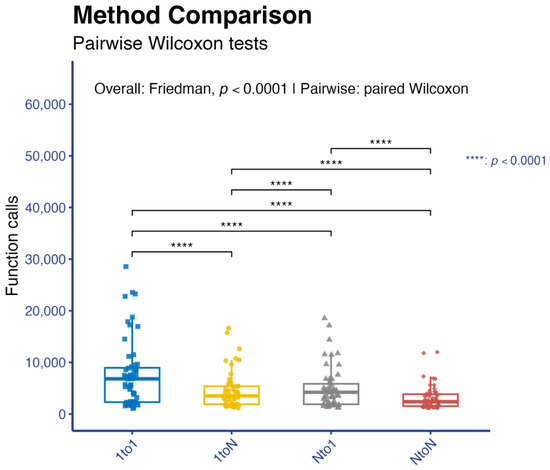
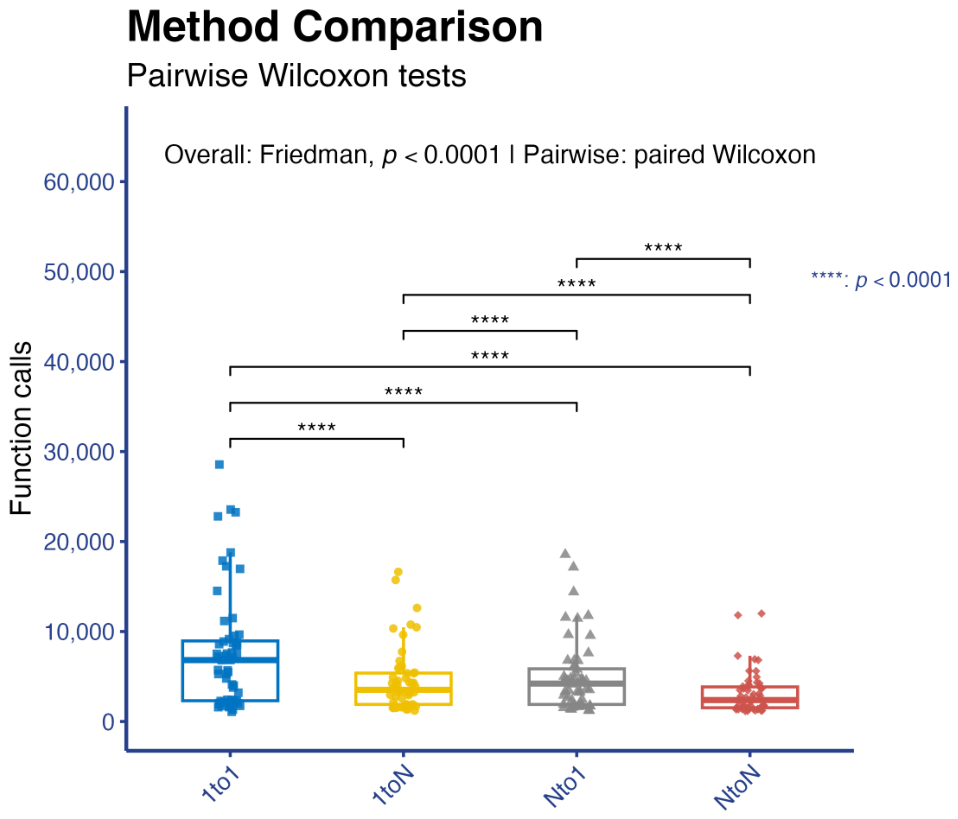
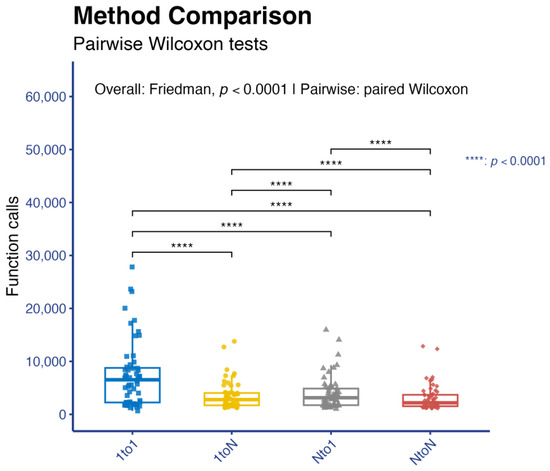
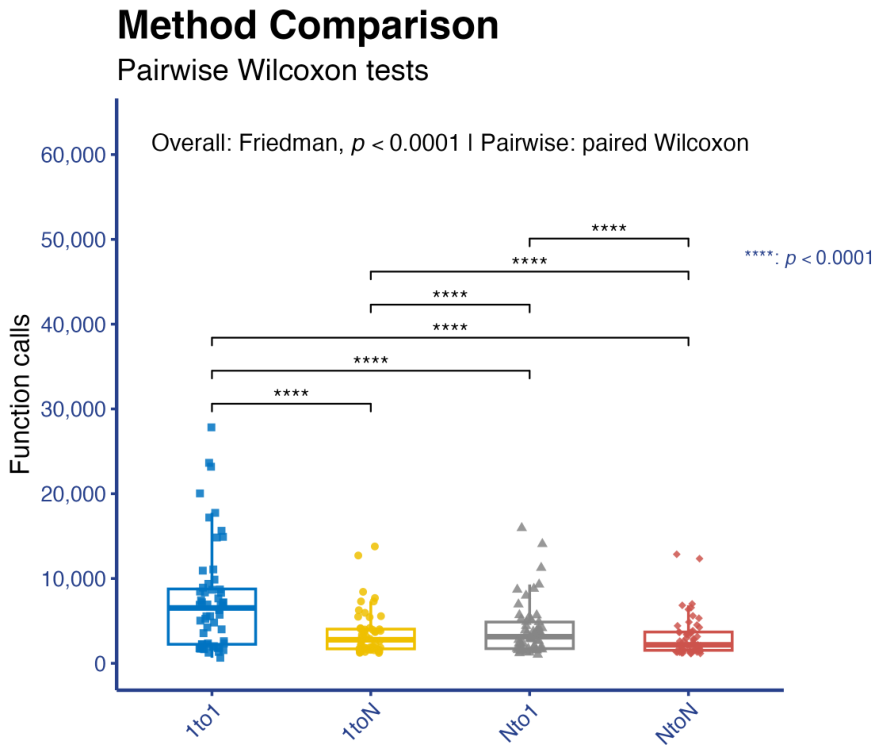
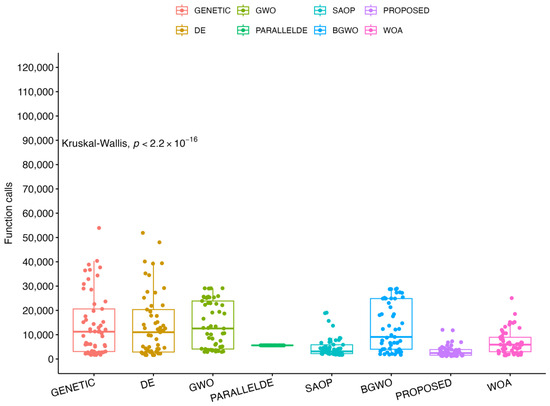
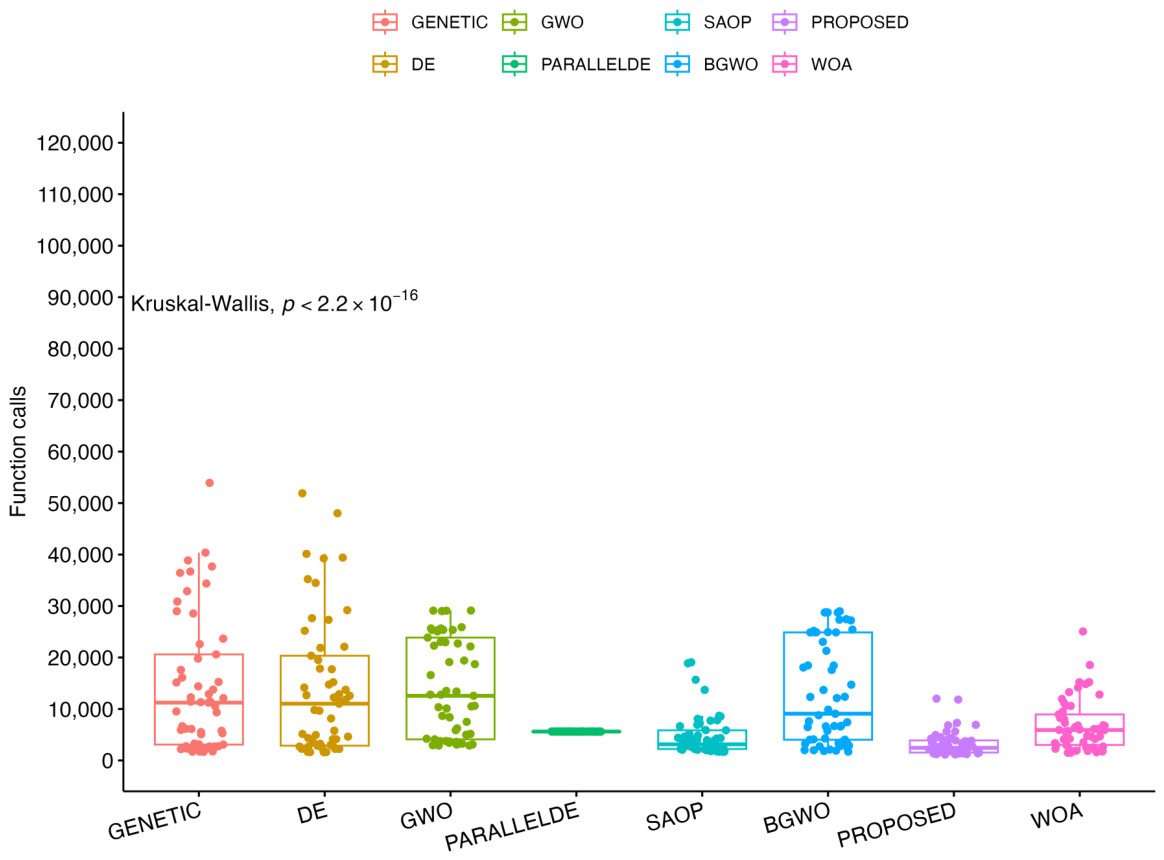
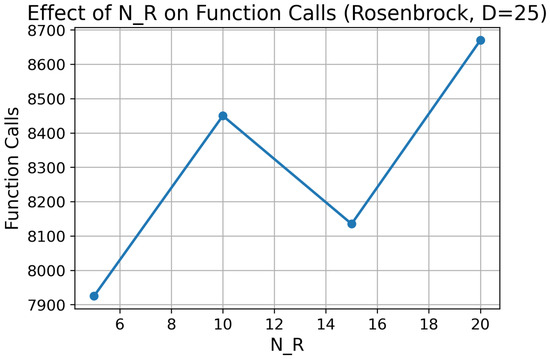
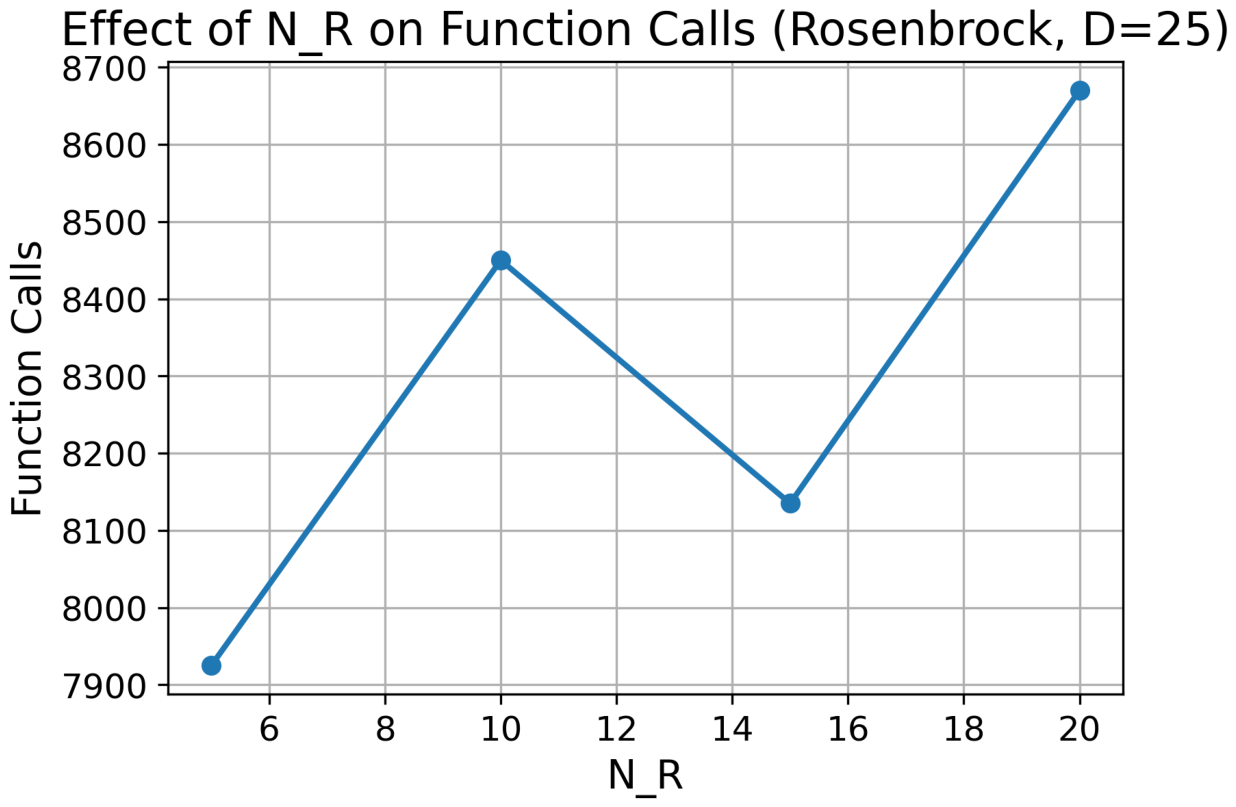
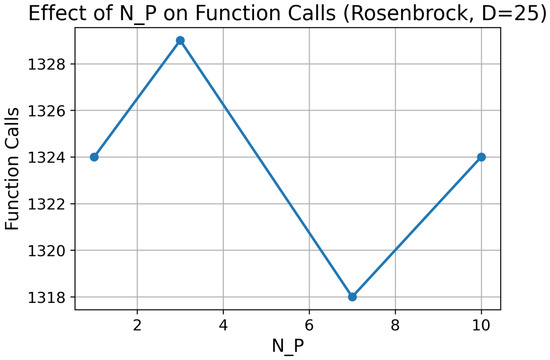
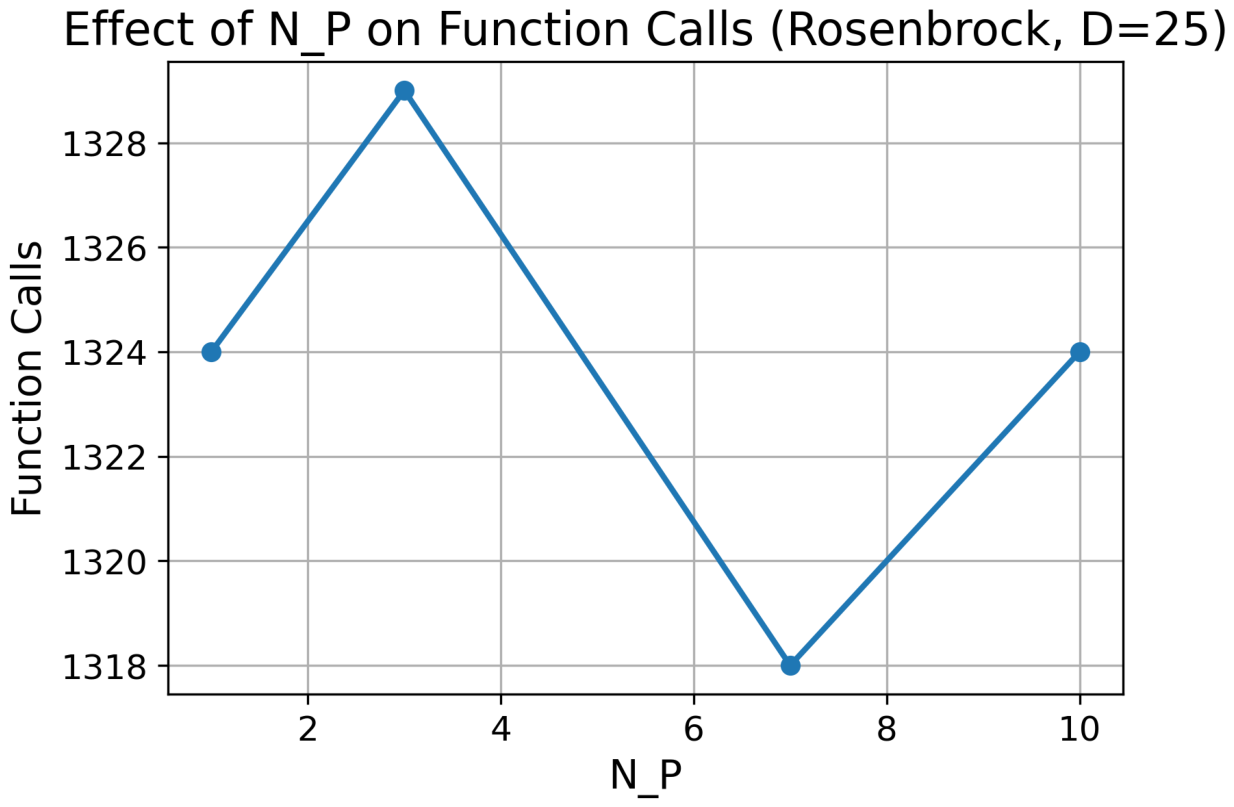
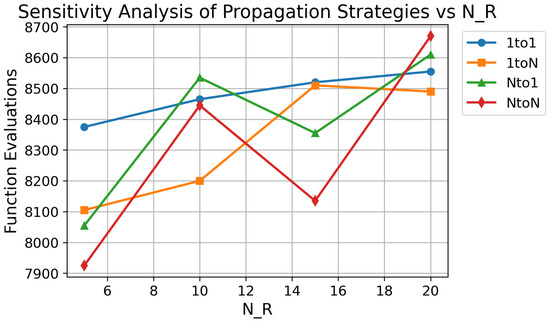
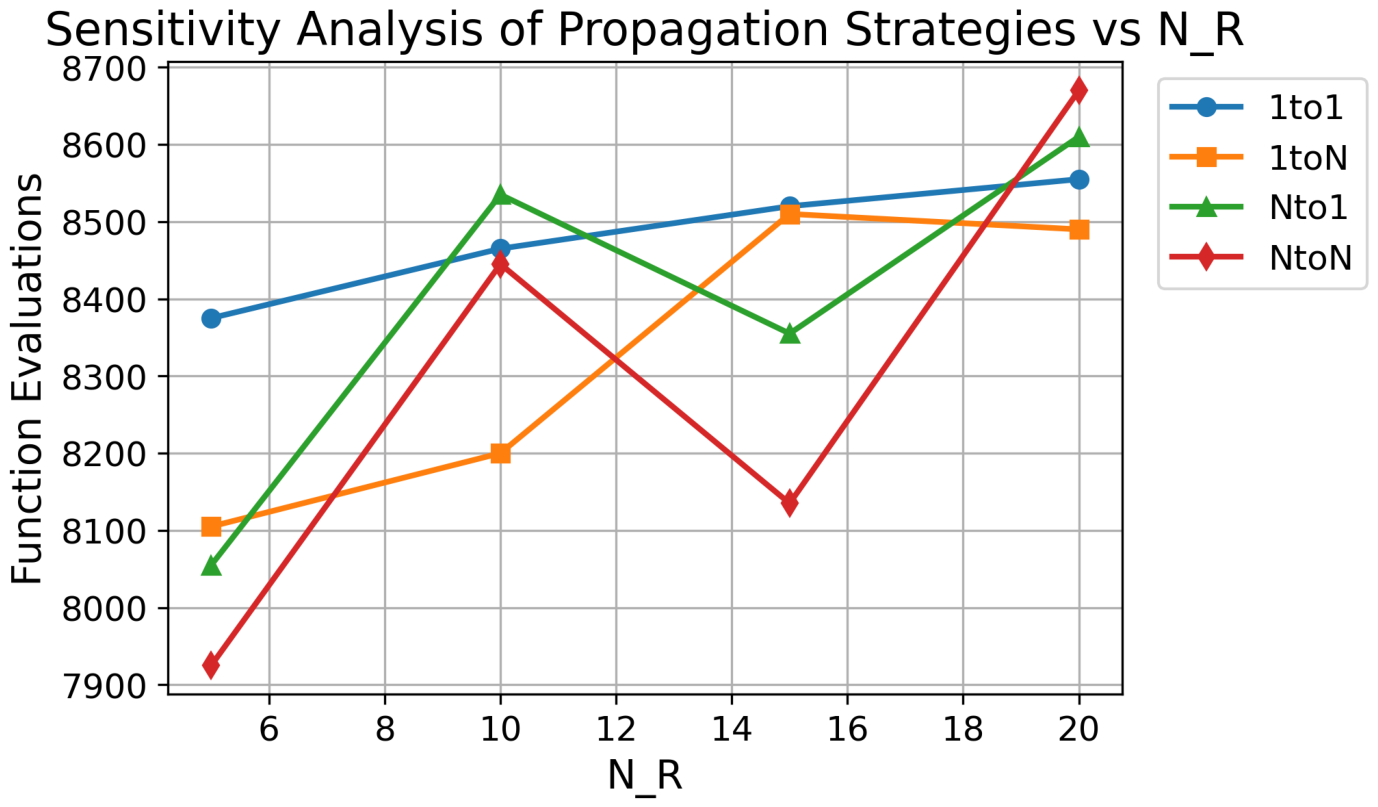
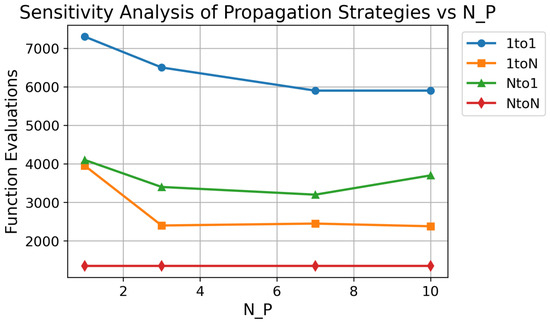
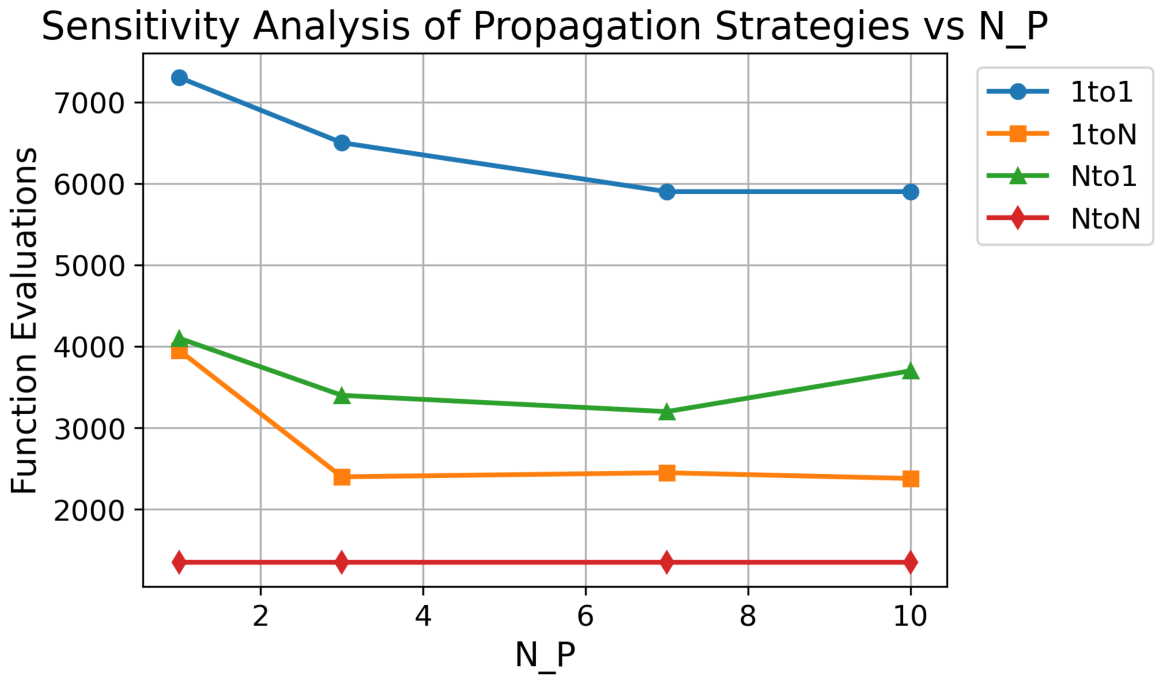
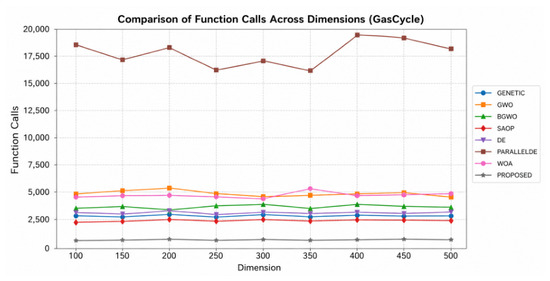
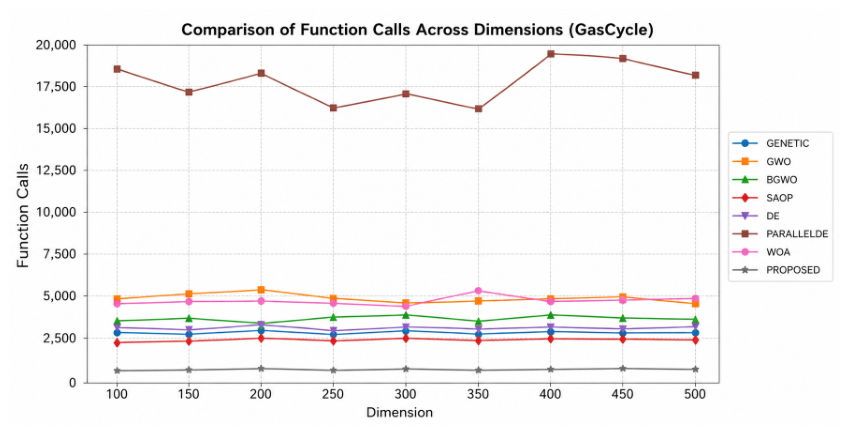
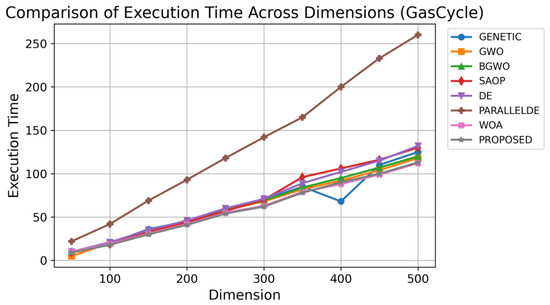
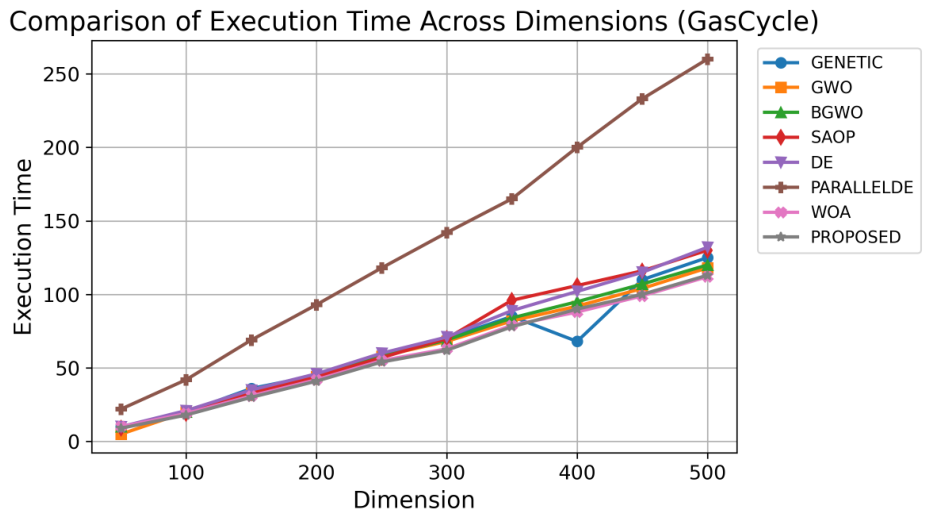
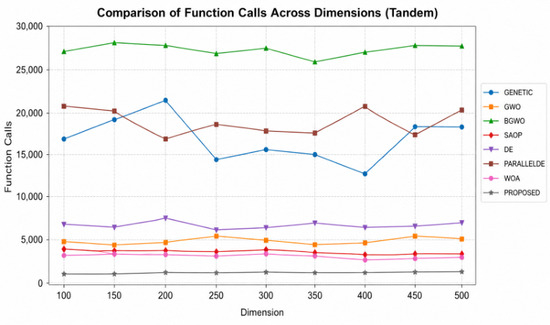
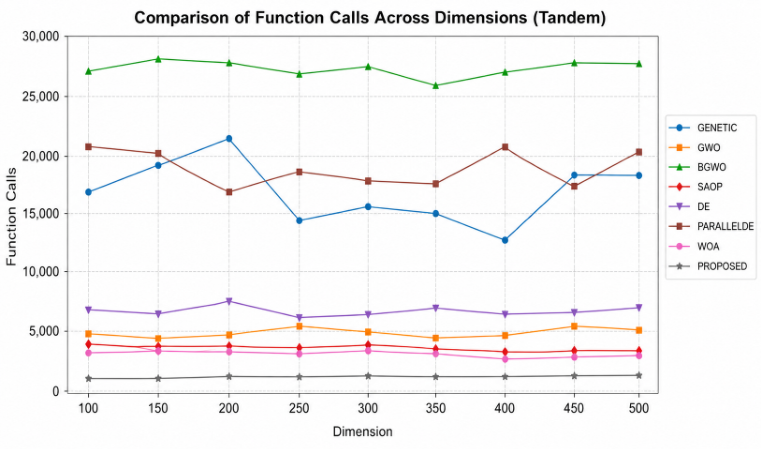
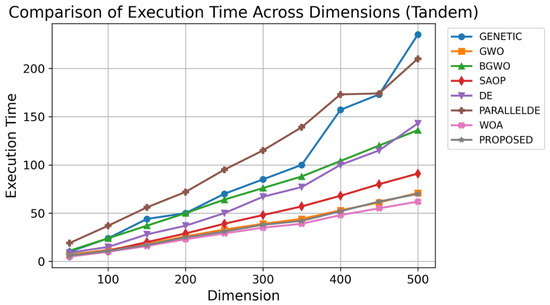
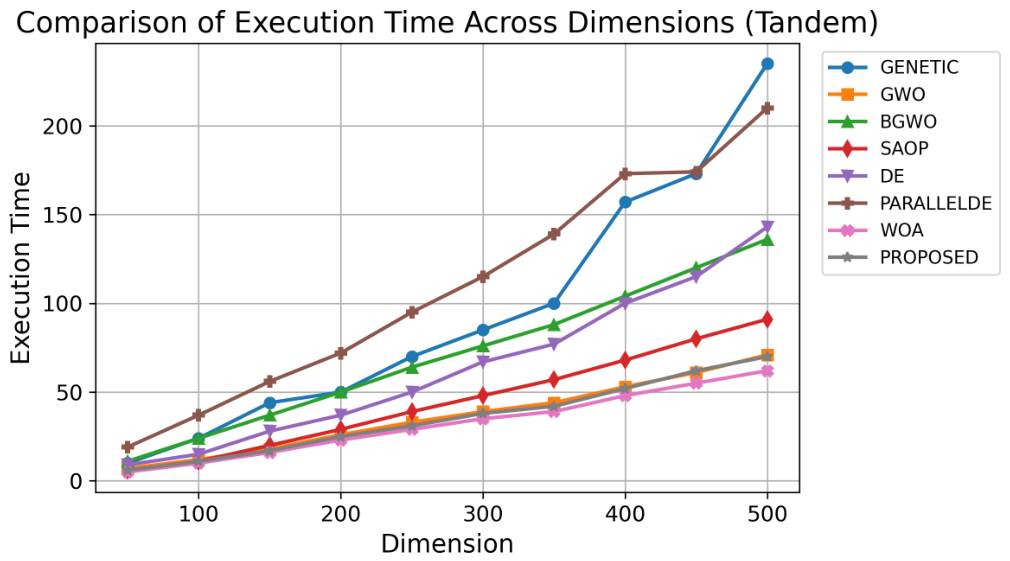
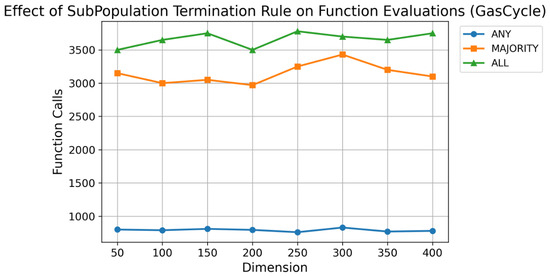
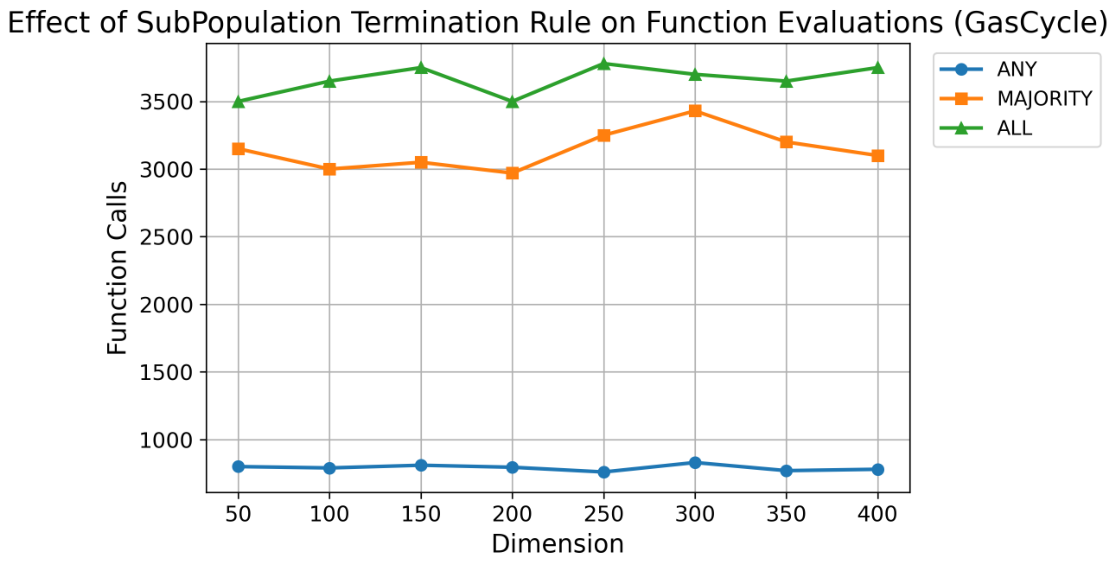
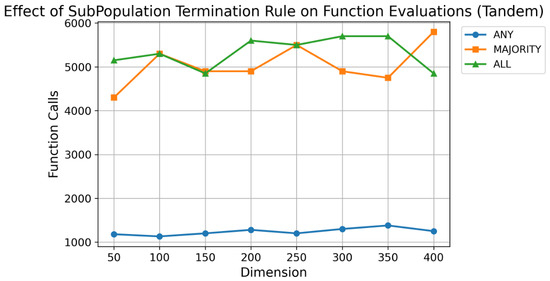
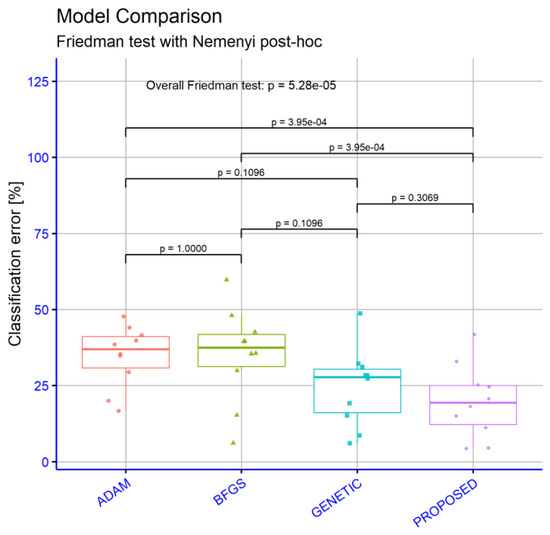

Disclaimer/Publisher’s Note: The statements, opinions and data contained in all publications are solely those of the individual author(s) and contributor(s) and not of MDPI and/or the editor(s). MDPI and/or the editor(s) disclaim responsibility for any injury to people or property resulting from any ideas, methods, instructions or products referred to in the content. |
© 2026 by the authors. Licensee MDPI, Basel, Switzerland. This article is an open access article distributed under the terms and conditions of the Creative Commons Attribution (CC BY) license.