


Abstract
The global shift toward an aging population presents significant challenges for healthcare systems. This is compounded by rising disability rates, fragmented care models that struggle to meet complex needs, and a digital divide caused by the emergence of smart technologies. This work aims to evaluate how the digital divide affects the adoption, usability, and perceived benefits of smart home technologies designed to support activities of daily living and health monitoring. The influences of socioeconomic status and geographic location (urban versus rural) on the digital divide are considered. Four databases (Web of Science™, Scopus®, PubMed®, and IEEE Xplore®) were searched between 2014 and 2026, resulting in 71 studies that examined older adults, smart home technologies for daily living or health monitoring, and factors related to the digital divide. Findings were synthesized using the Technology Acceptance Model, Van Dijk’s Digital Divide Framework, and Health Behavior Models. Three key barriers were identified—economic, technical, and social—which disproportionately affected vulnerable groups. Smart Home Health Technologies (SH2Techs) present adoption challenges distinct from standalone devices because they require integrated infrastructure and sustained engagement. Limited research addressing the usability of non-clinical SH2Techs has identified the need for co-design, simplified interfaces, targeted training, and policy reforms to support equitable aging in place.
1. Introduction
The world is undergoing a change in demographics marked by a rapidly increasing population of older adults. This shift is in large part the result of advancements in public health, nutrition, and medical care; which have significantly extended life expectancy and improved the quality of life in later years [1]. However, this presents societies with significant challenges that strain healthcare infrastructures. Hospitals are facing escalating resource demands, access to primary care is often limited, and physician burnout is increasingly common and on the rise [2]. Compounding these systemic strains is the growing burden of age-related non-communicable diseases (NCDs) and mental health conditions, which demand comprehensive, integrated care models that address the full spectrum of physical and cognitive well-being in old age [3]. The World Health Organization, in its 2020 report, identifies that health systems are not yet adequately designed to meet the complex needs of older populations [4].
A critical flaw exacerbating this crisis is the prevailing healthcare paradigm’s reliance on reactive, disease-specific interventions rather than proactive, continuous care [5]. This fragmentation is illustrated by recent data, such as Canada’s 2022 Survey on Disability, which reported a rise in disability rates among older adults from 38% in 2017 to 40% in 2022 [6]. These statistics reveal deeper barriers to care, including income limitations, mobility restrictions, and the profound isolation faced by those in rural and remote communities [6]. As our analysis below suggests, these geographic and socioeconomic determinants of health are recurrent themes across global research and highlight a systemic failure to provide equitable care.
Amid these converging challenges, a new and critical barrier has emerged: the digital divide [7]. We define this divide as the systemic inequity in access to, meaningful usage of, and benefits derived from digital healthcare technologies and services experienced by older populations. Socioeconomic status and geographic location (urban versus rural) are significant determinants of an individual’s position within this divide, influencing every stage from initial access to effective utilization [7,8]. Figure 1 visualizes how these factors interact to provide a conceptual model of the digital divide in aging.
Figure 1.
Conceptual model of the digital divide in aging.
In response, Digital Health Technologies (DHTs) have been recognized as a promising approach for supporting healthy adults by enabling continuous monitoring, promoting self-management, and facilitating care within the home environment [9]. Within the broad spectrum of DHTs, this review focuses specifically on Smart Home Health Technologies (SH2Techs).
For the purposes of this review, SH2Techs are defined as digital technologies that support health monitoring, disease self-management, activities of daily living (ADLs), rehabilitation, personal safety, or ageing in place within home or community environments. This definition is based on the intended health-related function of the technology rather than its physical form or technological platform. Consequently, this review on SH2Techs included home-based environmental monitoring technologies, ambient sensing systems, connected assistive devices, wearable sensors, smartphone applications, telehealth platforms, and other digitally enabled technologies when their primary purpose is to support non-clinical home-based health management, independent living, or aging in place. Conversely, technologies designed exclusively for clinician-directed diagnosis, hospital-based treatment, interventions requiring continuous professional supervision or general consumer smart devices without a health-related function were excluded.
Rather than classifying technologies according to device type alone, eligibility was determined by their intended purpose and context of use. Technologies were included when they supported non-clinical health management, routine daily functioning, or aging in place without requiring continuous operation by healthcare professionals. Consequently, telehealth platforms, wearable sensors, and mobile applications were considered eligible only when they formed part of a home-based health management strategy rather than solely facilitating clinician-directed diagnosis or treatment.
Compared with conventional telemedicine or standalone mobile health applications, SH2Techs are characterized by their integration within the home environment and their ability to provide continuous or longitudinal support through connected digital ecosystems. These systems generate information that can support proactive health management while enabling older adults to remain independent within their own homes and communities [10,11,12,13,14,15,16].
Despite this potential, the literature remains fragmented. Existing studies frequently use inconsistent terminology to describe similar technologies, thus making comparisons across studies difficult. Furthermore, relatively few reviews have synthesized how economic, technical, and social dimensions of the digital divide collectively influence the adoption and usability of SH2Tech. Although numerous studies have investigated digital health technologies for older adults, the existing evidence remains fragmented because similar technologies are described using inconsistent terminology and evaluated using diverse theoretical perspectives.
Also, the digital divide is increasingly recognized as a multidimensional phenomenon that extends beyond disparities in physical access to digital technologies. Van Dijk’s Digital Divide Framework conceptualizes the digital divide as comprising three interconnected dimensions: (i) material access, referring to the availability and affordability of digital devices and internet connectivity; (ii) skills access, encompassing digital literacy and the competencies required to effectively operate and navigate digital technologies; and (iii) usage access, reflecting the ability to meaningfully integrate digital technologies into everyday life to achieve beneficial health and social outcomes [8]. These dimensions are strongly influenced by socioeconomic status, educational attainment, geographic location, physical and cognitive functioning, and broader social determinants of health.
Consequently, there is limited synthesis examining how the economic, technical, and social dimensions of the digital divide collectively influence the adoption, usability, and sustained use of SH2Techs, particularly for non-clinical technologies intended to support independent living and aging in place. Furthermore, relatively few reviews have examined how intersecting factors including socioeconomic status, educational attainment, geographic location, digital literacy, and other social determinants of health combine to influence equitable access to SH2Techs among vulnerable older adult populations. Addressing these gaps forms the primary motivation for the present scoping review.
These themes inform our core research questions:
- Primary Question: How does the digital divide impact the adoption, usability, and perceived benefits of smart home technologies designed to support activities of daily living and basic monitoring among older adults?
- Secondary Question: How do socioeconomic status (SES) and geographic location (urban vs. rural) influence the digital divide, and subsequently, the access and usage of smart home technologies for activities of daily living and health monitoring among older adults?
To interpret our findings regarding the relationship between older adults and SH2Techs within the digital divide, we employ an integrated theoretical framework combining three complementary models:
- The Technology Acceptance Model (TAM) [17]: This model focuses on users’ perceptions of a technology’s Usefulness (PU—perceived usefulness) and Ease of Use (PEOU—perceived ease of use) as primary determinants of their intention to adopt and use it. This lens is crucial for dissecting usability and perception-based barriers at the individual level.
- Van Dijk’s Digital Divide Framework [8]: This framework provides a structural, societal-level view to analyze disparities in material access (devices, connectivity), skills (digital literacy), and usage (the effective application of technology for beneficial outcomes). This directly addresses the access, skills, and usage gaps central to our research questions.
- The Health Belief Model (HBM) [18] and the Theory of Planned Behavior (TPB) [19]: These models examine the individual beliefs, attitudes, perceived benefits and barriers, self-efficacy, and social influences that shape health-related behaviours, including the adoption of technology for health management. That is, they provide useful frameworks for understanding factors influencing technology adoption among older adults.
While each model offers valuable independent insights, their integration allows us to construct a more robust and multi-dimensional analytical framework [9,17,18,19]. We acknowledge the inherent overlaps—for instance, PEOU from TAM aligns closely with the Skills Divide in van Dijk’s model and the concept of Self-Efficacy in the HBM and TPB.
2. Methods
2.1. Eligibility
The study eligibility criteria were structured using the PICOTS framework (Population, Intervention, Comparator, Outcomes, Time, Study Design) to ensure a systematic and transparent selection process. This scoping review was conducted and reported in accordance with the Preferred Reporting Items for Scoping Reviews (PRISMA-ScR) guidelines. The review methodology, screening process, data extraction procedures, and reporting structure were developed to align with PRISMA-ScR recommendations to ensure transparency, reproducibility, and methodological rigor.
2.1.1. Inclusion Criteria
Inclusion criteria were defined using the PICOTS framework.
The participants/population were included if they were defined as “older adults”, “seniors”, “elderly”, “aging population”, “older people”, or “geriatric”, community-dwelling individuals, and dementia patients. The Interventions/Exposures included were healthcare or healthcare technology aspects, such as those related to healthy aging and aging-in-place supports. Types of Studies to be included were those published from 2014 onwards to capture the evolution of modern smart home ecosystems. For the purposes of this review, non-clinical SH2Techs were defined as digital technologies intended to support health monitoring, health self-management, activities of daily living (ADLs), personal safety, rehabilitation, or independent living within home or community environments without requiring continuous operation or supervision by healthcare professionals. Eligible technologies included ambient sensing systems, home-based monitoring technologies, connected assistive devices, wearable technologies, smartphone applications, and telehealth platforms when they primarily supported independent health management and ageing in place. Technologies designed exclusively for clinician-directed diagnosis, acute treatment, hospital-based care, intensive medical monitoring, or interventions requiring ongoing professional oversight were excluded. Given the review’s exploratory nature, a formal comparator was not required.
2.1.2. Exclusion Criteria
Exclusion criteria were defined using the PICOTS framework.
Conversely, studies were excluded if they focused on younger populations, individuals in palliative care, or those with specific psychiatric conditions (e.g., schizophrenia, bipolar disorder) or residing in assisted living facilities, as these contexts involve distinct care paradigms and technology requirements. We excluded technologies unrelated to healthcare or aging-in-place, such as those designed for entertainment or general home management without a health component. To maintain focus on user-managed technologies, we excluded clinical or long-term care devices requiring professional operation (e.g., ventilators, dialysis equipment, unless directly relevant to daily, non-clinical activities) and studies centered on hospital, hospice, or long-term care settings. Furthermore, we excluded articles published before 2014, conference papers to ensure quality and depth, and non-English publications.
2.2. Search Strategy
To identify all relevant literature, a comprehensive search was executed on 30 June 2026, across four major electronic databases: Web of Science™, Scopus®, PubMed®, and IEEE Xplore®. The search strategy was designed to be sensitive and encompass the core concepts of the review. A master search string was developed and then tailored to the specific syntax of each database. The core query combined key terms using Boolean operators: (“digital divide” OR “digital inclusion” OR “technology gap” OR “accessibility gap”) AND (“healthcare” OR “technology” OR “eHealth” OR “telemedicine” OR “digital health” OR “health technology” OR “telehealth”) AND (“older adults” OR “seniors” OR “elderly” OR “aging population” OR “older people” OR “geriatric”). The search strategy intentionally prioritized sensitivity over specificity because terminology describing SH2Techs varies substantially across engineering, health, and social science disciplines. Many studies investigating home-based monitoring systems connected assistive technologies, aging-in-place interventions, wearable technologies, and telehealth-supported self-management do not explicitly use terms such as “smart home”, “ambient assisted living”, or “Internet of Things” despite meeting our operational definition of SH2Techs. Consequently, broader digital health terminology was used during database searching, while the operational definition of SH2Techs was applied during title/abstract screening and full-text eligibility assessment to ensure that only studies meeting the predefined scope were ultimately included.
The process was conducted in accordance with best practices for systematic evidence synthesis, as outlined in the PRISMA-ScR (Preferred Reporting Items for Systematic Reviews and Meta-Analyses extension for Scoping Reviews) guidelines [20]. Consistent with the objectives of the PRISMA Extension for Scoping Reviews (PRISMA-ScR), this review was designed to systematically map the breadth and characteristics of the available evidence rather than evaluate the effectiveness of interventions or estimate pooled outcomes. Consequently, a formal methodological quality assessment or risk-of-bias appraisal of the included studies was not performed. This approach aligns with established guidance for scoping reviews, which emphasises evidence mapping, identification of research gaps, and characterisation of the existing literature over critical appraisal of individual studies.”
A completed PRISMA-ScR checklist is provided in the Supplementary Materials, and the study selection process is summarized in the PRISMA flow diagram (Figure 2). The complete database-specific search strategies for PubMed, Scopus, Web of Science, and IEEE Xplore are provided in the Supplementary Materials to facilitate transparency and reproducibility.
Figure 2.
PRISMA flowchart of the selection process.
Protocol Registration
This review protocol was registered through the Open Science Framework (OSF) prior to completion of the screening and data extraction phases. The registered protocol is available at https://doi.org/10.17605/OSF.IO/HU724.
2.3. Screening
Title and abstract screening, followed by full-text eligibility assessment, was undertaken independently by two reviewers using predefined inclusion and exclusion criteria. Disagreements were resolved through discussion and consensus, with unresolved differences adjudicated by senior members of the review team. Because the review protocol was designed to achieve consensus through independent review and structured adjudication rather than formal reliability testing, inter-rater agreement statistics (e.g., Cohen’s kappa) were not calculated. Methodological consistency was maintained through reviewer training, standardized screening procedures, pilot testing of the eligibility criteria, independent review, and consensus-based decision-making throughout the review process.
Covidence systematic review software (Veritas Health Innovation, Melbourne, Australia. Available at www.covidence.org.) was used for screening and data management. Title and abstract screening were independently performed by OG and JG. Studies considered potentially eligible proceeded to full-text review, which was also independently conducted by OG and JG. Disagreements during title/abstract screening were resolved by HW, while disagreements during full-text eligibility assessment were resolved by HW and QF through discussion until consensus was achieved. Data extraction was completed independently by OG (28 studies) and JG (19 studies) using a standardized extraction form developed in Covidence before being consolidated for analysis.
2.4. Extraction & Analysis
A standardized data extraction form was developed and piloted prior to full data extraction to ensure consistency across reviewers. For each included study, the following information was extracted: publication characteristics, study design, country of origin, participant demographics, healthcare context, technology type, study objectives, outcomes, digital divide factors, technology acceptance constructs, implementation barriers and facilitators, privacy and security considerations, training and support requirements, and key findings relevant to SH2Tech adoption.
Data extraction was completed in Covidence. OG completed extraction for 28 studies, and JG completed extraction for 19 studies. Following extraction, the .csv file was exported, cleaned, and synthesized by OG. The cleaned extracted data captured the following fields: Study ID, Title, Intervention, Country (first author), Institution, Technology type, Healthcare Context, Year, Study Type, Definition of Digital Divide, Study Design, Sampling Method, Total Sample Size, Mean Age, Health & Cognitive Status, Technology Familiarity, Type of Technology Studied, Access Barriers—Economic, Access Barriers—Technical, Access Barriers—Social, Training or Support Provided, Technology Adoption Rate, Self-Reported Ease of Use, Willingness to Use Technology, Privacy Concerns, Healthcare Self-Management Improvement, Key Findings/Themes, Review Paper (Yes/No, Type), eHealth/mHealth Mentioned (Yes/No), Literacy & Adherence Mentioned (Yes/No), Telemedicine/Telehealth Mentioned (Yes/No). Table 1 summarises the identified barriers, with articles grouped by their reported study design to distinguish focused and reproducible systematic reviews, broad evidence-mapping scoping reviews, interpretive narrative reviews, and general literature reviews without a specified systematic or scoping methodology.
Following extraction, an iterative thematic synthesis was undertaken. Codes were initially generated inductively from the extracted data and subsequently organized according to the Technology Acceptance Model (TAM) [17], Van Dijk’s Digital Divide Framework [8], and Health Behavior Models [18,19]. Themes were refined through repeated comparison across studies to identify recurring patterns relating to technology acceptance, digital inequalities, implementation barriers, and strategies to promote equitable adoption of SH2Techs. Consistent with the objectives of a scoping review and PRISMA-ScR guidance, a formal methodological quality appraisal or risk-of-bias assessment was not performed, as the purpose of this review was to comprehensively map the available evidence rather than evaluate the effectiveness of individual interventions.
2.5. Theoretical Framework
To comprehensively analyze the adoption of smart home health technologies, we constructed a theoretical framework integrating three complementary models. This integrated approach allows us to examine the technological, socioeconomic, and individual behavioral pillars critical to stakeholder engagement. The framework combines the Technology Acceptance Model (TAM) for assessing usability and perception of technology; the Digital Divide Framework for highlighting access, skills, and usage disparities in digital health adoption; and Health Behavior Models such as the Health Promotion Model (HPM) and Theory of Planned Behavior (TPB) for understanding personal motivators and barriers. These models were systematically mapped to specific criteria during our data extraction process. Also, the goal of this combined framework is to address the technological, socioeconomic, and individual engagement pillars of our stakeholders with smart home technologies.
From TAM, we linked Perceived Usefulness (PU) to metrics like Healthcare Self-Management Benefits and Willingness to Use Technology; Perceived Ease of Use (PEOU) to Self-Reported Ease of Use and Training or Support Provided; and Adoption Rate & Technology Familiarity was mapped to the Type of Technology Studied, and the Interaction Experience.
The Digital Divide Framework informed our analysis of structural inequalities: the Access Divide was mapped to Economic, Technical and Social Barriers; the Skills Divide to Digital Literacy Familiarity, and Training Needs; and the Usage Divide to metrics like eHealth/mHealth Adoption, Telemedicine Uptake, and Longitudinal Support Needs.
Finally, Health Behavior Models provided the lens for individual engagement, mapping Perceived Benefits to Healthcare Self-Management and Digital Health Engagement data; Perceived Barriers to Privacy Concerns, Social and Economic Barriers; Self-Efficacy and Social to Personalized Training Needs and Institutional Support.
We explicitly acknowledge the conceptual overlaps between these models; for instance, TAM’s “ease of use,” the Digital Divide’s “skills,” and Health Behavior’s “self-efficacy” all converge on the user’s capability. Rather than a limitation, this intersection strengthens our analysis by providing multiple perspectives on a single issue, the implications of which we will explore in detail in the discussion.
3. Results
3.1. Overview of Findings
Using our methods 2059 articles were found using our search strategy. 766 duplicates were removed. In the title and abstract screening, 877 articles were excluded. From the full text screening, 47 articles were accepted based on our inclusion and exclusion criteria and then moved to the text extraction stage. The full details can be seen in Figure 2.
The included studies represented a diverse range of research methodologies, including systematic reviews, scoping reviews, narrative reviews, literature reviews, qualitative studies, mixed-methods investigations, survey-based studies, randomized controlled trials, pilot implementation studies, and observational research (Table 1). Review articles primarily synthesized existing evidence regarding barriers, facilitators, and implementation strategies, whereas original empirical studies generated primary evidence relating to technology acceptance, usability, digital literacy, socioeconomic influences, and adoption of Smart Home Health Technologies.
Table 1.
Summary of the barriers to access from the reviewed articles.
Qualitative investigations predominantly explored older adults’ lived experiences, perceptions of usability, trust, privacy concerns, caregiver support, and social influences affecting SH2Tech adoption. In contrast, quantitative studies primarily examined measurable outcomes including technology acceptance, utilization patterns, digital literacy, health outcomes, and associations between demographic characteristics and technology adoption. Mixed-methods studies provided complementary evidence by integrating quantitative measures with qualitative insights into user experiences and implementation challenges.
The 71 included studies consistently identified economic, technical, and social barriers affecting the adoption of Smart Home Health Technologies among older adults. Across the included literature, economic barriers were the most frequently reported, followed by technical barriers related to usability and digital literacy, and social barriers related to isolation and support. Table 1 summarizes the barriers identified across the included studies. Most observational studies included in this review were conducted in North America, Europe, and China, with comparatively limited representation from low- and middle- income countries. This geographical distribution reflects the current concentration of SH2Tech research within economically developed settings and highlights an important evidence gap regarding implementation within resource-constrained environments We identified a significant gap in the literature, with research specifically focused on non-clinical SH2Techs for older adults being scarce compared to the more established fields of telemedicine or mobile health apps. This is compounded by a lack of standardized terminology; the absence of a universally accepted definition for “smart home technologies” complicates the identification and synthesis of relevant studies.
The high-level summary of the barriers to access studied is listed in Table 1 below. Our findings reveal that older adults face interconnected barriers to SH2Tech adoption, which we have categorized into economic, technical, and social domains. These domains align precisely with van Dijk’s digital divide framework of access, skills, and usage [8]. Economic barriers, the most frequently cited obstacle, directly limit material access to devices and connectivity. Technical barriers, including poor usability and low digital literacy, reflect a profound skills gap. Social barriers, such as a lack of support or negative attitudes from family and peers, hinder meaningful usage. These challenges are not isolated. In fact, nearly every study in our review reported at least one such barrier, that is, they are pervasive and deeply interrelated, resulting in a compounding effect that limits adoption.
Despite these challenges, literature offers promising strategies to mitigate the divide. A growing body of evidence indicates that acceptance can be significantly improved through personalized user training, age-friendly design principles that prioritize simplicity, and, most importantly, inclusive co-design processes that actively involve older adults in the technology development lifecycle [90,91]. We observed that improving the perceived usefulness and ease of use, which are core constructs of the Technology Acceptance Model, is directly linked to greater engagement and sustained use among older adults [92]. However, fundamental hurdles remain. Economic constraints are a persistent, systemic barrier, and pervasive concerns over privacy and data security continue to erode the trust essential for widespread adoption [93].
The following sections detail these findings. We first examine the specific barriers and user needs (Section 3.2), examine the vulnerability of low-income and rural older adults (Section 3.3), then analyze the factors influencing technology acceptance and training (Section 3.4), and finally, we consolidate evidence-based design recommendations to guide future, more equitable SH2Tech development (Section 3.5).
3.2. Digital Divide in Healthcare—A Multifaceted Examination of Barriers and Needs for Older Adults
The integration of digital health technologies into the lives of older adults is not merely a technical challenge, but a complex socio-economic issue. This section synthesizes the predominant barriers—economic, technical, and social—that collectively create a significant digital divide and hinder the effective adoption of SH2Techs.
Economic Barriers—The Fundamental Hurdle of Affordability: Economic constraints emerged as the most pervasive and fundamental barrier to access. A substantial majority of the reviewed studies highlighted the high cost of devices and ongoing internet connectivity as a primary obstacle [11,12,21,24,25,26,27,28,29,31,32,33,34,35,36,37,38,39,40,41,42,43,45,58,59,60,61,62,63,64,75,76,78,79,80,81,82,83]. The concern over affordability was explicitly mentioned twenty-six times across the literature, demonstrating its critical role. This challenge is compounded by a lack of reimbursement models for digital health tools within both public and private insurance schemes which thereby places the full financial burden on the older adult [11,12,25,26,27,28,29,31,33,34,35,37,38,39,40,41,45,58,61,62,63,64,75,76,78,82,83]. For instance, well-designed reimbursement models can inform policy frameworks that promote equitable access to emerging health technologies by enabling incremental adoption, such as through user trial periods or phased implementation strategies [11]. This approach can ease the financial burden associated with limited funding or infrastructure to allow users and care providers to evaluate and integrate smart home health technologies without the immediate cost of full-scale purchase or deployment. Without targeted policy interventions to address cost, reimbursement, and accessibility [11,25,33,34,36,37,38,42,43,79,80,82] SH2Techs risk becoming cost prohibited.
Technical Barriers—The Challenges of Usability, Literacy, and Trust: Even when economic hurdles are overcome, significant technical barriers impede effective usage. Older adults frequently encounter usability issues, system complexity, and low digital literacy, which directly impact their ability and willingness to use SH2Techs [11,12,21,22,23,24,25,26,27,28,29,30,31,32,33,34,35,37,38,39,40,41,42,43,44,45,59,60,61,62,63,64,65,75,76,77,80,81,82,83,84,85,86]. Digital literacy, defined as the ability to understand, use, and critically evaluate digital platforms for health decision-making [39], is a critical prerequisite that many older adults lack [12,21,27,29,31,39,42,59,60,76,80,81]. In fact, since aging is associated with changes in cognitive and motor abilities, digital literacy must be explicitly considered in technology design. Furthermore, privacy and data security concerns, explicitly identified in nineteen papers, erode the trust essential for adopting technologies that continuously monitor behavior and health [22,26,35,37,61]. Users expressed apprehension about how their sensitive health data is collected, stored, and shared [61]. When combined with device complexity and compatibility issues, these factors can make technology feel intimidating and inaccessible, leading to abandonment [32,43,62].
Social Barriers—The Crucial Role of Support and Context: The adoption of technology is deeply embedded in a social context. Social barriers, particularly the lack of social support and engagement challenges, were prominent themes, highlighted in 32 studies [12,33,34,35,37,38,39,40,41,43,45,47,48,52,53,54,56,57,63,67,68,71,72,76,78,80,82,83,84,85,86,89]. The absence of a supportive network, including family, friends, or caregivers, to assist with setup, troubleshooting, and encouragement, makes it profoundly difficult for older adults to engage with new technologies. On the other hand, positive social influences and training are significant predictors of technology adoption, demonstrating that the social environment is as important as the technology itself.
Key Adoption Factors and Methodological Approaches: Despite these barriers, literature identifies key factors that can facilitate adoption. Personal motivation and cognitive capacity are significant intrinsic predictors of technology use [12,34,36,63,77]. Furthermore, technologies that align with older adults’ design preferences such as prioritizing simplicity and intuitiveness, see higher adoption rates [25,34,42,62,63]. Crucially, there is a demonstrable link between the adoption of well-designed SH2Techs and positive health outcomes, including improved healthcare self-management [24,59,80]. This relationship is often mediated by the technology’s perceived ease of use and usefulness, core constructs of the Technology Acceptance Model [17]. The evidence base for these findings was derived from a mixed-methods approach. The reviewed studies employed a range of methodologies, with 27 utilizing qualitative or mixed methods [12,32,33,34,35,36,37,38,39,40,41,42,43,44,45,46,47,48,49,50,51,52,53,54,55,56,57], 17 relying on survey-based data [58,59,60,61,62,63,64,65,66,67,68,69,70,71,72,73,74], and 15 employing population-based methods [75,76,77,78,79,80,81,82,83,84,85,86,87,88,89].
3.3. Vulnerability of Low-Income and Rural Older Adults
Evidence synthesised across the included studies consistently demonstrated that older adults living in low-income households and rural communities experience disproportionately greater barriers to adopting Smart Home Health Technologies. These disparities reflect the cumulative effects of economic disadvantage, limited digital infrastructure, lower levels of digital literacy, reduced access to technical support, and fewer opportunities for technology training. Rather than representing isolated barriers, these challenges frequently interact to reinforce existing social and health inequities.
Several studies further demonstrated that these disadvantages intersect with broader social determinants of health, including educational attainment, race and ethnicity, disability, social isolation, and healthcare accessibility. Consequently, the digital divide among vulnerable older adults should be understood as a multidimensional and intersectional phenomenon rather than a consequence of limited technology access alone [11,21,24,27,32,59,60,62,63,64,76,78,80,81,82].
3.4. Technology Acceptance & Training Needs
3.4.1. Driving Adoption Through Perceived Usefulness and Healthcare Benefits
The successful adoption of SH2Techs by older adults is profoundly influenced by their Perceived Usefulness, a core construct of the Technology Acceptance Model [17]. When older adults discern a direct, tangible benefit to their health and independence, they are significantly more likely to embrace and consistently use these technologies [59,60]. Applications that deliver concrete healthcare benefits, such as medication adherence reminders and automated fall detection systems, are highly valued as they directly support self-management and provide a critical sense of security [12,28,58,61]. The utility is further magnified in technologies like wearable sensors for tracking vital signs, which facilitate real-time health monitoring [24]. By providing timely data that can be shared with healthcare providers, these tools bridge the gap between home and clinic, actively supporting chronic disease management and potentially improving long-term health outcomes [83]. Crucially, adoption is not merely about the tool itself, but its personal relevance. Sustained use is significantly higher when technology is personalized to meet individual needs, and coupled with tailored training, which directly improves user satisfaction and long-term engagement [36,80].
3.4.2. Overcoming Barriers via Ease of Use and Effective Training
Conversely, a primary deterrent to adoption is poor Perceived Ease of Use. Overly complex designs with confusing navigation and multi-step processes present significant cognitive and physical barriers, leading to low uptake and frequent abandonment [25,58,80]. To counter this, technology design must prioritize intuitive interfaces, simple navigation, and features like large text to accommodate varying levels of digital literacy and visual acuity [39,62]. Importantly, designing for age-related changes in perceptual, cognitive, and motor abilities is not an optional addition, but a fundamental requirement for usability.
Effective training strategies are equally critical. Research indicates that short, repeated training sessions are far more effective for knowledge retention and skill-building than single, lengthy tutorials [25,59]. The human element is highly beneficial; one-on-one support is vital for overcoming initial anxiety and building confidence [12,24]. Furthermore, involving family members in the training process can foster a supportive learning environment and improve digital literacy [61,80]. The most effective way to ensure usability is to involve the end-user directly in the design process. Co-design methodologies, which actively engage older adults in creating and refining technologies, consistently lead to more satisfying, usable, and ultimately successful products [44].
3.5. Key Design Recommendations for Bridging the Digital Divide for Older Adults
Synthesizing the evidence on barriers and facilitators, our scoping review culminates in five key, interconnected design and implementation recommendations to ensure SH2Techs genuinely meet the needs of older adults. These strategies are crucial for moving from theoretical potential to practical adoption, in order to effectively bridge the digital divide.
- Prioritize accessibility and usability through intuitive design: Technology interfaces must be simplified, with large, high-contrast text, unambiguous icons, and clear, jargon-free instructions. The primary goal is to reduce cognitive load, which can be achieved by minimizing the number of steps required for common tasks. As established by the CREATE team [94] designing for age-related changes in perceptual and cognitive abilities is a foundational requirement, not an afterthought [7]. In our review, devices that embodied these principles were consistently better received by users [58,62,79].
- Implement tailored training and sustained support systems: Effective training must be aligned with the learning patterns of older adults. This involves personalized, one-on-one sessions that proceed at the user’s pace, employ simple language, and use practical, real-life demonstrations. Short, repeated training sessions are far more effective for knowledge retention and building confidence than a single, lengthy orientation [25,29]. Involving family members or peers creates a supportive learning environment and provides a readily available resource for troubleshooting, thereby fostering the self-efficacy necessary for independent use [61,80]. Studies confirm that such supportive training is directly linked to sustained technology use [12,24,80].
- Build trust by embedding privacy and security by design: To alleviate significant user concerns, systems must incorporate transparent data practices and easy-to-understand privacy controls that allow users to manage their information. Adopting the formal principles of Privacy by Design, which mandate embedding privacy protections directly into the system architecture, is essential for reassuring users that their sensitive health data is secure [95]. This includes clear communication about compliance with data protection standards like HIPAA (US) or GDPR (European) [59].
- Embrace co-design to directly engage the end-user: Involving older adults as active partners in the design and testing phases is a proven methodology for preemptively identifying usability issues. This participatory approach leads to more satisfying, relevant, and effective products, as the technology is refined based on real-world feedback rather than assumptions [44].
- Address affordability through innovative policy and funding: Given that cost is a dominant barrier, strategic models are needed to reduce the financial burden. This includes advocating for public subsidies, insurance reimbursement for prescribed devices, and exploring leasing options. As several researchers have emphasized, establishing sustainable reimbursement and funding models is a critical systemic step to enable the equitable adoption of SH2Techs among older adults, particularly those in lower-income or underserved groups. Without stable payment pathways and supportive policy frameworks, the scalability and long-term integration of these technologies into health and social care systems remain limited [11,96,97].
4. Discussion
4.1. Interconnected Economic, Technical, and Social Barriers
Our scoping review elucidates that the challenges hindering the adoption of smart home health technologies among older adults are not isolated obstacles but are deeply interconnected. This systemic view reveals that the digital divide is a dynamic outcome of interacting with economic, technical, and social factors, demanding a holistic, system-level understanding of technology adoption. As visualized in Figure 3, these domains amplify one another:
Figure 3.
Conceptual summary of the interconnected major economic, technical, and social barriers influencing equitable SH2Tech adoption among older adults, and the corresponding design, training, and policy considerations identified across the included studies.
- Economic constraints (device/internet costs, lack of reimbursement [11,28]) directly limit access to technology.
- This scarcity exacerbates technical literacy gaps—without devices, digital literacy skills cannot develop [21,59].
- Both these factors fuel social exclusion, as limited access reduces opportunities for peer learning and support [12,34].
This pattern was consistently observed across the literature. For instance, device subsidies unaccompanied by tailored training fail to build the necessary skills for usage, while simplified interfaces remain irrelevant without affordable internet connectivity or trust in the system’s data security. As Peek et al. [98] note in their systematic review, factors influencing technology acceptance are multifaceted and interdependent, requiring a correspondingly integrated approach to solutions.
Figure 3 uses a nested schematic to represent the overlapping and interdependent nature of the economic, technical and social barrier domains. These domains should not be interpreted as following a fixed linear or causal sequence. Their relationships may be reciprocal and context-dependent; therefore, directional arrows were not used.
4.2. Integrating Theoretical Frameworks to Interpret Adoption Barriers
To fully decode the complexity of these adoption barriers, we applied an integrated theoretical lens combining the Technology Acceptance Model (TAM) [17], van Dijk’s Digital Divide framework [8], and Health Behavior Theories such as the Health Belief Model (HBM) and Theory of Planned Behavior (TPB) [18,19]. This synthesis was instrumental in explaining the profound impact of certain barriers. For example, the construct of Perceived Ease of Use (PEOU) in TAM directly mirrors van Dijk’s “skills divide” and aligns with the concept of self-efficacy in health behavior models. This theoretical overlap explains why older adults, even with financial access, often abandon devices with complex interfaces—a failure in PEOU directly impacts their self-efficacy.
Similarly, Perceived Usefulness (PU) in TAM converges with van Dijk’s “motivational access” and the outcome expectations of the HBM. This convergence clarifies why technologies that fail to demonstrate clear, tangible health benefits see low uptake, even among users who are financially secure and technically capable [63].
4.3. The Critical Social Dimension Gap
While technical usability and economic affordability often dominate intervention strategies, our review identifies the social dimension as a critical yet frequently overlooked determinant of sustained adoption. For example, privacy and data security concerns emerged as pivotal underexplored social barriers [22,37]. Several studies reported that sustained engagement with Smart Home Health Technologies may decline over time owing to factors including usability challenges, changing user needs, limited technical support, privacy concerns, and reduced perceived benefit. These findings highlight the importance of designing technologies that remain adaptable, user-centred, and responsive to the evolving needs of older adults throughout long-term use [75]. Crucially, these social dimensions interact with technical design while stigma decreases with aesthetically discreet, consumer-oriented devices [25].
4.4. Towards Holistic Solutions
Given this complex interplay, effective solutions must address multiple factors simultaneously and be integrated. To address this, we propose a three-pillar strategy:
Context-Embedded Design: SH2Techs must be co-designed with diverse older adults, moving beyond mere usability testing to actively involving them in the design process. This ensures technologies address real-world needs and preferences.
Community-Integrated Implementation: Training and support must leverage existing social infrastructures, such as senior centers and faith groups, and incorporate multigenerational support from family or peers.
Policy-Enabled Access: Financial solutions must be comprehensive. This involves combining device subsidies with broadband expansion initiatives and public funding for digital literacy programs, particularly targeting rural and low-income groups. This integrated approach acknowledges that economic access, technical usability, and social embeddedness are equally important and mutually reinforcing for achieving meaningful and sustained adoption.
4.5. Imperatives for Future Research
To continue addressing gaps identified in this review, new research should measure the evolving dynamics of how older adults use technology. Intersectional longitudinal studies can do this—tracking how adoption barriers and technology needs evolve over time across diverse populations, for example, varying by income, race, geography, and disability status. Cross-sectional data often masks important shifts driven by changing physical, cognitive, or social circumstances. Understanding these evolving dynamics is key to designing adaptive SH2Tech systems. Ultimately, the adoption of digital health technologies by older adults should not be conceptualized as a single moment of uptake but as an ongoing process of engagement, embedded within broader social, economic, and institutional contexts. Only by simultaneously addressing access, usability, and support can smart home technologies truly fulfill their promise of supporting independence and quality of life for older adults.
Unlike previous reviews that focused primarily on individual digital health technologies such as telemedicine, wearable devices, or smart home systems, this review integrates evidence across multiple Smart Home Health Technology modalities using complementary theoretical perspectives from technology acceptance, the digital divide, and health behavior. This broader synthesis highlights how economic, technical, and social barriers interact simultaneously to influence equitable adoption among older adults and provides practical implications for future technology design, implementation, and policy. The recommendations presented throughout this Discussion represent the authors’ synthesis and interpretation of the evidence identified across the included studies rather than direct conclusions from any single study. They are intended to inform future research, technology development, and policy aimed at improving the equitable adoption and implementation of SH2Tech for older adults.
4.6. Key Limitations
This scoping review identifies four critical limitations that constrain the current evidence base on Smart Home Health Technologies for older adults.
First, a pronounced scarcity of longitudinal research hinders our understanding of long-term effectiveness. While many studies capture initial adoption, few track sustained engagement or health outcomes over time beyond the initial adoption period [11,32]. This gap makes it difficult to assess the durability of these interventions or to understand how barriers and facilitators evolve as users age and their health needs change. Consequently, we lack crucial data on aging in place with technology lifecycle, leaving developers and clinicians without guidance on how to adapt systems for progressive needs.
Second, the literature demonstrates a significant lack of intersectional analysis. Older adults from marginalized groups, including rural residents, low-income individuals, racial/ethnic minorities, and those with disabilities, are severely underrepresented. Data are rarely disaggregated by these intersecting factors, obscuring how multiple forms of disadvantage compound to create unique barriers to access [64,81]. As initially articulated by Crenshaw [99] an intersectional lens is essential to uncover how systems of power and identity create layered inequalities. The current homogenous participant pools render the evidence base inadequate for informing equitable, real-world implementation. Future research must adopt such frameworks to fully capture the nuanced reality of digital health disparities and prevent the perpetuation of embedded inequities.
Third, a Western-centric and English-language publication bias skews the evidence base. Our reliance on databases like Web of Science and Scopus likely overlooks innovations and context-specific findings from the Global South, where innovative, low-cost solutions may be emerging. This parochialism limits the generalizability of current models and fails to capture diverse socio-cultural perspectives on aging, family support, and technology acceptance. The predominance of studies from high-income countries should also be considered when interpreting the findings. Differences in digital infrastructure, healthcare systems, socioeconomic conditions, and cultural contexts may limit the transferability of these findings to low- and middle-income countries. Broadening future searches to include regional databases (e.g., SciELO, CNKI) and grey literature from bodies like the World Health Organization and the International Telecommunication Union is not merely an academic exercise but a necessity for enriching the field with globally relevant insights. The search strategy also used broad health terminology rather than explicitly including all smart home-specific terms. Consequently, some studies indexed exclusively under terms such as ‘smart home’, ‘ambient assisted living’, ‘ambient intelligence’, or ‘Internet of Things’ may not have been retrieved. Although title/abstract and full-text screening were conducted independently by two reviewers, a formal measure of inter-rater agreement, such as Cohen’s kappa, was not prospectively calculated. Consensus-based adjudication supported consistent application of the eligibility criteria but did not provide a quantitative estimate of reviewer agreement.
Fourth, a methodological over-reliance on cross-sectional designs provides only a static snapshot of adoption. The field lacks the longitudinal and mixed-methods studies needed to track the dynamic process of how user needs, preferences, and technological integration shift across the aging trajectory. Incorporating these approaches is critical to moving beyond the question of if technologies are adopted to understanding how they are sustained, adapted, or abandoned within the daily lives of older adults. Collectively, these limitations restrict the generalizability of our findings and highlight an urgent need for more inclusive, long-term, and methodologically diverse research to build a truly robust and applicable knowledge base.
5. Conclusions
In conclusion, this review establishes that the digital divide in SH2Techs adoption for older adults is perpetuated by a self-reinforcing cycle of economic, technical, and social barriers. Economic constraints, such as high device costs and a lack of reimbursement models, systematically exclude lower-income and rural populations, turning technology from a form of support into a source of financial stress. Technical barriers, including poor usability, complex interfaces, and legitimate privacy concerns, inhibit confident engagement, especially for those with limited digital literacy, leading to frustration and abandonment. Social factors, such as isolation, stigma, and insufficient support networks, further drive the disengagement and abandonment of potentially beneficial technologies, underscoring that adoption is a socially embedded process, not merely a technical one.
To dismantle this cycle and bridge the divide, a coordinated, multi-stakeholder approach is essential. This demands a shift from siloed solutions to integrated ecosystems of support:
- Designers and engineers must move beyond one-size-fits-all solutions to prioritize intuitive, inclusive interfaces that accommodate diverse abilities and embed privacy-by-design principles aligned with standards like ISO 27701 [100] to build the essential trust that is the bedrock of sustained use.
- Policymakers are urged to fund critical infrastructure like rural broadband expansion and develop innovative reimbursement mechanisms for non-clinical home-based monitoring, as advocated in reports by bodies like the World Health Organization, thereby treating digital access as a social determinant of health.
- Healthcare providers and community organizations must implement personalized, scaffolded training programs that leverage social reinforcement from family and peers to build lasting self-efficacy, transforming technology from a daunting obstacle into an empowering tool.
SH2Techs offer transformative potential to enable early health interventions, preserve autonomy, and enhance well-being, ultimately supporting the profound human desire to age with dignity in one’s own community. Realizing this potential, however, demands an equity-centered reorientation of both research and practice. By championing co-design with diverse older adults, adopting intersectional evaluation frameworks, and pursuing rigorous longitudinal studies, we can transform SH2Techs from niche innovations into universally accessible tools. Ultimately, only through such comprehensive and inclusive strategies can these technologies fulfill their promise as essential enablers of dignity, autonomy, and health for all older adults, regardless of their socioeconomic status, ability, or background.
Supplementary Materials
The following supporting information can be downloaded at: https://www.mdpi.com/article/10.3390/jal6030059/s1, Figure S1: PRISMA flowchart of the initial (12 December 2024) search’s selection process; Table S1: PRISMA 2020 Checklist; Table S2: Database Search Strategies; Table S3: Characteristics of Included Papers.
Author Contributions
Conceptualization: Q.F. & M.J.D.; Search & Review Methodology: Q.F., P.S., M.J.D., O.G. & H.W.; Screening and data curation: O.G., J.G., H.W., I.H.D.P., A.E. & Q.F.; Result organization and analysis: all; Writing—original draft preparation: O.G.; Writing—Review & Editing: all; Supervision & Project administration: Q.F.; Resources and funding acquisition: Q.F. & M.J.D. All authors have read and agreed to the published version of the manuscript.
Funding
This work was supported in part by funding from the Natural Science & Engineering Research Council (NSERC) of Canada, the National Research Council (NRC) of Canada through an Aging-in-Place project (AiP-416), and the McMaster Institute of Research in Aging (MIRA) through the EMPOWrD project. O.G., H.W., J.G., and A.E. are supported by the Smart Mobility for the Aging Population (sMAP) and the Collaborative Research and Training Experience (CREATE) program from NSERC.
Institutional Review Board Statement
Not applicable. This study is a scoping review of previously published literature and did not involve human participants or animals.
Informed Consent Statement
Not applicable.
Data Availability Statement
No new data were created or analyzed in this study. Data sharing is not applicable to this article.
Conflicts of Interest
The authors declare no conflicts of interest.
Review Registration
OSF DOI: https://doi.org/10.17605/OSF.IO/HU724.
Abbreviations
The following abbreviations are used in this manuscript:
| SH2Tech | Smart Home Health Technology |
| DHT | Digital Health Technology |
| ADL | Activity of Daily Living |
| TAM | Technology Acceptance Model |
| PU | Perceived Usefulness |
| PEOU | Perceived Ease of Use |
| HBM | Health Belief Model |
| TPB | Theory of Planned Behavior |
| SES | Socioeconomic Status |
| PICOTS | Population, Intervention, Comparator, Outcomes, Time, Study Design |
| PRISMA-ScR | Preferred Reporting Items for Systematic reviews and Meta-Analyses extension for Scoping Reviews |
References
- Ageing and Health. Available online: https://www.who.int/news-room/fact-sheets/detail/ageing-and-health (accessed on 30 June 2026).
- Eriksson, C.O.; Stoner, R.C.; Eden, K.B.; Newgard, C.D.; Guise, J.M. The Association Between Hospital Capacity Strain and Inpatient Outcomes in Highly Developed Countries: A Systematic Review. J. Gen. Intern. Med. 2016, 32, 686. [Google Scholar] [CrossRef] [Scilit] [PubMed]
- Ngo, V.K.; Rubinstein, A.; Ganju, V.; Kanellis, P.; Loza, N.; Rabadan-Diehl, C.; Daar, A.S. Grand Challenges: Integrating Mental Health Care into the Non-Communicable Disease Agenda. PLoS Med. 2013, 10, e1001443. [Google Scholar] [CrossRef] [Scilit] [PubMed]
- WHO. Decade of Healthy Ageing: Baseline Report. Available online: https://www.who.int/publications/i/item/9789240017900 (accessed on 18 November 2025).
- Jonas, W.B.; Rosenbaum, E. The case for whole-person integrative care. Medicina 2021, 57, 677. [Google Scholar] [CrossRef] [Scilit] [PubMed]
- The Daily—Canadian Survey on Disability, 2017 to 2022. Available online: https://www150.statcan.gc.ca/n1/daily-quotidien/231201/dq231201b-eng.htm (accessed on 12 August 2026).
- Van Dijk, J.A.G.M. Digital Divide: Impact of Access. In The International Encyclopedia of Media Effects; Wiley: Hoboken, NJ, USA, 2017; Volume 1, pp. 1–11. [Google Scholar] [CrossRef] [Scilit]
- van Dijk, J.A.G.M. The deepening divide: Inequality in the information society. In The Deepening Divide: Inequality in the Information Society; SAGE Publications, Inc.: Thousand Oaks, CA, USA, 2005; pp. 1–240. [Google Scholar] [CrossRef] [Scilit]
- Scheerens, C.; Gilissen, J.; Volow, A.M.; Powell, J.L.; Ferguson, C.M.; Farrell, D.; Li, B.; Berry, C.; Sudore, R.L. Developing eHealth Tools for Diverse Older Adults: Lessons Learned from PREPARE for Your Care. J. Am. Geriatr. Soc. 2021, 69, 2939. [Google Scholar] [CrossRef] [Scilit] [PubMed]
- Facchinetti, G.; Petrucci, G.; Albanesi, B.; Marinis, M.G.D.; Piredda, M. Can Smart Home Technologies Help Older Adults Manage Their Chronic Condition? A Systematic Literature Review. Int. J. Environ. Res. Public Health 2023, 20, 1205. [Google Scholar] [CrossRef] [Scilit] [PubMed]
- Tian, Y.; Felber, N.; Pageau, F.; Schwab, D.; Wangmo, T. Benefits and barriers associated with the use of smart home health technologies in the care of older persons: A systematic review. BMC Geriatr. 2024, 24, 152. [Google Scholar] [CrossRef] [Scilit] [PubMed]
- Holthe, T.; Halvorsrud, L.; Lund, A. The perspectives of doing, being, belonging, becoming on older homecare recipients’ use and experiences with technologies in the Assisted Living Project in Norway. J. Occup. Sci. 2024, 31, 476–489. [Google Scholar] [CrossRef] [Scilit]
- Majumder, S.; Aghayi, E.; Noferesti, M.; Memarzadeh-Tehran, H.; Mondal, T.; Pang, Z.; Deen, M.J. Smart Homes for Elderly Healthcare—Recent Advances and Research Challenges. Sensors 2017, 17, 2496. [Google Scholar] [CrossRef] [Scilit] [PubMed]
- Deen, M.J. Information and communications technologies for elderly ubiquitous healthcare in a smart home. Pers. Ubiquitous Comput. 2015, 19, 573–599. [Google Scholar] [CrossRef] [Scilit]
- Wang, H.; Ganesh, G.; Zon, M.; Ghosh, O.; Siu, H.; Fang, Q. A BLE based turnkey indoor positioning system for mobility assessment in aging-in-place settings. PLoS Digit. Health 2025, 4, e0000774. [Google Scholar] [CrossRef] [Scilit] [PubMed]
- Zon, M.; Ganesh, G.; Deen, M.J.; Fang, Q. Context-Aware Medical Systems within Healthcare Environments: A Systematic Scoping Review to Identify Subdomains and Significant Medical Contexts. Int. J. Environ. Res. Public Health 2023, 20, 6399. [Google Scholar] [CrossRef] [Scilit] [PubMed]
- Davis, F.D. Perceived usefulness, perceived ease of use, and user acceptance of information technology. MIS Q. 1989, 13, 319–340. [Google Scholar] [CrossRef] [Scilit] [PubMed]
- Rosenstock, I.M. The Health Belief Model and Preventive Health Behavior. Health Educ. Behav. 1977, 2, 354–386. [Google Scholar] [CrossRef] [Scilit]
- Ajzen, I. The theory of planned behavior. Organ. Behav. Hum. Decis. Process. 1991, 50, 179–211. [Google Scholar] [CrossRef] [Scilit]
- Tricco, A.C.; Lillie, E.; Zarin, W.; O’Brien, K.K.; Colquhoun, H.; Levac, D.; Moher, D.; Peters, M.D.J.; Horsley, T.; Weeks, L.; et al. PRISMA extension for Scoping Reviews (PRISMA-ScR): Checklist and explanation. Ann. Intern. Med. 2018, 169, 467–473. [Google Scholar] [CrossRef] [Scilit] [PubMed]
- Watkins, I.; Xie, B. EHealth Literacy Interventions for Older Adults: A Systematic Review of the Literature. J. Med. Internet Res. 2014, 16, e225. [Google Scholar] [CrossRef] [Scilit] [PubMed]
- Mawela, T. Ambient Intelligence Systems for the Elderly: A Privacy Perspective. In Computational Science and Its Applications—ICCSA 2020, PT I; Springer: Berlin/Heidelberg, Germany, 2020; pp. 875–888. [Google Scholar] [CrossRef] [Scilit]
- Ji, Y.; Kim, H. Scoping Review of the Literature on Smart Healthcare for Older Adults. Yonsei Med. J. 2022, 63, S14–S21. [Google Scholar] [CrossRef] [Scilit] [PubMed]
- De Santis, K.; Mergenthal, L.; Christianson, L.; Busskamp, A.; Vonstein, C.; Zeeb, H. Digital Technologies for Health Promotion and Disease Prevention in Older People: Scoping Review. J. Med. Internet Res. 2023, 25, e43542. [Google Scholar] [CrossRef] [Scilit] [PubMed]
- Fowe, I.E.; Sanders, E.C.; Boot, W.R. Understanding barriers to the collection of mobile and wearable device data to monitor health and cognition in older adults: A scoping review. AMIA Summits Transl. Sci. Proc. 2023, 2023, 186–195. [Google Scholar] [PubMed]
- Shen, J.; Naeim, A. Telehealth in older adults with cancer in the United States: The emerging use of wearable sensors. J. Geriatr. Oncol. 2017, 8, 437–442. [Google Scholar] [CrossRef] [Scilit] [PubMed]
- Satariano, W.; Scharlach, A.; Lindeman, D. Aging, Place, and Technology: Toward Improving Access and Wellness in Older Populations. J. Aging Health 2014, 26, 1373–1389. [Google Scholar] [CrossRef] [Scilit] [PubMed]
- Pech, M.; Sauzeon, H.; Yebda, T.; Benois-Pineau, J.; Amieva, H. Falls Detection and Prevention Systems in Home Care for Older Adults: Myth or Reality? JMIR Aging 2021, 4, e29744. [Google Scholar] [CrossRef] [Scilit] [PubMed]
- Dahlke, D.; Ory, M. Emerging Issues of Intelligent Assistive Technology Use Among People with Dementia and Their Caregivers: A US Perspective. Front. Public Health 2020, 8, 191. [Google Scholar] [CrossRef] [Scilit] [PubMed]
- da Silva, M.D.; Slomp, E.M.; Santos, M.T.S.; Mule, L.d.O.D.; Ropelato, D.; Vasconcelos, A.W.; Silva, M.B. Digital Inclusion and Longevity: Evaluating the Usability of Emerging Technologies for the Elderly; Lecture Notes in Networks and Systems; Springer Science and Business Media Deutschland GmbH: Cham, Switzerland, 2024; pp. 14–32. [Google Scholar] [CrossRef] [Scilit]
- Gao, Y.; Walcott, T.H.; Dong, X.; Li, Y. Research on Health Management Design for the Elderly in the Context of Smart Healthcare. In Proceedings of the 2024 ASU International Conference in Emerging Technologies for Sustainability and Intelligent Systems (ICETSIS), Manama, Bahrain, 1–29 January 2024; pp. 1645–1649. [Google Scholar] [CrossRef] [Scilit]
- Schütz, N.; Knobel, S.E.J.; Botros, A.; Single, M.; Pais, B.; Santschi, V.; Gatica-Perez, D.; Buluschek, P.; Urwyler, P.; Gerber, S.M.; et al. A systems approach towards remote health-monitoring in older adults: Introducing a zero-interaction digital exhaust. npj Digit. Med. 2022, 5, 116. [Google Scholar] [CrossRef] [Scilit] [PubMed]
- Rogers, W.; Mitzner, T. Envisioning the future for older adults: Autonomy, health, well-being, and social connectedness with technology support. Futures 2017, 87, 133–139. [Google Scholar] [CrossRef] [Scilit] [PubMed]
- Ma, K.; Gao, M.; Guida, F.; He, R. Understanding the influencing factors and mechanism of social compensation for Chinese older adults using social media in the context of smart home: A qualitative analysis. Front. Public Health 2023, 11, 1174920. [Google Scholar] [CrossRef] [Scilit] [PubMed]
- Chen, L.-K. Empowering older adults on the digital pathways to healthy aging. Arch. Gerontol. Geriatr. 2024, 127, 105603. [Google Scholar] [CrossRef] [Scilit] [PubMed]
- Abdusalomov, A.; Mukhiddinov, M.; Djuraev, O.; Khamdamov, U.; Abdullaev, U. AI-Based Estimation from Images of Food Portion Size and Calories for Healthcare Systems; Lecture Notes in Networks and Systems; Springer Science and Business Media Deutschland GmbH: Cham, Switzerland, 2024; pp. 9–19. [Google Scholar] [CrossRef] [Scilit]
- Kokorelias, K.M.; De Albuquerque Green, C.E.; Sinha, S.K. Opportunities and Challenges in the Use of Technology to Support Aging in the Right Place. Healthc. Pap. 2024, 22, 11–23. [Google Scholar] [CrossRef] [Scilit] [PubMed]
- Baldissera, T.A.; De Faveri, C.; Oliveira, M.A.; Camarinha-Matos, L.M. Collaborative Communication and Monitoring Ecosystem for Elderly Care. In IFIP Advances in Information and Communication Technology; Springer Science and Business Media Deutschland GmbH: Cham, Switzerland, 2024; pp. 34–49. [Google Scholar] [CrossRef] [Scilit]
- Arieli, R.; Faulhaber, M.E.; Bishop, A.J. Bridging the Digital Divide: Smart Aging in Place and the Future of Gerontechnology. In (Re)designing the Continuum of Care for Older Adults: The Future of Long-Term Care Settings; Springer International Publishing: Cham, Switzerland, 2023; pp. 3–19. [Google Scholar] [CrossRef] [Scilit]
- Fournier, H.; Kondratova, I.; Katsuragawa, K. Smart Technologies and Internet of Things Designed for Aging in Place; Lecture Notes in Networks and Systems; Springer Science and Business Media Deutschland GmbH: Cham, Switzerland, 2021; pp. 158–176. [Google Scholar] [CrossRef] [Scilit] [PubMed]
- Saibene, A.; Assale, M.; Giltri, M. Addressing Digital Divide and Elderly Acceptance of Medical Expert Systems for Healthy Ageing; CEUR Workshop Proceedings; CEUR-WS: Aachen, Germany, 2020; pp. 14–24. Available online: https://www.scopus.com/inward/record.uri?eid=2-s2.0-85100881429&partnerID=40&md5=f8028de0ea5fc855b57b82a5377aaf93 (accessed on 12 August 2026).
- Cosco, T.D.; Firth, J.; Vahia, I.; Sixsmith, A.; Torous, J. Mobilizing mHealth data collection in older adults: Challenges and opportunities. JMIR Aging 2019, 2, e10019. [Google Scholar] [CrossRef] [Scilit] [PubMed]
- Macis, S.; Loi, D.; Raffo, L. The HEREiAM tele-social-care platform for collaborative management of independent living. In International Conference on Collaboration Technologies and Systems (CTS); Institute of Electrical and Electronics Engineers Inc.: New York, NY, USA, 2016; pp. 506–510. [Google Scholar] [CrossRef] [Scilit]
- Hakobyan, L.; Lumsden, J.; O’Sullivan, D. Participatory research with older adults with AMD: Co-designing a SMART diet diary app. In 28th International BCS Human Computer Interaction Conference: Sand, Sea and Sky—Holiday HCI (HCI 2014); BCS Learning and Development Ltd.: Swindon, UK, 2014; pp. 32–41. [Google Scholar] [CrossRef]
- Corti, L.; Brizi, M.R.; Pennacchini, M.; Bertolaso, M. Technological grandparents: How communication technologies can improve the well-being of the elderly? AI Soc. 2023, 39, 1921–1928. [Google Scholar] [CrossRef] [Scilit] [PubMed]
- Al-Tamimi, A.-K.; Hewitt, L.; Cameron, D.; Salem, M.; Moemeni, A. Challenges of Integrating Assistive Technologies and Robots with Embodied Intelligence in the Homes of Older People Living with Frailty. Appl. Sci. 2025, 15, 8415. [Google Scholar] [CrossRef] [Scilit]
- Bao, H.; Lee, Z.Y.; Lee, G.; Lee, E.W.J. Understanding Motivations and Barriers to Digital Health Adoption Among Older Adults in Singapore: A Qualitative Multi-Stakeholder Study. J. Technol. Behav. Sci. 2026, 1–15. [Google Scholar] [CrossRef] [Scilit]
- Chen, Y.; Li, N.; Bai, X.; Jiang, Y.; Tang, B.; Huang, S.; Wu, J. Dilemmas in the usage of community-based home care and smart home care services for older adults among family caregivers of older adults with mild cognitive impairment (MCI): A qualitative study. Front. Public Health 2025, 13, 1694462. [Google Scholar] [CrossRef] [Scilit] [PubMed]
- Gupta, S.K. Bridging the Digital Divide: Gerontechnology Adoption Among Institutionalized Older Adults. In Digital Technologies and Aging in South Asia and Middle East: Transforming Elderly Care; Routledge: Abingdon, UK, 2026; pp. 161–179. [Google Scholar] [CrossRef] [Scilit]
- Li, F.; Zhu, L.; Liu, Z.; Xu, Y. Research on emotional design of smart home products for the elderly based on technology acceptance modelling. J. Eng. Des. 2025, 37, 1007–1035. [Google Scholar] [CrossRef] [Scilit]
- Meixia, Q.; Tao, Z.; Ali, I.; Baikady, R.; Faisal, M.M.M.; Akhtar, T. Artificial intelligence of things (AIoT) based smart elderly care in Beijing China faces challenges and requires policy solutions. Discov. Glob. Soc. 2026, 4, 45. [Google Scholar] [CrossRef] [Scilit]
- Mu, Y.; Xu, X.; Li, X.; He, Y.; Song, K. Understanding smart health and elderly care implementation in China: A qualitative TOE-C framework analysis of 24 cases. BMC Geriatr. 2026, 26, 738. [Google Scholar] [CrossRef] [Scilit] [PubMed]
- Rafi, S. Artificial intelligence and telemedicine in elderly healthcare: A mixed-methods study. BMC Geriatr. 2026, 26, 71. [Google Scholar] [CrossRef] [Scilit] [PubMed]
- Zhang, H.; Liang, S.; Wu, L.; Wang, Y.; Luo, L.; Peng, B.; Xiong, X.; Chen, L.; Jia, Q.; Dai, T.; et al. The usage divide of digital health technology in age-friendly home modifications: An ethnographic study among older adults in rural China. Front. Public Health 2026, 14, 1735560. [Google Scholar] [CrossRef] [Scilit] [PubMed]
- Zhang, H.; Liao, X.; Liang, S.; Tong, L.; Shen, J.; Peng, B.; Wu, L.; Gao, L.; Jia, Q.; Ren, L.; et al. The impact of information technology applications on the quality of life of disabled older adults in nursing homes in China: A qualitative study. Front. Public Health 2025, 13, 1560306. [Google Scholar] [CrossRef] [Scilit] [PubMed]
- Zhao, R.; Zhang, Q.; Sun, H.; Zhang, Y.; Mao, Y.; An, Z.; Zhu, K. Digital Geriatric Medical Care in the Era of Big Data: A Narrative Review and Case Study of a Chinese Aged Care Facility. Int. J. Gen. Med. 2026, 19, 556468. [Google Scholar] [CrossRef] [Scilit] [PubMed]
- Zhu, C.; Tong, H.; Yang, X.; Luo, S.; Wong, K.H.; Shou, M.; Cao, Y. Evaluation on affordance of smart home products adopted by elderly people. Behav. Inf. Technol. 2026, 45, 868–888. [Google Scholar] [CrossRef] [Scilit]
- Naszay, M.; Stockinger, A.; Jungwirth, D.; Haluza, D. Digital age and the Public eHealth perspective: Prevailing health app use among Austrian Internet users. Inform. Health Soc. Care 2018, 43, 390–400. [Google Scholar] [CrossRef] [Scilit] [PubMed]
- Wei, Y.; Guo, X. Impact of smart device use on objective and subjective health of older adults: Findings from four provinces in China. Front. Public Health 2023, 11, 1118207. [Google Scholar] [CrossRef] [Scilit] [PubMed]
- Yoon, H.; Jang, Y.; Vaughan, P.; Garcia, M. Older Adults’ Internet Use for Health Information: Digital Divide by Race/Ethnicity and Socioeconomic Status. J. Appl. Gerontol. 2020, 39, 105–110. [Google Scholar] [CrossRef] [Scilit] [PubMed]
- Fowe, I.; Boot, W. Understanding older adults’ attitudes toward mobile and wearable technologies to support health and cognition. Front. Psychol. 2022, 13, 1036092. [Google Scholar] [CrossRef] [Scilit] [PubMed]
- Mao, J.; Xie, L.; Zhao, Q.; Xiao, M.; Tu, S.; Sun, W.; Zhou, T. Demand analysis of an intelligent medication administration system for older adults with chronic diseases based on the Kano model. Int. J. Nurs. Sci. 2022, 9, 63–70. [Google Scholar] [CrossRef] [Scilit] [PubMed]
- Cao, C.; Dai, H.; Li, D. How to promote the healthy development of continuous participation in smart medical and elderly care systems: The dual perspective of perceived value and risk. Digit. Health 2023, 9, 20552076231197425. [Google Scholar] [CrossRef] [Scilit] [PubMed]
- O’Connell, M.E.; Scerbe, A.; Wiley, K.; Gould, B.; Carter, J.; Bourassa, C.; Morgan, D.; Jacklin, K.; Warry, W. Anticipated needs and worries about maintaining independence of rural/remote older adults: Opportunities for technology development in the context of the double digital divide. Gerontech 2018, 17, 126–138. [Google Scholar] [CrossRef] [Scilit]
- Cao, L.; Chongsuvivatwong, V.; McNeil, E.B. The Sociodemographic Digital Divide in Mobile Health App Use Among Clients at Outpatient Departments in Inner Mongolia, China: Cross-sectional Survey Study. JMIR Hum. Factors 2022, 9, e36962. [Google Scholar] [CrossRef] [Scilit] [PubMed]
- Chen, D.; Han, J.; Song, Y. The efficacy and tendency of the gender digital divide and Smart Aging Policy in China. Health Care Women Int. 2025, 46, 1387–1408. [Google Scholar] [CrossRef] [Scilit] [PubMed]
- Chi, Z.; Lin, L.; Li, W.; Hu, H. Bridging the digital divide: The association between smart health devices and disability risk among digitally marginalized older adults in China. Int. J. Health Equity 2026, 25, 44. [Google Scholar] [CrossRef] [Scilit] [PubMed]
- Dong, F. Why Do Older Adults Lag Behind? Comparing Smart Home Technology Adoption Across Generations in Aging China. Int. J. Hum.-Comput. Interact. 2026, 1–20. [Google Scholar] [CrossRef] [Scilit]
- Huang, M.; Ye, Y. ‘A Matter of Life and Death’: Mitigating the Gray Digital Divide in Using Health Information Technologies in the Post-Pandemic Era. Health Commun. 2025, 40, 620–630. [Google Scholar] [CrossRef] [Scilit] [PubMed]
- Jaana, M.; Tamim, H.; Pare, G. EHealth and the Digital Divide: Insights from a Cross-Sectional Study of Older Canadians. J. Med. Internet Res. 2025, 27, e72274. [Google Scholar] [CrossRef] [Scilit] [PubMed]
- Lin, X.Y.; Moxley, J.; Sharit, J.; Czaja, S.J. Beyond the Digital Divide: Factors Associated with Adoption of Technologies Related to Aging in Place. J. Appl. Gerontol. 2025, 44, 959–969. [Google Scholar] [CrossRef] [Scilit] [PubMed]
- Luan, B.; Li, Y. How smart companions reshape psychological well-being in later life: The role of artificial intelligence technology in mental health during senior years. BMC Public Health 2026, 26, 609. [Google Scholar] [CrossRef] [Scilit] [PubMed]
- Pan, C.-C.; De Santis, K.K.; Muellmann, S.; Hoffmann, S.; Spallek, J.; Barnils, N.P.; Ahrens, W.; Zeeb, H.; Schüz, B. Sociodemographics and Digital Health Literacy in Using Wearables for Health Promotion and Disease Prevention: Cross-Sectional Nationwide Survey in Germany. J. Prev. 2025, 46, 371–391. [Google Scholar] [CrossRef] [Scilit] [PubMed]
- Xu, Y.; Chen, Z.; Shi, Y. A Push and a Pull: Dual Pathways of Family Influence on Older Adults’ Smart Home Adoption. Int. J. Hum.-Comput. Interact. 2026, 1–20. [Google Scholar] [CrossRef] [Scilit]
- Frishammar, J.; Essén, A.; Bergström, F.; Ekman, T. Digital health platforms for the elderly? Key adoption and usage barriers and ways to address them. Technol. Forecast. Soc. Change 2023, 189, 122319. [Google Scholar] [CrossRef] [Scilit]
- Cheng, L.; Chan, W.; Peng, Y.; Qin, H. Towards data-driven tele-medicine intelligence: Community-based mental healthcare paradigm shift for smart aging amid COVID-19 pandemic. Health Inf. Sci. Syst. 2023, 11, 14. [Google Scholar] [CrossRef] [Scilit] [PubMed]
- Peng, W.; Zhu, G.; Chen, Z.; Hou, T.; Luo, Y.; Huang, L.; Qiao, J.; Li, Y. Digital Technology Use in US Community-Dwelling Seniors with and Without Homebound Status. J. Am. Med. Dir. Assoc. 2024, 25, 105284. [Google Scholar] [CrossRef] [Scilit] [PubMed]
- Niemiec, S.; Lee, E.; Saunders, R.; Wagas, R.; Wu, S. Technology for activity participation in older people with mild cognitive impairment or dementia: Expert perspectives and a scoping review. Disabil. Rehabil.-Assist. Technol. 2023, 18, 1555–1576. [Google Scholar] [CrossRef] [Scilit] [PubMed]
- Tural, E.; Lu, D.; Cole, D. Safely and Actively Aging in Place: Older Adults’ Attitudes and Intentions Toward Smart Home Technologies. Gerontol. Geriatr. Med. 2021, 7, 23337214211017340. [Google Scholar] [CrossRef] [Scilit] [PubMed]
- Arthanat, S. Promoting Information Communication Technology Adoption and Acceptance for Aging-in-Place: A Randomized Controlled Trial. J. Appl. Gerontol. 2021, 40, 471–480. [Google Scholar] [CrossRef] [Scilit] [PubMed]
- Liu, D.; Yamashita, T.; Burston, B.; Keene, J. The Use of Online Health-Management Tools and Health Care Utilization Among Older Americans. Gerontologist 2020, 60, 1224–1232. [Google Scholar] [CrossRef] [Scilit] [PubMed]
- Brunzini, A.; Caragiuli, M.; Atzori, F.; Bronzini, M.; Germani, M. Digital technology for elders better living: A usability and user-experience assessment. In Proceedings of the 16th International Conference on Pervasive Technologies Related to Assistive Environments, PETRA 2023, Corfu, Greece, 5–7 July 2023; pp. 123–130. [Google Scholar] [CrossRef] [Scilit]
- Kohn, M.; Chadwick, K.; Steinman, L. Adapting Evidence-Based Falls Prevention Programs for Remote Delivery—Implementation Insights through the RE-AIM Evaluation Framework to Promote Health Equity. Prev. Sci. 2024, 25, 163–173. [Google Scholar] [CrossRef] [Scilit] [PubMed]
- Forbes, M.; Chakraborty, J.; Badejo, J.A. Applying Cognitive and Cultural Frameworks to mHealth Application Design for Elderly Users. In Proceedings of the 19th International Joint Conference on Computer Vision, Imaging and Computer Graphics Theory and Applications; Science and Technology Publications: Setúbal, Portugal, 2024; pp. 435–443. [Google Scholar] [CrossRef] [Scilit]
- da Silva Sobrinho, A.C.; de Oliveira Gomes, G.A.; Bueno Júnior, C.R. Developing a Multiprofessional Mobile App to Enhance Health Habits in Older Adults: User-Centered Approach. JMIR Form. Res. 2024, 8, e54214. [Google Scholar] [CrossRef] [Scilit] [PubMed]
- Kuoremäki, R.; Poskiparta, M.; Neittaanmäki, P. Involving the elderly in the content development of a health enhancing tablet-based service. In 2014 4th International Conference on Wireless Mobile Communication and Healthcare—Transforming Healthcare Through Innovations in Mobile and Wireless Technologies (MOBIHEALTH); IEEE: Piscataway, NJ, USA, 2014; pp. 28–31. [Google Scholar] [CrossRef]
- Bao, H.; Subramanian, S.M.S.; Pai, S.G.S.; Singh, N.B.; Tan, K.Z.; Pham, T.P.; Pan, F.; Theng, Y.-L.; Lee, E. Design and Evaluation of a Digital Health App (SingaporeWALK) for Active Aging: Pre-Post Intervention Study. JMIR Form. Res. 2025, 9, e68937. [Google Scholar] [CrossRef] [Scilit] [PubMed]
- Chokphukhiao, C.; Tun, W.S.T.; Duankhan, P.; Masa, S.; Hongthong, P.; Pongskul, C.; Chaiayuth, S.; Loeiyood, J.; Kuhirunyaratn, P.; Jindawong, B.; et al. IoT-based health monitoring and social welfare access for Thailand’s older adults. Front. Digit Health 2026, 8, 1696118. [Google Scholar] [CrossRef] [Scilit] [PubMed]
- Song, S.; Hwang, S.Y.; Kim, H.Y.; Kim, J. Digital-Human Public Community Care Integration for Chronic Pain in Low-Income Older Adults in a 6-Week Living Lab Setting: Quasi-Experimental Feasibility Study. JMIR Aging 2026, 9, e85611. [Google Scholar] [CrossRef] [Scilit] [PubMed]
- Du Preez, V.; De La Harpe, R. Engaging aging individuals in the design of technologies and services to support health and well-being: Constructivist grounded theory study. JMIR Aging 2019, 2, e12393. [Google Scholar] [CrossRef] [Scilit] [PubMed]
- Mannheim, I.; Schwartz, E.; Xi, W.; Buttigieg, S.C.; McDonnell-Naughton, M.; Wouters, E.J.M.; van Zaalen, Y. Inclusion of older adults in the research and design of digital technology. Int. J. Environ. Res. Public Health 2019, 16, 3718. [Google Scholar] [CrossRef] [Scilit] [PubMed]
- Venkatesh, V.; Davis, F.D. A theoretical extension of the Technology Acceptance Model: Four longitudinal field studies. Manag. Sci. 2000, 46, 186–204. [Google Scholar] [CrossRef] [Scilit]
- Mitzner, T.L.; Boron, J.B.; Fausset, C.B.; Adams, A.E.; Charness, N.; Czaja, S.J.; Dijkstra, K.; Fisk, A.D.; Rogers, W.A.; Sharit, J. Older adults talk technology: Technology usage and attitudes. Comput. Hum. Behav. 2010, 26, 1710–1721. [Google Scholar] [CrossRef] [Scilit] [PubMed]
- Czaja, S.J.; Charness, N.; Fisk, A.D.; Hertzog, C.; Nair, S.N.; Rogers, W.A.; Sharit, J. Factors predicting the use of technology: Findings from the Center for Research and Education on Aging and Technology Enhancement (CREATE). Psychol. Aging 2006, 21, 333–352. [Google Scholar] [CrossRef] [Scilit] [PubMed]
- Privacy by Design (PbD) Was Developed by the Information and Privacy Commissioner of Ontario; Dataguidance.com: Toronto, ON, Canada, 2009; Available online: https://www.dataguidance.com/sites/default/files/pbd-primer_1.pdf (accessed on 18 November 2025).
- Nouri, S.; Khoong, E.C.; Lyles, C.; Karliner, L. Addressing equity in telemedicine for chronic disease management during the COVID-19 pandemic. NEJM Catal. Innov. Care Deliv. 2020, 1–10. [Google Scholar]
- Creber, R.M.; Dodson, J.A.; Bidwell, J.; Breathett, K.; Lyles, C.; Still, C.H.; Ooi, S.-Y.; Yancy, C.; Kitsiou, S.; on behalf of the American Heart Association Cardiovascular Disease in Older Populations Committee of the Council on Clinical Cardiology and the Council on Cardiovascular and Stroke Nursing; et al. Telehealth and health equity in older adults with heart failure: A scientific statement from the American heart association. Circ. Cardiovasc. Qual. Outcomes 2023, 16, e000123. [Google Scholar] [CrossRef] [Scilit] [PubMed]
- Peek, S.T.M.; Wouters, E.J.M.; van Hoof, J.; Luijkx, K.G.; Boeije, H.R.; Vrijhoef, H.J.M. Factors influencing acceptance of technology for aging in place: A systematic review. Int. J. Med. Inform. 2014, 83, 235–248. [Google Scholar] [CrossRef] [Scilit] [PubMed]
- Crenshaw, K. Demarginalizing the intersection of race and sex: A black feminist critique of antidiscrimination doctrine, feminist theory and antiracist politics. Univ. Chic. Leg. Forum 1989, 1989, 139–167. [Google Scholar]
- ISO 27701; Information Security, Cybersecurity and Privacy Protection—Privacy Information Management Systems—Requirements and Guidance. ISO: Geneva, Switzerland, 2025.
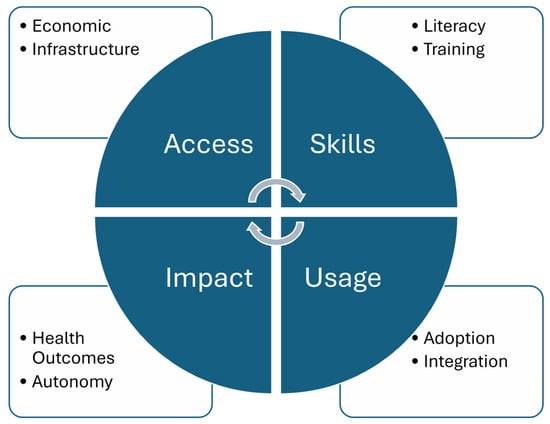
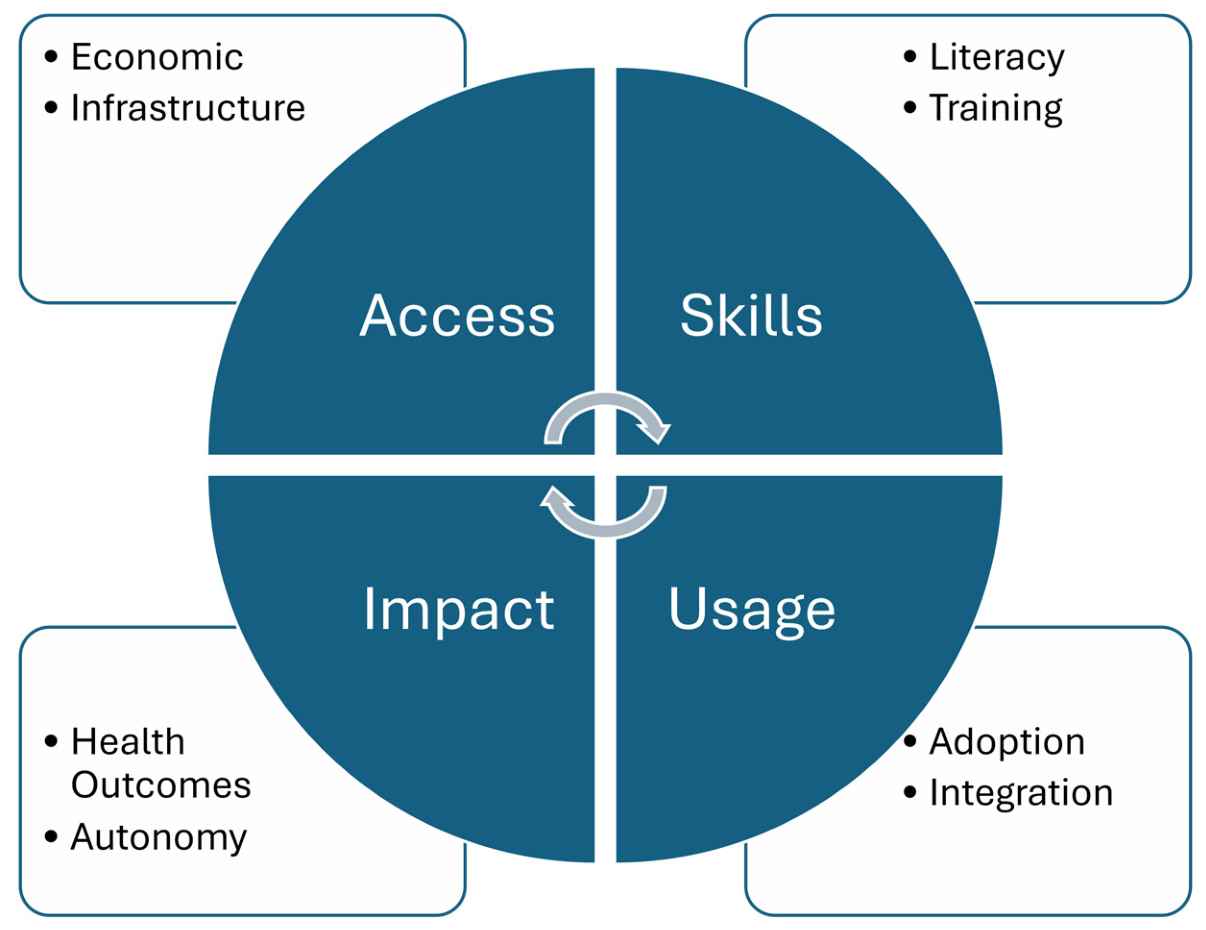
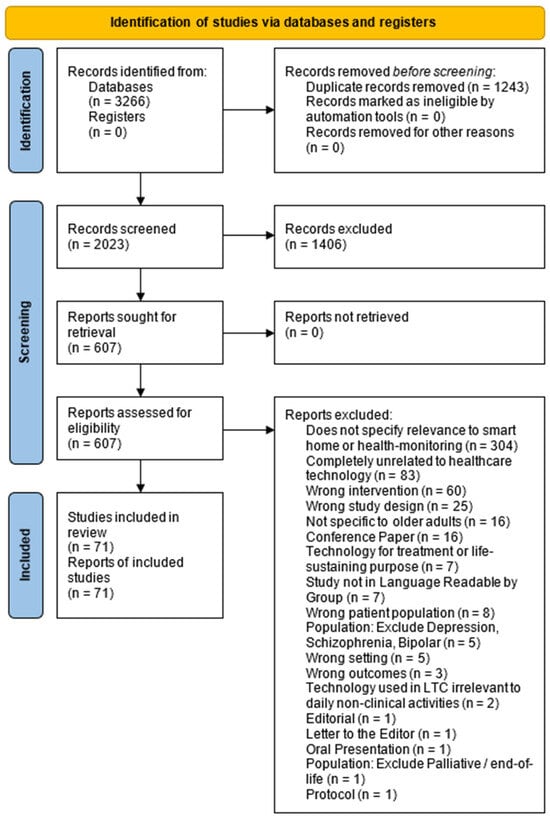
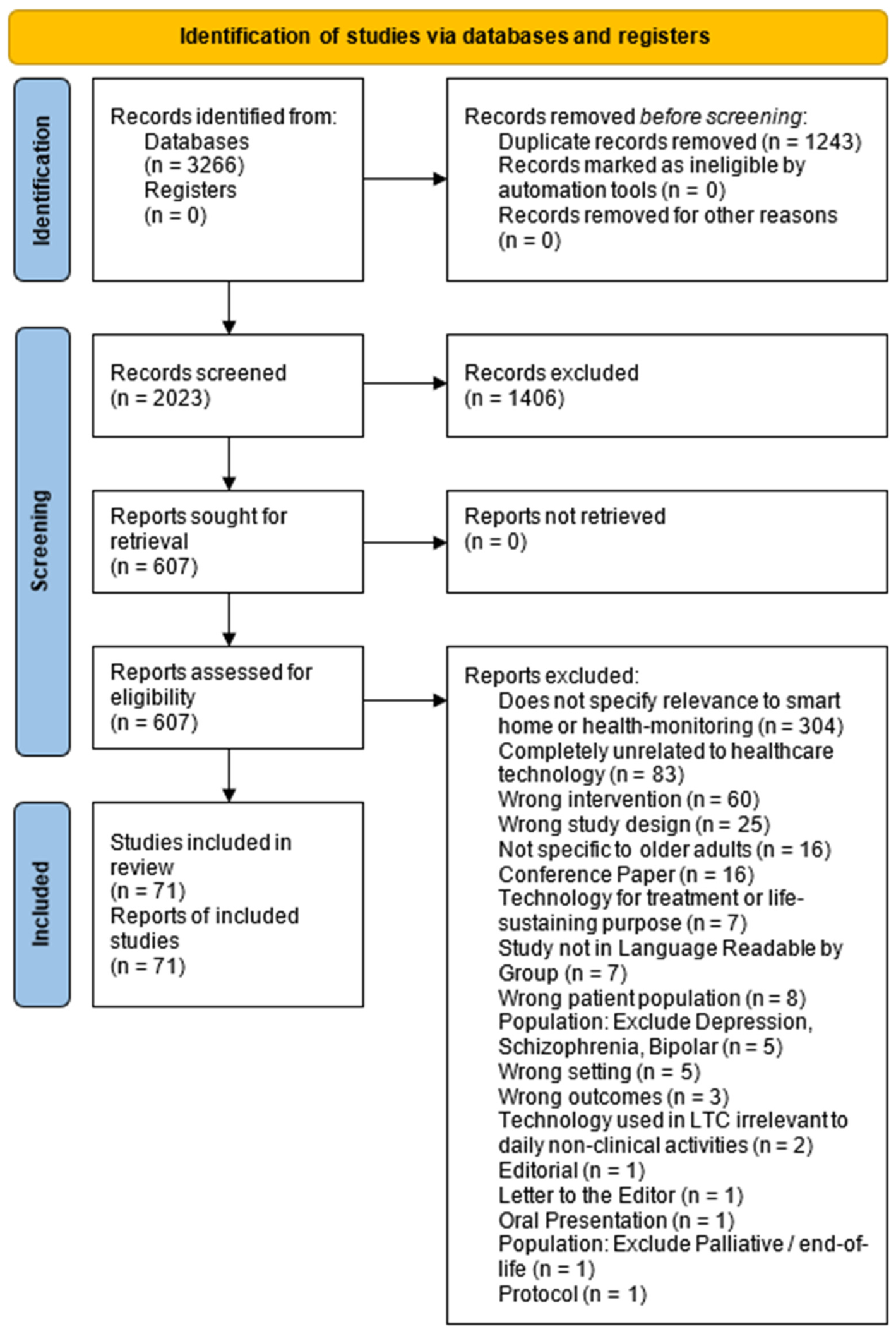
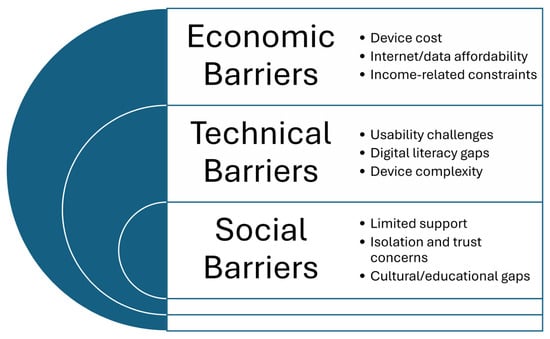
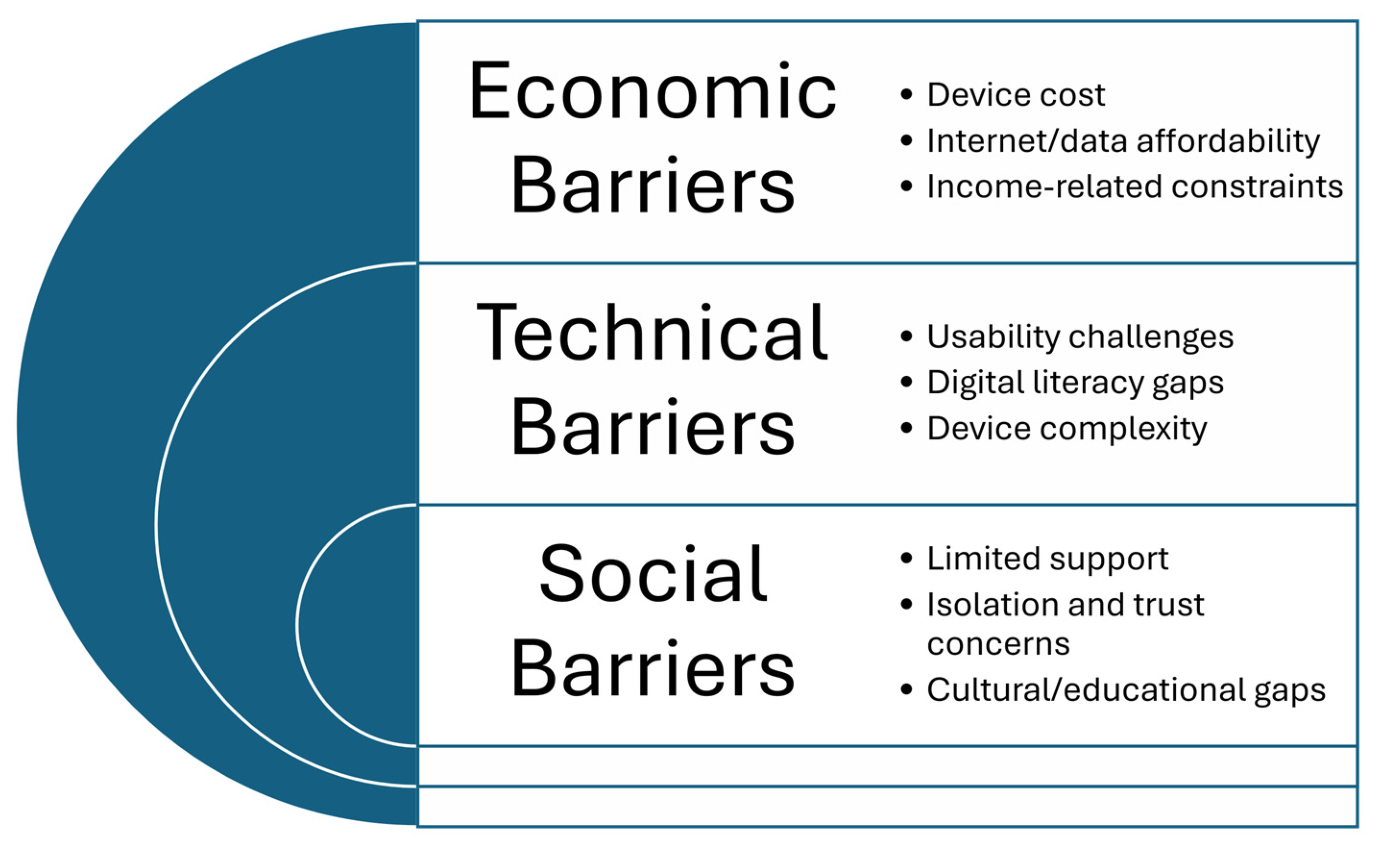

Disclaimer/Publisher’s Note: The statements, opinions and data contained in all publications are solely those of the individual author(s) and contributor(s) and not of MDPI and/or the editor(s). MDPI and/or the editor(s) disclaim responsibility for any injury to people or property resulting from any ideas, methods, instructions or products referred to in the content. |
© 2026 by the authors. Licensee MDPI, Basel, Switzerland. This article is an open access article distributed under the terms and conditions of the Creative Commons Attribution (CC BY) license.