


Abstract
Design education inherently demands long study hours, strict deadlines, and sustained pressure. Uncertainties, like pandemics, natural hazards, and conflicts impose additional challenges threatening learning systems. The 2025 Future Trends survey, conducted by the Royal Institute of British Architects (RIBA), documented the negative impacts of the COVID-19 pandemic, revealing reduced students’ interaction and increased dropout rates, necessitating adaptable pedagogical responses. This paper argues that adopting a participatory pedagogical approach, as a studio mechanism, enacts transformative resilience enabling students to overcome difficulties innovatively rather than merely coping. It, therefore, aims to develop a four-pathway participatory framework of adaptative practices; decoding the risk, enabling participation, enacting participation, and envisioning participation. It is synthesized based on a global comparative survey and an in-depth local case study. Following a scientific methodology, the study examined first-year student’s performance at the Faculty of Architecture—Design and Built Environment, Beirut Arab University, during Lebanon’s 2024 conflict. Pre- and post-implementation surveys, followed by cross-cohort validation, assessed the status quo of students. Results confirmed that autonomy support, dialogic mentorship, and peer collaboration sustainably enhanced students’ engagement and reduced dropout ratios. These participatory practices, positioning students as co-decision-makers within the studio, demonstrate an internally operative resilience mechanism. The limited co-community participation remains a future research direction.
1. Introduction
Design education, the groundwork for architectural practice, is established in the design studio. It is a core place, where students develop vital skills including spatial reasoning, critical thinking, and innovative problem-solving, through practical interaction [1]. There, theoretical insights combine with hands-on experience [2], reflected in excessive workloads and high expenses that might adversely affect students’ well-being [3]. In their initial year, students encompass exploring and navigating studio culture. This tough transitional stage enables them to develop cognitive and emotional dimensions of the learning process. Academic results during this phase greatly influence students’ continuation desire; hesitancy and loneliness causing higher dropout percentages at this level [4].
While passing through uncertain times those obstructions amplify. Adaptable pedagogies enhance students’ chances of success to overcome the mentioned obstacles [5]. The studio is not merely a site where resilience is taught, but one where resilience is practiced. Resilience in architectural education has conventionally been theorized as the capacity of a studio system to absorb disruption and return to prior functioning. Responding to challenges, the framing of transformative resilience is followed, as an agency aligning to ongoing evolution of uncertainties. In this sense resilience matches the definition rooted in change rather than endurance. Applying a participatory pedagogical approach within the design studio does more than diversify input into the design process. It shapes the cognitive and emotional habits students bring to design itself, cultivating empathy and sociocultural awareness as durable dispositions rather than one-time exercises [6]. This approach accumulates into alteration rather than mere coping. When a crisis disrupts the studio, participatory practices redistribute decision-making. This redistribution generates adaptive knowledge that would not surface through top-down policy alone. Then, that knowledge, captured through iterative surveying, feeds back into the institution’s own model of practice. The system evolves rather than simply persists. Hence, the mechanism of transformative resilience within the design studio is activated. This is reflected within the chain shown in Figure 1, an instance of transformative resilience rather than crisis management. It is worth clarifying that in this study, participatory design is mirrored by the term participatory approach. It is used in the sense of co-designing the studio’s pedagogical response to uncertainty, not the architectural artifact.
Figure 1.
Research conceptual flow chart.
In 2020, the COVID-19 pandemic provided the most extensively documented instance vulnerability. A survey across RIBA-validated UK architecture schools (Figure 2) found that student satisfaction fell 65% upon shifting to remote learning, with only 7% preferring remote delivery. Peer interaction was the most negatively impacted variable. Tutor satisfaction fell from 94% in-studio to 39% remotely, specifying loss of peer interaction, lack of informal engagement, and low levels of social interaction [7].
Figure 2.
Students’ (upper) and Tutors’ (lower) satisfaction with working in the studio or remotely. Source: Shutting the Studio, 2023 [7].
Unstable conditions, including political chaos, financial instability, and conflicts, disrupt design education. The common applied responsive studio procedures treat adaptation largely as endurance. Practices help studios withstand disruption and return to prior functioning. First-year students, particularly, face intensified struggles navigating studio culture, encompassing discouragement, and concerns about the aftermath of uncertainties. Their involvement, persistence, physical and mental well-being, and educational advancement are all threatened. This emphasizes the necessity for systematic, evidence-based frameworks specifically addressing the unique vulnerabilities of first-year students during times of uncertainty. This is a pedagogy operating as an active participatory act through which students co-author the studio’s own response to crisis. It enacts resilience through participation, generates knowledge, and persists beyond the prompted disruption.
This study aims to examine participatory design as the operative mechanism of transformative resilience in architectural design studio education. Through developing and validating a participatory framework, it identifies practices capable of maintaining effective architectural design studio education, mainly for first-year students, during uncertain times. By conducting a worldwide survey of institutional adaptation procedures and an in-depth case analysis of Design Studio One at the Faculty of Architecture, Beirut Arab University (BAU), Lebanon, the research offers educators and policymakers a systematic, scalable framework of specific interventions that empower students and ensure academic continuity and wellbeing across various crisis situations. Rather than treating adaptation practices as a generic inventory of coping measures, the study investigates the specific pathway through which participatory acts convert crisis response into lasting pedagogies. These enact transformative resilience across diverse crisis conditions rather than simply documenting durability within them.
The study hypothesizes that the intentional and systematic incorporation of adaptable practices can create a robust studio atmosphere that maintains first-year students’ involvement, sense of community, and academic success during uncertain circumstances. This structurally distributed decision-making authority to students, through participatory practices such as brief selection, dialogic and iterative feedback, and self-reported data feeding directly back into institutional design, functions as the mechanism that converts crisis adaptation into transformative resilience, rather than mere endurance, in first-year architectural design studio education.
Aligning with research calls for evidence-driven innovations in design education [8], the study systematically investigates global design studio adaptations to identify practices ensuring continuity and effectiveness amid crises. Fostering a sense of belonging, identity, and enjoyment, while addressing emergencies, requires educators to acquire competencies to guarantee proficiency and continuity [4], by considering uncertainties as a constitutive part of the design process [9]; activating transformative resilience.
2. Literature Review
The term uncertainty lacks a universal explanation among international organizations or risk-assessment frameworks. Instead, it is explained through interconnected ideas that collectively facilitate understanding the educational setting this research examines.
2.1. Uncertainties, Definitions, and Categories
From a risk management perspective, the International Organization for Standardization describes risk as the impact of uncertainty on objectives [10], framing uncertainty as a dynamic element that restricts the achievement of organizational, institutional, or educational outcomes. The United Nations Office for Disaster Risk Reduction (UNDRR) identified hazards as processes or phenomena that may lead to loss of life, property damage, and disruption of social and economic structures [11]. The United Nations Development Programme (UNDP) introduces a complex concept defined as an unmatched junction of three unstable, interrelated elements: global pressures and inequalities, the effort for extensive societal changes, plus growing divergence within political and social systems [12]. Uncertain periods might extend beyond natural phenomena to include natural, anthropogenic, and other risks [13]. In this study, the term ‘uncertain times’ refers to periods when a risk factor, or more, creates instability that endangers educational operations.
Based on the Global Risks Report from the World Economic Forum (WEF), risks are categorized into five interlinked domains (Figure 3): economic risks including inflation or financial instability; environmental risks, featuring climate change or natural disasters; geopolitical risks, involving armed conflict and political instability; societal risks, such as public health emergencies and mass displacement; and technological risks, encompassing cybersecurity threats and failures in digital infrastructure [14]. These categories are inseparable; they interact and amplify one another. This five-category classification serves as the primary analytical basis throughout this study.
Figure 3.
Uncertainty Risk Categories.
2.2. Impact of Uncertainties on Architectural Education
In the wake of crises, many higher educational institutions begin to look for effective ways to respond [15]. Research on students in crises-affected settings confirms that exposure to uncertainties is strongly associated with depression, anxiety, and academic disengagement [16]. Unlike lecture-based disciplines, architectural design education is uniquely vulnerable to emergencies, as the studio depends on physical space, material resources, face-to-face critique, peer interaction, and collaborative learning [1,2].
Impacts of uncertainty on architectural education can be organised across four interconnected dimensions, including logistical [5], psychological [17], social [18], and academic [19], as illustrated in Figure 4. These four impact dimensions interact and amplify one another, demanding adaptive capacity for existing studio frameworks.
Figure 4.
A diagram representing dimensions of uncertainties’ impacts on architectural education.
2.3. Participatory Design, Resilience Theory, and the Previous Readings’ Gaps
The literature on crisis-responsive design education has grown substantially since 2020. Adaptive design education that is context-sensitive and responsive to real-world challenges identifies a gap between architectural pedagogy and its operational reality under stress [8]. Rapid shifts disrupt peer learning, studio culture, and the relational dimensions of teaching [7,20,21]. Design education has historically been crisis-prone, prompting pedagogical renewal and calling for evidence-driven innovations that surpass emergency responses to structural reframing [22]. Pedagogies that embrace complexity and uncertainty are increasingly advocated for as constitutive of the design process itself [23].
Olweny recognises the role of pedagogy and knowledge frameworks in matching occurring transformations. This tackles injustices or cultural values embedded in the architectural creation of the built environment, avoiding students’ contextual detachment [24]. Sanderson and Stone contend that teaching architecture should bridge the growing boundary between institutional learning and practice by providing real, interdisciplinary, and community-focused problem-solving. It presents uncertainty as an ecological situation and regards pedagogy as a tool to manage it [25]. Lokko clarifies that the pandemic did not cause architecture’s fragility; it exposed it. The traditional educational frameworks were not stable, and the crisis illuminated this fact. The suitable reaction is to reshape knowledge identity and experiences to be actually considered in design pedagogy [26].
Dovey and Fisher examine, through a comparative analysis of layouts, the role that studio space actively shapes pedagogy and limits it. This clarifies that formal flexibility and adaptive agility enable institutions to operate effectively during uncertain times [27]. Frichot and other authors consider that the traditional studio culture, competition, and focus on productivity as insufficient constitutes for addressing today’s challenges. Their proposed approach, centered on care and support, addressing both physical and relational studio aspects, shifts pedagogy towards more equitable practices [28]. Ioannou captures a unified reconsideration of architectural education due to increasing global uncertainties, focusing on a triple theme approach to align with the UN 2030 Sustainable Development Goals (SDGs). They are incorporating circularity into curricula, exploring the pedagogical consequences of education in conditions of extreme uncertainty [17]. Although it conceptualizes uncertainty as an epistemic and environmental factor, a framework for implementing adaptive measures is not provided. Atak and other participating authors argue that an uncertainty necessitates a fundamental re-evaluation of the architect’s role, expanding the curriculum applications to include it [29]. Roy, Deshpande and Kulkarni discuss strategies such as competency-focused education, integrated work-learning approaches, SDGs aligned curriculum, and consequences of Artificial Intelligence (AI) as an adapting design instrument [30]. Salama, Burton and Patil identify cultural identity, knowledge independence, social equity, and potential of community engagement as foundational pedagogical concerns in design education. A proposed five pillars approach supports creating fair, inclusive, and sustainable built environment [31]. They identify the role of context and community in design studio pedagogies defending against uncertainties.
A terminological clarification is warranted before proceeding. The literature on resilience in educational settings has produced several closely related labels for what is, at its core, a single capacity: the ability of a learning environment to absorb disruption and continue functioning. When approaching the transformative concept of resilience, some authors frame this capacity as emphasizing the reconfiguration it enables; others frame it as adaptive or as a form of learning resilience, emphasizing the process of adjustment itself. These framings are not treated here as competing definitions requiring reconciliation, nor as sequential stages one capacity passes through on the way to another. They are read as different points of emphasis on the same underlying phenomenon and are used interchangeably throughout this paper on that basis, without implying that the studio’s engagement with uncertainty progresses through them as discrete phases.
The changing world pertains to advancements, rather than severe institutional upheaval. The current study agrees with the previous studies. It is necessary to apply design-specific resilience frameworks in studio education mechanism [32]. Participatory design has a recognised history as both a design education approach and a tradition in professional practice. Sanoff’s essential framework views participatory design as a method that fundamentally engages the user in design decision-making, examined in architectural education since the late 1960s [33]. Salama’s classification of studio teaching types established “participatory” as a unique model of studio education, positioned next to case-problem, pattern-language, and exploratory models [8]. Recent studies broaden this concept to co-creation, where individuals impacted by a system actively participate in its ongoing transformation [34]. The efficacy Proof of this methodology, in particular, is drawn from two empirical studies. In Colombia, a model for the participatory design studio experience, tested and improved through a studio case study, showed quantifiable success in architectural education by matching participatory principles with outcomes of active learning [35]. In a related study conducted in the US, organised participatory engagement with stakeholders enabled students to gain greater awareness of the sociocultural circumstances of those involved, utilize feedback to harmonize innovation with practicality, and incorporate both social and technical aspects into their projects; these are results the authors refer to as an honestly promising pedagogical approach [6]. Here, participatory activities helped students become more conscious of stakeholders’ sociocultural context and use stakeholder feedback to balance innovation against feasibility. Per Anteet and Binabid’s study, synthesis traces directly back to Sanoff’s original model [19], reinforcing that the field already has empirical precedent for treating participatory design as pedagogically effective, not merely value-aligned. A recent argument for socially engaged studio models, Community Design, Design–Build, and Live Project, similarly frames participation as necessary for building civic agency and critical reflexivity, strengthening the case that participatory mechanisms are what convert studio pedagogy from technical instruction into transformative capacity-building [36].
This lineage sits alongside theoretical foundations. Hollnagel’s Resilience Engineering states that adaptive capacity depends on the ability to observe and anticipate disturbance, plus on protocols able to redistribute strain without losing core function [37]. Deci and Ryan’s Self-Determination Theory clarifies that autonomy, competence, and relatedness sustain motivation under crisis [38]. Additionally, Rogers’ Innovation Diffusion Theory indicates that generative practices require already-engaged participants to take root [39]. What remains underexamined is how these practices produce that outcome. Do they operate as passive coping mechanisms, or as active, participatory acts through which students and tutors co-author the studio’s own response to crisis?
Peer learning sustains engagement during disruption [40]. Flexible assessment demonstrates its importance in maintaining academic continuity when facing uneven access to resources and time [41]. Autonomy support has been identified as among the most effective mechanisms for sustaining engagement when external conditions are destabilizing [42]. Tracing and documenting the impact of mentorship approaches and empathetic communication on students became necessary [7,43]. These insights remain fragmented across different studies, journals, and institutional contexts. The target of this study, then, is to offer a crises-specific framework along with the theoretical structure, constructs, and measurable indicators that convert documented practices into a guide for institutional responses across various uncertainties. A robust model of internal, studio-bound participatory resilience, with external, community-facing participatory resilience identified as a direction for future work rather than an implicit assumption.
3. Reviewing the Experience of Similar Examples
Analysing various learning experiences for design schools that had faced uncertainties clarifies the adopted educational approaches. They demonstrate the relation between uncertainties, students, teachers, and the physical environment. Hence, a group of schools was selected to discuss how they dealt with the challenges faced.
3.1. Criteria for Selecting the Fifteen Similar Examples
The global survey examined fifteen design institutions, shown in Table 1, selected purposively based on the following criteria:
Table 1.
Adaptation measures adopted by 15 different design schools to overcome uncertainties.
- Geographic diversity, spanning worldwide ensuring that documented adaptation practices reflect varied cultural, political, and institutional contexts.
- Risk category coverage, collectively representing the five WEF risk categories, confirming cross-category validity of the identified practices.
- Institutional credibility and documentation quality, sourcing practices exclusively from higher education institutional records, reports, and peer-reviewed research.
- Timeframe, restricting all documented measures to 2015–2025 to ensure relevance to contemporary institutional capacities.
- Design education specialty, requiring all institutions to operate studio-based architectural or design programmes.
- These criteria produce an evidence base sufficiently diverse to support the identification and generalization of recurring practice patterns.
3.2. Analytical Survey on Practices Conducted in the Fifteen Similar Examples
The adaptation measures/practices across the fifteen design institutions document responses to financial instability, armed conflict, natural disasters, and cybersecurity threats. The prevalent responding measures relate to crisis assessment, communication strategies, teaching systems, support services, and schedules [19], as mapped in Table 1.
Among the listed institutions, five clusters of practices reappear, irrespective of risk category or context. First, adaptable assessment and deadline management, found through elongated hours, modular and adjustable deadlines, assignments and submission formats. Second is blending hybrid and asynchronous formats merging recorded lectures, live-streamed sessions, online feedback, and Zoom or WhatsApp peer groups to ensure continuity when attending is not feasible. The third is mental health and psychosocial support, through counselling sessions, emotional health assessments, trauma resources, and awareness campaigns. Peer and community involvement signifies the fourth, encompassing peer teaching, peer collaboration teams, co-creation with local groups, and briefs based on community interviews. Finally, resources accessibility affirming fair access to fundamental tools is a universal necessity for an effective adaptive approach.
Assessment flexibility, hybrid delivery, and resource access function as enabling conditions. They create the context through which students and communities are authorized to interfere as needed. Psychosocial support can be delivered unilaterally, or it can be shaped dialogically through ongoing check-ins that let students inform its form and timing. Peer teaching and peer collaboration teams turn the role of students from passive learners into active tutors capable of discussing ideas. This redistribution for authority within the studio’s existing membership, while co-creation with local groups and community-interview-based briefs extend that authority beyond the studio, to the populations a design project represents. By this transfer of decision-making or initiation authority the participatory approach could be activated. Across the fifteen institutions, such practices; that enact the participatory approach internally among students and tutors, and practices that extend it externally to be affected by communities, recur.
Based on the preceding, the study may therefore articulate its deductions from the theoretical canvas and analytical survey along this same participatory gradient, shown in the diagram of Figure 5. Rather than treating the fifteen institutions’ practices as a flat inventory, the deductions distinguish which measures merely set the conditions for adaptive capacity, which measures involve students directly in shaping their own response, and which measures extend that involvement to the external stakeholders a studio’s projects ultimately serve. This gradient, more than risk category or institutional context, is what enables the main pathways upon which the case study will be applied later.
Figure 5.
A diagram showing deductions from theoretical and analytical studies.
3.3. Suggesting Adaptation Pathways Based on Practice Classification
Based on the previous deductions, and in alignment with the tripartite framing of Architecture’s Special Issue, four adaptation pathways are framed, classifying the practices applied in the fifteen schools.
The first, Uncertainty Identification, Logistical (Grey), diagnoses risk level and impact after identifying the specific category. This parameter functions as the administrative groundwork upon which the participatory approach depends, not as a participatory act.
The second, Enabling Participation, Procedural (Turquoise), identifies measures that assure elasticity in the academic system, flexible deadlines, hybrid delivery systems, adaptable attendance policies, rapid course modification processes, together with the structural choices that hand students’ genuine self-direction, such as decentralized studio structures and the possibility of choice. These practices do not yet constitute participation; they remove the procedural obstacles that would otherwise prevent it from occurring, consistent with the Special Issue’s own definition of enabling conditions as those that give rise to enacted practices.
The third, Enacting Participation, Pedagogical (Coral), considers teaching methods, tools, design problems matching students’ altered capacities, and contexts’ needs. It encounters the acts where participation is directly activated: peer-to-peer collaboration, real-world projects, mentorship over tutoring, and personalized, dialogic feedback.
The fourth, Envisioning Participation, Generative (Lilac), claims that generative institutional responses to crisis are not merely defensive, but can become opportunities for pedagogical innovation. Uncertainty functions as a design brief, forcing educators to rethink assumptions about what learning requires, generating new adaptive tools and platforms, producing more authentic engagement with real-world complexity, and cultivating in students’ resilient dispositions that match the profession’s demands.
Distinct from the second and third, the fourth pathway treats participation not as a response to present conditions but as a generative practice oriented towards futures not yet encountered. It represents the call to move beyond well-discussed examples of participatory design addressing immediate needs, toward forward-looking practices. These four streams construct the structure, shown in Figure 6 upon which case study will be analysed later.
Figure 6.
The pathways needed to synthesize the adaptation procedure, colored as in framework.
4. Methodology
The case study is analysed using a mixed-methods design, combining qualitative and quantitative approaches. The methods and materials used were selected to let patterns emerge from empirical observation, rather than from prior theoretical commitments [44,45,46]. They matter because during emergencies, effective frameworks are derived from experienced and effective adaptation practices.
4.1. Methods and Materials
This study adopts four research methods. First, an inductive method to collect data about the Faculty of Architecture—Design and Built Environment, Beirut Arab University, Lebanon, recognizing its historical background. Second, a field method focused on the first-level students registered in the architecture design studio of level one. It targeted 45 students during the spring semester of the academic year 2024/205. This survey aimed to trace students’ performance while facing Lebanon’s conflict that started in October 2024. Numerical statistics were obtained from this survey, and then an analytical six-step method was used; the third was a method to analyse students’ responses about the applied practices. The fourth is a comparative analytical method to compare the results of students’ performances before and after the implementation process of the adaptation measures.
It should be noted that both the intervention and its evaluation were deliberately scheduled following the ceasefire, not during active conflict. Consistent participation during the conflict was not feasible. Many students were displaced or accommodating displaced family members, often in areas lacking adequate infrastructure. Studio sessions could not be conducted synchronously even online, and feedback sessions had to be arranged outside official studio hours in order to maintain contact with as many students as possible. Attending campus carried tangible physical risk, given the unpredictability of attacks on locations not identified in official threat maps. Even after the ceasefire, sporadic attacks continued, and regular attendance remained difficult for a significant number of students. It is also important to acknowledge that conducting and monitoring a case study application while being subjected to conditions of actual threat, whether directed at educators or students, presented considerable practical and psychological difficulty. The scope of this study is not the optimization of online studio delivery under active conflict conditions. Conducting the study after the ceasefire was a deliberate methodological choice. It allowed a stable and less pressured period for implementation and evaluation.
The data collection materials and instruments employed in this case study comprised: two online survey forms; institutional references documenting the history of BAU and its Faculty of Architecture; personal computing equipment used to conduct and document the study; the studio of Level One, which served as the site of the application process; web-based communication platforms Zoom and Microsoft Teams, utilised when online sessions were required; and Google Drive, used to store and manage student work.
4.2. Rational for Selecting the First-Year Level Students to Be the Focus of the Study
Among all levels, first-year students occupy a notably vulnerable position. The first year requires students to concurrently reshape their perceptions of learning, develop a new array of cognitive and creative skills, and navigate a studio environment that can be unclear and challenging [4,21]. Unlike seniors who have formed peer networks and developed design identities, junior students begin without assets [5]. Studies consistently identify the first year as the most vulnerable phase to disengagement and poor academic performance. Dropout rates in introductory levels consistently surpass those at higher levels [47]. The following are a set of reasons for considering it as a focal point:
- Essential and basic Education: It introduces students to the fundamentals.
- Innovative Curriculum: A diverse, intense, yet flexible curriculum.
- Evaluation of Learning Progress: Students’ progress is measured by their skills.
- Developing Originality: A chance to experience and foster design sensitivities.
- Student Performance: A big impact on students’ success and retention.
- Multifunctional Expertise: Students learn about the interdisciplinary field.
- While participatory design is documented as effective in studio pedagogy generally, its application has so far been concentrated in upper-year and graduate studios, leaving open whether the same mechanism functions for first-year, novice students. At the first-year level, the cohort that the literature consistently identifies as most vulnerable to disengagement and dropout is a citable gap, not just a contextual detail.
4.3. Criteria for Selecting the Faculty of Architecture—Design and Built Environment, BAU, to Be the Study
The Faculty of Architecture—Design and Built Environment, BAU Dibbieh Campus, Lebanon was selected based on the following criteria:
- Geographic and crisis exposure; the campus gathers students from Beirut, Mount Lebanon, South, and Bekaa Valley, all exposed to multiple overlapping crises.
- Diversity; students are of varied socioeconomic contexts.
- Curricular integration; established collaborations with community bodies embedding real-world problems within studio curricula.
- International accreditation; Part I and Part II RIBA accredited since 2012, aligning with international standards. Since 2021, the new RIBA Educational Themes and Values have been implemented in the curriculum.
- Institutional scale; BAU is accreditation by Foundation for International Business Administration Accreditation (FIBAA) and European Quality Assurance Agency for Higher Education.
4.4. Method of Analysis
The procedure of the action plan, applied in the design studio of level one of the faculty, including 45 students, consists of six steps.
- Introducing the local case study in Lebanon.
- Identifying the uncertainty category that students experienced.
- Monitoring students’ performance amid uncertainty through a first-stage survey.
- Implementing a set of adaptation practices in the architectural design studio.
- Conducting a second-stage performance monitoring survey after implementing the adaptation practices.
- Comparing the results of the two surveys (before and after).
- These will be thoroughly explained in the following section.
5. Analysis of the Case Study and Its Results
The Lebanese sociopolitical and economic structure has always been fragile. The 1975 Civil War produced institutional fractures with remaining visible effects, followed by sustained cycles of political deadlock, economic instability, and security deterioration. Since 2019, Lebanon has been facing a multi-category crisis (Figure 7), impacting higher education massively. Mass protests erupted in October 2019, interrupted the educational process totally for more than a month, followed by acute economic drop, improvising continuity challenges among universities. Later, the concurrent COVID-19 pandemic forced an urgent pedagogical shift, compounded by inequalities in infrastructure access. In August 2020, the Beirut port explosion caused severe damage. In between recurring disruptions, including fuel shortages, power outages, and internal conflicts caused repetitive shutdowns. Lately, the 2024 war provoked a largescale displacement and institutional disruption throwing burdens on students, educators, and administrators. 65% of the youth were not attending educational institution, while 55% of young respondents expressed intent to emigrate [48]. Studying the students’ performance within these multicategory uncertainties was truly needed.
Figure 7.
Timeline shows the main crises that have hit Lebanon since 2019.
5.1. One—Introducing the Local Case Study in Lebanon
The Faculty of Architecture—Design and Built Environment at BAU was established in 1962 and ranks among Lebanon’s oldest architectural schools. It operates across two campuses, Debbieh, the site of the case study (Figure 8), and Tripoli. Both holds RIBA accreditation and maintains institutional collaborations with Lebanese municipalities, the Order of Engineers and Architects (OEA), and the community [49].
Figure 8.
Location of the Faculty of Architecture, BAU, Debbieh Campus in reference to threatened areas in Lebanon. Maps are as per Google Maps, 2025.
Design Studio One is delivered across two semesters. In the fall semester, students are introduced to design concepts and studio culture through foundational drawings, presentations, and simple architectural communication projects. In the spring semester, students engage with design projects of increasing complexity. The spring semester was selected as the application period because students developed sufficient studio acculturation to isolate the effects of adaptation measures from initial disciplinary adjustment.
5.2. Two—Identifying the Uncertainty Category That Students Experienced
In response to Lebanon’s compounded crises, as mentioned, since 2019, the design studio was vulnerable. Studio closures, restricted facility access, and widespread emotional distress impaired students’ capacity to engage with the creative and collaborative processes central to architectural education. Student enrolment ratios at the faculty shifted measurably, as shown in Figure 9. The 2024/2025 cohort traversed three concurrent uncertainty risk categories. The geopolitical risks involved escalating armed conflict from September 2024. Even after the ceasefire declaration at the end of 2024, attacks continued with decreased intensity, compromising student accessibility. The economic risks encompassed currency devaluation, inflation, and unreliable electricity and internet connectivity, imposing material constraints that limited access to studio resources and consistent academic participation. The societal risks included family displacement, emotional trauma, and the psychological burden of prolonged national crises, affecting student mental health and motivation. For first-year students, with no prior studio experience, those represented a compounded challenge upon a demanding year.
Figure 9.
Number of first-year students joining the faculty’s architecture programme since 2017.
5.3. Three—Monitoring Students’ Performance Amid Uncertainty—A First Stage Survey
Based on the authors’ personal observation, a set of noticeable negative changes in students’ performance was clearly monitored during the uncertain time due to the 2024 war in Lebanon. Being academic staff members, responsible for teaching the 45 students in the architectural design studio of level one, the authors suffered explicitly with students’ presence in the studio, managing tasks over time, comprehending the studio’s educational process, and interaction, as clarified in Figure 10.
Figure 10.
The negative representations of students’ performance during the war in Lebanon 2024.
The study surveyed the full Level 1 studio cohort, with 45 valid responses collected in each of the pre- and post-implementation stages. Because the same cohort was measured in the two stages, this provides a within-cohort baseline for comparison, rather than a comparison against a separate, untreated group. As collected anonymously, comparisons are made at the group level rather than between matched individual students.
A fifteen-item engagement survey tool is utilised in this research, developed after a thorough comparative analysis of existing student-engagement measurement models, instead of being entirely borrowed from one source. The National Survey of Student Engagement (NSSE) served as the initial reference, being the most commonly utilised large-scale tool for assessing undergraduate engagement in higher education. This was done across various discipline- and context-specific engagement research to pinpoint items appropriate for a small, focused design-studio environment during crisis situations. These encompassed tools and frameworks created for problem-based learning environments [50], online and hybrid design-studio teaching methods specifically [20,22], multidimensional frameworks for higher education involvement and achievement [51], the wider behavioral–cognitive–emotional engagement classification compiled across the discipline [52], and research connecting engagement to satisfaction, motivation, and academic results in higher education more broadly [53]. Items were synthesized from these sources to capture the behavioral, cognitive, and emotional aspects of engagement. They are most pertinent to a first-year architecture studio functioning amidst significant uncertainty, resulting in the fifteen-item, three-dimension basis utilised in the two-stage surveys.
These drawbacks that students experienced were reflected through the survey shown in Figure 11, distributed to the first-year students in the spring semester of the academic year 2024/2025 while working on a design project entitled ‘Centuries of Radiance’.
Figure 11.
Survey—Stage 1-distributed to students before adaptation practices implementation.
5.4. Four—Implementing a Set of Adaptation Practices in the Architectural Design Studio
Adaptation practices were implemented within a community school design project over eight-week application period in the same semester following the previous project. Students had to choose one of two contextually grounded briefs for a community school as a design project; a flood-prone riverside school in Kerala, India, and a school for visually impaired users in Amiq, Bekaa Valley, Lebanon. Practices were structured across the adaptation pathways, mentioned before, through a responsive protocol Table 2.
Table 2.
Adaptation measures implemented in the design studio of level one, Faculty of Architecture, BAU, Debbieh, Lebanon.
Logistical adaptations included check-ins assessing presence and accessibility constraints, and were supplemented by periodic tutor-student meetings to develop contingency arrangements. Procedural adaptations operated through an adjusted hybrid delivery structure, with flexible academic calendars, adaptable attendance policies, and regular feedback sessions accessible to both in-person and remote students. Pedagogical adaptations structured the design process modularly across incremental stages with defined submission points and criteria-referenced assessments. Rubric-based critique sessions replaced open-ended summative evaluations. Student empowerment adaptations included a multichannel follow-up structure of tutor-student meetings, peer-to-peer sessions, and group discussions. Dealing with real projects in a responsible way, plus the mentorship guidance approach, was applied. Innovative adaptations included structured motivational activities, an Architect of the Week recognition, and a Best Model competition, sustaining engagement genuinely.
5.5. Five—Conducting a Second Stage Performance Monitoring Survey After Implementing
After the implementation of the adaptation practices the authors conducted a second stage survey, aiming to investigate students’ performance advancement (Figure 12).
Figure 12.
Survey—Stage 2-distributed to students after the implementation of adaptation practices.
5.6. Students as Co-Decision-Makers and Community as Co-Designers, Re-Authority Distribution
Participatory design, at its core, is defined by a transfer of decision-making authority away from the designer alone and toward those whom the design process affects [33]. One of the clearest and most fully realized participatory acts in this case study is considering students as co-decision-makers. The selection possibility offered to students was between two real-world design briefs: a flood-prone riverside school in Kerala, India, or a school for visually impaired users in Amiq, Bekaa Valley, Lebanon. This is qualified as actual participatory practice, rather than merely differentiated instruction. It transfers what students design, not only how they design it. This means that students shape the object of inquiry itself, not simply their approach to a predetermined brief. This single act of choice does not stand alone; it is reinforced by a cluster of practices explicitly grounded in autonomy support. Avoiding anonymized participation, decentralizing the studio structure, empowering self-directed learning, and involving students as effective role players within the design process rather than as recipients of instruction. Each of these practices extends the logic of the initial brief choice into the ongoing conduct of the studio. Therefore, autonomy is not a single decision point but a sustained condition. Within the framework, this cluster of practices sits within Pathway Two; Enabling Participation, since choice and self-direction function as the enabling conditions that make further, deeper participation possible, rather than constituting the deepest form of participation the study documents. Sober forms occur in Pathway Three; Enacting Participation, where the multi-channel follow-up system including tutor-to-student meetings, peer-to-peer sessions, group discussions, and students’ self-reports, extends student authorship beyond a single initial choice into the sustained, dialogic co-construction of the studio’s ongoing feedback process itself.
The second form of participation is structurally different: community as co-designer of the project brief. In this case study, the community is not realized as a co-designer in the process of the design itself, but as the initiator of the design brief topic for the design project. In this way, the community, represented by its own specifications, will have the authority to defend and criticize the project development or even the rationale behind the design projects created by students. Here, a double participatory action occurs. The first is by playing the role of the investigators and preparing seminars and open discussions to the community, the students participate in spreading awareness. Second, by being the evaluating bodies the community represented by experts and specialized users of the specified design project; visually impaired people, environmental experts and consultants, and other involved community representatives, play the role of the studio tutors by holding one-to-one follow up sessions in the studio. This is what this case achieves and refers to as participatory approach. What distinguishes this form from student co-decision-making is the scope. It extends participatory authority beyond the studio’s existing membership to the external population; a design project is meant to serve as in Figure 13.
Figure 13.
Endurance process, before  and after
 implementing.
and after implementing.
This case study demonstrates that transfer occurs at two distinct scales. The first is fully realized, while the second one is only partially realized. Distinguishing them precisely is necessary to state truly what the study has accomplished. Student co-decision-making demonstrates that this study’s participatory framework functions reliably at the scale it was tested: internal to the studio, among students, peers, and tutors. Community co-design demonstrates the scale at which the same replica has not yet been totally tested. Pathways Two and Three are empirically demonstrated, while Pathway 4’s community-facing dimension remains, at present, a theoretically motivated extension supported by comparative literature rather than by this study’s own data.
5.7. Six—Comparing the Results of the Two Surveys
Pre- and post-implementation survey data from 45 first-year students documented significant positive shifts across the majority of the fifteen assessed dimensions. The dimensions showing the strongest gains are precisely those most directly shaped by participatory mechanisms, while the dimensions showing the most modest gains are those governed primarily by enabling, procedural conditions rather than by participation itself.
Motivation to study, sense of belonging, perceived staff recognition, feedback quality, and intellectual stimulation were the dimensions recording the most substantial improvements, and they map closely onto the paper’s internal participatory practices: dialogic, multichannel feedback loops like tutor-to-student, peer-to-peer, group discussion, and students’ own follow-up reports feeding directly back into how the studio was run. Feedback quality and staff recognition are not outcomes a studio can produce by simply relaxing a deadline; they are outcomes of sustained dialogic exchange, which is participation. Most consequentially, as illustrated in Figure 14, the proportion of students reporting consideration of dropping out decreased markedly following implementation.
Figure 14.
Statistics showing the comparison between students’ reflections about their interaction within the design studio before  , after
 ; implementing adaptation measures, and
 Analysis of Mann–Whitney U test, r: the effect size, how big and in which direction U: how often one group’s score outranks the others, and p-value: probability of seeing and counting a difference.
, after ; implementing adaptation measures, and Analysis of Mann–Whitney U test, r: the effect size, how big and in which direction U: how often one group’s score outranks the others, and p-value: probability of seeing and counting a difference.
The dimensions demonstrating the strongest post-implementation gains cluster specifically around emotional and social experience rather than behavioural or academic metrics. Sense of belonging, perceived staff recognition, and educational satisfaction recorded the largest proportional improvements. This is consistent with the literature identifying these as primary mediating factors between crisis exposure and academic persistence, but it also tracks the internal/external participatory distinction developed earlier. These are the dimensions closest to the studio’s internal participatory tier (students, peers, and tutors), where this study’s practices were concentrated. By contrast, behavioural dimensions, studio attendance, and home-based study continuity showed more modest improvements. These sit closer to the enabling tier of the model (flexible deadlines, hybrid access) rather than to acts of participation themselves. Their slight variations suggest that enabling conditions alone, without the dialogic layer built on top of them. They mitigate but do not resolve the material constraints; such as displacement, unreliable electricity, or security access, that a participatory studio cannot address on its own.
The study used the Mann–Whitney U test to assess changes in student engagement between the pre- and post-implementation stages. over fifteen dimensions. These are four behavioural, six cognitive, and five emotional actions. The Mann–Whitney U test is a standard non-parametric procedure for comparing two independent (unmatched) samples on an ordinal or non-normally distributed outcome and is widely used in education and social-science research as an appropriate alternative to the independent-samples t-test for Likert-type data [50,51,54,55]. It was selected in this study particularly because the survey instrument was administered anonymously, with no identifier linking individual respondents across the two administrations; the pre- and post-intervention responses therefore constitute two independent samples rather than matched pairs. For every item, the rank-biserial correlation (r: the effect size, how big and in which direction) is presented as a standardized, scale-invariant effect size in conjunction with the U (how often one group’s score outranks the other’s) statistic and precise two-sided p-value (the probability of seeing and counting a difference; p < 0.05 is treated as evidence).
This differential outcome profile in Figure 14 becomes legible once read against the pathway framework in Table 2 rather than against the dimensions in isolation. Pathway Two’s procedural practices, including flexible deadlines and staggered submissions, act on the behavioural dimension without addressing the underlying material or motivational constraints that produce it. Accordingly, out of the four behavioural items, only one reached significance, and in the unfavourable direction (came to studio with work done; r = −0.27, p = 0.004), while the remaining three showed no reliable change (p > 0.07). Pathway Three’s relational practices, including structured mentorship and dialogic feedback, act directly on students’ sense of competence and belonging, which corresponds to the cognitive and emotional dimensions, where effects were both more frequent and substantially larger. Three of six cognitive items reached significance with moderate effect sizes (motivation, r = 0.31, p = 0.006; peer connection, r = 0.28, p = 0.016; staff feedback, r = 0.25, p = 0.023), and the emotional dimension produced the single largest effect in the entire dataset: enjoyment of the studio process, r = 0.37, p < 0.001. Alongside this, there is a significant reduction in dropout consideration (r = −0.27, p = 0.005). The two pathways were not designed to produce uniform effects across all three dimensions; each targets a different mechanism of engagement, and the presented divergence between dimensions is the expected signature of that targeting rather than an inconsistency requiring separate explanation.
This pattern offers empirical support for argument indicating that participatory practices moved the dimensions within their reach, and left the dimensions outside their reach comparatively untouched, which is exactly what the internal/external and enabling/enacting distinctions developed earlier would predict.
5.8. Insights, Limitations, and Capabilities
Beyond the structured survey, students identified the acts that helped them feel happy or satisfied. Figure 15 illustrates the main categories of the mentioned acts. Peer support and collaboration ranked highest (n = 16), a horizontal, student driven practice with no tutor or institutional input required to occur. Follow-up sessions and Architect of the Week recognition were tied for second (n = 14 each). These two are dialogic or recognition-based mechanisms that depend on sustained exchange between students and tutors, not one directional instruction. Design project outcomes were cited by 12 students, and positive tutor feedback by 8. These also sit within the dialogic feedback loop central to the studio’s enacted participatory practices. Overall studio process and staff recognition were each cited by 6 students, and 4 cited personal development progress and free-talk sessions.
Figure 15.
Students’ insights about the happiest moments they experienced after implementation.
As noticed, relational experiences ranked highest; nearly every top-ranked item is itself an act of participation rather than a service delivered to students. Notably, this was one of the few purely voluntary, informal spaces in the framework where students could raise concerns on their own terms. Students did not identify a purely logistical or administrative measure among the moments that mattered most, even though these measures were implemented alongside the participatory ones. This asymmetry suggests that enabling conditions, while necessary, were not what students themselves registered as meaningful. The experience of being involved with peers, staff dialogue, or individual recognition, makes the difference. These findings converge on a clear pattern. During uncertain times, first-year student engagement is sustained primarily through participatory, relational, low-cost, and structurally embeddable practices rather than through technological solutions or curricular redesign. Participation itself is the variable driving engagement.
5.8.1. Limitations
The study was constrained by limitations across three levels. At the methodological level, the study was performed at a single national institution, although it deals with a complex situation. Applicability across other institutions would strengthen the framework’s credibility, particularly given that its participatory practices remained confined to the studio’s internal membership and were not tested against external community-facing participation. As for the scope level, the eight-week application phase, including two studio sessions weekly within a single semester, reflects immediate attitudinal and behavioural change but does not measure the long-term retention of participatory gains, nor whether the dialogic structures established would persist without sustained tutor effort once the acute crisis passed. If the practices identified here are not sustained into later studio levels, engagement is likely to decline again; this would reflect discontinuation of the practices, not a failure of the framework itself. Level one was selected as the most fragile stage of the programme, where the risk of disengagement and dropout is greatest. The intent was to identify practices that could be carried forward rather than treat first-year outcomes in isolation. A longitudinal study following this cohort into subsequent levels is proposed as future work to examine whether these gains are sustained. Moreover, this phase followed the ceasefire announcement, even if separate bombing incidents still occurred. Results, and the degree to which students were willing or able to participate, could differ during an active crisis phase compared to its immediate aftermath. Concerning the measurements, dependence on self-reported Likert scale answers poses a risk of social desirability bias.
5.8.2. Capabilities
The discussion above transforms the patterns identified in the data into a cohesive, scalable, and participatory educational framework. Although rooted in the specific circumstances of first-year architectural design studio education in Lebanon, the framework is applicable to diverse institutional contexts encountering varied forms of uncertainty. The framework’s transferability rests on the pathways themselves, not on this study’s specific conditions. What is intended to generalize is the typology of adaptive actions embedded in each pathway, which are procedural ones related to running the design studio itself. For instance, extended or staggered submission deadlines settled in response to disrupted access to studio time that address a condition common to any disruption that limits students’ regular attendance, whether conflict, displacement, or illness. They require no adaptation beyond recalibrating the length of the extension in relation to the severity of the disruption. Also, framing design briefs around open, speculative scenarios rather than fixed programmatic requirements, for example, gives students room to interpret a project’s purpose under shifting external conditions, a mechanism equally suited to a studio responding to economic instability, environmental risk, or displacement as to one responding to armed conflict. In each case, the practice itself is generic to the pathway; what changes across institutions, levels, and risk categories is its intensity and framing, not its underlying logic.
6. Synthesizing the Framework
The findings of the previous surveys established that effective educational adaptation to uncertainty does not require extraordinary resources. It requires the intentional, structured, and contextually calibrated integration of targeted practices; discrete, repeatable interventions embeddable within existing studio teaching structures. This finding carries a more specific implication than small- scale practices work. Students’ outcomes under crisis conditions are determined not by the scale of institutional response, but by the extent to which that response distributes decision-making and dialogic contact to students themselves. What data identify as high-impact factors are almost the practices through which students participate in shaping their own studio experience, rather than practices delivered to them. These findings were benchmarked against existing literature to test whether this participatory reading holds beyond the BAU case.
Russell and cooperating authors identified five interrelated practice domains; adaptive communication, autonomy support, flexible assessment, peer learning, and student engagement, as central to resilient learning in introductory design studios [4]. Notably, three of these five; adaptive communication, autonomy support, and peer learning, are participatory, involving a redistribution of voice or decision-making rather than purely administrative accommodation. The EUA recommended that institutional crisis responses prioritize continuous adaptive planning, emergency measures, and structured communication. This recommendation treats communication not as a broadcast function but as an ongoing, two-way institutional practice [44]. Torgersen proposed integrating uncertainty as a constitutive rather than exceptional dimension of pedagogical design, a framing consistent with treating participation as a standing structural feature of the studio rather than a crisis specific add-on [42]. Guerra and Aguirre Acosta demonstrated that structured communication and continuous follow-ups are among the most effective mechanisms sustaining student motivation [43]; direct empirical support, independent of the BAU case, for the same dialogic mechanism this study identifies as its own strongest driver of engagement.
Hereafter, adaptation measures were re-identified broadly and collectively across the global and local experiences and organised specifically along the participatory gradient introduced earlier. Measures that enable participation by creating the conditions for it, measures that enact participation directly among students, peers, and tutors, and measures that envision participation as a generative response to uncertainty rather than a purely defensive one. Some measures share this same direction of application across sources. These shared patterns created an intermediate sorting layer, allowing practices with a common participatory function to be grouped together rather than treated as isolated, context-specific interventions. Thus, the study consolidates these contributions alongside its own empirical data into a cohesive, participatory, and operationally applicable framework, in which the four resulting categories are organised explicitly around this enabling–enacting–envisioning structure rather than around administrative function.
6.1. The Framework’s Structure and Rationale
The perspectives identified across the theoretical and analytical canvas, and confirmed through the BAU case study, are framed within four interrelated operational pathways/streams. Each one addresses a distinct but connected stage of the studio’s participatory approach responding to the uncertainty. They are interconnected layers of a cohesive adaptive system, not linear phases completed sequentially, organised explicitly along the enabling–enacting–envisioning gradient established earlier, with risk decoding retained as a necessary groundwork preceding layer independent of the gradient, as in Figure 16.
Figure 16.
The four-pathway adaptive studio response conceptual framework.
Pathway One—Decoding the Risk. It focuses on precise recognition and categorization of the uncertainty facing the institution. It identifies the risk category, timeframe, facility location relative to risk zones, and level of impact. Core practices include establishing check-in mechanisms, forming risk assessment teams, conducting contingency awareness campaigns, developing scenarios for unexpected events, and issuing clear, prompt communications. This path remains administrative in character: it supplies the conditions under which participation becomes possible, but does not itself constitute a participatory act, since the classification of risk is not shown, in either the comparative survey or the BAU case, to be shaped by student or community input in return.
Pathway Two—Enabling Participation. It merges the former procedural learning systems category with the autonomy support cluster previously located within student empowerment. It addresses the educational and organizational frameworks that create the conditions for participation, flexible academic calendars, varied attendance acceptance, multiple submission formats, modular deadlines, and rapid course modification processes, alongside the structural choices that hand students a genuine measure of self-direction: avoiding anonymized participation, allowing possibility of choice, decentralizing the studio structure, and empowering self-directed learning. These practices do not yet constitute participation itself, but they remove the procedural obstacles that would otherwise prevent it from occurring.
Pathway Three—Enacting Participation. It merges the former pedagogical methods category with the remaining empowerment mechanisms: support and guidance, relevance and authenticity, social interaction, and spatial design. It is here that participation is performed through mentorship replacing tutoring, rubric-based dialogic feedback, contextual and real-world design briefs, and sustained peer collaboration. Teaching methods incorporate digital tools, blended and experiential strategies, and iterative cycles that let learners shape the direction of their own design process. This path absorbed the largest share of the original framework’s content precisely because it is where the bulk of the paper’s empirical findings, reduced dropout intention, increased sense of belonging, stronger perceived staff recognition, were shown to concentrate.
Pathway Four—Envisioning Participation. This tier focuses on the generative opportunities presented by uncertainty itself. It highlights revised policies (studio survival-kit checklists, flexible communication channels), unconventional measures (crisis-responsive social rituals, trauma-informed teaching techniques), and technological features (open educational resources, AI-augmented teaching). Distinct from the other three paths, this tier treats uncertainty not as a constraint to be managed but as a design brief forcing educators to generate new adaptive tools rather than simply deploy existing ones, and positioning students as originators of institutional innovation rather than recipients of it.
These four paths draw on theoretical traditions. The first path is grounded in Hollnagel’s Resilience Engineering, specifically its emphasis on the capacity to observe and anticipate disturbance. Pathway two draws on Hollnagel’s complementary emphasis on adaptable organizational protocols [37], together with the autonomy component of Deci and Ryan’s self-determination theory. As for the third path, it is grounded in Schön’s theory of reflective practice, designing learning as iterative and socially dependent, together with the competence and relatedness components of self-determination theory, since mentorship, rubric feedback, and peer collaboration are precisely the mechanisms through which competence and relatedness are built [38,56,57]. The four paths remain to be interpreted through Rogers’s Innovation Diffusion Theory, since generative, uncertainty-responsive practices require an already engaged studio population, built by the second and third paths to take root [39]. These are synthesized in the form of an interactive framework presented in Table 3, elaborating its functional mechanism.
Table 3.
The theoretical framework proposed for design studio education during uncertainties.
6.2. The Proposed Educational Framework as Added Value to the Field of Design Education
It is adaptive and adjustable in response to risk category and the institution. It highlights effective and engaging practices capable of assuring effective design education rapidly. It functions as a guide for educational resilience, a dynamic framework to stimulate students, fostering cognitive, and collaborative capacities during uncertainty.
It works like a workbook for educators to build their academic plans by selecting suitable adaptation measures and improvising with their own ones as below:
- Step 1: Assess your context; use Pathway 1 to identify and classify the crisis type, impact level, and phase your institution faces.
- Step 2: Select priority practices; review checklists in Pathways 2,3, and 4, and check the most relevant practices.
- Step 3: Document your plan; use the notes sections to specify your institutional adaptational forms and implementation timeline.
- Step 4: Monitor and adjust; regularly, assess effectiveness and adjust the practices based on student feedback and changing conditions.
- This framework is presented above in a printable form. But to be collaborative and shared, it could be reframed in the sort of a form through a link.
During uncertain times, the framework serves as a formal invitation for architectural education to embrace uncertainty as an essential yet possibly effective aspect. Through ongoing observation, assessments, and enhancement, it collects concrete indicators confirming if practices fulfil their intended goals. It is characterized by being scalable and adjustable. Scalability lies in utilizing its fourth components at any institutional level, and relevant in any regional or crisis setting, whether being a well-funded institution or with limited resources, without modifying its fundamental framework. It is adjustable since its constructs and sub-elements are modular, enabling educators and institutions to selectively prioritize, and weight specific components based on the crisis’s nature, students’ backgrounds, and available resources. Achieving significant results does not mean applying all measures. Scalability thus defines the range of applications, while adjustability stands for setting it up. Collectively, they guarantee its functionality.
6.3. Validation of the Educational Framework
To validate the framework, a survey was conducted in September 2025 at the same faculty, before starting a new academic year. This was to ensure a settled reflection on students’ experience that was not shaped by submission pressure. It was distributed across all cohorts of the design studio programme, excluding students of level one, and the same cohort examined in the case study itself. Because Lebanon has faced recurrent, distinct periods of uncertainty in recent years, respondents were asked to mirror their experience of facing uncertainty while being in level one specifically, and to identify which risk category characterized that period for them. This validation survey, therefore, tests whether the four-pathway framework and its risk-category structure resonate across cohorts who experienced level one under different crisis conditions, rather than re-measuring the outcomes reported for this study’s specific cohort. As with any retrospective account, responses rely on recall of a prior academic year.
This was carried out under relatively stable conditions, to allow for thoughtful, less overwhelmed evaluation to gather a second, independent round of reflection from a different group of students, testing if the meaningful practices done before align with those of the case study or no. Results indicated in Figure 17 showed that flexible deadlines and assessments, together with mentorship methods, were identified as the most beneficial adaptation applications. Notably, both are practices that depend on an ongoing relationship between students and tutors rather than a fixed policy applied uniformly; flexibility and mentorship only function as students experience them, which may explain why they were ranked above more static or purely administrative measures. Supportive and empathetic language was named the most motivating form of communication, tied with meaningful individual feedback and clear explanations of expectations. These three forms of communication share a common thread. Each depends on a tutor responding to a particular student, not simply broadcasting information to the cohort. Tellingly, only eight students mentioned frequent check-ins as valuable, suggesting that first-year students were not asking for more contact as such, but for contact that carried weight. Communication shaped around what a student was experiencing, rather than communication measured by its regularity. The most advantageous autonomy-related practice, cited by 28 students, was the capacity to convey their own ideas, style, and identity through design. First-year students, under uncertainty, appear to value depth of involvement over volume of contact, and the freedom to shape their own creative voice over the frequency with which they were checked on. This distinction offers useful refinement for the framework going forward. The most valuable enabling and enacting practices are not necessarily the most frequent ones, but the ones that most consistently return decision-making, and a sense of one’s own voice, back to the student. This finding matches with the core concept of the participatory approach: being permitted to source something on a student’s own.
Figure 17.
Validation Survey after implementation.
Aligning post-implementation results with retrospective validation results, across various cohorts, signifies the framework’s strength. More specifically, it signifies that the validation itself was a participatory act, not a confirmatory formality, with students reflecting on their own experience rather than being imposed on by an external evaluative framework.
It reflects a dedication to ongoing reflective improvement, which boosts both student experience and academic results. Even if the impact of uncertain times can be significant and unsettling, they also possess the potential to serve as triggers for self-examination and enhancement. In an active participatory approach, these are converted into institutional knowledge rather than leaving it as isolated, unrecorded coping, enacting transformative resilience. Comprehending uncertainty does more than guard education delivery. It opens a specific, repeatable channel through which student experience can continue to reshape educational processes long after the acute crises, which is the clearest available evidence that this is transformative resilience, enacted through participation, rather than institutional endurance alone.
6.4. Boundaries of the Participatory Framework
The proposed framework demonstrated that strength is entirely internal to the studio. This was clarified before by claiming the participatory nature of the design studio pedagogy, and not the architectural artifact. Yet this is a boundary condition to be stated precisely, since the field’s classical definition of participatory design centres on external stakeholder involvement, including communities, users, and non-designers [33,34]. This precedent suggests external participation is not merely an aspiration for crises affected contexts but an operational model. In the present case study, the two design briefs represent real, identifiable populations, yet neither population participated in defining directly what the brief should address, what their own priorities were, or how their needs should be represented in the design problem as written. There were no direct surveys or inputs from community members. The brief was authored on their behalf, not with them. This is not a minor omission; it is the specific point at which this case study’s participatory practice reaches its limit. Hence, extending design authorship to populations is not yet experienced here, and doing so anticipatorily rather than reactively can be a future-facing function that the pathway is meant to describe.
7. Conclusions and Recommendations
Educational institutions face mounting pressure to prepare for escalating uncertainties. Design education, with its rigorous nature, requires particular attention. Beginning architecture students, especially, are at higher risk. They are the least equipped with prior peer networks or an established design identity, for whom the question of how resilience is sustained carries the most weight. Strengthening first-year students’ engagement and sense of belonging boosts their persistence and advancement. Drawing on a global survey of adaptation methods and an in-depth participatory case study, the study confirms its central hypothesis. The participatory approach—the intentional, structured distribution of decision-making authority to students—functions as the mechanism converting crisis adaptation into transformative resilience, rather than mere endurance.
Structurally embedded participatory practices, rather than wholesale systemic overhauls, constitute the most effective and scalable response to uncertainty. Lebanon’s multifaceted crisis created an extreme but analytically productive case for testing this claim. The four-pathway framework, decoding the risk, enabling participation, enacting participation, and envisioning participation, arose inductively from the intersection of global practices and local evidence. The results reconceptualize uncertainty not as an outside challenge to be marginally controlled, but as an increasingly integral aspect of design pedagogy itself, one that participation, specifically, equips students and institutions to meet generatively rather than defensively.
This study concludes that assessment and deadline flexibility are among the most significant enabling practices. This flexibility alone, however, did not drive the study’s strongest outcomes. It created the conditions within which participation could occur. The quality of human interaction, particularly empathetic communication and positive personal feedback, outweighs purely technological or logistical interventions, confirming that the paper’s central hypothesis holds specifically at the enacting tier of the framework, where dialogic, participatory contact between students, peers, and tutors is concentrated. Autonomy support, defined as the freedom to convey personal identity through design, was identified as the most advantageous practice. The clearest possible evidence that mattered most to students was not being accommodated but being authored into their own studio experience. Peer collaboration, a horizontal and entirely student-driven practice, was cited as the single most uplifting experience, independent of any tutor or institutional input. Dropout intention declined significantly following implementation, and this decline tracked most closely with the dimensions most directly shaped by participatory mechanisms; evidence, not merely illustration, that participation is the operative variable this study set out to isolate.
Collectively, these results confirm that resilience in architectural education does not surface from institutional endurance, but is enacted, cumulatively, within the fabric of everyday studio life. Through the specific, repeatable acts of participation this study has traced from disruption through distributed decision-making to institutional feedback and, ultimately, to a validated framework. The design studio, when structured purposefully around principles of care, flexibility, and sincere involvement, operates as a genuine community of resilience, not as a place for technical instruction. Here, students are positioned as active participants rather than passive recipients; coauthors of the studio’s response to crisis, not merely its beneficiaries. The students, then, are not simply resilient; through participation, they become agents of the transformation this study set out to demonstrate.
The resilience demonstrated across the four pathways is, in this sense, internally generated. It is anchored in students’ repositioning as co-decision-makers within the studio rather than in engagement with the site’s actual community. Extending this participatory logic outward, toward sustained collaboration with end-users themselves, community participation is identified here as a necessary next step rather than a completed dimension of the framework.
Recommendations
Effective crisis adaptation in design education requires coordinated action across all stakeholders, policymakers, institutions, educators, families, and students. This study suggests something more specific than coordination alone. Each stakeholder group’s contribution is strengthened to serve as participants in shaping the response, rather than as recipients of it. The recommendations below are organised accordingly.
Policymakers and Government Representatives should revise educational legislation to anticipate crises rather than merely react to them, with crisis preparedness protocols mandated as a standard accreditation requirement. This study’s findings suggest such protocols should be built with an explicit participatory mandate. Funding frameworks and collaborations between government bodies, professional organizations, the Order of Engineers and Architects (OEA), and universities should require that the students and communities affected by a crisis response have a documented channel of input into it, not only that a response exists. Risk assessment and crisis-classification bodies currently operate as a one-way administrative channel into the studio; policymakers are positioned, uniquely among these stakeholders, to close that gap by requiring institutional risk committees to incorporate structured feedback loops with students of diverse backgrounds. A further avenue for strengthening external participation lies in structured, facilitator-mediated engagement with project stakeholders, introduced at a scale appropriate to first-year students’ technical maturity. Budget and client stakeholders offer a particularly instructive entry point, since cost constraints shape design outcomes decisively as functional or aesthetic considerations, yet are rarely made visible to novice designers. Rather than assigning students direct responsibility for stakeholder negotiation, their exposure can be scaffolded through stakeholders’ visits to the studio, students’ visits to a stakeholder’s office, or a short workshop in which practitioners present the budgetary reasoning behind completed projects. Structured in this way, stakeholder engagement introduces the economic logic of design decision-making as a bounded, instructor-facilitated encounter rather than an open-ended co-design responsibility, offering a scalable model for extending participatory practice beyond the studio’s internal actors without overburdening students still developing core technical competencies.
Institutions can treat emergency planning as an ongoing, participatory operational function rather than a fixed policy document. Adjustable academic calendars, flexible policies, and hybrid delivery protocols should be prepared, rehearsed, updated, and documented annually, without overloading the tutors. The study findings indicate that the annual review itself should draw directly on student-reported data, following the same inductive method by which this paper’s own framework was built, rather than being revised by administrators alone. Establishing risk assessment committees and mental health support teams as permanent bodies is essential. In addition, capacity building for tutors to shift into mentors is needed. Given that studio teaching conventionally operates at a student-to-tutor ratio of approximately 1:12 to 1:15, the mentorship approach is readily applicable within existing staffing structures. Short, low-cost workshops delivered by colleagues in the field of human sciences or psychology are sufficient to equip studio tutors with the basic competencies that mentorship demands.
Educators are the primary agents of adaptive practice, and this study’s findings identify them specifically as the primary agents of participatory practice. Their role must expand beyond technical instruction to encompass mentorship pedagogy, empathetic and transparent communication, and, as this study’s data most strongly support, a frank transfer of authorship to students over their own design process and, where feasible, over the studio’s design briefs themselves. Since iterative feedback systems and informal communication channels reduce the psychological distance between instructors and students, educators are asked to communicate more so that students’ input shapes what happens next. Furthermore, they must model self-intellectual courage and creative persistence against paralyzing crises, extending students the same authorial confidence the studio asks of them in their design work.
Families remain an underacknowledged party, and their role in this sense is properly understood as enabling rather than participatory in the strict sense used throughout this study. Families do not shape the studio’s design process, but they shape the conditions under which a student can engage in it. They are encouraged to prioritize students’ mental wellbeing alongside academic performance, monitor institutional updates, and create domestic conditions that balance academic commitment with selfcare.
Students must actively seek peer support, recognizing that collegial relationships are among the strongest predictors of persistence during uncertainty. This finding is confirmed in this study’s own data directly, since peer collaboration was cited as the single most uplifting experience reported. Sharing difficulties with tutors and mentors activates the mentorship dynamics and embraces creative autonomy; expressing personal identity and perspective through design, is not incidental self-expression but the specific mechanism this study identifies as closely associated with sustained engagement. Students are, in this sense, asked to Recognise their own role not as beneficiaries of a resilience model built on their behalf, but as their coauthors.
These recommendations form a practical, multistakeholder agenda for enacting transformative resilience in architectural design education under uncertainty. It is not simple to adapt to crisis, but to keep open the specific, participatory channels through which those affected by a crisis can continue to shape the institution’s response to it.
Author Contributions
Conceptualization, M.Y. and S.H.K.; methodology, M.Y., M.I. and S.H.K.; validation, I.E.-B., M.Y., M.I. and S.H.K.; formal analysis, S.H.K.; investigation, S.H.K.; resources, M.Y., M.I., and S.H.K.; data curation, I.E.-B., M.Y., M.I. and S.H.K.; writing—original draft preparation, S.H.K.; writing—review and editing, S.H.K.; visualization, S.H.K.; supervision, I.E.-B., M.Y. and M.I. All authors have read and agreed to the published version of the manuscript.
Funding
This research received no external funding.
Institutional Review Board Statement
The study was conducted in accordance with the regulations and guidelines stipulated by the Institutional Review Board (IRB) at Beirut Arab University. The IBB code is 2026-H-0005-E-P-1100, and it was approved on 2 February 2026.
Informed Consent Statement
Informed consent was obtained from all subjects involved in the study.
Data Availability Statement
The original contributions presented in this study are included in the article. Further inquiries can be directed to the corresponding author.
Acknowledgments
The authors would like to express gratitude to the whole team of Level One at the Faculty of Architecture Design and Built Environment, Beirut Arab University; staff and students, for their involvement and participation in the conducted surveys. Their resilience and commitment during an exceptionally difficult year made this research possible. Also, the authors gratefully acknowledge the academic and administrative staff of the Faculty for their assistance in executing the implementation process of the adaptation practices described in this paper. During the preparation of this manuscript/study, the authors used [Claude 4 sonnet & Opus 5.5, Grammarly Premium, and Canva Premium] for the purposes of [checking grammar and spelling, and diagrams generation]. The authors have reviewed and edited the output and take full responsibility for the content of this publication.
Conflicts of Interest
The authors declare no conflicts of interest.
References
- Xhambazi, A.; Aliu, V. Nurturing an architect through transformative pedagogy: Design studio teaching experience. Archnet-IJAR Int. J. Archit. Res. 2024, 20, 231–251. [Google Scholar] [CrossRef] [Scilit]
- Groat, L.N.; Wang, D. Architectural Research Methods, 2nd ed.; Wiley: Hoboken, NJ, USA, 2013; Available online: https://www.scirp.org/reference/referencespapers?referenceid=3096703 (accessed on 13 October 2025).
- Stead, N.; Gusheh, M.; Cox, J.; Cooper, B. The Wellbeing of Architects 2023 Student Survey, Primary Report; RMIT University: Victoria, Australia; Monash University: Victoria, Australia, 2024; Available online: https://thewellbeingofarchitects.org.au/ (accessed on 13 October 2025).
- Russell, J.; Thompson, M.; Jones, A. Study Architecture Well. In RIBA Future Architects Resources; RIBA: London, UK, 2021; Available online: https://www.riba.org/work/insights-and-resources/riba-future-architects-resources/ (accessed on 13 October 2025).
- Hassanpour, B. Transformational Contribution of Technology to Studio Culture: Experience of an Online First-year Architecture Design Studio during the COVID-19 Pandemic. Int. J. Archit. Res. 2023, 17, 393–408. [Google Scholar] [CrossRef] [Scilit]
- Dhadphale, T.; Wicks, B. Participatory Stakeholder Engagement in Design Studio Education. Int. J. Art Des. Educ. 2022, 41, 589–602. [Google Scholar] [CrossRef] [Scilit]
- Grover, R.; Wright, A. Shutting the Studio: The Impact of the COVID-19 Pandemic on Architectural Education in the United Kingdom. Int. J. Technol. Des. Educ. 2023, 33, 1173–1197. [Google Scholar] [CrossRef] [Scilit] [PubMed]
- Salama, A. Spatial Design Education: New Directions for Pedagogy in Architecture and Beyond, 1st ed.; Ashgate Publishing Limited: Farnham, UK, 2015. [Google Scholar] [CrossRef] [Scilit]
- Lalatovic, A. Curriculum for Uncertainty Value of Uncertainty in Architectural Education. 2015. Available online: https://www.academia.edu/34061548/CURRICULUM_FOR_UNCERTAINTY_Value_of_Uncertainty_in_Architectural_Education (accessed on 13 October 2025).
- International Electrotechnical Commission (IEC). IEC 31010:2019; Risk Management—Risk Assessment Techniques. IEC: Geneva, Switzerland, 2019.
- United Nations Office for Disaster Risk Reduction. Sendai Framework Terminology on Disaster Risk Reduction; UNDRR: Geneva, Switzerland, 2017; Available online: https://www.undrr.org/drr-glossary/terminology (accessed on 16 April 2026).
- UNDP. Human Development Report 2021/2022: Uncertain Times, Unsettled Lives: Shaping Our Future in a Transforming World; United Nations: New York, NY, USA, 2022. [Google Scholar] [CrossRef] [Scilit]
- UNDRR. Hazard Definition & Classification Review; UNDRR: Geneva, Switzerland, 2019. [Google Scholar]
- World Economic Forum. Global Risks Report 2024; World Economic Forum: Geneva, Switzerland, 2024; Available online: https://www.weforum.org/publications/global-risks-report-2024/ (accessed on 17 April 2026).
- Booker, L. Crisis Management: Changing Times for Colleges. J. Coll. Admiss. 2014, 222, 16–23. [Google Scholar]
- Diab, S.Y.; Schultz, J.-H. Factors contributing to student academic underachievement in war and conflict: A multilevel qualitative study. Teach. Teach. Educ. 2021, 97, 103211. [Google Scholar] [CrossRef] [Scilit]
- Ioannou, O. Architectural Education in Times of Uncertainty; European Association for Architectural Education: Brussels, Belgium, 2023; Available online: https://research.tudelft.nl/en/publications/architectural-education-in-times-of-uncertainty-book-of-summaries/ (accessed on 13 October 2025).
- Boström, L.; Rising, M.H. Students’ experience of Uncertain times: Learning and well-being in Swedish upper secondary schools during the pandemic. Soc. Sci. Humanit. Open 2023, 7, 100489. [Google Scholar] [CrossRef] [Scilit]
- Anteet, Q.; Binabid, J. Investigating the discourse on pedagogical effectiveness in the architectural design studio. Archit. Eng. Des. Manag. 2025, 21, 17–34. [Google Scholar] [CrossRef] [Scilit]
- Alnusairat, S.; Al Maani, D.; Al-Jokhadar, A. Architecture students’ satisfaction with and perceptions of online design studios during COVID-19 lockdown: The case of Jordan universities. Int. J. Archit. Res. Archnet-IJAR 2020, 15, 219–236. [Google Scholar] [CrossRef] [Scilit]
- Iranmanesh, A.; Onur, Z. Generation gap, learning from the experience of compulsory remote architectural design studio. Int. J. Educ. Technol. High. Educ. 2022, 19, 40. [Google Scholar] [CrossRef] [Scilit] [PubMed]
- Jones, D.; Lotz, N. Social engagement in online design pedagogies. In Proceedings of the Third International Conference for Design Education Researchers; Aalto University: Espoo, Finland, 2015. [Google Scholar] [CrossRef] [Scilit]
- Boano, C.; Peragine, R.L. A pedagogy of uselessness: Challenging solutionism and utility in the Anthropocene through architectural pedagogy. J. Archit. 2024, 29, 445–468. [Google Scholar] [CrossRef] [Scilit]
- Olweny, M.R.O. Architectural education in sub-Saharan Africa: An investigation into pedagogical positions and knowledge frameworks. J. Archit. 2020, 25, 717–735. [Google Scholar] [CrossRef] [Scilit]
- Sanderson, L.; Stone, S. Emerging Practices in Architectural Pedagogy: Accommodating an Uncertain Future; Routledge: New York, NY, USA, 2021. [Google Scholar]
- Lokko, L. This fragile condition. J. Archit. 2021, 26, 59–63. [Google Scholar] [CrossRef] [Scilit]
- Dovey, K.; Fisher, K. Designing for adaptation: The school as socio-spatial assemblage. J. Archit. 2014, 19, 43–63. [Google Scholar] [CrossRef] [Scilit]
- Frichot, H.; Carbonell, A.; Frykholm, H.; Karami, S. Our Infrastructural Loves: Architectural Pedagogies of Care and Support. J. Archit. Educ. 2022, 76, 52–69. [Google Scholar] [CrossRef] [Scilit]
- Atak, T.; Callejas, L.; Scelsa, J.; Tandberg, J.J. Pedagogical Experiments in Architecture for a Changing Climate, 1st ed.; Routledge: London, UK, 2024. [Google Scholar] [CrossRef] [Scilit]
- Roy, M.; Deshpande, J.; Kulkarni, N. Architecture Education in the Changing World; Routledge: New York, NY, USA, 2025; Available online: https://www.routledge.com/Architecture-Education-in-the-Changing-World/Roy-Deshpande-Kulkarni/p/book/9781032944944 (accessed on 1 May 2026).
- Salama, A.M.; Burton, L.O. Defying a legacy or an evolving process? A post-pandemic architectural design pedagogy. Proc. Inst. Civ. Eng.-Urban Des. Plan. 2022, 175, 5–21. [Google Scholar] [CrossRef] [Scilit]
- Price, R.A. A review of resilience in higher education: Toward the emerging concept of designer resilience. Stud. High. Educ. 2023, 48, 83–99. [Google Scholar] [CrossRef] [Scilit]
- Sanoff, H. Participatory Design: Theory & Techniques; Henry Sanoff: Raleigh, NC, USA, 1990. [Google Scholar]
- Sanders, E.B.-N.; Stappers, P.J. Co-creation and the New Landscapes of Design. CoDesign 2008, 4, 5–18. [Google Scholar] [CrossRef] [Scilit]
- Salazar, C.; Arredondo, I.; Rodriguez, C.; Huertas, D. Active Learning in Architectural Education: A Participatory Design Experience (PDE) in Colombia. Int. J. Art Des. Educ. 2019, 39, 346–366. [Google Scholar] [CrossRef] [Scilit]
- Salama, A.; Patil, M. The Socius in Architectural Pedagogy: Transformative Design Studio Teaching Models. Architecture 2025, 5, 61. [Google Scholar] [CrossRef] [Scilit]
- Hollnagel, E.; Pariès, J.; Woods, D.D.; Wreathall, J. Resilience Engineering in Practice: A Guidebook. Available online: https://www.researchgate.net/publication/281251779_Resilience_Engineering_in_Practice_A_Guidebook (accessed on 19 June 2026).
- Deci, E.L.; Ryan, R.M. The “What” and “Why” of Goal Pursuits: Human Needs and the Self-Determination of Behavior. Psychol. Inq. 2000, 11, 227–268. [Google Scholar] [CrossRef] [Scilit]
- Rogers, E.M. Diffusion of Innovations, 5th ed.; Free Press: New York, NY, USA, 2003. [Google Scholar]
- Friedman, K. Architecture Design Studio in Uncertain Times: Digital Teaching and Learning Implications. Scroope 2021, 30, 47–72. [Google Scholar]
- Alnusairat, S.; Ayyad, Y.; Al Shatnawi, Z. Towards Meaningful University Space: Perceptions of the Quality of Open Spaces for Students. Buildings 2021, 11, 556. [Google Scholar] [CrossRef] [Scilit]
- Torgersen, G.-E. Teaching the Unknown: How to Prepare Students for Uncertainty. THE Campus Learn, Times Higher Education (THE). 17 February 2023. Available online: https://www.timeshighereducation.com/campus/teaching-unknown-how-prepare-students-uncertainty (accessed on 15 September 2025).
- Guerra, A.; Aguirre-Acosta, A.C. How to Boost Student Motivation and Engagement in Virtual Classrooms. THE Campus Learn, Share, Connect. Available online: https://www.timeshighereducation.com/campus/how-boost-student-motivation-and-engagement-virtual-classrooms (accessed on 17 September 2025).
- Yanikkaya, B.; Gaebel, M.; Hovhannisyan, G. Learning and Teaching in Situations of Crisis: Needs and Support Provision; Thematic Peer Group Report 26; European University Association-EUA: Etterbeek, Belgium, 2025; Available online: https://www.eua.eu/publications/reports/learning-and-teaching-in-situations-of-crisis-needs-and-support-provision.html (accessed on 24 September 2025).
- Hewidy, H.; Purkarthofer, E.; Eräranta, S. A tale of four studios: Evolving planning and architecture education towards mixed modality in a post-pandemic world. Educ. Inf. Technol. 2023, 29, 11847–11868, Correction in Educ. Inf. Technol. 2024, 29, 14549. [Google Scholar] [CrossRef] [Scilit]
- Hettithanthri, U.; Hansen, P.; Munasinghe, H. Exploring the architectural design process assisted in conventional design studio: A systematic literature review. Int. J. Technol. Des. Educ. 2022, 33, 1835–1859. [Google Scholar] [CrossRef] [Scilit]
- Habibullah, K.; Hamza, M.; Tijjani, M. Towards Improving the Students’ Learning in First Year Architecture Design Studio-The Critique Session. Iconic Res. Eng. J. 2022, 5, 187–191. [Google Scholar]
- United Nations. The Socioeconomic Impacts of the 2024 War on Lebanon; Policy Brief; ESCWA: Beirut, Lebanon, 2025; Available online: https://www.unescwa.org/publications/socioeconomic-impacts-lebanon-2024-war-policy-brief (accessed on 15 October 2025).
- Beirut Arab Univesity. The Historical Background. Available online: https://www.bau.edu.lb/Architecture-Design-and-Built-Environment/Historical-Background (accessed on 24 September 2026).
- Ahlfeldt, S.; Mehta, S.; Sellnow, T. Measurement and analysis of student engagement in university classes where varying levels of PBL methods of instruction are in use. High. Educ. Res. Dev. 2005, 24, 5–20. [Google Scholar] [CrossRef] [Scilit]
- Bowden, J.L.-H.; Tickle, L.; Naumann, K. The four pillars of tertiary student engagement and success: A holistic measurement approach. Stud. High. Educ. 2021, 46, 1207–1224. [Google Scholar] [CrossRef] [Scilit]
- Christenson, S.L.; Reschly, A.L.; Wylie, C. (Eds.) Handbook of Research on Student Engagement; Springer: New York, NY, USA, 2012. [Google Scholar]
- Gray, J.A.; DiLoreto, M. The effects of student engagement, student satisfaction, and perceived learning in online learning environments. Int. J. Educ. Leadersh. Prep. 2016, 11. Available online: https://eric.ed.gov/?id=EJ1103654 (accessed on 25 September 2026).
- Mann, H.B.; Whitney, D.R. On a test of whether one of two random variables is stochastically larger than the other. Aoms 1947, 18, 50–60. [Google Scholar] [CrossRef] [Scilit]
- Winter, J.; Dodou, D. Five-Point Likert Items: t test versus Mann–Whitney–Wilcoxon. Pract. Assess. Res. Eval. 2010, 15, 11. [Google Scholar] [CrossRef]
- Schön, D.A. The Reflective Practitioner: How Professionals Think in Action; Basic Books: New York, NY, USA, 2009. [Google Scholar]
- Schön, D.A. Educating the Reflective Practitioner: Toward a New Design for Teaching and Learning in the Professions; Jossey-Bass: San Francisco, CA, USA, 1987; pp. 80–120. [Google Scholar]
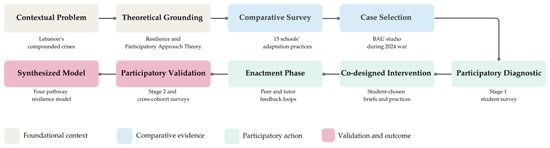
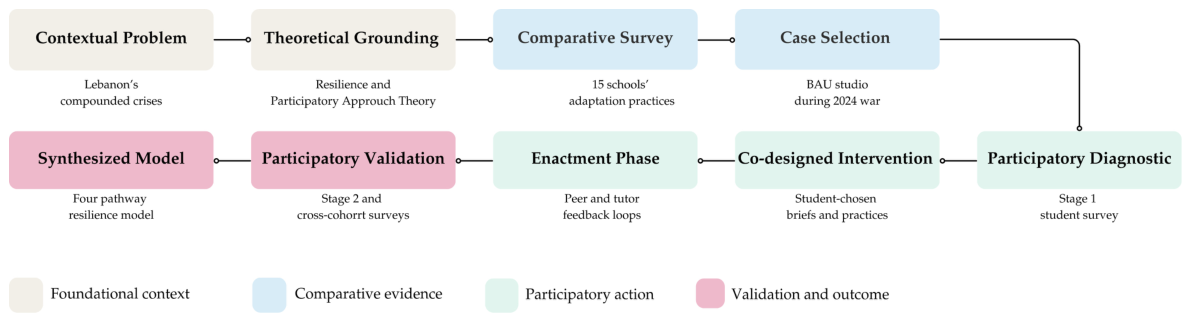
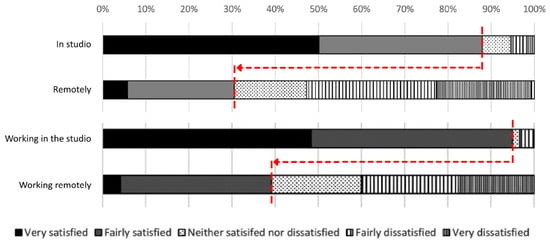
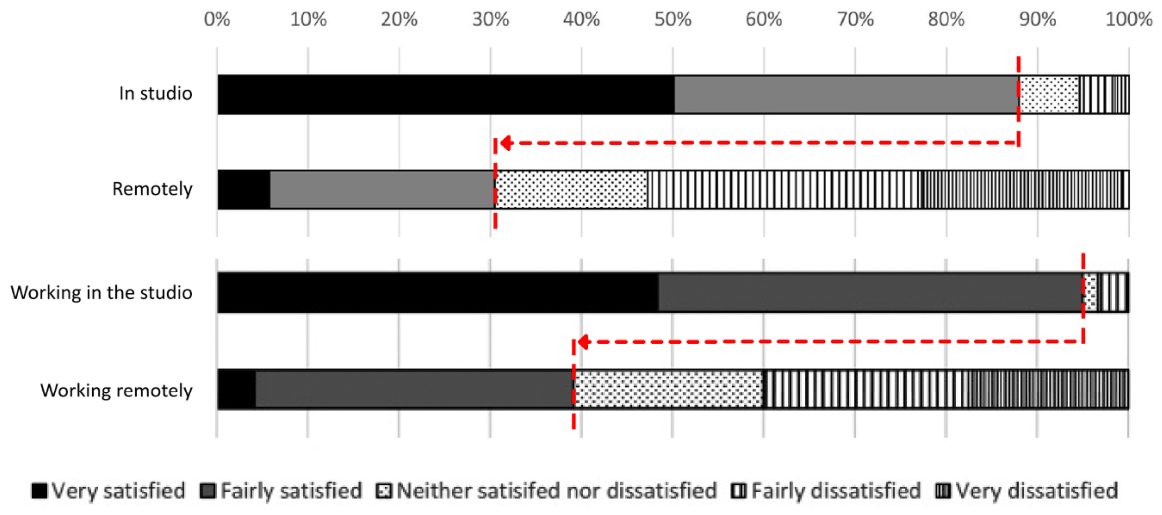
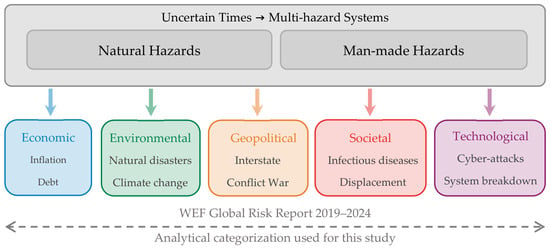
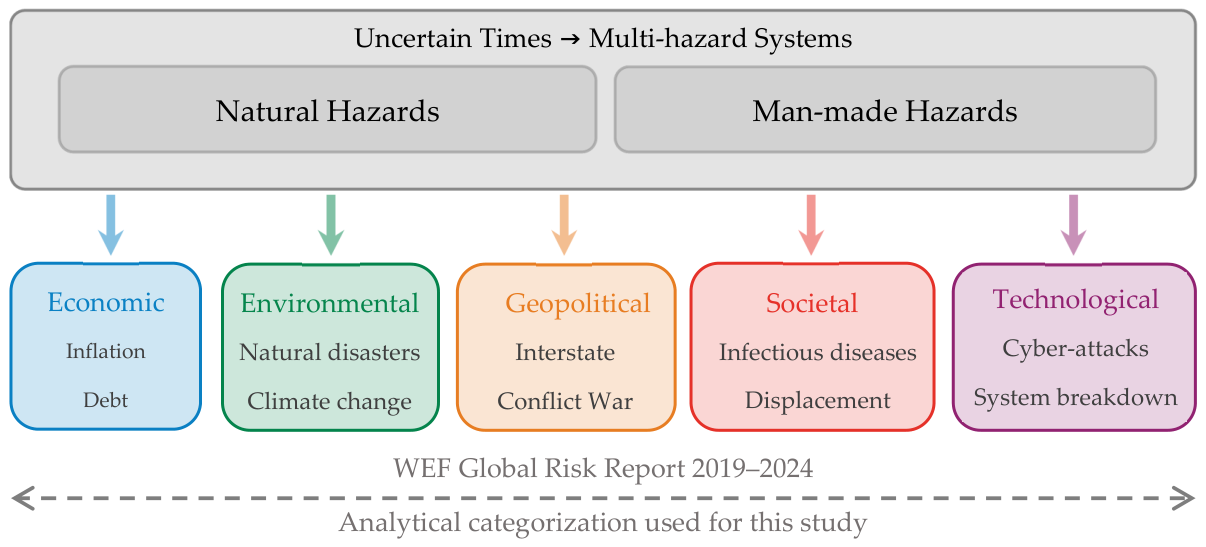
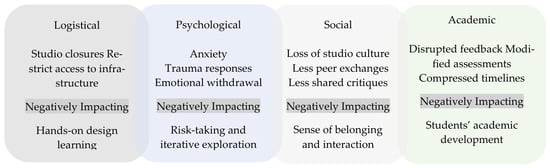
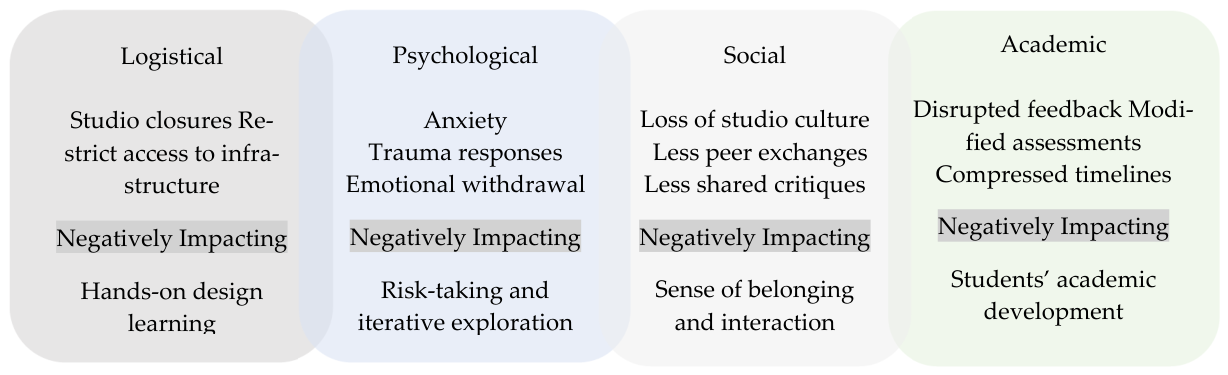
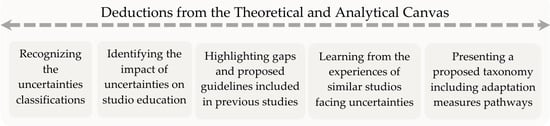
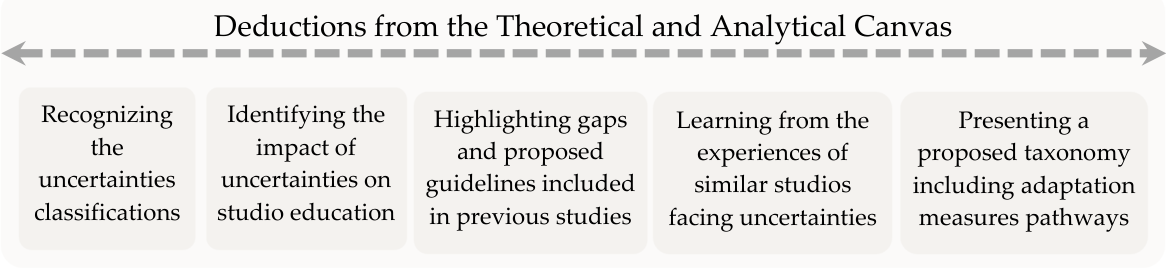
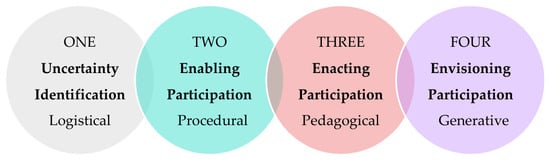
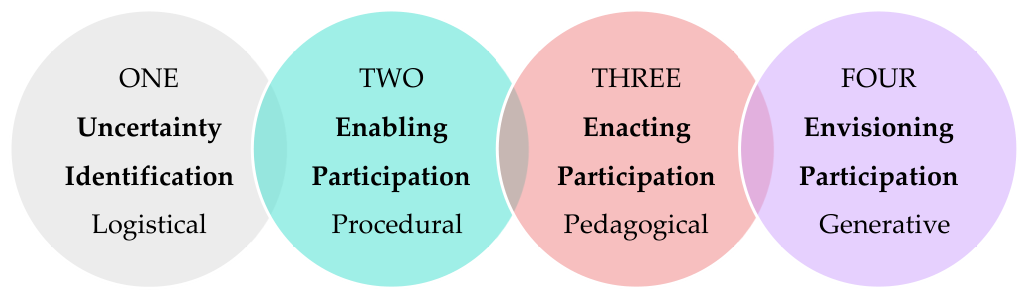
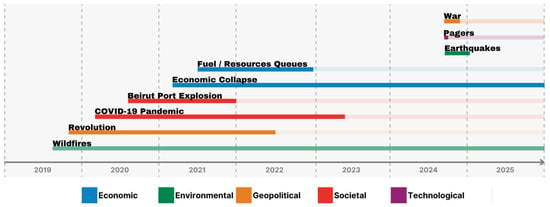
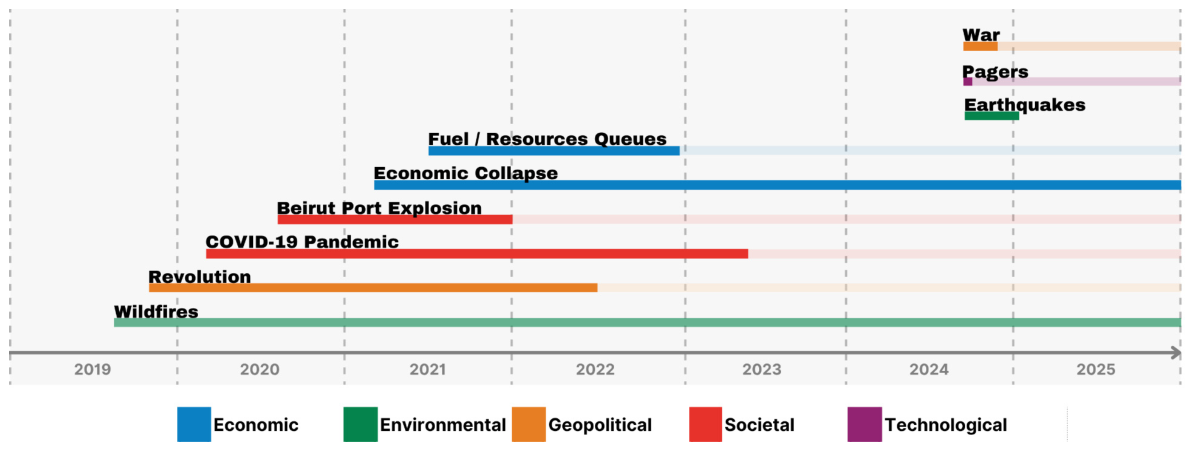
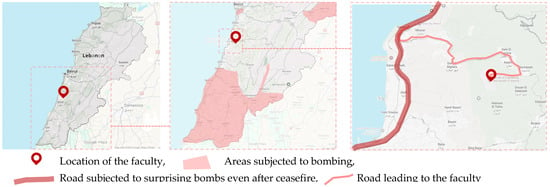
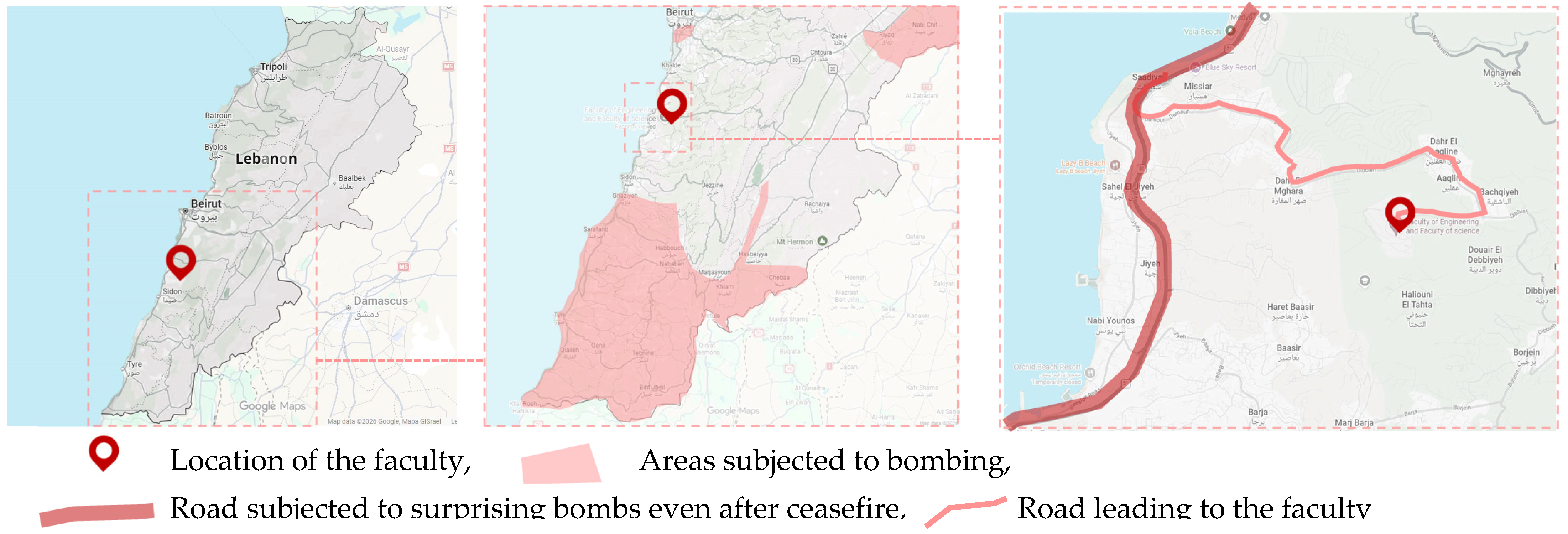
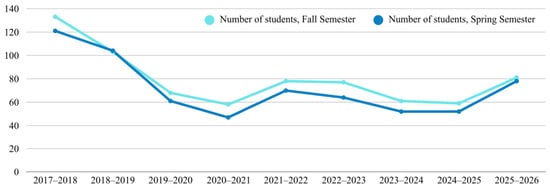
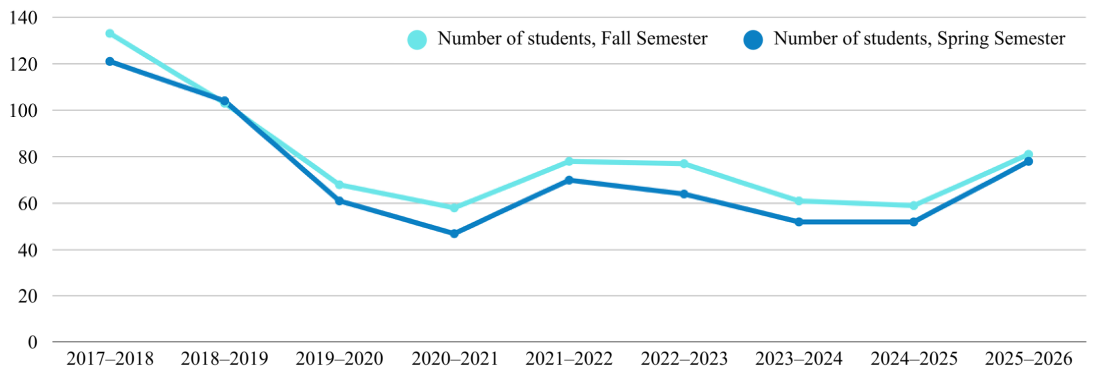
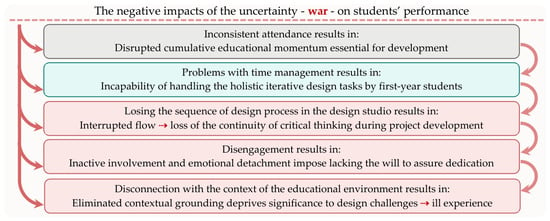
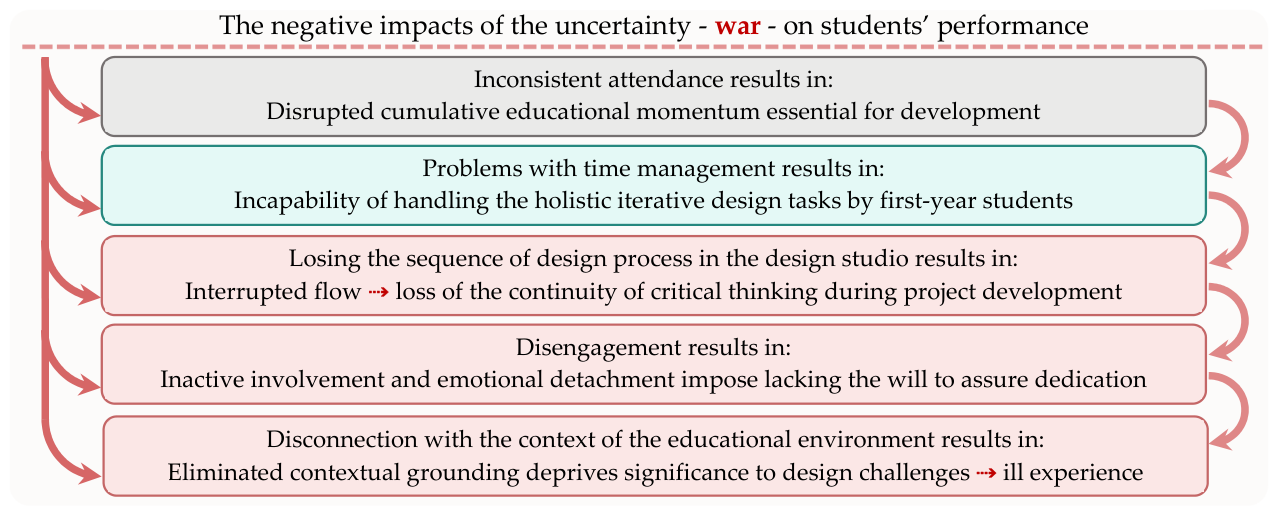
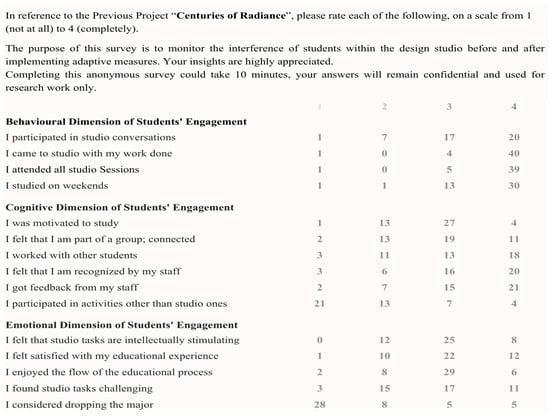
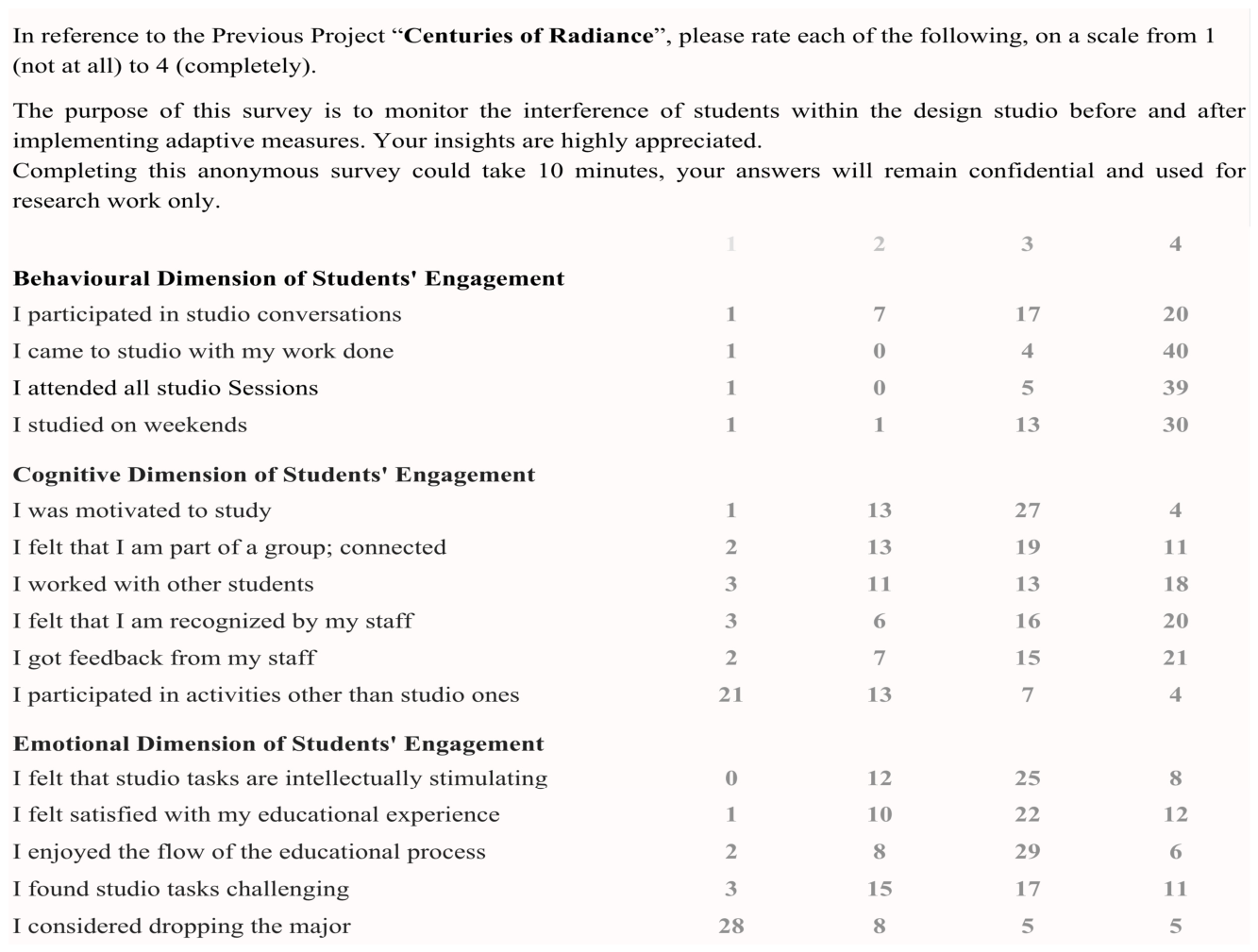
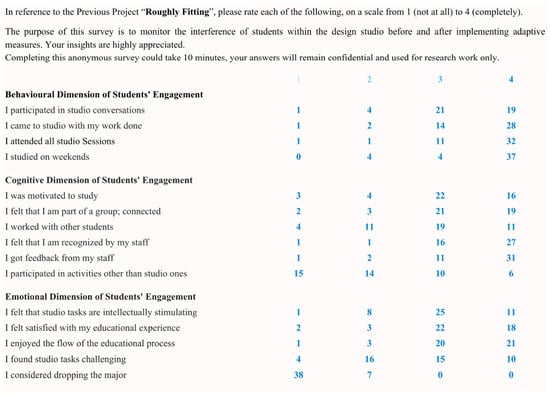
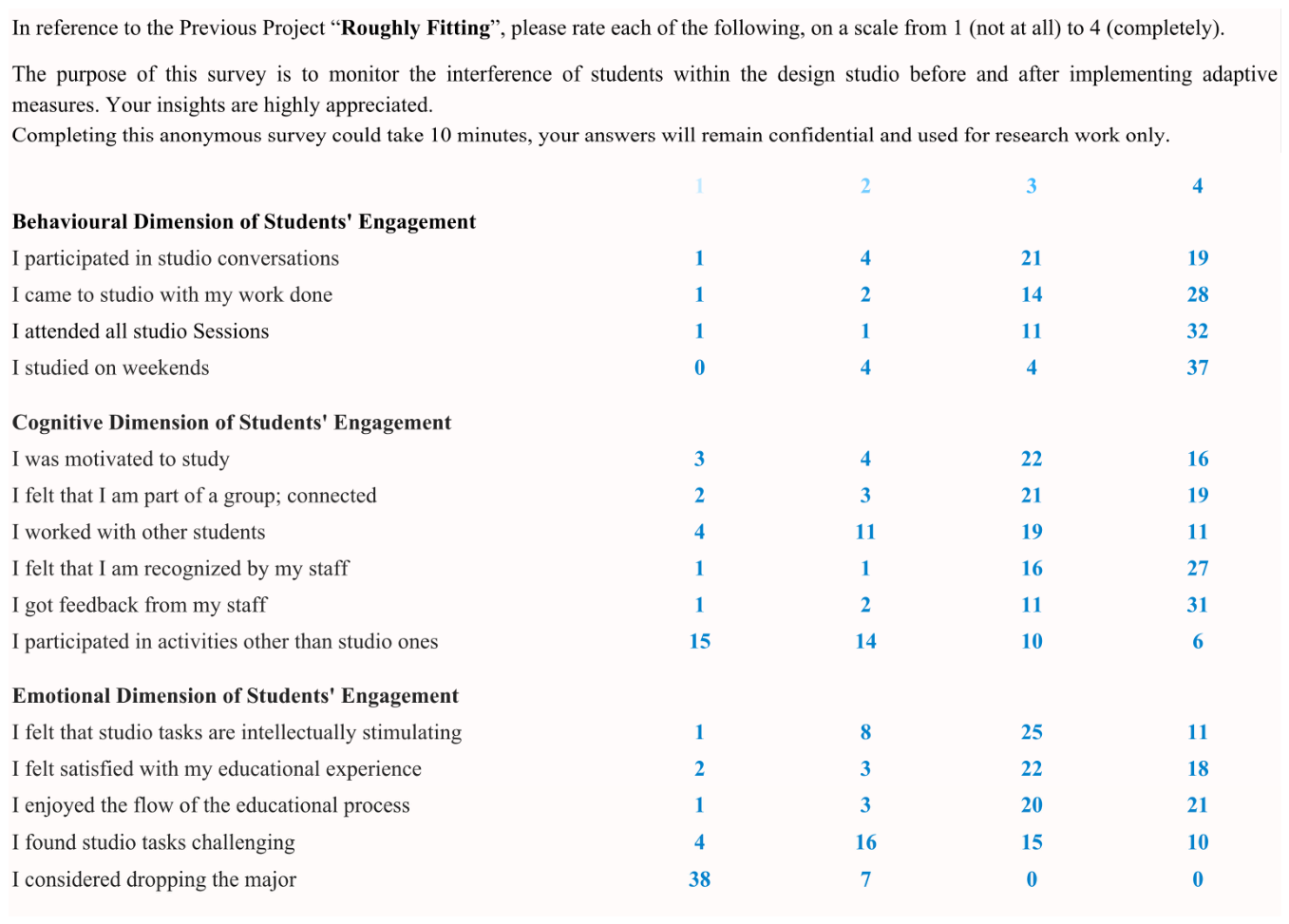
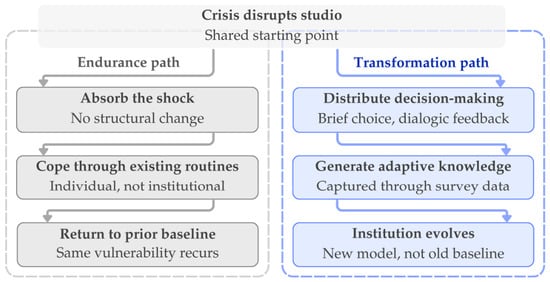
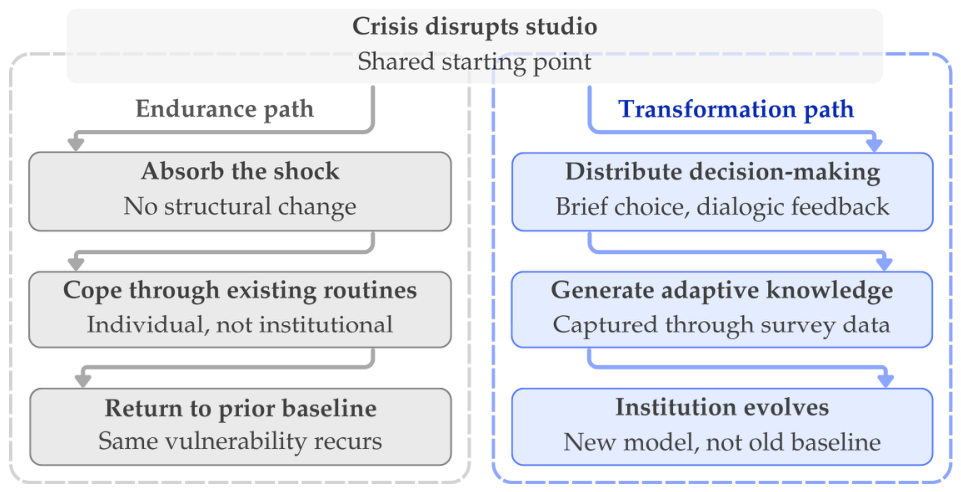
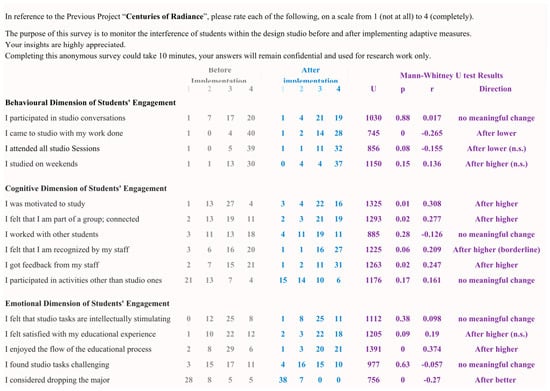
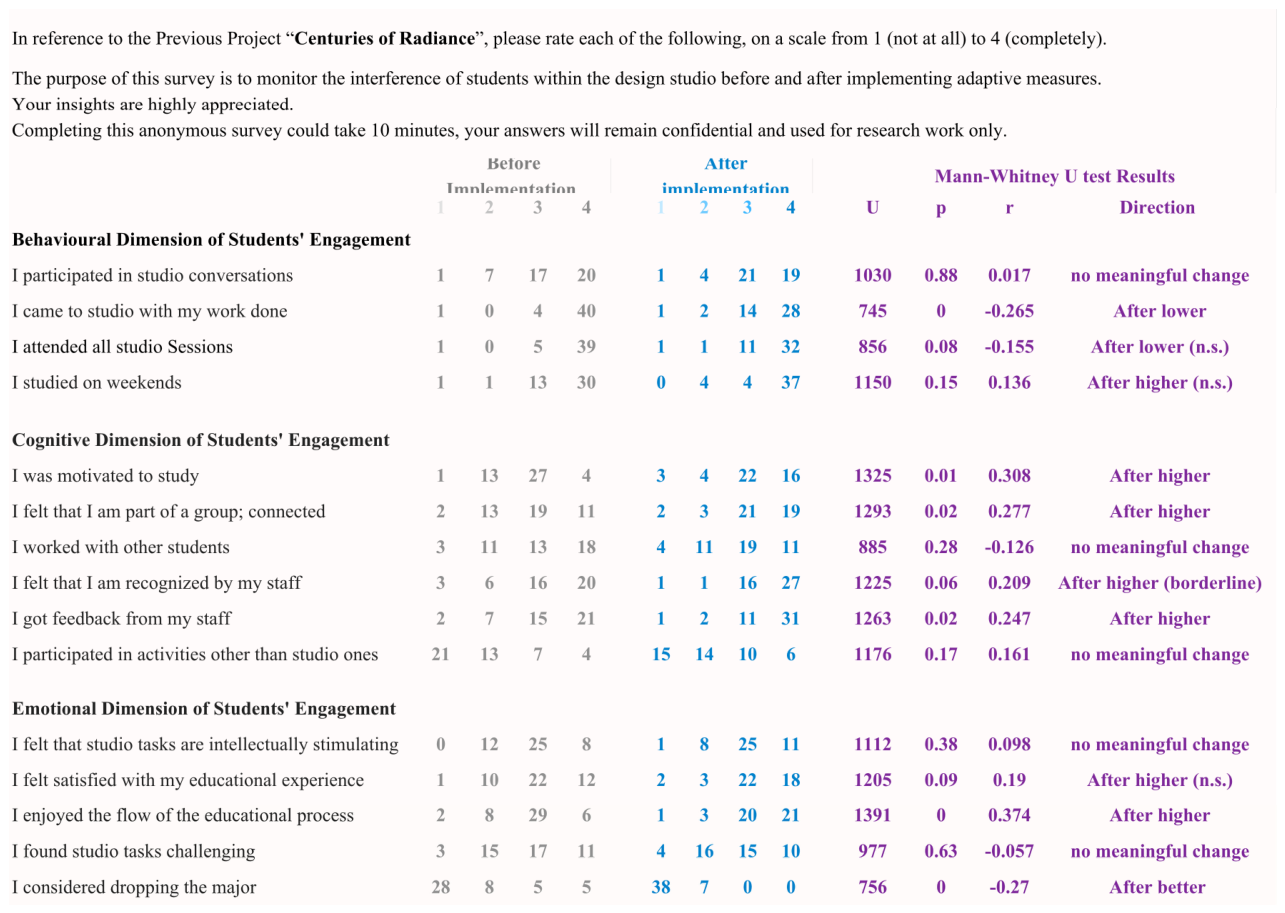
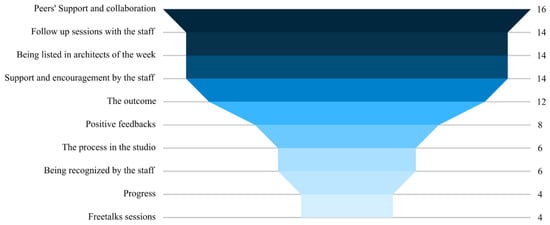
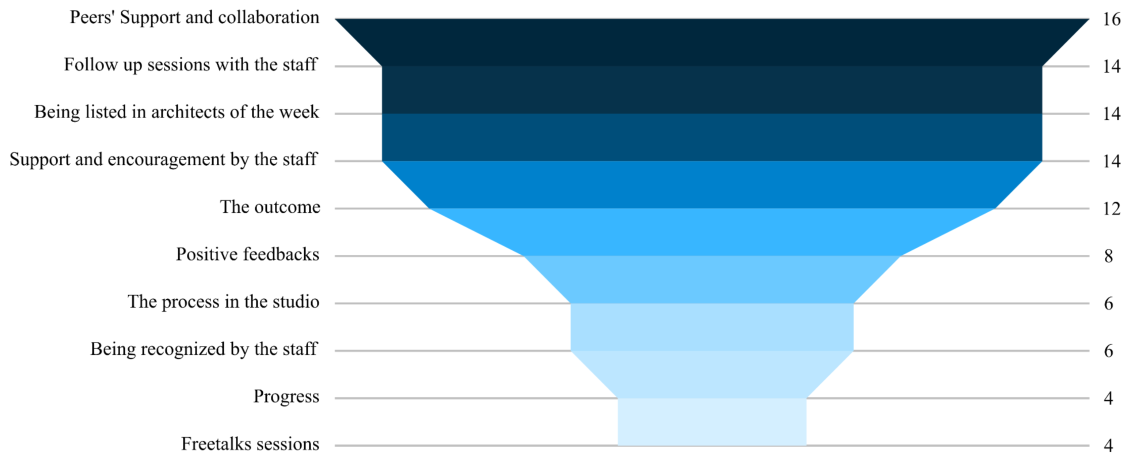
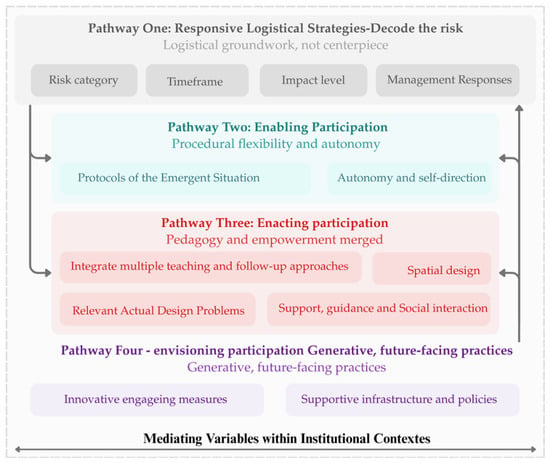
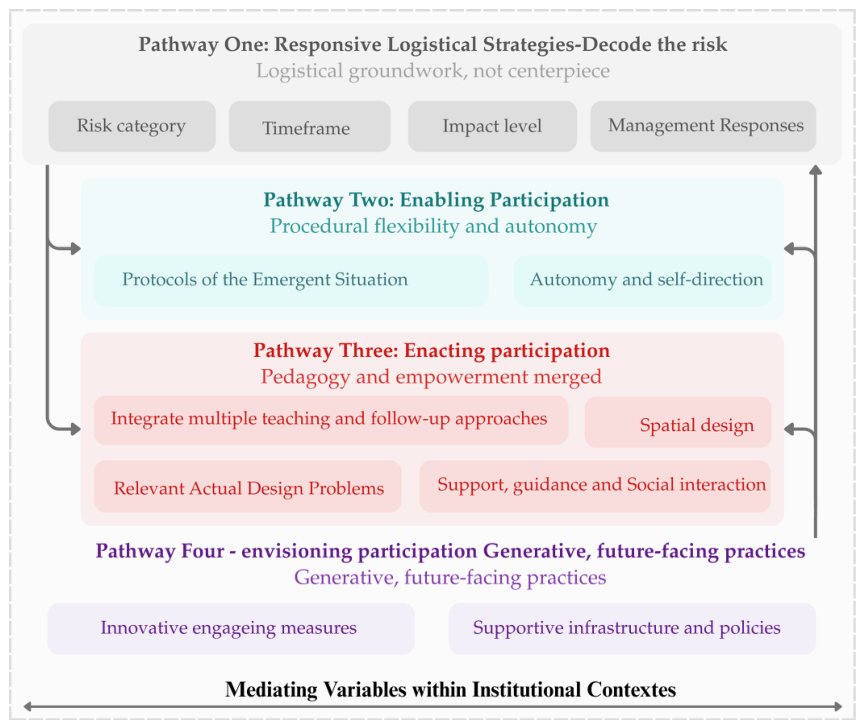
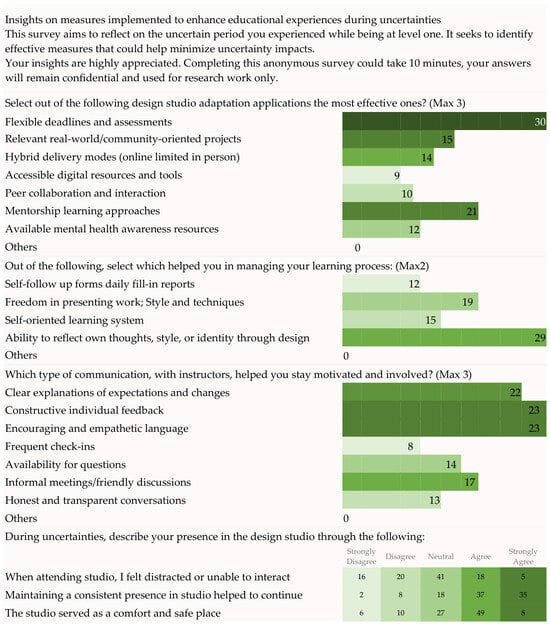
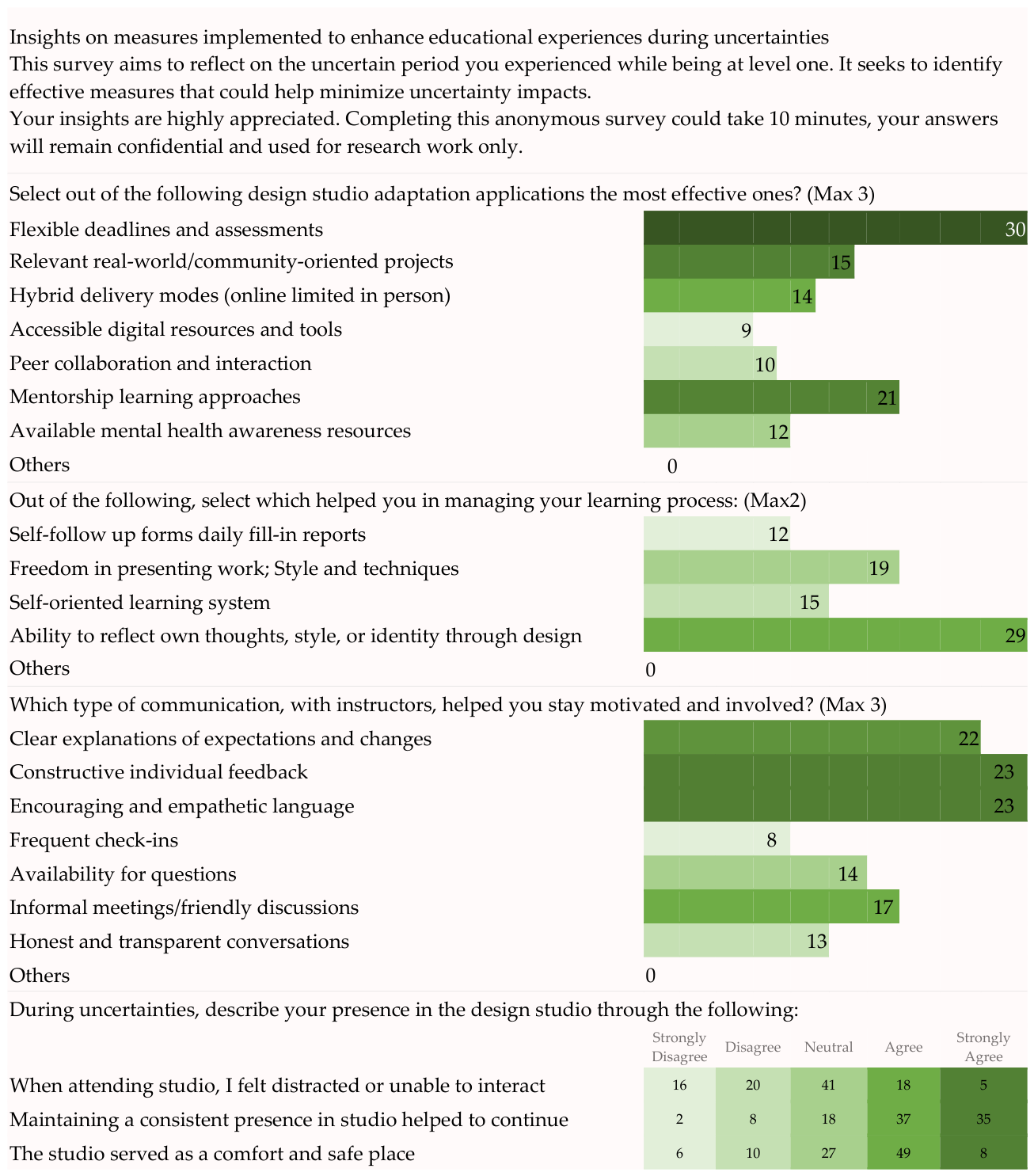



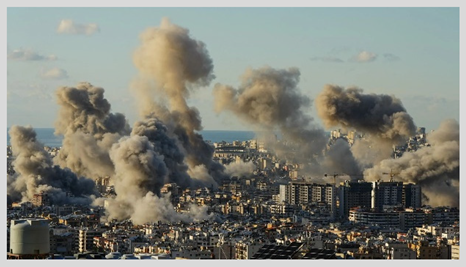
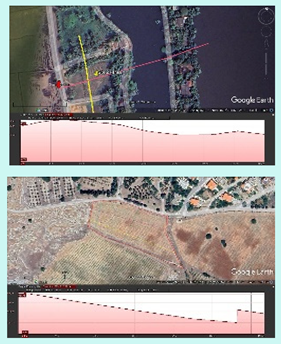
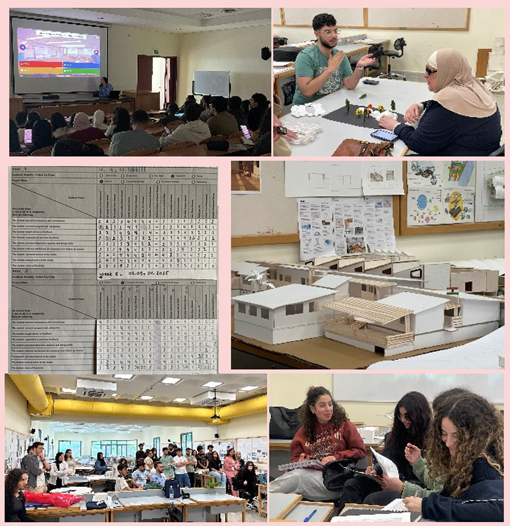
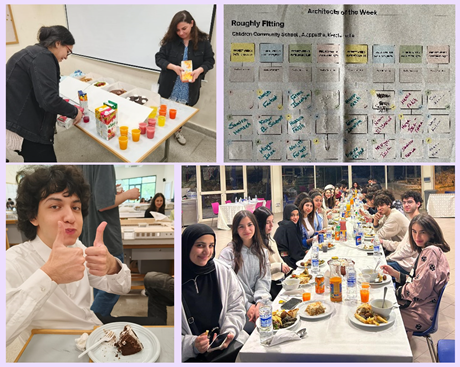
Disclaimer/Publisher’s Note: The statements, opinions and data contained in all publications are solely those of the individual author(s) and contributor(s) and not of MDPI and/or the editor(s). MDPI and/or the editor(s) disclaim responsibility for any injury to people or property resulting from any ideas, methods, instructions or products referred to in the content. |
© 2026 by the authors. Licensee MDPI, Basel, Switzerland. This article is an open access article distributed under the terms and conditions of the Creative Commons Attribution (CC BY) license.