


Abstract
This article presents a systematic bibliometric analysis on academic research into Artificial Intelligence (AI) applications in Architectural Conceptual Design (ACD). Based on a curated selection of publications indexed in the Web of Science (WoS) and Scopus databases between 2010 and 2025, this article shows a study that maps the intellectual evolution, thematic composition, and methodological trends of the field. By using the software tool VOSviewer, this study generates a series of knowledge graphs, including Keyword Co-Occurrence and International Collaboration Networks. The findings from this study reveal a rapid acceleration in AI-related research focused on the conceptual design stage, highlighting its transformative potential for architectural practice. Through a critical analysis of bibliometric results, this study identifies dominant research emphases, emerging directions, and persistent frictions between academic approaches and industry adoption. This review article contributes to the theoretical consolidation of AI applications in ACD and provides a structured foundation for future ACD-related research and practice.
1. Introduction
1.1. Background
Artificial Intelligence (AI) [1], introduced at the Dartmouth Summer Research Project in 1956 [2], has evolved from a theoretical concept into a transformative technological force across many disciplines. In the built environment, AI increasingly supports innovation and coordination across planning, design, construction, and operation [3]. Alongside the rapid development of Computer-Aided Architectural Design (CAAD), AI has progressed from experimental exploration to playing a pivotal role in architectural design workflows.
Under the RIBA Plan of Work (PoW) 2020 [4] issued by the Royal Institute of British Architects (RIBA) [5], Architectural Conceptual Design (ACD) corresponds to Stage 2 (Concept Design) [6], which focuses on establishing the architectural concept and ensuring that the proposed design intent progresses in line with the client’s vision, brief, and budget while serving as the foundation of subsequent phases, including Stage 3 (Spatial Coordination) [7] and Stage 4 (Technical Design) [8] through task planning and information requirements. Throughout this article, stage terminology follows the RIBA PoW 2020 definitions. Accordingly, subsequent references to “Stage 2” denote Stage 2 (Concept Design). Against this stage definition, the peer-reviewed literature [3,9] indicates that AI has been explored for concept generation and representation, early spatial layout synthesis, and preliminary performance-informed evaluation in Stage 2-relevant workflows.
Recent years have seen growing interest in AI methods that support discrete tasks in architectural design. However, systematic and technically grounded reviews that focus exclusively on the conceptual stage remain limited. A preliminary review of the literature suggests that many studies examine isolated techniques [10,11] or case-specific applications [12], such as Generative Design (GD) and Evolutionary Search for option exploration, Machine Learning (ML)-based form-finding or early performance prediction, and image-generation pipelines, including GAN- or Diffusion Model-based approaches, for visual ideation. Although these studies provide empirical evidence in specific contexts, the field remains fragmented and lacks a coherent body of stage-relevant methodological and implementation knowledge. This fragmentation is problematic because it limits cumulative theory-building and restricts methodological advancement: heterogeneous assumptions, datasets, and evaluation criteria make results difficult to compare, reproduce, and generalise, thereby slowing progress towards integrated, auditable workflows for ACD. This gap matters because ACD concentrates high-impact decisions under uncertainty, and fragmented evidence makes it difficult to compare methods, accumulate stage-relevant knowledge, and translate findings into reproducible guidance for practice. Without a consolidated evidence base, methodological progress is slowed, and governance-oriented requirements such as transparency and auditability remain hard to operationalise in Stage 2 workflows.
To address this gap, this article presents a structured, evidence-based review of AI adoption in ACD. Specifically, this study maps peer-reviewed research indexed in Web of Science (WoS) [13] and Scopus [14], with all records downloaded on 9 December 2025 and the dataset [15] frozen at the point when this study was completed. As the search strategy imposed no a priori time window, the analysis captures the full temporal span of the retrieved records available up to that date. In addition, the mapped academic patterns are then benchmarked against leading institution-led professional reports [16] and investigations [17] to identify underexplored areas and to guide future research towards both theoretical development and practice-oriented solutions.
1.2. Scope of Study
The overall aim of this study is to systematically map and synthesise related peer-reviewed research on AI applications in ACD, operationalised as RIBA Stage 2 (Concept Design) [6], using bibliometric methods. In addition, the mapped academic patterns are qualitatively benchmarked against institution-led professional reports to contextualise convergences and divergences between research priorities and practice uptake.
Accordingly, this study has three objectives, as follows:
- (1)
- To quantify the temporal evolution of AI-supported ACD research by analysing annual publication trends in the WoS and Scopus datasets.
- (2)
- To map the knowledge and thematic structure of the field through co-authorship and co-citation networks, together with keyword co-occurrence clustering, thereby identifying dominant technique families and Stage 2-relevant task focus.
- (3)
- To identify research gaps by synthesising bibliometric patterns and qualitatively benchmarking them against institution-led professional reports, highlighting underexplored issues for Stage 2 adoption, such as workflow integration, validation practices, explainability, and auditability.
By addressing these objectives, this study yields a series of traceable bibliometric maps that characterise the technical and methodological landscape within the defined dataset. The academic dataset comprises English-language, peer-reviewed journal articles indexed in WoS and Scopus and retrieved on 9 December 2025. After screening, the observed publication span is 2010–2025; pre-2010 materials are used only for qualitative historical context and are not included in the quantitative dataset. These visualisations support scholarly inquiry and evidence-based agenda setting by linking each mapped pattern back to the screened dataset and by clarifying the limits of inference.
1.3. Contributions and Novelty
Based on the reviewed evidence, research on AI applications in ACD remains fragmented when ACD is treated as a stage-bounded field. An initial systematic search of WoS and Scopus (Section 5.2) yielded 15 review studies. An explicit relevance prioritisation protocol was applied at this stage to rank their relevance.
Reviews were first screened for eligibility as peer-reviewed review-type studies that addressed AI applications in architectural design. Relevance was then operationalised using stage specificity and methodological traceability. Priority was given to reviews that explicitly bounded their scope to ACD, Concept Design, or RIBA Stage 2; that examined Stage 2-related tasks and decision concerns rather than a single isolated sub-problem; and that reported a transparent retrieval and screening procedure that could be audited. Based on these criteria, four reviews [9,10,11,12] were retained for focused comparison.
Within this subset, the comparison is diagnostic rather than representative. The four reviews were retained because they explicitly delimit their scope to ACD, Concept Design, or RIBA Stage 2 and provide sufficient information for appraisal. They are used to highlight recurring limitations in existing syntheses, not to claim that four reviews are sufficient to judge field-wide representativeness. For instance, ref. [9] draws on illustrative examples across publication venues but does not report a reproducible database query, explicit inclusion and exclusion criteria, or an auditable screening workflow, which limits transparency. Reviews [10,11] provide technique-centric discussions of ML-based generative design, while ref. [12] is restricted to layout generation, and therefore none of these reviews aim to cover the wider task spectrum and decision concerns associated with Stage 2 as operationalised in this study.
In response to these gaps, this study explicitly defines ACD as RIBA Stage 2 [6] and conducts a structured, evidence-based bibliometric review using a curated dataset from WoS and Scopus. The dataset is constructed through transparent, Preferred Reporting Items for Systematic Reviews and Meta-Analyses (PRISMA)-guided screening [18,19] with explicitly reported query logic. This study then produces a series of knowledge graphs to trace temporal development, map collaboration and citation structures, and identify thematic clusters and underexplored directions, thereby clarifying the research landscape for both scholarly inquiry and practice-facing uptake. To ensure that the mapped patterns are supported by auditable evidence, intermediate counts, screening outcomes, and derived indicators are reported in traceable tables, enabling each figure and claim to be linked back to the screened dataset. To keep the counting protocol consistent while still clarifying the historical lineage for readers, materials outside the main dataset coverage period, pre-2010 materials, are synthesised qualitatively rather than included in the subsequent quantitative dataset and bibliometric analysis.
Finally, the mapped bibliometric patterns are benchmarked against leading institution-led professional reports [16,17] to identify convergences and divergences between academic priorities and practice adoption. These insights are then translated into a stage-relevant research agenda and a set of institutional priorities for ACD-focused studies. In addition, the full dataset and processing workflow, including software versions and cleaning rules, are documented in the main text and appendices to support replication and independent verification.
1.4. Article Structure
This article reports a bibliometric study on AI-supported ACD. This article consists of nine main sections (Section 2, Section 3, Section 4, Section 5, Section 6, Section 7, Section 8 and Section 9) with supporting appendices. A brief description is given below.
- Section 2 Literature Review: to justify the need for the described study to initially identify the status of AI applications in ACD based on a bibliometric analysis.
- Section 3 Overview of the Research Landscape in Broader Architectural Design: to place ACD-focused AI research within the broader architectural design literature and set the basic context for the following bibliometric mapping and analysis.
- Section 4 Research Methodology: to describe selected research methods in terms of Data Sources and Collection, Dataset Criteria, Bibliometric Analysis, and Research Process.
- Section 5 Dataset Construction: to describe Data Sources and the Search Strategy.
- Section 6 Results of Bibliometric Analysis: to model publication trends, map collaboration and Co-Citation Networks, profile highly cited works, and illustrate the current research landscape via clustering and Co-Occurrence Networks.
- Section 7 Potential Research Gaps Highlighted by Institutional Reports: to benchmark the bibliometric findings against institution-led professional reports and to identify convergences, divergences, and underexplored directions for AI-supported ACD.
- Section 8 Discussion: to distil key contributions, interpret methodological trade-offs, outline practical implications, and define evidence boundaries.
- Section 9 Conclusions: to summarise contributions, acknowledge limitations, and propose future research directions for academia and industry.
- Appendix A: to provide supplementary materials required for transparency and replication, including intermediate counts, journal distribution summaries, annual publication counts, and the curated keyword list used for mapping.
As a systematic bibliometric analysis, this article reports the full analytical chain from scoping to mapping and interpretation. The dataset boundaries and construction are made transparent through the stated data sources and retrieval date, the reproducible WoS and Scopus search syntaxes, and the PRISMA-guided screening workflow [18,19] with explicit inclusion and exclusion criteria. The bibliometric mapping procedures are documented together with the software tools and versions used. Supplementary materials required for traceability, including intermediate counts and the full keyword list used for mapping, are provided in the Appendices so that figures and quantitative statements can be checked against the screened dataset.
2. Literature Review
This section provides a concise pre-2010 context of AI-related concepts and CAAD-related tools that later informed AI-supported workflows in ACD. This section also draws on the authors’ prior study [20] as a secondary historical contextual source to summarise pre-2010 milestones and to inform terminology used in the preliminary term-mapping step. The year 2010 is used as the lower bound because it is the earliest publication year remaining after screening the final datasets [15] retrieved on 9 December 2025. Consistent with the counting protocol, these pre-2010 materials are synthesised as background only, and are not included in the subsequent bibliometric analysis.
2.1. Research Overview on AI Applications in Architectural Design Before 2010
Early milestones from the 1950s to the 1970s shaped the foundations of AI that later influenced CAAD research. In the late 1950s, the “General Problem Solver” (1956) demonstrated machine reasoning for complex problem solving [21], and the “Perceptron” (1958) [22] introduced a learnable linear classifier that initiated a data-driven approach to pattern recognition and provided a basic theoretical architecture for the later maturation of ANNs [23]. By the 1960s and early 1970s, “Sketchpad” (1963) [24] established interactive graphical manipulation as a core human–computer interaction paradigm for engineering and design, “PLANNER” (1969) operationalised procedural logic for symbolic inference [25], and The Architecture Machine (1970) articulated a vision of human–machine collaboration for design generation and decision-making [26]. In parallel, “Shape Grammar” (1971) formalised a generative, rule-based method for specifying and transforming architectural forms [27] and foreshadowed later computational workflows in Generative Design (GD), while the advent of Non-Uniform Rational B-Splines (NURBS) (1972) [28,29] advanced computer graphics and enabled parametric integration into CAAD workflows. Later contributions, including A Pattern Language: Towns, Buildings, Construction (1977) [30] and the Generator project (1978) [31], explored structured vocabularies for encoding design knowledge and early prototypes of adaptive, cybernetics-influenced parametric architecture [32,33], although this trajectory was curtailed by the subsequent AI winter [34].
In the 1980s, AI technologies applied in ACD were primarily advanced with symbolic and rule-based Expert System (ES) [35] as knowledge-based design assistance embedded in early CAAD environments. For example, HI-RISE (1985) [36] was developed as a pioneering domain-specific ES for building design, demonstrating how prescriptive requirements, including those derived from the Uniform Building Code, could be formalised as executable knowledge for constraint-aware configuration and early feasibility checking during the development of concept options. At the same time, complementary work on knowledge-based design assistants (1985) [37] further investigated how architectural domain knowledge could be embedded within CAAD to support iterative concept development through multi-model reasoning, indicating a shift beyond geometric drafting toward structured early-stage decision support aligned with concept design tasks.
From the 1990s to the 2000s, the significant advancements on computational design techniques and workflows were progressively incorporated into ACD, enabling scalable option generation and rapid iterative exploration through parametric design processes [38,39]. The release of software tool Rhino (Rhinoceros 3D) [40] in 1998 and the appearance of visual scripting through using software tool Grasshopper in 2007 [38] have significantly lowered barriers to parametric exploration in design by allowing designers to efficiently generate and compare alternatives of architectural forms in concept design stage. In addition, during this time period, exploratory applications of Genetic Algorithms (GAs) within the broader family of Metaheuristic Algorithms (MAs) [41] provided early evidence that search-based optimisation could navigate broader ACD design landscapes, with reported effectiveness in tasks such as space layout exploration [42] and daylighting-related design iteration [43], as well as creative concept exploration [44]. These technical progresses provided early evidence that metaheuristic search could not only support but also transform multi-criteria decision-making in computational design for ACD.
2.2. Summary
Research and development during the period from the 1950s to the 2000s laid the foundation for subsequent applications of AI technology in ACD with a preliminary set of concepts and technical solutions, although these early advances showed substantial potential and attracted great attention yet remained largely exploratory and discrete. Such an innovative theoretical foundation therefore began to take shape for advanced technical solutions that later became one of the mainstreams in research and development for adopting AI in practices through the use of advanced techniques such as Artificial Neural Networks (ANNs), ES, GD, Natural Language Processing (NLP), and Pattern Recognition, and have been gradually adopted in ACD-related AI solutions.
Recent insights from institution-led surveys [16,17] and the peer-reviewed literature [9,10,11,12] suggest that many AI explorations in ACD remain prototype-level and workflow-fragmented rather than systematic, end-to-end systems. To address this question, a further literature review was conducted, focusing on leading publications indexed in WoS and Scopus, and combined with the latest insights from industrial institutions to identify points of convergence and divergence between scholarly priorities and practice adoption.
3. Overview of the Research Landscape in Broader Architectural Design
To develop a systematic understanding of how AI is applied in ACD, this study first maps the distribution of AI-related technologies and identifies current research hotspots across the wider architectural design domain. During the preliminary scoping phase, the AI term set was expanded iteratively using practice-facing technical posts in LinkedIn and the authors’ prior scoping synthesis [20] as seed sources. This step was used only to frame the broader scenario-level landscape in Figure 1 and Figure 2 and to compile the term inventory reported in Appendix A.1, and it did not alter the subsequent WoS and Scopus query logic or the inclusion decisions for the bibliometric dataset.
Figure 1.
Preliminary scoping term-mapping of AI-related technologies in architectural design (Google Scholar; 1956–2025).
Figure 2.
Indicative percentage distribution of AI-related technologies in architectural design (Google Scholar; 1956–2025).
Google Scholar [45] was selected for exploratory term mapping because it offers broad cross-venue coverage and enables rapid probing of term variants, which supports taxonomy development rather than the construction of a final dataset. All queries were conducted on 13 June 2025 within a fixed historical window from 1956 to 2025, where 1956 is treated as the formal starting point of AI as an independent field [2,46] and 2025 marks the end of the study period. For each AI term in Appendix A.1, ‘Total results’ were recorded using the query (“AI term” AND “Architectural Design”). ‘Review papers’ were then obtained using Google Scholar’s built-in document-type filter (‘Review articles’) under the same query and time settings. ‘Research papers’ were operationally defined as non-review results and estimated as total results minus review results.
Owing to Google Scholar not being a controlled bibliographic database and its result counts being dynamic and non-transparent, these Google Scholar counts are treated as snapshot-based indicative estimates and are used only to support the illustration of Figure 1 and Figure 2; they are not used for subsequent bibliometric mapping or quantitative inference.
As shown in Figure 1 and Figure 2, according to search results from Google Scholar, clear disparities exist in both the adoption intensity and technical maturity of various AI approaches within the architectural design domain. ML currently occupies a central role, accounting for 15,200 studies, or 22.83% of the total literature, and constitutes the methodological cornerstone of the field. The prevalence of Neural Networks (9380 publications, 14%) and Deep Learning (DL) (8690 publications, 13%) indicate a strong emphasis on supervised learning and multi-layer neural architectures.
Generative approaches also show substantial activity. Generative Design is represented by 5930 results (8.91%), while Transformer-based Models account for 4240 results (6.37%), reflecting growing interest in generative and representation-learning pipelines for architectural design tasks. Taken together, these proportions suggest that the broader architectural design literature is currently dominated by data-driven, learning-based paradigms.
In contrast, several frontier technologies remain marginal. The distribution of Distributed Systems (1990 publications, 2.99%), Knowledge Graphs (564 publications, 0.85%), and Large Language Models (LLMs) (391 publications, 0.59%) indicates that these directions have not yet achieved comparable visibility in the broader architectural design research landscape.
4. Research Methodology
4.1. Data Sources and Collection
To examine the adoption of AI in ACD from both academic and professional perspectives, the study described in this article deployed a parallel data collection strategy. For the academic stream, bibliographic records were retrieved from two major multidisciplinary databases, including WoS and Scopus. These sources were selected due to their rigorous indexing standards, structured metadata, and broad coverage across architecture, engineering, and computational design. The resulting dataset provided the empirical basis for subsequent bibliometric analyses and thematic clustering.
In parallel, institution-led professional reports were compiled to benchmark academic patterns against current practice uptake. Report selection followed explicit inclusion criteria to support representativeness and methodological compatibility with the academic dataset. First, documents had to be issued or commissioned by nationally recognised professional bodies representing architects, and to report survey-based findings with a stated scope and timing. Second, the content had to address AI adoption and use patterns in architectural practice rather than vendor- or practice-marketing narratives. Third, reports were prioritised for recency relative to the academic dataset freeze (9 December 2025) to support time-consistent benchmarking. On this basis, the RIBA [5] AI Report 2025 [16] and the AIA [47] investigation [17] were selected as institution-led snapshots. It is notable that these professional sources are synthesised qualitatively as an external benchmark only. They are not merged into the bibliometric dataset and are not used for bibliometric counting. They are used to triangulate practice-facing themes and to contextualise convergences and divergences observed in the peer-reviewed dataset.
4.2. Query Design and Optimisation
The search string was refined to align with RIBA PoW 2020 Stage 2 and to support reproducible retrieval across databases, as shown in Box 1. “Concept Design” was adopted as the semantic anchor because it directly denotes architect-led early-stage ideation and concept formation. To reduce omissions arising from variation in indexing practices and scholarly phrasing, “Conceptual Design” was included as a synonym. Although the broader usage of this term may introduce off-scope false positives, these are constrained by the architectural domain limiter and screened out at the title–abstract stage, in line with predefined inclusion and exclusion criteria.
Box 1. Query combination 1.
(“Concept Design” OR “Conceptual Design”) AND “Architectural Design” AND (“Artificial Intelligence” OR “AI”)
Disciplinary relevance was strengthened by using “Architectural Design” [48] as the domain constraint rather than the broader “Building Design” [49] because “Building Design” often refers to a delivery-oriented and multi-disciplinary process, which tends to introduce engineering coordination and technical integration literature that falls outside the scope of architect-led conceptual work [49]. Using “Architectural Design” therefore improves the signal-to-noise ratio by reducing cross-domain drift.
The AI component was intentionally specified at an umbrella level using “Artificial Intelligence” OR “AI”. Technique-specific anchor lists were avoided because AI terminology evolves rapidly and is expressed inconsistently across communities; a narrow list can reduce recall. This choice also aligns with the related literature; although individual studies employ diverse technical labels, most still frame their work using the generic descriptors “Artificial Intelligence” and “AI”.
4.3. Inclusion and Exclusion Criteria
The screening and selection procedure among this bibliometric analysis followed the PRISMA 2020 framework [19] to enhance methodological transparency and reproducibility. To maximise breadth and recall, no publication-year restriction was applied. Searches in both WoS and Scopus were limited to (Document Type: Article) and (Language: English). The article-only constraint was adopted to ensure methodological consistency and to prioritise primary empirical evidence, rather than secondary syntheses. Accordingly, records classified as review-type documents were excluded using the databases’ built-in Document Type categories (WoS: “Review Article”; Scopus: “Review”), which are selectable at retrieval and export; this database-defined filtering is distinct from the Google Scholar scoping counts in Section 3. In WoS, the “Review Article” type was excluded at the query stage, whereas in Scopus, the document-type field was additionally verified during screening to remove any remaining review-classified records. Given the interdisciplinary nature of AI-related research, no subject-area restriction was imposed at the search stage to retain potentially relevant work published in adjacent fields such as engineering and computer science. Appendix A.2 presents the journals by the final set of records and ranked according to the number of records included attributed to each journal within the study dataset.
In the process of data cleaning, a multi-step PRISMA [19]-guided screening process was implemented. First, records retrieved from WoS and Scopus were merged, and duplicates were identified using Zotero [50] reference management software. Second, titles and abstracts were screened against the inclusion criteria to confirm that each record addressed both ACD and an explicit AI application. Specifically, eligible studies (i) are English-language journal articles indexed in WoS and/or Scopus; (ii) focus on ACD or equivalent early-stage design tasks aligned with RIBA Stage 2; (iii) explicitly apply an AI technique to support architectural design generation, performance analysis, or decision support. Records were excluded if they were not AI-related, did not concern ACD or early-stage design, were not journal articles, or were not written in English. Finally, when eligibility could not be determined from bibliographic metadata alone, full-text screening was conducted to support the final inclusion decision.
4.4. Bibliometric Analysis
Following the consolidation of eligible studies, preliminary descriptive analyses were conducted in Microsoft Excel 2016 [51], including annual publication counts and longitudinal trend inspection. For bibliometric mapping and network visualisation, VOSviewer (v1.6.20) [52] was used to construct knowledge maps, including International Collaboration Networks, Co-Citation Networks, Thematic Clustering Networks, and Keyword Co-Occurrence Networks [53,54].
Bibliographic records were exported from Scopus and WoS using structured search queries aligned with the research objectives. Because this study integrates records from both databases for joint analysis, the two exports were harmonised and merged into a single dataset prior to mapping and clustering. Scopus records were downloaded in CSV format, whereas records from WoS were exported in plain-text format. To ensure cross-database compatibility with VOSviewer input requirements, CiteSpace (v6.3.R1) [55] was used to convert the Scopus CSV export into a VOSviewer-readable WoS plain-text format. The converted Scopus file and the original WoS file were then manually merged to produce a unified dataset for subsequent analyses. The original raw bibliographic records are provided in the Data Availability Statement.
It is notable that the keyword burst detection and timeline evolution analyses based on CiteSpace were initially considered as complementary analyses. However, the final dataset comprised 36 articles spanning 2010–2025, indicating an emergent and still consolidating research field. Given the limited sample size and sparse year-by-year distribution, burst detection and timeline views are susceptible to small-number effects and can become sensitive to reasonable choices of analytical parameters, such as time slicing and term-selection thresholds. In this study, outputs were considered insufficiently stable when bursts or timeline clusters were supported by only one or two records and therefore could not provide a reliable basis for interpretation. On this methodological basis, we decided not to report CiteSpace burst and timeline results in this article and instead focus on the VOSviewer-based mapping results derived from the curated dataset.
4.5. Methodological Workflow Overview
For clarity and reproducibility, the methodological workflow is presented in a visual diagram illustrated in Figure 3, which details research steps from data collection and eligibility screening to bibliometric mapping and the deprival of knowledge graphs.
Figure 3.
Research workflow.
5. Dataset Construction
5.1. Data Sources and Search Strategy
Discipline relevance was controlled during post-retrieval screening rather than at the query stage. Titles and abstracts were screened using the predefined inclusion and exclusion criteria reported in Section 4.3, and the screening outcomes were independently checked to confirm consistency. When eligibility could not be determined from bibliographic metadata, full-text screening was undertaken before the final inclusion decision was recorded in the screening log. To balance recall with precision and search efficiency, the search strategy applied a Boolean domain constraint for architectural concept-stage design and intersected it with an AI term set using standard Boolean operators [56]. The generic query logic is reported below, and the complete database-specific query syntaxes are provided in Box 1, Box 2 and Box 3.
Box 2. Search syntax 1 for WoS.
((((TS = Concept Design) OR (TS = Conceptual Design)) AND (TS = Architectural Design)) AND ((TS = Artificial Intelligence) OR (TS = AI)))
Box 3. Search syntax 2 for Scopus.
TITLE-ABS-KEY ((“Concept Design” OR “Conceptual Design”) AND “Architectural Design” AND (“Artificial Intelligence” OR “AI”)) AND (LIMIT-TO (DOCTYPE, “ar”)) AND (LIMIT-TO (LANGUAGE, “English”)) AND (LIMIT-TO (PUBSTAGE, “final”))
5.1.1. The Web of Science (WoS)
As a multidisciplinary database with rigorous indexing protocols and hierarchical subject classification, the WoS Core Collection was selected for its suitability in conducting cross-disciplinary bibliometric analyses. The search syntax shown in Box 2 was structured by using Boolean operators.
The TS (Topic) field retrieved keywords from titles, abstracts, author keywords, and Keywords Plus. Since WoS does not support direct filtering of language or document type within query strings, only English-language articles were retained through manual screening.
5.1.2. Scopus
Scopus was selected as a complementary source due to its extensive indexing of engineering- and design-focused journals. The search syntax shown in Box 3 was employed to find relevant publications from Scopus.
The field tag “TITLE-ABS-KEY” in Scopus targets terms within the article title, abstract, author keywords, and Keywords Plus. The filter DOCTYPE = “ar” limits the results to peer-reviewed research articles. The LANGUAGE = “English” parameter ensures that only English-language publications are retrieved. The filter PUBSTAGE = “final” refines the dataset to fully published documents, excluding preprints.
5.2. Search Timeline and Screening Protocol
The literature search was finalised on 9 December 2025, yielding 234 articles from WoS and 82 records from Scopus at the beginning. All entries were processed following the four-stage PRISMA framework (Identification, Screening, Eligibility, and Inclusion) [19]. After duplicate removal and manual screening based on titles and abstracts, a final dataset of 36 studies was identified. A visual summary of the complete screening workflow is presented in Figure 4.
Figure 4.
The PRISMA-guided screening workflow for data selection from academic publications.
5.3. Data Limitations
This article describes the current state of the academic literature on AI in ACD. The main bibliometric analyses draw on English-language, peer-reviewed journal articles retrieved from WoS and Scopus using the search strategy described in Section 5.1. In parallel, Google Scholar was used only for an exploratory scoping search under a broader architectural context to support the term-mapping in Section 3. After screening the WoS and Scopus dataset downloaded on 9 December 2025, the earliest eligible record dates to 2010. To contextualise pre-2010 developments, this study cites the author’s prior scoping study [20] as qualitative background informing the historical overview in Section 2. Neither the Google Scholar scoping scan nor the author’s prior study is included in the bibliometric dataset, and neither contributes to subsequent bibliometric analysis.
In addition, the retrieval strategy may introduce coverage bias due to variation in terminology. Some studies describe their contributions primarily through task or scenario terms, such as “Layout Generation” or “Ideation Generation”, rather than using broader field descriptors such as “Architectural Design” or “Concept Design”. This disciplinary divergence in language can lead to the omission of relevant studies at the search stage, even when their methods align with AI-supported ACD. Further limitations arise from document type and language restrictions. The dataset was restricted to English-language records and to the document type “Article”. As a result, outputs commonly published in non-article formats, including conference and workshop contributions and book chapters, were not systematically captured by the retrieval strategy. This is consequential in computational design and AI research, where emerging methods are often first disseminated through conference venues and only later consolidated into article-format publications. Moreover, because bibliographic databases may assign multiple document-type labels to a single record, a small number of conference-associated items may still be classified under “Article”, which introduces minor classification uncertainty. To reduce these risks, the consolidation step involved manual reading and scope checking of each included study to confirm relevance and to remove off-scope or clearly misclassified records.
Finally, reliance on WoS and Scopus can improve metadata consistency and support bibliometric comparability, but their indexing and inclusion policies [57,58] may exclude relevant outputs that fall outside their coverage, including regional journals, practitioner-orientated publications, and industry or professional reports. Future researchers may complement WoS and Scopus retrieval with a controlled supplementary search in Google Scholar to identify potentially omitted grey literature, such as professional and industry reports, while maintaining date-stamped search logs, rigorous de-duplication, and predefined screening criteria. To preserve bibliometric comparability, grey-literature items should be analysed as a separate evidence stream, with sensitivity checks used to assess their impact on robustness.
6. Results of Bibliometric Analysis
To aid reader navigation, this section is organised according to the three objectives stated in Section 1.1, covering temporal evolution, knowledge structure, and identified gaps and underexplored areas.
6.1. Temporal Evolution of AI Applications in ACD
This subsection reports the temporal evolution of AI research in ACD by presenting publication trends and time-based patterns in the dataset. The results provide a baseline for understanding the growth dynamics and key periods of consolidation in the literature.
Regression Analysis for Publication Trend
The study presented in this article incorporated a total of 36 peer-reviewed original research articles about AI applications in ACD. These publications were authored by 52 authors affiliated with 28 institutions in 12 countries. The temporal distribution of these publications spans the period from 2010 to 2025, with the final dataset collected on 9 December 2025. A detailed account of the annual publication counts is provided in Appendix A.3.
As illustrated in Figure 5, the annual number of publications displays a generally increasing, albeit irregular, upward trend over the study period. The blue markers indicate the observed yearly publication counts, while the red dotted curve represents the fitted quadratic polynomial regression model. A simple linear regression of annual publication counts on calendar year indicates an average increase of approximately 0.59 publications per year, but the goodness of fit is limited (R2 = 0.5183). The quadratic specification provides a modest improvement, with the corresponding regression equation given in Equation (1).
Figure 5.
Annual publication counts (blue dots) and fitted quadratic polynomial trend line from 2010 to 2025.
For Equation (1), y denotes the number of publications and x represents the calendar year. This model achieves a coefficient of determination of R2 = 0.8263, which, while higher than the linear fit, still reflects the small sample size and the concentration of activity in only a few recent years. Accordingly, the polynomial regression is interpreted primarily as a descriptive device for visualising the emerging upward trajectory rather than as a basis for robust long-term extrapolation.
Even within these constraints, the analysis confirms that research on AI applications in ACD has transitioned from an occasional topic into a gradually consolidating area of inquiry, with clear signs of accelerated growth in the most recent years.
6.2. Technical Themes and Network Structure of the Field
This subsection maps the technical and epistemological structure of AI-enabled ACD research through bibliometric networks and clustering. The results describe collaboration patterns, intellectual foundations, and thematic concentrations identified from co-authorship, co-citation, and keyword co-occurrence analyses.
6.2.1. International Co-Authorship Network Analysis
Between 2010 and 2025, international academic activity concerning the adoption of AI in ACD has begun to form a geographically dispersed yet still relatively modest network of scholarly collaboration. As shown in Figure 6, in the International Co-Authorship Network generated by VOSviewer, node size represents the number of publications per country, line thickness corresponds to the Total Link Strength (TLS) derived from co-authored papers, and node colour indicates the average publication year, with cooler colours marking earlier contributions and warmer colours marking more recent work. Within this configuration, China (four publications), South Korea (three publications) and the United States (two publications) form the only visible co-authorship cluster, each linked with a TLS value of 2, which indicates that cross broader collaboration in this field is still concentrated in a small group of East Asian and North American partners, while most other participating countries remain isolated in terms of international co-authorship.
Figure 6.
International Co-Authorship Network (2010–2025). <Available at: https://tinyurl.com/28uh73gz (accessed on 20 December 2025)>.
Figure 7 summarises the distribution of documents, including citations for all 12 countries identified by VOSviewer. China (4 publications) and the United States (2 publications) achieve the highest citation counts, with 66 and 124 citations, respectively, while South Korea (3 publications) records 26 citations within the same collaborative cluster. A second group of countries comprising Germany (1 publication, 49 citations), Sweden (1 publication, 32 citations) and Denmark (2 publications, 31 citations) attain notable citation impact despite limited publication volume, although their contributions are nationally authored in the present dataset. Türkiye (3 publications, 14 citations), Switzerland (1 publication, 11 citations) and the United Arab Emirates (1 publication, 3 citations) have also begun to contribute, whereas Austria, Iran and Russia (1 publication each, 0 citations) represent very early-stage participation. Except for China, South Korea and the United States, all countries display a TLS value of 0, which confirms that most national research communities have not yet developed sustained international co-authorship in AI-supported ACD.
Figure 7.
International country-level citation impact and document output (2010–2025).
6.2.2. International Co-Citation Network Analysis
Besides the publication output, citation frequency provides a key indicator of the academic influence and knowledge diffusion achieved by different countries. As shown in Figure 8, the International Co-Citation Network generated using VOSviewer visualises how countries cite one another in the field of AI-supported conceptual architectural design. In this map, node size represents the number of citations received by each country, the thickness of the connecting lines reflects the TLS of mutual citation ties, and node colour indicates the average publication year, with cooler colours marking earlier contributions and warmer colours marking more recent ones.
Figure 8.
International Co-Citation Network (2010–2025). <Available at: https://tinyurl.com/277upcd5 (accessed on 20 December 2025)>.
The result of the International Co-Citation Network displays a star-shaped pattern centred on the United States, which serves as the main global citation hub. The United States (TLS = 6) maintains the strongest citation links with South Korea (TLS = 4), China (TLS = 3), Denmark (TLS = 1), Sweden (TLS = 1), and Switzerland (TLS = 1). South Korea and China form a secondary citation pole, indicating an emerging trans-Pacific citation corridor. Figure 5 also shows that Denmark (31 citations), Sweden (32 citations), and Switzerland (11 citations) each contribute only one or two publications, yet these papers are comparatively well cited, and their direct links with the United States suggest that influential work from these countries has already been incorporated into the emerging international citation structure.
Across the International Co-Citation Network, most nodes appear in green-to-yellow tones on the time scale, indicating that the most influential work has been published mainly in the early to mid-2020s rather than in the earlier years of the dataset. This concentration of recent citations, together with modest TLS and the dominance of a single central hub, suggests that the citation landscape for AI-supported conceptual architectural design is still at an early stage of development. The pattern is consistent with the International Co-Authorship Network, where collaboration is likewise concentrated in a small group of countries and many national communities remain only loosely connected, pointing to a field that is active but still fragmented rather than a mature and integrated global research system.
6.2.3. Highly Cited References Analysis
To identify and interpret foundational contributions and scholarly influence in AI-supported ACD, this study conducted a direct Co-Citation Network analysis in VOSviewer. By tracing unidirectional knowledge flows, in which one publication explicitly cites another, the Co-Citation Network in Figure 9 reveals the structural relationships among key references and the main pathways of knowledge transfer. Because the dataset was compiled using highly restrictive search criteria, the final dataset is intentionally precise but relatively small. To avoid excluding potentially influential nodes and to retain all observable direct-citation relations within the dataset, the minimum citation threshold was set to one citation. Under this setting, six highly cited references were identified, spanning from 2018 to 2024. This time window captures sustained academic attention to AI methods in ACD and provides an interpretable baseline for understanding how methodological priorities have evolved.
Figure 9.
High citation reference network (2018–2024). <Available at: https://tinyurl.com/29jfypff (accessed on 20 December 2025)>.
Table 1 presents the six most cited publications in the dataset. According to the illustration of citation knowledge graphs, these works occupy central positions in the Co-Citation Network and reflect key thematic directions in the field.
Table 1.
Highly cited references on AI applications in ACD (as of 9 December 2025).
The most cited publication, from 2018, proposed a function-driven, graph-based Deep Neural Network (DNN) approach for generating solutions for ACD, enabling Building Information Modelling (BIM) schemes to be evaluated and scored, decomposed into essential subgraph “building blocks”, and recombined into novel compositions, with an additional Generative Adversarial Network (GAN) method to generate designs not seen in the training set. It provided an initial methodological validation for applying graph-processing neural networks to ACD generation and variation and highlighted the wider potential of the ML paradigm to support conceptual design analysis and development in architectural practice [59].
The second most cited publication, from 2023, investigated architectural design concepts for smart buildings by modelling how smart building model activities, spatial layout, and functions relate to the development of AI-based simulation models and, subsequently, DT-based smart building systems. Using a Computer Administered Self-Completed Survey with 125 respondents and hypothesis testing via Structural Equation Modelling (SEM), it provided an empirical foundation for linking concept-stage spatial and functional criteria to AI simulation and digital twin integration in smart building design research [60].
The third most cited publication (2024) reported a research-through-design study that trained and applied text-to-text, text-to-image, and image-to-image generative models to architectural texts and eVolo skyscraper-competition imagery at the conceptual design stage. The study showed how generative outputs can refine a brief and reveal recurring formal tendencies, and it documented an AI-assisted workflow that connects architectural discourse with coding practices and annotation to support ACD development [61].
The fourth most cited publication, from 2023, investigated the use of 3D GAN to generate conceptual architectural forms under site-specific regulations, training a 3D Controllable Point-Cloud GAN (CPCGAN) on an annotated point-cloud dataset of single-family houses to produce labelled volumetric outputs that can be controlled to comply with constraints such as site coverage and height limits. By additionally gathering feedback from 23 practising architects on the proposed workflow, it provided an empirically informed foundation for using 3D generative models as early-stage ideation aids that mediate between exploratory speculation and regulatory precision in ACD [62].
The fifth- and sixth-most cited publications highlighted two complementary AI-assisted workflows for ACD. One study [63] proposed a simplified GD loop implemented with Revit and Dynamo, where a design algorithm is coupled with an evaluation methodology to generate large sets of 3D layout alternatives and support the selection of higher-performing options against predefined criteria. Another study [64] investigated how GAN-based image generation can be combined with human interpretation and NLP-based content analysis, comparing Deep Convolutional GAN (DCGAN) and Self-Attention GAN (SAGAN), and using text-mining to examine designers’ verbal reactions, thereby outlining a workflow aimed at producing and evaluating conceptually and culturally meaningful design outcomes in early-stage architectural exploration.
The colour gradient in Figure 9, ranging from purple to yellow, indicates the temporal distribution of the influential references. Overall, the Co-Citation Network exhibits a clear hub-and-spoke pattern, with the 2018 study acting as an early central anchor and the remaining highly cited works concentrated in 2021–2024. And cross-links are comparatively limited, indicating that the research landscape is expanding into multiple methodological streams but remains in a phase of consolidation rather than a mature, densely interconnected citation structure.
6.2.4. Keyword Cleaning and Clustering Preparation
To systematically identify the trajectories of research and development in AI applications for ACD, this part of this study employed keyword co-occurrence and thematic clustering analyses using VOSviewer. Prior to analysis, comprehensive data pre-processing was undertaken to enhance the validity of the clustering results. This involved the manual removal of generalised or semantically ambiguous terms lacking technical specificity, such as “palladio,” and “shah mosque” to prevent distortion of the overall Keyword Network structure. In addition, standardisation procedures were implemented via the thesaurus file function to merge syntactically varied but semantically equivalent terms, such as unifying “ai” under “artificial intelligence” and consolidating “evaluation” with “evolution”.
The keyword co-occurrence algorithm identified 99 unique terms at the beginning. Owing to the small size of the meta dataset, a minimum co-occurrence threshold of 1 was applied, as this value was considered to fully identify the isolated or marginal terms while preserving sufficient granularity to reveal meaningful patterns across the dataset and achieve the broadest possible scope for analytical interpretation. This threshold yielded a refined keyword network of 75 curated keywords (Appendix A.4), enabling the construction of a coherent and semantically focused Keyword Co-Occurrence Network (Figure 10) and Thematic Clustering Network (Figure 11). Both visualisations reflect the current research landscape and technological emphases of AI applications in ACD.
Figure 10.
Keyword Co-Occurrence Network (2010–2025). <Available at: https://tinyurl.com/23qjzyt3 (accessed on 20 December 2025)>.
Figure 11.
Thematic Clustering Network (2010–2025). <Available at: https://tinyurl.com/23qjzyt3 (accessed on 20 December 2025)>.
In both Keyword Networks, the size of each node corresponds to its TLS, representing the cumulative strength of Co-Occurrence ties with all other nodes. The thickness of the connecting lines indicates the individual link strength, denoting the intensity of co-occurrence between any two specific keywords.
6.2.5. Co-Occurrence Network Analysis
Regarding the co-occurrence analysis, Figure 10 visualises how frequently keywords co-appear across the dataset on AI-supported ACD. Overall, the Keyword Co-Occurrence Network is organised around two major hubs, AI in the orange cluster and architectural design in the blue cluster, which jointly connect technique development with workflow integration in ACD.
Beyond these hubs, each cluster forms a coherent theme, and cross-cluster links indicate that AI-supported ACD is structured through interconnected strands, including computational and parametric design, learning- and data-driven methods, and concept-stage workflows. The nine clusters identified in Figure 11 are described below.
Cluster 1 (orange cluster) forms the core AI hub in the Keyword Co-Occurrence Network, and it plays a role similar to the architectural design hub in the blue cluster. It is characterised by “Artificial Intelligence” (TLS = 46), together with closely linked terms such as “AI Simulations Models” (TLS = 4) and “Automation” (TLS = 4). This cluster suggests that many studies use “Artificial Intelligence” as an umbrella label to frame the topic first and then link outward across the Keyword Co-Occurrence Network to more specific strands, such as design (red cluster), generative design (green cluster), and machine learning (brown cluster), before connecting back to ACD-facing discussion around architectural design (Blue Cluster).
Cluster 2 (blue cluster) sits in a comparable hub position to the orange cluster, but it anchors the Keyword Co-Occurrence Network on the design side. It is centred on “Architectural Design” (TLS = 43) and links outward to early-stage idea work and design values, such as “Creativity” (TLS = 3) and “Ideation” (TLS = 4). It also shows a clear branch toward concept media and visual workflows, including “AI-based Visualization” (TLS = 3) and “Sketch-to-Image Tool” (TLS = 3). Overall, this cluster suggests that many studies frame AI-supported ACD through “architectural design” and then extend in two practical directions: supporting early design judgement through value-oriented terms, and supporting concept communication through visual generation workflows while keeping strong links back to AI technique clusters through the Keyword Co-Occurrence Network’s connecting paths.
Cluster 3 (green cluster) forms a key bridge between AI framing and the ACD workflow, but it appears as two distinct pockets on the map. The main pocket is characterised by “Generative Design” (TLS = 18) and “Computational Design” (TLS = 11), and it is closely tied to data and modelling terms such as “Point Cloud” (TLS = 11). A smaller pocket is dominated by named tool terms such as “Dall.e3” (TLS = 4) and “Midjourny” (TLS = 4), with the “Artificial Intelligence” hub positioned between the two pockets in the layout. Overall, this split suggests two common ways of describing AI-supported ACD: a workflow-oriented route that operationalises generation through computational methods, and a tool-oriented route that frames concept work through named generative systems for rapid visual exploration.
Cluster 4 (brown cluster) acts as a learning-based methodological hinge connecting computational generation with design-facing ACD concerns. It is centred on “Machine Learning” (TLS = 22) and sits at the intersection of the green computational design cluster, the pink conceptual-stage cluster, and the blue architectural design hub, indicating that learning models often mediate the translation of generative workflows into architectural decision contexts. Its links to “Natural Language Processing” (TLS = 5) and “Ambiguity” (TLS = 5) further suggest an emphasis on interpreting under-specified briefs and aligning AI outputs with architectural intent, thereby reducing semantic drift during concept development.
Cluster 5 (red cluster) delineates a CAD-centred automation pathway that occupies a pivotal bridging position between “Artificial Intelligence” (TLS = 46) in the orange cluster and “Architectural Design” (TLS = 43) in the blue cluster. It is anchored by “Computer-Aided Design” (TLS = 13) and is defined by automation-oriented generation mechanisms, including “Design Automation” (TLS = 9) and “Evolutionary Approach” (TLS = 9), with rule-based or simulation-like generation also indicated by “Cellular Automata” (TLS = 9). The cluster is directly tied to layout-oriented ACD tasks, including “Space Layout Planning” (TLS = 4) and “Automated Architectural Floor Layout” (TLS = 4). Overall, the red cluster suggests that a substantial strand of AI-supported ACD is operationalised as executable rules and iterative search embedded within CAD-related environments, where automated spatial layouts act as the key design artefact linking upstream AI methods to downstream architectural decision.
Cluster 6 (purple cluster) reflects an optimisation-led theme that appears as an extension of the red cluster. It is led by “Optimization” (TLS = 15) and is closely linked to “Architectural Exterior Conceptual Design” (TLS = 6), with nearby terms such as “Generative AI” (TLS = 6), and “Stable Diffusion” (TLS = 6). This cluster suggests that the CAD and automation pathway in the red cluster connects upward into a more concept-focused stream, where optimisation is used together with generative AI to support early exterior design exploration.
Cluster 7 (yellow cluster) captures a more complex stream where “Deep Learning” (TLS = 11) is closely tied to both “Image Synthesis” (TLS = 7) and extended-reality settings such as “Augmented Reality” (TLS = 7) and “Mixed Reality” (TLS = 7). It also connects to a “Hybrid Design Environment” (TLS = 7), suggesting that this line of work is not only about the model itself, but also about how designers interact with AI outputs in a combined digital workflow.
Cluster 8 (pink cluster) plays a linking role around the concept stage, rather than staying as an isolated group. It is characterised by “Conceptual Design” (TLS = 10), which connects to several major parts of the Keyword Co-Occurrence Network, including “Machine Learning” (TLS = 22), “Generative Design” (TLS = 18), and the two hubs “Artificial Intelligence” (TLS = 46) and “Architectural Design” (TLS = 43). Within the cluster, “Conceptual Design” is also tied to concrete tool terms such as “Clip” (TLS = 6) and “Stylegan2-ada” (TLS = 6), suggesting that concept-stage discussions are often grounded in specific model pipelines for generating or steering early design outputs.
Cluster 9 (cyan cluster) can be read as a branch of the blue cluster, extending “Architectural Design” (TLS = 43) into a workflow- and output-focused direction. It is characterised by “Design Process Optimization” (TLS = 6), “Text to Design” (TLS = 6), and “Design Quality” (TLS = 6), and it also links to “Design Style” (TLS = 6), with a technical tie to “Diffusion Model” (TLS = 6). Overall, this cluster suggests that a growing strand of AI-supported ACD is moving from “making concepts” toward “managing the pipeline”, where text-guided generation is paired with explicit checks on quality and style as part of the design process.
The most salient structural feature in this Thematic Clustering Network (Figure 11) is a dual-hub structure, where the orange cluster and the blue cluster act as two organising centres and are tightly coupled through several bridging pathways. This coupling is primarily mediated by the red cluster as a CAD–automation spine and the green cluster as a computational–design bridge, with an additional upward extension into the purple cluster that foregrounds optimisation-oriented work. Taken together, the topology suggests three complementary trajectories of AI adoption in ACD. A method-centric trajectory concentrates around the brown cluster and the pink cluster, where learning-based method discussions align with a stage-specific conceptual anchor and connect outward to both hubs. A translation trajectory runs through the green cluster, where computational paradigms function as the main conduit that moves from general AI framing to design-facing exploration and representation, thereby linking method development to spatial and form-oriented architectural discourse. A workflow-embedding trajectory is carried by the red cluster and the purple cluster, and it continues toward more practice-facing process concerns, indicating how automation and optimisation logics are integrated into design workflows and associated performance-driven objectives. Meanwhile, smaller yet connected peripheral groups, including the yellow cluster and the cyan cluster and the language-oriented branch adjacent to the brown cluster, indicate expanding interaction modalities and a growing emphasis on controllability, process governance, and evaluation, pointing to a shift towards more integrated, end-to-end conceptual design workflows.
7. Potential Research Gaps Highlighted by Institutional Reports
This section benchmarks the bibliometric findings reported in Section 6 against recent institution led industry reports to identify industrial adoption gaps and underexplored areas between academic priorities and professional adoption in ACD.
In recent years, the adoption of AI in architectural practice has attracted substantial attention, yet it remains uneven across firm sizes and regional contexts. According to the RIBA AI Report 2025 [16], 59% of UK practices reported experimenting with AI tools in at least some projects, with adoption rising to 83% among large firms with more than fifty employees. By contrast, only 48% of small practices with fewer than ten employees reported comparable usage. However, reports from the AIA present an even more cautious picture: only 20% of respondents, predominantly from larger firms, reported having trialled AI tools, while sustained or consistent use remained as low as 8% [17].
The RIBA report further suggests that current professional applications are concentrated in a relatively narrow set of functions. Early-stage design visualisation (70%) and the automated generation of specifications and reports using LLMs (58%) are the most frequently reported use cases, whereas more technically demanding applications such as performance simulation (40%) and environmental impact modelling (35%) are less common. AIA findings indicate a similar skew towards readily deployable tools, with respondents most often reporting the use of chatbots (79%), image generation (50%), and grammar or text analytics (45%) [14].
In the academic evidence base consolidated for this study [15], application foci remain skewed towards low-barrier, early-stage tasks, albeit with clearer boundaries. A total of 15 examine visual ideation and representation-oriented workflows, and a further 9 address 3D form, massing, or façade concept generation. In contrast, only three studies target performance or energy prediction, and only one explicitly investigates CAD-centred automation through mainstream authoring environments. This imbalance mirrors the bibliometric structure in the Keyword Co-Occurrence and Thematic Clustering Networks (Figure 10 and Figure 11), where language-mediated generation and image-synthesis terms form prominent, tightly connected clusters. Yet, the practice landscape reported by RIBA and AIA suggests widespread uptake of LLM-enabled documentation and chatbot-style assistance, uses that appear only weakly in the peer-reviewed ACD dataset. This gap highlights a clear research opportunity: auditable, Stage 2-relevant end-to-end workflows that connect generative ideation with documented decision rationales, governance controls, and performance-aware commitments, rather than positioning visual generation and isolated evaluation as standalone tasks.
Both the RIBA and AIA investigations foreground governance and professional risk as primary concerns, particularly transparency, insurance and liability exposure, and data protection. The AIA report further notes that AI is more often embedded in routine, repetitive tasks than in complex decision-making, with content production reported as the most common task category (44%, ranked first) [17]. This pattern appears closely associated with persistent distrust in AI generation processes, especially regarding traceability, reliability, and responsibility allocation. This emphasis aligns with concerns raised in RIBA’s subsequent technical posts [65], which similarly highlight the need for clear policies, accountable workflows, and continued human oversight.
Although exploration with AI in early-stage design is increasing within professional architectural design studios, the field remains far from a coherent and cumulative body of knowledge. Existing studies and tools are largely fragmented, often addressing isolated tasks such as visual ideation, form generation, or single-metric evaluation, rather than supporting ACD as a structured decision-making phase. Under the RIBA definition, Stage 2 requires early reconciliation of architectural intent with engineering feasibility, cost constraints, and sustainability objectives, and it culminates in client agreement on a preferred design direction before detailed design begins. The limited availability of integrated, end-to-end methods that can coordinate these constraints while producing transparent and accountable design rationales indicates that AI-enabled concept design is still at an early stage of methodological consolidation.
Taken together, the bibliometric patterns and the institutional reports indicate that AI adoption remains fragmented, suggesting an opportunity to formalise repeatable AI-enabled workflows and decision frameworks for ACD that link AI outputs to decision criteria and traceable evidence.
8. Discussion
This section follows Objectives 1–3, which are listed in Section 1.1. In each subsection, bibliometric observations are stated first and are explicitly tied to Figure 5, Figure 6, Figure 7, Figure 8, Figure 9, Figure 10 and Figure 11, and Table 1 and Table 2. Interpretation is then provided as a synthesis of what these mapped patterns may imply for the emerging research landscape and for Stage 2-relevant conceptual design workflows. Statements that go beyond what the bibliometric maps can directly support are framed as implications or future research directions and, where needed, are supported by external professional institutional reports [16,17].
Table 2.
Applied AI techniques among 36 publications.
Bibliometric mapping is sensitive to threshold selection and parameter settings. Given the small, manually curated sample, this study set all thresholds to the minimum value “1” to retain potentially informative terms while interpreting small or weakly connected clusters cautiously. For transparency and reproducibility, Appendix A.4 reports the full keyword list.
8.1. Temporal Dynamics and Collaboration Structure
The publication trend (Figure 5) shows a marked increase in AI-supported ACD studies after 2020. The International Collaboration Network (Figure 6, Figure 7 and Figure 8) indicates low international co-authorship connectivity (TLS = 2). At the country level, the United States and China appear as central hubs of knowledge production, but their citation influence is uneven (United States: 124 citations; China: 66 citations). Several other countries show relatively strong citation performance without observable international co-authorship links, suggesting that influential outputs may still be produced within single national or institutional settings.
These patterns are consistent with an expanding but still weakly integrated research system. Growth in outputs since 2020 suggests accelerating scholarly attention, yet the limited co-authorship connectivity implies that cross-broader collaboration has not developed at the same pace. The concentration of citations in a small number of countries may indicate that intellectual influence is currently unevenly distributed, which can shape agenda setting and methodological diffusion in an emerging field.
8.2. Knowledge Structure and Methodological Patterns
The knowledge graph derived from the Keyword Co-Occurrence Network (Figure 10) and Thematic Clustering Network (Figure 11) further clarifies how current research is organised. One prominent stream is representation-led ideation, where tool- and workflow-oriented terms are strongly associated with language-mediated generation and architectural tasks [9,96]. In this stream, “Text-to-Image” and “Natural Language Processing” co-occur with “Architectural Design” and “Artificial Intelligence” and are alongside creativity- and appearance-oriented emphases such as “Creativity”, “Aesthetics” and “AI-generated Design”. A second visible stream centres on spatial configuration [67]. Here, “Space layout Planning” and “Automated Architectural Floor” are associated with “Computer-aided Design” and connect to computational rule and search terms such as “Cellular-automata” and “Evolutionary approach” while remaining anchored in “Architectural Design” and “Artificial Intelligence”.
This task-oriented structure suggests that the field is progressing along problem-specific trajectories, where image-mediated exploration and plan or layout generation remain central organising themes. It also suggests that many studies are still framed around discrete activities, such as ideation or plan synthesis, rather than around integrated conceptual design decision-making as a workflow.
The distribution of AI techniques in ACD (Figure 10 and Figure 11) is broadly consistent with the pattern in broader architectural design domain (Figure 1 and Figure 2), with data-driven approaches remaining dominant. At the same time, smaller but growing themes indicate a shift from generation alone toward controllability and quality assurance [73]. These themes include language-mediated interaction [9,96], such as “Natural Language Processing” and “Text-to-Image”, diffusion-related outcome steering [92], such as “Diffusion Model” and “Text-to-Design”, and evaluation-oriented terms such as “Design Quality”.
This pattern may suggest that research attention is gradually moving from whether AI can generate concepts to how designers can steer outcomes, maintain intent consistency, and assess results in repeatable ways. This shift reframes designer agency in ACD, as expertise is increasingly expressed through intent specification, prompt or constraint formulation, curation, and comparative evaluation, which strengthens the need to record explicit assumptions and decision rationales if AI-assisted proposals are to remain transparent, accountable, and defensible in practice.
From a problem-solving perspective, data-driven approaches are increasingly dominant, whereas knowledge-driven approaches remain comparatively underrepresented. The effectiveness of data-driven approaches depends heavily on the availability and quality of large-scale datasets. In architectural practice, typology-specific data are often sparse, fragmented, or difficult to access [10,11], which can reduce generalisability and limit transfer across contexts. Computational intensity can also constrain early-stage workflows where rapid iteration and contextual judgement are central. Knowledge-driven approaches, by contrast, offer stronger inherent interpretability and allow for structured intervention throughout the computational process [10,12], but they typically require costly knowledge elicitation, ongoing maintenance, and careful updating, which can limit scalability. Moreover, the “Black-Box” character [97] of mainstream data-driven paradigm sustains concerns about model opacity.
8.3. Potential Gaps Between the Academic Landscape and Institutional Reports
Table 2 provides all studies which are included in the consolidated dataset [15] in this study. According to the landscape presented by Table 2, the application of ACD focus is skewed towards low-barrier, early-stage tasks. In total, 15 studies address visual ideation and representation-oriented workflows, and 9 studies address 3D form, massing, or façade concept generation. By contrast, three studies target performance or energy prediction, and one study addresses CAD-centred automation via mainstream authoring environments. In addition, two studies focus on space or layout generation, and six studies remain at a conceptual discussion or framework level. This distribution is consistent with the prominence of language-mediated generation and image synthesis streams in Figure 10 and Figure 11.
Combined with the findings of institutional reports [16,17] in Section 7, this deviation suggests that research effort is currently aligned with tasks that are comparatively easier to prototype, evaluate, and report without requiring extensive project data access or high-stakes validation. A reasonable explanation is that these functions seldom require reliable datasets, robust evaluation protocols, and governance arrangements that support auditability and accountability.
This divergence points to an underexplored research direction: Stage 2-relevant, auditable end-to-end workflows that connect generative ideation to documented decision rationales, governance controls, and performance-aware commitments. In addition, both academic [10,11] and institutional insights [65] indicate that explainability and traceability remain central barriers. Addressing the “Black-Box” character of mainstream data-driven approaches [97] without sacrificing practical efficiency is therefore not only a methodological issue, but also a condition for wider and more responsible adoption in conceptual design.
9. Conclusions
9.1. Contributions
Using a curated dataset of 36 peer-reviewed ACD studies from 2010 to 2025, this study reports bibliometric results on publication growth, collaboration and citation structures, and keyword-based thematic clustering, as visualised in Figure 5, Figure 6, Figure 7, Figure 8, Figure 9, Figure 10 and Figure 11 and Table 1 and Table 2. These mapped patterns indicate that AI-supported ACD remains an emerging and still-consolidating research area, with concentrated influence and a thematic structure dominated by low-barrier, early-stage tasks.
Interpreting these patterns alongside recent institution-led reports, the synthesis further suggests that RIBA Stage 2-relevant, auditable end-to-end workflows that connect generative ideation to decision rationales, governance controls, and performance-aware commitments remain underdeveloped, motivating the future directions outlined below.
The bibliometric outputs are reproducible because the curated dataset is frozen and publicly archived with a persistent DOI, as stated in the Data Availability Statement. The analytical workflow is transferable as a template for other design stages or time windows, subject to database coverage and the stated inclusion criteria.
9.2. Limitations
Three limitations constrain the scope of inference. First, the literature reviewed is primarily drawn from two established academic databases. This selection approach may exclude grey literature and region-specific, non-English academic outputs, such as studies from the China National Knowledge Infrastructure (CNKI) [98], which could limit the completeness of the findings. Second, although this study identifies key technologies and thematic clusters, further comparative analysis across real-world practical cases is needed to further evaluate their broader applicability and operational effectiveness in diverse architectural contexts. Third, the practice benchmark draws on institution-led reports, which provide an auditable snapshot but may not capture regional variation beyond the UK and the US. Future work could extend the benchmark to reports that are published by additional leading regional professional associations.
9.3. Implications and Future Directions
Building on the identified findings and limitations, future research should broaden the role of AI in ACD and deepen inquiry, with particular emphasis on explainability and traceability. To date, most published academic works (Table 2) and the practice evidence reported in institutional reports [16,17] remain concentrated on surface-level support, especially creativity augmentation, visual ideation, and documentation automation, while end-to-end workflows that enable integrated decision-making in ACD remain uncommon. This imbalance likely reflects the limitations of data-driven paradigms [10,11], because concept exploration and visualisation typically carry lower accountability burdens and weaker requirements for attribution, audit trails, and explainable rationales than responsibility-bearing tasks that affect compliance, cost, and performance commitments.
Consequently, higher-cost and higher-responsibility functions, including performance simulation and optimisation, still lack consistent support because they require multi-objective optimisation methods capable of handling complex systems and tightly coupled constraints, alongside robust governance frameworks. In this respect, priority challenges include data privacy, bias mitigation, and algorithmic transparency, which are essential for responsible and fair AI aligned with sustainable and inclusive design goals, yet they remain insufficiently addressed within the prevailing data-driven paradigm. Against this background, emerging solutions that incorporate partially explainable mechanisms [99], together with developments in blockchain-enabled accountability [100], suggest viable pathways to enhance interpretability and traceability without sacrificing computational capability.
Targeted experimental research in architectural contexts is therefore needed to integrate multiple AI models into coherent, multi-method workflows, enabling AI to evolve from a supportive instrument into a collaborative design partner and strengthening the translation of research into practice.
Author Contributions
Conceptualisation, L.C., Z.C. and F.D.; methodology, L.C., Z.C. and F.D.; validation, L.C., Z.C. and F.D.; formal analysis, L.C., Z.C. and F.D.; investigation, L.C., Z.C. and F.D.; re-sources, L.C., Z.C. and F.D.; data curation, L.C., Z.C. and F.D.; writing—original draft preparation, L.C., Z.C. and F.D.; writing—editing, L.C., Z.C. and F.D.; writing—reviewing, L.C., Z.C. and F.D.; visualisation, L.C., Z.C. and F.D.; supervision, Z.C. and F.D. All authors have read and agreed to the published version of the manuscript.
Funding
This research was funded by the Faculty of Engineering, University of Strathclyde, through the Diamond Jubilee Scholarship (2024), and by the China Scholarship Council under the National Construction High-Level University Program (No. 202508060385).
Institutional Review Board Statement
Not applicable.
Informed Consent Statement
Not applicable.
Data Availability Statement
The dataset established and used for the study presented in this article is available at Zenodo and its DOI is 10.5281/zenodo.15882493.
Acknowledgments
This research project focuses on building an AI-integrated metaheuristic framework for architectural design justification [101]. Both Scopus [14] and the Web of Science (WoS) [13] have helped to identify specialty journals and particular publications in related areas. Software tools VOSviewer (v1.6.20) [52] and CiteSpace (v6.3.R1) [55] are adopted for bibliometric analysis to support the literature review in this research. The bibliometric analysis presented in this article is based on the records executed from Scopus and WoS accumulated research into AI applications for ACD. There has been significant progress in professional development and applications in this subject area recently. Information shared by professionals on their websites and LinkedIn groups, including AI in Built Environment and Architectural Informatics and AI, is always timely and helpful for the described study to better present what could have been achieved in AI-aided ACD towards the future of innovations and adoptions in this subject area.
Conflicts of Interest
The authors declare no conflict of interest.
Appendix A
Appendix A.1. A Preliminary Investigation for Literature Review
Regarding relevant research published between 1956 and 2025, Table A1, Table A2, Table A3 and Table A4 show search results from Google Scholar under specific search terms.
Table A1.
Search results from Google Scholar: preliminary literature review.
Table A2.
Search results from Google Scholar: concept design terminology for architectural design.
Table A3.
Search results from Google Scholar: functional descriptor for architectural design.
Table A4.
Search results from Google Scholar: AI terminology search for architectural design.
Appendix A.2. Selected Journals in Preliminary Data Collection
Table A5 shows the list of journals represented by the final set of included records, and it consists of data in the time range between 2010 and 2026. All journals on this list are collected by WoS [13], and are ranked according to the number of results in data collection. The search for these journals and related data collection was conducted on 9 December 2025.
Table A5.
Selected journals from WoS for data collection.
Table A6 shows the list of journals represented by the final set of included records, and it consists of data in the time range between 2010 and 2026. All journals on this list are collected by Scopus [14], and are ranked according to the number of results in data collection. The search for these journals and related data collection was conducted on 9 December 2025. All retrieved records were de-duplicated in Zotero [50] using WoS as the baseline, and any overlapping records identified in Scopus were removed.
Table A6.
Selected journals from Scopus for data collection.
Appendix A.3. Distribution of Annual Publication Volumes
Table A7 shows the distribution of annual publication volumes based on the preliminary data collected from journals (see Table A5 and Table A6) on 9 December 2025. Those selected journals are collected by Scopus [14] and WoS [13]. This collection consists of data in the time range from 2010 to 2025.
Table A7.
Distribution of annual publications from 2010 to 2025.
Appendix A.4. Original Semantic Sources
Based on the Keyword Co-Occurrence Network (Figure 11) generated by VOSviewer [52], Table A8 presents the ranking of identified keywords according to their TLS values.
Table A8.
Keywords and their TLS values identified by VOSviewer.
References
- Krauss, P. What is Artificial Intelligence? In Artificial Intelligence and Brain Research: Neural Networks, Deep Learning and the Future of Cognition, 1st ed.; Krauss, P., Ed.; Springer: Berlin/Heidelberg, Germany, 2024; pp. 107–112. [Google Scholar]
- Artificial Intelligence Coined at Dartmouth. Available online: https://home.dartmouth.edu/about/artificial-intelligence-ai-coined-dartmouth (accessed on 20 December 2025).
- Peña, M.L.; Carballal, A.; Rodríguez-Fernández, N.; Santos, I.; Romero, J. Artificial Intelligence Applied to Conceptual Design: A Review of Its Use in Architecture. Autom. Constr. 2021, 124, 103558. [Google Scholar] [CrossRef] [Scilit]
- RIBA. RIBA Plan of Work. Available online: https://www.architecture.com/knowledge-and-resources/resources-landing-page/riba-plan-of-work (accessed on 20 December 2025).
- Royal Institute of British Architects (RIBA). Available online: https://www.riba.org (accessed on 20 December 2025).
- RIBA. Stage 2 Concept Design. Available online: https://www.riba.org/media/4jfl1yur/2-concept-design-checklist-pdf.pdf (accessed on 20 December 2025).
- RIBA. Stage 3 Spatial Coordination. Available online: https://www.riba.org/media/ijedih5q/3-spatial-coordination-checklist-pdf.pdf (accessed on 20 December 2025).
- RIBA. Stage 4 Technical Design. Available online: https://www.riba.org/media/s3gnph20/4-technical-design-checklist-pdf.pdf (accessed on 20 December 2025).
- Li, C.; Zhang, T.; Du, X.; Zhang, Y.; Xie, H. Generative AI Models for Different Steps in Architectural Design: A Literature Review. Front. Archit. Res. 2025, 14, 759–783. [Google Scholar] [CrossRef] [Scilit]
- Zhuang, X.; Zhu, P.; Yang, A.; Caldas, L. Machine Learning for Generative Architectural Design: Advancements, Opportunities, and Challenges. Autom. Constr. 2025, 174, 106129. [Google Scholar] [CrossRef] [Scilit]
- Tamke, M.; Nicholas, P.; Zwierzycki, M. Machine Learning for Architectural Design: Practices and Infrastructure. Int. J. Archit. Comput. 2018, 16, 123–143. [Google Scholar] [CrossRef] [Scilit]
- Yan, S.; Wu, C.; Zhang, Y. Generative Design for Architectural Spatial Layouts: A Review of Technical Approaches. J. Asian Archit. Build. Eng. 2025. [Google Scholar] [CrossRef] [Scilit]
- Web of Science Core Collection: Basic Search. Available online: https://www-webofscience-com.proxy.lib.strath.ac.uk/wos/woscc/basic-search (accessed on 20 December 2025).
- Scopus: Abstract and Citation Database. Available online: https://www-scopus-com.proxy.lib.strath.ac.uk/search (accessed on 20 December 2025).
- Chen, L.; Chen, Z.; Dong, F. Dataset for “Academic Publications on Adopting Artificial Intelligence in Architectural Conceptual Design”. Virtual Real. 2025, 29, 146. [Google Scholar] [CrossRef]
- RIBA Artificial Intelligence Report 2025. Available online: https://www.riba.org/work/insights-and-resources/professional-features/ai-professional-features/riba-ai-report-2025/ (accessed on 20 December 2025).
- New Research Explores Perceptions and Opportunities of Artificial Intelligence in Architecture. Available online: https://www.aia.org/about-aia/press/new-research-explores-perceptions-and-opportunities-artificial-intelligence (accessed on 20 December 2025).
- Selçuk, A.A. A Guide for Systematic Reviews: PRISMA. Turk. Arch. Otorhinolaryngol. 2019, 57, 57–60. [Google Scholar] [CrossRef] [Scilit]
- Page, M.J.; McKenzie, J.E.; Bossuyt, P.M.; Boutron, I.; Hoffmann, T.C.; Mulrow, C.D.; Shamseer, L.; Tetzlaff, J.M.; Akl, E.A.; Brennan, S.E.; et al. The PRISMA 2020 statement: An updated guideline for reporting systematic reviews. BMJ 2021, 372, n71. [Google Scholar] [CrossRef] [Scilit] [PubMed]
- Chen, L.; Chen, Z.; Dong, F. A Brief History of AI in Architectural Design for Buildings towards Sustainability. In Artificial Intelligence-Aided Design for Sustainability, 1st ed.; Sedrez, M., Pitts, G., Eds.; Springer Nature: Singapore, 2025; pp. 13–34. [Google Scholar]
- Newell, A.; Simon, H.A. Human Problem Solving; Prentice-Hall: Englewood Cliffs, NJ, USA, 1972. [Google Scholar]
- Rosenblatt, F. The Perceptron: A Probabilistic Model for Information Storage and Organization in the Brain. Psychol. Rev. 1958, 65, 386–408. [Google Scholar] [CrossRef] [Scilit]
- Minsky, M.; Papert, S. An Introduction to Computational Geometry, 2nd ed.; The MIT Press: Cambridge, MA, USA, 1972. [Google Scholar]
- Sutherland, I.E. Sketchpad: A Man–Machine Graphical Communication System. In Proceedings of the SHARE Design Automation Workshop; ACM: New York, NY, USA, 1964. [Google Scholar]
- Hewitt, C. PLANNER: A Language for Proving Theorems in Robots. In Proceedings of the 1st International Joint Conference on Artificial Intelligence (IJCAI-69); William Kaufmann: Los Altos, CA, USA, 1969. [Google Scholar]
- Negroponte, N. The Architecture Machine: Toward a More Human Environment; The MIT Press: Cambridge, MA, USA, 1970. [Google Scholar]
- Stiny, G.; Gips, J. Shape Grammars and The Generative Specification of Painting and Sculpture. In Proceedings of IFIP Congress 71 (Information Processing 71); North-Holland: Amsterdam, The Netherlands, 1971. [Google Scholar]
- Frazer, J.; Johnston, P. An Evolutionary Architecture: Themes VII; Architectural Association Publications: London, UK, 1995. [Google Scholar]
- Taheri, A.H.; Suresh, K. Surface Approximations Using Generalized NURBS. Eng. Comput. 2021, 38, 4221–4239. [Google Scholar] [CrossRef] [Scilit]
- Alexander, C. A Pattern Language: Towns, Buildings, Construction; Oxford University Press: New York, NY, USA, 1977. [Google Scholar]
- Generator Project. Available online: https://www.moma.org/collection/works/1076 (accessed on 20 December 2025).
- Wiener, N. Cybernetics. Sci. Am. 1948, 179, 14–19. [Google Scholar] [CrossRef] [Scilit]
- Furtado, C.L. Cedric Price’s Generator and the Frazers’ Systems Research. Tech. Arts 2008, 6, 55–72. [Google Scholar] [CrossRef] [Scilit]
- Crevier, D. AI: The Tumultuous Search for Artificial Intelligence; Basic Books: New York, NY, USA, 1993. [Google Scholar]
- Davis, R. Expert Systems: Where Are We? And Where Do We Go from Here? AI Mag. 1982, 3, 3. [Google Scholar]
- Maher, M.L. HI-RISE and Beyond: Directions for Expert Systems in Design. Comput. Aided Des. 1985, 17, 420–427. [Google Scholar] [CrossRef] [Scilit]
- Kalay, Y.E. Redefining the Role of Computers in Architecture: From Drafting/Modelling Tools to Knowledge-Based Design Assistants. Comput. Aided Des. 1985, 17, 319–328. [Google Scholar] [CrossRef] [Scilit]
- Frazer, J. Parametric Computation: History and Future. Archit. Des. 2016, 86, 18–23. [Google Scholar] [CrossRef] [Scilit]
- Jabi, W. Parametric Design for Architecture; Laurence King Publishing: London, UK, 2013. [Google Scholar]
- M&A Product Documentation: Rhinoceros/Rhino. Available online: https://www.rhino3d.com/ (accessed on 20 December 2025).
- Sumida, B.H.; Houston, A.I.; McNamara, J.M.; Hamilton, W.D. Genetic Algorithms and Evolution. J. Theor. Biol. 1990, 147, 59–84. [Google Scholar] [CrossRef] [Scilit] [PubMed]
- Jo, J.H.; Gero, J.S. Space Layout Planning Using an Evolutionary Approach. Artif. Intell. Eng. 1998, 12, 149–162. [Google Scholar] [CrossRef] [Scilit]
- Chutarat, A.; Norford, L.K. A New Design Process Using an Inverse Method: A Genetic Algorithm for Daylighting Design. J. Archit. Plan. Res. Stud. 2002, 1, 25–42. [Google Scholar] [CrossRef] [Scilit]
- Frazer, J. Creative Design and the Generative Evolutionary Paradigm. In Creative Evolutionary Systems; Bentley, P.J., Corne, D.W., Eds.; Morgan Kaufmann: San Francisco, CA, USA, 2002; pp. 253–274. [Google Scholar]
- Google Scholar: Academic Search Engine. Available online: https://scholar.google.com/ (accessed on 20 December 2025).
- McCarthy, J.; Minsky, M.L.; Rochester, N.; Shannon, C.E. A Proposal for the Dartmouth Summer Research Project on Artificial Intelligence. AI Mag. 1955, 27, 12. [Google Scholar]
- The American Institute of Architects (AIA). Available online: https://www.aia.org/ (accessed on 20 December 2025).
- Architectural Design. Available online: https://www.designingbuildings.co.uk/wiki/Architectural_design (accessed on 20 December 2025).
- Building Design. Available online: https://www.designingbuildings.co.uk/wiki/Building_design#Introduction (accessed on 20 December 2025).
- Duplicate Detection. Available online: https://www.zotero.org/support/duplicate_detection (accessed on 20 December 2025).
- Microsoft Excel. Available online: https://www.microsoft.com/en-gb/microsoft-365/excel (accessed on 20 December 2025).
- VOSviewer. Available online: https://www.vosviewer.com/ (accessed on 20 December 2025).
- Van Eck, N.J.; Waltman, L. Software Survey: Vosviewer, A Computer Program for Bibliometric Mapping. Scientometrics 2009, 84, 523–538. [Google Scholar] [CrossRef] [Scilit] [PubMed]
- Bukar, U.A.; Sayeed, M.S.; Razak, S.F.A.; Yogarayan, S.; Amodu, O.A.; Mahmood, R.A.R. A Method for Analyzing Text Using Vosviewer. MethodsX 2023, 11, 102339. [Google Scholar] [CrossRef] [Scilit]
- CiteSpace. Available online: https://citespace.podia.com/ (accessed on 20 December 2025).
- Searching with Boolean Operators. Available online: https://connect.ebsco.com/s/article/Searching-with-Boolean-Operators?language=en_US (accessed on 20 December 2025).
- Adeosun, S.O. Scopus Indexing Delays of Articles Published in Major Pharmacy Practice Journals. Innov. Pharm. 2024, 15, 1–9. [Google Scholar] [CrossRef] [Scilit] [PubMed]
- Articles Not Indexed by Web of Science. Available online: https://support.nature.com/en/support/solutions/articles/6000192728-articles-not-indexed-by-web-of-science (accessed on 20 December 2025).
- As, I.; Pal, S.; Basu, P. Artificial Intelligence in Architecture: Generating Conceptual Design via Deep Learning. Int. J. Archit. Comput. 2018, 16, 306–327. [Google Scholar] [CrossRef] [Scilit]
- Almusaed, A.; Yitmen, I. Architectural Reply for Smart Building Design Concepts based on Artificial Intelligence Simulation Models and Digital Twins. Sustainability 2023, 15, 4955. [Google Scholar] [CrossRef] [Scilit]
- Horvath, A.S.; Pouliou, P. AI for Conceptual Architecture: Reflections on Designing with Text-to-Text, Text-to-Image, and Image-to-Image Generators. Front. Archit. Res. 2024, 13, 593–612. [Google Scholar] [CrossRef] [Scilit]
- Pouliou, P.; Horvath, A.S.; Palamas, G. Speculative Hybrids: Investigating the Generation of Conceptual Architectural Forms through The Use of 3D Generative Adversarial Networks. Int. J. Archit. Comput. 2023, 21, 315–336. [Google Scholar] [CrossRef] [Scilit]
- Lee, J.; Cho, W.; Kang, D.; Lee, J. Simplified Methods for Generative Design that Combine Evaluation Techniques for Automated Conceptual Building Design. Appl. Sci. 2023, 13, 12856. [Google Scholar] [CrossRef] [Scilit]
- Huang, J.; Johanes, M.; Kim, F.C.; Doumpioti, C.; Holz, G.C. On GANs, NLP and Architecture: Combining Human and Machine Intelligences for the Generation and Evaluation of Meaningful Designs. Technol. Archit. Des. 2021, 5, 207–224. [Google Scholar] [CrossRef] [Scilit]
- What Are the Risks to Architects and Practices Who Use AI? Available online: https://www.riba.org/work/insights-and-resources/professional-features/ai-professional-features/what-are-the-risks-to-architects-and-practices-who-use-ai/ (accessed on 3 January 2026).
- Kumar, A.; Rani, S.; Kumar, K.D.; Jain, M. (Eds.) Handbook of AI in Engineering Applications: Tools, Techniques, and Algorithms; CRC Press: Boca Raton, FL, USA, 2025. [Google Scholar]
- Lobos, D.; Donath, D. The Problem of Space Layout in Architecture: A Survey and Reflections. Arquiteturarevista 2010, 6, 136–161. [Google Scholar] [CrossRef] [Scilit]
- Paterson, G.; Mumovic, D.; Das, P.; Kimpian, J. Energy Use Predictions with Machine Learning during Architectural Concept Design. Sci. Technol. Built Environ. 2017, 23, 1036–1048. [Google Scholar] [CrossRef] [Scilit]
- Sohatskaya, D.G. Parametric Architecture and Artificial Intelligence as a Way of Modeling Three-Dimensional Environment. In Socio-Economic Systems: Paradigms for the Future; Springer International Publishing: Cham, Switzerland, 2021; pp. 33–39. [Google Scholar]
- Del Campo, M.; Carlson, A.; Manninger, S. Towards Hallucinating Machines: Designing with Computational Vision. Int. J. Archit. Comput. 2021, 19, 88–103. [Google Scholar] [CrossRef] [Scilit]
- Elbeltagi, E.; Wefki, H. Predicting Energy Consumption for Residential Buildings Using ANN through Parametric Modeling. Energy Rep. 2021, 7, 2534–2545. [Google Scholar] [CrossRef] [Scilit]
- Chen, J.; Wang, D.; Shao, Z.; Zhang, X.; Ruan, M.; Li, H.; Li, J. Using Artificial Intelligence to Generate Master-Quality Architectural Designs from Text Descriptions. Buildings 2023, 13, 2285. [Google Scholar] [CrossRef] [Scilit]
- Qian, W.; Yang, F.; Mei, H.; Li, H. Artificial Intelligence-Designer for High-Rise Building Sketches with User Preferences. Eng. Struct. 2023, 275, 115171. [Google Scholar] [CrossRef] [Scilit]
- Cheng, K.; Neisch, P.; Cui, T. From Concept to Space: A New Perspective on AIGC-Involved Attribute Translation. Digit. Creat. 2023, 34, 211–229. [Google Scholar] [CrossRef] [Scilit]
- Zhou, Y.; Park, H.J. An AI-Augmented Multimodal Application for Sketching Out Conceptual Design. Int. J. Archit. Comput. 2023, 21, 565–580. [Google Scholar] [CrossRef] [Scilit]
- Nourian, P.; Azadi, S.; Oval, R. Generative Design in Architecture: From Mathematical Optimization to Grammatical Customization. In Computational Design and Digital Manufacturing; Springer International Publishing: Cham, Switzerland, 2023; pp. 1–43. [Google Scholar]
- Ploennigs, J.; Berger, M. AI Art in Architecture. AI Civ. Eng. 2023, 2, 8. [Google Scholar] [CrossRef] [Scilit]
- Çelik, T. Generative Design Experiments with Artificial Intelligence: Reinterpretation of Shape Grammar. Open House Int. 2024, 49, 822–842. [Google Scholar] [CrossRef] [Scilit]
- Paananen, V.; Oppenlaender, J.; Visuri, A. Using Text-to-Image Generation for Architectural Design Ideation. Int. J. Archit. Comput. 2024, 22, 458–474. [Google Scholar] [CrossRef] [Scilit]
- Shi, M.; Seo, J.; Cha, S.H.; Xiao, B.; Chi, H.L. Generative AI-Powered Architectural Exterior Conceptual Design Based on the Design Intent. J. Comput. Des. Eng. 2024, 11, 125–142. [Google Scholar] [CrossRef] [Scilit]
- Golkarian, S. Enhancing Architectural Space through AI-Driven Ideation: A Case Study of Future Iranian-Traditional City. Rev. Amazon. Investig. 2024, 13, 157–172. [Google Scholar] [CrossRef] [Scilit]
- Kochański, Ł.; Borkowski, A.S. Automating the Conceptual Design of Residential Areas Using Visual and Generative Programming. J. Eng. Des. 2024, 35, 195–216. [Google Scholar] [CrossRef] [Scilit]
- Zhou, D.; Wei, G.; Yuan, X. Three-Dimensional Shape Reconstruction from Digital Freehand Design Sketching Based on Deep Learning Techniques. Appl. Sci. 2024, 14, 11717. [Google Scholar] [CrossRef] [Scilit]
- Maksoud, A.; Elshabshiri, A.; Alzaabi, A.; Hussien, A. Integrating an Image-Generative Tool on Creative Design Brainstorming Process of a Safavid Mosque Architecture Conceptual Form. Buildings 2024, 14, 843. [Google Scholar] [CrossRef] [Scilit]
- Halıcı, S.M.; Gül, L.F. AI-based Augmented Reality for Architectural Mass Study. Virtual Real. 2025, 29, 146. [Google Scholar] [CrossRef] [Scilit]
- Sedaghati, A. Artificial Intelligence and Architecture: A Comparative Study of Human-Centered and Machine-Centered Design. Bagh-e Nazar. 2025, 22, 5–18. [Google Scholar]
- Li, Y.; Xu, W. A Deep Learning-Based Framework for Intelligent Modeling: From Architectural Sketch to 3D Model. Front. Archit. Res. 2025, 14, 1567–1584. [Google Scholar] [CrossRef] [Scilit]
- Lin, V.Y.C.; Shih, S.G. AI-Augmented Parametric Façade Design: Exploring MCTS for Early-Stage Decision-Making. Nexus Netw. J. 2025, 27, 619–638. [Google Scholar] [CrossRef] [Scilit]
- Elrawy, S.; Wagdy, B. Perceptions of Generative AI in the Architectural Profession in Egypt: Opportunities, Threats, Concerns for the Future, and Steps to Improve. AI Soc. 2025, 40, 4235–4263. [Google Scholar] [CrossRef] [Scilit]
- Thampanichwat, C.; Wongvorachan, T.; Sirisakdi, L.; Somngam, P.; Petlai, T.; Singkham, S.; Bhutdhakomut, B.; Jinjantarawong, N. The Architectural Language of Biophilic Design After Architects Use Text-to-Image AI. Buildings 2025, 15, 662. [Google Scholar] [CrossRef] [Scilit]
- Taştemir, İ.A.; Koymen, E.; Yasa, E. A Geometry-Based Decomposition Method for Energy Prediction in Early Design Stages of Residential Buildings. Open House Int. 2025, 50, 452–469. [Google Scholar] [CrossRef] [Scilit]
- Bank, M.; Schlusche, J.; Rasoulzadeh, S.; Rutzinger, S.; Schinegger, K. From Slices to Spaces Design Ideation on Architectural Models Through Ai-Generated Image Sequences. Int. J. Archit. Comput. 2025, 23, 621–639. [Google Scholar] [CrossRef] [Scilit]
- Baek, H.Y.; Kim, J.H. Utilization of Image-Generating AI in the Architectural Design Process: Focusing on the Comprehension and Expressiveness of “Sketch-to-Image” Input-Based Image-Generating AI. Sens. Mater. 2025, 37, 2607–2629. [Google Scholar] [CrossRef] [Scilit]
- Akyildiz, E.C. An Analysis of Text-to-Image Generative Models as Creativity Support Tools. Int. J. Arts Technol. 2025, 15, 257–282. [Google Scholar] [CrossRef] [Scilit]
- Baudoux, G.; Goucher-Lambert, K. Investigating Complex Sketch Recognition Strategies for Developing Future Design Tools. J. Mech. Des. 2026, 148, 041402. [Google Scholar] [CrossRef] [Scilit]
- Yang, F.; Qian, W. Generative Architectural Design from Textual Prompts: Enhancing High-Rise Building Concepts for Assisting Architects. Appl. Sci. 2025, 15, 3000. [Google Scholar] [CrossRef] [Scilit]
- Rudin, C. Stop Explaining Black Box Machine Learning Models for High Stakes Decisions and Use Interpretable Models Instead. Nat. Mach. Intell. 2019, 1, 206–215. [Google Scholar] [CrossRef] [Scilit]
- China National Knowledge Infrastructure (CNKI) Frequently Asked Questions. Available online: https://www.eastview.com/resources/cnki-faq/ (accessed on 20 December 2025).
- Seo, J.; Jin, S.; Choi, K.; Hyun, K.H.; Joung, J. An Explainable AI-Based Approach for Identifying Interior Design Style Principles. Adv. Eng. Inform. 2026, 69, 103879. [Google Scholar] [CrossRef] [Scilit]
- Fitriawijaya, A.; Jeng, T. Integrating Multimodal Generative AI and Blockchain for Enhancing Generative Design in The Early Phase of Architectural Design Process. Buildings 2024, 14, 2533. [Google Scholar] [CrossRef] [Scilit]
- An AI Integrated Metaheuristic Framework for Architectural Design Justification. Available online: https://pureportal.strath.ac.uk/en/projects/an-ai-integrated-metaheuristic-framework-for-architectural-design/ (accessed on 20 December 2025).
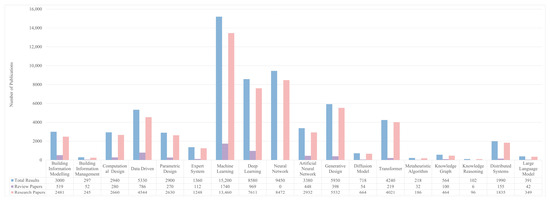
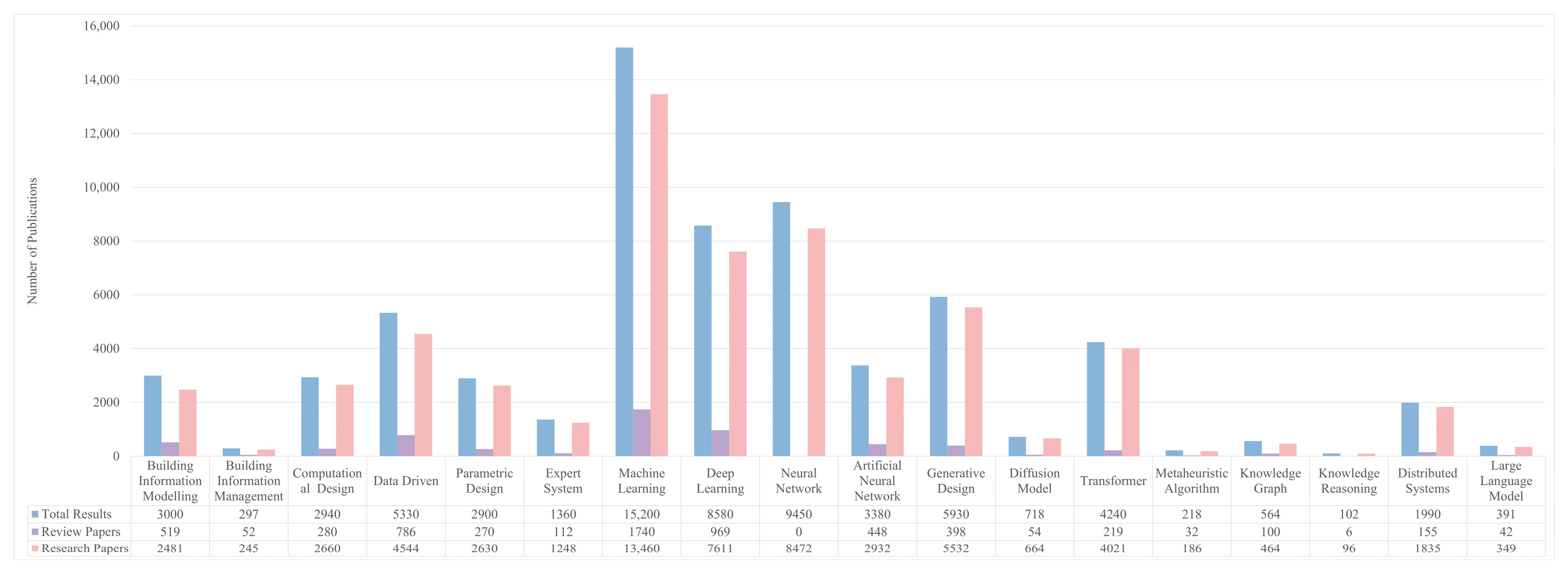
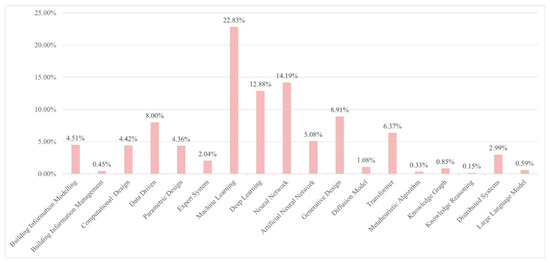
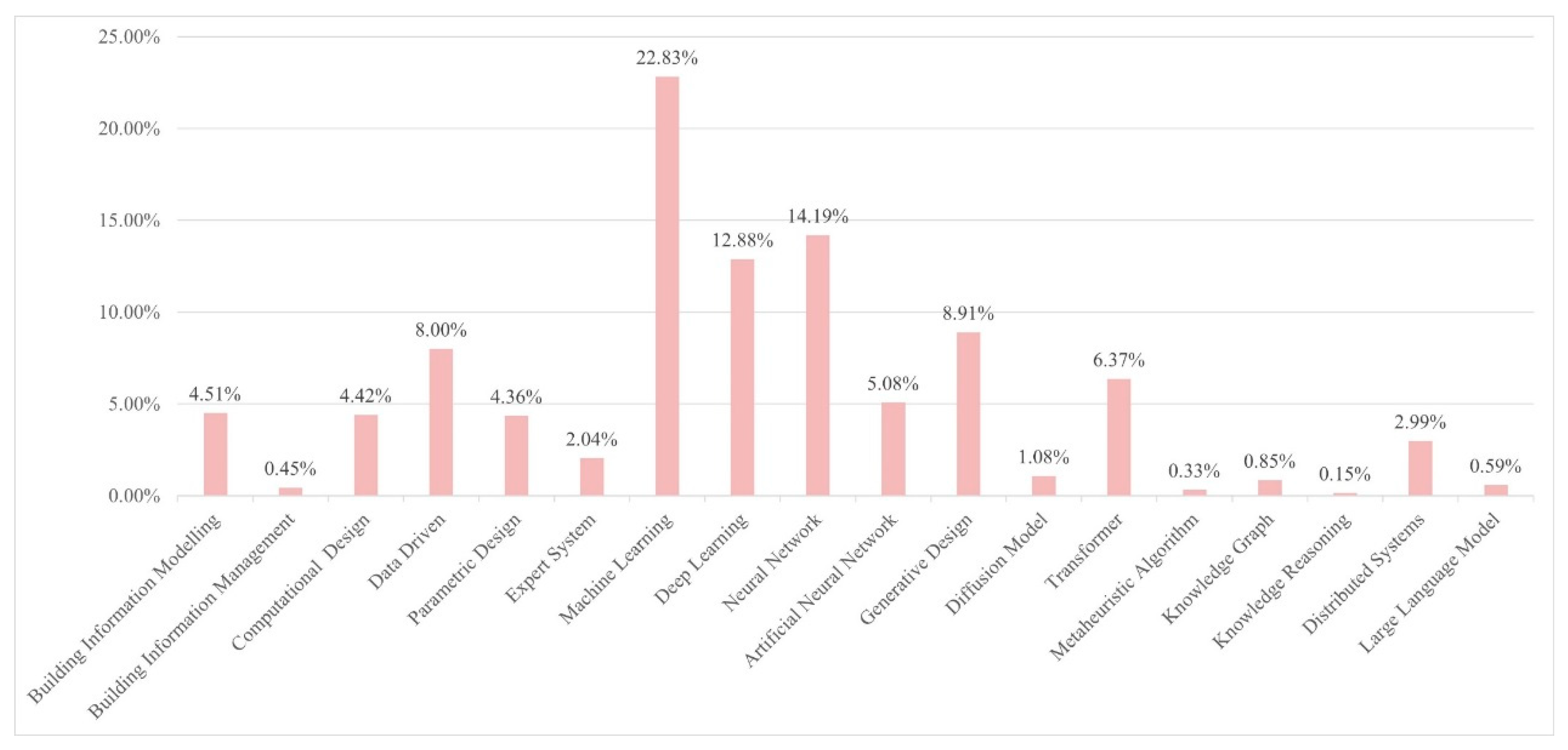
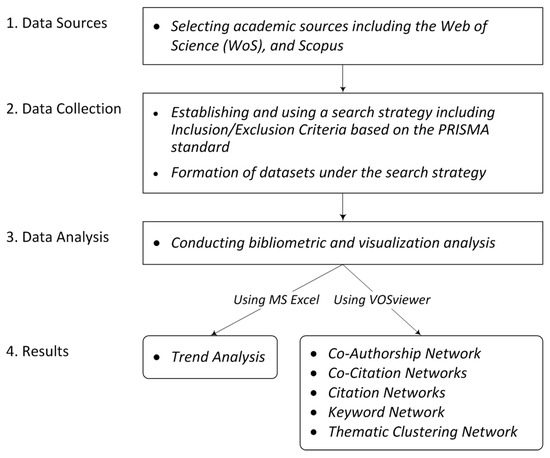
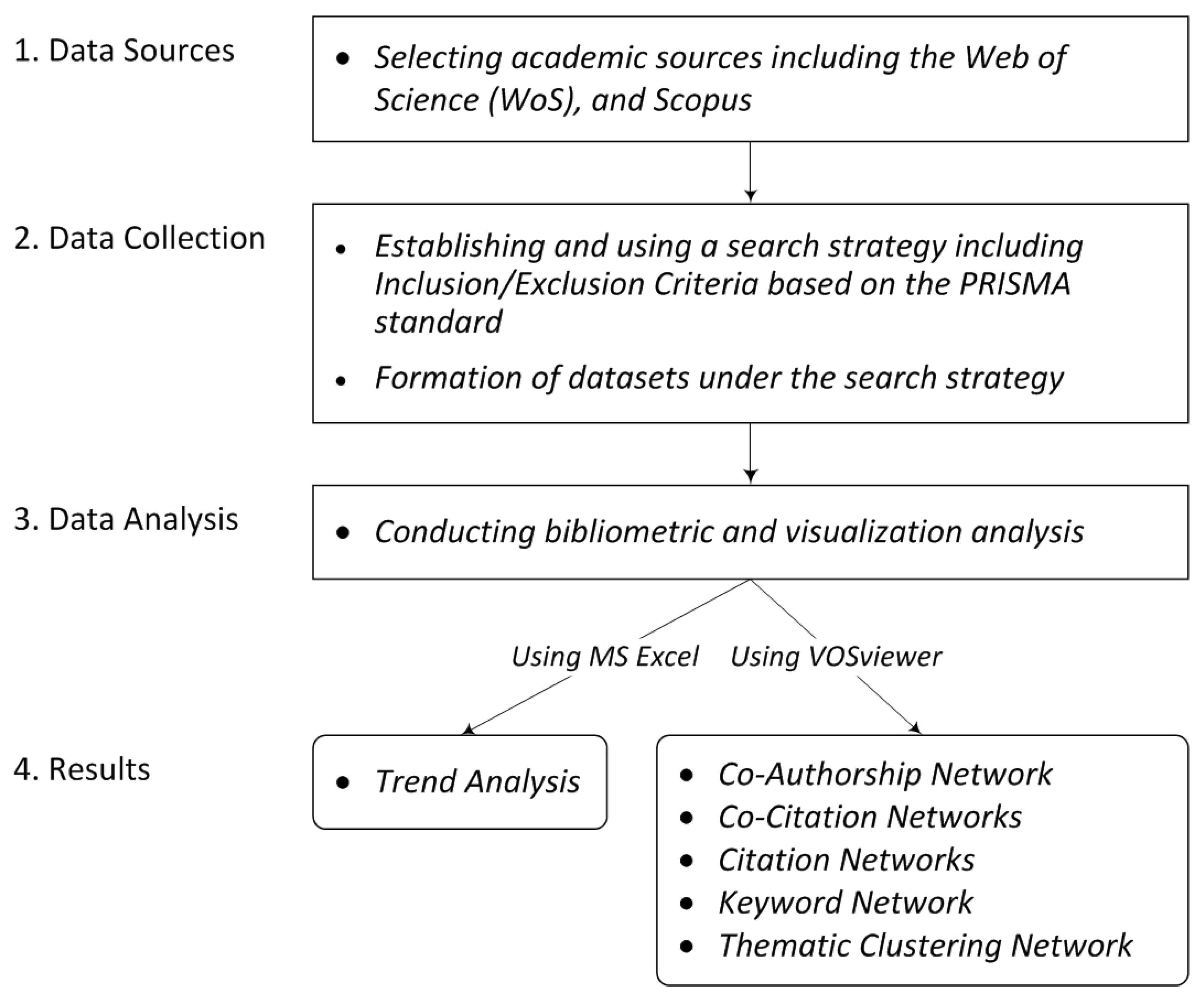
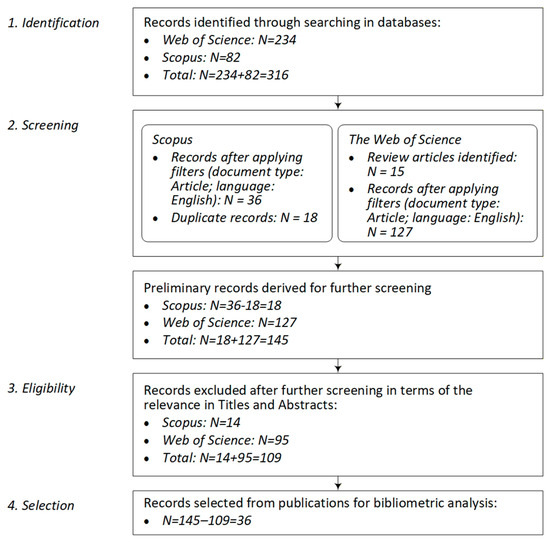
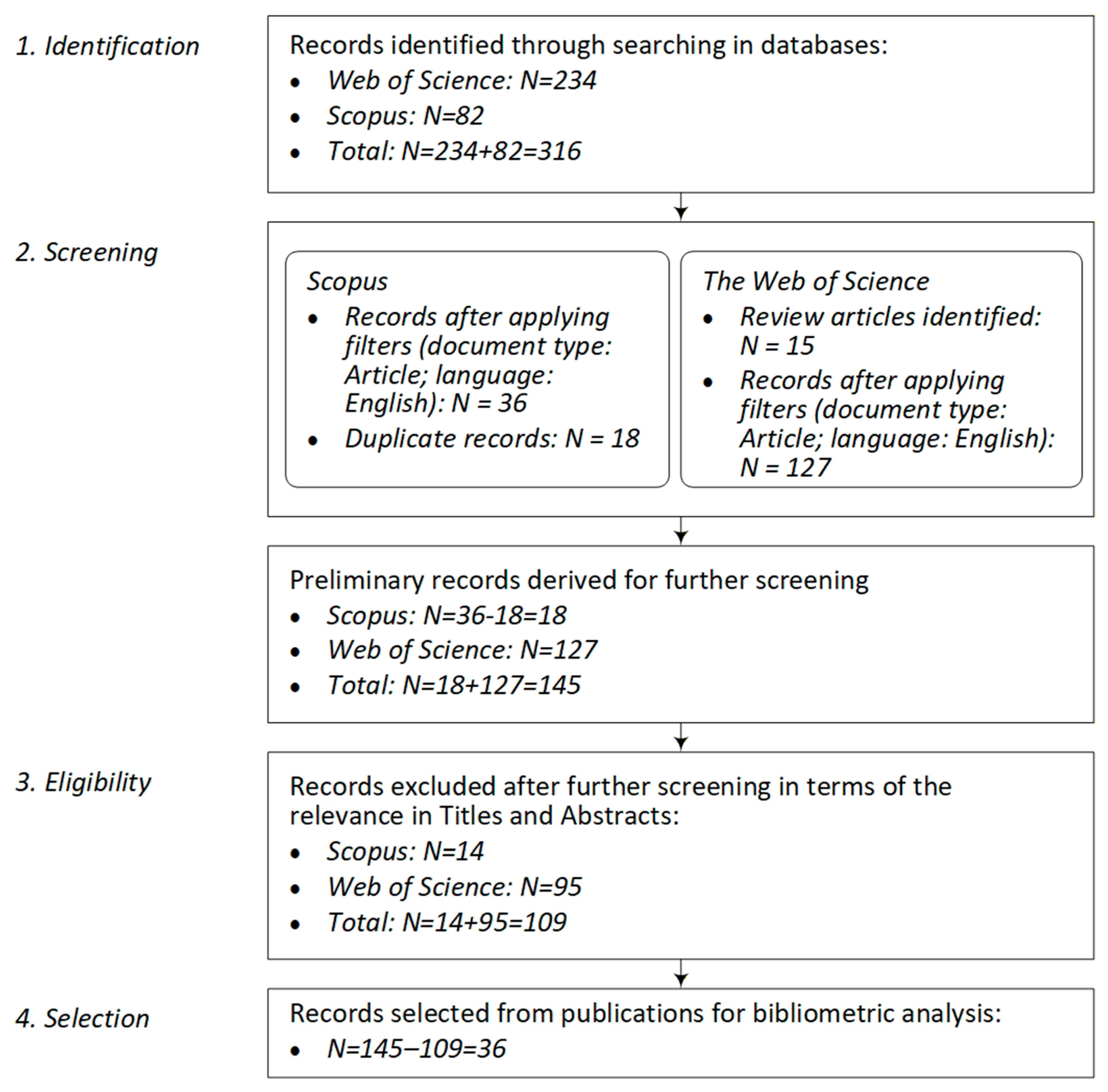
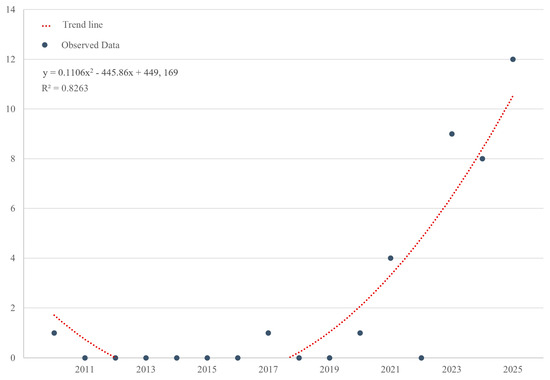
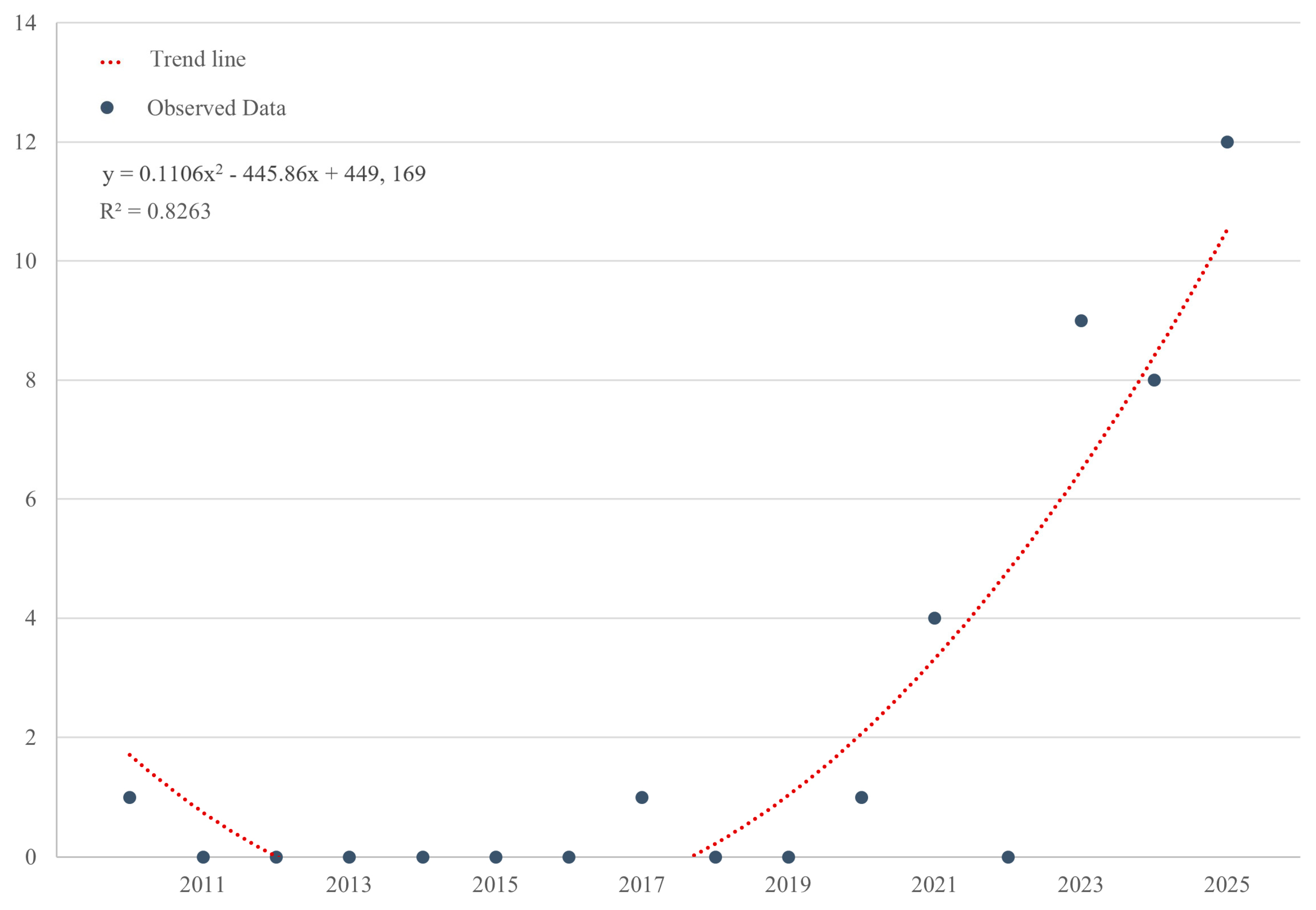
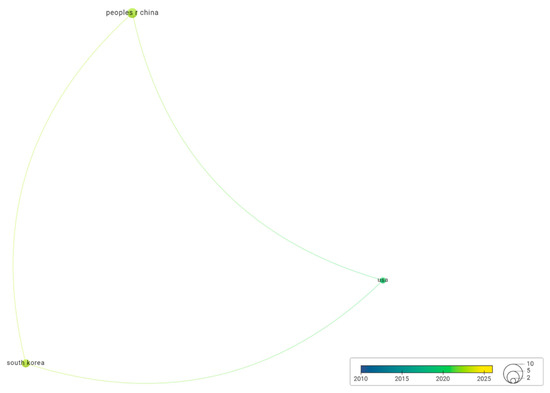
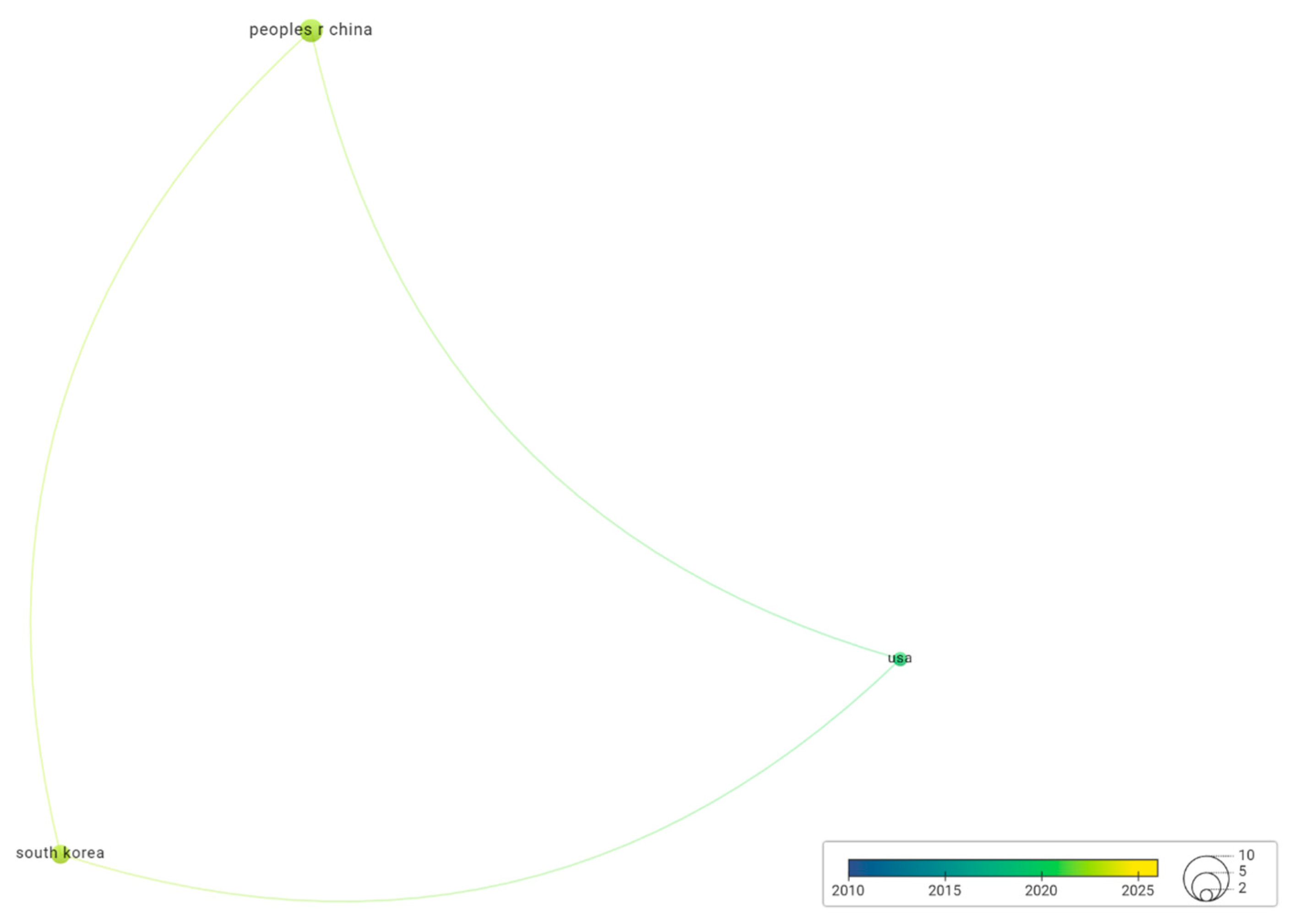
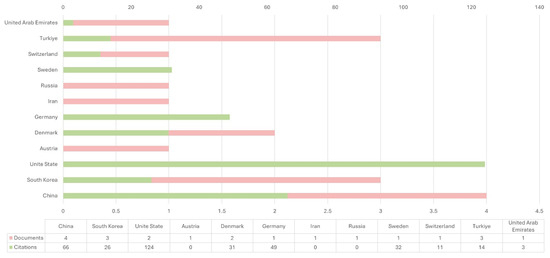
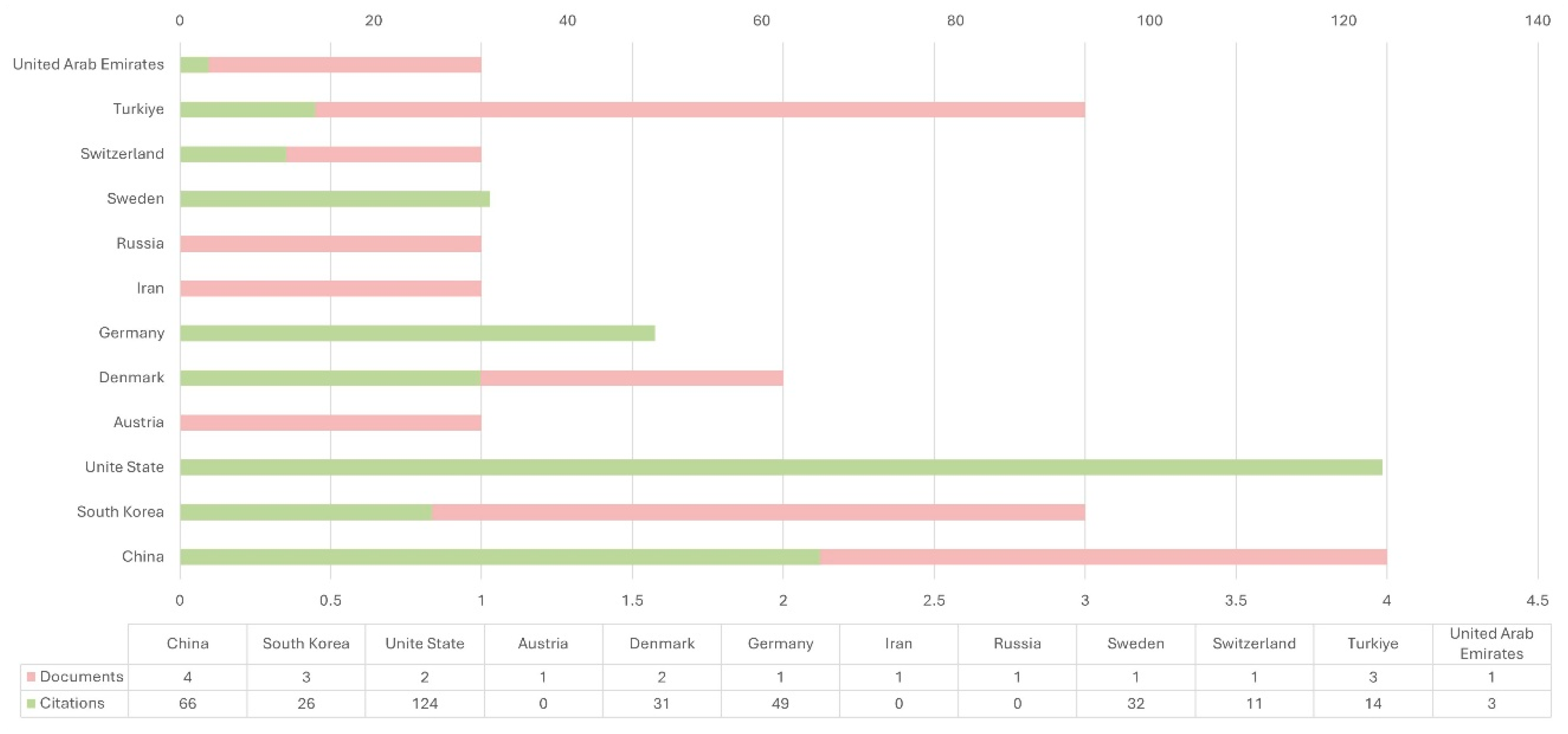
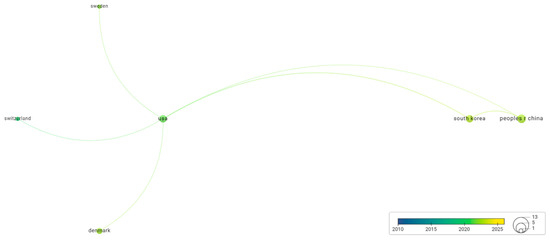
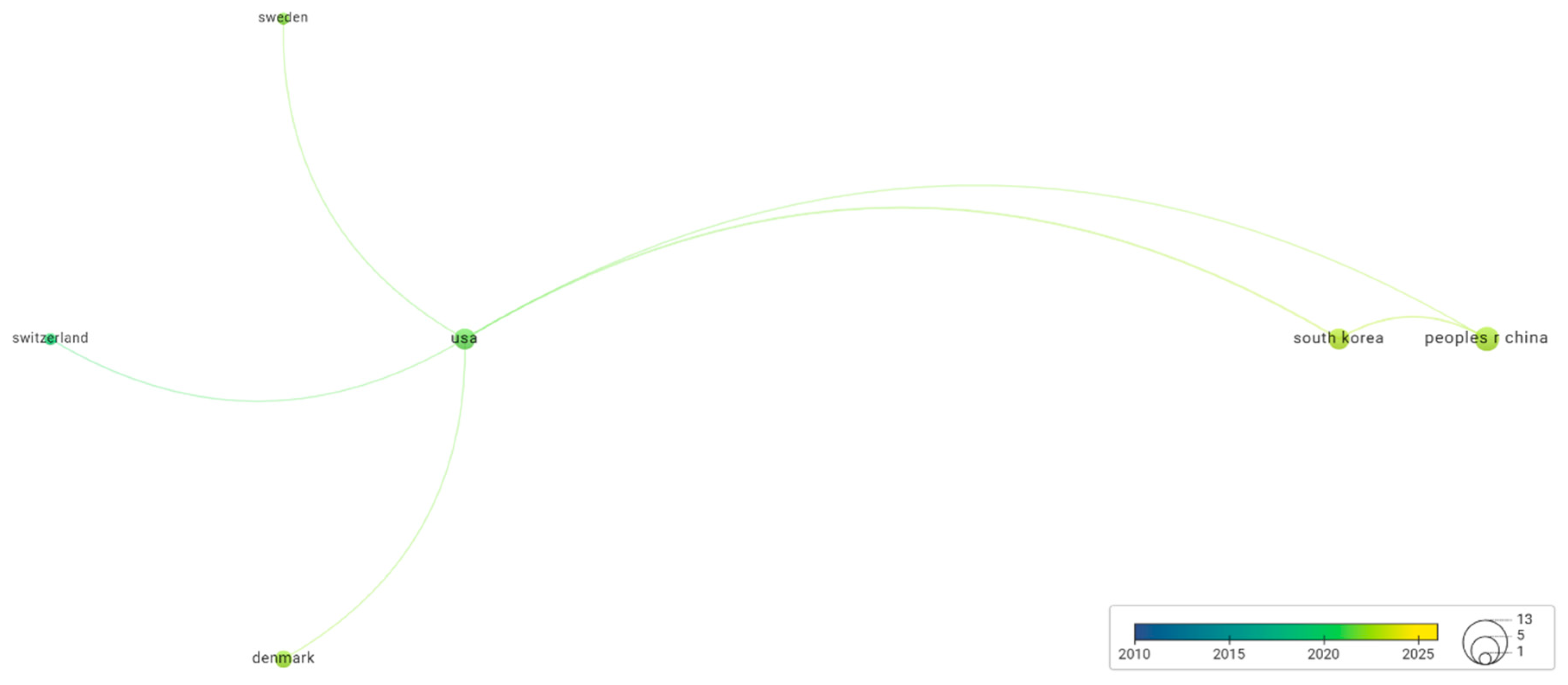
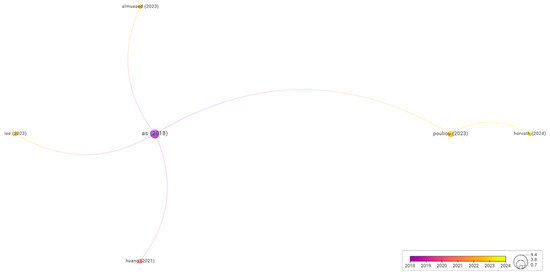
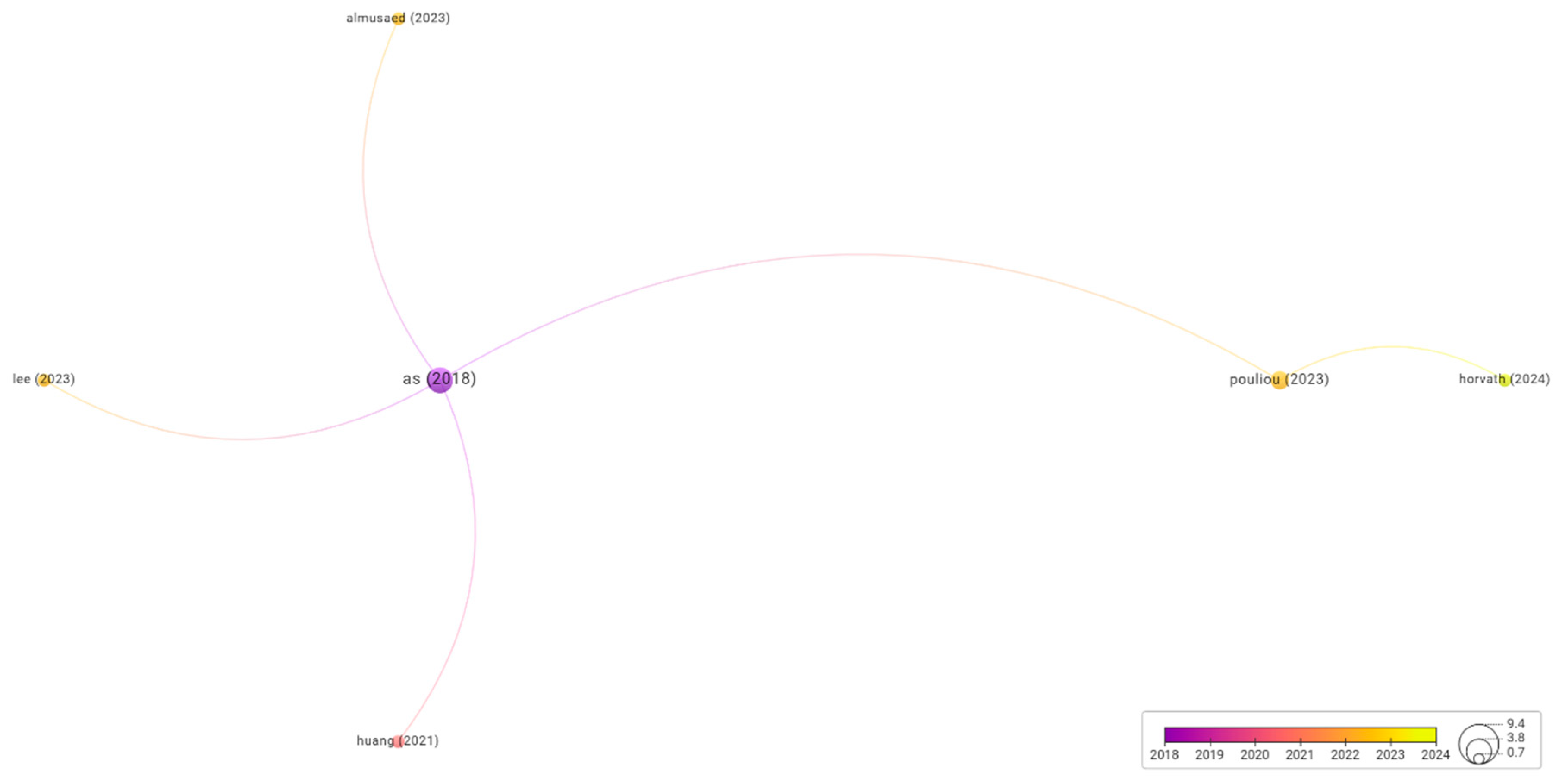
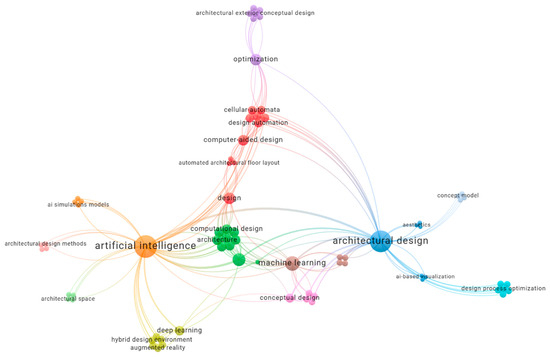
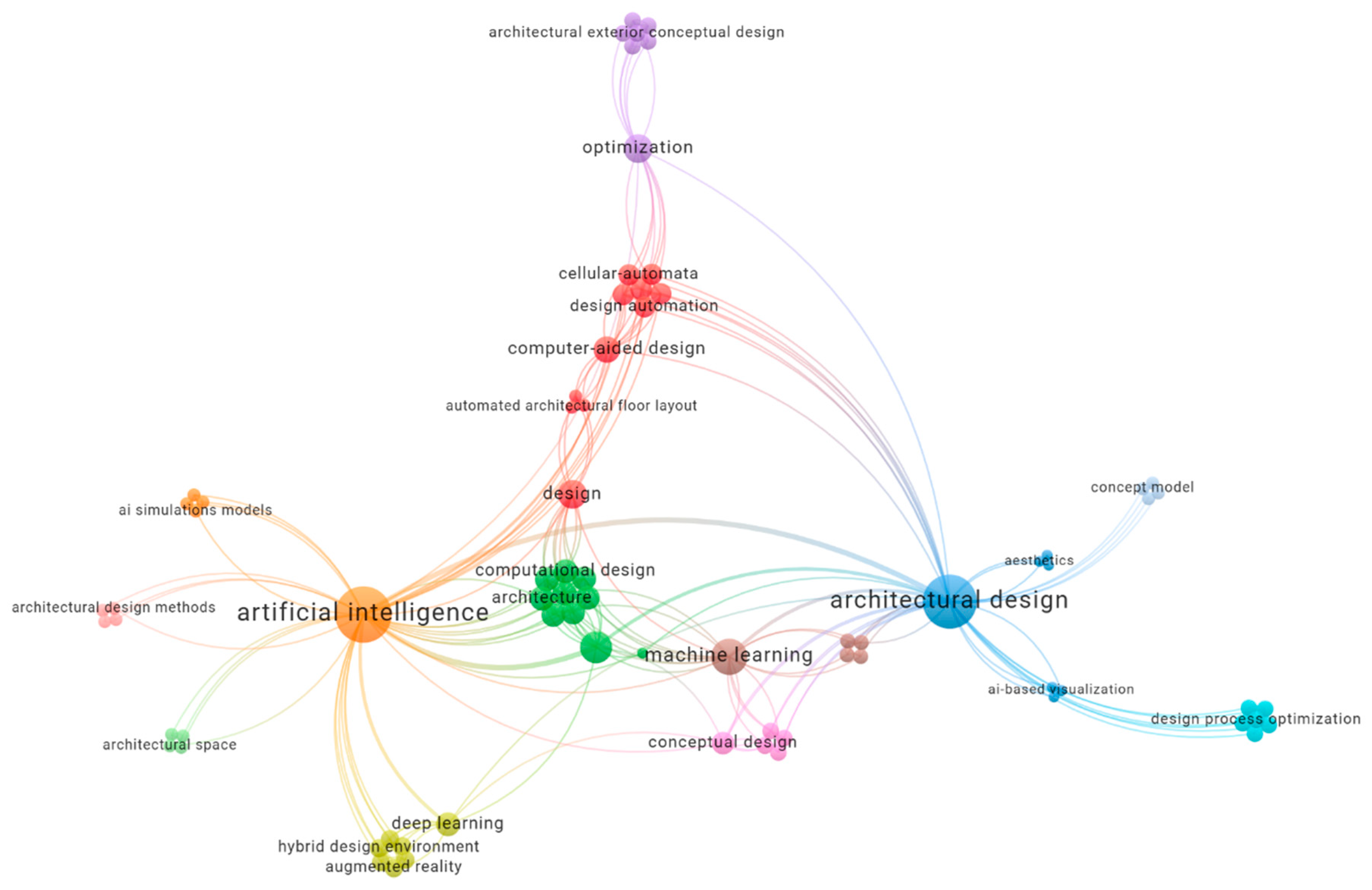
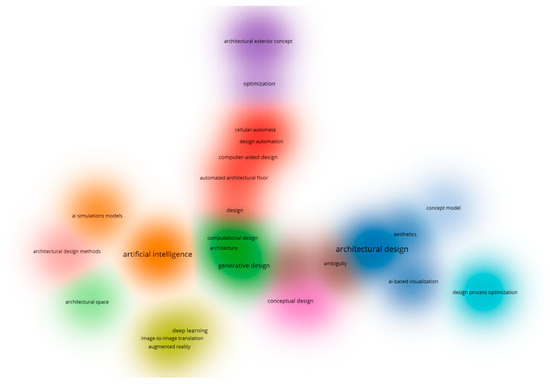
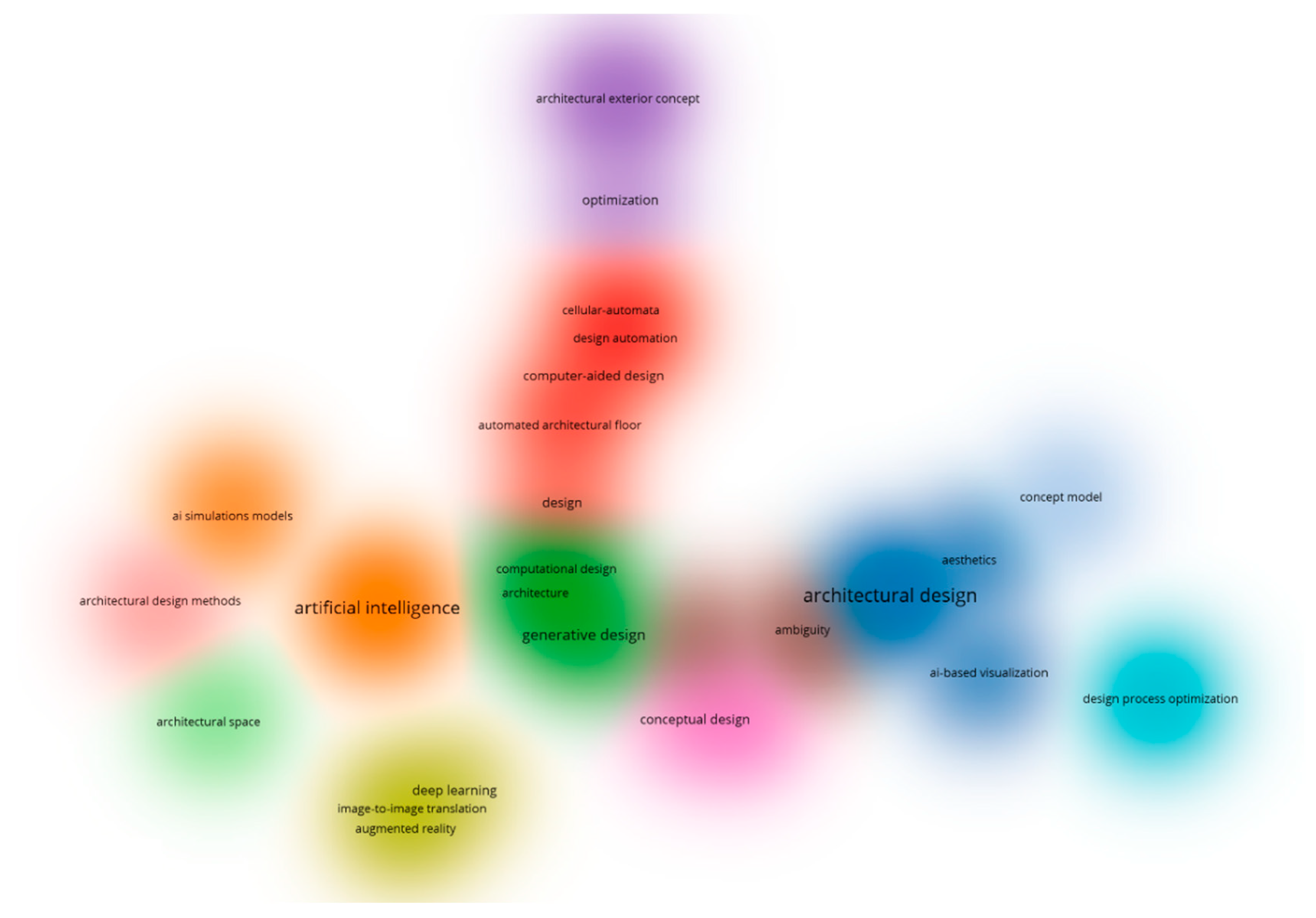

Disclaimer/Publisher’s Note: The statements, opinions and data contained in all publications are solely those of the individual author(s) and contributor(s) and not of MDPI and/or the editor(s). MDPI and/or the editor(s) disclaim responsibility for any injury to people or property resulting from any ideas, methods, instructions or products referred to in the content. |
© 2026 by the authors. Licensee MDPI, Basel, Switzerland. This article is an open access article distributed under the terms and conditions of the Creative Commons Attribution (CC BY) license.