


Abstract
As global plastic production escalates, the release of microplastics (MPs, 1 μm–5 mm) and nanoplastics (NPs, operationally defined here as <100 nm in strict nanotoxicological terms, or <1 μm in broader colloidal frameworks) into the marine environment increases significantly. Although often grouped together as micro- and nanoplastics (MNPs), MPs and NPs exhibit distinct analytical detectability, environmental partitioning, bioavailability, and toxicokinetics. Field monitoring across coastal waters, abyssal trenches, and polar cryospheric zones primarily documents the occurrence and trophic transfer of MPs (>1–20 μm), whereas environmental concentrations of NPs remain largely unquantified due to spectroscopic detection limits. Because of their high specific surface area, plastic particles can sorb heavy metals and persistent organic pollutants (POPs) and leach endogenous additives; however, whether plastics act as net vectors increasing contaminant bioaccumulation depends on polymer affinity, gut exchange kinetics, and ambient exposure pathways. This critical review synthesizes current evidence by explicitly distinguishing field-verified findings for marine MPs from laboratory-derived mechanistic inferences for model NPs. While MPs are widely ingested and transferred across marine trophic levels, field evidence for true marine biomagnification remains contested. Conversely, preliminary laboratory assays indicate that model NPs can translocate across epithelial barriers and induce oxidative stress, immunotoxicity, neurotoxicity, and reproductive disruption, though typically at concentrations orders of magnitude above ambient marine levels using pristine spheres. Finally, we critically evaluate six methodological constraints in environmental risk assessment (ERA), compare conventional hazard-quotient screening with probabilistic and adverse outcome pathway (AOP) frameworks, and examine realistic lifecycle mitigation priorities.
1. Introduction
In tandem with the escalating global reliance on synthetic polymers, the progressive fragmentation of macroplastic debris has become the primary source of environmental microplastics (MPs, 1 μm–5 mm) and nanoplastics (NPs) [1,2,3]. Annual global plastic production has reached approximately 400 million metric tons (~57 kg per capita), with cumulative production exceeding 8.3 billion metric tons and a substantial fraction of mismanaged waste ultimately entering coastal and marine environments [1,2,4]. Under the combined influence of solar photo-oxidation, mechanical wave abrasion, and microbial colonization, macroplastics fragment into MPs, a fraction of which further degrades into sub-micron NPs [3,5,6]. In the literature, the upper size boundary of NPs remains debated between a strict nanomaterial threshold of <100 nm, where quantum and surface-area-to-volume properties shift markedly, and a broader environmental colloid definition of <1 μm [6,7]. In this review, we adopt <100 nm as the primary operational definition of NPs to align with nanotoxicological barrier-penetration criteria, while explicitly noting studies addressing the transitional sub-micron fraction (100 nm–1 μm) [6,7,8]. Compared with macro-debris, MPs and NPs possess a high specific surface area that facilitates the sorption of heavy metals (e.g., Pb, Cd, Hg), polycyclic aromatic hydrocarbons (PAHs), and pesticides via hydrophobic and electrostatic interactions, alongside the leaching of endogenous additives [9,10,11,12]. Their small dimensions also allow ingestion by marine organisms across trophic levels [13,14,15]. However, whereas field surveys extensively document the ingestion and trophic transfer of MPs, whether plastic particles undergo true biomagnification along marine food chains remains contested and size-dependent [15,16,17].
Research on marine plastic pollution has expanded rapidly over the past two decades [4,18]. Plastic contamination operates alongside concurrent anthropogenic stressors, including ocean warming, acidification, legacy chemical pollution, and habitat degradation, and its impacts must be evaluated within this multi-stressor context [19,20,21]. Field campaigns have primarily detected MPs (typically >10–20 μm due to sampling mesh and spectroscopic constraints) across diverse marine compartments, ranging from polar sea ice and zooplankton [22,23], and deep-sea amphipods at 10,900 m in the Mariana Trench [22,24,25], to the gastrointestinal tracts and guano of Antarctic penguins [23]. Beyond physical gastrointestinal obstruction caused by MPs, laboratory exposures to MPs and model NPs have been linked to oxidative stress, immune modulation, endocrine disruption, and transcriptomic alterations, raising concern regarding potential sublethal impacts on organismal fitness [26,27,28]. Furthermore, the presence of MPs in commercial seafood provides a direct dietary exposure route to humans, although the quantitative contribution of seafood relative to inhalation and drinking water, as well as clinical causality at ambient doses, remains to be established [29,30,31,32,33].
Despite these advances, critical methodological and conceptual gaps persist [18,34,35]. First, MPs and NPs are frequently conflated under the umbrella term “MNPs,” even though field occurrence datasets almost exclusively measure MPs because standard Fourier-transform infrared (FTIR) and Raman methods cannot reliably resolve particles < 1 μm in complex matrices [36,37,38,39]. Second, the majority of mechanistic toxicity data derive from short-term, high-dose laboratory exposures using pristine polystyrene (PS) spheres, which differ substantially from the chronic, low-dose, weathered, and irregularly shaped polymer mixtures encountered in marine habitats [34,40,41]. Third, sub-organismal biomarker responses measured in laboratory model species are often extrapolated to marine population decline or ecosystem destabilization without demographic validation [42,43]. To address these limitations, this review critically synthesizes the marine occurrence, biological uptake, trophic transfer, and toxicological mechanisms of MPs and NPs, explicitly separating field-supported evidence for MPs from laboratory-based hypotheses for NPs. We then focus in depth on environmental risk assessment (ERA) constraints, scale-dependent hazard frameworks, plastisphere resistome dynamics, and lifecycle governance priorities.
2. Methodology
2.1. Literature Search Strategy and PRISMA-Guided Selection
To provide a transparent and reproducible evidence synthesis while accommodating the methodological heterogeneity of marine plastic research, this paper was designed as a structured, critical narrative review guided by the Preferred Reporting Items for Systematic Reviews and Meta-Analyses (PRISMA) framework (Supplementary Figure S1). We conducted a structured literature search across Web of Science Core Collection, Scopus, PubMed/MEDLINE, and ScienceDirect covering publications from 1 January 1971 to 15 October 2026 (including early-online articles scheduled for 2027 journal volumes indexed by the search date) [37,38,39,44]. Because ScienceDirect shares journal coverage with Scopus, ScienceDirect was queried specifically as a full-text platform supplement to capture newly posted 2026–2027 early-online Elsevier articles and was deduplicated against Scopus, Web of Science, and PubMed using automated Digital Object Identifier (DOI) and title–author matching. Search strings combined Boolean operators as follows: (“microplastics” OR “nanoplastics” OR “MNPs”) AND (“marine” OR “ocean” OR “coastal” OR “estuarine” OR “pelagic” OR “benthic” OR “abyssal” OR “polar”) AND (“occurrence” OR “distribution” OR “trophic transfer” OR “bioaccumulation” OR “biomagnification” OR “toxicity” OR “oxidative stress” OR “immunotoxicity” OR “reproductive toxicity” OR “genotoxicity” OR “plastisphere” OR “risk assessment”).
Across all databases, the initial search retrieved 4210 records: Web of Science Core Collection (n = 1420), Scopus (n = 1685), PubMed (n = 610), and ScienceDirect (n = 495). Following the removal of 1842 duplicate records, 2368 unique records were screened by title and abstract, resulting in the exclusion of 1956 records (1124 unrelated to plastic particles and 832 purely chemical/engineering synthesis papers lacking environmental or biological metrics). Full texts of the remaining 415 articles were evaluated against our eligibility and quality criteria, leading to the exclusion of 215 articles: 96 studies restricted to terrestrial or freshwater systems without comparative mechanistic value; 64 studies lacking polymer verification, exposure concentrations, or basic quality controls; 37 non-peer-reviewed webpages, editorials, or duplicate datasets; and 18 articles unavailable in English full text. A final set of 200 peer-reviewed publications was included in the synthesis, comprising 148 original marine and coastal empirical studies and 52 contextual reviews, analytical standardization guidelines, or comparative model-organism mechanistic benchmarks (Supplementary Figure S1).
2.2. Inclusion and Exclusion Criteria
To be included in the core empirical synthesis, a study had to: (1) address MPs, NPs, or both in marine, estuarine, coastal, or cryospheric environments; (2) report original quantitative data on field abundance, biological uptake, trophic transfer, ecotoxicological endpoints, or risk modeling; (3) appear in peer-reviewed journals; and (4) be written in English. Studies focusing exclusively on terrestrial or freshwater environments were excluded from marine occurrence and biomagnification tables. Where select review articles (n = 38) or laboratory studies using model non-marine teleosts and invertebrates (e.g., zebrafish Danio rerio, Japanese medaka Oryzias latipes, or Daphnia spp.; n = 14) are cited in the text to illustrate conserved cellular pathways or analytical standards where marine-specific data are scarce, they are explicitly identified as model or review benchmarks so that non-marine findings are never conflated with field evidence from marine ecosystems.
2.3. Study Quality and Environmental Relevance Assessment
To translate study quality evaluation into a reproducible scoring method, each empirical study compiled in our synthesis tables was scored on a 0–10 point scale across five criteria (0 = absent/inadequate, 1 = partially reported, 2 = rigorous and fully reported): (1) clarity of sampling or experimental design, including procedural blanks and airborne contamination controls (QA/QC); (2) explicit reporting of polymer chemical confirmation (e.g., μFTIR, Raman, Py-GC/MS), particle size range, detection limits, and exposure concentration/duration; (3) environmental relevance of tested particle concentrations, morphologies, and weathering states (or representative field sample volume); (4) biological and technical replication with appropriate statistical analysis; and (5) consideration of confounding factors (e.g., additive/monomer leachates, surfactant dispersant controls, or natural reference particles such as kaolin or cellulose). Studies were classified as High quality (8–10 points), Moderate quality (5–7 points), or Low quality (≤4 points). Studies scoring ≤ 4 without polymer confirmation or controls were excluded during full-text screening, while moderate-quality studies are retained with their methodological limitations explicitly noted in the tables and text.
2.4. Strengths and Limitations of the Literature Selection
By integrating multi-database retrieval, PRISMA-guided screening, and a standardized 10-point quality and environmental relevance rubric, our selection approach provides a structured foundation for distinguishing robust empirical findings from preliminary laboratory hypotheses across marine compartments and biological scales. At the same time, several scope constraints should be considered when interpreting the synthesized evidence. First, given the rapid expansion of MNP research, studies published after our October 2026 cutoff could not be captured, although early-online 2026 and 2027 publications were incorporated [37,38,39,44]. Second, substantial heterogeneity in field sampling meshes (ranging from 0.3 μm filters to 330 μm neuston nets), tissue digestion reagents, and reporting units precludes formal meta-analytical pooling of field concentrations [35,38,45]. Third, positive-result publication bias in laboratory ecotoxicology likely overrepresents acute adverse effects relative to null findings at environmentally realistic concentrations [34]. Highlighting these methodological boundaries alongside the empirical evidence strengthens the reliability of ecological risk interpretation.
3. Distribution Characteristics and Environmental Occurrence of Marine MPs and NPs
3.1. Global Spatiotemporal Distribution Patterns of Field-Detected MPs
Field surveys across the global ocean demonstrate pronounced spatial heterogeneity in microplastic abundance, governed by proximity to terrestrial anthropogenic inputs, hydrodynamic circulation, vertical biological transport, and seabed geomorphology (Figure 1; Table 1) [46]. Crucially, virtually all field occurrence datasets compiled to date (Table 1) quantify MPs (>1–20 μm) rather than NPs (<100 nm), because conventional net sampling and vibrational spectroscopy (FTIR and Raman) cannot resolve nanoscale particles at ambient marine concentrations [36,37]. Coastal margins act as primary terrestrial-to-marine gateways where riverine discharge, urban runoff, and industrial effluents drive localized sediment enrichment, such as in Bohai Bay where beach and nearshore sediments reach thousands of MP items/kg [1,47]. Beyond coastal shelves, buoyant polymers, predominantly polypropylene (PP) and polyethylene (PE), are transported via wind-driven currents and Ekman convergence into subtropical gyres and pelagic surface waters [48,49]. Meanwhile, biofouling, hetero-aggregation with marine snow, and incorporation into zooplankton fecal pellets increase particle density, driving vertical export to the deep sea and hadal trenches (e.g., the Mariana Trench), which function as long-term depositional sinks (Figure 1) [22,24,25,50]. Furthermore, remote polar regions exhibit widespread MP accumulation across Arctic and Antarctic sea ice, snow, surface waters, and sediments (Figure 1; Table 1) [22,23]. Arctic sea ice acts as a temporary cryospheric reservoir, concentrating MPs up to 106–107 items/m3 via ice-growth scavenging; under accelerated climate warming, seasonal cryospheric melting can drive secondary pulse releases of trapped MPs into polar food webs (Table 1) [22,23].
Figure 1.
Global spatiotemporal distribution and transport pathways of marine plastic debris from coastal anthropogenic inputs to deep-sea trenches and polar cryospheric reservoirs. Field occurrence measurements across these compartments primarily reflect microplastics (MPs, >1–20 μm), whereas nanoplastic (NP, <100 nm) fluxes remain inferred from fragmentation kinetics. Created in BioRender. songwen, X. (2026) https://BioRender.com/f56jcc8 (accessed on 13 November 2026) and Adobe Illustrator 2024 (Version 28.0; Adobe Inc., San Jose, CA, USA).
Table 1.
Field abundance, size ranges, analytical methods, detection limits (LOD), and quality ratings of microplastics (MPs) in marine cryospheric, sedimentary, and aqueous matrices (arranged alphabetically by matrix and location).
The data compiled in Table 1 clearly demonstrate that MPs are pervasively distributed across even the most remote polar and abyssal marine compartments, with consistent enrichment in sea ice, deep-sea depositional basins, and nearshore waters relative to open-ocean surface waters [51,52,53,54,55,56,57,58,59,60,61,62,63,64,65,66,67,68,69,70,71]. At the same time, direct quantitative comparisons across studies warrant caution due to methodological disparities. Sampling protocols vary in net mesh aperture and sampling depth, extraction procedures differ in chemical digestion reagents, and identification workflows range from visual sorting to focal-plane-array μFTIR or micro-Raman imaging [35,38,45]. These methodological differences may introduce bias and can lead to underestimation of smaller particles or misidentification of natural fibers [38,45]. For example, surface tows using 300 μm Manta nets systematically exclude small MPs (<300 μm) and all NPs, yielding concentrations several orders of magnitude lower than bulk-water or ice-core studies using 11 μm imaging μFTIR (Table 1) [53,65,68]. Taken together, the compiled field evidence shows that marine MP distribution reflects strong source-proximal and sink-specific enrichment (in coastal sediments, sea ice, and deep trenches) superimposed on a widespread low-level pelagic background, underscoring the priority of internationally standardized monitoring protocols [46,72].
3.2. Physicochemical Properties and Weathering of Marine MPs and NPs
In marine matrices, field-collected MPs occur primarily as fibers, fragments, films, and granules, with fibers and fragments dominating most water and sediment surveys (Table 1) [73]. Particle morphology and polymer density strongly govern vertical partitioning and bioavailability: buoyant polyolefins (PE, 0.91–0.96 g/cm3; PP, ~0.90 g/cm3) predominate in surface waters, whereas denser polymers such as PET (~1.38 g/cm3) and PVC (~1.38 g/cm3) settle more rapidly toward benthic habitats [74,75]. Fibrous MPs are frequently captured by suspension feeders, whereas dense granular and fragmented MPs accumulate in surficial sediments where deposit feeders forage [74,76]. Polymer composition also influences chemical hazard: PS particles can leach residual styrene monomers during photo-aging [77], while PVC releases phthalates and organotin stabilizers [78,79]. In the ocean, abiotic photo-oxidation, thermal stress, and microbial biofilm colonization progressively weather particle surfaces—increasing surface roughness, micro-cracking, oxygen-containing functional groups (e.g., carbonyl and hydroxyl groups), and hydrophilicity—which alters both hetero-aggregation kinetics and contaminant sorption behavior [40,80].
3.3. Interactions Between MPs/NPs and Co-Contaminants: Evaluating the Vector Hypothesis
Owing to their hydrophobic domains and high specific surface area—which increases inversely with particle diameter from MPs to NPs—plastic particles can sorb ambient hydrophobic organic contaminants (e.g., PAHs, PCBs, organochlorine pesticides) and trace metals (e.g., Cd, Pb, Cu), alongside antibiotics (Figure 2) [9,10,11]. Sorption is governed by hydrophobic partitioning, π–π interactions, van der Waals forces, hydrogen bonding, and electrostatic attraction, and is modulated by seawater salinity, pH, temperature, and weathering-induced surface oxidation [9,11,81]. Concurrently, plastics release endogenous additives (e.g., di(2-ethylhexyl) phthalate [DEHP], bisphenol A [BPA], and brominated flame retardants) at rates accelerated by UV aging and digestive surfactants [12,79,81,82].
Figure 2.
Schematic diagram of contaminant sorption mechanisms, environmental weathering-induced additive leaching, and condition-dependent combined ecotoxicological outcomes of MPs and NPs in the marine environment. Created in BioRender. songwen, X. (2026) https://BioRender.com/7vnb1m9 (accessed on 13 November 2026) and Adobe Illustrator 2024 (Version 28.0; Adobe Inc., San Jose, CA, USA).
Whether plastic particles act as significant vectors (“Trojan horses”) that increase contaminant bioaccumulation and toxicity in marine biota requires a balanced, mechanistic evaluation [83]. In controlled laboratory co-exposures, certain polymer–contaminant combinations elicit synergistic or additive toxicity; for instance, co-exposure to PS NPs and Cd or irregular PET MPs and Cd increases oxidative stress and mortality under high experimental loads [44,84]. However, co-toxicity is not universal and depends strictly on polymer affinity, contaminant hydrophobicity (log Kow), desorption kinetics in gut fluids, and ambient exposure pathways [42,83]. For example, in Japanese medaka (Oryzias latipes), PE MPs enhanced the bioaccumulation of anthracene (log Kow = 4.45), whereas PS MPs showed no vector effect for chlorobenzenes (log Kow = 4.19–5.73) and even reduced bioavailability at higher particle loads via competitive sorption (“cleaning” or dilution of freely dissolved concentrations) [83,85]. Thermodynamic modeling and critical reviews indicate that at realistic marine MP concentrations, flux of hydrophobic contaminants from natural prey and ambient water typically exceeds the plastic-mediated flux by several orders of magnitude [42,83]. Thus, while leached endogenous additives and nanoscale particle–contaminant complexes may contribute to localized internal exposure, statements regarding synergistic vector toxicity must be restricted to the specific polymer–chemical combinations and concentrations tested [83,85].
4. MP and NP Ingestion, Internal Fate, and Trophic Transfer in Marine Organisms
4.1. Exposure Pathways, Uptake Mechanisms, and Field Occurrence in Biota
Uptake of plastic particles by marine organisms is governed by feeding guild, habitat partitioning, and particle size (Table 2) [14]. As with abiotic matrices, field biomonitoring datasets in marine organisms (Table 2) exclusively reflect MPs (>5–20 μm) due to tissue digestion and spectroscopic detection thresholds [36,45]. Suspension and filter feeders—including copepods, euphausiids, bivalves, and baleen whales (Balaenoptera musculus)—experience high encounter rates with suspended MPs; blue whales are estimated to ingest up to ~106 MP particles daily, predominantly via contaminated krill prey [86,87]. Benthic deposit feeders and detritivores (e.g., amphipods, polychaetes, holothurians, and infaunal clams such as Ruditapes philippinarum) frequently exhibit elevated MP burdens due to sediment sequestration (Table 2) [25,88]. Whether elevated benthic body burdens reflect active selective ingestion or passive exposure to high sedimentary concentrations remains under investigation [88]. Higher-trophic predators (teleost fish, cephalopods, seabirds, and pinnipeds/cetaceans) acquire MPs both via trophic transfer from prey and via direct accidental or prey-mimicking ingestion from seawater [89,90,91,92,93,94]. Non-dietary pathways, including mucus adhesion in scleractinian corals (Acropora cervicornis) and branchial or respiratory-tree uptake in fish and sea cucumbers (Apostichopus japonicus), provide additional entry routes [27,95,96].
Table 2.
Field abundance, size ranges, analytical methods, detection limits (LOD), and quality ratings of microplastics (MPs) in field-collected marine organisms (arranged alphabetically by taxonomic group and species).
4.2. Internal Translocation, Retention, and Egestion Kinetics
Following ingestion, the toxicokinetics of plastic particles diverge sharply by size [117]. For MPs (>10–150 μm), the vast majority of ingested particles remain confined to the gastrointestinal lumen and are egested within hours to days via fecal pellets [50,117]. Teleost fish efficiently package microspheres and short fibers into peritrophic membranes, although entangled or irregular microfibers experience prolonged gut retention [50,118]. Limited paracellular translocation of small MPs (<10–20 μm) across the intestinal epithelium into hepatic or muscular tissues has been reported in select field and laboratory studies of bivalves, crabs, fish, and marine mammals [100,107,117,119]. By contrast, evidence for the systemic translocation of NPs (<100 nm) and sub-micron plastics (100–200 nm) derives almost entirely from laboratory exposures using fluorescently labeled or pristine PS spheres at elevated concentrations, such as 50 nm PS NPs in model zebrafish (Danio rerio) and sub-micron PMMA/PVC or PS particles in Pacific oysters (Crassostrea gigas) [117,119]. In these laboratory models, nanoscale particles cross epithelial barriers via endocytosis to reach the hemolymph, liver, brain, and gonads; however, because fluorescent dyes can leach and generate false-positive tissue signals, and ambient marine NP concentrations are orders of magnitude lower, whether comparable systemic organ accumulation occurs in wild marine populations remains unverified [3,120,121].
4.3. Trophic Transfer and the Debate on Marine Biomagnification
To avoid terminological ambiguity, we define three distinct processes and use the term “biomagnification” (sometimes termed bioamplification or trophic amplification in the literature) consistently throughout this review: (i) trophic transfer is the dietary passage of particles from prey to predator; (ii) bioaccumulation is the net uptake and retention of particles in an organism from all exposure routes over time; and (iii) biomagnification is the progressive increase in tissue-normalized contaminant concentration across successive trophic levels in a food web [15,16,17,122]. In marine ecosystems, trophic transfer of MPs from basal consumers (zooplankton, bivalves, anchovies) to higher predators (predatory fish, cephalopods, seabirds, and pinnipeds) is well established by both mesocosm feeding trials and field stomach-content/scat analyses (Figure 3; Table 2) [92,111,114,123,124,125]. For instance, field and experimental observations in the Baltic planktonic food web [124] and Jiaozhou Bay chaetognaths [125] confirm the transfer of MPs from mesozooplankton to macrozooplankton and carnivorous predators.
Figure 3.
Exposure pathways, benthic accumulation, and trophic transfer of plastic particles across the marine food web. While trophic transfer of MPs from primary consumers to apex predators is well documented in field surveys, true marine biomagnification remains contested due to rapid gut egestion of MPs and lack of field quantification for NPs. Blue arrows indicate pelagic waterborne uptake and trophic transfer across the water-column food web; brown arrows represent sedimentary sinking, benthic ingestion, and long-term sediment sequestration; green arrows denote downward export or benthic/suspension-feeder exposure pathways; and the orange arrow highlights the contested biomagnification pathway in apex predators. Created in BioRender. songwen, X. (2026) https://BioRender.com/vyr3gc7 (accessed on 13 November 2026) and Adobe Illustrator 2024 (Version 28.0; Adobe Inc., San Jose, CA, USA).
Despite widespread trophic transfer, empirical evidence does not support general biomagnification of MPs across marine food webs [15,16,17]. Detection of MPs in the digestive tracts of apex predators (Table 2) reflects recent dietary intake rather than systemic tissue magnification, and most field surveys report whole-gut counts without normalizing for tissue mass, lipid/protein content, or gut residence time [16,126]. Because MPs (>10 μm) rarely cross the intestinal epithelium and are rapidly egested, trophic dilution, where MP concentrations per gram of body mass decrease with increasing trophic level, is frequently observed in marine fish assemblages [15,16,127,128,129]. For instance, in coral reef fishes of the Xisha Islands, omnivorous and herbivorous species often harbor higher gut MP burdens than specialized piscivores due to foraging mode and habitat overlap [129]. In contrast, NPs (<100 nm) exhibit higher cellular internalization and slower depuration in laboratory food-chain models, suggesting a theoretical potential for biomagnification [130,131]; however, in the absence of validated analytical methods to quantify NPs across wild marine trophic webs, marine biomagnification of NPs remains an unverified hypothesis [16,36]. Similarly, while MPs are routinely detected in commercial seafood (typically 0.1–3 items/g in bivalves and gastrointestinal tracts of fish) [30,31], evisceration removes most MPs in finfish, and direct epidemiological links between dietary MP/NP intake from seafood and clinical human disease remain provisional and require rigorous exposure validation [32,33].
5. Toxicological Effects and Mechanisms of MPs and NPs on Marine Organisms
Before synthesizing cellular and physiological toxicity mechanisms, a critical methodological caveat is warranted: the vast majority of mechanistic studies summarized below (and systematically compared in Table 3) rely on short-term laboratory exposures employing pristine, spherical PS MPs or NPs at concentrations (102–105 μg/L) several orders of magnitude above ambient marine levels (<1–10 μg/L) [34,132]. Furthermore, many studies omit natural suspended-solid controls (e.g., kaolin or cellulose) and surfactant vehicle blanks, making it difficult to separate particle-specific toxicity from physical food dilution or leached chemical artifacts [34,133]. Below, we first compare representative experimental designs across marine and model species (Table 3) and then condense the five primary mechanistic domains.
Table 3.
Comparative synthesis of representative laboratory toxicity studies of MPs and NPs across marine and model aquatic organisms, arranged alphabetically by species.
5.1. Physical Lesions, Digestive Interference, and Endocrine Disruption
Physical and physiological impacts of plastic particles are strongly size- and concentration-dependent (Table 3). At elevated laboratory concentrations, ingested MPs cause mechanical blockage of feeding appendages and gastrointestinal tracts in marine zooplankton, bivalves, and larval fish, inducing false satiation, intestinal epithelial abrasion, and reduced bioenergetic assimilation [27,149,151,152]. Branchial trapping of MPs and NPs also deforms gill filaments and impairs gas exchange in teleosts and decapods [27,153]. Physiologically, PE and PS MPs induce symbiotic dysbiosis and photosynthetic impairment in scleractinian corals (Goniopora columna), increasing bleaching susceptibility under thermal stress [95,141]. In model and marine fishes (e.g., juvenile guppies Poecilia reticulata and marine medaka Oryzias melastigma), high-dose MP/NP exposure downregulates digestive enzymes (α-amylase, trypsin, lipase) and perturbs hypothalamic–pituitary–gonadal (HPG) axis signaling, depressing circulating 17β-estradiol and testosterone titers [148,154,155]. However, because these physical and endocrine lesions rarely manifest at ambient particle concentrations (<10 particles/L) or when compared against natural silt/clay controls, their translation to wild population fitness remains uncertain [34,128].
5.2. Oxidative Stress and Organelle Dysfunction
Intracellular reactive oxygen species (ROS) overproduction and antioxidant imbalance represent the most frequently reported sub-organismal response to MPs and NPs (Figure 4; Table 3) [137,156,157]. In marine bivalves, exposure of Pacific oyster (Crassostrea gigas) hemocytes to PS NPs induces mitochondrial membrane depolarization, ROS bursts, lipid peroxidation, and DNA strand breaks [137], while PMMA and PVC MPs alter superoxide dismutase (SOD) and catalase (CAT) activities in gill and digestive tissues [136]. Size-resolved assays demonstrate that NPs (<100 nm) elicit stronger intracellular ROS generation than micron-sized particles due to endocytic internalization and direct mitochondrial and lysosomal membrane perturbation, whereas weathered MPs with oxidized surface functional groups and sorbed co-contaminants exhibit higher surface reactivity than pristine spheres or natural cellulose particles (Figure 4) [81,128,134,156,158]. Critically, however, static enzymatic biomarkers (e.g., SOD, CAT, and malondialdehyde [MDA]) are nonspecific stress indicators that often reflect transient homeostatic adjustment rather than irreversible pathology, and fluorometric ROS probes assays are prone to optical quenching and dye-leaching artifacts in the presence of NPs [133,157].
Figure 4.
Schematic representation of cellular uptake, mitochondrial and lysosomal dysfunction, and antioxidant imbalance triggered by MPs and NPs, alongside a reactivity comparison across nanoplastics, weathered plastics, and natural particles. Intracellular internalization and organelle disruption are primarily supported by high-dose laboratory NP exposures. Created in BioRender. songwen, X. (2026) https://BioRender.com/26szmlp (accessed on 13 November 2026) and Adobe Illustrator 2024 (Version 28.0; Adobe Inc., San Jose, CA, USA).
5.3. Immunotoxicity and Host–Pathogen Susceptibility
Laboratory exposures indicate that MPs and NPs can modulate innate immune pathways in marine invertebrates and teleosts (Table 3) [142,143,144,145,150,159,160]. In marine echinoderms (Holothuria leucospilota) [144], blood clams (Tegillarca granosa) [150], and Mediterranean mussels (Mytilus galloprovincialis) [145], exposure to MPs or PS NPs alters hemocyte phagocytosis, triggers pattern-recognition receptor (PRR) cascades, and activates nuclear factor-κB (NF-κB) and mitogen-activated protein kinase (MAPK) signaling, comparable to inflammatory responses observed in model cyprinids [159]. Importantly, functional immune challenge studies in marine species demonstrate that combined stressors can exacerbate immunotoxicity: co-exposure to MPs and ocean warming alters immune gene expression in Antarctic plunderfish (Harpagifer spp.) [142], while co-exposure to MPs and pathogenic Vibrio harveyi synergistically impairs immune defense and survival in the big-belly seahorse (Hippocampus abdominalis) [143]. Nevertheless, isolated transcriptomic shifts in cytokine genes under high-dose laboratory conditions should not be equated with population-level immunocompromised status in the field without functional pathogen-challenge verification [142,143,160].
5.4. Reproductive Impairment, Genotoxicity, and Multi-Generational Responses
Reproductive and developmental endpoints are among the most sensitive indicators for evaluating potential demographic impacts of MPs and NPs (Figure 5; Table 3) [28,132,135,140,148,161]. In marine medaka (Oryzias melastigma), chronic exposure to PS MPs (2–200 μg/L) disrupts female HPG-axis gene transcription, reduces plasma 17β-estradiol and testosterone levels, delays oocyte maturation, and decreases F1 hatching rate and larval body length [148,161]. Similarly, in Pacific oysters (Crassostrea gigas), dietary exposure to PS MPs reduces oocyte number, diameter, and sperm velocity, resulting in a 41% reduction in D-larval yield and delayed progeny growth [135], while marine rotifers (Brachionus plicatilis) exhibit stronger multigenerational life-history suppression under NP than MP exposure [134]. In model invertebrates (Daphnia magna and Caenorhabditis elegans), transgenerational reproductive toxicity has been linked to germline epigenetic modifications (histone methylation and DNA methylation) and leached additive toxicity (e.g., benzophenone-3) [132,140,162]. However, multi-generational studies at environmentally realistic concentrations (≤1 μg/L) frequently report physiological acclimation or recovery in subsequent generations, and definitive field evidence linking marine MP/NP exposure to population genetic erosion or stock decline is currently lacking [132,163].
Figure 5.
Schematic representation of MP- and NP-mediated endocrine disruption (HPG axis), gametogenesis impairment, genotoxicity, and laboratory-observed transgenerational effects in teleosts, contrasted with hypothesized long-term demographic risks. Color-coded panels distinguish the sequential biological levels of action: grey indicates initial environmental/dietary exposure, purple represents neuroendocrine (HPG axis) disruption, blue denotes gonadal gametogenesis impairment (left) and laboratory-observed transgenerational effects (right), orange indicates embryonic and developmental defects, red represents DNA damage and genotoxicity, and green highlights hypothesized population-level demographic risks. Created in BioRender. songwen, X. (2026) https://BioRender.com/7nzxvvx (accessed on 13 November 2026) and Adobe Illustrator 2024 (Version 28.0; Adobe Inc., San Jose, CA, USA).
5.5. Host-Associated Microbial Dysbiosis
Ingested MPs and NPs also interact with host-associated gut, mucus, and epibiotic microbiomes (Table 3) [138,145,154,164]. In both marine mussels (Mytilus galloprovincialis) [145] and model teleosts (Danio rerio and Poecilia reticulata) [138,154,164], high-dose exposure to pristine or aged MPs/NPs reduces intestinal microbial α-diversity, depletes commensal taxa, and enriches opportunistic genera (e.g., Vibrio and Aeromonas), perturbing gut–brain and metabolic signaling axes. In coral holobionts, MP contact destabilizes the surface mucus microbiome and compromises Symbiodiniaceae photosynthesis [95,141]. Yet, whether microbiome shifts arise from physical substrate effects, particle-induced mucosal inflammation, or co-sorbed antibiotics, and whether functional redundancy buffers host fitness at ambient marine concentrations remains an open question [138,158].
6. Ecological Implications and Environmental Risk Assessment of Marine MPs and NPs
6.1. Bridging Individual Sublethal Responses and Population Dynamics
Translating sub-organismal and individual laboratory responses (Table 3) into credible predictions of wild population dynamics remains a central challenge in marine ecotoxicology [34,43,165]. At the organismal level, chronic exposure to elevated MP or NP concentrations can constrain energy budgets by reducing feeding rates, impairing digestive assimilation, and diverting metabolic energy toward antioxidant defense and epithelial repair [135,149,153]. In experimental populations of coastal copepods, combined exposure to biodegradable poly(lactic-co-glycolic acid) MPs and ocean warming alters age structure, delays development, and reduces intrinsic population growth rates [166]. Behavioral impairments—such as altered anti-predator responses and reduced swimming speed observed in larval marine fish [167], could theoretically alter predator–prey encounter rates. However, in natural marine ecosystems, direct empirical evidence demonstrating that ambient MP or NP concentrations drive population declines or endanger marine megafauna (such as Caspian or Weddell seals [168,169]) is currently absent. Most field studies document sublethal particle burdens without population-level demographic monitoring, underscoring the need for dynamic energy budget (DEB) and matrix population models calibrated with chronic, environmentally realistic exposure data [42,43,166].
6.2. Potential Impacts on Community Assembly and Biogeochemical Cycling
At the community and ecosystem levels, differential sensitivity across functional groups could modify interspecific interactions and biogeochemical fluxes (Figure 6) [19,170,171,172,173,174,175]. In pelagic mesocosms, combined ocean warming and MP exposure shifts marine phytoplankton community composition [170], while incorporation of low-density MPs into copepod fecal pellets reduces pellet sinking velocities, potentially attenuating the biological gravitational carbon pump and increasing epipelagic remineralization [50,171]. Conversely, hetero-aggregation of suspended MPs and NPs with biogenic exopolymers and mineral colloids can accelerate the flocculation and downward export of particulate organic matter (POM) toward the benthic boundary layer [173].
Figure 6.
Conceptual diagram of MP- and NP-induced sublethal stress, potential trophic cascades, and alterations to benthic–pelagic coupling and sedimentary biogeochemical cycling. While particle-induced changes in fecal pellet sinking rates and benthic bioturbation are supported by mesocosm studies, large-scale shifts in global ocean carbon sequestration and biodiversity remain theoretical projections. Created in BioRender. songwen, X. (2026) https://BioRender.com/6kqgnei (accessed on 13 November 2026) and Adobe Illustrator 2024 (Version 28.0; Adobe Inc., San Jose, CA, USA).
Within marine sediments, high MP loads can influence benthic biogeochemical cycling through three pathways (Figure 6) [172,173,174,175]. First, physical intercalation of microfibers and films modifies sediment porosity and tortuosity, altering porewater solute diffusion [172,173]. Second, hetero-aggregation at the sediment–water interface modifies resuspension thresholds [173]. Third, sublethal MP exposure in benthic ecosystem engineers, such as infaunal bivalves (Ruditapes philippinarum, Macoma balthica) and polychaetes, can reduce burrowing depth, bioirrigation, and bioturbation intensity, which models suggest may alter surficial organic matter remineralization and benthic–pelagic nutrient fluxes (C, N, P) in heavily contaminated coastal hotspots [149,174,175]. Nevertheless, field verification shows that such biogeochemical perturbations require sedimentary MP concentrations orders of magnitude higher than those observed in most open-shelf habitats, and claims of impending marine ecosystem collapse are not supported by current field observations [19,42,175].
6.3. Current Frameworks and Methodological Constraints in Environmental Risk Assessment
Environmental risk assessment (ERA) for marine plastics has evolved substantially, yet applying standard chemical risk paradigms to a multidimensional continuum of solid particles remains methodologically challenging [35,42,176]. The conventional deterministic risk quotient (RQ = PEC/PNEC, where PEC is the predicted environmental concentration and PNEC is the predicted no-effect concentration) provides a pragmatic, transparent Tier-1 screening tool for larger MPs when field and laboratory datasets are mathematically rescaled to a common particle-size and shape distribution (e.g., 1–5000 μm) and aligned with relevant effect mechanisms such as food dilution (volume-based) or epithelial translocation (surface-area-based) [42,176]. Using such aligned probabilistic species sensitivity distributions (SSDs), recent regional assessments (e.g., in Yazhou Bay, South China Sea [176]) indicate that ambient pelagic MP concentrations generally pose low acute risk globally, with potential ecological risks restricted to localized coastal and sedimentary hotspots [42,176]. However, deterministic single-value RQ ratios become insufficient when applied to unrescaled MP datasets, sub-micron NPs (<100 nm), or complex multi-stressor mixtures. Specifically, six interconnected methodological constraints currently limit higher-tier marine ERA and define priority research needs:
Constraint 1: Analytical limitations and the “nanoplastic blind spot”. The foremost barrier to NP risk assessment is the inability to reliably extract, identify, and quantify NPs (<100 nm) and sub-micron plastics (<1 μm) in complex marine water, sediment, and tissue matrices [35,36,37]. While MPs (>10–20 μm) are routinely quantified via μFTIR and micro-Raman spectroscopy, diffraction limits, background organic interference, and low mass concentrations place ambient marine NPs at the edge of analytical detectability [36,37]. Recent 2026–2027 analytical advances, including pyrolysis-GC/MS coupled with asymmetric flow field-flow fractionation (AF4), surface-enhanced Raman scattering (SERS), single-particle ICP-MS, near-infrared (NIR) chemometrics, and enzyme-driven fluorescence depolymerization assays, have lowered detection limits to sub-micron and nanoscale ranges in controlled aqueous matrices [36,37,38,39]. However, validated recovery rates and certified weathered reference materials for environmental NPs remain scarce, leaving the PEC term for marine NPs dependent on fragmentation-model estimates rather than field monitoring [37,177].
Constraint 2: Lack of harmonized protocols and inter-study comparability. Even for MPs, field and laboratory protocols vary widely across sampling gear (0.3 μm filters vs. 330 μm nets), chemical digestion reagents (KOH, H2O2, HNO3, or enzymatic digestion), and reporting metrics (items/m3, items/kg, vs. μg/L), generating order-of-magnitude discrepancies at comparable sites (Table 1 and Table 2) [35,45,178]. Recent evaluations demonstrate that harsh acidic or oxidative digestions alter polymer surface chemistry and spectral fingerprints, requiring chemometric correction or mild enzymatic/alkaline SOPs [38,45]. Adopting internationally harmonized standard operating procedures (SOPs) endorsed by bodies such as GESAMP and ISO, alongside mandatory reporting of size-distribution power-law exponents to allow mathematical rescaling across size ranges, is essential for comparable PEC derivation [42,72].
Constraint 3: Uncertainty in internal dose and toxicokinetics of NPs in biota. Estimating internal tissue doses for NPs requires distinguishing true cellular internalization from passive cuticular or mucosal adsorption [121,179]. Most laboratory toxicokinetic studies rely on fluorescently dyed or metal-doped model PS spheres; however, fluorophore leaching into lipid-rich tissues and altered surface charge from eco-corona and bio-corona formation can confound biodistribution measurements [121,179]. Recent dual-modality imaging workflows, such as combining X-ray micro-computed tomography (μCT) with laser ablation ICP-MS (LA-ICP-MS) to trace intrinsic catalyst markers or co-contaminants, offer promising label-free alternatives, but their applicability across a broader range of marine taxa remains to be established [44,121].
Constraint 4: Scarcity of chronic, low-dose, and multigenerational effect thresholds. Credible PNEC derivation requires chronic dose–response data spanning environmentally relevant concentrations (ng/L to low μg/L) across sensitive life stages [162,163,180,181]. Because most published bioassays use acute, high-concentration exposures (Table 3), uncritical inclusion of high-dose biomarker studies in SSDs can distort chronic risk estimates [34,42]. Multigenerational studies show that reproductive and epigenetic responses depend strongly on exposure duration, polymer aging, and additive content, highlighting the need for standardized chronic testing guidelines tailored to particulate contaminants [140,162,163].
Constraint 5: The laboratory-to-field extrapolation gap and particle controls. Laboratory assays typically test monodisperse, pristine PS spheres in filtered media, whereas wild marine organisms encounter polydisperse, weathered mixtures of fibers and fragments coated with natural organic matter (eco-coronas) alongside natural suspended sediments [20,43,179]. Without natural particle controls (e.g., kaolin clay, silica, or cellulose fibers at equivalent mass/volume loads), hazard assessments cannot distinguish plastic-specific chemical/surface toxicity from generic suspended-solid effects [34,35,128]. Integrating field-collected weathered plastics, eco-corona conditioning, and DEB/AOP modeling is required to bridge individual biomarkers and population-level fitness [42,43,132].
Constraint 6: Multi-stressor interactions and habitat coverage gaps. In marine ecosystems, MPs and NPs co-occur with ocean warming, deoxygenation, acidification, and chemical co-pollutants [20,21]. Experimental evidence demonstrates that ocean warming can exacerbate NP toxicity in marine microalgae (Dunaliella tertiolecta), coastal copepods, and polar fish [20,21,142,166,170]. Furthermore, current SSDs are heavily skewed toward temperate coastal bivalves and crustaceans, with limited toxicity data for polar extremophiles, deep-sea benthos, and coral reef frameworks [169,182]. Addressing these six constraints requires a tiered ERA framework that combines aligned size-rescaled PEC/PNEC screening in Tier 1 with probabilistic multi-dimensional SSDs, machine-learning aging models [183], and quantitative AOP networks in higher tiers [35,42,176].
7. Discussion
Synthesizing the occurrence, toxicokinetic, and risk-assessment evidence above reveals a fundamental asymmetry in marine plastic research: field monitoring robustly documents the widespread distribution and trophic transfer of MPs (>10 μm), whereas severe cellular and systemic hazards are predominantly demonstrated for model NPs (<100 nm) under high-dose laboratory conditions. Below, we critically examine four cross-cutting themes that are essential for advancing marine plastic science and governance: (1) continuous scale-dependent hazard across the MP–NP continuum; (2) methodological solutions to close the laboratory–field realism gap; (3) lifecycle feasibility and trade-offs of mitigation strategies; and (4) distinguishing microbial enrichment from clinical risk in the marine plastisphere.
7.1. Scale-Dependent Toxicity Across a Continuous Particle-Size Spectrum
Comparative ecotoxicology demonstrates that particle size strongly modulates biological fate and mode of action, yet treating MPs and NPs as two homogeneous, strictly dichotomous categories oversimplifies a continuous and heterogeneous physicochemical spectrum [8,134,184,185,186,187]. Large MPs (>150 μm) are excluded from cellular uptake and act primarily within the digestive tract or on external epithelia through physical abrasion, false satiation, and food dilution [42,117]. However, small MPs (1–20 μm) and sub-micron plastics (100 nm–1 μm) occupy a critical transitional zone where paracellular persorption, M-cell phagocytosis, and hemolymph translocation can occur in bivalves and teleosts [8,117,150]. At the true nanoscale (<100 nm), particles can undergo clathrin- and caveolin-mediated endocytosis, interact directly with intracellular organelles, and form dynamic protein and lipid coronas that govern membrane reactivity and systemic distribution [134,179,185]. At the same time, in high-ionic-strength marine waters (~35 PSU), divalent cations (Mg2+, Ca2+) compress the electrical double layer of NPs, promoting homo- and hetero-aggregation into micron-sized flocs that alter their effective hydrodynamic size and shift bioavailability from pelagic filter feeders toward benthic deposit feeders [173,179]. Consequently, rather than relying on a single pooled mass metric or a rigid binary cutoff, future regulatory hazard classifications should adopt continuous, multi-dimensional probability density functions spanning size, shape, surface charge, and polymer leachate potential [8,42,186,187].
7.2. Closing the Gap Between Laboratory Assays and Marine Reality
The discrepancy between laboratory exposure designs and natural marine conditions remains the primary source of uncertainty in MNP risk characterization (Table 3) [34,40,41,85]. First, regarding exposure concentration and dose metrics, acute laboratory assays frequently test 1–100 mg/L to identify mechanistic pathways, whereas ambient marine MP concentrations typically fall below 1–10 μg/L [34,42,132]. Reporting exposures simultaneously in particle number, surface area, volume, and mass concentrations—and anchoring test concentrations to measured coastal hotspot levels—is essential to prevent artificial overload of clearance and digestive mechanisms [35,42]. Second, regarding particle realism, pristine commercial PS latex beads often contain residual synthesis surfactants (e.g., sodium azide or sodium dodecyl sulfate) and unpolymerized styrene monomers; if unwashed, leachate artifacts can be misattributed to nanoparticulate physical toxicity [34,85,133]. Conversely, environmentally weathered plastics develop oxidized functional groups, rough micro-fractured surfaces, and eco-coronas that significantly modify cellular uptake and inflammatory responses compared with virgin spheres [40,41,179]. Third, incorporating natural reference particles (e.g., kaolin, bentonite, or natural lignocellulosic fibers) alongside dialyzed leachate controls should become mandatory best practice in marine ecotoxicology to isolate true polymer- and nanoscale-specific effects from generic particle stress [35,128].
7.3. From Source Control to Lifecycle Management: Feasibility and Trade-Offs
Current legislative instruments, such as national bans on intentionally added microbeads in rinse-off cosmetics and the European Union REACH restriction on synthetic polymer microparticles, represent important steps for curbing primary MP point sources [188,189]. However, primary MPs represent a minor fraction of total marine plastic inputs compared with secondary MPs and NPs generated by the ongoing weathering of legacy macroplastics and in-use abrasion of synthetic textiles, tires, and fishing gear [1,2,188,190]. Because cumulative plastic stocks already residing in coastal landfills and marine compartments will continue to undergo progressive fragmentation over decades to centuries, source bans on primary microbeads alone cannot halt secondary particle generation [2,188].
Transitioning toward comprehensive lifecycle governance requires a realistic assessment of the technical feasibility, economic costs, and environmental trade-offs of proposed interventions [188,189,190,191]: (i) Material redesign and biodegradable polymers: Substituting conventional polyolefins with bio-based or biodegradable polymers (e.g., polylactic acid [PLA], polyhydroxyalkanoates [PHA], or polybutylene succinate [PBS]) is frequently proposed to reduce marine persistence [188]. However, many nominally biodegradable polyesters (such as PLA) require industrial composting temperatures (>50–60 °C) for rapid hydrolysis and degrade very slowly in cold, dark marine waters, where they can fragment into persistent secondary MPs that induce gut dysbiosis and developmental toxicity comparable to conventional plastics [138,192]. Material substitution must therefore be restricted to polymers with verified marine mineralization kinetics under ISO/ASTM seawater standards and evaluated via full life-cycle assessment (LCA) [188,192]. (ii) Green additive reformulation: Phasing out endocrine-disrupting phthalates, bisphenols, and brominated flame retardants in favor of non-migrating or non-toxic stabilizers directly reduces the chemical leachate hazard of weathering plastics, though substitutes must be screened to avoid regrettable substitution [12,79,140]. (iii) Wastewater and stormwater infrastructure: While conventional secondary wastewater treatment plants (WWTPs) remove 80–95% of larger MPs, they are less effective at intercepting sub-micron particles, and captured MPs are concentrated into sewage sludge; when applied as agricultural biosolids, sludge becomes a major terrestrial-to-aquatic secondary pathway [5,191]. Advanced membrane bioreactors, ultrafiltration, and electrocatalytic oxidation can capture or degrade nanoscale fractions, but face high energy demands, membrane fouling, and capital costs that limit deployment in developing coastal regions [5,191]. (iv) Circular economy and global governance: Upstream caps on virgin plastic production, washing-machine microfiber filters, tire-wear mitigation, and extended producer responsibility (EPR) schemes—anchored within the legally binding UN Global Plastics Treaty framework—remain the most cost-effective levers to reduce long-term marine plastic loads [4,189,190].
7.4. The Marine Plastisphere: Distinguishing Microbial Enrichment from Clinical Risk
Beyond direct physical and chemical interactions, marine plastic debris provides a hydrophobic, persistent substrate colonized by distinct microbial biofilms termed the “plastisphere” [193,194,195,196,197,198,199,200]. To evaluate plastisphere risks rigorously, it is essential to distinguish between what has been empirically demonstrated in marine matrices and what remains a plausible but unquantified hypothesis [194,195]. Field and mesocosm studies across coastal, estuarine, and polar waters consistently demonstrate that marine microplastic biofilms can selectively enrich specific bacterial taxa, including opportunistic Vibrio spp. (e.g., V. parahaemolyticus, V. vulnificus), as well as antibiotic resistance genes (ARGs) and mobile genetic elements (e.g., integrons and plasmids) relative to ambient seawater or natural mineral particles [193,194,195,196,197,200]. Furthermore, controlled laboratory microcosm and gut-exposure experiments confirm that dense biofilm architecture, localized co-selection by sorbed heavy metals or antibiotics, and sediment–water deposition can elevate plasmid-mediated horizontal gene transfer (HGT) frequencies among biofilm bacteria [193,196,200].
Meanwhile, critical knowledge gaps preclude equating ARG or Vibrio detection on marine MPs with demonstrated global disease dissemination or human clinical risk [194,195,198]. First, metagenomic detection of ARG sequences or Vibrio 16S rRNA genes on field-collected plastics does not confirm pathogen viability, virulence factor expression, or functional resistance transfer under oligotrophic open-ocean conditions [195,198]. Second, while buoyant MPs can transport attached biofilms across marine basins and climate warming may expand pathogen thermal niches (“lifeboat hypothesis” [199]), quantitative comparisons show that natural suspended organic aggregates and ballast water still harbor substantially larger total microbial biomass than plastic debris in most marine waters [194,198]. Third, direct epidemiological spillover of plastisphere-borne ARGs from wild seafood to human clinical pathogens has not yet been demonstrated in field populations [194,195]. Future plastisphere research must therefore move beyond descriptive 16S/metagenomic profiling to quantify HGT rates, viable pathogen infectious doses, and comparative risk relative to natural seston controls [195,199,200].
8. Conclusions
Evaluating the ecological risks of plastic pollution in marine ecosystems requires moving beyond pooled “MNP” generalizations to account for the continuous spectrum of particle sizes, polymer chemistries, and weathering states. Current field monitoring provides robust evidence that microplastics (MPs, >10–20 μm) are ubiquitously distributed across coastal sediments, pelagic waters, deep-sea trenches, and polar sea ice (Table 1), and are widely ingested and transferred across marine trophic webs (Table 2). However, rapid gastrointestinal egestion limits the systemic tissue accumulation of larger MPs, and field evidence does not support general marine biomagnification. Conversely, while laboratory studies demonstrate that sub-micron particles and nanoplastics (NPs, <100 nm) can cross epithelial barriers and trigger oxidative stress, immune modulation, endocrine disruption, and reproductive impairment (Table 3), these findings derive primarily from high-dose exposures using pristine spheres and cannot be directly extrapolated to wild marine populations without field validation.
To bridge these evidence gaps and strengthen marine environmental risk assessment, future research should prioritize four actionable objectives: (1) Analytical standardization and nanoscale quantification: Harmonize international SOPs for MP sampling, mild chemical/enzymatic digestion, and size-distribution reporting, while advancing hyphenated and label-free techniques (e.g., AF4-Py-GC/MS, SERS, NIR chemometrics, and enzymatic fluorescence assays [37,38,39]) and certified weathered reference materials to quantify NPs in seawater, sediments, and biological tissues. (2) Environmentally realistic, comparative ecotoxicology: Shift experimental designs toward chronic, low-dose, multigenerational, and multi-stressor exposures using environmentally weathered polymers, incorporating mandatory natural reference particle controls (e.g., kaolin or cellulose) and additive leachate blanks to isolate particle-specific mechanisms. (3) Mechanistic and probabilistic risk modeling: Combine Tier-1 size-rescaled hazard-quotient screening with higher-tier probabilistic species sensitivity distributions, dynamic energy budget (DEB) models, and quantitative adverse outcome pathways (AOPs) that link molecular initiating events (such as corona-mediated membrane perturbation) to demographic endpoints. (4) Evidence-based lifecycle mitigation: Complement primary microplastic bans with upstream reductions in virgin plastic production, non-toxic additive reformulation, cost-effective wastewater and sludge management, and rigorous marine-degradability verification for alternative polymers under international treaty frameworks.
Supplementary Materials
The following supporting information can be downloaded at: https://www.mdpi.com/article/10.3390/microplastics5040236/s1, Supplementary Figure S1: PRISMA flow diagram illustrating the identification, deduplication, screening, quality assessment, and inclusion of literature records (1971–2026/2027).
Author Contributions
Formal analysis, visualization, writing—original draft preparation, S.X.; data curation, writing—review and editing, F.C.; writing—review and editing, Z.L.; supervision, conceptualization, project administration, funding acquisition, writing—review and editing, J.W. All authors have read and agreed to the published version of the manuscript.
Funding
This research was funded by the Guangdong Science and Technology Program (Grant No. 2024B1111150001).
Institutional Review Board Statement
Not applicable.
Informed Consent Statement
Not applicable.
Data Availability Statement
No new data were created or analyzed in this study. Data sharing is not applicable to this article.
Acknowledgments
During the preparation of this manuscript, the authors used Doubao for language polishing and grammar checking. The AI tool assisted only with writing and did not contribute to data analysis, figure generation, or scientific conclusions. After using the tool, the authors checked and edited all content as necessary and take full responsibility for the accuracy, integrity, and originality of the work.
Conflicts of Interest
The authors declare no conflicts of interest.
Abbreviations
The following abbreviations are used in this manuscript:
| AOP | Adverse outcome pathway |
| ARG | Antibiotic resistance gene |
| ATR-FTIR | Attenuated total reflection Fourier-transform infrared spectroscopy |
| BPA | Bisphenol A |
| CAT | Catalase |
| Cd | Cadmium |
| DEB | Dynamic energy budget |
| DEHP | Di(2-ethylhexyl) phthalate |
| ERA | Environmental risk assessment |
| HGT | Horizontal gene transfer |
| HPG | Hypothalamic–pituitary–gonadal |
| IL-1β | Interleukin-1β |
| LA-ICP-MS | Laser ablation inductively coupled plasma mass spectrometry |
| LOD | Limit of detection |
| MAPK | Mitogen-activated protein kinase |
| MDA | Malondialdehyde |
| MNPs | Micro- and nanoplastics |
| MPs | Microplastics |
| NF-κB | Nuclear factor-κB |
| NIR | Near-infrared spectroscopy |
| NPs | Nanoplastics |
| PAHs | Polycyclic aromatic hydrocarbons |
| PE | Polyethylene |
| PEC | Predicted environmental concentration |
| PET | Polyethylene terephthalate |
| PLA | Polylactic acid |
| PMMA | Polymethyl methacrylate |
| PNEC | Predicted no-effect concentration |
| POM | Particulate organic matter |
| POPs | Persistent organic pollutants |
| PP | Polypropylene |
| PRISMA | Preferred Reporting Items for Systematic Reviews and Meta-Analyses |
| PRR | Pattern recognition receptor |
| PS | Polystyrene |
| PVC | Polyvinyl chloride |
| ROS | Reactive oxygen species |
| RQ | Risk quotient |
| SERS | Surface-enhanced Raman scattering |
| SOD | Superoxide dismutase |
| SOPs | Standard operating procedures |
| SSD | Species sensitivity distribution |
| TNF-α | Tumor necrosis factor-α |
| UV | Ultraviolet |
References
- Santos, I.G.S.; Fornaro, A.; Zacharias, D.C.; Nascimento, A.L.F.; Santos, I.P.S.; Barbosa, I.I.; Costa, M.S.; Ferreira, M.F.M.; Brito, R.M.S. Plastic waste leakage in the oceans: Socioeconomic influences, predictive modeling with artificial intelligence and wavelet analysis. Reg. Stud. Mar. Sci. 2025, 92, 104613. [Google Scholar] [CrossRef] [Scilit]
- Geyer, R.; Jambeck, J.R.; Law, K.L. Production, use, and fate of all plastics ever made. Sci. Adv. 2017, 3, e1700782. [Google Scholar] [CrossRef] [Scilit] [PubMed]
- Andrady, A.L. Microplastics in the marine environment. Mar. Pollut. Bull. 2011, 62, 1596–1605. [Google Scholar] [CrossRef] [Scilit] [PubMed]
- Thompson, R.C.; Courtene-Jones, W.; Boucher, J.; Pahl, S.; Raubenheimer, K.; Koelmans, A.A. Twenty years of microplastic pollution research—What have we learned? Science 2024, 386, eadl2746. [Google Scholar] [CrossRef] [Scilit] [PubMed]
- Shokoohi, R.; Torkshavand, Z.; Oliveira, K.S.G.C.; dos Santos, E.V.; Najafi-Vosough, M.H.; Shabanloo, A.; Martínez-Huitle, C.A. Solid wastes microplastic and nanoplastic in water and wastewater: Environmental impacts and recent advances in their electrocatalytic degradation focusing on anode materials on EAOPs. Chem. Eng. J. 2025, 524, 168978. [Google Scholar] [CrossRef] [Scilit]
- Gigault, J.; ter Halle, A.; Baudrimont, M.; Pascal, P.Y.; Gauffre, F.; Phi, T.L.; El Hadri, H.; Grassl, B.; Reynaud, S. Current opinion: What is a nanoplastic? Environ. Pollut. 2018, 235, 1030–1034. [Google Scholar] [CrossRef] [Scilit] [PubMed]
- Hartmann, N.B.; Hüffer, T.; Thompson, R.C.; Hassellöv, M.; Verschoor, A.; Daugaard, A.E.; Rist, S.; Karlsson, T.; Brennholt, N.; Cole, M.; et al. Are we speaking the same language? Recommendations for a definition and categorization framework for plastic debris. Environ. Sci. Technol. 2019, 53, 1039–1047. [Google Scholar] [CrossRef] [Scilit] [PubMed]
- Dong, Y.; Pang, M.; Li, Y.; Li, J.; Zhang, C.; Sun, G.; Chang, M.; Wang, Y. Size-dependent toxicity of microplastics and nanoplastics: Insights from the Drosophila melanogaster model. Xenobiotica 2026, 56, 414–423. [Google Scholar] [CrossRef] [Scilit] [PubMed]
- Huvet, A.; Frère, L.; Lacroix, C.; Rinnert, E.; Lambert, C.; Paul-Pont, I. Microplastics as sorption materials of herbicides, persistent organic pollutants (POPs) and polycyclic aromatic hydrocarbons (PAHs) in a coastal bay. Reg. Stud. Mar. Sci. 2025, 89, 104279. [Google Scholar] [CrossRef] [Scilit]
- Siwach, S.; Bharti, M.; Yadav, S.; Dolkar, P.; Modeel, S.; Yadav, P.; Negi, T.; Negi, R.K. Unveiling the ecotoxicological impact of microplastics on organisms—The persistent organic pollutant (POP): A comprehensive review. J. Contam. Hydrol. 2024, 266, 104397. [Google Scholar] [CrossRef] [Scilit] [PubMed]
- Mo, Y.; Chen, H.; Li, Y.; Chen, B.; Wu, L.; Zou, X. Co-adsorption of heavy metals and antibiotic pollutants by microplastic in aquatic environments and its mechanisms: A review. J. Environ. Chem. Eng. 2025, 13, 119436. [Google Scholar] [CrossRef] [Scilit]
- Ghobish, S.A.; Motti, C.A.; Bissember, A.C.; Vamvounis, G. Microplastics in the marine environment: Challenges and the shift towards sustainable plastics and plasticizers. J. Hazard. Mater. 2025, 491, 137945. [Google Scholar] [CrossRef] [Scilit] [PubMed]
- Jolaosho, T.L.; Rasaq, M.F.; Omotoye, E.V.; Araomo, O.V.; Adekoya, O.S.; Abolaji, O.Y.; Hungbo, J.J. Microplastics in freshwater and marine ecosystems: Occurrence, characterization, sources, distribution dynamics, fate, transport processes, potential mitigation strategies, and policy interventions. Ecotoxicol. Environ. Saf. 2025, 294, 118036. [Google Scholar] [CrossRef] [Scilit] [PubMed]
- Yadav, D.K.; Samantaray, B.P.; Kumar, R. Effect of alternative natural diet on microplastic ingestion, functional responses and trophic transfer in a tri-trophic coastal pelagic food web. Sci. Total Environ. 2024, 950, 174999. [Google Scholar] [CrossRef] [Scilit] [PubMed]
- Halsband, C. Trophic transfer of microplastics and associated contaminants in marine food chains and implications for human health. In Circular Plastics Economy; Elsevier: Amsterdam, The Netherlands, 2026; pp. 107–123. [Google Scholar] [CrossRef] [Scilit]
- Pitt, J.A.; Aluru, N.; Hahn, M.E. Microplastics in marine food webs. In Plastics in the Sea: Occurrence and Impacts; Shumway, S.E., Ward, J.E., Eds.; Academic Press: Cambridge, MA, USA, 2025; pp. 353–428. [Google Scholar] [CrossRef] [Scilit]
- Carbery, M.; O’Connor, W.; Palanisami, T. Trophic transfer of microplastics and mixed contaminants in the marine food web and implications for human health. Environ. Int. 2018, 115, 400–409. [Google Scholar] [CrossRef] [Scilit] [PubMed]
- Xing, Z.; Fu, W.; Li, L.; Wu, S. Bibliometric analysis of microplastics research: Advances and future directions (2020–2024). Cont. Shelf Res. 2025, 285, 105371. [Google Scholar] [CrossRef] [Scilit]
- Zheng, Y.; Hernando, M.; Barceló, D.; Wang, C.; Li, H. Climate change exacerbates microplastic pollution: Environmental behavior and human health risks. Curr. Opin. Environ. Sci. Health 2025, 45, 100608. [Google Scholar] [CrossRef] [Scilit]
- Bhuyan, M.S.; Jenzri, M.; Pattanayak, U.; Mardaraj, P.C. Microplastics in a warming ocean with coupled climate change interactions and implications for marine ecosystem functioning. Reg. Stud. Mar. Sci. 2026, 102, 105432. [Google Scholar] [CrossRef] [Scilit]
- Lebepe, J.; Buthelezi, N.M.D.; Manganyi, M.C. Entangled stressors: A review on the interactions between microplastics and climate change in aquatic ecosystems. Front. Toxicol. 2026, 8, 1833046. [Google Scholar] [CrossRef] [Scilit] [PubMed]
- Walther, B.A.; Bergmann, M. Plastic pollution of four understudied marine ecosystems: A review of mangroves, seagrass meadows, the Arctic Ocean and the deep seafloor. Emerg. Top. Life Sci. 2022, 6, 371–387. [Google Scholar] [CrossRef] [Scilit] [PubMed]
- Bhattacharjee, S.; Rathore, C.; Naik, A.; Saha, M.; Tudu, P.; Dastidar, P.G.; Bhattacharyya, S.; de Boer, J.; Chaudhuriet, P. Do microplastics accumulate in penguin internal organs? Evidence from Svenner island, Antarctica. Sci. Total Environ. 2024, 951, 175361. [Google Scholar] [CrossRef] [Scilit] [PubMed]
- Xie, J.; Chen, C.; Luo, M.; Peng, X.; Lin, T.; Chen, D. Hidden dangers: High levels of organic pollutants in hadal trenches. Water Res. 2024, 251, 121126. [Google Scholar] [CrossRef] [Scilit] [PubMed]
- Jamieson, A.J.; Brooks, L.S.R.; Reid, W.D.K.; Piertney, S.B.; Narayanaswamy, B.E.; Linley, T.D. Microplastics and synthetic particles ingested by deep-sea amphipods in six of the deepest marine ecosystems on Earth. R. Soc. Open Sci. 2019, 6, 180667. [Google Scholar] [CrossRef] [Scilit] [PubMed]
- Guzzetti, E.; Sureda, A.; Tejada, S.; Faggio, C. Microplastic in marine organism: Environmental and toxicological effects. Environ. Toxicol. Pharmacol. 2018, 64, 164–171. [Google Scholar] [CrossRef] [Scilit] [PubMed]
- Zhang, Q.; Zhou, X.; Sun, Y.; Deng, Q.; Wu, Q.; Wen, Z.; Chen, H. Harmful effects of microplastics on respiratory system of aquatic animals: A systematic review and meta-analysis. Aquat. Toxicol. 2024, 273, 107003. [Google Scholar] [CrossRef] [Scilit] [PubMed]
- Hasan, A.K.M.M.; Hossain, M.F.; Uddin, M.; Khan, M.T.; Saif, U.M.; Hamed, M.; Martyniuk, C.J.; Chivers, D.P. Mechanistic insights into microplastic-induced reproductive toxicity in aquatic organisms: A comprehensive review. Aquat. Toxicol. 2025, 286, 107478. [Google Scholar] [CrossRef] [Scilit] [PubMed]
- Wang, Z.; Li, N.; Ding, Y.; Li, N.; Su, M.; Zhang, C.; Li, Y.Q.; Wang, Q.; Sha, C.Y.; Xia, B.; et al. Microplastics and human health: Exposure pathways, toxicity mechanisms, and future research challenges. J. Environ. Chem. Eng. 2025, 13, 118807. [Google Scholar] [CrossRef] [Scilit]
- Kibria, G. Impacts of microplastic on fisheries and seafood security—Global analysis and synthesis. Sci. Total Environ. 2023, 904, 166652. [Google Scholar] [CrossRef] [Scilit] [PubMed]
- Hongsawat, P.; Thinjong, W.; Chouychai, B.; Punyapalakul, P.; Prarat, P. Microplastics in retail shellfish from a seafood market in eastern Thailand: Occurrence and risks to human food safety. Mar. Pollut. Bull. 2024, 201, 116228. [Google Scholar] [CrossRef] [Scilit] [PubMed]
- Varma, S.; Duttaroy, A.K.; Basak, S. Human exposure to micro- and nanoplastics: A mechanistic perspective of health risks associated with metabolic and reproductive functions. Sci. Total Environ. 2025, 989, 179879. [Google Scholar] [CrossRef] [Scilit] [PubMed]
- Di Fiore, C.; Avino, P. Microplastics and nanoplastics in the human diet. Nat. Health 2026, 1, 48–57. [Google Scholar] [CrossRef] [Scilit]
- Zhang, Y.; Zhou, Q.; Song, S.; Liu, Q. Gaps between Laboratory Experiments and Real-World Exposure: Toxicological Assessment of Microplastics Is Based on Inadequate Evidence. Environ. Health 2026, 4, 1317–1330. [Google Scholar] [CrossRef] [Scilit] [PubMed]
- Beggel, S.; Kalis, E.J.J.; Geist, J. Towards harmonized ecotoxicological effect assessment of micro- and nanoplastics in aquatic systems. Environ. Pollut. 2025, 366, 125504. [Google Scholar] [CrossRef] [Scilit] [PubMed]
- Pan, Y.; Tong, Y.; Cui, C.; Zhang, Q.; Ren, B.; Yang, J.; Huang, F.; Gao, R.; Li, Z.; Fan, L.; et al. Emerging extraction, detection and quantification techniques of environmental concentration micro/nanoplastics in aquatic systems: A critical review. Sep. Purif. Technol. 2026, 390, 137024. [Google Scholar] [CrossRef] [Scilit]
- Shahzad, S.; Pandey, S.; Sharma, A.; Mehdi, S.E.H.; Hussain, F.; Mushtaq, A.; Kang, W.; Yoon, H.; Oh, S.E. Nanoplastics at the edge of detectability: Analytical limits, transformation, and implications for biodegradation studies. Talanta 2027, 311, 130197. [Google Scholar] [CrossRef] [Scilit]
- Peiris, C.; Comaposada, J.; Parolini, M.; Ortenzi, M.A.; De Felice, B.; Gazzotti, S.; Conterosito, E.; Gianotti, V.; Muñoz, I.; Marcos, B. Evaluating the impact of digestion pre-treatments on microplastics using NIR spectroscopy. Talanta 2027, 313, 130621. [Google Scholar] [CrossRef] [Scilit] [PubMed]
- Jeong, H.; Kim, D.; Choi, M.; Kim, A.R. Enzyme-driven fluorescence quantification of micro and nanoplastics. Talanta 2027, 313, 130659. [Google Scholar] [CrossRef] [Scilit] [PubMed]
- Völkl, M.; Jérôme, V.; Weig, A.; Jasinski, J.; Meides, N.; Strohriegl, P.; Scheibel, T.; Freitag, R. Pristine and artificially-aged polystyrene microplastic particles differ in regard to cellular response. J. Hazard. Mater. 2022, 435, 128955. [Google Scholar] [CrossRef] [Scilit] [PubMed]
- Fritsche, J.K.; Reich, S.; Retsch, K.A.; Jérôme, V.; Scheibel, T.; Freitag, R. Distinct cellular responses in liver macrophages to short- and long-term exposure to pristine and artificially aged polystyrene microplastic particles. Ecotoxicol. Environ. Saf. 2026, 323, 120663. [Google Scholar] [CrossRef] [Scilit] [PubMed]
- Koelmans, A.A.; Redondo-Hasselerharm, P.E.; Nor, N.H.M.; de Ruijter, V.N.; Mintenig, S.M.; Kooi, M. Risk assessment of microplastic particles. Nat. Rev. Mater. 2022, 7, 138–152. [Google Scholar] [CrossRef] [Scilit]
- Shima, H.; Matsunaga, I.; Kikuchi, J. Integrating laboratory and field data to evaluate the effects of experimental microplastic exposure on Acanthogobius flavimaus. Sci. Total Environ. 2026, 1010, 180972. [Google Scholar] [CrossRef] [Scilit] [PubMed]
- Wang, X.; Wang, Y.; Shu, Y.; Wei, X.; Wang, J. Synergistic effects of irregular PET microplastics and cadmium on cucumber seedlings revealed by LA-ICP-MS imaging. Talanta 2027, 312, 130517. [Google Scholar] [CrossRef] [Scilit] [PubMed]
- Capuozzo, F.; Quaglia, N.C.; Di Pinto, A.; De Rosa, M.; Ioanna, F.; Dambrosio, A. Evaluation of Digestion Methods in Microplastic Recovery from Mussels (Mytilus galloprovincialis) for a Standardised Microplastic Isolation Protocol. Foods 2025, 14, 3853. [Google Scholar] [CrossRef] [Scilit] [PubMed]
- Goddijn-Murphy, L.; Woolf, D.; James, N.A. Patterns and trends in marine microplastics density distributions using a long-term, global, field database. Mar. Pollut. Bull. 2025, 212, 117528. [Google Scholar] [CrossRef] [Scilit] [PubMed]
- Zuo, Y.; Ge, Y.; Wang, R.; Xu, W.; Liu, C.; Guo, Z.; Wang, S.; Jia, H.Y.; Li, Y.C. Occurrence and migration patterns of microplastics in different tidal zones of tourist beaches: A case study in the Bohai Bay, North China. J. Environ. Manag. 2024, 370, 122479. [Google Scholar] [CrossRef] [Scilit] [PubMed]
- Pan, Z.; Liu, Q.; Sun, X.; Li, W.; Zou, Q.; Cai, S.; Lin, H. Widespread occurrence of microplastic pollution in open sea surface waters: Evidence from the mid-North Pacific Ocean. Gondwana Res. 2022, 108, 31–40. [Google Scholar] [CrossRef] [Scilit]
- Andersen, R.; Harsaae, A.L.; Kellner, A.; Smyth, A.; Westermann, T.A.R.; Green, M.; Vollertsen, J.; Syberg, K.; Lorenz, C. Abundance, distribution and characteristics of microplastics in the North and South Atlantic Ocean. Mar. Pollut. Bull. 2024, 209, 117217. [Google Scholar] [CrossRef] [Scilit] [PubMed]
- Pérez-Guevara, F.; Roy, P.D.; Kutralam-Muniasamy, G.; Shruti, V.C. A central role for fecal matter in the transport of microplastics: An updated analysis of new findings and persisting questions. J. Hazard. Mater. Adv. 2021, 4, 100021. [Google Scholar] [CrossRef] [Scilit]
- Kelly, A.; Lannuzel, D.; Rodemann, T.; Meiners, K.M.; Auman, H.J. Microplastic contamination in East Antarctic sea ice. Mar. Pollut. Bull. 2020, 154, 111130. [Google Scholar] [CrossRef] [Scilit] [PubMed]
- Kanhai, L.D.K.; Gårdfeldt, K.; Krumpen, T.; Thompson, R.C.; Connor, I.O. Microplastics in sea ice and seawater beneath ice floes from the Arctic Ocean. Sci. Rep. 2020, 10, 61948. [Google Scholar] [CrossRef] [Scilit] [PubMed]
- Peeken, I.; Primpke, S.; Beyer, B.; Gütermann, J.; Katlein, C.; Krumpen, T.; Bergmann, M.; Hehemann, L.; Gerdts, G. Arctic sea ice is an important temporal sink and means of transport for microplastic. Nat. Commun. 2018, 9, 1505. [Google Scholar] [CrossRef] [Scilit] [PubMed]
- Von Friesen, L.W.; Granberg, M.E.; Pavlova, O.; Magnusson, K.; Hassellöv, M.; Gabrielsen, G.W. Summer sea ice melt and wastewater are important local sources of microlitter to Svalbard waters. Environ. Int. 2020, 139, 105511. [Google Scholar] [CrossRef] [Scilit] [PubMed]
- Kanhai, L.D.K.; Johansson, C.; Frias, J.P.G.L.; Gardfeldt, K.; Thompson, R.C.; O’Connor, I. Deep sea sediments of the Arctic Central Basin: A potential sink for microplastics. Deep Sea Res. Part I 2019, 145, 137–142. [Google Scholar] [CrossRef] [Scilit]
- Dhineka, K.; Mishra, P.; Ikenoue, T.; Nakajima, R.; Itoh, M.; Sambandam, M.; Kaviarasan, T.; Marigoudar, S.R. Arctic threads: Microplastic fibres in Chukchi and Beaufort sea sediments. Mar. Pollut. Bull. 2024, 208, 116954. [Google Scholar] [CrossRef] [Scilit] [PubMed]
- Mu, J.; Qu, L.; Jin, F.; Zhang, S.; Fang, C.; Ma, X.; Zhang, W.W.; Huo, C.; Cong, Y.; Wang, J.Y. Abundance and distribution of microplastics in the surface sediments from the northern Bering and Chukchi Seas. Environ. Pollut. 2019, 245, 122–130. [Google Scholar] [CrossRef] [Scilit]
- Fang, C.; Zhang, Y.; Zheng, R.; Hong, F.; Zhang, M.; Zhang, R.; Mou, J.F.; Mu, J.L.; Lin, L.S.; Bo, J. Spatio-temporal variation of microplastic pollution in the sediment from the Chukchi Sea over five years. Sci. Total Environ. 2022, 806, 150530. [Google Scholar] [CrossRef] [Scilit]
- Hamilton, B.M.; Bourdages, M.P.; Geoffroy, C.; Vermaire, J.C.; Mallory, M.L.; Rochman, C.M.; Provencher, J.F. Microplastics around an Arctic seabird colony: Particle community composition varies across environmental matrices. Sci. Total Environ. 2021, 773, 145536. [Google Scholar] [CrossRef] [Scilit] [PubMed]
- Bergmann, M.; Wirzberger, V.; Krumpen, T.; Lorenz, C.; Primpke, S.; Tekman, M.B.; Gerdts, G. High quantities of microplastic in Arctic deep-sea sediments from the HAUSGARTEN observatory. Environ. Sci. Tech. 2017, 51, 11000–11010. [Google Scholar] [CrossRef] [Scilit] [PubMed]
- Ayala-Ttupa, C.; Vivanco-Barrientos, F.; De-la-Torre, G.; Santillán, L. Dispersion assessment of microplastics in marine sediments from McKellar and Martel Inlets, King George Island, Antarctica. Mar. Pollut. Bull. 2026, 229, 119794. [Google Scholar] [CrossRef] [Scilit]
- Choudhary, S.; Neelavanan, K.; Saalim, S.M. Microplastics in the surface sediments of Krossfjord–Kongsfjord system, Svalbard, Arctic. Mar. Pollut. Bull. 2022, 176, 113452. [Google Scholar] [CrossRef] [Scilit]
- Kim, S.K.; Lee, H.J.; Kim, J.S.; Kang, S.H.; Yang, E.J.; Cho, K.H.; Tian, Z.; Andrady, A. Importance of seasonal sea ice in the western Arctic Ocean to the Arctic and global microplastic budgets. J. Hazard. Mater. 2021, 418, 125971. [Google Scholar] [CrossRef] [Scilit] [PubMed]
- Kanhai, L.D.K.; Gårdfeldt, K.; Lyashevska, O.; Hassellöv, M.; Thompson, R.C.; Connor, I.O. Microplastics in sub-surface waters of the Arctic Central Basin. Mar. Pollut. Bull. 2018, 130, 8–18. [Google Scholar] [CrossRef] [Scilit] [PubMed]
- Rist, S.; Vianello, A.; Winding, M.H.S.; Nielsen, T.G.; Almeda, R.; Torres, R.R.; Vollertsen, J. Quantification of plankton-sized microplastics in a productive coastal Arctic marine ecosystem. Environ. Pollut. 2020, 266, 115248. [Google Scholar] [CrossRef] [Scilit] [PubMed]
- Jones-Williams, K.; Galloway, T.S.; Peck, V.L.; Manno, C. Remote, but not isolated—Microplastics in the sub-surface waters of the Canadian Arctic Archipelago. Front. Mar. Sci. 2021, 8, 666482. [Google Scholar] [CrossRef] [Scilit]
- Morgana, S.; Ghigliotti, L.; Estévez-Calvar, N.; Stifanese, R.; Wieckzorek, A.; Doyle, T.; Christiansen, J.S.; Faimali, M.; Garaventa, F. Microplastics in the Arctic: A case study with sub-surface water and fish samples off Northeast Greenland. Environ. Pollut. 2018, 242, 1078–1086. [Google Scholar] [CrossRef] [Scilit] [PubMed]
- Lacerda, A.L.D.F.; Rodrigues, L.D.S.; van Sebille, E.; Rodrigues, F.L.; Ribeiro, L.; Secchi, E.R.; Kessler, F.; Proietti, M.C. Plastics in sea surface waters around the Antarctic Peninsula. Sci. Rep. 2019, 9, 40311. [Google Scholar] [CrossRef] [Scilit] [PubMed]
- Onink, V.; Jongedijk, C.E.; Hoffman, M.J.; van Sebille, E.; Laufkötter, C. Global simulations of marine plastic transport show plastic trapping in coastal zones. Environ. Res. Lett. 2021, 16, 064053. [Google Scholar] [CrossRef] [Scilit]
- Tošić, T.N.; Vruggink, M.; Vesman, A. Microplastics quantification in surface waters of the Barents, Kara and White Seas. Mar. Pollut. Bull. 2020, 161, 111745. [Google Scholar] [CrossRef] [Scilit] [PubMed]
- Cincinelli, A.; Scopetani, C.; Chelazzi, D.; Lombardini, E.; Martellini, T.; Katsoyiannis, A.; Fossi, M.C.; Corsolini, S. Microplastic in the surface waters of the Ross Sea (Antarctica): Occurrence, distribution and characterization by FTIR. Chemosphere 2017, 175, 391–400. [Google Scholar] [CrossRef] [Scilit] [PubMed]
- Wootton, N.; Reis-Santos, P.; Przeslawski, R.; Adyel, T.M.; Blewitt, M.; Clarke, B.; Crutchett, T.; Ghose, A.; Hajbane, S.; Hamann, M.; et al. A field and laboratory manual for sampling, processing and reporting microplastics in coastal and marine environments. Front. Mar. Sci. 2025, 12, 1674412. [Google Scholar] [CrossRef] [Scilit]
- Ho, C.M.; Feng, W.; Li, X.; Ngien, S.K.; Yu, X.; Song, F.; Yang, F.; Liao, H.Q. Microplastic distribution and its implications for human health through marine environments. J. Environ. Manag. 2025, 382, 125427. [Google Scholar] [CrossRef] [Scilit] [PubMed]
- Du, J.; Qiu, L.; Zhou, Q.; Jin, M.; Wu, W. Microplastics as vectors for environmental contaminants in the food chain: Assessing the combined toxicological effects and bioavailability. Toxicol. Lett. 2025, 413, 111734. [Google Scholar] [CrossRef] [Scilit] [PubMed]
- Muñiz, R.; Rahman, M.S. Microplastics in coastal and marine environments: A critical issue of plastic pollution on marine organisms, seafood contaminations, and human health implications. J. Hazard. Mater. Adv. 2025, 18, 100663. [Google Scholar] [CrossRef] [Scilit]
- Thao Le, X.T.; Trinh, V.M.; Nguyen, D.T.; van Do, M. Overall evaluation of microplastic exposure in oysters (Crassostrea gigas) in coastal areas of Viet Nam. Reg. Stud. Mar. Sci. 2024, 79, 103840. [Google Scholar] [CrossRef] [Scilit]
- Peng, S.; Li, L.; Wei, D.; Chen, M.; Wang, F.; Gui, Y.; Zhao, X.Y.; Du, Y.G. Releasing characteristics of toxic chemicals from polystyrene microplastics in the aqueous environment during photoaging process. Water Res. 2024, 258, 121768. [Google Scholar] [CrossRef] [Scilit] [PubMed]
- Upadhyay, S.K.; Kumar, P.; Mitra, D. Advances in detection and sustainable risk reduction of synergistic heavy metal-microplastic co-pollution. J. Environ. Chem. Eng. 2025, 13, 120026. [Google Scholar] [CrossRef] [Scilit]
- Campisi, L.; la Motta, C.; Napierska, D. Polyvinyl chloride (PVC), its additives, microplastic and human health: Unresolved and emerging issues. Sci. Total Environ. 2025, 960, 178276. [Google Scholar] [CrossRef] [Scilit] [PubMed]
- Khu, S.T.; Li, F.; Zhao, W. Microplastics in drinking water distribution systems: Occurrence, environmental behavior, and human health concerns. Environ. Pollut. 2025, 382, 126666. [Google Scholar] [CrossRef] [Scilit] [PubMed]
- Li, J.; Li, Y.; Maryam, B.; Chen, X.; Zong, Y.; Tu, J.; Zhang, P.; Liu, X. Microplastic aging alters the adsorption-desorption behaviors of sulfamethoxazole in marine animals: A study in simulated biological liquids. Mar. Pollut. Bull. 2023, 195, 115473. [Google Scholar] [CrossRef] [Scilit] [PubMed]
- Suman, A.; Mahapatra, A.; Gupta, P.; Ray, S.S.; Singh, R.K. Polystyrene microplastics modulated bdnf expression triggering neurotoxicity via apoptotic pathway in zebrafish embryos. Comp. Biochem. Physiol. C 2023, 271, 109699. [Google Scholar] [CrossRef] [Scilit] [PubMed]
- Henkel, C.; Hüffer, T.; Maletic, S.; Hofmann, T. Micro- and nanoplastics as transport vectors for organic contaminants in the environment: A critical review. Curr. Opin. Colloid Interface Sci. 2025, 78, 101934. [Google Scholar] [CrossRef] [Scilit]
- Kong, J.; Zhao, L.; Chen, Q.; Gao, T.; Xu, P.; Sun, F.; Zang, C.; Zhu, L.; Zhang, Q.; Zhao, Z.; et al. Review of the toxic effects and mechanisms of polystyrene micro/nanoplastics across multiple animal species. J. Hazard. Mater. Adv. 2025, 20, 100938. [Google Scholar] [CrossRef] [Scilit]
- Li, J.; Jong, M.C.; Gin, K.Y.H.; He, Y. Size-dominated biotoxicity of microplastics laden with benzophenone-3 and ciprofloxacin: Enhanced integrated biomarker evaluation on mussels. Environ. Pollut. 2023, 333, 122018. [Google Scholar] [CrossRef] [Scilit] [PubMed]
- Vroom, R.J.E.; Koelmans, A.A.; Besseling, E.; Halsband, C. Aging of microplastics promotes their ingestion by marine zooplankton. Environ. Pollut. 2017, 231, 987–996. [Google Scholar] [CrossRef] [Scilit] [PubMed]
- Burkhardt-Holm, P.; Guyen, A.N. Ingestion of microplastics by fish and other prey organisms of cetaceans, exemplified for two large baleen whale species. Mar. Pollut. Bull. 2019, 144, 224–234. [Google Scholar] [CrossRef] [Scilit] [PubMed]
- Knutsen, H.; Cyvin, J.B.; Totland, C.; Lilleeng, Ø.; Wade, E.J.; Castro, V.; Pettersen, A.; Laugesen, J.; Moskeland, T.; Arp, H.P.H. Microplastic accumulation by tube-dwelling, suspension feeding polychaetes from the sediment surface: A case study from the Norwegian Continental Shelf. Mar. Environ. Res. 2020, 161, 105073. [Google Scholar] [CrossRef] [Scilit] [PubMed]
- Valente, T.; Careddu, G.; Calizza, E.; Caputi, S.S.; Ciaralli, L.; Monfardini, E.; Zitelli, R.; Silvestri, C.; Matiddi, M.; Rossi, L.; et al. Multi-specific assessment of microplastic ingestion by Antarctic fish from the Ross Sea (Southern Ocean). Environ. Pollut. 2025, 382, 126679. [Google Scholar] [CrossRef] [Scilit] [PubMed]
- Walls, L.G.; Reusch, T.; Clemmesen, C.; Ory, N.C. Effects of changing environmental conditions on plastic ingestion and feeding ecology of a benthopelagic fish (Gadus morhua) in the Southwest Baltic Sea. Mar. Pollut. Bull. 2022, 182, 114001. [Google Scholar] [CrossRef] [Scilit] [PubMed]
- Pedà, C.; Malara, D.; Longo, F.; Laface, F.; Battaglia, P.; Berti, C.; Consoli, P.; Ponte, G.; Andrews, P.; Greco, S.; et al. Microplastic occurrence in the digestive system and health status assessment in a commercially important cephalopod species, Sepia officinalis from the Gulf of Patti (southern Tyrrhenian Sea). Mar. Pollut. Bull. 2025, 214, 117780. [Google Scholar] [CrossRef] [Scilit] [PubMed]
- Pinzone, M.; Nordøy, E.S.; Eppe, G.; Malherbe, C.; Das, K.; Collard, F. First record of plastic debris in the stomach of a hooded seal pup from the Greenland Sea. Mar. Pollut. Bull. 2021, 167, 112350. [Google Scholar] [CrossRef] [Scilit] [PubMed]
- Roch, S.; Friedrich, C.; Brinker, A. Uptake routes of microplastics in fishes: Practical and theoretical approaches to test existing theories. Sci. Rep. 2020, 1, 3896. [Google Scholar] [CrossRef] [Scilit] [PubMed]
- Ory, N.C.; Sobral, P.; Ferreira, J.L.; Thiel, M. Amberstripe scad Decapterus muroadsi (Carangidae) fish ingest blue microplastics resembling their copepod prey along the coast of Rapa Nui (Easter Island) in the South Pacific subtropical gyre. Sci. Total Environ. 2017, 586, 430–437. [Google Scholar] [CrossRef] [Scilit] [PubMed]
- Soares, M.D.; Matos, E.; Lucas, C.; Rizzo, L.; Allcock, L.; Rossi, S. Microplastics in corals: An emergent threat. Mar. Pollut. Bull. 2020, 161, 111810. [Google Scholar] [CrossRef] [Scilit] [PubMed]
- Bhuyan, M.S.; Jenzri, M.; Pandit, D.; Adikari, D.; Alam, M.W.; Kunda, M. Microplastics occurrence in sea cucumbers and impacts on sea cucumbers & human health: A systematic review. Sci. Total Environ. 2024, 951, 175792. [Google Scholar] [CrossRef] [Scilit] [PubMed]
- Sobhan, F.; Rayat, R.A.; Siddique, A.; Fazal, M.A.; Chowdhury, S.; Sarker, S. Microplastics in Acetes shrimps from the southeastern coast of Bangladesh. Water Air Soil Pollut. 2025, 236, 296. [Google Scholar] [CrossRef] [Scilit]
- Fan, S.; Yan, Z.; Qiao, L.; Gui, F.; Li, T.; Yang, Q.; Zhang, X.; Ren, C. Biological effects on the migration and transformation of microplastics in the marine environment. Mar. Environ. Res. 2023, 185, 105875. [Google Scholar] [CrossRef] [Scilit] [PubMed]
- Naji, A.; Nuri, M.; Vethaak, A.D. Microplastics contamination in molluscs from the northern part of the Persian Gulf. Environ. Pollut. 2018, 235, 113–120. [Google Scholar] [CrossRef] [Scilit] [PubMed]
- Aminah, I.S.; Ikejima, K.; Vermeiren, P. Ingestion and translocation of microplastics in tissues of deposit-feeding crabs (Grapsoidea, Ocypodoidea) in Kochi estuary, Japan. Mar. Environ. Res. 2023, 192, 106252. [Google Scholar] [CrossRef] [Scilit] [PubMed]
- Iannilli, V.; Pasquali, V.; Setini, A.; Corami, F. First evidence of microplastics ingestion in benthic amphipods from Svalbard. Environ. Res. 2019, 179, 108811. [Google Scholar] [CrossRef] [Scilit] [PubMed]
- Van Cauwenberghe, L.; Janssen, C.R. Microplastics in bivalves cultured for human consumption. Environ. Pollut. 2014, 193, 65–70. [Google Scholar] [CrossRef] [Scilit] [PubMed]
- Choy, C.A.; Drazen, J.C. Plastic for dinner? Observations of frequent debris ingestion by pelagic predatory fishes from the central North Pacific. Mar. Ecol. Prog. Ser. 2013, 485, 155–163. [Google Scholar] [CrossRef] [Scilit]
- Kühn, S.; Schaafsma, F.L.; van Werven, B.; Flores, H.; Bergmann, M.; Egelkraut-Holtus, M.; Tekman, M.B.; van Franeker, J.A. Plastic ingestion by juvenile polar cod (Boreogadus saida) in the Arctic Ocean. Polar Biol. 2018, 41, 1269–1278. [Google Scholar] [CrossRef] [Scilit] [PubMed]
- Bråte, I.L.N.; Eidsvoll, D.P.; Steindal, C.C.; Thomas, K.V. Plastic ingestion by Atlantic cod (Gadus morhua) from the Norwegian coast. Mar. Pollut. Bull. 2016, 112, 105–110. [Google Scholar] [CrossRef] [Scilit] [PubMed]
- Gao, C.; Cao, Z.; Yan, C.; Zhu, G. Traits and distribution of microplastics in stomach and intestinal tract of Pleuragramma antarcticum around the South Shetland Islands. J. Fish. China 2021, 47, 110–118. [Google Scholar]
- Abbasi, S.; Soltani, N.; Keshavarzi, B.; Moore, F.; Turner, A.; Hassanaghaei, M. Microplastics in different tissues of fish and prawn from the Musa Estuary, Persian Gulf. Chemosphere 2018, 205, 80–87. [Google Scholar] [CrossRef] [Scilit] [PubMed]
- Sacco, V.A.; Zuanazzi, N.R.; Selinger, A.; da Costa, J.H.A.; Lemunie, É.S.; Comelli, C.L.; Abilhoa, V.; de Sousa, F.C.; Fávaro, L.F.; Mendoza, L.M.R.; et al. What are the global patterns of microplastic ingestion by fish? A scientometric review. Environ. Pollut. 2024, 350, 123972. [Google Scholar] [CrossRef] [Scilit] [PubMed]
- Moore, R.C.; Loseto, L.; Noel, M.; Etemadifar, A.; Brewster, J.D.; MacPhee, S.; Bendell, L.; Ross, P.S. Microplastics in beluga whales (Delphinapterus leucas) from the eastern Beaufort Sea. Mar. Pollut. Bull. 2020, 150, 110723. [Google Scholar] [CrossRef] [Scilit] [PubMed]
- Carlsson, P.; Singdahl-Larsen, C.; Lusher, A.L. Understanding the occurrence and fate of microplastics in coastal Arctic ecosystems: The case of surface waters, sediments and walrus (Odobenus rosmarus). Sci. Total Environ. 2021, 792, 148308. [Google Scholar] [CrossRef] [Scilit] [PubMed]
- Fragão, J.; Manno, C.; Phillips, R.A.; Cunha, S.C.; Fernandes, J.O.; de Carvalho, L.A.E.B.; Marques, M.P.M.; Xavier, J.C.; Bessa, F. Co-occurrence of microplastics and endocrine-disrupting chemicals in subantarctic seabirds. J. Hazard. Mater. 2026, 509, 142018. [Google Scholar] [CrossRef] [Scilit] [PubMed]
- Bourdages, M.P.; Provencher, J.F.; Baak, J.E.; Mallory, M.L.; Vermaire, J.C. Breeding seabirds as vectors of microplastics from sea to land: Evidence from colonies in Arctic Canada. Sci. Total Environ. 2021, 764, 142808. [Google Scholar] [CrossRef] [Scilit] [PubMed]
- Fragão, J.; Bessa, F.; Otero, V.; Barbosa, A.; Sobral, P.; Waluda, C.M.; Guímaro, H.R.; Xavier, J.C. Microplastics and other anthropogenic particles in Antarctica: Using penguins as biological samplers. Sci. Total Environ. 2021, 788, 147698. [Google Scholar] [CrossRef] [Scilit] [PubMed]
- Carrillo, M.S.; Archuby, D.I.; Castresana, G.; Lunardelli, M.; Montalti, D.; Ibañez, A.E. Microplastic ingestion by common terns (Sterna hirundo) and their prey during the non-breeding season. Environ. Pollut. 2023, 327, 121627. [Google Scholar] [CrossRef] [Scilit] [PubMed]
- Botterell, Z.L.R.; Bergmann, M.; Hildebrandt, N.; Krumpen, T.; Steinke, M.; Thompson, R.C.; Lindeque, P.K. Microplastic ingestion in zooplankton from the Fram Strait in the Arctic. Sci. Total Environ. 2022, 831, 154886. [Google Scholar] [CrossRef] [Scilit] [PubMed]
- Huntington, A.; Corcoran, P.L.; Jantunen, L.; Thaysen, C.; Bernstein, S.; Stern, G.A.; Rochman, C.M. A first assessment of microplastics and other anthropogenic particles in Hudson Bay and the surrounding eastern Canadian Arctic waters of Nunavut. Facets 2020, 5, 432–454. [Google Scholar] [CrossRef] [Scilit]
- Li, W.; Meng, F. Microplastics in marine systems: A review of sources and sinks, typical environmental behaviors, and biological effects. Mar. Pollut. Bull. 2025, 214, 117758. [Google Scholar] [CrossRef] [Scilit] [PubMed]
- Okamoto, K.; Nomura, M.; Horie, Y.; Okamura, H. Color preferences and gastrointestinal-tract retention times of microplastics by freshwater and marine fishes. Environ. Pollut. 2022, 304, 119253. [Google Scholar] [CrossRef] [Scilit] [PubMed]
- Merrill, G.B.; Hermabessiere, L.; Rochman, C.M.; Nowacek, D.P. Microplastics in marine mammal blubber, melon, & other tissues: Evidence of translocation. Environ. Pollut. 2023, 335, 122252. [Google Scholar] [CrossRef] [Scilit] [PubMed]
- Jannasch, H.W.; Eimhjellen, K.; Wirsen, C.O.; Farmanfarmaian, A. Microbial degradation of organic matter in the deep sea. Science 1971, 171, 672–675. [Google Scholar] [CrossRef] [Scilit] [PubMed]
- Yuan, L.; Yan, Z.; Hao, F.; Wang, Z.; Yuan, X.; Yang, X.; Chen, T.; Yan, X. Progress on Imaging and Quantitative Analysis of Micro/nanoplastics in Biological Organisms. J. Instrum. Anal. 2025, 44, 1788–1800. [Google Scholar] [CrossRef]
- Rafa, N.; Ahmed, B.; Zohora, F.; Bakya, J.; Ahmed, J.S.; Ahmed, S.F.; Mofijur, M.; Chowdhury, A.A.; Almomani, F. Microplastics as carriers of toxic pollutants: Source, transport, and toxicological effects. Environ. Pollut. 2024, 343, 123190. [Google Scholar] [CrossRef] [Scilit] [PubMed]
- Ali, S.S.; Alsharbaty, M.H.M.; Al-Tohamy, R.; Schagerl, M.; Al-Zahrani, M.; Kornaros, M.; Sun, J. Microplastics as persistent and vectors of other threats in the marine environment: Toxicological impacts, management and strategical roadmap to end plastic pollution. Environ. Chem. Ecotoxicol. 2025, 7, 229–251. [Google Scholar] [CrossRef] [Scilit]
- Setälä, O.; Fleming-Lehtinen, V.; Lehtiniemi, M. Ingestion and transfer of microplastics in the planktonic food web. Environ. Pollut. 2014, 185, 77–83. [Google Scholar] [CrossRef] [Scilit] [PubMed]
- Meng, L.; Zheng, S.; Zhao, Y.; Liu, T.; Liang, J.; Zhu, M.; Sun, X. Seasonal microplastic ingestion by carnivorous chaetognaths in Jiaozhou Bay, China: Field evidence revealing microplastic trophic transfer. J. Hazard. Mater. 2024, 478, 135532. [Google Scholar] [CrossRef] [Scilit] [PubMed]
- Parolini, M.; Stucchi, M.; Ambrosini, R.; Romano, A.; Romano, A. A global perspective on microplastic bioaccumulation in marine organisms. Ecol. Indic. 2023, 149, 110179. [Google Scholar] [CrossRef] [Scilit]
- Pirvu, F.; Pascu, L.F.; Paun, I.; Stoica, C.; Iancu, V.I.; Niculescu, M.; Stinga, M.V.; Chiriac, F.L. Sorption of PAHs onto microplastics in Romanian surface waters and sediments: Environmental toxicity and human health risk with emphasis on pediatric exposure. Water Res. 2025, 287, 124483. [Google Scholar] [CrossRef] [Scilit] [PubMed]
- Adamu, H.; Haruna, A.; Zango, Z.U.; Garba, Z.N.; Musa, S.G.; Yahaya, S.M.; Ibrahim, T.U.; Bello, U.; Danmallam, U.N.; Akinpelu, A.A.; et al. Microplastics and Co-pollutants in soil and marine environments: Sorption and desorption dynamics in unveiling invisible danger and key to ecotoxicological risk assessment. Chemosphere 2024, 362, 142630. [Google Scholar] [CrossRef] [Scilit] [PubMed]
- Lu, H.; Ni, Z.; Wang, Y.; Ye, S. Deposition characteristics of microplastics in coral reef fish with different feeding habits from the Xisha Islands Waters, South China Sea. J. Environ. Manag. 2025, 378, 124736. [Google Scholar] [CrossRef] [Scilit] [PubMed]
- Zaki, M.R.M.; Aris, A.Z. An overview of the effects of nanoplastics on marine organisms. Sci. Total Environ. 2022, 831, 154757. [Google Scholar] [CrossRef] [Scilit] [PubMed]
- Wang, S.; Xie, S.; Zhang, C.; Pan, Z.; Sun, D.; Zhou, A.; Xu, G.; Zou, J. Interactions effects of nano-microplastics and heavy metals in hybrid snakehead (Channa maculata ♀ × Channa argus ♂). Fish Shellfish Immun. 2022, 124, 74–81. [Google Scholar] [CrossRef] [Scilit] [PubMed]
- Berber, A.A.; Akbulut, C. Genotoxic, Cytotoxic, and Physiological Effects of Nano- and Microplastics in Invertebrate Model Organisms: Mechanistic Integration, Adverse Outcome Pathways, and Multi-Omics Perspectives. Toxics 2026, 14, 666. [Google Scholar] [CrossRef] [Scilit] [PubMed]
- Aichinger, L.; Duswald, K.; Pakusic, D.; Kogler, L.; Stellnberger, S.; Karl, C.; Stojanovic, M.; Wenisch, D.; Jakupec, M.A.; Philippe, C.; et al. Evaluating cellular effects of PET microplastics in 2D/3D models: Viability, oxidative stress, and comprehensive methodological considerations. Microplast. Nanoplast. 2026, 6, 43. [Google Scholar] [CrossRef] [Scilit]
- Li, X.; Lu, L.; Ru, S.; Eom, J.; Wang, D.; Samreen; Wang, J. Nanoplastics induce more severe multigenerational life-history trait changes and metabolic responses in marine rotifer Brachionus plicatilis: Comparison with microplastics. J. Hazard. Mater. 2023, 449, 131070. [Google Scholar] [CrossRef] [Scilit] [PubMed]
- Sussarellu, R.; Suquet, M.; Thomas, Y.; Lambert, C.; Fabioux, C.; Pernet, M.E.J.; Le Goïc, N.; Quillien, V.; Mingant, C.; Epelboin, Y.; et al. Oyster reproduction is affected by exposure to polystyrene microplastics. Proc. Natl. Acad. Sci. USA 2016, 113, 2430–2435. [Google Scholar] [CrossRef] [Scilit] [PubMed]
- Gao, C.; Wu, Z.; Liang, B.; Lu, J.; Fu, G.; Sun, M.; Yu, W.; Zhang, S.; Gao, S. Toxic effects of exposure to polymethyl methacrylate and polyvinyl chloride microplastics in Pacific oysters (Crassostrea gigas). Environ. Pollut. 2025, 366, 125484. [Google Scholar] [CrossRef] [Scilit] [PubMed]
- de Carvalho Penha, L.C.; Hennig, T.B.; Nogueira, D.J.; Pilotto, M.R.; Matias, W.G.; Dafre, A.L.; Trevisan, R. Cytotoxicity of polystyrene nanoplastics involves mitochondrial dysfunction and DNA damage in hemocytes of the Pacific oyster. Ecotoxicol. Environ. Saf. 2025, 305, 119245. [Google Scholar] [CrossRef] [Scilit] [PubMed]
- Qian, Q.; Pu, Q.; Li, L.; Wu, J.; Cheng, G.; Cheng, Y.; Wang, X.; Wang, H. Polylactic acid microplastics before and after aging induced neurotoxicity in zebrafish by disrupting the microbiota-gut-brain axis. J. Hazard. Mater. 2025, 488, 137306. [Google Scholar] [CrossRef] [Scilit] [PubMed]
- Teng, M.; Li, Y.; Zhao, L.; White, J.C.; Sun, J.; Zhang, Z.; Chen, L.; Zhu, J.; Wu, F. Life cycle exposure to differentially charged polystyrene nanoplastics leads to gender-specific particle accumulation and neurotoxicity in zebrafish (Danio rerio). Environ. Int. 2025, 198, 109441. [Google Scholar] [CrossRef] [Scilit] [PubMed]
- Song, J.; Kim, M.S.; Mut, N.N.N.; Lee, J.S.; Jung, J. Transgenerational epigenetic inheritance in Daphnia magna exposed to polyethylene microplastic fragments containing benzophenone-3 additive. Aquat. Toxicol. 2026, 292, 107747. [Google Scholar] [CrossRef] [Scilit] [PubMed]
- Chen, Y.T.; Ding, D.S.; Lim, Y.C.; Singhania, R.R.; Hsieh, S.; Chen, C.W.; Hsieh, S.L.; Dong, C.D. Impact of polyethylene microplastics on coral Goniopora columna causing oxidative stress and histopathology damages. Sci. Total Environ. 2022, 828, 154234. [Google Scholar] [CrossRef] [Scilit] [PubMed]
- Nualart, D.P.; Guerreiro, P.M.; Paschke, K.; McCormick, S.D.; Cheng, C.C.; Vargas-Chacoff, L. The Immune System in Antarctic and Subantarctic Fish of the Genus Harpagifer Is Affected by the Effects of Combined Microplastics and Thermal Increase. Int. J. Mol. Sci. 2025, 26, 9968. [Google Scholar] [CrossRef] [Scilit] [PubMed]
- Kim, J.A.; Jung, M.M.; Hwang, S.D.; Kim, J.H.; Choi, C.Y. Synergistic Impacts of Co-Exposure to Microplastics and Vibrio harveyi on the Immune and Stress Responses of the Big-Belly Seahorse Hippocampus abdominalis. J. Exp. Zoo. Part A 2026, 345, 554–567. [Google Scholar] [CrossRef] [Scilit] [PubMed]
- Maldeniya, M.U.S.; Liu, Y.; Ma, B.; Yin, J.; Wen, S.; Yuan, L.; Luo, P. Microplastic and nanoplastic exposure induced transcriptional and physiological alterations and triggered immune responses in the sea cucumber, Holothuria leucospilota. Environ. Pollut. 2025, 375, 126291. [Google Scholar] [CrossRef] [Scilit] [PubMed]
- Auguste, M.; Lasa, A.; Balbi, T.; Pallavicini, A.; Vezzulli, L.; Canesi, L. Impact of nanoplastics on hemolymph immune parameters and microbiota composition in Mytilus galloprovincialis. Mar. Environ. Res. 2020, 159, 105017. [Google Scholar] [CrossRef] [Scilit] [PubMed]
- Al-Emran, M.; Matsudera, M.; Honda, M.; Takai, Y.; Lee, S.; Uchida, Y.; Qiu, X.; Shimasaki, Y.; Oshima, Y. Accumulation of chlorobenzenes in Japanese medaka (Oryzias latipes) co-exposed to 10- or 45-µm polystyrene microplastics. Jpn. J. Environ. Toxicol. 2024, 27, 73–86. [Google Scholar] [CrossRef]
- Qiu, X.; Saovany, S.; Takai, Y.; Akasaka, A.; Inoue, Y.; Yakata, N.; Liu, Y.; Waseda, M.; Shimasaki, Y.; Oshima, Y. Quantifying the vector effects of polyethylene microplastics on the accumulation of anthracene to Japanese medaka (Oryzias latipes). Aquat. Toxicol. 2020, 228, 105643. [Google Scholar] [CrossRef] [Scilit] [PubMed]
- Wang, J.; Li, Y.; Lu, L.; Zheng, M.; Zhang, X.; Tian, H.; Wang, W.; Ru, S. Polystyrene microplastics cause tissue damages, sex-specific reproductive disruption and transgenerational effects in marine medaka (Oryzias melastigma). Environ. Pollut. 2019, 254, 113024. [Google Scholar] [CrossRef] [Scilit] [PubMed]
- Jiang, W.; Fang, J.; Du, M.; Gao, Y.; Fang, J.; Jiang, Z. Microplastics influence physiological processes, growth and reproduction in the Manila clam, Ruditapes philippinarum. Environ. Pollut. 2022, 293, 118502. [Google Scholar] [CrossRef] [Scilit] [PubMed]
- Tang, Y.; Zhou, W.; Sun, S.; Du, X.; Han, Y.; Shi, W.; Liu, G. Immunotoxicity and neurotoxicity of bisphenol A and microplastics alone or in combination to a bivalve species, Tegillarca granosa. Environ. Pollut. 2020, 265, 115115. [Google Scholar] [CrossRef] [Scilit] [PubMed]
- He, M.; Yan, M.; Chen, X.; Wang, X.; Gong, H.; Wang, W.; Wang, J. Bioavailability and toxicity of microplastics to zooplankton. Gondwana Res. 2022, 108, 120–126. [Google Scholar] [CrossRef] [Scilit]
- Khan, A.; Rountos, K.J. Evaluation of microplastics in marine selective and non-selective suspension-feeding benthic invertebrates. Mar. Environ. Res. 2025, 209, 107205. [Google Scholar] [CrossRef] [Scilit] [PubMed]
- Pisani, X.G.; Lompré, J.S.; Pires, A.; Greco, L.L. Plastics in scene: A review of the effect of plastics in aquatic crustaceans. Environ. Res. 2022, 212, 113484. [Google Scholar] [CrossRef] [Scilit] [PubMed]
- Huang, J.; Wen, B.; Zhu, J.; Zhang, Y.; Gao, J.; Chen, Z. Exposure to microplastics impairs digestive performance, stimulates immune response and induces microbiota dysbiosis in the gut of juvenile guppy (Poecilia reticulata). Sci. Total Environ. 2020, 733, 138929. [Google Scholar] [CrossRef] [Scilit] [PubMed]
- Wang, H.; Wang, Q.; Lv, M.; Li, J.; Zhao, X.; Song, Z.; Wang, X.; You, J.; Wang, Y.; Chen, L. Marine micro(nano)plastics determination and its environmental toxicity evaluation. Trends Anal. Chem. 2023, 168, 117332. [Google Scholar] [CrossRef] [Scilit]
- Liu, H.; Li, H.; Yao, X.; Yan, X.; Peng, R. Environmental nanoplastics induce mitochondrial dysfunction: A review of cellular mechanisms and associated diseases. Environ. Pollut. 2025, 382, 126695. [Google Scholar] [CrossRef] [Scilit] [PubMed]
- Comelli, C.L.; Zimmer, D.F.; de Oliveira, E.C.; Zuanazzi, N.R.; Fabrin, T.M.C.; Mendoza, L.M.R.; Ghisi, N.C. Meta-analytical analysis on oxidative stress caused by micro- and nanoplastics in different life stages of Danio rerio. Environ. Res. 2026, 305, 124868. [Google Scholar] [CrossRef] [Scilit] [PubMed]
- Li, M.; Ma, W.; Fang, J.K.H.; Mo, J.; Li, L.; Pan, M.; Li, R.; Zeng, X.; Lai, K. A review on the combined toxicological effects of microplastics and their attached pollutants. Emerg. Contam. 2025, 11, 100486. [Google Scholar] [CrossRef] [Scilit]
- Zhang, Q.; Wang, F.; Xu, S.; Cui, J.; Li, K.; Xu, S.; Guo, M. Polystyrene microplastics induce myocardial inflammation and cell death via the TLR4/NF-κB pathway in carp. Fish Shellfish Immun. 2023, 135, 108690. [Google Scholar] [CrossRef] [Scilit] [PubMed]
- Mkuye, R.; Gong, S.; Zhao, L.; Masanja, F.; Ndandala, C.; Bubelwa, E.; Yang, C.; Deng, Y. Effects of microplastics on physiological performance of marine bivalves, potential impacts, and enlightening the future based on a comparative study. Sci. Total Environ. 2022, 838, 155933. [Google Scholar] [CrossRef] [Scilit] [PubMed]
- Yang, Z.; Wang, J. From gonads to generations: Mechanistic insights into reproductive disruption by polystyrene nanoplastics and co-contaminants in fish. Environ. Chem. Ecotoxicol. 2025, 7, 1871–1883. [Google Scholar] [CrossRef] [Scilit]
- Huang, J.; Zhang, W.; Cao, J.; Yang, X.; Huang, A.; Liu, H. Germline MET-2-LIN-3-LET-23 signaling axis governs nanoplastic-induced transgenerational reproductive toxicity in Caenorhabditis elegans. Aquat. Toxicol. 2026, 297, 107875. [Google Scholar] [CrossRef] [Scilit] [PubMed]
- Liu, Z.; Cai, M.; Wu, D.; Yu, P.; Jiao, Y.; Jiang, Q.; Zhao, Y. Effects of nanoplastics at predicted environmental concentration on Daphnia pulex after exposure through multiple generations. Environ. Pollut. 2020, 256, 113506. [Google Scholar] [CrossRef] [Scilit] [PubMed]
- Huang, J.; Zhang, Y.; Xu, L.; He, K.; Wen, B.; Yang, P.; Ding, J.; Li, J.; Ma, H.; Gao, J.; et al. Microplastics: A tissue-specific threat to microbial community and biomarkers of discus fish (Symphysodon aequifasciatus). J. Hazard. Mater. 2022, 424, 127751. [Google Scholar] [CrossRef] [Scilit] [PubMed]
- Shen, A.; Wei, Y.; Pan, Y.; Li, X.; Gong, L.; Pan, Y.; Jeppesen, E.; Duan, C.Q. Current status of microplastic pollution in China’s aquatic environment and its interactions with metal pollutants on aquatic organisms. Water Res. X 2025, 28, 100392. [Google Scholar] [CrossRef] [Scilit]
- Niu, Z.; Asselman, J.; Janssen, C.R.; Linley, C.P.; de Schamphelaere, K.; Everaert, G.; Catarino, A.I. Combined exposure of poly(lactic-co-glycolic acid) microplastics and global warming affects the population dynamics of a coastal copepod. Mar. Pollut. Bull. 2025, 221, 118465. [Google Scholar] [CrossRef] [Scilit] [PubMed]
- Narwal, N.; Ali, I.; Kakakhel, M.A. Exposure to microplastics impairs fish’s major behaviors. A novel threat to aquatic ecosystem. J. Hazard. Mater. Adv. 2025, 1, 100001. [Google Scholar] [CrossRef] [Scilit]
- Khaleghi, S.R.; Hedayati, A.; Hosseini, S.A.; Gholizadeh, M.; Safari, R. A first comprehensive quantification of microplastic contamination in the gastrointestinal tract of endangered caspian seals (Pusa caspica) from the Caspian Sea. Mar. Pollut. Bull. 2026, 222, 118905. [Google Scholar] [CrossRef] [Scilit] [PubMed]
- Miao, X.; Peng, C.; Zhang, R.; Chen, B.; Chen, Z.; Lin, H.; Fu, T.; Li, Y.; Lin, L. Microplastics found in Weddell seal placenta in Antarctica, potential threatening marine ecosystem health. J. Hazard. Mater. 2026, 504, 141378. [Google Scholar] [CrossRef] [Scilit] [PubMed]
- Cousins, A.; Fenner, N.; Aberg, D.; Dunn, C. The combined effects of ocean warming and microplastic pollution on marine phytoplankton community dynamics. Mar. Pollut. Bull. 2025, 219, 118286. [Google Scholar] [CrossRef] [Scilit] [PubMed]
- Cole, M.; Lindeque, P.K.; Fileman, E.; Clark, J.; Lewis, C.; Halsband, C.; Galloway, T.S. Microplastics alter the properties and sinking rates of zooplankton faecal pellets. Environ. Sci. Technol. 2016, 50, 3239–3246. [Google Scholar] [CrossRef] [Scilit] [PubMed]
- La Capra, M.; Wagner, D.; Agarwal, S.; Fleckenstein, J.; Frei, S. Mobility and retention of microplastic fibers and irregular plastic fragments in fluvial systems: An experimental flume study. Micropl. Nanopl. 2026, 6, 6. [Google Scholar] [CrossRef] [Scilit]
- Pantó, G.; Vanreusel, A.; Vercauteren, M.; Asselman, J.; Van Colen, C. Seabed microplastics in the European continental shelf: Unravelling physical and biological transport pathways and reciprocal fauna-Polymer relationships. Environ. Pollut. 2025, 365, 125392. [Google Scholar] [CrossRef] [Scilit] [PubMed]
- Urban-Malinga, B.; Jakubowska, M.; Białowąs, M. Response of sediment-dwelling bivalves to microplastics and its potential implications for benthic processes. Sci. Total Environ. 2021, 769, 144302. [Google Scholar] [CrossRef] [Scilit] [PubMed]
- You, Y.; Della Penna, A.; Thrush, S.F. Modelled broad-scale shifts on seafloor ecosystem functioning due to microplastic impacts on bioturbation. Sci. Rep. 2023, 13, 17121. [Google Scholar] [CrossRef] [Scilit] [PubMed]
- Wang, J.; Xu, T.; Huang, Q.; Lin, L.; Zhou, X.; Li, H.; Liu, S.; Hou, R.; Xu, X.; Yuan, Z.; et al. Integrating species sensitivity distributions and toxicity thresholds: A probabilistic risk assessment of microplastics in Yazhou Bay, South China Sea. Emerg. Contam. 2025, 11, 100584. [Google Scholar] [CrossRef] [Scilit]
- Alasonati, E.; Altmann, K.; Bartczak, D.; Giovannozzi, A.M. Inter-laboratory comparison (ILC) report on the validity and applicability of the developed characterisation methods and reference materials (PlasticTrace Project, Deliverable D7). Zenodo 2025. [Google Scholar] [CrossRef]
- Costa, E.; Gambardella, C.; Montarsolo, A.; Faimali, M.; Garaventa, F. Uncertainty and Consistency Assessment in Multiple Microplastic Observation Datasets in the Baltic Sea. CNR Institutional Research Information System. 2022. Available online: https://hdl.handle.net/20.500.14243/446469 (accessed on 15 October 2026).
- Ullah, A.; Zaman, W. Toxicokinetics and Toxicological Implications of Eco- and Bio-Corona Formation on Micro- and Nanoplastics in Aquatic Systems. J. Appl. Toxicol. 2026. early view. [Google Scholar] [CrossRef] [Scilit] [PubMed]
- Janamala, R.; Kolandhasamy, P.; Thondapu, K.; Pillam, U.K.; Nagari, S.; Jyothi, A.K. Biotoxic effects of microplastics and nanoplastics across biological systems: A systematic review and meta-analysis. Next Nanotechnol. 2026, 10, 100555. [Google Scholar] [CrossRef] [Scilit]
- Pathania, P.; Haksinhbhai, M.R.K.; Dutta, S.; Kadasholi, A. Environmental Fate and Ecological Risk of Micro-and Nanoplastics across Terrestrial and Aquatic Ecosystems. J. Adv. Biol. Biotechnol. 2026, 29, 344–364. [Google Scholar] [CrossRef] [Scilit]
- Bisinicu, E. Microplastic and Nanoplastic Pollution in Zooplankton: A Systematic Literature Review and Bibliometric Analysis of Ingestion, Ecotoxicological Effects, and Research Gaps. Microplastics 2026, 5, 105. [Google Scholar] [CrossRef] [Scilit]
- Lyu, Y.; Qiu, X.; Li, X.; Yang, T.; Guo, X.; Qiu, H.; Zhang, P. Machine Learning-Driven Prediction of Microplastic Aging Processes and Environmental Risk Assessment Across Multi-Media Systems. Adv. Sci. 2026, 13, e75906. [Google Scholar] [CrossRef] [Scilit] [PubMed]
- Rehman, M.F.U.; Khan, M.M.; Khan, M.M. Impact of microplastics and nanoplastics on human health: Mechanistic insights and exposure pathways. Toxicol. Lett. 2025, 414, 111769. [Google Scholar] [CrossRef] [Scilit] [PubMed]
- Naz, S.; Chatha, A.M.M.; Khan, N.A.; Ullah, Q.; Zaman, F.; Qadeer, A.; Khan, I.M.; Danabas, D.; Kiran, A.; Skalickova, S.; et al. Unraveling the ecotoxicological effects of micro and nano-plastics on aquatic organisms and human health. Front. Environ. Sci. 2024, 12, 1390510. [Google Scholar] [CrossRef] [Scilit]
- Kutralam-Muniasamy, G.; Shruti, V.C. Unveiling plastifoamcrete: Composition, characteristics, and environmental threats of urban plastic variants. Environ. Pollut. 2025, 370, 125906. [Google Scholar] [CrossRef] [Scilit] [PubMed]
- Shruti, V.C.; Kutralam-Muniasamy, G.; Pérez-Guevara, F.; Alvarez, R.C. Exploring the micro- and nanoplastics-diabetes nexus: Shattered barriers, toxic links, and methodological horizons. Environ. Pollut. 2025, 375, 126319. [Google Scholar] [CrossRef] [Scilit] [PubMed]
- Saleem, U.; Kočí, V. Natural Polymer Based Materials for Substituting Single Use Plastics Within the Circular Economy Framework. Adv. Polym. Technol. 2026, 2026, 5382267. [Google Scholar] [CrossRef] [Scilit]
- Bhatt, V.; Bahuguna, A.; Banerjee, T.; Chauhan, J.S. One global policy: Finding gaps and solutions to combat microplastic pollution. Environ. Manag. Econ. Policy 2026, 1, 100005. [Google Scholar] [CrossRef] [Scilit]
- Zhao, Y.; Song, K.; Li, W.; Shen, Y.; Yang, J. Migration, transformation, and ecological effects of microplastics in aquatic ecosystems. Ecol. Process 2026, 15, 28. [Google Scholar] [CrossRef] [Scilit]
- Chen, D.; Ye, Z.; Cao, Q.; Liu, K.; Huang, X.; Wu, X. The overlooked pathway: A systematic review on sewage sludge treatment as a critical secondary source of terrestrial micro(nano)plastics. Sci. Total Environ. 2025, 1000, 180363. [Google Scholar] [CrossRef] [Scilit] [PubMed]
- Isobe, N.; Ishii, S.; Nomaki, H. Polymer Science review. Progress and prospects in polymer science addressing plastic pollution in marine environments, including the deep-sea floor. Curr. Opin. Chem. Eng. 2025, 47, 101089. [Google Scholar] [CrossRef] [Scilit]
- Li, C.; Chen, Z.; Chen, H.; Zhou, Z.; Zhang, L.; Zhao, L.; Zhong, H.; Wang, N. Plastisphere as an eco-site for horizontal gene transfer: Enhancing antibiotic resistance in marine biofilms. Environ. Res. 2026, 298, 124301. [Google Scholar] [CrossRef] [Scilit] [PubMed]
- Kazmi, S.S.U.H.; Batool, S.M.; Pastorino, P.; Barcelò, D.; Grossart, H.; Yaseen, Z.M.; Khan, Z.H.; Azeem, M.; Li, G. The plastisphere as a nexus for antimicrobial resistance: Micro(nano)plastics in pathogen colonization, gene transfer, and global health risks. Biol. Rev. 2026, 101, 2007–2032. [Google Scholar] [CrossRef] [Scilit] [PubMed]
- Peruzzo, A.; Asnicar, D.; Moschino, V.; Baggio, G.; Massignam, E.T.; Fabbri, G.; Marčeta, T.; Marin, M.G.; Losasso, C. Microplastics host distinct microbial communities enriched in potentially pathogenic taxa and antibiotic resistance genes: Evidence from environmental and experimentally aged plastics in a coastal marine environment. Environ. Microbiome 2026, 21, 132. [Google Scholar] [CrossRef] [Scilit] [PubMed]
- Zhou, R.; Ma, Z.; Kou, S.; Ni, Y.; Huang, X.; Wei, H.; Jin, Q.; Xu, H.; Ding, Z. Microplastics as vectors for microbial pollutants: Biofilm-associated transfer of pathogens and antibiotic resistance genes in zebrafish intestine. J. Hazard. Mater. 2026, 516, 143329. [Google Scholar] [CrossRef] [Scilit] [PubMed]
- Li, H.; Luo, Q.; Zhao, S.; Zhao, P.; Yang, X.; Huang, Q.; Su, J. Watershed urbanization enhances the enrichment of pathogenic bacteria and antibiotic resistance genes on microplastics in the water environment. Environ. Pollut. 2022, 313, 120185. [Google Scholar] [CrossRef] [Scilit] [PubMed]
- Amaral-Zettler, L.A.; Zettler, E.R.; Mincer, T.J. Ecology of the plastisphere. Nat. Rev. Microbiol. 2020, 18, 139–151. [Google Scholar] [CrossRef] [Scilit] [PubMed]
- Quilliam, R.S.; Ormsby, M.J. The ‘Lifeboat Hypothesis’: Aquatic Microplastics in a Warming World—Climate-Resilient Refugia for Bacterial Pathogens. Glob. Change Biol. 2026, 32, e71078. [Google Scholar] [CrossRef] [Scilit] [PubMed]
- Chen, Y.; Liu, S.; Ouyang, T.; Jiang, R.; Ma, J.; Lu, G.; Yuan, S.; Yan, Z. Reshaping the antibiotic resistance genes in plastisphere upon deposition in sediment-water interface: Dynamic evolution and propagation mechanism. J. Hazard. Mater. 2025, 496, 139532. [Google Scholar] [CrossRef] [Scilit] [PubMed]
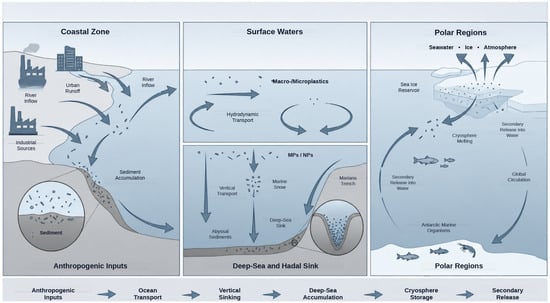
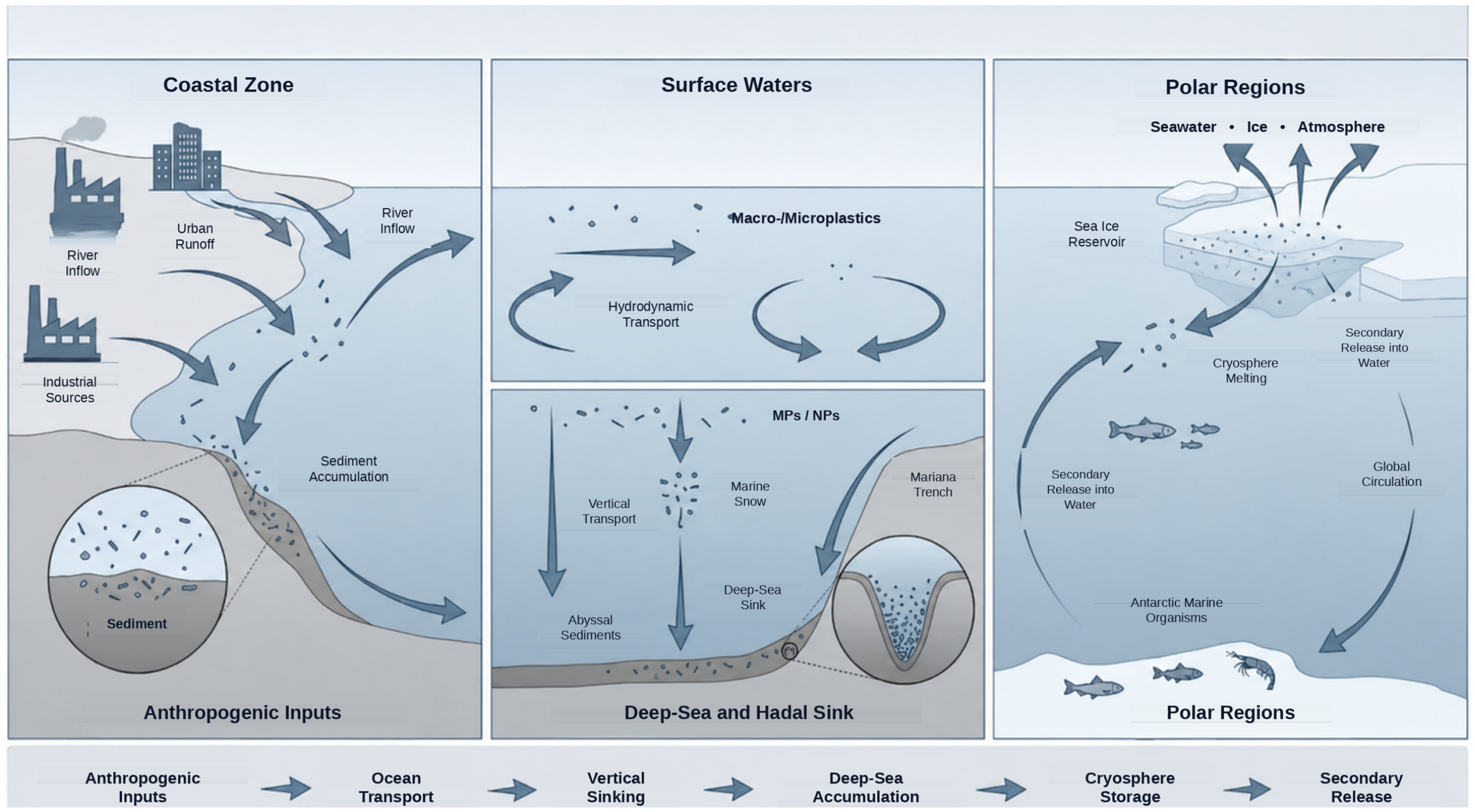
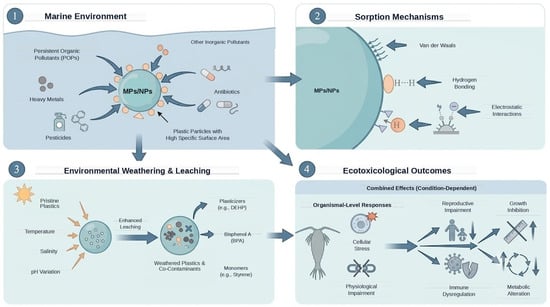
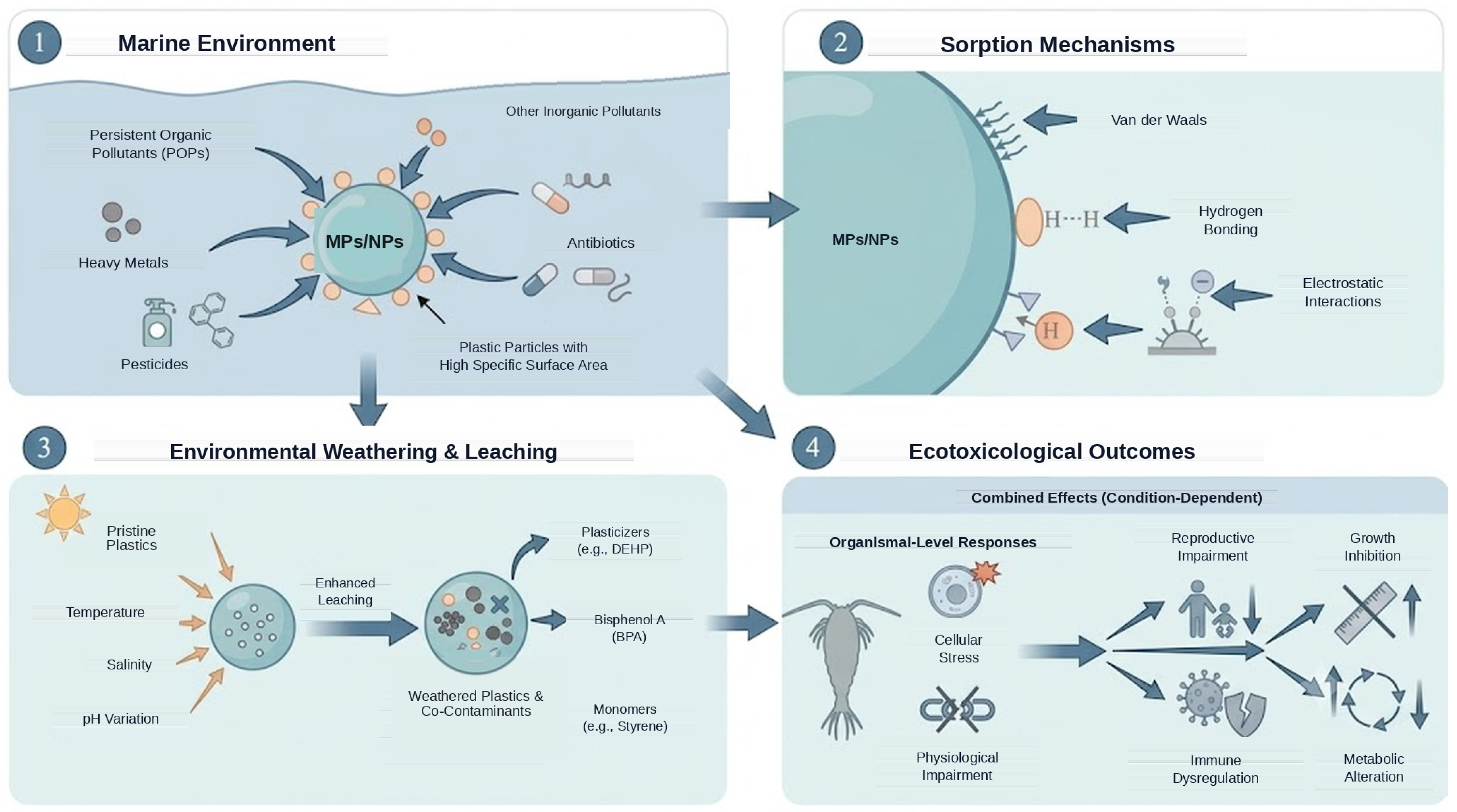
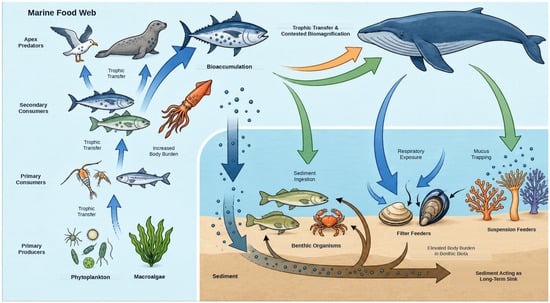
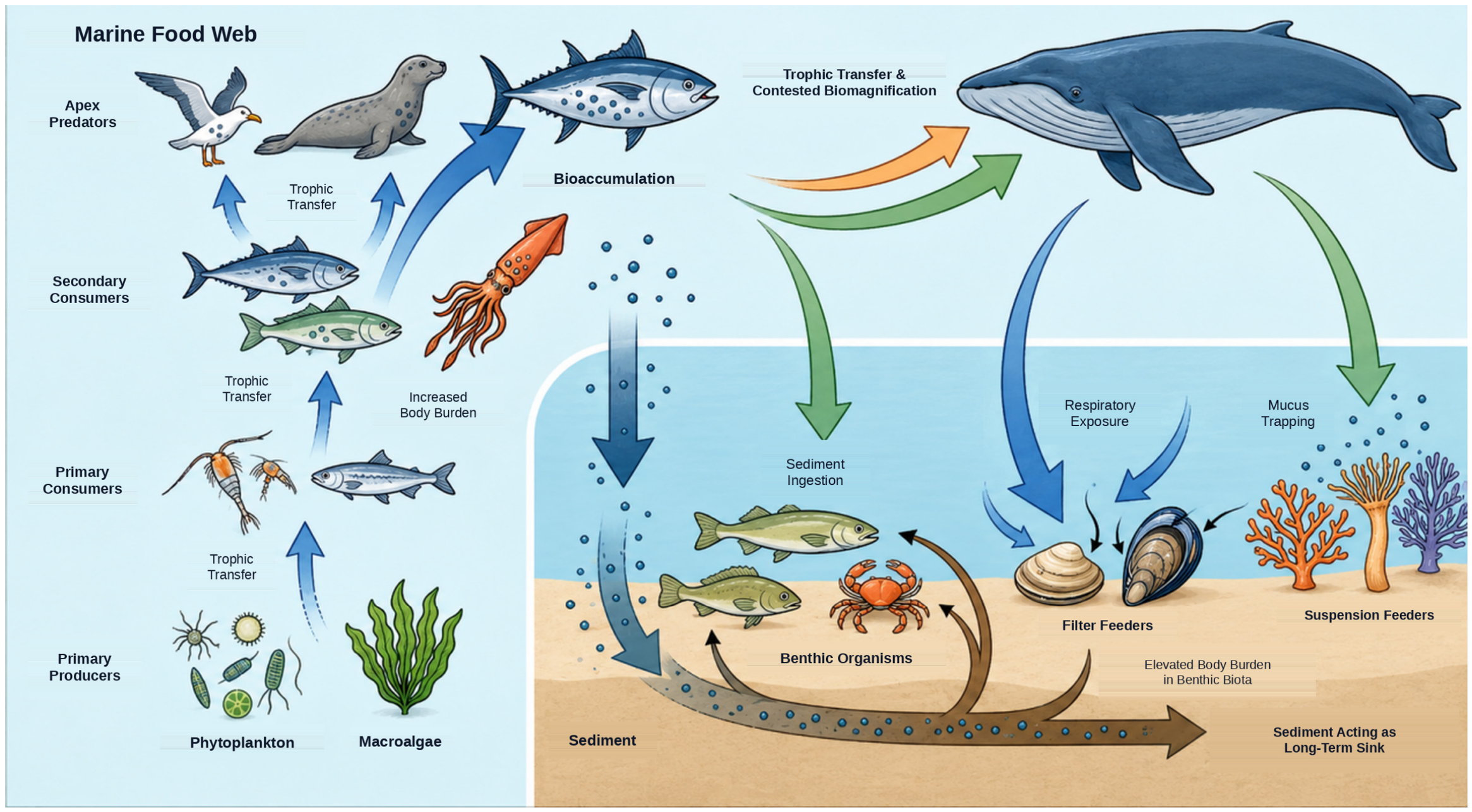
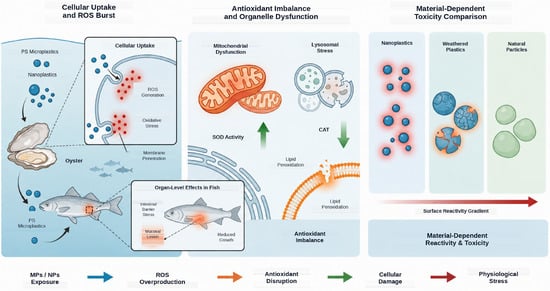
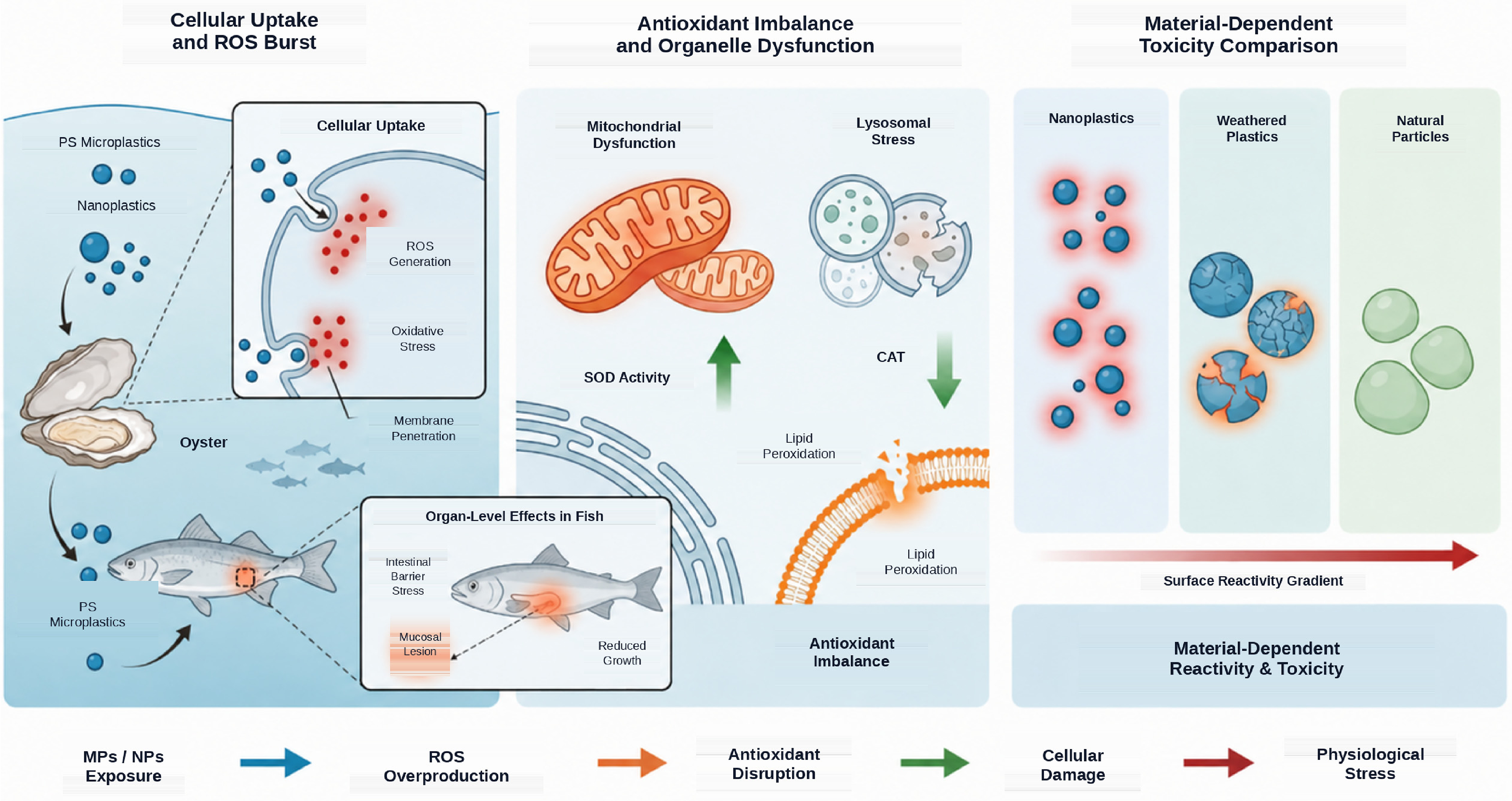
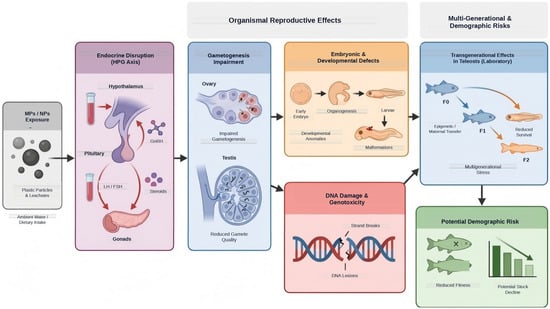
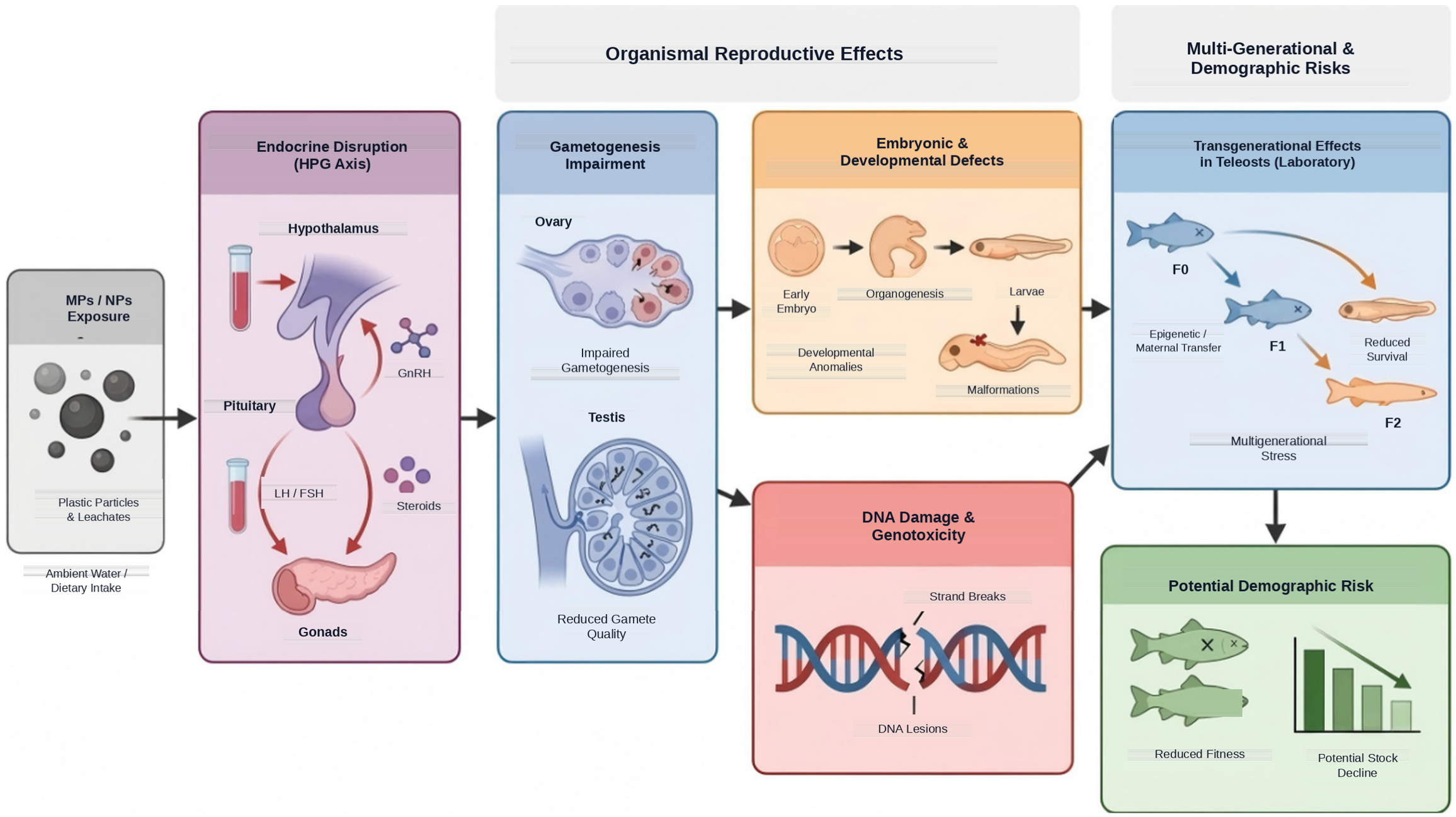
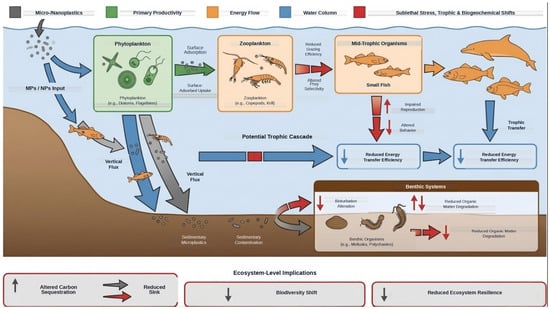
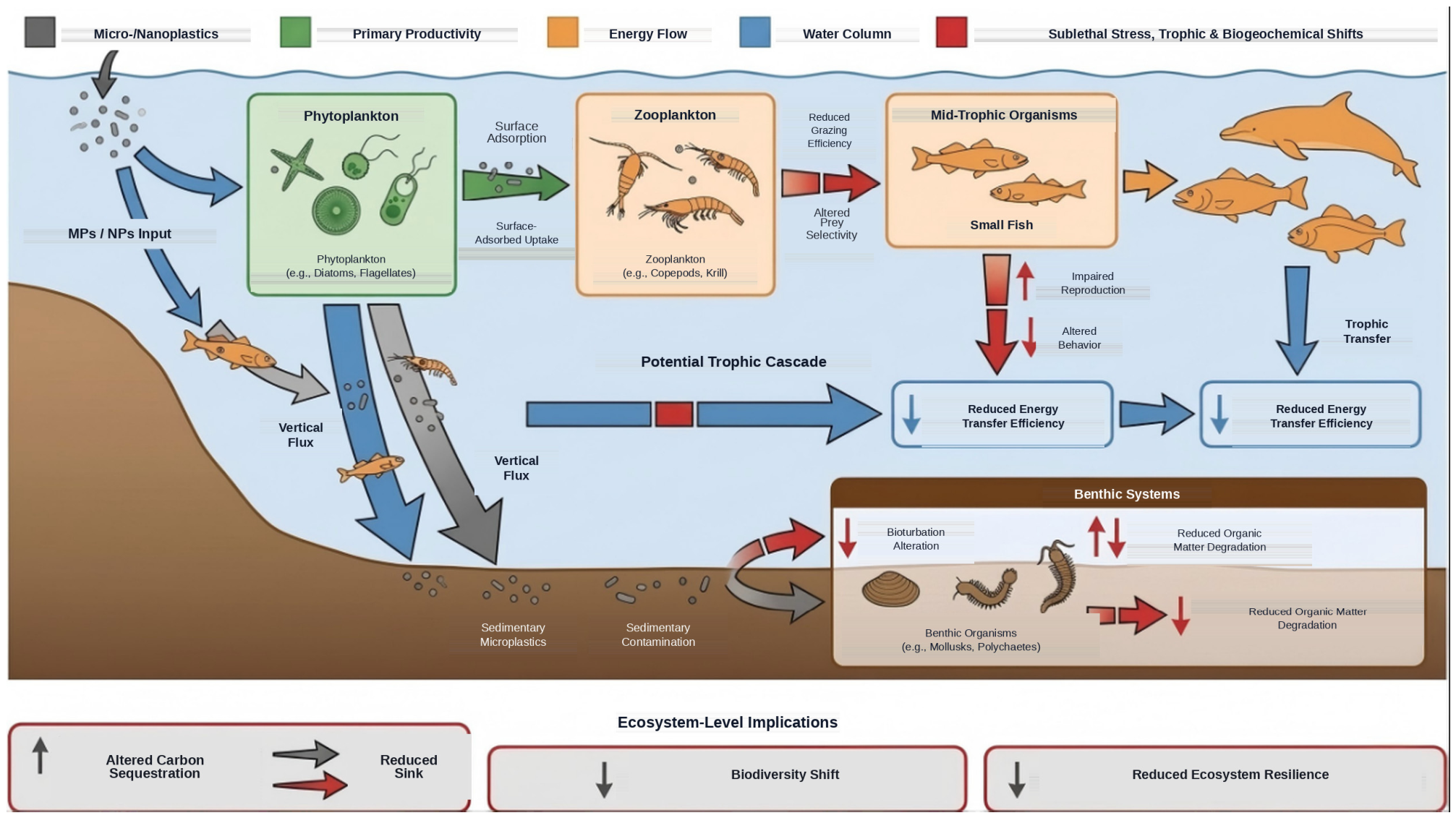

Disclaimer/Publisher’s Note: The statements, opinions and data contained in all publications are solely those of the individual author(s) and contributor(s) and not of MDPI and/or the editor(s). MDPI and/or the editor(s) disclaim responsibility for any injury to people or property resulting from any ideas, methods, instructions or products referred to in the content. |
© 2026 by the authors. Licensee MDPI, Basel, Switzerland. This article is an open access article distributed under the terms and conditions of the Creative Commons Attribution (CC BY) license.