


Abstract
Macroplastic pollution in rivers is an increasing environmental concern because rivers function simultaneously as active transport pathways and temporary storage compartments for land-based plastic waste. This study investigated the spatial distribution, composition, and size characteristics of riverbank and floating macroplastic debris in the Can Tho River, a tidal tributary of the Hau River in the Mekong Delta, Vietnam, to improve understanding of macroplastic transport, selective retention, and environmental partitioning between active transport and temporary storage compartments. Riverbank debris was surveyed at twelve sites spanning urban, peri-urban, and rural sections, while floating debris was quantified using a net-based sampling system. Riverbank accumulations exhibited pronounced local spatial heterogeneity, although litter density and mass density did not differ significantly among river sections. Plastics dominated both environmental compartments, accounting for 53–60% of accumulated debris and more than 95% of floating debris by abundance. Riverbank accumulations were dominated by plastic bags, food packaging, and beverage containers, whereas floating debris was dominated by expanded polystyrene foam products. Significant differences were also observed in material composition, plastic-product composition, and size distribution. Riverbank accumulations contained proportionally larger macroplastics (100–500 mm), whereas floating debris was dominated by smaller macroplastics (50–200 mm), supporting the role of size-dependent transport and selective retention in environmental partitioning. These findings show that floating debris and riverbank accumulations represent complementary components of the riverine plastic continuum, linking active transport and temporary storage through selective environmental partitioning. Integrating floating and riverbank monitoring provides a more comprehensive framework for understanding macroplastic transport and environmental fate while informing management strategies to reduce downstream plastic transport to the Hau River and ultimately estuarine and coastal ecosystems.
1. Introduction
Plastic pollution has emerged as one of the most pressing environmental challenges worldwide because of its persistence, widespread occurrence, and adverse impacts on aquatic ecosystems. Rivers are increasingly recognized as critical components of the global plastic cycle, functioning not only as pathways that transport land-based plastic waste to estuarine and marine environments but also as dynamic systems where plastics are temporarily stored, redistributed, and remobilized under changing hydrological conditions [1,2,3]. Recent global assessments indicate that a relatively small number of highly polluted rivers contribute disproportionately to plastic emissions reaching the ocean, emphasizing the need to better understand the processes governing plastic transport, retention, and redistribution within river systems [2,3].
Unlike simple downstream conveyors, rivers continuously transport, retain, and remobilize plastic debris under the combined influence of hydrological, geomorphological, and ecological processes. Macroplastic debris may accumulate temporarily along riverbanks, riparian vegetation, floodplains, channel margins, and other low-energy environments before being re-entrained during subsequent flow events [4,5,6]. These riverbank accumulation zones represent important temporary storage compartments within the riverine plastic continuum because they regulate the storage, redistribution, and eventual downstream export of plastic debris [6]. Beyond acting as temporary sinks, prolonged environmental residence within these retention zones may expose plastics to mechanical abrasion, ultraviolet radiation, and other weathering processes that progressively alter their physical characteristics and contribute to their long-term environmental fate [7,8]. Consequently, investigating riverbank accumulations provides valuable insight into the pathways through which macroplastics are retained, redistributed, and potentially transformed within freshwater ecosystems [9,10]. Recent long-term monitoring studies further demonstrate that macroplastic accumulation along riverbanks is not randomly distributed but exhibits clear temporal stability, with certain riverbanks consistently functioning as long-term accumulation hotspots while others remain persistent low-accumulation zones [11]. These findings suggest that local hydromorphological characteristics and retention processes exert sustained control over macroplastic deposition, reinforcing the importance of riverbanks as key storage compartments within the riverine plastic continuum.
The Mekong River Basin is recognized as one of the world’s major contributors of riverine plastic emissions to the marine environment [2,12]. Rapid urbanization, population growth, expanding economic activities, and inadequate waste-management infrastructure have substantially increased plastic leakage throughout the basin and the Mekong Delta [13]. At the same time, the dense river network, strong tidal influence, and high hydrological connectivity characteristic of the Mekong Delta facilitate the continuous transport and redistribution of floating plastics among urban, peri-urban, and rural landscapes [14]. These hydrological characteristics provide an appropriate natural setting for investigating the interactions between macroplastic transport and temporary riverbank retention within a tropical tidal river system.
Studies conducted in the Mekong Basin and other major river systems have primarily focused on floating plastic transport, river-to-ocean plastic emissions, or microplastic contamination [13,15,16,17,18]. Recent studies have also emphasized that macroplastic debris represents an important precursor of secondary microplastic pollution because large plastic items progressively fragment through mechanical abrasion, ultraviolet weathering, and other environmental degradation processes [19]. Consequently, understanding the transport, temporary storage, and environmental partitioning of macroplastic debris is essential not only for controlling visible plastic pollution but also for reducing the future generation of microplastics within riverine ecosystems. Studies have consistently reported that floating macroplastic debris is dominated by consumer-derived products, including plastic bags, food packaging, beverage bottles, expanded polystyrene (EPS) food containers, and other single-use plastics [1,16,17]. They also demonstrate substantial spatial variability in floating plastic abundance associated with differences in urbanization, population density, hydrological conditions, river morphology, and local environmental settings [15,16,17]. Although these studies have considerably advanced understanding of riverine plastic transport, they have generally examined either floating plastics or riverbank accumulations independently, providing only a partial representation of macroplastic dynamics within river systems.
However, comparatively little attention has been devoted to understanding the linkage between actively transported floating macroplastics and riverbank accumulations, despite increasing evidence that riverbanks function as important temporary storage compartments capable of retaining substantial quantities of plastic debris [5,10]. Moreover, although plastic size is widely recognized as a key factor influencing buoyancy, transport efficiency, selective retention, fragmentation potential, and environmental persistence [6,18], relatively few studies have simultaneously evaluated the abundance, composition, and size characteristics of both floating and riverbank macroplastic debris within the same river system. Consequently, the mechanisms governing the environmental partitioning of macroplastics between active transport and temporary storage remain insufficiently understood, particularly in tropical tidal rivers characterized by strong hydrological connectivity and rapid urbanization. In the Mekong Delta, integrated assessments combining riverbank accumulation and floating macroplastic monitoring remain scarce, limiting a comprehensive understanding of macroplastic transport pathways and retention processes within river systems [13,15,17,18].
To address these knowledge gaps, this study provides an integrated assessment of riverbank-accumulated and floating macroplastic debris within the same tropical tidal river. Unlike previous studies that investigated these environmental compartments separately, the present study simultaneously evaluates their abundance, composition, and size characteristics within a single river system. Rather than considering these environmental compartments independently, this compartment-based approach evaluates their interrelationships to improve understanding of macroplastic transport, selective retention, and spatial redistribution within the Can Tho River. By integrating spatial analyses with comparisons of composition and size characteristics, this study provides a more comprehensive understanding of macroplastic transport, selective retention, and environmental partitioning than studies focusing on either environmental compartment alone.
We hypothesized that macroplastic distribution in the Can Tho River is governed by the combined influences of land use, hydrodynamic transport, and selective riverbank retention, resulting in distinct environmental partitioning between actively transported floating debris and temporarily retained riverbank accumulations. Specifically, we expected riverbank accumulation zones to preferentially retain relatively large and compositionally diverse macroplastic items, whereas floating debris would be dominated by buoyant consumer-derived plastics that remain actively transported within the river channel.
The Can Tho River is an important distributary of the Vietnamese Mekong Delta that connects urban, peri-urban, and rural landscapes before discharging into the Hau River. These reaches differ markedly in population density, land use, economic activities, and waste-management practices while remaining hydrologically connected within the same river system. This longitudinal gradient provides a suitable natural setting for examining how anthropogenic inputs interact with riverine transport and selective retention to influence the spatial distribution of macroplastic debris.
Therefore, this study aimed to: (i) assess the spatial distribution of riverbank macroplastic accumulation along urban, peri-urban, and rural sections of the Can Tho River; (ii) characterize the composition and size distribution of accumulated macroplastic debris; (iii) quantify the abundance, composition, and size characteristics of floating macroplastic debris in the downstream section of the river; and (iv) compare the material composition, plastic-product composition, and size distribution of riverbank accumulations and floating debris to improve understanding of macroplastic transport, selective retention, and environmental partitioning within a tropical tidal river. The findings provide one of the first integrated evaluations of floating and riverbank macroplastic debris within a tropical tidal river in the Mekong Delta, offering new insights into macroplastic transport, selective retention, and environmental partitioning while supporting river-based management strategies aimed at reducing downstream plastic leakage to the Hau River and ultimately coastal and marine ecosystems.
2. Materials and Methods
2.1. Study Area
The Can Tho River, a distributary of the Hau River in the Vietnamese Mekong Delta (Figure 1), flows through urban, peri-urban, and rural landscapes that differ markedly in land use, population density, human activities, and waste-management practices. Hydrological conditions are governed by the combined influence of seasonal variations in Mekong River discharge and semidiurnal tidal fluctuations propagating inland from the East Sea. Together, these processes generate continuous fluctuations in water level and flow, influencing water circulation and the transport of suspended and floating materials within the river system [20,21].
Figure 1.
Study area along the Can Tho River, a distributary of the Hau River in the Vietnamese Mekong Delta, showing the riverbank macroplastic accumulation sites (urban, peri-urban, and rural) and the downstream floating macroplastic sampling site. “Cần Thơ” shown in the inset map refers to Can Tho City.
These hydrological and land-use characteristics provide a suitable natural setting for investigating the environmental partitioning of riverine macroplastics between active transport and temporary storage compartments within a tropical tidal river. Accordingly, the study simultaneously evaluated riverbank macroplastic accumulation across contrasting urban, peri-urban, and rural landscapes together with downstream floating macroplastic debris within the same river system. This integrated design enabled direct comparisons between floating and riverbank compartments, providing a basis for examining how land use and hydrological conditions influence macroplastic transport, selective retention, and spatial redistribution.
2.2. Riverbank Macroplastic Survey
2.2.1. Site Selection
Riverbank macroplastic accumulations were investigated as representative temporary storage compartments within the riverine plastic continuum, where floating macroplastic debris may be selectively retained before being remobilized during subsequent hydrological events. Riverbank macroplastic surveys were conducted at 12 accumulation sites distributed along the Can Tho River, representing three land-use zones: urban (n = 4), peri-urban (n = 4), and rural (n = 4) (Figure 1). The selected sites represented gradients in land use, population density, human activities, and anthropogenic pressures that may influence macroplastic generation, transport, and accumulation within the river system.
Riverbank accumulation sites were selected based on the presence of visible macroplastic debris retained by natural or artificial retention features and their accessibility for field sampling. Natural retention features included riparian vegetation, aquatic macrophytes, fallen trees, channel bends, and vegetated riverbanks, whereas artificial retention features included embankments, stilt-house foundations, boat moorings, construction barriers, and other riverside infrastructure. These natural and artificial structures acted as physical barriers that intercepted and selectively retained floating macroplastic debris, thereby creating localized accumulation zones suitable for quantitative assessment.
At each site, geographic coordinates were recorded using a handheld Global Positioning System (GPS) receiver. Field observations were also conducted to document local hydrological conditions, dominant retention features, and potential local sources of plastic leakage, including residential areas, commercial activities, and waterway transportation.
2.2.2. Field Sampling
Within each riverbank accumulation site, the sampling boundary was delineated in the field based on the visible extent of retained macroplastic debris. The surveyed area encompassed riverbanks, low-flow margins, and other depositional environments where floating debris had accumulated following interception by natural or artificial retention features.
The dimensions of each surveyed area were measured using a measuring tape. The maximum length was recorded as the longest axis of the accumulation area, whereas the maximum width was measured perpendicular to the maximum length at its widest point. The surveyed area (m2) was then calculated as the product of the maximum length and maximum width, providing a standardized measure of accumulation area for subsequent density calculations.
The survey was designed to target visible macroplastic debris (>25 mm). During field sampling, all visible plastic debris within the delineated accumulation zone was collected manually using hand nets and direct retrieval. Each recovered item was subsequently measured individually, and the relatively small number of items measuring <25 mm that were collected incidentally during the recovery process were retained and included in the size-frequency analysis. This approach provided a comprehensive inventory of riverbank-accumulated plastic debris within each surveyed accumulation zone.
2.2.3. Sample Processing and Classification
Following collection, all macroplastic debris was transported to the laboratory for processing and characterization. Debris items were gently rinsed with clean water to remove adhering sediment, mud, organic matter, and other contaminants that could interfere with subsequent classification and measurements. The samples were then air-dried at room temperature under laboratory conditions until excess surface moisture had been removed. All samples were processed and classified by the same trained research team to minimize observer bias and ensure consistency throughout the study.
Each macroplastic item was individually examined and classified according to its original product type using direct visual inspection based on its morphology, physical characteristics, and recognizable product features. Damaged, weathered, or partially fragmented items were retained for analysis whenever their original product type could be reliably identified. Items that could not be reliably assigned to a specific product category were classified as “other plastic items.”
In addition to plastic-product classification, all collected debris was assigned to major material categories (e.g., plastic, paper/cardboard, metal, glass, rubber, textiles, personal hygiene waste, and other materials) for subsequent material-composition analyses.
Macroplastic debris collected during the survey was classified into product categories based on its original use and physical characteristics. These categories included plastic bags, bottles and containers, foam products, food packaging, personal care plastics, plastic fragments, and other plastic products. Additional product types identified during field processing were assigned to the most appropriate category using the same classification criteria.
This product-based classification was adapted from commonly applied riverine macroplastic monitoring protocols to facilitate source identification and enable comparisons among river systems [22,23].
2.3. Floating Macroplastic Sampling
2.3.1. Sampling Site
Floating macroplastic debris was investigated as the active transport compartment within the riverine plastic continuum, representing macroplastic items that remained in downstream transport before potential retention within riverbank accumulation zones.
Floating macroplastic debris was collected at a fixed sampling site located beneath Tran Hoang Na Bridge on the Can Tho River, approximately 4.3 km upstream of Ninh Kieu Wharf (Figure 1). The sampling site was selected because it is located in the downstream reach of the Can Tho River, where floating macroplastic debris transported from upstream urban, peri-urban, and rural reaches converge before entering the Hau River.
The selected riverbank was considered suitable for floating macroplastic sampling because local hydrodynamic conditions, prevailing easterly winds during the dry season, and frequent boat traffic collectively favored the accumulation of buoyant debris along the shoreline [24]. Preliminary field observations consistently identified relatively high concentrations of floating macroplastic debris at this location, supporting its selection for deployment of the floating sampling system during the study period (Figure 2).
Figure 2.
Floating macroplastic sampling site beneath Tran Hoang Na Bridge on the Can Tho River: (a) location of the sampling site; and (b) field conditions showing floating macroplastic debris and water hyacinths accumulated along the riverbank.
2.3.2. Sampling Schedule and Tidal Conditions
Sampling was conducted on 8 January 2026 during a single 3-h sampling period (13:00–16:00), corresponding to the later stage of the ebb tide. According to tidal records, the ebb tide occurred between approximately 09:00 and 16:00 (Figure 3) [25].
Figure 3.
Tidal levels during the week preceding the sampling campaign, showing the selected sampling period (13:00–16:00) on 8 January 2026 [25].
The selected sampling period allowed downstream-directed flow to become fully established, thereby increasing the likelihood of collecting floating macroplastic debris transported from the upstream reaches of the Can Tho River. In contrast, the early stage of the ebb tide was not selected because residual hydrodynamic influences from the preceding flood tide could still affect debris transport. Consequently, the selected sampling period was considered suitable for characterizing downstream floating macroplastic transport under ebb-tide conditions within the Can Tho River, rather than representing temporal variability across different tidal cycles or seasons.
2.3.3. Sampling Device and Deployment
The system was designed to concentrate floating macroplastic debris into a defined sampling section while allowing the volume of water passing through the system to be quantified, thereby enabling the calculation of volume-normalized macroplastic abundance and mass.
Floating macroplastic debris was collected using a custom-designed net-based sampling system developed for riverine macroplastic monitoring (Figure 4). The system consisted of three main components: (i) debris-guiding nets, (ii) a floating sampling frame, and (iii) a floating macroplastic collection net.
Figure 4.
Schematic diagram of the floating macroplastic sampling system.
The debris-guiding component comprised two plastic nets (mesh size > 2.5 cm) arranged in a V-shaped configuration to intercept and direct floating macroplastic debris toward the sampling unit. During the study, the effective opening width was approximately 6.5 m, and the nets extended to a depth of approximately 1.8 m below the water surface. Flotation buoys attached to the upper edge and steel weights fixed to the lower edge maintained the nets in an approximately vertical position, while the upper edge extended approximately 0.2 m above the water surface to minimize debris loss due to overtopping.
The guiding nets were connected to a floating sampling frame (1 m × 1 m × 2 m) enclosed with a 25 mm mesh. The system was designed to target floating macroplastic debris larger than approximately 25 mm. However, because debris was ultimately retained in a collection net with a 10 mm mesh, a limited number of plastic items smaller than 25 mm were also recovered. These smaller items were retained either through entanglement with larger debris or after entering the collection net during sampling. Consequently, all recovered plastic items were measured individually and subsequently classified into the standardized size classes described below. The frame was stabilized by flotation buoys and equipped with a debris-exclusion screen at the entrance to prevent large water hyacinths and other floating vegetation from entering the system while allowing floating macroplastic debris to pass through. A low-speed flowmeter (General Oceanics 2030R6, General Oceanics Inc., Miami, FL, USA) was installed at the center of the frame to record water flow continuously and determine the volume of water passing through the sampling system during deployment.
A floating macroplastic collection net (approximately 7 m long, 10 mm mesh size) was attached to the rear of the sampling frame to retain intercepted debris while allowing water to pass freely through the system.
The sampling system was deployed approximately 5 m from the riverbank and aligned with the dominant flow direction. Preliminary field observations consistently indicated that floating macroplastic debris accumulated several meters from the shoreline owing to local hydrodynamic conditions and boat-induced wave action. Accordingly, the deployment distance was selected to improve debris interception while maintaining stable operation of the sampling system. The opening width of the debris-guiding nets was maintained at approximately 6.5 m to ensure structural stability and minimize excessive loading by water hyacinths and other floating vegetation.
Throughout the 3-h sampling period, accumulated water hyacinths, branches, and other coarse natural debris were removed whenever necessary to prevent blockage of the sampling system and maintain a consistent flow through the collection net. Floating macroplastic debris retained by the system was collected continuously throughout the deployment. At the end of the sampling period, all collected macroplastic debris was combined into a single composite sample and transported to the laboratory for subsequent processing and characterization.
2.3.4. Sample Processing and Classification
Following collection, the composite sample of floating macroplastic debris was transported to the laboratory for processing and characterization. Debris items were gently rinsed with clean water to remove adhering sediments, organic matter, and other contaminants that could interfere with subsequent classification and measurements. The samples were then air-dried at room temperature under laboratory conditions until excess surface moisture had been removed. All samples were processed and classified by the same trained research team to minimize observer bias and ensure consistency throughout the study.
Each macroplastic item was individually examined and classified according to its original product type using direct visual inspection based on its morphology, physical characteristics, and recognizable product features. Weathered, damaged, or partially fragmented items were retained for analysis whenever their original product type could be reliably identified. Items that could not be reliably assigned to a specific product category were classified as “other plastic items.”
In addition to plastic-product classification, all collected debris was assigned to major material categories (e.g., plastic, paper/cardboard, metal, glass, rubber, textiles, personal hygiene waste, and other materials) for subsequent material-composition analyses.
The collected floating macroplastic debris was categorized into predefined product groups, including plastic bags, bottles and containers, foam products, food packaging, personal care plastics, plastic fragments, and other plastic products. Additional product types identified during sample processing were assigned to the most appropriate predefined category according to their original function and remaining physical characteristics.
This product-based classification was adapted from commonly applied riverine macroplastic monitoring protocols to facilitate source identification and enable comparisons among river systems [22,23].
2.4. Measurement of Abundance, Mass, and Size
Following material and product classification, macroplastic debris collected from both the riverbank accumulation sites and the floating macroplastic sampling site was quantified in terms of abundance, mass, and size.
For riverbank samples, abundance and mass were subsequently normalized by the surveyed accumulation area to calculate litter density (items m−2) and mass density (g m−2), whereas floating samples were normalized by the volume of water passing through the sampling system to determine volumetric abundance (items m−3) and mass concentration (g m−3).
Abundance was determined by direct counting of individual macroplastic items and expressed as the total number of items collected at each riverbank accumulation site or during the floating sampling period.
Mass was measured using an electronic balance and recorded in grams (g). Prior to weighing, all items were air-dried at room temperature under laboratory conditions to remove excess surface moisture.
Size was determined by measuring the maximum linear dimension (i.e., the longest measurable axis) of each recovered plastic item using a tape measure and recorded in millimetres (mm).
These measurements formed the basis for subsequent analyses of material composition, plastic-product composition, abundance, mass density, size distribution, and statistical comparisons, as described in Section 2.5.
2.5. Data Analysis
Comparative analyses were conducted to evaluate differences in material composition, plastic-product composition, and size distribution between floating macroplastic debris (active transport compartment) and riverbank accumulations (temporary storage compartment). These comparisons were used to improve understanding of macroplastic transport, selective retention, and environmental partitioning within the Can Tho River.
2.5.1. Water Volume Calculation
The volume of water passing through the floating macroplastic sampling system was determined using a low-speed flowmeter (General Oceanics 2030R6, General Oceanics Inc., Miami, FL, USA). According to the manufacturer’s specifications, 10 counts correspond to one rotor revolution, and the rotor constant (R6) is 57.560 cm revolution−1 [26]. Water velocity, flow discharge, and the total volume of water passing through the sampling system were calculated using Equations (1)–(3). The calculated water volume was subsequently used to normalize floating macroplastic abundance and mass, allowing floating debris densities to be expressed as items m−3 and g m−3.
2.5.2. Density Calculations
For riverbank accumulation sites, litter density (LD) and mass density (MD) were calculated as follows:
where N is the total number of macroplastic items, M is the total macroplastic mass (g), and A is the surveyed accumulation area (m2). Litter density and mass density were expressed as items m−2 and g m−2, respectively.
For the floating macroplastic sampling site, abundance density (Cn) and mass density (Cm) were calculated as follows:
where V is the total volume of water sampled (m3). Floating macroplastic abundance density and mass density were expressed as items m−3 and g m−3, respectively.
2.5.3. Composition Analysis
Relative abundance was calculated separately for material categories and plastic-product categories as follows:
where Pi is the percentage contribution of category i (%), ni is the abundance of category i, and for material composition, N represents the total number of all debris items, whereas for plastic-product composition, N represents the total number of plastic items.
Relative abundance was determined for both material categories and plastic-product categories to characterize the composition of riverbank-accumulated and floating macroplastic debris. In addition, the contribution of each category to the total measured debris mass was summarized as relative mass (%) to complement abundance-based composition analyses.
2.5.4. Size Analysis
Based on the recorded maximum linear dimensions, plastic items were assigned to standardized size classes following the classification proposed by UNEP (2020) [27]: mesoplastics (5–25 mm), small macroplastics (25–100 mm), medium macroplastics (100–500 mm), large macroplastics (500–1000 mm), and megaplastics (>1000 mm). Size-frequency distributions were subsequently used to characterize and compare the size characteristics of riverbank-accumulated and floating macroplastic debris.
For both riverbank and floating samples, size-frequency distributions were calculated as the percentage of plastic items within each standardized size class to characterize the size composition of each environmental compartment.
For riverbank samples, empirical cumulative distribution functions (ECDFs) and the Kruskal–Wallis test followed by Bonferroni-adjusted pairwise Mann–Whitney U tests were applied to compare size distributions among urban, peri-urban, and rural sections.
To compare the active transport and temporary storage compartments, ECDFs and the Mann–Whitney U test were further used to evaluate differences in size distributions between floating macroplastic debris and riverbank accumulations.
2.5.5. Spatial Visualization
Spatial distribution maps were generated using QGIS Desktop version 3.44.10 (QGIS Development Team) [28]. Field-recorded Global Positioning System (GPS) coordinates were used to georeference all riverbank accumulation sites using the World Geodetic System 1984 (WGS 84; EPSG:4326). Spatial distribution maps were used to illustrate the distribution of litter density (LD), mass density (MD), plastic dominance, cleanliness, pollution load, and mismanaged waste potential across the study area. Graduated and proportional symbols were used to represent the spatial variability of these calculated indicators. The maps were used to visualize spatial patterns and identify potential macroplastic accumulation hotspots across the study area. Because floating macroplastic debris was collected at a single downstream sampling location, spatial mapping was applied only to the riverbank accumulation sites.
2.5.6. Statistical Analysis
Statistical analyses were performed using IBM SPSS Statistics Version 20 (IBM Corp., Armonk, NY, USA).
The normality of continuous variables was evaluated using the Shapiro–Wilk test. Relationships among riverbank accumulation area, macroplastic abundance, and macroplastic mass were assessed using Spearman’s rank correlation coefficient. Because several variables did not satisfy the assumptions of normality, non-parametric statistical methods were applied where appropriate.
Differences in riverbank litter density (LD), mass density (MD), and macroplastic size among the urban, peri-urban, and rural land-use zones were evaluated using the Kruskal–Wallis test, followed by Bonferroni-adjusted pairwise Mann–Whitney U tests when significant differences were detected.
Pearson’s Chi-square test was applied to compare abundance-based material composition and plastic-product composition among the urban, peri-urban, and rural land-use zones, as well as between riverbank-accumulated and floating macroplastic debris. The strength of significant associations was evaluated using Cramer’s V. All composition and size comparisons between riverbank accumulations and floating debris were performed at the individual-item level to evaluate differences in the distributions of recovered plastic items between environmental compartments.
Differences in macroplastic size distributions between riverbank-accumulated and floating debris were further evaluated using empirical cumulative distribution functions (ECDFs) and the Mann–Whitney U test.
Statistical significance was accepted at p < 0.05. In addition to statistical significance (p-values), effect size (r) was calculated for pairwise Mann–Whitney U tests to quantify the magnitude of pairwise differences.
3. Results and Discussion
3.1. Riverbank Accumulation
3.1.1. Characteristics of Macroplastic Accumulation Zones
The macroplastic accumulation zones identified along the Can Tho River exhibited considerable variability in accumulation area, macroplastic abundance, and debris mass (Figure 5, Table 1). Accumulation-zone area ranged from 13.5 to 35.0 m2 in urban sections, 15.0 to 34.9 m2 in peri-urban sections, and 15.0 to 24.0 m2 in rural sections. Although peri-urban sites exhibited the largest mean accumulation-zone area (26.31 ± 8.28 m2), followed by urban (22.38 ± 10.09 m2) and rural sections (17.58 ± 4.32 m2), these differences were not statistically significant (Kruskal–Wallis, p = 0.390).
Figure 5.
Characteristics of macroplastic accumulation zones in urban, peri-urban, and rural sections of the Can Tho River: (a) accumulation-zone area (m2), (b) macroplastic abundance (items per accumulation zone), and (c) macroplastic mass (g per accumulation zone).
Table 1.
Characteristics of macroplastic accumulation zones in urban, peri-urban, and rural sections of the Can Tho River.
Macroplastic abundance and debris mass exhibited similar spatial patterns. Mean macroplastic abundance ranged from 80.50 ± 49.96 items per accumulation zone in rural sections to 103.50 ± 44.80 items in urban sections, whereas mean debris mass ranged from 1901.68 ± 1256.60 g in rural sections to 3433.26 ± 2636.83 g in peri-urban sections. Although mean abundance differed by approximately 29% between urban and rural sections, the relatively high within-group variability prevented these differences from reaching statistical significance. Likewise, debris mass did not differ significantly among urban, peri-urban, and rural sections (Kruskal–Wallis; abundance: p = 0.491; mass: p = 0.437). These findings indicate that macroplastic accumulation occurred throughout the river system, with no statistically significant differences among the three land-use zones.
The high coefficients of variation (CVs), particularly for debris mass in peri-urban (76.80%) and rural sections (66.08%), revealed pronounced site-to-site heterogeneity in macroplastic accumulation. This variability suggests that macroplastic storage is influenced primarily by local-scale environmental conditions rather than by broad urban–rural classifications. Similar spatial heterogeneity has been reported in previous riverine plastic studies, where debris distribution was governed mainly by site-specific environmental characteristics, local human activities, and riverside accessibility [1,9,29]. In addition, riparian vegetation, channel morphology, hydraulic retention zones, flow recirculation, and artificial structures can enhance debris interception and retention, resulting in highly heterogeneous accumulation patterns even within relatively short river reaches [1,30]. These observations further support the view that riverbank accumulation reflects localized retention processes superimposed on river-scale plastic transport [7].
Spearman correlation analysis revealed no statistically significant relationships between accumulation-zone area and either macroplastic abundance or debris mass (p > 0.05). Positive but non-significant associations were observed between accumulation-zone area and macroplastic abundance (ρ = 0.531) and between accumulation-zone area and debris mass (ρ = 0.460). Likewise, macroplastic abundance was only weakly correlated with debris mass (ρ = 0.224, p = 0.484). These results suggest that the quantity of macroplastic retained within an accumulation zone may depend more on site-specific retention conditions than on accumulation-zone area alone. Such conditions may include reduced local flow velocities and low-energy depositional zones, the presence and density of riparian vegetation and exposed roots, shoreline irregularities, and natural or artificial trapping structures such as woody debris and bridge pilings, all of which can increase the probability of intercepting and temporarily retaining transported macroplastic debris. Similar observations have been reported in riverine plastic studies, where debris hotspots were more closely associated with riparian vegetation, bridge pilings, hydraulic retention zones, and artificial trapping structures than with the overall dimensions of accumulation areas [1,4,31]. Consequently, relatively small retention zones may accumulate substantial quantities of debris, whereas larger accumulation areas may retain comparatively little material.
The absence of statistically significant differences among urban, peri-urban, and rural sections further supports the concept that riverbanks function as temporary storage compartments within river systems, where macroplastic debris is selectively retained, stored, and subsequently remobilized under changing hydrological conditions [1,4]. Rather than simply reflecting local waste generation, riverbank accumulations represent one component of the environmental partitioning of riverine macroplastics, complementing the actively transported floating fraction within the river channel [7,32]. Similar findings have been reported in other freshwater systems, where macroplastic accumulation was more strongly associated with local hydraulic and geomorphological conditions than with surrounding land-use categories alone [30].
Although urban areas are generally expected to generate larger quantities of plastic waste because of higher population density and more intensive human activities, downstream transport and redistribution may partially decouple waste generation from riverbank accumulation patterns by redistributing debris among river sections over successive tidal cycles. In the Can Tho River, semidiurnal tidal fluctuations likely promote repeated transport, deposition, retention, and remobilization of floating debris across different river sections, thereby reducing persistent spatial contrasts in accumulation-zone characteristics. Consequently, local retention efficiency, vegetation structure, hydrodynamic conditions, and site-specific trapping features appear to exert stronger controls on macroplastic storage than accumulation-zone area or surrounding land-use category alone.
To facilitate comparison among accumulation zones, macroplastic abundance and debris mass are presented on a per-zone basis, whereas area-normalized indicators describing pollution intensity (items m−2 and g m−2) are presented in the following section. Taken together, these findings indicate that riverbank accumulation reflects localized retention processes superimposed on river-scale macroplastic transport rather than simply local waste generation. Together with the absence of significant differences among land-use zones, these results support the interpretation of riverbanks as temporary storage compartments within the riverine plastic continuum, where macroplastic debris is selectively retained before potential remobilization under changing hydrological conditions.
3.1.2. Spatial Patterns of Accumulated Macroplastic Debris
The spatial distribution of accumulated macroplastic debris along the Can Tho River reflects the combined influence of local waste inputs, hydrodynamic transport, selective retention, and environmental partitioning within the river system. To characterize these complementary aspects of macroplastic accumulation, abundance was expressed as litter density (LD, items m−2) and mass density (MD, g m−2), representing numerical abundance and accumulated debris mass, respectively. These complementary metrics were interpreted together with their statistical distributions (Figure 6) and spatial patterns (Figure 7) to provide an integrated assessment of the spatial heterogeneity of riverbank macroplastic accumulation in this tropical tidal river system [1,31].
Figure 6.
Spatial variation in macroplastic abundance among urban, peri-urban, and rural sections of the Can Tho River: (a) litter density (LD, items m−2) and (b) mass density (MD, g m−2). No significant differences were detected among river sections (Kruskal–Wallis test; LD: p = 0.551; MD: p = 0.926).
Figure 7.
Spatial distribution of riverbank macroplastic accumulation along the Can Tho River based on (a) litter density (LD, items m−2) and (b) mass density (MD, g m−2).
Figure 6a,b illustrates substantial spatial variability in both LD and MD across the three river sections. The median LD was highest at urban sites (approximately 4.8 items m−2), followed by rural and peri-urban sections, whereas rural sites exhibited the widest interquartile range and overall dispersion, indicating pronounced local-scale heterogeneity in macroplastic accumulation. This variability likely reflects differences in shoreline morphology, riparian vegetation, local hydraulic conditions, and retention efficiency rather than urbanization intensity alone. Similar site-specific variability has been documented in riverbank surveys from Europe and Asia, where macroplastic accumulation was governed primarily by local hydrodynamic conditions, transport pathways, and retention processes rather than broad land-use categories [1,30,33].
A comparable pattern was observed for MD, with peri-urban sites displaying the greatest variability, ranging from approximately 50 to nearly 500 g m−2. The greater dispersion of MD relative to LD indicates that a limited number of relatively heavy plastic items can substantially increase total debris mass without markedly affecting item abundance. Consequently, LD and MD provide complementary perspectives on riverbank macroplastic pollution, with LD reflecting the numerical occurrence of debris and MD representing the accumulation of transported plastic mass [1,34,35]. The asymmetric distributions and wide dispersion observed for several groups in Figure 6 further indicate pronounced site-to-site variability, suggesting that macroplastic debris is concentrated within localized retention zones rather than being evenly distributed along riverbanks [1,9].
Kruskal–Wallis analysis indicated that neither litter density (LD) nor mass density (MD) differed significantly among urban, peri-urban, and rural sections of the Can Tho River (LD: H = 1.192, df = 2, p = 0.551; MD: H = 0.154, df = 2, p = 0.926). Although urban sites exhibited slightly higher mean ranks for LD, whereas MD remained relatively similar among the three river sections, these differences were not statistically significant. These findings indicate that macroplastic accumulation occurred throughout the river system rather than being restricted to highly urbanized reaches. More importantly, they demonstrate that regional averages can obscure ecologically important local accumulation hotspots. Similar observations have been reported in other riverine environments, where macroplastic retention is influenced more strongly by local hydraulic conditions, physical trapping structures, and retention efficiency than by broad land-use gradients [36,37]. Comparable spatial heterogeneity has also been documented in tropical and subtropical rivers. Nguyen and Bui [38] reported marked variability in riverbank macro-litter along the downstream Saigon River in Vietnam, while Hridoy et al. [19] identified distinct macroplastic hotspots in the Kalni River, Bangladesh, associated with intensive human activities and inadequate waste management. At a broader scale, Brewster et al. [39] reported substantial differences in macroplastic abundance and composition among river systems across multiple continents, reflecting interacting local socioeconomic, waste-management, and catchment-specific conditions. Together, these studies reinforce the interpretation that broad regional or land-use classifications alone may not adequately predict riverbank macroplastic accumulation, because local waste inputs interact with site-specific transport and retention processes to generate spatially heterogeneous accumulation patterns.
Although regional differences were not statistically significant, the spatial maps (Figure 7) revealed several distinct accumulation hotspots. Elevated LD values were concentrated primarily within urban and lower peri-urban sections, where several sampling sites exceeded 6 items m−2. These patterns are consistent with greater local anthropogenic pressure associated with dense residential development, commercial activities, riverfront infrastructure, and frequent human interaction with the river, all of which have been recognized as important contributors to plastic leakage into aquatic environments [1,3,40]. Nevertheless, whether leaked plastics ultimately accumulate at a particular location depends largely on local hydraulic retention conditions rather than waste inputs alone, highlighting the importance of site-specific retention processes in shaping riverbank macroplastic distributions [7].
In contrast, the MD map exhibited a different spatial pattern, with the highest values occurring at several peri-urban locations rather than within the urban core. This discrepancy suggests that depositional environments preferentially retain relatively heavy plastic debris transported from upstream sources. Riverbank vegetation, reduced flow velocities, hydraulic retention zones, and tidal convergence may further enhance the trapping efficiency of such materials, producing localized mass accumulation hotspots [10,41,42]. Similar spatial patterns have been reported in the Mekong River system and other large tropical rivers, where hydrodynamic sorting selectively redistributes floating plastic debris according to its physical characteristics [13,43,44]. Consequently, the transition from urban to rural reaches did not exhibit a simple downstream decline in either LD or MD, indicating that transport, selective retention, and repeated remobilization are as important as local waste generation in determining accumulation intensity [7].
The combined statistical and spatial analyses demonstrate that the absence of significant regional differences does not preclude the existence of ecologically important local hotspots. Instead, regional summary statistics may mask substantial site-to-site variability associated with localized retention conditions. In tidal river systems, repeated cycles of transport, temporary retention, and remobilization continuously redistribute floating debris among river sections, thereby reducing persistent regional contrasts while promoting localized debris storage [6,45]. These localized accumulation zones therefore represent temporary storage compartments within the environmental partitioning of riverine macroplastics, complementing the actively transported floating fraction within the river channel [7,32].
Collectively, these results demonstrate that macroplastic accumulation along the Can Tho River is characterized by pronounced local heterogeneity despite the absence of statistically significant differences in litter density and mass density among urban, peri-urban, and rural sections. The contrasting spatial patterns of LD and MD further highlight the complementary value of abundance- and mass-based metrics for characterizing riverbank macroplastic accumulation. Together, these findings reinforce the importance of identifying site-specific retention hotspots to improve understanding of macroplastic transport, temporary storage, and environmental partitioning in tropical tidal rivers while informing management strategies that combine hotspot removal with upstream source reduction [1,46].
3.1.3. Composition of Accumulated Macroplastic Debris
Understanding the composition of accumulated macroplastic debris provides important insight into dominant pollution sources and the transport and selective retention processes governing macroplastic accumulation within river systems. Because plastic products contribute differently to numerical abundance and environmental loading, debris composition was evaluated using both abundance- and mass-based metrics. In riverine environments, these patterns result from the combined influence of local waste inputs, hydrological transport, hydraulic sorting, and selective retention along riverbanks, ultimately contributing to the environmental partitioning of riverine macroplastics [32,39,47]. Figure 8 and Figure 9 therefore examine debris composition at two hierarchical levels: (i) major material categories and (ii) plastic-product categories.
Figure 8.
Composition of accumulated debris based on relative abundance: (a) major material categories and (b) plastic-product categories.
Figure 9.
Plastic-product composition of accumulated macroplastic debris based on (a) relative abundance and (b) relative mass.
Figure 8 demonstrates the clear predominance of plastics within the accumulated macro-debris assemblage. Plastics accounted for approximately half of all recorded items and nearly 60% of the total accumulated mass, substantially exceeding all other material categories. The second-largest component was classified as “other materials”, contributing approximately 40–45% of total abundance and around one-third of total debris mass, whereas paper/cardboard, rubber, personal hygiene waste, textiles, metals, and glass collectively represented only a small proportion of the accumulated debris.
The predominance of plastics is consistent with observations from riverine and coastal environments worldwide, where plastics typically constitute the largest component of anthropogenic litter because of their widespread use, inadequate waste management, buoyancy, and long environmental persistence [3,30,31,48]. The greater contribution of plastics to total mass than to total abundance further indicates that relatively heavy consumer plastic products, including containers, bags, and packaging materials, contribute disproportionately to the environmental loading retained within riverbank accumulation zones. Similar patterns have been reported throughout the Lower Mekong River Basin and other tropical river systems, where plastic debris dominates riverine litter owing to increasing plastic consumption, insufficient waste-management infrastructure, and efficient retention within riparian environments [7,14,41]. In contrast, the comparatively small contribution of glass, metal, and textile materials is consistent with their higher recovery value, as these materials are frequently removed through informal recycling and material recovery systems before entering the environmental waste stream [49].
This predominance of consumer-related plastics is also evident in recent studies from other tropical and subtropical river systems. Nguyen and Bui [38] reported that plastics constituted the dominant component of riverbank macro-litter along the downstream Saigon River in Vietnam, with disposable consumer products such as plastic bags, expanded polystyrene food containers, and cups among the commonly recorded items. Similarly, Hridoy et al. [19] found that PET and LDPE were the dominant polymer categories in the Kalni River, Bangladesh, followed by PP, reflecting substantial inputs of commonly used consumer plastics. At a broader geographical scale, Brewster et al. [39] identified beverage bottles, food wrappers, plastic bags, and food- and packaging-related foam among the major single-use plastic categories recovered across multiple river systems. Together with the present findings, these studies indicate that the dominance of plastics in riverine debris is a recurring pattern across diverse river systems, while the relative contribution of individual products and materials reflects differences in local consumption, waste-management practices, and environmental transport and retention.
A more detailed examination of the plastic fraction is presented in Figure 9. Plastic bags constituted the most abundant plastic category, accounting for approximately one-third of all plastic items, followed by bottles and containers, food packaging, and other plastic products. Personal care plastics, foam products, and plastic fragments represented comparatively small proportions of the accumulated debris.
The mass-based composition revealed a different pattern. Although plastic bags remained a major contributor, the largest proportion of plastic mass was associated with the category “other plastics”, followed by plastic bags and bottles/containers. This discrepancy demonstrates that relatively heavy plastic products contribute disproportionately to total environmental loading despite occurring less frequently. Consequently, the dominant plastic category depends partly on the metric used. Abundance-based composition identifies the products occurring most frequently within accumulation zones, whereas mass-based composition better reflects the products contributing most to long-term environmental loading. Taken together, these complementary metrics provide a more comprehensive understanding of riverbank macroplastic accumulation and its environmental significance.
The predominance of plastic bags in terms of abundance is consistent with numerous riverbank surveys reporting the widespread occurrence of flexible consumer plastics in freshwater environments [50,51]. Beyond their high consumption rates, plastic bags possess physical characteristics that facilitate downstream transport while simultaneously increasing their likelihood of becoming entangled within riparian vegetation and other natural trapping structures. Their low density, large surface area, and high buoyancy therefore favor selective retention within riverbank accumulation zones [7]. In contrast, bottles, rigid containers, and other relatively heavy plastic products contribute a substantially greater proportion of total debris mass, emphasizing their greater contribution to environmental loading despite their comparatively lower abundance. These contrasting abundance- and mass-based patterns illustrate how the physical characteristics of different plastic products influence their transport behavior and subsequent retention within riverine environments [32].
The comparatively small proportion of plastic fragments suggests that the accumulation zones were dominated primarily by relatively intact consumer products rather than highly weathered plastic debris. This observation is consistent with the continued input of discarded consumer plastics into the river system, with most retained materials remaining identifiable as their original products before extensive fragmentation occurs [8].
Although plastic bags, food packaging, and bottles/containers were the dominant plastic categories throughout the study area, their relative contributions varied among river sections. Chi-square analysis revealed a significant association between river section and abundance-based plastic composition (χ2 = 51.084, df = 12, p < 0.001), with a small effect size (Cramer’s V = 0.204). This result indicates that, although regional differences were statistically detectable, river section explained only a limited proportion of the overall variability in plastic composition. Plastic bags accounted for the largest proportion of accumulated plastic items in both urban (33.6%) and rural (36.6%) sections, whereas peri-urban accumulation zones exhibited relatively higher contributions of food packaging (26.7%) and other plastic products (17.2%). These spatial differences likely reflect the combined influence of local consumption patterns, commercial activities, waste-management practices, and the selective transport and retention of plastic products with different shapes, sizes, and buoyancy. Similar spatial variability has been reported in other river systems, where land use, population density, plastic sources, transport pathways, and riverbank retention collectively influence the composition of accumulated plastic debris [1,30,52]. Notably, although the overall composition of major material categories remained broadly similar throughout the river corridor, plastic-product categories were considerably more sensitive than broad material categories for detecting spatial differences in riverine plastic sources and selective retention processes.
Collectively, these findings demonstrate that the composition of accumulated macroplastic debris is governed not only by the characteristics of waste entering the river but also by selective transport and retention processes operating along the river corridor. The contrasting abundance- and mass-based compositions further demonstrate that numerical dominance does not necessarily correspond to environmental loading. Accordingly, reducing the leakage of dominant single-use plastic products, particularly plastic bags, food packaging, and beverage containers, while removing debris from riverbank retention hotspots would help limit downstream plastic transport and long-term macroplastic accumulation within the river system [1,30,53].
3.1.4. Size Characteristics of Accumulated Macroplastic Debris
As shown in Figure 10, accumulated macroplastic debris was overwhelmingly dominated by items measuring 100–200 mm and 200–500 mm, which together accounted for approximately three-quarters of the total plastic abundance. The 100–200 mm size class represented the largest proportion (approximately 41–43%), followed by the 200–500 mm category (approximately 35–37%). Plastics measuring 50–100 mm contributed a considerably smaller fraction, whereas items larger than 500 mm and smaller than 25 mm collectively represented only a minor proportion of the accumulated debris.
Figure 10.
Size-frequency distribution of accumulated macroplastic debris along the Can Tho River.
The predominance of medium-sized macroplastics is consistent with the widespread occurrence of discarded consumer products such as plastic bags, food packaging, bottles, and household containers. Similar size distributions have been reported in riverbank surveys from Europe, Asia, and South America, where medium-sized consumer plastics consistently dominate accumulated debris because of their widespread use, frequent environmental leakage, and efficient retention within riparian environments [1,30,53]. From a transport perspective, intermediate-sized floating plastics appear particularly susceptible to interception by riparian vegetation, shoreline irregularities, and artificial trapping structures, allowing them to accumulate efficiently within riverbank retention zones [1,30,54]. Consequently, monitoring programs focusing exclusively on very large debris would underestimate a substantial proportion of riverbank macroplastic accumulation.
To further evaluate spatial variability in debris size, empirical cumulative distribution functions (ECDFs) were constructed for urban, peri-urban, and rural accumulation zones (Figure 11). The ECDF curves exhibited substantial overlap among the three river sections, indicating broadly comparable overall size distributions throughout the river corridor. Nevertheless, ECDFs provide a more comprehensive assessment than comparisons based solely on summary statistics because they evaluate differences across the entire size spectrum.
Figure 11.
Empirical cumulative distribution functions (ECDFs) of accumulated macroplastic debris size in urban, peri-urban, and rural sections of the Can Tho River. Size distributions differed significantly among river sections (Kruskal–Wallis test: H = 9.196, df = 2, p = 0.010).
Despite the visual overlap among the ECDF curves, non-parametric statistical analysis revealed significant spatial differences in macroplastic size (Kruskal–Wallis: H = 9.196, df = 2, p = 0.010). Mean rank values increased from peri-urban (373.32) to urban (409.54) and rural sections (433.33), indicating a tendency toward larger debris items in rural accumulation zones.
Pairwise Mann–Whitney U tests with Bonferroni correction demonstrated that this overall difference was primarily attributable to the contrast between peri-urban and rural sections (U = 31,138, Z = −2.904, p = 0.004, r = 0.125), whereas comparisons between urban and peri-urban sections (U = 35,408.5, Z = −1.917, p = 0.055, r = 0.081) and between urban and rural sections (U = 30,403, Z = −1.244, p = 0.213, r = 0.055) were not statistically significant. These findings indicate that most size classes were similarly distributed among river sections, with statistically detectable differences occurring mainly within the upper portion of the size distribution represented by relatively large debris retained in rural accumulation zones. Accordingly, the apparent visual similarity among the ECDF curves does not preclude statistically significant differences, highlighting the value of combining distribution-based visualization with non-parametric statistical testing when evaluating riverine macroplastic size characteristics.
The comparatively low abundance of the smallest size classes (<25 mm and 25–50 mm) indicates that the accumulated debris assemblage remained dominated by relatively intact consumer products rather than highly fragmented plastics. Although environmental weathering, including ultraviolet radiation, mechanical abrasion, and hydrodynamic forcing, progressively generates smaller plastic fragments [1,30,54], size distribution alone cannot be used to infer the degree of environmental degradation because fragmentation rates depend on polymer type, exposure duration, and local environmental conditions. Instead, the observed size distribution primarily reflects the combined influence of waste inputs, transport pathways, and selective retention within riverbank environments.
Likewise, the relatively small proportion of very large macroplastics (500–1000 mm) and megaplastics (>1000 mm) suggests that these size classes contribute less to long-term riverbank accumulation. Very large floating objects may be more susceptible to remobilization during high-flow conditions or tidal fluctuations, whereas intermediate-sized consumer plastics appear more likely to become trapped within riparian retention zones [1,30,54]. The resulting size distribution therefore reflects the combined influence of source characteristics, hydrodynamic transport, and selective retention operating throughout the river corridor.
The tendency toward larger debris items in rural accumulation zones may further reflect differences in local retention environments rather than differences in waste generation alone. Rural reaches are characterized by relatively natural riverbanks, extensive riparian vegetation, and reduced channel modification, all of which may enhance the retention of relatively large floating items. Similar spatial variations in macroplastic size have been reported in other river systems, where hydrodynamic conditions, river morphology, and riparian retention collectively influence debris-size distributions [1,30,54]. Nevertheless, the substantial overlap among the ECDF curves indicates that river-scale transport processes produce broadly comparable overall size distributions, while local retention conditions selectively influence the upper end of the size spectrum.
Collectively, these results demonstrate that accumulated macroplastic debris along the Can Tho River is dominated by medium-sized consumer plastics (100–500 mm) and that local retention conditions modify debris-size distributions without fundamentally altering the overall transport pattern along the river corridor. These findings establish the baseline size characteristics of riverbank macroplastic accumulation, providing a reference against which the size distribution of actively transported floating macroplastic debris can be evaluated in the following section.
3.2. Floating Debris
3.2.1. Abundance and Mass of Floating Macroplastic Debris
Floating macroplastic debris represents the actively transported fraction of riverine plastic pollution and provides a snapshot of macroplastics in active transport under the sampled ebb-tide conditions. In contrast to riverbank accumulation, which represents temporary storage, floating debris characterizes macroplastics that remain in active transport during the sampling period. To quantify this transport, floating debris was evaluated using both abundance- and mass-based metrics because abundance reflects the numerical intensity of macroplastic transport, whereas mass represents the quantity of material being conveyed. Taken together, these complementary metrics provide a more comprehensive assessment of riverine macroplastic transport than either indicator alone [23,32,53].
As shown in Table 2, a total of 1427 floating debris items weighing 34,095.95 g were collected during the monitoring period. Macroplastics overwhelmingly dominated the floating debris assemblage, accounting for 1354 items (94.9% of total abundance) but representing a smaller proportion of the transported mass (19,847.65 g; 58.2% of total mass). This marked discrepancy demonstrates that numerical dominance does not necessarily correspond to dominance in transported material loading because non-plastic materials, including wood and organic debris, contribute disproportionately to total mass owing to their greater individual weight. Consequently, abundance- and mass-based metrics describe complementary aspects of floating debris transport and should be interpreted together when evaluating riverine macroplastic dynamics.
Table 2.
Characteristics of floating macroplastic debris of the Can Tho River.
The predominance of floating macroplastics is consistent with observations from urban and peri-urban rivers worldwide, where buoyant plastic materials typically constitute the majority of floating anthropogenic debris because of their widespread use, environmental persistence, and high transport efficiency [1,34,53]. At the same time, the contrasting abundance- and mass-based contributions illustrate that the intensity of floating plastic transport depends partly on the metric used. Numerical abundance reflects the frequency of transported plastic items, whereas transported mass provides a better measure of the quantity of material moving through the river system.
Normalization to the monitored water volume (75.18 m3) yielded total floating-debris densities of 18.98 items m−3 and 453.50 g m−3. Macroplastic volumetric abundance and mass concentration reached 18.01 items m−3 and 263.99 g m−3, respectively, confirming that plastics dominated both the numerical abundance of transported debris and a substantial proportion of the transported material load. Unlike raw item counts, these volume-normalized metrics quantify transport intensity during the sampling period rather than the standing stock of debris within the river, thereby facilitating comparisons among river systems with different sampling conditions. Such standardized metrics are increasingly recommended for evaluating riverine plastic transport [23,34,53].
The substantial macroplastic transport observed in the Can Tho River is consistent with the widespread occurrence of floating plastic pollution reported in urbanized tropical rivers, where population pressure, intensive human activities, and limitations in waste-management systems increase plastic leakage into aquatic environments [1,30]. In addition, semidiurnal tidal forcing from the Hau River likely contributes to repeated redistribution of buoyant debris through alternating cycles of downstream transport, temporary retention, and subsequent remobilization under changing hydrodynamic conditions. Such transport dynamics have been widely recognized as important controls on floating plastic transport in tidal river systems [1,30,47]. Consequently, the floating macroplastics quantified in this study represent the actively transported component of the riverine plastic continuum, while a proportion of these materials is likely to be intercepted temporarily within riverbank retention zones before being remobilized during subsequent tidal or hydrological events [7].
Collectively, these results demonstrate that floating macroplastics constitute the dominant component of debris transported within the Can Tho River and represent an important pathway for downstream plastic transfer within the Mekong Delta. The contrasting abundance- and mass-based metrics further demonstrate that numerical transport and transported material loading provide complementary perspectives on riverine macroplastic transport. Monitoring floating macroplastics therefore characterizes the active transport compartment of the riverine plastic continuum and complements riverbank surveys by identifying the material that remains available for downstream export before temporary retention or eventual discharge to the Hau River and coastal environments [32].
3.2.2. Composition of Floating Macroplastic Debris
The composition of floating macroplastic debris provides valuable information for identifying dominant plastic sources, understanding transport processes, and supporting the development of effective mitigation strategies in riverine environments. Because floating debris represents the actively transported fraction of the riverine plastic continuum, its composition more directly reflects contemporary plastic leakage than riverbank accumulation, which represents temporary storage. Composition was therefore evaluated using both abundance- and mass-based metrics because different plastic products contribute unequally to the number of transported items and the total transported material load [23,34,53]. Figure 12 and Figure 13 present the composition of floating macroplastic debris at two hierarchical levels: (i) major material categories and (ii) plastic-product categories.
Figure 12.
Composition of floating debris based on relative abundance: (a) major material categories and (b) plastic-product categories.
Figure 13.
Composition of floating macroplastic debris based on relative mass: (a) major material categories and (b) plastic-product categories.
Figure 12 demonstrates the overwhelming numerical dominance of plastic materials within the floating debris assemblage. Plastics accounted for more than 95% of all transported items, whereas paper/cardboard, personal hygiene waste, textiles, glass, rubber, wood, metals, and other materials collectively represented only a small proportion of floating debris. This predominance is consistent with observations from major river systems worldwide, where floating litter is typically dominated by plastic materials because of their widespread use, environmental persistence, and buoyant properties [23,34,53].
Within the plastic fraction, foam products constituted the dominant plastic category, accounting for approximately 70% of all floating plastic items. Together with food packaging (approximately 10%), these two categories represented nearly 80% of the floating plastic assemblage. Bottles and containers, plastic bags, plastic fragments, personal care plastics, and other plastic products occurred only in relatively small proportions. The predominance of foam products indicates that discarded expanded polystyrene (EPS) food containers and packaging materials are major contributors to floating plastic transport in the Can Tho River. Their low density, high buoyancy, and large volume relative to mass enable these products to remain afloat efficiently and to be transported over considerable distances at the water surface, a pattern widely reported in urban rivers throughout Southeast Asia [1,30,34,54]. These observations are consistent with selective transport processes in which highly buoyant plastic products are more likely to remain within the active transport compartment, thereby facilitating their downstream transport.
The mass-based composition provided a complementary perspective on floating plastic transport. Although plastics remained the dominant material category, accounting for approximately 60% of the total floating debris mass, the contribution of “other materials” increased substantially, representing nearly one-quarter of the transported mass. This contrast demonstrates that numerical dominance does not necessarily correspond to dominance in transported material loading because a relatively small number of heavy non-plastic objects can contribute disproportionately to total mass. Similar discrepancies between abundance- and mass-based assessments have been widely reported in riverine litter studies, highlighting the importance of integrating both metrics when evaluating plastic transport and pollution loads [23,34,53].
Within the plastic fraction, foam products also dominated the mass-based composition, accounting for approximately 60% of the transported plastic mass. Unlike many other plastic categories, foam products therefore dominated both numerical abundance and transported plastic mass, confirming that they represent the principal component of floating macroplastic transport in the Can Tho River. In contrast, other plastic products, food packaging, plastic fragments, bottles and containers, and plastic bags contributed proportionally more to transported plastic mass than to item abundance because of their greater individual weights. Consequently, the dominant transported plastic product depends partly on the metric used. Abundance-based composition identifies the products most frequently transported, whereas mass-based composition better reflects the products contributing most to transported material loading. Taken together, these complementary metrics provide a more comprehensive understanding of floating macroplastic transport.
The comparatively greater contribution of plastic fragments to transported mass, despite their relatively low numerical abundance, indicates that fragmented plastics already form part of the actively transported macroplastic assemblage. Environmental exposure during river transport, including ultraviolet radiation, mechanical abrasion, and hydrodynamic stress, may further modify these materials over time [1,30,54].
Collectively, these findings demonstrate that floating macroplastic composition is governed not only by the characteristics of plastic waste entering the river but also by size- and buoyancy-dependent selective transport processes operating within the river channel. The predominance of highly buoyant expanded polystyrene foam products indicates that these materials remain preferentially within the active transport compartment, whereas less buoyant or heavier products contribute proportionally more to transported mass. Integrating abundance- and mass-based composition therefore provides a more complete understanding of floating macroplastic transport while helping identify priority plastic products for source reduction and interception before downstream transfer to the Hau River and ultimately to coastal and marine ecosystems [1,23,30,47].
3.2.3. Size Characteristics of Floating Macroplastic Debris
The size distribution of floating macroplastic debris provides important information on transport efficiency, downstream mobility, and the physical characteristics of plastics that remain in active river transport. Because particle size strongly influences buoyancy, hydraulic behavior, and interception probability, size-based characterization has become an integral component of riverine plastic monitoring, supporting assessments of transport dynamics and the development of effective mitigation strategies [1,17,23,30,54].
As shown in Figure 14, floating macroplastic debris was dominated by medium-sized items ranging from 50–100 mm and 100–200 mm, which together accounted for approximately 70% of the total floating plastic abundance. The 50–100 mm size class represented the largest proportion (approximately 37%), followed by the 100–200 mm category (approximately 33%). Plastics measuring 200–500 mm contributed approximately 14%, whereas both smaller (5–25 mm and 25–50 mm) and larger (>500 mm) size classes occurred only infrequently.
Figure 14.
Size-frequency distribution of floating macroplastic debris.
The predominance of medium-sized macroplastics is consistent with the widespread occurrence of commonly discarded consumer products, including expanded polystyrene food containers, plastic packaging, shopping bags, and beverage-related waste. Similar size distributions have been reported in floating-debris surveys from river systems worldwide, where medium-sized consumer plastics dominate the actively transported plastic assemblage [1,30,54]. These observations suggest that plastics within the 50–200 mm size range combine sufficient buoyancy with favourable hydraulic characteristics, allowing them to remain mobile and to be transported efficiently over relatively long distances within river channels.
The smallest size classes (5–25 mm and 25–50 mm) represented only a minor proportion of the floating assemblage. As described in the sampling methodology, the monitoring system was designed to target floating macroplastics larger than approximately 25 mm; however, a limited number of smaller items were also recovered because they were retained within the collection system during sampling. Despite their occurrence, the very low proportion of these size classes indicates that actively transported floating debris was overwhelmingly dominated by larger macroplastic items rather than small plastic fragments. Likewise, macroplastics larger than 500 mm were rarely observed, suggesting that very large floating objects either occur less frequently in the river or are more readily intercepted by riparian vegetation, bridge structures, shoreline irregularities, and other natural or artificial trapping features before remaining in prolonged downstream transport [1,30,55,56].
The predominance of floating plastics within the 50–200 mm size range has important implications for river-based monitoring and mitigation because this size interval represents the majority of actively transported macroplastic debris. Consequently, interception systems designed to target medium-sized floating plastics would be expected to capture a substantial proportion of the downstream macroplastic flux. Integrating size-based information with abundance- and composition-based assessments therefore provides a more comprehensive characterization of floating macroplastic transport and supports the optimization of monitoring and interception strategies in tropical tidal rivers [1,23,30,47].
Overall, the size distribution indicates that floating macroplastic transport in the Can Tho River is dominated by medium-sized consumer plastics (50–200 mm), while both smaller and larger size classes contribute only a minor proportion of the actively transported assemblage. These findings establish the baseline size characteristics of the active transport compartment and provide a reference for comparison with riverbank-accumulated macroplastics in the following section.
3.3. Comparison Between Riverbank Accumulation and Floating Debris
3.3.1. Comparison of Material Composition
Comparing the material composition of floating debris and riverbank accumulations provides valuable insight into the environmental partitioning of anthropogenic debris between the active transport and temporary storage compartments of river systems. Because material properties influence transport efficiency and retention probability, differences in material composition between these compartments provide direct evidence of selective transport and environmental partitioning within the river corridor. Whereas floating debris represents the mobile fraction that remains in downstream transport during the sampling period, riverbank accumulations integrate the cumulative effects of interception, selective retention, and repeated remobilization under changing hydrological conditions. Examining these complementary environmental compartments therefore provides a process-based understanding of how material properties, particularly buoyancy, density, and hydrodynamic behavior, influence the environmental fate of anthropogenic debris after entering river systems [1,7,30,32,54].
The abundance-based comparison (Figure 15a) revealed pronounced differences in material composition between the two environmental compartments. Plastics dominated both floating debris and riverbank accumulations but accounted for a substantially greater proportion of floating debris (approximately 95%) than riverbank accumulations (approximately 53%). In contrast, riverbank accumulations contained a much larger proportion of “other materials” (approximately 43%), whereas these materials represented less than 1% of floating debris. These contrasting patterns indicate that the composition of anthropogenic debris is progressively modified during river transport through selective transport and retention processes rather than simply reflecting the composition of waste entering the river.
Figure 15.
Comparison of material composition between riverbank accumulation and floating debris: (a) relative abundance and (b) relative mass.
Similar compartment-specific patterns have been reported in large river systems worldwide, where floating assemblages are dominated by buoyant plastics, whereas riverbank accumulation zones contain more diverse material mixtures because debris with different physical properties experiences selective deposition and retention during repeated transport events [1,30,34,53]. Rather than representing independent pollution compartments, floating debris and riverbank accumulations constitute interconnected components of the riverine plastic continuum, linked through continuous cycles of transport, temporary storage, and remobilization [7,8].
A Chi-square test confirmed these differences statistically, revealing a highly significant association between environmental compartment and material composition (χ2 = 765.837, df = 8, p < 0.001), accompanied by a large effect size (Cramer’s V = 0.547). The large Cramer’s V indicates a strong association between environmental compartment and material composition, supporting the influence of transport and selective retention on the environmental partitioning of debris. Plastics were disproportionately represented within the active transport compartment, whereas non-plastic materials contributed a considerably greater proportion of riverbank accumulations. These findings provide robust statistical evidence that material composition differs systematically between the active transport and temporary storage compartments, consistent with selective transport and retention processes operating within the river system.
The observed compartmentalization is consistent with contrasting transport behaviors among materials possessing different physical characteristics, particularly differences in density and buoyancy. Plastics generally exhibit relatively low density and positive buoyancy, allowing prolonged transport at the water surface. In contrast, many non-plastic materials are denser, less buoyant, or more readily trapped by riparian vegetation, channel margins, and other low-energy depositional environments [1,30,54]. Consequently, riverbank accumulation progressively integrates materials that are selectively removed from active transport, whereas the floating assemblage increasingly represents the materials that remain available for continued downstream transport. These contrasting pathways illustrate the environmental partitioning of anthropogenic debris driven by interactions between material properties and river hydrodynamics [32].
The mass-based comparison (Figure 15b) provided a complementary perspective. Plastics remained the dominant material category in both environmental compartments, accounting for approximately 58–60% of total debris mass. However, the contribution of “other materials” increased markedly, representing approximately 23% of floating debris mass and nearly 38% of riverbank accumulation mass. These results demonstrate that materials contributing relatively little to numerical abundance may nevertheless contribute substantially to environmental loading because of their greater individual mass.
The contrasting abundance- and mass-based compositions further demonstrate that numerical dominance does not necessarily correspond to dominance in transported or accumulated material loads. Similar discrepancies have been widely reported in riverine litter studies and reinforce the importance of integrating abundance- and mass-based metrics when evaluating riverine plastic transport and environmental loading [23,34,53]. Within the Can Tho River, abundance-based analyses primarily characterize the materials remaining in active transport, whereas mass-based analyses provide a more representative measure of the material load retained within temporary storage compartments.
Collectively, these findings demonstrate that floating debris and riverbank accumulations represent sequential stages within the riverine plastic continuum rather than independent pollution compartments. During downstream transport, buoyant plastics remain preferentially within the active transport compartment, whereas less buoyant materials are progressively transferred into temporary riverbank storage through selective retention and hydrodynamic sorting. Integrating observations from both environmental compartments therefore provides a more complete understanding of how anthropogenic debris is partitioned within tropical tidal rivers before either continuing downstream toward the Hau River or remaining temporarily stored along riverbanks.
3.3.2. Comparison of Plastic Composition
Comparing the composition of plastic products between floating debris and riverbank accumulations provides valuable insight into the environmental partitioning of macroplastics within river systems. Because different plastic products possess contrasting physical properties, differences in product composition between these environmental compartments provide direct evidence of selective transport and selective retention within the river corridor. Unlike broad material categories, individual plastic products differ in buoyancy, density, shape, flexibility, and hydrodynamic behavior, resulting in contrasting transport efficiencies and retention probabilities after entering aquatic environments. Floating debris therefore represents the active transport compartment, whereas riverbank accumulations integrate the cumulative effects of selective interception, temporary storage, and repeated remobilization along the river corridor [1,7,30,32,47]. Figure 16 compares the plastic composition of floating debris and riverbank accumulations based on both relative abundance and relative mass.
Figure 16.
Comparison of plastic-product composition between riverbank accumulation and floating debris: (a) relative abundance and (b) relative mass.
The abundance-based comparison (Figure 16a) revealed pronounced differences in the dominant plastic products between the two environmental compartments. Floating debris was overwhelmingly dominated by foam products, accounting for approximately 70% of transported plastic items, whereas foam represented only a negligible proportion of accumulated riverbank plastics. In contrast, riverbank accumulations were dominated by plastic bags, bottles and containers, and food packaging, which together comprised the majority of retained plastic items.
These contrasting patterns indicate that the observed plastic composition reflects the combined influence of source inputs together with product-specific selective transport and selective retention processes operating within the river system. Expanded polystyrene (EPS) foam products possess low density, high buoyancy, and a large volume-to-mass ratio, enabling prolonged transport at the water surface while reducing the likelihood of becoming trapped within riverbank retention zones [1,30,54]. In contrast, plastic bags, bottles, containers, and food packaging exhibit physical characteristics that increase opportunities for interception by riparian vegetation, shoreline irregularities, and other natural or artificial trapping structures [1,30,55,56]. Similar product-specific partitioning has been reported in other river systems, where highly buoyant foam products dominate the actively transported floating fraction, whereas flexible films, bags, and consumer packaging are preferentially retained within riverbank accumulation zones [1,53,54]. Recent riverbank studies further support the importance of product characteristics and local retention environments in shaping the composition of stored macroplastics. Mutshekwa et al. [57], for example, reported marked differences in macroplastic composition among riverbank surface-cover types in South African rivers, with riparian vegetation and woody debris acting as important retention environments for particular plastic types. Similarly, Tasseron et al. [58] demonstrated pronounced spatial clustering of riverbank plastics, indicating that local bank characteristics strongly influence where transported plastics accumulate. Although these studies did not directly compare floating and riverbank compartments in the same manner as the present study, their findings support the interpretation that the composition ultimately observed within riverbank accumulation zones is shaped not only by source inputs but also by selective interception and retention after plastics enter the river system. These observations demonstrate that selective transport and selective retention progressively redistribute different plastic products between the active transport and temporary storage compartments of the riverine plastic continuum [7,8].
A Chi-square test confirmed these differences statistically, revealing a highly significant association between environmental compartment and plastic composition (χ2 = 831.546, df = 6, p < 0.001), accompanied by a very large effect size (Cramer’s V = 0.634). The exceptionally large Cramer’s V indicates a strong association between environmental compartment and plastic-product composition, consistent with product-specific selective transport and retention within the riverine plastic continuum. Foam products were disproportionately represented within the active transport compartment, whereas plastic bags, food packaging, bottles and containers, and other plastic products were substantially more abundant within riverbank accumulations. These findings provide robust statistical evidence that the partitioning of plastic products is governed by selective transport and retention processes rather than random redistribution within the river system.
The mass-based comparison (Figure 16b) provided a complementary perspective on product-specific plastic transport. Foam products remained the dominant component of floating plastic mass, accounting for nearly 60% of the transported plastic mass, whereas riverbank accumulations exhibited a much more even distribution of plastic mass among several product categories. In riverbank deposits, other plastic products, plastic bags, bottles and containers, and plastic fragments each contributed substantially larger proportions of accumulated plastic mass than in floating debris. Product-specific differences in transported and retained plastic mass therefore reflect differences in physical characteristics, particularly buoyancy, density, geometry, and transport behaviour, which collectively determine transport efficiency and retention probability within the river system. Consequently, abundance- and mass-based analyses provide complementary perspectives on plastic transport dynamics, with abundance emphasizing transport frequency and mass reflecting environmental loading [23,34,54].
Collectively, these comparisons demonstrate that floating debris and riverbank accumulations represent sequential stages within the riverine plastic continuum rather than independent pollution categories. Highly buoyant products, particularly expanded polystyrene foam, remain preferentially within the active transport compartment, whereas plastic bags, food packaging, bottles, and other consumer products are progressively transferred into riverbank retention zones through repeated cycles of transport, selective retention, and remobilization. This product-specific environmental partitioning provides a mechanistic explanation for the contrasting plastic compositions observed between the two environmental compartments and illustrates how the physical characteristics of individual plastic products influence their environmental fate within tropical tidal river systems. The predominance of consumer-related plastic products indicates that land-based anthropogenic activities represent the major sources of macroplastic inputs to the Can Tho River. These commonly discarded single-use plastic products are consistent with plastic leakage from densely populated areas, commercial activities, and inadequately managed municipal waste, which have been widely recognized as major contributors to riverine macroplastic pollution [1,2,3,7]. After entering the river system, buoyant plastic items may be transported downstream or temporarily retained along riverbanks depending on local hydrodynamic conditions [5,6,7]. Although the present study was not designed to identify specific emission sources, the observed product composition is consistent with the conceptual understanding of macroplastic transport and storage in river systems.
3.3.3. Comparison of Size Distribution
Comparing the size distributions of floating debris and riverbank accumulations provides important insight into the mechanisms governing size-dependent transport, selective retention, and the environmental partitioning of macroplastics within river systems. Because particle size directly influences transport efficiency and interception probability, differences in size distribution between these environmental compartments provide mechanistic evidence of size-dependent environmental partitioning. Because particle size strongly influences buoyancy, hydraulic behavior, interception probability, and downstream mobility, macroplastics of different sizes are not expected to be distributed uniformly between environmental compartments [1,30,54]. Floating debris represents the active transport compartment of the riverine plastic continuum, whereas riverbank accumulations represent temporary storage compartments where transported plastics are selectively retained before potential remobilization during subsequent hydrological events [7,32].
As illustrated in Figure 17, riverbank accumulations were dominated by relatively large macroplastic items, particularly the 100–200 mm and 200–500 mm size classes, which together accounted for approximately 75% of the accumulated plastics. The 100–200 mm category represented the largest proportion, followed by the 200–500 mm size class. In contrast, floating debris was dominated by smaller macroplastics, with the 50–100 mm and 100–200 mm size classes accounting for approximately 70% of transported plastic items. These contrasting size distributions demonstrate that macroplastic size is a key determinant of environmental partitioning within the river system, influencing whether floating plastics remain in active downstream transport or become temporarily retained along riverbanks.
Figure 17.
Comparison of size distribution between riverbank accumulation and floating debris.
The predominance of medium- and large-sized plastics within riverbank accumulations indicates that relatively large floating consumer plastics are more readily intercepted by riparian vegetation, shoreline irregularities, exposed roots, and other natural or artificial trapping structures before continuing downstream transport [1,30,55,56]. Similar observations have been reported in river systems throughout Europe, Asia, and South America, where riverbanks function as effective temporary storage compartments that selectively retain larger floating plastics while allowing smaller, more transport-efficient items to remain within the active transport pathway [1,30,53]. These findings demonstrate that riverbank accumulation is governed not simply by waste generation but also by size-dependent retention processes operating continuously throughout the river corridor.
The occurrence of a small proportion of megaplastics (>1000 mm) further illustrates the capacity of riverbank accumulation zones to retain bulky consumer plastics across a broad size spectrum. Rather than indicating localized waste inputs alone, these large items reflect the ability of complex riverbank environments to intercept macroplastics that might otherwise continue downstream transport or be remobilized during subsequent tidal and hydrological events [1,30,47]. Consequently, riverbanks function as dynamic temporary storage compartments rather than permanent sinks within the riverine plastic continuum [7].
To further evaluate differences in debris-size characteristics between environmental compartments, empirical cumulative distribution functions (ECDFs) were constructed for floating debris and riverbank accumulations (Figure 18). The ECDF curves exhibited clear separation throughout most of the observed size range, with the floating-debris curve consistently positioned above the riverbank curve. This pattern demonstrates that floating debris contained a substantially greater proportion of relatively small macroplastic items, whereas riverbank accumulations were characterized by progressively larger consumer plastics.
Figure 18.
Empirical cumulative distribution functions (ECDFs) of riverbank accumulation and floating debris. Size distributions differed significantly between the two environmental compartments (Mann–Whitney U test: U= 300,266.5, Z = −17.325, p < 0.001, r = 0.374).
A Mann–Whitney U test confirmed these visual observations statistically (U = 300,266.5, Z = −17.325, p < 0.001, r = 0.374), indicating a moderate effect size. Mean rank values were substantially higher for riverbank debris (1374.96) than for floating debris (895.91), demonstrating that accumulated plastics consisted of significantly larger items. The strong agreement among frequency distributions, ECDF analysis, and non-parametric statistical testing provides robust evidence that macroplastic size is an important factor associated with the partitioning of plastics between the active transport and temporary storage compartments.
These contrasting size distributions also provide important insight into the environmental fate of macroplastics within the Mekong Delta River network by illustrating how size-dependent transport influences downstream export and temporary riverbank storage. Smaller macroplastics remaining within the floating compartment exhibit greater transport efficiency and are therefore more likely to continue downstream through the Can Tho River into the Hau River before ultimately reaching estuarine and coastal environments. In contrast, relatively large macroplastics are preferentially retained within riverbank accumulation zones, where prolonged environmental residence increases their exposure to ultraviolet radiation, mechanical abrasion, wetting–drying cycles, and other weathering processes. Although the present study did not directly quantify fragmentation rates, extended residence within these temporary storage compartments is likely to increase opportunities for the gradual breakdown of retained macroplastics into smaller plastic particles over time [8,32].
Collectively, these findings demonstrate that macroplastic size plays a fundamental role in determining the environmental fate of plastics within the riverine plastic continuum. Relatively large macroplastics are preferentially transferred from the active transport compartment to temporary riverbank storage through size-dependent selective retention, whereas smaller and more transport-efficient macroplastics remain in downstream transport and are therefore more likely to be exported from inland waters toward the Hau River and ultimately estuarine and coastal ecosystems. Together, these results provide process-based evidence that environmental partitioning in tropical tidal rivers is strongly associated with size-dependent transport and selective retention processes operating throughout the river network. Seasonal hydrological variability is also likely to influence the transport, temporary storage, and remobilization of macroplastic debris within tropical tidal rivers. During periods of higher river discharge, increased runoff and flow energy may enhance the downstream transport of floating macroplastics while simultaneously remobilizing debris previously retained along riverbanks. Conversely, lower-flow conditions may favour the temporary retention of macroplastics within low-energy depositional environments. Although seasonal variability was not directly evaluated in the present study, these hydrological processes are likely to influence the environmental partitioning of macroplastics over time and should be considered in future multi-season investigations. These seasonal hydrological influences are closely linked to the hydrodynamic processes governing macroplastic transport and retention within tropical tidal rivers. Fluctuations in tidal stage continuously modify water level, current direction, and flow velocity, thereby influencing whether buoyant macroplastic items remain in active transport or become temporarily deposited along riverbanks. Reductions in local flow velocity favour the accumulation of floating debris within low-energy environments, whereas riparian vegetation, exposed roots, woody debris, and engineered bank structures act as natural or artificial retention structures that physically intercept and temporarily retain transported plastics. Conversely, subsequent increases in water level or flow velocity associated with tidal reversals or high-flow events may remobilize previously retained macroplastic debris, resulting in repeated cycles of transport, temporary storage, and redeposition. These interacting hydrodynamic and physical retention processes provide a mechanistic interpretation of the environmental partitioning observed between floating and riverbank macroplastic debris in the Can Tho River and are consistent with the riverine plastic continuum described by van Emmerik and Schwarz [1], Schreyers et al. [6], Liro et al. [7], and Hauk et al. [11].
4. Conclusions
This study demonstrates that macroplastic pollution in tropical tidal rivers is governed by dynamic interactions among transport, selective retention, temporary storage, and remobilization rather than by downstream transport alone. Within the Can Tho River, floating macroplastics represent the active transport compartment of the riverine plastic continuum, whereas riverbank accumulations function as temporary storage compartments where transported plastics are selectively retained before potential remobilization during subsequent hydrological or tidal events. Significant differences in material composition, plastic-product composition, and size distribution provide strong evidence that buoyancy, product characteristics, and particle size collectively govern the environmental partitioning of macroplastics within river systems.
By integrating assessments of floating and riverbank macroplastics within a single river system, this study demonstrates that abundance- and mass-based metrics provide complementary perspectives on riverine plastic pollution. Floating debris was characterized primarily by highly buoyant expanded polystyrene foam products and relatively small macroplastics that remained in active downstream transport, whereas riverbank accumulations contained a more diverse assemblage dominated by plastic bags, food packaging, bottles, containers, and relatively larger macroplastic items. These contrasting patterns indicate that macroplastic distribution is governed not only by pollution sources but also by selective transport and selective retention processes operating continuously throughout the river corridor.
More importantly, this integrated assessment provides new mechanistic insight into the environmental fate of macroplastics within tropical tidal rivers. Relatively large macroplastics were preferentially transferred from the active transport compartment to temporary riverbank storage, where prolonged environmental residence may increase opportunities for weathering and gradual fragmentation if debris is not removed. In contrast, smaller and more transport-efficient macroplastics were more likely to remain in downstream transport through the Can Tho River toward the Hau River and ultimately estuarine and coastal environments. These findings suggest that macroplastic size, together with material and product characteristics, plays an important role in the environmental partitioning of plastics within the riverine plastic continuum and influences whether plastics are retained within inland waters or exported downstream.
From a management perspective, effective mitigation should combine source reduction with compartment-specific interventions. Interception of floating macroplastics can reduce downstream transport of buoyant plastics, whereas regular removal of retained debris from riverbank accumulation hotspots can reduce prolonged environmental storage and subsequent remobilization during future hydrological events. Integrating floating-debris monitoring with riverbank accumulation surveys therefore provides a more comprehensive framework for riverine plastic assessment while supporting more effective strategies to reduce plastic leakage from inland waters to downstream freshwater, estuarine, and coastal ecosystems.
Future research should incorporate seasonal monitoring, repeated observations under contrasting hydrological conditions, and hydrodynamic modelling to better quantify plastic transport, selective retention, remobilization, and downstream export within tropical tidal rivers. Polymer identification using spectroscopic techniques such as FTIR or Raman spectroscopy would further improve understanding of polymer-specific transport and weathering processes and their potential links to the generation of secondary microplastics.
Because floating macroplastic debris was collected during a single sampling event under late ebb-tide conditions, the observed transport characteristics should be interpreted as representing the hydrodynamic conditions during that specific sampling period rather than the full temporal variability of the Can Tho River. Floating macroplastic transport in tropical tidal rivers is expected to vary with tidal stage, river discharge, seasonal hydrology, and meteorological conditions. Therefore, future studies incorporating repeated floating surveys across multiple tidal cycles and contrasting hydrological seasons are needed to evaluate the temporal consistency of the observed patterns and provide a more comprehensive understanding of macroplastic transport dynamics. Beyond these research needs, the findings of the present study provide practical guidance for riverine plastic management in the Can Tho River. Because macroplastic accumulation exhibited pronounced spatial heterogeneity, riverbank cleanup programmes should prioritize the mapped accumulation hotspots identified in this study rather than distributing resources uniformly along the river corridor. Routine monitoring of these high-retention locations, together with improved municipal waste collection, strengthened control of plastic leakage from riverside activities and stormwater drainage systems, and targeted public awareness and policy interventions, would help reduce land-based plastic inputs, limit downstream plastic transport, and ultimately mitigate plastic leakage from the Can Tho River to the Hau River and the coastal environment.
Author Contributions
Conceptualization: N.T.T., P.V.T., K.L., H.V.T.M. and P.K.; Methodology: N.T.T., P.V.T., K.L., H.L.T. and N.V.C.N.; Formal Analysis: N.T.T., K.L., H.L.T., N.V.T. and N.V.C.N.; Sample collection and analysis: N.T.T., P.V.T., H.L.T., N.V.C.N., N.V.T., V.T.T. and H.V.T.M.; Resources: N.T.T., K.L., N.V.C.N., H.L.T. and P.V.T.; Writing—original draft preparation: N.T.T., P.V.T., H.V.T.M., K.L. and P.K.; Writing—review and editing: N.V.C.N., P.V.T., V.T.T., H.L.T., N.V.T. and P.K. All authors have read and agreed to the published version of the manuscript.
Funding
This research was funded by Can Tho University under the research program CTCS2024-06, through sub-project CTCS2024-06-02.
Institutional Review Board Statement
Not applicable.
Informed Consent Statement
Not applicable.
Data Availability Statement
The raw data supporting the conclusions of this article will be made available by the authors on request.
Conflicts of Interest
The authors declare no conflicts of interest.
References
- van Emmerik, T.; Schwarz, A. Plastic Debris in Rivers. WIREs Water 2019, 7, e1398. [Google Scholar] [CrossRef] [Scilit]
- Lebreton, L.C.M.; Van der Zwet, J.; Damsteeg, J.W.; Slat, B.; Andrady, A.; Reisser, J. River Plastic Emissions to the World’s Oceans. Nat. Commun. 2017, 8, 15611. [Google Scholar] [CrossRef] [Scilit] [PubMed]
- Meijer, L.J.J.; Van Emmerik, T.; Van der Ent, R.; Schmidt, C.; Lebreton, L. More than 1000 Rivers Account for 80% of Global Riverine Plastic Emissions into the Ocean. Sci. Adv. 2021, 7, eaaz5803. [Google Scholar] [CrossRef] [Scilit] [PubMed]
- Newbould, R.A.; Powell, D.M.; Whelan, M.J. Macroplastic Debris Transfer in Rivers: A Travel Distance Approach. Front. Water 2021, 3, 724596. [Google Scholar] [CrossRef] [Scilit]
- Schreyers, L.J.; van Emmerik, T.H.M.; Bui, T.-K.L.; Biermann, L.; Uijlenhoet, R.; Nguyen, H.Q.; Wallerstein, N.; van der Ploeg, M. Water Hyacinths Retain River Plastics. Environ. Pollut. 2024, 356, 124118. [Google Scholar] [CrossRef] [Scilit] [PubMed]
- Schreyers, L.J.; van Emmerik, T.H.M.; Bui, T.-K.L.; van Thi, K.L.; Vermeulen, B.; Nguyen, H.-Q.; Wallerstein, N.; Uijlenhoet, R.; van der Ploeg, M. River Plastic Transport Affected by Tidal Dynamics. Hydrol. Earth Syst. Sci. 2024, 28, 589–607. [Google Scholar] [CrossRef] [Scilit]
- Liro, M.; van Emmerik, T.; Wyżga, B.; Liro, J.; Mikuś, P. Macroplastic Storage and Remobilization in Rivers. Water 2020, 12, 2055. [Google Scholar] [CrossRef] [Scilit]
- Talbot, R.; Cárdenas-Calle, M.; Mair, J.M.; López, F.; Cárdenas, G.; Pernía, B.; Hartl, M.G.J.; Uyaguari, M. Macroplastics and Microplastics in Intertidal Sediment of Vinces and Los Tintos Rivers, Guayas Province, Ecuador. Microplastics 2022, 1, 651–668. [Google Scholar] [CrossRef] [Scilit]
- Kiessling, T.; Knickmeier, K.; Kruse, K.; Brennecke, D.; Nauendorf, A.; Thiel, M. Plastic Pirates Sample Litter at Rivers in Germany—Riverside Litter and Litter Sources Estimated by Schoolchildren. Environ. Pollut. 2019, 245, 545–557. [Google Scholar] [CrossRef] [Scilit] [PubMed]
- Gallitelli, L.; Cutini, M.; Cesarini, G.; Scalici, M. Riparian Vegetation Entraps Macroplastics along the Entire River Course: Implications for Eco-Safety Activities and Mitigation Strategies. Environ. Res. 2024, 263, 120224. [Google Scholar] [CrossRef] [Scilit] [PubMed]
- Hauk, R.; van der Ploeg, M.; van Emmerik, T.H.M.; Teuling, A.J. Temporal stability of riverbank macroplastic. Res. Sq. 2026. [Google Scholar] [CrossRef] [Scilit] [PubMed]
- Nguyen, D.M.; Hole, L.R.; Breivik, Ø.; Nguyen, T.B.; Pham, N.K. Marine Plastic Drift from the Mekong River to Southeast Asia. J. Mar. Sci. Eng. 2023, 11, 925. [Google Scholar] [CrossRef] [Scilit]
- Mekong River Commission. The Status and Trends of Riverine Plastic Pollution in the Lower Mekong River Basin; MRC Secretariat: Vientiane, Laos, 2022; Available online: https://www.mrcmekong.org/publications/the-status-and-trends-of-riverine-plastic-pollution-in-the-lower-mekong-river-basin-2/ (accessed on 16 August 2026).
- Mendrik, F.; Hackney, C.R.; Cumming, V.M.; Waller, C.; Hak, D.; Dorrell, R.; Hung, N.N.; Parsons, D.R. The Transport and Vertical Distribution of Microplastics in the Mekong River, SE Asia. J. Hazard. Mater. 2025, 484, 136762. [Google Scholar] [CrossRef] [Scilit] [PubMed]
- Van Calcar, C.J.; Van Emmerik, T.H.M. Abundance of Plastic Debris across European and Asian Rivers. Environ. Res. Lett. 2019, 14, 124051. [Google Scholar] [CrossRef] [Scilit]
- Van Emmerik, T.; Loozen, M.; Van Oeveren, K.; Buschman, F.; Prinsen, G. A Methodology to Characterize Riverine Macroplastic Emission into the Ocean. Front. Mar. Sci. 2018, 5, 372. [Google Scholar] [CrossRef] [Scilit]
- Vriend, P.; van Calcar, C.; Kooi, M.; Landman, H.; Pikaar, R.; van Emmerik, T. Rapid Assessment of Floating Macroplastic Transport in the Rhine. Front. Mar. Sci. 2020, 7, 10. [Google Scholar] [CrossRef] [Scilit]
- Nhu, H.D.H.; Luu, T.L. A Review of Microplastics Pollution in the River Basin of Vietnam in Comparison with the World Context. Earth Environ. Sustain. 2025, 1, 343–355. [Google Scholar] [CrossRef] [Scilit]
- Hridoy, M.A.A.M.; Neogi, S.; Hossain, M.S.; Jamee, M.F.; Rasel, M.A.; Rahman, S.; Hossain, M.S.; Amin, J. Macroplastic pollution in the Kalni River basin: Implications for sustainable water management. J. Hazard. Mater. Plast. 2026, 2, 100042. [Google Scholar] [CrossRef] [Scilit]
- Nguyen, P.M.; Kantoush, S.; Sumi, T.; Tang, D.T.; Doan, V.B.; La, V.T. The Influences of Tidal Regime and Morphology Change on Salinity Intrusion in Hau River. In Proceedings of the 38th IAHR World Congress, Panama City, Panama, 1–6 September 2019. [Google Scholar] [CrossRef] [Scilit]
- Nguyen, N.T.; Dinh, V.U.; Do, H.C.; Le, D.M.; Nguyen, X.T.; Pham, D.H. Mechanism of Formation and Estuarine Turbidity Maxima in the Hau River Mouth. Water 2020, 12, 2547. [Google Scholar] [CrossRef] [Scilit]
- UNEP. Single-Use Plastics: A Roadmap for Sustainability. 2018. Available online: https://wedocs.unep.org/rest/api/core/bitstreams/79b73273-3fda-49d1-b6d9-8ee72e86fa78/content (accessed on 20 June 2026).
- González-Fernández, D.; Hanke, G. Toward a Harmonized Approach for Monitoring of Riverine Floating Macro Litter Inputs to the Marine Environment. Front. Mar. Sci. 2017, 4, 86. [Google Scholar] [CrossRef] [Scilit]
- WeatherSpark. Average Weather in Can Tho, Vietnam, Year-Round. Available online: https://weatherspark.com/y/115861/Average-Weather-in-Can-Tho-Vietnam-Year-Round (accessed on 20 June 2026).
- Institute of Coastal and Offshore Engineering. Tide Table Forecast for 2025. 2025. Available online: http://www.icoe.org.vn/?mod=list&action=view&gid=1002&id=1013 (accessed on 20 June 2026).
- General Oceanics, Inc. 2030 and 2031 Series Mechanical and Electronic Digital Flowmeter Operators Manual; General Oceanics, Inc.: Miami, FL, USA, 2018; Available online: https://www.generaloceanics.com/media/hexaattachment/products/attachments/2030_MANUAL.pdf (accessed on 20 June 2026).
- UNEP. Monitoring Plastics in Rivers and Lakes: Guidelines for the Harmonization of Methodologies; United Nations Environment Programme: Nairobi, Kenya, 2020; Available online: https://wedocs.unep.org/xmlui/bitstream/handle/20.500.11822/35834/MPRLS.pdf (accessed on 20 June 2026).
- QGIS Development Team. QGIS Geographic Information System (Version 3.44.10); Open-Source Geospatial Foundation Project. Available online: https://qgis.org (accessed on 20 June 2026).
- Dalu, T.; Oduro, C.; Matsimela, R.M.; Munyai, L.F.; Wu, N.; Moyo, S.; Cuthbert, R.N. Macroplastic Distribution Patterns and Accumulation in an Urbanised Austral Subtropical River System. Sci. Rep. 2025, 15, 9231. [Google Scholar] [CrossRef] [Scilit] [PubMed]
- Schwarz, A.E.; Ligthart, T.N.; Boukris, E.; van Harmelen, T. Sources, Transport, and Accumulation of Different Types of Plastic Litter in Aquatic Environments: A Review Study. Mar. Pollut. Bull. 2019, 143, 92–100. [Google Scholar] [CrossRef] [Scilit] [PubMed]
- Foundation for Water Research. Plastic Pollution in Rivers and Oceans; Foundation for Water Research: Marlow, UK, 2018; Available online: https://fwr.org/wp-content/uploads/2020/11/RoCK-FR-R0030-Plastic-Pollution-in-Rivers-and-Oceans.pdf (accessed on 20 June 2026).
- Chifflard, P.; Nather, T.; Weber, C.J. Transport of (Micro)plastic Within a River Cross-Section—Spatio-Temporal Variations and Loads. Microplastics 2024, 3, 755–770. [Google Scholar] [CrossRef] [Scilit]
- Roebroek, C.T.J.; Harrigan, S.; van Emmerik, T.H.M.; Baugh, C.; Eilander, D.; Prudhomme, C.; Pappenberger, F. Plastic in Global Rivers: Are Floods Making It Worse? Environ. Res. Lett. 2021, 16, 025003. [Google Scholar] [CrossRef] [Scilit]
- Lahens, L.; Strady, E.; Kieu-Le, T.-C.; Dris, R.; Boukerma, K.; Rinnert, E.; Gasperi, J.; Tassin, B. Macroplastic and Microplastic Contamination Assessment of a Tropical River (Saigon River, Vietnam) Transversed by a Developing Megacity. Environ. Pollut. 2018, 236, 661–671. [Google Scholar] [CrossRef] [Scilit] [PubMed]
- Nevandhra, A.P.A.; Rijal, S.S.; Sari, S.H.J.; Yona, D. Macroplastic Characteristics and Assessment of the Plastic Abundance Index (PAI) of Beach Sediments in Prigi Bay, East Java, Indonesia. Appl. Environ. Res. 2025, 47, 13. [Google Scholar]
- Owowenu, E.K.; Nnadozie, C.F.; Odume, O.N. Relationship between Selected Hydrodynamic Indices and Microplastic Distributions across Mesohabitats in Urban Rivers, Eastern Cape, South Africa. Sci. Total Environ. 2025, 1008, 180979. [Google Scholar] [CrossRef] [Scilit] [PubMed]
- Kaimathuruthy, B.J.; Jalón-Rojas, I.; Sous, D.; Marieu, V.; Huybrechts, N. Physical Drivers of Transport, Dispersion and Trapping of Microplastics in a Macrotidal, Hyper-Turbid Fluvial–Estuarine System: A Modelling Approach. Mar. Pollut. Bull. 2026, 231, 119925. [Google Scholar] [CrossRef] [Scilit] [PubMed]
- Nguyen, K.L.P.; Bui, T.-K.L. Riverbank macro-litters monitoring in downstream of Saigon River, Ho Chi Minh City. Case Stud. Chem. Environ. Eng. 2023, 7, 100306. [Google Scholar] [CrossRef] [Scilit]
- Brewster, C.W.; Morse, M.R.; Fournier, R.J.; Joseph, L.; Baechler, B.R.; De Frond, H.; Assumpcao, T.H.; Pritasari, A.K.; Zahrah, Y.; Situmorang, G.; et al. Assessing macroplastic debris collected from eight diverse river systems across four continents: Insights from synchronous three-year community-led research efforts. J. Environ. Manag. 2025, 391, 126354. [Google Scholar] [CrossRef] [Scilit] [PubMed]
- Jambeck, J.R.; Geyer, R.; Wilcox, C.; Siegler, T.R.; Perryman, M.; Andrady, A.; Narayan, R.; Law, K.L. Plastic Waste Inputs from Land into the Ocean. Science 2015, 347, 768–771. [Google Scholar] [CrossRef] [Scilit] [PubMed]
- Lotcheris, R.A.; Schreyers, L.J.; Bui, T.-K.L.; Thi, K.V.L.; Nguyen, H.-Q.; Vermeulen, B.; van Emmerik, T.H.M. Plastic Does Not Simply Flow into the Sea: River Transport Dynamics Affected by Tides and Floating Plants. Environ. Pollut. 2024, 345, 123524. [Google Scholar] [CrossRef] [Scilit] [PubMed]
- Corbau, C.; Skalny, M.; Bajda, T.; Le Coustumer, P.; Filipović Marijić, V.; Lazarou, A.; Nardin, W.; Coltorti, M.; Simeoni, U. Plastic Pollution Interception by Vegetation: A Mechanistic Review across Diverse Habitats. J. Hazard. Mater. 2026, 508, 141908. [Google Scholar] [CrossRef] [Scilit] [PubMed]
- Haberstroh, C.J.; Arias, M.E.; Yin, Z.; Sok, T.; Wang, M.C. Plastic Transport in a Complex Confluence of the Mekong River in Cambodia. Environ. Res. Lett. 2021, 16, 095009. [Google Scholar] [CrossRef] [Scilit]
- Brooks, J.M.; Boyer, J.J.; Haberstroh, C.J.; Arias, M.E. Settling Velocities of Environmentally Weathered Plastic Fibers from the Mekong River in Southeast Asia. ACS EST Water 2024, 4, 1556–1563. [Google Scholar] [CrossRef] [Scilit]
- Ghaffari, P.; Espenes, H.; Børve, E.; Hermansen, S.; Leikvin, Ø.; Rydsaa, J.; Pires, R.; Sørnes Solbakken, V.; Haarr, M.L. Floating Debris Dynamics in a Tidal Strait: Transport and Retention in Sundklakkstraumen, Lofoten. Front. Mar. Sci. 2025, 12, 1612395. [Google Scholar] [CrossRef] [Scilit]
- Schreyers, L.J.; van Emmerik, T.H.M.; Huthoff, F.; Collas, F.P.L.; Wegman, C.; Vriend, P.; Boon, A.; de Winter, W.; Oswald, S.B.; Schoor, M.M.; et al. River Plastic Transport and Storage Budget. Water Res. 2024, 259, 121786. [Google Scholar] [CrossRef] [Scilit] [PubMed]
- van Emmerik, T.; de Lange, S.; Frings, R.; Schreyers, L.; Aalderink, H.; Leusink, J.; Begemann, F.; Hamers, E.; Hauk, R.; Janssens, N.; et al. Hydrology as a Driver of Floating River Plastic Transport. Earth’s Future 2022, 10, e2022EF002811. [Google Scholar] [CrossRef] [Scilit]
- Pilapitiya, P.G.C.N.T.; Ratnayake, A.S. The World of Plastic Waste: A Review. Clean. Mater. 2024, 11, 100220. [Google Scholar] [CrossRef] [Scilit]
- Gunsilius, E.; Spies, S.; García-Cortés, S.; Medina, M.; Dias, S.; Scheinberg, A.; Sabry, W.; Abdel-Hady, N.; dos Santos, A.-L.F.; Ruiz, S. Recovering Resources, Creating Opportunities: Integrating the Informal Sector Into Solid Waste Management; Deutsche Gesellschaft für Internationale Zusammenarbeit (GIZ) GmbH: Eschborn, Germany, 2011; Available online: https://www.giz.de/en/downloads/giz2011-en-recycling-partnerships-informal-sector-final-report.pdf (accessed on 6 May 2026).
- Al-Zawaidah, H.; Ravazzolo, D.; Friedrich, H. Macroplastics in Rivers: Present Knowledge, Issues and Challenges. Environ. Sci. Process. Impacts 2021, 23, 535–552. [Google Scholar] [CrossRef] [Scilit] [PubMed]
- Escañan, A.S.; Gutierrez, C.S.; Lubguban, A.A.; Amparado, R.F.; Guihawan, J.Q.; Bacosa, H.P. Plastic Litter Assessment of the Riverbanks of Pulot River and Its Tributary in Sofronio Española, Palawan Island, Philippines. J. Mar. Isl. Cult. 2024, 13, 76–91. [Google Scholar] [CrossRef] [Scilit]
- Vriend, P.; Roebroek, C.T.J.; van Emmerik, T. Same but Different: A Framework to Design and Compare Riverbank Plastic Monitoring Strategies. Front. Water 2020, 2, 563791. [Google Scholar] [CrossRef] [Scilit]
- Castro-Jiménez, J.; González-Fernández, D.; Fornier, M.; Schmidt, N.; Sempéré, R. Macro-litter in Surface Waters from the Rhône River: Plastic Pollution and Loading to the NW Mediterranean Sea. Mar. Pollut. Bull. 2019, 146, 60–66. [Google Scholar] [CrossRef] [Scilit] [PubMed]
- Brooks, J.; Hopkins, J. Factors Influencing the Vertical Distribution and Transport of Plastics in Riverine Environments: Theoretical Background and Implications for Improved Field Study Design. Environ. Pollut. 2025, 373, 126151. [Google Scholar] [CrossRef] [Scilit] [PubMed]
- Puspita, A.S.; Budihardjo, M.A.; Chegenizadeh, A.; Nikraz, H.; Sani, M.T.; Andini, A.M. Marine Debris Governance and Regional Dynamics in Southeast Asia. Clean. Water 2026, 6, 100231. [Google Scholar] [CrossRef] [Scilit]
- Chen, Y.; Wei, Y.; Xu, D.; Sun, K.; Gao, B. Riverine emission of small plastic particles from Yangtze River into the ocean. Commun. Earth Environ. 2026, 7, 82. [Google Scholar] [CrossRef] [Scilit]
- Mutshekwa, T.; Mlambo, M.C.; Mbadla, L.; Mkhencele, S.; Mofu, L.; Osoh, M.O.; Motitsoe, S.N. Macroplastic accumulation across different surface covers, a case study of two South African rivers. Sci. Rep. 2025, 15, 42410. [Google Scholar] [CrossRef] [Scilit] [PubMed]
- Tasseron, P.F.; van Emmerik, T.H.M.; de Winter, W.; Vriend, P.; van der Ploeg, M. Riverbank plastic distributions and how to sample them. Microplast. Nanoplast. 2024, 4, 22. [Google Scholar] [CrossRef] [Scilit]
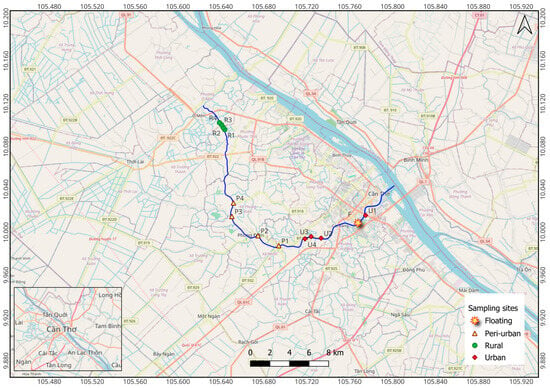
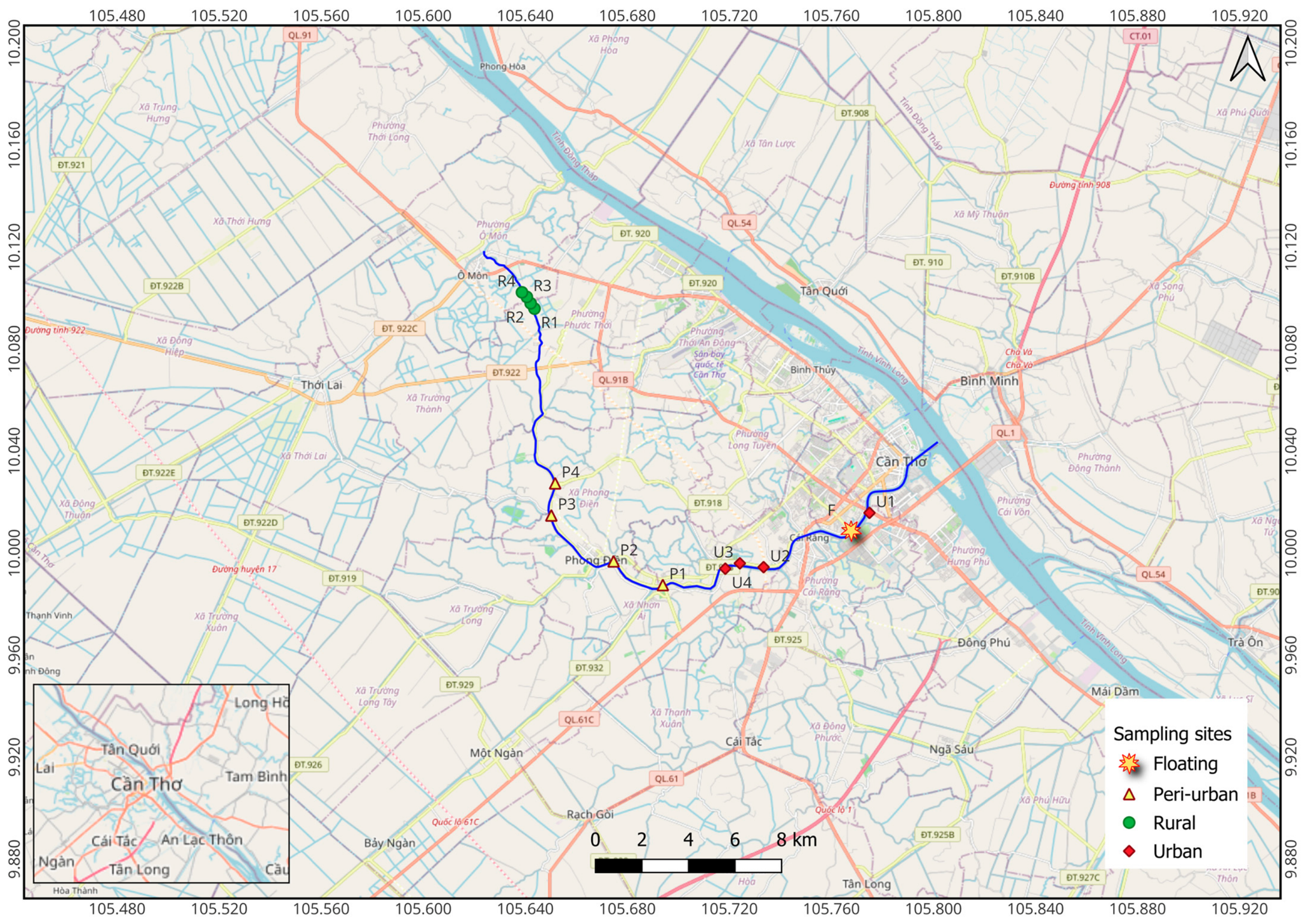
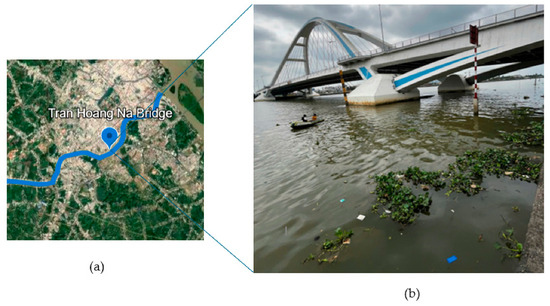
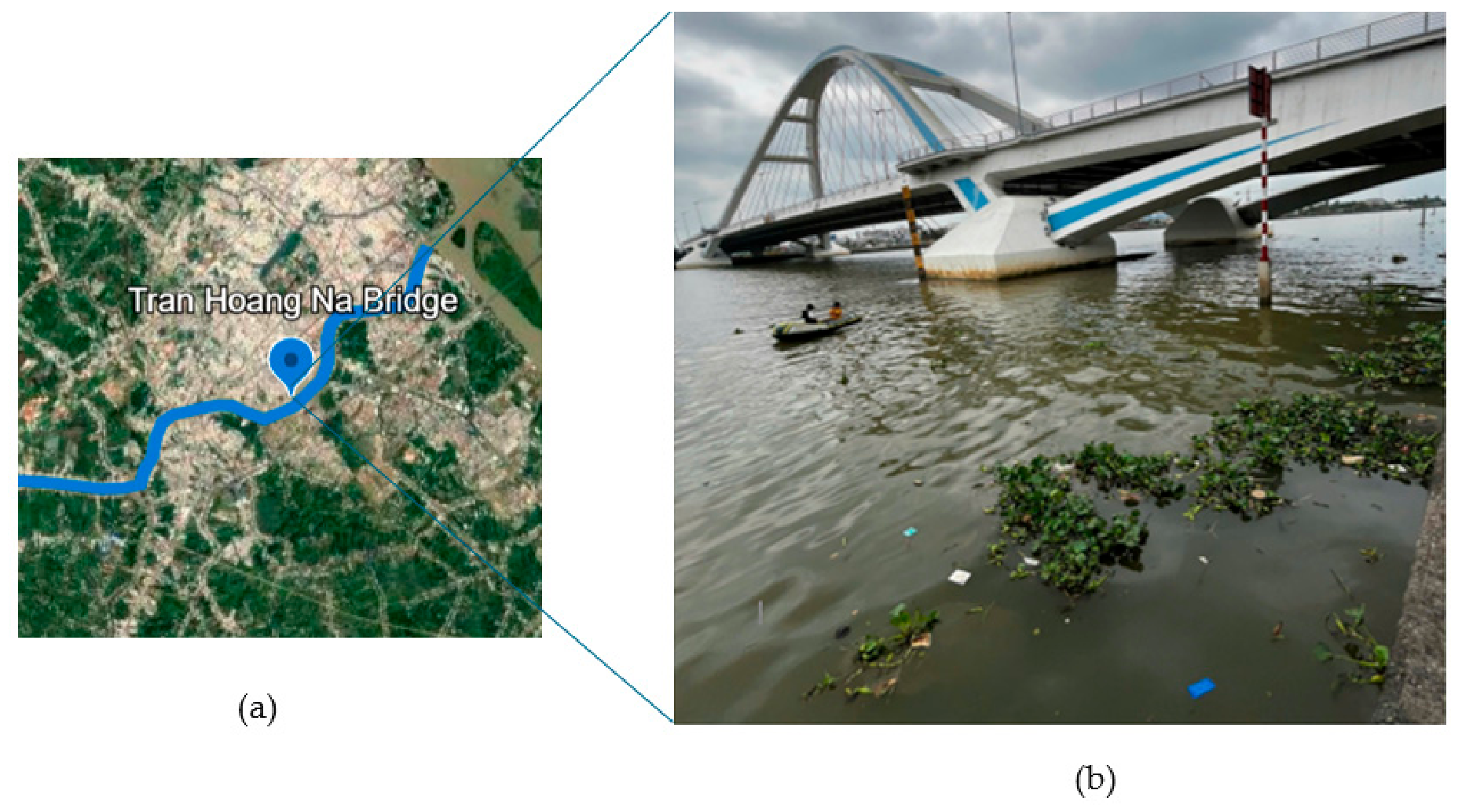
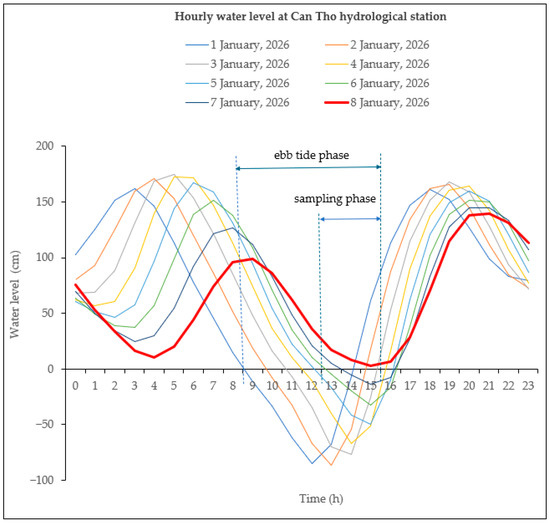
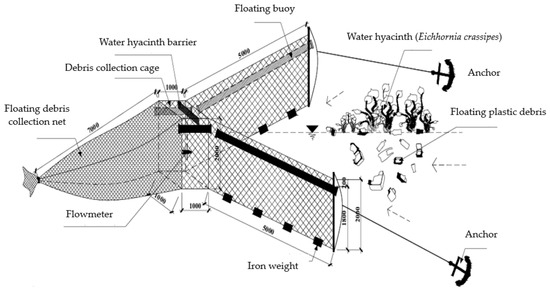
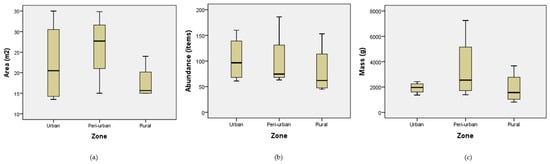
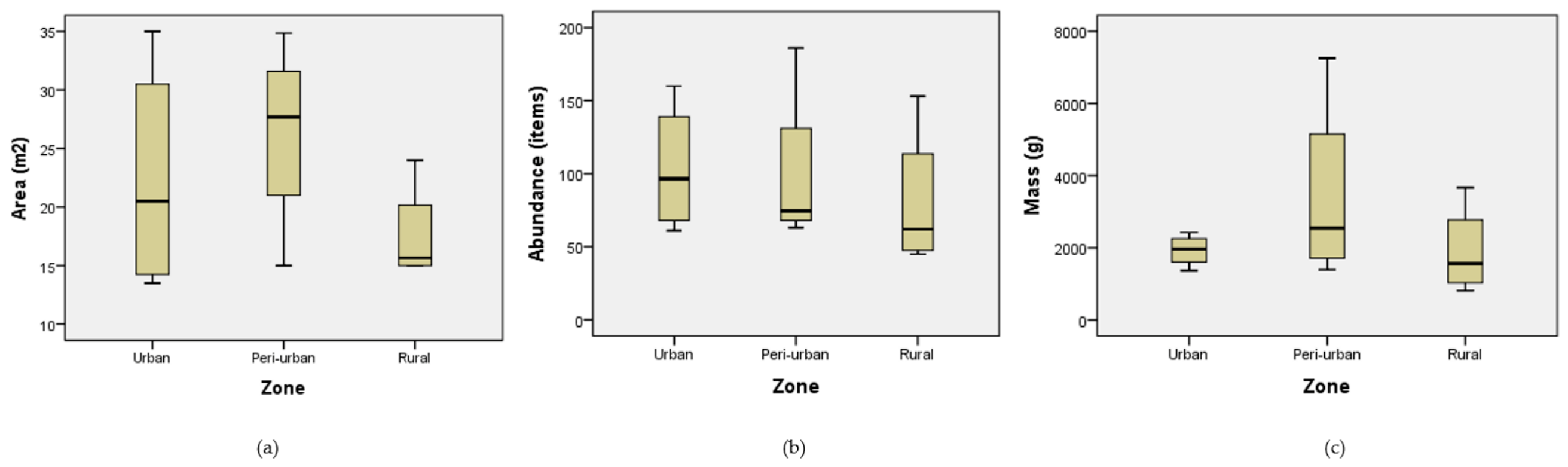
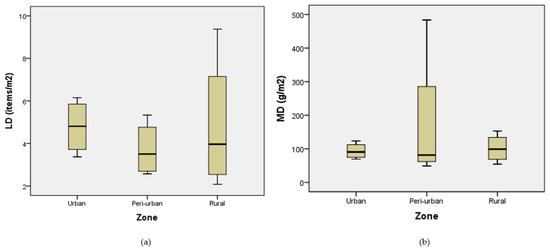
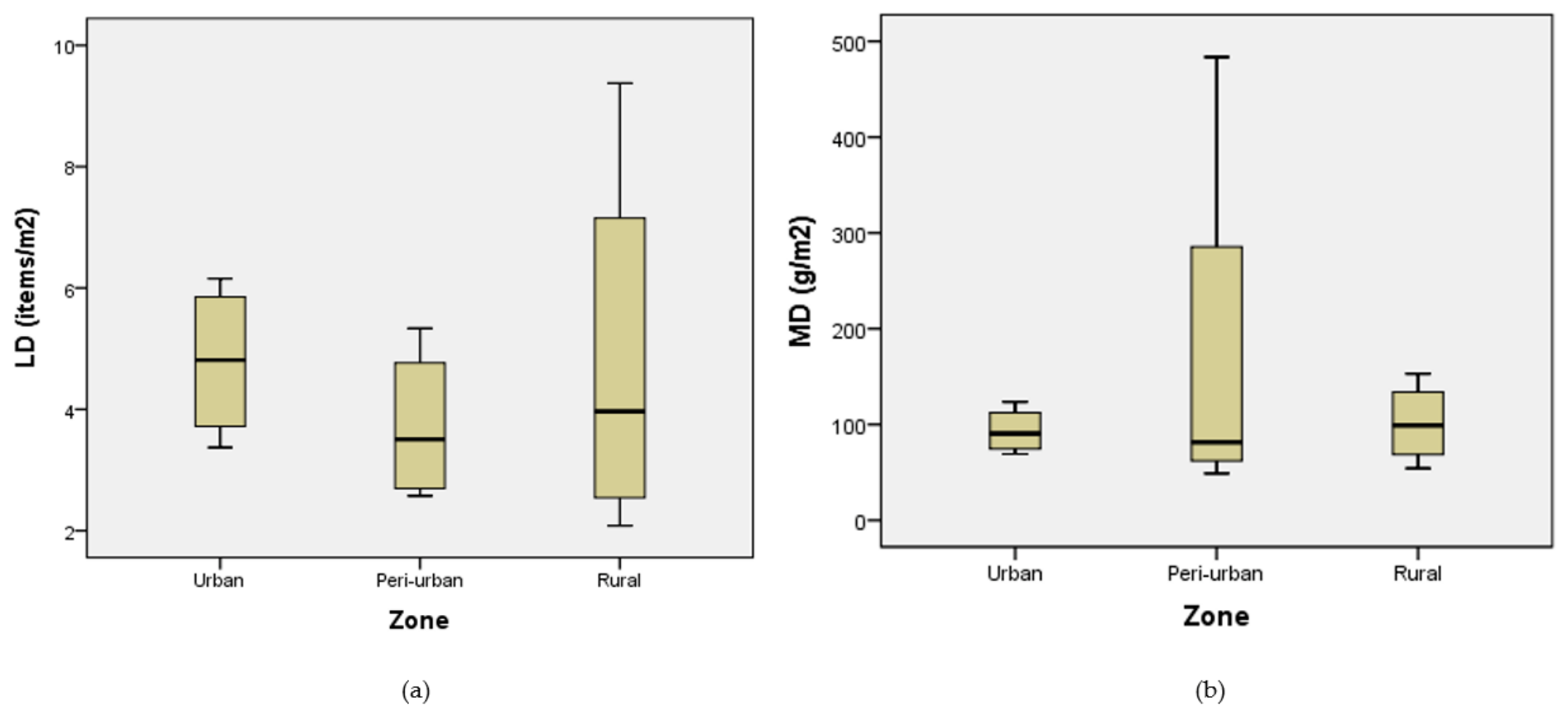
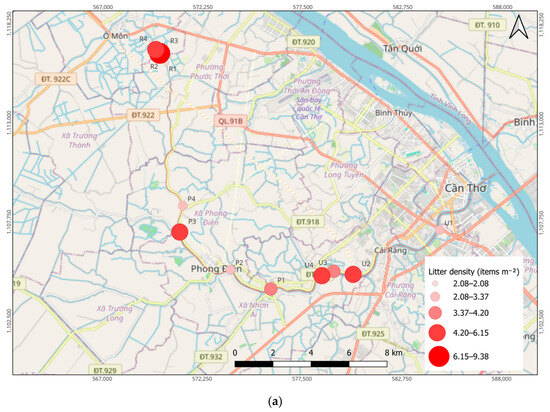
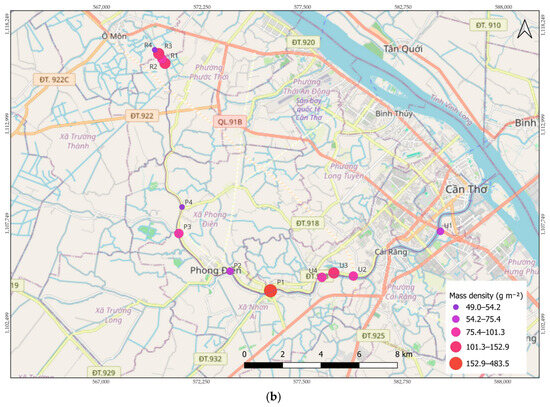
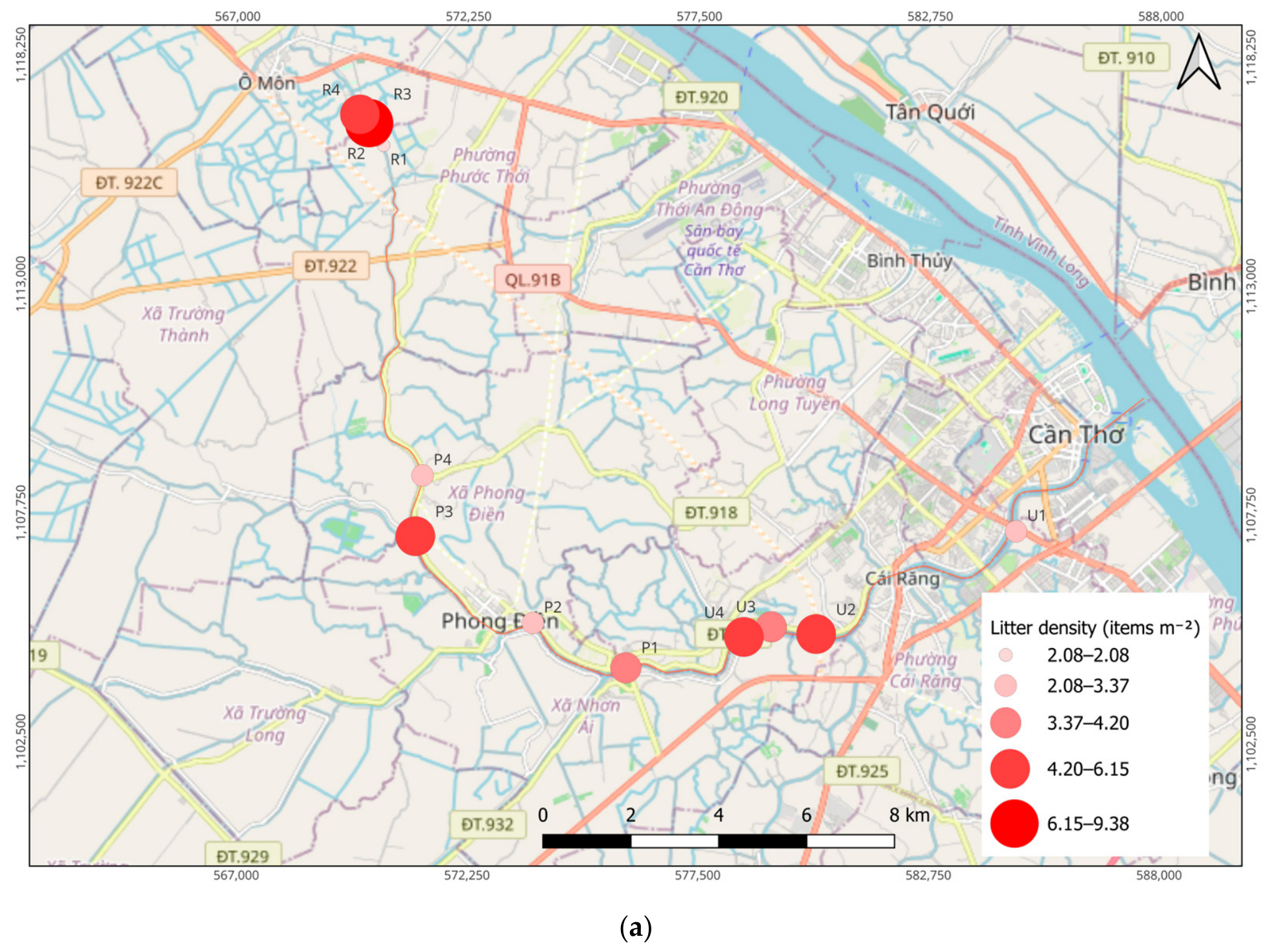
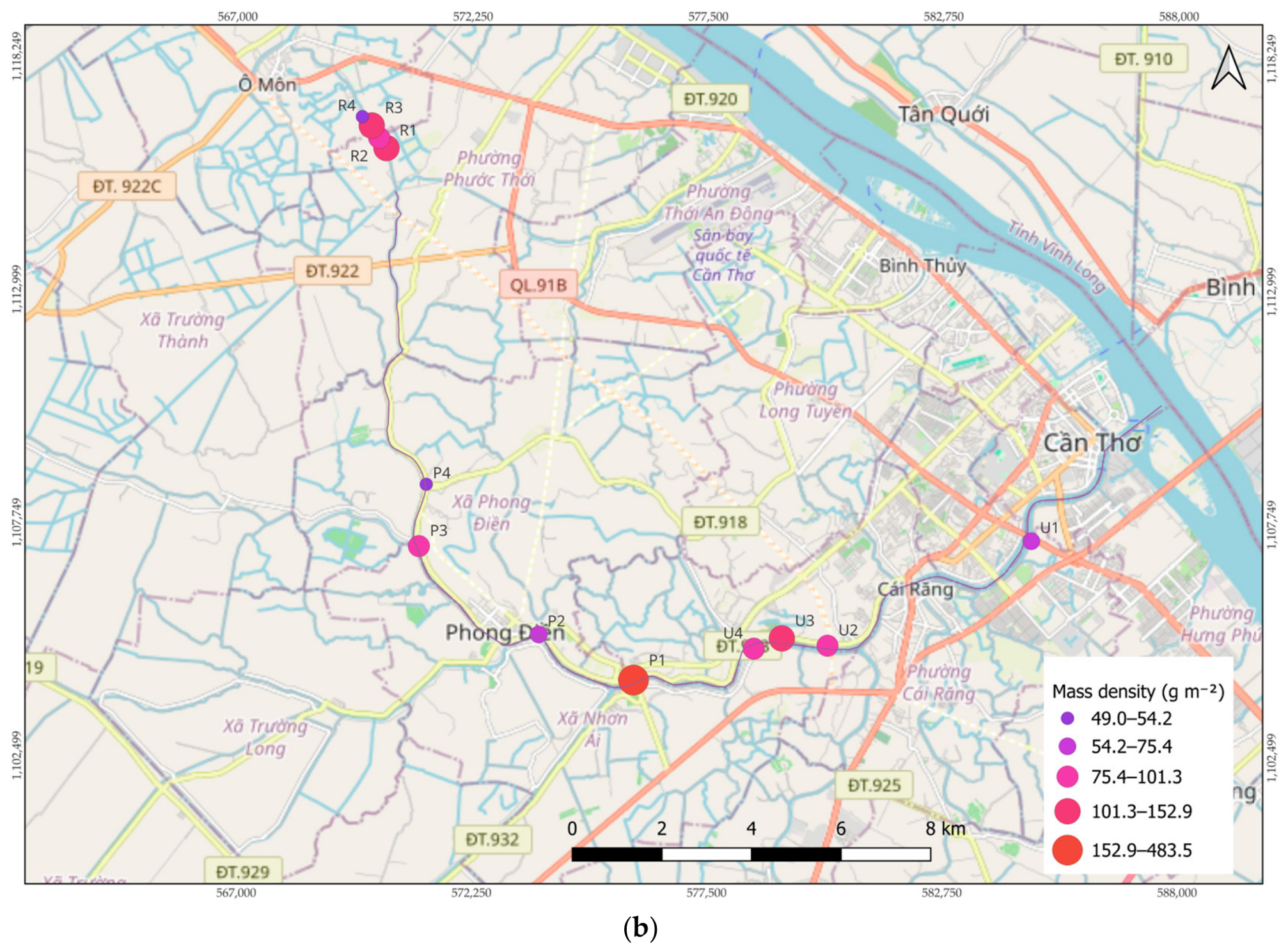
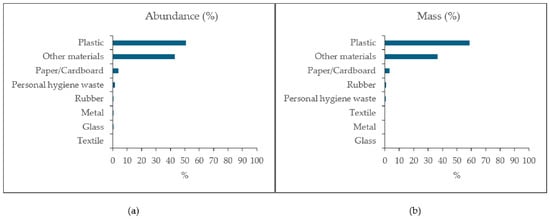
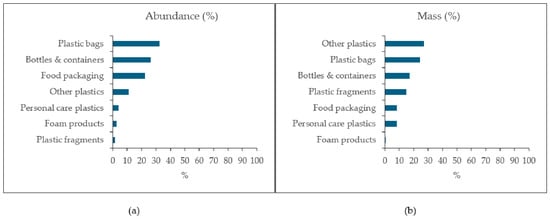
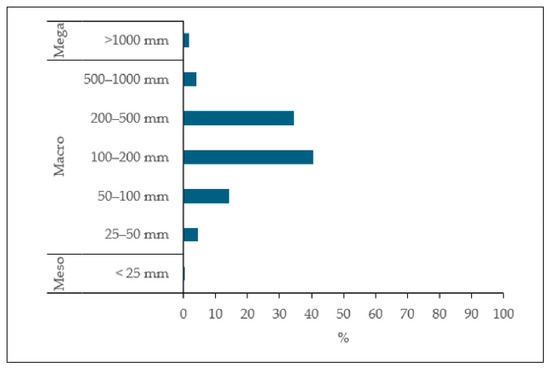
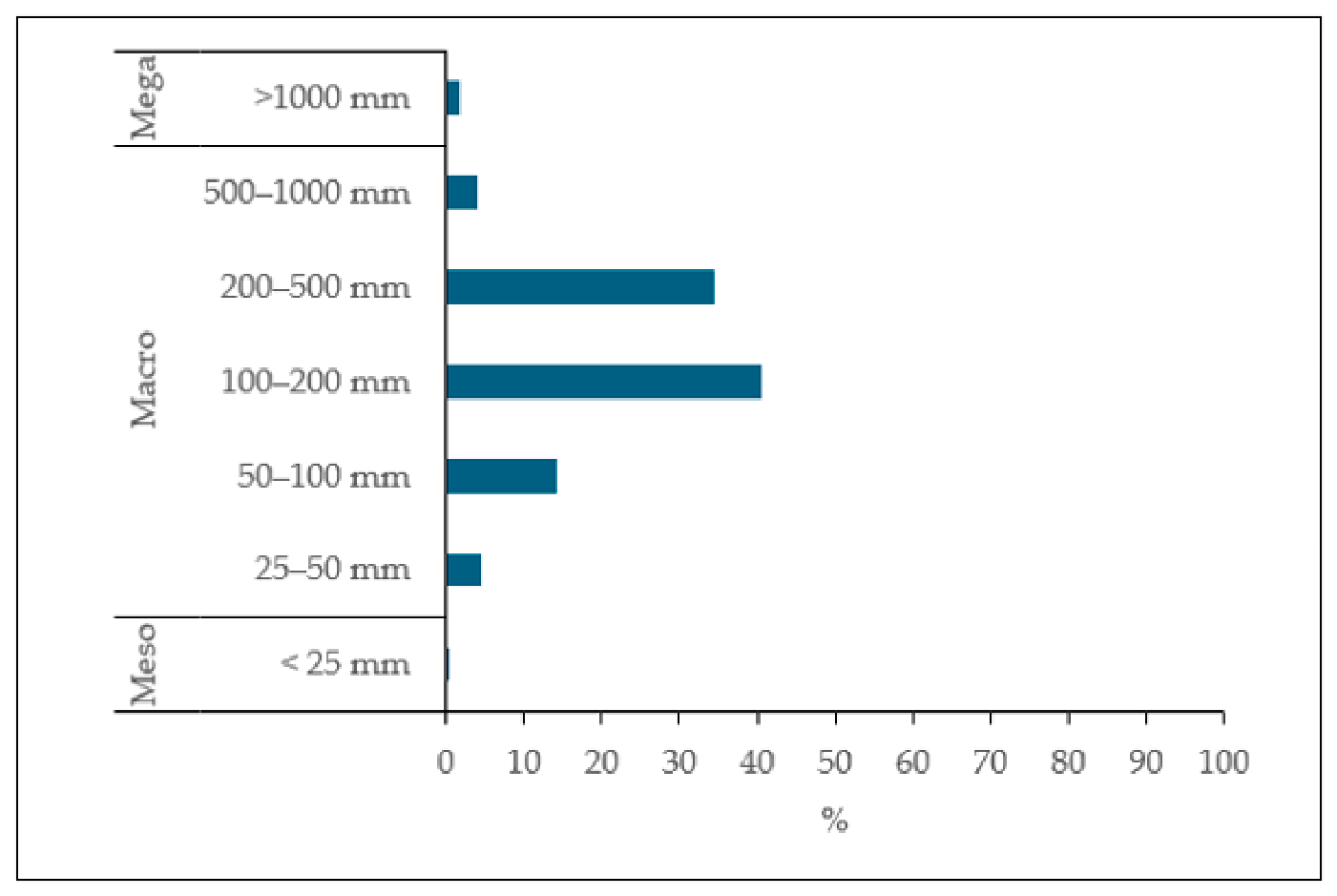
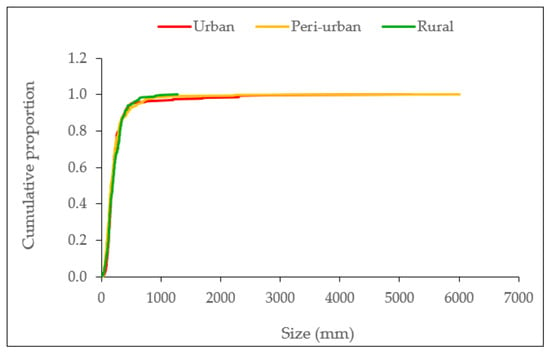
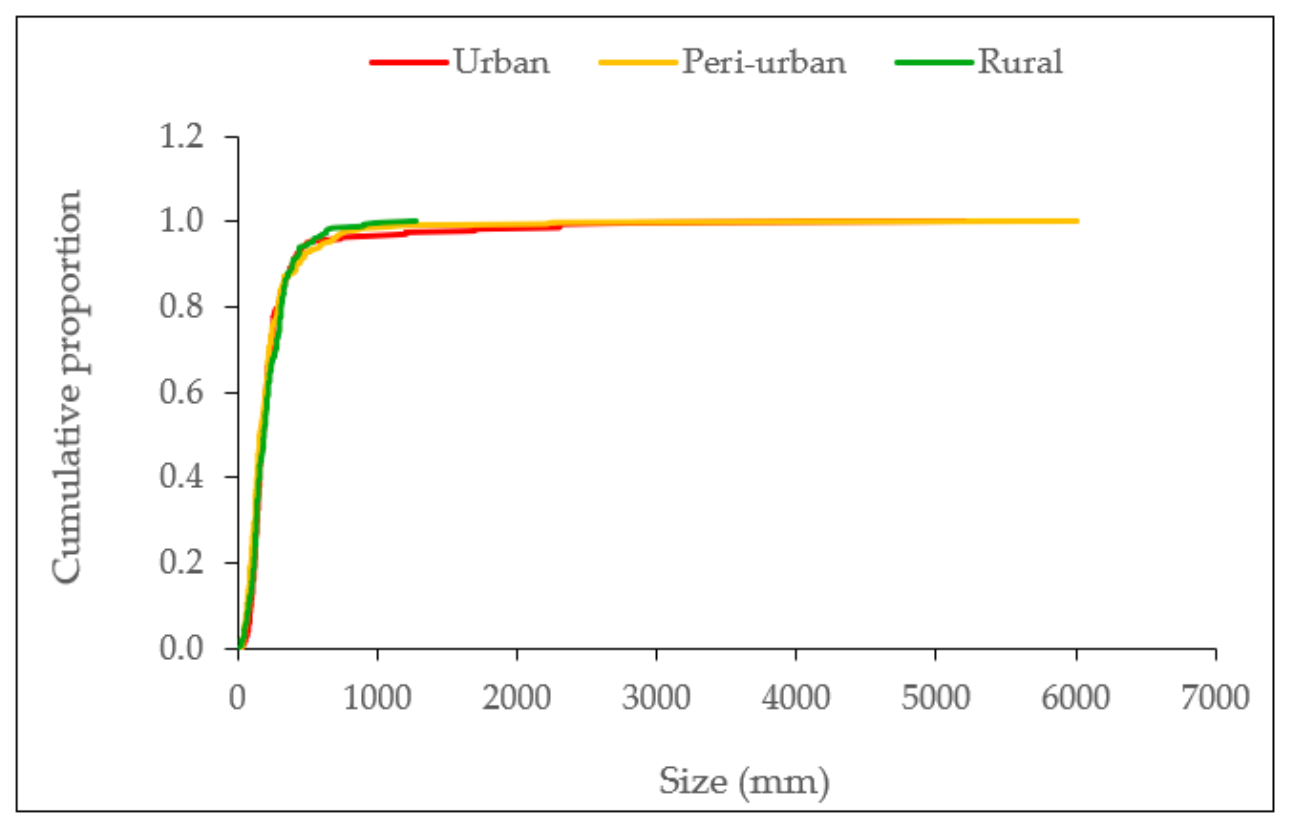
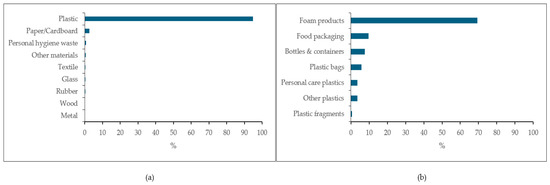
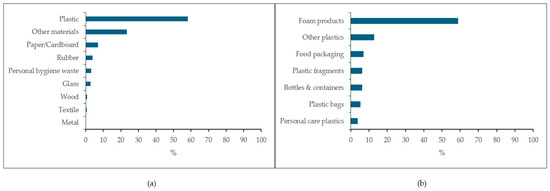
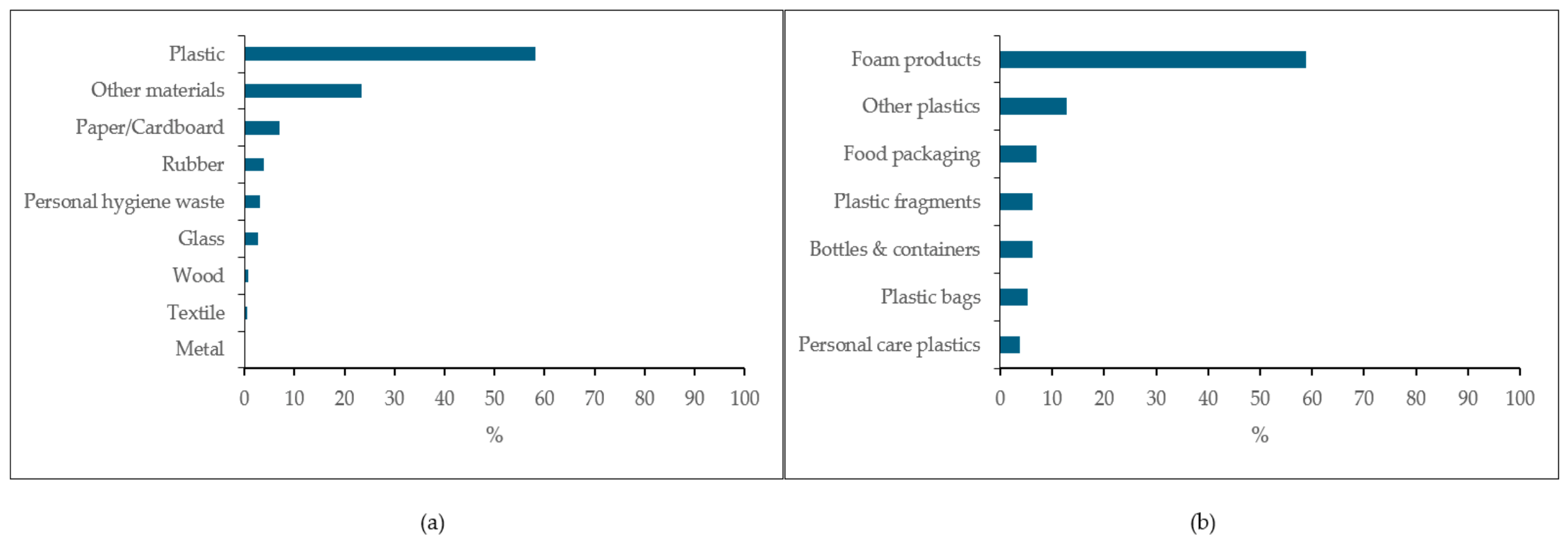
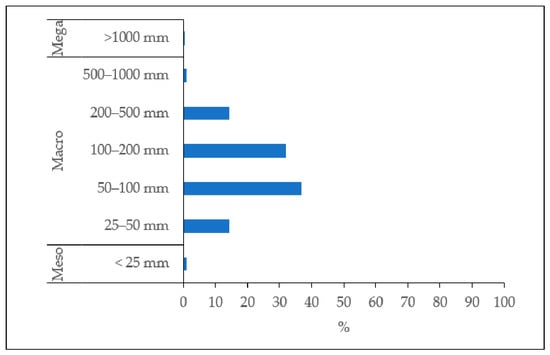
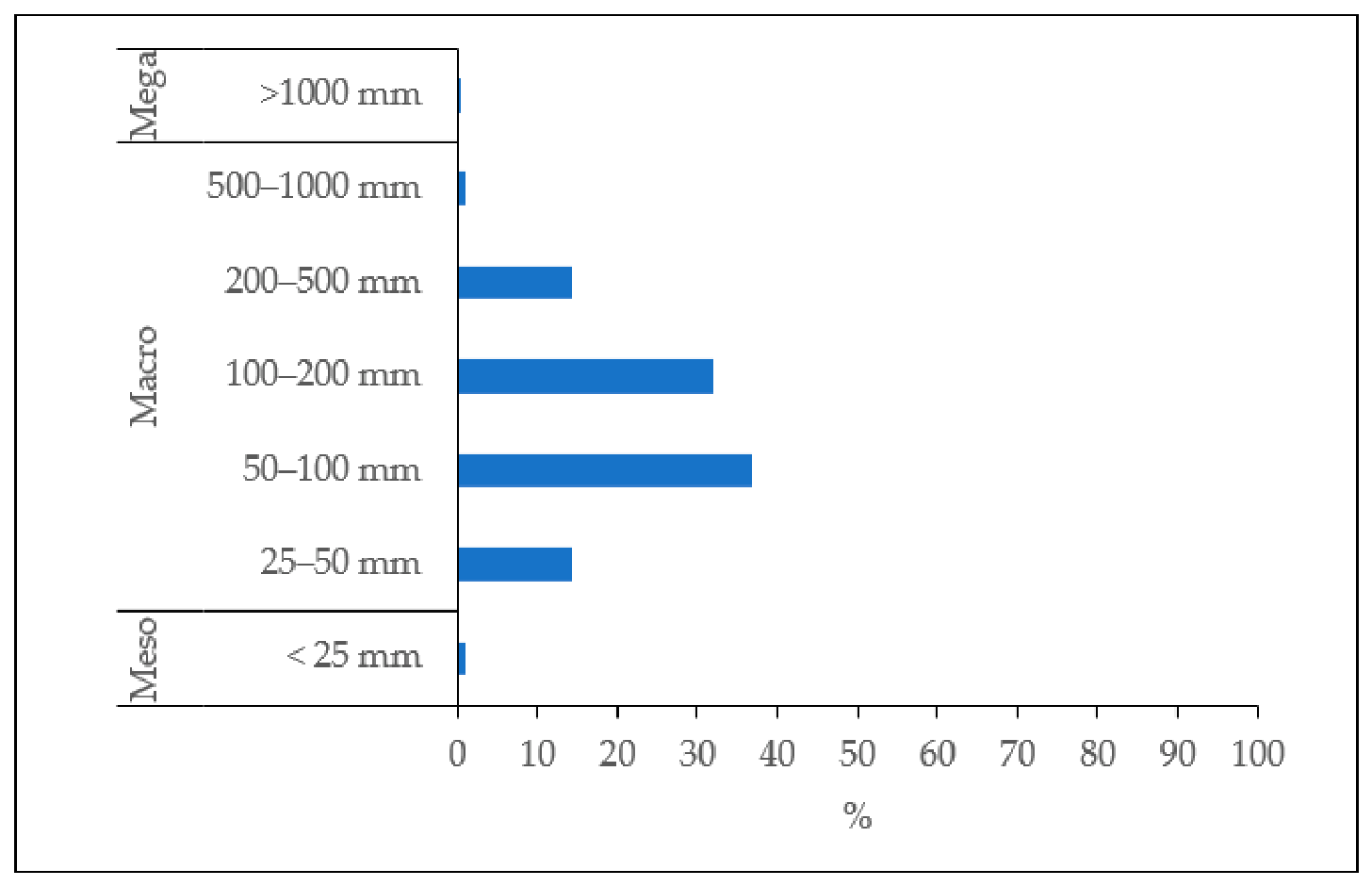
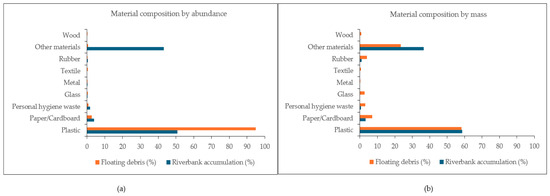
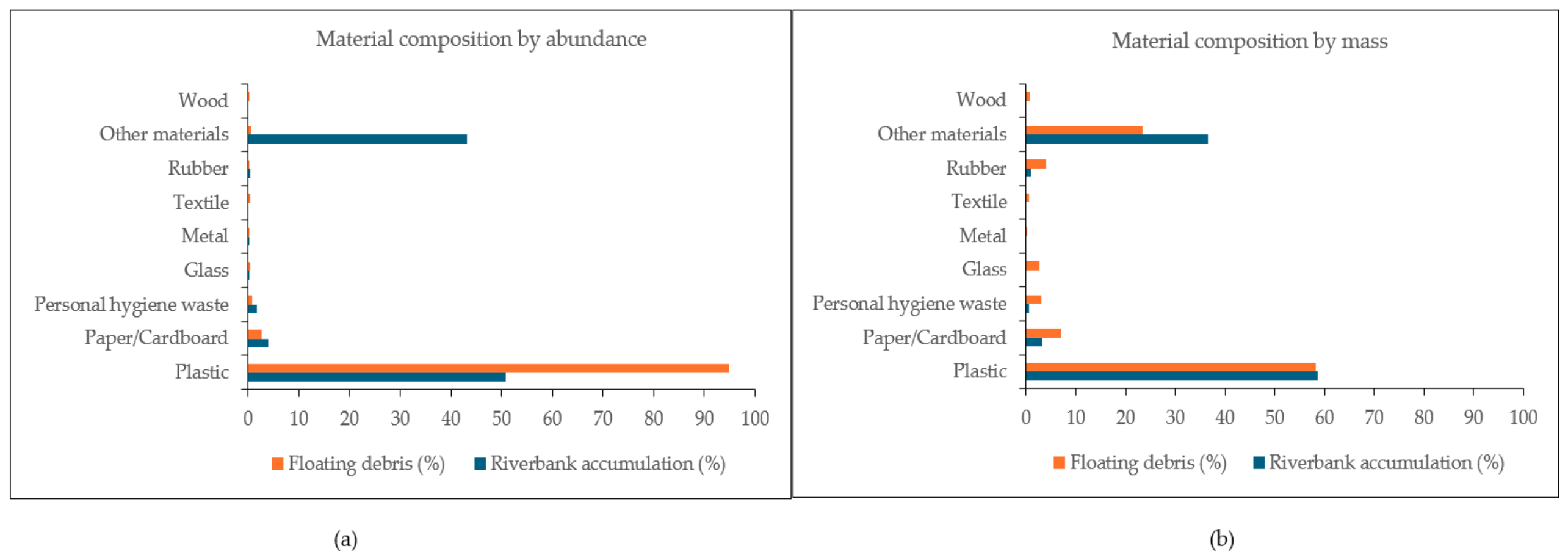
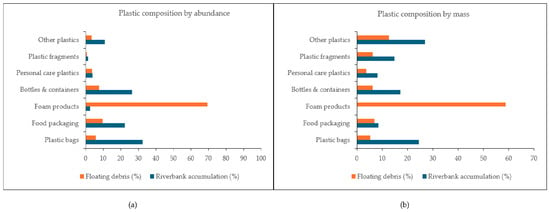
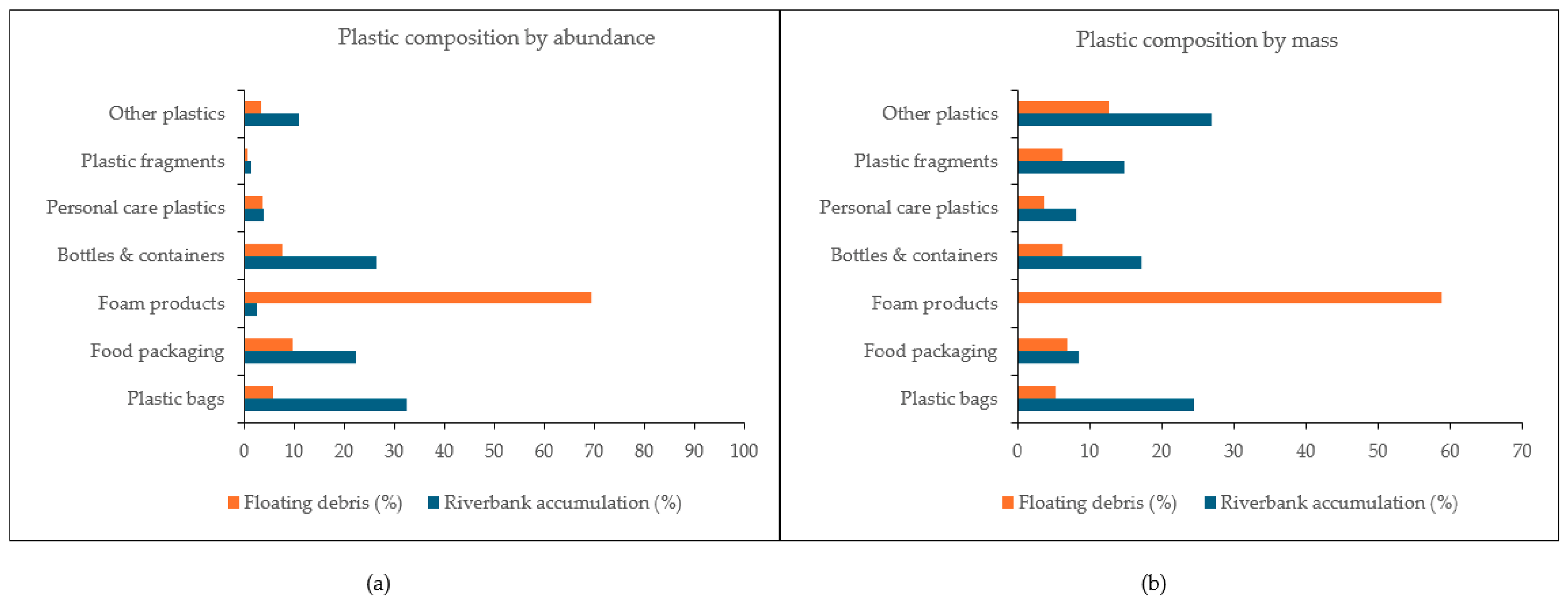
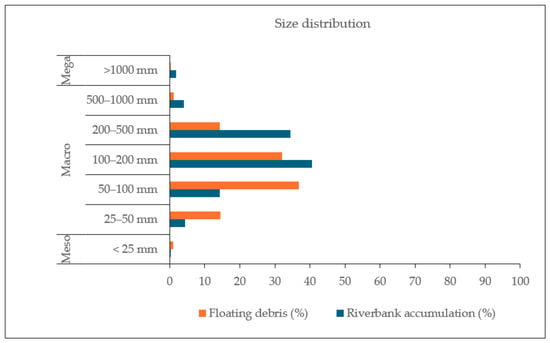
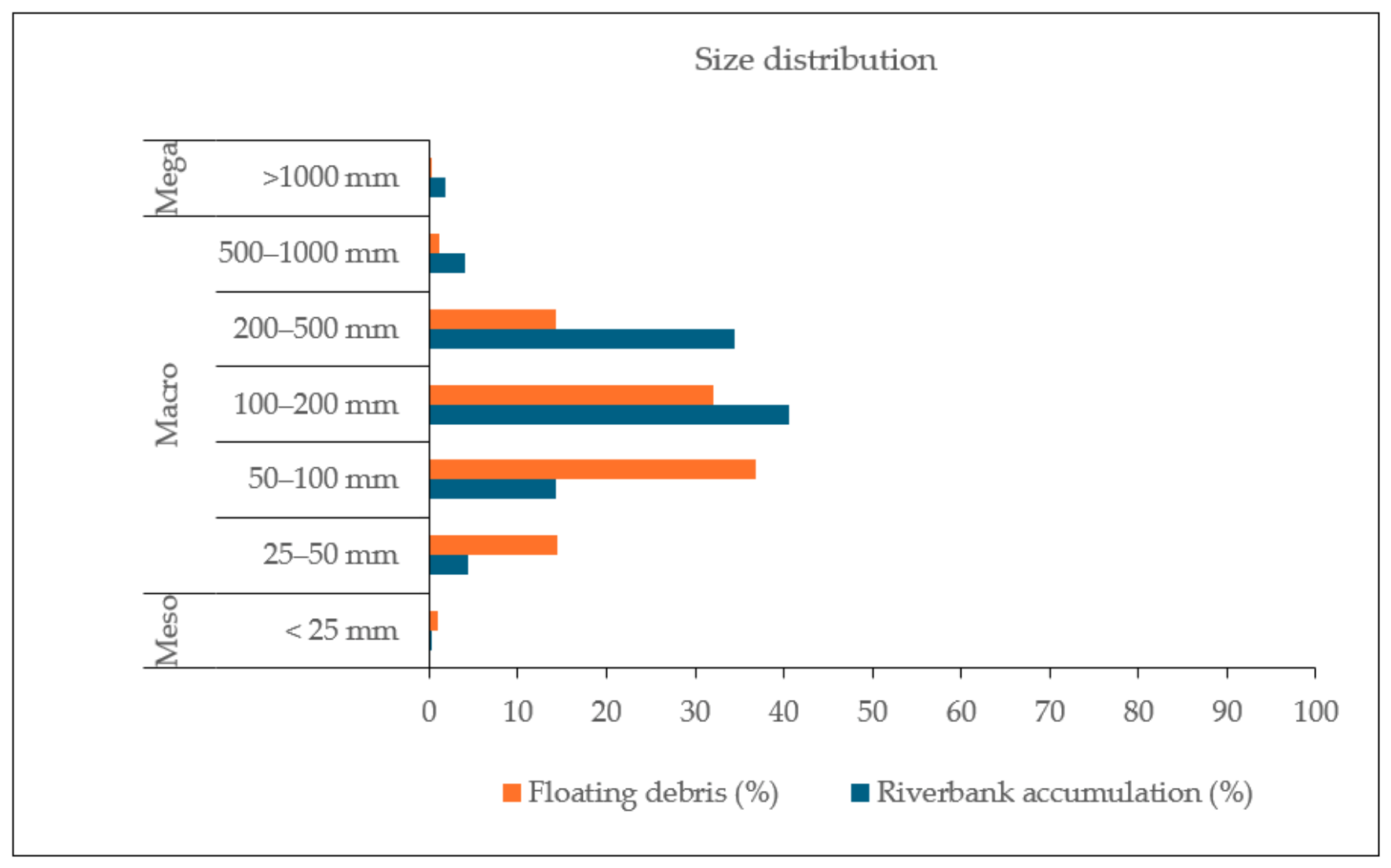
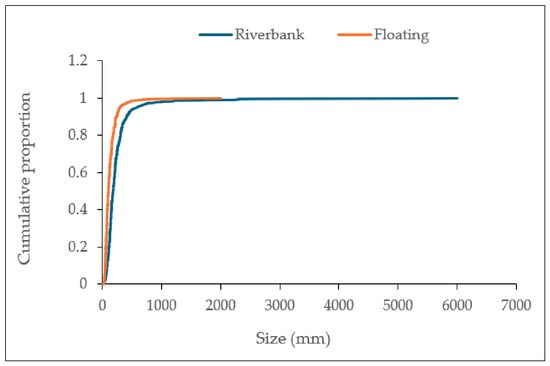
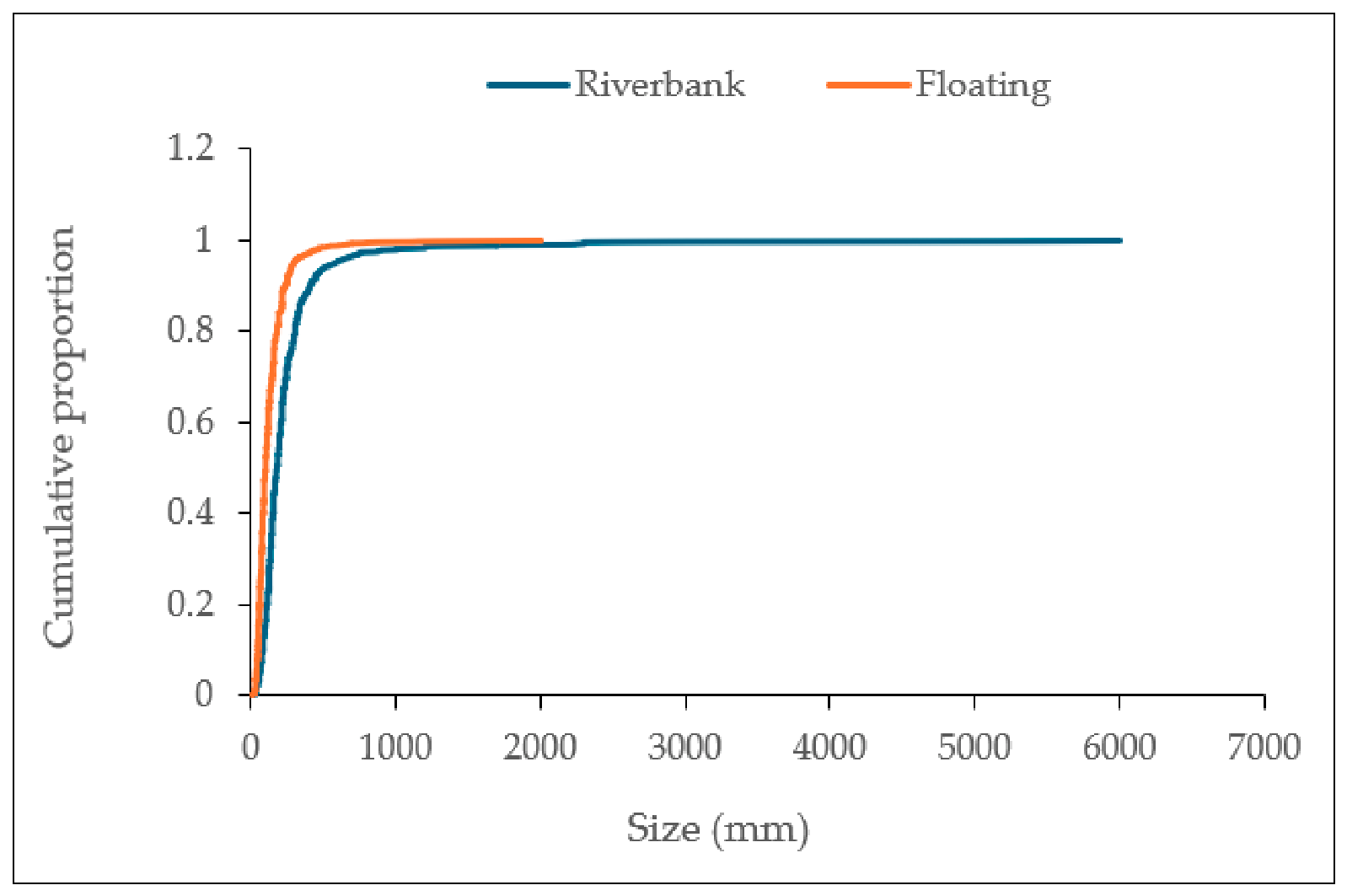

Disclaimer/Publisher’s Note: The statements, opinions and data contained in all publications are solely those of the individual author(s) and contributor(s) and not of MDPI and/or the editor(s). MDPI and/or the editor(s) disclaim responsibility for any injury to people or property resulting from any ideas, methods, instructions or products referred to in the content. |
© 2026 by the authors. Licensee MDPI, Basel, Switzerland. This article is an open access article distributed under the terms and conditions of the Creative Commons Attribution (CC BY) license.