


Abstract
Gut dysbiosis, defined as a disruption in the structure or function of the intestinal microbiota, is increasingly recognized as a key contributor to inflammatory, metabolic, and neuropsychiatric diseases. Conventional interventions such as broad-spectrum antibiotics, generic probiotics, and fecal microbiota transplantation (FMT) often show limited and inconsistent efficacy because they lack specificity, durability, and robust safety controls. In contrast, recent advances in DNA-based technologies are reshaping the therapeutic landscape by enabling targeted, programmable, and mechanistically informed modulation of the gut ecosystem. This review presents an integrated overview of three major domains driving this shift: CRISPR-based systems that selectively delete, silence, or reprogram microbial genes; synthetic biology-driven live therapeutics engineered to sense disease-associated cues and execute controlled responses; and metagenomics-informed strategies that tailor interventions to patient-specific microbial gene profiles and functional deficits. Additionally, we examine the continued evolution of FMT toward DNA-optimized workflows and defined microbial consortia that offer safer, more standardized alternatives to crude donor material. Across these domains, we discuss delivery platforms (including bacteriophages, conjugative plasmids, extracellular vesicles, and synthetic nanoparticles), and compare their efficiency, specificity, and scalability. We further highlight how DNA-guided interventions interface with host immunity—shaping Treg/Th17 balance, mucosal barrier function, and inflammatory signaling—while also analyzing ecological and evolutionary risks, biocontainment strategies, and regulatory classification gaps that will govern clinical translation. Together, these developments signal a transition from empirical microbiome manipulation to rational ecosystem engineering. DNA-guided therapies hold strong promise for precise and personalized management of gut-related diseases, but their success will depend on rigorous ecological risk assessment, long-term monitoring, and adaptive regulatory frameworks alongside continued technological innovation.
1. Introduction
The gut microbiota is a complex and densely populated microbial ecosystem that plays an essential role in maintaining host physiological homeostasis. It influences a broad range of functions, including nutrient metabolism, immune system development, mucosal barrier integrity, and neural signaling. Disruption of this microbial balance, referred to as gut dysbiosis, has been implicated in the pathogenesis of a wide variety of diseases, including inflammatory bowel disease, irritable bowel syndrome, obesity, type 2 diabetes, colorectal cancer, and neuropsychiatric disorders such as depression and Parkinson’s disease [1,2]. Dysbiosis is often characterized by a loss of microbial diversity, an overgrowth of opportunistic pathogens, or a depletion of beneficial commensals, resulting in impaired immune regulation and the emergence of pro-inflammatory or pathogenic microbial activity.
Despite increased awareness of the microbiome’s importance in human health, existing therapeutic strategies for dysbiosis remain limited in their efficacy and precision. Broad-spectrum antibiotics, though sometimes necessary, tend to indiscriminately target gut microbes, often worsening microbial imbalance and contributing to high relapse rates, especially in recurrent Clostridioides difficile infections [3,4]. Similarly, conventional probiotics often have modest, short-lived effects due to poor colonization and functional redundancy, while fecal microbiota transplantation (FMT), although highly effective in some contexts, carries safety risks such as transmission of multidrug-resistant bacteria and has shown mixed outcomes outside of C. difficile treatment [5,6].
As limitations of these broad and often nonspecific interventions become increasingly apparent, there is growing interest in DNA-based technologies that can enable targeted and mechanistically guided manipulation of the gut microbiome. Emerging strategies such as CRISPR (Clustered Regularly Interspaced Short Palindromic Repeats)–Cas (CRISPR-associated protein) systems, engineered live biotherapeutics, and metagenomics-driven interventions are being developed to selectively edit microbial genes, remove pathogenic strains, or restore lost metabolic functions with unprecedented precision [7,8]. Parallel advances in high-throughput sequencing and functional omics are enabling clinicians to identify individual-specific microbial signatures and functional deficits, supporting the development of precision microbiome medicine. Multi-omics technologies, including metagenomics, metabolomics, and transcriptomics, allow for detailed characterization of microbial communities and their functional roles. When paired with machine learning, these datasets can help detect disease-associated patterns and inform the design of personalized microbial therapeutics [9].
This review aims to provide an integrated overview of how DNA-guided technologies are reshaping therapeutic strategies for gut dysbiosis and immune dysfunction. We bring together advances in CRISPR-based microbiome modulation, DNA-guided microbial therapeutics, metagenomics-informed precision interventions, and the evolution of FMT toward genome-defined consortia, and consider how these platforms are delivered, how they interface with host immunity, and what ecological, evolutionary, and regulatory constraints will shape their clinical translation.
To guide the reader through this landscape, Figure 1 provides a cellular-level overview of how these interventions target dysbiosis and progressively restore gut ecological balance, from microbial disruption (Panel A) to mechanistically distinct therapeutic strategies (Panel B) and eventual recovery (Panel C). In parallel, Table 1 summarizes the representative tools, mechanisms, and outcomes associated with each strategy, serving as a reference framework throughout the manuscript.
Figure 1.
Schematic overview of DNA-based strategies for correcting gut dysbiosis. (A) Dysbiotic gut with reduced microbial diversity, overgrowth of pathogens, and epithelial damage. (B) DNA-guided interventions: CRISPR-based depletion, biosensor microbes responding to inflammation, and genome-defined consortia restoring microbial functions. (C) Restored gut ecosystem showing microbial diversity, epithelial repair, SCFA production, and immune homeostasis. Targeted interventions progressively restore microbial balance and host-microbe homeostasis.
Table 1.
Representative DNA-based strategies for correcting gut dysbiosis, including CRISPR systems, synthetic microbes, and metagenomic interventions. Each entry lists the approach, its mode of action, therapeutic outcome, and a supporting study.
2. CRISPR-Based Microbiome Modulation
2.1. Concept and Delivery Platforms
The use of CRISPR-Cas systems to precisely manipulate bacterial populations in the gut has emerged as a powerful strategy for correcting dysbiosis. First discovered as a bacterial adaptive immune system, CRISPR-Cas was developed into a genome editing tool by Doudna and Charpentier, laying the foundation for programmable, sequence-specific interventions in living organisms [17]. Unlike broad-spectrum antimicrobials, CRISPR tools enable strain-specific targeting of pathogens or undesirable genes, minimizing collateral damage to the surrounding microbiota.
Recent advances have demonstrated effective delivery of CRISPR constructs to the gut microbiome using engineered plasmids, bacteriophages, and phage-derived particles [18,19,20]. These vectors differ in editing efficiency, host range, and manufacturability, which has important implications for how CRISPR interventions can be deployed at scale. A comparative overview of these delivery platforms, including their mechanisms, specificity, and scalability, is summarized in Table 2 and underpins most current experimental workflows described below.
Table 2.
Comparative features of DNA delivery platforms for gut microbiome engineering.
2.2. Practical Workflow for CRISPR-Based Microbiome Editing
Across these different delivery platforms, most CRISPR-based microbiome editing strategies follow a similar three-step workflow. First, disease-relevant strains or genetic loci are identified using culture-independent profiling such as shotgun metagenomics or targeted sequencing. Second, guide RNAs are designed against these targets and assembled into delivery construct, typically plasmids, phagemids, or temperate phages, that express a CRISPR nuclease (e.g., Cas9, Cas3) or recruit an endogenous CRISPR-Cas system within the recipient microbe. Third, these constructs are introduced into the gut via engineered donor strains, encapsulated phage formulations, or bacterial vesicles, enabling in situ editing that selectively depletes or modifies target populations while sparing the broader community [21,22]. The efficacy and biosafety of this workflow depend critically on guide specificity, the host range and stability of the delivery platform, and control of horizontal gene transfer (HGT). The following preclinical studies illustrate how this general framework has been implemented in vivo.
2.3. In Vivo Proof-of-Concept Studies
One such approach was demonstrated by Neil et al., who engineered a conjugative Escherichia coli strain capable of transferring a CRISPR-Cas9 plasmid to resident gut microbes. A single oral dose of this probiotic eliminated over 99.9% of an antibiotic-resistant E. coli population in the mouse gut and successfully cleared a co-infection with Citrobacter, all while preserving commensal bacteria [10]. This study highlighted the ability of conjugative plasmids to facilitate CRISPR-mediated editing directly within the gut environment.
Another study introduced a phage-delivered CRISPR-Cas3 system that specifically targeted C. difficile. A temperate phage was modified to carry a self-targeting CRISPR array, activating the bacterium’s endogenous Cas3 to degrade its own genome. In both in vitro and in vivo mouse models of C. difficile infection, this phage-based system achieved significantly greater bacterial clearance than wild-type phages, with minimal disruption to the surrounding microbiota [11].
Expanding on genome editing capabilities, Lin et al. developed a micro-to-nano-scale CRISPR-Cas9 delivery system encapsulated within engineered vesicles and administered orally to mice colonized with E. coli. This system enabled efficient, strain-specific genome editing directly within the gut environment. In vivo, the platform achieved over 90% editing efficiency of a β-lactamase resistance gene with a single dose, and the modified bacteria persisted in the microbiome for several weeks. Additionally, the system was capable of disrupting virulence-associated genes, demonstrating potential for neutralizing harmful traits in resident gut microbes [12]. This study underscores the feasibility of non-replicative, orally delivered genome editors for precise modulation of microbial functions in situ. Additional support for CRISPR-based microbiome targeting comes from efforts to harness endogenous systems, such as using the native CRISPR-Cas I-B complex in C. difficile to perform targeted genome editing [23]. Meanwhile, reviews on CRISPR-phage therapeutics emphasize their potential for eradicating multidrug-resistant gut pathogens without destabilizing the microbial ecosystem [19].
2.4. Immunomodulatory Implications
Preclinical data indicate that CRISPR-based editors can reconfigure the gut microbiome with high taxonomic and genetic precision, enabling targeted modulation of immune-relevant microbial functions. Selectively depleting toxin-producing or barrier-disrupting pathobionts and editing loci involved in lipopolysaccharide (LPS), flagellin, and other MAMP biosynthesis may reduce chronic activation of epithelial and myeloid pattern-recognition receptors and suppress NF-κB-driven cytokine production [24,25,26]. In preclinical models, reducing microbial toxin and MAMP exposure improves tight junction integrity, limits epithelial permeability, and shifts mucosal immunity from Th17-dominant inflammation toward FoxP3+ Treg tolerance [27,28,29]. Thus, CRISPR-based editing offers a precise route to dampening innate immune activation and restoring mucosal homeostasis.
3. DNA-Guided Microbial Therapeutics
3.1. Concept and Design Framework
DNA-guided microbial therapeutics harness synthetic biology to reprogram probiotics with precise, stimulus-responsive behaviors that actively restore gut homeostasis. Rather than passively supplementing the microbiome, these engineered microbes act as “living devices” capable of sensing disease-associated signals and dynamically responding with therapeutic actions.
Most synthetic probiotic therapeutics are developed through a modular design–build–test workflow. A gut-compatible chassis such as E. coli Nissle 1917, Lactobacillus spp., or Saccharomyces boulardii is first selected for its safety and persistence. Synthetic gene circuits are then assembled from three modules: (i) a sensor that detects host or microbial cues such as nitric oxide, reactive oxygen species, or quorum signals; (ii) a processing layer composed of transcriptional regulators or logic gates that interpret these inputs; and (iii) an effector encoding therapeutic outputs such as enzymes, anti-inflammatory mediators, or antimicrobial peptides. Engineered strains are optimized in vitro for stability and dynamic range, then validated in vivo to confirm selective activity and biosafety within the intestinal environment [21,22,30]. This stepwise modular approach enables tunable, context-dependent control of microbial therapeutic functions.
3.2. Representative DNA-Guided Therapeutic Platforms
One breakthrough example is the engineered S. boulardii strain developed by Scott et al., which carries a synthetic gene circuit with a human P2Y2 purinergic receptor that detects extracellular ATP, an inflammation-associated danger signal. Upon ATP detection, the yeast secretes apyrase, which degrades ATP and dampens inflammatory signaling. In mouse models of inflammatory bowel disease (IBD), this self-tunable probiotic reduced inflammation, prevented fibrosis, and corrected dysbiosis, with efficacy comparable to or exceeding standard anti-inflammatory therapies [13,31]. This therapeutic highlights the power of biosensing circuits in probiotics for managing complex host–microbe dynamics and has been recognized as a paradigm-shifting advance in microbiome medicine [32].
Similarly, Guo et al. developed a multifunctional Lactobacillus casei probiotic coated with a pericellular biofilm embedded with ultrasmall selenium nanoparticles (“Se-dots”). This design improved bacterial survival in the gastrointestinal tract, enhanced mucosal adhesion, and enabled localized antioxidant activity. In both mouse and non-human primate models of ulcerative colitis, this Se-dot probiotic scavenged reactive oxygen species (ROS), alleviated mucosal inflammation, and helped restore gut microbial balance [14]. In parallel, selenium nanoparticles biosynthesized by L. casei 393 reduced inflammation and oxidative stress in inflamed Caco-2 cell models by downregulating NF-κB and 11 and upregulating antioxidant genes such as Nrf2 and SOD2 [33]. Other selenium-enriched probiotics, including Enterococcus durans A8-1, have also shown potent anti-inflammatory and immunomodulatory effects, reducing oxidative stress and contributing to intestinal homeostasis, further supporting their utility in microbiome-targeted therapy [34].
Foundational work by Duan and March provides an archetype for DNA-guided microbial therapeutics. They engineered an E. coli Nissle 1917 strain to express the Vibrio cholerae quorum-sensing signal CAI-1, thereby disrupting the pathogen’s virulence gene expression. In vitro and cell culture models showed that the engineered strain reduced cholera toxin binding and inhibited toxin co-regulated pilus (TCP) gene expression, demonstrating a quorum-sensing-based interference strategy [35]. These programmable agents exemplify how synthetic biology enables precision reprogramming of microbial interactions in disease contexts, and broader reviews of such engineered probiotics underscore their promise in managing inflammatory and infectious gut diseases [36].
Emerging platforms continue to expand DNA-guided microbial therapeutics. One example is the development of E. coli strains engineered to detect nitric oxide (NO), a biomarker of inflammation, and activating genetic switches that permanently alter bacterial behavior. In a foundational study, Archer et al. designed a circuit that triggers DNA recombination in response to NO, allowing engineered E. coli to encode a persistent memory of inflammation exposure in the gut [37]. Building on this, Weibel et al. developed a modular E. coli Nissle 1917 platform that detects NO and responds by secreting nanobodies against TNF-α, a key inflammatory cytokine in IBD. This therapeutic probiotic combines NO detection (via a NorR-based biosensor) with a type I secretion system to deliver functional nanobodies, achieving targeted anti-inflammatory action in response to disease signals [38].
Although CRISPR systems have revolutionized microbiome editing due to their precision and flexibility, alternative DNA-guided technologies are emerging as powerful complements. Site-specific recombinases, particularly serine and tyrosine integrases, offer a mechanism for targeted insertion or deletion of DNA without inducing double-stranded breaks, thereby minimizing genotoxic stress and off-target effects. Recent work has expanded the toolbox of recombinases for microbial engineering. Zhang et al. characterized a large set of newly identified tyrosine-type integrases from bacterial genomic islands that mediate efficient site-specific recombination and large-fragment DNA integration in E. coli [39]. Separately, Olorunniji et al. engineered a split-intein version of the serine integrase ϕC31, enabling reversible and tightly regulated recombination via protein trans-splicing, effectively creating a recombination “AND gate” controllable by inducible promoters [40]. Transcription factor-mediated gating of recombinase activity is also emerging as a modular strategy to enhance specificity and tunability of genome editing in probiotics. Reviews and technical advances continue to highlight serine integrases as core tools in synthetic biology, including their use in microbial circuits and programmable logic devices [41,42]. These non-CRISPR platforms are particularly useful when durable gene expression, large cargo capacity, or independence from host repair machinery is required, and benchmarking them against CRISPR-based tools will be essential to optimize editing strategies for the gut environment.
3.3. Immunomodulatory Mechanisms of DNA-Guided Microbial Therapeutics
Beyond their capacity to rewire microbial metabolism and signaling, DNA-guided microbial therapeutics can modulate gut health by directly engaging mucosal immune pathways. Biosensing circuits that detect extracellular ATP and secrete apyrase attenuate purinergic receptor activation, a key trigger of inflammasome assembly and Th17-polarizing cytokine production [43]. By lowering luminal ATP at injury sites, engineered Saccharomyces strains dampen local danger signaling, limiting recruitment of inflammatory effector cells and promoting epithelial barrier repair [44]. Selenium nanoparticle-enriched probiotics further reduce oxidative stress by scavenging reactive oxygen species (ROS), inhibiting NF-κB and NOX1, and activating Nrf2-driven antioxidant pathways such as SOD2 and HO-1 [45,46]. These effects lower cytokine production, preserve tight junctions, and improve histological outcomes in colitis models [47].
Quorum-sensing interference and inflammation-responsive recombinase circuits add further immunoregulatory control. Disrupting virulence gene expression in pathogens such as Vibrio cholerae limits toxin-mediated epithelial injury and dampens Th1/Th17 inflammation [48]. Engineered probiotics equipped with NO-sensing or TNF-α–neutralizing nanobody circuits can detect inflammatory mediators and deliver targeted anti-inflammatory outputs in situ [49,50]. Emerging data suggest these interventions promote a shift from Th1/Th17 inflammation toward FoxP3+ Treg tolerance, while supporting epithelial repair, IgA production, and mucosal immune balance [51].
3.4. Clinical Translation of Engineered and Defined Microbiome Therapeutics
Collectively, these studies illustrate that DNA-guided microbial therapeutics offer unparalleled precision, tunability, and adaptability for treating inflammation-associated dysbiosis. As delivery systems improve and safety is validated, these programmable microbes may become a mainstay of microbiome medicine. Reflecting this translational momentum, several engineered live biotherapeutics have already entered clinical development, underscoring the field’s growing maturity. For instance, Synlogic has advanced two engineered E. coli Nissle strains into clinical trials: SYNB1618 for phenylketonuria (PKU), which degrades dietary phenylalanine, and SYNB1020 for hyperammonemia, which converts excess intestinal ammonia into inert metabolites. Clinical data show that SYNB1618 was well tolerated and demonstrated dose-responsive Phe metabolism in both healthy volunteers and PKU patients [52,53].
In parallel, microbiota-based biotherapeutics have made significant strides in treating recurrent C. difficile infections (rCDI). Rebyota (RBX2660), a standardized live biotherapeutic product, demonstrated clinical efficacy and long-term durability in preventing rCDI recurrence in multiple randomized trials, leading to its FDA approval [54]. Similarly, SER-109, an oral spore-based therapeutic, reduced CDI recurrence by nearly 70% compared to placebo in a pivotal phase 3 trial [55]. Emerging consortia like VE303 and donor-derived therapies such as FMT have also demonstrated robust microbiome restoration and reduction in relapse rates [56,57]. Together, these examples demonstrate the accelerating clinical translation of synthetic and defined microbiome therapeutics, marking a shift from conceptual tools toward precision-engineered microbial drugs with validated safety and efficacy in human trials.
4. Metagenomics-Informed Precision Interventions
4.1. Concept and Functional Resolution
The advent of shotgun metagenomic sequencing has revolutionized our understanding of the gut microbiome, shifting the focus from simple taxonomic catalogs to intricate functional ecosystem maps. Unlike traditional 16S rRNA gene sequencing, metagenomics offers both taxonomic and gene-level resolution, allowing researchers to detect functional gene deficits or excesses that characterize specific dysbiotic states. This approach is particularly impactful in clinical settings such as colorectal cancer, where metagenomic analyses have identified microbial signatures and metabolic pathways associated with tumorigenesis and treatment response [58,59]. In such contexts, microbial gene profiling not only enhances diagnostic and prognostic capabilities but also unveils actionable microbial functions that may be targeted for therapeutic intervention [60,61].
4.2. Workflow for Metagenomics-Informed Profiling and Intervention
In practical terms, metagenomics-informed interventions begin with high-resolution functional profiling of the gut ecosystem. Stool or mucosal samples are collected and processed through DNA extraction and shotgun library preparation, using validated workflows for sequencing and quality control [62]. After filtering host reads, microbial sequences are assembled or mapped to reference databases to reconstruct both taxonomic composition and functional capacity, including pathways for short-chain-fatty-acid synthesis, bile-acid metabolism, and vitamin biosynthesis [63]. Statistical and machine-learning models then associate these functional signatures with clinical phenotypes such as inflammation, metabolic control, or treatment response. These function-level readouts form the foundation for precision microbiome interventions, including (i) strain selection for defined microbial consortia, (ii) dietary or prebiotic strategies to reinforce key pathways, and (iii) CRISPR payload design to eliminate resistance or virulence determinants identified in the metagenomic profile [64].
4.3. Clinical and Individualized Applications
A key strength of this strategy lies in its capacity to inform individualized therapeutic design. In HIV-infected individuals, metagenomic profiling has revealed shifts in gut microbial composition and function that correlate with immune dysfunction, such as enrichment in LPS biosynthesis pathways and depletion of amino acid metabolism, patterns not detectable through 16S rRNA gene sequencing alone [65,66]. Similarly, in metabolic disorders such as type 2 diabetes, metagenomic studies have linked functional microbial traits, like carbohydrate metabolism and short-chain fatty acid production, to inter-individual differences in glycemic control. These findings have enabled the development of personalized nutrition algorithms that predict postprandial glucose responses based on microbiome profiles, as demonstrated in machine learning-driven models combining metagenomic, dietary, and clinical data [67,68].
4.4. Immunomodulatory Signatures and Mucosal Pathways
Multi-omics integration, combining metagenomics with metabolomics and transcriptomics, has deepened our understanding of host–microbe interactions. These approaches consistently show that pathways involved in short-chain fatty acid (SCFA) production, such as butyrate biosynthesis, are diminished in inflammatory conditions, contributing to immune dysregulation and providing potential therapeutic targets [69,70]. In diseases such as rheumatoid arthritis, reduced levels of SCFAs like butyrate and propionate correlate with worsened disease status and were identified using integrated multi-omics tools [71]. Moreover, changes in SCFA-producing bacterial taxa and metabolic profiles have also been linked to differential treatment outcomes, including responses to targeted immunotherapies [72], highlighting multi-omics as a key strategy for identifying microbial biomarkers and actionable targets in precision medicine.
From an immunological perspective, many pathways identified by metagenomics map directly onto mucosal immune control points. SCFAs such as butyrate and propionate promote FoxP3+ regulatory T-cell differentiation, IL-10 production, and epithelial barrier integrity through GPR43 signaling and histone deacetylase inhibition [72,73,74]. In contrast, enrichment of LPS and other pro-inflammatory microbial products sustains activation of pattern-recognition receptors and NF-κB signaling, driving epithelial stress and cytokine release [75]. Altered bile acid and amino acid metabolism further influence Th17 expansion, innate lymphoid cell activity, and tissue susceptibility [76,77]. Thus, multi-omic signatures do more than describe dysbiosis; they reveal metabolic and antigenic levers through which the microbiome shapes the Treg/Th17 balance, mucosal immunity, and responses to immunotherapy [78,79].
4.5. Translational Outlook and Engineered Therapeutic Strategies
Beyond diagnostics, the ultimate promise of metagenomics-informed interventions lies in engineering targeted microbiome therapies. This includes reintroducing beneficial gene pathways via engineered probiotics, silencing pathogenic genes with CRISPR-based tools, and assembling synthetic consortia tailored to an individual’s unique microbial gene profile. The integration of metagenomics with synthetic biology and CRISPR/Cas9 has enabled precise manipulation of microbial communities, offering novel routes for personalized medicine and functional restoration in the gut microbiome [7,80]. Computational modeling and bioinformatics platforms now enable function-focused profiling and simulation of microbial behavior, accelerating the design of rationally engineered consortia for disease-specific interventions [81,82]. These developments signal a shift toward precision bioengineering of the microbiome with tools that can diagnose, monitor, and therapeutically modulate dysbiosis at the level of microbial genes and functions.
In summary, metagenomics-informed interventions are paving the way for truly personalized microbiome therapeutics. They empower clinicians to diagnose, monitor, and treat dysbiosis at the level of microbial genes and functions, offering a major leap beyond empirical or donor-dependent microbiota replacement therapies.
5. DNA-Optimized Fecal Transplant and Community Reconstruction
5.1. Clinical Efficacy and Safety Concerns of Conventional FMT
FMT has emerged as a clinically validated treatment for recurrent C. difficile infections, effectively restoring colonization resistance and rebalancing dysbiotic gut ecosystems. However, significant safety concerns have arisen following reports of infections transmitted via FMT, including life-threatening cases involving multidrug-resistant organisms (MDROs). A notable example is the transmission of ESBL-producing E. coli, confirmed through genomic sequencing in two separate patients, one of whom died, prompting a safety alert from the FDA and heightened global scrutiny of donor screening protocols [83]. In response, advanced genomic techniques, such as shotgun metagenomics and whole-genome SNP analysis, are increasingly utilized to detect potential pathogens and assess transmission clonality, offering higher resolution than traditional screening methods [84]. Despite these efforts, even well-screened donors can harbor low-abundance pathogens or AMR genes, as seen in pediatric studies where certain resistance markers emerged post-FMT despite clinical success [85]. Furthermore, studies have confirmed that potentially procarcinogenic or uropathogenic E. coli strains, including those harboring colibactin toxin genes, can be stably transmitted from donor to recipient [86,87]. Consequently, regulatory bodies and clinicians increasingly advocate for stringent screening measures that include molecular diagnostics and direct stool testing to minimize transmission risk [88]. Nonetheless, the adoption of these rigorous protocols has drastically narrowed the pool of eligible repeat donors, underscoring the urgent need for safer, more standardized alternatives to crude donor-based FMT.
5.2. Structured Workflows for DNA-Optimized FMT
In response, emerging “DNA-optimized” FMT pipelines increasingly follow a structured, multi-layered workflow. First, candidate donors undergo conventional clinical screening alongside molecular assays and, in many programs, shotgun metagenomics or resistome panels to profile pathogens, antimicrobial-resistance genes, viruses and mobile genetic elements at high resolution [89]. Second, instead of transferring raw stool, developers increasingly isolate and characterize individual strains from healthy donors or culture collections, selecting those with desired metabolic and immunomodulatory functions and combining them into defined microbial consortia, as guided by co-culture experiments, gnotobiotic models and genome-scale metabolic modelling [5]. Third, consortia or standardized stool preparations are manufactured under GMP-like conditions with batch-level quality control including compositional sequencing, viability assays and periodic re-screening for adventitious agents [90]. This step-wise approach seeks to preserve the therapeutic efficacy of FMT while minimizing the unpredictability and biosafety risks associated with crude donor stool.
5.3. Defined Consortia and NGS-Informed Stool Banking
To reduce the risks and unpredictability of traditional fecal transplants, scientists are now developing defined microbial consortia, carefully selected mixes of beneficial bacteria grown in the lab. These next-generation treatments are designed to deliver the same health benefits as FMT, like fighting infections and restoring gut balance, but without the dangers of transferring harmful or antibiotic-resistant organisms. For example, a synthetic mix of 13 strains has shown success in treating C. difficile infections by reshaping the gut microbiome [16]. Other studies have used computer models to design these mixtures more precisely, selecting key protective species like Faecalibacterium prausnitzii [91]. Products like MET-2 have already been shown to reduce harmful bacteria and boost beneficial ones, offering a safer, standardized alternative to using raw donor stool [92].
In parallel, specialized stool banks and biotech firms have begun integrating next-generation sequencing (NGS) as a quality control step in FMT pipelines. This approach improves transplant safety by enabling the detection of viral genomes, mobile genetic elements, and uncharacterized taxa in donor samples [93]. Large stool banks like OpenBiome have implemented rigorous NGS-informed donor screening protocols to ensure only highly characterized samples are used [94]. Furthermore, community reconstruction efforts now combine in vitro cultivation, genome-scale metabolic modeling, and DNA barcoding to assemble microbial consortia that restore specific metabolic functions disrupted in disease [95]. Together, these advances are transforming FMT from a donor-dependent therapy into a precision-engineered, genome-guided platform.
5.4. Immunomodulatory Mechanisms of DNA-Defined FMT and Consortia
Beyond improving safety and standardization, DNA-optimized FMT and defined microbial consortia (DMCs) are increasingly engineered with specific immunological goals. By enriching SCFA-producing taxa, mucus-associated commensals, and low–MAMP-expressing strains while excluding uropathogenic E. coli lineages, these designs aim to rebuild a mucosal environment that promotes tolerance rather than inflammation [96]. SCFA producers enhance FoxP3+ Treg differentiation, IL-10 secretion, and barrier integrity, whereas loss of LPS-rich Proteobacteria reduces NF-κB activation and tonic innate signaling [97].
Studies of FMT and spore-based DMCs in C. difficile infection and inflammatory disorders report restored microbial diversity, normalized cytokine profiles, enhanced IgA coating, and reduced epithelial injury [98,99]. In autoimmune and immune-mediated diseases, meta-omic analyses link favorable responses to re-expansion of SCFA producers and rebalanced bile acid and amino acid pathways that constrain Th17 activity and promote Treg induction [100,101]. Together, these findings position DNA-defined FMT and DMC-based therapies as mechanistically guided strategies to rebalance Treg/Th17 dynamics, reinforce barrier function, and recalibrate mucosal immunity.
6. Future Perspectives
In the following subsections, we outline key future directions spanning immunological integration, ecological and evolutionary risks, rational combination of platforms, and the regulatory frameworks needed to safely translate DNA-guided microbiome therapeutics.
6.1. Smart Synthetic Probiotics and Multi-Input Gene Circuits
The rapid evolution of DNA-based technologies is redefining how we approach gut dysbiosis. Rather than relying on static microbial modifications, future therapies are moving toward adaptive systems that can monitor and respond to changes in the gut environment. One promising direction involves synthetic gene circuits that integrate multiple inputs, such as inflammation, low oxygen (hypoxia), or microbial communication signals (quorum sensing), to trigger targeted therapeutic responses. These so-called “smart probiotics” can dynamically regulate gene expression, dosage, and therapeutic output based on local physiological conditions, essentially functioning as programmable biosensors and drug delivery platforms within the gut [102,103,104].
6.2. Advanced Genome Editing and Delivery Platforms
As CRISPR technology becomes more advanced, its role in microbiome therapy is shifting from simply deleting harmful microbes to reprogramming the functions of beneficial ones. Tools like base editors and prime editors allow for precise, long-lasting changes to bacterial DNA without causing double-stranded breaks. These systems could be used to enhance microbial pathways that produce short-chain fatty acids, regulate bile acids, or support mucosal immunity, core functions often disrupted in gut disorders [105,106]. Equally important is improving how these tools are delivered to bacteria in the gut. Promising strategies include optimized conjugative plasmids, engineered phagemids, and synthetic lipid vesicles. These systems are designed to target specific microbes without harming others or triggering immune responses, making in situ editing of the microbiome more practical and precise [107].
6.3. Personalization Through Multi-Omics and Artificial Intelligence
Personalized microbiome therapeutics are advancing rapidly, thanks to breakthroughs in high-resolution multi-omics technologies and artificial intelligence (AI). Tools like metagenomics, metabolomics, and transcriptomics are helping identify individual microbial imbalances and pathogenic signatures, which can guide the design of tailored microbial consortia or gene-editing payloads to restore function or suppress disease pathways [9]. AI and machine learning (ML) play a critical role in integrating these datasets to model gut microbial interactions and predict treatment outcomes [108,109]. Computational platforms like MICOM and DeepMicro are enabling in silico simulations of microbial metabolism, informing rational engineering of consortia for therapeutic use [110]. This integration of multi-omics and AI is expected to replace empirical, one-size-fits-all microbiome approaches with predictive, mechanism-based precision therapies. However, challenges like delivery methods, ecological stability, and patient variability still need to be addressed before widespread clinical application.
6.4. Ecological and Evolutionary Considerations
As DNA-guided microbiome therapeutics progress toward clinical implementation, their ecological and evolutionary implications within the gut ecosystem must be carefully evaluated. Engineered microbes and genome-editing systems act within a highly interconnected microbial community, where stability relies on metabolic cross-feeding, syntrophic cooperation, and niche partitioning. Even highly precise interventions can unintentionally disrupt these networks, altering metabolite availability or displacing keystone commensals, which may lead to secondary dysbiosis and long-term instability [111]. These risks are amplified by the rapid evolutionary adaptability of gut microbes, which can respond to environmental or genetic perturbations within days to weeks [112,113]. Therefore, the deployment of engineered or synthetic microbial consortia should be guided by ecological precision frameworks that consider community-level resilience and co-evolutionary dynamics to prevent unintended ecosystem disruption [114,115].
HGT poses a major biosafety risk for DNA-guided microbiome therapeutics. Delivery systems like conjugative plasmids, phages, and mobile genetic elements can spread therapeutic genes, resistance markers, or regulatory circuits to non-target microbes, altering community composition and undermining treatment specificity [21,114]. Moreover, gut taxa like Bacteroidales naturally metabolize exogenous DNA, increasing the likelihood of horizontal acquisition [116]. To reduce these risks, future designs should prioritize non-transferable vectors, self-limiting plasmids, and predictive models of gene flow.
A third major challenge is evolutionary stability in vivo. Engineered strains and vectors are subject to selective pressures that favor mutations in therapeutic payloads, biosensing circuits, or kill switches, which can reduce efficacy or confer persistence beyond the intended treatment window. Empirical evidence shows that introduced probiotic strains can rapidly and convergently evolve within host guts across multiple species, adapting their metabolism and stress responses in ways that reshape microbial interactions [117]. Similarly, commensal bacteria exhibit high mutation rate variation and partial selective sweeps that can destabilize engineered functions over time [118]. These uncertainties have direct implications for regulatory oversight and biosafety, underscoring the need for standardized assays evaluating HGT, circuit fidelity, and long-term ecological persistence.
6.5. Safety Engineering
Future clinical application of microbiome therapeutics will increasingly depend on strong safety engineering and regulatory oversight. Genetic biocontainment mechanisms, like CRISPR-based kill switches and toxin-antitoxin systems, are key tools for preventing unintended microbial spread or mutation. For example, engineered E. coli strains with dual-input CRISPR kill switches have demonstrated reliable in vivo self-destruction, offering robust safety against environmental escape [119]. Similarly, synthetic circuits like the “Deadman” and “Passcode” switches link environmental signals to cell death, making bacterial survival tightly controllable [120]. These systems can be enhanced with additional features like barcoding and non-transferable vectors, ensuring traceability and minimizing HGT risks. As these strategies mature, integrating them into clinical-grade therapeutic strains will be crucial for ensuring ecological safety and earning public trust.
6.6. Immune Interactions and Safety Challenges
Engineered microbiome therapeutics must be evaluated for compatibility with host immunity. DNA elements and delivery vectors can activate pattern-recognition receptors or alter mucosal immune responses, potentially leading to inflammation or off-target immune effects [121,122]. Introducing synthetic strains may also disturb native microbial networks, disrupt immune homeostasis, or contribute to dysbiosis [123]. underscoring the need for systematic immunogenicity testing and long-term evaluation of host–microbe interactions. Ensuring safe deployment also requires careful assessment of strain composition, harmful gene content, and persistence over time. Genomic profiling, barcoding, and standardized monitoring are being incorporated into safety pipelines to improve traceability and risk prediction. Ethical considerations, including informed consent, privacy of microbiome data, and responsible use of gene-editing tools, must also guide clinical translation [124].
Although DNA-based therapeutics provide advantages such as targeted action, engineered persistence, and multi-omics personalization (see Table 3), key technical challenges remain. These include navigating the variable gastrointestinal environment, where pH, oxygen, and immune pressures can impair function [125], and maintaining genetic circuit stability within diverse and dynamic microbial communities, which may be weakened by mutations or HGT [126].
Table 3.
Comparative overview of conventional therapies versus emerging DNA-guided microbiome interventions. Parameters such as specificity, resistance risk, immune modulation, and personalization are contrasted across antibiotics, traditional probiotics, FMT, and DNA-based platforms. DNA-guided therapies offer programmable, precision-targeted mechanisms with superior safety engineering and personalization potential.
6.7. Combination and Layered Application of DNA-Guided Interventions
Although CRISPR-based editing, synthetic biology-enabled probiotics, and metagenomics-guided defined microbial consortia (DMCs) are often pursued independently, their greatest potential likely lies in rational integration. Metagenomics can stratify patients and identify immune or metabolic targets; DMCs and engineered probiotics can then be designed to restore functions such as SCFA production and barrier reinforcement, while CRISPR tools selectively deplete pathobionts and antimicrobial resistance (AMR) lineages resistant to ecological replacement. Such layered approaches could synergistically rebalance Treg/Th17 responses, enhance mucosal immunity, and stabilize epithelial integrity with greater precision and durability than any single platform [7,114]. However, combining multiple live and gene-directed components increases design complexity, ecological uncertainty, and regulatory burden. Overlapping constructs and mobile elements raise the potential for HGT and unforeseen evolutionary trajectories, while multi-component therapeutics strain existing classifications for biologics and combination products [127,128]. Moving forward, progress will depend on systems-level modeling, long-term ecological monitoring, and adaptive regulatory frameworks that explicitly address the emergent behavior of layered DNA-guided microbiome therapeutics [129,130].
6.8. Regulatory Oversight and Long-Term Monitoring
Regulatory oversight for engineered microbiome therapeutics is still developing, and current frameworks do not fully capture the complexity of DNA-guided interventions. In the United States, the FDA regulates genetically modified microbes as biologics under CBER, typically classifying them as Live Biotherapeutic Products (LBPs) requiring IND review, genetic stability data, and GMP manufacturing controls. When microbial chassis incorporate CRISPR-based editing or programmable circuits, they may also fall under gene therapy or combination product regulations, creating uncertainty in oversight expectations and data requirements [21]. In the EU, the EMA classifies non-editing engineered probiotics as LBPs, whereas constructs with gene-editing capabilities fall under the Advanced Therapy Medicinal Product (ATMP) framework [111]. Hybrid platforms integrating biosensing, in situ editing, and live microbial delivery remain difficult to categorize, leading to gaps in environmental risk assessment, containment expectations, and long-term monitoring standards.
A central regulatory gap arises from inconsistent classification across agencies. Depending on their design and function, engineered microbial therapeutics may be regulated as biologics, LBPs, gene therapies, or combination products, each with distinct documentation, trial design, and approval requirements [21,111]. For translational scientists and biotech developers, this ambiguity complicates regulatory navigation and increases uncertainty in development timelines. Establishing clearer definitions, standardized genetic safeguards (e.g., kill switches, barcoding, non-transferable vectors), and harmonized international guidance will be critical for predictable approval pathways and the safe clinical translation of DNA-guided microbiome therapeutics.
7. Conclusions
New DNA-based technologies are fundamentally changing how we conceptualize and treat gut dysbiosis. Broad, largely empirical approaches such as antibiotics, generic probiotics, and traditional FMT have been indispensable but often lack the precision, durability, and safety oversight needed for long-term disease control. By contrast, the platforms reviewed here, CRISPR-based editing and depletion systems, synthetic biology-enabled live therapeutics, metagenomics-informed precision interventions, and DNA-optimized FMT and defined microbial consortia, offer a more mechanistic and programmable means of restoring microbial function and immune balance. Collectively, they shift the focus from simply altering community composition to rationally engineering gene functions, metabolic pathways, and immunomodulatory outputs within the gut ecosystem.
At the same time, these opportunities introduce new layers of complexity. Targeted depletion of pathobionts, engineered probiotics that sense and respond to inflammatory cues, and function-based consortia designed from metagenomic signatures have the potential to modulate Treg/Th17 balance, reinforce barrier integrity, and correct disease-associated immune phenotypes, but they also raise ecological and evolutionary concerns. HGT, unintended network perturbations, and intrahost evolution of edited or engineered strains could compromise both efficacy and safety if not carefully monitored. Similarly, hybrid platforms that combine biosensing, in situ editing, and live microbial delivery challenge existing regulatory categories and demand clearer guidance on genetic stability, biocontainment, and long-term environmental impact. Looking forward, the most impactful applications are likely to emerge from layered strategies that integrate metagenomic stratification, defined consortia, and CRISPR-based tools within robust safety, monitoring, and regulatory frameworks. In this sense, DNA-guided microbiome engineering is highly likely to become a central pillar of personalized and mechanism-based medicine, provided that technological advances are matched by equally rigorous ecological, ethical, and regulatory safeguards.
Author Contributions
Conceptualization, H.M.E. and A.M.P.; investigation, H.M.E. and A.M.P.; resources, H.M.E. and A.M.P.; writing—original draft preparation, H.M.E. and A.M.P.; writing—review and editing, H.M.E. and A.M.P.; supervision, A.M.P. All authors have read and agreed to the published version of the manuscript.
Funding
This research received no external funding.
Institutional Review Board Statement
Not applicable.
Informed Consent Statement
Not applicable.
Data Availability Statement
No new data were created or analyzed in this study. Data sharing is not applicable to this article.
Conflicts of Interest
The authors declare no conflicts of interest.
Abbreviations
The following abbreviations are used in this manuscript:
| Abbreviation | Full Term |
| Cas | CRISPR-associated protein |
| CRISPR | Clustered Regularly Interspaced Short Palindromic Repeats |
| EMA | European Medicines Agency |
| FMT | Fecal Microbiota Transplantation |
| FDA | U.S. Food and Drug Administration |
| IBD | Inflammatory Bowel Disease |
| LBP | Live Biotherapeutic Product |
| MDRO | Multidrug-resistant organisms |
| ROS | Reactive Oxygen Species |
| SCFA | Short-Chain Fatty Acid |
References
- Dixit, K.; Chaudhari, D.; Dhotre, D.; Shouche, Y.; Saroj, S. Restoration of Dysbiotic Human Gut Microbiome for Homeostasis. Life Sci. 2021, 278, 119622. [Google Scholar] [CrossRef] [Scilit] [PubMed]
- Yassin, L.K.; Nakhal, M.M.; Alderei, A.; Almehairbi, A.; Mydeen, A.B.; Akour, A.; Hamad, M.I.K. Exploring the Microbiota-Gut-Brain Axis: Impact on Brain Structure and Function. Front. Neuroanat. 2025, 19, 1504065. [Google Scholar] [CrossRef] [Scilit]
- Kenneth, M.J.; Wu, C.C.; Fang, C.Y.; Hsu, T.K.; Lin, I.C.; Huang, S.W.; Chiu, Y.C.; Hsu, B.M. Exploring the Impact of Chemotherapy on the Emergence of Antibiotic Resistance in the Gut Microbiota of Colorectal Cancer Patients. Antibiotics 2025, 14, 264. [Google Scholar] [CrossRef] [Scilit]
- Harkins, C.P.; Kong, H.H.; Segre, J.A. Manipulating the Human Microbiome to Manage Disease. JAMA 2020, 323, 303–304. [Google Scholar] [CrossRef] [Scilit] [PubMed]
- Barbara, G.; Ianiro, G. Faecal Microbial Transplantation in IBS: Ready for Prime Time? Gut 2020, 69, 795–796. [Google Scholar] [CrossRef] [Scilit]
- Esposito, S.; Testa, I.; Mariotti Zani, E.; Cunico, D.; Torelli, L.; Grandinetti, R.; Fainardi, V.; Pisi, G.; Principi, N. Probiotics Administration in Cystic Fibrosis: What Is the Evidence? Nutrients 2022, 14, 3160. [Google Scholar] [CrossRef] [Scilit] [PubMed]
- Nazir, A.; Hussain, F.H.N.; Raza, A. Advancing Microbiota Therapeutics: The Role of Synthetic Biology in Engineering Microbial Communities for Precision Medicine. Front. Bioeng. Biotechnol. 2024, 12, 1511149. [Google Scholar] [CrossRef] [Scilit]
- Singha, B.; Rawat, B.S.; Venkataraman, R.; Nair, T.; Rosenn, E.H.; Soni, V. Gut Microbiome Associated Dysbiosis: Limited Regimens and Expanding Horizons of Phage Therapy. Asp. Mol. Med. 2023, 2, 100029. [Google Scholar] [CrossRef] [Scilit]
- Wu, J.; Singleton, S.S.; Bhuiyan, U.; Krammer, L.; Mazumder, R. Multi-Omics Approaches to Studying Gastrointestinal Microbiome in the Context of Precision Medicine and Machine Learning. Front. Mol. Biosci. 2023, 10, 1337373. [Google Scholar] [CrossRef] [Scilit]
- Neil, K.; Allard, N.; Roy, P.; Grenier, F.; Menendez, A.; Burrus, V.; Rodrigue, S. High-efficiency Delivery of CRISPR-Cas9 by Engineered Probiotics Enables Precise Microbiome Editing. Mol. Syst. Biol. 2021, 17, e10335. [Google Scholar] [CrossRef] [Scilit]
- Selle, K.; Fletcher, J.R.; Tuson, H.; Schmitt, D.S.; McMillan, L.; Vridhambal, G.S.; Rivera, A.J.; Montgomery, S.A.; Fortier, L.C.; Barrangou, R.; et al. In Vivo Targeting of Clostridioides difficile Using Phage-Delivered CRISPR-Cas3 Antimicrobials. MBio 2020, 11, e00019-20. [Google Scholar] [CrossRef] [Scilit] [PubMed]
- Lin, S.; Han, S.; Wang, X.; Wang, X.; Shi, X.; He, Z.; Sun, M.; Sun, J. Oral Microto-Nano Genome-Editing System Enabling Targeted Delivery and Conditional Activation of CRISPR-Cas9 for Gene Therapy of Inflammatory Bowel Disease. ACS Nano 2024, 18, 25657–25670. [Google Scholar] [CrossRef] [Scilit] [PubMed]
- Scott, B.M.; Gutiérrez-Vázquez, C.; Sanmarco, L.M.; da Silva Pereira, J.A.; Li, Z.; Plasencia, A.; Hewson, P.; Cox, L.M.; O’Brien, M.; Chen, S.K.; et al. Self-Tunable Engineered Yeast Probiotics for the Treatment of Inflammatory Bowel Disease. Nat. Med. 2021, 27, 1212–1222. [Google Scholar] [CrossRef] [Scilit]
- Guo, P.; Wang, W.; Xiang, Q.; Pan, C.; Qiu, Y.; Li, T.; Wang, D.; Ouyang, J.; Jia, R.; Shi, M.; et al. Engineered Probiotic Ameliorates Ulcerative Colitis by Restoring Gut Microbiota and Redox Homeostasis. Cell Host Microbe 2024, 32, 1502–1518.e9. [Google Scholar] [CrossRef] [Scilit]
- Moore, A.M.; Munck, C.; Sommer, M.O.A.; Dantas, G. Functional Metagenomic Investigations of the Human Intestinal Microbiota. Front. Microbiol. 2011, 2, 188. [Google Scholar] [CrossRef] [Scilit]
- Quaranta, G.; Ianiro, G.; De Maio, F.; Guarnaccia, A.; Fancello, G.; Agrillo, C.; Iannarelli, F.; Bibbo, S.; Amedei, A.; Sanguinetti, M.; et al. “Bacterial Consortium”: A Potential Evolution of Fecal Microbiota Transplantation for the Treatment of Clostridioides difficile Infection. Biomed. Res. Int. 2022, 2022, 5787373. [Google Scholar] [CrossRef] [Scilit]
- Doudna, J.; Charpentier, E.; Hauer, M.H. Jennifer Doudna and Emmanuelle Charpentier’s Experiment About the CRISPR/Cas 9 System’s Role in Adaptive Bacterial Immunity (2012). Agric. Mech. Asia Afr. Lat. Am. (AMA) 2017, 52, 6107–6132. [Google Scholar]
- Lam, K.N.; Spanogiannopoulos, P.; Soto-Perez, P.; Alexander, M.; Nalley, M.J.; Bisanz, J.E.; Nayak, R.R.; Weakley, A.M.; Yu, F.B.; Turnbaugh, P.J. Phage-Delivered CRISPR-Cas9 for Strain-Specific Depletion and Genomic Deletions in the Gut Microbiome. Cell Rep. 2021, 37, 109930. [Google Scholar] [CrossRef] [Scilit] [PubMed]
- Nath, A.; Bhattacharjee, R.; Nandi, A.; Sinha, A.; Kar, S.; Manoharan, N.; Mitra, S.; Mojumdar, A.; Panda, P.K.; Patro, S.; et al. Phage Delivered CRISPR-Cas System to Combat Multidrug-Resistant Pathogens in Gut Microbiome. Biomed. Pharmacother. 2022, 151, 113122. [Google Scholar] [CrossRef] [Scilit]
- Abavisani, M.; Faraji, N.; Faraji, S.; Ebadpour, N.; Kesharwani, P.; Sahebkar, A. A Comprehensive Review on Utilizing CRISPR/Cas System for Microbiome Modification. Biochem. Eng. J. 2024, 211, 109443. [Google Scholar] [CrossRef] [Scilit]
- Han, K.; Xu, J.; Xie, F.; Crowther, J.; Moon, J.J. Engineering Strategies to Modulate the Gut Microbiome and Immune System. J. Immunol. 2024, 212, 208–215. [Google Scholar] [CrossRef] [Scilit]
- Cubillos-Ruiz, A.; Alcantar, M.A.; Donghia, N.M.; Cárdenas, P.; Avila-Pacheco, J.; Collins, J.J. An Engineered Live Biotherapeutic for the Prevention of Antibiotic-Induced Dysbiosis. Nat. Biomed. Eng. 2022, 6, 910–921. [Google Scholar] [CrossRef] [Scilit]
- Maikova, A.; Kreis, V.; Boutserin, A.; Severinov, K.; Soutourina, O. Using an Endogenous CRISPR-Cas System for Genome Editing in the Human Pathogen Clostridium Difficile. Appl. Environ. Microbiol. 2019, 85, e01416-19. [Google Scholar] [CrossRef] [Scilit] [PubMed]
- Omenetti, S.; Pizarro, T.T. The Treg/Th17 Axis: A Dynamic Balance Regulated by the Gut Microbiome. Front. Immunol. 2015, 6, 639. [Google Scholar] [CrossRef] [Scilit] [PubMed]
- Michaelis, L.; Treß, M.; Löw, H.C.; Klees, J.; Klameth, C.; Lange, A.; Grießhammer, A.; Schäfer, A.; Menz, S.; Steimle, A.; et al. Gut Commensal-Induced IκBζ Expression in Dendritic Cells Influences the Th17 Response. Front. Immunol. 2021, 11, 612336. [Google Scholar] [CrossRef] [Scilit]
- Duan, J.; Matute, J.D.; Unger, L.W.; Hanley, T.; Schnell, A.; Lin, X.; Krupka, N.; Griebel, P.; Lambden, C.; Sit, B.; et al. Endoplasmic Reticulum Stress in the Intestinal Epithelium Initiates Purine Metabolite Synthesis and Promotes Th17 Cell Differentiation in the Gut. Immunity 2023, 56, 1115–1131.e9. [Google Scholar] [CrossRef] [Scilit]
- Fu, J.; Zhao, Z.; Zhou, D.; Liu, S. Therapeutic Potential of Polyphenols in Targeting Th17/Treg Balance for Intestinal Barrier Maintenance. Food Sci. Nutr. 2025, 13, e70400. [Google Scholar] [CrossRef] [Scilit]
- Cheng, H.; Guan, X.; Chen, D.; Ma, W. The Th17/Treg Cell Balance: A Gut Microbiota-Modulated Story. Microorganisms 2019, 7, 583. [Google Scholar] [CrossRef] [Scilit]
- Liu, H.Y.; Li, S.; Ogamune, K.J.; Yuan, P.; Shi, X.; Ennab, W.; Ahmed, A.A.; Kim, I.H.; Hu, P.; Cai, D. Probiotic Lactobacillus Johnsonii Reduces Intestinal Inflammation and Rebalances Splenic Treg/Th17 Responses in Dextran Sulfate Sodium-Induced Colitis. Antioxidants 2025, 14, 433. [Google Scholar] [CrossRef] [Scilit]
- Riglar, D.T.; Silver, P.A. Engineering Bacteria for Diagnostic and Therapeutic Applications. Nat. Rev. Microbiol. 2018, 16, 214–225. [Google Scholar] [CrossRef] [Scilit]
- Deane, C. Eating up EATP. Nat. Chem. Biol. 2021, 17, 1010. [Google Scholar] [CrossRef] [Scilit]
- Ray, K. Yeast Probiotics for the Treatment of IBD. Nat. Rev. Gastroenterol. Hepatol. 2021, 18, 594. [Google Scholar] [CrossRef] [Scilit] [PubMed]
- Sendani, A.A.; Farmani, M.; Jahankhani, K.; Kazemifard, N.; Ghavami, S.B.; Houri, H.; Ashrafi, F.; Sadeghi, A. Exploring the Anti-Inflammatory and Antioxidative Potential of Selenium Nanoparticles Biosynthesized by Lactobacillus Casei 393 on an Inflamed Caco-2 Cell Line. Cell Biochem. Biophys. 2024, 82, 3265–3276. [Google Scholar] [CrossRef] [Scilit]
- Liu, J.; Shi, L.; Tuo, X.; Ma, X.; Hou, X.; Jiang, S.; Lv, J.; Cheng, Y.; Guo, D.; Han, B. Preparation, Characteristic and Anti-Inflammatory Effect of Selenium Nanoparticle-Enriched Probiotic Strain Enterococcus durans A8-1. J. Trace Elem. Med. Biol. 2022, 74, 127056. [Google Scholar] [CrossRef] [Scilit] [PubMed]
- Duan, F.; March, J.C. Interrupting Vibrio Cholerae Infection of Human Epithelial Cells with Engineered Commensal Bacterial Signaling. Biotechnol. Bioeng. 2008, 101, 128–134. [Google Scholar] [CrossRef] [Scilit] [PubMed]
- Barra, M.; Danino, T.; Garrido, D. Engineered Probiotics for Detection and Treatment of Inflammatory Intestinal Diseases. Front. Bioeng. Biotechnol. 2020, 8, 265. [Google Scholar] [CrossRef] [Scilit]
- Archer, E.J.; Robinson, A.B.; Süel, G.M. Engineered E. coli That Detect and Respond to Gut Inflammation through Nitric Oxide Sensing. ACS Synth. Biol. 2012, 1, 451–457. [Google Scholar] [CrossRef] [Scilit]
- Weibel, N.; Curcio, M.; Schreiber, A.; Arriaga, G.; Mausy, M.; Mehdy, J.; Brüllmann, L.; Meyer, A.; Roth, L.; Flury, T.; et al. Engineering a Novel Probiotic Toolkit in Escherichia coli Nissle 1917 for Sensing and Mitigating Gut Inflammatory Diseases. ACS Synth. Biol. 2024, 13, 2376–2390. [Google Scholar] [CrossRef] [Scilit]
- Zhang, G.; Yao, S.; Liu, Y.; Fang, H.; Song, Y.; Wang, C.; Wei, D.; Feng, J. Systematic Discovery of a New Catalogue of Tyrosine-Type Integrases in Bacterial Genomic Islands. Appl. Environ. Microbiol. 2023, 89, e0173822. [Google Scholar] [CrossRef] [Scilit]
- Olorunniji, F.J.; Lawson-Williams, M.; McPherson, A.L.; Paget, J.E.; Stark, W.M.; Rosser, S.J. Control of ΦC31 Integrase-Mediated Site-Specific Recombination by Protein Trans-Splicing. Nucleic Acids Res. 2019, 47, 11452–11460. [Google Scholar] [CrossRef] [Scilit]
- Merrick, C.A.; Zhao, J.; Rosser, S.J. Serine Integrases: Advancing Synthetic Biology. ACS Synth. Biol. 2018, 7, 299–310. [Google Scholar] [CrossRef] [Scilit] [PubMed]
- Sales, T.T.; de Oliveira, M.A.; Florentino, L.H.; Lima, R.N.; Rech, E. There and Turn Back Again: The Application of Phage Serine Integrases in Eukaryotic Systems. Front. Bioeng. Biotechnol. 2025, 13, 1478413. [Google Scholar] [CrossRef] [Scilit]
- Yousefi, B.; Eslami, M.; Ghasemian, A.; Kokhaei, P.; Salek Farrokhi, A.; Darabi, N. Probiotics Importance and Their Immunomodulatory Properties. J. Cell. Physiol. 2019, 234, 8008–8018. [Google Scholar] [CrossRef] [Scilit]
- Sun, S.; Xu, X.; Liang, L.; Wang, X.; Bai, X.; Zhu, L.; He, Q.; Liang, H.; Xin, X.; Wang, L.; et al. Lactic Acid-Producing Probiotic Saccharomyces Cerevisiae Attenuates Ulcerative Colitis via Suppressing Macrophage Pyroptosis and Modulating Gut Microbiota. Front. Immunol. 2021, 12, 777665. [Google Scholar] [CrossRef] [Scilit]
- Xu, C.; Qiao, L.; Ma, L.; Guo, Y.; Dou, X.; Yan, S.; Zhang, B.; Roman, A. Biogenic Selenium Nanoparticles Synthesized by Lactobacillus casei ATCC 393 Alleviate Intestinal Epithelial Barrier Dysfunction Caused by Oxidative Stress via Nrf2 Signaling-Mediated Mitochondrial Pathway. Int. J. Nanomed. 2019, 14, 4491–4502. [Google Scholar] [CrossRef] [Scilit]
- Yao, Y.; Xue, B.; Lessing, D.J.; Chu, W. Probiotics-Loaded Selenium Nanoparticles Effectively Alleviated DSS-Induced Colitis by Scavenging ROS and Remodeling Intestinal Innate Immune and Microbiota. Adv. Ther. 2024, 7, 2400275. [Google Scholar] [CrossRef] [Scilit]
- Liu, R.; Sun, W.; Sun, T.; Zhang, W.; Nan, Y.; Zhang, Z.; Xiang, K.; Yang, H.; Wang, F.; Ge, J. Nano Selenium-Enriched Probiotic Lactobacillus Enhances Alum Adjuvanticity and Promotes Antigen-Specific Systemic and Mucosal Immunity. Front. Immunol. 2023, 14, 1116223. [Google Scholar] [CrossRef] [Scilit]
- Dongarrà, M.L.; Rizzello, V.; Muccio, L.; Fries, W.; Cascio, A.; Bonaccorsi, I.; Ferlazzo, G. Mucosal Immunology and Probiotics. Curr. Allergy Asthma Rep. 2013, 13, 19–26. [Google Scholar] [CrossRef] [Scilit]
- Qin, S.; Liu, Y.; He, G.; Yang, J.; Zeng, F.; Lu, Q.; Wang, M.; He, B.; Song, Y. Spatiotemporal Delivery of Dual Nanobodies by Engineered Probiotics to Reverse Tumor Immunosuppression via Targeting Tumor-Derived Exosomes. ACS Nano 2024, 18, 26858–26871. [Google Scholar] [CrossRef] [Scilit] [PubMed]
- Liao, J.; Pan, H.; Huang, G.; Gong, H.; Chen, Z.; Yin, T.; Zhang, B.; Chen, T.; Zheng, M.; Cai, L. T Cell Cascade Regulation Initiates Systemic Antitumor Immunity through Living Drug Factory of Anti-PD-1/IL-12 Engineered Probiotics. Cell Rep. 2024, 43, 114086. [Google Scholar] [CrossRef] [Scilit]
- Shahbazi, R.; Yasavoli-Sharahi, H.; Mallet, J.F.; Sharifzad, F.; Alsadi, N.; Cuenin, C.; Cahais, V.; Chung, F.F.L.; Herceg, Z.; Matar, C. Novel Probiotic Bacterium Rouxiella badensis subsp. Acadiensis (Canan SV-53) Modulates Gut Immunity through Epigenetic Mechanisms. Microorganisms 2023, 11, 2456. [Google Scholar] [CrossRef] [Scilit] [PubMed]
- Puurunen, M.K.; Vockley, J.; Searle, S.L.; Sacharow, S.J.; Phillips, J.A.; Denney, W.S.; Goodlett, B.D.; Wagner, D.A.; Blankstein, L.; Castillo, M.J.; et al. Safety and Pharmacodynamics of an Engineered E. coli Nissle for the Treatment of Phenylketonuria: A First-in-Human Phase 1/2a Study. Nat. Metab. 2021, 3, 1125–1132. [Google Scholar] [CrossRef] [Scilit]
- Kurtz, C.B.; Millet, Y.A.; Puurunen, M.K.; Perreault, M.; Charbonneau, M.R.; Isabella, V.M.; Kotula, J.W.; Antipov, E.; Dagon, Y.; Denney, W.S.; et al. An Engineered E. coli Nissle Improves Hyperammonemia and Survival in Mice and Shows Dose-Dependent Exposure in Healthy Humans. Sci. Transl. Med. 2019, 11, eaau7975. [Google Scholar] [CrossRef] [Scilit] [PubMed]
- Feuerstadt, P.; Chopra, T.; Knapple, W.; Van Hise, N.W.; Dubberke, E.R.; Baggott, B.; Guthmueller, B.; Bancke, L.; Gamborg, M.; Steiner, T.S.; et al. PUNCH CD3-OLS: A Phase 3 Prospective Observational Cohort Study to Evaluate the Safety and Efficacy of Fecal Microbiota, Live-Jslm (REBYOTA) in Adults With Recurrent Clostridioides difficile Infection. Clin. Infect. Dis. Off. Publ. Infect. Dis. Soc. Am. 2024, 80, 43–51. [Google Scholar] [CrossRef] [Scilit]
- Berry, P.; Khanna, S. Recurrent Clostridioides difficile Infection: Current Clinical Management and Microbiome-Based Therapies. BioDrugs 2023, 37, 757–773. [Google Scholar] [CrossRef] [Scilit]
- Benech, N.; Barbut, F.; Fitzpatrick, F.; Krutova, M.; Davies, K.; Druart, C.; Cordaillat-Simmons, M.; Heritage, J.; Guery, B.; Kuijper, E. Update on Microbiota-Derived Therapies for Recurrent Clostridioides difficile Infections, 2023. Clin. Microbiol. Infect. 2024, 30, 462–468. [Google Scholar] [CrossRef] [Scilit] [PubMed]
- Blount, K.F.; Papazyan, R.; Ferdyan, N.; Srinivasan, K.; Gonzalez, C.; Shannon, W.D.; Fuchs, B.C. Microbiome and Metabolome Restoration After Administration of Fecal Microbiota, Live-Jslm (REBYOTA®) for Preventing Recurrent Clostridioides difficile Infection. J. Infect. Dis. 2024, 231, e1022–e1033. [Google Scholar] [CrossRef] [Scilit]
- Torshizi Esfahani, A.; Zafarjafarzadeh, N.; Vakili, F.; Bizhanpour, A.; Mashaollahi, A.; Karimi Kordestani, B.; Baratinamin, M.; Mohammadpour, S. Gut Microbiome in Colorectal Cancer: Metagenomics from Bench to Bedside. JNCI Cancer Spectr. 2025, 9, pkaf026. [Google Scholar] [CrossRef] [Scilit]
- Yu, J.; Feng, Q.; Wong, S.H.; Zhang, D.; Yi Liang, Q.; Qin, Y.; Tang, L.; Zhao, H.; Stenvang, J.; Li, Y.; et al. Metagenomic Analysis of Faecal Microbiome as a Tool towards Targeted Non-Invasive Biomarkers for Colorectal Cancer. Gut 2017, 66, 70–78. [Google Scholar] [CrossRef] [Scilit]
- Cumbo, F.; Truglia, S.; Weitschek, E.; Blankenberg, D.J. Feature Selection with Vector-Symbolic Architectures: A Case Study on Microbial Profiles of Shotgun Metagenomic Samples of Colorectal Cancer. bioRxiv 2024. [Google Scholar] [CrossRef] [Scilit]
- Wu, X.; Tang, Z.; Zhao, R.; Wang, Y.; Wang, X.; Liu, S.; Zou, H. Taxonomic and Functional Profiling of Fecal Metagenomes for the Early Detection of Colorectal Cancer. Front. Oncol. 2023, 13, 1218056. [Google Scholar] [CrossRef] [Scilit] [PubMed]
- Knight, R.; Vrbanac, A.; Taylor, B.C.; Aksenov, A.; Callewaert, C.; Debelius, J.; Gonzalez, A.; Kosciolek, T.; McCall, L.I.; McDonald, D.; et al. Best Practices for Analysing Microbiomes. Nat. Rev. Microbiol. 2018, 16, 410–422. [Google Scholar] [CrossRef] [Scilit]
- Lloyd-Price, J.; Arze, C.; Ananthakrishnan, A.N.; Schirmer, M.; Avila-Pacheco, J.; Poon, T.W.; Andrews, E.; Ajami, N.J.; Bonham, K.S.; Brislawn, C.J.; et al. Multi-Omics of the Gut Microbial Ecosystem in Inflammatory Bowel Diseases. Nature 2019, 569, 655–662. [Google Scholar] [CrossRef] [Scilit] [PubMed]
- Börnigen, D.; Morgan, X.C.; Franzosa, E.A.; Ren, B.; Xavier, R.J.; Garrett, W.S.; Huttenhower, C. Functional Profiling of the Gut Microbiome in Disease-Associated Inflammation. Genome Med. 2013, 5, 65. [Google Scholar] [CrossRef] [Scilit]
- Vázquez-Castellanos, J.F.; Serrano-Villar, S.; Latorre, A.; Artacho, A.; Ferrús, M.L.; Madrid, N.; Vallejo, A.; Sainz, T.; Martínez-Botas, J.; Ferrando-Martínez, S.; et al. Altered Metabolism of Gut Microbiota Contributes to Chronic Immune Activation in HIV-Infected Individuals. Mucosal Immunol. 2015, 8, 760–772. [Google Scholar] [CrossRef] [Scilit]
- Szczerba, H.; Komoń-Janczara, E.; Krawczyk, M.; Dudziak, K.; Nowak, A.; Kuzdraliński, A.; Waśko, A.; Targoński, Z. Genome Analysis of a Wild Rumen Bacterium Enterobacter aerogenes LU2—A Novel Bio-Based Succinic Acid Producer. Sci. Rep. 2020, 10, 1986. [Google Scholar] [CrossRef] [Scilit]
- Guizar-Heredia, R.; Noriega, L.G.; Rivera, A.L.; Resendis-Antonio, O.; Guevara-Cruz, M.; Torres, N.; Tovar, A.R. A New Approach to Personalized Nutrition: Postprandial Glycemic Response and Its Relationship to Gut Microbiota. Arch. Med. Res. 2023, 54, 176–188. [Google Scholar] [CrossRef] [Scilit]
- Berry, S.; Valdes, A.; Segata, N.; Chan, A.; Davies, R.; Drew, D.; Franks, P.; Spector, T. Personal Metabolic Responses to Food Predicted Using Multi-Omics Machine Learning in 1,100 Twins and Singletons: The PREDICT I Study. Proc. Nutr. Soc. 2020, 79, E143. [Google Scholar] [CrossRef] [Scilit]
- Ohno, H. Gut Microbiota, Host Defense and Immunity: Analysis with Integrative Omics Approach. Nihon Rinsho Meneki. Gakkai Kaishi 2015, 37, 403–411. [Google Scholar] [CrossRef] [Scilit]
- Ezzine, C.; Loison, L.; Montbrion, N.; Bôle-Feysot, C.; Déchelotte, P.; Coëffier, M.; Ribet, D. Fatty Acids Produced by the Gut Microbiota Dampen Host Inflammatory Responses by Modulating Intestinal SUMOylation. Gut Microbes 2022, 14, 2108280. [Google Scholar] [CrossRef] [Scilit] [PubMed]
- Blank, R.B.; Bu, K.; Chen, W.; Cunningham, I.; Sokolove, J.; Lahey, L.; Heguy, A.; Medina, R.; Ubeda, C.; Nayak, R.R.; et al. Multi-Omic Biomarkers Distinguish Rheumatoid Arthritis in Discordant Monozygotic Twins. medRxiv 2024. [Google Scholar] [CrossRef] [Scilit] [PubMed]
- Asarat, M.; Apostolopoulos, V.; Vasiljevic, T.; Donkor, O. Short-Chain Fatty Acids Regulate Cytokines and Th17/Treg Cells in Human Peripheral Blood Mononuclear Cells in Vitro. Immunol. Investig. 2016, 45, 205–222. [Google Scholar] [CrossRef] [Scilit] [PubMed]
- Kibbie, J.J.; Dillon, S.M.; Thompson, T.A.; Purba, C.M.; McCarter, M.D.; Wilson, C.C. Butyrate Directly Decreases Human Gut Lamina Propria CD4 T Cell Function through Histone Deacetylase (HDAC) Inhibition and GPR43 Signaling. Immunobiology 2021, 226, 5. [Google Scholar] [CrossRef] [Scilit]
- Kaisar, M.M.M.; Pelgrom, L.R.; van der Ham, A.J.; Yazdanbakhsh, M.; Everts, B. Butyrate Conditions Human Dendritic Cells to Prime Type 1 Regulatory T Cells via Both Histone Deacetylase Inhibition and G Protein-Coupled Receptor 109A Signaling. Front. Immunol. 2017, 8, 1429. [Google Scholar] [CrossRef] [Scilit]
- Dang, G.; Wu, W.; Zhang, H.; Everaert, N. A New Paradigm for a New Simple Chemical: Butyrate & Immune Regulation. Food Funct. 2021, 12, 12181–12193. [Google Scholar] [CrossRef] [Scilit] [PubMed]
- Wang, S.; Xiang, L.; Li, F.; Deng, W.; Lv, P.; Chen, Y.-C. Butyrate Protects against Clostridium Difficile Infection by Regulating Bile Acid Metabolism. Microbiol. Spectr. 2023, 11, e0447922. [Google Scholar] [CrossRef] [Scilit] [PubMed]
- Ganesan, R.; Suk, K.T. Therapeutic Potential of Human Microbiome-Based Short-Chain Fatty Acids and Bile Acids in Liver Disease. Livers 2022, 2, 139–145. [Google Scholar] [CrossRef] [Scilit]
- Venegas, D.P.; De La Fuente, M.K.; Landskron, G.; González, M.J.; Quera, R.; Dijkstra, G.; Harmsen, H.J.M.; Faber, K.N.; Hermoso, M.A. Short Chain Fatty Acids (SCFAs)Mediated Gut Epithelial and Immune Regulation and Its Relevance for Inflammatory Bowel Diseases. Front. Immunol. 2019, 10, 277. [Google Scholar] [CrossRef] [Scilit]
- Kim, C.H. Control of Lymphocyte Functions by Gut Microbiota-Derived Short-Chain Fatty Acids. Cell. Mol. Immunol. 2021, 18, 1161–1171. [Google Scholar] [CrossRef] [Scilit]
- Kumar, A.; Bisht, A.; Maqsood, S.; Amjad, S.; Baghel, S.; Jaiswal, S.G.; Wei, S. Assessing the Impact of Meta-Genomic Tools on Current Cutting-Edge Genome Engineering and Technology. Int. J. Biochem. Mol. Biol. 2025, 14, 62–75. [Google Scholar] [CrossRef] [Scilit]
- Sakkos, J.K.; Santos-Merino, M.; Kokarakis, E.J.; Li, B.; Fuentes-Cabrera, M.; Zuliani, P.; Ducat, D.C. Predicting Partner Fitness Based on Spatial Structuring in a Light-Driven Microbial Community. PLoS Comput. Biol. 2023, 19, e1011045. [Google Scholar] [CrossRef] [Scilit]
- Beura, S.; Kundu, P.; Das, A.K.; Ghosh, A. Metagenome-Scale Community Metabolic Modelling for Understanding the Role of Gut Microbiota in Human Health. Comput. Biol. Med. 2022, 149, 105997. [Google Scholar] [CrossRef] [Scilit]
- DeFilipp, Z.; Bloom, P.P.; Torres Soto, M.; Mansour, M.K.; Sater, M.R.A.; Huntley, M.H.; Turbett, S.; Chung, R.T.; Chen, Y.-B.; Hohmann, E.L. Drug-Resistant E. coli Bacteremia Transmitted by Fecal Microbiota Transplant. N. Engl. J. Med. 2019, 381, 2043–2050. [Google Scholar] [CrossRef] [Scilit]
- Briars, E.; Sater, M.; Billings, N.; Herriott, I.; MacLeod, E.; Huntley, M. Detecting Fecal Microbiota Transplantation–Associated Infection Transmission Using Shotgun Metagenomic Sequencing and Clonality Analysis. Antimicrob. Steward. Healthc. Epidemiol. ASHE 2023, 3, 86. [Google Scholar] [CrossRef] [Scilit]
- Hourigan, S.K.; Ahn, M.; Gibson, K.M.; Pérez-Losada, M.; Felix, G.; Weidner, M.; Leibowitz, I.; Niederhuber, J.E.; Sears, C.L.; Crandall, K.A.; et al. Fecal Transplant in Children with Clostridioides difficile Gives Sustained Reduction in Antimicrobial Resistance and Potential Pathogen Burden. Open Forum Infect. Dis. 2019, 6, ofz379. [Google Scholar] [CrossRef] [Scilit]
- Drewes, J.L.; Corona, A.; Sanchez, U.; Fan, Y.; Hourigan, S.K.; Weidner, M.; Sidhu, S.D.; Simner, P.J.; Wang, H.; Timp, W.; et al. Transmission and Clearance of Potential Procarcinogenic Bacteria during Fecal Microbiota Transplantation for Recurrent Clostridioides difficile. JCI Insight 2019, 4, 19. [Google Scholar] [CrossRef] [Scilit]
- Vendrik, K.E.W.; de Meij, T.G.J.; Bökenkamp, A.; Ooijevaar, R.E.; Groenewegen, B.; Hendrickx, A.P.A.; Terveer, E.M.; Kuijper, E.J.; van Prehn, J. Transmission of Antibiotic-Susceptible Escherichia coli Causing Urinary Tract Infections in a Fecal Microbiota Transplantation Recipient: Consequences for Donor Screening? Open Forum Infect. Dis. 2022, 9, ofac324. [Google Scholar] [CrossRef] [Scilit] [PubMed]
- Rondinella, D.; Quaranta, G.; Rozera, T.; Dargenio, P.; Fancello, G.; Venturini, I.; Guarnaccia, A.; Porcari, S.; Bibbò, S.; Sanguinetti, M.; et al. Donor Screening for Fecal Microbiota Transplantation with a Direct Stool Testing-Based Strategy: A Prospective Cohort Study. Microbes Infect. 2024, 26, 105341. [Google Scholar] [CrossRef] [Scilit] [PubMed]
- Goldsmith, J.; Tomkovich, S.; Auniņš, J.G.; McGovern, B.H.; Mahoney, J.C.; Hasson, B.R.; McChalicher, C.W.J.; Ege, D.S. End-to-End Donor Screening and Manufacturing Controls: Complementary Quality-Based Strategies to Minimize Patient Risk for Donor-Derived Microbiome Therapeutics. Gut Microbes 2024, 16, 2402550. [Google Scholar] [CrossRef] [Scilit] [PubMed]
- Slijkerman, R.; van Dijk, R.; Mohieddin, N.; Ciarlante, I.; de Jong, A.; Schuler, M.M. Chemistry, Manufacturing, and Controls for Live Microbial Products: Addressing Classification Challenges and Enhancing Process Validation. Front. Microbiomes 2025, 4, 1569348. [Google Scholar] [CrossRef] [Scilit]
- Ke, S.; Villafuerte Gálvez, J.A.; Sun, Z.; Cao, Y.; Pollock, N.R.; Chen, X.; Kelly, C.P.; Liu, Y.-Y. Rational Design of Live Biotherapeutic Products for the Prevention of Clostridioides difficile Infection. bioRxiv 2024. [Google Scholar] [CrossRef] [Scilit]
- Rooney, A.M.; Cochrane, K.; Fedsin, S.; Yao, S.; Anwer, S.; Dehmiwal, S.; Hota, S.; Poutanen, S.; Allen-Vercoe, E.; Coburn, B. A Microbial Consortium Alters Intestinal Pseudomonadota and Antimicrobial Resistance Genes in Individuals with Recurrent Clostridioides difficile Infection. MBio 2023, 14, e0348222. [Google Scholar] [CrossRef] [Scilit]
- Gweon, T.G.; Na, S.Y. Next Generation Fecal Microbiota Transplantation. Clin. Endosc. 2021, 54, 152–156. [Google Scholar] [CrossRef] [Scilit] [PubMed]
- Chen, J.; Zaman, A.; Ramakrishna, B.; Olesen, S.W. Stool Banking for Fecal Microbiota Transplantation: Methods and Operations at a Large Stool Bank. Front. Cell. Infect. Microbiol. 2021, 11, 622949. [Google Scholar] [CrossRef] [Scilit]
- Ness, T.; Meiwes, L.A.; Kay, A.; Mejia, R.; Lange, C.; Mandalakas, A.; DiNardo, A. 326. Optimizing DNA Extraction from Pediatric Stool for Diagnosing Tuberculosis and Use in Next Generation Sequencing. Open Forum Infect. Dis. 2022, 9, e02269-22. [Google Scholar] [CrossRef] [Scilit]
- Shao, T.; Hsu, R.; Hacein-Bey, C.; Zhang, W.; Gao, L.; Kurth, M.J.; Zhao, H.; Shuai, Z.; Leung, P.S.C. The Evolving Landscape of Fecal Microbial Transplantation. Clin. Rev. Allergy Immunol. 2023, 65, 101–120. [Google Scholar] [CrossRef] [Scilit]
- Wang, J.; Zhu, N.; Su, X.; Gao, Y.; Yang, R. Gut-Microbiota-Derived Metabolites Maintain Gut and Systemic Immune Homeostasis. Cells 2023, 12, 793. [Google Scholar] [CrossRef] [Scilit]
- Littmann, E.R.; Lee, J.J.; Denny, J.E.; Alam, Z.; Maslanka, J.R.; Zarin, I.; Matsuda, R.; Carter, R.A.; Susac, B.; Saffern, M.S.; et al. Host Immunity Modulates the Efficacy of Microbiota Transplantation for Treatment of Clostridioides difficile Infection. Nat. Commun. 2021, 12, 755. [Google Scholar] [CrossRef] [Scilit]
- Yang, Y.; Zheng, X.; Wang, Y.; Tan, X.; Zou, H.; Feng, S.; Zhang, H.; Zhang, Z.; He, J.; Cui, B.; et al. Human Fecal Microbiota Transplantation Reduces the Susceptibility to Dextran Sulfate Sodium-Induced Germ-Free Mouse Colitis. Front. Immunol. 2022, 13, 836542. [Google Scholar] [CrossRef] [Scilit] [PubMed]
- Campbell, C.; McKenney, P.T.; Konstantinovsky, D.; Isaeva, O.I.; Schizas, M.; Verter, J.; Mai, C.; Jin, W.B.; Guo, C.J.; Violante, S.; et al. Bacterial Metabolism of Bile Acids Promotes Generation of Peripheral Regulatory T Cells. Nature 2020, 581, 475–479. [Google Scholar] [CrossRef] [Scilit] [PubMed]
- Antonini Cencicchio, M.; Montini, F.; Palmieri, V.; Massimino, L.; Lo Conte, M.; Finardi, A.; Mandelli, A.; Asnicar, F.; Pavlovic, R.; Drago, D.; et al. Microbiota-Produced Immune Regulatory Bile Acid Metabolites Control Central Nervous System Autoimmunity. Cell Rep. Med. 2025, 6, 102028. [Google Scholar] [CrossRef] [Scilit]
- Dang, Z.; Gao, M.; Wang, L.; Wu, J.; Guo, Y.; Zhu, Z.; Huang, H.; Kang, G. Synthetic Bacterial Therapies for Intestinal Diseases Based on Quorum- Sensing Circuits. Biotechnol. Adv. 2023, 65, 108142. [Google Scholar] [CrossRef] [Scilit]
- Hauk, P.; Stephens, K.; Virgile, C.; Vanarsdale, E.; Pottash, A.E.; Schardt, J.S.; Jay, S.M.; Sintim, H.O.; Bentley, W.E. Homologous Quorum Sensing Regulatory Circuit (HQSRC): A Dual-Input Genetic Controller for Modulating Quorum Sensing (QS)-Mediated Protein Expression in E. coli. ACS Synth. Biol. 2020, 9, 2692–2702. [Google Scholar] [CrossRef] [Scilit]
- Liu, H.; Fan, K.; Li, H.; Wang, Q.; Yang, Y.; Li, K.; Xia, Y.; Xun, L. Synthetic Gene Circuits Enable Escherichia coli to Use Endogenous H2S as a Signaling Molecule for Quorum Sensing. ACS Synth. Biol. 2019, 8, 2113–2120. [Google Scholar] [CrossRef] [Scilit]
- Zhao, Z.; Shang, P.; Mohanraju, P.; Geijsen, N. Prime Editing: Advances and Therapeutic Applications. Trends Biotechnol. 2023, 41, 1000–1012. [Google Scholar] [CrossRef] [Scilit]
- Chen, P.J.; Liu, D.R. Prime Editing for Precise and Highly Versatile Genome Manipulation. Nat. Rev. Genet. 2023, 24, 161–177. [Google Scholar] [CrossRef] [Scilit]
- Kantor, A.; McClements, M.E.; Maclaren, R.E. CRISPR-Cas9 DNA Base-Editing and Prime-Editing. Int. J. Mol. Sci. 2020, 21, 6240. [Google Scholar] [CrossRef] [Scilit] [PubMed]
- Ali, H. Artificial Intelligence in Multi-Omics Data Integration: Advancing Precision Medicine, Biomarker Discovery and Genomic-Driven Disease Interventions. Int. J. Sci. Res. Arch. 2023, 8, 1012–1030. [Google Scholar] [CrossRef] [Scilit]
- McElhinney, J.M.W.R.; Catacutan, M.K.; Mawart, A.; Hasan, A.; Dias, J. Interfacing Machine Learning and Microbial Omics: A Promising Means to Address Environmental Challenges. Front. Microbiol. 2022, 13, 851450. [Google Scholar] [CrossRef] [Scilit] [PubMed]
- Kaur, H.; Singh, Y.; Singh, S.; Singh, R.B. Gut Microbiome Mediated Epigenetic Regulation of Brain Disorder and Application of Machine Learning for Multi-Omics Data Analysis. Genome 2021, 64, 355–371. [Google Scholar] [CrossRef] [Scilit] [PubMed]
- Porcari, S.; Fusco, W.; Spivak, I.; Fiorani, M.; Gasbarrini, A.; Elinav, E.; Cammarota, G.; Ianiro, G. Fine-Tuning the Gut Ecosystem: The Current Landscape and Outlook of Artificial Microbiome Therapeutics. lancet. Gastroenterol. Hepatol. 2024, 9, 460–475. [Google Scholar] [CrossRef] [Scilit]
- Barreto, H.C.; Gordo, I. Intrahost Evolution of the Gut Microbiota. Nat. Rev. Microbiol. 2023, 21, 590–603. [Google Scholar] [CrossRef] [Scilit]
- Garud, N.R.; Good, B.H.; Hallatschek, O.; Pollard, K.S. Evolutionary Dynamics of Bacteria in the Gut Microbiome within and across Hosts. PLoS Biol. 2017, 17, e3000102. [Google Scholar] [CrossRef] [Scilit] [PubMed]
- Mkilima, T. Synthetic Biology Approaches for Restoring Gut Microbial Balance and Engineering Disease-Specific Microbiome Therapeutics. Microb. Pathog. 2025, 207, 107931. [Google Scholar] [CrossRef] [Scilit] [PubMed]
- Mkilima, T. Engineering Artificial Microbial Consortia for Personalized Gut Microbiome Modulation and Disease Treatment. Ann. N. Y. Acad. Sci. 2025, 1548, 29–55. [Google Scholar] [CrossRef] [Scilit]
- Sharan, D.; Nurek, A.; Stemczynski, J.; Turan, K.; Coyne, M.J.; McMillin, M.; Sidebottom, A.M.; Comstock, L.E.; Light, S.H. DNA-Utilization Loci Enable Exogenous DNA Metabolism in Gut Bacteroidales. bioRxiv 2025. [Google Scholar] [CrossRef] [Scilit] [PubMed]
- Huang, S.; Jiang, S.; Huo, D.; Allaband, C.; Estaki, M.; Cantu, V.; Belda-Ferre, P.; Vázquez-Baeza, Y.; Zhu, Q.; Ma, C.; et al. Candidate Probiotic Lactiplantibacillus plantarum HNU082 Rapidly and Convergently Evolves within Human, Mice, and Zebrafish Gut but Differentially Influences the Resident Microbiome. Microbiome 2021, 9, 151. [Google Scholar] [CrossRef] [Scilit]
- Ramiro, R.S.; Durão, P.; Bank, C.; Gordo, I. Low Mutational Load and High Mutation Rate Variation in Gut Commensal Bacteria. PLoS Biol. 2020, 18, e3000617. [Google Scholar] [CrossRef] [Scilit]
- Rottinghaus, A.G.; Ferreiro, A.; Fishbein, S.R.S.; Dantas, G.; Moon, T.S. Genetically Stable CRISPR-Based Kill Switches for Engineered Microbes. Nat. Commun. 2022, 13, 672. [Google Scholar] [CrossRef] [Scilit]
- Chan, C.T.Y.; Lee, J.W.; Cameron, D.E.; Bashor, C.J.; Collins, J.J. “Deadman” and “Passcode” Microbial Kill Switches for Bacterial Containment. Nat. Chem. Biol. 2016, 12, 82–86. [Google Scholar] [CrossRef] [Scilit]
- Bouladoux, N.; Hall, J.A.; Grainger, J.R.; Dos Santos, L.M.; Kann, M.G.; Nagarajan, V.; Verthelyi, D.; Belkaid, Y. Regulatory Role of Suppressive Motifs from Commensal DNA. Mucosal Immunol. 2012, 5, 623–634. [Google Scholar] [CrossRef] [Scilit]
- Paludan, S.R. Activation and Regulation of DNA-Driven Immune Responses. Microbiol. Mol. Biol. Rev. 2015, 79, 225–241. [Google Scholar] [CrossRef] [Scilit]
- Boets, P.; Hering, D.; Mergen, P. Implementation and Legal Issues of DNA-Based Monitoring. ARPHA Conf. Abstr. 2021, 4, e65277. [Google Scholar] [CrossRef] [Scilit]
- Sundararaman, A.; Halami, P.M. Genome Editing of Probiotic Bacteria: Present Status and Future Prospects. Biologia 2022, 77, 1831–1841. [Google Scholar] [CrossRef] [Scilit]
- Peng, F.; Hu, M.; Su, Z.; Hu, L.; Guo, L.; Yang, K. Intratumoral Microbiota as a Target for Advanced Cancer Therapeutics. Adv. Mater. 2024, 36, e2405331. [Google Scholar] [CrossRef] [Scilit]
- Liao, R.; Zhao, F.; Hamada, S.; Yang, P.; Xu, H.; Luo, D.; Yang, D. DNA-Based Engineering System for Improving Human and Environmental Health: Identification, Detection, and Treatment. Nano Today 2020, 35, 100958. [Google Scholar] [CrossRef] [Scilit]
- Huang, D.Q.; Wu, Q.; Yang, J.H.; Jiang, Y.; Li, Z.Y.; Fan, N.S.; Jin, R.C. Deciphering Endogenous and Exogenous Regulations of Anammox Consortia in Responding to Lincomycin by Multiomics: Quorum Sensing and CRISPR System. Water Res. 2023, 239, 120061. [Google Scholar] [CrossRef] [Scilit]
- Kadkhoda, H.; Gholizadeh, P.; Samadi Kafil, H.; Ghotaslou, R.; Pirzadeh, T.; Ahangarzadeh Rezaee, M.; Nabizadeh, E.; Feizi, H.; Aghazadeh, M. Role of CRISPR-Cas Systems and Anti-CRISPR Proteins in Bacterial Antibiotic Resistance. Heliyon 2024, 10, e34692. [Google Scholar] [CrossRef] [Scilit] [PubMed]
- Wei, J.; Li, Y. CRISPR-Based Gene Editing Technology and Its Application in Microbial Engineering. Eng. Microbiol. 2023, 3, 100101. [Google Scholar] [CrossRef] [Scilit] [PubMed]
- Ke, J.; Wang, B.; Yoshikuni, Y. Microbiome Engineering: Synthetic Biology of Plant-Associated Microbiomes in Sustainable Agriculture. Trends Biotechnol. 2021, 39, 244–261. [Google Scholar] [CrossRef] [Scilit]
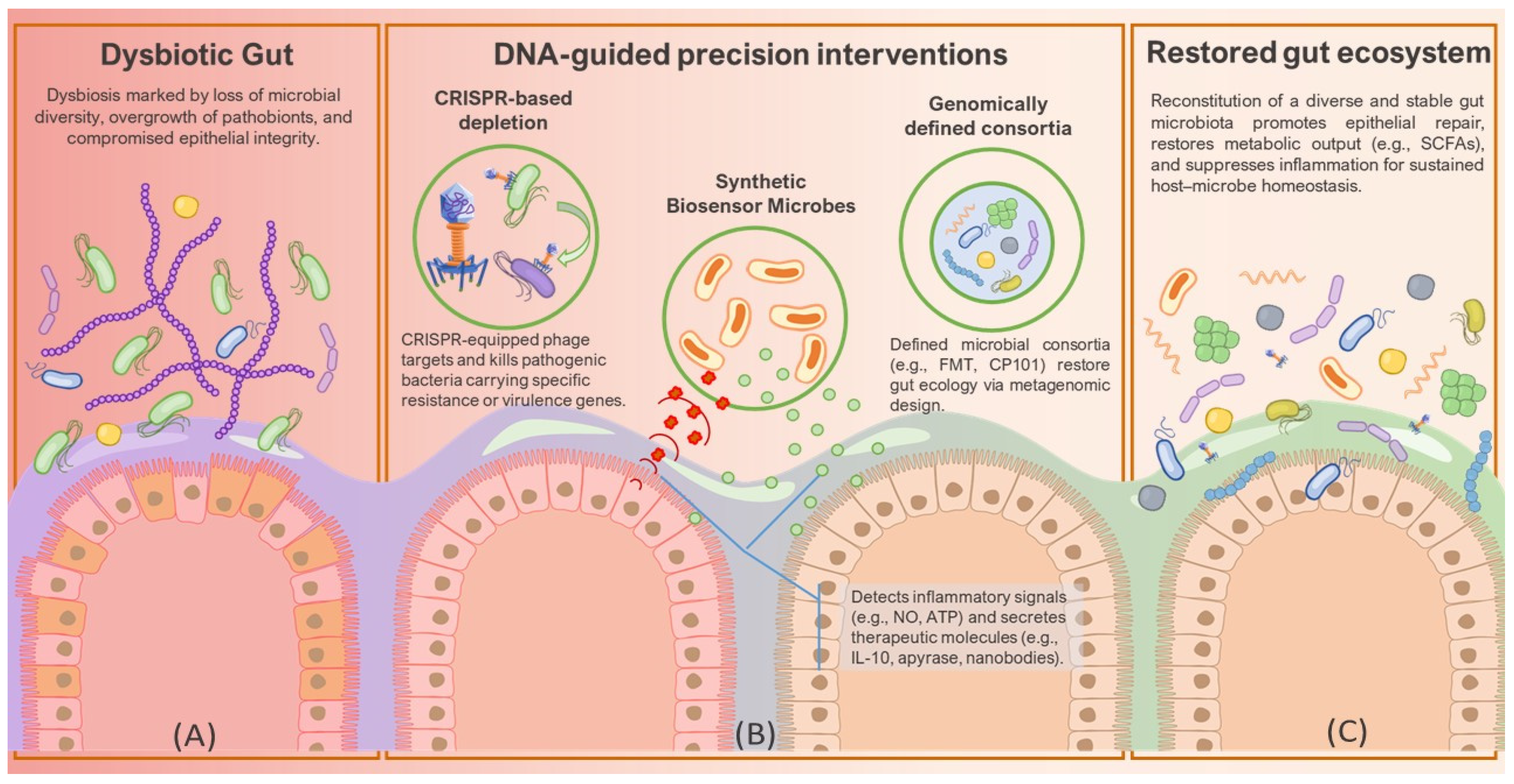

Disclaimer/Publisher’s Note: The statements, opinions and data contained in all publications are solely those of the individual author(s) and contributor(s) and not of MDPI and/or the editor(s). MDPI and/or the editor(s) disclaim responsibility for any injury to people or property resulting from any ideas, methods, instructions or products referred to in the content. |
© 2026 by the authors. Licensee MDPI, Basel, Switzerland. This article is an open access article distributed under the terms and conditions of the Creative Commons Attribution (CC BY) license.