


Abstract
Cervical cancer imposes a heavy burden in low- and middle-income countries and persistently high incidence and mortality in Sub-Saharan Africa due to unequal access to prevention and care. Although human papillomavirus (HPV) is a major driving factor, the risk is amplified by HIV co-infection, socioeconomic barriers, limited infrastructure, low health literacy, and behavioral factors, leading to frequent late-stage diagnosis, low screening coverage, and poor survival. Recent expansion of HPV vaccination programs since 2019 has achieved high coverage in some countries, but continent-wide rates remain below targets amid hesitancy, inequities, and systemic weaknesses. Thus, there is a critical need for an integrated synthesis of multidisciplinary evidence that reflects the peculiarities and diversities of African health systems. Moreover, high mortality rates underscore the need for integrated, context-specific evidence to strengthen vaccination, screening, and management strategies in line with WHO global elimination targets. Plant medicine promises to complement mainstream health delivery in low resource settings. Emerging artificial intelligence (AI) tools show strong potential to improve screening accuracy, reduce subjectivity and resource needs, and enhance early detection in resource-limited settings. This review synthesizes multidisciplinary data on economic impact, epidemiology, risk factors, prevention, diagnostic challenges, plant medicine and AI innovations to guide equitable progress in diverse African contexts.
1. Introduction
Cervical cancer remains a major global health challenge, with a disproportionate burden in low- and middle-income countries. In 2020, approximately 604,000 new cases and 342,000 deaths were recorded worldwide, making it a leading cause of cancer morbidity and mortality among women [1]. Although organized screening and widespread HPV vaccination have substantially reduced disease burden in high-income countries, comparable progress remains limited across much of Africa [2,3]. Sub-Saharan Africa continues to experience some of the world’s highest incidence and mortality rates, reflecting persistent inequalities in preventive and curative healthcare access [4].
Persistent infection with high-risk HPV, particularly HPV-16 and HPV-18, is the principal driver of cervical carcinogenesis [5]. In Africa, this biological risk is compounded by HIV infection, which promotes HPV persistence and malignant progression [3,6]. Socioeconomic disadvantage, limited health literacy, inadequate healthcare infrastructure, and restricted access to vaccination and screening further increase vulnerability. Behavioral and environmental factors, including early sexual debut, multiple sexual partners, tobacco use, prolonged contraceptive use, and co-infections, may further influence disease progression and outcomes.
Late-stage diagnosis remains common because of inadequate screening coverage and weak referral systems. Population-based registry data indicate variable but generally unfavorable incidence patterns, with some regions experiencing stable or increasing rates [7]. Mortality remains high, with late presentation contributing substantially to poor survival [8]. Across surveys conducted between 2000 and 2020, screening coverage remained low in most African countries, with few eligible women ever screened and fewer receiving repeat testing [9]. Consequently, delays in diagnosis and limited access to specialized treatment continue to undermine survival despite the availability of effective interventions [4,8].
Prevention efforts have increasingly focused on expanding HPV vaccination and screening. Since 2019, more African countries have introduced national HPV vaccination programmes through international partnerships and improved vaccine supply [10]. However, coverage remains below global targets, with persistent disparities affecting rural communities, out-of-school adolescents, and other underserved populations. Vaccine hesitancy, misinformation, financial constraints, and weak health systems continue to challenge programme sustainability [10].
Emerging technologies may provide additional opportunities to strengthen cervical cancer control. Artificial intelligence (AI) has demonstrated potential for improving screening and diagnostic accuracy while reducing processing time, dependence on specialized personnel, and subjective interpretation [11]. Plant-derived medicines also represent a potentially valuable complementary resource, particularly in low-resource settings, although clinical evidence remains limited.
Despite extensive research, evidence concerning cervical cancer in Africa remains fragmented across epidemiology, prevention, treatment, economics, and emerging therapeutic approaches. This review therefore integrates multidisciplinary evidence on the epidemiological and economic burden of cervical cancer, current treatment capacity, and the evolving roles of medicinal plants and AI in research and clinical practice. Integrating prevention, early detection, effective treatment, and responsible technological innovation could accelerate progress toward reducing cervical cancer incidence and mortality across Africa.
2. Methodology
This review used a structured narrative literature search and evidence synthesis approach to integrate evidence on the epidemiology, molecular pathogenesis, risk factors, prevention, diagnosis, treatment, economic burden, medicinal plants, and artificial intelligence (AI) applications relevant to cervical cancer in Africa. The methodology was designed to capture both Africa-specific evidence and high-quality global evidence needed to interpret regional findings and contemporary clinical and technological developments.
2.1. Literature Databases and Information Sources
Literature searches were conducted using PubMed/MEDLINE, Scopus, and Web of Science Core Collection. Google Scholar served as a supplementary source for identifying relevant publications, reports, and articles not readily retrieved through the principal bibliographic databases. Additional authoritative sources were consulted where appropriate for epidemiological estimates, clinical guidance, health system information, and economic indicators, including the World Health Organization (WHO), the International Agency for Research on Cancer (IARC), GLOBOCAN, the Global Cancer Observatory, the World Bank, FIGO, ASCO, and NCCN. Reference lists of relevant reviews and primary studies were also screened manually to identify additional pertinent literature.
2.2. Search Period and Timeframe
The principal literature search covered publications from 2000 through 2026, with older landmark studies retained when they provided foundational evidence for HPV-mediated carcinogenesis, cervical cancer screening, treatment, or other concepts directly relevant to the review. Priority was given to recent evidence, particularly publications from 2015 onward, for epidemiological estimates, prevention, treatment, medicinal-plant research, and AI applications.
2.3. Search Strategy and Keywords
Search terms were combined using the Boolean operators AND and OR and were adapted to the syntax of each database. The principal concepts and keywords spanned several domains. For disease and epidemiology, terms included cervical cancer, cervical carcinoma, cervical neoplasia, cervical intraepithelial neoplasia, and CIN. The geographical focus incorporated Africa, sub-Saharan Africa, and individual countries including Ghana, Nigeria, Kenya, Uganda, Tanzania, Senegal, Malawi, Cameroon, South Africa, Mozambique, Morocco, Egypt, Tunisia, Eswatini, and the Democratic Republic of the Congo. For HPV and pathogenesis, searches combined human papillomavirus, HPV, HPV16, HPV18, E6, E7, p53, pRB, viral integration, and carcinogenesis. Prevention and screening terms included vaccination, HPV vaccine, screening, self-sampling, VIA, cytology, HPV testing, and prevention. Diagnosis and treatment searches drew on diagnosis, cytology, histopathology, biopsy, MRI, PET, radiotherapy, brachytherapy, chemotherapy, chemoradiotherapy, surgery, FIGO, ASCO, and NCCN. Economic-burden terms comprised economic burden, health expenditure, treatment cost, direct cost, indirect cost, productivity, and financial burden. Medicinal-plant searches used medicinal plants, phytotherapy, phytochemicals, plant-derived, herbal, extract, and named genera including Artemisia, artesunate, Curcuma, Moringa, Annona, Vernonia, and Bidens. For artificial intelligence, terms included artificial intelligence, AI, machine learning, deep learning, radiomics, computer vision, predictive modelling, and clinical decision support.
Searches were conducted both as broad topic searches and as focused searches linking cervical cancer with Africa and each individual evidence domain. For medicinal plants, plant names were additionally cross-searched against cervical cancer, HeLa, SiHa, cervical intraepithelial neoplasia, apoptosis, cytotoxicity, xenograft, animal study, and clinical trial. For AI, searches combined cervical cancer with cytology, histopathology, whole-slide imaging, MRI, PET, radiomics, HPV status, molecular data, screening, diagnosis, treatment planning, prognosis, and clinical decision support.
2.4. Eligibility and Inclusion Criteria
Eligible sources comprised peer-reviewed original research articles, systematic reviews, meta-analyses, major narrative reviews, and authoritative guidelines or reports directly relevant to cervical cancer. Priority was given to studies addressing cervical cancer or cervical precancer, with particular emphasis on African populations, African health systems, or evidence with direct relevance to African settings, and to studies reporting epidemiology, incidence, mortality, HPV prevalence or genotype distribution, risk factors, screening, vaccination, diagnosis, treatment, health system capacity, costs, or economic consequences. For medicinal plants, eligible studies investigated plant extracts or defined plant-derived compounds with evidence relevant to cervical cancer or cervical precancer, including mechanistic in vitro studies, animal studies, and human clinical studies. For AI, eligible studies evaluated machine learning, deep learning, computer vision, radiomics, predictive modelling, or clinical decision-support applications in cervical cancer screening, diagnosis, treatment planning, response assessment, prognosis, or related molecular or clinical prediction tasks. Publications had to be available in English and sufficiently detailed to permit assessment of study findings and relevance. Landmark older studies were eligible when they established fundamental mechanisms or clinical principles that remain relevant to contemporary cervical cancer research.
Studies were excluded where they represented duplicate publications or multiple records reporting the same study, in which case the most complete or authoritative report was retained. Studies unrelated to cervical cancer or cervical precancer, or studies in which cervical cancer findings could not be separated from other malignancies, were excluded, as was non-peer-reviewed material lacking clear scientific or institutional authority, including commercial promotional material, opinion pieces, news articles, and publications lacking sufficient methodological or outcome information. Studies for which the full article or sufficiently reliable bibliographic information could not be established were excluded from evidence synthesis. For country-level economic comparisons, figures lacking a clear definition, reference year, or internationally comparable methodology were excluded from quantitative comparison.
2.5. Study Selection and Evidence Synthesis
Retrieved records were screened by title and abstract for relevance, followed by examination of the full text of potentially eligible publications. Reference lists of key papers were reviewed for additional studies. Evidence was organized thematically according to the major domains of the manuscript, namely molecular pathogenesis, epidemiology and risk factors, prevention and screening, diagnosis and treatment, economic burden, medicinal plants, and AI. Greater weight was given to systematic reviews, meta-analyses, authoritative international guidelines, large observational studies, randomized clinical trials, and well-characterized experimental studies. For medicinal plants, findings were categorized according to evidence level so that in vitro observations were not presented as evidence of clinical efficacy. For economic indicators, internationally standardized definitions and common reference years were preferred, including WHO current health expenditure as a percentage of GDP.
2.6. Quality and Relevance Considerations
Because this manuscript is a multidisciplinary narrative review rather than a formal systematic review or meta-analysis, no pooled quantitative effect estimate was generated and no formal risk-of-bias instrument was applied across all evidence domains. Nevertheless, study design, population, geographical relevance, sample size where applicable, methodological transparency, consistency of findings, and level of evidence were considered when interpreting the literature. Particular caution was applied to extrapolation from laboratory or animal studies to human treatment, and to extrapolation from non-African populations to African settings.
2.7. Data Extraction and Presentation
Relevant information was extracted qualitatively from eligible sources and synthesized into the corresponding sections. Extracted information included study setting, population or experimental model, disease stage where applicable, intervention or technology, principal outcome, evidence level, and major limitations. An economic-burden table uses a consistent WHO-defined health-expenditure indicator to improve comparability between countries.
3. Molecular Pathogenesis of Cervical Cancer
Cervical cancer is primarily driven by persistent infection with high-risk human papillomavirus (HPV), particularly HPV-16 and HPV-18, which account for most cases globally and in Africa [12,13]. Integration of oncogenic HPV DNA into the host genome can sustain viral oncogene expression and promote malignant transformation [14]. Central to this process is deregulated expression of the viral E6 and E7 oncogenes, which disrupt key tumor-suppressor pathways governing cell-cycle control and genomic stability [15]. Persistent infection facilitates clonal expansion and progression from cervical intraepithelial neoplasia to invasive carcinoma, explaining the near-universal association between cervical cancer and high-risk HPV [16]. Nevertheless, HPV infection alone is insufficient for malignancy, indicating an essential contribution from host molecular alterations (Figure 1).
Figure 1.
Simplified mechanistic model of HPV-driven cervical carcinogenesis. Persistent infection with high-risk HPV, particularly HPV16 and HPV18, facilitates viral genome integration into the host genome and sustained expression of the viral oncogenes E6 and E7. E6 recruits E6-associated protein (E6-AP), promoting ubiquitination and proteasomal degradation of the tumour suppressor p53, thereby impairing DNA-damage-induced cell-cycle arrest and apoptosis. E7 binds and functionally inactivates retinoblastoma protein (pRb), releasing E2F transcription factors and promoting unscheduled S-phase entry and cellular proliferation. Disruption of these tumour-suppressor pathways is accompanied by p16^INK4a^ accumulation, increased Ki-67 expression, genomic alterations, altered cellular metabolism, and progressive cervical dysplasia, ultimately contributing to invasive cervical cancer. This mechanistic sequence reflects the molecular processes described in the manuscript.
HPV-mediated cervical oncogenesis involves a host of viral oncoproteins such as E6 and E7 (Figure 1). E6 promotes E6-associated protein (E6-AP)-mediated ubiquitination and proteasomal degradation of p53, impairing DNA-damage-induced cell-cycle arrest and apoptosis [17]. Concurrently, E7 binds and inactivates retinoblastoma protein (pRb), releasing E2F transcription factors and inducing unscheduled S-phase entry and sustained cellular proliferation [18,19]. Together, E6-mediated p53 disruption and E7-mediated pRb inactivation represent the central molecular axis of HPV-associated cervical carcinogenesis [13,15].
pRb disruption also induces accumulation of p16^INK4a^, making it a widely used biomarker of transcriptionally active high-risk HPV infection [20]. Increased Ki-67 expression reflects heightened proliferation and impaired cell-cycle regulation, while combined p16^INK4a^/Ki-67 assessment can improve differentiation of low-grade lesions, high-grade neoplasia, and invasive carcinoma [21,22].
Host genomic alterations further contribute to malignant progression. Recurrent mutations in PIK3CA, EP300, FBXW7, and PTEN, together with altered immune-regulatory pathways such as increased PD-L1 expression, cooperate with HPV-mediated oncogenic activity to promote tumor development and immune evasion [23,24]. Epigenetic dysregulation, including aberrant DNA methylation of tumor-suppressor promoters and methylation changes associated with HPV integration, further alters gene expression and may provide opportunities for molecular detection and disease stratification [25].
In Africa, considerable diversity in circulating HPV lineages may influence viral persistence and carcinogenic risk [26,27]. HIV-associated immunosuppression further promotes persistent HPV infection and accelerates cervical disease progression, contributing to the increased incidence and severity observed in affected populations [3,6]. These molecular interactions highlight the need for region-specific research to better characterize cervical carcinogenesis and develop more effective diagnostic, preventive, and therapeutic strategies in African populations [6,27].
4. Economic Impact
Cervical cancer is a major global health and economic concern, with an estimated 662,301 cases and 348,874 deaths in 2022, ranking fourth among cancers affecting women worldwide [28,29,30]. Africa bears a disproportionate share of the global cervical cancer burden relative to its share of the world’s female population, reflecting persistent deficiencies in prevention, diagnosis, and treatment [28,31]. The resulting economic burden includes healthcare expenditure, household costs, productivity losses, and premature mortality.
Direct costs include diagnosis, surgery, chemotherapy, and radiotherapy, while transportation and accommodation contribute additional non-medical expenses. Indirect costs arise from lost income, reduced productivity, and premature death [29]. Late diagnosis increases treatment complexity and expenditure, particularly in low- and middle-income settings, while inadequate insurance and high out-of-pocket payments amplify household financial hardship [29].
The burden varies across regions. In West Africa, Ghana records more than 3000 new cases annually, while nationwide HPV vaccination would require approximately US$11–15 million annually, equivalent to 11–15% of its national immunization budget [32]. In 2022, only 31% of girls in the WHO African Region received their first dose of HPV vaccine by age 15, despite 26 countries having introduced HPV vaccination into their national immunization programmes [33]. In Nigeria, high out-of-pocket payments for cancer care contribute to catastrophic household expenditure [34].
Eastern Africa experiences some of the continent’s highest incidence rates. Eastern Africa experiences some of the continent’s highest incidence rates [35]. Kenya experiences financial pressures associated with late-stage disease and costly radiotherapy and chemotherapy [36]. Tanzania incurs significant indirect costs from lost income and travel for specialized care [37].
Southern Africa bears particularly high per-capita losses. Eswatini’s annual societal burden is estimated at US$19 million [38], while South Africa faces escalating oncology costs associated with HIV-related disease and late presentation [39]. Malawi and Mozambique similarly face substantial treatment and productivity losses linked to limited screening and delayed diagnosis [35,37,40].
In Central Africa, weak cancer surveillance likely underestimates the burden in Cameroon and the Democratic Republic of Congo [35,37]. Morocco, Egypt, and Tunisia generally report lower incidence but continue to experience treatment and productivity costs, particularly among underserved populations [30,41]. The EMENA cost-effectiveness framework illustrates how vaccination costs relative to GDP per capita can guide prevention investment [42,43].
Overall, cervical cancer imposes substantial economic costs across Africa (Table 1). Expanding vaccination, screening, and timely treatment is therefore both a public health priority and a strategic economic investment.
Table 1.
Economic burden context of cervical cancer in selected African countries.
5. Epidemiology and Risk Factors
Cervical cancer remains a major cause of cancer morbidity and mortality among African women, with sub-Saharan Africa experiencing a disproportionately high burden despite its largely preventable nature [44,45]. Persistent gaps in primary prevention, screening, and timely treatment continue to sustain this burden.
Unlike high-income countries, where incidence has generally declined, cervical cancer incidence across several sub-Saharan African countries has remained stable or increased, reflecting inadequate population coverage and weaknesses in screening implementation [7]. Mortality remains high, largely because of late-stage diagnosis and limited treatment infrastructure [46].
High-risk HPV infection, particularly HPV-16 and HPV-18, remains the principal cause of cervical cancer, with considerable regional variation in HPV prevalence and genotype distribution [47]. HIV further amplifies this risk by promoting persistent HPV infection and accelerating progression from precancerous lesions to invasive disease. Consequently, cervical cancer incidence and mortality are particularly elevated in high-HIV-prevalence settings, including Eastern and Southern Africa [46,47].
Screening uptake remains a major weakness. Low coverage has been documented across sub-Saharan Africa, with substantial disparities according to wealth, education, and urban-rural residence [48]. Even among Kenyan women frequently accessing maternal and child health services, screening uptake remains inadequate [49]. Among women living with HIV, screening uptake is also disproportionately low despite their elevated risk [50,51]. Major barriers include limited services availability, cost, stigma, fear, low awareness, and inadequate integration of screening into HIV care [44,52,53].
Socioeconomic and behavioral factors further shape disease risk. Poverty, rural residence, limited education, cultural misconceptions, and fear of social rejection reduce preventive service utilization [44,48,54]. In Ghana, limited awareness among young women and adolescents, together with inadequate access to health information, remains an important concern [55,56]. Early sexual debut, multiple sexual partners, and high parity increase HPV exposure and cervical cancer risk, while limited condom use and inadequate male partner involvement may sustain transmission [45,57,58].
Precancerous lesions are common, particularly among women living with HIV, representing important opportunities for early intervention [59]. However, delayed diagnosis and inadequate treatment access continue to increase mortality [46]. Detailed incidence, mortality, case numbers, and prevalence are presented in Figure 2, Figure 3 and Figure 4. Country-level estimates are from the IARC Global Cancer Observatory (GLOBOCAN 2022) [28,31]. The dataset provides cancer burden estimates by country, including case numbers, mortality, crude rates and age-standardised rates.
Figure 2.
Global mortality and incidence rates of cervical cancer. Rates are expressed per 100,000 women. The map depicts the worldwide spatial distribution of cervical cancer incidence and mortality, highlighting significant geographic disparities in disease burden. Incidence rates, illustrated through choropleth shading, are most pronounced in sub-Saharan Africa, Latin America, Eastern Europe, and certain areas of South and South-East Asia, whereas mortality rates, indicated by proportional red circles, are notably high in sub-Saharan Africa and other low- and middle-income regions. Conversely, North America, Western Europe, and Australia demonstrate significantly lower incidence and mortality rates, indicative of the efficacy of structured screening initiatives, widespread HPV vaccination, and enhanced access to prompt treatment. The observed disparity between incidence and mortality in various regions underscores enduring inequalities in early detection and healthcare access, emphasising global evidence that cervical cancer is predominantly preventable yet continues to inflict disproportionate mortality in areas with the weakest health systems [1,28,31,60].
Figure 3.
Global incidence rates and number of cases of cervical cancer. Rates are expressed per 100,000 women. The map depicts the worldwide distribution of cervical cancer incidence rates and total case numbers, emphasizing significant regional disparities in disease burden. Sub-Saharan African nations, along with regions in South and South-East Asia, Latin America, and certain areas of Eastern Europe, demonstrate comparatively high incidence rates and significant case numbers, indicative of the interplay between heightened risk and population density. Conversely, North America, Western Europe, and Australia exhibit lower incidence rates, despite significant case numbers in certain nations, largely due to efficient population-based screening, widespread HPV vaccination, and timely access to treatment. The simultaneous occurrence of elevated incidence and substantial case numbers in numerous low- and middle-income nations highlights ongoing inequalities in prevention and healthcare systems, emphasizing the global public health necessity to enhance equitable cervical cancer screening, vaccination, and treatment initiatives [1,28,31,60].
Figure 4.
Global prevalence and incidence rate of cervical cancer. Rates are expressed per 100,000 women. The map illustrates a global representation of the prevalence and incidence rates of cervical cancer. Countries are depicted in varying shades of purple to represent the global prevalence rate per 100,000 women, with darker hues indicating higher prevalence (e.g., sub-Saharan Africa) and lighter shades denoting lower prevalence (e.g., the majority of Europe and North America). Superimposed on this choropleth are proportional red circles denoting the incidence rate of cervical cancer—larger circles indicate higher rates. The aggregation of substantial circles in areas like East and Southern Africa, South Asia, and certain regions of South America underscores the elevated incidence of cervical cancer, corroborating findings that the burden of cervical cancer is predominantly found in low- and middle-income nations with restricted access to HPV vaccination and screening services. This spatial distribution highlights enduring global health disparities: high-income countries exhibit lower incidence due to more extensive screening and vaccination, whilst low-income regions bear a greater illness burden due to inadequate health systems [1,28,31,60].
6. Cervical Cancer Treatment and Access in Africa
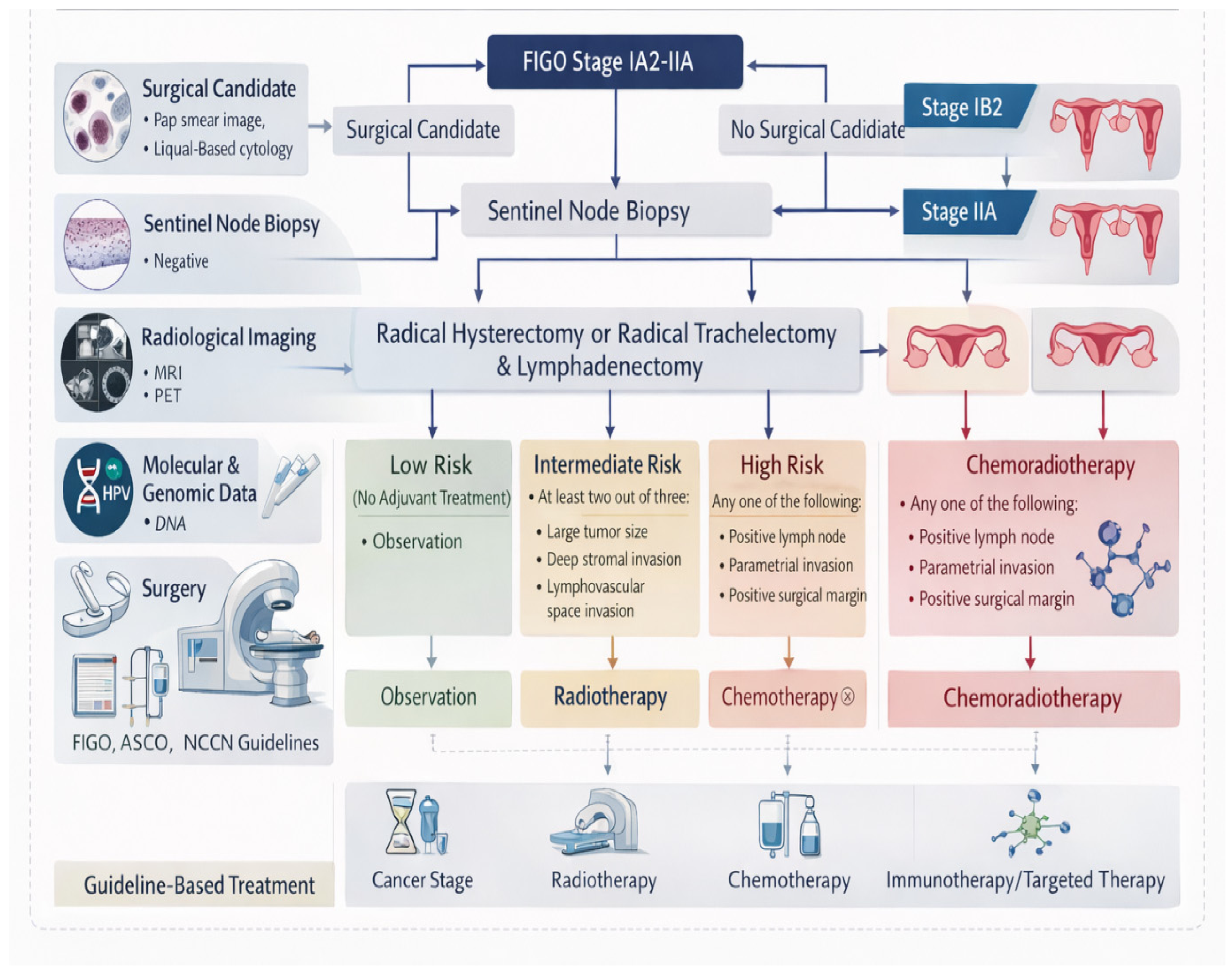
Cervical cancer treatment aims to prevent progression, reduce mortality, and preserve quality of life, with earlier intervention associated with better survival [61,62]. Treatment selection depends on disease stage, patient health, and potential effects on fertility, hormonal balance, and immune function [63,64,65,66,67]. Surgery, radiotherapy, chemotherapy, immunotherapy, and targeted therapy constitute the principal modalities and are guided by FIGO, ASCO, and NCCN recommendations (Figure 5) [68,69]. Because treatment effectiveness and toxicity vary, individualized planning, surveillance, fertility preservation, and psychosocial support remain essential [69,70,71,72]. Advances in precision medicine and targeted treatment may further improve efficacy while reducing toxicity [73].
Despite these advances, access across Africa remains constrained by inadequate vaccination and screening, limited surgical and radiotherapy capacity, and fragmented health systems [34,35,74]. WHO’s African strategy prioritizes HPV vaccination among girls aged 9–14 years and screening among women aged 30–49 years [42]. By February 2024, only 28 of 47 countries had incorporated HPV vaccination into national programmes, with regional first-dose coverage at approximately one third of the target; Ethiopia, Seychelles, and Uganda exceeded 90% coverage [42]. Rwanda’s decentralized vaccination model and Zambia’s introduction of vaccination in 2019, achieving approximately 70% two-dose coverage by 2020, demonstrate feasible approaches [42].
Screening remains uneven, with many countries relying on VIA rather than HPV DNA testing. Screen-and-treat programmes have been implemented in Benin, Cameroon, Côte d’Ivoire, and Senegal, while Malawi integrates VIA and cryotherapy into reproductive health services. Nevertheless, screening coverage among women aged 30–49 years remains approximately 11% regionally, and rural-urban disparities persist despite integration into services in Kenya, Tanzania, and Mozambique [35,42]. Kenya’s national cervical cancer programme has expanded screening and introduced HPV vaccination, but implementation remained constrained by low screening coverage, limited HPV-testing availability, and weak linkage to treatment [75]. Community-based interventions have also demonstrated the potential to expand access to cervical cancer prevention services in Nigeria; a prospective study in rural communities in southeast Nigeria found that house-to-house education by trained community health educators substantially increased cervical cancer screening uptake [76]. Although 34 Member States provide some screening and 16 have adopted HPV DNA testing, continued reliance on VIA and cytology limits diagnostic sensitivity [42]. Africa CDC’s planned Centers of Excellence in Rwanda, Morocco, and Zambia seek to strengthen vaccination and screening toward elimination, although late-stage presentation remains common [42,74].
Surgical management is similarly limited. Although early-stage disease can be treated curatively with radical hysterectomy and lymphadenectomy, delayed presentation and shortages of trained gynecologic oncologists restrict access [42,77]. Radical hysterectomy is available in tertiary centers in Uganda and Zambia but not routinely in Eswatini and Rwanda, illustrating persistent specialist shortages [42,77]. Access to oncologic surgeons, operating theatre constraints, inadequate imaging, and infrastructure deficits remain important barriers. Mentorship programmes in the Democratic Republic of the Congo have strengthened surgical capacity among general gynecologists, while Malawi has used neoadjuvant chemotherapy followed by surgery where radiotherapy is unavailable [77,78]. Limited postgraduate training and very low surgeon-to-patient ratios further constrain capacity [79].
Chemotherapy access is also inconsistent. Platinum-based chemoradiotherapy is widely recommended; yet drug stockouts; treatment costs; and access barriers frequently interrupt care [80,81]. National protocols exist in countries such as The Gambia and Kenya; but detailed tertiary guidance remains limited elsewhere [82]. East African data indicate that fewer than half of patients with common cancers receive guideline-concordant chemotherapy [34]. Although Uganda’s Cancer Institute provides chemotherapy; only about two thirds of WHO Africa Region Member States report chemotherapy services [42]. Procurement weaknesses; out-of-pocket costs; limited essential drug availability; shortages of oncology professionals, and inadequate supportive care further restrict treatment [42,74,80].
Radiotherapy and brachytherapy remain the most constrained modalities. Fewer than 40% of WHO Africa Region Member States provide radiotherapy, and available data indicate that Egypt and South Africa hold nearly half of the continent’s brachytherapy capacity [42,83]. In Ethiopia, prolonged delays in accessing radiotherapy remain a major challenge; a longitudinal study reported a median interval of 477 days between diagnosis and receipt of radical-dose radiotherapy among patients with cervical cancer [84]. Equipment failures, unreliable power, and shortages of physicists and technologists further reduce operational capacity, while Central Africa faces particularly severe brachytherapy deficits [80,83]. Planned Centers of Excellence offer an important opportunity to strengthen regional capacity, but sustained financing, infrastructure development, and workforce investment will be essential to translate treatment guidelines into equitable care [74,83].
Figure 5.
Stage-adapted management pathway for cervical cancer (FIGO IA2-IIA) with risk-stratified postoperative treatment. This schematic shows the guideline-concordant treatment algorithm for FIGO stage IA2-IIA cervical cancer. Surgical candidates undergo sentinel lymph node biopsy followed by radical hysterectomy or trachelectomy with lymphadenectomy. Postoperative care depends on risk: low-risk disease is observed; intermediate-risk features (large tumor size, deep stromal invasion, lymphovascular invasion) prompt adjuvant radiotherapy; high-risk features (positive nodes, parametrial invasion, positive margins) warrant chemoradiotherapy. Non-surgical candidates receive definitive radiotherapy or concurrent chemoradiotherapy. This risk-adapted approach balances oncologic control against overtreatment, reflecting real-world decisions in resource-variable settings, including African health systems, where FIGO, ASCO, and NCCN-aligned protocols must fit infrastructure capacity [69,85].
7. Medicinal Plants and Cervical Cancer
Cervical cancer remains a major cause of cancer morbidity and mortality among women in sub-Saharan Africa, largely driven by persistent high-risk HPV infection and inadequate access to screening and treatment. Medicinal plants and plant-derived compounds have attracted increasing attention as potential sources of adjunctive or locally delivered interventions. The existing literature spans mechanistic studies using cervical cancer cell models, animal experiments, and a smaller but increasingly important body of human research. The distinction between these evidence levels is critical because promising cytotoxicity in cell culture does not, by itself, establish therapeutic efficacy in humans. HeLa cells remain an important model for preliminary investigation of plant-derived anticancer activity [86,87,88,89].
Among the plant-derived candidates considered in the present review, Artemisia annua and its derivatives, particularly artesunate and dihydroartemisinin, have the clearest translational pathway. Artemisinin derivatives have been associated with ROS-mediated apoptosis, cell-cycle arrest, ferroptosis, anti-angiogenic activity, and inhibition of invasion and metastasis [90]. Iron-dependent activation of the endoperoxide moiety can disturb redox homeostasis, while modulation of MAPK, NF-κB, and PI3K/Akt/mTOR signalling has been implicated in anti-angiogenic and antiproliferative effects [91,92]. Importantly, evidence extends beyond cell culture. In a cervical cancer xenograft model, artesunate enhanced the response of HeLa-derived tumours to irradiation, with greater tumour suppression, apoptosis, and cell-cycle effects than irradiation alone, although the response was less evident in SiHa-derived tumours [93]. This model-dependent effect provides experimental support for investigating artesunate as a potential radiosensitizing adjunct rather than as an established stand-alone treatment.
The translational relevance of Artemisia annua is further supported by human studies of intravaginal artesunate for cervical precancer. A first-in-human phase I study of artesunate vaginal inserts in women with biopsy-confirmed CIN2/3 reported that the treatment was generally safe and well tolerated; histologic regression to CIN1 or less was observed in 19 of 28 evaluable participants, while HPV clearance occurred in a subset of women whose lesions regressed [94]. A subsequent Kenyan programme has extended investigation of self-administered intravaginal artesunate to women with cervical precancer, including women living with HIV, with the objective of evaluating HPV-related outcomes, safety, adherence, acceptability, and lesion response [95]. These studies involve cervical precancer rather than established invasive cervical cancer, and therefore should be interpreted as evidence of translational potential rather than proof of anticancer efficacy.
Other plants show encouraging mechanistic activity, but their evidence remains predominantly preclinical. Vernonia amygdalina demonstrates apoptosis-related activity involving p53, JNK, caspase-9, PTEN, and XBP1, while isolated phytosterols have been associated with S-phase arrest and PI3K/AKT/mTOR modulation [96,97]. Antiproliferative activity has also been reported in hepatocellular carcinoma cells [98]. Xylopia aethiopica has been associated with mitochondrial apoptosis, caspase activation, loss of mitochondrial membrane potential, altered Bax/Bcl-2 balance, and reduced migration in cervical cancer models [99,100,101]. Bidens pilosa and related species contain flavonoids, terpenoids, alkaloids, and polyacetylenes with reported effects on apoptosis, cell-cycle regulation, oxidative stress, and kinase signalling [102,103,104]. Cytotoxic or antiproliferative activity against cancer cell lines has also been reported for extracts of Sarcocephalus pobeguinii, Dialium guineense, Kalanchoe pinnata, Manilkara zapota, Ceropegia rupicola, Acokanthera schimperi, Elephantorrhiza elephantina and Jatropha variegata [105,106,107,108,109,110]. Phytochemical and pharmacological profiling of Piptadeniastrum africanum, together with anti-inflammatory constituents from Rhaphiostylis beninensis and Dorstenia psilurus, further illustrates the chemical diversity of candidate plants [111,112,113]. These findings justify further investigation but do not yet provide sufficient in vivo or clinical evidence for inclusion among the leading candidates.
Similarly, Moringa oleifera has shown activity through crude extracts and nano-formulations, including modulation of NF-κB and PI3K/AKT signalling and enhancement of oncolytic vesicular stomatitis virus activity through Bax and STAT1-associated mechanisms [114,115,116]. Annona muricata has been linked to apoptosis, cell-cycle arrest, mitochondrial dysfunction, ROS generation, and acetogenin-mediated inhibition of mitochondrial complex I [101,117,118]. However, much of the cervical cancer evidence for both plants are based on cellular or computational studies. Rosmarinus officinalis and Otostegia integrifolia likewise show antiproliferative, oxidative-stress, inflammatory, and apoptosis-related effects in experimental models [119,120,121,122,123,124,125]. These observations remain useful for identifying candidate compounds and mechanisms, but they should not be equated with demonstrated clinical benefit.
A further consideration is that plant-derived interventions have already entered human studies, but clinical results have not been uniformly positive. A randomized phase II trial of Polyphenon E, a decaffeinated green-tea catechin preparation derived from Camellia sinensis, in women with persistent high-risk HPV infection and CIN1 found the preparation to be acceptable and well tolerated but did not demonstrate an improvement in HPV or CIN1 clearance compared with placebo [126]. This finding illustrates why clinical validation, rather than mechanistic plausibility alone, must determine which plant-derived candidates progress toward clinical use. In contrast, a clinical intervention using a standardized extract of Curcuma longa in women with persistent low-grade cervical squamous intraepithelial neoplasia reported arrest or regression of lesions over 12 weeks, with no major clinical or biochemical safety signal in the small study population [127]. The study provides human evidence of biological activity, but its small sample size and study design warrant cautious interpretation.
The principal barriers to clinical translation include variability in plant species and chemotypes, differences in extraction procedures, inconsistent concentrations of active constituents, uncertain pharmacokinetics, limited pharmacovigilance, inadequate product standardization, and uncertainty regarding dosing and long-term safety [128]. Few studies on Bidens species include clinical participants [129], and controlled human evidence is likewise insufficient for Moringa [130] and Annona muricata [131]. Although Moringa has immunomodulatory and pro-apoptotic properties, controlled human evidence remains insufficient [130]. Concerns surrounding prolonged use of Annona muricata also reinforce the need for systematic safety evaluation, particularly in view of reported neurotoxicity concerns and the absence of credible human efficacy evidence for cervical cancer [131]. Accordingly, future work should prioritize chemically characterized extracts, defined active constituents, reproducible formulations, pharmacokinetic and toxicological assessment, appropriate animal models, and adequately powered clinical trials [128]. Plant cell and tissue culture offers one route to reproducible, scalable production of defined metabolites independent of field variability, as shown by the enhanced yields of 2,3-dihydrobenzofuran and 3-epilupeol from Ageratina pichinchensis cell suspensions scaled up from shake flasks to an airlift bioreactor [132]. On the basis of the evidence currently available, Artemisia annua derivatives, particularly artesunate, and selected preparations of Curcuma longa have progressed furthest toward human evaluation, while most of the other plants reviewed remain at the preclinical stage.
8. Application of Artificial Intelligence in Detection and Treatment of Cervical Cancer
Artificial intelligence (AI) is increasingly influencing oncology by extracting clinically relevant patterns from complex biomedical data to support clinical decision-making (Figure 6) [133,134]. In cervical cancer, machine learning and deep learning are being explored for screening, diagnosis, treatment planning, and prognostic assessment, offering greater consistency and scalability than human-dependent approaches [133,135]. By reducing inter-observer variability and processing large volumes of cytological, histopathological, radiological, and molecular data, AI may be particularly valuable where specialist capacity is limited [11]. Importantly, AI is intended to augment rather than replace clinical expertise (Figure 6) [134].
Figure 6.
Artificial intelligence–driven framework for cervical cancer detection, treatment planning, and prognostication. This schematic illustrates the integration of multimodal data, including cytology and histopathology images, MRI/PET imaging, molecular and genomic profiles, and clinical variables, within an AI analytical framework. Machine learning, deep learning, radiomics, predictive modeling, and clinical decision-support tools synthesize these datasets to support: (i) screening and early detection through automated cytology classification and dysplasia identification; (ii) diagnostic enhancement through lesion localization and histopathological grading; (iii) radiotherapy planning through tumor segmentation, organ-at-risk delineation, and toxicity prediction; and (iv) precision treatment stratification through prediction of responses to chemoradiation and immunotherapy. Collectively, these applications may improve early detection, treatment personalization, toxicity reduction, follow-up, and survival prediction. Clinical implementation requires data quality, transparency, external validation, ethical oversight, and equitable deployment.
Image-based applications represent one of the most developed areas. Deep learning models can analyze cervical cytology and histopathology images to identify morphological abnormalities associated with dysplasia and malignancy, including nuclear atypia and altered nuclear-to-cytoplasmic ratios [135,136]. Automated analysis can improve consistency, reduce fatigue-related errors, and support earlier lesion detection [11]. Digital pathology further enables whole-slide assessment, facilitating lesion localization and grading while potentially extending specialist diagnostic capacity in resource-constrained settings [134,137].
Radiomics provides another emerging application. By extracting high-dimensional imaging features related to tumor heterogeneity, vascularity, and texture, AI can identify patterns that may inform diagnosis, staging, treatment response, and prognosis [138,139]. In cervical cancer, such models may reveal imaging biomarkers of tumor aggressiveness and improve tumor delineation, with potential implications for radiotherapy planning and monitoring [134,139].
AI also supports radiotherapy through automated segmentation of tumors and organs at risk, potentially reducing planning time and inter-observer variability. Machine learning can additionally predict treatment-related toxicity using patient-specific characteristics, supporting more individualized and risk-aware treatment planning [134,140]. Beyond radiotherapy, integration of molecular, clinical, and imaging data may facilitate prediction of treatment response and patient stratification, including responses to chemoradiation and emerging immunotherapies, although cervical cancer-specific validation remains limited [133,141].
Prognostic modeling represents another promising frontier. AI can integrate clinical, pathological, and imaging variables to predict survival, recurrence, and treatment response, potentially identifying nonlinear relationships that conventional models overlook [141,142]. Such predictions may support individualized follow-up, treatment decisions, counseling, and resource allocation [134,142].
Despite these opportunities, implementation faces substantial challenges, including data quality, algorithmic bias, transparency, limited digitization, inadequate computational infrastructure, and insufficient prospective validation [133,134]. Representative datasets, regulatory oversight, workforce training, and integration into clinical workflows are essential for equitable adoption, particularly in African health systems [34]. With appropriate validation and governance, AI could become a powerful adjunct to cervical cancer prevention, diagnosis, treatment, and long-term outcome prediction [142].
9. Conclusions and Future Prospects
Cervical cancer remains a major cause of cancer-related mortality among women in Africa. Its persistent burden reflects the interaction of high-risk HPV infection, HIV co-infection, inadequate vaccination and screening, socio-cultural barriers, treatment limitations, and fragile health systems. Addressing these challenges requires integrated, context-specific approaches that move beyond isolated interventions toward coordinated prevention, early detection, and equitable treatment.
Future progress will depend on expanding HPV vaccination and accessible screening, including self-sampling approaches, while strengthening public education and health system capacity. Advances in understanding the molecular mechanisms of cervical carcinogenesis may further enable more precise and effective therapies. Medicinal plants also represent a potentially valuable source of affordable therapeutic agents, but their clinical relevance will depend on rigorous pharmacological characterization, standardization, mechanistic investigation, and appropriately designed clinical trials.
Artificial intelligence presents an emerging opportunity to transform cervical cancer control, particularly through automated screening, digital cytology, image-based diagnostics, and predictive risk assessment. However, meaningful implementation in African settings will require investment in digital infrastructure, workforce development, data quality, ethical governance, and safeguards against algorithmic bias.
Cervical cancer elimination in Africa will require sustained political commitment, stronger research partnerships, and equitable investment across the prevention-to-treatment continuum. Integrating established public health measures with advances in medicinal plant research and responsible digital innovation could accelerate progress toward an Africa in which cervical cancer is no longer a leading cause of preventable death.
Author Contributions
A.K.D.: study—conceived, writing—original draft, review & editing; S.A.A., A.A. (Aziz Adamu), C.V., P.N., R.A.N.S.-A., S.K.L., A.A.A., C.Y.T., A.A. (Angelina Akomea): writing—original draft, review & editing. All authors have read and agreed to the published version of the manuscript.
Funding
This research received no external funding.
Institutional Review Board Statement
Not applicable.
Informed Consent Statement
Not applicable.
Data Availability Statement
All data generated and used in the study can be found in this manuscript.
Conflicts of Interest
The authors declare no conflicts of interest.
References
- Sung, H.; Ferlay, J.; Siegel, R.L.; Laversanne, M.; Soerjomataram, I.; Jemal, A.; Bray, F. Global cancer statistics 2020: GLOBOCAN estimates of incidence and mortality worldwide for 36 cancers in 185 countries. CA Cancer J. Clin. 2021, 71, 209–249. [Google Scholar] [CrossRef] [Scilit]
- Bedell, S.L.; Goldstein, L.S.; Goldstein, A.R.; Goldstein, A.T. Cervical cancer screening: Past, present, and future. Sex. Med. Rev. 2020, 8, 28–37. [Google Scholar] [CrossRef] [Scilit]
- Clifford, G.M.; Gonçalves, M.A.G.; Franceschi, S. Human papillomavirus types among women infected with HIV: A meta-analysis. AIDS 2006, 20, 2337–2344. [Google Scholar] [CrossRef] [Scilit]
- Boldeanu, L.; Assani, M.Z.; Boldeanu, M.V.; Siloși, I.; Manolea, M.M.; Văduva, C.C.; Assani, A.D.; Dijmărescu, A.L. Cervical cancer in the era of HPV: Translating molecular mechanisms into preventive public health action. Int. J. Mol. Sci. 2025, 26, 8463. [Google Scholar] [CrossRef] [Scilit]
- Sekar, P.K.C.; Thomas, S.M.; Veerabathiran, R. The future of cervical cancer prevention: Advances in research and technology. Explor. Med. 2024, 5, 384–400. [Google Scholar] [CrossRef] [Scilit]
- Denny, L.; Boa, R.; Williamson, A.-L.; Allan, B.; Hardie, D.; Stan, R.; Myer, L. Human papillomavirus infection and cervical disease in human immunodeficiency virus–1–infected women. Obstet. Gynecol. 2008, 111, 1380–1387. [Google Scholar] [CrossRef] [Scilit]
- Jedy-Agba, E.; Joko, W.Y.; Liu, B.; Buziba, N.G.; Borok, M.; Korir, A.; Masamba, L.; Manraj, S.S.; Finesse, A.; Wabinga, H.; et al. Trends in cervical cancer incidence in sub-Saharan Africa. Br. J. Cancer 2020, 123, 148–154. [Google Scholar] [CrossRef] [Scilit]
- Anakwenze, C.; Kalra, A.; Lumley, C.; Chinniah, G.; Munsell, M.; Rajan, T.; Moorkanat, G.; Mehta, P.; Ewongwo, A.; Valle, L.; et al. Cervical cancer stage distribution and survival outcomes in Africa: A systematic review and meta-analysis. Int. J. Gynecol. Cancer 2025, 35, 100008. [Google Scholar] [CrossRef] [Scilit]
- Yang, L.; Boily, M.C.; Rönn, M.M.; Obiri-Yeboah, D.; Morhason-Bello, I.; Meda, N.; Lompo, O.; Mayaud, P.; Pickles, M.; Brisson, M.; et al. Regional and country-level trends in cervical cancer screening coverage in sub-Saharan Africa: A systematic analysis of population-based surveys (2000–2020). PLoS Med. 2023, 20, e1004143. [Google Scholar] [CrossRef] [Scilit]
- Amani, A.; Bloem, P.; Kobayashi, E.; Atuhaire, B.; Wiysonge, C.S.; Impouma, B. Scaling HPV vaccination in Africa to eliminate cervical cancer by 2030. Lancet Glob. Health 2025, 13, e2006–e2008. [Google Scholar] [CrossRef] [Scilit]
- Hou, X.; Shen, G.; Zhou, L.; Li, Y.; Wang, T.; Ma, X. Artificial intelligence in cervical cancer screening and diagnosis. Front. Oncol. 2022, 12, 851367. [Google Scholar] [CrossRef] [Scilit]
- Crosbie, E.J.; Einstein, M.H.; Franceschi, S.; Kitchener, H.C. Human papillomavirus and cervical cancer. Lancet 2013, 382, 889–899. [Google Scholar] [CrossRef] [Scilit]
- Doorbar, J.; Quint, W.; Banks, L.; Bravo, I.G.; Stoler, M.; Broker, T.R.; Stanley, M.A. The biology and life-cycle of human papillomaviruses. Vaccine 2012, 30, F55–F70. [Google Scholar] [CrossRef] [Scilit]
- McBride, A.A.; Warburton, A. The role of integration in oncogenic progression of HPV-associated cancers. PLoS Pathog. 2017, 13, e1006211. [Google Scholar] [CrossRef] [Scilit]
- Moody, C.A.; Laimins, L.A. Human papillomavirus oncoproteins: Pathways to transformation. Nat. Rev. Cancer 2010, 10, 550–560. [Google Scholar] [CrossRef] [Scilit]
- Walboomers, J.M.M.; Jacobs, M.V.; Manos, M.M.; Bosch, F.X.; Kummer, J.A.; Shah, K.V.; Snijders, P.J.F.; Peto, J.; Meijer, C.J.L.M.; Muñoz, N. Human papillomavirus is a necessary cause of invasive cervical cancer worldwide. J. Pathol. 1999, 189, 12–19. [Google Scholar] [CrossRef] [Scilit]
- Scheffner, M.; Werness, B.A.; Huibregtse, J.M.; Levine, A.J.; Howley, P.M. The E6 oncoprotein encoded by human papillomavirus types 16 and 18 promotes the degradation of p53. Cell 1990, 63, 1129–1136. [Google Scholar] [CrossRef] [Scilit]
- Dyson, N.; Howley, P.M.; Münger, K.; Harlow, E. The human papillomavirus-16 E7 oncoprotein is able to bind to the retinoblastoma gene product. Science 1989, 243, 934–937. [Google Scholar] [CrossRef] [Scilit]
- Münger, K.; Baldwin, A.; Edwards, K.M.; Hayakawa, H.; Nguyen, C.L.; Owens, M.; Grace, M.; Huh, K. Mechanisms of human papillomavirus-induced oncogenesis. J. Virol. 2004, 78, 11451–11460. [Google Scholar] [CrossRef] [Scilit]
- Klaes, R.; Friedrich, T.; Spitkovsky, D.; Ridder, R.; Rudy, W.; Petry, U.; Dallenbach-Hellweg, G.; Schmidt, D.; Doeberitz, M.v.K. Overexpression of p16(INK4A) as a specific marker for dysplastic and neoplastic epithelial cells of the cervix uteri. Int. J. Cancer 2001, 92, 276–284. [Google Scholar] [CrossRef] [Scilit]
- Tsoumpou, I.; Arbyn, M.; Kyrgiou, M.; Wentzensen, N.; Koliopoulos, G.; Martin-Hirsch, P.; Paraskevaidis, E. p16INK4a immunostaining in cytological and histological specimens of the uterine cervix: A systematic review and meta-analysis. Cancer Treat. Rev. 2009, 35, 210–220. [Google Scholar] [CrossRef] [Scilit]
- Wentzensen, N.; Schwartz, L.; Zuna, R.E.; Smith, K.; Mathews, C.; Gold, M.A.; Allen, R.A.; Zhang, R.; Dunn, S.T.; Walker, J.L.; et al. Performance of p16/Ki-67 immunostaining to detect cervical cancer precursors in a colposcopy referral population. Clin. Cancer Res. 2012, 18, 4154–4162. [Google Scholar] [CrossRef] [Scilit]
- The Cancer Genome Atlas Research Network. Integrated genomic and molecular characterization of cervical cancer. Nature 2017, 543, 378–384. [Google Scholar] [CrossRef] [Scilit]
- Ojesina, A.I.; Lichtenstein, L.; Freeman, S.S.; Pedamallu, C.S.; Imaz-Rosshandler, I.; Pugh, T.J.; Cherniack, A.D.; Ambrogio, L.; Cibulskis, K.; Bertelsen, B.; et al. Landscape of genomic alterations in cervical carcinomas. Nature 2014, 506, 371–375. [Google Scholar] [CrossRef] [Scilit]
- Clarke, M.A.; Wentzensen, N.; Mirabello, L.; Ghosh, A.; Wacholder, S.; Harari, A.; Lorincz, A.; Schiffman, M.; Burk, R.D. Human papillomavirus DNA methylation as a potential biomarker for cervical cancer. Cancer Epidemiol. Biomark. Prev. 2012, 21, 2125–2137. [Google Scholar] [CrossRef] [Scilit]
- Mirabello, L.; Yeager, M.; Yu, K.; Clifford, G.M.; Xiao, Y.; Zhu, B.; Cullen, M.; Boland, J.F.; Wentzensen, N.; Nelson, C.W.; et al. HPV16 E7 genetic conservation is critical to carcinogenesis. Cell 2017, 170, 1164–1174. [Google Scholar] [CrossRef] [Scilit]
- Cornet, I.; Gheit, T.; Iannacone, M.R.; Vignat, J.; Sylla, B.S.; Del Mistro, A.; Franceschi, S.; Tommasino, M.; Clifford, G.M. HPV16 genetic variation and the development of cervical cancer worldwide. Br. J. Cancer 2013, 108, 240–244. [Google Scholar] [CrossRef] [Scilit]
- Bray, F.; Laversanne, M.; Sung, H.; Ferlay, J.; Siegel, R.L.; Soerjomataram, I.; Jemal, A. Global cancer statistics 2022: GLOBOCAN estimates of incidence and mortality worldwide for 36 cancers in 185 countries. CA Cancer J. Clin. 2024, 74, 229–263. [Google Scholar] [CrossRef] [Scilit]
- Son, Y.; Hong, S.; Jang, W.; Kim, S.; Lee, H.; Lee, S.; Kang, J.; Smith, L.; Yon, D.K. Global, regional, and national burden of cervical cancer in 2022 and projections to 2050: A population-based analysis of GLOBOCAN. Int. J. Gynecol. Cancer 2026, 36, 102751. [Google Scholar] [CrossRef] [Scilit]
- Wu, J.; Jin, Q.; Zhang, Y.; Ji, Y.; Li, J.; Liu, X.; Duan, H.; Feng, Z.; Liu, Y.; Zhang, Y.; et al. Global burden of cervical cancer: Current estimates, temporal trend and future projections based on the GLOBOCAN 2022. J. Natl. Cancer Cent. 2025, 5, 322–329. [Google Scholar] [CrossRef] [Scilit]
- International Agency for Research on Cancer. Global Cancer Observatory: Cervix Uteri Fact Sheet; IARC: Lyon, France, 2024; Available online: https://gco.iarc.fr (accessed on 16 August 2026).
- Vodicka, E.; Nonvignon, J.; Antwi-Agyei, K.O.; Bawa, J.; Clark, A.; Pecenka, C.; LaMontagne, D.S. The projected cost-effectiveness and budget impact of HPV vaccine introduction in Ghana. Vaccine 2022, 40, A85–A93. [Google Scholar] [CrossRef] [Scilit]
- World Health Organization Regional Office for Africa. Off-Track Cervical Cancer Progress Risks 70 000 Deaths Every Year in Africa. 2023. Available online: https://www.afro.who.int/news/track-cervical-cancer-progress-risks-70-000-deaths-every-year-africa (accessed on 16 August 2026).
- Ngwa, W.; Addai, B.W.; Adewole, I.; Ainsworth, V.; Alaro, J.; Alatise, O.I.; Ali, Z.; Anderson, B.O.; Anorlu, R.; Avery, S.; et al. Cancer in sub-Saharan Africa: A Lancet Oncology Commission. Lancet Oncol. 2022, 23, e251–e312. [Google Scholar] [CrossRef] [Scilit]
- Bray, F.; Parkin, D.M.; Gnangnon, F.; Tshisimogo, G.; Peko, J.F.; Adoubi, I.; Chingonzoh, T. Cancer in sub-Saharan Africa in 2020: A review of current estimates of the national burden, data gaps, and future needs. Lancet Oncol. 2022, 23, 719–728. [Google Scholar] [CrossRef] [Scilit]
- Vodicka, E.L.; Chung, M.H.; Zimmermann, M.R.; Kosgei, R.J.; Lee, F.; Mugo, N.R.; Okech, T.C.; Sakr, S.R.; Stergachis, A.; Garrison, L.P., Jr.; et al. Estimating the costs of HIV clinic integrated versus non-integrated treatment of pre-cancerous cervical lesions and costs of cervical cancer treatment in Kenya. PLoS ONE 2019, 14, e0217331. [Google Scholar] [CrossRef] [Scilit]
- World Health Organization. Global Health Expenditure Database: Current Health Expenditure (CHE) as Percentage of Gross Domestic Product (GDP), 2021; WHO: Geneva, Switzerland, 2025; Available online: https://apps.who.int/nha/database (accessed on 16 August 2026).
- Ngcamphalala, C.; Östensson, E.; Ginindza, T.G. The economic burden of cervical cancer in Eswatini: Societal perspective. PLoS ONE 2021, 16, e0250113. [Google Scholar] [CrossRef] [Scilit]
- Lince-Deroche, N.; Phiri, J.; Michelow, P.; Smith, J.S.; Firnhaber, C. Costs and cost effectiveness of three approaches for cervical cancer screening among HIV-positive women in Johannesburg, South Africa. PLoS ONE 2015, 10, e0141969. [Google Scholar] [CrossRef] [Scilit]
- Haidari, L.A.; Brown, S.T.; Constenla, D.; Zenkov, E.; Ferguson, M.; de Broucker, G.; Ozawa, S.; Clark, S.; Portnoy, A.; Lee, B.Y. Geospatial planning and the resulting economic impact of human papillomavirus vaccine introduction in Mozambique. Sex. Transm. Dis. 2017, 44, 222–226. [Google Scholar] [CrossRef] [Scilit]
- Wahab, K.A.; Hassan, A.; Morsi, A.; Amritlal, S.; Meiwald, A.; Hughes, R.; Fox, A.; Bencina, G.; Pöllinger, B. The indirect costs of five cancers in Egypt: Years of life lost and productivity costs. J. Med. Econ. 2025, 28, 36–43. [Google Scholar] [CrossRef] [Scilit]
- World Health Organization Regional Office for Africa. Status of the Cervical Cancer Elimination Initiative in WHO African Region; WHO Regional Office for Africa: Brazzaville, Congo, 2024; Available online: https://www.afro.who.int/publications/status-cervical-cancer-elimination-initiative-who-african-region (accessed on 16 August 2026).
- Kim, J.J.; Sharma, M.; O’Shea, M.; Sweet, S.; Diaz, M.; Sancho-Garnier, H.; Seoud, M. Model-based impact and cost-effectiveness of cervical cancer prevention in the Extended Middle East and North Africa (EMENA). Vaccine 2013, 31, G65–G77. [Google Scholar] [CrossRef] [Scilit]
- Dzinamarira, T.; Moyo, E.; Dzobo, M.; Mbunge, E.; Murewanhema, G. Cervical cancer in sub-Saharan Africa: An urgent call for improving accessibility and use of preventive services. Int. J. Gynecol. Cancer 2023, 33, 592–597. [Google Scholar] [CrossRef] [Scilit]
- Bouassa, R.S.M.; Prazuck, T.; Lethu, T.; Jenabian, M.A.; Meye, J.F.; Bélec, L. Cervical cancer in sub-Saharan Africa: A preventable noncommunicable disease. Expert Rev. Anti-Infect. Ther. 2017, 15, 613–627. [Google Scholar] [CrossRef] [Scilit]
- Burayu, E.T.; Degefa, B.D.; Zegeye, Z.B.; Bekele, G.G. Incidence and predictors of mortality among cervical cancer patients in Sub-Saharan Africa: A systematic review and meta-analysis. AJOG Glob. Rep. 2025, 5, 100570. [Google Scholar] [CrossRef] [Scilit]
- Okoye, J.O.; Ofodile, C.A.; Adeleke, O.K.; Obioma, O. Prevalence of high-risk HPV genotypes in sub-Saharan Africa according to HIV status: A 20-year systematic review. Epidemiol. Health 2021, 43, e2021039. [Google Scholar] [CrossRef] [Scilit]
- Ba, D.M.; Ssentongo, P.; Musa, J.; Agbese, E.; Diakité, B.; Traoré, C.B.; Wang, S.; Maiga, M. Prevalence and determinants of cervical cancer screening in five sub-Saharan African countries: A population-based study. Cancer Epidemiol. 2021, 72, 101930. [Google Scholar] [CrossRef] [Scilit]
- Nthambi, L.; Temmerman, M.; Macharia, W.M.; Nyagol, J.; Mogere, S.; Neary, J.; Nyabs, E.; Itindi, J.; Langat, A.; Wangari, E.; et al. Factors associated with cervical cancer screening among women attending maternal and child health clinics in Kenya. BMC Women’s Health 2025, 25, 549. [Google Scholar] [CrossRef] [Scilit]
- Mengesha, M.B.; Chekole, T.T.; Hidru, H.D. Uptake and barriers to cervical cancer screening among human immunodeficiency virus-positive women in sub-Saharan Africa: A systematic review and meta-analysis. BMC Women’s Health 2023, 23, 338. [Google Scholar] [CrossRef] [Scilit]
- Emagneneh, T.; Mulugeta, C.; Ejigu, B.; Alamrew, A.; Abebaw, N.; Yessuf, A.; Abebe, W.; Feleke, S.F.; Tsegaye, D.; Hiwot, A.Y.; et al. Uptake of cervical cancer screening and its associated factors in Africa: An umbrella review of systematic reviews and meta-analyses. BMC Public Health 2025, 25, 2968. [Google Scholar] [CrossRef] [Scilit]
- Anaman-Torgbor, J.; Angmorterh, S.K.; Dordunoo, D.; Ofori, E.K. Cervical cancer screening behaviours and challenges: A sub-Saharan Africa perspective. Pan Afr. Med. J. 2020, 36, 97. [Google Scholar] [CrossRef] [Scilit]
- Mantula, F.; Toefy, Y.; Sewram, V. Barriers to cervical cancer screening in Africa: A systematic review. BMC Public Health 2024, 24, 525. [Google Scholar] [CrossRef] [Scilit]
- Vigneshwaran, E.; Goruntla, N.; Bommireddy, B.R.; Mantargi, M.J.S.; Mopuri, B.; Thammisetty, D.P.; Veerabhadrappa, K.V.; Bukke, S.P.N. Prevalence and predictors of cervical cancer screening among HIV-positive women in rural western Uganda: Insights from the health-belief model. BMC Cancer 2023, 23, 1216. [Google Scholar] [CrossRef] [Scilit]
- Ampofo, A.G.; Mackenzie, L.J.; Asibey, S.O.; Oldmeadow, C.; Boyes, A.W. Prevalence and correlates of cervical cancer prevention knowledge among high school students in Ghana. Health Educ. Behav. 2024, 51, 185–196. [Google Scholar] [CrossRef] [Scilit]
- Enyan, N.I.E.; Yeboah, D.O.; Baidoo, J. HIV status and knowledge of cervical cancer among women in Ghana. BMC Women’s Health 2024, 24, 112. [Google Scholar] [CrossRef] [Scilit]
- Louie, K.S.; de Sanjosé, S.; Mayaud, P. Epidemiology and prevention of HPV and cervical cancer in sub-Saharan Africa: A comprehensive review. Trop. Med. Int. Health 2009, 14, 1287–1302. [Google Scholar] [CrossRef] [Scilit]
- Zhang, S.; Xu, H.; Zhang, L.; Qiao, Y. Cervical cancer: Epidemiology, risk factors and screening. Chin. J. Cancer Res. 2020, 32, 720–728. [Google Scholar] [CrossRef] [Scilit]
- Mengistie, B.A.; Feyissa, T.; Shiferaw, K. Prevalence and determinants of precancerous cervical lesions among women screened for cervical cancer in sub-Saharan Africa. PLoS ONE 2025, 20, e0338484. [Google Scholar] [CrossRef] [Scilit]
- Singh, D.; Vignat, J.; Lorenzoni, V.; Eslahi, M.; Ginsburg, O.; Lauby-Secretan, B.; Arbyn, M.; Basu, P.; Bray, F.; Vaccarella, S. Global estimates of incidence and mortality of cervical cancer in 2020: A baseline analysis of the WHO Global Cervical Cancer Elimination Initiative. Lancet Glob. Health 2023, 11, e197–e206. [Google Scholar] [CrossRef] [Scilit]
- World Health Organization. Global Strategy to Accelerate the Elimination of Cervical Cancer as a Public Health Problem; World Health Organization: Geneva, Switzerland, 2020; Available online: https://www.who.int/publications/i/item/9789240014107 (accessed on 16 August 2026).
- Daniels, J.; Asante, K.; Tackie, J.N.O.; Kyei, K.A. Survival rate of cervical cancer: A five year review at a major teaching hospital in Ghana, West Africa. ecancer 2024, 18, 1663. [Google Scholar] [CrossRef] [Scilit]
- Park, J.; Kim, Y.; Kim, J.; Kang, S.; Kim, K.; Kim, J.H.; Moon, H.-S.; Lee, E.-J.; Hur, S.-Y.; Kim, Y. Health-related quality of life of patients with cervical cancer according to the duration of treatment and cancer progression. Asian Pac. J. Cancer Prev. 2022, 23, 1945–1950. [Google Scholar] [CrossRef] [Scilit]
- Lutgendorf, S.K.; Mullen-Houser, E.; Russell, D.; DeGeest, K.; Jacobson, G.; Hart, L.; Bender, D.; Anderson, B.; Buekers, T.E.; Goodheart, M.J. Preservation of immune function in cervical cancer patients during chemoradiation using a novel integrative approach. Brain Behav. Immun. 2010, 24, 1231–1240. [Google Scholar] [CrossRef] [Scilit]
- Somigliana, E.; Mangili, G.; Martinelli, F.; Noli, S.; Filippi, F.; Bergamini, A.; Bocciolone, L.; Buonomo, B.; Peccatori, F. Fertility preservation in women with cervical cancer. Crit. Rev. Oncol. Hematol. 2020, 154, 103092. [Google Scholar] [CrossRef] [Scilit]
- Vargiu, V.; Amar, I.D.; Rosati, A.; Dinoi, G.; Turco, L.C.; Capozzi, V.A.; Scambia, G.; Villa, P. Hormone replacement therapy and cervical cancer: A systematic review of the literature. Climacteric 2021, 24, 120–127. [Google Scholar] [CrossRef] [Scilit]
- Petignat, P.; Roy, M. Diagnosis and management of cervical cancer. BMJ 2007, 335, 765–768. [Google Scholar] [CrossRef] [Scilit]
- Burmeister, C.A.; Khan, S.F.; Schäfer, G.; Mbatani, N.; Adams, T.; Moodley, J.; Prince, S. Cervical cancer therapies: Current challenges and future perspectives. Tumour Virus Res. 2022, 13, 200238. [Google Scholar] [CrossRef] [Scilit]
- Restaino, S.; Pellecchia, G.; Arcieri, M.; Bogani, G.; Taliento, C.; Greco, P.; Driul, L.; Chiantera, V.; Ercoli, A.; Fanfani, F.; et al. Management for cervical cancer patients: A comparison of the guidelines from the international scientific societies (ESGO-NCCN-ASCO-AIOM-FIGO-BGCS-SEOM-ESMO-JSGO). Cancers 2024, 16, 2541. [Google Scholar] [CrossRef] [Scilit]
- Braun, C.; Campana, B.; Brambs, C. Recent advances in cervical cancer treatment. Heal. Times Oncol. Hematol. 2024, 19, 18–25. [Google Scholar] [CrossRef] [Scilit]
- Einstein, M.H.; Rash, J.K.; Chappell, R.J.; Swietlik, J.M.; Hollenberg, J.P.; Connor, J.P. Quality of life in cervical cancer survivors: Patient and provider perspectives on common complications of cervical cancer and treatment. Gynecol. Oncol. 2012, 125, 163–167. [Google Scholar] [CrossRef] [Scilit]
- Pfaendler, K.S.; Wenzel, L.; Mechanic, M.B.; Penner, K.R. Cervical cancer survivorship: Long-term quality of life and social support. Clin. Ther. 2015, 37, 39–48. [Google Scholar] [CrossRef] [Scilit]
- Massobrio, R.; Bianco, L.; Campigotto, B.; Attianese, D.; Maisto, E.; Pascotto, M.; Redda, M.G.R.; Ferrero, A. New frontiers in locally advanced cervical cancer treatment. J. Clin. Med. 2024, 13, 4458. [Google Scholar] [CrossRef] [Scilit]
- Africa Centres for Disease Control and Prevention. Plan to End Cervical Cancer in Africa by 2030; Institutional Report; Africa CDC: Addis Ababa, Ethiopia, 2025. [Google Scholar]
- Mwenda, V.; Mburu, W.; Bor, J.-P.; Nyangasi, M.; Arbyn, M.; Weyers, S.; Tummers, P.; Temmerman, M. Cervical cancer programme, Kenya, 2011–2020: Lessons to guide elimination as a public health problem. ecancer 2022, 16, 1442. [Google Scholar] [CrossRef] [Scilit]
- Chigbu, C.O.; Onyebuchi, A.K.; Onyeka, T.C.; Odugu, B.U.; Dim, C.C. The impact of community health educators on uptake of cervical and breast cancer prevention services in Nigeria. Int. J. Gynaecol. Obstet. 2017, 137, 319–324. [Google Scholar] [CrossRef] [Scilit]
- Hicks, M.L.; Mwanahamuntu, M.; Butler, R.; Bloomfield, H.; Mutombo, A.; Anaclet, M.M.; Sylvain, M.K.; Chinula, L.; Kachingwe, J.; Parham, G.P. The evolution of a novel approach to building surgical capacity for cervical cancer in Africa. ecancer 2022, 16, 1469. [Google Scholar] [CrossRef] [Scilit]
- Hicks, M.L.; Mutombo, A.; YouYou, T.G.; Anaclet, M.M.; Sylvain, M.K.; Mathieu, K.M.; Henry-Tillman, R.; Lombe, D.; Pinder, L.; Kanda, L.; et al. Building workforce capacity for the surgical management of cervical cancer in a fragile, low-income African nation—Democratic Republic of the Congo. ecancer 2021, 15, 1232. [Google Scholar] [CrossRef] [Scilit]
- Awadalla, A.; Abd-Elmagid, A.; Elmustafa, S.; Ali, W.; Ahmed, A. Impact of surgical workforce shortages on postoperative outcomes in Sub-Saharan Africa: A systematic review and meta-analysis. Presse Médicale-EMR 2025, 6, 360–404. [Google Scholar] [CrossRef]
- Kernell, C.G.; Kassick, M.K.; George, J.M.; Anakwenze, C.P.; Trimble, E.L.; Grover, S. Assessing delays in accessing and completing radiotherapy for cervical cancer treatment: A multicenter survey of oncology providers in Go Further-funded countries in Sub-Saharan Africa. Gynecol. Oncol. Rep. 2025, 60, 101810. [Google Scholar] [CrossRef] [Scilit]
- Maina, J.; Lichter, K.E.; Benishay, E.T.; George, J.; Henry, M.; Fakie, N.; Grover, S. Patterns of care and outcomes among women with locally advanced cervical cancer treated with curative intent at a tertiary center in South Africa. Cancer Med. 2025, 14, e70712. [Google Scholar] [CrossRef] [Scilit]
- Akanda, R.; Kawale, P.; Moucheraud, C. Cervical cancer prevention in Africa: A policy analysis. J. Cancer Policy 2022, 32, 100321. [Google Scholar] [CrossRef] [Scilit]
- Abdel-Wahab, M.; Bourque, J.M.; Pynda, Y.; Iżewska, J.; Van der Merwe, D.; Zubizarreta, E.; Rosenblatt, E. Status of radiotherapy resources in Africa: An International Atomic Energy Agency analysis. Lancet Oncol. 2013, 14, e168–e175. [Google Scholar] [CrossRef] [Scilit]
- Feyisa, J.D.; Woldegeorgis, M.A.; Zingeta, G.T.; Abegaz, K.H.; Berhane, Y. Cervical Cancer Progression in Patients Waiting for Radiotherapy Treatment at a Referral Center in Ethiopia: A Longitudinal Study. JCO Glob. Oncol. 2023, 9, e2200435. [Google Scholar] [CrossRef] [Scilit]
- Bhatla, N.; Aoki, D.; Sharma, D.N.; Sankaranarayanan, R. Cancer of the cervix uteri: 2025 update. Int. J. Gynecol. Obstet. 2025, 171, 87–108. [Google Scholar] [CrossRef] [Scilit]
- Widiastuti, E.L.; Istikomah, E.A.L.; Barliana, M.I.; Nurcahyani, N.; Setyaningrum, E. Cytotoxic and antiproliferative testing of HeLa cervical cancer cells using seagrass ethanolic extraction (Cymodocea rotundata and Enhalus acoroides). Biomed. Pharmacol. J. 2024, 17, 253–262. [Google Scholar] [CrossRef] [Scilit]
- Olaleye, O.O.; Kim, D.H.; Spriggs, K.A. Antiproliferative activities of some selected Nigerian medicinal plants against breast, liver, and cervical cancer cells. BMC Complement. Med. Ther. 2024, 24, 110. [Google Scholar] [CrossRef] [Scilit]
- Tajuddeen, N.; Muyisa, S.; Maneenet, J.; Nguyen, H.H.; Naidoo-Maharaj, D.; Maharaj, V.; Awale, S.; Bringmann, G. Justicidin B and related lignans from two South African Monsonia species with potent activity against HeLa cervical cancer cells. Phytochem. Lett. 2024, 60, 234–238. [Google Scholar] [CrossRef] [Scilit]
- Aliomrani, M.; Jafarian, A.; Zolfaghari, B. Phytochemical screening and cytotoxic evaluation of Euphorbia turcomanica on HeLa and HT-29 tumor cell lines. Adv. Biomed. Res. 2017, 6, 68. [Google Scholar] [CrossRef] [Scilit]
- Li, Z.; Li, Q.; Wu, J.; Wang, M.; Yu, J. Artemisinin and its derivatives as a repurposing anticancer agent: What else do we need to do? Molecules 2016, 21, 1331. [Google Scholar] [CrossRef] [Scilit]
- Chen, G.Q.; Benthani, F.A.; Wu, J.; Liang, D.; Bian, Z.X.; Jiang, X. Artemisinin compounds sensitize cancer cells to ferroptosis by regulating iron homeostasis. Cell Death Differ. 2020, 27, 242–254. [Google Scholar] [CrossRef] [Scilit]
- Wei, T.; Liu, J. Anti-angiogenic properties of artemisinin derivatives. Int. J. Mol. Med. 2017, 40, 972–978. [Google Scholar] [CrossRef] [Scilit]
- Luo, J.; Zhu, W.; Tang, Y.; Cao, H.; Zhou, Y.; Ji, R.; Zhou, X.; Lu, Z.; Yang, H.; Zhang, S.; et al. Artemisinin derivative artesunate induces radiosensitivity in cervical cancer cells in vitro and in vivo. Radiat. Oncol. 2014, 9, 84. [Google Scholar] [CrossRef] [Scilit]
- Trimble, C.L.; Levinson, K.; Maldonado, L.; Donovan, M.J.; Clark, K.T.; Fu, J.; Shay, M.E.; Sauter, M.E.; Sanders, S.A.; Frantz, P.S.; et al. A first-in-human proof-of-concept trial of intravaginal artesunate to treat cervical intraepithelial neoplasia 2/3 (CIN2/3). Gynecol. Oncol. 2020, 157, 188–194. [Google Scholar] [CrossRef] [Scilit]
- Sadana, A.; Omoto, J.; Sorgi, K.; Rahangdale, L.; Smith, J.S.; Plesa, M.; Mungo, C. Feasibility of intravaginal artesunate as an adjuvant HPV & cervical precancer treatment among women living with HIV in Kenya: Study protocol for a phase II clinical trial. Cancer Control 2025, 32, 10732748251374418. [Google Scholar] [CrossRef] [Scilit]
- Samutrtai, P.; Yingchutrakul, Y.; Faikhruea, K.; Vilaivan, T.; Chaikeeratisak, V.; Chatwichien, J.; Krobthong, S.; Aonbangkhen, C. Vernonia amygdalina leaf extract induces apoptosis in HeLa cells: A metabolomics and proteomics study. Pharmaceuticals 2024, 17, 1079. [Google Scholar] [CrossRef] [Scilit]
- Sinisi, A.; Millán, E.; Abay, S.M.; Habluetzel, A.; Appendino, G.; Muñoz, E.; Taglialatela-Scafati, O. Poly-electrophilic sesquiterpene lactones from Vernonia amygdalina: New members and differences in their mechanism of thiol trapping and in bioactivity. J. Nat. Prod. 2015, 78, 1618–1623. [Google Scholar] [CrossRef] [Scilit]
- Lai, C.C.; Zhou, X.; Wang, H.K.; Lin, Y.C.; Lin, H.Y.; Way, T.D.; Liu, B.L. Vernonia amygdalina extract induces apoptosis and inhibits epithelial-mesenchymal transition in Hep 3B cells through the inhibition of PI3K/Akt signaling pathway. Int. J. Appl. Sci. Eng. 2022, 19, 1–9. [Google Scholar] [CrossRef] [Scilit]
- Somaida, A.; Tariq, I.; Ambreen, G.; Abdelsalam, A.M.; Ayoub, A.M.; Wojcik, M.; Dzoyem, J.P.; Bakowsky, U. Potent cytotoxicity of four Cameroonian plant extracts on different cancer cell lines. Pharmaceuticals 2020, 13, 357. [Google Scholar] [CrossRef] [Scilit]
- Adaramoye, O.A.; Sarkar, J.; Singh, N.; Meena, S.; Changkija, B.; Yadav, P.P.; Kanojiya, S.; Sinha, S. Antiproliferative action of Xylopia aethiopica fruit extract on human cervical cancer cells. Phytother. Res. 2011, 25, 1558–1563. [Google Scholar] [CrossRef] [Scilit]
- Joseph, S.M.; Dev, A.R.A. Annonaceae: Tropical medicinal plants with potential anticancer acetogenins and alkaloids. In Bioprospecting of Tropical Medicinal Plants; Arunachalam, K., Yang, X., Sasidharan, S.P., Eds.; Springer: Cham, Switzerland, 2023. [Google Scholar] [CrossRef] [Scilit]
- Deepika, J.K.; Balasubramanian, T.; Suresha, B.S. A comprehensive review of Bidens pilosa: Botanical features, phytochemical constituents, pharmacological properties, and safety profile. Int. J. Pharm. Sci. 2026, 4, 434–444. [Google Scholar] [CrossRef]
- Zahara, K.; Bibi, Y.; Masood, S.; Nisa, S.; Sher, A.; Ali, N.; Kumar, S.; Qayyum, A.; Ahmed, W.; Sami, R.; et al. Isolation and identification of bioactive compounds from Bidens spp. using HPLC-DAD and GC-MS analysis and their biological activity as anticancer molecules. Molecules 2022, 27, 1927. [Google Scholar] [CrossRef] [Scilit]
- Bhandare, S.D.; Malode, S.S. Cytotoxic activity of isoquinoline alkaloids and herbal extracts from selected plants against human cancer cell lines: Harnessing the research potential in cancer drug discovery with modern scientific trends and technology. Toxicol. Res. 2023, 12, 1034–1040. [Google Scholar] [CrossRef] [Scilit]
- Njoya, E.M.; Munvera, A.M.; Mkounga, P.; Nkengfack, A.E.; McGaw, L.J. Phytochemical analysis with free radical scavenging, nitric oxide inhibition and antiproliferative activity of Sarcocephalus pobeguinii extracts. BMC Complement. Altern. Med. 2017, 17, 199. [Google Scholar] [CrossRef] [Scilit]
- Elkhateeb, W.A.; El-Ghwas, D.E.; Soliman, A.A.F.; Elnahas, M.O.; Daba, G.M. Ceropegia rupicola, Acokanthera schimperi, Jatropha variegata: Antimicrobial, cytotoxicity, and phytochemical evaluation. Res. J. Pharm. Technol. 2023, 16, 1833–1842. [Google Scholar] [CrossRef] [Scilit]
- Tan, B.L.; Norhaizan, M.E.; Chan, L.C. ROS-mediated mitochondrial pathway is required for Manilkara zapota (L.) P. Royen leaf methanol extract inducing apoptosis in the modulation of caspase activation and EGFR/NF-κB activities of HeLa human cervical cancer cells. Evid.-Based Complement. Altern. Med. 2018, 2018, 6578648. [Google Scholar] [CrossRef] [Scilit]
- Imade, R.O.; Chikunie-Ofulue, M.; Choudharyi, M.I.; Alam, A. Cytotoxic activity of Dialium guineense Wild (Fabaceae) fruit and stem bark methanol extracts and fractions. Niger. J. Pharm. Res. 2021, 17, 15–21. [Google Scholar] [CrossRef] [Scilit]
- Faundes-Gandolfo, N.; Jara-Gutiérrez, C.; Párraga, M.; Montenegro, I.; Vera, W.; Escobar, M.; Madrid, A.; Valenzuela-Valderrama, M.; Villena, J. Kalanchoe pinnata (Lam.) Pers. leaf ethanolic extract exerts selective anticancer activity through ROS-induced apoptotic cell death in human cancer cell lines. BMC Complement. Med. Ther. 2024, 24, 269. [Google Scholar] [CrossRef] [Scilit]
- Gonnye, N.T.; Masisi, K.; Koobotse, M.; Kwape, T.E.; Gaobotse, G. Antioxidant properties and cytotoxic effects of Elephantorrhiza elephantina on cervical cancer cells. Bull. Natl. Res. Cent. 2025, 49, 81. [Google Scholar] [CrossRef] [Scilit]
- Sinan, K.I.; Chiavaroli, A.; Orlando, G.; Bene, K.; Zengin, G.; Cziáky, Z.; Jekő, J.; Mahomoodally, M.F.; Picot-Allain, M.C.N.; Menghini, L.; et al. Evaluation of pharmacological and phytochemical profiles of Piptadeniastrum africanum (Hook.f.) Brenan stem bark extracts. Biomolecules 2020, 10, 516. [Google Scholar] [CrossRef] [Scilit]
- Ofeimun, J.O.; Ayinde, B.A.; Igbe, I.; Aderogba, M.; Adhikari, A.; Amjad, H.; Iqbal, M.C. Anti-inflammatory constituent from the root of Rhaphiostylis beninensis (Icacinaceae). Res. J. Phytochem. 2014, 8, 127–132. [Google Scholar] [CrossRef] [Scilit]
- Isa, A.I.; Fouotsa, H.; Mohammed, O.A.; Alghamdi, M.; Adamu, B.; Alfaifi, J.; Jibo, A.M.; Alamri, M.M.S.; Khan, S.; Adam, M.I.E.; et al. Psoralen isolated from the roots of Dorstenia psilurus Welw. modulates Th1/Th2 cytokines and inflammatory enzymes in LPS-stimulated RAW 264.7 macrophages. Mediat. Inflamm. 2024, 2024, 8233689. [Google Scholar] [CrossRef] [Scilit]
- Brown, A.; Jahangir, E.; Nathan, C.M.; Maryam, A. Moringa oleifera and vesicular stomatitis virus: A combination approach for the treatment of cervical cancers. S. Afr. J. Bot. 2020, 129, 388–396. [Google Scholar] [CrossRef] [Scilit]
- Choirunnisa, N.L.; Kezia, D.C.; Permana, A.Z.; Malek, N.A.N.N.; Nurkolis, F.; Permatasari, H.K. Modulation of pAKT and NF-κB pathways by Moringa oleifera silver nanoparticles: Inducing apoptosis in cervical cancer cells. CyTA J. Food 2025, 23, 2543878. [Google Scholar] [CrossRef] [Scilit]
- Seck, I.; Soumboundou, M.; Ndoye, S.F.; Sall, C.; Diop, A.; Lafrasse, C.R.; Biteye, D.; Ndao, M.; Seck, M. Phytochemical screening, antimicrobial, antioxidant, anticancer activities on cervical cancer cell lines and aero-digestive extract of Moringa oleifera. Nat. Prod. Res. 2025, 39, 6968–6975. [Google Scholar] [CrossRef] [Scilit]
- Afnani, M.R.; Emilia, N.F.; Damayanti, A.E.; Rabbani, C.N.; Purnama, E.R. Potency of active compounds extract of soursop leaves (Annona muricata) as a candidate for cervical cancer drug in silico. E3S Web Conf. 2024, 513, 03005. [Google Scholar] [CrossRef] [Scilit]
- Hasan, A.E.Z.; Julistiono, H.; Bermawie, N.; Riyanti, E.I.; Arifni, F.R. Soursop leaves (Annona muricata L.) endophytic fungi anticancer activity against HeLa cells. Saudi J. Biol. Sci. 2022, 29, 103354. [Google Scholar] [CrossRef] [Scilit]
- Nie, J.Y.; Li, R.; Wang, Y.; Tan, J.; Tang, S.H.; Jiang, Z.T. Antioxidant activity evaluation of rosemary ethanol extract and their cellular antioxidant activity toward HeLa cells. J. Food Biochem. 2019, 43, e12851. [Google Scholar] [CrossRef] [Scilit]
- Santos, P.A.S.R.; Avanço, G.B.; Nerilo, S.B.; Marcelino, R.I.A.; Janeiro, V.; Valadares, M.C.; Machinski, M. Assessment of cytotoxic activity of rosemary (Rosmarinus officinalis L.), turmeric (Curcuma longa L.), and ginger (Zingiber officinale R.) essential oils in cervical cancer cells (HeLa). Sci. World J. 2016, 2016, 9273078. [Google Scholar] [CrossRef] [Scilit]
- Silva, S.; Machado, M.; Pintado, M.; Costa, E.M. Bioactive aromatic plant extracts modulate metabolism and inflammation in HeLa cells. Molecules 2025, 30, 4401. [Google Scholar] [CrossRef] [Scilit]
- Bhatti, M.Z.; Ismail, H.; Kayani, W.K. Plant secondary metabolites: Therapeutic potential and pharmacological properties. In Secondary Metabolites—Trends and Reviews; IntechOpen: London, UK, 2022. [Google Scholar] [CrossRef] [Scilit]
- Dejene, M.; Dekebo, A.; Jemal, K.; Murthy, H.C.A.; Reddy, S.G. Phytochemical screening and evaluation of anti-oxidant, anti-inflammatory and anticancer activities of leaves of Vernonia amygdalina, Otostegia integrifolia, and Salvia rosmarinus. Green Chem. Lett. Rev. 2025, 18, 2438069. [Google Scholar] [CrossRef] [Scilit]
- Ielciu, I.; Niculae, M.; Pall, E.; Barbălată, C.; Tomuţă, I.; Olah, N.-K.; Burtescu, R.F.; Benedec, D.; Oniga, I.; Hanganu, D. Antiproliferative and antimicrobial effects of Rosmarinus officinalis L. loaded liposomes. Molecules 2022, 27, 3988. [Google Scholar] [CrossRef] [Scilit]
- Tesfaye, R.; Degu, A.; Abebe, B.; Ayalew, H. Evaluation of analgesic and anti-inflammatory potential of 80% methanol leaf extract of Otostegia integrifolia Benth. (Lamiaceae). J. Inflamm. Res. 2020, 13, 1175–1183. [Google Scholar] [CrossRef] [Scilit]
- Garcia, F.A.; Cornelison, T.; Nuño, T.; Greenspan, D.L.; Byron, J.W.; Hsu, C.-H.; Alberts, D.S.; Chow, H.-H.S. Results of a phase II randomized, double-blind, placebo-controlled trial of Polyphenon E in women with persistent high-risk HPV infection and low-grade cervical intraepithelial neoplasia. Gynecol. Oncol. 2014, 132, 377–382. [Google Scholar] [CrossRef] [Scilit]
- Joshi, J.V.; Paradkar, P.H.; Jagtap, S.S.; Agashe, S.V.; Soman, G.; Vaidya, A.B. Chemopreventive potential and safety profile of a Curcuma longa extract in women with cervical low-grade squamous intraepithelial neoplasia. Asian Pac. J. Cancer Prev. 2011, 12, 3305–3311. [Google Scholar]
- Dubale, S.; Usure, R.E.; Mekasha, Y.T.; Hasen, G.; Hafiz, F.; Kebebe, D.; Suleman, S. Traditional herbal medicine legislative and regulatory framework: A cross-sectional quantitative study and archival review perspectives. Front. Pharmacol. 2025, 16, 1475297. [Google Scholar] [CrossRef] [Scilit]
- Idris, O.A.; Kerebba, N.; Horn, S.; Maboeta, M.S.; Pieters, R. Phytochemical-based evidence of the health benefits of Bidens pilosa extracts and cytotoxicity. Chem. Afr. 2023, 6, 1767–1788. [Google Scholar] [CrossRef] [Scilit]
- Hirao, D. A short review on cancer and Moringa oleifera leaves treatment. Am. J. Med. Clin. Res. Rev. 2024, 3, 1–16. [Google Scholar] [CrossRef] [Scilit]
- Afida, I.N.I.; Ainiyati, S.O. Therapeutic potential of Annona muricata leaves extract in targeting cervical cancer: A systematic review. GSC Biol. Pharm. Sci. 2025, 33, 013–024. [Google Scholar] [CrossRef] [Scilit]
- Sánchez-Ramos, M.; Marquina-Bahena, S.; Alvarez, L.; Bernabé-Antonio, A.; Cabañas-García, E.; Román-Guerrero, A.; Cruz-Sosa, F. Obtaining 2,3-dihydrobenzofuran and 3-epilupeol from Ageratina pichinchensis (Kunth) R.King & Ho.Rob. cell cultures grown in shake flasks under photoperiod and darkness, and its scale-up to an airlift bioreactor for enhanced production. Molecules 2023, 28, 578. [Google Scholar] [CrossRef] [Scilit]
- Esteva, A.; Robicquet, A.; Ramsundar, B.; Kuleshov, V.; DePristo, M.; Chou, K.; Cui, C.; Corrado, G.; Thrun, S.; Dean, J. A guide to deep learning in healthcare. Nat. Med. 2019, 25, 24–29. [Google Scholar] [CrossRef] [Scilit]
- Topol, E.J. High-performance medicine: The convergence of human and artificial intelligence. Nat. Med. 2019, 25, 44–56. [Google Scholar] [CrossRef] [Scilit]
- Litjens, G.; Kooi, T.; Bejnordi, B.E.; Setio, A.A.A.; Ciompi, F.; Ghafoorian, M.; van der Laak, J.A.W.M.; van Ginneken, B.; Sánchez, C.I. A survey on deep learning in medical image analysis. Med. Image Anal. 2017, 42, 60–88. [Google Scholar] [CrossRef] [Scilit]
- Nayar, R.; Wilbur, D.C. The Pap test and Bethesda 2014. Acta Cytol. 2015, 59, 121–132. [Google Scholar] [CrossRef] [Scilit]
- Campanella, G.; Hanna, M.G.; Geneslaw, L.; Miraflor, A.; Silva, V.W.K.; Busam, K.J.; Brogi, E.; Reuter, V.E.; Klimstra, D.S.; Fuchs, T.J.; et al. Clinical-grade computational pathology using weakly supervised deep learning on whole slide images. Nat. Med. 2019, 25, 1301–1309. [Google Scholar] [CrossRef] [Scilit]
- Gillies, R.J.; Kinahan, P.E.; Hricak, H. Radiomics: Images are more than pictures, they are data. Radiology 2016, 278, 563–577. [Google Scholar] [CrossRef] [Scilit]
- Lambin, P.; Leijenaar, R.T.H.; Deist, T.M.; Peerlings, J.; de Jong, E.E.C.; van Timmeren, J.; Sanduleanu, S.; Larue, R.T.H.M.; Even, A.J.G.; Jochems, A.; et al. Radiomics: The bridge between medical imaging and personalized medicine. Nat. Rev. Clin. Oncol. 2017, 14, 749–762. [Google Scholar] [CrossRef] [Scilit]
- Bibault, J.E.; Giraud, P.; Burgun, A. Big data and machine learning in radiation oncology: State of the art and future prospects. Cancer Lett. 2016, 382, 110–117. [Google Scholar] [CrossRef] [Scilit]
- Kourou, K.; Exarchos, T.P.; Exarchos, K.P.; Karamouzis, M.V.; Fotiadis, D.I. Machine learning applications in cancer prognosis and prediction. Comput. Struct. Biotechnol. J. 2015, 13, 8–17. [Google Scholar] [CrossRef] [Scilit]
- Balachandran, V.P.; Gonen, M.; Smith, J.J.; DeMatteo, R.P. Nomograms in oncology: More than meets the eye. Lancet Oncol. 2015, 16, e173–e180. [Google Scholar] [CrossRef] [Scilit]
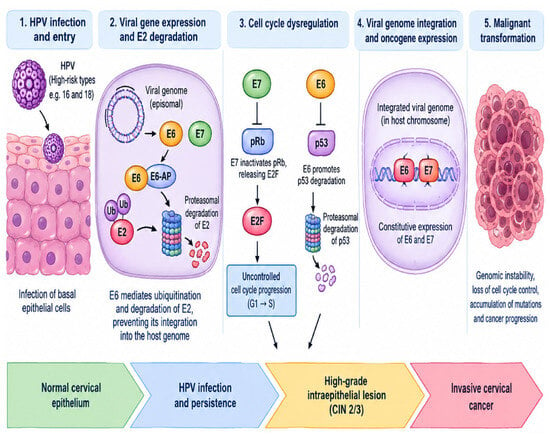
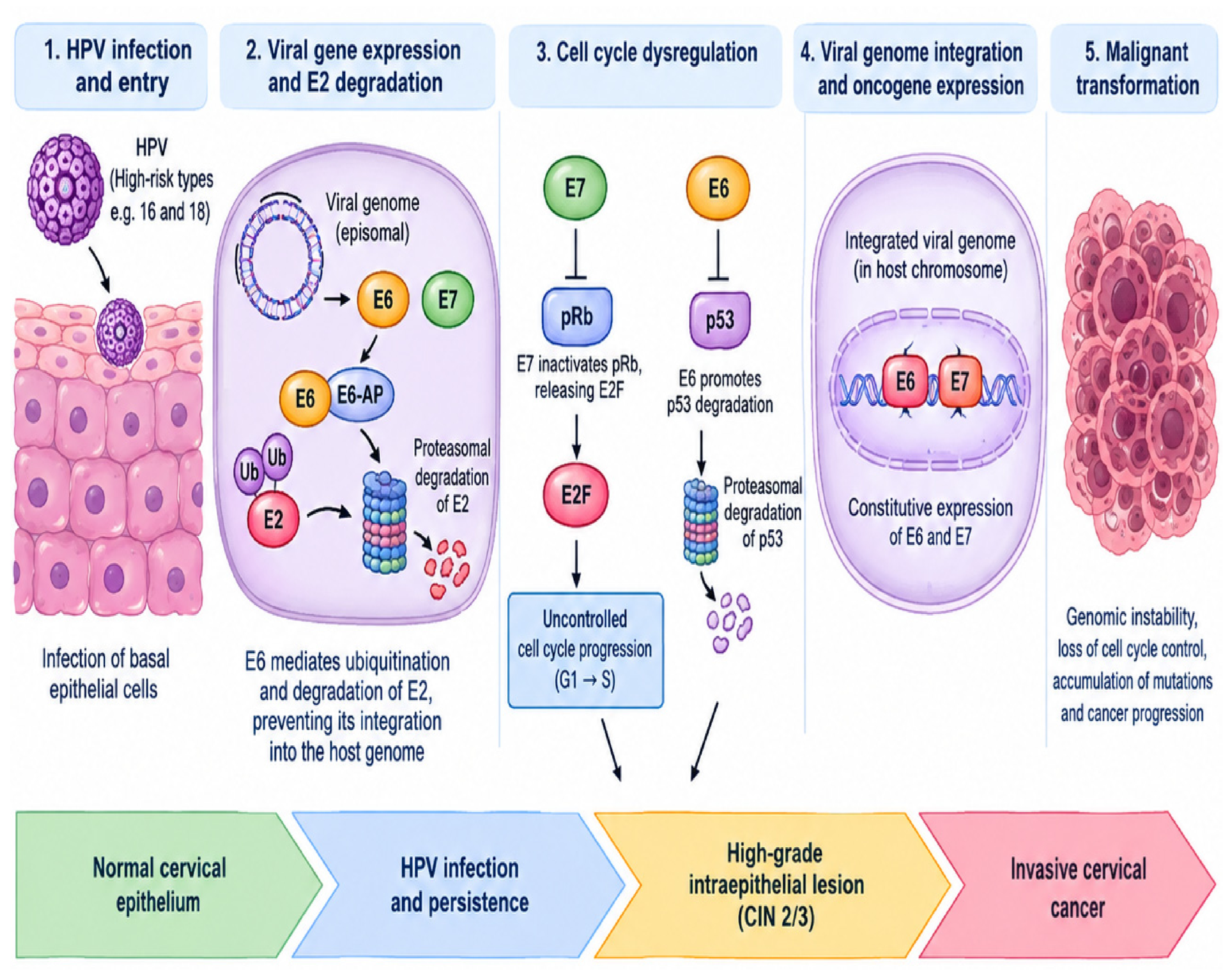
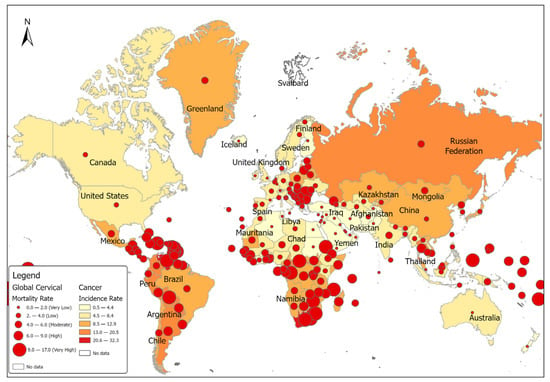
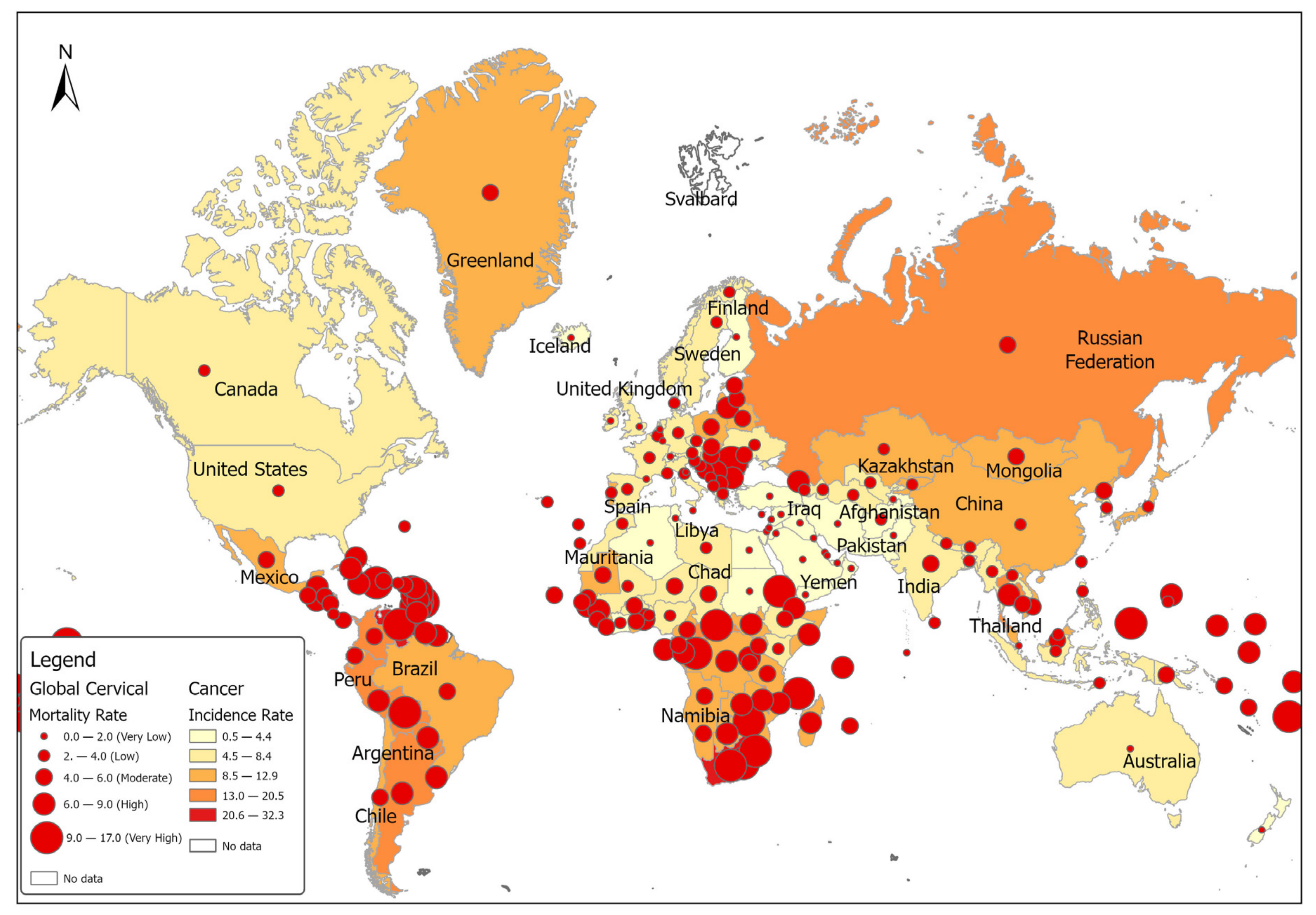
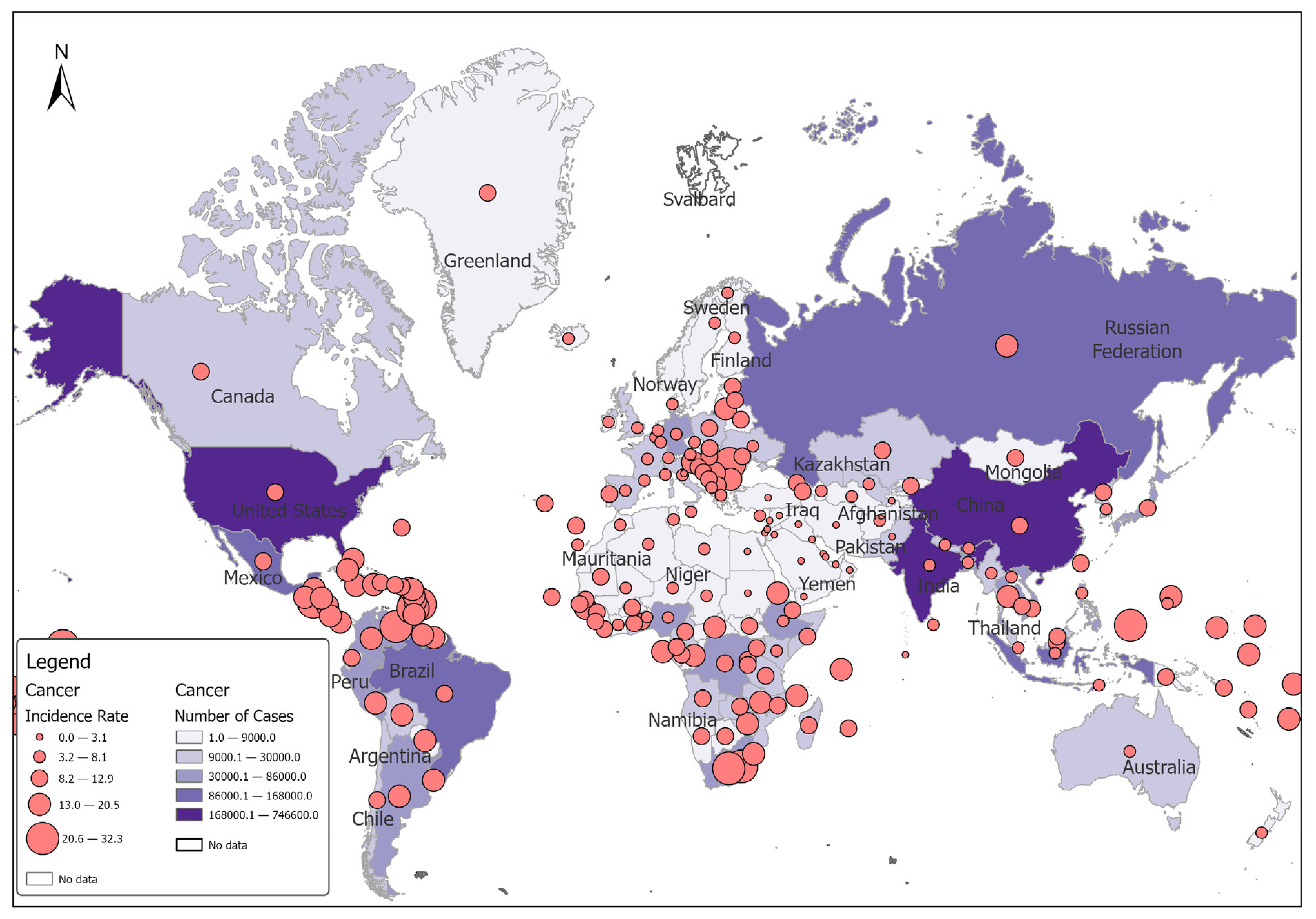
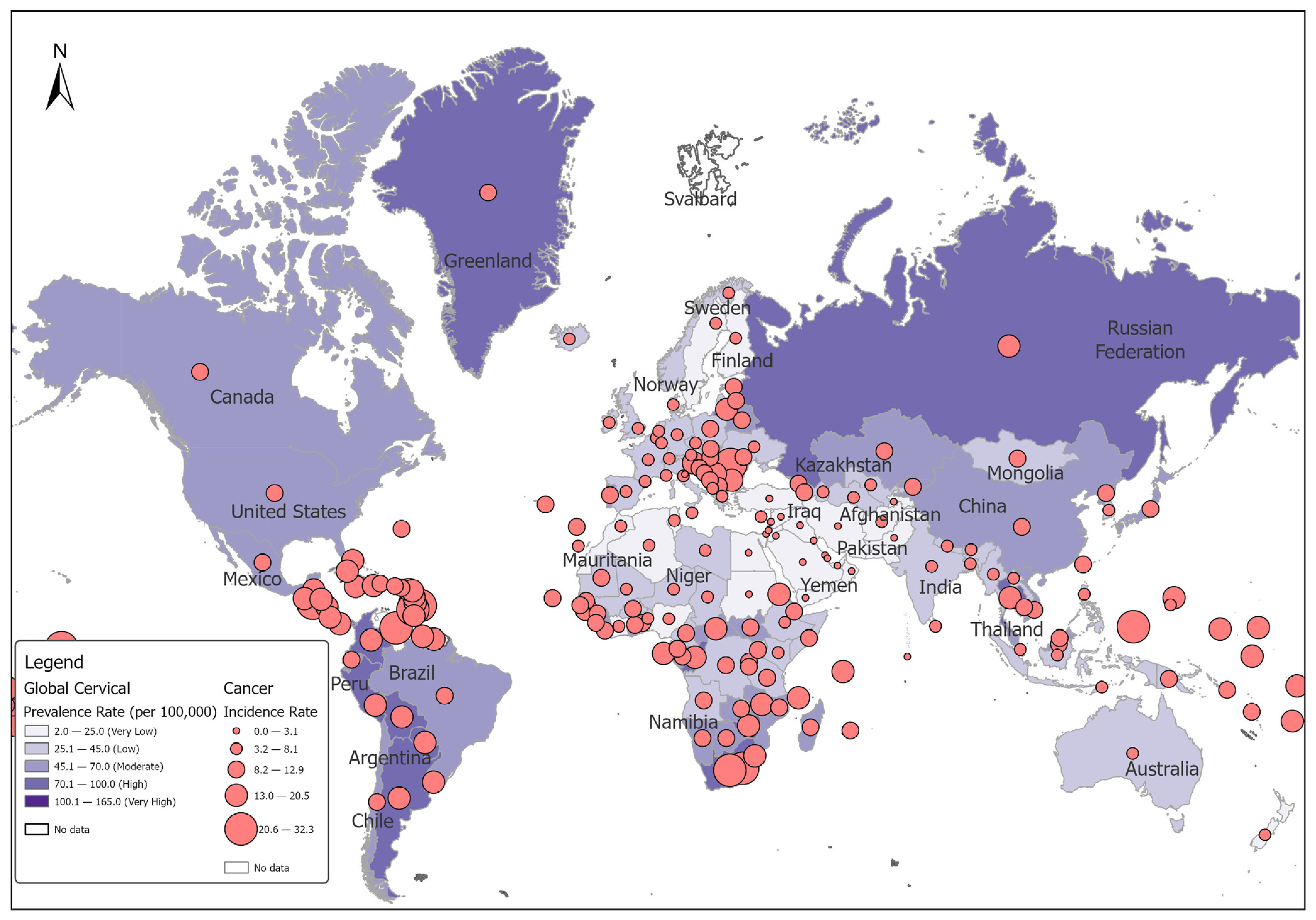
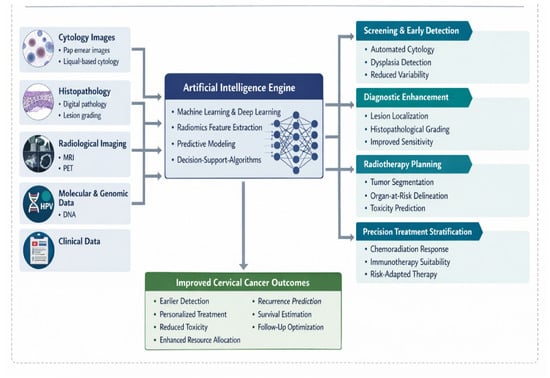
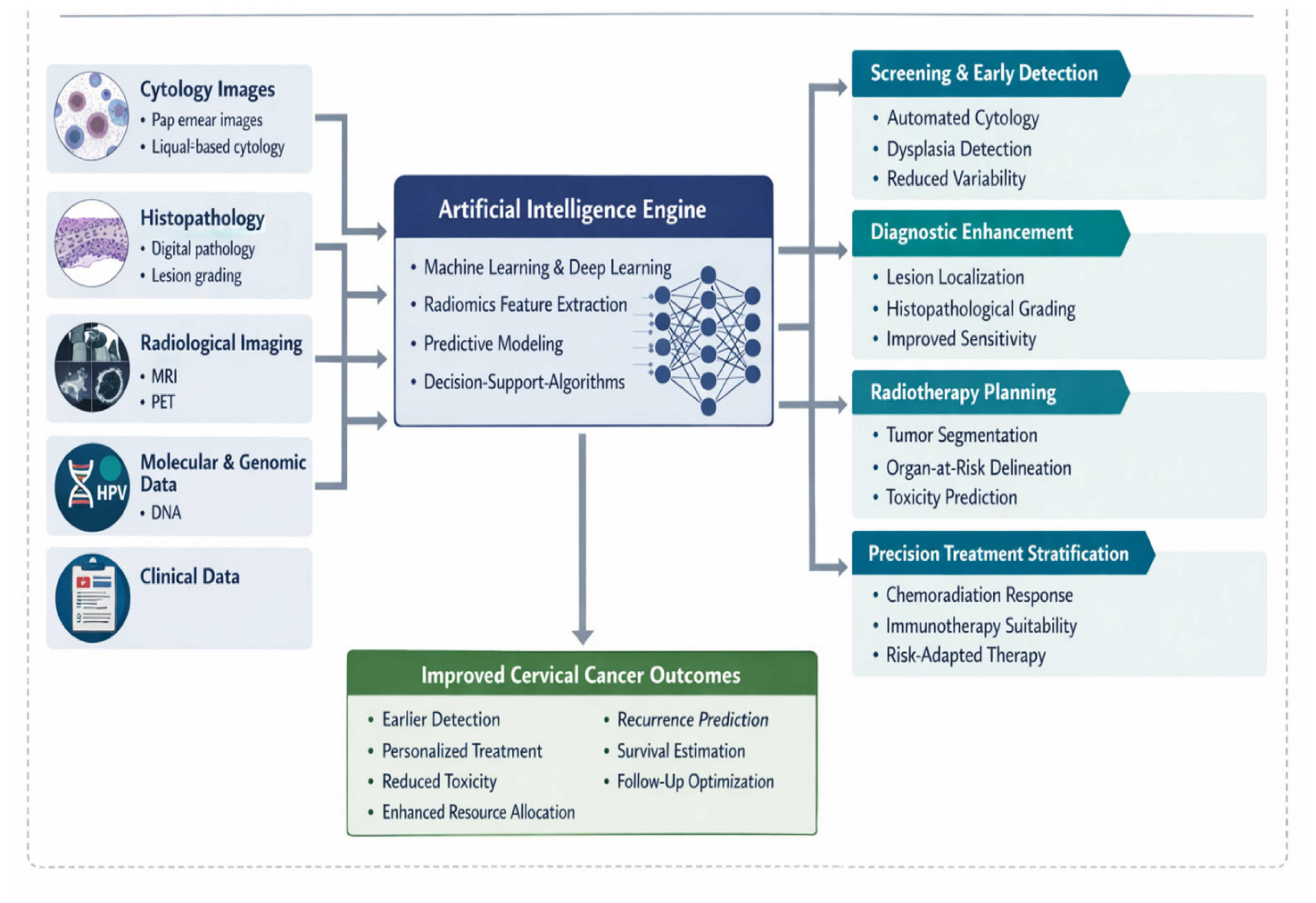

Disclaimer/Publisher’s Note: The statements, opinions and data contained in all publications are solely those of the individual author(s) and contributor(s) and not of MDPI and/or the editor(s). MDPI and/or the editor(s) disclaim responsibility for any injury to people or property resulting from any ideas, methods, instructions or products referred to in the content. |
© 2026 by the authors. Licensee MDPI, Basel, Switzerland. This article is an open access article distributed under the terms and conditions of the Creative Commons Attribution (CC BY) license.