


Abstract
Generative artificial intelligence (GenAI) is increasingly embedded in organizational processes, yet evidence on how firms convert its technical capabilities into sustained organizational value remains fragmented. This systematic review synthesizes empirical research on GenAI-enabled market sensing, innovation, customer-related value, organizational capabilities, responsible use, and competitiveness in SMEs and service-oriented contexts. Following PRISMA 2020, Scopus and Web of Science were searched without a predefined publication-year restriction, and the final included studies were published between 2024 and 2026. Eligible journal articles and full conference papers were analyzed through narrative, thematic, and comparative synthesis. From 860 identified records, 27 studies met the inclusion criteria. The reviewed studies document recurring applications of GenAI in information processing, market sensing, and decision support. Findings on customer experience, innovation, and organizational capabilities vary across research designs and contexts, while evidence on sustained competitiveness and comprehensive responsible AI governance remains limited within the retrieved corpus. The review integrates these findings into a relational framework linking GenAI-enabled sensing and translation, organizational conversion capabilities, value outcomes, responsible-use conditions, and contextual contingencies. This synthesis provides a foundation for more capability-oriented, responsible, and empirically grounded research and managerial decision-making.
1. Introduction
Generative artificial intelligence (GenAI) is increasingly discussed as a potential organizational resource for interpreting markets, designing services, supporting customers, and assisting managerial decisions [1]. This issue is particularly relevant to small and medium-sized enterprises (SMEs) and service firms, which often operate with limited resources while competing in volatile digital markets. Unlike earlier forms of automation, GenAI can process and generate text, images, recommendations, and other forms of content, creating new possibilities for market sensing, knowledge processing, service design, and decision support. However, the organizational implications of these possibilities remain dependent on how firms integrate AI-generated outputs with existing routines, human judgment, data resources, and customer-facing processes.
The growing diffusion of GenAI has stimulated research on its potential contribution to market intelligence and customer insight generation. Existing studies have examined the use of online reviews, social media, multimodal data, and large language models (LLMs) to analyze customer preferences, dissatisfaction, service deficiencies, and changing competitiveness drivers in tourism and other service contexts [2,3,4,5]. Other research has considered social-listening systems, forecasting agents, adaptive LLM coaching, and embedding-based tools as possible means of supporting strategic interpretation, entrepreneurial search, and the identification of external opportunities [6,7,8,9,10]. These developments raise questions about the extent to which GenAI can expand organizational sensing, how its outputs should be validated, and which forms of domain knowledge and managerial interpretation are required for its effective use.
A related body of research addresses innovation and value creation. GenAI may be relevant to product innovation by helping firms identify customer problems, generate solution alternatives, and organize expert evaluation [11]. It has also been examined in relation to sustainable business model innovation, organizational learning, service-interface design, recommendation systems, content generation, and itinerary-related tasks [12,13,14]. In tourism and other service settings, AI-enabled analysis of user-generated content has further been connected to customer participation, value co-creation, trust, and destination learning [3]. These research directions suggest that GenAI may be relevant across several stages of innovation, from opportunity identification to service configuration and business model adaptation. Nevertheless, the relationships among these stages and their implications for SMEs and service firms require further examination.
Customer experience represents another important area of inquiry. Research has considered the role of intelligent recommender systems, retrieval-augmented generation (RAG) chatbots, and other AI-enabled interfaces in personalization, responsiveness, perceived usefulness, satisfaction, and trust [15,16,17]. Other studies have focused on deceptive reviews, negative review analytics, information authenticity, platform trust, and the identification of service failures [18,19]. These topics indicate that GenAI may affect customer experience through multiple pathways, including information quality, personalization, service recovery, recommendation, and co-creation. However, the relevant dimensions are often examined separately, and their relationship with organizational value and longer-term competitiveness remains insufficiently consolidated.
The organizational conditions surrounding GenAI adoption also warrant attention. The literature points to the importance of human evaluation, experiential learning, strategic adaptation, specialized expertise, collaboration, organizational learning, and access to digital resources [11,12,20,21]. For resource-constrained firms, LLM-based tools may also alter the accessibility of customer analytics and operational information [16,22]. These observations raise questions about the role of digital capabilities, dynamic capabilities, AI literacy, organizational readiness, knowledge management, and human–AI collaboration in shaping the consequences of GenAI use. At present, these concepts are addressed through different theoretical and methodological approaches, making it difficult to determine how they relate to one another.
Responsible use constitutes a further area of concern. Trust, transparency, privacy, bias, hallucination, explainability, accountability, and human oversight are frequently discussed in relation to GenAI, but their incorporation into empirical research varies across contexts [23]. Some studies consider expert validation, explainability, human review, grounding, and structured data as possible safeguards for AI-supported recommendations and decision systems [10,16,24]. Other research addresses sustainability through topics such as ESG capability, low-carbon supply chains, circularity, sustainable business models, and green tourism [12,24,25,26]. These issues are particularly relevant to SMEs, which may have limited resources for implementing governance mechanisms while remaining exposed to the operational, ethical, and reputational risks associated with AI use.
The diversity of applications, theoretical perspectives, organizational contexts, and methodological approaches creates a need for systematic synthesis. Existing research includes computational experiments, prototypes, case studies, and cross-sectional investigations, while the relative contribution of longitudinal and comparative evidence remains to be clarified. Tourism, hospitality, and retail appear as important contexts for examining GenAI-enabled services, but the applicability of findings across other SME and service settings requires assessment. The literature also draws on dynamic capabilities, the resource-based view, service-dominant logic, institutional theory, human–AI collaboration, technology acceptance, and technical decision-support perspectives. A systematic review can therefore help organize the available evidence, identify areas of convergence and disagreement, and clarify the mechanisms and boundary conditions through which GenAI may relate to organizational value creation, sustainable competitiveness, and responsible business practice.
This study aims to systematically synthesize empirical evidence on the relationship between generative AI and global market intelligence, service innovation, customer experience, organizational capabilities, responsible value creation, and sustainable competitiveness in SMEs and service firms across different economic and geographic contexts. In this review, “global market intelligence” refers to the organizational function of identifying and interpreting market information across increasingly interconnected and digitally mediated environments; it does not imply that the retrieved evidence is geographically representative of all world regions.
Specifically, it examines how GenAI is studied in relation to market intelligence, customer insight, and decision-making; which mechanisms are proposed to connect GenAI with service, product, and business model innovation; how GenAI is associated with customer experience, engagement, personalization, and value co-creation; how digital capabilities, dynamic capabilities, AI literacy, and organizational readiness are conceptualized in relation to GenAI-enabled value creation and sustainable competitiveness; and how responsible AI governance, trust, transparency, privacy, and algorithmic bias are addressed in empirical research on SMEs and service firms.
2. Materials and Methods
2.1. Research Design
This study adopted a systematic literature review design to identify, evaluate, and synthesize empirical evidence on the relationship between GenAI and global market intelligence, innovation, customer experience, organizational capabilities, responsible value creation, and sustainable competitiveness in SMEs and service firms. A systematic approach was considered appropriate because the emerging GenAI literature is distributed across different disciplinary areas, organizational settings, theoretical perspectives, and empirical designs. In management and organizational research, systematic reviews provide a transparent procedure for consolidating fragmented knowledge, identifying areas of convergence and disagreement, and developing theoretically meaningful research agendas [27,28].
The review was guided by the Preferred Reporting Items for Systematic Reviews and Meta-Analyses (PRISMA) 2020 framework [29], adapted to the characteristics of social science and management research. PRISMA 2020 was used as a reporting framework to enhance the transparency, traceability, and replicability of the study selection process, including identification, screening, eligibility assessment, and final reporting. The review focused on organizational constructs, capabilities, relationships, mechanisms, business functions, and economic and geographic contexts. This adaptation is consistent with the view that systematic reviews in management should combine procedural rigor with sensitivity to theoretical diversity and heterogeneous research designs [27,28].
The methodological process was structured sequentially. First, eligibility criteria and information sources were defined. Second, a reproducible search strategy was developed around three conceptual domains: GenAI, SMEs and service-firm contexts, and organizational or market-related outcomes. Third, records were screened and assessed for eligibility. Fourth, information from eligible studies was extracted using a structured matrix (Supplementary Table S1). Finally, the evidence was appraised and synthesized through comparative, thematic, and narrative procedures. The completed PRISMA 2020 checklist for this review is provided in the Supplementary Materials as Supplementary Table S2.
2.2. Eligibility Criteria
Eligibility criteria were defined according to the research questions, technological scope, organizational context, and empirical evidence required for the review. Following Petticrew and Roberts [30], eligibility was determined by the substantive contribution of each study to GenAI-enabled organizational and market processes in SMEs, startups, entrepreneurial ventures, and service firms.
GenAI was operationally defined as artificial intelligence involving generative models, generative functions, or GenAI-enabled components that contributed substantively to the empirical workflow. Eligible studies included applications in which GenAI directly generated text, recommendations, synthetic data, labels, explanations, or other outputs, as well as hybrid architectures in which generative and non-generative components were combined to support the analytical or organizational function under investigation.
Because emerging GenAI applications frequently integrate embeddings, transformer-based representations, predictive models, or other machine-learning components, the presence of such techniques did not by itself constitute a reason for exclusion. Borderline studies were retained when the GenAI-related component was explicitly connected to the study’s empirical objective and contributed substantively to at least one research question. Studies based exclusively on conventional AI, machine learning, or deep learning without an identifiable GenAI-related component were excluded.
The organizational scope included SMEs, startups, entrepreneurial ventures, and service firms operating in tourism, hospitality, retail, logistics, and other relevant service sectors. Service-firm studies were eligible regardless of firm size when their findings directly addressed service-related activities. Studies involving mixed organizational populations were included when SME- or service-specific evidence could be identified. Sector-level studies without identifiable organizational or service-process evidence were excluded.
Computational experiments, prototypes, and simulations were eligible when they met these technological and contextual criteria. Their findings were distinguished from evidence obtained through direct organizational implementation. This distinction prevented technical performance and simulated outcomes from being interpreted as demonstrated firm-level benefits. For synthesis purposes, evidence from borderline or hybrid GenAI-enabled studies was interpreted more cautiously than evidence from studies directly evaluating generative outputs, and technical findings were not treated as equivalent to demonstrated organizational effects.
2.3. Information Sources
The search was conducted in Scopus and Web of Science (WoS) [31,32,33]. These databases were selected because of their broad coverage of peer-reviewed scholarship across management, business, economics, information systems, tourism, innovation, and related social science fields. Their complementary journal and conference coverage also supported the identification of emerging GenAI research across disciplinary boundaries. Using more than one major multidisciplinary database reduces dependence on the indexing practices of a single source and improves the breadth of systematic searches [34].
No publication-year restriction was applied during the database searches. The 2024–2026 period reflects only the publication years of the studies ultimately included in the review and was not used as a temporal search filter. The final searches were conducted on 15 August 2026. Search records from both databases were subsequently consolidated to permit duplicate identification and systematic screening. The number of records identified in each database and the number retained at each subsequent stage are reported in the PRISMA flow diagram in the Results Section rather than being used to define the methodological procedure itself.
2.4. Search Strategy
The search strategy was developed from the conceptual structure of the central research question. Following Booth et al. [35], alternative terms within each conceptual block were combined using the Boolean operator OR, while the three conceptual blocks were connected using AND. Truncation was used where appropriate to capture lexical variations, including singular and plural forms.
Three conceptual blocks were employed. The first represented GenAI technologies and included terms related to generative AI, ChatGPT, LLMs, AI-generated content, and generative chatbots. The second represented the organizational and sectoral context, including SMEs, small businesses, startups, entrepreneurs, service firms, tourism, hospitality, hotels, restaurants, and retail. The third represented the substantive outcomes and relationships examined by the review, including market intelligence, customer insights, customer experience, service innovation, product innovation, business model innovation, personalization, value creation, value co-creation, competitiveness, competitive advantage, and sustainability. The conceptual Boolean string was:
(“generative AI” OR “generative artificial intelligence” OR GenAI OR ChatGPT OR “large language model*” OR LLM* OR “AI-generated content” OR “generative chatbot*”) AND (SME* OR “small and medium enterprise*” OR “small business*” OR startup* OR entrepreneur* OR “service firm*” OR tourism OR hospitality OR hotel* OR restaurant* OR retail) AND (“market intelligence” OR “customer insight*” OR “customer experience” OR “service innovation” OR “product innovation” OR “business model innovation” OR personalization OR “value creation” OR “value co-creation” OR competitiveness OR “competitive advantage” OR sustainability).
To ensure reproducibility, the search was adapted to the syntax and searchable fields of each database. In Scopus, the search was conducted in the title, abstract, and keywords fields using the following query:
TITLE-ABS-KEY ((“generative AI” OR “generative artificial intelligence” OR GenAI OR ChatGPT OR “large language model*” OR LLM* OR “AI-generated content” OR “generative chatbot*”) AND (SME* OR “small and medium enterprise*” OR “small business*” OR startup* OR entrepreneur* OR “service firm*” OR tourism OR hospitality OR hotel* OR restaurant* OR retail) AND (“market intelligence” OR “customer insight*” OR “customer experience” OR “service innovation” OR “product innovation” OR “business model innovation” OR personalization OR “value creation” OR “value co-creation” OR competitiveness OR “competitive advantage” OR sustainability)).
The Scopus search was conducted in English and restricted to peer-reviewed journal articles and full conference papers. The initial search configuration included the following subject areas: Business, Management and Accounting; Computer Science; Decision Sciences; Economics, Econometrics and Finance; Social Sciences; and Environmental Science. These areas were selected to cover the organizational, technological, economic, and sustainability dimensions of the review. No publication-year restriction was applied. The search retrieved 536 records after applying the subject-area and document-type filters. In Web of Science Core Collection, the search was conducted using the Topic field, which searches titles, abstracts, author keywords, and Keywords Plus, through the following query:
TS = ((“generative AI” OR “generative artificial intelligence” OR GenAI OR ChatGPT OR “large language model*” OR LLM* OR “AI-generated content” OR “generative chatbot*”) AND (SME* OR “small and medium enterprise*” OR “small business*” OR startup* OR entrepreneur* OR “service firm*” OR tourism OR hospitality OR hotel* OR restaurant* OR retail) AND (“market intelligence” OR “customer insight*” OR “customer experience” OR “service innovation” OR “product innovation” OR “business model innovation” OR personalization OR “value creation” OR “value co-creation” OR competitiveness OR “competitive advantage” OR sustainability)).
The Web of Science search was conducted in English and restricted to eligible peer-reviewed journal articles and full conference papers. The initial search configuration included the following Web of Science categories: Business; Management; Economics; Hospitality, Leisure, Sport & Tourism; Computer Science, Artificial Intelligence; Computer Science, Information Systems; Computer Science, Interdisciplinary Applications; Information Science & Library Science; Operations Research & Management Science; Green & Sustainable Science & Technology; Environmental Studies; Ethics; and Social Sciences, Interdisciplinary. These categories covered the organizational, technological, service-related, and sustainability dimensions of the review. No publication-year restriction was applied. The search retrieved 324 records after applying the category and document-type filter. The conceptual terms were therefore kept consistent across Scopus and Web of Science, while the searchable fields and platform-specific syntax were adapted to the functionality of each database. This approach preserved conceptual equivalence between searches while improving reproducibility and transparency. The strategy intentionally combined technological, organizational, and outcome-oriented terms to reduce the retrieval of technically relevant but organizationally unrelated GenAI studies.
Several alternative combinations of search terms were tested before selecting the final strategy, which retrieved studies relevant to the review’s organizational and market-related objectives. Although trust, transparency, privacy, bias, responsible AI governance, AI literacy, and organizational readiness were not included as explicit search terms, these dimensions were identified and coded during full-text analysis when addressed in the included studies.
The five research questions therefore served complementary roles in the review design. RQ1–RQ3 were more directly represented in the retrieval terminology, whereas RQ4 and RQ5 also functioned as analytical coding dimensions applied during full-text extraction and synthesis. Organizational capabilities, AI literacy, organizational readiness, governance, trust, transparency, privacy, algorithmic bias, and human oversight were systematically coded whenever they were empirically addressed in otherwise eligible studies. The original search strategy was retained to preserve the reproducibility and auditability of the review process rather than retrospectively modifying the database queries after screening had been completed.
2.5. Selection Process
Study selection followed sequential screening at the title and abstract level and subsequently at the full-text level. After records from Scopus and WoS were combined, duplicate records were identified and removed. The remaining unique records were screened against the predefined eligibility criteria. Titles and abstracts were first examined to exclude records clearly outside the conceptual and organizational scope of the review. Records that remained potentially relevant progressed to full-text assessment.
Full texts were then examined to determine whether GenAI constituted a substantive component of the study, whether the organizational setting was eligible, whether the research contained empirical evidence, and whether the findings contributed to at least one research question. Studies were excluded at this stage when closer examination showed that GenAI was incidental, the organizational context was outside the scope, the relevant SME or service-firm evidence could not be separated, or the study lacked sufficient methodological or empirical information. Full texts that could not be obtained were recorded separately. The final numbers at identification, screening, retrieval, eligibility, and inclusion stages are presented through the PRISMA 2020 flow diagram.
Screening was conducted independently by two reviewers at both the title-and-abstract and full-text stages. Inter-reviewer agreement was not formally quantified. Disagreements were resolved through discussion, with unresolved cases referred to a third reviewer for adjudication. This procedure was particularly relevant to the multidisciplinary nature of the review, as decisions about conceptual relevance may require judgment beyond simple keyword matching [28]. Full-text exclusion decisions were based on explicit eligibility criteria and documented to ensure transparency and traceability.
Following the final eligibility audit, all 27 included studies were confirmed to meet the operational GenAI definition and the revised inclusion criteria, and all preliminary eligibility labels in Supplementary Table S1 were replaced with definitive classifications.
2.6. Data Collection Process
Data extraction was organized through a structured extraction matrix (Supplementary Table S1) designed to provide a consistent representation of bibliographic, contextual, methodological, theoretical, technological, organizational, and empirical information. Structured extraction reduces ad hoc interpretation and supports comparability across studies using different methodologies [34]. Each included study constituted one unit in the extraction matrix (Supplementary Table S1) [2,3,4,6,7,8,9,10,11,12,13,14,15,16,17,18,19,20,22,24,25,26,36,37,38,39,40].
The matrix was developed iteratively around the research objective and research questions. Extraction distinguished between information explicitly reported by the authors and interpretations required for cross-study synthesis. Wherever possible, terminology used in the original study was preserved before being mapped to broader synthesis categories. This procedure was particularly important for concepts such as organizational capabilities, customer experience, innovation, sustainability, and responsible AI, which are operationalized differently across research traditions.
Data extraction was performed using a standardized coding structure and independently checked by two reviewers. Any coding discrepancies were resolved through discussion between the reviewers and, when agreement could not be reached, by consultation with an additional reviewer. Discrepancies were resolved by returning to the original publication rather than inferring information from secondary descriptions. No missing study information was statistically imputed. When a study did not report a relevant characteristic, the matrix recorded the item as “not reported”; when a category was conceptually irrelevant to a study, it was coded as “not applicable”; and when an issue was discussed but not empirically evaluated, this distinction was retained in the extraction record.
2.7. Data Items
The extraction framework captured 76 fields organized into several analytical domains. First, bibliographic and contextual information included study code, authorship and year, title, DOI, publication source, country or region, economic context, sector, specific industry, organization type, firm size, study population, unit of analysis, sample description, and sample size. These variables permitted comparison of the geographic, economic, sectoral, and organizational distribution of the evidence.
Geographic information was coded according to the location of the empirical evidence rather than the authors’ institutional affiliations. For organizational studies, this referred to the location of the firms or participants examined. For computational studies, it referred to the identifiable geographic origin of the datasets. International datasets without a clearly defined national origin were classified as global or multinational. When data location, organizational setting, and author affiliations differed, these were recorded separately in Supplementary Table S1 (Geographic Coding Sheet). Author affiliations were not used to establish the geographic distribution of the evidence.
Second, methodological information included empirical approach, research method or design, data source, and analytical technique. Third, GenAI-related variables captured the type of generative AI, specific AI tool, AI modality, level of AI use, and organizational business function. Fourth, market- and innovation-related items captured market intelligence, customer insight, decision-making, innovation type and stage, service innovation, business model innovation, customer experience, customer engagement, personalization, value co-creation, and possible value co-destruction.
A fifth group captured organizational mechanisms and enabling conditions, including organizational capabilities, digital capabilities, dynamic capabilities, AI literacy, organizational readiness, knowledge-management roles, mechanisms, mediating processes, and moderating factors. A sixth group assessed reported consequences in terms of organizational, market, innovation, customer-related, competitiveness, sustainability, and inclusive-growth outcomes.
Responsible AI constituted a separate analytical domain encompassing governance, trust, transparency, privacy, algorithmic bias, ethical risks, human oversight, and human–AI collaboration. Finally, theoretical and interpretive fields captured theoretical frameworks, the role of theory, core constructs, relationships among constructs, main empirical findings, direction of evidence, reported limitations, practical and policy implications, contributions to each research question, relevance to the systematic review, and synthesis notes.
This broad extraction structure follows the recommendation of Paul and Criado [41] that reviews in business and management move beyond bibliographic description and systematically organize theories, contexts, methods, constructs, and findings. It also allows substantive findings to be connected to methodological and contextual characteristics rather than treated as universally comparable observations.
2.8. Methodological Quality Assessment
Methodological quality was assessed using a structured appraisal framework adapted to the diversity of research designs included in the review. Following Petticrew and Roberts [30], the assessment considered the transparency, methodological coherence, and credibility of the evidence supporting each study’s findings. The framework comprised four domains: methodological rigor, internal methodological coherence, theoretical clarity, and review relevance. Each domain was assessed separately using three categories: high, moderate, and limited. The criteria and rating rules are presented in Table 1.
Table 1.
Methodological Quality Appraisal Criteria and Rating Rules for Included Studies.
Methodological rigor covered research design, sample suitability, sampling procedures, measurement validity, data collection, analytical transparency, robustness, outcome measurement, and transferability. Internal methodological coherence assessed the alignment between research objectives, methods, measured outcomes, and conclusions. Theoretical clarity examined the definition of the main constructs and the integration of theory with the empirical analysis. Review relevance was assessed separately, according to each study’s direct or indirect contribution to the five research questions.
The appraisal was adapted to each research design. Quantitative studies were examined in terms of sampling, measurement, analysis, and statistical validity. Qualitative studies were assessed through case selection, data collection, analytical transparency, and the grounding of their interpretations. Computational and experimental studies were assessed using dataset transparency, benchmarking, validation procedures, robustness, and the correspondence between technical results and organizational claims. Design-oriented studies were assessed through the development and evaluation of their proposed artifacts.
The study-level assessments are documented in Supplementary Table S1, in the Methodological Quality Worksheet. This worksheet presents the four domain ratings, the underlying appraisal criteria, a justification for each study, and references to the relevant source pages. The RQ Coding worksheet records each study’s contribution to individual research questions. This structure separates methodological quality from thematic relevance and allows both dimensions to be considered during synthesis.
The appraisal informed the interpretation of the findings rather than serving as an automatic exclusion mechanism. Greater interpretive weight was assigned to findings supported by adequate methodological quality and direct empirical evidence for the relevant research question. Technical performance was distinguished from observed customer and organizational outcomes. Studies with methodological limitations, indirect evidence, synthetic data, or narrow empirical settings were used primarily to identify emerging patterns and context-specific mechanisms. No single numerical quality score was used to determine the weight of a study across all research questions.
For auditability, the ratings were derived from the existing appraisal criteria. Nine indicators informed methodological rigor, two informed internal coherence, and two informed theoretical clarity. Criteria were coded as met (1), partially met (0.5), or not met (0). Unreported or inapplicable criteria were excluded from the denominator and retained as reporting limitations. High ratings required a proportion of at least 0.80; moderate ratings ranged from 0.55 to below 0.80; and limited ratings were below 0.55. Review relevance was rated high when a study directly addressed at least one RQ, moderate when its contribution was only indirect, and limited when no relevant contribution was identified.
2.9. Analytical Approach
The analytical approach was designed around patterns, relationships, mechanisms, contexts, and differences across studies. Statistical aggregation was not considered the primary synthesis strategy because the included literature comprises heterogeneous research questions, units of analysis, GenAI applications, methods, outcome variables, and theoretical frameworks. Combining such evidence into a single quantitative estimate would obscure rather than clarify its organizational meaning.
Analysis therefore examined how particular GenAI configurations were related to business functions and organizational outcomes; which capabilities and mechanisms appeared to enable these relationships; and how results varied by sector, country, organization type, methodological design, and level of AI use. Particular attention was given to distinguishing direct empirical evidence from proposed mechanisms, technical demonstrations, and managerial implications. Evidence concerning mediating and moderating mechanisms was recorded only when these relationships were actually examined or explicitly supported by the study.
The analysis also distinguished positive, conditional, exploratory, mixed, and insufficient evidence. For coding purposes, positive evidence referred to empirically supported favorable associations, improvements, or performance outcomes; conditional evidence referred to favorable findings whose interpretation depended on identifiable contextual, methodological, or organizational conditions; exploratory evidence referred to preliminary patterns derived primarily from pilots, prototypes, simulations, single cases, or technical demonstrations without broader organizational validation; mixed evidence referred to studies reporting both favorable and null, inconsistent, or limited findings; and insufficient evidence indicated that the available results did not support a substantive conclusion for the relevant research question. These categories described the direction and scope of the reported evidence and were not used as methodological-quality ratings.
This allowed apparently favorable findings about GenAI to be interpreted alongside methodological limitations, contextual restrictions, governance concerns, and potential value co-destruction. The analytical logic therefore emphasized explanatory coherence and contextual interpretation rather than effect-size aggregation.
2.10. Synthesis Methods
The evidence was integrated through narrative, thematic, and comparative synthesis. Narrative synthesis was used to describe how GenAI has been studied across organizational and market contexts and to connect findings that could not be combined statistically. Thematic synthesis was used to organize evidence around recurring substantive domains derived from the research questions. Comparative synthesis was used to examine differences across sectors, geographic contexts, organizational characteristics, methods, GenAI modalities, and theoretical perspectives.
The synthesis proceeded from descriptive mapping to conceptual integration. Studies were first grouped according to their primary contribution to global market intelligence and decision-making, innovation, customer experience and value co-creation, organizational capabilities and sustainable competitiveness, and responsible AI governance. Studies could contribute to more than one thematic domain when supported by the extracted evidence. Within each domain, recurring mechanisms, enabling capabilities, constraints, and organizational consequences were compared.
Cross-study patterns were subsequently interpreted in relation to theoretical frameworks represented in the literature, including dynamic capabilities, resource-based perspectives, organizational learning, service and value-creation perspectives, technology acceptance, human–AI collaboration, and other frameworks identified during extraction. Theory was used to integrate findings rather than merely count the frequency of theoretical references.
This synthesis strategy follows Snyder [28], who emphasizes that management reviews should generate conceptual understanding from heterogeneous bodies of literature, and Paul and Criado [41], who argue that high-quality business reviews should connect theories, contexts, characteristics, and methods to identify meaningful patterns and future research directions. The synthesis was therefore designed to answer each research question while preserving contextual and methodological differences among the studies.
2.11. Strategies to Minimize Bias
Several procedures were incorporated to reduce selection and interpretation bias. First, two major multidisciplinary databases were used to limit dependence on a single indexing system. Second, the search strategy combined synonyms and related expressions within clearly defined conceptual blocks. Third, inclusion and exclusion criteria were specified before substantive synthesis and applied consistently across records.
Fourth, a structured extraction matrix (Supplementary Table S1) was used to reduce selective attention to favorable or theoretically convenient findings. Both positive and conditional findings, reported limitations, ethical risks, and evidence of potential value co-destruction were retained. Fifth, study-level interpretations were anchored to the original publication and separated from synthesis-level interpretations. Dual screening and extraction checking were conducted independently by two reviewers, with disagreements resolved through discussion and, when necessary, adjudication by an additional reviewer. Reviewer comparison provided an additional safeguard against individual judgment.
These strategies follow Booth et al. [35], who emphasize explicit search procedures, transparent selection decisions, reproducible extraction, and critical comparison as central mechanisms for reducing bias in systematic reviews. Nevertheless, the possibility of database coverage bias, English-language bias, publication bias, and terminology-related retrieval limitations was acknowledged when interpreting the final evidence base.
Risk of reporting bias and potentially missing results was assessed qualitatively at the synthesis level. Statistical methods commonly used to detect publication bias in meta-analysis were not considered appropriate because the included studies were heterogeneous in design, outcomes, analytical procedures, and reporting formats. The qualitative assessment was conducted separately across the five major synthesis domains and considered four indicators: (1) the predominance of favorable versus null, mixed, or unfavorable findings; (2) the presence or absence of explicitly reported adverse or non-significant outcomes; (3) the concentration of available evidence within particular sectors, geographic contexts, or methodological designs; and (4) whether potentially adverse or underrepresented constructs were directly measured or appeared only as limitations, risks, or implications. These indicators were used to identify possible asymmetries in the available evidence and to inform cautious interpretation of the synthesis rather than to estimate a statistical magnitude of publication bias.
2.12. Assessment of Evidence Consistency and Applicability
The strength of the evidence was assessed qualitatively by examining convergence across studies rather than by applying a clinical certainty-grading framework. Following the principles proposed by Petticrew and Roberts [30] for social science synthesis, greater evidential weight was attributed to findings that were directly supported by empirical analysis, theoretically coherent, replicated across independent studies or contexts, and observed through more than one methodological approach.
Consistency was evaluated by comparing whether similar relationships or mechanisms appeared across sectors, countries, samples, research designs, and GenAI applications. Methodological diversity was treated as potentially strengthening evidence when different research approaches converged on similar conclusions. Conversely, findings supported primarily by single cases, prototypes, exploratory studies, highly specific samples, synthetic environments, or indirect inference were interpreted as emerging rather than established evidence.
The assessment also considered theoretical robustness. Evidence was regarded as stronger when relationships among GenAI use, organizational capabilities, mechanisms, and outcomes were explicitly conceptualized and empirically connected. In contrast, studies in which theoretical explanations were absent or organizational implications extended beyond the observed data were interpreted more cautiously. Responsible AI issues were evaluated using the same principle: empirical examination of trust, transparency, privacy, bias, or human oversight was distinguished from their inclusion only as general recommendations or reported limitations.
This approach permits the review to evaluate the consistency and explanatory strength of a heterogeneous evidence base without reducing diverse social science designs to a single numerical quality score. It also provides a direct bridge to the Section 3 and Section 4. Results report the distributions, patterns, theoretical relationships, mechanisms, and areas of convergence or inconsistency identified through these procedures, whereas the Discussion interprets their implications for GenAI-enabled organizational value creation, sustainable competitiveness, responsible AI governance, and future research in SMEs and service firms.
Terms such as “emerging,” “fragmented,” “limited,” or “incipient” are used throughout the synthesis as descriptive characterizations of the breadth, consistency, or maturity of the retrieved literature. They do not constitute formal evidence grades or methodological-quality categories.
2.13. Review Registration and Protocol
This systematic review was not prospectively registered. Given its focus on management and social science research and the heterogeneous nature of the evidence considered, no formal review registration was undertaken. Likewise, no separate protocol was prospectively registered or deposited in an external repository. The review procedures were instead defined through explicit eligibility criteria, search strategies, screening procedures, data extraction rules, methodological quality assessment, and synthesis methods described in the Section 2. As no registered protocol was available, reporting of amendments to a prospective protocol is not applicable.
2.14. Declaration on the Use of AI-Assisted Technologies
ChatGPT (OpenAI), version GPT-4.5, and DeepL Web were used for language editing, translation support, and academic style refinement. All AI-assisted outputs were reviewed and validated by the authors, who take full responsibility for the manuscript content.
3. Results
3.1. Literature Selection Process
The database searches yielded 860 records after applying the predefined subject-area, category, language, and document-type filters: 536 from Scopus and 324 from Web of Science. These filters were applied as part of the initial search configuration, and no additional subject-area or category filtering was performed after record retrieval. After combining both sources, 211 duplicate records were removed, leaving 649 unique documents for title and abstract screening. At this stage, 503 records were excluded because they did not meet the established thematic, organizational, or empirical criteria. Consequently, 146 documents advanced to the full-text retrieval stage.
Of the 146 documents whose full texts were sought, three could not be retrieved. The remaining 143 documents were assessed in full according to the eligibility criteria. Of these, 116 were excluded, and 27 ultimately formed the review corpus. No publication-year restriction was applied. The 2024–2026 period corresponds to the publication years of the 27 studies ultimately included in the review, rather than a predefined temporal search restriction.
Following full-text assessment, 116 reports were excluded. The main reasons were an ineligible organizational context (n = 30), GenAI not being a central phenomenon (n = 27), outcomes outside the review’s scope (n = 22), insufficient empirical evidence (n = 18), lack of identifiable SME-specific results (n = 10), ineligible document type (n = 5), and insufficient methodological information or results (n = 4). Each excluded publication and its primary exclusion reason are documented in Supplementary Table S3. The complete selection process is presented in Figure 1.
Figure 1.
PRISMA 2020 diagram. Adapted from [29].
3.2. Profile of the Included Evidence
The 27 included studies show that organizational research on GenAI is a very recent field [2,3,4,6,7,8,9,10,11,12,13,14,15,16,17,18,19,20,22,24,25,26,36,37,38,39,40]. The included studies were published between 2024 and 2026. Four corresponded to 2024, 14 to 2025, and nine to 2026. Because the final search was conducted on 15 August 2026, the 2026 count represents only a partial publication year and should not be compared directly with the complete 2024 and 2025 counts. The annual distribution is therefore presented descriptively rather than as evidence of a temporal trend. This temporal concentration reflects the rapid development of organizational applications based on LLMs, RAG, conversational systems, and multimodal architectures observed in studies on customer intelligence, innovation, tourism, retail, and organizational decision-making [6,11,14,16].
The geographic distribution of the evidence was uneven. China accounted for seven studies, followed by the United States with four. Australia, Ecuador, Germany, Hong Kong, India, Japan, the Philippines, the United Kingdom, and Vietnam were each represented by one study. Five studies used cross-national or cross-domain datasets without a clearly defined national setting, while two did not report an identifiable empirical location. These differences highlight the geographic concentration of the retrieved evidence and limit its generalizability across international SME and service-firm contexts.
By sector, tourism and hospitality constituted the most recurrent group, with applications focused on review mining, destination intelligence, recommender systems, itinerary planning, value co-creation, and service design [2,3,13,14]. Retail and e-commerce formed a second important cluster, in which GenAI was studied in relation to social listening, sentiment analysis, forecasting, deceptive-review detection, customer assistance, and financial performance [6,7,17,19]. Evidence in manufacturing, logistics, and entrepreneurship was more limited but addressed strategic issues such as sustainable business model innovation, circular capabilities, ESG management, and small-firm innovation [11,12,24,26].
Methodologically, quantitative and computational research predominated. Eighteen studies were classified primarily as quantitative, while eight used mixed designs or combinations of quantitative and qualitative evidence, and only one followed a purely qualitative approach. The methods included computational experiments, text mining, model benchmarking, multimodal analysis, simulations, surveys, case studies, design science, and user experiments. This diversity is reflected in studies using large digital corpora and algorithmic performance metrics [18,19,22], as well as in research incorporating experts, managers, consumers, or organizational cases to validate GenAI-generated results [10,11,17].
No single dominant theoretical framework was identified. The evidence combines approaches derived from dynamic capabilities and resource-based perspectives [17], Service-Dominant Logic and institutional theory [3], human–AI collaboration [11], Lean Startup and Customer Development [8], the Technology Acceptance Model [36], and models of organizational learning and sustainable business model innovation [12]. At the same time, a substantial proportion of the corpus used predominantly technical or domain-specific frameworks. Overall, the theoretical profile was diverse and fragmented, with greater convergence around capabilities, learning, human–AI complementarity, and decision support than around a single organizational theory. Figure 2 summarizes the main characteristics of the 27 studies included in the review, integrating their temporal, geographic, sectoral, methodological, analytical, and theoretical profiles.
Figure 2.
Bibliographic, Methodological, Sectoral, Theoretical, and Geographic Profile of the Included Studies. Source: Supplementary Table S1.
Complementing this general profile, Figure 3 shows the distribution of the included studies across the main analytical domains of the review. Market intelligence and decision support, together with organizational capabilities, presented the highest coverage, each appearing in 26 studies (96.3%). Innovation was addressed in 22 studies (81.5%), followed by customer experience and value co-creation in 19 studies (70.4%). Responsible AI and governance showed the lowest relative coverage, although it was still represented in 16 studies (59.3%). As these domains are not mutually exclusive, individual studies may contribute to more than one category.
Figure 3.
Coverage of Core Research Domains. Source: Supplementary Table S1.
3.3. Methodological Quality and Limitations of the Evidence
The methodological quality of the corpus was heterogeneous. A recurring strength was the transparency of numerous computational studies in reporting datasets, classification metrics, training or validation procedures, and model comparisons. For example, Cheng et al. [2], Bhangale and Roy [19], Zhang and Takada [22], and Yamanishi et al. [14] provided explicit measures of technical performance. Zhao et al. [4] complemented this approach with longitudinal and multimodal evidence from 337 cities and 2359 city–year observations. These characteristics strengthen the reproducibility of technical results, although not necessarily their generalizability to long-term organizational outcomes.
A considerable portion of the evidence was obtained through public datasets, controlled environments, prototypes, or simulations. Necula and Rieder [25] used partially synthetic attributes to evaluate supply chain decisions; Burbano et al. [16] evaluated an RAG chatbot through 52 controlled conversations in a single establishment; Huang [37] used public datasets without A/B validation with real users; and Yamanishi et al. [14] evaluated a multimodal architecture primarily through benchmarks. These designs provide strong evidence regarding specific technical performance, but the connection between algorithmic improvements and organizational outcomes observed under real-world conditions remains less developed.
Evidence obtained directly from organizations also presents limitations. Wang and Zhang [12] analyzed 402 manufacturing startups, but their model was cross-sectional and based on self-reports. Etemad [20] provided one of the few longitudinal approaches focused on capability development, although based on a single firm. Mirkovski et al. [11] combined 21,072 reviews, expert validation, and a small-business case, enabling triangulation, but the evidence remained tied to a specific firm and product domain. These studies provide greater organizational depth than purely computational experiments, although their generalizability requires caution.
Participant experiments strengthened the evidence for certain relationships. Metwally et al. [17] combined qualitative evidence with experiments involving consumers and managers and analyzed mechanisms associated with satisfaction, trust, and financial-performance proxies. Wang et al. [13] used a modified Solomon experimental design and incorporated physiological measures to examine responses to menus designed with ChatGPT support. However, both studies were conducted under controlled conditions, and the financial results in the former were simulated or expected, while the latter used a relatively small and predominantly student sample. Consequently, internal validity is stronger than the available evidence regarding the persistence of effects in real markets.
Theoretical coherence was also uneven. Studies such as Wang and Zhang [12], Mirkovski et al. [11], Dang and Nguyen [3], Metwally et al. [17], and Etemad [20] explicitly linked organizational mechanisms with theoretical frameworks. In contrast, numerous computational studies focused on predictive performance, classification, or system architecture and subsequently derived their implications for firms or managers [14,37,40]. Therefore, the corpus is more consistent in demonstrating that GenAI can perform certain analytical tasks than in establishing generalizable organizational relationships among GenAI, capabilities, and competitive outcomes. The main methodological strengths and limitations identified across the included studies are summarized in Table 2, which synthesizes the recurring patterns in research design, data sources, validation procedures, theoretical grounding, and the generalizability of the evidence.
Table 2.
Methodological Quality Profile of the Included Evidence.
3.4. Main Findings Aligned with the Research Questions
3.4.1. GenAI, Global Market Intelligence, Customer Insights, and Decision-Making
The evidence related to RQ1 shows the most consistent pattern in the corpus: GenAI is primarily used to transform dispersed or unstructured data into information capable of supporting decisions. This process appears in customer-review mining, social listening, sentiment analysis, forecasting, opportunity matching, and destination intelligence. Cheng et al. [2] used GPT-4 to integrate sentiment, topics, and the importance of tourism attributes; Dahish et al. [6] transformed user-generated content into recommendations for retail decisions; Wang et al. [18] identified hidden service problems even in reviews accompanied by high ratings; and Zhang and Takada [22] used LLM-generated labels to reduce the cost of classifying customer feedback. In these studies, GenAI operates fundamentally as a sensing and information-structuring capability.
A second pattern expands the role of GenAI from customer intelligence to predictive and strategic intelligence. Gunduz et al. [40] used generative embeddings to predict the success of crowdfunding campaigns; Reyes and Rosati [7] integrated forecasts with LLM-based agents to convert KPI predictions into managerial explanations and actions; and Bacon and Menon [9,10] used embeddings to relate organizational capabilities to external research and funding opportunities. Zhao et al. [4], in turn, combined multimodal data and temporal analysis to identify changes in the determinants of destination competitiveness. These findings converge in showing that GenAI can expand the range of signals an organization processes, although the level of autonomy in the final decision varies considerably.
The evidence also shows that the decision function tends to be more robust when generated outputs are grounded in specific data and subjected to validation. Tsang et al. [24] combined ESG data, a knowledge base, and RAG to produce recommendations evaluated by experts; Mirkovski et al. [11] used GenAI to generate problems and innovation alternatives but retained final selection under expert judgment; and Bacon and Menon [10] found that clustering results could support opportunity screening, although they did not replace human evaluation. Consequently, the dominant pattern is not the substitution of managerial decision-making but an augmented decision-making architecture in which GenAI expands search, synthesis, and recommendation capabilities.
3.4.2. Mechanisms Linked to Service, Product, and Business Model Innovation
In RQ2, the evidence is more strongly concentrated on service and process innovation than on product innovation or business model innovation. Studies on tourism, hospitality, and retail show that GenAI is incorporated into recommender systems, conversational interfaces, customer-feedback analysis, and service design [13,14,15,16]. In these cases, the predominant mechanism consists of connecting information generation or retrieval with a reconfiguration of the process through which the organization delivers, designs, or adjusts the service.
In product innovation, the main mechanism identified is the complementarity between algorithmic generation and human selection. Mirkovski et al. [11] show a sequence in which customer reviews are transformed into product problems, GenAI expands the set of possible solutions, and experts filter the options according to relevance and feasibility. Guo et al. [39] identified a similar logic in creative and cultural innovation, where GenAI expands production possibilities, but human participation and local contextualization remain necessary. Gellert et al. [26] extended this complementarity to circular product-design capabilities by combining the literature, AI-assisted generation, and expert validation to structure organizational competencies.
Evidence on business model innovation is more limited, although it allows organizational learning to be identified as a relevant mechanism. Wang and Zhang [12] reported positive associations between GenAI adoption and exploitative and exploratory learning, as well as between both forms of learning and sustainable business model innovation. In their model, organizational learning functions as a mediating mechanism, while international entrepreneurial orientation and GenAI education condition some relationships. Given the cross-sectional nature of the design, these relationships should be interpreted as structural associations rather than causal evidence. Etemad [20], from a longitudinal perspective, also linked experiential learning, strategic pivots, and capability accumulation to the development of higher-value services in a small technology firm. Thus, innovation appears to be linked less to the isolated adoption of a tool than to processes of learning, experimentation, and human selection.
3.4.3. Customer Experience, Engagement, Personalization, and Value Co-Creation
The findings corresponding to RQ3 are organized around three recurring dimensions: personalization, customer information quality, and interactive experience. Tourism recommender systems use user behavior, context, and attributes to adapt recommendations and itineraries [14,15,37]. In retail, Dahish et al. [6] connected social listening with phygital customer experiences, which integrate physical and digital touchpoints, while Burbano et al. [16] observed, within a controlled environment, an increase in satisfaction and a substantial reduction in inquiry time through an RAG chatbot. Overall, personalization appears primarily as informational and recommendation adaptation, although its validation through actual customer behavior is less frequent.
Trust emerges as a dimension that can facilitate or limit the benefits associated with GenAI. Bhangale and Roy [19] linked deceptive-review detection with the protection of authenticity, reputation, and trust on platforms. Metwally et al. [17] found that satisfaction and trust operated as mechanisms in the relationship between GenAI and financial-performance proxies, and that GenAI familiarity conditioned the outcomes. Banerjee [36] also identified usefulness, ease of use, and trust as elements associated with the acceptance of generative travel assistants, although participants preferred to retain human involvement in final decisions. The evidence therefore shows that the perceived quality of the interaction depends not only on generative capability but also on the reliability attributed to its outputs.
Value co-creation appears less frequently but presents a distinctive pattern in contexts where user information is incorporated into the service. Dang and Nguyen [3] identified five co-creation practices in green tourism and linked customer-generated content, trust, and learning with the configuration of tourism value. Guo et al. [39] showed a cultural co-creation logic based on interaction between generative capabilities and local knowledge. In contrast, value co-destruction was rarely measured directly. The matrix (Supplementary Table S1) primarily records potential risks, such as incorrect recommendations, customer misclassification, hallucinations, decontextualized information, or loss of trust [14,16,19,22]. Therefore, the evidence on value creation is more developed than the empirical evidence on value destruction.
3.4.4. Organizational Capabilities, Sustainable Competitiveness, and Value Creation
The evidence from RQ4 indicates that the benefits attributed to GenAI depend on complementary capabilities. Digital capabilities constitute the most recurrent condition and include data access, LLM integration, RAG, cloud analytics, domain-specific models, and retrieval or validation mechanisms. Tsang et al. [24], Mirkovski et al. [11], Zhang and Takada [22], and Burbano et al. [16] show that the organizational usefulness of GenAI increases when outputs are connected to internal knowledge, updated data, or concrete business processes. In these studies, technology does not appear as a self-sufficient capability but as part of a broader digital and knowledge architecture.
Organizational learning and dynamic reconfiguration represent a second mechanism. Wang and Zhang [12] found that exploratory and exploitative learning were related to sustainable business model innovation. Etemad [20] identified experiential learning and strategic pivots during a longitudinal capability-development trajectory. Mirkovski et al. [11] showed processes of sensing customer problems and seizing possible solutions through human–AI collaboration, while Zhao et al. [4] demonstrated that the determinants of competitiveness vary over time, reinforcing the relevance of adaptive analytical capabilities. Although these studies use different conceptualizations, they converge in presenting learning and reconfiguration as conditions associated with deeper organizational appropriation of GenAI.
AI literacy and organizational readiness appear less systematically. Wang and Zhang [12] incorporated GenAI education as a moderator; Metwally et al. [17] identified GenAI familiarity as a factor conditioning some outcomes; and Mirkovski et al. [11] highlighted prompting, expert interpretation, skills, finance, and organizational culture as relevant elements. Zhang and Takada [22] and Burbano et al. [16] provide a complementary pattern: certain architectures can reduce barriers related to specialized knowledge and technological resources, making customer analytics or information retrieval more accessible to small firms. However, AI literacy and readiness were not measured homogeneously across the corpus.
The relationship with sustainable competitiveness is more visible in specific contexts than as a generalizable outcome. Tsang et al. [24] addressed ESG capabilities in logistics SMEs; Necula and Rieder [25] found trade-offs between emissions reduction and costs in sustainable supply chain design; Gellert et al. [26] developed circular-economy competencies for SMEs; and Wang and Zhang [12] analyzed sustainable business model innovation. In tourism, Dang and Nguyen [3], Zhao et al. [4], and Wang et al. [13] connected GenAI with green tourism, destination sustainability, or sustainable customer choices. Sustainability therefore constitutes a significant outcome in a subset of the corpus but not a dimension evaluated across all GenAI applications.
3.4.5. Responsible AI Governance, Trust, Transparency, Privacy, and Algorithmic Bias
RQ5 presents the most fragmented evidence. Responsible AI governance was rarely operationalized as a complete organizational construct. More often, studies incorporated specific components such as human oversight, explainability, grounding, privacy, or bias. Tsang et al. [24] jointly addressed fairness, accountability, privacy, transparency, and expert validation in an ESG-focused RAG system. Burbano et al. [16] combined grounding, fact verification, local deployment, and explicit recognition of potential regional and socioeconomic biases. Bacon and Menon [10] placed explainability, inspectability, and human-in-the-loop assessment at the center of LLM-assisted opportunity selection. These studies constitute the corpus’s most comprehensive approaches to responsible AI.
Human oversight is considerably more frequent than formal governance. Mirkovski et al. [11] kept idea selection under expert control; Reyes and Rosati [7] incorporated manual verification of forecasts and actions; Gellert et al. [26] subjected AI-generated competencies to expert review; and Wang et al. [13] used human review and external sources to refine the designs produced with ChatGPT. This pattern indicates that the most common organizational response to GenAI uncertainty consists of combining automation with human validation rather than establishing complete AI governance models.
Trust receives greater empirical treatment than privacy or algorithmic bias. Metwally et al. [17] modeled trust as a mechanism associated with economic outcomes, Banerjee [36] examined it as an element of acceptance, and Badouch et al. [15] reported that generative explanations could increase trust in recommendations. In contrast, privacy and algorithmic bias appear primarily as recognized issues, technical requirements, or limitations, and few studies incorporate them as directly evaluated variables [16,22,24]. Therefore, responsible AI is present in the corpus, but its institutionalization as a measurable organizational dimension remains incipient. Table 3 summarizes the main empirical findings associated with each research question, highlighting the principal patterns identified in the reviewed studies.
Table 3.
Synthesis of Main Findings by Research Question.
3.5. Integrated Thematic Synthesis
The cross-cutting integration of the five questions makes it possible to identify three higher-order thematic clusters. The first is GenAI as an organizational sensing and translation layer. The technology is repeatedly used to transform customer reviews, social media, internal databases, operational metrics, and external opportunities into categories, forecasts, recommendations, or decision cues [2,6,7,10]. The common pattern does not lie in a specific application but in reducing the distance between large volumes of information and their use in decision-making processes.
The second cluster is capability-enabled human–AI augmentation. The most organizationally developed findings combine GenAI with expertise, learning, data resources, and validation mechanisms. Mirkovski et al. [11], Wang and Zhang [12], Etemad [20], and Tsang et al. [24] show, through different designs, that the value associated with GenAI is linked to selection, interpretation, learning, and knowledge capabilities. This convergence distinguishes simple technological access from the ability to integrate GenAI into organizational routines.
The third cluster is responsible value realization as a boundary condition. Trust, explainability, grounding, and human oversight are associated with the possibility of converting generative outputs into usable decisions, while hallucination, bias, incorrect classification, and weak contextualization can reduce that value [10,16,17,19]. However, this dimension is less consolidated than market intelligence or digital capabilities. The synthesis therefore shows an emerging architecture in which GenAI expands sensing and generation, organizational capabilities enable appropriation, and responsible use conditions the reliability of the results.
3.6. Contextual and Methodological Variations in the Findings
The findings varied by sector. In tourism and hospitality, GenAI was primarily oriented toward customer-generated data, personalization, recommendation, and experience design [2,3,13,14]. In retail and e-commerce, the focus shifted toward social listening, forecasting, review authenticity, operational information, and customer-facing decision aids [6,7,17,19]. Manufacturing and logistics concentrated a greater proportion of findings related to organizational learning, sustainability, circularity, and ESG capabilities [12,24,25,26]. Thus, the function attributed to GenAI changes with the nature of the data and the predominant decisions in each sector.
Geographic differences were observed across the empirical settings. Studies using Chinese data examined tourism, customer-generated information, and manufacturing-related innovation [2,4,12,18]. Evidence from the United States included strategic opportunity matching, retail datasets, and hospitality experiments [9,10,13,25]. Other organizational settings included small-business innovation in Australia [11], ESG advisory in Hong Kong [24], retail applications in Ecuador [16], and consumer and managerial experiments in the United Kingdom [17]. However, the diversity of research designs, data sources, and units of analysis limits direct comparisons between geographic contexts.
The method used also conditioned the type of result reported. Computational studies tended to document improvements in accuracy, precision, recommendation performance, or the processing of large volumes of data [2,14,19,22]. Experiments with participants made it possible to observe satisfaction, trust, affect, or behavioral responses [13,17]. Organizational cases and surveys, although less frequent, provided evidence on learning, capabilities, barriers, and strategic adaptation [11,12,20]. Consequently, the nature of the finding depends partly on the level of analysis: technical designs primarily demonstrate task performance, whereas organizational studies allow for more precise examination of the mechanisms through which these capabilities can be converted into value.
3.7. Reporting Biases and Evidence Coverage
Reporting bias and the possibility of missing results were assessed qualitatively across the five major synthesis domains of the review. Statistical procedures commonly used to assess publication bias in meta-analysis were not considered appropriate because the included studies were highly heterogeneous in research design, units of analysis, outcomes, analytical approaches, and reporting formats. The qualitative assessment therefore considered four indicators: the predominance of favorable findings, the presence or absence of null or unfavorable results, the concentration of evidence in particular sectors or geographic contexts, and the extent to which relevant constructs and adverse outcomes were directly measured rather than only discussed as limitations or implications.
For market intelligence and decision support, the direction of the evidence was predominantly favorable. Most studies reported improvements in information processing, classification, forecasting, recommendation, opportunity identification, or the interpretation of customer and market data. However, completely null or unfavorable findings were rarely reported. Bacon and Menon [9] represented one of the few studies with clearly mixed and exploratory evidence, showing that embedding-based matching reproduced only part of the selections made by experts. Other studies reported limitations related to volatility, model dependence, weak contextualization, hallucination, or domain-specific performance, but these limitations generally accompanied otherwise favorable technical results [7,14,16,22]. This pattern suggests that technically successful applications may be more visible in the available literature than unsuccessful or inconclusive implementations.
For service, product, and business model innovation, the evidence was also largely positive, although its distribution was uneven. Favorable findings were particularly visible in service and process applications involving recommendation systems, customer-feedback analysis, conversational interfaces, and service design [13,14,15,16]. Evidence on product innovation was less extensive and frequently emphasized the complementarity between generative outputs and expert evaluation [11,26,39]. Evidence on business model innovation was more limited and concentrated in a small number of studies, particularly Wang and Zhang [12] and Etemad [20]. Consequently, the apparent strength of the innovation evidence may partly reflect greater research attention to operational and service-level applications than to deeper or longer-term organizational transformation.
The synthesis on customer experience, engagement, personalization, and value co-creation also showed a predominantly favorable direction. Studies generally reported positive associations with personalization, recommendation quality, satisfaction, perceived usefulness, trust, or interaction efficiency [6,16,17]. However, negative customer outcomes were rarely evaluated directly. Potential value co-destruction appeared mainly through risks such as incorrect recommendations, misclassification, hallucinations, decontextualized information, deceptive content, or erosion of trust rather than through studies specifically designed to measure adverse customer consequences [14,16,19,22]. Therefore, the evidence base may provide greater visibility to value creation than to value destruction.
For organizational capabilities, value creation, and sustainable competitiveness, the direction of evidence was positive but conceptually and methodologically uneven. Digital capabilities, organizational learning, knowledge integration, human expertise, and AI familiarity were repeatedly identified as conditions associated with the organizational use of GenAI [11,12,20,24]. Nevertheless, most evidence concerned proximal or intermediate outcomes, whereas direct longitudinal evidence on sustained competitiveness remained scarce. Etemad [20] provided one of the few longitudinal organizational perspectives, while Zhao et al. [4] incorporated temporal evidence in destination competitiveness. Firm-level evidence was also relatively limited, with Wang and Zhang [12] providing a relevant cross-sectional example. Accordingly, short-term capability and task-related benefits may be better represented in the literature than persistent organizational or competitive outcomes.
The synthesis on responsible AI governance showed the greatest evidence fragmentation and therefore the greatest uncertainty regarding potentially missing results. Human oversight, trust, explainability, grounding, and validation were addressed more frequently than privacy, algorithmic bias, accountability, or comprehensive governance systems. Tsang et al. [24] provided one of the more integrated approaches by addressing fairness, accountability, privacy, transparency, and expert validation, while Bacon and Menon [10] emphasized explainability, inspectability, and human-in-the-loop assessment. Burbano et al. [16] incorporated grounding, fact verification, local deployment, and recognition of potential regional and socioeconomic biases. However, privacy, algorithmic bias, and formal responsible AI governance were rarely operationalized as central organizational variables across the corpus. This imbalance means that the apparent prominence of trust and human oversight may partly reflect what researchers have chosen to measure rather than the relative organizational importance of the broader set of responsible AI dimensions.
Evidence coverage also showed clear geographic and sectoral asymmetries. China constituted the most recurrent national context, while Latin America had minimal representation and Africa was represented mainly through tourism-related datasets [15,16]. Tourism and hospitality, together with retail and e-commerce, concentrated a substantial proportion of the evidence, whereas professional services, logistics, manufacturing, and other SME contexts were less extensively represented [12,20,24]. The available evidence therefore reflects more strongly sectors characterized by intensive customer data, digital interaction, and readily measurable technical applications.
Methodological coverage was similarly concentrated. Computational evaluations, public datasets, prototypes, simulations, and controlled environments represented a substantial share of the corpus. These approaches provide important evidence regarding technical performance but are less suited to establishing whether benefits persist when GenAI is embedded in organizational routines. Longitudinal firm-level research remained uncommon, with Etemad [20] representing one of the few extended organizational trajectories and Zhao et al. [4] providing an important temporal analysis of tourism competitiveness. This methodological distribution may contribute to the greater visibility of immediate technical or behavioral outcomes relative to longer-term organizational consequences.
Across the corpus, 26 of the 27 studies were coded as presenting predominantly positive, conditional, or exploratory evidence within their respective contexts, while Bacon and Menon [9] represented the clearest case of mixed evidence. This overall imbalance raises the possibility of selective publication, selective outcome reporting, or greater research attention to successful and technically promising applications. However, the magnitude of such bias cannot be formally estimated from the available evidence because the studies do not report comparable effect measures and differ substantially in design, context, outcomes, and analytical procedures. Accordingly, the findings of this review are interpreted cautiously, distinguishing between patterns supported by convergent evidence, emerging relationships supported by a limited number of studies, and areas where the available literature may remain incomplete.
3.8. Consistency and Scope of the Evidence
The reviewed studies show recurring patterns in GenAI-enabled market intelligence and decision support. Applications involving review mining, social listening, forecasting, opportunity matching, tourism analytics, and RAG-based systems demonstrate improvements in information processing and specific decision-support tasks [2,6,7,10]. However, much of this evidence comes from computational studies and controlled environments. Its applicability to organizational performance and long-term business outcomes therefore requires further empirical validation.
Studies on customer experience and service and process innovation report findings related to personalization, satisfaction, trust, recommendation quality, and behavioral responses [13,15,16,17]. Nevertheless, validation across multiple firms, real-world customer settings, and extended periods remains limited. Organizational studies also identify human expertise, organizational learning, knowledge integration, AI familiarity, and digital capabilities as relevant conditions for GenAI-enabled value creation [11,12,20,24]. These findings suggest common conceptual patterns, although differences in measurement, theoretical frameworks, and research designs limit direct comparison.
Business model innovation and sustainability are examined in more specific organizational and sectoral contexts. Existing studies address sustainable business model innovation, ESG, circularity, supply chains, green tourism, and sustainable consumption [3,12,24,25,26]. Responsible AI research within the retrieved corpus focuses mainly on grounding, transparency, trust, and human oversight, while comprehensive organizational governance models receive less direct empirical examination [10,16,24]. Overall, the findings indicate that technical performance and immediate task-related outcomes are documented more frequently than sustained organizational effects. These patterns describe the retrieved evidence and should not be interpreted as definitive assessments of the wider literature.
4. Discussion
4.1. General Interpretation of the Findings
The findings of this review make it possible to answer the central question from a perspective that transcends technological adoption. Overall, the evidence suggests that the contribution of GenAI to market intelligence, innovation, customer experience, value creation, and the competitiveness of SMEs and service firms depends on its integration with organizational capabilities, contextual knowledge, and human judgment. GenAI appears most consistently as an infrastructure for sensing, translation and decision support that enables dispersed or unstructured data to be transformed into usable information. This pattern is observed in customer-review mining, social listening, forecasting, opportunity matching, and destination analysis [2,6,7,10]. Therefore, its main current contribution does not appear to lie in replacing decision-making, but in expanding organizations’ ability to identify signals, organize information, and evaluate alternatives.
This interpretation modifies a purely technological view of GenAI. Studies with greater organizational content show that access to an LLM or an RAG architecture is not sufficient to obtain sustained value. Utility increases when the technology is connected to proprietary data, specialized knowledge, validation procedures, and capabilities to interpret the results. Tsang et al. [24] demonstrate this logic through the combination of RAG, ESG data, and expert validation; Mirkovski et al. [11] show a sequence in which GenAI expands innovation alternatives, while experts retain the evaluation of relevance and feasibility; and Etemad [20] links the development of digital capabilities with learning processes and strategic adaptation. These findings make it possible to interpret GenAI as a resource whose value depends on organizational complementarities, rather than as an autonomous source of advantage.
The evidence on innovation reinforces this interpretation. GenAI appears to be more mature in service and process innovation activities, where it can be incorporated relatively quickly into recommendation systems, customer analytics, conversational interfaces, and service design [13,14,15,16]. In product innovation and, especially, business model innovation, the evidence is more limited. At these levels, the identified mechanisms require greater interaction among algorithmic generation, human selection, organizational learning, and capability reconfiguration [11,12,20]. This suggests that the depth of organizational transformation increases learning and integration requirements: automating or improving a task is different from modifying the value proposition, organizational routines, or business model.
A similar pattern is observed in customer experience. Personalization, recommendations, information quality, and conversational interfaces appear to be associated with better experiences or a greater ability to respond to specific needs [6,15,16]. However, these benefits are conditioned by trust and by the perceived reliability of the outputs. Metwally et al. [17] position satisfaction and trust as relevant mechanisms in outcomes associated with GenAI, while Banerjee [36] finds that usefulness and ease of use do not eliminate the preference for human intervention in final decisions. Therefore, the relationship between GenAI and customer experience can be understood as an interaction between technical capability and perceived legitimacy. A personalized response loses value if the user does not consider it reliable or is unaware of the criteria through which it was produced.
Sustainability presents a different configuration. The reviewed evidence links GenAI with ESG advisory, circular capabilities, sustainable supply chains, green tourism, sustainable business model innovation, and more sustainable consumption decisions [12,24,25,26]. Nevertheless, these associations are concentrated in specific applications and still do not allow sustainability to be interpreted as a general outcome of GenAI adoption. Trade-offs between economic and environmental objectives are even observed, as in the supply chain optimization analyzed by Necula and Rieder [25]. Consequently, sustainability should be understood as an orientation that can be incorporated into specific GenAI applications, not as an inherent consequence of its use.
Finally, responsible AI represents the least consolidated area. Human oversight, grounding, explainability, and trust repeatedly appear as mechanisms for limiting errors and increasing the reliability of decisions supported by GenAI [10,11,16,24]. However, privacy, algorithmic bias, and formal AI governance are rarely operationalized as complete organizational constructs. The review allows this difference to be interpreted as an incomplete transition from operational controls toward institutionalized governance capabilities. Organizations are incorporating practices to review outputs, but there is still less evidence on organizational systems that define responsibilities, transparency criteria, risk management, and accountability in an integrated manner.
4.2. Theoretical Implications
The first theoretical contribution consists of conceptualizing GenAI as a technological resource that can support organizational sensing and information translation when integrated with complementary organizational capabilities. The results show that GenAI makes it possible to interpret customer-generated data, detect patterns, generate forecasts, and connect internal capabilities with external opportunities [2,6,7,10]. This function is compatible with the logic of dynamic capabilities because it strengthens activities related to sensing and, in certain cases, seizing and reconfiguration. However, the review also delimits this interpretation: the technological system can expand sensing, but transforming this information into organizational action requires additional capabilities, human judgment, and learning processes, as shown by Mirkovski et al. [11], Wang and Zhang [12], and Etemad [20].
This distinction also contributes to refining the Resource-Based View. Metwally et al. [17] use a resource- and dynamic-capability-based perspective to explain how GenAI can be linked to economic outcomes, but the aggregated findings suggest that the technological resource itself has limited explanatory potential. What matters is the configuration formed by GenAI, data, expertise, knowledge integration, AI literacy, and organizational routines. In this sense, the review shifts the analysis from resource availability toward its organizational orchestration. Potential advantage lies not only in accessing the same LLM as other competitors, but in integrating it with specific knowledge, validation processes, and capabilities that are difficult to reproduce immediately.
A second contribution is the identification of human–AI complementarity as a transversal mechanism. In product innovation, experts filter and select alternatives generated by AI [11]; in ESG decision support, experts validate recommendations produced through RAG [24]; in opportunity intelligence, human evaluation remains necessary to interpret clusters generated through embeddings [10]; and in service design, content produced by ChatGPT is reviewed before interacting with consumers [13]. This convergence makes it possible to interpret human–AI collaboration not as an auxiliary practice, but as a mechanism that connects generative capability and organizational value.
The third theoretical implication relates to organizational learning. Wang and Zhang [12] show that exploitative and exploratory learning mediate associations between GenAI adoption and sustainable business model innovation, while Etemad [20] documents how experiential learning and strategic pivots accompany the development of digital capabilities over time. Mirkovski et al. [11] show a complementary logic in which GenAI outputs are subjected to successive cycles of interpretation and selection. Considered together, these studies suggest that learning constitutes a mechanism through which a technology initially oriented toward tasks can be progressively incorporated into routines, innovation, and organizational reconfiguration.
A fourth contribution consists of linking organizational perspectives with those of customer value. Service-Dominant Logic is particularly useful for interpreting the findings of Dang and Nguyen [3], in which customer-generated content participates in value co-creation practices. However, the synthesis expands this logic by showing that customer information not only represents a source of value in the interaction, but also an input for organizational sensing, product innovation, and service adaptation [2,6,11]. In this way, the customer simultaneously occupies a position as a source of intelligence, a participant in co-creation, and a recipient of experiences mediated by GenAI.
The review also makes it possible to position trust as a linking mechanism among perspectives on technology acceptance, customer experience, and organizational governance. Banerjee [36] addresses trust from the perspective of generative assistant acceptance, while Metwally et al. [17] link it to satisfaction and economic outcomes. Bacon and Menon [10], Tsang et al. [24], and Burbano et al. [16] show, from a different perspective, that explainability, grounding, and human validation can contribute to making outputs more trustworthy. The conceptual contribution consists of showing that trust does not operate solely as a user attitude toward a new technology; it can also be understood as the result of a sociotechnical architecture of validation, traceability, and control.
Taken together, these connections make it possible to integrate perspectives that have so far appeared dispersed throughout the corpus. Dynamic capabilities explain adaptation and reconfiguration; resource-based reasoning helps explain complementarity among resources; organizational learning explains capability development over time; human–AI collaboration represents an operational mechanism of appropriation; Service-Dominant Logic makes it possible to interpret joint value creation; and technology acceptance contributes elements related to trust and use. The main theoretical contribution of the review is therefore to explain how GenAI, as a technological resource, can be integrated with complementary organizational capabilities and practices that support value creation.
4.3. Integrated Conceptual Model Derived from the Review
The convergence observed in the Results makes it possible to propose an integrated relational model of GenAI-enabled organizational value creation. This model synthesizes the three core areas identified in the review—organizational sensing and translation, capability-enabled human–AI augmentation, and responsible value realization—and connects them with the main organizational outcomes examined in the corpus. The model should be understood as a conceptual integration derived from the evidence and not as an empirically demonstrated causal sequence (Figure 4).
Figure 4.
Integrated Relational Framework of GenAI-Enabled Organizational Value Creation in SMEs and Service Firms.
The first component corresponds to GenAI-enabled sensing and translation. It includes the ability to capture, classify, synthesize, and transform customer reviews, social media, operational data, knowledge bases, and external signals into insights, forecasts, recommendations, and possible courses of action. This function is supported by applications of market intelligence, social listening, forecasting, sentiment analysis, and strategic opportunity matching [2,6,7,10]. In the model, this layer represents the technical functions through which GenAI can support organizational information processing.
The second component consists of organizational conversion capabilities. This includes digital capabilities, knowledge integration, organizational learning, AI literacy, organizational readiness, and human expertise. Its conceptual function is to explain why a similar technical capability can produce different results across organizations. The evidence from Mirkovski et al. [11], Wang and Zhang [12], Etemad [20], and Tsang et al. [24] suggests that the value of outputs depends on the ability to contextualize them, evaluate them, integrate them into routines, and learn from their use. Human–AI collaboration constitutes the most visible connecting mechanism within this layer.
The third component comprises organizational and market value outcomes. The evidence makes it possible to group them into four related families: decision-support and market-intelligence outcomes; innovation outcomes; customer-experience and value-co-creation outcomes; and competitiveness and sustainability outcomes. These outcomes do not present the same degree of empirical maturity. Market intelligence and decision support have the most consistent evidence, while business model transformation, sustainable competitiveness, and some responsible value creation outcomes have a more incipient evidence base [3,12,24,26].
The fourth component functions as a responsible-use boundary condition. Trust, transparency, grounding, explainability, privacy, bias management, and human oversight condition the possibility of reliably using the results produced by GenAI. The findings of Tsang et al. [24], Bacon and Menon [10], Burbano et al. [16], and Metwally et al. [17] make it possible to position this dimension transversally: it is not simply an additional outcome, but a condition associated with the legitimacy, adoption, and use of outputs.
Finally, the model recognizes contextual contingencies. Sector, resource availability, type of task, firm capabilities, GenAI familiarity, and institutional conditions may modify how the preceding relationships manifest themselves. The differences identified among tourism/hospitality, retail, manufacturing, and logistics, as well as the conditioning effects of GenAI education, familiarity, and entrepreneurial orientation reported by Wang and Zhang [12] and Metwally et al. [17], support the need to avoid a universalist representation. Accordingly, the model proposes a relational logic—GenAI-enabled sensing and translation → organizational conversion capabilities → organizational and market value outcomes—under responsible-use conditions and contextual contingencies. The arrows represent conceptual relationships suggested by the synthesis and not established causal effects.
To strengthen the traceability of the proposed framework, Table 4 maps each conceptual component to the studies that provide its empirical basis, together with their methodological designs and study-level quality appraisals. This mapping does not imply that all components have equivalent empirical support; rather, it makes explicit the evidential sources from which the relational framework was synthesized and preserves differences in methodological quality, research design, and level of analysis across the included studies.
Table 4.
Empirical and Methodological Mapping of the Integrated Conceptual Framework.
4.4. Practical Implications
For SMEs and service firms, the main implication is that GenAI adoption should begin with clearly defined organizational problems rather than with the indiscriminate incorporation of tools. The cases with the most consistent results focus on information-intensive activities, such as customer-feedback analysis, forecasting, recommendations, opportunity screening, and information retrieval [2,6,7,16]. These activities offer an entry point because they make it possible to connect concrete outputs with identifiable decisions and to evaluate their usefulness more clearly.
Managers should also consider the quality of the information architecture. Evidence on RAG and domain-specific data shows that grounding can reduce some of the uncertainty associated with generative responses and improve their relevance for specific processes [14,16,24]. Consequently, the value of GenAI depends in part on the quality, timeliness, and relevance of the knowledge to which the model can gain access. For SMEs with limited resources, this aspect is especially relevant because focused systems connected to specific business information may be more useful than more complex general solutions.
People’s training constitutes another central implication. Mirkovski et al. [11] identify prompting, interpretation, skills, and organizational culture as relevant conditions; Wang and Zhang [12] show that GenAI education can modify certain organizational relationships; and Metwally et al. [17] identify familiarity as a condition associated with responses to GenAI. Therefore, training should not be limited to teaching the technical use of tools. It is more appropriate to develop capabilities to formulate problems, evaluate outputs, detect errors, interpret recommendations, and decide when to maintain human intervention.
Human oversight should be maintained especially in higher-impact decisions. The results show that expert validation remains present in innovation, ESG advisory, forecasting, competency development, and strategic opportunity screening [7,11,24,26]. This suggests the advisability of designing explicit human review points rather than assuming that greater automation necessarily implies better performance. The intensity of this review may vary according to risk, decision reversibility, and the sensitivity of the data used.
Organizational evaluation of GenAI should also move beyond technical metrics. Accuracy, precision, or retrieval performance are necessary for evaluating systems, but they do not by themselves establish whether the technology improves customer experience, innovation capability, profitability, or sustainability. The difference between computational studies and those incorporating consumers, managers, or firm-level evidence demonstrates the importance of linking technical metrics with organizational and market indicators [12,13,17,20]. A responsible implementation should therefore simultaneously evaluate output quality, human adoption, and outcomes related to the business process.
Finally, policymakers and programs supporting SMEs should consider that GenAI can reduce certain barriers to accessing analytics and specialized knowledge, but it does not eliminate differences in infrastructure, skills, and data availability. Zhang and Takada [22] show that LLMs can reduce labeling requirements and technical knowledge, while Tsang et al. [24] and Gellert et al. [26] illustrate their potential to support ESG and circular-economy capabilities. Public programs could focus on digital capabilities, infrastructure access, training, responsible AI standards, and mechanisms that enable small businesses to use these technologies without depending on resources equivalent to those of large organizations.
4.5. Limitations
The first limitation concerns the nature of the included evidence. Although the corpus presents methodological diversity, a significant proportion comes from computational experiments, public datasets, prototypes, and controlled environments. These designs are suitable for evaluating accuracy, classification, retrieval, or recommendation performance, but they offer less capacity to establish whether these results persist when GenAI is incorporated into real organizational routines. Huang [37], Yamanishi et al. [14], and Burbano et al. [16] illustrate this distance between technical performance and firm-level outcomes. Therefore, the associations identified with organizational value should be interpreted with greater caution than the improvements observed in specific tasks.
The organizational evidence also does not allow for strong generalizations. Wang and Zhang [12] provide firm-level evidence, but through a cross-sectional design and self-reported data; Mirkovski et al. [11] offer depth and triangulation, although concentrated in a single case; and Etemad [20] provides a longitudinal perspective, but based on a single company. These designs provide valuable evidence on mechanisms, although they still do not make it possible to clearly establish how GenAI capabilities evolve across broad business populations or which outcomes persist over time.
Sectoral and geographic concentration likewise conditions transferability. Tourism/hospitality and retail/e-commerce constitute the most studied settings, while evidence is more limited in other professional services, manufacturing, and logistics. Likewise, China, the United States, and certain Asian and European contexts have greater representation than Latin America, Africa, and other emerging economies [2,4,10,16]. Consequently, some patterns may reflect characteristics of sectors with abundant customer-generated data and high digitalization rather than universal properties of GenAI. Accordingly, the findings should not be generalized to the service sector as a whole, but interpreted primarily in relation to the service-intensive contexts most represented in the corpus, particularly tourism, hospitality, retail, and e-commerce.
Another limitation derives from conceptual heterogeneity. Constructs such as digital capabilities, organizational readiness, AI literacy, trust, sustainability, and responsible AI are defined and measured differently, and in some studies they even appear only as conditions or implications. This reduces direct comparability and explains why the convergence identified for organizational capabilities is greater in conceptual terms than in replicated empirical models [11,12,17]. Fragmentation is even greater for formal AI governance, privacy, algorithmic bias, and value co-destruction, which were rarely operationalized directly.
An additional conceptual limitation concerns the evolving boundary between GenAI and adjacent AI approaches. Some studies operationalized GenAI through hybrid architectures combining generative components with embeddings, transformer-based representations, or conventional predictive techniques. Although these studies were retained when the GenAI-related component was substantively connected to the empirical objective, their evidence was interpreted cautiously and was not considered equivalent to direct evaluation of generative outputs.
The predominantly favorable direction of the evidence should also be considered. Nearly the entire corpus reports positive, positive-conditional, or favorable exploratory results, while Bacon and Menon [9] represent one of the few clearly mixed pieces of evidence. Some studies acknowledge hallucination, domain dependence, misclassification, weak contextualization, or model dependence [14,16,22], but studies focused primarily on the absence of benefits or negative consequences are scarce. This composition advises interpreting the overall magnitude of the advantages associated with GenAI cautiously.
The review process also presents its own limitations. The search was restricted to Scopus and Web of Science and to English-language publications. Although no publication-year restriction was applied, the final corpus comprised studies published between 2024 and 2026. The search was completed on 15 August 2026 and therefore does not cover subsequent publications. These decisions favor quality and traceability, but may have excluded relevant studies found in specialized databases, the gray literature, or publications in other languages. Likewise, the search strategy was constructed around specific terms related to GenAI, SMEs, service firms, and a defined set of outcomes; therefore, studies using emerging terminology or related concepts may not have been retrieved.
The operationalization of the service-firm context combined the general term “service firm” with selected service-intensive sectors, particularly tourism, hospitality, restaurants, hotels, and retail. Consequently, service industries using different sector-specific terminology may have been underrepresented in the retrieved corpus.
In particular, the absence of explicit search terms related to responsible AI governance, trust, transparency, privacy, bias, AI literacy, and organizational readiness may have limited the retrieval of studies focused primarily on these topics. The final search date of 15 August 2026 and the absence of systematic citation searching may have further reduced the completeness of the evidence base. Consequently, findings on these dimensions should be interpreted as patterns within the retrieved corpus rather than as a comprehensive representation of the available literature. Finally, the high heterogeneity of designs, units of analysis, and outcomes prevented a common quantitative synthesis, so the integration necessarily depends on processes of categorization and interpretation, even though extraction and review were conducted through independent and structured procedures.
4.6. Future Research
The main future priority is to move from demonstrations of task performance toward evidence on organizational value over time. Longitudinal studies involving multiple firms are needed to examine how GenAI use is progressively integrated into routines, capabilities, and decisions, and whether its associations with innovation, customer experience, and competitiveness persist. The longitudinal evidence of Etemad [20] and Zhao et al. [4] demonstrates the value of incorporating time into the analysis, while the cross-sectional design of Wang and Zhang [12] points to organizational relationships that should be tested through explicit temporality.
A second line of research should deepen understanding of the mechanisms that convert GenAI into organizational outcomes. Organizational learning, trust, satisfaction, human expertise, AI familiarity, and GenAI education appear as mediators, moderators, or relevant conditions in different studies [11,12,17]. Future research could examine these elements in integrated models and determine whether their importance changes according to task complexity, decision risk, firm size, or technological maturity. Longitudinal, field-experimental, and mixed-methods designs would make it possible to better distinguish among association, temporal sequence, and mechanism.
Greater precision is also required in the operationalization of AI literacy, organizational readiness, and responsible AI capability. These concepts appear recurrently, but without comparable instruments across studies. It would be useful to develop and validate scales that distinguish technical capability, interpretive capability, governance, human oversight, and organizational readiness, and then test them across different sectors and countries. This standardization would make it possible to assess whether the complementarities suggested by Mirkovski et al. [11], Wang and Zhang [12], Tsang et al. [24], and Metwally et al. [17] are replicated beyond the original contexts.
Responsible AI constitutes a priority agenda. Future research should move from recognizing bias, privacy, hallucinations, and transparency as risks toward evaluating them as observable organizational capabilities and practices. The approaches of Tsang et al. [24], Bacon and Menon [10], and Burbano et al. [16] provide starting points for studying grounding, traceability, human validation, and explainability. However, it is necessary to examine how these practices relate to trust, adoption, decision quality, customer outcomes, and organizational accountability, and whether their effects vary according to task risk or data sensitivity.
Evidence on value co-destruction also requires further development. The review identifies possible adverse consequences—misclassification, incorrect recommendations, hallucinations, weak contextualization, and erosion of trust—but these appear mainly as limitations or potential risks [14,16,19,22]. Future research should directly measure when a GenAI application reduces value for customers, employees, or firms and which control mechanisms make it possible to mitigate that outcome. This would help balance a literature currently dominated by favorable applications.
Research on sustainability should distinguish between AI for sustainability and sustainable organizational value created through AI. Tsang et al. [24], Necula and Rieder [25], Gellert et al. [26], and Wang and Zhang [12] show applications related to ESG, emissions, circularity, and sustainable business model innovation, but there is still less evidence on whether these applications contribute to sustained competitive outcomes. Future studies could integrate economic, environmental, and organizational indicators and examine potential trade-offs rather than assuming automatic complementarity between efficiency and sustainability.
Contextual expansion constitutes another priority. It is relevant to develop comparative evidence in Latin America, Africa, and other underrepresented institutional contexts, as well as in sectors other than tourism, hospitality, and retail. The study by Burbano et al. [16] shows that the small-retail context in Ecuador presents different infrastructure and resource conditions from highly digitalized markets. Comparative designs could examine whether barriers, capabilities, and governance requirements change according to the level of digitalization, institutions, data access, or business scale.
Finally, the integrated conceptual model proposed in this review requires empirical testing. Future research could examine the relationship among GenAI-enabled sensing and translation, organizational conversion capabilities, responsible-use conditions, and organizational and market value outcomes through multi-firm, longitudinal, or mixed-methods studies. The objective should not be to assume that the proposed sequence is causal, but to evaluate which of its relationships are empirically supported, which mechanisms mediate these associations, and which contextual conditions modify their intensity. This testing would make it possible to transform a conceptual architecture derived from a still-fragmented literature into cumulative knowledge capable of comparison and refinement across sectors and contexts.
5. Conclusions
This systematic review shows that GenAI can serve as a technological resource supporting market intelligence, innovation, customer experience, and organizational decision-making in SMEs and service firms. Its organizational value depends on its integration with complementary digital capabilities, contextual knowledge, human expertise, organizational learning, and responsible-use practices. The reviewed studies document task-level benefits, particularly in information processing, market sensing, recommendations, and decision support. However, these improvements do not necessarily constitute organizational capabilities or demonstrate sustained competitive advantages.
The main contribution of this review is an integrated relational framework that connects GenAI-enabled sensing and translation with the organizational capabilities required to convert technical outputs into business value. The framework also incorporates responsible-use conditions and contextual contingencies. Although the findings suggest potential benefits for innovation, customer experience, and competitiveness, longitudinal firm-level evidence remains limited. Further research is needed to establish whether these benefits persist over time and translate into sustained organizational and competitive outcomes.
Supplementary Materials
The following supporting information can be downloaded at https://www.mdpi.com/article/10.3390/encyclopedia6100235/s1, Table S1. Evidence matrix of the 27 empirical studies included in the systematic review [2,3,4,6,7,8,9,10,11,12,13,14,15,16,17,18,19,20,22,24,25,26,36,37,38,39,40]; Table S2. PRISMA 2020 checklist adapted to social science systematic reviews; Table S3. Full-text publications excluded after eligibility assessment and primary reason for exclusion (n = 116).
Author Contributions
Conceptualization, L.E.-R.; methodology, L.E.-R. and J.G.N.S.; software, L.E.-R. and F.A.-M.; validation, L.E.-R. and E.P.R.; formal analysis, L.E.-R. and Z.E.C.-L.; investigation, L.E.-R. and H.G.H.; resources, L.E.-R. and G.M.S.; data curation, L.E.-R. and J.G.N.S.; writing—original draft preparation, L.E.-R. and F.A.-M.; writing—review and editing, L.E.-R. and E.P.R.; visualization, L.E.-R. and Z.E.C.-L.; supervision, L.E.-R. and H.G.H.; project administration, L.E.-R. and G.M.S. All authors have read and agreed to the published version of the manuscript.
Funding
This research received no external funding.
Institutional Review Board Statement
Not applicable.
Informed Consent Statement
Not applicable.
Data Availability Statement
The original contributions presented in this study are included in the article/Supplementary Materials. Further inquiries can be directed to the corresponding author.
Acknowledgments
During the preparation of this manuscript, the authors used ChatGPT (OpenAI), version GPT-4.5, and DeepL Web (https://www.deepl.com/es/translator, accessed on 10 September 2026) for language editing, translation support, and academic style refinement. The authors reviewed, validated, and edited all AI-assisted outputs and take full responsibility for the content of this publication.
Conflicts of Interest
The authors declare no conflicts of interest.
Abbreviations
The following abbreviations are used in this manuscript:
| GenAI | Generative Artificial Intelligence |
| SMEs | Small and Medium-sized Enterprises |
| LLMs | Large Language Models |
| RAG | Retrieval-Augmented Generation |
| PRISMA | Preferred Reporting Items for Systematic reviews and Meta-Analyses |
References
- Noroño Sánchez, J.G. How Entrepreneurs Perceive Technology in the Digital Era: From Aversion to Adoption. Ceniiac 2025, 1, e0002. [Google Scholar] [CrossRef] [Scilit]
- Cheng, X.; Chen, Y.; Wang, P.; Zhou, Y.; Wei, X.; Luo, W.; Duan, Q. A Novel ChatGPT-Based Multimodel Framework for Tourism Review Mining: A Case Study on China’s Five Sacred Mountains. J. Hosp. Tour. Technol. 2024, 15, 592–609. [Google Scholar] [CrossRef] [Scilit]
- Dang, T.-D.; Nguyen, M.-T. AI-Driven Analysis of Tourist Value Co-Creation Practices in Green Tourism Ecosystems: A Case Study of Mekong Delta Tours. Consum. Behav. Tour. Hosp. 2026, 21, 353–369. [Google Scholar] [CrossRef] [Scilit]
- Zhao, Q.; Li, H.; Wang, B.; Xu, P.; Jin, P. Unveiling Dynamic Determinants of Tourism Competitiveness: Analysis Integrating Multimodal Data and Spatiotemporal Machine Learning. J. Travel Res. 2026, 65, 1871–1894. [Google Scholar] [CrossRef] [Scilit]
- Peixoto Rodriguez, E. How Social Media Drives Innovation in Digital Marketing. Ceniiac 2025, 1, e0005. [Google Scholar] [CrossRef] [Scilit]
- Dahish, Z.; Miah, S.J.; Pandit, A.; Roy, S.K. Enhancing Phygital Customer Experience through Generative AI: A Social Listening Method for Strategic Retail Decision-Making. J. Strateg. Mark. 2025, 33, 1–21. [Google Scholar] [CrossRef] [Scilit]
- Reyes, D.; Rosati, P. ARIMA Forecasting with LLM-Powered Multi-Agent Coordination for Omnichannel Retail KPIs. In Proceedings of the 2025 Twelfth International Conference on Intelligent Computing and Information Systems (ICICIS); IEEE: Piscataway, NJ, USA, 2025; pp. 46–53. [Google Scholar]
- To, L.A.; Alabastro, Z.M.; Ilagan, J.B.; Ilagan, J.R. Augmenting Student Startups’ Customer Validation Efforts Through Adaptive Coaching Using Large Language Models. In Proceedings of the HCI in Business, Government and Organizations; Springer: Berlin/Heidelberg, Germany, 2025; pp. 209–220. [Google Scholar]
- Bacon, G.; Menon, V. Use of Large Language Model Embeddings to Predict Research Topic Suitability Based on Organizational Capabilities. In Proceedings of the SoutheastCon 2024; IEEE: Piscataway, NJ, USA, 2024; pp. 1376–1381. [Google Scholar]
- Bacon, G.; Menon, V. Exploring Transparency and AI Assessment in LLM-Assisted Research Applications. In Proceedings of the SoutheastCon 2025; IEEE: Piscataway, NJ, USA, 2025; pp. 346–351. [Google Scholar]
- Mirkovski, K.; Williams, P.; Liu, L.; Liu, H.; Indulska, M. An AI-Assisted Framework for Improving Innovativeness in Small Businesses: A Human–AI Collaboration Perspective. Inf. Syst. J. 2025, 35, 1603–1629. [Google Scholar] [CrossRef] [Scilit]
- Wang, S.; Zhang, H. Leveraging Generative Artificial Intelligence for Sustainable Business Model Innovation in Production Systems. Int. J. Prod. Res. 2025, 63, 6732–6757. [Google Scholar] [CrossRef] [Scilit]
- Wang, J.; Onder, I.; Liang, Y.; Uysal, M. Designing Smart Menus: A Multi-Method Exploration of AI Integration in Hospitality Guest Experience and Operations. Int. J. Hosp. Manag. 2026, 139, 104777. [Google Scholar] [CrossRef] [Scilit]
- Yamanishi, H.; Xiao, L.; Yamasaki, T. TourMLLM: A Retrieval-Augmented Multimodal Large Language Model for Multitask Learning in the Tourism Domain. In Proceedings of the 2025 International Conference on Multimedia Retrieval; Association for Computing Machinery: New York, NY, USA, 2025; pp. 1654–1663. [Google Scholar] [CrossRef] [Scilit]
- Badouch, M.; Elmobark, N.; Boutaounte, M. HITRS: A Novel Framework for Intelligent Tourism Recommender Systems Based on Reinforcement Learning. Int. J. Intell. Eng. Syst. 2025, 18, 927–939. [Google Scholar] [CrossRef] [Scilit]
- Burbano, J.; Landeta-López, P.; Guevara-Vega, C.; Quiña-Mera, A. Design and Evaluation of a Retrieval-Augmented Generation LLM Chatbot with Structured Database Access. Appl. Sci. 2026, 16, 3147. [Google Scholar] [CrossRef] [Scilit]
- Metwally, A.B.M.; Al-Maghzom, A.; Shabeeb Ali, M.A.; El-Halaby, S. Human Familiarity Meets Machine Intelligence: Evidence from Experimental Studies of Generative AI and Financial Performance in U.K. Retail. J. Retail. Consum. Serv. 2026, 91, 104726. [Google Scholar] [CrossRef] [Scilit]
- Wang, B.; Ge, J.; Lu, F. From Review Filtering to Topic Modeling: A Deep Learning-Based Approach for Analyzing Negative Online Reviews of Five-Star Hotels. J. Hosp. Tour. Technol. 2025, 16, 1–25. [Google Scholar] [CrossRef] [Scilit]
- Bhangale, S.; Roy, P.K. Is It Genuine or Fake? Analyzing e-Commerce Reviews Using Large Language Models. Knowl.-Based Syst. 2025, 330, 114556. [Google Scholar] [CrossRef] [Scilit]
- Etemad, H. Challenges of Smaller Entrepreneurial Enterprises Aiming to Generate Higher Values by Adopting Artificial Intelligence (AI) and Competing in the Rapidly Evolving AI Industry. J. Int. Entrep. 2024, 22, 269–287. [Google Scholar] [CrossRef] [Scilit]
- Rangel Luzuriaga, E.W. A Moderated Model of Digital Transformation in SMEs: Digital Competencies, Digital HRM, and Organizational Culture. Ceniiac 2025, 1, e0010. [Google Scholar] [CrossRef] [Scilit]
- Zhang, Y.; Takada, S. Lowering the Barrier of Machine Learning: Achieving Zero Manual Labeling in Review Classification Using LLMs. In Proceedings of the 2025 11th International Conference on Computing and Artificial Intelligence (ICCAI); IEEE: Piscataway, NJ, USA, 2025; pp. 727–735. [Google Scholar]
- Susilo, E. Judging with Practical Wisdom in Digital Courts: Paul Ricœur’s Little Ethics and the Ethical Governance of AI in the Judiciary. Ceniiac 2026, 2, e0011. [Google Scholar] [CrossRef] [Scilit]
- Tsang, Y.P.; Wu, C.H.; Wang, Y.; Ip, W.H. Semantic-Driven Internet of Behaviours for Enhancing Supply Chain ESG Capabilities Through Generative AI. Int. J. Semant. Web Inf. Syst. 2025, 21, 1–33. [Google Scholar] [CrossRef] [Scilit]
- Necula, S.-C.; Rieder, E. Generative and Adaptive AI for Sustainable Supply Chain Design. J. Theor. Appl. Electron. Commer. Res. 2025, 20, 240. [Google Scholar] [CrossRef] [Scilit]
- Gellert, B.; Singer-Coudoux, K.; Eser, A.A.; Orth, R. Empowering SMEs for Circularity: A Competency-Based Learning Approach. In Safe and Sustainable Value Creation by Design; Springer: Cham, Switzerland, 2026; pp. 439–447. [Google Scholar] [CrossRef] [Scilit]
- Denyer, D.; Tranfield, D. Producing a Systematic Review. In The Sage Handbook of Organizational Research Methods; Buchanan, D.A., Bryman, A., Eds.; Sage Publications Ltd.: New York, NY, USA, 2009; pp. 671–689. [Google Scholar]
- Snyder, H. Literature Review as a Research Methodology: An Overview and Guidelines. J. Bus. Res. 2019, 104, 333–339. [Google Scholar] [CrossRef] [Scilit]
- Page, M.J.; McKenzie, J.E.; Bossuyt, P.M.; Boutron, I.; Hoffmann, T.C.; Mulrow, C.D.; Shamseer, L.; Tetzlaff, J.M.; Akl, E.A.; Brennan, S.E.; et al. The PRISMA 2020 Statement: An Updated Guideline for Reporting Systematic Reviews. BMJ 2021, 372, n71. [Google Scholar] [CrossRef] [Scilit] [PubMed]
- Petticrew, M.; Roberts, H. Systematic Reviews in the Social Sciences: A Practical Guide; John Wiley & Sons, Ed.; Blackwell: Oxford, UK, 2008. [Google Scholar]
- Burnham, J.F. Scopus Database: A Review. Biomed. Digit. Libr. 2006, 3, 1. [Google Scholar] [CrossRef] [Scilit] [PubMed]
- Mongeon, P.; Paul-Hus, A. The Journal Coverage of Web of Science and Scopus: A Comparative Analysis. Scientometrics 2016, 106, 213–228. [Google Scholar] [CrossRef] [Scilit]
- Pranckutė, R. Web of Science (WoS) and Scopus: The Titans of Bibliographic Information in Today’s Academic World. Publications 2021, 9, 12. [Google Scholar] [CrossRef] [Scilit]
- Kitchenham, B.; Charters, S. Guidelines for Performing Systematic Literature Reviews in Software Engineering 2007, version 2.3-Technical Report EBSE 2007-001; Keele University: Keele, UK; Durham University: Durham, UK, 2007. [Google Scholar]
- Booth, A.; Sutton, A.; Papaioannou, D. Systematic Approaches to a Successful Literature Review, 2nd ed.; SAGE Publications: Thousand Oaks, CA, USA, 2016. [Google Scholar]
- Banerjee, S. Evaluating the Use of Generative AI Travel Assistants in Smart Tourism through Student Feedback. J. Comput. Mech. Manag. 2025, 4, 1–7. [Google Scholar] [CrossRef] [Scilit]
- Huang, A. Urban Tourism Itinerary Planning Technology Based on Time-Aware and Adversarial Learning. Discov. Appl. Sci. 2026, 8, 456. [Google Scholar] [CrossRef] [Scilit]
- Lian, J.; Nijhuis, S.; Bracken, G.; Bai, N.; Zhang, H. Introducing a Perceptual–Spatial Landscape Planning Model (PSLPM) for Cultural Landscapes’ Route Optimization: The Case of Chengde Mountain Resort. Front. Archit. Res. 2026, 15, 1572–1588. [Google Scholar] [CrossRef] [Scilit]
- Guo, M.; Zhang, X.; Zhuang, Y.; Chen, J.; Wang, P.; Gao, Z. Exploring the Intersection of Complex Aesthetics and Generative AI for Promoting Cultural Creativity in Rural China After the Post-Pandemic Era. In AI-Generated Content; Springer: Singapore, 2024; pp. 313–331. [Google Scholar] [CrossRef] [Scilit]
- Gunduz, H.; Klein, M.; Bayrak Meydanoglu, E.S. Crowdfunding as an E-Commerce Mechanism: A Deep Learning Approach to Predicting Success Using Reduced Generative AI Embeddings. J. Theor. Appl. Electron. Commer. Res. 2026, 21, 28. [Google Scholar] [CrossRef] [Scilit]
- Paul, J.; Criado, A.R. The Art of Writing Literature Review: What Do We Know and What Do We Need to Know? Int. Bus. Rev. 2020, 29, 101717. [Google Scholar] [CrossRef] [Scilit]
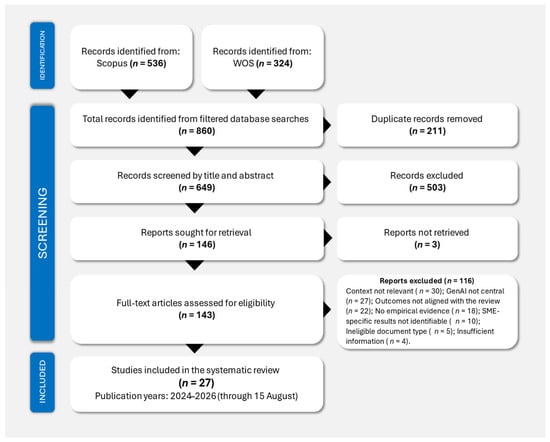
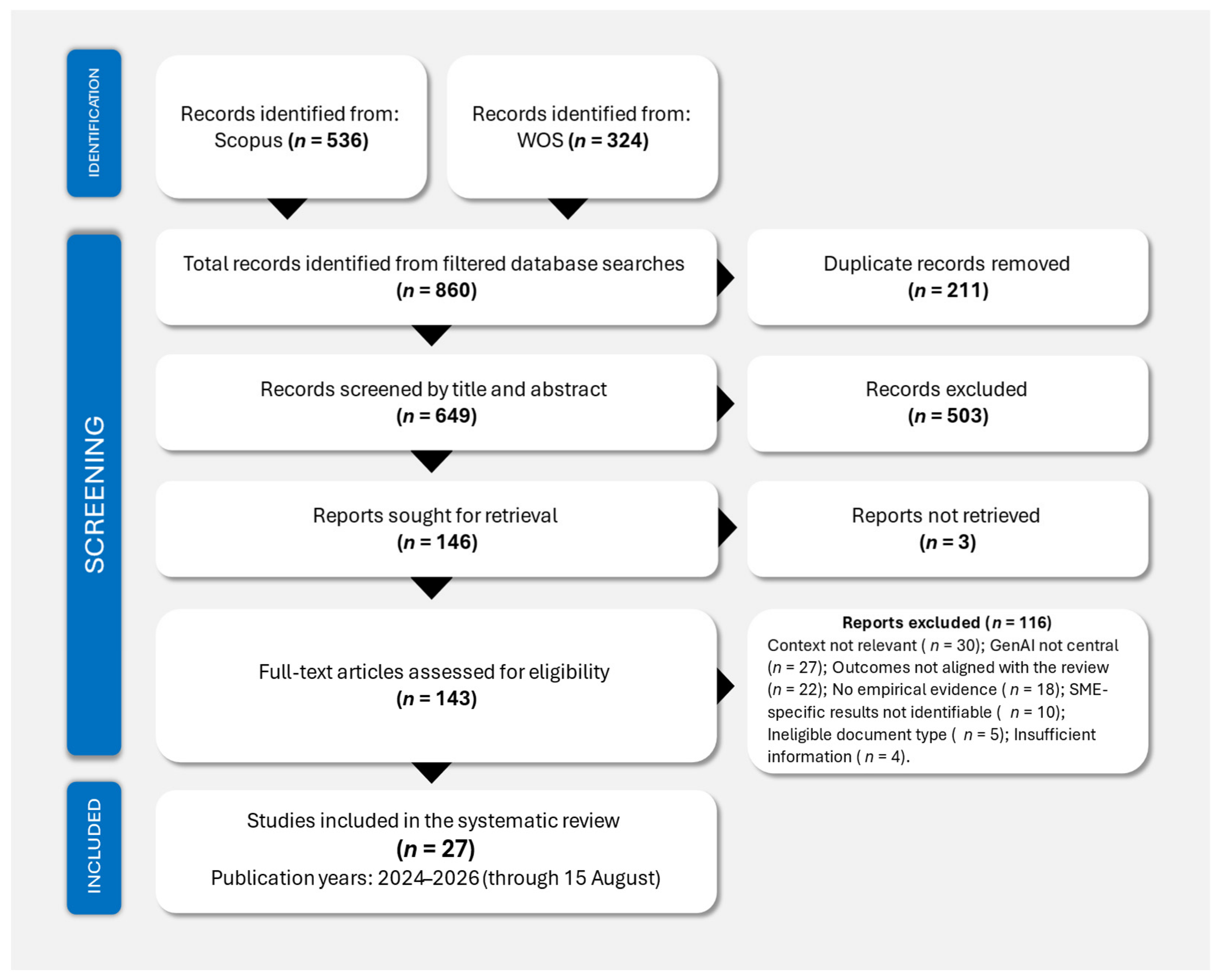
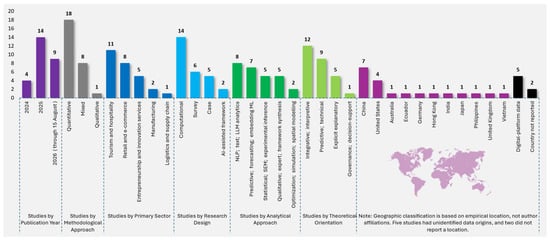
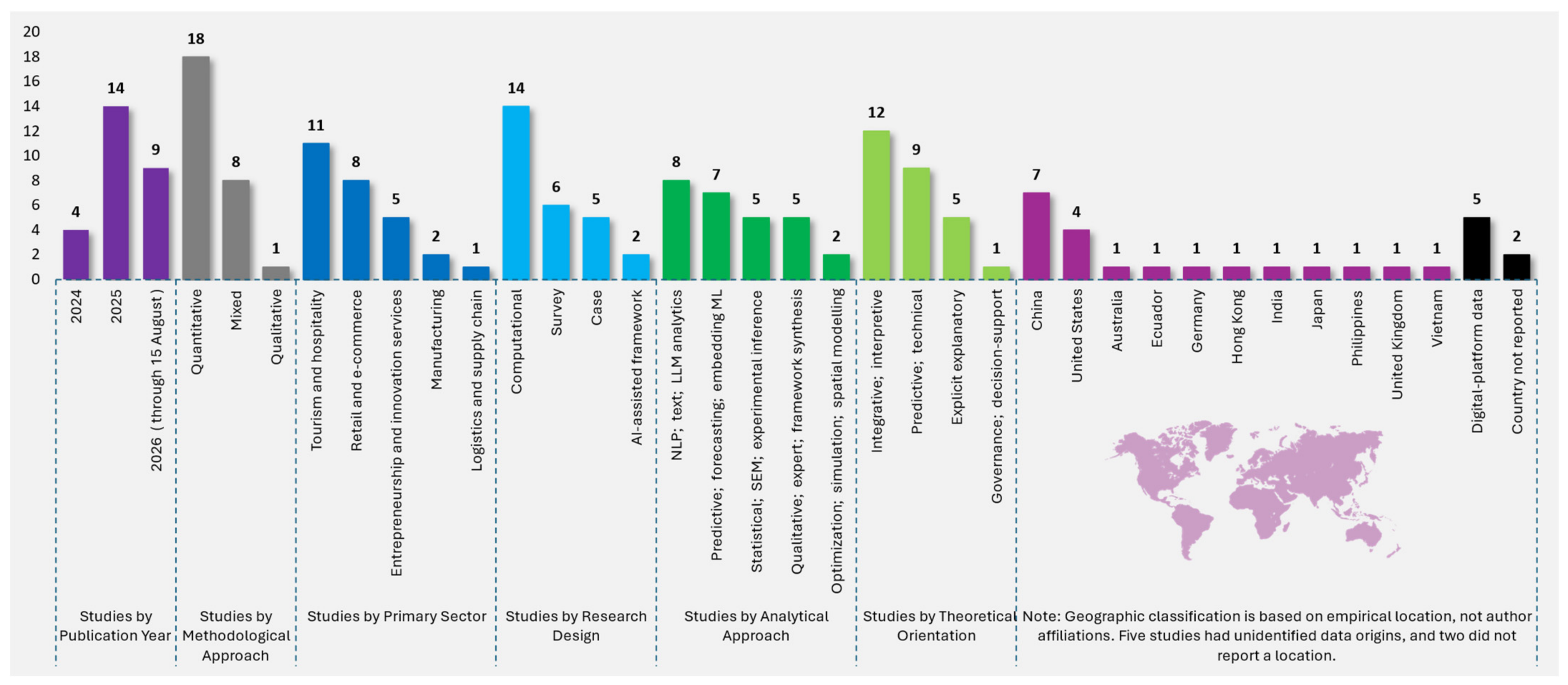
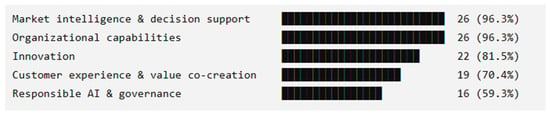
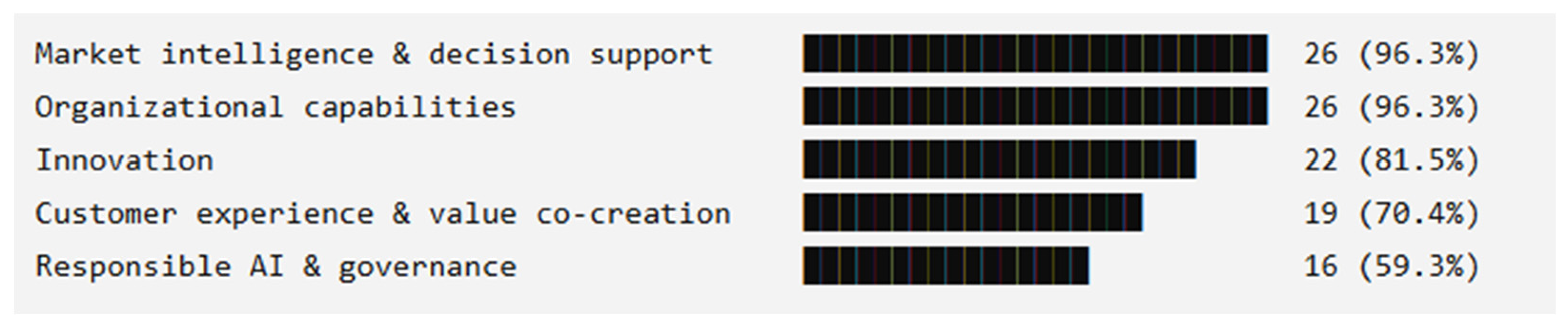
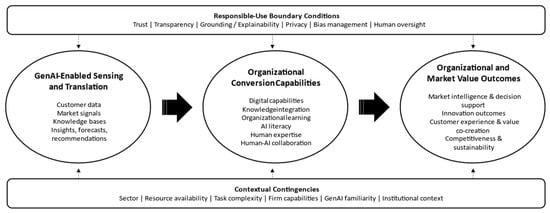
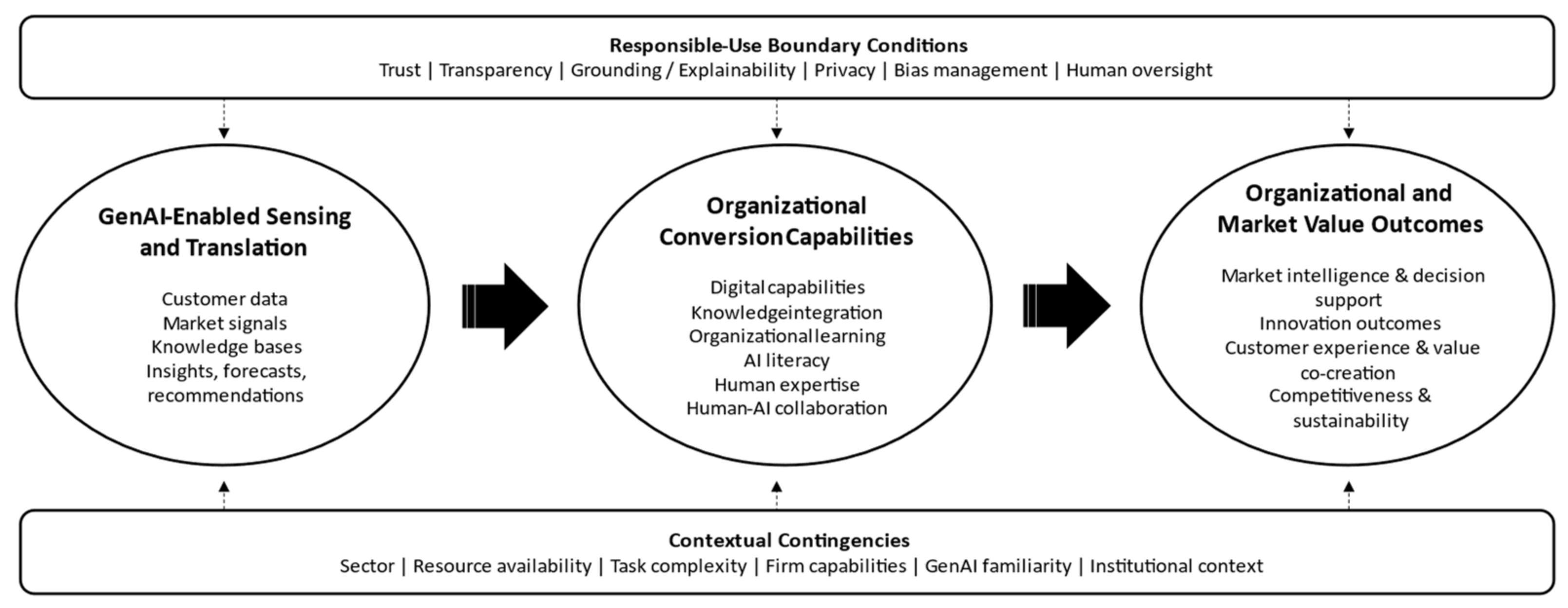

Disclaimer/Publisher’s Note: The statements, opinions and data contained in all publications are solely those of the individual author(s) and contributor(s) and not of MDPI and/or the editor(s). MDPI and/or the editor(s) disclaim responsibility for any injury to people or property resulting from any ideas, methods, instructions or products referred to in the content. |
© 2026 by the authors. Licensee MDPI, Basel, Switzerland. This article is an open access article distributed under the terms and conditions of the Creative Commons Attribution (CC BY) license.