


Abstract
Since 2020, SARS-CoV-2 viral culture has been a pivotal experimental tool for elucidating viral biology and supporting translational research. This study provides a five-year (2020–2025) retrospective and bibliometric mapping of 4405 unique publications retrieved from Scopus, Web of Science, and PubMed. Quantitative science mapping was integrated with a qualitative retrospective assessment of the ten most cited articles to identify influential biological and technological landmarks. The bibliometric results show a publication peak in 2021, with the United States and China as leading contributors. Thematic evolution shifted from foundational viral isolation to variant-specific investigations (Delta and Omicron) and therapeutic development. Retrospective analysis highlights a significant technological transition from standard cell lines to engineered models, including 3D organoids and deep mutational scanning approaches for the characterization of immune escape and viral fitness. Importantly, manual verification identified author name ambiguity as a major methodological limitation distorting productivity metrics. Overall, viral culture remains a critical bridge for validating phenotypic traits and establishing infectivity windows, providing a data-driven framework for future pandemic preparedness.
1. Introduction
Severe acute respiratory syndrome coronavirus 2 (SARS-CoV-2), the etiological agent of Coronavirus Disease 2019 (COVID-19), is an enveloped positive-sense single-stranded RNA virus belonging to the genus Betacoronavirus within the family Coronaviridae [1,2]. First identified in late 2019, SARS-CoV-2 possesses a helically symmetric nucleocapsid and one of the largest known RNA viral genomes, approximately 29.9 kb in length. Its genome encodes 16 non-structural proteins involved in viral replication and transcription; four structural proteins, namely spike (S), envelope (E), membrane (M), and nucleocapsid (N); and several accessory proteins that contribute to viral pathogenicity, host adaptation and immune evasion [2,3,4]. Following its identification, the complete genome sequence of SARS-CoV-2 was rapidly characterized, enabling the early development of RT-qPCR assays that quickly became the gold standard for COVID-19 diagnosis [5]. Because molecular detection and genome sequencing can be performed directly from clinical specimens without the need for viral propagation, large-scale genomic surveillance initiatives, particularly through GISAID, generated extensive databases documenting the extensive genomic plasticity of the virus, resulting in the emergence and evolution of SARS-CoV-2 variants worldwide [6]. However, despite the widespread implementation of RT-qPCR and next-generation sequencing approaches, viral culture remains indispensable in investigating replication-competent infectious virus and for understanding biological mechanisms that cannot be fully assessed through genomic data alone [7]. Because SARS-CoV-2 propagation requires biosafety level 3 (BSL-3) containment facilities, viral culture has been largely restricted to specialized laboratories and research-oriented applications rather than routine diagnostics [8,9]. Following the first successful isolation of SARS-CoV-2 in Vero E6 cells in early-2020, multiple optimized in vitro culture systems, including Calu-3, Caco-2 and HEK-293T-derived cellular models, were subsequently developed to better recapitulate tissue tropism, viral entry pathways, and host–pathogen interactions [2,8]. These experimental platforms remain indispensable for studying viral replication kinetics, cytopathic effects, syncytium formation, cellular permissiveness, and the phenotypic characteristics of emerging variants [9,10,11]. Furthermore, viral culture continues to play a central role in translational and preclinical research, supporting antiviral susceptibility testing, vaccine neutralization studies, infectivity assessment, pathogenesis investigations, and the generation of infectious viral stocks for experimental animal models [12,13,14].
Due to biosafety restrictions, numerous studies rapidly shifted toward alternative experimental systems that could be handled under lower biosafety conditions. In this context, pseudovirus-based platforms emerged as valuable tools for investigating SARS-CoV-2 entry mechanisms, immune responses, and variant-associated phenotypes. These systems commonly rely on recombinant lentiviral or vesicular stomatitis virus (VSV)-based backbones engineered to express the SARS-CoV-2 spike (S) glycoprotein on their surface [15]. As the spike protein mediates viral attachment to the angiotensin-converting enzyme 2 (ACE2) receptor and subsequent membrane fusion through host proteases such as TMPRSS2 and furin, it constitutes the principal determinant of viral entry, tropism, transmissibility and neutralizing antibody recognition [16]. The extensive genetic diversification of the spike during the pandemic led to the development of large plasmid libraries encoding variant-specific spike sequences, enabling functional characterization of different variants without the need to manipulate infectious SARS-CoV-2 isolates. Consequently, pseudovirus systems became widely used in immunological and epidemiological studies, particularly for evaluating neutralizing antibody responses, vaccine efficacy, receptor binding affinity, and immune escape properties [15,17].
Nevertheless, although pseudoviruses accurately reproduce viral entry processes, they do not fully reproduce the complete replication cycle, viral fitness, cytopathogenicity, or the contribution of non-spike viral proteins to SARS-CoV-2 pathogenesis [15]. The continued reliance on authentic SARS-CoV-2 culture systems throughout the pandemic generated a rapidly expanding and highly diversified scientific literature. This substantial body of literature underscores the necessity of bibliometric analyses to structure the field and identify research gaps. A bibliometric review employs quantitative and qualitative metrics to evaluate productivity, collaboration networks and thematic evolution [18]. As no study has yet specifically examined viral culture as a core tool in SARS-CoV-2 research, this work presents a five-year bibliometric analysis (2020–2025) and a retrospective assessment of high-impact articles to map the global research landscape.
2. Materials and Methods
2.1. Data Sources
We have gathered our data from databases Web of Science (WoS) (https://www.webofscience.com/), Scopus (https://www.scopus.com/), and PubMed (https://pubmed.ncbi.nlm.nih.gov/), selected for their comprehensive coverage of peer-reviewed literature in the fields of virology, microbiology, biotechnology, and medicine, capturing both foundational studies and recent developments. Scopus was chosen for its extensive multidisciplinary indexing and robust citation tracking, while Web of Science ensured high-quality curated records, and PubMed provided authoritative biomedical indexing relevant to SARS-CoV-2 and viral culture. All the searches were systematically performed on 12 October 2025, with screening and data extraction conducted independently by two investigators (ZR and AJ).
2.2. Research Strategy
To ensure a focused and systematic retrieval of relevant literature, the following search equation was applied across all used databases (full database-specific queries are provided in the Supplementary Materials):
(“SARS-CoV-2” OR “COVID-19” OR “Coronavirus 2019”) AND (“virus isolation” OR “viral culture” OR “virus cultivation” OR “virus propagation” OR “virus replication” OR “virus growth” OR “virus passage” OR “virus infectivity” OR “viral titration” OR “in vitro infection” OR “cell infection model” OR “neutralization assay” OR “plaque assay” OR “antiviral testing” OR “antiviral screening” OR “antiviral evaluation” O “virus neutralization” OR “diagnostic validation” OR “diagnostic calibration” OR “pseudovirus” OR “organoid infection” OR “virus quantification” OR “biotechnological validation”) AND (“Vero” OR “Vero E6” OR “HEK-293T” OR “Calu-3” OR “Huh7” OR “Caco-2” OR “organoid” OR “cell line” OR “cell culture”).
- Inclusion and Exclusion Criteria:
To guarantee quality and accessibility, the search strategy was limited to the study period from 2020 to 2025. Only full open access, original articles in English were chosen for their direct contribution to empirical evidence and experimental findings related to SARS-CoV-2 viral culture and associated in vitro studies.
2.3. Data Exportation
The bibliographic data retrieved from each database were exported in standardized formats suitable for bibliometric processing. Records from Web of Science and Scopus were downloaded in BibTex format, which preserves key metadata (author names, affiliations, titles, abstracts, keywords, publication years, sources, and citations), while PubMed data was exported in TXT format, with structured MEDLINE fields including MeSH terms.
All the records were then imported into RStudio (version 4.5.1), merged into a single dataset and deduplicated to ensure a unified, non-redundant file for subsequent analyses.
2.4. Bibliometric Processing
The consolidated dataset was analyzed using the Bibliometrix R package (Version 4.5.1) with its Biblioshiny web interface, an open-source tool enabling quantitative evaluation of scientific production, citation patterns, collaboration networks, and keyword dynamics through an interactive environment [19].
In parallel, the same dataset was converted into CSV format for import into VOSviewer (version 1.6.20), a specialized tool for constructing and visualizing bibliometric networks, particularly keyword co-occurrence maps, complementing the statistical capabilities of Bibliometrix, with high-quality network visualizations [20].
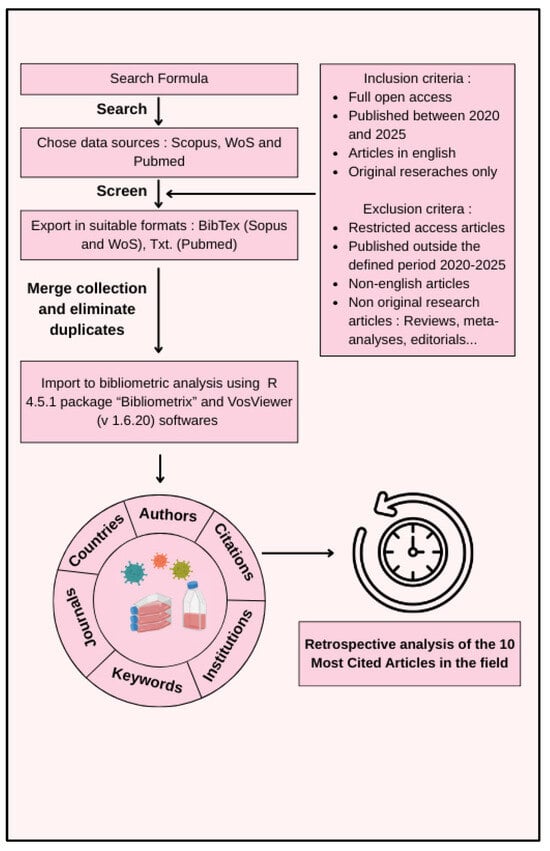
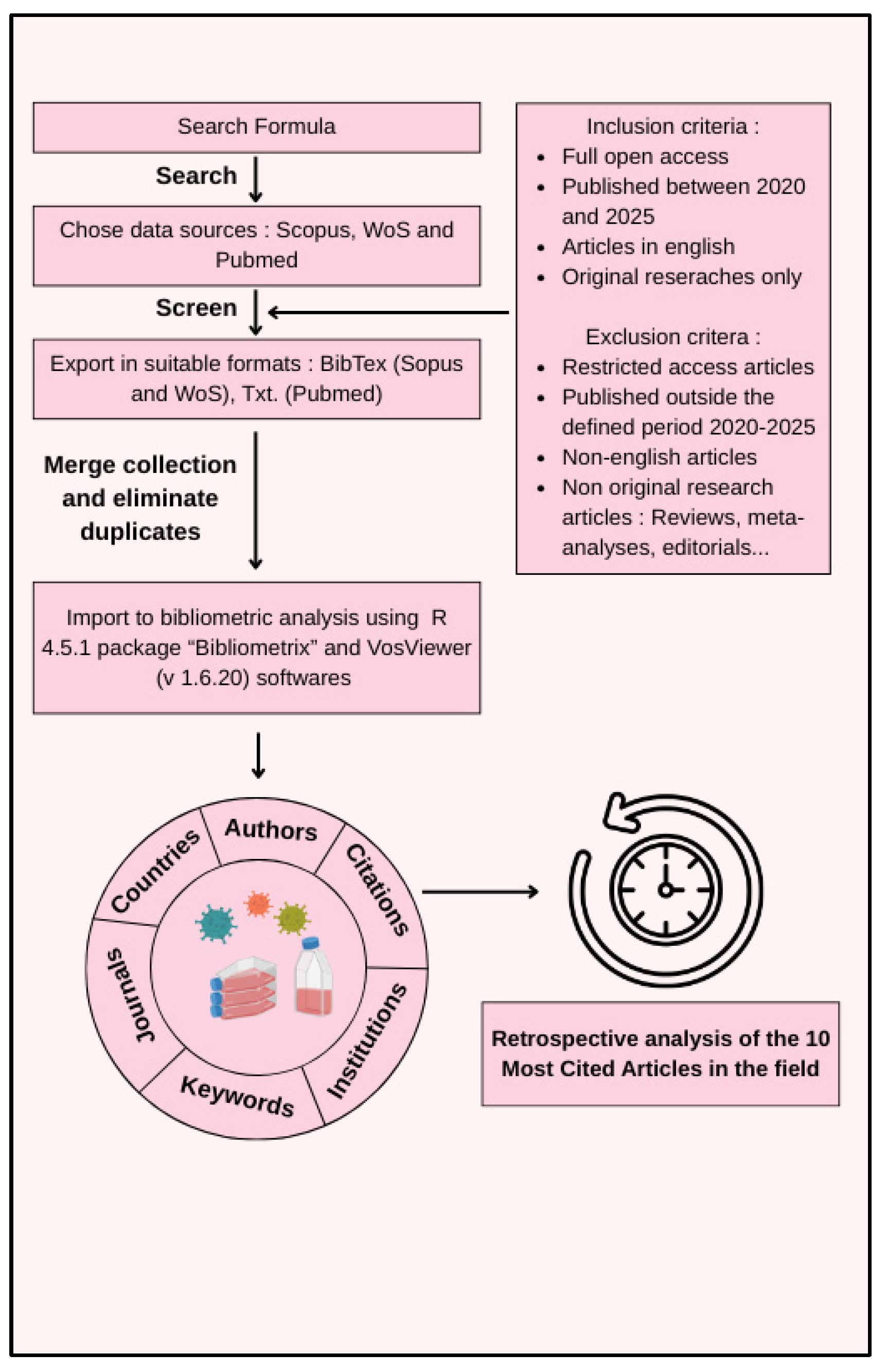
Figure 1 shows the search strategy technique used in this study to identify appropriate articles from the databases.
Figure 1.
Flow chart of the search approach.
3. Results
3.1. Retrospective Overview of Dataset Characteristics
A comprehensive search across the three selected databases, applying predefined search strategies and inclusion criteria, yielded 428 articles from WoS, 4629 from Scopus, and 708 from PubMed. During data importation into R and Bibliometrix, only 3773 Scopus records were retained, likely due to metadata incompatibilities or missing fields affecting processing. After merging and removing duplicates, a final corpus of 4045 unique articles was established for the bibliometric and retrospective analysis. The main characteristics of the dataset are summarized in the following table (Table 1).
Table 1.
General characteristics of the dataset extracted from the used databases between 2020 and 2025.
3.2. General Scientific Production Analysis
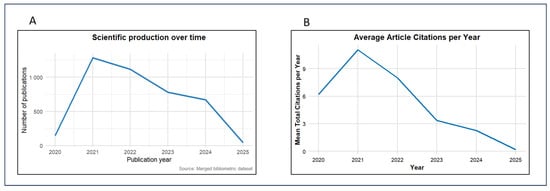
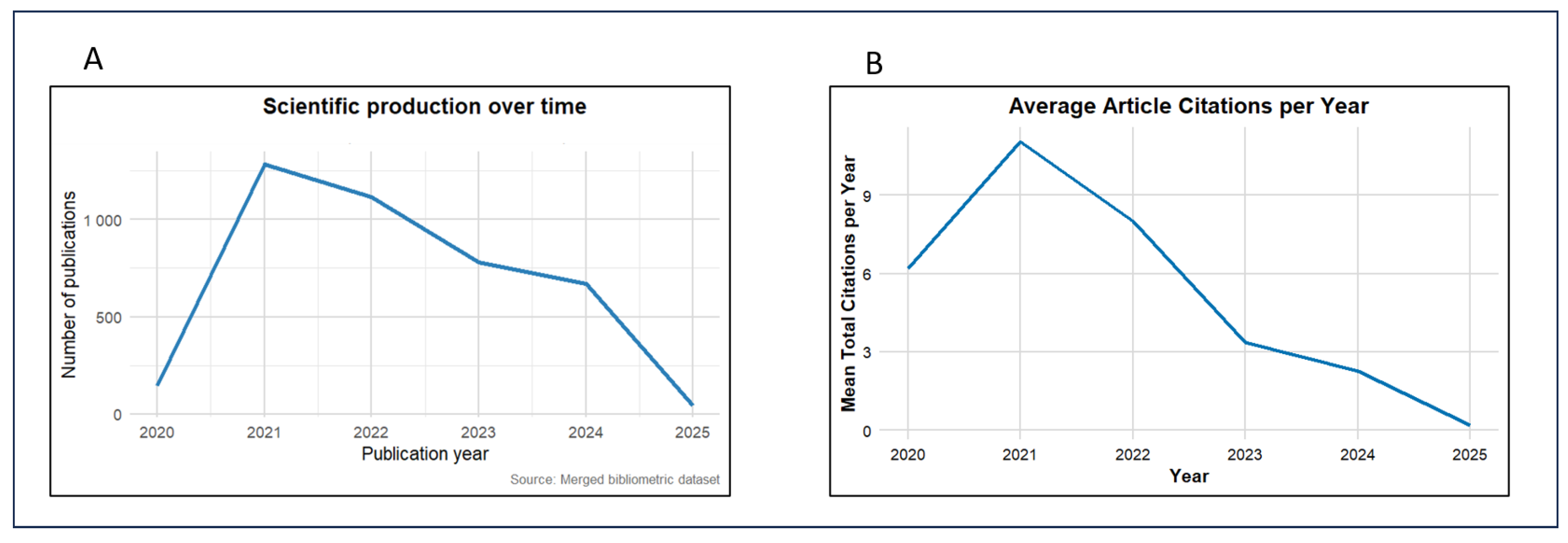
The temporal analysis of scientific production highlights the evolution of research activity and citation impact throughout the pandemic and post-pandemic periods. Publication output rose sharply from 2020 to a peak of 1285 in 2021, reflecting the initial global research mobilization, before steadily declining to 45 in 2025 (Figure 2A). A similar pattern was observed for citation performance, with mean citations per article increasing from 6.2 in 2020 to 11.06 in 2021, followed by a gradual decrease to 0.2 in 2025 (Figure 2B).
Figure 2.
Evolution of related scientific production (A) and the average number of citations per year (B) from 2020 to 2025.
3.3. Leading Journals in SARS-CoV-2 Culture Research
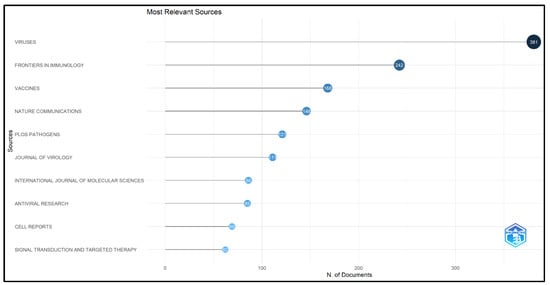
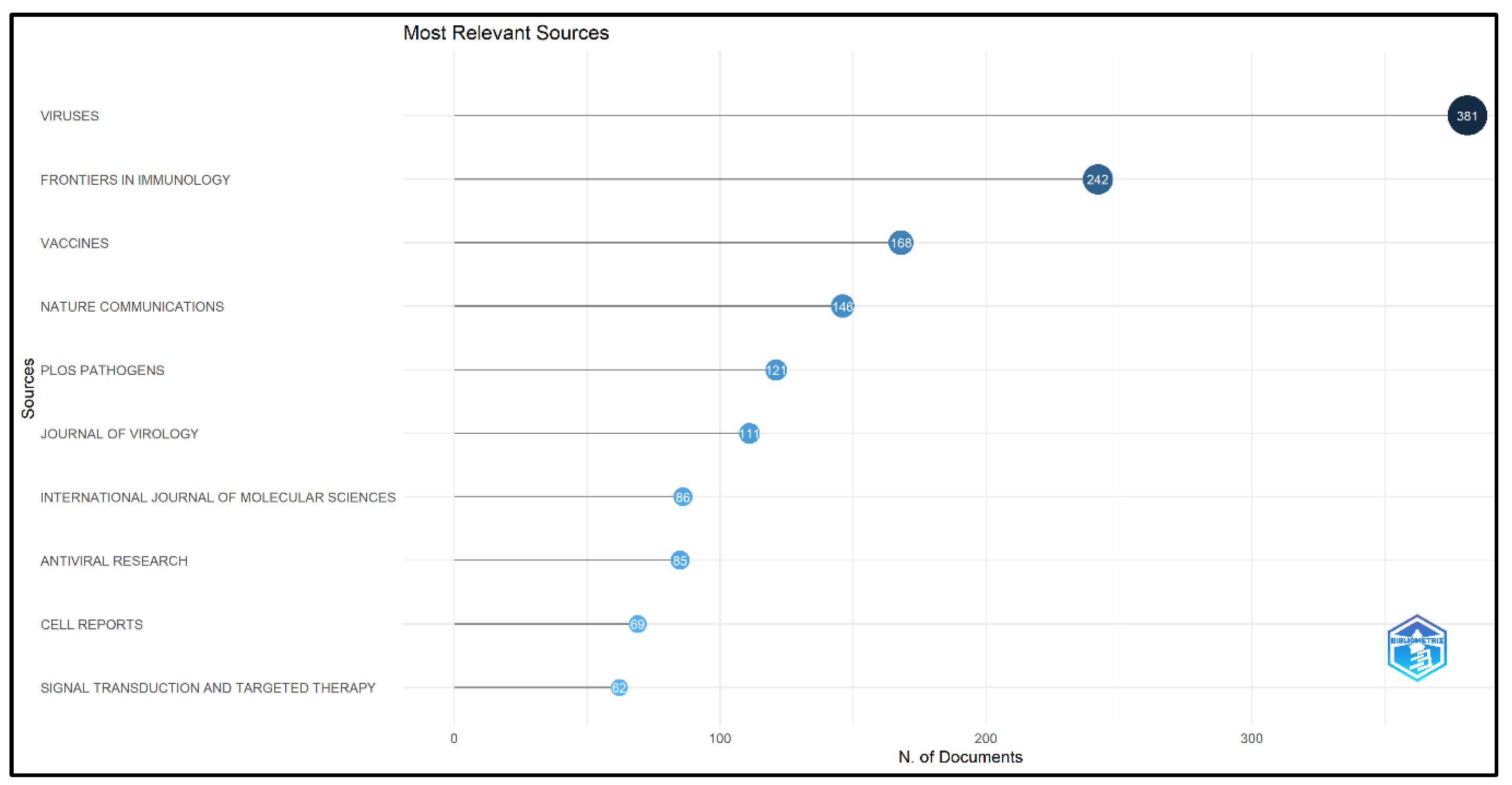
The analysis of publication sources identifies the leading journals in SARS-CoV-2 viral culture and its applications. Viruses ranks first with 381 publications, followed by Frontiers In Immunology (242 articles) and Vaccines (168 articles), indicating their central role in disseminating research and the growing focus on immunological and applied aspects of the field (Figure 3).
Figure 3.
Top 10 most productive journals in SARS-CoV-2 viral culture research and its applications in medical and biotechnological fields (2020–2025). The shades of blue with decreasing intensity are aiming to to visually distinguish the ranking of the top 10 most productive journals.
3.4. Leading Authors in the Field
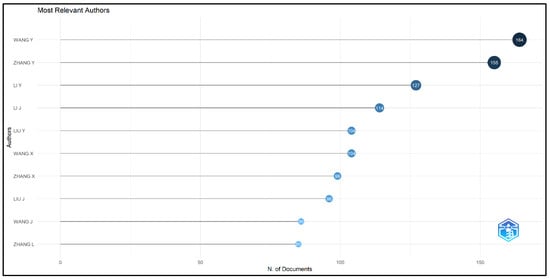
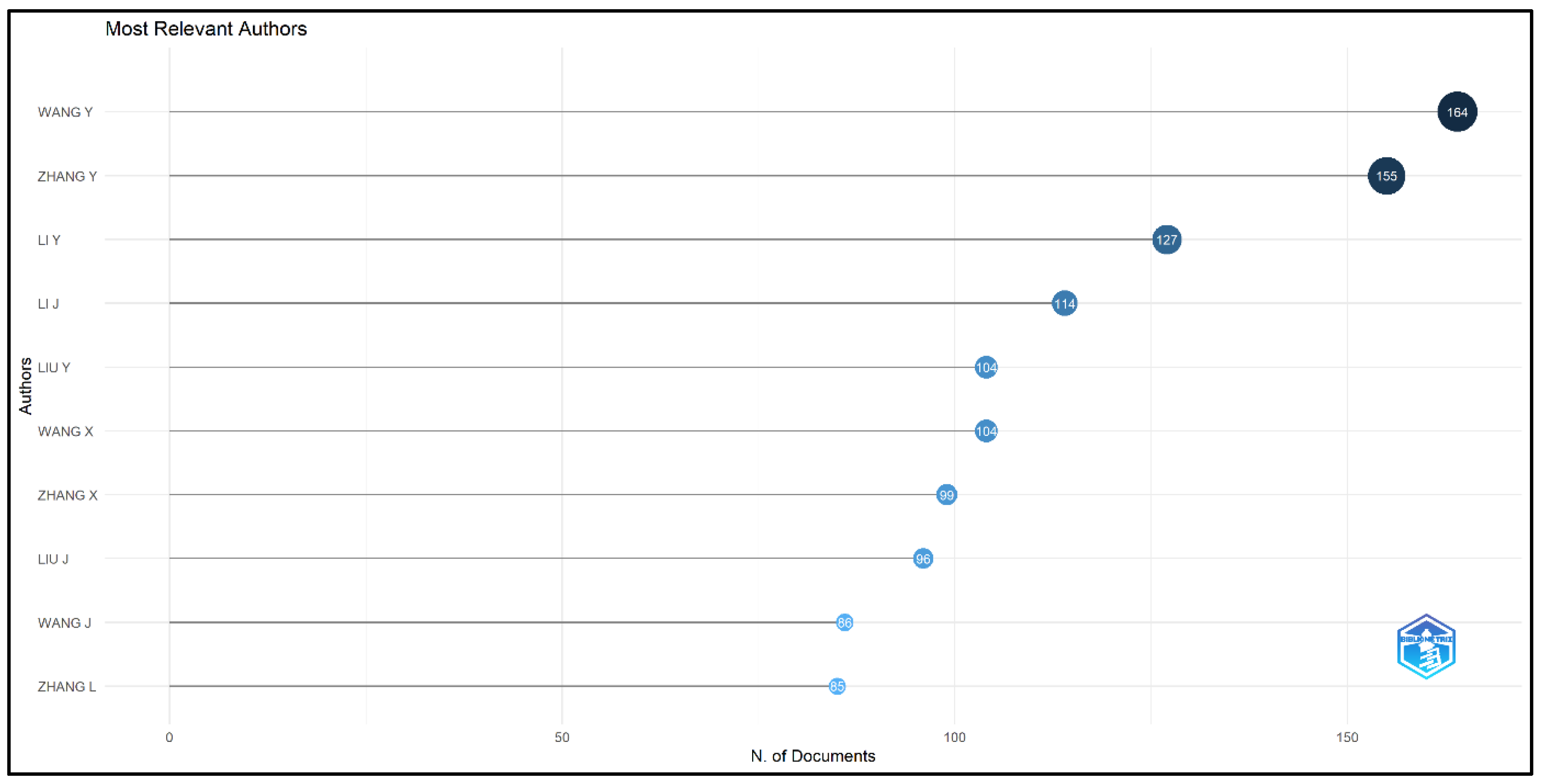
The contribution of individual researchers was assessed to identify leading authors and patterns of scientific leadership. The top 10 authors are presented in Figure 4, with Wang Y. ranking first (164 publications), followed by Zhang Y. (155) and Li Y. (127), indicating their strong contribution to the domain.
Figure 4.
Top 10 most productive authors in related fields during 2020–2025. The shades of blue and the shapes with decreasing intensity are aiming to visually distinguish the ranking of the top 10 most productive authors.
3.5. Geographical and Institutional Contributions
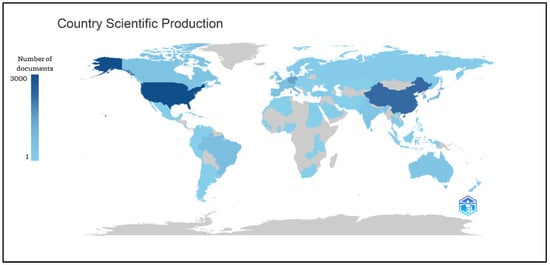
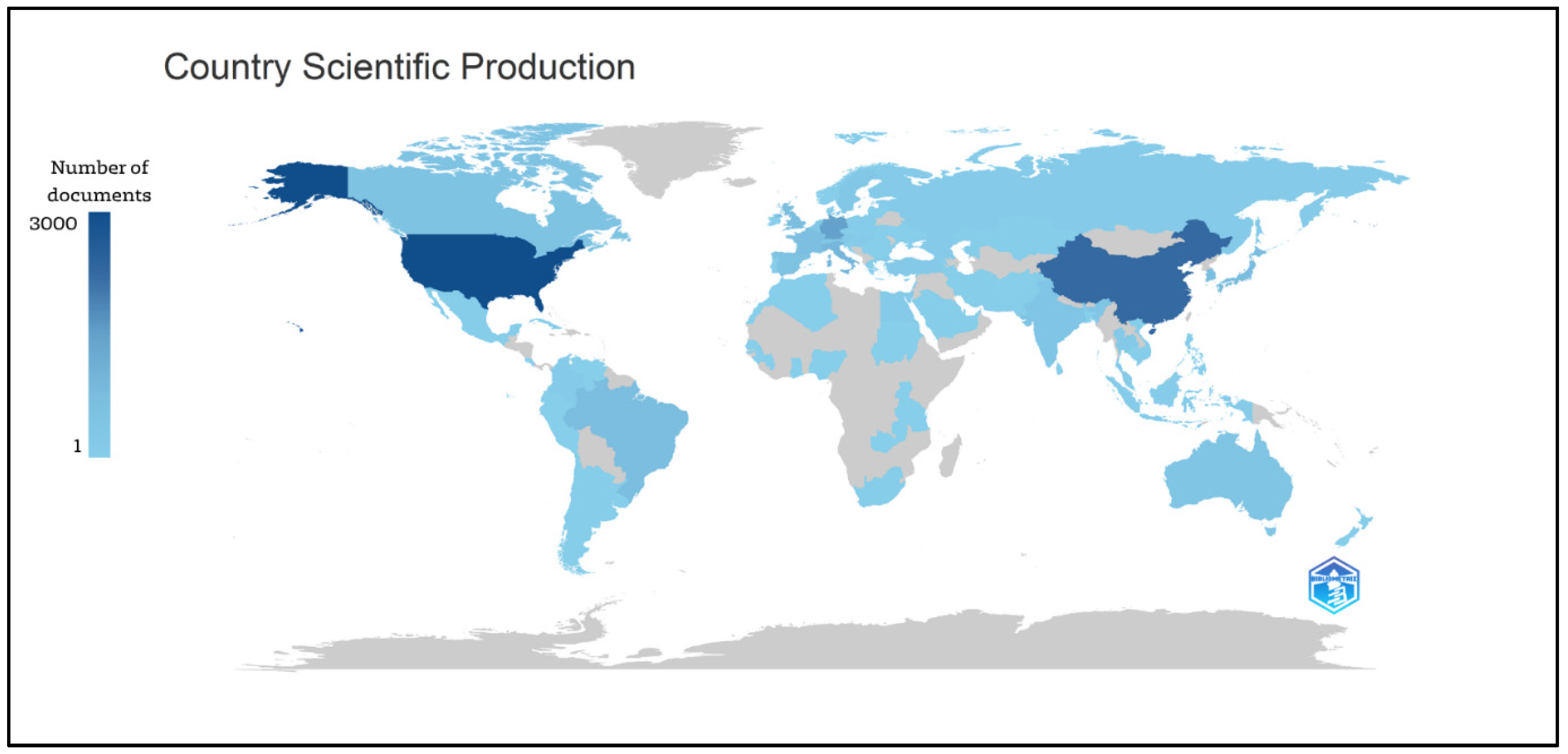
The global distribution of scientific output was analyzed to identify the most active countries and institutions in SARS-CoV-2 viral culture studies. As shown in Figure 5, the United States leads with 2339 articles, followed by China (1801), Germany (764), and Italy (407), underscoring the predominant contribution of countries with well-established biomedical research infrastructures.
Figure 5.
World map illustrating the geographical distribution of publications related to the study period, with color intensity representing the total number of documents produced by each country.
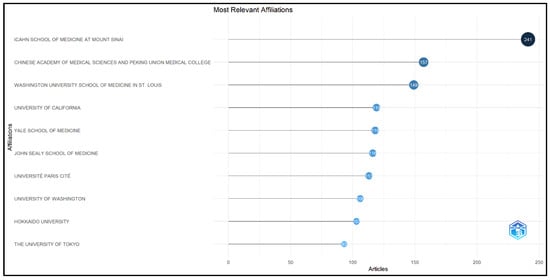
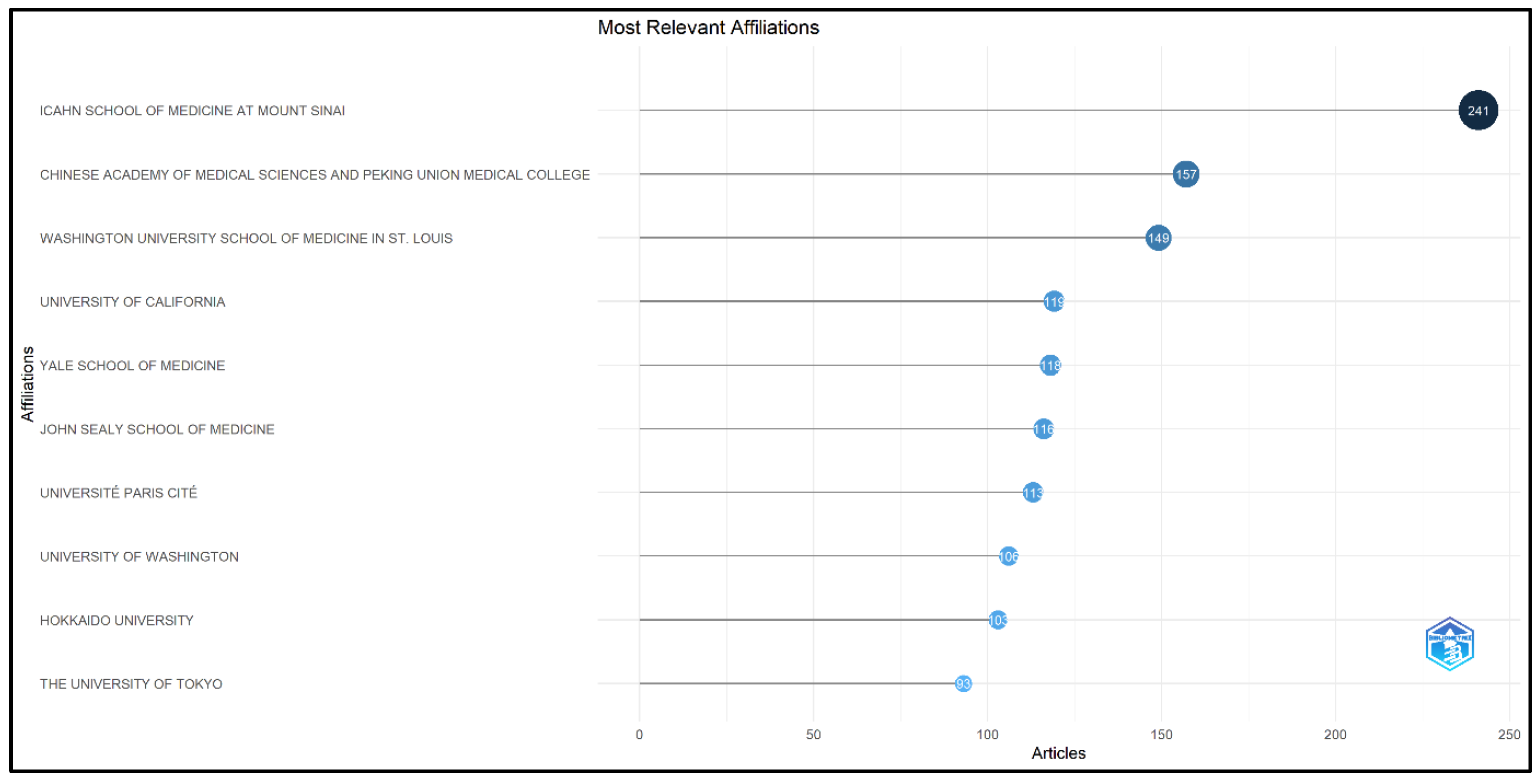
At the institutional level, leading academic and medical centers play a central role in advancing SARS-CoV-2 experimental research. The Icahn School of Medicine at Mount Sinai ranks first with 241 publications, as shown in Figure 6, followed by the Chinese Academy of Medical Sciences and Peking Union Medical College (157) and Washington University School of Medicine in St. Louis (149), emphasizing the pivotal involvement of top-tier academic and medical research centers.
Figure 6.
Top 10 relevant affiliations contributed to SARS-CoV-2 culture-based studies and investigations throughout the studied time span. The shades of blue and the shapes with de-creasing intensity are aiming to visually distinguish the ranking of the top 10 relevant affiliations.
3.6. Keywords Co-Occurrence and Research Focus
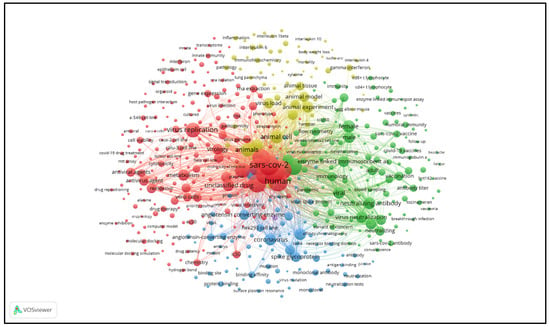
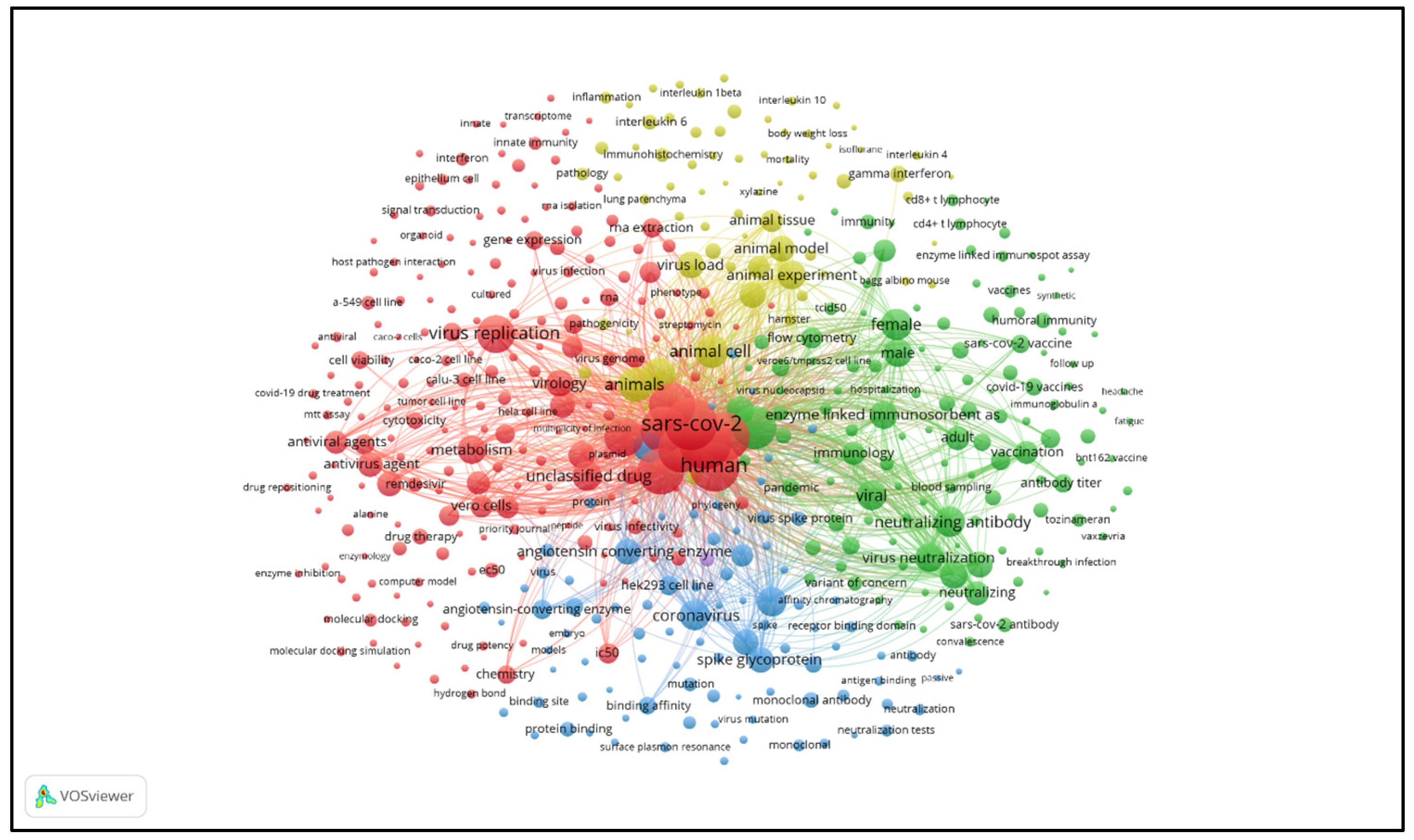
Keywords co-occurrence analysis delineates the conceptual structure and evolution of SARS-CoV-2 viral culture research by identifying dominant themes and their interconnections. The most frequent terms, “SARS-CoV-2” (3395 occurrences), followed by “article” (3328), “human” (3071) and “COVID-19” (2988), reflect the broad foundation of the field, while technical keywords such as “human cell” (1834), “virus replication” (1776), “animal cell” (1368), “neutralizing antibody” (1141), “Vero cell line” (883), and “antiviral activity” (767) emphasize a strong focus on experimental and in vitro studies, highlighting the central role of viral culture in investigating infection mechanisms, vaccine responses, and antiviral strategies (Figure 7).
Figure 7.
Co-occurrence network of author keywords. The map visualizes the conceptual structure of SARS-CoV-2 viral culture research, where node size corresponds to keyword frequency and colors represent thematic clusters. The colors and node sizes in this VOSviewer network visualization have specific meanings. The different colors represent distinct thematic clusters identified by the software based on keyword co-occurrence relationships. Each color therefore corresponds to a group of closely related research topics within the network. The circular nodes represent keywords, and their size reflects the frequency of occurrence of each keyword in the analyzed literature. The connecting lines indicate co-occurrence links between keywords, while the proximity between nodes reflects the strength of their association.
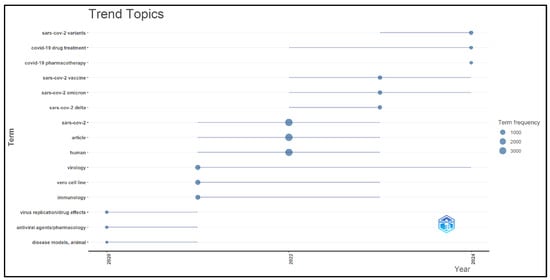
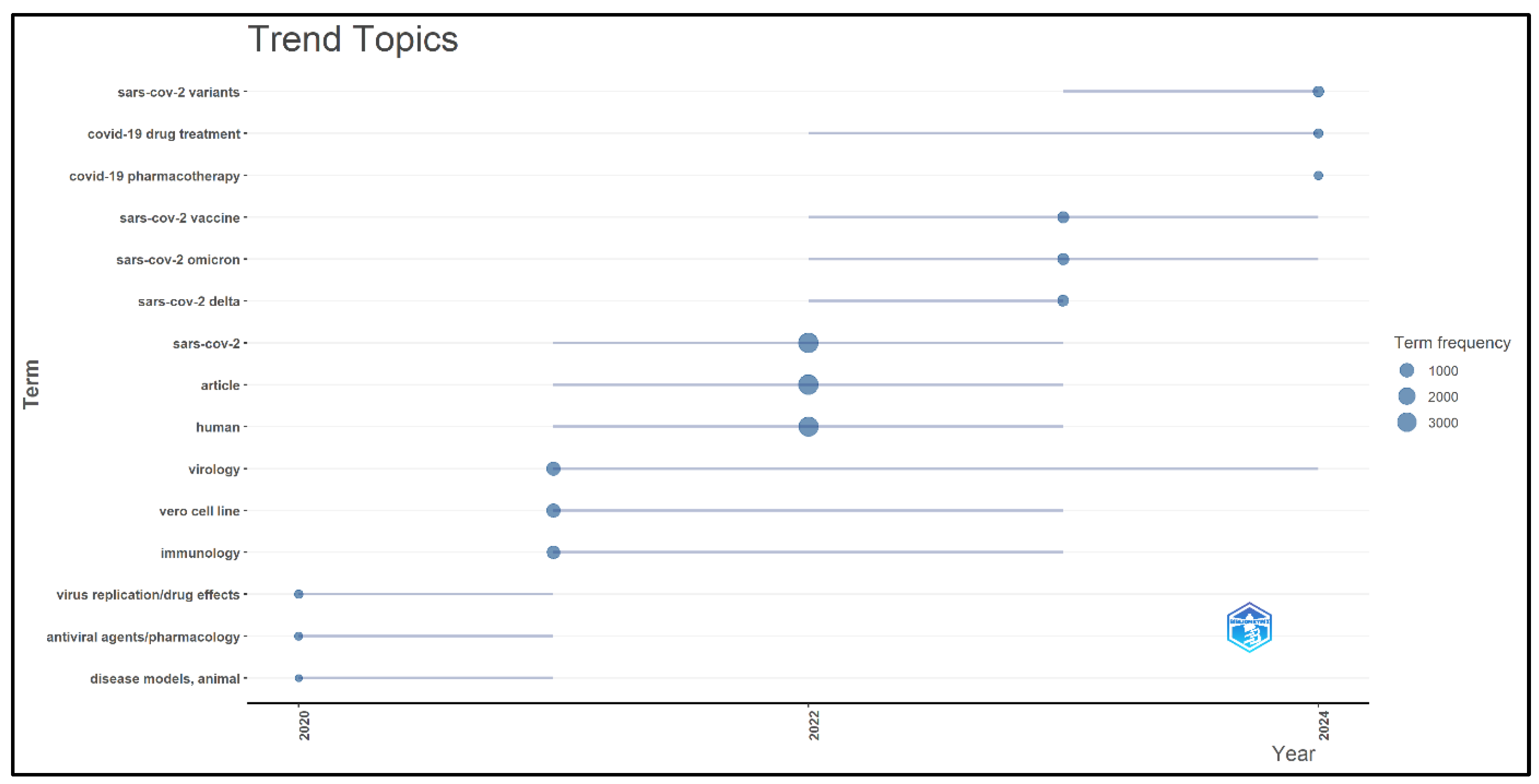
In this regard, trend topics analysis reveals a temporal progression from general descriptors in 2020–2021 toward variant-specific and vaccine-related terms in 2021–2022 (e.g., Delta and Omicron), followed by a redirection to therapeutic-oriented keywords (e.g., Drug treatment and pharmacotherapy) in 2023–2024 (Figure 8).
Figure 8.
Trend topics map illustrating the evolution of scientific interests within the studied period. The horizontal lines in the figure represent the temporal span during which each topic appeared and remained recurrent in the analyzed literature across the study period. The starting and ending points of each line indicate the years in which the topic was identified in the dataset.
3.7. Influential Publications and Intellectual Landmarks
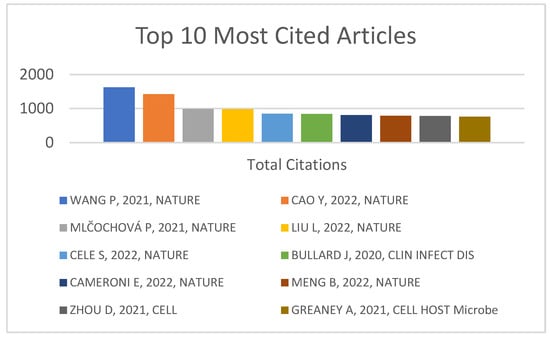
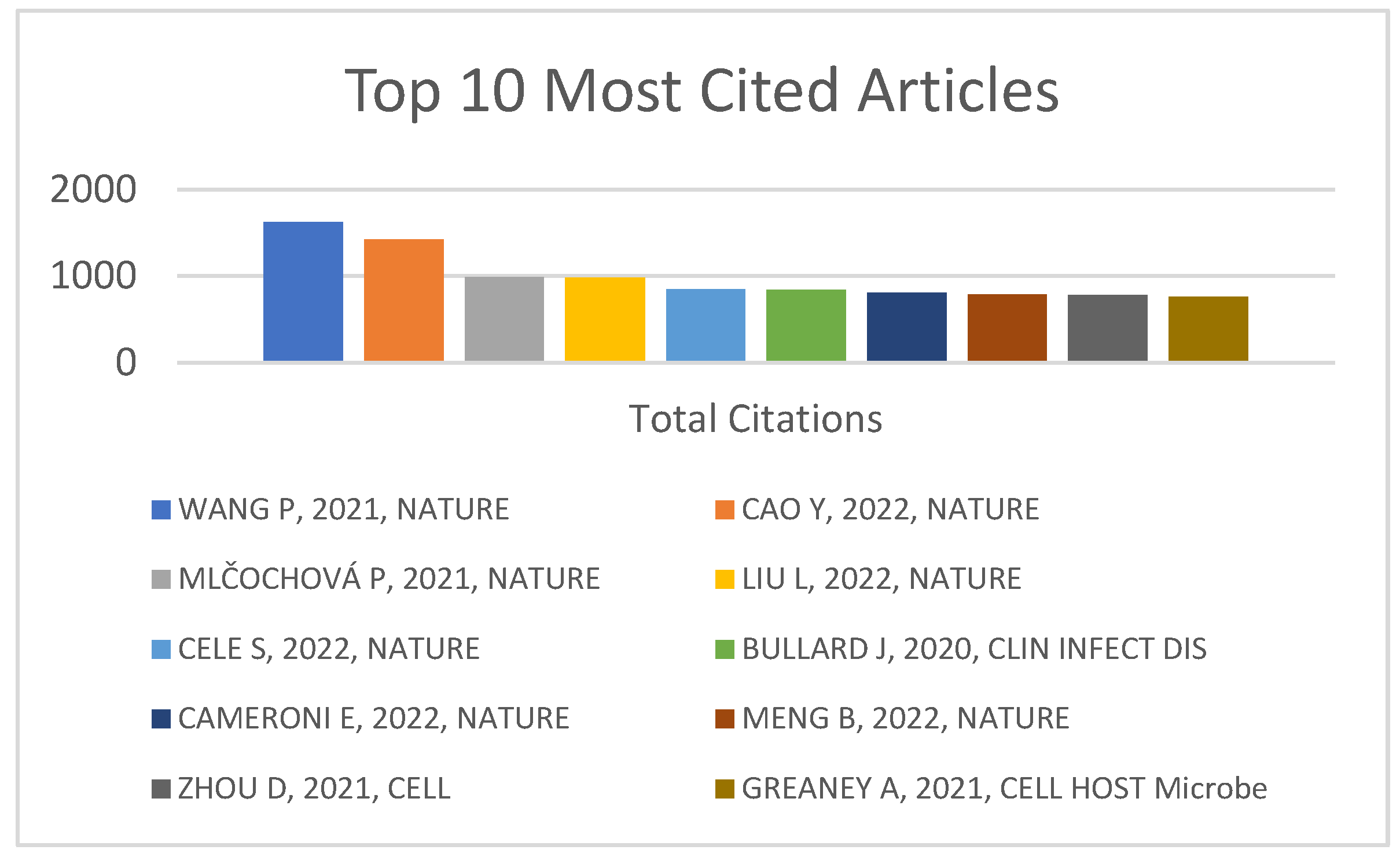
The analysis of the most cited documents was conducted to identify the key studies that have fundamentally shaped the research landscape of SARS-CoV-2 viral culture and its biomedical applications, with the top 10 most cited articles presented in Figure 9 and Table 2.
Figure 9.
Top 10 most cited publications in the field [21,22,23,24,25,26,27,28,29].
Table 2.
Details of the 10 most cited articles included in the bibliometric analysis, including article title, DOI, first author, institutional affiliation, and country of origin.
3.8. Descriptive Overview of the Most Cited Studies
These ten studies, published between 2020 and 2022, covered different phases of the pandemic. The majority (eight articles) were published in 2021, focusing on the emergence of variants of concern such as Alpha, Beta, Delta and Omicron [21,22,23,24,25,27,28,29]. One early-2020 study established infectivity thresholds for the ancestral strain [26], while a 2022 publication detailed the specific biological properties and entry pathways of the Omicron variant [9]. Research objectives primarily centered on characterizing immune evasion by evaluating variant resistance to neutralizing antibodies from convalescent plasma, vaccine-induced sera, and monoclonal antibodies. Studies also assessed viral fitness, replication kinetics, entry efficiency, and fusogenicity across different lineages. Mutation mapping, particularly through deep mutational scanning, was used to identify key residues within the receptor binding domain (RBD) and N-terminal domain (NTD) contributing to antibody escape. Additionally, some studies correlated diagnostic parameters with the presence of infectious virus in cell culture.
A broad range of cellular models was utilized. Engineered immortalized cell lines, notably Vero E6 expressing ACE2 and TMPRSS2, were central for viral propagation and neutralization. Other systems include HEK293T/F for pseudovirus production and Calu-3, Caco-2, Huh-7 and H1299 for tissue-specific modeling [22,25]. Advanced primary and three-dimensional models, such as human airway epithelial cells and organoids (nasal, airway or gallbladder), were employed to approximate physiological conditions [9,23]. In parallel, yeast-based systems (Saccharomyces cerevisiae) supported high-throughput mutational analyses [22,29].
Experimental methodologies relied on integrated virological and molecular approaches. Neutralization assays were commonly performed using either live virus systems (FRNT and microneutralization) or pseudotyped systems (vesicular stomatitis virus (VSV) or lentiviral backbones). Viral titration was frequently performed using qRT-PCR and infectivity assays (TCID50 and plaque assays). Molecular characterization included deep mutational scanning, biolayer interferometry (BLI), surface plasmon resonance (SPR), Western blotting, and next-generation sequencing (NGS). Finally, functional assays monitored syncytia formation and variant fusogenicity.
A detailed comparison of the main characteristics of these studies is provided below (Table 3):
Table 3.
Comparative overview of the methodologies and study features across selected SARS-CoV-2 literature (2020–2022).
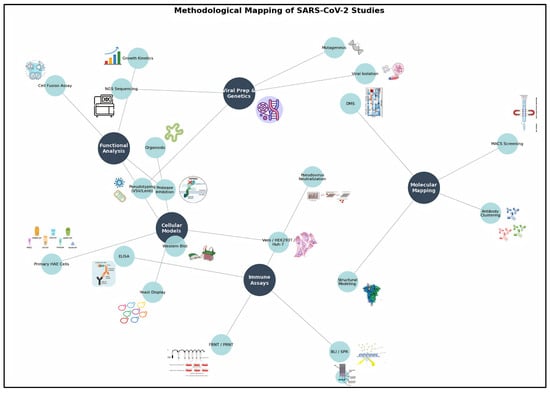
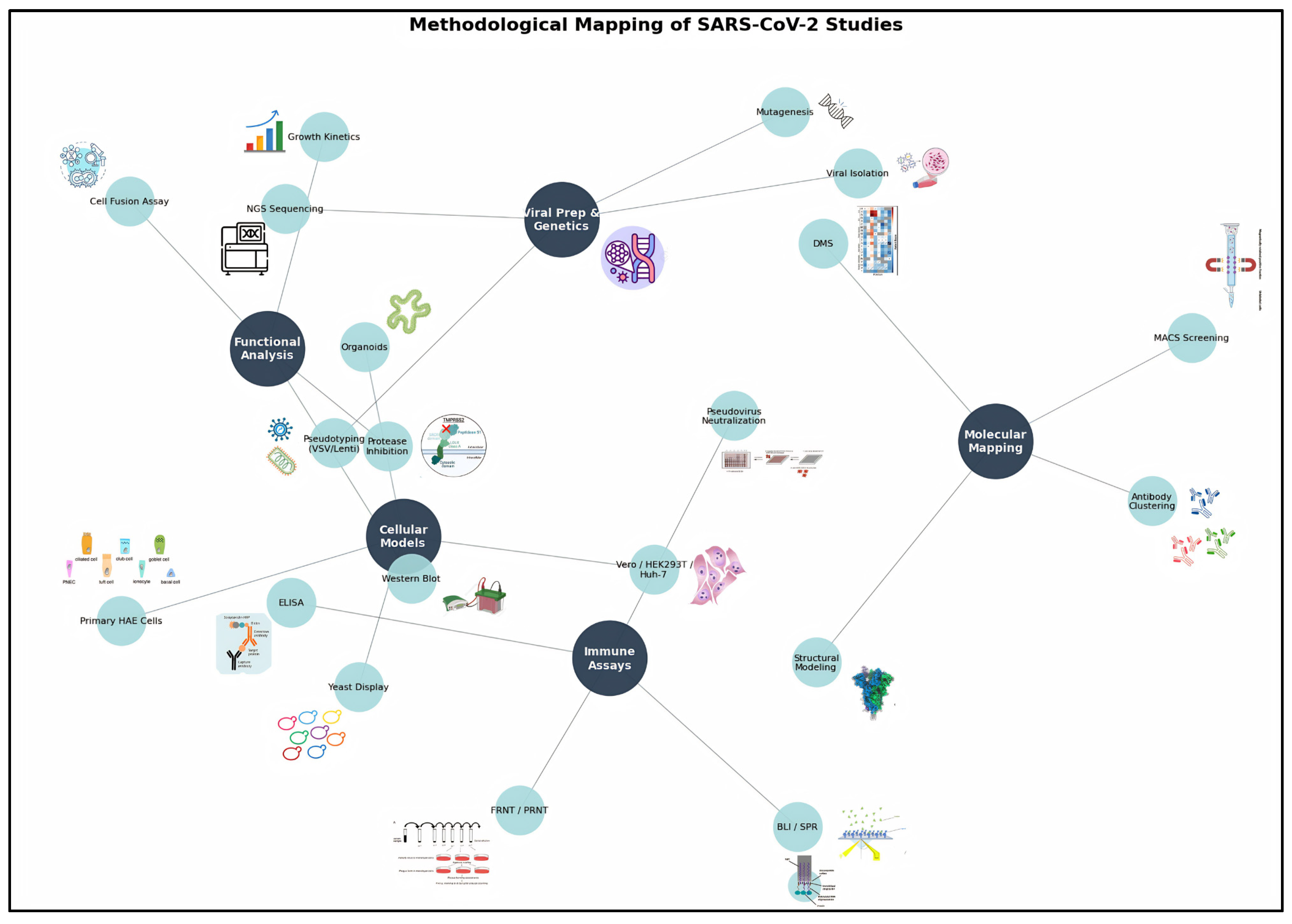
To further explore the experimental landscape, a graphical representation was generated to capture the diversity and interplay of methodologies across studies (Figure 10). This map highlights the relative prevalence and co-occurrence of key approaches, providing an integrated view of how different techniques are combined to investigate SARS-CoV-2.
Figure 10.
Methodological map of the top 10 most cited studies, illustrating key experimental approaches and their interconnections in SARS-CoV-2 research.
4. Discussion
This study provides a retrospective mapping of the scientific mobilization around SARS-CoV-2 viral culture from 2020 to 2025. Scientific output increased sharply between 2020 and 2021, peaking in 2021, reflecting the rapid global response during the early pandemic phase. Initial efforts in 2020 focused on viral isolation, establishment of culture systems, and early diagnostic development, while 2021 was characterized by large-scale expansion of in vitro studies for neutralization assays, vaccine development, and mechanistic investigations, supported by accelerated funding and publication processes. From 2022 onward, publication output declined markedly (annual growth rate of −21.19%), consistent with the transition to a post-pandemic research landscape and the progressive diversification of scientific priorities.
Furthermore, this analysis revealed that the most productive institutions are geographically aligned with the leading contributor countries. The Icahn School of Medicine at Mount Sinai (USA) ranked first while the Chinese Academy of Medical Sciences and Peking Union Medical College ranked second, consistent with China’s position as a major contributor.
- -
- Thematic progression of SARS-CoV-2 viral culture research
The temporal evolution of research themes closely paralleled shifts in publication rate, representing the progressive maturation of SARS-CoV-2 research. During the early phase (2020–2021), foundational keywords like “SARS-CoV-2” and “Immunology” dominated culture-driven studies on viral characterization, primarily disseminated through journals like Viruses; by 2021–2022, the rise of “Delta”, “Omicron” and “vaccine” marked a transition toward variant-specific investigations and vaccine evaluation. Subsequently, the appearance of “drug treatment” and “pharmacotherapy” indicated a shift toward therapeutic development. Together, these patterns illustrate a coherent progression from exploratory virology to targeted, application-oriented research.
- -
- Author name ambiguity and its impact on bibliometric interpretation
The analysis of individual productivity identified Wang Y. as the most prolific author. However, this result is largely attributable to author name ambiguity rather than true scientific dominance. Despite the use of full author names from databases such as Scopus, Web of Science and PubMed, and the selection of complete names within Bibliometrix (via Biblioshiny), the names were still reduced to initial-based formats (e.g., Wang Y. and Zhang Y.), suggesting that this limitation likely originates from internal standardization algorithms rather than data export. This issue is particularly pronounced for common East Asian surnames, where multiple distinct authors are merged under a single label, artificially inflating productivity and citation metrics while masking individual contributions. Such bias has been previously documented by Kim & Diesner and Xu, who highlighted the distortion of co-authorship networks and author-level indicators due to insufficient disambiguation [30,31].
This artifact does not appear to be unique to the present analysis and may affect numerous bibliometric studies relying on automated author extraction. Similar patterns of highly prolific authors with common names have been repeatedly observed across independent SARS-CoV-2 bibliometric analyses, indicating the presence of systematic disambiguation biases generated during metadata processing instead of true individual scientific predominance. In a related commentary, we highlighted that recurrent abbreviated author identities likely result from unresolved aggregation of distinct researchers under standardized labels. These observations underscore the need for robust disambiguation strategies to ensure reliable productivity and collaboration analyses [32].
To evaluate this limitation’s impact in the present dataset, a manual verification was conducted, revealing that the 164 publications attributed to Wang Y. correspond to multiple distinct researchers (Wang Youchun with 25 papers, Wang Yanqun with the right publications, Wang Ying and Wang Yining with seven papers each), as shown in the Supplementary Materials (Table S1). This confirms that author-level interpretations should be approached with caution in bibliometric analyses lacking robust disambiguation methods.
To complement the bibliometric insights, a descriptive and retrospective analysis was conducted on the ten most cited articles in the field. This approach aimed not only to examine the experimental strategies adopted in high-impact studies, but also to concretely explore the role of SARS-CoV-2 viral culture within these works.
- -
- Methodological synergy: why combine authentic viruses and pseudoviruses?
The strategic use of both authentic (live) viruses and pseudotyped systems (VSV or lentiviral) in these studies addressed scientific needs. Pseudoviruses served as high-throughput tools for rapid mutation mapping and safety-compliant (BSL-2) testing [21,23,24]. Their modular nature allowed for precise site-directed mutagenesis to isolate the effects of single substitutions like E484K or N501Y [21,28]. Conversely, authentic viruses remained the “gold standard” for clinical relevance, as they encompass the full viral architecture and genomic complexity [21,23]. The necessity of this dual approach is underscored by instances where pseudoviruses exhibited drops in neutralization activity that were not replicated in live virus tests, highlighting potential artifacts in surrogate systems. Furthermore, ELISA was frequently performed on generated pseudoviruses or recombinant proteins to determine the specificity of the humoral response [22,25].
- -
- Evolution of cellular models and the role of 3D Systems
The field observed a clear switch in cellular modeling. Vero E6 (monkey kidney) and HEK293T (human embryonic kidney) lines were the workhorses due to their high susceptibility and transfection efficiency, respectively [21,24,27]. However, their physiological limitations, such as Vero’s lack of interferon response and the absence of relevant proteases, necessitated the development of engineered lines like Vero-TMPRSS2 and H1299-ACE2 to better stimulate human entry pathways [22,25,27]. The integration of primary 3D cultures and organoids (nasal, airway and gallbladder) marked a significant advancement [9,23]. These models were essential for investigating replication fitness and pathogenicity in a multicellular context, revealing that the Delta variant achieved a 1-log increase in entry efficiency and higher fusogenicity compared to ancestral strains. Moreover, organoid studies were pivotal in identifying the “Omicron paradox”: while the variant exhibits high ACE2 binding and immune evasion, it shows significantly lower replication in lung tissue (Calu-3) due to a shift away from TMPRSS2-dependent plasma membrane fusion toward the endocytic pathway [9].
- -
- Real place of viral culture in study design
Viral culture has transitioned from a primary discovery tool during the early phase of the pandemic to a fundamental platform for functional and phenotypic validation anchor. In early-2020, culture-based assays were pivotal for defining infectious shedding dynamics and correlating viral infectivity with RT-PCR Ct values [26]. As sequencing technologies, structural biology, recombinant systems, and in silico approaches became increasingly accessible, many variant-associated mutations and spike-related properties were initially identified through computational or molecular analyses [24,27]. Nevertheless, authentic viral culture remains indispensable for confirming the biological relevance of these findings at the phenotypic level. Importantly, it is currently the only approach capable of directly assessing replication-competent virus and complex viral traits such as syncytia formation, fusogenicity, cellular tropism, replication fitness, and cytopathogenicity [9].
- -
- Technological leap: From viral culture to Deep mutational scanning (DMS)
The most significant evolution in approach is the transition from reactive testing of individual variants to the prospective mapping of the entire escape landscape. The implementation of deep mutational scanning (DMS), utilizing yeast display libraries (Saccharomyces cerevisiae), allowed researchers to express nearly every possible single amino-acid mutation of the RBD [22,29]. Unlike traditional site-directed mutagenesis, which is limited to specific hypotheses, DMS provides a comprehensive atlas of how any future mutation might impact antibody binding. While early DMS studies relied on FACS (fluorescence-activated cell sorting) to isolate escape mutants, the use of antibody-conjugated magnetic beads for negative selection in magnetic-activated cell sorting (MACS) increased the throughput of antibody characterization by nearly 100-fold [22]. This methodological reconfiguration enabled the systematic screening of hundreds of monoclonal antibodies against thousands of mutant strains, a scale that was previously unattainable with traditional flow cytometry or live-virus assays.
- -
- Key biological findings across studies
The analyzed studies collectively delineate an evolutionary trajectory of SARS-CoV-2 toward increased immune escape and functional adaptation. A central finding is the progressive shift toward a near-pan-resistant phenotype, particularly exemplified by the Omicron variant, which escapes a large majority of neutralizing antibodies and significantly reduces the efficacy of many monoclonal antibodies and standard two-dose vaccination regimens [22,24,25]. This phenotype is driven by recurrent and convergent mutations within the spike protein, notably at key residues such as E484K/A, K417N/T, and N501Y, as well as deletions in the N-terminal domain, confirming the RBD as the principal hotspot of immune pressure and antibody evasion [22,28,29].
In parallel, distinct evolutionary strategies emerge across variants. While Delta achieved dominance through enhanced replication efficiency and increased spike cleavage, resulting in high fusogenicity [23], Omicron exhibits a phenotypic trade-off characterized by increased ACE2 binding affinity coupled with a preference toward TMPRSS2-independent endocytic entry [9]. This mechanistic transition is associated with reduced fusogenicity and lower replication in lung cells, providing a biological explanation for its attenuated pulmonary pathogenicity despite markedly increased transmissibility.
At the clinical level, infectivity appears tightly constrained within a defined temporal and virological window, with successful viral isolation largely limited to samples presenting RT-PCR Ct values below 24 and collected within the first eight days following symptom onset [26]. Finally, immunological analyses consistently highlight that hybrid immunity and booster doses represent the most effective strategies to counterbalance this viral plasticity, substantially enhancing both the magnitude and breadth of neutralizing responses against highly mutated variants [24,25,27].
- -
- Global limits and Domain saturation
The analyzed studies reveal several important limitations. Many relied on small clinical cohorts, potentially limiting representation of immune diversity and long-term antibody dynamics. A gap remains between in vitro findings and in vivo reality, as research primarily focused on humoral responses, often overlooking T-cell and mucosal immunity. Furthermore, experimental outcomes remain sensitive to viral passages and isolate-dependent mutations like R346K.
Beyond these constraints, rapid viral evolution is driving field saturation, rendering sequential variant characterization increasingly unsustainable as antibody resistance rises. Consequently, future efforts must shift toward more robust predictive approaches. These strategies include targeting conserved epitopes for broader vaccine design, exploiting hybrid immunity to enhance neutralization breadth, and employing deep mutational scanning to anticipate the impact of emerging mutations.
Supplementary Materials
The following supporting information can be downloaded at https://www.mdpi.com/article/10.3390/covid6110196/s1.
Author Contributions
Conceptualization, Z.R. and N.T.; methodology, Z.R. and A.J.; software, Z.R.; validation, N.T. and K.E.; investigation, Z.R., A.J., E.E.F., K.E. and N.T.; resources, E.E.F.; data curation, Z.R.; writing—original draft preparation, Z.R.; writing—review and editing, N.T.; visualization, Z.R.; supervision, N.T., K.E. and E.E.F.; project administration, N.T.; funding acquisition, E.E.F. All authors have read and agreed to the published version of the manuscript.
Funding
This research was funded by the Hassan II Academy of Science and Technology, grant number CEFCZ/AB/30/01/2021 the Ministry of Higher Education, Scientific Research and Innovation in Morocco (COV/2020/48).
Institutional Review Board Statement
Not applicable.
Informed Consent Statement
Not applicable.
Data Availability Statement
The dataset generated and analyzed during this study are publicly available in the Zenodo repository under an open access license (CC-BY 4.0). The repository includes raw bibliographic data from Scopus, Web of Science, and PubMed, as well as processed datasets generated using Bibliometrix. The processed dataset contains all numerical values used to generate the figures and analyses presented in this manuscript, allowing full reproducibility of the results. VOSviewer network and configuration files are provided to enable reconstruction of the keyword co-occurrence analysis. The dataset is accessible via the following DOI: https://doi.org/10.5281/zenodo.19151362.
Acknowledgments
The authors express their sincere gratitude to the Hassan II Academy of Science and Technology for supporting and financing this study.
Conflicts of Interest
The authors declare no conflicts of interest. The funders had no role in the design of the study; in the collection, analyses, or interpretation of data; in the writing of the manuscript; or in the decision to publish the results.
References
- Zhou, P.; Yang, X.L.; Wang, X.G.; Hu, B.; Zhang, L.; Zhang, W.; Si, H.R.; Zhu, Y.; Li, B.; Huang, C.L.; et al. A Pneumonia Outbreak Associated with a New Coronavirus of Probable Bat Origin. Nature 2020, 579, 270–273. [Google Scholar] [CrossRef] [Scilit] [PubMed]
- Harcourt, J.; Tamin, A.; Lu, X.; Kamili, S.; Sakthivel, S.K.; Murray, J.; Queen, K.; Tao, Y.; Paden, C.R.; Zhang, J.; et al. Severe Acute Respiratory Syndrome Coronavirus 2 from Patient with Coronavirus Disease, United States. Emerg. Infect. Dis. 2020, 26, 1266–1273. [Google Scholar] [CrossRef] [Scilit] [PubMed]
- Essalmani, R.; Jain, J.; Susan-Resiga, D.; Andréo, U.; Evagelidis, A.; Derbali, R.M.; Huynh, D.N.; Dallaire, F.; Laporte, M.; Delpal, A.; et al. Distinctive Roles of Furin and TMPRSS2 in SARS-CoV-2 Infectivity. J. Virol. 2022, 96, e00128-22. [Google Scholar] [CrossRef] [Scilit] [PubMed]
- Kim, D.; Lee, J.Y.; Yang, J.S.; Kim, J.W.; Kim, V.N.; Chang, H. The Architecture of SARS-CoV-2 Transcriptome. Cell 2020, 181, 914–921.e10. [Google Scholar] [CrossRef] [Scilit] [PubMed]
- Corman, V.M.; Landt, O.; Kaiser, M.; Molenkamp, R.; Meijer, A.; Chu, D.K.W.; Bleicker, T.; Brünink, S.; Schneider, J.; Schmidt, M.L.; et al. Detection of 2019 Novel Coronavirus (2019-NCoV) by Real-Time RT-PCR. Eurosurveillance 2020, 25, 2000045. [Google Scholar] [CrossRef] [Scilit] [PubMed]
- Lenharo, M. GISAID in Crisis: Can the Controversial COVID Genome Database Survive? Nature 2023, 617, 455–457. [Google Scholar] [CrossRef] [Scilit] [PubMed]
- Berengua, C.; López, M.; Esteban, M.; Marín, P.; Ramos, P.; del Cuerpo, M.; Gich, I.; Navarro, F.; Miró, E.; Rabella, N. Viral Culture and Immunofluorescence for the Detection of SARS-CoV-2 Infectivity in RT-PCR Positive Respiratory Samples. J. Clin. Virol. 2022, 152, 105167. [Google Scholar] [CrossRef] [Scilit] [PubMed]
- Caly, L.; Druce, J.; Roberts, J.; Bond, K.; Tran, T.; Kostecki, R.; Yoga, Y.; Naughton, W.; Taiaroa, G.; Seemann, T.; et al. Isolation and Rapid Sharing of the 2019 Novel Coronavirus (SARS-CoV-2) from the First Patient Diagnosed with COVID-19 in Australia. Med. J. Aust. 2020, 212, 459. [Google Scholar] [CrossRef] [Scilit] [PubMed]
- Meng, B.; Abdullahi, A.; Ferreira, I.A.T.M.; Goonawardane, N.; Saito, A.; Kimura, I.; Yamasoba, D.; Gerber, P.P.; Fatihi, S.; Rathore, S.; et al. Altered TMPRSS2 Usage by SARS-CoV-2 Omicron Impacts Infectivity and Fusogenicity. Nature 2022, 603, 706–714. [Google Scholar] [CrossRef] [Scilit] [PubMed]
- Brangel, P.; Tureli, S.; Mühlemann, B.; Liechti, N.; Zysset, D.; Engler, O.; Hunger-Glaser, I.; Ghiga, I.; Mattiuzzo, G.; Eckerle, I.; et al. A Global Collaborative Comparison of SARS-CoV-2 Antigenicity Across 15 Laboratories. Viruses 2024, 16, 1936. [Google Scholar] [CrossRef] [Scilit] [PubMed]
- Wooding, D.; Buist, K.; Romero-Ramirez, A.; Savage, H.; Watkins, R.; Bengey, D.; Greenland-Bews, C.; Thompson, C.R.; Kontogianni, N.; Body, R.; et al. Optimization of SARS-CoV-2 Culture from Clinical Samples for Clinical Trial Applications. mSphere 2024, 9, e00304-24. [Google Scholar] [CrossRef] [Scilit] [PubMed]
- Tegally, H.; Wilkinson, E.; Giovanetti, M.; Iranzadeh, A.; Fonseca, V.; Giandhari, J.; Doolabh, D.; Pillay, S.; San, E.J.; Msomi, N.; et al. Detection of a SARS-CoV-2 Variant of Concern in South Africa. Nature 2021, 592, 438–443. [Google Scholar] [CrossRef] [Scilit] [PubMed]
- Chen, X.; Huang, X.; Ma, Q.; Kuzmič, P.; Zhou, B.; Zhang, S.; Chen, J.; Xu, J.; Liu, B.; Jiang, H.; et al. Preclinical Evaluation of the SARS-CoV-2 Mpro Inhibitor RAY1216 Shows Improved Pharmacokinetics Compared with Nirmatrelvir. Nature 2024, 9, 1075–1088. [Google Scholar] [CrossRef] [Scilit]
- Muruato, A.E.; Fontes-Garfias, C.R.; Ren, P.; Garcia-Blanco, M.A.; Menachery, V.D.; Xie, X.; Shi, P.-Y. A High-Throughput Neutralizing Antibody Assay for COVID-19 Diagnosis and Vaccine Evaluation. Nature 2020, 11, 4059. [Google Scholar] [CrossRef] [Scilit] [PubMed]
- Tan, C.; Wang, N.; Deng, S.; Wu, X.; Yue, C.; Jia, X.; Lyu, Y. The Development and Application of Pseudoviruses: Assessment of SARS-CoV-2 Pseudoviruses. PeerJ 2023, 11, e16234. [Google Scholar] [CrossRef] [Scilit] [PubMed]
- Hoffmann, M.; Kleine-Weber, H.; Schroeder, S.; Krüger, N.; Herrler, T.; Erichsen, S.; Schiergens, T.S.; Herrler, G.; Wu, N.H.; Nitsche, A.; et al. SARS-CoV-2 Cell Entry Depends on ACE2 and TMPRSS2 and Is Blocked by a Clinically Proven Protease Inhibitor. Cell 2020, 181, 271–280.e8. [Google Scholar] [CrossRef] [Scilit] [PubMed]
- Xiang, Q.; Li, L.; Wu, J.; Tian, M.; Fu, Y. Application of Pseudovirus System in the Development of Vaccine, Antiviral-Drugs, and Neutralizing Antibodies. Microbiol. Res. 2022, 258, 126993. [Google Scholar] [CrossRef] [Scilit] [PubMed]
- Zhang, X.; Estoque, R.C.; Xie, H.; Murayama, Y.; Ranagalage, M. Bibliometric Analysis of Highly Cited Articles on Ecosystem Services. PLoS ONE 2019, 14, e0210707. [Google Scholar] [CrossRef] [Scilit] [PubMed]
- Aria, M.; Cuccurullo, C. Bibliometrix: An R-Tool for Comprehensive Science Mapping Analysis. J. Informetr. 2017, 11, 959–975. [Google Scholar] [CrossRef] [Scilit]
- van Eck, N.J.; Waltman, L. Software Survey: VOSviewer, a Computer Program for Bibliometric Mapping. Scientometrics 2010, 84, 523–538. [Google Scholar] [CrossRef] [Scilit] [PubMed]
- Wang, P.; Nair, M.S.; Liu, L.; Iketani, S.; Luo, Y.; Guo, Y.; Wang, M.; Yu, J.; Zhang, B.; Kwong, P.D.; et al. Antibody Resistance of SARS-CoV-2 Variants B.1.351 and B.1.1.7. Nature 2021, 593, 130–135. [Google Scholar] [CrossRef] [Scilit] [PubMed]
- Cao, Y.; Wang, J.; Jian, F.; Xiao, T.; Song, W.; Yisimayi, A.; Huang, W.; Li, Q.; Wang, P.; An, R.; et al. Omicron Escapes the Majority of Existing SARS-CoV-2 Neutralizing Antibodies. Nature 2021, 602, 657–663. [Google Scholar] [CrossRef] [PubMed]
- Mlcochova, P.; Kemp, S.A.; Dhar, M.S.; Papa, G.; Meng, B.; Ferreira, I.A.T.M.; Datir, R.; Collier, D.A.; Albecka, A.; Singh, S.; et al. SARS-CoV-2 B.1.617.2 Delta Variant Replication and Immune Evasion. Nature 2021, 599, 114–119. [Google Scholar] [CrossRef] [Scilit] [PubMed]
- Liu, L.; Iketani, S.; Guo, Y.; Chan, J.F.W.; Wang, M.; Liu, L.; Luo, Y.; Chu, H.; Huang, Y.; Nair, M.S.; et al. Striking Antibody Evasion Manifested by the Omicron Variant of SARS-CoV-2. Nature 2021, 602, 676–681. [Google Scholar] [CrossRef] [PubMed]
- Cele, S.; Jackson, L.; Khoury, D.S.; Khan, K.; Moyo-Gwete, T.; Tegally, H.; San, J.E.; Cromer, D.; Scheepers, C.; Amoako, D.G.; et al. Omicron Extensively but Incompletely Escapes Pfizer BNT162b2 Neutralization. Nature 2021, 602, 654–656. [Google Scholar] [CrossRef] [PubMed]
- Bullard, J.; Dust, K.; Funk, D.; Strong, J.E.; Alexander, D.; Garnett, L.; Boodman, C.; Bello, A.; Hedley, A.; Schiffman, Z.; et al. Predicting Infectious Severe Acute Respiratory Syndrome Coronavirus 2 From Diagnostic Samples. Clin. Infect. Dis. 2020, 71, 2663–2666. [Google Scholar] [CrossRef] [Scilit] [PubMed]
- Cameroni, E.; Bowen, J.E.; Rosen, L.E.; Saliba, C.; Zepeda, S.K.; Culap, K.; Pinto, D.; VanBlargan, L.A.; De Marco, A.; di Iulio, J.; et al. Broadly Neutralizing Antibodies Overcome SARS-CoV-2 Omicron Antigenic Shift. Nature 2021, 602, 664–670. [Google Scholar] [CrossRef] [Scilit] [PubMed]
- Zhou, D.; Dejnirattisai, W.; Supasa, P.; Liu, C.; Mentzer, A.J.; Ginn, H.M.; Zhao, Y.; Duyvesteyn, H.M.E.; Tuekprakhon, A.; Nutalai, R.; et al. Evidence of Escape of SARS-CoV-2 Variant B.1.351 from Natural and Vaccine-Induced Sera. Cell 2021, 184, 2348–2361.e6. [Google Scholar] [CrossRef] [Scilit] [PubMed]
- Greaney, A.J.; Loes, A.N.; Crawford, K.H.D.; Starr, T.N.; Malone, K.D.; Chu, H.Y.; Bloom, J.D. Comprehensive Mapping of Mutations in the SARS-CoV-2 Receptor-Binding Domain That Affect Recognition by Polyclonal Human Plasma Antibodies. Cell Host Microbe 2021, 29, 463–476.e6. [Google Scholar] [CrossRef] [Scilit] [PubMed]
- Kim, J.; Diesner, J. Distortive Effects of Initial-Based Name Disambiguation on Measurements of Large-Scale Coauthorship Networks. J. Assoc. Inf. Sci. Technol. 2016, 67, 1446–1461. [Google Scholar] [CrossRef] [Scilit]
- Xu, S.B.; Hu, G. Rethinking the Author Name Ambiguity Problem and beyond: The Case of the Chinese Context. Account. Res. 2025, 32, 913–936. [Google Scholar] [CrossRef] [Scilit] [PubMed]
- Rhazzar, Z.; Ennibi, K.; Touil, N. The Impact of Author Name Ambiguity on Bibliometric Validity. Comment on Ejaz et al. Bibliometric Analysis of Publications on the Omicron Variant from 2020 to 2022 in the Scopus Database Using R and VOSviewer. Int. J. Environ. Res. Public Health 2022, 19, 12407, Comment in Int. J. Environ. Res. Public Health 2026, 23, 581. https://doi.org/10.3390/IJERPH23050581. [Google Scholar] [CrossRef] [Scilit]

Disclaimer/Publisher’s Note: The statements, opinions and data contained in all publications are solely those of the individual author(s) and contributor(s) and not of MDPI and/or the editor(s). MDPI and/or the editor(s) disclaim responsibility for any injury to people or property resulting from any ideas, methods, instructions or products referred to in the content. |
© 2026 by the authors. Licensee MDPI, Basel, Switzerland. This article is an open access article distributed under the terms and conditions of the Creative Commons Attribution (CC BY) license.