


Abstract
The transition to autonomous driving is creating mixed traffic environments in which human-driven vehicles, partially automated vehicles, and autonomous vehicles must continuously interact, adapt, and respond to one another. This paper presents a comprehensive review of driver behavior in mixed traffic with autonomous vehicles, with emphasis on the sociotechnical nature of human–machine coexistence. The review synthesizes recent evidence on behavioral adaptation in car-following and tactical decision-making, trust calibration, situational awareness, takeover performance, internal and external human–machine interface design, surrogate safety metrics, vehicle-to-vehicle communication, operational design domains, and data-driven scenario generation. The literature shows that drivers do not respond to autonomous vehicles uniformly. Instead, behavior varies by driving style, perceived predictability of the automated vehicle, interface transparency, and traffic context. The review also emphasizes that these interaction patterns are context-dependent and may differ substantially across regions, particularly in dense mixed traffic environments. While some adaptations can improve stability and safety, others can encourage opportunistic maneuvers, overtrust, confusion, or degraded takeover quality. The review also highlights that crash data alone are insufficient to assess safety in mixed traffic, and that near-miss analysis, surrogate conflict metrics, and scenario-based evaluation are essential for understanding safety-critical interactions. Across the literature, a central inference emerges: adaptation to autonomous vehicles is real, but it is not automatically stabilizing. Safe deployment therefore depends not only on technical vehicle performance but also on behavioral legibility, transparent communication, calibrated trust, and robust evaluation under diverse real-world conditions. The paper concludes by identifying major research gaps, including the lack of longitudinal studies, incomplete standardization of surrogate metrics, limited understanding of vehicle conspicuity effects, and the need for integrated frameworks that jointly assess driver behavior, system design, and scenario-based safety.
1. Introduction
The transition to autonomous driving represents one of the most significant shifts in transportation since the automobile’s invention. However, unlike the complete technological substitution envisioned in some early scenarios, the actual transition is far more complex. For the foreseeable future, roads will constitute mixed environments where human-driven vehicles, partially automated vehicles, and highly automated fleets coexist and continuously reshape one another’s behavior. This coexistence creates a fundamentally new class of safety challenges that cannot be understood through the traditional lens of either human-factors engineering or vehicle-control systems alone. Instead, driver behavior in mixed traffic with autonomous vehicles must be understood as a sociotechnical problem involving reciprocal adaptation, strategic interaction under uncertainty, and the continuous calibration of expectations between human and machine agents. Recent scholarship emphasizes that the key mechanisms governing this interaction are not simple compliance with automation commands, but rather multifaceted processes including adaptation to perceived machine behavior, trust calibration across repeated exposure, uncertainty management in ambiguous situations, and strategic anticipation of reciprocal actions [1,2]. This review synthesizes contemporary evidence across multiple research domains to present a comprehensive picture of how human drivers behave around autonomous vehicles, how drivers inside partially automated vehicles respond to automation demands, and how these behaviors interact with vehicle design, interface transparency, testing methodologies, and emerging AI capabilities.
Although the literature on mixed traffic with autonomous vehicles has expanded rapidly, the current evidence base remains geographically uneven, with much of the published work originating from North America and Europe. This creates an important limitation because mixed traffic conditions differ substantially across regions. Asian traffic environments often involve denser interactions among human-driven vehicles, automated vehicles, electric bicycles, delivery riders, and other vulnerable road users. These differences can affect spacing behavior, negotiation patterns, tactical decisions, and perceptions of vehicle intent. For this reason, a globally representative review must consider not only Western evidence but also findings from traffic environments where interaction patterns are more heterogeneous and less structured.
The review is structured around six interconnected themes that together constitute the sociotechnical ecology of driving in mixed traffic. First, we examine how human drivers adapt their longitudinal and tactical behavior when following recognizable automated vehicles. Second, we analyze crash causation, disengagements, and real-world safety evidence to understand how accidents emerge from multi-actor interactions rather than single-point failures. Third, we discuss near-miss analysis and surrogate safety metrics as essential complements to crash statistics. Fourth, we synthesize research on how drivers perceive system state, calibrate trust, and execute takeover maneuvers. Fifth, we examine human–machine interfaces, both internal (within the vehicle) and external (for pedestrians and other road users), as critical safety variables. Finally, we explore emerging computational approaches that combine cooperative perception, interaction-aware decision-making, and AI-driven scenario generation to improve the entire system. Throughout, the review maintains a focus on empirical evidence regarding what drivers do in mixed traffic, the cognitive and social mechanisms explaining that behavior, and the measurement frameworks needed to evaluate safety in this complex transitional period.
This review makes three specific contributions. First, it organizes the literature through a sociotechnical lens that connects driver behavior, interface design, safety evaluation, and deployment context rather than treating them as isolated topics. Second, it identifies recurring methodological limitations across the literature, including short exposure windows, inconsistent surrogate safety thresholds, limited transferability across traffic environments, and dataset bias. Third, it proposes an integrated conceptual framework for understanding driver–autonomous vehicle interaction in mixed traffic, linking behavioral adaptation, trust calibration, HMI design, surrogate safety assessment, V2X-enabled awareness, and operational design constraints into a unified interpretation of safety and deployment readiness.
2. Review Methodology
This review was conducted using a structured narrative review approach to provide a transparent and reproducible synthesis of the literature on driver behavior in mixed traffic with autonomous vehicles (see Figure 1). Figure 1 is a schematic representation of the review workflow developed by the authors to summarize the database search, screening, and thematic organization process. The objective was not only to summarize prior findings, but also to identify recurring themes, conflicting evidence, methodological limitations, and emerging research gaps across behavioral, technological, and policy-oriented studies.
Figure 1.
Review methodology Flowchart.
2.1. Literature Search Strategy
The literature search was carried out using major academic databases, including Scopus, Web of Science, and Google Scholar. These databases were selected to ensure broad coverage of peer-reviewed journal articles, conference papers, and high-impact interdisciplinary studies spanning transportation engineering, human factors, intelligent transportation systems, human–machine interaction, and autonomous driving. The search focused primarily on publications from 2015 to early 2026, while a limited number of earlier foundational studies were also included where necessary to support conceptual discussions on trust in automation, human–machine interaction, and safety evaluation. This study is a structured narrative review with transparent search and screening procedures.
2.2. Search Terms and Scope
Searches were performed using combinations of keywords related to autonomous driving, mixed traffic, and driver behavior. Representative search strings included: “autonomous vehicles” AND “driver behavior”; “mixed traffic” AND “automated vehicles”; “trust calibration” AND “conditional automation”; “takeover performance” AND “automated driving”; “external human–machine interface” OR “eHMI”; “surrogate safety metrics” AND “autonomous vehicles”; “V2X” AND “mixed traffic safety”; and “operational design domain” AND “automated driving safety”. Additional papers were identified through backward and forward citation tracking of highly relevant review papers and foundational empirical studies. This helped capture studies that were highly influential but not always retrieved through keyword search alone.
2.3. Inclusion and Exclusion Criteria
Studies were included if they met one or more of the following criteria:
- (1)
- Examined driver behavior, adaptation, trust, takeover, or tactical response in relation to autonomous or conditionally automated vehicles;
- (2)
- Addressed mixed traffic interaction involving human-driven and automated vehicles;
- (3)
- Investigated internal or external human–machine interface design relevant to driver or road-user response;
- (4)
- Discussed surrogate safety metrics, scenario-based evaluation, V2X communication, or operational design domains in the context of mixed autonomy traffic;
- (5)
- Contributed directly to the behavioral, safety, or sociotechnical interpretation of human–autonomous vehicle interaction. Studies were excluded if they focused exclusively on low-level vehicle control without behavioral relevance, described purely technical perception or localization methods without interaction implications, lacked sufficient methodological detail, or were not available in English. Editorials, news reports, and promotional materials were also excluded.
2.4. Screening and Selection Process
The screening process was conducted in multiple stages. First, titles and abstracts were reviewed to remove clearly irrelevant studies. Second, full texts of potentially relevant papers were examined to determine whether they contributed directly to the thematic scope of the review. Third, the retained studies were categorized into major themes, including behavioral adaptation in mixed traffic, trust calibration and takeover, internal and external interface design, surrogate safety assessment, V2X and cooperative perception, operational design domains, and emerging data-driven approaches. The review spans multiple disciplines and study designs, and the final corpus includes empirical studies, simulation-based investigations, naturalistic trajectory analyses, review papers, and selected conceptual or standards-oriented works. This broader scope was necessary to capture the sociotechnical nature of the topic. To improve transparency, the review process followed a structured screening logic inspired by the PRISMA principles, although the study was conducted as a structured narrative review rather than a formal systematic review or meta-analysis. The initial search identified a broad pool of potentially relevant studies, which were screened by title and abstract, followed by full-text review for thematic relevance, methodological clarity, and contribution to the sociotechnical scope of mixed traffic interaction. Because the retained studies varied substantially in design, context, data type, and outcome measures, a thematic synthesis was considered more appropriate than quantitative aggregation.
2.5. Approach to Synthesis and Limitations
The synthesis was thematic rather than meta-analytic. This approach was chosen because the literature varies substantially in methodology, context, performance measures, traffic environments, and study populations. For example, some studies rely on driving simulators, others on naturalistic datasets, and others on conceptual safety frameworks or regulatory analysis. As a result, direct quantitative aggregation was not appropriate. Several figures in this review are conceptual syntheses developed by the authors to illustrate patterns reported in the literature and should not be interpreted as direct empirical outputs. Similarly, selected tables summarize representative findings and thresholds reported across prior studies and are intended to support comparative interpretation rather than claim universal parameter values. This methodological choice reflects the heterogeneity of the literature and the need to integrate behavioral, technical, safety, and policy-oriented evidence within a single interpretive framework.
To organize the review thematically and clarify its integrative contribution, Figure 2 presents the conceptual sociotechnical framework used to relate driver behavior, interface design, safety evaluation, communication systems, and deployment context. The framework illustrates the relationships among behavioral adaptation, trust and situational awareness, internal and external human–machine interfaces, surrogate safety metrics, cooperative perception and V2X communication, operational design domain constraints, and deployment outcomes. This is a conceptual synthesis based on themes reported across the reviewed literature.
Figure 2.
Integrated sociotechnical framework for driver–AV interaction in mixed traffic.
3. Foundational Concepts: Adaptation, Expectation, and Strategic Interaction
Before examining specific behavioral phenomena, it is essential to establish the conceptual foundations that frame human–AV interaction. Foundational work in automation trust and human–machine interaction established that appropriate reliance rather than maximum reliance should be the design objective [3,4]. This insight has profound implications for autonomous driving because drivers who under-trust the system may refuse useful assistance, while drivers who over-trust may disengage too deeply and fail to maintain situational awareness. The central challenge is that trust is not a stable property of the system but rather a dynamic construct that emerges from the ongoing interaction between driver beliefs, system performance, interface design, and the consequences of prior interactions [5]. Research has shown that trust development in autonomous systems unfolds through distinct phases and depends critically on the initial conditions, reliability profile, and contextual factors. When automation performs reliably over many uneventful episodes, some drivers become more willing to delegate attention, which can subsequently lengthen the takeover time or reduce the quality of responses when a genuine edge case occurs [6]. This dynamic creates what researchers’ term “brittle trust”: apparent confidence that shatters when the system fails to meet highly specific expectations formed during successful operation. The timing and nature of system faults also matter substantially. Early faults have been shown to have greater negative impacts on trust compared to faults of similar magnitude occurring later in interaction, suggesting that initial experiences create anchors for subsequent belief formation [5].
Beyond individual trust dynamics, recent work emphasizes the role of strategic interaction and mutual adaptation. Human drivers and autonomous systems do not simply coexist passively; they negotiate space, time, and right-of-way under conditions of asymmetric information and divergent objectives. Game-theoretic and interaction-aware frameworks have emerged to model driving as a sequence of mutually dependent decisions rather than a linear chain of independent reactions [2,7]. These models reveal that behavior depends critically on how each party infers the likely response of the other, a process fundamentally complicated by the absence of traditional human social cues in AVs. Drivers interpret AVs through motion patterns, vehicle appearance, spacing decisions, and interface signals, all of which create inferences about machine “intent” that then shape driver behavior. Driver heterogeneity amplifies these effects substantially. Mixed-traffic studies consistently demonstrate that aggressive, confident, and high-speed drivers do not respond to automated vehicles in the same way as cautious or risk-averse drivers [8,9]. Aggressive drivers tend to close gaps more readily, take advantage of conservative AV behavior, and may view machine caution as an invitation for opportunistic maneuvers. In contrast, cautious drivers preserve larger safety margins, report lower comfort with uncertainty, and often maintain distance from AVs whose capabilities are unclear [10]. This behavioral heterogeneity means that fleet-level statistics showing benign average effects can conceal the most safety-relevant subgroup behaviors, a critical issue for understanding whether mixed traffic with AVs enhances or diminishes safety across the driving population.
Although the foundational literature provides strong conceptual grounding for trust, adaptation, and strategic interaction, several limitations should be noted. Much of this work remains theory-driven or simulator-based, and relatively few studies have examined how these constructions evolve in prolonged real-world mixed traffic exposure. In addition, the behavioral implications of trust and strategic anticipation are often discussed at a high level without consistent operational definitions, making comparison across studies difficult. As a result, these concepts are essential for framing the problem, but their empirical translation into measurable mixed-traffic outcomes remains uneven.
4. Behavioral Adaptation in Mixed Traffic: Longitudinal Control, Spacing, and Tactical Choices
One of the most robust and consistent findings in contemporary mixed-traffic research is that human drivers measurably change their behavior when following recognizable autonomous vehicles. Analyses based on naturalistic trajectory data reveal that human drivers exhibit altered headways, smoother or more variable acceleration patterns, and modified tactical choices when the lead vehicle behaves in a conservative and predictable manner [11]. This does not necessarily mean that drivers become safer; rather, it indicates that they rapidly form expectations about the motion style of the lead vehicle and update their own behavior in response. Those expectations can stabilize traffic in some contexts, enhancing efficiency and reducing volatility, yet they can also encourage overconfidence or opportunistic maneuvers when the AV is perceived as easy to predict or unlikely to respond assertively to encroachment. Figure 3 illustrates the variation in tactical driving behaviors across different driver types when interacting with autonomous vehicles. Aggressive and confident drivers show a higher tendency to close gaps or perform opportunistic maneuvers, whereas cautious and risk-averse drivers are more likely to maintain larger safety distances. This trend indicates that as driver risk tolerance decreases, the preference for maintaining safe spacing increases while assertive maneuvers decline. The figure is a conceptual illustration based on the synthesized literature trends showing how aggressive, confident, cautious, and risk-averse drivers may differ in spacing preference and maneuver tendency.
Figure 3.
Driver tactical responses when following autonomous vehicles.
Recognizability and visual conspicuity play crucial roles in this adaptation process. Recent pilot work comparing car-following behavior when drivers follow advanced driver assistance systems (ADAS)-equipped vehicles with visible sensor arrays versus vehicles with concealed sensors found that drivers maintained greater distances, adjusted speed and acceleration patterns more deliberately, and braked more aggressively when following readily identifiable vehicles [12]. This finding has profound implications for vehicle design and policy. It suggests that visual cues like sensor stacks, distinctive markings, or platoon-level configurations fundamentally alter how nearby drivers interpret and respond to the automated vehicle, moving the question beyond abstract automation levels into the domain of social signaling and symbolic communication [13,14]. It is important to note that many of these findings are derived from large-scale trajectory datasets, which may contain systematic biases and measurement limitations. For example, analyses of the Waymo Open Motion Dataset have shown that it may underrepresent short headways and abrupt deceleration events, potentially biasing observed behavioral patterns toward more conservative driving behavior [15].
The specific car-following patterns observed differ substantially across driving contexts and vehicle types. In highway environments, studies using the Waymo Open Motion Dataset and other large-scale trajectory corpora reveal that autonomous vehicles following human drivers tend to maintain longer distance gaps and adopt lower speeds compared to human–human car-following, likely reflecting conservative design principles aimed at ensuring safety [7]. When human drivers follow AVs, the patterns vary based on whether the AV exhibits string-stable or string-unstable control dynamics. String-stable control tends to dampen disturbances, reducing stop-and-go waves, whereas string-unstable control can amplify perturbations through the traffic stream [16]. Drivers appear sensitive to these distinctions, with some evidence that drivers following string-stable AVs report greater comfort and show more stable following behavior compared to when following string-unstable systems [16]. Traffic density and roadway geometry introduce additional complexity.
Evidence from Asian traffic environments further highlights the importance of context in shaping driver behavior. Studies conducted in China, where mixed traffic includes a high proportion of electric bicycles, delivery riders, and other vulnerable road users, show that driver interactions are more frequent and less structured compared to typical Western settings. For example, recent empirical research has shown that variability in driving styles (e.g., aggressive, normal, and conservative) significantly influences the interaction outcomes and safety in mixed traffic environments [17]. In addition, studies on human-like decision-making for autonomous vehicles emphasize the need to model driving behavior in a way that reflects local traffic dynamics and human driving patterns [18]. These findings suggest that behavioral responses to autonomous vehicles are highly sensitive to local traffic composition and cannot be assumed to generalize across regions. These findings are important because they suggest that driver adaptation to autonomous vehicles cannot be interpreted independently of traffic ecology. In traffic environments with frequent informal negotiation, dense interactions with vulnerable road users, and higher variability in maneuver execution, responses to autonomous vehicle behavior may differ from those reported in more regulated Western settings. This limits the transferability of conclusions drawn from a predominantly Western evidence base and reinforces the need for more region-specific behavioral studies, particularly in Chinese mixed traffic environments where the interaction complexity is often higher.
In urban environments with intersections, merging areas, and variable lane configurations, driver adaptation is even more pronounced. Cut-in events represent a particularly revealing case: when aggressive drivers merge in front of an AV or when an AV enters a lane with minimal spacing, the subsequent interaction reveals how both parties navigate ambiguous situations without traditional negotiation mechanisms. Analysis of naturalistic cut-in scenarios shows that vehicles both human and automated respond to cut-ins with reduced acceleration and increased deceleration, though the magnitude and timing of these responses vary [19]. From the perspective of traffic flow, higher penetration rates of AVs can improve stability and reduce congestion, but this benefit depends critically on whether the AV penetration rate reaches a threshold sufficient to disrupt stop-and-go patterns [20]. At intermediate penetration rates (roughly 15–30%), some studies observed paradoxical increases in collision risk and congestion, suggesting that the coexistence of heterogeneous behavioral strategies can temporarily destabilize traffic before sufficiently high AV adoption restores stability [21].
Despite broad agreement that drivers adapt their spacing, acceleration, and tactical behavior around autonomous vehicles, the literature is less consistent on whether these adaptations should be interpreted as safety-enhancing or risk-inducing. Many studies rely on trajectory datasets or controlled simulations that may underrepresent aggressive behavior, rare conflicts, or culturally specific interaction norms. In addition, findings from one traffic environment may not be transferred directly to others, particularly across differences in roadway design, enforcement, traffic density, and vulnerable road user composition. These limitations suggest that behavioral adaptation should be interpreted as context-sensitive rather than universally stabilizing.
5. Trust Calibration, Situational Awareness, and Takeover Performance
For drivers inside conditionally automated vehicles, the central challenge differs from that of drivers around external AVs. Rather than adapting to an unfamiliar agent, drivers in partially automated vehicles must maintain an unusual cognitive posture: they are not continuously controlling the vehicle, yet must remain capable of sudden, competent control when requested. This requirement creates what researchers term the “paradox of conditional automation”: the driver is simultaneously absolved from the primary task while remaining responsible for safety if the system fails. The degradation of monitoring, delayed takeover responses, and miscalibrated trust that frequently accompany conditional automation cannot be explained by reference to task control alone; they emerge from the joint failure of visual sampling, situation awareness maintenance, workload regulation, and calibrated trust during periods of automation [22]. Eye-tracking and physiological studies have illuminated the real-time mechanisms underlying degraded situational awareness during automation. Driver gaze during conditional automation can be used to predict situation awareness and takeover quality in advance of actual takeover requests. Drivers who maintain fixation on task-relevant areas of the driving scene, including mirrors, lane markings, and surrounding vehicles, generally achieve faster and more stable takeovers compared to drivers whose gaze has migrated toward irrelevant areas or interior cabin elements [23]. Critically, situation awareness during automation is not simply a function of the driver’s attention; it is also shaped by what information the system provides and how it frames that information. Drivers who receive transparent information about the system’s perception, confidence levels, and intended actions maintain higher situation awareness and better takeover performance compared to drivers operating systems that provide minimal transparency [24,25].
The temporal dynamics of situational awareness during conditional automation reveal nonlinear relationships between task demand and performance. In low-demand periods (stable highway driving, minimal traffic), some drivers maintain adequate situational awareness despite engaging in non-driving related tasks (NDRTs), whereas others experience degradation that becomes apparent only when a sudden takeover request occurs [26]. The critical factor is not merely whether drivers are monitoring, but rather how effectively they can rapidly reconstruct the driving situation and formulate an appropriate response under time pressure. Recent research using machine learning on eye-tracking data and physiological signals shows that real-time monitoring of driver state can predict both the occurrence of takeovers and whether those takeovers will be executed safely [27]. Trust calibration plays a central role in takeover performance, particularly when system transparency, reliability, and prior driver experience shape readiness to intervene. Studies that vary information presentation show that drivers generally perform better when the system provides clear, actionable explanations of what it detects and intends to do, rather than abstract confidence scores alone. At the same time, excessive information during time-critical events can impair performance by increasing cognitive load. Reliability history also influences intervention quality: prolonged exposure to highly reliable automation may encourage overreliance, whereas occasional failures can promote more cautious and attentive supervision. In this context, the practical issue is not trust in the abstract, but whether drivers remain sufficiently prepared to understand the situation and respond effectively when control must be resumed [28]. Figure 4 illustrates how driver trust in automated driving systems evolves across different exposure periods under varying system reliability conditions. This diagram is a representation based on patterns reported in prior studies. Trust increases over time with continued use, particularly for highly reliable systems, while systems with occasional or frequent failures produce slower trust growth and lower overall trust levels.
Figure 4.
Trust development trajectories in conditional automation.
Takeover performance itself has multiple dimensions that do not necessarily co-vary. Response time (the interval from takeover request to first action) is often used as a primary metric, but it represents only one aspect of safe takeover. Equally important are trajectory quality (smoothness and appropriateness of steering and braking), situation comprehension (whether the driver understands the hazard requiring takeover), and post-takeover stabilization (recovery to stable driving after the initial response). Research examining these dimensions simultaneously shows that a driver who responds very quickly but with abrupt control inputs may create new hazards, whereas a driver with slightly longer response time but smoother and more appropriate control may achieve safer outcomes [29]. This multidimensional nature of takeover performance means that interface design and system transparency must be optimized not for any single metric, but for the joint achievement of rapid response, appropriate situation comprehension, and stable control transfer. Figure 5 illustrates how takeover performance varies with the lead time provided before a takeover request. Performance in non-critical scenarios improves with longer lead times as drivers regain situational awareness, whereas performance in critical scenarios declines with longer delays, indicating that shorter warning times may be more effective for urgent hazards. Overall driver readiness peaks at moderate lead times where situational awareness and response capability are balanced. This figure is a conceptual summary of the literature-based trends comparing non-critical and critical scenarios.
Figure 5.
Optimal takeover request lead time by scenario type.
The influence of non-driving related tasks (NDRTs) on takeover performance extends beyond simple cognitive distraction. Different types of NDRTs engage different cognitive resources, creating heterogeneous effects on takeover readiness [30]. Visual NDRTs (video watching, gaming) impair visual scanning of the driving environment, whereas cognitive NDRTs (mental arithmetic, language tasks) impact working memory and reasoning while potentially leaving visual attention intact. Physical or manual NDRTs (texting, manipulation of objects) degrade motor readiness and motor response capacity. The most concerning finding is that drivers often fail to recover from the cognitive or physical state induced by their NDRT when a sudden takeover occurs, leading to impaired performance even when they have adequate time to respond [23]. For example, drivers engaged in complex cognitive tasks show prolonged elevation of mental workload even after the takeover request, impairing decision quality. Similarly, drivers whose hands were engaged in manual tasks showed delayed steering responses compared to drivers whose cognitive resources were taxed but whose motor system remained available.
A major limitation in this body of work is that takeover performance is often evaluated over short experimental sessions and under tightly controlled conditions. These studies are valuable for isolating mechanisms, but they provide limited insight into how trust calibration and monitoring behavior evolve over repeated exposure, changing familiarity, or long-term complacency. Moreover, takeover quality is measured inconsistently across studies, with some prioritizing response time and others emphasizing control smoothness, hazard comprehension, or post-takeover stabilization. This methodological heterogeneity complicates efforts to identify best practices for interface design and warning strategy.
6. Human–Machine Interface Design: Internal Communications and the Challenge of Transparency
The design of human–machine interfaces (HMIs) in conditionally automated vehicles has emerged as a primary safety variable rather than a cosmetic or user-experience feature. Multiple dimensions of HMI design influence driver situation awareness, trust calibration, and takeover quality. These dimensions include the timing and modality of alerts, the amount and type of information provided, the visual or auditory channels employed, and the intelligibility of system reasoning to the driver. The timing of takeover requests relative to hazard onset involves a careful balance. Early warnings provide greater time for the driver to regain situational awareness and prepare for control transfer, but excessively early warnings may trigger false alerts or encourage drivers to ignore alerts that appear premature. Research systematically varying takeover request lead time found that lead times between 7–30 s supported better situation awareness for non-critical freeway exit scenarios, with the benefit plateauing at longer intervals [31]. However, this finding applies specifically to non-critical, predictable scenarios; for safety-critical hazard avoidance, the optimal lead time is much shorter, typically 2–4 s, to ensure that drivers respond while the threat remains salient. The type of hazard also matters significantly: threats detected by infrastructure sensors enabling proactive warnings may warrant longer lead times, whereas threats requiring immediate vehicle control may necessitate shorter alerts [32].
The modality of alerts—visual, auditory, or haptic—and the multimodal combinations employed have measurable effects on takeover latency, quality, and subjective workload. Visual alerts alone generally produce longer response times compared to multimodal alerts combining visual and auditory information [33]. Haptic alerts (steering wheel vibration, seat pressure) provide a dimension of notification that can reduce response time and operator workload when combined with visual or auditory cues, though haptic-only alerting is often insufficient for safety-critical applications [34]. The literature reveals a consistent finding that multimodal alerts reduce the false-alarm rate and operator annoyance compared to constant or redundant unimodal alerts, provided the multimodal signals are well-coordinated and not overwhelming [35]. The content and framing of information presented during takeover requests have proven to be critical for situation awareness recovery. Takeover request systems that merely alert the driver without providing information about hazard or recommended actions require drivers to independently diagnose the problem under time pressure, often resulting in delayed or inappropriate responses. In contrast, systems providing specific hazard information (e.g., “obstacle ahead”, “lane restriction”) combined with recommended actions (e.g., “brake”, “change lanes”) accelerate decision-making and reduce takeover latency [36]. However, the relationship between information amount and performance is nonlinear. While some information is beneficial, excessive information during emergency takeovers can overwhelm cognitive capacity and impair performance [37].
Table 1 summarizes the influence of key human–machine interface (HMI) design parameters on driver takeover performance, workload, and safety outcomes. The comparison highlights how alert modality, information timing, and explanation format affect the response time and situation awareness, with multimodal alerts and concise, targeted information generally producing faster responses and higher safety ratings. Values are synthesized from representative patterns reported across the reviewed literature and are intended for comparative interpretation. They should not be interpreted as universally fixed performance values across all systems and scenarios.
Table 1.
Effects of HMI design parameters on driver takeover performance and safety.
A central tension in HMI design concerns how system reasoning should be communicated to the driver. Drivers generally perform better when interfaces provide clear and timely information about detected hazards, intended actions, and relevant uncertainty. Explanatory displays that highlight detected objects or planned trajectories can improve situation awareness, but only when the information is concise and delivered at the right moment. When explanations are too verbose, delayed, or poorly framed, they can increase workload rather than support safe intervention. Recent work on saliency-based attention guidance further suggests that targeted visual cues can help direct driver gaze toward emerging hazards before explicit diagnosis is required. These findings indicate that effective HMI design depends not simply on adding more information, but on choosing the appropriate format, timing, and level of detail for the driving context and the driver’s current state. While the literature consistently supports the importance of alert timing, modality, and transparency, the evidence base remains fragmented. Many HMI studies test one interface element at a time in simplified scenarios, making it difficult to determine how multiple interface features interact under realistic workload conditions. Furthermore, the balance between helpful transparency and cognitive overload remains unresolved, especially for diverse driver populations with different trust tendencies, information-processing styles, and prior experience with automation. Future work should move toward comparative, multi-factor HMI evaluation rather than isolated feature testing.
7. External Communication: Pedestrian–AV Interaction and eHMI Design
While internal HMI design governs the interaction between partially automated vehicles and their drivers, external human–machine interfaces (eHMIs) govern how autonomous vehicles communicate with pedestrians, cyclists, and drivers of manual vehicles in shared spaces. This external communication layer is particularly important because pedestrians and cyclists lack the internal visual displays available to vehicle drivers and must infer AV intent primarily from vehicle kinematics and explicit external signals. The fundamental challenge eHMI design must solve is replacing the implicit communication that occurs in human–human interaction eye contact, gestures, nods, apparent attention direction with explicit signals that convey vehicle intent without ambiguity. Research on pedestrian crossing behavior with eHMI-equipped AVs reveals that explicit signals significantly affect crossing initiation time, risk-taking behavior, and perceived safety [39,40]. When AVs display clear yielding signals (illuminated green lights, textual “WALK” messages), pedestrians initiate crossing earlier and maintain safer margins compared to conditions without eHMI [41]. However, the relationship is not monotonically positive. When pedestrians become habituated to eHMI signals and begin to rely on them as primary indicators of safety, paradoxical increases in risk-taking have been observed, particularly when drivers begin to ignore the intended meaning of the signal or when the signal falsely indicates yielding while the vehicle continues forward [42].
The design of eHMI signals involves multiple decision points that collectively determine effectiveness. Color signals (red vs. green) interact with cultural norms and expectations about traffic signals, with green generally indicating permission to cross and red indicating prohibition, though these associations vary culturally [41]. Textual signals (“WALK”, “STOP”, “YIELD”) provide explicit meaning but require literacy and language comprehension; symbolic indicators (arrows, pedestrian icons) can communicate across language barriers but may introduce ambiguity [43]. Animated or dynamic signals (pulsing lights, changing colors) attract attention more effectively than static signals but risk creating distraction or confusion if the animation pattern is not clearly associated with specific vehicle states [44]. The timing of eHMI onset relative to vehicle motion and pedestrian perception window creates a critical design challenge. Early eHMI onset (vehicle signals intend to yield well before reaching the pedestrian’s crossing zone) provides extended time for pedestrians to perceive and respond but may trigger crossings before the vehicle has fully stopped, creating residual collision risk. Late eHMI onset (vehicle signals only after nearly reaching the crossing point) may result in delayed pedestrian response or missed signals entirely. Research comparing early and late eHMI onset found that early signals resulted in faster crossing initiations but greater risk of premature entry, while late signals resulted in more deliberate, safer crossing behavior when signals were perceived [40].
A particularly important finding concerns the interaction between eHMI signals and vehicle kinematics (implicit communication through vehicle motion). Pedestrians unconsciously utilize vehicle deceleration, trajectory, and distance as cues about yielding intent, in addition to explicit eHMI signals. When eHMI signals and vehicle kinematics are congruent (signal and deceleration both indicate yielding), pedestrians show high trust and appropriate crossing behavior. However, when signals and kinematics are misaligned (vehicle signals “yield” while maintaining speed, or vice versa), pedestrians experience confusion and often respond to vehicle kinematics rather than the explicit signal [44]. This finding underscores that eHMI design cannot be isolated from broader vehicle control decisions; communication requires integration across all channels through which vehicles can signal intent. The inclusiveness of eHMI design for diverse populations remains underexplored but increasingly important.
Recent studies examining eHMI effectiveness for deaf and hard-of-hearing (DHH) individuals found that while auditory eHMI signals are inaccessible to this population, even DHH individuals benefited significantly from visual eHMIs when designed with sufficient luminance contrast and visual clarity [45]. However, no existing eHMI design was found to be effective across all disability groups simultaneously, suggesting that future eHMIs may need to employ multimodal, redundant communication to ensure universal accessibility [46]. Figure 6 illustrates the effectiveness of different external human–machine interface (eHMI) designs in supporting safe pedestrian crossing across diverse population groups. Multimodal eHMI signals combining visual and textual cues achieve the highest rates of safe crossing initiation across all groups, while anthropomorphic and literal text/icon designs provide moderate improvements compared to scenarios without eHMI. This is a synthesis of the reported trends in the literature regarding accessibility and communication effectiveness across user groups.
Figure 6.
eHMI signal effectiveness across diverse pedestrian populations.
The broader question of whether eHMIs should employ literal (text-based, icon-based) or anthropomorphic (robot-like, humanoid facial expressions) communication has produced mixed results. Anthropomorphic eHMIs were initially hypothesized to enhance trust and social understanding, and some studies show benefits in terms of perceived friendliness and acceptance [47]. However, anthropomorphic signals can also introduce ambiguity about whether signals are communicating actual vehicle control or merely simulating social engagement, and in some contexts, they paradoxically increase distrust when the perceived intent does not match the actual vehicle behavior [48]. The current evidence suggests that straightforward, literal eHMI signals (text, validated icons, conventional traffic light colors) are most effective across diverse populations and driving contexts, though this remains an active area of investigation. Although eHMI research has expanded rapidly, the literature still lacks consensus on which designs generalize best across settings, cultures, and user groups. Many reported benefits are derived from simulator studies, virtual reality experiments, or stylized crossing tasks rather than complex real-world environments. In addition, the effectiveness of external communication depends heavily on its consistency with vehicle kinematics, which means that signal design cannot be evaluated independently of motion behavior. This remains a major challenge for standardization and large-scale deployment.
8. Safety Measurement: Beyond Crash Counts to Surrogate Metrics and Near-Miss Analysis
A fundamental challenge in autonomous vehicle safety evaluation is the rarity of severe crashes. In controlled operational design domains (e.g., slow-speed urban robotaxi services), severe crashes may occur at rates far below those in human driving, making crash statistics alone insufficient for meaningful safety comparison [49]. Moreover, crashes are heterogeneous events with multiple contributing causes, making it difficult to isolate the effect of a specific system change on safety. Recognizing these limitations, the research community has increasingly developed and validated surrogate safety metrics that capture precursor conditions and near-accident dynamics without requiring an actual collision. Time-to-collision (TTC), post-encroachment time (PET), deceleration rate to avoid collision (DRAC), and time exposed to collision (TEC) have emerged as the most widely employed surrogate metrics [50]. These metrics are computed from trajectory data and surveillance video, enabling the systematic analysis of near-miss events and safety-critical interactions. The major strength of surrogate metrics lies in their ability to reveal dynamic conflict processes before impact occurs, precisely what is needed when assessing systems designed to avoid the crashes that researchers would otherwise expect to observe. TTC, defined as the time remaining until two vehicles would collide if their trajectories and speeds remained constant, provides a direct measure of proximity to collision. Studies comparing TTC thresholds across multiple datasets and traffic scenarios have found that TTC values below 2–3 s generally correspond to situations that drivers or vehicles perceive as threatening and requiring evasive action [51]. However, consistent application of surrogate metrics across studies remains problematic. Metric thresholds vary across publications, underlying definitions include subtle variations (e.g., whether TTC is calculated with or without accounting for driver reaction time), and validation against actual crash risk remains incomplete for some metrics [50]. This lack of standardization complicates meta-analysis and cross-study comparisons.
Literature increasingly recognizes that surrogate metrics are most powerful when used in conjunction rather than in isolation, and when contextualized by understanding the specific interaction dynamics that generated the near-miss event. Near-miss analysis, the detailed qualitative and quantitative examination of resolved conflicts, provides crucial information about system performance that aggregated crash statistics miss. When an autonomous vehicle successfully brakes to avoid a suddenly cut-in vehicle, or when a human driver responds appropriately to an AV’s non-standard behavior by maintaining a safe distance, these events reveal system capabilities and interaction patterns even though no collision occurred. Figure 7 illustrates the distribution of safety-related incidents across different traffic compositions, comparing human-only traffic, mixed traffic with partial AV penetration, and fully autonomous fleets. Mixed traffic conditions show higher frequencies of near-miss conflicts, while fully autonomous fleets exhibit substantially fewer severe conflicts and crash events, highlighting the safety benefits of increased automation penetration. This is the schematic representation of relative patterns discussed in literature.
Figure 7.
Safety incident distribution across traffic compositions (normalized exposure).
Table 2 summarizes the widely used surrogate safety metrics employed in autonomous vehicle safety assessment, including their definitions, typical threshold ranges, and current levels of standardization and validation. These metrics capture safety-critical interactions and near-miss events that occur far more frequently than crashes, enabling a more robust evaluation of safety performance in mixed traffic environments. Threshold ranges vary across studies depending on context, data source, and operational assumptions. The values shown here are representative literature-based synthesis ranges and are included to support comparison rather than define universal safety cutoffs.
Table 2.
Common surrogate safety metrics are used in autonomous vehicle safety evaluation.
The traffic conflict technique, originally developed in the 1960s for studying human-only driving, has been extended and refined for mixed-autonomy traffic [51]. Conflicts are typically categorized by severity (near-miss, potential accident, actual accident) and by type (collision, parking conflict, crossing conflict, overtaking conflict, etc.). Recent applications of conflict analysis to mixed traffic reveal patterns of interaction-related near-misses that would not be visible in aggregate crash data. Scenario-based testing has emerged as the natural methodological complement to surrogate metrics and near-miss analysis. Because safety-critical events are sparse and naïve simulation can generate unrealistic event frequencies, contemporary testing increasingly relies on curated critical scenarios, importance sampling, and adversarial scenario generation [52,53]. Rather than hoping that accumulated mileage will eventually encounter every relevant scenario, researchers now deliberately construct or extract from naturalistic data the scenarios most likely to reveal system vulnerabilities. This approach is particularly valuable for studying driver behavior because many human adaptation problems become visible only in negotiation-heavy scenarios such as merges, occluded crossings, cut-ins, and late takeover requests. If these scenarios are absent from the test suite, the behavioral weaknesses of the system can remain hidden.
The emerging use of learning-based scenario generation where artificial intelligence systems trained on trajectory data or prompted with natural language generate synthetic scenarios offers potential acceleration of scenario creation [54,55]. However, this approach raises questions about behavioral realism and safety relevance. Scenarios generated purely through deep learning pattern matching may be statistically like real data in terms of trajectory distributions but may lack the causal structure that makes them relevant for evaluating specific system responses. The most promising recent work treats AI-generated scenarios as hypotheses to be validated through expert review and closed-loop testing rather than as automatically valid test cases. The growing reliance on surrogate safety metrics is justified by the rarity of severe crashes, yet this area still faces major methodological uncertainty. Thresholds for TTC, PET, DRAC, and related indicators vary across studies, and validation against real crash outcomes is still incomplete in many contexts. Some metrics are also more sensitive to data quality and trajectory reconstruction assumptions than is often acknowledged. Consequently, surrogate metrics are indispensable for mixed-traffic safety assessment, but they should be treated as complementary indicators rather than definitive substitutes for broader safety evaluation.
9. Communication and Cooperative Perception: V2X as a Bridge Between Vehicles and Infrastructure
Vehicle-to-Everything (V2X) communication represents a qualitatively different approach to safety than relying solely on onboard perception and control. By enabling real-time information exchange between vehicles, infrastructure, and centralized systems, V2X extends awareness beyond the line of sight and reduces the latency of hazard detection. The potential safety benefits are substantial: infrastructure sensors perceive occluding vehicles and obstacles before individual AVs would detect them, early warning of road conditions ahead allows earlier route or speed adjustments, and vehicle-to-vehicle communication enables coordinated responses to emergencies [56,57]. However, the practical realization of V2X benefits involves numerous technical, deployment, and human-factors challenges. From a technical perspective, communication latency, bandwidth constraints, and message reliability remain critical limitations. Safety-critical applications require latency in the millisecond to sub-100-millisecond range; current 5G implementations achieve this in ideal conditions, but degraded signal, network congestion, or infrastructure gaps can rapidly degrade performance [58]. Bandwidth limitations force trade-offs between the granularity of shared perception data and communication overhead; transmitting raw sensor data (full point clouds from LiDAR) requires massive bandwidth, whereas transmitting aggregated detections (object lists) reduces bandwidth but risks losing information [59]. From a human-factors perspective, the critical question is whether and how V2X-derived information should be presented to drivers of non-autonomous or conditionally autonomous vehicles. V2X systems that operate silently in the background without driver awareness provide safety benefits without adding interface complexity, but they offer no opportunity for drivers to understand or validate the system’s information or to adapt their behavior in informed ways. Conversely, V2X systems that communicate shared information to drivers could enhance the driver’s situational awareness, but only if that communication is timely, comprehensible, and calibrated to the actual risk [60]. Research examining vehicle-infrastructure integration found that drivers respond more effectively to V2X warnings when the warnings include specific, actionable information (e.g., “congestion 500 m ahead, reduce speed”) rather than generic alerts [61].
A particularly important dimension of V2X is its role in extending situational awareness during occluded or complex scenarios. Infrastructure-based perception can “see around corners” in intersections, detect pedestrians or vehicles blocked from onboard sensors by large vehicles or buildings, and provide early warning of hazardous road conditions. Studies simulating infrastructure-aided autonomous driving show significant improvements in collision avoidance and path planning efficiency compared to purely onboard perception [62]. However, this benefit depends on infrastructure reliability and the vehicle’s ability to trust infrastructure information even when it conflicts with onboard perception. Edge cases arise where infrastructure sensors fail or provide outdated information, and vehicles must balance deference to infrastructure information against their own observations [63]. The governance and standardization of V2X systems remains incomplete despite decades of development. Competing standards (DSRC, C-V2X, and emerging NR-V2X based on cellular standards) have different technical characteristics, deployment timelines, and geographic adoption patterns [58]. More fundamentally, questions about data ownership, privacy, cybersecurity, and liability when V2X-derived information contributes to crashes remain largely unresolved [64]. From a driver-behavior perspective, the heterogeneity of deployment means that drivers will encounter environments with variable V2X availability, requiring adaptive strategies for vehicles and drivers to operate safely whether V2X is present, partial, or absent.
The promise of V2X is substantial, but its real-world value depends on deployment consistency, infrastructure quality, message reliability, and user interpretation. Many published benefits are demonstrated in simulation or under idealized communication assumptions, while actual deployment environments are more fragmented and variable. The literature also pays less attention to how drivers understand, trust, or respond to V2X-enabled assistance when the system’s behavior conflicts with visible roadway conditions. This gap suggests that V2X should be evaluated not only as a technical enhancement but also as a behavioral and governance challenge.
10. Regulatory Standards, Operational Design Domains, and Scenario-Based Certification
The rapid advancement of autonomous driving technology has outpaced the development of comprehensive regulatory frameworks, creating a patchwork of standards, guidelines, and de facto practices. The concept of operational design domain (ODD), the set of conditions under which a specific automated driving system is designed to operate has emerged as a central organizing principle for safety assurance [65,66]. An ODD specifies limitations on geography (highway vs. urban), speed (e.g., 0–60 km/h), weather (dry conditions only), traffic conditions (e.g., no pedestrians), and other environmental factors. The safety claim that can be made about an AV is necessarily bounded by its ODD; performance demonstrated in one ODD provides limited assurance about performance in different conditions [67].
The problem of ODD definition and validation is more subtle than it initially appears. Simple descriptions such as “suburban roads in clear weather” lack the specificity needed to verify whether specific real-world driving scenarios fall within or outside the domain. Recent work on ODD characterization using large-scale naturalistic driving data has developed more formal approaches to defining scenario distributions and assessing when test or deployment scenarios deviate from the ODD [68]. However, truly comprehensive ODD characterization would require the enumeration of all possible combinations of road geometry, traffic patterns, weather conditions, and vehicle types, an impossibly large space. The practical approach is to identify the most safety-critical ODD boundaries and to test thoroughly near those boundaries [69].
Table 3 summarizes the principal dimensions used to define the operational design domain (ODD) of autonomous vehicles, along with associated constraints, safety claim scopes, and testing requirements. The table highlights how factors such as geography, speed range, weather conditions, traffic composition, and visibility influence the scope of safety validation and reveal current gaps in regulatory testing and certification. The ODD categories and implications summarized here are synthesized from the reviewed literature and standards-oriented sources and may vary by deployment context, jurisdiction, and technology stack. Standards development for AV safety is proceeding through multiple parallel pathways. ISO 21448 (Safety of the Intended Functionality, or SOTIF) provides a framework for identifying failures where the system does what it was designed to do, but that design does not prevent harm [67,70]. ISO 26262 addresses functional safety and systematic failures in control systems [71]. Several standardization bodies (SAE, ISO, ASAM) are developing frameworks for scenario-based testing and ODD validation [64]. Notably, these standards focus on technical safety but provide less guidance on the safety implications of driver behavior in mixed traffic, precisely where the most significant unknowns remain.
Table 3.
Key operational design domain (ODD) dimensions and their implications for autonomous vehicle safety validation.
A critical gap in the current standards concerns how to evaluate and certify systems based on behavior-sensitive metrics rather than purely technical metrics. Crash rates, near-miss frequencies, takeover performance, and scenario-based safety metrics all depend on driver behavior, which means that certification based on these metrics requires understanding the population of actual drivers who will interact with the system. This raises uncomfortable questions: Should AV performance be optimized for average drivers or for the population of all drivers, including aggressive outliers? Should certification require that a system performs adequately across all driving styles, or is it acceptable if a system performs well for most drivers but poorly for aggressive drivers? Current regulatory thinking generally defaults to “adequate performance across all drivers” but demonstrating this is methodologically and practically challenging [72]. Current regulatory and standardization efforts provide important structure, but they still emphasize technical compliance more strongly than interaction-based safety. This creates a mismatch between how automated systems are often certified and how they are experienced in mixed traffic. In particular, the field lacks clear behavioral performance benchmarks that account for heterogeneity in driver style, regional traffic culture, and real-world adaptation. Without these benchmarks, safety claims may remain technically valid within narrow ODDs while still failing to capture broader deployment risk.
11. Data-Driven Approaches: Naturalistic Data, Dataset Validation, and AI-Enabled Research
The past decade has seen an explosion in the availability of large-scale, multimodal datasets capturing naturalistic driving behavior. These datasets, including NGSIM, highD, INTERACTION, Waymo Open Motion Dataset, Lyft Level 5 dataset, and others, provide unprecedented opportunities for data-driven research on driving behavior, but they also introduce new methodological challenges [73]. The highest-quality datasets combine vehicle trajectory data (GPS and relative positioning from sensors) with rich contextual information (weather, road geometry, traffic density, time of day) and sometimes include video, lidar, and radar recordings that enable a detailed study of specific events. However, datasets introduce systematic biases and artifacts that can mislead interpretation if not carefully accounted for. The Waymo Open Motion Dataset, widely used for training behavior prediction models, has been found to have systematic measurement errors and to underrepresent certain driving behaviors compared to independently collected naturalistic data [73]. Specifically, WOMD underrepresents short headways and abrupt decelerations, potentially biasing models trained on these data toward overestimating safety. Similar validation studies of other major datasets have revealed geographic clustering (most data from limited areas), temporal clustering (most data from specific times and seasons), and behavioral clustering (overrepresentation of routine behaviors and underrepresentation of safety-critical events) [74]. These dataset limitations have important implications for earlier findings in this review, particularly those related to car-following behavior and interaction patterns, which may be influenced by the underrepresentation of certain driving behaviors in commonly used datasets. Accordingly, findings related to headway selection, acceleration smoothness, and conservative following behavior should be interpreted with caution when derived from commonly used large-scale trajectory datasets, because dataset composition and measurement bias may shape the apparent behavioral patterns.
The quality and comparability of datasets is further complicated by differences in measurement methodologies. Some datasets rely on camera-based vehicle detection with manual post-processing, others employ GPS and radar, and still others use reconstructions from simulations. These different measurement approaches yield trajectories with different error characteristics and different levels of detail [75]. When behaviors derived from different measurement methodologies are compared directly, differences may reflect measurement artifacts rather than true behavioral differences. A valuable recent development is the emergence of corner-case or safety-critical event datasets specifically curated to oversample the rare, high-risk scenarios that are sparse in general naturalistic driving [75]. Validation of trajectory data and trajectory-derived behaviors remains an underemphasized but critical need for research. The question “Is this dataset actually representative of real driving?” requires comparison against the ground truth from independent sources. Studies validating datasets against video observations, simulation ground truth, or independent trajectory collections have revealed surprising degrees of measurement error and behavioral misalignment [73]. This validation work is essential for interpretability; if a model trained on a dataset makes surprising predictions about real driving, the error might be in the dataset, in the model, or in the application scenario rather than in the driver’s behavior itself.
Emerging machine learning approaches promise to accelerate scenario generation, behavior prediction, and safety assessment. Foundation models and large language models (LLMs) trained on broad corpora have demonstrated surprising capabilities in reasoning about driving scenarios and generating synthetic but realistic-seeming scenarios [55]. When prompted with natural language descriptions of driving situations, LLMs can generate trajectory predictions and scenario elaborations that capture many elements of realistic driving. However, significant challenges remain in validating that LLM-generated scenarios are behaviorally and causally appropriate for evaluating specific system failures. A generated scenario might be statistically like real data in terms of individual vehicle trajectories, but might lack the interaction structure (e.g., the specific sequence of actions and counteractions) that makes the scenario challenging for a particular AV algorithm [54]. The integration of large-scale trajectory data with driver-centric analysis represents a particularly promising direction. By linking trajectory segments with driver demographic information, prior driving history, vehicle type, and contextual variables, researchers can develop richer models of how different drivers adapt to different conditions [76]. Recent work developing personalized driving behavior models has shown that capturing individual driver preferences and decision-making styles significantly improves the prediction accuracy compared to population-average models [76]. For mixed-traffic safety, this finding suggests that AV systems designed to interact effectively with a diverse driving population must incorporate models of that diversity rather than treating all drivers as behaviorally equivalent.
Large-scale datasets and AI-driven models offer major opportunities for advancing the field, but they also introduce risks of overgeneralization. Many datasets are geographically narrow, behaviorally imbalanced, or insufficiently validated against independent ground truth, which can bias model training and interpretation. Likewise, synthetic scenario generation can improve the coverage of rare events, but only if the generated scenarios preserve realistic interaction logic rather than merely plausible trajectory patterns. These limitations reinforce the need for data validation, contextual interpretation, and cautious use of AI-generated evidence in safety-critical domains.
12. Emerging Directions: Adaptive Systems, Cooperative Interaction, and Human-Centered AI
Recent research is moving toward more sophisticated approaches that treat driver–AV interaction as a cooperative game requiring mutual adaptation. Rather than designing AVs to operate optimally under the assumption that human drivers will adapt passively to AV behavior, emerging systems employ interaction-aware planning that anticipates driver responses and selects AV actions designed to be interpretable and to evoke appropriate driver adaptation [77]. These approaches employ game-theoretic models, multi-agent reinforcement learning, and reciprocal behavior prediction to find action sequences that achieve both AV objectives and safe driver–AV outcomes. Adaptive automation represents another important direction, where the level and type of automation or assistance adapt to the detected driver’s state. Systems that increase information density and explicit guidance when drivers show signs of degraded awareness, but reduce interface clutter when drivers are well-oriented, promise to maintain optimal driver engagement without overwhelming or under-informing [38]. However, realizing adaptive automation requires reliable real-time assessment of driver state capability that has proven more technically challenging than anticipated. Current approaches employ eye-tracking, facial expression analysis, physiological signals, and behavioral metrics, but all of these have limitations in different contexts and require validation against ground-truth situation awareness through methods like SAGAT [78].
Cooperative driving automation that explicitly coordinates between vehicles and infrastructure through V2X is expanding beyond individual vehicle operation to consider fleet-level dynamics. Platoons of connected vehicles can move more efficiently and safely than individual vehicles, but only if the coordination is robust to communication failures and to intrusion by non-cooperative vehicles [59]. Research on mixed platoons containing both connected and non-connected vehicles, and both automated and manual vehicles, has shown that the appropriate design of lead vehicle behavior and communication protocols can achieve significant efficiency and safety gains even with incomplete connectivity [79]. A particularly valuable emerging direction is the integration of explainability and transparency into behavior prediction and planning algorithms. Rather than black-box neural networks that predict what other drivers will do without providing interpretable reasoning, newer approaches employ attention mechanisms, saliency maps, and neuro-symbolic hybrid models that can explain their predictions [80]. For driver-behavior research specifically, the ability to understand why a model predicts a particular driver action is valuable not only for building human trust in the AI system, but also for validating that the model captures behaviorally plausible mechanisms rather than exploiting statistical artifacts [81].
Building on these developments, recent advances in data-driven modeling approaches, particularly Transformer-based architectures, offer new opportunities for capturing complex driver behavior and interaction patterns in mixed traffic environments. Models such as HUTFormer [82] and CASAformer [83] demonstrate the ability to capture complex spatiotemporal dependencies in traffic data using attention mechanisms, including multi-scale representations and congestion-aware learning. These capabilities are particularly relevant for modeling driver behavior in dense and interaction-rich environments, where decisions such as gap acceptance, lane-changing, and response to surrounding vehicles depend on both local interactions and longer-term traffic patterns. In addition, emerging spatiotemporal Transformer models such as Trafformer [84] highlight the potential for unified multi-agent representations that explicitly account for interactions among vehicles. While these approaches have primarily been applied to traffic prediction, their ability to learn implicit behavioral patterns from large-scale trajectory data suggests strong potential for advancing data-driven models of driver–autonomous vehicle interaction. These developments suggest a shift toward integrated, data-driven frameworks capable of capturing both individual driver behavior and multi-agent interaction dynamics, representing a key direction for future research in mixed traffic with autonomous vehicles. Although these models have primarily been developed for traffic forecasting and trajectory prediction, their ability to capture long-range spatiotemporal dependencies and multi-agent interactions makes them especially promising for future research on driver behavior, including gap acceptance, lane-changing, takeover readiness, and negotiation with autonomous vehicles in dense mixed traffic.
13. Synthesis, Research Gaps, and Design Implications
13.1. Key Findings and Synthesis
Across the literature reviewed here, one conclusion remains especially consistent: driver behavior in the presence of autonomous vehicles is adaptive, but that adaptation is not automatically stabilizing. Human road users rapidly form expectations about AV behavior and adjust their own actions accordingly. In some cases, these adjustments improve traffic stability, reduce volatility, and support safer interaction. In other cases, they create new risks by encouraging opportunistic maneuvers, overreliance on perceived machine consistency, or misunderstanding of system intent. The central implication is that safety in mixed traffic depends less on automation alone than on whether interactions remain interpretable, predictable, and recoverable across diverse driving contexts.
13.2. Research Gaps and Limitations
Several significant research gaps remain despite the extensive work summarized above, and these gaps are closely linked to the substantial heterogeneity across studies in terms of methodology, traffic context, and driver populations.
A central methodological challenge in interpreting literature is the wide variation in study design and evidence type. Studies differ in their use of driving simulators, naturalistic datasets, field observations, and modeling approaches, each with distinct strengths and limitations. Simulator studies are valuable for isolating mechanisms and testing controlled scenarios, but they may not fully represent real-world driving complexity. Naturalistic datasets provide broader behavioral coverage, but they may contain sampling bias, measurement limitations, or the underrepresentation of safety-critical events. Modeling studies can reveal interaction logic and theoretical patterns, but their conclusions often depend heavily on assumptions about driver response, vehicle behavior, and environmental structure. In addition, many studies rely on short exposure durations or tightly controlled experimental settings, which may not capture long-term adaptation, habituation, or evolving real-world interaction dynamics. These methodological differences limit direct comparison across studies and suggest that conclusions regarding driver behavior in mixed traffic should be interpreted with caution.
Heterogeneity is also pronounced across traffic environments and user populations. Findings are highly sensitive to roadway type, traffic density, operational design domain, and surrounding road-user composition. Driver populations vary in driving style, risk tolerance, familiarity with automation, and willingness to trust or challenge AV behavior, all of which influence the observed outcomes. These differences make it difficult to generalize findings from one traffic setting to another without careful contextual interpretation.
This heterogeneity is particularly evident when comparing studies conducted in Western and Asian traffic environments. In dense urban contexts such as those observed in China, the presence of diverse road users and less structured interaction patterns leads to different behavioral dynamics, including closer spacing, more frequent negotiation, and greater variability in driver responses [17]. Furthermore, research on human-like decision-making in autonomous driving highlights the importance of capturing context-specific behavioral patterns to ensure realistic modeling of driver–vehicle interactions [18]. These differences further limit the direct transferability of findings across regions and highlight the need for more globally representative behavioral evidence. More broadly, the literature remains dominated by studies conducted in North American and European contexts, while evidence from Asia, particularly China, remains comparatively underrepresented in many review-based syntheses. This imbalance matters because regional differences in traffic composition, lane discipline, vulnerable road user presence, and informal negotiation behavior may substantially influence how human drivers perceive and respond to autonomous vehicles. Future reviews and empirical studies should therefore aim for stronger geographic diversity to improve external validity and global relevance.
First, most studies of adaptation to AVs employ short exposure windows, typically ranging from minutes to hours. While these studies provide valuable insight into immediate behavioral responses, they offer a limited understanding of long-term adaptation, habituation, and learning. Do drivers’ responses to AVs stabilize over days and weeks, or do they continue to evolve? Do drivers develop generalizable skills that transfer across different AV types and contexts, or do they form brittle adaptations specific to vehicles? These longitudinal questions remain largely unanswered and are essential for understanding whether mixed traffic with AVs becomes safer or more hazardous over time.
Second, public safety claims about AVs remain difficult to compare and harmonize across fleets because operating domains, sensing stacks, service models, and reporting practices differ substantially. The Waymo comparison of rider-only crash rates over 56.7 million miles to human driver benchmarks provides valuable public data, but the specific conditions of that comparison, namely low-speed urban robotaxi service in favorable weather, represent only a narrow slice of future transportation [49]. Broader claims about AV safety relative to human drivers therefore remain premature given the heterogeneity of both the actual and potential deployment contexts.
Third, surrogate metrics remain essential for evaluation, but the standardization of metric thresholds and validation approaches is incomplete. Developing consensus definitions of what TTC, PET, DRAC, and other metrics mean, under what conditions they are valid, and what thresholds indicate acceptable safety remains an ongoing process [50]. This standardization is essential for regulatory consistency and for enabling meaningful cross-study comparisons. Without standardized thresholds, a near-miss classified as safety-critical by one research team may be treated as routine by another, creating confusion rather than clarity about what constitutes adequate safety in mixed traffic.
Fourth, the relationship between external conspicuity, such as visible sensor arrays, distinctive markings, and platoon indicators, and human driver response remains understudied despite its clear practical importance. Design decisions about AV appearance are often driven by engineering or aesthetic considerations rather than by evidence of how those choices influence surrounding driver behavior. Systematic research on how modifications to AV appearance affect following distance, merge propensity, and perceived predictability could inform design guidelines that enhance rather than undermine safety [12].
Finally, the field still lacks integrated research that combines mixed-traffic interaction, real-time driver state monitoring, and scenario-based evaluation within a single framework. Most studies examine only one or two of these dimensions in isolation. Some focused on behavioral adaptation without measuring driver trust or situational awareness, while others examined takeover performance in simplified scenarios without accounting for the diverse traffic contexts that shape real-world behavior. Future research should therefore develop evaluation methodologies that capture the full complexity of human–AV interaction as an emergent sociotechnical phenomenon.
13.3. Design Implications
The design implications are both substantial and practical. First, automated vehicles should be engineered not only for sensing and control performance, but also for behavioral legibility. Their motion patterns, spacing behavior, and responses to conflict should be sufficiently consistent and interpretable so that nearby road users can anticipate them without excessive uncertainty. Second, interface design should be treated as a core safety variable. Systems that communicate relevant information clearly and at the right level of detail can support better comprehension and safer intervention, whereas poorly timed or overly dense information can reduce performance. Third, evaluation should move beyond accumulated mileage alone and rely more heavily on surrogate safety metrics, near-miss analysis, and scenario-based testing to identify behavioral fragilities before they appear as crashes in real-world deployment [53].
Table 4 synthesizes the major research themes identified in the literature, linking key empirical findings with remaining research gaps and their implications for autonomous vehicle safety and system design. The table highlights how behavioral adaptation, interface design, surrogate safety metrics, regulatory standards, and data-driven approaches collectively shape the safety and effectiveness of human–AV interaction. This table is an interpretive synthesis of the major findings and gaps across the reviewed literature and is intended to summarize themes rather than serve as a formal evidence-ranking framework. Policymakers and standards bodies should remain cautious about the broad safety claims derived from narrow operating domains and selected fleets, while simultaneously supporting the incorporation of richer, behavior-sensitive evidence into regulatory frameworks as the field matures. The current evidence supports neither the dismissal of AV safety benefits nor uncritical adoption claims; instead, it supports a measured, context-specific approach where safety claims are bound by explicit acknowledgment of the conditions under which they apply [69].
Table 4.
Key research findings, gaps, and safety implications in human–autonomous vehicle interaction.
13.4. Implications for Deployment and Policy
The behavioral dynamics identified in this review have direct implications for the real-world deployment and governance of autonomous vehicles. Current deployments by Waymo and Cruise demonstrate that autonomous systems operate within constrained operational domains and under close regulatory oversight. However, many of the interaction challenges discussed in this review, including driver adaptation, behavioral variability, and negotiation under uncertainty, become more pronounced at scale and in heterogeneous traffic environments. A further unresolved issue concerns liability allocation in mixed traffic, where human drivers, automated driving systems, manufacturers, software developers, and infrastructure operators may all contribute to the causal chain of a safety-critical event. As automation expands, liability frameworks will need to move beyond simple driver-error assumptions and address how responsibility is assigned when behavioral adaptation, system limitations, and communication failures interact. Another important issue is public acceptance on a scale. Public trust is unlikely to depend only on crash statistics or technical reliability; it will also depend on whether autonomous systems behave in ways that appear understandable, fair, and socially appropriate to surrounding road users. Overly conservative or inconsistent behavior may reduce confidence even when nominal safety performance is high.
Deployment outcomes also differ substantially across operational design domains. Systems that perform acceptably in geofenced urban robotaxi environments or low-speed operational settings may not generalize to mixed-speed suburban corridors, adverse weather, or negotiation-heavy traffic conditions. For this reason, deployment claims should remain explicitly bound by domain conditions rather than generalized across all driving environments. Reporting transparency will be essential for policy credibility. Public safety claims should be supported not only by mileage and crash summaries, but also by the transparent reporting of disengagements, near-miss patterns, operating conditions, and known system limitations. This broader reporting framework would provide a more behaviorally meaningful basis for evaluating readiness for large-scale deployment.
From a policy perspective, these findings highlight the need for regulatory frameworks that account not only for technical system performance but also for interaction-based safety. Issues such as liability in mixed traffic, where responsibility may be shared between human drivers and automated systems, remain unresolved and are closely linked to system transparency and driver expectations. In addition, public acceptance of autonomous vehicles depends strongly on how safely and predictably these systems interact with human road users. Inconsistent behavior, overly conservative driving strategies, or unclear system limitations may undermine trust or lead to unintended behavioral adaptations. Accordingly, future deployment strategies should integrate behavioral evidence into policy design, including scenario-based safety evaluation, transparent reporting of system limitations, and continuous monitoring of driver–autonomous vehicle interactions in real-world conditions. Addressing these challenges is essential for achieving the safe and socially acceptable large-scale deployment of autonomous driving technologies.
Deployment outcomes will also vary substantially across operational design domains. Systems that perform acceptably in geofenced, low-speed robotaxi environments may not generalize to mixed-speed suburban corridors, adverse weather, or negotiation-heavy urban traffic. For this reason, public safety claims should remain explicitly bound by the conditions under which they are validated. In addition, transparent reporting of disengagements, near-miss patterns, operating conditions, and known system limitations will be essential for public trust and regulatory credibility.
14. Conclusions
The transition to autonomous driving is not a simple technological substitution in which human control is gradually removed, and machine control smoothly takes over. Rather, it constitutes an extended period of coexistence in mixed traffic environments where human-driven vehicles, partially automated vehicles, and highly autonomous fleets continuously reshape one another’s behavior through complex feedback loops of adaptation, expectation, and response. This fundamental reality makes driver behavior in mixed traffic fundamentally a sociotechnical phenomenon that cannot be understood through narrow technical analysis alone. The literature reviewed here demonstrates that the strongest safety questions emerge not from technical capabilities in isolation, but from the interface between human expectations and machine actions. How closely do people follow AVs? How do they merge around them? How much do they trust partially automated systems? How well do they maintain situational awareness during automation? How successfully do systems handle rare but behaviorally complex events? These questions are not ancillary to AV safety; they constitute the core of the safety challenge during this transition period.
Crash statistics matter as fundamental evidence, but they are necessary rather than sufficient. The field has correctly recognized and increasingly acts upon the insight that crash counts alone cannot capture the safety dynamics of rare, heterogeneous events occurring in variable environments. The review also underscores that the behavioral implications of autonomous vehicle deployment are not globally uniform, and that evidence from dense mixed traffic environments, including those common in China and other Asian settings, is essential for developing more representative safety interpretations and deployment strategies.
Near-miss analysis, surrogate metrics, disengagement data, driver state monitoring, and scenario-based evaluation all contribute essential information about system performance and safety-relevant driver behaviors that aggregated crashes would miss [52]. A stronger empirical science of driver behavior with autonomous vehicles will require deliberate integration across disciplines that have historically proceeded separately. Traffic flow theory, human-factors engineering, cognitive psychology, computer vision, machine learning, and safety systems engineering each bring essential perspectives. The next phase of progress will come from research systems and deployment contexts that are not only technically competent in vehicle control, but also behaviorally legible in their communication with surrounding drivers, transparently communicative about their state and intent, and rigorously tested against the kinds of uncertainty and heterogeneity that characterize real traffic.
Investing in long-term longitudinal studies of how driver adaptation evolves with repeated exposure, standardizing measurement approaches and metric definitions to enable meaningful cross-study comparison, developing more sophisticated models of the interaction between AV appearance, behavior, and driver response, and creating integrated evaluation frameworks that capture multiple dimensions of the sociotechnical system simultaneously. It means treating external vehicle design, internal HMI, V2X communication, scenario-based testing protocols, and regulatory frameworks as interconnected elements of a comprehensive safety system rather than independent choices [85]. In this sense, the future of autonomous driving depends as much on the quality of human–machine coexistence and the design of systems that support stable, interpretable, and recoverable interaction as it does on the technical quality of automated vehicle control itself. The evidence reviewed here provides both cause for measured optimism demonstrating that some contemporary systems show promise in specific operational contexts and cause for caution demonstrating that safety gains remain fragile, domain-specific, and contingent on factors beyond vehicle-level control. The path forward requires sustained commitment to understanding not just how AVs behave, but how people behave around AVs, and how we can design both more intelligently to support safe coexistence during this critical transition period.
Author Contributions
Conceptualization, S.R.; methodology, S.R. and H.B.; formal analysis, S.R. and H.B.; investigation, S.R. and H.B.; resources, S.R.; writing—original draft preparation, S.R. and H.B.; writing—review and editing, S.R. and H.B.; visualization, S.R.; supervision, S.R. All authors have read and agreed to the published version of the manuscript.
Funding
This research received no external funding.
Institutional Review Board Statement
Not applicable.
Informed Consent Statement
Not applicable.
Data Availability Statement
No new data were created or analyzed in this study. Data sharing is not applicable to this article.
Conflicts of Interest
The authors declare no conflicts of interest.
References
- Negash, N.M.; Yang, J. Driver behavior modeling toward autonomous vehicles: Comprehensive review. IEEE Access 2023, 11, 22788–22821. [Google Scholar] [CrossRef] [Scilit]
- Wang, W.; Wang, L.; Zhang, C.; Liu, C.; Sun, L. Social interactions for autonomous driving: A review and perspectives. Found. Trends Robot. 2022, 10, 198–376. [Google Scholar] [CrossRef] [Scilit]
- Lee, J.D.; See, K.A. Trust in automation: Designing for appropriate reliance. Hum. Factors 2004, 46, 50–80. [Google Scholar] [CrossRef] [Scilit]
- Choi, J.K.; Ji, Y.G. Investigating the importance of trust on adopting an autonomous vehicle. Int. J. Hum.-Comput. Interact. 2015, 31, 692–702. [Google Scholar] [CrossRef] [Scilit]
- Poornikoo, M.; Gyldensten, W.; Vesin, B.; Øvergård, K.I. Trust in automation (TiA): Simulation model, and empirical findings in supervisory control of maritime autonomous surface ships (MASS). Int. J. Hum.-Comput. Interact. 2024, 40, 2399439. [Google Scholar] [CrossRef] [Scilit]
- Hwang, H.; Kim, J.; Kim, H.; Min, H.; Park, K. From overtrust to distrust: A simulation study on driver trust calibration in conditional automated driving. Appl. Sci. 2025, 15, 11342. [Google Scholar] [CrossRef] [Scilit]
- Ma, Z.; Zhang, Y. Driver-automated vehicle interaction in mixed traffic: Types of interaction and drivers’ driving styles. Hum. Factors 2024, 66, 544–561. [Google Scholar] [CrossRef] [Scilit] [PubMed]
- Cegarra, J.; Unrein, H.; Andre, J.-M.; Mouton, O.; Navarro, J. Driving among autonomous vehicles: The effect of initial trust and driving style on driving behaviors. Transp. Res. Part F Traffic Psychol. Behav. 2025, 112, 99–110. [Google Scholar] [CrossRef] [Scilit]
- Chen, H.; Zhang, Y. Mitigating aggression toward AVs in mixed traffic: Effects of automated driving styles and human driving styles. Transp. Res. Part F Traffic Psychol. Behav. 2026, 116, 103431. [Google Scholar] [CrossRef] [Scilit]
- Ma, Z.; Zhang, Y. Drivers’ trust, acceptance, and takeover behaviors in fully automated vehicles: Effects of automated driving styles and drivers’ driving styles. Accid. Anal. Prev. 2021, 159, 106238. [Google Scholar] [CrossRef] [Scilit]
- Wen, X.; Cui, Z.; Jian, S. Characterizing car-following behaviors of human drivers when following automated vehicles using the real-world dataset. Accid. Anal. Prev. 2022, 172, 106689. [Google Scholar] [CrossRef] [Scilit]
- Scanlon, J.M.; Kusano, K.D.; Daniel, T.; Alderson, C.; Ogle, A.; Victor, T. Waymo simulated driving behavior in reconstructed fatal crashes within an autonomous vehicle operating domain. Accid. Anal. Prev. 2021, 163, 106454. [Google Scholar] [CrossRef] [Scilit] [PubMed]
- Piri, M.; Ash, J.E.; Amani, M.J. Does the conspicuity of automated vehicles with visible sensor stacks influence the car-following behavior of human drivers? A pilot study. Transp. Res. Rec. 2025, 2680, 319–335. [Google Scholar] [CrossRef] [Scilit]
- Sultana, T.; Hassan, H.M. Does recognizability of connected and automated vehicle platoons affect drivers’ behavior and safety? Transp. Res. Part F Traffic Psychol. Behav. 2024, 103, 368–386. [Google Scholar] [CrossRef] [Scilit]
- Zhang, Y.; Chung, S.; Li, N.; Monzer, D.; Mahmassani, H.; Hamdar, S.H.; Talebpour, A. Can the Waymo Open Motion Dataset support realistic behavioral modeling? A validation study with naturalistic trajectories. arXiv 2025, arXiv:2509.03515. [Google Scholar] [CrossRef] [Scilit]
- Zhou, A.; Liu, Y.; Tenenboim, E.; Agrawal, S.; Peeta, S. Car-following behavior of human-driven vehicles in mixed-flow traffic: A driving simulator study. IEEE Trans. Intell. Veh. 2023, 8, 3257962. [Google Scholar] [CrossRef] [Scilit]
- He, Y.; Xiang, D.; Wang, D. Traffic safety evaluation of emerging mixed traffic flow at freeway merging area considering driving behavior. Sci. Rep. 2025, 15, 10686. [Google Scholar] [CrossRef] [Scilit] [PubMed]
- Zhang, T.; Zhan, J.; Shi, J.; Xin, J.; Zheng, N. Human-like decision-making of autonomous vehicles in dynamic traffic scenarios. IEEE/CAA J. Autom. Sin. 2023, 10, 1905–1917. [Google Scholar] [CrossRef] [Scilit]
- Liang, J.; Tan, C.; Yan, L.; Zhou, J.; Yin, G.; Yang, K. Interaction-aware trajectory prediction for safe motion planning in autonomous driving: A transformer-transfer learning approach. IEEE Trans. Intell. Transp. Syst. 2024, 25, 3588228. [Google Scholar] [CrossRef] [Scilit]
- Pan, Y.; Wu, Y.; Xu, L.; Xia, C.; Olson, D.L. The impacts of connected autonomous vehicles on mixed traffic flow: A comprehensive review. Phys. A Stat. Mech. Appl. 2024, 635, 129454. [Google Scholar] [CrossRef] [Scilit]
- Liu, C.; Zheng, F.; Liu, H.X.; Liu, X. Optimizing mixed traffic flow: Longitudinal control of connected and automated vehicles to mitigate traffic oscillations. IEEE Trans. Intell. Transp. Syst. 2025, 26, 3482–3498. [Google Scholar] [CrossRef] [Scilit]
- Miller, J.; Nikan, S.; Zaki, M.H. Modeling driver state and takeover behavior in conditional automation using physiological signals. IEEE Open J. Intell. Transp. Syst. 2026, 7, 3662160. [Google Scholar] [CrossRef] [Scilit]
- Zhou, F.; Yang, X.J.; de Winter, J.C.F. Using eye-tracking data to predict situation awareness in real time during takeover transitions in conditionally automated driving. IEEE Trans. Intell. Transp. Syst. 2022, 23, 2284–2295. [Google Scholar] [CrossRef] [Scilit]
- Taylor, S.; Wang, M.; Jeon, M. Reliable and transparent in-vehicle agents lead to higher behavioral trust in conditionally automated driving systems. Front. Psychol. 2023, 14, 1121622. [Google Scholar] [CrossRef] [Scilit]
- Avetisyan, L.; Ayoub, J.; Zhou, F. Investigating explanations in conditional and highly automated driving: The effects of situation awareness and modality. Transp. Res. Part F Traffic Psychol. Behav. 2022, 89, 456–466. [Google Scholar] [CrossRef] [Scilit]
- Xu, L.; Guo, L.; Ge, P.; Wang, X. Transition in different critical situations: How non-driving related tasks affect drivers’ physiological response and takeover behavior after partial automation silent failures. IEEE Trans. Intell. Transp. Syst. 2024, 25, 3438450. [Google Scholar] [CrossRef] [Scilit]
- Chen, H.; Zhao, X.; Li, H.; Gong, J.; Fu, Q. Predicting driver’s takeover time based on individual characteristics, external environment, and situation awareness. Accid. Anal. Prev. 2024, 203, 107601. [Google Scholar] [CrossRef] [Scilit]
- Lee, J.D.; Pitts, B.J. The effects of automated vehicle reliability, self-estimated confidence, and repeated interactions on drivers’ trust and takeover decisions. Saf. Sci. 2026, 195, 107062. [Google Scholar] [CrossRef] [Scilit]
- Li, P.; Zhou, M.; Xu, C.; Li, H.; Hu, W.; Tan, Z.; Xiao, L.; Mou, X.; Feng, H. Research on takeover safety of intelligent vehicles based on accident scenarios in real-vehicle testing. Sensors 2025, 25, 5589. [Google Scholar] [CrossRef] [Scilit]
- Cai, Y.; Anjani, S.; Withey, D.; Vledder, G.; Song, Y.; Vink, P. Changes in non-driving-related activities from conditional to full automation and their implications for interior design: A systematic review and meta-analysis. Appl. Sci. 2024, 14, 9442. [Google Scholar] [CrossRef] [Scilit]
- Tan, X.; Zhang, Y. The effects of takeover request lead time on drivers’ situation awareness for manually exiting from freeways: A web-based study on level 3 automated vehicles. Accid. Anal. Prev. 2022, 167, 106593. [Google Scholar] [CrossRef] [Scilit]
- Duthon, P.; Edelstein, N.; Zelentzer, E.; Bernardin, F. Quadsight® vision system in adverse weather maximizing the benefits of visible and thermal cameras. In Proceedings of the 2022 IEEE International Conference on Pattern Recognition Systems (ICPRS), Saint-Etienne, France, 7–10 June 2022; p. 10854076. [Google Scholar] [CrossRef] [Scilit]
- Huang, G.; Pitts, B.J. Takeover requests for automated driving: The effects of signal direction, lead time, and modality on takeover performance. Accid. Anal. Prev. 2022, 165, 106534. [Google Scholar] [CrossRef] [Scilit]
- Yun, H.; Yang, J.H. Multimodal warning design for take-over request in conditionally automated driving. Eur. Transp. Res. Rev. 2020, 12, 34. [Google Scholar] [CrossRef] [Scilit]
- Morales-Alvarez, W.; Sipele, O.; Léberon, R.; Tadjine, H.H.; Olaverri-Monreal, C. Automated driving: A literature review of the take over request in conditional automation. Electronics 2020, 9, 2087. [Google Scholar] [CrossRef] [Scilit]
- Yu, Z.; Zhai, L.; Jiang, K.; Yu, S.; Zhang, B.; Deng, Q.; Huang, Z. Impact of information-assisted modalities and levels on driver takeover performance in conditional automated driving. Accid. Anal. Prev. 2025, 220, 108158. [Google Scholar] [CrossRef] [Scilit] [PubMed]
- Bazilinskyy, P.; Petermeijer, S.M.; Petrovych, V.; Dodou, D.; de Winter, J.C. Take-over requests in highly automated driving: A crowdsourcing survey on auditory, vibrotactile, and visual displays. Transp. Res. Part F Traffic Psychol. Behav. 2018, 56, 82–98. [Google Scholar] [CrossRef] [Scilit]
- Kaber, D.B.; Endsley, M.R. The effects of level of automation and adaptive automation on human performance, situation awareness and workload in a dynamic control task. Theor. Issues Ergon. Sci. 2004, 5, 113–153. [Google Scholar] [CrossRef] [Scilit]
- Man, S.S.; Huang, C.; Ye, Q.; Chang, F.; Chan, A.H.S. Pedestrians’ interaction with eHMI-equipped autonomous vehicles: A bibliometric analysis and systematic review. Accid. Anal. Prev. 2024, 209, 107826. [Google Scholar] [CrossRef] [Scilit]
- Subramanian, L.D.; O’Neal, E.E.; Kim, N.Y.; Noonan, M.; Plumert, J.M.; Kearney, J.K. Deciding when to cross in front of an autonomous vehicle: How child and adult pedestrians respond to eHMI timing and vehicle kinematics. Accid. Anal. Prev. 2024, 202, 107567. [Google Scholar] [CrossRef] [Scilit]
- Song, Y.; Jiang, Q.; Chen, W.; Zhuang, X.; Ma, G. Pedestrians’ road-crossing behavior towards eHMI-equipped autonomous vehicles driving in segregated and mixed traffic conditions. Accid. Anal. Prev. 2023, 188, 107115. [Google Scholar] [CrossRef] [Scilit]
- Rouchitsas, A.; Alm, H. External human–machine interfaces for autonomous vehicle-to-pedestrian communication: A review of empirical work. Front. Psychol. 2019, 10, 2757. [Google Scholar] [CrossRef] [Scilit]
- Lau, M.; Jipp, M.; Oehl, M. One solution fits all? Evaluating different communication strategies of a light-based external human-machine interface for differently sized automated vehicles from a pedestrian’s perspective. Accid. Anal. Prev. 2022, 171, 106641. [Google Scholar] [CrossRef] [Scilit] [PubMed]
- Brill, S.; Payre, W.; Debnath, A.; Horan, B.; Birrell, S. External human-machine interfaces for automated vehicles in shared spaces: A review of the human-computer interaction literature. Sensors 2023, 23, 4454. [Google Scholar] [CrossRef] [Scilit] [PubMed]
- Liu, H.; Hirayama, T.; Watanabe, M. Importance of instruction for pedestrian-automated driving vehicle interaction with an external human machine interface: Effects on pedestrians’ situation awareness, trust, perceived risks and decision making. arXiv 2021, arXiv:2102.07958. [Google Scholar] [CrossRef] [Scilit]
- Rezwana, S.; Lownes, N. Interactions and behaviors of pedestrians with autonomous vehicles: A synthesis. Future Transp. 2024, 4, 722–745. [Google Scholar] [CrossRef] [Scilit]
- Chakravarthi Kumaran, S.; Bechor, T.; Erel, H. A social approach for autonomous vehicles: A robotic object to enhance passengers’ sense of safety and trust. In Proceedings of the 2024 ACM/IEEE International Conference on Human-Robot Interaction, Santa Clara, CA, USA, 11–15 March 2024; pp. 86–95. [Google Scholar]
- Lawson-Guidigbe, C.; Amokrane-Ferka, K.; Louveton, N.; Leblanc, B.; Rousseaux, V.; André, J.M. Anthropomorphic design and self-reported behavioral trust: The case of a virtual assistant in a highly automated car. Machines 2023, 11, 1087. [Google Scholar] [CrossRef] [Scilit]
- Kusano, K.D.; Scanlon, J.M.; Chen, Y.-H.; McMurry, T.L.; Gode, T.; Victor, T. Comparison of Waymo rider-only crash rates by crash type to human benchmarks at 56.7 million miles. Traffic Inj. Prev. 2025, 26, S8–S20. [Google Scholar] [CrossRef] [Scilit]
- Westhofen, L.; Neurohr, C.; Koopmann, T.; Butz, M.V.; Bollmann, M.H.; Eberle, U.; Galbas, R.; Koschi, M.; Renz, A.; Rhein, A.; et al. Criticality metrics for automated driving: A review and suitability analysis of the state of the art. Arch. Comput. Methods Eng. 2023, 30, 1–35. [Google Scholar] [CrossRef] [Scilit]
- Rezwana, S.; Shaon, M.R.R.; Lownes, N. Understanding the changes in public perception toward autonomous vehicles over time. In Proceedings of the International Conference on Transportation and Development 2023, Austin, TX, USA, 14–17 June 2023; pp. 361–372. [Google Scholar]
- Cai, J.; Deng, W.; Huang, H.; Yang, Y.; Wang, Y. A survey on data-driven scenario generation for automated vehicle testing. Machines 2022, 10, 1101. [Google Scholar] [CrossRef] [Scilit]
- Riedmaier, S.; Ponn, T.; Ludwig, D.; Schick, B.; Diermeyer, F. Survey on scenario-based safety assessment of automated vehicles. IEEE Access 2020, 8, 87456–87477. [Google Scholar] [CrossRef] [Scilit]
- Danso, A.A.; Büker, U. Automated generation of test scenarios for autonomous driving using LLMs. Electronics 2025, 14, 3177. [Google Scholar] [CrossRef] [Scilit]
- Gao, H.; Wang, Z.; Li, Y.; Long, K.; Yang, M.; Shen, Y. A survey for foundation models in autonomous driving. arXiv 2024, arXiv:2402.01105. [Google Scholar] [CrossRef] [Scilit]
- Wang, J.; Topilin, I.; Feofilova, A.; Shao, M.; Wang, Y. Cooperative intelligent transport systems: The impact of C-V2X communication technologies on road safety and traffic efficiency. Sensors 2025, 25, 2132. [Google Scholar] [CrossRef] [Scilit] [PubMed]
- Luo, X.; Yang, F.; Ding, F.; Gao, X.; Xing, S.; Zhou, Y.; Tu, Z.; Liu, C. V2X-UniPool: Unifying multimodal perception and knowledge reasoning for autonomous driving. arXiv 2025, arXiv:2506.02580. [Google Scholar] [CrossRef] [Scilit]
- Han, D.; So, J. Energy-efficient resource allocation based on deep Q-network in V2V communications. Sensors 2023, 23, 1295. [Google Scholar] [CrossRef] [Scilit]
- Wang, J.; Zheng, Y.; Li, K.; Xu, Q. DeeP-LCC: Data-enabled predictive leading cruise control in mixed traffic flow. IEEE Trans. Control Syst. Technol. 2023, 31, 2760–2776. [Google Scholar] [CrossRef] [Scilit]
- Kenney, J.B. Dedicated short-range communications (DSRC) standards in the United States. Proc. IEEE 2011, 99, 1162–1182. [Google Scholar] [CrossRef] [Scilit]
- Rakha, H.A.; Ahn, K.; Du, J.; Farag, M. Quantifying the impact of cellular vehicle-to-everything (C-V2X) on transportation system efficiency, energy and environment. Sensors 2023, 23, 2314. [Google Scholar]
- Jung, C.; Lee, D.; Lee, S.; Shim, D.H. V2X-communication-aided autonomous driving: System design and experimental validation. Sensors 2020, 20, 2903. [Google Scholar] [CrossRef] [Scilit]
- Mo, Y.; Vijay, R.; Rufus, R.; Boer, N.D.; Kim, J.; Yu, M. Enhanced perception for autonomous vehicles at obstructed intersections: An implementation of vehicle to infrastructure (V2I) collaboration. Sensors 2024, 24, 936. [Google Scholar] [CrossRef] [Scilit]
- Crane, D.A.; Logue, K.D.; Pilz, B.C. A survey of legal issues arising from the deployment of autonomous and connected vehicles. Mich. Telecommun. Technol. Law Rev. 2016, 23, 191. [Google Scholar] [CrossRef] [Scilit]
- Tóth, B.; Szalay, Z. Minimum critical test scenario set selection for autonomous vehicles prior to first deployment and public road testing. Appl. Sci. 2025, 15, 7031. [Google Scholar] [CrossRef] [Scilit]
- Dayan, A.; Fuchs, F.; Zöllner, R. Challenges and advances in scenario-based validation for automated driving systems. In Proceedings of the 2025 IEEE International Automated Vehicles and Autonomous Driving Conference (IAVVC), Baden-Baden, Germany, 30 September–2 October 2025. [Google Scholar] [CrossRef] [Scilit]
- Nassif, E.; Tian, H.; Candela, E.; Feng, Y.; Angeloudis, P.; Ochieng, W. Safety standards for autonomous vehicles: Challenges and way forward. In Proceedings of the 2023 IEEE Intelligent Transportation Systems Conference (ITSC), Bilbao, Spain, 24–28 September 2023. [Google Scholar] [CrossRef] [Scilit]
- Lee, M.; Ha, S.-M.; Jeong, K.; Kim, B.; Yun, K.; Han, D. A study on evaluation methods for autonomous driving safety in DDT fallback. In Proceedings of the 2025 IEEE International Automated Vehicles and Autonomous Driving Conference (IAVVC), Baden-Baden, Germany, 30 September–2 October 2025. [Google Scholar] [CrossRef] [Scilit]
- Weissensteiner, P.; Stettinger, G.; Khastgir, S.; Watzenig, D. Operational design domain-driven coverage for the safety argumentation of automated vehicles. IEEE Access 2023, 11, 12263–12284. [Google Scholar] [CrossRef] [Scilit]
- Schnellbach, A.; Griessnig, G. Development of the ISO 21448. In European Conference on Software Process Improvement; Springer International Publishing: Cham, Switzerland, 2019; pp. 585–593. [Google Scholar]
- Palin, R.; Ward, D.; Habli, I.; Rivett, R. ISO 26262 safety cases: Compliance and assurance. In 6th IET International Conference on System Safety 2011; IET: Stevenage, UK, 2011; p. B12. [Google Scholar]
- Perrone, P. A comprehensive mathematical and system-level analysis of autonomous vehicle timelines. arXiv 2025, arXiv:2501.14819. [Google Scholar] [CrossRef] [Scilit]
- Hu, X.; Zheng, Z.; Chen, D.; Zhang, X.; Sun, J. Processing, assessing, and enhancing the Waymo autonomous vehicle open dataset for driving behavior research. Transp. Res. Part C Emerg. Technol. 2022, 134, 103490. [Google Scholar] [CrossRef] [Scilit]
- Zong, R.; Wang, Y.; Ding, J.; Deng, W. Statistical risk and performance analyses on naturalistic driving trajectory datasets for traffic modeling. World Electr. Veh. J. 2024, 15, 77. [Google Scholar] [CrossRef] [Scilit]
- Zhao, J.; Li, W.; Zhu, B.; Zhang, P.; Hu, Z.; Meng, J. Corner case dataset for autonomous vehicle testing based on naturalistic driving data. Smart Cities 2025, 8, 129. [Google Scholar] [CrossRef] [Scilit]
- Wei, C.; Qin, Z.; Li, S.; Zhang, Z.; Zhao, X.; Abdelraouf, A.; Gupta, R.; Han, K.; Barth, M.J.; Wu, G. PDB: Not all drivers are the same—A personalized dataset for understanding driving behavior. arXiv 2025, arXiv:2503.06477. [Google Scholar] [CrossRef] [Scilit]
- Jiang, N.; Deng, W.; Zhang, R.; Wang, Y.; Zhao, R.; Ding, J. Interaction-aware planning with deep inverse reinforcement learning for human-like autonomous driving in merge scenarios. IEEE Trans. Intell. Veh. 2024, 8, 3298912. [Google Scholar] [CrossRef] [Scilit]
- Endsley, M.R. Measurement of situation awareness in dynamic systems. Hum. Factors 1995, 37, 65–84. [Google Scholar] [CrossRef] [Scilit]
- Chen, C.; Wang, J.; Xu, Q.; Wang, J.; Li, K. Mixed platoon control of automated and human-driven vehicles at a signalized intersection: Dynamical analysis and optimal control. Transp. Res. Part C Emerg. Technol. 2021, 127, 103138. [Google Scholar] [CrossRef] [Scilit]
- Kuznietsov, A.; Gyevnar, B.; Wang, C.; Peters, S.; Albrecht, S.V. Explainable AI for safe and trustworthy autonomous driving: A systematic review. IEEE Trans. Intell. Transp. Syst. 2024, 25, 19342–19364. [Google Scholar] [CrossRef] [Scilit]
- Leichtmann, B.; Humer, C.; Hinterreiter, A.; Streit, M.; Mara, M. Effects of explainable artificial intelligence on trust and human behavior in a high-risk decision task. Comput. Hum. Behav. 2023, 139, 107539. [Google Scholar] [CrossRef] [Scilit]
- Shao, Z.; Wang, F.; Sun, T.; Yu, C.; Fang, Y.; Jin, G.; An, Z.; Liu, Y.; Qu, X.; Xu, Y. Hutformer: Hierarchical u-net transformer for long-term traffic forecasting. Commun. Transp. Res. 2025, 5, 100218. [Google Scholar] [CrossRef] [Scilit]
- Zhang, Y.; Zhou, Q.; Wang, J.; Kouvelas, A.; Makridis, M.A. CASAformer: Congestion-aware sparse attention transformer for traffic speed prediction. Commun. Transp. Res. 2025, 5, 100174. [Google Scholar] [CrossRef] [Scilit]
- Jin, D.; Shi, J.; Wang, R.; Li, Y.; Huang, Y.; Yang, Y.B. Trafformer: Unify time and space in traffic prediction. Proc. AAAI Conf. Artif. Intell. 2023, 37, 8114–8122. [Google Scholar] [CrossRef] [Scilit]
- Calvert, S.C.; Heikoop, D.D.; Mecacci, G.; Van Arem, B. A human centric framework for the analysis of automated driving systems based on meaningful human control. Theor. Issues Ergon. Sci. 2020, 21, 478–506. [Google Scholar] [CrossRef] [Scilit]
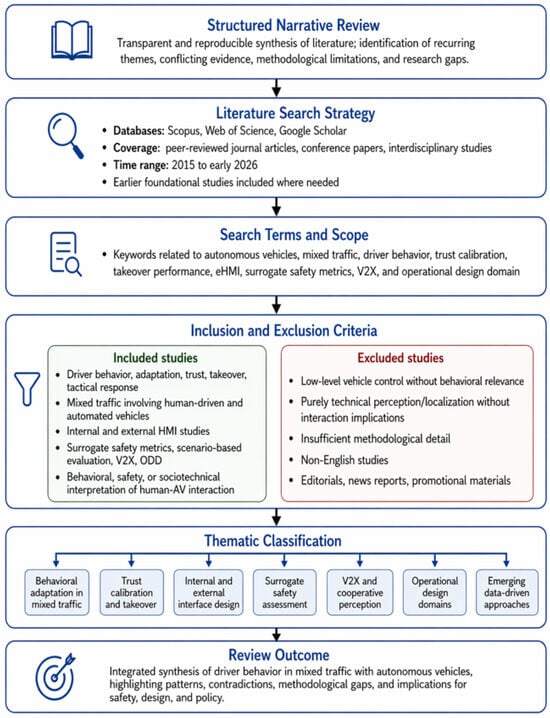
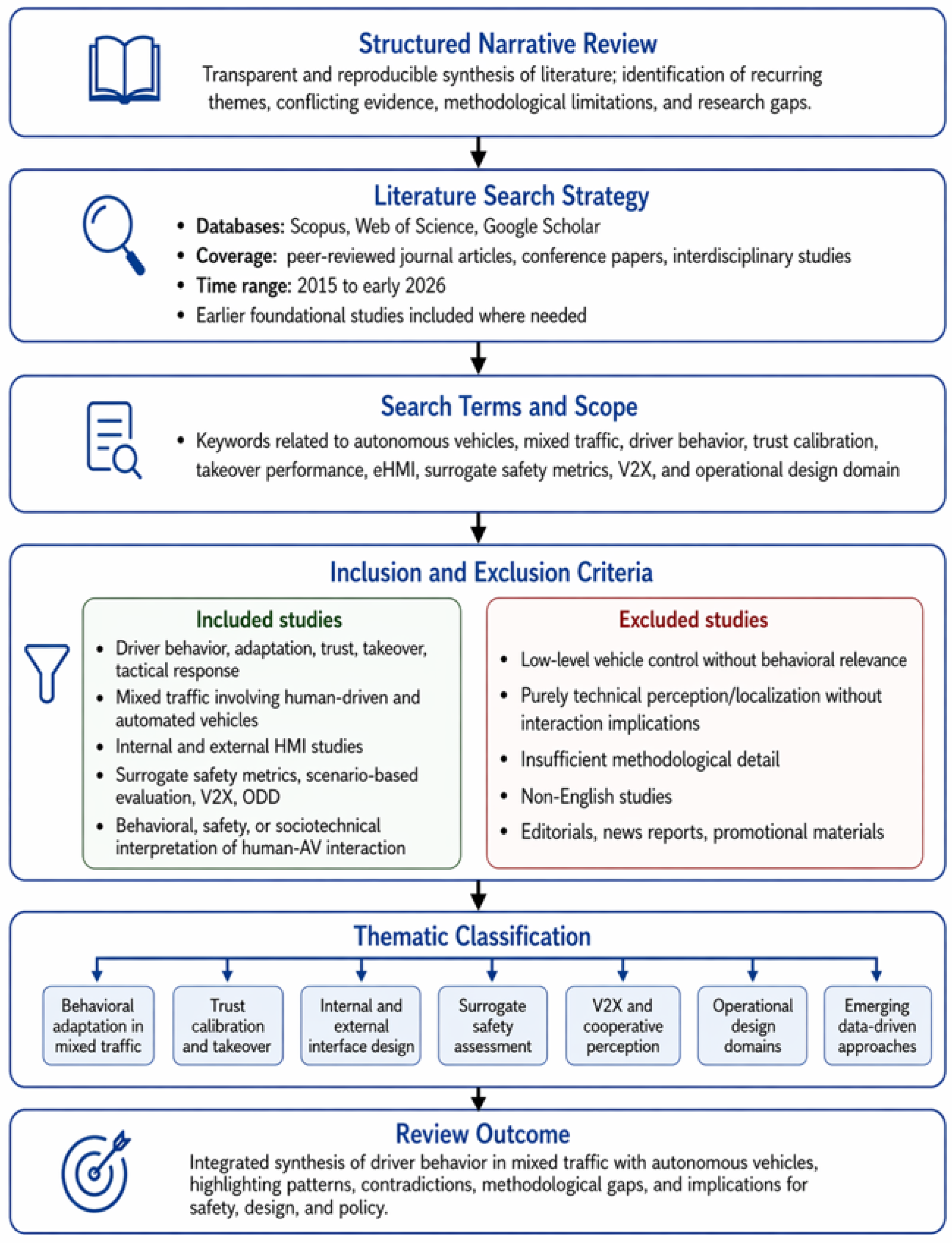
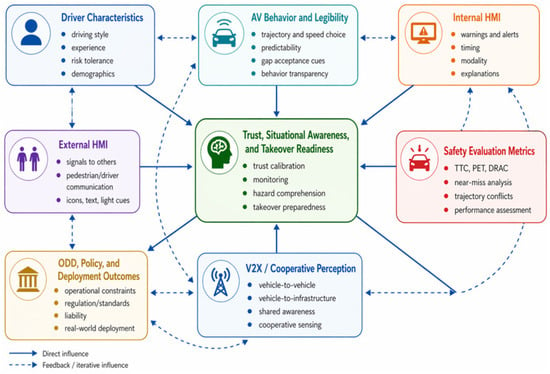
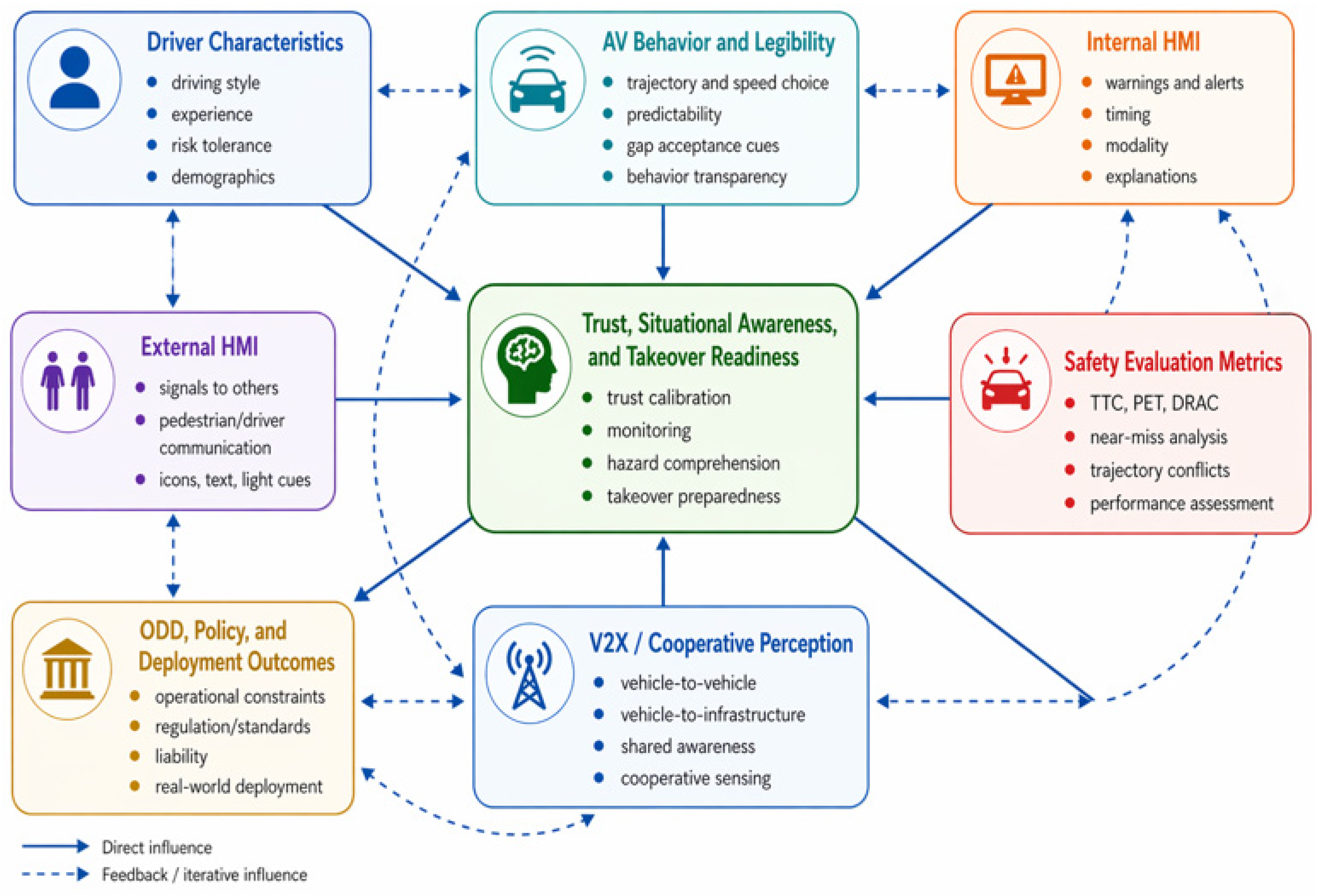
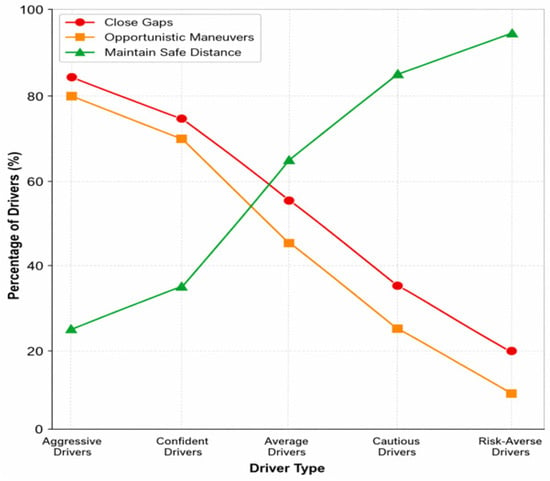
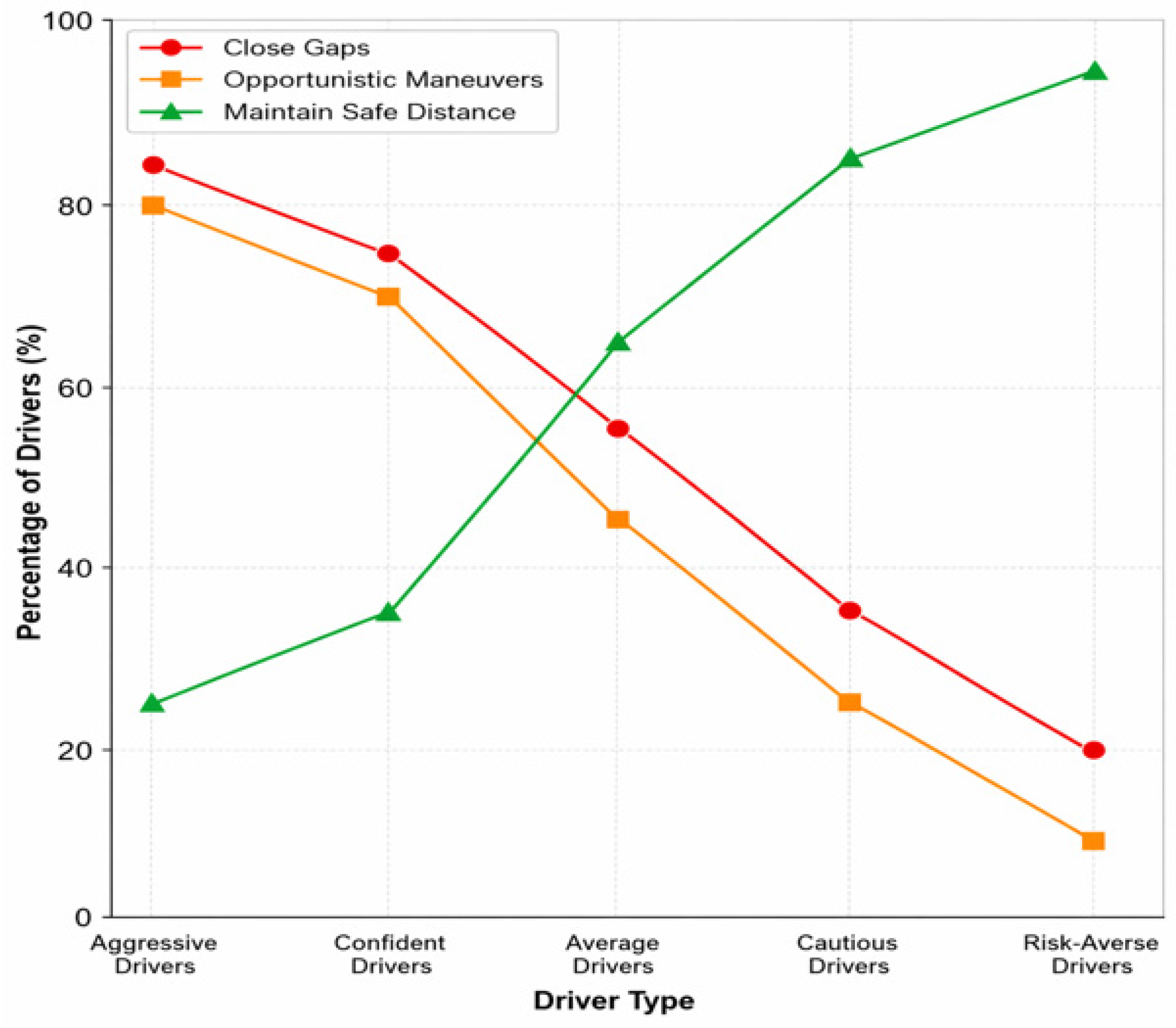
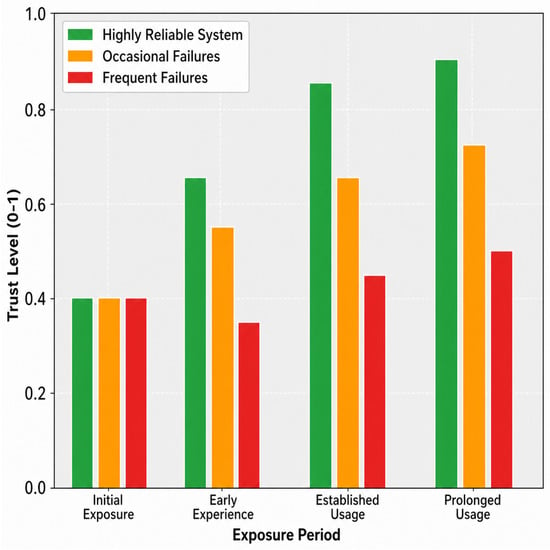
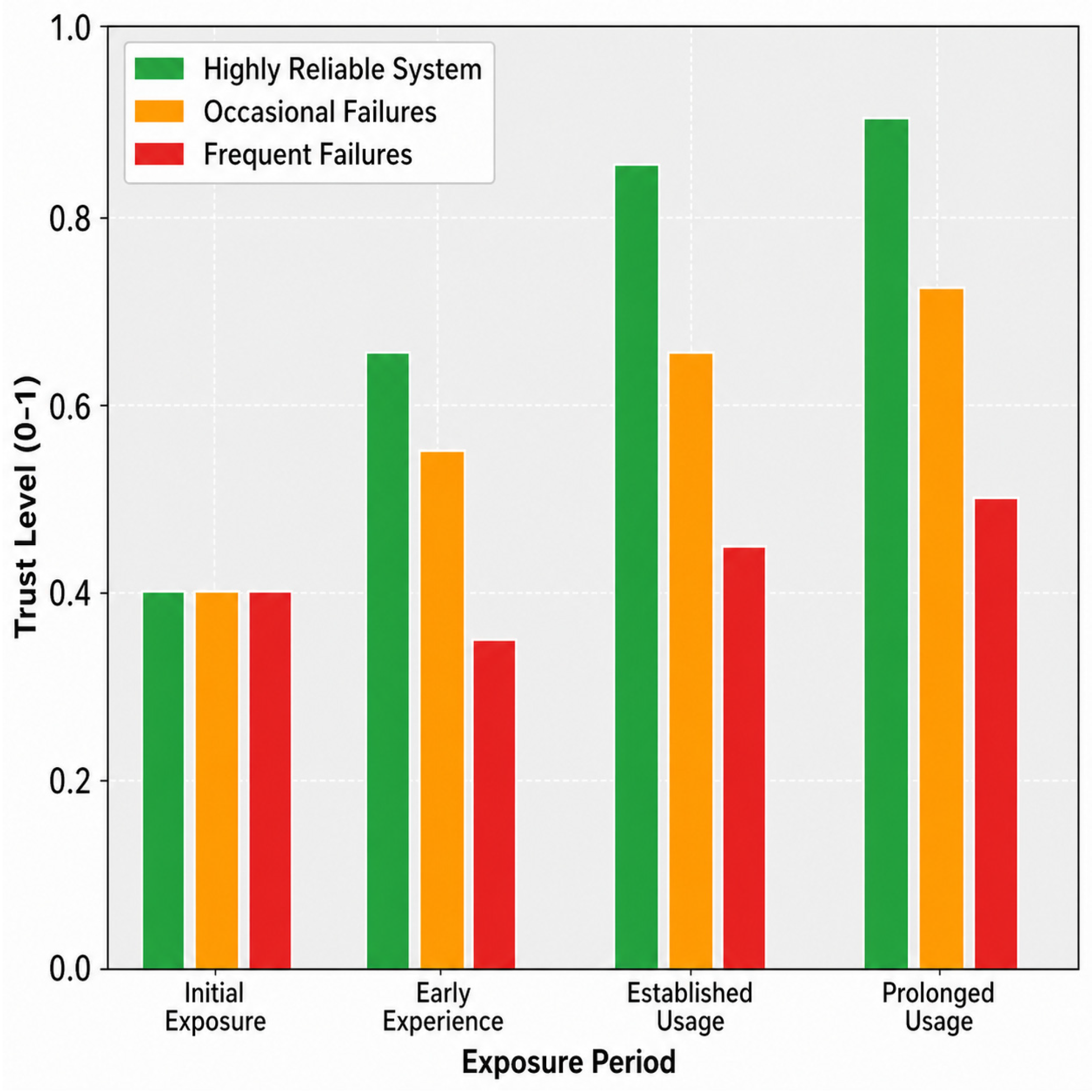
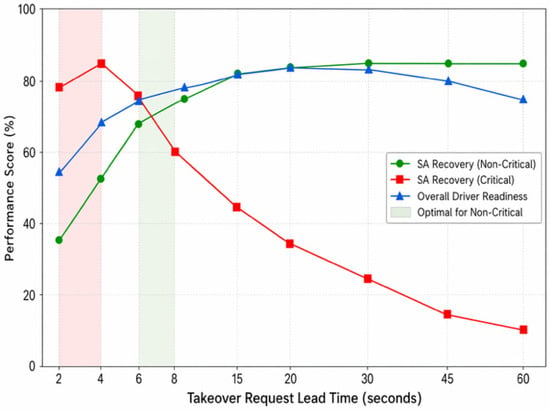
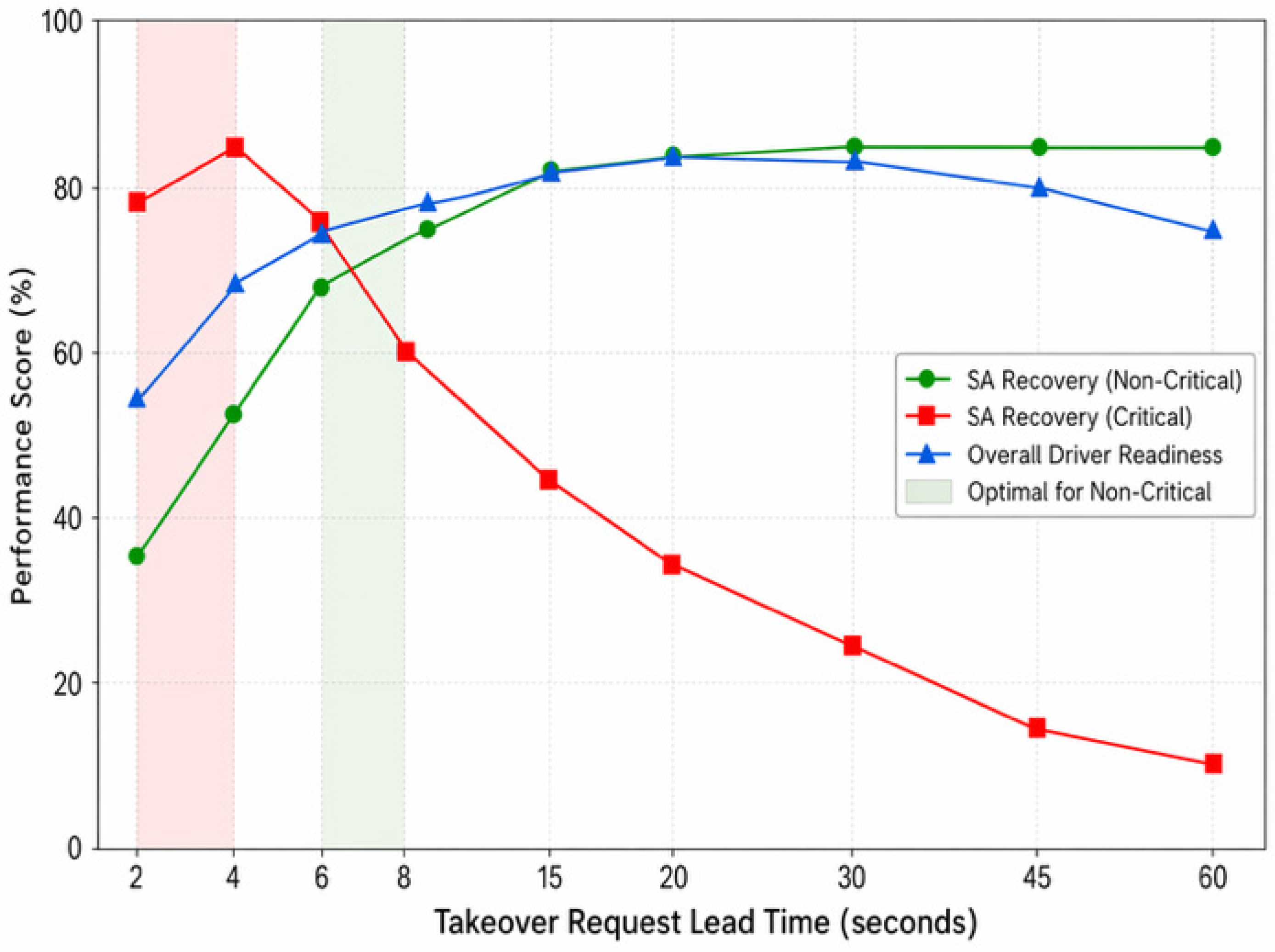
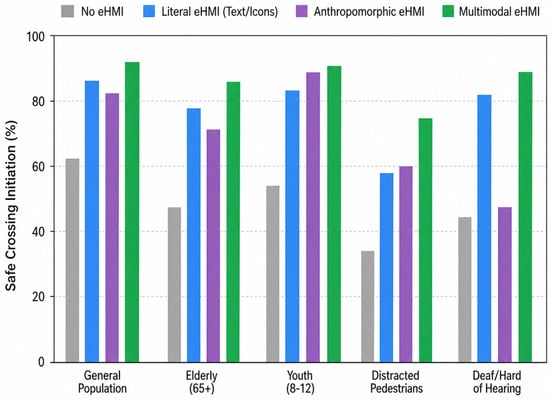
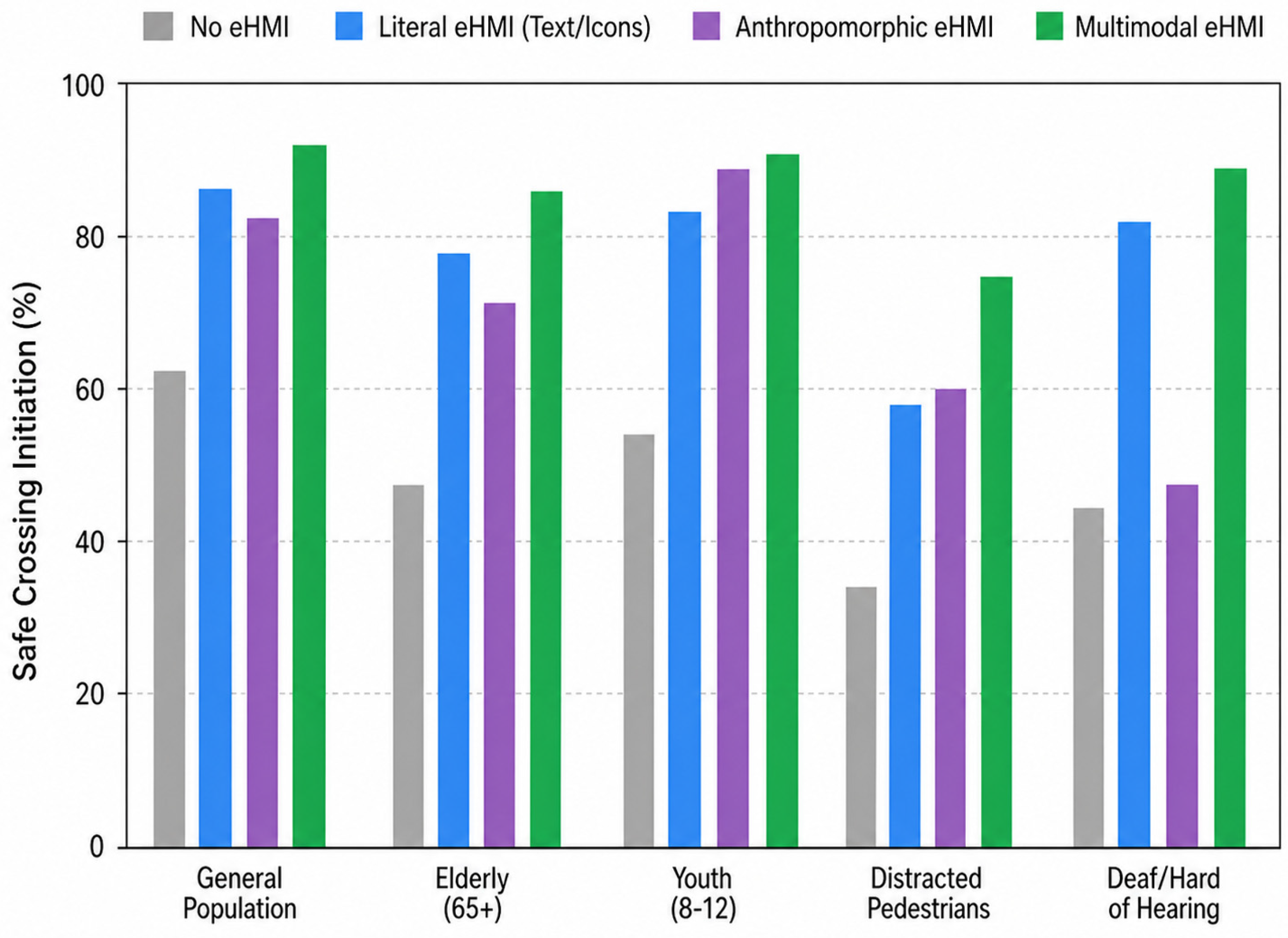
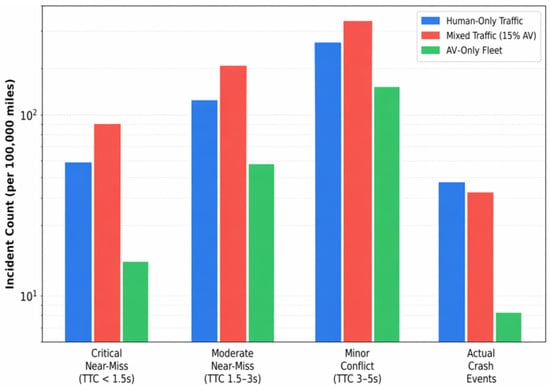
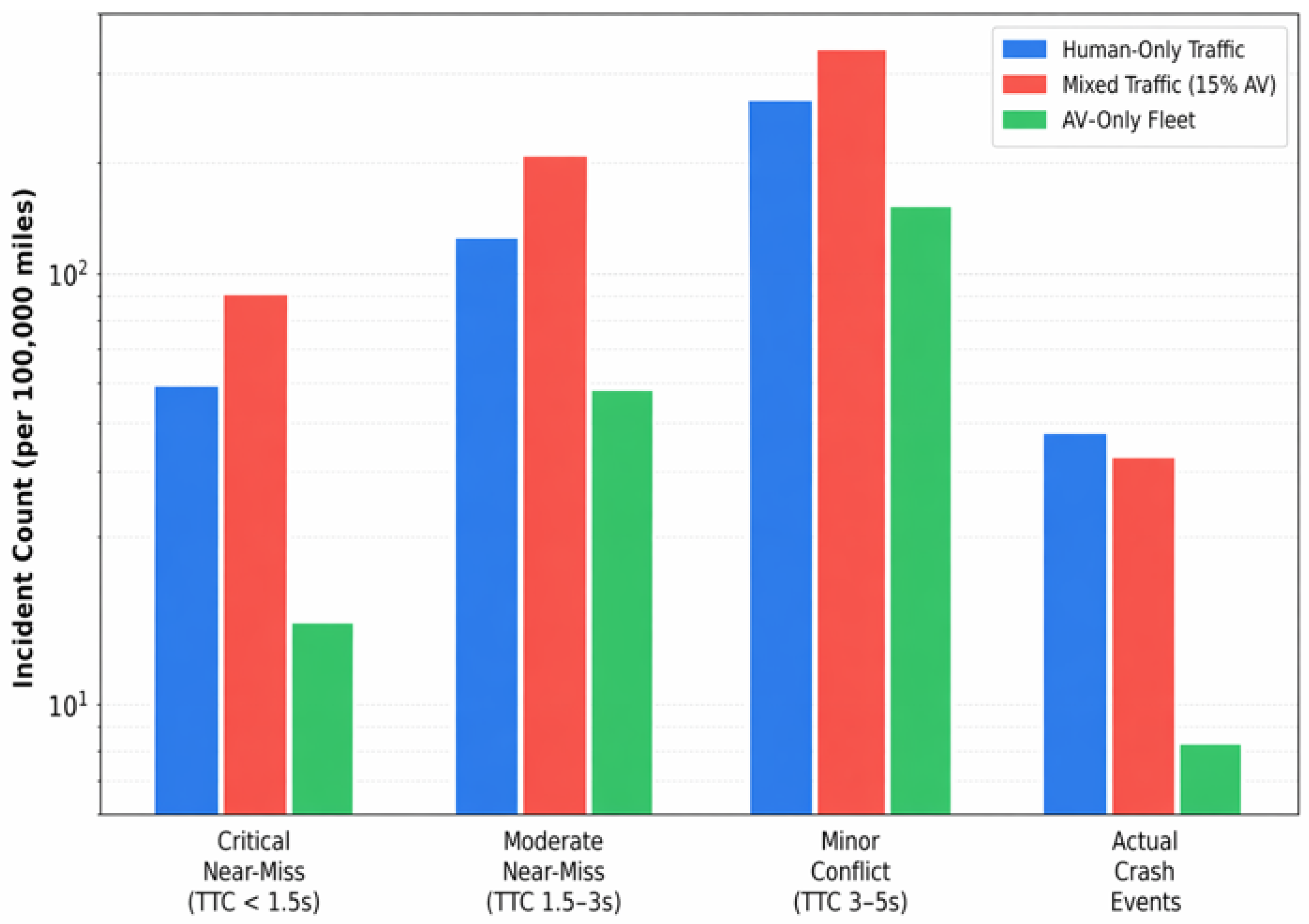

Disclaimer/Publisher’s Note: The statements, opinions and data contained in all publications are solely those of the individual author(s) and contributor(s) and not of MDPI and/or the editor(s). MDPI and/or the editor(s) disclaim responsibility for any injury to people or property resulting from any ideas, methods, instructions or products referred to in the content. |
© 2026 by the authors. Licensee MDPI, Basel, Switzerland. This article is an open access article distributed under the terms and conditions of the Creative Commons Attribution (CC BY) license.