


Abstract
This study developed a bio-based approach for the natural dyeing and functional finishing of silk fabrics using pineapple core extract, lac dye, and cricket protein crosslinked with genipin (CP—GP). Pineapple core extract was used to provide an acidic dyeing environment (pH 4) favorable for the adsorption of lac dye onto silk, while CP—GP was subsequently applied as a post-treatment to improve dye durability and functional performance. Lac dyeing was conducted at 80 °C for 60 min using 10% owf. lac dye and a liquor ratio of 1:30. Post-treatment with CP—GP altered the color of the lac-dyed silk from reddish to bluish-purple, with the highest color strength (K/S = 5.31 ± 0.21) obtained at 1% CP—GP. Washing fastness remained good to excellent after treatment, while improved resistance to color change under acidic and alkaline perspiration conditions was observed for the CP—GP-treated fabrics. The treatment also enhanced UV protection, with all CP—GP-treated samples achieving UPF 50+ under both dry and wet conditions. FTIR and SEM–EDS analyses supported modification of the silk fiber surface following CP—GP treatment, and a gel content of 81.28 ± 1.23% indicated the formation of a stable crosslinked protein network. However, CP—GP treatment reduced light fastness, indicating a limitation associated with the color-forming crosslinked system. Overall, the combined use of pineapple core extract, lac dye, and CP—GP provides a promising bio-based strategy for producing multifunctional silk textiles while reducing reliance on conventional metal-based mordants.
Keywords:
silk; natural dyeing; lac dye; pineapple core; cricket protein (CP); textile; genipin (GP); UV protection 1. Introduction
The global textile industry is a significant economic driver, with an estimated market value of approximately USD 1.5 trillion. However, this sector is simultaneously recognized as one of the primary contributors to global environmental degradation. Notably, textile dyeing processes are responsible for nearly 20% of global industrial water pollution. Dyeing, the application of colorants to fibers, yarn, or fabrics, is an indispensable stage in textile production, essential for enhancing the aesthetic appeal and market value of the final products [1,2].
At present, synthetic dyes are predominantly used due to their diverse range of several thousand chemical compounds, well-defined chemical structure, and brilliance in shades. Nevertheless, the toxicity associated with synthetic dyes has raised profound environmental concerns. Many of these colorants contain hazardous components, such as chromium, heavy metals, and carcinogenic aromatic amines, posing severe risks to both aquatic ecosystems and human health [3].
As concerns over the environmental and health impacts of synthetic dyes continue to grow, natural dyes have gained increasing attention as sustainable alternatives due to their non-toxic, biodegradable, and environmentally compatible characteristics [4,5]. However, their application in textile dyeing is often limited by low affinity for textile fibers, resulting in poor dye uptake, uneven coloration, limited color intensity, and inadequate fastness properties, particularly to washing and light [6]. To overcome these limitations, auxiliary agents such as mordants are commonly employed to enhance dye–fiber interaction, improve dye uptake and leveling, and increase the overall dyeing performance [7]. The selection of mordants is particularly important because different agents can influence the resulting hue, chroma, and color value, while conventional metallic mordants may raise environmental concerns, highlighting the need for more sustainable alternatives [8,9].
Currently, the most prevalent mordants used in natural dyeing include alum, ferrous sulfate, stannous chloride, copper sulfate, and potassium dichromate [10]. Although effective, these substances are metallic ion-based compounds characterized by significant environmental toxicity [11]. A critical issue in the dyeing process is that these metallic mordants are rarely fully exhausted or absorbed by the fibers. Consequently, substantial residual amounts remain in the spent dye liquor and effluent, leading to severe toxic water pollution. In response to these ecological challenges, there is a growing scholarly interest and industry in the exploration and application of bio-mordants devised from natural materials as a sustainable alternative to conventional metallic salts.
Thailand, one of the major exporters of tropical fruits, generates more than one million tons of pineapple processing by-products annually, of which approximately 14.7% are pineapple core [12]. These by-products are rich in valuable compounds, including sugars, organic acids, amino acids, vitamins, polyphenolic compounds, and flavonoids. These bioactive components contribute to antioxidant and antimicrobial activity [13,14]. In particular, pineapple cores contain a diverse range of bioactive and chemical constituents, including organic acid, with citric acid being an important component [15,16]. As a multifunctional carboxylic acid, citric acid can acidify the dye bath and promote interactions between natural dyes and functional groups on protein-based fibers. Therefore, pineapple core extract has significant potential as a bio-mordant for silk dyeing, where the acidic compounds may enhance the uptake and adhesion of natural dyes to the fibroin structure of silk fibers, while providing a sustainable approach for valorizing agricultural by-products.
Silk is among the earliest natural protein fibers utilized by humanity and widely acclaimed as the “queen of fibers.” This reputation stems from its inherent softness, luxurious luster, robust mechanical properties, and exceptional moisture absorption [17]. Raw silk primarily consists of fibroin, the main structural protein, encased in a protective layer of sericin. This water-soluble protein binds the filaments together, providing structural integrity. At the molecular level, silk fibroin is composed of polypeptide chains characterized by repeating amino acid units, predominantly glycine (Gly) and alanine (Ala). The architecture of silk comprises two distinct domains: highly ordered -sheet crystallites, where chains are stabilized by anti-parallel hydrogen bonding, and disordered amorphous regions [18].
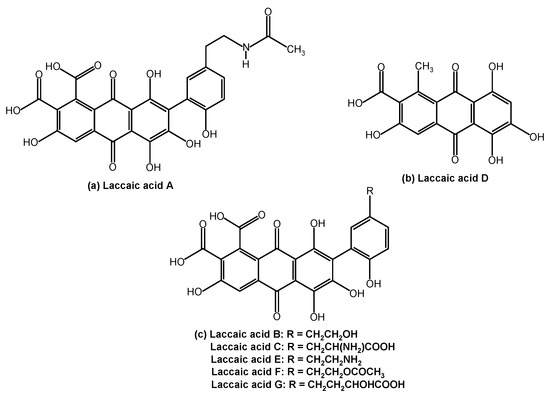
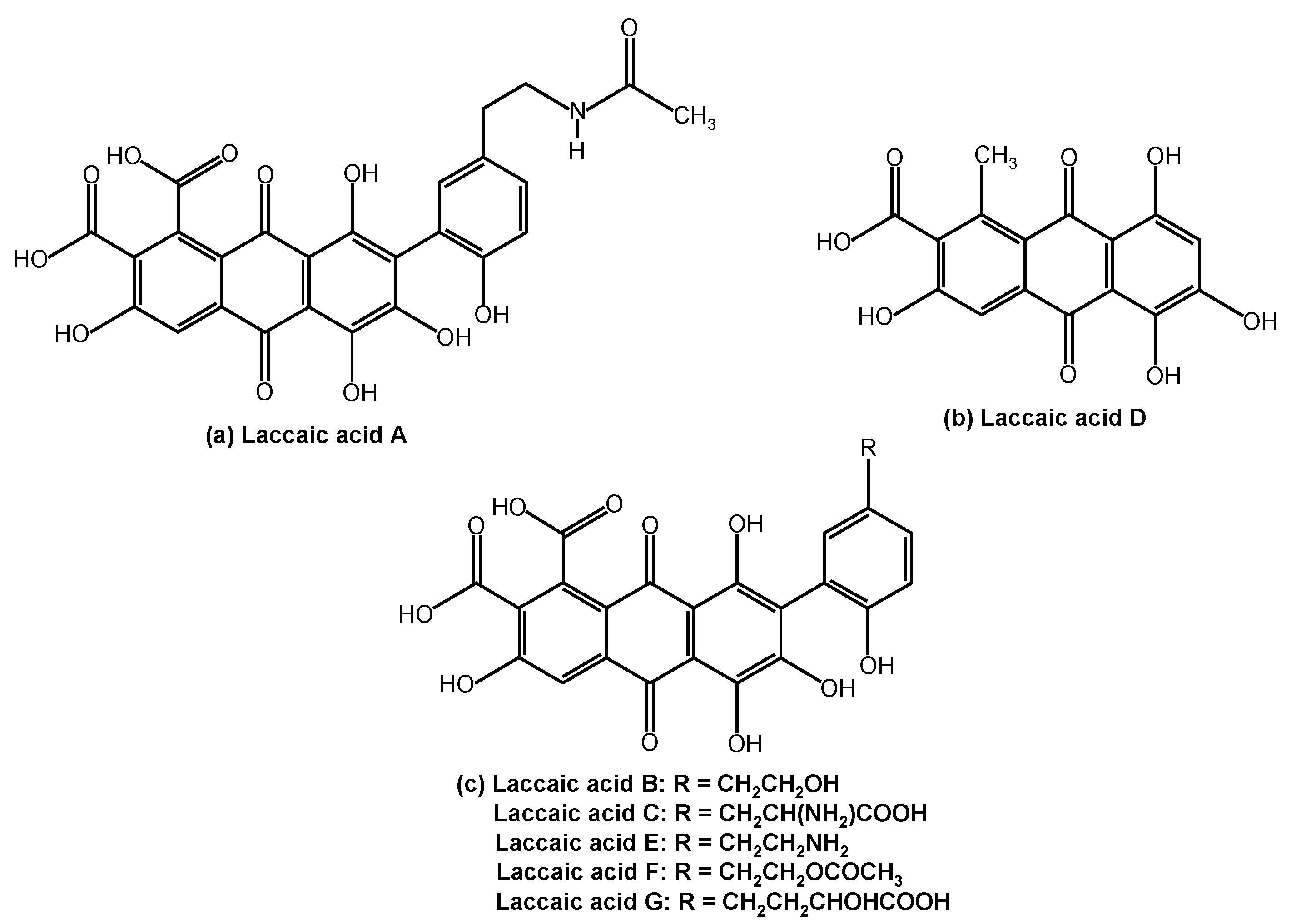
Due to this high biocompatibility and mechanical strength, silk is widely used in the textile industry. However, silk dyeing has traditionally relied on synthetic acid dyes, raising increasing environmental concerns and driving the search for more sustainable alternatives. Among natural sources, lac dye extracted from the resinous secretion of the lac insect (Kerria lacca) has gained significant prominence for silk dyeing [19]. The primary raw material, sticklac, contains several water-soluble anthraquinone compounds known as laccaic acid, which are responsible for producing shade ranging from vibrant red to deep crimson. Laccaic acid A and B are the major constituents, whereas laccaic acid C, E, F, G, and D, with the latter also known as flavokermesic acid, are generally present at lower concentrations [20,21]. These compounds contain important functional groups, including hydroxyl (−OH), carbonyl (C=O), and carboxyl (−COOH) groups, which contribute to their chemical reactivity and interactions with the protein structure of silk, as shown in Figure 1. Therefore, lac dye represents a promising natural colorant for the production of high-value and sustainable silk textile [22].
Figure 1.
Chemical structures of (a) laccaic acid A, (b) laccaic acid D, and (c) laccaic acid B, C, E, F, and G, which are the principal colorant components of lac dye.
To date, there has been no reported research on the utilization of cricket protein (CP) as an agent to enhance the colorfastness of natural dyes in silk fibers. Although cricket protein (CP) is widely recognized as a high-quality, emerging protein source with significant potential for human nutrition and as an environmentally sustainable alternative to traditional livestock, its application has been predominantly confined to the food industry for fortifying nutritional value [23]. Consequently, the functional versatility of cricket protein (CP) powder and its potential integration into textile processing, specifically as a bio-based modifier for improving dye fiber interaction, remains substantially underexplored. This study, therefore, seeks to bridge this knowledge gap by investigating the efficacy of cricket protein in optimizing the performance and durability of the natural dyeing process.
Genipin (GP) is a natural iridoid compound derived from Gardenia jasminoides and has been widely recognized as an effective natural crosslinking agent for protein-based materials. Its crosslinking capability is attributed to its interactions with reactive functional groups in proteins, particularly amino groups, which facilitate the formation of intermolecular crosslinks and three-dimensional network structures. Previous studies have reported that the incorporation of GP into protein system can reduce the availability of free amino and sulfhydryl groups, accompanied by increase in particle size and the formation of higher-molecular-weight protein fractions. These molecular changes contribute to the development of a denser and more homogeneous crosslinked network, thereby improving the structural integrity and stability of protein-based materials [24,25].
Therefore, this study aimed to develop a sustainable silk dyeing and functional finishing process using lac dye in combination with pineapple core extract as a bio-based dyeing auxiliary and genipin (GP)-crosslinked cricket protein as a bio-based fixing and functional finishing agent. The study investigated the effectiveness of cricket protein–GP treatment improving the colorfastness and functional properties of the dyed silk. In addition, the structure, chemical, morphological, and surface characteristics of the treated fabrics were characterized to elucidate the interactions and surface modifications associated with the dyeing and finishing processes. The overall objective was to establish a sustainable and multifunctional silk textile treatment that improves the durability and performance of natural lac dyeing while reducing reliance on conventional metal-based mordant.
2. Materials and Methods
2.1. Material
A silk fabric with 100% (fabric weighs 1.8 g) was purchased from a local store in Thailand. Pineapple core (Huai Mun cultivar) was obtained from agricultural waste in Uttaradit Province, Thailand. Lac dye powder with 100% purity was obtained from Northern Shellac Co., Ltd., Lampang, Thailand. Cricket protein (CP) with 80% purity was purchased from JR Unique Foods Co., Ltd., Udon Thani, Thailand. Genipin (GP) with 98% purity was obtained from Xi’an Finest Nutra Co., Ltd., Xi’an, China. Hexanes with 99% purity were purchased from RCI Labscan Limited (Bangkok, Thailand).
2.2. Methods
2.2.1. Pineapple Core Extract Preparation
The pineapple core extract was prepared using a blending and filtration process. The pineapple cores were cut into small cube-shaped pieces and placed into a blender. The mixture was blended for 5 min until homogenized. The obtained extract was then filtered through muslin fabric to separate solid residues from the liquid extract. The pH of the resulting liquid extract was subsequently measured.
2.2.2. Silk Fabrics Preparation
Silk fabric was cut into rectangular with dimensions of 148 × 210 mm. The fabric had a weight of 57.92 g/m2, with warp and weft densities of 123.66 ± 3.21 and 198 ± 2 yarns/inch, respectively. The edges of the fabric were sewn on all four sides to prevent fraying. The fabric was weighed and scoured using a standard soap agent at 60 °C for 15 min. After scouring, the fabric was thoroughly rinsed with water and dried prior to the dyeing process.
2.2.3. Dyeing Process
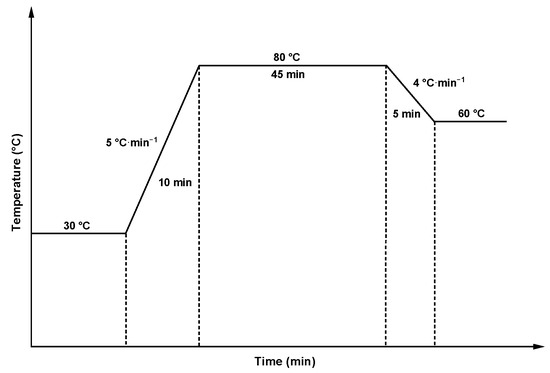
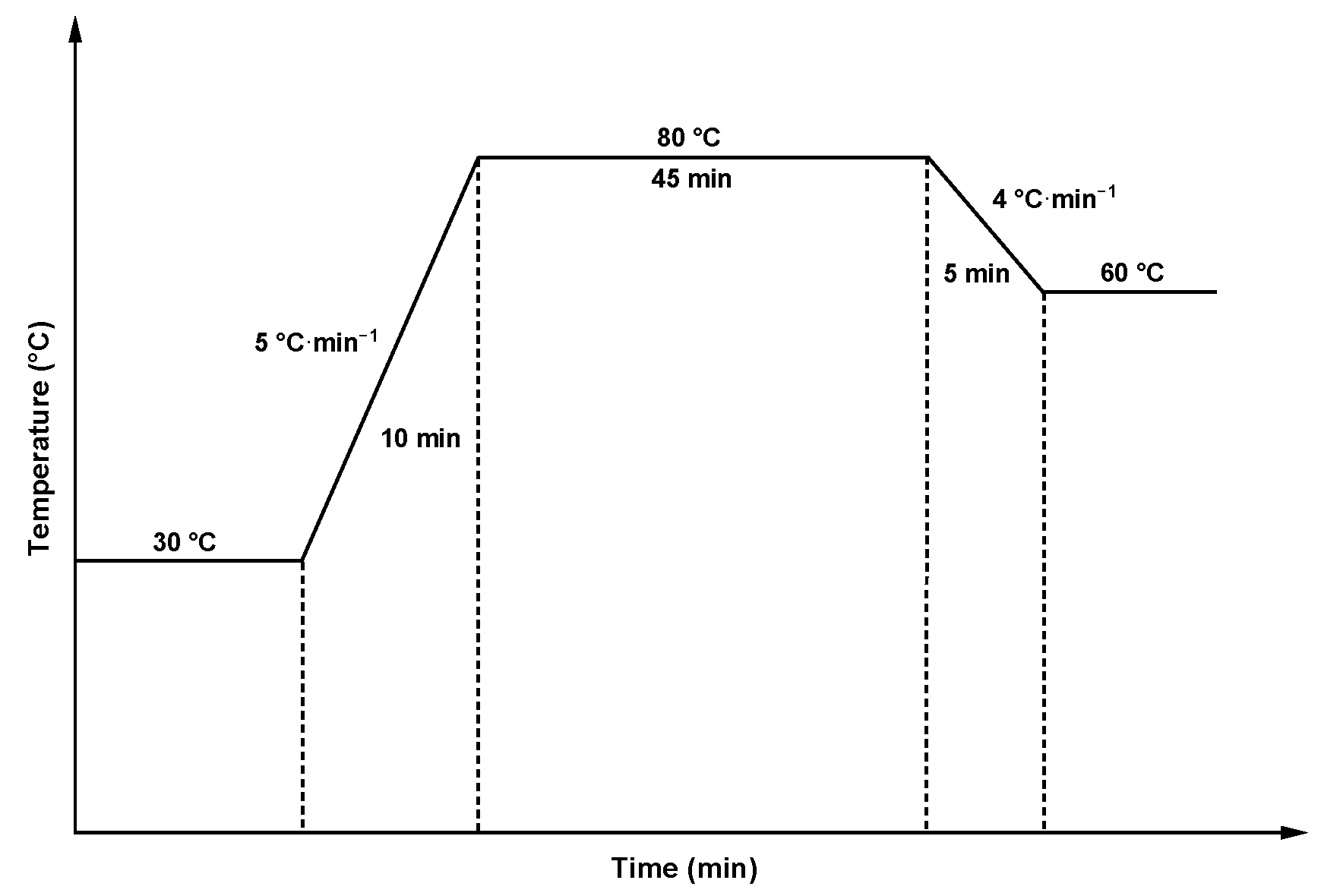
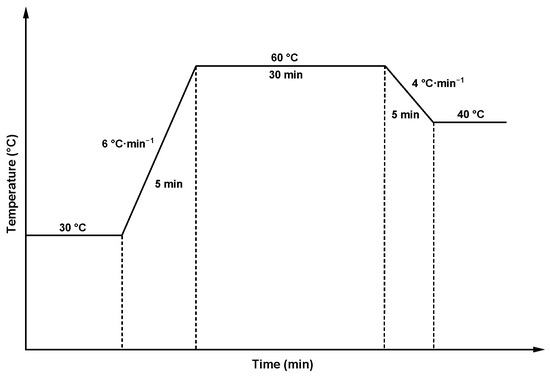
The dyeing process was conducted using a laboratory infrared dyeing machine (Lab IR Dyeing Machine). The lac dye solution was mixed with pineapple core extract at a liquor ratio of 1:30, with a lac dye concentration of 10% owf. The dyeing process was conducted carried out at 80 °C for 60 min, as shown in Figure 2. After dyeing, the fabric was thoroughly rinsed with water 2–3 times to remove excess dye from the fabric surface and then dried prior to the post-treatment. The lac-dyed silk fabric without subsequent CP—GP treatment was designated as the non-CP—GP sample.
Figure 2.
Fabric dyeing profile.
2.2.4. Preparation of Cricket Protein Crosslinked with Genipin Solutions
Prior to the post-treatment, cricket protein–genipin (CP—GP) crosslinked solutions were prepared by dissolving cricket protein (CP) powder at concentrations of 1%, 2%, 3%, 4%, and 5% (w/v) in separate beaker and stirred for 60 min. Genipin (GP) powder was then added to each protein solution at a concentration of 0.2% (w/v) and gently stirred until dissolved. The solutions were subsequently kept in the dark for 60 min to allow crosslinking between the CP and GP. After the crosslinking reaction, the CP—GP crosslinked solutions were centrifuged at 4000 rpm for 15 min to remove insoluble protein precipitates. The resulting CP—GP crosslinked solutions were collected and used for the post-treatment process.
2.2.5. Post-Treatment Process
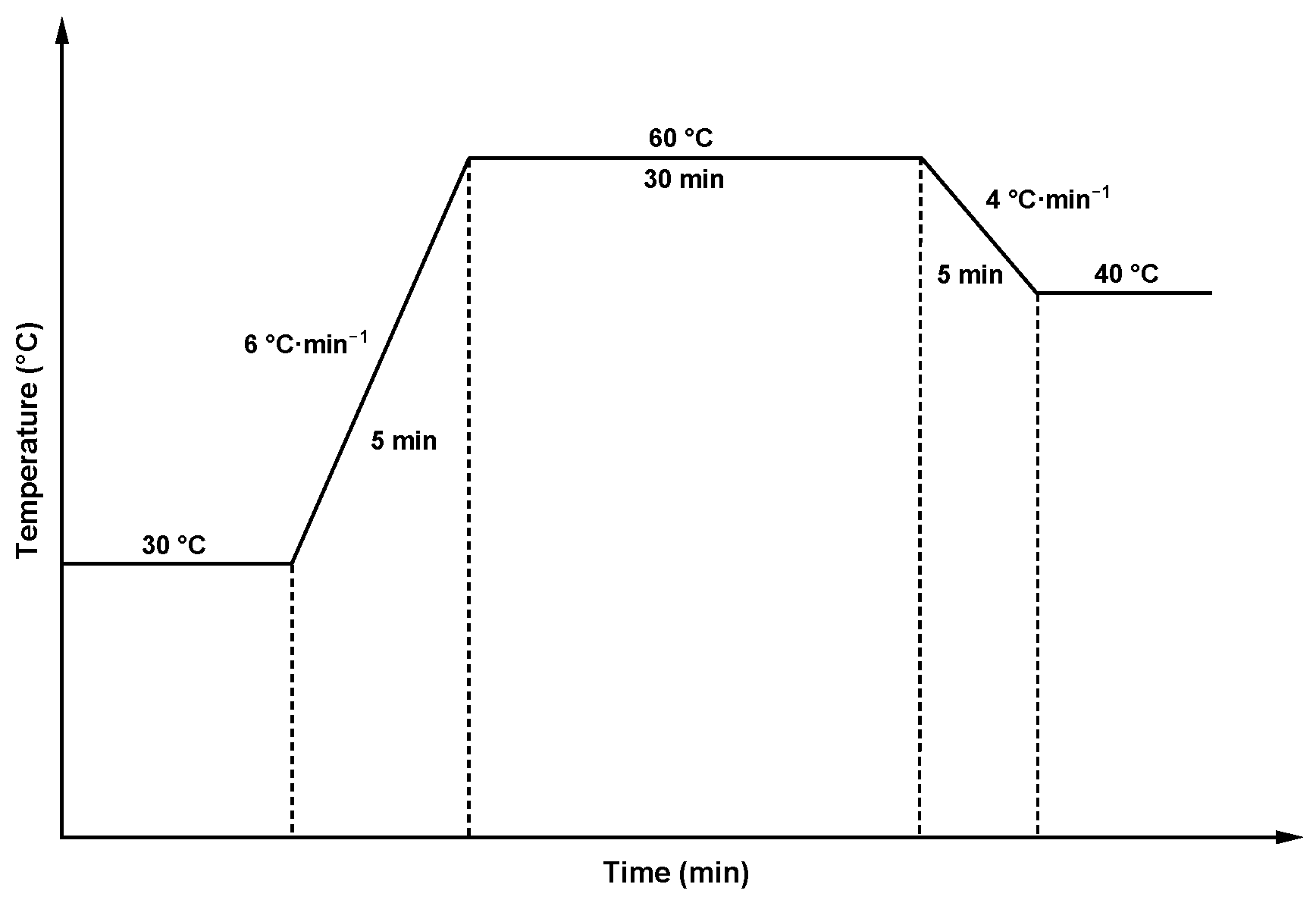
The post-treatment process of the lac-dyed silk fabrics were performed using prepared CP—GP crosslinked solutions at 1%, 2%, 3%, 4%, and 5% (w/v), with a liquor ratio of 1:30. The treatment was carried out using a laboratory infrared dyeing machine (Lab IR Machine) at 60 °C for 40 min, as shown in Figure 3. After treatment, the fabrics were thoroughly rinsed with water 2–3 times and the dried prior to further characterization.
Figure 3.
Fabric post-treatment profile.
2.2.6. Color Measurement
The color characteristics of fabric samples were evaluated in the CIELAB color space system (L*, a* and b*) using a spectrophotometer (UltraScan PRO, Hunter Lab, Reston, VA, USA) under D65 illumination over a wavelength range of 400–700 nm. The L* represents lightness, ranging from 0 (black) to 100 (white). The a* represents the red–green coordinate, where positive values indicate redness and negative values indicate greenness, while the b* value represents the yellow–blue coordinate, where positive value indicate yellowness and negative values indicate blueness. Five measurements were performed for each sample (n = 5). The color strength (K/S) was determined based on the Kubelka–Munk equation as follows:
where K and S represent the absorption and scattering coefficients, respectively, and R is the decimal fraction of reflectance measured at the wavelength of maximum absorption () [26,27].
2.2.7. SEM-EDS Analysis
The surface morphology of the silk fabrics, including the pristine, non-CP—GP-treated, and CP—GP-treated samples, was examined using scanning electron microscopy (SEM) at an accelerating voltage of 5 kV. Prior to analysis, all specimens were sputter-coated with a thin gold/palladium (Au/Pd) alloy layer to enhance surface electrical conductivity and minimize charging during imaging. Elemental composition and elemental mapping were further analyzed by energy-dispersive X-ray spectroscopy (EDS) using a Thermo Scientific Phrnom Prox system. For SEM-EDS analysis, the samples were coated with platinum prior to examination. The accelerating voltage was set at 5 kV, and the elemental maps were acquired at a magnification of 1000×.
2.2.8. Fourier Transform Infrared (FTIR) Spectroscopy
FTIR spectra of the lac dye, cricket protein (CP), genipin (GP), pristine silk, and lac-dyed silk before/after CP—GP-treated samples were recorded using a spectrometer (Niolet iS50, Thermo Scientific, Waltham, MA, USA) over the wavenumber range of 400–4000 cm−1, with 64 scans obtained at a resolution of 4 cm−1.
2.2.9. Gel Content Determination
The gel content of genipin (GP)-crosslinked cricket protein samples was determined gravimetrically to evaluate the formation of the insoluble crosslinked protein network. Pre-weighed dry GP-crosslinked cricket protein samples () were immersed in distilled water at 50 °C for 24 h to extract the non-crosslinked fraction. The insoluble gel residues were then recovered and thoroughly washed with distilled water to remove any remaining solution protein. The washed gel residues were dried at 50 °C for 24 h in a vacuum drying oven to reach a content weight (). The gel content (%) was calculated as follows:
where is the initial mass of the GP-crosslinked cricket protein sample (g) and is the mass of the dried insoluble gel residue after extraction (g). All measurements were performed in triplicate, and the results are reported as mean ± standard deviation [28].
2.2.10. Color Fastness Testing
The color fastness to washing was evaluated according to the ISO 105-C06 standard and color fastness to perspiration under both acidic and alkaline conditions was assessed according to ISO 105-E04.
2.2.11. Mechanical Properties
The tensile strength of the samples was evaluated using a tensile tester (ZwickRoell Z0055TN, ZwickRoell GmbH & Co. KG, Ulm, Germany) according to the AATCC D5035-95 standard. The gauge length was set at 75 mm, and the crosshead speed was maintained at 300 mm/min.
2.2.12. Ultraviolet Protection Factor (UPF)
The ultraviolet (UV) protection properties of the silk samples were evaluated under both dry and wet conditions in accordance with the AATCC Test Methods 183-2010 standard. The measurements were conducted using a UV-Vis-NR spectrophotometer (M55SPF, Spectronic CamSpec Ltd., Leeds, West Yorkshins, UK). The ultraviolet protection factor (UPF) was calculated using the following equation:
where is relative erythemal spectral effectiveness. is solar spectral irradiance. is the average spectral transmittance of the specimen (expressed as a fraction). is the wavelength interval used during the measurement (nm).
2.2.13. Statistical Analysis
Statistical analysis was performed using one-way analysis of variance (ANOVA) followed by Tukey’s honest significance (HSD) post hoc test using Origin 2026b (OriginLab Corporation, Northampton, MA, USA). Differences were considered statically significant at p < 0.05. All results are presented as mean ± standard deviation. Most experiments were conducted in five independent replicates (n = 5), and the mean values were used for statistical analysis. The statistical analysis was performed under the standard assumption of ANOVA.
3. Results
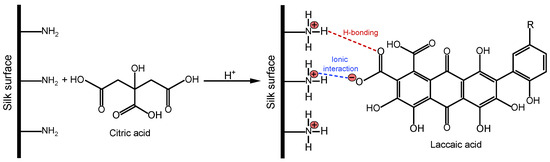
The utilization of a bio-based acid derived from pineapple core extract effectively promotes the uptake and fixation of lac dye molecules onto silk fibers [29]. This improvement is primarily driven by the citric acid content within the extract, which results in an acidic pH of 4 for the pineapple extract [30] and consequently provides an acidic dye bath condition. Under these acidic conditions, the amino groups () of the silk fibroin can undergo protonation to from ammonium groups () increasing the positive charge on the silk fiber surface. These interactions are illustrated in Figure 4. This protonation promotes the disaggregation of clustered dye molecules in the solution while simultaneously strengthening the ionic bonds between the anionic lac dye molecules and the cationic fiber sites [31,32]. These interactions may facilitate dye uptake and contribute to improved adhesion of lac dye onto the silk fibers.
Figure 4.
Schematic illustration of the proposed fixation mechanism of lac dye on silk surface in the presence of citric acid. Red dashed lines indicate hydrogen bonding, while blue dashed lines indicate ionic interactions.
Table 1 presents the color strength and CIELAB values of lac-dyed silk fabrics before and after post-treatment with CP—GP crosslinked solutions. The non-CP—GP-treated sample exhibited a color strength of 3.28 ± 0.36, with positive a* and b* values of 20.23 ± 0.22 and 6.96 ± 0.28, respectively, indicating the characteristic reddish hue of lac dye. Following treatment with CP—GP crosslinked solutions, the color strength significantly increased to 4.35–5.31 (p < 0.05), with the highest value observed for the 1% CP—GP-treated sample (5.31 ± 0.21). This increase in color strength should not be interpreted as an enhancement of the original red coloration of lac dye; rather, it indicated an increase in the overall light absorption of the fabric resulting from the additional coloration associated with the CP—GP crosslinked solutions treatment.
Table 1.
Color values of selected samples (lac dye = 10% owf, genipin (GP) = 0.2%, pH = 4, liquor ratio = 1:30, temperature = 80 °C, dyeing time = 60 min).
The decrease in a* values to 6.11 to 10.13 indicates a pronounced reduction in the redness of the lac-dyed silk following CP—GP crosslinked solution treatment. Similarly, the b* values decreased from the positive region to 0.74 to 2.35, with the negative b* values observed at 2–5% CP—GP indicating a shift toward the blue region of the color space. This change may be associated with the characteristic blue coloration developed during the crosslinking reaction between the CP and GP [33,34]. The contribution of this blue coloration to the original reddish lac-dyed fabric resulted in a visible shift toward purple and bluish-purple shades. Meanwhile, the L* values for 1–5% CP—GP samples raged from 40.61 to 46.14, compared with 41.56 ± 0.71 for the non-CP—GP sample, indicating a moderate change in fabric lightness after treatment. Overall, the CIELAB results demonstrate that CP—GP crosslinked solutions treatment substantially modified the color characteristic of lac-dyed silk, particularly by reducing redness and shifting the hue toward purple and bluish-purple shades.
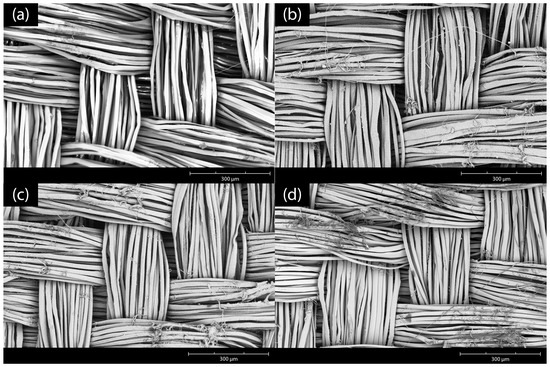
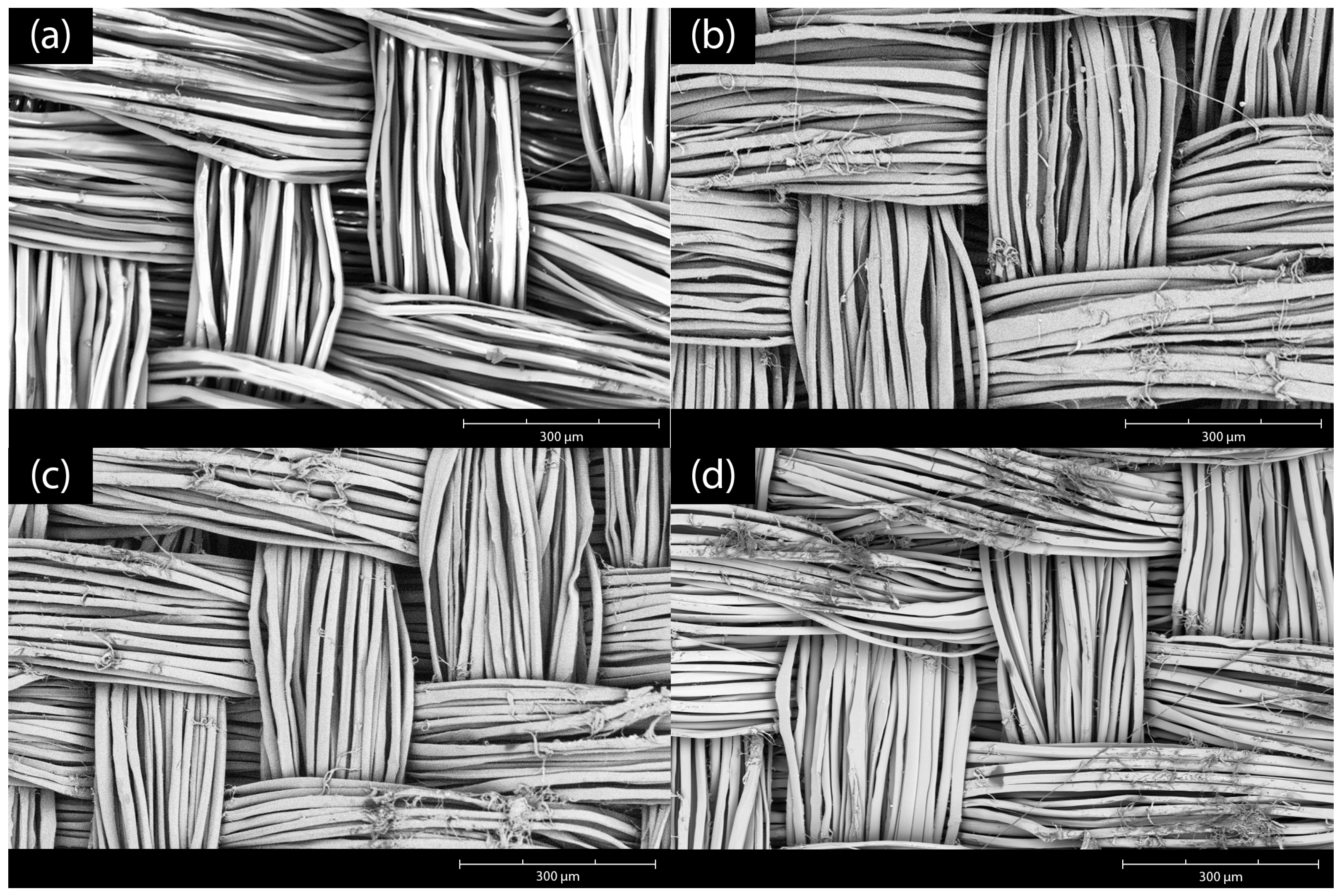
The surface morphology of the silk fabrics before and after lac dyeing and post-treatment was examined by scanning electron microscopy (SEM), as shown in Figure 5. The pristine silk fabric (Figure 5a) exhibited relatively smooth and continuous fiber surfaces with a well-defined woven structure. No obvious surface deposits or severe structural defects were observed, representing the characteristic morphology of untreated silk fibers.
Figure 5.
SEM images of the fabric samples before and after treatment: (a) pristine, (b) non-CP—GP treated, (c) 1% CP—GP treated, and (d) 5% CP—GP treated.
After dyeing with a lac dye bath containing pineapple core extract without CP—GP crosslinked solution treatment (Figure 5b), the fiber surfaces exhibited slightly increased irregularity, with some areas showing a more distinct and relatively loosened fibrillar structure. This change may be associated with the dyeing conditions, in which the silk fibers were exposed to an acidic dye bath containing citric acid derived from the pineapple core extract for an extended period at elevated temperature, which may have contributed to increased surface heterogeneity of the silk fibers.
Following post-treatment with 1% and 5% CP—GP crosslinked solutions (Figure 5c and Figure 5d, respectively), the fiber surfaces exhibited noticeably increased irregularity compared with the pristine silk (Figure 5a) and non-CP—GP sample (Figure 5b). The sample treated with 5% CP—GP showed a more pronounced loosening of the fibrillar structure than the sample treated with 1% CP—GP, particularly in the weft fibers. These changes may be attributed to combined effects of exposure to the acidic dye bath during the dyeing process and centrifugation during the post-treatment process, both of which involved elevated temperatures. Despite these surface changes, no obvious fiber breakage or severe structural deformation was observed, indicating that the treatment primarily affected the fiber surface.
The elemental composition of the silk fiber surfaces was further investigated using SEM-EDS, as summarized in Table 2. The pristine silk exhibited 51.98% C, 32.29% N, 14.77% O, and 0.96% S; after lac dyeing without post-treatment, the N content decreased markedly from 32.29 to 17.70%, whereas the O content increased from 14.77 to 31.26%, while the C content changed only slightly. The increase in O is consistent with the adsorption or deposition of oxygen content compounds associated with lac dye, particularly those containing hydroxyl (−OH) groups, on the fiber surface. In contrast, the decrease in N may be attributed to surface coverage by the dye layer, which partially masked the nitrogen-containing components of the underlying silk fibroin structure. Similarly, the decrease in S from 0.96 to 0.38% may reflect attenuation of the sulfur signal due to the deposition of the surface layer.
Table 2.
Atomic concentrations (%) of elements on the sample surfaces determined by SEM-EDS.
Following post-treatment with CP—GP crosslinked solutions, further changes in the elemental composition were observed. The N content increased from 17.70% in the non-CP—GP sample to 19.18% after treatment with the 1% CP—GP sample, consistent with the deposition of nitrogen-containing proteinaceous material on the fiber surface. For the sample treated with 5% CP—GP, the increased further O content may be associated with greater deposition of oxygen-containing components from the treatment system, including CP- and GP-related species, together with retained lac dye on the fiber surface.
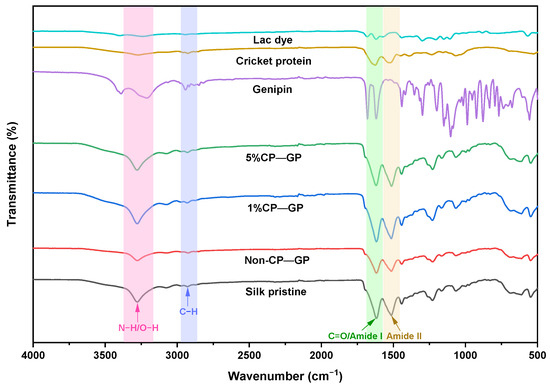
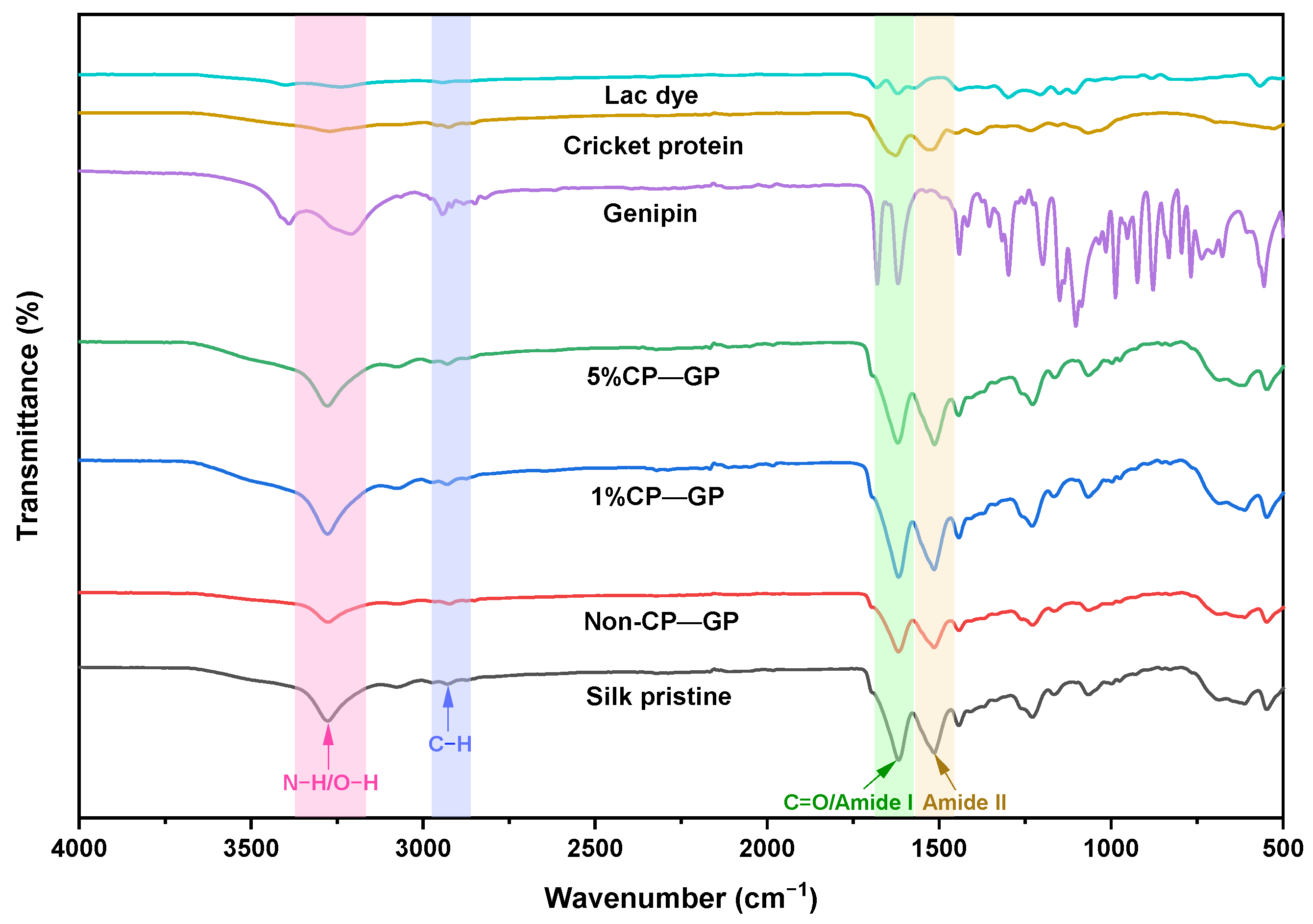
The FTIR spectra of silk pristine, lac dye, CP, GP, non-CP—GP, 1% CP—GP, and 5% CP—GP samples are presented in Figure 6. A broad absorption band centered at approximately 3250 cm−1 was observed in silk pristine, non-CP—GP and 1% CP—GP and 5% CP—GP samples, which was attributed to the overlapping O−H and N−H stretching vibrations [35]. This band is characteristic of the polysaccharide-based material and is associated with hydrogen bonding between the hydroxyl groups of lac dye and amino groups [36]. After lac dyeing, these major bands remained largely unchanged, indicating that the dyeing process did not substantially alter the chemical structure of silk fibroin.
Figure 6.
FTIR spectra of lac dye, cricket protein (CP), genipin (GP), silk fabrics, non-CP—GP, 1% CP—GP, and 5% CP—GP samples.
The cricket protein (CP) and genipin (GP) spectra showed characteristic amide and C−O/C−N-related bands. After treatment with CP—GP crosslinked solutions, shifts in the amide I and II bands were observed, from 1627.7 and 1525.5 cm−1 in protein to 1618.1/1620.0 and 1515.9/1513.9 cm−1 for the 1% and 5% CP—GP treatments, respectively. These changes indicate modifications in the chemical environment of the silk/protein matrix following GP and CP. Such interactions may contribute to the formation of imine (Schiff base) and subsequent genipin-associated structures during the crosslinking process. Therefore, the observed FTIR changes provide supporting evidence for the proposed genipin-associated crosslinking mechanism, rather than direct confirmation of chemical crosslinking.
The gel content of the crosslinked CP—GP was determined to evaluate the formation and stability of the crosslinked protein network. As shown in Table 3, the sample exhibited a gel content of 81.28 ± 1.23%, while the extracted fraction was only 18.72 ± 1.23% after immersion in distilled water at 50 °C for 24 h. The high gel content indicates that the majority of the protein remained in an insoluble form after prolonged exposure to hot water, suggesting the formation of a relatively stable crosslinked structure.
Table 3.
Crosslinking degree of CP—GP.
GP acts as an effective crosslinking agent because its reactive enol ether groups (−O−C=C−) can react with amino groups in CP, leading to the opening of the dihydropyran ring and the formation of a Shiff base (imine) intermediate, which subsequently undergoes a Michael-type addition to from stable crosslinks. During the crosslinking process, genipin-protein complexes can undergo auto-oxidation in the presence of oxygen, resulting in the formation of conjugated structures, such as quinone derivatives, which impart a characteristic blue color to the system [24].
The retention of approximately 81% of the protein mass after distilled water extraction provides supporting evidence for the formation of a relatively stable protein network associated with genipin. The remaining 18.72 ± 1.23% extracted fraction may represent non-crosslinked or loosely associated protein components that could be removed during the extraction process. Although gel content alone cannot definitively distinguish chemical crosslinking from physical aggregation, the combined gel content, FTIR, and SEM-EDS results support the proposed crosslinking mechanism.
Table 4 presents the washing fastness of the lac-dyed silk fabrics non-CP—GP and 1–5% CP—GP crosslinked treatment. The color change remained constant at grade 4 for all samples, indicating that the CP—GP crosslinked treatment did not significantly alter the resistance of the lac dyed silk to color change during washing. Although the treatment did not further improve the color change rating compared with the non-CP—GP sample, the consistently high rating suggests that the lac-dyed silk already exhibited good resistance to color change under the applied dyeing condition.
Table 4.
Color fastness properties of lac-dyed silk before and after CP—GP treatment evaluated according to ISO 105-C06 (washing fastness).
Regarding color staining, the ratings ranged from 4–5 to 5, corresponding to good to excellent washing fastness. Only minor variations were observed among the different cricket protein concentrations. However, the staining rating for wool decreased slightly from grade 5 for the non-CP—GP sample to grade 4–5 for the samples treated with 1–5% CP—GP. This slight increase in staining may be related to the proteinaceous nature of wool, which is primarily composed of keratin containing polypeptide chains linked through amide bonds [37,38]. The presence of amino groups in wool may facilitate interactions with anionic dye molecules. Consequently, wool may have a relatively greater affinity for lac dye molecules released into the washing bath, resulting in slightly greater staining compared with other fiber types.
In contrast, polyester and acrylic fibers exhibited relatedly low levels of staining, which may be attributed to their hydrophobic nature and consequently lower affinity for water-soluble dye molecules [39]. Overall, the results indicate that CP—GP crosslinked treatment did not further improve the color change rating but maintained the good washing fastness of the lac-dyed silk. Importantly, the treatment also did not cause a substantial increase in staining of the multifiber fabric, with most fibers maintaining ratings of 4–5 or higher. These findings suggest that the CP—GP crosslinked treatment can be applied as a post-treatment without compromising the existing washing fastness of lac-dyed silk.
Table 5 presents the color fastness to acidic and alkaline perspiration according to ISO 105-E04. The non-CP—GP sample exhibited a color change rating of 3 under acidic conditions and 3–4 under alkaline conditions, indicating moderate to good color fastness. Following CP—GP crosslinked treatment, all treated samples showed an improved color change rating of 4 under acidic conditions. Under alkaline conditions, the color change ratings were also maintained or improved, with the 2% and 5% CP—GP-treated samples achieving the highest rating of 4–5. These results indicate that the CP—GP treatment enhanced the resistance of lac-dyed silk to color change during perspiration exposure.
Table 5.
Color fastness properties of lac-dyed silk before and after CP—GP treatment evaluated according to ISO 105-E04 (acidic and alkaline perspiration fastness).
For color staining under acidic conditions, acetate, polyester, and acrylic generally exhibited relatively high ratings of 3–4 to 4–5, whereas cotton, nylon, and wool showed greater staining, with ratings mostly in the range of 2–3 to 3–4. CP—GP treatment produced only limited changes in staining on cotton and nylon under acidic conditions; however, the 5% CP—GP-treated sample showed a marked improvement in wool staining, reaching a rating of 4–5. Under alkaline conditions, a more noticeable improvement in staining fastness was observed after CP—GP treatment, particularly for cotton and nylon, whose ratings generally increased to 4 or 4–5 at higher CP—GP concentrations. Wool showed comparatively greater susceptibility to staining, consistent with the trend observed in the washing fastness test, although its rating improved from 3 to 4 for the 5% CP—GP-treated sample.
Among the tested samples, the 5% CP—GP-treated silk exhibited the most favorable overall perspiration fastness, with a color change rating of 4 under acidic conditions and 4–5 under alkaline conditions. Under alkaline conditions, staining ratings of 4–5 were obtained for acetate, polyester, and acrylic, while cotton, nylon, and wool showed ratings of 4. Overall, the results suggest that CP—GP crosslinked treatment improved the color stability of lac-dyed silk against perspiration, particularly at the higher CP—GP concentration, without causing increased staining of the adjacent fabrics.
Table 6 presents the colorfastness of non-CP—GP sample and 1–5% CP—GP samples, evaluated for crocking and light exposure according to ISO 105-X12 [27] and ISO 105-B02 [27], respectively. The dry and wet crocking fastness ratings ranged from 4–5 to 5 for all samples, indicating good to excellent resistance to dry transfer during mechanical rubbing. In contrast, lightfastness decreased markedly following CP—GP crosslinked treatment, from grade 4–5 for the non-CP—GP sample to grades 1 and 1–5 for the 1–5% CP—GP samples. This reduction may be associated with the inherent sensitivity of GP to light and heat. As a natural compound, GP may undergo color changes or degradation upon prolonged exposure to light or elevated temperature, which could contribute to the observed fading of the 1–5% CP—GP samples.
Table 6.
Color fastness properties of lac-dyed silk before and after CP—GP treatment evaluated according to ISO 105-X12 (crocking fastness) and ISO 105-B02 (light fastness).
Table 7 presents the tensile strength of silk pristine, non-CP—GP, and 1–5% CP—GP samples. In the warp direction, no significant differences in tensile strength and strain at break were observed among the pristine, non-CP—GP, and 1–5% CP—GP samples, indicating that the treatment had no significant effect on the tensile strength in this direction. In contrast, the weft direction showed a more pronounced response to the CP—GP treatment. Statistical analysis revealed that the samples treated with 1–4% CP—GP exhibited significant (p < 0.05) lower tensile strength than the pristine and non-CP—GP samples. However, the tensile strength of the 5% CP—GP-treated sample increased to a level comparable to that of the non-CP—GP sample, indicating a recovery of the tensile strength at the highest cricket protein concentration. These results suggest that the effect of CP—GP treatment on tensile strength was more pronounced in the weft direction.
Table 7.
Color fastness properties of lac-dyed silk before and after CP—GP treatment evaluated according to ASTM D5035-95 (tensile properties).
Regarding the strain at break in the weft direction, the pristine silk exhibited the highest value (22 ± 1.1%), which was significantly higher than those of the CP—GP-treated samples. In comparison, the non-CP—GP and 1–5% CP—GP samples exhibited strain at break values ranging from 16.0% to 18.1%, with no significant differences among the samples. These results indicate that the CP—GP treatment reduced the stain at break compared with the pristine silk, while variations in cricket protein concentration from 1% to 5% did not significantly affect the extensibility of the lac-dyed silk fabrics.
Overall, the tensile strength and strain at break results indicate the CP—GP treatment had a greater influence on the mechanical properties in the weft direction than in the warp direction. This finding is consistent with SEM results, which revealed morphological change on the fiber surface following CP—GP treatment. The reductions in tensile strength and strain at break observed in the weft direction may be associated with partial relaxation of the silk fibroin fibrils during the treatment process. Such relaxation may reduce the resistance of the fibers to tensile loading and deformation, thereby contributing to the observed changes in tensile strength and strain at break.
Table 8 presents the ultraviolet protection factor (UPF) of the silk fabrics evaluated according to AATCC 183. The pristine silk exhibited a UPF value of 10 under both dry and wet conditions, corresponding to a low level of UV protection. This may be attributed to the relatively thin structure and light color of the silk fabric, which allow greater transmission of UV radiation. After lac dyeing, the non-CP—GP sample exhibited a substantial increase in UPF to 50+ under dry conditions and 40 under wet conditions, indicating that lac dyeing enhanced the UV-shielding ability of the silk fabric. This improvement may be associated with the increased color depth of lac dyed fabric, which can enhance UV absorption and reduce UV transmission though the fabric [40,41].
Table 8.
Ultraviolet protection factor (UPF) for silk samples measured according to AATCC 183.
Following post-treatment, samples treated with 1–5% CP—GP exhibited UPF values of 50+ under both dry and wet conditions, corresponding to an excellent level of UV protection. Notably, under wet conditions, the UPF increased from 40 for the non-CP—GP sample to 50+ after post-treatment with CP—GP. This enhancement in UV protection may be associated with the darker blue shade developed after protein−GP treatment, which can increase UV absorption and reduce UV transmission though the fabric. In addition, GP may also contribute to UV absorption [42]. Overall, CP—GP treatment enhanced the UV-shielding performance of lac-dyed silk fabrics, with all CP concentrations from 1–5% achieving the maximum UPF rating of 50+ under both dry and wet conditions.
4. Conclusions
This study successfully developed a sustainable bio-based approach for dyeing and functional finishing of silk fabrics using pineapple core extract, lac dye, and cricket protein crosslinked with genipin. The pineapple core extract effectively promoted lac dye uptake under acidic conditions, which was attributed to its citric acid content and the protonation of amino groups in silk fibroin. This enhanced the electrostatic interaction between the positively charged silk surface and anionic lac dye molecules, resulting in improved color strength.
Post-treatment with CP—GP crosslinked solutions modified the surface characteristics and functional performance of lac-dyed silk while inducing a distinct color shift from reddish to bluish-purple shades. The high gel content of 81.28 ± 1.23%, together with the observed FTIR changes and SEM–EDS results, provided supporting evidence for the formation of a relatively stable genipin-associated protein network and modification of the silk fiber surface after treatment. The effects of CP—GP concentration were property-dependent rather than showing a single optimum concentration. The 1% CP—GP treatment produced the highest color strength, whereas higher CP—GP concentrations, particularly 5%, provided favorable perspiration fastness and maintained tensile strength relatively close to that of the non-CP—GP sample. All CP—GP-treated fabrics achieved UPF 50+ under both dry and wet conditions. However, CP—GP treatment substantially reduced light fastness, indicating a limitation that should be considered in further optimization. Future studies should focus on improving light fastness and evaluating the antimicrobial performance of CP—GP-treated silk to further explore its potential as a functional textile.
Overall, the combination of pineapple core extract and crosslinked CP—GP provides a promising strategy for addressing some of the colorfastness limitations of natural lac dyeing while adding functional properties to silk. The treated fabrics achieved UPF 50+ under both dry and wet conditions, demonstrating excellent UV protection. This approach integrates agricultural waste valorization, natural dyeing, and bio-based functional finishing, offering potential for the development of more sustainable and multifunctional silk textiles with reduced reliance on conventional metal-based mordants.
Author Contributions
Conceptualization, U.L.; methodology, U.L. and T.H.; validation, P.P.; formal analysis, P.P. and T.H.; investigation, U.L.; data curation, U.L., P.P. and T.H.; writing—original draft preparation, U.L.; writing—review and editing, P.P. and T.H.; visualization, U.L.; supervision, T.H.; project administration, T.H.; funding acquisition, T.H. All authors have read and agreed to the published version of the manuscript.
Funding
The authors gratefully acknowledge the financial support provided by Faculty of Science and Technology, Thammasat University, Contract No. SciGR 32/2567.
Data Availability Statement
The raw data supporting the findings and conclusions of this study are available from the corresponding author upon reasonable request.
Acknowledgments
P.P would like to acknowledge the support from the Hub of Talent: Sustainable Materials for Circular Economy, National Research Council of Thailand (NRCT).
Conflicts of Interest
The authors declare no conflicts of interest.
Abbreviations
| CP | Cricket protein |
| GP | Genipin |
References
- Lara, L.; Cabral, I.; Cunha, J. Ecological Approaches to Textile Dyeing: A Review. Sustainability 2022, 14, 8353. [Google Scholar] [CrossRef] [Scilit]
- Al Mamun, M.A.; Rahman, M.K.; Rahaman, M.T.; Pranta, A.D. Eco-friendly dyeing of polyester with natural colorants extracted from jackfruit wood shavings: Insights into fabric performance, chromatic parameters, and flame retardancy. Hybrid Adv. 2026, 12, 100596. [Google Scholar] [CrossRef] [Scilit]
- Khattab, T.A.; Abdelrahman, M.S.; Rehan, M. Textile dyeing industry: Environmental impacts and remediation. Environ. Sci. Pollut. Res. 2020, 27, 3803–3818. [Google Scholar] [CrossRef] [Scilit] [PubMed]
- Roy, S.; Wang, W. Eco-friendly dyeing and functional finishing of silk fabric using a natural dye from Arjuna fruit enhanced by metallic salts. Clean. Chem. Eng. 2026, 13, 100217. [Google Scholar] [CrossRef] [Scilit]
- Che, J.; Yang, X. A recent (2009–2021) perspective on sustainable color and textile coloration using natural plant resources. Heliyon 2022, 8, e10979. [Google Scholar] [CrossRef] [Scilit] [PubMed]
- Wang, R.; Moór, A.; Yao, M.; Zhang, C.; Tóth, T.; Liu, J. Detection of anthraquinone natural dyes in silk artifacts based on KI-modified silver nanoparticles SERS technology. Talanta 2026, 300, 129218. [Google Scholar] [CrossRef] [Scilit] [PubMed]
- Dey, P.; Dey, P.; Hoque, M.B.; Baria, B.; Rahman, M.M.; Shovon, S.; Das, D. Sustainable and eco-friendly natural dyes: A holistic review on sources, extraction, and application prospects. Text. Res. J. 2025, 95, 2472–2499. [Google Scholar]
- McKay, I.; Vargas, J.; Yang, L.; Felfel, R.M. A Review of Natural Fibres and Biopolymer Composites: Progress, Limitations, and Enhancement Strategies. Materials 2024, 17, 4878. [Google Scholar] [CrossRef] [Scilit] [PubMed]
- Yi, E.; Cho, J.-Y. Color analysis of natural colorant-dyed fabrics. Color Res. Appl. 2008, 33, 148–157. [Google Scholar] [CrossRef] [Scilit]
- Shahid, M.; Salam, S.; Mohammad, F. Recent advancements in natural dye applications: A review. J. Clean. Prod. 2013, 53, 310–331. [Google Scholar] [CrossRef] [Scilit]
- Burkinshaw, S.M.; Kumar, N. The mordant dyeing of wool using tannic acid and FeSO4, Part 1: Initial findings. Dyes Pigments 2009, 80, 53–60. [Google Scholar] [CrossRef] [Scilit]
- Hemung, B.-O.; Sompholkrang, M.; Wongchai, A.; Chanshotikul, N.; Ueasin, N. A study of the potential of by-products from pineapple processing in Thailand: Review article. Int. J. Health Sci. 2022, 6, 12605–12615. [Google Scholar] [CrossRef] [Scilit]
- Phung, L.T.; Kitwetcharoen, H.; Chamnipa, N.; Boonchot, N.; Thanonkeo, S.; Tippayawat, P.; Klanrit, P.; Yamada, M.; Thanonkeo, P. Changes in the chemical compositions and biological properties of kombucha beverages made from black teas and pineapple peels and cores. Sci. Rep. 2023, 13, 7859. [Google Scholar] [CrossRef] [Scilit] [PubMed]
- Kitwetcharoen, H.; Chamnipa, N.; Thanonkeo, S.; Klanrit, P.; Tippayawat, P.; Klanrit, P.; Klanrit, P.; Yamada, M.; Thanonkeo, P. Enhancing kombucha functionality: Utilizing dried pineapple peels and cores as an alternative ingredient for improved antioxidant and antimicrobial properties. LWT 2025, 216, 117358. [Google Scholar] [CrossRef] [Scilit]
- Abraham, R.A.; Joshi, J.; Abdullah, S. A comprehensive review of pineapple processing and its by-product valorization in India. Food Chem. Adv. 2023, 3, 100416. [Google Scholar] [CrossRef] [Scilit]
- Bruce, B.B.; Boateng, I.D. Pineapple by-products: A critical review of their bioactive compounds as eco-friendly pesticides in pest management. Food Chem. X 2025, 28, 102567. [Google Scholar] [CrossRef] [Scilit] [PubMed]
- Sun, H.; Sun, Y.; Li, P.; Lv, Y.; Zhang, P. The structure and extraction of silk fibroin and its applications in fruit and vegetable preservation: A review. Food Chem. X 2026, 35, 103801. [Google Scholar] [CrossRef] [Scilit] [PubMed]
- Chimprasit, A.; Hannongbua, S.; Saparpakorn, P. Adsorption study of lac dyes with chitosan coated on silk fibroin using molecular dynamics simulations. J. Mol. Graph. Model. 2021, 106, 107934. [Google Scholar] [CrossRef] [Scilit] [PubMed]
- Ahmad, A.; Kiran, S.; Saif, M.J.; Rehman, A.; Farooq, T. Nano-dyeing of silk with plant-based nanomaterial; a pollution-free production and consumption strategy. Kuwait J. Sci. 2026, 53, 100590. [Google Scholar] [CrossRef] [Scilit]
- Crippa, M.; Cardon, D.; Tamburini, D.; Kondo, T.; Nabais, P. Lac dye colours: A review of the origin, history and identification techniques in textiles. J. Cult. Herit. 2025, 75, 307–325, Correction in J. Cult. Herit. 2025, 76, 99. [Google Scholar] [CrossRef] [Scilit]
- Castro, R.; Miranda, A.; Melo, M. Interpreting lac dye in medieval written sources: New knowledge from the reconstruction of recipes relating to illuminations in Portuguese manuscripts. In Sources on Art Technology: Back to Basics; Archetype Publications: London, UK, 2016; pp. 88–99. [Google Scholar]
- Srisuk, S.; Sodsai, T.; Pisitsak, P. Development of Plant-Based Leather from Naturally Dyed Banana Pseudo-Stem Using a Low-Energy Process. Polymers 2026, 18, 1154. [Google Scholar] [CrossRef] [Scilit] [PubMed]
- Amoah, I.; Cobbinah, J.C.; Yeboah, J.A.; Essiam, F.A.; Lim, J.J.; Tandoh, M.A.; Rush, E. Edible insect powder for enrichment of bakery products– A review of nutritional, physical characteristics and acceptability of bakery products to consumers. Future Foods 2023, 8, 100251. [Google Scholar] [CrossRef] [Scilit]
- Zhou, E.; You, K.-M.; Wei, L.; Ghosh, S.; Ilavsky, J.; Chen, D. Genipin as a natural cross-linker strengthens pea protein gel: A mechanistic study. Food Hydrocoll. 2026, 174, 112417. [Google Scholar] [CrossRef] [Scilit]
- Wahba, M.I. A comprehensive review on genipin: An efficient natural cross-linker for biopolymers. Polym. Bull. 2024, 81, 14251–14305. [Google Scholar] [CrossRef] [Scilit]
- Yusuf, M.; Ahmad, A.; Shahid, M.; Khan, M.I.; Khan, S.A.; Manzoor, N.; Mohammad, F. Assessment of colorimetric, antibacterial and antifungal properties of woollen yarn dyed with the extract of the leaves of henna (Lawsonia inermis). J. Clean. Prod. 2012, 27, 42–50. [Google Scholar] [CrossRef] [Scilit]
- Pisitsak, P.; Hutakamol, J.; Thongcharoen, R.; Phokaew, P.; Kanjanawan, K.; Saksaeng, N. Improving the dyeability of cotton with tannin-rich natural dye through pretreatment with whey protein isolate. Ind. Crops Prod. 2016, 79, 47–56. [Google Scholar] [CrossRef] [Scilit]
- Yang, C.; Huang, H.; Chen, Y.; Li, X.; Chen, S.; Kong, L.; Peng, Z.; Li, J. Hanging time-dependent gel content evolution and its effect on strain-induced crystallization of natural rubber. Ind. Crops Prod. 2026, 249, 123759. [Google Scholar] [CrossRef] [Scilit]
- Zheng, Q.; Fang, K.; Song, Y.; Wang, L.; Hao, L.; Ren, Y. Enhanced interaction of dye molecules and fibers via bio-based acids for greener coloration of silk/polyamide fabric. Ind. Crops Prod. 2023, 195, 116418. [Google Scholar] [CrossRef] [Scilit]
- Chanprasartsuk, O.-O.; Jaroenmaneesap, K.; Wongjinda, K. Native and hybrid Thai pineapple cultivars: A comprehensive analysis of organoleptic, functional, and physicochemical characteristics for future industrial applications. Heliyon 2026, 12, e45297. [Google Scholar] [CrossRef] [Scilit]
- Yuan, J.; Wang, F.; Li, B.; Zheng, X. Sustainable silk dyeing with plant-derived curcumin in a D5-based non-aqueous medium. Sustain. Chem. Pharm. 2026, 52, 102444. [Google Scholar] [CrossRef] [Scilit]
- Feng, Q.; Chen, X.; Peng, Z.; Zheng, Y. Synthesis and properties of temperature-tolerance resistant hydrophobically associating polymer suspension agent using response surface method. Colloids Surf. A Physicochem. Eng. Asp. 2021, 627, 127117. [Google Scholar] [CrossRef] [Scilit]
- Koyama, S.; Kodama, D.; Tsujii, Y.; Handa, A. Soluble-protein-aggregate-assisted improvements in heat-induced gel properties: Effect of genipin-mediated crosslinks on egg white protein. LWT 2023, 184, 115079. [Google Scholar] [CrossRef] [Scilit]
- Perez-Puyana, V.M.; Cortés-Triviño, E.; Jiménez-Rosado, M.; Romero, A.; Martínez, I. Pea Protein-Based Bioplastics Crosslinked with Genipin: Analysis of the Crosslinking Evolution. J. Polym. Environ. 2024, 32, 31–44. [Google Scholar] [CrossRef] [Scilit]
- Rahman Bhuiyan, M.A.; Hossain, M.A.; Zakaria, M.; Islam, M.N.; Zulhash Uddin, M. Chitosan Coated Cotton Fiber: Physical and Antimicrobial Properties for Apparel Use. J. Polym. Environ. 2017, 25, 334–342. [Google Scholar] [CrossRef] [Scilit]
- Nongsok, S.; Vanichvattanadecha, C.; Pisitsak, P. Lignin- and Silver-Modified Multifunctional Cotton Fabrics: Influence of α- and β-Chitosan Pretreatment on Structure–Property Relationships. Polymers 2026, 18, 1279. [Google Scholar] [CrossRef] [Scilit] [PubMed]
- Erdogan, U.H.; Seki, Y.; Selli, F. 9—Wool fibres. In Handbook of Natural Fibres, 2nd ed.; Kozłowski, R.M., Mackiewicz-Talarczyk, M., Eds.; Woodhead Publishing: Cambridge, UK, 2020; pp. 257–278. [Google Scholar]
- Gong, D.; Zheng, H.; Lv, P.; Gao, D.; Zheng, L. Towards environmental protection and safety coloration process in wool fibers: Role of disperse reactive dyes structure. Process Saf. Environ. Prot. 2024, 186, 874–883. [Google Scholar] [CrossRef] [Scilit]
- Wurm, F.; Schöb, F.; Moor, T.; Schweiß, J.; Leukel, J.; Pham, T.; Bechtold, T. Production and separation of knitted lyocell-cellulose acetate fabrics from crimped cellulose acetate fibers. Resour. Conserv. Recycl. 2025, 212, 107959. [Google Scholar] [CrossRef] [Scilit]
- Paya, J.; Díaz, P.; Montava, I.; Miro, P.; Bonet-Aracil, M. A new development for determining the ultraviolet protection factor. J. Ind. Text. 2016, 45, 1571–1586. [Google Scholar] [CrossRef] [Scilit]
- Sasunthon, N.; Laksee, S.; Pisitsak, P. Preparation of Hemp Fabrics with Durable UV-Protective and Antibacterial Properties Using Silver Nanoparticles. J. Nanotechnol. 2025, 2025, 9695944. [Google Scholar] [CrossRef] [Scilit]
- Roy, S.; Rhim, J.W. Genipin-Crosslinked Gelatin/Chitosan-Based Functional Films Incorporated with Rosemary Essential Oil and Quercetin. Materials 2022, 15, 3769. [Google Scholar] [CrossRef] [Scilit] [PubMed]



Disclaimer/Publisher’s Note: The statements, opinions and data contained in all publications are solely those of the individual author(s) and contributor(s) and not of MDPI and/or the editor(s). MDPI and/or the editor(s) disclaim responsibility for any injury to people or property resulting from any ideas, methods, instructions or products referred to in the content. |
© 2026 by the authors. Licensee MDPI, Basel, Switzerland. This article is an open access article distributed under the terms and conditions of the Creative Commons Attribution (CC BY) license.