


Abstract
The ongoing concern about advanced healthcare systems drives the development of highly functional medical textile products. However, despite rapid growth in fiber-based healthcare products, a comprehensive understanding of the relation between fiber and product properties remains limited. This review paper discusses the various fibers used in medical textiles, their classifications, applications, and properties. The existing pre-pandemic studies showed a narrow focus on classifications and applications. Therefore, in this review paper, very recent studies (post-pandemic) were analyzed, focusing on different physical, mechanical, biological, and chemical properties necessary for healthcare applications. The adoption of international standards for assessing these properties has enhanced the products’ global acceptance. Moreover, this paper explores recent innovations and challenges, indicating the future possibilities of medical textiles. The study summarizes a coalition between textiles and medical science to create a new field, Tex-Medical Engineering.
1. Introduction
With advanced innovations and achievements, medical textiles have become a significant part of modern healthcare [1]. Medical textiles played a crucial role in health protection from prehistoric wound dressings of natural fibers to modern surgical implants. One of the crucial factors behind the advances is the emergence of innovative technologies to convert textiles into end products. Over time, these applications span a wide range of areas, including drug delivery, implantable devices, wound care, infection control, etc., and the number of application arenas is increasing day by day [2,3].
Fibers are the basis of medical textiles. Both natural fibers (cotton, silk, hemp, etc.) and synthetic fibers (polyethene terephthalate, polypropylene, etc.) can be used for these purposes. Moreover, textiles can be applied in several formats, including fiber, yarn, woven, knit, nonwoven, etc. [1,4]. Natural fibers are used for hygienic products due to their softness, breathability, and absorbency. On the other hand, implantable devices need durability, elasticity, and strength, etc., for which synthetic fibers are used [5]. Moreover, natural and synthetic composites can be used to maintain these properties. These versatile properties of textile fibers, combined with advanced technologies, make them suitable for healthcare products [6].
Several types of products are prepared from healthcare textiles, including implantable textiles such as sutures, soft tissue implants, orthopedic implants, and cardiac implants [7]. Moreover, products like bandages, plasters, gauze, lint, and wadding are prepared as non-implantable textiles [8]. Among them, hygiene and infection control are among the most common applications. For this purpose, the textile fibers should resist bacteria, viruses, and fungi [9]. Moreover, nonwoven products produce disposable products at optimal cost, with filtration and sterilization. All these healthcare textile products are the result of a combination of optimal properties. However, for textile materials used in healthcare, several factors, such as biocompatibility, biostability, flexibility, lightweight, stability, and durability, must be met [10,11]. For example, vascular grafts or scaffolds must be biocompatible and, in some cases, bioresorbable; the drug-delivery polymer should be biodegradable; bioactive-coated textiles should exhibit higher bioactivity, etc. [12,13]. Thus, choosing a suitable material is a precondition for a better outcome, and the fiber should be selected based on the final applications.
Despite substantial advancements, medical textiles still face several challenges, including maintaining cost-effectiveness, producing sustainable products, and maintaining regulatory compliance with the final products [14]. Continuous research is ongoing to overcome these obstacles. Several emerging technologies are helping different solutions to bridge the gap between conventional healthcare products and cutting-edge technologies. For example, carbon-based surface functionalization, including carbon-based coatings, diamond-like carbon coatings, and related nanostructured coatings, has been explored to improve antimicrobial and antiviral activity, filtration performance, wear durability, and hydrophobicity of medical textile surfaces [15]. In addition, different circular-economy approaches, including chemical treatment, autoclaving, sterilization-assisted reuse, fiber tagging or molecular tagging, conductive polymers, bioactive fibers, and recyclable biomaterial design, have been proposed to improve the end-of-life management and recycling potential of medical textiles [16].
Moreover, integrating recent smart technologies has made it more suitable for healthcare. Nowadays, attaching sensors to various textile products for advanced health monitoring has made it easier and more reliable. Examples include breath-monitoring sensors in masks, heart-rate-monitoring sensors in wearable vests, temperature sensors in baby clothing, continuous blood-pressure sensors in armbands, etc. All of these are for physiological health monitoring. Accelerometer sensors in socks, gyroscope sensors in vests, stretch sensors in gloves or braces, etc., are used to monitor motions and activity. Moreover, humidity sensors in wound dressings and gas sensors in masks are used to enhance the environmental sensing capabilities of textile products. These technological advances have enhanced the quality of our lives and made detecting diseases easier [17]. A recent addition to these advancements is artificial intelligence. With the integration of artificial intelligence into sensors, anomalies can be automatically detected and actions taken more easily. AI helps make data processing and analysis more effective and efficient [18]. Integrating AI into breath-monitoring sensors helps make respiratory diagnosis more efficient [19]. Moreover, AI is also used to prepare textile healthcare products for optimum waste reduction. Thus, helping in sustainability and circularity.
This review paper aims to analyze these healthcare textiles and their applications in our daily lives, focusing on their properties, innovations, and applications. The study will discuss the current state of medical textiles and future perspectives to address several key questions: Which recent textile fibers have been added to healthcare textiles? What specific physicochemical properties are needed to be fulfilled to be a healthcare textile? What is the current trend for medical textile products, and what are the future possibilities? Despite many published articles in recent years, there have been limitations in summarizing them in a very constructive way, highlighting recent advancements. Especially with the very recent five-year papers, the review will provide the reader with up-to-date knowledge and insights into the characteristics and new application areas of medical textiles.
This review is divided into several chapters to provide readers with a better understanding. The first part of the manuscript discusses the classification and properties of textile fibers used in healthcare applications. Then, the subsequent chapters analyze the application areas of these fibers and products, combined with innovative technologies, artificial intelligence, and sustainability. Finally, the last part analyses the current innovations, trends, challenges, regulations, and possibilities.
2. Chronological Development History of Medical Textiles
The application of fiber in healthcare is nothing new. For centuries, people have used various plants to bandage their wounds. The method was quite efficient, as those barks contain medicinal components such as antimicrobial and anti-inflammatory agents. In 3000 BCE, Asian countries used cotton dressing and different fibers to sew wounds. Much of the development of medical textiles was in the 17th to 19th centuries (Figure 1). During the 17th-century plague, a costume used to protect against it was called the plague doctor costume. Then, the invention of sutures and dressings paved the way for textiles in healthcare. In the 20th century, most innovative textile products were developed. Declaring cotton and gauze as standard materials, synthetic sutures, gowns, etc., were created in the early 20th century. In the mid-20th century, polyester and other synthetic fibers became available for high-performance applications. Advancements in disposable diapers, surgical masks, wound dressings, and PLA sutures were the blessings of the late 20th century. In the 21st century, the development of hydrogels, nanofibers, wearable sensors, etc., made medical textiles an integral part. Moreover, advanced technologies such as artificial intelligence, 3D printing, etc., have made our lives easier and more efficient. Currently, the world is developing high-performance medical textiles with minimal environmental impact and circularity [20,21,22,23,24].
Figure 1.
Chronological timeline of medical textile development. Created by the authors based on Refs. [20,21,22,23,24].
3. Types of Textile Fibers Used in Medical Textiles
Several different types of fibers are used in medical textiles. Due to the drawbacks of individual fibers, such as natural fibers having less tensile strength and synthetic fibers not being environmentally friendly, hybrid fibers are also used for higher workability [25]. This section discusses the most widely used fibers in medical textiles (Figure 2).
Figure 2.
Types of textile fibers used in medical textiles.
3.1. Natural Fibers
3.1.1. Cotton
Cotton is one of the most widely used natural fibers (Table 1). The medical textile applications of cotton include both external applications (surgical clothing, surgical covers, bedding, etc.) and internal applications (drug delivery, dental applications, advanced wound dressing, tissue engineering, surgical sutures, etc.) [26]. The products need properties such as breathability, softness, and moisture absorption, for which cotton fiber is ideally suited. Moreover, properties such as biocompatibility have made cotton fiber a suitable biomaterial [26,27]. One drawback of cotton is its susceptibility to microbial growth, which requires proper treatment. Antimicrobial-treated cotton fabric is used for various healthcare purposes, such as curtains, bed sheets, and pillow sheets. For example, microencapsulation is a good technique for resolving the drawbacks of cotton fibers [28]. This treatment includes physical modifications with chitosan, alginate, carboxymethyl, polyethylene glycol, poly N-vinyl pyrrolidone, etc. Chemical modifications, such as etherification, oxidation, phosphorylation, etc., are used [29,30]. Moreover, surface nanoparticle treatment can enhance antimicrobial and UV protection efficiency [31].
3.1.2. Hemp
Hemp is a natural fiber with several enhanced physiochemical properties, including antimicrobial, higher tensile strength, resistance to UV light, breathability, etc., and all of these properties are desirable for healthcare products [32]. Moreover, hemp is biodegradable and carbon-neutral, aligning with the soaring demand for environmentally friendly materials [33]. These properties have made it suitable for use in various healthcare applications, including gowns, bedding, caps, facemasks, wipes (PPE), gauze, plaster, dressings, sutures, ligaments, artificial joints, grafts, and organs [34]. Researchers have used hemp-alginate hydrogel as a wound dressing [35], and a few studies have focused on the antimicrobial and bioactive properties enhancement of hemp-made fabric [36,37].
3.1.3. Silk
Silk is one of the most used animal-based natural fibers. The fibers are used for their tensile strength, biocompatibility, biodegradability, extensibility, and other properties. As a healthcare textile, silk fiber can be used in surgical sutures, drug delivery, tissue-engineering scaffolds, nerve regeneration, optics, and innovative fabrics, among other applications [38,39]. There are several sources of silk production: tetranychidae (mites), lepidopterans (silkworms), hymenopterans (wasps, bees), arachnids (spiders), etc. [40]. Some commercially available silk-based biomaterials are Silk Patch, Silk Therapeutic Clothing, Sidaiyi wound dressing, Fibrovid, Fibroheal Ag Foam, Fibromoist gel and spray, Fibroheal Ag sprinkling powder, etc. [41]. Silk fibroin-coated textile materials possess antimicrobial properties, which help in developing hygiene products [42]. Vascular grafts are among the most prevalent recent applications of silk fiber tissue engineering. Several types of vascular grafts are made from silk fibroin scaffolds. These grafts can be fabricated using several methods, such as gel spinning, electrospinning, dip coating, composite fabrication, and weaving [40,43]. Properties like wall thickness, relaxed internal diameter, linear density, porosity, thermal properties, degree of crystallinity, compression strength, retention strength, etc., need to be fulfilled to be used as a biomaterial [44,45,46,47,48].
3.1.4. Wool
Wool fiber has been used as a hygienic material due to its enhanced properties to the human body, including excellent odor and sound insulation, biocompatibility, non-allergenic and non-toxic properties, etc. [49,50,51]. These properties made it suitable for medical textiles to protect the skin/dermal area from the impacts of pressure, friction, and moisture [52,53]. Moreover, wool offers natural elasticity and moisture-wicking capabilities, making it suitable for applications such as compression bandages and prosthetic liners [54]. In recent years, wool has also spread into electronic textiles. The fiber, combined with various bio-inspired strategies, is used for health monitoring and exhibits enhanced properties, including antimicrobial activity, electro-thermal performance, high-pressure sensitivity, fast response, and strong stability [55,56]. However, its use is often limited due to potential allergic reactions and lower sterilization compatibility than synthetic fibers.
In addition to these natural fibers, jute, flax, ramie, kenaf, sisal, etc., are also used in healthcare textiles.
Table 1.
Physical properties of the most widely used fibers in medical textiles (refs.: [4,57,58,59,60]).
3.2. Synthetic Fibers
3.2.1. Polyester
Polyester is one of the most widely used synthetic medical textile materials due to its unparalleled properties, including high tensile strength, durability, resistance to wear, and sterilization. Nowadays, synthetic polymer fibers are expected to become biodegradable so that their monomers can be reshaped into new polymers [61,62]. Moreover, properties such as biocompatibility, non-toxicity, and an initiated antimicrobial effect in both in vivo and in vitro environments have enhanced its application in biological applications [63]. For example, a polyester-based 3D-printed scaffold has shown its potential for tissue-engineering applications. Researchers used a polyester blend with other fibers to develop 3D-printed materials. Polymeric scaffolds showed comparable cell viability and metabolic response to other existing scaffolds [64]. The application can also be named as a polyester composite; the composite fiber results in enhanced properties of the two fibers. Researchers mixed nanoparticles with polyester fiber and electrospun the resulting blend [65]. Another recent study produced a needle-punched polyester fabric containing Ag nanoparticles as a nanocomposite. The developed nonwoven fabric shows 90% to 92% antimicrobial activity and minimal leach-out [66].
Typical applications of polymer fiber include surgical gowns, masks, drapes, and microfilters. High-functional applications include 3D-printed scaffolds and point-of-care diagnostics [67], wearable-sensor [68], anti-mold packaging [69], etc.
3.2.2. Nylon
Nylon is a thermoplastic textile polymer fiber with an amide structure. The tensile strength of nylon fiber can reach 100,000 Psi, making it suitable for high-performance military or other protective textiles. That is why significant advances have occurred in nylon research (Figure 3). Some of the standard nylon used in medical textiles are Nylon 6, Nylon 6,6, Nylon 11, Nylon 15, Nylon 5, and Nylon 3 [70]. The medical textile application of nylon began in 1970, when its biocompatible properties were discovered [71].
Figure 3.
Nylon fiber development timeline. Created by the authors based on Ref. [72].
One of the most popular applications of nylon is surgical sutures. Recently, sutures have been developed with antimicrobial agents (e.g., Chitosan) with drug encapsulation. As a result, the sutures serve multiple purposes simultaneously, e.g., controlled drug delivery, wound healing, and antimicrobial resistance [70]. Different nanoparticles also work as antimicrobial agents for these sutures. Among them, silver (Ag) nanoparticles are among the most widely used for this purpose [71].
However, the history of nylon is long, from the last decade to ongoing research and advancements. In the early 20th century, polyglycine was synthesized and served as the initiator for the synthesis of nylon-6,6. The development continued, and in 1940, the first nylon product came to market. Due to its high mechanical properties, it has been used in healthcare, and advances have continued to this day [72].
3.2.3. Polypropylene
Polypropylene is also a versatile thermoplastic polymer that is lightweight compared to previous synthetic polymers. PP was first synthesized in 1951, and commercial textiles were produced in 1954. With rapid growth and development, it is now used in almost every sector of the commercial textiles industry.
Due to its high mechanical properties, it can be used in multipurpose applications, such as apparel, water filtration, biomedical, air filtration, packaging, automotive, aerospace, recycled material, and construction [73].
This fiber is also used in surgical sutures and can be used in high-performance applications by combining with other materials. Carbon fiber–PP composite is one of them. A study showed that the composite could enhance the tensile and flexural moduli by 161% and 530%, respectively, compared to raw carbon fiber. As a result, the composite fiber can be used for protective textiles [74]. Moreover, PP can be used for photochromic textiles that change color through a chemical reaction. Thus, the fiber is used to detect bacterial presence in textile materials such as masks and gowns [75]. Like other fibers, PP can also be treated with nanoparticles to develop antimicrobial properties. It can be applied using different methods, such as coating, melt interaction, melt mixing, melt extrusion, melt blending, immersion injection molding, hand lay-up, etc. [73]. A recent study showed 99% bacterial resistance of silver-coated PP fiber, making the fiber suitable for antimicrobial textiles [75]. Moreover, PP fiber can be made with a nanocomposite fibrous system. The fiber can be a nanocomposite by combining with different fibers, such as inorganic nanoparticles, carbonaceous fillers, mineral clay composite fibers, etc. [76]. All these methods make PP fiber suitable for healthcare applications.
These three fibers are among the most widely used in healthcare textiles. In addition to these, fibers such as polyethylene, polyurethane, acrylic, and polyvinyl chloride are also used.
3.3. Regenerated and Modified Fibers
3.3.1. Viscose Rayon
Viscose is one of the most used regenerated fibers, prepared from the cellulose of different plants or wood pulps such as cotton, bamboo, wood, etc. Cellulosic plants are chemically processed to produce viscose. Viscose’s properties, such as biocompatibility, biodegradability, strong mechanical properties, high porosity, higher purity, and modified surface, make it suitable for healthcare applications [77]. The fiber is semi-synthetic and an alternative to cotton fiber. Thus, viscose is used as a wound dressing material and as a 3D polymeric scaffold that can support cell growth and viability. Moreover, viscose rayon is used as an absorbable suture that does not need to be cut for internal sewing [78].
Viscose can be a composite fiber when combined with other fibers to produce multifunctional textiles. The composite can be applied in yarn form or nonwoven form in healthcare products with enhanced physical, chemical, and biological properties [79,80]. Chitosan is widely used with viscose for antimicrobial and other properties. A study showed that a chitosan composite with viscose fiber has better biochemical and mechanical properties. The 99% antimicrobial resistance property of the composite has been initiated, which was not previously possible [81]. Another study used Zn nanoparticles with a chitosan–viscose composite (DBD VIS/NCH + Zn), which introduced a functional group on the surface of the composite fiber [82]. The Zn nanocomposite with chitosan and viscose showed enhanced antimicrobial resistance and washing durability. Thus, fabrics from these composites can be used in hospital textiles [83]. Moreover, due to improved fiber bonding, the composite’s tensile strength also increases. Sericin was shown to enhance the tensile strength of viscose from 72.5 MPa to 104 MPa after composite formation. However, elongation at break reduces due to enhanced crystallinity in the fiber [84]. Moreover, filament composites are used in protective textiles due to their high mechanical performance [85]. With properties comparable to those of natural and synthetic fibers, viscose rayon is a possible future replacement for cotton fiber.
3.3.2. Lyocell
Lyocell is also a regenerated cellulose fiber. The fiber is synthesized by a closed-loop solvent-spinning process. Like viscose, lyocell is also produced from various cellulosic fibers. Researchers extracted lyocell fiber from noil cellulose and found comparable mechanical properties to wood pulp lyocell [86]. As a semi-synthetic fiber, it contains both the properties of natural fiber and synthetic fiber, thus meeting the stringent requirements of a textile fiber for medical applications. It also has biocompatibility, biodegradability, good moisture management, comparable durability, and breathable properties, etc. Moreover, lyocell has higher mechanical strength than similar counts of viscose and cotton fiber, which is about 1.5 times [87].
Lyocell can be used as an antimicrobial textile for healthcare applications, combined with other materials. Different methods can be used for this property in this regenerated fiber. Among them, physical blending and chemical grafting or crosslinking methods are more widely used [88,89]. Several types of antimicrobial agents, such as different nanoparticles, chitosan, organic or inorganic materials, are used for this purpose. Zinc oxide is reported to perform the antimicrobial function in lyocell fiber with enhanced rubbing properties [90]. These antimicrobial properties have made it suitable for applications in healthcare products such as surgical masks, dressings, bandages, gloves, caps, lab coats, sanitary pads, diapers, and gowns, as well as in clothing such as sportswear and underwear. socks etc.
3.4. Biodegradable and Eco-Friendly Fibers
Although natural fibers are biodegradable and eco-friendly, they differ from the other natural and synthetic fibers mentioned above due to their exceptional properties and applications.
3.4.1. Polylactic Acid (PLA)
Polylactic acid is a synthetic bioplastic fiber. The fiber was developed to replace the conventional polyethene terephthalate (PET) fiber. The initial methods for synthesizing PLA were ring-opening polymerization (ROP) and direct polycondensation. After the synthesis, the filament can be manufactured by any of the spinning methods (wet spinning, dry-spinning or melt-spinning), depending on the end uses [91].
The medical application of PLA fiber is more reliable than the discussed fiber due to its unparalleled properties. Zhang et al. used a polyurethane/triclosan-coated polylactic acid nonwoven fabric to make medical covers. The covers have excellent breathability (383 mm/s) due to a needle-punched nonwoven fabric with antimicrobial resistance [92]. Moreover, a common feature across all the studies is the rapid biodegradability of PLA. It is also used to develop various personal protective equipment (PPE). Recently, researchers developed PPE from the polylactic acid (PLA) sourced from food waste and poly(3-hydroxybutyrate-co-3-hydroxyvalerate) (PHBV). The nonwoven fabric was produced via electrospinning and met ASTM F2100 standards, with over 99.5% filtration efficiency [93].
3.4.2. Chitosan
Chitosan is collected from the fungi cell walls, crustacean shells, etc. Its chemical name is poly-1,4,2-acetamido-2-deoxy-β-D-glucose. It has some exceptional properties, including biocompatibility, biodegradability, antimicrobial, antitumor, and non-toxicity. One of the most stunning applications of chitosan is as an anti-inflammatory wound-healing agent, which releases glucosamine to accelerate tissue formation and stimulate homeostasis (Figure 4). For this purpose, chitosan is attached to other textile fibers using several methods: ionic gelation, polyelectrolyte complexation, microemulsion, coprecipitation, emulsification, solvent diffusion, etc. [94].
Figure 4.
Performance versus applications heatmap of widely used healthcare textile fibers. [Suitability levels are based on reported literature frequency, application relevance, and the authors’ interpretation of fiber performance for each healthcare textile application].
Several studies have shown its application in wound dressings. Specifically, chitosan has been explored as a fiber-forming biopolymer, coating agent, and functional component in textile-based wound dressings. In addition to chitosan fibers and chitosan–collagen composite dressings, chitosan-based nanogels and nanocomposites have been reported as functional systems that can support antimicrobial activity, hemostasis, drug delivery, and wound healing when integrated with fiber- or textile-based wound-care platform [95,96].
Moreover, chitosan-based 3D scaffolds have also been implemented in tissue engineering and drug delivery. Chitosan can be used as a direct ink for the bioprinting of scaffolds and can also be used with other materials [97]. The scaffolds can be applied in bone tissue regeneration, cartilage tissue, skin tissue, nerve tissue, cardiac tissue, corneal and ocular tissue, liver and kidney tissue, etc. [98]. Among them, bone tissue engineering is quite widely used [99].
4. Properties of Textile Fibers for Medical Applications
In this section, the key properties of textile fibers for medical applications are discussed according to their functional relevance. Measurement methods, units, representative values, and related product applications are provided where applicable (Table 2).
4.1. Physical Properties
Physical properties are the inherent and natural properties of textile materials. Several physical properties are necessary to decide the applications of textile materials.
4.1.1. Fiber Diameter
Fiber diameter is one of the most critical factors determining the final flexibility, softness, and comfort of a medical textile product. Different fibers have different diameters, and the diameters of synthetic fibers are chosen depending on their end use. Among natural bast fibers used for medical textiles, jute and hemp are the thinnest, at 0.03–0.14 mm [100].
4.1.2. Fiber Density
Fiber density is also a necessary property for textile fibers. Natural fibers have a comparatively lower density than synthetic fibers. Thus, this influences the final weight of medical textiles, which can, in turn, affect comfort properties. Low-weight materials are preferred for long-term wear in PPT gowns [101].
4.1.3. Absorbency
Absorbency is another critical property of textile fibers, which is essential for wound dressings and hygiene products. In this case, natural fibers perform better than synthetic fibers. Natural fibers possess a comparatively higher percentage of amorphousness, which allows them to absorb more. Absorbency also affects the moisture regain percentage of the fibers. The higher the absorbency, the higher the moisture regain of the fibers. Absorbency affects the final functionality, comfort, and performance of textile products [102,103].
4.1.4. Surface Roughness
Surface roughness is necessary for surgical sutures as it influences tissue interaction and friction when sewing. Moreover, after sewing, the sutures need to maintain proper friction so that the tissue heals quickly and the sutures do not cause additional infection to the wounded tissue. Thus, less roughness is preferred for surgical sutures. For this reason, synthetic fibers like nylon, polyester, etc., show better performance than natural fibers due to less surface roughness [104]. However, natural fibers are still used due to better biodegradability and biocompatibility compared with synthetic fibers [105].
4.1.5. Thermal Properties
Thermal properties are also important for textile fibers’ end uses. Different thermal properties of the fibers are analyzed to determine their suitability for different applications. For example, TGA and DSC analyses are conducted to investigate the thermoregulating properties (thermal conductivity) of healthcare textiles. Treating these products with varying surface treatments can change the thermal properties [28].
Moreover, a few other physical properties are not directly fiber properties but are crucial for healthcare textiles. These are porosity, water vapor permeability, breathability, optical transparency, electrostatic behavior, etc. [106].
4.2. Mechanical Properties
Mechanical properties are the behavior of textile fibers when they are subjected to pressure or force. Several mechanical properties must be analyzed for medical textile products.
4.2.1. Tensile Strength
Tensile strength and durability need to be firmly maintained for better workability. Tensile strength can be measured for both individual yarns and fabric. Various methods, such as a single-thread tensile strength tester and a universal testing machine (UTM), are used to test yarn strength. For this purpose, ASTM D2256 and ISO 2062 standard methods are followed. Moreover, machines like universal testing machines (UTMs) with fabric grips are used for fabrics with ASTM D5035 (Strip Test), ASTM D5034 (Grab Test), ISO 13934, etc., standard methods [107]. The units of tensile strength of the textile are expressed as centi-Newton per tex (cN/tex), grams-force per denier (gf/den), Newton per tex (N/tex), Newton per meter (N/m) or Newton per millimeter (N/mm), pounds-force per inch (lbs/inch), etc. Synthetic fibers show better tensile strength than similar-count natural fibers. Additionally, synthetic fibers can be modified for specific end uses. Thus, synthetic fibers are preferred for high-tensile-strength medical textile products [108,109].
4.2.2. Elongation
Elongation is the ability of textile materials to stretch when forces are acting on them. It is measured as the percentage increase in length relative to the initial length. Some medical textiles with elastic properties are preferred for comfort and functionality. For example, surgical gowns, sutures, etc., are chosen with a medium elongation percentage, while compression bandages are selected with a high elongation percentage [110].
4.2.3. Young’s Modulus
Young’s Modulus, also called the Elastic Modulus, indicates fiber stiffness, which is the opposite of elongation. It is analyzed using a stress–strain curve or by determining the stress–strain ratio. It is expressed in units of Megapascals (MPa) or Gigapascals (GPa) [111].
4.2.4. Suture Holding Strength
Suture holding strength is specially analyzed for surgical sutures for critical wound closure applications. Both the knot pulls and the strength without the knot pull are analyzed for this purpose. Different types of knots are analyzed depending on the application of sutures. Some of the common knots are square knot (reef knot), granny knot, slip knot (running knot), Aberdeen knot, half-hitch knot (sliding knot), etc. Among them, the square knot is a flat knot and is used widely [105].
4.2.5. Tear Resistance
Moreover, properties like tear resistance are a necessary characteristic of surgical gowns and dressings, which implies the resistance of textile materials against tearing. It is expressed in a similar unit of tensile strength. Studies used different testing methods for measuring the tear resistance of the textile fabric, including the Elmendorf Tear Test (ASTM D1424, ISO 1974), Tongue (Single Rip) Tear Test (ASTM D2261, ISO 13937-2), Trapezoidal Tear Test (ASTM D5587, ISO 13937-3), etc.
Beyond these, properties such as flexural strength/rigidity, bursting strength, compression resistance, creep resistance, abrasion resistance, puncture resistance, etc., are also analyzed depending on the end uses of the products [108,112].
4.3. Biological Properties
Biological properties are needed for medical textile products to ensure safety, compatibility, and performance for human tissue and body fluids. Different standard methods are used to assess the effectiveness of the products. Some of the common biological properties are as follows.
4.3.1. Biocompatibility
Biocompatibility is the ability of textile materials to interact with tissue or body fluid without causing harm, toxicity, allergies, or inflammatory reactions. It is measured using various standards, such as ISO 10993, ASTM F748, and USP Class VI, for medical textiles, including wound dressings, implants, sutures, artificial organs, and vascular grafts. Several popular ISO standard methods, ISO 10993-5 measures the cytotoxicity of textile products by analyzing cell viability; ISO 10993-10 measures sensitization and irritation by analyzing allergic responses; and ISO 10993-11 measures acute systemic toxicity by examining the overall biological reaction [113].
4.3.2. Hemocompatibility
Hemocompatibility is somewhat like biocompatibility. However, it is analyzed explicitly for samples that contact the blood without any clotting, immune response, hemolysis, etc. Thus, products like vascular grafts, heart valves, blood bags, dialysis membranes, artificial lungs, etc., are needed to test hemocompatibility. Several popular standard methods, ASTM F756 and ISO 10993-4, measure the hemolysis of textile products by measuring red blood cell destruction; ISO 10993-4 measures coagulation time by evaluating blood clotting; the Platelet Adhesion Test measures a material’s impact on blood coagulation, etc. [114,115,116].
4.3.3. Biodegradability
The biodegradability assay shows the ability of textile materials to degrade naturally or without toxic byproducts. Due to recent concerns about sustainable practices, textile products with biodegradable properties are preferred. For this purpose, standard methods like ASTM F1635 analyze mass loss percentage to assess the weight reduction over time in biological conditions; ISO 14855-1 assesses pH and hydrolysis of samples in biological fluids; ISO 10993-13 measures molecular weight degradation by assessing the polymer breakdown, etc. [117].
4.3.4. Antimicrobial Properties
Antimicrobial properties help textile products protect themselves from microbial growth or infectious risks. Products such as hospital bedding, surgical gowns, wound dressings, masks, and gloves require antimicrobial properties. Sometimes, the textile materials themselves have inherent antimicrobial activity, and sometimes an antimicrobial agent is used to impart antimicrobial activity. Agents such as silver nanoparticles, zinc oxide, chitosan, triclosan, and copper oxide are used to activate this characteristic. Different standard testing methods are used to assess antimicrobial properties. For example, AATCC 100 is used for quantitative analysis, which measures bacterial reduction after exposure; ASTM E2149 is used for the dynamic contact test, which measures the antibacterial activity of non-leaching materials; ISO 20743 is used to analyze bacterial reduction percentage, etc. [117,118].
Moreover, properties such as bioactivity, non-allergenicity, serializability, odor resistance, etc., are also assessed depending on the end use.
4.4. Chemical Properties
Chemical properties are essential in assessing the chemical functionality, durability, and safety of healthcare textiles. Different testing standards are used for analyzing chemical properties.
4.4.1. Chemical Composition
Chemical composition is an important factor for textile fibers as it can influence their physical, mechanical, chemical, and biological properties. Chemical composition analysis is specifically used for natural fibers. These fibers contain cellulose, hemicellulose, lignin, pectin, wax, and other components, which can be analyzed using biomass analytical methods (LAPS). International standards for the analysis are ISO 1833 and ASTM D629. Moreover, infrared spectroscopy, such as FTIR and ATR, as per ASTM E1252, is used to identify polymer structures in synthetic and natural fibers. Elemental analysis is used for determining by TXRF, ICP-MS, etc. [119,120,121,122,123].
4.4.2. Hydrophilicity/Hydrophobicity
Hydrophilicity/hydrophobicity can be regarded as a physicochemical property that is important for products such as wound dressings, drug-delivery textiles, superabsorbent fibers, surgical gowns, masks, protective clothing, etc. The water absorption method (ASTM D570) is a popular method for analyzing hydrophobicity/hydrophilicity that measures water uptake over time. Moreover, the wicking test (AATCC 197, ISO 9073-6) is also used to determine moisture transport in textiles, and contact angle measurement (ASTM D5946) analyzes surface wetting properties [124,125].
4.4.3. Chemical Resistance
Chemical resistance is the stability of textile materials against harsh chemicals or environments. This property is needed for textiles such as surgical gowns, gloves, protective clothing, and chemical-resistant hospital textiles. A chemical exposure test (ASTM D543, ISO 1817) is a popular method for assessing resistance to various chemicals. Moreover, the pH stability test (AATCC 61) indicates degradation under acidic/alkaline conditions and swelling, and the solubility test (ISO 62) assesses chemical interactions with solvents. All of these analyses give an idea of the chemical properties of textile materials [12,126].
Moreover, properties such as oxidation resistance, degradability under physiological conditions, swelling behavior, surface energy, etc., are also analyzed to assess the chemical properties of textile fibers.
Table 2.
Properties of textile fibers for medical applications.
5. Applications for Textile Fibers in Healthcare
In the case of medical textiles in healthcare, all the applications can be kept in four groups (Table 3). These are:
- Non-implantable medical textiles: These textile materials are designed and made only for external applications, as their primary objectives are preliminary protection from different wounds or therapeutic purposes. Examples include wound-care products, compression bandages, masks, and aprons.
- Implantable medical textiles: These products can be used inside the animal body surgically. However, these products should be biocompatible as they would interact with the tissue or organ parts of our body. For example: polyglycolic acid as a suture, vascular grafts, artificial organs, ligament, tendon, etc.
- Extracorporeal medical textiles: These products support or help different internal organs from the outside of the body. These are fiber-based blood filters, plasma separation, dialysis filters, etc.
- Healthcare/hygiene medical textiles: These products are mainly used for controlling hygiene in the work environment, especially in hospitals or healthcare settings. Such products are diapers, sanitary napkins, surgical clothing, wipes, etc. [134].
5.1. Wound Care and Bandaging
5.1.1. Dressings
Wound dressing is an essential part of the healthcare system, which is used to protect wounds from infections and future wounds and help accelerate healing. Over time, substantial advances in wound-healing research have occurred. Conventional wound dressing materials include gauge, lint, and wadding. Advanced dressings include hydrogels, hydrocolloids, foam dressings, alginate dressings, etc., with properties such as biocompatibility, exudate management, moisture regulation, antibacterial, barrier protection, breathability, etc., which need to be considered before selecting a dressing [135,136].
Recent developments in wound dressings include a smart monitoring system built into the dressing (Figure 5). The dressing can sense the wound condition and can react when needed. It can be named as self-healing wound dressing, stimuli-responsive wound dressing, and contractive wound dressing [137]. A study used a pH monitoring system in the dressing that combined a semiconducting polymer with iridium oxide particles, which sensed pH via potentiometric transduction. It was shown that maintaining a pH of 6–9 helps in wound healing [138].
Figure 5.
Applications of different fibers in different healthcare problems. (a) CMC-cellulose hydrogel for wound dressing application. (b) Polyester fiber-based zero-power smart face mask. (c) Curcumin/TiO2–citric-modified cotton fabric for antimicrobial textiles. (d) Silk fibroin-based vascular graft/scaffold showing in vivo implantation for vascular tissue engineering. (e) Fluorescence microscopy image showing cell viability/biocompatibility on a polyamide-based biomedical substrate. (f) SEM images of chitosan-based monofilament sutures showing fiber surface morphology under different processing conditions. (g) Poly(lactic acid)/graphite nanoplatelet nanocomposite-based 3d printed polymeric scaffold for ligament tissue. (h) Cotton/polyester/polyamide-based woven compression bandage at 120% stretch. (i) Nylon monofilament-based surgical suture modified with chitosan/hyaluronic acid. (Reproduced with permission from Refs. [19,31,46,47,48,49,50,51,52]).
Moreover, nanoparticles or other bioactive component-based dressings showed good antimicrobial and healing results. Cellulose fiber with collagen dressing showed 94.25 ± 1.31% bacterial resistance [139]. Chitosan with unripe banana peel powder also showed microbial resistance without any cell toxicity [140]; Zno Np-based cellulose bandage also showed the expected antimicrobial resistance [141]. Hydrogel-based textile bandages also offer great potential today. Researchers tried to make the hydrogel have skin properties similar to those of 1800 times more than 3M standard dressings [142].
However, cost-effectiveness and sustainability factors should be focused on during the development of a wound dressing.
5.1.2. Compression Bandages
The compression bandage differs slightly from the previously discussed wound bandage. Later, one is not to protect against infection but to exert controlled pressure over a specific body area. Mainly used for deep vein thrombosis (DVT), venous leg disorders, sports injuries, etc. Thus, applying this bandage helps in better blood circulation, reduces swelling, and indirectly accelerates the healing process [143,144].
The developments in compression bandages involved fabricating the bandage with suitable fibers to maintain the desired pressure. For this reason, an elastane fiber was attached to a non-elastane fiber. Researchers developed different combinations over time, such as polyester/spandex (25–40 mm Hg), viscose/polyamide/acrylic/elastane (30–40 mm Hg), wool/cotton/rubber (17–40 mm Hg), cotton/viscose/rubber (60–90 mm Hg), cotton/polyamide/elastane (30–40 mm Hg), cotton/viscose/polyamide/LycraTM (30–40 mm Hg), cotton/polyamide/elastomeric yarn (30–40 mm Hg), and nylon/polyamide/spandex (30–40 mm Hg) [143]. Moreover, the effectiveness of the bandage depends on the fabric structure. Both woven and knitted structures are used for compression bandages [145]. A recent study showed that elongation percentage enhances tension proportionally [146].
Other attached properties that are considered during the design of the bandage for better usability include antimicrobial properties [147], comfort, porosity, breathability, durability, adhesion, washability, etc. [148].
5.2. Implantable Textiles
5.2.1. Sutures
Sutures were first used in Egypt 3000 years ago for wound closure. Different natural resources, such as bark, were used to produce fine fiber, which was then used as a suture [149]. Much development has happened over time, and the last decade was the golden age of synthetic sutures. However, natural, biodegradable, bioabsorbable, and non-toxic natures are preferred. One of the most popular methods of applying sutures is to make them antimicrobial. Sometimes, fiber is naturally antimicrobial [91], and treatment can enhance its antimicrobial properties. Various chemicals, such as chitosan, triclosan, chlorhexidine diacetate, and nanoparticles, are used for this purpose [150]. Various methods can be used, including coating, melt spinning, wet spinning, grafting, electrospinning, and blending [151]. Moreover, the chemical can work as an anti-inflammatory agent. Sutures can be natural, synthetic, or semi-synthetic. Thus, fiber type selection depends on wound types and the outcome [104]. Absorbable sutures are preferred because they are permanently placed within the body and are absorbed between 1 and 8 weeks after application. The chemical structure inside the body should be degradable to prepare absorbable sutures. Polylactic acid-based fiber is popular for this purpose. Moreover, poliglecaprone, glycomer, polydioxanone, polyglactin, polytrimethylene carbonate, polyglycolic acid, polydioxanone, poliglecaprone, catgut, etc., have also recently been developed [152,153]. An additional recent development is the analysis of wounds via suture. In that case, nanosensing capability is embedded in the fiber structure, providing continuous updates on healing. A study used the Hummers method to coat silk suture fiber with graphene oxide and then collected post-operative data on strain amount, healing percentage, etc. [154].
5.2.2. Vascular Grafts
The application of nanofiber or nanocomposites for fabricating a polymeric scaffold for vascular grafts has shown several enhanced properties. Different types of composite nanofibers or polymers are recently used in vascular grafts, such as cellulose acetate–poly ethylene oxide, polyacrylonitrile, poly(ether sulfone), polyvinyl alcohol, magnesium acetate–magnesium citrate, polyvinylpyrrolidone, polyamide 6, polyacrylonitrile MgO, polypropylene glycol, etc. [155]. Moreover, the application of carbon nanotubes combined with other fibers/polymer materials, such as PCL/gelatin, showed mechanical properties comparable to those of actual blood vessels [156].
5.2.3. Soft Tissue Implants
Textile polymer-based scaffolds are being developed, which is a great concern of modern medical science and tissue engineering due to their advantages. Many implantable soft tissue products are made from textile fiber scaffolds, including heart, tooth, skin, bone marrow, brain, kidney, liver, tendon and ligament, bone, cartilage, eye, ear, spinal cord, nerve, lung, stomach, reproductive organs, etc. [50,157]. Here, the polymers are used to produce various matrixes, such as scaffolds, nanofibers, hydrogels, and bio-printed constructs. The matrixes can be fabricated by several methods, including conventional techniques such as: solvent casting and particulate leaching, freeze drying, gas foaming (GF), electrospinning, thermally induced phase separation (TIPS), sol-gel, powder foaming process and additive manufacturing techniques such as stereolithography (SLA), fused deposition modeling (FDM), binder jetting technique, selective laser sintering (SLS), inkjet printing, laser assisted bioprinting, direct cell writing, metal-based additive manufacturing, etc. [158,159]. The researchers developed various textile materials for creating these scaffolds. Natural polymers such as collagen, silk, chitosan, and hyaluronic acid (HA), along with biodegradable synthetic polymers such as poly(ε-caprolactone) (PCL), polylactic acid (PLA), polyglycolic acid (PGA), poly(lactic-co-glycolic acid) (PLGA), polyanhydrides, poly(orthoesters), polyurethanes, polycarbonates, and related biodegradable polymer composites, have been widely used to develop textile-based scaffolds with improved biological and mechanical properties [160].
Table 3.
Healthcare applications areas of different textile fibers.
5.3. Protective Textiles
5.3.1. Surgical Gowns
Surgical gowns are critical components of medical textiles. They work as a barrier between the patient and the user to minimize infection risk and protect the critical patient from the user. Thus, stringent international regulations must be met for a gown to be considered a surgical gown. Some international standards include EN 13795, ASTM F2407, and AAMI Levels of Protection (Levels 1–4). Moreover, properties like tear strength, tensile strength, barrier protection, comfort, durability, air permeability, sterility, etc., are considered during gown design [164,169].
Among them, thermal and physiological comfort is an essential concern for surgical gowns, as users may wear them for extended periods. Georgievska et al. developed a polyester and wood pulp-based surgical gown and showed that fabric structure and composition have an effect on the thermo-physiological comfort of a gown [170].
Spun-bond/melt-blown/spun-bond combined fabric, also known as SMS fabric, is a recent development in gowns. In this method, the gowns were reported to show higher tensile strength with barrier properties. A study showed that a combination of 100% polypropylene-based nonwoven fabric manufactured by the spun-bond/melt-blown/spun-bond (SMS) method performs higher tensile strength than conventional PP and PE fabrics [164]. Another study of SMS showed the resistance to body fluid following (ANSI/AAMI PB 70:12) and wet bacterial penetration resistance. With this resistance, the fabric showed comparable breathability [165].
Recently, a smart sensor monitoring system for real-time data collection in surgical gowns has also been reported and is in development.
5.3.2. Face Masks and Respirators
Masks are one of the most necessary personal protective equipment (PPE) among all types of healthcare products. Especially due to the COVID-19 pandemic, the focus on masks has increased dramatically [171]. Thus, due to the demand, production, and use of different types of face masks in everyday settings, the focus on synthetic materials such as polypropylene (PP) has increased, driven by their availability and cost. However, these synthetic fibers pose significant environmental concerns. Studies show that each year, billions of face masks are produced and discarded, resulting in plastic pollution [172]. Thus, the need for sustainable, environmentally friendly materials for healthcare products is imperative in this current situation.
Recent studies highlight the potential of highly functional natural fibers, such as hemp, for healthcare products and other applications [34]. Hemp, a bast fiber, is a biodegradable, carbon-neutral, antimicrobial, and durable fiber that is a suitable alternative to existing fibers, offering many additional enhanced properties [32,33].
Advanced studies showed the application of different types of nanoparticles coated on the surface of the fabric used for the mask. As a result, fabric exhibits bacterial resistance. Researchers coated the outermost layer of the surgical mask with carbon nanotubes to make it superhydrophobic and more thermally stable [173]. Another study used silver nanoparticles for antimicrobial and antivirus applications, where the nanoparticle, in combination with sunlight energy, produces an elevated temperature that destroys the bacteria and viruses [174].
Moreover, several technological advances in sensor technology have also been embedded in face masks. These technologies include flexible magnesium oxide (LSMO)/mica sensor-based masks for human breath monitoring [175], zero-power silver nanowires (AgNWs) sensor-based masks for cough monitoring [19], FFP2 masks for CO2 monitoring [167], flexible fiber gas sensors mask for detecting harmful gases [168], etc.
5.4. Smart Textiles in Healthcare
5.4.1. Wearable Sensors
Wearable sensors can be applied to different types of healthcare textile products such as masks, gowns, sutures, etc.
Several advanced sensor technologies have already been seen recently in face masks. These technologies include flexible magnesium oxide (LSMO)/mica sensor-based masks for human breath monitoring [175], zero-power silver nanowires (AgNWs) sensor-based masks for cough monitoring [19], FFP2 masks for CO2 monitoring [167], etc.
Moreover, AI has revolutionized wearable sensors. It enables users to monitor and instantly react to the system in real-time [176]. Particularly, in the case of TDDS, the application of AI will help not only with real-time monitoring but also with the efficient application of medicines [177] and calculation of the percentage addition [18]. The AI-based system helps optimize delivery based on several factors, including absorption, distribution, metabolism, excretion, and toxicity [178].
5.4.2. Drug-Delivery Systems
Traditional methods of drug delivery, e.g., oral and injection, have several limitations, including toxicity, metabolism, absorption, etc., which is why several innovative drug-delivery systems have been developed over time [179,180].
Among them, one of the most promising methods is transdermal patches, which deliver drugs into the bloodstream through the skin. The process helps the drug to be controlled, released, and achieve consistent dosing [181]. Transdermal patches have recently become popular due to their lower rejection rate, easier administration, and greater patient persistence. The technology contains different methods of payload delivery [182]. These methods are iontophoresis, electroporation, tape stripping, microneedles, electroosmosis, sonophoresis, photomechanical waves, electromagnetic microwaves, etc. [183].
However, the patches face several challenges and limitations, including permeability, irritation, and environmental concerns [184]. To solve the issue, natural polymeric materials are used to maintain circularity, and artificial intelligence can be used to control drug release. Researchers are exploring the use of various natural fibers as matrixes to retain drugs within their structure [185].
Some natural fibers, such as cellulose acetate, chitosan, ethylcellulose, gum arabic, alginate, silk, and hemp, are electrospun to produce scaffolds for drug-delivery applications [186]. Some of the applications include hemp and alginate hydrogel-based drug delivery [35], alginate fibers for pH-responsive drug-delivery systems [187], and silk fibers for drug-delivery and tissue-engineering applications [188].
Moreover, researchers are applying artificial intelligence to control the release rate, which will substantially enhance the efficiency of the products and will be an innovative way of controlling drug delivery [189,190]. Recent advances in AI-based drug-delivery systems are applied, particularly in controlled micro-emulsifying drug delivery [191]; optimized nanocarriers delivery [192]; optimized 3d printed patch [193], etc.
6. Innovations, Challenges, and Future Directions in Medical Textiles
6.1. Innovations in Medical Textiles
Due to advances in nanotechnology, 3D printing, and smart electronics, medical textiles are rapidly evolving into innovative products. The benefits of innovation are seen in the performance and functionality of the final products, which have enabled enhanced healthcare products, personalized medicine, etc. In the subsequent sections, we will discuss the latest innovations in medical textiles with emerging trends.
6.1.1. Nanotechnology in Medical Textiles
One of the most innovative advancements in medical textiles is the application of nanotechnology. Due to the applications of nanotechnology, different physical, mechanical, chemical, and biological properties, such as strength, UPF, heat-insulating, energy storage, fluorescent supercapacitor, antimicrobial resistance, antifouling, biocompatible, conductivity, antistatic textile, water repellency, oil repellency, etc., can be enhanced substantially [194,195,196].
Most natural fibers can be transformed into nanofibers with a higher surface area, thereby promoting cell proliferation. Recent studies have shown the application of nanofibers in drug-delivery systems and polymeric scaffolds. These two areas are highly functional and innovative approaches to nanotextiles. Electrospinning is the widely used method for preparing these nanofibers. Moreover, nanofiber-based wound dressings are emerging due to their improved moisture absorption and controlled release properties. Researchers combined drug delivery with dressing by developing transdermal patches [197].
Nanocoatings are also necessary for different wearable and smart textiles to prepare products for highly functional applications, such as respiratory masks, antimicrobial gowns, wound dressings, drapes, and caps. The coatings are prepared by applying nanoparticles to the surfaces of textile materials using various methods. The particles bond with the fibers and work as a coating [198].
Smart textiles are prepared using different active, passive, and ultrasmart materials via nanocoating. These fabrics are embedded with electronic sensors for healthcare monitoring. Moreover, nanocoated textiles are used for biosensing various factors [15,196].
6.1.2. 3D Printing and Bio-Fabrication
Textile fiber-based polymeric scaffolds are not recent developments. However, recent advancements have taken them to the next level. The development of high-resolution printers for fibrous materials has made it easier to produce customized, patient-specific products.
The application of sustainable biomaterials in these 3D-printed scaffolds has gained momentum in the medical textile industry. Materials such as polylactic acid (PLA) and chitosan are being used due to their high performance. Moreover, 4D textiles are a recent innovation that is still being studied to understand them better [157,199].
6.1.3. Eco-Friendly Manufacturing Processes
Although selecting raw materials wisely is necessary for the best outcome, a suitable manufacturing process is a crucial factor for innovative products. For example, a recent innovation, nano-pulse technology, can modify lignin-attached natural fibers into delignified fibers with a composition similar to that of cotton fiber. As a result, the quality of medical textiles is being enhanced greatly. The fibers no longer need to be treated with hazardous chemicals to remove lignin; rather, a combined sustainable biological and ultra-short electrical pulses are used to modify textile surfaces at a nanoscale [200,201].
Moreover, several processing techniques, such as electrospinning for producing ultrafine nanofibers from synthetic fiber solution, melt electrospinning writing (MEW) for precise 3D printing, plasma treatment for modifying textile fiber for better dyeability, adhesion and hydrophobicity, supercritical CO2 dyeing for waterless dyeing of textile materials, biopolymer grafting for enhancing biological properties of textile substrates, sonochemistry for ultrasound-assisted modifications of bast fibers, etc.
6.2. Challenges
Although medical textiles are emerging, their commercialization and widespread adoption face significant challenges. Some of the challenges are discussed below.
6.2.1. Regulatory and Standardization Issues
The medical textiles used for healthcare purposes need to fulfill international standards. For this purpose, various international organizations have established several testing methods and guidelines. The products must pass these tests to ensure safety, effectiveness, consistency, and performance. Different regulatory bodies are responsible for the regulations, such as the U.S. Food and Drug Administration (FDA), the European Medicines Agency (EMA), the International Organization for Standardization (ISO), the American Association of Textile Chemists and Colorists (AATCC), the American Society for Testing and Materials (ASTM), etc. [120,121,122,123].
6.2.2. Ethical and Environmental Considerations
It is important to get ethical approval for a medical textile before analyzing it in vivo or in situ conditions, which is a great challenge. Moreover, minimizing environmental impact is also a recent focus for medical textiles. Thus, getting proper ethical approval for ethical applications and sustainable products poses a comparative challenge for medical textiles to come into commercialization [16,202].
6.2.3. Market Dynamics and Commercialization
The economic, technological, and regulatory issues always influence the commercialization of medical textiles. Thus, addressing these barriers is a prerequisite for the growth of the products. It is necessary to analyze the market trends and opportunities [203].
6.3. Future Research Directions
The above discussion demonstrates that the medical textiles market is continuously growing. Proper innovation and investment can increase the value of healthcare products. One possible combination is the release of therapeutic agents through real-time health monitoring. Thus, it will enable users to have their health issues automatically resolved. Transdermal patches are a good method for applying this technology for controlled drug delivery with continuous monitoring [204].
Moreover, applying artificial intelligence and machine learning to decision-making will be the future of medical textiles. In every sector of real-time health monitoring, artificial intelligence will be a great assistance for autonomous decision-making. For instance, a real-time breath-monitoring sensor in a respiratory mask with artificial intelligence will be the future of respiratory disease monitoring, which is already under development. Some studies have shown its great possibilities after the COVID-19 pandemic [175,205].
Another futuristic medical textile is the development of textile materials that can self-modify in response to the patient’s needs, using shape-memory or responsive materials. The materials will work depending on several sensing factors, such as temperature, pH, color, and moisture [206].
Moreover, all products will need to meet future sustainable regulations. Thus, biodegradable, recyclable, or biopolymer will be the raw material for future medical textiles.
Besides material developments, interdisciplinary collaboration across fields will yield the best outcomes. For instance, the combination of Textile Science and Biomedical Engineering will create a new engineering field named Tex-Medical Engineering. The field will help collaboration among materials scientists, textile engineers, and biomedical researchers to develop next-generation medical textiles.
7. Conclusions
Medical textiles have become an integral part of the healthcare system. Due to ongoing improvements in people’s lifestyles, advanced healthcare products are increasingly chosen for their enhanced functionality. Textile fibers combined with other technologies offer a promising avenue for curing and preventing various diseases and problems.
This review comprehensively analyzed the current state of knowledge and innovations in medical textiles, including their classifications, applications, properties, reported advances, challenges, and future research directions. This review starts by elucidating the historical timeline of medical textiles from the ancient era through the present to the future, highlighting the great possibilities ahead. This review also analyses the classification of medical textiles by source and application area, with a description of each major fiber type. It also discusses the physical, mechanical, biological, and chemical properties of medical textiles analyzed for safety and performance, followed by international standards. It also broadly explored the application areas of medical textiles with the latest innovations and challenges for final applications.
The applicability of these medical textiles spans from non-implantable to implantable textiles, from extracorporeal to personal protective textiles, offering multidimensional possibilities for combating complex diseases. In personal protective equipment (PPE), a noticeable shift from synthetic to sustainable, biodegradable fibers has been observed. Various composite biofibers have demonstrated excellent biomechanical properties for 3D polymeric scaffolds and drug delivery. Still, there are many challenges, such as regulatory issues, competitive pricing, ethical approval, environmental considerations, etc., that need to be addressed to achieve mass acceptance and applications. Thus, further research and innovations are required to overcome these challenges. However, this review has some limitations due to the continuous new research and developments. The review summarizes the importance of medical textiles in modern healthcare and serves as a reference for academicians and industrialists.
Author Contributions
S.C.D.: Conceptualization, literature review, data curation, methodology, visualization, writing—original draft. M.S.K.: Conceptualization, supervision, critical review and editing, writing—review and editing, validation. All authors have read and agreed to the published version of the manuscript.
Funding
This work was financially supported by the CASR PG Scholarship, Bangladesh University of Engineering and Technology, and the National Science and Technology (NST) Fellowship 2024–2025, Ministry of Science and Technology, Government of the People’s Republic of Bangladesh.
Data Availability Statement
No new data were created or analyzed in this study. Data sharing is not applicable to this article.
Acknowledgments
The authors would like to express their gratitude to the Bangladesh University of Engineering and Technology (BUET) for its support. The research and manuscript are original and unpublished. The authors used Grammarly (v1.2.212.1789), an AI-assisted editing tool, to improve spelling, grammar, clarity, and readability during manuscript preparation. After using this tool, the authors carefully reviewed and edited the text, taking full responsibility for the final content.
Conflicts of Interest
The authors declare no conflicts of interest.
References
- Motlagh, M.B.; Azarniya, A.; Merati, A.A. Hemodialysis by Hollow Fiber Membranes; Woodhead Publishing: Cambridge, UK, 2023. [Google Scholar] [CrossRef] [Scilit]
- Morris, H.; Murray, R. Medical Textiles; CRC Press: Boca Raton, FL, USA, 2021; pp. 1–398. [Google Scholar] [CrossRef] [Scilit]
- Liu, Z.; Yin, F.; Ruan, N.; Gao, Z. Mapping the knowledge domains of medical textiles: A review. Medicine 2023, 102, E35956. [Google Scholar] [CrossRef] [Scilit] [PubMed]
- Anand, S.C.; Kennedy, J.F.; Miraftab, M.; Rajendran, S. (Eds.) Medical Textiles and Biomaterials for Healthcare; Woodhead Publishing Series in Textiles; Woodhead Publishing: Cambridge, UK, 2005. [Google Scholar]
- Gogoi, N.; Bhuyan, S. Medical textiles: It’s present and prospects. Pharma Innov. 2020, 9, 160–163. [Google Scholar] [CrossRef] [Scilit]
- Parvin, F.; Islam, S.; Urmy, Z.; Ahmed, S. A study on the textile materials applied in human medical treatment. Eur. J. Physiother. Rehabil. Stud. 2020, 1, 57. [Google Scholar] [CrossRef]
- Zhezhova, S.; Jordeva, S.; Golomeova-Longurova, S.; Jovanov, S. Application of technical textile in medicine. Tekst. Ind. 2021, 69, 21–29. [Google Scholar] [CrossRef] [Scilit]
- Molla, S.; Abedin, M.M.; Siddique, I.M. Exploring the versatility of medical textiles: Applications in implantable and non-implantable medical textiles. World J. Adv. Res. Rev. 2024, 21, 603–615. [Google Scholar] [CrossRef] [Scilit]
- Wang, W.Y.; Chiou, J.C.; Yip, J.; Yung, K.F.; Kan, C.W. Development of durable antibacterial textile fabrics for potential application in healthcare environment. Coatings 2020, 10, 520. [Google Scholar] [CrossRef] [Scilit]
- Jasmine, K. Penambahan Natrium Benzoat Dan Kalium Sorbat Dan Kecepatan Pengadukan Sebagai Upaya Penghambatan Reaksi Inversi Pada Nira Tebu. Doctoral Dissertation, Universitas Brawijaya, East Java, Indonesia, 2014. [Google Scholar]
- Bhardwaj, A.; Chaudhary, S.; Juneja, S. Antimicrobial Materials in Medical Textiles: Enhancing Infection Control in Healthcare Settings: A Review of Literature. J. Pharm. Res. Int. 2024, 36, 114–128. [Google Scholar] [CrossRef] [Scilit]
- Ahmad, S.; Ullah, T.; Ziauddin. Fibers for Technical Textiles; Springer: Cham, Switzerland, 2020. [Google Scholar] [CrossRef] [Scilit]
- McCarthy, B.J. (Ed.) Textiles for Hygiene and Infection Control; Woodhead Publishing: Cambridge, UK, 2011. [Google Scholar]
- Yuliana, M.; Santoso, S.P.; Putro, J.N.; Wijaya, C.J.; Lunardi, V.B. Environmental Impact, Health Hazards and Waste Management of Medical Textile Products; Woodhead Publishing: Cambridge, UK, 2022. [Google Scholar] [CrossRef] [Scilit]
- Antunes, J.; Matos, K.; Carvalho, S.; Cavaleiro, A.; Cruz, S.M.A.; Ferreira, F. Carbon-Based Coatings in Medical Textiles Surface Functionalisation: An Overview. Processes 2021, 9, 1997. [Google Scholar] [CrossRef] [Scilit]
- Das, S.K.; Chinnappan, A.; Jayathilaka, W.A.D.M.; Gosh, R.; Baskar, C.; Ramakrishna, S. Challenges and Potential Solutions for 100% Recycling of Medical Textiles. Mater. Circ. Econ. 2021, 3, 13. [Google Scholar] [CrossRef] [Scilit]
- Saber, D.; El-Aziz, K.A. Advanced materials used in wearable health care devices and medical textiles in the battle against coronavirus (COVID-19): A review. J. Ind. Text. 2022, 51, 246S–271S. [Google Scholar] [CrossRef] [Scilit] [PubMed]
- Wang, C.; Strasinger, C.; Ting, Y.; Xutong, W. Use of Artificial Intelligence to Improve the Calculation of Percent Adhesion for Transdermal and Topical Delivery Systems. J. Med. Syst. 2024, 48, 4. [Google Scholar] [CrossRef] [Scilit] [PubMed]
- Ye, Z.; Ling, Y.; Yang, M.; Xu, Y.; Zhu, L.; Yan, Z.; Chen, P.-Y. A Breathable, Reusable, and Zero-Power Smart Face Mask for Wireless Cough and Mask-Wearing Monitoring. ACS Nano 2022, 16, 5874–5884. [Google Scholar] [CrossRef] [Scilit] [PubMed]
- Höfer, D.; Swerev, M. Medical Textiles and Skin Equivalents. J. Text. Appar. Technol. Manag. 2003, 3, 1–3. [Google Scholar]
- Anand, S.C.; Kennedy, J.F.; Miraftab, M.; Rajendran, S. (Eds.) Medical and Healthcare Textiles; Woodhead Publishing: Cambridge, UK, 2010. [Google Scholar]
- King, M.W.; Gupta, B.S.; Guidoin, R. Biotextiles as Medical Implants; Woodhead Publishing: Cambridge, UK, 2013. [Google Scholar] [CrossRef] [Scilit]
- Islam, M.M.; Haque, M.I.; Mondal, M.I.H. Biomedical Textiles for Orthopaedic and Surgical Applications; Woodhead Publishing: Cambridge, UK, 2022. [Google Scholar] [CrossRef] [Scilit]
- Gajjar, C.R.; King, M.W. Resorbable Fiber-Forming Polymers for Biotextile Applications; Springer Nature: Berlin, Germany, 2022. [Google Scholar]
- Sikdar, P.; Bhat, G.S.; Hinchliffe, D.; Islam, S.; Condon, B. Microstructure and physical properties of composite nonwovens produced by incorporating cotton fibers in elastic spunbond and meltblown webs for medical textiles. J. Ind. Text. 2022, 51, 6028S–6050S. [Google Scholar] [CrossRef] [Scilit]
- Shahriari-Khalaji, M.; Alassod, A.; Nozhat, Z. Cotton-based health care textile: A mini review. Polym. Bull. 2022, 79, 10409–10432. [Google Scholar] [CrossRef] [Scilit]
- Imran, M.A.; Khan, M.Q.; Salam, A.; Ahmad, A. Cotton in Nonwoven Products; Springer: Singapore, 2020; pp. 305–332. [Google Scholar] [CrossRef] [Scilit]
- Shahid, M.A.; Saha, C.; Miah, M.S.; Hossain, M.T. Incorporation of MPCM on cotton fabric for potential application in hospital bed sheet. Heliyon 2023, 9, e16412. [Google Scholar] [CrossRef] [Scilit] [PubMed]
- Wang, H.; Memon, H. Cotton Science and Processing Technology Gene, Ginning, Garment and Green Recycling; Springer Nature: Berlin, Germany, 2020; Volume 1. [Google Scholar]
- Owen, L.; Laird, K. The role of textiles as fomites in the healthcare environment: A review of the infection control risk. PeerJ 2020, 8, e9790. [Google Scholar] [CrossRef] [Scilit] [PubMed]
- El-Hady, M.M.A.; Farouk, A.; Saeed, S.E.S.; Zaghloul, S. Antibacterial and uv protection properties of modified cotton fabric using a curcumin/tio2 nanocomposite for medical textile applications. Polymers 2021, 13, 4027. [Google Scholar] [CrossRef] [Scilit] [PubMed]
- Zamora-Mendoza, L.; Guamba, E.; Miño, K.; Romero, M.P.; Levoyer, A.; Alvarez-Barreto, J.F.; Machado, A.; Alexis, F. Antimicrobial Properties of Plant Fibers. Molecules 2022, 27, 7999. [Google Scholar] [CrossRef] [Scilit] [PubMed]
- Liu, J.; Liu, S.; Zhu, L.; Sun, L.; Zhang, Y.; Li, X.; Wang, L. Carbon Neutrality Potential of Textile Products Made from Plant-Derived Fibers. Sustainability 2023, 15, 7070. [Google Scholar] [CrossRef] [Scilit]
- Belwal, T.; Belwal, N.C. Revolutionizing the Potential of Hemp and Its Products in Changing the Global Economy; Springer Nature: Dordrecht, The Netherlands, 2022. [Google Scholar] [CrossRef] [Scilit]
- Ahmad, F.; Mushtaq, B.; Ahmad, S.; Rasheed, A.; Nawab, Y. A Novel Composite of Hemp Fiber and Alginate Hydrogel for Wound Dressings. J. Polym. Environ. 2023, 31, 2294–2305. [Google Scholar] [CrossRef] [Scilit]
- Zimniewska, M.; Pawlaczyk, M.; Romanowska, B.; Gryszczyńska, A.; Kwiatkowska, E.; Przybylska, P. Bioactive hemp clothing modified with cannabidiol (Cbd) Cannabis sativa L. extract. Materials 2021, 14, 6031. [Google Scholar] [CrossRef] [Scilit] [PubMed]
- Inprasit, T.; Pukkao, J.; Lertlaksameephan, N.; Chuenchom, A.; Motina, K.; Inprasit, W. Green Dyeing and Antibacterial Treatment of Hemp Fabrics Using Punica granatum Peel Extracts. Int. J. Polym. Sci. 2020, 2020, 6084127. [Google Scholar] [CrossRef] [Scilit]
- Yang, X.C.; Wang, X.-X.; Wang, C.-Y.; Zheng, H.-L.; Yin, M.; Chen, K.-Z.; Qiao, S.-L. Silk-based intelligent fibers and textiles: Structures, properties, and applications. Chem. Commun. 2024, 60, 7801–7823. [Google Scholar] [CrossRef] [Scilit] [PubMed]
- Bucciarelli, A.; Motta, A. Use of Bombyx mori silk fibroin in tissue engineering: From cocoons to medical devices, challenges, and future perspectives. Biomater. Adv. 2022, 139, 212982. [Google Scholar] [CrossRef] [Scilit] [PubMed]
- Gupta, P.; Mandal, B.B. Silk biomaterials for vascular tissue engineering applications. Acta Biomater. 2021, 134, 79–106. [Google Scholar] [CrossRef] [Scilit] [PubMed]
- Babu, P.J.; Suamte, L. Applications of silk-based biomaterials in biomedicine and biotechnology. Eng. Regen. 2024, 5, 56–69. [Google Scholar] [CrossRef] [Scilit]
- Babu, K.M.; Sahana, N.; Anitha, D.V.; Kavya, B.S. Silk fibroin coated antimicrobial textile medical products. J. Text. Inst. 2021, 112, 1199–1207. [Google Scholar] [CrossRef] [Scilit]
- Doersam, A.; Tsigkou, O.; Jones, C. A Review: Textile Technologies for Single and Multi-Layer Tubular Soft Tissue Engineering. Adv. Mater. Technol. 2022, 7, 2101720. [Google Scholar] [CrossRef] [Scilit]
- Bassani, G.A.; Vincoli, V.; Biagiotti, M.; Valsecchi, E.; Zucca, M.V.; Clavelli, C.; Alessandrino, A.; Freddi, G. A Route to Translate a Silk-Based Medical Device from Lab to Clinic: The Silk Biomaterials Srl Experience. Insects 2022, 13, 212. [Google Scholar] [CrossRef] [Scilit] [PubMed]
- Guidetti, G.; d’Amone, L.; Kim, T.; Matzeu, G.; Mogas-Soldevila, L.; Napier, B.; Ostrovsky-Snider, N.; Roshko, J.; Ruggeri, E.; Omenetto, F.G. Silk materials at the convergence of science, sustainability, healthcare, and technology. Appl. Phys. Rev. 2022, 9, 011302. [Google Scholar] [CrossRef] [Scilit]
- Jirawitchalert, S.; Mitaim, S.; Chen, C.Y.; Patikarnmonthon, N. Cotton Cellulose-Derived Hydrogel and Electrospun Fiber as Alternative Material for Wound Dressing Application. Int. J. Biomater. 2022, 2022, 2502658. [Google Scholar] [CrossRef] [Scilit] [PubMed]
- Kiritani, S.; Kaneko, J.; Ito, D.; Morito, M.; Ishizawa, T.; Akamatsu, N.; Tanaka, M.; Iida, T.; Tanaka, T.; Tanaka, R.; et al. Silk fibroin vascular graft: A promising tissue-engineered scaffold material for abdominal venous system replacement. Sci. Rep. 2020, 10, 21041. [Google Scholar] [CrossRef] [Scilit] [PubMed]
- Valsecchi, E.; Biagiotti, M.; Alessandrino, A.; Gastaldi, D.; Vena, P.; Freddi, G. Silk Vascular Grafts with Optimized Mechanical Properties for the Repair and Regeneration of Small Caliber Blood Vessels. Materials 2022, 15, 3735. [Google Scholar] [CrossRef] [Scilit] [PubMed]
- Tan, Y.; Rajoka, M.S.R.; Ke, Z.; Mehwish, H.M.; Deng, W.; Li, J.; Qin, W.; Zhao, L.; Wu, Y. Effect of squid cartilage chitosan molecular structure on the properties of its monofilament as an absorbable surgical suture. Polymers 2022, 14, 1306. [Google Scholar] [CrossRef] [Scilit] [PubMed]
- Silva, M.; Gomes, C.; Pinho, I.; Gonçalves, H.; Vale, A.C.; Covas, J.A.; Alves, N.M.; Paiva, M.C. Poly(Lactic acid)/graphite nanoplatelet nanocomposite filaments for ligament scaffolds. Nanomaterials 2021, 11, 2796. [Google Scholar] [CrossRef] [Scilit] [PubMed]
- Aboalasaad, A.R.R.; Sirková, B.K.; Bílá, P.; Khalil, A.A.S. Comparative Study of Long—And Short-Stretch Woven Compression Bandages. Autex Res. J. 2021, 21, 435–444. [Google Scholar] [CrossRef] [Scilit]
- Qiao, L.; Liang, Y.; Chen, J.; Huang, Y.; Alsareii, S.A.; Alamri, A.M.; Harraz, F.A.; Guo, B. Antibacterial conductive self-healing hydrogel wound dressing with dual dynamic bonds promotes infected wound healing. Bioact. Mater. 2023, 30, 129–141. [Google Scholar] [CrossRef] [Scilit] [PubMed]
- Singha, K.; Pandit, P.; Maity, S. Chapter 19—Wool composites for hygienic/medical applications. In Wool Fiber Reinforced Polymer Composites; Thomas, S., Jose, S., Eds.; Woodhead Publishing: Dordrecht, The Netherlands, 2022; pp. 387–406. [Google Scholar] [CrossRef] [Scilit]
- Illangovan, J. Wool—Beyond Fashion Exploring Its Applications in Sustainable Textile Innovations and Functional Fabrics Wool—Beyond Fashion Exploring Its Applications in Sustainable Textile; Springer Nature: Dordrecht, The Netherlands, 2024. [Google Scholar] [CrossRef] [Scilit]
- Li, M.; Bi, S.; Nie, W.; Zhang, X.; Chen, C.; Hai, W.; Jiang, Z.; Shao, H.; Shao, G.; Jiang, J.; et al. Bioinspired Green Strategy to Fabricate Wool Yarns Decorated with Hierarchical Structure for Multifunctional Fabrics Applied in Healthcare Electronics. ACS Appl. Electron. Mater. 2024, 7, 542–551. [Google Scholar] [CrossRef] [Scilit]
- Fan, W.; Li, C.; Li, X.; Tian, H. Highly Sensitive Fabric Sensors Based on Scale-like Wool Fiber for Multifunctional Health Monitoring. ACS Appl. Mater. Interfaces 2023, 15, 28806–28816. [Google Scholar] [CrossRef] [Scilit] [PubMed]
- Muliyah, T.P.; Aminatun, D.; Nasution, S.S.; Hastomo, T.; Sitepu, S.S.W. Advances in Smart Medical Textiles. J. GEEJ 2020, 7, 6–35. [Google Scholar]
- Qin, Y. Applications of Advanced Technologies in the Development of Functional Medical Textile Materials; Woodhead Publishing: Cambridge, UK, 2016. [Google Scholar] [CrossRef] [Scilit]
- Eichhorn, S.J.; Hearle, J.W.S.; Jaffe, M.; Kikutani, T. (Eds.) Handbook of Textile Fibre Structure, Vol. 1: Fundamentals and Manufactured Polymer Fibres; Woodhead Publishing: Cambridge, UK, 2009; p. 88. [Google Scholar] [CrossRef] [Scilit]
- Bartels, V.T. Handbook of Medical Textiles; Woodhead Publishing: Cambridge, UK, 2011. [Google Scholar] [CrossRef] [Scilit]
- Dağ, M.; Aydoğmuş, E.; Arslanoğlu, H.; Yalçin, Z.G. Exploring role of polyester composites in biocomposites for advanced material technologies: A comprehensive review. Polym. Technol. Mater. 2024, 64, 63–87. [Google Scholar] [CrossRef] [Scilit]
- Fakhri, V.; Su, C.H.; Dare, M.T.; Bazmi, M.; Jafari, A.; Pirouzfar, V. Harnessing the power of polyol-based polyesters for biomedical innovations: Synthesis, properties, and biodegradation. J. Mater. Chem. B 2023, 11, 9597–9629. [Google Scholar] [CrossRef] [Scilit] [PubMed]
- Gao, Y.; Xue, J.; Zhang, L.; Wang, Z. Synthesis of bio-based polyester elastomers and evaluation of their in vivo biocompatibility and biodegradability as biomedical materials. Biomater. Sci. 2022, 10, 3924–3934. [Google Scholar] [CrossRef] [Scilit] [PubMed]
- Ramos-Rodriguez, D.H.; Pashneh-Tala, S.; Bains, A.K.; Moorehead, R.D.; Kassos, N.; Kelly, A.L.; Paterson, T.E.; Orozco-Diaz, C.A.; Gill, A.A.; Ortega Asencio, I.; et al. Demonstrating the Potential of Using Bio-Based Sustainable Polyester Blends for Bone Tissue Engineering Applications. Bioengineering 2022, 9, 163. [Google Scholar] [CrossRef] [Scilit] [PubMed]
- Wu, X.; Gao, W.; Shen, X.; Liu, W.; Du, W. Preparation and characterization of Taichi masterbatch/polyester functional composite fiber. Text. Res. J. 2020, 90, 731–743. [Google Scholar] [CrossRef] [Scilit]
- Gadkari, R.R.; Ali, W.; Das, A.; Alagirusamy, R. Configuration of a unique antibacterial needle-punched nonwoven fabric from silver impregnated polyester nanocomposite fibres. J. Ind. Text. 2022, 51, 1511S–1527S. [Google Scholar] [CrossRef] [Scilit]
- Chen, G.; Xiao, X.; Zhao, X.; Tat, T.; Bick, M.; Chen, J. Electronic Textiles for Wearable Point-of-Care Systems. Chem. Rev. 2022, 122, 3259–3291. [Google Scholar] [CrossRef] [Scilit] [PubMed]
- Trovato, V.; Mezzi, A.; Brucale, M.; Abdeh, H.; Drommi, D.; Rosace, G.; Plutino, M.R. Sol-Gel Assisted Immobilization of Alizarin Red S on Polyester Fabrics for Developing Stimuli-Responsive Wearable Sensors. Polymers 2022, 14, 2788. [Google Scholar] [CrossRef] [Scilit] [PubMed]
- Zhang, Z.; Cao, Y.; Gu, J.; Li, J.; Wang, Y.; Chen, S. Giant persistent antimicrobial and biocompatible polyester fabrics for anti-mold food packaging. Mater. Today Chem. 2021, 22, 100571. [Google Scholar] [CrossRef] [Scilit]
- Varghese, M.; Grinstaff, M.W. Beyond nylon 6: Polyamides via ring opening polymerization of designer lactam monomers for biomedical applications. Chem. Soc. Rev. 2022, 51, 8258–8275. [Google Scholar] [CrossRef] [Scilit] [PubMed]
- Syukri, D.M.; Singh, S.; Nwabor, O.F.; Ontong, J.C.; Dejyong, K.; Sunghan, J.; Dejyong, K.; Lethongkam, S.; Voravuthikunchai, S.P. Prevention of Post-operative Bacterial Colonization on Mice Buccal Mucosa Using Biogenic Silver Nanoparticles-Coated Nylon Sutures. Regen. Eng. Transl. Med. 2024, 10, 294–308. [Google Scholar] [CrossRef] [Scilit]
- Shakiba, M.; Rezvani Ghomi, E.; Khosravi, F.; Jouybar, S.; Bigham, A.; Zare, M.; Abdouss, M.; Moaref, R.; Ramakrishna, S. Nylon—A material introduction and overview for biomedical applications. Polym. Adv. Technol. 2021, 32, 3368–3383. [Google Scholar] [CrossRef] [Scilit]
- Hossain, M.T.; Shahid, M.A.; Mahmud, N.; Habib, A.; Rana, M.M.; Khan, S.A.; Hossain, M.D. Research and application of polypropylene: A review. Discov. Nano 2024, 19, 2. [Google Scholar] [CrossRef] [Scilit] [PubMed]
- Yeole, P.; Alwekar, S.; Veluswamy, N.K.P.; Kore, S.; Hiremath, N.; Vaidya, U.; Theodore, M. Characterization of textile-grade carbon fiber polypropylene composites. Polym. Polym. Compos. 2021, 29, 652–659. [Google Scholar] [CrossRef] [Scilit]
- Alsharief, H.H.; Al-Hazmi, G.A.A.; Alzahrani, S.O.; Almahri, A.; Alamrani, N.A.; Alatawi, N.M.; El-Metwaly, N.M. Immobilization of strontium aluminate nanoparticles onto plasma-pretreated nonwoven polypropylene fibers by screen-printing toward photochromic textiles. J. Mater. Res. Technol. 2022, 20, 3146–3157. [Google Scholar] [CrossRef] [Scilit]
- Tsioptsias, C.; Leontiadis, K.; Tzimpilis, E.; Tsivintzelis, I. Polypropylene nanocomposite fibers: A review of current trends and new developments. J. Plast. Film Sheeting 2021, 37, 283–311. [Google Scholar] [CrossRef] [Scilit]
- Varnaitė-Žuravliova, S.; Baltušnikaitė-Guzaitienė, J. Properties, Production, and Recycling of Regenerated Cellulose Fibers: Special Medical Applications. J. Funct. Biomater. 2024, 15, 348. [Google Scholar] [CrossRef] [Scilit] [PubMed]
- Mendes, I.S.F.; Prates, A.; Evtuguin, D.V. Production of rayon fibres from cellulosic pulps: State of the art and current developments. Carbohydr. Polym. 2021, 273, 118466. [Google Scholar] [CrossRef] [Scilit] [PubMed]
- Bae, Y.J.; Jang, M.J.; Um, I.C. Silk/Rayon Webs and Nonwoven Fabrics: Fabrication, Structural Characteristics, and Properties. Int. J. Mol. Sci. 2022, 23, 7511. [Google Scholar] [CrossRef] [Scilit] [PubMed]
- Chokshi, S.; Gohil, P.; Patel, D. Experimental investigations of bamboo, cotton and viscose rayon fiber reinforced Unidirectional composites. Mater. Today Proc. 2019, 28, 498–503. [Google Scholar] [CrossRef] [Scilit]
- Korkmaz, A.; Babaarslan, O. Chitosan Added Composite Viscose Yarn and Its Potential Application for Denim Fabric Development. Fibres Text. 2023, 30, 93–98. [Google Scholar] [CrossRef] [Scilit]
- Korica, M.D.; Kramar, A.; Peršin Fratnik, Z.; Obradović, B.; Kuraica, M.M.; Dojčinović, B.; Fras Zemljič, L.; Kostić, M. Obtaining Medical Textiles Based on Viscose and Chitosan/Zinc Nanoparticles with Improved Antibacterial Properties by Using a Dielectric Barrier Discharge. Polymers 2022, 14, 4152. [Google Scholar] [CrossRef] [Scilit] [PubMed]
- Korica, M.; Peršin, Z.; Fras Zemljič, L.; Mihajlovski, K.; Dojčinović, B.; Trifunović, S.; Vesel, A.; Nikolić, T.; Kostić, M.M. Chitosan nanoparticles functionalized viscose fabrics as potentially durable antibacterial medical textiles. Materials 2021, 14, 3762. [Google Scholar] [CrossRef] [Scilit] [PubMed]
- Kale, R.D.; Gorade, V.G.; Parmaj, O. Novel Sericin/Viscose Rayon-Based Biocomposite: Preparation and Characterization. J. Nat. Fibers 2020, 17, 532–541. [Google Scholar] [CrossRef] [Scilit]
- Gorade, V.; Chaudhary, B.; Parmaj, O.; Kale, R. Preparation and Characterization of Chitosan/viscose Rayon Filament Biocomposite. J. Nat. Fibers 2022, 19, 1189–1200. [Google Scholar] [CrossRef] [Scilit]
- Makarov, I.S.; Golova, L.K.; Smyslov, A.G.; Vinogradov, M.I.; Palchikova, E.E.; Legkov, S.A. Flax Noils as a Source of Cellulose for the Production of Lyocell Fibers. Fibers 2022, 10, 45. [Google Scholar] [CrossRef] [Scilit]
- Jiang, X.; Bai, Y.; Chen, X.; Liu, W. A review on raw materials, commercial production and properties of lyocell fiber. J. Bioresour. Bioprod. 2020, 5, 16–25. [Google Scholar] [CrossRef] [Scilit]
- Yang, G.; Peng, K.; Zhang, H.; Song, X.; Zhou, Y.; Shao, H. Structure and properties of flame-retardant Lyocell fibers prepared by blending method. Polym. Eng. Sci. 2022, 62, 3476–3486. [Google Scholar] [CrossRef] [Scilit]
- Edgar, K.J.; Zhang, H. Antibacterial modification of Lyocell fiber: A review. Carbohydr. Polym. 2020, 250, 116932. [Google Scholar] [CrossRef] [Scilit] [PubMed]
- Wang, X.; Wang, S.; Li, Y.; Jin, X.; Dong, C. Preparation and properties of low fibrillated antibacterial Lyocell fiber. Arab. J. Chem. 2024, 17, 105658. [Google Scholar] [CrossRef] [Scilit]
- Yang, Y.; Zhang, M.; Ju, Z.; Tam, P.Y.; Hua, T.; Younas, M.W.; Kamrul, H.; Hu, H. Poly(lactic acid) fibers, yarns and fabrics: Manufacturing, properties and applications. Text. Res. J. 2021, 91, 1641–1669. [Google Scholar] [CrossRef] [Scilit]
- Zhang, Y.; Li, T.-T.; Shiu, B.-C.; Sun, F.; Ren, H.-T.; Zhang, X.; Lou, C.-W.; Lin, J.-H. Eco-friendly versatile protective polyurethane/triclosan coated polylactic acid nonwovens for medical covers application. J. Clean. Prod. 2021, 282, 124455. [Google Scholar] [CrossRef] [Scilit]
- Lo, J.S.C.; Chen, X.; Chen, S.; Miao, Y.; Daoud, W.A.; Tso, C.Y.; Firdous, I.; Deka, B.J.; Lin, C.S.K. Fabrication of biodegradable PLA-PHBV medical textiles via electrospinning for healthcare apparel and personal protective equipment. Sustain. Chem. Pharm. 2024, 39, 101536. [Google Scholar] [CrossRef] [Scilit]
- Loo, H.L.; Goh, B.H.; Lee, L.H.; Chuah, L.H. Application of chitosan-based nanoparticles in skin wound healing. Asian J. Pharm. Sci. 2022, 17, 299–332. [Google Scholar] [CrossRef] [Scilit] [PubMed]
- Murugesan, S.; Scheibel, T. Chitosan-based nanocomposites for medical applications. J. Polym. Sci. 2021, 59, 1610–1642. [Google Scholar]
- Tripathi, D.; Rastogi, K.; Tyagi, P.; Rawat, H.; Mittal, G.; Jamini, A.; Singh, H.; Tyagi, A. Comparative Analysis of Collagen and Chitosan-based Dressing for Haemostatic and Wound Healing Application. AAPS PharmSciTech 2021, 22, 76. [Google Scholar] [CrossRef] [Scilit] [PubMed]
- Taghizadeh, M.; Taghizadeh, A.; Yazdi, M.K.; Zarrintaj, P.; Stadler, F.J.; Ramsey, J.D.; Habibzadeh, S.; Hosseini Rad, S.; Naderi, G.; Saeb, M.R.; et al. Chitosan-based inks for 3D printing and bioprinting. Green Chem. 2022, 24, 62–101. [Google Scholar] [CrossRef] [Scilit]
- Sukpaita, T.; Chirachanchai, S.; Pimkhaokham, A.; Ampornaramveth, R.S. Chitosan-based scaffold for mineralized tissues regeneration. Mar. Drugs 2021, 19, 551. [Google Scholar] [CrossRef] [Scilit] [PubMed]
- Yousefiasl, S.; Sharifi, E.; Salahinejad, E.; Makvandi, P.; Irani, S. Bioactive 3D-printed chitosan-based scaffolds for personalized craniofacial bone tissue engineering. Eng. Regen. 2023, 4, 1–11. [Google Scholar] [CrossRef] [Scilit]
- Bunsell, A.R. (Ed.) Handbook of Properties of Textile and Technical Fibres, 2nd ed.; Woodhead Publishing: Sawston, UK, 2018; ISBN 978-0-08-101272-7. [Google Scholar]
- Shaker, K.; Khan, R.M.W.U.; Jabbar, M.; Umair, M.; Tariq, A.; Kashif, M.; Nawab, Y. Extraction and characterization of novel fibers from Vernonia elaeagnifolia as a potential textile fiber. Ind. Crops Prod. 2020, 152, 112518. [Google Scholar] [CrossRef] [Scilit]
- Cao, J.; Cheng, L.; Zhang, L.; Liu, X.; Xu, H. Further Studies of Mechanical Damage on Machine-Harvested Cotton Fiber via Coupling Effect of Moisture Regains and Low Temperature. J. Nat. Fibers 2024, 21, 2309913. [Google Scholar] [CrossRef] [Scilit]
- Mallick, P.; De, S.S. Absorbency and Wicking Behaviour of Natural Fibre-Based Yarn and Fabric. In Natural Fiber; IntechOpen: London, UK, 2022. [Google Scholar] [CrossRef] [Scilit]
- Guambo, M.P.R.; Spencer, L.; Vispo, N.S.; Vizuete, K.; Debut, A.; Whitehead, D.C.; Santos-Oliveira, R.; Alexis, F. Natural cellulose fibers for surgical suture applications. Polymers 2020, 12, 3042. [Google Scholar] [CrossRef] [Scilit] [PubMed]
- Das, S.C.; Uddin, M.A. Extraction and Characterization of Antimicrobial surgical Suture from the bast of Tinospora Cordifolia Extraction and Characterization of Antimicrobial surgical Suture from the bast of Tinospora Cordifolia. J. Nat. Fibers 2020, 19, 11235–11245. [Google Scholar] [CrossRef] [Scilit]
- Adámek, K.; Havelka, A.; Kůs, Z.; Mazari, A. Correlation of air permeability to other breathability parameters of textiles. Polymers 2022, 14, 140. [Google Scholar] [CrossRef] [Scilit] [PubMed]
- Mobasher, B. Textile Fiber Composites: Testing and Mechanical Behavior; Elsevier: Amsterdam, The Netherlands, 2016. [Google Scholar] [CrossRef] [Scilit]
- Ahmed, A.; Rahman, M.Z.; Ou, Y.; Liu, S.; Mobasher, B.; Guo, S.; Zhu, D. A review on the tensile behavior of fiber-reinforced polymer composites under varying strain rates and temperatures. Constr. Build. Mater. 2021, 294, 123565. [Google Scholar] [CrossRef] [Scilit]
- Ahmad, J.; Zhou, Z. Mechanical Properties of Natural as well as Synthetic Fiber Reinforced Concrete: A Review. Constr. Build. Mater. 2022, 333, 127353. [Google Scholar] [CrossRef] [Scilit]
- Delhom, C.D.; Wanjura, J.D.; Hequet, E.F. Cotton fibre elongation: A review. J. Text. Inst. 2024, 115, 159–170. [Google Scholar] [CrossRef] [Scilit]
- Suriani, M.J.; Sapuan, S.M.; Ruzaidi, C.M.; Nair, D.S.; Ilyas, R.A. Flammability, morphological and mechanical properties of sugar palm fiber/polyester yarn-reinforced epoxy hybrid biocomposites with magnesium hydroxide flame retardant filler. Text. Res. J. 2021, 91, 2600–2611. [Google Scholar] [CrossRef] [Scilit]
- Sadasivuni, K.K.; Saha, P.; Adhikari, J.; Deshmukh, K.; Ahamed, M.B.; Cabibihan, J.J. Recent advances in mechanical properties of biopolymer composites: A review. Polym. Compos. 2020, 41, 32–59. [Google Scholar] [CrossRef] [Scilit]
- Huzum, B.; Puha, B.; Necoara, R.M.; Gheorghevici, S.; Puha, G.; Filip, A.; Sirbu, P.D.; Alexa, O. Biocompatibility assessment of biomaterials used in orthopedic devices: An overview (Review). Exp. Ther. Med. 2021, 22, 1315. [Google Scholar] [CrossRef] [Scilit] [PubMed]
- Nalezinková, M. In vitro hemocompatibility testing of medical devices. Thromb. Res. 2020, 195, 146–150. [Google Scholar] [CrossRef] [Scilit] [PubMed]
- Weber, M.; Teinle, H.; Golombek, S.; Hann, L.; Schlensak, C.; Wendel, H.P.; Avci-Adali, M. Blood-Contacting Biomaterials: In Vitro Evaluation of the Hemocompatibility. Front. Bioeng. Biotechnol. 2018, 6, 99. [Google Scholar] [CrossRef] [Scilit] [PubMed]
- Ji, H.; Li, Y.; Su, B.; Zhao, W.; Kizhakkedathu, J.N.; Zhao, C. Advances in Enhancing Hemocompatibility of Hemodialysis Hollow-Fiber Membranes. Adv. Fiber Mater. 2023, 5, 1198–1240. [Google Scholar] [CrossRef] [Scilit] [PubMed]
- Elmessiry, M. Bio-Fiber Reinforced Composite Materials. In Mechanical, Thermal and Tribological; Springer Nature: Berlin, Germany, 2022. [Google Scholar] [CrossRef] [Scilit]
- Parham, S.; Zargar Kharazi, A.; Bakhsheshi-Rad, H.R.; Kharaziha, M.; Ismail, A.F.; Sharif, S.; Razzaghi, M.; Ramakrishna, S.; Berto, F. Antimicrobial Synthetic and Natural Polymeric Nanofibers as Wound Dressing: A Review. Adv. Eng. Mater. 2022, 24, 2101460. [Google Scholar] [CrossRef] [Scilit]
- Chokshi, S.; Parmar, V.; Gohil, P.; Chaudhary, V. Chemical Composition and Mechanical Properties of Natural Fibers. J. Nat. Fibers 2022, 19, 3942–3953. [Google Scholar] [CrossRef] [Scilit]
- ASTM International. ASTM D629-99; Standard Test Methods for Quantitative Analysis of Textiles. ASTM International: West Conshohocken, PA, USA, 1999. [CrossRef] [Scilit]
- Sulfate, M. Standard Test Methods for Quantitative Analysis of Textiles. Des. E 2018, i, 3–5. [Google Scholar]
- Astm, D. Standard Test Method for iTeh Standards iTeh Standards Document Preview. ASTM Int. 2010, 1, 5–7. [Google Scholar] [CrossRef] [Scilit]
- ISO 1833-1, 2nd ed.; International Standard. ISO: Geneva, Switzerland, 2020.
- Mehrizi, M.K.; Shahi, Z. A review on hydrophobicity and fabricating hydrophobic surfaces on the textiles. In Sustainable Practices in the Textile Industry; Wiley: Hoboken, NJ, USA, 2021; pp. 149–165. [Google Scholar] [CrossRef] [Scilit]
- Bahners, T.; Gutmann, J.S. Procedures for the characterization of wettability and surface free energy of textiles—Use, abuse, misuse and proper use: A critical review. Rev. Adhes. Adhes. 2019, 7, 259–293. [Google Scholar] [CrossRef] [Scilit]
- Hearle, J.W.S. Thermally and Chemically Resistant Fibres: Structure and Properties; Woodhead Publishing: Cambridge, UK, 2009; Volume 2. [Google Scholar] [CrossRef] [Scilit]
- Hemmatian, T.; Lee, H.; Kim, J. Bacteria adhesion of textiles influenced by wettability and pore characteristics of fibrous substrates. Polymers 2021, 13, 223. [Google Scholar] [CrossRef] [Scilit] [PubMed]
- Li, M.; Chen, X.; Li, X.; Dong, J.; Zhao, X.; Zhang, Q. Controllable Strong and Ultralight Aramid Nanofiber-Based Aerogel Fibers for Thermal Insulation Applications. Adv. Fiber Mater. 2022, 4, 1267–1277. [Google Scholar] [CrossRef] [Scilit]
- Jothibasu, S.; Mohanamurugan, S.; Vijay, R.; Singaravelu, D.L.; Vinod, A.; Sanjay, M.R. Investigation on the mechanical behavior of areca sheath fibers/jute fibers/glass fabrics reinforced hybrid composite for light weight applications. J. Ind. Text. 2020, 49, 1036–1060. [Google Scholar] [CrossRef] [Scilit]
- Shen, H.; Li, Y.; Yao, W.; Yang, S.; Yang, L.; Pan, F.; Chen, Z.; Yin, X. Solvent-free cellulose nanocrystal fluids for simultaneous enhancement of mechanical properties, thermal conductivity, moisture permeability and antibacterial properties of polylactic acid fibrous membrane. Compos. Part B Eng. 2021, 222, 109042. [Google Scholar] [CrossRef] [Scilit]
- Sharma, K.; Khilari, V.; Chaudhary, B.U.; Jogi, A.B.; Pandit, A.B.; Kale, R.D. Cotton based composite fabric reinforced with waste polyester fibers for improved mechanical properties. Waste Manag. 2020, 107, 227–234. [Google Scholar] [CrossRef] [Scilit] [PubMed]
- Santos, H.N.D.; Lana, S.L.B.; Neto, J.H.M. Wool felt: Characterization, comparison with other materials, and investigation of its use in hospital accessories. Text. Res. J. 2022, 92, 3940–3955. [Google Scholar] [CrossRef] [Scilit]
- Aguilar, M. Effective Young’s Modulus Estimation of Natural Fibers through Micromechanical Models: The Case of Henequen Fibers Reinforced-PP Composites. Polymers 2021, 13, 3947. [Google Scholar] [CrossRef] [Scilit] [PubMed]
- Zhezhova, S.; Risteski, S.; Jordeva, S.; Srebrenkoska, V. Medical textiles, possibilites and chalenges. In Zbornik Radova Naučna Konferencija SANUS 2022; University of Goce Delcev: Štip, North Macedonia, 2022; pp. 275–283. [Google Scholar]
- Kaya, S.; Derman, S. Properties of Ideal Wound Dressing. Ank. Univ. Eczac. Fak. Derg. 2023, 47, 1119–1131. [Google Scholar] [CrossRef] [Scilit]
- Firmanda, A.; Mahardika, M.; Fahma, F.; Amelia, D.; Pratama, A.W.; Amalia, N.; Syafri, E.; El Achaby, M. Cellulose-enriched ascorbic acid for wound dressing application: Future medical textile. J. Appl. Polym. Sci. 2024, 141, e56013. [Google Scholar] [CrossRef] [Scilit]
- Dong, R.; Guo, B. Smart wound dressings for wound healing. Nano Today 2021, 41, 101290. [Google Scholar] [CrossRef] [Scilit]
- Mariani, F.; Serafini, M.; Gualandi, I.; Arcangeli, D.; Decataldo, F.; Possanzini, L.; Tessarolo, M.; Tonelli, D.; Fraboni, B.; Scavetta, E. Advanced Wound Dressing for Real-Time pH Monitoring. ACS Sens. 2021, 6, 2366–2377. [Google Scholar] [CrossRef] [Scilit] [PubMed]
- Phan, H.N.; Bui, H.M.; Vu, N.K.; Trinh, H.T.K. Fabrication of fabric-like Bacterial Cellulose/Collagen membranes by applying textile padding method for wound dressing applications. Cellulose 2023, 30, 2289–2321. [Google Scholar] [CrossRef] [Scilit]
- Rahmawan, A.B.; Widiyanti, P.; Hikmawati, D. Chitosan-Unripe Banana Peel Powder (UBPP) As a Candidate for Antibacterial Wound Dressing. AIP Conf. Proc. 2023, 2536, 040010. [Google Scholar] [CrossRef] [Scilit]
- Parkale, R.; Pulugu, P.; Kumar, P. Developing easy-to-use, cost-effective wound dressing material by coating commercial cotton bandages with nanomaterials. Int. J. Mater. Res. 2023, 114, 243–250. [Google Scholar] [CrossRef] [Scilit]
- Jiang, S.; Deng, J.; Jin, Y.; Qian, B.; Lv, W.; Zhou, Q.; Mei, E.; Neisiany, R.E.; Liu, Y.; You, Z.; et al. Breathable, antifreezing, mechanically skin-like hydrogel textile wound dressings with dual antibacterial mechanisms. Bioact. Mater. 2023, 21, 313–323. [Google Scholar] [CrossRef] [Scilit] [PubMed]
- Kankariya, N.; Laing, R.M.; Wilson, C.A. Textile-based compression therapy in managing chronic oedema: Complex interactions. Phlebology 2021, 36, 100–113. [Google Scholar] [CrossRef] [Scilit] [PubMed]
- Aboalasaad, A.R.R.; Skenderi, Z.; Kolčavová, S.B.; Khalil, A.A.S. Analysis of Factors Affecting Thermal Comfort Properties of Woven Compression Bandages. Autex Res. J. 2020, 20, 178–185. [Google Scholar] [CrossRef] [Scilit]
- Aboalasaad, A.R.R.; Sirková, B.K. Structure and Analysis of Woven Compression Bandages for Venous Leg Ulcers. Doctoral Dissertation, Technical University of Liberec, Liberec, Czech Republic, 2021. [Google Scholar]
- Seddik, K.M.; Ali, M.A. Characterization of cotton woven compression bandages with different structures. Res. J. Text. Appar. 2023, 29, 310–323. [Google Scholar] [CrossRef] [Scilit]
- Aboalasaad, A.R.; Khan, M.Z.; Sirková, B.K.; Wiener, J.; Šlamborová, I.; Khalil, A.S.; Hassanin, A.H. Antibacterial easy adjustable woven compression bandage for venous leg ulcers. J. Ind. Text. 2022, 51, 931S–953S. [Google Scholar] [CrossRef] [Scilit]
- Aboalasaad, A.R.R.; Sirková, B.K.; Ahmad, Z. Influence of Tensile Stress on Woven Compression Bandage Structure and Porosity. Autex Res. J. 2020, 20, 263–273. [Google Scholar] [CrossRef] [Scilit]
- Saxena, S.; Ray, A.R.; Kapil, A.; Pavon-Djavid, G.; Letourneur, D.; Gupta, B.; Meddahi-Pellé, A. Development of a New Polypropylene-Based Suture: Plasma Grafting, Surface Treatment, Characterization, and Biocompatibility Studies. Macromol. Biosci. 2011, 11, 373–382. [Google Scholar] [CrossRef] [Scilit] [PubMed]
- Chang, C.; Ginn, B.; Livingston, N.K.; Yao, Z.; Slavin, B.; King, M.W.; Chung, S.; Mao, H.-Q. Medical Fibers and Biotextiles. In Biomaterials Science, 4th ed.; Wagner, W.R., Sakiyama-Elbert, S.E., Zhang, G., Yaszemski, M.J., Eds.; Academic Press: Cambridge, MA, USA, 2020; pp. 575–600. [Google Scholar] [CrossRef] [Scilit]
- Li, H.; Wang, Z.; Robledo-Lara, J.A.; He, J.; Huang, Y.; Cheng, F. Antimicrobial Surgical Sutures: Fabrication and Application of Infection Prevention and Wound Healing. Fibers Polym. 2021, 22, 2355–2367. [Google Scholar] [CrossRef] [Scilit]
- Săvulescu, A.F.; Cîrlan, C.; Blăjuț, F.-C.; Iordache, M.; Iordache-Petrescu, M.-I.; Ionescu, A.-B.; Lutencu, C.; Popa, L. Classic suturing materials overview. Ind. Textila 2022, 73, 574–579. [Google Scholar] [CrossRef] [Scilit]
- Menczel, J.D. Surgical Sutures; Woodhead Publishing: Cambridge, UK, 2020. [Google Scholar] [CrossRef] [Scilit]
- Ding, Y.Q.; Wang, X.C.; Liu, J.G.; Shen, H.Q.; Wang, Z.; Xie, M.B.; Chen, Y.; Barcenas, A.R.; Zhao, Z.Y.; Li, G. A reduced graphene oxide-coated conductive surgical silk suture targeting microresistance sensing changes for wound healing. Sci. China Technol. Sci. 2024, 67, 3499–3512. [Google Scholar] [CrossRef] [Scilit]
- Leonés, A.; Lieblich, M.; Benavente, R.; Gonzalez, J.L.; Peponi, L. Potential applications of magnesium-based polymeric nanocomposites obtained by electrospinning technique. Nanomaterials 2020, 10, 1524. [Google Scholar] [CrossRef] [Scilit] [PubMed]
- Jiang, C.; Wang, K.; Liu, Y.; Zhang, C.; Wang, B. Using Wet Electrospun PCL/Gelatin/CNT Yarns to Fabricate Textile-Based Scaffolds for Vascular Tissue Engineering. ACS Biomater. Sci. Eng. 2021, 7, 2627–2637. [Google Scholar] [CrossRef] [Scilit] [PubMed]
- Jiao, Y.; Li, C.; Liu, L.; Wang, F.; Liu, X.; Mao, J.; Wang, L. Construction and application of textile-based tissue engineering scaffolds: A review. Biomater. Sci. 2020, 8, 3574–3600. [Google Scholar] [CrossRef] [Scilit] [PubMed]
- Kopf, S.; Åkesson, D.; Skrifvars, M. Textile Fiber Production of Biopolymers-A Review of Spinning Techniques for Polyhydroxyalkanoates in Biomedica. Polym. Rev. 2023, 63, 200–245. [Google Scholar] [CrossRef] [Scilit]
- Suamte, L.; Tirkey, A.; Barman, J.; Babu, P.J. Various manufacturing methods and ideal properties of scaffolds for tissue engineering applications. Smart Mater. Manuf. 2023, 1, 100011. [Google Scholar] [CrossRef] [Scilit]
- Liu, J.; Li, T.; Zhang, H.; Zhao, W.; Qu, L.; Chen, S.; Wu, S. Electrospun strong, bioactive, and bioabsorbable silk fibroin/poly (L-lactic-acid) nanoyarns for constructing advanced nanotextile tissue scaffolds. Mater. Today Bio 2022, 14, 100243. [Google Scholar] [CrossRef] [Scilit] [PubMed]
- Ruznan, W.S.; Laing, R.M.; Lowe, B.J.; Wilson, C.A.; Jowett, T.J. Understanding Stress-Strain Behavioral Change in Fabrics for Compression Bandaging. Int. J. Low. Extrem. Wounds 2021, 20, 244–250. [Google Scholar] [CrossRef] [Scilit] [PubMed]
- Sun, X.Z.; Wu, J.Z.; Wang, H.D.; Guan, C. Thermosensitive Cotton Textile Loaded with Cyclodextrin-complexed Curcumin as a Wound Dressing. Fibers Polym. 2021, 22, 2475–2482. [Google Scholar] [CrossRef] [Scilit]
- Richard, A.S.; Verma, R.S. Bioactive nano yarns as surgical sutures for wound healing. Mater. Sci. Eng. C 2021, 128, 112334. [Google Scholar] [CrossRef] [Scilit] [PubMed]
- Eryuruk, S.H.; Kayaoglu, B.K.; Altay, P. Performance evaluation of newly designed disposable surgical gowns. Tekst. Ve Konfeksiyon 2023, 33, 56–67. [Google Scholar] [CrossRef] [Scilit]
- El-Ghoubary, W.A.; El-Sayad, G.M.; El Gamal, F.A.; Abouzaid, H.A.K. Development of breathable and liquid/wet bacterial penetration barrier composite laminated fabrics for surgical gown applications. J. Ind. Text. 2023, 53, 15280837231170294. [Google Scholar] [CrossRef] [Scilit]
- Kim, J.H.; Marcus, C.; Ono, R.; Sadat, D.; Mirzazadeh, A.; Jens, M.; Fernandez, S.; Zheng, S.; Durak, T.; Dagdeviren, C. A conformable sensory face mask for decoding biological and environmental signals. Nat. Electron. 2022, 5, 794–807. [Google Scholar] [CrossRef] [Scilit]
- Escobedo, P.; Fernández-Ramos, M.D.; López-Ruiz, N.; Moyano-Rodríguez, O.; Martínez-Olmos, A.; Pérez de Vargas-Sansalvador, I.M.; Carvajal, M.A.; Capitán-Vallvey, L.F.; Palma, A.J. Smart facemask for wireless CO2 monitoring. Nat. Commun. 2022, 13, 72. [Google Scholar] [CrossRef] [Scilit] [PubMed]
- Gao, Z.; Lou, Z.; Chen, S.; Li, L.; Jiang, K.; Fu, Z.; Han, W.; Shen, G. Fiber gas sensor-integrated smart face mask for room-temperature distinguishing of target gases. Nano Res. 2018, 11, 511–519. [Google Scholar] [CrossRef] [Scilit]
- Midha, V.K.; Joshi, S.; Dakuri, A. Surgical gown fabrics in infection control and comfort measures at hospitals. Indian J. Fibre Text. Res. 2022, 47, 96–104. [Google Scholar] [CrossRef] [Scilit]
- Georgievska, M.; Nigusse, A.B.; Malengier, B.; Tahir, H.R.; Harding, C.; Derbew Tiku, S.; Van Langenhove, L. Evaluation of Tactile and Thermophysiological Comfort in Reusable Surgical Gowns Compared to Disposable Gowns. Textiles 2024, 4, 237–255. [Google Scholar] [CrossRef] [Scilit]
- Pullangott, G.; Kannan, U.; Gayathri, S.; Kiran, D.V.; Maliyekkal, S.M. A comprehensive review on antimicrobial face masks: An emerging weapon in fighting pandemics. RSC Adv. 2021, 11, 6544–6576. [Google Scholar] [CrossRef] [Scilit] [PubMed]
- Wang, L.; Li, S.; Ahmad, I.M.; Zhang, G.; Sun, Y.; Wang, Y.; Sun, C.; Jiang, C.; Cui, P.; Li, D. Global face mask pollution: Threats to the environment and wildlife, and potential solutions. Sci. Total Environ. 2023, 887, 164055. [Google Scholar] [CrossRef] [Scilit] [PubMed]
- Soni, R.; Joshi, S.R.; Karmacharya, M.; Min, H.; Kim, S.-K.; Kumar, S.; Kim, G.-H.; Cho, Y.-K.; Lee, C.Y. Superhydrophobic and Self-Sterilizing Surgical Masks Spray-Coated with Carbon Nanotubes. ACS Appl. Nano Mater. 2021, 4, 8491–8499. [Google Scholar] [CrossRef] [Scilit]
- Ahrari, M.; Karahan, M.; Hussain, M.; Nawab, Y.; Khan, A.; Shirazi, A.A. Development of Anti-Bacterial and Anti-Viral Nonwoven Surgical Masks for Medical Applications. Tekstilec 2022, 65, 135–146. [Google Scholar] [CrossRef] [Scilit]
- Ye, L.; Wu, F.; Xu, R.; Zhang, D.; Lu, J.; Wang, C.; Dong, A.; Xu, S.; Xue, L.; Fan, Z.; et al. Face mask integrated with flexible and wearable manganite oxide respiration sensor. Nano Energy 2023, 112, 108460. [Google Scholar] [CrossRef] [Scilit]
- He, S.; Leanse, L.G.; Feng, Y. Artificial intelligence and machine learning assisted drug delivery for effective treatment of infectious diseases. Adv. Drug Deliv. Rev. 2021, 178, 113922. [Google Scholar] [CrossRef] [Scilit] [PubMed]
- Vora, L.K.; Gholap, A.D.; Jetha, K.; Thakur, R.R.S.; Solanki, H.K.; Chavda, V.P. Artificial Intelligence in Pharmaceutical Technology and Drug Delivery Design. Pharmaceutics 2023, 15, 1916. [Google Scholar] [CrossRef] [Scilit] [PubMed]
- Yang, X.; Wang, Y.; Byrne, R.; Schneider, G.; Yang, S. Concepts of Artificial Intelligence for Computer-Assisted Drug Discovery. Chem. Rev. 2019, 119, 10520–10594. [Google Scholar] [CrossRef] [Scilit] [PubMed]
- Vargason, A.M.; Anselmo, A.C.; Mitragotri, S. Technologies. Nat. Biomed. Eng. 2021, 5, 951–967. [Google Scholar] [CrossRef] [Scilit] [PubMed]
- Manzari, M.T.; Shamay, Y.; Kiguchi, H.; Rosen, N.; Scaltriti, M.; Heller, D.A. Targeted drug delivery strategies for precision medicines. Nat. Rev. Mater. 2021, 6, 351–370. [Google Scholar] [CrossRef] [Scilit] [PubMed]
- Pastore, M.N.; Kalia, Y.N.; Horstmann, M.; Roberts, M.S. Transdermal patches: History, development and pharmacology. Br. J. Pharmacol. 2015, 14, 2179–2209. [Google Scholar] [CrossRef] [Scilit] [PubMed]
- Akhtar, N.; Singh, V.; Yusuf, M.; Khan, R.A. Non-invasive drug delivery technology: Development and current status of transdermal drug delivery devices, techniques and biomedical applications. Biomed. Tech. 2020, 65, 243–272. [Google Scholar] [CrossRef] [Scilit] [PubMed]
- Mdanda, S.; Ubanako, P.; Kondiah, P.P.D.; Kumar, P.; Choonara, Y.E. Recent advances in microneedle platforms for transdermal drug delivery technologies. Polymers 2021, 13, 2405. [Google Scholar] [CrossRef] [Scilit] [PubMed]
- Ghanem, A.M. A Review on Recent Advances in Transdermal Drug Delivery Systems of Tamsulosin. Int. J. Appl. Pharm. 2024, 16, 28–33. [Google Scholar] [CrossRef] [Scilit]
- Li, L.; Hao, R.; Qin, J.; Song, J.; Chen, X.; Rao, F.; Zhai, J.; Zhao, Y.; Zhang, L.; Xue, J. Electrospun Fibers Control Drug Delivery for Tissue Regeneration and Cancer Therapy; Springer Nature: Singapore, 2022; Volume 4. [Google Scholar] [CrossRef] [Scilit]
- Duan, X.; Chen, H.-L.; Guo, C. Polymeric Nanofibers for Drug Delivery Applications: A Recent Review. J. Mater. Sci. Mater. Med. 2022, 33, 78. [Google Scholar] [CrossRef] [Scilit] [PubMed]
- Zaer, M.; Moeinzadeh, A.; Abolhassani, H.; Rostami, N.; Tavakkoli Yaraki, M.; Seyedi, S.A.; Nabipoorashrafi, S.A.; Bashiri, Z.; Moeinabadi-Bidgoli, K.; Moradbeygi, F.; et al. Doxorubicin-loaded Niosomes functionalized with gelatine and alginate as pH-responsive drug delivery system: A 3D printing approach. Int. J. Biol. Macromol. 2023, 253, 126808. [Google Scholar] [CrossRef] [Scilit] [PubMed]
- Farahani, A.; Zarei-Hanzaki, A.; Abedi, H.R.; Daryoush, S.; Ragheb, Z.D.; Mianabadi, F.; Shahparvar, S.; Akrami, M.; Mostafavi, E.; Khanbareh, H.; et al. Silk-Based Biopolymers Promise Extensive Biomedical Applications in Tissue Engineering, Drug Delivery, and BioMEMS. J. Polym. Environ. 2023, 31, 4559–4582. [Google Scholar] [CrossRef] [Scilit]
- Hassanzadeh, P.; Atyabi, F.; Dinarvand, R. The significance of artificial intelligence in drug delivery system design. Adv. Drug Deliv. Rev. 2019, 151–152, 169–190. [Google Scholar] [CrossRef] [Scilit] [PubMed]
- Greenberg, Z.F.; Graim, K.S.; He, M. Towards artificial intelligence-enabled extracellular vesicle precision drug delivery. Adv. Drug Deliv. Rev. 2023, 199, 114974. [Google Scholar] [CrossRef] [Scilit] [PubMed]
- Aumklad, P.; Suriyaamporn, P.; Panomsuk, S. Artificial intelligence-aided rational design and prediction model for microemulsifying drug delivery system formulations. Sci. Eng. Health Stud. 2021, 18, 24050002. [Google Scholar]
- Alshawwa, S.Z.; Kassem, A.A.; Farid, R.M.; Mostafa, S.K. Nanocarrier Drug Delivery Systems: Characterization, Limitations, Future Perspectives and Implementation of Artificial Intelligence. Pharmaceutics 2022, 14, 883. [Google Scholar] [CrossRef] [Scilit] [PubMed]
- Bagde, A.; Dev, S.; Sriram, L.M.K.; Spencer, S.D.; Kalvala, A.; Nathani, A.; Salau, O.; Mosley-Kellum, K.; Dalvaigari, H.; Rajaraman, S.; et al. Biphasic Burst and Sustained Transdermal Delivery In Vivo Using an AI-Optimized 3D-Printed MN Patch. Int. J. Pharm. 2023, 636, 122647. [Google Scholar] [CrossRef] [Scilit] [PubMed]
- Idumah, C.I. Influence of nanotechnology in polymeric textiles, applications, and fight against COVID-19. J. Text. Inst. 2021, 112, 2056–2076. [Google Scholar] [CrossRef] [Scilit]
- Salman, A.; Metwally, F.A.; Elbisi, M.; Emara, G.A.M. Applications of nanotechnology and advancements in smart wearable textiles: An overview. Egypt. J. Chem. 2020, 63, 2177–2184. [Google Scholar] [CrossRef] [Scilit]
- Shah, M.A.; Pirzada, B.M.; Price, G.; Shibiru, A.L.; Qurashi, A. Applications of nanotechnology in smart textile industry: A critical review. J. Adv. Res. 2022, 38, 55–75. [Google Scholar] [CrossRef] [Scilit] [PubMed]
- Murphy, F.; Tchetchik, A.; Furxhi, I. Reduction of health care-associated infections (Hais) with antimicrobial inorganic nanoparticles incorporated in medical textiles: An economic assessment. Nanomaterials 2020, 10, 999. [Google Scholar] [CrossRef] [Scilit] [PubMed]
- Shukla, A.K. Nanoparticles and Their Biomedical Applications; Springer Nature: Dordrecht, The Netherlands, 2020. [Google Scholar] [CrossRef] [Scilit]
- Abel, S.B.; Ballarin, F.M.; Abraham, G.A. Combination of electrospinning with other techniques for the fabrication of 3D polymeric and composite nanofibrous scaffolds with improved cellular interactions. Nanotechnology 2020, 31, 172002. [Google Scholar] [CrossRef] [Scilit] [PubMed]
- Buchmann, L.; Mathys, A. Perspective on Pulsed Electric Field Treatment in the Bio-Based Industry. Front. Bioeng. Biotechnol. 2019, 7, 265. [Google Scholar] [CrossRef] [Scilit] [PubMed]
- Maksimov, V.V. Bast-Fiber Material Processing Method. WO 2016/024880 A1, 18 February 2016. [Google Scholar]
- Kamble, Z.; Behera, B.K. Upcycling textile wastes: Challenges and innovations. Text. Prog. 2021, 53, 65–122. [Google Scholar] [CrossRef] [Scilit]
- Felgueiras, C.; Azoia, N.G.; Gonçalves, C.; Gama, M.; Dourado, F. Trends on the Cellulose-Based Textiles: Raw Materials and Technologies. Front. Bioeng. Biotechnol. 2021, 9, 608826. [Google Scholar] [CrossRef] [Scilit] [PubMed]
- Buzia, O.D.; Păduraru, A.M.; Stefan, C.S.; Dinu, M.; Cocoș, D.I.; Nwabudike, L.C.; Tatu, A.L. Strategies for Improving Transdermal Administration: New Approaches to Controlled Drug Release. Pharmaceutics 2023, 15, 1183. [Google Scholar] [CrossRef] [Scilit] [PubMed]
- Zhong, J.; Li, Z.; Takakuwa, M.; Inoue, D.; Hashizume, D.; Jiang, Z.; Shi, Y.; Ou, L.; Nayeem, M.O.G.; Umezu, S.; et al. Smart face mask based on an ultrathin pressure sensor for wireless monitoring of breath conditions. Adv. Mater. 2022, 34, 2107758. [Google Scholar] [CrossRef] [Scilit]
- Ornaghi, H.L.; Bianchi, O. Temperature-Dependent Shape-Memory Textiles: Physical Principles and Applications. Textiles 2023, 3, 257–274. [Google Scholar] [CrossRef] [Scilit]
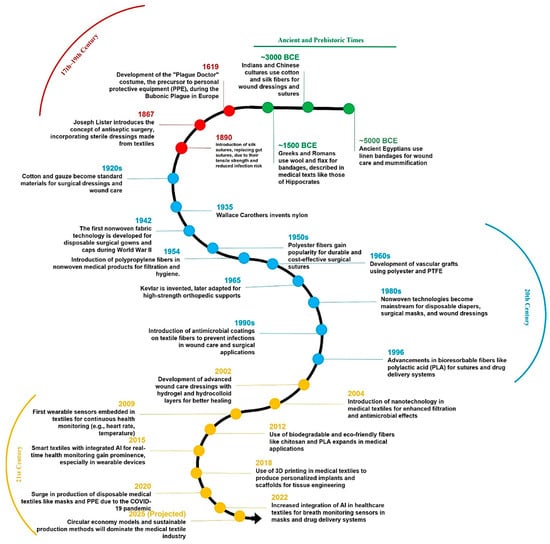
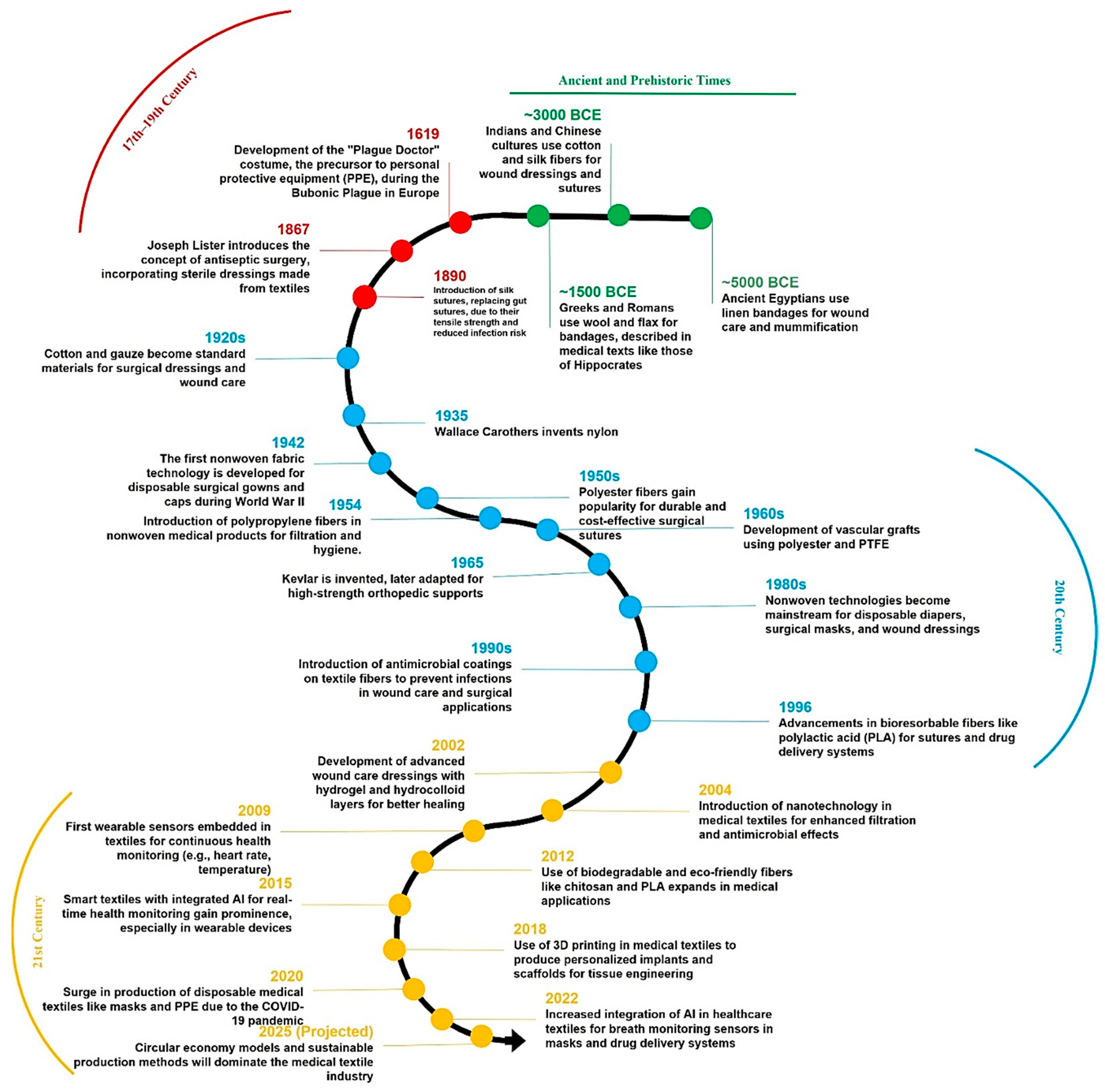
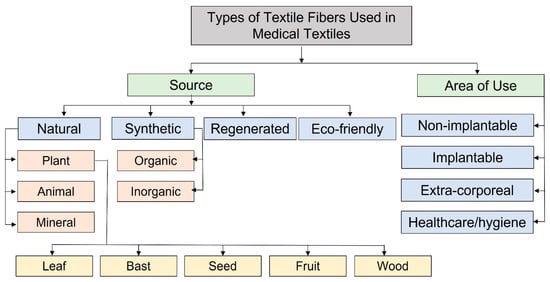
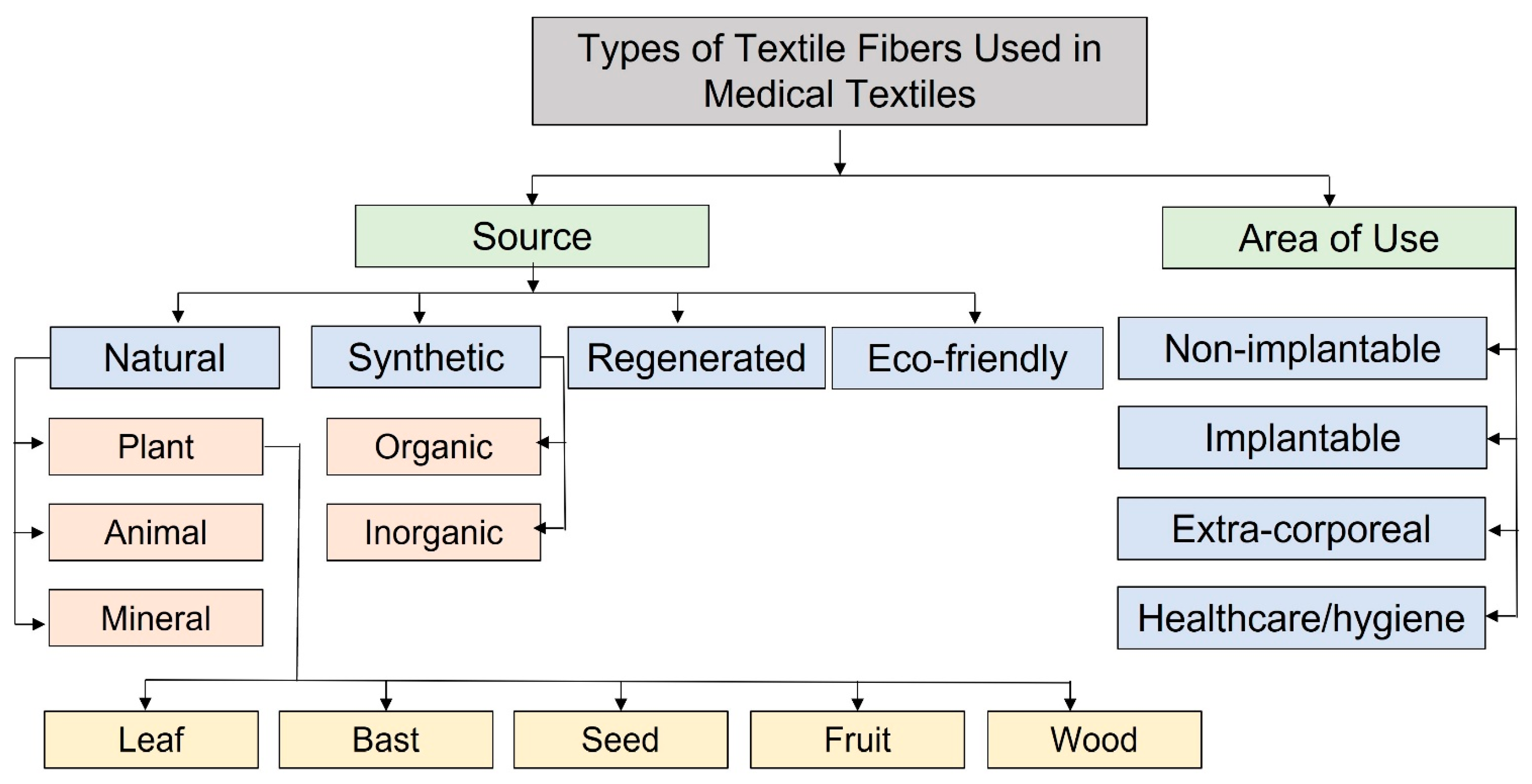
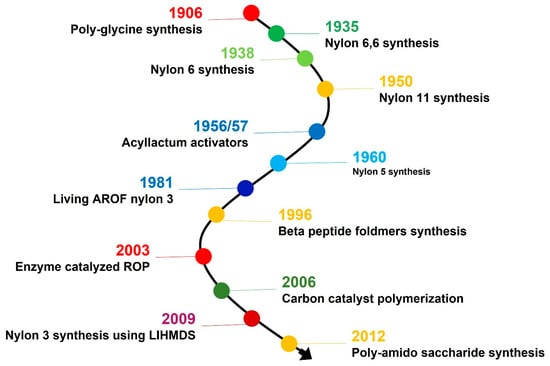
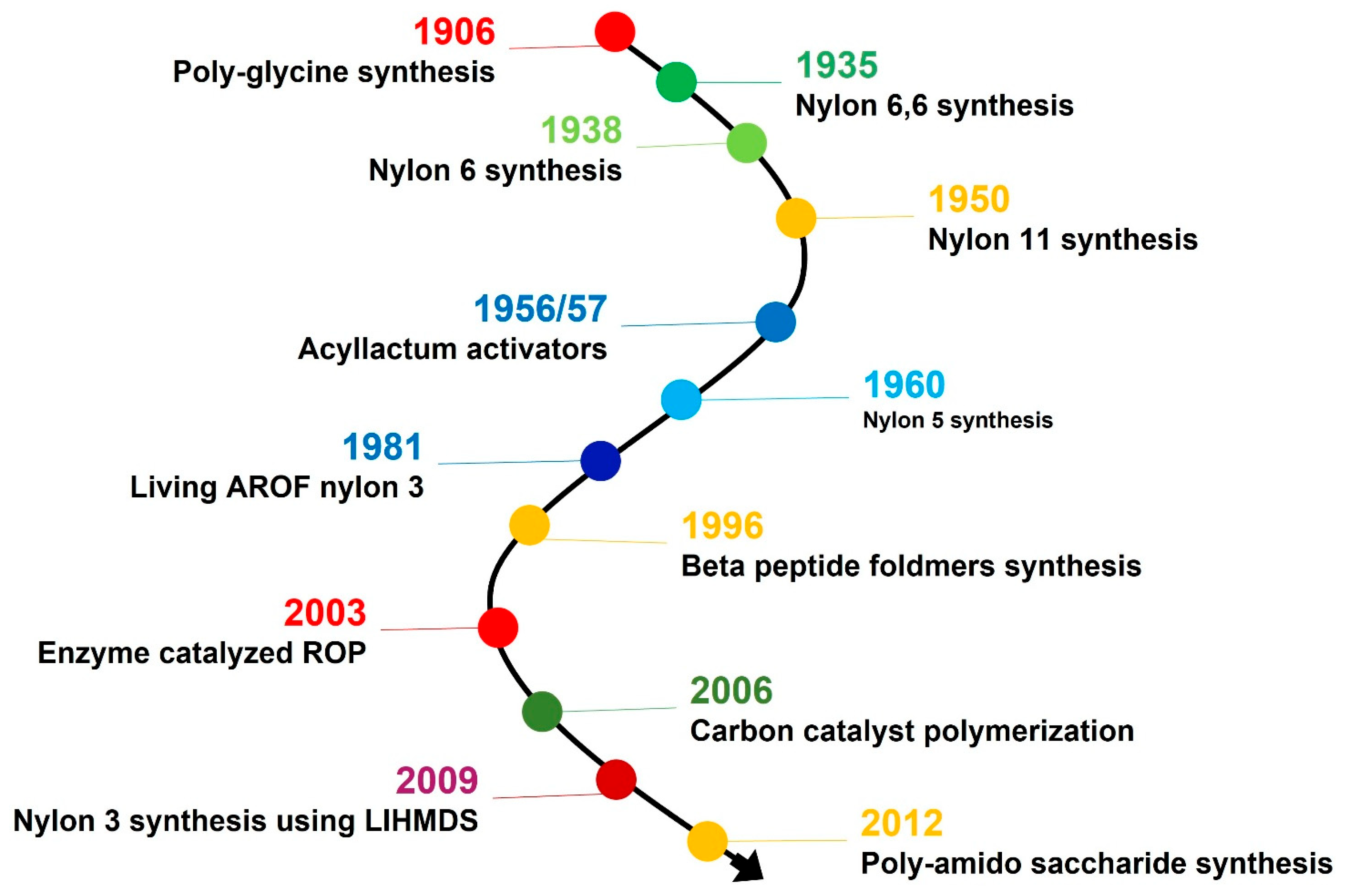
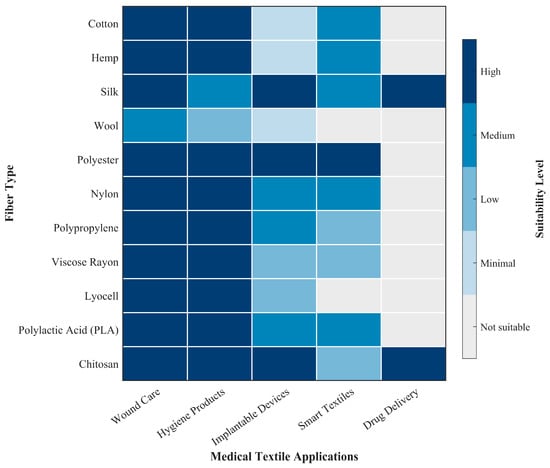
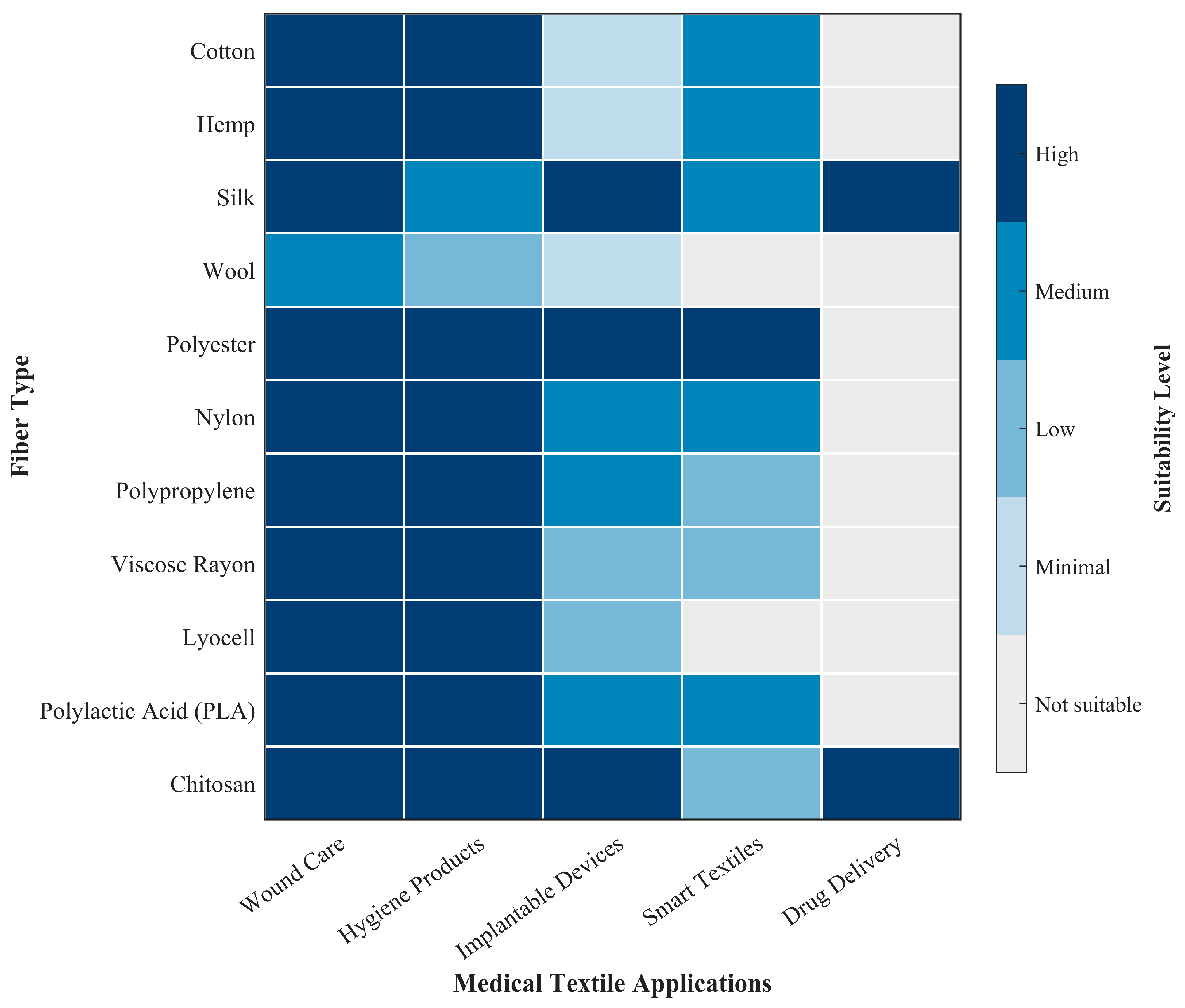
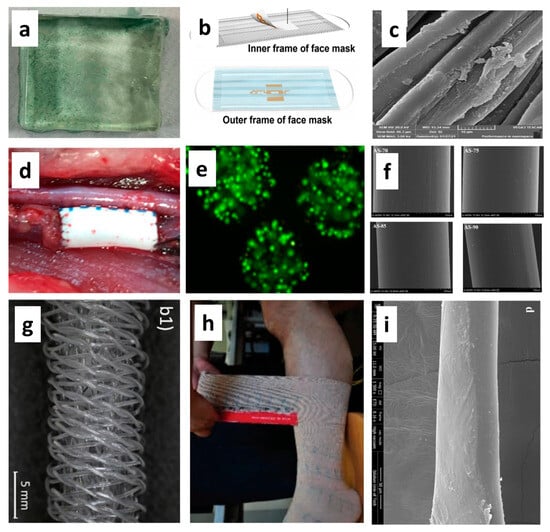
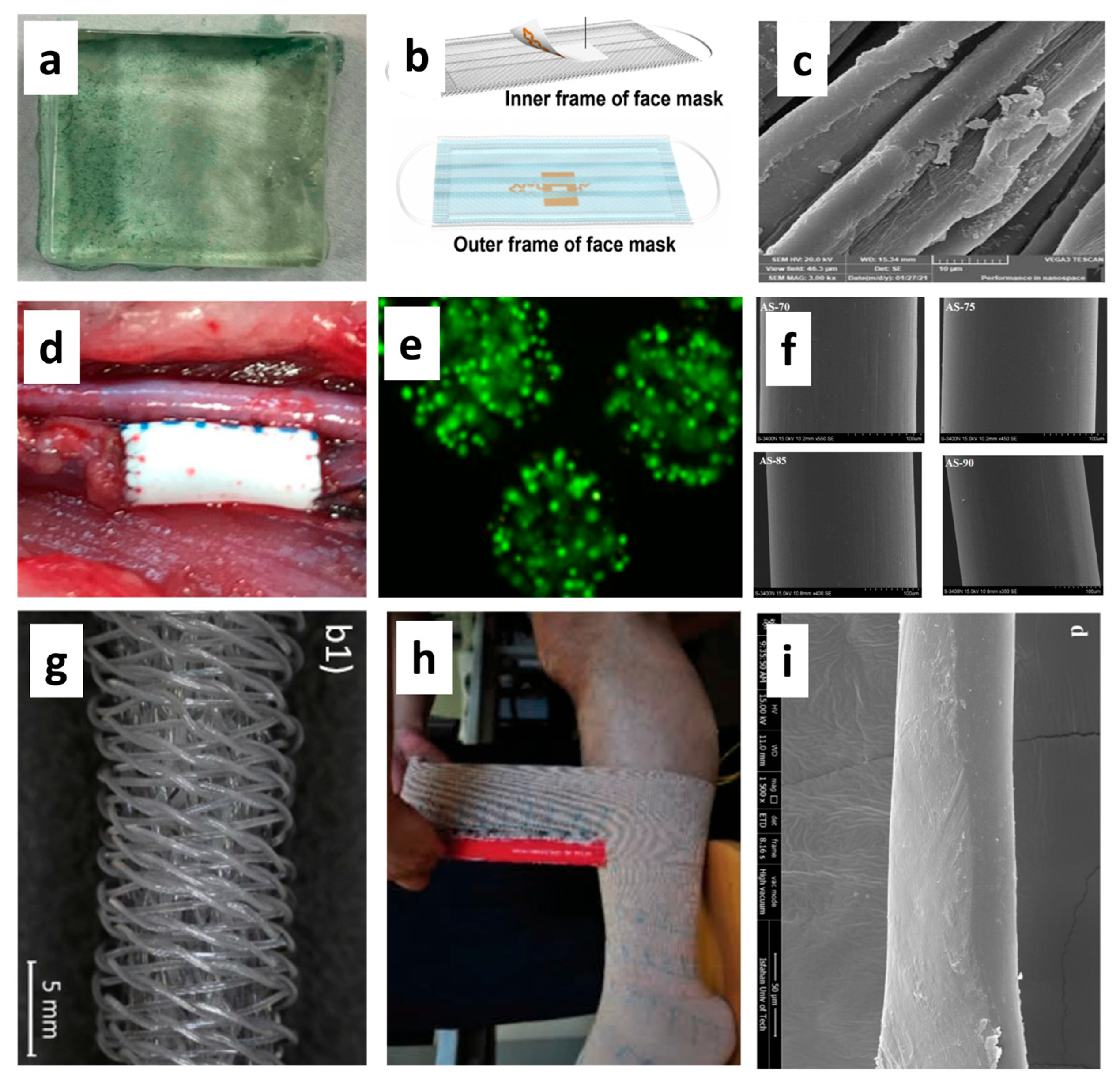
Disclaimer/Publisher’s Note: The statements, opinions and data contained in all publications are solely those of the individual author(s) and contributor(s) and not of MDPI and/or the editor(s). MDPI and/or the editor(s) disclaim responsibility for any injury to people or property resulting from any ideas, methods, instructions or products referred to in the content. |
© 2026 by the authors. Licensee MDPI, Basel, Switzerland. This article is an open access article distributed under the terms and conditions of the Creative Commons Attribution (CC BY) license.