


Abstract
Shade coffee agroecosystems are recognized as biodiversity-friendly systems that make an important contribution to biodiversity conservation in tropical landscapes. This study synthesized the scientific evidence on biodiversity associated with Mexican coffee agroecosystems through a systematic review of literature published between 1990 and 2026. Following PRISMA 2020 guidelines, searches in ScienceDirect, SpringerLink, Web of Science, Scopus, and SciELO yielded 1424 records, of which 126 met the inclusion criteria. The selected studies were further classified according to research axes, methodological approaches, production-system comparisons, and ecosystem functions. Research efforts were strongly concentrated in Veracruz and Chiapas, while several coffee-producing regions remained poorly represented. Arthropods were the most studied group, followed by plants and trees, while mammals and birds were equally represented; fungi and herpetofauna received comparatively less attention. Scientific output increased compared with the early years of the study period but showed considerable temporal variation, particularly during the most recent decade. Despite these advances, relevant geographic and taxonomic gaps persist, particularly for fungi, soil microorganisms, and herpetofauna. The evidence indicates that shade coffee agroecosystems serve as valuable reservoirs of biodiversity and support ecosystem services, ecological connectivity, and landscape conservation. Future studies should focus on underrepresented regions and taxa and incorporate functional diversity, ecological interactions, and landscape-scale approaches to strengthen biodiversity conservation and sustainable management in Mexican coffee-growing landscapes.
1. Introduction
Coffee (Coffea arabica L.) cultivation represents one of the most economically, socially, and environmentally important agricultural systems in tropical regions worldwide. Beyond its contribution to rural livelihoods and national economies, coffee production is frequently associated with landscapes of high ecological value. In Mexico, coffee production is concentrated primarily in the states of Chiapas, Veracruz, Puebla, and Oaxaca, although relevant coffee-growing regions also occur in the states of Guerrero, Hidalgo, San Luis Potosi, Nayarit, Jalisco, Queretaro, Colima, Tabasco, and Michoacan. Many of these regions coincide with biodiversity-rich ecosystems, particularly tropical montane cloud forests and other tropical forest formations recognized as conservation priorities. As a result, coffee agroecosystems occupy a strategic position at the interface of agricultural production and biodiversity conservation.
Unlike intensive monoculture systems, most Mexican coffee plantations are traditionally managed under shade-grown conditions, where native and cultivated tree species form structurally complex agroforestry systems that share several ecological attributes with natural forests [1]. These systems harbor diverse biological communities and provide a broad range of ecosystem services, including carbon sequestration, soil conservation, water regulation, temperature control, forest conservation, pollination, biological pest control, nutrient cycling, and microclimatic buffering [2,3,4,5]. Owing to their structural complexity and environmental heterogeneity, shade coffee agroecosystems are widely recognized as production systems compatible with biodiversity conservation and key elements of ecological connectivity within fragmented tropical landscapes [6,7].
Biodiversity associated with shade coffee plantations encompasses organisms from multiple trophic levels and taxonomic groups, including vascular plants, epiphytes, arthropods, birds, mammals, amphibians, reptiles, fungi, and soil microorganisms [4]. These organisms contribute not only to biodiversity conservation but also to essential ecological processes such as organic matter decomposition, nutrient cycling, soil formation, plant-microbe interactions, seed dispersal, pollination, and the regulation of pest populations. Consequently, shade coffee systems constitute multifunctional agroecosystems in which agricultural production and biodiversity conservation are closely interconnected. Their ecological importance extends beyond the conservation of individual species, as they contribute to maintaining ecosystem functioning and resilience across human-modified tropical landscapes.
Over the past three decades, numerous studies have documented the ecological importance of coffee agroecosystems and their contribution to biodiversity conservation. Research conducted in Mexico and other coffee-producing countries has consistently shown that traditional shade coffee systems support higher levels of biodiversity than intensified coffee plantations and monocultures [4,8,9]. More recently, increasing attention has been directed toward understanding how shade-tree diversity, vegetation structure, and landscape context influence ecological resilience and ecosystem service provision [10,11]. In parallel, studies focusing on less conspicuous components of biodiversity, particularly fungi and soil microorganisms, have revealed a greater diversity than previously recognized. For example, Arias et al. [12] described two new species of Trichoderma and reported the first Mexican record of an additional species from coffee soils in Veracruz, highlighting the potential of these agroecosystems as reservoirs of still undocumented microbial diversity.
Despite their recognized ecological value, shade coffee agroecosystems are increasingly exposed to anthropogenic pressures associated with agricultural intensification, reduction in shade tree cover, land use change, habitat fragmentation, and the abandonment of traditional management practices [13,14]. These processes can alter habitat structure, reduce biodiversity, disrupt ecological interactions, and compromise the delivery of ecosystem services. In regions where natural forest cover has been reduced, shade coffee plantations frequently function as complementary habitats, ecological corridors, and buffer zones that contribute to the persistence of biodiversity across human-modified landscapes. Consequently, the conservation and sustainable management of traditional shade coffee systems have become increasingly important for maintaining biodiversity and ecological processes in tropical regions.
The conservation relevance of coffee agroecosystems is particularly evident in Mexico, where many coffee-growing regions are associated with cloud forests, one of the most diverse and threatened ecosystems in the country. Traditional shade coffee plantations often retain a considerable proportion of native vegetation and may provide habitat for species that are unable to persist in more intensive agricultural systems. Furthermore, these agroecosystems can enhance landscape connectivity, facilitate species movement among forest fragments, and contribute to the maintenance of ecological processes at local and regional scales. Given the ongoing expansion and intensification of agricultural landscapes and the increasing pressures on tropical ecosystems, understanding the conservation value of shade coffee agroecosystems has become increasingly relevant for the development of sustainable land use policies and biodiversity conservation strategies.
Although several reviews have examined biodiversity associated with coffee production systems at regional and global scales [4,8], a comprehensive and up-to-date synthesis focused specifically on Mexican coffee agroecosystems is currently unavailable. Existing information remains fragmented among taxonomic groups, geographic regions, and research disciplines, limiting the identification of large-scale biodiversity patterns, conservation priorities, and research needs. Furthermore, knowledge gaps persist regarding the geographic distribution of research efforts, the representation of different biological groups, and the contribution of coffee agroecosystems to biodiversity conservation across Mexico’s diverse coffee-producing regions.
A systematic synthesis of the available evidence is therefore required to provide a comprehensive assessment of current knowledge, identify research biases and information gaps, as well as to evaluate the conservation significance of shade coffee agroecosystems at the national scale. Such information is essential for supporting evidence-based conservation planning, guiding future research priorities, and strengthening management strategies aimed at reconciling agricultural production with biodiversity conservation in tropical landscapes.
Therefore, the objective of this study was to systematically review and synthesize the scientific literature on biodiversity recorded in Mexican coffee agroecosystems. Specifically, we aimed to (i) identify the major taxonomic groups studied, (ii) examine the geographic and temporal distribution of research efforts, (iii) characterize the principal research axes, methodological approaches, production system comparisons, and ecosystem functions addressed in the literature, and (iv) evaluate the role of shade coffee agroecosystems as biodiversity reservoirs and discuss their implications for biodiversity conservation and sustainable landscape management in Mexico.
2. Materials and Methods
2.1. Literature Search Strategy
Information on biodiversity associated with Mexican coffee agroecosystems was compiled through a systematic literature review conducted in accordance with the Preferred Reporting Items for Systematic Reviews and Meta-Analyses (PRISMA 2020) guidelines [15]. The literature search was conducted in May 2026 using five scientific databases selected for their broad coverage of biodiversity, ecology, agroecology, conservation, and environmental sciences: ScienceDirect, Web of Science, SpringerLink, Scopus, and SciELO.
Literature searches were conducted in both English and Spanish using combinations of keywords related to coffee agroecosystems and biodiversity. The principal search terms included “coffee agroecosystem”, “coffee plantation”, “shade coffee”, “coffee biodiversity”, “biodiversity in coffee plantations”, “coffee agroforestry”, “coffee agroecosystems Mexico”, “biodiversidad en cafetales”, “agroecosistema cafe”, “cafetal bajo sombra”, and “diversidad biologica en cafetales”. To incorporate studies addressing microbial and fungal diversity, additional terms such as “soil fungi”, “fungal diversity”, “mycorrhizae”, “coffee soil fungi”, “hongos del suelo”, and “hongos en cafetales” were also included. Boolean operators (AND, OR) were applied according to the search requirements of each database.
The search yielded a total of 1424 bibliographic records, including 554 from ScienceDirect, 388 from SpringerLink, 297 from Web of Science, 104 from Scopus, and 81 from SciELO. Potential duplicate records were identified during the screening process. During full-text assessment, studies containing redundant biodiversity information were excluded according to the predefined eligibility criteria. The remaining studies were subsequently evaluated through a multi-stage screening procedure involving title, abstract, and full text assessment.
2.2. Eligibility Criteria and Study Selection
The screening and study selection process was conducted independently by two reviewers. Titles, abstracts, and full texts were assessed according to predefined inclusion and exclusion criteria. Any disagreements regarding study eligibility were resolved through discussion and consensus.
Peer-reviewed original research articles published up to May 2026 were included when they:
Reported biodiversity associated with Mexican coffee agroecosystems;
Included coffee plantations among the study sites;
Reported information on species richness, biodiversity, community composition, taxonomic records, functional diversity, ecological interactions, or ecosystem services associated with biodiversity.
Studies were excluded when they:
- Focused exclusively on agronomic, productive, phytosanitary, economic, or socioeconomic aspects without biodiversity-related information;
- Were review articles lacking primary data;
- Corresponded to technical reports, conference abstracts, theses, or other documents without verifiable biological records;
- Contained duplicate information already reported in another publication;
- Were conducted outside Mexico.
Following the application of these criteria, 126 studies were retained for the final analysis. The complete process of identification, screening, eligibility assessment, and study inclusion is summarized in the PRISMA flow diagram (Figure 1).
Figure 1.
PRISMA flow diagram illustrating the identification, screening, eligibility assessment, and inclusion of studies on biodiversity in Mexican coffee agroecosystems. A total of 1424 records were retrieved from five scientific databases, and 126 studies were included in the final systematic review.
2.3. Data Extraction
For each selected study, the following information was extracted and recorded in a database:
- N° Reference
- Publication year;
- Authors;
- Geographic location (Mexican state);
- Taxonomic group evaluated;
- Biodiversity component analyzed;
- Type of coffee agroecosystem;
- Main research focus;
- Research axis;
- Study type (methodological approach);
- Production system used for comparison (when applicable);
- Main ecosystem function addressed (when applicable);
- Principal findings related to biodiversity conservation;
- Institutional affiliation(s).
To facilitate comparisons across studies, the reported organisms were classified into six major taxonomic categories:
- Arthropods;
- Plants and trees;
- Birds;
- Mammals;
- Fungi;
- Herpetofauna (amphibians and reptiles).
Additionally, each study was classified according to its primary research axis, methodological approach (study type), production system used for comparison, and the principal ecosystem function evaluated. When a study included more than one taxonomic group or was conducted in multiple states, the corresponding information was recorded for each category represented.
The complete list of the 126 studies included in the systematic review and the information extracted from each publication are provided in Table S1.
2.4. Data Analysis
Descriptive analyses were performed to identify patterns in biodiversity research conducted within Mexican coffee agroecosystems. Specifically, the analyses evaluated temporal trends in scientific output, the geographic distribution of research efforts among coffee-producing states, the representation of taxonomic groups, research axes, methodological approaches (study types), production system comparisons, ecosystem functions, and the identification of geographic and taxonomic knowledge gaps.
Frequency analyses were used to quantify the number of studies according to state, taxonomic group, research axis, study type, production system comparison, and ecosystem function. Temporal trends were evaluated by examining the annual distribution of publications throughout the study period (1990–2026), whereas geographic patterns were assessed by comparing the number of studies conducted across the coffee-producing regions of Mexico.
Maps, graphs, and distribution matrices were generated to visualize the spatial distribution of studies, taxonomic representation, research trends, methodological approaches, production system comparisons, ecosystem functions, and temporal patterns in scientific output. In addition, a qualitative synthesis of the selected literature was conducted to evaluate the ecological significance of the reported biodiversity and to assess the role of shade coffee agroecosystems as biodiversity reservoirs, providers of ecosystem services, and contributors to biodiversity conservation and sustainable landscape management.
Finally, the available evidence was synthesized to identify major research trends, persistent knowledge gaps, and future research priorities for biodiversity conservation in Mexican coffee agroecosystems.
3. Results
3.1. Study Selection
A total of 1424 records were identified through searches conducted in ScienceDirect, SpringerLink, Web of Science, Scopus, and SciELO (Figure 1). No records were removed prior to screening. Following title and abstract screening, 1240 records were excluded because they were not related to coffee agroecosystems (760), addressed agronomic, productive, phytosanitary, economic, or socioeconomic aspects without reporting biodiversity-related information (115), did not address biodiversity in any form (310), or were conducted outside Mexico (55).
As a result, 184 articles were retained for full-text evaluation. During the eligibility assessment, 58 articles were excluded because they did not report biodiversity records (25), contained insufficient information for taxonomic classification (18), presented duplicate information (9), or focused on socioeconomic aspects (6). After applying all inclusion and exclusion criteria, 126 studies were selected for the final analysis and included in the systematic review (Figure 1).
The screening process further revealed that a large proportion of the available literature on Mexican coffee agroecosystems focuses on agronomic, productive, or socioeconomic topics, whereas biodiversity-related studies represent a comparatively small subset of the published research.
3.2. Geographic Distribution of Studies
The geographic distribution of studies revealed a strong concentration of research efforts in a limited number of coffee-producing regions (Figure 2). Veracruz accounted for the highest number of studies (56 records), followed by Chiapas (53), Oaxaca (8), Guerrero (4), Puebla (2), Hidalgo (2), and San Luis Potosi (1). This geographic concentration may partly reflect the long-established presence of major research institutions and biodiversity research programs in these states, in addition to differences in research effort, rather than necessarily indicating true differences in biodiversity among Mexican coffee-growing regions.
Figure 2.
Geographic distribution of biodiversity studies across Mexican coffee-producing states. Research efforts were strongly concentrated in Veracruz and Chiapas, highlighting important geographic gaps in biodiversity research across several coffee-producing regions of Mexico. Note. The total number of state records may exceed the number of studies included in the systematic review because individual publications may report data from more than one coffee-producing state. The green area in the inset map indicates the location of Mexico within North America.
Together, Veracruz and Chiapas accounted for 109 of the 126 studies (86.5%), highlighting the strong geographic concentration of biodiversity research in these two coffee-producing states.
These findings reveal pronounced geographic biases in biodiversity research across Mexican coffee-growing regions.
3.3. Temporal Trends in Scientific Output
Scientific output on biodiversity associated with Mexican coffee agroecosystems varied considerably during the study period (1990–2026) (Figure 3). During the 1990s and early 2000s, publication output remained relatively low, with only a few studies published each year. From 2005 onward, the number of publications increased, reaching its highest levels between 2010 and 2015. However, this increase was not sustained during the most recent decade, when publication output showed considerable annual variation without a clear increasing trend. Although this pattern may reflect changes in research effort or research priorities, the underlying causes cannot be determined from the available data because research funding was not evaluated in this review.
Figure 3.
Annual distribution of the 126 studies included in the systematic review published between 1990 and 2026, illustrating temporal trends in biodiversity research conducted in Mexican shade coffee agroecosystems.
3.4. Taxonomic Groups Studied
A total of 126 studies examined biodiversity in Mexican shade coffee agroecosystems, encompassing six major taxonomic groups (Figure 4). Arthropods represented the most frequently investigated group (41 studies), followed by plants and trees (31), mammals (19), birds (19), fungi (12), and herpetofauna (9). Overall, the reviewed literature encompassed a broad diversity of organisms, including insects, vascular plants, mammals, birds, fungi, amphibians, and reptiles, although the level of taxonomic resolution varied among studies. Because some studies evaluated more than one taxonomic group, individual studies could contribute to more than one category. A more detailed taxonomic classification revealed differences in research effort within these broad groups (Figure 4).
Figure 4.
Taxonomic composition of the reviewed studies. The inner ring represents the six major taxonomic groups and the outer ring their principal taxonomic or functional subgroups. The center indicates the total number of studies included in the review (n = 126).
Among arthropods, most studies focused on ants (11) [16,17,18,19,20,21,22,23,24,25,26], beetles (8) [27,28,29,30,31,32,33,34], and spiders (6) [35,36,37,38,39,40], whereas bees and other flower visitors (4) [41,42,43,44], butterflies and moths (2) [45,46], hemipterans (2) [47,48], parasitoid wasps (1) [49], odonates (1) [50], and other arthropod taxa (6) [51,52,53,54,55,56] were comparatively underrepresented. Plant research was dominated by shade trees and woody vegetation (22) [11,57,58,59,60,61,62,63,64,65,66,67,68,69,70,71,72,73,74,75,76,77], followed by orchids (3) [78,79,80], vascular epiphytes (4) [81,82,83,84], and useful plants (2) [85,86]. Mammal studies concentrated on bats (8) [53,87,88,89,90,91,92,93] and terrestrial mammals (11) [94,95,96,97,98,99,100,101,102,103,104]. Bird research mainly assessed resident and migratory bird communities (10 studies) [105,106,107,108,109,110,111,112,113,114], followed by general bird communities (5) [45,51,97,115,116], multiple bird functional guilds (2) [117,118], and insectivorous birds (2) [119,120]. Within fungi, most studies focused on arbuscular mycorrhizal fungi (6) [121,122,123,124,125,126], followed by other fungal groups (4) [12,127,128,129], while endophytic fungi (1) [130] and plant-pathogenic fungi (1) [131] were comparatively less represented. Herpetofauna research was dominated by amphibians (6 studies) [53,132,133,134,135,136], followed by reptiles (2) [137,138] and mixed amphibian–reptile assemblages (1) [139].
These findings indicate an uneven distribution of research effort among the major taxonomic groups and their constituent subgroups. However, differences in the number of studies should not be interpreted directly as taxonomic research bias, because these broad groups differ substantially in species richness, ecological diversity, detectability, and methodological requirements. Several ecologically relevant groups—including pollinators, parasitoid wasps, odonates, vascular epiphytes, reptiles, and poorly represented fungal groups—received comparatively less research attention. Expanding research on these groups would contribute to a more comprehensive understanding of biodiversity patterns, ecological interactions, and ecosystem functioning in Mexican shade coffee agroecosystems.
3.5. Geographic Distribution of Studies by Taxonomic Group
The distribution of biodiversity studies varied among coffee-producing states and taxonomic groups (Figure 5). Veracruz and Chiapas exhibited the highest research effort and the broadest taxonomic coverage, with studies representing all six major biological groups considered in this review. In contrast, the remaining coffee-producing states showed more limited taxonomic representation and fewer published studies.
Figure 5.
Distribution of biodiversity studies by taxonomic group and coffee-producing state in Mexico. Values indicate the number of studies reporting each taxonomic group within each state. A single study may contribute records to more than one taxonomic group.
Plants and trees exhibited the broadest geographic distribution among the taxonomic groups evaluated, with studies recorded in Veracruz (15), Chiapas (10), Oaxaca (4), Guerrero (1), and San Luis Potosí (1). In contrast, arthropod studies, although representing the largest number of publications overall, were concentrated exclusively in Chiapas (27) and Veracruz (14). Birds showed an intermediate geographic distribution, with studies from Veracruz (8), Chiapas (8), Oaxaca (1), Guerrero (1), and Puebla (1), whereas mammal studies were recorded in Veracruz (10), Chiapas (5), Oaxaca (3), and Guerrero (1).
Fungi and herpetofauna showed more restricted geographic distributions. Fungal studies were concentrated in Veracruz (7) and Chiapas (4), with a single study from Puebla. Herpetofaunal studies were primarily conducted in Veracruz (5), followed by Hidalgo (2), Chiapas (1), and Guerrero (1).
Several states showed particularly restricted taxonomic representation. Puebla was represented only by studies on birds and fungi, Hidalgo exclusively by herpetofauna, and San Luis Potosí exclusively by plants and trees. Guerrero included studies on plants and trees, birds, mammals, and herpetofauna, although each group was represented by only one study. Furthermore, no studies meeting the selection criteria were identified for several coffee-producing states, including Jalisco, Colima, Michoacán, Nayarit, Querétaro, and Tabasco.
Overall, the geographic distribution of studies revealed pronounced geographic concentration and uneven taxonomic representation in biodiversity research conducted in Mexican shade coffee agroecosystems. Research efforts were strongly concentrated in Veracruz and Chiapas, whereas several coffee-producing regions remained poorly represented or lacked published studies altogether. These findings highlight important opportunities for future research to improve both the geographic and taxonomic coverage of biodiversity studies in Mexican shade coffee agroecosystems.
3.6. Research Trends in Biodiversity Studies
3.6.1. Research Axes
The 126 studies included in this review were classified into six major research axes (Figure 6). Conservation biology (43 studies, 34.1%) and community ecology (36 studies, 28.6%) were the predominant research themes, together accounting for nearly two-thirds of the published literature. Landscape ecology accounted for 22 studies (17.5%), followed by functional ecology (12 studies, 9.5%). In contrast, research specifically focused on soil biodiversity was comparatively scarce (9 studies, 7.1%), whereas ecosystem services were addressed in only four studies (3.2%).
Figure 6.
Distribution of the 126 reviewed studies according to their primary research axis. The figure illustrates the predominance of conservation biology and community ecology, whereas ecosystem services and soil biodiversity remain comparatively underrepresented.
These results indicate that biodiversity research in Mexican shade coffee agroecosystems has been directed primarily toward understanding patterns of species diversity, community structure, and their relevance for biodiversity conservation. Conversely, comparatively little attention has been given to studies addressing belowground biodiversity and ecosystem service provision, highlighting important areas where additional research is needed. Overall, the current body of literature demonstrates a strong emphasis on documenting biodiversity and conservation patterns, whereas studies exploring ecological processes and ecosystem functioning remain limited.
3.6.2. Study Types
The 126 studies included in this review were classified into five major study types according to their primary methodological approach (Figure 7). Species inventories were the most common study type, accounting for 53 studies (42.1%), followed by comparative studies (42 studies, 33.3%). Landscape studies represented 20 studies (15.9%), whereas molecular studies accounted for 9 studies (7.1%). Field observational studies were the least represented methodological approach, with only 2 studies (1.6%).
Figure 7.
Distribution of the 126 reviewed studies according to their primary methodological approach. Species inventories and comparative studies accounted for most of the published literature, whereas molecular studies were comparatively scarce.
The predominance of species inventories and comparative studies reflects the historical emphasis of biodiversity research on documenting species richness and evaluating the conservation value of shade coffee agroecosystems. By contrast, the limited number of molecular studies suggests that genetic, phylogenetic, and microbiome-based approaches have only recently begun to contribute to the understanding of biodiversity in these production systems. Given the predominance of inventory and comparative approaches, we further examined the production systems used as reference frameworks to evaluate biodiversity patterns across the reviewed studies.
3.6.3. Comparisons Among Production Systems
The reviewed studies differed in the reference systems used to evaluate biodiversity patterns (Figure 8). Nearly half of the publications (46.0%, 58 studies) did not include explicit comparisons with other ecosystems or coffee management systems. Among studies that included an explicit comparison between production systems or habitat types, comparisons between shade coffee plantations and natural forests were the most common approach (34.9%, 44 studies), followed by comparisons between forest fragments and coffee plantations (16.7%, 21 studies). Three studies (2.4%) evaluated comparisons among coffee management systems. These results indicate that biodiversity research in Mexican shade coffee agroecosystems has focused primarily on evaluating their conservation value relative to natural forest ecosystems, whereas direct comparisons among coffee management systems remain comparatively scarce.
Figure 8.
Distribution of the 126 reviewed studies according to the production systems used for biodiversity comparisons. Most studies compared shade coffee plantations with natural forests or did not include explicit comparisons, whereas direct comparisons among coffee management systems were uncommon.
3.6.4. Ecosystem Functions Addressed
The ecosystem functions evaluated in the reviewed studies were unevenly represented (Figure 9). Habitat provision was the most frequently investigated function, accounting for 53 studies (42.1%), followed by biological control (30 studies, 23.8%) and soil conservation (29 studies, 23.0%). In contrast, relatively few studies addressed nutrient cycling (7 studies, 5.6%), landscape connectivity (3 studies, 2.4%), pollination (3 studies, 2.4%), or carbon storage (1 study, 0.8%).
Figure 9.
Distribution of the 126 reviewed studies according to the principal ecosystem function evaluated. Habitat provision, biological control, and soil conservation were the most frequently investigated ecosystem functions, whereas pollination, carbon storage, and landscape connectivity received comparatively less attention.
Pollination was one of the least investigated ecosystem functions identified in this review, with only three studies directly addressing pollinator communities in Mexican shade coffee agroecosystems. The reviewed studies indicate that structurally complex shade coffee systems provide suitable habitats for native pollinators, thereby supporting pollination services within coffee landscapes.
These findings indicate that biodiversity research in Mexican shade coffee agroecosystems has primarily focused on habitat provision, biological control, and soil conservation, whereas ecosystem functions related to nutrient cycling, pollination, carbon storage, and landscape connectivity have received comparatively less attention.
Importantly, these frequencies represent the number of studies addressing each ecosystem function and should not be interpreted as measures of the condition, effectiveness, or conservation status of these functions within coffee agroecosystems.
4. Discussion
4.1. Research Trends and Methodological Biases
The quantitative synthesis revealed a clear predominance of species inventories and comparative studies, whereas molecular and field observational approaches remained comparatively scarce. This predominance of inventory- and comparison-based approaches indicates that biodiversity research has remained largely focused on documenting biodiversity patterns and evaluating differences among habitats or management systems, despite recent advances in molecular and functional ecology. Expanding the use of molecular tools, field-based observational approaches, and functional assessments would improve species delimitation, reveal cryptic diversity, and provide a more comprehensive understanding of ecological interactions within these systems.
Likewise, research was strongly concentrated in conservation biology and community ecology, which together accounted for nearly two-thirds of the reviewed studies. Landscape ecology represented an intermediate proportion of the literature, whereas functional ecology, soil biodiversity, and particularly ecosystem services received considerably less attention. These patterns indicate that research has focused primarily on documenting species diversity, community structure, and the conservation value of shade coffee systems rather than investigating the ecological processes and services associated with biodiversity.
These findings are consistent with global research trends in coffee agroecosystems. Previous reviews and meta-analyses have shown that biodiversity research has traditionally emphasized species richness, community composition, and comparisons between shaded and intensified coffee systems, providing robust evidence that structurally complex coffee agroforestry systems support higher biodiversity than simplified monocultures [140,141]. However, these studies have also revealed the limited attention devoted to functional diversity, belowground biodiversity, ecosystem multifunctionality, and the ecological mechanisms linking biodiversity with ecosystem functioning. Therefore, the predominance of descriptive studies identified in Mexico reflects a broader international research pattern rather than a unique characteristic of the national scientific literature.
The limited representation of studies addressing functional ecology and ecosystem services is particularly noteworthy because biodiversity contributes to agroecosystem sustainability far beyond species richness alone. Biodiversity underpins essential ecological processes, including pollination, biological pest control, nutrient cycling, organic matter decomposition, soil conservation, and microclimatic regulation, all of which directly influence coffee productivity and agroecosystem resilience [140,142]. However, pollination was among the least investigated ecosystem functions identified in the present review. This contrasts with the growing body of international evidence demonstrating that diverse pollinator communities enhance coffee fruit set, improve bean quality, and increase the resilience of coffee production systems [143,144]. The limited attention given to pollination in Mexican coffee agroecosystems therefore represents an important knowledge gap despite its recognized ecological and economic significance. Expanding research toward these functional dimensions would provide a more comprehensive understanding of how biodiversity contributes to ecosystem resilience and the long-term sustainability of coffee production under increasing pressures from agricultural intensification and climate change.
Another important finding of this review is the limited incorporation of molecular approaches into biodiversity assessments. Recent advances in environmental DNA (eDNA), metabarcoding, metagenomics, and microbiome research have substantially improved our understanding of biodiversity patterns and ecological interactions in terrestrial ecosystems. Nevertheless, these approaches remain largely underutilized in Mexican coffee agroecosystems. A broader application of these approaches would facilitate the detection of cryptic taxa, improve taxonomic resolution, and provide deeper insights into the diversity and ecological roles of microbial communities, particularly those associated with soils and the rhizosphere, which are increasingly recognized as key drivers of nutrient cycling, soil fertility, and natural disease suppression.
Overall, the research trends identified in this review indicate that biodiversity research in Mexican shade coffee agroecosystems has reached a relatively mature stage regarding species inventories and assessments of conservation value. Nevertheless, the predominance of descriptive inventories and the limited incorporation of molecular approaches indicate that important opportunities remain to advance toward more integrative research combining taxonomy, molecular ecology, functional diversity, and landscape-level analyses. Such a transition would strengthen the scientific basis for understanding the mechanisms linking biodiversity with ecosystem functioning and support the development of management strategies aimed at simultaneously promoting biodiversity conservation, agroecosystem resilience, and sustainable coffee production under changing environmental conditions.
4.2. Geographic Patterns and Uneven Taxonomic Representation
Beyond the methodological patterns identified, this review also revealed a pronounced geographic concentration of research and uneven representation among taxonomic groups in Mexican shade coffee agroecosystems. Most studies were concentrated in the coffee-producing states of Veracruz and Chiapas, reflecting not only the ecological importance of these regions but also the long-term presence of research institutions and ecological monitoring programs. This geographic concentration limits a comprehensive understanding of biodiversity patterns across Mexico’s diverse coffee-growing regions and may reflect differences in research capacity and sampling effort.
The marked geographic concentration of studies should also be interpreted in the context of the considerable environmental heterogeneity of Mexican coffee landscapes. Coffee is cultivated across broad elevational gradients and diverse climatic conditions, ranging from humid montane cloud forests to tropical subhumid forests [1,145]. These environmental gradients strongly influence vegetation structure, species composition, ecological interactions, and ecosystem functioning, suggesting that biodiversity patterns documented in Veracruz and Chiapas cannot necessarily be extrapolated to underrepresented coffee-producing states.
Several coffee-producing states, particularly those located along the Pacific slope, remain poorly represented or absent from the available literature. Differences in climate, vegetation, elevation, and land-use history among these regions suggest that critical biodiversity components may remain undocumented. Similar geographic biases have been reported in tropical agricultural landscapes worldwide, where research tends to concentrate in areas with stronger academic infrastructure and long-term monitoring programs [140,141]. Expanding biodiversity research across the full environmental range of Mexican coffee-growing landscapes should therefore be considered a priority for obtaining a more representative understanding of biodiversity patterns at the national scale.
Research effort was unevenly distributed among taxonomic groups. Arthropods represented approximately one-third of all biodiversity studies and, together with plants, constituted the most frequently investigated groups. However, the greater number of studies on arthropods should not be interpreted directly as evidence of taxonomic bias, because arthropods comprise substantially greater species richness and taxonomic diversity than vertebrate groups. In contrast, fungi and herpetofauna were comparatively less represented in the reviewed literature. These differences may reflect variation in species richness, detectability, methodological requirements, and research priorities among taxonomic groups. Therefore, the observed patterns are more appropriately interpreted as uneven taxonomic representation rather than as direct evidence of taxonomic research bias. This pattern mirrors global biodiversity research, where conspicuous organisms and groups directly linked to ecosystem services generally receive greater scientific attention than microbial communities and other less visible taxa [140,141,142]. However, fungi and soil microorganisms play fundamental roles in nutrient cycling, organic matter decomposition, soil formation, plant–microbe interactions, and natural disease suppression [145,146,147,148,149,150], whereas amphibians and reptiles are widely recognized as sensitive indicators of environmental quality and habitat disturbance. Consequently, the limited representation of these groups most likely reflects research gaps rather than their ecological significance.
Expanding research across underrepresented regions and biological groups would provide a more comprehensive understanding of biodiversity patterns, ecological processes, and ecosystem functioning, thereby strengthening the scientific basis for biodiversity conservation and sustainable coffee management across Mexico.
4.3. Shade Coffee Agroecosystems as Biodiversity Reservoirs
The studies included in this systematic review consistently indicate that Mexican shade coffee agroecosystems function as important reservoirs of biodiversity within tropical agricultural landscapes. Across the reviewed literature, shade coffee systems supported diverse assemblages of arthropods, plants, birds, mammals, fungi, and other organisms. Comparative studies further showed that shade coffee plantations frequently retained a substantial proportion of forest-associated biodiversity, highlighting their role as complementary habitats and landscape connectors in fragmented tropical landscapes [142,145]. This capacity is largely explained by the structural complexity generated by diverse shade-tree assemblages, understory vegetation, and accumulated organic matter, which create heterogeneous environmental conditions capable of supporting organisms across multiple trophic levels and sustaining key ecosystem functions.
The patterns identified in Mexican coffee agroecosystems are consistent with those reported from other coffee-producing regions worldwide. Philpott et al. [8] demonstrated that the intensification of coffee management through the reduction in shade cover and vegetation complexity is associated with declines in the diversity of birds, ants, and trees across Latin American coffee landscapes. Likewise, Jha et al. [4] concluded that traditional shade coffee systems continue to function as key refuges for biodiversity in Latin America, Africa, and Asia, supporting diverse assemblages of birds, mammals, arthropods, and native vegetation. Evidence from a global perspective further reinforces these conclusions. De Beenhouwer et al. [140], in a meta-analysis of 74 studies conducted across Africa, Latin America, and Asia, showed that although agroforestry systems cannot fully replace natural forests, they consistently maintain higher biodiversity and ecosystem functioning than intensified monocultures. More recently, Wynter et al. [141] confirmed that diverse agroforestry coffee systems support significantly greater biodiversity than simplified coffee production systems, reinforcing the importance of maintaining structurally complex agroecosystems as part of biodiversity conservation strategies. Together, these international studies reinforce the patterns identified in the Mexican literature, indicating that the biodiversity value of shade coffee systems is remarkably consistent across tropical coffee-producing regions.
Collectively, the reviewed studies demonstrate that the ecological value of Mexican shade coffee agroecosystems extends well beyond the maintenance of species richness. The available evidence indicates that structurally complex shade coffee systems also support important ecological functions, including habitat provision, biological control, soil conservation, nutrient cycling, and the conservation of belowground biodiversity [145]. In contrast, ecosystem services such as pollination, carbon storage, and landscape connectivity remain comparatively understudied, representing major opportunities for future research.
The frequency with which these functions were addressed in the reviewed literature reflects research attention and does not, by itself, indicate their ecological condition or effectiveness in coffee agroecosystems.
Although the available evidence remains limited, the reviewed studies suggest that structurally complex shade coffee systems provide suitable habitats for native pollinators, thereby supporting pollination services within coffee landscapes. More broadly, vegetation complexity and shade-tree diversity appear to be important drivers of ecosystem functioning in Mexican coffee agroecosystems, reinforcing the importance of maintaining structurally diverse coffee systems capable of simultaneously supporting biodiversity conservation and sustainable agricultural production.
The conservation value of these agroecosystems is particularly evident in regions associated with tropical montane cloud forests, one of the most threatened ecosystems in Mexico. Ruelas-Monjardín et al. [5] demonstrated that coffee agroforestry systems support forest conservation and the provision of environmental services within these landscapes. Traditional coffee plantations frequently retain native tree species and vegetation structures resembling secondary forests, allowing them to function as complementary habitats and ecological corridors within fragmented landscapes. Consequently, shade coffee agroecosystems can facilitate species movement among forest remnants and help maintain ecological processes operating at broader spatial scales.
The reviewed studies further demonstrate that the ecological importance of these agroecosystems extends belowground. Several investigations documented diverse communities of arbuscular mycorrhizal fungi, saprobic fungi, and other beneficial soil microorganisms involved in nutrient cycling, organic matter decomposition, and plant–microbe interactions [146,147]. In addition, recent studies have reported previously undescribed fungal taxa associated with coffee soils [12], suggesting that these agroecosystems may harbor reservoirs of undocumented microbial diversity.
Beyond their contribution to nutrient cycling and decomposition, soil microbial communities may also play a fundamental role in the natural regulation of pests and diseases. Recent advances in microbiome research have shown that highly diverse soil communities can generate disease-suppressive conditions through complex ecological interactions, including competition for resources, antibiosis, parasitism, predation, and the recruitment of beneficial microorganisms by plant roots [145,146,147,148,149,150]. These mechanisms reduce pathogen establishment and contribute to the stability and resilience of agroecosystems. Consequently, conserving soil biodiversity may enhance not only ecosystem functioning but also the long-term health and sustainability of coffee production systems.
Evidence from other coffee-producing countries further supports this interpretation. In Brazil, agroforestry coffee soils exhibit greater insect-suppressive potential than full-sun coffee systems because of the higher activity of entomopathogenic fungi such as Metarhizium and Beauveria [149]. Likewise, studies conducted in El Salvador have demonstrated that shade management significantly influences the composition and ecological functioning of soil fungal communities [150].
Overall, the reviewed evidence indicates that Mexican shade coffee agroecosystems can contribute to the conservation of both aboveground and belowground biodiversity, although they cannot replace natural forests. Future research should prioritize underrepresented ecosystem functions—particularly pollination, carbon storage, and belowground biodiversity—to better understand their contribution to biodiversity conservation and sustainable coffee production.
4.4. Conservation Implications
The evidence synthesized in this review has relevant implications for biodiversity conservation and the sustainable management of coffee landscapes in Mexico. The strong geographic concentration of research in Veracruz and Chiapas indicates that large portions of the country’s coffee-growing regions remain insufficiently studied. Expanding biodiversity assessments into underrepresented coffee-producing states, particularly those located along the Pacific slope and other environmentally contrasting regions, should therefore be considered a national research priority.
The reviewed studies, together with previous international syntheses [140,141,142,145], consistently indicate that agricultural intensification, shade-tree removal, and landscape simplification are among the principal drivers of biodiversity loss in coffee-producing regions worldwide. In contrast, traditional shade coffee agroecosystems maintain structurally complex habitats that support diverse biological communities while preserving key ecological processes and ecosystem services [145,150].
These findings reinforce the need to integrate biodiversity conservation into agricultural policies that promote sustainable coffee production rather than replacing traditional agroforestry systems with simplified monocultures.
Importantly, the reviewed studies indicate that the ecological value of shade coffee systems extends beyond the conservation of individual species. The reviewed literature indicates that these agroecosystems can support multiple ecological functions, including habitat provision, biological control, soil conservation, nutrient cycling, pollination, carbon storage, ecological connectivity, and the maintenance of diverse soil microbial communities [142,145,146,147,148,149,150]. Consequently, conserving traditional shade coffee systems represents a nature-based solution capable of addressing multiple environmental challenges, including biodiversity loss, ecosystem degradation, and climate-change adaptation, while simultaneously supporting rural livelihoods and agricultural productivity.
From a management perspective, conservation strategies should prioritize the maintenance of diverse native shade-tree assemblages, heterogeneous vegetation structure, and healthy soil communities, as these components underpin many of the ecological functions identified in this review [145,150]. Likewise, incentive programs, certification schemes, and public policies that encourage biodiversity-friendly coffee management could simultaneously strengthen biodiversity conservation, ecosystem resilience, and the long-term sustainability of coffee production in Mexico.
Overall, the evidence synthesized in this review indicates that shade coffee agroecosystems constitute multifunctional landscapes capable of reconciling agricultural production with biodiversity conservation. Their ecological importance extends beyond maintaining species richness to sustaining ecosystem functions and services that benefit both natural ecosystems and human well-being. Consequently, strengthening the conservation and sustainable management of traditional shade coffee systems should be regarded as a strategic component of biodiversity conservation and climate adaptation policies throughout tropical coffee-producing regions.
4.5. Study Limitations
The findings of this review should be interpreted in light of several limitations. First, the available evidence is geographically concentrated in a limited number of coffee-producing regions, particularly Veracruz and Chiapas, leaving several coffee-growing states underrepresented. Likewise, biodiversity research has focused predominantly on arthropods and plants, whereas fungi, soil microorganisms, herpetofauna, and other taxonomic groups remain comparatively understudied. These geographic gaps and differences in taxonomic representation may therefore limit the generalization of biodiversity patterns across all Mexican coffee agroecosystems.
Second, considerable heterogeneity in sampling methods, study objectives, spatial scales, and reporting approaches among the reviewed publications constrained direct comparisons across studies and precluded the application of a quantitative meta-analysis. Furthermore, this review included only peer-reviewed studies indexed in the selected scientific databases and may therefore have excluded relevant information contained in gray literature, technical reports, theses, or local publications.
Despite these limitations, this study represents a comprehensive systematic synthesis of biodiversity research conducted in Mexican shade coffee agroecosystems. By applying a transparent PRISMA-based methodology and integrating geographic, taxonomic, methodological, and functional perspectives across more than three decades of research, this review provides a robust baseline for identifying knowledge gaps, establishing future research priorities, and supporting evidence-based conservation and sustainable management strategies for Mexican coffee agroecosystems.
5. Conclusions
This systematic review provides the most comprehensive synthesis currently available of biodiversity research conducted in Mexican shade coffee agroecosystems, integrating evidence generated over more than three decades. The analysis revealed clear geographic and methodological biases, as well as uneven representation among taxonomic groups, with research concentrated primarily in Veracruz and Chiapas and focused predominantly on arthropods and plants, whereas fungi, soil microorganisms, herpetofauna, and several coffee-producing regions remain comparatively understudied. These findings indicate that important knowledge gaps persist despite the growing scientific interest in biodiversity associated with coffee agroecosystems.
The review further showed that conservation biology and community ecology have dominated biodiversity research in Mexican coffee systems, whereas studies addressing ecosystem functioning, soil biodiversity, functional ecology, and molecular approaches remain comparatively scarce. Among the ecosystem functions considered, research focused primarily on habitat provision, biological control, and soil conservation, whereas nutrient cycling, pollination, carbon storage, and landscape connectivity received comparatively less attention. These patterns highlight the need to move beyond species inventories toward integrative studies that explicitly evaluate the ecological mechanisms linking biodiversity with ecosystem functioning and agroecosystem resilience.
The reviewed evidence indicates that shade coffee agroecosystems can support both biodiversity conservation and multiple ecosystem functions. However, the frequency with which individual functions were investigated should not be interpreted as a measure of their condition or effectiveness. Although these agroecosystems cannot replace natural forests, they represent biodiversity-friendly production systems that contribute to ecological connectivity, environmental sustainability, and rural livelihoods across tropical agricultural landscapes.
Future research should prioritize underrepresented geographic regions and taxonomic groups while increasingly incorporating functional ecology, long-term ecological monitoring, soil microbiome research, and emerging molecular approaches such as environmental DNA (eDNA), metabarcoding, and metagenomics. Expanding research in these areas will improve our understanding of the ecological processes that sustain biodiversity and ecosystem services in coffee landscapes, thereby providing stronger scientific support for sustainable management and conservation strategies.
Overall, this review indicates that the conservation of traditional shade coffee agroecosystems should be recognized as a strategic component of biodiversity conservation and sustainable rural development in Mexico. Strengthening research, conservation policies, and biodiversity-friendly management practices will be essential for maintaining the ecological integrity, resilience, and long-term sustainability of coffee-growing landscapes under increasing environmental and climate-related pressures.
Supplementary Materials
The following supporting information can be downloaded at: https://www.mdpi.com/article/10.3390/conservation6030114/s1, Table S1 (Excel file): Excel database containing the complete list of the 126 studies included in the systematic review. For each study, the dataset provides the full bibliographic reference, year of publication, geographic location (state), coffee production system, taxonomic group(s) investigated, research focus, study type, methodological approach, ecosystem function(s) evaluated, institutional affiliation(s), and a summary of the principal findings used for data synthesis; File S1: PRISMA_2020_checklist.
Author Contributions
Conceptualization, R.M.A.M., Y.d.C.P.R., Y.d.l.C.E., G.H.A. and L.C.R.M.; methodology, R.M.A.M. and Y.d.C.P.R.; software, R.M.A.M. and Y.d.C.P.R.; validation, R.M.A.M., Y.d.C.P.R., Y.d.l.C.E., G.H.A. and L.C.R.M.; formal analysis, R.M.A.M., Y.d.C.P.R., Y.d.l.C.E., G.H.A. and L.C.R.M.; investigation, R.M.A.M., Y.d.l.C.E. and L.C.R.M.; resources, R.M.A.M., Y.d.l.C.E. and L.C.R.M.; data curation, R.M.A.M. and Y.d.C.P.R.; writing—original draft preparation, R.M.A.M., Y.d.l.C.E. and L.C.R.M.; writing—review and editing, R.M.A.M., Y.d.C.P.R., Y.d.l.C.E., G.H.A. and L.C.R.M.; visualization, R.M.A.M., Y.d.l.C.E. and L.C.R.M.; supervision, R.M.A.M., Y.d.l.C.E. and L.C.R.M.; project administration, R.M.A.M. All authors have read and agreed to the published version of the manuscript.
Funding
This research received no external funding.
Institutional Review Board Statement
Not applicable.
Informed Consent Statement
Not applicable.
Data Availability Statement
No new data were created or analyzed in this study. Data sharing is not applicable to this article.
Conflicts of Interest
The authors declare no conflicts of interest.
References
- Moguel, P.; Toledo, V.M. Biodiversity conservation in traditional coffee systems of Mexico. Conserv. Biol. 1999, 13, 11–21. [Google Scholar] [CrossRef] [Scilit]
- Manson, R.H.; Contreras-Hernández, A.; López-Barrera, F. Estudios de la biodiversidad en cafetales. In Agroecosistemas Cafetaleros de Veracruz: Biodiversidad, Manejo y Conservación; Manson, R.H., Hernández-Ortíz, V., Gallina, S., Mehltreter, K., Eds.; Instituto de Ecología. A.C.–Instituto Nacional de Ecología: Xalapa, Mexico, 2008; pp. 1–14. [Google Scholar]
- Barradas, V.L.; Cervantes-Pérez, J.; Ramos-Palacios, R.; Puchet-Anyul, C.; Vázquez-Rodríguez, P.; Granados-Ramírez, R. Meso-scale climate change in the central mountain region of Veracruz State, Mexico. In Tropical Montane Cloud Forests; Bruijnzeel, L.A., Scatena, F.N., Hamilton, L.S., Eds.; Cambridge University Press: Cambridge, UK, 2010; pp. 549–556. [Google Scholar]
- Jha, S.; Bacon, C.M.; Philpott, S.M.; Méndez, V.E.; Läderach, P.; Rice, R.A. Shade coffee: Update on a disappearing refuge for biodiversity. BioScience 2014, 64, 416–428. [Google Scholar] [CrossRef] [Scilit]
- Ruelas-Monjardín, L.C.; Nava-Tablada, M.E.; Barradas-Miranda, V.L.; Cervantes-Pérez, J. Importancia ambiental de los agroecosistemas cafetaleros bajo sombra en la zona central montañosa del estado de Veracruz, México. Madera Bosques 2014, 20, 27–40. [Google Scholar] [CrossRef] [Scilit]
- Perfecto, I.; Rice, R.A.; Greenberg, R.; Van der Voort, M.E. Shade coffee: A disappearing refuge for biodiversity. BioScience 1996, 46, 598–608. [Google Scholar] [CrossRef] [Scilit]
- Tscharntke, T.; Clough, Y.; Bhagwat, S.A.; Buchori, D.; Faust, H.; Hertel, D.; Hölscher, D.; Juhrbandt, J.; Kessler, M.; Perfecto, I.; et al. Multifunctional shade-tree management in tropical agroforestry landscapes—A review. J. Appl. Ecol. 2011, 48, 619–629. [Google Scholar] [CrossRef] [Scilit]
- Philpott, S.M.; Arendt, W.J.; Armbrecht, I.; Bichier, P.; Dietsch, T.V.; Gordon, C.; Greenberg, R.; Perfecto, I.; Reynoso-Santos, R.; Soto-Pinto, L.; et al. Biodiversity loss in Latin American coffee landscapes: Review of the evidence on ants, birds and trees. Conserv. Biol. 2008, 22, 1093–1105. [Google Scholar] [CrossRef] [Scilit] [PubMed]
- Perfecto, I.; Armbrecht, I.; Philpott, S.M.; Soto-Pinto, L.; Dietsch, T.V. Shaded coffee and the stability of rainforest margins in northern Latin America. In Stability of Tropical Rainforest Margins; Tscharntke, T., Leuschner, C., Zeller, M., Guhardja, E., Bidin, A., Eds.; Springer: Berlin, Germany, 2007; pp. 225–261. [Google Scholar] [CrossRef] [Scilit]
- Galeana-Pizaña, J.M.; Manson, R.H. Mapping coffee intensification in Mexico: A multivariate spatial analysis approach. Front. Sustain. Food Syst. 2025, 9, 1649756. [Google Scholar] [CrossRef] [Scilit]
- Chávez Hernández, M.G.; Flores-Ortiz, C.M.; Manson, R.H.; Toledo-Garibaldi, M.; Gianella, M.; Ulian, T. Prioritisation of native tree species for biodiversity conservation, carbon capture, and livelihoods improvement in shade-grown coffee regions of Chiapas, Mexico. Sustainability 2026, 18, 3511. [Google Scholar] [CrossRef] [Scilit]
- Arias, R.M.; Gregorio Cipriano, R.; Martínez Santos, A.G.; Heredia, G. Integrative taxonomy reveals two new Trichoderma species and a first Mexican record from coffee soils in Veracruz. J. Fungi 2025, 11, 856. [Google Scholar] [CrossRef] [Scilit] [PubMed]
- Aragón, G.C. Cafeticultura, inequidad y pobreza. In Productores Indígenas de Café de la Sierra Nororiente de Puebla. Problemas y Alternativas; Ramírez, B.V., Juárez, J.P., Cesín, A., Eds.; Consejo Nacional de Ciencia y Tecnología–Colegio de Postgraduados: México City, Mexico, 2006; pp. 13–32. [Google Scholar]
- Toledo-Aceves, T.; Meave, J.A.; González-Espinosa, M.; Ramírez-Marcial, N. Tropical montane cloud forests: Current threats and opportunities for their conservation and sustainable management in Mexico. J. Environ. Manag. 2011, 92, 974–981. [Google Scholar] [CrossRef] [Scilit] [PubMed]
- Page, M.J.; McKenzie, J.E.; Bossuyt, P.M.; Boutron, I.; Hoffmann, T.C.; Mulrow, C.D.; Shamseer, L.; Tetzlaff, J.M.; Akl, E.A.; Brennan, S.E.; et al. The PRISMA 2020 statement: An updated guideline for reporting systematic reviews. BMJ 2021, 372, n71. [Google Scholar] [CrossRef] [Scilit] [PubMed]
- Philpott, S.M.; Foster, P.F. Nest-Site Limitation in Coffee Agroecosystems: Artificial Nests Maintain Diversity of Arboreal Ants. Ecol. Appl. 2005, 15, 1478–1485. [Google Scholar] [CrossRef] [Scilit]
- Philpott, S.M. Changes in Arboreal Ant Populations Following Pruning of Coffee Shade Trees in Chiapas, México. Agrofor. Syst. 2005, 64, 219–224. [Google Scholar] [CrossRef] [Scilit]
- Philpott, S.M.; Perfecto, I.; Vandermeer, J. Effects of Management Intensity and Season on Arboreal Ant Diversity and Abundance in Coffee Agroecosystems. Biodivers. Conserv. 2006, 15, 139–155. [Google Scholar] [CrossRef] [Scilit]
- Philpott, S.M.; Uno, S.; Maldonado, J. The Importance of Ants and High-Shade Management to Coffee Pollination and Fruit Weight in Chiapas, México. Biodivers. Conserv. 2006, 15, 487–501. [Google Scholar] [CrossRef] [Scilit]
- Philpott, S.M. Ant Patchiness: A Spatially Quantitative Test in Coffee Agroecosystems. Naturwissenschaften 2006, 93, 386–392. [Google Scholar] [CrossRef] [Scilit] [PubMed]
- Philpott, S.M.; Perfecto, I.; Vandermeer, J. Behavioral Diversity of Predatory Arboreal Ants in Coffee Agroecosystems. Environ. Entomol. 2008, 37, 181–191. [Google Scholar] [CrossRef] [Scilit]
- De la Mora, A.; Livingston, G.; Philpott, S.M. Arboreal Ant Abundance and Leaf Miner Damage in Coffee Agroecosystems in Mexico. Biotropica 2008, 40, 742–746. [Google Scholar] [CrossRef] [Scilit]
- De la Mora, A.; Murnen, C.J.; Philpott, S.M. Local and Landscape Drivers of Biodiversity of Four Groups of Ants in Coffee Landscapes. Biodivers. Conserv. 2013, 22, 871–888. [Google Scholar] [CrossRef] [Scilit]
- Gillette, P.N.; Ennis, K.K.; Domínguez Martínez, G.; Philpott, S.M. Changes in species richness, abundance, and composition of arboreal twig-nesting ants along an elevational gradient in coffee landscapes. Biotropica 2015, 47, 712–722. [Google Scholar] [CrossRef] [Scilit]
- De la Mora, A.; García-Ballinas, J.A.; Philpott, S.M. Local, landscape, and diversity drivers of predation services provided by ants in a coffee landscape in Chiapas, Mexico. Agric. Ecosyst. Environ. 2015, 201, 83–91. [Google Scholar] [CrossRef] [Scilit]
- Vannette, R.L.; Bichier, P.; Philpott, S.M. The presence of aggressive ants is associated with fewer insect visits to and altered microbe communities in coffee flowers. Basic Appl. Ecol. 2017, 20, 62–74. [Google Scholar] [CrossRef] [Scilit]
- Nestel, D.; Dickschen, F.; Altieri, M.A. Diversity Patterns of Soil Macro-Coleoptera in Mexican Shaded and Unshaded Coffee Agroecosystems: An Indication of Habitat Perturbation. Biodivers. Conserv. 1993, 2, 70–78. [Google Scholar] [CrossRef] [Scilit]
- Estrada, A.; Coates-Estrada, R.; Dadda, A.A.; Cammarano, P. Dung and carrion beetles in tropical rain forest fragments and agricultural habitats at Los Tuxtlas, Mexico. J. Trop. Ecol. 1998, 14, 577–593. [Google Scholar] [CrossRef] [Scilit]
- Estrada, A.; Coates-Estrada, R. Dung beetles in continuous forest, forest fragments and in an agricultural mosaic habitat island at Los Tuxtlas, Mexico. Biodivers. Conserv. 2002, 11, 1903–1918. [Google Scholar] [CrossRef] [Scilit]
- Arellano, L.; León-Cortés, J.L.; Halffter, G. Diversity of dung and carrion beetles in a disturbed Mexican tropical montane cloud forest and on shade coffee plantations. Biodivers. Conserv. 2005, 14, 1779–1794. [Google Scholar] [CrossRef] [Scilit]
- Deloya, C.; Parra-Tabla, V.; Delfín-González, H. Fauna de Coleópteros Scarabaeidae Laparosticti y Trogidae (Coleoptera: Scarabaeoidea) asociados al Bosque Mesófilo de Montaña, cafetales bajo sombra y comunidades derivadas en el Centro de Veracruz, México. Neotrop. Entomol. 2007, 36, 5–21. [Google Scholar] [CrossRef] [Scilit] [PubMed]
- Halffter, G.; Pineda, E.; Arellano, L.; Escobar, F. Instability of Copronecrophagous Beetle Assemblages (Coleoptera: Scarabaeinae) in a Mountainous Tropical Landscape of Mexico. Environ. Entomol. 2007, 36, 1397–1407. [Google Scholar] [CrossRef] [Scilit]
- Gordon, C.E.; McGill, B.; Ibarra-Núñez, G.; Greenberg, R.; Perfecto, I. Simplification of a Coffee Foliage-Dwelling Beetle Community under Low-Shade Management. Basic Appl. Ecol. 2009, 10, 246–254. [Google Scholar] [CrossRef] [Scilit]
- Sánchez-Hernández, G.; Gómez, B.; Delgado, L.; Rodríguez-López, M.E.; Chamé-Vázquez, E.R. Diversidad de escarabajos copronecrófagos (Coleoptera: Scarabaeidae: Scarabaeinae) en la Reserva de la Biosfera Selva El Ocote, Chiapas, México. Caldasia 2018, 40, 144–160. [Google Scholar] [CrossRef] [Scilit]
- Pinkus-Rendón, M.A.; León-Cortés, J.L.; Ibarra-Núñez, G. Spider Diversity in a Tropical Habitat Gradient in Chiapas, Mexico. Divers. Distrib. 2006, 12, 61–69. [Google Scholar] [CrossRef] [Scilit]
- Marín, L.; Perfecto, I. Spider Diversity in Coffee Agroecosystems: The Influence of Agricultural Intensification and Aggressive Ants. Environ. Entomol. 2013, 42, 204–213. [Google Scholar] [CrossRef] [Scilit] [PubMed]
- Méndez-Castro, F.E.; Rao, D. Spider diversity in epiphytes: Can shade coffee plantations promote the conservation of cloud forest assemblages? Biodivers. Conserv. 2014, 23, 2561–2577. [Google Scholar] [CrossRef] [Scilit]
- Hajian-Forooshani, Z.; Gonthier, D.J.; Marín, L.; Iverson, A.L.; Perfecto, I. Changes in Species Diversity of Arboreal Spiders in Mexican Coffee Agroecosystems: Untangling the Web of Local and Landscape Influences Driving Diversity. PeerJ 2014, 2, e623. [Google Scholar] [CrossRef] [Scilit] [PubMed]
- Marín, L.; Philpott, S.M.; De la Mora, A.; Ibarra-Núñez, G.; Tryban, S.; Perfecto, I. Response of ground spiders to local and landscape factors in a Mexican coffee landscape. Agric. Ecosyst. Environ. 2016, 222, 80–92. [Google Scholar] [CrossRef] [Scilit]
- Méndez-Castro, F.E.; Mendieta-Leiva, G.; Rao, D.; Bader, M.Y. Island-Biogeographic Patterns of Spider Communities on Epiphytes Depend on Differential Space Use among Functional Groups. J. Biogeogr. 2020, 47, 1322–1332. [Google Scholar] [CrossRef] [Scilit]
- Vergara, C.H.; Badano, E.I. Pollinator diversity increases fruit production in Mexican coffee plantations: The importance of rustic management systems. Agric. Ecosyst. Environ. 2009, 129, 117–123. [Google Scholar] [CrossRef] [Scilit]
- Jha, S.; Vandermeer, J.H. Contrasting Foraging Patterns for Africanized Honeybees, Native Bees and Native Wasps in a Tropical Agroforestry Landscape. J. Trop. Ecol. 2009, 25, 13–22. [Google Scholar] [CrossRef] [Scilit]
- Jha, S.; Vandermeer, J.H. Impacts of Coffee Agroforestry Management on Tropical Bee Communities. Biol. Conserv. 2010, 143, 1423–1431. [Google Scholar] [CrossRef] [Scilit]
- Badano, E.I.; Vergara, C.H. Potential negative effects of exotic honey bees on the diversity of native pollinators and yield of highland coffee plantations. Agric. For. Entomol. 2011, 13, 365–372. [Google Scholar] [CrossRef] [Scilit]
- Mas, A.H.; Dietsch, T.V. An Index of Management Intensity for Coffee Agroecosystems to Evaluate Butterfly Species Richness. Ecol. Appl. 2003, 13, 1491–1501. [Google Scholar] [CrossRef] [Scilit]
- Sosa-Aranda, I.; del-Val, E.; Hernández-Martínez, G.; Arroyo-Lambaer, D.; Uscanga, A.; Boege, K. Response of Lepidopteran Herbivore Communities to Crop Management in Coffee Plantations. Agric. Ecosyst. Environ. 2018, 265, 37–44. [Google Scholar] [CrossRef] [Scilit]
- Burdine, J.D.; Domínguez Martínez, G.H.; Philpott, S.M. Predictors of Leafhopper Abundance and Richness in a Coffee Agroecosystem in Chiapas, Mexico. Environ. Entomol. 2014, 43, 328–335. [Google Scholar] [CrossRef] [Scilit] [PubMed]
- Vaidya, C.; Cruz, M.; Kuesel, R.; Gonthier, D.J.; Iverson, A.; Ennis, K.K.; Perfecto, I. Local and landscape constraints on coffee leafhopper (Hemiptera: Cicadellidae) diversity. J. Insect Sci. 2017, 17, 38. [Google Scholar] [CrossRef] [Scilit] [PubMed]
- Pak, D.; Iverson, A.L.; Ennis, K.K.; Gonthier, D.J.; Vandermeer, J.H. Parasitoid wasps benefit from shade tree size and landscape complexity in Mexican coffee agroecosystems. Agric. Ecosyst. Environ. 2015, 206, 21–32. [Google Scholar] [CrossRef] [Scilit]
- García-García, P.L.; Vázquez, G.; Novelo-Gutiérrez, R.; Favila, M.E. Effects of Land Use on Larval Odonata Assemblages in Cloud Forest Streams in Central Veracruz, Mexico. Hydrobiologia 2017, 785, 105–120. [Google Scholar] [CrossRef] [Scilit]
- Perfecto, I.; Mas, A.; Dietsch, T.; Vandermeer, J. Conservation of Biodiversity in Coffee Agroecosystems: A Tri-Taxa Comparison in Southern Mexico. Biodivers. Conserv. 2003, 12, 1239–1252. [Google Scholar] [CrossRef] [Scilit]
- Mas, A.H.; Dietsch, T.V. Linking shade coffee certification to biodiversity conservation: Butterflies and birds in Chiapas, Mexico. Ecol. Appl. 2004, 14, 642–654. [Google Scholar] [CrossRef] [Scilit]
- Pineda, E.; Moreno, C.E.; Escobar, F.; Halffter, G. Frog, Bat, and Dung Beetle Diversity in the Cloud Forest and Coffee Agroecosystems of Veracruz, Mexico. Conserv. Biol. 2005, 19, 400–410. [Google Scholar] [CrossRef] [Scilit]
- Cruz-Angón, A.; Baena, M.L.; Greenberg, R. The contribution of epiphytes to the abundance and species richness of canopy insects in a Mexican coffee plantation. J. Trop. Ecol. 2009, 25, 453–463. [Google Scholar] [CrossRef] [Scilit]
- De la Mora, A.; Philpott, S.M. Wood-Nesting Ants and Their Parasites in Forests and Coffee Agroecosystems. Environ. Entomol. 2010, 39, 1473–1481. [Google Scholar] [CrossRef] [Scilit] [PubMed]
- Jiménez-Garza, D.A.; Solís-Montero, L.; Chamé-Vázquez, E.R.; Martínez-Correa, N. Arthropods Associated with a Dioecious Catopsis minimiflora Matuda (Bromeliaceae) in a Shade Coffee Plantation (Coffea arabica L.) in the Southeast of Mexico. Biologia 2025, 80, 1761–1770. [Google Scholar] [CrossRef] [Scilit]
- Soto-Pinto, L.; Romero-Alvarado, Y.; Caballero-Nieto, J.; Segura Warnholtz, G. Woody Plant Diversity and Structure of Shade-Grown Coffee Plantations in Northern Chiapas, Mexico. Rev. Biol. Trop. 2001, 49, 977–987. [Google Scholar] [PubMed]
- Villavicencio-Enríquez, L.; Valdez-Hernández, J.I. Análisis de la estructura arbórea del sistema agroforestal rusticano de café en San Miguel, Veracruz, México. Agrociencia 2003, 37, 413–423. [Google Scholar]
- Bandeira, F.P.; Martorell, C.; Meave, J.A.; Caballero, J. The Role of Rustic Coffee Plantations in the Conservation of Wild Tree Diversity in the Chinantec Region of Mexico. Biodivers. Conserv. 2005, 14, 1225–1240. [Google Scholar] [CrossRef] [Scilit]
- Soto-Pinto, L.; Villalvazo-López, V.; Jiménez-Ferrer, G.; Ramírez-Marcial, N.; Montoya, G.; Sinclair, F.L. The Role of Local Knowledge in Determining Shade Composition of Multistrata Coffee Systems in Chiapas, Mexico. Biodivers. Conserv. 2007, 16, 419–436. [Google Scholar] [CrossRef] [Scilit]
- López-Gómez, A.M.; Williams-Linera, G.; Manson, R.H. Tree species diversity and vegetation structure in shade coffee farms in Veracruz, Mexico. Agric. Ecosyst. Environ. 2008, 124, 160–172. [Google Scholar] [CrossRef] [Scilit]
- Martínez, M.L.; Pérez-Maqueo, O.; Vázquez, G.; Castillo-Campos, G.; García-Franco, J.; Mehltreter, K.; Equihua, M.; Landgrave, R. Effects of land use change on biodiversity and ecosystem services in tropical montane cloud forests of Mexico. For. Ecol. Manag. 2009, 258, 1856–1863. [Google Scholar] [CrossRef] [Scilit]
- Carvajal-Hernández, C.I.; Krömer, T.; Vázquez-Torres, M. Species richness and floristic composition of ferns in humid montane forest and associated environments of central Veracruz, Mexico. Rev. Mex. Biodivers. 2014, 85, 491–501. [Google Scholar] [CrossRef] [Scilit]
- Castillo, G.; Ávila-Bello, C.H.; López-Mata, L.; de León-González, F. Structure and tree diversity in traditional Popoluca coffee agroecosystems in the Los Tuxtlas Biosphere Reserve, Mexico. Interciencia 2014, 39, 608–619. [Google Scholar]
- López-Acosta, J.C.; Lascurain, M.; López Binnqüist, C.; Covarrubias, M. Structure and Floristic Composition of Forest Management Systems Associated with the Edible Fruit Tree Oecopetalum mexicanum in the Sierra de Misantla, Veracruz, México. Econ. Bot. 2014, 68, 44–58. [Google Scholar] [CrossRef] [Scilit]
- Valencia, V.; García-Barrios, L.; West, P.; Sterling, E.J.; Naeem, S. The role of coffee agroforestry in the conservation of tree diversity and community composition of native forests in a biosphere reserve. Agric. Ecosyst. Environ. 2014, 189, 154–163. [Google Scholar] [CrossRef] [Scilit]
- García Mayoral, L.E.; Valdez Hernández, J.I.; Luna Cavazos, M.; López Morgado, R. Structure and diversity of arboreal vegetation in coffee agroforestry systems in Sierra de Atoyac, Veracruz. Madera Bosques 2015, 21, 69–82. [Google Scholar]
- González-Zamora, A.; Esperón-Rodríguez, M.; Barradas, V.L. Mountain Cloud Forest and Grown-Shade Coffee Plantations: A Comparison of Tree Biodiversity in Central Veracruz, Mexico. For. Syst. 2016, 25, e055. [Google Scholar] [CrossRef] [Scilit]
- Valencia, V.; Naeem, S.; García-Barrios, L.; West, P.; Sterling, E.J. Conservation of tree species of late succession and conservation concern in coffee agroforestry systems. Agric. Ecosyst. Environ. 2016, 219, 32–41. [Google Scholar] [CrossRef] [Scilit]
- Juárez-López, B.M.; Velázquez-Rosas, N.; López-Binnqüist, C. Tree Diversity and Use in Traditional Coffee Plantations of a Mixe Community in Oaxaca, Mexico. J. Ethnobiol. 2017, 37, 765–778. [Google Scholar] [CrossRef] [Scilit]
- Garza-Lau, R.; Maldonado-Torres, R.; Álvarez-Sánchez, M.E.; Torres-Rivera, J.A. Characterization of tree species associated with coffee cultivation. Rev. Mex. Cienc. Agríc. 2020, 11, 25–32. [Google Scholar] [CrossRef] [Scilit]
- Moreno-Guerrero, V.; Ortega-Baranda, V.; Sánchez-Bernal, E.I.; Nieto-Castañeda, I.G. Description of the Tree Stratum in Combination with Rustic Coffee in a Medium Subperennifolia Rainforest, Jocotepec, Oaxaca. Terra Latinoam. 2020, 38, 413–423. [Google Scholar] [CrossRef] [Scilit]
- Ramos-Reyes, S.; Pérez Olvera, M.A.; Illescas Palma, G.; Cruz Rodríguez, J.A.; Vibrans, H.; Flores Sánchez, D. Diversity and Traditional Use of Shade Trees in Agroecological Coffee Plantations. Rev. Geogr. Agríc. 2020, 64, 259–273. [Google Scholar] [CrossRef] [Scilit]
- Álvarez-Álvarez, E.A.; Almazán-Núñez, R.C.; González-García, F.; Corcuera, P.; Parra-Olea, G.; Valencia-Herverth, J.; Pineda, E. Shade Coffee Plantations Maintain Woody Plant Diversity and Structure in a Cloud Forest Landscape of Southern Mexico. J. For. Res. 2021, 32, 637–648. [Google Scholar] [CrossRef] [Scilit]
- Muñoz-Villers, L.E.; Holwerda, F.; Alvarado-Barrientos, M.S.; Geris, J.; Dawson, T.E. Examining the Complementarity in Belowground Water Use between Different Varieties and Ages of Arabica Coffee Plants and Dominant Shade Tree Species in an Organic Agroecosystem. Agric. Water Manag. 2025, 307, 109248. [Google Scholar] [CrossRef] [Scilit]
- Verdugo-Morales, E.G.; Yáñez-Díaz, M.I.; Alanís-Rodríguez, E.; González-Rodríguez, H.; Garza-Ocañas, F.; Rodríguez-Larramendi, L.A. Tree richness, structure, and diversity in an altitudinal gradient in coffee plantations in Chiapas. Rev. Mex. Cienc. For. 2025, 16, 148–173. [Google Scholar]
- Flores-Ortiz, C.M.; Dávila, P.; Rodríguez-Arévalo, N.I.; Manson, R.H.; Toledo-Garibaldi, M.; Cabrera-Santos, D.; Salguero-Maldonado, M.A.; Vázquez-Corzas, F.G.; Cobos-Silva, J.; Gianella, M.; et al. Prioritisation of Native Trees for Enhancing Carbon Sequestration in Shade-Grown Coffee Plantations in the State of Veracruz (México): Linking Conservation and Ecological Traits to Community Needs. Agrofor. Syst. 2025, 99, 55. [Google Scholar] [CrossRef] [Scilit]
- Solís-Montero, L.; Flores-Palacios, A.; Cruz-Angón, A. Shade-coffee plantations as refuges for tropical wild orchids in central Veracruz, Mexico. Conserv. Biol. 2005, 19, 908–916. [Google Scholar] [CrossRef] [Scilit]
- Solano-Gómez, R.; Damon, A.; Cruz-Lustre, G.; Jiménez-Bautista, L.; Avendaño-Vázquez, S.; Bertolini, V.; Rivera-García, R.; Cruz-García, G. Diversity and distribution of the orchids of the Tacaná-Boquerón region, Chiapas, Mexico. Bot. Sci. 2016, 94, 625–656. [Google Scholar] [CrossRef] [Scilit]
- Alzate-Q, N.F.; García-Franco, J.G.; Flores-Palacios, A.; Krömer, T.; Laborde, J. Influence of Land Use Types on the Composition and Diversity of Orchids and Their Phorophytes in Cloud Forest Fragments. Flora 2019, 260, 151463. [Google Scholar] [CrossRef] [Scilit]
- Hietz, P. Conservation of vascular epiphyte diversity in Mexican coffee plantations. Conserv. Biol. 2005, 19, 391–399. [Google Scholar] [CrossRef] [Scilit]
- Mondragón, D.; Santos-Moreno, A.; Damon, A. Epiphyte diversity on coffee bushes: A management question? J. Sustain. Agric. 2009, 33, 703–715. [Google Scholar] [CrossRef] [Scilit]
- Moorhead, L.C.; Philpott, S.M.; Bichier, P. Epiphyte Biodiversity in the Coffee Agricultural Matrix: Canopy Stratification and Distance from Forest Fragments. Conserv. Biol. 2010, 24, 1095–1105. [Google Scholar] [CrossRef] [Scilit] [PubMed]
- Morris, J.R.; de la Fuente-Ramírez, F.; Morris, S.K.; Li, K.; Benítez, M.; Perfecto, I. Agricultural intensification associated with significant reduction in epiphyte diversity on coffee plants. Agric. Ecosyst. Environ. 2026, 401, 110249. [Google Scholar] [CrossRef] [Scilit]
- Heindorf, C.; Reyes-Agüero, J.A.; Fortanelli-Martínez, J.; Casas, A.; Caballero, J.; Wezel, A. More than Maize, Bananas, and Coffee: The Inter- and Intraspecific Diversity of Edible Plants of the Huastec Mayan Landscape Mosaics in Mexico. Econ. Bot. 2021, 75, 158–174. [Google Scholar] [CrossRef] [Scilit] [PubMed]
- Pascual-Mendoza, S.; Saynes-Vásquez, A.; Pérez-Herrera, A. Traditional Knowledge of Edible Plants in an Indigenous Community in the Sierra Norte of Oaxaca, Mexico. Plant Biosyst. 2022, 156, 515–527. [Google Scholar] [CrossRef] [Scilit]
- García-Estrada, C.; Damon, A.; Sánchez-Hernández, C.; Soto-Pinto, L.; Ibarra-Núñez, G. Bat Diversity in Montane Rainforest and Shaded Coffee under Different Management Regimes in Southeastern Chiapas, Mexico. Biol. Conserv. 2006, 132, 351–361. [Google Scholar] [CrossRef] [Scilit]
- Saldaña-Vázquez, R.A.; Sosa, V.J.; Hernández-Montero, J.R.; Bonaccorso, F.J. Abundance responses of frugivorous bats (Stenodermatinae) to coffee cultivation and selective logging practices in mountainous central Veracruz, Mexico. Biodivers. Conserv. 2010, 19, 2111–2124. [Google Scholar] [CrossRef] [Scilit]
- Williams-Guillén, K.; Perfecto, I. Effects of agricultural intensification on the assemblage of leaf-nosed bats (Phyllostomidae) in a coffee landscape in Chiapas, Mexico. Biotropica 2010, 42, 605–613. [Google Scholar] [CrossRef] [Scilit]
- Williams-Guillén, K.; Perfecto, I. Ensemble Composition and Activity Levels of Insectivorous Bats in Response to Management Intensification in Coffee Agroforestry Systems. PLoS ONE 2011, 6, e16502. [Google Scholar] [CrossRef] [Scilit] [PubMed]
- Castro-Luna, A.A.; Galindo-González, J. Enriching agroecosystems with fruit-producing tree species favors the abundance and richness of frugivorous and nectarivorous bats in Veracruz, Mexico. Mamm. Biol. 2012, 77, 32–40. [Google Scholar] [CrossRef] [Scilit]
- Saldaña-Vázquez, R.A.; Castro-Luna, A.A.; Sandoval-Ruiz, C.A.; Hernández-Montero, J.R.; Stoner, K.E. Population composition and ectoparasite prevalence on bats (Sturnira ludovici; Phyllostomidae) in forest fragments and coffee plantations of Central Veracruz, Mexico. Biotropica 2013, 45, 351–356. [Google Scholar] [CrossRef] [Scilit]
- Osorio-Rodríguez, Á.N.; Saldaña-Vázquez, R.A.; Rosas-Guerrero, V.; Almazán-Núñez, R.C. Phyllostomid Frugivorous Bats Benefit from Vegetation Complexity in Abandoned Shade Coffee Plantations. Agrofor. Syst. 2025, 99, 71. [Google Scholar] [CrossRef] [Scilit]
- Estrada, A.; Coates-Estrada, R.; Meritt, D. Non flying mammals and landscape changes in the tropical rain forest region of Los Tuxtlas, Mexico. Ecography 1994, 17, 229–241. [Google Scholar] [CrossRef] [Scilit]
- Gallina, S.; Mandujano, S.; González-Romero, A. Conservation of mammalian biodiversity in coffee plantations of Central Veracruz, Mexico. Agrofor. Syst. 1996, 33, 13–27. [Google Scholar] [CrossRef] [Scilit]
- Cruz-Lara, L.E.; Lorenzo, C.; Soto, L.; Naranjo, E.; Ramírez-Marcial, N. Diversidad de Mamíferos en Cafetales y Selva Mediana de las Cañadas de la Selva Lacandona, Chiapas, México. Acta Zool. Mex. 2004, 20, 63–81. [Google Scholar] [CrossRef] [Scilit]
- Gordon, C.; Manson, R.H.; Sundberg, J.; Cruz-Angón, A. Biodiversity, profitability, and vegetation structure in a Mexican coffee agroecosystem. Agric. Ecosyst. Environ. 2007, 118, 256–266. [Google Scholar] [CrossRef] [Scilit]
- López-Arévalo, H.F.; Gallina, S.; Landgrave, R.; Martínez-Meyer, E.; Muñoz-Villers, L.E. Local knowledge and species distribution models’ contribution towards mammalian conservation. Biol. Conserv. 2011, 144, 1451–1463. [Google Scholar] [CrossRef] [Scilit]
- García-Burgos, J.; Gallina, S.; González-Romero, A. Relationship between richness of médium-sized mammals and the spatial heterogeneity in coffee plantations of central Veracruz. Acta Zool. Mex. 2014, 30, 337–356. [Google Scholar] [CrossRef] [Scilit]
- García-Estrada, C.; Peña-Sánchez, Y.A.; Colín-Martínez, H. Diversidad de mamíferos pequeños en dos sitios con diferente grado de alteración en la Sierra Sur, Oaxaca, México. Rev. Mex. Biodivers. 2015, 86, 1014–1023. [Google Scholar] [CrossRef] [Scilit]
- Caudill, S.A.; Rice, R.A. Do Bird Friendly® Coffee Criteria Benefit Mammals? Assessment of Mammal Diversity in Chiapas, Mexico. PLoS ONE 2016, 11, e0165662. [Google Scholar] [CrossRef] [Scilit] [PubMed]
- Galindo-Aguilar, R.E.; Briones-Salas, M.; Durán, E.; Sosa-López, J.R. Contribution of Community Monitoring to Knowledge of Mammal Diversity in Voluntarily Conservation Areas in Southern Mexico. J. Nat. Conserv. 2024, 79, 126604. [Google Scholar] [CrossRef] [Scilit]
- Contreras-Calvario, Á.I.; Julián-Caballero, C.C.; Mora-Reyes, A.; Arreortúa, M. New Records of Two Marsupials (Didelphimorphia, Didelphidae) and Conservation Notes from Southern Mexico. Neotrop. Biol. Conserv. 2024, 19, 79–86. [Google Scholar] [CrossRef] [Scilit]
- Madrid-Espinosa, K.; Guzmán-Plazola, R.A.; García-Estrada, C.; Ávila-Nájera, D.M.; Pimentel-Equihua, J.L. Diversity and Cultural Value of the Mastofauna Associated with Coffee Plantations in Oaxaca, Mexico. Rev. Biol. Trop. 2025, 73, e57668. [Google Scholar] [CrossRef] [Scilit]
- Greenberg, R.; Bichier, P.; Sterling, J. Bird Populations in Rustic and Planted Shade Coffee Plantations of Eastern Chiapas, Mexico. Biotropica 1997, 29, 501–514. [Google Scholar] [CrossRef] [Scilit]
- Estrada, A.; Coates-Estrada, R.; Meritt, D. Anthropogenic landscape changes and avian diversity at Los Tuxtlas, Mexico. Biodivers. Conserv. 1997, 6, 19–43. [Google Scholar] [CrossRef] [Scilit]
- Tejeda-Cruz, C.; Sutherland, W.J. Bird Responses to Shade Coffee Production. Anim. Conserv. 2004, 7, 169–179. [Google Scholar] [CrossRef] [Scilit]
- Dietsch, T.V.; Perfecto, I.; Greenberg, R. Avian Foraging Behavior in Two Different Types of Coffee Agroecosystem in Chiapas, Mexico. Biotropica 2007, 39, 232–240. [Google Scholar] [CrossRef] [Scilit]
- Cruz-Angón, A.; Sillett, T.S.; Greenberg, R. An experimental study of habitat selection by birds in a coffee plantation. Ecology 2008, 89, 921–927. [Google Scholar] [CrossRef] [Scilit] [PubMed]
- González-Ortega, M.A.; Enríquez, P.L.; Rangel-Salazar, J.L.; García-Estrada, C.; Tejeda-Cruz, C. Species Richness and Uniformity Contributions to Bird Diversity in Shade Coffee Plantations in the Southeast of Mexico. Trop. Subtrop. Agroecosyst. 2012, 15, 629–647. [Google Scholar] [CrossRef] [Scilit]
- MacGregor-Fors, I.; González-García, F.; Hernández-Lara, C.; Santiago-Alarcon, D. Where Are the Birds in the Matrix? Avian Diversity in a Neotropical Landscape Mosaic. Wilson J. Ornithol. 2018, 130, 81–93. [Google Scholar] [CrossRef] [Scilit]
- Alducin-Chávez, G.D.; Moreno, C.E.; Rojas-Soto, O. Bird Diversity along a Gradient of Tropical Forest Loss Due to Agriculture in Central Veracruz, México. Trop. Ecol. 2022, 63, 229–238. [Google Scholar] [CrossRef] [Scilit]
- Ugalde-Lezama, S.; Romero-Díaz, C.; Tarango-Arámbula, L.A.; García-Núñez, R.M. Influence of the habitat on the diversity of insectivorous birds in agroforestry systems embedded in a Mountain Mesophilic Forest. CienciaUAT 2022, 16, 6–25. [Google Scholar] [CrossRef] [Scilit]
- Gutiérrez Zúñiga, J.; Carral Domínguez, J.R.; Velázquez-Rosas, N. Variation in Bird Diversity of Shade Coffee Plantations in Zongolica, Veracruz. Huit. Rev. Mex. Ornitol. 2025, 26, e683. [Google Scholar] [CrossRef] [Scilit]
- Estrada, A.; Coates-Estrada, R. Diversity of Neotropical Migratory Landbird Species Assemblages in Forest Fragments and Man-Made Vegetation in Los Tuxtlas, Mexico. Biodivers. Conserv. 2005, 14, 1719–1734. [Google Scholar] [CrossRef] [Scilit]
- Leyequién, E.; de Boer, W.F.; Cleef, A.M. Bird Community Composition in a Shaded Coffee Agro-Ecological Matrix in Puebla, Mexico: The Effects of Landscape Heterogeneity at Multiple Spatial Scales. Biotropica 2010, 42, 236–245. [Google Scholar] [CrossRef] [Scilit]
- Philpott, S.M.; Bichier, P. Effects of Shade Tree Removal on Birds in Coffee Agroecosystems in Chiapas, Mexico. Agric. Ecosyst. Environ. 2012, 149, 171–180. [Google Scholar] [CrossRef] [Scilit]
- Álvarez-Álvarez, E.A.; Almazán-Núñez, R.C.; Corcuera, P.; González-García, F.; Brito-Millán, M.; Alvarado-Castro, V.M. Land Use Cover Changes the Bird Distribution and Functional Groups at the Local and Landscape Level in a Mexican Shaded-Coffee Agroforestry System. Agric. Ecosyst. Environ. 2022, 330, 107882. [Google Scholar] [CrossRef] [Scilit]
- Perfecto, I.; Vandermeer, J.H.; Bautista, G.L.; Nunez, G.I.; Greenberg, R.; Bichier, P.; Langridge, S. Greater Predation in Shaded Coffee Farms: The Role of Resident Neotropical Birds. Ecology 2004, 85, 2677–2681. [Google Scholar] [CrossRef] [Scilit]
- Figueroa-Alvarez, J.A.; Ortega-Álvarez, R.; Manson, R.H.; Sosa, V.J.; Vázquez-Reyes, L.D.; Medina-Mena, I.; Bautista-Bautista, L. Insectivorous Birds and Potential Pest Control Services: An Occupancy Study of Functional Groups in a Coffee Landscape in Oaxaca, Mexico. Perspect. Ecol. Conserv. 2024, 22, 331–341. [Google Scholar] [CrossRef] [Scilit]
- Arias, R.M.; Heredia-Abarca, G.; Sosa, V.J.; Fuentes-Ramírez, A.; Meneses-Márquez, I. Diversity and abundance of arbuscular mycorrhizal fungi spores under different coffee production systems and in a tropical montane cloud forest patch in Veracruz, Mexico. Agrofor. Syst. 2012, 85, 179–193. [Google Scholar] [CrossRef] [Scilit]
- Bertolini, V.; Montaño, N.M.; Chimal-Sánchez, E.; Varela-Fregoso, L.; Gómez-Ruiz, J.; Martínez-Vázquez, J.M. Abundance and richness of arbuscular mycorrhizal fungi in coffee plantations from Soconusco, Chiapas, Mexico. Rev. Biol. Trop. 2018, 66, 91–105. [Google Scholar] [CrossRef] [Scilit]
- Posada, R.H.; Sánchez de Prager, M.; Heredia-Abarca, G.; Sieverding, E. Effects of Soil Physical and Chemical Parameters, and Farm Management Practices on Arbuscular Mycorrhizal Fungi Communities and Diversities in Coffee Plantations in Colombia and Mexico. Agrofor. Syst. 2018, 92, 555–574. [Google Scholar] [CrossRef] [Scilit]
- Bertolini, V.; Montaño, N.M.; Salazar-Ortuño, B.L.; Chimal-Sánchez, E.; Varela, L. Arbuscular mycorrhizal fungi diversity in coffee (Coffea arabica) plantations on the Tacaná volcano, Chiapas, Mexico. Acta Bot. Mex. 2020, 127, e1602. [Google Scholar] [CrossRef] [Scilit]
- Lara-Capistran, L.; Zulueta-Rodríguez, R.; Murillo-Amador, B.; Preciado-Rangel, P.; Verdecia-Acosta, D.M.; Hernández-Montiel, L.G. Biodiversity of AM Fungi in Coffee Cultivated on Eroded Soil. Agronomy 2021, 11, 567. [Google Scholar] [CrossRef] [Scilit]
- Robles-González, K.K.; Álvarez-Solís, J.D.; Bertolini, V.; Pérez-Luna, Y.C. Diversity and propagation of native arbuscular mycorrhzal fungi from an organic coffee plantation in Chiapas, Mexico. Rev. Fitotec. Mex. 2023, 46, 147–155. [Google Scholar] [CrossRef] [Scilit]
- Arias, R.M.; Heredia-Abarca, G. Fungal diversity in coffee plantation systems and in a tropical montane cloud forest in Veracruz, Mexico. Agrofor. Syst. 2014, 88, 921–933. [Google Scholar] [CrossRef] [Scilit]
- Zarza, E.; López-Pastrana, A.; Damon, A.; Guillén-Navarro, K.; García-Fajardo, L.V. Fungal diversity in shade-coffee plantations in Soconusco, Mexico. PeerJ 2022, 10, e13610. [Google Scholar] [CrossRef] [Scilit] [PubMed]
- Bandala, V.M.; Montoya, L.; Jarvio, D. Agarics from coffee plantations in Eastern Mexico: Two new records. Fungal Divers. 2005, 20, 17–29. [Google Scholar]
- Saucedo-García, A.; Anaya, A.L.; Espinosa-García, F.J.; González, M.C. Diversity and Communities of Foliar Endophytic Fungi from Different Agroecosystems of Coffea arabica L. in Two Regions of Veracruz, Mexico. PLoS ONE 2014, 9, e98454. [Google Scholar] [CrossRef] [Scilit] [PubMed]
- Cristóbal-Martínez, A.L.; de Jesús Yáñez-Morales, M.; Solano-Vidal, R.; Segura-León, O.; Hernández-Anguiano, A.M. Diversity of Colletotrichum Species in Coffee (Coffea arabica) Plantations in Mexico. Eur. J. Plant Pathol. 2017, 147, 605–614. [Google Scholar] [CrossRef] [Scilit]
- Pineda, E.; Halffter, G. Species diversity and habitat fragmentation: Frogs in a tropical montane landscape in Mexico. Biol. Conserv. 2004, 117, 499–508. [Google Scholar] [CrossRef] [Scilit]
- Santos-Barrera, G.; Urbina-Cardona, J.N. The Role of Matrix-Edge Dynamics in Amphibian Conservation in Tropical Montane Fragmented Landscapes. Rev. Mex. Biodivers. 2011, 82, 679–687. [Google Scholar] [CrossRef] [Scilit]
- Murrieta-Galindo, R.; López-Barrera, F.; González-Romero, A.; Parra-Olea, G. Matrix and habitat quality in a montane cloud-forest landscape: Amphibians in coffee plantations in central Veracruz, Mexico. Wildl. Res. 2013, 40, 25–35. [Google Scholar] [CrossRef] [Scilit]
- Murrieta-Galindo, R.; Parra-Olea, G.; González-Romero, A.; López-Barrera, F.; Vredenburg, V.T. Detection of Batrachochytrium dendrobatidis in amphibians inhabiting cloud forests and coffee agroecosystems in central Veracruz, Mexico. Eur. J. Wildl. Res. 2014, 60, 431–439. [Google Scholar] [CrossRef] [Scilit]
- Juárez-Ramírez, M.C.; Lira-Noriega, A.; Manson, R.H.; Nori, J.; Pineda, E. Assessing the Potential Role of Different Land Covers for Conserving Threatened Amphibian Diversity in a Human-Modified Tropical Mountain Landscape. Biol. Conserv. 2024, 295, 110790. [Google Scholar] [CrossRef] [Scilit]
- Macip-Ríos, R.; Muñoz-Alonso, A. Lizard diversity in coffee crops and primary forest in the Soconusco Chiapaneco. Rev. Mex. Biodivers. 2008, 79, 185–195. [Google Scholar] [CrossRef] [Scilit]
- Berriozabal-Islas, C.; Ramírez-Bautista, A.; Cruz-Elizalde, R.; Hernández-Salinas, U. Modification of Landscape as Promoter of Change in Structure and Taxonomic Diversity of Reptile Communities: An Example in a Tropical Landscape in Central Mexico. Nat. Conserv. 2018, 28, 33–49. [Google Scholar] [CrossRef] [Scilit]
- Cruz-Elizalde, R.; Berriozabal-Islas, C.; Hernández-Salinas, U.; Martínez-Morales, M.A.; Ramírez-Bautista, A. Amphibian Species Richness and Diversity in a Modified Tropical Environment of Central Mexico. Trop. Ecol. 2016, 57, 407–417. [Google Scholar]
- De Beenhouwer, M.; Aerts, R.; Honnay, O. A global meta-analysis of the biodiversity and ecosystem service benefits of coffee and cacao agroforestry. Agric. Ecosyst. Environ. 2013, 175, 1–7. [Google Scholar] [CrossRef] [Scilit]
- Wynter, V.; Milner-Gulland, E.J.; Poore, J. A global comparison of the biodiversity impacts of coffee agricultural systems: From monoculture to diverse agroforestry. Agric. Syst. 2025, 229, 104449. [Google Scholar] [CrossRef] [Scilit]
- Perfecto, I.; Vandermeer, J. Biodiversity conservation in tropical agroecosystems: A new conservation paradigm. Ann. N. Y. Acad. Sci. 2008, 1134, 173–200. [Google Scholar] [CrossRef] [Scilit] [PubMed]
- Klein, A.M.; Vaissière, B.E.; Cane, J.H.; Steffan-Dewenter, I.; Cunningham, S.A.; Kremen, C.; Tscharntke, T. Importance of pollinators in changing landscapes for world crops. Proc. R. Soc. B Biol. Sci. 2007, 274, 303–313. [Google Scholar] [CrossRef] [Scilit] [PubMed]
- Aristizabal, N.; Mora-Mena, S.E.; Martínez-Salinas, A.; Chain-Guadarrama, A.; Castillo, D.; Murillo, J.B.; Porras, J.; Ricketts, T.H. Bee pollination affects coffee quality, yield, and trade-offs within them. Agric. Ecosyst. Environ. 2025, 377, 109258. [Google Scholar] [CrossRef] [Scilit]
- Perfecto, I.; Vandermeer, J. Coffee Agroecology: A New Approach to Understanding Agricultural Biodiversity, Ecosystem Services and Sustainable Development; Routledge: Abingdon, UK, 2015. [Google Scholar]
- Schlatter, D.C.; Kinkel, L.L.; Thomashow, L.S.; Weller, D.M.; Paulitz, T.C. Disease suppressive soils: New insights from the soil microbiome. Phytopathology 2017, 107, 1284–1297. [Google Scholar] [CrossRef] [Scilit] [PubMed]
- Sagova-Mareckova, M.; Omelka, M.; Kopecky, J. The golden goal of soil management: Disease-suppressive soils. Phytopathology 2023, 113, 741–752. [Google Scholar] [CrossRef] [Scilit] [PubMed]
- Spooren, J.; van Bentum, S.; Thomashow, L.S.; Pieterse, C.M.J.; Weller, D.M.; Berendsen, R.L. Plant-driven assembly of disease-suppressive soil microbiomes. Annu. Rev. Phytopathol. 2024, 62, 1–30. [Google Scholar] [CrossRef] [Scilit] [PubMed]
- Moreira, C.C.; Celestino, D.; Guerra-Sobrinho, T.; Cardoso, I.M.; Elliot, S.L. Agroforestry coffee soils increase the insect-suppressive potential offered by entomopathogenic fungi over full-sun soils: A case proposing a “bait survival technique”. Ecol. Evol. 2019, 9, 10777–10787. [Google Scholar] [CrossRef] [Scilit] [PubMed]
- Rao, M.V.; Rice, R.A.; Fleischer, R.C.; Muletz-Wolz, C.R. Soil fungal communities differ between shaded and sun-intensive coffee plantations in El Salvador. PLoS ONE 2020, 15, e0231875. [Google Scholar] [CrossRef] [Scilit] [PubMed]
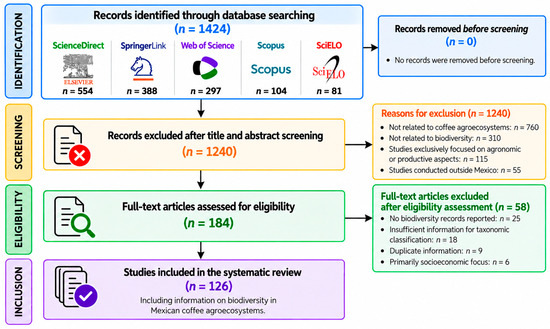
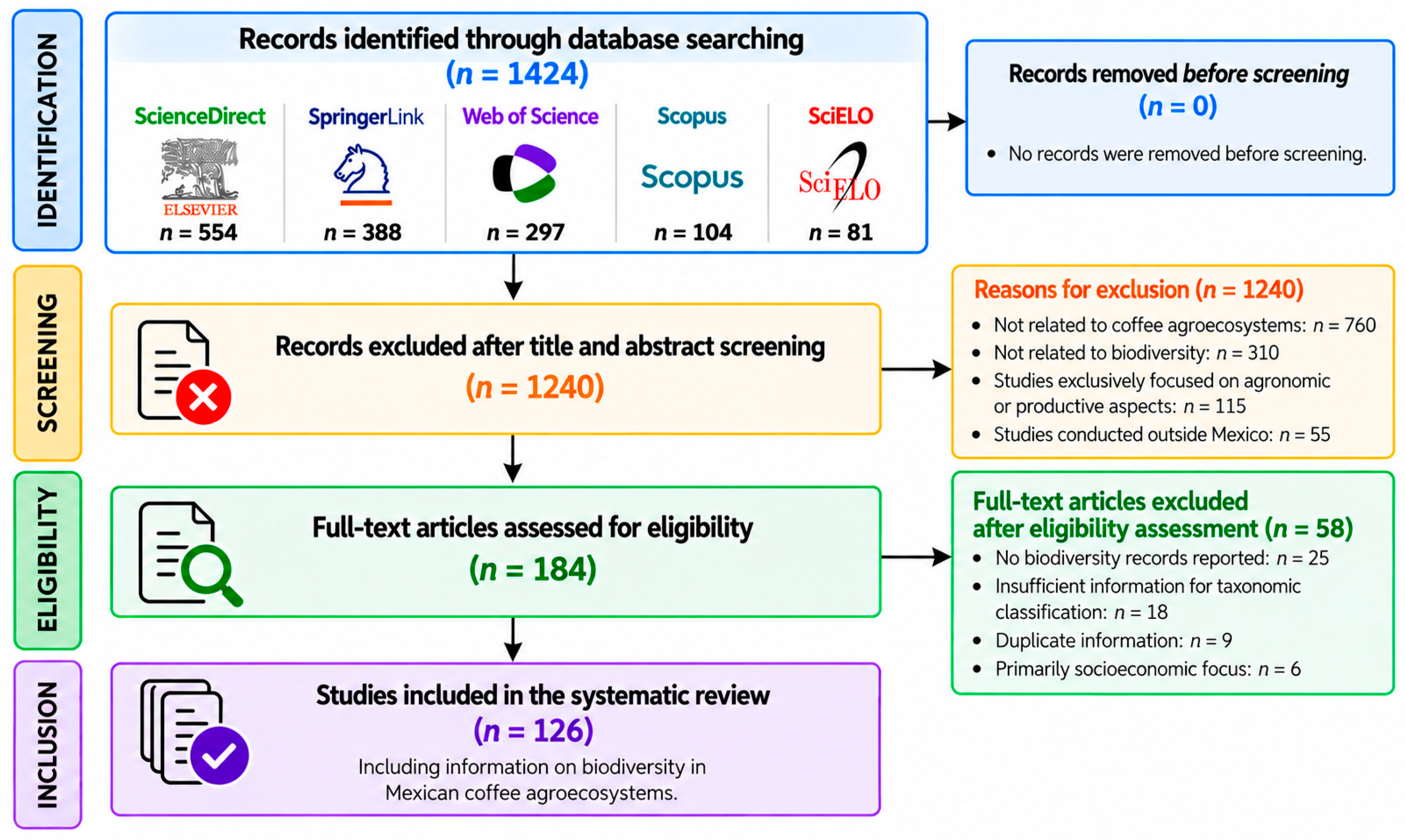
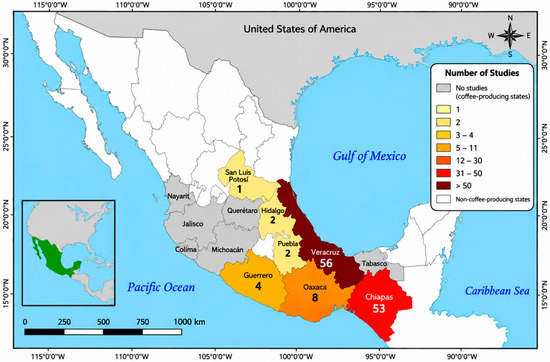
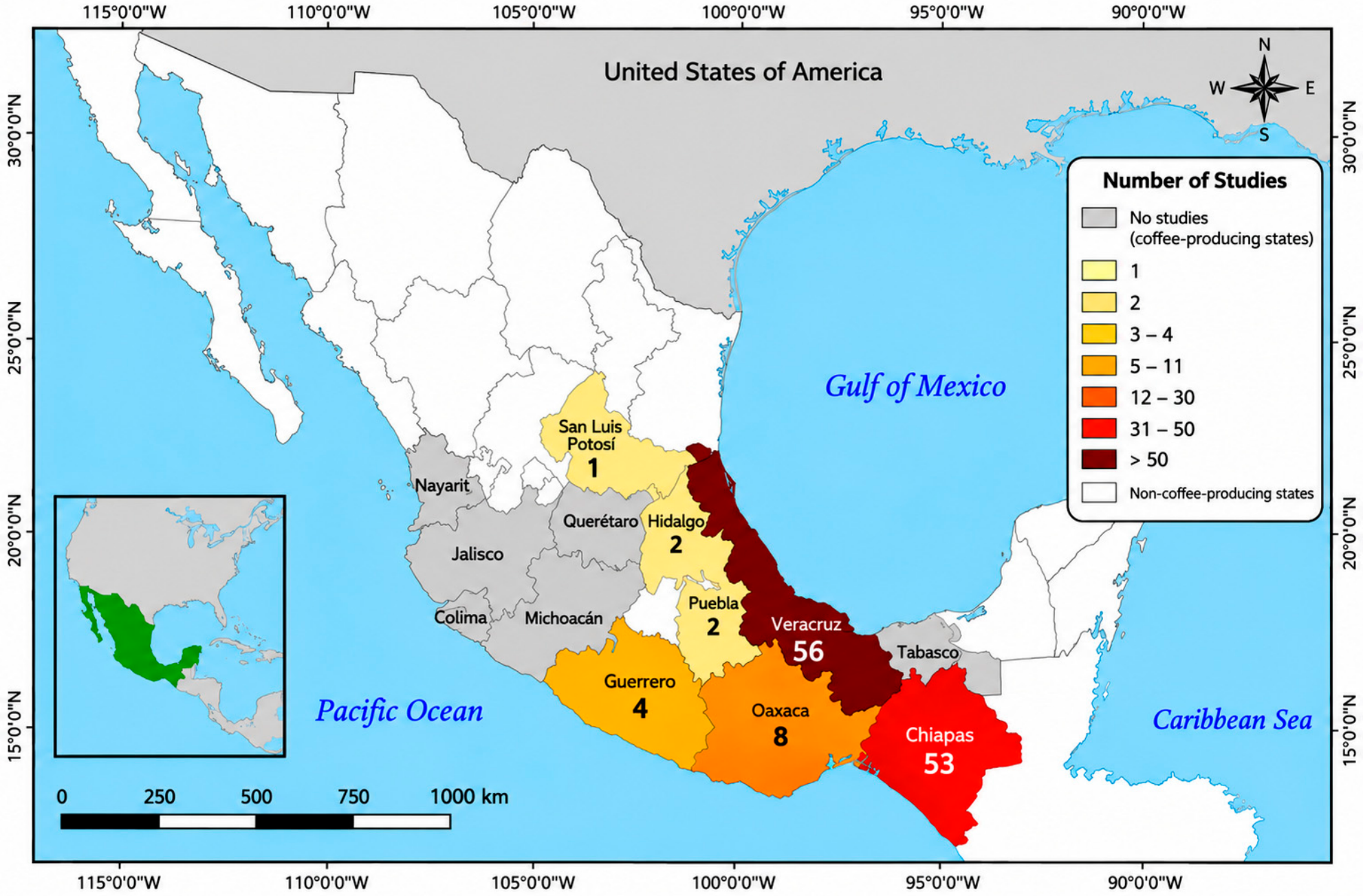
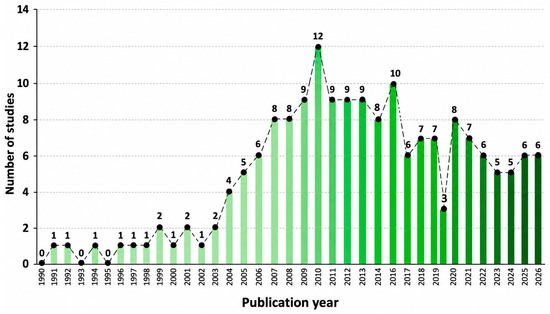
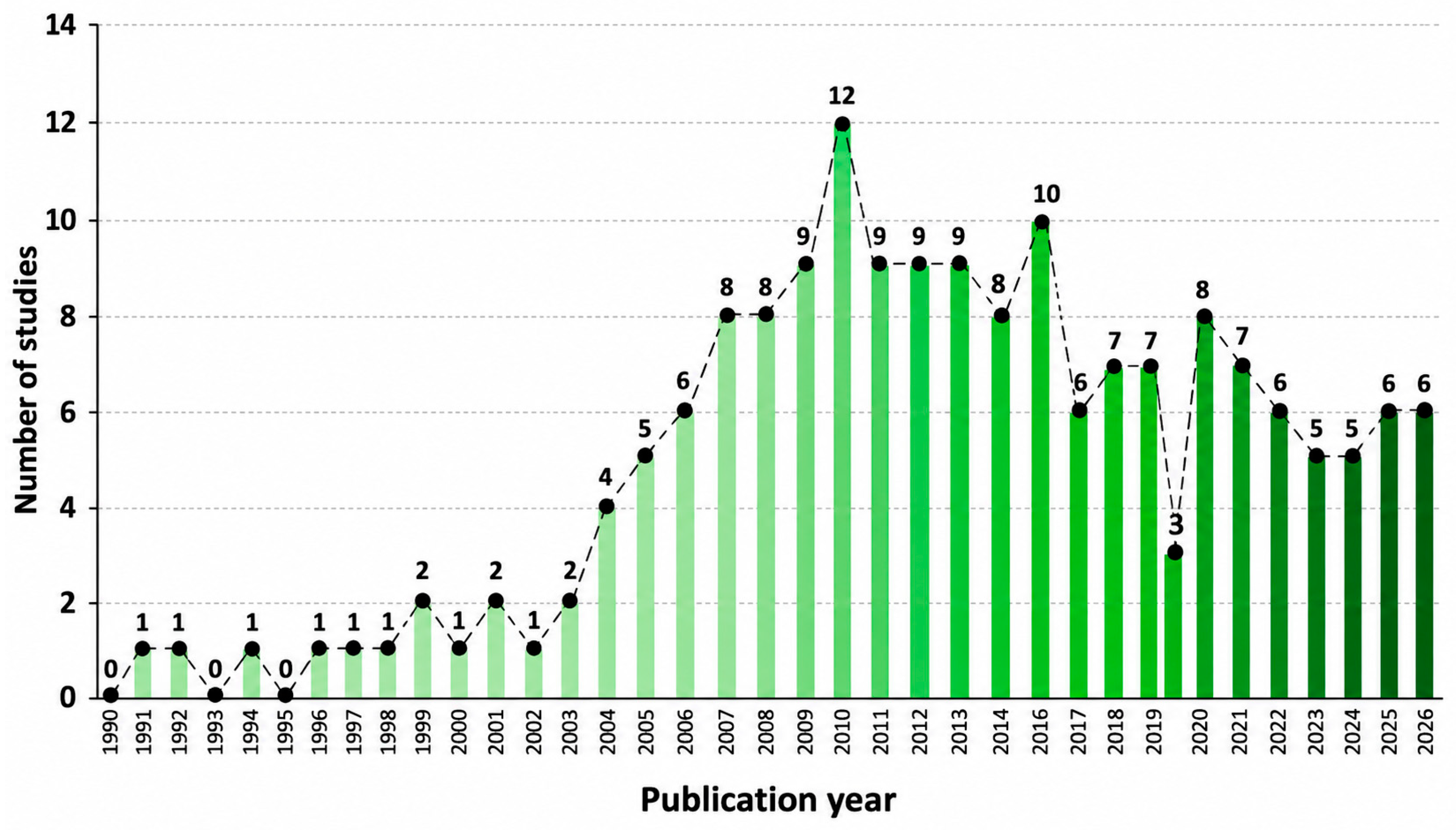
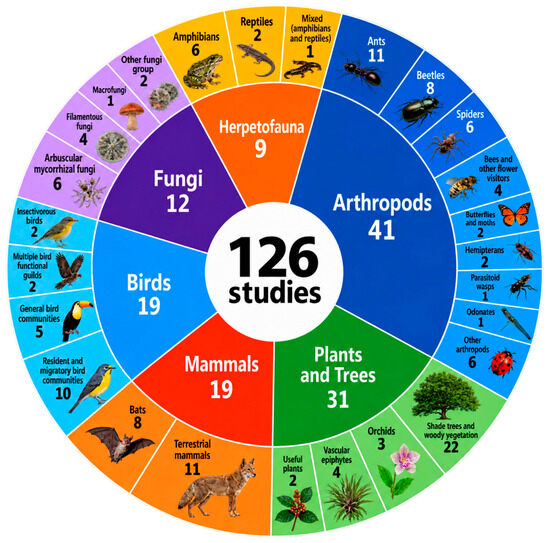
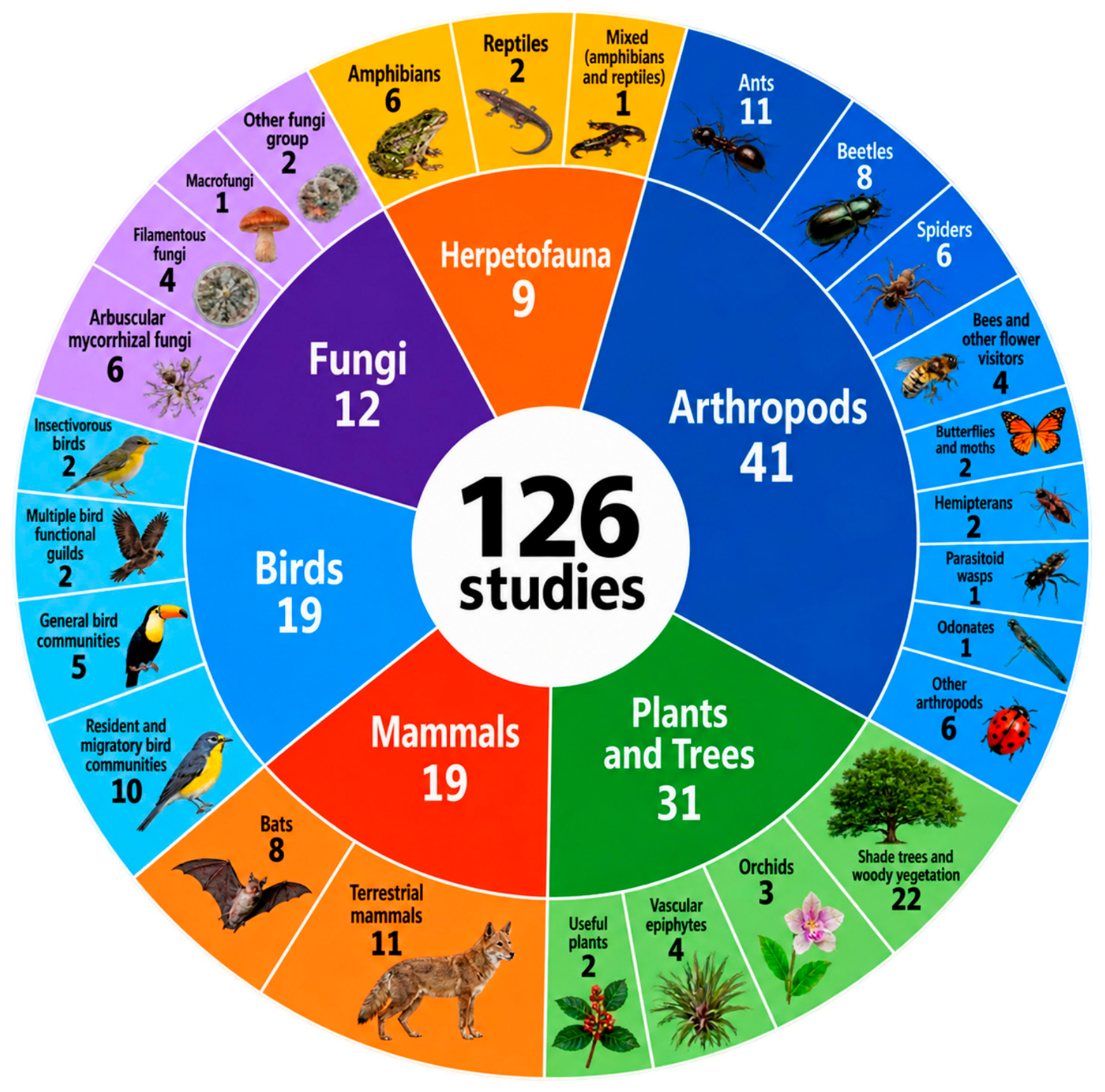
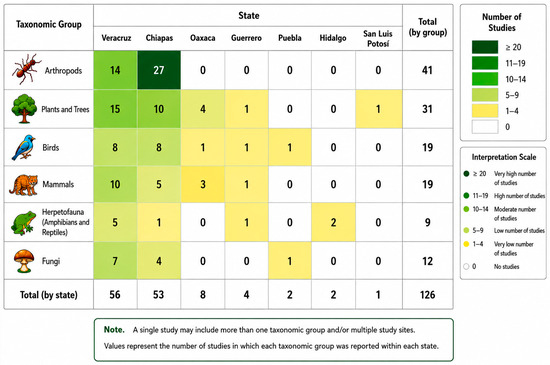
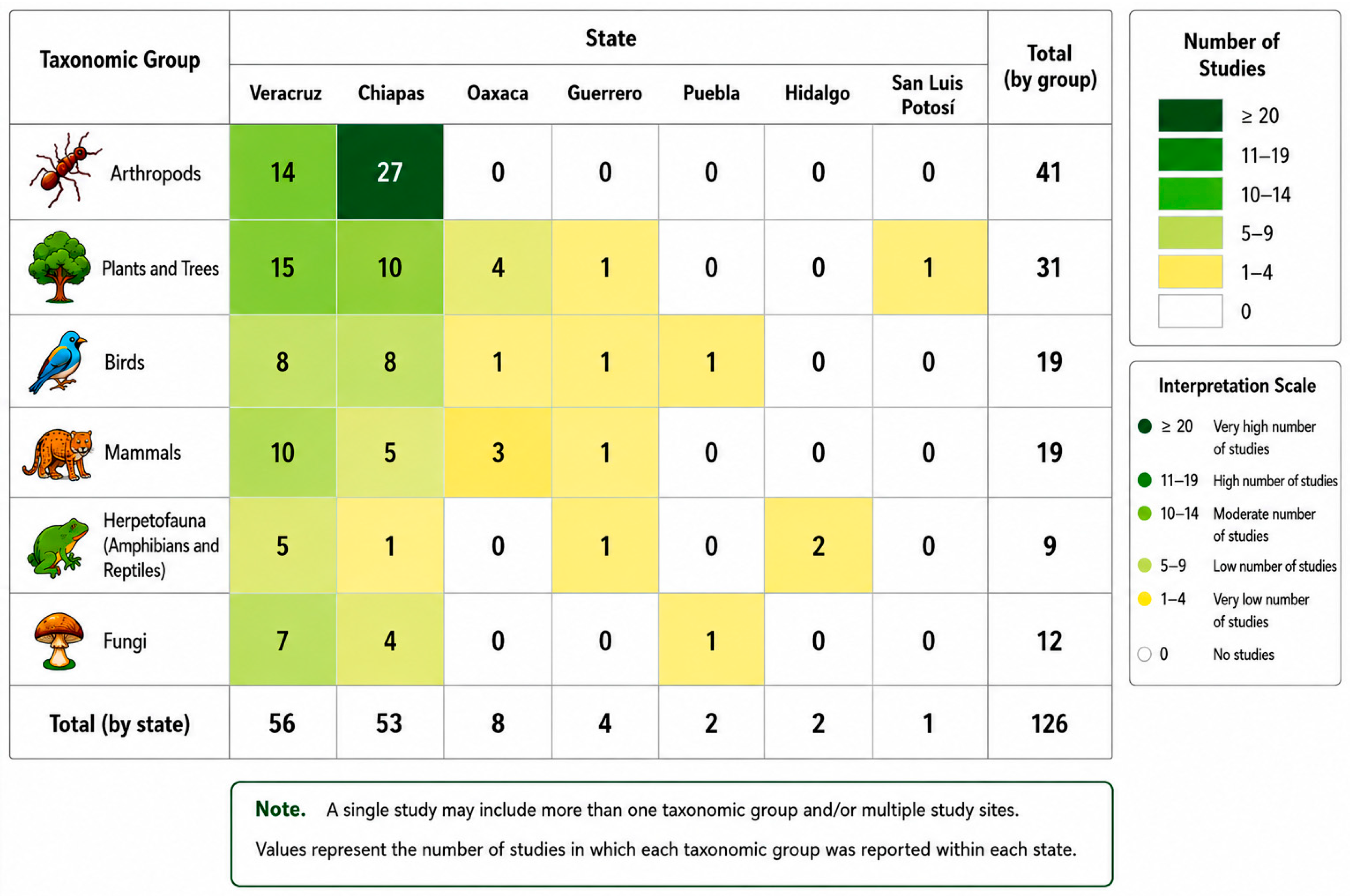
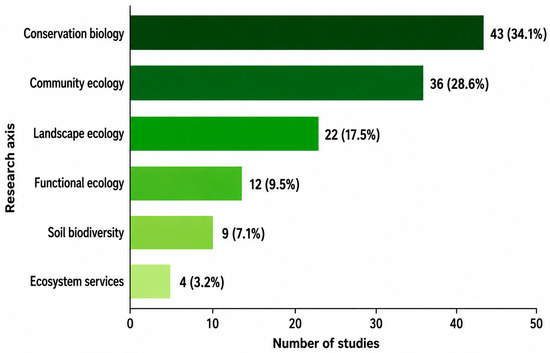
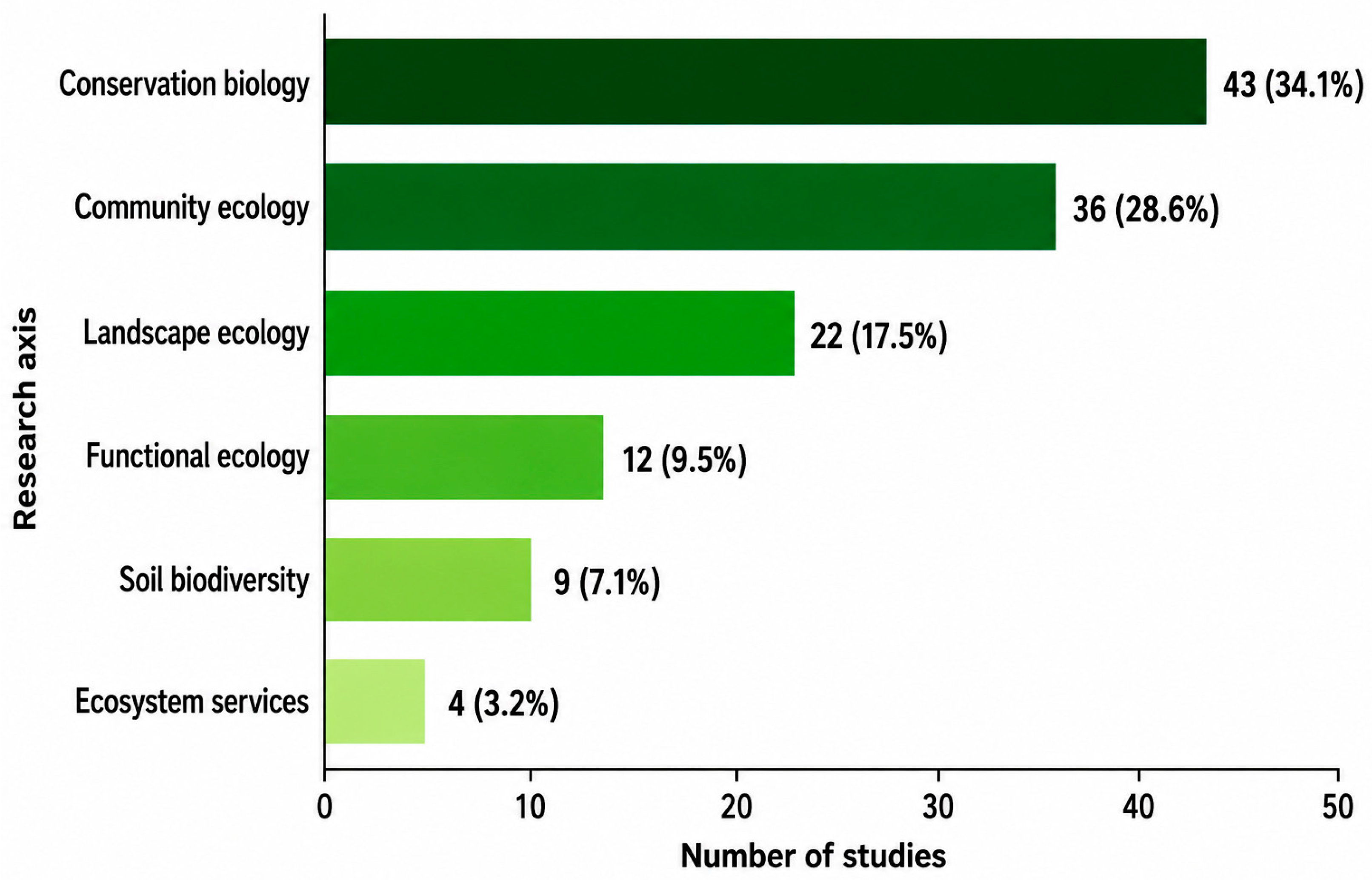
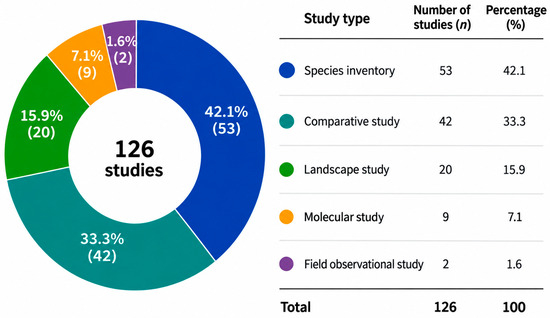
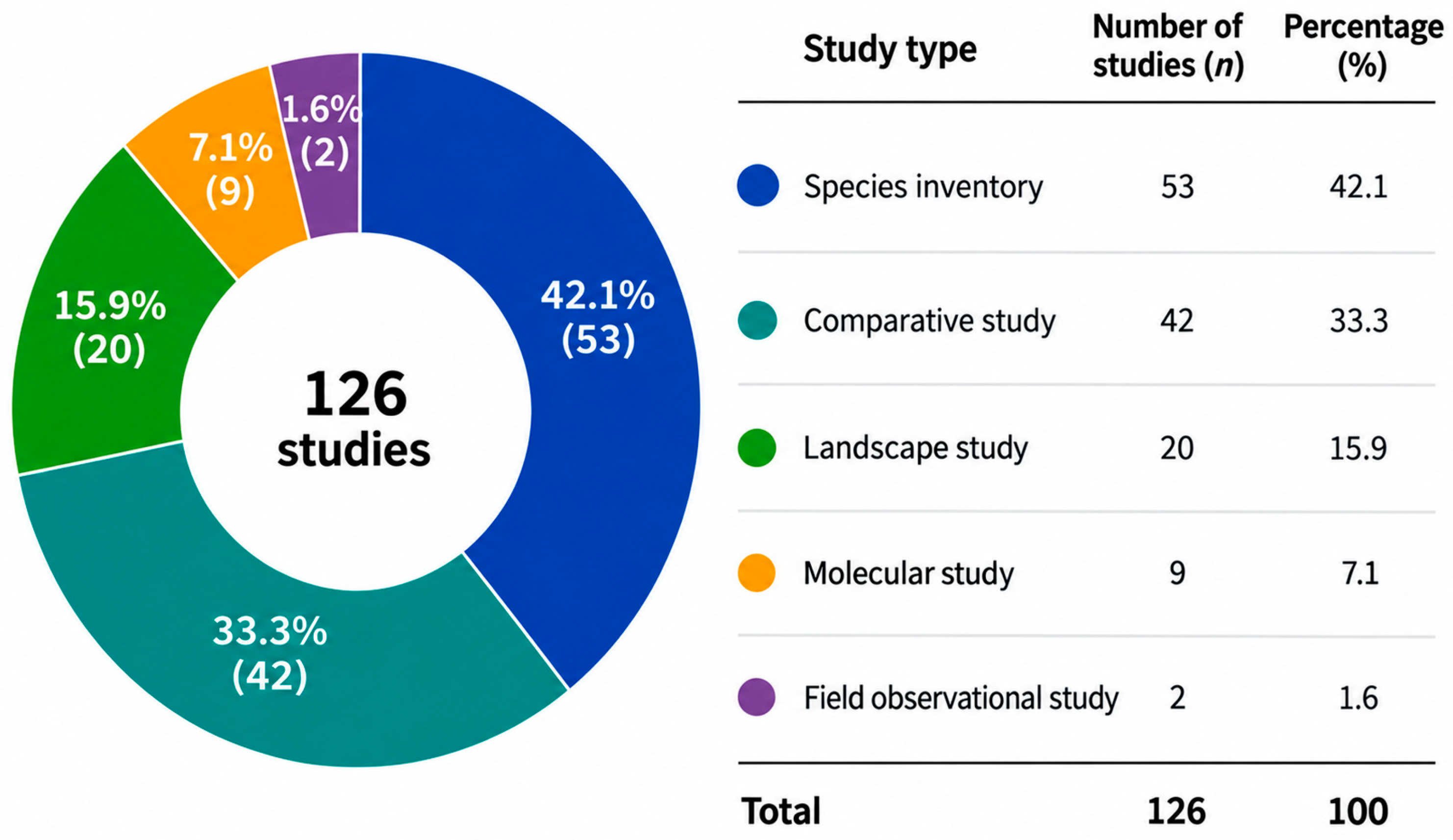
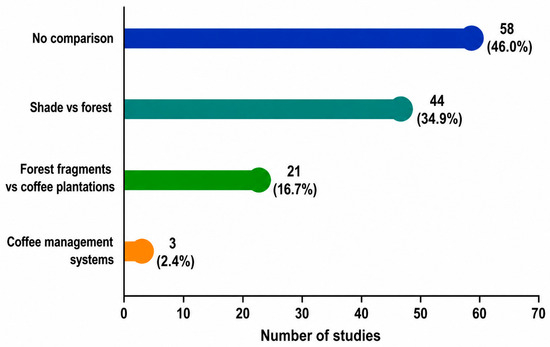
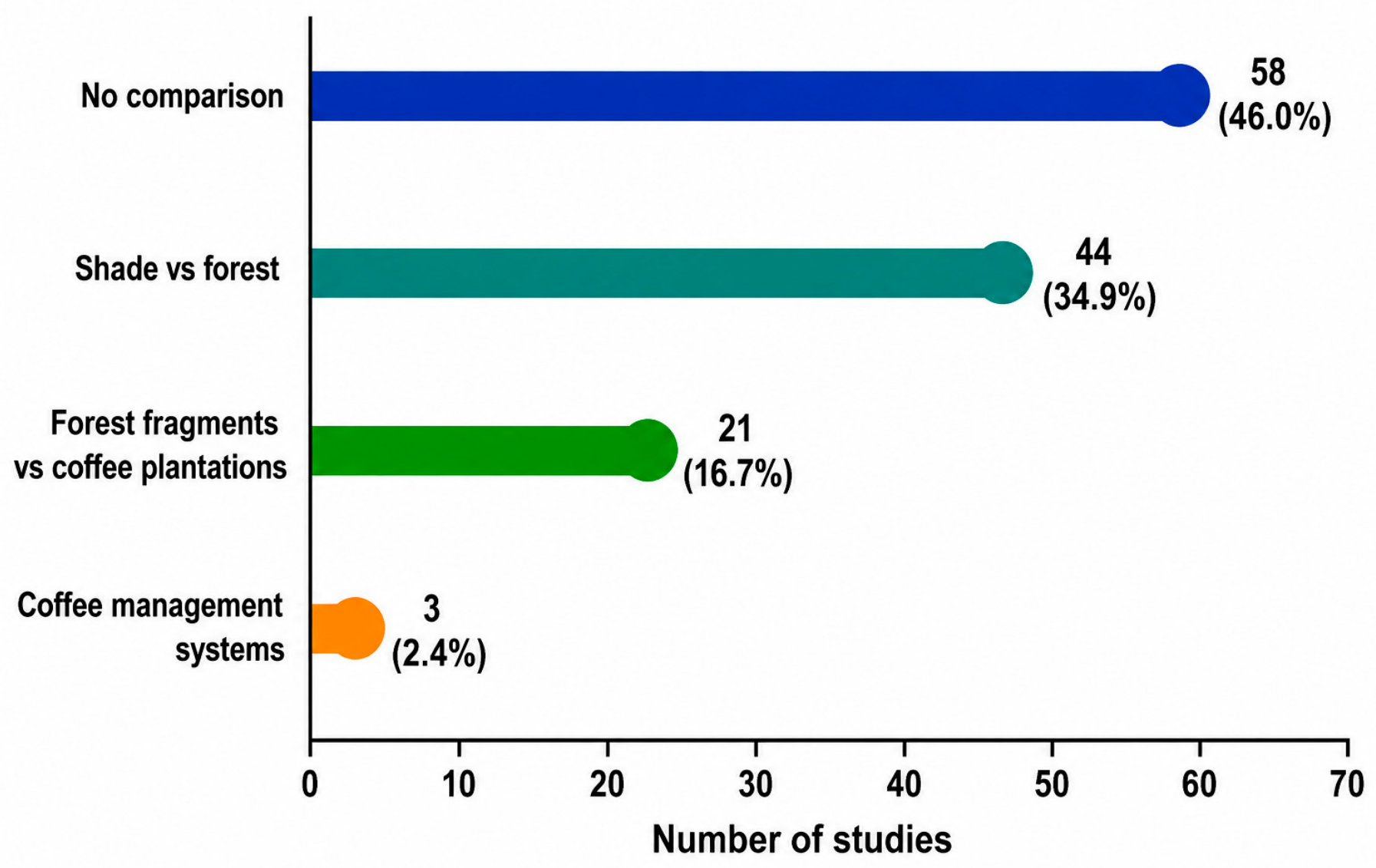
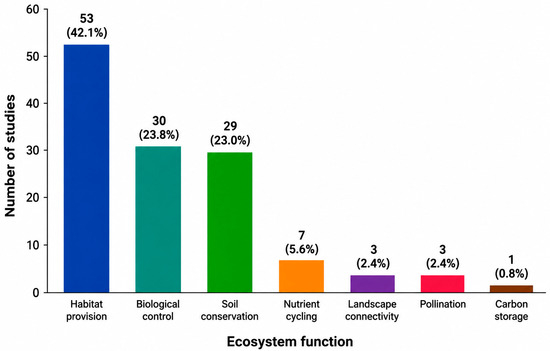
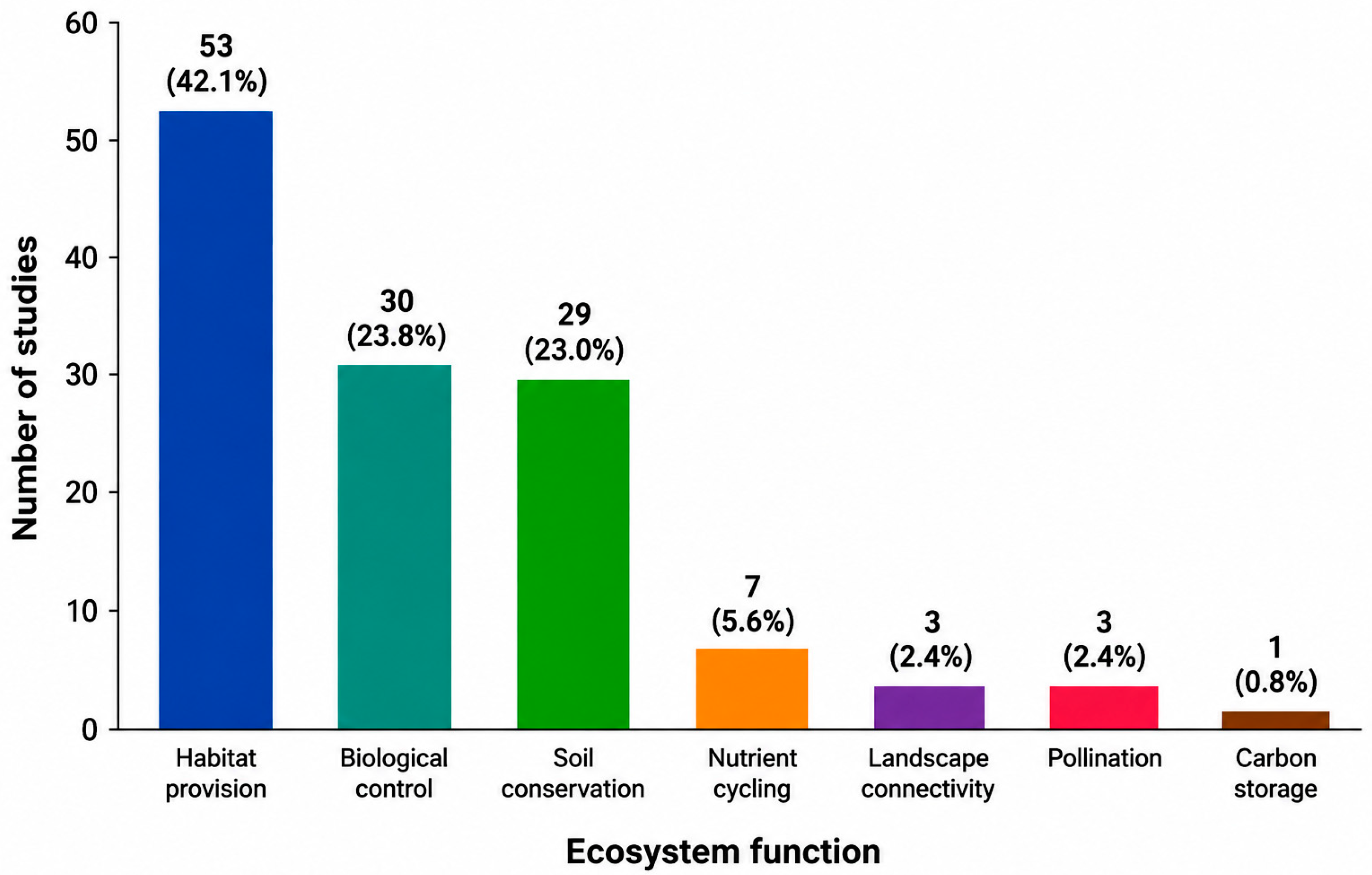
Disclaimer/Publisher’s Note: The statements, opinions and data contained in all publications are solely those of the individual author(s) and contributor(s) and not of MDPI and/or the editor(s). MDPI and/or the editor(s) disclaim responsibility for any injury to people or property resulting from any ideas, methods, instructions or products referred to in the content. |
© 2026 by the authors. Licensee MDPI, Basel, Switzerland. This article is an open access article distributed under the terms and conditions of the Creative Commons Attribution (CC BY) license.