


Abstract
A recurring question in contemporary society is: How can one survive on a single income? Escalating socioeconomic challenges worldwide are pushing many households beyond their financial comfort zones. As a coping strategy, many individuals have adopted side hustles, income-generating activities pursued alongside full-time employment. However, a crucial question arises: do side hustles come at the expense of primary employment, particularly in terms of employee commitment and workplace loyalty? This study examined the moderating role of work–life integration in the relationship between side hustles, employee commitment, and workplace attachment. The unit of analysis consisted of academic and support staff at South African higher education institutions. Primary data were collected through a survey of a stratified random sample of 300 employees, and the data were analysed using structural equation modelling. The findings support that side hustles offer meaningful opportunities to enhance individual livelihoods by mitigating the impact of declining income levels. Moreover, the results indicate that flexible work arrangements are critical for employees engaged in hustle, as such flexibility strengthens organisational commitment and workplace attachment. The study recommends adopting a humanistic management approach that promotes boundaryless jobs, thereby fostering employee commitment and workplace attachment through an inclusive, supportive, and empowering work environment.
1. Introduction
Hybrid entrepreneurship, commonly referred to as side hustling, has become increasingly prevalent within South African organisations (Bignotti & Myres, 2022). Traditionally, full-time employment served as a safety net, providing financial stability when side ventures failed to generate adequate income. However, growing uncertainty in the corporate sector, characterised by persistent financial losses, retrenchments, business liquidations, stagnant wages, and organisational closures, has fundamentally altered this dynamic. Side hustles have increasingly shifted from supplementary income activities to essential economic safety nets for many employees (Sessions et al., 2021). Side hustles present a complex set of trade-offs for both employees and organisations. Empirical evidence suggests that engagement inside hustles can enhance full-time job performance by fostering skill development, autonomy, and financial security (Sessions et al., 2021). However, it may also generate conflicts of interest, particularly when the side hustle overlaps with the employee’s primary occupational domain, raising concerns regarding loyalty, confidentiality, and competing commitments (Prasad et al., 2024). Furthermore, engaging in multiple jobs can intensify time pressures and work–life imbalances, potentially leading to fatigue, reduced well-being, and diminished job performance (Baldwin & Daugherty, 2002). From an organisational perspective, responses to side hustles vary, while some employers restrict or prohibit them to safeguard productivity and avoid conflicts, others adopt a more supportive stance, recognising their potential to enhance employees’ skills and bring added value to the organisation (Lyle, 2015). However, the benefits depend on effective time management and responsible allocation of tasks, as excessive workload and exhaustion may ultimately undermine both individual performance and organisational outcomes. Therefore, the question of whether side hustles enhance or undermine full-time employment outcomes remains an open and contested issue in the literature (Liu et al., 2025).
Nevertheless, subsequent research cautions that misalignment between side hustles and primary employment may lead to adverse outcomes for both employees and organisations, particularly when competing demands undermine commitment and attachment (Sessions et al., 2022). Additionally, empirical evidence has yielded contradictory findings in the work–life literature. Kossek and Lautsch (2012) suggest that work–life integration can facilitate flexibility and resource transfer. In contrast, recent findings suggest that high integration may blur boundaries, intensify role interference, and undermine employees’ well-being (Kossek et al., 2023; Piszczek & Yestrepsky, 2024).
Although side hustling has received scholarly attention within corporate and healthcare contexts (Marten & Sullivan, 2020), it’s implications within higher education institutions remain underexplored (K. Walsh & Stephens, 2022). Moreover, limited empirical research has examined the interrelationships between side hustling, work–life integration, employee commitment, and workplace attachment. Existing studies have predominantly adopted qualitative approaches (Sessions et al., 2021; Manana, 2021; Arinaitwe & Michael, 2023), leaving a notable gap in quantitatively grounded evidence drawn directly from employees engaged in hybrid entrepreneurship. The rationale for this study is twofold. First, it seeks to generate deeper insights into how side hustling shapes employee attitudes and behaviours, thereby informing institutional policymakers and managers on strategies to better support staff who engage in secondary income-generating activities, particularly amid increasing financial precarity. When organisations experience economic strain, employees’ financial security is similarly compromised, prompting many to pursue additional income streams as coping mechanisms. Second, the study aims to extend the South African literature on hybrid entrepreneurship by providing empirical evidence that advances our understanding of the complex dynamics between side hustling, work–life integration, and employee outcomes.
This study is significant because it examines how side hustles, in conjunction with work–life integration, influence employee commitment and workplace attachment, constructs that are increasingly salient in contemporary labour markets. The findings will provide organisations with evidence-based insights into whether side hustles undermine or enhance employee loyalty and attachment, thereby assisting managers in designing policies that balance organisational productivity with employee well-being. From an employee’s perspective, the study highlights how managing multiple work roles affects engagement and satisfaction. Academically, the study contributes to the limited body of literature at the intersection of side hustling, work–life integration, and commitment, while offering practical implications for policymakers seeking to promote flexible, inclusive, and sustainable workplace practices. Accordingly, the present study investigates the moderating effect of work–life integration on the relationship between side hustles, employee commitment, and workplace attachment.
2. Literature Review
2.1. Theoretical Foundation
This study draws on the Conservation of Resources (COR) theory, developed by Hobfoll (1989). COR theory posits that individuals possess resources they value highly and are motivated to acquire, protect, maintain, and replenish these resources in order to prevent loss (Dudek et al., 2007). Resources are broadly defined as anything an individual values, including personal resources such as time, energy, money, and knowledge; material objects such as housing; and personal characteristics and conditions (Bergs, 2020). According to COR theory, stress arises when individuals experience actual resource loss, perceive a threat of resource loss, or fail to gain expected resources after significant resource investment. In response, individuals often engage in compensatory behaviours and task juggling to minimise losses and protect remaining resources (Morelli & Cunningham, 2012). This theoretical lens is particularly useful for understanding how individuals manage competing demands across work and non-work domains.
COR theory is widely regarded as comprehensive and adaptable, making it a valuable tool for both empirical research and practical applications. It provides a robust framework for examining stress, coping, and motivation by focusing on the management of valued resources (Westman et al., 2004). However, a key limitation of COR theory lies in its limited consideration of individual differences in resourcefulness and resilience. Variations in individuals’ capacities to cope with resource loss and to leverage resource gains may affect the generalisability of the theory’s predictions (Coatman, 2022). This study does not aim to test the COR theory and its contrasts, but rather to extend the theory.
2.2. Research Context
In many developing economies, salaried professionals are increasingly confronted with a deteriorating economic environment characterised by declining real wages, persistent inflationary pressures, currency volatility, and stagnant compensation structures (Shen et al., 2022). Under this pressure, income derived from formal employment is often insufficient to meet escalating living expenses, including housing, food, education, healthcare, and transportation. This growing mismatch between earnings and cost of living has intensified both financial and psychological strain, compelling employees to reassess traditional employment arrangements. Consequently, there has been a notable shift from exclusive reliance on primary employment toward engagement inside hustles and other informal income-generating activities as adaptive strategies to maintain financial stability (Anifowose et al., 2025). Azavedo (2022) defines side hustling as the engagement of full-time employees in additional forms of work, such as informal trading, small business activities, freelancing, or participation in the gig economy, outside their primary employment to supplement income. In the South African context, side hustling has taken diverse forms, shaped by technological advancements, cultural dynamics, and, most notably, prevailing economic conditions (Anwar & Graham, 2021).
Several structural and economic factors have accelerated the growth of side hustling in South Africa, including rising inflation, company closures and liquidations, asset forfeiture, and widespread employee retrenchments. Statistics South Africa (2025) reported that consumer inflation increased to approximately 3.5% in July, up from 3% in June, the highest rate recorded since September 2024. During this period, consumer prices rose by an average of 0.9% between June and July. In parallel, company liquidations have increased by an estimated 11% since 2022, with this upward trend continuing into 2023 (Statistics South Africa, 2023).
Financial distress among households has further intensified the need for alternative sources of income. The National Credit Regulator reported that, as of 2023, approximately 40% of credit-active consumers were over-indebted, contributing to a rise in asset forfeitures. By the first quarter of 2025, overdue payments on credit agreements had increased markedly, particularly for unsecured credit and personal loans, with approximately 35% of all loans reported to be in arrears (Debt Counsellors Association of South Africa, 2025). Concurrently, the manufacturing and mining sectors have experienced significant retrenchments, contributing to an unemployment rate of 32.9%, while youth unemployment exceeded 45.5% in the first quarter of 2024 (Statistics South Africa, 2024). Against this backdrop of persistent socioeconomic pressures and increasing household responsibilities, there has been a steady rise in permanently employed individuals pursuing side hustles to enhance financial security and manage economic uncertainty in South Africa.
The study focuses on employees working in higher education institutions because this context makes side hustling both feasible and impactful for academic and support staff. Academic roles are characterised by high autonomy and flexible working arrangements, allowing individuals to manage their time and pursue additional income generating activities, such as consulting, freelancing, and entrepreneurial work. This is further supported by portable, marketable skills and access to institutional resources and professional networks, which create opportunities for external engagement. Additionally, the sector is marked by high performance pressures and multi-role demands (lecturing, research, and administration), which can intensify time constraints and role strain. For support staff, specialised skills and increasing workplace flexibility similarly enable side hustling. These features create a context where side hustles can generate valuable resources but also risk resource depletion when boundaries are blurred. Making higher education an especially relevant setting for investigating the impact of side hustling on employee commitment and workplace attachment.
2.3. Employee Commitment
Employee commitment is critical to organisational success, as it reflects employees’ loyalty and psychological attachment to their organisation (Estigoy et al., 2020). Prior research indicates that high levels of employee commitment are associated with lower turnover intentions, thereby reducing the costs linked to recruiting and training new employees (Allen & Meyer, 1990). This is advantageous for organisations, as it enables the retention of institutional knowledge. Moreover, organisations characterised by high employee commitment and engagement are more likely to achieve greater customer loyalty through superior service, which, in turn, enhances customer satisfaction (Budur & Poturak, 2021).
To mitigate threats to employee commitment, employers must provide opportunities for career development, including mentorship, training programmes, and clearly defined career paths that support employee growth. These factors have been identified as key drivers of employee commitment (Dobre, 2013). However, rising living costs, financial stress, limited career advancement opportunities, job insecurity, and the pursuit of personal fulfilment have led many employees to seek additional sources of income (Mushtaque et al., 2022). Consequently, engagement inside hustles may compromise employee commitment, as employees may experience divided attention, reduced energy, perceived organisational disengagement, and challenges related to work–life integration. It is therefore essential for employers to understand the pressures that motivate employees to engage inside hustles and how such activities influence their commitment to their primary employment (A. R. Walsh et al., 2022). Addressing these underlying challenges may help organisations sustain employee commitment and workplace attachment amid the growing prevalence of side hustling.
2.4. Workplace Attachment
Workplace attachment reflects the extent to which employees develop a psychological bond with their organisation, characterised by identification with its goals and values, as well as feelings of pride, commitment, and belonging (Leuhery, 2023). This concept can be meaningfully understood through the lens of attachment theory, originally developed by Bowlby (1969, 1988), which posits that individuals are inherently predisposed to form enduring emotional bonds that provide security and stability. While early attachment processes are rooted in relationships with primary caregivers, these relational patterns extend across the lifespan and shape how individuals form connections in broader social contexts, including the workplace (Bowlby & Solomon, 1989). Central to this theory is the notion of an internal working model, in which early attachment experiences shape expectations, trust, and behaviour in subsequent relationships. In organisational settings, leaders, colleagues, and the institution itself may function as attachment figures, providing a psychological “secure base”. This enables employees to engage, explore, and perform effectively. When such attachments are secure, employees are more likely to exhibit stronger organisational identification, commitment, and adaptive functioning. Conversely, insecure or disrupted relational experiences may translate into weaker workplace attachment, reduced trust, and diminished engagement. Thus, workplace attachment can be conceptualised as an extension of interpersonal attachment processes, linking early relational dynamics to employees’ emotional and psychological connections within organisational environments.
Therefore, Waller (2021) defined workplace attachment as an emotional bond and sense of belonging an employee has towards their working environment and organisation. Workplace attachment is a crucial factor in organisational success, significantly contributing to employee performance and retention. Additionally, workplace attachment fosters a positive organisational culture, enhancing customer satisfaction, and builds organisational resilience (Rajoo, 2020). However, various factors may undermine workplace attachment and erode the sense of belonging and emotional bond that employees have towards the organisation, including low wages, lack of benefits, unstable employment, economic downturns, and underutilisation of skills (Leuhery, 2023). Therefore, given the economic pressures and challenges that lead employees to engage in side hustles, firms can adopt strategies such as open communication, policy development, and incentive programs to leverage side hustles for organisational benefit, supporting employee pursuits while maintaining and even enhancing workplace attachment (Rajoo, 2020). Additionally, organisations that balance support for side hustles with initiatives that promote workplace attachment can create a win-win for both employees and employers.
2.5. Work–Life Integration
Work–life integration (WLI) refers to the extent to which individuals combine multiple role domains into a coherent, interconnected whole, thereby shaping a unified sense of self (Amah & Ogah, 2021). Rather than viewing work and non-work as competing spheres, WLI emphasises the simultaneous management and alignment of role demands. Whereby individuals achieve satisfying experiences across life domains through the effective allocation of time, energy, and psychological resources (Samtharam & Baskaran, 2023). Contemporary organisational contexts characterised by digital connectivity and flexible work arrangements have further blurred the boundaries between work and personal life, rendering these domains increasingly interdependent (Singh & Vanka, 2020). In this regard, WLI is not merely structural but also experiential, encompassing the extent to which attitudes, behaviours, and resources spill over across roles, such that experiences in one domain enrich or influence functioning in another (Greenhaus & Powell, 2006). This dynamic and transactional perspective highlights how individuals continuously negotiate work and life demands in an integrated manner (Kumar, 2017). When effectively managed, WLI can foster a sense of coherence and meaningfulness across life domains, supported by organisational practices and technologies that facilitate the integration of work and non-work activities (Alton, 2020).
2.6. Hypotheses Development
2.6.1. The Impact of Side-Hustles on Employee Commitment
Bodhi (2023) observed that, despite rising salaries, an increasing number of full-time employees are seeking additional sources of income, indicating that side hustling is a growing trend. Aviva (2022) reported that 19% of respondents in Great Britain engage in side hustles, while the proportion is substantially higher in the United States, at approximately 40%. Choudhary and Saini (2021) found that employee commitment significantly influences engagement in hustle culture. Furthermore, a Bankrate (2023) survey found that 28% of full-time employees in the United States experienced negative effects on their productivity, personal relationships, and physical health due to side hustling. In support of these findings, Pencavel (2014) demonstrated that employee productivity per hour declines sharply when working beyond 50 h per week, with individuals working up to 70 h per week achieving no greater output than those working approximately 55 h. Despite these insights, empirical findings on the relationship between side hustling and employee commitment remain inconclusive. However, drawing from the COR theory, side hustles can be conceptualised as a source of both resource gain and resource loss. COR theory posits that individuals strive to acquire and protect valued resources, and that resource accumulation enhances positive work attitudes (Hobfoll, 2011). When side hustles generate additional income, skills, and self-efficacy, they create resource gain spirals, enabling employees to invest more effectively in their primary job, thereby strengthening commitment (Spreitzer et al., 2017). Although side hustles may also impose resource demands, the present study emphasises their potential to yield net resource gains in shaping positive work attitudes. Given the limited body of empirical research in this area, further investigation is warranted. Based on the foregoing discussion, this study hypothesises that:
H1.
Side hustling is positively related to employee commitment.
2.6.2. The Impact of Side-Hustles on Workplace Attachment
Sessions et al. (2021) noted that employees who hold multiple jobs typically occupy two distinct work-related statuses: their primary full-time employment and their side hustle. This duality may give rise to separate forms of workplace attachment, stemming from status inconsistency between employees’ primary jobs and their secondary income-generating activities. Workplace attachment is a critical construct, as it enhances employee work performance and supports career advancement (Chinyamurindi & Shava, 2022). Luke et al. (2020) further demonstrated that when organisations cultivate positive emotions in the workplace, workplace attachment is strengthened. Moreover, workplace attachment is a relational construct that extends beyond the organisation to include employees’ family and social networks (Gonzalez et al., 2018). Nonetheless, Scrima et al. (2021) argued that organisations can foster secure workplace attachment by personalising the work environment and creating a comfortable and supportive setting for employees.
COR theory explains workplace attachment through resource-investment processes, in which individuals allocate resources to contexts that offer the greatest returns (Hobfoll, 2011). When side hustles generate transferable resources, for instance, competencies, financial security, and professional networks, employees are more likely to reinvest them in their primary workplace, thereby strengthening their psychological attachment (Spreitzer et al., 2017). This reflects COR’s principle that individuals develop stronger bonds with environments that support resource accumulation and protection (Hobfoll et al., 2018).
Despite these insights, research on the relationship between side hustling and workplace attachment is in its infancy, leading to a lack of consensus among scholars. This study, therefore, seeks to contribute to this important and emerging debate. The relevance of this inquiry is further underscored by the sustained increase in the global cost of living, driven by the aftermath of the COVID-19 pandemic, the Russia–Ukraine war, and the ongoing Israel–Hamas conflict in Gaza, Palestine. In addition, continued attacks by Yemen’s Houthi rebels on commercial and military shipping routes in the Red Sea have prompted many shipping companies to abandon this critical trade corridor, the shortest route between Asia and Europe, in favour of the longer route around the Cape of Good Hope in South Africa. This disruption has led to a reported 250% increase in shipping costs as of 9 January 2024 (Rahman & Cabral, 2024).
With no clear timelines for resolving these conflicts, escalating transportation costs are being increasingly passed on to already financially strained employees, whose reliance on side hustling has intensified as disposable incomes continue to erode. In the South African context, many institutions of higher learning lack formal strategies to mitigate employees’ economic hardship, leaving side hustling as a potential coping mechanism. However, empirical evidence remains limited regarding the impact of side-hustle engagement on workplace attachment. In light of the foregoing discussion, this study hypothesises that:
H2.
Side hustling is positively related to workplace attachment.
2.6.3. The Moderating Role of Work–Life Integration on Side-Hustles and Employee Commitment
Bellini and Lomazzi (2024) observed that hustle culture has become increasingly prevalent across organisations, with work becoming deeply embedded in employees’ personal lives. Employees frequently perform work-related tasks not only in formal workplace settings but also within personal spaces, thereby blurring the traditional boundaries between work and non-work domains. Although this culture emphasises constant productivity, it may also contribute to burnout and diminished performance. Many employees lack the emotional and physical capacity to sustain the combined demands of full-time employment and side hustling (Regmi & Manandhar, 2025).
Research on side-hustle outcomes shows that boundary segmentation preferences moderate how side-hustle thriving relates to full-time work outcomes: at low levels of segmentation ability, employees experience more resource depletion and weaker commitment to their primary job; at average levels, the side-hustle influence on commitment may be negligible; and at high segmentation, employees may effectively allocate attention and resources, strengthening the positive spillover into workplace commitment (Liu et al., 2025). Within COR theory, contextual factors determine whether resource gain or loss dominates, making boundary conditions critical (Hobfoll et al., 2018). Work–life integration, particularly when characterised by high role overlap, can increase resource depletion through role interference and boundary blurring (Kossek et al., 2023). Similarly, limited boundary control exacerbates strain and reduces individuals’ ability to protect their resources (Chan & Kinman, 2024). Under such conditions, the resource gains derived from side hustles are undermined by increased fatigue and time pressure, thereby weakening their positive effect on employee commitment.
In broader organisational research, work–life integration is empirically linked to higher employee commitment, suggesting that as integration improves, commitment strengthens, particularly when supportive practices are in place, whereas poor integration exacerbates role conflict and weakens attachment (Samtharam & Baskaran, 2023). Thus, without identifying moderators such as work–life integration, research may obscure the conditions under which side hustles either undermine or support employee commitment, leading to incomplete theory and misguided HR practice. Within this context, work–life integration plays a critical moderating role by enabling employees to harmonise professional and personal responsibilities rather than rigidly separating them (Riyanto et al., 2025). Effective work–life integration enables individuals to manage multiple roles more effectively, thereby enhancing employee commitment and overall well-being. However, Balkeran (2020) argued that limited managerial support and inflexible organisational cultures constrain employees’ ability to achieve meaningful work–life integration. Thereby reinforcing the “go hard or go home” mentality associated with hustle culture. Based on the foregoing discussion, this study hypothesises that:
H3.
Work–life integration significantly moderates the relationship between side hustling and employee commitment, such that the positive relationship is weaker at higher levels of work–life integration.
2.6.4. The Moderating Role of Work–Life Integration on Side-Hustling and Workplace Attachment
Workplace attachment has been identified as a critical factor in enhancing employees’ career advancement, job performance, and overall organisational commitment (Chinyamurindi & Shava, 2022). Recent research suggests that work–life integration (WLI), defined as the ability to harmonise professional and personal roles, plays a significant role in strengthening employees’ attachment to their workplace (Samtharam & Baskaran, 2023). Employees who effectively integrate work and personal responsibilities tend to report higher levels of satisfaction and engagement, which subsequently translate into improved productivity and performance outcomes (Nor et al., 2024). Moreover, supportive organisational cultures that encourage flexibility and integration foster stronger emotional bonds between employees and their organisations.
Consistent with COR theory, workplace attachment depends on the availability and protection of resources necessary for sustained investment in organisational relationships (Hobfoll, 2011). High work–life integration, when it reflects interference, reduces employees’ ability to allocate time and energy to workplace engagement, thereby eroding attachment (Kossek et al., 2023). However, when boundaries are better managed, employees can preserve and reinvest side-hustle-generated resources into their primary workplace, strengthening attachment (Chan & Kinman, 2024). Thus, work–life integration shapes whether resource gains translate into stronger attachment or are dissipated through competing demands.
A study conducted by C. Zhang et al. (2025) with a sample of 239 employees with side hustles found that competence attribution moderated the relationship between sense of achievement from a side hustle and psychological entitlement, an antecedent of interpersonal conflict at the primary job. This implies that perceived personal competence can amplify or dampen the effects of side-hustles on workplace relationships, which are closely tied to organisational attachment. Although it did not moderate the side-hustle satisfaction well-being link, it weakened the job satisfaction–well-being link, illustrating how organisational and personal boundary conditions alter how secondary work influences core job attitudes.
Additionally, G. Zhang et al. (2025) investigated how perceived financial stigma and side-hustle security interact to moderate the link between financial insecurity and a sense of control, with downstream implications for well-being and organisational outcomes. High stigma magnified negative effects, whereas side-hustle security buffered them. This suggests that psychological and contextual moderators shape how financial pressures from side gigs influence workers’ attachments and engagement. Conversely, difficulties in integrating competing work and non-work demands can weaken workplace attachment, increasing the likelihood of disengagement or the pursuit of alternative income-generating activities, such as side hustles (Farivar et al., 2025). Accordingly, promoting work–life integration not only enhances employee well-being but also reinforces workplace attachment and sustained organisational contribution. Based on the foregoing discussion, this study hypothesises that:
H4.
Work–life integration significantly moderates the relationship between side hustling and workplace attachment, such that the positive relationship is weaker at higher levels of work–life integration.
Figure 1 illustrates the conceptual model tested in the study.
Figure 1.
Conceptual model. Source: Authors’ own.
3. Materials and Methods
The study is quantitative in nature. It is grounded in a positivist paradigm, allowing the variables to be examined objectively and free from researcher bias. A deductive approach was applied to test the proposed hypotheses, aligning with the principles of quantitative research. To explore the interrelationships among the variables, the study employed an explanatory research design. The sample size was determined using the Raosoft sample size calculator, based on a total population of 1960 university employees. The respondents were selected using stratified random sampling, with a sample of 300 employees. The respondents were selected based on their responses to whether they had a side hustle or not before being given the questionnaire. Therefore, only the respondents with side hustles were included. The respondents were from a single institution; however, it has two campuses in Mthatha. There was no distribution between support staff and academic staff. The study had a 100% response rate. Data collection was cross-sectional. To gather primary data, a self-administered questionnaire was adopted. Two of the university campuses in Mthatha were selected. The field workers were divided into two groups per campus, enabling them to report back before the close of business and shorten the data collection process. This resulted in a 100% response rate because the distribution and collection of questionnaires were in person, which ensured that all respondents completed the questionnaire on the spot. Additionally, working with a single institution made full participation more manageable. The researchers also spread the fieldwork over a reasonable period of time (2 months), which all contributed to the higher data-collection success rate.
The research adhered to established ethical standards, including voluntary participation, informed consent, anonymity, and confidentiality. Additionally, the researcher committed to sharing the study’s findings with the participants. Prior to conducting any primary data collection, ethical clearance was obtained from the Faculty Research Committee, and an ethical clearance certificate was granted bearing the protocol number: 02/23/01/2026/DRI.
Measures
The study adopted measures validated by prior research. The scales were not adjusted or modified; they were used as they are. The Side Hustle scale comprises 10 items and has a Cronbach’s alpha of 0.87. The side hustle scale was adopted from Steger et al. (2012). In this study, side hustling is conceptualised not merely as a behavioural activity, but as a resource-generating work role that carries subjective meaning and purpose, which is central to its effects on employee outcomes. Therefore, the adopted scales are appropriate insofar as they capture the perceived meaningfulness and psychological significance individuals derive from their side hustles, an aspect that is theoretically consistent with COR theory, which emphasises that resources are not only objective (time, income) but also psychological (purpose, self-worth, fulfilment). The Work Attachment Scale, developed by Rioux (2006), consists of six items, with a Cronbach’s alpha of 0.86. Employee commitment consisted of three sub-scales: affective, continuance, and normative commitment scales. Each sub-scale had six items with Cronbach’s alpha of 0.79, 0.72, and 0.75, respectively. These sub-scales were derived from Meyer et al. (1993). The work–life integration scale was measured using 15 items adopted from Fisher-McAuley et al. (2003) with a Cronbach’s alpha of 0.76. The scales were measured using a five-point Likert scale ranging from 1 = Strongly disagree to 5 = Strongly agree. Cronbach’s alpha (CA) and Composite Reliability (CR) were used to assess internal consistency. Average Extracted Variance (AVE) was employed to partly assess the scale’s validity, along with convergent and discriminant validity.
The reliability of the self-administered questionnaire was assessed using Cronbach’s alpha coefficients and composite reliability values. According to Hair et al. (2019), both measures should exceed the 0.70 threshold to confirm acceptable reliability. The study’s validity was evaluated through convergent and discriminant validity. Convergent validity was assessed using the average variance extracted (AVE), with acceptable outer loadings set at 0.50 (Steger et al., 2012). Discriminant validity was examined using three methods: the Fornell–Larcker criterion, which compares construct correlations with the square roots of their AVEs; the heterotrait–monotrait (HTMT) ratio of correlations; and the correlation matrix derived from HTMT values (Hair et al., 2019). The Statistical Packages for the Social Sciences (SPSS) 29.0 and SmartPLS 4.0 were used for data management and analysis. Structural equation modelling (SEM) was employed to test the study’s hypotheses to examine the relationships between the independent variables, the dependent variable, and the moderating variable.
4. Results
4.1. Demographic Information
The study encompassed an equal representation of male (50%) and female (50%) respondents. Concerning the age distribution, a significant proportion fell within the brackets of 26–30 years (30.7%) and 31–35 years (27.3%), followed by 21–25 years (13.3%), 36–40 years (11.3%), 41–45 years (9.3%), 46–50 years (4.3%), and 51 years and above (3.7%). Regarding racial demographics, the study primarily consisted of black respondents (96.7%), while Coloured (2.3%), Indian (0.7%), and White (0.3%) respondents were represented in smaller proportions. Educational attainment varied, with respondents holding honours degrees (28.0%), bachelor’s degrees (27.7%), and master’s degrees (21.3%) among those with the highest educational attainment. Other qualifications included national diplomas (13.7%), doctoral degrees (7.0%), below matric (2.0%), and matric (0.3%). Regarding marital status, the majority were single (65.3%), followed by married respondents (31.3%). Smaller proportions reported being divorced (1.3%), separated (0.7%), or widowed (1.3%).
Income levels reflected modest earnings, with the largest proportions earning between R10,001 and R15,000 (30.0%) and between R15,001 and R20,000 (24.3%) per month. Additional categories included R5001–R10,000 (17.0%), R20,001–R25,000 (13.7%), R25,001–R30,000 (9.0%), below R5000 (4.0%), and above R30,000 (2.0%). These figures highlight the financial pressures respondents face, which may explain their motivation to engage inside hustling. The predominantly modest income levels observed in the sample suggest that side-hustling is largely necessity-driven. Within the Conservation of Resources (COR) theory, necessity-driven activities are more likely to reflect resource loss cycles, as individuals expend additional time and energy to meet financial demands.
However, opportunity-driven side-hustles, such as those motivated by passion or self-actualisation, may serve as mechanisms for resource gain, replenishing psychological resources through intrinsic satisfaction and personal growth. The demographic distribution summary for the respondents is outlined in Table 1.
Table 1.
Demographic profile for the respondents.
4.2. Reliability and Validity
All variables’ CA values range from 0.761 to 0.873, indicating internal consistency. Thus, CA values exceed 0.70, a recommended value by Hair et al. (2019), suggesting that the measurement constructs are trustworthy. For a construct to be reliable, it is advised that the CR and AVE values be higher than 0.7 and 0.5, respectively (Hair et al., 2019). The CR values of all variables range from 0.830 to 0.900, indicating that all considered items consistently measure the same construct. The summarised results of these calculations are presented in Table 2. During confirmatory factor analysis, several items were excluded across constructs because their factor loadings fell below the recommended threshold of 0.50 (Hair et al., 2022). Indicators with low loadings provide insufficient representation of their underlying latent constructs and can introduce measurement error. Results of the analysis of discriminant validity using the Fornell-Larcker criterion are shown in Table 3.
Table 2.
Reliability scores and Average extracted variance (AVE).
Table 3.
Fornell-Larcker criterion results.
Discriminant validity is confirmed as the values on the diagonal, highlighted in bold, consistently surpass the inter-construct correlation values (Hair et al., 2019). The correlations between variables remain low (<0.85), indicating the absence of multicollinearity among the variables. Additionally, to bolster the robustness of these findings, the study utilised the Heterotrait–Monotrait Ratio of Correlations (HTMT), an alternative method for assessing discriminant validity within measurement models. Detailed results of the HTMT discriminant validity assessment are available in Table 4.
Table 4.
HTMT results.
The HTMT results confirm the presence of discriminant validity, with all values below the suggested threshold of 0.90, in line with Henseler et al. (2015). Furthermore, to assess multicollinearity, variance inflation factors (VIFs) were examined for all latent variables within the model. Detailed VIF values are provided in Table 5. The absence of VIF values surpassing the threshold of 3.3 indicates that multicollinearity among the constructs is not a concern.
Table 5.
Full collinearity statistics (VIF) results.
Before testing the proposed hypotheses, the model underwent scrutiny to ensure that all model fit indices were met. The quality of fit was assessed using standardised root mean square residual (SRMR) and Normed Fit Index (NFI). Table 6 showcases the goodness-of-fit indices for the model. Examining Table 6 reveals that the SRMR value for the fitted model is 0.078, which is below the established threshold of 0.08, indicating the model’s acceptability. Moreover, the NFI value for the model registers at 0.912, slightly exceeding the recommended threshold of 0.9, further affirming the acceptability of the fitted model.
Table 6.
Goodness of fit results.
The outcomes presented in Table 7 provide compelling evidence of a relationship between Side Hustling (SH) and both Work Attachment (WA) and Employee Commitment (EC). Specifically, Side Hustles (SH) exhibit a statistically significant positive effect on Employee Commitment (EC) (β = 0.576, t = 10.934, p < 0.001) and Work Attachment (β = 0.571, t = 8.508, p < 0.001). These findings offer robust support for the direct hypotheses H1 and H2.
Table 7.
Structural model’s PLS results.
Furthermore, the examination of the moderating influence of Work–Life Integration (WLI) on the relationship between Side Hustles (SH) and both Employee Commitment (EC) and Work Attachment (WA) revealed significant insights. WLI demonstrated a significant negative moderating effect on the positive associations between Side Hustles and both Employee Commitment (WLI × SH→ > EC: β = −0.194, t = 3.469, p = 0.001) and Work Attachment (WLI × SH → WA: β = −0.254, t = 3.387, p = 0.001). This means that having a better Work–Life Integration (WLI) weakens the positive relationship between Side Hustles (SH) and the degree of commitment or attachment employees feel toward their work. These findings strongly align with the moderating hypotheses H3 and H4, indicating that the presence of Work–Life Integration (WLI) mitigates the otherwise positive relationships between Side Hustles (SH) and both Employee Commitment (EC) and Work Attachment (WA). Table 7 presents the PLS results for the structural model. Figure 2 summarises the fitted model, including factor loadings and the R2 coefficients for the endogenous constructs.
Figure 2.
SEM with model parameters.
All factor loadings exceeding 0.50 indicate strong convergent validity, suggesting a robust model. SH accounts for 50.9% of the total variability in EC, while also explaining 39.9% of the total variability in WA. These results indicate a reasonably good model fit. Statistical tests of common method bias were conducted to ensure that the reported findings are not primarily driven by method artefacts. The study assessed variance inflation factors (VIFs) to detect potential collinearity arising from common-method bias. All VIF values were below the conservative threshold of 3.3, further suggesting that common method bias is not a serious threat.
5. Discussion
The study aimed to investigate the moderating effect of work–life integration on the relationship between side hustles, employee commitment, and workplace attachment. Marten and Sullivan (2020) found that studies on side hustles were mainly conducted in corporate organisations or among healthcare workers; hence, the study was based in a higher learning institution. The findings provide robust support for the direct hypotheses H1 and H2 because Side Hustles (SH) exhibit a statistically significant positive effect on Employee Commitment (EC) (β = 0.576, t = 10.934, p < 0.001) and Work Attachment (β = 0.571, t = 8.508, p < 0.001). These findings align with Sessions et al. (2022) study. Furthermore, the finding of the moderating impact of Work–Life Integration (WLI) on the relationship between Side Hustles (SH) and Employee Commitment (EC) and Work Attachment (WA) revealed that there is a negative association between the variables (WLI × SH→ EC: β = −0.194, t = 3.469, p = 0.001) and Work Attachment (WLI × SH →WA: β = −0.254, t = 3.387, p = 0.001.
This shows that Work–Life Integration (WLI) mitigates the positive relationships between Side Hustles (SH) and both Employee Commitment (EC) and Work Attachment (WA). As Work–Life Integration (WLI) weakens the positive relationships in H1 and H2. The findings align with a study by Poulose and Dhal (2020), which found that role conflict and role overload are significant predictors of job dissatisfaction and decreased employee commitment. Therefore, side hustles may exacerbate these issues if they interfere with work–life integration. The conservation of resources (COR) theory assumes that individuals aim to acquire, maintain, and replenish their resources (Dudek et al., 2007). Therefore, the COR theory provides a useful framework for understanding the complex dynamics among the study’s variables (side hustle, employee commitment, workplace attachment, and work–life integration). While the study shows increased organisational commitment and attachment, it does not directly assess objective job performance. This raises the possibility that employees may remain psychologically attached to their primary employer while experiencing attentional residue, in which cognitive resources are fragmented across multiple roles. Therefore, from the COR theory perspective, such fragmentation may lead to inefficient resource utilisation, potentially reducing task performance despite sustained attitudinal commitment.
Employers can help their employees integrate their side hustles with their full-time job responsibilities by recognising the importance of resource conservation and implementing supportive strategies, thereby enhancing workplace attachment and employee commitment. Additionally, side hustles may offer employees an opportunity to gain new skills and experience as a form of resource gains. The acquired skills may be beneficial to employers, as employees may feel more competent and valued in their full-time jobs, leading to greater workplace attachment and commitment.
This study makes a meaningful contribution to Conservation of Resources (COR) theory (Hobfoll, 1989, 2001) by empirically demonstrating that side hustles can function as both resource-generating and resource-depleting mechanisms, depending on contextual conditions. COR theory posits that individuals strive to acquire, retain, and protect valued resources, and that stress occurs when resources are threatened, lost, or insufficiently replenished. The findings regarding H1 and H2 provide strong evidence for the resource-gain proposition of COR theory. Specifically, side hustles exhibited a statistically significant positive effect on employee commitment and work attachment, suggesting that engagement in side hustles may enhance personal resources such as financial security, autonomy, self-efficacy, and skill development. These additional resources appear to spill over positively into the primary job, strengthening employees’ psychological attachment and commitment, consistent with prior empirical evidence that secondary employment can enrich work-related attitudes when resources outweigh demands (Sessions et al., 2022; Liu et al., 2025; Sun et al., 2025). Additionally, the COR theory suggests that increased organisational commitment reflects a pragmatic strategy in which employees seek to preserve a stable resource base, such as income security and benefits, while investing in their side ventures.
However, the moderation findings for H3 and H4 extend COR theory by highlighting resource loss spirals under conditions of high work–life integration. The significant negative interaction effects of work–life integration on the relationships between side hustles and employee commitment and work attachment indicate that when boundaries between work and non-work roles are highly integrated, the resource gains associated with side hustles may be undermined. Theoretically, the findings advance COR by demonstrating that boundary management is a critical contingency determining whether side hustles produce gain spirals or loss spirals. It also refines the work–life literature by showing that integration is not uniformly beneficial; its effects depend on whether it reflects controlled flexibility versus uncontrolled overlap. Practically, the findings caution organisations against promoting blanket integration. Instead, they should enhance boundary control by establishing clear after-hours norms, granting scheduling autonomy, and managing workload. Enabling employees to protect their resources and translate side-hustle gains into higher commitment and attachment. The negative moderation is not anomalous; rather, it reveals that the benefits of side hustling are contingent on the quality of boundary management, with interference-laden integration undermining otherwise positive effects. Additionally, excessive integration can intensify role blurring, attention residue, and time-based conflict, leading to accelerated resource depletion and reduced capacity to invest resources in the primary job. Empirical studies support this interpretation, showing that poor boundary management and high integration exacerbate exhaustion and weaken work-related attitudes among employees managing multiple roles (Derks et al., 2014; G. Zhang et al., 2025). Thus, this study advances COR theory by empirically confirming that the benefits of resource accumulation through side hustles are conditional and can be offset by contextual factors that increase resource loss. The dynamic nature of resource accumulation and depletion suggests the potential for a tipping point in hybrid entrepreneurship. Initially, side-hustling may function as a resource-gain mechanism, enhancing financial security and autonomy. However, as resource demands intensify, individuals may enter a resource-loss spiral, in which sustained depletion outweighs gains.
Drawing on the COR theory, such a shift may reconfigure the relative value of the primary job versus the side hustle. When the latter offers greater resource returns. For instance, income, autonomy, identity, and employees may increasingly disengage from or ultimately exit their primary employment. This underscores the importance of adopting a dynamic perspective, where hybrid entrepreneurship evolves over time from a complementary strategy to a potential pathway toward turnover.
The findings have important implications for managers and organisations operating in increasingly boundaryless work environments. Managers should encourage structured boundary management as it may be more beneficial than promoting fully fluid integration. By setting clear boundaries, it may assist employees to preserve cognitive and emotional resources, thereby sustaining the positive effects of hybrid work arrangements. While side hustles can enhance employee commitment and attachment by augmenting personal resources, organisations should recognise that unchecked work–life integration may erode these benefits. Managers should therefore avoid blanket restrictions on side hustles and instead focus on supportive boundary-setting practices, such as flexible scheduling, workload management, and clear role expectations. Encouraging employees to maintain healthy boundaries between their primary job and side hustles may help preserve gains in resources and sustain commitment. Additionally, human resource policies that acknowledge and legitimise side hustles, while simultaneously promoting recovery and psychological detachment, can reduce the risk of resource depletion and disengagement.
Moreover, fostering a culture of openness and trust can encourage employees to communicate their external engagements transparently, thereby reducing conflict between professional and personal roles. For policymakers, the results underscore the need to develop labour frameworks that recognise and protect employees participating in side hustles while upholding fair employment practices. Collectively, these strategies can enhance employee well-being, strengthen workplace attachment, and improve organisational resilience in an evolving socio-economic environment.
6. Limitations and Future Research
Despite the study’s contributions, the study has several limitations. First, the cross-sectional design limits causal inference, making it difficult to determine the temporal dynamics of resource gain and loss processes. Second, reliance on self-report measures raises concerns about common-method bias despite the application of statistical remedies. Third, the study did not distinguish between different types of side hustles, such as necessity-driven versus opportunity-driven, which may involve varying levels of resource demand and enrichment. Fourth, A key limitation concerns the operationalisation of the side-hustle construct. The scale appears to capture aspects of meaningful work, for instance, purpose and fulfilment, rather than actual side-hustling behaviour. As a result, the findings may reflect subjective work experiences rather than true behavioural engagement, limiting the precision of the conclusions and requiring cautious interpretation. This also presents an opportunity for future studies to develop and validate scales on side-hustling across the globe, where contextual issues are highly acknowledged.
A further limitation relates to the study’s focus on a single higher education institution. While this contextual focus provides depth, it restricts the generalisability of the findings, as institutional characteristics, organisational culture, and contextual dynamics may differ across settings. Consequently, the results may not be fully applicable to other higher education institutions or different organisational contexts and should therefore be interpreted with caution.
This limitation provides an opportunity for future research to seek to enhance the external validity of the findings by employing multi-institutional and cross-contextual research designs. Examining a broader range of higher education institutions across diverse geographical and socio-economic settings would enable more robust comparisons and facilitate a deeper understanding of how institutional characteristics and contextual conditions shape the observed relationships. Furthermore, extending the analysis beyond the higher education sector to include alternative organisational contexts would provide valuable insights into the generalisability of the findings. Such approaches would contribute to a more nuanced and comprehensive theorisation of the phenomenon across varying institutional environments.
Future studies should adopt longitudinal or diary designs to capture the dynamic cycles of resource gain and loss predicted by COR theory. Researchers could also examine additional moderators, such as boundary control, supervisor support, or job autonomy, to further explain when side hustles enhance versus undermine employee commitment. Moreover, differentiating between voluntary and involuntary side hustles may yield deeper insights into the motivational mechanisms underlying resource accumulation and depletion. Cross-cultural research would also help establish the broader applicability of these findings. Additionally, future research may observe stronger positive effects on commitment and well-being in contexts where side-hustles are driven by opportunity rather than financial compulsion. Future research should incorporate objective or supervisor-rated performance metrics to fully capture the consequences of hybrid work arrangements. Future research should adopt more behaviourally specific measures to distinguish side-hustling more accurately from related attitudinal constructs.
7. Conclusions
The problem statement was based on the fact that, to the best of the researcher’s knowledge, the interrelationships between side-hustle work–life integration, employee commitment, and workplace attachment have not been tested on these three variables. Additionally, studies on side-hustles have mainly been conducted in corporate organisations or among health workers (moonlighting); hence, the study was conducted in a higher learning institution. The study’s key findings provided compelling evidence of relationships among Side Hustling (SH), Work Attachment (WA), and Employee Commitment (EC). Side Hustles (SH) exhibit a statistically significant positive effect on Employee Commitment (EC) (β = 0.576, t = 10.934, p < 0.001) and Work Attachment (β = 0.571, t = 8.508, p < 0.001). Furthermore, WLI demonstrated a significant negative moderating effect on the positive associations between Side Hustles and both Employee Commitment (WLI × SH -> EC: β = −0.194, t = 3.469, p = 0.001) and Work Attachment (WLI × SH→ WA: β = −0.254, t = 3.387, p = 0.001).
This reveals that having a better Work–Life Integration (WLI) weakens the positive relationship between Side Hustles (SH) and the degree of commitment or attachment employees feel toward their work. The findings offer important insights into ongoing debates about the consequences of multiple jobholding for both employees and organisations. This shows that side hustling is neither inherently beneficial nor detrimental, but rather contingent on contextual and boundary conditions. Specifically, the positive direct effects of side hustles on commitment and workplace attachment suggest that engaging in multiple roles can generate valuable resource gains, such as skills, financial security, and autonomy, that enhance employee attitudes, aligning with emerging views in the hybrid entrepreneurship literature. However, the negative moderating role of work–life integration indicates that these benefits are fragile and easily undermined when boundary management is weak, and role interference is high. This contributes to the broader literature by reconciling previously conflicting findings, showing that the impact of multiple jobholding depends on whether it operates as a resource-enrichment mechanism or a resource-depleting mechanism. From a theoretical perspective, the study advances understanding by identifying boundary management as a critical contingency shaping these outcomes. In practice, it suggests that organisations should move beyond restrictive views of side hustling and instead focus on supporting employees’ boundary-setting and workload management. Thereby enabling them to harness the benefits of side hustles while minimising their potential costs.
Therefore, the study recommends that employers implement flexible working hours and remote work options to help employees balance their side hustles with their full-time jobs. Additionally, employers should recognise how the skills and experiences employees gain from their side hustles can be beneficial for their full-time jobs. By offering support resources such as counselling and wellness programs, employers can help employees integrate their multiple roles and provide time management training. The findings can guide employers in creating supportive environments that help employees integrate their side hustles with their full-time job responsibilities, ultimately fostering a more committed and engaged workforce.
This study contributes to COR theory by demonstrating that side hustles can simultaneously serve as valuable resource-gain mechanisms that strengthen employee commitment and work attachment, while also becoming sources of resource depletion under high work–life integration. By integrating direct and moderating effects, the findings underscore the importance of contextual boundary conditions in understanding how side hustles shape employee attitudes. These insights advance theory and offer practical guidance for organisations navigating the realities of multiple jobholding in modern work contexts.
Author Contributions
Conceptualization, L.M. and H.S.; Methodology, L.M.; Writing—original draft, L.M.; Writing—review and editing, H.S.; Supervision, H.S. All authors have read and agreed to the published version of the manuscript.
Funding
The authors declare that no specific grant or financial support was received from any funding organisation, whether public, commercial, or not-for-profit, for the conduct of this research.
Institutional Review Board Statement
The study was conducted in accordance with the Declaration of Helsinki, and approved by the Faculty Research Committee of Walter Sisulu University (protocol code 02/23/01/2026/DRI and 2026-01-23).
Informed Consent Statement
The respondents were required to sign a consent form to participate in the research study.
Data Availability Statement
The raw data supporting the conclusions of this article will be made available by the authors on request.
Conflicts of Interest
The authors declare that there are no financial or personal conflicts of interest that may have influenced, or be perceived to have influenced, the content or outcomes of this research.
References
- Allen, N. J., & Meyer, J. P. (1990). The measurement and antecedents of affective, continuance, and normative commitment to the organization. Journal of Occupational Psychology, 63(1), 1–8. [Google Scholar] [CrossRef] [Scilit]
- Alton, L. (2020). The evolution of work-life balance to work-life integration. ADP. Available online: https://www.adp.com/spark/articles/2018/10/the-evolution-from-work-life-balance-to-work-life-integration.aspx (accessed on 6 January 2026).
- Amah, O. E., & Ogah, M. (2021). Work-life integration in Africa. Springer International Publishing. [Google Scholar]
- Anifowose, O. D., Alabi, W. O., & Anifowose, F. D. (2025). Franchise or famine: Exploring franchising as a side-hustle strategy for salary earners in economically strained labour markets. World Journal of Economics, Business and Management, 2(7), 15–30. [Google Scholar]
- Anwar, M. A., & Graham, M. (2021). Between a rock and a hard place: Freedom, flexibility, precarity and vulnerability in the gig economy in Africa. Competition & Change, 25(2), 237–258. [Google Scholar] [CrossRef] [Scilit]
- Arinaitwe, G., & Michael, C. (2023). Moonlighting agricultural practices of Ugandan rural teachers and teacher retention. African Journal of Teacher Education, 12(1), 21–48. [Google Scholar] [CrossRef] [Scilit]
- Aviva. (2022). One in five Brits have started a side hustle since March 2020. Available online: https://www.aviva.com/newsroom/news-releases/2022/06/one-in-five-brits-have-started-a-side-hustle-since-march-2020/ (accessed on 5 February 2025).
- Azavedo, M. (2022). Side hustles in the COVID-19 era: A preliminary investigation in the UK and Thailand. Technium Social Sciences Journal, 29, 381–395. [Google Scholar]
- Baldwin, D. C., Jr., & Daugherty, S. R. (2002). Moonlighting and indebtedness reported by PGY2 residents: It’s not just about money! Academic Medicine, 77, S36–S38. [Google Scholar] [CrossRef] [Scilit]
- Balkeran, A. (2020). Hustle culture and the implications for our workforce [Master’s thesis, Baruch College, City University of New York]. Available online: https://academicworks.cuny.edu/bb_etds/101/ (accessed on 23 March 2025).
- Bankrate. (2023). Survey: 39% have a side hustle, and 44% believe they’ll always need one. Available online: https://www.bankrate.com/personal-finance/side-hustle-survey/ (accessed on 9 February 2025).
- Bellini, F., & Lomazzi, V. (2024). Changing work values: Beyond hustle culture. Sociologia, 56(6), 555–580. [Google Scholar] [CrossRef] [Scilit]
- Bergs, Y. (2020). Stress and well-being part 3: The conservation of resources theory explained [Video]. YouTube. Available online: https://www.youtube.com/watch?v=1OQWAZ18ViY (accessed on 26 March 2025).
- Bignotti, A., & Myres, K. (2022). A typology of social entrepreneuring models continued: Empirical evidence from South Africa. Africa Journal of Management, 8(3), 324–346. [Google Scholar] [CrossRef] [Scilit]
- Bodhi, M. (2023). Exploring the impact of side hustles on workplace productivity. Available online: https://firmbee.com/impact-of-side-hustles-on-workplace-productivity (accessed on 2 August 2025).
- Bowlby, J. (1969). Attachment and loss: Vol. 1. Attachment. Hogarth Press. [Google Scholar]
- Bowlby, J. (1988). A secure base: Parent-child attachment and healthy human development. Routledge. [Google Scholar]
- Bowlby, J., & Solomon, M. (1989). Attachment theory. Lifespan Learning Institute. [Google Scholar]
- Budur, T., & Poturak, M. (2021). Employee performance and customer loyalty: The mediation effect of customer satisfaction. Middle East Journal of Management, 8(5), 453–474. [Google Scholar] [CrossRef] [Scilit]
- Chan, X. W. C., & Kinman, G. (2024). Work and non-work boundary management including remote and hybrid working. In Wellbeing at work in a turbulent era (pp. 56–75). Edward Elgar Publishing. [Google Scholar] [CrossRef] [Scilit]
- Chinyamurindi, W. T., & Shava, H. (2022). Determinants of employee physical and mental health: The role of career adaptability and workplace attachment in the South African public service. African Journal of Employee Relations, 45, 1–22. [Google Scholar] [CrossRef] [Scilit] [PubMed]
- Choudhary, V., & Saini, G. (2021). Effect of job satisfaction on moonlighting intentions: The mediating role of organizational commitment. European Research on Management and Business Economics, 27(1), 100137. [Google Scholar] [CrossRef] [Scilit]
- Coatman, L. W. (2022). Antecedents in building resilience: Extending conservation of resources theory [Doctoral dissertation, University of North Carolina at Charlotte]. [Google Scholar]
- Debt Counsellors Association of South Africa. (2025). Debt in South Africa: Eight20 XDS credit stress report. Available online: https://www.dcasa.co.za/ (accessed on 2 August 2025).
- Derks, D., Van Mierlo, H., & Schmitz, E. B. (2014). A diary study on work-related smartphone use, psychological detachment and exhaustion: Examining the role of the perceived segmentation norm. Journal of Occupational Health Psychology, 19(1), 74. [Google Scholar] [CrossRef] [Scilit]
- Dobre, O. I. (2013). Employee motivation and organizational performance. Review of Applied Socio-Economic Research, 5(1), 53–60. [Google Scholar]
- Dudek, B., Koniarek, J., & Szymczak, W. (2007). Work-related stress and conservation of resources theory. Medycyna Pracy, 58(4), 317–325. [Google Scholar]
- Estigoy, E., Sulasula, J., & Guodu, X. A. (2020). Factors affecting employee commitment in the workplace. Journal of Education and Practice, 11(27), 160–171. [Google Scholar]
- Farivar, F., Geneste, L., Esmaeelinezhad, O., & Yaghoubi, M. (2025). Work-life conflict and work engagement: Which drives the other? A fuzzy-set Approach. Human Resource Development International, 1–28. [Google Scholar] [CrossRef] [Scilit]
- Fisher-McAuley, G., Stanton, J., Jolton, J., & Gavin, J. (2003, April). Modelling the relationship between work life balance and organisational outcomes. In Annual conference of the society for industrial-organisational psychology (Vol. 1, No. 26, pp. 1–30). Available online: https://www.researchgate.net/profile/James-Gavin-3/publication/398109587 (accessed on 23 September 2025).
- Gonzalez, J. A., Ragins, B. R., Ehrhardt, K., & Singh, R. (2018). Friends and family: The role of relationships in community and workplace attachment. Journal of Business and Psychology, 33(1), 89–104. [Google Scholar] [CrossRef] [Scilit]
- Greenhaus, J. H., & Powell, G. N. (2006). When work and family are allies: A theory of work-family enrichment. Academy of Management Review, 31(1), 72–92. [Google Scholar] [CrossRef] [Scilit]
- Hair, J. F., Hult, G. T. M., Ringle, C. M., Sarstedt, M., Danks, N. P., & Ray, S. (2022). Partial least squares structural equation modelling (PLS-SEM) using R. Springer. [Google Scholar]
- Hair, J. F., Risher, J. J., Sarstedt, M., & Ringle, C. M. (2019). When to use and how to report PLS-SEM results. European Business Review, 31(1), 2–24. [Google Scholar] [CrossRef] [Scilit]
- Henseler, J., Ringle, C. M., & Sarstedt, M. (2015). A new criterion for assessing discriminant validity. Journal of the Academy of Marketing Science, 43(1), 115–135. [Google Scholar] [CrossRef] [Scilit]
- Hobfoll, S. E. (1989). Conservation of resources: A new attempt at conceptualizing stress. American Psychologist, 44(3), 513. [Google Scholar] [CrossRef]
- Hobfoll, S. E. (2001). The influence of culture, community, and the nested-self in the stress process: Advancing conservation of resources theory. Applied Psychology, 50(3), 337–421. [Google Scholar] [CrossRef] [Scilit]
- Hobfoll, S. E. (2011). Conservation of resources theory: Its implication for stress, health, and resilience. In The Oxford handbook of stress, health, and coping (pp. 127–147). Oxford University Press. [Google Scholar]
- Hobfoll, S. E., Halbesleben, J., Neveu, J. P., & Westman, M. (2018). Conservation of resources in the organizational context: The reality of resources and their consequences. Annual Review of Organizational Psychology and Organizational Behavior, 5, 103–128. [Google Scholar] [CrossRef] [Scilit]
- Kossek, E. E., & Lautsch, B. A. (2012). Work–family boundary management styles in organizations: A cross-level model. Organizational Psychology Review, 2(2), 152–171. [Google Scholar] [CrossRef] [Scilit]
- Kossek, E. E., Perrigino, M. B., Russo, M., & Morandin, G. (2023). Missed connections between the leadership and work–life fields: Work–life supportive leadership for a dual agenda. Academy of Management Annals, 17(1), 181–217. [Google Scholar] [CrossRef] [Scilit]
- Kumar, S. (2017). Work-life-integration through flexible work arrangements: A holistic approach to work life balance. SSRN Electronic Journal, 4(1), 1–8. [Google Scholar] [CrossRef] [Scilit]
- Leuhery, F. (2023). The role of employee engagement among millennial workers on job satisfaction and its influence on organizational commitment: A study of manufacturing companies in Ambon, Indonesia. Open Access Indonesia Journal of Social Sciences, 6(7), 1251–1259. [Google Scholar] [CrossRef] [Scilit]
- Liu, M., Yu, S., Liu, X., & Liu, S. (2025). The effect of side-hustle thriving on full-time work performance: A conservation of resources perspective. Journal of Management Studies. Advance online publication. [Google Scholar] [CrossRef] [Scilit]
- Luke, M. A., Carnelley, K. B., & Sedikides, C. (2020). Attachments in the workplace. European Journal of Social Psychology, 50(5), 1046–1064. [Google Scholar] [CrossRef] [Scilit]
- Lyle, P. L. (2015). Moonlighting police: Policies that regulate secondary employment–Possible stress and job burnout issues. Capella University. [Google Scholar]
- Manana, E. (2021). Understanding the motivations and lived experiences of hybrid entrepreneurs [Master’s thesis, University of Pretoria]. [Google Scholar]
- Marten, M. G., & Sullivan, N. (2020). Hospital side hustles: Funding conundrums and perverse incentives in Tanzania’s publicly-funded health sector. Social Science & Medicine, 244, 112662. [Google Scholar] [CrossRef] [Scilit]
- Meyer, J. P., Allen, N. J., & Smith, C. A. (1993). Commitment to organizations and occupations: Extension and test of a three-component conceptualization. Journal of Applied Psychology, 78(4), 538. [Google Scholar] [CrossRef]
- Morelli, N. A., & Cunningham, C. J. (2012). Not all resources are created equal. Journal of Psychology, 146(4), 393–415. [Google Scholar] [CrossRef] [Scilit] [PubMed]
- Mushtaque, I., Waqas, H., & Awais-E-Yazdan, M. (2022). Technostress and job insecurity during COVID-19. International Journal of Educational Management, 36(1), 63–80. [Google Scholar] [CrossRef] [Scilit]
- Nor, S. N. S., Salleh, R., Sheikh, S., & Saleem, M. (2024). Work-life balance and work-life integration: A comparative analysis through conceptual distinction. Business Management and Strategy, 16(1), 39. [Google Scholar] [CrossRef] [Scilit]
- Pencavel, J. (2014). The productivity of working hours. IZA. Available online: https://docs.iza.org/dp8129.pdf (accessed on 23 September 2025).
- Piszczek, M. M., & Yestrepsky, J. M. (2024). Changing placements: A punctuated equilibrium model of work–family role boundary reconstruction. Journal of Applied Psychology, 109(8), 1271–1286. [Google Scholar] [CrossRef] [Scilit]
- Poulose, S., & Dhal, M. (2020). Role of perceived work–life balance between work overload and career commitment. Journal of Managerial Psychology, 35(3), 169–183. [Google Scholar] [CrossRef] [Scilit]
- Prasad, K. D. V., Kalavakolanu, S., De, T., & Satyaprasad, V. K. (2024). The effect of job satisfaction and moonlighting intentions with mediating and moderating effects of commitment and HR practices an empirical study. Humanities and Social Sciences Communications, 11(1), 483. [Google Scholar] [CrossRef] [Scilit]
- Rahman, F., & Cabral, A. R. (2024). Shipping costs rise by up to 250% due to Red Sea attacks. The National. [Google Scholar]
- Rajoo, H. H. (2020). The importance of creative and positive workplace culture: A case study on how creative initiatives foster better relationships, resilience and mindfulness at work for Special Education Teachers. Asia Pacific Journal of Developmental Differences, 7(1), 127–152. [Google Scholar] [CrossRef] [Scilit]
- Regmi, R., & Manandhar, S. (2025). Hustle culture and workplace anxiety: The psychological effect of overworked behavior among working individuals. DAV Research Journal, 4(1), 18–33. [Google Scholar] [CrossRef] [Scilit]
- Rioux, L. (2006). Construction d’une échelle d’attachement au lieu de travail: Une démarche exploratoire. Canadian Journal of Behavioural Science/Revue Canadienne des Sciences du Comportement, 38(4), 325. [Google Scholar] [CrossRef] [Scilit]
- Riyanto, F., Amron, A., & Astuti, S. D. (2025). Work-life integration promoting happiness at work: Moderation of work stress. SA Journal of Industrial Psychology, 51, 2265. [Google Scholar] [CrossRef] [Scilit]
- Samtharam, S. R., & Baskaran, S. (2023). Work-life integration and workplace flexibility on life satisfaction, work productivity, and organization commitment: Contextual study. International Journal of Academic Research in Business and Social Sciences, 13(2), 1276–1289. [Google Scholar] [CrossRef] [Scilit] [PubMed]
- Scrima, F., Mura, A. L., Nonnis, M., & Fornara, F. (2021). Workplace attachment and exhaustion. Journal of Environmental Psychology, 78, 101693. [Google Scholar] [CrossRef] [Scilit]
- Sessions, H., Nahrgang, J. D., Baer, M. D., & Welsh, D. T. (2022). Status inconsistency in multiple jobholders. Journal of Applied Psychology, 107(8), 1369–1388. [Google Scholar] [CrossRef] [Scilit]
- Sessions, H., Nahrgang, J. D., Vaulont, M. J., Williams, R., & Bartels, A. L. (2021). Do the hustle! Academy of Management Journal, 64(1), 235–264. [Google Scholar] [CrossRef] [Scilit]
- Shen, C., Sheng, T., Shi, X., Fang, B., Lu, X., & Zhou, X. (2022). The relationship between housing price, teacher salary improvement, and sustainable regional economic development. Land, 11(12), 2190. [Google Scholar] [CrossRef] [Scilit]
- Singh, S., & Vanka, S. (2020). Sustainable HRM for sustainable careers of women professionals. In Sustainable human resource management: Transforming organizations, societies and environment (pp. 87–108). Springer Singapore. [Google Scholar] [CrossRef] [Scilit]
- Spreitzer, G. M., Cameron, L., & Garrett, L. (2017). Alternative work arrangements: Two images of the new world of work. Annual Review of Organizational Psychology and Organizational Behavior, 4, 473–499. [Google Scholar] [CrossRef] [Scilit]
- Statistics South Africa. (2023). The state of South African households in 2023. Available online: https://www.statssa.gov.za/?p=17283 (accessed on 20 October 2025).
- Statistics South Africa. (2024). Unemployment in South Africa: A youth perspective. Available online: https://www.statssa.gov.za/?p=17266 (accessed on 28 September 2025).
- Statistics South Africa. (2025). Inflation hits a 10-month high. Available online: https://www.statssa.gov.za/?p=18690 (accessed on 27 September 2025).
- Steger, M. F., Dik, B. J., & Duffy, R. D. (2012). Measuring meaningful work: The work and meaning inventory (WAMI). Journal of career Assessment, 20(3), 322–337. [Google Scholar] [CrossRef] [Scilit]
- Sun, X., Liu, L., & Xu, Z. (2025). Multiple jobholding motivations and career sustainability: The chain mediating role of proactive behavior and thriving at work. Current Psychology, 44(19), 15653–15667. [Google Scholar] [CrossRef] [Scilit]
- Waller, L. (2021). Fostering a sense of belonging in the workplace: Enhancing well-being and a positive and coherent sense of self. In The Palgrave handbook of workplace well-being (pp. 1–27). Springer International Publishing. [Google Scholar] [CrossRef] [Scilit]
- Walsh, A. R., Sullivan, S., & Stephenson, R. (2022). Intimate partner violence experiences during COVID-19 among male couples. Journal of Interpersonal Violence, 37(15–16), NP14166–NP14188. [Google Scholar] [CrossRef] [Scilit]
- Walsh, K., & Stephens, S. (2022). The Side-Hustle: An Emergent Typology of Entrepreneurs as Employees. International Review of Entrepreneurship, 20(2), 227–248. [Google Scholar]
- Westman, M., Hobfoll, S. E., Chen, S., Davidson, O. B., & Laski, S. (2004). Organizational stress through the lens of conservation of resources (COR) theory. Research in Occupational Stress and Well Being, 4, 167–220. [Google Scholar] [CrossRef] [Scilit]
- Zhang, C., Wang, M., Zhang, W., Zhang, H., Li, H., Liang, F., & Hou, G. (2025). Sense of achievement from a side hustle and interpersonal conflict in the primary workplace. Social Behavior and Personality: An International Journal, 53(7), 1–10. [Google Scholar] [CrossRef] [Scilit]
- Zhang, G., Jiang, L., Xing, L., & Cheung, W. H. G. (2025). Financial insecurity among side-hustlers: The roles of sense of control, perceived financial stigma, and side-hustle security. Journal of Business and Psychology, 1–21, Advance online publication. [Google Scholar] [CrossRef] [Scilit]
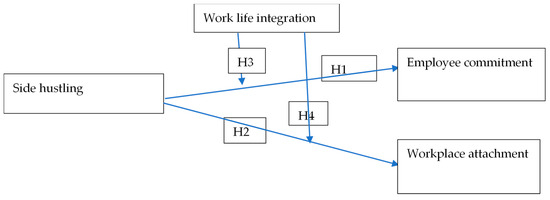
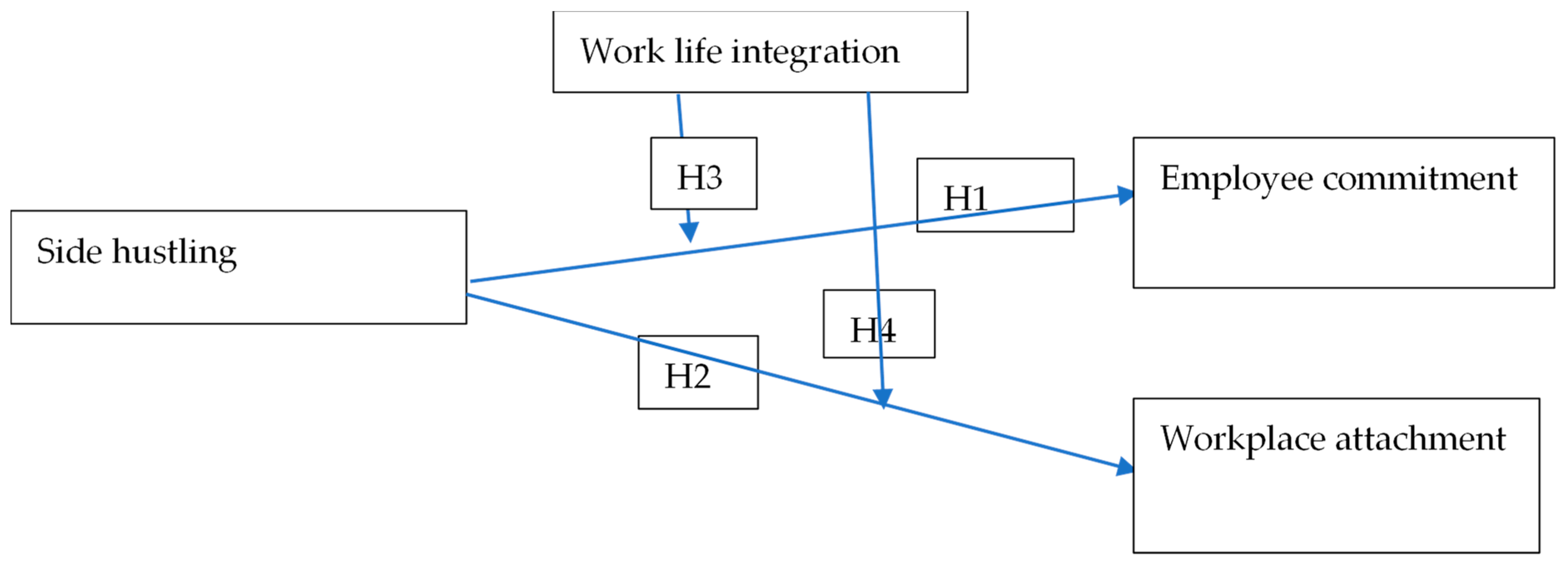
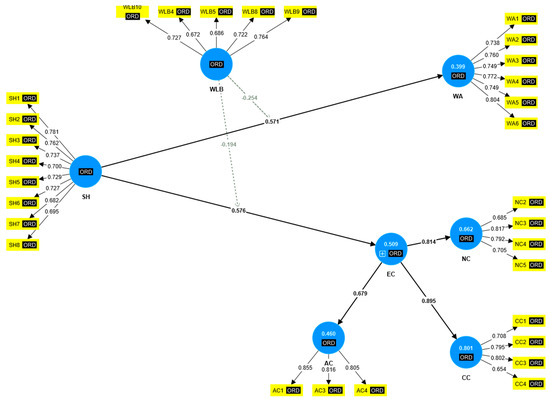
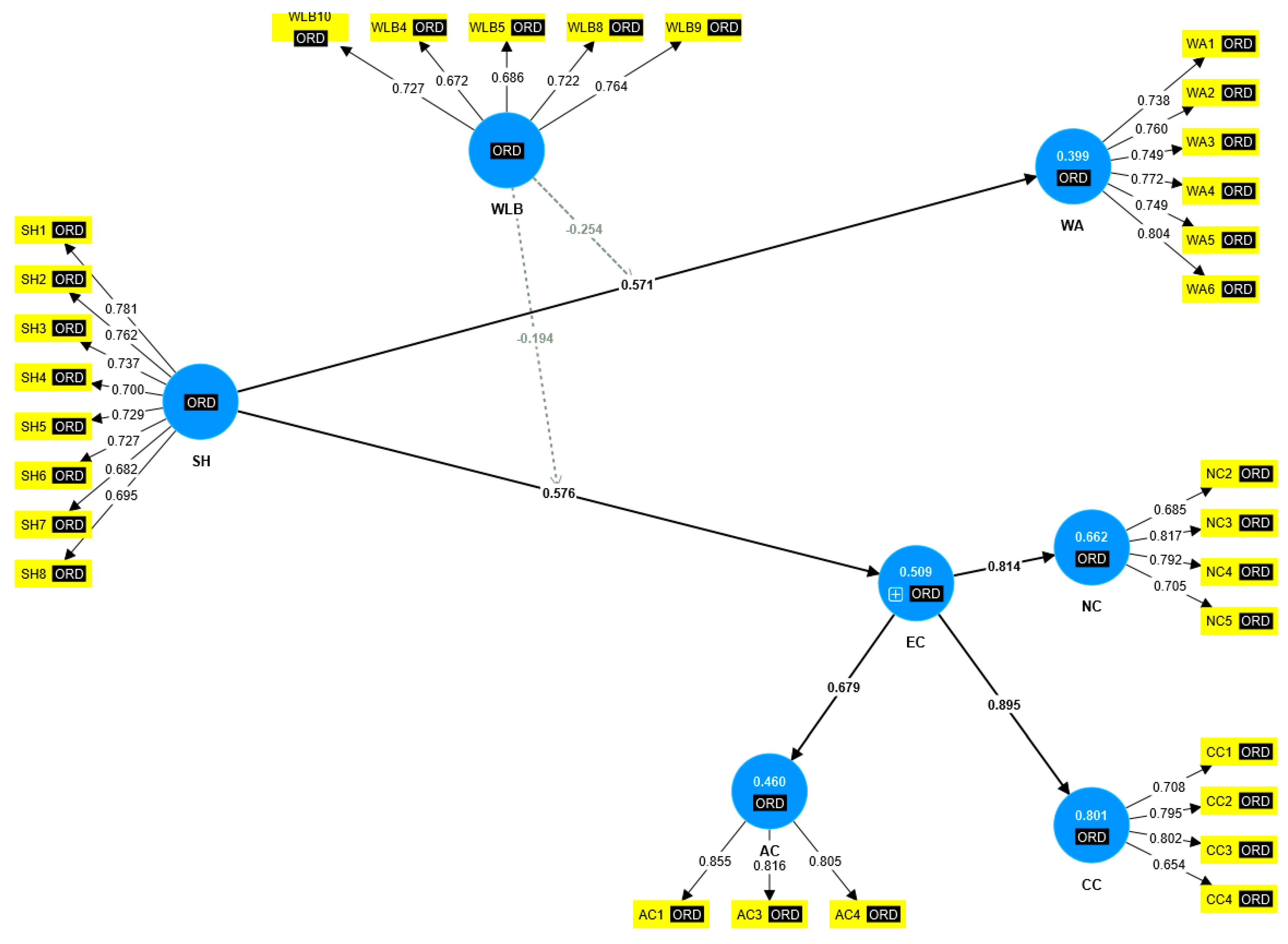

Disclaimer/Publisher’s Note: The statements, opinions and data contained in all publications are solely those of the individual author(s) and contributor(s) and not of MDPI and/or the editor(s). MDPI and/or the editor(s) disclaim responsibility for any injury to people or property resulting from any ideas, methods, instructions or products referred to in the content. |
© 2026 by the authors. Licensee MDPI, Basel, Switzerland. This article is an open access article distributed under the terms and conditions of the Creative Commons Attribution (CC BY) license.