


Abstract
Information technology (IT) strategic planning plays a pivotal role in enhancing the performance of small and medium-sized enterprises (SMEs), improving operational efficiency and decision-making, and fostering innovation. This systematic review aims to synthesize the impacts of IT strategic planning on SME performance, focusing on key performance indicators such as operational efficiency, cost reduction, and customer satisfaction. A total of 80 studies were rigorously analyzed. Quantitative methods were used in 45% of the studies, while 25% applied thematic analysis. The adoption of cloud-based solutions (11.25%) and hybrid IT setups (17.5%) were also evaluated as critical enablers of flexibility and cost-efficiency. SMEs aligning their IT strategies with business objectives demonstrated up to a 20% reduction in operational costs and a 15% increase in customer satisfaction. Resource constraints were identified as a significant challenge in 60% of the studies. Nevertheless, effective IT planning contributed to long-term sustainability and competitive advantage in 60% of the reviewed studies. This review provides actionable insights and strategic frameworks to guide SMEs in optimizing their IT investments, overcoming resource limitations, and ensuring sustainable growth.
1. Introduction
Information technology (IT) strategic planning has become a crucial factor in enhancing the performance, competitiveness, and sustainability of small and medium enterprises (SMEs) in today’s dynamic business environment. SMEs represent a significant portion of the global economy, contributing to job creation and innovation. However, they often face unique challenges, such as limited resources, market access, and technological expertise. Therefore, focusing on SMEs allows for a deeper understanding of the specific strategies that can facilitate their growth and sustainability in an increasingly digital world. IT strategic planning involves aligning IT capabilities with business objectives to improve operational efficiency and innovation, thus enabling SMEs to compete more effectively despite these resource constraints. Numerous studies have highlighted the potential of IT to transform business processes, but the specific impact of IT strategic planning on the performance of SMEs remains underexplored and calls for deeper investigation (Johanson & Oliveira, 2024; Khurana et al., 2022; Munteanu et al., 2022; Pandey et al., 2024; Syrová & Špička, 2022; Kareem et al., 2024).
In recent years, the integration of IT into SME strategic planning has become essential for navigating the challenges of a highly competitive and rapidly evolving market landscape. Studies have shown that incorporating IT into strategic planning enables SMEs to leverage emerging technologies such as cloud computing, artificial intelligence (AI), and blockchain, which offer scalable and cost-effective solutions (Pombo & Franco, 2023; Younas, 2024). These technologies have become vital tools for SMEs to streamline operations, foster innovation, and enhance customer engagement (Kamariotou & Kitsios, 2024; Moursellas et al., 2022). However, despite these numerous advantages, SMEs often face significant challenges in adopting and fully integrating IT due to limitations in financial resources, expertise, and technological infrastructure (Majid et al., 2020; Grossi Chamie et al., 2023; Sharma et al., 2023; Drechsler & Weißschädel, 2017).
The growing reliance on digital solutions across industries has intensified the need for SMEs to engage in effective IT strategic planning. It enables them to optimize their operations, make data-driven decisions, and respond swiftly to market changes (Corient Business Solutions, 2023; Maritan & Lee, 2017). However, the increasing pressure from evolving market dynamics and regulatory changes necessitates that SMEs not only adopt IT solutions but also develop adaptable IT strategies to address external challenges. For instance, the integration of IT into SMEs’ strategic frameworks has been shown to enhance their ability to remain agile and resilient in the face of disruptions, such as changes in customer demand or new regulatory requirements (Mishrif & Khan, 2023; Hansson & Abrantes, 2023). While many SMEs recognize the need for IT strategic planning, they often face obstacles in its implementation. Factors such as resource constraints, lack of IT expertise, and the fast-paced nature of technological advancements can hinder SMEs from fully realizing the benefits of IT investments. Furthermore, studies have emphasized that the lack of a clear IT roadmap can result in inefficiencies and missed growth opportunities (Ghobakhloo & Tang, 2015; AlQershi, 2021; Yang & Meho, 2007). As a result, SMEs must adopt a more structured approach to IT strategic planning, ensuring that their IT investments align with their long-term business goals.
As shown in Appendix A, the existing literature on strategic planning in SMEs reveals several key gaps that the proposed systematic review aims to address. Firstly, many studies (Alomari, 2019; Gatukui & Katuse, 2014; Sornette, 2021; Waiganjo et al., 2021; A. A. Ali, 2018; Moeuf et al., 2018; Gamage et al., 2020; Yangailo & Mpundu, 2023; Prasanna et al., 2019; Klewitz & Hansen, 2014; Q. S. A. Ali et al., 2023; Mbuyisa & Leonard, 2016; Mellett & O’Brien, 2014; Akbar et al., 2017; Kidombo, 2014; Miller et al., 2016; Singh et al., 2010; Tchouwo et al., 2021; Mory-Alvarado et al., 2023) suffer from limited generalizability due to their focus on specific industries or regions, making it difficult to apply their findings across diverse SME contexts. Additionally, some reviews focus more on larger enterprises or provide fragmented insights that overlook the unique challenges that SMEs face. Methodological constraints are also apparent, with several studies offering high-level or theoretical solutions that lack practical application for resource-constrained SMEs. A significant gap lies in the underexplored role of IT strategic planning, with most studies failing to provide in-depth analyses of how aligning IT investments with business goals can enhance efficiency, decision-making, and adaptability. Furthermore, while general challenges such as resource limitations and lack of expertise are mentioned, they are often not addressed meaningfully. The proposed systematic review seeks to fill these gaps by delivering a more comprehensive, methodologically rigorous analysis that focuses on the specific processes and impacts of IT strategic planning on SME performance.
2. Research Questions
Although some studies have been performed that impact the IT strategic planning process on SME performance, a complete overview that systematically addresses the precise effect of the IT strategic planning processes on SMEs remains restricted within the existing literature. Therefore, this current work proposes how to discover the tricky relationship between IT strategic planning and SME performance. To guide this systematic review and deepen the analysis, the following research questions are proposed:
- How does the integration of IT strategic planning with business methods impact the operational performance of SMEs?
- What are the key challenges faced by SMEs in incorporating IT strategic planning, and what strategies can be employed to overcome these obstacles?
- How do external factors such as market dynamics, regulatory changes, and technological advancements influence IT strategic planning in SMEs?
- How do SMEs measure the success of their IT strategic planning efforts, and what metrics or frameworks are most effective for this evaluation?
3. Rationale
While the existing literature has explored the role of IT in enhancing operational efficiency and market competitiveness in SMEs, there is a significant gap in understanding how IT strategic planning specifically impacts long-term performance in SMEs. Small and medium-sized enterprises face unique challenges, such as limited financial resources, a lack of technical expertise, and the difficulty of adapting frameworks designed for larger corporations. These challenges make it difficult for SMEs to effectively implement and sustain IT strategies, which often leads to suboptimal outcomes.
Moreover, the existing literature tends to focus on isolated aspects of IT strategy, without providing a comprehensive view of how IT planning interacts with various external factors, such as evolving market dynamics, regulatory shifts, and rapid technological advancements. SMEs are particularly vulnerable to these external pressures, making it essential to explore how they can adapt their IT strategies in response to these changes.
This systematic review aims to address these specific gaps by examining how SMEs can overcome internal resource constraints, optimize their IT investments, and navigate external challenges to improve their operational performance and competitiveness. By focusing on these unique issues, the study seeks to provide actionable insights that will enhance IT management practices in SMEs and offer practical solutions to the challenges they face in IT strategic planning.
4. Objectives
This research aims to explore the intricate relationship between IT strategic planning and SME performance, specifically focusing on how SMEs can leverage IT strategies to improve their overall business outcomes. Based on the findings of our systematic review, the key objectives are:
- Examine the impact of IT strategic alignment on the operational performance of SMEs, focusing on measurable outcomes such as reductions in operational costs and improvements in process efficiency, which were observed in the reviewed studies where SMEs successfully implemented cloud-based IT solutions.
- Identify the role of organizational culture in the effectiveness of IT strategic planning processes within SMEs, emphasizing how organizational readiness and employee involvement have been shown to positively affect IT adoption success rates in several case studies.
- Analyze how external factors, such as marketplace dynamics and technological advancements, impact IT strategic planning, assessing their effect on key performance indicators such as market responsiveness and adaptability, as highlighted in studies that have examined the effects of regulatory changes and technological shifts on SMEs.
- Determine the critical success factors that influence the effectiveness of IT strategic planning in improving SMEs’ competitive advantage, measuring outcomes like revenue growth and customer satisfaction, which were consistently linked to strategic IT investments in the reviewed literature.
- Evaluate the impact of IT governance frameworks on the alignment of IT strategic planning with business goals in SMEs, linking specific performance metrics, such as ROI and productivity gains, to governance models that have been shown to be effective for SMEs in resource-constrained environments.
5. Research Contribution
This study represents an in-depth assessment of the impact of IT strategic planning on the performance of small and medium-sized enterprises. The contributions offered by this study are substantial to every instructional literature and realistic software in the field of IT control for SMEs:
- We investigate how IT strategic planning affects significant overall performance metrics in SMEs, including operational performance and marketplace competitiveness, with insights into optimizing IT investments.
- We find that overall performance metrics are suffering from a lack of IT strategic planning and provide a structure for aligning IT initiatives with business targets, hence improving IT management practices.
- Our study gives empirical and theoretical insights into the effect ITSP would have on SME performance by addressing gaps within the current literature.
- We recommend practical guidelines to enhance IT strategies, optimize resources, and enhance overall performance to assist SMEs in attaining a competitive space.
- We define the outline of future research on IT strategic planning and SME overall performance, indicating directions for further research and innovation.
6. Research Novelty
This study presents several novel contributions to the field of IT strategic planning for small and medium-sized enterprises (SMEs), addressing gaps in the existing literature in both theoretical and practical domains:
- This study examines 14 research papers on the impact of IT strategic planning on small and medium Enterprises (SMEs), with 10 of these rated Q1/Q2, reflecting their high quality. The selected papers highlight the significance of IT strategic planning in improving operational efficiency, driving innovation, and enabling data-driven decision-making in SMEs. Key themes include the adoption of emerging technologies like cloud computing and artificial intelligence, the challenges SMEs encounter in integrating IT solutions, and the need for flexible IT strategies to adapt to changing market conditions. By focusing on these high-ranking studies, our research aims to provide new insights into the relationship between IT strategic planning and SME performance in today’s evolving business environment.
- The use of the term “SMEs” in this research is a deliberate choice to ensure clarity and precision when addressing the unique challenges and opportunities of IT strategic planning for small and medium enterprises. While alternative terms like “small and medium businesses” or “medium enterprises” are used in some literature, “SMEs” is preferred for its global recognition and ability to capture the specific organizational size and scope relevant to IT adoption. This consistency strengthens the study’s focus on the distinct needs of SMEs, enhancing its novelty and relevance across industries.
- Unlike prior research, which has often focused on IT strategies in larger enterprises or provided fragmented insights, this study offers a systematic and in-depth analysis specifically tailored to SMEs. It evaluates how IT strategic planning directly impacts various performance metrics, such as operational efficiency, competitiveness, and financial sustainability, which have not been thoroughly explored in previous studies for the SME context.
- This study offers new empirical findings on the optimization of IT resources in SMEs. It goes beyond general recommendations by identifying specific strategies SMEs can implement to maximize limited resources while maintaining alignment with business goals. This fills a gap in the existing literature, which typically focuses on resource optimization for larger enterprises without considering the distinctive constraints SMEs face.
- This research provides a detailed examination of external factors—such as market dynamics, regulatory changes, and technological advancements—that influence IT strategic planning in SMEs. By highlighting how these factors shape IT strategy development, this study offers new insights that SMEs can use to future-proof their IT strategies in a rapidly changing business environment.
Overview of Research Structure
This review systematically examines the impact of IT strategic planning on SME performance. It begins with a brief abstract summarizing key objectives, methods, and findings; it then proceeds into an introduction which establishes the foundational context, identifies gaps in current research, and justifies the need for a systematic review on this topic. The problem statement specifies the focus on understanding IT strategic planning’s impact on SME outcomes, guiding the study through defined research questions and objectives.
In the materials and methods section, comprehensive inclusion criteria and data extraction processes ensure that only relevant, high-quality studies are analyzed. The results then present trends and challenges in IT adoption among SMEs, leading to a discussion that interprets these findings in practical and strategic terms. Lastly, the conclusion underscores the significance of aligning IT with business goals, which is the main aim of the IT strategic planning process, and outlines recommendations for further research in this area.
7. Materials and Methods
This methodology describes the detailed framework for the systematic review. It breaks down the different methods of screening relevant papers, specifying the database used, the search strategies, such as periods of the material we used, and so on. This helps to avoid misalignment of papers, as this would lead to inaccuracies when analyzing the impact of the research topic on SMEs. We also ensured that we collected an extensive range of materials published within the past 10 years to ensure accuracy. We also considered the importance of gathering materials with different viewpoints on how the studies were conducted. For example, some papers provided theoretical frameworks, some practical frameworks; some are qualitative, while others are quantitative, case studies, or surveys.
7.1. Eligibility Criteria
A systematic review of all peer-reviewed and published research relevant to evaluating the impact of IT strategic planning processes on SME performance was conducted. The review focused on research published in English over the last decade, from 2014 to 2024, covering the strategic functions, strengths, weaknesses, and implications of IT planning in SMEs. A rigorous inclusion criterion was applied to ensure that only research papers specifically addressing the comprehensive evaluation of IT strategic planning were considered while excluding those with broader or unrelated focuses. As a result, only peer-reviewed studies that concentrated on the functional impact, performance, benefits, and challenges of IT strategic planning in SMEs were included. The detailed inclusion and exclusion criteria for this study are outlined in Table 1.
Table 1.
Proposed inclusion and exclusion criteria.
7.2. Information Source
In this systematic review, Google Scholar, Web of Science, and SCOPUS were selected due to their credibility and complementary features. Google Scholar offers extensive citation coverage, surpassing Web of Science and SCOPUS in the breadth of research available. Its advantages include access to a wide array of academic literature, including journal articles, conference papers, theses, and reports, which broadens the scope of available resources.
Additionally, Google Scholar facilitates the discovery of gray literature, such as working papers and preprints, which might not be indexed in other databases. The platform’s user-friendly interface and straightforward search functionality allow researchers to quickly find relevant studies, although it is criticized for its cumbersome usability in terms of displaying search results.
Web of Science and SCOPUS provide refined search experiences and reliable citation metrics, which are essential for comprehensive citation analysis. The exclusion of databases like Science Direct is based on the need for a more diverse range of sources, enhancing the robustness of the review. This combination strengthens the overall quality and comprehensiveness of the systematic review. The section could also be streamlined to present the information more concisely (Tsiu et al., 2024; Mkhize et al., 2024; Kgakatsi et al., 2024; Mothapo et al., 2024; Ngcobo et al., 2024; Mohlala et al., 2024; Chabalala et al., 2024; Ndzabukelwako et al., 2024; Maswanganyi et al., 2024; Gumede et al., 2024; Myataza et al., 2024).
7.3. Search Strategy
In addition to all the other methods used to find relevant information, the keyword search codes below, which served as the key search strategy for finding relevant information, were used. For Web of Science, each keyword code shows a limited number of papers; therefore, different codes were used. In total, we obtained 22 papers. One of the keyword code examples for Web of Science was (“IT strategic planning” OR “IT planning process”) AND (“SMEs” OR “small and medium enterprises” OR “small businesses” OR “medium-sized businesses”), which returned only two results. In Google Scholar, the following search code was used to determine the results: (“IT strategic planning” OR “IT planning process” OR “strategic IT management”) AND (“SMEs” OR “small and medium enterprises” OR “small businesses” OR “medium-sized businesses”) AND (“performance” OR “operational performance” OR “business performance” OR “organizational performance”), which returned 570 papers. Using the same research strategy as from Google Scholar, we obtained a result of three documents from SCOPUS, then added other search codes as each showed a limited number of papers available for this topic. The online repositories utilized and the total number of results obtained before screening are detailed in Table 2.
Table 2.
Literature search results.
7.4. Selection Process
The selection process involved four researchers (OB, SE, SD, BA) working collaboratively to ensure a thorough and consistent evaluation of the research papers. Three researchers independently reviewed the introductions and abstracts of eighty papers identified from the search. Any discrepancies in their selections were discussed collectively until an agreement was reached. If disagreements persisted, further discussion was held, with the third researcher (SD) providing the final decision on whether a paper should proceed to full-text evaluation. Following this initial screening, two researchers (OB, SE, SD) independently assessed the full-text articles against the inclusion criteria. As with the previous stage, any disagreements were resolved through discussion, with the fourth researcher (BA) consulting when necessary to make the final decision on inclusion or exclusion. This structured and collaborative approach was designed to ensure that the selection process was both comprehensive and objective as shown in Figure 1 (Tsiu et al., 2024; Mkhize et al., 2024; Kgakatsi et al., 2024; Mothapo et al., 2024; Ngcobo et al., 2024; Mohlala et al., 2024; Chabalala et al., 2024; Ndzabukelwako et al., 2024; Maswanganyi et al., 2024; Gumede et al., 2024; Myataza et al., 2024).
Figure 1.
Selection process.
7.5. Data Collection Process
Figure 2 illustrates the systematic approach used to collect data for the study on “The Impact of IT Strategic Planning Processes on SMEs’ Performance”. A structured method was used to ensure accuracy and comprehensiveness during the data extraction process. Data collection was conducted using a tailored data extraction form, where three reviewers independently extracted relevant data from the selected studies, working in parallel to ensure consistency and reduce potential bias. The extracted data were then cross-checked among the reviewers to confirm accuracy. Any discrepancies were resolved through discussion, and if consensus could not be reached, a majority vote was used to finalize the data. No automation tools were used during the data extraction process. The data collection focused on studies written in the original language (English) of publication, as no translations were required. In cases where information was unclear or incomplete, the missing data were documented. Communication with the fourth reviewer (lecturer) was established to clarify uncertainties and obtain additional information when necessary. For studies with multiple reports, predefined decision rules were applied to select the most relevant data ensuring integrity and alignment with the study’s objectives (Tsiu et al., 2024; Mkhize et al., 2024; Kgakatsi et al., 2024; Mothapo et al., 2024; Ngcobo et al., 2024; Mohlala et al., 2024; Chabalala et al., 2024; Ndzabukelwako et al., 2024; Maswanganyi et al., 2024; Gumede et al., 2024; Myataza et al., 2024).
Figure 2.
Data Collection Process.
7.6. Data Items
7.6.1. Data Collection Method
The records series examined several critical effects of IT strategic planning in SMEs, categorizing them into distinct domains relevant to the study’s objectives as shown in Figure 3. Strategic planning effectiveness focuses on evaluating the overall success of IT strategic planning within SMEs. This domain includes metrics such as alignment with business objectives, success in implementation, and the perceived value of IT strategies. These measures help assess how well IT initiatives are integrated into organizational goals and their impact on achieving desired outcomes. Performance metrics pertain to operational indicators that reflect the improvements brought about by IT strategic planning. This includes enhancements in productivity, cost reductions, and sales growth resulting from effective IT strategy execution. These metrics offer insight into how IT investments translate into tangible business benefits. Technology adoption and utilization explores how effectively SMEs are incorporating recent technologies into their IT strategies. It encompasses adoption rates, usage patterns, and the integration of these technologies into business processes. This domain helps assess the efficiency and impact of technological advancements on organizational operations. Employee and stakeholder satisfaction evaluates the effects of IT systems and strategies on employee satisfaction and stakeholder perceptions. This includes assessing how IT initiatives influence employee contentment and the overall perception of IT’s contribution to business performance. Understanding these outcomes is crucial for gauging the broader impact of IT strategic planning on organizational dynamics and stakeholder relationships (Tsiu et al., 2024; Mkhize et al., 2024; Kgakatsi et al., 2024; Mothapo et al., 2024; Ngcobo et al., 2024; Mohlala et al., 2024; Chabalala et al., 2024; Ndzabukelwako et al., 2024; Maswanganyi et al., 2024; Gumede et al., 2024; Myataza et al., 2024).
Figure 3.
Proposed data items process.
The time frame for size varies, with a choice of records overlaying periods from six months to several years in order to size both brief periods and long-term effects. In the statistics series method, we sought all consequences like-minded with every results area from the protected studies. When more than one effect had been indicated inside an outcome area, we decided on those who furnished the maximum complete and applicable statistics. This selection was based on predefined criteria which included methodological rigor, relevance to the results area, and the presence of a couple of measures or time factors. No modifications were made to the inclusion or definition of results domains when they were installed, ensuring consistency throughout the review. Similarly, no modifications were made to the approaches used to choose outcomes within the eligible results domains. The number one focus was on vital effects that at once impact knowledge of the effects of IT strategic planning on SMEs’ performance. This approach was guided by using the core effects identified in the initial evaluation protocol and was aimed at offering a clean, proof-based evaluation of IT strategic planning’s effect on SMEs.
7.6.2. Variable Data Collection
Data for this study were systematically collected and are detailed in Table 3. The report includes information on the author, year of publication, and the source of publication. This provides a comprehensive view of the origins of the research and its scholarly context. The Study section encompasses various characteristics of the SMEs involved, such as their size (measured by number of employees and revenue), industry sector, geographical location, and ownership structure. These details offer insight into the scope and context of the study’s subject matter. The Participants section describes the SMEs’ characteristics, including their ownership type and industry sector. This information helps to understand the diversity and relevance of the participant organizations. The Intervention details the IT strategic planning practices employed, including specific frameworks or methodologies used, the tools or software implemented, the duration of the implementation process, and the parties responsible for executing the planning. Funding Sources identify any external funding or grants received for IT strategic planning, which is crucial for understanding potential influences on the study’s scope and outcomes. The Research Design and Features section outlines the study design type (whether randomized or non-randomized), sample size, the methodology used to assess the impact of IT strategic planning, and the performance metrics applied. Assumptions about Missing or Unclear Information includes any assumptions made regarding SME characteristics or implementation details in instances where specific information was unavailable. Tools Used describes the data collection tools or frameworks employed to guide data recording, including any standardized forms or assessments related to conflicts of interest.
Table 3.
Variable data collection.
7.7. Study Risk of Bias Assessment
We utilized the Newcastle–Ottawa Scale (NOS), a standardized tool specifically designed to evaluate the quality of non-randomized studies. The NOS assesses three critical domains: selection of study groups, comparability of groups, and ascertainment of outcomes (Tsiu et al., 2024; Mkhize et al., 2024; Kgakatsi et al., 2024; Mothapo et al., 2024; Ngcobo et al., 2024; Mohlala et al., 2024; Chabalala et al., 2024; Ndzabukelwako et al., 2024; Maswanganyi et al., 2024; Gumede et al., 2024; Myataza et al., 2024). This tool was selected due to its comprehensive framework, which effectively identifies potential biases that may impact the validity of the study findings. Three reviewers independently reviewed each study to ensure a thorough and objective evaluation. This triple-reviewer process helped minimize individual biases and enhance the reliability of the assessments. Any discrepancies between the reviewers were resolved through discussions, and if a consensus could not be reached, a fourth reviewer was consulted. This approach ensured that the risk of bias assessments was comprehensive and accurate. No automation tools were employed in this process. All evaluations were performed manually, adhering to a structured protocol to maintain consistency and precision across all assessments. The overall risk of biased judgment was derived from the NOS ratings, and the detailed results, including any reviewer disagreements and their resolutions, have been documented to ensure transparency and support the validity of our findings. This methodical approach allowed us to accurately assess the risk of bias in non-randomized studies, providing a robust foundation for interpreting the impact of IT strategic planning on SME performance. Table 4 summarises this process.
Table 4.
Study risk of bias process.
7.8. Effect Measures
To assess the impact of IT strategic planning on SME performance, we employed various effect measures to evaluate the outcomes across the selected studies as shown in Figure 4. For dichotomous outcomes, we analyzed the distribution of studies by geographic focus, which indicated a regional variation, with 40% of the studies conducted in developed countries and 60% in developing countries. This provided a comparative perspective on how geographic location might influence the effectiveness of IT strategies. For continuous data, we evaluated business performance metrics such as operational efficiency, revenue growth, and cost savings. We also examined organizational outcomes, including employee satisfaction and customer satisfaction, to measure the impact of IT strategies. The standardized mean difference (SMD) was used to compare the magnitude of change in these performance metrics across different studies, allowing us to account for variations in measurement scales and enabling a consistent synthesis of results. These effect measures were utilized to aggregate data from multiple studies, offering a clearer understanding of the overall impact of IT strategic planning on SME performance. The interpretation of these measures was contextualized within the specific outcomes being evaluated, ensuring that the findings were meaningful and applicable to real-world scenarios faced by SMEs.
Figure 4.
Effect measures of assessing the impact of IT strategic planning processes on SMEs.
7.9. Synthesis Methods
The results of the selected studies were organized into clear, structured tables and graphical formats. This approach allowed for easy identification of trends and differences, helping to present the findings in a way that was both transparent and accessible. The use of visual tools made it easier to interpret the overall impact of IT strategic planning on SME performance. To combine the data from the different studies, statistical models like fixed-effects and random-effects meta-analyses were applied. These models were selected based on the variation in the results (heterogeneity) and helped to summarize the overall effect of IT strategic planning on SMEs. The choice of models ensured that the conclusions drawn from the studies were both reliable and accurate. To explore the reasons behind differing outcomes across studies, techniques such as subgroup analysis and meta-regression were used. These methods examined factors like company size, geographical location, and industry sector to determine how they influenced the effectiveness of IT strategic planning. This step was crucial in identifying any patterns or sources of variability. Finally, a sensitivity analysis was conducted to verify the strength of the synthesized results. This involved evaluating the impact of excluding certain studies with higher risks of bias and comparing different analytical models. The robustness check ensured that the conclusions were not overly influenced by any single factor or study, maintaining the credibility of the review.
7.10. Reporting Bias Assessment
In our study on “The Impact of IT Strategic Planning Process on SMEs Performance”, bias due to missing results was tried in the synthesis by critical assessment method through three independent reviewers. Each reviewer worked independently to search for any reporting biases. The assessment included a comparison of what outcomes and analyses were specified in the study protocols versus those reported in the final study documents.
We therefore employed contour-enhanced funnel plots and Egger’s test for asymmetry in these analyses to check for any absence of results. Additional analyses were conducted where addon asymmetry was found. An attempt was made to determine whether methodological quality or other sources of heterogeneity were likely to be responsible for this asymmetry, and not necessarily due to publication bias. Disagreements between reviewers were resolved by a majority vote, offering some robustness to the process of this assessment. In addition, automation tools were also used to underpin the risk of bias assessment. The tools systematically examined the data for any potential bias using keyword searches and search codes. At the same time, it must be said that these tools did not have the final say; rather, human judgment played a critical role in interpreting the results and producing ultimate decisions. There was no need to translate any documents because all data were processed in their native language. These methods have been carefully hand-picked to allow for an in-depth and accurate assessment of the risk of bias due to missing results, hence ensuring that the conclusions drawn from this study are very reliable and credible.
7.11. Certainty Assessment
To ensure the credibility of the findings, the gathered literature was assessed according to five quality assessment (QA) criteria, detailed in Table 5.
Table 5.
Research quality assessment questions.
Each criterion was rated from 0 (No) to 1 (Yes), with “Partially” receiving a score of 0.5, indicating that some aspects were met but not fully. The evaluation aimed to gauge how well the literature aligned with the research objectives or standards. A “Partly” score often reflected a lack of complete coverage or detail in addressing the criterion, while a “Yes” score indicated a thorough and satisfactory response. The overall results, as summarized in Table 6, show the total score for each piece of literature based on how well it met the five quality assessment questions. This scoring allows for a clear comparison of the strength and reliability of each source in the review.
Table 6.
Research quality assessment questions evaluation.
8. Results
8.1. Study Selection
The study selection process was conducted as outlined in the following steps. A total of 18,054 records were identified from various data sources, including Google Scholar (n = 17,100), SCOPUS (n = 401), and Web of Science (n = 553) as shown in Figure 5. These records were screened for relevance based on their abstracts, resulting in 17,974 exclusions due to irrelevance to the research topic. This left eighty reports for further review, all of which were successfully retrieved, with none lost in the retrieval process. All eighty reports were assessed for eligibility, and none were excluded based on the established exclusion criteria, ensuring that all eighty reports were included in the final review. The breakdown of the included studies was as follows: 72.50% journal articles, 15.00% conference papers, 5.00% book chapters, 5.00% dissertations, and 2.50% theses. This thorough and methodical selection process ensured that the studies reviewed were aligned with the research objectives and met the inclusion criteria, offering a robust dataset for analysis.
Figure 5.
Proposed PRISMA flowchart.
8.2. Study Characteristics
Eighty research papers on “The Impact of IT Strategic Planning Process on SME performance” were published between 2014 and 2024. As shown in Figure 6, the data indicated a steady increase in publications, with significant peaks in 2019 and 2021. The distribution of publication types included 72.50% journal articles, 15.00% conference papers, 5.00% book chapters, 5.00% dissertations, and 2.50% theses. Journal articles dominated as the primary means of disseminating research, underlining the critical role of peer-reviewed journals in shaping this field. In terms of yearly publication trends, 2019 had the highest number of publications with twelve papers, followed closely by 2021 and 2022, each with eleven papers. Interest in the topic persisted in 2024, with eight publications. The lowest number of papers was recorded in 2015, with just one publication. This distribution suggests the growing investment of attention in IT strategic planning processes and their impact on SMEs, particularly in recent years. The dominance of journal articles as the primary research source highlighted their significant contribution to academic discussion. Conference papers also played an important role, while book chapters, dissertations, and thesis were less common. These trends reflect increasing scholarly interest and evolving perspectives on how IT strategic planning has influenced SMEs’ performance over the past decade.
Figure 6.
Research papers published by year.
The categorization of the number of publications by year is tabulated in Table 7.
Table 7.
Research works by published year.
8.3. Geographical Distribution of Papers
The geographical distribution of the papers analyzed in this study reveals a diverse representation, with certain regions contributing more significantly to the body of research on IT strategic planning in SMEs as illustrated in Figure 7. Greece stands out as the most prolific contributor, accounting for 16% of the papers. We analyzed the author’s affiliations in the collected papers. This confirmed that most of the authors were indeed affiliated with Greek institutions. Consequently, the prominence of Greece in the geographical distribution was simply the result of a significant volume of work produced by researchers from this region. While this suggests a strong research interest in Greece on this topic, we acknowledge that this is one of the limitations in our review, and we recommend that future studies aim for a more diverse sample to provide a broader, more globally representative understanding of IT strategic planning impacts on SMEs, or that investigations are performed to discover why this is the case. Meanwhile, Asia, particularly Indonesia, contributed a substantial 8% of the studies covered in this review, reflecting the rapid growth of SMEs in emerging markets and the increasing recognition of IT as a key driver for competitiveness in this region.
Figure 7.
Geographical distribution of research papers.
In contrast, regions like Africa, Australia, and certain countries such as Oman and Saudi Arabia had lower representation, which could stem from limited research infrastructure, fewer resources dedicated to IT advancements, or lower overall SME activity in these areas. The distribution also highlighted a notable presence of papers from established economies like Canada, Germany, and the United States, which may have more developed IT sectors and a higher prevalence of research in strategic planning. Additionally, countries like South Africa and Malaysia reflect the growing awareness and investment in IT solutions to enhance SME performance.
8.4. Risk of Bias in Studies
Table 8 presents an assessment of the risk of bias using the Newcastle–Ottawa Scale, which evaluates studies based on three critical domains: Selection, Comparability, and Outcome/Exposure, with a maximum achievable score of nine stars. The Selection domain, awarding up to four stars, assesses the methods used for participant selection and allocation. Higher scores in this domain indicate more rigorous selection processes, which reduce the risk of selection bias. The Comparability domain, which can earn up to two stars, evaluates the extent to which studies control confounding variables. A higher score in this domain reflects better control and minimizes potential confounding bias. The Outcome/Exposure domain, worth a maximum of three stars, assesses the reliability and validity of outcome or exposure measurements. Higher scores indicate more accurate and reliable assessments, reducing the risk of detection bias. The overall quality of a study is determined by its total score, with a score of eight or nine stars categorized as High Quality, indicating robust methodological practices and minimal bias. A score of six or seven stars is categorized as Moderate Quality, suggesting some methodological concerns but reliable results. This scale provides a comprehensive evaluation of each study’s risk of bias and overall methodological quality.
Table 8.
Proposed risk of bias assessment.
Figure 8 illustrates the distribution of research design types employed in the studies reviewed. Out of the eighty studies analyzed, surveys were the most frequently utilized research design, appearing in thirty-three instances. This prevalent use of surveys underscores their effectiveness in collecting a broad range of data that can be statistically analyzed, aligning with the trend toward quantitative research approaches. Surveys are particularly useful for gathering standardized responses from a large number of participants, facilitating a comprehensive understanding of various research topics. In contrast, case studies were the second most common design, used in eighteen studies. Case studies offer detailed, contextual insights into specific phenomena, providing a deeper qualitative exploration of individual cases. This approach is valuable for understanding the nuances of situations and generating rich, descriptive data.
Figure 8.
Research designs.
Other research designs were less frequently used. Empirical studies appeared in fourteen instances, reflecting their role in investigating phenomena through observation and experimentation. Mixed methods, which combine qualitative and quantitative approaches, were present in six studies, indicating a balanced approach to capturing both numerical data and qualitative insights. The remaining designs, including conceptual analysis, cross-sectional, descriptive method, interviews, and longitudinal studies, each had fewer instances, highlighting their more specialized applications. For example, conceptual analysis and interviews each accounted for only one study, indicating their use in exploring theoretical constructs or obtaining in-depth qualitative information.
The data reveals the various data-gathering techniques used across the eighty studies examining the impact of IT strategic planning processes on SMEs’ performance. Surveys were the most frequently employed method, appearing in fifty-three studies, reflecting an emphasis on collecting large-scale quantitative data that allows researchers to identify trends and patterns related to IT strategic planning in SMEs. Interviews were used in nine studies, providing valuable qualitative insights into the experiences and perspectives of individuals involved in IT strategic planning. A mixed-method approach combining interviews and surveys was observed in fourteen studies, indicating that many researchers sought to complement quantitative data with in-depth qualitative information. Additionally, some studies adopted more specialized approaches: one study combined interviews with observations, another used interviews alongside document analysis, and one study integrated surveys, interviews, and document analysis to provide a comprehensive view. Finally, one study combined interviews and observations to capture both verbal and behavioral data. Subsequently, the Data collection methods employed are demonstrated in Figure 9.
Figure 9.
Data collection methods.
8.5. Results of Individual Studies
The data in Figure 10 illustrates the distribution of sample sizes used in the eighty studies focusing on the impact of IT strategic planning processes on SMEs’ performance. Most of the studies utilized small sample sizes, with twenty-four studies employing samples of 0–100 participants, and 17 studies using 101–200 participants. This preference for smaller sample sizes could be attributed to the challenges of accessing many SMEs for research purposes, as well as the resource constraints often associated with SME-focused studies. In contrast, eleven studies used sample sizes between 201 and 300 participants, and only five studies exceeded 300 participants. Studies with larger sample sizes aimed to increase the generalizability of their findings, though such studies are less common, due to the difficulty in recruiting a larger pool of SMEs willing to participate in research. Additionally, twenty-one studies did not specify their sample sizes, which may indicate incomplete data reporting, or the use of qualitative methods, where sample sizes are not always applicable. The results of individual studies are tabulated in Appendix B.
Figure 10.
Sample sizes.
8.6. Results of Syntheses
Figure 11 shows the distribution of these techniques across the eighty studies reviewed. Statistical analysis was the most employed method, appearing in forty-five instances. This dominance reflects the importance of quantitative analysis in evaluating the performance metrics and outcomes associated with IT strategic planning. Statistical techniques are highly valued for their reliability and ability to produce generalizable results, particularly when analyzing large datasets. Thematic analysis followed, with twenty-five instances, indicating a significant focus on qualitative research methods. This approach allows for an in-depth exploration of patterns and themes in qualitative data, such as interviews or open-ended survey responses, offering valuable insights into the strategic planning process from a more contextual perspective. Studies employing mixed methods, combining both quantitative and qualitative analyses, accounted for eight instances. This combination enhances the robustness of the research by integrating the strengths of both statistical rigour and thematic depth. Only two studies did not specify the data analysis technique used, suggesting that most researchers in this field are transparent about their methodologies. The mix of statistical and thematic analysis methods highlights the field’s dual emphasis on quantifiable results and nuanced understanding, providing a comprehensive view of the IT strategic planning processes in organizations.
Figure 11.
The distribution of research analysis methods used.
8.7. Reporting Biases
Figure 12 demonstrates that quantitative studies led the research on IT strategic planning processes, making up 42.5% of the reviewed publications. This high percentage underscores the emphasis on the use of measurable and generalizable data to evaluate performance metrics such as operational efficiency, financial outcomes, and IT–business alignment. Quantitative approaches offer concrete, data-driven insights, which are essential for decision-makers aiming to optimize IT strategies within their organizations. Following this, qualitative studies represented 31.25% of the total, focusing on in-depth understanding and contextual insights into how IT strategic planning is implemented and its nuanced impacts on organizational performance. These studies provide rich, detailed perspectives that help explain underlying factors affecting strategic outcomes, although their findings may not be as easily generalized. Mixed-methods research comprised 26.25% of the studies included, reflecting a growing trend toward combining both quantitative and qualitative approaches. This integration allows for a more comprehensive analysis, where statistical data are supported by contextual insights, offering a fuller understanding of the IT strategic planning process in different organizational contexts. Together, these methodologies provide a balanced approach to studying IT strategic planning, with quantitative research leading, followed by significant contributions from qualitative and mixed-methods studies.
Figure 12.
Rresearch distribution by esearch distribution by study type.
8.8. Certainty of Evidence
Figure 13 reveals that cloud-based solutions accounted for 11% of the studies reviewed. The appeal of cloud-based services lies in their cost efficiency, scalability, and ease of access to advanced technologies. These services allow SMEs to minimize upfront investments and leverage flexible, pay-as-you-go models, which are ideal for organizations with variable resource needs. The ease of updates and maintenance provided by cloud vendors further reduces the IT burden on SMEs, allowing them to focus on business-critical functions while still benefiting from innovative IT infrastructure. Hybrid solutions, combining both cloud and on-premises resources, constituted 18% of the studies. Although hybrid models offer a balanced approach by providing control over sensitive data and the scalability of cloud resources, their complexity and higher operational costs make them less attractive to many SMEs. On-premises solutions, making up only 9% of the total, were less favoured. The significant upfront investment and the need for ongoing maintenance make these systems more suitable for larger organizations with dedicated IT staff and budgets. For most SMEs, these factors make on-premises deployments a less appealing option compared to more flexible cloud or hybrid solutions.
Figure 13.
Research Distribution by Implementation of Technology.
Interestingly, 61% of the studies did not specify the technology deployment model. This could be due to a focus on more abstract discussions of IT governance and strategy, rather than specific technological implementations.
9. Practical Recommendations
9.1. Key Findings and Strategic Implications for Business Leaders
As shown in Table 9, this subsection introduces the key findings from our systematic review and their strategic implications for business leaders across various industries. The review highlights several industries where IT strategic planning plays a crucial role in enhancing performance, from manufacturing to healthcare. IT-driven transformations, such as cloud-based solutions and data analytics, provide business leaders with new opportunities to streamline operations, improve decision-making, and foster innovation.
Table 9.
Key findings and strategic implications for business leaders.
However, significant challenges remain, particularly in integrating legacy systems, managing the complexity of hybrid IT setups, and overcoming resistance to digital transformation. Leaders must navigate these challenges while leveraging strategic drivers such as automation, cloud computing, and real-time data management to achieve expected outcomes like cost reduction, improved customer satisfaction, and increased scalability. The findings presented align with the focus of our systematic review, emphasizing how IT strategic planning can drive operational efficiency, enhance decision-making, and support long-term sustainability for SMEs.
9.2. Proposed Decision-Making Framework for Implementation
In this subsection, a decision-making framework is proposed which provides a structured approach that begins with identifying key operational or strategic gaps. In the manufacturing sector, the focus is on assessing operational inefficiencies and leveraging automation to streamline processes, which ties directly to the findings from the proposed systematic review on enhancing operational efficiency in SMEs. In retail, leaders are encouraged to evaluate cloud-readiness and implement scalable solutions that support growth and adaptability, which aligns with the review’s emphasis on cloud-based solutions, as shown in Table 10.
Table 10.
Proposed decision-making framework for implementation.
Financial services can benefit from integrating data analytics tools to support real-time decision-making, a critical driver of competitive advantage. Healthcare, similarly, focuses on improving service delivery, utilizing IT to boost patient satisfaction and streamline care processes. The education and logistics sectors are encouraged to adopt long-term IT strategies and hybrid IT setups, respectively, both of which address the unique challenges and opportunities in these industries while aligning with the findings on the flexibility and sustainability of IT investments in SMEs. The decision-making framework not only addresses the unique needs of each industry but also highlights how strategic drivers such as automation, cloud computing, and data analytics can be leveraged to achieve expected outcomes like reduced operational costs, improved decision-making, and enhanced customer satisfaction.
9.3. Proposed Best Practices for Successful Implementation
The best practices proposed in this subsection, as shown in Table 11, provide targeted, industry-specific solutions that address the operational challenges faced by SMEs. In manufacturing, the automation of repetitive tasks and IoT-based monitoring systems are recommended to increase efficiency and reduce downtime. Retail SMEs are advised to adopt cloud-based CRM systems and mobile-first strategies to improve customer engagement and sales. Financial services should focus on advanced data security measures and AI-driven fraud detection to mitigate risks. Healthcare SMEs, particularly in rural areas, are encouraged to implement telehealth services and EHR systems to improve patient care and access. In education, cloud-based learning management systems and AI-driven personalized learning platforms are emphasized as best practices for improving educational outcomes.
Table 11.
Proposed best practices for successful implementation.
These best practices are strategically driven by automation, cloud computing, AI, and real-time data, directly aligning with the findings from the proposed systematic review, which highlights the importance of these technologies in enhancing SME performance, operational efficiency, and long-term sustainability.
9.4. Proposed Metrics and KPIs for Measuring Performance
This section outlines the proposed key performance indicators (KPIs) and metrics that can be used across various industries to measure the effectiveness of IT strategic planning, as shown in Table 12. The metrics are designed to focus on specific operational and strategic outcomes, allowing businesses to track their progress toward achieving key business goals. Each metric ties back to the findings from the systematic review and is prioritized based on its importance for the respective industry.
Table 12.
Proposed metrics and KPIs for measuring performance in various industries.
The metrics and KPIs proposed here provide a comprehensive view of performance measurement across key industries. For manufacturing, production efficiency and downtime are prioritized as the highest metrics, with a focus on automation and process optimization. Retail metrics such as customer satisfaction and sales growth are given the highest priority, tied to customer engagement and cloud-based CRM systems.
In financial services, fraud detection and data security metrics take precedence due to the critical nature of risk management, while healthcare focuses on patient satisfaction and service delivery times as the top KPIs. Education metrics prioritize student engagement and graduation rates, reflecting the strategic role of digital learning tools in improving educational outcomes. Lastly, logistics emphasizes on-time delivery and transportation cost efficiency as critical KPIs, driven by real-time tracking and hybrid IT infrastructure. These metrics align closely with the findings from the systematic review, which highlight the importance of real-time data, automation, and customer-centric strategies across industries.
9.5. Real-World Case Studies of IT Strategic Planning in SMEs
The case studies in Table 13 highlight how SMEs across various industries have successfully implemented IT and AI solutions to improve performance. KLM Royal Dutch Airlines used an AI-powered chatbot (BlueBot, Nottingham, UK) to automate 60% of customer queries, enhancing customer service. UPS implemented the AI-powered logistics platform ORION to optimize delivery routes, resulting in cost savings and reduced environmental impact. A manufacturing SME applied AI for predictive maintenance, reducing delivery times by 20% and improving product quality.
Table 13.
Real-world case studies of IT strategic planning in SMEs.
In retail, an SME leveraged AI-driven analytics for personalized marketing, leading to a 25% sales increase in one quarter. IBM Watson Health employed AI for medical image analysis, improving diagnostic accuracy and personalized treatment. These examples demonstrate how strategic IT planning and AI adoption help SMEs achieve efficiency, customer satisfaction, and innovation.
9.6. Proposed Roadmap for SMEs Businesses and Policy Recommendations
The roadmap shown in Table 14 provides a detailed step-by-step guide for SMEs, outlining key focus areas such as automation, customer engagement, cybersecurity, remote healthcare, and real-time supply chain tracking. The roadmap is aligned with national policy frameworks, such as the National Industry 4.0 Policy for manufacturing and the Digital Economy Policy Framework for retail. Each action step is designed to enhance strategic drivers like automation, cloud computing, AI, and real-time data, ensuring SMEs can compete effectively in a digital economy. For manufacturing, the focus is on integrating IoT and predictive maintenance to boost efficiency. In retail, SMEs are encouraged to adopt cloud and mobile-first strategies to improve customer engagement. Financial services need to prioritize cybersecurity and fraud prevention in line with data protection laws. Healthcare SMEs should expand telehealth services and ensure data interoperability for improved care, while education providers are advised to enhance digital learning platforms. Lastly, logistics SMEs can optimize their supply chains with hybrid IT and real-time tracking systems. Each roadmap focus is tied to the findings from this systematic review, emphasizing how IT strategic planning can drive competitiveness, innovation, and compliance across industries.
Table 14.
Proposed roadmap for SMEs and policy recommendations linked to policy frameworks.
10. Discussion
This discussion section ties back to the key findings and case studies reviewed, providing a comprehensive response to the research questions based on the context of our proposed systematic review.
RQ1: How does the integration of IT strategic planning with business methods impact the operational performance of SMEs?
The integration of IT strategic planning with business methods has a profound impact on the operational performance of SMEs. By aligning IT strategies with business objectives, SMEs can significantly improve operational efficiency, reduce costs, and foster innovation. In sectors like manufacturing, the implementation of automation and IoT-based monitoring systems results in reduced labor costs and fewer production bottlenecks, as shown in the case studies in Table 12. Similarly, in retail, the adoption of cloud-based customer relationship management (CRM) systems improves customer engagement and boosts sales. The review findings emphasize that effective IT strategic planning not only supports process optimization but also enhances decision-making capabilities and overall organizational responsiveness to market demands.
RQ2: What are the key challenges faced by SMEs in incorporating IT strategic planning, and what strategies can be employed to overcome these obstacles?
SMEs face several challenges when incorporating IT strategic planning. Limited financial resources, a lack of technical expertise, and the fast-paced nature of technological advancements are among the key barriers. Resource constraints, for example, make it difficult for SMEs to invest in advanced IT solutions, as observed in over 60% of the reviewed studies. Additionally, integrating legacy systems with newer, cloud-based solutions remains a significant challenge, particularly in industries such as manufacturing and logistics, where legacy infrastructure is still widely used. To overcome these challenges, SMEs must adopt scalable, cost-effective solutions such as cloud computing and automation. Furthermore, investing in employee training and IT governance frameworks can ensure that SMEs are better equipped to navigate the complexities of digital transformation.
RQ3: How do external factors such as market dynamics, regulatory changes, and technological advancements influence IT strategic planning in SMEs?
External factors, including market dynamics, regulatory changes, and technological advancements, play a pivotal role in shaping IT strategic planning for SMEs. The case studies reviewed in this paper highlight how external drivers, such as the growing demand for digital services, push SMEs to adopt scalable IT infrastructure like cloud computing. Regulatory changes, especially in the financial and healthcare sectors, also influence IT adoption, with data protection laws (such as GDPR and POPIA) necessitating investments in cybersecurity measures and AI-driven fraud detection tools. Additionally, the rapid pace of technological advancements, particularly in AI and data analytics, requires SMEs to remain agile and continuously update their IT strategies to maintain a competitive edge.
RQ4: How do SMEs measure the success of their IT strategic planning efforts, and what metrics or frameworks are most effective for this evaluation?
SMEs measure the success of their IT strategic planning efforts through key performance indicators (KPIs) and metrics tied to business objectives. Metrics such as operational efficiency, cost reduction, customer satisfaction, and sales growth provide tangible evidence of IT strategy effectiveness, as demonstrated in Table 11. For example, manufacturing SMEs prioritize production efficiency and downtime, while retail SMEs focus on customer satisfaction and conversion rates. In financial services, fraud detection and customer acquisition costs are critical metrics, reflecting the importance of data security and real-time decision support. By continuously monitoring these KPIs, SMEs can assess the return on investment (ROI) from their IT initiatives and make data-driven adjustments to improve performance.
11. Conclusions
This analysis aimed to investigate the significant impact of IT strategic planning on the performance of small and medium-sized enterprises (SMEs). Despite the increasing recognition of IT as a critical business enabler, many SMEs face challenges in effectively incorporating IT strategies due to resource constraints and evolving market conditions. The key contributions of this study include identifying the operational and financial benefits of IT alignment with business strategies, evaluating the role of external factors such as regulatory changes and technological advancements, and providing insights into how IT can enhance decision-making, operational efficiency, and competitiveness. By examining numerous studies, this research emphasizes the need for SMEs to adopt IT strategic planning despite constraints, as it enhances scalability, improves customer service, and fosters innovation. However, the findings also acknowledge significant challenges related to resource limitations and expertise. The relevance of this study lies in its ability to inform SMEs, policymakers, and industry leaders about the potential of IT strategic planning to provide sustainable business growth. Future research should focus on developing frameworks that help SMEs optimize IT resource allocation and overcome implementation barriers. As digital technologies continue to evolve, SMEs must embrace innovative strategies to enhance resilience and competitive advantage in an increasingly digital economy.
Author Contributions
O.B.M., S.E.M. and S.D.N. carried out the data collection and investigations, wrote, and prepared the article under supervision of B.A.T. B.A.T. was responsible for the conceptualization of the study and reviewing and editing the article. All authors have read and agreed to the published version of the manuscript.
Funding
This research received no external funding.
Data Availability Statement
The raw data supporting the conclusions of this article will be made available by the authors on request.
Acknowledgments
The authors would like to thank all researchers included in our systematic review for their contribution to this area of research.
Conflicts of Interest
The authors declare no conflicts of interest.
Appendix A
Table A1.
Comparative analysis of the existing review works and proposed systematic review on the impact of IT strategic planning process on SME performance.
Appendix B
Table A2.
Evaluation of each paper.
References
- Adomako, S., Amankwah-Amoah, J., Donbesuur, F., Ahsan, M., Danso, A., & Uddin, M. (2022). Strategic agility of SMEs in emerging economies: Antecedents, consequences and boundary conditions. International Business Review, 31, 102032. [Google Scholar] [CrossRef] [Scilit]
- Ahmed, A. R. (2017). Assessing business and information technology alignment maturity: The case of commercial banks in Ethiopia [Master’s thesis, School of Information Science, Addis Ababa University]. [Google Scholar]
- Ahuja, S., & Chan, Y. E. (2017). Resource orchestration for IT-enabled innovation. Kindai Management Review, 5(1), 78–96. [Google Scholar]
- Akbar, F., Omar, A., Wadood, F., & Al-Subari, S. N. A. (2017). The importance of SMEs, and furniture manufacturing SMEs in Malaysia: A review of literature. International Journal of Business Management, 2, 119–130. [Google Scholar]
- Ali, A. A. (2018). Strategic planning–organizational performance relationship: Perspectives of previous studies and literature review. International Journal of Healthcare Management, 11, 8–24. [Google Scholar] [CrossRef] [Scilit]
- Ali, Q. S. A., Hanafiah, M. H., & Mogindol, S. H. (2023). Systematic literature review of business continuity management (BCM) practices: Integrating organisational resilience and performance in small and medium enterprises (SMEs) BCM framework. International Journal of Disaster Risk Reduction, 99, 104135. [Google Scholar] [CrossRef] [Scilit]
- Ali, R., Mohamad, R., Talib, Y., & Abdullah, A. (2018). The roles of top management and users in strategic IS planning: A perspective of SMEs. International Journal of Information Systems and Project Management, 6(4), 61–80. [Google Scholar] [CrossRef] [Scilit]
- Alomari, Z. (2019). Does human capital moderate the relationship between strategic thinking and strategic human resource management? Management Science Letters, 10(3), 565–574. [Google Scholar] [CrossRef] [Scilit]
- AlQershi, N. (2021). Strategic thinking, strategic planning, strategic innovation, and the performance of SMEs: The mediating role of human capital. Management Science Letters, 11, 1003–1012. [Google Scholar] [CrossRef] [Scilit]
- AlQershi, N., Abas, Z., & Mokhtar, S. (2021). The intervening effect of structural capital on the relationship between strategic innovation and manufacturing SMEs’ performance in Yemen. Management Science Letters, 11(1), 21–30. [Google Scholar] [CrossRef] [Scilit]
- Aman, R. (2012). En la lengua del Otro: La Unión Europea y el diálogo intercultural como instrumento de exclusión. Universitas, 51, 51–68. [Google Scholar] [CrossRef] [Scilit]
- Anis, B., Christiananta, B., & Ellitan, L. (2018). The effect of entrepreneurship orientation, information technology, strategic planning to competitive advantages with business performance as intervening variables: Empirical study on food processing SMEs in North Sulawesi. International Journal of Advanced Research, 6, 236–242. [Google Scholar] [CrossRef] [Scilit] [PubMed]
- Asadi, S., & Dahlan, H. M. (2017). Organizational research in the field of Green IT: A systematic literature review from 2007 to 2016. Telematics and Informatics, 34(7), 1191–1249. [Google Scholar] [CrossRef] [Scilit]
- Awais, M., Ali, A., Khattak, M. S., Arfeen, M. I., Chaudhary, M. A. I., & Syed, A. (2023). Strategic flexibility and organizational performance: Mediating role of innovation. SAGE Open, 13(1), 1–17. [Google Scholar] [CrossRef] [Scilit]
- Balaji, P., & Murthy, S. S. (2019). Web 2.0: An evaluation of social media networking sites. International Journal of Innovative Technology and Exploring Engineering, 8(10), 752–759. [Google Scholar] [CrossRef] [Scilit]
- Baporikar, N. (2016). Information and communication technology for SMEs’ competitiveness. International Journal of Strategic Information Technology and Applications, 7, 41–55. [Google Scholar] [CrossRef] [Scilit]
- Bellamy, L. C., Amoo, N., Mervyn, K., & Hiddlestone-Mumford, J. (2019). The use of strategy tools and frameworks by SMEs in the strategy formation process. International Journal of Organizational Analysis, 27(2), 337–367. [Google Scholar] [CrossRef] [Scilit]
- Boamah-Abu, C., & Kyobe, M. (2015). IT governance practices of SMEs in South Africa and the factors influencing their effectiveness. In Strategic Information Technology Governance and Organizational Politics in Modern Business (pp. 188–207). IGI Global. [Google Scholar] [CrossRef] [Scilit]
- Buchwald, A., Urbach, N., & Ahlemann, F. (2014). Business value through controlled IT: Toward an integrated model of IT governance success and its impact. Journal of Information Technology, 29(2), 128–147. [Google Scholar] [CrossRef] [Scilit]
- Burhanudin, B., & Isa, S. M. (2019). Strategic planning of information system and information technology in small and medium enterprises with reference to PT. Giri Artha Sejahtera. International Journal of Small and Medium Enterprises Business Sustainability, 4, 86–114. [Google Scholar]
- Chabalala, K., Boyana, S., Kolisi, L., Thango, B. A., & Matshaka, L. (2024). Digital technologies and channels for competitive advantage in SMEs: A systematic review. Preprints, 2024100020. [Google Scholar] [CrossRef] [Scilit]
- Christofi, M., Khan, H., Zahoor, N., Hadjielias, E., & Tarba, S. (2024). Digital transformation of SMEs: The role of entrepreneurial persistence and market sensing dynamic capability. IEEE Journal of Magazines, 71, 13598–13615. [Google Scholar] [CrossRef] [Scilit]
- Corient Business Solutions. (2023). Strategic business planning for SME’s businesses: Building a path to success. Medium. Available online: https://medium.com/@Corientbs/strategic-business-planning-for-smes-businesses-building-a-path-to-success-84beb1656d92 (accessed on 20 October 2024).
- Daniel, O. A., Oluyomi, A. P., Felix, T. S., & Daniel, O. C. (2020). Empirical evaluation of strategic planning and sustainable business growth performance of small and medium enterprises (SMEs). International Journal of Innovative Research and Advanced Studies, 7(5), 181–190. [Google Scholar]
- da Silva, C. C., Dornelas, J. S., & Araújo, M. A. V. (2021). Strategic role of IT and IT governance mechanisms for the context of small and medium enterprises. REGEPE—Revista de Empreendedorismo e Gestão de Pequenas Empresas, 11, e2051. [Google Scholar] [CrossRef] [Scilit]
- Digital Transformation Skills. (2024). Case studies: IT and AI transformations in aviation and logistics. Available online: https://www.digitaltransformationskills.com (accessed on 9 September 2024).
- Dong, L., Neufeld, D., & Higgins, C. (2009). Top management support of enterprise systems implementations. Journal of Information Technology, 24, 55–80. [Google Scholar] [CrossRef] [Scilit]
- Donkor, J., Donkor, G. N. A., & Kwarteng, C. K. (2018). Strategic planning and performance of SMEs in Ghana. Asia Pacific Journal of Innovation and Entrepreneurship, 12, 62–76. [Google Scholar] [CrossRef] [Scilit]
- Drechsler, A., & Weißschädel, S. (2017). An IT strategy development framework for small and medium enterprises. Information Systems and e-Business Management, 16(1), 93–124. [Google Scholar] [CrossRef] [Scilit]
- Dutot, V., Bergeron, F., & Calabrò, A. (2021). The impact of family harmony on family SMEs’ performance: The mediating role of information technologies. Journal of Family Business Management, 12, 1131–1151. [Google Scholar] [CrossRef] [Scilit]
- Ellitan, L. (2021). The importance of entrepreneurship and information technology for SMEs strategic planning. International Journal of Trend in Scientific Research and Development, 5, 1004–1009. [Google Scholar]
- Frigerio, C., Martinez, M., Iacono, M. P., Rajola, F., & Jacks, T. (2020). Information technology issues in Italy. In The world IT project (pp. 195–207). World Scientific. [Google Scholar] [CrossRef] [Scilit]
- Gamage, S. K. N., Ekanayake, E., Abeyrathne, G., Prasanna, R., Jayasundara, J., & Rajapakshe, P. (2020). A review of global challenges and survival strategies of small and medium enterprises (SMEs). Economies, 8, 79. [Google Scholar] [CrossRef] [Scilit]
- Gatukui, P. K., & Katuse, P. (2014). A review of SMEs strategic planning for growth and sustainability in Kenya: Issues and challenges. International Journal of Social Science and Entrepreneurship, 1, 26–41. [Google Scholar]
- Ghobakhloo, M., & Tang, S. H. (2015). Information system success among manufacturing SMEs: Case of developing countries. Information Technology for Development, 21, 573–600. [Google Scholar] [CrossRef] [Scilit]
- Grossi Chamie, N. C., Deschamps, F., Gouvea da Costa, S. E., & Pinheiro de Lima, E. (2023). Exploring the use of lean manufacturing practices on SMEs’ strategy. In Proceedings of the 11th international conference on production research—Americas (pp. 66–75). Springer. [Google Scholar] [CrossRef] [Scilit]
- Gumede, T. T., Chiworeka, J. M., Magoda, A. S., & Thango, B. (2024). Building effective social media strategies for business: A systematic review. Preprints, 2024100379. [Google Scholar] [CrossRef] [Scilit]
- Haleem, F., & Jehangir, M. (2019). Strategic planning and SMEs performance: A developing country’s perspective. Journal of Business Economics, 11, 33–49. [Google Scholar]
- Hamdan, A. R., Yahaya, J. H., Deraman, A., & Jusoh, Y. Y. (2016). The success factors and barriers of information technology implementation in small and medium enterprises: An empirical study in Malaysia. International Journal of Business Information Systems, 21, 477–494. [Google Scholar] [CrossRef] [Scilit]
- Hansson, C., & Abrantes, B. F. (2023). Strategic adaption (capabilities) and the responsiveness to COVID-19’s business environmental threats. In Essentials on dynamic capabilities for a contemporary world (pp. 1–23). Springer. [Google Scholar] [CrossRef] [Scilit]
- Hernandez, A. A. (2020). Exploring the factors to green IT adoption of SMEs in the Philippines. In Start-ups and SMEs: Concepts, methodologies, tools, and applications (pp. 907–926). IGI Global. [Google Scholar] [CrossRef] [Scilit]
- Howe, S. (2022). The impact of strategic planning in small business: Empirical evidence from East Tennessee [Ph.D. thesis, Liberty University]. Available online: https://digitalcommons.liberty.edu/doctoral/3708/ (accessed on 20 October 2024).
- Huebner, C., & Flessa, S. (2022). Strategic management in healthcare: A call for long-term and systems-thinking in an uncertain system. International Journal of Environmental Research and Public Health, 19, 8617. [Google Scholar] [CrossRef] [Scilit] [PubMed]
- Jabr, F. (2021). John A. Long—Publications list. Volume 14, No. 6. Available online: http://publicationslist.org/jlong (accessed on 20 October 2024).
- Janaputra, M. R. B., Samopa, F., & Sukmono, R. A. (2021). Strategic planning IS/IT to improve business competitiveness in public hospital. Kinetika Game Teknologi Informasi, Sistem Komputer, Jaringan Komputer, Elektronika Kontrol, 6, 83–92. [Google Scholar] [CrossRef] [Scilit]
- Johanson, M., & Oliveira, L. (2024). The performance of decision-making strategies in SME internationalization: The role of host market’s institutional development. Management International Review, 64(3), 303–335. [Google Scholar] [CrossRef] [Scilit]
- Kamariotou, M. (2022). Strategic planning and information systems in small-medium enterprises: Dimensions of success and performance [Ph.D. thesis, University of Macedonia]. Available online: https://dspace.lib.uom.gr/handle/2159/27283 (accessed on 20 October 2024).
- Kamariotou, M., & Kitsios, F. (2017, June 8–10). An empirical evaluation of strategic information systems planning phases in SMEs: Determinants of effectiveness. 6th International Symposium and 28th National Conference Operational Research (pp. 67–72), Thessaloniki, Greece. [Google Scholar]
- Kamariotou, M., & Kitsios, F. (2019a). Critical factors of strategic information systems planning phases in SMEs. In Information systems (pp. 503–517). Springer. [Google Scholar] [CrossRef] [Scilit]
- Kamariotou, M., & Kitsios, F. (2019b, July 15–17). Strategic planning and information systems success: Evaluation in Greek SMEs. 2019 IEEE 21st Conference on Business Informatics (CBI) (pp. 1–10), Moscow, Russia. [Google Scholar] [CrossRef] [Scilit]
- Kamariotou, M., & Kitsios, F. (2019c, December 8–12). Evaluating IT alignment and performance in SMEs using multivariate regression analysis. International Conference on Electronic Business (ICEB) (pp. 222–230), Newcastle, UK. [Google Scholar]
- Kamariotou, M., & Kitsios, F. (2020). How managers use information systems for strategy implementation in agritourism SMEs. Information, 11(6), 331. [Google Scholar] [CrossRef] [Scilit]
- Kamariotou, M., & Kitsios, F. (2022). Strategic alignment and information systems success: Towards an evaluation model for firm performance. AIS Electronic Library (AISeL). Available online: https://aisel.aisnet.org/ukais2022/9/ (accessed on 20 October 2024).
- Kamariotou, M., & Kitsios, F. (2024). Information systems and strategy-as-practice in the digital era: An artificial neural network model for SMEs. Operational Research, 24(3), 35. [Google Scholar] [CrossRef] [Scilit]
- Kareem, H. M., Alsheikh, A. H., Alsheikh, W. H., Dauwed, M., & Meri, A. (2024). The mediating role of accounting information systems in small and medium enterprise strategies and organizational performance in Iraq. Humanities and Social Sciences Communications, 11(1), 745. [Google Scholar] [CrossRef] [Scilit]
- Kgakatsi, M., Galeboe, O., Molelekwa, K., & Thango, B. (2024). The impact of big data on SME performance: A systematic review. Preprints, 2024090985. [Google Scholar] [CrossRef] [Scilit]
- Khalil, S., & Belitski, M. (2020). Dynamic capabilities for firm performance under the information technology governance framework. European Business Review, 32(2), 129–157. [Google Scholar] [CrossRef] [Scilit]
- Khurana, I., Dutta, D. K., & Ghura, A. S. (2022). SMEs and digital transformation during a crisis: The emergence of resilience as a second-order dynamic capability in an entrepreneurial ecosystem. Journal of Business Research, 150(6), 623–641. [Google Scholar] [CrossRef] [Scilit]
- Kidombo, L. K. (2014). Strategic planning among small and medium enterprises in Nairobi County [Ph.D. thesis, University of Nairobi]. Available online: http://hdl.handle.net/11295/79912 (accessed on 20 October 2024).
- Kitsios, F., & Kamariotou, M. (2018). Decision support systems and strategic planning: Information technology and SMEs’ performance. International Journal of Decision Support Systems, 3, 53–70. [Google Scholar] [CrossRef] [Scilit]
- Kitsios, F., & Kamariotou, M. (2019a). Strategic IT alignment and business performance in SMEs: An empirical investigation. In Business information systems workshops; Lecture notes in business information processing (pp. 113–123). Springer. [Google Scholar] [CrossRef] [Scilit]
- Kitsios, F., & Kamariotou, M. (2019b). Strategizing information systems: An empirical analysis of IT alignment and success in SMEs. Computers, 8(4), 74. [Google Scholar] [CrossRef] [Scilit]
- Kitsios, F., & Kamariotou, M. (2019c, August 15–17). Information systems strategy and strategy-as-practice: Planning evaluation in SMEs. Proceedings of the Americas Conference on Information Systems (AMCIS 2019) (pp. 1–10), Cancun, Mexico. Available online: https://aisel.aisnet.org/amcis2019/strategic_uses_it/strategic_uses_it/3/ (accessed on 20 October 2024).
- Kitsios, F. C., & Kamariotou, M. (2019d, September 19–20). Digital business strategy and information systems planning: Determinants of success. Proceedings of the 14th European Conference on Innovation and Entrepreneurship (ECIE19) (pp. 514–521), Kalamata, Greece. [Google Scholar]
- Klačmer Čalopa, M. (2017). Business owner and manager’s attitudes towards financial decision-making and strategic planning: Evidence from Croatian SMEs. Management Journal of Contemporary Management Issues, 22, 103–116. [Google Scholar] [CrossRef] [Scilit]
- Klewitz, J., & Hansen, E. G. (2014). Sustainability-oriented innovation of SMEs: A systematic review. Journal of Cleaner Production, 65, 57–75. [Google Scholar] [CrossRef] [Scilit]
- Lacina, J., Mesicek, L., Ko, H., & Pan, S. B. (2020, January 6–9). Case study: Continual evaluation of IT process portfolio in SME based on Val IT 2.0. 9th International Conference on Smart Media and Applications (pp. 1–8), Jeju, Republic of Korea. [Google Scholar] [CrossRef] [Scilit]
- Lecerf, M., & Omrani, N. (2020). SME internationalization: The impact of information technology and innovation. Journal of the Knowledge Economy, 11, 805–824. [Google Scholar] [CrossRef] [Scilit]
- Levstek, A., Pucihar, A., & Hovelja, T. (2022). Towards an adaptive strategic IT governance model for SMEs. Journal of Theoretical and Applied Electronic Commerce Research, 17, 230–252. [Google Scholar] [CrossRef] [Scilit]
- L’écuyer, F., & Raymond, L. (2020). Enabling the HR function of industrial SMEs through the strategic alignment of e-HRM: A configurational analysis. Journal of Small Business and Entrepreneurship, 35, 450–482. [Google Scholar] [CrossRef] [Scilit]
- Li, W., Liu, K., Belitski, M., Ghobadian, A., & O’Regan, N. (2016). E-leadership through strategic alignment: An empirical study of small- and medium-sized enterprises in the digital age. Journal of Information Technology, 31, 185–206. [Google Scholar] [CrossRef] [Scilit]
- Majama, N. S., & Magang, T. I. (2017). Strategic planning in small and medium enterprises (SMEs): A case study of Botswana SMEs. Journal of Management and Strategy, 8(1), 74–103. [Google Scholar] [CrossRef] [Scilit]
- Majid, A., Yasir, M., & Yousaf, Z. (2020). Network capability and strategic performance in SMEs: The role of strategic flexibility and organizational ambidexterity. Eurasian Business Review, 11(4), 587–610. [Google Scholar] [CrossRef] [Scilit]
- Makhloufi, L., Yaacob, N. A., Laghouag, A. A., Sahli, A. A., & Belaid, F. (2021). Effect of IT capability and intangible IT resources on sustainable competitive advantage: Exploring moderating and mediating effects of IT flexibility and core competency. Cogent Business & Management, 8, 1935665. [Google Scholar] [CrossRef] [Scilit]
- Maritan, C. A., & Lee, G. K. (2017). Resource allocation and strategy. Journal of Management, 43(8), 2411–2420. [Google Scholar] [CrossRef] [Scilit]
- Maswanganyi, N. G., Fumani, N. M., Khoza, J. K., Thango, B. A., & Matshaka, L. (2024). Evaluating the impact of database and data warehouse technologies on organizational performance: A systematic review. Preprints, 2024100059. [Google Scholar] [CrossRef] [Scilit]
- Mathu, M. (2019). The information technology role in supplier-customer information-sharing in the supply chain management of South African small and medium-sized enterprises. South African Journal of Economic and Management Sciences, 22, a2256. [Google Scholar] [CrossRef] [Scilit]
- Mbuyisa, B., & Leonard, A. (2016). The role of ICT use in SMEs towards poverty reduction: A systematic literature review. Journal of International Development, 29, 159–197. [Google Scholar] [CrossRef] [Scilit]
- Mellett, S., & O’Brien, E. (2014). Irish SMEs and e-learning implementation: The strategic innovative approach. British Journal of Educational Technology, 45, 1001–1013. [Google Scholar] [CrossRef] [Scilit]
- Miller, K., McAdam, R., & McAdam, M. (2016). A systematic literature review of university technology transfer from a quadruple helix perspective: Toward a research agenda. R&D Management, 48, 7–24. [Google Scholar] [CrossRef] [Scilit]
- Mishrif, A., & Khan, A. I. (2023). Technology adoption as survival strategy for small and medium enterprises during COVID-19. Journal of Innovation and Entrepreneurship, 12, 53. [Google Scholar] [CrossRef] [Scilit]
- Mkhize, A., Mokhothu, K., Tshikhotho, M., & Thango, B. (2024). Evaluating the impact of cloud computing on SMEs performance: A systematic review. Preprints, 2024090882. [Google Scholar] [CrossRef] [Scilit]
- Moeuf, A., Pellerin, R., Lamouri, S., Tamayo-Giraldo, S., & Barbaray, R. (2018). The industrial management of SMEs in the era of Industry 4.0. International Journal of Production Research, 56, 1118–1136. [Google Scholar] [CrossRef] [Scilit]
- Mohlala, T. T., Mehlwana, L. L., Nekhavhambe, U. P., Thango, B., & Matshaka, L. (2024). Strategic innovation in HRIS and AI for enhancing workforce productivity in SMEs: A systematic review. Preprints, 2024091996. [Google Scholar] [CrossRef] [Scilit]
- Mory-Alvarado, A., Juiz, C., Bermejo, B., & Campoverde-Molina, M. (2023). Green IT in small and medium-sized enterprises: A systematic literature review. Sustainable Computing: Informatics and Systems, 39, 100891. [Google Scholar] [CrossRef] [Scilit]
- Mothapo, M., Thango, B., & Matshaka, L. (2024). Tracking and measuring social media activity: Key metrics for SME strategic success—A systematic review. Preprints, 2024091757. [Google Scholar] [CrossRef] [Scilit]
- Moursellas, A., De, D., Wurzer, T., Skouloudis, A., Reiner, G., Chaudhuri, A., Manousidis, T., Malesios, C., Evangelinos, K., & Dey, P. K. (2022). Sustainability practices and performance in European small-and-medium enterprises: Insights from multiple case studies. Circular Economy and Sustainability, 3(2), 835–860. [Google Scholar] [CrossRef] [Scilit]
- Munteanu, D. R., Vanderstraeten, J., van Witteloostuijn, A., & Cambré, B. (2022). A systematic literature review on SME internationalization: A personality lens. Management Review Quarterly, 73(4), 1457–1518. [Google Scholar] [CrossRef] [Scilit]
- Myataza, A., Mafunga, M., Mkhulisi, N. S., & Thango, B. A. (2024). A systematic review of ERP, CRM, and HRM systems for SMEs: Managerial and employee support. Preprints, 2024100384. [Google Scholar] [CrossRef] [Scilit]
- Ndzabukelwako, Z., Mereko, O., Sambo, T. V., & Thango, B. (2024). The impact of Porter’s Five Forces Model on SMEs performance: A systematic review. Preprints, 2024100119. [Google Scholar] [CrossRef] [Scilit]
- Ngcobo, K., Bhengu, S., Mudau, A., Thango, B., & Matshaka, L. (2024). Enterprise data management: Types, sources, and real-time applications to enhance business performance—A systematic review. Preprints, 2024091913. [Google Scholar] [CrossRef] [Scilit]
- Noh, F. M. A. K. M., & Saari, M. Y. (2013). Small and medium food enterprises in Malaysia: Institutional support and policy perspectives. Millennial Asia, 4(2), 185–210. [Google Scholar] [CrossRef] [Scilit]
- Olutoyin, O., & Flowerday, S. (2016). Successful IT governance in SMEs: An application of the Technology–Organisation–Environment theory. South African Journal of Information Management, 18, a696. [Google Scholar] [CrossRef] [Scilit]
- Pai, J. (2006). An empirical study of the relationship between knowledge sharing and IS/IT strategic planning (ISSP). Management Decision, 44, 105–122. [Google Scholar] [CrossRef] [Scilit]
- Pakusadewa, P. G., Suryani, E., Ambarwati, R., & Janaputra, M. R. (2021). Selection of information system strategy recommendations in information technology company. In Proceedings of ICONBMT-20. Atlantis Press. [Google Scholar] [CrossRef] [Scilit]
- Pandey, V., Kumar, S., Gupta, S., & Khatri, N. (2024). Unlocking sustainability: Prioritizing barriers for SME success in India with AHP analysis. Journal of Global Entrepreneurship Research, 14(1), 25. [Google Scholar] [CrossRef] [Scilit]
- Pelletier, C., & Raymond, L. (2023). Investigating the strategic IT alignment process with a dynamic capabilities view: A multiple case study. Information & Management, 61, 103819. [Google Scholar] [CrossRef] [Scilit]
- Pinrattananont, R. (2015). Strategic IT alignment and organization performance: A resource-based view. Available online: http://www.repository.rmutt.ac.th/dspace/handle/123456789/2941 (accessed on 20 October 2024).
- Pombo, D., & Franco, M. (2023). A qualitative investigation of infusing products with service via strategic alliances among SMEs: A case of servitization. Service Business, 17(2), 529–555. [Google Scholar] [CrossRef] [Scilit]
- Prasanna, R., Jayasundara, J., Gamage, S. K. N., Ekanayake, E., Rajapakshe, P., & Abeyrathne, G. (2019). Sustainability of SMEs in the competition: A systemic review on technological challenges and SME performance. Journal of Open Innovation: Technology, Market, and Complexity, 5, 100. [Google Scholar] [CrossRef] [Scilit]
- Prasetyo, H. D. (2023). Strategy for increasing the competitiveness of SMEs in the era of society 5.0. Journal of Management, Accounting, General Finance and International Economic Issues, 2(4), 958–965. [Google Scholar] [CrossRef] [Scilit]
- Pratono, A. H. (2016). Strategic orientation and information technological turbulence. Business Process Management Journal, 22, 368–382. [Google Scholar] [CrossRef] [Scilit]
- Raymond, L., Bergeron, F., Croteau, A. M., & Uwizeyemungu, S. (2019). Determinants and outcomes of IT governance in manufacturing SMEs: A strategic IT management perspective. International Journal of Accounting Information Systems, 35, 100422. [Google Scholar] [CrossRef] [Scilit]
- Raymond, L., Uwizeyemungu, S., Fabi, B., & St-Pierre, J. (2014, January 6–9). IT capability configurations for innovation: An empirical study of industrial SMEs. Proceedings of the 47th Hawaii International Conference on System Sciences (pp. 3939–3948), Waikoloa, HI, USA. [Google Scholar] [CrossRef] [Scilit]
- Reiche, S., & Reschke, C. H. (2015). The role of strategic planning in SMEs: Literature review and implications. Available online: https://www.academia.edu/3055123/THE_ROLE_OF_STRATEGIC_PLANNING_IN_SMEs_LITERATURE_REVIEW_AND_IMPLICATIONS (accessed on 6 September 2024).
- Ríos-Ríos, S., Ochoa-Paredes, F., Vargas-Tasayco, M., Uribe-Fernández, Y., & Chaman-Bardalez, A. (2023). Flexible strategic planning for the financial management of MSES-2019. International Journal of Advanced and Applied Sciences, 10, 1–6. [Google Scholar] [CrossRef] [Scilit]
- Saguy, S. I. (2022). Food SMEs’ open innovation: Opportunities and challenges. In Innovation strategies in the food industry (pp. 39–52). Elsevier. [Google Scholar] [CrossRef] [Scilit]
- Sane, S. (2020). Effect of using project management tools and techniques on SMEs performance in a developing country context. International Journal of Managing Projects in Business, 13(3), 453–466. [Google Scholar] [CrossRef] [Scilit]
- Schubert, J. (2020). Unlocking growth in small and medium-size enterprises. McKinsey & Company. Available online: https://www.mckinsey.com (accessed on 10 September 2024).
- Sharma, G. D., Kraus, S., Talan, A., Srivastava, M., & Theodoraki, C. (2023). Navigating the storm: The SME way of tackling the pandemic crisis. Small Business Economics, 63(1), 221–241. [Google Scholar] [CrossRef] [Scilit]
- Singh, R. K., Garg, S. K., & Deshmukh, S. G. (2010). The competitiveness of SMEs in a globalized economy: Observations from China and India. Management Research Review, 33(1), 54–65. [Google Scholar] [CrossRef] [Scilit]
- Sornette, D. (2021). Power laws without parameter tuning: An alternative to self-organized criticality. Physical Review Letters, 72, 2306. [Google Scholar] [CrossRef] [Scilit] [PubMed]
- Sorooshian, S., Aziz, N. F., Ahmad, A., Jubidin, S. N., & Mustapha, N. M. (2016). Review on performance measurement systems. Mediterranean Journal of Social Sciences, 7(1), 123. [Google Scholar] [CrossRef] [Scilit]
- Syrová, L., & Špička, J. (2022). Exploring the indirect links between enterprise risk management and the financial performance of SMEs. Risk Management, 25(1), 1. [Google Scholar] [CrossRef] [Scilit]
- Tchouwo, C. T., Poulin, D., & Veilleux, S. (2021). Understanding the specific characteristics and determinants of open innovation in small and medium-sized enterprises: A systematic literature review. International Journal of Innovation Management, 25, 2150063. [Google Scholar] [CrossRef] [Scilit]
- Tshienda, H. T. (2021). The effects of strategic planning on the performance of small and medium enterprises (SMEs) in the Cape Metropole [Ph.D. thesis, Cape Peninsula University of Technology]. Available online: http://hdl.handle.net/20.500.11838/3504 (accessed on 20 October 2024).
- Tsiu, S., Ngobeni, M., Mathabela, L., & Thango, B. (2024). Applications and competitive advantages of data mining and business intelligence in SMEs performance: A systematic review. Preprints, 2024090940. [Google Scholar] [CrossRef] [Scilit]
- Turel, O., & Bart, C. (2014). Board-level IT governance and organizational performance. European Journal of Information Systems, 23(2), 223–239. [Google Scholar] [CrossRef] [Scilit]
- Waiganjo, M., Godinic, D., & Bojan, O. (2021). Strategic planning and sustainable innovation during the COVID-19 pandemic: A literature review. International Journal of Innovation and Economic Development, 7, 52–59. [Google Scholar] [CrossRef] [Scilit]
- Wang, Y., Shi, S., Nevo, S., Li, S., & Chen, Y. (2015). The interaction effect of IT assets and IT management on firm performance: A systems perspective. International Journal of Information Management, 35, 580–593. [Google Scholar] [CrossRef] [Scilit]
- Wilkin, C. (2012). The role of IT governance practices in creating business value in SMEs. Journal of Organizational and End User Computing, 24(2), 1–17. [Google Scholar] [CrossRef] [Scilit]
- Williams, R. I., Smith, A., Aaron, J. R., Manley, S. C., & McDowell, W. C. (2019). Small business strategic management practices and performance: A configurational approach. Economic Research-Ekonomska Istraživanja, 33(1), 2378–2396. [Google Scholar] [CrossRef] [Scilit]
- Yahaya, H., & Nadarajah, G. (2023). Determining key factors influencing SMEs’ performance: A systematic literature review and experts’ verification. Cogent Business & Management, 10, 2251195. [Google Scholar] [CrossRef] [Scilit]
- Yang, J., Singh, M., Pita, Z., & Storey, I. (2015). The relationship between strategic information systems planning facilitators and the success of South Korean organisations. AIS Electronic Library (AISeL). Available online: https://aisel.aisnet.org/pacis2015/185/ (accessed on 20 October 2024).
- Yang, K., & Meho, L. I. (2007). Citation analysis: A comparison of Google Scholar, Scopus, and Web of Science. Proceedings of the American Society for Information Science and Technology, 43, 1–15. [Google Scholar] [CrossRef] [Scilit]
- Yangailo, T., & Mpundu, M. (2023). Identifying research gaps in literature related to studies of strategic planning on competitive advantage: A systematic review of literature. International Journal of Applied Research in Business Management, 4, 47–70. [Google Scholar] [CrossRef] [Scilit]
- Yassin, M. (2024). Case studies: SMEs successfully implementing AI solutions—Insights and outcomes. ProfileTree. Available online: https://www.profiletree.com (accessed on 9 September 2024).
- Younas, A. (2024). The role of accounting information systems on business performance—A proposed AIS model of improved business performance. In S. Li (Ed.), Information management (vol. 2102, pp. 465–474). Communications in Computer and Information Science. Springer. [Google Scholar] [CrossRef] [Scilit]
- Yu, J., & Moon, T. (2019). Influence of competitor, customer orientation and IT competence on marketing performance in Chinese SMEs. Journal of Information Systems, 28, 131–153. [Google Scholar] [CrossRef]
- Yunis, M., Tarhini, A., & Kassar, A. (2018). The role of ICT and innovation in enhancing organizational performance: The catalysing effect of corporate entrepreneurship. Journal of Business Research, 88, 344–356. [Google Scholar] [CrossRef] [Scilit]
- Zahro, F., Fikri, M., Priyanto, M. D., Desak, G. F. P., & Dewi, M. A. (2023, November 7–8). Strategic planning for information systems optimization of vocational higher education facilities and infrastructures at the Ministry of Education, Culture, Research and Technology (E-Sarpras). Proceedings of the 2023 IEEE 9th International Conference on Computing, Engineering and Design (ICCED), Kuala Lumpur, Malaysia. [Google Scholar] [CrossRef] [Scilit]
- Zighan, S., & Ruel, S. (2021). SMEs’ resilience from continuous improvement lenses. Journal of Entrepreneurship in Emerging Economies, 15, 233–253. [Google Scholar] [CrossRef] [Scilit]
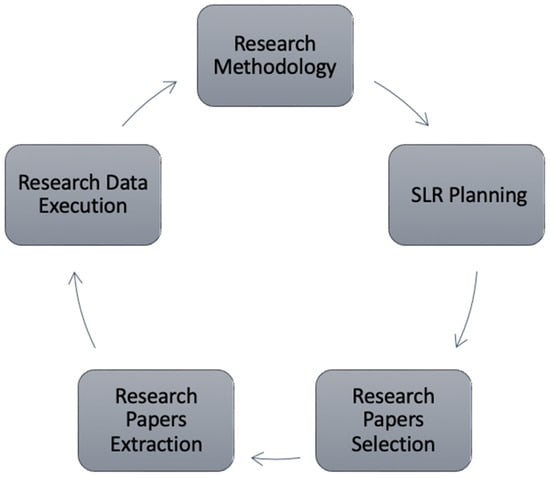
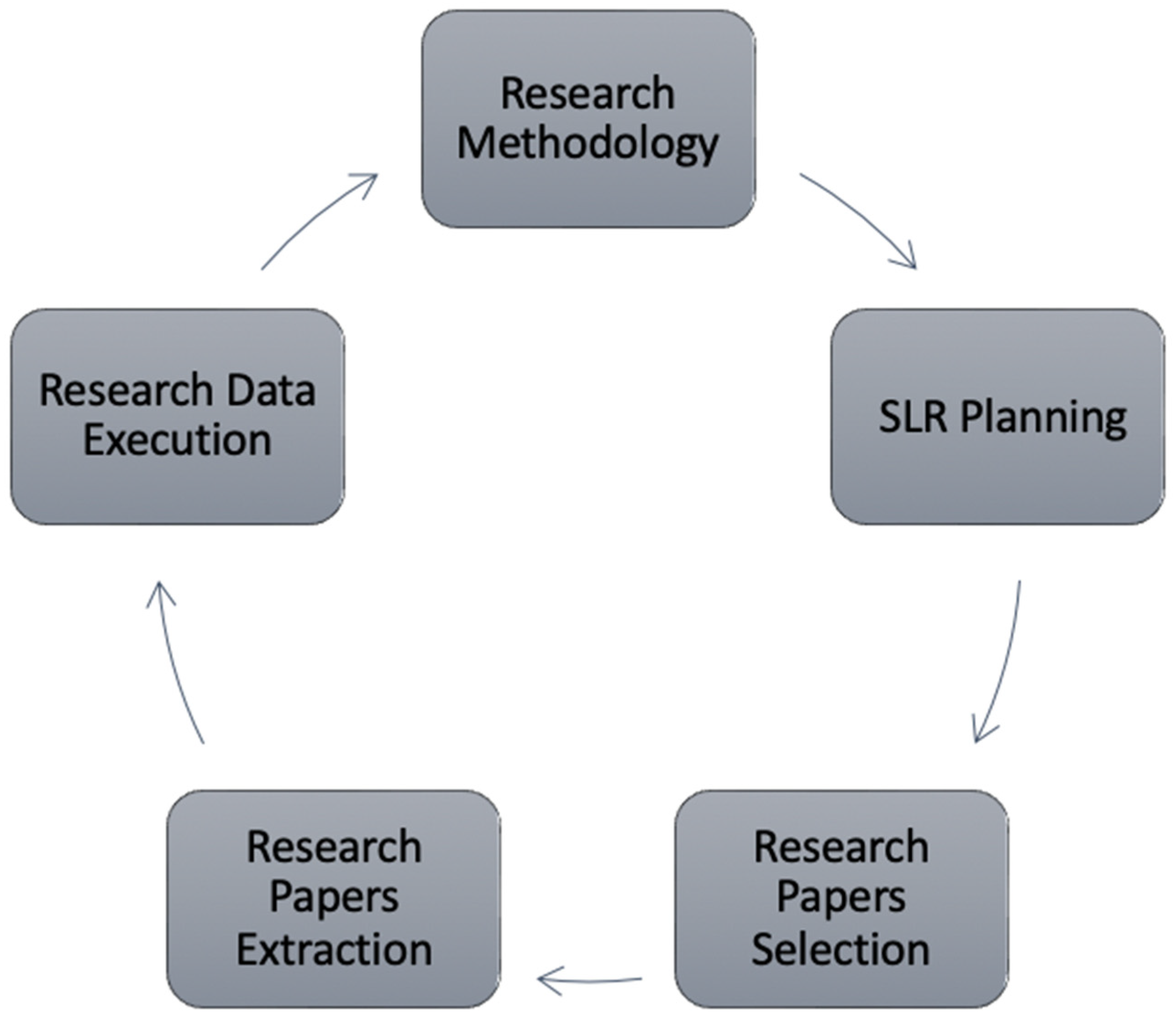
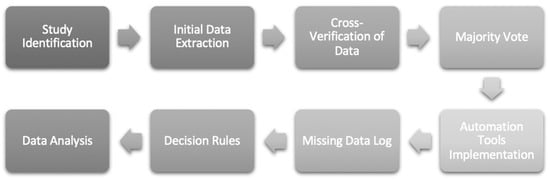
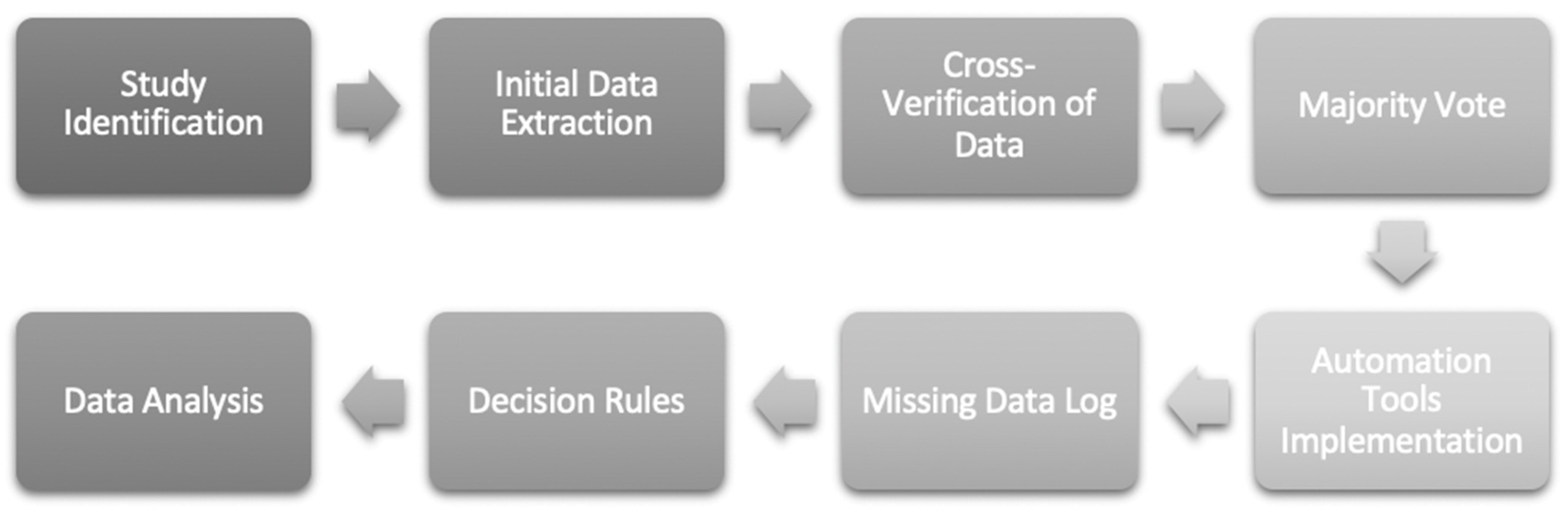




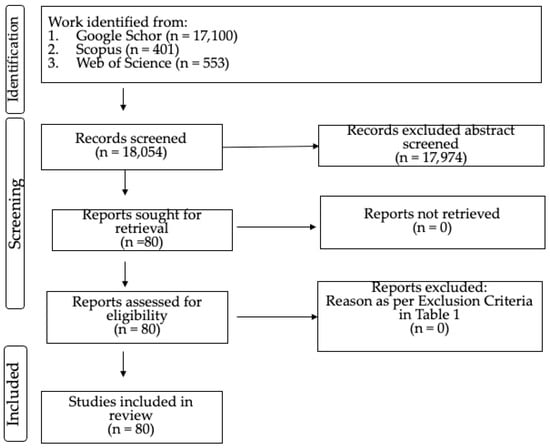
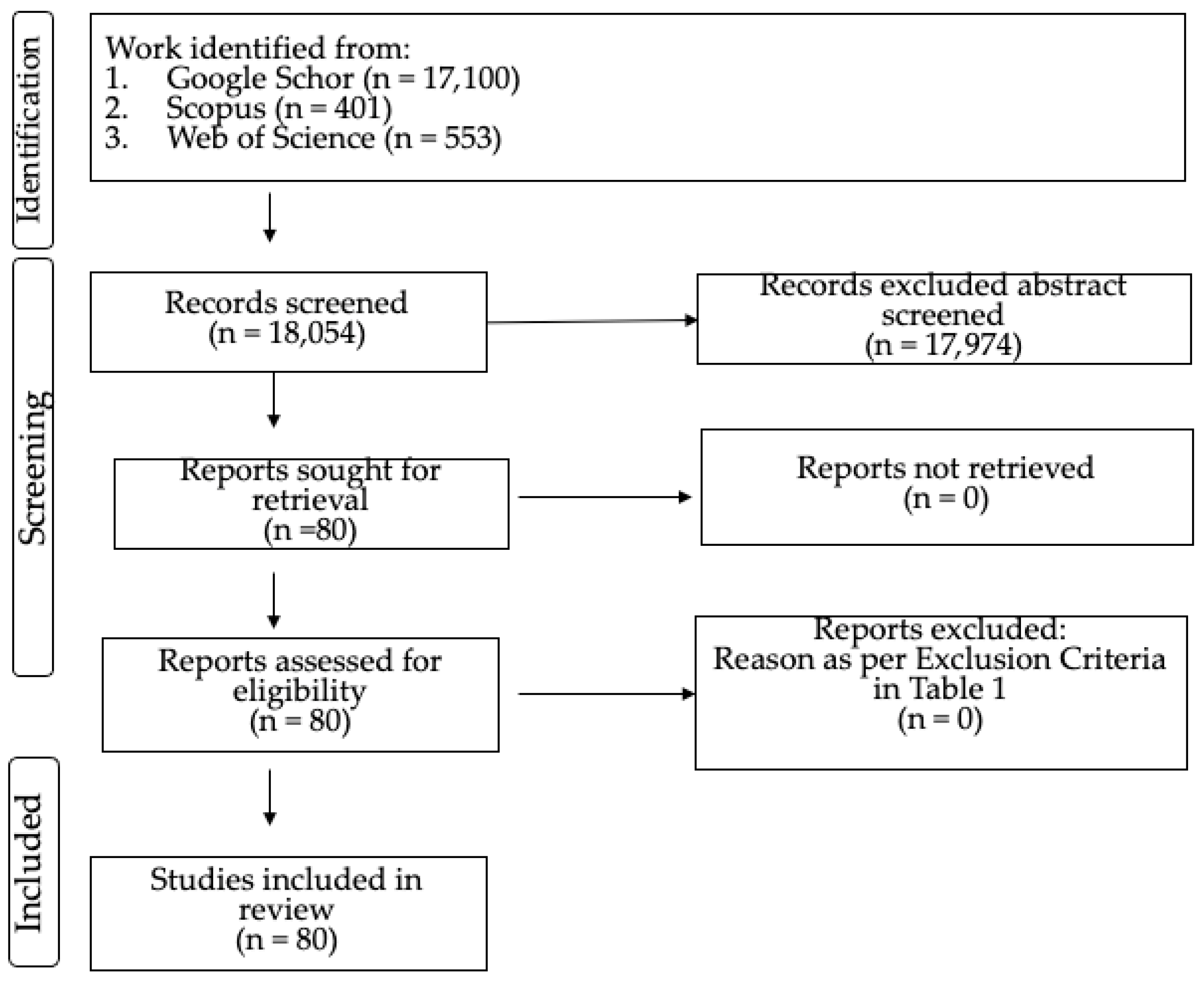
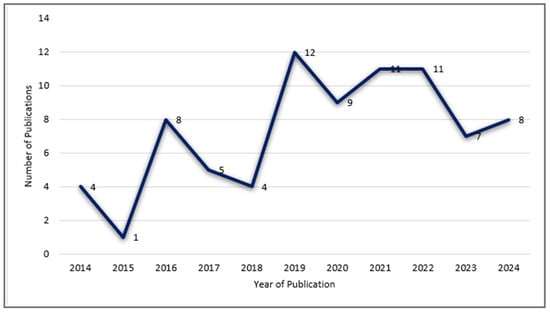
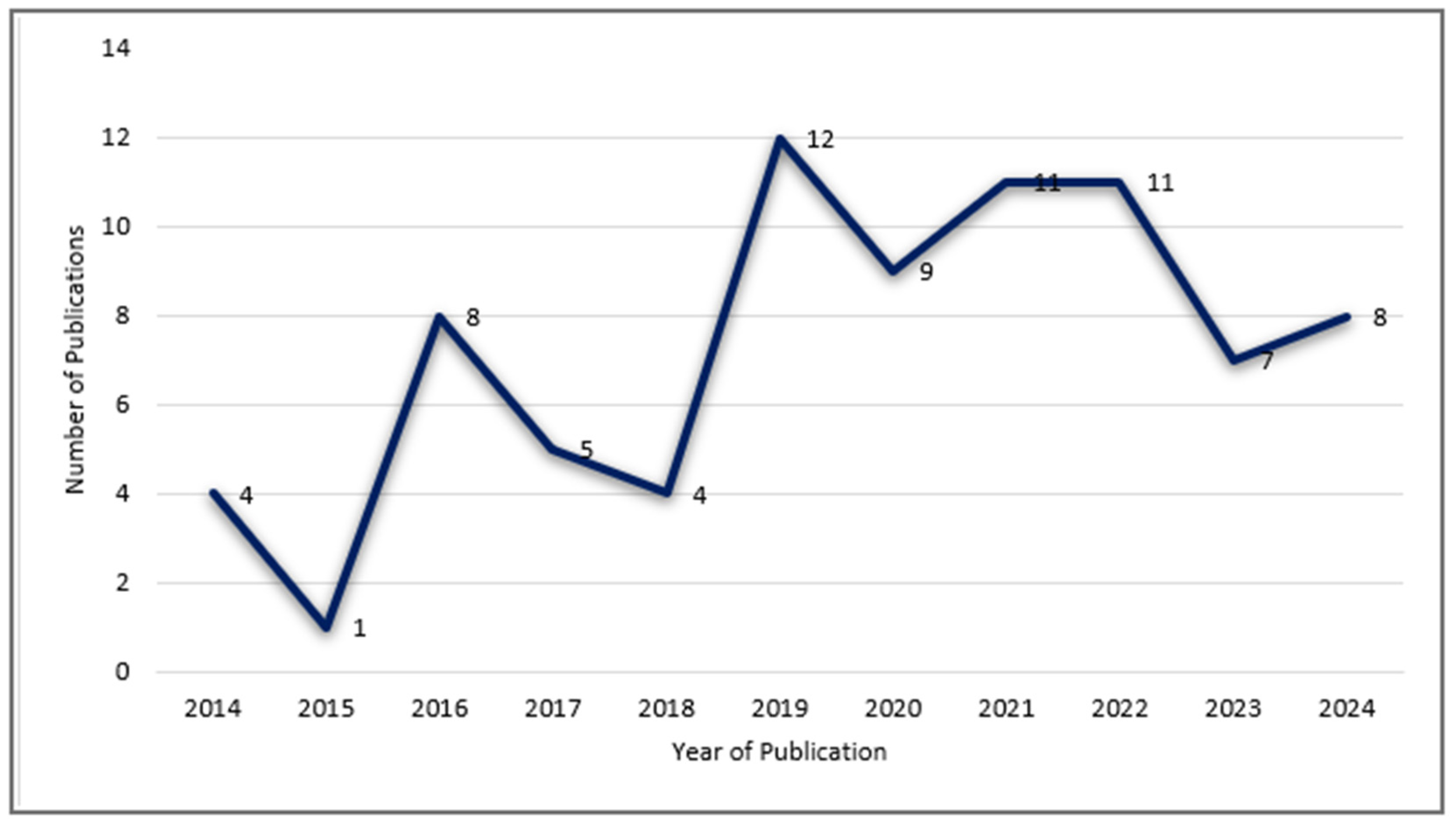
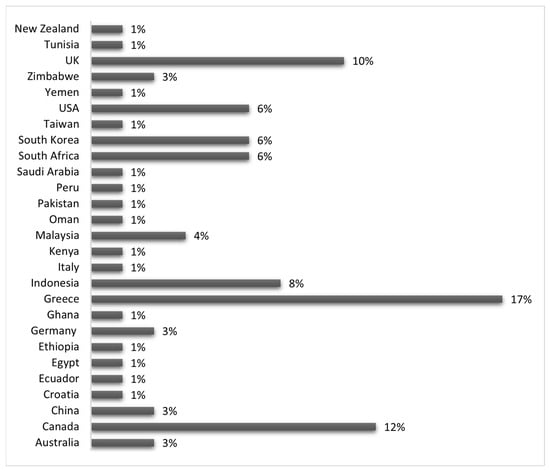
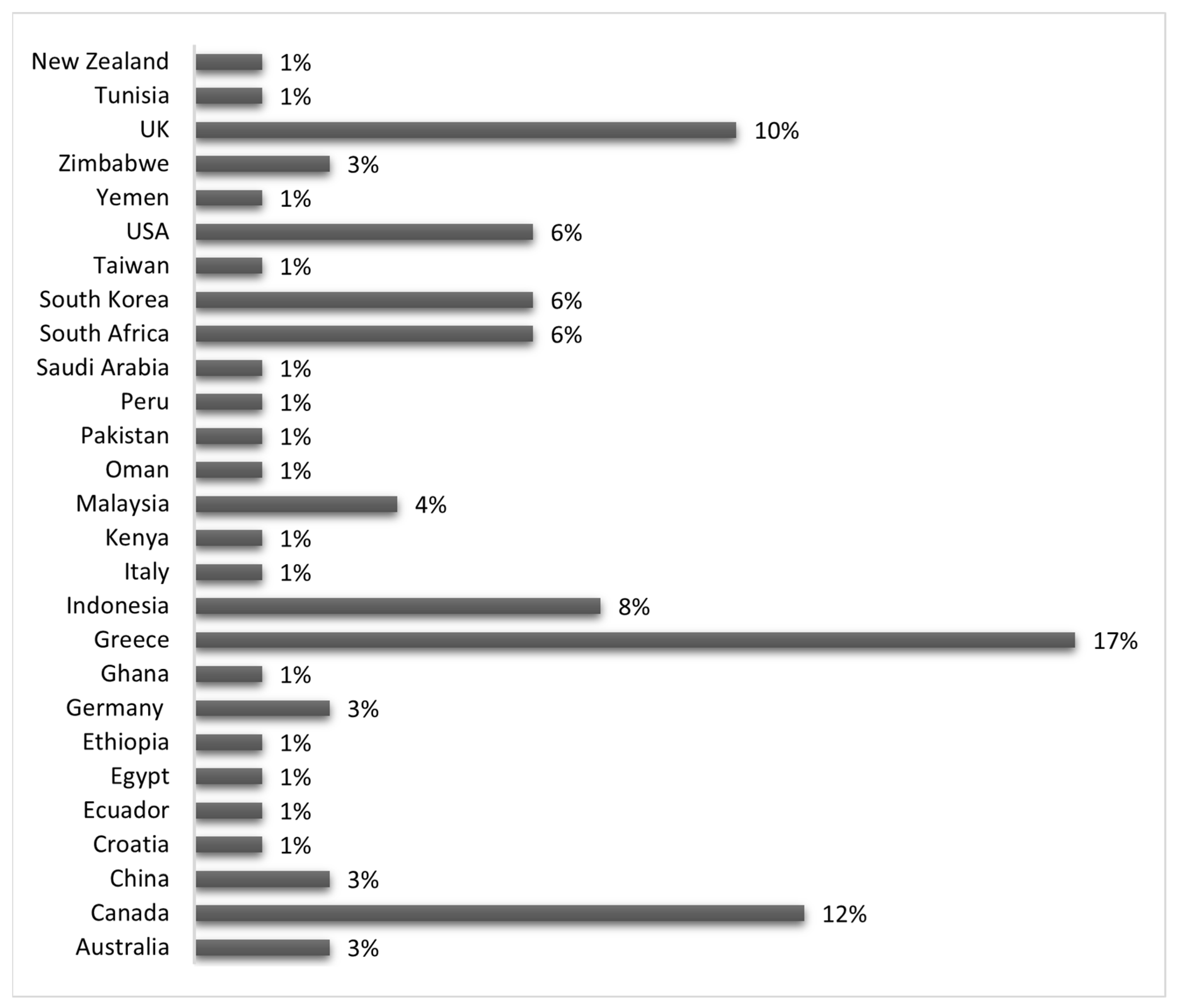
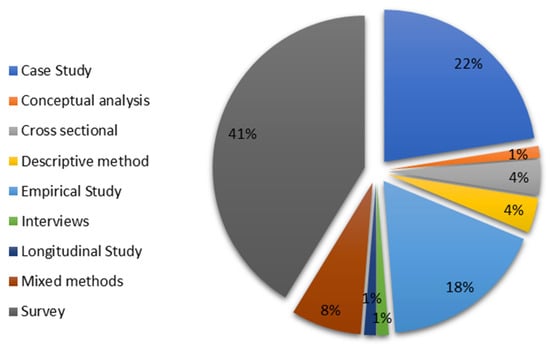
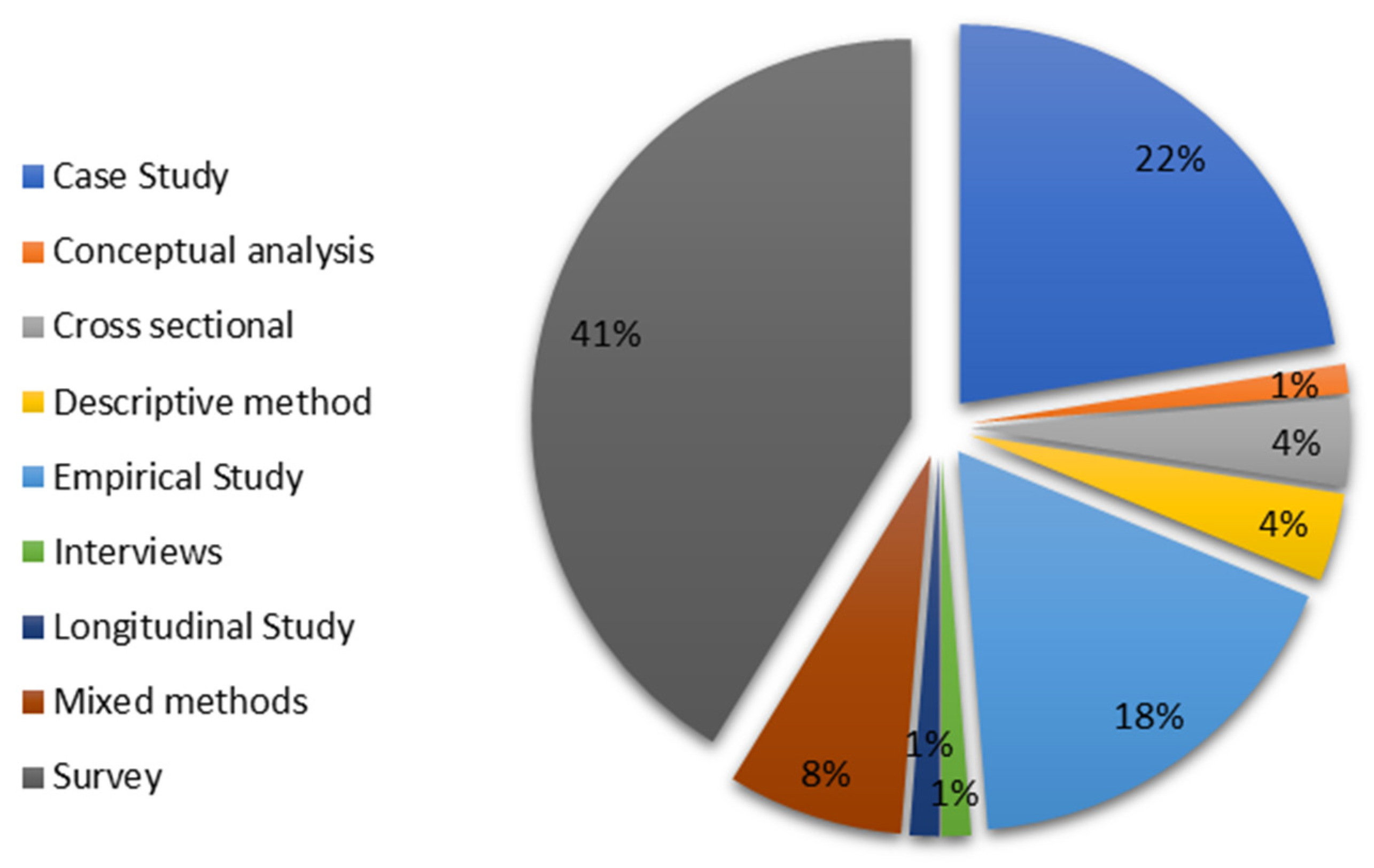
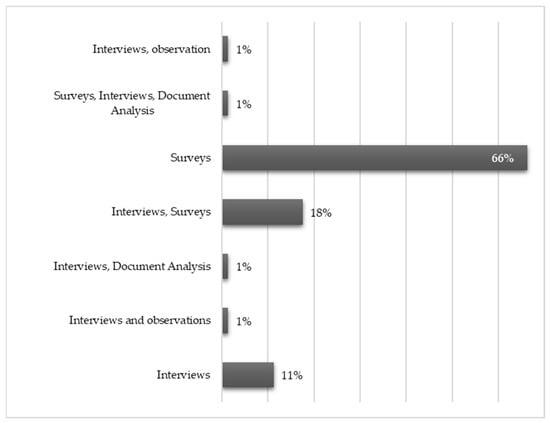
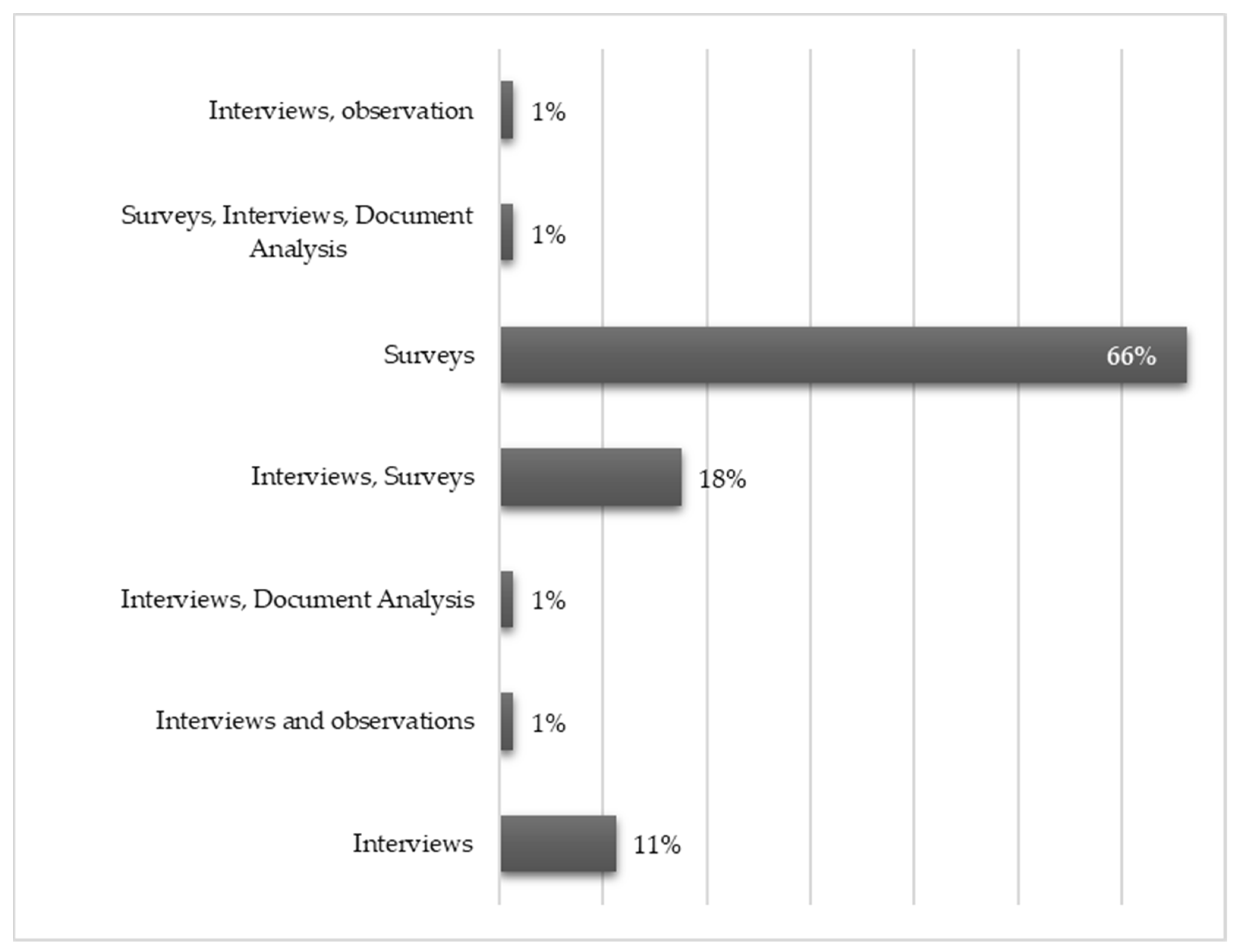
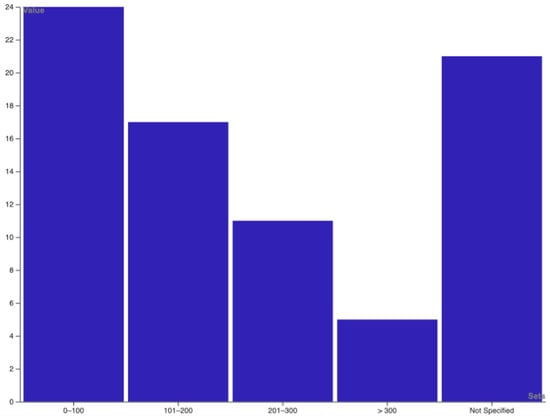
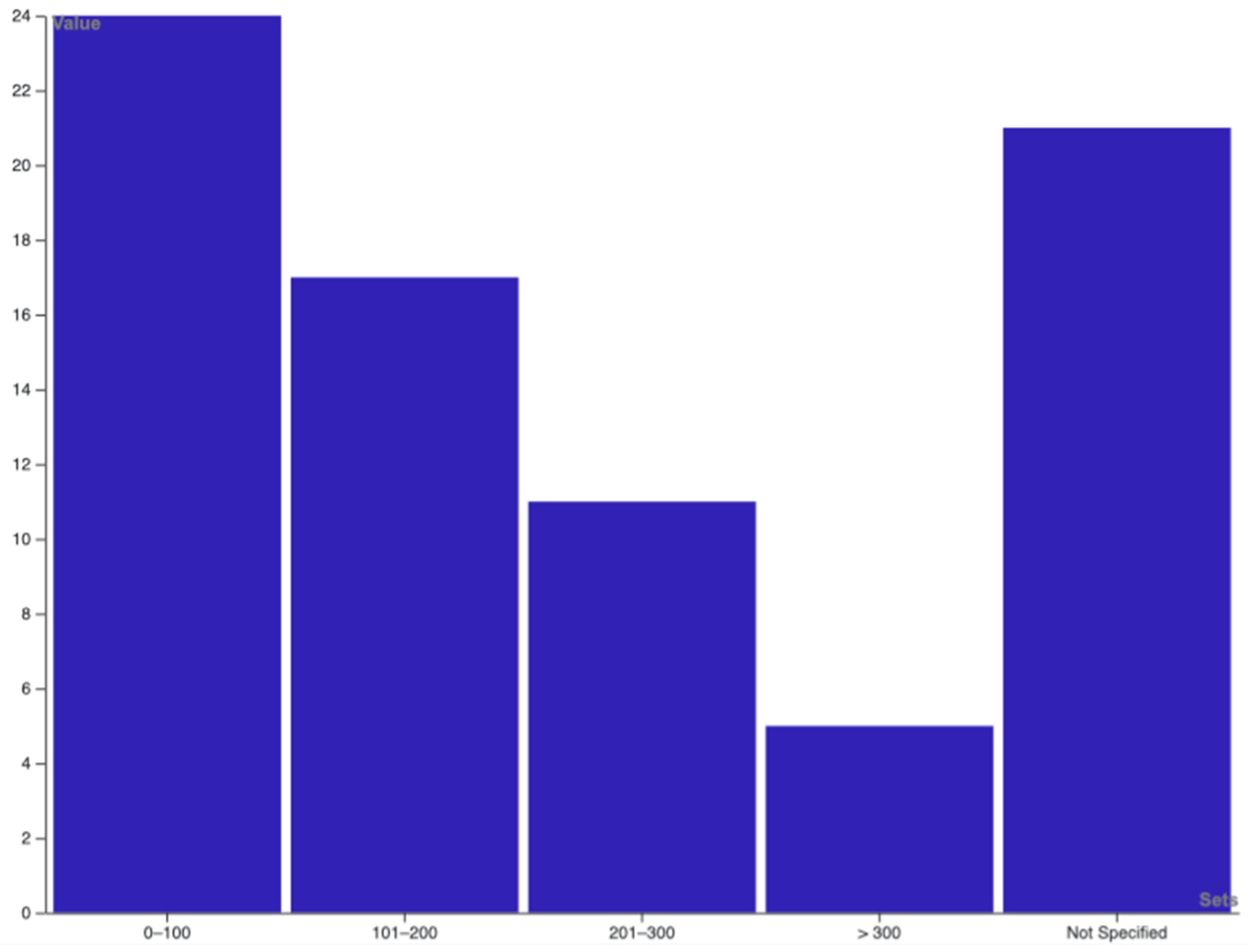
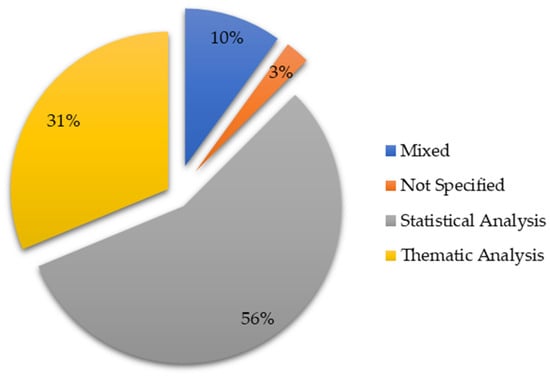
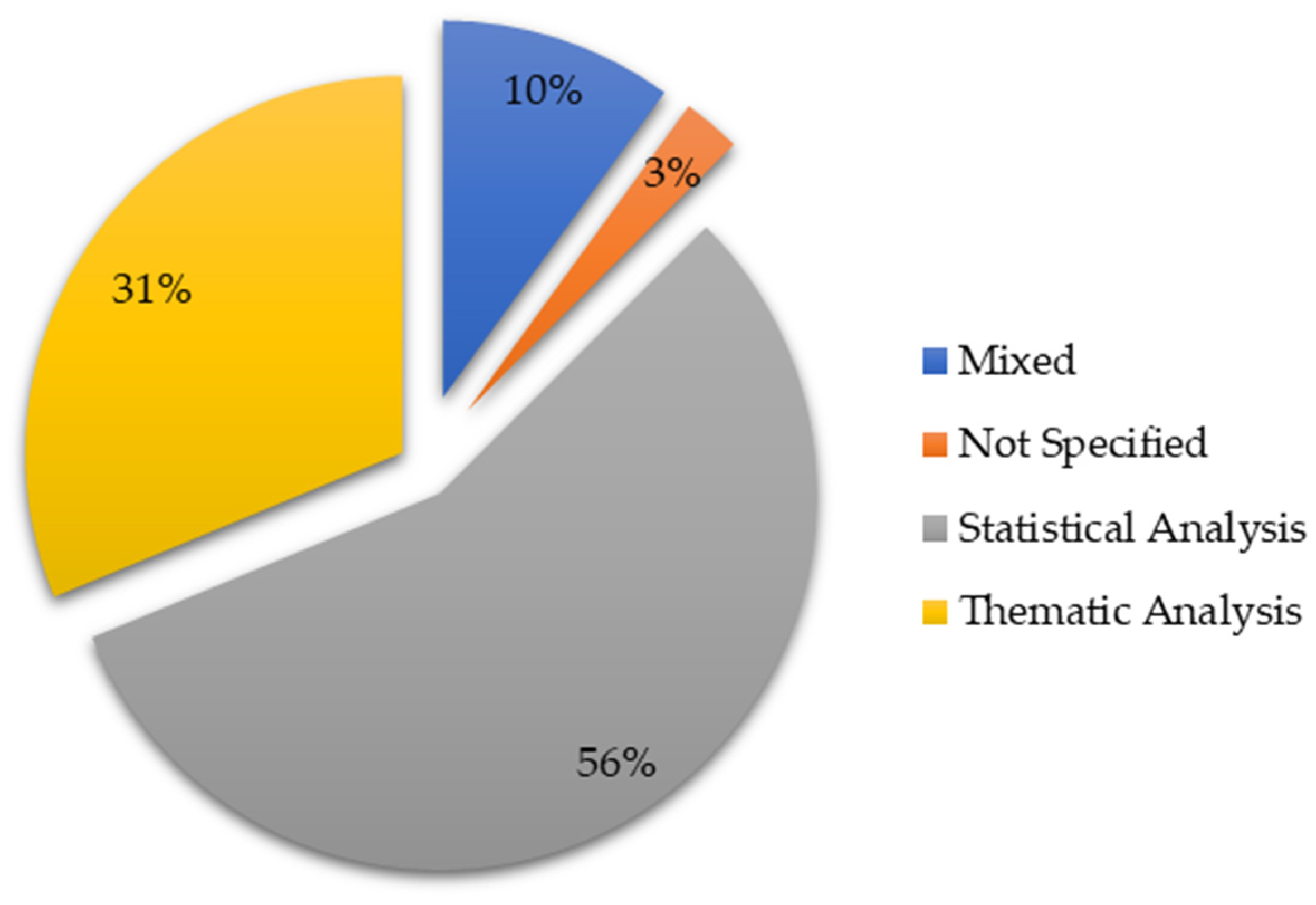
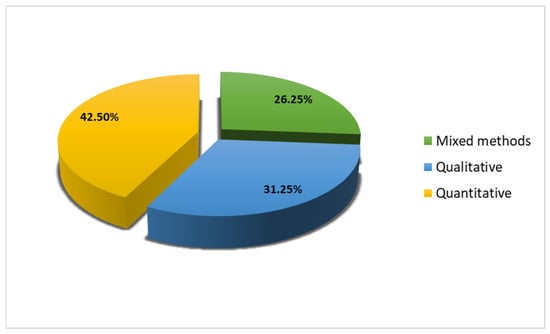
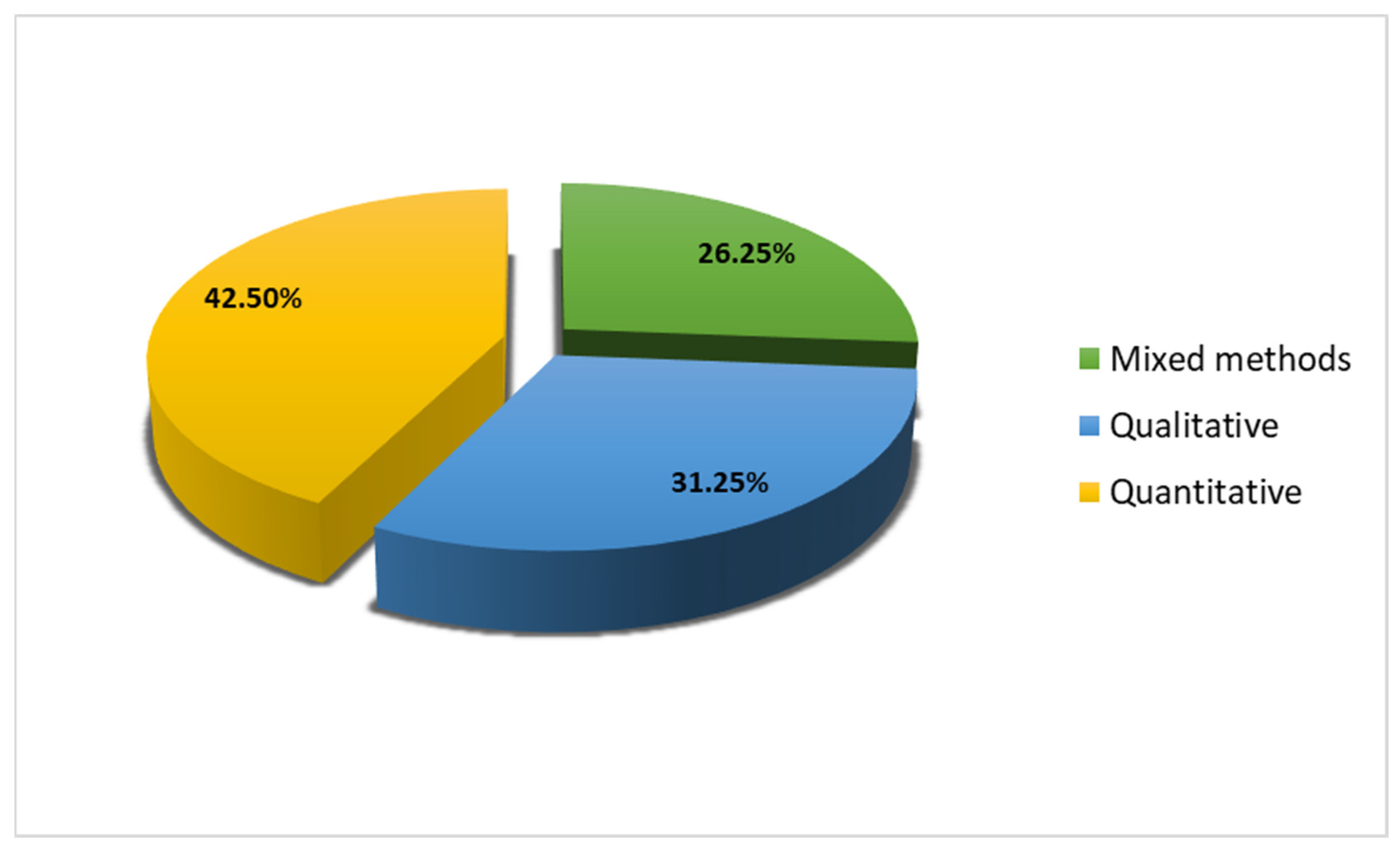
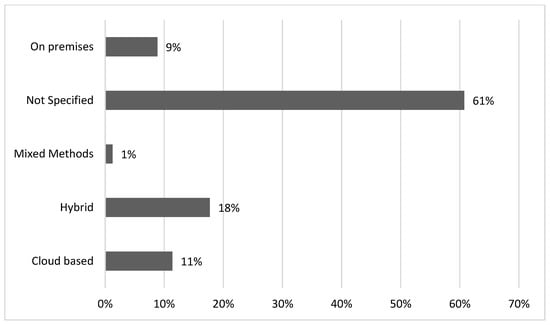

Disclaimer/Publisher’s Note: The statements, opinions and data contained in all publications are solely those of the individual author(s) and contributor(s) and not of MDPI and/or the editor(s). MDPI and/or the editor(s) disclaim responsibility for any injury to people or property resulting from any ideas, methods, instructions or products referred to in the content. |
© 2025 by the authors. Licensee MDPI, Basel, Switzerland. This article is an open access article distributed under the terms and conditions of the Creative Commons Attribution (CC BY) license (https://creativecommons.org/licenses/by/4.0/).