


Abstract
Transparent soil technology (TST) provides a non-intrusive visualization approach for geotechnical model experiments by matching the refractive indices of transparent particles and pore fluids. This review systematically examines recent advances in TST, from material preparation to measurement methods and engineering applications. The preparation of transparent sand and transparent clay, pore-fluid matching, degassing treatment, and mechanical similarity with natural soils are summarized. The development of optical measurement and image analysis methods, including laser slicing, particle image velocimetry, digital image correlation, speckle imaging, and three-dimensional reconstruction, is then discussed to clarify the transition of TST from qualitative observation to quantitative full-field deformation measurement. Bibliometric keyword evolution further indicates that research has shifted from early material feasibility toward engineering-oriented applications and intelligent visualization. Current applications in pile–soil interaction, tunneling, slope instability, seepage, and erosion demonstrate the value of TST for revealing displacement-field evolution, strain localization, seepage-path development, particle migration, and shear-band propagation. Remaining challenges include limited mechanical similarity, optical stability, large-scale applicability, and efficient data processing. Future work should emphasize standardized material systems, high-resolution three-dimensional visualization, multiphysics coupling, and integration with artificial intelligence.
1. Introduction
Geotechnical engineering research has long been constrained by a fundamental challenge: natural soils are inherently opaque, which makes it impossible to directly observe internal deformation processes, seepage pathways, and stress evolution within the soil mass [1]. Consequently, in conventional geotechnical model tests, the investigation of internal deformation [2], seepage behavior [3], and failure mechanisms under various stress conditions generally relies on embedded instruments such as pressure sensors and displacement transducers [4,5,6]. However, these traditional intrusive measurement methods exhibit significant limitations. On the one hand, the installation of sensors inevitably alters the stress state of the soil and interferes with its natural deformation behavior. On the other hand, such sensors can only provide discrete point-based data, which are insufficient to capture the continuous deformation characteristics and spatial evolution processes occurring within the soil body.
The optical opacity of natural soils is not simply a macroscopic material property but is also closely related to the interaction of light with their multiphase pore structure [7]. Unlike materials whose opacity is primarily governed by the intrinsic absorption or reflection of the bulk phase, the optical inaccessibility of soils is mainly associated with repeated refraction, reflection, and multiple scattering at interfaces among mineral particles, pore fluids, and entrapped air [8]. When the refractive indices of the solid and fluid phases differ, each particle boundary acts as an optical discontinuity, causing incident light to change direction and attenuate rapidly within the soil skeleton. Consequently, internal deformation and seepage processes cannot normally be observed directly in conventional soil models [9,10].
Transparent soil technology (TST) addresses this problem by deliberately engineering the optical state of a particulate medium [11]. Transparent particles are combined with a pore fluid having a closely matched refractive index, thereby reducing the optical contrast and light scattering at particle–fluid interfaces [12,13]. The resulting medium is not merely a visually transparent substitute but also a controlled physical analogue in which optical accessibility and geotechnical representativeness must be considered simultaneously [14,15]. Therefore, the reliability of TST depends on both optical similarity and mechanical or hydraulic similarity.
With the increasing complexity of geotechnical engineering problems, such as underground space development [16], tunnel excavation [17], pile–soil interaction [18,19,20,21,22], slope instability [23,24], seepage failure [25,26], and soil erosion, there is a growing demand for experimental methods capable of revealing the evolution of internal displacement and strain fields. In many engineering scenarios, failure is not governed only by the final displacement or bearing capacity but also by the progressive development of displacement fields, localized shear bands, seepage channels, and soil–structure interaction zones. Therefore, geotechnical model testing requires a visualization-based technique that can provide continuous, non-contact, and quantitative observation of internal displacement, strain, and seepage responses while minimizing disturbance to the soil structure. TST provides an effective solution to this problem. Through refractive-index matching between transparent soil particles and pore fluids, the soil medium can be rendered optically transparent, which can enable direct observation and quantitative analysis of internal deformation and flow behavior.
In recent decades, TST has developed from an initial material-preparation concept into an integrated experimental method [27,28,29,30] combining transparent geomaterials, optical imaging systems, and digital image analysis techniques. Previous studies have made significant progress in the preparation of transparent sand and transparent clay, refractive-index-matching pore fluids, laser-aided imaging, particle image velocimetry (PIV) [9,10,31,32,33,34], digital image correlation (DIC) [35,36,37], and three-dimensional deformation reconstruction. However, existing research remains relatively scattered. Some studies mainly focus on material preparation and physical properties, while others emphasize optical measurement systems, image processing algorithms, or specific engineering applications. As a result, the relationships among material selection, testing methods, image analysis techniques, and engineering applicability have not yet been fully clarified. In particular, there is still a need for a systematic review that explains how TST has evolved from a material-based visualization technique into a quantitative research method for investigating complex geotechnical problems.
Meanwhile, several non-intrusive measurement techniques, including X-ray computed tomography (X-ray CT) [38,39,40,41], magnetic resonance imaging (MRI) [42,43,44,45], and optical image-based methods, have been used to investigate internal soil structure, water distribution, root–soil interaction, and deformation behavior. These methods differ substantially in their imaging mechanism, spatial resolution, equipment cost, sample size, scalability, and applicability to different soil types. Therefore, TST should not be regarded as a complete replacement for X-ray CT, MRI, or other imaging methods but rather as a complementary experimental approach that provides direct optical access to internal deformation, seepage, and failure processes in transparent soil analogues. Table 1 compares TST with representative non-intrusive imaging methods used in soil and geotechnical model testing.
Table 1.
Comparison of TST with representative non-intrusive imaging techniques for soil and geotechnical model tests.
As shown in Table 1, X-ray CT and MRI are powerful for the non-destructive imaging of natural opaque soils, particularly in pore-scale structure and soil–water processes. However, their use in routine geotechnical model tests is often limited by equipment accessibility, sample size, temporal resolution, and data processing requirements. By contrast, TST uses artificial transparent soil analogues to enable convenient full-field optical observation of internal displacement, seepage, particle migration, progressive failure, and shear-band propagation. Therefore, the selection of imaging methods should depend on the target process: CT and MRI are more suitable for microstructure and soil–water characterization, whereas TST is particularly useful for visualizing deformation and failure mechanisms in controlled model tests.
However, most existing reviews or experimental studies tend to emphasize either transparent soil material preparation, optical measurement techniques, or individual engineering applications. A unified discussion linking material selection, optical measurement accuracy, image processing algorithms, and engineering applicability is still limited. In particular, the quantitative transition of TST from material-based visualization to full-field deformation measurement and intelligent geotechnical analysis has not been sufficiently summarized. Therefore, this review focuses on the integrated development of transparent soil materials, visualization measurement methods, bibliometric research trends, and engineering-oriented applications. The objective is to clarify the technical evolution, identify current limitations, and propose future research directions for improving the reliability and applicability of TST in geotechnical model experiments.
To provide an integrated overview of these developments, this paper reviews the application and development of TST from several interconnected perspectives. First, the preparation principles of transparent soil materials are summarized, including the optimization of solid aggregates, refractive-index matching of pore fluids, degassing treatment, and mechanical similarity with natural soils. Second, the development of optical measurement methods and image analysis techniques, such as PIV, DIC, laser slicing, and three-dimensional reconstruction, is discussed. Third, bibliometric keyword evolution is used to identify changes in research hotspots and development trends in this field. Finally, future research directions are proposed, with an emphasis on standardized material systems, high-precision deformation measurement, multi-field coupling analysis, and integration with artificial intelligence and intelligent construction. Through this review, this paper aims to provide a clearer understanding of the technical evolution, current limitations, and future potential of TST in geotechnical model experiments.
2. Manufacturing of Transparent Soil
As shown in Figure 1, TST [11,46,49,50] is an innovative experimental technique that employs specially manufactured transparent particulate materials [51,52,53] combined with pore fluids [54] possessing matching refractive indices to form an optically transparent geomaterial medium with physical and mechanical properties similar to those of natural soils. This technique replaces conventional natural soil models and, when integrated with non-intrusive optical measurement methods [55], enables the visualization and quantitative measurement of internal soil deformation processes [56,57,58]. The fundamental principle of TST lies in the precise matching of the refractive indices between the transparent solid particles and pore fluids [59,60], which minimizes light scattering and refraction at particle interfaces and transforms an originally opaque soil medium into a transparent system with internal visibility [12]. TST can be used to simulate the mechanical behavior, seepage processes, and displacement-field evolution and strain-localization mechanisms of real soils, while optical observation techniques allow three-dimensional visualization of strain localization, seepage-path development, and particle migration [17,61]. Consequently, transparent soil materials have become important foundational materials for laboratory investigations in geotechnical engineering, geomechanics, and related research fields.
Figure 1.
Transparent soil model, reproduced from [33], licensed under CC BY 4.0.
The development of TST relies on several key technical aspects:
- The selection and compatibility of transparent particles and pore fluids [60,62], as well as the degree of refractive-index matching between them;
- The investigation of the mechanical and hydraulic similarities between transparent soils and natural soils [63];
- The design of optical imaging and illumination systems [64];
- The development of data acquisition and image processing algorithms [65].
The optical quality of transparent soil models is jointly governed by the precision of refractive-index matching [14], the viscosity of the pore fluid [15], temperature stability, and the control of light scattering effects. Because transparent particles, such as fused silica [66], borosilicate glass [67], and polymer beads, together with their corresponding matching fluids, often differ from natural soils in terms of density, stiffness, and surface chemical properties, achieving an optimal balance between high optical transparency and mechanical similarity remains one of the core challenges in TST.
2.1. Optical Basis, Similarity Requirements, and Applicability of TST
Light transmission through a particulate porous medium is strongly influenced by the refractive-index contrast between the solid skeleton and the pore fluid [7,8]. In natural soils, mineral particles, pore water or air, and particle contacts constitute an optically heterogeneous system. Repeated refraction and scattering at these interfaces cause rapid attenuation of transmitted light. In a transparent soil system, the refractive-index difference between the transparent solid particles and matching pore fluid is deliberately minimized. When this difference is sufficiently small, optical discontinuities at particle boundaries are weakened, which allows a laser sheet or other illumination source to penetrate the model and generate images of internal sections [12,13,14,68].
However, refractive-index matching establishes optical similarity rather than complete geotechnical similarity. Transparent particles and matching fluids may differ from natural soil in terms of density, stiffness, surface roughness, angularity, friction, pore-fluid viscosity, chemical interaction, and permeability [69]. A highly transparent material may, therefore, fail to reproduce the mechanical or hydraulic response of the target soil, whereas a material with stronger geotechnical similarity may not provide sufficient optical clarity [63,66]. The selection of a transparent soil system should consequently be based on a balance among transparency, strength, deformation behavior, permeability, and long-term stability [7,12,15,70].
TST is particularly suitable for model problems governed by displacement-field evolution, strain localization, shear-band propagation, seepage-path development, particle migration, and soil–structure interaction. In these cases, its primary advantage is the direct observation of internal processes that cannot be accessed using surface measurements alone. Nevertheless, TST should be interpreted as a controlled physical analogue rather than an exact replica of natural soil. Its direct applicability is more limited when the target response is dominated by particle crushing, cementation and bond degradation, unsaturated suction, mineral dissolution, chemical reactions, or highly heterogeneous natural fabric, unless these mechanisms are specifically reproduced in the model.
2.2. Optimization of Solid Aggregates
The development of solid aggregates for transparent soil has evolved from simple substitute materials to specially engineered media possessing specific geotechnical mechanical properties. According to the literature, the origin of transparent soil research can be traced back to the 1980s, when several international researchers began exploring the use of transparent materials to simulate natural soils in physical model tests to investigate specific geotechnical behaviors and characteristics. Table 2 shows a comparative summary of representative transparent soil material systems and their measurable experimental characteristics.
Table 2.
Comparative summary of representative transparent soil material systems and their measurable experimental characteristics.
Overall, early glass- and crushed-glass-based transparent media provided acceptable optical visibility but showed limited similarity to natural soils in terms of density, stiffness, and hydraulic behavior. Amorphous silica systems improved the simulation of clay-like mechanical behavior, whereas fused quartz and glass sand systems were more suitable for transparent sand models. However, the improvement in geotechnical similarity was often accompanied by higher preparation complexity, increased sensitivity to pore-fluid viscosity, or stricter temperature-control requirements. Therefore, the selection of transparent soil materials should be based on measurable indicators, including refractive-index deviation, particle size distribution, permeability, shear strength, and deformation behavior, rather than optical transparency alone.
From a methodological perspective, the evolution of image-based measurement in TST can be interpreted as a transition from discrete tracer tracking to full-field correlation analysis and, further, to three-dimensional reconstruction. Tracer-based tracking is intuitive and requires relatively simple image processing, but its accuracy depends on tracer density, distribution, and visibility, while excessive tracers may alter material homogeneity. PIV and DIC are more suitable for full-field measurement because they determine the movement of image patches or speckle subsets rather than relying on individual particles. Their reliability, however, depends on image contrast, subset size, camera calibration, speckle stability, out-of-plane motion, and deformation magnitude. Under large deformation or severe particle rearrangement, correlation loss may occur.
Laser optical slicing provides access to selected internal planes, but the measured field remains two-dimensional unless multiple slices are spatially registered and reconstructed. Three-dimensional optical slicing and 3D-DIC provide more complete deformation information but require higher optical stability, precise motion control, larger datasets, and substantially greater computational effort. Therefore, measurement reliability is not determined by the image processing algorithm alone. It results from the combined performance of material transparency, illumination stability, camera calibration, image texture, spatial registration, and algorithmic robustness.
From the early use of crushed-glass particles to the later development of amorphous silica and fused quartz systems, transparent soil materials have gradually evolved toward higher optical transparency and improved geotechnical similarity. Simultaneously, pore-fluid systems have progressed from simple refractive-index-matched liquids to optimized mixed-oil and salt-solution systems, which has significantly improved permeability simulation and visualization quality. However, achieving a balance between optical transparency and mechanical similarity remains one of the major challenges in TST.
In 1982, Allersma [71] introduced an optical measurement method for determining the stress tensor distribution within three-dimensional assemblies of randomly shaped photoelastic particles under plane-strain conditions. In the experiment, crushed-glass particles with a diameter of approximately 2 mm were placed into the test chamber. A liquid possessing the same refractive index as the glass was injected into the pore spaces, rendering the particle assembly transparent. This transparent medium was subsequently used to investigate stress distribution under simple shear conditions.
In 1992, Konagai [8] and co-workers conducted transparent medium model tests to investigate stress variations in saturated embankments subjected to seismic loading. The experiments employed crushed-glass particles to construct granular structural models, which were immersed in refractive-index-matched fluids. A laser sheet was used to scan the model and capture particle contours and movement images. In addition, experiments involving fine-particle visualization, plane-strain compression, and dynamic failure of embankment models were also performed.
Early explorations of TST mainly focused on evaluating the performance of specific transparent materials. Although these materials could not yet fully replace natural soils, they provided important insights and laid a solid foundation for the subsequent development of materials capable of realistically simulating natural soils, thereby collectively advancing TST.
In 1990, Mannheimer [68] discussed transparent slurries designed to simulate non-Newtonian fluids for flow-related investigations. These transparent soil-like materials enabled researchers to directly observe flow patterns and seepage mechanisms that would otherwise remain invisible in opaque natural soils. The transparent slurry, therefore, provided a novel medium for the visualization of seepage and permeability experiments in geotechnical engineering research.
Establishing a transparent material database that can be tailored to the requirements of physical model tests in terms of strength, deformation behavior, and permeability is a fundamental prerequisite for investigating the three-dimensional deformation patterns and seepage characteristics of soil models using optical techniques. However, the application of optical visualization methods to study the three-dimensional response of soils has long been constrained by the lack of transparent materials capable of adequately reproducing the diverse properties of natural soils. Previously used materials, such as crushed glass and glass beads, exhibited poor liquid adsorption capacity, which easily resulted in air entrapment within particle voids, thereby significantly reducing the transparency of the medium. In addition, their mechanical properties differed substantially from those of natural soils, making them unsuitable for accurately simulating the permeability and strength characteristics of clayey soils and fine sands. To overcome these limitations, amorphous silica materials, including amorphous silica powder and silica gel, were gradually introduced. These materials possess intrinsic transparency and exhibit mechanical properties that are more comparable to those of cohesive soils or sandy soils.
The emergence of truly synthetic transparent soils with geotechnical significance can be traced back to 1994, when Iskander and co-workers demonstrated the feasibility of producing transparent materials exhibiting macroscopic properties representative of natural soils [1]. The transparent soil was prepared by consolidating amorphous silica suspensions within pore fluids possessing matched optical refractive indices. Experimental measurements showed that the resulting transparent soil exhibited shear strength and permeability characteristics comparable to those of natural clays and silts.
In 2002, Iskander [12] applied transparent synthetic geomaterials with geotechnical properties similar to those of natural soils in model tests to investigate three-dimensional deformation and seepage behavior using non-intrusive optical visualization techniques. The transparent clay examined in their study was produced by consolidating amorphous silica suspensions in refractive-index-matched pore fluids. Although the transparent amorphous silica material exhibited macroscopic properties comparable to those of several natural clays, it was not intended to replicate any single specific clay exactly. When the material is consolidated under different pressures, its strength, deformation, and permeability properties can be tailored to meet the requirements of specific model tests.
In the same year, Sadek [13] developed two categories of transparent materials whose strength, deformation, and permeability properties could be customized according to model test requirements. Transparency was achieved through refractive-index matching between solid particles and pore fluids. Transparent particles made of amorphous silica, combined with matched pore fluids, formed two types of transparent synthetic soils: amorphous silica powder (particle size 1.6–150 μm) was used to simulate clay, while amorphous silica gel particles (0.3–5 mm) were used to simulate sand. Because both materials possessed identical refractive indices, layered soil models could also be constructed. Conventional geotechnical tests demonstrated that these materials successfully reproduced the macroscopic behavior of natural sands and clays. Compared with previous transparent materials, the materials developed in that study were truly transparent rather than merely translucent, allowing complete light penetration.
Subsequently, high-purity materials such as fused silica gradually became the preferred aggregates for simulating natural sandy soils due to their excellent light transmittance and superior geotechnical mechanical properties. Figure 2 shows the different particle sizes of fused quartz material and the grading fitting curves before and after particle size reduction.
Figure 2.
(a) Basic particle size of fused quartz sand; (b) schematic diagram of particle skeleton distribution, reproduced from [74], licensed under CC BY 4.0.
In 2006, Wu [72] conducted a detailed investigation into the preparation process of synthetic transparent sand. The study introduced the physical and chemical properties of various raw materials and developed novel synthetic materials and corresponding pore fluids for simulating natural sands, thereby expanding the material system of TST. An innovative approach was proposed in which fused quartz sand was used to replace natural sand particles, while calcium bromide solution was employed as the pore fluid. Through precise material matching, reliable simulation of the physical properties of natural soils was achieved. In addition, a method based on the linear relationship between concentration and refractive index was established for determining the refractive index of solutions. Practical applications demonstrated that this method was simple, efficient, and highly practical for preparing pore fluids whose refractive indices matched those of transparent particles simulating natural sands.
2.3. Refractive-Index Matching of Pore Fluids
The key to preparing high-quality transparent soil lies in the selection of pore fluids and the precise matching of refractive indices. An ideal pore fluid should be colorless, transparent, chemically stable, and non-volatile and possess a kinematic viscosity close to that of water.
At present, pore fluids commonly used worldwide can generally be classified into two categories. The first category consists of mixed-oil systems, such as mixtures of the n-alkane solvent n-dodecane and white mineral oil at specified proportions. The second category includes salt-solution systems, such as aqueous calcium bromide solutions. Figure 3 illustrates the transparency of silica sand in different mixing ratios of mineral oils [25]. The thickness of the transparent soil in front of the ruler is 10 mm. It is observed that the highest visibility of silica sand is achieved when the ratio of P-40 to P-55 is 0.75:1.
Figure 3.
Visibility of silica sand in mineral oil mixtures with P-40:P-55 ratios of (a) 0:1; (b) 0.25:1; (c) 0.5:1; (d) 0.75:1; (e) 1:1; and (f) 1.25:1, reproduced from [25], licensed under CC BY 4.0.
Taking the matching between calcium bromide solution and fused quartz sand as an example, studies have shown that when the mass concentration of calcium bromide solution reaches approximately 75.524%, its refractive index closely matches that of fused quartz sand (1.45843), thereby achieving optimal transparency.
In 2013, Kong [73] developed a novel artificial-glass transparent soil. The material used glass sand to simulate soil particles and a mixed solution of n-dodecane and white mineral oil to simulate pore fluid. The transparent soil was prepared using a mass ratio of 1:4 between glass sand and the fluid mixture. To investigate deformation characteristics, triaxial consolidated drained and undrained shear tests were conducted on transparent soils with different gradations and compared with Fujian standard sand. The results indicated that the material exhibited higher transparency and properties closer to those of natural soils, demonstrating promising potential for transparent soil visualization experiments.
In 2017, Kong [70] investigated the permeability characteristics of three types of transparent soils prepared using fused quartz sand combined with mixed oils, calcium bromide solution, and sucrose solution. Constant-head permeability tests and electro-osmotic visualization experiments were conducted and compared with Fujian standard sand. The results demonstrated that permeability characteristics depended on particle size distribution, relative density, and pore-fluid type. Transparent soils prepared with mixed oil and calcium bromide solution exhibited permeability values closest to those of natural sands. Different pore fluids, particle sizes, and relative densities produced distinct variations in permeability coefficients and effluent concentration. During electro-osmosis tests, seepage phenomena in transparent soils prepared with calcium bromide solution were less pronounced, and the influence of voltage on seepage velocity was relatively insignificant, while seepage displacement increased with electro-osmosis duration.
In addition, the refractive index of fluids is highly sensitive to ambient temperature. An increase in temperature generally results in a decrease in the refractive index. Therefore, both the preparation and experimental processes of transparent soil must be conducted under strictly controlled constant-temperature conditions.
2.4. Physical Degassing and Challenges of Mechanical Similarity
Air bubbles trapped within pore spaces are one of the primary causes of light scattering and transparency reduction. Consequently, prepared transparent soil must undergo prolonged degassing treatment using vacuum pumps or specialized suction equipment to remove residual air, as shown in Figure 4.
Figure 4.
The opaque soil sample containing air and the vacuum-saturated specimen. (a) Unsaturated cemented soil (white and opaque); (b) saturated cemented soil (colorless and transparent), adapted from [75], licensed under CC BY 4.0.
At the current stage, the greatest challenge in transparent soil preparation remains achieving a balance between extremely high optical transparency and strong similarity to natural soils in terms of density, stiffness, and surface chemical characteristics.
3. Development of Transparent Soil Technology Measurement Methods
To clarify the overall methodology of transparent soil model testing and image-based measurement, the general workflow is summarized in Figure 5. The process includes material selection and refractive-index matching, sample preparation and optical stabilization, transparent soil model test setup, optical illumination and image acquisition, image processing and deformation measurement, and engineering interpretation of internal soil behavior.
Figure 5.
General workflow of transparent soil model testing and image-based measurement. The horizontal arrows indicate the sequential progression from material selection and sample preparation to model testing, image acquisition, data processing, and engineering interpretation. In Step 6, the arrows surrounding the model schematically represent the externally applied loading and boundary conditions, while the internal dashed line indicates the development of a potential localized deformation or failure zone.
As illustrated in Figure 5, the reliability of TST depends on the coordinated performance of all stages rather than on a single material or measurement technique. Material selection and refractive-index matching determine the optical accessibility of the model, while saturation, degassing, and temperature control affect image clarity and long-term optical stability. The model configuration, boundary conditions, illumination system, and camera arrangement subsequently determine the quality of the acquired images. PIV, DIC, speckle analysis, and three-dimensional reconstruction then convert these images into quantitative displacement and strain fields, which are finally interpreted in terms of seepage-path development, particle migration, strain localization, and progressive failure. Errors introduced during material preparation or image acquisition may propagate into subsequent deformation calculations; therefore, calibration and validation are required throughout the entire workflow. This integrated framework provides the methodological basis for understanding the evolution of TST measurement methods and their engineering applications discussed in the following sections.
3.1. Publication Trends of TST Research
The bibliometric dataset used in this review was retrieved from the Web of Science Core Collection. The search was conducted on 1 March 2026, using the Topic field with the following search expression: TS = (“transparent soil” OR “transparent synthetic soil” OR “transparent sand” OR “transparent clay” OR “transparent artificial soil” OR “clear soil mimic” OR “transparent soil analog”). The time span was set from 1995 to 2025. Journal articles, review papers, and conference papers related to transparent soil materials, geotechnical model testing, optical measurement, PIV, DIC, and engineering applications were considered for inclusion.
The initial search yielded 296 records. Duplicate records were first identified and removed based on DOI, title, and author information. The remaining records were then manually screened by reviewing their titles and abstracts to exclude studies that were not directly relevant to transparent soil technology or geotechnical model testing. In total, 32 duplicate or irrelevant records were removed during the deduplication and screening process, which resulted in a final dataset of 264 publications for the bibliometric analysis. Author Keywords and Keywords Plus were both considered, and synonymous terms, including “particle image velocimetry” and “PIV”, “digital image correlation” and “DIC”, and “transparent soil” and “transparent synthetic soil”, were merged before keyword analysis.
Figure 6 illustrates the annual publication trend of TST research from 1995 to 2025 based on data retrieved from the Web of Science Core Collection. Overall, the number of publications exhibits a steady upward trend. The period from 1995 to 2008 can be regarded as the exploratory stage, during which only a limited number of studies were conducted, primarily focusing on proof-of-concept investigations and the preliminary development of transparent soil preparation methods. Between 2009 and 2015, the application of visualization techniques such as PIV and DIC significantly improved experimental observation accuracy and data acquisition capabilities, leading to a notable increase in publication output. Since 2016, transparent soil research has entered a rapid growth stage, with publication numbers continuing to rise steadily, approaching 40 papers in 2025.
Figure 6.
Annual publication trend of TST research from 1995 to 2025.
3.2. Evolution of Image-Based Measurement Methods
Table 3 summarizes the development of transparent soil testing and deformation measurement methods. Early studies mainly relied on basic optical observation and particle tracking techniques to qualitatively investigate soil-particle displacement or displacement-field development. With the introduction of DIC, PIV, laser optical slicing, and three-dimensional imaging methods, transparent soil experiments gradually evolved into highly accurate non-intrusive quantitative measurement systems. In recent years, the integration of high-speed imaging, 3D reconstruction, and intelligent image processing algorithms has further improved the spatial resolution and automation level of deformation monitoring, significantly expanding the application scope of TST in geotechnical engineering. Nevertheless, challenges still remain in terms of computational efficiency, real-time processing capability, and measurement accuracy under large deformation conditions.
Table 3.
Representative studies on transparent soil testing and deformation measurement methods.
In 1999, Guler [48] employed two digital image analysis approaches to determine particle displacement: the MATCH algorithm based on particle matching analysis and the BMAD algorithm based on block matching. Their results indicated that the BMAD method produced superior performance and that finer grid discretization yielded simulation results closer to actual measurements.
In 2001, Sadek [76] investigated five optical techniques for imaging spatial deformation: target tracking, cross-sectional tomography, photoelasticity, interferometry, and DIC. The study concluded that DIC exhibited the greatest application potential. An optical slicing system composed of a laser source and a laser sheet generator was employed to scan transparent synthetic soil models. Images before and after deformation were captured using digital cameras and compared using cross-correlation functions. The correlation functions were applied within small square subsets of the images, and deformation was detected by identifying the peak values of the cross-correlation functions, thereby enabling DIC analysis.
In the same year, Gill [55] used a video extensometer to record the trajectories of colored particles, or tracer particles, suspended within transparent soil during model pile installation. Their experiments showed that increasing the number of tracer particles improved the accuracy of soil-particle displacement or displacement-field development and deformation simulation; however, excessive addition of such particles could compromise the homogeneity of the transparent soil.
In 2003, Liu [77] developed an optical system consisting of a laser, CCD camera, image acquisition card, and computer for the non-intrusive measurement of deformation in transparent soils. Optical slicing was performed using laser sheet illumination, and the interaction between the laser and transparent soil generated unique speckle patterns. By applying an image processing technique known as Adaptive Cross-Correlation (ACC) to analyze pairs of speckle images, two-dimensional deformation fields could be obtained.
In the same year, Sadek [78] combined DIC with transparent synthetic soil to overcome the limitations associated with measuring internal deformation in transparent soil models. Figure 7 shows the speckle pattern generated by the interaction of the laser beam with the transparent soil model. A laser-sheet optical slicing system was used together with digital cameras to capture images of model sections before and after deformation. The researchers proposed a new DIC-based method for quantifying full-field spatial deformation in transparent synthetic soil models. The accuracy of the method was evaluated using preset digital displacement fields imposed on synthetic soil images. Finally, a strip footing model acting on transparent synthetic soil was constructed, and the measured deformation fields were compared with finite element analysis results.
Figure 7.
Speckle pattern generated by interaction of laser light sheet and transparent soil model.
In 2005, She [79] systematically introduced the preparation methods and geotechnical characteristics of synthetic transparent soils, summarized the development of image-based deformation measurement systems and algorithms, and discussed their applications in geotechnical model testing. The study demonstrated the considerable potential of digital image deformation measurement techniques. When combined with TST, these methods could clearly reveal internal deformation patterns in soils and provide powerful support for investigating failure mechanisms in geotechnical structures.
3.3. Three-Dimensional Visualization and Engineering-Oriented Applications
In 2007, Toiya [80] investigated three-dimensional deformation in transparent soils by directly observing material rearrangement during the penetration of solid rods into granular media. Two complementary techniques for the three-dimensional imaging of particle rearrangement within granular materials were compared, and particle motions surrounding the penetrating rod were analyzed. Transparent soil composed of rough silica particles of different sizes immersed in refractive-index-matched fluids was imaged using confocal microscopy. The resulting displacement fields qualitatively agreed with predictions from bearing capacity theory.
In 2010, Ni [81] developed a small-scale physical modeling technique to investigate clay movement during pile installation. Clay was simulated using a mixture of amorphous silica and mineral oil. When the refractive indices of the silica and oil were well matched, the material became nearly transparent. Reflective particles were added, and the mixture was consolidated within a transparent container. A cylindrical model pile was vertically installed at the center, while a laser sheet illuminated the vertical plane aligned with the pile axis. A sequence of digital images was recorded and analyzed using PIV, allowing the complete displacement distribution during pile installation to be visualized. Although some discrepancies existed near the shallow surface, the observed displacements generally agreed with theoretical predictions from the Shallow Strain Path Method. Figure 8 shows the soil displacement fields around the pile under failure loads, with an inclination degree of 4%. In the displacement vector diagrams, the arrow size and length indicate the magnitude of soil displacement, while the arrow direction shows the direction of the soil-particle movement.
Figure 8.
Contour cloud and displacement vector of soil under failure load (inclination degree of 4%), with diameters of (a) 13 mm; (b) 15 mm; and (c) 17 mm. Arrow direction indicates the direction of soil-particle displacement, arrow length is proportional to displacement magnitude, and the reference arrow denotes 10 pixels. Reproduced from [56], licensed under CC BY 4.0.
In the same year, Iskander [46] investigated the use of speckle photography for observing three-dimensional deformation in transparent soils. Their transparent soil model simulated a layered system consisting of a sand layer overlying clay. Optical slicing using laser sheets generated speckle patterns through laser–soil interactions. Relative displacements were obtained by comparing pre- and post-deformation images using digital image cross-correlation techniques. The deformation and strain fields beneath the model foundations were consistent with results previously reported for natural soils. Error analyses further demonstrated the suitability of the proposed method for non-intrusive spatial deformation measurements.
In 2014, Sun [82] experimentally investigated internal soil deformation ahead of tunnel boring machines using transparent sand and DIC techniques. Transparent sand composed of fused quartz and refractive-index-matched calcium bromide solution was used together with an optical system consisting of lasers, cameras, and computers. Laser speckle images generated through interactions between laser light and silica particles were captured and processed using DIC to calculate soil displacements before and after machine movement. Two model tests with cover depths ranging from one to two tunnel diameters were performed. The results demonstrated that soil deformation varied significantly with tunnel depth.
In the same year, Cao [83] synthesized transparent soil using a mixture of n-dodecane, No. 15 white mineral oil, and glass sand to achieve non-intrusive measurement of soil deformation during pile driving. Their model test system integrated lasers, CCD cameras, and PIV techniques. By slicing transparent soil samples with laser sheets and processing CCD images, two-dimensional displacement fields of internal sections were obtained and subsequently integrated into three-dimensional displacement fields. Comparisons with numerical simulations confirmed the reliability of the method, showing that the influence range of horizontal squeezing displacement during pile driving extended to approximately 8R.
In 2015, Omidvar [59] proposed a new quantitative analysis method for dynamic seepage in granular media based on refractive-index-matched transparent synthetic soils. To overcome limitations of laser illumination in high-speed photography, the researchers introduced an “embedded plane technique,” in which opaque particles were embedded within transparent soil to facilitate particle kinematic observation. High-speed imaging and improved DIC methods were employed to derive displacement fields and calculate shear and volumetric strains. The study validated the applicability of refractive-index-matched methods for investigating low-velocity seepage processes.
In the same year, Kong [64] investigated internal deformation in transparent sand induced by inclined pullout loading using DIC techniques. Transparent sand composed of fused quartz and refractive-index-matched pore fluids (Norpar 12 and white mineral oil) was employed. The optical system included linear lasers, CCD cameras, optical platforms, image acquisition cards, and computers. Deformation-induced speckle images were analyzed using DIC to accurately determine relative displacement fields. The study examined plate anchors, conical piles, and uniform-section piles under inclined pullout angles of 0°, 45°, 60°, and 90°. The results confirmed the suitability of the optical system and transparent sand for investigating soil deformation induced by pile–soil interaction under inclined loading conditions.
In terms of core materials and fundamental properties, Kong [70] investigated the influence of different pore fluids on the permeability characteristics of transparent soils, providing an important basis for evaluating the hydraulic similarity between transparent soils and natural sands. Liu [85] further applied transparent soil–rock mixtures to investigate hydraulic erosion characteristics, demonstrating the potential of transparent materials for visualizing particle migration and erosion-induced internal structural changes. Wang [86] used TST to study the sliding mechanism of soil–rock slopes, showing that visualization model tests can reveal the progressive development of localized deformation zones or developing failure surfaces during slope failure. Zhao [84] combined transparent soil with three-dimensional reconstruction technology and developed a spatial deformation visualization measurement system, thereby improving the accuracy and intuitiveness of internal deformation monitoring. More recently, Tong [47] proposed a method integrating 3D-DIC and optical slicing to achieve full-field three-dimensional internal deformation measurement in transparent soil, which represents an important step toward high-precision three-dimensional visualization. Yu [25] further investigated the internal characteristics of soil structures based on TST, expanding its application in the interpretation of internal structural evolution. In addition, Guo [87] systematically reviewed the progress of TST from the perspectives of material innovation, optical imaging techniques, and multidisciplinary applications and pointed out that standardization, cost control, and large-scale applicability remain important challenges for future development.
The engineering value of TST lies in its ability to transform internal soil deformation and fluid migration from invisible processes into measurable visual information. Therefore, in addition to material preparation and measurement methods, it is necessary to summarize how TST has been applied to different geotechnical problems. Existing studies can be broadly grouped into pile–soil interaction, tunneling and underground construction, slope instability, seepage and erosion, grouting, and soil–structure interaction. Table 4 summarizes representative applications, main visualization targets, key findings, and current limitations.
Table 4.
Representative engineering applications of transparent soil technology.
The reviewed applications demonstrate that TST is flexible across a wide range of geotechnical problems. However, the existence of multiple applications should not be interpreted as evidence that the same transparent soil system is universally applicable. The reliability of each application depends on whether the dominant prototype mechanism is reproduced. For pile penetration and anchor pullout, stress level, interface friction, and boundary effects are critical; for seepage and erosion, pore-fluid viscosity and hydraulic similarity are essential; for slopes and tunneling, three-dimensional boundary conditions, localization behavior, and stress-path similarity must be considered. Therefore, engineering applications should be interpreted as problem-specific validations of TST rather than direct proof of complete equivalence between transparent and natural soils.
3.4. Keyword Evolution and Research Hotspots
The bibliometric data were retrieved from the Web of Science Core Collection using a topic-based search strategy. The publication period was set from 1995 to 2025, and the following search expression was applied in the Topic field: TS = (“transparent soil” OR “transparent synthetic soil” OR “transparent sand” OR “transparent clay” OR “transparent artificial soil” OR “clear soil mimic” OR “transparent soil analog”). The initial search yielded 296 records, which were exported in plain-text format using the “Full Record and Cited References” option. After deduplication and title-and-abstract screening, 32 duplicate or irrelevant records were excluded, and the remaining 264 publications were used for the bibliometric and keyword-evolution analyses.
Keyword evolution was analyzed using CiteSpace 6.4.R1 Advanced (64-bit). Although the literature search covered the period from 1995 to 2025, the earliest record in the retrieved dataset was published in 1997; therefore, the effective analysis period was set from 1997 to 2025. The time slice was set to one year, the node type was set to Keyword, and the selection criterion was the g-index, with k = 25 for each time slice. Pathfinder pruning was applied to reduce redundant links and retain the principal temporal relationships among keywords. The resulting network contained 426 nodes and 1558 links, with a density of 0.0172. The largest connected component comprised 365 nodes, accounting for approximately 85% of the network. The 1997 record contained neither Author Keywords nor Keywords Plus, and no keyword nodes were generated for 1997, 1998, or 2000; therefore, the corresponding annual positions in Figure 9 remain blank.
Figure 9.
Keyword time-zone visualization of transparent soil research from 1995 to 2025 generated using CiteSpace. Node size represents keyword occurrence frequency, links indicate keyword co-occurrence relationships, and the horizontal position of each node represents the time slice in which the keyword first appeared.
As shown in Figure 9, the evolution of keywords reflects the gradual development of transparent soil technology from material preparation and feasibility evaluation to quantitative optical measurement and engineering-oriented applications. During the initial stage from 1997 to 2006, “transparent soil” formed the largest and most central node in the network and first appeared prominently in 1999. Other early keywords included “sand”, “soil”, “silica”, “porous media”, and “soil deformation”. These keywords indicate that early studies mainly focused on the preparation of optically transparent soil-like materials, refractive-index matching between solid particles and pore fluids, and the preliminary evaluation of deformation and hydraulic characteristics. At this stage, transparent soil was primarily regarded as a substitute material that enabled direct observation of processes inside otherwise opaque soil masses.
From 2007 to 2014, the research focus gradually shifted from material feasibility to physical model testing and quantitative deformation measurement. Keywords such as “stability”, “digital image correlation”, “model tests”, “deformation”, “accuracy”, “flow”, “fused quartz”, “clay”, “model”, “behavior”, and “particle image velocimetry” became increasingly prominent. The emergence of digital image correlation and particle image velocimetry indicates that transparent soil experiments were moving beyond qualitative visualization toward the quantitative measurement of internal displacement and deformation fields. During this period, laser slicing, speckle imaging, image correlation, and particle tracking became important tools for investigating soil movement under controlled laboratory conditions.
Between 2015 and 2020, transparent soil technology became more closely associated with specific geotechnical processes and engineering mechanisms. Keywords including “penetration”, “visualization”, “infiltration”, “3D reconstruction”, “displacement”, “bearing capacity”, “failure”, “failure mechanism”, “model test”, and “geotechnical property” appeared prominently in the network. This development indicates that transparent soil was increasingly applied to pile penetration, foundation bearing capacity, seepage and infiltration, soil–structure interaction, and progressive failure. The appearance of “3D reconstruction” also reflects the transition from two-dimensional sectional observation to spatial reconstruction of internal deformation. Accordingly, research attention shifted from simply measuring displacement fields to explaining the development of localized deformation zones, penetration-induced soil movement, seepage paths, and failure surfaces.
From 2021 to 2025, the keyword network became increasingly connected with complex engineering applications and computational analysis. Keywords such as “tests”, “simulation”, “shield tunnel”, “geotechnical property”, and “transparent sand” became prominent. The emergence of “simulation” indicates that transparent soil experiments are increasingly being used to validate, calibrate, and complement numerical models. Meanwhile, the appearance of “shield tunnel” reflects the expansion of transparent soil technology toward underground construction and large-deformation problems. The continued occurrence of “transparent sand” and “geotechnical property” also demonstrates that material optimization and mechanical similarity remain fundamental concerns despite the increasing diversity of engineering applications.
Overall, the keyword time-zone visualization reveals a clear development pathway from transparent material preparation and basic property evaluation, to quantitative optical deformation measurement, to engineering-oriented mechanism analysis and experiment–simulation integration. The persistent central position of “transparent soil” confirms that material preparation remains the foundation of the field, whereas the successive emergence of digital image correlation, particle image velocimetry, three-dimensional reconstruction, failure mechanisms, and simulation reflects the increasing quantitative capability and engineering applicability of transparent soil technology.
4. Future Development Directions of Transparent Soil Technology
Based on the development history of transparent soil materials, optical measurement methods, engineering applications, and recent keyword evolution, TST is moving from conventional visualization experiments toward a more standardized, quantitative, and intelligent research framework. The preceding sections show that TST has already made important contributions to the non-intrusive observation of internal soil deformation, seepage paths, particle migration, and progressive failure and shear-band propagation. However, its wider application in complex geotechnical model experiments is still restricted by several key limitations, including imperfect mechanical similarity, optical instability, scale effects, complex experimental operation, and time-consuming image processing. Therefore, future research should focus on three closely related themes: standardized and mechanically similar material systems, scalable experimental methods under complex multiphysics conditions, and AI-driven image analysis and intelligent geotechnical interpretation.
4.1. Standardized and Mechanically Similar Transparent Soil Material Systems
The reliability of transparent soil model tests depends fundamentally on the optical quality and geotechnical similarity of transparent soil materials [88]. Compared with early crushed-glass and glass-bead systems, later amorphous silica, fused quartz, glass sand, and transparent soil–rock mixture systems have significantly improved the ability of transparent soils to simulate the mechanical and hydraulic behavior of natural soils. Early transparent granular media mainly demonstrated the feasibility of optical visualization, but their particle shape, stiffness, density, and surface properties were still considerably different from those of natural soils. By contrast, amorphous silica systems provided better clay-like behavior, while fused quartz and glass sand systems were more suitable for simulating transparent sand. At present, transparent soil materials are usually prepared according to the requirements of specific experiments. Therefore, the establishment of standardized transparent soil material systems remains a fundamental direction for future research. Recent comparative studies on stabilized lateritic soils have also shown that engineered geomaterials should be evaluated using measurable indicators such as strength, durability, dosage dependence, and reinforcement effects [89,90]. Although these studies are not directly related to transparent soil technology, they highlight the importance of quantitative material characterization for engineered soil analogues and model materials.
Future studies should further develop a material database that includes the optical, mechanical, hydraulic, and physical properties of different transparent soil systems. For transparent sand, attention should be paid to particle size distribution, particle shape, relative density, friction angle, permeability coefficient, and dynamic characteristics. For transparent clay and transparent soil–rock mixtures, more systematic studies are needed on consolidation behavior, shear strength, compressibility, erosion resistance, and long-term stability. Previous studies have shown that pore fluids can significantly affect the permeability characteristics of transparent soils [70], while transparent soil–rock mixtures can be used to investigate hydraulic erosion and internal structural evolution [85]. These findings indicate that material selection should not only be based on optical clarity but should also be closely linked to the target engineering problem and the required similarity indicators.
In addition, standardized evaluation methods for transparency and similarity should be established. Transparency should not only be assessed through visual observation but should also be quantified using indicators such as light transmittance, image contrast, refractive-index deviation, scattering intensity, and temperature sensitivity. Similarly, mechanical similarity should be evaluated by comparing transparent soils with natural soils in terms of strength, stiffness, permeability, dilatancy, compressibility, and deformation mode. Only when both optical visibility and geotechnical similarity are considered can transparent soil provide reliable support for mechanism analysis in geotechnical model experiments. In the future, the development of composite transparent particles, polymer-modified transparent materials, environmentally stable pore fluids, and low-viscosity matching liquids may further improve the applicability of TST under more complex engineering conditions.
4.2. Scaling, Experimental Methods, and Multiphysics Model Testing
TST has gradually evolved from qualitative internal observation to quantitative full-field deformation measurement. DIC, PIV, laser slicing, speckle-based imaging, and three-dimensional reconstruction have greatly improved the ability of transparent soil experiments to obtain internal displacement and strain fields. Compared with conventional two-dimensional observation methods, three-dimensional visualization techniques provide more complete information on internal deformation, especially for pile penetration, tunnel excavation, slope instability, anchor pullout, seepage failure, and soil–structure interaction problems. Zhao et al. [84] developed a spatial deformation visualization measurement system based on transparent soil and three-dimensional reconstruction, while Tong et al. [47] further combined 3D-DIC with optical slicing to achieve full-field internal three-dimensional deformation measurement. These studies suggest that future transparent soil tests should move toward continuous, automatic, and high-precision three-dimensional monitoring.
Another important direction is the extension of TST from small-scale and simplified laboratory tests to larger-scale and more realistic engineering conditions. Most early transparent soil studies focused on relatively simple mechanical loading conditions, whereas real geotechnical problems often involve complex boundary conditions, three-dimensional deformation, seepage–deformation coupling, erosion-induced instability, rainfall infiltration, grouting diffusion, seismic loading, temperature variation, and long-term soil–structure interaction. Transparent soil has unique advantages in studying these coupled processes because it can directly reveal seepage channels, particle migration, localized deformation zones, and internal progressive failure and shear-band propagation. For example, transparent soil–rock mixture tests have been used to investigate hydraulic erosion characteristics [85], and transparent soil model tests have also been applied to reveal the progressive development of internal sliding zones in slope engineering [86]. These studies demonstrate that TST is particularly suitable for problems in which internal deformation and fluid migration occur simultaneously.
In the future, transparent soil model tests should be further combined with seepage systems, rainfall simulation devices, grouting systems, shaking tables, and centrifuge model tests. The combination with shaking-table tests could help reveal seismic-induced deformation and instability mechanisms, while the combination with seepage and rainfall systems could improve the understanding of slope failure, internal erosion, and soil–structure interface seepage. The introduction of centrifuge modeling may improve stress similarity between laboratory models and prototype engineering conditions. Therefore, future research should focus on improving the durability, environmental stability, scalability, and repeatability of transparent soil materials and testing systems under complex loading and boundary conditions.
4.3. AI-Driven Image Analysis and Intelligent Geotechnical Interpretation
With the rapid development of artificial intelligence, computer vision, and intelligent construction, TST is expected to evolve from a visualization technique into an intelligent experimental platform for geotechnical engineering. Traditional PIV and DIC methods are reliable for calculating displacement fields, but they usually require complex correlation calculations and considerable post-processing time. When large image sequences, three-dimensional reconstruction, or long-term monitoring are involved, data processing becomes even more time-consuming. In addition, conventional correlation-based methods may face difficulties under large deformation, particle rearrangement, speckle pattern degradation, and complex progressive failure and shear-band propagation. Therefore, AI-driven image analysis provides an important opportunity to improve the efficiency, automation, and interpretability of transparent soil experiments.
Deep learning algorithms can be trained using image datasets obtained from transparent soil tests to identify displacement fields, seepage paths, particle migration, shear bands, failure surfaces, and deformation patterns. Compared with traditional PIV and DIC methods, AI-based image recognition may provide faster feature extraction and stronger pattern recognition ability. For example, convolutional neural networks could be used to predict displacement or strain fields directly from image sequences, while semantic segmentation algorithms could help automatically identify seepage channels, localized deformation zones, and failure surfaces. Such methods may be particularly useful for large-scale tests, three-dimensional visualization, and multiphysics coupling experiments, where the amount of image data is large and manual interpretation is inefficient.
AI-driven analysis should not replace conventional optical measurement methods but rather should be integrated with them. Traditional DIC, PIV, laser slicing, and 3D reconstruction methods can provide reliable training data and physical constraints for machine learning models, while AI algorithms can improve data processing efficiency, automate feature recognition, and assist in interpreting complex displacement-field evolution and strain-localization mechanisms. This combination may help transform transparent soil experiments from post-processed visualization tests into near-real-time intelligent monitoring systems.
In addition, TST can provide valuable full-field experimental data for the calibration and validation of digital twin models in geotechnical engineering. Digital twins require continuous and reliable data describing soil–structure interaction, deformation evolution, seepage development, and failure progression under different construction stages and loading conditions. Transparent soil experiments can provide internal visualized data that are difficult to obtain from field monitoring or conventional embedded sensors. Therefore, the integration of transparent soil experiments, AI-based image recognition, and digital twin platforms may support intelligent construction, geotechnical disaster early warning, construction process control, and full-life-cycle infrastructure monitoring.
Overall, the three directions outlined above provide a framework for extending the capability of TST. However, their practical implementation remains subject to material trade-offs, scaling constraints, and interpretation uncertainties, which are discussed in the following section.
5. Discussion
The preceding review indicates that transparent soil technology has developed into an integrated experimental framework combining transparent geomaterials, optical imaging, image-based deformation measurement, and engineering interpretation. Nevertheless, improvements in material transparency, experimental scale, measurement dimensionality, and data processing efficiency do not necessarily lead to an equivalent improvement in the reliability of geotechnical simulation. The three future directions identified in this review involve interconnected trade-offs: material optimization may affect mechanical or hydraulic similarity, larger and more complex tests may reduce optical and measurement stability, and automated image analysis may improve efficiency while introducing uncertainty in physical interpretation. These limitations should, therefore, be considered when evaluating the applicability and future development of TST.
5.1. Material Standardization and Similarity Trade-Offs
A major challenge in transparent soil research is that optical similarity does not automatically ensure geotechnical similarity. Refractive-index matching can reduce light scattering and improve internal visibility, but transparent particles and pore fluids may still differ from natural soils in terms of density, stiffness, surface roughness, friction, viscosity, permeability, and dynamic characteristics. Existing studies have shown that pore-fluid properties influence not only transparency but also hydraulic and dynamic responses [15,62,70], while recent investigations have further emphasized the need to evaluate the strength behavior and constitutive similarity of transparent soils [63,66].
These findings suggest that a universally applicable transparent soil material is unlikely to be achieved. A material system suitable for pile penetration or anchor pullout may not be appropriate for consolidation, seepage erosion, seismic loading, or cemented-soil behavior. Although transparent cemented soils and soil–rock mixtures have expanded the range of modeled geomaterials [60,75,85], their applicability still depends on whether the dominant prototype mechanisms are reproduced.
Therefore, material standardization should not be interpreted as prescribing a single transparent soil composition. A more practical approach is to standardize material characterization and reporting. At a minimum, transparent soil studies should report the refractive index, light transmittance or image contrast, particle size distribution, density, friction angle or strength, stiffness, permeability, pore-fluid viscosity, temperature conditions, and preparation history. The selected material should then be justified according to the dominant mechanism of the target problem. TST results should be interpreted more cautiously when prototype behavior is controlled by particle crushing, unsaturated suction, cementation degradation, physicochemical reactions, or highly heterogeneous natural fabric that is not reproduced by the transparent analogue.
5.2. Scaling, Three-Dimensional Measurement, and Multiphysics Interpretation
The transition from two-dimensional optical slicing to three-dimensional reconstruction and 3D-DIC has substantially improved the ability of TST to capture spatial deformation [37,47,84]. However, greater measurement dimensionality also increases experimental and computational uncertainty. Three-dimensional measurements require stable illumination, accurate camera calibration, precise spatial registration of multiple image planes, and a sufficiently consistent image texture. Errors in individual optical slices may accumulate during reconstruction, and deformation occurring during a scanning sequence may introduce temporal inconsistency.
Scaling TST to larger models creates additional difficulties. With increasing optical path length, small refractive-index deviations, residual bubbles, impurities, temperature gradients, and container-wall distortion can substantially reduce image contrast and measurement accuracy. Centrifuge applications have demonstrated that TST can be extended beyond conventional 1g model tests [36], but high acceleration, restricted installation space, vibration, and calibration stability remain practical constraints. More importantly, matching fluids selected for optical transparency may have densities and viscosities different from those required by hydraulic or dynamic similitude. Optical similarity, stress similarity, and hydraulic similarity may, therefore, be difficult to satisfy simultaneously.
Similar caution is required in multiphysics experiments. TST can directly reveal seepage fronts, erosion channels, particle migration, localized deformation, and failure-surface development, as demonstrated in seepage, erosion, slope, and shaking-table studies [57,61,85]. However, the matching pore fluid is also part of the hydraulic system, and its viscosity, density, surface tension, and temperature sensitivity may alter the process being observed [15,70]. Under thermal gradients, changes in the refractive index may additionally produce optical distortions that are difficult to separate from actual deformation.
TST primarily provides full-field kinematic and visual evidence, including displacement, strain, seepage-path, and particle-migration information. Internal stress fields and constitutive parameters cannot generally be determined uniquely from images alone. Consequently, transparent soil experiments are most effective when combined with force measurements, pore-pressure monitoring, theoretical analysis, or numerical simulation. Their principal role is to assess whether a model reproduces the observed deformation pattern, localization zone, seepage path, and failure geometry, rather than to validate all components of a coupled constitutive framework independently.
5.3. AI-Assisted Analysis: Potential and Current Boundaries
AI-assisted image analysis offers opportunities to accelerate feature extraction, image segmentation, displacement estimation, and the identification of seepage channels or failure zones. Automated DIC devices, three-dimensional reconstruction systems, and high-resolution optical slicing have already increased the volume and complexity of transparent soil data [47,65,84]. AI methods may, therefore, be useful for reducing the processing burden associated with large image sequences and three-dimensional datasets.
However, several limitations prevent AI from becoming a standardized tool for real-time failure prediction. Transparent soil experiments vary widely in terms of particle material, pore fluid, model geometry, illumination, camera configuration, loading path, and image texture. A model trained on one experimental system may, therefore, not generalize reliably to another. Large and consistently labeled datasets are also lacking. In particular, the initiation of strain localization, shear-band development, and seepage-channel formation is progressive, which makes it difficult to define objective training labels or a unique onset of failure.
Another concern is that image recognition and failure prediction are not equivalent tasks. Identifying an existing shear band or seepage channel is primarily a segmentation problem, whereas predicting future instability requires validated temporal precursors and physically meaningful relationships among loading, deformation, seepage, and boundary conditions. A visually plausible AI output may not satisfy displacement compatibility, mass conservation, constitutive behavior, or seepage laws. AI-based interpretations should, therefore, be constrained and verified using conventional PIV/DIC results, independent measurements, and physics-based models.
At the current stage, AI is more appropriately viewed as an assistive tool for image enhancement, segmentation, feature extraction, and rapid screening rather than an independent replacement for established optical measurement methods. Future progress will depend on standardized benchmark datasets, cross-laboratory validation, uncertainty quantification, and hybrid physics–data frameworks. More broadly, the reliability of TST requires a complete evidence chain linking material characterization, optical calibration, measurement verification, problem-specific similarity assessment, and physically constrained interpretation. Only through this coordinated framework can visually accessible internal processes be converted into reproducible and mechanically meaningful experimental evidence.
6. Conclusions
This review demonstrates that TST should not be regarded simply as an alternative material for geotechnical model testing. Its essential contribution lies in the deliberate engineering of an optically accessible particulate medium, through which otherwise inaccessible internal soil processes can be directly visualized and quantitatively measured. By combining refractive-index-matched geomaterials with optical imaging and image analysis techniques, TST enables the measurement of displacement-field evolution, strain localization, seepage-path development, particle migration, and shear-band propagation. It, therefore, provides a distinctive experimental bridge connecting physical model observations with the analytical interpretation and numerical simulation of soil behavior and soil–structure interaction.
In terms of material development, transparent soil systems have evolved from early crushed-glass and glass-bead media to amorphous silica, fused quartz, glass sand, and transparent soil–rock mixtures. These developments have improved optical transparency and expanded the ability of transparent soils to simulate sand-like, clay-like, and soil–rock mixture behavior. However, the comparison of existing studies also indicates that optical transparency and geotechnical similarity are still difficult to satisfy simultaneously. Differences in particle shape, density, stiffness, pore-fluid viscosity, permeability, temperature sensitivity, and long-term stability remain important factors affecting the reliability and repeatability of transparent soil model tests.
In terms of measurement methods, the combination of TST with laser slicing, PIV, DIC, speckle imaging, and three-dimensional reconstruction has promoted the transition of transparent soil experiments from qualitative visualization to quantitative full-field deformation measurement. These methods have enabled researchers to obtain displacement fields, strain fields, seepage trajectories, and internal failure patterns in geotechnical model tests. Bibliometric keyword evolution further indicates that the research focus has gradually shifted from material feasibility and basic model testing toward engineering mechanism analysis, high-resolution visualization, and intelligent data interpretation.
In terms of engineering applications, TST has been widely used in pile–soil interaction, tunneling, slope instability, seepage, erosion, grouting, and soil–structure interaction problems. These applications demonstrate the value of TST in revealing progressive internal deformation, localized shear zones, particle migration, seepage channels, and failure mechanisms under different loading and boundary conditions. Therefore, TST has become an effective experimental tool for improving the understanding of complex geotechnical behavior and for supplementing conventional model testing methods.
Despite these advances, the interpretation of TST results remains dependent on material similarity, experimental scale, optical stability, and measurement methodology. These constraints indicate that transparent soil should be regarded as a controlled physical analogue rather than an exact reproduction of natural soil.
This review is mainly based on published literature and bibliometric keyword analysis. Direct quantitative comparison among existing studies remains limited because of differences in material systems, experimental scales, optical setups, loading conditions, and image processing methods. Nevertheless, the combined qualitative and bibliometric synthesis provides a structured overview of the technical evolution, current limitations, and future directions of TST.
Overall, TST provides a distinctive experimental bridge between internal visualization, quantitative deformation measurement, and numerical or theoretical interpretation. With improved material characterization, measurement standardization, and physically constrained data analysis, TST is expected to play an increasingly important role in geotechnical model experiments and infrastructure engineering research.
Author Contributions
Conceptualization, C.Z. and X.L.; methodology, C.Z. and X.L.; software, X.L.; formal analysis, S.W.; investigation, S.W.; resources, M.W.; data curation, X.L.; writing—original draft preparation, X.L.; writing—review and editing, C.Z. and S.W.; supervision, Z.T.; project administration, W.X.; funding acquisition, C.Z. and Z.T. All authors have read and agreed to the published version of the manuscript.
Funding
This research was funded by the National Natural Science Foundation of China (Grant No. 12162017, 52508348) and Yunnan Fundamental Research Projects (Grant Nos. 202601AT070012, 202301AT070394, 202301BE070001-037).
Institutional Review Board Statement
Not applicable.
Informed Consent Statement
Not applicable.
Data Availability Statement
The data used to support the findings of this study are available from the corresponding author upon request.
Conflicts of Interest
The authors declare no conflicts of interest.
References
- Iskander, M.G.; Lai, J.; Oswald, C.J.; Mannheimer, R.J. Development of a transparent material to model the geotechnical properties of soils. Geotech. Test. J. 1994, 17, 425–433. [Google Scholar] [CrossRef] [Scilit]
- Hu, H.X.; Cao, W.; Deng, C.; Lu, Y.F. Experimental Study on the Relationship between Time-Varying Uplift Displacement and Grout Diffusion in Sand. Appl. Sci. 2024, 14, 3922. [Google Scholar] [CrossRef] [Scilit]
- Zhao, L.; Tian, W.; Liu, K.; Yang, B.; Guo, D.; Lian, B. An Empirical Relationship of Permeability Coefficient for Soil with Wide Range in Particle Size. J. Soils Sediments 2024, 24, 2926–2937. [Google Scholar] [CrossRef] [Scilit]
- Adamchuk, V.I.; Hummel, J.W.; Morgan, M.T.; Upadhyaya, S.K. On-the-Go Soil Sensors for Precision Agriculture. Comput. Electron. Agric. 2004, 44, 71–91. [Google Scholar] [CrossRef] [Scilit]
- Faqir, Y.; Qayoom, A.; Erasmus, E.; Schutte-Smith, M.; Visser, H.G. A Review on the Application of Advanced Soil and Plant Sensors in the Agriculture Sector. Comput. Electron. Agric. 2024, 226, 109385. [Google Scholar] [CrossRef] [Scilit]
- Xie, A.; Zhou, Q.; Fu, L.; Zhan, L.; Wu, W. From Lab to Field: Advancements and Applications of on-the-Go Soil Sensors for Real-Time Monitoring. Eurasian Soil Sci. 2024, 57, 1730–1745. [Google Scholar] [CrossRef] [Scilit]
- Patil, V.A.; Liburdy, J.A. Optical measurement uncertainties due to refractive index mismatch for flow in porous media. Exp. Fluids 2012, 53, 1453–1468. [Google Scholar] [CrossRef] [Scilit]
- Konagai, K.; Tamura, C.; Rangelow, P.; Matsushima, T. Laser-aided tomography: A tool for visualization of changes in the fabric of granular assemblage. Doboku Gakkai Ronbunshu 1992, 455, 25–33. [Google Scholar] [CrossRef] [Scilit] [PubMed]
- White, D.J.; Take, W.A.; Bolton, M.D. Measuring soil deformation in geotechnical models using digital images and PIV analysis. In Proceedings of the 10th International Conference on Computer Methods and Advances in Geomechanics; CRC Press: Boca Raton, FL, USA, 2001; Volume 1, pp. 997–1002. [Google Scholar]
- White, D.J.; Take, W.A.; Bolton, M.D. Soil Deformation Measurement Using Particle Image Velocimetry (PIV) and Photogrammetry. Geotechnique 2003, 53, 619–631. [Google Scholar] [CrossRef] [Scilit]
- Iskander, M.G. A Transparent Material to Model the Geotechnical Properties of Soils. In Proceedings of the 14th International Conference on Soil Mechanics and Foundation Engineering, Hamburg, Germany, 6–12 September 1997; Volume 1, pp. 315–318. [Google Scholar]
- Iskander, M.G.; Liu, J.Y.; Sadek, S. Transparent Amorphous Silica to Model Clay. J. Geotech. Geoenviron. Eng. 2002, 128, 262–273. [Google Scholar] [CrossRef] [Scilit]
- Sadek, S.; Iskander, M.G.; Liu, J.Y. Geotechnical Properties of Transparent Silica. Can. Geotech. J. 2002, 39, 111–124. [Google Scholar] [CrossRef] [Scilit]
- Yi, L.D.; Lv, H.B.; Ye, T.; Zhang, Y.P. Quantification of the Transparency of the Transparent Soil in Geotechnical Modeling. Adv. Civ. Eng. 2018, 2018, 2915924. [Google Scholar] [CrossRef] [Scilit]
- Carvalho, T.; Suescun-Florez, E.; Omidvar, M.; Iskander, M.G. A Nonviscous Water-Based Pore Fluid for Modeling with Transparent Soils. Geotech. Test. J. 2015, 38, 805–811. [Google Scholar] [CrossRef] [Scilit]
- Zhang, W.; Gu, X.; Zhong, W.; Ma, Z.; Ding, X. Review of transparent soil model testing technique for underground construction: Ground visualization and result digitalization. Undergr. Space 2022, 7, 702–723. [Google Scholar] [CrossRef] [Scilit]
- Wang, M.; Li, S.; Zhou, H.; Peng, K.; Yuan, C. Visualization Investigation of the Large Deformation and Instability Failure of Shield Tunnel Using Transparent Soil Models. Eng. Fail. Anal. 2024, 166, 108861. [Google Scholar] [CrossRef] [Scilit]
- Yuan, B.; Li, Z.; Zhao, Z.; Ni, H.; Su, Z.; Li, Z. Experimental Study of Displacement Field of Layered Soils Surrounding Laterally Loaded Pile Based on Transparent Soil. J. Soils Sediments 2021, 21, 3072–3083. [Google Scholar] [CrossRef] [Scilit]
- Zhang, L.; Liu, H.; Ding, X.; Ou, Q.; Wang, C. Visual Experimental Investigation on the Performance of Grouted Gravel Pile during Construction Process in Clay. Acta Geotech. 2024, 19, 7369–7387. [Google Scholar] [CrossRef] [Scilit]
- Wang, Z.; Jia, J.; Zhang, L. A Transparent Soil Experiment to Investigate the Influence of Arrangement and Connecting Beams on the Pile-Soil Interaction of Micropile Groups. Sensors 2024, 24, 5448. [Google Scholar] [CrossRef] [Scilit] [PubMed]
- Liao, W.; Cai, Q.; Guo, X.; Lin, H.; Zhou, J.; Su, S. Experimental Study on the Uplift Bearing Capacity of Pre-Drilled Planted Piles in Isolated Stone Strata Based on Transparent Soil Technology. Appl. Sci. 2025, 15, 304. [Google Scholar] [CrossRef] [Scilit]
- Zhang, L.; Li, J.; Ou, Q.; Ding, X.; Zhang, D. Experimental Study on the Vertical Bearing Performance of Precast Screw Pile Using Transparent Soil. Acta Geotech. 2025, 20, 3141–3161. [Google Scholar] [CrossRef] [Scilit]
- Li, C.; Wang, Z.; Ding, X. Anti-Sliding Mechanism of Soil–Rock Slope in Transparent Soil and Discrete-Element Method. Int. J. Phys. Model. Geotech. 2020, 21, 186–195. [Google Scholar] [CrossRef] [Scilit]
- Zhou, C.; Ma, W.; Sui, W. Transparent Soil Model Test of a Landslide with Umbrella-Shaped Anchors and Different Slope Angles in Response to Rapid Drawdown. Eng. Geol. 2022, 307, 106765. [Google Scholar] [CrossRef] [Scilit]
- Yu, G.; Cui, Y.; Chang, J. Visualization of Internal Characteristics of Soil Structures Based on Transparent Soil Technology. Int. J. Civ. Eng. 2025, 23, 1535–1547. [Google Scholar] [CrossRef] [Scilit]
- Yu, G.; Cui, Y.; He, L.; Li, Y.; Feng, H. Influence of the Soil-Structure Interface on Seepage Characteristics in Uniformly-Grained Soils: Microscopical Insights from Transparent Soil Experiments. Soils Found. 2025, 65, 101596. [Google Scholar] [CrossRef] [Scilit]
- Cao, Z.; Liu, H.; Kong, G.; Zhou, H. Physical Modelling of Pipe Piles under Oblique Pullout Loads Using Transparent Soil and Particle Image Velocimetry. J. Cent. South Univ. 2015, 22, 4329–4336. [Google Scholar] [CrossRef] [Scilit]
- Chen, J.F.; Guo, X.P.; Xue, J.F.; Guo, P.H. Load Behaviour of Model Strip Footings on Reinforced Transparent Soils. Geosynth. Int. 2019, 26, 251–260. [Google Scholar] [CrossRef] [Scilit]
- Fang, T.; Huang, M.; Tang, K. Cross-Section Piles in Transparent Soil under Different Dimensional Conditions Subjected to Vertical Load: An Experimental Study. Arab. J. Geosci. 2020, 13, 1133. [Google Scholar] [CrossRef] [Scilit]
- Zhang, L.; Liu, H.; Ding, X.; Chen, R.; Zhou, H.; Li, Y.; Ren, X. Development of Transparent Soil Grouting Test System and Its Application in Grouted Gravel Pile. Measurement 2024, 234, 114899. [Google Scholar] [CrossRef] [Scilit]
- Adrian, R.J. Particle-imaging techniques for experimental fluid mechanics. Annu. Rev. Fluid Mech. 1991, 23, 261–304. [Google Scholar] [CrossRef]
- Hover, E.D.; Ni, Q.; Guymer, I. Investigation of Centreline Strain Path during Tube Penetration Using Transparent Soil and Particle Image Velocimetry. Geotech. Lett. 2013, 3, 37–41. [Google Scholar] [CrossRef] [Scilit]
- Cong, L.; Wang, Y.; Hao, Y.; Yang, X.; Gao, X.; Zhang, B. Study on the Anti-Slide Mechanism of Double-Row Circular Pile by Model Test Using PIV, Transparent Soil Material and 3D Printing Technology. PLoS ONE 2024, 19, e0309727. [Google Scholar] [CrossRef] [Scilit] [PubMed]
- Zhou, T.; Mu, L.; Lu, Y.; Chen, M.; Huang, M.; Li, Y. Rate-Dependent Uplift Behavior and Soil Failure Mechanisms of Suction Anchors in Loose Sand: A Transparent Soil PIV Study. Ocean Eng. 2025, 341, 122555. [Google Scholar] [CrossRef] [Scilit]
- Chen, Z.; Omidvar, M.; Iskander, M.; Bless, S. Modelling of Projectile Penetration Using Transparent Soils. Int. J. Phys. Model. Geotech. 2014, 14, 68–79. [Google Scholar] [CrossRef] [Scilit]
- Guo, X.; Chen, J.; Xue, J.; Zhang, Z. Centrifuge Model and Numerical Studies of Strip Footing on Reinforced Transparent Soils. Geosynth. Int. 2022, 30, 602–627. [Google Scholar] [CrossRef] [Scilit]
- Chen, R.; Tong, L. A Biorthogonal Laser Plane Based DIC Measurement and Reconstruction Method for 3-D Deformation of Transparent Soil. J. Test. Eval. 2025, 53, 431–451. [Google Scholar] [CrossRef] [Scilit]
- Taina, I.A.; Heck, R.J.; Elliot, T.R. Application of X-Ray Computed Tomography to Soil Science: A Literature Review. Can. J. Soil Sci. 2008, 88, 1–19. [Google Scholar] [CrossRef] [Scilit]
- Weller, U.; Albrecht, L.; Schlueter, S.; Vogel, H.J. An Open Soil Structure Library Based on X-Ray CT Data. Soil 2022, 8, 507–515. [Google Scholar] [CrossRef] [Scilit]
- Ghosh, T.; Maity, P.P.; Rabbi, S.M.F.; Das, T.K.; Bhattacharyya, R. Application of X-Ray Computed Tomography in Soil and Plant: A Review. Front. Environ. Sci. 2023, 11, 1216630. [Google Scholar] [CrossRef] [Scilit]
- Zhang, H.; He, H.; Gao, Y.; Mady, A.; Filipovic, V.; Dyck, M.; Lv, J.; Liu, Y. Applications of Computed Tomography (CT) in Environmental Soil and Plant Sciences. Soil Tillage Res. 2023, 226, 105574. [Google Scholar] [CrossRef] [Scilit]
- Tomotsune, M.; Yoshitake, S.; Masuda, R.; Koizumi, H. Preliminary Observations of Soil Organic Layers Using a Compact MRI for Non-Destructive Analysis of Internal Soil Structure. Ecol. Res. 2015, 30, 303–310. [Google Scholar] [CrossRef] [Scilit]
- Metzner, R.; Eggert, A.; Dusschoten, D.V.; Pflugfelder, D.; Gerth, S.; Schurr, U.; Uhlmann, N.; Jahnke, S. Direct Comparison of MRI and X-Ray CT Technologies for 3D Imaging of Root Systems in Soil: Potential and Challenges for Root Trait Quantification. Plant Methods 2015, 11, 17. [Google Scholar] [CrossRef] [Scilit] [PubMed]
- Pflugfelder, D.; Metzner, R.; Dusschoten, D.V.; Reichel, R.; Jahnke, S.; Koller, R. Non-Invasive Imaging of Plant Roots in Different Soils Using Magnetic Resonance Imaging (MRI). Plant Methods 2017, 13, 102. [Google Scholar] [CrossRef] [Scilit] [PubMed]
- Perelman, A.; Lazarovitch, N.; Vanderborght, J.; Pohlmeier, A. Quantitative Imaging of Sodium Concentrations in Soil-Root Systems Using Magnetic Resonance Imaging (MRI). Plant Soil 2020, 454, 171–185. [Google Scholar] [CrossRef] [Scilit]
- Iskander, M.; Liu, J. Spatial Deformation Measurement Using Transparent Soil. Geotech. Test. J. 2010, 33, 314–321. [Google Scholar] [CrossRef] [Scilit]
- Tong, L.; Zhou, H.; Sheil, B.; Liu, H.; Chen, R. Full-Field Internal 3D Deformations Measurement of Transparent Soil Using 3D-DIC Combined with Optical Slicing. Acta Geotech. 2024, 19, 1627–1648. [Google Scholar] [CrossRef] [Scilit]
- Guler, M.; Edil, T.B.; Bosscher, P.J. Measurement of particle movement in granular soils using image analysis. J. Comput. Civ. Eng. 1999, 13, 116–122. [Google Scholar] [CrossRef] [Scilit]
- Welker, A.L.; Bowders, J.J.; Gilbert, R.B. Applied Research Using a Transparent Material with Hydraulic Properties Similar to Soil. Geotech. Test. J. 1999, 22, 266–270. [Google Scholar] [CrossRef] [Scilit]
- Liu, J.; Iskander, M.G. Modelling Capacity of Transparent Soil. Can. Geotech. J. 2010, 47, 451–460. [Google Scholar] [CrossRef] [Scilit]
- Ezzein, F.M.; Bathurst, R.J. A Transparent Sand for Geotechnical Laboratory Modeling. Geotech. Test. J. 2011, 34, 590–601. [Google Scholar] [CrossRef] [Scilit]
- Liu, J.Y.; Iskander, M.G.; Sadek, S. Consolidation and Permeability of Transparent Amorphous Silica. Geotech. Test. J. 2003, 26, 390–401. [Google Scholar] [CrossRef] [Scilit]
- Guzman, I.L.; Iskander, M. Geotechnical Properties of Sucrose-Saturated Fused Quartz for Use in Physical Modeling. Geotech. Test. J. 2013, 36, 448–454. [Google Scholar] [CrossRef] [Scilit]
- Zhao, H.; Ge, L.; Luna, R. Low Viscosity Pore Fluid to Manufacture Transparent Soil. Geotech. Test. J. 2010, 33, 463–468. [Google Scholar] [CrossRef] [Scilit]
- Gill, D.R.; Lehane, B.M. An Optical Technique for Investigating Soil Displacement Patterns. Geotech. Test. J. 2001, 24, 324–329. [Google Scholar] [CrossRef] [Scilit]
- Ma, Q.; Li, J.; Liu, L.; Lu, X. Model Test Study on the Bearing Mechanism of Inclined Variable Cross-Section Piles Using Transparent Soil. Appl. Sci. 2024, 14, 6277. [Google Scholar] [CrossRef] [Scilit]
- Zhang, W.; He, X.; Xu, Q.; Wang, L.; Zhu, X.; Wang, P.; Sun, W. Investigation on Internal Evolution Process of Slope under Seismic Loading: Insights from a Transparent Soil Test and Shaking Table Test. Transp. Geotech. 2024, 49, 101399. [Google Scholar] [CrossRef] [Scilit]
- Li, S.; Fan, J.; Kpalari, D.F.; Li, K.; Ma, S. Characterizing Root Morphology, Water and Nitrogen Uptake of Fibrous-Root and Taproot Crops under Transparent Soil. Plants 2025, 14, 3369. [Google Scholar] [CrossRef] [Scilit] [PubMed]
- Omidvar, M.; Malioche, J.D.; Chen, Z.; Iskander, M.; Bless, S. Visualizing Kinematics of Dynamic Penetration in Granular Media Using Transparent Soils. Geotech. Test. J. 2015, 38, 656–672. [Google Scholar] [CrossRef] [Scilit]
- Zhong, W.; Liu, H.; Gu, D.; Zhang, W.; Yang, C.; Gao, X. Development of a Preparation Method of Transparent Soil-Rock Mixture for Geotechnical Laboratory Modeling. Eng. Geol. 2022, 301, 106622. [Google Scholar] [CrossRef] [Scilit]
- Gu, D.; Li, B.; Shao, Q.; Li, C.; Xie, Z. Development of a New Laboratory Method for Water Erosion Tests Based on Transparent Soil Technique. Hydrol. Process. 2025, 39, e70138. [Google Scholar] [CrossRef] [Scilit]
- Kong, G.; Li, H.; Yang, G.; Cao, Z. Investigation on Shear Modulus and Damping Ratio of Transparent Soils with Different Pore Fluids. Granul. Matter 2018, 20, 8. [Google Scholar] [CrossRef] [Scilit]
- Leng, X.; Cui, L.; Dong, Y.; Wang, C.; Pang, R. Study on the Physical Behaviour and Strength Characteristics of Transparent Soil under Multiple Influencing Factors. Sci. Rep. 2025, 15, 16065. [Google Scholar] [CrossRef] [Scilit] [PubMed]
- Kong, G.Q.; Cao, Z.H.; Zhou, H.; Sun, X.J. Analysis of Piles under Oblique Pullout Load Using Transparent-Soil Models. Geotech. Test. J. 2015, 38, 725–738. [Google Scholar] [CrossRef] [Scilit]
- Sang, Y.; Zhao, J.; Duan, F.; Sun, W.; Zhao, H. A Novel Automatic Device to Measure Deformation inside Transparent Soil Based on Digital Image Correlation Technology. Meas. Sci. Technol. 2019, 30, 035202. [Google Scholar] [CrossRef] [Scilit]
- Li, Y.; Zhou, H.; Qi, G.; Chen, H. Similarity Evaluation of Transparent Sand and Natural Sands Based on Simulation of a Hypoplastic Constitutive Model. Int. J. Geomech. 2025, 25, 04025089. [Google Scholar] [CrossRef] [Scilit]
- Yuan, B.; Xiong, L.; Zhai, L.; Zhou, Y.; Chen, G.; Gong, X.; Zhang, W. Transparent Synthetic Soil and Its Application in Modeling of Soil-Structure Interaction Using Optical System. Front. Earth Sci. 2019, 7, 276. [Google Scholar] [CrossRef] [Scilit]
- Mannheimer, R. Slurries You Can See through. Technol. Today 1990, 3, 2. [Google Scholar]
- Wright, S.F.; Zadrazil, I.; Markides, C.N. A review of solid–fluid selection options for optical-based measurements in single-phase liquid, two-phase liquid–liquid and multiphase solid–liquid flows. Exp. Fluids 2017, 58, 108. [Google Scholar] [CrossRef] [Scilit]
- Kong, G.Q.; Sun, X.J.; Liu, H.L.; Fu, J.Y.; Wang, C.Q. Comparative test on the effect of pore liquid on permeability characteristics of transparent soil. J. Hydraul. Eng. 2017, 48, 1303–1310. [Google Scholar] [CrossRef] [Scilit]
- Allersma, H.G.B. Determination of the Stress Distribution in Assemblies of Photoelastic Particles. Exp. Mech. 1982, 22, 336–341. [Google Scholar] [CrossRef] [Scilit]
- Wu, M.X. Synthetic Transparent Sand and Its Triaxial Test Study. Master’s Thesis, Dalian University of Technology, Dalian, China, 2006. [Google Scholar]
- Kong, G.Q.; Liu, L.; Liu, H.L.; Zhou, H. Triaxial tests on deformation characteristics of transparent glass sand. Chin. J. Geotech. Eng. 2013, 35, 1140–1146. [Google Scholar]
- Guo, P.; Zhao, W. Experimental Study on Grouting Visualization of Cover Layer Based on Transparent Soil. Appl. Sci. 2025, 15, 7854. [Google Scholar] [CrossRef] [Scilit]
- Leng, X.; Wang, C.; Pang, R.; Sheng, Q.; Chen, J. Material Preparation and geotechnical properties of transparent cemented soil for physical modeling. Front. Mater. 2021, 8, 740388. [Google Scholar] [CrossRef] [Scilit]
- Sadek, S.G. Soil Structure Interaction in Transparent Synthetic Soils Using Digital Image Correlation. Ph.D. Thesis, Polytechnic University, Tokyo, Japan, 2001. [Google Scholar]
- Liu, J. Visualization of Three-Dimensional Deformations Using Transparent “Soil” Models. Ph.D. Thesis, Polytechnic University, Tokyo, Japan, 2003. [Google Scholar]
- Sadek, S.; Iskander, M.G.; Liu, J.Y. Accuracy of Digital Image Correlation for Measuring Deformations in Transparent Media. J. Comput. Civ. Eng. 2003, 17, 88–96. [Google Scholar] [CrossRef] [Scilit]
- She, Y.X. Research progress on soil deformation measurement based on transparent medium and particle image technology. Surv. Sci. Technol. 2005, 6, 7–10. [Google Scholar]
- Toiya, M.; Hettinga, J.; Losert, W. 3D Imaging of Particle Motion during Penetrometer Testing: From Microscopic to Macroscopic Soil Mechanics. Granul. Matter 2007, 9, 323–329. [Google Scholar] [CrossRef] [Scilit]
- Ni, Q.; Hird, C.C.; Guymer, I. Physical Modelling of Pile Penetration in Clay Using Transparent Soil and Particle Image Velocimetry. Geotechnique 2010, 60, 121–132. [Google Scholar] [CrossRef] [Scilit]
- Sun, J.; Liu, J. Visualization of Tunnelling-Induced Ground Movement in Transparent Sand. Tunn. Undergr. Space Technol. 2014, 40, 236–240. [Google Scholar] [CrossRef] [Scilit]
- Cao, Z.H.; Kong, G.Q.; Liu, H.L.; Zhou, H. Model tests on 3-D soil deformation during pile penetration using transparent soils. Chin. J. Geotech. Eng. 2014, 36, 395–400. [Google Scholar] [CrossRef]
- Zhao, H.H.; Liu, C.; Tang, X.W.; Wei, H.W.; Zhu, F. Research on visualization measurement system of spatial deformation based on transparent soil and 3D reconstruction technology. Rock Soil Mech. 2020, 41, 3170–3179. [Google Scholar] [CrossRef]
- Liu, H.L.; Zhong, W.H.; Zhang, W.G.; Zhou, H.; Wang, L.Q.; Gu, D.M. Hydraulic erosion characteristics based on transparent soil-rock mixture. Chin. J. Geotech. Eng. 2023, 45, 1868–1877. [Google Scholar] [CrossRef]
- Wang, Z.; Li, C.; Ding, X.M. Model test study on slip mechanism of soil-rock slope based on transparent soil technology. Chin. J. Geotech. Eng. 2019, 41, 185–188. [Google Scholar] [CrossRef]
- Guo, P.P.; Li, N.; Zhang, M.; Wang, G.; Liu, Y.; Wang, Y.X. Transparent Soil: A Review of Material Innovation, Optical Imaging Technique and Multidisciplinary Application. J. Mater. Eng. Perform. 2025. [Google Scholar] [CrossRef] [Scilit]
- Wang, S.; Zhang, C.; Xia, B.; Wang, M.; Tang, Z.; Xu, W. Material Systems and Applicability Evaluation of Transparent Soil: Toward Transparent Model Testing in Geotechnical Engineering. Infrastructures 2026, 11, 212. [Google Scholar] [CrossRef] [Scilit]
- Imoh, U.U.; Apata, A.C.; Bolorunduro, A.M.; Movahedi Rad, M. Mechanistic and comparative laboratory assessment of lime dosage and uniaxial geogrid on the strength and durability of classified lateritic subgrade. Sci. Rep. 2025, 15, 42901. [Google Scholar] [CrossRef] [Scilit] [PubMed]
- Apata, A.C.; Etuke, J.O.; Imoh, U.U.; Busari, U.B. A comparative study of the stabilization of two lateritic soils from South-western Nigeria for highway pavement using Palm Bunch Ash (PBA). Indian J. Eng. 2022, 19, 354–363. [Google Scholar]
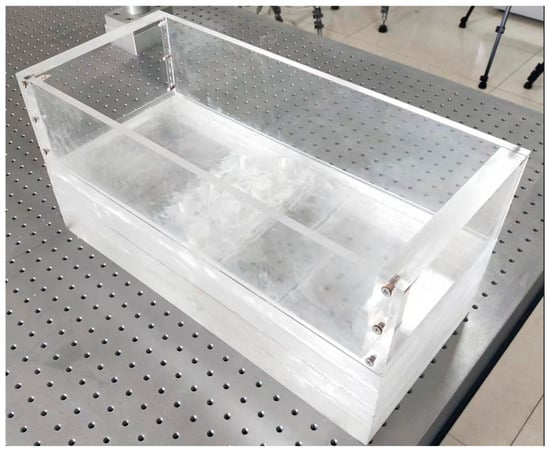
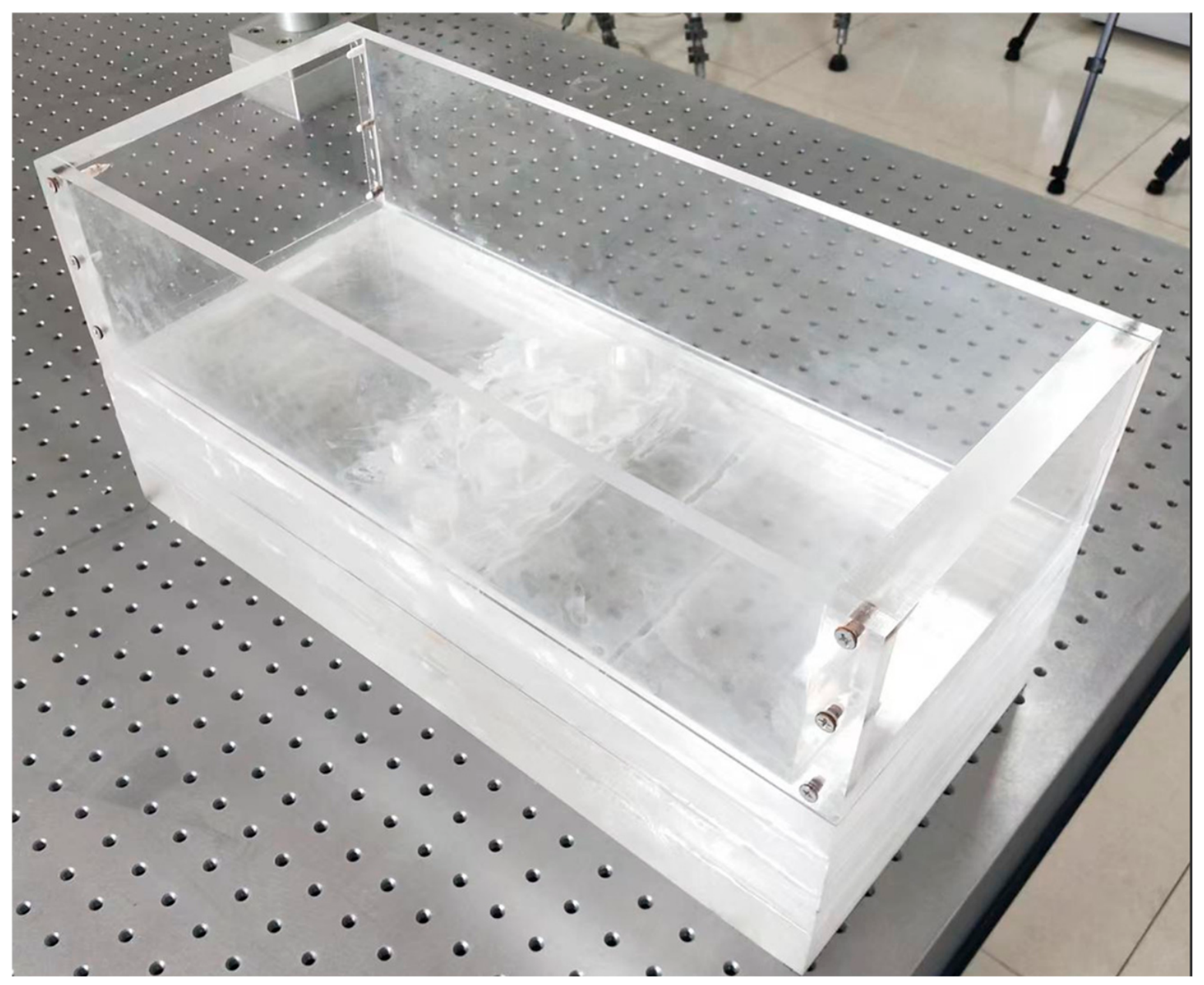
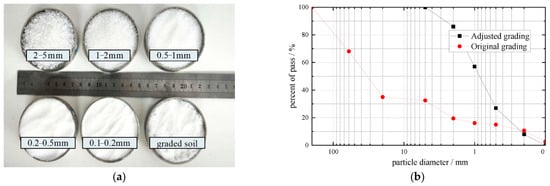
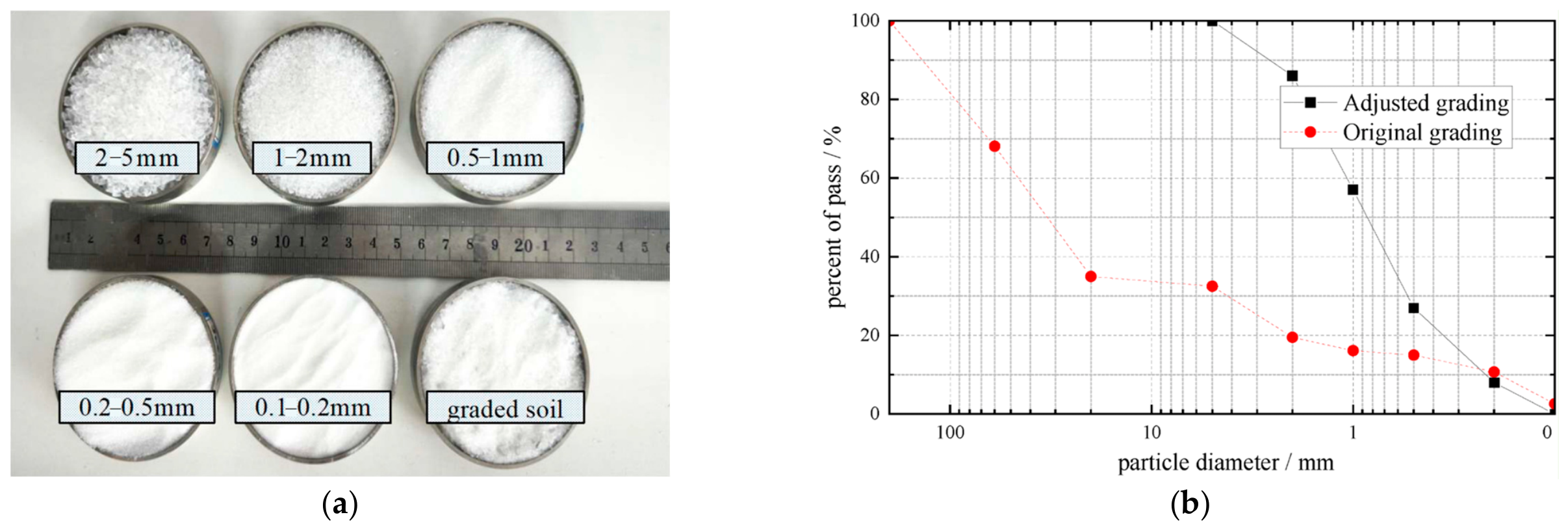
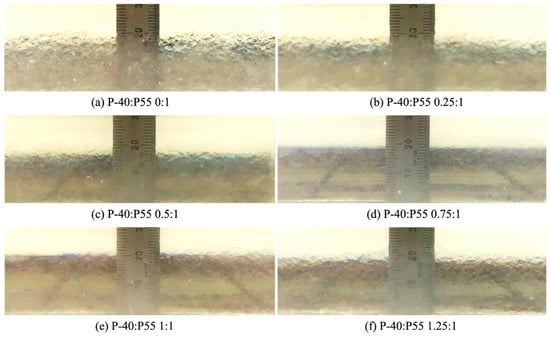
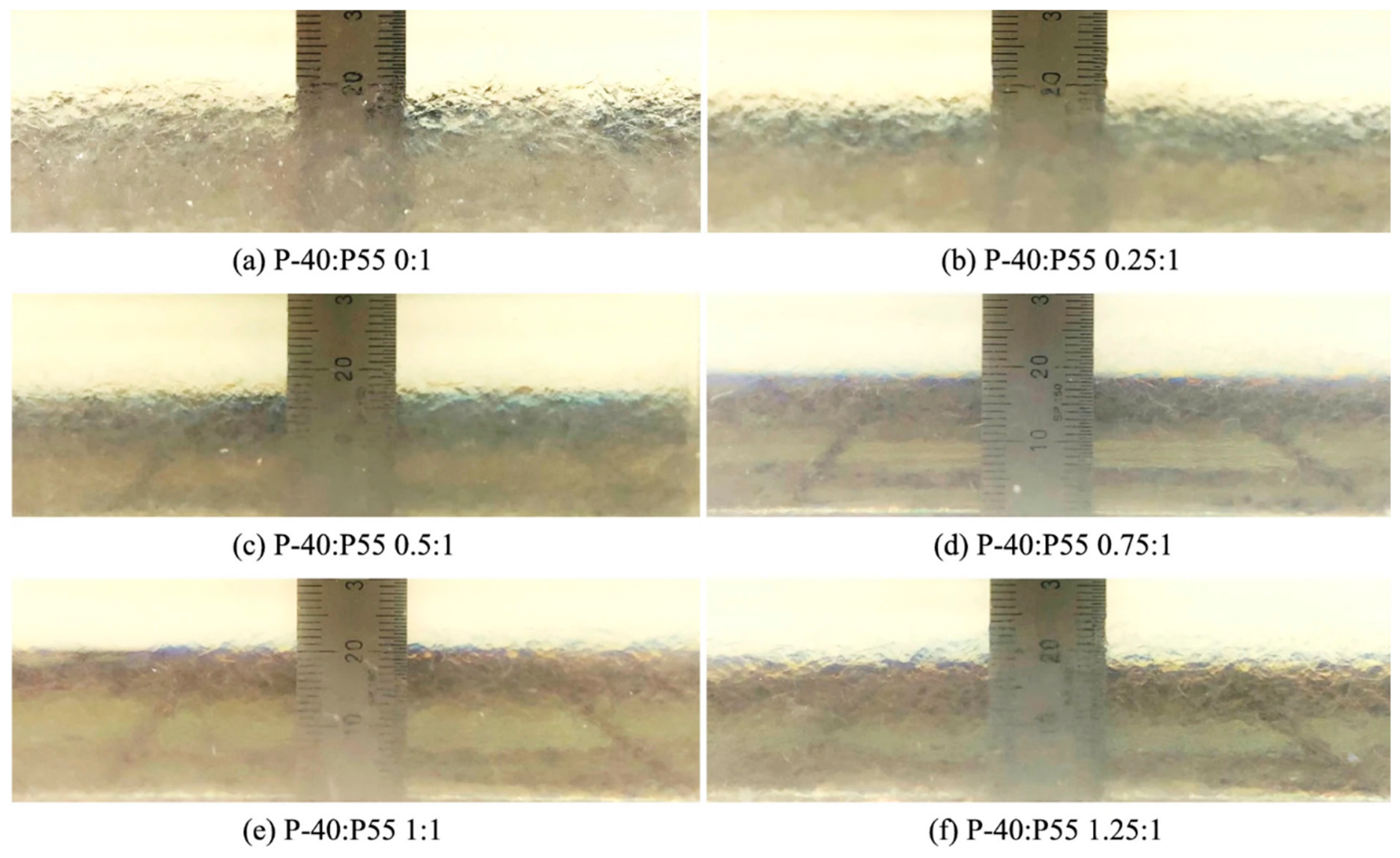
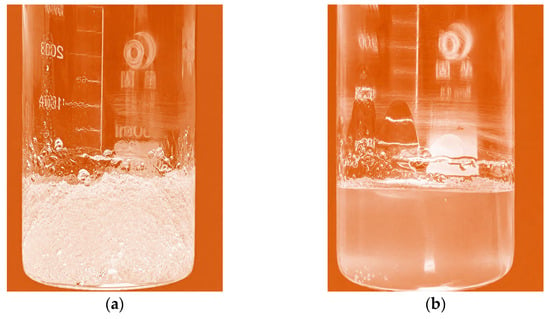
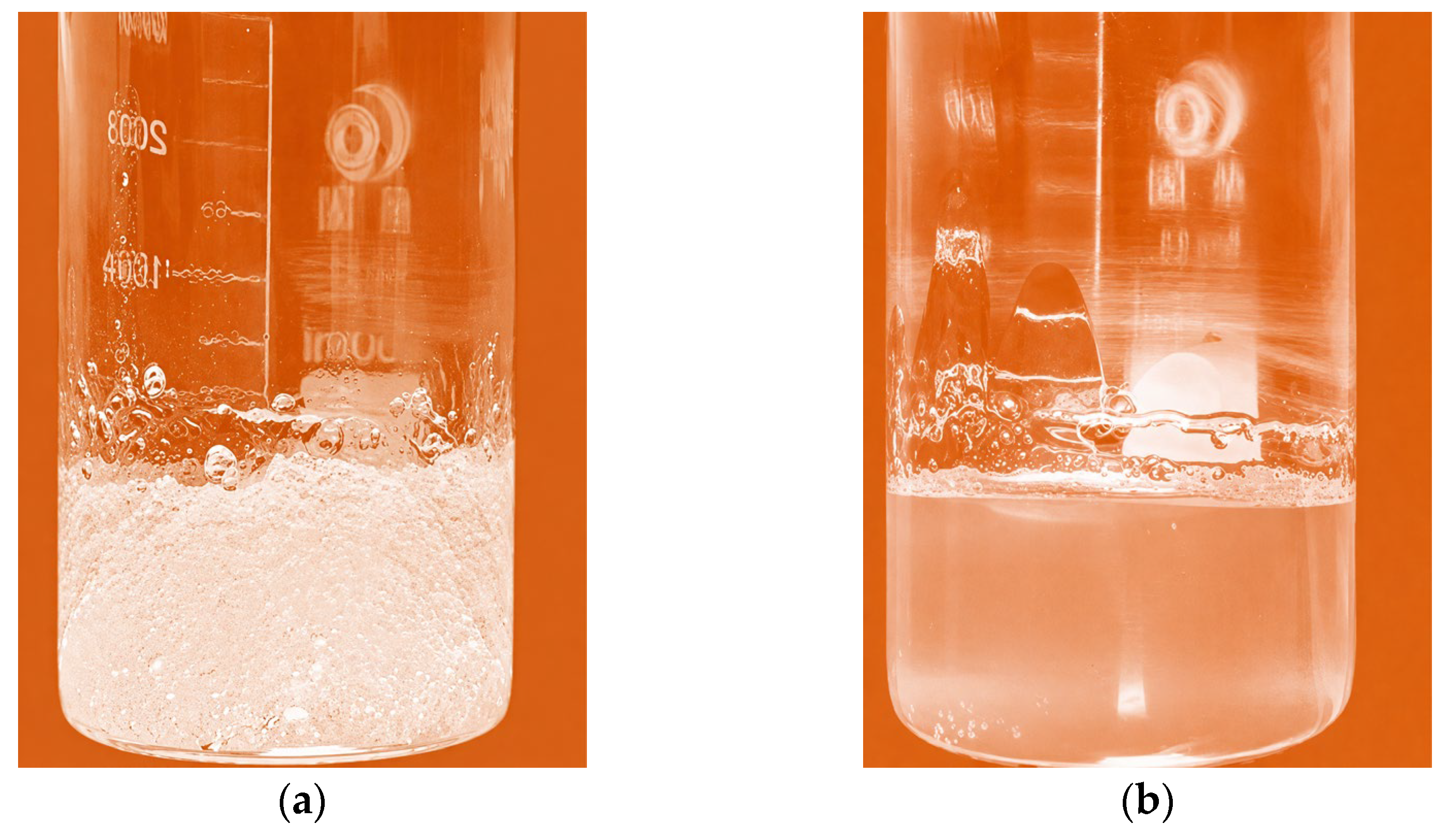
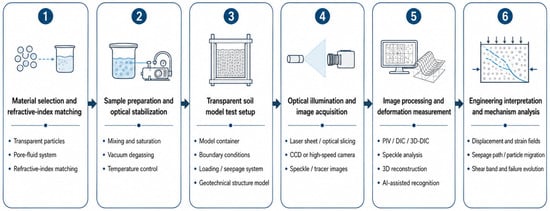
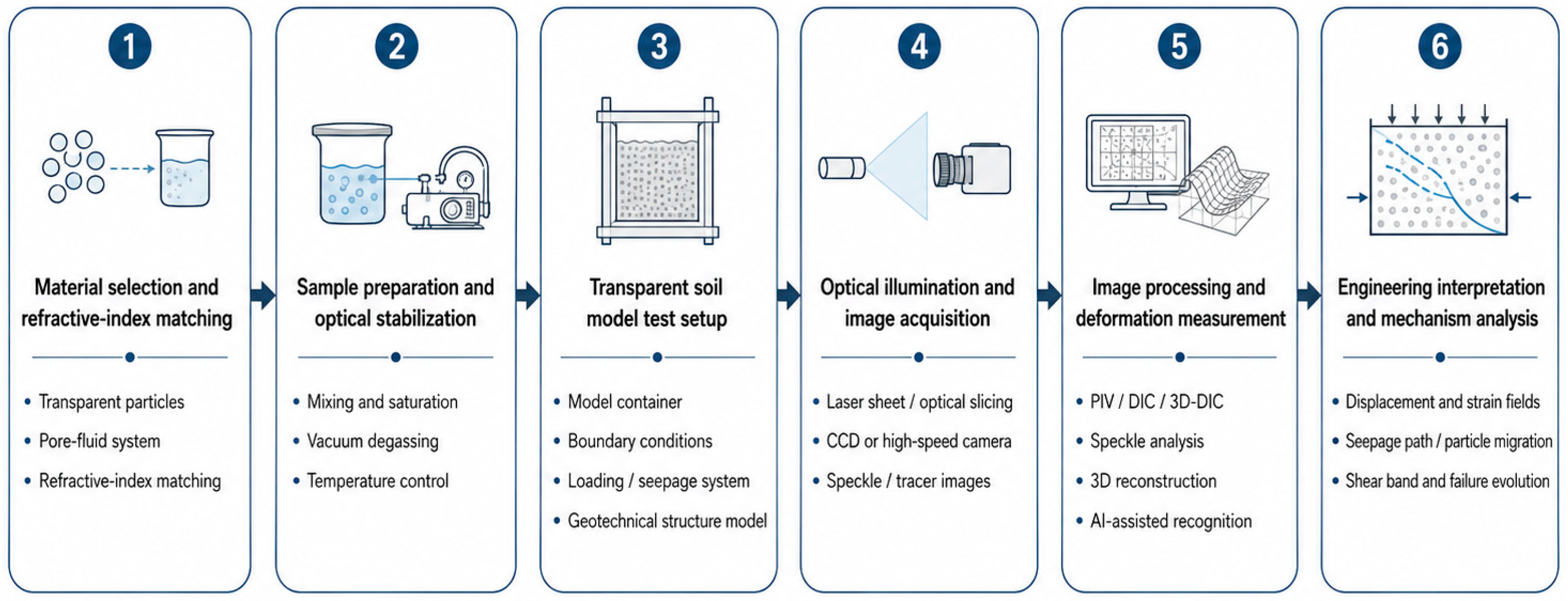
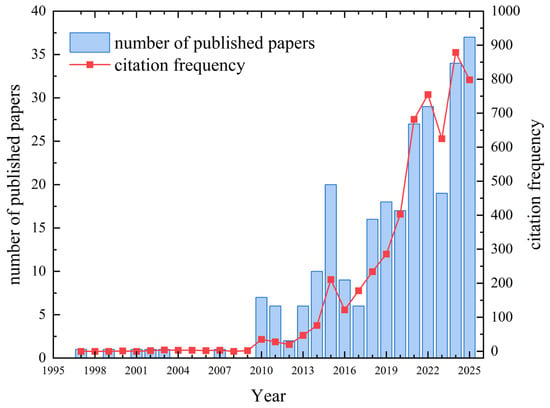
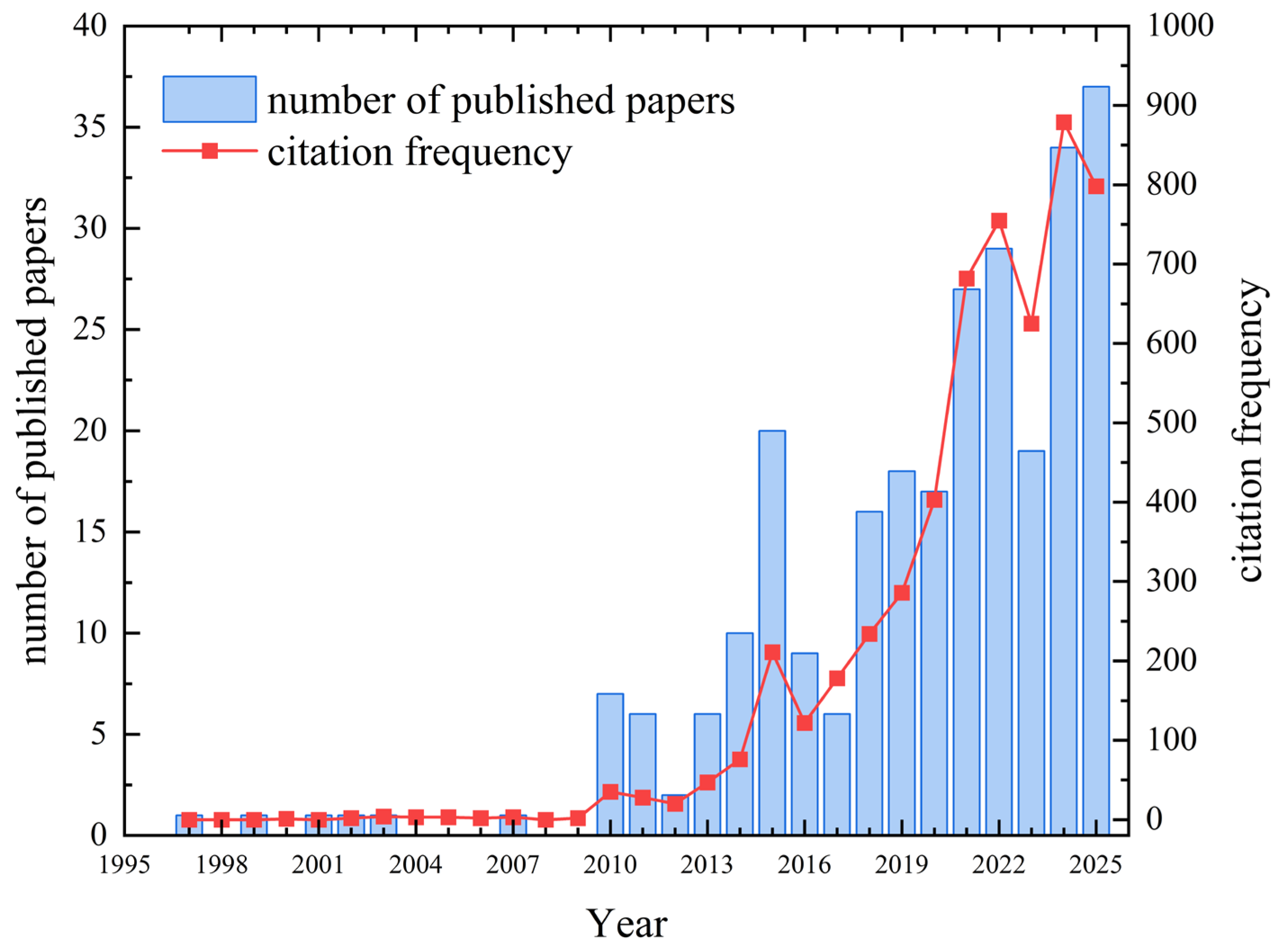
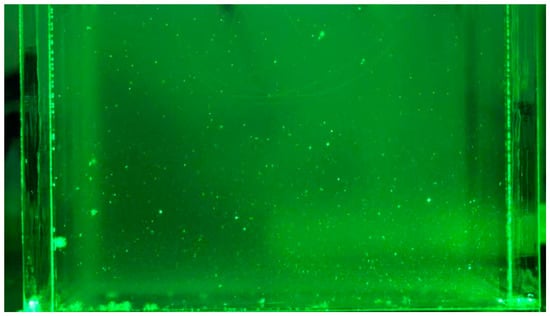
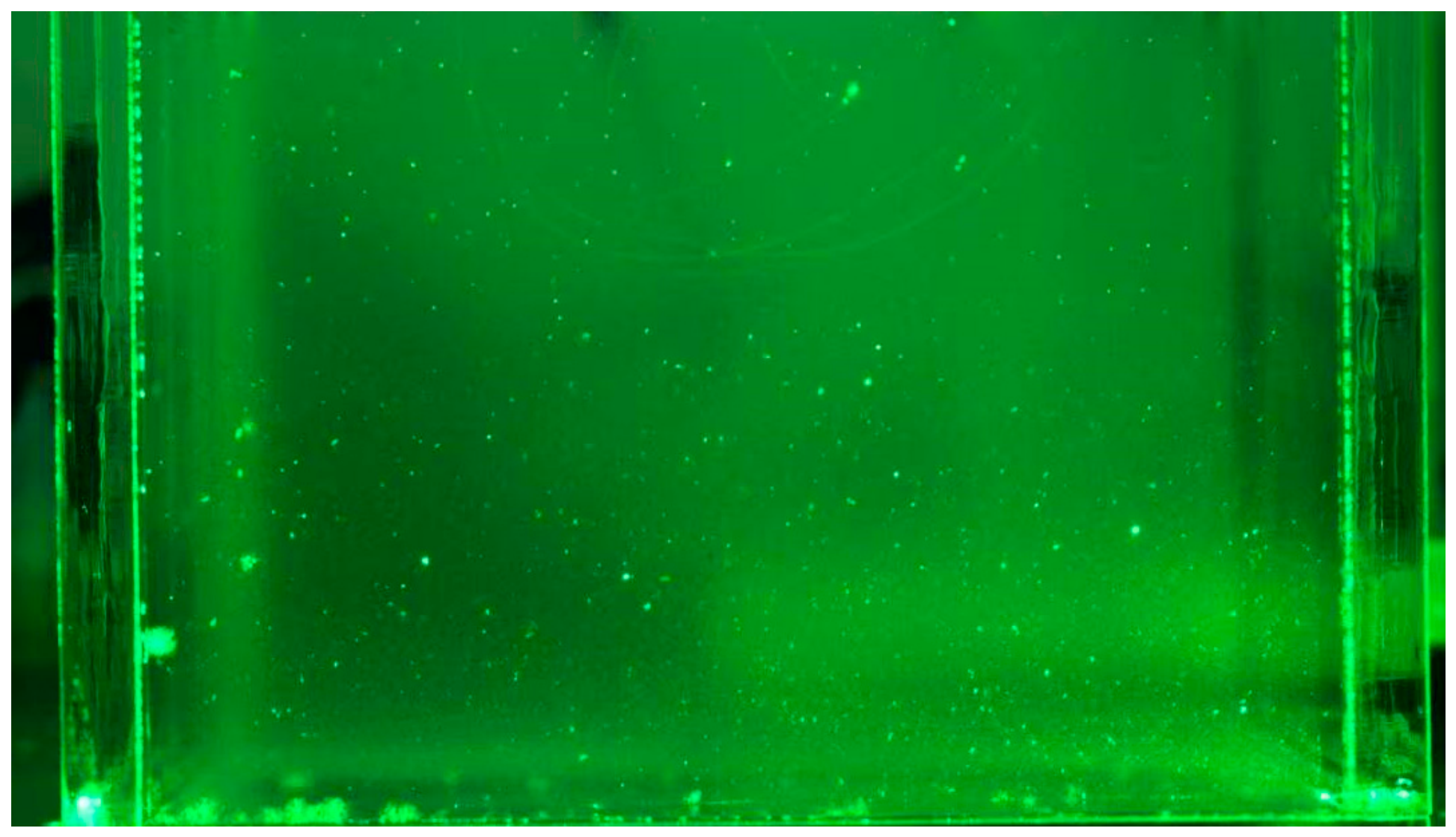
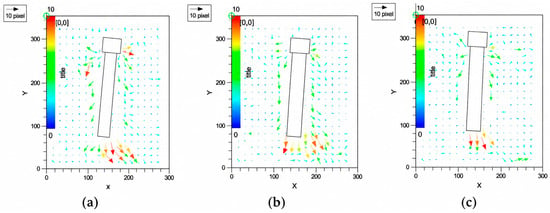
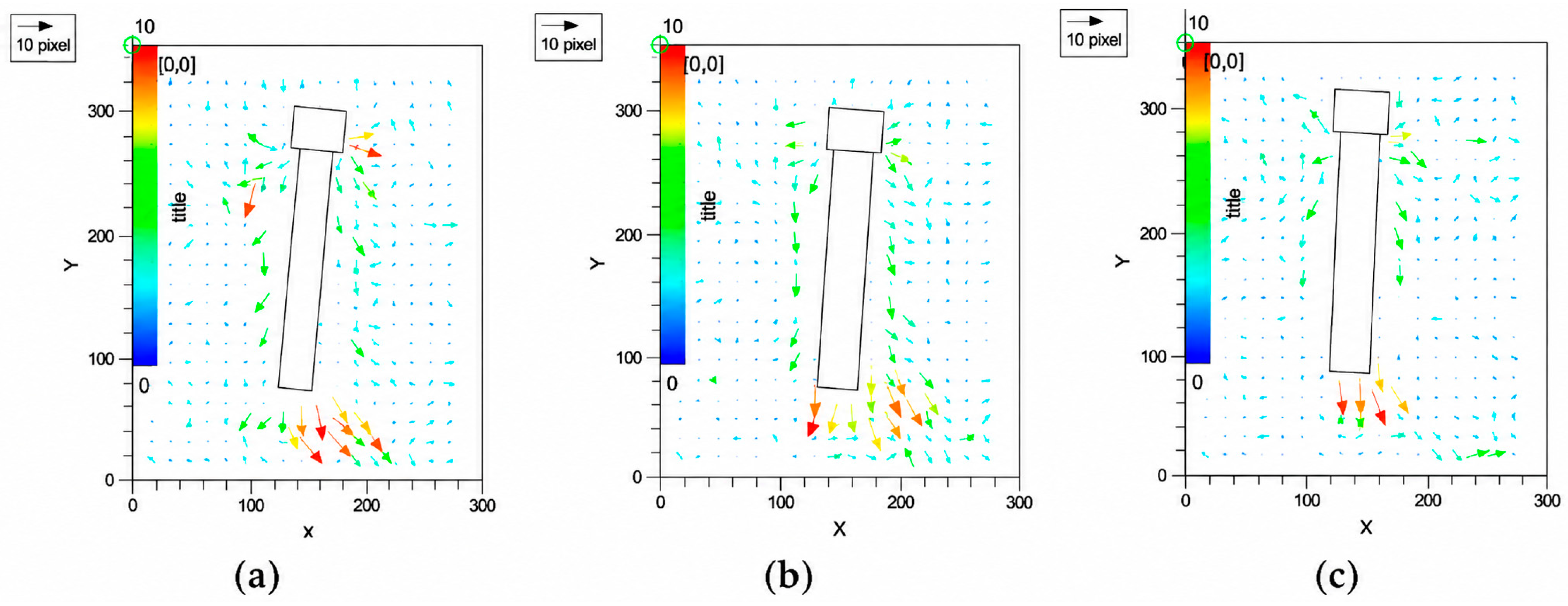
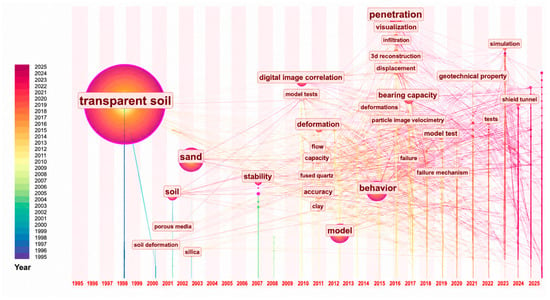
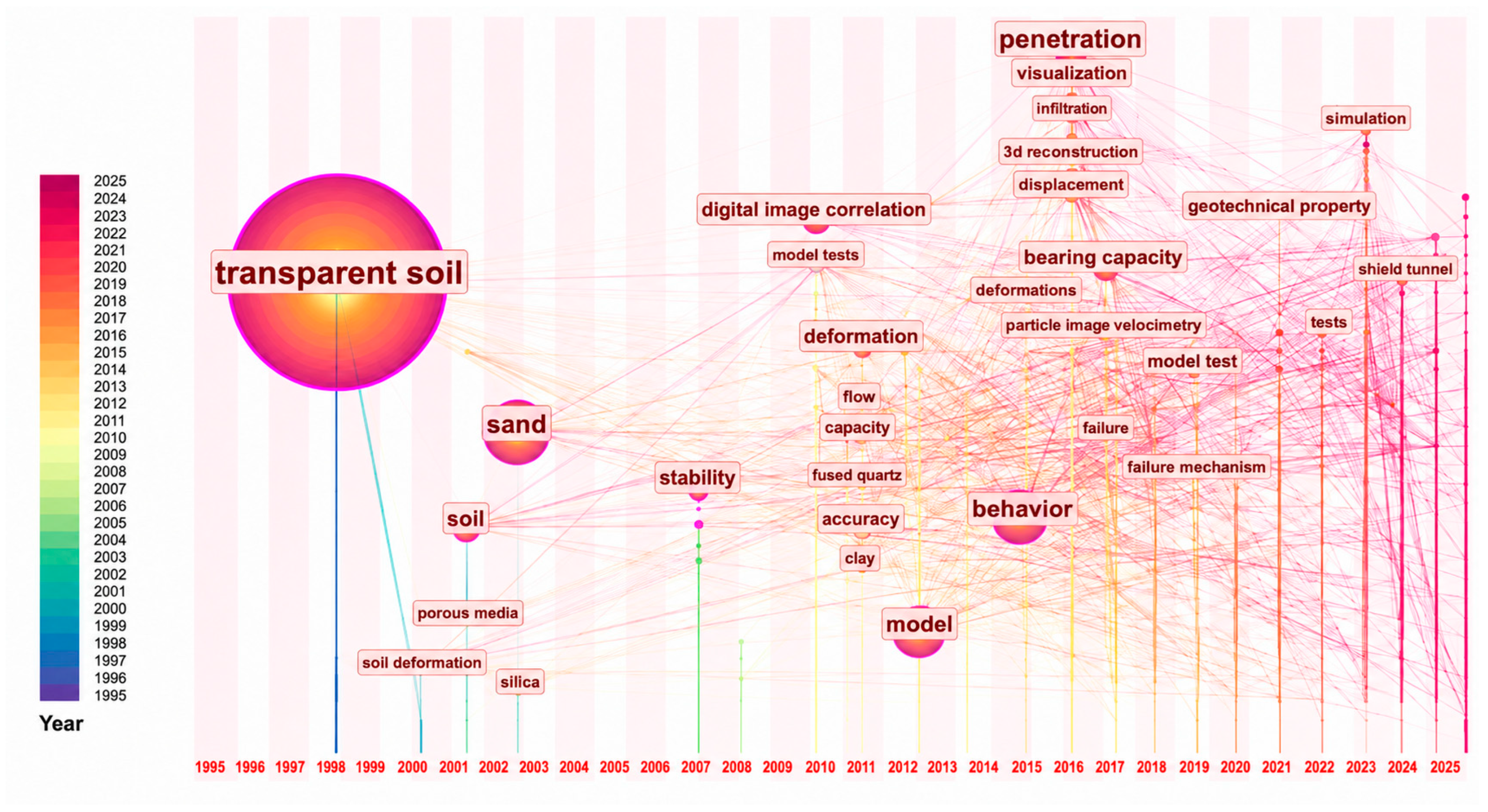

Disclaimer/Publisher’s Note: The statements, opinions and data contained in all publications are solely those of the individual author(s) and contributor(s) and not of MDPI and/or the editor(s). MDPI and/or the editor(s) disclaim responsibility for any injury to people or property resulting from any ideas, methods, instructions or products referred to in the content. |
© 2026 by the authors. Licensee MDPI, Basel, Switzerland. This article is an open access article distributed under the terms and conditions of the Creative Commons Attribution (CC BY) license.