


Abstract
Simple shear testing is a widely used method in geotechnical engineering for evaluating soil liquefaction susceptibility, deformation characteristics, and shear strength under controlled loading conditions. This study presents a bibliometric analysis of research trends in simple shear testing based on 367 publications indexed in the Scopus database between 2000 and 2024, analyzed using VOS-viewer. It appears that the current research output on this topic has greatly increased lately. The number of research articles reached a peak in 2024 with a total of 42 research articles. The most frequently cited journals on this topic are Soil Dynamics and Earthquake Engineering, with a total of 48 research articles (1173 citations); the Journal of Geotechnical and Geo-environmental Engineering, with a total of 34 research articles (772 citations); and the Canadian Geotechnical Journal, with a total of 10 research articles (250 citations). This indicates substantial research interest in earthquake engineering and soil mechanics. The output shows that there is a major emphasis on research done in the USA, with a total of 104 research articles (1215 citations). The highest average citations per document belong interestingly to the research done by Taiwanese, with a total of 36.73 citations. Similarly, it appears that there is a good impact on soil liquefaction studies. The research findings show that confining pressure, strain rates, and volume ratio affect the shear strength of the soil. Advances in boundary control and shear testing techniques have improved the reliability of experimental results. The study underscores the growing need for more sophisticated numerical modeling techniques and field verification to bridge the gap between laboratory findings and real geotechnical applications. These findings contribute to improving soil characterization methods, which enable safer and more efficient geotechnical designs for infrastructure development.
1. Introduction
Understanding soil behavior under varying loading conditions remains a prominent area of research in geotechnical engineering and is critical for assessing the stability and resilience of foundations, embankments, and retaining structures [1,2,3]. At the root of this lies soil mechanics and the shear strength that can indicate how soil will resist failure and deformation [4,5]. Recent research has delved into how shear strength also varies based on soil fabric, particle size distribution, and moisture content [6,7,8,9].
Among the lab techniques used to determine shear strength in soil, one of particular interest is the simple shear test because it can simulate field stresses both in cyclic and monotonic regimes [7,8,10]. This lab technique is one of those that can generate data on shear strength as well as stress–strain behavior for soils similar to field conditions [11,12,13]. This makes such lab tests particularly interesting for determining how soils behave under seismic force applications, offshore structure cycles, liquefaction effects in seismic events, and other engineering applications where shear deformations play significant roles [14,15]. Liquefaction, defined as the loss of strength and stiffness of saturated loose sands or low-plasticity silts under cyclic loading, can cause significant ground deformation and therefore represents a critical concern for structural stability in seismic regions [16]. In contrast to conventional triaxial testing, the direct simple shear (DSS) test allows shearing under controlled boundary conditions, including constant volume (undrained) or constant normal stress (drained) conditions, while maintaining a uniform shear strain distribution. This capability enables more realistic simulation of in situ stress paths compared to conventional direct shear tests [17,18,19].
One of the advantages of the simple shear test is the ability to model both undrained and drained conditions without altering the uniform shear stress [20]. This is invaluable for assessing the liquefaction resistance of sandy/silty soil deposits during an earthquake, as well as assessing the long-term stability of soft clay deposits [21,22]. Also, the same equipment may be employed under both static and dynamic loads [23,24,25]. Beyond their well-established applications in seismic and liquefaction research, simple shear tests serve as a fundamental tool for characterizing the shear strength and mechanical behavior of soils in a wide range of applied geotechnical engineering contexts. In road construction and pavement engineering, for instance, the accurate determination of shear strength parameters is essential for evaluating subgrade performance, assessing bearing capacity, and designing resilient pavement systems capable of withstanding dynamic traffic loading. Subgrade soils, particularly those of lateritic or expansive character, often require chemical or mechanical stabilization to meet the strength and durability criteria prescribed by infrastructure design standards. The shear strength of such stabilized materials, whether treated with cementitious binders, industrial by-products, or reinforced with geosynthetics, is routinely assessed through laboratory shear testing protocols that parallel the stress conditions simulated in a simple shear apparatus. In this regard, recent studies have demonstrated the critical importance of integrating shear strength evaluation within soil improvement investigations targeting infrastructure applications. For example, a research study conducted by [26] examined the mechanistic and comparative effects of lime dosage and uniaxial geogrid reinforcement on the strength and durability of classified lateritic subgrade soils, highlighting how shear strength parameters govern subgrade performance under realistic loading scenarios. Similarly, the application of agro-industrial waste materials, such as sugarcane bagasse ash, in hot-mix asphalt design has been evaluated through combined experimental and numerical analyses, underscoring the growing emphasis on sustainable materials in geotechnical and pavement engineering practice [27]. These studies collectively reflect the broad relevance of shear strength evaluation and, by extension, simple shear testing across multiple domains of geotechnical and infrastructure engineering, further justifying a comprehensive bibliometric analysis of research trends in this field.
Throughout the years, various designs of direct simple shear devices have been developed, each reflecting distinct engineering philosophies and boundary condition assumptions that meaningfully influence test outcomes and their applicability to geotechnical practice. The Direct Simple Shear (DSS) apparatus, available in both monotonic and cyclic loading configurations, constrains the specimen laterally using a wire-reinforced rubber membrane or stacked rings, thereby maintaining a constant specimen height while allowing horizontal shear deformation [24,28,29]. This design enables the simulation of the horizontal shear stresses induced during earthquake loading and undrained cyclic response of saturated soils, making it particularly well-suited for liquefaction assessment and cyclic strength evaluation [30,31,32]. The Norwegian Geotechnical Institute (NGI)-type simple shear device, originally developed by Bjerrum and Landva [33], employs a cylindrical rubber membrane to encase the specimen, which constrains lateral deformation while permitting uniform shear strain distribution throughout the sample height. The NGI device is especially valued for its ability to test soft, sensitive, and normally consolidated clays under undrained conditions. It has become a benchmark instrument for evaluating anisotropic shear strength and stress-path behavior in fine-grained soils [30,31,32]. The Cambridge-type simple shear device, by contrast, uses a rectangular specimen constrained between rigid end platens and flexible side walls, allowing for better control of stress boundary conditions and enabling plane-strain deformation modes more representative of certain field loading scenarios, such as embankment and retaining wall analyses [24,28,29]. While these devices share the overarching objective of replicating simple field shear conditions, they differ fundamentally in specimen geometry, boundary condition enforcement, drainage control, and the degree to which complementary shear stresses are mobilized on specimen boundaries—differences that have direct implications for the interpretation of measured shear strength, pore pressure response, and stiffness parameters [24,28,29]. The DSS test, in particular, has gained broad acceptance in geotechnical engineering due to its capacity to precisely characterize soil behavior under cyclic loading, offering a more realistic simulation of seismic field conditions compared to conventional triaxial or direct shear tests, and rendering it indispensable for practical applications in liquefaction-prone ground assessment and earthquake-resistant foundation design [30,31,32]. Nevertheless, each apparatus presents inherent limitations: the DSS device is susceptible to non-uniform stress distribution and boundary membrane effects that may introduce systematic errors in measured shear resistance; the NGI device, while excelling in soft soil testing, may underestimate complementary shear stresses due to membrane compliance; and the Cambridge device, though superior in boundary condition control, is less amenable to cyclic loading protocols routinely required in seismic geotechnical investigations [34,35]. These distinctions collectively underscore the critical importance of apparatus selection in experimental design and emphasize the continued need for research and technological advancement in simple shear testing methodologies to resolve existing limitations and expand their applicability across a broader spectrum of geotechnical engineering problems [36,37].
Contemporary advancements in geotechnical science strive to enhance the validity and credibility of the simple shear test, adopting novel approaches based on numerical modeling, the use of highly precise sensors, and automation of the process [38,39]. This area of study further enhances the understanding of soil mechanisms under various paths of stress, thereby facilitating the construction of more reliable and resilient designs [40]. Because of the highly significant role of the simple shear test in soil stability and deformation, researchers and practitioners continue to emphasize the use of the test to improve the safety of infrastructure projects [41,42,43].
However, the basic simple shear test has some demerits. For instance, it is difficult to achieve pure stress, as well as exact strain distribution, through the simple shear test [44]. This is, however, overcome by utilizing modern testing equipment such as the constant-volume cyclic simple shear test, as well as the bender element method [7]. Moving to the future, improving the interpretation of results, improving control of boundary conditions, and extending the application of the simple shear test to various types of soils are planned [45].
Given the growing body of literature on simple shear testing and its expanding applications in geotechnical engineering, a systematic evaluation of research trends becomes essential. In this context, bibliometric analysis provides a structured and quantitative approach to assessing scientific development in the field. A bibliometric study is a systematic procedure for tracing research patterns in any particular area of study over a period of time [46,47,48,49]. It can assist in identifying key players in research, key authors, institutions, and journals, while also tracing shifts in themes and topics [50]. A bibliometric study extends beyond journal articles to include patents, books, conference papers, and their citation networks, including co-citations [51,52]. Co-citation analysis further identifies research papers by examining how publications are interconnected through shared references [50]. Bibliometrics can be broadly classified into two major strands. One is centered around a level or degree of research and zeroes in on key subjects, publications, and international contributions. Another is based upon social network analysis and other metrics and examines relationships among keywords, institutions, and countries [53,54]. These two aspects of bibliometrics allow researchers not only to discern key themes but also to trace developments and changes over time. Through bibliometric analysis, researchers are therefore enabled to evaluate the body of existing knowledge and locate key works and trends that must be researched [55,56,57].
To the best of our knowledge, no comprehensive bibliometric study has systematically examined the evolution of research on simple shear testing within soil mechanics and geotechnical engineering. Therefore, the primary purpose of this study is to quantitatively and structurally analyze global research trends, intellectual development, and thematic evolution in simple shear testing between 2000 and 2024. Specifically, this study aims to identify patterns of publication growth and influential journals, authors, and countries; examine collaboration networks within the research community; determine dominant and emerging research themes through keyword co-occurrence analysis; and evaluate the integration of computational modeling, experimental techniques, and robust soil stabilization approaches in recent studies. The following questions guide the research: How has scientific output in simple shear testing evolved over the past two decades? Who are the key contributors and collaboration clusters shaping the field? What thematic areas dominate the literature, and which emerging topics indicate future research directions? Using bibliometric analysis of 367 Scopus-indexed publications and VOS-viewer-based co-citation, co-authorship, and keyword mapping techniques, this study provides a data-driven roadmap for future research and interdisciplinary collaboration by identifying structural research patterns, knowledge gaps, and evolving thematic directions in simple shear testing.
2. Methodology
This study employed a systematic and transparent bibliometric methodology to investigate the scientific evolution of simple shear testing in soil mechanics and geotechnical engineering. The methodological framework was designed in accordance with PRISMA principles adapted for bibliometric research to ensure reproducibility, clarity, and consistency in data collection, screening, and analysis. The approach aimed to capture the global research landscape, identify influential publications, and map the thematic development of the field while maintaining a clearly defined and reproducible dataset selection process, as illustrated in Figure 1.
Figure 1.
Bibliometric analysis process flow chart.
2.1. Data Source and Search Strategy
The Scopus database was selected as the primary source of bibliographic data due to its extensive multidisciplinary coverage, robust citation tracking system, and high-quality indexing of peer-reviewed literature in engineering and geotechnical disciplines [58,59,60]. Its comprehensive metadata structure and standardized export formats make it particularly suitable for bibliometric mapping and network analysis [61,62]. The literature search was conducted using the Scopus Advanced Search interface on 15 February 2025. To enhance thematic accuracy and reduce the inclusion of irrelevant records, the search was restricted to the TITLE-ABS-KEY field (title, abstract, and keywords). The exact copy–paste-ready search string used in this study was: (TITLE-ABS-KEY ((“Monotonic Simple Shear Test” OR “Cyclic Simple Shear Test” OR “Direct Simple Shear Test” OR “Simple Shear Test”) AND (“Soil” OR “Soil Mechanics” OR “Geotechnical Engineering”))). No restrictions related to publication year, document type, language, or source type were applied during the initial search stage in order to capture the complete historical development of research on simple shear testing. Consequently, the unrestricted search retrieved publications indexed in Scopus from 1973, corresponding to the earliest relevant record, up to 2025, the year of data extraction. This initial retrieval yielded a total of 515 documents.
Although the initial retrieval covered the entire historical span from 1973 to 2025, further temporal refinement was necessary to establish a consistent and methodologically robust analytical window. Publications prior to 2000 were limited in number and exhibited discontinuous research activity. In addition, records indexed for 2025 were incomplete at the time of data collection. Therefore, to ensure data stability, comparability of citation indicators, and reliability of trend evaluation, the final bibliometric analysis was restricted to the period 2000–2024. Thus, the dataset was brought down to 436 documents.
2.2. Screening Process and Dataset Refinement
Following data extraction, all retrieved records were exported in CSV format, including complete bibliographic information such as authors, affiliations, publication year, source title, abstract, keywords, and citation data. The dataset was then subjected to a structured screening and refinement process to ensure consistency and analytical relevance. In the first stage, document type filtering was applied to retain only peer-reviewed journal articles and conference papers, while reviews, book chapters, editorials, notes, and other non-peer-reviewed materials were excluded. The rationale behind this decision is that peer-reviewed publications undergo rigorous academic evaluation, ensuring higher scientific quality, methodological soundness, and reliability of findings. After applying this filter, the dataset was reduced from 436 to 421 documents.
In the second stage, language filtering was performed by retaining only English-language publications. This step was necessary to ensure consistency in keyword interpretation, citation analysis, and text-mining procedures used in bibliometric mapping. Although this criterion may have excluded some valuable studies published in other languages, it significantly improved the comparability of bibliometric indicators and minimized potential translation-related biases. Following this filtering process, the dataset was further reduced to 388 documents.
In the third stage, source type filtering was applied to retain only documents published in academic journals and conference proceedings, while trade journals, book series, and non-scholarly sources were excluded. This refinement ensured that the dataset focused exclusively on academically validated and research-oriented contributions directly relevant to advancements in simple shear testing within soil mechanics and geotechnical engineering. After completing all filtering steps and removing any remaining duplicates and irrelevant records through manual screening of titles, abstracts, and keywords, the final validated dataset consisted of 367 journal articles and conference papers.
2.3. Data Selection for Bibliometric Analysis
The bibliometric analysis was conducted based on the final dataset of 367 peer-reviewed journal articles and conference papers that successfully passed all selection and refinement stages. These publications represent the most relevant and academically validated body of literature on simple shear testing in soil mechanics and geotechnical engineering within the defined analytical period (2000–2024).
Network and performance analyses were carried out to identify major research trends, leading authors, influential countries, prominent journals, and highly cited publications in the field. Keyword co-occurrence analysis was performed to detect dominant research themes and emerging topics, while citation analysis was used to evaluate the scientific impact of individual studies and to highlight the most influential contributions to both theoretical development and practical applications of simple shear testing.
The integration of systematic document selection, keyword frequency analysis, and citation-based evaluation enabled a comprehensive mapping of the intellectual structure and temporal evolution of research in simple shear testing. This methodological framework provides a robust and reproducible basis for understanding the scope, progression, and research dynamics of the field from 2000 to 2024, while ensuring full consistency between the dataset description, figures, and bibliometric results presented in the study.
Table 1 presents a detailed overview of bibliometric data related to simple shear testing research. The dataset comprises a total of 367 documents, which include both journal articles and conference papers, sourced from 114 unique publications. The research landscape is enriched by the contributions of 959 authors affiliated with 737 distinct organizations across 52 countries.
Table 1.
Bibliometric analysis of simple shear testing research (2000–2024).
3. Results and Discussion
3.1. Publication Trend
Figure 2 illustrates the annual number of publications related to simple shear testing indexed in the Scopus database over the period 2000–2024. Data for 2025 are included only up to 15 February and therefore represent a partial year. The inclusion of 2025 aims to provide the most recent update available in the database; however, it is not treated as a complete year in the interpretation of publication trends. Figure 2 shows a clear upward trend in publications, reflecting sustained and increasing interest in simple shear testing. This increase is likely driven by advancements in DSS equipment, boundary control systems, and numerical modelling of soil behaviour.
Figure 2.
Annual publication trends in simple shear testing research indexed in the Scopus database (2000–2024).
From the observation of Figure 2, it is evident that there are periods of increasing research activity, typically associated with significant geotechnical issues or technological advances. Spikes in publication activity often follow major earthquakes, when interest in soil liquefaction and ground-failure mechanisms intensifies. Similarly, developments in soil constitutive modeling and the development of new materials for soil reinforcement may also have contributed to spikes in production. Similarly, falls may be due to shifts in research funding priorities or saturation of areas of shear testing research for a period. But the overall upward trend suggests sustained interest and continued development in this field.
In the future, studies will likely focus on integrating machine learning and artificial intelligence into soil testing for higher predictive capacity. Reliable geotechnical practices are also gaining greater emphasis, such as the use of bio-cemented soils and non-conventional reinforcement systems, which might influence future trends in publications. Future research directions will be shaped by continued improvements in testing equipment and increased collaboration across related disciplines. This consistent increase in activity underscores just how central simple shear testing is to soil mechanics and constructing safe infrastructure.
Figure 3 illustrates the distribution of publication types for simple shear testing found in the literature. This variety in the types of publication, in the form of journal articles, conference papers, reviews, and book chapters, can provide some insight into the dissemination of knowledge within the community. Journal articles form the dominant publication type and remain the most authoritative source of peer-reviewed research in simple shear testing.
Figure 3.
Document type percentage of reports for simple shear testing research.
Conference papers are also important because they allow rapid communication of emerging findings before formal journal publication. Conferences act as a platform where updates and information can be discussed. Due to the rapid advancements in the area of soil mechanics, information from conferences is highly effective in spreading the information faster, for instance, in the areas of soil liquefaction, cyclic loads, and the latest methods for shear tests.
Although fewer in number, review papers synthesise existing work, summarise current challenges, and highlight areas where further research is needed. Through a combination of findings coming from a variety of research efforts, reviewed papers can provide researchers with insights into areas where further research is warranted. Book chapters also contribute to knowledge transfer, particularly in textbooks used for training students and young researchers.
The variety of document types shown in Figure 3 reflects the multifaceted nature of research communication in geotechnical engineering. While journal articles remain the mainstay of research contributions, conference papers drive immediate discussion of new research topics. Review papers and book chapters, in contrast, help consolidate core knowledge and guide future research. This distribution suggests a good balance for knowledge distribution in the field of simple shear testing, with theoretical advancements and applications still progressing together.
3.2. Co-Citation Network of Authors
Table 2 is a compilation of important researchers in simple shear testing research, ordered by the number of publications, total citations, and average citations per paper. The network identifies the most important contributors to the field, including the researchers whose work has influenced soil mechanics and geotechnical engineering. Collaboration helps trace knowledge exchange and identify potential research partners in the field.
Table 2.
Researcher collaboration with a minimum of 5 publications on the simple shear test.
Among the prominent researchers included in the list is Chang W.-J., with a total citation of 332 instances and an average of 66.4 citations for every paper, to denote the enormous effect of the study. This study appears to focus on soil behaviour under cyclic loading, liquefaction resistance, and the influence of granular composition on shear strength. Other frequently cited authors, such as Sadrekarimi A. (154 citations, 30.8 per paper) and Wijewickreme D. (152 citations, 25.3 per paper), are very influential authors whose research centers on cyclic shear testing, soil stabilization, and constitutive models of soil behavior. They have a great impact on methodologies and theoretical foundations engaged in simple shear testing studies.
Table 2 indicates various patterns of citations among researchers. Some have high overall citation counts, while others have fewer citations with greater publication numbers. For instance, Bray J.D., who has 46 citations, has written various papers, indicating steady effort in the subject. Lee M. and Gomez M.G., respectively, have fewer citations but more publications; both of their papers have 67 citations each, with an average of 13.4 citations per paper, indicating that they are well-cited papers, even if in total their number of publications is less than that of other researchers.
Table 2 also provides information on collaborative research trends in geotechnical engineering. With multiple authors from common research fields, there must be close academic collaboration, where researchers tend to collaborate on experimental work, numerical modeling techniques, and field application of shear test techniques. These researchers’ working institutions are most likely leading research institutions in soil mechanics and earthquake engineering. The researchers’ list, based on publication numbers and citation impact, helps identify thought leaders and potential future study partners in simple shear testing.
3.3. Country Collaboration Network
Figure 4 presents a map visualization of the countries contributing to simple shear testing research, highlighting the global distribution of scientific activity in this field. Countries with higher research output appear more prominently, reflecting their active engagement and capacity for knowledge production. This mapping allows identification of both leading contributors and emerging participants, providing insight into global research dynamics.
Figure 4.
Mapping visualization of countries in simple shear testing research.
The main contributors include the United States, Canada, the United Kingdom, Germany, and China. These nations demonstrate well-established geotechnical engineering programs, advanced laboratory facilities, and sustained investment in soil mechanics research. Emerging economies such as India, Turkey, Brazil, Vietnam, and Colombia also appear on the map, indicating their increasing involvement in the field. The presence of these countries highlights the growing global interest in soil stabilization and seismic-resistant design, particularly in regions prone to earthquakes.
Figure S1 depicts the bibliometric collaboration network among these countries. In this network, nodes represent countries, with node size corresponding to research output, while links indicate the strength of international collaborations. Larger nodes and thicker links signify countries that are more active and connected in global research networks. The United States, Canada, China, and the United Kingdom emerge as central hubs, reflecting both high publication output and extensive international collaboration. European nations such as Germany, Italy, and France are also well-integrated, demonstrating sustained cooperative efforts. Asian contributors, including Japan, South Korea, and India, show active engagement, reflecting both the practical relevance of research in seismically active regions and their integration into global networks.
Table 3 quantifies these contributions for the top 19 countries, ranked by total link strength (TLS), number of documents, citations, and average citations per document. Only countries with a minimum of five publications are included. The United States leads in total link strength (12,053), publications (104), and citations (1215), illustrating its dominant role in driving both research output and international collaborations. Canada and China also show significant contributions in terms of productivity and impact. European nations such as Italy, the UK, Germany, and Spain maintain strong participation, with Italy and the UK demonstrating high citation averages. Taiwan, despite a smaller number of publications, achieves one of the highest average citations per document (36.73), reflecting the quality and influence of its research. Emerging countries, including India, Turkey, Colombia, and Vietnam, indicate a trend toward expanding participation, knowledge transfer, and the global standardization of simple shear testing methodologies.
Table 3.
Leading 19 countries in simple shear testing research based on TLS. Minimum thresholds: 5 publications per country.
3.4. Leading Journals for Simple Shear Testing Research
Figure 5 is a categorization of simple shear testing research papers based on subject areas in the Scopus database. The classification shows the breakdown of the research across disciplines and, thus, the interdisciplinary nature of geotechnical engineering. Even though the primary subject is geotechnical engineering and soil mechanics, the fact that relevant disciplines such as civil engineering, earthquake engineering, and material science are included means that simple shear testing has far-reaching applicability in infrastructure and hazard mitigation research.
Figure 5.
Documents by subject area in the Scopus database in simple shear testing research.
A lot of work that is done falls under geotechnical engineering, with simple shear testing as a starting point to determine the strength, behavior, and liquefaction resistance of the soil. Of importance to the design of foundations, slopes, retaining walls, and embankments, especially for regions that experience earthquakes, the range of civil engineering makes it quite important that research such as this, related to the behavior of soils when subjected to shearing, is valuable. Earthquake engineering also plays a major role in the discussion, emphasizing the importance of simple shear tests in understanding how soils react when subjected to earthquake loadings. Primarily, the discussion is on the role of soil liquefaction and cyclic loading in predicting the movement of the ground and the associated effects on the structure during the earthquake. The application of materials science suggests the research also focuses on the mechanics of the soils and how they can be made stable. Scientists may be studying the effect of additives such as cement, polymers, or bio-mediated agents on soil shear strength for enhancing stability and reducing settlement risks.
The overlap of geotechnical investigation in the distribution of subject disciplines in Figure 5 shows how earthquake engineering, civil engineering infrastructure investigation, and material science integration confirm that simple shear testing has broad application beyond laboratory tests. It is interdisciplinary thinking that confirms what is discovered with research, finds application in practical engineering issues, and opens the way for soil stabilization innovation, disaster resilience, and foundation construction. Understanding this classification helps researchers and professionals acknowledge relevant areas of research and potential collaboration in various areas of engineering.
Figure S2 presents a network of journals that have published more than five research articles on simple shear testing. Node size reflects publication output, while links indicate citation relationships between journals. Larger nodes and denser linkages correspond to leading journals frequently used by geotechnical researchers, providing insight into primary sources for advances in soil mechanics, cyclic shear testing, and earthquake engineering applications. Among the most prominent journals, Soil Dynamics and Earthquake Engineering, Journal of Geotechnical and Geoenvironmental Engineering, and Canadian Geotechnical Journal dominate the field. These journals have consistently published pioneering studies on soil liquefaction, cyclic shear strength, and numerical modeling of soil behavior under seismic loading. Their high visibility and strong interconnections suggest that they are standard references for researchers performing simple shear testing and facilitate knowledge transfer across the geotechnical community.
Interdisciplinary journals such as Engineering Geology and Computers and Geotechnics are also well-represented, highlighting the influence of computational modeling and geological factors in soil behavior analysis. Publications in computational and structural engineering journals reflect the integration of experimental and simulation-based methods, as well as the importance of soil-structure interaction in foundation and underground structure design. The network illustrates the variety of publication platforms available to researchers and indicates trends in citation and influence. The strong interlinkages among journals reflect the multidisciplinary nature of soil mechanics, where advances in experimental techniques, modeling, and practical applications derive from knowledge across multiple subfields.
Table 4 summarizes the top 14 journals contributing to simple shear testing research, ranked by total link strength, number of publications, and citations. Soil Dynamics and Earthquake Engineering lead with 48 articles and 1173 citations, reflecting its key role in seismic soil response and shear testing studies. The Journal of Geotechnical and Geoenvironmental Engineering follows with 34 articles and 772 citations. Other significant journals include the Canadian Geotechnical Journal, Engineering Geology, Soils and Foundations, Computers and Geotechnics, and the Geotechnical Testing Journal, each contributing to laboratory studies, numerical simulation, and methodological innovation.
Table 4.
The top 14 journals in processing simple shear testing research in terms of citations.
This analysis highlights not only the dominant journals shaping the field but also the multidisciplinary connections that drive innovation and the adoption of advanced shear testing methods in geotechnical engineering. Researchers, particularly early-career scientists, can use this information to identify suitable publication venues and follow major trends in soil mechanics research.
3.5. Most Influential Publications
Figure S3 (Supplementary File) illustrates the 20 most frequently cited documents in simple shear testing literature, indicating the works that have had the greatest impact on the research field. The number of citations is one of the main markers of the influence of research since highly cited papers usually provide new experimental methods, theoretical approaches, or paradigm-changing results that inform future directions in research. The presence of these highly cited papers in the dataset provides insight into the pioneering studies that have contributed to the development of soil mechanics, liquefaction analysis, and cyclic shear testing. Among the most cited articles, trailblazing early research on the simple shear behavior of sands under monotonic and cyclic loading is sure to lead. Research papers that proposed constitutive models for the calculation of soil response under shear stress, for instance, the plasticity models for sand under cyclic stress, have been widely quoted in theoretical and practical geotechnics. These studies are important in the definition of soil response to seismic loading, where deformation induced by shear is crucial for infrastructure stability. The occurrence of papers on resistance to liquefaction of various soils, e.g., carbonate sands and silty sands, is also an indicator of the relevance of simple shear testing to earthquake engineering and hazard mitigation.
Figure S3 also reflects the influence of experimental tests on simple shear testing. Highly cited articles often discuss undrained shear under cyclical loading, a significant factor to consider when establishing soil stability. Most of these experiments provide significant information on how various soil types, densities, and levels of saturation influence shear resistance. In recent years, there has been more research carried out concerning the impact of gravel content on shear strength and also concerning particle shape and liquefaction. Such studies enable us to improve our current understanding of the mechanical behavior of granular media under push and shear loading. Figure S3 points out efforts related to the computer simulations of simple shear tests using the discrete element method (DEM). Computer simulations have gained much popularity, as they allow for the accurate reproduction of large-scale soil behavior. It is also an indicator of the growing acceptability of computer simulations in the soil mechanics community because the most cited papers include computer simulations related to soil microbially induced reinforcement as soil composites or fiber-reinforced soil composites.
Table 5 presents a list of the 20 most cited research articles on simple shear testing, which gives a glimpse of landmark publications in geotechnical engineering. While this table offers important information on the first author, publication title, source publication, total number of citations, and references, the process of citation analysis aids in tracing landmark publications that have shaped existing knowledge on soil mechanics, primarily on shear strength, liquefaction, and cyclic loading phenomena.
Table 5.
The top 20 most-cited documents in simple shear testing research in terms of citations.
Citation count is one of the critical indicators of research impact: highly cited works typically introduce new experimental methodologies, theoretical approaches, or transformative findings that set the future course of work. The most cited paper is the research “Plasticity model for sand under small and large cyclic strains: a multiaxial formulation,” which has received 162 citations in Soil Dynamics and Earthquake Engineering. This research brings into focus the essential role that simple shear tests play in the calibration of state-of-the-art numerical models, with a strong emphasis on their importance for realistic soil behavior simulations. It presents a multiaxial formulation of the plasticity model for sand under cyclic shear and emphasizes how critical such models are in providing insights into the soil response to seismic loading. It also advances the frontiers of knowledge about the complex behavior of sands under shear stress by introducing a nonlinear hysteretic formulation and fabric evolution parameters. It is particularly relevant to the definition of soil responses to earthquakes and underscores the importance of simple shear testing in applications involving geotechnical modeling. The leading work presented by [63] on multiaxial models of sand under small and large cyclic strains remains one of the most cited, reflecting its wide application in geotechnical modeling as well as earthquake engineering. Similarly, other works such as [64], which investigated the influence of gravel content on shear resistance, are among the highly cited works, underlining the engineering relevance of soil composition for stability calculations.
Another important field that Table 5 highlights is liquefaction resistance and techniques of soil stabilization. The undrained cyclic simple shear tests, widely applied in different research studies, provide some insight into liquefaction susceptibility in various soils. For example, the study [65] investigated the response of carbonate sands to cyclic and monotonic shear loading; those findings are quite applicable in seismic hazard assessment. Similarly, the study of [66] regarding particle shape effects on liquefaction resistance is widely cited today, since it sheds light on the influence of soil microstructure on shear strength. Recently, there has been a growing attention to pore pressure development in silty sands and also to microbially induced cementation as a means of stabilizing sand, which exemplifies a growing push toward innovative soil reinforcement techniques in a bid to reduce liquefaction risks.
Table 5 also demonstrates the growing trend of computational simulations and numerical modeling in simple shear studies. Contributions such as [71], dealing with bounding surface hypo-plasticity models, and [76], which uses DEM analysis, illustrate a general trend where experimental work is increasingly supported by computational studies. The ability to model cyclic soil behavior with a high degree of realism has reached a threshold where such modeling approaches have become commonplace in modern geotechnical research. Furthermore, Díaz-Rodríguez et al. [73] addresses liquefaction resistance enhancement via colloidal silica grout, which has received widespread interest and reflects a growing interest in advanced soil treatment methods.
Finally, Table 5 provides a snapshot of the pioneering studies that have formed the simple shear test practice. A strong presence of experimental work, investigations into constitutive models, and stabilization of ground reflects the broad-based influence of simple shear testing on geotechnical practice. These highly cited papers continue to be basic references for researchers studying soil behavior under shear, seismic resistance, and environmentally friendly techniques for ground improvement. The findings summarized here will contribute to identifying key trends, new technologies, and ongoing research directions in the area of soil mechanics.
3.6. Most Recent Advances in Simple Shear Testing
To better capture the recent trends in simple shear, Table 6 compiles the 15 citations with the highest numbers published during the period 2022–2024. Unlike Table 4, where only the all-time highest citations are presented, Table 6 focuses specifically on recent research, identifying novel approaches in methodology, post-liquefaction behavior, and novel applications.
Table 6.
Top 15 most-cited documents on simple shear testing (2022–2024).
However, there are three streams of research that have given direction to ongoing research in this area. First, improvements in device and protocol are observed in works such as Chen et al. [11], who designed a dual stress/strain-controlled DSS device, and in Tohidvand et al.’s research in [16], which has provided results showing major differences in the behaviors of sand depending upon strain-path inputs. Wai et al. [34] and Mele [32] further address boundary effects and flexible-boundary testing, while Tastan and Carraro [36] highlight the role of principal stress rotation for liquefaction resistance. Collectively, these works improve the reliability and field representativeness of DSS data.
Second, the focus has shifted from liquefaction triggering to deformation and performance. Mele et al. [12] provide post-liquefaction sand data suitable for resilience models, while Hwang and Tiznado [15] and Jindal et al. [14] apply cyclic response insights to offshore wind foundations. Saathoff and Achmus [31] examine pore-pressure accumulation under cyclic loading, and Kennedy and Udo [22] frame liquefaction subsidence as a critical factor for deltaic soils. These studies underscore the design relevance of DSS-derived cyclic and post-liquefaction properties.
Pham et al. [4] couple soil-structure interface mechanics to fill this gap between bridge element tests and soil-structure interaction. Apart from that, Madhusudhan et al. [6] studied DSS cycle tests on sand-rubber chip mixes and on sand-rubber shred mixes; they compared dynamic DSS tests to CT tests in Madhusudhan et al. [10]. These references show how new materials, like rubber inclusions, would be used to enhance damping ratios as well as affect shear strength during DSS cycles.
3.7. Primary Research Areas of the Simple Shear Testing Research
Figure 6 illustrates a network of all the keywords used in simple shear testing research, categorized based on frequency of co-occurrence. It displays the most studied topics and gives thematic links in the field of soil mechanics and geotechnical engineering. Keywords are mapped together, and closely linked words with strongly associated terms are given as strongly linked nodes, and more frequently used words are given as larger nodes. This network analysis helps to establish major research areas, interdisciplinarity, and new trends in research on simple shear testing.
Figure 6.
All keywords co-occurrence network visualization (minimum occurrences = 10).
Figure 6 identifies the dominant themes that emerge when all keywords, regardless of source, are analyzed collectively, revealing the broad conceptual structure of simple shear testing research. They reflect the very emphasis of geotechnical study of shear strength determination, soil response to stress, and the effect of cyclic loading on soil stability. In Figure 6, the broad keyword clusters reveal the general research interest in soil response to seismic and cyclic loading, as inferred from all keywords appearing across the literature. This is in line with the operational need for improved ground engineering methods in earthquake-prone regions.
The second prominent aspect evident in Figure 6 is the use of terms associated with numerical modeling and experimental methods. Because Figure 6 includes all keywords from all sources, it captures the wide range of computational tools used across the research field, showing their role in supporting experimental work. Additionally, some of the most prominent terms associated with soil stabilization methods, including “fiber-reinforced soil,” “bio-mediated soil improvement,” and “cemented sand,” signify that an attempt is being made to increase their shear resistance and improve liquefaction properties.
The keyword network helps to establish interdisciplinary relations of geotechnical engineering with earthquake engineering, structural analysis, and environment-related geotechnology. The number of occurrences of the words ‘seismic response,’ ‘foundation design,’ and ‘ground improvement’ establishes the use of simple shear testing. In addition, the keywords ‘robust soil stabilization’ and ‘microbial-induced calcite precipitation’ help to establish the significance of the environment in soil engineering.
The network graph in Figure 7 shows research keywords in simple shear tests in the category of co-occurrence clustering. Compared to the general network graphs of research keywords, the network in Figure 7 does not include system-generated words. It only displays the research vocabulary chosen by the researchers when they put their research into various categories. The data shown in Figure 7 gives an impression of research categorization by experts conducting research in the respective fields, showing key research topics, new trends, and popular themes in soil mechanics & geotechnical engineering.
Figure 7.
Author keywords co-occurrence network visualization (minimum occurrences = 5).
The most probable keywords in the network would be “simple shear test,” soil mechanics, “cyclic loading,” and liquefaction. In Figure 7, the co-occurrence of terms related to pore pressure and undrained response shows how authors emphasize specific aspects of soil behavior when describing their own studies. This particular keyword community indicates that the community of researchers has shown a substantial interest in understanding the response of soil towards cyclic shear distress, specifically seismic events and liquefaction hazard. The presence of other key terms, such as “dynamic loading” and “earthquake engineering,” indicates the relevance of simple shear testing in minimizing earthquake risk.
The graph further underlines the terms related to advanced testing techniques and numerical modeling that are being used. In Figure 7, the appearance of computational terms reflects the methodological preferences of individual researchers who include these tools deliberately to characterize their analytical approach. Terms such as “triaxial test” and “direct simple shear” indicate a cross-analysis by scientists of various testing techniques to compare the applicability of different techniques to establish the characteristics of the soil. Recent testing techniques, such as “bender elements” for measuring soil stiffness and “microbially induced calcite precipitation (MICP)” for soil stabilization, represent emerging trends within the research network.
Another major keyword that comes forward in Figure 7 is those that relate to the soil stabilization and reinforcement method. In Figure 7, the stabilization-related terms show the specific soil improvement methods that the authors deliberately highlight as significant components of their studies. That such keywords were related to the common keywords in soil mechanics, as represented earlier, demonstrates that the above methods are now becoming integrated into traditional geotechnical testing methodologies.
Figure 8 is a co-occurrence frequency-clustered indexed keyword network view of simple shear testing research studies. Indexed keywords differ from author-declared keywords, the latter usually being generated by research databases or index systems to assign research papers in a systematic way. One may see from this visualization how knowledge is structured across the general research community in the field of soil mechanics and geotechnical engineering, and thus learn about overlying themes, future trends, and cross-field relationships.
Figure 8.
Indexed keywords co-occurrence network visualization (minimum occurrences = 15).
Figure 8 shows how indexing systems categorize studies involving simple shear testing, grouping commonly indexed subjects into clusters used for database classification. These are the cornerstones of soil behavior research under shear stress and reflect the common interest in evaluating soil deformation, pore pressure generation, and liquefaction potential under seismic and dynamic loading. Figure 8 indicates how indexing systems group liquefaction-related research into standardized categories, highlighting how databases classify soil behavior under cyclic and seismic conditions.
Also evident from the network is a major connection between numeric modeling tools and experimental tools. Figure 8 shows how indexing databases systematically associate modeling tools with simple shear testing, indicating how classification systems link computational and experimental methods. The simultaneous use of “triaxial test,” “direct simple shear,” and “dynamic shear testing” would appear to suggest that experimental methods are being evaluated and developed to enhance efforts to determine soil shear strength values accurately. Also evident from the network is a major connection between numeric modeling tools and experimental tools. The use of indexed terms “discrete element method (DEM),” “finite element analysis (FEA),” and “constitutive modeling” reveals that computer modeling tools are employed extensively as a means to support laboratory work on simple shear tests. The simultaneous use of “triaxial test,” “direct simple shear,” and “dynamic shear testing” would appear to suggest that experimental methods are being evaluated and developed to enhance efforts to determine soil shear strength values accurately.
The final domain, which emerged as significant in Figure 8, is the soil stabilization and reinforcement methods in conjunction with shear testing. Figure 8 reveals how indexing systems categorize soil stabilization techniques as part of broader research themes, illustrating how these methods are systematically organized within database taxonomies. The presence of these words in conjunction with other soil mechanics-related words indicates an emerging trend where soil improvement technologies are being incorporated.
In the context of the subjects covered, Figure 8 presents a well-organized snapshot of the research topics involved in simple shear testing. Firstly, the large presence of topics such as analysis of shear strength, liquefaction, and cyclic load tests indicates the prime concern of geotechnical research work. On the contrary, the coupling of numerical modeling and green soil stabilization methods indicates the movement of the concerned field in the direction of highly advanced computational models, along with effective environmental models for engineering work. This set of keywords acts as a very useful agent for the creation of research gaps for the development of knowledge on the concerned topics.
Table 7 ranks the list of the 46 most frequent keywords associated with simple shear testing research. These keywords correspond to the prevailing theme of research in simple shear testing and indicate the type of research that has gained immense attention in the past. Based on the overall frequency of the keyword in research publications, Table 7 also gives additional information regarding the cluster number, overall link strength, and average year of publications. By analyzing Table 7, it can be noted that at the outset of the ranking, the most frequent keywords are “soils,” “cyclic simple shear,” “sand,” and “shear test.” These key terms encompass the fundamental concepts of simple shear testing, with emphasis on the mechanical property of soil in terms of its response upon being subjected to shear loading and, in a more specific sense, upon being subjected to cyclic loading. The inclusion of the high-ranking keyword “soil liquefaction” indicates the importance of simple shear tests in analyzing the liquefaction characteristics of soil due to seismic loading. Due to the soil liquefaction-related damages experienced in past earthquakes, it’s not surprising that researchers became heavily preoccupied with it. The concepts of “direct simple shear” and “shear strain” also describe well why soil experimental research remains highly important in soil stability determination.
Table 7.
Top 46 keywords from the simple shear testing research paper (ranked according to occurrence, minimum occurrence is 20).
It is also important that the list draws attention to the emphasis on mathematical modeling and computation methods in the research for the simplest form of shear testing. It is clear that words such as “constitutive modeling,” “finite element analysis (FEA),” “DEM,” or “cyclic resistance” imply that those carrying out the research use sophisticated methods that may provide additional information beyond that derived experimentally. Adding words such as “pore pressure” or “effective stress” implies that there is a focus on understanding the associated mechanics that may result as the soil responds during applications of shear loading. Such words are especially significant as far as determining the influence of water pressure rise on the stability during earthquake engineering.
Besides, the appearance of “soil stabilization” and “reinforced soil” in the highly ranked keywords indicates increased interest in enhancing soil properties to support shear stress. Similarly, the presence of “bio-stabilization” and “microbially induced calcite precipitation (MICP)” suggests that environmentally friendly soil improvement techniques are gaining popularity. This agrees with recent advances in geotechnical engineering that involve stabilizing soil using environmentally friendly materials and biological processes. The combination of “seismic response” and “earthquake engineering” also highlights how relevant simple shear testing is to the design of earthquake-resistant buildings.
Finally, Table 7 gives an overall view of the research field of simple shear testing. The high ranking of the terms associated with cyclic shear response, liquefaction resistance, and numerical simulation underlines the main theme areas of interest in geotechnical engineering. On the other hand, emerging priorities for techniques on soil stabilization and reliable engineering approaches reflect that the field is expanding its agenda to support contemporary-day needs in infrastructure resilience. This list of keywords is a useful way of tracing trends in research, guiding future research, and facilitating interdisciplinary collaboration in the area of soil mechanics.
4. Limitations and Future Work
4.1. Limitations
Despite the extensive experimental work conducted on simple shear testing for soil mechanics and geotechnical engineering, several limitations persist that affect the practicality, accuracy, and reliability of the results. A significant challenge is the scale effect inherent in laboratory testing procedures. Simple shear tests are typically performed on small-scale soil samples that may not adequately represent true in situ soil conditions. Natural field deposits exhibit considerable heterogeneity, stratification, and variable moisture content, all of which influence shear strength and deformation properties. Laboratory samples, particularly reconstituted specimens, often fail to reproduce the original fabric, cementation, or anisotropy of undisturbed soils; consequently, laboratory test results may not fully predict actual field performance.
Boundary conditions and stress distribution within the simple shear testing apparatus also present another limitation. For most laboratory setups, the assumption of uniform stress and strain conditions is not entirely accurate. Specimen thickness nonuniformity, localization of strain, and frictional effects at testing apparatus boundaries lead to shear strength measurement inaccuracies. Simple shear tests under most straightforward simple circumstances are also carried out under drained or undrained controlled drainage conditions. But in real geotechnical conditions, partially drained conditions are dominant, particularly in composite or layered soil deposits, and therefore, it is not simple to extend laboratory findings to field conditions.
Numerical modeling techniques, such as the finite element method (FEM) and discrete element method (DEM), have proved to be valuable tools for simulating soil behavior under shear stress. These models do employ idealized constitutive relations and material properties; however, they do not always capture the full range of soil behavior. Particle shape effects, intergranular cement, and time-dependent structural changes in soils are typically idealized in computational simulations and therefore cause discrepancies between experimental measurements and model predictions. Additionally, the lack of standardization across different research groups and laboratories results in inconsistency in test methods, thus making direct comparison between studies difficult.
4.2. Future Works
In particular, the key direction to overcome these limitations involves further improvement in experimental methodologies and the development of improved numerical models using large-scale or in situ simple shear tests to best simulate field conditions. Improvements in automated test equipment, high-resolution imaging, and real-time monitoring techniques can improve the precision of laboratory testing by reducing the stress distribution and boundary errors. Additionally, the integration of 3D scanning and Digital Image Correlation (DIC) techniques may enable improved measurement of soil displacement fields and strain distribution during shear testing.
An emerging area with potential for future research is the application of artificial intelligence (AI) and machine learning (ML) techniques to soil behavior modeling and simple shear testing analysis. Given the substantial volume of data generated from laboratory and field experiments, AI/ML approaches have shown promise in enhancing predictive capabilities for soil shear strength in related geotechnical applications. Recent studies have demonstrated the effectiveness of machine learning algorithms, including Random Forest, Support Vector Machines, and Neural Networks, in predicting soil shear strength with high accuracy (R2 > 0.99 in some cases) by capturing complex nonlinear relationships between soil properties and mechanical behavior [82,83]. State-of-the-art reviews indicate that AI algorithms have shown excellent performance in analyzing the mechanical strength of various soil types, particularly their shear strength under different environmental conditions [38]. These data-driven approaches have been successfully applied to predict undrained shear strength [84], interface shear behavior [85], and strength parameters in stabilized soils [86]. While these applications primarily focus on conventional testing methods, the principles could potentially be extended to simple shear testing to identify complex patterns in cyclic and monotonic loading responses, optimize test parameter selection, and develop hybrid modeling frameworks that combine physics-based constitutive models with machine learning algorithms. However, specific validated applications to simple shear testing remain limited, and rigorous experimental validation against field observations would be essential before such approaches could be considered reliable for practical applications in this specialized testing domain.
There should be further research conducted to examine the impact of environmental factors on the shear strength. The majority of the current research examines the impact under controlled laboratory conditions, and in reality, soil is subject to fluctuations in temperatures and levels of moisture, and with the passage of time. Research in these areas can result in developing precise models for predicting soil properties under different environmental conditions. Also, there should be further investigation under field conditions to validate results under laboratory conditions and improve the applicability of techniques for determining the properties through shear testing.
There is also a pressing need to adopt a degree of standardization in basic shear testing methods. Global standards in testing procedures and a cooperation mechanism in sharing test results can go a long way in ensuring that there is consistency in testing results and that comparisons of research work can be made in a more effective way. There is a need for collaboration and cooperation between research professionals around the world to improve current approaches, and basic shear testing should remain a viable option in research work to determine soil performance. Addressing such issues can contribute directly to improving the results of basic shear testing and ensuring that reliable and lasting methods of construction are adopted.
5. Conclusions
This study aimed to systematically map the evolution, intellectual structure, and thematic development of research on simple shear testing in soil mechanics and geotechnical engineering between 2000 and 2024. The findings confirm a sustained and progressive growth in scientific output, demonstrating increasing global interest in the application of simple shear testing, particularly in evaluating soil strength, deformation behavior, and liquefaction potential.
In response to the objective of identifying influential contributors and research sources, the analysis revealed that the United States, Canada, and China lead in publication productivity and citation impact, while journals such as Soil Dynamics and Earthquake Engineering and Journal of Geotechnical & Geo-environmental Engineering serve as primary dissemination platforms for high-impact research. The collaboration network analysis further indicates expanding international research connectivity, reflecting the globalization of geotechnical investigation.
With respect to thematic structure, keyword co-occurrence mapping demonstrated that cyclic and monotonic shear testing remain core research domains, while increasing emphasis on numerical modeling and computational simulations signifies a transition toward integrated experimental–computational frameworks. This shift highlights the growing importance of predictive modeling and digital tools in enhancing the interpretation of laboratory results.
Despite substantial progress, the study identifies persistent methodological challenges, particularly concerning boundary effects and standardization of testing procedures. These limitations continue to influence the representativeness of laboratory findings relative to field conditions. Therefore, future research should prioritize apparatus refinement, real-time monitoring technologies, and improved model calibration strategies to strengthen the link between experimental data and practical geotechnical applications.
Overall, this bibliometric analysis provides a structured knowledge map that not only answers the study objectives but also clarifies mature research domains, emerging trends, and existing methodological gaps. By synthesizing global research patterns, this study contributes to strategic planning and future development of simple shear testing methodologies for reliable and resilient geotechnical infrastructure.
Supplementary Materials
The following supporting information can be downloaded at: https://www.mdpi.com/article/10.3390/geotechnics6020031/s1, Figure S1: Network visualization of the main countries in simple shear testing research; Figure S2. Networking visualization of journals with more than five documents related to simple shear testing research; Figure S3. Top 20 most-cited documents in simple shear testing research.
Funding
This research received no external funding.
Institutional Review Board Statement
Not applicable.
Informed Consent Statement
Not applicable.
Data Availability Statement
The original contributions presented in this study are included in the article. Further inquiries can be directed to the corresponding author.
Acknowledgments
The authors would like to thank A’Sharqiyah University (ASU), Ibra, Oman, for supporting this research.
Conflicts of Interest
The authors declare no conflicts of interest.
References
- Madhusudhan, B.R. A Review of Cyclic Simple Shear Test on Soils: Challenges and New Solutions. Int. J. Adv. Eng. Sci. Appl. Math. 2022, 14, 49–59. [Google Scholar] [CrossRef] [Scilit]
- Zakaria, M.H.; Basha, A. Cantilever Piled-Wall Design Criteria in Cohesionless Soil: A Review. World J. Eng. 2024, 22, 790–825. [Google Scholar] [CrossRef] [Scilit]
- Nong, X.; Bai, W.; Yi, S.; Huang, X.; Lu, Y.; Baghbani, A. Vertical Response of Stress Transmission Through Sand–Tire Mixture Under Impact. Buildings 2024, 14, 3381. [Google Scholar] [CrossRef] [Scilit]
- Pham, T.A.; Nadimi, S.; Sutman, M. Critical Review of Physical-Mechanical Principles in Geostructure-Soil Interface Mechanics. Geotech. Geol. Eng. 2024, 42, 6757–6808. [Google Scholar] [CrossRef] [Scilit]
- Gücek, S.; Gürer, C.; Žlender, B.; Taciroğlu, M.V.; Korkmaz, B.E.; Gürkan, K.; Bračko, T.; Macuh, B.; Varga, R.; Jelušič, P. Use of Lignin, Waste Tire Rubber, and Waste Glass for Soil Stabilization. Appl. Sci. 2024, 14, 7532. [Google Scholar] [CrossRef] [Scilit]
- Madhusudhan, B.R.; Boominathan, A.; Banerjee, S. Cyclic Simple Shear Response of Sand–Rubber Tire Chip Mixtures. Int. J. Geomech. 2020, 20, 04020136. [Google Scholar] [CrossRef] [Scilit]
- Mijic, Z.; Bray, J.D.; Riemer, M.F.; Rees, S.D.; Cubrinovski, M. Cyclic and Monotonic Simple Shear Testing of Native Christchurch Silty Soil. Soil Dyn. Earthq. Eng. 2021, 148, 106834. [Google Scholar] [CrossRef] [Scilit]
- Patiño, H.; Galindo, R.; Olalla Marañón, C. Cyclic and Permanent Shear Strains of a Soft Cohesive Soil Subjected to Combined Static and Cyclic Loading. Appl. Sci. 2020, 10, 8433. [Google Scholar] [CrossRef] [Scilit]
- Liu, Y.; Gao, X.; Dou, H.; Yang, L.; Cao, Z. Numerical Study on the Mechanical Behavior of Sand–Rubber Mixtures under True Triaxial Tests. Appl. Sci. 2024, 14, 4560. [Google Scholar] [CrossRef] [Scilit]
- Madhusudhan, B.R.; Boominathan, A.; Banerjee, S. Comparison of Cyclic Triaxial Test Results on Sand-Rubber Tire Shred Mixtures with Dynamic Simple Shear Test Results. In Proceedings of the Geotechnical Earthquake Engineering and Soil Dynamics V; American Society of Civil Engineers: Reston, VA, USA, 2018; pp. 132–140. [Google Scholar]
- Chen, G.; Zhu, J.; Wang, T.; Li, J.; Luo, Q.; Li, T. A Novel Dual Stress/Strain-Controlled Direct Simple Shear Apparatus to Study Shear Strength and Shear Creep of Clay 2024. Geomech. Eng. 2024, 37, 615–627. [Google Scholar]
- Mele, L.; Lirer, S.; Flora, A. Experimental Investigation on the Post-Liquefaction Behavior of Sands in Simple Shear Conditions. Geotech. Test. J. 2023, 46, 944–967. [Google Scholar] [CrossRef] [Scilit]
- Madhusudhan, B.R.; Boominathan, A.; Banerjee, S. Effect of Specimen Size on the Dynamic Properties of River Sand and Rubber Tire Shreds from Cyclic Triaxial and Cyclic Simple Shear Tests. In Geotechnical Characterization and Modelling; Latha Gali, M., PPallepati, R.R., Eds.; Springer: Singapore, 2020; pp. 453–465. [Google Scholar]
- Jindal, S.; Rahmanli, U.; Aleem, M.; Cui, L.; Jalbi, S.; Bhattacharya, S. Identification of Soil Damping for Stiff Piles Based on Experiments: Methodology and Results. Ocean Eng. 2024, 301, 117124. [Google Scholar] [CrossRef] [Scilit]
- Hwang, Y.-W.; Tiznado, J.C. Influence of Pulse-like Motions and Extreme Environmental Loads on the Seismic Foundation Response of Offshore Wind Turbines on Layered Liquefiable Soils. Ocean Eng. 2024, 302, 117662. [Google Scholar] [CrossRef] [Scilit]
- Tohidvand, H.R.; Hajialilue-Bonab, M.; Katebi, H. Evaluation of the Effects of Different Strain Paths on the Behavior of Sands Using Direct Simple Shear Tests. J. Test. Eval. 2024, 52, 290–303. [Google Scholar] [CrossRef] [Scilit]
- Tiwari, B.; Ajmera, B. Advancements in Shear Strength Interpretation, Testing, and Use for Landslide Analysis. In Progress in Landslide Research and Technology; Springer: Cham, Switzerland, 2023; pp. 3–54. [Google Scholar]
- Yin, Z.; Zhang, Q.; Zhang, X.; Zhang, J.; Li, X. Shear Strength of Grouted Clay: Comparison of Triaxial Tests to Direct Shear Tests. Bull. Eng. Geol. Environ. 2022, 81, 261. [Google Scholar] [CrossRef] [Scilit]
- Madhusudhan, B.R.; Boominathan, A.; Banerjee, S. Static and Large-Strain Dynamic Properties of Sand–Rubber Tire Shred Mixtures. J. Mater. Civ. Eng. 2017, 29, 4017165. [Google Scholar] [CrossRef] [Scilit]
- Wang, Z.-L.; Chen, H.-B.; Chen, F.-Q.; Liu, L.-Y. Determination of the Overconsolidation Ratio and Undrained Shear Strength of Cohesive Soils by CPTu Measurement. Appl. Ocean Res. 2024, 146, 103949. [Google Scholar] [CrossRef] [Scilit]
- Ghani, S.; Thapa, I.; Adhikari, D.K.; Waris, K.A. Soil Categorization and Liquefaction Prediction Using Deep Learning and Ensemble Learning Algorithms. Transp. Infrastruct. Geotechnol. 2025, 12, 22. [Google Scholar] [CrossRef] [Scilit]
- Kennedy, C.; Udo, E. Liquefaction Subsidence and Cyclic Loading as Design Factors for Stable Foundations in Deltaic Soils. Int. J. Civ. Eng. Technol. 2024, 15. [Google Scholar] [CrossRef] [Scilit]
- Kumar, S.; Suman, S.K. Mathematical Modeling of Kaolin Nanocomposite Geosynthetic Pavement with Intelligent Tension and Interlocking Performance Analysis. Innov. Infrastruct. Solut. 2024, 9, 307. [Google Scholar] [CrossRef] [Scilit]
- Sadrekarimi, A.; Abharian, S. Effects of Specimen Size, Saturation, and Loading Caps in Monotonic Direct Simple Shear Testing of a Sand. Geotech. Test. J. 2025, 4, 491–508. [Google Scholar] [CrossRef] [Scilit]
- Madhusudhan, B.R.; Boominathan, A.; Banerjee, S. Dynamic Pore Pressure Responses of Sand–Rubber Tire Shred Mixtures from Cyclic Simple Shear and Cyclic Triaxial Tests. In Soil Dynamics; Sitharam, T.G., Dinesh, S.V., Jakka, R., Eds.; Springer: Singapore, 2021; pp. 23–34. ISBN 978-981-33-4001-5. [Google Scholar]
- Imoh, U.U.; Apata, A.C.; Bolorunduro, A.M.; Movahedi Rad, M. Mechanistic and Comparative Laboratory Assessment of Lime Dosage and Uniaxial Geogrid on the Strength and Durability of Classified Lateritic Subgrade. Sci. Rep. 2025, 15, 42901. [Google Scholar] [CrossRef] [Scilit] [PubMed]
- Imoh, U.U.; Adeboje, A.O.; Adekola, E.R.; Hassan, R.; Movahedi Rad, M. Effect of Sugarcane Bagasse Ash on the Sustainable Performance of Hot-Mix Asphalt: A Case Study of Experimental and Numerical Analysis. Case Stud. Constr. Mater. 2026, 24, e05769. [Google Scholar] [CrossRef] [Scilit]
- Murali, A. Three-Dimensional Simulations of the Behaviour of Layered Soils Under Simple Shear. Master’s Thesis, Carleton University, Ottawa, ON, Canada, 2024. [Google Scholar]
- Airey, D.; Acharya, B. Influence of Boundary Conditions on Undrained Simple Shear Tests. Geotech. Test. J. 2025, 48, 551–563. [Google Scholar] [CrossRef] [Scilit]
- Vucetic, M.; Mortezaie, A. Cyclic Secant Shear Modulus versus Pore Water Pressure in Sands at Small Cyclic Strains. Soil Dyn. Earthq. Eng. 2015, 70, 60–72. [Google Scholar] [CrossRef] [Scilit]
- Saathoff, J.-E.; Achmus, M. Estimation of Capacity Decrease Due to Accumulated Excess Pore Pressures around Cyclically Loaded Offshore Foundations in Sand. Ocean Eng. 2024, 294, 116733. [Google Scholar] [CrossRef] [Scilit]
- Mele, L. Experimental Study with Complete Stress State Interpretation of Undrained Monotonic and Cyclic Simple Shear Tests with Flexible Boundaries. Acta Geotech. 2024, 19, 147–161. [Google Scholar] [CrossRef] [Scilit]
- Bjerrum, L.; Landva, A. Direct Simple-Shear Tests on a Norwegian Quick Clay. Géotechnique 1966, 16, 1–20. [Google Scholar] [CrossRef] [Scilit]
- Wai, D.; Manmatharajan, M.V.; Ghafghazi, M. Effects of Imperfect Simple Shear Test Boundary Conditions on Monotonic and Cyclic Measurements in Sand. J. Geotech. Geoenviron. Eng. 2022, 148, 04021164. [Google Scholar] [CrossRef] [Scilit]
- An, Y.G.; Vegter, H.; Heijne, J. Development of Simple Shear Test for the Measurement of Work Hardening. J. Mater. Process. Technol. 2009, 209, 4248–4254. [Google Scholar] [CrossRef] [Scilit]
- Tastan, E.O.; Carraro, J.A.H. Effect of Principal Stress Rotation and Intermediate Principal Stress Changes on the Liquefaction Resistance and Undrained Cyclic Response of Ottawa Sand. J. Geotech. Geoenviron. Eng. 2022, 148, 04022015. [Google Scholar] [CrossRef] [Scilit]
- Carraro, J.A.H. Analysis of Simple Shear Tests with Cell Pressure Confinement. Geomech. Geoengin. 2017, 12, 169–180. [Google Scholar] [CrossRef] [Scilit]
- Liu, H.; Su, H.; Sun, L.; Dias-da-Costa, D. State-of-the-Art Review on the Use of AI-Enhanced Computational Mechanics in Geotechnical Engineering. Artif. Intell. Rev. 2024, 57, 196. [Google Scholar] [CrossRef] [Scilit]
- Alam, M.J.B.; Manzano, L.S.; Debnath, R.; Ahmed, A.A. Monitoring Slope Movement and Soil Hydrologic Behavior Using IoT and AI Technologies: A Systematic Review. Hydrology 2024, 11, 111. [Google Scholar] [CrossRef] [Scilit]
- Sánchez-Garrido, A.J.; Navarro, I.J.; Yepes, V. Evaluating the Sustainability of Soil Improvement Techniques in Foundation Substructures. J. Clean. Prod. 2022, 351, 131463. [Google Scholar] [CrossRef] [Scilit]
- Kinde, M.; Getahun, E.; Jothimani, M. Geotechnical and Slope Stability Analysis in the Landslide-Prone Area: A Case Study in Sawla—Laska Road Sector, Southern Ethiopia. Sci. Afr. 2024, 23, e02071. [Google Scholar] [CrossRef] [Scilit]
- Yin, S.; Liu, P.; Zhang, X.; He, W.; Yan, P.; Sun, Y. Field Testing of Shear Strength of Granite Residual Soils. J. Rock Mech. Geotech. Eng. 2024, 16, 3718–3732. [Google Scholar] [CrossRef] [Scilit]
- Madhusudhan, B.R.; Boominathan, A.; Banerjee, S. Factors Affecting Strength and Stiffness of Dry Sand-Rubber Tire Shred Mixtures. Geotech. Geol. Eng. 2019, 37, 2763–2780. [Google Scholar] [CrossRef] [Scilit]
- Han, G.; He, J.; Li, S.; Lin, Z. Simple Shear Methodology for Local Structure–Property Relationships of Sheet Metals: State-of-the-Art and Open Issues. Prog. Mater. Sci. 2024, 143, 101266. [Google Scholar] [CrossRef] [Scilit]
- Hassan, W.; Qasim, M.; Alshameri, B.; Shahzad, A.; Khalid, M.H.; Qamar, S.U. Geospatial Intelligence in Geotechnical Engineering: A Comprehensive Investigation into SPT-N, Soil Types, and Undrained Shear Strength for Enhanced Site Characterization. Bull. Eng. Geol. Environ. 2024, 83, 380. [Google Scholar] [CrossRef] [Scilit]
- Elaziz Waseef, A.A. Photovoltaics Integration and Design in Buildings: A Bibliometric Analysis Review from 1971 to 2025. Ain Shams Eng. J. 2025, 16, 103791. [Google Scholar] [CrossRef] [Scilit]
- Yousafzai, A.K.; Sutanto, M.H.; Khan, M.I.; Yaro, N.S.A.; Baarimah, A.O.; Khan, N.; Memon, A.M.; Sani, A. Systematic Literature Review and Scientometric Analysis on the Advancements in Electrically Conductive Asphalt Technology for Smart and Sustainable Pavements. Transp. Res. Rec. J. Transp. Res. Board 2025, 2679, 33–67. [Google Scholar] [CrossRef] [Scilit]
- Ding, D. Design Strategies of Passive Solar Greenhouses: A Bibliometric and Systematic Review. Ain Shams Eng. J. 2024, 15, 102680. [Google Scholar] [CrossRef] [Scilit]
- Bazel, M.A.; Mohammed, F.; Ahmad, M.; Baarimah, A.O.; Ibrahim, M.A. Blockchain-Based Healthcare: Trend Mapping through Bibliometric Analysis. In Proceedings of the 2023 3rd International Conference on Emerging Smart Technologies and Applications (eSmarTA); IEEE: New York, NY, USA, 2023; pp. 1–8. [Google Scholar]
- Abdullah, K.H.; Roslan, M.F.; Ishak, N.S.; Ilias, M.; Dani, R. Unearthing Hidden Research Opportunities through Bibliometric Analysis: A Review. Asian J. Res. Educ. Soc. Sci. 2023, 5, 251–262. [Google Scholar]
- Al-Mekhlafi, A.-B.A.; Kanwal, N.; Alhajj, M.N.; Isha, A.S.N.; Baarimah, A.O. Trends in Safety Culture Research: A Scopus Analysis. Safety 2025, 11, 33. [Google Scholar] [CrossRef] [Scilit]
- Rezk, H.; Olabi, A.G.; Mahmoud, M.; Wilberforce, T.; Sayed, E.T. Metaheuristics and Multi-Criteria Decision-Making for Renewable Energy Systems: Review, Progress, Bibliometric Analysis, and Contribution to the Sustainable Development Pillars. Ain Shams Eng. J. 2024, 15, 102883. [Google Scholar] [CrossRef] [Scilit]
- Baarimah, S.O.; Baarimah, A.O.; Alaloul, W.S.; Bazel, M.A.; Mohammed, F.; Bawahab, M. A Bibliometric Analysis on the Applications of Artificial Intelligence in Petroleum Engineering. In Proceedings of the 2023 4th International Conference on Data Analytics for Business and Industry (ICDABI); IEEE: New York, NY, USA, 2023; pp. 152–159. [Google Scholar]
- Donthu, N.; Kumar, S.; Mukherjee, D.; Pandey, N.; Lim, W.M. How to Conduct a Bibliometric Analysis: An Overview and Guidelines. J. Bus. Res. 2021, 133, 285–296. [Google Scholar] [CrossRef] [Scilit]
- Lestari, I.G.A.A.I.; Diputera, I.G.A.; Baarimah, A.O.; Alaloul, W.S.; Musarat, M.A.; Alawag, A.M.; Alzubi, K.M. Traditional Practices and Potential of Industrial Revolution 4.0 in the Construction Projects. In Proceedings of the International Conference on Emerging Smart Cities (ICESC2022); Mohammed, B.S., Min, T.H., Sutanto, M.H., Joewono, T.B., As’ad, S., Eds.; Springer Nature: Singapore, 2024; pp. 647–660. ISBN 978-981-99-1111-0. [Google Scholar]
- Kleminski, R.; Kazienko, P.; Kajdanowicz, T. Analysis of Direct Citation, Co-Citation and Bibliographic Coupling in Scientific Topic Identification. J. Inf. Sci. 2022, 48, 349–373. [Google Scholar] [CrossRef] [Scilit]
- Bangalore Ramu, M.; Baarimah, A.O.; Mokaizh, A.A.B.; Mushtaha, A.W.; Al-Mekhlafi, A.-B.A.; Alawag, A.M.; Alzubi, K.M. Turning Waste into Resources: Bibliometric Study on Sand–Rubber Tire Mixtures in Geotechnical Engineering. Geotechnics 2025, 5, 71. [Google Scholar] [CrossRef] [Scilit]
- Baarimah, A.O.; Bin Mokaizh, A.A.; Alazaiza, M.Y.D.; Al-Zghoul, T. Visualization and Networking Analysis of Processing Seafood towards Future Trends: A Bibliometric Analysis from 2010 to 2024. Results Eng. 2024, 24, 103640. [Google Scholar] [CrossRef] [Scilit]
- Alazaiza, M.Y.D.; Bin Mokaizh, A.A.; Baarimah, A.O.; Al-Zghoul, T. From Agro-Waste to Bioactive Wealth: Analyzing Nutraceutical Extraction and Applications. Case Stud. Chem. Environ. Eng. 2025, 11, 101066. [Google Scholar] [CrossRef] [Scilit]
- Mushtaha, A.W.; Alaloul, W.S. Sustainability Factors Influencing Post-Disaster Reconstruction Projects: Critical Review and Bibliometric Analysis. Sustain. Futur. 2025, 10, 100930. [Google Scholar] [CrossRef] [Scilit]
- Alnadish, A.M.; Bangalore Ramu, M.; Kasim, N.; Alawag, A.M.; Baarimah, A.O. A Bibliometric Analysis and Review on Applications of Industrial By-Products in Asphalt Mixtures for Sustainable Road Construction. Buildings 2024, 14, 3240. [Google Scholar] [CrossRef] [Scilit]
- Torres, K.; Sánchez, O.; Castañeda, K.; Noguera, M.; Carrasco-Beltrán, D.; Vidal-Méndez, S.; Lozano-Ramírez, N.E. Exploring the Knowledge Structure of Building Information Modeling (BIM) Adoption in Construction Scheduling: A Bibliometric Analysis from 2008 to 2024. Ain Shams Eng. J. 2025, 16, 103446. [Google Scholar] [CrossRef] [Scilit]
- Papadimitriou, A.G.; Bouckovalas, G.D. Plasticity Model for Sand under Small and Large Cyclic Strains: A Multiaxial Formulation. Soil Dyn. Earthq. Eng. 2002, 22, 191–204. [Google Scholar] [CrossRef] [Scilit]
- Chang, W.-J.; Phantachang, T. Effects of Gravel Content on Shear Resistance of Gravelly Soils. Eng. Geol. 2016, 207, 78–90. [Google Scholar] [CrossRef] [Scilit]
- Porcino, D.; Caridi, G.; Ghionna, V.N. Undrained Monotonic and Cyclic Simple Shear Behaviour of Carbonate Sand. Géotechnique 2008, 58, 635–644. [Google Scholar] [CrossRef] [Scilit]
- Rui, S.; Guo, Z.; Si, T.; Li, Y. Effect of Particle Shape on the Liquefaction Resistance of Calcareous Sands. Soil Dyn. Earthq. Eng. 2020, 137, 106302. [Google Scholar] [CrossRef] [Scilit]
- Festugato, L.; Fourie, A.; Consoli, N.C. Cyclic Shear Response of Fibre-Reinforced Cemented Paste Backfill. Géotechnique Lett. 2013, 3, 5–12. [Google Scholar] [CrossRef] [Scilit]
- Hazirbaba, K.; Rathje, E.M. Pore Pressure Generation of Silty Sands Due to Induced Cyclic Shear Strains. J. Geotech. Geoenviron. Eng. 2009, 135, 1892–1905. [Google Scholar] [CrossRef] [Scilit]
- Osman, A.S.; Bolton, M.D. Ground Movement Predictions for Braced Excavations in Undrained Clay. J. Geotech. Geoenviron. Eng. 2006, 132, 465–477. [Google Scholar] [CrossRef] [Scilit]
- Wijewickreme, D.; Sriskandakumar, S.; Byrne, P. Cyclic Loading Response of Loose Air-Pluviated Fraser River Sand for Validation of Numerical Models Simulating Centrifuge Tests. Can. Geotech. J. 2005, 42, 550–561. [Google Scholar] [CrossRef] [Scilit]
- Wang, G.; Xie, Y. Modified Bounding Surface Hypoplasticity Model for Sands under Cyclic Loading. J. Eng. Mech. 2014, 140, 91–101. [Google Scholar] [CrossRef] [Scilit]
- Chang, W.-J.; Chang, C.-W.; Zeng, J.-K. Liquefaction Characteristics of Gap-Graded Gravelly Soils in K0 Condition. Soil Dyn. Earthq. Eng. 2014, 56, 74–85. [Google Scholar] [CrossRef] [Scilit]
- Díaz-Rodríguez, J.A.; Antonio-Izarraras, V.M.; Bandini, P.; López-Molina, J.A. Cyclic Strength of a Natural Liquefiable Sand Stabilized with Colloidal Silica Grout. Can. Geotech. J. 2008, 45, 1345–1355. [Google Scholar] [CrossRef] [Scilit]
- Riveros, G.A.; Sadrekarimi, A. Liquefaction Resistance of Fraser River Sand Improved by a Microbially-Induced Cementation. Soil Dyn. Earthq. Eng. 2020, 131, 106034. [Google Scholar] [CrossRef] [Scilit]
- Monkul, M.M.; Gültekin, C.; Gülver, M.; Akın, Ö.; Eseller-Bayat, E. Estimation of Liquefaction Potential from Dry and Saturated Sandy Soils under Drained Constant Volume Cyclic Simple Shear Loading. Soil Dyn. Earthq. Eng. 2015, 75, 27–36. [Google Scholar] [CrossRef] [Scilit]
- Wei, J.; Wang, G. Discrete-Element Method Analysis of Initial Fabric Effects on Pre- and Post-Liquefaction Behavior of Sands. Géotechnique Lett. 2017, 7, 161–166. [Google Scholar] [CrossRef] [Scilit]
- Chang, W.-J.; Hong, M.-L. Effects of Clay Content on Liquefaction Characteristics of Gap-Graded Clayey Sands. Soils Found. 2008, 48, 101–114. [Google Scholar] [CrossRef] [Scilit]
- Xu, D.; Tang, Z.; Zhang, L. Interpretation of Coarse Effect in Simple Shear Behavior of Binary Sand-Gravel Mixture by DEM with Authentic Particle Shape. Constr. Build. Mater. 2019, 195, 292–304. [Google Scholar] [CrossRef] [Scilit]
- Xu, D.; Liu, H.; Rui, R.; Gao, Y. Cyclic and Postcyclic Simple Shear Behavior of Binary Sand-Gravel Mixtures with Various Gravel Contents. Soil Dyn. Earthq. Eng. 2019, 123, 230–241. [Google Scholar] [CrossRef] [Scilit]
- Price, A.B.; DeJong, J.T.; Boulanger, R.W. Cyclic Loading Response of Silt with Multiple Loading Events. J. Geotech. Geoenviron. Eng. 2017, 143, 04017080. [Google Scholar] [CrossRef] [Scilit]
- Wahyudi, S.; Koseki, J.; Sato, T.; Chiaro, G. Multiple-Liquefaction Behavior of Sand in Cyclic Simple Stacked-Ring Shear Tests. Int. J. Geomech. 2016, 16, C4015001. [Google Scholar] [CrossRef] [Scilit]
- Kassa, S.M.; Wubineh, B.Z.; Kacprzak, G. An Artificial Intelligence-Based Data-Driven Method for Predicting Soil Shear Strength. Appl. Sci. 2026, 16, 1700. [Google Scholar] [CrossRef] [Scilit]
- Ahmad, M.; Al Zubi, M.; Almujibah, H.; Sabri Sabri, M.M.; Mustafvi, J.B.; Haq, S.; Ouahbi, T.; Alzlfawi, A. Improved Prediction of Soil Shear Strength Using Machine Learning Algorithms: Interpretability Analysis Using SHapley Additive ExPlanations. Front. Earth Sci. 2025, 13, 1542291. [Google Scholar] [CrossRef] [Scilit]
- Zhang, W.; Wu, C.; Zhong, H.; Li, Y.; Wang, L. Prediction of Undrained Shear Strength Using Extreme Gradient Boosting and Random Forest Based on Bayesian Optimization. Geosci. Front. 2021, 12, 469–477. [Google Scholar] [CrossRef] [Scilit]
- Cao, M.-T.; Hoang, N.-D.; Nhu, V.H.; Bui, D.T. An Advanced Meta-Learner Based on Artificial Electric Field Algorithm Optimized Stacking Ensemble Techniques for Enhancing Prediction Accuracy of Soil Shear Strength. Eng. Comput. 2022, 38, 2185–2207. [Google Scholar] [CrossRef] [Scilit]
- Noureldin, M.; Al Kabbani, A.; Lopez, A.; Korkiala-Tanttu, L. Interpretable Artificial Intelligence Approach for Understanding Shear Strength in Stabilized Clay Soils Using Real Field Soil Samples. Eng. Struct. Civ. Eng. 2025, 19, 760–781. [Google Scholar] [CrossRef] [Scilit]
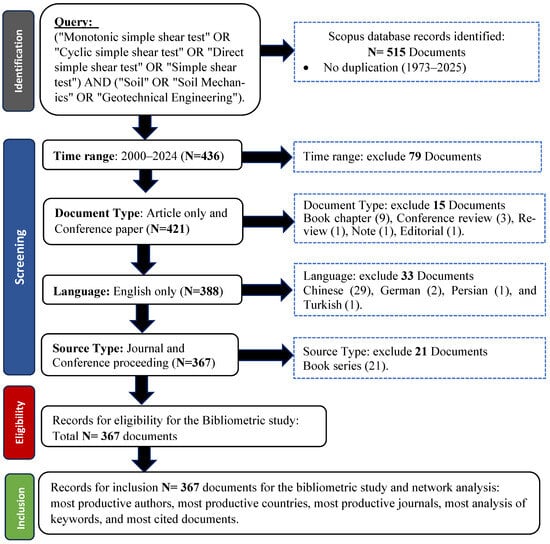
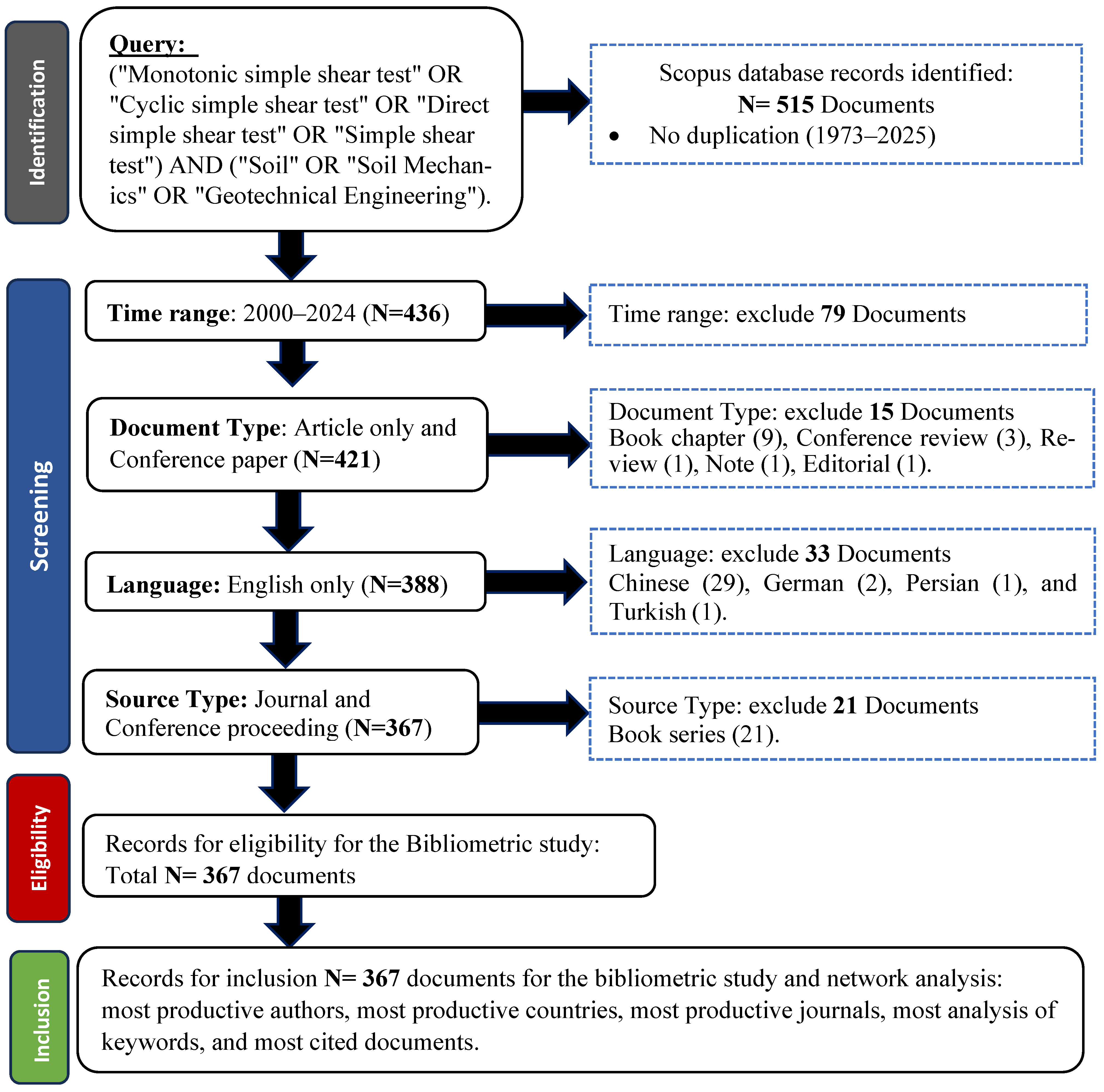
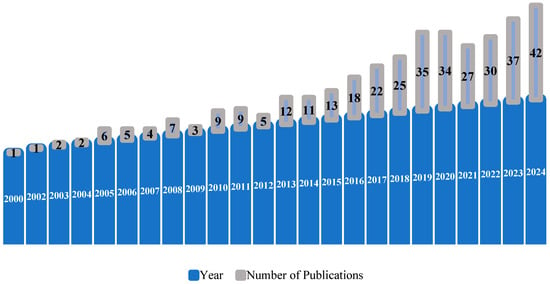
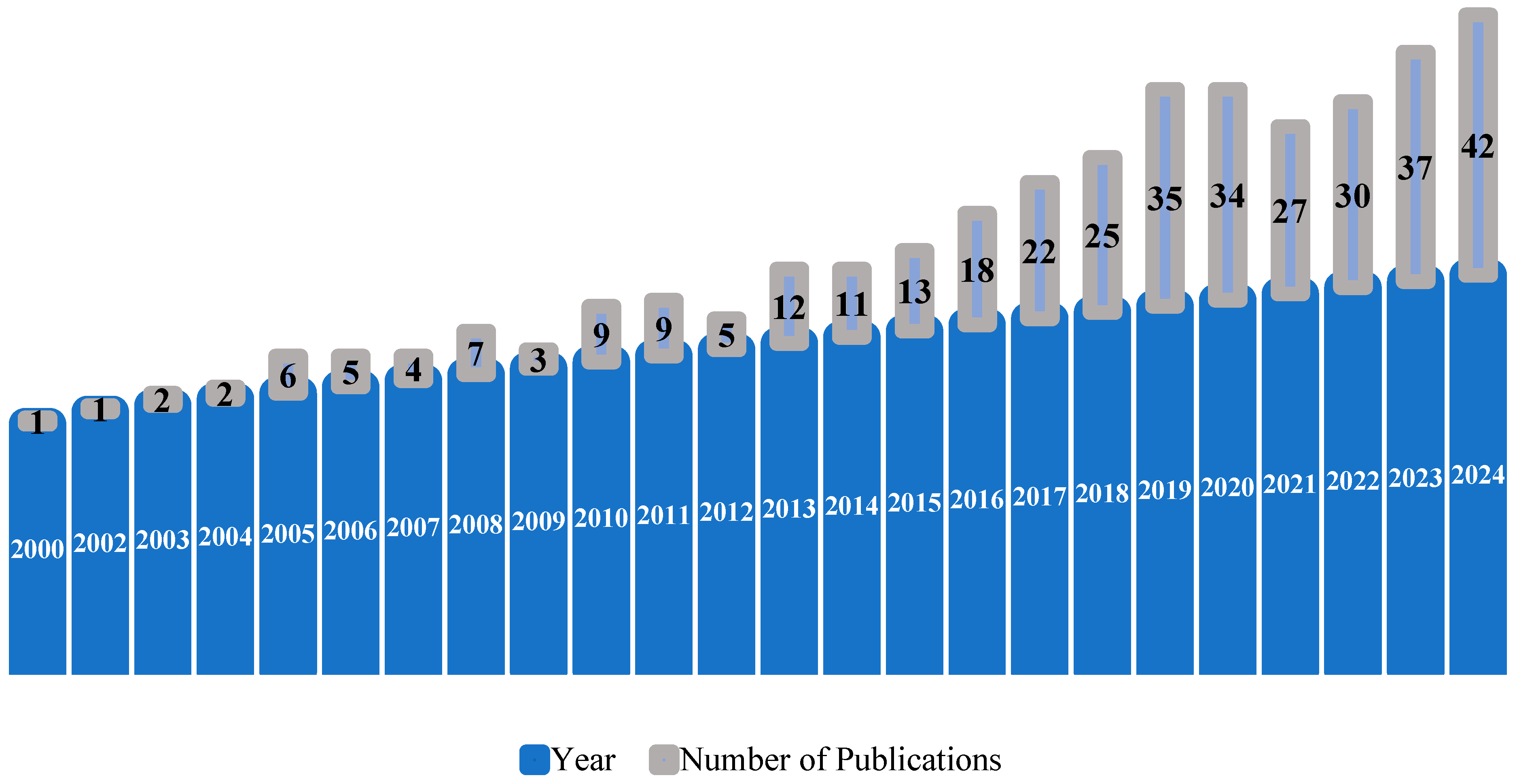
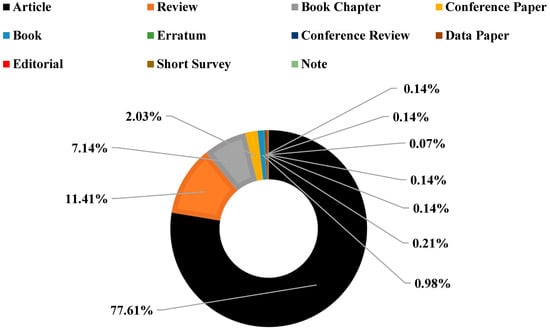
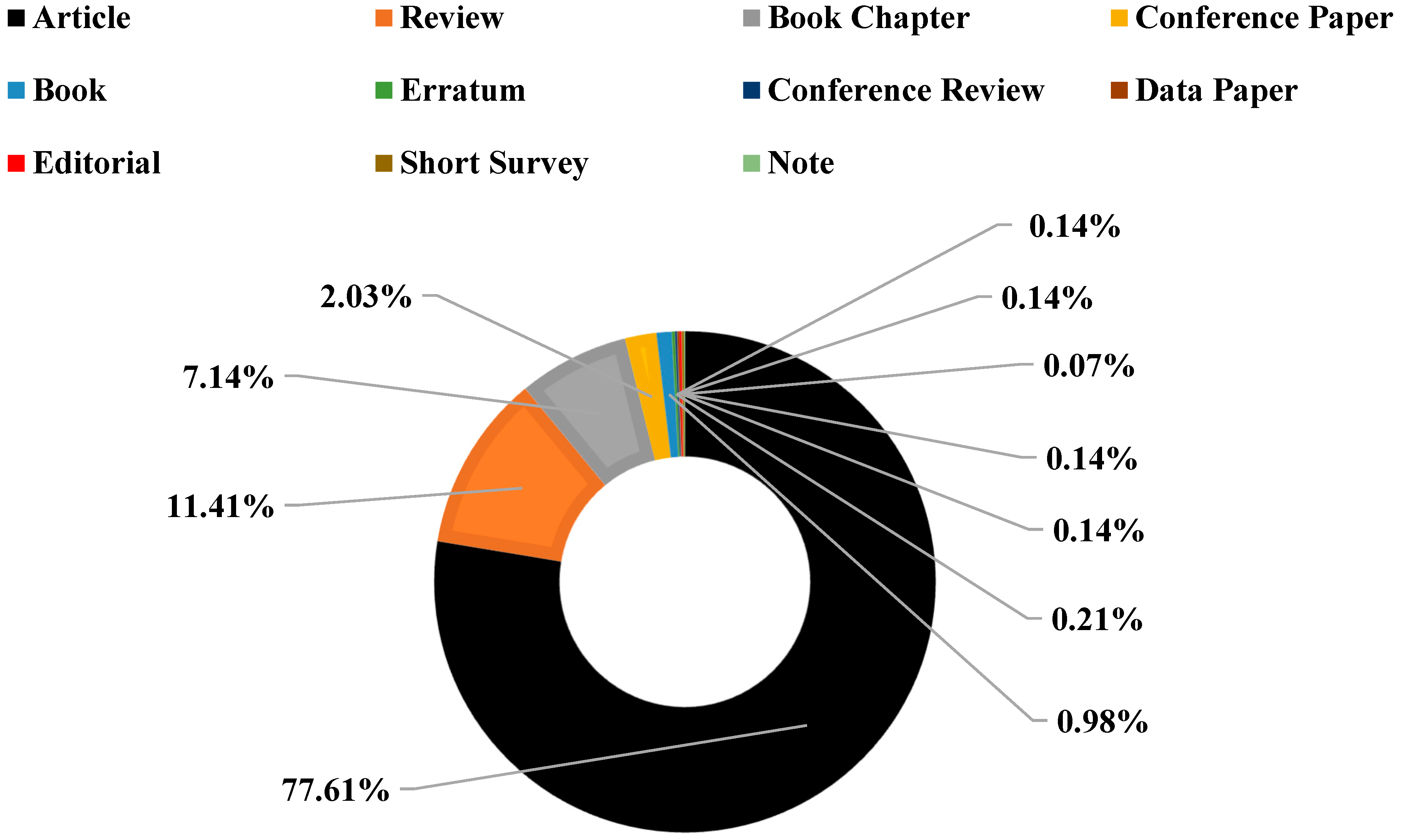
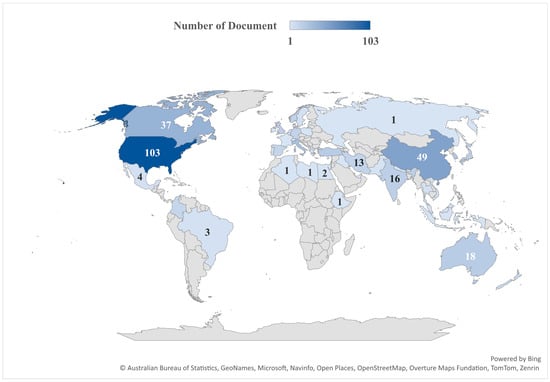
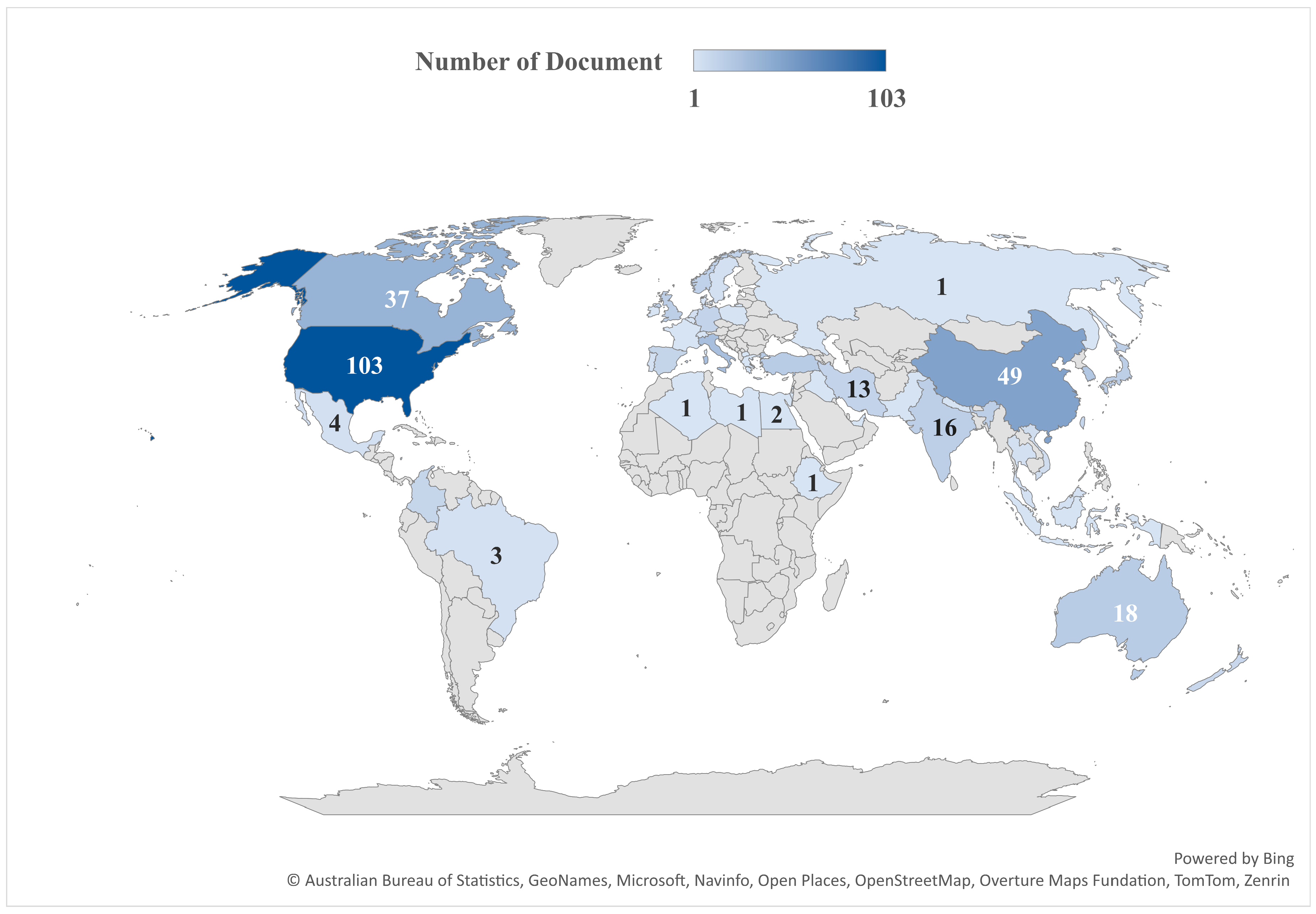
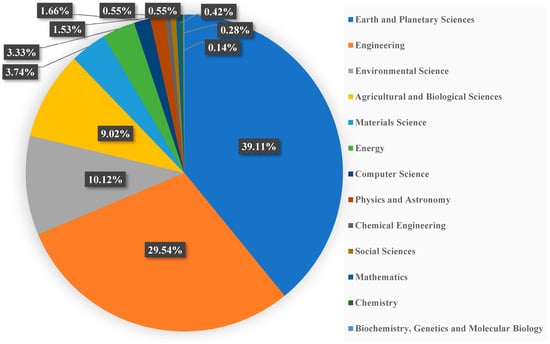
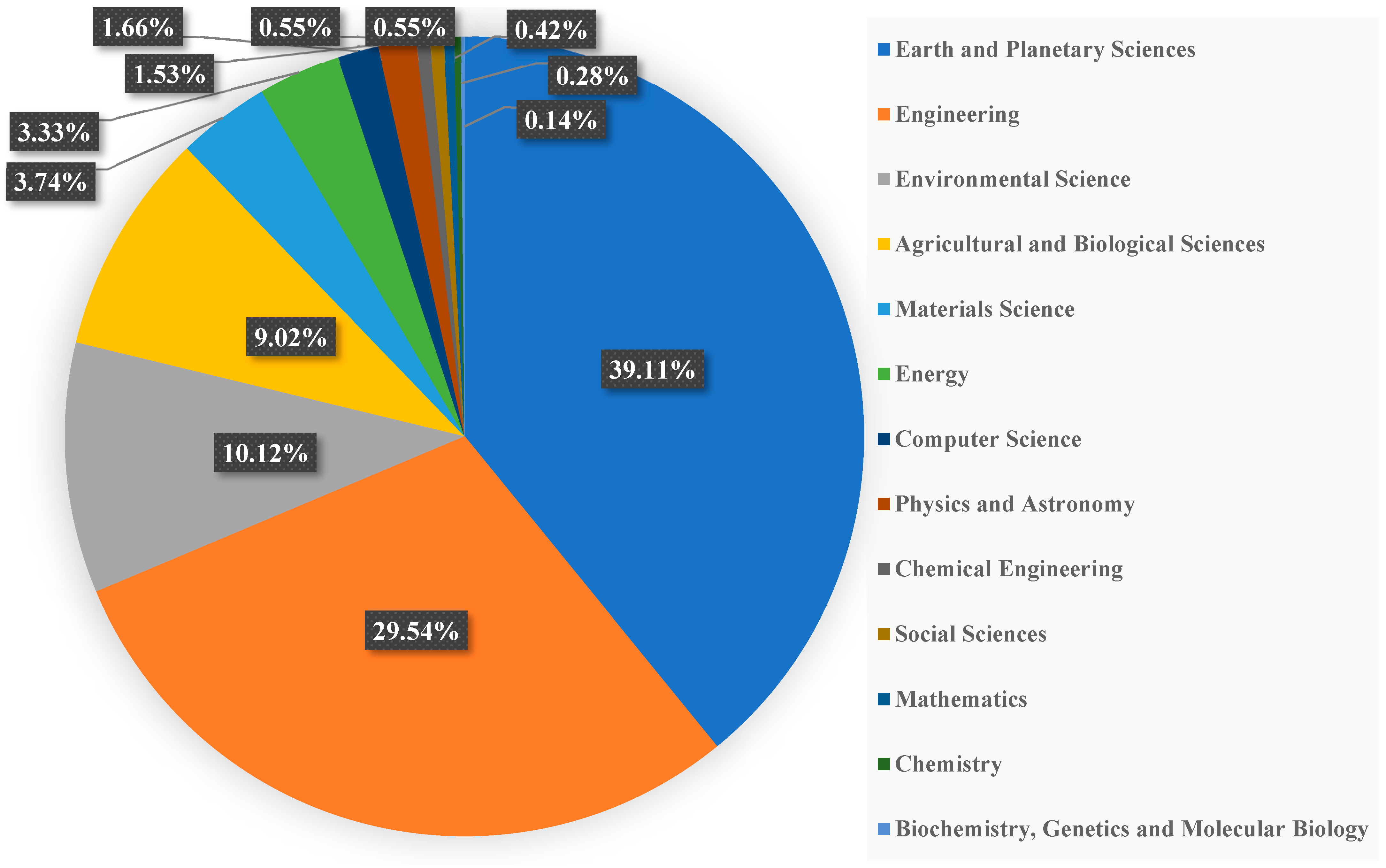
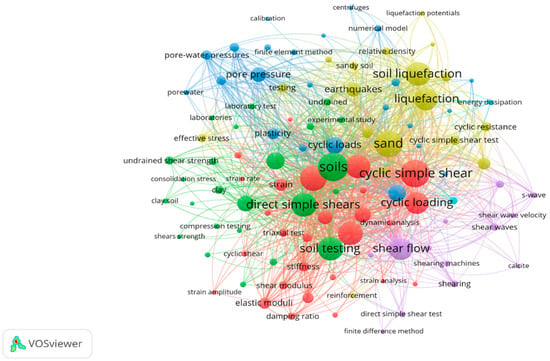
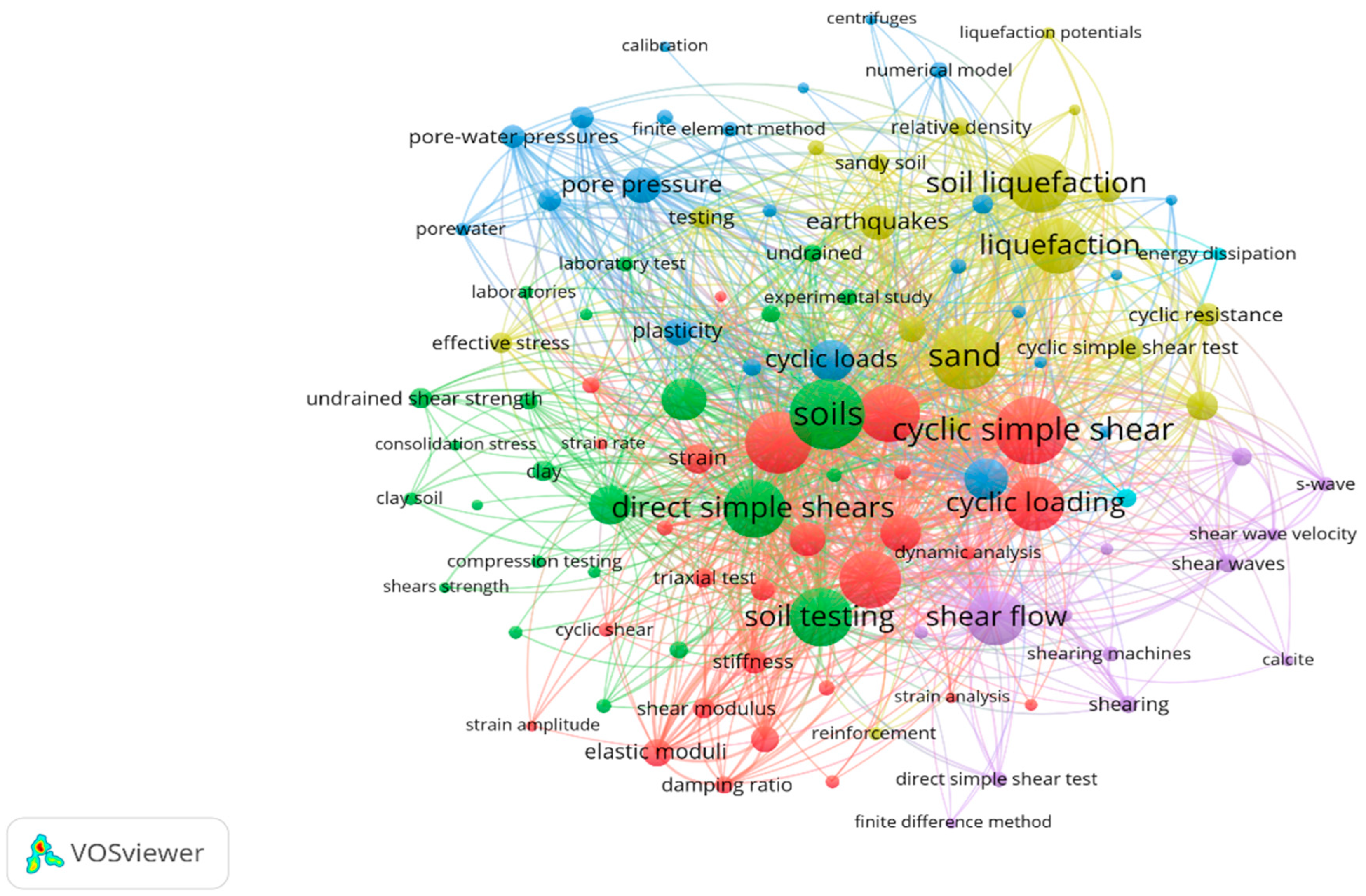
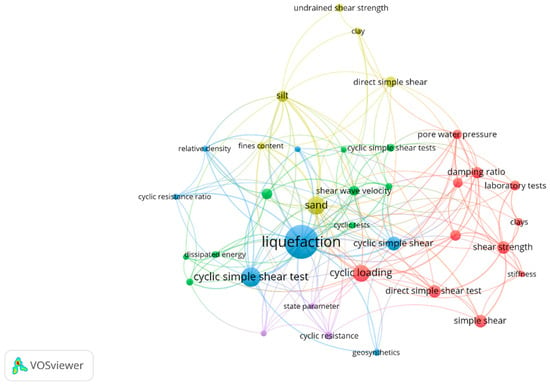
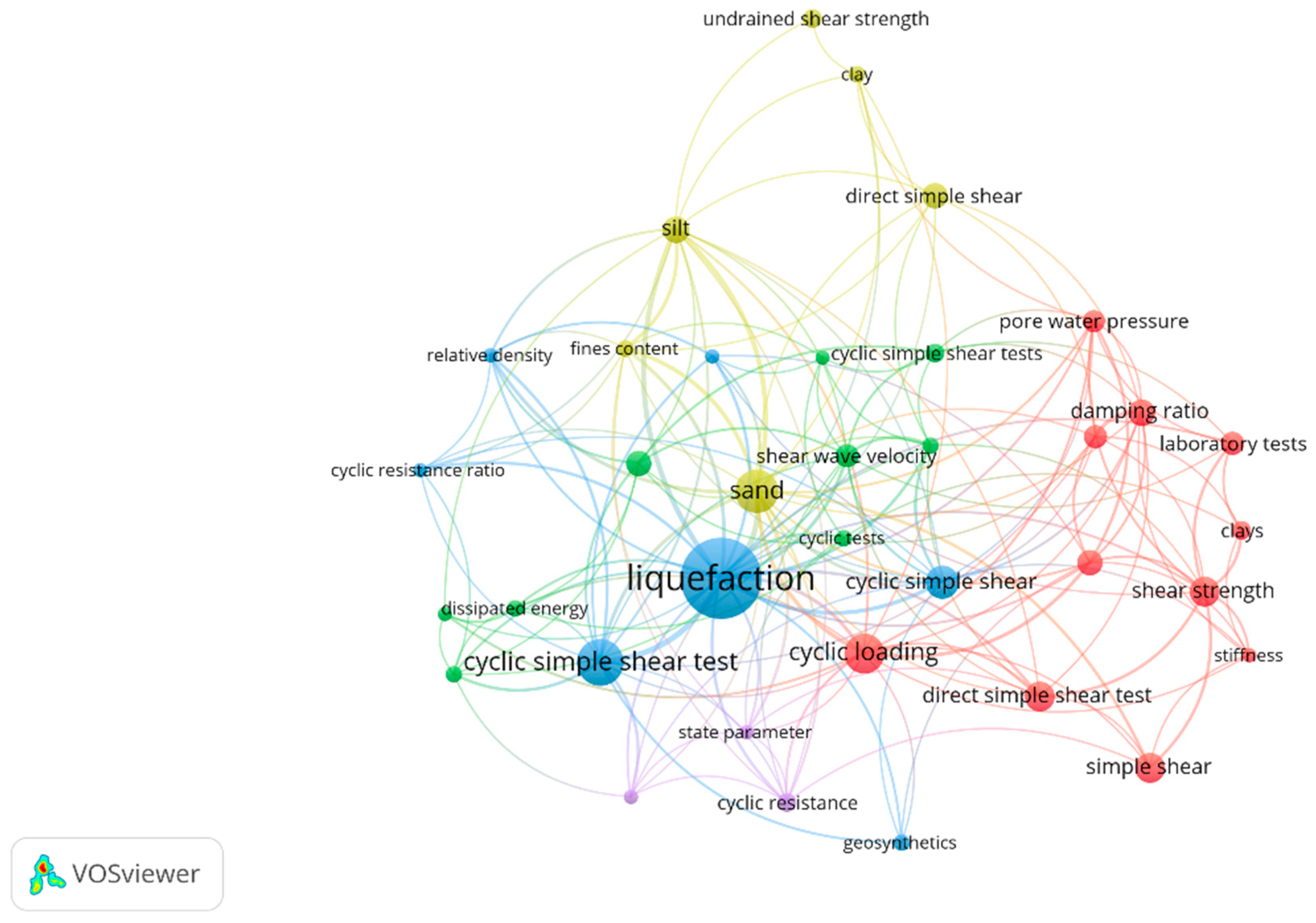
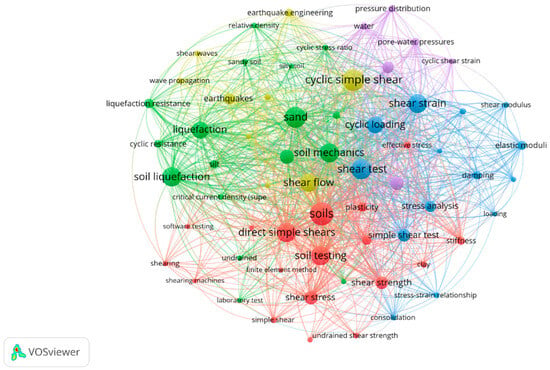
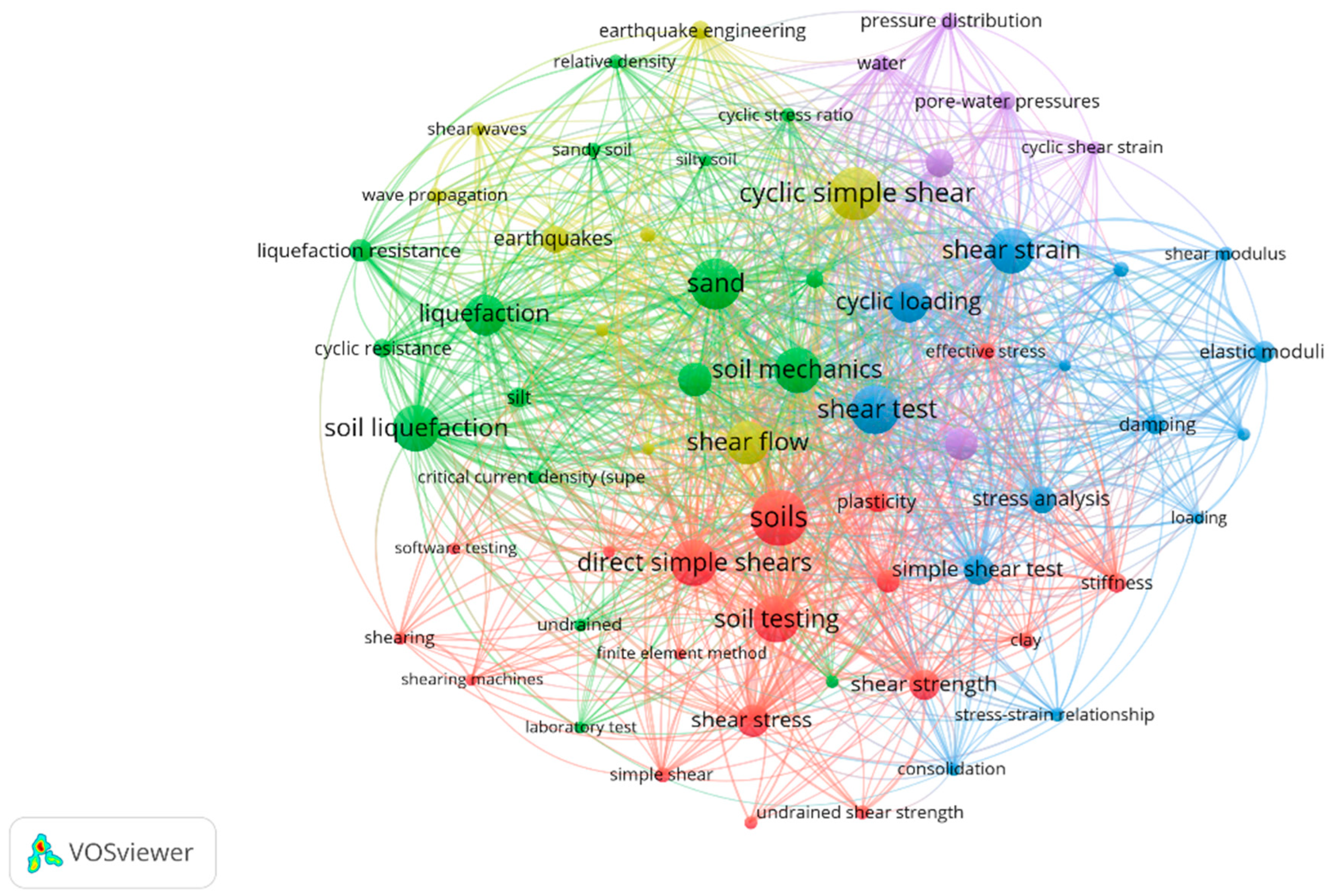

Disclaimer/Publisher’s Note: The statements, opinions and data contained in all publications are solely those of the individual author(s) and contributor(s) and not of MDPI and/or the editor(s). MDPI and/or the editor(s) disclaim responsibility for any injury to people or property resulting from any ideas, methods, instructions or products referred to in the content. |
© 2026 by the authors. Licensee MDPI, Basel, Switzerland. This article is an open access article distributed under the terms and conditions of the Creative Commons Attribution (CC BY) license.