


Abstract
Urban agriculture (UA) is increasingly recognized as a strategic approach to enhance food security and urban resilience, particularly in arid regions like the United Arab Emirates (UAE). This mixed-methods study investigates how public perceptions shape the acceptance and promotion of UA in the Abu Dhabi Emirate, addressing a critical gap in the social dimensions of UA implementation. The research employed a concurrent triangulation design, integrating a quantitative survey of 255 residents with qualitative insights from a focus group of 15 urban planning and sustainability experts. Quantitative data were analyzed using confirmatory factor analysis to validate constructs of public perception and policy support, while qualitative data were thematically analyzed. The findings reveal a significant, positive correlation (r = 0.64, p < 0.001) between public awareness of UA’s benefits and support for policy integration. While residents expressed strong enthusiasm for UA, their willingness to participate was contingent upon tangible government incentives. Concurrently, experts highlighted critical technical and regulatory barriers, including water scarcity and outdated zoning codes, that must be addressed. The study concludes that advancing UA in Abu Dhabi requires a synergistic policy approach that aligns robust public support with targeted institutional mechanisms, such as subsidies for water-efficient technologies and the formal integration of UA into urban planning frameworks. This research contributes valuable empirical evidence for developing socially accepted and context-specific UA policies in arid urban environments. Given the cross-sectional design and non-probability sampling approach, the findings should be interpreted as exploratory and should not be generalized to the entire Abu Dhabi population.
1. Introduction
Urban agriculture (UA) is increasingly recognized as a strategic response to urbanization, climate change, and food insecurity, while contributing to food security, urban ecology, and community resilience [1,2,3,4]. It encompasses practices such as rooftop gardening, vertical farming, and community gardens [5]. In the hyper-arid United Arab Emirates (UAE), UA can strengthen food-system resilience by reducing dependence on imports and vulnerability to global supply disruptions [6]. This is particularly relevant to Abu Dhabi, where rapid urbanization, water scarcity, extreme temperatures, limited arable land, and food-import dependence constrain conventional agriculture [7,8,9]. Recent initiatives by the Abu Dhabi Agriculture and Food Safety Authority have therefore promoted controlled-environment agriculture and hydroponics [10]. The success of UA depends on public awareness, acceptance, participation, and supportive policies [11,12]. Public attitudes are shaped by socio-demographic characteristics, environmental values, food-safety concerns, and sustainability interests [13,14]. Awareness of benefits such as reduced food miles, expanded green spaces, and stronger community interaction can increase public support [15]. International experience also shows that zoning regulations, financial incentives, and inclusion in urban development plans are essential for mainstreaming UA [16]. In Abu Dhabi, these policies must reflect local climatic, water, technical, and cultural conditions while ensuring public legitimacy [17].
This study examines how public perceptions influence UA acceptance and policy development in Abu Dhabi. It aims to: (1) assess residents’ awareness, attitudes, and willingness to participate; (2) examine the relationship between perceived UA benefits and policy support; and (3) explore urban professionals’ views on integrating UA into existing planning frameworks. A mixed-methods design combined a resident questionnaire with expert focus group discussions to assess public support and identify the technical, regulatory, and practical requirements for implementation. The findings provide an empirical basis for inclusive and context-sensitive UA policies that support sustainable urban development [8,9,18,19].
This study makes three distinctive contributions to the literature on urban agriculture and sustainable urban development. First, it addresses a critical geographical gap by providing empirical evidence from the Gulf region, specifically Abu Dhabi, a context characterized by a hyper-arid climate, high food import-dependence, and rapid urbanization. While UA research has proliferated in Global North and Southeast Asian contexts, the Arabian Peninsula remains significantly underrepresented in the scholarly literature. Second, the study advances theoretical understanding by integrating the Theory of Planned Behavior and Policy Feedback Theory into a unified conceptual framework for examining the micro-macro linkages between public perception and policy support. This theoretical integration offers a novel lens for understanding how individual attitudes and institutional dynamics interact to shape UA outcomes. Third, the study makes a methodological contribution through its concurrent triangulation mixed-methods design, which enables the identification of both the strength of relationships (quantitative) and the mechanisms underlying those relationships (qualitative). By demonstrating a statistically significant correlation (r = 0.64) between public perception and policy support while simultaneously revealing the structural barriers and enabling mechanisms through expert insights, this study provides a model for context-sensitive UA research that can inform both scholarship and practice in arid urban environments.
Recent scholarship has further expanded the conceptual boundaries of UA, moving beyond its multifunctional benefits to examine its role within broader urban resilience frameworks. Ref. [20] argues that UA contributes to at least seven Sustainable Development Goals (SDGs), including SDG 2 (Zero Hunger), SDG 11 (Sustainable Cities and Communities), and SDG 13 (Climate Action), positioning it as a cross-cutting intervention with significant policy leverage. Similarly, a systematic review by [21,22] synthesizes global evidence to demonstrate that UA’s contributions extend beyond food production to encompass stormwater management, biodiversity conservation, and social cohesion, reinforcing its relevance for cities facing climate-induced vulnerabilities [23]. In the context of the Global South, where rapid urbanization often outpaces formal planning, UA has been recognized as an essential livelihood strategy and a form of grassroots resilience [24,25]. These recent contributions underscore that UA is no longer viewed merely as an alternative food source but as a legitimate and integral component of urban infrastructure and sustainability governance.
Extensive literature recognizes UA’s multifunctionality, highlighting its ability to enhance food access, mitigate urban heat islands, improve air quality, and foster community cohesion [4,26]. In particular, ref. [5,27] argues that innovative practices such as vertical farming and hydroponics can revolutionize food systems in space-constrained and climate-challenged urban areas. Scholars also emphasize UA’s role in localizing food systems, thus reducing dependency on long food supply chains that are increasingly vulnerable to global shocks. These benefits are particularly relevant for Gulf Cooperation Council (GCC) countries, where hyper-arid climates and rapid urbanization present unique pressures on food and ecological systems [6]. Within arid and semi-arid regions such as the UAE, the feasibility and benefits of UA are being increasingly studied in relation to resource optimization and climate adaptation. Abu Dhabi, facing acute water scarcity and limited arable land, presents a challenging yet promising case for urban agriculture [28]. Several local studies highlight the growing policy and research interest in controlled-environment agriculture (CEA), vertical farms, and aquaponics as suitable UA strategies for the region [7,10]. Nevertheless, much of the existing literature focuses on technical and environmental dimensions [29,30,31], with limited attention paid to the social aspects of UA particularly public awareness, perceptions, and participation [32]. This gap is crucial, as evidence from other contexts shows that societal acceptance and grassroots engagement are essential for the successful implementation and scaling of UA [13,33]. Public perception is a key determinant of UA’s integration into urban development frameworks, influencing both political will and the effectiveness of policy interventions. Studies in Western and Asian and African cities demonstrate that citizens’ support for UA is strongly associated with their awareness of its social, economic, and environmental benefits [11,15,34,35]. Factors such as educational background, income level, environmental consciousness, and urban–rural identity have been found to affect attitudes toward UA [14]. Additionally, public trust in government institutions and the perceived relevance of UA to local needs significantly shape behavioral intentions to participate in or support UA initiatives [16]. While such findings are well-established in Global North contexts, there remains a paucity of research in Gulf cities like Abu Dhabi, where socio-cultural dynamics, climate conditions, and governance structures differ markedly. From a policy perspective, cities that have successfully embedded UA into their planning systems, such as Toronto, Detroit, and Singapore, have done so by aligning public opinion with enabling regulations, land use incentives, and educational programs. In these contexts, UA is treated not as an isolated agricultural activity but as a critical urban infrastructure component linked to public health, social equity, and environmental sustainability [36,37,38]. In the UAE, despite high-level commitments to food security and sustainability, urban agriculture remains underdeveloped in planning policy [39], often overshadowed by large-scale agribusiness and technological interventions. Therefore, integrating public perceptions into policymaking is not only essential to localize food production but also to foster participatory governance and long-term community resilience [40,41]. This review underscores the need for context-sensitive research in Abu Dhabi to bridge the gap between technological feasibility and public acceptance in advancing UA. The study hypothesis indicates more positive attitudes toward urban agriculture are associated with stronger support for public policies promoting urban agriculture. Its theoretical development is presented in Section 2.1.
2. Methodology and Data Collection
This study adopted a mixed-methods approach, specifically a concurrent triangulation design, to comprehensively investigate the relationship between public perception and policy support for urban agriculture (UA) in Abu Dhabi. This design allowed for the simultaneous collection of quantitative and qualitative data, enabling a more robust interpretation by cross-validating findings. The quantitative component consisted of a structured questionnaire survey, administered to a sample of 255 residents of the Abu Dhabi Emirate between March and June 2025. The survey utilized a 5-point Likert scale to capture data across three sections: demographic information, public perception of UA (9 items, e.g., perceived benefits and motivations), and perceived policy implications (9 items, e.g., support for government action and incentives). The sample size was determined to be adequate for the planned structural equation modeling, and participants were recruited using a purposive sampling strategy to ensure a diverse cross-section of the population. Data were analyzed using descriptive statistics, confirmatory factor analysis (CFA) to validate the measurement models, and a two-factor CFA to test the hypothesized correlation between the two latent constructs (public perception and perceived policy implications). Model fit was assessed using standard indices, including the chi-square/df ratio, RMSEA, CFI, and TLI.
The qualitative component was designed to complement the breadth of the survey with depth of insight from professionals directly involved in urban development. A focus group discussion was conducted with a purposive sample of 15 experts, including urban planners, engineers, sustainability specialists, and policymakers from relevant government departments. The focus group followed a semi-structured protocol to explore key themes related to the opportunities, constraints, and policy mechanisms for UA in Abu Dhabi, with a specific focus on integration with smart city frameworks. The session was recorded, transcribed, and analyzed using [42] six-phase thematic analysis framework to identify, code, and develop overarching themes. The integration of quantitative and qualitative findings occurred during the interpretation phase, where patterns from the public survey were examined alongside the contextual insights from the expert group to form a cohesive and nuanced understanding of the research question.
2.1. Theoretical Framework and Hypothesis Development
Benefiting from the existing literature, a research model (Figure 1) is proposed where two measurement models correspond to the public perception of urban agriculture and the perceived policy implications. Public perception represents items such as public awareness, attitudes, and willingness. These items enable the acceptance and promotion of urban agriculture. The social dimensions of UA have gained increasing scholarly attention, with recent studies emphasizing the role of perception, trust, and community engagement as determinants of successful implementation. Refs. [21,43,44] conducted a comprehensive assessment of public perceptions of UA’s ecosystem services and found that residents highly value cultural services—such as esthetic appreciation and recreational opportunities—alongside provisioning services like food production. This finding challenges the conventional emphasis on purely productive functions and suggests that UA policy must account for diverse public values. Furthermore, research by [45] in Singapore, a context similar to the UAE in terms of urban density and food import dependence, reveals that participation in UA yields significant psychological benefits, including enhanced well-being, social connection, and a sense of environmental stewardship. These findings align with the work of [46,47], who demonstrate that farmers’ perceptions and attitudes are critical mediators of adaptation to environmental change, highlighting the need for policy interventions that are responsive to local cognitive and cultural contexts [48,49]. Collectively, this emerging body of work reinforces that public perception is not a passive backdrop but an active force shaping the trajectory and sustainability of UA initiatives. Perceived policy implications represent items such as how the public interprets, experiences, and judges the potential consequences of a policy on themselves, their community, and society, encompassing factors like fairness, effectiveness, trust, communication and impacts on economic, social, and environmental issues. Recent empirical studies from the Gulf region and similar arid environments have begun to fill the gap in context-specific UA research. Ref. [50] provides a pioneering analysis of UA trends in Abu Dhabi’s cityscape, mapping existing initiatives and identifying spatial patterns of adoption. Their findings reveal that UA in Abu Dhabi remains fragmented and largely informal, with significant potential for scaling through targeted policy interventions. Similarly, ref. [51], examined the water resource implications of farming practices in Abu Dhabi, emphasizing the urgent need for water-efficient UA technologies and policies that align agricultural activities with the emirate’s long-term water security goals. These local studies complement the broader regional work by [6], which highlighted the role of information and communication technologies in facilitating sustainable agricultural transitions in the Gulf Cooperation Council (GCC) countries. Additionally, ref [52] offers a recent synthesis of sustainable food systems, arguing that UA, when integrated with smart city frameworks, can significantly enhance urban food security while addressing environmental challenges. These contributions provide a crucial foundation for the present study, situating it within an emerging but still underdeveloped body of literature on UA in the Arabian Peninsula.
Figure 1.
The two-factor CFA model.
Therefore, the hypothesis (H1) is formulated as follows: More positive attitudes toward urban agriculture are associated with stronger support for public policies promoting urban agriculture. This study is anchored in two complementary theoretical frameworks that provide a robust foundation for investigating the relationship between public perception and policy support for urban agriculture (UA): the Theory of Planned Behavior (TPB) and the Policy Feedback Theory (PFT). The Theory of Planned Behavior, originally developed by [53], posits that individual behavior is driven by behavioral intentions, which are themselves shaped by three constructs: attitudes toward the behavior, subjective norms, and perceived behavioral control. In the context of this study, TPB provides a lens for understanding how residents’ attitudes toward UA (e.g., perceived environmental and social benefits), their perception of social expectations (subjective norms), and their belief in their own capacity to participate (perceived behavioral control) collectively influence their behavioral intentions to support or engage in UA initiatives. The TPB framework has been extensively applied in pro-environmental behavior research and has demonstrated robust predictive validity in understanding public engagement with sustainable practices [54,55]. Applying TPB to this study allows for a systematic examination of how cognitive and social factors shape public willingness to support UA policies.
Policy Feedback Theory, articulated by [56] and further developed by [57], offers a complementary framework for understanding the reciprocal relationship between public policy and public opinion. PFT posits that policies not only respond to public preferences but also actively shape them through two mechanisms: interpretive effects (policies send signals about societal values and priorities) and resource effects (policies allocate resources that enable or constrain citizen participation). In the Abu Dhabi context, PFT helps explain why public support for UA is closely tied to perceptions of government action: residents interpret government investment in UA as a signal of its legitimacy and importance, while policies that provide resources (e.g., subsidies, land access) directly enable participation. The significant correlation between public perception and perceived policy implications identified in this study can be understood through the PFT lens as evidence of this dynamic feedback loop.
The integration of TPB and PFT provides a comprehensive conceptual model for this research. TPB explains the micro-level psychological mechanisms through which individual perceptions translate into behavioral intentions and support for UA. PFT, in turn, explains the macro-level institutional dynamics through which policies shape and are shaped by these public perceptions. Together, these frameworks suggest that effective UA policy must simultaneously address individual-level factors (attitudes, norms, perceived control) and institutional-level factors (resource allocation, policy signals, regulatory frameworks). This integrated framework guides the study’s methodological choices, instrument development, and interpretation of findings, ensuring that the analysis captures both the cognitive and structural dimensions of UA acceptance and promotion.
2.2. Quantitative Component: Research Design and Sampling
The quantitative component of this study employed a cross-sectional survey design with a purposive sampling strategy. The target population comprised adult residents (aged 18 years and above) of the Abu Dhabi Emirate, including citizens, residents, and long-term visitors. A sample size of 255 participants was determined a priori based on guidelines for structural equation modeling, which recommend a minimum of 5–10 observations per estimated parameter [58]. Given the 18 measured items in the two-factor model, the achieved sample size of 255 exceeds the minimum threshold, providing adequate statistical power for the planned analyses. Data collection was conducted between March and June 2025 using a structured online questionnaire administered via Google Forms. The questionnaire was distributed through multiple channels to ensure broad reach, including social media platforms, community organizations, and institutional email lists. The purposive sampling strategy aimed to achieve diversity across key demographic variables, including age, gender, citizenship status, and educational attainment, to enhance the representativeness of the sample within the constraints of non-probability sampling. The questionnaire was administered exclusively in English.
2.3. Instrument Development and Measurement
The survey instrument was developed through a systematic process of scale adaptation and validation. Items measuring public perception of UA (9 items) were adapted from established scales in the literature [11,13,15], with modifications to ensure contextual relevance to the Abu Dhabi context. Items measuring perceived policy implications (9 items) were developed based on policy frameworks identified in the literature [16,37,59] and refined through expert review by three academic researchers specializing in urban sustainability and public policy. All items were measured on a 5-point Likert scale ranging from 1 (“strongly disagree”) to 5 (“strongly agree”). The instrument was pilot-tested with 30 respondents to assess clarity, comprehensibility, and internal consistency. Minor wording adjustments were made based on pilot feedback to improve item clarity.
2.4. Data Analysis Procedures
Quantitative data analysis proceeded through three sequential stages, conducted using R statistical software (version 4.3.0) with the lavaan package for structural equation modeling. In Stage 1, descriptive statistics were calculated for all demographic variables and survey items. Data were screened for missing values, outliers, and violations of normality assumptions. Missing data were minimal (<3% across all items) and were handled using listwise deletion after confirming that missingness was completely at random (Little’s MCAR test: χ2 = 78.43, df = 89, p = 0.78). In Stage 2, common method bias (CMB) was assessed using Harman’s single-factor test given the cross-sectional nature of the data and the use of a single survey instrument. All 18 measurement items were entered into an exploratory factor analysis with principal component extraction and an unrotated solution. The single factor accounted for 48% of the total variance, below the recommended threshold of 50% [60], indicating that CMB is unlikely to be a significant threat to the validity of the findings. Although this percentage approaches the 50% threshold, which indicates some weakness in assessing the selected questions’ bias. Nevertheless, as shown in Table 1, the robust marker-variable test gives a bias-adjusted correlation coefficient r = 0.634, indicating a relatively strong actual relation between both constructs. Because data for both Public Perception and Perceived Policy Implications were collected from a single source at a single point in time, cross-sectional method variance was anticipated. Statistical testing confirmed significant inflation (r = 0.971). In Stage 3, a two-step approach to structural equation modeling was employed [61]. First, a measurement model was specified and tested using confirmatory factor analysis (CFA) to assess the reliability and validity of the two latent constructs: Public Perception (9 items) and Perceived Policy Implications (9 items). Model fit was evaluated using multiple fit indices: the chi-square statistic (χ2), the ratio of chi-square to degrees of freedom (χ2/df), the Comparative Fit Index (CFI), the Tucker–Lewis Index (TLI), the Root Mean Square Error of Approximation (RMSEA), and the Standardized Root Mean Square Residual (SRMR). Acceptable model fit was defined as χ2/df < 3, CFI/TLI > 0.95, RMSEA < 0.06, and SRMR < 0.08 [62]. Following validation of the measurement model, a structural model was estimated to test the hypothesized correlation between the two latent constructs. Factor loadings, composite reliability (CR), average variance extracted (AVE), and discriminant validity were assessed according to established guidelines [58,63].
Table 1.
Robust marker-variable test results.
2.5. Qualitative Component: Research Design and Sampling
The qualitative component of this study employed a phenomenological research design to explore the lived experiences, professional insights, and interpretive frameworks of urban practitioners regarding urban agriculture policy and implementation. Phenomenology was selected because it enables deep exploration of how individuals make meaning of their experiences and how these meanings shape their professional practice and policy perspectives [64]. This approach complements the quantitative survey by providing a rich, contextualized understanding of the mechanisms underlying the observed correlation between public perception and policy support.
Purposive sampling was employed to identify participants with direct professional experience relevant to urban agriculture, urban planning, and sustainability policy in Abu Dhabi. Inclusion criteria were: (a) a minimum of three years of professional experience in fields related to urban planning, agriculture, environmental management, sustainability, or municipal governance; (b) current employment in a role that directly or indirectly influences urban development or agricultural policy in Abu Dhabi; and (c) willingness to participate in a focus group discussion. A total of 15 experts participated in the study. Participants represented diverse professional backgrounds: urban planning and geography (n = 5), sustainability and environmental management (n = 4), agricultural engineering and biology (n = 3), and municipal governance and policy (n = 3). Participants’ years of professional experience ranged from 4 to 22 years (mean = 11.3 years). All participants were employed in Abu Dhabi-based organizations, including government agencies (n = 9), semi-government entities (n = 4), and private sector consulting firms (n = 2).
2.6. Qualitative Data Collection and Analysis
Data were collected through a single focus group discussion conducted in June 2025 at a central location in Abu Dhabi. The focus group format was selected because it facilitates interaction among participants, enabling the generation of insights through collective discussion and debate [65]. The session lasted 2 h and 15 min and was facilitated by a trained moderator with expertise in urban sustainability. A semi-structured discussion guide was developed based on the research objectives and preliminary findings from the quantitative survey. The guide covered four thematic areas: (a) opportunities and challenges for UA in Abu Dhabi; (b) public awareness and engagement mechanisms; (c) policy and regulatory barriers to UA implementation; and (d) strategies for integrating UA into smart city and urban planning frameworks. The focus group was audio-recorded with participants’ informed consent. Detailed field notes were taken by a research assistant to capture non-verbal cues and group dynamics. Recordings were transcribed verbatim, resulting in 47 pages of single-spaced text. Transcripts were returned to participants for member checking, with no corrections requested.
Qualitative data were analyzed using [42,66] six-phase thematic analysis framework, which provides a systematic approach to identifying, organizing, and interpreting patterns of meaning within qualitative data. In Phase 1, the research team independently read and re-read transcripts, noting initial observations and potential patterns to develop intimate familiarity with the content. In Phase 2, two researchers independently coded the data using NVivo 14 qualitative analysis software. Coding was conducted using an inductive approach, allowing codes to emerge from the data rather than being imposed by pre-existing frameworks. Inter-coder reliability was assessed by calculating percentage agreement (87.2%) and Cohen’s kappa (κ = 0.79), indicating substantial agreement [67]. Discrepancies were resolved through discussion and consensus. In Phase 3, codes were grouped into potential themes based on patterns of similarity, contrast, and conceptual relationships. This phase involved iterative sorting and re-sorting of codes, with the research team meeting regularly to review and refine emerging themes. In Phase 4, potential themes were reviewed against coded data extracts and the full dataset to ensure coherence and distinctiveness. Themes that lacked sufficient supporting data were discarded, while others were merged or subdivided as appropriate. In Phase 5, each theme was refined to capture its essence and scope, with theme definitions developed to describe what each theme represented and how it related to the research questions. In Phase 6, final themes were organized into a narrative structure that addresses the research questions, supported by illustrative quotations from participants.
To ensure the trustworthiness of qualitative findings, multiple strategies were employed consistent with [68] criteria. Credibility was enhanced through prolonged engagement (the moderator had prior experience with UA research in the UAE), triangulation (comparing qualitative findings with quantitative survey results), and member checking (returning transcripts to participants for verification). Transferability was addressed through thick description of the research context, participant characteristics, and the decision-making processes informing data collection and analysis, enabling readers to assess the applicability of findings to other contexts. Dependability was established through systematic documentation of the research process, including audit trails of analytical decisions and inter-coder reliability assessment. Confirmability was ensured through reflexivity practices, including the research team maintaining reflexive journals to document their own assumptions and potential biases throughout the analytical process.
Confirmatory Factor Analysis
Table 2 shows that most of the FL are above 0.5 and statistically significant at the 0.001 level. Each item shares more variance with its construct than with the error variance, indicating reliable measures. In addition, the composite reliability (CR) measures of all constructs are above 0.6, indicating adequate validity of the questions [69,70]. Additionally, the evidence of adequate reliability is indicated by a Cronbach’s alpha (α) above 0.7. Furthermore, we calculated the average variance extracted (AVE) (>0.5) for each of the constructs to further check convergent validity.
Table 2.
The reliability and validity results for each construct.
Again, based on these results, the survey questions are well measured under the same underlying constructs (Public Perception and Perceived Policy Implications). They also show acceptable measurement error and truly measure the construct they purport to measure. This demonstrates the high quality of the measurement scale and the constructs are reliable, valid and consistent for subsequent analysis steps.
2.7. Confirming the Factor Structure Using a Confirmatory Factor Analysis (CFA)
Factor loadings represent the strength and direction of the relationship between an observed variable (survey questions or items, e.g., PP1…PP9 and PI1…PI9) and a latent construct (Public Perception and Policy Implications). Essentially, factor loadings indicate how much of the variability in an observed variable is explained by a particular latent construct. In conclusion, the results shown in Table 3 revealed that both latent constructs compose a suitable measurement model.
Table 3.
Assessment of each measurement scale.
Based on these results, both the policy implications and public perception constructs adequately reflect that all items (questions) converge well on their own construct and show a high quality of measurement scales. Each item is found to be unidimensional and strongly related to its own construct. Testing whether the two factors are correlated with each other or not will be illustrated in the following part.
2.8. Testing of a Combined Model Using Two-Factor CFA
A two-factor CFA can be used to test the correlation between two latent constructs (Public perception and Policy implications). This involves specifying a model (as in Figure 1) where each construct is measured by a set of observed variables, which are the survey questions or items (PP1…PP9) and (PI1…PI9) and then assessing the correlation between the two latent constructs. If the correlation is statistically significant and substantively meaningful, it supports the hypothesized relationship between the two latent constructs. In our study, the correlation between the two latent constructs is tested by two-factor CFA. We also used multiple fit indices to assess adequate model fit. The goodness of fit index (GFI), comparative fit index (CFI), Tucker–Lewis index (TLI), ratio of misfit (χ2/df) and root mean square error of approximation (RMSEA) have been evaluated for the overall fit of the model. Our results suggest that all model fit indices are sufficient and acceptable [62,71] (Table 4), which implies that the model is accurate and reliable, with negligible errors.
Table 4.
GoF results for the two-factor CFA model.
The ratio for (χ2/df) is 0.76 which falls well below the acceptable threshold of <3, indicating a strong fit. The RMSEA value stands at 0.039, satisfying the recommended threshold of <0.08 and indicating a low level of approximation error. Regarding the correlation coefficient between the two factors, this coefficient indicates the strength and direction of the relationship between the constructs. Since the correlation is positive, statistically significant, and the model fits well, this supports the hypothesized relationship between public perception and the perceived policy implications. This is in line with the results presented in Table 4, which presents GoF results for the two-factor CFA model and in Figure 1, which shows a significant and positive correlation between public perception and policy implications (r = 0.634, p < 0.001). The resulting correlation coefficient is strictly based on the bias-adjusted correlation (r = 0.634) instead of the inflated value (r = 0.971), ensuring that the relationship reflects true conceptual variance rather than measurement artifacts.
3. Results
This section presents the quantitative findings from the resident survey and the qualitative findings from the expert focus group, reflecting the study’s concurrent mixed-methods design. It reports the descriptive results, measurement model assessment, hypothesis testing, and qualitative themes concerning the opportunities and constraints associated with urban agriculture.
The qualitative analysis of the expert focus group (n = 15) yielded four primary themes that elaborate on and contextualize these quantitative findings. The first theme, Alignment with Strategic Goals, confirmed the public’s view that UA is vital for food security and import reduction. Experts, however, added technical nuance, framing UA as a tool for achieving circular economy goals and creating green jobs, which the public survey did not directly address. The second theme, Technical and Regulatory Barriers, revealed a critical divergence from public perception. While residents expressed enthusiasm contingent on general government support, experts focused on specific constraints: the lack of explicit provisions for rooftop and indoor farming in current zoning and building codes, and the significant challenge of water scarcity, which necessitates subsidies for and mandates of water-efficient technologies like hydroponics and aeroponics. The third theme, The Role of Government as Enabler, aligned with the public’s high trust in government, but with a sharper focus. Experts argued that government leadership must move beyond broad support to enact concrete mechanisms, such as streamlined licensing, financial incentives (subsidies, grants), and the formal integration of UA into master planning as a core infrastructure component. The final theme, From Pilot to Mainstream, highlighted a shared risk. Both experts and survey respondents implied that without these enabling policies, UA risks remaining a peripheral, small-scale initiative, failing to achieve its full potential as a resilient urban strategy.
The results are presented in two integrated sections, reflecting the concurrent mixed-methods design, with quantitative findings from the resident survey followed by qualitative findings from the expert focus group.
3.1. Quantitative Results: Sample Characteristics
A total of 255 valid responses were included in the final analysis. The demographic profile of the sample is presented in Table 5. The sample comprised 58.0% female (n = 148) and 42.0% male (n = 107) respondents. The age distribution was skewed toward younger respondents, with 58.4% (n = 149) aged 18–24 years, 17.3% (n = 44) aged 25–34 years, 13.3% (n = 34) aged 35–44 years, and 11.0% (n = 28) aged 45 years or older. Regarding citizenship status, the majority were Emirati citizens (74.5%, n = 190), with residents accounting for 14.9% (n = 38) and visitors accounting for 10.6% (n = 27). Employment status revealed a predominantly student sample (51.8%, n = 132), with smaller proportions employed in government (13.7%, n = 35), the private sector (12.5%, n = 32), or business ownership (9.4%, n = 24), or unemployed (8.2%, n = 21), with the remaining respondents being retired (4.3%, n = 11). Educational attainment was diverse: 46.7% (n = 119) held a bachelor’s degree, 31.4% (n = 80) had a high school education or less, 12.2% (n = 31) held a diploma, and 9.8% (n = 25) held a postgraduate degree. Monthly income was predominantly below 5000 AED (55.7%, n = 142), reflecting the high proportion of students in the sample.
Table 5.
Profile of participants.
3.2. Quantitative Results: Measurement Model Validation
The measurement model was assessed through confirmatory factor analysis (CFA). All 18 items demonstrated standardized factor loadings exceeding the recommended threshold of 0.5, ranging from 0.695 (M3: “I believe urban agriculture has economic benefits”) to 0.828 (M7: “Urban agriculture projects should focus on increasing environmental awareness”), with all loadings statistically significant at p < 0.001. These results indicate that each item shares more variance with its intended construct than with error variance, supporting the convergent validity of the measures. Composite reliability (CR) exceeded the recommended threshold of 0.7 for both constructs (Public Perception: CR = 0.911; Perceived Policy Implications: CR = 0.902), indicating high internal consistency. Average variance extracted (AVE) was 0.596 for Public Perception and 0.627 for Perceived Policy Implications, both exceeding the 0.5 threshold, providing further evidence of convergent validity [63]. Discriminant validity was assessed by comparing the square root of the AVE for each construct with the correlation between constructs. The square root of the AVE (Public Perception: √0.596 = 0.772; Perceived Policy Implications: √0.627 = 0.792) exceeded the inter-construct correlation (r = 0.64), confirming discriminant validity.
3.3. Quantitative Results: Latent Construct Association Using Two.Factor CFA
The two-factor measurement model demonstrated an excellent fit to the data (χ2 = 103, df = 134, χ2/df = 0.80, RMSEA = 0.039 [90% CI: 0.000–0.067], CFI = 0.996, TLI = 0.996, SRMR = 0.045). All fit indices exceeded conventional thresholds for good model fit [62]. The standardized correlation coefficient between the Public Perception and Perceived Policy Implications latent constructs was positive and statistically significant (r = 0.634, p < 0.001).
To verify the degrees of freedom (df = 134), we confirm that the degrees of freedom are calculated correctly. With 18 observed variables (nine items for Public Perception and nine items for Policy Implications), the number of distinct sample moments is [18 (18 + 1)/2] = 171. The baseline two-factor CFA estimates 37 parameters in total (18 unstandardized factor loadings, 18 error/residual variances, and 1 covariance between the two latent factors), yielding 171 − 37 = 134 degrees of freedom. The authors clarify that the model is not overparameterized. It is a strictly specified, parsimonious a priori model containing zero post hoc modifications (i.e., no correlated error terms, no cross-loadings, and no error covariances added to artificially boost fit). Regarding the interpretation of the fit pattern, while a chi-square value smaller than the degrees of freedom (χ2 = 103 with df = 134) resulting in a ratio below 1 and CFI/TLI values touching 1.0 is uncommon, it simply indicates a very close correspondence between the sample covariance matrix and the model-implied covariance matrix. In our study, this reflects exceptionally strong internal consistency, robust item reliabilities, and distinct dimensionality between the two well-defined constructs within this sample of N = 255. This result provides strong support for the study’s central hypothesis, confirming that higher levels of public awareness and positive perceptions of UA are significantly associated with greater public support for policy interventions.
3.4. Quantitative Results: Supplementary Analyses
To explore potential demographic variations in the relationship between constructs, a multi-group CFA was conducted across key demographic categories. The results indicated that the structural relationship between public perception and perceived policy implications was consistent across gender (Δχ2 = 2.34, Δdf = 1, p = 0.126), citizenship status (Δχ2 = 3.12, Δdf = 2, p = 0.210), and educational level (Δχ2 = 4.56, Δdf = 3, p = 0.207). However, age group differences approached statistical significance (Δχ2 = 7.89, Δdf = 3, p = 0.048), suggesting that younger respondents (aged 18–24) exhibited a slightly weaker correlation between perception and policy support compared to older age groups. This finding warrants further investigation in future research with larger sample sizes across age categories.
3.5. Qualitative Results: Overview of Thematic Findings
Thematic analysis of the expert focus group discussion yielded four overarching themes, each comprising multiple sub-themes. These themes are presented below, with representative quotations identified by participant professional background.
3.5.1. Theme 1
Strategic Alignment and Systems Thinking. Experts consistently framed UA not as an isolated agricultural activity but as a strategic intervention embedded within broader urban systems. This theme captured participants’ emphasis on aligning UA with Abu Dhabi’s existing sustainability, economic diversification, and food security goals. Under the sub-theme of UA as a tool for economic diversification, participants articulated UA’s potential to contribute to Abu Dhabi’s economic diversification agenda by creating green jobs and supporting local entrepreneurship. An urban planner noted: “We often talk about diversifying away from oil, but the conversation rarely includes agriculture. Urban agriculture can create a whole new sector, not just farming jobs, but logistics, technology, retail. This is a knowledge economy opportunity as much as a food security one” (Participant 7). Under the sub-theme of circular economy integration, several experts emphasized the potential for UA to contribute to circular economy objectives, particularly through waste reduction and resource recovery. A sustainability specialist explained: “The link between urban agriculture and circular economy is underappreciated. Organic waste from the city can become compost for urban farms. Greywater can be treated and reused for irrigation. It’s about closing loops that are currently open and wasteful” (Participant 3). Regarding alignment with national food security goals, experts consistently referenced the UAE National Food Security Strategy 2051 and Abu Dhabi’s local strategies as policy anchors for UA. A government policy advisor observed: “The policy framework already exists at the strategic level. The National Food Security Strategy explicitly mentions local production and innovation. Urban agriculture fits perfectly within that vision. The challenge is translating that high-level commitment into operational policies that local authorities can implement” (Participant 12).
3.5.2. Theme 2
Structural Barriers to Implementation. While experts acknowledged the strategic potential of UA, they also identified significant structural barriers that currently constrain its development, capturing the gap between strategic vision and practical implementation. Under regulatory and zoning constraints, the most frequently cited barrier was the absence of explicit provisions for UA in existing regulatory frameworks. An urban planner elaborated: “If a developer wants to include a rooftop farm in a new building, there’s no clear pathway. The building code doesn’t specify structural requirements for rooftop agriculture. Zoning doesn’t classify urban farming as a permitted land use. So everything becomes a one-off negotiation, which is inefficient and discourages investment” (Participant 4). Regarding water scarcity and resource constraints, experts highlighted water scarcity as a fundamental constraint that must be addressed through both technological innovation and policy design. An agricultural engineer stated: “Water is the critical limiting factor. We cannot scale urban agriculture using conventional irrigation methods. The policy focus must be on enabling and mandating water-efficient technologies—hydroponics, aeroponics, treated greywater. Without that, urban agriculture becomes unsustainable from a resource perspective” (Participant 9). Under fragmented institutional responsibility, participants identified ambiguity regarding institutional ownership and coordination as a significant implementation barrier. A sustainability expert noted: “Who is actually responsible for urban agriculture? Is it ADAFSA? Is it the municipality? Is it urban planning? The answer is all of them, but that often means no one takes the lead. We need clearer institutional mandates and coordination mechanisms” (Participant 5).
3.5.3. Theme 3
Enabling Mechanisms for Scaling UA. Experts articulated a range of mechanisms through which policy could effectively support UA scaling, emphasizing the need for a multipronged approach combining regulatory reform, financial incentives, and capacity building. Under regulatory reform, participants called for explicit integration of UA into urban planning instruments, including updated building codes, zoning classifications, and permitting processes. A municipal governance expert explained: “We need to mainstream UA into master planning. That means amending building codes to include provisions for green roofs and rooftop agriculture. It means creating a zoning category for urban farms. It means developing a streamlined permitting process so that UA projects don’t get stuck in bureaucracy” (Participant 14). Regarding financial and institutional incentives, experts emphasized that public enthusiasm for UA, as documented in the survey, would translate into action only when supported by tangible incentives. An urban planner observed: “The survey shows people want to participate, but willingness is conditional. People need practical support: subsidies for water-efficient systems, technical assistance, access to land. Government needs to move from being a regulator to being an enabler” (Participant 1). Under capacity building and knowledge transfer, participants identified the need for investment in training, education, and technical assistance to build the human capital required for UA. An agricultural engineer noted: “We cannot assume people know how to farm in an urban desert environment. This requires specific knowledge about controlled-environment agriculture, water management, climate-adapted crops. There needs to be investment in training programs, demonstration farms, and technical extension services” (Participant 10).
3.5.4. Theme 4
Community Engagement and Social Legitimacy. This theme captured experts’ recognition that the social dimensions of UA—public awareness, participation, and legitimacy—are as important as technical and regulatory factors. Under the sub-theme of beyond awareness to active participation, experts emphasized that awareness alone is insufficient; policies must create pathways for active public participation. A sustainability specialist explained: “The survey shows high awareness and support, which is great. But there’s a gap between saying you support something and actually participating. Policies need to lower barriers to participation: provide space, provide resources, provide knowledge. Make it easy for people to get involved” (Participant 6). Regarding trust and collaborative governance, participants highlighted the importance of trust between government and citizens as a foundation for UA success. A government policy advisor observed: “There is high trust in government in Abu Dhabi, and that’s an asset. But trust is also a responsibility. If people trust us to lead on UA, we need to deliver. That means being transparent about what we’re doing, involving communities in planning, and following through on commitments” (Participant 11). Under learning from international models, experts referenced successful international examples of UA integration, while cautioning against direct transplantation without contextual adaptation. An urban planner noted: “We can learn from Singapore, from Toronto, from Detroit. But we cannot simply copy. Our context is different: climate, culture, and governance structure. We need to adapt these models to Abu Dhabi, not import them wholesale” (Participant 2).
3.6. Integration of Quantitative and Qualitative Findings
The integration of quantitative and qualitative findings reveals both convergence and complementarity. The quantitative survey established a statistically significant relationship between public perception and policy support (r = 0.64, p < 0.001), confirming that residents who recognize UA’s benefits are more likely to support policy action. The qualitative findings from experts provide explanatory depth to this correlation, revealing the mechanisms through which this relationship operates: public awareness creates a social mandate for policy action; this mandate must be translated into tangible institutional mechanisms; and these mechanisms must address structural barriers while enabling active participation. Together, these findings suggest that the path from public perception to effective UA policy is neither automatic nor linear. It requires deliberate institutional design that bridges the gap between public enthusiasm and implementation capacity.
4. Discussion
The integration of findings from this mixed-methods study provides a nuanced understanding of the relationship between public perception and policy support for Urban Agriculture (UA) in Abu Dhabi. The quantitative results strongly support the hypothesized model, confirming that higher levels of public awareness and positive perceptions of UA’s benefits are significantly correlated with greater support for policy interventions (r = 0.64, p < 0.001). This finding aligns with the systematic review by [36], which posits that public perception is a critical driver for the institutionalization of UA. The high trust in government institutions expressed by survey respondents, corroborated by experts’ emphasis on government as an enabler, suggests that Abu Dhabi possesses a social foundation ripe for policy action. However, the qualitative data from experts adds a critical layer of complexity. This data reveals that this public mandate is not a blank check but a conditional one, heavily contingent on the government addressing specific technical and regulatory barriers that the public, as our survey suggests, may not fully appreciate. The findings reveal an implementation gap between public enthusiasm for urban agriculture (UA) and experts’ concerns regarding water scarcity, technical knowledge, and feasibility, consistent with evidence from arid regions [72,73] and studies emphasizing perceived usefulness and ease of use [54]. For Abu Dhabi, bridging this gap requires coordinated policies combining awareness campaigns, financial incentives, technical support, and regulatory reform. Subsidies for water-efficient technologies and grants for community gardens could convert public interest into participation, as demonstrated in Ghana, Santiago de Chile, and China [55,74,75]. Simultaneously, zoning regulations, building codes, smart-city plans, and master plans should formally accommodate rooftop, vertical, and community farming, as institutional recognition is critical to successful UA implementation [76]. Equitable access to UA benefits also requires policy coordination and regional cooperation [77]. Finally, integrating community participation with government leadership can strengthen legitimacy, inclusion, food security, and resilience, reflecting collaborative governance and experiences from Indonesia and Thailand [78,79,80]. Overall, UA should be approached as a multifaceted urban-sustainability strategy that links public motivation with expert knowledge, economic support, and legislative action [81].
5. Policy and Practice Implications
The findings of this study carry significant implications for policymakers, urban planners, and practitioners working to advance urban agriculture in Abu Dhabi and similar arid urban contexts. These implications are organized across three levels: strategic, operational, and institutional.
- Strategic Implications.
At the strategic level, the strong correlation between public perception and policy support (r = 0.64) provides policymakers with a directive for action. The findings suggest that the Abu Dhabi public is not only receptive to urban agriculture but actively expects government leadership. This social license provides a foundation upon which to build ambitious urban agriculture initiatives. Policymakers should leverage this public support by articulating a clear vision for urban agriculture within existing strategic frameworks, including the UAE National Food Security Strategy 2051 and Abu Dhabi’s circular economy and sustainability agendas. The integration of urban agriculture into these high-level strategies would signal government commitment and provide direction for lower-level policy development. Additionally, the strong trust residents place in government institutions, as revealed in this study, represents a valuable asset that policymakers should cultivate through transparent communication, inclusive planning processes, and consistent follow-through on commitments.
- 2.
- Operational Implications.
At the operational level, the proposed interventions are connected to the survey finding that respondents’ willingness to participate in urban agriculture was conditional upon the availability of financial, technical, and institutional support. The survey findings indicate that while resident’ express enthusiasm for engaging in urban agriculture, their willingness increases significantly when linked to financial or institutional incentives. Policymakers should consider the following operational interventions: (a) the establishment of a dedicated urban agriculture support fund that provides grants and subsidies for community gardens, school farming programs, and small-scale commercial urban agriculture initiatives; (b) the development of technical assistance programs that offer training in water-efficient farming techniques, controlled-environment agriculture, and sustainable practices, addressing the capacity-building needs identified by expert participants; (c) the creation of a streamlined permitting process for urban agriculture projects, reducing administrative barriers that currently discourage participation and addressing the regulatory fragmentation that experts highlighted; and (d) the integration of urban agriculture into public housing and urban development projects, ensuring that new developments include provisions for rooftop gardens, vertical farming, and community growing spaces. These operational mechanisms directly respond to the public’s conditional willingness and the experts’ emphasis on enabling frameworks.
- 3.
- Institutional Implications.
The institutional implications are grounded in the expert focus group findings, which identified fragmented institutional responsibilities, limited coordination, regulatory and zoning barriers, water scarcity, and the need for clearer implementation mechanisms. Recommendations concerning a lead agency, interagency coordination, regulatory reform, and monitoring frameworks were derived from these qualitative themes. The study suggests that policymakers should consider: (a) designating a lead agency with clear authority for urban agriculture policy development and implementation, providing institutional clarity; (b) establishing an interagency working group to coordinate urban agriculture initiatives across agriculture, urban planning, municipal services, and sustainability portfolios, ensuring policy coherence; (c) updating building codes and zoning regulations to explicitly accommodate urban agriculture practices, including provisions for rooftop agriculture, vertical farming, and community gardens, addressing the regulatory barriers identified by experts; and (d) developing monitoring and evaluation frameworks to track urban agriculture outcomes and inform adaptive policy management. These institutional reforms would address the structural barriers that currently constrain urban agriculture development while providing the enabling environment necessary for scaling successful initiatives.
6. Limitations and Avenues for Future Research
While this study makes important contributions to the understanding of public perception and policy support for urban agriculture in Abu Dhabi, several limitations should be acknowledged. These limitations, in turn, suggest fruitful avenues for future research that can build upon the foundation established here.
- Sampling Limitations.
The quantitative sample, while adequate for statistical analysis with 255 participants, was skewed toward younger respondents, with 58.4% aged 18–24 years, and students, who comprised 51.8% of the sample. This demographic skew may limit the generalizability of findings to older populations and non-student residents, who may hold different perspectives on urban agriculture based on life stage, professional experience, and household responsibilities. Future research should employ stratified sampling strategies to ensure balanced representation across age groups, employment categories, income levels, and household types. Additionally, the purposive sampling approach employed in this study, while appropriate for exploratory research seeking to capture diverse perspectives, limits the statistical generalizability of findings. Future studies could employ probability sampling methods to enhance representativeness and enable population-level inferences.
- 2.
- Cross-Sectional Design.
The cross-sectional design of the quantitative component precludes causal inference. While the study demonstrates a strong, statistically significant correlation between public perception and perceived policy implications (r = 0.64), it cannot establish the direction of causality. It is possible that positive perceptions of urban agriculture lead to greater policy support, but it is equally plausible that supportive policies shape public perceptions through the interpretive and resource effects described by Policy Feedback Theory. Future research could employ longitudinal designs or natural experiments to examine how changes in public perception influence policy development over time, or conversely, how policy interventions shape public attitudes. Such designs would provide stronger evidence for causal relationships and inform the timing and sequencing of policy interventions.
- 3.
- Geographic Scope.
This study focused exclusively on the Abu Dhabi Emirate, reflecting its specific policy and environmental context. While this focus enables deep contextual understanding and yields insights directly relevant to Abu Dhabi’s policymakers, it limits the transferability of findings to other Gulf or arid contexts with different governance structures, cultural norms, economic conditions, and environmental characteristics. Future comparative research across multiple Gulf Cooperation Council countries or across arid regions in the Middle East, North Africa, and Central Asia would help establish the generalizability of findings and identify context-specific factors that shape urban agriculture outcomes. Such comparative work could also reveal best practices and policy innovations that might be adapted across contexts.
- 4.
- Expert Sample Composition.
The qualitative component, while providing rich insights from 15 experts across diverse professional backgrounds, was limited to a single focus group. Focus groups, while valuable for generating collective insights and facilitating discussion, may not capture the full diversity of perspectives within each professional domain. Future research could expand the qualitative sample to include a broader range of stakeholders, including community gardeners, youth participants in school gardening programs, private sector urban agriculture entrepreneurs, and residents actively engaged in urban agriculture initiatives. Additionally, the phenomenological approach employed here could be complemented by ethnographic methods, such as participant observation and in-depth individual interviews, to observe urban agriculture practices and policy implementation processes in situ over extended periods.
- 5.
- Methodological Considerations.
While the study employed established scales with good psychometric properties, including composite reliability scores above 0.90 and average variance extracted above 0.59 for both constructs, all measures were self-reported, raising the possibility of social desirability bias. Respondents may have over-reported their support for urban agriculture or their willingness to participate due to social expectations. Future research could incorporate objective measures of urban agriculture participation, such as direct observation of gardening activities, analysis of permit applications, or geospatial mapping of urban agriculture initiatives. Additionally, the integration of geospatial analysis could provide insights into the spatial distribution of urban agriculture initiatives and their relationship with demographic variables, environmental conditions, and access to resources. Such analyses would complement the perceptual data collected here and provide a more comprehensive understanding of urban agriculture in Abu Dhabi.
- 6.
- Cultural and Linguistic Considerations.
The survey instrument was administered in English, which may have presented barriers for Arabic-speaking participants with limited English proficiency. While the UAE context includes widespread English proficiency, future research could develop and validate Arabic-language versions of urban agriculture perception scales to ensure full accessibility and cultural appropriateness. Additionally, the cultural specificity of certain constructs, such as community engagement and trust in government, warrants deeper exploration through culturally sensitive qualitative methods.
7. Conclusions
This study set out to investigate how public perceptions influence the acceptance and promotion of urban agriculture in Abu Dhabi and to derive implications for policy formulation. By employing a concurrent triangulation mixed-methods design grounded in an integrated theoretical framework combining the Theory of Planned Behavior and Policy Feedback Theory, the research provides a more comprehensive answer than either quantitative or qualitative approaches alone could offer. The findings confirm that public perception is a powerful driver of urban agriculture’s potential, with the confirmatory factor analysis validating the measurement models and the structural equation modeling revealing a statistically significant correlation between public perception and perceived policy implications (r = 0.64, p < 0.001). This relationship, supported by excellent model fit indices (CFI = 0.996, RMSEA = 0.039), demonstrates that residents who recognize urban agriculture’s environmental and social benefits are substantially more likely to support policy interventions.
However, the qualitative insights from experts, analyzed through systematic thematic analysis with strong inter-coder reliability (κ = 0.79), reveal a critical implementation gap. The four overarching themes identified—strategic alignment and systems thinking, structural barriers to implementation, enabling mechanisms for scaling urban agriculture, and community engagement and social legitimacy—demonstrate that public enthusiasm is conditional and often overlooks the profound technical and regulatory challenges that currently impede progress. This divergence between the strength of public support (the “what”) and the pragmatic policy mechanisms required for implementation (the “how”) forms the central contribution of this study, highlighting the necessity of integrated policy approaches that address both individual-level motivations and institutional-level constraints.
The implications for policy formulation are therefore multidimensional and require a synergistic approach that operates across strategic, operational, and institutional levels. Strategically, policymakers must leverage the strong public mandate for urban agriculture by articulating a clear vision within existing frameworks such as the UAE National Food Security Strategy 2051. Operationally, to capitalize on public support while addressing its conditional nature, governments must implement tangible, accessible incentives including subsidies for water-efficient technologies, technical assistance programs, and streamlined permitting processes that directly respond to the enabling mechanisms that experts identified. Institutionally, to overcome structural barriers, policymakers must formally integrate urban agriculture into urban planning frameworks by updating building codes and zoning laws, designating lead agencies with clear authority, and establishing coordination mechanisms across relevant government entities.
This study contributes to the broader literature on sustainable urban development by demonstrating that the successful integration of urban agriculture in arid cities like Abu Dhabi is not merely a technical or planning challenge but a socio-political one requiring the co-production of policy between government institutions and the public. The findings confirm that the journey from public perception to policy implementation is neither automatic nor linear; it requires deliberate institutional design that bridges the gap between community aspirations and implementation capacity. These findings should be interpreted in light of the study’s cross-sectional design, non-probability sample, age and occupational composition, questionnaire format, and reliance on self-reported data, all of which limit the generalizability of the results.
Author Contributions
Conceptualization, E.R.; methodology, Y.E.H.; software, A.A.N.; validation, A.A.N. and N.A.; formal analysis, E.R.; investigation, N.A.; resources, A.A.N.; data curation, Y.E.H.; writing—original draft preparation, E.R.; writing—review and editing, N.A.H. and Y.E.H.; visualization, Y.E.H.; supervision, E.R.; project administration, E.R.; funding acquisition, E.R. All authors have read and agreed to the published version of the manuscript.
Funding
This work was supported by the UAEU SDGs Research Program [grant code G00000007].
Institutional Review Board Statement
The study was conducted in accordance with the Declaration of Helsinki and approved by the United Arab Emirates University Social Sciences Ethics Committee. Research certifies that application No: ERSC_2025_6245 was approved by the UAEU Social Sciences Ethics Committee Research/Course on 27 May 2025.
Informed Consent Statement
Informed consent was obtained from all subjects involved in the study.
Data Availability Statement
The original contributions presented in this study are included in the article. Further inquiries can be directed to the corresponding author.
Conflicts of Interest
The authors declare no conflicts of interest.
References
- Aragrande, M.; Argenti, O. Studying Food Supply and Distribution Systems to Cities in Developing Countries and Countries in Transition; FAO: Rome, Italy, 2001. [Google Scholar]
- Deelstra, T.; Girardet, H. Urban Agriculture and Sustainable Cities. In Growing Cities, Growing Food: Urban Agriculture on the Policy Agenda; Bakker, N., Dubbeling, M., Gundel, S., Sabel-Koshella, U., de Zeeuw, H., Eds.; Deutsche Stiftung fur internationale Entwicklung (DSE): Feldafing, Germany, 2000; pp. 43–66. [Google Scholar]
- Thwaites, H.J.; Hume, I.V.; Cavagnaro, T.R. The case for urban agriculture: Opportunities for sustainable development. Urban For. Urban Green. 2025, 110, 128861. [Google Scholar] [CrossRef] [Scilit]
- Mougeot, L.J.A. Urban agriculture: Definition, presence, potentials and risks. In Growing Cities, Growing Food: Urban Agriculture on the Policy Agenda; Deutsche Stiftung fur internationale Entwicklung (DSE): Feldafing, Germany, 2000; pp. 1–42. [Google Scholar]
- Despommier, D. The Vertical Farm: Feeding the World in the 21st Century; Thomas Dunne Books: New York, NY, USA, 2010. [Google Scholar]
- El Bilali, H.; Allahyari, M.S. Transition towards sustainability in agriculture and food systems: Role of information and communication technologies. Inf. Process. Agric. 2018, 5, 456–464. [Google Scholar] [CrossRef] [Scilit]
- Mishra, A.; Meziani, R.; Alkhatib, A.; Laila, S.A. Urban Farming Initiatives in the United Arab Emirates. Int. Rev. Spat. Plan. Sustain. Dev. 2026, 14, 1–19. [Google Scholar] [CrossRef] [Scilit]
- Azunre, G.A.; Amponsah, O.; Peprah, C.; Takyi, S.A.; Braimah, I. A review of the role of urban agriculture in the sustainable city discourse. Cities 2019, 93, 104–119. [Google Scholar] [CrossRef] [Scilit]
- Van Tuijl, E.; Hospers, G.-J.; Van Den Berg, L. Opportunities and Challenges of Urban Agriculture for Sustainable City Development. Eur. Spat. Res. Policy 2018, 25, 5–22. [Google Scholar] [CrossRef] [Scilit]
- ADAFSA. Strategic Plan 2020–2025; Abu Dhabi Agriculture and Food Safety Authority: Abu Dhabi, United Arab Emirates, 2020.
- Armstrong, D. A survey of community gardens in upstate New York: Implications for health promotion and community development. Health Place 2000, 6, 319–327. [Google Scholar] [CrossRef] [Scilit] [PubMed]
- Nowysz, A.; Mazur, Ł.; Vaverková, M.D.; Koda, E.; Winkler, J. Urban Agriculture as an Alternative Source of Food and Water Security in Today’s Sustainable Cities. Int. J. Environ. Res. Public Health 2022, 19, 15597. [Google Scholar] [CrossRef] [Scilit] [PubMed] [PubMed Central]
- Santo, R.; Palmer, A.; Kim, B. Vacant Lots to Vibrant Plots: A Review of the Benefits and Limitations of Urban Agriculture; Johns Hopkins Center for a Livable Future: Baltimore, MD, USA, 2016. [Google Scholar]
- Zezza, A.; Tasciotti, L. Urban agriculture, poverty, and food security: Empirical evidence from a sample of developing countries. Food Policy 2010, 35, 265–273. [Google Scholar] [CrossRef] [Scilit]
- Taylor, J.R.; Lovell, S.T. Urban home food gardens in the Global North: Research traditions and future directions. Agric. Hum. Values 2014, 31, 285–305. [Google Scholar] [CrossRef] [Scilit]
- Mok, H.F.; Williamson, V.G.; Grove, J.R.; Burry, K.; Barker, S.F.; Hamilton, A.J. Strawberry fields forever? Urban agriculture in developed countries: A review. Agron. Sustain. Dev. 2014, 34, 21–43. [Google Scholar] [CrossRef] [Scilit]
- Sharma, R.; Wahbeh, S.; Sundarakani, B.; Manikas, I.; Pachayappan, M. Enhancing domestic food supply in the UAE: A framework for technology-driven urban farming systems. J. Clean. Prod. 2024, 434, 139823. [Google Scholar] [CrossRef] [Scilit]
- Andini, M.; Dewi, O.C.; Marwati, A. Urban Farming During the Pandemic and Its Effect on Everyday Life. Int. J. Built Environ. Sci. Res. 2021, 5, 51–62. [Google Scholar] [CrossRef] [Scilit]
- Appeaning Addo, K. Urban and Peri-Urban Agriculture in Developing Countries Studied Using Remote Sensing and in Situ Methods. Remote Sens. 2010, 2, 497–513. [Google Scholar] [CrossRef] [Scilit]
- Pradhan, P.; Subedi, D.R.; Dahal, K.; Hu, Y.; Gurung, P.; Pokharel, S.; Kafle, S.; Khatri, B.; Basyal, S.; Gurung, M.; et al. Urban agriculture matters for sustainable development. Cell Rep. Sustain. 2024, 1, 100217. [Google Scholar] [CrossRef] [Scilit] [PubMed]
- Zhao, H.; Clarke, M.; Campbell, C.G.; Chang, N.-B.; Qiu, J. Public perceptions of multiple ecosystem services from urban agriculture. Landsc. Urban Plan. 2024, 251, 105170. [Google Scholar] [CrossRef] [Scilit]
- Wadumestrige Dona, C.G.; Mohan, G.; Fukushi, K. Promoting Urban Agriculture and Its Opportunities and Challenges—A Global Review. Sustainability 2021, 13, 9609. [Google Scholar] [CrossRef] [Scilit]
- Nie, J.; Kiminami, A.; Yagi, H. Assessing the Sustainability of Urban Agriculture in Shanghai’s Nine Agriculture Districts: A Decadal Analysis (2010–2020). Agriculture 2024, 14, 631. [Google Scholar] [CrossRef] [Scilit]
- Kanosvamhira, T.P.; Shade, M.D. Urban agriculture for environmentally just cities: The case of urban community gardens in Cape Town, South Africa. Local Environ. 2025, 30, 133–149. [Google Scholar] [CrossRef] [Scilit]
- Tornaghi, C. Critical Geography of Urban Agriculture. Prog. Hum. Geogr. 2014, 38, 551–567. [Google Scholar] [CrossRef] [Scilit]
- Ramadan, E. Integrating Climate Change Adaptation into Urban Planning: Pathways for Resilient Cities in the MENA Region. In Disaster, Crisis and Emergency Management in the Middle East and North Africa; Alam, E., Ed.; Springer: Cham, Switzerland, 2026. [Google Scholar] [CrossRef] [Scilit]
- Tarashkar, M.; Rahimi, A.; Qureshi, S. AI-driven insights into urban agriculture: Using youtube data to promote social resilience and self-sufficiency. Sustain. Cities Soc. 2025, 123, 106275. [Google Scholar] [CrossRef] [Scilit]
- Degefa, B.; Albedwawi, A.M.M.; Alazeezib, M.S. The study of the practice of growing food at home in the UAE: Role in household food security and wellbeing and implication for the development of urban agriculture. Emir. J. Food Agric. 2021, 33, 465–474. [Google Scholar] [CrossRef] [Scilit]
- Yuan, G.N.; Marquez, G.P.B.; Deng, H.; Iu, A.; Fabella, M.; Salonga, R.B.; Ashardiono, F.; Cartagena, J.A. A review on urban agriculture: Technology, socio-economy, and policy. Heliyon 2022, 8, e11583, Corrigendum in Heliyon 2023, 9, e13165. [Google Scholar] [CrossRef] [Scilit] [PubMed]
- Gundel, S.; Dubbeling, M.; de Zeeuw, H.; Bakker, N.; Sabel-Koschella, U. Growing Cities, Growing Food: Urban Agriculture on the Policy Agenda; Deutsche Stiftung fur internationale Entwicklung (DSE): Feldafing, Germany, 2000; Available online: https://hdl.handle.net/10568/63737 (accessed on 17 July 2026).
- Aduloju, O.T.B.; Akinbamijo, O.B.; Bako, A.I.; Anofi, A.O.; Otokiti, K.V. Spatial analysis of urban agriculture in the utilization of open spaces in Nigeria. Local Environ. 2024, 29, 932–950. [Google Scholar] [CrossRef] [Scilit]
- Nadal, A.; Cerón-Palma, I.; García-Gómez, C.; Pérez-Sánchez, M.; Rodríguez-Labajos, B.; Cuerva, E.; Josa, A.; Rieradevall, J. Social perception of urban agriculture in Latin-America. A case study in Mexican social housing. Land Use Policy 2018, 76, 719–734. [Google Scholar] [CrossRef] [Scilit]
- Meenar, M.; Morales, A.; Bonarek, L. Regulatory Practices of Urban Agriculture: A Connection to Planning and Policy. J. Am. Plan. Assoc. 2017, 83, 389–403. [Google Scholar] [CrossRef] [Scilit]
- Abass, K.; Serbeh, R. Public perceptions of the health benefits of green spaces in urban Ghana. Local Environ. 2023, 28, 967–978. [Google Scholar] [CrossRef] [Scilit]
- Roelich, K.; Litman-Roventa, N. Public perceptions of networked infrastructure. Local Environ. 2020, 25, 872–890. [Google Scholar] [CrossRef] [Scilit]
- Alkhaja, N.; Alawadi, K.; Almemari, K.; Alshehhi, G. How is urban agriculture practiced, institutionalized, implemented, and sustained? A literature review. Prog. Plan. 2024, 192, 100917. [Google Scholar] [CrossRef] [Scilit]
- Opitz, I.; Berges, R.; Piorr, A.; Krikser, T. Contributing to food security in urban areas: Differences between urban agriculture and peri-urban agriculture in the Global North. Agric. Hum. Values 2016, 33, 341–358. [Google Scholar] [CrossRef] [Scilit]
- Hussein, K.; Ramadan, E.; Parry, C.; Al Arafati, K.; ElKamali, M.; AlSumaiti, T. Beyond surface area: Integrating volumetric green infrastructure into planning regulations to enhance equity and sustainability in an arid city. Land Use Policy 2026, 169, 108166. [Google Scholar] [CrossRef] [Scilit]
- Poulsen, M.N. Cultivating citizenship, equity, and social inclusion? Putting civic agriculture into practice through urban farming. Agric. Hum. Values 2017, 34, 135–148. [Google Scholar] [CrossRef] [Scilit]
- Jenny, A.; Müller, U.; Skelton, R.; Mastai, N. Policies for sufficiency: Factors influencing acceptance in the Swiss population. Sustain. Sci. Pract. Policy 2024, 20, 2420415. [Google Scholar] [CrossRef] [Scilit]
- Corcoran, M.P.; Kettle, P.C. Urban agriculture, civil interfaces and moving beyond difference: The experiences of plot holders in Dublin and Belfast. Local Environ. 2015, 20, 1215–1230. [Google Scholar] [CrossRef] [Scilit]
- Braun, V.; Clarke, V. Using thematic analysis in psychology. Qual. Res. Psychol. 2006, 3, 77–101. [Google Scholar] [CrossRef] [Scilit]
- Nimoh, F.; Tham-Agyekum, E.K.; Donkor, P.; Issaka, L.; Asare, L.; Prah, S. Analysis of urban households’ perception and factors that influence participation in urban agriculture in Kumasi, Ghana. Food Humanit. 2024, 3, 100408. [Google Scholar] [CrossRef] [Scilit]
- Arku, G.; Yeboah, I.E.A.; Nyantakyi-Frimpong, H. Public parks as an element of urban planning: A missing piece in Accra’s growth and development. Local Environ. 2016, 21, 1500–1515. [Google Scholar] [CrossRef] [Scilit]
- Nicholas, S.O.; Groot, S.; Harré, N. Understanding urban agriculture in context: Environmental, social, and psychological benefits of agriculture in Singapore. Local Environ. 2023, 28, 1446–1462. [Google Scholar] [CrossRef] [Scilit]
- Berhanu, A.A.; Ayele, Z.B.; Dagnew, D.C.; Fenta, A.B. Farmers perception of climate change trends in Ethiopia: Implications for crafting robust adaptation strategies. Local Environ. 2025, 31, 299–327. [Google Scholar] [CrossRef] [Scilit]
- Taylor, J.R.; Lovell, S.T. Mapping Public and Private Spaces of Urban Agriculture in Chicago Through the Analysis of High-Resolution Aerial Images in Google Earth. Landsc. Urban Plan. 2012, 108, 57–70. [Google Scholar] [CrossRef] [Scilit]
- Ramadan, E.; Abdalla, S.; Al Ahbabi, A.; Gibreel, T.; Al Hosani, N. Towards sustainable urban agriculture in the arid GCC states: Drivers of technology adoption among small-scale farmers. City Environ. Interact. 2025, 28, 100222. [Google Scholar] [CrossRef] [Scilit]
- Oh, S.; Lu, C. Vertical farming–smart urban agriculture for enhancing resilience and sustainability in food security. J. Hortic. Sci. Biotechnol. 2023, 98, 133–140. [Google Scholar] [CrossRef] [Scilit]
- Alawadi, K.; Anabtawi, R.; Almohtadi, K.; Ismail, I. Harvesting potential: Unveiling urban agriculture trends in Abu Dhabi’s cityscape. Local Environ. 2025, 30, 1602–1631. [Google Scholar] [CrossRef] [Scilit]
- Al Tenaiji, A.K.; Braimah, N.; Sgouridis, S. Impacts of Farming Practices on Water Resources Sustainability for Arid Lands: The Case of Abu Dhabi. Int. J. Water Resour. Dev. 2021, 37, 584–602. [Google Scholar] [CrossRef] [Scilit]
- Tabrez, Z. Sustainable cities: Enhancing food systems with urban agriculture. Discov. Food 2025, 5, 173. [Google Scholar] [CrossRef] [Scilit]
- Ajzen, I. The theory of planned behavior. Organ. Behav. Hum. Decis. Process. 1991, 50, 179–211. [Google Scholar] [CrossRef] [Scilit]
- Shao, Y.; Wang, Z.; Zhou, Z.; Chen, H.; Cui, Y.; Zhou, Z. Determinants Affecting Public Intention to Use Micro-Vertical Farming: A Survey Investigation. Sustainability 2022, 14, 9114. [Google Scholar] [CrossRef] [Scilit]
- Wang, Z.; Wang, X.; Guo, D. Policy implications of the purchasing intentions towards energy-efficient appliances among China’s urban residents: Do subsidies work? Energy Policy 2017, 102, 430–439. [Google Scholar] [CrossRef] [Scilit]
- Pierson, P. When Effect Becomes Cause: Policy Feedback and Political Change. World Politics 1993, 45, 595–628. [Google Scholar] [CrossRef] [Scilit]
- Mettler, S.; Soss, J. The Consequences of Public Policy for Democratic Citizenship: Bridging Policy Studies and Mass Politics. Perspect. Politics 2004, 2, 55–73. [Google Scholar] [CrossRef] [Scilit]
- Hair, J.F.; Babin, B.J.; Anderson, R.E.; Black, W.C. Multivariate Data Analysis; Pearson Prentice: London, UK, 2019. [Google Scholar]
- Ayoni, V.D.N.; Ramli, N.N.; Shamsudin, M.N.; Hadi, A.H.I.A. Urban agriculture and policy: Mitigating urban negative externalities. Urban For. Urban Green. 2022, 75, 127710. [Google Scholar] [CrossRef] [Scilit]
- Podsakoff, P.M.; Organ, D.W. Self-Reports in Organizational Research: Problems and Prospects. J. Manag. 1986, 12, 531–544. [Google Scholar] [CrossRef] [Scilit]
- Anderson, J.; Gerbing, D. Structural Equation Modeling in Practice: A Review and Recommended Two-Step Approach. Psychol. Bull. 1988, 103, 411–423. [Google Scholar] [CrossRef]
- Hu, L.; Bentler, P.M. Cutoff criteria for fit indexes in covariance structure analysis: Conventional criteria versus new alternatives. Struct. Equ. Model. Multidiscip. J. 1999, 6, 1–55. [Google Scholar] [CrossRef] [Scilit]
- Fornell, C.; Larcker, D.F. Evaluating Structural Equation Models with Unobservable Variables and Measurement Error. J. Mark. Res. 1981, 18, 39–50. [Google Scholar] [CrossRef] [Scilit]
- Creswell, J.W.; Poth, C.N. Qualitative Inquiry and Research Design Choosing Among Five Approaches, 4th ed.; SAGE Publications, Inc.: Thousand Oaks, CA, USA, 2018. [Google Scholar]
- Krueger, R.A.; Casey, M.A. Focus Groups: A Practical Guide for Applied Research, 5th ed.; SAGE: Newcastle upon Tyne, UK, 2015. [Google Scholar]
- Braun, V.; Clarke, V. Thematic Analysis: A Practical Guide; SAGE: Newcastle upon Tyne, UK, 2021. [Google Scholar]
- Landis, J.R.; Koch, G.G. The Measurement of Observer Agreement for Categorical Data. Biometrics 1977, 33, 159–174. [Google Scholar] [CrossRef] [Scilit]
- Lincoln, Y.S.; Guba, E.G. Naturalistic Inquiry; SAGE: Thousand Oaks, CA, USA, 1985; pp. 289–331. [Google Scholar] [CrossRef] [Scilit]
- Heggestad, E.D.; Scheaf, D.J.; Banks, G.C.; Monroe Hausfeld, M.; Tonidandel, S.; Williams, E.B. Scale Adaptation in Organizational Science Research: A Review and Best-Practice Recommendations. J. Manag. 2019, 45, 2596–2627. [Google Scholar] [CrossRef] [Scilit]
- Nunnally, J.C. Psychometric Theory; McGraw-Hill Companies: Columbus, OH, USA, 1978. [Google Scholar]
- Shah, R.; Goldstein, S.M. Use of structural equation modeling in operations management research: Looking back and forward. J. Oper. Manag. 2005, 24, 148–169. [Google Scholar] [CrossRef] [Scilit]
- Tarashkar, M.; Qureshi, S.; Wang, Z.; Rahimi, A. Public perceptions towards urban horticulture in front-yard greenhouses: Unveiling ecosystem services and practices for sustainable and resilient city. Sustain. Futures 2024, 7, 100205. [Google Scholar] [CrossRef] [Scilit]
- Tan, Y.; Liu, X. Water shortage and inequality in arid Minqin oasis of northwest China: Adaptive policies and farmers’ perceptions. Local Environ. 2017, 22, 934–951. [Google Scholar] [CrossRef] [Scilit]
- Adams, F.; Ullah, A.; Quaye, J.; Mensah, A. Understanding residents’ choice of urban farming systems in the Kumasi metropolis of Ghana: Land use policy implications. Land Use Policy 2024, 146, 107330. [Google Scholar] [CrossRef] [Scilit]
- Cordoba-Balcells, V.; Parada-Molina, F.; Toboso-Chavero, S.; López-Eccher, C.; Nadal, A.; Rieradevall, J.; Muñoz, E. Socio-economic impact of urban agriculture in Latin America cities: The case of Santiago de Chile. Cities 2025, 161, 105905. [Google Scholar] [CrossRef] [Scilit]
- Codato, D.; Grego, D.; Peroni, F. Community gardens for inclusive urban planning in Padua (Italy): Implementing a participatory spatial multicriteria decision-making analysis to explore the social meanings of urban agriculture. Front. Sustain. Food Syst. 2024, 8, 1344034. [Google Scholar] [CrossRef] [Scilit]
- Zhang, X.; Chen, J.; Wang, H.; Yang, D. From policy synergy to equitable greenspace: Unveiling the multifaceted effects of regional cooperation upon urban greenspace exposure inequality in China’s megacity-regions. Appl. Geogr. 2025, 174, 103472. [Google Scholar] [CrossRef] [Scilit]
- Bressane, A.; Loureiro, A.I.S.; Almendra, R. Community Engagement in the Management of Urban Green Spaces: Prospects from a Case Study in an Emerging Economy. Urban Sci. 2024, 8, 188. [Google Scholar] [CrossRef] [Scilit]
- Paiyarat, O.; Jiawiwatkul, U. The development process of urban agricultural networks to ensure urban food security in Hat Yai City, Songkhla Province, Thailand. Int. J. Urban Sustain. Dev. 2024, 16, 129–143. [Google Scholar] [CrossRef] [Scilit]
- Giyarsih, S.R.; Armansyah; Zaelany, A.A.; Latifa, A.; Setiawan, B.; Saputra, D.; Haqi, M.; Fathurohman, A.; Lamijo. The contribution of urban farming to urban food security: The case of “Buruan SAE”. Int. J. Urban Sustain. Dev. 2024, 16, 262–281. [Google Scholar] [CrossRef] [Scilit]
- Vásquez-Moreno, L.; Córdova, A. A conceptual framework to assess urban agriculture’s potential contributions to urban sustainability: An application to San Cristobal de Las Casas, Mexico. Int. J. Urban Sustain. Dev. 2013, 5, 200–224. [Google Scholar] [CrossRef] [Scilit]
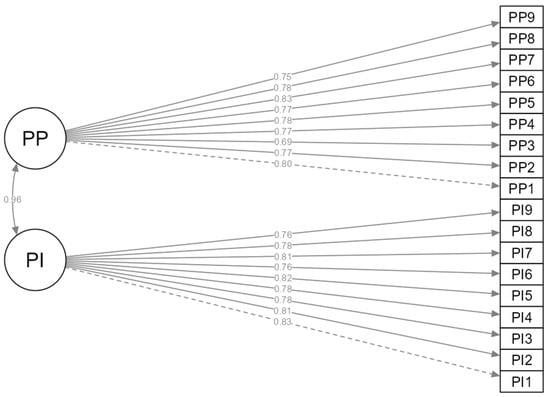
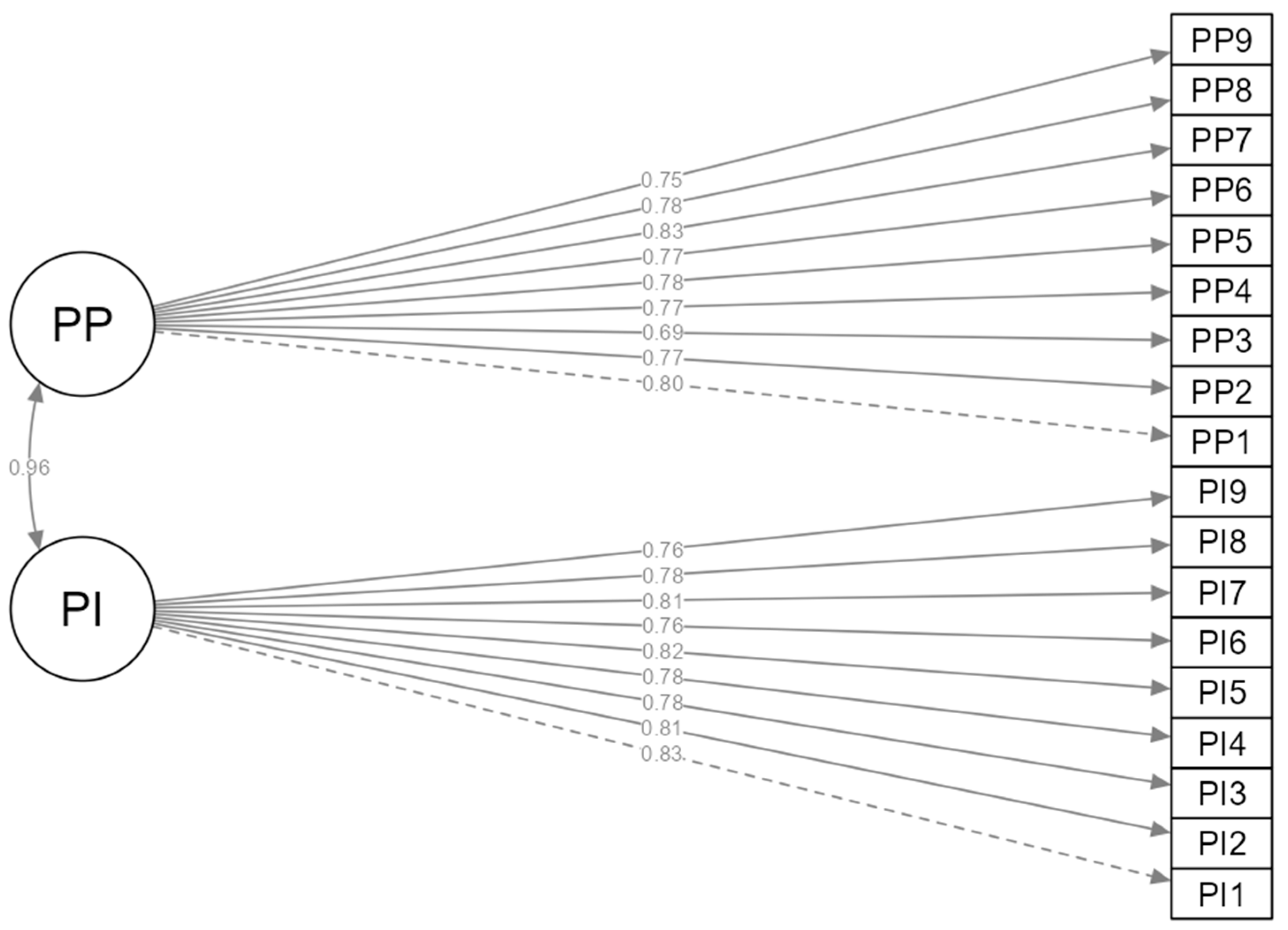

Disclaimer/Publisher’s Note: The statements, opinions and data contained in all publications are solely those of the individual author(s) and contributor(s) and not of MDPI and/or the editor(s). MDPI and/or the editor(s) disclaim responsibility for any injury to people or property resulting from any ideas, methods, instructions or products referred to in the content. |
© 2026 by the authors. Licensee MDPI, Basel, Switzerland. This article is an open access article distributed under the terms and conditions of the Creative Commons Attribution (CC BY) license.