


Abstract
Landscape forms on university campuses play a vital role in supporting informal learning, social interaction, and student well-being, particularly in hot-climate regions such as the Arabian Peninsula. This study investigates the influence of hard and soft landscape forms on students’ outdoor academic and socio-cultural activities at King Fahd University of Petroleum and Minerals in Dhahran, Saudi Arabia. A mixed-methods approach was adopted, beginning with in-depth interviews to explore users’ experiences and perceptions of campus landscape forms. The interview findings were subsequently verified through a quantitative questionnaire administered to 100 participants. The findings indicate that large vegetation, street furniture, small vegetation, and water features are perceived as the most important landscape forms for supporting students’ outdoor activities. The questionnaire results were broadly consistent with the patterns identified through the interviews. The study provides practical design guidance for university campuses in hot-arid environments, emphasizing the integration of landscape elements that enhance usability, comfort, the user experience, well-being, and outdoor-space usability comfort, while recognizing that the reported thermal benefits are perception-based and require confirmation through objective microclimatic measurements.
1. Introduction
The outdoor environment of a university campus plays a crucial role in enhancing environmental quality, sustainability, user satisfaction, psychological well-being, physical activity, and social interaction among students [1,2]. Open-air campus spaces are often the birthplace of innovative ideas and creative conversations that occur outside the bounds of formal classroom settings [3]. These spaces offer stressed students the benefits of fresh air and a tranquil atmosphere, frequently facilitating spontaneous gatherings and academic discussions [4]. The physical landscape of a campus significantly influences both the academic and social experiences of students. Scholars have consistently emphasized the close relationship between social and physical environments and levels of human physical activity [5].
University campuses are frequently likened to small towns in terms of their environmental footprint, developmental demands, and resource use [6]. Research conducted in Iraqi university campuses confirmed that the quality of outdoor spaces and landscaping positively affects student behaviour [7]. Similarly, a 2017 survey conducted by the Education Advisory Board (EAB) involving over 200,000 students revealed that 13.6% of students selected a university primarily based on the quality of its physical environment, surpassing considerations of academic reputation (12.9%) and cost (11.5%). However, many of the university campus owners do not understand how much the physical environment of their campus can attract new students to enrol and influence existing student retention [8]. This survey result shows the clear importance of well-landscaped university campus open-air spaces for students.
Although previous studies have examined individual landscape elements and the role of campus outdoor environments in supporting student well-being, environmental comfort, and social interaction, limited research has systematically assessed the relative importance of different hard and soft landscape forms in shaping open-air activities within university campuses located in Arabian hot-climate regions. Addressing this gap, the present study investigates how diverse landscape forms influence students’ use of outdoor campus spaces in an Arabian hot-climate context. Accordingly, this study aims to investigate how diverse hard and soft landscape forms influence students’ outdoor activities within university campuses located in hot-climate regions of Arabia. To achieve this aim, the study addresses three research questions: What hard and soft landscape forms are present on university campuses located in Arabian hot-climate regions? How do these landscape forms influence students’ outdoor academic and socio-cultural activities? Which landscape forms are perceived as most important for supporting outdoor activities, usability, and comfort on Arabian university campuses? A mixed-methods approach was employed, combining in-depth interviews and a structured questionnaire survey. The integration of these methods enabled a comprehensive assessment of user perceptions and experiences, while facilitating the triangulation of findings regarding the effectiveness of hard and soft landscape elements in supporting outdoor campus activities, environmental comfort, and user satisfaction.
2. Literature Review
University greenspaces are symbolically linked to student contentment in three key ways: they assist students in recovering from the mental fatigue of daily academic life; they promote psychological well-being and evoke positive emotions such as pleasure and strength; and they function as spaces for social interaction and engagement [9]. A study addressed a previously underexplored area of research by examining the relationship between landscape elements and student emotions. Their findings indicate that student success is deeply affected by emotional experiences within academia, which are shaped by a combination of physical and psychological factors. There is a strong correlation between students’ emotional responses and the quality of campus open spaces; students may react either positively or negatively, depending on how different landscape elements influence their perception and comfort [10].
The design of outdoor spaces plays a fundamental role in giving identity to university campuses. As Dober asserted, no great campus exists without effective landscape design [11]. The physical treatment of the campus landscape influences students’ impressions, attitudes, and perceptions of the institution while providing venues for a wide range of campus activities [12]. Outdoor space activities vary from formal to informal in nature [13]. Formal activities include structured events such as lectures and classroom sessions, while informal activities encompass quiet study, people-watching, enjoying nature, meditation, socializing, picnicking, recreational play, and photography [14].
Numerous studies have proposed various frameworks for classifying landscape elements. Tochaiwat [15] identified seven broad categories: surroundings, surface and paths, aquatic elements, garden furniture, lamps and lighting, plants, and miscellaneous garden elements [15]. A conceptual model offered distinguishing between three types of components in the landscape environment: fixed elements (such as buildings and infrastructure), half-fixed elements (including trees, boundary features, signs, lighting, benches, and other outdoor fixtures), and non-fixed elements (users, their activities, and vehicles). Of these, half-fixed components are considered the most influential in shaping user perceptions and attitudes toward the environment. These elements collectively form outdoor spaces that respond to user needs, and their integration is a key determinant of environmental quality and overall life satisfaction [16].
Building on this foundation, Zami proposed a more streamlined classification tailored to campus environments, categorizing landscape elements into three primary groups: pedestrian walkways and footpaths, courtyard open spaces, and landscape forms further divided into hard and soft categories. This classification underscores the multifaceted nature of landscape elements and their vital role in structuring campus experiences [3].
A wide range of landscape elements ranging from hardscape to softscape can be found within university campuses, and these vary depending on climate, culture, and campus function [10]. Faizi and Khakzand noted that landscape architecture encompasses all types of outdoor spaces, regardless of scale, and relies on the integration of both hard and soft materials. Landscape architects must carefully consider the relationship between buildings and their surrounding environment, considering climatic conditions as well as the interplay between land, vegetation, water, and construction materials. These factors are essential in designing landscapes that harmonize with the natural setting [17].
The variety of landscape elements commonly present on university campuses includes benches, trash bins, vegetation, water features, seating areas, kiosks, public art, lighting fixtures, signage, pathways, gates, edges, and parking structures [7,18]. Further, campus landscape forms are classified into two principal categories: hard landscape forms such as pavements, lighting, signage, street furniture, and sculptures, and soft landscape forms, which include grass lawns, water features, trees, shrubs, and other types of vegetation. This dichotomy forms the foundation for understanding how different landscape elements contribute to campus function, comfort, and aesthetics [3,19].
Previous studies have proposed different frameworks for categorising landscape elements based on their physical characteristics, functional roles, and degree of permanence. Table 1 summarises the main classifications identified in the reviewed literature. Although these studies use different terminologies and categorisation approaches, they collectively demonstrate the diversity of landscape elements that shape outdoor environments. Building on this literature, the present study synthesises these classifications to establish a framework of eight landscape form categories relevant to open-air activities in university campuses located in Arabian hot-climate contexts.
2.1. Hard Landscape Form
Hard landscape forms are essential components of campus landscape design and play a pivotal role in the success and functionality of outdoor spaces. The presence of well-designed hardscape elements enhances the potential for recreation and social engagement within open spaces. Features such as porches and benches are necessary to fulfil specific design and usability requirements that cannot be addressed by softscape elements alone [20]. When hardscape forms are strategically positioned and paired with complementary features, they can significantly elevate the overall quality and appeal of the landscape design [21].
Table 1.
Comparison of landscape element classifications identified in previous studies.
In addition to their aesthetic contributions, hard landscape elements also address practical concerns such as safety, privacy, and spatial definition. A thoughtfully designed hardscape fosters a more liveable, manageable, and visually organized environment. Moreover, well-selected and properly implemented hardscape features can enhance the economic value of the land. The typical hard landscape elements include bricks, paving stones, wooden fences, metal railings, architectural structures, and other non-living materials used in the outdoor environment [20].
The primary purpose of hard landscaping materials is to align with the intended use of the site. As Blake emphasized, material selection should not only fulfil functional requirements but also complement the surrounding context and contribute to the desired atmosphere [22]. Blake also noted that hard elements should be evaluated based on their character, performance, durability, and compatibility with the overall material palette of the landscape. Several critical factors were identified to consider when selecting hard landscape materials, including appropriateness of use, sustainability, quality, cost, and environmental impact [20].
Various scholars have proposed different categorizations of hard landscape components. Four distinct classifications of hard landscape forms, while Blake (2016) defined them broadly as non-living exterior features such as brick or slab paving, timber fences, metal railings, and buildings [22]. Zami extended this categorization to include pavements, street furniture, natural elements like rocks and mountains, as well as manmade features such as sculptures, monuments, and architectural structures [3,23]. Based on the literature, this study summarizes the key hard landscape forms that influence open-air campus activities and classifies them into five categories, as illustrated in Figure 1.
Figure 1.
Types of hard landscape forms influencing campus open-air activities. Source: [19,23].
2.2. Soft Landscape Form
Soft landscape elements are essential for achieving balance in landscape design and play a key role in enhancing the aesthetic and ecological character of urban environments. Soft landscape refers to all living components of the outdoor environment, including vegetation, natural landforms, and water features. These elements not only enhance the visual appeal of a space but also contribute significantly to its physical and environmental quality [22]. Jorgensen and Gobster, in their study on the ecological functions of urban green spaces, found that soft landscape elements play a vital role in expanding scenic views, promoting mental well-being, improving air quality, reducing noise pollution, and mitigating the adverse effects of modern, technology-driven lifestyles. Additionally, soft landscapes function as environmental filters, reducing various forms of pollution and supporting both individual and public health through improved environmental conditions [24].
Various roles and classifications of vegetation in landscape design note that green cover elements are typically categorized based on their visual and physical characteristics such as form, colour, and texture, which help shape the identity of outdoor spaces. Climate is also a significant determinant in the performance of vegetation [23]. Plant species offer seasonal benefits: during summer, leafy canopies provide essential shade and lower air temperatures, while in spring and winter, their leaf-shedding behaviour allows for increased sunlight, preventing frost and maintaining comfort in open areas. These seasonal adaptations make vegetation a critical component in creating thermally responsive and user-friendly environments, particularly in climates with extreme temperature variations [25].
Landforms are naturally occurring, recognizable shapes formed through geological processes, such as planes, ridges, peaks, and valleys. In landscape architecture, these forms are often mimicked or adapted to create functional and visually engaging designs that respond to both the terrain and user needs [26]. Sakici emphasized the importance of lawns and ground covers as fundamental components of soft landscape design. These elements connect various other landscape features such as trees, shrubs, and flowers into a cohesive whole. Beyond their visual contribution, lawns provide psychological comfort by offering a softer alternative to hard surfaces like sidewalks, and they directly influence the types and frequency of activities that can occur in outdoor spaces. Among ground covers, lawns are considered the most effective in supporting a wide range of campus activities [27]. Water features not only enhance the visual appeal of an environment but also serve as effective tools for microclimate regulation, particularly in hot climates. The cooling effect of water is amplified by larger surface areas and quieter flows, which contribute to a sense of tranquillity and thermal comfort. Natural and semi-natural water scenes such as ponds, fountains, or slow-moving streams are particularly valued for their calming psychological impact and ability to lower ambient temperatures in surrounding spaces [23,27]. Based on this literature review, the soft landscape forms that influence campus open-air activities can be categorized into three main types, as illustrated in Figure 2.
Figure 2.
Types of Soft landscape forms influencing campus open-air activities. Source: [19].
Considering this extensive literature review, it becomes evident that limited research has been conducted to systematically identify typologies and establish evaluation criteria for assessing the effectiveness of hard and soft landscape forms in supporting open-air activities within university campuses. While numerous studies have explored individual landscape elements, few have offered a framework that links specific types of landscape forms to user experience and activity in outdoor educational settings. Drawing from the insights and data presented in the literature, this study formulates a conceptual framework that categorizes landscape forms into two main types (hard and soft) and further divides them into eight subtypes. The framework also outlines key evaluation criteria, including aesthetic quality, functional performance, contextual suitability, and user response. These components are synthesized and illustrated in Figure 3 below.
Figure 3.
A generic framework illustrating various landscape forms controlling campus open-air activities.
3. Materials and Methods
A four-phase methodological framework (Figure 4) was developed to guide the research process. This framework outlines the overall research strategy, including the data collection methods, the sequence of research activities, and the tools used to analyse and validate findings. It served as a roadmap for aligning the methodological choices with the study’s goals. The first phase focused on formulating clear, specific, achievable, and relevant research aims and objectives.
Figure 4.
Methodological framework: A graphical representation of the interconnection of four phases and two methods applied in this study.
The second phase involved identifying, evaluating, and synthesizing existing literature to establish a robust theoretical foundation for the study. A systematic review approach was employed to critically analyse previous research on landscape forms in campus settings. This review provided a deeper understanding of how landscape forms contribute to the spatial quality, usability, and social dynamics of outdoor university environments. To ensure a comprehensive understanding of the topic, the literature review focused on three core areas:
- (1)
- The importance of landscape forms in university campuses.
- (2)
- The types and elements of hard and soft landscape forms.
- (3)
- The effectiveness of these forms in influencing student activities.
Phase Three began with an exploratory qualitative stage in which a series of semi-structured, face-to-face in-depth interviews were conducted with a purposive sample of campus users. The sample comprised 50 students, 30 faculty members with backgrounds in built-environment disciplines, and 25 spouses of faculty members residing on university campuses in Saudi Arabia. Although students constituted the primary focus of the study, faculty members and their spouses were included because many university campuses in the Arabian context function as integrated academic and residential environments. Resident faculty members and their families regularly interact with the same outdoor spaces and landscape forms used by students for everyday recreational, social, and other activities. Their inclusion therefore broadened the range of perspectives captured in the qualitative investigation and provided insights from users with direct and recurring experience of campus outdoor environments.
The semi-structured interview protocol was developed in relation to the landscape forms identified through the literature review and conceptual framework (Figure 3). A total of 100 valid responses were obtained. It examined participants’ use and perceptions of campus outdoor spaces and addressed topics including outdoor activities, seating and street furniture, shading, vegetation, privacy, landmarks, water features, pavement and materials, lighting, signage, maintenance, and desired landscape improvements. Follow-up probes were used where appropriate to obtain further clarification and elaboration of participants’ responses. The interview questions and associated probes are presented in Appendix A. Interviews were audio-recorded, transcribed, and subjected to thematic analysis to identify recurring attitudes, preferences, concerns, and perceptions related to usability, comfort, and the effectiveness of different landscape forms. The thematic coding facilitated the identification of both recurring patterns and contrasting perspectives across the different campus-user groups.
The interview transcripts were analyzed using a deductive–inductive thematic coding approach. At the deductive stage, the conceptual framework developed from the literature review (Figure 3) provided the initial coding structure. As shown in Table 2, responses were first organized into the two overarching domains of hard and soft landscape forms. The hard landscape domain comprised five predefined categories: non-living natural forms, non-living manmade forms, pavement forms, street furniture forms, and commercial forms. The soft landscape domain comprised three predefined categories: small vegetation forms, large vegetation forms, and water bodies. These eight categories constituted the principal themes used to organize the interview data.
Table 2.
Hierarchical Coding Framework Used for the In-Depth Interview Analysis.
Within each predefined theme, the interview responses were subsequently examined inductively to identify recurring subthemes representing participants’ attitudes, preferences, perceived benefits, concerns, and patterns of outdoor-space use. For example, the street-furniture responses generated subthemes related to seating availability and comfort, shading, lighting, wayfinding, and support for academic and social activities. Large-vegetation responses generated subthemes concerning shade, noise reduction, privacy, safety, aesthetics, and social interaction. This combined approach enabled the analysis to retain the landscape-form structure established by the conceptual framework while allowing more specific user perceptions to emerge from the interview data.
The initial coding of the interview transcripts was undertaken by two researchers. The resulting codes, subthemes, and thematic organization were subsequently reviewed by other researchers to assess their consistency with the interview responses and the predefined conceptual framework. Differences in interpretation were discussed and resolved through consensus.
Following the in-depth interviews, a structured questionnaire survey was conducted to validate and further examine the emerging findings. A total of 100 valid questionnaire responses were obtained. The questionnaire assessed respondents’ perceptions of the relative importance of the eight hard and soft landscape forms identified through the conceptual framework using a five-point importance scale ranging from 1 (least important) to 5 (most important) (Appendix B). Consequently, the survey findings were interpreted as validation of expert-informed experience on the importance of landscape form. The quantitative data analysis was carried out using several statistical tools:
- Descriptive statistics, including mean and median values, were calculated to assess the central tendency of user ratings.
- Cronbach’s Alpha was computed to test the internal consistency and reliability of the survey instrument.
- Prior to conducting Exploratory Factor Analysis (EFA), the suitability of the dataset for factor analysis was assessed using the Kaiser–Meyer–Olkin (KMO) measure of sampling adequacy and Bartlett’s Test of Sphericity. A KMO value greater than 0.60 was considered acceptable, while a statistically significant Bartlett’s test (p < 0.05) indicated that sufficient correlations existed among the questionnaire variables to support factor analysis. EFA was subsequently performed to identify underlying dimensions (latent factors) among the questionnaire items. Factor loadings were examined to determine the strength of association between individual questionnaire items and the extracted factors, with higher loading values indicating stronger relationships. The eigenvalues and the percentage and cumulative percentage of variance explained by the retained factors were also examined to evaluate the explanatory capacity of the factor solution. Hierarchical cluster analysis (HCA) was then conducted to further investigate similarities among the questionnaire variables. An agglomerative clustering procedure using Ward’s linkage method and squared Euclidean distance as the dissimilarity measure was applied. Ward’s method was selected because it minimizes the increase in within-cluster variance at each successive stage of cluster formation, thereby producing relatively compact and homogeneous clusters. The resulting cluster structure was visualized using a dendrogram.
- Correlation Matrix analysis was used to explore the strength and direction of relationships among different questionnaire items, facilitating a deeper understanding of inter-variable consistency and construct validity.
Phase four of this research synthesized data from both methods to generate a comprehensive understanding of how landscape forms affect open-air campus activities in Arabian hot climates. Findings from qualitative and quantitative analyses were interpreted considering the conceptual framework developed in Phase Two. This phase also included a discussion of key insights, followed by evidence-based design recommendations for optimizing campus landscapes to support usability, comfort, and social interaction in hot climate settings.
4. Results
4.1. Analysis of the In-Depth Interviews
The thematic analysis was organized according to the hierarchical coding framework described in Section 3. The eight predefined landscape-form themes provided the principal structure for reporting the findings, while the emergent subthemes captured recurring attitudes, preferences, perceived benefits, and concerns within each landscape-form category. To complement the qualitative interpretation, the prevalence of the principal coded attitudes was also descriptively quantified using frequencies (n) and percentages (%) where applicable.
4.1.1. Hard Landscape Forms
This part of the study explored user perceptions of hard landscape elements through five targeted questions, each corresponding to one of the five types of hard landscape forms identified earlier (see Figure 1). The data presented in the following subsections were thematically extracted and analyzed from the in-depth interviews, providing qualitative insights into how these landscape features influence user experiences and open-air activities on campus.
- A.
- Non-living natural forms
All interview participants agreed that non-living natural forms, such as rocks and boulders, positively influence open-air activities on campus by enriching the spatial experience and reinforcing a sense of place.
- B.
- Non-living manmade forms
All interviewees noted a general scarcity of non-living manmade landscape forms across university campuses in Saudi Arabia. Approximately half of the participants recommended introducing artistic and aesthetic features such as sculptures and monuments into campus outdoor spaces. They believed such additions could enrich the environment, reduce stress, and encourage social interaction, thereby enhancing overall campus life. As one interviewee highlighted, the King Fahd University of Petroleum and Minerals (KFUPM) clock tower serves as a prominent manmade landmark that attracts visitors, embodies the university’s identity, and is frequently featured in student photographs shared on social media platforms. However, the remaining 50% of participants expressed reservations about incorporating such features into open-air spaces. They preferred situating artistic elements indoors, suggesting that these forms are not essential for promoting outdoor activities. Instead, they emphasized increasing the presence of tree forms to support shade and comfort. Additionally, one participant underscored the importance of ensuring that any introduced manmade forms reflect and promote local cultural values.
- C.
- Pavement forms
All interviewees expressed satisfaction with the pavement forms and materials used in the open spaces of the Saudi Arabian campuses. They agreed that these pavement designs are well-suited to support a variety of activities, including walking, running, cycling, informal play, and social gatherings. Participants also highlighted the diversity and durability of the paving materials, noting their ability to withstand the harsh climatic conditions characteristic of the Arabian Gulf region.
- D.
- Street furniture forms
There was strong consensus among interviewees regarding the inadequacy, limited diversity, and questionable material choices of street furniture within their university open spaces. Participants highlighted several deficiencies related to seating, lighting features, signage, bollards, shelters, pergolas, and trash bins. The majority reported difficulty in finding comfortable places to sit. Key issues included insufficient numbers of seats, a lack of ergonomic design, and inadequate shading, whether from pergolas, umbrellas, or strategically placed tree canopies. Student interviewees emphasized their desire for furniture that would allow them to comfortably study outdoors, prepare assignments, and socialize with friends. They noted that the current benches on their campuses, predominantly made of concrete, become excessively hot during summer months, rendering them uncomfortable for prolonged use. Moreover, the absence of tables and backrests means these benches do not effectively support outdoor academic or social activities, limiting the functional potential of these spaces. The majority of participants indicated a clear need for additional lighting units across the outdoor spaces of their respective campuses. Student respondents, in particular, emphasized that due to the extreme daytime heat typical of the Arabian climate, most outdoor activities occur at night. As such, higher quality and more strategically placed lighting facilities would significantly enhance the usability of outdoor areas for activities such as reading or socializing with friends.
Participants also identified a notable absence of signage and wayfinding systems, a shortcoming they observed on many university campuses throughout Saudi Arabia. Built environment professionals interviewed in the study strongly supported incorporating wayfinding and signage elements, noting that inadequate navigational aids often made it difficult to reach destinations when moving through campus open spaces. Adding these landscape forms was seen as essential to improving user experience, orientation, and the functional accessibility of campus outdoor environments.
- E.
- Commercial forms
The majority of interviewees noted a distinct lack of commercial landscape features across the campuses. While adequate bus stop shelters were acknowledged, participants highlighted the absence of other important commercial forms such as water fountains, kiosks, and billboards. Most respondents agreed that introducing more commercial elements could positively influence outdoor activities by encouraging longer stays, offering amenities, and enhancing the vibrancy of campus life.
4.1.2. Soft Landscape Forms
This part of the interview results explored user perceptions of soft landscape elements through three targeted questions, each aligned with the three types of soft landscape forms identified in Figure 2. The following subsections thematically present data extracted from the in-depth interviews, offering qualitative insights into how these living landscape elements impact user experiences and engagement with campus outdoor spaces.
- A.
- Small forms of vegetations
All interviewees unanimously agreed on the importance of incorporating small forms of vegetation, particularly ground covers, within campus outdoor spaces in the context of the Arabian hot climate. They emphasized that such vegetation enhances the aesthetic quality of these environments and helps reduce sound pollution, contributing to a more pleasant outdoor experience. The majority of participants also noted that introducing a diverse range of plant types would further enrich visual appeal and support a wider variety of outdoor activities. Several interviewees highlighted that appropriate ground covers could play a crucial role in mitigating the heat island effect commonly observed in Arabian campus settings. However, a few participants cautioned against the use of certain aromatic ground cover species, pointing out potential health concerns for individuals with asthma or allergies. Among student respondents, there was a clear preference for grass lawns, which they associated with social activities and relaxation. In contrast, paved areas were viewed as more suitable for outdoor studying, where a firm surface was seen as beneficial for concentration and the handling of study materials.
- B.
- Large forms of vegetations
All interviewees unanimously agreed that the primary function of large forms of vegetation, such as mature trees, is to provide shade, thereby significantly enhancing the usability of campus outdoor spaces in the Arabian hot climate. Faculty respondents additionally highlighted that dense tree canopies act as effective sound barriers, offering a sustainable solution to noise pollution while simultaneously contributing aesthetic and environmental value to the campus landscape. Several female students and spouses emphasized that tree forms and shrubs also play an important cultural role by ensuring privacy in outdoor spaces, which is an aspect particularly valued within the context of Arab social norms. However, some participants cautioned that creating overly secluded or private spaces in public campus areas could pose safety concerns, especially for women and children. Interviewees broadly agreed that well-integrated green spaces featuring ample tree cover foster a welcoming environment for studying, social interaction, academic discussions, and informal meetings, making them indispensable to the quality of campus life.
- C.
- Water bodies
Several interviewees observed that outdoor water elements are largely absent from most university campuses in Saudi Arabia. However, all participants agreed that incorporating water bodies within campus landscapes offers multiple benefits, including enhanced visual quality, a sense of comfort and tranquility, improved air quality, localized cooling effects, and protection against the stresses associated with highly automated lifestyles. A number of faculty interviewees specifically raised concerns about the existing water body near the KFUPM mosque. They stated that although this water feature holds significant potential, it remains largely unused because there are no pathways, seating areas, or shaded structures to encourage visitors to enjoy the presence of water. Suggested interventions included introducing walkways, chairs, tables, and canopies around the water body to transform it into an inviting social and contemplative space. They emphasized that such additions would substantially enhance the quality of the outdoor environment and support a wider range of open-air campus activities.
The thematic analysis revealed recurring attitudes concerning the contribution of different hard and soft landscape forms to campus outdoor activities. To complement the qualitative interpretation and indicate the prevalence of the principal views, the major coded topics and attitudes were descriptively quantified using frequencies (n) and percentages (%). Table 3 summarizes these recurring themes across the interview sample (N = 100). The quantitative frequencies are used descriptively to indicate the prevalence of particular attitudes and should not be interpreted as inferential statistical evidence.
Table 3.
Summary of Major Topics and Attitudes Identified through the In-Depth Interviews (N = 100).
4.2. Analysis of Questionnaire Survey
4.2.1. Respondent Profile
The questionnaire survey comprised 100 respondents (n = 100) representing six countries in the Arabian region. As summarized in Table 4, the largest proportion of respondents was from Saudi Arabia (49), followed by Egypt (24), while the remaining respondents were distributed across the United Arab Emirates (8), Jordan (7), Bahrain (6), and Kuwait (6). Female respondents constituted 78% of the sample, while males accounted for 22%. In terms of age, the largest group was 18–25 years (43%), followed by 26–35 years (26%), 46 years and above (19%), and 36–45 years (12%). The sample comprised postgraduate students (48%), academic faculty members (38%), and practitioners (14%). All respondents had backgrounds in built-environment disciplines, including architecture, engineering, interior design, construction, urban planning, and landscape architecture. This sampling strategy was intended to obtain informed perspectives regarding the design, functionality, and environmental performance of campus landscape elements. Nevertheless, because the questionnaire targeted respondents with built-environment backgrounds, the findings should be interpreted as informed disciplinary perceptions rather than as fully representative of the broader student population or all campus users.
Table 4.
Background Characteristics of Questionnaire Respondents.
4.2.2. Vegetation Priorities
Figure 5 illustrates how respondents rated the importance of various hard and soft landscape elements in university campuses across Arabian hot climate regions, using a scale from 1 (least important) to 5 (most important). Large vegetation forms, particularly trees, emerged as the most critical element, receiving top ratings from 76.2% of respondents. Participants emphasized that expansive tree canopies play an indispensable role in moderating harsh climatic conditions by providing substantial shade, lowering localized temperatures, and enhancing microclimatic comfort.
Figure 5.
Ranking of the importance of the hard and soft landscape forms in the Arabian hot country university campuses.
Beyond climatic benefits, respondents also highlighted the aesthetic and ecological value of large trees, noting their contributions to biodiversity such as attracting birds and enriching the sensory experience of campus life. Observations of trees’ seasonal changes were seen as adding dynamic beauty, defining pathways, and creating inviting spatial hierarchies. Importantly, many respondents advocated for the use of native, adaptive, and evergreen species, recognizing their ability to deliver consistent shading and resilience throughout the year, which is vital for sustaining outdoor activities in extreme heat environments.
4.2.3. Street Furniture
Street furniture was ranked as the second most important landscape component, with 73.8% of respondents assigning it the highest importance score. Elements such as seating, lighting, signage, bollards, pergolas, fences, railings, and trash bins were viewed as essential infrastructure that not only supports user comfort and safety but also enhances the overall functionality and accessibility of campus open spaces. Participants consistently described these features as “must-haves” in campus landscape design, emphasizing their dual role in delivering practical services such as seating, shelter, and illumination and contributing to the spatial organization and aesthetic coherence of outdoor environments. Respondents also called for innovative solutions, such as smart seating equipped with charging stations, to increase the versatility of outdoor spaces for both academic and social use. Collectively, street furniture was framed as central to creating welcoming, inclusive, and high-performing campus landscapes in hot-climate contexts.
4.2.4. Small Vegetation
Small vegetation forms, including shrubs, grasses, seasonal flowers, and climbers, were ranked as the third most important landscape element, with 64.3% of respondents assigning them top importance. These elements were valued for their multifunctional contributions to campus outdoor spaces in hot climates, particularly in terms of visual appeal, thermal comfort, and spatial vibrancy. Respondents emphasized that small vegetation enhances the aesthetic quality of open spaces, promotes a sense of joy and liveliness, and improves the microclimate by softening harsh surfaces and reducing ambient heat. These features also play a role in increasing the frequency and diversity of outdoor activities, especially when integrated with larger vegetation and hardscape. Overall, the responses underscore the high ecological and experiential value of small vegetation in supporting user well-being and elevating the sensory richness of university campuses in arid regions.
4.2.5. Water Features
Water bodies such as fountains, pools, fishponds, waterfalls, and streams were identified as highly significant landscape elements. Nearly half of respondents (47.6%) assigned them the maximum importance score, with an additional 23.8% rating them as very important, culminating in 71.4% who view water features as essential in campus environments. Participants attributed this importance to multiple benefits of water bodies: they elevate environmental quality, create inviting and aesthetically rich spaces, and introduce a sense of freshness and luxury, all of which are particularly valuable in the harsh climatic conditions of Arabian campuses. Water features were also recognized for their capacity to lower surrounding temperatures and support psychological well-being, with many respondents highlighting the soothing and comforting sound of flowing water. Notably, fountains emerged as a preferred option due to their combined auditory and visual appeal, making them a compelling choice for enhancing the experiential quality of university open-air spaces.
4.2.6. Pavements and Commercial Elements
Pavement forms constructed from brick, concrete, timber, and stone and commonly found in walkways, parking lots, and open-air courtyards were rated as the fifth most important landscape element, with 35.7% of respondents assigning them top significance. Participants characterized pavements as fundamental functional components of campus design, essential for structuring movement and defining spatial uses. However, they also cautioned that poorly designed pavements could undermine user comfort, outdoor activity levels, and the overall aesthetic quality of campus spaces.
Commercial elements, such as kiosks, booths, bus stop shelters, and billboards, were ranked sixth (33.3%). Respondents acknowledged their role in enhancing campus functionality, particularly in hot climates where such amenities encourage users to linger and engage. Kiosks were repeatedly cited for their ability to make outdoor areas more user-friendly and to foster social interactions. Nonetheless, participants stressed the need for careful integration and placement of commercial structures to avoid visual clutter and to preserve the aesthetic and spatial coherence of university landscapes.
4.2.7. Non-Living Natural Forms
Non-living natural elements such as rocks, mountains, and sand dunes were ranked as the seventh most important landscape form, with 23.8% of respondents rating them as highly significant. Participants acknowledged that these features could strengthen the visual and symbolic connection to the regional landscape, offering opportunities for contemplation, cultural resonance, and stress relief. However, respondents also raised concerns about the sensory and thermal implications of these elements. In particular, some noted that the presence of bare rocks or desert-like formations could amplify the perception of heat, dryness, and desolation, thereby reducing the comfort and usability of outdoor spaces. While such features may serve a secondary functional purpose such as seating or microclimate modulation, many questioned their practical relevance in supporting daily campus activities. Overall, respondents agreed that these forms should be used judiciously and in balance with green and functional elements, ensuring that landscape design remains both culturally expressive and climatically responsive.
4.2.8. Non-Living Manmade Forms
Non-living manmade elements, including sculptures, monuments, and pedestrian bridges, were rated as the least important landscape component, with only 21.4% of respondents assigning them the highest level of importance. Despite this lower ranking, participants acknowledged that such features play meaningful roles in enhancing both the aesthetic quality and functional connectivity of university campuses in hot climates.
Pedestrian bridges were particularly valued for improving campus circulation and reducing walking distances, thereby contributing to user comfort. Sculptures and monuments were recognized for their capacity to serve as wayfinding aids, intellectual prompts, and artistic landmarks, reinforcing the identity and distinctiveness of the campus environment. However, several respondents emphasized the need for cultural sensitivity in selecting these features, advocating for sculptures and monuments that carry historical or symbolic significance to deepen students’ connections to their heritage and broaden intellectual horizons, while avoiding forms that might resemble religious idols.
The descriptive statistics in Table 5 reveal clear priorities in how respondents perceive landscape forms essential to campus environments in Arabian hot climates. High mean values paired with low variability for elements such as large vegetation, small vegetation, and street furniture underscore a shared conviction that these features are fundamental to creating thermally comfortable, socially engaging, and visually appealing outdoor spaces.
Table 5.
The significance of each landscape form in the Arabian hot country university campus.
By contrast, the lower and more dispersed ratings for non-living natural and manmade forms indicate that while these elements can add symbolic or aesthetic interest, they are viewed as supplementary rather than critical to everyday campus life. Collectively, these findings highlight a strong user preference for landscapes that prioritize shade, ecological health, and functional amenities, directly addressing climatic challenges and supporting sustained outdoor activity. This prioritization offers clear guidance for campus planners and designers seeking to balance cultural identity with comfort and usability in hot environments.
4.2.9. Latent Dimensions of Landscape Preferences
The eight questionnaire items included in the multivariate analyses were: Q1—Non-living natural forms; Q2—Non-living manmade forms; Q3—Commercial forms; Q4—Street furniture forms; Q5—Pavement forms; Q6—Small forms of vegetation; Q7—Large forms of vegetation; and Q8—Water bodies. These same variable labels were used consistently in the Exploratory Factor Analysis, correlation matrix, and hierarchical cluster analysis.
The questionnaire demonstrated acceptable internal consistency, with a Cronbach’s alpha coefficient of 0.75. This indicates an adequate level of coherence among the eight landscape-form evaluation items and supports their use in examining respondents’ landscape preferences. Prior to the EFA, the adequacy of the data for factor analysis was examined. As shown in Table 6, the Kaiser–Meyer–Olkin (KMO) measure of sampling adequacy was 0.74, indicating an acceptable level of common variance among the eight questionnaire items. Bartlett’s Test of Sphericity was statistically significant, χ2(28) = 238.6, p < 0.001, confirming that the correlation matrix was not an identity matrix and that the variables were sufficiently interrelated for factor analysis.
Table 6.
KMO and Bartlett’s Test of suitability for Exploratory Factor Analysis.
As shown in Table 7, the EFA retained three factors with eigenvalues greater than 1.0. Factor 1 explained 30.9% of the total variance, Factor 2 explained 20.9%, and Factor 3 explained 16.6%. Together, the three retained factors accounted for 68.4% of the cumulative variance, indicating that the factor solution captured a substantial proportion of the variability in respondents’ landscape preferences.
Table 7.
Eigenvalues and Variance Explained by the Extracted Factors.
The Exploratory Factor Analysis (EFA) further unraveled these interrelationships, revealing three distinct latent dimensions that shape how respondents prioritize landscape features, as shown in Figure 6. Factor 1, dominated by small vegetation, large trees, and water bodies, can be interpreted as an “Environmental Comfort and Biophilic Amenity” dimension. It encapsulates respondents’ strong collective emphasis on elements that regulate microclimate, introduce ecological richness, and provide psychological relief features seen as indispensable for fostering comfortable, health-promoting outdoor environments. Factor 2, primarily loading on non-living manmade elements and commercial features, emerges as a “Functional Activation and Cultural Identity” dimension. This factor reflects preferences for structures that support amenities, wayfinding, intellectual engagement, and campus character, albeit recognized as secondary to climatic and ecological needs. Factor 3, shaped by non-living natural forms and pavements, illustrates a “Spatial Structuring and Regional Expression” dimension, highlighting how foundational surfaces and naturalistic features together define circulation, spatial order, and a sense of place rooted in local geography. These nuanced patterns indicate that while ecological and climatic comfort forms the core of user priorities, there remains a layered appreciation for cultural expression and spatial articulation—offering campus planners a sophisticated roadmap to balance environmental performance with identity and experiential richness.
Figure 6.
Exploratory Factor Analysis (EFA).
4.2.10. Interrelated Landscape Priorities
The correlation matrix (Figure 7) offers critical insights into how respondents conceptually link various landscape features within the context of university campuses in Arabian hot climates. Rather than merely exposing numerical relationships, these correlations illuminate deeper patterns in how individuals perceive the joint contributions of different landscape elements to comfort, usability, and spatial quality. Notably, the relatively strong correlation (0.60) observed between street furniture and water features suggests that respondents view these as complementary in shaping supportive microenvironments. This affinity likely arises because both elements directly enhance outdoor livability: street furniture by offering places to sit, study, or gather, and water features by mitigating heat and enriching sensory experiences. Their interplay highlights how combining infrastructural amenities with climatic moderators can co-create inviting, multifunctional spaces that encourage extended outdoor engagement even in harsh conditions.
Figure 7.
Correlation Matrix.
Conversely, the matrix revealed very weak or negligible correlations, such as the minimal association (0.07) between small vegetation and non-living natural features. This divergence underscores that while respondents appreciate the ecological and aesthetic contributions of low plantings, they do not see these as conceptually tied to static natural formations like rocks or barren surfaces, which might even evoke discomfort under extreme heat. The overall spectrum of correlations from strong to nearly absent validates the multidimensional structure uncovered in the factor analysis. It demonstrates that respondents differentiate sharply between landscape elements serving climatic comfort and biophilic needs, those providing functional or cultural activation, and those primarily contributing to spatial delineation or symbolic resonance. This nuanced understanding affirms the value of designing campus landscapes that intentionally layer these priorities, integrating ecological shade and water systems with thoughtfully positioned amenities and culturally meaningful landmarks to achieve spaces that are both experientially rich and contextually attuned to the demands of the Arabian climate.
4.2.11. Clustering of Landscape Values
The hierarchical cluster analysis, conducted using Ward’s linkage method with squared Euclidean distance, produced the dendrogram shown in Figure 8. The dendrogram illustrates the relative similarity among the eight landscape-form variables based on respondents’ rating patterns, where variables merging at shorter linkage distances indicate greater similarity. The closest association was observed between small and large vegetation forms, suggesting that respondents perceived these elements as a closely related ecological and biophilic landscape group.
Figure 8.
Hierarchical Clustering Dendrogram. The different colored lines indicate the distinct clusters identified in the hierarchical clustering analysis.
The hierarchical cluster dendrogram (Figure 8) offers a powerful lens into how respondents instinctively grouped various landscape forms, moving beyond isolated preferences to reveal the deeper cognitive structures that guide their perceptions. Unlike mere pairwise correlations, this clustering unpacks the holistic way people connect multiple elements within the broader idea of what makes outdoor campus environments successful in hot climates. Most strikingly, the analysis showed that respondents saw small and large vegetation forms as a closely linked pair, suggesting that together these features embody a unified construct of ecological comfort and biophilic appeal. Their tight clustering underscores how respondents regard a layered planting strategy blending ground covers, shrubs, and canopy trees not just as separate design tools, but as an integrated ecological system essential for providing shade, cooling, biodiversity, and psychological relief.
Similarly, street furniture and water features emerged as a distinct cluster, revealing that participants conceptualize functional amenities and climatic moderators as working hand-in-hand to create outdoor spaces that are not only usable but also inviting under extreme conditions. This coupling hints at a sophisticated user expectation that comfortable places to sit, gather, or study outdoors inherently require a microclimatic buffer like fountains or reflective pools, particularly in the Arabian context. In contrast, the cluster linking non-living natural forms and pavements suggests a perception of these elements as foundational spatial organizer features that define circulation and set a regional tone but carry less weight in directly supporting daily comfort. The pairing of non-living manmade forms with commercial amenities points to a more symbolic and social dimension: together, they capture aspects of campus identity, intellectual engagement, and opportunities for interaction that, while secondary to ecological needs, enrich the experiential and cultural tapestry of university life. Taken as a whole, these clustering patterns reinforce the idea that landscape preferences on hot-climate campuses are multidimensional, blending priorities for environmental performance, functional infrastructure, and cultural resonance. For campus designers, this means that successful outdoor environments will thoughtfully weave together robust vegetation systems with strategically placed seating, shading, and water features, complemented by culturally attuned landmarks and commercial nodes, thereby fulfilling both the physiological and social aspirations of their diverse user communities.
The multivariate analyses indicate partial overlap among several questionnaire items, particularly those representing conceptually related landscape features. For example, small and large vegetation showed close statistical association, while street furniture and water bodies also demonstrated notable similarity in respondents’ evaluations. This overlap is interpreted as evidence that respondents perceive certain landscape elements as functionally complementary rather than entirely independent. However, the items were retained separately because each represents a distinct physical landscape component with different design, functional, and environmental characteristics. Thus, the observed overlap reflects shared underlying dimensions of landscape preference rather than redundancy of the questionnaire items. The EFA further supports this interpretation by grouping related items under broader latent dimensions, indicating that the questionnaire captures both individual landscape elements and higher-order preference structures.
5. Discussion
The findings of this study indicate that large vegetation forms, street furniture, small vegetation forms, and water features were perceived as the most important landscape elements for supporting outdoor activities in university campuses located in hot-arid environments. These findings are generally consistent with previous research that has highlighted the importance of vegetation and user-support facilities in enhancing campus outdoor environments. However, the present study extends existing knowledge by systematically comparing eight categories of hard and soft landscape forms through a triangulated framework consisting of in-depth interviews and questionnaire surveys.
The highest ranking assigned to large vegetation forms is consistent with the findings of Hami [28], who reported that students strongly preferred green spaces, trees, and shaded environments within university campuses. Similarly, Foellmer found that campus green spaces contribute significantly to student well-being, psychological restoration, and social interaction [9]. The results of the present study support these conclusions, as interview participants consistently associated trees with shade provision, visual quality, privacy, and improved outdoor experiences. However, unlike previous studies that treated vegetation as a single category, this study distinguished between large and small vegetation forms and demonstrated that users perceive different vegetation types as serving different functions. Large vegetation was primarily associated with shade and spatial comfort, whereas small vegetation was associated with aesthetics, visual diversity, and environmental enhancement.
Street furniture emerged as the second most important landscape category, a finding that closely aligns with previous studies emphasizing the importance of seating and supporting infrastructure in outdoor environments. Matloob et al. [7] reported that seating facilities, lighting systems, and outdoor amenities significantly influence students’ willingness to use campus open spaces. Similarly, Senturk and Al Tincekic [20] argued that hard landscape elements are essential for transforming outdoor areas into usable and socially active environments.
The importance assigned to water features is also consistent with previous research. Aesthetic and psychological benefits of water elements in landscape environments, while other studies have reported that water features enhance environmental quality and increase user satisfaction [27]. Respondents in the present study similarly associated fountains, ponds, and other water elements with comfort, visual attractiveness, and pleasant outdoor experiences. Nevertheless, unlike studies that have measured thermal performance through microclimate monitoring or simulation techniques, the present study focuses exclusively on user perceptions. Therefore, the findings should be interpreted as perceived environmental benefits rather than objectively measured cooling effects. This distinction is particularly important in light of the growing body of thermal-comfort research within hot-arid urban environments.
The relatively high ranking of small vegetation forms also corresponds with previous findings regarding the ecological and aesthetic functions of shrubs, lawns, and ground covers. Sakici highlighted the role of lawns and ground-cover vegetation in supporting outdoor activities and creating visually coherent landscapes. Likewise, Jorgensen and Gobster emphasized the contribution of soft landscape elements to environmental quality and user well-being [24]. The present findings support these observations, as respondents frequently identified small vegetation as contributing to visual attractiveness, environmental comfort, and the overall quality of outdoor campus spaces.
The high ranking assigned to street furniture is consistent with Matloob et al. [7] and Zami [3], who identified seating, lighting, signage, and other functional amenities as essential components of university campus landscapes. However, the present study extends these findings by demonstrating that, in Arabian hot-climate campuses, the effectiveness of street furniture depends not only on its availability and functionality but also on its material selection, ergonomic design, and integration with adequate shading. Participants particularly emphasized that exposed concrete seating becomes excessively hot during summer and that shaded seating with tables and backrests is more suitable for supporting outdoor academic and social activities. These findings highlight the importance of designing street furniture that responds simultaneously to users’ functional requirements and the region’s extreme climatic conditions.
In contrast, non-living natural forms and non-living manmade forms received the lowest rankings among all landscape categories. This finding partially differs from studies that have emphasized the symbolic, cultural, and identity-forming role of landmarks, sculptures, monuments, and geological features in outdoor environments. While participants acknowledged the visual and cultural significance of such elements, they generally considered them less important than vegetation, street furniture, and water features. One possible explanation is the climatic context of the Arabian Gulf region, where users prioritize landscape elements that directly support comfort, usability, and daily outdoor activities. In environments characterized by prolonged periods of extreme heat, practical and comfort-oriented landscape features may take precedence over symbolic or decorative elements.
A clear distinction should be made between perceived environmental comfort and objectively measured thermal performance. Landscape elements may be valued for their aesthetic, cultural, or psychological qualities even when they provide limited thermal benefits. For example, exposed rocks may enhance regional identity but absorb and store heat, potentially increasing surface and mean radiant temperatures. Similarly, water features and small-scale vegetation may appear cooling while having limited thermal effects if poorly positioned or insufficiently shaded. Therefore, the study’s rankings should be interpreted as indicators of perceived comfort and usability rather than evidence of actual thermal effectiveness.
The findings also contribute to the growing body of research on university campuses in hot-arid climates. While numerous studies have investigated campus landscapes in temperate regions, relatively few have systematically examined the comparative importance of different landscape forms in Arabian Gulf universities. Existing studies have often focused on individual environmental features or specific outdoor activities. In contrast, the present research provides a comprehensive comparison of eight landscape-form categories using a unified analytical framework. The interview findings and questionnaire responses suggest that certain landscape priorities, particularly vegetation, street furniture, and water features, remain highly valued across different user groups and assessment methods.
The present study also differs from the authors’ previous work on campus walkway systems [18]. Whereas the earlier study focused primarily on circulation networks, pedestrian movement, and walkway design characteristics, the present research examines the broader landscape environment, encompassing both hard and soft landscape forms and their perceived importance in supporting open-air campus activities. Consequently, the two studies address different components of campus environmental design and provide complementary perspectives on improving the quality of university outdoor spaces.
From a theoretical perspective, the findings suggest that the conventional distinction between hard and soft landscape forms provides a useful physical classification but does not, by itself, fully explain their perceived contribution to outdoor campus activities. The results indicate that landscape forms operate through interconnected environmental, functional, spatial, and socio-cultural roles. The three latent dimensions identified through the analysis environmental comfort and biophilic amenity, functional activation and cultural identity, and spatial structuring and regional expression provide an interpretive structure linking individual landscape elements to these broader roles. When considered alongside the conceptual criteria of aesthetics, function, context, and user response, the findings suggest that climatic context influences the relative importance assigned to different landscape functions. In Arabian hot-climate campuses, perceived environmental comfort and functional usability appear to take precedence over primarily symbolic or decorative functions. This context-responsive interpretation represents the principal conceptual contribution of the study and provides a basis for further empirical testing in other climatic and institutional settings.
Several limitations should be acknowledged. First, the study relied primarily on interviews and questionnaire surveys and did not include objective microclimate measurements such as air temperature, surface temperature, mean radiant temperature (MRT), Physiological Equivalent Temperature (PET), Universal Thermal Climate Index (UTCI), or Sky View Factor (SVF) analyses. Consequently, findings related to thermal comfort should be interpreted as users’ perceptions rather than direct measurements of environmental performance. Second, the interview components were conducted within a single university campus, which may limit the transferability of findings to other institutional and climatic contexts. Third, the questionnaire sample was limited to respondents with built-environment backgrounds and was predominantly female, which may introduce disciplinary and gender-related bias in the evaluation of landscape forms. Consequently, the findings primarily reflect informed perceptions that may be influenced by the perspectives of women and design professionals and may not fully represent the broader student population or other campus users. Therefore, the findings should be interpreted within this scope and should not be generalized to all university students. Future research should include a more diverse and representative sample of students and campus users from different academic disciplines, while also integrating perception-based approaches with objective microclimate monitoring and simulation techniques to quantify the thermal effects of different landscape forms and further examine the relationship between environmental performance and user behaviour in hot-arid university campuses.
6. Conclusions and Design Implications
This study examined the perceived influence of hard and soft landscape forms on open-air activities within university campuses in the Arabian hot-climate context. By integrating evidence from in-depth interviews and a questionnaire survey, the study demonstrates that campus landscape forms are not perceived as equally important or as independent physical components. Rather, their significance is associated with the environmental, functional, spatial, and socio-cultural roles they perform in enabling outdoor campus life under challenging climatic conditions.
At the theoretical level, the findings extend the conventional hardscape–softscape classification by demonstrating that the contribution of landscape forms can be interpreted through three broader and interconnected dimensions: environmental comfort and biophilic amenity, functional activation and cultural identity, and spatial structuring and regional expression. The first dimension reflects the role of vegetation and water-related elements in perceived climatic moderation, ecological quality, and psychological comfort. The second captures the contribution of functional amenities and manmade elements to usability, social activity, wayfinding, and campus identity. The third reflects the role of pavements and non-living natural forms in organizing movement, defining space, and establishing connections with the regional landscape. Together, these dimensions provide a conceptual interpretation of how individual landscape forms contribute to the experience and use of campus outdoor environments.
The findings further suggest that the effectiveness of a landscape form cannot be understood solely from its physical classification as either hard or soft landscape. Instead, its perceived value emerges through the interaction of four considerations identified in the conceptual framework (aesthetic quality, functional performance, contextual suitability, and user response). In the Arabian hot-climate context, climatic conditions appear to increase the relative importance of landscape forms that support perceived environmental comfort and everyday usability. This helps explain why vegetation and functional user-support elements received greater importance than predominantly symbolic or decorative landscape forms. The study therefore supports a context-responsive interpretation in which climate mediates the relationship between physical landscape characteristics and users’ perceptions of outdoor-space suitability.
From a design perspective, these findings indicate that campus landscapes in hot-climate regions should be conceived as integrated systems rather than collections of isolated landscape elements. Vegetation, shading, street furniture, water features, circulation surfaces, lighting, wayfinding, and culturally responsive elements should be coordinated according to the activities and environmental conditions of individual outdoor spaces. For example, vegetation can simultaneously contribute to shade, spatial definition, visual quality, privacy, and perceived environmental comfort, while street furniture becomes substantially more useful when coordinated with shading, lighting, and appropriate spatial placement. Similarly, the contribution of water features depends partly on their integration with accessible pathways, seating, and shaded areas.
The theoretical and practical implications of the study should nevertheless be interpreted within its methodological boundaries. The findings primarily represent perceived landscape effectiveness rather than objectively measured environmental performance. Consequently, references to thermal comfort and cooling reflect participants’ perceptions and should not be interpreted as measured microclimatic effects. Future research should test and refine the proposed conceptual relationships across different university populations and hot-arid geographical contexts and combine perception-based evidence with objective microclimatic measurements and behavioural observations. Such work could further determine how the identified environmental, functional, spatial, and socio-cultural dimensions interact and whether their relative importance varies according to user group, activity type, season, and climatic conditions.
Author Contributions
M.S.Z.: Conceptualization, methodology, investigation, supervision, and writing—original draft; Y.N.: Data curation, statistical analysis, investigation, software, visualization, and writing—review and editing; A.S.: Formal analysis, visualization, and writing—review and editing; A.A.M.: Writing—review and editing; S.Q.: Writing—review and editing, formal analysis, and visualization. All authors have read and agreed to the published version of the manuscript.
Funding
This research received no external funding.
Data Availability Statement
The original contributions presented in this study are included in the article. Further inquiries can be directed to the corresponding author.
Conflicts of Interest
The authors declare no conflicts of interest.
Appendix A
- A.
- Participant Profile
- Q1. What is your participant category?
☐ First-year university student
☐ Senior university student
☐ High-school student
☐ University employee
☐ Recent graduate
☐ Postgraduate/Master’s student or graduate
☐ Academic faculty member
☐ Family member/spouse of a university employee or faculty member
☐ Other: __________
- Q2. Do you have a professional or academic background in a built-environment discipline?
☐ Yes
☐ No
- Q3. What is your age group?
☐ Under 22 years
☐ 22–35 years
☐ 36–60 years
☐ Above 60 years
- Q4. What is your residential relationship with the university campus?
☐ I live on campus
☐ I live outside the campus
- Q5. What is your relationship with the university campus?
☐ Student
☐ Faculty member
☐ University employee
☐ Resident family member/spouse
☐ Graduate/alumnus
☐ Visitor
☐ Other: __________
- B.
- Semi-Structured Interview Questions
- Q1: Do you visit the outdoor areas on campus? Why?
☐ Yes
☐ No
Reason: __________
- Q2: Do you prefer to stay at the university after finishing classes/work to meet friends or doing some duties in the outdoor areas (for non-residents on campus)
☐ Yes
☐ No
☐ Remarks __________
- Q3: Do you feel bored or excited when sitting in the outdoor spaces of the university? What excites you? What makes you bored?
☐ Excited
☐ Relaxed/Calm
☐ Neutral (neither excited nor bored)
☐ Bored
☐ Other: __________
- Q4: Are you having difficulty choosing a suitable and comfortable place to sit and talk with friends in the university’s outdoor spaces?
☐ Yes
☐ No
☐ Remarks __________
- Q5: Are there enough places to sit? Are seats conveniently located? Do people have a choice of places to sit, either in the sun or shade?
☐ Yes
☐ No
☐ Remarks __________
- Q6: Do you support adding different types of seating to help users’ activities and hobbies, such as studying, eating, and playing with friends? (example of this in the photo)
☐ Yes
☐ No
☐ Remarks __________
- Q7: Do you think having shaded areas in outdoor spaces will encourage social interaction between students?
☐ Yes
☐ No
☐ Remarks __________
- Q8: Are there suitable places in the outdoor spaces to practice your hobbies of reading and doing homework without feeling disturbed by others?
☐ Yes
☐ No
☐ Remarks __________
- Q9: Are the outdoor spaces in the university suitable for students to have different activities and celebrations?
☐ Yes
☐ No
☐ Remarks __________
- Q10: Do you support using trees to divide the open spaces and create private or semi-private spaces in the open spaces within the university campus?
☐ Yes
☐ No
☐ Remarks __________
- Q11: Do you support adding inspiring and cultural landmarks elements to outdoor spaces on campus? (example of this in the photo)
☐ Yes
☐ No
☐ Remarks __________
- Q12: Does the presence of fountains and water bodies and hearing the sound of water make you feel relax? Do you prefer to have it in the external spaces of the university? Will the addition of these elements enhance your use of outdoor spaces? (An example of this is in the photo)
☐ Yes
☐ No
☐ Remarks __________
- Q13: Are the materials used in flooring and furniture varied in terms of texture harmoniously and comfortably?
☐ Yes
☐ No
☐ Remarks __________
- Q14: Do the outdoor spaces within the university campus provide sufficient lighting for the user?
☐ Yes
☐ No
☐ Remarks __________
- Q15: Do you support planting different trees and flowers in the outdoor squares?
☐ Yes
☐ No
☐ Remarks __________
- Q16: Do you think adding trees with a high density that works to isolate sounds between different areas may enhance the quality of using these places?
☐ Yes
☐ No
☐ Remarks __________
- Q17: Do you support the addition of guiding signs in outdoor spaces? (example of this in the photo)
☐ Yes
☐ No
☐ Remarks __________
- Q18: How do you evaluate the maintenance and care of outdoor spaces in terms of caring for trees, plants, and furniture?
☐ Good
☐ Poor
☐ Remarks __________
- C.
- Open-ended response
- Q19: What are the things that you would like to be changed or added to the outdoor spaces of the university campus?
Appendix B
Table A1.
Survey questions.
References
- Działek, J.; Homiński, B.; Miśkowiec, M.; Świgost-Kapocsi, A.; Gwosdz, K. The Assessment of the Quality of Campus Public Spaces as Key Parts of the Learning Landscape: Experience from a Crowdsensing Study on the Third Campus of Jagiellonian University, Krakow, Poland. Urban Des. Int. 2023, 29, 77–92, Correction in Urban Des. Int. 2024, 29, 93. [Google Scholar] [CrossRef] [Scilit]
- Addas, A.; Maghrabi, A.; Goldblatt, R. Public Open Spaces Evaluation Using Importance-Performance Analysis (IPA) in Saudi Universities: The Case of King Abdulaziz University, Jeddah. Sustainability 2021, 13, 915. [Google Scholar] [CrossRef] [Scilit]
- Zami, M. Influence of Landscape Design on the Function of University Campus: A Case Study of Zimbabwe; Lambert Academic Pub: Saarbruecken, Germany, 2010; Available online: https://www.amazon.fr/-/en/Influence-landscape-design-function-university/dp/3843353263 (accessed on 22 July 2025).
- Lau, S.S.Y.; Gou, Z.; Liu, Y. Healthy Campus by Open Space Design: Approaches and Guidelines. Front. Archit. Res. 2014, 3, 452–467. [Google Scholar] [CrossRef] [Scilit]
- Kininmonth, A.R.; Smith, A.D.; Llewellyn, C.H.; Dye, L.; Lawton, C.L.; Fildes, A. The Relationship between the Home Environment and Child Adiposity: A Systematic Review. Int. J. Behav. Nutr. Phys. Act. 2021, 18, 4. [Google Scholar] [CrossRef] [Scilit] [PubMed]
- Alnusairat, S.; Al-Shatnawi, Z.; Kakani, A. Towards an Integrated Sustainable University Campus: The Social Pillar Case of Al-Ahliyya Amman University in Jordan. In Proceedings of the PLEA 2020—35th PLEA Conference on Passive and Low Energy Architecture Planning Post Carbon Cities, Proceedings; Universidade da Coruña: A Coruña, Spain, 2020; Volume 3. [Google Scholar]
- Matloob, F.A.; Sulaiman, A.B.; Ali, T.H.; Shamsuddin, S.; Mardyya, W.N. Sustaining Campuses through Physical Character–The Role of Landscape. Procedia Soc. Behav. Sci. 2014, 140, 282–290. [Google Scholar] [CrossRef] [Scilit]
- Berglund, L. 4 of the Most Iconic Campus Landscapes—And the Impact They Have on Students; EAB: Washington, DC, USA, 2018. [Google Scholar]
- Foellmer, J.; Kistemann, T.; Anthonj, C. Academic Greenspace and Well-Being—Can Campus Landscape Be Therapeutic? Evidence from a German University. Wellbeing Space Soc. 2021, 2, 100003. [Google Scholar] [CrossRef] [Scilit]
- Hani, L.; Nassar, D.M.; Bakr, A. University Campus and Students’ Emotions: The Role of Landscape. WIT Trans. Ecol. Environ. 2020, 249, 71–81. [Google Scholar] [CrossRef] [Scilit]
- Dober, R.P. Campus Landscape: Functions, Forms, Features; John Wiley & Sons: Hoboken, NJ, USA, 2000. [Google Scholar]
- Lewis, P. Tomorrow by Design: A Regional Design Process for Sustainability; Wiley: New York, NY, USA; Chichester, UK, 1997; Volume 34. [Google Scholar]
- Zami, M.S.; Qwaider, S.; Azhar, J.; Hassanain, M.A.; Delledonne, N. Challenges of Establishing Sustainable Logistics Urban Park in the Middle Eastern Countries. Urban Sci. 2025, 9, 510. [Google Scholar] [CrossRef] [Scilit]
- Salama, A.M. When good design intentions do not meet users expectations: Exploring qatar university campus outdoor spaces. Archnet-IJAR Int. J. Archit. Res. 2008, 2, 57–77. [Google Scholar]
- Tochaiwat, K.; Jiraprasertkun, C.; Wanichwatunyou, N. CLASSIFICATION OF HOUSE LANDSCAPE ELEMENTS BY THE BUYERS’ NEEDS ACCORDING TO THE KANO MODEL. Manag. Appl. Sci. Technol. 2020, 11, 1–10. [Google Scholar]
- Rapoport, A. The Meaning of the Built Environment: A Nonverbal Communication Approach; SAGE Publications: Thousand Oaks, CA, USA, 1982. [Google Scholar]
- Faizi, M.; Khakzand, M. The Position of Concept in Landscape Design Process. Des. Princ. Pract. Int. J.—Annu. Rev. 2007, 1, 27–38. [Google Scholar] [CrossRef] [Scilit]
- Zami, M.S.; Alamasi, R.E.; Hassanain, M.A.; Almahdy, O.E. Assessing Design Criteria of University Campus Walkway Systems in the Middle Eastern Arid Environment. Architecture 2025, 5, 14. [Google Scholar] [CrossRef] [Scilit]
- Zami Sharif, M.; Qwaider, S.; Al-Ramadan, B.M.; Hassanain, M.A. A Framework to Understand the Design Guidelines of Smart and Sustainable Urban Open Space. ESTOA 2026, 15, 202–216. [Google Scholar] [CrossRef] [Scilit]
- Şentürk, E.; Altınçekiç, H. Elements of Hard Landscape Design and New Approaches on Their Use. Kastamonu Üniversitesi Orman Fakültesi Derg. 2018, 18, 327–340. [Google Scholar] [CrossRef] [Scilit]
- Zakaria, A.Z.; Ahmad, S.; Rashid, M.S.A. The Importance of Soft and Hard Landscape Elements to the Malays Sub-Ethnic in Perak. Procedia Soc. Behav. Sci. 2016, 234, 228–238. [Google Scholar] [CrossRef] [Scilit]
- Blake, J. An Introduction to Landscape and Garden Design, 2nd ed.; Taylor & Francis: Oxford, UK, 2016. [Google Scholar]
- Qwaider, S.; Zami, M.S.; Al-Ramadan, B.M.; Hassanain, M.A.; Al-Kharoubi, A. A Framework for Designing and Assessing Sustainable Urban Public Open Spaces: Community Parks Enhancing Quality of Life in Saudi Arabia. Urban Sci. 2026, 10, 276. [Google Scholar] [CrossRef] [Scilit]
- Jorgensen, A.; Gobster, P.H. Shades of Green: Measuring the Ecology of Urban Green Space in the Context of Human Health and Well-Being. Nat. Cult. 2010, 5, 338–363. [Google Scholar] [CrossRef] [Scilit]
- Rahman, M.A.; Moser, A.; Rötzer, T.; Pauleit, S. Within Canopy Temperature Differences and Cooling Ability of Tilia Cordata Trees Grown in Urban Conditions. Build. Environ. 2017, 114, 118–128. [Google Scholar] [CrossRef] [Scilit]
- Aymer, V.E. Landscape Grading; Routledge: London, UK, 2020. [Google Scholar]
- Sakici, C. Assessing Landscape Perceptions of Urban Waterscapes. Anthropologist 2015, 21, 182–196. [Google Scholar] [CrossRef] [Scilit]
- Hami, A.; Abdi, B. Students’ Landscaping Preferences for Open Spaces for Their Campus Environment. Indoor Built Environ. 2021, 30, 87–98. [Google Scholar] [CrossRef] [Scilit]
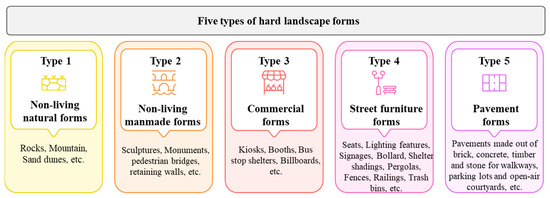
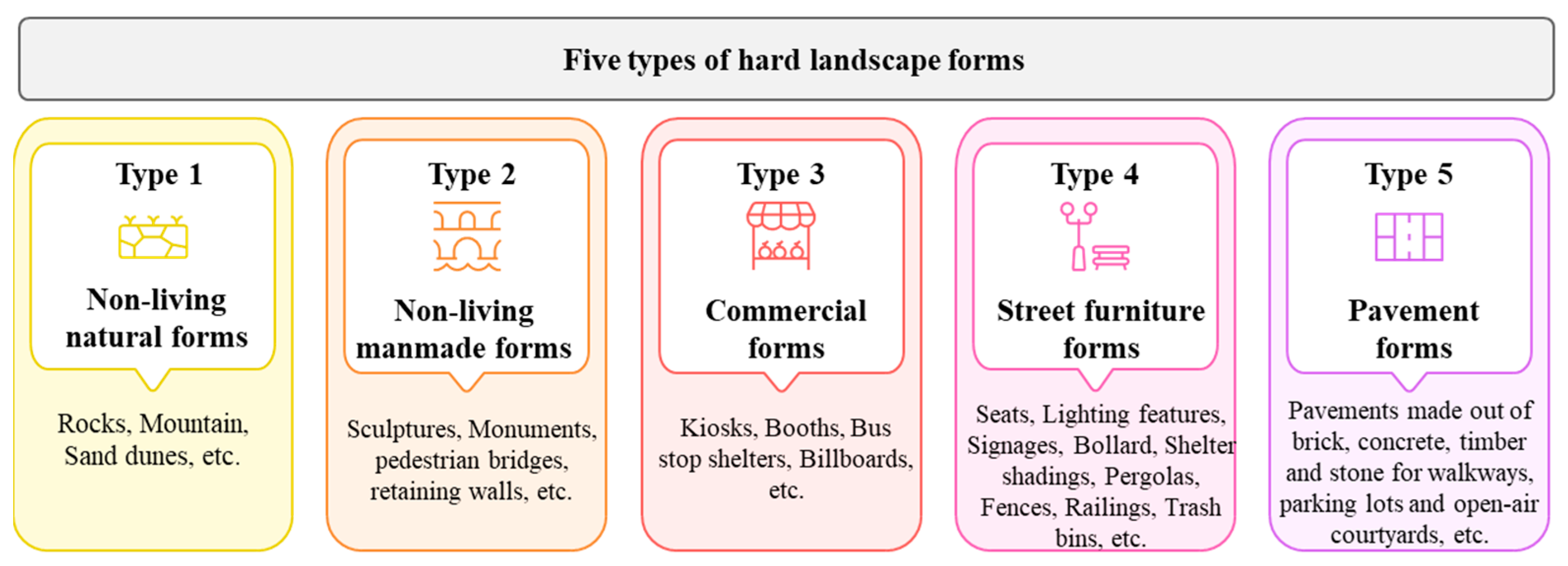
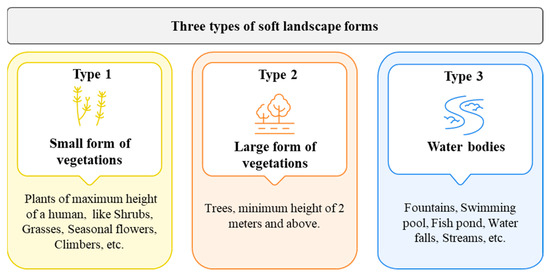
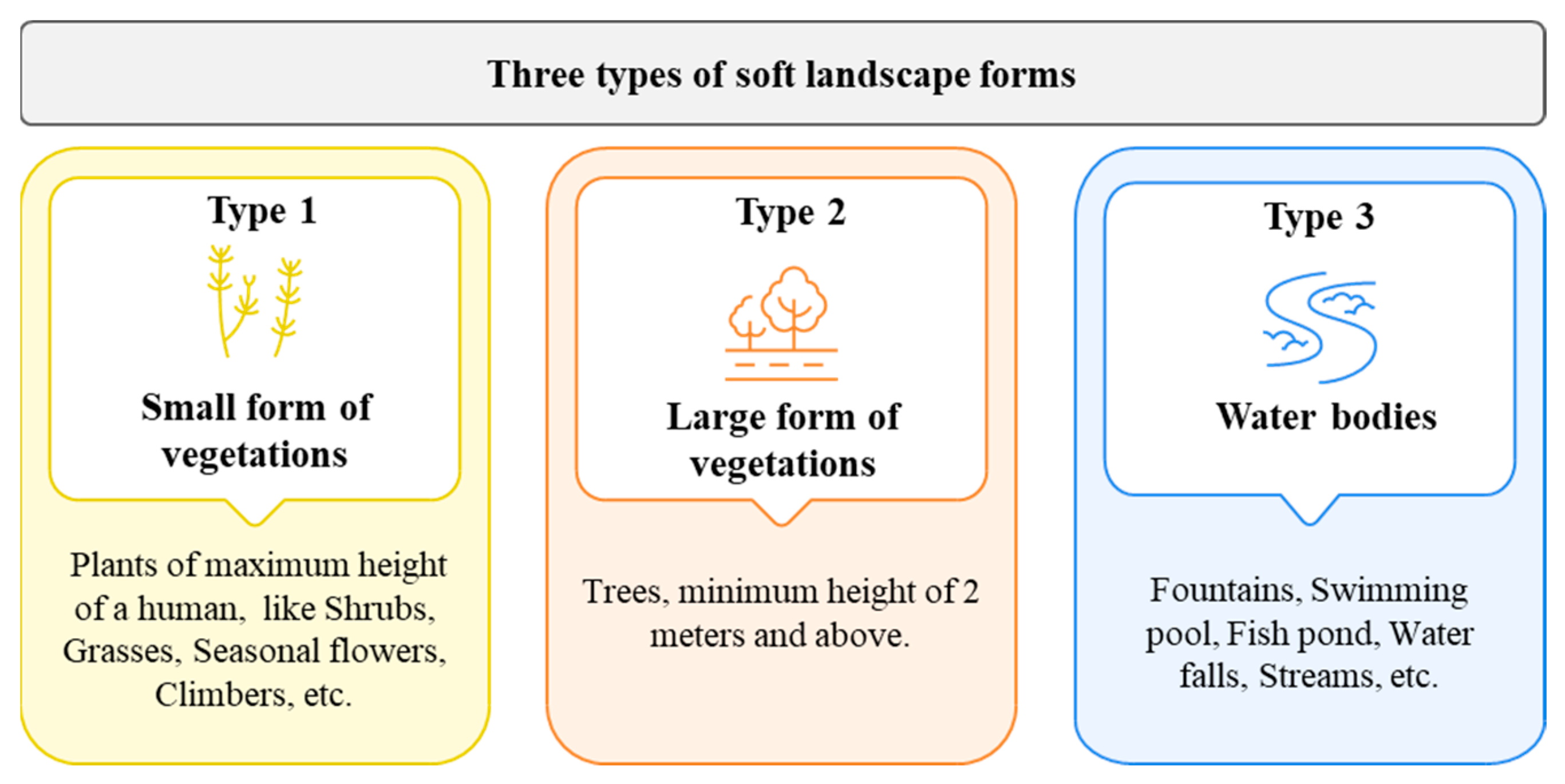
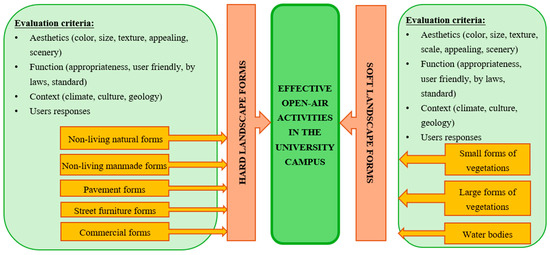
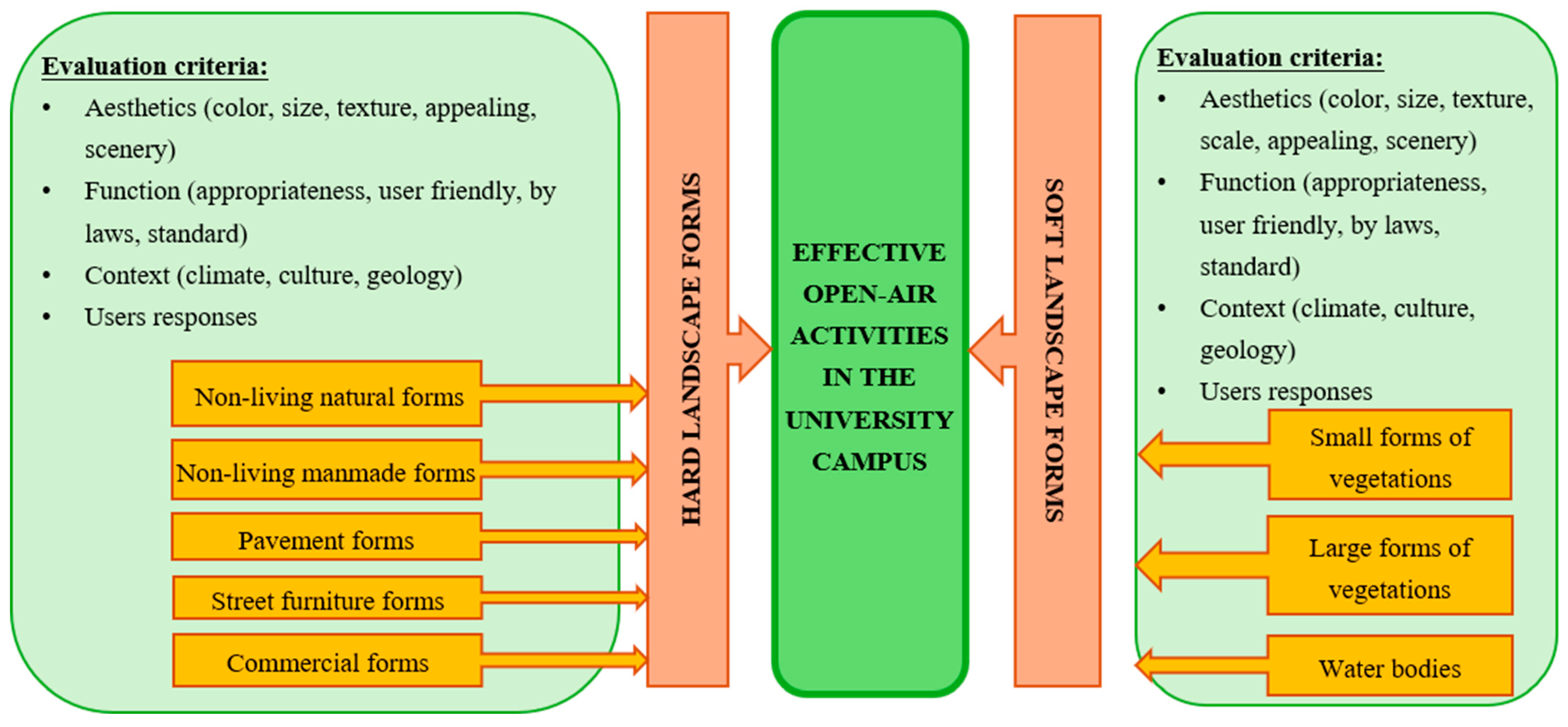
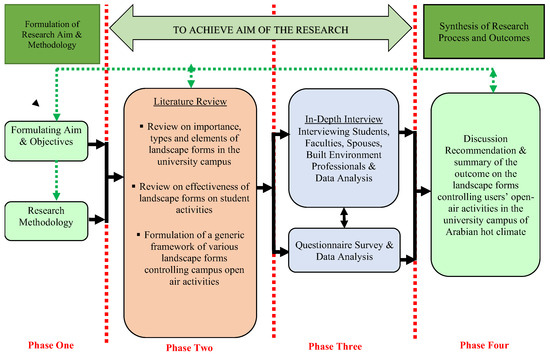
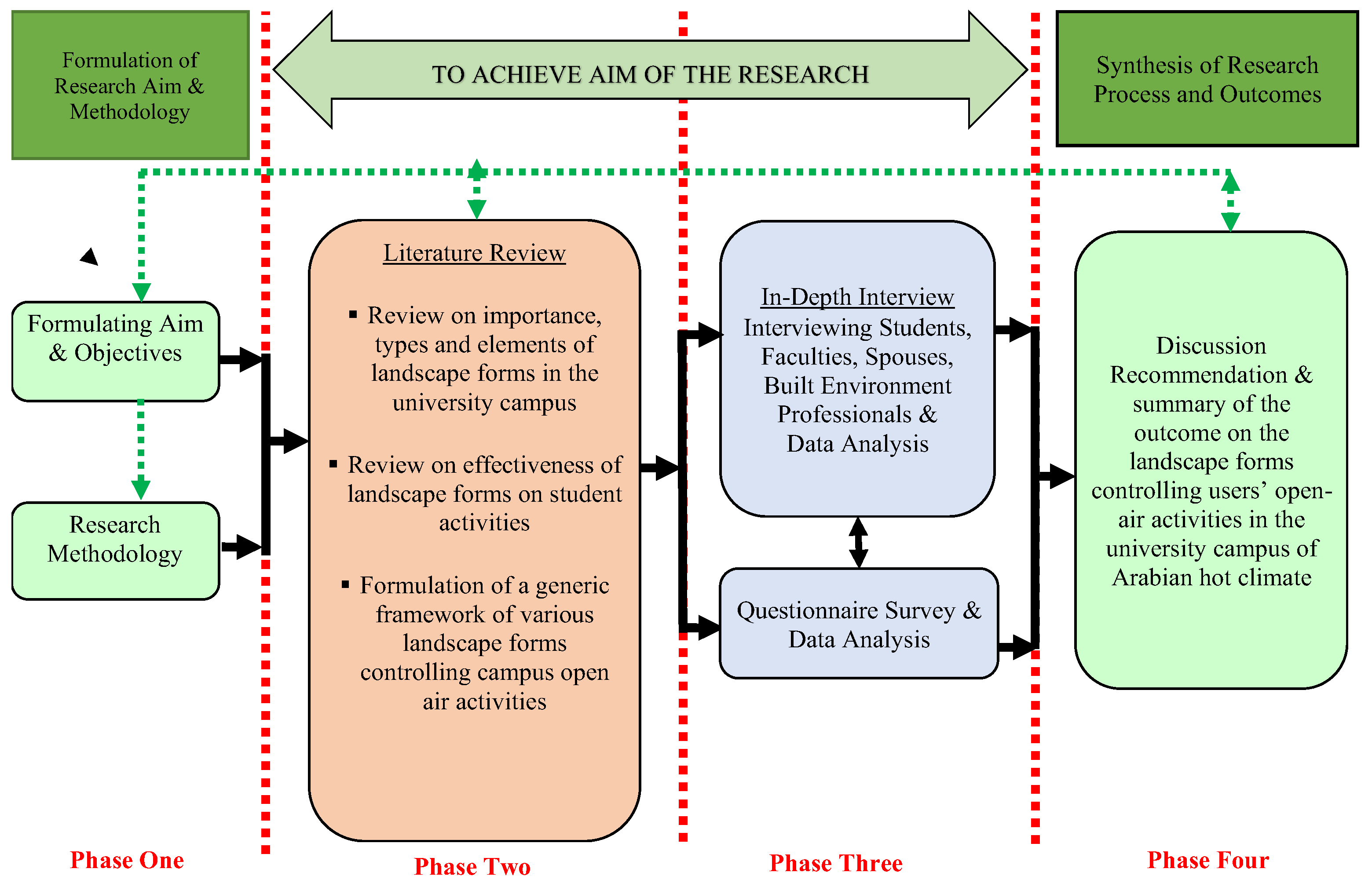
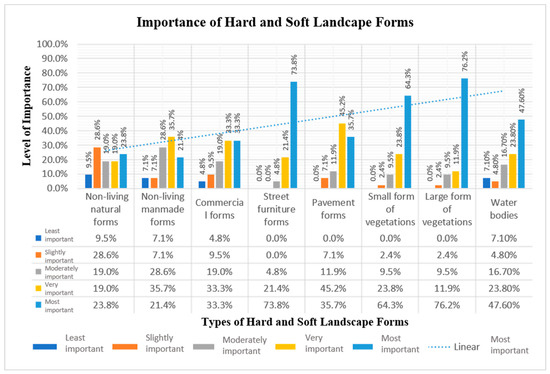
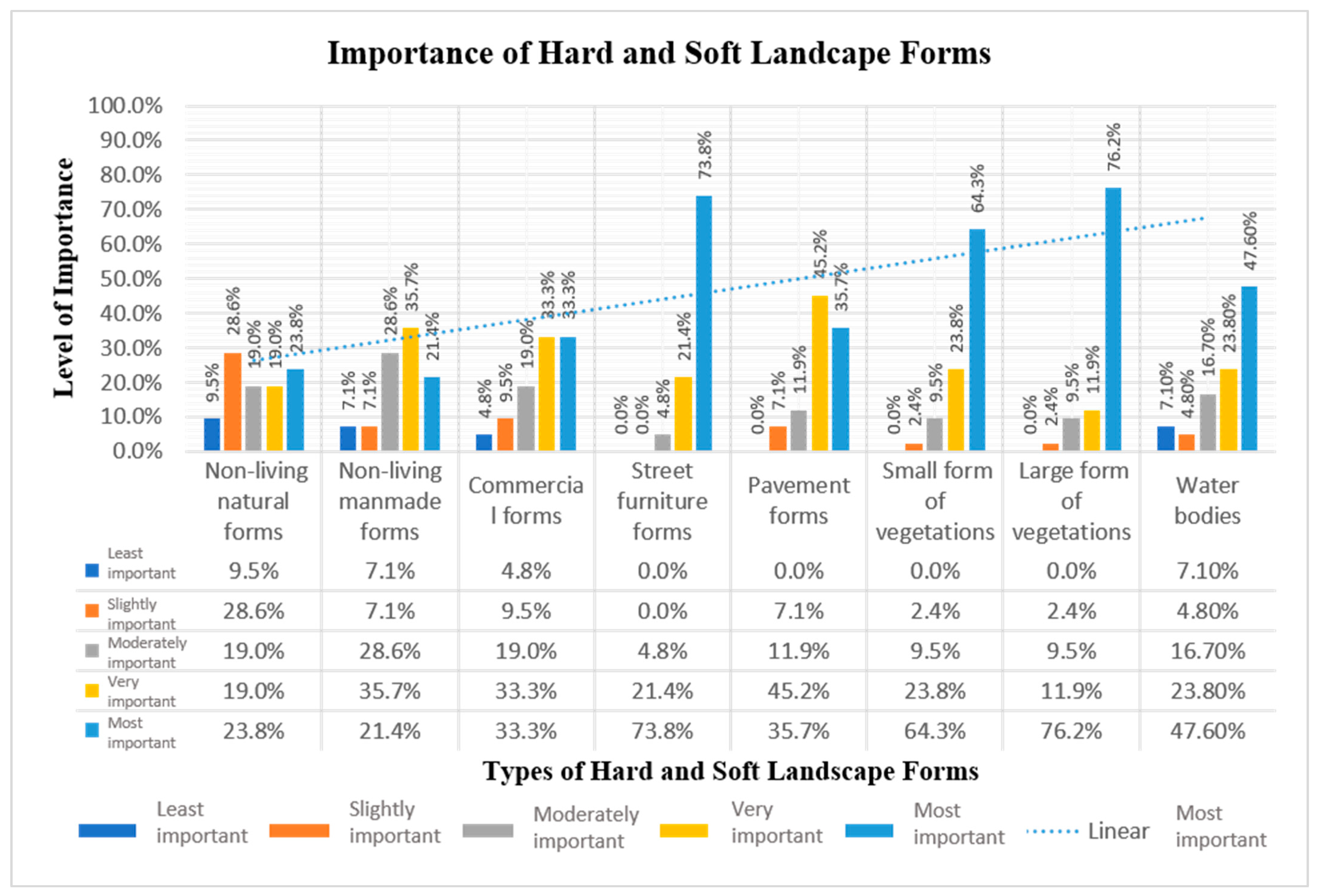
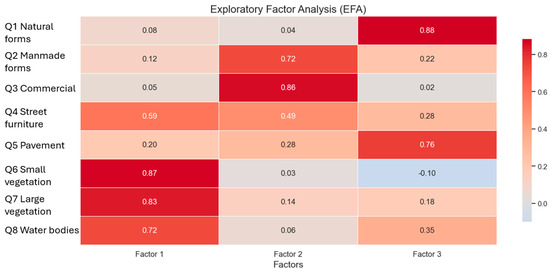
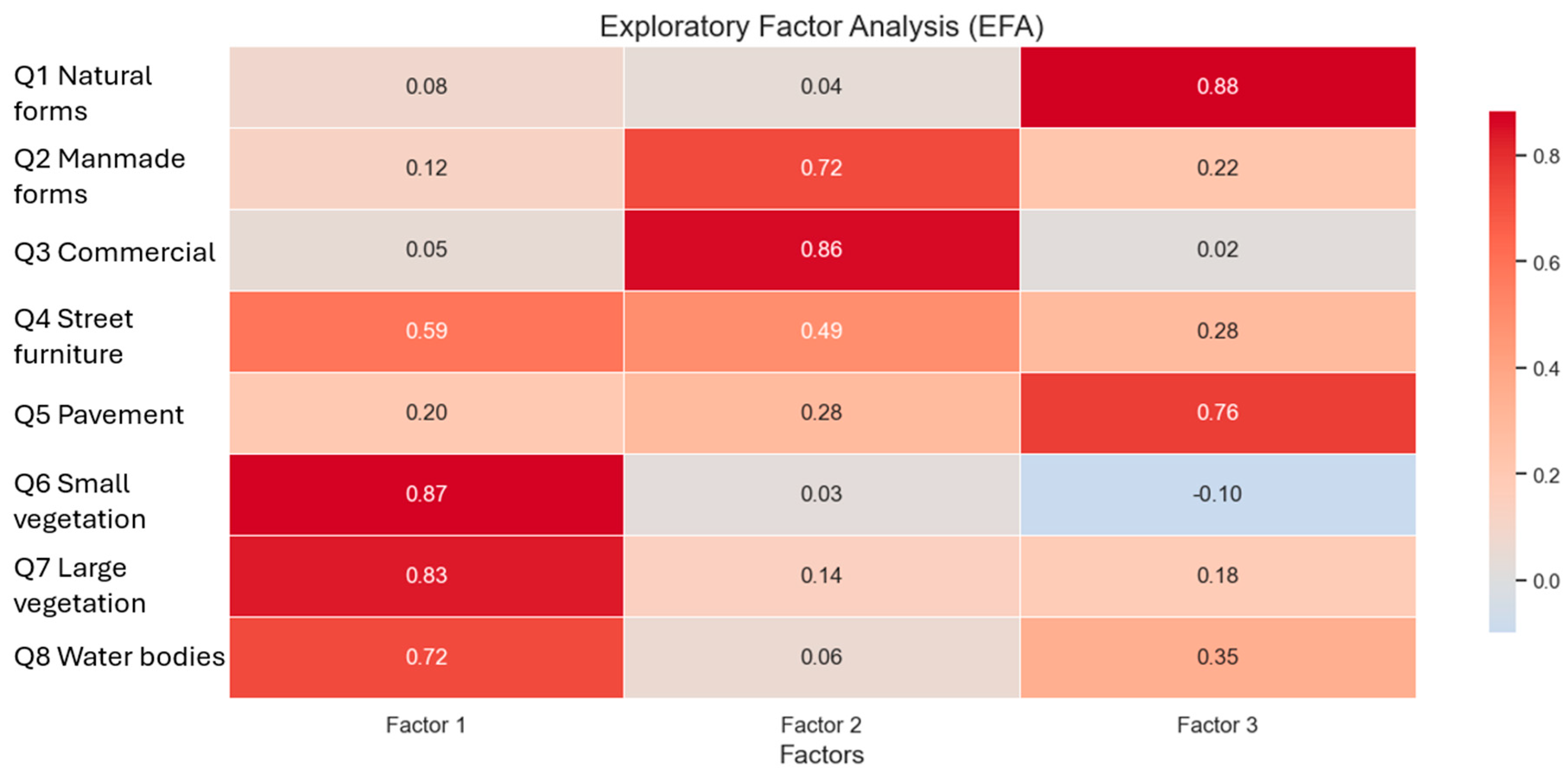
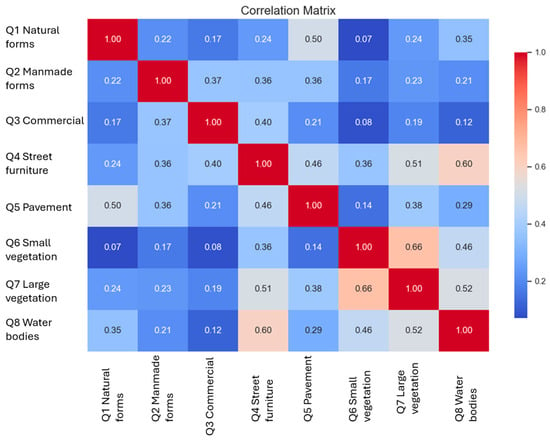
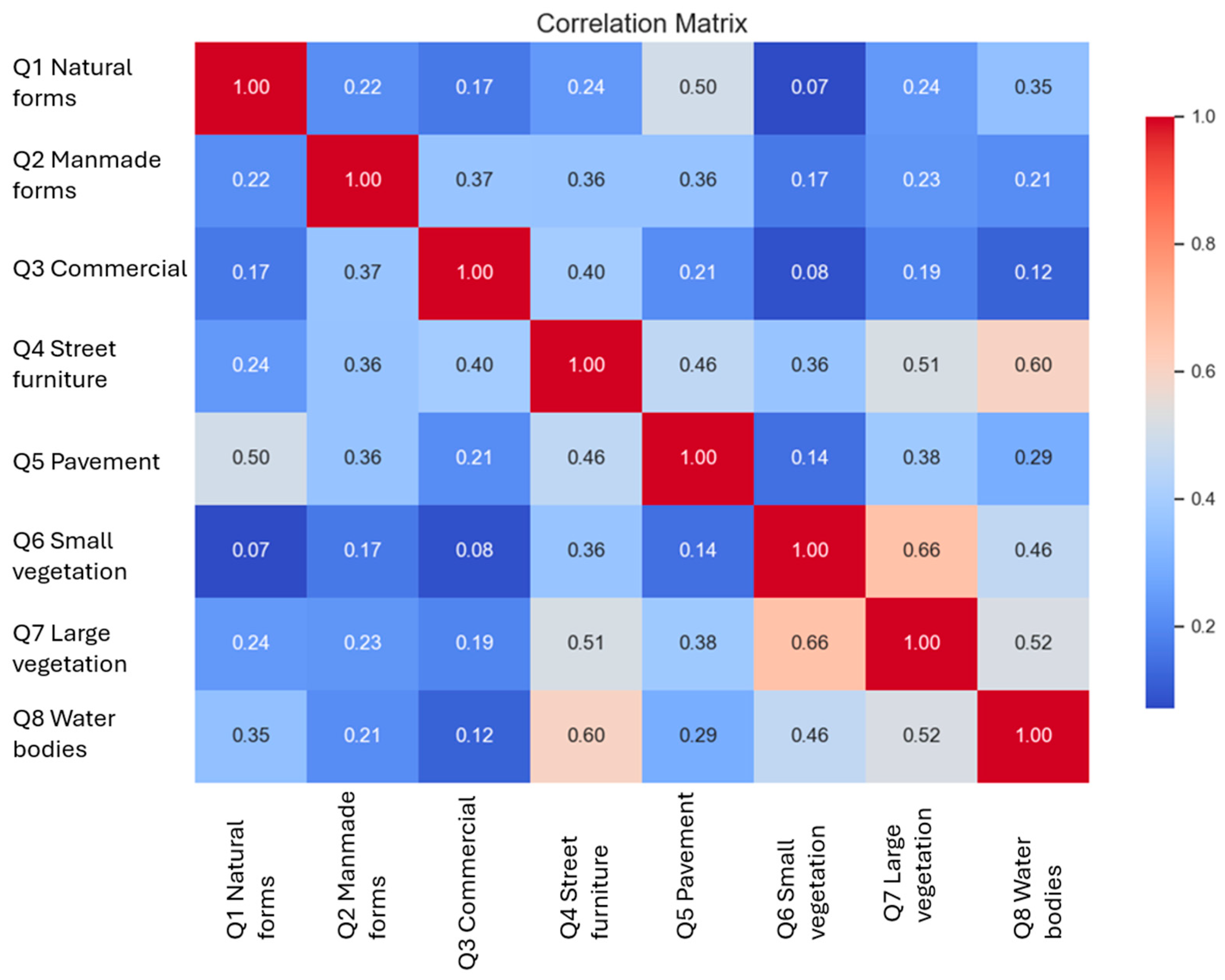
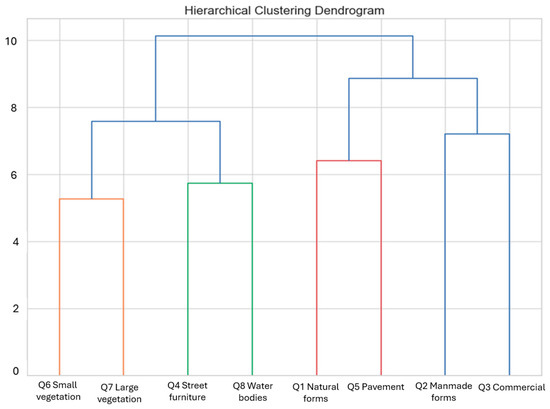
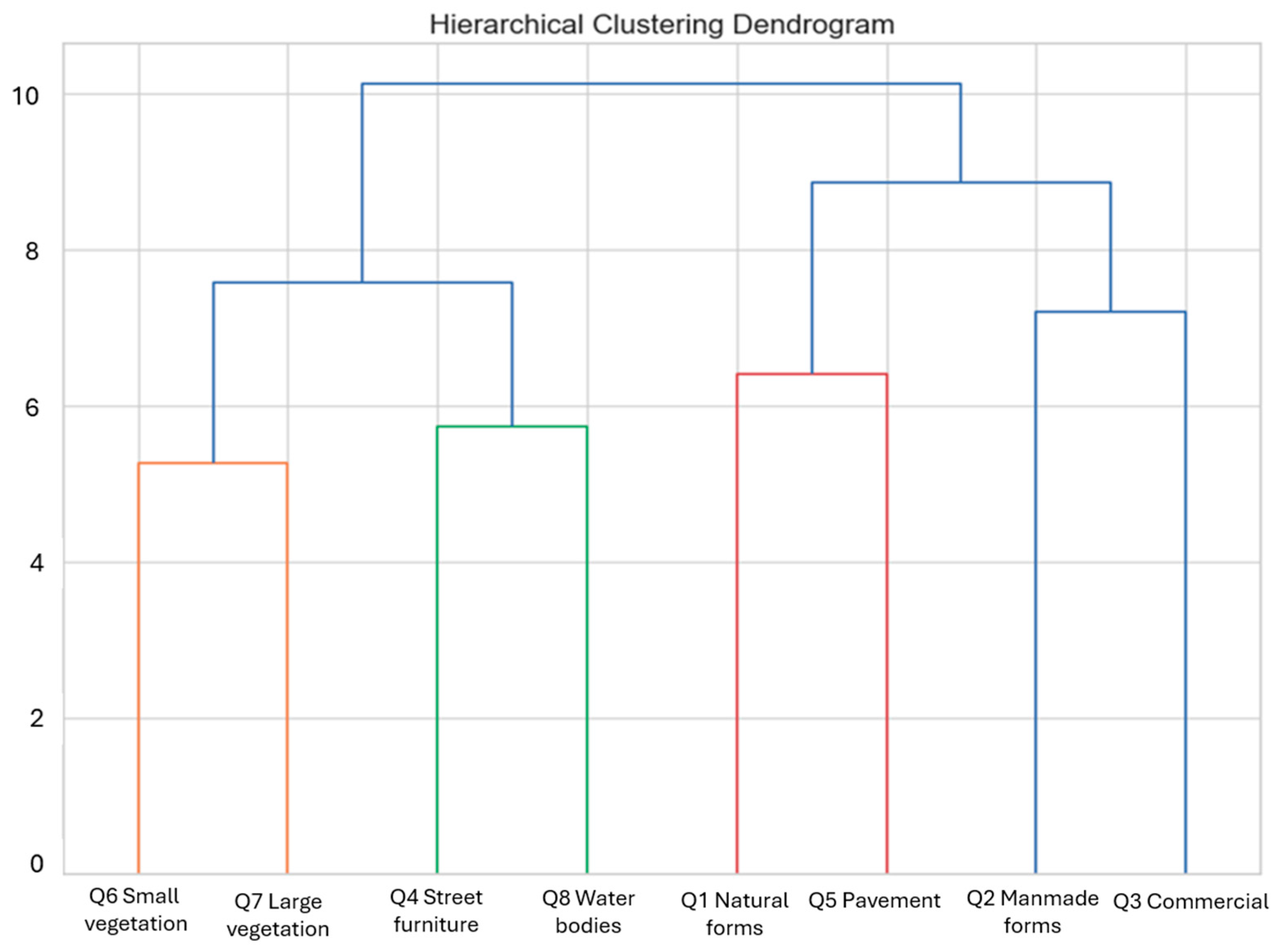

Disclaimer/Publisher’s Note: The statements, opinions and data contained in all publications are solely those of the individual author(s) and contributor(s) and not of MDPI and/or the editor(s). MDPI and/or the editor(s) disclaim responsibility for any injury to people or property resulting from any ideas, methods, instructions or products referred to in the content. |
© 2026 by the authors. Licensee MDPI, Basel, Switzerland. This article is an open access article distributed under the terms and conditions of the Creative Commons Attribution (CC BY) license.