


Abstract
Transitioning cultivated land from a narrowly defined production resource into a coordinated multifunctional asset is a cornerstone of agricultural modernization. Despite this imperative, current land utilization in China remains largely constrained by a singular production focus, resulting in suboptimal multifunctionality. Although digitally driven agricultural new quality productive forces (ANQPFs) are posited as a critical catalyst for functional restructuring, empirical evidence quantifying their relationship with cultivated land multifunctionality (CLM) remains limited. To examine the association between ANQPF and CLM, this study employs panel data from 115 prefecture-level cities across the Yangtze River Basin, China, spanning the period 2013–2023. The empirical results indicate that ANQPF is significantly and positively associated with CLM. These associations are robust to a battery of robustness checks, and endogeneity tests provide additional evidence supportive of a positive association. Transmission pathway analysis suggests that the positive association operates through three pathways: increasing the main business revenue of agricultural product processing enterprises above a designated size, expanding the number of agricultural technology patents, and improving the level of agricultural socialized services. Subgroup analyses, supplemented by Chow tests of coefficient equality, reveal that these associations tend to be larger in non-major grain-producing regions, areas with lower per capita GDP, and the upper and middle reaches of the Yangtze River Basin. Threshold effect analysis further demonstrates that once ANQPF exceeds a certain level, the positive association exhibits diminishing marginal returns; a similar but weaker pattern is observed for leading enterprises. These findings provide policy implications for developing ANQPF in accordance with local conditions and for synergistically optimizing CLM patterns.
1. Introduction
Beyond its traditional role as the bedrock of national food security, cultivated land functions as a multifaceted strategic resource, underpinning regional ecological stability, rural livelihoods, and the preservation of agricultural heritage [1]. As domestic socioeconomic development prompts a shift toward more complex, multi-dimensional societal demands, the imperative has moved beyond mere production; today, the synergistic enhancement of cultivated land’s productive, social, and ecological functions stands as both the cornerstone of sustainable resource management and a vital strategic lever for safeguarding national security [2].
However, the protection and utilization of cultivated land resources in China face severe challenges, with CLM exhibiting a pronounced imbalance. On the one hand, the continuous expansion of construction land and internal agricultural adjustments exert dual pressures on cultivated land extent. According to the Third China Land Survey, the national cultivated land area decreased by approximately 113 million mu (1 mu ≈ 0.0667 hectares) compared with the Second Land Survey, of which 112 million mu were converted to forest land [3]. Although the area rebounded to 1.94 billion mu by the end of 2024, an increase of 28 million mu since 2020, both procedural and substantive illegal occupation persist [4]. On the other hand, prolonged high-intensity production degrades ecological functions, and the overuse of chemical fertilizers and pesticides exacerbates non-point source pollution. In major grain-producing regions such as Northeast China, farmers’ heavy reliance on the production function leads to the neglect of ecological and living functions, limiting synergistic CLM development [5]. An empirical study of the Yangtze River Economic Belt from 2000 to 2020 reports composite indices of 0.47, 0.52, and 0.45 for the production, living, and ecological functions, respectively, with 45.5% of counties experiencing functional decline [6].
More critically, accelerated urbanization intensifies rural labor out-migration and population aging. The total area of abandoned cultivated land in China reached approximately 93 million mu in 2020, corresponding to an abandonment rate of 4.87% [7]. This abandonment weakens not only the production function but also the living security and cultural inheritance functions, while significantly disturbing ecological stability. It is worth noting that while cropping diversification may enhance habitat heterogeneity and indirectly benefit certain ecological functions, such effects depend on crop types, agrochemical input intensity, and the overall management regime. These trends jointly contribute to a functional imbalance of “prioritizing production while neglecting ecology and weakening culture.” Systematically enhancing CLM thus becomes a key issue for national food security and sustainable agricultural development.
Regarding approaches to enhancing CLM, researchers have conducted systematic studies from multiple perspectives, yielding three well-established pathways. The first focuses on engineering design and land consolidation, including land leveling, irrigation upgrades, and field road renovation, to directly optimize cultivated land conditions. Using survey data from Hubei Province, Wu et al. (2025) find that high-standard farmland construction significantly improves multifunctional cultivated land use through scale operation, technological progress, and rural industrial integration [8]. Xiong et al. (2021) reveal spatial differentiation patterns of cultivated land functions across China and propose a zoning control scheme for differentiated consolidation [9]. Zhou et al. (2021) analyze how comprehensive land consolidation in metropolitan areas achieves synergistic production, ecological, and cultural functions by optimizing feedback between cultivated land and surrounding systems [10]. Zou et al. (2021) confirm that topographic conditions, tillage accessibility, and ecological base conditions are key determinants of the functional pattern, with engineering consolidation providing an irreplaceable foundation [11]. Xin et al. (2017) further demonstrate the applicability of multifunctional evaluation index systems in metropolitan fringes [12].
The second pathway addresses the organization of agricultural production and the allocation of production factors, focusing on how the scale of cultivated land operations promotes its multifunctional use. Yin et al. examine the Yangtze River Delta region using spatial analysis methods and find that from 2000 to 2020, non-agricultural production and living functions gradually increased, whereas agricultural production and ecological functions showed a decreasing trend. Moreover, a clear spatial coupling relationship exists between land use functions and the level of economic development, indicating that the allocation of production factors significantly influences the evolution of cultivated land multifunctionality [13]. Based on research conducted in the Huang–Huai–Hai Plain, Zhang et al. (2018) also confirm that the evolution of cultivated land functions is driven by multiple factors, including population, land, and industry, and further note that moderate-scale farming helps improve the coordination between economic and social functions [14]. Liu et al. further find that, in Hebei Province, the coupling coordination degree among the production, social security, ecological, and landscape functions of cultivated land exhibits a significant upward trend. Appropriate management of cultivated land use is a key pathway to achieving coordinated multifunctional development [15]. In addition, the clarification of cultivated land ownership boundaries resulting from scale operation effectively reduces disputes over cultivated land ownership and improves its social function [16].
The third pathway focuses on agricultural technological progress and rural industrial integration, examining how these factors enhance cultivated land multifunctionality. Wu et al. (2025) find that agricultural technological progress and rural industrial integration are the second and third mechanisms through which high-standard farmland construction improves multifunctional cultivated land use, with effect coefficients of 11.897 and 0.523, respectively [8]. Fan et al. develop a dynamic-mechanism-clustering analytical framework for cultivated land multifunctionality in the Yangtze River Delta region and find that slope has a significant negative effect on several functions, while precipitation is negatively correlated with agricultural production and ecological functions. Multifunctionality is weaker in urbanized and forest-covered areas, revealing the complexity of the interaction between technological progress and natural conditions [17]. Li et al. further reveal that long-term fertilization management greatly influences soil microbial community structure and diversity. The combined application of chemical and organic fertilizers consistently enhances soil multifunctionality. Reasonable agronomic interventions, by regulating soil biogeochemical processes, indirectly strengthen ecological functions such as nutrient cycling in cultivated land [18]. From the perspective of urban–rural integration, Zhao et al. study China’s major grain-producing regions and find that, based on the factor-induced substitution theory, urban–rural integration can drive the green transformation of arable land utilization through demand-driven effects, infrastructure improvement, and digitalization, thereby channeling more capital and advanced technology into cultivated lands. This process systematically enhances their production and ecological functions while promoting the multifunctional transition toward landscape and cultural values [19].
Although the studies mentioned above identify certain pathways for improving CLM, several notable gaps remain. First, most existing pathways follow an incremental logic, relying on unidirectional external inputs such as capital, labor, and technology to improve cultivated land conditions. A critical issue is overlooked: sustaining improvements requires not only external inputs but also optimizing the internal combinations of elements within the cultivated land system itself. This is precisely what ANQPF emphasizes, namely a fundamental transformation of laborers, means of labor, objects of labor, and their optimized combinations.
Second, existing research pays insufficient attention to the dynamic mechanisms underlying CLM enhancement. Many studies only statically identify influencing factors or conduct basic correlation analyses, lacking in-depth mechanistic explanations of how CLM evolves over time. This leaves a significant gap between knowing which factors matter and knowing how to intervene effectively.
Third, existing research tends to start from macro-level policies or engineering approaches without integrating micro-level technological innovation into the analytical framework. Most studies focus on traditional technology adoption rather than exploring how technological innovation drives resource reallocation and value reshaping, which constitutes the core logic of ANQPF. This aspect remains largely absent from the current CLM literature.
New quality productive forces represent an advanced state of productivity fundamentally driven by digital transformation, characterized by revolutionary technological breakthroughs, innovative allocation of production factors, and deep industrial transformation and upgrading. Its essence lies in the digital-led leapfrog improvement of laborers, the means of labor, and the objects of labor, as well as their optimized combinations; accordingly, a significant increase in total factor productivity serves as the core indicator of this digitally driven evolution [20,21]. Luo and Geng (2024) further emphasize that agricultural new quality productive forces fundamentally require the active integration of scientific and technological innovation resources, centering on the comprehensive digitalization and intelligent transformation of agriculture to catalyze a profound sectoral metamorphosis [22].
Scholars have generated a considerable body of research on ANQPF. Lin et al. (2024) find that ANQPF significantly improves the level of high-quality agricultural development and that this positive effect strengthens with increasing development levels [23]. Huang et al. (2024) confirm that new quality productive forces have a significant positive impact on agricultural modernization, with agricultural industrial structure upgrading playing a mediating role [24]. Liu and Zheng (2026) are the first to link ANQPF with grain production resilience, demonstrating that the former significantly enhances the latter and that agricultural labor productivity serves as a partial mediator [25]. Using prefecture-level city data from Henan Province, Lei et al. (2025) find that new quality productive forces significantly improve agricultural green production efficiency, with technological innovation playing a mediating role and a double-threshold effect existing in mechanization input intensity [26]. Feng et al. (2025) demonstrate that the promoting effect of the digital economy on ANQPF exhibits nonlinear threshold characteristics, with agricultural technological progress acting as a mediator [27]. Luo et al. (2025) find that environmental regulation significantly enhances new quality productive forces in the Yangtze River Basin, with this effect operating primarily through the digital dimension and intensifying with rising regional economic development levels [28]. In addition, Li et al. (2026) find that the integration of digital and real economies has a positive spatial spillover effect on ANQPF and that both innovation levels and human capital levels exhibit a single-threshold effect [29].
However, although research on ANQPF is expanding from theoretical discussions to empirical testing, the vast majority of studies focus on its relationships with macro agricultural indicators such as high-quality development, agricultural modernization, farmer income, and grain production resilience. Few studies directly link ANQPF with CLM. Yet cultivated land is the most central carrier of agricultural production, and its multifunctional utilization directly reflects how ANQPF manifests at the micro level. The improvements in laborer quality, intelligentization of the means of labor, and broadening of labor objects that ANQPF emphasizes naturally affect how cultivated land is used and the functions it performs. Nevertheless, this theoretical logic remains insufficiently tested by empirical evidence. This paper therefore introduces ANQPF into the analytical framework of CLM, systematically examining its associations and potential transmission pathways, filling a critical gap in the existing literature.
The Yangtze River Basin contains approximately 40% of China’s cultivated land and population and accounts for roughly 40% of national agricultural production. In this basin, the coexistence of intensive cultivated land use and ecological protection pressure has led to a continuous decline in the composite index of cultivated land multifunctionality, with functional imbalance becoming increasingly prominent [5]. At the same time, a significant gradient exists in the development level of ANQPF between the downstream and the mid–upper reaches of the basin [30], which provides sufficient statistical variation for identifying threshold effects and heterogeneous pathways. Using the entire basin as the analytical unit helps to overcome the fragmentation caused by administrative boundaries and enhances the external validity of the research findings. Accordingly, this study takes 115 prefecture-level cities in the Yangtze River Basin as the research subjects. Based on panel data from 2013 to 2023, it comprehensively analyzes the direction, key driving factors, underlying transmission pathways, heterogeneity characteristics, and threshold spillover effects of ANQPF on the level of cultivated land multifunctionality and verifies the robustness of the conclusions.
This paper makes three main contributions. The first lies in its research perspective. Previous studies largely focus on factors such as land reclamation, general technological progress, or property rights systems, whose impact on the functions of cultivated land is often linear [8,9,10]. However, this study introduces the concept of ANQPF as a holistic analytical framework. ANQPF differs fundamentally from traditional technological progress or agricultural mechanization: whereas the latter primarily enhances the efficiency of individual production factors through relatively linear pathways, the former is driven at a foundational level by digitalization and intelligent transformation, integrating data factors, green technologies, and emerging agricultural business entities into a systemic restructuring of the productive force system. Although recent studies have begun to explore the relationship between new agricultural technologies and cultivated land conservation [8], they remain confined to the improvement of isolated factors and do not yet address the systemic effects generated by the synergistic interaction among multiple factors. Building on this recognition, this study examines how ANQPF transforms the utilization of cultivated land against the backdrop of digital and intelligent transformation, thereby filling a gap in interdisciplinary research that approaches the evolution of cultivated land multifunctionality from a systemic productive forces perspective.
Second, in terms of theoretical pathways, this paper provides transmission pathways that differ from existing studies. Previous research typically uses traditional intermediate variables such as the scale of production and operation [31], factor substitution [32], or agricultural mechanization [33]. In contrast, this paper proposes three new pathways: the main business revenue of agricultural product processing enterprises above a designated size (Mbr), capturing the capacity for extending agricultural industry chains; the level of agricultural socialized services (Ass), reflecting the division of labor and specialized services; and the total number of agricultural technology patents (Atp) and four subcategories, representing technological innovation levels and structural characteristics. Through these pathways, ANQPF may drive industrial upgrading and agricultural economic growth, potentially enhancing CLM. Notably, this paper manually classifies agricultural technology patents into published inventions, granted inventions, design patents, and utility model patents. Empirical results show that ANQPF is significantly positively associated with both total and individual patent categories, which existing literature identifies as significant determinants of CLM, suggesting potential transmission pathways. These disaggregated data overcome the coarse measurement in studies using only total patents or R&D investment [34,35], providing finer technological structural information for transmission pathway identification.
Third, in terms of research methodology, this paper constructs a multi-dimensional empirical framework that moves beyond previous studies limited to single-function or static evaluations [36,37]. First, we build composite indices for both cultivated land multifunctionality and ANQPF based on comprehensive multi-indicator systems. On this foundation, we employ a double machine learning framework incorporating diverse algorithms to estimate the empirical relationship between the two variables. This approach effectively mitigates the overfitting and curse of dimensionality problems common in traditional parametric models, and all results remain robust. Furthermore, we conduct threshold effect analysis using both the level of ANQPF and the number of nationally designated key leading agricultural enterprises as threshold variables, identifying a single-threshold effect in each case. The ANQPF-based threshold shows clear diminishing marginal returns, while the leading-enterprise threshold points in a similar direction but is significant only at the 10% level with a non-significant regime difference. By integrating empirical analysis with nonlinear analysis, this study provides multi-dimensional empirical evidence for understanding how ANQPF is associated with cultivated land multifunctionality.
The remainder of this paper is organized as follows. Section 2 reviews the existing literature and develops the research hypotheses. Section 3 describes the study variables, data sources, and methodological approaches in detail. Section 4 presents the baseline regression results, robustness checks, transmission pathway tests, endogeneity tests, and heterogeneity analyses. Section 5 further explores the threshold effects of ANQPF on CLM. Section 6 summarizes the main conclusions and offers corresponding policy recommendations.
2. Theoretical Analysis and Research Hypothesis
2.1. Direct Effect of ANQPF on CLM
ANQPF represents a new form of productive capacity driven primarily by technological innovation, characterized by high efficiency and quality. In the domain of cultivated land use, the integration of frontier technologies such as digital tools, intelligent equipment, and biological breeding alters the allocation of production factors and output efficiency, thereby enhancing the comprehensive carrying capacity of the cultivated land system. CLM refers to the ability of the cultivated land system to simultaneously perform multiple functions across dimensions, including production, cropping diversification, social security, and landscape culture. Previous studies show that agricultural technological progress and increased mechanization levels are key drivers of the coupled and coordinated development of cultivated land multifunctionality, though significant regional heterogeneity exists [34]. The positive effect of ANQPF on the green use efficiency and ecological efficiency of cultivated land is empirically supported [38]. In terms of production function, high-efficiency means of labor, such as intelligent agricultural machinery, can effectively improve land output potential and the stability of food supply [39]. In terms of crop diversification, the shift from monoculture grain production to diversified cropping systems broadens the functional roles of cultivated land, supporting multifunctional transition while indirectly benefiting farmland habitat heterogeneity [40]. Green and low-carbon technologies contribute to improving the health of farmland ecosystems [41]. In terms of social function, industrial integration and value chain upgrading create diversified employment and income channels for farmers [42]. In summary, by optimizing factor allocation, promoting technological upgrading, and improving management practices, ANQPF is likely to enhance the level of CLM. Accordingly, this paper proposes the following hypothesis:
Hypothesis 1 (H1).
ANQPF has a significant positive effect on the level of CLM.
2.2. Potential Transmission Pathways Through Which ANQPF Affects CLM
2.2.1. Potential Transmission Pathway of the Main Business Revenue of Agricultural Product Processing Enterprises Above a Designated Size
The agricultural product processing industry is a key link in restructuring the agricultural value chain and promoting rural transformation [43]. ANQPF significantly increases the added value and economic returns of the processing stage through technologies such as intelligent processing and digital supply chain management. The growth in main business revenue of agricultural product processing enterprises above a designated size (Mbr), on the one hand, supports cultivated land protection through income distribution. On the other hand, it increases demand for high-quality raw materials, encouraging farmers to shift from yield maximization toward quality protection and functional optimization. This drives the transition of cultivated land from a single production function toward multifunctional synergy. Based on this, we propose the following hypothesis:
Hypothesis 2a (H2a).
The positive association between ANQPF and CLM may operate partly through increases in the main business revenue of agricultural product processing enterprises above a designated size.
2.2.2. Potential Transmission Pathway of the Level of Agricultural Socialized Services
Agricultural socialized services (Ass) represent an important institutional arrangement for connecting smallholder farmers with modern agriculture. Existing empirical evidence shows that agricultural socialized services can significantly improve the ecological efficiency of agricultural land use [44]. ANQPF introduces new service forms, such as digital service platforms and intelligent agricultural machinery dispatch, into agricultural socialized services, alleviating the technical constraints and factor misallocation problems faced by smallholders. One study incorporates agricultural socialized services and agricultural green total factor productivity into a unified analytical framework, revealing the mechanism behind their green development effects [45]. Another study indicates that agricultural socialized services have important practical significance for improving the green use efficiency of cultivated land [46]. Therefore, ANQPF promotes the specialization and modernization of services, and a well-developed socialized service system channels advanced production factors to the stage of cultivated land use, thereby achieving a leap in cultivated land functions. Based on this, the following sub-hypothesis is proposed:
Hypothesis 2b (H2b).
The positive association between ANQPF and CLM may operate partly through improvements in the level of agricultural socialized services.
2.2.3. Potential Transmission Pathway of the Total Number of Agricultural Technology Patents
Technological innovation is the core driving force behind ANQPF [47], and its essence lies in reorganizing the allocation of agricultural production factors and promoting industrial transformation and upgrading through scientific and technological advances. Agricultural technology patents (Atp) can be divided into four categories: published inventions (Pin), granted inventions (Gin), design patents (Des), and utility model patents (Ump). The more fully ANQPF develops, the more it fosters the creation of various types of patents, and the practical application of these patents may contribute to improving the multifunctional performance of cultivated land. Existing studies confirm that technological innovation is a key transmission channel through which the scale of agricultural operations enhances the green use efficiency of cultivated land [48] and that the effect of agricultural technology investment is subject to threshold constraints such as operation scale [49]. The widespread application of patented technologies, such as water-saving irrigation and soil improvement, can optimize the ecosystem services of cultivated land, curb land degradation, and enhance CLM [50]. Based on the above analysis, the following sub-hypothesis is proposed:
Hypothesis 2c (H2c).
The positive association between ANQPF and CLM may operate partly through increases in the number of agricultural technology patents, and each subcategory may also serve as a potential transmission pathway.
As illustrated in Figure 1, ANQPF influences CLM through three transmission channels: Mbr, Ass, and Atp, which are discussed in detail above.
Figure 1.
Potential transmission pathways of ANQPF on CLM. Mbr: the growth in main business revenue of agricultural product processing enterprises above a designated size; Ass: agricultural socialized services; Atp: agricultural technology patents.
2.3. Threshold Effect of ANQPF on the Level of CLM
The formation of ANQPF is a dynamic and evolutionary process, and its effect on CLM may exhibit nonlinear characteristics. Existing studies find that the impact of the scale of agricultural operations on the green use efficiency of cultivated land follows a pattern of diminishing marginal returns [48]; that digital transformation has a single-threshold effect on the green use efficiency of cultivated land [51]; and that agricultural production agglomeration also has a threshold effect on cultivated land use efficiency [52]. Based on these findings, this study uses two threshold variables: ANQPF itself and the number of nationally designated key leading agricultural enterprises (Lead).
2.3.1. Using ANQPF as the Threshold Variable
In the early stage of development, ANQPF can rapidly enhance CLM by introducing digital technologies and intelligent equipment, yielding relatively high marginal returns. However, once development exceeds a certain level, the dividends of preliminary technological applications are gradually exhausted. Further improvements then require greater institutional and structural changes, leading to a diminishing marginal contribution [22]. As existing research reveals, the effect of technological innovation on agricultural green total factor productivity follows a nonlinear pattern that is initially strong and subsequently weakens [23]. Therefore, we propose the following hypothesis:
Hypothesis 3a (H3a).
The positive effect of ANQPF on CLM exhibits a single threshold based on its own development level; after crossing the threshold, the effect diminishes.
2.3.2. Using the Number of Nationally Designated Key Leading Agricultural Enterprises as the Threshold Variable
Nationally designated key leading agricultural enterprises (Lead) are typical representatives of new types of agricultural business entities [53]. When the number of such enterprises is within an appropriate range, their effects, such as technology diffusion and the sharing of intermediate inputs, can effectively drive the improvement of CLM [54]. However, once the number exceeds a certain threshold, issues including undifferentiated competition, competition for factor resources, and rising land rents may lead to diminishing marginal driving effects. Existing studies indicate that an overly concentrated spatial distribution of leading enterprises can result in organizational redundancy and efficiency losses [53]. Moreover, a single-threshold effect exists for the role of new agricultural business entities in improving the ecological efficiency of cultivated land use [11]. Accordingly, we propose the following hypothesis:
Hypothesis 3b (H3b).
The positive effect of ANQPF on CLM exhibits a single threshold based on the number of nationally designated key leading agricultural enterprises; after crossing the threshold, the effect weakens.
3. Materials and Methods
3.1. Sample Selection and Data Sources
This study focuses on the Yangtze River Basin, defined by its hydrological basin boundary rather than the administrative Yangtze River Economic Belt. The basin spans ten provincial-level regions: Sichuan, Yunnan, Guizhou, Chongqing, Hubei, Hunan, Jiangxi, Anhui, Jiangsu, and Shanghai. Provinces such as Zhejiang, Henan, and Fujian were excluded because only marginal portions of their territories fall within the basin boundary, making city-level attribution ambiguous; Qinghai and Tibet, located in the source region, were excluded due to insufficient statistical data at the prefecture level. From these ten provinces, 115 prefecture-level cities were selected based on three criteria: (1) the city’s administrative area lies predominantly within the hydrological basin boundary; (2) the city maintained a stable administrative status without merger, dissolution, or reclassification during 2013–2023; and (3) core variables required for constructing the composite indices were available for the full study period. The resulting balanced panel comprises 1265 observations, with 47 cities in the upper reaches, 38 in the middle reaches, and 30 in the lower reaches.
The starting year of 2013 is chosen for two reasons. First, key indicators for the ANQPF and CLM index systems, particularly those on rural digital infrastructure and agricultural socialized services, became systematically available at the prefecture level from 2013 onward. Second, 2013 marks a new phase of agricultural modernization policy in China, following the Third Plenary Session of the 18th CPC Central Committee, which prioritized innovation-driven development and laid the foundation for agricultural digital transformation.
The relevant data used in this study are obtained from the China Statistical Yearbook, China Population and Employment Statistics Yearbook, China City Statistical Yearbook, and China Science and Technology Statistical Yearbook, as well as the statistical yearbooks of individual prefecture-level cities. Some data are supplemented through the Digital Economy Open Research Platform. Agricultural technology patent data are manually retrieved from the CNKI China Patent Full-Text Database. For each of the 115 sample cities, we searched by applicant address, publication date and the topic field restricted to agriculture, recording the counts of four patent categories: published invention, granted invention, utility model, and design.
Missing values in the first-level indicators of CLM and ANQPF, as well as in the control variables, are addressed through linear interpolation at the variable level. For each variable, missing values are imputed using adjacent available observations within the same city’s time series. Among the six CLM first-level indicators, 775 out of 7590 data points (10.21%) are imputed; among the 14 ANQPF first-level indicators, 667 out of 17,710 data points (3.77%) are imputed. Missing data are concentrated in a few indicators—notably agricultural employment, multiple cropping index, irrigation rate, and rural electricity consumption—where consecutive missing years also occur. Control variables (Urb, Fdi, Ope, Pcr, Pre, Tem, Afw) contain 195 missing values out of 8855 data points (2.20%) before interpolation. After interpolation, all variables contain no missing values.
3.2. Description of Variables
3.2.1. Explained Variable
The explained variable of this study is the cultivated land multifunctionality (CLM) level. Based on the above analysis, the CLM is mainly grouped into three functions: production, cropping diversification, and living. Therefore, this study uses these three functions as a value-based expression and quantitative representation of the CLM utilization level. Referring to existing studies [6,55,56], an evaluation index system for CLM utilization level is constructed. The entropy weight method is applied to measure the CLM level of 115 prefecture-level cities from 2013 to 2023. To ensure cross-period comparability, the entropy weights are computed using the full panel rather than separately by year. A single set of weights is applied uniformly across all years so that temporal variation in the composite indices reflects genuine changes in indicator values rather than shifts in the weighting scheme.
Specifically, the production function is measured by three indicators: grain production per unit area, multiple cropping index, and irrigation rate of cultivated land. The cropping diversification function is measured by the non-grain cultivation ratio, which captures the extent to which cultivated land transitions from a single grain-crop regime toward diversified crop production. This indicator reflects the multifunctional transition of cultivated land use, as the shift from grain to non-grain crops (e.g., vegetables, fruits, and medicinal herbs) represents an expansion of cultivated land’s functional roles beyond staple food provision [57,58]. The living function is quantified by the per capita cultivated land area and the food self-sufficiency rate. The entropy weight method is used to determine the objective weight of each indicator, thereby quantitatively assessing the CLM level. Detailed indicators and measurement methods for the three dimensions of the CLM level are presented in Table 1.
Table 1.
Cultivated land multifunctionality evaluation index system.
It should be noted that these three dimensions are not intended to exhaustively capture all possible functions of cultivated land, particularly direct ecological outcomes such as soil carbon sequestration, biodiversity conservation, or water purification. This choice is motivated by two practical considerations: (i) city-level data on direct ecological indicators are not systematically available across the study period, and (ii) including agrochemical input indicators would create conceptual overlap with the ANQPF index system, which already incorporates several environmental variables. We explicitly acknowledge this boundary and interpret our findings with respect to the three operationalized dimensions. Future research incorporating field-scale biophysical measurements would be valuable to complement the present analysis.
3.2.2. Explanatory Variable
The core explanatory variable of this study is ANQPF. Based on the Marxist theory of productive forces, agricultural productivity is composed of agricultural laborers, agricultural labor objects, and agricultural means of labor. Drawing on this theoretical foundation and existing research results [59,60], and building upon the indicator systems developed in previous studies [61,62,63], this paper constructs an evaluation index system for ANQPF from three dimensions: new agricultural laborers, new agricultural labor objects, and new agricultural means of labor. The same entropy weight method described in Section 3.2.1 is applied to determine the objective weight of each indicator, thereby providing a quantitative assessment of ANQPF. Detailed indicators and measurement methods for the three dimensions of ANQPF are presented in Table 2.
Table 2.
Indicator system for agricultural new quality productive forces.
It should be noted that the ANQPF index is not a generic measure of agricultural modernization or regional development but rather captures the qualitative advancement of agricultural productive forces specifically driven by digitalization and intelligent technologies. Following the “result-based measurement” logic adopted in recent studies, most of the selected indicators capture outcomes materially shaped by digital transformation, even where the indicator itself does not carry an explicit “digital” label. Among these, three indicators warrant particular clarification. First, the percentage of full-time teachers with a bachelor’s degree or above in rural compulsory education schools serves as a forward-looking proxy for the human capital foundation required by digital agriculture, as teachers with higher qualifications are more likely to incorporate information technology and digital literacy into instruction, thereby preparing future agricultural laborers for smart farming, e-commerce, and digital information services [64,65]. Second, the rural greening rate reflects the ecological quality of agricultural labor objects that have been qualitatively reshaped by digital environmental governance—ecological resources are now actively managed through satellite remote sensing, GIS-based assessment, and IoT-enabled monitoring platforms, representing a transition from passive utilization to intelligent, data-driven stewardship [66]. Third, the agricultural insurance loss ratio measures the operational efficiency of digitally transformed risk management services, where satellite-based remote sensing loss assessment, AI-driven risk modeling, and blockchain-facilitated claims processing have enhanced loss evaluation precision and reduced information asymmetry between insurers and farmers [67]. The remaining indicators similarly reflect digital catalysis across the three dimensions of productive forces: labor productivity and rural income capture efficiency gains from precision agriculture and digital financial services; wastewater and waste treatment reflect smart rural governance systems; manure utilization and fertilizer reduction are driven by precision farming and IoT-enabled variable-rate technologies; agricultural machinery power increasingly encompasses GPS-guided and autonomous equipment; paved village roads underpin rural e-commerce logistics; the Peking University Digital Financial Inclusion Index is itself a direct digital indicator; and rural electricity intensity captures the energy basis for digital agricultural infrastructure.
To assess the measurement quality of the ANQPF indicator system, this study employs confirmatory factor analysis (CFA) to evaluate convergent and discriminant validity. Results are presented in Table 3.
Table 3.
Results of the validity test for the ANQPF measurement system.
Convergent validity. Eleven of the fourteen secondary indicators exhibit factor loadings above 0.5 and are significant at the 1% level, indicating acceptable overall convergent validity. The four indicators for new agricultural laborers exhibit loadings between 0.800 and 0.836, while the first four indicators for new agricultural labor objects exhibit loadings between 0.971 and 0.989. However, fertilizer application intensity, agricultural insurance loss ratio, and rural electricity intensity show relatively low loadings. This may be because fertilizer application intensity is primarily driven by policy interventions rather than digital transformation; the insurance loss ratio is significantly influenced by exogenous climate shocks; and rural electricity intensity exhibits non-monotonic changes during the early digitalization stage due to the countervailing effects of smart equipment adoption and energy-saving technologies. The composite reliability values for the three dimensions are 0.892, 0.932, and 0.650, respectively, with the first two exceeding the 0.7 threshold.
Discriminant validity. Correlations among the three dimensions range from 0.688 to 0.833. The correlation between new agricultural laborers and new agricultural labor objects slightly exceeds the square root of the AVE of the former; the square root of the AVE of new agricultural means of labor is lower than its correlations with the other dimensions. Thus, the strict Fornell–Larcker criterion is not fully satisfied. This result is theoretically reasonable—within the Marxist framework, laborers, means of labor, and objects of labor constitute an organic whole, inherently interdependent and mutually constitutive. Treating them as entirely independent constructs would contradict this foundational logic and overlook the systemic nature of agricultural new quality productive forces. The moderate-to-high correlations among dimensions thus reflect the internal coherence of ANQPF as an integrated system. Our empirical strategy employs the composite ANQPF index rather than analyzing each dimension separately, precisely in recognition of this theoretical logic.
Overall, the ANQPF indicator system demonstrates acceptable convergent validity, and while discriminant validity does not strictly satisfy conventional statistical thresholds, the results are consistent with the theoretical expectation of interdependence among the three productive forces components. Since our empirical analysis relies on the composite index, neither the imperfect measurement of individual indicators nor the moderate correlations among dimensions threaten the core conclusions. Admittedly, the proposed indicator system remains exploratory, and future research could further refine it by incorporating more direct measures of digitalization.
3.2.3. Control Variables
To mitigate estimation bias caused by omitted variables, this study, based on references [55,68], comprehensively considers and controls for other factors that may influence the CLM level. These control variables include: the urbanization rate of the regional permanent population (Urb), foreign direct investment level (Fdi), degree of openness to the outside world (Ope), per capita total retail sales of consumer goods (Pcr), annual precipitation (Pre), annual average temperature (Tem), and public expenditure on agriculture, forestry, and water conservancy (Afw). In addition, time and individual fixed effects are incorporated into the analysis to account for unobserved heterogeneity.
3.2.4. Intermediate Variables
The intermediate variables examined as potential transmission pathways in this study include the main business revenue of agricultural product processing enterprises above a designated size (Mbr), based on value chain theory [69]; the level of agricultural science and technology innovation, measured multidimensionally by the total number of agricultural technology patents (Atp) and their subcategories [36]; and the level of agricultural socialized services (Ass), measured by the ratio of the output value of auxiliary agricultural activities to the total sown area of crops [70].
3.3. Empirical Models
3.3.1. Panel Regression Model
To clarify the impact of ANQPF on the CLM level, this study tests Hypothesis 1. After controlling for individual and time heterogeneity, a panel data baseline regression model is constructed as follows:
where CLMit represents the CLM level of city i in year t; ANQPFit denotes the ANQPF level of city i in year t; Xit is the set of control variables; β0 is the intercept term; β1 and βi are the regression coefficients to be estimated; μi and λt represent the city and year fixed effects, respectively; and εit is the random error term.
CLMit = β0 + β1ANQPFit + ∑βiXit + μi + λt + εit
3.3.2. Transmission Pathway Testing Model
To explore the impact pathways of ANQPF on the CLM level and to test Hypothesis 2, we follow the analytical approach of [71], adopting only the first step and constructing a transmission pathway model based on Equation (1):
where Mit represents the intermediate variable; β0 is the intercept term; β1 denotes the coefficient of ANQPF on the intermediate variable; and βi represents the regression coefficients to be estimated.
Mit = β0 + β1ANQPFit + ∑βiXit + μi + λt + εit
3.3.3. Threshold Effect Model
To test Hypothesis 3, this study employs the panel threshold regression model proposed by Hansen [72] and constructs the following panel threshold model:
where thit represents the value of the threshold variable for city i in year t; θ is the threshold value; I is an indicator function that takes the value of 1 if the condition in parentheses is met and 0 otherwise; φ1 and φ2 represent the effects of ANQPF on the CLM level when the threshold variable falls within different intervals; φ0 is the intercept term; and φi are the regression coefficients to be estimated. Equation (3) is applicable to a single-threshold case and can be extended to multiple threshold cases based on econometric tests of the sample data.
CLMit = φ0 + φ1ANQPFit × I(thit < θ) + φ2ANQPFit × I(thit ≥ θ) + ∑φiXit + µi + λt + εit
3.3.4. Double Machine Learning Model
We adopt the partially linear double machine learning (DML) framework of Chernozhukov et al. [73] as a robustness check. The model is specified as follows:
where Yit denotes CLM, Dit denotes ANQPF, and Xit includes seven control variables (Urb, Fdi, Ope, Pcr, Pre, Tem, Afw) together with city and year fixed effects entered as dummy variables. The nuisance functions g(X) and m(X) are estimated using four machine learning learners: linear support vector machine (linsvm), cross-validated lasso (lassocv), cross-validated ridge (ridgecv), and elastic net (elasticcv). The orthogonalized residuals and are then obtained via 5-fold cross-fitting (seed = 666), with nuisance functions trained on four folds and residuals predicted on the held-out fold. The final coefficient θ0 is estimated by on with standard errors clustered at the city level.
Yit = θ0Dit + g(Xit) + Uit, E [Uit∣Xit, Dit] = 0
Dit = m(Xit) + Vit, E [Vit∣Xit] = 0
3.3.5. IV-2SLS Estimation Model
The IV-2SLS estimation proceeds in two stages. The first stage regresses the endogenous variable on the instrument and controls:
ANQPFit = π0 + π1 [ln(Distancei) × t] + Xit′γ+ µi + λt + vit
The second stage uses the predicted value from the first stage:
where Xit is the set of control variables, μi and λt represent the city and year fixed effects, respectively; vit and εit are the random error terms, and standard errors are clustered at the city level. The model is exactly identified with one instrumental variable for one endogenous regressor.
4. Empirical Results
4.1. Overview of Variables
Table 4 presents the descriptive statistics of the main variables. The dependent variable, CLM, has a mean value of 0.149, with a clear difference between the maximum (0.486) and minimum (0.054), indicating considerable variation in CLM across different regions. The explanatory variable, ANQPF, shows a mean of 0.322, a standard deviation of 0.120, and a range from 0.045 to 0.798, reflecting an uneven level of ANQPF development among regions. Among the control variables, the foreign direct investment level (Fdi) exhibits substantial regional disparities, while annual precipitation and annual average temperature show relatively mild fluctuations. Public expenditure on agriculture, forestry, and water conservancy (Afw) also varies markedly across regions. Regarding the intermediate variables, the total number of agricultural technology patents (Atp) has a mean of 27.69 but a standard deviation as high as 54.931, with the maximum far exceeding the mean, indicating a severely right-skewed distribution. This suggests that the level of agricultural technology innovation activity is highly uneven across regions.
Table 4.
Descriptive statistics.
To address potential multicollinearity concerns, Table 5 reports the pairwise correlation matrix for all regression variables. The correlation between ANQPF and CLM is 0.0965 and significant at the 1% level, indicating a positive but moderate association. Some control variables, most notably urbanization rate (Urb), openness (Ope), and per capita retail sales (Pcr), exhibit relatively high pairwise correlations (0.72 to 0.82). However, the variance inflation factors (VIF) reported in Table 6 show that the maximum VIF is 5.30 for Urb and the mean VIF is 2.59, both well below the conventional thresholds of 10 and 5, respectively. These diagnostics confirm that multicollinearity is not a serious concern in our baseline regression.
Table 5.
Correlation matrix.
Table 6.
VIF results.
4.2. Base Regression Analysis
To examine the relationship between ANQPF and CLM, this study constructs a two-way fixed effects panel regression model. To reduce potential interference from the inclusion of control variables on the core relationship and to ensure result robustness, control variables are added stepwise in the estimation. The results are presented in Table 7. Column (1) includes only the core explanatory variable, ANQPF. Columns (2) through (7) sequentially add control variables. Column (8) includes all pre-specified control variables.
Table 7.
Base regression results for the association between ANQPF and CLM.
The estimation results show that the coefficients of the core explanatory variable, ANQPF, are positive across all model specifications and statistically significant at the 1% level. As various control variables are gradually included, the estimated coefficients of ANQPF remain stable between 0.085 and 0.092, indicating good robustness. Taking Column (8) as an example, the coefficient of ANQPF is 0.091 (standard error 0.019), meaning that, all else being equal, a 1% increase in ANQPF is associated with an average increase of 0.091% in the CLM level. This suggests that improvements in ANQPF are significantly positively associated with the CLM level. A possible interpretation is that ANQPF may enhance the productivity, cropping diversification functions, and spatial utilization potential of cultivated land through the introduction of digital technologies, smart equipment, and green production models, potentially raising the CLM level. In summary, hypothesis H1 is supported.
Table 8 reports the regression results for the three subdimensions. The coefficients for Dim_Laborer and Dim_Object are positive and significant, while Dim_Means is not significant. This suggests that improvements in laborer quality and green transformation of labor objects are the primary pathways through which ANQPF is associated with CLM. Given the moderate correlations among the three dimensions, cross-column comparisons should be interpreted with caution, and the composite ANQPF index remains the primary basis for our core conclusions.
Table 8.
Regression results on the association between ANQPF subdimensions and CLM.
To identify which dimension drives the overall composite CLM results, we regressed ANQPF on each of the three subdimensions separately (Table 9). The results indicate that ANQPF is significantly positively associated with the production function and the living function but is negatively associated with the cropping diversification dimension. This negative coefficient suggests that ANQPF characterized by scale-oriented smart agriculture may tend to promote grain-production specialization rather than crop diversification, though this interpretation is inferred from the regression pattern rather than directly tested through micro-level analysis. Notably, because the non-grain ratio carries a minimal weight of only 0.0060 in the composite index, its negative contribution does not offset the positive gains from the production and living dimensions. The overall positive association between ANQPF and CLM is therefore primarily attributable to improvements in production efficiency and rural livelihood security.
Table 9.
Regression results of ANQPF on CLM subdimensions.
4.3. Robustness Analysis
To verify the robustness of the results, this study conducts a series of robustness tests using multiple methods. Specifically, the following ten robustness testing methods are adopted in this study:
4.3.1. Replacement of Explanatory Variable
To check the robustness of the results, the ANQPF index is reconstructed using principal component analysis (PCA) to replace the original explanatory variable. If the findings are not driven by a specific measurement approach, the baseline results should remain unchanged. As shown in Column (1) of Table 10, ANQPF remains significantly positively associated with CLM, indicating that the baseline conclusion is not limited to a single method of measuring ANQPF.
Table 10.
Results of the robustness test.
4.3.2. Replacement of Explained Variable
To further assess robustness, the dependent variable is replaced by reconstructing the CLM index using the equal weighting method. If the results are not influenced by a particular set of measurement indicators, the baseline findings should remain consistent. As presented in Column (2) of Table 10, ANQPF remains significantly positively associated with CLM, suggesting that the baseline conclusion does not rely on a single approach to measuring CLM.
4.3.3. Winsorization
To reduce the influence of extreme data values on the regression results, all variables are winsorized at the 1% and 5% levels, respectively, on both tails. As shown in Columns (3) and (4) of Table 10, after this adjustment, the results for both cases remain significant at the 1% level, with the coefficients remaining almost unchanged. This supports the robustness of the baseline regression results.
4.3.4. Exclusion of Provincial Capital Cities and Municipalities Directly Under the Central Government
Provincial capital cities and municipalities directly under the central government generally develop more rapidly. Due to their special status in terms of politics, economy, and resource allocation, their agricultural development models, policy implementation intensity, and cultivated land use decisions may systematically differ from those of other cities, potentially affecting the accuracy of the research results. To ensure analytical rigor, the baseline regression model excludes data from provincial capital cities and municipalities and re-estimates the subsample of ordinary prefecture-level cities. As shown in Column (5) of Table 10, the coefficient remains almost unchanged, supporting the robustness of the baseline regression results.
4.3.5. Add Control Variables
Considering the potential impact of omitted variables on model estimation results, this study incorporates two additional factors that may influence the CLM level—namely, the upgrading of the agricultural industrial structure and the upgrading of the national economic industrial structure—into the panel model and re-estimates the model. The upgrading of the agricultural industrial structure is measured by the ratio of the output value of specialized and auxiliary activities in agriculture, forestry, animal husbandry, and fishery to the gross output value of agriculture, forestry, animal husbandry, and fishery. The upgrading of the national economic industrial structure is measured by the following formula: 1 × (share of primary industry in total industry) + 2 × (share of secondary industry) + 3 × (share of tertiary industry). The corresponding results are presented in Column (6) of Table 10. The results indicate that even after controlling for these additional variables, ANQPF remains significantly positively associated with CLM, further supporting the robustness and reliability of the estimation results obtained from the original baseline model.
4.3.6. Bootstrap Resampling
To test whether the results are affected by sampling, the bootstrap method (with 500 replications) is used to re-estimate the model. The results are shown in Column (7) of Table 10. The coefficient estimates for all variables are almost identical to those of the baseline model, indicating that the regression results of this study are robust.
4.3.7. One-Period Lag of the Explanatory Variable
To mitigate the endogeneity issue caused by reverse causality, this study conducts a robustness test by using the one-period lagged explanatory variable. The results are presented in Column (8) of Table 10. The coefficient of the lagged explanatory variable is 0.073, and it remains significant at the 1% level, indicating that the baseline results do not undergo substantial changes due to potential endogeneity.
4.3.8. Exclusion of Specific Time Periods
To account for the potential influence of external shocks such as the pandemic during the period from 2020 to 2022, this study excludes the observations for those three years and re-estimates the regression using only the remaining sample years. The results are shown in Column (9) of Table 10. The magnitude of the coefficient for the core explanatory variable changes very little compared with the baseline regression and remains significant at the 1% level. This indicates that the baseline results are not driven by the sample from the special period, indicating good robustness.
4.3.9. Exclusion of Imputed Observations
To ensure that the results are not driven by linear interpolation, we exclude all 629 city-year observations (49.72% of the sample) for which any underlying indicator of CLM or ANQPF is imputed, leaving 636 observations. After further listwise deletion of 33 observations with missing control variables, the clean subsample comprises 603 observations across 94 cities. Re-estimating the baseline specification (column 10 of Table 10) yields an ANQPF coefficient of 0.132 (p < 0.01), larger than the baseline estimate of 0.091. This indicates that interpolation does not drive the result; rather, imputed observations appear to introduce attenuation bias.
4.3.10. Double Machine Learning
To address potential specification errors in traditional parametric models and to more effectively control for confounding factors in high-dimensional data settings, the double machine learning approach is adopted. The results are presented in Table 11. Using linear support vector machine (linsvm), cross-validated lasso regression (lassocv), cross-validated ridge regression (ridgecv), and elastic net algorithms, the findings consistently indicate that ANQPF is positively and significantly associated with CLM.
Table 11.
Results of double machine learning.
Table 11 reports the DML estimates. The lassocv, ridgecv, and elasticcv estimates (0.084, 0.090, and 0.084, respectively) are close to the baseline OLS coefficient (0.091), as expected because they all rely on squared-error loss. The linsvm estimate (0.117) is somewhat larger, which we attribute to its epsilon-insensitive hinge loss producing different nuisance predictions when the regressor set contains many binary fixed-effect dummies. Across all four learners, the estimated association between ANQPF and CLM remains positive and statistically significant.
We reiterate that DML adjusts only for observed confounders and cannot eliminate endogeneity from unobserved omitted variables. Therefore, DML is used here as a supplementary robustness check, while the main identification strategy rests on the two-way fixed effects and instrumental variable estimates reported above.
Overall, the ten robustness tests described above effectively support the robustness and reliability of the original baseline model.
4.4. Transmission Pathway Analysis
4.4.1. Framework Design and Variable Selection for Transmission Pathways
The above analysis shows that ANQPF is significantly positively associated with CLM. To further verify the transmission pathways of this effect, based on the hypotheses proposed in Section 2, this study constructs a transmission pathway testing framework encompassing five potential transmission pathways: the industrial value-added path, the service support path, the technological innovation path, the structural transformation path, and the human capital path. This ex ante classification framework ensures theoretical completeness in the transmission pathway analysis: even if some paths do not exhibit statistical significance in empirical tests, the framework demonstrates that these pathways receive full theoretical consideration and empirical verification, thereby enhancing the robustness and persuasiveness of the research findings.
In the full-sample tests, three pathways exhibit statistical significance: the industrial value-added path (proxied by the main business revenue of agricultural product processing enterprises above a designated size, Mbr), the service support path (proxied by the agricultural socialized services level, Ass), and the technological innovation path (proxied by total agricultural technology patents, Atp, and its four subcategories). Section 4.4.2, Section 4.4.3 and Section 4.4.4 elaborate on their transmission logic in turn. The structural transformation paths, including rural industrial structure advancement (AIS) and rural industrial structure upgrading (ISU) and the human capital path (Pr), do not pass significance tests in the full sample. For these non-significant paths, rather than simply excluding them, this study conducts further in-depth heterogeneity analysis from a regional perspective (Section 4.4.5), examining whether they exhibit differentiated patterns in specific subsamples.
4.4.2. Industrial Value-Added Path: Scale Expansion of Agricultural Product Processing
The industrial value-added path is the most prominent significant transmission pathway identified in this study. Column (1) of Table 12 shows that the coefficient of ANQPF on Mbr is 2.632, significant at the 1% level, indicating that a 1% increase in ANQPF is associated with a 2.632% increase in Mbr. This occurs because ANQPF introduces advanced technologies such as smart agricultural machinery, precision planting and breeding, and digital management, which enhance the efficiency and added value of agricultural product processing. Consequently, enterprises are encouraged to expand production scale and optimize product structure, leading to a significant increase in Mbr. As Mbr rises, the agricultural industry chain is extended, and the on-site processing capacity of agricultural products is strengthened. This may promote more intensive and diversified use of cultivated land, potentially improving the production, cropping diversification, and living functions of cultivated land and potentially contributing to sustained improvement in the CLM level. While existing literature supports the role of agricultural processing enterprises in cultivated land functions (see below), the present study does not separately test the effect of Mbr on each CLM dimension, and this multi-dimensional interpretation should be viewed as a plausible inference rather than a directly estimated result.
Table 12.
Regression results of the transmission pathway tests (with Mbr and Ass as intermediate variables).
Furthermore, existing literature provides direct evidence that the growth of agricultural product processing enterprises and the extension of the agricultural value chain exert significant effects on cultivated land use and its multifunctional performance. Jin et al. (2024) find that participation in the agricultural value chain significantly improves farmers’ production efficiency and promotes land transfer, thereby facilitating large-scale and intensive cultivated land operation [74]. Wang et al. (2021) demonstrate that engagement in agricultural value chain activities significantly enhances smallholder production performance, indicating that value chain expansion directly improves the productive function of cultivated land [69]. Yu et al. (2025) confirm that new agricultural business entities—including processing enterprises—drive the improvement of ecological efficiency in cultivated land use through technology diffusion and factor optimization [54]. Collectively, these findings establish that Mbr serves as a significant determinant of CLM, supporting the industrial value-added pathway as a potential transmission pathway.
4.4.3. Service Support Path: Quality and Efficiency Enhancement of Agricultural Socialized Services
The service support path is the second significant transmission pathway identified. Column (2) of Table 12 shows that the regression coefficient of ANQPF on Ass is 0.995, significant at the 10% level, indicating that a one-unit increase in ANQPF is associated with a 0.995-unit increase in Ass. This is because ANQPF gives rise to new service models such as drone-based plant protection, remote sensing monitoring, smart irrigation, and online agronomic consulting, which may push agricultural socialized services toward more precise, intelligent, and full-chain development. An improvement in Ass helps reduce farmers’ production risks, increase resource use efficiency, and promote the transfer and large-scale operation of cultivated land. Consequently, the ecological conservation and social service functions of cultivated land may be strengthened, potentially supporting the improvement of the CLM level. This interpretation is consistent with the existing literature cited below but is not directly tested as a separate outcome in the present analysis. The weaker significance level of this path (10%) compared to the industrial value-added path (1%) reflects a longer transmission chain with inherent time lags.
Moreover, a growing body of empirical literature confirms the direct effect of agricultural socialized services on cultivated land functions. Li et al. (2024) demonstrate that agricultural socialization services significantly improve the ecological efficiency of agricultural land use through the agricultural division of labor and technological progress [44]. Cheng et al. (2022) find that agricultural socialization services significantly promote farmers’ adoption of soil testing and straw-returning technologies, thereby enhancing cultivated land quality protection [75]. Zhuo et al. (2024) show that agricultural socialization services significantly reduce chemical fertilizer and pesticide use on cultivated land, with every 1% increase in service level reducing average fertilizer use per hectare by 14% and pesticide use by 16.4% [76]. Wang et al. (2024) further reveal that agricultural socialized services increase agricultural eco-efficiency by 13.19% among service-adopting farmers compared to non-adopters, with stronger effects among larger-scale operators [77]. These studies collectively establish that Ass is a significant driver of improvements in the production, ecological, and social functions of cultivated land, thereby supporting its role as a potential transmission pathway between ANQPF and CLM.
4.4.4. Technological Innovation Path: Multi-Dimensional Driving Effects of Agricultural Technology Patents
The technological innovation path represents the third significant transmission pathway. Column (1) of Table 13 shows that the coefficient of ANQPF on the total number of agricultural technology patents is 172.182, significant at the 1% level. Specifically, a 1% increase in ANQPF is associated with an increase of 1.72 patents. This occurs because ANQPF, with technological innovation as its core driving force, encourages agricultural enterprises, research institutions, and farmers to conduct R&D activities in fields such as soil improvement, water-saving irrigation, biological breeding, and smart equipment, thereby greatly increasing innovation output in the agricultural sector. By patent type (Columns (2) to (5)), ANQPF is significantly positively associated with published invention patents (Pin), granted invention patents (Gin), design patents (Des), and utility model patents (Ump). Among these, utility model patents show the strongest association, indicating that ANQPF is associated with a large number of practical and easily transferable technologies (e.g., new agricultural machinery and water-saving irrigation equipment). These technologies may plausibly improve tillage and resource use efficiency, thereby potentially strengthening the production function; they could also reduce non-point source pollution and enhance soil quality, which may bolster ecological functions, although the present study does not directly test these specific linkages. Published and granted invention patents reflect core technological innovations (e.g., degraded soil remediation technology and cultivated land quality sensors), which may provide a technological reserve for continuous improvement of the production function and potentially reinforce the ecological barrier. Design patents focus on the aesthetic design of agricultural facilities and machinery, which may contribute to developing the landscape and recreational value of cultivated land resources and improving the quality of rural life (i.e., the living function). It should be emphasized that these category-specific functional correspondences are interpretive inferences based on the nature of each patent type rather than directly tested empirical relationships. Different patent types may work together to promote the overall improvement of the CLM level across the three dimensions of production, cropping diversification, and living, though formal verification of these specific pathways awaits future research.
Table 13.
Regression results of the transmission pathway tests (with Atp and its four subcategories as intermediate variables).
In addition, existing research provides robust evidence that agricultural technological innovation—including patentable technologies—directly enhances cultivated land multifunctionality. Qin et al. (2025) reveal a coupled and coordinated development relationship between cultivated land multifunctionality and agricultural mechanization, demonstrating that technological progress is a primary driver of CLM improvement across Chinese provinces [33]. Zhang et al. (2024) find that agricultural mechanization significantly promotes farmers’ cultivated land sustainability protection behaviors, with higher mechanization levels increasing the probability of high-level protection by 15.15% through income enhancement and fertilizer reduction [78]. Hou and Yan (2026) identify technological innovation as a key transmission channel through which large-scale agricultural operations improve cultivated land green utilization efficiency, confirming that patented technologies such as water-saving irrigation and soil improvement directly optimize the ecosystem services of cultivated land and enhance its green use efficiency [48]. These findings demonstrate that Atp exerts significant positive effects on the production, ecological, and living functions of cultivated land, supporting the technological innovation pathway as a potential transmission pathway.
4.4.5. Regional Heterogeneity of Non-Significant Pathways
Although AIS and ISU are both insignificant in full-sample baseline regressions, subsample regressions based on major versus non-major grain-producing areas, high versus low per capita GDP groups, and upper, middle, and lower Yangtze River regions yield suggestive evidence of significant and complementary transmission effects under specific regional conditions. This finding supports the theoretical foresight of incorporating the structural transformation pathway during the framework design stage: by systematically considering multiple possible pathways ex ante, conditional transmission pathways can still be identified through subsample analysis even when some pathways are insignificant in the full sample.
The association of ANQPF with AIS is highly significant in the following subsamples: non-major grain-producing areas, low per capita GDP regions, and the upper and middle Yangtze River regions. These results suggest that AIS may act as a transmission pathway predominantly in regions with weaker economic foundations and traditional agriculture-dominated industrial structures, where ANQPF may more readily drive leapfrogging structural transformation toward CLM improvement, a pattern consistent with—but not direct evidence of—a ‘latecomer advantage’ interpretation of the industrial structure advancement pathway.
The role of ISU as a transmission pathway exhibits an opposite heterogeneity pattern to that of AIS, being significant in major grain-producing areas, high per capita GDP regions, and the lower Yangtze region. The transmission role of ISU is concentrated in economically developed regions with stronger industrial foundations, suggesting that industrial structure upgrading as a transmission pathway requires a certain level of economic development and industrial supporting capacity as preconditions.
Taken together, AIS and ISU appear to follow a complementary heterogeneity pattern within the structural transformation pathway: AIS may perform a structural leapfrogging function in less developed regions, while ISU may perform a structural optimization function in developed regions. Their insignificance in the full sample does not indicate theoretical invalidity of the structural transformation pathway but may arise from the offsetting of positive and negative effects across different regional subsamples. These functional interpretations are inferred from the subsample regression patterns and remain to be confirmed by more targeted empirical tests. These findings not only offer suggestive support for the ex ante framework design but also point to useful empirical guidance for policy formulation: less developed regions should prioritize ANQPF-driven leapfrogging structural advancement from primary to advanced levels, while developed regions should focus on connotative industrial structure upgrading, thereby achieving differentiated and targeted regional development strategies.
4.4.6. Summary
By constructing a transmission pathway testing framework encompassing five pathways, this study systematically examines the transmission pathways through which the positive association between ANQPF and CLM operates. The empirical results indicate that the positive association between ANQPF and CLM operates through three pathways: the industrial value-added pathway (Mbr) shows the strongest association, with the ANQPF coefficient significant at the 1% level and largest in magnitude; the technological innovation pathway (Atp) also shows a strong association, with utility model patents exhibiting the largest coefficient among patent subcategories; and the service support pathway (Ass) is significant at the 10% level, suggesting a relatively weaker though still meaningful relationship. Although the structural transformation pathway (AIS, ISU) is insignificant in the full sample, subsample regressions suggest complementary heterogeneity effects under specific regional conditions, providing suggestive but indirect evidence for the conditional transmission characteristics of this pathway. The human capital pathway (Pr) is not included in the analysis because it was not statistically significant. In summary, the results are consistent with research hypothesis H2.
4.5. Endogeneity Test
Although the baseline regression and transmission pathway analyses show a positive association between ANQPF and the CLM level, reverse causality and omitted variables may still lead to estimation bias. To address this, this study conducts robustness tests using the following two methods to mitigate endogeneity concerns.
Instrumental Variables Two-Stage Least Squares (IV-2SLS)
Drawing on existing literature on technology diffusion and geographical distance [79], this study constructs an instrumental variable for ANQPF as the interaction between the natural logarithm of the spherical distance from each city to Hangzhou and a linear time trend variable. Specifically, the instrument is Zit = ln(Distancei) × t, where Distancei is the time-invariant spherical distance from city i to Hangzhou, and t is the calendar year (2013–2023). The rationale for this instrumental variable is as follows: Regarding relevance, Hangzhou is a major source of agricultural technology innovation in the Yangtze River Delta region, and its technology spillover effects diminish with increasing geographical distance. Therefore, this distance variable is strongly correlated with the ANQPF level of each city. Regarding exogeneity, the spherical distance between a city and Hangzhou is determined by historical and geographical conditions and is not directly affected by current cultivated land use decisions. Moreover, its interaction with a linear time trend captures a time-varying process driven by external technology diffusion, satisfying the exogeneity assumption.
Table 14 presents the estimation results of the IV-2SLS approach. In the first-stage regression, the coefficient of the instrumental variable is −0.003, significant at the 1% level, which is consistent with the pattern of technology diffusion decaying with geographical distance. The second-stage regression results show that after controlling for endogeneity, the estimated coefficient of ANQPF is 0.210 (significant at the 5% level), indicating that the positive association between ANQPF and the CLM level persists after accounting for endogeneity concerns. Regarding weak-instrument diagnostics, the Kleibergen–Paap Wald rk F-statistic is 44.353, substantially exceeding the Stock–Yogo critical value of 16.38 at the 10% maximal IV size distortion level. The Cragg–Donald Wald F-statistic (129.412) further confirms the absence of weak-instrument concerns. The Kleibergen–Paap rk LM statistic is 27.416 (p < 0.01), rejecting the null of underidentification. Additionally, we report the Anderson–Rubin Wald test, which is robust to weak instruments: the AR test rejects the null hypothesis that the coefficient of ANQPF equals zero at the 5% significance level [F(1, 114) = 4.09, p = 0.045], indicating that the positive association between ANQPF and CLM remains statistically significant even under weak-instrument-robust inference.
Table 14.
Results of the instrumental variables method for testing endogeneity.
Regarding the exclusion restriction, although distance to Hangzhou may in principle be correlated with factors such as market accessibility and regional economic development, the inclusion of city fixed effects absorbs all time-invariant city characteristics—including static geographic location, baseline market access, and regional economic endowments. Year fixed effects control for common temporal shocks shared across all cities. Consequently, the identifying variation in the instrument stems solely from differential time trends between cities at varying distances from Hangzhou, rather than from distance per se or common time effects. Moreover, the use of a linear time trend (rather than year-specific dummies) captures a smooth, monotonic diffusion process that is more consistent with gradual technology adoption than with discrete events such as specific infrastructure projects or policy changes. To further address potential violations of the exclusion restriction, we additionally employ the imperfect instrumental variable (IIV) approach [80], as discussed below.
Following Nevo and Rosen [80], we relax the strict exogeneity assumption and estimate bounds under the imperfect instrumental variable (IIV) framework. This approach replaces strict exogeneity with two weaker assumptions: (i) the direction of correlation between the instrument and the error term is the same as that between the endogenous variable and the error term, and (ii) the instrument’s correlation with the error term is weaker than that of the endogenous variable. Under these assumptions, the 95% IIV confidence interval for the ANQPF coefficient is [0.218, 0.313], which lies entirely above zero. This indicates that even if the instrument is not perfectly exogenous, the positive association between ANQPF and CLM remains robust.
4.6. Analysis of Heterogeneity Across Three Dimensions
The association between ANQPF and the CLM level exhibits notable heterogeneity across different regional groupings. Specifically, when comparing major grain-producing regions (Mgr) with non-major grain-producing regions (Nmgr), low per capita GDP regions (Low-pcgdp) versus high per capita GDP regions (High-pcgdp), and upper- and middle-reach cities of the Yangtze River (UMYR cities) versus lower Yangtze River cities (LYR cities), the magnitude and statistical significance of the ANQPF coefficient vary considerably. The following analysis examines this heterogeneity in light of regional differences in economic development stage, agricultural industrial structure, policy support intensity, and innovation synergy capacity.
We note that the subgroup comparisons presented below are based on the magnitude and significance of coefficients within each group. Because the subgroups have different sample sizes and the coefficients are estimated from separate regressions, these comparisons should be interpreted as suggestive evidence of heterogeneity rather than as formal tests of coefficient equality. To provide supplementary evidence for the observed heterogeneity, we further conduct Chow tests to examine whether the ANQPF coefficients differ significantly between each pair of subgroups. The Chow test results, reported in the last row of Table 15, are significant at the 1% level across all three regional dimensions, offering supplementary evidence regarding the heterogeneity patterns described below.
Table 15.
Results of the heterogeneity analysis.
4.6.1. Heterogeneity by Grain Production Zone
In major grain-producing regions, the coefficient of ANQPF on CLM is 0.024 and not statistically significant. In contrast, in non-major grain-producing regions, the coefficient is 0.126, significant at the 1% level. The Chow test yields an F-statistic of 7.0010 (p = 0.0000), significant at the 1% level, indicating that the ANQPF coefficients differ statistically between the two subgroups. Combined with the point estimates, this provides suggestive evidence that the positive association between ANQPF and CLM may be more pronounced in non-major grain-producing regions.
A possible explanation for this pattern is that major grain-producing regions, tasked with national food security, are dominated by staple grain crops with a relatively single pattern of cultivated land use. ANQPF penetration in these regions may be constrained by factors such as traditional operational inertia, fragmented large-scale farming, and policy assessments prioritizing grain output, which may leave the spillover effects on ecological, landscape, and cultural functions largely unrealized. Non-major grain-producing regions, by comparison, have a more diversified agricultural structure that may be more amenable to multifunctional transition. Farmers and operators there may be more receptive to new technologies and may face stronger market competition, which could give greater incentives to leverage ANQPF for multifunctional transitions. Local governments in these regions may also use ANQPF as a policy tool to enhance cultivated land value, potentially amplifying its marginal contribution. These explanations are plausible interpretations grounded in the regional context but are not directly tested in this study; future research employing micro-level surveys or policy data could verify these pathways.
4.6.2. Heterogeneity by Economic Development Level
In low per capita GDP regions, the estimated coefficient of ANQPF on CLM is 0.114 and is significantly positive at the 1% level, whereas in high per capita GDP regions, the coefficient of ANQPF is 0.050 and is not significant. This provides suggestive evidence that the positive association between ANQPF and CLM may be more pronounced in regions with relatively lower economic development. The Chow test yields an F-statistic of 3.1670 (p = 0.0000), significant at the 1% level, indicating a statistically detectable difference in the ANQPF coefficients between the two income groups. Taken together with the subgroup estimates, this is consistent with the suggestive pattern that the association may be larger in lower-income regions. A possible interpretation is that agriculture occupies a more central role in the regional economy of low per capita GDP areas, which may allow the advancement of ANQPF to act more directly and concentratedly on cultivated land multifunctionality, possibly with a shorter policy transmission chain and higher conversion efficiency. Moreover, the baseline level of CLM in low per capita GDP regions is relatively low, leaving greater room for marginal improvement so that the technological empowerment and institutional optimization brought by ANQPF may generate more pronounced enhancement effects. In contrast, high per capita GDP regions are characterized by more advanced industrialization and urbanization, where cultivated land conversion for non-agricultural uses and plot fragmentation remain prominent issues. The competitive encroachment of economic development on cultivated land resources may partially offset the positive association of ANQPF with cultivated land quality improvement, which could make it difficult for the positive association to manifest significantly in the short term. These interpretations, while consistent with observed patterns, are not directly tested in the present study and should be regarded as plausible explanations rather than established mechanisms.
4.6.3. Heterogeneity by Location Within the Yangtze River Basin
In the upper and middle reaches of the Yangtze River, the coefficient of ANQPF on CLM is 0.111, significant at the 1% level. In the lower reaches, the coefficient is 0.069, significant at the 10% level. Both coefficients are statistically significant. The point estimate in the upper and middle reaches (0.111) is larger than that in the lower reaches. The Chow test yields an F-statistic of 2.9543 (p = 0.0000), significant at the 1% level, indicating that the coefficient difference between the two subregions is statistically detectable. While this suggests the magnitude of association may differ across reaches of the basin, the interpretation of direction relies on the subgroup point estimates. On the one hand, guided by policies such as the Great Yangtze River Protection Initiative, the upper and middle reaches may be more inclined to develop ecological, mountain-specific, and smart agriculture, which could form strong synergies between ANQPF and ecological goals. On the other hand, although the lower reaches are economically developed and technologically advanced, they tend to face severe cultivated land scarcity, high land use intensity, and non-agricultural conversion. ANQPF may be largely used to increase yield or reduce labor costs, with limited marginal contribution to ecological, landscape, and cultural functions. As urbanization is highly mature, CLM improvement may enter a plateau phase where additional ANQPF inputs bring only modest gains. These regional interpretations draw on contextual knowledge rather than direct empirical testing of the proposed mechanisms; they are offered as plausible explanations for the observed coefficient differences.
In summary, subgroup analyses reveal that the estimated coefficient of ANQPF on CLM varies in magnitude and statistical significance across different regional groupings. Non-major grain-producing regions, low per capita GDP regions, and cities in the upper and middle reaches of the Yangtze River exhibit larger point estimates that are statistically significant, while the coefficients in the corresponding comparison groups are smaller or not statistically significant. Chow tests, significant at the 1% level across all three dimensions, indicate that these coefficient differences between subgroups are statistically detectable. These results provide suggestive evidence that the association between ANQPF and CLM may differ systematically across regions, though the specific direction and magnitude of these differences should be interpreted with caution. In contrast, in major grain-producing regions and high per capita GDP regions, the smaller and non-significant coefficients suggest that the enabling role of ANQPF may face constraints that could be related to traditional path dependence and resource limitations, though these explanations remain speculative and require further investigation with more targeted data. These patterns offer suggestive empirical evidence for formulating region-specific policies that coordinate agricultural technology development and cultivated land protection.
5. Further Analysis
Threshold Effect
To further explore the possible nonlinear relationship between ANQPF and the CLM level, this study uses the ANQPF level and the number of nationally designated key leading agricultural enterprises (Lead) as threshold variables, respectively, and constructs a panel threshold regression model for testing. Before estimating the threshold model, it is necessary to first determine the existence of a threshold effect and the number of thresholds. By sequentially testing for double thresholds and a single threshold, the bootstrap method with 300 replications is applied to calculate the corresponding F-statistics and p-values. The specific results are presented in Table 16 and Table 17.
Table 16.
Results of the double-threshold test.
Table 17.
Results of the single-threshold test.
As shown in Table 16, when using ANQPF as the threshold variable, the F-statistic for the double-threshold test is 27.64, with a corresponding p-value of 0.1933, which does not reach the 10% significance level, indicating no double-threshold effect. Table 16 shows that the F-statistic for the single-threshold test is 49.28, with a p-value of 0.0133, which is significant at the 5% level, indicating the presence of one significant threshold value. Similarly, when using Lead as the threshold variable, the F-statistic for the double-threshold test is only 6.27, with a p-value as high as 0.6800, far from significant; the F-statistic for the single-threshold test is 27.90, with a p-value of 0.0900, which is significant at the 10% level. These test results consistently show that whether using ANQPF itself or the number of leading enterprises as the threshold variable, there is only a single-threshold effect. That is, the effect of ANQPF on CLM exhibits nonlinear characteristics, and this nonlinearity manifests as only one structural breakpoint. While this result reaches the 10% significance threshold, it is notably weaker than that for ANQPF (p = 0.0133). Moreover, the F-statistic for the Lead threshold (27.90) is substantially smaller than that for ANQPF (49.28), suggesting that the Lead-based threshold classification has less discriminating power.
The threshold value and its associated confidence interval are further estimated, with the results presented in Table 18.
Table 18.
Threshold values and confidence intervals.
As shown in Table 18, the estimated threshold for ANQPF is 0.1241 with a 95% confidence interval of [0.1130, 0.2128], which is reasonably narrow. In contrast, the estimated threshold for Lead is 1.0000 with a markedly wide confidence interval of [0.0000, 2.0000], which spans nearly the entire observed range of the variable. Such a wide interval signals limited identification precision and indicates that the exact threshold location is estimated with considerable uncertainty.
Based on the detected existence of the threshold effect, this study proceeds to estimate the parameters of the panel threshold model. The regression results are summarized in Table 19. Model (1) uses ANQPF as the threshold variable, and Model (2) uses Lead as the threshold variable. Both models control for city and year fixed effects.
Table 19.
Results of the threshold regression.
As shown in Column (1) of Table 19, when the ANQPF level is below the threshold value of 0.1241, the estimated coefficient of ANQPF on the CLM level is 0.208, which is significantly positive at the 1% level. After exceeding the threshold value, this coefficient decreases to 0.073. Although it remains significantly positive, the magnitude of the effect is notably reduced. This finding indicates that the positive association between ANQPF and CLM exhibits a nonlinear pattern of diminishing marginal returns. A possible interpretation is that in the early stage of ANQPF development, the introduction of information technology, smart equipment, and green management models in agricultural production may rapidly improve cultivated land use efficiency, enhance output capacity, and strengthen cropping diversification and related functions, thus generating a relatively strong association with CLM. However, when ANQPF reaches a certain high level, further increases are constrained by the rigid limits of cultivated land resource endowments, the switching costs associated with existing land use practices, and the diminishing marginal returns of technology diffusion. As a result, the additional gains from further improving ANQPF gradually narrow, leading to a reduction in the estimated coefficient.
Column (2) of Table 19 uses the number of leading agricultural enterprises as the threshold variable. The estimated threshold of 1.0000 effectively distinguishes cities without any nationally designated key leading agricultural enterprises from those with at least one. We acknowledge that this threshold primarily reflects a presence-versus-absence distinction, and the wide 95% confidence interval ([0.0000, 2.0000]) signals limited identification precision. The results show that in cities without leading enterprises, the coefficient of ANQPF is 0.098 (p < 0.01); in cities with at least one, it is 0.077 (p < 0.01). However, a Wald test of coefficient equality across the two regimes yields F(1, 114) = 2.31 (p = 0.1311), indicating that the two coefficients are not statistically distinguishable. The difference between the two regimes (0.021) is also substantially smaller than that observed under the ANQPF threshold (0.135), for which the corresponding Wald test returns F(1, 114) = 18.83 (p < 0.01). Collectively, these results suggest that while the Lead-based threshold is marginally significant at the 10% level, the estimated regime difference is small and statistically fragile. The finding should therefore be interpreted with considerable caution and not be treated as equally robust as the ANQPF-based threshold result.
6. Conclusions and Recommendations
6.1. Conclusions
This study systematically investigates the associations, potential transmission pathways, heterogeneity, and nonlinear threshold characteristics of ANQPF on CLM, drawing on panel data from 115 prefecture-level cities in the Yangtze River Basin, China, spanning the period from 2013 to 2023. The main conclusions are as follows:
- (1)
- ANQPF is significantly and positively associated with CLM. Baseline regression results, controlling for individual and time-fixed effects and other factors, indicate that ANQPF is significantly and positively associated with multifunctional cultivated land use. This finding remains robust across a series of diagnostic checks, including replacement of core variables, winsorization, exclusion of special samples, and double machine learning. These results indicate that ANQPF is an important factor associated with the transformation of cultivated land from a single production function toward a synergistic multifunctionality encompassing production, cropping diversification, and living. While the transmission pathway analysis provides suggestive evidence regarding these potential pathways, the specific functional linkages—particularly the correspondence between different types of technological innovation and individual CLM dimensions—remain interpretive inferences that would benefit from direct empirical verification in future research.
- (2)
- ANQPF is positively associated with CLM through three core pathways. Transmission pathway tests indicate that ANQPF is significantly associated with increases in the main business revenue of agricultural product processing enterprises above a designated size, the level of agricultural socialized services, and the number of agricultural technology patents. Each of these factors, as established by existing literature, is a significant determinant of CLM. Notably, all four subtypes of agricultural technology patents (published inventions, granted inventions, design patents, and utility model patents) are significantly associated with ANQPF and, based on existing literature, may serve as transmission pathways.
- (3)
- Subgroup analyses yield suggestive patterns of regional variation in the association between ANQPF and CLM. The estimated coefficient of ANQPF is larger in magnitude and statistically significant in non-major grain-producing regions, regions with lower per capita GDP, and the upper and middle reaches of the Yangtze River, while the corresponding estimates are smaller and not statistically significant in major grain-producing regions, regions with higher per capita GDP, and the lower reaches of the Yangtze River. Chow tests indicate that these coefficient differences are statistically detectable across all three dimensions, though the interpretation of direction relies on subgroup-specific estimates. These patterns suggest that the strength of the association between ANQPF and CLM may be conditioned by structural factors such as the stage of regional economic development, the functional orientation of agricultural production, and the development stage of the river basin. The specific pathways, such as path dependence, technology receptiveness, and policy priorities, are plausible interpretations drawn from contextual analysis rather than directly tested relationships and await verification through more targeted empirical designs.
- (4)
- The association between ANQPF and CLM follows a nonlinear threshold pattern. When ANQPF is used as the threshold variable, a single threshold is identified: below the threshold, the positive association is stronger; after exceeding the threshold, the marginal contribution diminishes. A similar direction is observed when the number of leading enterprises is used as the threshold variable, but the Wald test indicates that the coefficient difference across regimes is not statistically significant. Combined with the 10% significance level, wide confidence interval, and the presence-versus-absence nature of the threshold, this finding should be treated as suggestive rather than conclusive.
6.2. Recommendations
- (1)
- Strengthen the top-level design and technology diffusion of ANQPF. Given the significant positive association between ANQPF and CLM, ANQPF should be incorporated into the core policy framework for cultivated land protection and agricultural modernization. Investment should target key technologies such as smart agricultural machinery and digital agriculture platforms while lowering the adoption threshold for smallholder farmers through targeted subsidies, demonstration farms, and technical training. Technology evaluation standards should be reoriented toward CLM to ensure synergistic objectives. Drawing on the three potential transmission pathways identified, priority support could go to agricultural product processing enterprises, socialized service organizations, and technology innovation platforms, forming an integrated policy support system linking technology, industry, and services.
- (2)
- Implement region-specific policies tailored to local conditions. The heterogeneity analysis provides suggestive evidence that the association between ANQPF and CLM may vary across regions, and policymaking may benefit from avoiding a one-size-fits-all approach. In non-major grain-producing regions, incentives could encourage characteristic, ecological, and recreational agriculture. In regions with lower per capita GDP, governments may consider shifting from incremental expansion to stock optimization, specifically upgrading existing infrastructure, deepening the digital agriculture ecosystem, and establishing demonstration zones. In the upper and middle reaches of the Yangtze River, ANQPF could be integrated with the Great Protection initiative and rural revitalization, focusing on ecological restoration and mountain-specific agriculture. In major grain-producing regions, areas with higher per capita GDP, and the lower reaches, policymakers may consider addressing potential constraints such as traditional path dependence by optimizing grain production compensation mechanisms and guiding ANQPF toward ecological restoration and landscape-cultural functions. While the heterogeneity analysis is suggestive of such constraints, the specific mechanisms underlying regional differences are not directly tested in this study; policy design should therefore incorporate further local diagnosis before implementation.
- (3)
- Establish a dynamic monitoring and policy adjustment mechanism. The threshold analysis shows that the positive association between ANQPF and CLM follows diminishing marginal returns beyond critical values. Once ANQPF development exceeds the identified threshold, policy should shift from quantity-oriented expansion to quality-oriented optimization. The leading-enterprise threshold points in a similar direction, though its weaker statistical basis warrants caution in policy application. Leading enterprises should be guided toward deeper cooperation in technology spillover and standard setting, while avoiding excessive concentration that leads to undifferentiated competition. A dynamic evaluation system centered on the CLM index should be established to regularly monitor marginal effects and enable timely policy recalibration.
- (4)
- Deepen regional coordination and cross-jurisdictional governance. The Yangtze River Basin spans eastern, central, and western China with significant differences in economic development, agricultural structure, and ANQPF stage. A basin-level coordination mechanism should facilitate the transfer of innovations such as digital agriculture, smart equipment, and green technologies from the developed lower reaches to the middle and upper reaches, achieving technological complementarity and functional synergy. Special funds should support cross-regional demonstration projects and deep collaboration in ecological compensation, industrial cooperation, and technical training. Ultimately, a synergistic governance pattern can be formed, characterized by “R&D in the east, application in the central region, and protection in the upper reaches.”
6.3. Limitations and Future Directions
- (1)
- Composite index construction. The ANQPF index relies on publicly available statistical indicators that serve as indirect proxies for digitally driven agricultural transformation rather than direct measures of farm-level technology adoption. Three secondary indicators—fertilizer application intensity, agricultural insurance loss ratio, and rural electricity intensity—exhibit relatively low factor loadings in the confirmatory factor analysis, and the ecological dimension is represented by a limited set of proxies that may not fully capture the breadth of ecological outcomes. These measurement limitations may introduce noise that attenuates the estimated coefficients. Future research could incorporate farm-level survey data or satellite-derived metrics to construct more precise measures.
- (2)
- Data limitations. Missing values in several indicators are imputed using linear interpolation, which may smooth over genuine localized shocks and introduce bias. Additionally, the patent data used in the transmission pathway analysis is manually collected from the CNKI China Patent Full-Text Database; despite careful cross-checking, classification and transcription errors may remain. Future studies could leverage machine-readable patent databases with automated extraction to reduce measurement error.
- (3)
- Endogeneity and identification. Although this study employs IV-2SLS estimation, the IIV bounds approach, and double machine learning to address endogeneity, the exclusion restriction for the instrumental variable (ln(Distance) × t) cannot be directly verified, and the IIV approach relies on directional assumptions about instrument–error correlations. Unobserved time-varying confounders such as local policy initiatives not captured by the control variables may still bias the estimates. Moreover, the two-way fixed effects model does not account for spatial spillover effects whereby ANQPF development in one city influences CLM in neighboring cities, and the use of contemporaneous rather than lagged intermediate variables may conflate short-run and long-run transmission pathways. Future research could exploit quasi-natural experiments and employ spatial econometric models or dynamic panel frameworks to strengthen causal identification.
- (4)
- External validity. The empirical evidence is drawn from 115 prefecture-level cities in the Yangtze River Basin, and the findings are embedded within China’s specific institutional, policy, and agricultural context. The relationship between ANQPF and CLM may be shaped by different structural conditions in other regions or countries. Extending the analysis to nationally representative samples or conducting cross-country comparative studies would enhance the external validity of the conclusions.
- (5)
- The threshold analysis. This paper uses the number of nationally designated key leading agricultural enterprises as the threshold variable, identifying a threshold at 1.0000, which primarily reflects a presence-versus-absence distinction, and a Wald test confirms that the coefficients across regimes are not statistically distinguishable. Future research with greater variation in enterprise counts could provide more finely graded threshold identification.
- (6)
- Transmission pathway identification. The transmission pathway analysis estimates the association between ANQPF and each proposed intermediate variable but does not test the full mediation pathway. The variables are therefore described as potential transmission pathways rather than confirmed mediators. Future research should conduct a complete mediation analysis, including bootstrapped confidence intervals for indirect effects, to formally establish the mediating role of these variables.
These limitations notwithstanding, the convergent evidence from multiple empirical strategies supports the core conclusion that ANQPF is significantly and positively associated with CLM, though the specific transmission pathways and category-specific functional linkages proposed in this study require further direct verification. As richer data sources—high-resolution remote sensing, farm-level digital adoption surveys, and real-time agricultural IoT data—become available, future research will be better positioned to refine measurement, model spatial and temporal dynamics, and strengthen causal identification.
In summary, ANQPF is an important factor associated with the transformation of cultivated land from a single production function toward a synergistic multifunctionality of production, cropping diversification, and living. However, its association with CLM is conditional on contextual factors and exhibits stage-dependent characteristics. The transmission pathway interpretations advanced in this study—including the linkages between patent categories and specific CLM dimensions and the regional explanations involving path dependence and latecomer advantages—are plausible inferences grounded in theory and context but should not be read as directly demonstrated empirical findings. Policymakers may wish not only to strengthen investment in technological innovation but also to take regional heterogeneity and nonlinear threshold patterns into account. Through targeted policies, dynamic adjustment, and regional coordination, the potential role of ANQPF in supporting CLM can be maximized, thereby providing solid support for achieving national food security, ecological security, and sustainable agricultural development. Moreover, ANQPF development may also be associated with the formation and accumulation of general human capital, which is broadly shown to be a key factor in modern economic growth [81,82].
Author Contributions
X.L.: Conceptualization, formal analysis, methodology, writing—original draft. Z.Q.: Data curation, formal analysis, funding acquisition. S.Y.: Data curation, formal analysis. S.W.: Data curation, Writing—review and editing. H.L.: Writing—review and editing, funding acquisition. Y.Z.: Writing—review and editing. S.L.: Writing—review and editing. Y.W.: Conceptualization, methodology, funding acquisition, writing—review and editing. All authors have read and agreed to the published version of the manuscript.
Funding
This research was funded by the National Social Science Fund of China (grant number: 24XJY033); the National College Students Innovation and Entrepreneurship Training Program (grant numbers: 202510626012 and 202410626173); and the Sichuan Science and Technology Program (grant number: 2026YFHZ0282).
Institutional Review Board Statement
Not applicable.
Informed Consent Statement
Not applicable.
Data Availability Statement
The original contributions presented in the study are included in the article. Further inquiries can be directed to the corresponding author.
Conflicts of Interest
The authors declare no conflicts of interest.
References
- Luo, X.; Ye, Y.; Guo, X.; Zhao, X.; Kuang, L. Multifunctional Evolution Response Mechanisms to Urbanization Processes on Peri-Urban Cultivated Land, Nanchang City, China. Land 2025, 14, 259. [Google Scholar] [CrossRef] [Scilit]
- Gong, H.; Zhao, Z.; Chang, L.; Li, G.; Li, Y.; Li, Y. Spatiotemporal Patterns in and Key Influences on Cultivated-Land Multi-Functionality in Northeast China’s Black-Soil Region. Land 2022, 11, 1101. [Google Scholar] [CrossRef] [Scilit]
- Lin, N.; Quan, H.; Li, S.; Xiao, M.; Li, B.; Yang, K.; Wang, B.; Li, N. Extracting abandoned farmland from remote sensing images using SHAPinterpretable feature optimization. Trans. Chin. Soc. Agric. Eng. 2025, 41, 291–302. [Google Scholar] [CrossRef]
- Song, H.; Tang, W. Improving the Rural Land Contracting and Management System: Practical Approaches and Countermeasures. J. Zhongnan Univ. Econ. Law 2025, 6, 14–25. [Google Scholar] [CrossRef]
- Huang, J.; Liu, W.; Yang, S.; Zhu, W.; Zang, Y.; Dai, Y.; Lin, J. Temporal and Spatial Trade-offs between the Production, Livelihood, and Ecological Functions of Cultivated Land from the Perspective of Ecosystem Services. Ecol. Environ. Sci. 2026, 35, 40–53. [Google Scholar] [CrossRef]
- Gao, J.; Zhu, Y.; Zhao, R.; Sui, H. The Use of Cultivated Land for Multiple Functions in Major Grain-Producing Areas in Northeast China: Spatial-Temporal Pattern and Driving Forces. Land 2022, 11, 1476. [Google Scholar] [CrossRef] [Scilit]
- Zhou, X. Evolution and Governance of Cultivated Land Abandonment Problems under Smallholder Production Pattern in East Asia-Analysis Based on China, Japan, and South Korea. Nat. Resour. Econ. China 2025, 38, 82–91. [Google Scholar] [CrossRef]
- Wu, S.; Zhu, H.; Kuang, B.; Meng, S.; Cheng, P.; Chen, D. The impact of high-standard farmland construction on cultivated land multifunctional utilization level. Chin. J. Agric. Resour. Reg. Plan. 2025, 46, 160–171. [Google Scholar] [CrossRef]
- Xiong, C.; Zhang, Y.; Wang, Y.; Luan, Q.; Liu, X. Multi-function Evaluation and Zoning Control of Cultivated Land in China. Chin. Land Sci. 2021, 35, 104–114. [Google Scholar] [CrossRef]
- Zhou, X.; Shen, D.; Gu, X.; Li, X.; Zhang, S. Comprehensive Land Consolidation and Multifunctional Cultivated Land in Metropolis: The Analysis Based on the “Situation-Structure-Implementation-Outcome”. Chin. Land Sci. 2021, 35, 94–104. [Google Scholar] [CrossRef]
- Zou, L.; Li, Y.; Liu, Y.; Wang, J. Theory building and empirical research of production-living-ecological function of cultivated land based on the elements. Geogr. Res. 2021, 40, 839–855. [Google Scholar] [CrossRef]
- Xin, Y.; Kong, X.; Yun, W. Design and Application of Multi-functional Evaluation Index System for Cultivated Land in Metropolitan Fringe of Beijing:A Case Study in Daxing District. Chin. Land Sci. 2017, 31, 77–87. [Google Scholar] [CrossRef]
- Yin, R.; Li, X.; Fang, B. The Relationship between the Spatial and Temporal Evolution of Land Use Function and the Level of Economic and Social Development in the Yangtze River Delta. Int. J. Environ. Res. Public Health 2023, 20, 2461. [Google Scholar] [CrossRef] [Scilit] [PubMed]
- Zhang, Y.; Long, H.; Ma, L.; Ge, D.; Tu, S.; Qu, Y. Farmland function evolution in the Huang-Huai-Hai Plain: Processes, patterns and mechanisms. J. Geogr. Sci. 2018, 28, 759–777. [Google Scholar] [CrossRef] [Scilit]
- Liu, S.; Zhou, Y.; Qi, Y.; Chen, Y.; Liu, W.; Xu, H.; Wang, S. Study on the multifunctional spatial-temporal evolution and coupling coordination of cultivated land: A case study of Hebei Province, China. PLoS ONE 2024, 19, e0306110. [Google Scholar] [CrossRef] [Scilit] [PubMed]
- Li, X.; Lv, X.; Yin, R.; Fang, B.; Jin, T. Spatial Equilibrium State and Its Time Evolution of the Multi-functionalization of Regional Land Use in the Eastern China. Pol. J. Environ. Stud. 2021, 30, 2827–2841. [Google Scholar] [CrossRef] [Scilit]
- Fan, Y.; Jin, X.; Gan, L.; Yang, Q.; Wang, L.; Lyu, L.; Li, Y. Exploring an integrated framework for “dynamic-mechanism-clustering” of multiple cultivated land functions in the Yangtze River Delta region. Appl. Geogr. 2023, 159, 15. [Google Scholar] [CrossRef] [Scilit]
- Li, K.; Chen, A.; Sheng, R.; Hou, H.; Zhu, B.; Wei, W.; Zhang, W. Long-term chemical and organic fertilization induces distinct variations of microbial associations but unanimous elevation of soil multifunctionality. Sci. Total Environ. 2024, 931, 172862. [Google Scholar] [CrossRef] [Scilit] [PubMed]
- Zhao, W.; Gao, Y.; Tang, M.; Ma, A. Promoting or inhibiting? The impact of urban–rural integration on the green transformation of arable land utilization: Evidence from China’s major grain-producing regions. Ecol. Indic. 2025, 176, 113617. [Google Scholar] [CrossRef] [Scilit]
- Zhang, L.; Pu, Q. The connotation characteristic, theoretical innovation and value implication of new quality productivity. J. Chongqing Univ. Soc. Sci. Ed. 2023, 29, 137–148. [Google Scholar] [CrossRef]
- Xu, Z.; Zheng, L.; Ding, S. The Intrinsic Mechanism and Strategic Choices of Promoting Common Prosperity through New Quality Productive Forces. Reform 2024, 4, 41–49. [Google Scholar]
- Luo, B.; Geng, P. New Quality Agricultural Productivity: Theoretical Framework, Core Concepts, and Enhancement Pathways. Issues Agric. Econ. 2024, 4, 13–26. [Google Scholar] [CrossRef]
- Lin, L.; Gu, T.; Shi, Y. The Influence of New Quality Productive Forces on High-Quality Agricultural Development in China: Mechanisms and Empirical Testing. Agriculture 2024, 14, 1022. [Google Scholar] [CrossRef] [Scilit]
- Huang, Q.; Guo, W.; Wang, Y. A Study of the Impact of New Quality Productive Forces on Agricultural Modernization: Empirical Evidence from China. Agriculture 2024, 14, 1935. [Google Scholar] [CrossRef] [Scilit]
- Liu, W.; Zheng, H. Research on the impact of agricultural new quality productive forces on grain production resilience: Evidence from China. Front. Sustain. Food Syst. 2026, 10, 1775421. [Google Scholar] [CrossRef] [Scilit]
- Lei, X.; Zhao, W.; Du, H. Study on the impact of new quality productive forces on agricultural green production efficiency. Sci. Rep. 2025, 15, 20652. [Google Scholar] [CrossRef] [Scilit] [PubMed]
- Feng, C.; Jiang, Z.; Zhang, Y.; Liu, X.; Zhu, Y.; Liu, B. The impact and mechanism of action of the digital economy on agricultural new quality productive forces: A discussion of the threshold effect and spatial spillover effect. Front. Sustain. Food Syst. 2025, 9, 1599265. [Google Scholar] [CrossRef] [Scilit]
- Luo, Z.; Zhang, H.; Jiang, L.; Zhang, Y.; Zeng, Y.; Wang, Y. Green Revolution vs. Digital Leap: Decoding the Impact of Environmental Regulation on New Quality Productive Forces in China’s Yangtze River Basin. Sustainability 2025, 17, 7216. [Google Scholar] [CrossRef] [Scilit]
- Li, W.; Li, L.; Li, W.; Sheng, C.; Li, X. The Impact of the Integration of Digital and Real Economies on Agricultural New Quality Productive Forces: Empirical Evidence from China’s Major Grain-Producing Areas. Agriculture 2026, 16, 141. [Google Scholar] [CrossRef] [Scilit]
- Liu, J.; Wen, J.; Huang, L.; Ren, X. Digital Economy and New Agricultural Productivity—The Mediating Role of Agricultural Modernization. Agriculture 2025, 15, 2455. [Google Scholar] [CrossRef] [Scilit]
- Lv, X.; Sun, X.; Peng, W. The effect of cultivated land renting-in on sustainable intensification of cultivated land use: Analysis of the mediating effect of management scale and fragmentation level. J. Nat. Resour. 2024, 39, 620–639. [Google Scholar] [CrossRef] [Scilit]
- Kong, X.; Zhang, C.; Zhang, X. Change of Factor Endowment and Improvement of Agricultural Capital Organic Composition:An Explanation of China’s Agricultural Development Path since 1978. Manag. World 2018, 34, 147–160. [Google Scholar] [CrossRef]
- Qin, Y.; Li, Z.; Huang, E.; Lu, D.; Fang, S.; Duan, X.; Gao, L.; Zhao, Y.; Kang, H.; Liu, Z.; et al. Analysis of Coupled and Coordinated Development of Cultivated Land Multifunction and Agricultural Mechanization in China. Land 2025, 14, 999. [Google Scholar] [CrossRef] [Scilit]
- Mi, Z.; Fu, J.; Zeng, G.; Zhou, J.; Sun, Y. Impact of Knowledge Flow Based on Patent on Innovation Quality in the Yangtze River Delta Region. Econ. Geogr. 2025, 45, 111–120. [Google Scholar] [CrossRef]
- Wang, X.; Wang, Y. Research on the Green Innovation Promoted by Green Credit Policies. Manag. World 2021, 37, 173–188+111. [Google Scholar] [CrossRef]
- Jiang, G.; Wang, M.; Qu, Y.; Zhou, D.; Ma, W. Towards cultivated land multifunction assessment in China: Applying the “influencing factors-functions-products-demands” integrated framework. Land Use Policy 2020, 99, 104982. [Google Scholar] [CrossRef] [Scilit]
- Mo, J.; Zhu, H.; Ding, W.; Zhou, R.; Wang, Y. Coupling characteristics and optimization strategies of multifunctional farmland in the Chengdu Chongqing urban agglomeration at different scales. Resour. Sci. 2015, 1–19. Available online: https://link.cnki.net/urlid/11.3868.N.20250620.1840.002 (accessed on 19 August 2026).
- Cui, X.; Duan, K. Improvement of Green Utilization Efficiency of Cultivated Land Empowered by Agricultural New-quality Productivity: Influence Mechanisms and Promotion Paths. Rural Econ. 2025, 6, 95–104. [Google Scholar] [CrossRef]
- Fan, S.; Long, W.; Meng, T. Accelerating New Quality Agricultural Productive Forces to Build up China’s Strength in Agriculture. J. China Agric. Univ. Soc. Sci. 2025, 42, 168–182. [Google Scholar] [CrossRef]
- Wang, D.; Su, Y.; Yu, R.; Jiang, X.; Liu, X.; Qian, J.; Zhu, C.; He, S. Inhibiting or promoting? Impacts of non-grain expansion on cropland ecosystem services: Evidence from the Yangtze River Delta, China. Habitat Int. 2025, 166, 103656. [Google Scholar] [CrossRef] [Scilit]
- Zhang, J.; Liu, J.; Huang, M.; Wang, H.; Hu, W. The Green Development Effect and Mechanism of Agricultural New Quality Productive Forces. J. Environ. Econ. 2025, 10, 136–157. [Google Scholar] [CrossRef]
- Wu, S.; Li, J.; Tang, J. The Impact Mechanism of Agricultural New Quality Productivity on Farmers’ Income Growth:Mediating Effect Analysis Based on Rural Industrial Integration. J. Yunnan Agric. Univ. Soc. Sci. 2025, 19, 109–117. [Google Scholar] [CrossRef]
- Hao, S.; Liu, L.; Wang, G. Spatio-temporal evolution and driving factors of China’s agro-processing industry. Front. Sustain. Food Syst. 2025, 9, 1685935. [Google Scholar] [CrossRef] [Scilit]
- Li, P.; He, L.; Zhang, J.; Han, H.; Song, Y. Research on the Impact of Agricultural Socialization Services on the Ecological Efficiency of Agricultural Land Use. Land 2024, 13, 853. [Google Scholar] [CrossRef] [Scilit]
- Cheng, Y.; Zhang, D. Theoretical framework and research prospects on the green development effect of agricultural socialization services. Chin. J. Eco-Agric. 2024, 32, 546–558. [Google Scholar] [CrossRef]
- Geng, N.; Han, X.; Wang, S. Mechanisms and effects of agricultural socialized services driving green and low-carbon utilization of cultivated land. Chin. J. Popul. Resour. Environ. 2025, 35, 139–149. [Google Scholar] [CrossRef]
- Jiang, C. The Agricultural New Quality Productive Forces: Connotations, Development Priorities, Constraints and Policy Recommendations for the Development. J. Nanjing Agric. Univ. Soc. Sci. Ed. 2024, 24, 1–17. [Google Scholar] [CrossRef]
- Hou, L.; Yan, Y. Towards Sustainable Agriculture: How Does Agricultural Scale Operation Affect the Cultivated Land Green Utilization Efficiency? The Empirical Evidence from China. Land 2026, 15, 134. [Google Scholar] [CrossRef] [Scilit]
- Du, M.; Zhu, H.; Yin, X. The study on the impacts of agricultural mechanization on agricultural ecological efficiency. Res. Agric. Mod. 2023, 44, 1082–1092. [Google Scholar] [CrossRef]
- Luan, X.; Zhu, S.; Mao, X. Impact of technology transfer network on urban innovation capability from a multi-scale perspective. Geogr. Sci. 2023, 43, 11–19. [Google Scholar] [CrossRef]
- Fu, S.; Zhu, L.; Lv, T.; Wang, L. Research on the Influencing Mechanism and Threshold Effect of Rural Digital Transformation on Cultivated Land Green Use Efficiency. Chin. Land Sci. 2024, 38, 90–100,112. [Google Scholar] [CrossRef]
- Zhao, D.; Zhou, H.; Gu, J. Agricultural Production Agglomeration: Can It Promote Cultivated Land Use Efficiency?—Re-inspection Based on a Panel Threshold Model. J. Agrotech. Econ. 2022, 3, 49–60. [Google Scholar] [CrossRef]
- Wang, T.; Ma, Y.; Luo, S. Spatial Pattern and Influencing Factors of Agricultural Leading Enterprises in Heilongjiang Province, China. Agriculture 2023, 13, 2061. [Google Scholar] [CrossRef] [Scilit]
- Yu, Y.; Lu, H.; Chi, Z.; Peng, L.; Liu, B. Internal Mechanism and Empirical Test of New Agricultural Business Entities Driving the Improvement in Ecological Efficiency of Cultivated Land Use. Chin. Land Sci. 2025, 39, 123–134. [Google Scholar] [CrossRef]
- Bao, J.; Mao, L.; Liu, Y.; Fan, S. Investigation of Spatiotemporal Changes and Impact Factors of Trade-Off Intensity in Cultivated Land Multifunctionality in the Min River Basin. Agriculture 2024, 14, 1666. [Google Scholar] [CrossRef] [Scilit]
- Zhang, S.; Hu, W.; Huang, L.; Du, H. Exploring the Effectiveness of Multifunctional Cultivated Land Protection Linking Supply to Demand in Value Engineering Theory: Evidence from Wuhan Metropolitan Area. Sustainability 2019, 11, 6229. [Google Scholar] [CrossRef] [Scilit]
- Wu, J.; Tan, S. Multifunctional Transformation of Cultivated Land in Anhui Province and Its Response to Non-grain Cultivated Land. Sci. Technol. Manag. Land Resour. 2023, 40, 44–57. [Google Scholar] [CrossRef]
- Su, Y.; Su, C.; Xie, Y.; Li, T.; Li, Y.; Sun, Y. Controlling Non-Grain Production Based on Cultivated Land Multifunction Assessment. Int. J. Environ. Res. Public Health. 2022, 19, 1027. [Google Scholar] [CrossRef] [Scilit] [PubMed]
- Xu, Y.; Zhang, Y.; Wang, S.; Zhao, M.; Li, G.; Kang, Y.; Zhao, C. Internal Mechanism and Empirical Analysis of Digital Economy’s Impact on Agricultural New Quality Productive Forces: Evidence from China. Sustainability 2025, 17, 6844. [Google Scholar] [CrossRef] [Scilit]
- Shi, C.; Zhang, Y. Land certification and rural labor migration in China:Evidence from provincial panel data. Resour. Sci. 2022, 44, 647–659. [Google Scholar] [CrossRef] [Scilit]
- Li, H.; Gan, Z.; Lu, H. The Impact of Climate Risk on Agricultural New Quality Productive Forces—Evidence from Panel Data of 31 Provinces in China. Sustainability 2025, 17, 7566. [Google Scholar] [CrossRef] [Scilit]
- Zhang, J.; Li, H.; Li, H. The Impact of Digital–Green Synergy on Agricultural New Quality Productive Forces in China. Agriculture 2025, 15, 2403. [Google Scholar] [CrossRef] [Scilit]
- Huang, C.; Zhao, J.; Yang, Z.; Wang, L. The Impact Mechanisms of New Quality Productive Forces on Rural Transformation: Evidence from Shandong Province, China. Sustainability 2025, 17, 5869. [Google Scholar] [CrossRef] [Scilit]
- Li, S.; Li, X. Digital literacy, virtual social networks and new agricultural technologies adoption: Evidence from Chinese crop-producing family farms. Front. Sustain. Food Syst. 2025, 10, 1915916. [Google Scholar] [CrossRef]
- Sun, Z.; Xiong, H.; Yi, H.; Kuhn, L. Digitalization of smallholder agriculture: Adoption and impacts. J. Integr. Agric. 2026, 25, 2183–2187. [Google Scholar] [CrossRef] [Scilit]
- Qin, L.; Liu, S.; Wang, W.; Miao, F.; Xie, F. Regional Differences, Dynamic Evolution, and Obstacle Factors in the Development of Agricultural New Quality Productive Forces in China. J. Resour. Ecol. 2025, 16, 1499–1514. [Google Scholar] [CrossRef] [Scilit]
- Hou, D.; Wang, X. A rising tide lifts all boats: Can InsurTech drive the development of agricultural insurance?—Evidence from the income threshold effect of farmers. Front. Sustain. Food Syst. 2026, 10, 1730243. [Google Scholar] [CrossRef] [Scilit]
- Su, Y.; Qian, K.; Lin, L.; Wang, K.; Guan, T.; Gan, M. Identifying the driving forces of non-grain production expansion in rural China and its implications for policies on cultivated land protection. Land Use Policy 2020, 92, 104435. [Google Scholar] [CrossRef] [Scilit]
- Wang, X.; Sarkar, A.; Wang, H.; Zhang, F. Does Participation in Agricultural Value Chain Activities Influence Smallholder Fruit Grower Production Performance? A Cross-Sectional Study of Apple Farmers in Shandong, China. Horticulturae 2021, 7, 153. [Google Scholar] [CrossRef] [Scilit]
- Li, R.; Chen, J.; Xu, D. The Impact of Agricultural Socialized Service on Grain Production: Evidence from Rural China. Agriculture 2024, 14, 785. [Google Scholar] [CrossRef] [Scilit]
- Baron, R.; Kenny, D. The moderator–mediator variable distinction in social psychological research: Conceptual, strategic, and statistical considerations. J. Personal. Soc. Psychol. 1986, 51, 1173–1182. [Google Scholar] [CrossRef] [PubMed]
- Hansen, B. Threshold effects in non-dynamic panels: Estimation, testing, and inference. J. Econom. 1999, 93, 345–368. [Google Scholar] [CrossRef] [Scilit]
- Chernozhukov, V.; Chetverikov, D.; Demirer, M.; Duflo, E.; Hansen, C.; Newey, W.; Robins, J. Double/debiased machine learning for treatment and structural parameters. Econom. J. 2018, 21, C1–C68. [Google Scholar] [CrossRef] [Scilit]
- Jin, Q.; Guo, Y.; Dang, H.; Zhu, J.; Abula, K. The Second-Round Effects of the Agriculture Value Chain on Farmers’ Land Transfer-In: Evidence from the 2019 Land Economy Survey Data of Eleven Provinces in China. Land 2024, 13, 490. [Google Scholar] [CrossRef] [Scilit]
- Cheng, C.; Gao, Q.; Qiu, Y. Assessing the Ability of Agricultural Socialized Services to Promote the Protection of Cultivated Land among Farmers. Land 2022, 11, 1338. [Google Scholar] [CrossRef] [Scilit]
- Zhuo, W.; Zeng, Z.; Pang, X. The Impact of Agricultural Socialization Services on the Ecological Protection of Rice Farmland in Jianghan Plain, China. Sustainability 2024, 16, 9206. [Google Scholar] [CrossRef] [Scilit]
- Wang, L.; Gao, X.; Yuan, R.; Luo, M. Impact and Spatial Effect of Socialized Services on Agricultural Eco-Efficiency in China: Evidence from Jiangxi Province. Sustainability 2024, 16, 360. [Google Scholar] [CrossRef] [Scilit]
- Zhang, N.; Zhang, X.; Xiu, C. Does Agricultural Mechanization Help Farmers to Strengthen Sustainability and Protect Cultivated Land? Evidence from 2118 Households in 10 Provinces of China. Sustainability 2024, 16, 6136. [Google Scholar] [CrossRef] [Scilit]
- Peng, Y.; Zhou, H.; Su, L. Does the participation in digital economy improve farmers’ social class identity? Empirical evidence from Ningxia, Chongqing, and Sichuan provinces. Chin. Rural Econ. 2022, 10, 59–81. [Google Scholar]
- Nevo, A.; Rosen, A.M. Identification with imperfect instruments. Rev. Econ. Stat. 2012, 94, 659–671. [Google Scholar] [CrossRef] [Scilit]
- Azarnert, L.V. Integrated public education, fertility and human capital. Educ. Econ. 2014, 22, 166–180. [Google Scholar] [CrossRef] [Scilit]
- Azarnert, L.V. Population sorting and human capital accumulation. Oxf. Econ. Pap. 2023, 75, 780–801. [Google Scholar] [CrossRef] [Scilit]
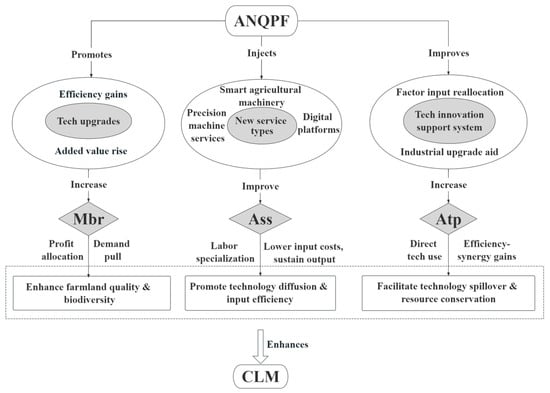
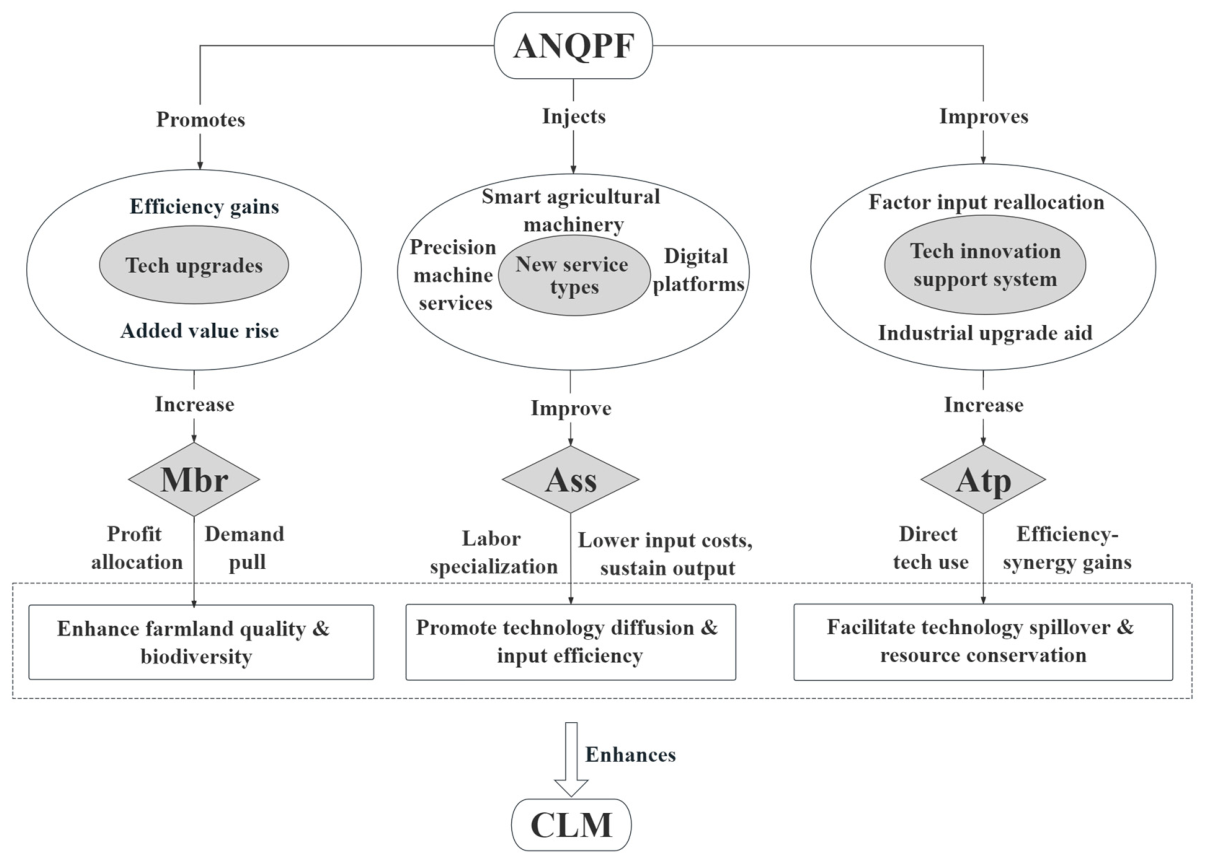

Disclaimer/Publisher’s Note: The statements, opinions and data contained in all publications are solely those of the individual author(s) and contributor(s) and not of MDPI and/or the editor(s). MDPI and/or the editor(s) disclaim responsibility for any injury to people or property resulting from any ideas, methods, instructions or products referred to in the content. |
© 2026 by the authors. Licensee MDPI, Basel, Switzerland. This article is an open access article distributed under the terms and conditions of the Creative Commons Attribution (CC BY) license.