


Abstract
Coalho cheese is a highly consumed fresh dairy product in northeastern Brazil; however, its high moisture content and susceptibility to microbial contamination limit shelf life and compromise product safety. In this context, active edible coatings have emerged as sustainable alternatives for food preservation. This study aimed to develop and characterize biodegradable edible coatings based on cassava starch, beeswax, and pomegranate peel extract and to evaluate their effectiveness in preserving coalho cheese during refrigerated storage. Films were characterized regarding physicochemical, optical, mechanical, barrier, and microstructural properties and subsequently applied as coatings to cheese samples stored at 7 ± 1 °C for 15 days. The incorporation of pomegranate peel extract and beeswax significantly affected film color, microstructure, and mechanical properties, while maintaining overall structural integrity. Formulations containing both additives exhibited improved flexibility and enhanced resistance to rupture, suggesting a combined effect of the lipid and phenolic components. Sensory evaluation performed 24 h after coating demonstrated high initial consumer acceptance, with overall acceptance scores above 6.7 on a nine-point hedonic scale and purchase intention comparable to the uncoated control. Microbiological analyses revealed that the coatings effectively delayed the growth of molds, yeasts, and aerobic mesophilic bacteria throughout storage. The formulation containing cassava starch, beeswax, and pomegranate peel extract (CSEB) showed the greatest preservation efficacy, reducing fungal populations by approximately 1.8 log cycles and maintaining significantly lower bacterial counts than the control after 15 days. In addition, coated cheeses exhibited lower titratable acidity and greater physicochemical stability. Overall, the results demonstrate that cassava starch-based active coatings incorporating beeswax and pomegranate peel extract represent a promising strategy for improving the microbiological stability and quality preservation of coalho cheese.
1. Introduction
Coalho cheese is one of the most traditional dairy products consumed in Brazil, particularly in the Northeast region, where it holds substantial cultural, economic, and gastronomic importance. Owing to its characteristic flavor, firm texture, and versatility in culinary applications, its production and commercialization have expanded considerably in recent years [1]. However, because coalho cheese is generally marketed as a fresh product without a ripening stage, it remains highly susceptible to microbial spoilage and physicochemical deterioration during storage. Its relatively high moisture content and favorable nutrient composition create conditions that support the growth of spoilage microorganisms and foodborne pathogens, thereby limiting shelf life and compromising product quality and safety [2].
Refrigeration is widely employed to delay deterioration in fresh cheeses; nevertheless, this approach alone is often insufficient to ensure prolonged microbiological stability [3,4]. At the same time, increasing consumer demand for minimally processed foods, clean-label ingredients, and environmentally sustainable packaging systems has stimulated the development of alternative preservation technologies. In this context, edible films and coatings have emerged as promising strategies capable of extending shelf life while reducing dependence on conventional synthetic packaging materials and chemical preservatives [5,6].
Edible coatings act as semipermeable barriers that can reduce moisture transfer, gas exchange, lipid oxidation, and microbial contamination at the food surface [7,8]. Among the biopolymers available for their production, starch has received particular attention because of its abundance, biodegradability, low cost, and excellent film-forming ability. Cassava (Manihot esculenta Crantz) starch is especially attractive for food applications due to its transparency, renewability, low oxygen permeability, and widespread availability in tropical regions [9]. However, starch-based films generally exhibit high sensitivity to moisture and limited barrier properties, which may restrict their effectiveness under practical storage conditions [10,11].
To overcome these limitations, hydrophobic compounds have been incorporated into starch matrices to improve water-vapor resistance. Beeswax is one of the most extensively studied natural lipids for this purpose because of its low water affinity and ability to enhance barrier performance [12,13]. Furthermore, the incorporation of natural bioactive compounds into edible coatings has gained increasing interest as a strategy to develop active packaging systems capable of providing additional antioxidant and antimicrobial protection [14,15,16].
Among natural bioactive sources, pomegranate (Punica granatum L.) peel has attracted considerable scientific attention due to its exceptionally high concentration of phenolic compounds, including punicalagins, ellagitannins, flavonoids, and anthocyanins [17,18]. These compounds exhibit well-documented antioxidant and antimicrobial activities and have demonstrated inhibitory effects against a broad range of spoilage and pathogenic microorganisms. Moreover, pomegranate peel represents a major agro-industrial by-product, making its valorization particularly attractive from both economic and environmental perspectives. The incorporation of pomegranate peel extracts into biodegradable coatings therefore offers a dual advantage by enhancing food preservation while promoting the sustainable utilization of agricultural residues [19,20].
Despite the growing interest in active edible coatings, limited information is available regarding the combined use of cassava starch, beeswax, and pomegranate peel extract for preserving fresh cheeses. In particular, studies integrating film characterization, microbiological stability, physicochemical quality, color preservation, and consumer acceptance of coalho cheese remain scarce. Furthermore, the potential combined effects of the hydrophobic barrier provided by beeswax and the antimicrobial activity of pomegranate peel phenolics have not been fully elucidated in this food matrix.
We hypothesized that the incorporation of pomegranate peel extract into a cassava starch–beeswax matrix would generate a multifunctional edible coating capable of simultaneously improving barrier properties, inhibiting microbial growth, and preserving the physicochemical and sensory quality of coalho cheese during refrigerated storage. Therefore, the aim of this study was to develop and characterize biodegradable edible films based on cassava starch incorporating glycerol, saponified beeswax, and pomegranate peel extract, and to evaluate their application for coalho cheese. Film physicochemical, mechanical, optical, and microstructural properties were investigated, while the effectiveness of the coatings was assessed through microbiological, physicochemical and sensory analyses during refrigerated storage.
2. Materials and Methods
2.1. Acquisition of Pomegranate Fruits and Preparation of Peel Extract
Pomegranate fruits (Punica granatum L.) were purchased from local vendors in Mossoró, Rio Grande do Norte, Brazil. Fruits free from cracks, punctures, and visible signs of deterioration were selected and transported to the Food Biotechnology Laboratory of the Federal Rural University of the Semi-Arid Region in ventilated containers, protected from direct sunlight and maintained at 5–10 °C. Upon arrival, the fruits were washed with distilled water, sanitized by immersion in a 100 ppm sodium hypochlorite solution, and dried with sterile paper towels. The fruits were manually cut open using a sterile scalpel, and the peels were separated from the arils and residual pulp. The peels were then dried in a forced-air circulation oven (SL-102, Solab, Piracicaba, SP, Brazil) at 40 °C for 48 h and subsequently ground into a fine powder using a mortar and pestle (Prolab, São Paulo, SP, Brazil).
Immediately after grinding, bioactive compounds were extracted from pomegranate peels using a hydroalcoholic solvent system, according to the method described below. Briefly, the pomegranate peel powder was mixed with 70% (v/v) ethanol at a concentration of 100 mg mL−1 and maintained under continuous magnetic stirring at room temperature for 24 h in a sealed container to minimize solvent evaporation. Following extraction, the mixture was allowed to stand for an additional 24 h to facilitate solid–liquid separation. The supernatant was carefully collected and transferred to an appropriate vessel. The solvent was subsequently removed by evaporation at 50 °C under continuous magnetic stirring (TE-0851: Tecnal, São Paulo, Brazil) for 48 h, yielding a concentrated hydroalcoholic extract. The resulting extract was transferred to amber glass bottles and stored at −20 °C until use in antimicrobial assays and edible coating formulations [21].
2.2. Acquisition Coalho Cheese
Similar to the pomegranate samples, coalho cheese samples were purchased from local retail markets in Mossoró, Rio Grande do Norte, Brazil. Immediately after purchase, the samples were placed in insulated containers containing reusable ice packs and transported to the Food Biotechnology Laboratory of the Federal Rural University of the Semi-Arid Region where bacterial isolation was carried out to obtain a representative set of microorganisms naturally present in the product and the susceptibility test to the extract was carried out.
2.3. Isolation of Aerobic Mesophilic Bacteria from Coalho Cheese
For the isolation of aerobic mesophilic bacteria, 20 commercially acquired coalho cheese samples were processed under aseptic conditions. Each cheese sample was aseptically cut into 25 g portions using a sterile scalpel. Subsequently, a randomly selected 25 g portion from each sample was transferred to an Erlenmeyer flask containing 225 mL of sterile buffered saline solution (8.5 g L−1 NaCl) supplemented with peptone (1.0 g L−1) and phosphate buffer (Na2HPO4/KH2PO4), adjusted to pH 7.0 ± 0.2, and thoroughly homogenized to obtain the initial suspension. Following homogenization, 1 mL aliquots of the suspension were inoculated onto Plate Count Agar (PCA; HiMedia, Mumbai, India) and evenly spread over the agar surface using a sterile Drigalski spatula. The plates were incubated in a bacteriological incubator at 36 ± 1 °C for 48 h. To prepare the initial inoculum, representative colonies grown on PCA were selected and transferred to Brain Heart Infusion (BHI) broth (HiMedia, Mumbai, India), followed by incubation at 36 ± 1 °C for 18 h.
2.4. In Vitro Antimicrobial Activity of Pomegranate Peel Extract
The bacterial suspensions obtained as described in Section 2.3 were adjusted to a turbidity equivalent to the 0.5 McFarland standard. Subsequently, the inocula were uniformly spread onto Mueller–Hinton agar (MHA; HiMedia, Mumbai, India) plates using sterile cotton swabs. Sterile filter paper discs (6 mm in diameter) were placed on the agar surface and impregnated with 5 μL of crude pomegranate peel extract. A commercial cephalexin disc (30 μg disc−1; Laborclin, Pinhais, PR, Brazil) was used as a positive control. The plates were incubated in a bacteriological incubator (Q316M, Quimis, Diadema, SP, Brazil) at 37 ± 1 °C for 24 h. Following incubation, inhibition zone diameters were measured in millimeters using a millimeter ruler.
After evaluating the effect of the crude pomegranate peel extract, concentrations of 5, 20, 35, 50, 65, 80, and 95 mg/mL were prepared and tested against bacteria previously isolated from coalho cheese. To assess the antimicrobial effect of these concentrations, bacterial cultures recovered in BHI broth (Section 2.3) and adjusted to a turbidity equivalent to the 0.5 McFarland standard were sequentially transferred (15 μL) into tubes containing 3 mL of BHI broth. Subsequently, 15 μL of the final bacterial suspension and 150 μL of the extract at each test concentration were added to Petri dishes, followed by the addition of molten MH agar using the pour-plate technique. Control plates containing the bacterial inoculum but no extract were prepared under the same conditions. Five replicate plates were prepared for each concentration. After incubation at 35 ± 1 °C for 24 h, colonies were counted, and the mean values were expressed as CFU/g. The methodology and test concentrations were adapted from Bona and collaborators.
2.5. Development of Edible Films and Coating Solutions
Cassava starch, composed predominantly of amylose and amylopectin, was obtained from Primícias do Brasil Indústria de Alimentos Ltda. (Macaíba, Rio Grande do Norte, Brazil). Commercial cassava starch from this manufacturer has been previously characterized in the literature as containing approximately 18% amylose and 82% amylopectin. Beeswax produced by the European honey bee (Apis mellifera) was supplied by local beekeepers in Mossoró, Rio Grande do Norte, Brazil. The beeswax was used as a natural wax and subjected to 50% saponification prior to incorporation into the film-forming matrix.
Four film formulations were prepared: CS (cassava starch), CSE (cassava starch and pomegranate peel extract), CSB (cassava starch and beeswax), and CSEB (cassava starch, beeswax, and pomegranate peel extract). All formulations contained cassava starch (3%, w/v). Beeswax was incorporated at 10% of the dry polymer weight, while pomegranate peel extract was added at the concentration selected from the antimicrobial assays (Table 1). Glycerol (Vetec Química Fina Ltda., Rio de Janeiro, RJ, Brazil) was added as a plasticizer at 20% of the dry polymer weight.
Table 1.
Composition of edible coating formulations based on cassava starch, beeswax, and pomegranate peel extract applied to coalho cheese samples.
The starch suspensions were heated to 75 °C under continuous magnetic stirring for 15 min to promote gelatinization. For formulations containing beeswax, saponification was performed using 1% NaOH in 95% (v/v) ethanol (Vetec Química Fina Ltda., Rio de Janeiro, RJ, Brazil) under reflux for 90 min. The saponified beeswax was subsequently incorporated into the gelatinized starch suspension maintained at 75 °C. The pomegranate peel extract was added after the film-forming solutions had cooled to 50 °C.
Films were produced using the casting technique. Briefly, 60 mL of each film-forming solution was poured onto acrylic plates (15 × 15 cm) and dried in a forced-air circulation oven (TE-394/1: Tecnal, São Paulo, Brazil) at 50 °C for 4 ± 1 h. After drying, the films were carefully removed from the plates and conditioned at 25 °C and 54% relative humidity for 24 h prior to characterization. Although relative humidity was not actively controlled during drying, all formulations were cast and dried simultaneously under identical conditions, and the films were subsequently conditioned at 25 °C and 54% RH to standardize their moisture content prior to analysis.
2.5.1. Characterization of Films
Thickness
Film thickness was determined using a digital micrometer (MDC-25M: Mitutoyo, Kawasaki, Japan). Measurements were taken at ten randomly selected points on each film sample, including the center and peripheral regions. The results were expressed as mean thickness (mm) ± 95% confidence interval.
Water Vapor Permeability
Water vapor permeability (WVP) was determined using a gravimetric method based on water vapor diffusion through the film matrix. Square film samples (2 × 2 cm) were sealed over the opening of PVC permeability cells fabricated in a local workshop (Mossoró, RN, Brazil) and filled with 6 mL of distilled water [22]. Rubber gaskets and screw caps were used to ensure an airtight system, allowing water vapor transmission exclusively through the exposed film surface. The initial mass of each permeability cell assembly was determined using an analytical balance (Shimadzu, Kyoto, Japan). The cells were subsequently placed in a desiccator (Permution, Curitiba, PR, Brazil) maintained at 28.6 °C and 10% relative humidity. Mass loss was monitored at 1 h intervals over an 8 h period. The observed decrease in mass, corresponding to water vapor transfer through the films, was used to calculate the water vapor transmission rate (WVTR) according to Equation (1):
where:
WVP = (WVTR × H)/∆P
- WVTR = water vapor transmission rate (g·m−2 × h−1);
- H = film thickness (mm);
- P = water vapor partial pressure difference across the film (kPa).
A linear regression of mass loss versus time was performed, and the slope of the resulting curve (Δm/Δt) was divided by the exposed film area to obtain the water vapor transmission rate (WVTR).
Water Solubility
Film samples were cut into circular discs (2 cm in diameter) and dried in a forced-air circulation oven at 105 °C for 24 h. After drying, the samples were cooled to room temperature in a desiccator, and their initial dry mass (w1) was determined using an analytical balance [23]. The dried film discs were then immersed in 50 mL of deionized water contained in Erlenmeyer flasks and agitated at 70 rpm for 24 h at 29 °C using an orbital incubator (TE-4200: Tecnal, São Paulo, Brazil). Following immersion, the discs were carefully removed and dried again under the same conditions (105 °C for 24 h). The samples were subsequently cooled in a desiccator, and their final dry mass (w2) was determined. Five replicates were analyzed for each film formulation. Water solubility (S, %) was calculated according to Equation (2):
where:
S (%) = [(w1 − w2)/w1] × 100
- S = solubility (%);
- w1 = initial dry mass of the film disc (g);
- w2 = final dry mass of the film disc after immersion in water (g).
Mechanical Properties
Mechanical properties, including tensile strength (TS), elongation at break (EAB), and Young’s modulus (YM), were determined using a universal testing machine (DL 5000/10,000: Instron/EMIC, São José dos Pinhais, Brazil) according to ASTM D882-91 (1996) [24]. Because the films had an average thickness of approximately 0.080 mm, rectangular specimens were used in accordance with the thin-film configuration specified by ASTM D882-91 (1996). Measurements were performed in quintuplicate for each film formulation. Film specimens were prepared with dimensions of 80 mm × 5 mm and an average thickness of approximately 0.080 mm. The specimens were mounted between the grips of the testing machine using an initial grip separation (gauge length) of 50 mm, and tensile tests were conducted at a crosshead speed of 1.0 mm s−1. A tensile load was applied at a constant rate until specimen rupture. Stress–strain curves were generated from the experimental data and used to determine TS, EAB, and YM.
Stress–strain curves were generated from the experimental data and used to determine TS, EAB, and YM. Tensile strength (TS, MPa) was calculated according to Equation (3):
where:
TS = Fmax/A
- Fmax = maximum force at rupture (N);
- A = initial cross-sectional area of the film specimen (mm2).
- Elongation at break (EAB, %) was calculated according to Equation (4):
EAB (%) = [(Lf − L0)/L0] × 100
- L0 = initial gauge length (mm);
- Lf = length of the specimen at rupture (mm).
Young’s modulus (YM, MPa) was determined from the initial linear region of the stress–strain curve according to Equation (5):
where:
YM = σ/ε
- σ = stress (MPa);
- ε = strain (mm × mm−1).
Color and Opacity
Film color was evaluated using a reflectance colorimeter (CR 10: Minolta, Tokyo, Japan) operating in the CIELAB color space. The color parameters recorded were L* (lightness), a* (red–green coordinate), and b* (yellow–blue coordinate). For opacity (Op, %), measurements were performed by placing the film samples over standard black and white backgrounds, and the value was calculated according to Equation (6):
where:
Op (%) = (OpB/OpW) × 100
- OpB = opacity measured against a black background;
- OpW = opacity measured against a white background.
Scanning Electron Microscopy (SEM)
The microstructural characteristics of the films were evaluated by scanning electron microscopy (SEM) using a VEGA 3 LMU microscope (TESCAN, Brno, Czech Republic) operated at an accelerating voltage of 15 kV. Film specimens were cut into small fragments and mounted on aluminum stubs (Ted Pella Inc., Redding, CA, USA). To improve surface conductivity and image quality, the samples were sputter-coated with a thin layer of gold for 360 s at a current of 20 mA using a Q150R sputter coater (Quorum Technologies, Lewes, UK).
Both surface and cross-sectional microstructures were examined. Cross-sectional images were obtained from samples previously immersed in liquid nitrogen (White Martins, Rio de Janeiro, RJ, Brazil) and subsequently fractured to produce clean surfaces suitable for microscopic analysis. Micrographs were acquired at magnifications of 1000×, 4000×, and 6000×. Five independent specimens were analyzed for each film formulation.
2.6. Production of Coalho Cheese and Application of Edible Coatings
Coalho cheese was produced from commercially available pasteurized milk purchased from local retail markets in Mossoró, Rio Grande do Norte, Brazil. Immediately after purchase, the milk was transported to the Food Biotechnology Laboratory of the Federal Rural University of the Semi-Arid Region in insulated containers under refrigerated conditions (4 ± 1 °C), where it was stored until processing.
Initially, the milk was heated to 35 °C, followed by the addition of calcium chloride (CaCl2; Vetec Química Fina Ltda., Rio de Janeiro, RJ, Brazil) at a concentration of 1 mL per 10 L of milk and rennet at 4 g per 10 L of milk. The mixture was allowed to stand for approximately 50 min to promote coagulation and curd formation. After coagulation, the curd was manually cut using horizontal and vertical curd cutter and gently stirred to facilitate whey expulsion. The curd mass was subsequently heated by the addition of whey previously heated to 75 °C until reaching a final temperature of approximately 50 °C.
Salting was performed by immersing the curd in a heated brine solution prepared with 1 L of whey and 100 g of iodized sodium chloride. The mixture was maintained under constant stirring for 5 min. Subsequently, the curd was transferred to perforated rectangular molds and manually pressed to promote whey drainage. During pressing, the cheese blocks were periodically turned to ensure uniform moisture distribution and proper shaping.
After manufacture, the cheeses were randomly distributed and subjected to different processes depending on their intended use (samples for sensory evaluation versus those for physicochemical and microbiological analyses).
Cheese samples were immersed in the respective film-forming solutions to ensure complete surface coverage. Block of cheese intended for sensory evaluation were coated whole using sterile plastic trays. Samples intended for physicochemical and microbiological analyses were cut into cubes and subjected to temperature abuse for 24 h; they were then immersed using a wooden toothpick—previously sterilized in a 100 ppm sodium hypochlorite solution (Vetec Química Fina Ltda., Rio de Janeiro, RJ, Brazil). After coating, the samples were placed on expanded polystyrene trays and dried in a climate-controlled room at 14 ± 2 °C for approximately 5 h, or until complete film formation was achieved. Subsequently, the coated cheeses were packaged on polystyrene trays, wrapped with polyethylene film, and stored under refrigeration at 7 ± 1 °C until physicochemical, microbiological, and sensory analyses were performed.
The coating formulations consisted of cassava starch-based coatings containing beeswax and/or pomegranate peel extract, as described in Table 1. The treatments were CS (cassava starch), CSE (cassava starch + pomegranate peel extract), CSB (cassava starch + beeswax), and CSEB (cassava starch + pomegranate peel extract + beeswax). All analyses were performed using five independent replicates per treatment.
2.7. Sensory Evaluation
The sensory evaluation of coated coalho cheese samples was conducted within 24 h after the application of the edible coatings. Consumer acceptance was assessed using an affective sensory test. The study was carried out in accordance with the ethical principles established by Brazilian National Health Council Resolution No. 466/2012 and was approved by the Research Ethics Committee of the State University of Rio Grande do Norte under CAAE registration number 79974517.0.0000.5294 and approval number 2.444.611. All participants provided written informed consent prior to participation.
A total of 76 untrained consumers of both sexes, aged 18 years or older, were randomly recruited in Mossoró, Rio Grande do Norte, Brazil. Individuals reporting allergies, intolerances, or restrictions related to the consumption of cheese or any ingredient used in the formulations were excluded from the study. Sensory acceptance was evaluated using a structured nine-point hedonic scale. Panelists assessed overall acceptance based on appearance, color, flavor, and texture.
Samples were served at room temperature in coded disposable containers and presented simultaneously to the panelists. Still mineral water and unsalted crackers were provided between sample evaluations to minimize carryover effects and promote palate cleansing. The sensory sessions were conducted in a climate-controlled and well-illuminated room specifically prepared for sensory analysis. All evaluations were performed individually under the supervision of researchers trained in sensory evaluation procedures.
2.8. Qualitative Evaluation of Coated Coalho Cheese Samples
Initially, cheese cubes were subjected to thermal abuse conditions (22 ± 1 °C) for 24 h to promote microbial proliferation and facilitate the assessment of the antimicrobial effectiveness of the edible coatings. This procedure was adopted to simulate a temperature-abuse condition and to provide a challenging microbiological environment for assessing the antimicrobial performance of the edible coatings. Following the thermal abuse period, the cheese cubes were coated with the respective film-forming solutions according to the treatments described in Table 1 using the dipping method. After coating application and drying, the samples were placed on expanded polystyrene trays and wrapped with polyvinyl chloride (PVC) film. Prior to use, all packaging materials were sanitized by exposure to ultraviolet (UV) radiation. The packaged samples were stored under refrigeration at 7 ± 1 °C for 15 days. Microbiological and physicochemical analyses were performed at 72 h intervals, beginning on day 0, which corresponded to the day of coating application [25].
2.9. Microbiological Analyses
Microbiological analyses were conducted under aseptic conditions in a laminar flow cabinet (Pachane, Piracicaba, Brazil). All materials and equipment were sterilized and handled according to standard microbiological procedures to minimize the risk of external contamination. Briefly, 25 g portions of each sample were aseptically transferred to Erlenmeyer flasks containing 225 mL of sterile 0.1% buffered peptone saline solution and thoroughly homogenized. Microbial counts were expressed as log10 colony-forming units per gram (log10 CFU g−1).
Count of Mesophilic Aerobic Bacteria, Molds, and Yeasts
Microbial enumeration was performed using the surface-plating technique. For the enumeration of aerobic mesophilic bacteria, 1 mL aliquots from the appropriate serial dilutions were inoculated onto Plate Count Agar plates. Molds and yeasts were enumerated on Potato Dextrose Agar acidified with 10% tartaric acid. In both cases, the inocula were uniformly spread over the agar surface using a sterile Drigalski spatula until complete absorption. Plates inoculated for aerobic mesophilic bacteria were incubated in an inverted position at 36 ± 1 °C for 48 h in a bacteriological incubator, whereas plates used for mold and yeast enumeration were incubated at 25 ± 1 °C for 5 days in a biochemical oxygen demand (BOD) incubator. The acidic medium (pH approximately 3.5) and incubation conditions favored the selective growth of molds and yeasts.
2.10. Physicochemical Analyses
2.10.1. pH Analyses
The pH of the in-house-produced coalho cheese samples was determined by direct measurement of a homogenized suspension. Briefly, 10 g of each cheese sample was homogenized with 90 mL of deionized water using a laboratory homogenizer until a uniform suspension was obtained. The pH was measured using a calibrated digital bench-top pH meter (Q400AS, Quimis, Diadema, SP, Brazil), previously calibrated before each analytical session. Measurements were performed at room temperature (25 ± 2 °C), and the results were expressed as the mean of three independent determinations for each treatment and storage period.
2.10.2. Titratable Acidity Analysis
The titratable acidity of the in-house-produced coalho cheese samples was determined using the homogenized suspensions prepared for pH analysis (Section 2.10.1). Aliquots of the homogenate were titrated with standardized 0.1 mol L−1 sodium hydroxide (NaOH) solution in the presence of 1% (w/v) phenolphthalein solution (ACS grade; Sigma-Aldrich, St. Louis, MO, USA) as the endpoint indicator. Titration was continued until the appearance of a persistent pale-pink coloration lasting approximately 30 s, indicating the endpoint of the reaction. Titratable acidity was expressed as percentage of lactic acid (% lactic acid) and calculated according to Equation (7):
where:
Lactic acid (%) = (V × f × 0.9)/m
- V = volume of 0.1 N sodium hydroxide solution consumed during titration (mL);
- f = correction factor of the 0.1 N sodium hydroxide solution (0.99);
- m = mass of the cheese sample used in the analysis (g).
2.10.3. Color Analysis
The color of the in-house-produced coalho cheese samples was determined according to the method described in Section Color and Opacity. Briefly, color measurements were performed using a reflectance colorimeter, and the color coordinates were expressed in the CIELAB color space as L* (lightness), a* (redness/greenness), and b* (yellowness/blueness). Measurements were carried out at room temperature (25 ± 2 °C), and the results were expressed as the mean values obtained from three independent determinations for each treatment and storage period.
2.11. Statistical Analysis
The experiment was conducted using a completely randomized design consisting of five treatments and five replicates per treatment. Film characterization data, mechanical properties, and sensory analysis were expressed as mean ± standard deviation. Prior to statistical analysis, the assumptions of normality and homogeneity of variances were assessed. Parametric data were analyzed using one-way analysis of variance (ANOVA), followed by Tukey’s post hoc test for multiple comparisons. For microbiological and physicochemical data obtained during storage, the five treatments were compared separately at each storage time using one-way ANOVA followed by Tukey’s post hoc test. Data that did not meet the assumptions of parametric analysis were evaluated using the Kruskal–Wallis test. Sensory data were analyzed using the Friedman test. Spearman correlation matrices were generated using the corrplot package in R software (version 3.5.0). Microbiological counts were transformed to log10 CFU g−1 prior to statistical analysis. Differences were considered statistically significant at p < 0.05.
3. Results
3.1. In Vitro Antimicrobial Activity of Pomegranate Peel Extract
As shown in Table 2, the extract exhibited a clear concentration-dependent inhibitory effect on bacterial growth. The control treatment presented an average microbial count of 118 CFU g−1, whereas increasing extract concentrations progressively reduced viable bacterial counts. At concentrations of 5 and 20 mg mL−1, bacterial counts decreased to 94 and 18 CFU g−1, corresponding to growth inhibitions of 20.3% and 84.7%, respectively. A more pronounced antimicrobial effect was observed at 35 mg mL−1, where only 2 CFU g−1 were detected, representing approximately 98.3% inhibition relative to the control (Table 2). Complete inhibition of detectable bacterial growth (ND) was observed at concentrations of 50 mg mL−1 and above. Accordingly, extract concentrations of 50, 65, 80, and 95 mg mL−1 all resulted in 100% growth inhibition, with log reductions greater than 2.07 (Table 2). These findings demonstrate that bacterial viability decreased progressively as extract concentration increased, reaching complete inhibition at concentrations ≥ 50 mg mL−1.
Table 2.
In vitro antimicrobial activity of pomegranate peel hydroalcoholic extract against aerobic mesophilic bacteria isolated from coalho cheese.
3.2. Physicochemical Characterization of Edible Films
3.2.1. Thickness, Water Solubility, Water Vapor Permeability, Color, and Opacity
As shown in Table 3, film thickness ranged from 0.06 to 0.08 mm, with no significant differences among formulations (p > 0.05). The CS, CSE, CSB, and CSEB films exhibited thickness values of 0.07 ± 0.01, 0.06 ± 0.02, 0.07 ± 0.01, and 0.08 ± 0.01 mm, respectively. Water solubility values ranged from 26.20 to 28.08%, and no significant differences were observed among treatments (p > 0.05) (Table 3). The highest solubility was observed for CSB (28.08 ± 1.24%), whereas the lowest value was recorded for CSEB (26.20 ± 2.21%). Water vapor permeability (WVP) values varied between 0.45 and 0.52 g·mm h−1 kPa−1 m−2, with no statistically significant differences among formulations (p > 0.05) (Table 3). The lowest WVP value was observed for CS (0.45 ± 0.07 g·mm h−1 kPa−1 m−1), while the highest value was recorded for CSE (0.52 ± 0.15 g·mm h−1 kPa−1 m−2). Significant differences were observed for the color coordinates a*, b*, and L* (p < 0.05) (Table 3). The a* values ranged from −7.44 to −11.04, with CSB and CSEB exhibiting more negative values than the control formulation. The b* coordinate ranged from 19.64 to 22.54, with films containing pomegranate peel extract (CSE and CSEB) presenting significantly higher values than formulations without extract. Luminosity (L*) values ranged from 84.56 to 85.24, and the CSEB formulation exhibited significantly lower luminosity than the control film. Opacity values ranged from 43.43 to 44.03%, and no significant differences were detected among treatments (p > 0.05) (Table 3).
Table 3.
Physicochemical properties of cassava starch-based edible coatings containing beeswax and pomegranate peel extract.
3.2.2. Mechanical Properties
As shown in Table 4, tensile strength (TS) values ranged from 20.28 to 24.40 MPa, with no statistically significant differences among treatments (p > 0.05). The highest TS value was observed for the cassava starch coating containing pomegranate peel extract (CSE) (24.40 ± 10.16 MPa), whereas the lowest value was recorded for the cassava starch coating containing beeswax (CSB) (20.28 ± 0.88 MPa). Significant differences were observed for elongation at break (EB) (p < 0.05) (Table 4). The lowest EB values were obtained for CSE (1.55 ± 0.28%) and CSB (1.69 ± 0.22%), whereas the CSEB formulation exhibited the highest elongation at break (2.30 ± 0.14%), corresponding to an increase of approximately 20% compared with the control coating and nearly 50% relative to the CSE formulation. Young’s modulus (YM) also differed significantly among treatments (p < 0.05) (Table 4). The highest YM values were observed for CS (1648.52 ± 518.28 MPa) and CSE (1648.34 ± 403.39 MPa). The incorporation of beeswax reduced YM to 1284.95 ± 187.42 MPa in CSB, while the combined formulation (CSEB) presented the lowest value (785.14 ± 105.28 MPa), representing a reduction of approximately 52% compared with the control coating. Overall, the results indicate that the incorporation of pomegranate peel extract and beeswax significantly affected film flexibility and stiffness, whereas tensile strength remained statistically unchanged among formulations.
Table 4.
Mechanical properties of cassava starch-based edible coatings containing beeswax and pomegranate peel extract.
3.2.3. Scanning Electron Microscopy (SEM)
As shown in Figure 1, all formulations formed continuous and cohesive matrices with homogeneous surfaces and no visible cracks, pores, or major structural discontinuities, indicating good film-forming capacity. However, distinct structural modifications were observed following the incorporation of beeswax and pomegranate peel extract. The control cassava starch film (CS) (Figure 1(1A,1B)) exhibited a smooth, compact, and homogeneous surface morphology. Cross-sectional images also revealed a dense and continuous internal structure without visible defects. The incorporation of pomegranate peel extract (CSE) did not visibly alter the surface morphology of the starch matrix (Figure 1(2A,2B)). The film maintained a relatively uniform and continuous surface, with no evidence of aggregate formation or large-scale phase separation. More pronounced microstructural modifications were observed in formulations containing beeswax (CSB and CSEB). Although the surface micrographs (Figure 1(3A,3B)) still revealed continuous and defect-free films, the cross-sectional images (Figure 1(3A,3B)) showed increased internal heterogeneity. The CSB film exhibited a rougher fracture profile characterized by irregular layered structures and localized discontinuities throughout the film thickness.
Figure 1.
Scanning electron microscopy (SEM) micrographs of cassava starch-based edible films containing beeswax and pomegranate peel extract. Surface morphology (1A–4A) and cross-sectional morphology (1B–4B) of the film formulations are presented as follows: (1A,1B), CS (cassava starch film); (2A,2B), CSE (cassava starch film containing pomegranate peel extract); (3A,3B), CSB (cassava starch film containing beeswax); and (4A,4B), CSEB (cassava starch film containing beeswax and pomegranate peel extract). The micrographs reveal continuous and homogeneous surfaces with no visible cracks or pores, indicating good film-forming capacity. Cross-sectional images show structural modifications associated with the incorporation of beeswax and pomegranate peel extract, suggesting changes in matrix organization and intermolecular interactions. Images were obtained at 1000× magnification. Scale bar = 50 μm.
Among all formulations, the CSEB film (Figure 1(4A,4B)) exhibited the most complex microstructure. The cross-sectional micrograph (Figure 1(4B)) revealed a multilayered and heterogeneous internal organization characterized by folded regions, irregular domains, and greater roughness than the other formulations. Despite the increased internal heterogeneity, no cracks, large pores, delamination, or major structural discontinuities were observed. Overall, SEM analysis demonstrated that all formulations produced structurally continuous films with satisfactory integrity and film-forming capacity. The incorporation of pomegranate peel extract preserved matrix homogeneity, whereas beeswax promoted greater internal heterogeneity without compromising film continuity (Figure 1).
3.3. Sensory Acceptance of Coated Coalho Cheese
Overall, all formulations achieved favorable consumer acceptance, with mean hedonic scores ranging from 6.67 to 7.71, corresponding to ratings between “liked slightly” and “liked very much”. These results indicate that the application of the edible coatings did not negatively affect the sensory characteristics of the cheese (Table 5). Significant differences among treatments were observed only for appearance, flavor, texture, overall acceptance, and purchase intention (p < 0.05), whereas color acceptance did not differ significantly (p > 0.05) (Table 5).
Table 5.
Sensory acceptance and purchase intention of coalho cheese coated with cassava starch-based edible coatings containing beeswax and pomegranate peel extract.
For appearance, the uncoated control (CO) received the highest score (7.64 ± 0.99), while the cassava starch coating (CS) presented the lowest value (6.71 ± 1.56). The CSEB formulation (7.24 ± 1.59) did not differ statistically from the control (Table 5). Color acceptance remained high for all treatments, with scores ranging from 7.01 to 7.49, and no significant differences were detected among formulations (Table 5). Flavor scores ranged from 6.67 to 7.56. The control exhibited the highest acceptance (7.56 ± 1.46), whereas the CSE formulation showed the lowest score (6.67 ± 1.51). The CSEB formulation presented an intermediate value (7.20 ± 1.65) (Table 5).
Texture acceptance varied between 6.82 and 7.71. The control treatment achieved the highest score (7.71 ± 1.22), while the CSE formulation showed the lowest value (6.82 ± 1.39). The CSEB treatment (7.23 ± 1.25) did not differ significantly from the control (Table 5). Overall acceptance scores ranged from 6.70 to 7.60, with the highest value observed for the control (7.60 ± 1.28). Both beeswax-containing formulations (CSB and CSEB) presented scores above 7.0 and did not differ significantly from the control (Table 5). Purchase intention scores ranged from 3.37 to 4.29 on the five-point structured scale. The highest score was obtained for the control (4.29 ± 0.93), whereas the CSE formulation presented the lowest value (3.37 ± 1.11). The CSEB formulation (4.03 ± 1.04) was statistically similar to the control (Table 5).
Correlation Analysis Among Sensory Attributes
To further investigate the relationships among sensory attributes and consumer perception, a Spearman correlation analysis was performed, and the results are presented in Figure 2. As demonstrated in Figure 2, positive correlations were observed among all evaluated sensory attributes and purchase intention, indicating that improvements in one sensory parameter were generally accompanied by increases in the others. The correlation matrix revealed that flavor and texture exhibited the strongest positive associations with overall acceptance and purchase intention (Figure 2). Positive correlations were also observed between appearance, color, and overall acceptance, although these relationships were less pronounced. A strong positive correlation was identified between overall acceptance and purchase intention (Figure 2), indicating that higher hedonic scores were associated with a greater willingness of consumers to purchase the product.
Figure 2.
Spearman correlation heatmap among sensory attributes and purchase intention of coalho cheese coated with cassava starch-based edible coatings containing beeswax and pomegranate peel extract. The heatmap shows Spearman correlation coefficients (ρ) between sensory attributes and purchase intention. Color intensity represents the magnitude and direction of the correlation, ranging from −1 (strong negative correlation; dark red) to +1 (strong positive correlation; dark blue). The size of each square is proportional to the strength of the correlation: larger squares indicate stronger correlations, while smaller squares indicate weaker correlations. Evaluated attributes: appearance (APA), color (COR), flavor (SAB), texture (TEXT), overall acceptance (AG), and purchase intention (IC).
3.4. Shelf-Life Evaluation of Coated Coalho Cheese
3.4.1. Molds and Yeasts
As shown in Figure 3, mold and yeast populations increased progressively throughout the 15-day storage period in all treatments. However, microbial growth differed among treatments over time. At the beginning of storage (day 0), fungal counts ranged from 7.74 to 8.36 log10 CFU g−1. The uncoated control (CO) exhibited the highest initial count (8.36 log10 CFU g−1), whereas the formulation containing cassava starch, pomegranate peel extract, and beeswax (CSEB) presented the lowest value (7.74 log10 CFU g−1). Treatments containing pomegranate peel extract (CSE and CSEB) differed significantly from the control (Figure 3). After 3 days of refrigerated storage, fungal populations increased in all treatments.
Figure 3.
Molds and yeasts counts (log10 CFU g−1) in coalho cheese coated with cassava starch-based edible coatings containing pomegranate peel extract and beeswax during 15 days of refrigerated storage. Legend: CO, uncoated control; CS, cassava starch coating; CSE, cassava starch coating containing pomegranate peel extract; CSB, cassava starch coating containing beeswax; CSEB, cassava starch coating containing pomegranate peel extract and beeswax. Values are expressed as mean ± standard deviation (n = 3). Different lowercase letters indicate significant differences among treatments within the same storage period according to Tukey’s test (p < 0.05).
The control reached approximately 9.4 log10 CFU g−1, whereas coated cheeses maintained significantly lower microbial counts (Figure 3). At day 6, no significant differences were detected among treatments, with all formulations belonging to the same statistical group (Figure 3). From day 9 onward, significant differences among treatments became evident again. Throughout the remainder of storage, the uncoated control consistently exhibited the highest fungal populations, whereas coated samples maintained significantly lower counts (Figure 3). At the end of storage (day 15), mold and yeast populations reached 10.69 log10 CFU g−1 in the control treatment. In contrast, the CS, CSE, CSB, and CSEB treatments exhibited counts of approximately 9.01, 9.38, 8.81, and 8.91 log10 CFU g−1, respectively (Figure 3). These values correspond to reductions of approximately 1.3 to 1.9 log cycles compared with the uncoated cheese. Overall, the results demonstrate that the edible coatings delayed fungal growth during refrigerated storage, with beeswax-containing formulations (CSB and CSEB) showing the lowest mold and yeast counts during the final storage period.
3.4.2. Aerobic Mesophilic Bacteria
As shown in Figure 4, aerobic mesophilic bacterial populations increased throughout the 15-day refrigerated storage period in all treatments. However, coated cheeses consistently exhibited lower microbial counts than the uncoated control. At the beginning of storage, aerobic mesophilic counts were lower in coated samples than in the control treatment. The uncoated cheese (CO) exhibited the highest initial bacterial population, whereas coatings containing pomegranate peel extract and/or beeswax showed reduced microbial loads. Significant differences were observed between the control and most coated treatments from the first day of storage (Figure 4). Throughout refrigerated storage, bacterial counts progressively increased in all treatments (Figure 4). By day 15, the uncoated control reached approximately 10.8 log10 CFU g−1, representing the highest bacterial population observed during the experiment. In contrast, coated samples maintained lower bacterial counts, generally ranging between 9.0 and 9.8 log10 CFU g−1. Overall, the edible coatings reduced aerobic mesophilic bacterial populations by approximately 1.0 to 1.8 log10 cycles relative to the uncoated control, depending on the formulation and storage period (Figure 4).
Figure 4.
Aerobic mesophilic bacteria counts (log10 CFU g−1) in coalho cheese coated with cassava starch-based edible coatings containing pomegranate peel extract and beeswax during 15 days of refrigerated storage. Legend: CO, uncoated control; CS, cassava starch coating; CSE, cassava starch coating containing pomegranate peel extract; CSB, cassava starch coating containing beeswax; CSEB, cassava starch coating containing pomegranate peel extract and beeswax. Values are expressed as mean ± standard deviation (n = 3). Different lowercase letters indicate significant differences among treatments within the same storage period according to Tukey’s test (p < 0.05).
3.4.3. Titratable Acidity and pH
As shown in Figure 5, titratable acidity increased progressively throughout the 15-day storage period in all treatments. Significant differences among formulations were observed during the first nine days of storage.
Figure 5.
Changes in titratable acidity (%) of coalho cheese coated with cassava starch-based edible coatings containing pomegranate peel extract and beeswax during 15 days of refrigerated storage. Legend: CO, uncoated control; CS, cassava starch coating; CSE, cassava starch coating containing pomegranate peel extract; CSB, cassava starch coating containing beeswax; CSEB, cassava starch coating containing both pomegranate peel extract and beeswax. Values are expressed as mean ± standard deviation (n = 3). Different lowercase letters indicate significant differences among treatments within the same storage period according to Tukey’s test (p < 0.05).
The uncoated control (CO) consistently exhibited the highest acidity values, reaching approximately 0.89% on day 9. In contrast, cheeses coated with formulations containing pomegranate peel extract and/or beeswax showed significantly lower acidity values. In particular, the CSE, CSB, and CSEB treatments exhibited reductions of approximately 28–30% relative to the control on day 9 (Figure 5). After day 12, the differences among treatments became less pronounced, and no significant differences in titratable acidity were detected among several formulations (Figure 5).
The evolution of pH values during storage is shown in Figure 6. Initial pH values ranged from approximately 6.57 to 6.91. Throughout storage, only minor fluctuations were observed, with final values remaining within a relatively narrow range (approximately 6.1–6.6). Unlike titratable acidity, pH was only slightly affected by the coating formulations, and significant differences among treatments were sporadic and generally of low magnitude (Figure 6). Overall, treatments exhibiting higher titratable acidity generally showed slightly lower pH values throughout storage, particularly the uncoated control (Figure 5 and Figure 6).
Figure 6.
Changes in pH values of coalho cheese coated with cassava starch-based edible coatings containing pomegranate peel extract and beeswax during 15 days of refrigerated storage. Legend: CO, uncoated control; CS, cassava starch coating; CSE, cassava starch coating containing pomegranate peel extract; CSB, cassava starch coating containing beeswax; CSEB, cassava starch coating containing both pomegranate peel extract and beeswax. Values are expressed as mean ± standard deviation (n = 3). Different lowercase letters indicate significant differences among treatments within the same storage period according to Tukey’s test (p < 0.05).
3.4.4. Color Stability
Overall, the color coordinates remained relatively stable throughout the 15-day storage period (Figure 7). No pronounced changes were observed in any of the evaluated color parameters among the different treatments. The a* coordinate (Figure 7A) exhibited the greatest variation among treatments. In general, cheeses coated with the formulation containing both pomegranate peel extract and beeswax (CSEB) presented less negative a* values during storage, indicating a slight shift toward the red region of the color space. For the b* coordinate (Figure 7B), no consistent differences were observed among treatments throughout refrigerated storage. Values remained relatively constant during the experimental period.
Figure 7.
Changes in color parameters of coalho cheese coated with cassava starch-based edible coatings containing pomegranate peel extract and beeswax during 15 days of refrigerated storage. (A) Redness/greenness (a*), (B) yellowness/blueness (b*), and (C) lightness (L*). CO, uncoated control; CS, cassava starch coating; CSE, cassava starch coating containing pomegranate peel extract; CSB, cassava starch coating containing beeswax; CSEB, cassava starch coating containing pomegranate peel extract and beeswax. Values are expressed as mean ± standard deviation (n = 3). Different lowercase letters indicate significant differences among treatments within the same storage period according to Tukey’s test (p < 0.05).
Similarly, L* values (Figure 7C) remained relatively stable during storage. Although the CSEB treatment occasionally exhibited slightly lower lightness values than the control, only minor variations were observed among the evaluated formulations. Overall, the instrumental color parameters indicate that the edible coatings maintained color stability throughout refrigerated storage without promoting marked changes in the visual appearance of coalho cheese (Figure 7).
4. Discussion
4.1. In Vitro Antimicrobial Activity of Pomegranate Peel Extract
The progressive reduction in viable cell counts observed with increasing extract concentration demonstrates a dose-dependent antimicrobial response, which is characteristic of plant-derived extracts rich in bioactive phenolic compounds [16,26]. It should be noted that the phenolic profile of the extract used in this study was not characterized. Therefore, although previous studies have reported the presence of hydrolyzable tannins, punicalagins, ellagitannins, gallic acid, ellagic acid, flavonoids, and other polyphenolic constituents in pomegranate peel extracts, the presence and contribution of these specific compounds in the extract evaluated here cannot be directly confirmed. Nevertheless, these literature-based findings provide a plausible basis for interpreting the antimicrobial activity observed in the present study. The antimicrobial activity of pomegranate peel has been extensively associated with its high content of hydrolyzable tannins, particularly punicalagins and ellagitannins, as well as gallic acid, ellagic acid, flavonoids, and other polyphenolic constituents. These compounds are capable of interacting with bacterial cell membranes, increasing membrane permeability, disrupting membrane integrity, and promoting leakage of intracellular constituents. In addition, phenolic compounds may inhibit essential metabolic enzymes, interfere with nutrient transport systems, and induce oxidative stress through the generation of reactive oxygen species, ultimately impairing microbial growth and survival [27,28,29].
The complete inhibition observed at concentrations ≥ 50 mg mL−1 suggests that the extract exerted not only a bacteriostatic effect but also a strong bactericidal action against the microbial population evaluated. The progressive increase in log reduction values further supports this interpretation, indicating a marked decline in bacterial viability as extract concentration increased. Such antimicrobial effectiveness is particularly relevant for dairy products, where aerobic mesophilic bacteria are commonly associated with spoilage processes and reductions in product shelf life [30,31].
Similar findings have been reported in previous studies evaluating pomegranate peel extracts against foodborne and spoilage microorganisms [32,33]. Several authors have demonstrated that extracts obtained from pomegranate by-products exhibit broad-spectrum antimicrobial activity against both Gram-positive and Gram-negative bacteria, attributing this effect to the synergistic action of multiple phenolic compounds. The ability of these compounds to simultaneously target different cellular structures and metabolic pathways may explain the strong inhibitory activity observed in the present study [34,35].
Considering that complete inhibition of detectable bacterial growth was achieved at concentrations of 50 mg mL−1 and above, this concentration was selected for incorporation into the edible coating formulations. Selecting the minimum concentration capable of producing total microbial inhibition is advantageous because it maximizes antimicrobial efficacy while minimizing extract consumption, thereby reducing formulation costs and limiting potential effects on the physicochemical and sensory characteristics of the coated cheese. It should be noted that the cheese samples were subjected to thermal abuse prior to coating, resulting in a challenging initial microbiological condition. Therefore, the microbial counts observed during storage should be interpreted comparatively among treatments rather than as absolute shelf-life values under continuous refrigerated storage.
4.2. Physicochemical Characterization of Edible Films
4.2.1. Thickness, Water Solubility, Water Vapor Permeability, Color, and Opacity
Film thickness is an important parameter because it influences mechanical strength, flexibility, permeability, and the release kinetics of bioactive compounds. The absence of significant differences among formulations indicates that the addition of pomegranate peel extract and beeswax did not substantially interfere with the viscosity of the film-forming dispersions or with solvent evaporation during drying. This behavior suggests good compatibility among the formulation components and a homogeneous distribution of additives within the starch matrix.
The relatively constant thickness values also indicate that the incorporation of bioactive compounds occurred without disrupting film formation. Similar observations have been reported for starch-based films enriched with plant extracts, in which the concentration of phenolic compounds is insufficient to promote major modifications in matrix organization or final film dimensions. From a technological perspective, maintaining uniform thickness is desirable because it ensures reproducible barrier and mechanical properties throughout the coated product [36,37,38].
Water solubility is a critical characteristic of edible films because it determines their stability when exposed to moisture and influences their biodegradation behavior after disposal. Excessively soluble films may rapidly lose integrity during storage, whereas very low solubility can compromise edibility and biodegradability [39,40].
Although no significant differences were observed among treatments, films containing beeswax tended to exhibit slightly lower solubility values, particularly the CSEB formulation. This behavior may be attributed to the hydrophobic nature of beeswax, which reduces water–polymer interactions by partially shielding hydroxyl groups present in starch molecules. The formation of hydrophobic domains within the polymeric network can limit water penetration and consequently decrease film dissolution [41].
The addition of pomegranate peel extract did not significantly affect solubility, suggesting that the phenolic compounds were adequately incorporated into the matrix without markedly disrupting intermolecular interactions among starch chains. This result is particularly relevant because it indicates that the antimicrobial and antioxidant compounds of the extract can be incorporated without compromising film stability. Similar findings have been reported for starch-based active films containing polyphenol-rich extracts, where moderate concentrations of phenolic compounds produced limited effects on water solubility.
Water vapor permeability is one of the most important functional properties of edible coatings because moisture migration is a major factor affecting food deterioration, microbial growth, texture changes, and shelf-life reduction [42]. Although no significant differences were observed among formulations, some trends regarding the influence of formulation components were evident.
The incorporation of beeswax slightly reduced permeability in both extract-containing and extract-free formulations. This effect is expected because beeswax is composed predominantly of long-chain hydrocarbons, esters, and fatty acids that create hydrophobic regions within the matrix and increase resistance to water vapor diffusion [43]. The barrier improvement promoted by beeswax may be explained by the formation of discontinuous lipid domains dispersed throughout the starch matrix. These domains increase the tortuosity of the diffusion pathway, forcing water molecules to travel longer distances before crossing the film [44,45]. Similar mechanisms have been extensively reported for polysaccharide–lipid composite films and are considered among the most effective approaches for improving moisture barrier properties in biodegradable packaging materials.
Conversely, the slight increase in WVP observed after incorporation of pomegranate peel extract may be related to the hydrophilic nature of certain phenolic compounds. Hydroxyl-rich molecules can interact with water and create additional free volume within the polymer network, facilitating moisture diffusion. Nevertheless, the magnitude of these changes was limited, indicating that the extract did not substantially compromise the barrier properties of the coatings [46,47].
Color characteristics are among the most important attributes influencing consumer acceptance because visual appearance strongly affects perceptions of freshness and quality [48,49]. The significant differences observed in the chromatic coordinates a*, b*, and L* demonstrate that pomegranate peel extract and beeswax modified the optical characteristics of the films.
The negative a* values observed for all formulations indicate a predominance of green tonalities. The more negative values recorded for CSB and CSEB suggest that beeswax promoted a shift toward greener coloration, possibly due to light-scattering phenomena caused by lipid droplets dispersed within the matrix.
For the b* coordinate, films containing pomegranate peel extract exhibited significantly higher values, indicating greater yellow coloration. This behavior is consistent with the chemical composition typically reported for pomegranate peel extracts, which contain various phenolic compounds that may contribute to their characteristic coloration. The incorporation of these compounds into the starch matrix consequently altered the chromatic profile of the films [50,51].
Although all formulations maintained high luminosity, the lower L* value observed for CSEB suggests that the combined presence of phenolic pigments and lipid particles increased light absorption and scattering within the film matrix [52,53]. A reduction in luminosity is commonly observed in active films enriched with plant extracts and is generally associated with the successful incorporation of phenolic compounds. Although darker films may reduce product visibility, they often provide greater protection against photooxidative deterioration by limiting light transmission [54,55,56].
The absence of significant differences in opacity indicates that neither beeswax nor pomegranate peel extract substantially altered film transparency. The maintenance of intermediate opacity values is advantageous because it balances consumer visibility with protection against light-induced oxidation. From a practical standpoint, moderate opacity may contribute to reducing the degradation of lipids, proteins, pigments, and bioactive compounds in food systems exposed to light. This characteristic is particularly relevant for dairy products such as coalho cheese, in which photooxidative reactions can negatively affect flavor, color, and nutritional quality during storage.
These results demonstrate that pomegranate peel extract and beeswax were successfully incorporated into the cassava starch matrix without causing detrimental effects on film integrity. While thickness, solubility, water vapor permeability, and opacity remained relatively stable, significant modifications in color parameters confirmed the incorporation of phenolic constituents into the polymeric network. The combination of adequate barrier properties, moderate water resistance, and enhanced optical functionality suggests that these formulations possess promising characteristics for application as active edible coatings. Furthermore, the presence of phenolic compounds may provide additional antimicrobial and antioxidant benefits, potentially contributing to improved preservation and shelf life of coated coalho cheese during refrigerated storage.
4.2.2. Mechanical Properties
Mechanical properties are fundamental for evaluating the structural performance of biodegradable films because they directly influence handling resistance, coating integrity, adhesion to the food surface, and the ability of the material to withstand mechanical stresses during processing, storage, and commercialization [57,58].
The absence of significant differences in tensile strength indicates that the incorporation of pomegranate peel extract and beeswax did not impair the cohesive forces responsible for maintaining matrix integrity. This behavior suggests the establishment of favorable intermolecular interactions among starch chains, phenolic compounds, and lipid constituents, preserving the continuity of the polymeric network and its resistance to rupture.
The maintenance of tensile strength following extract incorporation may be associated with the abundance of polyphenolic compounds in pomegranate peel, particularly punicalagins, ellagic acid, gallic acid, and ellagitannins. These molecules contain multiple hydroxyl groups capable of interacting with starch through hydrogen bonding, thereby reinforcing intermolecular cohesion and partially compensating for structural disturbances caused by the incorporation of non-polysaccharide components. Similar effects have been reported for starch-based films containing plant-derived phenolic extracts, in which bioactive compounds act as secondary network stabilizers, maintaining or even improving mechanical resistance [59,60].
In contrast, the significant differences observed in elongation at break demonstrate that formulation composition directly influenced film flexibility and deformation capacity. The lower elongation values observed for CSE and CSB suggest that both phenolic compounds and dispersed lipid domains restricted molecular mobility within the starch matrix. The reduction in extensibility may be attributed to stronger intermolecular associations that limit chain rearrangement during tensile stress, resulting in a more compact and less deformable structure.
Interestingly, the formulation containing both beeswax and pomegranate peel extract (CSEB) exhibited the highest elongation at break, suggesting a combined effect of the lipid phase and phenolic constituents on the matrix organization. The simultaneous presence of beeswax and extract may have promoted partial disruption of starch–starch interactions while maintaining sufficient intermolecular cohesion, thereby increasing chain mobility and enhancing the ability of the material to absorb deformation before rupture. Young’s modulus further supports this interpretation. The higher modulus values observed for CS and CSE indicate relatively rigid matrices with limited molecular mobility, whereas the reduction in YM after beeswax incorporation, particularly in CSEB, demonstrates the development of a less rigid structure.
The inverse relationship observed between Young’s modulus and elongation at break indicates that the CSEB formulation developed a markedly more deformable polymeric network. This behavior is commonly associated with partial plasticization of the starch matrix, in which lipid particles and low-molecular-weight phenolic compounds increase intermolecular spacing, reduce chain packing density, and facilitate stress dissipation throughout the material. The reduction in stiffness without a concomitant decrease in tensile strength indicates that the matrix remained structurally cohesive despite becoming more flexible [61].
From a practical perspective, this mechanical profile is particularly advantageous for edible coating applications. Excessively rigid films are more susceptible to cracking during drying, handling, and storage, whereas highly flexible materials are better able to accommodate dimensional changes associated with moisture fluctuations and mechanical impacts [57,62,63]. Therefore, the mechanical behavior observed for the CSEB formulation suggests the development of a balanced structure combining adequate tensile resistance with enhanced flexibility.
Overall, these findings demonstrate that pomegranate peel extract did not compromise the mechanical integrity of the cassava starch matrix, while beeswax significantly influenced the viscoelastic behavior of the coatings. The combined incorporation of beeswax and pomegranate peel extract generated a film with lower stiffness, greater deformability, and preserved tensile strength, indicating a favorable balance between rigidity and flexibility. These characteristics are highly desirable for active edible coatings intended for coalho cheese preservation, as they contribute to coating integrity, resistance to mechanical damage, and improved performance during storage and commercialization.
4.2.3. Scanning Electron Microscopy (SEM)
Scanning electron microscopy provides important information regarding matrix homogeneity, structural continuity, phase compatibility, and the distribution of incorporated additives, all of which directly influence the barrier, optical, and mechanical performance of edible films. The smooth, compact, and homogeneous morphology observed for the control film is characteristic of well-gelatinized starch matrices, in which extensive intermolecular hydrogen bonding between amylose and amylopectin chains promotes the formation of dense and continuous polymeric networks [52,64]. The absence of structural defects suggests efficient film formation and adequate solvent evaporation during drying. This compact microstructure is consistent with the relatively high Young’s modulus observed for the control film, indicating a rigid and well-organized polymeric network capable of resisting deformation under applied stress.
Likewise, the preservation of structural homogeneity after incorporation of pomegranate peel extract indicates a high degree of compatibility between the phenolic constituents and the starch matrix. Phenolic compounds such as punicalagins, ellagic acid, and gallic acid derivatives possess multiple hydroxyl groups capable of interacting with starch chains through hydrogen bonding, facilitating their incorporation into the polymeric network [65,66]. The absence of visible aggregates or phase separation corroborates the mechanical results, particularly the maintenance of tensile strength and Young’s modulus values comparable to those of the control film. These findings indicate that the extract was effectively dispersed throughout the matrix without compromising film cohesion or structural integrity. In contrast, the more heterogeneous internal morphology observed in beeswax-containing formulations reflects the incorporation of hydrophobic lipid domains within the hydrophilic starch matrix. Because beeswax is immiscible with starch, its incorporation generally leads to the formation of dispersed lipid phases during emulsification and drying, generating heterogeneous regions that modify matrix organization [67,68].
The presence of these lipid-rich domains may explain the slight reduction in water vapor permeability previously observed in beeswax-containing films [69,70]. Hydrophobic particles dispersed throughout the matrix create a more tortuous diffusion pathway for water molecules, thereby increasing resistance to moisture transport. Similar microstructural features have been widely reported for starch-based films containing waxes and other lipid compounds, in which discontinuous hydrophobic phases improve moisture barrier performance without causing structural collapse of the polymeric network [10,71].
Among the evaluated formulations, the CSEB film exhibited the highest degree of structural complexity, suggesting that the simultaneous incorporation of beeswax and phenolic compounds promoted substantial modifications in matrix organization during film formation. The coexistence of starch-rich regions, dispersed lipid domains, and phenolic-rich fractions likely generated a multiphase system with distinct microstructural arrangements. Nevertheless, the absence of cracks, pores, or delamination demonstrates that the interactions established among the different components were sufficient to preserve matrix cohesion.
The observed morphology also provides a mechanistic explanation for the mechanical behavior of the CSEB film. The marked reduction in Young’s modulus relative to the control may be associated with the disruption of continuous starch–starch interactions caused by dispersed lipid domains [72,73]. These domains can function as stress-dissipation regions within the matrix, reducing rigidity while increasing the ability of the film to absorb mechanical energy before fracture. The preservation of tensile strength indicates that these structural modifications did not compromise the overall integrity of the polymeric network.
Furthermore, the microstructural observations are consistent with the optical properties previously reported. The homogeneous morphology observed for CS and CSE agrees with their higher luminosity and relatively low opacity, whereas the greater internal heterogeneity detected in CSB and particularly CSEB likely increased light scattering within the matrix, contributing to the darker appearance and changes in color coordinates after the incorporation of beeswax and pomegranate peel extract. The absence of visible extract aggregates further suggests that the phenolic compounds were molecularly dispersed or finely distributed throughout the polymeric network, thereby preventing undesirable optical defects.
Therefore, the SEM observations confirm that pomegranate peel extract can be successfully incorporated into cassava starch films without disrupting matrix continuity, while beeswax promotes structural reorganization that enhances the functional properties of the coatings. The excellent agreement between the microstructural, mechanical, barrier, and optical results demonstrates that the developed edible coatings possess a well-organized architecture suitable for application as active biodegradable coatings for food preservation, particularly in products susceptible to moisture loss, oxidative deterioration, and microbial spoilage.
4.3. Sensory Acceptance of Coated Coalho Cheese
Sensory acceptance is a critical parameter for the successful application of edible coatings because consumers are unlikely to adopt products that exhibit undesirable visual or organoleptic characteristics, regardless of their technological or functional advantages. The high hedonic scores obtained for all formulations indicate that the cassava starch-based edible coatings did not impair the initial sensory acceptance of coalho cheese despite the incorporation of beeswax and pomegranate peel extract. Overall acceptance remained within the positive range of the nine-point hedonic scale, indicating that the developed coatings did not negatively affect consumer perception.
The higher appearance scores observed for the CSEB formulation suggest that the simultaneous incorporation of beeswax and pomegranate peel extract contributed to preserving the visual attractiveness of the cheese. This effect may be associated with the smoother surface and improved gloss provided by the lipid phase, which can reduce surface dehydration and enhance visual appeal. Similar effects have been reported for edible coatings containing waxes, whose hydrophobic character promotes a more uniform surface appearance and improves consumer perception of freshness [72,74,75].
The absence of significant differences in color acceptance is particularly relevant considering the natural pigmentation associated with phenolic compounds present in pomegranate peel extract. This finding indicates that the extract concentration used was insufficient to produce undesirable visual alterations in the coated cheese. Moreover, these observations agree with the optical characterization of the films, which revealed only moderate reductions in luminosity and no significant changes in opacity, thereby preserving the typical appearance expected for coalho cheese.
Flavor was the sensory attribute most affected by coating composition. The slightly lower scores observed for the CSE formulation may be attributed to the presence of phenolic compounds, particularly tannins and ellagitannins, which can impart mild astringent or bitter notes. Nevertheless, flavor acceptance remained within the positive range, indicating overall consumer approval. Interestingly, the incorporation of beeswax together with pomegranate peel extract (CSEB) resulted in higher flavor acceptance, suggesting that the lipid phase may have partially masked or moderated the perception of these phenolic compounds, leading to a more balanced sensory profile.
A similar trend was observed for texture. The higher acceptance of beeswax-containing formulations, particularly CSEB, may be related to the smoother surface conferred by the lipid phase. This interpretation agrees with the barrier properties previously observed for beeswax-containing coatings, which reduce water migration and contribute to maintaining the characteristic texture of fresh cheeses [73]. Because texture is one of the principal determinants of consumer satisfaction in dairy products, maintaining high acceptance scores represents an important indicator of coating functionality.
The overall acceptance results further demonstrate that incorporating beeswax and pomegranate peel extract did not compromise consumer perception. Notably, the CSEB formulation maintained overall acceptance statistically similar to the control while simultaneously providing the technological and functional benefits associated with active edible coatings. This finding is particularly important because the incorporation of plant-derived bioactive compounds often improves preservation performance at the expense of sensory quality; however, such a trade-off was not observed under the conditions employed in the present study. Purchase intention also confirmed the favorable consumer perception of the coated cheeses. The scores obtained for CSEB indicate a strong willingness to purchase the product and reinforce its potential for commercial application. These findings suggest that consumers accepted the incorporation of natural bioactive additives without compromising their purchasing decision.
The sensory behavior observed is consistent with the physicochemical and microstructural characteristics of the coatings. The moderate opacity, high luminosity, and absence of major structural defects likely contributed to preserving appearance and color acceptance. Likewise, the moisture barrier provided by beeswax probably helped maintain texture, whereas the controlled incorporation of pomegranate peel extract allowed the introduction of antioxidant and antimicrobial compounds without causing substantial sensory rejection [76,77,78].
Thus, the sensory evaluation indicates that cassava starch-based edible coatings containing beeswax and pomegranate peel extract were well accepted by consumers under the conditions evaluated. Among the evaluated formulations, CSEB exhibited the most balanced performance, combining high scores for appearance, texture, overall acceptance, and purchase intention with the technological and functional advantages of an active edible coating. These findings reinforce the technological feasibility and commercial potential of incorporating pomegranate peel extract and beeswax into biodegradable coating systems intended to extend shelf life and add value to dairy products.
Correlation Analysis Among Sensory Attributes
The positive correlations observed among all evaluated sensory attributes indicate that improvements in individual quality characteristics tended to be accompanied by higher overall consumer acceptance and purchase intention. This pattern suggests that consumer perception of coated coalho cheese was influenced by multiple complementary sensory attributes rather than by a single characteristic.
Among the evaluated parameters, flavor and texture exhibited the strongest associations with overall acceptance and purchase intention, suggesting that eating-quality characteristics were the principal drivers of consumer preference. This behavior has been widely reported for dairy products, in which flavor perception and textural characteristics represent the most decisive factors affecting consumer satisfaction and purchasing decisions [79,80,81].
Although appearance and color were also positively associated with overall acceptance, these relationships were comparatively weaker than those observed for flavor and texture. This finding indicates that visual attributes mainly influence the initial perception of product quality, whereas the final judgment of acceptability is largely determined by the sensory experience during consumption [82,83].
The strong association observed between overall acceptance and purchase intention indicates that consumers assigning higher hedonic scores were also more willing to purchase the product. This relationship reflects consumer responses under the conditions of the sensory evaluation and indicates that overall acceptance was closely associated with purchase intention.
Furthermore, the correlation profile indicates that the edible coatings did not negatively affect the sensory attributes responsible for consumer preference. In particular, formulations containing beeswax and pomegranate peel extract maintained favorable relationships among flavor, texture, overall acceptance, and purchase intention, supporting the technological feasibility of incorporating natural bioactive ingredients into edible coating systems without compromising consumer perception.
Overall, the correlation analysis indicates that flavor and texture were the sensory attributes most strongly associated with overall consumer acceptance, whereas appearance and color showed comparatively weaker, although still positive, associations. The strong relationship between overall acceptance and purchase intention further indicates that consumer willingness to purchase was closely associated with hedonic acceptance under the conditions of the sensory evaluation.
4.4. Shelf-Life Evaluation of Coated Coalho Cheese
4.4.1. Molds and Yeasts
The progressive increase in mold and yeast populations observed throughout refrigerated storage reflects the intrinsic susceptibility of fresh cheeses to fungal spoilage. Nevertheless, the lower microbial counts recorded for coated samples demonstrate that the edible coatings effectively delayed fungal proliferation during storage. The immediate reduction in fungal populations observed for treatments containing pomegranate peel extract suggests an early antifungal effect associated with the phenolic constituents naturally present in the extract. Hydrolyzable tannins, ellagitannins, gallic acid derivatives, flavonoids, and other polyphenols have been widely reported to inhibit fungal growth by disrupting membrane integrity, altering cellular permeability, inhibiting essential enzymatic systems, and interfering with energy metabolism [84,85,86].
Although all treatments exhibited microbial growth during storage, formulations containing pomegranate peel extract maintained lower fungal populations during the initial storage period, indicating that the bioactive compounds remained active after incorporation into the polymeric matrix. Interestingly, the absence of significant differences among treatments at day 6 suggests that the antimicrobial compounds released from the coatings may have reached a transient equilibrium with the fungal population present on the cheese surface. Considering the naturally high microbial load of fresh dairy products, the initial inhibitory effect may have been temporarily masked by microbial adaptation and population growth. However, this apparent reduction in efficacy was transient, as significant differences among treatments became evident again during the subsequent storage period. The superior performance observed from day 9 onward, particularly for beeswax-containing coatings, indicates that microbial inhibition resulted from the combined action of active antimicrobial compounds and the barrier properties of the coating.
In addition to the direct antifungal activity of pomegranate peel polyphenols, the cassava starch matrix may also have contributed to microbial control through its relatively low oxygen permeability [87,88]. Because molds are predominantly aerobic microorganisms, restricting oxygen diffusion at the cheese surface may reduce fungal growth and sporulation. This interpretation is supported by the lower fungal counts observed in all coated treatments, including formulations that did not contain pomegranate peel extract.
The greater inhibition observed for CSB and CSEB further suggests an important contribution of beeswax. The lipid phase increases coating hydrophobicity and enhances barrier properties against gas and moisture transfer, thereby creating less favorable environmental conditions for fungal development. Moreover, in formulations containing pomegranate peel extract, beeswax may have promoted a slower and more sustained release of phenolic compounds from the polymeric matrix, prolonging antimicrobial activity throughout refrigerated storage [89,90].
From a technological perspective, controlling molds and yeasts is particularly important because these microorganisms are among the principal agents responsible for spoilage of fresh cheeses. Their growth is commonly associated with visible fungal colonies, off-flavors, discoloration, textural deterioration, and reduced consumer acceptance. Therefore, the reductions observed in coated samples indicate not only improved microbiological stability but also greater potential for preserving the sensory quality and commercial value of the product.
Thus, these findings demonstrate that cassava starch-based edible coatings effectively delayed fungal proliferation during refrigerated storage of coalho cheese. The superior performance of beeswax-containing formulations (CSB and CSEB) highlights the importance of improving barrier properties as a complementary strategy for microbial control. The combined action of cassava starch, beeswax, and pomegranate peel extract therefore represents a promising, natural, and sustainable approach for delaying microbial spoilage of fresh dairy products under the conditions evaluated. It should be noted that the cheese samples were subjected to thermal abuse prior to coating, which resulted in high initial microbial loads. Therefore, the counts observed represent a challenging experimental scenario, and the results should be interpreted comparatively among treatments rather than as evidence of a definitive shelf-life extension under continuous refrigeration.
4.4.2. Aerobic Mesophilic Bacteria
The sustained reduction in aerobic mesophilic bacterial populations observed in coated cheeses demonstrates the effectiveness of the developed edible coatings in delaying bacterial proliferation and preserving the microbiological quality of coalho cheese during refrigerated storage. The immediate differences observed between coated and uncoated cheeses suggest that the protective effect was established from the beginning of storage and maintained throughout refrigeration. This sustained inhibition indicates continuous interaction between the coating matrix and the cheese surface, creating a microenvironment less favorable to bacterial growth.
The antimicrobial behavior observed can be partially explained by the intrinsic barrier properties of cassava starch films. Starch-based coatings exhibit relatively low oxygen permeability and form a continuous layer on the food surface, thereby reducing oxygen diffusion and limiting the development of aerobic microorganisms [22,91]. This mechanism is supported by the lower bacterial counts observed in all coated treatments, including those without pomegranate peel extract.
The incorporation of pomegranate peel extract likely provided an additional antimicrobial effect. Pomegranate peel is rich in hydrolyzable tannins, punicalagins, ellagic acid, gallic acid derivatives, and other polyphenolic compounds that exhibit well-documented antibacterial activity [35,92]. These compounds can disrupt bacterial cell membranes, alter membrane permeability, precipitate proteins, inhibit essential enzymes, and interfere with microbial metabolic pathways, thereby reducing bacterial viability and delaying spoilage processes in food systems.
Although beeswax alone did not consistently produce the greatest reductions in bacterial populations, its incorporation probably contributed indirectly to preservation by improving the barrier properties of the coating. The hydrophobic nature of beeswax reduces moisture transfer and may favor a more controlled retention and gradual release of bioactive compounds from the polymeric matrix [93]. Consequently, formulations combining beeswax and pomegranate peel extract maintained antimicrobial activity throughout refrigerated storage.
From a food preservation perspective, controlling aerobic mesophilic bacteria is relevant because this microbial group is widely used as an indicator of hygienic quality, spoilage progression, and microbiological stability. Elevated mesophilic populations are frequently associated with deterioration of sensory attributes and reduced product quality [94,95]. Although many foodborne pathogenic bacteria are also mesophilic, aerobic mesophilic counts alone cannot be used to determine the presence or absence of specific pathogens or to establish product safety. Since pathogenic bacteria were not specifically evaluated in this study, no conclusions regarding product safety can be drawn.
Therefore, these findings demonstrate that cassava starch-based edible coatings effectively delayed the proliferation of aerobic mesophilic bacteria during refrigerated storage of coalho cheese. The combined effects of the oxygen-barrier properties of cassava starch, the antibacterial activity of pomegranate peel phenolics, and the complementary protective role of beeswax contributed to maintaining lower bacterial populations throughout storage. These results support the potential of active edible coatings as a sustainable strategy for delaying microbial growth and improving the microbiological stability of fresh dairy products under the conditions evaluated.
4.4.3. Titratable Acidity and pH
Changes in titratable acidity and pH are widely recognized as important indicators of the microbiological stability, biochemical evolution, and overall quality of fresh cheeses during storage [96]. The progressive increase in titratable acidity observed in all treatments reflects the natural metabolic activity occurring within the cheese matrix. This increase is commonly associated with the fermentation of residual lactose and other fermentable substrates by microorganisms producing organic acids, particularly lactic acid. Such biochemical transformations are expected during the storage of fresh and semi-fresh cheeses and are often accompanied by changes in flavor, texture, and microbiological quality [97,98,99].
The lower acidity values observed in coated cheeses during the first nine days of storage strongly suggest that the edible coatings reduced microbial activity during the early stages of refrigeration. This interpretation is consistent with the microbiological results presented in Figure 3 and Figure 4, in which coated samples exhibited lower populations of molds, yeasts, and aerobic mesophilic bacteria. Because microbial metabolism is one of the principal sources of acid production in cheese, the reduced acidification observed in coated samples likely reflects the lower proliferation of spoilage microorganisms promoted by the coatings.
The superior performance of formulations containing pomegranate peel extract may be related to the phenolic compounds typically reported in pomegranate peel, such as punicalagins, ellagic acid derivatives, and hydrolyzable tannins, which have been extensively reported to inhibit microbial growth through multiple mechanisms [84,86]. Simultaneously, beeswax probably enhanced coating performance by improving moisture and gas barrier properties, thereby reducing oxygen availability and creating less favorable conditions for microbial proliferation. These complementary effects are consistent with the lower microbial counts observed in coated cheeses during refrigerated storage.
The reduced differences among treatments after day 12 indicate that the antimicrobial and barrier effects of the coatings were more pronounced during the early and intermediate stages of storage. Similar behavior has been reported for active edible coatings applied to cheese, which delay, rather than completely prevent, the biochemical changes associated with microbial activity and product aging [100,101,102].
The relatively stable pH values observed throughout storage can be explained by the buffering capacity of cheese proteins and mineral constituents, which attenuate substantial changes in hydrogen ion concentration despite the continuous production of organic acids. Consequently, pH is generally considered less sensitive than titratable acidity for monitoring biochemical changes in dairy matrices [98]. This explains why clear differences were detected in titratable acidity, whereas pH remained comparatively stable.
The inverse relationship observed between pH and titratable acidity is consistent with the expected biochemical behavior of dairy products undergoing microbial metabolism and organic acid production. The higher acidity and slightly lower pH observed in the uncoated control reinforce the microbiological evidence that uncoated cheeses experienced more intense microbial activity than coated cheeses during refrigerated storage [103].
From a technological perspective, maintaining stable pH and controlling acidification are essential because these parameters directly influence cheese flavor, texture, enzymatic activity, and microbial growth. Excessive acidification may accelerate sensory deterioration, alter rheological properties, and reduce consumer acceptance. Therefore, the ability of the developed coatings to delay acid accumulation without causing abrupt changes in pH represents an important advantage for preserving product quality.
Overall, these findings indicate that cassava starch-based edible coatings containing pomegranate peel extract and beeswax modulated the biochemical evolution of coalho cheese during refrigerated storage. The reduced acidification observed in coated samples was associated with the lower microbial populations previously reported, supporting the protective effect of the coatings. Furthermore, the maintenance of relatively stable pH values throughout storage indicates that the developed formulations delayed spoilage-related changes while helping to preserve physicochemical characteristics associated with the quality of fresh dairy products under the conditions evaluated.
4.4.4. Color Stability
Color is one of the most important quality attributes influencing consumer perception, freshness evaluation, and purchase decisions [104]. Therefore, maintaining color stability throughout storage represents an important indicator of coating effectiveness. The overall stability of the color coordinates demonstrates that the edible coatings did not induce undesirable visual alterations in the cheese during refrigerated storage. These observations are consistent with the sensory evaluation results (Table 5), in which no significant differences were detected among treatments for color acceptance (p > 0.05). Together, these findings indicate that the incorporation of pomegranate peel extract and beeswax preserved the characteristic appearance of coalho cheese while providing additional functional benefits [78,80].
The slightly less negative a* values observed for the CSEB formulation may be attributed to the natural pigments and phenolic constituents present in pomegranate peel extract, which may have subtly influenced the surface coloration of the cheese. However, these variations remained within a narrow range and were not accompanied by negative sensory responses, indicating that they were not perceptible or objectionable to consumers. The stability of the b* coordinate suggests that neither the phenolic extract nor the lipid phase substantially altered the characteristic yellow coloration of coalho cheese during storage. Furthermore, the maintenance of b* values may indicate that the coatings protected the cheese surface against oxidative reactions and pigment degradation, thereby contributing to the preservation of visual quality. The slight reduction in L* values occasionally observed for the CSEB formulation is consistent with the optical properties previously reported for the edible films, in which formulations containing both beeswax and pomegranate peel extract exhibited greater opacity. The presence of dispersed lipid domains together with phenolic compounds probably reduced light transmission through the coating layer, resulting in a modest decrease in luminosity. Nevertheless, these instrumental differences remained within the expected range for fresh coalho cheese and did not affect consumer acceptance.
The observed color stability may be explained by the combined protective mechanisms provided by the edible coatings. The cassava starch matrix acts as a physical barrier that reduces oxygen diffusion to the cheese surface, thereby limiting oxidative reactions responsible for pigment degradation. In addition, the antioxidant compounds naturally present in pomegranate peel extract, including tannins and other polyphenols, may further inhibit oxidation processes and contribute to preserving visual quality. Finally, beeswax enhances coating hydrophobicity, reducing moisture migration and minimizing surface changes that could affect light reflection and color perception.
From a technological perspective, maintaining color stability is particularly important because active edible coatings should not only extend shelf life but also preserve the sensory characteristics expected by consumers. The present findings demonstrate that the developed formulations successfully achieved this balance. Although coatings containing pomegranate peel extract and beeswax produced slight variations in some instrumental color parameters, these changes were not accompanied by reductions in color acceptance, confirming the visual compatibility of the coatings with coalho cheese.
Thus, the colorimetric results demonstrate that cassava starch-based edible coatings containing pomegranate peel extract and beeswax effectively preserved the visual quality of coalho cheese during refrigerated storage. The high stability of the a*, b*, and L* parameters, together with the favorable sensory acceptance previously observed, confirms that the coatings provided protective effects without compromising product appearance, reinforcing their suitability as active and consumer-friendly preservation systems.
5. Conclusions
This study demonstrated that cassava starch-based edible coatings containing pomegranate peel extract and beeswax are a promising strategy for preserving coalho cheese during refrigerated storage. The developed coatings exhibited suitable physicochemical, structural, mechanical, and sensory properties, while effectively reducing microbial growth and delaying spoilage-related changes. Among the evaluated formulations, the coating containing cassava starch, pomegranate peel extract, and beeswax (CSEB) showed the best overall performance, combining enhanced microbiological stability with high initial consumer acceptance. The results suggest that the antimicrobial phenolic compounds of pomegranate peel extract and the hydrophobic barrier provided by beeswax may act in a complementary manner, contributing to improved preservation efficacy; this interaction should be confirmed in future studies. These findings highlight the potential of utilizing pomegranate peel, an agro-industrial by-product, as a natural source of bioactive compounds in biodegradable food-coating systems. Therefore, the CSEB formulation represents a sustainable alternative for delaying microbial growth and improving the microbiological stability of fresh dairy products under the experimental conditions evaluated. Further studies should characterize the phenolic profile of the extract and investigate its effectiveness against specific spoilage and pathogenic microorganisms under industrial storage conditions.
Author Contributions
Conceptualization, B.C.F.F., R.H.d.L.L. and K.M.d.P.S.; methodology, B.C.F.F., R.C.B.d.S.M., N.O.d.A., B.J.P.C., T.N.B., F.S.R.S., H.S.A.d.A., J.L.G.R., G.C.B.L., P.d.T.d.P.S.F., R.H.d.L.L. and K.M.d.P.S.; validation, B.C.F.F., R.C.B.d.S.M., J.E.d.C.F., R.H.d.L.L. and K.M.d.P.S.; formal analysis, N.O.d.A., A.N.C.d.S. (André Nogueira Cardeal dos Santos), A.N.C.d.S. (Andrelina Noronha Coelho de Souza), A.C.d.O., V.M.C. and J.E.d.C.F.; investigation, B.C.F.F., R.C.B.d.S.M., N.O.d.A., B.J.P.C., T.N.B., F.S.R.S., H.S.A.d.A., J.L.G.R., G.C.B.L. and P.d.T.d.P.S.F.; writing—original draft preparation, B.C.F.F., R.C.B.d.S.M., F.S.R.S., S.M.L.G., A.N.C.d.S. (André Nogueira Cardeal dos Santos) and J.E.d.C.F.; writing—review and editing, J.E.d.C.F.; visualization, S.M.L.G., A.N.C.d.S. (André Nogueira Cardeal dos Santos), A.N.C.d.S. (Andrelina Noronha Coelho de Souza), A.C.d.O., V.M.C., J.E.d.C.F., R.H.d.L.L. and K.M.d.P.S.; supervision, R.H.d.L.L. and K.M.d.P.S. All authors have read and agreed to the published version of the manuscript.
Funding
This research received no external funding.
Institutional Review Board Statement
The study was conducted in accordance with the ethical principles of the Declaration of Helsinki. The research activities that generated the data reported in this manuscript were performed under the research project entitled “Prospecção de Substâncias Alternativas na Conservação e Qualidade de Alimentos” (“Prospecting Alternative Substances for Food Preservation and Quality”), proposed by the Federal Rural University of the Semi-Arid (Universidade Federal Rural do Semi-Árido — UFERSA), Av. Francisco Mota, 572, Costa e Silva, Mossoró, RN 59625-900, Brazil, and reviewed and approved by the Research Ethics Committee of the State University of Rio Grande do Norte (Universidade do Estado do Rio Grande do Norte — UERN), Av. Professor Antônio Campos, s/n, BR-110, km 48, Campus Central, Presidente Costa e Silva, Mossoró, RN 59610-090, Brazil (Opinion/Protocol No. 2,444,611; CAAE 79074517.0.0000.5294; approval date: 18 December 2017). This ethical approval covered the experimental procedures that supported the development of the manuscript entitled “Cassava Starch–Beeswax Edible Coatings Enriched with Pomegranate Peel Extract Improve the Microbiological Stability and Quality of Coalho Cheese.”
Informed Consent Statement
Informed consent for participation was obtained from all subjects involved in the study.
Data Availability Statement
The original contributions presented in this study are included in the article. Further inquiries can be directed to the corresponding author.
Acknowledgments
We acknowledge the Department of Agronomic and Forest Sciences, Federal Rural University of Semi-Arid, Mossoró, RN, Brazil; and the Superior Institute of Biomedical Sci-ences, State University of Ceará, Fortaleza, CE, Brazil, for supporting this research, although not financially.
Conflicts of Interest
The authors declare no conflicts of interest.
References
- Bezerra, L.R.; Saraiva, C.A.S.; Duarte, D.C.; Santos, M.S.; de Oliveira, J.S.; Neto, S.G.; dos Santos Nascimento, C.K.; Borges, J.L.C.; de Medeiros, A.B.A.; Ribeiro, N.L. Physicochemical and Sensory Analysis of Coalho Cheese Supplemented with Different Concentrations of Essential Oil of Oregano (Origanum vulgare). Food Sci. Technol. 2023, 43, e000012. [Google Scholar] [CrossRef] [Scilit]
- Todaro, M.; Palmeri, M.; Settanni, L.; Scatassa, M.L.; Mazza, F.; Bonanno, A.; Di Grigoli, A. Effect of Refrigerated Storage on Microbiological, Chemical and Sensory Characteristics of a Ewes’ Raw Milk Stretched Cheese. Food Packag. Shelf Life 2017, 11, 67–73. [Google Scholar] [CrossRef] [Scilit]
- Jalilzadeh, A.; Tuncturk, Y.; Hesari, J. Extension Shelf Life of Cheese: A Review. Int. J. Dairy Sci. 2015, 10, 44–60. [Google Scholar] [CrossRef] [Scilit]
- Sarwary, N.A.; Farahmand, M.Y.; Afshar, F.; Sakha, M.Z. Effect of Storage Temperature on the Microbiological, Physicochemical, and Sensory Properties of Semi-Hard Cheese. J. Nat. Sci. Rev. 2025, 3, 70–81. [Google Scholar] [CrossRef] [Scilit]
- Costa, M.J.; Maciel, L.C.; Teixeira, J.A.; Vicente, A.A.; Cerqueira, M.A. Use of Edible Films and Coatings in Cheese Preservation: Opportunities and Challenges. Food Res. Int. 2018, 107, 84–92. [Google Scholar] [CrossRef] [Scilit] [PubMed]
- Vázquez, M.; Flórez, M.; Cazón, P. A Strategy to Prolong Cheese Shelf-Life: Laminated Films of Bacterial Cellulose and Chitosan Loaded with Grape Bagasse Antioxidant Extract for Effective Lipid Oxidation Delay. Food Hydrocoll. 2024, 156, 110232. [Google Scholar] [CrossRef] [Scilit]
- Moeini, A.; Pedram, P.; Fattahi, E.; Cerruti, P.; Santagata, G. Edible Polymers and Secondary Bioactive Compounds for Food Packaging Applications: Antimicrobial, Mechanical, and Gas Barrier Properties. Polymers 2022, 14, 2395. [Google Scholar] [CrossRef] [Scilit] [PubMed]
- Alemu, T.T.; Intipunya, P.; Gebeyo, B.A. A Comprehensive Review of Edible Coatings for Postharvest Management of Fruits and Vegetables: Enhancing Food and Nutrition Security. Discov. Agric. 2025, 3, 190. [Google Scholar] [CrossRef] [Scilit]
- Costa, F.; Braga, R.C.; Bastos, M.D.S.R.; dos Santos, D.N.; Frota, M.M. Revestimentos comestíveis à base de fécula de mandioca (Manihot esculenta) em produtos vegetais: Uma revisão. Res. Soc. Dev. 2022, 11, e54511427428. [Google Scholar] [CrossRef] [Scilit]
- Vieira, E.F.; Amaral, T.; Domingues, V.F.; Delerue-Matos, C. Hydrophobicity Strategies of Starch-Based Films: Recent Advances and Perspectives. Polymers 2026, 18, 490. [Google Scholar] [CrossRef] [Scilit] [PubMed]
- Yadav, A.; Yada, P.; Ahmed, M.; Saini, P. Starch-Based Edible Coatings for Sustainable Food Packaging: A Comprehensive Review. Sustain. Polym. Energy 2026, 4, 10004. [Google Scholar] [CrossRef] [Scilit]
- Hosseini, S.F.; Mousavi, Z.; McClements, D.J. Beeswax: A Review on the Recent Progress in the Development of Superhydrophobic Films/Coatings and Their Applications in Fruits Preservation. Food Chem. 2023, 424, 136404. [Google Scholar] [CrossRef] [Scilit] [PubMed]
- Sahithi-Reddy, P.; Kaur, S.; Gill, P.S.; Jawandha, S.K.; Bajaj, K. Unravelling the Potential of Beeswax: A Comprehensive Investigation into Its Compositional Insights, Functional Attributes, and Fuit Quality Preservation. Food Meas. 2025, 19, 6193–6206. [Google Scholar] [CrossRef] [Scilit]
- Singh, A.K.; Kim, J.Y.; Lee, Y.S. Phenolic Compounds in Active Packaging and Edible Films/Coatings: Natural Bioactive Molecules and Novel Packaging Ingredients. Molecules 2022, 27, 7513. [Google Scholar] [CrossRef] [Scilit] [PubMed]
- Muñoz-Tebar, N.; Pérez-Álvarez, J.A.; Fernández-López, J.; Viuda-Martos, M. Chitosan Edible Films and Coatings with Added Bioactive Compounds: Antibacterial and Antioxidant Properties and Their Application to Food Products: A Review. Polymers 2023, 15, 396. [Google Scholar] [CrossRef] [Scilit] [PubMed]
- Deshmukh, R.K.; Gaikwad, K.K. Natural Antimicrobial and Antioxidant Compounds for Active Food Packaging Applications. Biomass Convers. Bioref. 2024, 14, 4419–4440. [Google Scholar] [CrossRef] [Scilit]
- Ruan, J.-H.; Li, J.; Adili, G.; Sun, G.-Y.; Abuduaini, M.; Abdulla, R.; Maiwulanjiang, M.; Aisa, H.A. Phenolic Compounds and Bioactivities from Pomegranate (Punica granatum L.) Peels. J. Agric. Food Chem. 2022, 70, 3678–3686. [Google Scholar] [CrossRef] [Scilit] [PubMed]
- Ranjha, M.M.A.N.; Shafique, B.; Wang, L.; Irfan, S.; Safdar, M.N.; Murtaza, M.A.; Nadeem, M.; Mahmood, S.; Mueen-ud-Din, G.; Nadeem, H.R. A Comprehensive Review on Phytochemistry, Bioactivity and Medicinal Value of Bioactive Compounds of Pomegranate (Punica granatum). Orient. Pharm. Exp. Med. 2023, 23, 37–57. [Google Scholar] [CrossRef] [Scilit]
- Fahmy, H.A.; Farag, M.A. Ongoing and Potential Novel Trends of Pomegranate Fruit Peel; a Comprehensive Review of Its Health Benefits and Future Perspectives as Nutraceutical. J. Food Biochem. 2022, 46, e14024. [Google Scholar] [CrossRef] [Scilit] [PubMed]
- Saparbekova, A.A.; Kantureyeva, G.O.; Kudasova, D.E.; Konarbayeva, Z.K.; Latif, A.S. Potential of Phenolic Compounds from Pomegranate (Punica granatum L.) by-Product with Significant Antioxidant and Therapeutic Effects: A Narrative Review. Saudi J. Biol. Sci. 2023, 30, 103553. [Google Scholar] [CrossRef] [Scilit] [PubMed]
- Alsaggaf, M.S.; Moussa, S.H.; Tayel, A.A. Application of Fungal Chitosan Incorporated with Pomegranate Peel Extract as Edible Coating for Microbiological, Chemical and Sensorial Quality Enhancement of Nile Tilapia Fillets. Int. J. Biol. Macromol. 2017, 99, 499–505. [Google Scholar] [CrossRef] [Scilit] [PubMed]
- Costa, B.J.P.; Macedo, R.C.B.d.S.; Silva, F.S.R.; Carvalho, F.S.d.O.; Freire, B.C.F.; Santiago, P.d.T.d.P.; Leite, R.H.d.L.; de Almeida, H.S.A.; Pereira-Gonçalves, Á.; Gomes, S.M.L.; et al. Development and Characterization of Functional Cassava Starch–Chitosan Polysaccharide Blends Incorporating Grape Seed Extract for Chilled Shrimp Preservation. Polysaccharides 2026, 7, 63. [Google Scholar] [CrossRef] [Scilit]
- Ribeiro, W.; Filho, J.; Cortes, M.; Tadini, C. Characterization of Biodegradable Film Based on Zein and Oleic Acid Added with Nanocarbonate. Ciênc. Rural. 2015, 45, 1890–1894. [Google Scholar] [CrossRef] [Scilit]
- ASTM D882-91; Standard Test Method for Tensile Properties of Thin Plastic Sheeting. ASTM: Philadelphia, PA, USA, 1996. Available online: https://store.astm.org/d0882-26.html (accessed on 16 July 2026).
- Gorrasi, G.; Bugatti, V.; Tammaro, L.; Vertuccio, L.; Vigliotta, G.; Vittoria, V. Active Coating for Storage of Mozzarella Cheese Packaged under Thermal Abuse. Food Control 2016, 64, 10–16. [Google Scholar] [CrossRef] [Scilit]
- Fadiji, T.; Rashvand, M.; Daramola, M.O.; Iwarere, S.A. A Review on Antimicrobial Packaging for Extending the Shelf Life of Food. Processes 2023, 11, 590. [Google Scholar] [CrossRef] [Scilit]
- Alnees, M.; Kharraz, L.; Awwad, M.; Najajra, D.; Menawi, W.; Dalu, N.; Kilani, G.; Mesad, R.; Othman, H.; Hamayel, H.; et al. Antimicrobial Activity of Pomegranate Peel Extract against Various Type of Microorganism. MedNEXT J. Med. Health Sci. 2023, 4, 1–6. [Google Scholar] [CrossRef] [Scilit]
- Sweidan, N.; Rayyan, W.A.; Mahmoud, I.; Ali, L. Phytochemical Analysis, Antioxidant, and Antimicrobial Activities of Jordanian Pomegranate Peels. PLoS ONE 2023, 18, e0295129. [Google Scholar] [CrossRef] [Scilit] [PubMed]
- Viggiano, S.; Argenziano, R.; Lordi, A.; Conte, A.; Del Nobile, M.A.; Panzella, L.; Napolitano, A. Combining the Powerful Antioxidant and Antimicrobial Activities of Pomegranate Waste Extracts with Whey Protein Coating-Forming Ability for Food Preservation Strategies. Antioxidants 2024, 13, 1394. [Google Scholar] [CrossRef] [Scilit] [PubMed]
- Brandelli, A.; Lopes, N.A.; Pinilla, C.M.B. Nanostructured Antimicrobials for Quality and Safety Improvement in Dairy Products. Foods 2023, 12, 2549. [Google Scholar] [CrossRef] [Scilit] [PubMed]
- Soutelino, M.E.M.; Silva, A.C.d.O.; Rocha, R.d.S. Natural Antimicrobials in Dairy Products: Benefits, Challenges, and Future Trends. Antibiotics 2024, 13, 415. [Google Scholar] [CrossRef] [Scilit] [PubMed]
- Forgione, G.; De Cristofaro, G.A.; Sateriale, D.; Pagliuca, C.; Colicchio, R.; Salvatore, P.; Paolucci, M.; Pagliarulo, C. Pomegranate Peel and Olive Leaf Extracts to Optimize the Preservation of Fresh Meat: Natural Food Additives to Extend Shelf-Life. Microorganisms 2024, 12, 1303. [Google Scholar] [CrossRef] [Scilit] [PubMed]
- Elhawary, S.; Ahmed, A.; Salem-Bekhet, M.; Taha, E.; Abdelhaseib, M.; Abdelmotilib, N.; Salem, M.; Elbarbary, N. Tackling Food Spoilage Bacteria: How Pomegranate Peel Extract Can Improve Beef Safety. Ital. J. Food Sci. 2025, 37, 228–240. [Google Scholar] [CrossRef] [Scilit]
- Duman, A.D.; Ozgen, M.; Dayisoylu, K.S.; Erbil, N.; Durgac, C. Antimicrobial Activity of Six Pomegranate (Punica granatum L.) Varieties and Their Relation to Some of Their Pomological and Phytonutrient Characteristics. Molecules 2009, 14, 1808–1817. [Google Scholar] [CrossRef] [Scilit] [PubMed]
- Chen, J.; Liao, C.; Ouyang, X.; Kahramanoğlu, I.; Gan, Y.; Li, M. Antimicrobial Activity of Pomegranate Peel and Its Applications on Food Preservation. J. Food Qual. 2020, 2020, 8850339. [Google Scholar] [CrossRef] [Scilit]
- Fan, Y.; Ren, J.; Xiao, X.; Cao, Y.; Zou, Y.; Qi, B.; Luo, X.; Liu, F. Recent Advances in Polysaccharide-Based Edible Films/Coatings for Food Preservation: Fabrication, Characterization, and Applications in Packaging. Carbohydr. Polym. 2025, 364, 123779. [Google Scholar] [CrossRef] [Scilit] [PubMed]
- Rashid, M.S.; Deshmukh, R.K.; Kumar, P.; Tripathi, S.; Esatbeyoglu, T.; Gaikwad, K.K. Development and Characterization of Edible Films and Coatings from Butea Monosperma and Guar Gum for Prolonging Tomato Freshness. Int. J. Biol. Macromol. 2025, 311, 143958. [Google Scholar] [CrossRef] [Scilit] [PubMed]
- Abdellatif, H.R.S.; Helmy, M.M.; Younis, H.G.R. Synthesis and Characterization of Edible Films Using High Methoxyl Pectin Extracted from Orange Peel. Sci. Rep. 2026, 16, 11364. [Google Scholar] [CrossRef] [Scilit] [PubMed]
- Ulfah, M.; Salsabila, A.; Rohmawati, I. Characteristics of Water Solubility and Color on Edible Film from Bioselulosa Nata Nira Siwalan with the Additional of Glycerol. J. Phys. Conf. Ser. 2018, 983, 012191. [Google Scholar] [CrossRef] [Scilit]
- da Silveira, M.F.; Vieira, C.; Comettant-Rabanal, R.; Loayza-Salazar, S.; Fernandes, L.; Gonçalves, S.; Carvalho, C.W.P.; Conte-Júnior, C.; Freitas-Silva, O.; Cabral, L. Biodegradable Films and Edible Coatings Based on Whey Protein Isolate for Extending the Shelf Life of Commercial Strawberries. Foods 2025, 14, 3980. [Google Scholar] [CrossRef] [Scilit] [PubMed]
- Naveena, B.M.; Sen, A.R.; Vaithiyanathan, S.; Babji, Y.; Kondaiah, N. Comparative Efficacy of Pomegranate Juice, Pomegranate Rind Powder Extract and BHT as Antioxidants in Cooked Chicken Patties. Meat Sci. 2008, 80, 1304–1308. [Google Scholar] [CrossRef] [Scilit] [PubMed]
- Singh, L.; Malitha, D.; Kaur, J.; Jaswal, S.; Mishra, S.; Sharma, S. Biopolymer-Based Edible Coatings with Integrated Spoilage Sensing and Shelf-Life Extension Functions: A Review. Food Meas. 2026, 20, 7165–7195. [Google Scholar] [CrossRef] [Scilit]
- Neznakomova, M.P.; Salaün, F.; Dineff, P.D.; Tsanev, T.D.; Gospodinova, D.N. Structural and Thermal Effects of Beeswax Incorporation in Electrospun PVA Nanofibers. Materials 2025, 18, 3293. [Google Scholar] [CrossRef] [Scilit] [PubMed]
- Arredondo-Ochoa, T.; García-Almendárez, B.E.; Escamilla-García, M.; Martín-Belloso, O.; Rossi-Márquez, G.; Medina-Torres, L.; Regalado-González, C. Physicochemical and Antimicrobial Characterization of Beeswax–Starch Food-Grade Nanoemulsions Incorporating Natural Antimicrobials. Int. J. Mol. Sci. 2017, 18, 2712. [Google Scholar] [CrossRef] [Scilit] [PubMed]
- Haghighat-Kharazi, S.; Milani, J.M.; Kasaai, M.R.; Khajeh, K. Microencapsulation of α-Amylase in Beeswax and Its Application in Gluten-Free Bread as an Anti-Staling Agent. LWT 2018, 92, 73–79. [Google Scholar] [CrossRef] [Scilit]
- Kumar, N.; Pratibha; Trajkovska Petkoska, A.; Khojah, E.; Sami, R.; Al-Mushhin, A.A.M. Chitosan Edible Films Enhanced with Pomegranate Peel Extract: Study on Physical, Biological, Thermal, and Barrier Properties. Materials 2021, 14, 3305. [Google Scholar] [CrossRef] [Scilit] [PubMed]
- Kalemtas, A.; Yavuz, B.O.; Kalemtas, G.; Gecim, G. Characterization of Planetary Ball-Milled Pomegranate Peel Powder Reinforced Starch Composite Films for Food Packaging. Iran. Polym. J. 2026, 35, 1923–1939. [Google Scholar] [CrossRef] [Scilit]
- Elimelech, E.; Ert, E.; Parag, Y.; Hochman, G. Exploring the Impact of Visual Perception and Taste Experience on Consumers’ Acceptance of Suboptimal Fresh Produce. Sustainability 2024, 16, 2698. [Google Scholar] [CrossRef] [Scilit]
- Zhang, Y.; Lyu, Z.; Yang, L. Can Your Eyes Taste Freshness? The Role of Visual Realism, Motion Cues, and Spatial Imagery Ability in Juice Packaging. Front. Psychol. 2026, 17, 1826220. [Google Scholar] [CrossRef] [Scilit] [PubMed]
- Althaus, B.; Blanke, M. Development of a Freshness Index for Fruit Quality Assessment—Using Bell Pepper as a Case Study. Horticulturae 2021, 7, 405. [Google Scholar] [CrossRef] [Scilit]
- Tasioulas, S.; Watson, J.; Kasampalis, D.S.; Tsouvaltzis, P. Integration of Color Analysis, Firmness Testing, and visNIR Spectroscopy for Comprehensive Tomato Quality Assessment and Shelf-Life Prediction. Agronomy 2025, 15, 478. [Google Scholar] [CrossRef] [Scilit]
- Pérez-Vergara, L.D.; Cifuentes, M.T.; Franco, A.P.; Pérez-Cervera, C.E.; Andrade-Pizarro, R.D. Development and Characterization of Edible Films Based on Native Cassava Starch, Beeswax, and Propolis. NFS J. 2020, 21, 39–49. [Google Scholar] [CrossRef] [Scilit]
- Pérez-Gallardo, A.; García-Almendárez, B.; Barbosa-Cánovas, G.; Pimentel-González, D.; Reyes-González, L.R.; Regalado, C. Effect of Starch-Beeswax Coatings on Quality Parameters of Blackberries (Rubus spp.). J. Food Sci. Technol. 2015, 52, 5601–5610. [Google Scholar] [CrossRef] [Scilit] [PubMed]
- Eça, K.S.; Machado, M.T.C.; Hubinger, M.D.; Menegalli, F.C. Development of Active Films from Pectin and Fruit Extracts: Light Protection, Antioxidant Capacity, and Compounds Stability. J. Food Sci. 2015, 80, C2389–C2396. [Google Scholar] [CrossRef] [Scilit] [PubMed]
- Nxumalo, K.A.; Fawole, O.A.; Aremu, A.O. Development of Chitosan-Based Active Films with Medicinal Plant Extracts for Potential Food Packaging Applications. Processes 2024, 12, 23. [Google Scholar] [CrossRef] [Scilit]
- Karpeli, M.; Koukoumaki, D.I.; Sarris, D.; Gkatzionis, K.; Giaouris, E.; Ellinas, K.; Naziri, E. Optimization of Antimicrobial Functionalization of Bacterial Cellulose Using Winery By-Products and Carboxymethyl Cellulose as Linker. Sustainability 2026, 18, 4040. [Google Scholar] [CrossRef] [Scilit]
- Shah, Y.A.; Bhatia, S.; Al-Harrasi, A.; Afzaal, M.; Saeed, F.; Anwer, M.K.; Khan, M.R.; Jawad, M.; Akram, N.; Faisal, Z. Mechanical Properties of Protein-Based Food Packaging Materials. Polymers 2023, 15, 1724. [Google Scholar] [CrossRef] [Scilit] [PubMed]
- Pires, A.F.; Díaz, O.; Cobos, A.; Pereira, C.D. A Review of Recent Developments in Edible Films and Coatings-Focus on Whey-Based Materials. Foods 2024, 13, 2638. [Google Scholar] [CrossRef] [Scilit] [PubMed]
- Ali, A.; Chen, Y.; Liu, H.; Yu, L.; Baloch, Z.; Khalid, S.; Zhu, J.; Chen, L. Starch-Based Antimicrobial Films Functionalized by Pomegranate Peel. Int. J. Biol. Macromol. 2019, 129, 1120–1126. [Google Scholar] [CrossRef] [Scilit] [PubMed]
- Mo, Y.; Ma, J.; Gao, W.; Zhang, L.; Li, J.; Li, J.; Zang, J. Pomegranate Peel as a Source of Bioactive Compounds: A Mini Review on Their Physiological Functions. Front. Nutr. 2022, 9, 887113. [Google Scholar] [CrossRef] [Scilit] [PubMed]
- Al-Harrasi, A.; Bhtaia, S.; Al-Azri, M.S.; Makeen, H.A.; Albratty, M.; Alhazmi, H.A.; Mohan, S.; Sharma, A.; Behl, T. Development and Characterization of Chitosan and Porphyran Based Composite Edible Films Containing Ginger Essential Oil. Polymers 2022, 14, 1782, Erratum in Polymers 2022, 14, 2518. [Google Scholar] [CrossRef] [Scilit] [PubMed]
- da Silva, M.A.; Bierhalz, A.C.K.; Kieckbusch, T.G. Influence of Drying Conditions on Physical Properties of Alginate Films. Dry. Technol. 2012, 30, 72–79. [Google Scholar] [CrossRef] [Scilit]
- Mahiuddin; Khan, I.H.; Kumar, C.; Rahman, M.M.; Karim, M.A. Shrinkage of Food Materials during Drying: Current Status and Challenges. Compr. Rev. Food Sci. Food Saf. 2018, 17, 1113–1126. [Google Scholar] [CrossRef] [Scilit] [PubMed]
- Chamorro, A.F.; Palencia, M.; Lerma, T.A. Physicochemical Characterization and Properties of Cassava Starch: A Review. Polymers 2025, 17, 1663. [Google Scholar] [CrossRef] [Scilit] [PubMed]
- Kupe, M.; Karatas, N.; Unal, M.S.; Ercisli, S.; Baron, M.; Sochor, J. Phenolic Composition and Antioxidant Activity of Peel, Pulp and Seed Extracts of Different Clones of the Turkish Grape Cultivar ‘Karaerik’. Plants 2021, 10, 2154. [Google Scholar] [CrossRef] [Scilit] [PubMed]
- Deng, L.-Z.; Xiong, C.-H.; Pei, Y.-P.; Zhu, Z.-Q.; Zheng, X.; Zhang, Y.; Yang, X.-H.; Liu, Z.-L.; Xiao, H.-W. Effects of Various Storage Conditions on Total Phenolic, Carotenoids, Antioxidant Capacity, and Color of Dried Apricots. Food Control 2022, 136, 108846. [Google Scholar] [CrossRef] [Scilit]
- Sun, J.; Li, J.; Liu, J.; Liu, H.; Gao, Y. Using Natural Starch Granules to Disperse Solid Beeswax into Micron-Sized Droplets in Emulsion. Int. J. Biol. Macromol. 2024, 282, 137093. [Google Scholar] [CrossRef] [Scilit] [PubMed]
- Sun, S.; Ji, Y.; McClements, D.J.; Song, H.; Liu, R.; Gao, S.; Sun, C.; Hou, H.; Wang, W. Tailoring the Hydrophobic Structure of Starch Films: Selective Distribution of Beeswax via Ultrasonication and Homogenization. Int. J. Biol. Macromol. 2025, 307, 142288. [Google Scholar] [CrossRef] [Scilit] [PubMed]
- Pérez-Gago, M.B.; Krochta, J.M. Lipid Particle Size Effect on Water Vapor Permeability and Mechanical Properties of Whey Protein/Beeswax Emulsion Films. J. Agric. Food Chem. 2001, 49, 996–1002. [Google Scholar] [CrossRef] [Scilit] [PubMed]
- Talens, P.; Krochta, J.M. Plasticizing Effects of Beeswax and Carnauba Wax on Tensile and Water Vapor Permeability Properties of Whey Protein Films. J. Food Sci. 2005, 70, E239–E243. [Google Scholar] [CrossRef] [Scilit]
- Devi, L.S.; Jaiswal, A.K.; Jaiswal, S. Lipid Incorporated Biopolymer Based Edible Films and Coatings in Food Packaging: A Review. Curr. Res. Food Sci. 2024, 8, 100720. [Google Scholar] [CrossRef] [Scilit] [PubMed]
- Miranda, M.; Ribeiro, M.D.M.M.; Spricigo, P.C.; Pilon, L.; Mitsuyuki, M.C.; Correa, D.S.; Ferreira, M.D. Carnauba Wax Nanoemulsion Applied as an Edible Coating on Fresh Tomato for Postharvest Quality Evaluation. Heliyon 2022, 8, e09803. [Google Scholar] [CrossRef] [Scilit] [PubMed]
- Pal, N.; Agarwal, M. Development and Characterization of Eco-Friendly Guar Gum-Agar-Beeswax-Based Active Packaging Film for Cheese Preservation. Int. J. Biol. Macromol. 2024, 277, 134333. [Google Scholar] [CrossRef] [Scilit] [PubMed]
- Bhardwaj, A.; Sharma, N.; Sharma, V.; Alam, T.; Sahu, J.K.; Hamid, H. Assessing the Consumer Acceptance and Storability of Chitosan and Beeswax Coated Cellulose Packaging for Whole Wheat Bread. Food Control 2022, 133, 108682. [Google Scholar] [CrossRef] [Scilit]
- Bucher, T.; Malcolm, J.; Mukhopadhyay, S.P.; Vuong, Q.; Beckett, E. Consumer Acceptance of Edible Coatings on Apples: The Role of Food Technology Neophobia and Information about Purpose. Food Qual. Prefer. 2023, 112, 105024. [Google Scholar] [CrossRef] [Scilit]
- Channa, I.A.; Ashfaq, J.; Siddiqui, M.A.; Chandio, A.D.; Shar, M.A.; Alhazaa, A. Multi-Shaded Edible Films Based on Gelatin and Starch for the Packaging Applications. Polymers 2022, 14, 5020. [Google Scholar] [CrossRef] [Scilit] [PubMed]
- Pelgrims, I.; Verberckmoes, A.; Efimov, I.; Van Steenberge, P.H.M.; D’hooge, D.R.; Edeleva, M. Structural Defects and Processing Limitations for Polymer Film Blowing Applications: A Comprehensive Review of Conventional and Emerging Sustainable Technologies. Polymers 2025, 17, 3314. [Google Scholar] [CrossRef] [Scilit] [PubMed]
- Jin, D.; Chen, X.; Jiang, W.; Xu, Z.; Yan, X. A Study on the Color and Glossiness of Polypropylene (PP) Films Based on the Visual Perception of Elderly Users. Coatings 2026, 16, 68. [Google Scholar] [CrossRef] [Scilit]
- Gurdian, C.E.; Torrico, D.D.; Li, B.; Prinyawiwatkul, W. Effects of Tasting and Ingredient Information Statement on Acceptability, Elicited Emotions, and Willingness to Purchase: A Case of Pita Chips Containing Edible Cricket Protein. Foods 2022, 11, 337. [Google Scholar] [CrossRef] [Scilit] [PubMed]
- Pinsuwan, A.; Suwonsichon, S.; Chompreeda, P.; Prinyawiwatkul, W. Sensory Drivers of Consumer Acceptance, Purchase Intent and Emotions toward Brewed Black Coffee. Foods 2022, 11, 180. [Google Scholar] [CrossRef] [Scilit] [PubMed]
- Benatti, L.M.; Amorim, K.A.; Souza, A.H.S.; Passos, L.P.; Galdino, M.L.S.; Bresciani, L.F.V.; Pinheiro, A.C.M.; Rodrigues, J.F. Flavoring Information Influences Sensory Acceptance and Purchase Intention of Yogurt: A Study with Text Highlighting. J. Sens. Stud. 2025, 40, e70071. [Google Scholar] [CrossRef] [Scilit]
- Appiani, M.; Cattaneo, C.; Laureati, M. Sensory Properties and Consumer Acceptance of Plant-Based Meat, Dairy, Fish and Eggs Analogs: A Systematic Review. Front. Sustain. Food Syst. 2023, 7, 1268068. [Google Scholar] [CrossRef] [Scilit]
- Veflen, N.; Velasco, C.; Kraggerud, H. Signalling Taste through Packaging: The Effects of Shape and Colour on Consumers’ Perceptions of Cheeses. Food Qual. Prefer. 2023, 104, 104742. [Google Scholar] [CrossRef] [Scilit]
- Colombari, B.; Tagliazucchi, D.; Odorici, A.; Pericolini, E.; Foltran, I.; Pinetti, D.; Meto, A.; Peppoloni, S.; Blasi, E. Pomegranate Extract Affects Fungal Biofilm Production: Consumption of Phenolic Compounds and Alteration of Fungal Autoinducers Release. Int. J. Environ. Res. Public Health 2022, 19, 14146. [Google Scholar] [CrossRef] [Scilit] [PubMed]
- Ferreira, N.S.; Moreno, T.d.J.C.; Duarte, C.E.d.S.; Moreira, M.G.; Ucella-Filho, J.G.M.; Ferreira, I.M.; Severi, J.A.; Ignacchiti, M.D.C.; Villanova, J.C.O.; Resende, J.A. Exploring the Antifungal Potential and Action Mechanism of Pomegranate Peel Extract against Candida Species in Planktonic and Biofilm Conditions. Microb. Pathog. 2025, 204, 107596. [Google Scholar] [CrossRef] [Scilit] [PubMed]
- Nawaz, M.; Pan, J.; Liu, H.; Umer, M.J.; Liu, J.; Yang, W.; Lv, Z.; Zhang, Q.; Jiao, Z. Integrated Evaluation of Antifungal Activity of Pomegranate Peel Polyphenols against a Diverse Range of Postharvest Fruit Pathogens. Bioresour. Bioprocess. 2025, 12, 34. [Google Scholar] [CrossRef] [Scilit] [PubMed]
- Betancur-D’Ambrosio, M.C.; Pérez-Cervera, C.E.; Barrera-Martinez, C.; Andrade-Pizarro, R. Antimicrobial Activity, Mechanical and Thermal Properties of Cassava Starch Films Incorporated with Beeswax and Propolis. J. Food Sci. Technol. 2024, 61, 782–789. [Google Scholar] [CrossRef] [Scilit] [PubMed]
- Martins Duarte, M.E.; Pereira, T.R.R.; Vieira, A.F.; Santos, N.C.; Gouveia, D.S.; Lisboa, H.M.; Rocha, A.P.T. Development and Characterization of Cassava Starch Films Enriched with Cassava Root Cortex Extract: Functional, Structural, and Biodegradability Insights. J. Package Technol. Res. 2025, 9, 125–140. [Google Scholar] [CrossRef] [Scilit]
- Thavasilingam, K.; Senthil Kumar, A.; Sakthimurugan, D.; Meenatchisundaram, P. Synthesis and Characterization of Fumed Silica Dispersed Bees/Carnauba Wax-Epoxy Biocomposite Coating: A Comparative Study. Biomass Convers. Biorefin. 2023, 13, 7375–7383. [Google Scholar] [CrossRef] [Scilit]
- Mathew, A.; Poulose, A.; Peter, A.; Lal, H.M.; Uthaman, A.; Saheed, M.S.M.; Pasquini, D.; Grohens, Y.; Gopakumar, D.A.; George, J.J. Bio-Inspired Hydrophobicity in Cellulose Nanopaper via Thermal-Induced Phase Separation of Beeswax: A New Strategy to Develop Sustainable Food Packaging Materials and Its Service Life Prediction. Food Packag. Shelf Life 2025, 48, 101461. [Google Scholar] [CrossRef] [Scilit]
- Alam, M.W.; Saravanan, P.; Al-Sowayan, N.S.; Almutairi, H.H.; Rosaiah, P.; Prakash, N.G.; Ko, T.J. Polysaccharides and Proteins Based Edible Coatings for Food Protection: Classification, Properties, & Public Demands (2020–2024). Food Meas. 2025, 19, 1533–1556. [Google Scholar] [CrossRef] [Scilit]
- Pirzadeh, M.; Caporaso, N.; Rauf, A.; Shariati, M.A.; Yessimbekov, Z.; Khan, M.U.; Imran, M.; Mubarak, M.S. Pomegranate as a Source of Bioactive Constituents: A Review on Their Characterization, Properties and Applications. Crit. Rev. Food Sci. Nutr. 2021, 61, 982–999. [Google Scholar] [CrossRef] [Scilit] [PubMed]
- Li, X.; Chen, H.; Gasti, T.; Marangoni Júnior, L.; Pioli Vieira, R.; de Oliveira Filho, J.G.; Tian, W. Bee Products in Biopolymer Films/Coatings: Advancing Sustainable Active Packaging for Food Preservation. Curr. Res. Food Sci. 2026, 12, 101292. [Google Scholar] [CrossRef] [Scilit] [PubMed]
- Hernández, M.D.; López, M.B.; Álvarez, A.; Ferrandini, E.; García García, B.; Garrido, M.D. Sensory, Physical, Chemical and Microbiological Changes in Aquacultured Meagre (Argyrosomus regius) Fillets during Ice Storage. Food Chem. 2009, 114, 237–245. [Google Scholar] [CrossRef] [Scilit]
- Yosry, E.; El-Essawy, H.; Awad, A.; El-Kutry, M.; Ahmed, L. Estimating the Microbial Safety and Sensory Characteristics of Some Imported Dairy Products Retailed in the Egyptian Markets. Adv. Anim. Vet. Sci. 2022, 10, 488–499. [Google Scholar] [CrossRef] [Scilit]
- Bansal, V.; Veena, N. Understanding the Role of pH in Cheese Manufacturing: General Aspects of Cheese Quality and Safety. J. Food Sci. Technol. 2024, 61, 16–26. [Google Scholar] [CrossRef] [Scilit] [PubMed]
- Shellhammer, T.; Singh, R. Monitoring Chemical and Microbial Changes of Cottage Cheese Using a Full-History Time-Temperature Indicator. J. Food Sci. 1991, 56, 402–405. [Google Scholar] [CrossRef] [Scilit]
- Barukčić, I.; Ščetar, M.; Marasović, I.; Lisak Jakopović, K.; Galić, K.; Božanić, R. Evaluation of Quality Parameters and Shelf Life of Fresh Cheese Packed under Modified Atmosphere. J. Food Sci. Technol. 2020, 57, 2722–2731. [Google Scholar] [CrossRef] [Scilit] [PubMed]
- Pappa, E.C.; Bontinis, T.G.; Samelis, J.; Sotirakoglou, K. Assessment of the Microbiological Quality and Biochemical Parameters of Traditional Hard Xinotyri Cheese Made from Raw or Pasteurized Goat Milk. Fermentation 2022, 8, 20. [Google Scholar] [CrossRef] [Scilit]
- Lima, R.C.; de Carvalho, A.P.A.; Vieira, C.P.; Moreira, R.V.; Conte-Junior, C.A. Green and Healthier Alternatives to Chemical Additives as Cheese Preservative: Natural Antimicrobials in Active Nanopackaging/Coatings. Polymers 2021, 13, 2675. [Google Scholar] [CrossRef] [Scilit] [PubMed]
- Silva, S.P.M.; Ribeiro, S.C.; Teixeira, J.A.; Silva, C.C.G. Application of an Alginate-Based Edible Coating with Bacteriocin-Producing Lactococcus Strains in Fresh Cheese Preservation. LWT 2022, 153, 112486. [Google Scholar] [CrossRef] [Scilit]
- El-Sayed, S.M.; Youssef, A.M. Emergence of Cheese Packaging by Edible Coatings for Enhancing Its Shelf-Life. Food Meas. 2024, 18, 5265–5280. [Google Scholar] [CrossRef] [Scilit]
- Amer, D.A.; Albadri, A.A.M.; El-Hamshary, H.A.; Nehela, Y.; Makhlouf, A.H.; El-Hawary, M.Y.; Awad, S.A. Changes in Sensory Properties, Physico-Chemical Characteristics, and Aromas of Ras Cheese under Different Coating Techniques. Foods 2023, 12, 2023. [Google Scholar] [CrossRef] [Scilit] [PubMed]
- Racette, C.M.; Homwongpanich, K. Consumer Perception of Cheddar Cheese Color. J. Dairy. Sci. 2024, 107, 5512–5528. [Google Scholar] [CrossRef] [Scilit] [PubMed]
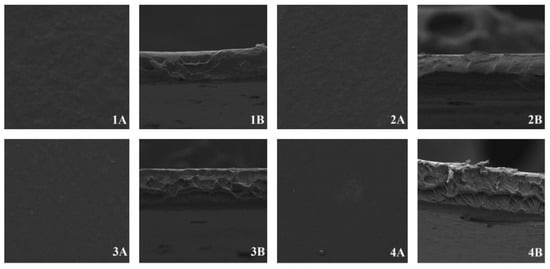
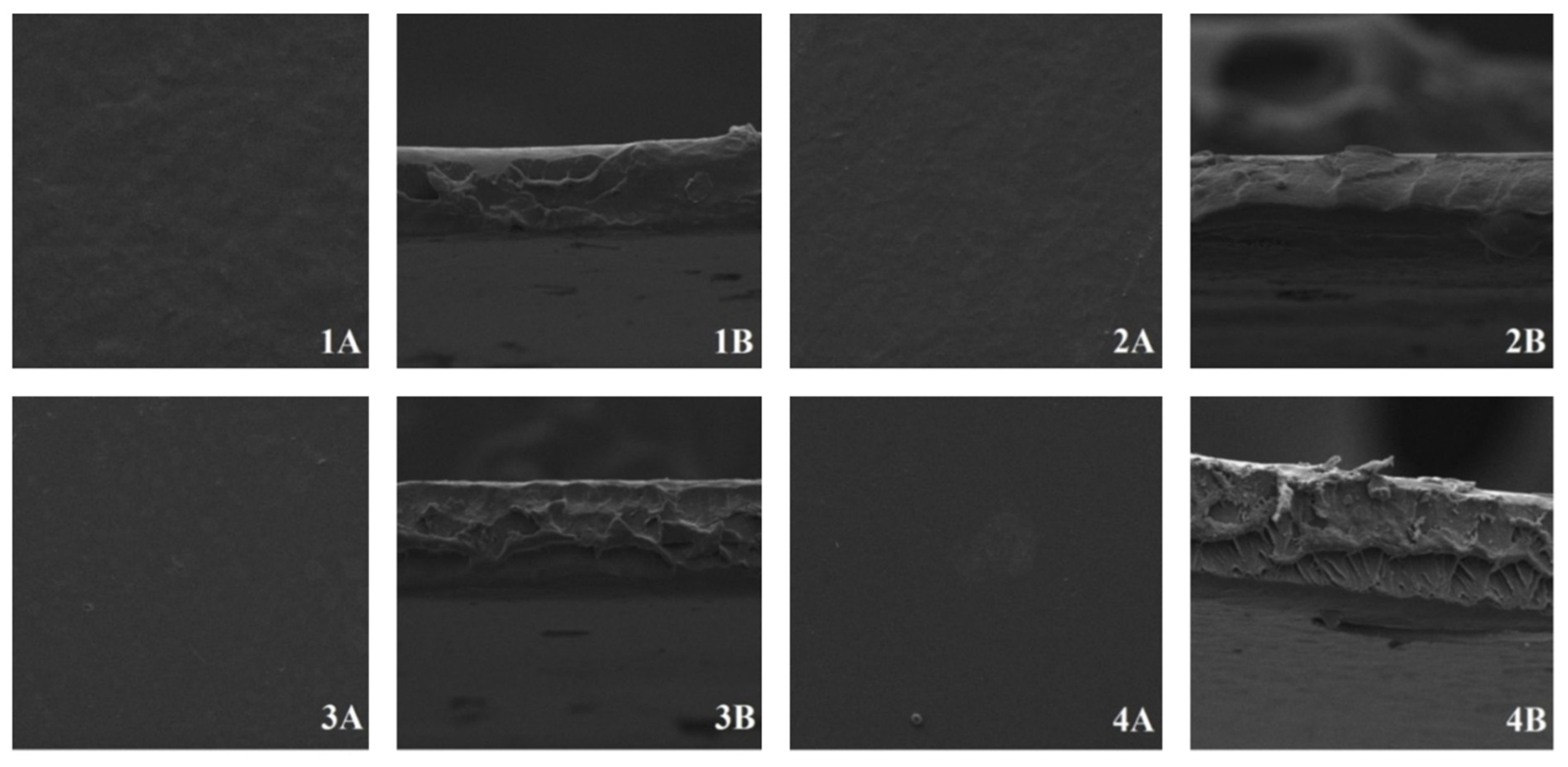
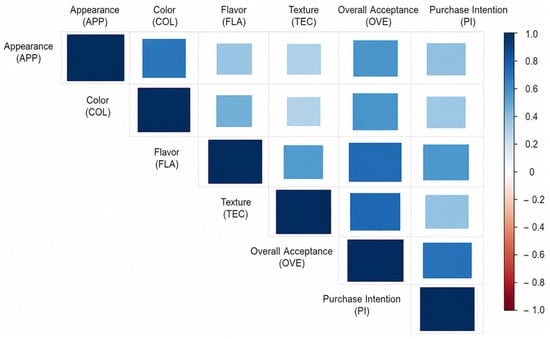
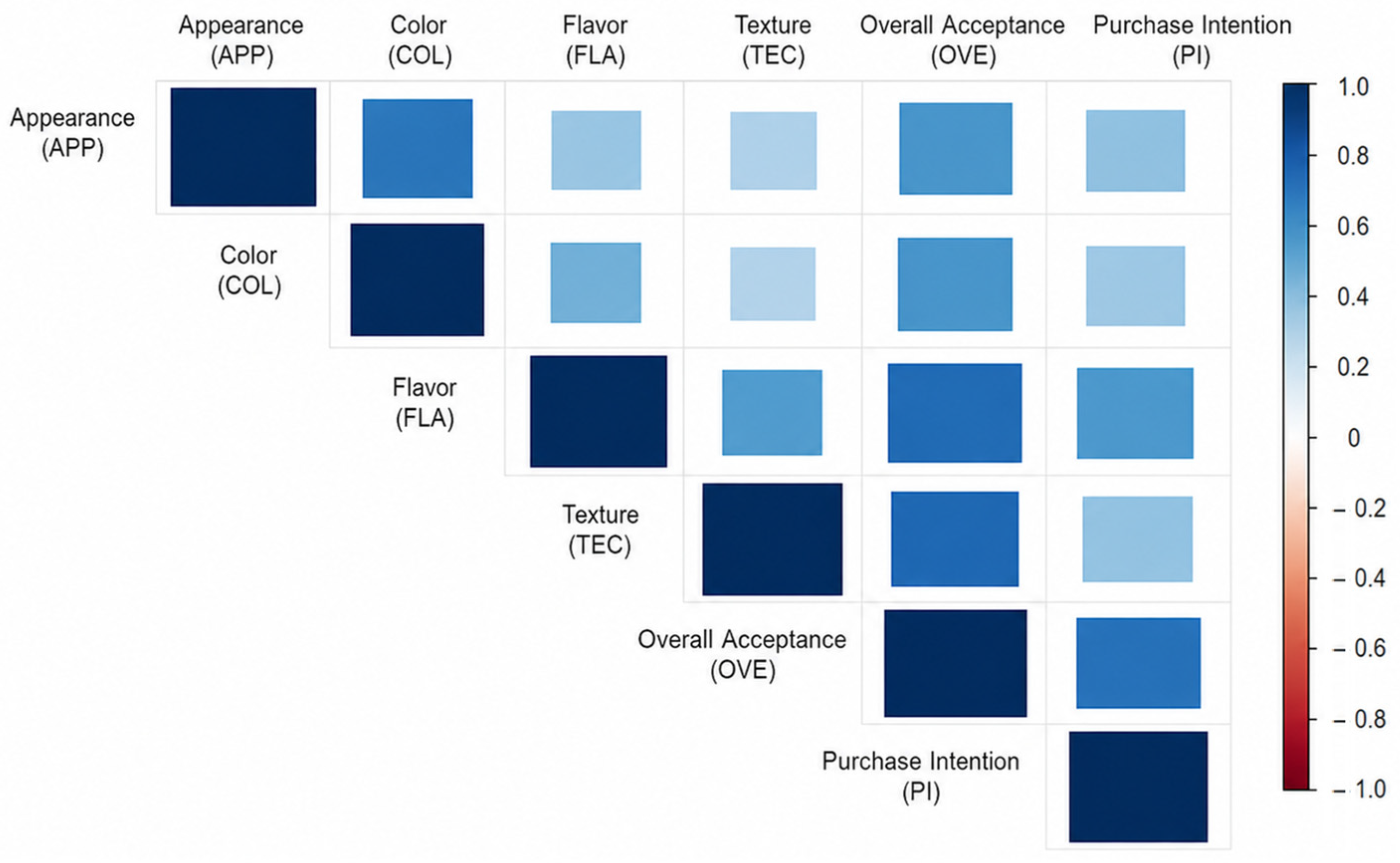
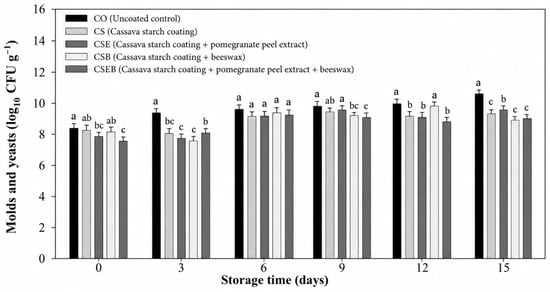
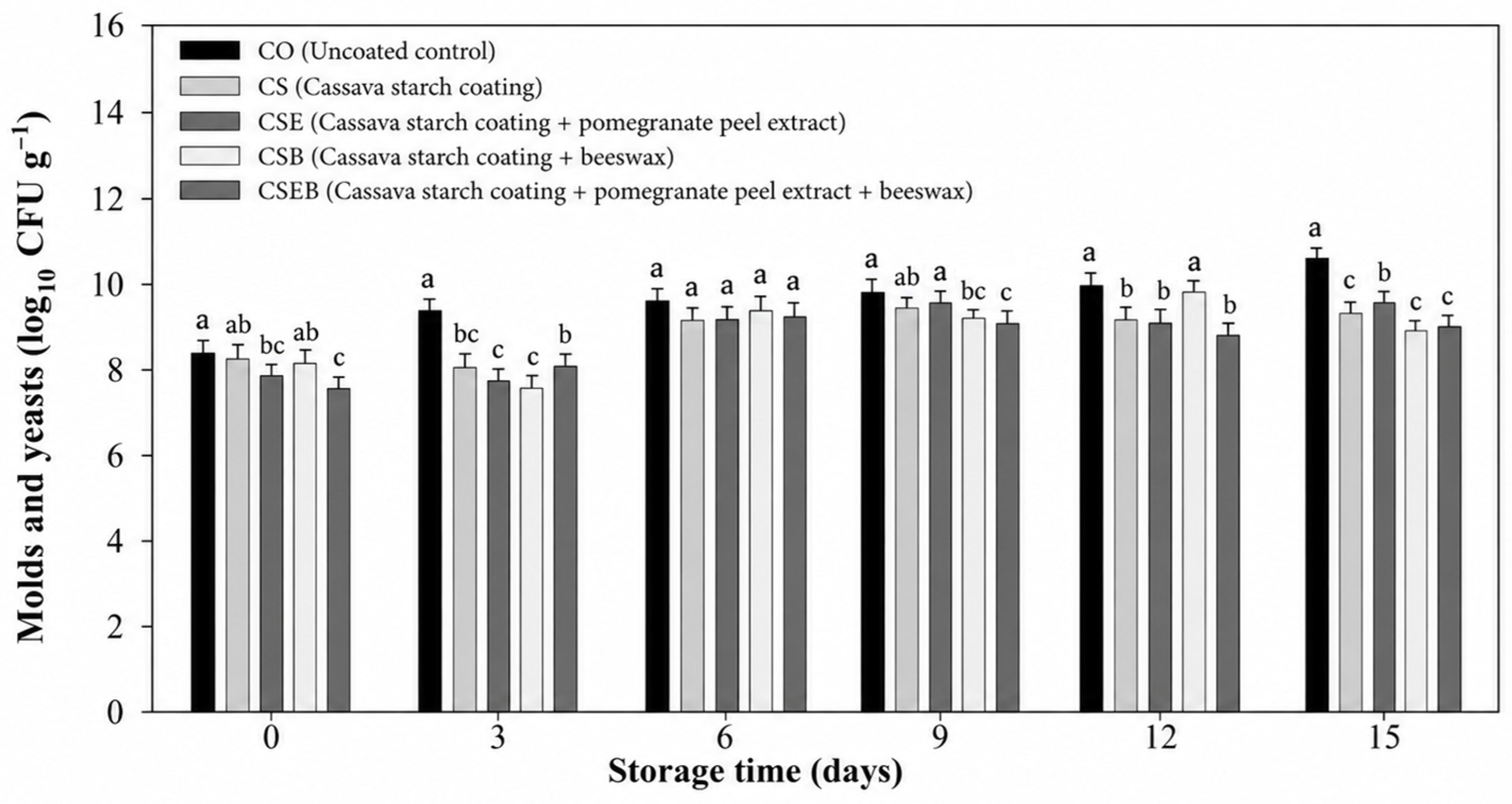
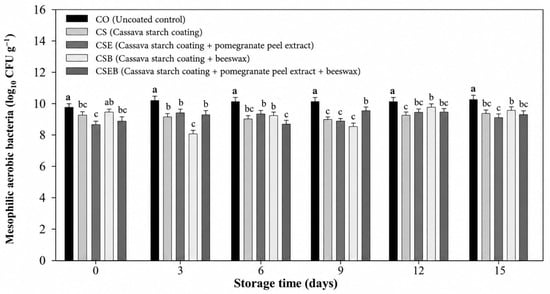
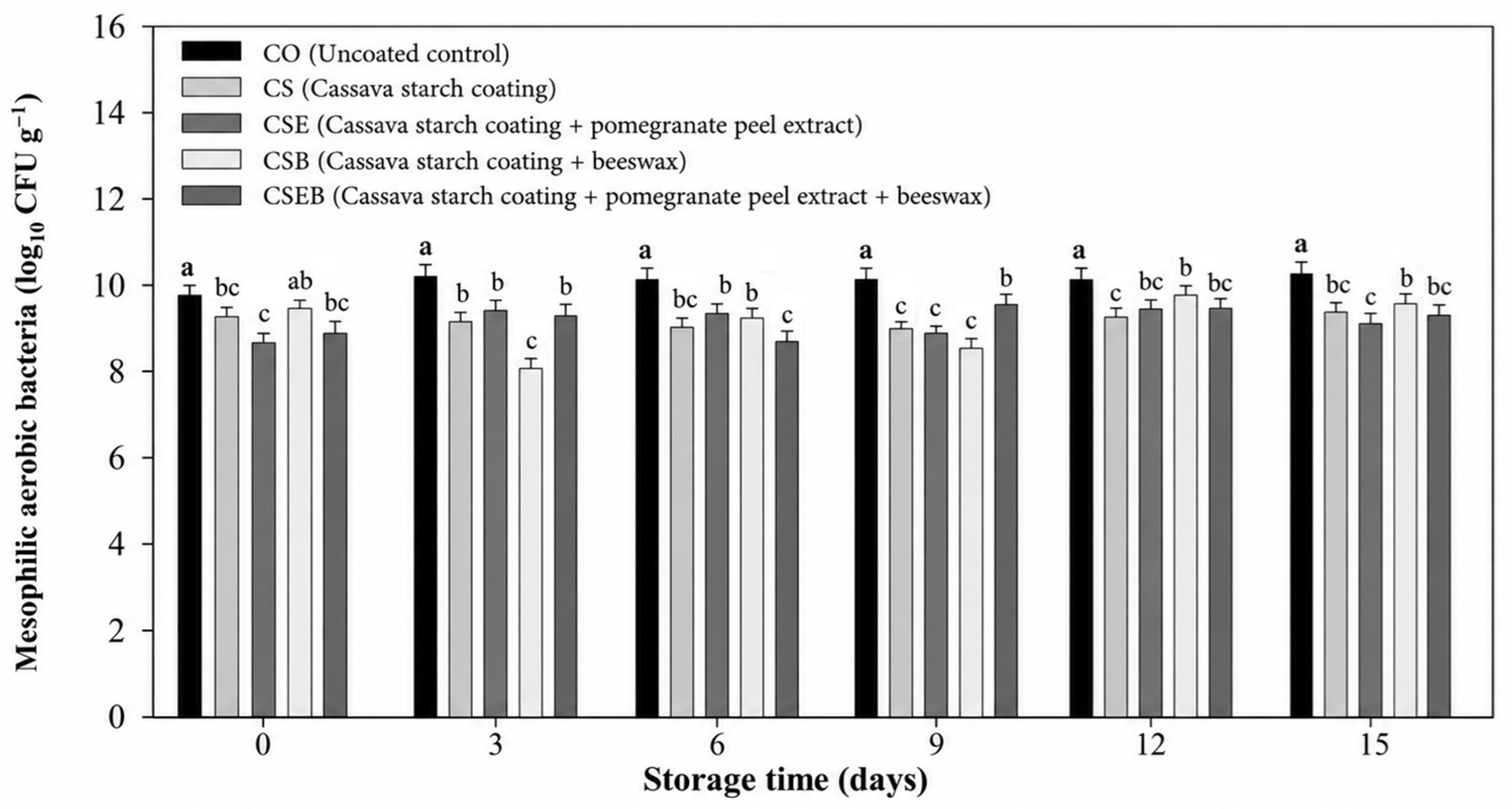
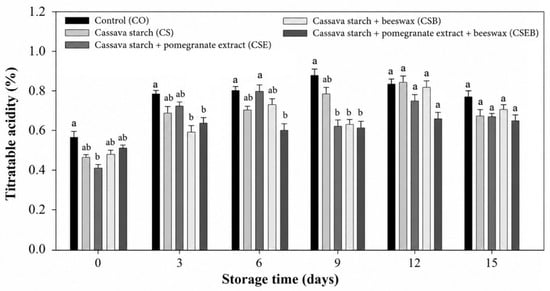
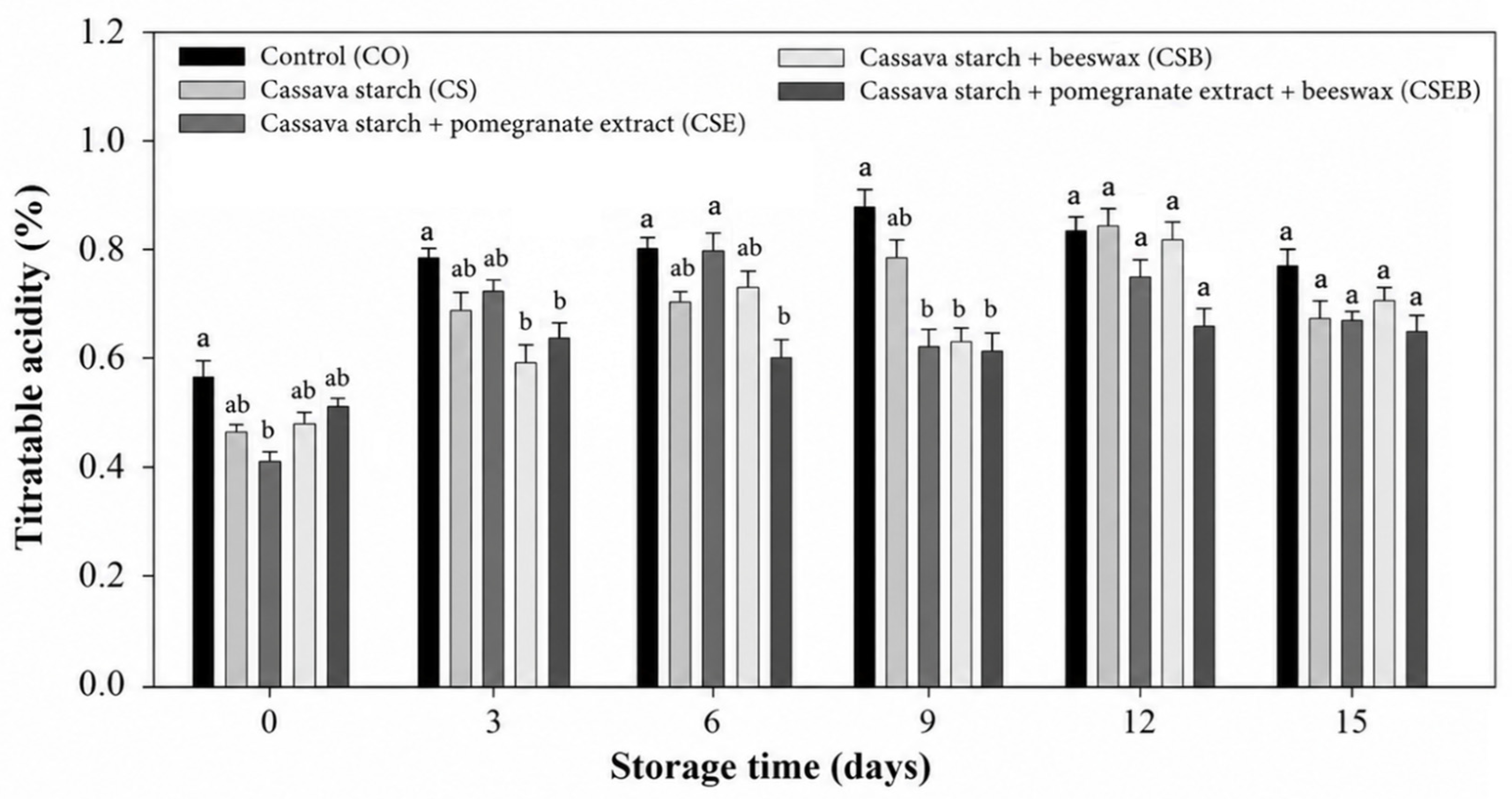
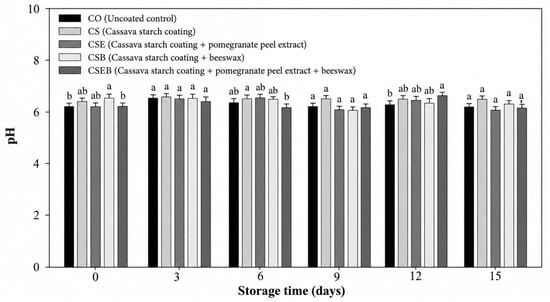
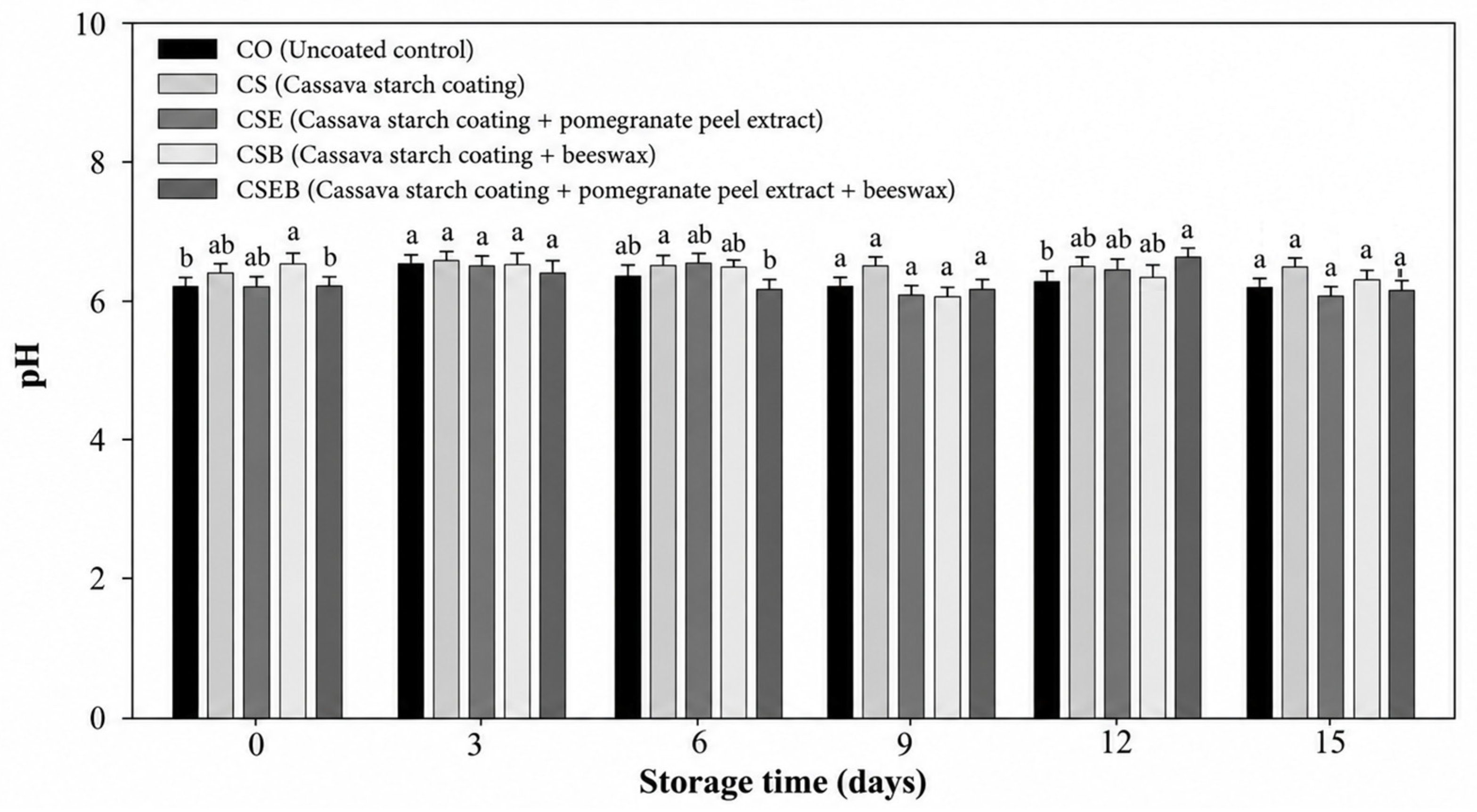
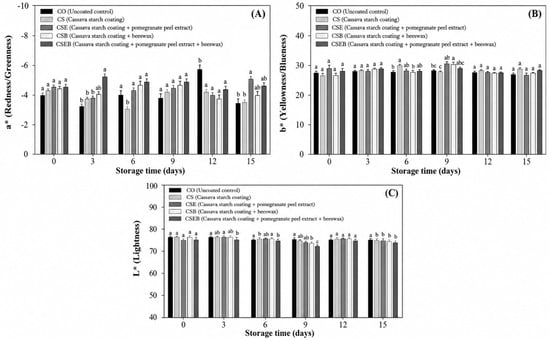
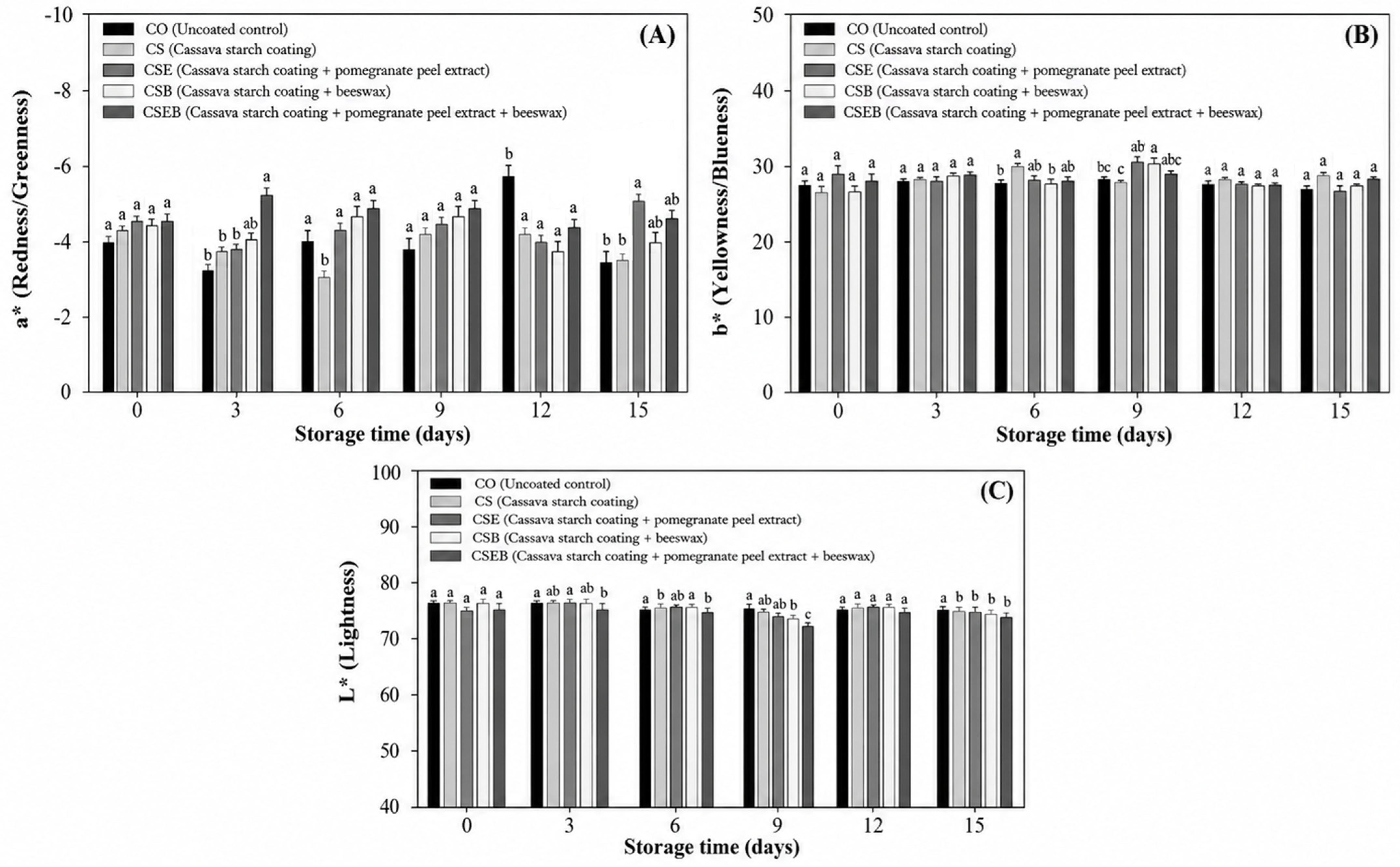

Disclaimer/Publisher’s Note: The statements, opinions and data contained in all publications are solely those of the individual author(s) and contributor(s) and not of MDPI and/or the editor(s). MDPI and/or the editor(s) disclaim responsibility for any injury to people or property resulting from any ideas, methods, instructions or products referred to in the content. |
© 2026 by the authors. Licensee MDPI, Basel, Switzerland. This article is an open access article distributed under the terms and conditions of the Creative Commons Attribution (CC BY) license.