


Abstract
Polyhydroxyalkanoates (PHAs) are bio-based and biodegradable polyesters whose wider use is constrained by production costs, downstream recovery challenges and material limitations. This review critically examines deep eutectic solvents (DESs) across four stages of the PHA value chain: feedstock pretreatment, intracellular polymer recovery, material modification, and end-of-life valorization. Available evidence shows that DES-assisted pretreatment can improve delignification and saccharification, although direct integration with PHA fermentation remains limited. Hydrophobic DESs (HDESs), including natural formulations (NADESs), have yielded high-purity PHA, but recovery efficiency, solvent residues, antisolvent requirements and preservation of molecular weight remain challenges. In PHA-based materials, DESs can function as compatibilizers, plasticizers, fiber-treatment media and carriers of functional compounds, with effects depending strongly on DES composition and processing conditions. Direct DES-mediated PHA recycling remains largely unexplored, whereas PHA-derived hydroxyalkanoic acids have been used to prepare new eutectic systems. Most studies have examined individual applications at laboratory scale, and the benefits of integrating DESs across successive PHA processing stages remain to be demonstrated. Future research should prioritize process integration, solvent recovery and reuse, polymer quality and scale-up. Comparative techno-economic and life-cycle assessments are also needed to establish whether these approaches offer environmental and economic advantages over conventional technologies.
1. Introduction
The widespread use and environmental persistence of conventional plastics have increased interest in more sustainable materials and improved waste-management strategies. Most conventional plastics are derived from fossil resources, and their production contributes to continued demand for petrochemical feedstocks [1]. Global plastic production exceeds 400 million tonnes annually, with substantial quantities used in short-lived applications [2]. Certain plastic constituents also raise environmental and health concerns, including phthalate plasticizers [3] and bisphenol A, a monomer used in the production of polycarbonates and epoxy resins [4]. Limited recycling and the accumulation of plastic waste in landfills and natural environments further highlight the need for alternative materials and more circular production systems [5].
In this context, polyhydroxyalkanoates (PHAs), a broad class of natural polyesters synthesized intracellularly by microorganisms, have emerged as promising biodegradable alternatives to conventional plastics. PHAs can be produced from renewable biomass and organic waste streams, reducing reliance on petrochemical feedstocks. They can undergo microbial biodegradation in soil, marine, and composting environments, although the rate and extent of biodegradation depend on environmental conditions, microbial activity, and polymer characteristics, including composition and crystallinity [6,7,8].
However, translating microbial synthesis into a scalable, industrial material remains limited by high production costs, complex downstream recovery requirements, and material processing challenges [9]. Consequently, the overall sustainability of biopolymers must be evaluated across their complete value chain, encompassing feedstock selection, processing, material formulation, and end-of-life management [10]. The use of low-cost, waste-derived carbon sources, including agro-industrial residues, food-processing waste, and municipal waste streams, can improve the economic viability of PHA production while supporting waste valorization within a circular bioeconomy [11]. Lignocellulosic biomass is particularly attractive because of its abundance, although its recalcitrant structure requires effective pretreatment and hydrolysis before microbial conversion [12,13]. Another important challenge is polymer recovery. Since PHAs accumulate as intracellular granules, their recovery requires separation of the polymer from non-PHA cellular material [14]. Conventional extraction methods rely heavily on chlorinated or other toxic organic solvents, such as chloroform and dichloromethane, raising considerable environmental, economic, and scale-up concerns [15]. Material modification is equally important, as PHAs such as poly(3-hydroxybutyrate) (PHB) exhibit high crystallinity, pronounced brittleness, and a narrow thermal processing window. These limitations can be addressed through plasticization, polymer blending, and the incorporation of functional additives to improve processability and mechanical performance [16]. Finally, end-of-life management should extend beyond natural biodegradation. Chemical depolymerization offers an important pathway for recovering monomers and value-added oligomers that can be redirected into new material production, thereby supporting greater circularity within the PHA value chain [17].
Deep eutectic solvents (DESs) are of interest for PHA processing because their composition can be adjusted to meet different processing requirements. The choice and ratio of their components influence polarity, acidity, viscosity, and interactions with biomass and polymers [18,19]. This flexibility is relevant to the PHA value chain, where feedstock pretreatment requires disruption of the biomass structure, polymer recovery requires selective separation from cellular material, and material modification requires control of polymer interactions and chain mobility. Their generally low volatility and the possibility of using naturally derived components provide further reasons to investigate DESs as alternatives to conventional processing solvents [18,19]. Published studies illustrate their relevance to these tasks. DES pretreatment of olive pomace and cassava powder improved access to fermentable carbohydrates [20,21]. Hydrophobic deep eutectic solvents (HDESs) have also enabled intracellular PHA recovery, although recovery yield, purity, and preservation of polymer quality varied with solvent composition and extraction conditions [19,22,23]. In material processing, a DES used as an interfacial agent improved compatibility between poly(butylene succinate-co-adipate) (PBSA) and PHB, enhancing the mechanical and barrier properties of the blend [24]. DESs have also been investigated for waste valorization [25] and chemical depolymerization of other polyesters, such as poly(lactic acid) (PLA) [26]. However, direct DES-mediated PHA depolymerization has not been experimentally demonstrated in the studies reviewed. Separately, PHA-derived hydroxyalkanoic acids have been used to prepare new eutectic solvents, establishing a possible connection between polymer valorization and solvent production [27,28]. These findings justify examining DESs across the PHA value chain, but their environmental advantages cannot be assumed. Component production, toxicity, energy requirements, auxiliary solvent use, and solvent recovery and reuse must be considered when evaluating each formulation and process [29,30].
In the studies discussed above, these applications have largely been investigated separately. Their compatibility across successive processing stages remains uncertain, particularly regarding solvent requirements, polymer-quality criteria, and solvent recovery procedures. To bridge this gap, this review examines the available evidence on DES applications across four stages of the PHA value chain: feedstock pretreatment, intracellular polymer recovery, material modification, and end-of-life valorization. The reported applications are compared in terms of their performance, limitations, and practical applicability, with particular attention to distinguishing experimentally demonstrated approaches from those that remain conceptual. The review also considers potential connections between individual processing stages and identifies challenges associated with solvent compatibility, recovery and reuse, polymer quality, and process integration. Based on these findings, future research priorities are discussed to support the development of more integrated and circular PHA processing.
Figure 1 summarizes the roles of DESs across the PHA value chain, although the strength of experimental evidence differs among stages. DES-assisted feedstock preparation has been connected to microbial PHA production in specific studies [20,21], while intracellular recovery and material modification have been demonstrated using selected solvent formulations and PHA systems [22,23,25,26,31,32,33,34]. These results establish feasibility under the conditions examined rather than general applicability or industrial readiness. In contrast, the proposed role of DESs in PHA depolymerization draws mainly on evidence from other polyesters [27,35]. Preparation of eutectic solvents from PHA-derived hydroxyalkanoic acids provides a separate proof of concept [28,29], but does not establish a complete recycling process. Accordingly, the connections in Figure 1 identify opportunities for integration that still require experimental validation.
Figure 1.
Roles of DESs in the PHA value chain and the current state of evidence. The first three boxes refer to DES-assisted feedstock pretreatment, intracellular PHA recovery and material modification. Direct DES-mediated PHA depolymerization remains largely unexplored. The “proof of concept” label in the fifth box refers specifically to the preparation of new DESs from PHA-derived hydroxyalkanoic acids. Arrows indicate connections within the value chain rather than an experimentally validated integrated process.
2. PHA Structure, Classification and Production
PHA research dates back to early observations of intracellular granules in the nineteenth century and Lemoigne’s subsequent isolation and characterization of PHB [36,37,38,39,40]. Later studies identified diverse PHA-producing microorganisms and established relationships between monomer composition, polymer structure and material properties [41,42]. By the early 1980s, the potential of PHB as a thermoplastic had attracted industrial interest [43]. Advances in metabolic engineering and mixed-culture processes subsequently expanded the approaches available for PHA production [41,44,45]. Research has also increasingly explored municipal and industrial waste streams as carbon sources, linking PHA production with waste valorization and efforts to reduce production costs [46].
PHAs are synthesized predominantly by bacteria and often accumulate as intracellular granules when carbon is available in excess but other essential nutrients, such as nitrogen or phosphorus, are limited [47]. In some strains and under suitable cultivation conditions, PHA accumulation can reach approximately 90% of cell dry weight. This intracellular polymerization acts as an evolutionary advantage, safeguarding valuable nutrients against external leakage while maintaining a stable cellular osmotic balance. One screening study of bacteria from hypersaline lakes identified 31 PHA-producing isolates belonging to several genera. Among these, Bacillus species stand out as particularly dominant due to their specialized expression of class IV PHA synthase, a vital enzyme driving the biopolymer’s assembly. However, other microbial groups show exceptional synthesis capabilities; for instance, Exiguobacterium acetylicum BNL 103 successfully produces poly(3-hydroxybutyrate), while various species of Alcaligenes, Burkholderia, Ralstonia, Pseudomonas, Paracoccus, and Rhodobacter produce diverse polymer configurations. Additionally, the genus Halomonas has gained attention for its robust yield efficiency, demonstrated by Halomonas alkalicola producing 5.9 g of PHA from 100 g of bamboo biomass [48].
PHAs have attracted interest in biomedical applications because of their reported biocompatibility, although suitability depends on polymer composition, purity and formulation [49]. They can also undergo microbial biodegradation under suitable environmental conditions [7,8]. In soil and aquatic environments, PHA-degrading microorganisms may colonize the polymer surface. These microorganisms secrete extracellular PHA depolymerases, including poly(3-hydroxybutyrate) depolymerases and poly(3-hydroxyoctanoate) depolymerases, which hydrolyze ester bonds in the polymer chains, releasing oligomers and monomers, such as 3-hydroxybutyrate and 3-hydroxyoctanoate, that can subsequently be metabolized. The exact rate and efficiency of this biodegradation cycle are highly dynamic, governed by a combination of environmental factors, such as microbial density, temperature, ambient pH, and the physical properties of the bioplastic itself, including its total surface area, molecular weight, and baseline crystallinity [7,8].
Structurally, polyhydroxyalkanoates are linear, unbranched aliphatic polyesters composed of hydroxyalkanoic acid monomer units linked via ester bonds between the carboxyl group of one monomer and the hydroxyl group of the adjacent monomer. The macroscopic and functional properties of polyhydroxyalkanoates are intrinsically governed by their chemical structure, monomeric composition, and degree of crystallinity [49]. Based on the carbon chain length of their constituent monomer units, PHAs are broadly categorized into three major classes: short-chain-length PHAs (scl-PHAs), medium-chain-length PHAs (mcl-PHAs), and long-chain-length PHAs (lcl-PHAs) [50] (Table 1). Examples of short-chain-length monomers include 3-hydroxypropionic acid (HO–CH2–CH2–COOH; three carbon atoms), 3-hydroxybutyric acid (CH3–CH(OH)–CH2–COOH; four carbon atoms) and 3-hydroxyvaleric acid (CH3–CH2–CH(OH)–CH2–COOH; five carbon atoms). These carbon counts include the carboxyl carbon. Ester-linked units form oligomers, illustrated by the 3-hydroxybutyrate dimer HO–CH(CH3)–CH2–C(=O)–O–CH(CH3)–CH2–COOH. The corresponding polymer, P(3HB), has the repeating structure [–O–CH(CH3)–CH2–C(=O)–]n, where n denotes the number of repeating units. These condensed formulas omit stereochemistry for simplicity [42]. Scl-PHAs consist of 3 to 5 carbon atoms per monomer, most prominently poly(3-hydroxybutyrate) [P(3HB)] and poly(3-hydroxyvalerate), and are characteristically stiff, brittle thermoplastics with high crystallinity and melting temperatures above 170 °C [51], while their glass transition temperature Tg typically ranges from −50 to +15 °C. Scl-PHAs, particularly homopolymeric P(3HB), possess a high degree of crystallinity (typically 55–80%), which translates to high stiffness, tensile strength (approx. 30–40 MPa), and Young’s modulus, but extremely poor flexibility, low elongation at break (<5%), and significant brittleness due to secondary crystallization upon storage [52]. Furthermore, P(3HB) exhibits a narrow thermal processing window because its melting temperature (Tm ≈ 175–180 °C) lies extremely close to its thermal degradation temperature (Td ≈ 200 °C). To overcome these mechanical and thermal constraints, incorporation of 3-hydroxyvalerate (3HV) or 3-hydroxyhexanoate (3HHx) units into the polymer backbone disrupts the rigid crystal lattice, yielding copolymers such as P(3HB-co-3HV) and P(3HB-co-3HHx) with lower melting points, reduced glass transition temperatures (Tg), enhanced ductility, and superior impact resistance [53]. Conversely, mcl-PHAs contain 6 to 14 carbon atoms per monomer, such as poly(3-hydroxyhexanoate) and poly(3-hydroxyoctanoate), and exhibit significantly lower crystallinity, lower melting (40–60 °C) and glass transition temperatures (−50 to −25 °C), as well as low tensile strength, functioning primarily as flexible elastomers or sticky, amorphous materials [54,55]. Lcl-PHAs comprise monomers with more than 14 carbon atoms and are less frequently synthesized naturally. PHAs may also contain both scl and mcl monomer units within the same polymer chain, as in P(3HB-co-3HHx). These scl/mcl copolymers should be distinguished from physical blends of separate PHA polymers. Representatives of scl monomers include 3-hydroxybutyrate (3HB) and 3-hydroxyvalerate (3HV), whereas 3-hydroxyhexanoate (3HHx) and 3-hydroxydodecanoate serve as typical mcl monomeric units [42]. Furthermore, PHAs can be produced as homopolymers, random copolymers, such as poly(3-hydroxybutyrate-co-3-hydroxyvalerate) [P(3HB-co-3HV)] and poly(3-hydroxybutyrate-co-3-hydroxyhexanoate) [P(3HB-co-3HHx)], or terpolymers, allowing their thermal, mechanical, and degradation properties to be precisely tailored by controlling monomeric ratios during biosynthesis [51]. Beyond their mechanical and thermal diversity, PHAs exhibit excellent water vapor barrier properties comparable to conventional petroleum-based polymers like polyethylene terephthalate (PET) and polypropylene (PP), alongside moderate oxygen barrier capacities, making them exceptional bio-based candidates for sustainable packaging and biomedical devices [56].
Table 1.
Categorization, properties and typical applications of the PHA biopolymers.
3. DES Fundamentals Relevant to PHA Systems
Concerns over halogenated solvents used for PHA extraction, such as chloroform, have encouraged research into alternative recovery methods [65]. Growing interest in bioplastics and green chemistry [66] includes the investigation of DESs and natural DESs (NADESs) for polymer recovery from microbial biomass [67]. Abbott et al. [68] established the modern DES concept by showing that choline chloride (ChCl) and urea at a 1:2 molar ratio form a liquid with a freezing point of approximately 12 °C, well below the melting points of either component. DESs commonly combine hydrogen-bond acceptors (HBAs) and hydrogen-bond donors (HBDs). Their component identities and ratios influence polarity, viscosity, and acidity, allowing formulations to be adjusted for different applications [18,68].
DESs were originally classified into four main types according to the chemical nature of their components. Type I systems combine a quaternary ammonium salt with a metal chloride, Type II systems contain a quaternary ammonium salt and a hydrated metal chloride, Type III systems consist of a quaternary ammonium salt and a hydrogen-bond donor, and Type IV systems combine a metal chloride with a hydrogen-bond donor [19]. More recently, Type V DESs were introduced to describe systems composed entirely of non-ionic molecular components, in which strong interactions between the constituents produce pronounced negative deviations from ideal behavior [69]. In parallel with this compositional classification, the term NADES is used for eutectic systems formed from naturally occurring compounds, including sugars, amino acids, organic acids, and choline derivatives [70]. DESs can also be described as hydrophilic or hydrophobic according to their interactions with water. Hydrophobic DESs (HDESs), first reported as water-immiscible systems by van Osch et al. [71], extended the use of DESs to processes requiring separation from aqueous phases. Thus, NADES and HDES should be regarded as additional descriptors of DES composition or physicochemical behavior rather than separate categories within the Type I–V classification. A formulation may therefore be both a NADES and an HDES.
Although hydrogen bonding plays an important role in DES formation, the interactions responsible for their physicochemical behavior are more complex. The properties of ChCl-based DESs depend strongly on the HBD and the intermolecular network it forms [72]. Comparison of systems containing urea, ethylene glycol, and glycerol showed that differences in hydrogen bonding, HBD self-association, and disruption of cation–anion interactions affected both melting-point depression and viscosity. Therefore, DES formation cannot be explained solely by simple charge delocalization, but rather involves a complex balance of interactions among the constituent species [72]. More recent thermodynamic studies showed that melting-point depression beyond that predicted for ideal mixtures is associated with negative deviations from ideal mixing behavior, reflecting a balance between excess enthalpic and entropic contributions to the Gibbs energy [73]. Depending on the components, this behavior may be either enthalpy- or entropy-dominated, meaning that the presence of strong hydrogen bonding does not necessarily imply that DES formation is primarily enthalpy-driven [73].
Among the physicochemical properties relevant to DES-based processes, viscosity and water content are particularly important because they directly influence molecular mobility, solvent penetration, and mass transfer [59]. Many DESs exhibit relatively high viscosity because of their extensive intermolecular interaction networks [72]. Controlled addition of water can substantially reduce viscosity, but water simultaneously modifies the organization of the eutectic system. It was demonstrated that increasing water content progressively weakens the hydrogen-bond network of NADES and changes properties including viscosity, polarity, conductivity, and density. At sufficiently high dilution, the characteristic supramolecular organization can be disrupted, and the system increasingly behaves as an aqueous solution of its individual components. Water content should therefore be considered an integral part of DES formulation rather than simply as a viscosity-reducing additive [74]. Temperature provides another means of controlling fluidity, as increasing temperature can considerably reduce DES viscosity and facilitate mass transfer [75].
However, DES performance cannot be predicted from viscosity or any other single physicochemical property. It was shown that low-viscosity terpene-based NADES did not provide the highest extraction efficiency because their lower polarity limited interactions with polar compounds, whereas highly viscous betaine-based systems were also less effective because of restricted diffusion. Better performance was obtained when polarity and viscosity were appropriately balanced [76]. Similarly, stabilization within DES media was not directly related to viscosity, indicating that the chemical nature of the components and their specific interactions with dissolved molecules can be more important than bulk solvent properties alone [77]. These findings emphasize that DES selection should consider both molecular affinity and mass-transfer characteristics according to the intended application.
This principle is particularly important when DESs interact with polymers and other macromolecular structures. DESs have been investigated as media for the dissolution, extraction, and processing of biopolymers, including cellulose, chitin, and xylan, demonstrating their ability to interact with polymeric structures and alter their solubility or facilitate their separation from complex matrices [78]. In DES–polymer systems, the behavior of the polymer depends not only on the properties of the isolated DES but also on the interactions established within the combined system. Hydrogen bonding and electrostatic interactions, together with changes in the organization of the DES intermolecular network, can influence polymer solvation, chain conformation and mobility. The identities and proportions of the DES components can modify the strength and density of the hydrogen-bond network and consequently the organization of polymer chains [79]. DESs may also act as functional additives or plasticizers, depending on their composition and compatibility with the polymer, thereby modifying chain mobility and processing behavior [11,79].
These interactions are directly relevant to PHA-containing materials. It was demonstrated that the addition of 2 wt% ChCl:glycerol (1:2) to a PBSA/PHB blend reduced the size of dispersed PHB domains and produced a more homogeneous morphology [26]. FTIR spectral changes were interpreted as evidence of hydrogen-bonding and ion–dipole interactions between the DES and functional groups of the two polyesters, while changes in glass-transition, melting, and crystallization temperatures indicated modification of polymer organization and interfacial interactions. Together, these findings support the role of DES–polymer interactions in modifying phase compatibility, chain organization and crystallization behavior in this blend [26]. Such composition-dependent interactions help explain how DESs can have different functions across the PHA value chain, including feedstock pretreatment, intracellular polymer recovery, and material modification.
DESs are widely regarded as potentially greener alternatives to conventional organic solvents because of properties such as low volatility, simple preparation, and the possibility of using naturally derived components. However, toxicity, biodegradability, and environmental impact depend on DES composition and application and should be assessed for each formulation [30,78]. Biodegradability is particularly relevant when selecting solvents or additives for biodegradable PHA materials. Haraźna et al. [28], for example, investigated DESs prepared from PHA-derived hydroxyalkanoic acids and demonstrated biodegradation of a ChCl-based formulation, which also showed no detectable cytotoxicity toward the tested fibroblasts at the concentrations examined. These findings support the potential for developing biodegradable solvents from PHA-derived compounds, but they cannot be generalized to other DES formulations. Furthermore, the biodegradability of the DES and PHA separately does not establish the biodegradation behavior of the combined material. DES-containing PHA formulations should therefore be evaluated for biodegradation, release of DES components, and ecotoxicity under relevant end-of-life conditions. A life-cycle assessment (LCA) comparing solvents for the oxidation of 1-phenylethanol to acetophenone generally found lower environmental impacts for reline (ChCl:urea) than for dichloromethane and ethyl acetate, but higher impacts than for methanol and ethanol [30]. Therefore, the sustainability of DES-based PHA processes should be evaluated by considering component production, toxicity, biodegradability, energy requirements, solvent recovery and reuse, together with the overall process design [18,30].
Figure 2 connects DES composition and physicochemical properties with their possible functions in PHA processing. The studies discussed below illustrate why these relationships must be evaluated for each application. In feedstock pretreatment, differences in DES chemistry affected lignin removal, carbohydrate retention, and subsequent sugar recovery [79]. During intracellular PHA recovery, extraction performance depended on viscosity and relative polarity as well as polymer–solvent affinity, showing that solubility predictions alone were insufficient [23]. In PBSA/PHB blends, changes in morphology and thermal behavior supported interactions between the DES and the polymer phases [26]. These findings support particular relationships illustrated in Figure 2, but do not establish that every DES will produce the same effects. Likewise, low volatility or naturally derived components alone cannot establish environmental superiority, which requires formulation-specific toxicity and biodegradability data together with process-level assessment [30,78].
Figure 2.
Schematic overview of the fundamental features of DESs relevant to PHA systems.
4. DES-Assisted Pretreatment of Feedstocks for PHA Production
Agricultural and forestry residues contain cellulose and hemicellulose that can be hydrolyzed into fermentable C5 and C6 sugars. These residues offer potentially inexpensive carbon sources for PHA production and may reduce the use of refined sugars [13,20,80]. However, the recalcitrant organization of lignocellulosic biomass, in which cellulose and hemicellulose are embedded within a lignin-rich matrix, restricts enzymatic accessibility and necessitates an effective pretreatment step before microbial conversion. Pretreatment affects carbohydrate recovery, enzymatic hydrolysis, and the suitability of the resulting hydrolysate for fermentation. This is particularly important for PHA production, since harsh pretreatment conditions can generate sugar-degradation products, such as furfural and 5-hydroxymethylfurfural (5-HMF), and release lignin-derived phenolic compounds, such as vanillin. These compounds can inhibit microbial growth and reduce PHA production, depending on their concentrations and the tolerance of the producing microorganism. Pretreatment and hydrolysis also represent substantial contributors to the overall process cost [13,81].
DESs have been investigated as alternatives to conventional acid, alkaline, organosolv and ionic-liquid pretreatments. Their effectiveness is largely associated with disruption of hydrogen-bonding networks and lignin–carbohydrate interactions, together with preferential solubilization of lignin and, depending on DES composition, partial removal of hemicellulose. These changes can improve cellulose accessibility and increase sugar release during enzymatic hydrolysis [81,82]. Acidic and basic DES systems have shown markedly different fractionation behavior, highlighting the possibility of tailoring solvent chemistry according to biomass composition and the desired carbohydrate fraction. Process intensification strategies, including microwave- and ultrasound-assisted DES pretreatment, have additionally been investigated to accelerate biomass deconstruction and improve mass transfer [83]. However, the applicability of DES pretreatment to PHA production cannot be evaluated solely on the basis of delignification or saccharification efficiency. Residual DES components, degradation products, inhibitor formation, solvent recovery and reuse, water and energy requirements, microbial compatibility, and process scalability must also be considered when assessing integration into PHA biorefineries [13,83].
Table 2 summarizes studies in which DES-assisted feedstock preparation was followed by microbial PHA production.
Table 2.
Studies directly linking DES-assisted feedstock preparation with microbial PHA production.
The effects of acidic DESs on lignin structure were examined by treating alkali lignin isolated from poplar with ChCl:lactic acid (1:2) and ChCl:oxalic acid (1:1) at 80–120 °C [87]. Both DESs promoted cleavage of lignin ether bonds, particularly β-O-4′ linkages, with depolymerization predominating over condensation. Higher treatment temperatures reduced lignin molecular weight and increased the content of phenolic hydroxyl groups. ChCl:oxalic acid caused more extensive degradation than ChCl:lactic acid, which the authors attributed to its greater acidity and hydrogen-bonding capacity. Although saccharification and PHA production were not investigated, the results help explain how acidic DESs break down lignin [87].
DES pretreatment was directly linked to PHBV production in a study using olive pomace [20]. After microwave-assisted dephenolization, the biomass was treated with acidic, alkaline, and neutral DESs, which differed in their removal of lignin and retention of carbohydrates. ChCl:lactic acid (1:4) removed 68.1% of lignin but retained only 12.8% of hemicellulose. By comparison, K2CO3:ethylene glycol (1:7), applied at 130 °C for 1 h and a solid-to-liquid ratio of 1:10, removed 75.5% of lignin while retaining 63.5% of cellulose and largely preserving hemicellulose. These differences affected subsequent saccharification: the acidic DES mainly favored glucose recovery, whereas the alkaline system produced a hydrolysate containing both glucose and xylose. At 5% solids loading, biomass pretreated with K2CO3:ethylene glycol reached 83.0% cellulose hydrolysis and complete hemicellulose conversion. The resulting hydrolysate supported PHBV production by Haloferax mediterranei, with a cell dry weight of 7.89 ± 0.54 g L−1 and a PHBV content of 20.62 ± 1.05% of dry cell mass. The corresponding PHBV content in the glucose-based reference medium was 24.82 ± 3.16%. The polymer contained approximately 12 mol% hydroxyvalerate [20]. These results show why lignin removal alone is insufficient for selecting a pretreatment. Retaining both cellulose and hemicellulose is important because their subsequent hydrolysis provides fermentable sugars, principally glucose from cellulose and sugars such as xylose from hemicellulose, that can serve as carbon sources for PHA production. However, the benefit depends on the accessibility of these carbohydrates to hydrolysis and the ability of the producing microorganism to utilize the released sugars [13,20,81].
A different approach was reported for rapeseed meal, where DES treatment was used to extract phenolic compounds before fermentation of the residual biomass [85]. An aqueous ChCl:glycerol formulation (1:1 molar ratio; DES:water 7:3, v/v) was applied at 60 °C for 2 h and a solid-to-liquid ratio of 1:10. Sinapic acid extraction reached 91.5% when the process was scaled up to 250 g of meal in 2.5 L of solvent. The washed residue subsequently underwent alkaline protein extraction and sulfuric acid hydrolysis before cultivation of Pseudomonas putida KT2440. The DES-treated material supported a maximum cell dry weight of 4.89 g L−1 and production of mcl-PHA containing C8 and C10 monomer units. However, maximum polymer accumulation was only 0.35% of cell dry weight, compared with 3.08% in the synthetic-medium control. The authors attributed the limited accumulation primarily to excess residual nitrogen. This study therefore demonstrates a connection between DES-assisted recovery of valuable feedstock components and subsequent PHA biosynthesis, while showing that effective nutrient management is essential for directing microbial growth toward polymer accumulation. Repeated washing, drying, and subsequent chemical treatments also increased the processing requirements, and DES reuse was not evaluated [85].
More recently, cardoon roots were processed through sequential lipid and phenolic extraction, DES pretreatment and enzymatic hydrolysis before PHBHHx production by engineered Escherichia coli [86]. The selected ChCl:lactic acid formulation (1:4 molar ratio; DES:water 80:20, w/w), applied at 140 °C for 3 h, removed approximately 70% of lignin while retaining approximately 95% of cellulose. Enzymatic hydrolysis at 5% solids loading achieved 95 ± 4% cellulose conversion and a glucose concentration of 12.8 ± 0.4 g L−1. The hydrolysate replaced glucose in the fermentation medium at an equivalent concentration of 2 g L−1, with yeast extract and sodium octanoate supplementation. After 48 h, cell dry weight was comparable to that in the glucose control, but the polymer-to-biomass ratio decreased from 0.29 ± 0.02 to 0.104 ± 0.001 g g−1. Glucose consumption was slower in the hydrolysate medium, although approximately 97% was consumed by the end of fermentation. The resulting polymer contained 37.3 mol% hydroxyhexanoate and was subsequently formulated into drug-delivery nanoparticles. These results demonstrate that efficient saccharification and sustained microbial growth do not necessarily translate into high PHA accumulation [86].
The performance of DES pretreatment should also be considered at the process level rather than solely in terms of biomass fractionation. Dilute-acid, alkaline, and DES pretreatment of sugarcane bagasse were compared using laboratory experiments combined with a cradle-to-gate multi-scale life-cycle assessment [21]. A ternary ChCl:lactic acid:ethylene glycol DES selectively removed lignin and hemicellulose while preserving the cellulose-rich fraction and achieved a saccharification efficiency of 97.38% under optimized conditions at 150 °C for 3 h. The DES-based route also showed lower overall environmental impacts and lower estimated process costs than the conventional treatments, largely because solvent recycling reduced chemical consumption. Although DES recovery increased electricity demand, the estimated overall costs of the alkaline and acid systems were approximately 27% and 212% higher, respectively, than those of the DES-based process [21]. However, because the system boundary ended at glucose production and did not include microbial fermentation or PHA recovery, it remains uncertain whether these environmental and economic advantages would be maintained across the complete PHA production chain.
The role of DES pretreatment is different for starch-rich feedstocks, where delignification is not the primary objective. Cassava powder was investigated as a low-cost carbon source for PHB production by Photobacterium sp. TLY01 [88]. Pretreatment with ChCl:glycerol (1:2), particularly in combination with ultrasound, disrupted the compact starch structure and increased its accessibility to amyloglucosidase. The optimized combined treatment increased saccharification from 83.99% for untreated cassava powder to 96.92%. The resulting hydrolysate supported PHB production, reaching 25.96 g L−1 in batch fermentation and 64.71 g L−1 under fed-batch conditions, with a maximum cell dry weight of 74.37 g L−1. The glucose-to-PHB conversion yield was 0.29 g g−1, although the formation of lactate and acetate indicated that carbon utilization could be further improved. The DES was reused for ten pretreatment cycles, but DES recovery declined from 97.4% after the first cycle to 81.7% after the tenth. Glucose concentration after hydrolysis also gradually decreased [88]. Thus, while DES selection in lignocellulosic biomass primarily determines lignin removal and preservation of fermentable carbohydrate fractions, in starch-rich feedstocks its principal role is to modify substrate organization and enhance enzymatic accessibility.
Comparison of these studies shows that DES-assisted feedstock preparation addresses different constraints depending on biomass composition. For olive pomace and cardoon roots, the principal challenge was balancing lignin removal with carbohydrate retention and subsequent enzymatic accessibility [89]. For cassava, the benefit arose mainly from disruption of starch organization [90], whereas the rapeseed process used DES extraction to recover phenolics before further treatment of the residual biomass [85]. Their fermentation outcomes therefore cannot be used to rank the DES formulations directly: feedstock composition, hydrolysis methods, microorganisms, nutrient supplementation and cultivation conditions differed substantially. In particular, the high PHB concentration achieved in fed-batch cassava fermentation cannot be attributed to DES chemistry alone [89]. A meaningful comparison requires reporting carbohydrate recovery, sugar consumption and PHA yield on a common basis, together with the water, chemicals and energy consumed throughout feedstock preparation.
The rapeseed and cardoon studies also demonstrate why microbial growth and polymer accumulation should be evaluated separately. In the rapeseed study, the authors attributed limited PHA accumulation primarily to excess residual nitrogen [90]. Similarly, the cardoon hydrolysate supported biomass production comparable to the glucose control but lower polymer accumulation, without a confirmed inhibitory cause [86]. Selected inhibitors and residual DES were not detected under the analytical conditions used, so this decrease could not be conclusively attributed to inhibition. These findings show that hydrolysate compatibility cannot be assessed from growth alone, and that reduced PHA accumulation should not automatically be interpreted as DES toxicity. Future comparisons should combine measurements of residual DES components and pretreatment-derived inhibitors with nutrient composition, individual sugar-consumption profiles and polymer accumulation. Solvent reuse should likewise be evaluated through both solvent recovery and retained pretreatment performance, as illustrated by declining DES recovery and glucose release during repeated cassava pretreatment cycles [20]. Such measurements would strengthen the connection between pretreatment selection and the requirements of subsequent PHA production.
5. DES-Assisted PHA Recovery
PHA recovery requires separation of the intracellular polymer from other cellular material while preserving its molecular weight and functional properties. Chlorinated solvents such as chloroform can produce highly purified PHA, but their toxicity, volatility, and recovery requirements complicate their use at industrial scale. Alternative extraction media are therefore being investigated to reduce dependence on these solvents and improve solvent recovery and reuse [91,92].
In this context, DESs, and especially HDESs and NADESs, have emerged as potential media for intracellular PHA recovery. Their composition and physicochemical properties can be adjusted through the selection and ratio of hydrogen-bond donors and acceptors, offering opportunities to modulate interactions with cellular components and the target polymer while reducing reliance on volatile organic solvents. Such flexibility is particularly relevant for PHAs with different physicochemical characteristics, including medium-chain-length PHAs, whose lower crystallinity and more elastomeric character distinguish them from short-chain-length polymers, such as PHB. However, DES-based recovery remains at an early stage, with challenges including incomplete polymer recovery, preservation of molecular weight, optimization of solvent composition and operating conditions, DES removal from the recovered polymer, and efficient solvent recycling [10,91,92].
Before the emergence of DES-based approaches, ionic liquids had already been investigated as alternative media for intracellular PHA recovery. For example, 1-ethyl-3-methylimidazolium diethyl phosphate was used to disrupt wet and dried Halomonas hydrothermalis biomass, followed by methanol-induced precipitation of PHB [93]. The process afforded a PHB recovery yield of 60 ± 2% and a purity of 86%, and the ionic liquid could be recovered and reused. However, the molecular weight of the recovered PHB was 163.88 kDa, considerably lower than the 432 kDa obtained following sodium hypochlorite extraction, indicating that effective cell disruption must be balanced against preservation of polymer chain integrity [93]. Although ionic liquids and DESs are distinct solvent classes, this study demonstrated the potential of alternative ionic media for intracellular PHA recovery, an approach that was later extended to DES-based systems.
An early direct application of NADESs for intracellular PHA recovery was reported by Mondal et al. [25], who developed a downstream process based on a hydrophobic NADES composed of thymol and vanillin (8:2, mol/mol). The solvent was applied to lyophilized PHA-rich biomass produced by mixed microbial cultures. Extraction without ultrasound pretreatment using the selected thymol:vanillin NADES (8:2) produced polymer purity values ranging from 10.8% to 70.6%, indicating poor reproducibility. This variation occurred with the same NADES formulation rather than between different solvent compositions. Ultrasound pretreatment was therefore introduced to disrupt the cell walls and facilitate more consistent PHA release [25]. Pretreatment at 50% amplitude was followed by NADES extraction at 37 °C for 48 h and purification with 1-heptanol. The recovered PHBV had a purity of 98.92 ± 2.20%, with a recovery yield of 41.44 ± 0.65%. 1H and 13C NMR analyses confirmed the chemical structure of the recovered PHBV, although the 13C NMR results suggested possible preferential recovery of polymer richer in hydroxyvalerate units, which required further investigation. The authors also considered recovery and reuse of the NADES and 1-heptanol within the downstream process. However, the moderate polymer recovery, together with the need for lyophilization, ultrasound pretreatment, and a prolonged 48 h extraction, represents an important limitation for practical scale-up [25].
Subsequently, a hydrophobic NADES-based process was developed for the extraction of PHB from engineered Pseudomonas putida [22]. To improve extraction efficiency, the bacterial biomass was first disrupted using a hypotonic buffer containing lysozyme. Several L-menthol-based NADESs containing different organic acids were screened, with L-menthol:acetic acid (1:3, mol/mol) showing the highest extraction performance. Optimization of temperature, extraction time, and biomass-to-solvent ratio resulted in a PHB recovery yield of 66.5 ± 3.7 wt% at 110 °C, a biomass-to-solvent ratio of 1:20, and an extraction time of 20 min. Methanol was used as an antisolvent for polymer precipitation, and the recovered PHB reached a purity of 84.6 ± 1.3 wt%. FTIR and 1H NMR confirmed recovery of the PHB homopolymer, although residual impurities remained in the NADES-derived product. While the substantially shorter extraction time represented an advantage over the earlier NADES process, the requirement for enzymatic cell disruption and the relatively high extraction temperature remain important limitations [94].
More recently, a NADES-based process was developed to recover PHBV from mixed microbial culture biomass [23]. Among the hydrophobic systems tested, thymol:decanoic acid (1:1, mol/mol) gave the highest extraction performance. After optimizing the extraction time, temperature, and biomass loading, the process achieved approximately 85 wt% recovery and 92 wt% purity at 40 °C over 3 h. Methanol was used to precipitate the polymer at a NADES:methanol ratio of 1:3 (v/v). The results also showed that Hansen solubility parameters alone did not explain extraction performance; viscosity and relative polarity also influenced it. Both the NADES and methanol were recovered for reuse. However, residual NADES remained in the PHBV, and its molecular weight was lower than that of the chloroform-extracted polymer. Thus, the process combined relatively high recovery with solvent recycling, but solvent removal and preservation of polymer quality remain concerns [95].
De Leon et al. [95] investigated thymol:decanoic acid (1:1 mol/mol) for PHB extraction from freeze-dried Cupriavidus necator KCTC 2649 biomass. At 1% (w/v) biomass loading and 1 h incubation at 40 °C, applying ultrasound at 45 kHz and 100% instrument power during the first 30 min increased recovery to 68.42 ± 3.18%. The authors reported a corresponding purity of 93.62% for biomass initially containing 77.89% PHB. Polymer precipitation used three volumes of chilled methanol per volume of NADES. In a separate purification experiment, increasing washing from two methanol washes to three methanol washes followed by one water wash increased purity from 60.80 ± 2.72% to 93.43 ± 1.85%, although some polymer loss during water washing was noted. FTIR and thermal analyses supported similarities to commercial PHB, but molecular-weight preservation was not assessed. A subsequent response-surface experiment used biomass with a lower initial PHB content of 58.11% and suggested an optimum region near 3% (w/v) biomass loading and 5 h incubation. The different starting biomass compositions limit direct comparison between the two experimental stages. Methanol and NADES were separated by rotary evaporation, but the recovered NADES initially failed to extract PHB when reused directly. The authors reported restoring extraction capability by reconditioning the solvent under its synthesis conditions and allowing it to stand overnight. Repeated-cycle extraction performance remains to be established [95].
The main experimental conditions and outcomes of DES/NADES-assisted PHA recovery studies are summarized in Table 3.
Table 3.
Studies on DES/NADES-assisted intracellular PHA recovery.
The studies in Table 3 reveal different compromises between recovery, purity and processing requirements. The thymol:vanillin process achieved 98.92% purity but recovered only 41.44% of the polymer after 48 h at 37 °C [25]. The L-menthol:acetic acid process shortened extraction to 20 min but required 110 °C and enzymatic cell disruption, yielding 66.5% recovery and 84.6% purity [94]. Thymol:decanoic acid achieved approximately 85% recovery and 92% purity at 40 °C within 3 h, although residual NADES and lower polymer molecular weight remained concerns [23]. These results do not establish a universal ranking of solvents because the studies used different microbial biomass, PHA compositions and purification procedures. The ultrasound-assisted PHB study further illustrates that recovery depends on cell disruption and extraction conditions as well as solvent formulation [23]. Comparisons should therefore consider recovery and purity together and distinguish extraction performance from the yield remaining after final purification.
Molecular-weight preservation requires separate assessment from confirmation of polymer identity. FTIR or NMR identification of the expected PHA structure does not, by itself, establish that polymer chain length was preserved. The lower molecular weight reported for NADES-extracted PHBV relative to the chloroform reference [23] should therefore be interpreted alongside the possibility of selective polymer recovery. Mondal et al. [25], for example, reported indications of preferential recovery of a hydroxyvalerate-rich fraction, although this required further investigation. This suggests possible compositional selectivity but does not establish the cause of the lower molecular weight reported in [23]. Consequently, changes in the recovered polymer cannot automatically be assigned to chain degradation without distinguishing chemical changes from extraction selectivity. Comparisons using the same biomass batch, consistent molecular-weight measurements, and characterization before and after purification would help establish where these changes occur. The available studies do not yet establish a common cause of molecular-weight reduction across DES-based recovery processes.
Residual NADES was detected after PHBV precipitation in the thymol:decanoic acid process [23], while De Leon et al. showed that additional methanol washing followed by a water wash substantially increased PHB purity, although some polymer loss occurred during water washing [95]. These observations identify precipitation and washing as important determinants of the final product, although they do not establish a shared mechanism of solvent retention. Additional purification may improve purity, but its effects on polymer losses, auxiliary solvent consumption, and solvent-recovery requirements must also be quantified. Reporting residual DES components alongside final polymer recovery and molecular-weight distribution would allow a more meaningful assessment of whether the recovered PHA is suitable for subsequent material processing.
The environmental advantages of DES-based recovery also need to be considered in relation to the complete process, particularly the use of auxiliary organic solvents. Mondal et al. [25] employed 1-heptanol for polymer purification, while Didion et al. [20,79] used methanol as an antisolvent. In the PHBV recovery study, the NADES:methanol ratio was 1:3 (v/v) [23]. Although both the NADES and methanol were recycled, their separation and recovery introduce additional processing requirements that must be included when assessing environmental performance. Furthermore, Didion et al. [94] reported higher PHB recovery and purity using ethyl acetate (approximately 95% and 97%, respectively) than with the menthol:acetic acid NADES (66.5% and 84.6%, respectively), highlighting the importance of comparing DES-based methods with alternative non-chlorinated solvents. The environmental benefits of DESs therefore cannot be established solely from their renewable origin, low volatility, or replacement of chlorinated solvents. A more complete evaluation should account for the amounts of DES and auxiliary solvents consumed, solvent losses during repeated use, energy requirements for separation and recovery, and additional operations such as biomass drying and cell disruption. Residual solvents and possible changes in polymer quality must also be considered. Comparative life-cycle and techno-economic assessments, supported by complete material and energy balances, are needed to establish whether DES-based recovery offers an overall advantage over conventional alternatives [23,95].
An integrated lignocellulose-to-PHA biocomposite process that included NADES-based recovery was also assessed using dynamic simulation, life cycle assessment and techno-economic analysis [96]. At a modeled capacity of 1 kt/year, the estimated production cost was about US$2.6/kg, and the global warming potential was 1.51 kg CO2-eq/kg. These values are model estimates, and the NADES recovery step has not been experimentally validated at industrial scale. Maize starch was also used as a proxy in the life-cycle inventory for NADES. The results suggest that the process may be promising, but experimental scale-up and NADES-specific environmental data are still needed [96].
6. DESs in PHA Material Modification
Plasticization, blending, compatibilization and reinforcement are used to address the PHA processing and mechanical limitations described in Section 2 [16,97]. These modifications can also affect crystallinity, thermal behavior and barrier properties, while plasticizer migration introduces an additional consideration for material stability and use [98]. DES-based modification should therefore be assessed through its combined effects on processing, performance and long-term behavior.
Studies on other biopolymers show that DESs can alter hydrogen bonding, crystallinity and polymer-chain mobility. Their effects depend on DES composition and concentration. ChCl:urea systems, for example, improved the electrospinnability of agar [99] and increased the flexibility of regenerated cellulose films by reducing intermolecular interactions and crystallinity [89], with similar structural effects reported for cellulose acetate [90]. In starch-based films, ChCl-based DESs increased flexibility, whereas choline citrate-containing systems also promoted crosslinking and improved some barrier properties, demonstrating that DES composition can shift their role from simple plasticization toward broader material modification [100]. Additional functionality has also been reported: ChCl:lactic acid increased both flexibility and antioxidant activity in chitosan films, although high DES contents increased water-vapor permeability and promoted phase separation [86], while a urea:resorcinol:ChCl DES simultaneously plasticized thermoplastic starch, facilitated lignin incorporation, and provided ultraviolet-blocking properties [101]. These studies show that DESs can influence several material properties at the same time, but their formulation and concentration must be carefully selected to avoid unfavorable changes in strength, thermal stability, or barrier performance.
A direct application of DES-assisted compatibilization was demonstrated in a PBSA/PHB blend [38]. A ChCl:glycerol (1:2) DES was incorporated at 2 wt% into an immiscible PBSA/PHB (80:20) blend during melt processing [38]. The DES reduced the size of the dispersed PHB domains and produced a more homogeneous morphology with improved interfacial adhesion. FTIR and differential scanning calorimetry analyses also indicated interactions between the DES and both polymer phases. These changes were accompanied by substantial improvements in material performance: Young’s modulus increased from approximately 896 to 1864 MPa, while elongation at break increased from 138 to 301%. The initial thermal degradation temperature increased from 246 to 330 °C, and oxygen and water-vapor permeability decreased by approximately 93% and 82%, respectively [38].
In another approach, bamboo fibers were pretreated with ChCl:lactic acid (1:2) before being incorporated into a PHA matrix [21]. The treatment partially removed or redistributed hemicellulose and lignin, increased the relative cellulose content, and modified the fiber surface. Fracture morphology showed fewer interfacial voids and less fiber pull-out, consistent with improved adhesion between the fibers and the polymer matrix. At the optimized DES dosage, the composite’s tensile strength increased by 45.49% compared with the untreated-fiber control. DES pretreatment increased the PHA crystallization temperature from 98.08 to 100.55 °C [31]. This shift is consistent with easier initiation of crystallization, potentially because the modified, more accessible cellulose-rich fiber surfaces provide sites for heterogeneous nucleation of PHA crystals. The change in crystallization behavior may therefore be associated with modifications to the reinforcing fibers and the fiber–polymer interface. The pretreatment also improved thermal stability and long-term moisture resistance [31]. In this study, DES served as a fiber-pretreatment medium rather than an intentionally added composite component, providing an alternative to conventional coupling agents [31].
A ChCl:urea:water (1:2:1) eutectic mixture was incorporated into electrospun PHBV fibers for filtration applications [32]. The mixture reduced the average fiber diameter from approximately 884 to 303 nm and, under suitable humidity conditions, produced a three-dimensional rugose morphology. The fibers also showed improved electrostatic charge retention, which was attributed to the increased conductivity and polarization ability of the eutectic mixture. When incorporated into a multilayer filtration material, the modified fibers increased paraffin-aerosol filtration efficiency from 50.56 to 79.19% [32].
ChCl:ethylene glycol (1:2) was used to dissolve resveratrol before its incorporation into electrospun PHBV biopapers for active food packaging [33]. Resveratrol solubility in the DES reached 400 mg/mL, facilitating its distribution within the PHBV matrix. The DES also affected PHBV crystalline organization. At the same resveratrol loading, prior dissolution in the DES increased antioxidant activity by approximately 30% compared with incorporation without this step. Here, the DES served as a carrier for resveratrol within the PHBV material [33].
Another study compared the effects of different DES formulations and conventional plasticizers on electrospun PHBV fibers [34]. The response depended strongly on DES composition. ChCl-based formulations produced highly brittle materials, whereas glycerol:sodium citrate (15:1) markedly improved PHBV performance. At a DES concentration of 10 wt%, elastic modulus, tensile strength, elongation at break, and toughness increased by 58%, 85%, 57%, and 190%, respectively, compared with neat PHBV. These changes were associated with differences in fiber morphology and crystalline organization, including a higher relative content of β-form crystals and a lower melting temperature. Unlike conventional plasticization, which often improves flexibility at the expense of stiffness or strength, the glycerol:sodium citrate formulation improved all three properties in the tested PHBV fibers [34].
Despite these promising results, several limitations remain. The available studies are still based on a small number of DES formulations, PHA compositions, and processing methods, making it difficult to determine how broadly the reported effects can be transferred to other PHA systems. In the study by Bensalem et al. [26], DES-assisted compatibilization focused on a selected PBSA/PHB formulation, leaving its broader applicability to other PHA grades and blend compositions uncertain. The fiber-pretreatment approach of Shi et al. [31] required heating at 90 °C for 3 h, followed by ethanol-assisted separation, repeated washing and drying, and the reuse of the recovered DES phase was not demonstrated. For electrospun PHBV materials, performance was also highly dependent on formulation and processing conditions. Charge retention decreased under humid conditions and was assessed for only seven days, while improved filtration efficiency was accompanied by a higher pressure drop [32]. In active PHBV materials, DES-assisted incorporation of resveratrol reduced thermal stability and increased water-vapor permeability, while long-term release behavior and storage stability of the finished PHBV material remain to be established [33]. Similarly, the mechanical response of PHBV depended strongly on DES composition, with some formulations producing highly brittle fibers, while secondary crystallization and embrittlement still occurred during short-term aging [34]. These findings indicate that the reported improvements are specific to the combined DES formulation, polymer composition, and processing method. For example, the changes in fiber morphology and crystalline organization associated with improved mechanical properties in electrospun PHBV [34] do not establish that the same formulation will improve an extruded film or injection-molded article. Likewise, improved charge retention in a fibrous filtration material [32] addresses a different functional requirement from improved compatibility in a melt-processed PBSA/PHB blend [26]. The latter provides direct evidence of a DES benefit under melt-processing conditions. Extending these results to other extrusion or injection-molding formulations therefore requires evaluation of additive dispersion, polymer molecular-weight preservation, crystallization during cooling, and mechanical performance under the relevant processing conditions.
Long-term performance also needs to be distinguished from the properties measured shortly after preparation. The secondary crystallization and embrittlement observed during PHBV aging [89] show that initial improvements do not necessarily resolve storage-related limitations. Migration studies should quantify the release of individual DES components into relevant contacting media and determine whether this release changes mechanical or barrier properties. For composites prepared using DES-treated fibers, residual solvent should first be quantified rather than assuming that the DES remains as an intentional additive [21]. Finally, biodegradability of the individual components cannot establish the degradation behavior of the finished material. Testing should therefore consider the complete formulation under its intended end-of-life conditions. Table 4 summarizes the demonstrated applications, while these unresolved questions define the limits of their broader technological relevance.
Table 4.
Direct applications of DESs in the modification and functionalization of PHA materials.
7. PHA End-of-Life Valorization and PHA-Derived Eutectic Solvents
PHAs are biodegradable, but biodegradation is not the only possible end-of-life option. Chemical depolymerization can recover monomers or other chemicals for reuse, keeping some of the polymer’s carbon and chemical value in circulation. Reported approaches include thermolytic conversion of PHB to crotonic acid, hydrolytic depolymerization to 3-hydroxybutyric acid, and alcoholysis to the corresponding hydroxyalkanoate esters. Crotonic acid recovered from PHB has been used as a carbon source for microbial PHB production, returning PHA-derived carbon to the production cycle [17].
Studies on PLA and PET show that DESs can assist polyester depolymerization. Whether these approaches can be adapted to PHA recycling remains to be established. For example, DES-assisted ethanolysis of PLA was demonstrated using a ChCl:zinc acetate system, achieving complete polymer conversion and an ethyl lactate yield of up to 94% [27]. The method was also applicable to post-consumer PLA materials, although declining catalytic performance during repeated DES reuse highlighted potential limitations related to catalyst stability and component leaching. Similarly, DES-mediated recycling of PET has demonstrated that appropriately selected eutectic systems can facilitate polyester dissolution and depolymerization, with a thymol:phenol DES (1:2) enabling complete depolymerization of post-consumer PET and high terephthalic acid recovery [35]. These results provide a rationale for investigating DES-assisted PHA depolymerization, but they do not establish its feasibility or selectivity. The conversion efficiencies, product distributions, and solvent-reuse performance reported for PLA and PET cannot be transferred directly to PHAs. Validation requires experiments using defined PHA compositions and PHA-containing waste, with measurements of polymer conversion, product selectivity, and solvent stability.
Chemical recovery of hydroxyalkanoic acids can retain some of the value of PHAs at end of life. For example, taurine was used to catalyze PHB hydrolysis [102]. Under optimized conditions, PHB was completely depolymerized, with 98% selectivity for 3-hydroxybutyric acid (3-HBA). Taurine also limited its dehydration to crotonic acid (CA). After purification, the acid retained the stereochemistry of bacterial PHB and was obtained as enantiomerically pure (R)-3-HBA. The method was also applied to synthetic PHB, PHBV, and PHBV-containing blends [102]. Separately, homogeneous eutectic mixtures of menthol and 3-HBA were prepared at molar ratios of 2:1 and 3:1. NMR analysis supported hydrogen bonding between the two components [103]. This raises the possibility that 3-HBA recovered from PHB could be used to prepare eutectic solvents.
Crotonic acid is another valuable product obtainable through selective chemical recycling of PHB. The sodium crotonate (NaCA)/stearyl alcohol (StOH) system afforded crotonic acid in 80.8% yield with 99.6% purity [104]. Stearyl alcohol acted as both a transesterification agent and a high-boiling reaction medium, while sodium crotonate promoted C–O bond cleavage and crotonic acid formation. Further optimization using the NaCA/StO-CA system increased the crotonic acid yield to 96.1%, with 99.4% purity. Moreover, post-consumer PHB was converted to crotonic acid in 95.3% yield, while high selectivity was maintained in mixtures containing PP, PE, PET, and PS. The catalytic system could also be reused over successive PHB additions, and sequential treatment of PLA/PHB mixtures enabled separate recovery of lactide and crotonic acid. This demonstrates the potential of selective depolymerization for recovering valuable platform chemicals from realistic PHA-containing waste streams [104].
Haraźna et al. prepared DESs using PHA-derived hydroxyalkanoic acids as hydrogen-bond donors [20]. A PHA containing predominantly 3-hydroxynonanoate units, produced by Pseudomonas putida KT2440, was depolymerized to a 7:3 molar mixture of (R)-3-hydroxynonanoic and (R)-3-hydroxyheptanoic acids. These acids were combined with ChCl, 1-ethyl-3-methylimidazolium chloride or tributylmethylammonium chloride, to form liquid eutectic systems. Spectroscopic analyses supported hydrogen bonding between the components. The ChCl-based system showed biodegradation in an activated-sludge test and no detectable cytotoxicity toward MEF 3T3 fibroblasts at the concentrations tested. It also solubilized lignin, demonstrating a possible application for solvents prepared from PHA-derived hydroxyacids [28].
Building on this proof of concept, the physicochemical properties of ChCl-based DESs prepared from PHA-derived (R)-3-hydroxyalkanoic acids were further characterized [29]. A mixture of C6–C14 (R)-3-hydroxyalkanoic acids obtained from bacterial PHA was combined with ChCl at molar ratios ranging from 1:1 to 3:1. The resulting systems displayed composition- and temperature-dependent physicochemical properties, with increasing hydroxyalkanoic acid content reducing viscosity and density. Wettability and solubility measurements further indicated a slightly polar to hydrophobic character. These findings showed that PHA-derived DES properties can be tuned through composition, broadening their potential as functional solvent systems [21].
The studies discussed in this section therefore represent three distinct types of evidence: DES-assisted depolymerization demonstrated for other polyesters [27,35], PHA depolymerization demonstrated using non-DES systems [91,103], and preparation of eutectic solvents from PHA-derived hydroxyalkanoic acids [28,29]. The latter establishes a route from PHA-derived compounds to new solvents, rather than demonstrating that DESs can depolymerize PHA. Likewise, the separate demonstrations of PHB hydrolysis and menthol:3-HBA eutectic formation do not constitute an experimentally validated integrated process [102,103]. Connecting these operations into a circular pathway remains a research objective, requiring validation of product purification, solvent preparation, and subsequent solvent reuse.
Despite these promising results, several limitations still need to be addressed before these approaches can be considered suitable circular end-of-life options for PHA. The selective recovery of 3-HBA reported by Gabirondo et al. [102] required treatment at 180 °C for 12 h and subsequent liquid–liquid extraction with diethyl ether, whereas the crotonic acid route developed by Zhang et al. [104] operated at 150 °C under reduced pressure and relied on continuous product distillation. Thus, although both approaches achieved high selectivity toward valuable PHA-derived chemicals, their energy requirements, downstream separation demands, and overall environmental performance still require quantitative assessment. Similar considerations apply to the preparation of PHA-derived DESs. In the studies of Haraźna et al. [28] and Archer et al. [29], the PHA feedstock was specifically produced by bacterial fermentation rather than recovered from post-consumer waste, while generation of the hydroxyacid fraction involved acidic methanolysis followed by LiOH-mediated saponification. Moreover, solvent recovery, repeated DES reuse, scale-up, and the overall environmental burden associated with monomer isolation and DES preparation were not evaluated. Future studies should therefore focus on real PHA waste, milder depolymerization and purification methods, and the reuse of DESs. Techno-economic analysis and life-cycle assessment will also be needed to determine whether these approaches are better than other PHA end-of-life options [28,29,102,104].
8. Conclusions and Future Directions
The evidence reviewed supports selected DES applications in PHA production and material processing, but does not yet establish an integrated circular process. Further progress requires demonstrating compatibility between successive operations while preserving polymer quality and achieving effective solvent recovery. Direct DES-mediated PHA depolymerization remains an evidence gap, distinct from the demonstrated preparation of eutectic solvents using PHA-derived hydroxyalkanoic acids.
The compatibility of DES formulations across different stages of the PHA value chain is an important consideration for developing integrated processes. ChCl:glycerol (1:2) provides a useful example, as it has been successfully applied in cassava pretreatment prior to PHB production [21] and, independently, as a compatibilizer in PBSA/PHB blends [26]. However, these applications were investigated separately, and the suitability of recovered pretreatment solvent for subsequent polymer modification has not been established. Moreover, the reported DES-based PHA recovery processes have employed different hydrophobic formulations [23,25,94], while direct DES-mediated PHA depolymerization has not been experimentally demonstrated in the studies reviewed. Therefore, successful application at one stage does not necessarily demonstrate compatibility with subsequent processing steps. Potential limitations include differences in solvent requirements, changes in water content, accumulation of impurities, and the need for purification or regeneration between operations. These considerations suggest that integrating several application-specific DES formulations, each with an appropriate recovery and reuse strategy, may be more feasible than employing a single DES throughout the entire PHA value chain.
For feedstock pretreatment, high delignification or saccharification efficiency should be complemented by assessment of hydrolysate fermentability, microbial compatibility, and PHA productivity. Residual DES components and degradation products should also be quantified to determine whether additional washing or detoxification is required. Intracellular recovery studies should compare wet and dried biomass and evaluate opportunities to shorten extraction times, lower temperatures, and reduce auxiliary solvent and antisolvent consumption. Particular attention should be given to polymer molecular weight, monomer composition, and functional properties, since high recovery or purity alone does not guarantee preservation of polymer quality. Solvent recovery and repeated reuse should be tested alongside extraction performance to establish whether DESs offer practical advantages over existing methods.
Further development is also required for DES-assisted modification of PHA materials. The available studies demonstrate that DES composition can strongly influence compatibility, crystallization, mechanical properties, barrier behavior and the incorporation of functional compounds, but these effects cannot be generalized across different PHA grades and processing methods. Future work should therefore evaluate a wider range of DES formulations, concentrations and PHA compositions under conventional polymer-processing conditions, including extrusion and melt blending. Long-term aging, migration of DES components, thermal stability, biodegradation and, where relevant, safety for food-contact or other sensitive applications should also be investigated. Improvements in flexibility, strength, or barrier performance should be assessed alongside possible losses in other properties.
Establishing a connection between PHA end-of-life treatment and DES production requires testing the complete sequence with a defined waste stream. An initial study could compare hydroxyalkanoic acids recovered from post-consumer PHA with purified reference compounds when preparing the same eutectic formulation. Residual additives, salts, catalysts, oligomers, and water should be quantified to determine which purification steps are necessary. The resulting mixtures should then be compared for phase behavior, viscosity, stability, and performance in a selected application, such as biomass pretreatment or polymer recovery. This would establish whether recovered hydroxyacids can replace purified components without compromising solvent function. The reported preparation of PHA-derived DESs [28,29] supports this research direction, but does not demonstrate tolerance to waste-derived impurities or the feasibility of solvent production from post-consumer materials. Separation costs should therefore be evaluated alongside hydroxyacid yield, including chemical consumption, product losses, water removal, and treatment of the remaining streams.
The industrial application of DES-based PHA processes also faces several technical and economic challenges. The relatively high viscosity of many DES formulations can complicate pumping, mixing, and mass transfer, particularly when processing biomass at high solids loadings. Increasing the temperature or adding water can improve fluidity, but heating increases energy requirements, while dilution changes solvent composition and may introduce additional separation or reconcentration steps [18,72,74]. Similarly, reuse of the ChCl:glycerol DES during cassava pretreatment was demonstrated over ten cycles, although solvent recovery gradually decreased and glucose concentrations after hydrolysis declined [20]. Downstream operations can further increase process complexity. DES-assisted PHA recovery may require relatively large solvent volumes and additional antisolvents [23,94], while DES pretreatment of bamboo fibers involved ethanol-assisted separation, repeated washing, and drying [31]. These operations introduce additional demands for energy, water, and solvent recovery, which may offset some of the advantages achieved during the main treatment step.
The available environmental assessments show that the advantages of DESs depend on the formulation, reference process, and system boundary. The solvent-level comparison discussed in Section 3 found lower impacts for reline than for dichloromethane and ethyl acetate in the evaluated application, but higher impacts than for methanol and ethanol [105]. At the pretreatment stage, the sugarcane bagasse assessment identified benefits from reduced chemical consumption through DES recycling, despite increased electricity demand for solvent recovery [88]. However, its system boundary ended at glucose production, so these benefits cannot be assumed to persist through fermentation and PHA recovery. The integrated PHA process assessment extended the analysis further, but relied on simulation and a proxy inventory for NADES, limiting confidence in the estimated environmental performance of the solvent-based recovery step [95]. These studies therefore support conditional advantages for particular processes rather than a general environmental preference for DESs.
A further distinction is needed between life-cycle impacts and formulation-specific toxicity. Favorable results for one environmental indicator do not establish low toxicity of the solvent, its residues or the resulting wastewater [30,105]. Industrial assessment should therefore combine material and energy balances with measurements of solvent losses, residual components and the properties of discharged streams. Comparisons should use consistent system boundaries and account for DES preparation, auxiliary solvents, regeneration, washing, drying and wastewater treatment. For recovery processes, the comparison should also deliver PHA of comparable purity and molecular weight, since a lower-impact extraction step may require additional purification before the polymer is usable. Sensitivity analyses should examine solvent lifetime, recovery efficiency, water demand, and energy supply, followed by validation at larger processing scales. This would help determine whether reduced consumption of conventional solvents compensates for the additional processing requirements of DES-based routes [23,30,88,94,95,106].
The circular framework presented in this review should therefore be understood as a set of experimentally testable connections between individually investigated operations. A practical next step is to extend demonstrated pretreatment–fermentation sequences to include DES-assisted polymer recovery using the same biomass-derived material stream, while measuring carbon recovery, residual DES components, and final polymer quality. A second step is to compare fresh and repeatedly recovered solvent in its original application before testing its suitability for another processing stage. Full integration should be assessed only after these individual connections have been validated. Until then, the evidence supports selected DES applications within the PHA value chain, rather than a demonstrated closed-loop DES–PHA process.
Author Contributions
Conceptualization, T.E. and K.P.; investigation, K.P., J.V. and T.E.; writing—original draft preparation, K.P., T.E. and J.V.; writing—review and editing, T.E., K.P. and J.V.; visualization, K.P.; supervision, T.E. and J.V. All authors have read and agreed to the published version of the manuscript.
Funding
This research was funded by the Ministry of Science, Technological Development and Innovation of the Republic of Serbia (program no. 451-03-33/2026-03/200134), the CEEC IND program (https://doi.org/10.54499/2022.04909.CEECIND/CP1725/CT0014), and from FCT—Fundação para a Ciência e a Tecnologia, I. P., under the scope of the project UID/50006/2023 of the Associate Laboratory for Green Chemistry—LAQV REQUIMTE.
Institutional Review Board Statement
Not applicable.
Data Availability Statement
No new data were created or analyzed in this study. Data sharing is not applicable to this article.
Conflicts of Interest
The authors declare no conflicts of interest.
Abbreviations
The following abbreviations are used in this manuscript:
| 3HB | 3-Hydroxybutyrate |
| 3-HBA | 3-Hydroxybutyric acid |
| 3HHx | 3-Hydroxyhexanoate |
| 3HV | 3-Hydroxyvalerate |
| ChCl | Choline chloride |
| DES | Deep eutectic solvent |
| FTIR | Fourier-transform infrared spectroscopy |
| HBA | Hydrogen-bond acceptor |
| HBD | Hydrogen-bond donor |
| HDES | Hydrophobic deep eutectic solvent |
| lcl-PHA | Long-chain-length polyhydroxyalkanoate |
| mcl-PHA | Medium-chain-length polyhydroxyalkanoate |
| MEF | Mouse embryonic fibroblast |
| MW | Molecular weight |
| NADES | Natural deep eutectic solvent |
| NMR | Nuclear magnetic resonance spectroscopy |
| P(3HB) | Poly(3-hydroxybutyrate) |
| P(3HB-co-3HHx) | Poly(3-hydroxybutyrate-co-3-hydroxyhexanoate) |
| P(3HB-co-3HV) | Poly(3-hydroxybutyrate-co-3-hydroxyvalerate) |
| PBSA | Poly(butylene succinate-co-adipate) |
| PE | Polyethylene |
| PET | Poly(ethylene terephthalate) |
| PHA | Polyhydroxyalkanoate |
| PHB | Poly(3-hydroxybutyrate) |
| PHBV | Poly(3-hydroxybutyrate-co-3-hydroxyvalerate) |
| PLA | Poly(lactic acid) |
| PP | Polypropylene |
| PS | Polystyrene |
| scl-PHA | Short-chain-length polyhydroxyalkanoate |
| S/L | Solid-to-liquid ratio |
References
- Geneva Environment Network. Plastic Production and Industry. Available online: https://www.genevaenvironmentnetwork.org/resources/updates/plastic-production-and-industry/ (accessed on 20 September 2026).
- Najahi, H.; Banni, M.; Nakad, M.; Abboud, R.; Assaf, J.C.; Operato, L.; Belhassen, M.; Gomes, L.; Hamd, W. Plastic Pollution in Food Packaging Systems: Impact on Human Health, Socioeconomic Considerations and Regulatory Framework. J. Hazard. Mater. Adv. 2025, 18, 100667. [Google Scholar] [CrossRef] [Scilit]
- Luis, C.; Algarra, M.; Câmara, J.S.; Perestrelo, R. Comprehensive Insight from Phthalates Occurrence: From Health Outcomes to Emerging Analytical Approaches. Toxics 2021, 9, 157. [Google Scholar] [CrossRef] [Scilit]
- Manzoor, M.F.; Tariq, T.; Fatima, B.; Sahar, A.; Tariq, F.; Munir, S.; Khan, S.; Nawaz Ranjha, M.M.A.; Sameen, A.; Zeng, X.A.; et al. An Insight into Bisphenol A, Food Exposure and Its Adverse Effects on Health: A Review. Front. Nutr. 2022, 9, 1047827. [Google Scholar] [CrossRef] [Scilit]
- OECD. Plastic Pollution Is Growing Relentlessly as Waste Management and Recycling Fall Short. Available online: https://www.oecd.org/en/about/news/press-releases/2022/02/plastic-pollution-is-growing-relentlessly-as-waste-management-and-recycling-fall-short.html (accessed on 20 September 2026).
- Jayalath, S.U.; de Alwis, A.P. PHA, the Greenest Plastic So Far: Advancing Microbial Synthesis, Recovery, and Sustainable Applications for Circularity. ACS Omega 2025, 10, 32564–32586. [Google Scholar] [CrossRef] [Scilit]
- Cai, Z.; Li, M.; Zhu, Z.; Wang, X.; Huang, Y.; Li, T.; Gong, H.; Yan, M. Biological Degradation of Plastics and Microplastics: A Recent Perspective on Associated Mechanisms and Influencing Factors. Microorganisms 2023, 11, 1661. [Google Scholar] [CrossRef] [Scilit]
- Bellon, J.; Bacoup, F.; Shehzad, A.; Gattin, R. Challenges and Opportunities in Home-Composting of Biodegradable Plastics: A Comprehensive Review. Results Eng. 2025, 28, 107535. [Google Scholar] [CrossRef] [Scilit]
- Mori, R. Replacing All Petroleum-Based Chemical Products with Natural Biomass-Based Chemical Products: A Tutorial Review. RSC Sustain. 2023, 1, 179–212. [Google Scholar] [CrossRef] [Scilit]
- Hurtado-Fernández, E.; Trujillo-Cayado, L.A.; Álvarez-Mateos, P.; Santos, J. Extraction, Characterization and Applications of Biopolymers from Sustainable Sources. Polymers 2026, 18, 581. [Google Scholar] [CrossRef] [Scilit]
- Bhatia, S.K.; Otari, S.V.; Jeon, J.M.; Gurav, R.; Choi, Y.K.; Bhatia, R.K.; Pugazhendhi, A.; Kumar, V.; Banu, J.R.; Yoon, J.-J.; et al. Biowaste-to-Bioplastic (Polyhydroxyalkanoates): Conversion Technologies, Strategies, Challenges, and Perspective. Bioresour. Technol. 2021, 326, 124733. [Google Scholar] [CrossRef] [Scilit]
- Zytner, P.; Kumar, D.; Elsayed, A.; Mohanty, A.; Ramarao, B.V.; Misra, M. A Review on Polyhydroxyalkanoate (PHA) Production through the Use of Lignocellulosic Biomass. RSC Sustain. 2023, 1, 2120–2134. [Google Scholar] [CrossRef] [Scilit]
- Moustafa, A.S.; Ibrahim, R.A.; Hassan, R.K.; Fahim, I.S. Lignocellulosic Biomass as a Sustainable Carbon Source for Microbial Production of Polyhydroxyalkanoates. Discov. Chem. 2026, 3, 145. [Google Scholar] [CrossRef] [Scilit]
- Vázquez-Vázquez, B.; Martínez-Rey, S.; Val del Río, Á.; Lazzari, M.; Hospido, A. Guiding the Selection of PHA Extraction Methods Through Environmental, Techno-Economic, and Physicochemical Characterization. Sep. Purif. Technol. 2026, 416, 139866. [Google Scholar] [CrossRef] [Scilit]
- Bhat, S.G.; Thivaharan, V.; Divyashree, M.S. Sustainable Opportunities in the Downstream Processing of the Intracellular Biopolymer Polyhydroxyalkanoate. Chem. Bio. Eng. Rev. 2024, 11, 79–94. [Google Scholar] [CrossRef] [Scilit]
- Briassoulis, D.; Tserotas, P.; Athanasoulia, I.-G. Alternative Optimization Routes for Improving the Performance of Poly(3-Hydroxybutyrate) (PHB) Based Plastics. J. Clean. Prod. 2021, 318, 128555. [Google Scholar] [CrossRef] [Scilit]
- Clark, R.A.; Shaver, M.P. Depolymerization within a Circular Plastics System. Chem. Rev. 2024, 124, 2617–2650. [Google Scholar] [CrossRef] [Scilit]
- Pastor, K.; Duarte, A.R.C.; Vladic, J. Can Deep Eutectic Systems and Algae Deliver Sustainable Bioactives and Nutrients? A Systematic Review. Green Chem. 2026, 28, 2138–2165. [Google Scholar] [CrossRef] [Scilit]
- Smith, E.L.; Abbott, A.P.; Ryder, K.S. Deep Eutectic Solvents (DESs) and Their Applications. Chem. Rev. 2014, 114, 11060–11082. [Google Scholar] [CrossRef] [Scilit]
- Dzhambazova, I.I.; Alfieri, M.L.; Panzella, L.; Sakyan Demirkol, O.; De Stefano, F.; Pezzella, C.; Varriale, S. Tunable Natural Deep Eutectic Solvents-Driven Fractionation of Olive Pomace in an Integrated Biorefinery: Linking Lignin Structural Tailoring to Carbohydrate Valorization and Biopolymer Production. ChemSusChem 2026, 19, e70835. [Google Scholar] [CrossRef] [Scilit]
- Huo, K.; Song, X.; Tao, S.; Li, Z.-J. Efficient Production of Poly-3-Hydroxybutyrate by Photobacterium sp. TLY01 Using Hydrolysate of Cassava Powder as the Carbon Source. ACS Food Sci. Technol. 2025, 5, 1970–1978. [Google Scholar] [CrossRef] [Scilit]
- Didion, Y.P.; Gracia Alvan Vargas, M.V.; Tjalsma, T.G.; Woodley, J.; Nikel, P.I.; Malankowska, M.; Su, Z.; Pinelo, M. A Novel Strategy for Extraction of Intracellular Poly(3-Hydroxybutyrate) from Engineered Pseudomonas putida Using Deep Eutectic Solvents: Comparison with Traditional Biobased Organic Solvents. Sep. Purif. Technol. 2024, 338, 126465. [Google Scholar] [CrossRef] [Scilit]
- Didion, Y.P.; Tjalsma, T.; Malankowska, M.; Su, Z.; Matos, M.; Pinelo, M.; Crespo, J.; Brazinha, C. Zero-Waste Extraction of Polyhydroxy(butyrate-co-valerate) (PHBV) from Mixed Cultures Using Natural Deep Eutectic Solvents (NADES): Unlocking the Roles of Molecular Interactions, Polarity, and Viscosity. Chem. Eng. J. 2025, 511, 161741. [Google Scholar] [CrossRef] [Scilit]
- Ghosh, S.; Ajorloo, M.; Strezov, V. Deep Eutectic Solvents for Circular Waste Valorization: A Review and Future Perspectives Bridging Plastics, Biomass, and E-Waste. Energy Fuels 2026, 40, 14395–14425. [Google Scholar] [CrossRef] [Scilit]
- Mondal, S.; Syed, U.T.; Gil, C.; Hilliou, L.; Duque, A.F.; Reis, M.A.M.; Brazinha, C. A Novel Sustainable PHA Downstream Method. Green Chem. 2023, 25, 1137–1149. [Google Scholar] [CrossRef] [Scilit]
- Bensalem, Z.; Chabane, H.; Ababsa, H.S.; Mekki, A.; Livi, S. Ionic Liquids versus Deep Eutectic Solvent: A Tunable Platform for the Design of Biopolymer Blends. ACS Sustain. Chem. Eng. 2024, 12, 1309–1319. [Google Scholar] [CrossRef] [Scilit]
- Ferati, F.; Roman, L.A. Ethanolysis of PLA Using ChCl/Zn(OAc)2 Deep Eutectic Solvent for Sustainable Ethyl Lactate Production. J. Environ. Chem. Eng. 2026, 14, 123641. [Google Scholar] [CrossRef] [Scilit]
- Haraźna, K.; Walas, K.; Urbańska, P.; Witko, T.; Snoch, W.; Siemek, A.; Jachimska, B.; Krzan, M.; Napruszewska, B.D.; Witko, M.; et al. Polyhydroxyalkanoate-Derived Hydrogen-Bond Donors for the Synthesis of New Deep Eutectic Solvents. Green Chem. 2019, 21, 3116–3126. [Google Scholar] [CrossRef] [Scilit]
- Archer, L.; Jachimska, B.; Krzan, M.; Szaleniec, M.; Hebda, E.; Radzik, P.; Pielichowski, K.; Guzik, M. Physical Properties of Biomass-Derived Novel Natural Deep Eutectic Solvents Based on Choline Chloride and (R)-3-Hydroxyacids. J. Mol. Liq. 2020, 315, 113680. [Google Scholar] [CrossRef] [Scilit]
- Bystrzanowska, M.; Tobiszewski, M. Assessment and Design of Greener Deep Eutectic Solvents—A Multicriteria Decision Analysis. J. Mol. Liq. 2021, 321, 114878. [Google Scholar] [CrossRef] [Scilit]
- Shi, H.; Pang, Y.; Wang, S.; He, J.; Song, B.; Fang, X.; Liu, Y.; Guo, H. Deep Eutectic Solvent-Programmed Interphase for Tunable Strength, Stiffness–Damping Balance, and Moisture Durability in Bamboo Fiber/Polyhydroxyalkanoate Composites. Int. J. Biol. Macromol. 2026, 373, 153240. [Google Scholar] [CrossRef] [Scilit]
- Basar, A.O.; Prieto, C.; Pardo-Figuerez, M.; Lagaron, J.M. Poly(3-Hydroxybutyrate-co-3-Hydroxyvalerate) Electrospun Nanofibers Containing Natural Deep Eutectic Solvents Exhibiting a 3D Rugose Morphology and Charge Retention Properties. ACS Omega 2023, 8, 3798–3811. [Google Scholar] [CrossRef] [Scilit]
- Basar, A.O.; Prieto, C.; Bardakou, E.; Cabedo, L.; Lagaron, J.M. Antioxidant Electrospun Poly(3-Hydroxybutyrate-co-3-Hydroxyvalerate) (PHBV) Films Loaded with Resveratrol Solubilized in Deep Eutectic Solvents. ACS Appl. Polym. Mater. 2025, 7, 10416–10429. [Google Scholar] [CrossRef] [Scilit]
- Basar, A.O.; Prieto, C.; Cabedo, L.; Lagaron, J.M. Enhancing the Mechanical Properties of Electrospun Poly(3-Hydroxybutyrate-co-3-Hydroxyvalerate) Fiber Mats Using Deep Eutectic Solvents. ACS Omega 2025, 10, 12936–12952. [Google Scholar] [CrossRef] [Scilit]
- Abdul Fattah, N.; Mat Salleh, M.Z.; Yuhana, N.Y.; Dambatta, Y.S.; Hadj-Kali, M.K. Polyethylene Terephthalate Hydrolysis Catalyzed by Deep Eutectic Solvents: COSMO-RS Screening and Experimental Validation. Catalysts 2025, 15, 1154. [Google Scholar] [CrossRef] [Scilit]
- Palmeiro-Sánchez, T.; O’Flaherty, V.; Lens, P.N.L. Polyhydroxyalkanoate bio-production and its rise as biomaterial of the future. J. Biotechnol. 2022, 348, 10–25. [Google Scholar] [CrossRef] [Scilit]
- Chodak, I. Polyhydroxyalkanoates: Origin, Properties and Applications. In Monomers, Polymers and Composites from Renewable Resources; Belgacem, M.N., Gandini, A., Eds.; Elsevier: Amsterdam, The Netherlands, 2008; pp. 451–477. [Google Scholar] [CrossRef] [Scilit]
- Lenz, R.W.; Marchessault, R.H. Bacterial Polyesters: Biosynthesis, Biodegradable Plastics and Biotechnology. Biomacromolecules 2005, 6, 1–8. [Google Scholar] [CrossRef] [Scilit]
- Macrae, R.M.; Wilkinson, J.F. Poly-β-hydroxybutyrate Metabolism in Washed Suspensions of Bacillus cereus and Bacillus megaterium. J. Gen. Microbiol. 1958, 19, 210–222. [Google Scholar] [CrossRef] [Scilit]
- Volova, T.G. Poligidroksialkanoaty—Plastiki XXI Veka [Polyhydroxyalkanoates—Plastics of the 21st Century]; Publishing House of the Russian Academy of Sciences (Siberian Branch): Novosibirsk, Russia, 2004. [Google Scholar]
- Steinbüchel, A.; Füchtenbusch, B. Bacterial and Other Biological Systems for Polyester Production. Trends Biotechnol. 1998, 16, 419–427. [Google Scholar] [CrossRef] [Scilit]
- Sudesh, K.; Abe, H.; Doi, Y. Synthesis, Structure and Properties of Polyhydroxyalkanoates: Biological Polyesters. Prog. Polym. Sci. 2000, 25, 1503–1555. [Google Scholar] [CrossRef] [Scilit]
- King, P.P. Biotechnology: An Industrial View. J. Chem. Technol. Biotechnol. 1982, 32, 2–8. [Google Scholar] [CrossRef] [Scilit]
- Madison, L.L.; Huisman, G.W. Metabolic Engineering of Poly(3-hydroxyalkanoates): From DNA to Plastic. Microbiol. Mol. Biol. Rev. 1999, 63, 21–53. [Google Scholar] [CrossRef] [Scilit]
- van Loosdrecht, M.C.M.; Pot, M.A.; Heijnen, J.J. Importance of Bacterial Storage Polymers in Bioprocesses. Water Sci. Technol. 1997, 35, 41–47. [Google Scholar] [CrossRef] [Scilit]
- Koller, M.; Maršálek, L.; de Sousa Dias, M.M.; Braunegg, G. Producing microbial polyhydroxyalkanoate (PHA) biopolyesters in a sustainable manner. New Biotechnol. 2017, 37, 24–38. [Google Scholar] [CrossRef] [Scilit]
- Jendrossek, D.; Pfeiffer, D. New Insights in the Formation of Polyhydroxyalkanoate Granules (Carbonosomes) and Novel Functions of Poly(3-hydroxybutyrate). Environ. Microbiol. 2014, 16, 2357–2373. [Google Scholar] [CrossRef] [Scilit]
- Muigano, M.N.; Anami, S.E.; Onguso, J.M.; Omare, G.M. The Isolation, Screening, and Characterization of Polyhydroxyalkanoate-Producing Bacteria from Hypersaline Lakes in Kenya. Bacteria 2023, 2, 81–97. [Google Scholar] [CrossRef] [Scilit]
- Erceg, T.; Rackov, S.; Terek, P.; Pilić, B. Preparation and Characterization of PHBV/PCL-Diol Blend Films. Polymers 2023, 15, 4694. [Google Scholar] [CrossRef] [Scilit]
- Reddy, V.U.N.; Ramanaiah, S.V.; Reddy, M.V.; Chang, Y.-C. Review of the Developments of Bacterial Medium-Chain-Length Polyhydroxyalkanoates (mcl-PHAs). Bioengineering 2022, 9, 225. [Google Scholar] [CrossRef] [Scilit]
- Sehgal, R.; Gupta, R. Polyhydroxyalkanoate and its efficient production: An eco-friendly approach towards development. 3 Biotech 2020, 10, 549. [Google Scholar] [CrossRef] [Scilit]
- McAdam, B.; Brennan Fournet, M.; McDonald, P.; Mojicevic, M. Production of Polyhydroxybutyrate (PHB) and Factors Impacting Its Chemical and Mechanical Characteristics. Polymers 2020, 12, 2908. [Google Scholar] [CrossRef] [Scilit]
- Tarrahi, R.; Fathi, Z.; Seydibeyoğlu, M.Ö.; Doustkhah, E.; Khataee, A. Polyhydroxyalkanoates (PHA): From production to nanoarchitecture. Int. J. Biol. Macromol. 2020, 146, 596–619. [Google Scholar] [CrossRef] [Scilit]
- Prieto, A.; Escapa, I.F.; Martínez, V.; Dinjaski, N.; Herencias, C.; de la Peña, F.; Tarazona, N.; Revelles, O. A holistic view of polyhydroxyalkanoate metabolism in Pseudomonas putida. Environ. Microbiol. 2016, 18, 341–357. [Google Scholar] [CrossRef] [Scilit]
- de Vrije, T.; Nagtegaal, R.M.; Veloo, R.M.; Kappen, F.H.; de Wolf, F.A. Medium chain length polyhydroxyalkanoate produced from ethanol by Pseudomonas putida grown in liquid obtained from acidogenic digestion of organic municipal solid waste. Bioresour. Technol. 2023, 375, 128825. [Google Scholar] [CrossRef] [Scilit]
- Raza, Z.A.; Abid, S.; Banat, I.M. Polyhydroxyalkanoates: Characteristics, production, recent developments and applications. Int. Biodeterior. Biodegrad. 2018, 126, 45–56. [Google Scholar] [CrossRef] [Scilit]
- Khosravi-Darani, K.; Bucci, D.Z. Application of poly(hydroxyalkanoate) in food packaging: Improvements by nanotechnology. Chem. Biochem. Eng. Q. 2015, 29, 275–285. [Google Scholar] [CrossRef] [Scilit]
- Dybka-Stępień, K.; Antolak, H.; Kmiotek, M.; Piechota, D.; Koziróg, A. Disposable food packaging and serving materials—Trends and biodegradability. Polymers 2021, 13, 3606. [Google Scholar] [CrossRef] [Scilit]
- Lizarraga-Valderrama, L.R.; Nigmatullin, R.; Ladino, B.; Taylor, C.S.; Boccaccini, A.R.; Knowles, J.C.; Claeyssens, F.; Haycock, J.W.; Roy, I. Modulation of neuronal cell affinity of composite scaffolds based on polyhydroxyalkanoates and bioactive glasses. Biomed. Mater. 2020, 15, 045024. [Google Scholar] [CrossRef] [Scilit]
- Rai, R.; Yunos, D.M.; Boccaccini, A.R.; Knowles, J.C.; Barker, I.A.; Howdle, S.M.; Tredwell, G.D.; Keshavarz, T.; Roy, I. Poly-3-hydroxyoctanoate P(3HO), a medium chain length polyhydroxyalkanoate homopolymer from Pseudomonas mendocina. Biomacromolecules 2011, 12, 2126–2136. [Google Scholar] [CrossRef] [Scilit]
- Hazenberg, W.; Witholt, B. Efficient production of medium-chain-length poly(3-hydroxyalkanoates) from octane by Pseudomonas oleovorans: Economic considerations. Appl. Microbiol. Biotechnol. 1997, 48, 588–596. [Google Scholar] [CrossRef] [Scilit]
- Doi, Y.; Kitamura, S.; Abe, H. Microbial Synthesis and Characterization of Poly(3-hydroxybutyrate-co-3-hydroxyhexanoate). Macromolecules 1995, 28, 4822–4828. [Google Scholar] [CrossRef] [Scilit]
- Lee, S.Y.; Wong, H.H.; Choi, J.-I.; Lee, S.H.; Lee, S.C.; Han, C.S. Production of medium-chain-length polyhydroxyalkanoates by high-cell-density cultivation of Pseudomonas putida under phosphorus limitation. Biotechnol. Bioeng. 2000, 68, 466–470. [Google Scholar] [CrossRef]
- Bugnicourt, E.; Cinelli, P.; Lazzeri, A.; Alvarez, V. Polyhydroxyalkanoate (PHA): Review of Synthesis, Characteristics, Processing and Potential Applications in Packaging. Express Polym. Lett. 2014, 8, 791–808. [Google Scholar] [CrossRef] [Scilit]
- Conners, E.M.; Bose, A. State-of-the-Art Methods for Quantifying Microbial Polyhydroxyalkanoates. Appl. Environ. Microbiol. 2025, 91, e00274-25. [Google Scholar] [CrossRef] [Scilit]
- Nnolim, N.E.; Nwodo, U.U. Insight into Global Bio-Based Plastics Development: A Bibliometric Analysis-Aided Assessment of the Past Decades’ Research Exploit. Sustainability 2025, 17, 5955. [Google Scholar] [CrossRef] [Scilit]
- Zuorro, A.; Lavecchia, R.; Contreras-Ropero, J.E.; García-Martínez, J.B.; Barajas-Solano, A.F. Natural Deep Eutectic Solvents for PHB Recovery: Mechanistic Insights and Implications for Sustainable Downstream Processing. Polymers 2026, 18, 169. [Google Scholar] [CrossRef] [Scilit]
- Abbott, A.P.; Capper, G.; Davies, D.L.; Rasheed, R.K.; Tambyrajah, V. Novel Solvent Properties of Choline Chloride/Urea Mixtures. Chem. Commun. 2003, 39, 70–71. [Google Scholar] [CrossRef] [Scilit]
- Abranches, D.O.; Martins, M.A.R.; Silva, L.P.; Schaeffer, N.; Pinho, S.P.; Coutinho, J.A.P. Phenolic Hydrogen Bond Donors in the Formation of Non-Ionic Deep Eutectic Solvents: The Quest for Type V DES. Chem. Commun. 2019, 55, 10253–10256. [Google Scholar] [CrossRef] [Scilit]
- Choi, Y.H.; van Spronsen, J.; Dai, Y.; Verberne, M.; Hollmann, F.; Arends, I.W.C.E.; Witkamp, G.-J.; Verpoorte, R. Are Natural Deep Eutectic Solvents the Missing Link in Understanding Cellular Metabolism and Physiology? Plant Physiol. 2011, 156, 1701–1705. [Google Scholar] [CrossRef] [Scilit]
- van Osch, D.J.G.P.; Zubeir, L.F.; van den Bruinhorst, A.; Rocha, M.A.A.; Kroon, M.C. Hydrophobic Deep Eutectic Solvents as Water-Immiscible Extractants. Green Chem. 2015, 17, 4518–4521. [Google Scholar] [CrossRef] [Scilit]
- Stefanovic, R.; Ludwig, M.; Webber, G.B.; Atkin, R.; Page, A.J. Nanostructure, Hydrogen Bonding and Rheology in Choline Chloride Deep Eutectic Solvents as a Function of the Hydrogen Bond Donor. Phys. Chem. Chem. Phys. 2017, 19, 3297–3306. [Google Scholar] [CrossRef] [Scilit]
- van den Bruinhorst, A.; Corsini, C.; Depraetère, G.; Cam, N.; Pádua, A.; Costa Gomes, M. Deep Eutectic Solvents on a Tightrope: Balancing the Entropy and Enthalpy of Mixing. Faraday Discuss. 2024, 253, 273–288. [Google Scholar] [CrossRef] [Scilit]
- Dai, Y.; Witkamp, G.-J.; Verpoorte, R.; Choi, Y.H. Tailoring Properties of Natural Deep Eutectic Solvents with Water to Facilitate Their Applications. Food Chem. 2015, 187, 14–19. [Google Scholar] [CrossRef] [Scilit]
- Vladić, J.; Jakovljević Kovač, M.; Pavić, V.; Jokić, S.; Simić, S.; Paiva, A.; Jerković, I.; Duarte, A.R. Towards a Greener Approach for Biomass Valorization: Integration of Supercritical Fluid and Deep Eutectic Solvents. Antibiotics 2023, 12, 1031. [Google Scholar] [CrossRef] [Scilit]
- Gavarić, A.; Pastor, K.; Nastić, N.; Vidović, S.; Živanović, N.; Simin, N.; Duarte, A.R.C.; Vladić, J. Recovery of Polyphenols from Rosehip Seed Waste Using Natural Deep Eutectic Solvents and Ultrasonic Waves Simultaneously. Foods 2023, 12, 3655. [Google Scholar] [CrossRef] [Scilit]
- Vladić, J.; Jerković, I.; Pavić, V.; Cvetković, D.; Jokić, S.; Aladić, K.; Pastor, K.; Duarte, A.R.C. Exploring the Potential of Deep Eutectic Systems for the Preservation of the Chemical Profile and Antibacterial Potential of Dill (Anethum graveolens L.) Supercritical CO2 Extracts. J. Supercrit. Fluids 2025, 218, 106499. [Google Scholar] [CrossRef] [Scilit]
- Prasad, K.; Sharma, M. Green Solvents for the Dissolution and Processing of Biopolymers. Curr. Opin. Green Sustain. Chem. 2019, 18, 72–78. [Google Scholar] [CrossRef] [Scilit]
- Roda, A.; Matias, A.A.; Paiva, A.; Duarte, A.R.C. Polymer Science and Engineering Using Deep Eutectic Solvents. Polymers 2019, 11, 912. [Google Scholar] [CrossRef] [Scilit]
- Li, D.; Liu, S.; Wang, Q.; Ma, X.; Li, J. Integrated Pretreatment and Microbial Matching for PHA Production from Lignocellulosic Agro-Forestry Residues. Fermentation 2025, 11, 563. [Google Scholar] [CrossRef] [Scilit]
- Ilangovan, A.; Balakrishnan, A.; Kanchinadham, S.B.K. Conversion of Lignocellulosic Waste Biomass into Valuable Derivatives and Their Pretreatment Potential: An Overview. Environ. Prog. Sustain. Energy 2025, 44, e70021. [Google Scholar] [CrossRef] [Scilit]
- Andhalkar, V.V.; Ahorsu, R.; Domínguez de María, P.; Winterburn, J.; Medina, F.; Constantí, M. Valorization of Lignocellulose by Producing Polyhydroxyalkanoates under Circular Bioeconomy Premises: Facts and Challenges. ACS Sustain. Chem. Eng. 2022, 10, 16459–16475. [Google Scholar] [CrossRef] [Scilit]
- Chen, Y.; Mu, T. Application of Deep Eutectic Solvents in Biomass Pretreatment and Conversion. Green Energy Environ. 2019, 4, 95–115. [Google Scholar] [CrossRef] [Scilit]
- Pei, Z.; Liu, X.; Chen, J.; Wang, H.; Li, H. Research Progress on Lignin Depolymerization Strategies: A Review. Polymers 2024, 16, 2388. [Google Scholar] [CrossRef] [Scilit]
- Wongsirichot, P.; Gonzalez-Miquel, M.; Winterburn, J. Holistic valorization of rapeseed meal utilizing green solvents extraction and biopolymer production with Pseudomonas putida. J. Clean. Prod. 2019, 230, 420–429. [Google Scholar] [CrossRef] [Scilit]
- Varriale, S.; Di Matteo, P.G.; Catanzano, O.; Guida, M.; d’Anna, P.; Dzhambazova, I.I.; Borselleca, E.; Dal Poggetto, G.; Alfieri, M.L.; Quaglia, F.; et al. Upcycling of cardoon root biomass into polyhydroxyalkanoate nanocarriers for docetaxel delivery. Int. J. Biol. Macromol. 2026, 384, 154887. [Google Scholar] [CrossRef] [Scilit]
- Hong, S.; Shen, X.-J.; Pang, B.; Xue, Z.; Cao, X.-F.; Wen, J.-L.; Sun, Z.-H.; Lam, S.S.; Yuan, T.-Q.; Sun, R.-C. In-Depth Interpretation of the Structural Changes of Lignin and Formation of Diketones during Acidic Deep Eutectic Solvent Pretreatment. Green Chem. 2020, 22, 1851–1858. [Google Scholar] [CrossRef] [Scilit]
- Yu, Y.; Wang, Y.; Wang, M.; Wu, J.; Zuo, S.; Luo, Q. From Waste to Value: A Sustainability Comparison of Deep Eutectic Solvent and Conventional Pretreatment Technologies within a Circular Economy Framework. Biomass Bioenergy 2027, 216, 109716. [Google Scholar] [CrossRef] [Scilit]
- Wang, S.; Peng, X.; Zhong, L.; Jing, S.; Cao, X.; Lu, F.; Sun, R. Choline Chloride/Urea as an Effective Plasticizer for Production of Cellulose Films. Carbohydr. Polym. 2015, 117, 133–139. [Google Scholar] [CrossRef] [Scilit]
- Ramesh, S.; Shanti, R.; Morris, E. Characterization of Conducting Cellulose Acetate Based Polymer Electrolytes Doped with “Green” Ionic Mixture. Carbohydr. Polym. 2013, 91, 14–21. [Google Scholar] [CrossRef] [Scilit]
- de Mello, A.F.M.; Vandenberghe, L.P.d.S.; Machado, C.M.B.; Borth, K.W.; Soccol, C.R. Microbial Polyhydroxyalkanoates: Recovery Methods, Biopolymer Processing, Characterization, and Potential Applications. Sep. Purif. Rev. 2025. [Google Scholar] [CrossRef] [Scilit]
- Hahn, T.; Ortega Alzate, M.; Leonhardt, S.; Tamang, P.; Zibek, S. Current Trends in Medium-Chain-Length Polyhydroxyalkanoates: Microbial Production, Purification, and Characterization. Eng. Life Sci. 2024, 24, e2300211. [Google Scholar] [CrossRef] [Scilit]
- Dubey, S.; Bharmoria, P.; Gehlot, P.S.; Agrawal, V.; Kumar, A.; Mishra, S. 1-Ethyl-3-Methylimidazolium Diethylphosphate Based Extraction of Bioplastic “Polyhydroxyalkanoates” from Bacteria: Green and Sustainable Approach. ACS Sustain. Chem. Eng. 2018, 6, 766–773. [Google Scholar] [CrossRef] [Scilit]
- Favoino, G.; Krink, N.; Schwanemann, T.; Wierckx, N.; Nikel, P.I. Enhanced biosynthesis of poly(3-hydroxybutyrate) in engineered strains of Pseudomonas putida via increased malonyl-CoA availability. Microb. Biotechnol. 2024, 17, e70044. [Google Scholar] [CrossRef] [Scilit]
- De Leon, A.S.; Bravo, C.M.D.; Tulipan, J.U.; Ventura, J.-R.S. Ultrasound-assisted poly(3-hydroxybutyrate) extraction from Cupriavidus necator KCTC 2649 using thymol–decanoic acid natural deep eutectic solvent. Sep. Sci. Plus 2026, 9, e70331. [Google Scholar] [CrossRef] [Scilit]
- Sadhukhan, J.; Hu, X.; Sen, R.; Bowbrick Smith, J.; Dunbar, K.; Bywater, A.; Wie, J.J.; Yoo, C.G.; Ragauskas, A. PHA Biocomposites from Lignocellulose: Scalability and Sustainability Analyses through Dynamic Simulation, LCA, and TEA. Green Chem. 2026, 28, 9369–9387. [Google Scholar] [CrossRef] [Scilit]
- Ramdas, V.; Muniyasamy, S.; Njokweni, S.G.; Letsoalo, P.; Ramchuran, S.O. Polyhydroxybutyrate (PHB): Critical Perspectives on Material Properties, Production Advances, and Challenges toward Sustainable Commercialisation. Materials 2026, 19, 3013. [Google Scholar] [CrossRef] [Scilit]
- Jost, V.; Langowski, H.C. Effect of Different Plasticisers on the Mechanical and Barrier Properties of Extruded Cast PHBV Films. Eur. Polym. J. 2015, 68, 302–312. [Google Scholar] [CrossRef] [Scilit]
- Sousa, A.M.M.; Souza, H.K.S.; Uknalis, J.; Liu, S.-C.; Gonçalves, M.P.; Liu, L. Improving Agar Electrospinnability with Choline-Based Deep Eutectic Solvents. Int. J. Biol. Macromol. 2015, 80, 139–148. [Google Scholar] [CrossRef] [Scilit]
- Zdanowicz, M.; Johansson, C. Mechanical and Barrier Properties of Starch-Based Films Plasticized with Two- or Three Component Deep Eutectic Solvents. Carbohydr. Polym. 2016, 151, 103–112. [Google Scholar] [CrossRef] [Scilit]
- Jakubowska, E.; Gierszewska, M.; Nowaczyk, J.; Olewnik-Kruszkowska, E. The Role of a Deep Eutectic Solvent in Changes of Physicochemical and Antioxidative Properties of Chitosan-Based Films. Carbohydr. Polym. 2021, 255, 117527. [Google Scholar] [CrossRef] [Scilit]
- Gabirondo, E.; Maiz-Iginitz, A.; Ximenis, M.; Świderek, K.; Andrés-Sanz, D.; Moliner, V.; Cabedo, L.; Westlie, A.H.; Chen, E.Y.X.; Cerrón-Infantes, D.A.; et al. Selective Chemical Recycling of Polyhydroxybutyrate into High-Value Hydroxy Acid Using the Taurine Organocatalyst. Chem. Sci. 2025, 16, 14509–14517. [Google Scholar] [CrossRef] [Scilit]
- Valente, S.; Oliveira, F.; Ferreira, I.J.; Paiva, A.; Sobral, R.G.; Diniz, M.S.; Gaudêncio, S.P.; Duarte, A.R.C. Hydrophobic DES Based on Menthol and Natural Organic Acids for Use in Antifouling Marine Coatings. ACS Sustain. Chem. Eng. 2023, 11, 9989–10000. [Google Scholar] [CrossRef] [Scilit]
- Zhang, Y.; Zhu, C.; Wang, H.; Qi, Y.; Sun, P.; Zhang, Q.; Jiang, W. Efficient Chemical Recycling of Poly(3-Hydroxybutyrate) to Crotonic Acid via a Sodium Crotonate/Stearyl Alcohol Catalytic System. Green Chem. 2026, 28, 7950–7960. [Google Scholar] [CrossRef] [Scilit]
- Zaib, Q.; Eckelman, M.J.; Yang, Y.; Kyung, D. Are Deep Eutectic Solvents Really Green?: A Life-Cycle Perspective. Green Chem. 2022, 24, 7924–7930. [Google Scholar] [CrossRef] [Scilit]
- Tan, D.; Wang, Y.; Tong, Y.; Chen, G.-Q. Grand Challenges for Industrializing Polyhydroxyalkanoates (PHAs). Trends Biotechnol. 2021, 39, 953–963. [Google Scholar] [CrossRef] [Scilit]
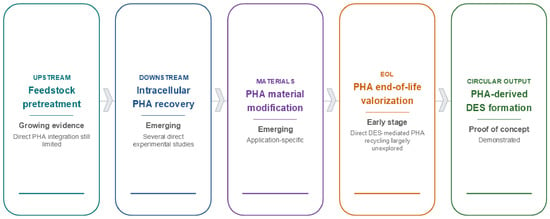
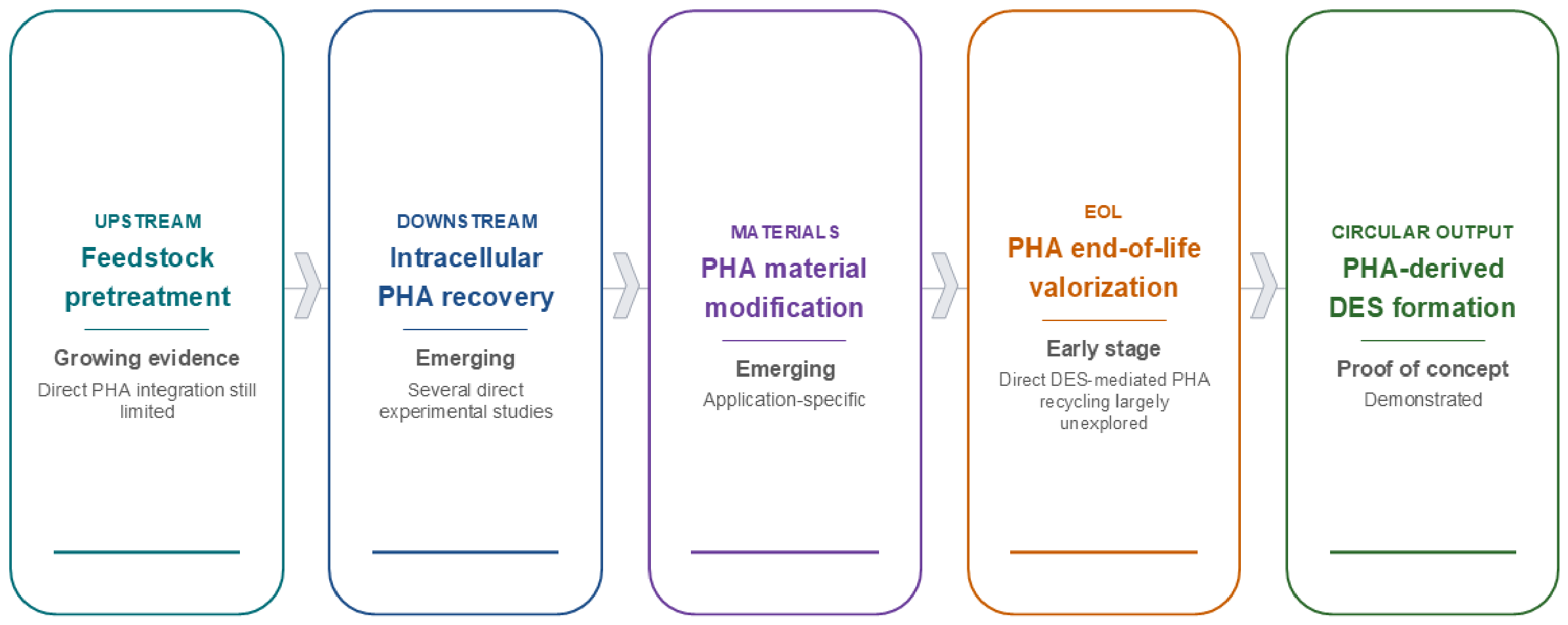
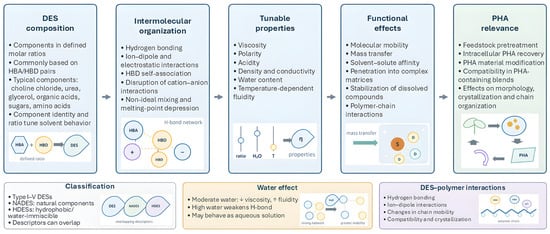
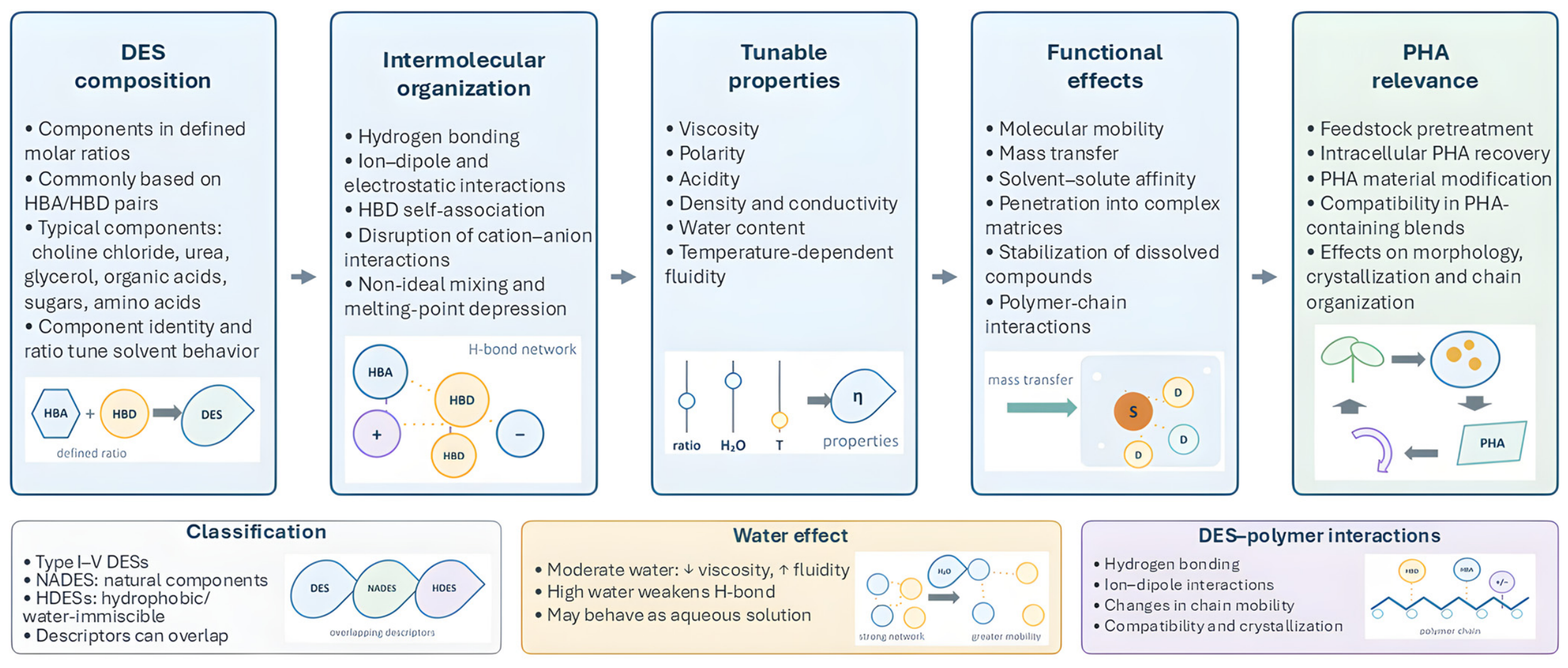

Disclaimer/Publisher’s Note: The statements, opinions and data contained in all publications are solely those of the individual author(s) and contributor(s) and not of MDPI and/or the editor(s). MDPI and/or the editor(s) disclaim responsibility for any injury to people or property resulting from any ideas, methods, instructions or products referred to in the content. |
© 2026 by the authors. Licensee MDPI, Basel, Switzerland. This article is an open access article distributed under the terms and conditions of the Creative Commons Attribution (CC BY) license.