


Abstract
The global plastic pollution crisis demands a fundamental re-evaluation of materials systems beyond incremental improvements to fossil fuel-based polymers. Bioplastics, polymers derived from renewable biological feedstocks, biodegradable under defined conditions, or both, offer a chemically diverse and rapidly evolving platform for transitioning toward circular materials economies in which the value of carbon, energy, and material is retained across multiple use cycles. This review provides a comprehensive and critically organized account of the bioplastics field, spanning three generations of feedstock development from food crops through lignocellulosic residues to algae and waste streams; primary production pathways including microbial fermentation, ring-opening polymerization, and biosynthesis; forming processes from extrusion and injection molding to additive manufacturing; and the mechanical, thermal, and barrier properties that determine application fitness. Particular emphasis is placed on life cycle assessment, which reveals that bioplastics’ climate benefits are conditional on feedstock choice, land-use management, energy source at manufacturing, and end-of-life pathway, and that burden-shifting from greenhouse gas emissions to land use, water consumption, and eutrophication is a systematic risk requiring integrated LCA evaluation rather than single-metric optimization. The review further examines end-of-life recycling, composting, and biodegradation pathways; market applications across packaging, agriculture, automotive, biomedical, and electronics sectors; and the growing role of artificial intelligence and machine learning in accelerating materials design, process optimization, and lifecycle data management. Critical barriers to scale, such as cost premiums of 20–75% over conventional plastics, inadequate composting infrastructure, recycling stream contamination, regulatory fragmentation, and consumer labeling confusion, are systematically analyzed alongside mitigation strategies. The review concludes with a forward-looking discussion of emerging feedstocks, smart and functional bioplastics, and the policy and infrastructure investments required to translate the environmental promise of bio-based polymers into realized circular economy impact.
1. Introduction
1.1. The Plastic Pollution Problem and the Case for Bio-Based Materials
Global plastic production has exceeded 400 million metric tonnes annually, yet end-of-life recycling rates remain below 10%, with the remainder accumulating in landfills, natural environments, and aquatic systems [1,2]. The persistence of conventional petroleum-based plastics, such as polyethylene (PE), polypropylene (PP), polyethylene terephthalate (PET), and polystyrene (PS), among them, across timescales of decades to centuries creates an escalating contamination burden whose chemical and ecological consequences continue to be characterized in the scientific literature [1]. The conventional plastics supply chain is inherently linear: fossil resources are extracted, converted to polymer, manufactured into products with predominantly short service lives, and then disposed of, a pattern that generates waste faster than recovery systems can process it and emits greenhouse gases at every stage. Bioplastics, plastics manufactured from renewable biological feedstocks, or designed to biodegrade under defined end-of-life conditions, or both, have emerged as a structurally different class of materials whose design logic is explicitly oriented toward circularity: carbon is borrowed from atmospheric CO2 through photosynthesis, cycled through product life, and returned through biological or chemical pathways [3]. The global bioplastic market, valued at approximately USD 12.8 billion in 2024 with an estimated compound annual growth rate of 29.2% through 2034, reflects growing industrial confidence in this transition, supported by regulatory pressure, extended producer responsibility frameworks, and evolving consumer expectations [4,5].
It is essential to distinguish at the outset between two independent properties that are frequently conflated in public communication: bio-based origin and biodegradability. As Rosenboom et al. [1] and Di Bartolo et al. [2] clarify, bioplastics form three distinct groups: materials that are both bio-based and biodegradable (such as PLA, PHA, and bio-PBS), materials that are bio-based but non-biodegradable (such as bio-PET and bio-PE), and materials that are biodegradable but fossil-derived (such as PBAT and PCL). Each group occupies a different position in the circular economy landscape, and each requires a different end-of-life management strategy. Failure to observe this distinction has produced significant regulatory confusion, consumer misinformation, and infrastructure misalignment that continue to undermine the environmental credibility of the sector.
1.2. The Circular Economy Framework: Principles and Relevance
The circular economy is an industrial model that explicitly seeks to decouple economic activity from the consumption of finite resources by designing systems in which materials and products are kept at their highest value for as long as possible [6,7]. In contrast to the linear economy (characterized by a take-make-use-dispose progression that draws down resource stocks and generates waste), the circular economy operates through nested cycles of reuse, remanufacturing, and recycling for technical materials, and through biological cycles of composting, anaerobic digestion, and biodegradation for organic materials [8,9]. Figure 1 compares the conventional linear economy with the circular economy framework. In the linear model, materials follow a one-way flow from resource extraction to waste generation, resulting in resource depletion and environmental burdens. In contrast, the circular economy aims to maintain the value of materials and products through reuse, repair, and recycling, thereby minimizing waste generation and reducing dependence on virgin resources. For bioplastics, circularity can be achieved through both technical cycles involving recycling and biological cycles involving biodegradation, composting, and anaerobic digestion [10].
Figure 1.
Schematic comparison of linear and circular economy frameworks in the context of bioplastics. Reproduced from [10], Open access.
Bioplastics can occupy both cycles depending on their composition and design: bio-based but non-biodegradable polymers such as bio-PET and bio-PE belong to the technical cycle and are designed to be recycled through existing mechanical and chemical pathways, while biodegradable polymers such as PHA and PLA are designed to return to the biological cycle at the end of life [1,3]. The alignment of bioplastic design with circular economy principles requires a system-level perspective: a material may be bio-based and biodegradable, yet still fail to deliver circular outcomes if it contaminates mechanical recycling streams, degrades too slowly in available composting infrastructure, or originates from feedstocks whose cultivation generates land-use impacts that offset the climate benefits of bio-based carbon [2]. Figure 2 illustrates the circular bioeconomy (CBE) framework within which bioplastic value chains are conceptualized, showing the interconnected loops of biological and technical material cycles.
Figure 2.
The circular bioeconomy (CBE) framework, illustrating biological and technical material cycles for bio-based polymers. Biological cycles return organic carbon to the environment through composting, anaerobic digestion, and biodegradation; technical cycles preserve polymer value through mechanical and chemical recycling. Bioplastics can participate in either cycle depending on their composition and end-of-life design. Reproduced from [11], Open access.
1.3. Scope and Organization of the Review
This review provides a comprehensive and systematically organized assessment of bioplastics across their full value chain, from feedstock selection through production, performance evaluation, lifecycle impacts, and end-of-life management, to market applications and future development pathways. Section 2 analyzes the circular economy framework in the context of bioplastics policy and global drivers. Section 3 characterizes feedstock generations and bioplastic material families with quantitative property comparisons. Section 4 reviews production processes, including fermentation, polymerization, and forming technologies, as well as scale-up challenges. Section 5 evaluates mechanical, thermal, and functional properties and discusses design for performance and circularity. Section 6 provides a systematic life-cycle assessment perspective, including carbon footprint, energy use, water use, and economic metrics, alongside the growing contributions of digital tools and machine learning. Section 7 examines end-of-life pathways, including recycling, composting, and biodegradation. Section 8 surveys market applications across multiple sectors. Section 9 systematically analyzes the challenges and barriers to wider adoption. Section 10 identifies emerging trends and future directions, and Section 11 presents conclusions and an integrated outlook.
Unlike recent reviews that primarily focus on specific aspects of bioplastics, such as feedstocks, production technologies, life-cycle assessment, or applications, this review provides an integrated perspective across the entire bioplastic value chain. It combines advances in feedstock selection, processing, lifecycle sustainability, circular economy strategies, AI-enabled approaches, industrial challenges, and future research directions, offering a comprehensive framework for the sustainable development and commercialization of bioplastics.
1.4. Literature Search Methodology
This review was prepared through a structured literature search of peer-reviewed publications indexed in Web of Science, Scopus, and Google Scholar. The search was conducted using combinations of keywords including bioplastics, bio-based polymers, PLA, PHA, PBS, biodegradation, circular economy, life cycle assessment, recycling, composting, artificial intelligence, and machine learning. Priority was given to articles published between 2015 and 2025, while earlier landmark studies were included where necessary to provide historical context and describe foundational developments. Only peer-reviewed journal articles, review papers, international standards, and authoritative reports from recognized organizations were considered. Publications lacking sufficient technical detail or relevance to the scope of this review were excluded. The collected literature was critically evaluated and organized according to the major themes discussed in this review, including feedstocks, production technologies, material properties, sustainability assessment, end-of-life management, and emerging digital technologies.
2. The Circular Economy Framework and Bioplastics
2.1. Linear Versus Circular Value Chains
The distinction between linear and circular value chains is fundamental to understanding why conventional plastics have generated the end-of-life crisis they have, and why bio-based and biodegradable materials are positioned as part of the solution. The linear system follows a unidirectional progression from resource extraction through manufacturing, use, and disposal, with material value effectively destroyed at the disposal stage and waste management costs externalized to public systems and natural environments [6]. This model was economically efficient during periods of abundant fossil resources and low environmental regulation, but its systemic failure to account for end-of-life costs has resulted in mounting waste accumulation and the growing recognition that resource costs are underpriced. The circular economy model redesigns this system so that products and materials circulate at their highest utility for as long as possible before returning to primary production cycles, either through technical recycling (retaining the polymer structure) or through biological cycles (returning nutrients and organic carbon to the soil) [8,12].
The push toward circular systems is now embedded in regulatory frameworks at multiple governance levels. Studies of circular economy education in secondary schools have identified that a lack of embedded CE curricula limits public understanding and reduces the social license for the infrastructure investments required to support circular material flows [8]. This observation is directly relevant to bioplastics, where consumer confusion about material types and disposal requirements represents one of the most tractable behavioral barriers to realizing circular benefits. The integration of bioplastics within circular systems is most effectively demonstrated through the use of vegetable and food waste as feedstocks, an approach that simultaneously diverts organic waste from landfill and provides renewable carbon for polymer production, embodying the circular logic of converting waste streams into value [13,14].
2.2. Policy, Regulation, and Global Drivers
The regulatory landscape for bioplastics is evolving rapidly, with significant momentum at both national and supranational levels. The expansion of the Basel Convention in 2019 strengthened international governance of plastic waste trade and established transparency requirements for cross-border plastic movements [1]. Within the European Union, the European Green Deal and its associated Circular Economy Action Plan have established the most comprehensive policy framework for transitioning to sustainable plastics, including binding single-use plastics directives, extended producer responsibility mandates for packaging, and sustainability requirements for bio-based, biodegradable, and compostable plastics [2]. The EU policy framework specifically acknowledges that labeling and standards for biodegradable and compostable plastics require harmonization to prevent greenwashing and ensure that environmental claims are substantiated by consistent methodologies [15]. European Bioplastics, the industry association, has recommended clearer definitions and standardized labeling, improved production efficiency assessments, and consistent methodologies for environmental benefit verification as priority areas for regulatory development.
At the global level, the World Economic Forum, the Ellen MacArthur Foundation, and G20 partners have championed science-based policies, including extended producer responsibility, clearer bioplastic labeling, and ocean plastic leakage reduction strategies. Germany’s Packaging Act and the Philippines’ EPR Act illustrate how national-level regulation is incorporating bioplastics considerations into broader plastic waste governance [1]. The EU’s ambition of net-zero greenhouse gas emissions by 2050 creates a long-term structural driver for substitution of fossil-derived materials, with bioplastics positioned as part of the decarbonization toolkit for the chemical and packaging sectors [2]. However, the effectiveness of these drivers in accelerating market adoption depends critically on whether the supporting infrastructure (composting facilities, chemical recycling capacity, standardized sorting systems) is developed in parallel with the material supply chain.
Collectively, these evolving regulatory frameworks are expected to accelerate the commercialization of bioplastics by encouraging investment in sustainable materials, improving waste management infrastructure, and creating stronger market incentives for bio-based and biodegradable products. However, continued harmonization of international standards, certification schemes, and labeling requirements will be essential to facilitate global market adoption and reduce regulatory uncertainty.
3. Feedstocks, Material Classes, and Composition
3.1. Feedstock Generations: From Food Crops to Waste Streams
The feedstock used to produce bioplastics is among the most significant determinants of both its environmental impact and its long-term scalability. Three generations of bioplastic feedstocks are conventionally distinguished, with a fourth category of waste- and carbon-capture-based streams increasingly recognized for its circular alignment. Table 1 provides a systematic comparison of these feedstock categories.
Table 1.
Comparative overview of bioplastic feedstock generations by land and food competition, carbon reduction potential, processing complexity, and scalability.
First-generation feedstocks, derived from food crops including corn starch, sugarcane, cassava, and vegetable oils, remain commercially dominant because they yield easily fermentable sugars at relatively low processing cost and are compatible with existing fermentation infrastructure. PLA produced from cornstarch or sugarcane and bio-PE produced from sugarcane ethanol together account for the majority of current commercial bioplastic production [1,2]. However, large-scale cultivation of these crops for plastic feedstocks raises substantive concerns about direct competition with food production, pressure on arable land and freshwater resources, and the risk that indirect land-use change, the displacement of food crops onto previously uncultivated land, can generate greenhouse gas emissions that substantially offset the carbon benefits of bio-based production [23]. Lifecycle assessment studies have found that indirect land-use change can account for 20–70% of total lifecycle GHG emissions for some first-generation bioplastic products, depending on the region and the displaced ecosystem [23].
Second-generation feedstocks address these concerns by utilizing non-food lignocellulosic biomass, agricultural residues such as corn stover, sugarcane bagasse, and wheat straw, together with forestry byproducts and dedicated energy crops grown on marginal land [17]. These materials do not compete directly with food production and can utilize carbon-rich streams that would otherwise be burned, landfilled, or left to decompose. Their processing complexity is substantially higher than that of first-generation feedstocks; however, because the crystalline cellulose and lignin matrix of lignocellulosic biomass requires enzymatic hydrolysis and thermochemical pretreatment to release fermentable sugars [18]. Third-generation feedstocks based on microalgae and microorganisms offer the theoretical advantage of high growth rates on non-arable land, utilization of CO2 during photosynthesis, and compatibility with wastewater or industrial effluent as nutrient sources, making algae-based bioplastics potentially carbon-negative at the feedstock stage [6,19]. The emerging category of waste-stream and carbon-capture feedstocks (using food waste, used cooking oils, municipal solid waste organic fractions, and captured industrial CO2) represents the highest degree of circular economy alignment by converting existing waste problems into value-added products [21].
3.2. Principal Bioplastic Families: Properties and Applications
The bioplastic materials space encompasses both fully renewable and biodegradable polymers and bio-based analogs of conventional fossil plastics. Table 2 provides a comprehensive comparison of the major bioplastic families across feedstock, mechanical properties, biodegradability, thermal stability, and primary applications.
Table 2.
Comprehensive comparison of principal bioplastic families: feedstock generation, key mechanical properties, biodegradability conditions, thermal stability, and primary applications.
Polylactic acid (PLA) is among the most widely produced bioplastics, valued for its optical clarity, stiffness, and compatibility with conventional extrusion and injection molding equipment. However, its brittleness and low heat deflection temperature (~55–60 °C unmodified) limit its suitability for elevated-temperature applications and require blending or plasticization for impact-sensitive uses [24,31]. Reactive blending of PLA with poly (butylene adipate-co-terephthalate) (PBAT) significantly improves toughness and is widely deployed in flexible packaging applications. Stereocomplexation (the co-crystallization of poly (L-lactic acid) and poly(D-lactic acid)) raises the melting temperature to approximately 230 °C, providing a thermal improvement route that does not require fossil-based co-monomers [1,31]. Polyhydroxyalkanoates (PHAs) produced by bacterial accumulation during nutrient-limited fermentation represent the only major bioplastic family that is both bio-based and fully biodegradable across a range of natural environments, including soil, freshwater, and marine settings [2,26]. Their production cost remains high (~$4–6/kg) relative to PLA (~$2.35–2.50/kg) and conventional polyolefins (~$1.05–1.50/kg), driven by complex fermentation conditions, high downstream extraction and purification energy requirements, and limited economies of scale [17,32]. Bio-PET and bio-PE represent drop-in substitutes whose chemical structure is identical to their fossil-derived counterparts, enabling seamless integration into existing mechanical recycling streams, an important practical advantage for materials that cannot yet justify the composting or chemical recycling infrastructure requirements of new-to-world polymers.
3.3. Sustainability and Ethical Dimensions of Feedstock Sourcing
The sustainability of any bioplastic system is fundamentally conditioned by responsible feedstock sourcing, and the selection of feedstock must be evaluated through a full life cycle lens rather than through feedstock origin alone. The cultivation of first-generation feedstocks at scale for plastic production can increase pressure on agricultural land, freshwater resources, and biodiversity, particularly when productive cropland is diverted from food production or when monoculture expansion displaces ecologically valuable land [23,33]. The concentration of feedstock supply chains in specific geographies introduces price volatility risks (as illustrated by the dependence of current commercial PLA on the corn and sugarcane sectors) and raises supply-chain resilience concerns relevant to long-term materials strategy. Social and economic considerations compound these environmental factors: the expansion of bio-based feedstock production can affect local food prices, smallholder farmer incomes, and land rights in producing regions, necessitating sustainable sourcing standards and responsible supply chain governance to ensure that bioplastic growth does not transfer environmental and social costs to vulnerable communities [34]. Life cycle assessment is the primary methodological tool for quantifying these trade-offs across the full system boundary and provides the most defensible basis for feedstock selection decisions. Despite the environmental advantages of renewable feedstocks, no single feedstock is universally sustainable. First-generation feedstocks are commercially mature but may compete with food production and agricultural land use, whereas second- and third-generation feedstocks offer improved sustainability but remain constrained by feedstock availability, collection logistics, and higher processing costs. Consequently, feedstock selection should balance environmental performance, economic feasibility, and regional resource availability rather than relying solely on bio-based origin.
4. Processing, Manufacturing, and Scale-Up
4.1. Primary Production: Fermentation and Polymerization
The production of bioplastics from renewable feedstocks involves two sequential primary steps: conversion of biomass-derived carbon into monomers or polymer precursors through fermentation or biochemical processes, followed by polymerization to form high-molecular-weight materials with the mechanical and thermal properties required for processing and application. These two steps must be co-designed so that the monomer purity, stereochemical composition, and impurity profile emerging from fermentation are compatible with the catalyst choice, reaction conditions, and final polymer performance targets of the downstream polymerization step [35,36].
The specific sequence of these production steps differs considerably among the major bioplastic families. PLA production involves fermentation of carbohydrate-rich feedstocks to lactic acid, purification of the monomer, conversion to lactide, and subsequent ring-opening polymerization [37]. In contrast, PHAs are synthesized directly inside microbial cells during fermentation and therefore do not require a separate chemical polymerization step, although cell harvesting, disruption, and polymer recovery are necessary [38]. PBS production combines biochemical and chemical processing, because succinic acid may be produced through fermentation and is subsequently reacted with 1,4-butanediol through esterification and polycondensation [39]. These distinct production routes create different scale-up challenges related to monomer purity, microbial productivity, catalyst selection, downstream recovery, and molecular-weight control.
Table 3 provides a systematic overview of the principal production and forming process routes.
Table 3.
Overview of bioplastic production routes and forming processes: method, bioplastics produced, key process parameters, advantages, and limitations.
4.1.1. PLA Production
Commercial PLA production generally begins with starch or sugar-derived carbohydrates obtained from feedstocks such as corn, sugarcane, or cassava. Following hydrolysis to fermentable sugars, microorganisms such as Lactobacillus species or engineered bacterial strains convert glucose into lactic acid through the glycolytic pathway, in which pyruvate is reduced to lactic acid by lactate dehydrogenase. Industrial fermentation is commonly conducted under controlled acidic conditions, generally near pH 5–6.5 and at temperatures of approximately 30–45 °C, depending on the selected microorganism. Fed-batch operation is often preferred because it allows substrate concentration to be controlled, limits inhibition, and improves lactic acid productivity. The fermentation broth is subsequently clarified and purified because residual sugars, salts, proteins, and organic acids can interfere with the downstream polymerization process [37,43].
High-molecular-weight PLA is generally produced through an indirect route rather than through direct condensation of lactic acid. Purified lactic acid is first oligomerized and then converted into the cyclic dimer lactide. The lactide is purified and subjected to ring-opening polymerization, commonly using tin(II) octoate or alternative metal-based catalysts. This route provides better molecular-weight control than direct polycondensation and enables control of the L- and D-lactide ratio. Such stereochemical control is important because it affects PLA crystallinity, melting behavior, mechanical properties, and degradation rate. At industrial scale, the major limitations include the need for high monomer purity, energy consumption during lactide formation and purification, catalyst residues, and control of molecular weight during continuous production [44,45].
4.1.2. PHA Production
PHA production differs fundamentally from PLA production because polymer synthesis occurs directly within microbial cells. Organisms such as Cupriavidus necator, Pseudomonas species, Halomonas species, and engineered Escherichia coli can convert sugars, vegetable oils, waste cooking oils, and other carbon-rich feedstocks into intracellular PHA granules. Polymer accumulation is typically promoted by supplying excess carbon while limiting another essential nutrient, such as nitrogen, phosphorus, or oxygen. Under these conditions, cellular metabolism redirects acetyl-CoA and related intermediates toward intracellular PHA biosynthesis through the action of PHA synthase enzymes rather than biomass formation. Under optimized conditions, the accumulated polymer may constitute a substantial fraction of the cellular dry mass. The polymer composition can also be adjusted through strain selection and substrate choice, enabling the production of PHB, PHBV, and other PHA copolymers with different mechanical properties [46,47].
After fermentation, the cells must be harvested, disrupted, and separated from the polymer. Recovery may involve solvent extraction, chemical digestion of non-PHA cellular material, enzymatic treatment, or aqueous separation methods. Although intracellular biosynthesis eliminates the need for a separate chemical polymerization stage, downstream recovery is one of the most expensive and energy-intensive parts of the PHA process. Additional industrial challenges include oxygen-transfer limitations in large bioreactors, variable feedstock quality, sterility requirements, high viscosity at elevated cell concentrations, and maintaining consistent polymer composition and molecular weight across production batches [48,49].
4.1.3. PBS Production
PBS production combines fermentation-derived monomer production with conventional step-growth polymerization. Bio-based succinic acid can be produced through microbial fermentation, in which carbohydrates are metabolized via the reductive tricarboxylic acid (rTCA) pathway by organisms such as Actinobacillus succinogenes and Basfia succiniciproducens. Sugars derived from starch, molasses, or lignocellulosic hydrolysates may be used as substrates. Sugars derived from starch, molasses, or lignocellulosic hydrolysates may be used as substrates. Following fermentation, succinic acid must be recovered and purified to remove residual salts, acids, and fermentation-derived impurities that may reduce polymerization efficiency [50].
Purified succinic acid is reacted with 1,4-butanediol through esterification followed by melt polycondensation. Elevated temperature, catalyst addition, and progressive removal of water and other volatile by-products are required to drive the reaction toward high molecular weight. Vacuum is generally applied during the later stages of polycondensation to shift the equilibrium and promote chain growth. The principal industrial limitations include the cost and purity of bio-based succinic acid and 1,4-butanediol, long reaction times, catalyst stability, and the difficulty of achieving high molecular weight while limiting thermal degradation [51,52].
4.2. Forming Processes: Extrusion, Molding, and Additive Manufacturing
Following polymerization, bioplastics are converted into finished forms through processes largely analogous to those used for conventional thermoplastics, though the narrower processing windows and greater moisture sensitivity of many biopolymers require careful parameter optimization. Twin-screw extrusion is the primary compounding and forming step for thermoplastic starch, PLA blends, and bio-composite materials: the barrel temperature, screw speed, and plasticizer content collectively determine melt rheology, polymer degradation rate, and the mechanical properties of the extruded material [36]. In a systematic processing study of rice bran-based bioplastics, Alonso-González et al. [40] demonstrated that barrel temperature, screw speed, and plasticizer content significantly influenced specific mechanical energy, torque, tensile strength, elongation at break, and water uptake, confirming that the processing window for many biopolymers is narrower than for conventional polyolefins and requires dedicated optimization rather than direct transfer of internal combustion engine vehicle (ICEV) processing recipes. These downstream transformation operations are distinct from upstream fermentation and polymer synthesis and are therefore discussed separately in the following section and summarized in a dedicated processing table (Table 4).
Table 4.
Downstream transformation and forming processes used for bioplastics.
Additive manufacturing (encompassing fused filament fabrication (FFF), direct ink writing, and binder jetting with biopolymer systems) has gained attention as a processing route for bioplastics because it enables design flexibility, minimal material waste, and the fabrication of complex geometries inaccessible to conventional molding [41]. PLA dominates the FFF market due to its moderate processing temperature, dimensional stability, and wide commercial availability as filament. Life cycle assessment of additive manufacturing with biocomposite fillers, including upcycled oyster shell and pistachio shell particles in a biopolymer matrix, has demonstrated that while additive manufacturing reduces machining waste, the overall environmental performance relative to injection molding depends substantially on the energy source of the printer, the material utilization rate, and whether the structural advantages of the printed geometry allow material quantity reduction [42]. These results underscore that process choice cannot be evaluated on tribological performance alone and must be integrated into system-level lifecycle assessment.
4.3. Challenges in Scaling and Industrial Adoption
The transition from laboratory and pilot-scale bioplastic production to industrial volumes faces a compound set of economic and technical barriers. On the cost dimension, PHA carries a production cost approximately three times that of comparable conventional polyolefins, and even PLA (the most cost-competitive fully biodegradable bioplastic) maintains a 75–100% cost premium over polypropylene when production volumes are compared [17,58]. This premium reflects higher feedstock costs, smaller production scales relative to the highly optimized petrochemical industry, and the complete absence of government price support for bioplastic producers despite the substantial (~$7 trillion in 2022) direct and implicit subsidies that continue to flow to fossil fuel production chains [17]. The resulting asymmetry in effective market prices prevents bioplastics from competing on cost alone, making carbon pricing or extended producer responsibility frameworks that internalize the end-of-life costs of fossil plastics a structural prerequisite for market parity.
The scaling pathway for second-generation feedstocks adds process complexity to the economic barriers: lignocellulosic biomass pretreatment and enzymatic hydrolysis remain energy-intensive and expensive relative to simple starch or sucrose fermentation, and the inconsistent composition of agricultural residue streams creates quality control challenges for industrial fermenters designed for consistent substrate inputs [18]. Venture capital and industrial investment in scaling has been chilled by several high-profile company failures resulting from premature scaling of technologies with insufficient commercial validation, creating a risk-averse investment environment that makes patient capital for bioplastics scale-up difficult to attract [17]. Overcoming these barriers requires coordinated progress across process intensification research, infrastructure investment, and regulatory incentives that recognize and reward the lifecycle benefits of bioplastics that fossil fuel-derived alternatives cannot provide. Overall, the commercial competitiveness of different bioplastic production routes depends on balancing production cost, material performance, and process scalability. PLA is currently the most commercially mature bioplastic (TRL 9), whereas PHA is at the demonstration-to-commercial stage (TRL 7–9), reflecting ongoing challenges in large-scale fermentation and downstream recovery. PBS is commercially available (TRL 8–9), although its broader adoption remains dependent on the cost-effective production of bio-based monomers. Continued advances in feedstock utilization, process integration, and catalyst development will be essential for improving industrial viability.
In addition to environmental assessment, techno-economic analysis (TEA) plays an important role in evaluating the commercial feasibility of bioplastic production pathways. TEA integrates capital investment, operating costs, feedstock availability, process efficiency, and market value to identify economically viable production strategies. Combining TEA with life cycle assessment provides a more comprehensive framework for guiding the industrial commercialization of sustainable bioplastics [17,18].
5. Structure, Properties, and Design for Circularity
5.1. Mechanical, Thermal, and Barrier Properties
Bioplastics exhibit a wide range of mechanical and thermal properties that determine their suitability for specific applications and that must be evaluated relative to the conventional plastics they seek to replace. PLA offers high stiffness (Young’s modulus 3.5–3.8 GPa) and optical clarity competitive with PET, but suffers from brittleness (elongation at break typically <5%) and a low heat deflection temperature (~55–60 °C) that limits use in hot-fill applications without modification [1,31]. PHAs present a more heterogeneous property spectrum: poly(3-hydroxybutyrate) (PHB) is stiff but brittle, while copolymers such as poly(3-hydroxybutyrate-co-3-hydroxyvalerate) (PHBV) offer improved toughness through disrupted crystallinity, and the wide range of PHA homopolymers and copolymers accessible through substrate and strain selection enables significant property tuning [18,26]. These property differences are rooted in the molecular structure of each biopolymer (chain flexibility, crystallinity, glass transition temperature, and degradation mechanism) and many commercially deployed bioplastics therefore require blending with compatible polymers, incorporation of plasticizers, or reinforcement with natural fillers to achieve performance comparable to established petrochemical plastics [30].
Functional properties critical for packaging applications (gas barrier, moisture vapor transmission, and heat-seal performance) frequently represent the most significant performance gap between bioplastics and fossil plastics. Many biopolymers exhibit higher oxygen and water vapor permeability than PET or HDPE, limiting their direct substitution in modified-atmosphere food packaging without additional barrier layers or nanocomposite enhancement [33]. Nanoparticle reinforcement using nanoclay, cellulose nanocrystals, or graphene oxide has been demonstrated to improve barrier properties and mechanical strength simultaneously, but these modifications complicate end-of-life processing: multilayer or nanocomposite structures may not be separable at existing recycling facilities, potentially reducing recyclability and circularity despite improving in-use performance [2,33]. This tension between performance enhancement and end-of-life compatibility is a defining design challenge for bioplastics and requires explicit resolution at the material design stage.
5.2. Degradation Behavior and Environmental Fate
The degradation behavior of bioplastics under real-world conditions frequently diverges from idealized laboratory results, and this discrepancy is one of the most consequential knowledge gaps in the field. PLA is thermodynamically stable under ambient storage conditions and typical use temperatures, but undergoes rapid hydrolysis and subsequent microbial breakdown above approximately 58 °C, at controlled humidity, conditions that are met in industrial composting facilities but not in household compost bins, natural soil, or aquatic environments [15,27]. PHA degrades more readily across a broader range of environments, including marine and soil conditions at ambient temperature, though degradation rates vary significantly with copolymer composition, crystallinity, and the specific microbial community present [26,59]. This variability creates a fundamental challenge for policy and labeling: a material certified as “industrially compostable” may persist for years in the natural environment if improperly disposed of, yet its labeling may convey an impression of rapid, universal degradation to consumers [34,60].
Incomplete biodegradation (a process arrested before full mineralization to CO2, water, and biomass) generates microplastic fragments from biopolymers that may persist in the environment on timescales relevant to ecological health, even if the fragment chemistry is different from that of fossil microplastics [18,59]. Recent studies have further shown that biodegradable plastics may still generate persistent microplastic particles under environmentally realistic conditions when degradation is incomplete, highlighting the importance of appropriate disposal infrastructure and standardized biodegradation testing [61].
The conditions governing complete versus incomplete degradation are not yet fully characterized for most bioplastic families under environmentally realistic conditions, and this data gap represents an important research priority for regulators, standards bodies, and the materials science community alike.
5.3. Design for Performance and Circularity
Designing bioplastics for both high performance and circular end-of-life management requires a systems-level approach that integrates material chemistry, product function, collection logistics, and reprocessing infrastructure into a coherent design framework [1,33]. Circular design principles direct material selection toward polymers and additives that enhance recyclability without compromising performance. E.g., favoring mono-material structures over complex multilayer composites to facilitate mechanical recycling, or specifying compostable grades only when the products will reliably reach industrial composting facilities [33]. Designing bioplastics with a composition that accurately signals their end-of-life pathway, whether mechanical recycling, industrial composting, or chemical depolymerization, and ensuring that signal is legible to sorting systems and consumers is equally important [2]. Bioplastics that mimic the processing behavior of conventional plastics can reduce barriers to manufacturing adoption, but drop-in substitutes must be clearly differentiated from food contact materials requiring different disposal to prevent stream contamination. Embedding circularity at the design stage, not as an afterthought, is the fundamental shift required to ensure that bioplastics deliver on their environmental promise across the value chain.
6. Life Cycle Assessment, Sustainability, and Digital Tools
6.1. Life Cycle Assessment Framework and Key Metrics
Life cycle assessment (LCA) is the internationally standardized methodology for quantifying the environmental impacts of a product or system across all stages from raw material extraction through manufacturing, distribution, use, and end-of-life disposal (the “cradle-to-grave” boundary). When applied to bioplastics, LCA provides an integrated picture of trade-offs that single-metric comparisons such as carbon footprint alone cannot capture [23,34]. A bioplastic may achieve a substantially lower global warming potential than its fossil counterpart while simultaneously incurring higher agricultural land use, water consumption, and eutrophication potential from fertilizer application, a pattern of “burden-shifting” that is systematically observed in bioplastic LCA literature [61]. Table 5 summarizes key LCA metrics comparing PLA, polypropylene (the most common comparable fossil plastic), PHA, and bio-PE across five impact categories, illustrating both the relative environmental advantages and the trade-offs characteristic of current bioplastic production pathways.
Table 5.
Comparative LCA metrics for PLA, polypropylene (PP), PHA, and bio-PE across global warming potential, energy demand, water consumption, fossil depletion, land use, and eutrophication.
Under consistent cradle-to-gate assumptions, bio-based but non-biodegradable plastics such as bio-PE and bio-PET generally benefit from reduced fossil-resource use and compatibility with established recycling streams, but they do not offer biodegradation at end of life. In contrast, biodegradable plastics such as PLA, PHA, and PBS may provide composting or biodegradation pathways under controlled conditions, although their environmental performance is more strongly influenced by feedstock cultivation, fermentation energy, water use, and available end-of-life infrastructure. Therefore, neither group is universally superior, and the preferred material depends on the application, regional energy mix, recycling or composting infrastructure, and the life-cycle system boundary applied [23,34].
Although LCA is widely used to evaluate the environmental performance of bioplastics, comparisons across studies should be interpreted with caution. Reported impacts vary depending on system boundaries (e.g., cradle-to-gate versus cradle-to-grave), allocation methods for co-products, geographical differences in feedstock cultivation and energy mix, and assumptions regarding end-of-life management. These methodological differences can substantially influence the reported environmental benefits of bioplastics, highlighting the need for standardized LCA frameworks and transparent reporting to enable meaningful comparisons across studies [34,61].
6.1.1. Carbon Footprint
The carbon footprint of bioplastics is significantly lower than that of their fossil-derived counterparts under typical conditions, savings of 1.63–2.10 kg CO2-equivalent per kilogram have been reported at the production stage [34], but this headline figure conceals substantial variability rooted in feedstock origin, agricultural management, energy source, and end-of-life pathway. Land-use change associated with first-generation feedstock cultivation is the single most important factor that can reverse the climate benefit of bioplastics: conversion of native forests, peatlands, or carbon-rich grasslands to agricultural production releases stored soil and vegetation carbon that can offset or exceed the climate advantage of bio-based production for decades [23]. LCA studies have quantified this effect at 20–70% of total lifecycle GHG emissions for some products, depending on region and displaced ecosystem type. When feedstock cultivation avoids land-use change (through use of existing cropland, marginal land, or waste streams), PLA production from cornstarch achieves approximately 50–80% reduction in GHG emissions relative to polystyrene, and PHA from waste oils can approach carbon neutrality under optimized conditions [21]. The energy source at the manufacturing facility constitutes a second major variable: facilities powered by grid electricity in carbon-intensive systems can fully negate the biogenic carbon advantage of the feedstock, while renewable energy-powered processes eliminate this processing burden [66]. Overall, the environmental superiority of bioplastics cannot be generalized across all materials or applications. Their sustainability depends strongly on feedstock origin, manufacturing energy source, transportation, product lifetime, and end-of-life management. Therefore, future evaluations should prioritize application-specific life-cycle assessments rather than assuming that all bio-based plastics are inherently more sustainable than fossil-derived alternatives.
6.1.2. Energy and Water Footprints
The energy demand for converting biomass into polymer through fermentation, biochemical conversion, polymerization, and compounding remains substantial, though generally lower than for equivalent fossil plastic production on a per-kilogram basis when non-renewable energy fractions are compared [16,67]. The preprocessing steps (lignocellulosic pretreatment, enzymatic hydrolysis, and downstream purification) alone account for an estimated 15–25% of total production energy for second-generation feedstocks. The water footprint of bioplastic production is a dimension of sustainability that is frequently underweighted relative to carbon: if bioplastics were to fully replace all conventional plastics, the associated annual water footprint could represent 3–18% of the global annual freshwater budget, driven primarily by agricultural irrigation requirements for first-generation feedstocks [34]. Studies of PLA production have estimated surface and groundwater consumption approximately four times higher per kilogram of product than for petroleum-derived polyethylene from comparable volume production [62]. Regional water stress, the ratio of consumption to local freshwater availability, significantly amplifies these impacts: the same volume of water consumed in a water-scarce region has far greater environmental significance than the same volume in a water-abundant region, meaning that the geographic location of feedstock cultivation is as important as the total volume consumed [68,69]. This spatial dimension of water impact is inadequately represented in aggregate global LCA figures and is an important consideration for the siting of new bioplastic production capacity.
6.1.3. Economic Dimensions
The bioplastics market recorded revenue of approximately USD 12.8 billion in 2024, with projections estimating a compound annual growth rate of 29.2% through 2034, driven by regulatory pressure, brand sustainability commitments, and expanding product portfolios in packaging, agriculture, and biomedical applications [4,70]. Economic multiplier analyses indicate that every USD 1 billion increase in bioplastics output generates approximately USD 2.9 billion in total economic impact and supports over 5200 jobs, reflecting the labor intensity of bio-based agricultural supply chains and specialty chemical processing relative to highly automated petrochemical production [71]. Nevertheless, the cost gap between bioplastics and conventional plastics remains the dominant commercial barrier: PLA is priced at approximately USD 2.35–2.50/kg compared with USD 1.05–1.19/kg for polypropylene in comparable applications, and PHAs remain far less competitive at USD 4–6/kg [58,60]. This cost differential is projected to narrow as production scales increase, process intensification reduces energy and raw material costs, and policy instruments progressively internalize the externalized end-of-life costs of fossil plastics, but the trajectory and timeline of convergence remain uncertain and market-structure dependent.
6.2. Artificial Intelligence, Machine Learning, and Data Analytics
The application of artificial intelligence (AI) and machine learning (ML) to bioplastic research is accelerating across several dimensions: materials screening and property prediction, process optimization, and lifecycle assessment data management. Beyond improving material design and manufacturing efficiency, AI plays an increasingly important role in enabling circular economy strategies for bioplastics. Machine learning and data-driven approaches support feedstock selection, process optimization, waste sorting, recycling route identification, and life-cycle assessment, thereby facilitating resource efficiency and informed decision-making across the entire bioplastic value chain. Table 6 systematically reviews the principal ML applications in the bioplastics field.
Table 6.
Applications of artificial intelligence and machine learning to bioplastic research and lifecycle assessment: method, task, key finding, and dataset scope.
The potential of ML to compress materials discovery timelines is illustrated by the NREL PolyID platform, which screened over 15,000 plant-based polymer candidates for packaging applications within a timeframe that would require decades if performed through conventional laboratory experimentation, identifying 7 viable candidates subsequently confirmed experimentally [30]. Support vector machine and random forest models have been applied to predict critical bioplastic properties, including puncture strength and biodegradability, from composition and processing inputs with 83.3% accuracy, substantially reducing the experimental burden for formulation development [73]. In process optimization, reinforcement learning and neural network control systems are beginning to be applied to bioreactor management for fermentation of lactic acid and PHA, with demonstrated yield improvements of up to 20% in benchmark studies through real-time optimization of pH, feed rate, and dissolved oxygen concentration [61,74,76]. For lifecycle assessment, a 2025 review in PLOS Climate documented how ML models can automate data collection from published literature, harmonize inconsistent inventory data, fill data gaps through predictive imputation, and ultimately improve both the speed and accuracy of LCA models when applied to large and heterogeneous bioplastic datasets [74]. Despite its significant potential, the application of AI in the bioplastics sector remains constrained by several challenges. Machine learning models require large, high-quality datasets, which are often unavailable due to inconsistent experimental protocols and limited industrial data sharing. Model predictions may also lack interpretability, reducing confidence in industrial decision-making. Furthermore, AI models trained on laboratory-scale datasets may not accurately predict large-scale manufacturing performance. Therefore, future research should focus on standardized databases, explainable AI methods, and closer integration of experimental validation with machine learning models to improve their reliability for industrial implementation.
6.3. Trade-Offs, Burden-Shifting, and Uncertainty in Sustainability Analysis
A central conclusion of the comparative LCA literature on bioplastics is that no bioplastic family dominates conventional fossil plastics across all environmental impact categories simultaneously. Bioplastics consistently outperform on climate change (global warming potential) and fossil resource depletion, but frequently underperform on eutrophication, photochemical oxidant formation, and certain toxicity categories due to agricultural fertilizer and pesticide inputs associated with first-generation feedstocks [61]. This pattern of burden-shifting, in which reducing impact in one category generates increased impact in another, is a systematic feature of bio-based materials that distinguishes them from genuine circular solutions and necessitates multi-dimensional LCA evaluation rather than single-metric optimization. The practical implication for decision-makers is that the “best” bioplastic from an environmental perspective is context-dependent: which impacts are prioritized, in which geographic context production takes place, and what end-of-life pathway is available all substantially influence the comparative environmental performance [23,61]. Honest acknowledgment of this uncertainty, combined with a robust LCA methodology that makes assumptions transparent and quantifies sensitivity to key parameters, is essential for building the evidence base required for responsible policy and material selection decisions.
7. End-of-Life Pathways and Circular Integration
The realized environmental benefit of any bioplastic depends not only on its production footprint but on whether it successfully re-enters a circular material flow at the end of life. The full spectrum of end-of-life pathways and their compatibility with bioplastic families is summarized in Table 7.
Table 7.
Bioplastic end-of-life pathways: compatibility, infrastructure status, advantages, and key limitations.
7.1. Recycling: Mechanical, Chemical, and Enzymatic
Mechanical recycling (shredding, melting, and re-pelletizing polymer waste) is the most widely deployed and lowest-cost end-of-life pathway, and bioplastics that are chemical drop-ins for fossil counterparts (bio-PET, bio-PE) can be recycled in existing streams without modification to infrastructure. However, bioplastics that are visually identical to fossil plastics but chemically different (most importantly, PLA, which is optically similar to PET under near-infrared sorting but incompatible with PET recycling chemistry) represent a contamination risk that degrades recycling quality when they enter conventional streams [79]. Investment in improved sorting technologies, including chemical markers and fluorescent tracers detectable by adapted near-infrared sorters, is essential for managing this co-mingling risk as bioplastic production volumes increase. Chemical recycling (the depolymerization of bioplastics to their constituent monomers for re-polymerization into virgin-equivalent material) offers a closed-loop recycling pathway for PLA (back to lactic acid), bio-PET (back to terephthalic acid and ethylene glycol), and PHAs (back to hydroxy acid monomers) [32,80]. Recent advances in catalyst design and enzymatic depolymerization, in which biological catalysts specifically break the ester bonds of PLA or PET, have improved efficiency and reduced the energy and chemical input requirements for chemical recycling, making closed-loop chemical recycling a commercially viable pathway for high-value applications.
7.2. Composting, Biodegradation, and Environmental Fate
Industrial composting, conducted in certified facilities at temperatures above 58 °C with controlled humidity and aeration, provides the appropriate end-of-life pathway for food-contact bioplastics that would otherwise be contaminated and unsuitable for mechanical recycling [27,77]. Under these conditions, PLA degrades within 90–180 days, and PHAs degrade more rapidly. However, the practical challenge is severe: globally, fewer than 10% of bioplastic waste streams reach certified industrial composting facilities, and many industrial composting facilities have limited or discontinued acceptance of PLA because operational residence times and facility-specific processing requirements may not always be compatible with complete degradation, despite PLA meeting certified industrial compostability standards under controlled conditions [79]. A 2024 report found that removing plastic contaminants, including mislabeled bioplastics, accounts for up to one-fifth of composting facility operational costs, illustrating the systemic cost of poor sorting and incorrect labeling [34]. In the marine and natural environments that represent the worst-case unmanaged end-of-life scenario, most bioplastics, including PLA, degrade extremely slowly, and the risk of microplastic formation from partially degraded biopolymers is a legitimate environmental concern that cannot be dismissed based on industrial compostability certifications [59]. Only specific PHA grades demonstrate meaningful marine degradation, and even these cannot be relied upon to eliminate environmental harm from plastic leakage.
7.3. Systems Integration for Closing Material Loops
The maximum realization of bioplastic circular value requires waste management infrastructure that integrates multiple recovery pathways (mechanical recycling, chemical recycling, industrial composting, and anaerobic digestion) and routes each material to the pathway most appropriate for its chemistry and contamination state [77,81]. This system integration depends on three design elements: consistent, standardized labeling that enables consumers and automated sorting systems to identify the correct disposal pathway; product design that minimizes the number of co-mingled materials and incompatible additives that complicate separation and reprocessing; and cross-sector collaboration among manufacturers, waste managers, municipalities, and regulators to ensure that infrastructure capacity and material composition evolve in alignment [77,81]. The development of digital product passports, which embed lifecycle and recycling information directly in product labeling and data systems, represents a near-term technological enabler for improved sorting and tracking that is beginning to be mandated by EU digital product regulation. Figure 3 illustrates the circular material loops of plastics, showing the technical cycle involving reuse and recycling, and the organic cycle involving composting and anaerobic digestion for biodegradable bioplastics.
Figure 3.
Schematic illustration of circular material loops for plastics, showing the technical cycle (reuse and recycling) and the organic cycle (composting and anaerobic digestion) for bio-based and fossil-based feedstocks, along with energy recovery pathways through incineration and biogas production. Reproduced from [2], Open access.
8. Applications and Market Implementation
8.1. Primary Markets: Packaging, Agriculture, and Consumer Goods
The bioplastics market is concentrated in high-volume, short-lifetime applications where the combination of regulatory pressure on conventional single-use plastics and consumer willingness to pay for sustainable alternatives creates favorable adoption conditions. Table 8 provides a systematic overview of market sectors, their share of the 2021 bioplastic market, key materials deployed, primary adoption drivers, and sector-specific challenges.
Table 8.
Bioplastics market by application sector: 2021 market share, approximate volume, key materials, primary drivers, and sector-specific challenges.
Packaging dominates bioplastic application at approximately 48% of total volume (~1.15 Mt in 2021), a share that reflects both the short service life of packaging, which aligns with the comparatively limited durability of many current bioplastics, and the concentration of single-use plastics regulation on packaging materials [3,82]. Bioplastics fulfill multiple functional roles within packaging systems beyond structural films: they appear as coatings on paper and cardboard substrates to provide moisture resistance, as additives to modify the properties of conventional polymers, and as structural materials for rigid containers and flexible pouches [3]. In agricultural applications, biodegradable mulch films composed of PBAT, PBS, and starch blends provide weed suppression and soil moisture retention during crop growth and can be incorporated into the soil at harvest without collection, eliminating a significant labor cost and reducing plastic contamination of agricultural soils [83]. The primary uncertainty for agricultural bioplastics is the field degradation rate under real-world climate conditions, which varies significantly with soil temperature, pH, microbial activity, and film thickness.
8.2. Advanced Applications: Biomedical, Automotive, and Electronics
Beyond packaging and agriculture, bioplastics are gaining traction in technical applications that demand higher performance and more complex certification pathways. In biomedical applications, the biodegradability and demonstrated biocompatibility of PLA and PHA make them strong candidates for implantable devices, surgical sutures, drug delivery scaffolds, and tissue engineering matrices, applications where degradation in the physiological environment eliminates the need for surgical removal and where biocompatibility is a primary requirement [24,27,82]. The precision of degradation rate control required for implant applications demands stereochemical and molecular weight specification accuracy that exceeds current commercial production norms, and regulatory approval pathways through the FDA and CE marking are substantially longer and more demanding than for packaging applications. In the automotive sector, bio-based polyamides and natural-fiber composite materials are being evaluated for interior trim, door panels, and under-hood components where the combination of mass reduction and end-of-life recyclability aligns with vehicle CO2 emission regulations and end-of-life vehicle directives [82,84]. The electronics sector presents the most demanding set of thermal and electrical performance requirements, including UL94 flame retardancy, electrical insulation, and dimensional stability under thermal cycling, properties that current bioplastic formulations can approach but do not yet fully match for all applications [24,27,82].
9. Challenges, Limitations, and Barriers to Adoption
The path from laboratory demonstration and niche application to widespread industrial deployment of bioplastics is obstructed by a set of interconnected barriers whose resolution requires coordinated progress across materials science, manufacturing, infrastructure, regulation, and consumer behavior. Table 9 provides a systematic analysis of the principal challenge categories.
Table 9.
Systematic analysis of principal barriers to bioplastic adoption: specific barrier, current status, mitigation strategies, and key references.
The performance-cost gap remains the single most significant barrier to mass-market adoption. At current production scales, the combination of higher feedstock costs, smaller manufacturing volumes, more complex processing conditions, and the absence of the subsidies and infrastructure benefits that conventional plastics inherit from decades of fossil fuel-supported optimization produces a persistent price premium that prevents bioplastics from competing on commercial terms in the most price-sensitive application segments [17]. This cost disadvantage is structural rather than simply a matter of process immaturity: the current global subsidy architecture for fossil fuels, estimated at approximately USD 7 trillion in 2022 when implicit subsidies are included, effectively distorts the price signals that would otherwise favor bio-based alternatives whose true lifecycle costs, including end-of-life management and environmental externalities, are more favorable [17]. Addressing this structural imbalance requires policy intervention in the form of carbon pricing, extended producer responsibility that charges fossil plastic producers for end-of-life management costs, and targeted investment in bioplastic production infrastructure.
Consumer behavior and the associated infrastructure challenges create a compounding barrier. The widespread consumer confusion between “biodegradable,” “compostable,” and “bio-based” (terms with fundamentally different disposal requirements) leads to systematic misrouting of bioplastic waste that contaminates recycling streams, compromises compost quality, and ultimately directs materials to landfill where their environmental benefits are lost entirely [17,32,58]. The regulatory response to this confusion has been inconsistent: EU policy now recommends avoiding the term “bioplastics” entirely in consumer communication without further qualification, but this guidance has not been translated into uniformly enforced labeling standards across global markets, allowing misleading environmental claims to persist [77]. The technical and behavioral dimensions of this challenge are addressable through a combination of harmonized, legally enforced labeling standards, investment in improved sorting technology, and consumer education, but these solutions require coordinated action across multiple government, industry, and civil society stakeholders.
Although bioplastics offer significant opportunities to reduce dependence on fossil-based plastics and support a circular economy, they are not a universal replacement for conventional polymers. Their environmental and economic benefits depend on feedstock selection, production efficiency, waste management infrastructure, and end-of-life treatment. Challenges such as higher production costs, limited recycling compatibility, inadequate industrial composting facilities, and scalability continue to restrict widespread adoption. Therefore, future progress will require coordinated advances in materials development, manufacturing technologies, policy support, and circular waste management systems.
10. Future Directions and Outlook
10.1. Emerging Feedstocks and Next-Generation Materials
Future research in bioplastics is increasingly focused on feedstocks and material architectures that decouple bio-based production from agricultural land competition and enable polymer properties that current commercial bioplastics cannot achieve. Algae-based bioplastics remain at relatively low technology readiness but offer compelling theoretical advantages: microalgae grow in non-arable environments using wastewater or seawater, fix atmospheric CO2 during photosynthesis, achieve biomass productivity per unit area several times higher than terrestrial crops, and can accumulate PHA intracellularly under defined nutrient-limiting conditions [19]. The primary barriers to algae-based bioplastics, such as high cultivation, harvesting, and extraction costs, are being addressed through integration with wastewater treatment and the recovery of co-products (proteins, lipids, pigments) that improve the economics of algae biorefinery operations. Carbon capture and utilization (CCU) pathways that directly convert industrial CO2 or methane into polymer precursors through microbial electrosynthesis or gas fermentation represent an emerging class of feedstock strategy with the highest potential for carbon-negative polymer production [18,21].
Smart and functional bioplastics (materials engineered to respond to environmental stimuli such as temperature, pH, moisture, and mechanical stress by changing their properties) represent an important frontier in extending the application range of bio-based polymers. Thermally responsive PLA-based blends with shape memory behavior, pH-sensitive PHA formulations for active food packaging that release antimicrobial agents on spoilage detection, and moisture-responsive starch films for seed coatings are examples of this emerging functionality that would substantially expand the value proposition of bioplastics in packaging, agriculture, and biomedical fields [30,40]. The development of these functional materials requires close integration of polymer chemistry, process design, and end-of-life pathway analysis to ensure that added functionality does not compromise compostability or recyclability.
10.2. Digital Tools, AI Integration, and Systems Optimization
Artificial intelligence and machine learning are transitioning from peripheral computational tools to central enablers of the bioplastics research and development cycle. In materials discovery, the combination of high-throughput computational screening of the polymer design space with experimental validation creates a virtuous cycle in which ML models improve with each experimental datapoint, progressively reducing the experimental burden for identifying new bioplastic formulations with target property profiles [74,75,76]. In manufacturing, real-time process control through ML-based optimization of bioreactor conditions and extrusion parameters can improve yield efficiency, reduce energy consumption, and enhance batch-to-batch consistency, outcomes that directly improve both environmental performance and economic competitiveness [35,36]. For LCA, AI-assisted literature extraction, data harmonization, and uncertainty quantification tools are beginning to address the data scarcity and methodological inconsistency that have historically limited the comparability of bioplastic LCA studies, enabling more robust and decision-relevant environmental impact assessments [61,74].
10.3. Policy Alignment and Infrastructure Investment
Realizing the environmental and economic potential of bioplastics ultimately depends on policy frameworks and infrastructure investments that align incentives across the value chain. The most impactful near-term policy levers are: extended producer responsibility systems that require manufacturers of plastic products to fund the collection, sorting, and processing of their products at end of life; mandatory harmonized labeling standards that clearly communicate disposal requirements to consumers and enable accurate automated sorting; investment in certified industrial composting capacity in proportion to the volume of compostable packaging placed on the market; and carbon pricing mechanisms that reflect the true climate cost of fossil-derived plastics and thereby reduce the price gap with bio-based alternatives [1,77]. Existing federal programs in the United States, such as the USDA BioPreferred Program, which has certified over 100 bioplastic resins as biobased products, and EPA pollution prevention programs funding PHA production from lignocellulosic waste, provide institutional foundations that could be expanded and systematically integrated with waste management infrastructure policy [59,66,85]. Internationally, the alignment of national policies with the globally harmonized standards of ISO, EN 13432, and the developing international plastics treaty represents the most efficient path toward the consistent regulatory environment required for investment confidence and market development across bioplastic value chains.
Future research should prioritize the development of cost-effective non-food feedstocks, scalable fermentation and polymerization technologies, standardized life cycle assessment methodologies, and advanced recycling systems compatible with existing waste management infrastructure. Key technological bottlenecks include high production costs, inconsistent feedstock availability, limited industrial composting and recycling infrastructure, and the need for improved material performance. Accelerating industrial implementation will require coordinated advances in process optimization, supportive policy frameworks, investment in recycling and composting infrastructure, and stronger collaboration among academia, industry, and policymakers.
11. Conclusions
This review has examined the bioplastics field comprehensively across its principal technical, environmental, economic, and systemic dimensions, from the chemistry and agronomy of bio-based feedstocks through production and processing technologies, mechanical and functional properties, life cycle impacts, end-of-life pathways, market applications, and the barriers and future directions that will shape the trajectory of the sector. Several overarching conclusions emerge from this synthesis.
Bioplastics are not a monolithic category and cannot be evaluated or regulated as one. The three-group classification (bio-based and biodegradable, bio-based but non-biodegradable, and fossil-based but biodegradable) has fundamental consequences for how each type of bioplastic interacts with end-of-life infrastructure, what circular economy role it can play, and what environmental benefits it can realistically claim. Conflating these categories in policy, labeling, or consumer communication is a primary driver of the greenwashing and waste mismanagement that currently undermine the environmental credibility of the sector.
Life cycle assessment consistently demonstrates that bioplastics’ environmental performance is context-dependent and multi-dimensional. First-generation feedstocks from food crops can deliver 50–80% GHG reductions relative to fossil plastics when land-use change is avoided, and renewable energy is used in production, but these advantages can be fully offset or reversed when land conversion occurs, water-scarce regions supply feedstock, or end-of-life management routes material to landfill rather than composting or recycling. Burden-shifting from climate to land use, water consumption, and eutrophication is a systematic pattern that necessitates multi-impact LCA evaluation for all material selection and policy decisions.
The most structurally significant barrier to bioplastics scaling is not a materials science problem; it is an infrastructure and policy alignment problem. Composting infrastructure, sorting technology, chemical recycling capacity, harmonized labeling standards, and carbon pricing that internalizes fossil externalities are the enabling conditions for realizing the circular economy potential that the molecular design of biodegradable bioplastics already provides in principle. Artificial intelligence and machine learning are emerging as powerful accelerators for both materials discovery and lifecycle data management, and their integration into the bioplastics development cycle represents one of the most productive investment opportunities in the field. Bioplastics are a necessary but not sufficient component of a circular plastics economy; their full potential is realized only when combined with appropriately designed and funded end-of-life systems, evidence-based regulation, and continued investment in second- and third-generation feedstocks that eliminate the food-competition and land-use pressures that compromise the sustainability credentials of current commercial production.
Author Contributions
Conceptualization, S.A.J. and P.L.M.; methodology, S.A.J., E.B., A.B., B.B. and C.B.; formal analysis, S.A.J., E.B., A.B., B.B. and C.B.; writing—original draft preparation, S.A.J., E.B., A.B., B.B. and C.B.; writing—review and editing, S.A.J., E.B., A.B., B.B., C.B. and P.L.M.; supervision, P.L.M. All authors have read and agreed to the published version of the manuscript.
Funding
This research received no external funding.
Institutional Review Board Statement
Not applicable.
Data Availability Statement
No new data were created or analyzed in this study. Data sharing is not applicable to this article.
Conflicts of Interest
The authors declare no conflicts of interest.
References
- Rosenboom, J.-G.; Langer, R.; Traverso, G. Bioplastics for a Circular Economy. Nat. Rev. Mater. 2022, 7, 117–137. [Google Scholar] [CrossRef] [Scilit] [PubMed]
- Di Bartolo, A.; Infurna, G.; Dintcheva, N.T. A Review of Bioplastics and Their Adoption in the Circular Economy. Polymers 2021, 13, 1229. [Google Scholar] [CrossRef] [Scilit] [PubMed]
- Cruz, R.M.S.; Krauter, V.; Krauter, S.; Agriopoulou, S.; Weinrich, R.; Herbes, C.; Scholten, P.B.V.; Uysal-Unalan, I.; Sogut, E.; Kopacic, S.; et al. Bioplastics for Food Packaging: Environmental Impact, Trends and Regulatory Aspects. Foods 2022, 11, 3087. [Google Scholar] [CrossRef] [Scilit] [PubMed]
- Global Bioplastics Market Summary, Competitive Analysis and Forecast to 2029. Available online: https://www.globaldata.com/store/report/bioplastics-overview-market-analysis/ (accessed on 18 June 2026).
- Bioplastic Packaging Market Size, Share & Growth Report 2035. Available online: https://www.marketresearchfuture.com/reports/bioplastic-packaging-market-1498?utm_source=google&utm_medium=cpc&utm_campaign=23484555028&utm_adgroup=194965055434&gad_source=1&gad_campaignid=23484555028&gbraid=0AAAAApSi_p2FArmVPb5mVKHDBe9dUdYZO&gclid=Cj0KCQjwrs7RBhDuARIsAIVfBD0TnE2voiG1ZSDzcFcCyldWnjgkbtwBMB-SFYwX56qopwGlDa9CPTIaAlZDEALw_wcB (accessed on 18 June 2026).
- Linear Economy vs. Circular Economy: Key Differences Explained|Reconomy. Available online: https://www.reconomy.com/2025/05/12/linear-economy-vs-circular-economy/ (accessed on 18 June 2026).
- Quinto, S.; Law, N.; Fletcher, C.; Le, J.; Antony Jose, S.; Menezes, P.L. Exploring the E-Waste Crisis: Strategies for Sustainable Recycling and Circular Economy Integration. Recycling 2025, 10, 72. [Google Scholar] [CrossRef] [Scilit]
- Marcon, M.L.; Sehnem, S. Education in Circular Economy: A Proposal for Transforming the Linear into the Circular. Circ. Econ. Sustain. 2026, 6, 35. [Google Scholar] [CrossRef] [Scilit]
- Antony Jose, S.; Calhoun, J.; Renteria, O.B.; Mercado, P.; Nakajima, S.; Hope, C.N.; Sotelo, M.; Menezes, P.L. Promoting a Circular Economy in Mining Practices. Sustainability 2024, 16, 11016. [Google Scholar] [CrossRef] [Scilit]
- Fura, B.; Stec, M.; Miś, T. Statistical Evaluation of the Level of Development of Circular Economy in European Union Member Countries. Energies 2020, 13, 6401. [Google Scholar] [CrossRef] [Scilit]
- Stegmann, P.; Londo, M.; Junginger, M. The Circular Bioeconomy: Its Elements and Role in European Bioeconomy Clusters. Resour. Conserv. Recycl. X 2020, 6, 100029. [Google Scholar] [CrossRef] [Scilit]
- Diaz, A.; Schöggl, J.-P.; Reyes, T.; Baumgartner, R.J. Sustainable Product Development in a Circular Economy: Implications for Products, Actors, Decision-Making Support and Lifecycle Information Management. Sustain. Prod. Consum. 2021, 26, 1031–1045. [Google Scholar] [CrossRef] [Scilit]
- Basit, M.; Saleem, A.; Zehra, S.M.; Zahra, T.; Majeed, T. Seperating Facts and Fictions for Biodegradability of Bioplastics. Discov. Sustain. 2025, 6, 947. [Google Scholar] [CrossRef] [Scilit]
- Synani, K.; Abeliotis, K.; Velonia, K.; Maragkaki, A.; Manios, T.; Lasaridi, K. Environmental Impact and Sustainability of Bioplastic Production from Food Waste. Sustainability 2024, 16, 5529. [Google Scholar] [CrossRef] [Scilit]
- EU Policy Framework on Bioplastics—European Bioplastics e.V. Available online: https://www.european-bioplastics.org/policy/eu-policy-framework-on-bioplastics/ (accessed on 18 June 2026).
- Ghasemlou, M.; Barrow, C.J.; Adhikari, B. The Future of Bioplastics in Food Packaging: An Industrial Perspective. Food Packag. Shelf Life 2024, 43, 101279. [Google Scholar] [CrossRef] [Scilit]
- Overcoming the Challenges Facing Bioplastics Today • Environmental Studies (EVS) Institute. Available online: https://evs.institute/environmental-biotechnology/overcoming-challenges-facing-bioplastics/ (accessed on 18 June 2026).
- Börner, T.; Zinn, M. Key Challenges in the Advancement and Industrialization of Biobased and Biodegradable Plastics: A Value Chain Overarching Perspective. Front. Bioeng. Biotechnol. 2024, 12, 1406278. [Google Scholar] [CrossRef] [Scilit] [PubMed]
- Iqbal, K.; Mishra, A.; Sreedharan, S.M. The Quintessence of Algal Biomass in Bioplastic Production: Insightful Advancement and Sustainable Use. Bioresour. Bioprocess. 2025, 12, 91. [Google Scholar] [CrossRef] [Scilit] [PubMed]
- Ghosh, K.; Jones, B.H. Roadmap to Biodegradable Plastics—Current State and Research Needs. ACS Sustain. Chem. Eng. 2021, 9, 6170–6187. [Google Scholar] [CrossRef] [Scilit]
- Zong, Z.; Rao, C.; Du, C.; Lu, R.; Upham, D.C. Polyhydroxyalkanoates (PHA) Production in a Circular CO2 Economy: It’s Role in Mitigating Global CO2 Emissions. Resour. Conserv. Recycl. 2025, 219, 108303. [Google Scholar] [CrossRef] [Scilit]
- Wu, M.; Zhuang, J.; He, X.; Zhu, F.; Lai, Q.; Qian, X.; Dong, W.; Jiang, M. Synthetic Biology Boosts the Biological Depolymerization and Upcycling of Waste Plastic Resources. Synth. Biol. Eng. 2025, 3, 10002. [Google Scholar] [CrossRef] [Scilit]
- Bishop, G.; Styles, D.; Lens, P.N.L. Environmental Performance Comparison of Bioplastics and Petrochemical Plastics: A Review of Life Cycle Assessment (LCA) Methodological Decisions. Resour. Conserv. Recycl. 2021, 168, 105451. [Google Scholar] [CrossRef] [Scilit]
- Pandey, K.; Saharan, B.S.; Singh, Y.; Sadh, P.K.; Duhan, J.S.; Jabborova, D. Biodegradable Innovations: Harnessing Agriculture for Eco-Friendly Plastics. J. Xenobiotics 2026, 16, 8. [Google Scholar] [CrossRef] [Scilit] [PubMed]
- Giosafatto, C.V.L.; Avitabile, M.; Famiglietti, M.; Kordjazi, T.; Moosavi-Nasab, M.; Restaino, O.F.; Mariniello, L. Sustainable Bioplastics Manufacturing from Renewable Sources. FEBS Open Bio 2026, 16, 686–708. [Google Scholar] [CrossRef] [Scilit] [PubMed]
- Negrete-Bolagay, D.; Guerrero, V.H. Opportunities and Challenges in the Application of Bioplastics: Perspectives from Formulation, Processing, and Performance. Polymers 2024, 16, 2561. [Google Scholar] [CrossRef] [Scilit] [PubMed]
- Adetunji, A.I.; Erasmus, M. Green Synthesis of Bioplastics from Microalgae: A State-of-the-Art Review. Polymers 2024, 16, 1322. [Google Scholar] [CrossRef] [Scilit] [PubMed]
- Le, H.-G.; Lee, Y.; Lee, S.-M. Synthetic Biology Strategies for Sustainable Bioplastic Production by Yeasts. J. Microbiol. 2025, 63, e2501022. [Google Scholar] [CrossRef] [Scilit] [PubMed]
- Dallaev, R.; Papež, N.; Allaham, M.M.; Holcman, V. Biodegradable Polymers: Properties, Applications, and Environmental Impact. Polymers 2025, 17, 1981. [Google Scholar] [CrossRef] [Scilit] [PubMed]
- Sharma, S.; Kumar, G.; Bhardwaj, S.K.; Chauhan, A.; Rathi, A.; Kumar, J.; Sahil, K.; Vishvamitera, S. Bioplastics as Next-Generation Eco-Friendly Materials: A Comprehensive Review. Clean Technol. Environ. Policy 2025, 27, 5009–5027. [Google Scholar] [CrossRef] [Scilit]
- Núñez-Tapia, I.; Suarez, R.G.; Barba, M.C.P. Sustainable Bioplastics From Land and Sea Waste: Structure, Thermal Stability, and Mechanical Behavior Under Accelerated Weathering. J. Appl. Polym. Sci. 2026, 143, e58195. [Google Scholar] [CrossRef] [Scilit]
- Four Barriers to Bioplastics Growth, and a Solution. Available online: https://www.plasticstoday.com/biopolymers/four-barriers-to-bioplastics-growth-and-a-solution (accessed on 20 June 2026).
- Hernández-Hernández, E.; Sandoval-Salas, F.; Méndez-Carreto, C.; Ruiz-Sandoval, D.; Barrales-Fernández, C.; Hernández-Quinto, F. Advances in Biopolymers: A Comprehensive Review Towards a Circular Economy. Sustainability 2026, 18, 1983. [Google Scholar] [CrossRef] [Scilit]
- Yadav, K.; Nikalje, G.C. Comprehensive Analysis of Bioplastics: Life Cycle Assessment, Waste Management, Biodiversity Impact, and Sustainable Mitigation Strategies. PeerJ 2024, 12, e18013. [Google Scholar] [CrossRef] [Scilit] [PubMed]
- de Castro, T.R.; de Macedo, D.C.; de Genaro Chiroli, D.M.; da Silva, R.C.; Tebcherani, S.M. The Potential of Cleaner Fermentation Processes for Bioplastic Production: A Narrative Review of Polyhydroxyalkanoates (PHA) and Polylactic Acid (PLA). J. Polym. Environ. 2022, 30, 810–832. [Google Scholar] [CrossRef] [Scilit]
- Lomwongsopon, P.; Varrone, C. Contribution of Fermentation Technology to Building Blocks for Renewable Plastics. Fermentation 2022, 8, 47. [Google Scholar] [CrossRef] [Scilit]
- Swetha, T.A.; Ananthi, V.; Bora, A.; Sengottuvelan, N.; Ponnuchamy, K.; Muthusamy, G.; Arun, A. A Review on Biodegradable Polylactic Acid (PLA) Production from Fermentative Food Waste—Its Applications and Degradation. Int. J. Biol. Macromol. 2023, 234, 123703. [Google Scholar] [CrossRef] [Scilit] [PubMed]
- Madkour, M.H.; Heinrich, D.; Alghamdi, M.A.; Shabbaj, I.I.; Steinbüchel, A. PHA Recovery from Biomass. Biomacromolecules 2013, 14, 2963–2972. [Google Scholar] [CrossRef] [Scilit] [PubMed]
- Sisti, L.; Totaro, G.; Marchese, P. PBS Makes Its Entrance into the Family of Biobased Plastics. In Biodegradable and Biobased Polymers for Environmental and Biomedical Applications; Kalia, S., Avérous, L., Eds.; Wiley: Hoboken, NJ, USA, 2016; pp. 225–285. [Google Scholar]
- Alonso-González, M.; Felix, M.; Romero, A.; Sergi, C.; Bavasso, I.; Sarasini, F. Optimization of Processing Conditions for Rice Bran-Based Bioplastics Through Extrusion and Injection Molding. J. Polym. Environ. 2025, 33, 512–527. [Google Scholar] [CrossRef] [Scilit]
- Maguire, A.; Pottackal, N.; Saadi, M.A.S.R.; Rahman, M.M.; Ajayan, P.M. Additive Manufacturing of Polymer-Based Structures by Extrusion Technologies. Oxf. Open Mater. Sci. 2021, 1, itaa004. [Google Scholar] [CrossRef] [Scilit]
- Klejnowska, K.; Yusufova, N.; Faludi, J. Sustainability Evaluation of Ambient-Temperature Biocomposite Additive Manufacturing Using Life Cycle Assessment. Sustainability 2026, 18, 1223. [Google Scholar] [CrossRef] [Scilit]
- Aliev, G.; Toms, R.; Melnikov, P.; Gervald, A.; Glushchenko, L.; Sedush, N.; Chvalun, S. Synthesis of L-Lactide from Lactic Acid and Production of PLA Pellets: Full-Cycle Laboratory-Scale Technology. Polymers 2024, 16, 624. [Google Scholar] [CrossRef] [Scilit] [PubMed]
- Kim, K.W.; Woo, S.I. Synthesis of High-Molecular-Weight Poly(L-Lactic Acid) by Direct Polycondensation. Macromol. Chem. Phys. 2002, 203, 2245–2250. [Google Scholar] [CrossRef]
- Garrido, R.; Cabeza, L.F.; Falguera, V.; Pérez Navarro, O. Potential Use of Cow Manure for Poly(Lactic Acid) Production. Sustainability 2022, 14, 16753. [Google Scholar] [CrossRef] [Scilit]
- Chimbekujwo, K.I.; Josiah Ijah, U.J.; Oyewole, O.A.; Abioye, O.P.; Egwim, E.C.; Maso Lacorte Silva, M.V.; Maddela, N.R.; Contiero, J. Polyhydroxyalkanoates as Multifaceted Biopolymers: An Eco-Friendly Alternative to Conventional Plastics. RSC Adv. 2026, 16, 29399–29422. [Google Scholar] [CrossRef] [Scilit] [PubMed]
- Vicente, D.; Proença, D.N.; Morais, P.V. The Role of Bacterial Polyhydroalkanoate (PHA) in a Sustainable Future: A Review on the Biological Diversity. Int. J. Environ. Res. Public Health 2023, 20, 2959. [Google Scholar] [CrossRef] [Scilit] [PubMed]
- Pagliano, G.; Galletti, P.; Samorì, C.; Zaghini, A.; Torri, C. Recovery of Polyhydroxyalkanoates From Single and Mixed Microbial Cultures: A Review. Front. Bioeng. Biotechnol. 2021, 9, 624021. [Google Scholar] [CrossRef] [Scilit] [PubMed]
- Kunasundari, B.; Sudesh, K. Isolation and Recovery of Microbial Polyhydroxyalkanoates. Express Polym. Lett. 2011, 5, 620–634. [Google Scholar] [CrossRef] [Scilit]
- Qin, Y.; Li, Y.; Liang, G.; Shen, N.; Xian, L.; Wang, Q. Efficient Production of Succinic Acid from Sugarcane Bagasse Hydrolysate by Actinobacillus Succinogenes GXAS137. Fermentation 2023, 10, 22. [Google Scholar] [CrossRef] [Scilit]
- Kumar, V.; Kumar, P.; Maity, S.K.; Agrawal, D.; Narisetty, V.; Jacob, S.; Kumar, G.; Bhatia, S.K.; Kumar, D.; Vivekanand, V. Recent Advances in Bio-Based Production of Top Platform Chemical, Succinic Acid: An Alternative to Conventional Chemistry. Biotechnol. Biofuels Bioprod. 2024, 17, 72. [Google Scholar] [CrossRef] [Scilit] [PubMed]
- Stylianou, E.; Pateraki, C.; Ladakis, D.; Vlysidis, A.; Koutinas, A. Optimization of Fermentation Medium for Succinic Acid Production Using Basfia Succiniciproducens. Environ. Technol. Innov. 2021, 24, 101914. [Google Scholar] [CrossRef] [Scilit]
- Olonisakin, K.; Mohanty, A.K.; Thimmanagari, M.; Misra, M. Recent Advances in Biodegradable Polymer Blends and Their Biocomposites: A Comprehensive Review. Green Chem. 2025, 27, 11656–11704. [Google Scholar] [CrossRef] [Scilit]
- Czepiel, M.; Bańkosz, M.; Sobczak-Kupiec, A. Advanced Injection Molding Methods: Review. Materials 2023, 16, 5802. [Google Scholar] [CrossRef] [Scilit] [PubMed]
- Lee, R.E.; Guo, Y.; Tamber, H.; Planeta, M.; Leung, S.N.S. Thermoforming of Polylactic Acid Foam Sheets: Crystallization Behaviors and Thermal Stability. Ind. Eng. Chem. Res. 2016, 55, 560–567. [Google Scholar] [CrossRef] [Scilit]
- Wen, Q.; Cao, H.; Chen, N.; Chen, Y.; Xu, D.; Wang, B. Innovative Interfacial Compatibilization and Blowing Strategies for Advancing PLA/PBAT Blown Films: Enhancing Film Blowing Stability, Mechanical Properties, and Barrier Properties. ACS Omega 2026, 11, 35856–35868. [Google Scholar] [CrossRef] [Scilit] [PubMed]
- Menargues, S.; Navas, J.; Espinosa, I.; Baile, M.T.; Vaz, R.F.; Picas, J.A. Effect of Additive Manufacturing Parameters on PLA, ABS, and PETG Strength. Processes 2025, 13, 2733. [Google Scholar] [CrossRef] [Scilit]
- Polylactic Acid Prices, Trends, Chart, Index and News Q1 2026. Available online: https://www.chemanalyst.com/Pricing-data/polylactic-acid-1275 (accessed on 20 June 2026).
- Viel, T.; Manfra, L.; Zupo, V.; Libralato, G.; Cocca, M.; Costantini, M. Biodegradation of Plastics Induced by Marine Organisms: Future Perspectives for Bioremediation Approaches. Polymers 2023, 15, 2673. [Google Scholar] [CrossRef] [Scilit] [PubMed]
- Bioplastics Expansion Faces Reality Check on Cost, Infrastructure & Consumer Adoption. Available online: https://www.packaginginsights.com/news/bioplastics-scaling-cost-consumers.html (accessed on 20 June 2026).
- Ali, S.S.; Abdelkarim, E.A.; Elsamahy, T.; Al-Tohamy, R.; Li, F.; Kornaros, M.; Zuorro, A.; Zhu, D.; Sun, J. Bioplastic Production in Terms of Life Cycle Assessment: A State-of-the-Art Review. Environ. Sci. Ecotechnol. 2023, 15, 100254. [Google Scholar] [CrossRef] [Scilit] [PubMed]
- Low Carbon Footprint of PLA Confirmed by Peer Reviewed Life Cycle Assessment—TotalEnergies Corbion. Available online: https://totalenergies-corbion.com/low-carbon-footprint-of-pla-confirmed-by-peer-reviewed-life-cycle-assessment/ (accessed on 20 June 2026).
- Borda, F.; Ingarao, G.; Ambrogio, G.; Gagliardi, F. Cumulative Energy Demand Analysis in the Current Manufacturing and End-of-Life Strategies for a Polymeric Composite at Different Fibre-Matrix Combinations. J. Clean. Prod. 2024, 449, 141775. [Google Scholar] [CrossRef] [Scilit]
- Vink, E.; Glassner, D.; Kolstad, J.; Wooley, R.; O’Connor, R. The Eco-Profile for Current and near-Future NatureWorks® polylactide (PLA) Production. Indust Biotechnol. 2007, 3, 58–81. [Google Scholar] [CrossRef] [Scilit]
- Korol, J.; Hejna, A.; Burchart-Korol, D.; Chmielnicki, B.; Wypiór, K. Water Footprint Assessment of Selected Polymers, Polymer Blends, Composites, and Biocomposites for Industrial Application. Polymers 2019, 11, 1791. [Google Scholar] [CrossRef] [Scilit] [PubMed]
- Shahar, F.S.; Balakrishnan, T.S.; Sultan, M.T.H. The Evolution and Environmental Prospects of Renewable Bioplastics: Types, Production Methods, and Sustainability. J. Renew. Mater. 2025, 13, 1071–1101. [Google Scholar] [CrossRef] [Scilit]
- Singh, N.; Ogunseitan, O.A.; Wong, M.H.; Tang, Y. Sustainable Materials Alternative to Petrochemical Plastics Pollution: A Review Analysis. Sustain. Horiz. 2022, 2, 100016. [Google Scholar] [CrossRef] [Scilit]
- Zhang, T.; Xie, X.; Huang, Z. Life Cycle Water Footprints of Nonfood Biomass Fuels in China. Environ. Sci. Technol. 2014, 48, 4137–4144. [Google Scholar] [CrossRef] [Scilit] [PubMed]
- Huang, Y.; Chen, C.; Huang, H. Analyzing Life-Cycle Water Footprint for Advanced Bio-Liquid Fuel: Crop Residues and Non-Grain Biofuels in China. J. Clean. Prod. 2021, 293, 126151. [Google Scholar] [CrossRef] [Scilit]
- Bioplastics Market Size, Share, Growth Analysis, Forecast 2034. Available online: https://www.fortunebusinessinsights.com/industry-reports/bioplastics-market-101940 (accessed on 20 June 2026).
- Economic Impact of Bioplastics. Available online: https://www.plasticsindustry.org/blog/economic-impact-of-bioplastics/ (accessed on 20 June 2026).
- Bioplastics 2024: Materials, Processes, and Applications Advances. Available online: https://www.specialchem.com/plastics/guide/bioplastics-advances-2024 (accessed on 20 June 2026).
- Adaglio, S.P.; Ingrassia, R.; Tubio, G.; Loreto, A.D.; Boggione, M.J. Sustainable Innovation: Artificial Intelligence-Assisted Design of Bio-Based Plastics. Resour. Conserv. Recycl. 2026, 228, 108814. [Google Scholar] [CrossRef] [Scilit]
- Wang, H. Integrating Machine Learning into Life Cycle Assessment: Review and Future Outlook. PLoS Clim. 2025, 4, e0000732. [Google Scholar] [CrossRef] [Scilit]
- Ashok, N.; Garcia-Diaz, P.; Mosquera, M.E.G.; Sessini, V. Machine Learning for the Optimization of the Bioplastics Design. Macromol 2025, 5, 38. [Google Scholar] [CrossRef] [Scilit]
- Butler, K.T.; Davies, D.W.; Cartwright, H.; Isayev, O.; Walsh, A. Machine Learning for Molecular and Materials Science. Nature 2018, 559, 547–555. [Google Scholar] [CrossRef] [Scilit] [PubMed]
- Plastics, the Circular Economy and Europe’s Environment|Publications|European Environment Agency (EEA). Available online: https://www.eea.europa.eu/en/analysis/publications/plastics-the-circular-economy-and (accessed on 20 June 2026).
- Islam, Z.F.; Greening, C.; Hu, H.-W. Microbial Hydrogen Cycling in Agricultural Systems—Plant Beneficial or Detrimental? Microb. Biotechnol. 2023, 16, 1623–1628. [Google Scholar] [CrossRef] [Scilit] [PubMed]
- Most ‘Compostable’ Bioplastics Are Anything but, Says New Report—Beyond Plastics—Working to End Single-Use Plastic Pollution. Available online: https://www.beyondplastics.org/news-stories/compostable-bioplastics-are-anything-but (accessed on 20 June 2026).
- Lens-Pechakova, L.S. Recent Studies on Enzyme-Catalysed Recycling and Biodegradation of Synthetic Polymers. Adv. Ind. Eng. Polym. Res. 2021, 4, 151–158. [Google Scholar] [CrossRef] [Scilit]
- GPAP Annual Report 2025 | World Economic Forum. Available online: https://www.weforum.org/publications/unlocking-plastic-action-for-inclusion-resilience-and-growth-gpap-annual-report-2025/ (accessed on 20 June 2026).
- Costa, A.; Encarnação, T.; Tavares, R.; Todo Bom, T.; Mateus, A. Bioplastics: Innovation for Green Transition. Polymers 2023, 15, 517. [Google Scholar] [CrossRef] [Scilit] [PubMed]
- Huang, S.; Dong, Q.; Che, S.; Li, R.; Tang, K.H.D. Bioplastics and Biodegradable Plastics: A Review of Recent Advances, Feasibility and Cleaner Production. Sci. Total Environ. 2025, 969, 178911. [Google Scholar] [CrossRef] [Scilit] [PubMed]
- Nanda, S.; Patra, B.R.; Patel, R.; Bakos, J.; Dalai, A.K. Innovations in Applications and Prospects of Bioplastics and Biopolymers: A Review. Environ. Chem. Lett. 2022, 20, 379–395. [Google Scholar] [CrossRef] [Scilit] [PubMed]
- Rezaei, Z.; Dinani, A.S.; Moghimi, H. Cutting-Edge Developments in Plastic Biodegradation and Upcycling via Engineering Approaches. Metab. Eng. Commun. 2024, 19, e00256. [Google Scholar] [CrossRef] [Scilit] [PubMed]
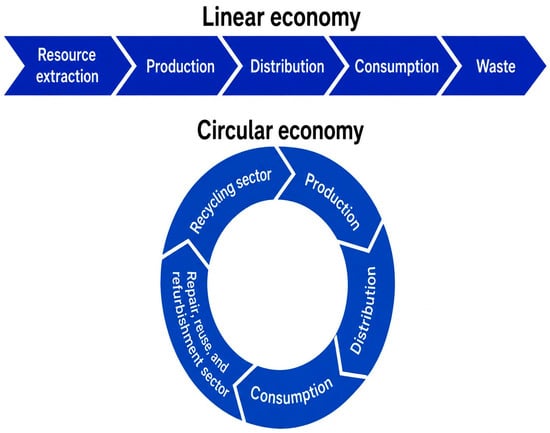
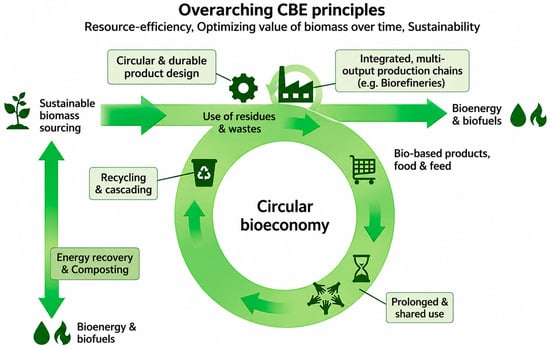
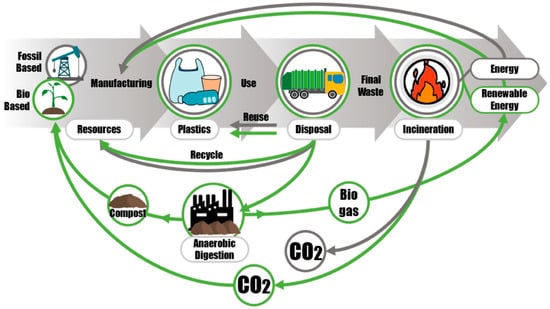
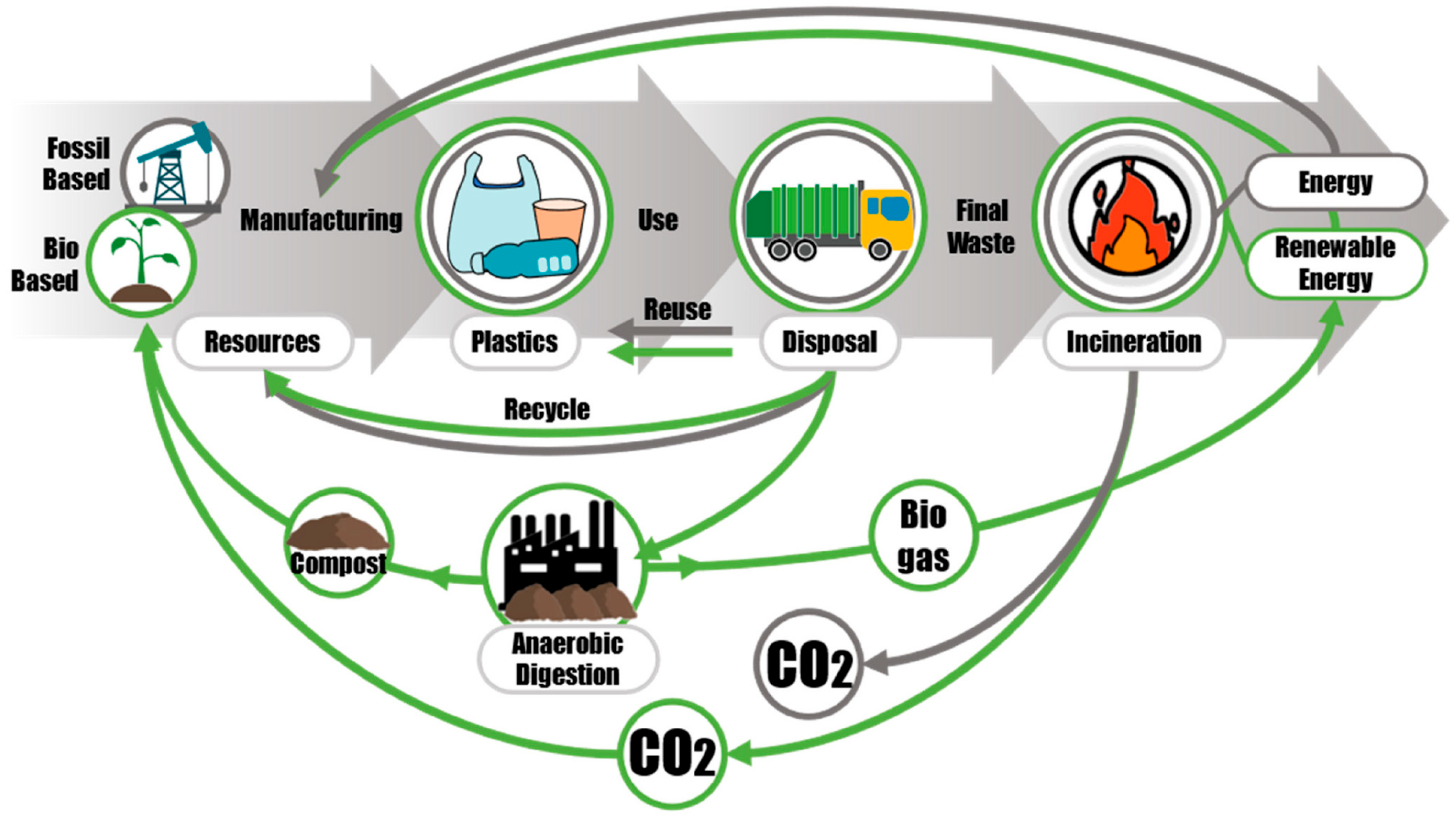

Disclaimer/Publisher’s Note: The statements, opinions and data contained in all publications are solely those of the individual author(s) and contributor(s) and not of MDPI and/or the editor(s). MDPI and/or the editor(s) disclaim responsibility for any injury to people or property resulting from any ideas, methods, instructions or products referred to in the content. |
© 2026 by the authors. Licensee MDPI, Basel, Switzerland. This article is an open access article distributed under the terms and conditions of the Creative Commons Attribution (CC BY) license.