Article

The Clear Choice: Developing Transparent Cork for Next-Generation Sustainable Materials

1
CENIMAT—Centro de Investigação em Materiais, i3N—Institute for Nanomodelling, Nanostructures and Nanofabrication, Department of Materials Science, NOVA School of Sciences and Technology, Campus da Caparica, Caparica, 2829-516 Lisbon, Portugal
2
Unit for Innovation and Research in Engineering—UnIRE, Mechanical Engineering Department, Instituto Superior de Engenharia de Lisboa—ISEL, Lisbon Superior Institute of Engineering, Rua Conselheiro Emídio Navarro, 1, 1959-007 Lisboa, Portugal
3
LAQV/Requimte—Laboratório Associado para a Química Verde, Department of Chemistry, NOVA School of Science and Technology, Campus da Caparica, Caparica, 2829-516 Lisbon, Portugal
*
Author to whom correspondence should be addressed.
Macromol 2025, 5(2), 17; https://doi.org/10.3390/macromol5020017

Submission received: 6 March 2025 / Revised: 1 April 2025 / Accepted: 2 April 2025 / Published: 8 April 2025

Abstract

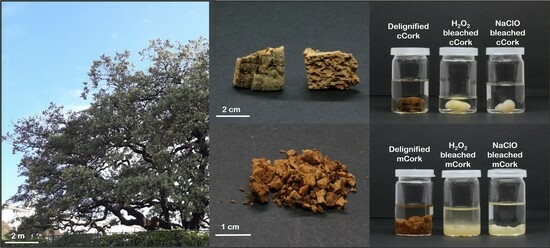
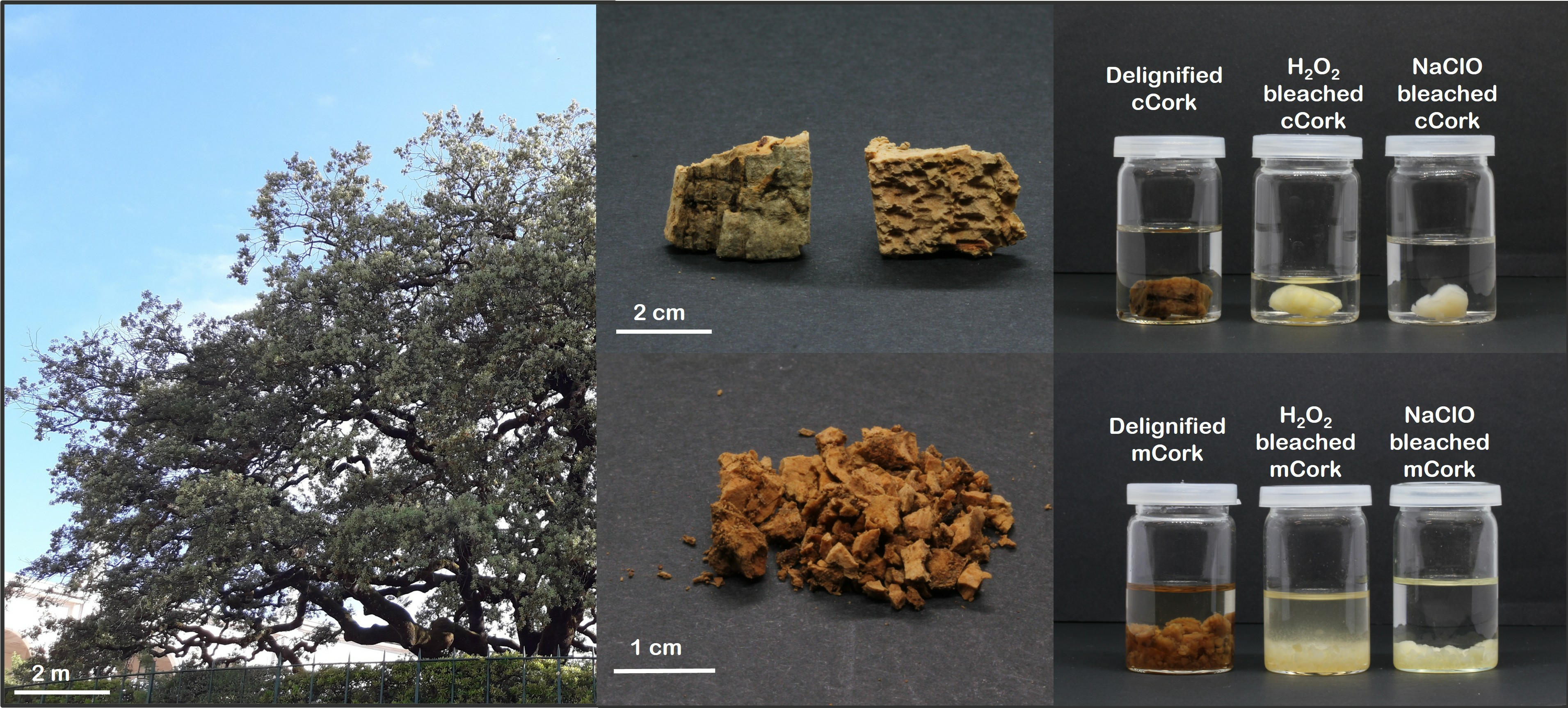
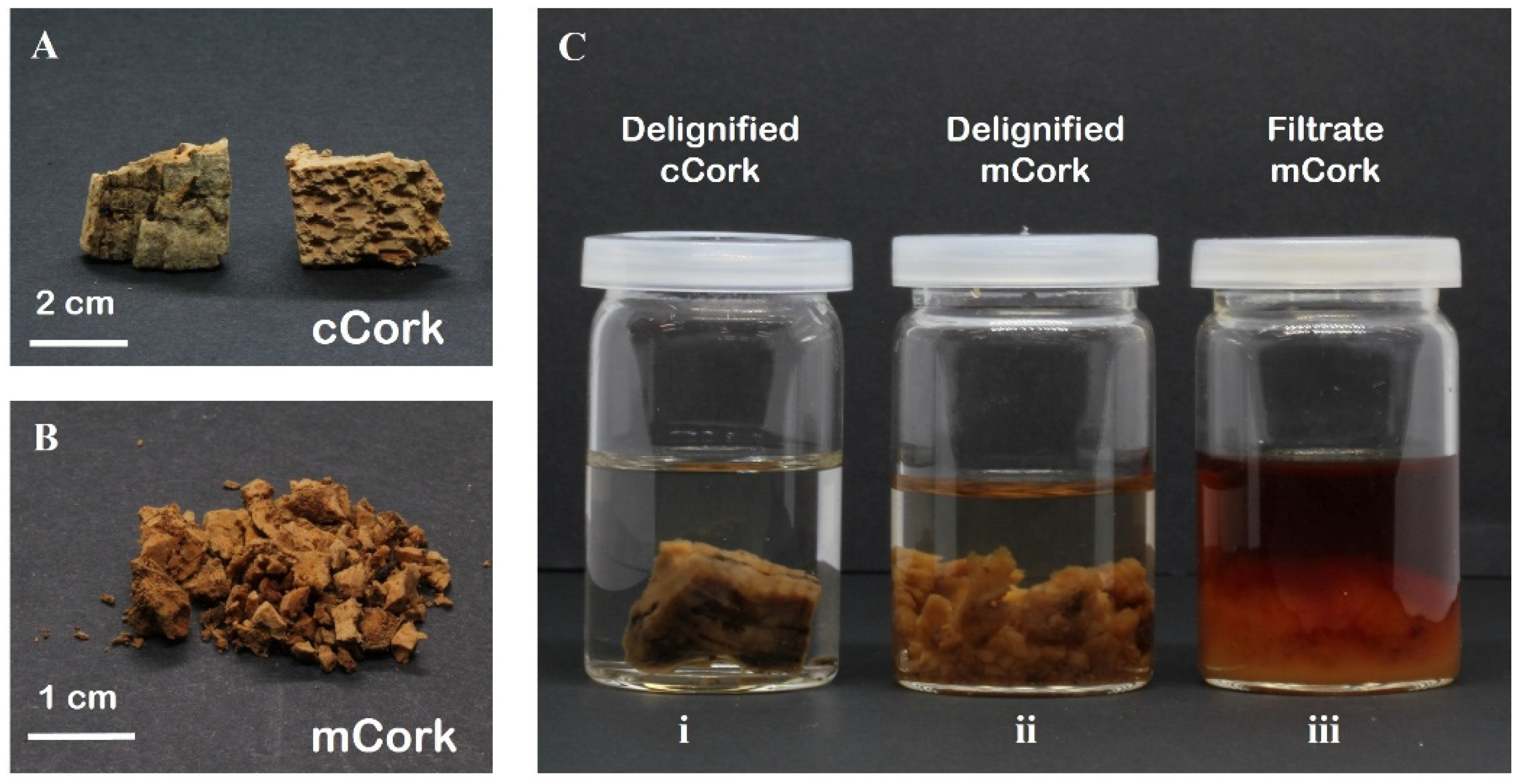
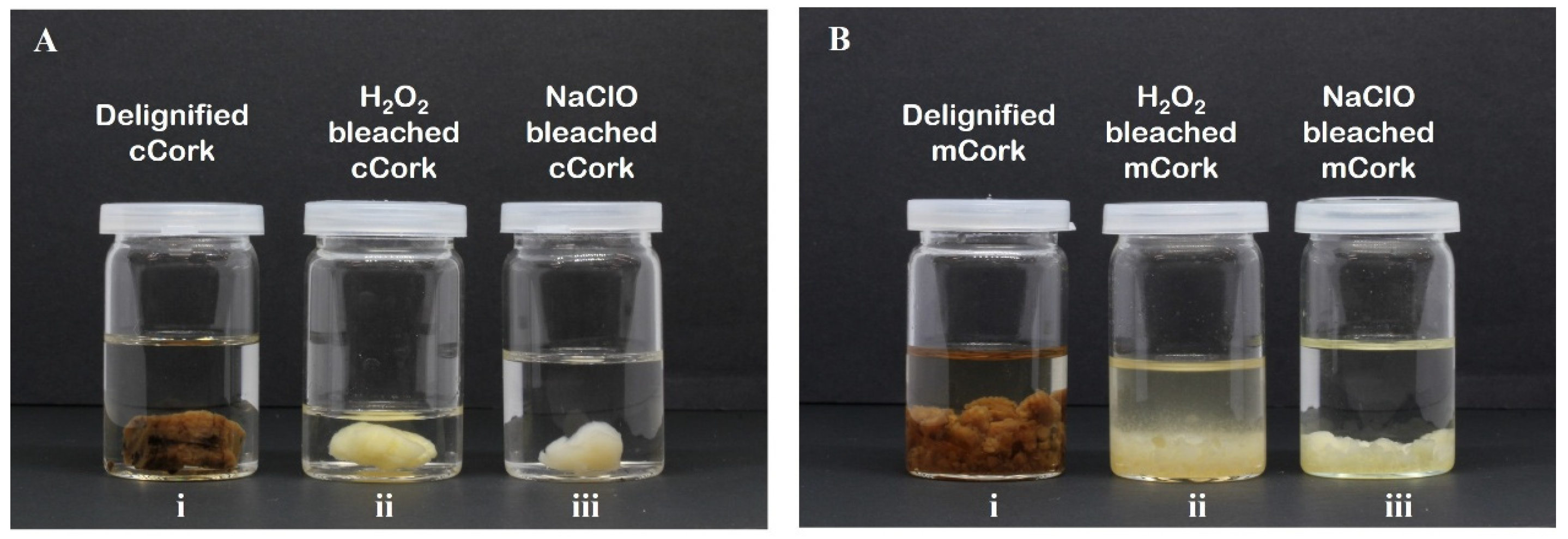
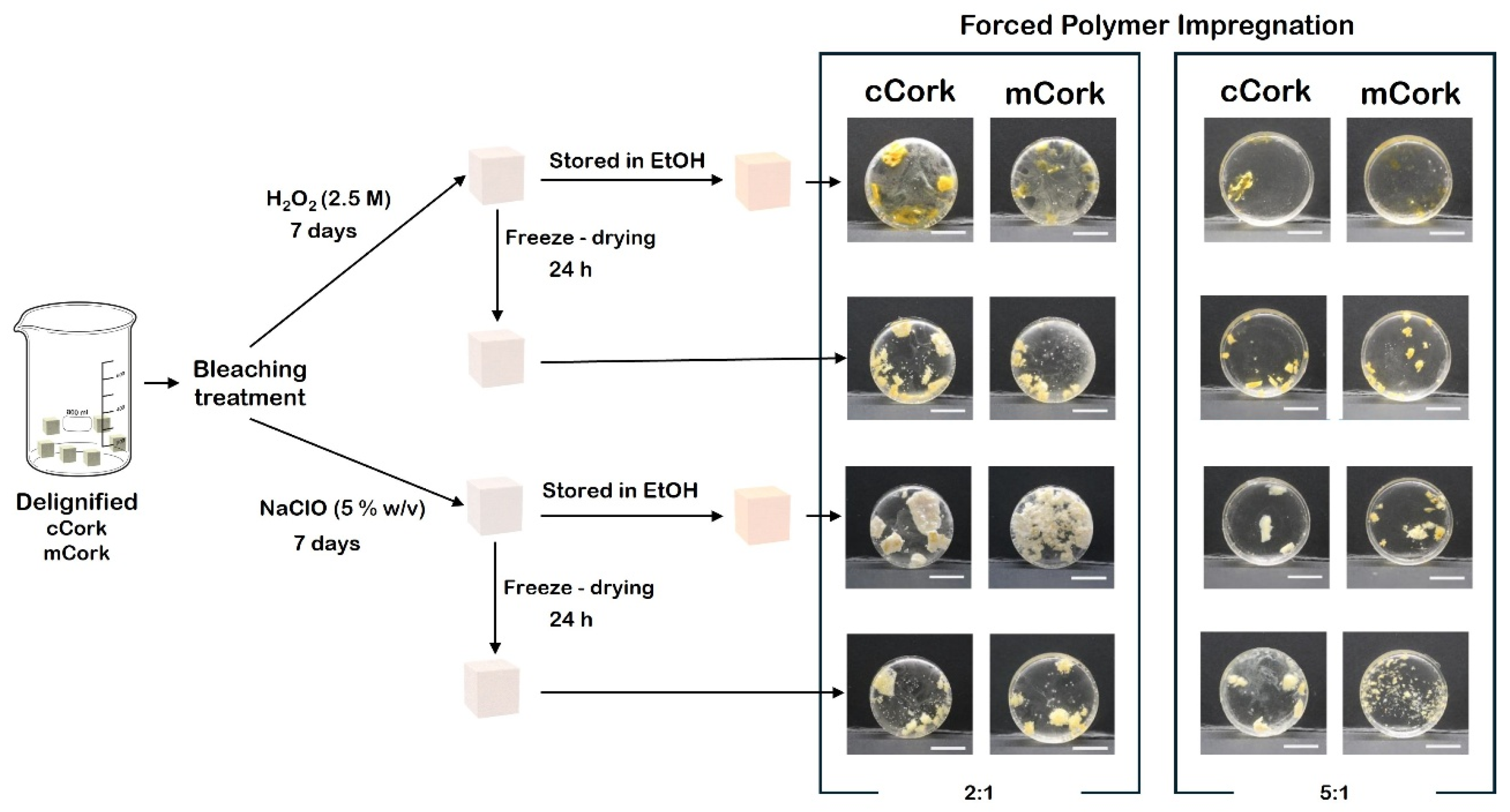
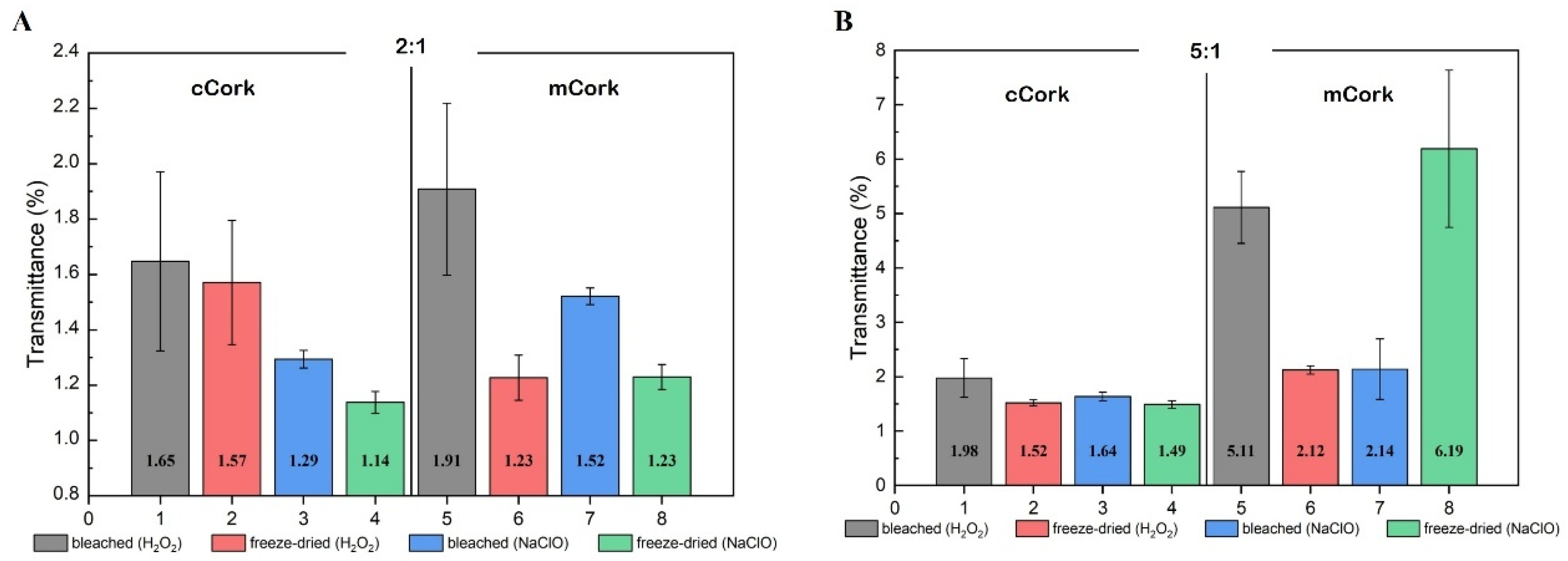
Many modern technologies rely on materials that harm the environment. Glass manufacturing, for instance, is both expensive and environmentally damaging. In response, scientists have developed a technique to replace glass with transparent wood, an innovative, versatile, and sustainable alternative. Wood naturally retains heat, is durable, and remains cost-effective, making it promising substitute for glass and plastic in window production. This innovation highlights the urgent need for eco-friendly technologies to replace or improve existing materials. This work explores cork as a sustainable alternative for producing transparent materials, potentially replacing transparent wood. Unlike wood, cork can be harvested from the same tree for up to 300 years. The process followed a method like transparent wood production, involving delignification, bleaching, and forced polymer impregnation. The choice of bleaching agent significantly impacted results—samples treated with sodium hypochlorite solution appeared whiter but became extremely fragile, whereas hydrogen peroxide preserved mechanical properties better. The resin-to-hardener ratio was crucial, with higher resin content improving polymer infiltration and transparency. While fully transparent cork was not achieved, the resulting translucent material lays the groundwork for future research in this field.
Keywords: cellulose; cork; translucent material cellulose; cork; translucent material
Graphical Abstract