


Abstract
Generative artificial intelligence (AI) is increasingly used in travel planning, yet limited research has examined how travelers evaluate AI-generated travel recommendations as an information source. This study examines travelers’ evaluations and behavioral intentions toward such recommendations, extending and contextualizing the Word-of-Machine (WOMa) perspective within tourism using an Information Adoption Model (IAM)-informed framework. An online survey of 485 U.S. respondents with prior experience using AI for travel planning measured trust, perceived usefulness, perceived ease of use, information presentation, and behavioral intention. Respondents generally evaluated AI-generated travel recommendations favorably, and all four predictors were positively associated with behavioral intention. The regression model explained 84.5% of the variance in behavioral intention (R2 = 0.845), while demographic differences were observed, particularly across household-income groups. The study contributes to tourism research by extending the WOMa perspective to AI-generated travel recommendations and examining the factors associated with travelers’ willingness to use them. Practically, the findings highlight the importance of useful, trustworthy, clearly presented, and easy-to-use AI recommendations, while maintaining opportunities for verification and human judgment.
1. Introduction
Generative artificial intelligence (GenAI) is changing how travelers search for and evaluate tourism information. Rather than relying only on interpersonal word-of-mouth (WOM), electronic word-of-mouth (eWOM), online reviews, and search engines, travelers can now ask AI systems such as ChatGPT, Gemini, Claude, and Microsoft Copilot to produce destination advice, itineraries, lodging suggestions, dining recommendations, and travel tips. This shift changes the source and production of tourism information because the recommendation is generated by an algorithmic agent rather than by another traveler. This study contributes to tourism research by contextualizing and extending the WOMa perspective to AI-generated travel recommendations and by empirically examining how travelers evaluate this emerging information source through an IAM-informed framework. In doing so, the study connects emerging research on AI-generated communication with established tourism information-adoption research and provides evidence regarding the roles of trust, perceived usefulness, perceived ease of use, and information presentation in travelers’ behavioral intention to use WOMa.
Tourism has long been an information-intensive industry (Christensen et al., 2025; Mladenović et al., 2026). Travelers rely on information to reduce uncertainty and make informed decisions about destinations, lodging, attractions, restaurants, and itinerary planning. In the past, word-of-mouth (WOM), or personal communication among friends, family members, and other trusted people, shaped many of these recommendations. Travelers now also use electronic word-of-mouth (eWOM) through online reviews, travel websites, blogs, and social media. Technology has changed how travel information is generated, distributed, and evaluated (Kim et al., 2025; Tassiello et al., 2025). More recently, developments in generative artificial intelligence (GenAI) have changed how travel information is created and consumed. Travelers can obtain personalized travel advice directly from AI systems rather than relying only on recommendations from other travelers (Christensen et al., 2025; Mladenović et al., 2026; Topsakal, 2025). Many travelers also use AI indirectly because it is embedded in existing travel tools. Understanding how travelers evaluate and apply this emerging source of tourism information has therefore become a relevant research priority as AI-generated recommendations are increasingly incorporated into travel planning (Christensen et al., 2025; Tassiello et al., 2025).
Generative AI synthesizes data from many sources to produce context-specific, conversational, and customized suggestions, in contrast to traditional search engines that mainly fetch and rank existing webpages (Dwivedi et al., 2024; Sigala et al., 2024). The ways in which travelers search for and interact with tourism information are being altered by the increasing use of AI systems to recommend destinations, create travel itineraries, suggest lodging and dining options, and respond to travel-related queries in a matter of seconds (Sigala et al., 2024; Stergiou & Nella, 2024). These features offer the opportunity to increase customization, decrease information overload, and improve planning efficiency (Dwivedi et al., 2024; Sigala et al., 2024). At the same time, generative AI systems may produce false or inaccurate information while presenting it with a high degree of confidence, raising concerns about the reliability, transparency, and credibility of AI-generated recommendations (Christensen et al., 2025; Rejón-Guardia et al., 2026). As a result, tourism academics and practitioners are increasingly recognizing the importance of understanding how tourists assess and accept AI-generated travel suggestions (Christensen et al., 2025; Stergiou & Nella, 2024). While there are many similarities between AI-generated suggestions and traditional tourist information sources, one significant distinction is that the advice is created by an algorithm rather than by another traveler (Sigala et al., 2024; Tassiello et al., 2025).
By acknowledging AI as an active generator of travel recommendations rather than just an intermediary that retrieves or organizes information, WOMa expands the evolution of tourism information beyond traditional word-of-mouth (WOM) and electronic word-of-mouth (eWOM) (Fakfare et al., 2025; Park et al., 2026). Unlike WOM and eWOM, in which information originates from human communicators, WOMa concerns recommendations generated by an AI system, shifting attention toward how travelers evaluate the usefulness, trustworthiness, presentation, and usability of machine-generated travel information (Kim et al., 2025; Won & Lee, 2026).
Tourism research has extensively examined traditional word-of-mouth, electronic word-of-mouth, online reviews, recommender systems, and technology adoption. Research on generative AI in tourism, however, has largely focused on its applications, opportunities, and challenges (Dwivedi et al., 2024; Sigala et al., 2024). Despite the rapid evolution of generative AI in the travel industry, relatively little research has examined AI-generated recommendations as a distinct form of travel information that differs in source and production process from traditional WOM, eWOM, and online reviews (Tassiello et al., 2025). Existing theoretical perspectives may therefore need to be extended or contextualized to explain how tourists evaluate and use this emerging information source as AI increasingly takes on the role of generating rather than merely organizing tourism information (Sigala et al., 2024).
This study uses the Information Adoption Model (IAM) since WOMa is examined as an information source, not only as a technology. In the original IAM, argument quality and source credibility influence perceived information usefulness, which subsequently influences information adoption (Sussman & Siegal, 2003). In the present study, trust is conceptually related to, but not equivalent to, source credibility, while information presentation captures characteristics of how AI-generated information is organized and communicated rather than the full argument-quality construct specified in the original IAM. Perceived usefulness captures the perceived value of AI-generated recommendations for travel planning. Perceived ease of use, which originates primarily from the Technology Acceptance Model (TAM) tradition (Davis, 1989), is included as an additional construct because the conversational and interactive nature of generative AI may reduce the effort required to obtain and refine travel information. Accordingly, the present framework can be understood as IAM-informed rather than a test of the complete causal structure of IAM or TAM.
Research Questions:
- RQ1: How do travelers evaluate AI-generated travel recommendations (WOMa) in terms of trust, perceived usefulness, perceived ease of use, information presentation, and behavioral intention?
- RQ2: To what extent do travelers’ evaluations of AI-generated travel recommendations (WOMa) vary across demographic groups?
Hypotheses:
H1.
Trust in AI-generated travel recommendations is positively associated with travelers’ behavioral intention to use AI-generated travel recommendations.
H2.
Perceived usefulness of AI-generated travel recommendations is positively associated with travelers’ behavioral intention to use AI-generated travel recommendations.
H3.
Perceived ease of use of AI-generated travel recommendations is positively associated with travelers’ behavioral intention to use AI-generated travel recommendations.
H4.
Positive perceptions of the information presentation of AI-generated travel recommendations are positively associated with travelers’ behavioral intention to use AI-generated travel recommendations.
2. Theoretical Framework
In the original IAM, source credibility and argument quality influence perceived information usefulness, which subsequently influences information adoption (Sussman & Siegal, 2003). The present study does not test this complete causal sequence. Instead, it uses IAM as a guiding framework for examining how travelers evaluate WOMa. In the proposed framework, trust is conceptually related to source credibility but is treated as a separate construct in the present study. Information presentation concerns how AI-generated travel information is organized and communicated and is not treated as equivalent to the argument-quality construct specified in the original IAM. Perceived usefulness captures the value travelers assign to the recommendations, and perceived ease of use reflects the effort required to obtain and interact with AI-generated information. The study then examines the direct associations of these constructs with behavioral intention to use AI-generated travel recommendations. With WOM, credibility is evaluated in relation to the interpersonal source providing the recommendation (Brown & Reingen, 1987).
- With eWOM, credibility is evaluated through characteristics of online reviewers, message content, and the platform context (Cheung & Thadani, 2012; Filieri, 2016).
- With WOMa, credibility concerns shift toward the AI system generating the recommendation, including perceptions of its competence, transparency, and trustworthiness (Glikson & Woolley, 2020; Liao et al., 2020).
- With aiWOM, credibility is evaluated within an interactive consumer–AI communication process, including perceptions of the reliability and usefulness of AI-generated responses (Tassiello et al., 2025).
IAM is well suited for this study because the focus is not simply on whether travelers are willing to use AI technology, but on how they evaluate and use the travel information it produces. This is particularly relevant to WOMa, where recommendations are generated by an AI system rather than another traveler or online reviewer (Longoni & Cian, 2022; Tassiello et al., 2025). By comparison, technology acceptance models such as TAM primarily address users’ acceptance of technological systems (Davis, 1989), whereas IAM focuses more directly on the evaluation and adoption of information (Sussman & Siegal, 2003). Accordingly, IAM provides an appropriate theoretical lens for examining WOMa as an emerging source of travel information.
As WOMa is still an emerging area of research in tourism, this study uses IAM as a theoretical lens rather than testing the model’s complete causal sequence. Building on this perspective, the study examines how trust, perceived usefulness, perceived ease of use, and information presentation relate to travelers’ behavioral intention to use AI-generated travel recommendations. The theoretical development of the framework therefore draws on IAM as an informing lens for examining machine-generated tourism information rather than adapting or reproducing its complete causal structure. Perceived ease of use is incorporated as an extension to account for the interactive and conversational characteristics of generative AI (Davis, 1989; Longoni & Cian, 2022; Tassiello et al., 2025).
In the original IAM, source credibility and argument quality influence perceived information usefulness, which subsequently influences information adoption (Sussman & Siegal, 2003). The present study does not test this complete causal sequence. Instead, it uses IAM as a guiding framework for examining how travelers evaluate WOMa. In the proposed framework, trust is conceptually related to source credibility but is treated as a separate construct. Information presentation concerns how AI-generated travel information is organized and communicated and is not treated as equivalent to the argument-quality construct specified in the original IAM. Perceived usefulness captures the value travelers assign to the recommendations, and perceived ease of use reflects the effort required to obtain and interact with AI-generated information. The study then examines the direct associations of these constructs with behavioral intention to use AI-generated travel recommendations. See Figure 1.
Figure 1.
IAM-Informed Conceptual Framework for Travelers’ Adoption of AI-Generated Travel Recommendations (WOMa).
3. Literature Review
3.1. Artificial Intelligence in Tourism and Travel Planning
Artificial intelligence (AI) has become a cornerstone of how travel information is created and used, reshaping how travelers search, compare, and decide throughout the planning journey. Building on eTourism and smart tourism foundations, AI now supports automated services that transform scattered information into personalized guidance (Buhalis & Law, 2008; Gretzel et al., 2015). AI improves both customer-facing interactions and behind-the-scenes analytics, helping firms anticipate needs and simplify decisions. Recent advances in large language models further shift travel planning from manual search toward adaptive, conversational decision support (Davenport & Ronanki, 2018; Huang & Rust, 2018).
A central shift is the maturation of recommender systems that filter options and tailor suggestions to travelers’ preferences, contexts, and constraints. In tourism, these systems draw on expanding data (such as search traces, online reviews, social media) to capture both objective attributes and subjective evaluations. This reduces information overload and helps users navigate choices in itinerary design and destination selection (Gretzel et al., 2015; Xiang et al., 2017).
Conversational interfaces and generative models now support open-ended, natural language interactions that elicit preferences, pose clarifying questions, and iteratively refine recommendations, mirroring human advisory dynamics while remaining scalable and consistently available (Huang & Rust, 2018). Recent research suggests that AI-generated recommendations may be evaluated differently from recommendations provided by human consumers. Longoni and Cian (2022) describe this as a “word-of-machine” effect and show that people’s responses to AI-generated advice can depend on the type of decision involved. This distinction is particularly relevant to tourism because travel decisions often combine practical concerns, such as cost and transportation, with hedonic concerns, such as enjoyment, relaxation, and personal experience. Recent work also places these recommendations within a broader shift in consumer communication. Tassiello et al. (2025) describe artificial intelligence word-of-mouth (aiWOM) as communication in which AI becomes an active participant rather than merely a tool used to transmit information. This perspective supports the view that AI-generated travel advice should be examined not only as a technological service but also as a new form of communication. The participative component within generative AI can lead to greater understanding and recognition of traveler needs through a dialogical approach. In parallel, service automation, from chatbots to frontline service robots, illustrates how AI complements human staff while introducing risks such as lack of transparency, bias, and errors (Davenport & Ronanki, 2018; Wirtz et al., 2018). Together, these changes shift who is seen as an authority in travel planning and support the case for WOMa, where AI systems generate and frame recommendations (Buhalis & Law, 2008; Xiang & Gretzel, 2010). This technological base sets the stage for the shift from interpersonal and online reviews to machine-generated guidance.
3.2. Evolution of Tourism Information Sources
Tourism information has long been shaped by interpersonal word-of-mouth (WOM), in which advice from trusted social ties reduces uncertainty and influences destination choice, itinerary planning, and booking decisions (Arndt, 1967; Brown & Reingen, 1987; Katz & Lazarsfeld, 1955). With the rise of Web 2.0, WOM evolved into electronic word-of-mouth (eWOM): reviews, ratings, and social media posts that are persistent, searchable, and visible beyond immediate networks (Hennig-Thurau et al., 2004; Litvin et al., 2008). In travel contexts, eWOM has become a primary source of information that shapes expectations and purchase intentions, as travelers consult other consumers’ narratives to assess quality, value, and risk (Sparks & Browning, 2011; Xiang & Gretzel, 2010).
eWOM differs from traditional WOM in reach, speed, and how people judge credibility. Travelers consider the source, argument quality, consensus, and platform reputation; design and ranking algorithms also shape what they see first and what seems most useful (Cheung & Thadani, 2012; Filieri, 2016; Litvin et al., 2008). Over time, recommender systems and other algorithms have filtered and summarized this crowdsourced information, sorting options and adapting information to user preferences and contexts (Ricci et al., 2011; Xiang & Gretzel, 2010). As a result, attention has shifted from individual voices to evidence organized by machines.
Generative AI accelerates this change. Instead of only retrieving and ranking reviews, AI now creates coherent travel suggestions tailored to the user’s context that pull together scattered data into itineraries, summaries, and tips (Bommasani et al., 2021).
This development can be understood through the Word-of-Machine (WOMa) perspective, in which recommendations are produced by algorithms rather than human travelers, with the machine acting as a visible generator and communicator of the recommendation (Longoni & Cian, 2022). Relatedly, Tassiello et al. (2025) conceptualize artificial intelligence word-of-mouth (aiWOM) as a broader form of communication in which consumers and AI systems interact and exchange information. In the present study, WOMa is used more narrowly to refer to travel recommendations generated and presented by AI systems. Thus, aiWOM provides a broader communication context, while WOMa identifies the specific AI-generated tourism information examined in this study. WOMa changes who holds authority and who is accountable in tourism information. It offers efficiency and personalization at scale, but it also raises new considerations (such as transparency, reliability, and the risk of errors) that affect trust and adoption (Amershi et al., 2019; Glikson & Woolley, 2020). This perspective transitions WOM to eWOM with the current shift toward AI-mediated communication, in which AI not only curates’ information but also produces recommendations, and it motivates the authors’ focus on acceptance, trust, and presentation of AI-generated travel recommendations (Longoni & Cian, 2022; Tassiello et al., 2025; Liao et al., 2020). Although these concepts have attempted to clarify the communication role of AI, their application to tourism remains limited, particularly in relation to how travelers judge the credibility and usefulness of machine-generated recommendations.
3.3. Information Adoption of AI-Generated Travel Recommendations (IAM)
The Information Adoption Model (IAM) is the primary framework for this section. IAM explains how people decide to use information: strong, relevant reasons (argument quality) and credible sources lead to higher perceived information usefulness, which then drives information adoption (Bhattacherjee & Sanford, 2006; Cheung et al., 2008; Petty & Cacioppo, 1986; Sussman & Siegal, 2003; Watts & Zhang, 2008). In travel planning, travelers look for clear, specific, and helpful reasons, and they pay attention to who or what provides the advice. Because travel choices vary in stakes and preferences are nuanced, these judgments carry added weight (Erkan & Evans, 2016).
Applied to AI-generated travel recommendations, argument quality appears as concrete, balanced details that feel useful, while source credibility stems from signals of expertise, honesty, platform reputation, and past accuracy (Cheung & Thadani, 2012; Filieri, 2016; McKnight et al., 2002; Mudambi & Schuff, 2010). Simple design choices strengthen both pathways: short rationales, links to sources, and plain signals of uncertainty support appropriate reliance and increase perceived usefulness and the likelihood of adoption (Liao et al., 2020; Ribeiro et al., 2016). Human responses to algorithms can be mixed: people may avoid them after seeing errors yet prefer them on structured tasks—so giving users light-touch control (e.g., adjusting recommendations) can reduce aversion and encourage adoption (Dietvorst et al., 2015; Dietvorst et al., 2018; Logg et al., 2019).
The Technology Acceptance Model (TAM) is noted briefly to acknowledge that perceived usefulness and ease of use can make information easier to process and act on (Davis, 1989). However, the present study centers on IAM since its primary concern is how travelers evaluate and adopt AI-generated information rather than adoption of the AI technology itself. Perceived ease of use is incorporated as an extension to the IAM-informed framework to account for the conversational and interactive nature of generative AI travel systems. Accordingly, greater perceived usefulness is expected to be associated with stronger behavioral intention to use WOMa, while greater perceived ease of use is expected to support behavioral intention by reducing the effort required to obtain and interact with AI-generated travel recommendations. These relationships provide the theoretical basis for H2 and H3, respectively.
The original IAM describes information adoption as a process in which argument quality and source credibility shape perceived information usefulness, which in turn contributes to information adoption (Sussman & Siegal, 2003). The present study does not test this full sequence. Instead, IAM provides a theoretical lens for considering how travelers evaluate AI-generated travel recommendations. Trust is related conceptually to source credibility, but it is examined here as a separate construct. Similarly, information presentation refers to the way AI-generated travel information is organized and communicated and is not intended to represent the argument-quality construct in the original IAM. Perceived usefulness has the closest conceptual connection to IAM, whereas perceived ease of use is included as an additional construct reflecting the effort involved in obtaining and interacting with AI-generated travel information. On this basis, the study examines the associations of trust, perceived usefulness, perceived ease of use, and information presentation with travelers’ behavioral intention to use AI-generated travel recommendations. The framework is therefore IAM-informed rather than a reproduction or test of IAM’s complete causal structure, and it provides the theoretical basis for examining the four constructs as predictors of behavioral intention.
3.4. Trust in AI-Generated Travel Recommendations
Trust is key to whether travelers will use AI-generated advice, since following machine suggestions involves some risk. In simple terms, people trust a system if they believe it is capable, honest, and acting in their interest. For AI travel advisors, this means being accurate and comprehensive (ability), open and fair (integrity), and aligned with what the user wants (benevolence) (Komiak & Benbasat, 2006; R. C. Mayer et al., 1995; McKnight et al., 2002). Travel decisions are uncertain and often evaluated only after the trip, so trust helps users deal with risk and information gaps, especially when recommendations come from machines rather than people (Filieri, 2016; Glikson & Woolley, 2020). Within the IAM-informed framework, trust is conceptually related to source credibility but is examined as a separate construct in the present study. In the case of WOMa, the relevant information source is the AI system and the platform through which it delivers recommendations.
Research on automation shows that trust should match the system’s actual performance and clarity about its limits (Hoff & Bashir, 2015; Lee & See, 2004; Rahwan et al., 2019). With generative AI, outputs can appear confident yet be incorrect. Features that signal uncertainty, cite sources, explain the reasoning, and allow users to question or correct the result make reliance more appropriate (Ji et al., 2023; Liao et al., 2020; Ribeiro et al., 2016).
People respond to algorithms in mixed ways. Some avoid them after seeing mistakes (algorithm aversion), while others prefer them on structured tasks (algorithm appreciation) (Dietvorst et al., 2015; Logg et al., 2019). Giving users some level of control (such as editing preferences or tweaking recommendations) reduces aversion and supports adoption (Amershi et al., 2019; Dietvorst et al., 2018). Context is also equally important. Trip importance, time pressure, spatial constraints, familiarity with the destination, privacy concerns, and platform reputation may all shape trust, which in turn affects how useful and personalized the AI seems (Gefen et al., 2003; Malhotra et al., 2004; McKnight et al., 2002). For these reasons, trust, alongside usefulness and ease of use, is treated as a core driver of the intention to use AI-generated travel recommendations. Accordingly, greater trust in AI-generated travel recommendations is expected to be associated with stronger behavioral intention to use them, providing the theoretical basis for H1. These trust dynamics interact with how information is presented, which shapes judgments at a glance.
3.5. Information Presentation and User Evaluation
How recommendations are presented strongly shapes how travelers judge them. Clear structure, plain language, and scannable layouts reduce mental effort and make it easier to compare options and spot trade-offs (R. E. Mayer, 2009; Sweller et al., 1998). When content is organized around the user’s goal (e.g., budget, time, interests), people process it more deeply and find it more persuasive (Fogg, 2003; Petty & Cacioppo, 1986). From an IAM perspective, these presentation features can affect how travelers judge the quality and usefulness of the information. A well-organized recommendation may create transparency in reasoning that is easier to understand, while a poorly presented recommendation may reduce the perceived value of otherwise relevant information.
For AI-generated advice, the “why” matters as much as the “what.” Short, goal-relevant explanations, links to evidence (for example, sources or data), and clear signals of uncertainty make systems feel more transparent and help users rely on them appropriately (Herlocker et al., 2000; Liao et al., 2020; Miller, 2019). Explanations work best when they match user goals, such as “best for families” or “shortest travel time,” rather than technical details that add effort (Pirolli & Card, 1999; Tintarev & Masthoff, 2015). In practice, concrete, specific information is typically judged as more helpful than vague claims (Mudambi & Schuff, 2010).
Presentation can also affect judgments. Framing information in terms of gains versus losses can influence how people evaluate information and respond to recommendations, even when the underlying information is comparable (Tversky & Kahneman, 1981; Zhao et al., 2023). Overall, AI travel advice works best when it is easy to scan, shows its evidence, provides simple goal-based explanations, and is clear about uncertainty, which supports trust, usefulness, and intent to use (Gefen et al., 2003; Venkatesh & Bala, 2008). These presentation effects are therefore relevant to information adoption since they may influence perceived usefulness and the credibility of the recommendation. Accordingly, more favorable perceptions of information presentation are expected to be associated with stronger behavioral intention to use AI-generated travel recommendations, providing the theoretical basis for H4. This connection further supports the use of an IAM-informed framework.
3.6. Research Gap
Most tourism research has examined interpersonal WOM, eWOM, or traditional recommender systems, while comparatively limited attention has been given to AI-generated recommendations as a specific form of tourism information. Existing models explain important aspects of user behavior, but the characteristics of generative AI have received less attention within travel-planning frameworks (Davis, 1989; Ji et al., 2023; Miller, 2019; Venkatesh & Bala, 2008). Although recent studies have begun to examine AI as a source or participant in word-of-mouth communication, its application to tourism remains conceptually and empirically underdeveloped. Longoni and Cian (2022) show that responses to machine-generated recommendations may vary according to the type of consumer decision, while Tassiello et al. (2025) broaden this discussion by conceptualizing communication between consumers and AI systems. However, limited research has examined how travelers evaluate AI-generated recommendations in terms of trust, perceived usefulness, perceived ease of use, and information presentation, or how these evaluations relate to behavioral intention. In particular, limited research has applied an IAM-informed perspective to the evaluation of AI-generated travel recommendations.
The broader literature also identifies several related measurement and design questions for future research. The existing literature lacks well-tested measures for appropriate trust, transparency, and uncertainty handling in AI travel advice, and the available evidence on how presentation choices affect usefulness and reliance remains modest (Liao et al., 2020; Tintarev & Masthoff, 2015). Moreover, little is known about how these effects vary across demographic groups and decision contexts (e.g., high- versus low-stakes trips), or how personalization benefits trade off against privacy concerns in shaping initial and ongoing trust (Gefen et al., 2003; Malhotra et al., 2004).
Therefore, this study applies the WOMa perspective to examine travelers’ evaluations of AI-generated travel recommendations through trust, perceived usefulness, perceived ease of use, information presentation, and behavioral intention. This study examines travelers’ overall evaluations of these dimensions and whether those evaluations differ across demographic groups. Guided by an IAM-informed framework, the study further tests whether trust, perceived usefulness, perceived ease of use, and information presentation are positively associated with the behavioral intention to use AI-generated travel recommendations. These proposed relationships provide the theoretical basis for the predictors examined in the regression model.
4. Method
Data were collected through an online survey of U.S. respondents with prior experience using AI tools for travel planning. Respondents were asked to answer the survey based on their experience with tools such as ChatGPT, travel chatbots, and AI trip planners. The sample consisted of 485 respondents. The survey collected demographic information and measured trust in AI-generated travel recommendations, perceived usefulness, perceived ease of use, information presentation, and behavioral intention using five-point Likert scales ranging from strongly disagree to strongly agree. Respondents were also provided with an optional open-ended question to share additional views about their experiences with AI-generated travel recommendations.
The quantitative data were analyzed using IBM SPSS Statistics (v32.0). Composite scores were calculated for trust, perceived usefulness, perceived ease of use, information presentation, and behavioral intention by averaging the retained items for each construct. One Trust item was excluded from the retained scale and does not enter any of the analyses reported below; all reliability, confirmatory factor analysis, and regression results are therefore based on the retained items. No items were excluded from the remaining four constructs. Internal consistency was assessed using Cronbach’s alpha, and the measurement model was evaluated using confirmatory factor analysis (CFA), composite reliability (CR), average variance extracted (AVE), and heterotrait–monotrait (HTMT) ratios. Descriptive statistics were used to address RQ1. Demographic differences (RQ2) were examined using independent-samples t-tests for gender and one-way ANOVA for age, education, and household income, with Cohen’s d and eta squared (η2) reported as effect sizes. Tukey’s HSD or Games–Howell post hoc tests were applied as appropriate based on Levene’s test. H1–H4 were examined using multiple linear regression, with tolerance, variance inflation factors (VIF), and the Durbin–Watson statistic used as diagnostic measures. Given the substantial correlations among the predictors, zero-order correlations and an LMG/Shapley relative-importance analysis were also used to assess their relative contributions to behavioral intention. A supplementary regression model incorporating age, educational attainment, and household income was estimated as a robustness check (Section 5.6).
While the use of a U.S.-based sample may represent a geographic limitation of the study, it does not necessarily restrict the relevance of the findings to a purely domestic context. U.S. residents are highly active participants in international tourism. In 2025, U.S. citizens made approximately 109.3 million trips to international destinations, representing a 2.7% increase from approximately 106.4 million trips in 2024 (International Trade Administration, 2026; Tourism Analytics, 2026). This substantial level of outbound travel provides context for examining U.S. respondents in research on travel information and decision-making. Nevertheless, the findings should not be interpreted as statistically representative of travelers worldwide, and their applicability across different national and cultural contexts requires further investigation.
5. Results
5.1. Evaluation of AI-Generated Travel Recommendations
To address RQ1, descriptive statistics were examined for the five study constructs: trust, perceived usefulness, perceived ease of use, information presentation, and behavioral intention. Internal consistency was also assessed using Cronbach’s alpha. As shown in Table 1, respondents generally reported favorable evaluations of AI-generated travel recommendations across the five constructs. Perceived ease of use had the highest mean (M = 3.915, SD = 0.908), followed by perceived usefulness (M = 3.893, SD = 0.933), trust (M = 3.789, SD = 0.928), information presentation (M = 3.771, SD = 0.900), and behavioral intention (M = 3.758, SD = 1.011). The differences among the construct means were modest, indicating broadly positive evaluations across the dimensions examined.
Table 1.
Descriptive Statistics and Reliability of Study Constructs.
Internal consistency was high across all five constructs, with Cronbach’s alpha coefficients ranging from 0.894 for information presentation to 0.943 for perceived usefulness. These results indicate strong internal consistency among the retained items within each construct.
5.2. T-Test
Independent-sample t-tests were conducted to examine whether respondents’ evaluations of AI-generated travel recommendations differed by gender. A statistically significant difference was observed exclusively for trust. Male respondents reported higher trust (M = 3.96, SD = 0.98) than female respondents (M = 3.61, SD = 0.83), t = 4.29, p < 0.001, Cohen’s d = 0.389, indicating a small-to-moderate difference. No statistically significant gender differences were observed for perceived usefulness (p = 0.061), perceived ease of use (p = 0.227), information presentation (p = 0.078), or behavioral intention (p = 0.287). Thus, gender differences in evaluations of WOMa were limited primarily to trust, while respondents reported broadly similar evaluations of usefulness, ease of use, information presentation, and future behavioral intention across gender groups. See Table 2.
Table 2.
Gender Differences in Evaluations of AI-Generated Travel Recommendations.
5.3. ANOVA
5.3.1. Demographic Differences in Evaluations of WOMa (RQ2)
To address RQ2, one-way analyses of variance (ANOVAs) were conducted to examine whether respondents’ evaluations of AI-generated travel recommendations differed across age, educational attainment, and household income groups. Eta squared (η2) was used to assess effect size. Levene’s test was used to assess homogeneity of variance. Tukey’s HSD post hoc procedure was applied when the homogeneity assumption was satisfied, whereas Games–Howell comparisons were used when the assumption was violated.
5.3.2. Age Differences
Statistically significant differences across age groups were observed for all five constructs: trust, F(3, 481) = 29.73, p < 0.001, η2 = 0.156; perceived usefulness, F(3, 481) = 17.37, p < 0.001, η2 = 0.098; perceived ease of use, F(3, 481) = 25.46, p < 0.001, η2 = 0.137; information presentation, F(3, 481) = 34.33, p < 0.001, η2 = 0.176; and behavioral intention, F(3, 481) = 12.92, p < 0.001, η2 = 0.075.
Levene’s tests indicated that the homogeneity-of-variance assumption was satisfied for trust (p = 0.143), information presentation (p = 0.103), and behavioral intention (p = 0.060); Tukey’s HSD was, therefore, used for these constructs. The assumption was violated for perceived usefulness (p = 0.001) and perceived ease of use (p < 0.001), for which Games–Howell comparisons were used.
Post hoc comparisons demonstrated that respondents aged 18–29 generally reported less favorable evaluations than respondents aged 30–44 and 45–60. For trust, the 18–29 group scored significantly lower than the 30–44 and 45–60 groups (both p < 0.001), while the 45–60 group scored higher than the 30–44 group (p = 0.040) and the 61+ group (p < 0.001). For perceived usefulness, respondents aged 18–29 scored lower than those aged 30–44 and 45–60 (both p < 0.001), while the 30–44 (p = 0.043) and 45–60 (p = 0.002) groups scored higher than the 61+ group. For perceived ease of use, respondents aged 18–29 scored lower than the 30–44 and 45–60 groups (both p < 0.001) and the 61+ group (p = 0.039); the 30–44 and 45–60 groups also scored higher than the 61+ group (both p < 0.001). Significant differences in information presentation similarly indicated more favorable evaluations among the middle-age groups. For behavioral intention, the 18–29 group reported significantly lower intentions than the 30–44 and 45–60 groups (both p < 0.001). See Table 3.
Table 3.
Age Differences in Evaluations of AI-Generated Travel Recommendations.
5.3.3. Educational Differences
Statistically significant differences across educational-attainment groups were observed for trust, F(3, 481) = 16.22, p < 0.001, η2 = 0.092; perceived usefulness, F(3, 481) = 14.11, p < 0.001, η2 = 0.081; perceived ease of use, F(3, 481) = 18.90, p < 0.001, η2 = 0.105; information presentation, F(3, 481) = 11.12, p < 0.001, η2 = 0.065; and behavioral intention, F(3, 481) = 11.92, p < 0.001, η2 = 0.069. Levene’s tests were statistically significant for all five constructs (all p < 0.001), indicating unequal variances. Games–Howell post hoc comparisons were therefore used throughout.
Post hoc comparisons indicated that respondents with graduate degrees generally reported more favorable evaluations. Graduate-degree respondents reported significantly higher trust than respondents with a high school education or lower (p = 0.048), some college/university education (p < 0.001), and an undergraduate degree (p < 0.001). For perceived usefulness, graduate-degree respondents scored higher than those with high school education or lower (p = 0.024), some college/university education (p < 0.001), and an undergraduate degree (p = 0.002); undergraduate-degree respondents also scored higher than the some-college/university group (p = 0.032). Similar patterns occurred for perceived ease of use and information presentation. For behavioral intention, respondents with undergraduate degrees (p = 0.003) and graduate degrees (p < 0.001) reported significantly higher intentions than respondents with some college/university education. The remaining pairwise differences were not statistically significant. See Table 4.
Table 4.
Educational Differences in Evaluations of AI-Generated Travel Recommendations.
5.3.4. Household Income Differences
Statistically significant differences were also observed across household income groups for all five constructs: trust, F(3, 481) = 64.48, p < 0.001, η2 = 0.287; perceived usefulness, F(3, 481) = 72.12, p < 0.001, η2 = 0.310; perceived ease of use, F(3, 481) = 43.01, p < 0.001, η2 = 0.212; information presentation, F(3, 481) = 41.47, p < 0.001, η2 = 0.205; and behavioral intention, F(3, 481) = 54.60, p < 0.001, η2 = 0.254.
Levene’s tests were significant for all five constructs (all p < 0.001), indicating unequal variances; Games–Howell post hoc comparisons were therefore used. Respondents earning less than $50,000 reported significantly lower evaluations than respondents in each of the three higher-income groups across all five constructs (all p < 0.001). Respondents earning $50,000–99,999 also generally reported lower evaluations than the two higher-income groups. For trust, perceived usefulness, information presentation, and behavioral intention, the $50,000–99,999 group scored significantly lower than both the $100,000–149,999 and ≥$150,000 groups. For perceived ease of use, the $50,000–99,999 group differed significantly from the ≥$150,000 group, but not from the $100,000–149,999 group. No statistically significant differences were observed between the two highest-income groups across the five constructs. See Table 5.
Table 5.
Household Income Differences in Evaluations of AI-Generated Travel Recommendations.
Taken together, the results indicate that evaluations of WOMa varied across demographic groups. Age and educational attainment were associated with statistically significant differences across all five constructs, while the largest effect sizes were observed for household income. However, the post hoc results also show that these patterns should not be interpreted simply as linear demographic effects: not every pair of groups differed significantly, and the two highest-income groups, for example, did not differ significantly from one another.
5.4. Confirmatory Factor Analysis and Model Fit
A confirmatory factor analysis (CFA) was conducted to assess the measurement properties of the five study constructs. As shown in Table 6, standardized factor loadings for the retained items ranged from 0.737 to 0.927. Composite reliability (CR) values ranged from 0.897 to 0.944, while average variance extracted (AVE) values ranged from 0.685 to 0.793. These results indicate strong construct reliability and convergent validity.
Table 6.
Measurement Model Assessment.
The five-factor measurement model produced χ2(179) = 1804.59, CFI = 0.878, TLI = 0.857, RMSEA = 0.137, and SRMR = 0.036. Although the SRMR indicated good residual fit, the CFI, TLI, and RMSEA values did not meet commonly applied criteria for good model fit. Overall, the fit measure showed mixed results for the measurement model.
Discriminant validity was assessed using HTMT ratios (Table 7). The HTMT values ranged from 0.880 to 0.986, with most construct pairs exceeding the commonly applied 0.90 criterion. The particularly high ratios involving perceived usefulness, information presentation, trust, and behavioral intention indicate substantial empirical overlap among several constructs. Thus, although the measures demonstrated strong reliability and convergent validity, discriminant validity was not fully established. Because the constructs are closely related, their relative contributions were also examined to provide a clearer picture of their relationship with behavioral intention.
Table 7.
HTMT Ratios among Study Constructs.
5.5. Hypothesis Testing: Multiple Regression Analysis
A multiple linear regression analysis was conducted to examine H1–H4, which proposed positive associations between trust, perceived usefulness, perceived ease of use, information presentation, and travelers’ behavioral intention to use AI-generated travel recommendations. The overall regression model was statistically significant, F(4, 480) = 652.10, p < 0.001, and explained 84.5% of the variance in behavioral intention (R2 = 0.845, adjusted R2 = 0.843). The Durbin–Watson statistic (1.95) indicated no evidence of residual autocorrelation.
All four hypothesized associations were statistically significant. Trust was positively associated with behavioral intention (B = 0.275, β = 0.252, t = 5.96, p < 0.001), supporting H1. Perceived usefulness was positively associated with behavioral intention (B = 0.517, β = 0.477, t = 9.39, p < 0.001), supporting H2. Perceived ease of use was also positively associated with behavioral intention (B = 0.122, β = 0.109, t = 2.64, p = 0.009), supporting H3. Finally, information presentation was positively associated with behavioral intention (B = 0.133, β = 0.118, t = 2.37, p = 0.018), supporting H4 (see Table 8).
Table 8.
Multiple Regression Results for Behavioral Intention to Use AI-Generated Travel Recommendations.
Examination of the collinearity statistics showed tolerance values ranging from 0.125 to 0.189 and VIF values ranging from 5.30 to 7.98, indicating substantial shared variance among the predictors. Because all four hypotheses were supported and the predictors shared substantial variance, their relative contributions were examined further rather than relying solely on the standardized regression coefficients. The zero-order correlations with behavioral intention were also strong: perceived usefulness (r = 0.904), trust (r = 0.869), information presentation (r = 0.867), and perceived ease of use (r = 0.837), with all correlations statistically significant at p < 0.001 (see Table 9).
Table 9.
Relative Importance of Predictors of Behavioral Intention.
Given the substantial correlations among the predictors, an LMG/Shapley relative-importance analysis was conducted to provide a more appropriate assessment of their relative contributions to explained variance. This procedure estimates each predictor’s average incremental contribution to R2 across all possible predictor orderings, thereby accounting for shared variance among correlated predictors.
The LMG/Shapley decomposition attributed the largest estimated share of the model’s explained variance to perceived usefulness (29.2%), followed by trust (25.1%), information presentation (23.9%), and perceived ease of use (21.8%). Importantly, the differences in relative contribution were considerably smaller than might be inferred from the standardized regression coefficients alone. Thus, although perceived usefulness had the largest estimated relative contribution, behavioral intention was associated with substantial contributions from all four constructs rather than being dominated by a single predictor.
5.6. Robustness Analysis with Demographic Controls
Because evaluations of AI-generated travel recommendations differed across demographic groups (Section 5.3), a robustness analysis was conducted to determine whether the associations reported in Section 5.5 persisted once respondent characteristics were taken into account. Age, educational attainment, and household income were added to the regression model specified in H1–H4.
Associations among the demographic variables were examined first. The three variables were significantly interrelated, with the strongest association observed between educational attainment and household income (Cramér’s V = 0.314). These associations support considering the demographic characteristics jointly when assessing the robustness of the relationships reported in Section 5.5.
As shown in Table 10, all four focal constructs remained positively and significantly associated with behavioral intention after age, educational attainment, and household income were included as controls. Perceived usefulness remained the strongest predictor (β = 0.467, p < 0.001), followed by trust (β = 0.254, p < 0.001), perceived ease of use (β = 0.125, p = 0.003), and information presentation (β = 0.109, p = 0.034). None of the three demographic controls was independently associated with behavioral intention in the full model (all p > 0.05).
Table 10.
Regression Models for Behavioral Intention with and without Demographic Controls.
The inclusion of the demographic variables produced only a minimal increase in explained variance, from R2 = 0.845 to R2 = 0.846 (ΔR2 = 0.001), and this change was not statistically significant, F-change(3, 477) = 1.39, p = 0.246. These results indicate that the associations reported in Section 5.5 remain evident after accounting for the measured demographic characteristics. The analysis does not establish population-wide generalizability, and unmeasured characteristics such as digital literacy and travel experience were not available as controls.
5.7. Illustrative Open-Ended Responses
Responses to the optional open-ended question provided additional context for understanding travelers’ perceptions of AI-generated travel recommendations. The responses are presented as illustrative rather than as independently derived qualitative findings. A review of the comments highlighted three recurring observations in respondents’ accounts: concerns about trust and accuracy, recognition of AI’s practical value, and the continued importance of human judgment and verification. The quotations below were selected to illustrate respondents’ perspectives in relation to these observations.
5.7.1. Trust and Accuracy in AI-Generated Recommendations
Some respondents acknowledged the usefulness of AI-generated travel recommendations but questioned the accuracy and reliability of the information provided. Some participants emphasized that AI should be viewed as a supporting tool rather than a replacement for independent verification or human expertise. For example, one respondent stated:
“I’ve had too many AI-generated trip recommendations with wrong information in the past. While I use it as a helpful tool, it’s not the final decision.”
Similarly, another respondent commented:
“I would use AI for recommendations but do not trust the accuracy of it to rely on it.”
Others indicated that AI technology still requires further development before it can be fully trusted:
“It is not ready as yet… still needs major improvements.”
These comments illustrate a tension between perceived usefulness and reliance. Some respondents regarded AI-generated recommendations as helpful while remaining cautious about their accuracy. For these respondents, usefulness did not necessarily imply unquestioned reliance; instead, AI appeared to function as one source of information within a broader travel-planning process that could require additional verification.
5.7.2. AI Is Valued for Convenience but Not as a Substitute for Human Experience
Some respondents recognized the practical benefits of AI in supporting travel planning, describing it as useful, efficient, and likely to become increasingly important in the future. Representative comments included:
“AI is very reliable; one can find the information one needs right away. The information seems very trustworthy.
“AI is useful for some tasks but not everything. However, this will be the future.”
“I would use AI in the future!”
“Would love travel AI that doesn’t present like travel websites, which I have found to be very unhelpful and loaded with ads.”
“AI is able to scan a lot of information in a very short time and most likely will be able to give much more acuracte information than one single individual unless that person has the exact same tast as you.”
These comments illustrate generally positive perceptions of AI’s potential role in travel planning. At the same time, the observation that AI is “useful for some info but not everything” points to a more conditional form of acceptance. Rather than necessarily indicating unrestricted reliance on AI-generated recommendations, the responses suggest that some travelers may view AI as useful for specific information needs or stages of the travel-planning process. These comments are therefore presented as contextual illustrations of respondents’ perceptions rather than as independent confirmation of the quantitative results.
5.7.3. Human Judgment Continues to Play an Important Role
Despite generally positive attitudes, many respondents emphasized that they continue to value human experience when making travel decisions. Comments include preference for validating AI-generated recommendations through personal research or the experiences of other travelers before making bookings. One respondent explained:
“I would trust human experience over AI recommendations 100% of the time. I would also like to verify the AI info with a human before booking.”
Another participant noted:
“A person’s or several people’s opinions may be more useful and easier to trust. AI has yet to prove itself.”
Others preferred to conduct their own research because they perceived AI systems as prone to factual errors:
“Prefer my own research. Too many errors… Have to fact-check everything, which makes it useless.”
Although a small number of responses reflected strong opposition to AI, expressing concerns about its broader societal or environmental impacts or preferring interactions with people over technology, these views were in the minority. The comments also offer some insight into how respondents manage uncertainty around AI-generated recommendations. Human experience, independent research, and fact-checking appear in these comments as ways of verifying AI-generated information rather than simply as alternatives to using AI. In this sense, some respondents appear willing to use AI alongside other information sources while retaining human judgment as part of the final travel decision.
Overall, the open-ended responses illustrate a nuanced relationship among usefulness, trust, accuracy, and reliance. Some respondents valued the convenience and potential of AI-generated travel recommendations while simultaneously expressing concerns about accuracy and the need for verification. The illustrative comments suggest that, for some travelers, acceptance of WOMa may involve conditional reliance: AI-generated recommendations can be perceived as useful without necessarily being regarded as sufficient or authoritative on their own. Because the open-ended question was optional and the responses were not subjected to formal qualitative coding, these observations should be interpreted as contextual illustrations rather than as generalizable qualitative findings.
6. Discussion
This study examined how travelers evaluate AI-generated travel recommendations and the factors associated with their intention to use these recommendations in future travel planning. Drawing on an Information Adoption Model (IAM)-informed framework, the study examined AI-generated travel recommendations through the existing Word-of-Machine (WOMa) perspective (Longoni & Cian, 2022), positioning them as an emerging form of tourism information that complements traditional word-of-mouth (WOM) and electronic word-of-mouth (eWOM). The findings provide evidence that travelers’ acceptance of WOMa is associated with perceptions of usefulness, trust, ease of use, and information presentation, while also demonstrating that these evaluations are closely interconnected rather than fully independent dimensions. The findings therefore extend the tourism information literature beyond the question of where travelers obtain information to the emerging question of how travelers respond when recommendations are generated by an artificial rather than human source.
Regarding RQ1, respondents generally evaluated AI-generated travel recommendations favorably across all five study constructs. Perceived ease of use received the highest mean evaluation, followed by perceived usefulness, trust, information presentation, and behavioral intention. The marginal differences among these means suggest that respondents did not evaluate WOMa primarily on a single dimension; rather, their overall evaluations of AI-generated travel recommendations were broadly favorable across usability, usefulness, credibility, presentation, and intended future use. The open-ended responses add context to this finding. Some respondents described AI as useful and convenient while simultaneously expressing concerns about accuracy and the need to verify its recommendations. This suggests that travelers may see WOMa as a useful part of travel planning while still relying on other sources and their own judgment when making decisions.
Regarding RQ2, travelers’ evaluations varied across demographic groups, although the magnitude of these differences was not uniform. Gender differences were limited primarily to trust, with male respondents reporting higher trust than female respondents, while no significant gender differences were observed for the other four constructs. Age and educational attainment were associated with differences across all five constructs. Household income produced the largest demographic differences, particularly for trust (η2 = 0.287), perceived usefulness (η2 = 0.310), and behavioral intention (η2 = 0.254). These effects are sufficiently large to warrant particular attention, but they should not be interpreted as sole evidence that income itself causes more favorable evaluations of WOMa. The demographic variables were interrelated, with the strongest observed association occurring between education and income (Cramér’s V = 0.314; Section 5.6). The income findings may therefore reflect, at least partly, the sample’s composition and overlapping socioeconomic characteristics. Since factors such as digital literacy and travel experience were not directly measured, the mechanisms underlying the income differences cannot be determined from the present data.
The hypothesis tests further indicated that H1–H4 were supported. Trust (H1), perceived usefulness (H2), perceived ease of use (H3), and information presentation (H4) were each positively and significantly associated with behavioral intention. The overall model explained 84.5% of the variance in behavioral intention. Perceived usefulness had the largest standardized regression coefficient and the strongest zero-order correlation with behavioral intention. However, the high degree of shared variance among the predictors means that these coefficients should not be interpreted as a simple ranking of four independent effects. The relative-importance analysis provides a more balanced interpretation: perceived usefulness accounted for 29.2% of explained variance, followed by trust (25.1%), information presentation (23.9%), and perceived ease of use (21.8%). Thus, the central finding is not simply that usefulness dominates WOMa adoption. Rather, behavioral intention appears to reflect a combination of perceived practical value, credibility, presentation, and usability. These findings show that travelers’ willingness to use AI-generated travel recommendations is not associated with one factor alone. Usefulness, trust, information presentation, and ease of use all contributed to behavioral intention, suggesting that travelers consider several aspects of AI-generated information when deciding whether it is useful for travel planning. This is important as AI increasingly becomes part of the travel-planning process. The findings provide empirical evidence from the tourism context and help explain what travelers value when evaluating recommendations generated by AI.
The measurement model results reinforce the need for this interpretation. Although the retained measures demonstrated strong reliability and convergent validity, discriminant validity was not fully established. HTMT ratios ranged from 0.880 to 0.986, with most construct pairs exceeding 0.90. The overall CFA also produced mixed fit, with CFI, TLI, and RMSEA falling outside commonly applied criteria for good fit, despite a favorable SRMR. These results indicate substantial empirical overlap among several of the constructs, particularly usefulness, trust, information presentation, and behavioral intention. Consequently, the significant regression coefficients support associations with behavioral intention, but they should not be interpreted as demonstrating completely independent latent mechanisms. This is also consistent with the elevated VIF values observed in the regression analysis.
These findings provide qualified rather than definitive support for the IAM-informed framework used in this study. In the original IAM, source credibility and argument quality contribute to information usefulness, which subsequently influences information adoption. The present study did not test this full causal sequence; instead, it examined trust, usefulness, information presentation, and ease of use as direct correlates of behavioral intention. The results are consistent with the broader information-adoption logic of IAM because trust, perceived usefulness, perceived ease of use, and information presentation were each associated with travelers’ willingness to use AI-generated travel recommendations. However, the cross-sectional design and measurement overlap mean that the findings should not be presented as a confirmation of the full causal structure of IAM. Rather, they demonstrate the usefulness of IAM as a theoretical lens for understanding how travelers evaluate WOMa and identify an important direction for subsequent research using more differentiated measures and structural models. This also aligns with the theoretical framework that now explicitly describes IAM as guiding the study rather than testing its complete causal structure.
The demographic robustness analysis reported in Section 5.6 further strengthens the substantive interpretation of H1–H4. When age, education, and household income were added to the regression model, explained variance increased only modestly from R2 = 0.845 to R2 = 0.861, while all four focal constructs remained significantly associated with behavioral intention. Thus, demographic characteristics help explain differences in how respondents evaluate WOMa, but they do not account for the observed associations between trust, usefulness, ease of use, information presentation, and behavioral intention.
Beyond the individual statistical relationships, the study contributes conceptually by positioning WOMa within the evolution of tourism information sources. Traditional WOM relies on interpersonal communication, while eWOM extends human-generated recommendations through digital platforms. WOMa differs because the recommendation itself is synthesized and communicated by an algorithmic system rather than directly by another traveler. The findings suggest that this shift does not eliminate the familiar questions of credibility and information quality associated with WOM and eWOM. Instead, it relocates them, indicating that travelers must judge whether a machine-generated recommendation is useful, trustworthy, understandable, and sufficiently reliable to inform a travel decision. In this sense, WOMa represents not simply another technological channel but a change in the source and production of tourism information.
The findings also have practical implications for tourism organizations, destination marketers, online travel agencies, and developers of AI-powered travel assistants. The results suggest that simply introducing AI is unlikely to be sufficient. Travelers’ willingness to use WOMa is associated with whether the resulting information provides practical value and can be regarded as credible, clear, and easy to use. The present findings directly highlight the importance of useful, trustworthy, clearly presented, and easy-to-use recommendations. Broader human–AI research further suggests that features such as personalization, transparency, verification, and communication of uncertainty may support these evaluations and warrant further investigation in tourism settings. The open-ended responses further suggest that AI should be designed to support verification and human judgment rather than assume that travelers will accept machine-generated recommendations without question. Tourism businesses may therefore obtain greater value from positioning AI as a complementary decision-support resource alongside human expertise, reviews, and other established travel-information sources.
Several limitations define the scope of the present findings and provide opportunities for further research. The study examined self-reported perceptions and behavioral intentions using a cross-sectional design, which supports examination of relationships among the focal constructs but not observed behavior or causal inference. The U.S.-only panel may limit cross-cultural generalizability; however, the substantial international travel activity of U.S. residents supports the broader relevance of the findings within an international tourism context. The comparatively high representation of graduate educated respondents and variation across household-income groups should also be considered when interpreting the findings. Some conceptual and empirical overlap among the constructs suggests opportunities to further refine their distinctions.
Future research could extend these findings through more differentiated WOMa measures, longitudinal or experimental designs, and direct measurement of factors such as digital literacy, AI experience, and travel frequency. Cross-cultural research and comparisons of WOMa with human-generated travel information sources could further clarify when and why travelers rely on machine-generated information within an augmentation perspective.
7. Conclusions
This study examined travelers’ evaluations of AI-generated travel recommendations and extended the Word-of-Machine (WOMa) perspective to the tourism context by examining how travelers evaluate and intend to use AI-generated travel information. Grounded in the Information Adoption Model (IAM), the study investigated how travelers evaluate WOMa in terms of trust, perceived usefulness, perceived ease of use, information presentation, and behavioral intention; whether these evaluations vary across demographic groups; and how the four focal evaluation constructs are associated with travelers’ intention to use AI-generated recommendations for future travel planning.
Overall, the findings indicate that travelers are generally receptive to AI-generated travel recommendations. Respondents evaluated all five study constructs favorably, suggesting that AI-generated recommendations are increasingly perceived as a useful and accessible resource for travel planning. Simultaneously, the open-ended responses revealed that favorable evaluations do not necessarily imply unquestioned reliance. Some travelers expressed concerns about accuracy and misinformation, emphasizing the need to verify AI-generated information through independent research or human experience. WOMa acceptance may therefore be characterized by conditional reliance: travelers can perceive AI-generated recommendations as useful while continuing to exercise human judgment and consultation with other information sources. The open-ended responses support this interpretation as contextual illustrations rather than as independently generalizable qualitative findings.
The hypothesis testing further demonstrated that trust, perceived usefulness, perceived ease of use, and information presentation were each positively and significantly associated with behavioral intention, supporting H1–H4. The four-predictor model explained 84.5% of the variance in behavioral intention. Although perceived usefulness produced the largest standardized regression coefficient, substantial shared variance among the predictors required a more cautious interpretation of their individual effects. The relative-importance analysis showed that perceived usefulness accounted for 29.2% of the explained variance, followed by trust (25.1%), information presentation (23.9%), and perceived ease of use (21.8%). A key contribution of this study is showing that travelers’ intention to use WOMa is associated with the combined contributions of practical usefulness, trust, information presentation, and ease of use rather than one overwhelmingly dominant consideration.
The demographic findings provide additional insight into WOMa acceptance. Gender differences were marginal, whereas age, education, and household income were associated with broader differences in travelers’ evaluations. Household income produced particularly large differences in trust, perceived usefulness, and behavioral intention. These findings should not be interpreted as evidence of a causal effect of income; however, because age, education, and income were themselves significantly interrelated and other potentially relevant characteristics, such as digital literacy and travel experience, were not measured. Importantly, controlling for age, education, and household income increased explained variance only modestly, from R2 = 0.845 to R2 = 0.861, while all four focal constructs remained significantly associated with behavioral intention. Thus, demographic characteristics help explain variation in travelers’ evaluations of WOMa but do not account for the relationships observed between the focal evaluation constructs and behavioral intention.
From a theoretical perspective, this study contributes to tourism research by extending the existing Word-of-Machine (WOMa) perspective to the context of AI-generated travel recommendations and positioning it within the broader tourism information environment alongside traditional word-of-mouth (WOM) and electronic word-of-mouth (eWOM). Whereas WOM and eWOM originate from human communicators, AI-generated travel recommendations are produced through algorithmic synthesis. This difference in information source provides a basis for examining how travelers evaluate machine-generated recommendations in terms of usefulness, trust, information presentation, and usability. The findings provide qualified support for the IAM-informed framework by demonstrating that perceived usefulness, trust, information presentation, and perceived ease of use are associated with travelers’ willingness to use AI-generated travel information. Rather than testing the complete causal sequence of IAM, the study applies its broader information-adoption logic to the WOMa context, demonstrating the relevance of these evaluations for understanding travelers’ responses to AI-generated recommendations.
The measurement findings provide further insight into how these evaluations operate in the WOMa context. The measures demonstrated strong reliability and convergent validity, while the discriminant validity analysis indicated substantial empirical overlap among several constructs. This overlap may itself reflect the closely connected way in which travelers evaluate the usefulness, trustworthiness, presentation, and intended use of AI-generated travel recommendations, while also highlighting an opportunity for future research to further differentiate these dimensions.
This overlap suggests that travelers may not evaluate usefulness, trust, information presentation, and behavioral intention as completely separate judgments when interacting with AI-generated travel recommendations. Future research should therefore refine the measurement of travelers’ evaluations of WOMa and examine whether these dimensions can be more clearly differentiated across technologies, travel contexts, and stages of the travel decision-making process. As a next step, a follow-up study is planned with European travelers using the same measures employed in the present study. Extending the research to a European context will provide an opportunity to examine whether perceptions of WOMa observed among U.S. travelers are also evident in a different national and cultural setting and provide a basis for future cross-national comparison.
From a practical perspective, the findings suggest that successful implementation of AI in tourism and hospitality depends not simply on providing access to generative AI but also on the quality of the information and decision support it provides. Tourism organizations, destination marketers, online travel agencies, and developers of AI-powered travel assistants should prioritize relevant, useful, personalized, and easy-to-understand recommendations while maintaining appropriate levels of transparency and trust. Where possible, AI systems should enable travelers to verify important information, understand the basis of recommendations, modify their preferences, and recognize uncertainty when information cannot be established with confidence. AI should therefore be positioned as a complementary decision-support resource that works alongside human expertise and established tourism information sources rather than as an unquestioned replacement for them.
As generative AI continues to develop, its role in travel decision-making may extend beyond simply providing convenient recommendations. As the accuracy and reliability of these systems improve, AI systems have the potential to synthesize large volumes of travel information, including traveler preferences, location, price, availability, and the experiences reported by other travelers. This may allow AI-generated recommendations to offer a breadth and level of personalization that would be difficult for any individual human source to provide. In this sense, WOMa may increasingly complement traditional interpersonal recommendations as a source of travel information
Artificial intelligence is changing not only how travelers access tourism information but also how travel recommendations are produced. As machine-generated recommendations become more common in travel planning, understanding how travelers evaluate, verify, trust, and use this information will become increasingly important for tourism researchers and practitioners. By examining WOMa in the travel-planning context, this study provides insight into what travelers value in AI-generated recommendations and how this emerging form of information is becoming part of the broader tourism decision-making environment.
Author Contributions
Conceptualization, C.L., G.R. and J.A.; methodology, C.L., G.R. and J.A., validation, C.L., G.R., J.L., J.A. and B.G.; formal analysis, C.L.; investigation, C.L., G.R., J.L., J.A. and B.G.; writing—original draft preparation, C.L., G.R., J.L., J.A. and B.G.; writing—review and editing, C.L., G.R., J.L., J.A. and B.G. All authors have read and agreed to the published version of the manuscript.
Funding
This research received no external funding.
Institutional Review Board Statement
The study was conducted in accordance with the Declaration of Helsinki. The processing of personal data for the study was reviewed by the Norwegian Agency for Shared Services in Education and Research (Sikt; reference number 959262, 27 March 2026).
Informed Consent Statement
Informed consent was obtained from all subjects involved in the study.
Data Availability Statement
The data are available from the corresponding author upon reasonable request.
Conflicts of Interest
The authors declare no conflicts of interest.
References
- Amershi, S., Weld, D., Vorvoreanu, M., Fourney, A., Nushi, B., Collisson, P., Suh, J., Iqbal, S., Bennett, P. N., Inkpen, K., Teevan, J., Kikin-Gil, R., & Horvitz, E. (2019). Guidelines for human-AI interaction. In Proceedings of the 2019 CHI conference on human factors in computing systems. (Paper 3, pp. 1–13). Association for Computing Machinery. [Google Scholar] [CrossRef] [Scilit]
- Arndt, J. (1967). Role of product-related conversations in the diffusion of a new product. Journal of Marketing Research, 4(3), 291–295. [Google Scholar] [CrossRef] [Scilit]
- Bhattacherjee, A., & Sanford, C. (2006). Influence processes for information technology acceptance: An elaboration likelihood model. MIS Quarterly, 30(4), 805–825. [Google Scholar] [CrossRef] [Scilit]
- Bommasani, R., Hudson, D. A., Adeli, E., Altman, R., Arora, S., von Arx, S., Bernstein, M. S., Bohg, J., Bosselut, A., Brunskill, E., Brynjolfsson, E., Buch, S., Card, D., Castellon, R., Chatterji, N., Chen, A., Creel, K., Davis, J. Q., Demszky, D., … Liang, P. (2021). On the opportunities and risks of foundation models. arXiv. [Google Scholar] [CrossRef] [Scilit]
- Brown, J. J., & Reingen, P. H. (1987). Social ties and word-of-mouth referral behavior. Journal of Consumer Research, 14(3), 350–362. [Google Scholar] [CrossRef] [Scilit]
- Buhalis, D., & Law, R. (2008). Progress in information technology and tourism management: 20 years on and 10 years after the Internet—The state of eTourism research. Tourism Management, 29(4), 609–623. [Google Scholar] [CrossRef] [Scilit]
- Cheung, C. M. K., Lee, M. K. O., & Rabjohn, N. (2008). The impact of electronic word-of-mouth: The adoption of online opinions in online customer communities. Internet Research, 18(3), 229–247. [Google Scholar] [CrossRef] [Scilit]
- Cheung, C. M. K., & Thadani, D. R. (2012). The impact of electronic word-of-mouth communication: A literature analysis and integrative model. Decision Support Systems, 54(1), 461–470. [Google Scholar] [CrossRef] [Scilit]
- Christensen, J., Hansen, J. M., & Wilson, P. (2025). Understanding the role and impact of generative artificial intelligence (AI) hallucination within consumers’ tourism decision-making processes. Current Issues in Tourism, 28(4), 545–560. [Google Scholar] [CrossRef] [Scilit]
- Davenport, T. H., & Ronanki, R. (2018). Artificial intelligence for the real world. Harvard Business Review, 96(1), 108–116. [Google Scholar]
- Davis, F. D. (1989). Perceived usefulness, perceived ease of use, and user acceptance of information technology. MIS Quarterly, 13(3), 319–340. [Google Scholar] [CrossRef] [Scilit]
- Dietvorst, B. J., Simmons, J. P., & Massey, C. (2015). Algorithm aversion: People erroneously avoid algorithms after seeing them err. Journal of Experimental Psychology: General, 144(1), 114–126. [Google Scholar] [CrossRef] [Scilit]
- Dietvorst, B. J., Simmons, J. P., & Massey, C. (2018). Overcoming algorithm aversion: People will use imperfect algorithms if they can modify them. Management Science, 64(7), 3069–3084. [Google Scholar] [CrossRef] [Scilit]
- Dwivedi, Y. K., Pandey, N., Currie, W., & Micu, A. (2024). Leveraging ChatGPT and other generative artificial intelligence (AI)-based applications in the hospitality and tourism industry: Practices, challenges and research agenda. International Journal of Contemporary Hospitality Management, 36(1), 1–12. [Google Scholar] [CrossRef] [Scilit]
- Erkan, I., & Evans, C. (2016). The influence of eWOM in social media on consumers’ purchase intentions: An extended model of information adoption. Computers in Human Behavior, 61, 47–55. [Google Scholar] [CrossRef] [Scilit]
- Fakfare, P., Manosuthi, N., Lee, J. S., Han, H., & Jin, M. (2025). Customer word-of-mouth for generative AI: Innovation and adoption in hospitality and tourism. International Journal of Hospitality Management, 126, 104070. [Google Scholar] [CrossRef] [Scilit]
- Filieri, R. (2016). What makes an online consumer review trustworthy? Annals of Tourism Research, 58, 46–64. [Google Scholar] [CrossRef] [Scilit]
- Fogg, B. J. (2003). Persuasive technology: Using computers to change what we think and do. Morgan Kaufmann. [Google Scholar] [CrossRef] [Scilit]
- Gefen, D., Karahanna, E., & Straub, D. W. (2003). Trust and TAM in online shopping: An integrated model. MIS Quarterly, 27(1), 51–90. [Google Scholar] [CrossRef] [Scilit]
- Glikson, E., & Woolley, A. W. (2020). Human trust in artificial intelligence: Review of empirical research. Academy of Management Annals, 14(2), 627–660. [Google Scholar] [CrossRef] [Scilit]
- Gretzel, U., Sigala, M., Xiang, Z., & Koo, C. (2015). Smart tourism: Foundations and developments. Electronic Markets, 25(3), 179–188. [Google Scholar] [CrossRef] [Scilit]
- Hennig-Thurau, T., Gwinner, K. P., Walsh, G., & Gremler, D. D. (2004). Electronic word-of-mouth via consumer-opinion platforms: What motivates consumers to articulate themselves on the Internet? Journal of Interactive Marketing, 18(1), 38–52. [Google Scholar] [CrossRef] [Scilit]
- Herlocker, J. L., Konstan, J. A., & Riedl, J. (2000). Explaining collaborative filtering recommendations. In Proceedings of the 2000 ACM conference on computer supported cooperative work (pp. 241–250). Association for Computing Machinery. [Google Scholar] [CrossRef] [Scilit]
- Hoff, K. A., & Bashir, M. (2015). Trust in automation: Integrating empirical evidence to improve design. Human Factors, 57(3), 407–434. [Google Scholar] [CrossRef] [Scilit]
- Huang, M.-H., & Rust, R. T. (2018). Artificial intelligence in service. Journal of Service Research, 21(2), 155–172. [Google Scholar] [CrossRef] [Scilit]
- International Trade Administration. (2026). March 2026 total international travel volume. U.S. Department of Commerce. Available online: https://www.trade.gov/feature-article/march-2026-total-international-travel-volume (accessed on 29 August 2026).
- Ji, Z., Lee, N., Frieske, R., Yu, T., Su, D., Xu, Y., Ishii, E., Bang, Y. J., Madotto, A., & Fung, P. (2023). Survey of hallucination in natural language generation. ACM Computing Surveys, 55(12), 248. [Google Scholar] [CrossRef] [Scilit]
- Katz, E., & Lazarsfeld, P. F. (1955). Personal influence: The part played by people in the flow of mass communications. Free Press. [Google Scholar]
- Kim, T., Kim, M. J., & Promsivapallop, P. (2025). Investigating the influence of generative AI’s credibility and utility on travel consumer behaviour and recommendations through the lens of personal innovativeness. Current Issues in Tourism, 28(14), 2220–2224. [Google Scholar] [CrossRef] [Scilit]
- Komiak, S. X., & Benbasat, I. (2006). The effects of personalization and familiarity on trust and adoption of recommendation agents. MIS Quarterly, 30(4), 941–960. [Google Scholar] [CrossRef] [Scilit]
- Lee, J. D., & See, K. A. (2004). Trust in automation: Designing for appropriate reliance. Human Factors, 46(1), 50–80. [Google Scholar] [CrossRef] [Scilit]
- Liao, Q. V., Gruen, D., & Miller, S. (2020). Questioning the AI: Informing design practices for explainable AI user experiences. In Proceedings of the 2020 CHI conference on human factors in computing systems (pp. 1–15). Association for Computing Machinery. [Google Scholar] [CrossRef] [Scilit]
- Litvin, S. W., Goldsmith, R. E., & Pan, B. (2008). Electronic word-of-mouth in hospitality and tourism management. Tourism Management, 29(3), 458–468. [Google Scholar] [CrossRef] [Scilit]
- Logg, J. M., Minson, J. A., & Moore, D. A. (2019). Algorithm appreciation: People prefer algorithmic to human judgments. Organizational Behavior and Human Decision Processes, 151, 90–103. [Google Scholar] [CrossRef] [Scilit]
- Longoni, C., & Cian, L. (2022). Artificial intelligence in utilitarian vs. hedonic contexts: The “word-of-machine” effect. Journal of Marketing, 86(1), 91–108. [Google Scholar] [CrossRef] [Scilit]
- Malhotra, N. K., Kim, S. S., & Agarwal, J. (2004). Internet users’ information privacy concerns (IUIPC): The construct, the scale, and a causal model. Information Systems Research, 15(4), 336–355. [Google Scholar] [CrossRef] [Scilit]
- Mayer, R. C., Davis, J. H., & Schoorman, F. D. (1995). An integrative model of organizational trust. Academy of Management Review, 20(3), 709–734. [Google Scholar] [CrossRef] [Scilit]
- Mayer, R. E. (2009). Multimedia learning (2nd ed.). Cambridge University Press. [Google Scholar]
- McKnight, D. H., Choudhury, V., & Kacmar, C. (2002). Developing and validating trust measures for e-commerce: An integrative typology. Information Systems Research, 13(3), 334–359. [Google Scholar] [CrossRef] [Scilit]
- Miller, T. (2019). Explanation in artificial intelligence: Insights from the social sciences. Artificial Intelligence, 267, 1–38. [Google Scholar] [CrossRef] [Scilit]
- Mladenović, D., Ismagilova, E., Mogaji, E., & Dwivedi, Y. K. (2026). Travel recommendations of tomorrow: Generative artificial intelligence and travel planning. Journal of Consumer Behaviour, 25(3), 1365–1384. [Google Scholar] [CrossRef] [Scilit]
- Mudambi, S. M., & Schuff, D. (2010). What makes a helpful online review? A study of customer reviews on Amazon.com. MIS Quarterly, 34(1), 185–200. [Google Scholar] [CrossRef] [Scilit]
- Park, J. E., Fan, A., & So, K. K. F. (2026). Enhancing the effectiveness of generative AI travel recommendations: Balancing source credibility and cognitive load. Journal of Hospitality & Tourism Research, 50(7), 989–1004. [Google Scholar] [CrossRef] [Scilit]
- Petty, R. E., & Cacioppo, J. T. (1986). Communication and persuasion: Central and peripheral routes to attitude change. Springer. [Google Scholar] [CrossRef] [Scilit]
- Pirolli, P., & Card, S. K. (1999). Information foraging. Psychological Review, 106(4), 643–675. [Google Scholar] [CrossRef]
- Rahwan, I., Cebrian, M., Obradovich, N., Bongard, J., Bonnefon, J.-F., Breazeal, C., Crandall, J. W., Christakis, N. A., Couzin, I. D., Jackson, M. O., Jennings, N. R., Kamar, E., Kloumann, I. M., Larochelle, H., Lazer, D., McElreath, R., Mislove, A., Parkes, D. C., Pentland, A. S., … Wellman, M. (2019). Machine behaviour. Nature, 568(7753), 477–486. [Google Scholar] [CrossRef] [Scilit]
- Rejón-Guardia, F., Molinillo, S., & Anaya-Sánchez, R. (2026). AI hallucinations in tourism: How errors impact consumer trust and recommendation acceptance. Journal of Consumer Behaviour, 25(2), 923–938. [Google Scholar] [CrossRef] [Scilit]
- Ribeiro, M. T., Singh, S., & Guestrin, C. (2016). “Why should I trust you?”: Explaining the predictions of any classifier. In Proceedings of the 22nd ACM SIGKDD international conference on knowledge discovery and data mining (pp. 1135–1144). Association for Computing Machinery. [Google Scholar] [CrossRef] [Scilit]
- Ricci, F., Rokach, L., & Shapira, B. (2011). Introduction to Recommender Systems Handbook. In F. Ricci, L. Rokach, B. Shapira, & P. Kantor (Eds.), Recommender systems handbook. Springer. [Google Scholar]
- Sigala, M., Ooi, K.-B., Tan, G. W.-H., Aw, E. C.-X., Buhalis, D., Cham, T.-H., Chen, M.-M., Dwivedi, Y. K., Gretzel, U., Inversini, A., Jung, T., Law, R., & Ye, I. H. (2024). Understanding the impact of ChatGPT on tourism and hospitality: Trends, prospects and research agenda. Journal of Hospitality and Tourism Management, 60, 384–390. [Google Scholar] [CrossRef] [Scilit]
- Sparks, B., & Browning, V. (2011). The impact of online reviews on hotel booking intentions: Trust and perceived risk. Tourism Management, 32(6), 1310–1323. [Google Scholar] [CrossRef] [Scilit]
- Stergiou, D., & Nella, A. (2024). ChatGPT and tourist decision-making: An accessibility–diagnosticity theory perspective. International Journal of Tourism Research, 26(5), e2757. [Google Scholar] [CrossRef] [Scilit]
- Sussman, S. W., & Siegal, W. S. (2003). Informational influence in organizations: An integrated approach to knowledge adoption. Information Systems Research, 14(1), 47–65. [Google Scholar] [CrossRef] [Scilit]
- Sweller, J., van Merriënboer, J. J. G., & Paas, F. (1998). Cognitive architecture and instructional design. Educational Psychology Review, 10(3), 251–296. [Google Scholar] [CrossRef] [Scilit]
- Tassiello, V., Amatulli, C., Tillotson, J. S., & Laker, B. (2025). aiWOM: Artificial intelligence word-of-mouth: Conceptualizing consumer-to-AI communication. International Journal of Human–Computer Interaction, 41(7), 4248–4260. [Google Scholar] [CrossRef] [Scilit]
- Tintarev, N., & Masthoff, J. (2015). Explaining recommendations: Design and evaluation. In F. Ricci, L. Rokach, & B. Shapira (Eds.), Recommender systems handbook. Springer. [Google Scholar] [CrossRef] [Scilit]
- Topsakal, Y. (2025). How familiarity, ease of use, usefulness, and trust influence the acceptance of generative artificial intelligence (AI)-assisted travel planning. International Journal of Human–Computer Interaction, 41(15), 9478–9491. [Google Scholar] [CrossRef] [Scilit]
- Tourism Analytics. (2026). U.S. citizens’ outbound travel from the USA to international destinations increased by 2.7% in 2025. Available online: https://tourismanalytics.com/usoutbound.html (accessed on 29 August 2026).
- Tversky, A., & Kahneman, D. (1981). The framing of decisions and the psychology of choice. Science, 211(4481), 453–458. [Google Scholar] [CrossRef] [Scilit]
- Venkatesh, V., & Bala, H. (2008). Technology acceptance model 3 and a research agenda on interventions. Decision Sciences, 39(2), 273–315. [Google Scholar] [CrossRef] [Scilit]
- Watts, S., & Zhang, W. (2008). Capitalizing on content: Information adoption in two online communities. Journal of the Association for Information Systems, 9(2), 73–94. [Google Scholar] [CrossRef] [Scilit]
- Wirtz, J., Patterson, P. G., Kunz, W. H., Gruber, T., Lu, V. N., Paluch, S., & Martins, A. (2018). Brave new world: Service robots in the frontline. Journal of Service Management, 29(5), 907–931. [Google Scholar] [CrossRef] [Scilit]
- Won, J., & Lee, C. H. (2026). Sustaining tourists’ adoption of generative AI for travel planning: The role of information quality and AI literacy. Journal of Hospitality and Tourism Technology. Ahead-of-print. [Google Scholar] [CrossRef] [Scilit]
- Xiang, Z., Du, Q., Ma, Y., & Fan, W. (2017). A comparative analysis of major online review platforms: Implications for social media analytics in hospitality and tourism. Tourism Management, 58, 51–65. [Google Scholar] [CrossRef] [Scilit]
- Xiang, Z., & Gretzel, U. (2010). Role of social media in online travel information search. Tourism Management, 31(2), 179–188. [Google Scholar] [CrossRef] [Scilit]
- Zhao, X., Yao, Y., Ren, L., & Jia, G. (2023). Message framing strategies in promoting tourists’ pro-environmental behavioral intentions: The interaction of social distance and message framing. Journal of Travel & Tourism Marketing, 40(8), 678–692. [Google Scholar] [CrossRef] [Scilit]
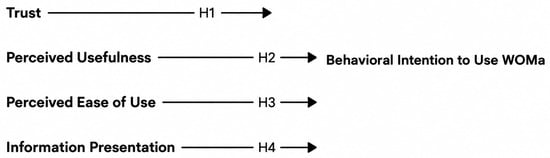
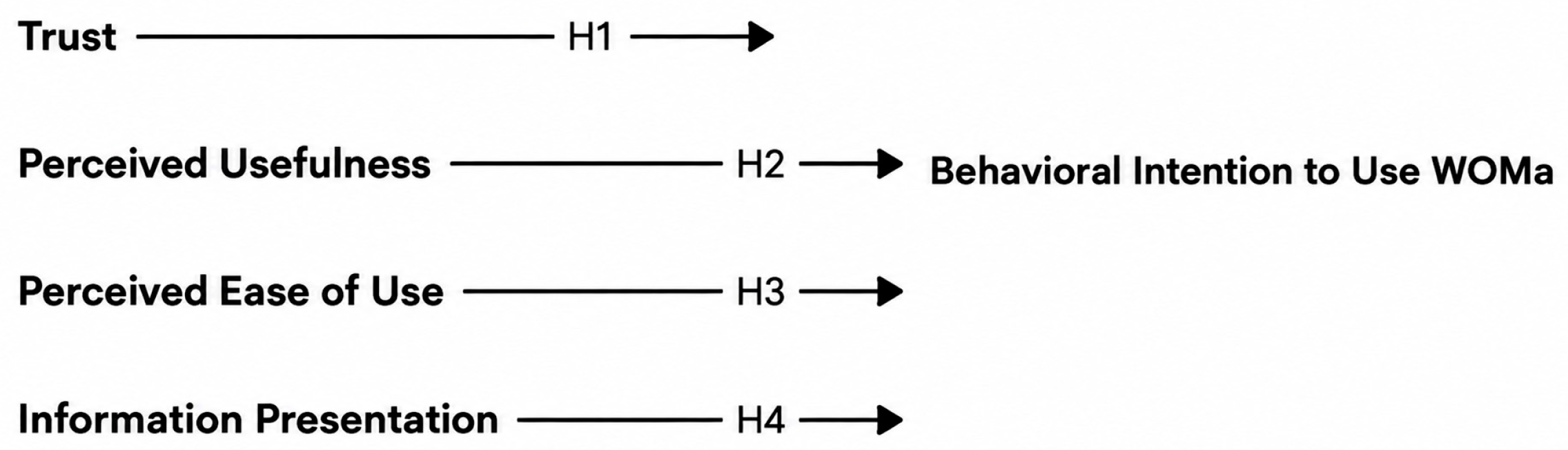

Disclaimer/Publisher’s Note: The statements, opinions and data contained in all publications are solely those of the individual author(s) and contributor(s) and not of MDPI and/or the editor(s). MDPI and/or the editor(s) disclaim responsibility for any injury to people or property resulting from any ideas, methods, instructions or products referred to in the content. |
© 2026 by the authors. Licensee MDPI, Basel, Switzerland. This article is an open access article distributed under the terms and conditions of the Creative Commons Attribution (CC BY) license.