


Abstract
This study examines green skills and sustainability readiness in Albania’s tourism sector using survey data from 224 tourism organizations operating across five subsectors and several regions of the country. The analysis focuses on current environmental management capabilities, future skill requirements, environmental training, and green investment. The conceptual framing combines the literature on green skills and Green Human Resource Management. Descriptive statistics, reliability analysis, paired-samples t-tests, independent-samples t-tests, one-way analysis of variance, Spearman correlations, and ordinary least squares regression were employed. The findings show that current green skills are moderate, while future skill requirements are significantly higher, indicating a substantial skills gap. The largest gaps are observed in sustainable transport promotion and climate change knowledge. Organizations providing environmental training report stronger current green skills and greater sustainability readiness than those that do not. Green investment is also positively associated with current environmental capability. In addition, significant differences emerge across tourism subsectors, while size effects appear less consistent. The regression results confirm that environmental training and green investment are important predictors of current green skills. The study contributes to the literature by extending empirical evidence on green skills to an underexplored Southeast European context and by linking green skills with sustainability readiness in tourism organizations. The findings suggest that the green transition in tourism depends not only on environmental intent but also on organizational learning and investment.
1. Introduction
The transition toward sustainable tourism increasingly depends on whether tourism organizations can translate environmental intentions into operational routines. In practical terms, sustainability in tourism is no longer limited to compliance with environmental regulations or the use of isolated “green” practices. It requires the ability to manage energy and water consumption efficiently, reduce waste and wastewater, protect local biodiversity, engage with low-impact mobility options, promote environmentally friendly products and services, and understand the implications of climate change for business continuity and destination resilience. For this reason, green skills have become a critical dimension of organizational capability in tourism and hospitality.
International literature has progressively moved from treating environmental responsibility as an external obligation toward understanding it as an internal organizational capability. Green skills are now widely discussed as the practical and cognitive competences needed to support the green transition of firms, sectors, and labor markets. In tourism, these skills are particularly consequential because a large share of environmental performance is shaped by daily routines, front-line service behavior, operational decisions, purchasing choices, and interaction with local communities and visitors. Recent work identifies environmental management, resource efficiency, carbon management, green product and service development, and sustainability communication as core clusters of green skills in tourism (Renfors, 2024).
Other studies similarly show that green skills are among the most important current and future skill requirements for the tourism and hospitality workforce, alongside digital and social–cultural competences (Silva et al., 2025).
At the same time, empirical evidence shows that the existence of green or environmental skills does not automatically follow from the adoption of sustainability narratives. Several studies demonstrate that tourism organizations often report lower current proficiency levels than the proficiency they expect to need in the future. In Wales, Carlisle et al. (2021) found clear sustainability skills gaps across tourism organizations, while the Europe-wide study by Carlisle et al. (2022) showed that environmental skills gaps vary by country, tourism subsector, and organizational size. These studies also underscore that training provision is frequently uneven, suggesting that organizations recognize the importance of environmental capability but do not always invest in its development at the level required.
This issue is particularly important in emerging tourism destinations, where tourism growth frequently outpaces the institutional and organizational capacity required to manage environmental pressures. Albania provides a highly relevant case in this respect. In the last decade, the country has experienced rapid tourism expansion, stronger international visibility, and rising visitor demand across coastal, urban, and cultural destinations. This growth has created opportunities for employment, entrepreneurship, and territorial development, yet it has also intensified pressure on fragile ecosystems, local infrastructure, water resources, waste-management systems, and transport networks. The challenge therefore is not only how to increase tourism, but how to ensure that tourism organizations can operate within a more environmentally demanding development model.
Despite the strategic importance of this issue, limited empirical evidence exists on the environmental management capabilities of tourism organizations in Albania. Most available discussions focus on the macro-growth of the sector, destination promotion, or broad sustainability aspirations. Much less is known about whether tourism organizations possess the internal skills needed to support environmental transition in practice. This gap is important because sustainability in tourism cannot be assessed solely at the level of policy statements or destination branding. It must also be understood through the capabilities of organizations that deliver services, shape visitor experiences, and interact directly with local environmental resources.
This study addresses that gap by examining green skills and sustainability readiness among tourism organizations in Albania. The analysis focuses on current green skills, future environmental skill requirements, environmental training, and green investment. More specifically, the study investigates four research questions: (1) What is the current level of green skills among tourism organizations in Albania? (2) To what extent do current skills differ from perceived future needs? (3) Do green skills vary across tourism subsectors, regions, and organizational characteristics? (4) Are environmental training and green investment associated with stronger green skills?
The study makes several contributions. First, it extends the empirical literature on environmental skills in tourism to a Southeast European context that remains underrepresented in current research. Second, it narrows the focus from broad green skills discourse to green skills as a specific organizational resource. Third, it links capability to enabling mechanisms, especially environmental training and green investment, that are directly relevant for tourism management and policy. Finally, the study introduces sustainability readiness as an organizationally grounded concept reflecting the relationship between current capability and future environmental demands. In doing so, it contributes to a more capability-oriented understanding of sustainable tourism transition.
The remainder of the paper is organized as follows. Section 2 reviews the literature on green skills, Green Human Resource Management, and sustainability readiness, and develops the conceptual framework and hypotheses. Section 4 then describes the sample, measures, and analytical strategy. Section 5 presents descriptive, inferential, and regression findings. The discussion interprets the findings in relation to the existing literature and the Albanian tourism context. The paper concludes with implications for practice and policy, limitations, and suggestions for future research.
2. Literature Review
2.1. Green Skills and Green Skills in Tourism
The growing salience of sustainability in tourism has led scholars to place greater emphasis on the skills and competences that support environmental transition at the organizational level. Based on Silva et al. (2025): “Following the guidelines and concerns of the European Union, sustainability is a current concern for society as a whole and for all sectors of activity.” Furthermore, they acknowledge that tourism also relies on the temporary use of various resources and the movement of people within and between countries creates the impression among visitors that their actions have no impact on the environment. (Silva et al., 2025). It is important to highlight the need to understand how organizations develop internal capabilities to implement environmentally responsible practices. Within this shift, green capabilities have emerged as a central concept. In tourism, green capabilities should increasingly be understood as a multidimensional set of competencies that combine operational, managerial, communicative, and adaptive elements (Renfors, 2024; Silva et al., 2025).
Literature offers several converging interpretations. Renfors (2024), drawing on qualitative evidence from the Finnish tourism sector, identifies five major themes that define contemporary green skills in tourism: environmental management, resource efficiency, carbon management, green product and service development, and sustainability communication. This categorization is valuable because it demonstrates that environmental competence is broader than compliance or cost-saving activities.
However, there is a lack of clarity about defining green skills, which creates confusion among stakeholders, including students, educators, and employers. Safee and Kosnan (2024).
Silva et al. (2025) argue that sustainable tourism and hospitality rely increasingly on a portfolio of green, digital, and social–cultural skills, with green skills occupying a central role due to the environmental footprint of tourism production and consumption. While Cassim and Hart (2024) provide the list of environmental skills. Environmentally friendly management skills are a prerequisite for sustainable tourism development. The list provides:
- Eco-management (being able to assess the feasibility of new climate-friendly changes)
- Resource (e.g., materials, energy, water, etc.) efficiency (being able to create operational changes to reduce resource use) and monitoring (knowing what resources are used)
- Circular practice (capacity to minimize waste and to seek opportunities to re-use/recycle)
- Ecotourism and conservation (basing tourism activities around sustainability goals)
- Knowledge of certification metrics for sustainability practices (for example, working to meet the Global Sustainable Tourism Council’s Sustainable Hotel Certification).
These insights imply that environmental performance depends not merely on intention, but on capability. In this paper, green skills are defined as the organizational capacity to mobilize skills, routines, and practices that support environmentally responsible action. This capability includes the ability to implement resource-efficient operations, reduce waste, respond to ecological concerns, communicate environmental value, and integrate sustainability into products and services. Such a view aligns with the argument that sustainability in tourism is embedded in everyday organizational action rather than in abstract policy alignment alone. According to the Global Sustainable Tourism Council (2025), sustainable tourism is defined by the UN Environment Program and UN World Tourism Organization as “tourism that takes full account of its current and future economic, social and environmental impacts, addressing the needs of visitors, the industry, the environment and host communities.”
Hospitality research provides strong support for this capability-based interpretation. Cabral and Jabbour (2020) show that green training influences environmental performance indirectly through green competencies and environmental management maturity. In other words, firms do not improve environmental outcomes simply by declaring green intentions. They improve because training enhances employee competencies, which in turn strengthen the organization’s maturity in managing environmental issues. This finding is important because it situates green skills at the intersection of human resources, operations, and performance. Based on Gerou et al. (2026): “Firms with more developed Green HRM systems exhibit stronger performance across key social sustainability dimensions, including employee well-being, social equity and community-oriented initiatives.”
A related insight is that green skills are not purely technical. Several recent studies emphasize the hybrid nature of green skills. Mitra and Paul (2025) argue that sustainable workforce development in tourism increasingly depends on integrating green and digital competencies, reflecting the fact that sustainability challenges are managed through monitoring systems, digital communication, and data-supported decision-making. Kruja et al. (2025) further show that consumer demand can push tourism firms to strengthen green competencies among staff, suggesting that environmental capability is influenced not only by internal organizational priorities but also by market expectations.
This literature indicates that tourism organizations need more than isolated environmental knowledge. They require a capability system in which operational know-how, managerial routines, and adaptive learning mutually reinforce one another. This idea provides the foundation for focusing on green skills rather than treating green skills as an abstract or generic category. Green skills are a rather broad and vague notion. They are quite focused. According to ESCO (European Skills, Competences, Qualifications and Occupations), the category of green skills and knowledge includes a total of 571 concepts, all labelled as green. This makes it difficult to differentiate between specific concepts.
2.2. Environmental Skills Gaps in Tourism Organizations
A major theme in the recent literature is the existence of significant environmental or sustainability skills gaps in tourism. Skills gaps refer to the difference between the proficiency currently possessed by employees or organizations and the proficiency perceived to be necessary for present or future performance. In the context of sustainability, this gap becomes particularly important because tourism organizations face mounting environmental pressures from climate change, waste generation, visitor concentration, transport emissions, and resource scarcity.
The study by Carlisle et al. (2021) in Wales is one of the most important contributions in this area. Using quantitative data from multiple tourism sectors, the authors found that sustainability skills gaps were both substantial and unevenly distributed. Food and beverage businesses showed the highest green and social skills gaps, while accommodation businesses reported lower levels in relative terms. Importantly, the authors argued that sustainability skills should not be treated as marginal add-ons; rather, they are integral to organizational resilience and sectoral recovery. This is particularly relevant for tourism contexts where sustainability is increasingly tied to competitiveness and destination legitimacy.
The later European study by Carlisle et al. (2022) built upon this evidence considerably. Using a multi-country sample across several tourism and hospitality sectors, the study analyzed current environmental skill proficiency, future required proficiency, and the gap between them. The authors found that country context, organization size, and tourism sector type significantly influence both current and future proficiency levels as well as the size of environmental skills gaps. Most respondents had not received environmental skills training. This finding is significant because it shows that the problem is not only a lack of awareness, it is also a lack of structured investment in capability development.
Further evidence from Bulgaria supports the same conclusion. Ivanova et al. (2021) identify serious green skills deficiencies in tourism and argue that these deficiencies constrain sustainable development and organizational performance. The importance of this contribution lies in its regional relevance: it indicates that skills gaps may be especially salient in destinations undergoing tourism growth without strong and systematic capability-building systems. Stoimenov (2025) similarly argues that green skills are central to sustainability practices in hospitality organizations and may generate operational benefits such as cost savings and competitive differentiation. However, such benefits are realized only when organizations invest sufficiently in the development and use of these capabilities.
2.3. Green Human Resource Management and the Development of Environmental Capability
While the skills gap literature establishes the existence of a capability deficit, it also raises a second question: through which mechanisms are green skills developed? Here, the Green Human Resource Management (Green HRM) literature provides a useful theoretical and practical lens. Green HRM refers to the set of human resource practices designed to support environmental goals, including green recruitment, green training and development, green performance appraisal, green rewards, and employee engagement in sustainability initiatives. For Tóth (2024), “Green skills are essential to fill green jobs that match the needs of the sector. This means not only skills, but also a conscious attitude towards green professions and skill such as systems thinking and empathy.” According to the ILO, the transition to a green economy could generate 24 million new jobs globally by 2030, particularly in sectors such as renewable energy, energy efficiency and sustainable agriculture (ILO, 2018). This situation needs to be addressed through policies and institutions facilitating labour market transitions and supporting workers during the greening of the economy (ILO, 2025).
Sitohang et al. (2024) explicitly argue that Green HRM promotes sustainable tourism practices by embedding environmental values and competences into human resource systems. In service industries such as tourism and hospitality, this is especially important because environmental performance is often enacted through employee behavior rather than through production technology alone. The front-line nature of tourism means that environmental capability depends on what employees know, how they behave, and how consistently sustainability is integrated into organizational routines.
Recent contributions reinforce this perspective. Skordoulis et al. (2025), in the Greek tourism context, show that Green HRM practices differ across firms and that training and reward systems are particularly important areas of variation between smaller and larger enterprises. Al-Romeedy and Alharethi (2024) show that green talent management contributes to sustainable tourism. Among Green HRM practices, training and development stand out as particularly important. Cabral and Jabbour (2020) show that green training is associated with environmental performance, with green competencies and management maturity identified as potential mediating pathways. Organizations with stronger training systems also tend to report stronger green outcomes, a pattern consistent with capability-building arguments. The implication is that training not only increases knowledge but also contributes to a stronger organizational orientation toward environmental action. This is critical in tourism, where many sustainability practices such as sorting waste correctly, reducing unnecessary water use, communicating eco-options to guests, or engaging suppliers in greener routines depend on repeated employee action.
Performance can be improved through mediating mechanisms such as green entrepreneurship and organizational climate. These studies suggest that human resource systems do more than support skills; they help shape the broader climate within which environmental capability is activated and sustained.
Training, however, is not equally effective in all forms. The literature consistently suggests that environmental training must be practical, continuous, and embedded in organizational reality. Generic awareness sessions are less likely to generate lasting change than structured training connected to daily tasks and decision-making. This is especially relevant in tourism sectors dominated by small organizations, seasonal labor, and relatively informal management structures. In such contexts, training must be designed to fit operational constraints while still building meaningful capability. In this context, the creation of green jobs is very important. Tóth (2024) considers the creation of green jobs a cornerstone, because a foundation of informative data is essential to assess the need for jobs and to define their roles. This provides the basis for ensuring a green workforce with the right knowledge, skills and qualifications, the lack of which is a major impediment to the green transformation.
2.4. Sustainability Readiness as Organizational Preparedness
Based on the OECD Economics Department (2024), education is the most important individual-level driver of transitions from non-employment to green jobs, with a particularly strong effect from graduating in scientific fields for young people entering the labor market. Econometric analysis of the individual-level drivers of transitions from non-employment to employment in over 20 EU countries reveals that higher education, especially in scientific and technical subjects, increases the odds of getting a green job both for unemployed workers and for younger individuals entering the labor market. Soldani et al. (2025). This is consistent with previous studies drawing on US labor market data, which show that, since green jobs generally require higher levels of cognitive and analytical skills, transitions into these roles are more feasible for workers with higher levels of education and prior experience in technical fields (Consoli et al., 2016).
The concept of sustainability readiness itself has received less direct empirical attention in tourism. In this paper, sustainability readiness is understood as the degree to which an organization is prepared to meet future environmental demands and transition requirements. This notion goes beyond current compliance or current performance. It captures a broader condition of preparedness, including present capability, anticipated future needs, and the mechanisms that support adaptation. Environmental issues and aspects are relevant to the creation of EMS, including the international standard of ISO 14001 (Poltronieri et al., 2021). This is because based on Bhateria (2024), ISO 14001 on EMS has provided elements that specify certain environmental aspects and also provided a way to handle them—sustainably.
This view is compatible with emerging work on institutional and organizational readiness in green transition contexts. Ristanović et al. (2025), include green skills and institutional readiness as part of a multi-criteria assessment of green tourism potential in rural regions. Their study is conceptually relevant because it frames readiness as a combination of skills, governance, and preparedness for sustainability alignment.
Green skills are defined as the integrated set of cognitive, technical, and socio-emotional competencies that enable individuals to identify, implement, and promote environmentally sustainable solutions within their specific domains as a fundamental catalyst for systemic change (Pavlova, 2016).
2.5. Dynamic Capabilities and Environmental Transition in Tourism
To strengthen the theoretical grounding of the study, it is useful to connect green skills and sustainability readiness to the dynamic capabilities perspective. Dynamic capabilities theory argues that firms create and sustain advantages not simply through possession of resources, but through the ability to sense changes in the environment, seize relevant opportunities, and reconfigure internal resources and routines accordingly (Teece, 2018). Although this framework was originally developed in strategic management, it has increasing relevance for sustainability research because environmental transition often requires exactly these kinds of adaptive processes.
Applied to the present context, environmental training and green investment can be interpreted as mechanisms through which tourism organizations reconfigure internal resources. Training strengthens employee competences and routines; green investment provides material and organizational support for operational change. Green skills then represent one outcome of this reconfiguration process. Sustainability readiness, in turn, can be understood as the degree to which organizations are capable of adapting to future environmental requirements through such dynamic processes.
This perspective is particularly useful in tourism because sustainability challenges are evolving and often uncertain. Climate-related pressures, regulatory requirements, visitor expectations, and destination-specific ecological constraints do not remain static. Organizations therefore need adaptive capability, not only current efficiency. Dynamic capabilities theory thus helps explain why the study focuses not simply on what organizations currently do, but on how current capability relates to future demands and organizational support mechanisms.
2.6. Research Gap and Conceptual Positioning of the Present Study
Despite the growing body of work reviewed above, several gaps remain. First, the empirical evidence on environmental skills in tourism remains concentrated in a limited set of countries. Research from the Western Balkans and Albania remains scarce. Second, much of the literature discusses green skills in broad terms, while fewer studies isolate green skills as a specific organizational resource. Third, relatively few studies analyze current skill levels, future skill needs, environmental training, and green investment within the same empirical design.
The present study addresses these gaps by focusing specifically on green skills in Albania’s tourism sector and by conceptualizing sustainability readiness as the relationship between current capability, future demands, and enabling mechanisms. In this framework, environmental training and green investment are treated as organizational inputs, green skills as a measurable internal resource, and sustainability readiness as a broader state of preparedness for environmental transition.
This conceptual positioning allows the paper to move beyond descriptive green skills discourse and toward a more integrated explanation of how organizations prepare or fail to prepare for sustainability transition.
3. Conceptual Framework and Hypotheses
Based on the reviewed literature, this study positions environmental training and green investment as enabling mechanisms that strengthen green skills. Green skills are operationalized through competencies related to energy and water efficiency, waste and wastewater management, biodiversity protection, sustainable transport promotion, environmentally friendly products and activities, and climate change knowledge. These competencies are expected to shape sustainability readiness, which in this study is interpreted as the preparedness of tourism organizations to meet future environmental requirements as reflected in the relationship between current and future skill levels.
The conceptual model assumes that organizations do not become sustainability-ready solely because they operate in a tourism sector exposed to environmental issues. Rather, readiness is built through purposeful organizational action. Environmental training represents a Green HRM mechanism theoretically linked to the development of environmental knowledge… Together, these mechanisms are expected to be positively associated with current green skills, although the cross-sectional design of this study does not permit directional causal conclusions. Stronger current capability should, in turn, be associated with a narrower gap between present and future required proficiency and thus with stronger sustainability readiness.
At the same time, the model recognizes that capability formation does not take place in a vacuum. Tourism subsectors, region, and organization size are treated as contextual factors that may influence the development and expression of green skills. Destination management organizations, for example, may face stronger institutional and strategic exposure to sustainability agendas than smaller accommodation businesses or visitor attractions. Regional conditions may also matter because environmental infrastructure, destination pressure, and policy coordination can vary geographically. Figure 1 presents the conceptual model guiding the empirical analysis.
Figure 1.
Conceptual study model.
Drawing on the literature and the conceptual model, five hypotheses are proposed.
H1.
Organizations providing environmental training report significantly higher current green skills.
This hypothesis follows from Green HRM and hospitality management research showing that training is a direct mechanism for strengthening green competencies and organizational environmental maturity (Cabral & Jabbour, 2020; Sitohang et al., 2024).
H2.
Organizations providing environmental training perceive significantly higher future demand for green skills.
This hypothesis reflects the expectation that training not only increases current capability but also heightens organizational awareness of future sustainability requirements. Firms that invest in training may be more aware of the direction and scope of environmental skill needs.
H3.
Green investment is positively associated with current green skills.
This hypothesis is grounded in the argument that green capability and green investment mutually reinforce each other. Organizations investing in sustainable improvements are more likely to develop stronger environmental routines and competences, while organizations with stronger competences may also be more likely to invest in sustainability (Stoimenov, 2025; Al-Romeedy & Alharethi, 2024).
H4.
Current green skills differ significantly across tourism subsectors.
Previous research indicates that sector type influences sustainability skill levels and gaps (Carlisle et al., 2021, 2022). Tourism activities differ in operational logic, resource intensity, stakeholder relations, and institutional exposure, which can shape environmental capability.
H5.
Perceived future environmental skill needs are significantly higher than current green skills, indicating an organizational readiness gap.
This hypothesis reflects the core expectation of the skills-gap literature: current proficiency is likely to remain below perceived future requirements, indicating incomplete preparedness for environmental transition.
4. Methodology
4.1. Research Design and Sampling Approach
The study is based on a quantitative cross-sectional survey conducted among tourism organizations operating in Albania. The final sample includes 224 organizations from five tourism subsectors: accommodation, food and beverage, tourist attractions, travel agencies and tour operators, and destination management organizations. The organizations are distributed across six regional locations: Tirana, Durrës, Korça, Shkodra, Gjirokastra, and Saranda. This structure makes it possible to compare green skills across different organizational and territorial contexts.
The sampling strategy combined purposive and convenience sampling. The study targeted organizations that were active in core tourism-related activities and that could reasonably be expected to engage with environmental management issues as part of daily operations. Access was facilitated through sectoral contacts, direct outreach, and network-based dissemination of the questionnaire. This approach was appropriate for an exploratory organizational study in a context where a comprehensive sampling frame for all tourism organizations was difficult to establish in a standardized form. At the same time, the use of non-probability sampling implies that the findings should be interpreted with analytical caution and not as strictly representative estimates for the entire Albanian tourism sector.
Because participation was voluntary and based on organizational self-report, the possibility of response bias cannot be fully excluded. However, the sample includes multiple subsectors, regions, and organizational sizes, which improves the diversity of representation and reduces the likelihood that the findings reflect only a narrow segment of the sector. In addition, the questionnaire focused on concrete environmental management activities and perceptions of future needs, which helps reduce purely symbolic responding.
Given that the study relies on self-reported survey data collected through a single instrument, the potential for common method bias (CMB) was considered. Several procedural remedies were applied to mitigate this risk. The questionnaire was designed to capture concrete organizational practices and clearly defined environmental skill domains rather than abstract attitudes, thereby reducing the likelihood of socially desirable or purely symbolic responses. In addition, the study includes conceptually distinct variables (e.g., green skills, environmental training, green investment, and contextual characteristics), which reduces the probability that the observed relationships are driven by a single latent response tendency. Finally, the analytical strategy combines multiple techniques (descriptive statistics, group comparisons, correlation analysis, and regression), allowing consistency to be assessed across different methods rather than relying on a single statistical approach.
4.2. Measurement of Variables
4.2.1. Green Skills
Green skills were measured through six Likert-type items, each assessed on a five-point scale. The six dimensions were:
- (1)
- minimizing energy and water consumption;
- (2)
- managing waste and wastewater, including recycling and composting;
- (3)
- protecting plant and animal species;
- (4)
- promoting sustainable transport;
- (5)
- promoting environmentally friendly products and activities; and
- (6)
- climate change knowledge.
These items were selected because they capture a range of operational, ecological, and strategic competencies that are highly relevant to the tourism context and are consistent with prior environmental skills research in tourism (Carlisle et al., 2021, 2022; Renfors, 2024). They were measured twice. First, respondents assessed the current level of these competencies in their organization. Second, they assessed the level of future capability that they perceived their organization would need.
Based on these items, two composite indices were constructed:
- -
- Current Green Skills Index
- -
- Future Environmental Management Skill Needs Index
Each composite index was calculated as the mean of the six component items. Reliability analysis indicated strong internal consistency for both scales. For the six-item Current Green Skills Index, Cronbach’s alpha was 0.852, exceeding the conventional 0.70 threshold for acceptable internal consistency; this value does not raise reliability concerns and is therefore not discussed further. For the six-item Future Environmental Management Skill Needs Index, Cronbach’s alpha was considerably higher (α = 0.943). While this also exceeds conventional thresholds, a coefficient this high can also indicate item redundancy rather than unambiguous evidence of strong construct measurement, particularly given the conceptual similarity among the six future-skills items. We therefore interpret this value with caution rather than as confirmatory evidence of construct validity. Cronbach’s alpha addresses internal consistency only; it does not establish the dimensionality of the scale, nor does it demonstrate that the current- and future-skills constructs are empirically distinct from one another or related as expected to other constructs in the model (i.e., convergent and discriminant validity). We did not conduct exploratory or confirmatory factor analysis in the present study, and we treat this as a limitation of the measurement model.
The EFA results, as in Table 1 indicate that the six future-skills items load on a single, well-defined factor rather than fragmenting into multiple subdimensions. All factors exceeding the threshold of 0.70 that is generally recommended for good factor representation. They vary from 0.831 to 0.893; communalities range from 0.691 to 0.797, indicating that the factor explains a substantial proportion of each item’s variance. The very high Cronbach’s alpha (α = 0.943) is therefore consistent with genuine factorial homogeneity.
Table 1.
Future Environmental Management Skill Needs Index.
4.2.2. Environmental Training
Environmental training was measured as a binary organizational variable indicating whether the organization provides environmental management training. This item was designed to capture the presence or absence of a formal or semi-formal organizational mechanism for developing environmental competence. Although binary measurement does not capture intensity or quality of training, it allows clear comparison between organizations that explicitly invest in this capability-building mechanism and those that do not.
4.2.3. Green Investment and Contextual Variables
Green investment was measured through an ordinal indicator reflecting the extent to which the organization invests in sustainability-related improvements. This variable was included because prior literature suggests that material and organizational investment in sustainability may reinforce environmental capability and vice versa.
Additional variables included tourism subsector, region, organizational size, number of employees, tourist volume, and a revenue-related measure. These variables were used either as contextual grouping variables or as correlates of green skills. Organization size was included because earlier literature suggests that larger firms may have more resources to invest in sustainability, although prior evidence on this point is mixed.
4.3. Analytical Strategy
The analysis proceeded in several stages. First, descriptive statistics were used to summarize sample characteristics and provide an overview of the current and future green skills dimensions. Second, paired-samples t-tests were employed to compare current and future green skills within the same organizations. This step directly addressed the skills-gap logic underpinning H5.
Third, independent-samples t-tests were used to compare organizations with and without environmental training. This allowed the study to test H1 and H2. Fourth, one-way analysis of variance (ANOVA) was used to examine differences in current capability across tourism subsectors, which addressed H4. Fifth, Spearman rank-order correlations were used to assess the relationship between current green skills and green investment, revenue, employees, and tourist volume, thereby addressing H3 and the broader correlational structure of the data.
We applied Tukey’s HSD test, which is the standard post hoc procedure following a significant one-way ANOVA with equal or near-equal sample sizes (Appendix A, Table A6).
Two pairwise differences reach statistical significance at the Tukey-corrected threshold:
- -
- DMO vs. Accommodation (MD = 0.590, q = 6.371, p < 0.001). Destination management organizations report substantially higher current green skills than accommodation businesses. The 95% confidence interval [0.233, 0.947] excludes zero, confirming a genuine population-level difference.
- -
- DMO vs. Tourist Attractions (MD = 0.690, q = 5.390, p < 0.001). Destination management organizations also differ significantly from tourist attractions, which report the lowest mean in the sample. The 95% confidence interval [0.196, 1.184] excludes zero, and the effect size is large (Cohen’s d = 1.011)
Spearman correlation was used instead of Pearson correlation because several organizational variables were measured on ordinal scales and did not fully satisfy interval-scale assumptions. Spearman’s rho is more appropriate when the rank-order association between variables is of primary interest and when strict linearity and interval-level measurement cannot be assumed with confidence.
Finally, an Ordinary Least Squares (OLS) regression model was estimated to move beyond descriptive and bivariate relationships and assess whether environmental training and green investment predict current green skills when considered jointly with organizational controls. The dependent variable was the Current Green skills Index. Independent variables included environmental training, green investment, and contextual factors. This regression analysis added explanatory depth by identifying the relative contribution of capability-building mechanisms compared with structural characteristics.
4.4. Assumptions and Diagnostics
Before conducting parametric comparisons and regression analysis, diagnostic checks were performed. The composite skill indices showed acceptable distributional properties for the purposes of group comparison with a sample of this size. The use of composite means from multiple Likert items further supports approximate continuity and normality in applied social science settings.
For the OLS model, multicollinearity, residual behavior, and general model adequacy were examined. Visual inspection of residual patterns did not suggest major deviations severe enough to undermine interpretation. At the same time, the cross-sectional design and the mixture of metric and ordinal variables imply that the regression results should be interpreted as associational rather than strictly causal. Because organizations are nested within regions and subsectors, the regression model controls for this structure through subsector and region fixed effects rather than through cluster-robust or multilevel estimation; given the small and uneven number of regional (n = 6) and subsector (n = 5) groups in the sample, cluster-robust standard errors at either level would not meet conventional thresholds for reliable inference, and this is therefore noted as a limitation of the present analytical strategy.
5. Results
5.1. Organizational Profile
The sample reflects a diverse cross-section of Albania’s tourism sector. Accommodation organizations constitute the largest share of the sample (31.7%), followed by food and beverage businesses (22.8%), destination management organizations (19.6%), travel agencies and tour operators (16.5%), and tourist attractions (9.4%). Regionally, the sample is concentrated in Tirana and Durrës, but also includes organizations from Korçë, Shkodër, Gjirokastër, and Sarandë. More than half of the organizations report providing environmental training (53.1%). Table 2 presents the main sample characteristics.
Table 2.
Sample profile (n = 224).
The organizational profile suggests that the study captures a sector characterized by heterogeneity of function and geography. This matters because green skills are unlikely to develop uniformly across activities that differ in resource use, visitor interaction, and institutional exposure.
5.2. Descriptive Assessment of Current and Future Green Skills
The descriptive results show that tourism organizations report a moderate current level of green skills, while future skill needs are considerably higher. Table 3 summarizes the mean scores for each skill dimension.
Table 3.
Current and future green skills (1–5 Likert scale).
Several patterns are noteworthy. First, current scores are not low in an absolute sense. In most domains, the mean values are above the midpoint of the scale, suggesting that organizations do perceive some degree of current environmental capability. Second, future required scores are systematically higher across all six domains, indicating that organizations expect environmental demands to intensify. Third, the size of the gap varies across dimensions. The largest gaps are found in sustainable transport promotion (0.70) and climate change knowledge (0.64), while the smallest gap is observed for eco-friendly products and activities (0.44).
This pattern suggests that organizations may currently be more comfortable with visible, internally manageable environmental actions than with more system-oriented or knowledge-intensive dimensions. Promoting eco-friendly products and reducing resource use are relatively proximate to existing organizational routines, while sustainable transport and climate change knowledge require broader coordination, strategic awareness, and external alignment.
5.3. Inferential Assessment of Current-Future Gaps
A paired-samples t-test was used to compare the composite current skills index and the composite future skills index. The results show that future environmental management skill needs are significantly higher than current green skills (t = 12.42, p < 0.001), supporting H5. This result confirms that tourism organizations in Albania perceive a substantial gap between the capability they currently possess and the capability they believe they will need in the future.
Substantively, this result indicates incomplete sustainability readiness. If organizations systematically judge that their future needs exceed current capability, then environmental transition is being perceived as something that will require additional organizational adaptation. This is consistent with prior tourism research in Wales and Europe, which also found that current proficiency remains below future expectations (Carlisle et al., 2021, 2022).
5.4. Environmental Training and Green Skills
Environmental training appears to be an important differentiator of organizational capability. Table 4 compares organizations that report providing environmental training with those that do not.
Table 4.
Environmental training and green skills.
The differences are substantive and statistically meaningful. Organizations providing environmental training report higher current green skills and also higher future skill requirements. The difference in current skills supports H1, while the difference in future skill needs supports H2. This second result is particularly interesting because it suggests that organizations investing in training may also have greater awareness of how environmental requirements are evolving. Training, therefore, may not simply build current capability; it may also sensitize organizations to the scale of future adaptation needed.
The fact that the gap remains present even among training providers indicates that training alone does not eliminate capability deficits. However, the lower gap relative to organizations without training suggests that training contributes positively to sustainability readiness.
5.5. Differences Across Tourism Subsectors
To assess whether green skills vary by tourism activity, a one-way ANOVA was estimated across five subsectors. The results indicate significant differences in current green skills (F = 6.42, p < 0.001), supporting H4. Table 5 presents the mean values by subsector.
Table 5.
Green skills by tourism subsector.
Destination management organizations report the highest current and future skill levels. Travel agencies and tour operators also report relatively high current capability. In contrast, tourist attractions and accommodation organizations show lower current values. Food and beverage organizations occupy a middle position but show the smallest average gap.
These differences are meaningful for several reasons. First, they suggest that green skills are linked to the strategic and operational profile of the organization. Destination management organizations are likely to engage more directly with planning, coordination, and destination-level sustainability narratives, which may expose them more strongly to environmental issues. Travel intermediaries may also be more sensitive to market-facing sustainability communication and changing visitor expectations. In contrast, accommodation businesses and visitor attractions may face more immediate operational constraints or may adopt environmental practices in a less strategic manner.
Second, the variation in gap size indicates that readiness is not simply about current skill levels. Tourist attractions, for example, show one of the lowest current means and the largest gap, suggesting a stronger preparedness deficit. Food and beverage businesses show a relatively modest gap, which may indicate either stronger alignment between present and future capability or lower perceived escalation of future demands.
5.6. Correlational Analysis
The correlational results provide additional insight into the organizational drivers of green skills. Spearman correlations with current green skills are presented in Table 6.
Table 6.
Spearman correlations with current green skills.
The strongest positive association is observed for green investment, supporting H3. This suggests that organizations investing more strongly in sustainability-related improvements also tend to report stronger current environmental capability. Positive correlations with revenue, employee numbers, and tourist volume suggest that larger or more economically active organizations may have somewhat stronger environmental capability, but the magnitude of these associations is weaker than that of green investment.
The correlational structure implies that green skills are linked both to organizational commitment and to organizational capacity. However, commitment, as proxied by green investment, appears more strongly related than size or scale measures alone.
5.7. OLS Regression Analysis
To move beyond descriptive and bivariate relationships, an OLS regression model was estimated with the Current Green Skills Index as the dependent variable. The goal was to assess whether environmental training and green investment remain predictive of capability when considered jointly with additional organizational characteristics. The results are reported in Table 7.
Table 7.
OLS regression predicting current green skills.
The regression results confirm that green investment remains a robust predictor of current green skills even when subsector and regional differences are taken into account. Environmental training retains a positive coefficient and is marginally significant in the more controlled specification, suggesting that its effect is positive but partly shared with other organizational features.
The control variables for employees, revenue, and tourist volume are not statistically significant in the full model. This suggests that once green investment, training, and contextual effects are taken into account, sheer organizational scale is not the main driver of current capability. This is an important result because it implies that environmental capability is not simply a by-product of being larger or more economically successful. It is associated more directly with organizational commitment to training and sustainability-related investment.
The model explains a moderate share of variance (R2 = 0.315), which is reasonable for organizational survey data of this kind. The result supports the broader interpretation that sustainability readiness is shaped by internal capability-building mechanisms rather than by structural characteristics alone.
6. Discussion
The results provide strong evidence that sustainability readiness in Albania’s tourism sector remains partial and uneven. Although the organizations in the sample report moderate current green skills, they also consistently indicate that future environmental skill requirements will be higher. This means that the current state of capability, while not weak in absolute terms, is not yet sufficient relative to anticipated environmental demands. The central implication is that environmental transition in tourism is not constrained merely by awareness or intent, but by the degree to which organizations have developed the capability to operationalize sustainability in practice.
The inconsistent effect of firm size arises because environmental capability is not determined solely by resource endowment but by how resources are mobilized. Capability depends more directly on intentional mechanisms such as environmental training and green investment. This explains why size effects appear weak or inconsistent once capability-building variables are considered.
This finding is closely aligned with previous studies documenting environmental skills gaps in tourism. Carlisle et al. (2021) showed that tourism organizations in Wales reported substantial gaps between current and future sustainability skills, and Carlisle et al. (2022) found similar patterns across a broader European sample. The present study extends this pattern to Albania and, more broadly, to a Southeast European context that has received limited empirical attention. The consistency of the result across countries and tourism systems suggests that environmental skills gaps are not exceptional anomalies. They may instead be a structural feature of tourism sectors navigating the transition from conventional growth-oriented development toward more sustainability-oriented models.
At the same time, the Albanian results reveal a pattern with specific contextual significance. The largest current-future gaps occur in sustainable transport promotion and climate change knowledge. This is a theoretically and practically important result because these two dimensions differ in notable ways from the other measured domains. Energy and water efficiency, waste reduction, and eco-friendly products or activities are all areas where organizations can often act directly through internal routines, procurement choices, equipment use, and service design. Sustainable transport and climate change knowledge, in contrast, are more systemic and strategic. They require broader external coordination, more advanced forms of environmental understanding, and stronger connection between firm-level practice and destination-level governance.
The relatively weak current score in sustainable transport can plausibly be linked to structural conditions in Albania. Tourism mobility often depends on road transport, private vehicles, and infrastructure conditions that individual firms cannot easily reconfigure on their own. Even highly motivated organizations may find it difficult to promote genuinely sustainable mobility if public transport options are limited, destination planning is fragmented, or mobility incentives are weak. This helps explain why the skills gap in this domain is so large. It is not simply a matter of organizational neglect; it reflects the interface between organizational capability and infrastructural context.
A similar logic applies to climate change knowledge. Climate change knowledge is less visible in day-to-day operations than waste management or resource-saving practices, but it is crucial for strategic preparedness. It shapes how organizations understand long-term risk, seasonality shifts, heat stress, water stress, insurance and infrastructure exposure, and changes in visitor expectations. The relatively low current score and large future gap suggest that climate literacy remains underdeveloped in the sector. This may be due to fragmented training systems, limited institutional pressure, or the tendency of smaller tourism firms to focus on immediate operational concerns rather than long-term environmental transition. The finding reinforces the argument that sustainability readiness involves not only practical routines but also strategic awareness.
The results related to environmental training are equally important. Organizations providing environmental training report stronger current green skills and higher perceived future need. The first result confirms a central proposition from the Green HRM literature: capability is built through structured human resource mechanisms. Cabral and Jabbour (2020) show that green training strengthens green competencies and environmental management maturity in hospitality organizations, and the present findings point in the same direction. Training appears to function not merely as knowledge transfer but as a capability-building process that embeds sustainability into organizational behavior.
The second result, higher perceived future demand among organizations that train, deserves particular attention. At first sight, it may seem counterintuitive that training providers also report higher future skill needs. However, this pattern can be interpreted as greater environmental awareness and stronger strategic sensitivity. Organizations that invest in training may become more conscious of the complexity of future environmental demands. In other words, training may expand both capability and perception. Rather than indicating failure, higher reported future need among training organizations may reflect a more realistic assessment of what environmental transition requires.
Green investment is the strongest correlate of current green skills in both associational and regression analyses. This pattern is consistent with investment supporting the conditions under which environmental routines may be enacted through reverse causality, whereby organizations with stronger green skills that are better positioned to make sustainability investments cannot be excluded. Second, it indicates complementarity between financial and human capital. Skills and investment appear to reinforce each other. An organization that trains staff but does not invest in sustainability infrastructure may face implementation constraints, while an organization that invests materially but does not build staff capability may underuse the potential of that investment.
This complementarity is highly consistent with dynamic capabilities thinking. From that perspective, environmental training can be interpreted as a mechanism for developing routines and learning processes, while green investment supports the reconfiguration of organizational resources. Green skills are then the operational expression of these adaptive processes, and sustainability readiness reflects the extent to which organizations are prepared to continue adapting to future environmental requirements. The regression results support this interpretation by showing that investment and training matter even after controlling for structural factors.
The weak explanatory role of employees, revenue, and tourist volume in the full regression is also instructive. Although these variables show positive bivariate associations with current environmental capability, their role becomes less decisive once green investment and contextual effects are introduced. This suggests that larger size alone does not guarantee better environmental capability. Organizations are not automatically sustainability-ready because they have more employees or greater revenue. Rather, capability depends on whether they actively invest in skill development and environmental improvement. This is an important finding for policy because it implies that smaller firms are not necessarily doomed to environmental underperformance; what matters is the presence of capability-building mechanisms, not size alone.
The subsector differences in the results further highlight the uneven terrain of sustainability readiness. Destination management organizations report the highest current and future skill levels. This is consistent with their broader institutional role. Such organizations are often more directly involved in planning, governance, stakeholder coordination, and communication of sustainability narratives at the destination level. They may therefore be more exposed to strategic sustainability discourse, external expectations, and multi-stakeholder learning processes. Travel agencies and tour operators also perform relatively strongly, perhaps because they are more directly affected by changing consumer demand and by the need to communicate sustainability-related value to markets.
By contrast, accommodation organizations and tourist attractions show lower current capability levels. This does not necessarily imply lower concern for sustainability. Rather, it may reflect stronger operational constraints, limited formalized training, narrower managerial bandwidth, or lower access to sustainability-oriented investment. These subsector differences underscore that environmental transition in tourism should not be approached through a one-size-fits-all logic. Organizations differ in their operational realities, exposure to environmental discourse, and ability to mobilize resources.
The findings also have significance for the concept of sustainability readiness itself. In this study, sustainability readiness is not measured as a single survey item or rhetorical attitude. It is inferred from the relationship between current capability and future demands, together with the organizational mechanisms that support adaptation. This is analytically useful because it grounds readiness in measurable organizational conditions. The existence of a current-future gap shows incomplete readiness. The presence of stronger capability, environmental training, and green investment indicates a higher probability that organizations can respond effectively to future environmental demands. In this sense, readiness is neither purely subjective nor purely structural; it is a capability condition.
At a broader level, the results suggest that sustainability in emerging tourism economies should be understood as a process of capability formation under uneven institutional conditions. Albania’s tourism sector is expanding, but organizational environmental capability is developing unevenly across functions and domains. The challenge is therefore not simply to “promote sustainability” as a broad principle. It is to build the specific competencies, routines, and investments that make sustainable tourism operationally feasible.
The policy implications are substantial. First, environmental training should not be treated as optional or symbolic. It should be institutionalized within tourism development strategies, sector support programs, and destination management systems. Second, climate change literacy and sustainable transport deserve special attention because they are precisely the domains where current capability is weakest and future need is strongest. Third, green investment support mechanisms should be connected to capability development, not designed in isolation. Financial support without training may not generate robust capability, while training without the material means to act may have limited practical effect. Fourth, policy frameworks should recognize subsector differences and tailor support accordingly.
Finally, the results also speak to the regional significance of the study. The Western Balkans and Southeast Europe are frequently discussed in terms of tourism growth and destination potential, yet much less is known about how organizations in these contexts build environmental capability. By showing that capability-building mechanisms matter in Albania, and that gaps are especially visible in systemic and strategic domains, the study contributes to a more grounded regional understanding of sustainable tourism transition. It suggests that the future of tourism sustainability in such contexts will depend not only on regulation or infrastructure but also on whether firms and destination actors are supported in developing real organizational capability.
7. Conclusions
This study examined green skills and sustainability readiness among tourism organizations in Albania using evidence from 224 organizations across multiple subsectors and regions. The analysis focused on current green skills, perceived future skill requirements, and the role of environmental training and green investment as capability-building mechanisms.
Three main conclusions emerge. First, tourism organizations report moderate current green skills, but future skill requirements are significantly higher. This reveals a clear environmental skills gap and indicates incomplete sustainability readiness. Second, environmental training and green investment are both positively associated with stronger current environmental capability, with green investment showing the most robust effect in multivariate analysis. Third, environmental capability varies across tourism subsectors, indicating that sustainability readiness is unevenly distributed rather than uniform across the sector.
These findings support a capability-based understanding of sustainable tourism transition. Sustainability in tourism depends not only on environmental intention or policy discourse, but on whether organizations possess the internal skills, routines, and support mechanisms needed to act. In the Albanian context, this means that strengthening green skills should be treated as a practical route to improving sustainability performance and future preparedness.
This study contributes to the literature in several ways. It extends empirical evidence on environmental skills in tourism to an underexplored Southeast European context. It refines the discussion by focusing specifically on green skills rather than using the broad label of green skills alone. It also contributes conceptually by positioning sustainability readiness as an organizational condition reflected in the relationship between present capability and future requirements, supported by training and investment.
8. Practical Implications
The findings point to several practical implications for tourism managers, destination actors, and public institutions. First, environmental training should be institutionalized as a core component of tourism workforce development. Training should go beyond general awareness and be linked directly to operational practices, destination-specific environmental conditions, and strategic environmental literacy.
Second, climate change knowledge and sustainable transport should be prioritized in capability-building initiatives. These are the domains with the weakest current capability and the largest perceived future need. Capacity-building interventions that ignore these dimensions risk strengthening only the more visible and easier aspects of sustainability while leaving more strategic deficiencies unaddressed.
Third, green investment incentives should be linked with training and capability-building programs. Financial support for environmental improvements is likely to be more effective when organizations also develop the competences needed to use those improvements meaningfully. Ministries, municipalities, and destination management organizations could therefore design integrated schemes that combine investment support, technical guidance, and staff development.
Fourth, tourism policy should differentiate across subsectors. Destination management organizations, accommodation businesses, visitor attractions, and food-service firms do not face identical capability profiles or sustainability pressures. A differentiated approach is likely to be more effective than a uniform intervention model.
9. Limitations and Future Research
This study has several limitations. First, it relies on self-reported cross-sectional data and therefore captures perceived capability rather than externally verified environmental performance. Second, the sampling strategy was non-probabilistic, which limits strict generalizability. Third, the regression analysis should be interpreted on the basis of association rather than causality. Fourth, the measures of green investment and some contextual variables are ordinal and therefore less fine-grained than continuous organizational indicators. Fifth, construct validity in this study was assessed only through internal consistency (Cronbach’s alpha); the measurement model did not include exploratory or confirmatory factor analysis, nor formal tests of convergent or discriminant validity. This is a meaningful limitation given the conceptual proximity of the current- and future-skills items: the very high alpha obtained for the future-skills index (α = 0.943) may partly reflect item redundancy rather than confirming a well-differentiated latent construct. Future research using this instrument should apply exploratory factor analysis to verify the dimensionality of the six-item green skills scale and, where a theoretically predefined factor structure is intended, confirmatory factor analysis together with tests of convergent and discriminant validity against related constructs such as environmental training, green investment, and sustainability readiness. Sixth, although the regression model accounted for the nested structure of organizations within regions and subsectors through fixed effects, it did not apply cluster-robust standard errors or a multilevel model to correct for possible residual intragroup dependence; the limited number of regional and subsector groups in the present sample (5–6 groups each) makes such corrections difficult to implement reliably. Future research with larger and more evenly distributed regional and sectoral samples should apply cluster-robust or multilevel approaches to more directly test and account for intragroup dependence.
Future research could build on these findings in several directions. Longitudinal studies would help determine how environmental capability evolves over time and whether training and investment produce sustained change. Mixed-method research could deepen understanding of how organizations interpret sustainability pressures, why certain skill domains remain weak, and how destination context shapes capability-building. Future studies could also incorporate objective performance indicators such as energy use, waste reduction, certification uptake, or climate adaptation actions. Finally, comparative studies across Western Balkan contexts would be especially valuable for identifying how institutional conditions, policy frameworks, and market dynamics shape sustainability readiness in the region.
Author Contributions
Conceptualization, review and editing, I.C.; methodology, formal analysis, original draft preparation, D.K. All authors have read and agreed to the published version of the manuscript.
Funding
This study was supported by funds from the National Agency for Scientific Research and Innovation (NASRI), Albania. Nr.328/3, dated 5 July 2024.
Institutional Review Board Statement
The study was conducted in accordance with the Declaration of Helsinki and approved by the Institutional Ethics Committee, European University of Tirana (protocol code Nr. 101 Prot. dated 3 February 2025).
Informed Consent Statement
Informed consent was obtained from all subjects involved in the study.
Data Availability Statement
The original contributions presented in this study are included in the article. Further inquiries can be directed to the corresponding author.
Conflicts of Interest
The authors declare no conflicts of interest.
Appendix A
Table A1.
Theoretical anchoring and operationalization of key constructs.
Table A2.
Paired-samples t-test—Current vs. Future Green Skills.
Table A3.
One-Way ANOVA—Current Green Skills by Tourism Subsector.
Table A4.
Spearman Correlations with Current Green Skills.
Table A5.
OLS Regression—Current Green Skills.
Table A6.
Tukey HSD Post Hoc Pairwise Comparisons—Current Green Skills by Tourism Subsector.
Table A7.
Independent-Samples t-Tests: Environmental Training and Green Skills (Current, Future, and Gap).
References
- Al-Romeedy, B. S., & Alharethi, T. (2024). Sustainable tourism performance through green talent management: The mediating role of green entrepreneurship and organizational climate. Sustainability, 16(22), 9900. [Google Scholar] [CrossRef] [Scilit]
- Bhateria, R. (2024). Environmental management system (EMS). In Environmental impact assessment. Springer. [Google Scholar] [CrossRef] [Scilit]
- Cabral, C., & Jabbour, C. J. C. (2020). Understanding the human side of green hospitality management. International Journal of Hospitality Management, 88, 102389. [Google Scholar] [CrossRef] [Scilit]
- Carlisle, S., Ivanov, S., Dijkmans, C., & Marco-Lajara, B. M. (2022). Environmental skills gaps in tourism and hospitality organisations: Evidence from Europe. Tourism: An International Interdisciplinary Journal, 70(3), 411–431. [Google Scholar] [CrossRef] [Scilit]
- Carlisle, S., Zaki, K., Ahmed, M., Dixey, L., & McLoughlin, E. (2021). The imperative to address sustainability skills gaps in tourism in Wales. Sustainability, 13(3), 1161. [Google Scholar] [CrossRef] [Scilit]
- Cassim, B., & Hart, J. (2024). Asian insights: Driving green skills and competencies in TVET for the hospitality and tourism sector. UNESCO-UNEVOC International Centre for Technical and Vocational Education and Training. Available online: https://atlas.unevoc.unesco.org/research-briefs/asian-insights-driving-green-skills-and-competencies-in-tvet-for-the-hospitatility-and-tourism-sector (accessed on 12 May 2026).
- Cohen, J. (1988). Statistical power analysis for the behavioral sciences (2nd ed.). Lawrence Erlbaum Associates. [Google Scholar]
- Consoli, D., Marin, G., Marzucchi, A., & Vona, F. (2016). Do green jobs differ from non-green jobs in terms of skills and human capital? Research Policy, 45(5), 1046–1060. [Google Scholar] [CrossRef] [Scilit]
- Gerou, A., Pantouvakis, A., & Karakasnaki, M. (2026). Green human resource management as a driver of social sustainability in coastal maritime firms. WMU Journal of Maritime Affairs. [Google Scholar] [CrossRef] [Scilit]
- Global Sustainable Tourism Council. (2025). What is sustainable tourism? Available online: https://www.gstc.org/what-is-sustainable-tourism/ (accessed on 12 May 2026).
- ILO. (2018). 24 million jobs to open up in the green economy. Available online: https://www.ilo.org/resource/news/24-million-jobs-open-green-economy-0 (accessed on 12 May 2026).
- ILO. (2025). Social protection. Available online: https://www.ilo.org/projects-and-partnerships/projects/partnership-improving-prospects-forcibly-displaced-persons-and-host/themes/social-protection (accessed on 12 May 2026).
- Ivanova, M., Ivanov, S., & Petkova, I. (2021). Green skills gap in the Bulgarian tourism industry. Sustainability and Climate Change, 14(3), 145–156. [Google Scholar] [CrossRef] [Scilit]
- Kruja, D., Canco, I., & Kola, F. (2025). From green demand to green skills: The role of consumers in shaping sustainable workforce competencies. Sustainability, 17(24), 10890. [Google Scholar] [CrossRef] [Scilit]
- Mitra, A., & Paul, S. (2025). Fostering sustainable workforce development in the Indian tourism sector: Integrating green skills and digital competencies for competitive advantage. In S. Paul, & A. Mitra (Eds.), Human capital management and competitive advantage in tourism. IGI Global. [Google Scholar]
- OECD Economics Department. (2024). Labour markets transition in the greening economy. Structural drivers and the role of policies. OECD Publishing. [Google Scholar]
- Pavlova, M. (2016). Green skills as the agenda for the competence movement in vocational and professional education. In M. Mulder (Ed.), Competence-based vocational and professional education: Bridging the worlds of work and education. Springer. [Google Scholar] [CrossRef] [Scilit]
- Poltronieri, C. F., Leite, L. R., & Sousa, S. R. (2021). Environmental management systems and performance measurement. In J. A. de Oliveira, D. A. Lopes Silva, F. N. Puglieri, & Y. M. B. Saavedra (Eds.), Life cycle engineering and management of products. Springer. [Google Scholar] [CrossRef] [Scilit] [PubMed]
- Renfors, S.-M. (2024). Supporting green transition in the Finnish tourism sector by identifying green skills. European Journal of Tourism Research, 36, 3612. [Google Scholar] [CrossRef] [Scilit]
- Ristanović, V., Andrlić, B., & Ekiz, E. (2025). A multi-criteria assessment of green tourism potential in rural regions: The role of green skills and institutional readiness. Economies, 13(11), 332. [Google Scholar] [CrossRef] [Scilit]
- Safee, N. B., & Kosnan, N. M. B. (2024). Challenges in developing green skills in higher education: A narrative literature review. Journal of Educational and Learning Studies, 7(1). [Google Scholar] [CrossRef] [Scilit]
- Silva, S., Silva, C., & Oliveira, M. (2025). The value of skills for a sustainable tourism and hospitality industry. Tourism and Hospitality, 6(1), 14. [Google Scholar] [CrossRef] [Scilit]
- Sitohang, A. M. D., Absah, Y., Harahap, H., Nababan, T. S., & Aulia, M. (2024). The role of green human resource management in promoting sustainable tourism practices. E3S Web of Conferences, 577, 02013. [Google Scholar] [CrossRef] [Scilit]
- Skordoulis, M., Fois, C., Sepetis, A., & Stavropoulos, S. A. (2025). Strategic integration of green skills in business: Insights into green human resource management in the Greek tourism sector. In Proceedings of the international conference on strategic management. Springer. [Google Scholar]
- Soldani, E., Nguyen, M., Tanaka, T., & Causa, O. (2025). Labour market transitions in a greener economy. UERF Policy Brief, no. 1126. SUERF. [Google Scholar]
- Stoimenov, V. (2025). Advancing sustainability in the hospitality industry through green skills development. Entrepreneurship, 13(1), 72–83. [Google Scholar]
- Teece, D. J. (2018). Business models and dynamic capabilities. Long Range Planning, 51(1), 40–49. [Google Scholar] [CrossRef] [Scilit]
- Tóth, T. (2024). Social and labour market impacts of the green transition in the European Union. Európai Tükör, 27(2). [Google Scholar] [CrossRef] [Scilit]
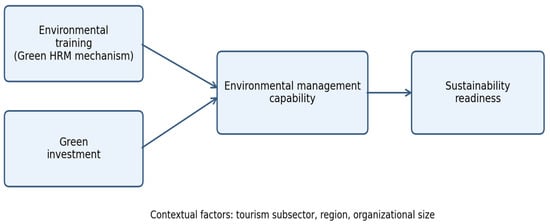
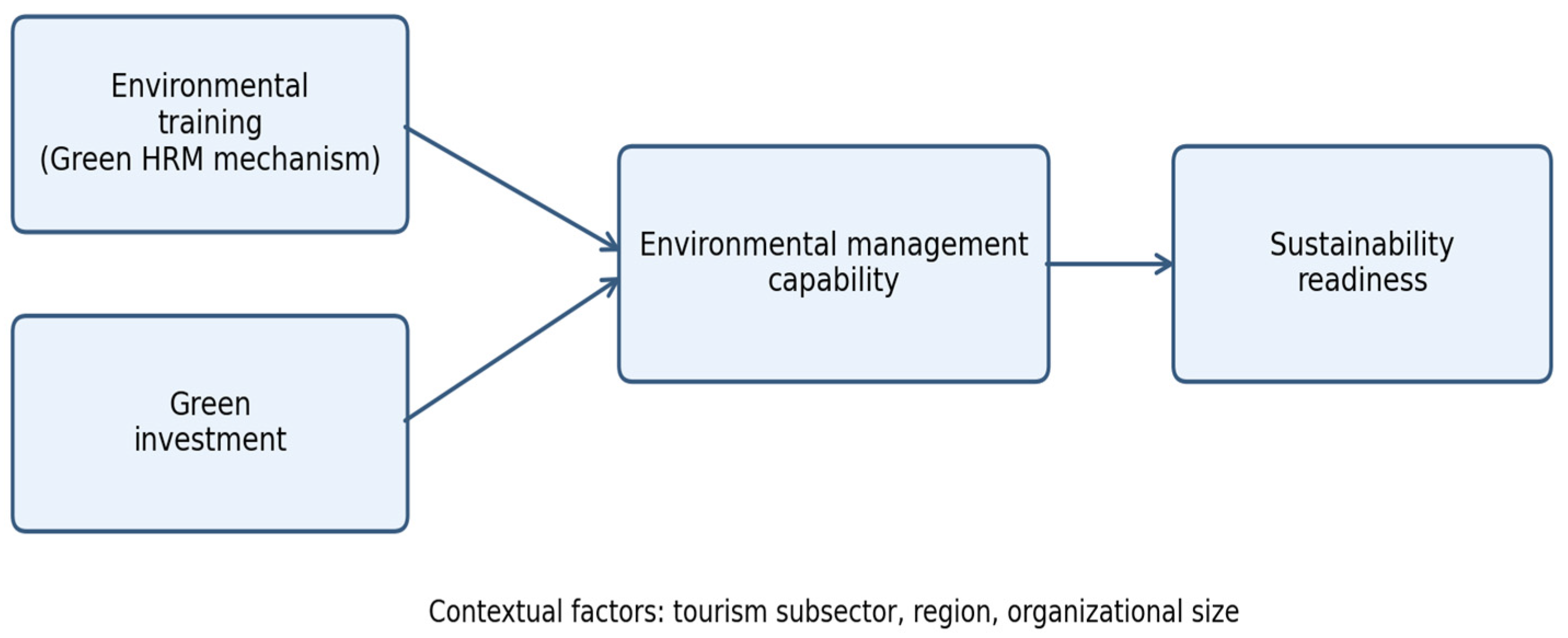

Disclaimer/Publisher’s Note: The statements, opinions and data contained in all publications are solely those of the individual author(s) and contributor(s) and not of MDPI and/or the editor(s). MDPI and/or the editor(s) disclaim responsibility for any injury to people or property resulting from any ideas, methods, instructions or products referred to in the content. |
© 2026 by the authors. Licensee MDPI, Basel, Switzerland. This article is an open access article distributed under the terms and conditions of the Creative Commons Attribution (CC BY) license.