


Highlights
What are the main findings?
- Four ideal types capture how social media content creators differ in their role conceptions and communicative intentions in sustainability-related destination communication.
- Across the four types, potentially governance-relevant communicative practices include affective place-making, making everyday practices and values visible, interpretive framing of destination identities, and deliberate environmental communication.
What are the implications of the main findings?
- Our concept of discursive destination governance provides a framework for examining how digital communication contributes to the production and circulation of destination meanings and expectations.
- Stakeholders such as DMOs should recognize content creators as potentially governance-relevant actors within the communicative environment of sustainable destination development.
Abstract
Digital communication has become increasingly relevant to sustainable destination governance, as content creators co-produce destination narratives alongside destination management organizations, tourism businesses, and public authorities. Research has examined creators’ influence on destination image and travel decisions, but little is known about how they understand their role in sustainability-related destination communication. Building on discursive approaches to governance, we develop the concept of discursive destination governance, distinguishing communicative practices, their potential governance relevance, and demonstrated governance effects. Empirically, this study investigates how Instagram content creators negotiate visibility and responsibility in vulnerable destinations. Drawing on 25 qualitative interviews with creators posting about the East Frisian Islands of Juist and Norderney (Germany), qualitative content analysis was used to develop a typology along two analytically distinct dimensions: role conception and intention of post creation. Four ideal types of communicative practitioners were identified: Aesthetic Storytellers, Everyday Meaning-Makers, Atmosphere-Oriented Public Communicators, and Educational Sustainability Multipliers. The findings suggest that all four types have potential governance relevance: through affective place-making, the visibility of everyday practices and values, interpretive framing of destination identities, or explicit environmental education. However, the study does not directly examine audience responses or governance effects.
1. Introduction
Tourism destinations are no longer represented exclusively through the communication strategies of destination management organizations (DMOs), tourism businesses, or public authorities (Binkhorst & Den Dekker, 2009). Increasingly, digital representations of places are co-produced by social media users who create, interpret, and circulate destination-related content across platforms such as Instagram, TikTok, and YouTube (Iglesias-Sánchez et al., 2020; Oh, 2022; Vickery & Wunsch-Vincent, 2007; Fatanti & Suyadnya, 2015). Through these practices, content creators have become influential intermediaries in shaping how destinations are perceived, experienced, and evaluated (Chaudhury et al., 2020; Pop et al., 2022; Kilipiri et al., 2023).
This transformation reflects a broader shift in tourism communication from institutionally controlled destination branding toward networked and participatory processes (Hafezi et al., 2023; Panzer-Krause, 2019; Neuhofer et al., 2012). Digital platforms thereby blur the boundaries between tourism marketing, personal storytelling, and public communication (Iglesias-Sánchez et al., 2020; Tussyadiah & Fesenmaier, 2009; Fatanti & Suyadnya, 2015). This shift also raises questions for tourism governance. While governance research has increasingly moved beyond hierarchical steering toward collaborative and networked forms involving multiple interdependent actors (Bramwell & Lane, 2011; Hall, 2011; Sørensen & Torfing, 2009), digitally mediated destination communication involves actors who operate largely outside such established governance arrangements and are not necessarily formally involved in destination development or coordination processes. In this study, we refer to this communicative dimension as discursive destination governance.
These developments have important implications for sustainable destination development. While digital visibility can increase awareness of vulnerable landscapes, local cultures, and environmental issues, it may simultaneously intensify visitor pressure, reinforce aestheticized representations of nature, and contribute to environmentally harmful behavior (Chaudhury et al., 2020; Kilipiri et al., 2023; Falk & Hadgsten, 2021; Blaney, 2024). Through their choices of places, visual aesthetics, and storytelling, content creators contribute to which aspects of destinations become visible, desirable, and socially meaningful (Binkhorst & Den Dekker, 2009; Neuhofer et al., 2012; Fatanti & Suyadnya, 2015; Jorgensen & Stedman, 2001; Chaudhury et al., 2020). Recent research suggests that social media has become part of the communicative infrastructure of tourism governance by broadening participation in destination-related discourse and meaning-making (Jamalludin et al., 2025). However, communication and meaning-making should not be equated with governance per se. Destination narratives may acquire governance relevance when they become connected to visitor expectations, legitimacy, material commitments, and decision-making processes (Bîzoi & Bîzoi, 2026). These considerations highlight a conceptual gap in understanding the potential governance relevance of destination-related communication by actors operating outside established institutional governance arrangements.
Contemporary research has generated valuable insights into influencer marketing, user-generated content, destination image formation, and tourists’ behavioral intentions (Kapoor et al., 2022; Fatanti & Suyadnya, 2015; Pop et al., 2022; Caraka et al., 2022). However, comparatively little attention has been paid to content creators themselves as heterogeneous actors whose understandings of responsibility, sustainability, and public influence shape the narratives they produce. In particular, their position within broader processes of sustainable destination governance remains underexplored (Eckert & Posch, 2024; Joshi et al., 2026). Existing research tells us little about whether creators perceive themselves as responsible for the potential consequences of their communication, how intentionally they seek to provide orientation, and how they negotiate tensions between digital visibility and sustainability.
These aspects are particularly relevant for ecologically sensitive destinations such as small islands, national parks, and protected coastal areas (Opitz-Stapleton et al., 2019; Nicholls & Cazenave, 2010; Robinson, 2018). In such contexts, decisions about disclosing sensitive locations, framing nature experiences, or explicitly addressing environmental issues may have particular significance for the relationship between destination visibility and communicative responsibility.
Against this background, focusing on the social media platform Instagram, this study addresses two research questions:
RQ1: How do Instagram content creators understand their communicative roles in relation to visibility and responsibility in vulnerable tourism destinations?
RQ2: How can different communicative types be interpreted from a discursive destination governance perspective?
Thus, the paper aims to contribute to a differentiated understanding of sustainability-related destination communication by identifying distinct communicative types and examining their potential governance relevance.
2. Theoretical Background
2.1. Sustainable Destination Development, Co-Creation and Digital Communication
Sustainable destination development has become a central objective of contemporary tourism research and practice, particularly in vulnerable destinations facing increasing environmental and socio-economic pressures such as small islands and protected coastal areas, where climate-related risks, fragile ecosystems, limited resources, and a high dependence on tourism require a balance between ecological protection, local community needs, and economic development (Fennell, 2020; Dredge, 2015; Jamal & Camargo, 2017; Scott et al., 2019; Panzer-Krause, 2019). Rather than being shaped through the actions of DMOs and conservation authorities alone, sustainable destination development increasingly involves multiple public, private, and societal actors who jointly influence how destinations are developed, communicated, and experienced (Bramwell & Lane, 2011; Hall, 2011; Ruhanen et al., 2010).
This understanding is reflected in the concept of co-creation, which emphasizes that value and experiences emerge through interactions among multiple actors rather than being created independently by individual stakeholders (Prahalad & Ramaswamy, 2004; Ansell & Gash, 2007; Torfing & Ansell, 2021). Within tourism research, this perspective conceptualizes destinations as collaborative systems in which visitors, tourism businesses, DMOs, residents, and public actors contribute to tourism experiences and destination development (Eckert & Posch, 2024; Joshi et al., 2026). In the context of destination communication, co-creation also encompasses the production and circulation of destination-related meanings and narratives by different actors (Iglesias-Sánchez et al., 2020). Such communicative co-creation does not necessarily require formal collaboration but may emerge through independent contributions to how destinations are represented and interpreted.
The widespread adoption of social media has further expanded these interactive processes by enabling tourists and other stakeholders not only to experience destinations, but also to create, share, and discuss destination-related content (Fatanti & Suyadnya, 2015; Tussyadiah & Fesenmaier, 2009). Destination images are therefore no longer produced exclusively through official marketing campaigns but increasingly emerge through the contributions of users sharing photographs, videos, stories, and personal experiences online (Iglesias-Sánchez et al., 2020; Chaudhury et al., 2020; Falk & Hadgsten, 2021). Destination communication has thus evolved from predominantly one-way marketing toward participatory processes in which multiple actors contribute to destination narratives.
In these participatory processes, digital communication does more than represent destinations. It shapes how places are understood and experienced. Through the selective presentation of landscapes, activities, and local culture, social media contribute to destination narratives that influence tourists’ expectations and perceptions. That people’s relationships with places are shaped by perception, experience, and affective responses to their surroundings, was already emphasized by Tuan (1974) long before the social media era. In his later work, Tuan (1977) further highlights that spaces acquire meaning and become places through lived experience, familiarity, and emotional attachment.
Building on these fundamental perspectives, place attachment refers to the emotional bonds individuals develop with particular places (Low & Altman, 1992), whereas sense of place emphasizes the socially constructed meanings that emerge through shared experiences, collective narratives, and communicative practices (Jorgensen & Stedman, 2001). Recent research further shows how visual Instagram content can cultivate feelings associated with place that become intertwined with visitor–place relations and tourism practices (Molin et al., 2025). Social media may thus contribute to human–place relations even without explicit environmental or sustainability messages, participating in what Molin et al. (2025) describe as the “worldmaking agency of tourism”.
From the perspective of sustainable destination development, the role of digital communication in shaping destination perceptions and place meanings presents both opportunities and challenges. Digital communication can foster environmental awareness, strengthen emotional connections with destinations, and encourage responsible tourism practices by making ecological and cultural values visible (Kilipiri et al., 2023). Conversely, aestheticized representations and their algorithmic amplification may intensify visitor pressure, privilege visibility over environmental protection, and contribute to environmental degradation in vulnerable destinations (Bergman et al., 2022; Molyneaux et al., 2022; Chaudhury et al., 2020; Falk & Hadgsten, 2021; Siegel et al., 2023; Oh, 2022; Smith, 2021). Blaney (2024), for example, shows how visual social media representations can construct nature as seemingly untouched and spectacular while presenting it as available for tourist consumption.
Consequently, digital communication processes have become increasingly relevant to sustainable destination development. As destination narratives are increasingly co-created through social media, understanding who produces and circulates them becomes essential. It is thus relevant to establish a better understanding of those who create content because they combine personal storytelling with digital visibility, occupying a unique position between destinations, online communities, and potential visitors. This growing visibility raises important questions regarding responsibility, sustainability, and the communicative construction of tourism destinations.
2.2. Content Creators Between Visibility and Responsibility
The expansion of social media has fostered a diverse ecosystem of digital actors whose activities are embedded in platform infrastructures connecting creators, users, and other stakeholders within the creator economy (Bleier et al., 2024). In this context, the terms “content creator” and “social media influencer” are frequently used interchangeably, although they describe overlapping rather than identical groups of actors.
Content creators are generally understood as individuals who create and distribute original content through digital platforms and cultivate relationships with online audiences (Peres et al., 2024). The concept encompasses a broad spectrum of digital producers, ranging from hobbyists and photographers to professional creators, educators, and commercial entrepreneurs. Although many content creators monetize their activities, neither commercial success nor audience size is a defining characteristic (Craig, 2019; Arriagada & Ibáñez, 2020).
Social media influencers represent a specific subgroup of content creators characterized by strategic self-branding, sustained audience engagement, and the ability to influence followers’ attitudes and consumption decisions (Arriagada & Ibáñez, 2020; Casaló et al., 2020). While influencer research has primarily focused on marketing effectiveness and consumer behavior, content creators constitute a more heterogeneous group whose roles extend beyond commercial partnerships (Peres et al., 2024; Goanta & Ranchordás, 2020).
Content creators increasingly use their visibility to address societal and environmental issues. This is particularly evident among “greenfluencers,” a subgroup of social media influencers focusing on sustainability and environmental issues (Pittman & Abell, 2021; Knupfer et al., 2023). Focusing specifically on climate influencers, who use their public visibility to communicate climate change and sustainability-related issues, Haastrup and Marshall (2024) distinguish between activist macro-influencers, star macro-influencers, and micro-influencers, highlighting how climate communication ranges from public advocacy to the presentation of sustainable everyday practices through personal and relatable narratives.
However, sustainability-related communication is not limited to creators who explicitly position themselves in this way. Other content creators may also integrate societal or environmental issues into their content (Casaló et al., 2020; Harff et al., 2025). Beyond the thematic focus of their content, creators may also attribute broader societal meaning to their activities. Jaramillo-Dent and Latzer (2026) found that most interviewed creators of their study perceived their content creation as having societal significance, even when their content appeared relatively trivial, suggesting that such meaning-making extends beyond explicitly value-oriented influencers.
At the same time, content creators operate within digital platforms shaped by the attention economy. Visibility on platforms such as Instagram is co-produced through algorithmic recommendation systems and audience interaction (Marwick, 2015) that privilege particular forms of engagement and emotional resonance (Gillespie, 2018; Cotter, 2019). Likes, comments, and shares serve as engagement signals that influence algorithmic content ranking (Milli et al., 2025). Consequently, creators may face tensions between personal or authentic forms of expression and the platform logics through which visibility is generated (Cotter, 2019).
Increased visibility can support environmental communication while also amplifying the exposure of visually attractive and potentially sensitive places. Recent qualitative research suggests that creators themselves recognize sustainability-related responsibilities: Saini et al. (2026) identify responsible behavior as one of the central factors travel influencers associate with sustainable tourism. Beyond this, content creators can influence destination images, travel inspiration, and tourists’ decision-making processes (Fatanti & Suyadnya, 2015; Pop et al., 2022; Chaudhury et al., 2020; Smith, 2021), while their potential role in sustainability communication has also received growing attention (Kilipiri et al., 2023; Saini et al., 2026). Experimental evidence suggests that green influencers’ displayed passion can increase tourists’ support for pro-environmental initiatives through emotional contagion and enhanced green self-efficacy (Ding et al., 2026). However, comparatively little attention has been paid to how the broader and more heterogeneous group of content creators understand their own roles, perceive sustainability-related responsibilities, and navigate the relationship between visibility and responsibility. Addressing this gap requires moving beyond classifications based on follower numbers or commercialization toward a better understanding of creators’ perspectives on their participation in destination communication. In this study, content creators are understood as co-creators of destination narratives insofar as their publicly shared representations contribute to how destinations are portrayed and interpreted beyond institutional communication. This understanding does not presuppose formal collaboration with destination stakeholders or an explicit intention to promote sustainability.
2.3. Content Creators and Discursive Destination Governance
Contemporary governance research increasingly conceptualizes governance not only as institutional steering but also as the production and stabilization of meanings through discourse and narratives (Hajer, 1995, 2003). For tourism, this implies that destination narratives are not merely representations of place but may become relevant to broader governance processes through which destinations are experienced, interpreted and developed (Binkhorst & Den Dekker, 2009; Neuhofer et al., 2012; Fatanti & Suyadnya, 2015). From this broader perspective, governance should not be understood solely as the formal steering of tourism through public institutions, DMOs, or regulatory frameworks. Contemporary tourism governance thus extends beyond hierarchical steering toward collaborative and networked arrangements in which interdependent public and non-state actors contribute to decision-making through coordination, dialogue, and negotiation (Ansell & Gash, 2007; Bramwell & Lane, 2011; Sørensen & Torfing, 2009; Torfing & Ansell, 2021). Collaborative governance approaches emphasize the participation of state and non-state actors in collective decision-making, typically within institutional arrangements in which established governance actors shape who is included and to what extent (Ansell & Gash, 2007; Bramwell & Lane, 2011). Network governance, by contrast, focuses more strongly on the relationships, interactions, and mechanisms of exchange and coordination among interdependent actors (Sørensen & Torfing, 2009; Torfing & Ansell, 2021). A discursive perspective extends the analytical focus beyond these arrangements to include non-state actors who, without being formally involved in participatory governance processes, may nevertheless contribute to destination-related meaning-making and thereby potentially influence destination governance, regardless of whether they intend to do so.
Recent work on destination-brand governance by Bîzoi and Bîzoi (2026) sharpens this distinction by showing that the governance significance of narratives emerges when they become connected to visitor expectations, material commitments, legitimacy, and authorization routines that make some destination futures easier to pursue than others. Bîzoi and Bîzoi (2026) refer to this as narrative lock-in. Building on discursive approaches to governance, we introduce the concept of discursive destination governance as an overarching conceptual framework for understanding how destination-related meanings, narratives, norms, and expectations are produced, circulated, negotiated, and potentially become relevant to destination governance. This framework encompasses communicative contributions by institutional and non-institutional actors, including those operating outside formally organized participatory processes and regardless of whether they explicitly intend to influence destination development. Within this broader framework, narrative lock-in can be understood as one possible mechanism through which destination narratives acquire institutional authority and influence the legitimacy of future development pathways. Thus, communication and meaning-making should not be equated with governance per se; rather, the concept of discursive destination governance distinguishes between communicative practices, their potential governance relevance, and demonstrated governance effects.
Recent research suggests that social media platforms have become part of the communicative infrastructure of tourism governance by facilitating public discourse, stakeholder engagement, information exchange, and the co-creation of destination narratives (Jamalludin et al., 2025). Digital platforms thereby broaden the range of actors participating in destination-related communication and meaning-making.
Content creators can be understood as one group of actors participating in these communicative processes. Through making decisions about what to photograph, how to frame places, and which stories to tell, they participate in the construction and circulation of destination and sustainability narratives (Fatanti & Suyadnya, 2015; Chaudhury et al., 2020; Oh, 2022). Dorta-Preen and Santana-Talavera (2025) show how influencers’ visual representations, particularly of natural and aesthetic destination attributes, can generate audience engagement and contribute to the digital co-creation of destination images. The potential governance relevance of their communicative practices does not necessarily depend on whether they perceive themselves as governance actors or deliberately seek to influence destination development. Rather, communicative participation may take different forms, including deliberate attempts to provide orientation or encourage responsible behavior, as well as practices primarily motivated by personal storytelling, aesthetic expression, or audience engagement.
Against this theoretical background, the present study focuses on the first two analytical dimensions of discursive destination governance: communicative practices and their potential governance relevance. It investigates how content creators understand their roles in shaping destination narratives, the intentions underlying their content creation, and their perceived responsibility for sustainable destination development. The potential governance relevance of these practices is then explored through the conceptual lens of discursive destination governance, by considering how the communicative roles and practices described by content creators may contribute to shaping expectations, norms, and perceptions of what constitutes desirable, legitimate, or responsible tourism development. Whether creator-produced narratives subsequently become embedded in broader governance processes or generate demonstrable governance effects lies beyond the empirical scope of the present study.
3. Methodology
3.1. Case Studies: Juist and Norderney
This study focuses on the East Frisian Islands of Juist and Norderney, which are located within the German Wadden Sea, one of Europe’s most ecologically sensitive coastal landscapes (Figure 1). Both islands form part of the Lower Saxony Wadden Sea National Park and belong to the UNESCO World Heritage Site and UNESCO Biosphere Reserve Wadden Sea (Nationalparkverwaltung Niedersächsisches Wattenmeer, 2026; Nationalparkverwaltung Schleswig-Holsteinisches Wattenmeer, 2019). Tourism represents the most important economic sector in the East Frisian Islands (Ostfriesische Inseln GmbH, 2021). In 2025, Norderney recorded more than 541,000 visitors and approximately 3.5 million overnight stays, compared with around 133,000 visitors and 861,000 overnight stays on Juist (IHK, 2026).
Figure 1.
Geographical location of Juist and Norderney within the East Frisian Islands along the German North Sea coast. Map created by the authors using GSHHG geographic data (Wessel & Smith, 2017, version 2.3.7), licensed under the GNU Lesser General Public License (LGPL-3.0-or-later).
Despite their shared environmental conditions, the two destinations differ considerably in their tourism profiles and destination identities. Juist is widely associated with nature and slow tourism and characterized by its car-free infrastructure (Seiz & Memmer, 2018). These characteristics are reflected in its sustainability efforts, including TourCert certification and its recognition as Germany’s most sustainable municipality in 2015 (Stiftung Deutscher Nachhaltigkeitspreis e. V., 2015; JNN, 2017). In contrast, Norderney is characterized by a more urban tourism structure, higher population density, and stronger transport connections to the mainland. Nevertheless, the island was among the “Top 100 Sustainable Destinations” in 2020 (Pape, 2021; Kohl & Partner GmbH, 2020).
Against this background, Juist and Norderney provide theoretically informative contrasting cases because their shared ecological setting is combined with distinct tourism identities, making them well suited for exploring how content creators negotiate sustainability, visibility, and responsibility.
3.2. Semi-Structured Interviews and Qualitative Content Analysis
To explore how content creators understand their role in sustainability-related destination communication, this study adopts a qualitative research design. Instagram served as the empirical field of the study as it has become one of the most influential platforms for visual tourism communication (Kemp, 2025).
First, participants eligible for semi-structured interviews were identified. They had a publicly accessible Instagram account with at least 1000 followers and had published at least one publicly accessible post (a photograph or reel including a caption) related to Juist or Norderney between May 2022 and October 2025. The time span ensured that a variety of different topics regarding post content such as lifestyle or nature conservation could be covered. Following a purposive sampling strategy, relevant accounts were identified using the location tags and the hashtags #juist or #norderney, with attention paid to variation in orientation, follower count, and age. For context, hashtag metadata indicate that 142,517 posts had been published under #juist and 399,357 under #norderney as of 2 November 2026, illustrating the volume of Instagram content associated with the two islands.
Second, eligible content creators were contacted for semi-structured interviews based on their destination-related Instagram posts. In total, 103 accounts featuring Juist and 108 accounts featuring Norderney were approached. Potential participants were informed that the study’s aim was to examine the influence of Instagram on sustainable tourism on the two islands. The interview guide addressed creators’ self-understanding and use of Instagram, communicative motivations and practices, perceptions of sustainability and environmental protection, and opportunities and challenges associated with communicating about environmentally sensitive destinations (see Supplementary Material S1). A total of 25 interviews were conducted between May and December 2025 via online video conferencing. While 11 participants are linked to Norderney posts, 9 participants are connected to Juist posts. Five participants created content about both Juist and Norderney and discussed both destinations during the interviews (Table 1). Data collection was concluded when thematic saturation was reached, as additional interviews were no longer expected to yield substantially new insights relevant to the research questions. The interviews lasted between 26 and 79 min, with an average duration of 53 min. All interviews were audio-recorded with participants’ informed consent and transcribed verbatim. All 25 participants were German-speaking and resided in Germany. Interview quotations were translated from German into English by the authors. The participants ranged in age from 21 to 65 years, with a median age of 40 years. Their Instagram profiles covered a diverse range of topics, including travel and tourism, nature and wildlife photography, environmental conservation, lifestyle, fashion, interior design, outdoor activities, and everyday life. Further details on participant characteristics, Instagram follower counts, interview dates and durations, and profile topics are provided in Supplementary Material S2. The destination-related posts through which the accounts had been identified were discussed as interview prompts, allowing participants to explain their context, motivations, and intended messages; the posts themselves were not systematically analyzed.
Table 1.
Distribution of interview participants by follower size category and the islands featured in their Instagram posts.
Third, the interview material was analysed using structuring qualitative content analysis according to Kuckartz (2014). The analysis followed an iterative process combining an initial thematic structure informed by the research questions and interview guide with the inductive development of categories and subcategories from the interview material. The category system comprised three main categories: (1) social media use and users’ self-understanding, (2) post creation and design, and (3) sustainability in everyday life and tourism.
Subcategories were developed inductively from the interview material. Beginning with the first interview, relevant passages were assigned to the main categories, and subcategories were developed based on their content. As subsequent interviews were analysed, the category system was iteratively refined, with subcategories being expanded, merged, or further differentiated where necessary. Previously coded passages were revisited to ensure the consistent application of the evolving category system across interviews.
The coding was conducted by the first author. Approximately two weeks after the initial coding, the first author carried out an additional systematic review of the coded passages and their category assignments to critically reassess the consistency and plausibility of the coding decisions (Kuckartz & Rädiker, 2022).
Following the qualitative content analysis, a qualitative typology was developed following Kuckartz’s (2014) approach to empirically grounded type construction. The coded interview material was systematically compared across cases to identify similarities and differences in participants’ communicative orientations and to determine the most relevant dimensions for distinguishing between cases. Based on these dimensions, the interview cases were assigned to the types that best reflected their overall communicative orientations. The resulting typology was understood as an analytical construction that emphasizes characteristic patterns rather than rigid distinctions between individual cases.
A selection of the coding framework, focusing on categories relevant to the development of the content creator typology, is provided in Supplementary Material S3. The table includes category definitions, coding criteria, distinctions between related categories, and illustrative interview excerpts to enhance methodological transparency. The category system, coding decisions, and initial typological classifications were subsequently critically reviewed and discussed with the second author to assess their plausibility and strengthen the trustworthiness of the analysis (Elo et al., 2014).
4. Findings and Discussion: Communicative Roles and Their Governance Relevance
4.1. Two Dimensions of Creators’ Communicative Roles
To address RQ1, the coded interviews were systematically compared across cases to explore differences in how participants understood their roles and communicative practices on Instagram. This comparison led to the identification of two overarching typology-forming dimensions: role conception and intention of post creation.
The first dimension, role conception, captures how content creators understand their own role within digital communication, particularly in relation to their audience, public visibility, and associated responsibilities. It was derived from the case comparison of categories addressing participants’ self-perceived roles, motivations for social media use, and reflections on reach and responsibility, complemented by insights into visibility strategies, audience interactions, collaborations, professionalization, and sustainability-related communication (see Supplementary Material S3). The dimension ranges from a personal and hobby-oriented role, in which Instagram is primarily understood as a space for personal interests and recreational activities, to a reflective public role conception, characterized by awareness of one’s audience, potential influence, and associated responsibilities. These orientations represent analytical poles rather than mutually exclusive categories.
The interviews revealed considerable differences in how participants perceived their roles on Instagram. Some interviewees explicitly distanced themselves from the label “influencer” (IP 05), instead identifying as photographers (IP 03) or bloggers and travel bloggers (IP 05; IP 23). For some creators, Instagram primarily served as a personal space for documenting experiences and sharing photographs. IP 01, for example, described her account as a photography hobby and viewed Instagram as a visual diary where memorable moments are preserved rather than “rotting away in the gallery” (IP 01). IP 14 questioned whether responsibility for promoting sustainable visitor behavior should primarily rest with individual content creators: “I don’t know whether you can put this responsibility on influencers, because that is a huge responsibility. [The official stakeholders of] Juist or Norderney would definitely have to be involved” (IP 14). Although she acknowledged that creators could demonstrate responsible behavior, she emphasized their limited control over others’ actions: “All I can do is keep my dog on a leash and show that, but I can’t force anyone else to do the same” (IP 14).
In contrast, other participants demonstrated a more reflected understanding of their public role. IP 20 explicitly described himself as a connector and multiplier and IP 04 reflected on ethical considerations associated with publishing content. Similarly, IP 18 emphasised that public visibility entails responsibility, particularly when sharing information about ecologically sensitive locations (IP 18). IP 03 explicitly associated public visibility with a responsibility to act as a role model: “When you build up a following, I simply think you have that responsibility and should set a good example” (IP 03). IP 03 also reflected on the possibility that followers might imitate behaviors displayed by content creators. These contrasting perspectives illustrate differences in how participants understood their public roles and the responsibilities associated with digital visibility.
Some participants used Instagram as a professional portfolio or “business card” (IP 10) or engaged in regular commercial collaborations while maintaining a predominantly personal role conception (IP 14). This illustrates that professional engagement did not necessarily correspond to a reflective understanding of one’s public role and associated responsibilities.
Across these different role conceptions, participants emphasized authenticity and credibility, while some expressed reservations about excessive commercialization and algorithmic pressures. These concerns were not restricted to either pole, illustrating that personally oriented and publicly reflective approaches could share similar values despite differences in how creators understood their communicative roles.
The second dimension, intention of post creation, captures what creators primarily sought to accomplish through their posts about Juist and Norderney. It was developed through the analysis of subcategories specifically addressing participants’ intentions behind creating destination-related posts, including aesthetic and spontaneous expression, emotional and identity-related motivations, social interaction, professional interests, informational objectives, and educational or awareness-raising intentions (see Supplementary Material S3). A systematic case comparison of the coded interview material revealed differences in the predominant communicative intentions underlying these posts, leading to the identification of two overarching analytical poles: aesthetic and emotional self-expression and audience-oriented communication and guidance.
At one end of the dimension, participants primarily created destination-related posts to document personal experiences or share aesthetically appealing impressions without pursuing a broader informational or educational objective. IP 01, for example, described her Juist posts as spontaneous expressions of her interest in photography, sharing images primarily because she personally appreciated them (IP 01). Similarly, IP 14 explained that her posts from Norderney focused mainly on personal experiences with her dog, with the island serving primarily as a backdrop rather than the subject of the communication (IP 14). Other participants deliberately sought to convey particular feelings or perspectives associated with the islands. IP 20, for instance, emphasized capturing their atmosphere, fascination, and distinctive character through his own artistic perspective (IP 20).
At the other end, participants demonstrated more explicit audience-oriented intentions. These ranged from providing practical destination-related information and recommendations to communicating knowledge and raising awareness of environmental issues. IP 08, for example, aimed to offer guidance on visiting Norderney by sharing information about activities, transportation, and local facilities (IP 08). Other creators pursued more explicitly educational intentions. IP 18 deliberately combined emotional nature imagery with information about wildlife, ecological processes, and responsible visitor behavior to foster appreciation of and awareness about nature conservation (IP 18). Such examples illustrate that audience-oriented communication encompassed different purposes and did not necessarily require an explicit educational or behavioral change objective.
The comparison of categories further revealed that aesthetic, emotional, informational, and educational intentions were not mutually exclusive. While some participants primarily shared their personal appreciation of the islands, others consciously used emotional or aesthetic representations to support informational or awareness-raising objectives. Similarly, professional or collaboration-related motivations could accompany different communicative intentions without determining their orientation. The distinction between the two poles therefore concerned the predominant purpose of the destination-related posts rather than the presence or absence of individual content elements. Sustainability-related aspects could consequently be communicated implicitly through aesthetic representations and appreciation of nature, or explicitly through environmental information and education.
Importantly, the two dimensions occurred in different configurations, with particular role conceptions not necessarily corresponding to specific communication intentions. IP 20, for example, demonstrated a reflective understanding of his public role while primarily seeking to convey personal perspectives and the atmosphere of Juist and Norderney rather than systematically providing information or guidance. In contrast, IP 24 predominantly framed her Instagram activities through everyday experiences and personal expression, while also expressing an intention to inspire her audience by encouraging self-confidence and individual expression. These contrasting configurations illustrate that a reflective understanding of one’s public role did not necessarily correspond to an informational or educational communication intention, just as audience-oriented intentions did not necessarily require a broader sense of public responsibility. The two dimensions were therefore treated as analytically distinct.
This distinction is particularly relevant in ecologically sensitive tourism destinations, where the visibility and representation of places may have sustainability-related implications beyond creators’ explicitly articulated intentions. Considering both dimensions thus allows for a more differentiated understanding of the relationship between visibility, responsibility, and communicative intentions. Together, they form the analytical basis for the four communicative roles presented in the following section.
4.2. Four Communicative Roles in Sustainable Destination Communication
The combination of the two analytical dimensions—role conception, ranging from personal and hobby-oriented to reflected public roles, and intention of post creation, ranging from aesthetic–emotional self-expression to audience-oriented communication and the provision of guidance—provided the basis for reconstructing four ideal types (Figure 2). Each participant was assigned to the type that best reflected their communicative orientation. In cases where participants exhibited characteristics of multiple types, classification was based on the predominant configuration of their role conception and destination-related communication intentions across the interview material. Supplementary Material S4 documents the individual type assignments, including illustrative interview excerpts for both dimensions and classification rationales that also address distinctions from other types where relevant. Following Weber’s (1973) concept of ideal types, these four types represent analytical constructs rather than rigid empirical categories, allowing individual creators to exhibit characteristics of more than one type. The typology thus provides a framework for examining how different communicative orientations relate to sustainability-related destination communication and the co-creation of destination narratives.
Figure 2.
Empirically derived qualitative conceptual matrix of content creator types in the context of vulnerable tourism destinations (Juist and Norderney), based on role conception and intention of post creation. Destination affiliation refers to the island(s) interviewees had visited, discussed in the interviews, and featured in their Instagram content. Numbers in parentheses indicate the number of interviewees associated with Juist, Norderney, or both islands within each type.
The first type, Aesthetic Storytellers, is illustrated by a creator whose Instagram account focuses on hobby photography and visual documentation. Her Juist post consists of aesthetic impressions of the island, including coastal landscapes, wildlife, and everyday island scenes, while the caption primarily uses destination-related hashtags. IP 01 describes her account as a “photo account,” explaining that she shares Juist and other vacation photos simply because she enjoys photography rather than in pursuit of a strategic communication goal (IP 01). Aesthetic Storytellers use Instagram primarily for personal expression and visual documentation, with their account functioning as a digital diary in which memorable and aesthetically meaningful moments are shared with others. Destination-related posts emerge because places are perceived as beautiful or emotionally meaningful rather than from a conscious intention to influence others, as reflected in IP 10’s description of an “emotional image” of Juist (IP 10). Sustainability, if communicated at all, remains implicit in the aesthetic appreciation and representation of nature rather than through explicit sustainability communication.
The second type, Everyday Meaning-Makers, combines a predominantly personal and hobby-oriented role conception with a more audience-oriented intention to communicate and provide orientation. IP 24 exemplifies this type through an account combining lifestyle content, fashion inspiration, and everyday experiences. In her Norderney post, the island serves as the setting for an outfit-related brand collaboration embedded in a broader narrative of self-confidence, positivity, and personal expression. While she does not primarily communicate Norderney as a destination, beaches and local landmarks function as backdrops for this broader message. As IP 24 explains, she shares “everything [she] experience[s]” with her followers and aims to inspire them to be more confident and pursue what makes them happy (IP 24). However, she does not frame her posting practices in terms of public or sustainability-related responsibility. Her audience orientation therefore centers on inspiration and personal guidance rather than responsibility for the broader implications of destination visibility, distinguishing her role conception from that of Educational Sustainability Multipliers. Everyday Meaning-Makers communicate from a personal perspective but go beyond purely aesthetic documentation. Through recommendations, reflections, contextual information, and personal stories, they contribute to destination meanings and help followers interpret places through the creator’s perspective. Sustainability remains implicit, emerging through everyday practices and value orientations rather than explicit sustainability communication. For example, IP 24 describes supporting local value creation by choosing locally owned restaurants and reflecting on responsible consumption, although sustainability is not an explicit focus of her account.
The third type, Atmosphere-Oriented Public Communicators, combines a reflected public role conception with an intention to communicate destination atmospheres and emotional experiences rather than explicit environmental knowledge. IP 20 exemplifies this type by using Instagram to communicate his perspective on places and inspire others to experience them. He deliberately seeks to reveal aspects of Juist and Norderney that he considers underrepresented, capturing the islands’ “magic” and “melancholy” rather than reproducing established destination imagery (IP 20). This orientation becomes visible in a Juist post focusing on ordinary moments of island life, including a vacation apartment overlooking the Wadden Sea, a kitchen sink, a solitary beach cabin, and subtle coastal details. Together, the images form a visual essay that conveys how the island feels rather than what visitors can do. While the resulting narrative of tranquility and slowness resonates with Juist’s official destination branding, it is conveyed through a personal and minimalist visualization that aestheticizes the ordinary. Sustainability remains implicit, emerging through appreciation of everyday island life, slower rhythms, and attentiveness to place. These creators nevertheless reflect on responsibility and carefully consider collaborations and the disclosure of sensitive locations. They acknowledge Instagram’s public reach and describe themselves as connectors or multipliers (IP 20), while their primary communicative intention remains to convey fascination and emotional experiences rather than environmental knowledge. Through this selective framing, they communicate particular interpretations of destination atmospheres and place meanings.
The fourth type, Educational Sustainability Multipliers, combines a reflected public role conception with a deliberate intention to communicate environmental knowledge, provide orientation, and encourage responsible behavior. IP 18 exemplifies this type by combining emotional nature experiences with environmental education. In a Norderney reel, she presents seals, coastal landscapes, and birdlife while inviting followers to join a guided hike organized by Watt Welten Norderney. The caption frames the visit as an opportunity to learn about the National Park and the ecological characteristics of the Wadden Sea, combining aesthetic experience with environmental education. Her communication follows the deliberate principle of “emotion first, information second,” using emotional engagement to foster receptiveness to ecological knowledge and responsible behavior (IP 18). Unlike participants who questioned whether sustainability-related content would attract audiences (IP 02; IP 11; IP 15; IP 22), IP 18 reports that positive audience responses encouraged her to shift from aesthetic nature imagery toward more information- and conservation-oriented content. Aesthetic imagery thus serves as a gateway to environmental learning and nature conservation. These creators deliberately use their visibility to communicate environmental knowledge, promote responsible visitor behavior, and encourage reflection on sustainability-related issues. They also reflect critically on the consequences of digital visibility; for example, by avoiding the disclosure of sensitive locations and integrating responsibility into their role conception (IP 18). Importantly, this orientation does not require explicit self-identification as a sustainability actor: IP 05 explicitly stated, “I am not a sustainability blogger or anything like that” (IP 05), while nevertheless describing an intention to provide practical information and travel guidance. Similarly, IP 23 mentioned, “I am not a sustainability education officer” (IP 23), yet considered raising awareness of environmental and social challenges in tourism part of her responsibility. Both cases illustrate that typological classification depends on creators’ reflected role conceptions and communicative intentions rather than their self-identification.
Taken together, the four ideal types show that sustainability-related communication on Instagram cannot be reduced to a simple distinction between sustainable and unsustainable content. Rather, different forms of sustainability-related communication emerge from the interaction between creators’ role conception and intention of post creation. Aesthetic Storytellers combine a predominantly personal and hobby-oriented role conception with aesthetic–emotional self-expression, whereas Educational Sustainability Multipliers combine a reflected public role with an audience-oriented intention to communicate information and encourage reflection. Everyday Meaning-Makers and Atmosphere-Oriented Public Communicators do not represent intermediate stages between these two types but distinct configurations of the two analytical dimensions. The typology should therefore be understood as a two-dimensional matrix of ideal–typical configurations.
The typology also reveals a pattern with regard to destination context. Norderney-related creators are distributed across all four types. This broader distribution may be related to Norderney’s more heterogeneous destination character, combining natural landscapes with urban settings, gastronomy, events, nightlife, and diverse leisure activities (IP 17; IP 19; IP 24). This heterogeneity is reflected in different communicative emphases, ranging from aesthetic representations of nature and place attachment (IP 17) to lifestyle-oriented content (IP 24) and explicit reflection on the relationship between tourism, lifestyle, and nature conservation (IP 19). The interviews also reveal partly competing interpretations of Norderney’s identity, with IP 05 questioning its established party tourism, IP 17 expressing concerns about increasing exclusivity, and IP 20 emphasizing the coexistence of urban life and nature as a form of luxury.
Creators communicating about both islands are more frequently represented in configurations combining a reflected public role conception with an audience-oriented intention, particularly among Educational Sustainability Multipliers. Among Juist-related Aesthetic Storytellers, the island was repeatedly associated with tranquility, natural landscapes, and aesthetic experience, while destination-related posting was primarily framed as personal or photographic expression rather than an intention to communicate particular messages or influence audiences (IP 01; IP 02; IP 09; IP 10; IP 11). Juist’s perceived characteristics appear particularly compatible with this orientation: its car-free environment, expansive beaches, dunes, and sunsets provide visual and emotional motifs that creators document because they find them personally meaningful or aesthetically appealing. This selectivity is evident in IP 02’s deliberate choice of aesthetically appealing images and IP 10’s emphasis on experiencing a place before considering it as a photographic subject (IP 02; IP 10). Several creators were nevertheless aware of sustainability-related characteristics of Juist, including car-free mobility, nature conservation measures, visitor guidance, and protected wildlife (IP 01; IP 02; IP 09; IP 11). Rather than translating these characteristics into explicit sustainability messages or behavioral guidance, they were primarily represented through representations of nature, tranquility, and the island’s car-free character. This compatibility may help explain the strong representation of Juist-related creators among Aesthetic Storytellers and suggests that destination context may shape not only what becomes visible, but also how sustainability-related characteristics are represented.
Follower numbers, however, do not show a similarly clear pattern. Nano-, micro-, and mid-power creators are distributed across different configurations within the matrix. Notably, even creators with relatively small audiences are represented among Educational Sustainability Multipliers, suggesting that a reflected public role conception and an audience-oriented intention to inform, provide guidance, or encourage change are not limited to creators with large followings. Although the few larger accounts in the sample are more frequently associated with configurations combining a reflected public role conception with an audience-oriented intention, their number in the sample is too limited to infer a systematic relationship between follower count and communicative role. Similarly, hobby photographers, travel bloggers, and professional influencers may share comparable communicative intentions, while creators with similar audience sizes differ substantially in how they understand their responsibility. These patterns should not be interpreted as systematic destination effects but suggest that destination context may be related to how creators position themselves and communicate about place.
From a theoretical perspective, these findings expand upon previous research that has primarily examined content creators through the lens of marketing effectiveness or influence on travel decisions. By focusing on creators’ own perspectives, the typology shows that Instagram-based destination communication encompasses distinct communicative roles, including aesthetic inspiration, affective place-making, interpretive framing, and environmental education. In this sense, content creators emerge as heterogeneous participants in sustainable destination communication whose practices may carry different forms of potential governance relevance. While not every creator explicitly pursues sustainability objectives, all four types contribute to the production and circulation of destination meanings and narratives.
At the same time, the typology highlights tensions inherent in Instagram as a communication environment. Several interviewees describe the platform as highly visual and attention-driven, making it difficult to communicate the complexity of sustainability-related issues (IP 03; IP 05). The need to compress content into visually engaging and easily consumable formats often conflicts with the ecological and societal complexity of sustainability communication (IP 03). Nevertheless, participants also emphasize that Instagram enables them to reach broader, particularly younger, audiences beyond traditional educational formats such as lectures or scientific publications (IP 07; IP 23). Sustainability communication on Instagram therefore involves an ongoing negotiation between storytelling, knowledge sharing, and aesthetic representation (IP 03).
4.3. The Potential Governance Relevance of Content Creators’ Communicative Roles
To address RQ2, we examine the potential governance relevance of these communicative roles through the lens of discursive destination governance. Recent research suggests that digital platforms broaden the communicative arena of tourism governance by enabling destination-related information, perceptions, and narratives to be produced and negotiated by a wider range of actors (Jamalludin et al., 2025). Against this background, the present findings draw attention to content creators as a heterogeneous group participating in these communicative processes. Through decisions about what to show, omit, and emphasize, creators may contribute to governance-relevant meaning-making by framing places, sustainability issues, and expectations of responsible visitor behavior (Hajer, 1995, 2003).
Building on Bîzoi and Bîzoi’s (2026) concept of narrative lock-in, destination narratives may acquire governance relevance when they become linked to visitor expectations, material commitments, and institutional authorization processes that privilege particular development pathways. In the context of Juist, for example, recurring representations of tranquility, nature, and car-free mobility could reinforce particular expectations of the island and, if adopted by destination stakeholders, potentially shape which forms of tourism development are considered appropriate. On Norderney, narratives emphasizing lifestyle and leisure experiences may coexist with or potentially compete with representations emphasizing nature conservation and responsible tourism. Although content creators may contribute to the circulation and reinforcement of such narratives, the present study does not establish whether these become institutionally embedded or produce governance effects.
Building on Jamalludin et al. (2025), who describe a shift from top-down destination narratives toward co-created digital content, the present study adds a creator-centered perspective by showing that such participation is heterogeneous. Content creators differ in how they understand their public role, the purposes underlying their destination-related communication, and the extent to which sustainability and responsibility inform their practices. Their potential governance relevance therefore lies not simply in their participation in social media communication, but in the different ways in which they contribute to the production and circulation of destination meanings and sustainability narratives.
The four creator types capture distinct configurations of communicative participation in the production and circulation of destination narratives. Importantly, the typology shows that a reflected public role conception does not necessarily coincide with explicit sustainability communication, just as an audience-oriented intention does not necessarily imply a strong sense of public or sustainability-related responsibility. The analytical value of the typology therefore lies in treating role conception and intention of post creation as distinct but intersecting dimensions rather than as indicators of a single continuum of sustainability orientation. While Educational Sustainability Multipliers deliberately communicate conservation knowledge and responsible visitor behavior, the other creator types may carry potential governance relevance through different forms of destination communication, including aesthetic representation, everyday meaning-making, and interpretive framing. Rather than exercising formal authority, their relevance lies in participating in the production and circulation of meanings, expectations, and representations associated with vulnerable destinations.
The findings also reveal differences in how content creators understand responsibility for their destination-related communication. While IP 03 associated public visibility with a responsibility to act as a role model, IP 14 questioned whether responsibility for promoting sustainable visitor behavior should primarily rest with individual creators, emphasizing the role of destination stakeholders and creators’ limited control over others’ actions. These contrasting perspectives resonate with the principle of “Share Responsibly” discussed by Chaudhury et al. (2020), which emphasizes the importance of considering the potential environmental consequences of sharing content about sensitive natural environments. While this principle draws attention to responsible digital communication practices, the present findings highlight that content creators differ in how they understand and attribute such responsibility. This also connects to the concept of co-creation, which emphasizes the involvement of multiple public and non-state actors in addressing collective challenges (Torfing & Ansell, 2021). From this perspective, responsibility for sustainable destination communication may be understood as extending beyond individual content creators, raising questions about how responsibilities are shared among creators, destination stakeholders, and other actors.
Aesthetic Storytellers can be understood as contributing to affective relationships with place, including place attachment, through their selective representation of landscapes, atmospheres, wildlife, and other aesthetic qualities (Low & Altman, 1992; Molin et al., 2025). This resonates with Tuan’s (1974, 1977) understanding of place as shaped by perception, lived experience, and emotional attachment. Although sustainability is rarely communicated explicitly, these representations may nevertheless contribute to the construction of place meanings and emotional relationships with nature. Research on protected-area tourism shows that visual Instagram content can cultivate feelings of attachment, admiration, and care and co-produce visitor–place relations before and after the physical visit (Molin et al., 2025). Similarly, Dorta-Preen and Santana-Talavera (2025) highlight the role of aesthetic representations in the co-creation of destination images, while our findings suggest that such contributions may occur without creators consciously intending to influence destination perceptions. At the same time, such aesthetic representations are inherently ambivalent: they may construct nature as spectacular and seemingly untouched while simultaneously presenting it as available for tourist consumption (Blaney, 2024). From this perspective, the aesthetic visibility produced by Aesthetic Storytellers may acquire potential governance relevance insofar as it participates in the communicative construction of place meanings, without constituting governance through formal authority or demonstrated behavioral effects.
Everyday Meaning-Makers illustrate a form of communication with potential governance relevance through the visibility of everyday practices and value orientations. Rather than explicitly advocating sustainability, they embed particular ways of experiencing destinations within broader narratives of travel, consumption, leisure, lifestyle, and personal values. This resonates with Jaramillo-Dent and Latzer (2026), who found that content creators may attribute broader societal meaning to their activities even when their content is not explicitly oriented toward social change. Their findings suggest that such meaning-making is not limited to explicitly value-oriented influencers. Through these seemingly ordinary representations, they make particular practices and value orientations visible within destination-related communication. Their potential governance relevance therefore lies in the circulation of everyday practices and value orientations rather than in direct persuasion or explicit behavioral guidance.
Atmosphere-Oriented Public Communicators illustrate a form of communication with potential governance relevance through interpretive framing. Their communicative practices selectively emphasize particular meanings and qualities of place, such as tranquility, slowness, or local identity, while leaving others less visible. Such selective representations may contribute to the reinforcement of particular destination narratives, which, under the conditions described by Bîzoi and Bîzoi (2026), could eventually become relevant to the legitimacy of alternative tourism development pathways. At the same time, their reflected public role conception includes an awareness of responsibility associated with digital visibility, for example when considering collaborations or the disclosure of sensitive locations. Their potential governance relevance lies in contributing to the communicative construction of destination identities by circulating interpretations of place that may differ from conventional tourism narratives.
Educational Sustainability Multipliers represent a configuration in which sustainability-related communication is explicit and deliberately audience-oriented. They overlap conceptually with what previous research has described as greenfluencers (Pittman & Abell, 2021; Knupfer et al., 2023), as they intentionally use their public visibility to raise environmental awareness and encourage responsible visitor behavior. However, whereas greenfluencers are primarily defined by their thematic focus on sustainability, Educational Sustainability Multipliers are characterized by a reflected public role conception combined with an explicit intention to communicate environmental knowledge and provide behavioral guidance. Through the deliberate combination of emotional storytelling, ecological knowledge, and behavioral guidance, they seek to encourage more responsible forms of tourism. This resonates particularly with Haastrup and Marshall’s (2024) findings on climate micro-influencers, who communicate sustainable practices through relatable everyday narratives and emotionally engaging forms of self-presentation. Experimental research suggests that such emotionally engaging sustainability communication can increase tourists’ support for pro-environmental initiatives through emotional contagion and enhanced green self-efficacy (Ding et al., 2026). Their potential governance relevance lies in the deliberate communication of environmental knowledge and guidance for responsible visitor practices.
Taken together, the four types illustrate distinct forms of communicative participation that may carry potential governance relevance: affective place-making, the visibility and circulation of everyday practices, interpretive framing of destination identities, and deliberate environmental communication.
These findings also broaden perspectives on sustainability communication by showing that participants associated sustainability not only with explicit environmental messaging but also with everyday practices, aesthetic appreciation, local identities, and responsible travel experiences. These less explicit forms of communication may contribute to the circulation of destination-related meanings and understandings of nature and responsibility.
The interviews further illustrate how destination-related communication can emerge independently of formal collaboration with tourism institutions. IP 18 described independently selecting and documenting a nature-related activity, emphasizing that “the initiative came from me” (IP 18). Similarly, IP 21 reported having promoted Juist and particularly Norderney for several years without being approached by destination stakeholders (IP 21). IP 05 highlighted the potential of independent communication channels to convey perspectives beyond institutional messaging, noting that creators may address issues that tourism organizations themselves might be unable or reluctant to criticize publicly (IP 05). These examples demonstrate that formal institutional collaboration is not a prerequisite for creators’ contributions to destination-related communication.
Conceptualizing creators’ communicative practices as potentially governance-relevant therefore shifts attention beyond social media’s role as a marketing channel toward digital communication as part of the broader processes through which sustainable destination development may be negotiated.
5. Conclusions
This study examined how Instagram content creators understand their roles in sustainability-related destination communication and how their communicative practices may become relevant to destination governance. Addressing RQ1, the qualitative analysis of 25 interviews with content creators communicating about Juist and Norderney identified two typology-forming dimensions: role conception and the intention of post creation. Their configurations provided the basis for four ideal types: Aesthetic Storytellers, Everyday Meaning-Makers, Atmosphere-Oriented Public Communicators, and Educational Sustainability Multipliers. The typology demonstrates that a reflected understanding of public responsibility does not necessarily coincide with an explicitly informational or educational communication intention, offering a framework for distinguishing communicative orientations beyond follower numbers, professional status, or an explicit sustainability focus. The observed differences between Juist and Norderney suggest that destination context may be relevant to creators’ communicative orientations, although the transferability of the typology requires further investigation.
Addressing RQ2, the study highlights the potential governance relevance of these communicative types. By considering non-institutional actors whose communication may emerge outside formal participatory processes, often without explicit intention to influence destination development, it complements more institutionally oriented governance perspectives. Discursive destination governance provides a framework for understanding this potential relevance without equating communicative participation with demonstrated governance effects.
The findings also offer practical implications for DMOs, protected-area administrations, and other organizations involved in sustainable tourism development. Recognizing content creators as potentially relevant actors in discursive destination governance, these organizations could consider communicative orientations alongside audience reach when developing collaboration strategies. For instance, aesthetically oriented creators may be particularly suitable for conveying destination atmosphere and place meanings, whereas Educational Sustainability Multipliers may support environmental education and guidance on responsible visitor practices. Collaboration strategies should also be adapted to destination-specific characteristics and communication objectives rather than following standardized approaches.
Several limitations should be acknowledged. First, the study is based on a purposive sample of 25 German-speaking content creators associated with two environmentally sensitive island destinations. Although the sample captures diverse communicative orientations, it does not allow conclusions about the prevalence of the four types within the broader creator population. Second, the specific geographical and tourism contexts of Juist and Norderney may have shaped the observed patterns, limiting their direct transferability to other destinations or creator communities. Third, the study focuses on Instagram, and the relevance of the typology for other platforms remains uncertain. Finally, the analysis relies on participants’ interview accounts rather than a systematic analysis of their published content, audience responses, or institutional governance processes. The findings therefore reflect creators’ reported perspectives and intentions rather than independently verified communication practices or effects.
Future research could address these limitations by examining the typology across larger and more diverse samples of content creators, platforms, and destination contexts. Quantitative surveys could operationalize the two dimensions to explore their relationships and examine the distribution of communicative orientations across different creator communities. Comparative qualitative studies could further investigate how destination characteristics shape these orientations. In addition, analyses of published content, audience studies, and longitudinal research could examine whether creators’ reported intentions are reflected in their actual communication and how their content shapes audience perceptions, visitor expectations, or behavior. Future research should also investigate when and under which conditions creator-produced narratives become consequential within broader governance processes, for example, by examining whether they are incorporated into destination management communication, inform visitor management practices, or enter stakeholder discussions and institutional decision-making processes.
Overall, the study contributes to a more differentiated understanding of content creators as participants in sustainable destination communication beyond their conventional role as marketing intermediaries. Through their distinct communicative roles, creators may contribute to the production and circulation of destination meanings, sustainability narratives, and expectations of responsible tourism. By distinguishing communicative practices, their potential governance relevance, and demonstrated governance effects, the concept of discursive destination governance provides a framework for understanding digital communication as part of the broader communicative environment in which sustainable destination development is negotiated, while acknowledging the empirical limits of the present study.
Supplementary Materials
The following supporting information can be downloaded at https://www.mdpi.com/article/10.3390/tourhosp7120399/s1, Supplementary Material S1: Semi-Structured Interview Guide (English Translation and Original German Version); Supplementary Material S2: Characteristics of the Interview Sample; Supplementary Material S3: Selected Coding Framework Relevant to the Development of the Content Creator Typology; Supplementary Material S4: Qualitative Classification of Interview Participants.
Author Contributions
Conceptualization, N.K. and S.P.-K.; methodology, N.K. and S.P.-K.; formal analysis, N.K.; investigation, N.K.; visualization, N.K. and S.P.-K.; writing—original draft preparation, N.K. and S.P.-K.; writing—review and editing, N.K. and S.P.-K.; supervision, S.P.-K.; project administration, S.P.-K.; funding acquisition, S.P.-K. All authors have read and agreed to the published version of the manuscript.
Funding
The study was funded by the Lower Saxony Ministry of Science and Culture, Germany under the funding scheme “Pro Niedersachsen.”. We acknowledge financial support by Stiftung Universität Hildesheim.
Institutional Review Board Statement
Ethical review and approval were waived for this study, as an exemption was granted by the Ethics Committee of the University of Hildesheim.
Informed Consent Statement
Informed consent was obtained from all subjects involved in the study.
Data Availability Statement
The interview transcripts generated and analyzed during this study are not publicly available due to privacy and confidentiality restrictions and the terms of participant consent. Selected anonymized interview excerpts supporting the findings are provided in the article and Supplementary Materials S3 and S4.
Acknowledgments
We sincerely thank all interview participants for sharing their perspectives. We also thank Nele Menzel for her contributions to the study design and data collection. We further thank Margarete Hentzschel for her valuable support with the transcription of the interviews.
Conflicts of Interest
The authors declare no conflicts of interest.
References
- Ansell, C., & Gash, A. (2007). Collaborative governance in theory and practice. Journal of Public Administration Research and Theory, 18(4), 543–571. [Google Scholar] [CrossRef] [Scilit]
- Arriagada, A., & Ibáñez, F. (2020). “You need at least one picture daily, if not, you’re dead”: Content creators and platform evolution in the social media ecology. Social Media + Society, 6(3), 1–12. [Google Scholar] [CrossRef] [Scilit]
- Bergman, J. N., Buxton, R. T., Lin, H. Y., Lenda, M., Attinello, K., Hajdasz, A. C., Rivest, S. A., Nguyen, T. T., Cooke, S. J., & Bennett, J. R. (2022). Evaluating the benefits and risks of social media for wildlife conservation. FACETS, 7, 360–397. [Google Scholar] [CrossRef] [Scilit]
- Binkhorst, E., & Den Dekker, T. (2009). Agenda for co-creation tourism experience research. Journal of Hospitality Marketing & Management, 18(2–3), 311–327. [Google Scholar] [CrossRef] [Scilit]
- Bîzoi, C.-G., & Bîzoi, A.-C. (2026). Narrative lock-in in destination brand governance: How destination stories become constraints on tourism futures. Journal of Destination Marketing & Management, 42, 101147. [Google Scholar] [CrossRef] [Scilit]
- Blaney, A. (2024). Going wild on Instagram: Tiger safaris and India’s protected areas in the age of social media. South Asia: Journal of South Asian Studies, 47(2), 217–233. [Google Scholar] [CrossRef] [Scilit]
- Bleier, A., Fossen, B. L., & Shapira, M. (2024). On the role of social media platforms in the creator economy. International Journal of Research in Marketing, 41(3), 411–426. [Google Scholar] [CrossRef] [Scilit]
- Bramwell, B., & Lane, B. (2011). Critical research on the governance of tourism and sustainability. Journal of Sustainable Tourism, 19(4–5), 411–421. [Google Scholar] [CrossRef] [Scilit]
- Caraka, R. E., Noh, M., Lee, Y., Toharudin, T., Tyasti, A. E., Royanow, A. F., Dewata, D. P., Gio, P. U., Basyuni, M., & Pardamean, B. (2022). The impact of social media influencers Raffi Ahmad and Nagita Slavina on tourism visit intentions across millennials and zoomers using a hierarchical likelihood structural equation model. Sustainability, 14(1), 524. [Google Scholar] [CrossRef] [Scilit]
- Casaló, L. V., Flavián, C., & Ibáñez-Sánchez, S. (2020). Influencers on Instagram: Antecedents and consequences of opinion leadership. Journal of Business Research, 117, 510–519. [Google Scholar] [CrossRef] [Scilit]
- Chaudhury, S. R., Nafees, L., & Perera, B. Y. (2020). “For the gram”: An exploration of the conflict between influencers and citizen consumers in the public lands marketing system. Journal of Macromarketing, 40(4), 509–525. [Google Scholar] [CrossRef] [Scilit]
- Cotter, K. (2019). Playing the visibility game: How digital influencers and algorithms negotiate influence on Instagram. New Media & Society, 21(4), 895–913. [Google Scholar] [CrossRef] [Scilit]
- Craig, D. (2019). Creator management in the social media entertainment industry. In M. Deuze, & M. Prenger (Eds.), Making media: Production, practices, and professions (pp. 363–374). Amsterdam University Press. [Google Scholar] [CrossRef] [Scilit]
- Ding, A., Legendre, T. S., Lee, H. S., & Min, J. (2026). The transferability of passion: How green influencers inspire tourists’ green initiative support. Journal of Sustainable Tourism, 34(1), 42–59. [Google Scholar] [CrossRef] [Scilit]
- Dorta-Preen, J. M., & Santana-Talavera, A. (2025). Shaping places together: The role of social media influencers in the digital co-creation of destination image. Urban Science, 9(7), 262. [Google Scholar] [CrossRef] [Scilit]
- Dredge, D. (2015). Tourism and governance. In G. Moscardo, & P. Benckendorff (Eds.), Education for sustainability in tourism: A handbook of processes, resources, and strategies (pp. 75–90). Springer. [Google Scholar] [CrossRef] [Scilit]
- Eckert, E., & Posch, E. (2024). From global frameworks to local meanings: Assessing resilience for sustainable destinations through the lens of transdisciplinary research. In M. Pillmayer, M. Karl, & M. Hansen (Eds.), Tourism destination development: A geographic perspective on destination management and tourist demand (pp. 127–148). Walter de Gruyter. [Google Scholar] [CrossRef] [Scilit]
- Elo, S., Kääriäinen, M., Kanste, O., Pölkki, T., Utriainen, K., & Kyngäs, H. (2014). Qualitative content analysis: A focus on trustworthiness. SAGE Open, 4(1), 1–10. [Google Scholar] [CrossRef] [Scilit]
- Falk, M. T., & Hadgsten, E. (2021). Visitor flows to world heritage sites in the era of Instagram. Journal of Sustainable Tourism, 29(10), 1547–1564. [Google Scholar] [CrossRef] [Scilit]
- Fatanti, M. N., & Suyadnya, I. W. (2015). Beyond user gaze: How Instagram creates tourism destination brand? Procedia – Social and Behavioral Sciences, 211, 1089–1095. [Google Scholar] [CrossRef] [Scilit]
- Fennell, D. A. (2020). Ecotourism (5th ed.). Routledge. [Google Scholar] [CrossRef] [Scilit]
- Gillespie, T. (2018). Custodians of the internet: Platforms, content moderation, and the hidden decisions that shape social media. Yale University Press. [Google Scholar]
- Goanta, C., & Ranchordás, S. (2020). The regulation of social media influencers: An introduction. In C. Goanta, & S. Ranchordás (Eds.), The regulation of social media influencers (pp. 1–19). Edward Elgar Publishing. [Google Scholar] [CrossRef] [Scilit]
- Haastrup, H. K., & Marshall, P. D. (2024). The influencer in the age of climate change: The authentic role model for sustainability. Celebrity Studies, 15(2), 160–176. [Google Scholar] [CrossRef] [Scilit]
- Hafezi, F., Bijani, M., Gholamrezai, S., Savari, M., & Panzer-Krause, S. (2023). Towards sustainable community-based ecotourism: A qualitative content analysis. Science of the Total Environment, 887, 164411. [Google Scholar] [CrossRef] [Scilit]
- Hajer, M. A. (1995). The politics of environmental discourse: Ecological modernization and the policy process. Oxford University Press. [Google Scholar]
- Hajer, M. A. (2003). Policy without polity? Policy analysis and the institutional void. Policy Sciences, 36(2), 175–195. [Google Scholar] [CrossRef] [Scilit]
- Hall, C. M. (2011). A typology of governance and its implications for tourism policy analysis. Journal of Sustainable Tourism, 19(4–5), 437–457. [Google Scholar] [CrossRef] [Scilit]
- Harff, D., Stehr, P., & Schmuck, D. (2025). Revisiting opinion leadership in the digital realm: Social media influencers as proximal mass opinion leaders. New Media & Society, 28(6), 2341–2359. [Google Scholar] [CrossRef] [Scilit]
- Iglesias-Sánchez, P. P., Correia, M. B., Jambrino-Maldonado, C., & Heras-Pedrosa, C. D. (2020). Instagram as a co-creation space for tourist destination image-building: Algarve and Costa del Sol. Sustainability, 12(7), 2793. [Google Scholar] [CrossRef] [Scilit]
- IHK—Industrie- und Handelskammer für Ostfriesland und Papenburg. (2026). Statistik gäste- und übernachtungszahlen auf den Ostfriesischen Inseln. Available online: https://www.ihk.de/emden/produktmarken/unsere-wirtschaft/statistiken/tourismus-inseln-6799596 (accessed on 20 November 2026).
- Jamal, T., & Camargo, B. A. (2017). Tourism governance and policy: Whither justice? Tourism Management Perspectives, 24, 244–261. [Google Scholar] [CrossRef] [Scilit]
- Jamalludin, Z., Abd Aziz, N. N., Ramli, M. F., Abd Aziz, N. A., Nasution, S. T., & MKom, N. (2025). Navigating tourism governance in the digital age: The role of social media in promoting integrity and transparency. Journal of Governance and Integrity, 8(2), 1033–1042. [Google Scholar] [CrossRef] [Scilit]
- Jaramillo-Dent, D., & Latzer, M. (2026). Enchanted sensemaking among content creators. Information, Communication & Society. [Google Scholar] [CrossRef] [Scilit]
- JNN. (2017, March 12). Juist wurde als nachhaltiges reiseziel ausgezeichnet. Available online: https://juistnews.de/artikel/displaypdf/2017/3/12/juist-wurde-als-nachhaltiges-reiseziel-ausgezeichnet/ (accessed on 20 November 2026).
- Jorgensen, B. S., & Stedman, R. C. (2001). Sense of place as an attitude: Lakeshore owners’ attitudes toward their properties. Journal of Environmental Psychology, 21(3), 233–248. [Google Scholar] [CrossRef] [Scilit]
- Joshi, S., Bucur, A., Atomulese, A., Zerbe, S., Sauerwein, M., & Panzer-Krause, S. (2026). Ecotourism in traditional cultural landscapes: A regenerative lens on stakeholder perspectives in Vama Buzăului, Romania. Environmental Management, 76, 193. [Google Scholar] [CrossRef] [Scilit]
- Kapoor, P. S., Balaji, M. S., Jiang, Y. Y., & Jebarajakirthy, C. (2022). Effectiveness of travel social media influencers: A case of eco-friendly hotels. Journal of Travel Research, 61(5), 1138–1155. [Google Scholar] [CrossRef] [Scilit]
- Kemp, S. (2025). Digital 2025: Global overview report. DataReportal. Available online: https://datareportal.com/reports/digital-2025-global-overview-report (accessed on 20 November 2026).
- Kilipiri, E., Papaioannou, E., & Kotzaivazoglou, I. (2023). Social media and influencer marketing for promoting sustainable tourism destinations: The Instagram case. Sustainability, 15(8), 6374. [Google Scholar] [CrossRef] [Scilit]
- Knupfer, H., Neureiter, A., & Matthes, J. (2023). From social media diet to public riot? Engagement with “greenfluencers” and young social media users’ environmental activism. Computers in Human Behavior, 139, 107527. [Google Scholar] [CrossRef] [Scilit]
- Kohl & Partner GmbH. (2020). Lebensraumkonzept Norderney: Endbericht (Im Auftrag der Staatsbad Norderney GmbH und der Stadt Norderney). Available online: https://www.norderney.de/asset-stream/informationen/Service/Ver%C3%B6ffentlichungen%20Lebensraumkonzept/Endbericht_BER_Lebensraumkonzept_Norderney_200903.pdf (accessed on 20 November 2026).
- Kuckartz, U. (2014). Qualitative text analysis: A guide to methods, practice & using software. SAGE. [Google Scholar]
- Kuckartz, U., & Rädiker, S. (2022). Qualitative inhaltsanalyse: Methoden, praxis, computerunterstützung (5th ed.). Beltz Juventa. [Google Scholar]
- Low, S. M., & Altman, I. (1992). Place attachment. In I. Altman, & S. M. Low (Eds.), Place attachment (pp. 1–12). Springer. [Google Scholar] [CrossRef] [Scilit]
- Marwick, A. E. (2015). Instafame: Luxury selfies in the attention economy. Public Culture, 27(1), 137–160. [Google Scholar] [CrossRef] [Scilit]
- Milli, S., Carroll, M., Wang, Y., Pandey, S., Zhao, S., & Dragan, A. D. (2025). Engagement, user satisfaction, and the amplification of divisive content on social media. PNAS Nexus, 4(3), pgaf062. [Google Scholar] [CrossRef] [Scilit]
- Molin, L. U., Selvaag, S. K., & Aas, Ø. (2025). How Instagram shapes visitors’ relation to wild places. Tourism Geographies, 27(8), 1664–1679. [Google Scholar] [CrossRef] [Scilit]
- Molyneaux, A., Hankinson, E., Kaban, M., Svensson, M. S., Cheyne, S. M., & Nijman, V. (2022). Primate selfies and anthropozoonotic diseases: Lack of rule compliance and poor risk perception threatens orang-utans. Folia Primatologica, 92(5–6), 296–305. [Google Scholar] [CrossRef] [Scilit]
- Nationalparkverwaltung Niedersächsisches Wattenmeer. (2026). Nationalpark wirkt! (Band 19). Schriftenreihe Nationalpark Niedersächsisches Wattenmeer. Nationalparkverwaltung Niedersächsisches Wattenmeer. [Google Scholar]
- Nationalparkverwaltung Schleswig-Holsteinisches Wattenmeer. (2019). Weltnaturerbe wattenmeer. Available online: https://www.nationalpark-wattenmeer.de/wp-content/uploads/2021/02/broschuere-wne-web.pdf (accessed on 20 November 2026).
- Neuhofer, B., Buhalis, D., & Ladkin, A. (2012). Conceptualising technology enhanced destination experiences. Journal of Destination Marketing & Management, 1(1–2), 36–46. [Google Scholar] [CrossRef] [Scilit]
- Nicholls, R. J., & Cazenave, A. (2010). Sea-level rise and its impact on coastal zones. Science, 328(5985), 1517–1520. [Google Scholar] [CrossRef] [Scilit]
- Oh, Y. (2022). Insta-gaze: Aesthetic representation and contested transformation of Woljeong, South Korea. Tourism Geographies, 24(6–7), 1040–1060. [Google Scholar] [CrossRef] [Scilit]
- Opitz-Stapleton, S., Nadin, R., Kellett, J., Calderone, M., Quevedo, A., Peters, K., & Mayhew, L. (2019). Risk informed development: From crisis to resilience (research report). Overseas Development Institute. Available online: https://media.odi.org/documents/12711.pdf (accessed on 20 November 2026).
- Ostfriesische Inseln GmbH. (2021). Machbarkeitsanalyse der Ostfriesischen Inseln für einen sicheren touristischen Neustart. Available online: https://ostfriesische-inseln.de/cntx_medien/pm_ostfriesische_inseln_konzept_moin.pdf (accessed on 20 November 2026).
- Panzer-Krause, S. (2019). Networking towards sustainable tourism: Innovations between green growth and degrowth strategies. Regional Studies, 53(7), 927–938. [Google Scholar] [CrossRef] [Scilit]
- Pape, A. (2021, August 10). Norderney bekommt Gold. Norderneyer Morgen. Available online: https://www.nomo-norderney.de/norderney-bekommt-gold/ (accessed on 20 November 2026).
- Peres, R., Schreier, M., Schweidel, D. A., & Sorescu, A. (2024). The creator economy: An introduction and a call for scholarly research. International Journal of Research in Marketing, 41(3), 403–410. [Google Scholar] [CrossRef] [Scilit]
- Pittman, M., & Abell, A. (2021). More trust in fewer followers: Diverging effects of popularity metrics and green orientation on social media influencers. Journal of Interactive Marketing, 56, 70–82. [Google Scholar] [CrossRef] [Scilit]
- Pop, R. A., Săplăcan, Z., Dabija, D. C., & Alt, M. A. (2022). The impact of social media influencers on travel decisions: The role of trust in consumer decision journey. Current Issues in Tourism, 25(5), 823–843. [Google Scholar] [CrossRef] [Scilit]
- Prahalad, C. K., & Ramaswamy, V. (2004). Co-creation experiences: The next practice in value creation. Journal of Interactive Marketing, 18(3), 5–14. [Google Scholar] [CrossRef] [Scilit]
- Robinson, S.-A. (2018). Climate change adaptation in small island developing states: Insights and lessons from a meta-paradigmatic study. Environmental Science & Policy, 85, 172–181. [Google Scholar] [CrossRef] [Scilit]
- Ruhanen, L., Scott, N., Ritchie, B. W., & Tkaczynski, A. (2010). Governance: A review and synthesis of the literature. Tourism Review, 65(4), 4–16. [Google Scholar] [CrossRef] [Scilit]
- Saini, H., Kumar, P., & Kalia, P. (2026). Beyond travel! What’s trending in sustainable tourism? An investigation through the lens of travel influencers. Tourism and Hospitality Research, 26(2), 326–338. [Google Scholar] [CrossRef] [Scilit]
- Scott, D., Hall, C. M., & Gössling, S. (2019). Global tourism vulnerability to climate change. Annals of Tourism Research, 77, 49–61. [Google Scholar] [CrossRef] [Scilit]
- Seiz, A., & Memmer, G. (2018). Lebensraumkonzept “Lebendiges Juist”: Endbericht (Im Auftrag der Gemeinde- und Kurverwaltung Juist). Kohl & Partner Stuttgart. Available online: https://www.gemeinde-juist.de/rathaus-politik/buergerbeteiligung/endbericht-seiz-lebensraumkonzept-final-1.pdf?cid=2m (accessed on 20 November 2026).
- Siegel, L. A., Tussyadiah, I., & Scarles, C. (2023). Cyber-physical traveller performances and Instagram travel photography as ideal impression management. Current Issues in Tourism, 26(16), 2613–2628. [Google Scholar] [CrossRef] [Scilit]
- Smith, S. P. (2021). Landscapes for likes: Capitalizing on travel with Instagram. Social Semiotics, 31(4), 604–624. [Google Scholar] [CrossRef] [Scilit]
- Sørensen, E., & Torfing, J. (2009). Making governance networks effective and democratic through metagovernance. Public Administration, 87(2), 234–258. [Google Scholar] [CrossRef] [Scilit]
- Stiftung Deutscher Nachhaltigkeitspreis e. V. (2015). Nordseeinsel juist. Deutscher nachhaltigkeitspreis. Available online: https://www.nachhaltigkeitspreis.de/kommunen/preistraeger-staedte-und-gemeinden/2015/nordseeinsel-juist/ (accessed on 20 November 2026).
- Torfing, J., & Ansell, C. (2021). Co-creation: The new kid on the block in public governance. Policy & Politics, 49(2), 211–230. [Google Scholar] [CrossRef] [Scilit]
- Tuan, Y. F. (1974). Topophilia: A study of environmental perception, attitudes, and values. Prentice-Hall. [Google Scholar]
- Tuan, Y. F. (1977). Space and place: The perspective of experience. Edward Arnold. [Google Scholar]
- Tussyadiah, I. P., & Fesenmaier, D. R. (2009). Mediating tourist experiences: Access to places via shared videos. Annals of Tourism Research, 36(1), 24–40. [Google Scholar] [CrossRef] [Scilit]
- Vickery, G., & Wunsch-Vincent, S. (2007). Participative web and user-created content: Web 2.0, wikis and social networking. Organisation for Economic Co-operation and Development. [Google Scholar]
- Weber, M. (1973). Die „Objektivität” sozialwissenschaftlicher und sozialpolitischer Erkenntnis. In J. Winckelmann (Ed.), Gesammelte Aufsätze zur Wissenschaftslehre (4th ed., pp. 146–214). J.C.B. Mohr (Paul Siebeck). [Google Scholar]
- Wessel, P., & Smith, W. H. F. (2017). GSHHG: Global self-consistent hierarchical high-resolution geography (Version 2.3.7) [Data set]. Zenodo. Available online: https://zenodo.org/records/7007502 (accessed on 20 November 2026).
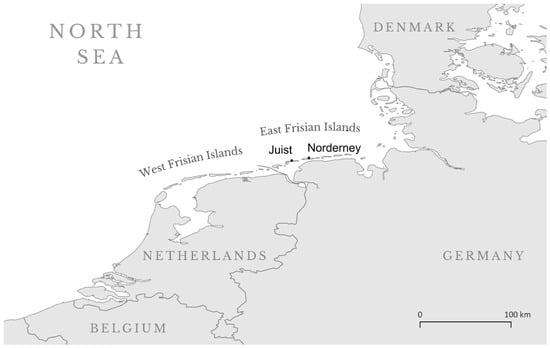
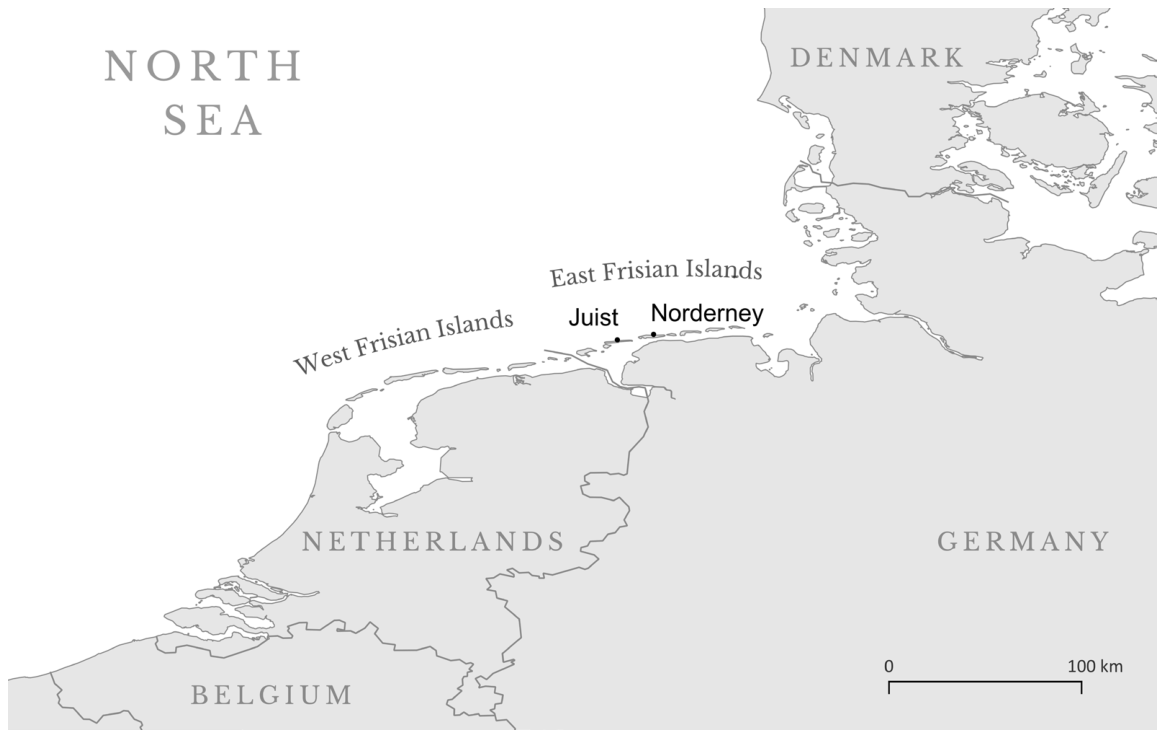
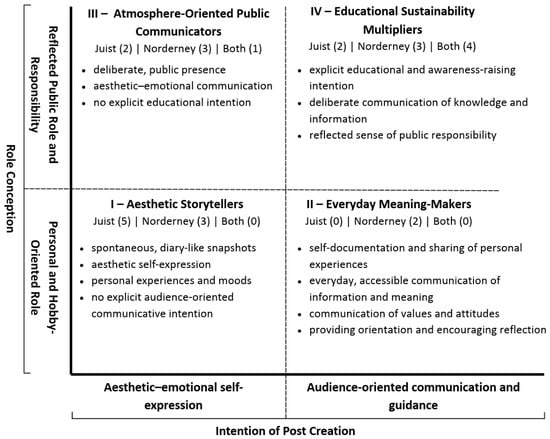
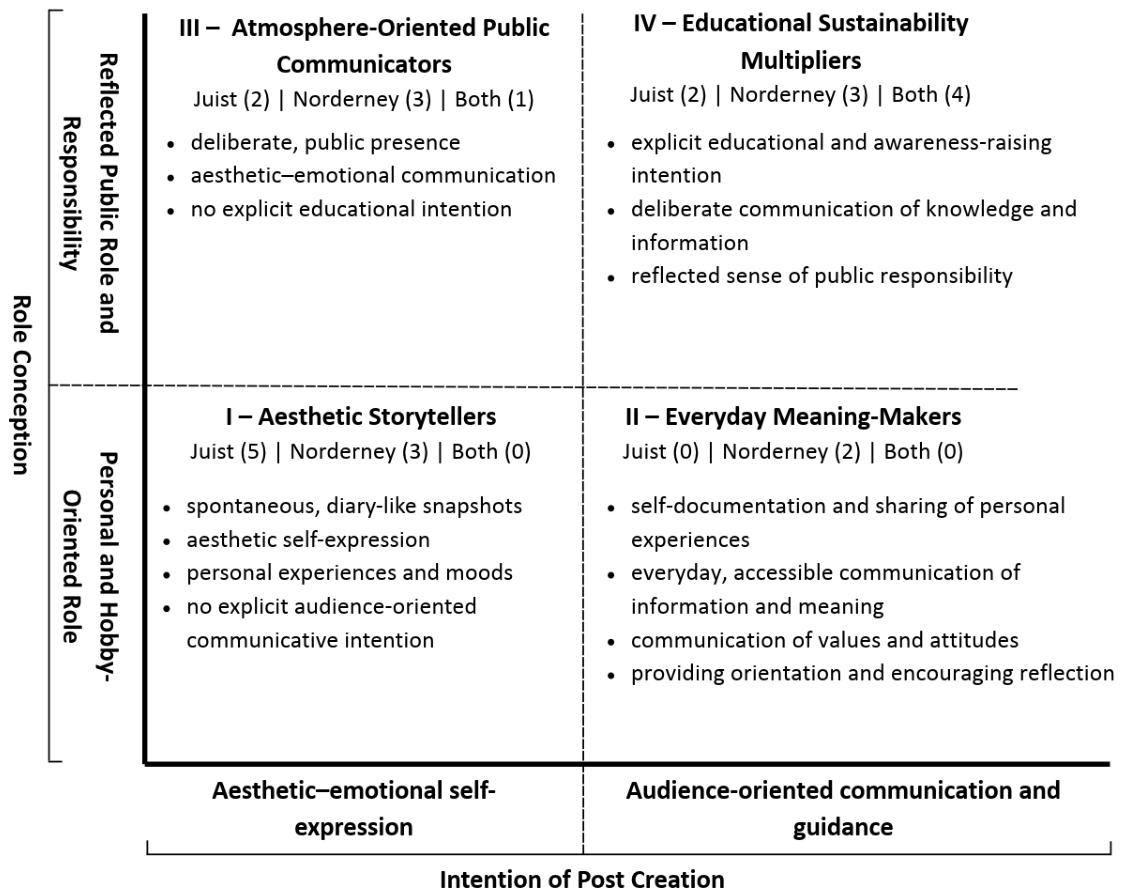

Disclaimer/Publisher’s Note: The statements, opinions and data contained in all publications are solely those of the individual author(s) and contributor(s) and not of MDPI and/or the editor(s). MDPI and/or the editor(s) disclaim responsibility for any injury to people or property resulting from any ideas, methods, instructions or products referred to in the content. |
© 2026 by the authors. Licensee MDPI, Basel, Switzerland. This article is an open access article distributed under the terms and conditions of the Creative Commons Attribution (CC BY) license.