


Highlights
What are the main findings?
- Perceived service personalization and perceived promotional communication effectiveness are positively associated with relationship marketing and customer satisfaction among hotel guests.
- Relationship marketing shows significant indirect associations linking perceived service personalization and perceived promotional communication effectiveness with customer satisfaction.
What are the implications of the main findings?
- Customer satisfaction is associated not only with perceived service personalization and promotional communication effectiveness but also with the broader relational evaluation between the customer and hotel relationship.
- Integrating personalized service, relevant promotional communication, and relationship-oriented interactions may support more satisfying hotel experiences, with relationship marketing representing a complementary relational component rather than a dominant direct predictor.
Abstract
This study examines how customers’ perceptions of service personalization and perceived promotional communication effectiveness are related to customer satisfaction in the hotel industry, with relationship marketing examined as a relational pathway. Drawing on Social Exchange Theory, data were collected from 406 hotel guests in Indonesia and analyzed using Partial Least Squares Structural Equation Modeling (PLS-SEM). Perceived service personalization is positively associated with relationship marketing (β = 0.500, p < 0.001) and customer satisfaction (β = 0.417, p < 0.001). Perceived promotional communication effectiveness is positively associated with relationship marketing (β = 0.420, p < 0.001) and customer satisfaction (β = 0.319, p < 0.001). Relationship marketing is positively associated with customer satisfaction (β = 0.144, p = 0.018). The indirect effects of perceived service personalization (β = 0.072, p = 0.015) and perceived promotional communication effectiveness (β = 0.060, p = 0.032) on customer satisfaction through relationship marketing are significant. Relationship marketing represents a complementary relational pathway linking service personalization and promotional communication effectiveness with customer satisfaction. Given the cross-sectional design, these findings indicate associations rather than causal or temporal effects. The study contributes by integrating functional, communication-related, and relational customer perceptions within a Social Exchange Theory perspective.
1. Introduction
After the pandemic, the global tourism and hospitality industry has quickly gained momentum. This has led to increased global competition within the hotel industry (Gupta et al., 2024; Zopiatis, 2026). Therefore, hotels need to be not only more competitive but also more responsive to customer needs. This means that in order to create satisfying and meaningful customer experiences, hotels are required to differentiate their services. However, personalized and meaningful service experiences have made customer satisfaction an important outcome of hotel service encounters (Bilgihan & Ricci, 2023; Kim et al., 2024; Xu et al., 2024). Although emerging tourism markets are strengthening local governance to keep pace with the rapid growth of international hotels, hotel organizations continue to face challenges related to service quality, operational efficiency, and workforce management (Azzahra & Nurhadi, 2024; Krisnadewi et al., 2026; Mulia et al., 2024). Since hospitality services are mostly based on front-line employee interactions, hotels have to respond to changing customer expectations and create service experiences that customers perceive as relevant and valuable (Sibisibi, 2025; Subbaiah et al., 2026). These challenges are particularly relevant in Indonesia, where a growing and increasingly competitive hospitality market is accompanied by changing customer expectations and expanding digital communication channels. In this environment, customers evaluate hotels not only through the service they receive but also through how hotel communications are perceived in terms of clarity, relevance, consistency, and attractiveness. Accordingly, perceived service personalization and perceived promotional communication effectiveness (PPCE) represent two customer-level evaluations that may be associated with how customers perceive their relationship with the hotel and their satisfaction with the overall experience. Yet, hospitality literature has largely examined these two areas separately, providing limited insight into how customers’ perceptions of personalized service and promotional communication effectiveness are associated with satisfaction within a broader relational framework.
Despite the significant focus on service quality and other promotional mechanisms in the last few decades, many hotels still struggle to create satisfying and meaningful customer experiences in increasingly competitive hospitality markets. Previous studies indicate that service performance alone is often insufficient, with customers increasingly considering individual preferences and the relational value generated through service interactions when evaluating their service experiences (Saghezchi et al., 2024; Vera Martínez, 2025). From the customer perspective, perceived service personalization refers to the extent to which hotel services are perceived as responsive to individual preferences and needs, whereas perceived promotional communication effectiveness refers to customers’ perceptions of the clarity, relevance, consistency, and attractiveness of hotel promotional communication. These customer-level perceptions are conceptually different from organizational capabilities measured at the firm level and therefore should not be treated as direct evidence of internal hotel capabilities. Social Exchange Theory (SET) proposes that personalized interactions make customers feel valued and appreciated, which in turn can strengthen trust and relational exchange (Blau, 1964). From this perspective, personalized service and relevant promotional communication may be perceived as benefits offered by the hotel, to which customers may respond through more favorable relational evaluations. Thus, relationship marketing plays a relational role as a relational mechanism through which customer perceptions of hotel interactions may be associated with satisfaction outcomes (Morgan & Hunt, 1994; Ndubisi, 2007). However, hospitality marketing research has largely studied service personalization and promotional activities as separate customer-experience or communication practices, with less focus on their simultaneous relationships with customer satisfaction and the relational mechanism that may connect these perceptions. More specifically, limited attention has been given to whether functional evaluations of service personalization and communication-related evaluations of promotional effectiveness are simultaneously associated with a broader customer-perceived evaluation of the hotel relationship and, in turn, with customer satisfaction. This limitation highlights the need for a customer-centered relational perspective to better explain customer satisfaction in the hotel industry.
Meaningful contributions have been made by previous hospitality marketing research in understanding service quality, customer experience, and promotional effectiveness. However, empirical gaps remain. Past research has mainly addressed customer satisfaction and loyalty as relational outcomes (George & Anil, 2026; Iyengar & Venkatesh, 2024). The relational processes by which particular consumer perceptions of service and promotion may be linked to satisfaction have received little attention. Moreover, most research has analyzed service personalization and promotional capability separately. Studies of service personalization primarily focus on customer experience and satisfaction (Immaculate & Haripriya, 2025; Li et al., 2025). On the other hand, studies of promotional capability aim to analyze communication effectiveness and customer perceptions in relation to marketing objectives (Diallo et al., 2025; Khilla et al., 2025). Thus, the literature remains theoretically fragmented. The gap therefore extends beyond the limited combination of these constructs in a single empirical model. What remains insufficiently understood is how customers’ functional perceptions of personalized service and their communication-related perceptions of promotional effectiveness may be associated simultaneously with a broader relational evaluation of the customer–hotel relationship. There is limited explanation, in hospitality contexts, regarding whether relationship marketing can serve as a relational pathway linking customers’ perceptions of personalized service and promotional communication effectiveness with satisfaction. In growing hospitality markets such as Indonesia, where customers increasingly interact with hotels through direct services and digital promotions, this gap is especially relevant.
This study analyzes how customers’ perceptions of service personalization and perceived promotional communication effectiveness are associated with customer satisfaction through relationship marketing in the Indonesian hotel industry. Moreover, this study frames service personalization and promotional communication effectiveness not as organizational capabilities; rather, this study conceptualizes both as customer-perceived evaluations of the service and communication experienced by hotel guests. Therefore, considering the customer-level data obtained, the proposed relationships are examined at the customer level. Instead of only showing relationship marketing as a direct predictor of customer outcomes, this study examines relationship marketing as a broader customer-perceived relational pathway that may connect functional and communication-related evaluations with customer satisfaction. Further, the contribution of this study lies in the use of Social Exchange Theory (SET) to explain how perceived value, responsiveness, and relational exchanges within hospitality service encounters may be associated with customer satisfaction. Rather than simply combining established relationships, the study uses SET to provide an exchange-based interpretation of how personalized service and relevant promotional communication may be perceived as relational benefits and associated with more favorable relational evaluations. Its cross-sectional design makes it possible to highlight customer-level associations rather than to establish temporal or causal relationships among the constructs. Evidence from the Indonesian hotel industry provides empirical insight from an emerging-market hospitality context that remains relatively underrepresented in the existing literature, while the study does not assume that its findings are directly generalizable to all hotel markets. Overall, the study offers a customer-centered relational perspective on how perceived service personalization and perceived promotional communication effectiveness are associated with customer satisfaction and how relationship marketing represents a complementary relational pathway within these associations.
2. Literature Review and Theoretical Foundation
2.1. Perceived Service Personalization and Relationship Marketing
Service personalization happens when the frontline employees consider customers’ specific preferences and needs when providing their services (Shen, 2024; Zaidan, 2025). In hospitality environments, this personalization can enhance customer experience, emotional engagement, and relational attachment (Chen, 2024; Li et al., 2025). Hotel services are mostly performed through frontline employee–customer interactions. Therefore, for customers to determine whether the service satisfies their specific needs, personalization plays an important role in evaluating the service experience. Customers perceive service personalization as part of their service experience rather than as direct evidence of an organizational capability. More specifically, perceived service personalization refers to customers’ perceptions of how hotel services are adapted to their individual needs, preferences, and circumstances. In contrast, relationship marketing represents a broader customer-perceived evaluation of the quality and strength of the ongoing customer–hotel relationship, including trust, emotional connection, communication, and meaningful relational interaction. Thus, although the two constructs are conceptually related because both concern customers’ interactions with the hotel, they represent different levels of customer evaluation: personalization concerns how the service is adapted to the individual customer, whereas relationship marketing concerns the broader quality and strength of the perceived relationship. This study, therefore, focuses on customer-level perceptions rather than firm-level assessments of hotel resources or capabilities.
To explain the contribution of personalized service to relationship marketing, Social Exchange Theory (SET) provides a meaningful perspective. This theory indicates that there is a link between social exchange development and valued treatment with positive relational responses (Blau, 1964). From an exchange perspective, personalized service may be perceived by customers as a valued benefit because the hotel responds to their individual needs and circumstances. Such perceived benefits may encourage reciprocal relational responses, including greater trust, communication, engagement, and willingness to maintain the relationship with the service provider. Within the hospitality context, tailored services improve perceived value and responsiveness in the exchanges. Consequently, the positive experiences may enhance trust, communication, engagement, and a stronger willingness to maintain the relationship with the service provider. These findings align with relationship marketing principles emphasizing trust, commitment, communication, and mutual value, as tailored services can foster trust, customer engagement, and relational commitment (Morgan & Hunt, 1994; Ndubisi, 2007).
Rather than being viewed as a direct expression of organizational capability, the relationship between service personalization and relationship marketing can be understood as a relational process. Personalization concerns the adaptation of the service encounter to the individual customer, whereas relationship marketing concerns the customer’s broader evaluation of the ongoing relational exchange with the hotel. Such service provides opportunities for meaningful interpersonal exchanges. These exchanges are maintained and developed through relationship marketing. Many hospitality studies have frequently analyzed personalization in relation to service quality, customer experience, or satisfaction. The role of personalization in relationship marketing from the customer’s point of view, however, has received limited attention. Accordingly, examining the association between perceived service personalization and relationship marketing helps extend the literature beyond the evaluation of individual service encounters by considering how personalized service may be associated with customers’ broader relational evaluations of the hotel. The more personalized the services are, the greater the relational effort that customers may perceive in their interactions with the hotel. Thus, the following hypothesis is put out by this study:
H1.
Perceived service personalization is positively associated with relationship marketing.
2.2. Perceived Promotional Communication Effectiveness and Relationship Marketing
Perceived promotional communication effectiveness (PPCE) refers to customers’ perceptions of how effectively a hotel communicates its offerings and promotional information. Although organizational promotional capability concerns a firm’s internal ability to design, coordinate, and implement promotional activities (Jadhav et al., 2024; Theechana, 2025), PPCE in the present study represents a customer-level evaluation of the resulting promotional communication rather than an assessment of the hotel’s internal resources or competence. The factors that customers take into account are clarity, relevance, consistency, and attractiveness of the promotional communication. Particularly in highly competitive hospitality contexts, promotional activities are not only viewed as a means of communicating offers or encouraging immediate transactions. Promotional activities influence the customers’ understanding of the hotel’s value and willingness to communicate and engage with the hotel. Such relevant and credible communication is significant in shaping customer perceptions and relational responses since customers frequently experience different promotional messages through numerous communication channels (Wilopo & Nuralam, 2024).
In the present study, PPCE focuses specifically on customers’ perceptions of the clarity, relevance, consistency, and attractiveness of hotel promotional communication. This customer-level conceptualization avoids treating customer responses as direct evidence of an internal organizational capability and instead focuses on how customers evaluate the promotional communication they encounter. Useful, relevant, and trustworthy promotional messages may better engage customers. Moreover, customers may respond positively to the hotel’s communication efforts. This process is well explained by SET. This theory outlines that once individuals perceive value and reciprocity, positive exchanges are encouraged (Blau, 1964). From this perspective, relevant and appropriately communicated promotional information may be perceived as a valued exchange benefit, which may encourage more favorable relational responses toward the hotel. In a hotel setting, therefore, relevant and credible promotional communication may foster more positive interactions between customers and the service provider.
Through trust, communication, commitment, and mutual value creation, relationship marketing focuses on the maintenance and development of relational exchanges (Morgan & Hunt, 1994). Studies have demonstrated that customer trust and relationship building can result from information sharing and promotional activities (Albérico & Joaquim, 2023; Walz & Celuch, 2010). These indicate that relevant and sufficiently credible information can give promotional communication a relational dimension by supporting customer interactions with the service provider. A relationship-oriented perspective considers promotion as more than a transactional activity. It also creates opportunities to understand customers, respond to their information needs, and maintain ongoing interactions. Accordingly, PPCE represents a communication-related customer perception that may be associated with the broader relational evaluation captured by relationship marketing.
In hospitality marketing, promotional activities are essential. However, promotional activities have been analyzed in previous research in terms of communication effectiveness, purchase responses, or short-term marketing outcomes. Less attention has been given to how customers’ perceptions of promotional communication effectiveness may be associated with relationship marketing as a broader relational evaluation of the customer–hotel relationship. This is increasingly important as communication happens across multiple stages of the customer experience in hotel settings. Relevant, consistent, and trustworthy promotional communication may result in more favorable perceptions regarding the hotel’s relational efforts. Consequently, these favorable perceptions may support central elements of relationship marketing, including trust, engagement, and continued interaction. From a Social Exchange Theory perspective, promotional communication may therefore be interpreted not merely as a transactional marketing activity but also as a customer-perceived exchange benefit that may be associated with more favorable relational evaluations. Thus, the following hypothesis is put out in this study:
H2.
Perceived promotional communication effectiveness is positively associated with relationship marketing.
2.3. Relationship Marketing and Customer Satisfaction
Customer trust and relationship building are key outcomes of relationship marketing (Morgan & Hunt, 1994). In the hospitality industry, especially, service experience depends on interactions between customers and service providers. Relationship marketing plays an important role in shaping how guests view their encounters with hotels. Relationship marketing focuses on the quality of continuous exchanges. Moreover, it considers the value perceived by customers. This means that relationship marketing does not focus only on individual transactions but also on maintaining and developing ongoing relational exchanges with customers. Accordingly, from the customer’s perspective, relationship marketing represents a broader evaluation of the quality and strength of the ongoing customer–hotel relationship, reflected in perceptions of trust, emotional connection, communication, and meaningful relational interaction.
According to SET, customers tend to respond positively to relationships when they believe that an organization is beneficial, trustworthy, and valuable (Blau, 1964). A sense of recognition, trust, and reciprocal value can be established through positive interactions. Positive interactions, resulting from valuable and responsive treatment, in turn may contribute to more favorable evaluations. Therefore, relationship marketing plays a role as a relational basis through which customers develop positive assessments of their hotel experiences. From this exchange perspective, favorable relational experiences may be perceived as valuable benefits, which may be associated with more positive evaluations of the overall service experience. Thus, relationship marketing provides an exchange-based relational perspective for understanding customer satisfaction beyond the evaluation of individual service encounters.
Previous studies find that relationship marketing is associated with customer trust, satisfaction, engagement, and commitment toward the relationship (Ndubisi, 2007; Rosário & Casaca, 2023; Singh, 2025). Relationship-oriented practices are closely connected to customer satisfaction. This indicates that trust, communication, and perceived relational value may contribute to customers’ overall evaluation of the service experience. The quality of relational exchanges may be particularly relevant to customer satisfaction because hospitality services involve frequent and highly interactive service encounters. Studies have analyzed the relationship between relationship marketing and loyalty and long-term customer relationships. However, fewer studies have focused on its role as a relational pathway through which customers assess their current and overall service experience. In hotel settings, understanding this relationship is particularly relevant because customer satisfaction is related to both functional service performance and the quality of interpersonal and relational interactions. Therefore, relationship marketing may represent a complementary relational component through which customers’ broader evaluations of their relationship with the hotel are associated with their overall satisfaction with the hotel experience. Therefore, this study suggests the following hypothesis:
H3.
Relationship marketing is positively associated with customer satisfaction.
2.4. Perceived Service Personalization and Customer Satisfaction
Service personalization refers to how organizations, along with their frontline employees, adjust their service delivery to meet customers’ needs and preferences (Bonaretti et al., 2020). In competitive hospitality settings, service personalization is increasingly important. Customers prioritize services customized to their specific preferences, through which they feel acknowledged and valued. This shows that effective service personalization signifies services that are responsive and relevant to individual needs. From the customer’s perspective, perceived service personalization reflects how customers evaluate the extent to which hotel services are adapted to their individual needs, preferences, and circumstances. This study analyzes service personalization through customers’ perceptions rather than through direct assessments of hotel-level resources or capabilities. Thus, a customer-level perspective is essential.
Customer satisfaction is driven by customers’ overall evaluation of their experience with a service provider. To satisfy customers, service providers need to consider not only service delivery but also responsiveness to individual customer needs. Service personalization, in this case, may create greater perceived value and contribute to a more positive service experience. When customers perceive that a hotel responds appropriately to their individual needs, the service encounter may be evaluated as more relevant and valuable, which may contribute to greater satisfaction with the overall hotel experience. Similarly, previous research shows a positive relationship between service personalization and satisfaction. Customers’ evaluations of service quality, emotional responses, and perceived value may contribute to satisfaction (Khalik et al., 2023; Nafisah et al., 2025).
Although previous hospitality studies have examined the relationship between service personalization, customer experience, and customer satisfaction, how customers’ perceptions of personalized service are associated with overall satisfaction warrants further discussion. In hotel settings where service encounters are direct and repetitive, service personalization is particularly relevant. Attentive and responsive interactions may contribute to more positive evaluations of the service experience. Accordingly, examining perceived service personalization in relation to customer satisfaction extends the focus from the delivery of customized services to customers’ overall evaluation of the hotel experience. Therefore, this study suggests the following hypothesis:
H4.
Perceived service personalization is positively associated with customer satisfaction.
2.5. Perceived Promotional Communication Effectiveness and Customer Satisfaction
Perceived promotional communication effectiveness (PPCE) refers to customers’ perceptions of how clearly, relevantly, consistently, and attractively a hotel communicates its offerings, services, and promotional information through appropriate communication channels (Dahana et al., 2023). Promotional communication plays a role as a means of providing information and persuading customers. However, in the competitive hospitality environment, it becomes a part of the overall customer experience. To shape a positive experience, there should be relevant, credible, and consistent promotional information. Nowadays, customers’ exposure to promotional messages through numerous channels is higher. Therefore, to form favorable evaluations, promotional communication serves as an important basis.
In general, promotional capability refers to an objective assessment of a hotel’s internal marketing resources or organizational capability. In contrast, PPCE in this study represents a customer-level evaluation of the promotional communication encountered by customers rather than an assessment of the hotel’s internal promotional capability. Relevant and credible promotional information can establish more comprehensive expectations about the hotel’s offerings. Moreover, it can create greater perceived value in the services being offered. When promotional communication is perceived as clear, relevant, consistent, and attractive, customers may develop more favorable expectations and evaluations of the hotel’s offerings. The evaluation may be more favorable when the promotional activities are consistent with the actual service.
Customer satisfaction shows customers’ overall evaluation of their experience with a service provider. This evaluation, in hospitality, is influenced by not only service experience but also information and expectations. Accurate, relevant, and useful information can help form realistic expectations. Moreover, it helps customers understand the value of the hotel’s offerings better. Previous studies have similarly shown that promotional effectiveness can contribute to customer responses through value enhancement and customer engagement (Briones et al., 2025; Fait, 2024). Therefore, these findings suggest that effective promotional communication may be positively related to how customers evaluate their overall experience with a hotel. From this perspective, PPCE may contribute to customer satisfaction by providing information that helps customers form expectations, evaluate the hotel’s offerings, and assess the value of their overall experience.
Previous hospitality research has frequently addressed promotional activities in relation to communication effectiveness, purchase responses, and customer engagement. However, limited attention has been paid to their direct relationship with customer satisfaction, especially from a customer-perceived perspective. Promotional communication represents an important point of contact between hotels and customers and may influence expectations and perceived value associated with the hotel experience, making this relationship relevant. Relevant, credible, and consistent promotional communication may contribute to more favorable customer evaluations. Accordingly, examining PPCE in relation to customer satisfaction extends the discussion of promotional communication beyond immediate promotional or purchase responses to customers’ broader evaluation of the hotel experience. Therefore, this study proposes the following hypothesis:
H5.
Perceived promotional communication effectiveness is positively associated with customer satisfaction.
2.6. The Mediating Role of Relationship Marketing
Relationship marketing plays a role as a relational pathway linking customers’ perceptions of hotel service and promotional activities with their overall evaluation of the hotel experience. Perceived service personalization and perceived promotional communication effectiveness may shape customers’ perceptions. These perceptions relate to attentiveness, communication quality, and relational value during customer–hotel interactions (Alsamaani et al., 2026). For service personalization or promotional communication to be associated with customer satisfaction, customers may need to perceive value in their interactions with the hotel. Therefore, relationship marketing may help explain how customer perceptions of personalized service and perceived promotional communication effectiveness are related to satisfaction. In this framework, relationship marketing is conceptualized as a broader customer-perceived relational evaluation that may connect functional and communication-related evaluations with customers’ overall assessment of the hotel experience.
SET explains that valuable, trustworthy, and responsive interactions perceived by customers can support positive relational exchanges (Blau, 1964). Through personalized service and relevant promotional communication, customers may perceive greater value in their interactions. These experiences may contribute to positive relational perceptions, including trust, communication, commitment, and continued interaction, which are central elements of relationship marketing. Relationship marketing can therefore be understood as an intervening relational mechanism, rather than simply as an outcome of service activities, through which customer experiences are interpreted and evaluated. From an exchange perspective, perceived benefits associated with personalized service and relevant promotional communication may be accompanied by more favorable relational evaluations, which may in turn be associated with greater customer satisfaction. Through this relational process, perceived service personalization and perceived promotional communication effectiveness may be associated with customer satisfaction.
Relationship marketing has previously been associated with positive customer outcomes and has been examined as a mechanism linking service-related factors with customer responses (Ndubisi, 2007; Rosário & Casaca, 2023; Shahzad, 2023). Nevertheless, hospitality research has often emphasized direct relationships between service quality, satisfaction, loyalty, and other customer outcomes, with less attention to the mediating role of relationship marketing in linking specific customer perceptions of service personalization and promotional communication with satisfaction. Examining these indirect associations may provide a clearer understanding of whether relationship marketing represents a complementary relational pathway through which customers’ evaluations of personalized service and promotional communication are statistically associated with customer satisfaction beyond their respective direct associations with the outcome.
Accordingly, this study proposes a customer-centered relational framework in which perceived service personalization and perceived promotional communication effectiveness represent customer-level antecedents, relationship marketing represents the relational pathway, and customer satisfaction represents the evaluative outcome. This framework does not assume that the observed relationships demonstrate organizational transformation, sustainable competitive advantage, or long-term customer retention. Instead, it focuses on the indirect associations that can be examined using the cross-sectional customer-level data of this study. Because the data are cross-sectional, the proposed mediation should be interpreted as a statistical indirect association consistent with the hypothesized relational framework rather than as evidence of temporal ordering or a causal mechanism. Therefore, relationship marketing is expected to mediate the associations of perceived service personalization and perceived promotional communication effectiveness with customer satisfaction.
H6.
Relationship marketing mediates the association between perceived service personalization and customer satisfaction.
H7.
Relationship marketing mediates the association between perceived promotional communication effectiveness and customer satisfaction.
The conceptual model, as illustrated in Figure 1, suggests that perceived service personalization and perceived promotional communication effectiveness are positively associated with relationship marketing. Relationship marketing is proposed as a relational pathway linking these customer perceptions with customer satisfaction. Moreover, perceived service personalization and perceived promotional communication effectiveness are also expected to be positively associated with customer satisfaction, indicating both direct associations with customer satisfaction and indirect associations through relationship marketing.
Figure 1.
Conceptual Research Model.
3. Materials and Methods
3.1. Research Design
A quantitative research design was used in this study to investigate the interrelationships among perceived service personalization, perceived promotional communication effectiveness, relationship marketing, and customer satisfaction in the hotel industry. This quantitative approach is appropriate because the objective of the study is to examine relationships among multiple latent constructs and test relationship marketing as a mediating variable in the hospitality service context. A cross-sectional survey design was used to measure customers’ perceptions, evaluations, and relational experiences associated with hotel services within a specific timeframe. This design is appropriate for examining associations among customer-level perceptions and evaluations within a defined period, while recognizing that cross-sectional data do not establish temporal or causal relationships.
Since this study focuses on the relationships among multiple latent constructs and the mediating role of relationship marketing, Partial Least Squares Structural Equation Modeling (PLS-SEM) was used as the analytical approach. PLS-SEM is suitable for studies emphasizing prediction, theory development or extension, and the examination of complex relationships among latent variables in hospitality and marketing research settings (Hair et al., 2022). In this study, PLS-SEM enables the simultaneous assessment of the measurement properties of the constructs and the structural relationships specified in the conceptual model, including direct and indirect associations. The approach also supports the assessment of predictive relevance and out-of-sample predictive performance through procedures such as PLSpredict, which complements the evaluation of the hypothesized structural relationships. Additionally, PLS-SEM is useful for analyzing models involving multiple latent constructs and assessing their predictive associations at the customer level.
3.2. Population and Sample
People who had stayed at an Indonesian hotel made up the study population. The Indonesian hotel industry was selected as the empirical setting because it is one of the important and increasingly competitive hospitality markets, characterized by changing customer expectations and increasing demand for responsive and satisfying hotel experiences. This environment offers a suitable framework for analyzing how customers perceive personalized services, promotional communication, relationship marketing, and their overall satisfaction with hotel experiences.
Data were collected from customers in six Indonesian cities: Malang, Surabaya, Semarang, Yogyakarta, Jakarta, and Denpasar. These cities were selected because they represent major urban and tourism destinations with substantial hotel activity and frequent tourist and business travel, providing relevant settings for examining customers’ hotel experiences and perceptions. The study did not intend these six cities to represent all hotel markets in Indonesia; rather, they provided the empirical settings in which eligible hotel customers were recruited.
Several screening criteria were applied, including (1) having stayed at a hotel in Indonesia, and (2) having stayed at least once in a hotel during the 12 months preceding the survey. Eligible respondents were asked to select one hotel based on their own preference or a recommendation from friends, family, or their workplace and to use that hotel as the focal hotel throughout the questionnaire. This procedure ensured that perceived service personalization, perceived promotional communication effectiveness, relationship marketing, and customer satisfaction were evaluated with reference to the same focal hotel. The study did not restrict respondents to their most recently visited or most frequently visited hotel. These criteria helped to ensure that respondents had sufficient experience and knowledge of hotel service encounters to assess perceived service personalization, perceived promotional communication effectiveness, relationship marketing, and customer satisfaction.
A purposive sampling technique was implemented for this study because the research required respondents who had firsthand experience of hotel services and were therefore able to evaluate their service encounters and interactions with hotels. In hospitality and marketing research, purposive sampling is often applied when studies require respondents with relevant experience and knowledge of the phenomenon under investigation (Ahmad & Wilkins, 2024).
A total of 450 responses were initially collected, comprising 400 online responses and 50 offline responses. Following the data-screening procedures, 44 responses were excluded, including 26 incomplete responses, 5 duplicate responses, and 13 low-quality responses. Of these exclusions, 42 were from the online responses, and 2 were from the offline responses. As a result, 406 valid responses constituted the final dataset used for analysis. The final sample comprised 358 online responses and 48 offline responses. Low-quality responses were identified based on highly similar answer choices across items and inconsistent response patterns, indicating insufficient engagement with the questionnaire.
In addition to general sample-size considerations, the required sample size was determined through an a priori power analysis based on the proposed PLS-SEM model. Using G*Power version 3.1.9.7, an a priori power analysis was conducted with the “Linear multiple regression: Fixed model, R2 deviation from zero” procedure, assuming α = 0.05, statistical power (1 − β) = 0.80, a medium effect size (f2 = 0.15), and a maximum of three predictors. The analysis indicated a minimum sample size of 77 respondents. The final sample of 406 respondents substantially exceeded this minimum requirement. The selected medium effect size represented a conventional a priori assumption and was not derived from the observed effects in the final sample.
To ensure transparency regarding the sampling process, the study documented the geographic coverage of respondents and the channels used for participant recruitment. The initial number of responses, reasons for exclusion, and procedures used to identify duplicate or low-quality responses were also documented. These procedures were applied to improve the quality and transparency of the final dataset, while recognizing that purposive sampling may still involve self-selection and nonresponse bias. The same eligibility criteria, questionnaire items, and focal-hotel instructions were applied across the online and offline survey modes. A supplementary nonparametric comparison of the two groups was also conducted to examine whether survey mode was associated with differences in the focal constructs; the results are reported in Supplementary Table S4.
3.3. Data Collection Procedure
A standardized questionnaire was administered through online and offline channels between May and August 2025 to collect the data. The online questionnaire was distributed through Google Forms and promoted through social media platforms and consumer-oriented online channels, while the offline questionnaire was distributed at hotels, business exhibitions, and community business centers. At the initial stage, screening questions were designed to verify that respondents met the eligibility criteria. Eligible respondents who had stayed at least once at an Indonesian hotel during the preceding 12 months proceeded to select one hotel as their focal hotel and complete the questionnaire with reference to that hotel. The selected focal hotel was based on the respondent’s own preference or a recommendation from friends, family, or their workplace, and respondents were instructed to use the same focal hotel when evaluating all constructs throughout the questionnaire.
Before the main data collection, the questionnaire was pilot tested with 30 respondents to assess its clarity, readability, wording, and preliminary reliability. The research team reviewed the pilot feedback and the wording of the questionnaire items; however, no measurement items were modified following the pilot test. The questionnaire was administered in Indonesian, and the measurement items were reviewed by the research team to ensure their clarity and contextual appropriateness for the Indonesian hotel setting. The pilot-test respondents were not included in the main survey or the final sample.
The main data collection generated 450 initial responses, comprising 400 online responses and 50 offline responses. Following the data-screening procedures, 44 responses were excluded. Specifically, 26 responses were incomplete, 5 were identified as duplicates, and 13 were classified as low-quality responses based on highly repetitive response patterns or inconsistent answers. Of the excluded responses, 42 came from the online survey and 2 came from the offline survey. Thus, 358 valid online responses and 48 valid offline responses were retained, resulting in a final sample of 406 valid responses. The exclusion procedures are summarized in the corresponding exclusion table.
Respondent participation was voluntary. Before accessing the online questionnaire, respondents were informed about the study purpose, its academic objectives, the voluntary nature of participation, and the confidentiality and anonymity of their responses. Moreover, respondents could withdraw at any time without any consequences. Electronic informed consent was obtained before respondents proceeded to the questionnaire. The study followed the applicable institutional research-ethics procedures. Formal ethical approval was not required under the applicable institutional ethical review process, and the relevant institutional documentation was provided to the journal during the editorial process.
Multiple procedural remedies were implemented to reduce the potential for common method bias. Respondents’ responses were kept anonymous and confidential, and respondents were informed that there were no right or wrong answers. These procedures were intended to encourage respondents to provide honest answers and reduce evaluation concerns. The logical sequence of the questionnaire was also designed to minimize potential response bias. Before the final dataset was established, incomplete, duplicate, and low-quality responses were identified and removed. In addition, Google Forms was configured to allow only one response from each Google account for the online questionnaire. All predictor, mediator, and outcome measures were obtained from the same respondents during one survey period; therefore, the possibility of common method variance (CMV) was acknowledged. These procedural safeguards were complemented by a statistical full-collinearity assessment reported in the results Section 4 to examine whether substantial common method variance was evident in the data.
3.4. Measurement of Variables
All measurement items were either adopted or adapted from established measures to support content validity and maintain alignment with the hospitality and marketing literature. Where necessary, the wording of the items was reviewed and modified to fit the Indonesian hotel context while preserving the conceptual meaning of the original measures. The questionnaire was administered in Indonesian, and the research team reviewed the wording of all items for clarity, readability, and contextual appropriateness. A pilot test involving 30 respondents was conducted before the main survey; no measurement items were modified following the pilot test. All items were measured using a five-point Likert scale ranging from 1 (“strongly disagree”) to 5 (“strongly agree”). Because the indicators represent observable expressions of the underlying customer perceptions represented by each construct, all constructs were specified as reflective constructs.
Perceived service personalization was measured using indicators related to adaptive service, responsiveness, customer understanding, and personalized attention (Piccoli et al., 2017; Shen, 2024; Zaidan, 2025). These indicators capture customers’ perceptions of the extent to which hotel employees recognize, understand, and respond to their individual preferences and needs during service encounters. Thus, perceived service personalization represents a customer-level perception of service adaptation rather than a direct assessment of the hotel’s internal organizational capabilities or resources.
Perceived promotional communication effectiveness (PPCE) was measured using indicators related to communication clarity, message relevance, communication consistency, and promotional attractiveness adapted from established promotional communication measures (Chan, 2020; MacDonald et al., 2013) and contextualized to the Indonesian hotel setting. These indicators capture customers’ perceptions of how effectively and appropriately the hotel communicates its promotional information and offerings. Accordingly, PPCE is conceptualized at the customer level as a perception of the clarity, relevance, consistency, and attractiveness of promotional communication, rather than as a direct assessment of the hotel’s internal marketing resources or organizational capabilities.
Relationship marketing was measured using indicators representing trust, emotional connection, relationship communication, and meaningful relational interaction, drawing on the relationship marketing literature (Morgan & Hunt, 1994; Ndubisi, 2007). The indicators capture customers’ perceptions of the hotel’s efforts and relational exchanges in developing and maintaining customer relationships. In the present study, relationship marketing is specified as a broader customer-perceived relational construct reflected in four indicators: trust, emotional connection, relationship communication, and meaningful relational interaction. The indicators are treated as reflective manifestations of the specified construct rather than as separately estimated dimensions. The measurement therefore focuses on customers’ perceptions of the quality and strength of ongoing relational exchanges rather than treating trust, satisfaction, or loyalty as separate behavioral outcomes.
Customer satisfaction was defined as customers’ overall evaluation of their hotel service experience. Consistent with the satisfaction literature, satisfaction involves customers’ evaluation of their service experience in relation to their expectations (Oliver, 1996). In the hospitality context, customer satisfaction reflects an overall evaluation of the service experience and relevant attributes of hospitality services (Nana et al., 2022). Therefore, the measurement focused specifically on satisfaction with the hotel experience rather than behavioral consequences such as revisit intention, recommendation intention, loyalty, or resistance to switching.
3.5. Data Analysis Technique
Partial Least Squares Structural Equation Modeling (PLS-SEM) data analysis was carried out using SmartPLS 4 version 4.1.1.6 software. PLS-SEM was chosen because the study focuses on examining predictive relationships among multiple latent constructs and assessing the direct and indirect associations proposed in the conceptual model. The method is particularly appropriate for the present study because the model includes multiple latent variables and a mediating construct, with customer satisfaction as the main endogenous outcome. PLS-SEM also allows the simultaneous assessment of the measurement model and structural model, making it suitable for evaluating the proposed customer-level relational framework in hospitality research (Hair et al., 2022). In addition, the analysis included an out-of-sample predictive assessment using PLSpredict, performed with SmartPLS 4 (version 4.1.1.6), to complement the evaluation of the hypothesized structural relationships. Thus, the selection of PLS-SEM was based on the predictive orientation of the study, the latent-variable structure of the model, and the objective of examining both direct and indirect associations, rather than on an assumption that PLS-SEM is universally superior to covariance-based SEM.
There were two stages of the analysis. Measurement models were evaluated in the first stage, while structural models were evaluated in the second. The indicator reliability, internal consistency reliability, convergent validity, and discriminant validity of the measurement model were evaluated. Outer loadings of 0.70 or higher were considered acceptable for indicator reliability. Composite reliability (CR) was used to evaluate internal consistency reliability, with values above 0.70 considered satisfactory. Convergent validity was evaluated using average variance extracted (AVE), with values above 0.50 indicating adequate convergent validity. Discriminant validity was assessed primarily using the heterotrait–monotrait ratio (HTMT). Values below 0.85 were considered to provide strong evidence of discriminant validity, whereas values below 0.90 may be acceptable when the constructs are conceptually distinct (Hair et al., 2022). Discriminant validity was therefore evaluated by considering the HTMT results together with the theoretical distinctiveness of the constructs, rather than relying solely on a single numerical threshold. The bootstrap confidence interval of the HTMT value was also examined to determine whether the interval included 1.00.
The second stage involved structural model assessment to evaluate the hypothesized relationships among the constructs. The assessment included collinearity diagnostics, path coefficients (β), coefficients of determination (R2), effect sizes (f2), and predictive assessment. Collinearity among predictor constructs was examined using variance inflation factor (VIF) values, with values below 5.00 considered indicative of no critical collinearity concerns. Full-collinearity VIF values were also examined as a diagnostic for potential common method variance, using 3.30 as a conservative reference value. Path coefficients were examined to determine the direction and magnitude of the hypothesized associations. R2 values were used to assess the proportion of variance explained in the endogenous constructs. Effect size (f2) was used to assess the contribution of individual exogenous constructs to the R2 of the respective endogenous constructs, with values of 0.02, 0.15, and 0.35 commonly interpreted as small, medium, and large effects, respectively (Hair et al., 2022). Predictive relevance and out-of-sample predictive performance were further assessed using Q2_predict and PLSpredict, respectively.
A bootstrapping procedure with 5000 bootstrap subsamples was employed to examine the statistical significance of the hypothesized direct and indirect relationships. Bootstrapping provided standard errors, t-values, p-values, and confidence intervals for the estimated structural paths. The mediation analysis focused on the indirect effects of perceived service personalization and perceived promotional communication effectiveness on customer satisfaction through relationship marketing. Following current recommendations for mediation analysis, the indirect effects were evaluated using their bootstrapped confidence intervals and statistical significance rather than relying solely on the significance of the individual component paths (Coutts & Hayes, 2023). The magnitude and direction of the indirect effects were also considered when interpreting the mediating role of relationship marketing. The mediation results were interpreted as statistical indirect associations rather than evidence of temporal or causal mediation.
Accordingly, the analysis examined whether relationship marketing provides an indirect relational pathway through which perceived service personalization and perceived promotional communication effectiveness are associated with customer satisfaction. The interpretation of the results was restricted to the associations supported by the cross-sectional data and did not imply temporal or causal relationships. The analysis therefore integrated measurement-model evaluation, structural-model assessment, collinearity diagnostics, full-collinearity assessment for potential common method variance, effect-size analysis, out-of-sample predictive assessment, and bootstrapped mediation analysis to provide a comprehensive evaluation of the proposed model. As a supplementary robustness check, a Mann–Whitney U test was conducted to compare the distributions of the focal constructs between online and offline respondents because the two groups were independent and unequal in size. The results of this supplementary comparison are reported in Supplementary Table S4.
3.6. Ethical Considerations and Informed Consent
The study was conducted as a voluntary, non-experimental survey involving adult participants and did not involve clinical procedures, vulnerable populations, or the collection of sensitive personal information. Formal ethical approval was not required for this study based on the institutional ethical review process. The Official Letter on Ethical Review Exemption issued by the State Polytechnic of Malang (Reference No. 1022/PL2.4/HK.01.00/2025) confirms this status. The Indonesian National Research and Innovation Agency (BRIN) provides the national framework for research ethics and ethical clearance procedures, available at: https://www.brin.go.id/en/news/125669/ethics-clearance-ensures-the-research-process-complies-with-ethical-standards (accessed on 6 December 2025). At the institutional level, ethical guidance is documented through official administrative regulations rather than publicly accessible web-based guidelines.
The data-collection procedures were conducted in accordance with ethical principles for social science research. Respondents were informed about the purpose of the study, its academic objectives, the voluntary nature of participation, and the confidentiality and anonymity of their responses before deciding whether to participate. Moreover, respondents could withdraw from the study at any time without any consequences. Before completing the questionnaire, whether administered online or in person, all respondents provided informed consent. For online participation, informed consent was obtained electronically before respondents proceeded to the questionnaire, while for offline participation, consent was obtained before the questionnaire was completed.
For research purposes, only anonymized data were used. No personally identifiable information was collected at any stage of the study. Accordingly, the questionnaire was designed to avoid collecting information that could directly identify individual participants. By following these procedures, fundamental principles of research ethics, including respect for participants, voluntary participation, confidentiality, transparency, and research integrity, were ensured.
4. Results
4.1. Respondent Profile
A total of 406 valid responses were included in the analysis, as shown in Table 1.
Table 1.
Respondent Profile (n = 406).
The survey participants were Indonesian people who had experience in choosing and staying at a hotel and were therefore considered able to evaluate their experiences of perceived service personalization, perceived promotional communication effectiveness, relationship marketing, and customer satisfaction. The geographic distribution covered six Indonesian cities, with respondents from Malang (16.7%), Surabaya (13.3%), Semarang (12.1%), Yogyakarta (21.9%), Jakarta (15.0%), and Denpasar (20.9%). In terms of gender, 58.1% of respondents were female, and 41.9% were male. Regarding age, the largest proportion of respondents was between 31 and 35 years (30.5%), followed by those aged 26–30 years (21.2%) and 36–40 years (20.7%). Respondents below 21 years accounted for 3.9%, while those aged 21–25 years represented 12.8%. Respondents over 40 years accounted for 10.8%.
In terms of education, most respondents held a bachelor’s degree (47.3%), followed by diploma qualifications (23.6%) and master’s degrees (19.7%). Respondents with high school education accounted for 3.4%, while 5.9% reported other educational backgrounds. Regarding occupation, private-sector employees represented the largest group (43.3%), followed by government employees (22.7%), entrepreneurs (17.2%), and students (11.3%). Additionally, 5.4% of the sample belonged to other occupational categories. The respondents also reported exposure to hotel promotional information through several communication channels. Digital advertising was the most frequently reported source (39.9%), followed by social media promotion (33.0%) and word-of-mouth or peer sharing (16.7%). Video or content platforms accounted for 6.9%, while other sources represented 3.4%. These figures describe the promotional-information channels reported by the respondents and provide contextual information about their exposure to hotel promotional communication.
In terms of hotel stay frequency during the previous 12 months, most respondents reported staying at hotels three to five times (41.4%), followed by six to ten times (34.0%). A further 20.7% reported staying one to two times, while 3.9% reported more than ten stays. Thus, 75.4% of respondents had stayed at hotels between three and ten times during the previous year, indicating that a substantial proportion of the respondents reported repeated hotel-stay experience during the recall period.
Overall, the respondent characteristics indicate that the sample consisted of individuals with recent and relevant experience of hotel services and exposure to hotel promotional communication. The geographic coverage across six major Indonesian tourism, business, and hospitality destinations, together with the respondents’ reported hotel-stay experience, provides an appropriate basis for assessing perceived service personalization, perceived promotional communication effectiveness, relationship marketing, and customer satisfaction in the Indonesian hotel context. These characteristics are presented descriptively and were not specified as control variables or moderators in the hypothesized PLS-SEM model. As a supplementary robustness check, the distributions of PSP, PPCE, RM, and CS were also compared between online (n = 358) and offline (n = 48) respondents using the Mann–Whitney U test. The detailed results are provided in Supplementary Table S4.
4.2. Measurement Model Evaluation
Prior to analyzing the structural model, the measurement model was evaluated. Indicator reliability, internal consistency reliability, discriminant validity, and convergent validity were all evaluated. Overall, the measurement model showed acceptable validity and reliability for each of the four constructs. All retained indicators showed satisfactory outer loadings, while Cronbach’s alpha, composite reliability, and average variance extracted (AVE) met the recommended criteria. Discriminant validity was assessed primarily using the heterotrait–monotrait ratio (HTMT), complemented by the Fornell–Larcker criterion and cross-loadings. The findings show that the measurement items accurately reflect the corresponding constructs and offer a good foundation for assessing the structural links in the suggested model. Because the highest HTMT value occurred between perceived service personalization and relationship marketing, the discriminant validity of these conceptually related constructs was examined further using the bootstrapped HTMT confidence interval and their theoretical distinction.
4.3. Indicator Reliability and Convergent Validity
The results of the indicator reliability, internal consistency reliability, and convergent validity assessments are presented in Table 2.
Table 2.
Indicator Reliability, Internal Consistency Reliability, and Convergent Validity.
The outer loadings ranged from 0.757 to 0.921, with all values exceeding the recommended threshold of 0.70. These results indicate satisfactory indicator reliability, suggesting that each measurement item adequately represents its respective latent construct. The constructs also demonstrated satisfactory internal consistency reliability. Cronbach’s alpha values ranged from 0.872 to 0.909, while composite reliability (rho_C) values ranged from 0.907 to 0.936. All values exceeded the recommended threshold of 0.70, indicating adequate internal consistency reliability. In addition, rho_A values ranged from 0.877 to 0.919, further supporting the reliability of the constructs.
Convergent validity was assessed using the average variance extracted (AVE). The AVE values ranged from 0.662 to 0.784, with all values exceeding the recommended minimum of 0.50. These findings indicate that each construct explains a substantial proportion of the variance in its respective indicators and therefore demonstrates adequate convergent validity. Taken together, the results provide empirical support for the internal consistency and convergent validity of the specified reflective measurement model.
Overall, the results provide evidence of satisfactory indicator reliability, internal consistency reliability, and convergent validity for perceived service personalization, perceived promotional communication effectiveness, relationship marketing, and customer satisfaction. The measurement model therefore provides an adequate foundation for the subsequent assessment of discriminant validity and the structural model.
Discriminant validity was assessed primarily using the heterotrait–monotrait ratio (HTMT), with the Fornell–Larcker criterion and cross-loadings examined as complementary evidence. The HTMT results are presented in Table 3.
Table 3.
Heterotrait–Monotrait Ratio (HTMT).
The HTMT values ranged from 0.746 to 0.871. Most values were below the conservative threshold of 0.85. The exception was the relationship between perceived service personalization and relationship marketing, which showed an HTMT value of 0.871. Although this value exceeds the conservative 0.85 criterion, it remains below the more liberal threshold of 0.90, indicating acceptable discriminant validity under the less conservative criterion (Hair et al., 2022). Nevertheless, the relatively high HTMT value indicates that the conceptual distinction between these two constructs warrants careful interpretation. The HTMT result was further examined using a bootstrapped confidence interval. The 95% confidence interval for the HTMT value between perceived service personalization and relationship marketing was [0.815, 0.894], which did not include 1.00. This provides additional empirical support for discriminant validity between the two conceptually related constructs.
The discriminant validity assessment was also considered in conjunction with the Fornell–Larcker criterion and cross-loading results as supporting evidence. The square roots of the AVE for each construct exceeded the corresponding inter-construct correlations, while each indicator showed its highest loading on its assigned construct. The Fornell–Larcker results and cross-loadings are reported in the Supplementary Materials as additional evidence of discriminant validity. Taken together, these findings provide additional support for the empirical distinctiveness of the four constructs.
The results therefore indicate that perceived service personalization, perceived promotional communication effectiveness, relationship marketing, and customer satisfaction are empirically distinguishable constructs. This finding is consistent with their theoretical definitions and measurement structure. In particular, perceived service personalization represents customers’ perceptions of how hotel employees adapt service delivery to individual needs and preferences, whereas relationship marketing represents customers’ perceptions of the quality and strength of ongoing relational exchanges, including trust, emotional connection, communication, and meaningful relational interaction. Thus, despite the relatively high HTMT value between perceived service personalization and relationship marketing, the measurement results and conceptual definitions support their treatment as distinct constructs in the proposed model.
4.4. Collinearity Assessment
Collinearity was assessed before evaluating the structural relationships to determine whether excessive overlap among predictor constructs could affect the stability of the estimated path coefficients. The inner variance inflation factor (VIF) values for the structural model are presented in Table 4.
Table 4.
Inner Collinearity Statistics (VIF).
The VIF values ranged from 1.886 to 3.506, with all values below the commonly used threshold of 5.00. These results indicate that the predictor constructs do not exhibit critical levels of collinearity in the structural model. The highest VIF was observed for relationship marketing predicting customer satisfaction (VIF = 3.506), followed by perceived service personalization predicting customer satisfaction (VIF = 2.764) and perceived promotional communication effectiveness predicting customer satisfaction (VIF = 2.504). For relationship marketing as the endogenous construct, both perceived promotional communication effectiveness and perceived service personalization showed relatively low VIF values of 1.886.
Overall, the collinearity assessment indicates that multicollinearity does not pose a critical concern for the structural model. Therefore, the estimated path coefficients can be interpreted without evidence of problematic predictor overlap. These inner VIF values specifically assess collinearity among predictors within the structural model and are distinct from the full-collinearity VIF assessment used as a statistical diagnostic for potential common method variance. The full-collinearity results are reported separately to avoid conflating structural-model collinearity with the common method variance diagnostic.
The full-collinearity assessment using the random marker variable (RAND) produced VIF values of 1.699 for customer satisfaction, 2.260 for perceived promotional communication effectiveness, 2.879 for perceived service personalization, and 2.936 for relationship marketing. All values were below the conservative threshold of 3.30, indicating that substantial common method variance was not evident based on this diagnostic. However, this assessment does not establish that common method variance is completely absent, and residual method-related bias cannot be entirely excluded in a cross-sectional self-report study.
4.5. Coefficient of Determination (R2)
The coefficient of determination (R2) was used to evaluate the structural model’s explanatory capacity. The percentage of variance in each endogenous construct that can be accounted for by its predictor constructs is shown by the R2 values. The results are presented in Table 5.
Table 5.
Coefficient of Determination.
The results show that the model explained 71.5% of the variance in relationship marketing, with perceived service personalization and perceived promotional communication effectiveness as its predictors. The remaining 28.5% represents variance in relationship marketing that is not explained by the predictors included in the model.
For customer satisfaction, the model explained 64.3% of the variance, based on perceived service personalization, perceived promotional communication effectiveness, and relationship marketing. The remaining 35.7% represents variance in customer satisfaction that is not explained by the predictors included in the model.
The adjusted R2 values were 0.713 for relationship marketing and 0.641 for customer satisfaction, respectively. The small differences between R2 and adjusted R2 indicate that the explanatory estimates remain relatively stable after accounting for the number of predictors. Overall, the model demonstrates substantial explanatory capacity for both endogenous constructs.
4.6. Effect Size (f2)
Each predictor construct’s contribution to the R2 of the related endogenous construct was evaluated using effect size (f2). Following commonly used guidelines in PLS-SEM, f2 values of 0.02, 0.15, and 0.35 represent small, medium, and large effects, respectively (Hair et al., 2022). The results are presented in Table 6.
Table 6.
Effect Size (f2).
The results indicate that perceived service personalization had a large effect on relationship marketing (f2 = 0.466), whereas perceived promotional communication effectiveness had a medium effect (f2 = 0.328). For customer satisfaction, perceived service personalization showed a medium effect (f2 = 0.177), while perceived promotional communication effectiveness had a small effect (f2 = 0.114). Relationship marketing showed an effect size below the small-effect threshold on customer satisfaction (f2 = 0.017), indicating a very limited incremental contribution to the explained variance in customer satisfaction despite its statistically significant path coefficient.
Overall, the effect-size results indicate that perceived service personalization represents a substantial incremental contribution to the explained variance in relationship marketing (f2 = 0.466), while its contribution to customer satisfaction is also meaningful in magnitude (f2 = 0.177). Perceived promotional communication effectiveness shows a medium incremental contribution to relationship marketing (f2 = 0.328) and a small contribution to customer satisfaction (f2 = 0.114). The relatively small f2 of relationship marketing on customer satisfaction suggests that its statistically significant association with customer satisfaction should be interpreted in terms of both statistical significance and incremental practical contribution.
4.7. Structural Model and Hypothesis Testing
Following the assessment of the measurement and structural models, the hypothesized relationships among perceived service personalization, perceived promotional communication effectiveness, relationship marketing, and customer satisfaction were examined. The structural paths were evaluated using the standardized path coefficient (β), standard deviation (STDEV), t-statistic, p-value, and 95% bootstrap confidence interval. The analysis used 5000 bootstrap subsamples. The results are presented in Table 7 and Figure 2.
Table 7.
Structural Model Results and Hypothesis Testing.
Figure 2.
Path diagram and structural model.
The results show that perceived service personalization is positively associated with relationship marketing (β = 0.500, t = 9.149, p < 0.001, 95% CI [0.393, 0.606]), supporting H1. This association may be reflected in customers’ perceptions of individualized attention, responsiveness, and customer understanding.
Perceived promotional communication effectiveness is positively associated with relationship marketing (β = 0.420, t = 8.167, p < 0.001, 95% CI [0.318, 0.520]), supporting H2. This finding indicates that customers who perceive hotel promotional communication as clear, relevant, consistent, and appealing also tend to report stronger perceptions of relationship-oriented interactions with the hotel. The result highlights that promotional communication may extend beyond an informational function by being associated with customers’ perceptions of relational exchange.
Relationship marketing is positively associated with customer satisfaction (β = 0.144, t = 2.374, p = 0.018, 95% CI [0.020, 0.261]), supporting H3. Although the magnitude of the coefficient is relatively modest, the relationship is statistically significant, and the confidence interval remains above zero. This finding indicates that stronger perceptions of trust, emotional connection, communication, and meaningful interaction are associated with more favorable evaluations of the hotel experience. The result is consistent with the Social Exchange Theory perspective, in which valuable and trustworthy interactions may be associated with more positive customer evaluations.
Perceived service personalization is also positively associated with customer satisfaction (β = 0.417, t = 6.677, p < 0.001, 95% CI [0.298, 0.541]), supporting H4. The magnitude of this association indicates a substantial positive relationship between customers’ perceptions of personalized service and their overall satisfaction with the hotel experience. The finding suggests that customers who perceive hotel services as more responsive to their individual needs and preferences tend to report higher satisfaction with their hotel experience. Thus, personalized service shows a meaningful direct association with customers’ overall evaluation of the hotel experience.
Finally, perceived promotional communication effectiveness is positively associated with customer satisfaction (β = 0.319, t = 5.423, p < 0.001, 95% CI [0.200, 0.429]), supporting H5. This result suggests that customers who perceive hotel promotional communication as relevant, clear, consistent, and appealing tend to report higher satisfaction with their hotel experience. The finding indicates that perceived promotional communication effectiveness may be associated with customer satisfaction through customers’ perceptions of information relevance and the value associated with the hotel experience.
Taken together, the findings indicate that all five hypothesized direct relationships (H1–H5) are supported. Perceived service personalization and perceived promotional communication effectiveness are positively associated with relationship marketing and customer satisfaction, while relationship marketing is also positively associated with customer satisfaction. These findings provide empirical support for the proposed customer-centered relational framework and support further examination of the mediating role of relationship marketing. The results are interpreted as associations observed within the cross-sectional sample and should not be taken as evidence of causal or temporal effects.
4.8. Mediation Analysis
The mediating role of relationship marketing was assessed by examining the indirect effects of perceived service personalization and perceived promotional communication effectiveness on customer satisfaction through relationship marketing. The indirect effects were evaluated using the bootstrapping procedure with 5000 subsamples, based on the indirect path coefficient, standard deviation, t-statistic, p-value, and 95% bootstrap confidence interval. The results are presented in Table 8 and Figure 2.
Table 8.
Indirect Effects and Mediation Results.
The results show that perceived service personalization has a positive and statistically significant indirect association with customer satisfaction through relationship marketing (β = 0.072, t = 2.435, p = 0.015, 95% CI [0.011, 0.129]). Because the confidence interval does not include zero, H6 is supported. This finding indicates that customers’ perceptions of personalized service are indirectly associated with customer satisfaction through their broader perceptions of relationship-oriented exchanges with the hotel.
Similarly, perceived promotional communication effectiveness has a positive and statistically significant indirect association with customer satisfaction through relationship marketing (β = 0.060, t = 2.148, p = 0.032, 95% CI [0.008, 0.119]). The confidence interval also excludes zero, supporting H7. This result suggests that customers’ perceptions of effective promotional communication are associated with customer satisfaction partly through relationship marketing.
The direct effects reported in the structural model were also statistically significant for both perceived service personalization and perceived promotional communication effectiveness. Thus, both antecedents demonstrate significant direct and indirect associations with customer satisfaction through relationship marketing. Because the direct and indirect associations are both positive and statistically significant, the results are consistent with a complementary mediation pattern in the statistical model. This indicates that relationship marketing functions as a relational pathway through which perceived service personalization and perceived promotional communication effectiveness are additionally associated with customer satisfaction, while each antecedent also retains a direct association with the outcome. Given the cross-sectional design, however, this pattern should not be interpreted as evidence of a temporal or causal mediation process.
Overall, the mediation results support the proposed role of relationship marketing as a relational pathway between customer perceptions of hotel service and promotional communication and their overall satisfaction. The indirect effects, although modest in magnitude, are statistically significant and provide additional evidence that the associations between the antecedent perceptions and customer satisfaction are not limited to direct associations alone. The findings therefore suggest that perceived service personalization and perceived promotional communication effectiveness are associated with customer satisfaction both directly and indirectly through relationship marketing. These findings are consistent with the proposed customer-centered relational framework, while the indirect effects should be understood as statistical associations rather than evidence of a causal mechanism.
4.9. Predictive Assessment
The predictive performance of the model was assessed using Q2_predict and PLSpredict to complement the evaluation of the structural relationships. PLSpredict was conducted using 10-fold cross-validation with 10 repetitions. The analysis compared the predictive errors generated by the PLS-SEM model with those from a linear model (LM) benchmark. Predictive relevance was assessed using Q2_predict, while predictive accuracy was evaluated by comparing the root mean squared error (RMSE) and mean absolute error (MAE) between the PLS-SEM and LM predictions.
Table 9 showed that the Q2_predict values were positive for both endogenous constructs, with values of 0.710 for relationship marketing and 0.631 for customer satisfaction. These results indicate that the model demonstrates predictive relevance for the endogenous constructs.
Table 9.
Predictive Assessment Results.
The PLSpredict results further showed that the PLS-SEM model produced lower MAE values than the LM benchmark for all nine endogenous indicators. However, the PLS-SEM model produced higher RMSE values than the LM benchmark for all nine indicators. Thus, although the model demonstrates predictive relevance, the results do not indicate superior predictive accuracy over the LM benchmark when RMSE is considered.
Taken together, the predictive assessment provides evidence that the proposed model has meaningful out-of-sample predictive relevance for relationship marketing and customer satisfaction. However, the mixed results across MAE and RMSE suggest that the model should not be characterized as having uniformly superior predictive accuracy. These findings complement the structural-model results by indicating that the model has predictive relevance while also highlighting the importance of interpreting its predictive performance cautiously.
5. Discussion
Based on the findings, customer perceptions and relationships with hotels are important for customer satisfaction, since customers do not evaluate hotel services based only on what the hotel provides. Customers also appear to value how hotels respond to their needs and communicate with them. Hence, the customer experience is not only about the services but also about the quality of the relationship with the hotel. Taken together, the findings suggest that functional service evaluations, communication-related evaluations, and broader relational evaluations are all associated with customer satisfaction, although their statistical and practical contributions differ across the proposed relationships.
An important finding, in line with previous studies (Maghembe & Magasi, 2024; Yum & Kim, 2024), is the role of personalized service interactions in their positive associations with relationship marketing and customer satisfaction. When customers feel understood and receive attention that reflects their needs, they may have a more meaningful experience. Such experiences may be associated with stronger perceptions of trust, attentiveness, and a sense of mutual value, which are important aspects of relationship marketing. Perceived service personalization showed a strong positive association with relationship marketing (β = 0.500, f2 = 0.466) and a positive association with customer satisfaction (β = 0.417, f2 = 0.177). From the SET perspective, personalized treatment is seen as a valuable exchange that encourages positive responses from customers (Blau, 1964). However, personalization should be appropriate and authentic because excessive or intrusive personalization may instead be perceived negatively (Santos et al., 2026). Thus, the findings support the view that personalization may have both functional and relational relevance: customers’ perceptions of individualized service are associated not only with satisfaction but also with broader evaluations of their relationship with the hotel.
Another important finding is the role of perceived promotional communication effectiveness in the relationship between customers and hotels. Promotional messages that are relevant, reliable, and useful may serve functions beyond simply providing information or persuading customers. Perceived promotional communication effectiveness was positively associated with relationship marketing (β = 0.420, f2 = 0.328) and customer satisfaction (β = 0.319, f2 = 0.114). Consistent communication through different customer touchpoints, consistent with the relational communication perspective of Duncan and Moriarty (1998), can also be associated with customers’ perceptions that the hotel understands their needs and pays attention to them. However, it has to be taken into account that more frequent communication does not always provide more value since irrelevant or too many messages may instead reduce customer responsiveness (Arnold et al., 2023; Pang & Ruan, 2023). Therefore, communication should be clear and relevant rather than simply frequent. The findings consequently suggest that promotional communication may have relational relevance when customers perceive the communication as useful and appropriately targeted, rather than merely as a means of transmitting promotional information.
Satisfaction is closely connected with the quality of relational experiences since customers may evaluate a hotel more favorably when their interactions involve trust, effective communication, recognition, and a sense of being valued. This is consistent with the relationship marketing perspective of Morgan and Hunt (1994) and the reciprocal exchange logic of SET. Relationship marketing was positively associated with customer satisfaction (β = 0.144, p = 0.018). However, its effect size was below the small-effect threshold (f2 = 0.017), indicating a relatively limited incremental contribution to customer satisfaction. In other words, relationship marketing is a part of the customer experience, but its incremental contribution to customer satisfaction is relatively limited when the other predictors are considered. This distinction between statistical significance and incremental contribution is important: the significant path indicates a positive association, whereas the very small f2 indicates that relationship marketing adds only limited explanatory contribution to customer satisfaction beyond perceived service personalization and perceived promotional communication effectiveness. Based on the indirect relationships identified in this study, personalized service and promotional communication are also indirectly associated with customer satisfaction when customers have positive relationships with the hotel. Perceived service personalization showed a significant positive indirect association with customer satisfaction through relationship marketing (β = 0.072, p = 0.015), while perceived promotional communication effectiveness also showed a significant positive indirect association through relationship marketing (β = 0.060, p = 0.032). These indirect effects are modest in magnitude but statistically significant, indicating that relationship marketing represents a complementary relational pathway within the proposed model. In other words, customers may not respond to service personalization or promotional messages solely due to their functional characteristics. Their response may also depend on how these experiences are associated with their perceptions of the relationship with the hotel. Hence, a more integrated explanation of customer satisfaction can be achieved by connecting service encounters, communication, and relational experiences in a single framework.
Because both the direct and indirect associations were positive and statistically significant, the findings are consistent with a complementary mediation pattern. This suggests that relationship marketing provides an additional relational pathway through which perceived service personalization and perceived promotional communication effectiveness are associated with customer satisfaction, while the two antecedent variables also retain their direct associations with satisfaction. Given the cross-sectional design, however, this complementary mediation pattern should be understood as a statistical pattern of direct and indirect associations rather than evidence of a temporal or causal mediation process. An alternative explanation is that customers who are more satisfied with a hotel may retrospectively evaluate its service personalization, promotional communication, and relationship marketing more positively. Because all constructs were measured at the same point in time, the present findings cannot determine the temporal direction of these associations.
Overall, through the emphasis on a customer-centered relational perspective, these findings contribute to hospitality marketing research. Rather than simply combining established relationships among service, promotion, and satisfaction, the framework brings together functional service perceptions, communication-related perceptions, and broader relational evaluations within a single customer-level model. In this study, personalization and promotional communication are not regarded as separate marketing activities but are considered as part of the broader customer–hotel relationship. The findings are also relevant to SET in terms of explaining why more favorable customer evaluations may be associated with valuable, responsive, and trustworthy interactions. From this perspective, SET provides an exchange-based interpretation in which personalized service and relevant promotional communication may be perceived as relational benefits, while relationship marketing captures the broader relational evaluation associated with those customer perceptions. However, since this study uses cross-sectional customer perceptions, these relationships should be understood as statistically supported associations rather than evidence of causal or temporal processes.
6. Conclusions
This study examines the relationships among perceived service personalization, perceived promotional communication effectiveness, relationship marketing, and customer satisfaction in the Indonesian hotel industry. The findings show that perceived service personalization and perceived promotional communication effectiveness are positively associated with both relationship marketing and customer satisfaction. Relationship marketing is also positively associated with customer satisfaction and provides a significant indirect pathway linking both customer-perceived service personalization and perceived promotional communication effectiveness with customer satisfaction. These findings highlight the relevance of a customer-centered relational perspective for understanding customer satisfaction in the hotel industry.
Customer satisfaction in the Indonesian hotel context is therefore not associated solely with the services or promotional activities provided by hotels, but also by how customers perceive the relevance, responsiveness, and quality of their interactions with the hotel. Personalized service is associated with customers’ perceptions of being recognized and understood, while relevant, clear, and consistent promotional communication may strengthen their perceptions of value and attentiveness. When these experiences are accompanied by positive relationship-oriented interactions, they are associated with more favorable evaluations of the overall hotel experience.
Theoretically, this study contributes to hospitality marketing research by applying Social Exchange Theory (SET) to provide an exchange-based interpretation of the associations among functional service perceptions, communication-related perceptions, relational evaluations, and customer satisfaction. The findings also demonstrate that perceived service personalization and perceived promotional communication effectiveness can be examined together from a customer-centered perspective rather than as separate marketing activities. Although the direct association between relationship marketing and customer satisfaction is statistically significant, its incremental contribution is relatively limited, while its indirect pathways linking perceived service personalization and perceived promotional communication effectiveness with customer satisfaction are significant. Thus, relationship marketing is best interpreted as a complementary relational component within the proposed framework rather than as a dominant direct predictor of customer satisfaction.
From a managerial perspective, hotels should integrate personalized service, relevant promotional communication, and relationship-oriented customer interactions. Frontline employees should be equipped to understand and respond appropriately to individual customer needs because perceived service personalization showed a substantial incremental contribution to relationship marketing and a meaningful contribution to customer satisfaction. Promotional communication should remain clear, relevant, attractive, and consistent with the actual service experience. Rather than focusing on communication frequency alone, hotels should prioritize the relevance and usefulness of promotional information and ensure consistency across customer touchpoints. Relationship-building practices can complement these efforts by supporting trust, communication, emotional connection, and meaningful interaction with customers.
Overall, the findings indicate that customer satisfaction in the Indonesian hotel industry is associated not only with what hotels provide but also with how customers perceive the relevance, responsiveness, and relational value of their interactions with the hotel. The customer-centered relational perspective developed in this study provides a useful basis for understanding how service experiences and promotional communication can be connected through relationship marketing. This perspective may support further research examining relational mechanisms and customer outcomes across different hospitality settings and emerging-market contexts. However, because the study employed cross-sectional customer-level data, the findings should be interpreted as statistically supported associations rather than evidence of causal or temporal relationships.
7. Limitations
This study has several limitations that should be considered. First, due to the cross-sectional design, customers’ perceptions were measured at a single point in time. Thus, the study cannot show how service experiences, relationship marketing, and customer satisfaction develop across repeated hotel encounters. In addition, respondents evaluated a focal hotel based on their experiences during the previous 12 months, which may involve recall limitations. Future research could use longitudinal designs and shorter recall periods to examine these relationships over time.
Second, this study employed purposive sampling. Although this approach ensured that respondents had relevant hotel experience, it may limit the generalizability of the findings to other populations and hospitality contexts beyond the Indonesian hotel context. Future studies could use more diverse samples across countries, regions, and hotel categories. The six-city coverage provides geographic diversity within Indonesia, but the sample should not be interpreted as nationally representative.
Third, the measurement items were adapted from previous studies to fit the hotel context. Although the measures demonstrated satisfactory reliability and validity, their applicability should be further examined across different hospitality settings and customer groups. The study also did not collect hotel-category information such as star classification or chain versus independent status, nor did it collect other contextual variables such as travel purpose, price level, length of stay, or booking channel as model controls or moderators. Future research could collect and incorporate these contextual characteristics to examine whether the proposed relationships vary across hotel categories, customer segments, and travel contexts.
Fourth, response and common method biases are possible when using self-reported data. Despite the application of procedural remedies, these biases cannot be totally eliminated. The online and offline data-collection modes also involved unequal sample sizes. A supplementary Mann–Whitney U analysis indicated no statistically significant differences between the two modes for perceived service personalization, perceived promotional communication effectiveness, or customer satisfaction, although a statistically significant but small difference was observed for relationship marketing (r = 0.109). The detailed comparison results are provided in Supplementary Table S4. Future research could combine customer survey data with behavioral or organizational data, such as revisit behavior, booking frequency, customer reviews, or digital engagement. Future studies could also use multi-source or longitudinal designs to further reduce concerns associated with self-report and common method variance.
8. Future Research Directions
Future research could extend this framework in several ways. First, cross-country, regional, and hotel-category comparisons could examine whether the proposed relationships vary across cultural and hospitality contexts and identify relevant boundary conditions. Second, additional relational variables, such as customer engagement, perceived value, trust, emotional attachment, or customer experience, could be incorporated to provide a broader explanation of customer satisfaction. Third, factors such as hotel category, travel purpose, customer characteristics, and digital service adoption could be examined as potential boundary conditions of the proposed relationships. Such research could clarify whether the observed associations differ across hotel segments, customer profiles, and service contexts. Finally, future studies could extend the model beyond customer satisfaction by examining behavioral outcomes such as revisit intention, recommendation intention, loyalty, and actual repeat stays. Longitudinal research could further examine whether the relational pathways identified in this study are sustained across repeated customer–hotel encounters and are associated with longer-term customer outcomes. Future research could also compare the relative contribution of functional service personalization, promotional communication effectiveness, and relational evaluations across different stages of the customer journey.
Supplementary Materials
The following supporting information can be downloaded at https://www.mdpi.com/article/10.3390/tourhosp7100340/s1: Table S1. Measurement Items, Operationalization, and Sources. Table S2. Fornell–Larcker Criterion. Table S3. Cross-Loadings. Table S4. Online–Offline Comparison of Focal Constructs. Table S5. Predictive Assessment Using PLSpredict.
Author Contributions
Conceptualization, L.D., T.Y.E. and E.S.; Methodology, L.D., T.Y.E. and E.S.; Software, L.D., T.Y.E. and E.S.; Validation, L.D., T.Y.E. and E.S.; Formal analysis, L.D., T.Y.E. and E.S.; Investigation, L.D., T.Y.E. and E.S.; Resources, L.D. and T.Y.E.; Data curation, L.D., T.Y.E. and E.S.; Writing—original draft, L.D., T.Y.E. and E.S.; Writing—review and editing, L.D., T.Y.E. and E.S.; Visualization, L.D., T.Y.E. and E.S.; Supervision, L.D.; Project administration, L.D.; Funding acquisition, L.D. All authors have read and agreed to the published version of the manuscript.
Funding
This research received no external funding.
Institutional Review Board Statement
Ethical review and approval were waived for this study due to get an exemption from the State Polytechnic of Malang.
Informed Consent Statement
Informed consent was obtained from all subjects involved in the study.
Data Availability Statement
The raw data supporting the conclusions of this article will be made available by the authors on request.
Conflicts of Interest
The authors declare that there are no conflicts of interest associated with this study, and it was conducted independently of any commercial or financial influences.
References
- Ahmad, M., & Wilkins, S. (2024). Purposive sampling in qualitative research: A framework for the entire journey. Quality & Quantity. [Google Scholar] [CrossRef] [Scilit]
- Albérico, R. A., & Joaquim, C. (2023). Relationship marketing and customer retention—A systematic literature review. Studies in Business and Economics, 18, 44–66. [Google Scholar] [CrossRef] [Scilit]
- Alsamaani, F., Ebeid, A., Badwy, H., & Shams, M. S. (2026). Linking electronic customer relationship management capabilities to customer loyalty: A sequential mediation model with perceived personalization as a moderator. Cogent Business & Management, 13, 2693338. [Google Scholar] [CrossRef] [Scilit]
- Arnold, M., Goldschmitt, M., & Rigotti, T. (2023). Dealing with information overload: A comprehensive review. Frontiers in Psychology, 14, 1122200. [Google Scholar] [CrossRef] [Scilit] [PubMed]
- Azzahra, A., & Nurhadi, N. (2024). Human resource management strategy to improve operational efficiency in the hotel industry: Case study of Favehotel Rungkut Surabaya. Aurelia, 4(1), 996–1004. [Google Scholar] [CrossRef] [Scilit]
- Bilgihan, A., & Ricci, P. (2023). The new era of hotel marketing: Integrating cutting-edge technologies with core marketing principles. Journal of Hospitality and Tourism Technology, 15(1), 123–137. [Google Scholar] [CrossRef] [Scilit]
- Blau, P. M. (1964). Justice in social exchange. Sociological Inquiry, 34(2), 193–206. [Google Scholar] [CrossRef] [Scilit]
- Bonaretti, D., Bartosiak, M., Lui, T.-W., Piccoli, G., & Marchesani, D. (2020). “What can I (S) do for you?”: How technology enables service providers to elicit customers’ preferences and deliver personalized service. Information & Management, 57(6), 103346. [Google Scholar] [CrossRef] [Scilit]
- Briones, J. P., Cabog, C. E. S., Eugenio, A. R., Bobiles, K. B., Chua, K. C. C., & Abergos, E. J. R. (2025). Role of promotional strategies in customer retention at a music studio in rizal, Philippines. Journal of Social Entrepreneurship Theory and Practice, 4, 81–101. [Google Scholar] [CrossRef] [Scilit]
- Chan, F. F. Y. (2020). The perceived effectiveness of overt versus covert promotions. Journal of Product & Brand Management, 29(3), 321–334. [Google Scholar] [CrossRef] [Scilit]
- Chen, Y. W. (2024). A study of the mutual influence between relationship marketing and customer loyalty. Highlights in Business, Economics and Management, 37, 259–265. [Google Scholar] [CrossRef] [Scilit]
- Coutts, J. J., & Hayes, A. F. (2023). Questions of value, questions of magnitude: An exploration and application of methods for comparing indirect effects in multiple mediator models. Behavior Research Methods, 55(7), 3772–3785. [Google Scholar] [CrossRef] [Scilit] [PubMed]
- Dahana, K., Sulaiman, A. I., & Sari, L. K. (2023). Tourism village development through media extension and marketing promotion communication. Technium Social Sciences Journal, 44, 639. [Google Scholar] [CrossRef] [Scilit]
- Diallo, M., Erdoğdu, A., & Diallo, M. (2025). The role of promotional communication in enhancing financial performance: A consumer behavior perspective. Holistic Economics, 4, e2840. [Google Scholar] [CrossRef] [Scilit]
- Duncan, T., & Moriarty, S. E. (1998). A communication-based marketing model for managing relationships. Journal of Marketing, 62(2), 1–13. [Google Scholar] [CrossRef] [Scilit] [PubMed]
- Fait, A. M. A. (2024). The impact of sales promotion programs on the loyalty of saudi telecom company customers STC. Journal of Economics, Finance and Management Studies, 7(9), 5765–5778. [Google Scholar] [CrossRef] [Scilit]
- George, M., & Anil, V. P. (2026). Triadic connection between service quality, customer satisfaction and customer loyalty: A bibliometric exploration. International Journal For Multidisciplinary Research, 8(1), 1–17. [Google Scholar] [CrossRef]
- Gupta, S., Kushwaha, P. S., Badhera, U., & Vishal. (2024). Managing tourism and hospitality industry during pandemic: Analysisof challenges andstrategies for survival. Benchmarking: An International Journal, 32(4), 1360–1386. [Google Scholar] [CrossRef] [Scilit]
- Hair, J. F., Hult, G. T. M., Ringle, C. M., & Sarstedt, M. (2022). A primer on partial least squares structural equation modeling (PLS-SEM) (3rd ed.). Sage Publishing. [Google Scholar]
- Immaculate, P. S., & Haripriya, K. (2025). A study on the impact of personalized shopping on customer satisfaction. International Journal of Multidisciplinary and Scientific Emerging Research, 13(3), 1496–1500. [Google Scholar] [CrossRef] [Scilit]
- Iyengar, M. S., & Venkatesh, R. (2024). Assessing the influence of sustainable practices on guest satisfaction and loyalty in the hotel industry: An empirical investigation. Salud, Ciencia y Tecnología—Serie de Conferencias, 3, 954. [Google Scholar] [CrossRef] [Scilit]
- Jadhav, V. V., Shah, P., & Kshirsagar, D. (2024). Strategic marketing approaches for startup expansion: Vision, mission, and goals. Indian Scientific Journal of Research in Engineering and Management, 8(5), 1–5. [Google Scholar] [CrossRef] [Scilit]
- Khalik, M. F., Mohammad, W., Zilfana, Z., & Themba, O. S. (2023). The influence of service personalization, customer satisfaction, and customer retention in the telecommunications industry on data-driven marketing. West Science Information System and Technology, 1(2), 55–62. [Google Scholar] [CrossRef] [Scilit]
- Khilla, G., Sahoo, A., Chaudhary, A., Balaji, B., Yadav, P., & Edwin. (2025). Evaluating the impact of marketing and promotional initiatives on constructing brand value. Multidisciplinary Reviews, 8, 2025ss0303. [Google Scholar] [CrossRef] [Scilit]
- Kim, C.-H., Shin, J., Yang, H., Bang, D., & Verma, R. (2024). Strategy divergence and performance polarization in the hotel industry. Cornell Hospitality Quarterly. [Google Scholar] [CrossRef] [Scilit]
- Krisnadewi, K. A., Sudana, I. P., Widanaputra, A. A. G. P., Listi, M. L., & Handayani, N. P. D. (2026). Sustainability in the hotel industry through human resource cost management. Social Sciences & Humanities Open, 13, 102577. [Google Scholar] [CrossRef] [Scilit]
- Li, Y., Yudiaatmaja, F., & Widiastini, N. M. A. (2025). The impact of perceived and interactive attributes of personalized hotel services on customer satisfaction: A text analysis based on online reviews. International Journal of Research and Innovation in Social Science, IX(VII), 3090–3104. [Google Scholar] [CrossRef] [Scilit]
- MacDonald, L., Cairns, G., Angus, K., & de Andrade, M. (2013). Promotional communications for influenza vaccination: A systematic review. Journal of Health Communication, 18(12), 1523–1549. [Google Scholar] [CrossRef] [Scilit] [PubMed]
- Maghembe, M., & Magasi, C. (2024). The role of customer perceived value, brand trust and service personalization in shaping customer loyalty. International Journal of Management, Accounting & Economics, 11(9), 1197–1219. [Google Scholar] [CrossRef]
- Morgan, R. M., & Hunt, S. D. (1994). The commitment-trust theory of relationship marketing. Journal of Marketing, 58(3), 20–38. [Google Scholar] [CrossRef] [Scilit]
- Mulia, V. B., Suardana, I. W., & Arida, I. N. S. (2024). An analysis of trends, challenges, and future directions in human resources for the tourism sector: Rebuilding bali’s workforce. International Journal of Tourism Business Research, 3(2), 237–254. [Google Scholar] [CrossRef] [Scilit]
- Nafisah, I., Susanti, E., Sumayyah, S., & Kawer, M. V. (2025). Customer orientation of service employees in retaining customers: The mediating role of satisfaction and commitment. International Journal of Digital Entrepreneurship and Business, 6(1), 46–61. [Google Scholar] [CrossRef] [Scilit]
- Nana, F., Ameyaw, G., Kaur, M., & Otoo, E. (2022). Evaluation of customer satisfaction attributes on hospitality services. International Journal of Research in Business and Social Science, 11, 188–198. [Google Scholar] [CrossRef] [Scilit]
- Ndubisi, N. O. (2007). Relationship marketing and customer loyalty. Marketing Intelligence & Planning, 25(1), 98–106. [Google Scholar] [CrossRef] [Scilit]
- Oliver, R. (1996). Satisfaction a behavior perspective on the customer. Richard D. Irwin/McGraw-Hill. [Google Scholar]
- Pang, H., & Ruan, Y. (2023). Determining influences of information irrelevance, information overload and communication overload on WeChat discontinuance intention: The moderating role of exhaustion. Journal of Retailing and Consumer Services, 72, 103289. [Google Scholar] [CrossRef] [Scilit]
- Piccoli, G., Lui, T.-W., & Grün, B. (2017). The impact of IT-enabled customer service systems on service personalization, customer service perceptions, and hotel performance. Tourism Management, 59, 349–362. [Google Scholar] [CrossRef] [Scilit]
- Rosário, A. T., & Casaca, J. (2023). Relational marketing and customer satisfaction: A systematic literature review. Estudios Gerenciales, 39(169), 516–532. [Google Scholar] [CrossRef] [Scilit]
- Saghezchi, F., Amorim, M., & Rosa, M. J. (2024). Exploring customer participation and customer-to-customer interactions in service experiences. Balkans Journal of Emerging Trends in Social Sciences, 7(1), 39–48. [Google Scholar] [CrossRef] [Scilit]
- Santos, B., Borges, A. P. P., Rodrigues, P., & Vieira, E. (2026). Navigating the personalization paradox: Pathways to consumer engagement through loyalty and avoidance in the digital era. Review of Marketing Science, 24(1), 383–407. [Google Scholar] [CrossRef] [Scilit]
- Shahzad, S. K. (2023). Analysis of the effect of customer relationship marketing program on customer retention with customer satisfaction as mediating variable in CV vapor city Semarang. Journal of Management and Business Environment, 5(1), 16–34. [Google Scholar] [CrossRef] [Scilit]
- Shen, Q. (2024). Service excellence in the age of personalization a comparative study of luxury hotel management practices. Frontiers in Business, Economics and Management, 17(3), 450–453. [Google Scholar] [CrossRef] [Scilit]
- Sibisibi, E. (2025). Personalized banking: A key to customer retention in botswana’s digital space. International Journal For Multidisciplinary Research, 7(5), 1–6. [Google Scholar] [CrossRef]
- Singh, R. (2025). Enhancing customer loyalty through relationship marketing in india’s mobile telecom industry. International Journal For Multidisciplinary Research, 7(2), 1–6. [Google Scholar] [CrossRef]
- Subbaiah, P. V., Sheela, P., & Amarnath, D. D. (2026). Exploring the impact of personalized customer experiences in modern business strategies (pp. 227–234). Emerald Publishing Limited. [Google Scholar] [CrossRef] [Scilit]
- Theechana, D. R. (2025). Promotional strategies for gen Z: Understanding consumer preference and sustainable relationship. International Journal For Multidisciplinary Research, 7(2), 1–9. [Google Scholar] [CrossRef]
- Vera Martínez, J. (2025). Service experiential attributes as the basis of customer value co-creation in technology product–services: A service-dominant logic perspective. Journal of Creating Value, 11(2), 180–207. [Google Scholar] [CrossRef] [Scilit]
- Walz, A. M., & Celuch, K. (2010). The effect of retailer communication on customer advocacy: The moderating role of trust. The Journal of Consumer Satisfaction, Dissatisfaction & Complaining Behavior, 23, 95. [Google Scholar]
- Wilopo, W., & Nuralam, I. (2024). An investigating the influence of social media marketing activities on revisit intention among Indonesian international tourists. Cogent Business & Management, 12, 2440626. [Google Scholar] [CrossRef] [Scilit]
- Xu, J. (Bill), McKercher, B., & Ho, P. (2024). Tourists’ perceptions of the competitive destination. Journal of Vacation Marketing, 31(4), 789–812. [Google Scholar] [CrossRef] [Scilit]
- Yum, K., & Kim, J. (2024). The influence of perceived value, customer satisfaction, and trust on loyalty in entertainment platforms. Applied Sciences, 14(13), 5763. [Google Scholar] [CrossRef] [Scilit]
- Zaidan, M. (2025). Artificial intelligence and service personalization in hospitality. Advances in Tourism Studies, 3(1), 1–15. [Google Scholar] [CrossRef] [Scilit]
- Zopiatis, A. (2026). Dissecting the post-pandemic hospitality and tourism literature: A bibliometric analysis. Journal of Hospitality and Tourism Management, 66, 101398. [Google Scholar] [CrossRef] [Scilit]
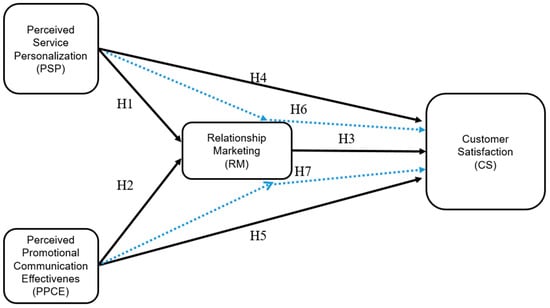
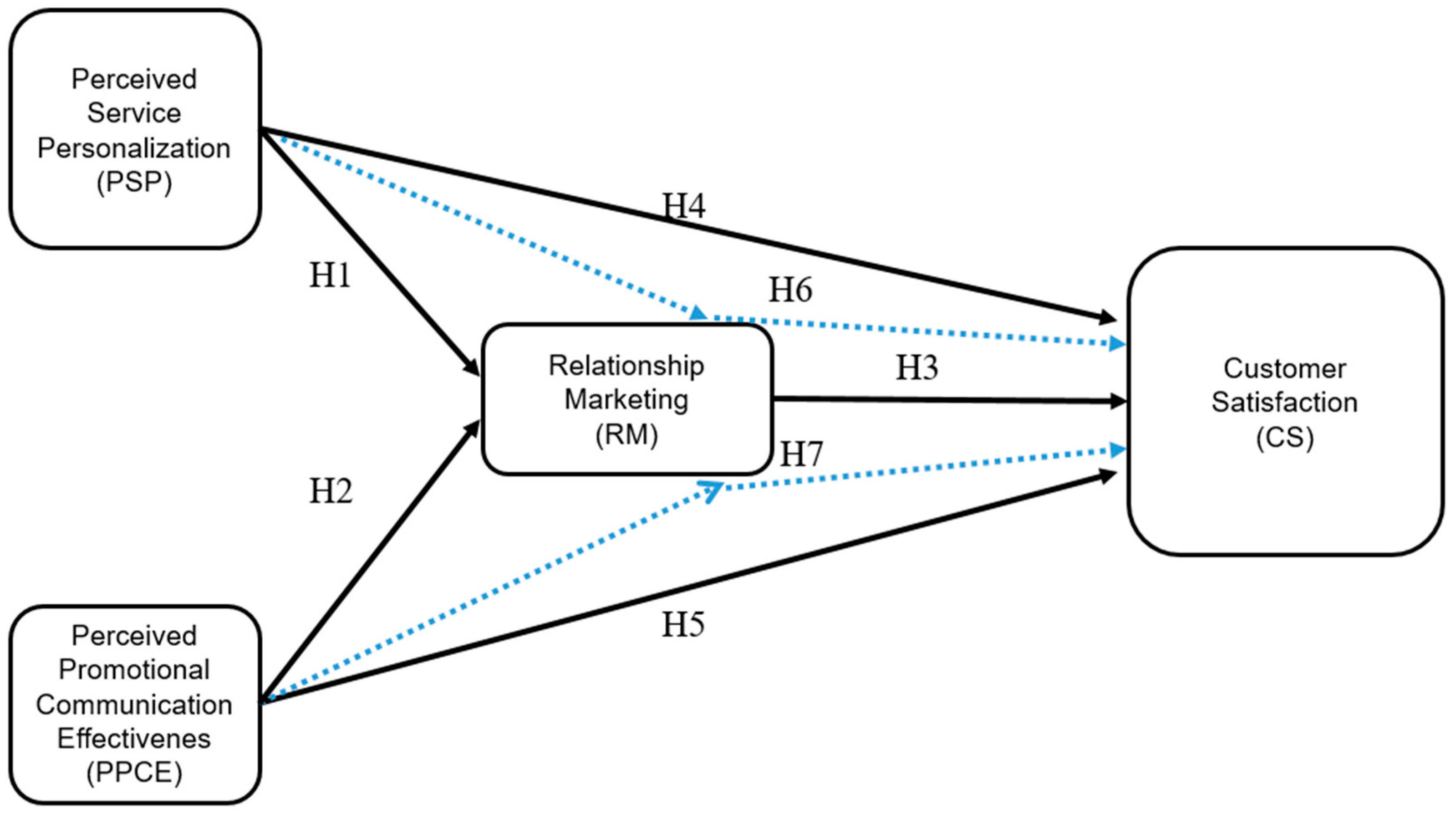
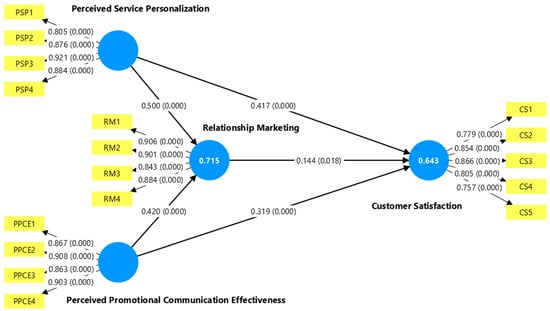
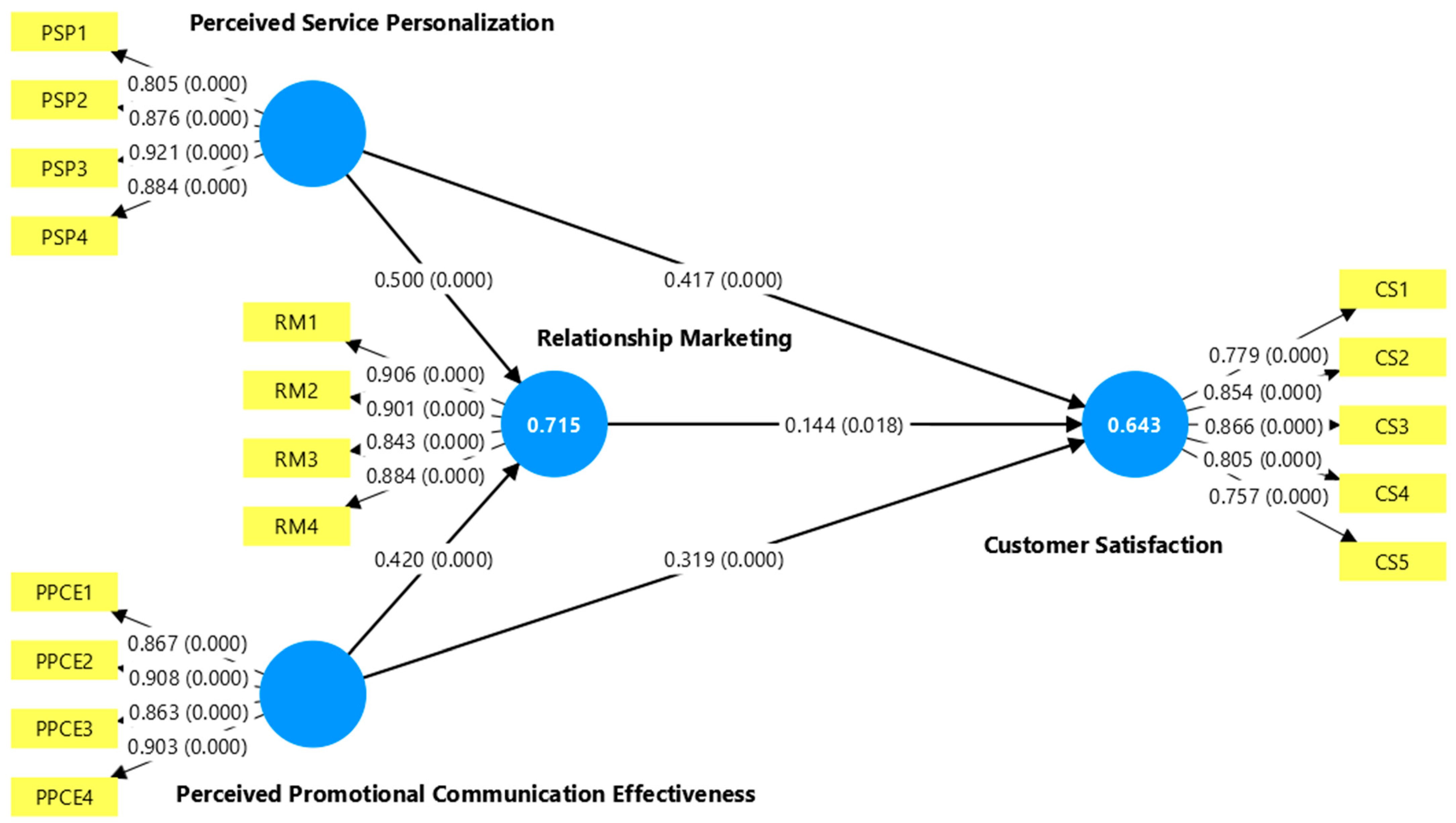

Disclaimer/Publisher’s Note: The statements, opinions and data contained in all publications are solely those of the individual author(s) and contributor(s) and not of MDPI and/or the editor(s). MDPI and/or the editor(s) disclaim responsibility for any injury to people or property resulting from any ideas, methods, instructions or products referred to in the content. |
© 2026 by the authors. Licensee MDPI, Basel, Switzerland. This article is an open access article distributed under the terms and conditions of the Creative Commons Attribution (CC BY) license.