


Abstract
Participatory video (PV), a methodology in which participants collectively design, film and edit audiovisual material about their own experience, has been proposed as an approach combining therapeutic, advocacy and knowledge-producing functions. This scoping review mapped and critically examined empirical reports applying PV with people experiencing severe mental illness, psychosis and related stigmatised conditions. Five bibliographic databases (Scopus, PubMed, Web of Science, PsycINFO, ERIC) and a multi-database search on the EBSCOhost platform were searched, supplemented by a Google Scholar hand-search, with reporting following PRISMA-ScR. Twelve reports, deriving from ten independent projects, were included, appraised using the Mixed Methods Appraisal Tool (MMAT) and synthesised through thematic analysis. Four themes were identified: stigma reduction and changing public perceptions; recovery, narrative and psychosocial change; voice, empowerment and collective agency; and community, institutional relationships and structural limitations. The findings suggest that a single procedure may act in two directions, on those who produce the videos and on those who watch them. Participants reported narrative development, skill acquisition, self-esteem, connectedness and, in one project, significantly reduced self-stigma; viewers reported improved knowledge, attitudes and intended behaviour where videos were delivered alongside structured contact with those who produced them. Documented difficulties included unequal contribution and contested authorship within production groups, participants unwilling to be publicly identified, and one case of institutional retaliation following a project’s public advocacy. Designs were predominantly qualitative and single-arm, with no comparison conditions and follow-up beyond three months in a single project. Only one report involved neurodivergent participants, adults with developmental disabilities; none involved autistic participants specifically or anyone under 18.
1. Introduction
1.1. The Global Burden of Severe Mental Illness and Psychosis in the Post-Pandemic Period
Severe mental illness (SMI), encompassing schizophrenia-spectrum disorders, other non-affective psychoses and bipolar disorder, affects an estimated 5–8% of the world’s population and accounts for a disproportionate share of the global disease burden [1]. Within the broader picture of nearly 1.1 billion people living with a mental disorder worldwide in 2021 [2], schizophrenia remains among the most disabling conditions in psychiatry [1]. This burden appears to have intensified after the COVID-19 pandemic. A study of early intervention psychosis services in South London found that first-episode psychosis rates rose by over 50% during its peak, most markedly among Black and Asian populations [3], consistent with European data indicating post-pandemic rises in the prevalence of mental disorders of approximately 5% to 20% [4]. Adolescents in low- and middle-income countries have been a specific concern: a systematic review and meta-analysis of 35 studies estimated pooled prevalences of anxiety, depression and stress of approximately 44%, 47% and 40% among adolescents aged 10 to 19 years during the pandemic and found no study reporting community-based mental health interventions for this group [5]. Evidence for a genuine post-pandemic increase in first-episode psychosis remains robust [3], making the gap between rising need and the availability of innovative, person-centred forms of care more pressing to address.
1.2. From Diagnosis to Recovery: Rethinking Standardised Care, Empowerment and Service-User Involvement
This growing and increasingly visible burden of SMI has not been matched by a corresponding transformation in how public mental health systems respond to it. The treatment gap remains stark: up to 75–90% of people with psychosis do not receive adequate care globally, and the gap remains substantial even in high-income settings, where between 35% and 50% of people with SMI receive no treatment in a given year [6]. Where public systems are resourced, they have historically responded through standardised, symptom-focused models of care, an approach critiqued by service users and recovery scholars as treating the person as a passive object of clinical repair rather than as an agent capable of reconstructing a meaningful life [7,8]. Innovative, person-centred methodologies also remain scarce in public psychiatric structures, where budgetary and workforce constraints favour manualised interventions over approaches that adapt to the singularity of each individual’s experience of illness [1,6].
A complementary perspective on this tension comes from the psychoanalytic reinterpretation of Lacanian theory proposed by Miller [9], whose concept of “ordinary psychosis” and the associated clinic of the sinthome [10] reframes treatment not as the restoration of a lost norm but as support for a singular invention through which the person can knot together their relationship to themselves, to language and to others. This orientation emphasises the clinical value of artistic, narrative and relational constructions, tailored to the individual, that allow them to stabilise their own position in the world on their own terms [9,11]. Timing also matters. The critical period hypothesis, articulated by Birchwood et al. [12] and subsequently developed within early intervention psychiatry [13], proposes that the initial years following the onset of psychosis constitute a window of maximum plasticity, during which outcomes achieved, or damage sustained, tend to endure. There is therefore a strong clinical and public health rationale for deploying low-threshold, identity-supportive interventions at the point of emergence, when self-stigma, social withdrawal and narrative disorganisation are still forming [12,13].
It is within this broader reconceptualisation, moving away from standardised correction and toward tailored, timely and person-authored intervention, that the past three decades have also witnessed a parallel paradigmatic shift in how mental health outcomes themselves are defined, away from a narrow focus on symptom remission and toward a broader understanding of personal recovery. The CHIME framework, developed by Leamy et al. [14] through a systematic review of 97 studies, identifies five recovery processes: connectedness, hope and optimism, identity, meaning in life, and empowerment. It frames recovery as a subjective journey of reclaiming a valued identity and sense of agency, not as a clinical endpoint defined by diagnostic criteria. Empowerment, in this sense, aligns with Zimmerman’s [15] multilevel conceptualisation, spanning intrapersonal, interactional and behavioural dimensions, while agency draws on Bandura’s [16] understanding of human agency as the capacity to exert intentional influence over one’s own functioning and life circumstances. These constructs are especially salient for people with severe and enduring mental illness, whose relationship with services has historically been shaped by practices that position them as passive recipients of care rather than active agents in their own recovery [17,18].
This critique of standardisation and passive patienthood is not confined to SMI and psychosis. A closely related reconceptualisation has taken place around autism, through a neurodiversity paradigm that reframes autism as a legitimate form of human neurological variation rather than a deficit to be corrected, while acknowledging the disabling barriers arising from the mismatch between autistic people’s needs and their environment [19]. Autistic self-advocates have argued that interventions organised around normalising difference can be invalidating, and that approaches centring autistic people’s own voice and self-representation are both more ethical and more effective [19]. Given this shared critique, and the stigma and misrepresentation documented for autistic people and other neurodivergent individuals, the present review adopts a deliberately broad search strategy spanning severe mental illness, psychosis and neurodivergent conditions.
This shift in conceptual emphasis has been paralleled by a growing policy and research commitment to service-user involvement and co-production, whereby people with lived experience are engaged not merely as research subjects but as collaborators across the research and intervention cycle [18]. Participatory action research (PAR) [20] positions participants as co-researchers and co-producers of knowledge. It is within this broader movement that participatory video has been increasingly adopted as a tool combining therapeutic, advocacy and knowledge-production functions in mental health contexts.
1.3. Participatory Video as a Methodology: Definitions, Distinctive Features and Theoretical Underpinnings
While arts-based interventions such as art therapy have received substantial academic and clinical attention in mental health, the specific potential of participatory video (PV) remains comparatively under-explored in applied clinical and community practice. PV can be defined as a practice in which participants, often people with a shared, marginalised or stigmatised experience, are actively and continuously involved in the planning, filming and editing of audiovisual material representing their own experiences and contexts [21,22]. Three features distinguish PV from other arts-based approaches such as art therapy, whose focus remains primarily on intrapsychic processes [23,24]: a PV process spanning the full production cycle; sustained participant authorship over content, framing and narrative choices; and collaborative meaning-making, whereby the significance of what is produced is negotiated among participants, and in many cases with facilitators and audiences, as the work takes shape [23].
These features also set PV apart from a number of related participatory and visual methodologies with which it is sometimes conflated. Digital storytelling centres on individual first-person narration built around static images, authored and edited by a single participant [25]. Photovoice relies on participant-produced imagery, but works through a single-frame photographic technique paired with written or verbal narrative [26]. Participatory documentary and participatory cinema share PV’s roots in community-based and observational filmmaking traditions, most notably the Fogo Process pioneered by the National Film Board of Canada and Jean Rouch’s model of “shared anthropology” [27]; in these traditions a professional director or editor often retains greater control over the final cut, although the degree of participant authorship varies across projects. What characterises PV is the extent to which participants are involved across the production cycle, from first script to final edit.
Central to PV is the co-production of knowledge: people with lived experience of mental illness shape directly what is documented, how it is represented, and what meanings are drawn from it, in place of the more passive role assigned by externally defined clinical or research agendas. Sitter’s [23] methodology, advocacy and voice (MAV) framework further situates PV within a tripartite theoretical rationale: as a method of inquiry generating rich, participant-authored data; as a vehicle for advocacy, through community screenings and dissemination that can challenge stereotypes and inform institutional practice; and as a means of amplifying voice, enabling people whose perspectives are typically marginalised in clinical and policy discourse to shape how their own experience is represented [23,24].
In mental health contexts specifically, PV has been applied across a range of clinical, community and action-research settings, addressing outcomes that span public and self-stigma, narrative coherence, and personal recovery processes [22,28,29]. This breadth of application, combining outward-facing advocacy functions with more inward-facing, narrative ones, motivates its examination across mental health settings.
1.4. Aim and Research Rationale
Despite this growing body of applied work, no scoping review to date has systematically mapped how participatory video has been used with individuals across mental health settings, nor synthesised what is known about its relationship to stigma reduction, recovery, empowerment and psychosocial agency across populations and intervention settings. Existing evidence remains fragmented across disconnected studies: action-research programmes targeting public stigma, clinical pilot studies in early psychosis, and reflective practitioner accounts in community and educational settings, with little attempt so far to draw these strands together or to examine what, if anything, unites or distinguishes them across the age groups and illness phases in which participatory video has been applied. The present review therefore aims to map and critically examine empirical reports employing participatory video with individuals across mental health settings, pursuing this aim through reflexive thematic analysis [30,31,32]. Specifically, it asks: (1) In which populations, and in which clinical, community and action-research settings, has participatory video been used with individuals experiencing severe mental illness or psychosis, and with which methodological features? (2) Which stigma-related, recovery-related and psychosocial outcomes have been investigated in this literature, and through which tools, indicators and reported mechanisms? (3) What patterns, whether differences, continuities or gaps, are reported across age groups, developmental stages or illness phases represented in the included literature? (4) What ethical, representational and institutional-sustainability considerations are documented in relation to the production, use and dissemination of participant-made videos?
2. Materials and Methods
2.1. Search Strategy
A structured literature search was conducted across five bibliographic databases (Scopus, PubMed, Web of Science, APA PsycINFO and ERIC) and a multi-database search on the EBSCOhost platform, supplemented by a Google Scholar hand-search. All searches were run on 6 August 2026. No restriction was applied to the publication date of eligible studies, in order to capture the full scope of the still-emerging literature on participatory video across mental health and neurodevelopmental contexts.
The search string was constructed by combining two conceptual blocks: (1) terms relating to severe psychiatric disorders and neurodevelopmental/neurodivergent conditions, and (2) terms relating to participatory video methodologies. The base string, applied to Scopus (Title, Abstract and Keywords fields), PubMed, Web of Science and PsycINFO (Title and Abstract fields), was as follows:
(“participatory video” OR “participatory filmmaking” OR “participatory cinema” OR cellphilming OR “participatory documentary” OR “community video”) AND (psychosis OR “severe mental illness” OR “serious mental illness” OR SMI OR “bipolar disorder” OR schizophrenia OR “severe major depression” OR autism OR ASD OR “mental disorder*” OR “mental illness” OR “psychiatric disabilit*” OR “mental health condition*” OR autistic OR neurodivers*).
On ERIC, searched through its native interface (eric.ed.gov), whose search syntax does not support the complex Boolean format used in the other databases, the string was adapted using the platform’s native “title” and “description” (equivalent to abstract) fields, while preserving the semantic content of both conceptual blocks:
(title: (psychosis OR “severe mental illness” OR “serious mental illness” OR SMI OR “bipolar disorder” OR schizophrenia OR “severe major depression” OR autism OR ASD OR autistic OR “mental disorder*” OR “mental illness” OR “psychiatric disabilit*” OR “mental health condition*” OR neurodivers*) OR description: (psychosis OR “severe mental illness” OR “serious mental illness” OR SMI OR “bipolar disorder” OR schizophrenia OR “severe major depression” OR autism OR ASD OR autistic OR “mental disorder*” OR “mental illness” OR “psychiatric disabilit*” OR “mental health condition*” OR neurodivers*)) AND (title: (“participatory video” OR “participatory filmmaking” OR “participatory cinema” OR cellphilming OR “participatory documentary” OR “community video”) OR description: (“participatory video” OR “participatory filmmaking” OR “participatory cinema” OR cellphilming OR “participatory documentary” OR “community video”)).
The inclusion of autism-spectrum and neurodivergence-related terms alongside those for severe mental illness and psychosis reflects the review’s scope, which encompasses PV applications across a broader range of conditions associated with stigma, marginalisation and psychosocial exclusion, rather than psychosis and SMI alone.
APA PsycINFO and the multi-database search were both run on the EBSCOhost platform through the institutional subscription of the University of Naples Federico II. The multi-database search applied the same base string across all databases available through that subscription, which are listed in the note to the table below. Overlap across sources, for example between MEDLINE Ultimate and PubMed, was handled through deduplication.
The number of records identified from each source, prior to deduplication, is reported in Table 1.
Table 1.
Records identified per source prior to deduplication.
All 52 records identified through the database search were imported into Zotero, where duplicates were flagged automatically by the software and confirmed manually before removal, yielding 20 unique records for title and abstract screening.
In addition to the systematic database search, a supplementary Google Scholar hand-search was conducted on 6 August 2026 using the same search string. Results were sorted by relevance, the default setting, and all 141 results returned were screened, so that no stopping rule was required. Given the full-text nature of the search engine, which does not allow the search to be restricted to title/abstract/keyword fields, and the absence of a bulk export function, results were screened manually, by title and abstract. Records considered potentially relevant on the basis of title and abstract, and not already identified through the bibliographic databases, were carried forward directly to full-text assessment without passing through the automated deduplication step applied to the records retrieved from the bibliographic databases. The database search and the Google Scholar hand-search were therefore treated as two parallel identification streams, each reported separately through the two stages of the selection process described below.
2.2. Study Selection
Study selection proceeded in two parallel streams: records identified through the database search, and records identified through the Google Scholar hand-search, each following the same two-stage process of title/abstract screening followed by full-text assessment. Screening at both stages was conducted independently by two reviewers (M.B. and S.C.) against the predefined eligibility criteria described in Section 2.3; disagreements were resolved through discussion between the two reviewers.
Database stream. Of the 20 unique records identified through the database search, all were retained at the title/abstract screening stage (n = 0 excluded) and proceeded to full-text retrieval. No record was excluded at this stage because the search string required the co-occurrence of participatory video terms and mental health terms, producing a highly specific set of records; all exclusions were therefore made at full-text assessment, where reading the full report showed whether participatory video was the primary intervention and whether the population fell within the review’s scope. All 20 reports were successfully retrieved (n = 0 not retrieved) and assessed for eligibility. Of these, eight were excluded at full-text stage:
- Wrong intervention: video-based approach without a genuine participatory process (n = 5): Bross ([33]; video modelling), Czmowski ([34]; not PV), Kaasgaard ([35]; smoking-cessation therapy delivered by video consultation, not PV), Kaiser ([36]; remote video/telehealth, not PV), and Wilkinson ([37]; collection/analysis of social-media video with no participatory production process).
- Wrong topic: study unrelated to participatory methodology (n = 1): Andrade ([38]; research on cinematic/film representations of mental illness, not a study of a participatory method).
- Wrong population/context: participatory video used but outside the mental health scope (n = 2): Nawrath ([39]; genuine PV, but applied to psychological well-being in relation to urban green space rather than mental health, stigma or recovery outcomes), Peters et al. ([40]; genuine PV, but conducted with a leprosy-affected population with no mental illness, psychosis or neurodivergence component).
Google Scholar stream. The 141 results returned by the Google Scholar hand-search were screened manually on title and abstract. Of these, 140 were excluded, either because they duplicated records already identified through the database search or because they were not relevant on the basis of title and abstract. One report was sought, retrieved and assessed at full text, and was excluded because participatory video was not the primary focus of the study [41]. The Google Scholar stream therefore contributed no additional included reports.
Combining the streams therefore resulted in a final corpus of 12 reports included in the review, all of which were identified through the database search. The selection process is summarised in the PRISMA flow diagram (Figure 1), which reports the database stream and the Google Scholar stream as two separate identification pathways converging on the same pool of included reports.
Figure 1.
PRISMA flow diagram of the identification, screening and inclusion of reports. In the Included box, studies are independent projects and reports are the corresponding publications: the 12 included reports derive from 10 projects, since MacDougall et al. [28,29] and Whitley et al. [22,42] each report a single project in two publications. Diagram adapted from the PRISMA template [43], licensed under CC BY 4.0.
2.3. Eligibility Criteria
Eligibility criteria were developed a priori and their wording was not modified during the review. During full-text screening, the two reviewers (M.B. and S.C.) jointly clarified how the intervention criterion applied to reports using related labels. Because the criterion was defined functionally, requiring participants to be actively involved in planning, filming and/or editing, reports describing practices such as citizen journalism [44], self-documentary [45], and participatory fictional filmmaking [46] were included when their procedures met this functional definition, even where they did not describe themselves as PV; given the small size and terminological heterogeneity of this literature, a criterion based on self-description alone would have excluded reports whose procedures were equivalent. Conversely, reports that used a genuine PV process but fell outside the review’s mental health scope were excluded at the same stage [39,40]. All such decisions were taken jointly by the two reviewers through discussion.
This review was initially designed with a lifespan perspective: the search strategy and the eligibility framework placed no lower or upper age limit and deliberately encompassed adolescents, adults and older adults, so that any evidence on PV with younger populations would be captured. No eligible report, however, involved participants under 18 years of age, and age-related information was inconsistently reported across the corpus (see Section 3). Because the retrieved evidence did not support a lifespan or developmental-stage perspective, the scope of the review was accordingly reframed around the settings in which PV has been applied, and lifespan terminology was removed from the title. Lifespan breadth therefore describes the scope of the search, not the composition of the included corpus; the absence of evidence on participants under 18 years is reported as a finding of the review.
2.3.1. Criteria Applied
Reports were eligible if they met all of the following criteria:
- Population: Individuals of any age (adolescents, adults, or older adults) with a diagnosis, or clinically identified experience, of severe mental illness or psychosis (e.g., schizophrenia-spectrum disorders, other non-affective psychoses, bipolar disorder), or with autism spectrum conditions or other forms of neurodivergence associated with stigma, marginalisation or psychosocial exclusion.
- Intervention/focus: Participatory video was a central component of the project, intervention, or research design (e.g., participatory video, participatory filmmaking, participatory cinema, cellphilming, participatory documentary, community video), with participants actively involved in planning, filming and/or editing the videos.
- Context: Clinical, community, or action-research settings involving people with severe mental illness, psychosis, or neurodivergent conditions, where the activity aimed to support stigma reduction, recovery, empowerment, psychosocial agency, or related outcomes.
- Outcomes: The study reported qualitative and/or quantitative outcomes related to at least one of the following domains: (a) public and/or self-stigma; (b) personal recovery; (c) empowerment or psychosocial agency; (d) community or institutional relationships.
- Study type: Empirical peer-reviewed journal articles using qualitative, quantitative, or mixed-methods designs.
- Language: Published in English.
- Publication type: Journal articles (excluding conference abstracts, editorials, commentaries and opinion pieces).
2.3.2. Operational Clarifications Applied at Screening
The following clarifications specify how the criteria in Section 2.3.1 were applied at screening; they add operational rules and do not restate those criteria in negative form.
- Intervention/focus: Not treated as participatory video, and therefore not eligible under the intervention criterion: video modelling; clinician- or researcher-produced video content viewed passively by participants (e.g., psychoeducational or smoking-cessation videos); remote video or telehealth delivery without co-creation; and the collection and analysis of pre-existing video content (e.g., from social media) without participant involvement in its production.
- Topic: reports concerned with cinematic or media representations of mental illness (e.g., portrayals of mental illness in film), and not with a participatory method or intervention, were not eligible under the intervention criterion.
- Context: reports using a genuine participatory video process applied to outcomes outside the review’s scope (e.g., general psychological well-being unrelated to mental illness, stigma or recovery, such as well-being in relation to urban green space), or projects using participatory video solely for external advocacy or awareness-raising without attention to participants’ stigma, recovery, empowerment or psychosocial outcomes, were not eligible.
- Outcomes: reports describing only the feasibility, acceptability or process of participatory video, without outcomes in the domains listed in Section 2.3.1, were not eligible.
2.4. Data Extraction and Synthesis
For each of the 12 included reports, key information was extracted into a structured summary table: authors, year, country/setting, participant characteristics (age range, diagnosis or clinical presentation), design and methods, description of the participatory video process, and main outcomes and findings related to stigma, recovery, empowerment, psychosocial agency, and community or institutional relationships. Extraction was performed by S.C. and checked against the full texts by M.B. The charting form was adapted from one previously developed and applied by the same team in a related scoping review of participatory video with young people [47]; it was therefore not piloted anew and was applied unchanged to all 12 reports. The 12 included reports derive from 10 independent projects, since MacDougall et al. [28,29] and Whitley et al. [22,42] report on the same cohorts; throughout the manuscript, “report” refers to a publication and “project” to an independent investigation.
The analysis was conducted as a reflexive thematic analysis following Braun and Clarke [48], applied to the findings of the included reports; thematic analysis is the term used hereafter. S.C. read the full texts of all 12 reports repeatedly (familiarisation) and coded them inductively, line by line (initial coding). The unit of analysis was any segment of text reporting a finding, including both participant quotations (first-order material) and the primary authors’ interpretations and conclusions (second-order material), which were distinguished during coding. Coding covered the full text of each report, with particular attention to the findings and to the authors’ discussion and conclusions; for reports not organised in a conventional results and discussion format, such as reflective, ethnographic and case-study accounts, the whole text was treated as data. S.C. then clustered codes into candidate subthemes and themes (generating initial themes). Candidate themes were reviewed against the coded extracts and the full data set, and all 12 reports were cross-checked for relevance to every subtheme; the structure was then discussed with M.B. and A.L.A., who reviewed it critically against the extracted data (reviewing themes). Final definitions and labels were agreed by S.C., M.B. and A.L.A. through discussion, and alternative interpretations were resolved by returning to the original texts (defining and naming themes). S.C. drafted the narrative and the co-authors reviewed it (producing the report). Coding was not intended to produce inter-rater agreement, which is not a quality criterion within reflexive thematic analysis [30,31,32]; rigour was pursued through reflexive discussion with the co-authors as critical interlocutors and through repeated return to the full texts. Themes and subthemes were not predefined to map onto the four research questions set out in Section 1.4; they were developed inductively and are connected back to those questions in the Discussion. The eligibility criteria (Section 2.3) determined only which reports and outcomes fell within scope and did not predetermine the codes or themes generated. The resulting themes and subthemes, and the reports contributing to each, are summarised in Section 3.
This scoping review was conducted and reported in accordance with the PRISMA extension for Scoping Reviews (PRISMA-ScR) and mapped onto the PRISMA reporting guidelines [43,49]; the completed checklist is provided as Supplementary Material. The review protocol was not registered prospectively. It was registered retrospectively on the Open Science Framework (OSF) [50], after completion of the review and after the first round of peer review, using the Generalized Systematic Review Registration form; the registration documents all decisions taken after the review began, with the stage at which each was taken and its rationale.
2.5. Quality Appraisal Procedure
The methodological quality of the 12 included reports was assessed using the Mixed Methods Appraisal Tool (MMAT; [51]), selected for its suitability for appraising a corpus comprising qualitative, quantitative non-randomised and mixed methods designs within a single framework. The appraisal was conducted independently by two reviewers (S.C. and M.B.), and disagreements were resolved through discussion. Each report was first screened against the two general criteria (clarity of research questions; adequacy of the collected data to address them) and then evaluated against the five category-specific criteria corresponding to its design. Following the MMAT user guide, each of the four mixed methods reports was appraised against three sets of criteria: the mixed methods criteria (5.1 to 5.5) together with those applicable to its qualitative component (1.1 to 1.5) and to its quantitative component, using criteria 3.1 to 3.5 for pre/post exposure designs and 4.1 to 4.5 for descriptive designs. Judgements were recorded using the three response options defined by the tool, Yes, No and Can’t tell; a judgement of Can’t tell records information not reported in sufficient detail to permit an assessment, and therefore concerns the report rather than the conduct of the study. Consistent with MMAT guidance, no overall numerical quality score was computed and no report was excluded from the review on the basis of its appraisal; the assessment was used descriptively and did not weight the synthesis. Results are reported in Section 3.5 by design category, both narratively and visually, since criterion-level judgements arising from different MMAT categories are not directly comparable and are therefore not aggregated, with study-by-study judgements and supporting justifications presented in Supplementary Table S1. To examine how the appraisal bore on the synthesis, two steps were taken: findings contributed by reports with weaker appraisal profiles are attributed to their source in the narrative of Section 3.1, Section 3.2, Section 3.3 and Section 3.4; and a robustness check verified which subthemes would remain supported by at least two independent projects if the two reports with the weakest appraisal profiles were set aside. Critical appraisal is not a mandatory component of scoping reviews under PRISMA-ScR; it was undertaken here because the review’s research questions concern reported outcomes and mechanisms, for which the evidential basis of individual reports is directly relevant.
3. Results
Twelve reports, deriving from ten independent projects, met the eligibility criteria for this review. Their key characteristics, including authors, year, country, participant demographics, methods and main findings, are summarised in Table 2.
Table 2.
Overview of included reports (n = 12).
No included report involved participants below 18 years of age. Participant age was explicitly reported in six of the twelve reports: a mean age of 23 years in the early-psychosis pilot and its qualitative companion study [28,29]; 18–35 years among youth with first-episode psychosis [56]; 20–64 years among the Canadian action-research workgroup members [42]; late 20s to 60s in the rural men’s filmmaking group [46]; and a median of 38 years (IQR 27–51) among the community opinion leaders exposed to the videos [52]. The remaining reports described their samples only as adults, without reporting age ranges or means [22,44,45,53,54,55]. With respect to illness phase, three reports arising from two independent projects involved participants in an early or first-episode phase of psychosis [28,29,56], whereas the remaining reports involved people with established or long-standing severe mental illness, dual diagnosis or developmental disability, generally without specifying time since onset or phase of illness. One report [54] involved neurodivergent participants, adults with developmental disabilities defined without diagnostic specification, and no report involved autistic participants specifically. In one report [52], outcomes were measured among community opinion leaders from the general population who viewed the videos, and not among people with lived experience of mental illness. Because adolescent samples were absent from the corpus and age and illness phase were inconsistently reported, a meaningful comparison across developmental stages was not possible; this review can therefore report only the distribution of age ranges and illness phases described above. The absence of evidence on participants under 18 years is itself a finding of this review, and the interpretation of the apparent patterning of reported outcomes by illness phase is addressed in Section 4.
From the analysis of the 12 included reports, four overarching themes and their associated subthemes emerged, which are presented in the following sections. Across the reviewed literature, participatory video (PV) refers to a participatory, arts-based methodology in which people with lived experience of severe mental illness, psychosis, or other stigmatised and marginalised health conditions are actively involved in planning, filming and, in most cases, editing video material that represents their own experiences, perspectives and contexts. In this review, PV is understood not simply as a method of data collection or public communication, but as a participatory process embedded within, and shaped by, the clinical, community and institutional settings in which it takes place. The four main themes, their subthemes, and the reports contributing to each are summarised in Table 3, and are discussed in turn below.
Table 3.
Themes, subthemes and contributing reports identified across the n = 12 reports corpus.
3.1. Stigma Reduction and Changing Public Perceptions
3.1.1. Humanising and Personalising Portrayals
Across the corpus, participant-authored videos are consistently described as working against dehumanising or stereotyped representations of mental illness by foregrounding the ordinariness and multidimensionality of the people portrayed. In the Canadian action-research project reported by Whitley et al. [22], focus group viewers repeatedly praised videos for showing protagonists as whole people, as workers, artists, community members and citizens, instead of reducing them to a diagnosis. Several viewers described recognising in the protagonists a proximity to their own circumstances, one reflecting that an unlucky turn could have placed her in a comparable position, and another, whose brother had schizophrenia, describing the videos as countering the assumption that recovery is unavailable.
Carmichael et al. [44] provide the most systematic evidence at the level of content: in their comparison with professionally produced television coverage, the participant-made videos were substantially more likely to present people with mental illness conducting routine and everyday activities in their homes, workplaces and communities, and half of the videos were structured around the recovery story of a single identified individual rather than around an issue.
A comparable mechanism operates in Maginess’s [46] account of Crossin’ the Bridge, a fictional film made by a rural men’s group in Northern Ireland, which required participants to imagine and construct the inner life of a character experiencing mental distress. Maginess [46] reports that this act of imaginative identification, drawing on participants’ own skills as storytellers and musicians, was itself transformative for several of the men, prompting them to rethink their own prejudices even before the film reached any public audience; the completed film was then screened locally and, in the author’s account, led audiences to question negative stereotypes about mental illness in a historically conflict-affected, socially conservative border community.
Buchanan and Murray [53] report a related but methodologically distinct case. Their UK media action group of mental health service-user (MHSU) volunteers first spent time in group discussion identifying the everyday problems they associated with being labelled as MHSUs, including difficulties in social interaction and, most prominently, negative media portrayal, before collaboratively producing a short advocacy video structured around three sections (newspapers, the general public, and television), each led by a different volunteer as “section manager.” The volunteers’ own account of why stigma persists centred heavily on the media: one volunteer described media coverage of mental illness as skewed toward violence and criminal behaviour, while another characterised the media as gravitating toward negativity in search of a newsworthy story. Buchanan and Murray [53] report that audience members described the film as thought-provoking and as confirming their own sense that media coverage of mental illness is distorted for the sake of easy headlines.
3.1.2. Contact-Based Mechanisms and Audience Impact
A second, related pattern concerns the specific mechanism through which these videos appear to influence viewers: structured contact with people with lived experience, rather than exposure to video content in isolation. In Whitley et al. [22], the research team developed a structured screening model iteratively: each screening opened with an introduction by workgroup members, was followed by three to six videos, and closed with a question period with workgroup members present. Applied across three Canadian sites, this model drew 1542 attendees, more than double the a priori target of 720, with targets met or exceeded for every audience group. Of these attendees, 1104 completed a brief five-item feedback questionnaire (a 71.6% response rate), with the most common response being agreement that the videos had positively changed their attitudes toward people with severe mental illness, improved their understanding of recovery, and were likely to change their future behaviour toward this group. In focus groups, viewers frequently described the videos using words such as “relatable” and “real”, most often in reference to real people recounting their own stories on screen, which several participants described as humanising. Participants also noted that footage showing people with severe mental illness competently carrying out everyday activities helped counter assumptions that they are violent, incurable or incapable.
Bitta et al. [52] implemented a structurally similar model in Kilifi, Kenya, where participatory videos were disseminated to community opinion leaders directly by people with lived experience of mental, neurological and substance use disorders, as part of a broader stigma-reduction campaign, named Difu Simo, which combined mass community activities, including personal stories, dialogue sessions and performances carrying mental health messages, alongside the participatory video component, meaning that some members of the target audience may also have been exposed to these other activities before, during or after the video intervention. Using validated knowledge, attitude and behaviour scales, the Community Attitudes toward the Mentally Ill scale (CAMI) [57], the Reported and Intended Behaviour Scale (RIBS) [58] and the Mental Health Knowledge Schedule (MAKS) [59], administered at baseline, immediately post-intervention, and at four-month follow-up with 420 participants, the authors found statistically significant improvements in liberal, tolerant and sympathetic attitudes and in intended behaviour, sustained at four months. Mixed linear models further showed that these improvements were not uniform across the sample or across outcome domains: higher education level was associated with greater gains in liberal and sympathetic attitudes, being married was associated with smaller gains in liberal attitudes compared with being single, and additional exposure to the wider Difu Simo campaign was specifically associated with greater improvement in tolerant attitudes, though not with intended behaviour, a domain the authors note may require approaches beyond attitude change alone.
Whitley and Arias [55] extended this contact-based logic to a remote format, in which a small workgroup of people who used cannabis therapeutically produced and disseminated three videos online. Despite this shift away from in-person delivery, questionnaire data from 57 viewers indicated improved knowledge and a positive shift in attitudes and intended behaviour toward people who use cannabis for mental health reasons, with reduced double-stigma, suggesting that the contact-based mechanism identified in fully in-person projects can persist, at least partially, when mediated remotely.
3.1.3. Countering Media Misrepresentation
A final subtheme within this first overarching theme concerns the use of participatory and citizen-produced video as a direct corrective to mainstream media coverage of mental illness. Carmichael et al. [44] conducted the most methodologically direct test of this mechanism in the corpus, comparing 26 citizen-journalism videos, produced by people with severe mental illness across three Canadian psychosocial rehabilitation centres, with 26 contemporaneous mainstream Canadian TV clips on the same general topic. Using a structured 10-item quantitative coding scheme alongside inductive qualitative thematic analysis, with inter-rater reliability of 91% agreement, the authors found that over 60% of the citizen-journalism videos focused on recovery, compared with only 27% of TV clips, while more than 40% of TV clips focused on crime, violence or legal issues compared with 23% of the citizen-produced videos. The citizen-journalism videos also tended to foreground the everyday, ordinary experience of recovery from a first-person perspective, whereas the TV clips more often featured official services and expert commentary; the authors interpret this pattern as direct empirical support for the claim, made by mental health advocates, that alternative bottom-up portrayals are needed to counter a media landscape that disproportionately associates mental illness with danger.
Buchanan and Murray [53] report a conceptually related finding at a smaller scale, based on a media action group of volunteers with experience as mental health service users. Their judgement that the media were the primary factor sustaining stigma directly shaped the structure of the resulting film, titled The Unheard Voice, which the volunteers organised into three “rounds”, explicitly modelled on a boxing match, symbolising their collective fight against negative representations of mental illness across three distinct media. The first round addressed newspaper coverage under the theme “media as a false educator,” using a collage of stigmatising headlines, with words such as “violence” highlighted, alongside music from the film Psycho to critique sensationalist reporting of a local mental health hospital opening. The second round turned to the general public, using street interviews in which passers-by were asked to identify which negative descriptors of a person with mental ill health they felt should be removed from a prepared list, read aloud on film so that the audience could weigh their own response. The third-round parodied television soap operas, news broadcasts and comedy shows, using satire in which each negative media comment was followed by a scripted retort. The volunteers reported that a pivotal moment in shaping the project’s overall aim came when one of them posed the question “whose job is it to educate people about mental illness?”, to which the group’s own answer, that this task fell to them, became the organising rationale for the finished film.
3.1.4. Measured Audience Change and Its Limits
Four reports in the corpus measured viewer response formally, and all four qualify their findings. Bitta et al. [52] provide the strongest evidence: with 95% of the 420 participants completing four-month follow-up, mixed linear models showed significant improvements at both post-intervention time points across knowledge, attitudes and intended behaviour. At four months, the changes in standardised scores were 0.20 for knowledge, 1.08 for liberal attitudes, 0.52 for sympathetic attitudes, 0.72 for tolerant attitudes and 0.37 for intended behaviour, all significant at p < 0.01. The authors note that sociodemographic correlates of stigma were inconsistent across the three domains, that face-to-face administration of the questionnaires may have introduced social desirability bias, and that the durability of the effect beyond four months is unknown.
Whitley et al. [22] collected 1104 completed questionnaires from 1542 screening attendees, a response rate of 71.6%. The modal response was agreement with each of the three positively coded items and disagreement with each of the two reverse-coded items, indicating a moderately positive shift in reported attitudes, understanding of stigma and intended behaviour. The authors are explicit that the instrument was purpose-built rather than validated, that responses were not stratified by viewer characteristics, and that the data are therefore better read as a general indicator of impact than as a basis for sub-group inference.
The two remaining reports report smaller and more equivocal effects. In Buchanan and Murray [53], an audience of 15 adults completed a 26-item attitude questionnaire covering six categories before and after viewing; the differences did not reach statistical significance, although at least one item within each of the six categories shifted in a positive direction. Whitley and Arias [55] collected 57 questionnaires, with agreement on the modal response across all five items, and conducted four focus groups with 28 viewers. Three of the four resulting themes were positive, describing the videos as informative, stigma-reducing and catalysts for further reflection, but the fourth recorded that some viewers considered the videos one-sided. The authors attribute this to the small size of the workgroup and note that their viewer sample was skewed towards younger, female and student respondents. This is the only critical audience finding documented in the corpus and is, for that reason, analytically important.
3.2. Recovery, Narrative and Psychosocial Change
3.2.1. Narrative Development, Self-Understanding and Reduced Self-Stigma
The most direct evidence for this subtheme comes from a single early-psychosis pilot intervention reported across a quantitative and a qualitative companion paper describing the same cohort of outpatients aged 18 to 30 at a Canadian early-intervention programme, of whom six male participants completed the full 13-session, six-month intervention [28,29]. The quantitative report found the intervention feasible, with a retention rate of 60%, and highly acceptable, with a mean Client Satisfaction Questionnaire score of 27.6 (SD 3.5). At three-month follow-up, participants showed a significant reduction in self-stigma, with median scores on the Self-Stigma of Mental Illness scale falling from 130.5 to 105.0 (p = 0.014), a significant reduction in tension on the Profile of Mood States between post-intervention and follow-up (p = 0.002), and a significant reduction in negative hoped-for self scores on the Possible Selves Interview (p = 0.030). Notably, these changes were detectable only at follow-up and not immediately after the intervention, which the authors relate both to participants’ continued involvement with the project for up to a year afterwards and to the opportunity to present the videos to others.
The qualitative companion report elaborates the process underlying these changes. Participants described the intervention as a means of validating their personal realities and communicating their life stories while retaining control over both the process and its outcome, with the resulting videos supporting a more coherent and defined sense of self. One participant described the project as an opportunity for self-reflection and growth, and as a way of situating discrete episodes within the longer pattern of his own life. Watching the completed videos was itself reported as generating further reflection on past experience, in some cases painful and in others affirming [28].
Xavier et al. [56] document a structurally similar process. Among youth with first-episode psychosis, cellphilming was described as liberating, allowing participants to reappraise difficult life moments through a different lens and to link past, present and future with a sense of possibility. The authors’ third theme, (re)building structure and meaning, records the reconstruction of a forward-oriented personal account after psychosis, which the authors read against established dimensions of personal recovery including hope, agency, meaning and the re-authoring of one’s narrative. A related, if less central, process appears in Whitley et al. [42], where several participants described arriving at a clearer understanding of their own diagnosis through hearing the accounts of other workgroup members.
3.2.2. Skill Acquisition and Technical Confidence
Across several reports, participants described the acquisition of concrete technical and transferable skills, filming, editing, use of software and equipment, as a distinct and valued outcome in its own right, separate from any stigma- or recovery-related benefit. In Whitley et al.’s [42] qualitative report of the same Canadian SMI workgroups as Whitley et al. [22], skill acquisition emerged as one of five core themes; participants described mastering editing software and camera equipment as a source of confidence that extended well beyond the project itself, with the authors noting that this mirrors goal-setting, learning and mastery components considered central to cognitive-behavioural approaches more broadly. MacDougall et al. [28] report a closely related finding among their early-psychosis participants, who valued the acquisition of interpersonal and technological skills alongside the more narrative-focused benefits described above, aided by media facilitators who trained participants without requiring any prior production experience.
Maginess [46] documents a related pattern among rural adult learners with limited formal education, for whom the hands-on character of filmmaking, rather than classroom-based instruction, both attracted participation and sustained motivation; several participants took specific production roles (as actors, camera operators, sound technicians, or location scouts) and built interdisciplinary skills in the process.
Hansen [45] records a further variant: in the clinic video group she studied, group leaders explicitly framed the discovery of previously unrecognised creative talents, in script writing, acting or editing, as part of the recovery process itself, and used this framing when welcoming new members.
3.2.3. Personal Development, Self-Esteem and Pride
A closely related but distinct pattern concerns broader gains in self-esteem, confidence and a sense of pride or accomplishment, reported across clinical and non-clinical settings. In Whitley et al. [42], personal development was identified as a core theme in its own right, with participants describing the completion of the project as a genuine self-esteem boost and, in some cases, as prompting a lasting shift in self-image and identity; several described being able to newly identify themselves as filmmakers, a status they had not previously imagined for themselves. Several workgroup members went on to form an independent filmmaking collective after the project ended because, in participants’ own words, none of them wanted the experience to end, which the authors read as sustained personal development beyond the project’s timeframe.
MacDougall et al. [28] report a similar pattern among early-psychosis participants, for whom sharing the videos was reflected in pride for the group and for themselves and in satisfaction at meeting objectives and completing the videos, a sense of accomplishment still apparent at the three-month follow-up interviews.
Maginess [46] reports a parallel effect among the rural men involved in Crossin’ the Bridge, who took evident pride both in their finished film and in showcasing their own local area to a wider audience, with increased individual confidence and self-esteem noted as a direct outcome of the project; one participant who played a major role went on to co-present academic conference papers with the author.
Buchanan and Murray [53] report a comparable, though more modestly evidenced, pattern among the volunteers in their media action group. On completion of the film, feedback from the volunteers was reported by the authors as positive but restrained. One volunteer, reflecting on the project’s impact, described participation as helping to rebuild confidence and motivation, linking this specifically to the everyday barriers that can prevent someone recovering from mental ill health from living what he described as a normal life. The same volunteer connected this benefit to the film’s advocacy aim, reflecting that undoing stigma would improve the lives of people like himself, and recalling that at the onset of his own illness he had been unaware of how people would react to his condition, coming later to see stigma as a problem as significant as the illness. Across the group as a whole, the authors report that the overall consensus among the volunteers was that the project had had a positive impact on everyone involved.
3.2.4. Structure, Routine and a Meaningful Focus
A further pattern concerns the temporal structure and purposeful occupation that sustained participation supplies. In Whitley et al. [42], a meaningful focus emerged as a core theme in its own right. Participants described the project as giving them something worth attending to that had been absent beforehand, with the twice-weekly meetings providing a schedule and a routine; several linked this directly to their mental health, describing the alternative as unstructured time spent at home or in bed. The authors relate this to goal setting and mastery, noting the overlap with mechanisms recognised in established psychological therapies.
Hansen [45] documents the same phenomenon over a much longer timescale. The self-documentary group she studied had operated for over a decade and was, in her account, an environment of acceptance and productivity within otherwise isolated daily lives, contributing to the long tenures of creative arts group members.
Two further reports record the design conditions under which such structure holds. Maginess [46] describes a course originally planned for 40 h that extended well beyond that, sustained by scheduling sessions at weekends and evenings around participants’ work commitments and by alternating discussion-based and practical work rather than front-loading the former. Conversely, participants in MacDougall et al. [28] identified the two-week interval between workshops, and the absence of any means of communication between them, as reducing their productivity, and recommended more clearly structured session goals.
3.3. Voice, Empowerment and Collective Agency
3.3.1. Platform and Voice for Self-Expression
A recurring pattern across the corpus is the description of PV as providing participants with a platform to articulate their own experiences in their own terms, often to audiences who would not otherwise hear from them. It differs in direction from the narrative-focused subtheme discussed in Section 3.2.1, which concerns the internal process by which participants construct a more coherent narrative of their own illness experience. The present subtheme concerns the outward-facing use of that narrative as a platform addressed to others. In Whitley et al. [42], platform and voice emerged as a distinct theme, with participants describing their involvement as an opportunity to promote hope and education around mental health for others; several participants explicitly framed this as an important civic and social role rather than simply a personal outlet, describing pride in helping others understand available resources through sharing their own challenges. MacDougall et al. [28] describe a similar dynamic among early-psychosis participants, who valued the fulfilment that came from sharing their experiences and expressing themselves through video, with the process helping them communicate their life stories to family, friends, care providers and the wider community in ways they had previously lacked the means to do.
Xavier et al. [56] identify cellphilming, as a means of possibility and connection, the fourth of four themes identified in their thematic analysis. Participants described the value of connecting with others who had gone through similar experiences, whether through group discussion or by watching each other’s cellphilms, with several reporting that this conveyed a sense of not being alone and of feeling represented; one participant explicitly linked seeing peers describe themselves as capable, despite their experiences, to countering his own fear that psychosis had permanently diminished his capacities.
In Sitter [54], this dimension is embedded in the design of the project itself: participants held decision-making authority across pre-production, production and post-production, determining what the films would address and whom they would interview, and subsequently distributed the 14 completed videos as a form of knowledge translation about sexual health and self-advocacy.
3.3.2. Collective Creation and Connectedness
Multiple reports describe the collaborative, group-based nature of the production process as generating a distinct sense of connectedness among participants, separate from the content of the finished videos. In Whitley et al. [42], connectedness emerged as a core theme reported by almost all interviewees, many of whom described fellow workgroup members using kinship language or spoke of a sense of camaraderie. Participants attributed this to the close teamwork the process demanded and to the repeated sharing of accounts of recovery, stigma and the challenges associated with mental illness, which several described as a source of peer support and, in one case, as having partly replaced individual therapy.
MacDougall et al. [28] describe a closely related dynamic under the theme of mutual creation. Participants described being part of a collective enterprise larger than any one of them individually, and recognised the diversity of the group as a source of strength, with members arriving from different backgrounds towards a shared commonality. Xavier et al. [56] report that most participants identified connecting with others who had undergone similar experiences as the single most valued aspect of taking part.
Sitter [54] documents a comparable process among adults with developmental disabilities, structured across three phases of critical framing in which arts-based exercises, storyboarding and three months of collaborative editing were conducted as group activities, with raw footage reviewed collectively on a large screen at scheduled meetings. Hansen [45] records the same phenomenon in an institutional setting, describing a group whose members collaborated to narrate their lives visually for each other and for the wider clinic, and whose community-building function was especially significant given the high rates of homelessness and family estrangement among the patients involved.
3.3.3. Safe Space for Disclosure
A further, related pattern concerns the capacity of the participatory video process to create a protected relational space in which participants could disclose sensitive or otherwise silenced experiences. Sitter [54] reports this most directly: participants in the Right to Love project, a group of nine adults with developmental disabilities and three allies exploring dimensions of sexual health through video over a 12-month study, explicitly described the process as providing a safe space to be themselves, in which they felt able to express opinions, ask questions and disagree with one another in ways that were not always possible elsewhere in their lives, including within their own families. Several participants also described a powerful sense of connection on hearing peers share their stories on film, with one describing an emotional, near-physical reaction to a fellow participant’s testimony.
MacDougall et al. [28] document a broadly similar dynamic among early-psychosis participants, though one that proved more circumscribed. Participants valued sharing their experiences of psychosis precisely because doing so allowed them to recognise, and to show their peers, that they were not suffering in isolation, one stating simply that he now understood he was not alone. The extension of that safety beyond the group was, however, selective: of the six participants, five discussed the process with others but only two shared their personal videos publicly. A comparable protected quality is described in Whitley et al. [42], where participants reported that the regular exchange of personal histories within the workgroup generated an intimacy and a form of peer support that several described as therapeutic in itself.
3.3.4. Asymmetries of Participation, Voice and Workload
Collective production does not distribute participation evenly, and three reports document the resulting asymmetries with sufficient specificity to constitute a distinct pattern. In MacDougall et al. [28], participants identified differing levels of skill, experience and involvement among group members and this disparity was not reflected in the way credits were assigned for the group video.
Sitter [54] reports the same problem in the register of voice rather than of labour. During the collaborative editing phase, participants who were more vocal and more articulate initially dominated editing decisions, which the author identifies as an instance of the broader difficulty of honouring individual voice within participatory analysis and of the risk of unintentionally privileging some contributors over others. The response was procedural: each member was asked in turn what they wished to retain and what they wished to remove, and final decisions were reached by reviewing clips collectively, revisiting the original storyboard and holding open group discussion of sequencing. The author is candid that balancing choice, time and consensus within an accessible process remained unresolved.
Whitley and Arias [55] document a third form of asymmetry, arising from attrition rather than from group dynamics. Two of the four workgroup members withdrew, partly because they lacked reliable home internet access, and the resulting 50% attrition placed a substantial workflow burden on the two who remained. This contributed to the videos being completed four months behind schedule and to the project meeting only seven of its twelve planned screenings.
3.4. Community, Institutional Relationships and Structural Limitations
3.4.1. Community Screenings and Dissemination Reach
Several reports describe the organised public screening of participant-made videos as a distinct phase of the participatory video process, with its own reach and impact beyond the immediate production group. Whitley et al. [22] report the most extensive example in the corpus: across three Canadian sites (Toronto, Halifax, Montreal), workgroups organised 49 screenings reaching over 1500 viewers, exceeding targets for students, health and social-service providers and the general public alike; the authors note that word of the project also spread organically to mental health service-user communities, who independently requested additional screenings that had not been part of the original action plan.
Bitta et al. [52] report a dissemination process organised on a substantially larger and more centralised scale: across 55 group sessions, 420 members of the target audience, including people with lived experience, village elders, religious leaders, youth representatives and healthcare workers, attended sessions held at a single venue in Kilifi County, chosen for its reliable electricity and water supply, security for equipment, and capacity to maintain COVID-19 prevention measures. Each session was led by at least one content creator, with a member of the research team present.
Maginess [46] documents a smaller-scale dissemination process: the completed film was screened locally to a positive public reception, was used as a learning resource in two follow-on projects, and, through one of these, reached the Northern Ireland Assembly, extending the project into a policy-facing setting.
Whitley and Arias [55] report a related dissemination pathway: alongside a small number of organised online screenings, the three completed videos were made publicly available on YouTube, where they had been viewed more than 3000 times at the time of reporting.
In Sitter [54], dissemination is described as an integral phase of the participatory design rather than as a subsequent activity, with participants distributing the 14 completed videos as knowledge translation on sexual health and self-advocacy.
3.4.2. Critical Consciousness, Institutional Resistance and the Cost of Visibility
A distinct pattern concerns participants’ growing recognition of the structural, institutional or historical forces shaping their own marginalisation, and, in a smaller number of reports, the consequences of making that recognition public. Xavier et al. [56] report that their participants’ accounts, particularly those from migrant and ethno-racially diverse backgrounds, foregrounded experiences of exclusion, discrimination, being othered, work exploitation, and instability in housing, employment and finances, together with the absence of a supportive network at pivotal life stages. These were described not as discrete events but as prolonged and intersecting conditions, one cellphilm rendering them as a mountain requiring constant effort to surmount, and were located by participants largely outside their individual control.
Hansen [45] documents a more overtly confrontational dynamic in a United States outpatient psychiatric clinic. A self-documentary video group founded by patients and staff had operated for over a decade when the clinic underwent a centralising restructuring oriented towards reimbursable, evidence-based treatment. Arts-based groups were deemed unreimbursable, trusted patient volunteers were required to return their keys, and long-standing patients were placed on discharge planning. In this context, the group elected to make a documentary for the public, intended to demonstrate the value of creative arts therapies in recovery. Through the work of documentation, group members educated themselves about the political forces operating on the clinic and produced a collective public voice with which to question clinical policy, a process Hansen reads through Scott’s [60] account of how centralised authority suppresses local knowledge. The costs were substantial. Core members were discharged, the group’s budget was quietly eliminated, a wall was erected through the centre of its production room to create clinical space, and most of the discharged members subsequently relapsed. Hansen’s conclusion is that it was precisely the capacity of participatory self-documentary to empower patients that placed the participants at risk.
Two further reports register this pattern in less acute forms. Maginess [46] reports that participants came to reflect critically on their own attitudes and on the consequences of othering people with mental ill health, both for the individual and for the wider community, in a border area with its own history of contested representation; she also notes that the men gravitated towards the therapeutic alliances available within their own community rather than towards the official agencies the funders had hoped to promote. In Buchanan and Murray [53], the cost of visibility appears at the point of recruitment: several potential participants declined on the grounds of not wishing others to know they had mental health problems, illustrating a wish to pass with friends and employers that the project’s public form directly threatened.
3.4.3. Ethical and Representational Tensions
A final pattern concerns unresolved ethical and representational questions arising from the collaborative, group-based nature of participatory video production, documented with differing degrees of specificity across three reports in the corpus.
MacDougall et al. [28] report a specific tension around authorship and credit that surfaced during participants’ follow-up interviews. Group members had contributed unevenly; one participant noted that some attended every session and contributed valuable ideas, while others showed up right at the end. In his view, these differences were not reflected in how credit was assigned: the credits took the form of an alphabetical list, and the name listed first had, in his words, done the least amount of work. The tension is left unresolved in the report, and is instructive precisely because the conventions ordinarily used to assign credit in collaborative production had no way of registering it.
Sitter [54] documents a more extensive set of representational negotiations occurring within the collaborative editing phase. One documented exchange concerned a participant’s use of pronouns: reviewing his own footage, the group observed that he alternated between speaking of people with disabilities as they and as we. Rather than requiring him to change the recording, the group discussed how he might best represent his own social location, and he elected to record an introductory voice-over explaining that he was addressing the topic simultaneously as a self-advocate, as a support worker and as a member of the disability community. The episode illustrates both the kind of representational question that arises when participants edit their own material collectively and the possibility of resolving it within the process rather than by external adjudication.
Buchanan and Murray [53] document the third variant, concerning disclosure rather than authorship. The authors describe a tension between rejecting the dominant negative representation of mental illness and internalising it, and note that the decision to appear in an advocacy film required volunteers to relinquish the concealment strategies they used in everyday life. Some declined on precisely these grounds, while those who accepted became enthusiastic once the decision had been made.
3.4.4. Conditions of Sustainability and Calls for Wider Implementation
A final pattern cuts across the corpus at the level of the reports’ own conclusions. Almost every report closes by recommending the continued or expanded use of participatory video with people experiencing severe mental illness, psychosis or related stigmatised conditions, and none recommends abandoning it. The endorsement is, however, conditional: the recommendations are indexed to the constraints each project encountered, so that the corpus reads as a cumulative specification of the conditions under which it can be expected to work.
Three reports frame their recommendations primarily in terms of programme adoption. Whitley et al. [42] recommend that psychiatric rehabilitation programmes consider implementing similar projects in their own localities, on the dual-benefit argument that doing so may simultaneously foster client recovery and reduce public stigma. Whitley et al. [22] present their findings as preliminary evidence that participatory video should be regarded as a promising practice, while recommending that future work assess impact on the population subgroups underrepresented among their own viewers, notably men and older adults. MacDougall et al. [28] recommend expansion through a larger network of participants and organisations, alongside internal design changes to session structure and to communication between workshops.
Three further reports frame their recommendations primarily in terms of material and institutional preconditions. Bitta et al. [52] propose that future implementations be customised to the target audience and to the implementation context, including practical infrastructural factors such as a reliable power supply, that target populations be stratified by the sociodemographic variables found to correlate with stigma, and that stigma be examined within frameworks of illness other than the biomedical one in settings where cultural explanations predominate. Whitley and Arias [55] call for purpose-built implementation research on remote delivery and recommend that future projects oversample workgroup members, build flexible timelines and make specific provision for participants without reliable home internet access. Maginess [46] sets out the most concretely institutional programme, recommending that universities seek dedicated funding that covers participant support costs, that cross-sector and international partnerships be developed to pool expertise, and that dissemination extend beyond academia to politicians and other stakeholders.
Hansen [45], despite the outcomes described, does not conclude that participatory documentary should be abandoned, reporting instead that these events had not diminished her commitment to self-documentary as a tool for social change while demonstrating that it can carry destructive as well as constructive consequences. Her recommendation is therefore of the same logical form as the others, specifying a condition of implementation, but the condition she specifies is an institutional environment able to tolerate the voice such projects generate.
3.5. Quality Appraisal Results
Full MMAT results for all 12 included reports are reported in Supplementary Table S1. Six reports were categorised as qualitative, four as mixed methods and two as quantitative non-randomised; no randomised trials met the eligibility criteria. Because the mixed methods reports were appraised against three sets of criteria, as described in Section 2.5, the criterion-level judgements are displayed by design category and are described below category by category, since judgements arising from different MMAT categories are not directly comparable.
Five of the six qualitative reports satisfied all five criteria [28,42,45,54,56], reflecting explicitly described analytic procedures and findings substantiated through verbatim material. These range from consensual coding trees with reported saturation [42] and independent multi-coder thematic analysis in NVivo [28] to iterative constant comparison with triangulation and confirmatory interviews [45] and an explicit account of credibility using named validity criteria [54]. The exception is Maginess [46], the only report to receive a Can’t tell at screening, which received a No on criterion 1.2 and Can’t tell on the remaining four, since neither a data collection protocol nor an analytic procedure is reported. It was retained and appraised because it reports empirical material from a completed project directly relevant to the review’s questions.
The two quantitative non-randomised reports share a single-arm design but differ in profile. Bitta et al. [52] met four of five criteria, with locally and internationally validated instruments, complete outcome data at both follow-up points and standardised delivery across 55 sessions; the single No concerns confounding (3.4), since covariate adjustment does not substitute for a comparison group and concurrent exposure to a wider campaign could not be disentangled from the intervention. MacDougall et al. [29] received three No judgements, relating to the representativeness of an all-male completer sample of six drawn from one programme (3.1), 40% attrition from baseline to follow-up (3.3), and the absence of any comparison condition (3.4), a limitation the authors themselves identify as requiring a future controlled trial. The four mixed methods reports vary more widely than any other group. Carmichael et al. [44] and Whitley et al. [22] met most criteria, their few Can’t tell judgements concerning the use of purpose-built rather than validated instruments and the absence of reported divergence between strands. Whitley and Arias [55] illustrate the difficulties of remote delivery, with an unrepresentative questionnaire sample and thinner reporting of qualitative procedure. Buchanan and Murray [53] received the weakest profile, with seven No judgements concentrated on the absence of a described analytic procedure and on a mixed methods design whose components are reported as parallel strands without stated rationale or integration.
Judgements of Can’t tell, which account for the majority of non-Yes outcomes, clustered on two reporting features: the description of analytic procedure in practice-embedded accounts and the validation status of purpose-built viewer questionnaires. The recurring No judgements concerned the absence of comparison conditions in single-arm designs and the lack of integration between the qualitative and quantitative strands in mixed methods reports. To examine how the appraisal bore on the synthesis, the two reports with the weakest appraisal profiles, Maginess [46] and Buchanan and Murray [53], were set aside; fifteen of the sixteen subthemes reported in Section 3.1, Section 3.2, Section 3.3 and Section 3.4 then remain supported by at least two independent projects. The exception is “Countering media misrepresentation”, which would rest on a single project [44]; three further subthemes, “Personal development, self-esteem and pride”, “Critical consciousness, institutional resistance and the cost of visibility” and “Ethical and representational tensions”, would rest on exactly two projects. These findings are accordingly read with greater caution in the Discussion. These criterion-level judgements are shown by design category in Table 4.
Table 4.
MMAT criterion-level judgements for the 12 included reports, by design category.
3.6. Comparative Synthesis of Results by Evaluation Domain
To provide a more direct comparison of results across the included reports, Supplementary Table S2 reports, for each of the 12 reports, the specific findings identified within each of the four evaluation domains derived from the thematic analysis (stigma reduction and changing public perceptions; recovery, narrative and psychosocial change; voice, empowerment and collective agency; community, institutional relationships and structural limitations; see Table 3 for the corresponding subthemes). Because not all reports addressed every domain, a dash (–) indicates that a given domain was not identifiable as a distinct finding in that report’s analysis.
4. Discussion
Read together, the included reports suggest an interpretative distinction between two directions in which participatory video may act: inwards, on those who make the videos, and outwards, on those who watch them. This division does not appear to be merely an artefact of how the reports were designed. Interventions addressing self-stigma and interventions addressing public stigma are conventionally treated as distinct classes, with different targets, mechanisms and outcome measures [61,62], and the two studies have developed largely in parallel. In the corpus, a single procedure was associated with outcomes of both kinds, and this review uses that dual orientation as an interpretative frame for what follows, including the field’s methodological profile and its difficulties; the distinction is offered as a synthesis of the literature, not as a demonstrated mechanism.
That methodological profile is a limitation of the evidence and, at the same time, informative about the routes by which the PV method entered the mental health field. Participatory video reached mental health through PAR, community psychology and visual methodology, not through the trial infrastructure that produces most psychosocial intervention evidence, and only one project in the corpus was designed as a clinical intervention delivered within a treatment programme. Sitter [23] formalises the method as simultaneously advocacy, voice and inquiry, which is why the distinction between intervention and research remains unresolved in most of these projects by design. The same pattern characterises arts-based health interventions generally, where evidence is extensive and consistent in direction but heterogeneous and rarely comparative [63], and where the participatory strand has long been argued to need evaluative criteria other than the trial’s [64]. Whether it should adopt them, and at what cost to the participatory commitments with which participants and authors associate its reported benefits, is a question the field has not yet posed.
On the audience side, the mechanism is one the stigma literature has already specified. Interpersonal contact reduces social distance more reliably than education alone [65,66], but it requires someone with lived experience to be present, which limits reach and places the burden of repeated disclosure on individuals. Filmed contact has been examined as a way of extending reach: a randomised comparison found DVD and live conditions equally effective and both superior to a lecture control, differing in kind rather than magnitude [67]. Participatory video does not require the choice, since workgroup members introduce the screening, the film is shown, and the same people take questions afterwards, so live and mediated contact occur within a single event, after which the recorded component continues to circulate at no further cost to the participants. What it adds to that literature is not the format but the provenance of the material. In conventional contact interventions, the content is designed by researchers; here it is designed by the participants themselves, and in the one project that compared them, participant-produced portrayals differed from professional coverage in the direction the stigma literature identifies as protective, a finding that currently rests on that project alone [44].
On the participant side, accounts of personal benefit recur across the corpus, including in projects designed to measure audience effects alone. These accounts come predominantly from qualitative and single-arm designs and indicate perceived psychosocial benefit, not demonstrated effectiveness. This is legible as empowerment in the three senses distinguished by Zimmerman [15], intrapersonal, interactional and behavioural, and it bears on a specific mechanism. Self-stigma operates not only by lowering self-regard but by undermining goal pursuit, since a person who accepts a stereotype about their own capability has little reason to attempt what it forecloses, a sequence Corrigan et al. [68] term the why-try effect. PV may bear on this sequence not by disputing the stereotype but by providing experiential counter-evidence, since someone who has planned, filmed and publicly presented a film holds a counter-example they made themselves; this interpretation is consistent with participants’ accounts but was not tested in any included report. Participants’ accounts locate what they valued more in the conversation that production requires than in the finished artefact, which is consistent with accounts holding that narrative capacity in psychosis is rebuilt dialogically and that an impoverished personal narrative is itself a target of recovery [69,70]. Notably, that theoretical framework stands behind the design of the only clinical pilot in the corpus. The method also inverts the usual route to personalisation: the process is specified and the content left open, so what emerges is particular because the participant authored it.
What distinguishes the corpus from that clinical model is that the singular solution is arrived at collectively. The Lacanian clinic [9] locates invention in the individual subject; here it emerges from a group in which each person’s construction is elaborated in front of others engaged in the same work, and the others are not an audience to it but a condition of it. Maginess [46] adds a variant found nowhere else in the corpus, since participants in that project worked through an invented story and revised their attitudes to mental illness by building a character. This account, which comes from the report with the least fully reported methods in the corpus [46], suggests a possible protective function in addition to a motivational one. Working on a third narrative, one that belongs neither wholly to the participant nor wholly to the facilitator, opens what Belluzzo et al. [71] describe as a third space, a symbolic register in which identity and affect can be worked on at one remove, without requiring the direct disclosure that the material would otherwise demand. What is unsayable in the first person becomes workable when attributed to a character, and the participant retains control over how much of their own experience is recognisable in it. Across all twelve reports, whatever the setting, health system, diagnosis or narrative form, one feature is constant: participants are positioned as producers of knowledge and of public discourse. In a field where people with severe mental illness are ordinarily addressed only as objects of cure, this repositioning is a defining operation of the PV method.
A pattern across illness phases emerges once the corpus is read in this way. Projects working with people in the early phase of psychosis pursue narrative and identity outcomes almost exclusively, while those working with people who have lived with severe mental illness for years pursue voice, advocacy, occupation and a public role. No report states this contrast, yet it is consistent with what clinical staging models would predict, since the tasks that matter while an illness identity is still forming differ from those that matter once it is long established [72]. The corpus may therefore contain an implicit stage-sensitivity, which is offered here as a hypothesis for testing, since no included report examined it. Age, by contrast, marks a plain absence: the youngest participants anywhere are 18, placing the whole literature after the peak age at onset [73] and after the opening of the critical period [12,13].
The focus of these reports about their own difficulties is legible as a local instance of a critique the participatory field has directed at itself for two decades, namely that participation can be invoked as a warrant while leaving the distribution of power intact [74,75]. In the reports that describe how such problems were contained, containment was attributed to procedural design and not to participatory intent. Two considerations follow from the artefact itself and have no counterpart in non-media interventions: consent given before production cannot anticipate what the film will contain or where it will travel, and a video published online is effectively permanent, so a disclosure decided at one moment keeps acting at every later one. In the one project where public advocacy was followed by institutional retaliation [45], empowerment and exposure proved to be two descriptions of the same event, which suggests that the sustainability of the method may depend as much on whether the host institution can tolerate being addressed by the people it treats as on the method itself.
4.1. Implications for Practice and Recommendations
The findings of this review suggest that participatory video is a promising participatory approach in mental health, associated in the included reports with recovery-related processes among those who produce the videos and with improvements in stigma-related knowledge, attitudes and intended behaviour among those who view them. Given that this evidence base comprises twelve reports deriving from ten independent projects, that single-arm and qualitative designs predominate, and that no included report employed a comparison condition, the recommendations below should be read as provisional directions grounded in recurring patterns across the reviewed reports, and not as implementation standards. What the corpus does document is a set of conditions associated with implementation, acceptability and perceived benefit and, equally instructive, conditions under which projects were documented to encounter serious difficulties or fail. The recommendations are directed at clinicians, service managers, community mental health organisations, participatory practitioners and commissioners. Key recommendations arising from these findings are summarised in Table 5.
Table 5.
Summary of key recommendations for practice.
(1) Institutional readiness and editorial control.
Hansen [45] documents what followed when a clinic video group used documentary to question an institution. Her conclusion is that it was precisely the capacity of participatory self-documentary to generate a collective public voice that placed the participants at risk. This single case suggests that the readiness of the host organisation to tolerate what its patients will say should be considered before implementation, and not treated as background context. Practically, three questions should be settled in writing before anyone is recruited: what the commissioning service expects the videos to address, what will happen if they address something else, and who holds final editorial control when the two diverge. In the case reported here, where such questions were not settled, the consequences fell on the participants and not on the project.
(2) Procedural design for voice and authorship.
Collective authorship does not distribute authorship equally. A method whose central claim is the redistribution of voice will therefore reproduce, inside the group, the asymmetries it sets out to address outside it, unless the design anticipates this. Two provisions follow: a stated procedure for editing decisions established before editing begins, and a convention for credit agreed at the outset, when it is a question of principle, rather than at the end, when it has become a question about named individuals.
(3) Workgroup composition and size.
Group size may therefore bear on the product and not only on feasibility. The corollary is deliberate over-recruitment at the outset, with the expectation of attrition built into planning rather than treated as a failure of retention. Diversity within the group matters for the same reason as size, since a group homogeneous in experience will produce a correspondingly narrow account.
(4) Programme structure and continuity.
The structuring function of participatory video is an achieved property of programme design rather than an automatic feature of the method, and session frequency, goal definition and between-session contact should be specified at the planning stage.
(5) Narrative form and conditions of entry.
Buchanan and Murray [53] report that potential participants declined because they did not want others to know they had mental health problems, and only two of six participants in MacDougall et al. [28] shared their personal videos publicly. Participation in documentary form requires relinquishing concealment strategies that serve a protective function, and that decision is effectively taken at the point of entry rather than during production. Maginess [46] is the only project built on invented narrative, and reported gains comparable to the documentary projects while requiring no autobiographical disclosure, although these gains are described in a reflective account that does not report its data collection or analytic procedure. Offering both formats therefore widens access without diluting the method, and consent processes should specify what will be shared, with whom and for how long, before any filming begins.
(6) Contact-based dissemination design.
The attitudinal effects reported by Whitley et al. [22] and Bitta et al. [52] are attributed by both teams to the screening format as a whole and not to the films alone, since live and mediated contact occur within a single event, a combination consistent with the wider evidence on contact-based stigma reduction [62,67]. This suggests designing screenings so that the presence of the people who made the films is treated as a component of the intervention and not as a courtesy. Beyond the event, the artefact continues to act. Dissemination planning should therefore anticipate a circulation the production group will not control, which returns the question of consent to the point made in Recommendation 5.
(7) Material and digital preconditions.
Bitta et al. [52] identify infrastructural suitability, including reliable electricity, running water and secure equipment storage, as a condition to be assessed when customising the intervention to a new setting. Whitley and Arias [55] lost participants who lacked reliable home internet access, and recommend explicit provision for participants on low incomes in any remote or hybrid design. Maginess [46] recommends that funding applications cover participant support costs and that cross-sector partnerships be established to pool equipment and expertise. These are not peripheral considerations: in two of the three cases they determined whether the project reached its targets. Connectivity, devices, secure storage and participant costs therefore warrant explicit provision in the budget at the design stage.
These recommendations describe conditions associated with successful implementation and perceived benefit, not factors that guarantee it. The gains documented in this review appear conditional on organisational, material and design factors outside the PV process itself, which is why institutional readiness, group composition and material provision are presented here as enabling conditions and not as predictors.
4.2. Limitations of the Study
The search covered English-language, peer-reviewed journal articles in five bibliographic databases and a multi-database search on the EBSCOhost platform, supplemented by a Google Scholar hand-search. Participatory video is practised extensively outside the anglophone research literature and is often documented in project reports, evaluations and organisational publications, none of which this strategy retrieved. Eight of the twelve included reports, deriving from six of the ten projects, are Canadian, which reflects where this work has been written up for academic publication at least as much as where it has been done.
Two features of the synthesis bear on how the results should be read. The twelve reports derive from ten independent projects, since MacDougall et al. [28,29] report the same early-psychosis cohort and Whitley et al. [22,42] the same Canadian action-research programme; findings appearing in both members of a pair are not independent corroboration, although their repetition across tables may give that impression. The synthesis also analyses findings as reported by the original authors, which are already the product of those authors’ interpretive work, so the themes reflect what each research team chose to foreground, and the convergence observed across the corpus may partly reflect a shared analytic vocabulary within a small field. The functional operationalisation of the intervention criterion (Section 2.3) also brought into the corpus practices in which participants’ editorial control varied, which adds heterogeneity to the evidence base and should be borne in mind when comparing findings across reports.
The evidence base sets the firmest limit. It comprises ten independent projects published between 2012 and 2025, with single-arm designs predominating, purpose-built audience instruments in three of the four mixed methods reports, and follow-up beyond three months in one project only. No included report used a comparison condition, so nothing in this review supports a causal claim about the effect of participatory video relative to any alternative. Almost every project was also conducted by researchers who had designed or facilitated the project they were evaluating, and projects that failed or ended early are unlikely to have reached publication. The review protocol was not registered prospectively; the retrospective registration makes the methods and all post hoc decisions transparent, but it cannot provide the safeguard against selective reporting that prospective registration offers.
4.3. Future Research Directions
Building on the gaps identified throughout this review, five directions for future research emerge, two concerning populations this literature has not reached and three concerning how it has been conducted.
First, despite the deliberate inclusion of autism, ASD and neurodivergence terms in the search string (Section 2.1), only one included report involved neurodivergent participants, Sitter [54], whose participants were adults with developmental disabilities, defined generically without diagnostic specification, as is common in disability studies and participatory research. No included report involved autistic participants specifically or was framed within the neurodiversity paradigm. The gap is conspicuous because method and paradigm are unusually well matched. The neurodiversity paradigm rests on the claim that autistic people are the authoritative interpreters of their own experience, and that deficit-oriented accounts produced about them by others are both inaccurate and harmful [19]. Participatory video is a procedure for transferring interpretive and representational control to those being represented, and, in the one project that compared them, Carmichael et al. [44] found that portrayals produced when that transfer occurs differed from professionally produced ones, a finding that rests on that project alone. A method developed to correct misrepresentation has therefore not yet been applied to the autistic population, whose central claim concerns misrepresentation. The affinity extends to narrative form as well as to principle, which suggests that the fictional variant may be the more appropriate point of departure. Future work in this direction would need to address accessibility of the production process itself, including communication support and sensory considerations in workshop design, neither of which is discussed in the present corpus.
Second, no included report involved participants under 18. Meta-analytic evidence places the peak age at onset of mental disorders at 14.5 years [73], and the critical period hypothesis holds that the first years following the onset of psychosis are disproportionately determinative of longer-term outcome [12,13]. Much of what is at stake in that window is biographical as well as symptomatic: the consolidation of a self-understanding organised around illness, withdrawal from peers and education, and the internalisation of a diagnostic identity before any alternative account of oneself has been established. These are precisely the processes on which the reports reviewed here describe effects, which makes the developmental period of likely greatest leverage the one this literature has not entered. The gap is sharper in low- and middle-income countries, where a recent meta-analysis found no study reporting community-based mental health interventions for adolescents during the COVID-19 pandemic [5], and where the only project in this corpus, conducted in Kenya [52], worked only with adults. Since participatory video is routinely conducted with minors in educational, community and international development settings, the barrier appears to lie in clinical and ethical governance rather than in the method, and establishing what that barrier consists of, whether consent frameworks, safeguarding requirements, or service-level caution about public disclosure by minors, is itself a research question preliminary to any intervention study.
Third, the predominance of single-arm and qualitative designs identified in this review, and confirmed by the appraisal reported in Section 3.5, points to a need for controlled comparison of the participant-facing outcomes. The field is at the point where a feasibility-tested and acceptable intervention can reasonably support one. Two related requirements follow. Validated instrumentation is needed on the audience-facing side, since three of the four reports measuring viewer response used purpose-built questionnaires that preclude comparison with the wider anti-stigma literature; and longer follow-up is needed on both sides. Very little is currently known about whether either the participant or the audience effects persist, which is a substantial limitation for an intervention whose principal claim is the durable repositioning of how people see themselves and how others see them.
Fourth, the two directions of action on the workgroup and on the viewers identified in Section 4 have never been measured within a single project using instruments appropriate to each. The two research programmes that examined both did so across separate reports [22,28,29,42], with the audience findings and the participant findings reported independently. This leaves open a question of some theoretical interest: whether the two effects are independent, or whether the audience effect depends on the depth of the participant process that produced the films. The observation by Whitley and Arias [55] that a smaller and less deliberative workgroup produced videos some viewers judged one-sided is the only evidence in the corpus bearing on this, and it points towards dependence. A project measuring participant-level process and audience-level outcome within a single design would establish whether the relationship holds.
Fifth, the corpus is geographically concentrated in a way that its own findings suggest matters. Eight of the twelve reports, deriving from six of the ten projects, are Canadian, and the four non-Canadian projects, Bitta et al. [52], Buchanan and Murray [53], Hansen [45] and Maginess [46], are precisely the ones that document how the method behaves when the context changes. Four projects are too few to establish how the method should be adapted, and future research should examine cultural adaptation directly rather than treating it as contextual background: which explanatory models of mental illness the videos engage, how the target audience for screenings is defined in different social structures, and whether the assumption that public self-representation is desirable travels across settings in which disclosure carries different consequences. There is a corresponding methodological risk. A participatory method can reproduce the external assumptions it was designed to displace, if the frameworks, categories and outcome measures brought to the process by facilitators and researchers remain unexamined, and the corpus contains no report that has interrogated this in its own practice.
5. Conclusions
This review has mapped and critically examined the empirical evidence on the use of PV with people experiencing severe mental illness, psychosis and related stigmatised conditions across clinical, community and action-research settings. The evidence base is small, recent and methodologically early: twelve reports from ten projects, predominantly qualitative or single-arm, with no comparison conditions and limited follow-up. Within these limits, three conclusions can be drawn. First, PV emerges as a promising participatory and psychosocial approach. Across a Kenyan community campaign, a Canadian early-intervention clinic, a rural Northern Irish men’s group and a New York outpatient service, the research teams recommended that the method be continued or extended; this convergence is informative, but it reflects the judgement of investigators who in almost every case designed or facilitated the projects they evaluated, in a literature where unsuccessful projects are unlikely to have been published, and it is not evidence of efficacy. Second, the reports converge on recurring themes of implementation and experience: participants describe perceived psychosocial benefit from taking part in production, viewers report changes in knowledge, attitudes and intended behaviour where screenings combine films with live contact, and the obstacles named are consistently practical and institutional, concerning funding, equipment, connectivity, workshop design and the tolerance of host services. Third, these observations now require prospective and comparative evaluation, with validated instruments on both the participant and the audience side and longer follow-up. Such work should also extend PV to adolescents, whom the literature has not yet reached, and to autistic and other neurodivergent people, whom it has reached only through a single report, since the populations the search framework anticipated are largely those this evidence base has yet to enter.
Supplementary Materials
The following supporting information can be downloaded at: https://www.mdpi.com/article/10.3390/psychiatryint7060242/s1, Table S1: MMAT quality appraisal of the included reports; Table S2: Comparative synthesis of results by evaluation domain; Table S3: PRISMA-ScR checklist.
Author Contributions
Conceptualization, S.C., A.L.A. and M.B.; methodology, S.C., A.L.A. and M.B.; validation, S.C., M.B. and A.L.A.; formal analysis, S.C.; investigation, S.C.; data curation, S.C.; writing—original draft preparation, S.C.; writing—review and editing, S.C., M.B., A.L.A. and A.C.; visualisation, S.C.; supervision, M.B. and A.L.A.; project administration, M.B. All authors have read and agreed to the published version of the manuscript.
Funding
This research received no external funding.
Institutional Review Board Statement
Not applicable.
Informed Consent Statement
Not applicable.
Data Availability Statement
This study is based entirely on previously published literature. No new data were generated. The full MMAT quality appraisal results for all 12 included reports are provided in Supplementary Table S1. A comparative synthesis of the evaluation results for each of the 12 included reports, organised by evaluation domain, is provided in Supplementary Table S2. The completed PRISMA-ScR checklist is provided in Supplementary Table S3.
Conflicts of Interest
The authors declare no conflicts of interest.
Abbreviations
The following abbreviations are used in this manuscript:
| ASD | Autism Spectrum Disorder |
| CAMI | Community Attitudes toward the Mentally Ill |
| CHIME | Connectedness, Hope and optimism, Identity, Meaning in life, Empowerment |
| CSQ-8 | Client Satisfaction Questionnaire, 8-item version |
| ERIC | Education Resources Information Center |
| IQR | Interquartile Range |
| MAKS | Mental Health Knowledge Schedule |
| MAV | Methodology, Advocacy and Voice |
| MHSU | Mental Health Service User |
| MMAT | Mixed Methods Appraisal Tool |
| MNS | Mental, Neurological and Substance use |
| OSF | Open Science Framework |
| PAR | Participatory Action Research |
| PEPP | Prevention and Early Intervention Program for Psychoses |
| PRISMA | Preferred Reporting Items for Systematic reviews and Meta-Analyses |
| PRISMA-ScR | PRISMA extension for Scoping Reviews |
| PV | Participatory Video |
| RIBS | Reported and Intended Behaviour Scale |
| SMI | Severe Mental Illness |
References
- Bird, V.J.; Davis, S.; Jawed, A.; Qureshi, O.; Ramachandran, P.; Shahab, A.; Venkatraman, L. Implementing Psychosocial Interventions within Low and Middle-Income Countries to Improve Community-Based Care for People with Psychosis—A Situation Analysis. Front. Psychiatry 2022, 13, 807259. [Google Scholar] [CrossRef] [Scilit] [PubMed]
- World Health Organization. Mental Disorders. Available online: https://www.who.int/news-room/fact-sheets/detail/mental-disorders (accessed on 30 September 2025).
- Quattrone, A.; Petkari, E.; Spinazzola, E.; Leung, P.B.M.; Li, Z.; Stewart, R.; Quattrone, D.; Di Forti, M.; Murray, R.M.; Pinto Da Costa, M. First-Episode Psychosis Incidence Pre-, during, and Post-COVID-19 Pandemic: A Six-Year Natural Quasi-Experimental Study in South London. eClinicalMedicine 2025, 81, 103086. [Google Scholar] [CrossRef] [Scilit] [PubMed]
- Santomauro, D.F.; Mantilla Herrera, A.M.; Shadid, J.; Zheng, P.; Ashbaugh, C.; Pigott, D.M.; Abbafati, C.; Adolph, C.; Amlag, J.O.; Aravkin, A.Y.; et al. Global Prevalence and Burden of Depressive and Anxiety Disorders in 204 Countries and Territories in 2020 Due to the COVID-19 Pandemic. Lancet 2021, 398, 1700–1712. [Google Scholar] [CrossRef] [Scilit] [PubMed]
- Saha, I.; Majumder, J.; Bagepally, B.S.; Ray, S.; Saha, A.; Chakrabarti, A. Burden of Mental Health Disorders and Synthesis of Community-Based Mental Health Intervention Measures among Adolescents during COVID-19 Pandemic in Low Middle-Income Countries: A Systematic Review and Meta-Analysis. Asian J. Psychiatry 2023, 89, 103790. [Google Scholar] [CrossRef] [Scilit] [PubMed]
- Castaldelli-Maia, J.M.; Ng, R.M.K.; Javed, A.; Torales, J.; Osman, A.H.; Sylla, A.; Al-Frokh, A.; Carpentier, A.; Larnaout, A.; Martins-da-Silva, A.S.; et al. The World Psychiatric Association (WPA) Guideline on Schizophrenia Spectrum Disorders Management for Low- and Middle-Income Countries. Int. J. Soc. Psychiatry 2026, 00207640261449698. [Google Scholar] [CrossRef] [Scilit] [PubMed]
- Deegan, P.E. Recovery: The Lived Experience of Rehabilitation. Psychosoc. Rehabil. J. 1988, 11, 11–19. [Google Scholar] [CrossRef] [Scilit]
- Rose, D. Patient and Public Involvement in Health Research: Ethical Imperative and/or Radical Challenge? J. Health Psychol. 2014, 19, 149–158. [Google Scholar] [CrossRef] [Scilit] [PubMed]
- Miller, J.-A.M. Ordinary Psychosis Revisited. Psychoanal. Noteb. 2013, 26, 33–48. [Google Scholar]
- Lacan, J. Le séminaire de Jacques Lacan. In 23: Le Sinthome: 1975–1976; Miller, J.-A., Ed.; Éditions du Seuil: Paris, France, 2005. [Google Scholar]
- Svolos, T. Ordinary Psychosis in the Era of Sinthome and Semblant. In Twenty-First Century Psychoanalysis; Routledge: London, UK, 2018; pp. 153–156. [Google Scholar]
- Birchwood, M.; Todd, P.; Jackson, C. Early Intervention in Psychosis. The Critical Period Hypothesis. Br. J. Psychiatry 1998, 172, 53–59. [Google Scholar]
- Mcgorry, P.D.; Killackey, E.; Yung, A. Early Intervention in Psychosis: Concepts, Evidence and Future Directions. World Psychiatry 2008, 7, 148–156. [Google Scholar] [CrossRef] [Scilit] [PubMed]
- Leamy, M.; Bird, V.; Boutillier, C.L.; Williams, J.; Slade, M. Conceptual Framework for Personal Recovery in Mental Health: Systematic Review and Narrative Synthesis. Br. J. Psychiatry 2011, 199, 445–452. [Google Scholar] [CrossRef] [Scilit] [PubMed]
- Zimmerman, M.A. Psychological Empowerment: Issues and Illustrations. Am. J. Community Psychol. 1995, 23, 581–599. [Google Scholar] [CrossRef] [Scilit] [PubMed]
- Bandura, A. Toward a Psychology of Human Agency. Perspect. Psychol. Sci. 2006, 1, 164–180. [Google Scholar] [CrossRef] [Scilit] [PubMed]
- Crichton, P.; Carel, H.; Kidd, I.J. Epistemic Injustice in Psychiatry. BJPsych Bull. 2017, 41, 65–70. [Google Scholar] [CrossRef] [Scilit] [PubMed]
- Rose, D.; Kalathil, J. Power, Privilege and Knowledge: The Untenable Promise of Co-Production in Mental “Health”. Front. Sociol. 2019, 4, 57. [Google Scholar] [CrossRef] [Scilit] [PubMed]
- Kapp, S.K.; Gillespie-Lynch, K.; Sherman, L.E.; Hutman, T. Deficit, Difference, or Both? Autism and Neurodiversity. Dev. Psychol. 2013, 49, 59–71. [Google Scholar] [CrossRef] [Scilit] [PubMed]
- Kindon, S.; Pain, R.; Kesby, M. (Eds.) Participatory Action Research Approaches and Methods; Routledge: London, UK, 2007. [Google Scholar]
- Lunch, N.; Lunch, C. Insights into Participatory Video: A Handbook for the Field, 1st ed.; Insight: Oxford, UK, 2006. [Google Scholar]
- Whitley, R.; Sitter, K.; Adamson, G.; Carmichael, V. Can Participatory Video Reduce Mental Illness Stigma? Results from a Canadian Action-Research Study of Feasibility and Impact. BMC Psychiatry 2020, 20, 16. [Google Scholar] [CrossRef] [Scilit] [PubMed]
- Sitter, K.C. Participatory Video: Toward a Method, Advocacy and Voice (MAV) Framework. Intercult. Educ. 2012, 23, 541–554. [Google Scholar] [CrossRef] [Scilit]
- Mitchell, C.; Lange, N.D.; Moletsane, R. Participatory Visual Methodologies: Social Change, Community and Policy; SAGE Publications Ltd.: London, UK, 2018. [Google Scholar]
- Lambert, J. Digital Storytelling; Routledge: London, UK, 2013. [Google Scholar]
- Wang, C.; Burris, M.A. Photovoice: Concept, Methodology, and Use for Participatory Needs Assessment. Health Educ. Behav. 1997, 24, 369–387. [Google Scholar] [CrossRef] [Scilit] [PubMed]
- White, S.A. (Ed.) Participatory Video: Images That Transform and Empower; Sage Publications: London, UK, 2003. [Google Scholar]
- MacDougall, A.G.; Price, E.; Glen, S.; Wiener, J.C.; Kukan, S.; Powe, L.; Bird, R.; Lysaker, P.H.; Anderson, K.K.; Norman, R.M.G. A Pilot Study of Participatory Video in Early Psychosis: Qualitative Findings. Qual. Res. Med. Healthc. 2022, 6, 10438. [Google Scholar] [CrossRef] [Scilit] [PubMed]
- MacDougall, A.G.; Kukan, S.; Price, E.; Glen, S.; Bird, R.; Powe, L.; Wiener, J.C.; Lysaker, P.H.; Anderson, K.K.; Norman, R.M.G. Participatory Video as a Novel Recovery-Oriented Intervention in Early Psychosis: A Pilot Study. Int. J. Soc. Psychiatry 2020, 66, 780–784. [Google Scholar] [CrossRef] [Scilit] [PubMed]
- Braun, V.; Clarke, V. Reflecting on Reflexive Thematic Analysis. Qual. Res. Sport Exerc. Health 2019, 11, 589–597. [Google Scholar] [CrossRef] [Scilit]
- Braun, V.; Clarke, V. Thematic Analysis: A Practical Guide; SAGE: London, UK, 2022. [Google Scholar]
- Braun, V.; Clarke, V. One Size Fits All? What Counts as Quality Practice in (Reflexive) Thematic Analysis? Qual. Res. Psychol. 2021, 18, 328–352. [Google Scholar] [CrossRef] [Scilit]
- Bross, L.A.; Zane, T.L.; Kellems, R.O. Customer Service Skill Development for Students with Autism Spectrum Disorder Using Video Modeling. Career Dev. Transit. Except. Individ. 2019, 42, 246–252. [Google Scholar] [CrossRef] [Scilit]
- Czmowski, G.M.; Willert, S.L.; Nielsen, S.K. Addressing Social, Emotional, and Organizational Goals for a Child with an Autism Spectrum Disorder (ASD) Using the Cognitive Orientation to Daily Occupational Performance (CO-OP) Approach. J. Spec. Educ. Apprenticesh. 2014, 3, 2. [Google Scholar] [CrossRef] [Scilit]
- Kaasgaard, D.M.; Sørensen, M.K.; Christiansen, R.B.; Breum, U.N.; Asiamah, N.; Friis, L.B.T.; Hjorth, P. “Video Consultation and Treatment in the Community Smoking Cessation Therapy Success Rates in Patients with Mental Illness”: A Randomized Controlled Trial. Nord. J. Psychiatry 2024, 78, 272–280. [Google Scholar] [CrossRef] [Scilit] [PubMed]
- Kaiser, K. Telehealth: Families Finding Ways to Connect in Rural Colorado. Except. Parent 2011, 41, 18–19. [Google Scholar]
- Wilkinson, C.; Carter, B.; Bray, L.; Keating, P. The Absent-Present Researcher: Data Analysis of Pre-Recorded Parent-Driven Campaign Videos. Child. Geogr. 2020, 18, 162–175. [Google Scholar] [CrossRef] [Scilit]
- Andrade, C.; Shah, N.; Venkatesh, B.K. The Depiction of Electroconvulsive Therapy in Hindi Cinema. J. ECT 2010, 26, 16–22. [Google Scholar] [CrossRef] [Scilit] [PubMed]
- Nawrath, M.; Elsey, H.; Dallimer, M. Why Cultural Ecosystem Services Matter Most: Exploring the Pathways Linking Greenspaces and Mental Health in a Low-Income Country. Sci. Total Environ. 2022, 806, 150551. [Google Scholar] [CrossRef] [Scilit] [PubMed]
- Peters, R.; Zweekhorst, M.; van Brakel, W.; Bunders, J. Irwanto “People like Me Don’t Make Things like That’: Participatory Video as a Method for Reducing Leprosy-Related Stigma. Glob. Public Health 2016, 11, 666–682. [Google Scholar] [CrossRef] [Scilit] [PubMed]
- Legel, M.; Soto, G.; Grove, N.; Waller, A.; Deckers, S.; Van Balkom, H.; Spanjers, R.; Norrie, C.; Steenbergen, B. A Tutorial: Self-Created Film as a Semiotic Resource in AAC. Augment. Altern. Commun. 2025, 41, 87–98. [Google Scholar] [CrossRef] [Scilit] [PubMed]
- Whitley, R.; Sitter, K.C.; Adamson, G.; Carmichael, V. A Meaningful Focus: Investigating the Impact of Involvement in a Participatory Video Program on the Recovery of Participants with Severe Mental Illness. Psychiatr. Rehabil. J. 2021, 44, 63–69. [Google Scholar] [CrossRef] [Scilit] [PubMed]
- Page, M.J.; McKenzie, J.E.; Bossuyt, P.M.; Boutron, I.; Hoffmann, T.C.; Mulrow, C.D.; Shamseer, L.; Tetzlaff, J.M.; Akl, E.A.; Brennan, S.E.; et al. The PRISMA 2020 Statement: An Updated Guideline for Reporting Systematic Reviews. BMJ 2021, 372, n71. [Google Scholar] [CrossRef] [Scilit] [PubMed]
- Carmichael, V.; Adamson, G.; Sitter, K.C.; Whitley, R. Media Coverage of Mental Illness: A Comparison of Citizen Journalism vs. Professional Journalism Portrayals. J. Ment. Health 2019, 28, 520–526. [Google Scholar] [CrossRef] [Scilit] [PubMed]
- Hansen, H. Weighing the Evidence: Risks and Benefits of Participatory Documentary in Corporatized Clinics. Soc. Sci. Med. 2013, 99, 194–200. [Google Scholar] [CrossRef] [Scilit] [PubMed]
- Maginess, T. “Crossin’ the Bridge”: A Participatory Approach to Filmmaking. New Dir. Adult Contin. Educ. 2017, 2017, 39–48. [Google Scholar] [CrossRef] [Scilit]
- Caceffo, S.; Belluzzo, M.; Amodeo, A.L.; Cervini, A. Youth Participatory Video Across School and Community Programmes: A Scoping Review of Engagement, Agency and Well-Being Outcomes. Future 2026, 4, 26. [Google Scholar] [CrossRef] [Scilit]
- Braun, V.; Clarke, V. Using Thematic Analysis in Psychology. Qual. Res. Psychol. 2006, 3, 77–101. [Google Scholar] [CrossRef] [Scilit]
- Tricco, A.C.; Lillie, E.; Zarin, W.; O’Brien, K.K.; Colquhoun, H.; Levac, D.; Moher, D.; Peters, M.D.J.; Horsley, T.; Weeks, L.; et al. PRISMA Extension for Scoping Reviews (PRISMA-ScR): Checklist and Explanation. Ann. Intern. Med. 2018, 169, 467–473. [Google Scholar] [CrossRef] [Scilit] [PubMed]
- Caceffo, S.; Amodeo, A.L.; Cervini, A.; Belluzzo, M. Participatory Video Across Mental Health Settings: A Scoping Review of Stigma Reduction, Recovery and Psychosocial Outcomes. OSF 2026. [Google Scholar] [CrossRef]
- Hong, Q.N.; Fàbregues, S.; Bartlett, G.; Boardman, F.; Cargo, M.; Dagenais, P.; Gagnon, M.-P.; Griffiths, F.; Nicolau, B.; O’Cathain, A.; et al. The Mixed Methods Appraisal Tool (MMAT) Version 2018 for Information Professionals and Researchers. Educ. Inf. 2018, 34, 285–291. [Google Scholar] [CrossRef] [Scilit]
- Bitta, M.A.; Baariu, J.; Grassi, S.; Kariuki, S.M.; Lennox, B.; Newton, C.R.J.C. Effectiveness of Participatory Video in Lowering Stigma against People with Mental, Neurological and Substance Use Disorders in Kenya. BJPsych Open 2023, 9, e215. [Google Scholar] [CrossRef] [Scilit] [PubMed]
- Buchanan, A.; Murray, M. Using Participatory Video to Challenge the Stigma of Mental Illness: A Case Study. Int. J. Ment. Health Promot. 2012, 14, 35–43. [Google Scholar] [CrossRef] [Scilit]
- Sitter, K.C. Participatory Video Analysis in Disability Research. Disabil. Soc. 2015, 30, 910–923. [Google Scholar] [CrossRef] [Scilit]
- Whitley, R.; Arias, K. Assessing the Feasibility and Impact of a Remote Participatory Video Program Aiming to Reduce Stigma Surrounding the Therapeutic Use of Cannabis among People with Mental Disorders. Can. J. Community Ment. Health 2024, 43, 21–35. [Google Scholar] [CrossRef] [Scilit]
- Xavier, S.M.; Both, A.; Ferrari, M.; Abdel-Baki, A.; Serres, S.; van den Bogerd, N.; Lemmers-Jansen, I.; van der Ven, E.; Iyer, S.N. Narratives in Context: A Cellphilm Study of the Social Experiences of Persons with Psychosis from Different Ethnic, Racial and Migrant Backgrounds. Arts Health 2025, 1–17. [Google Scholar] [CrossRef] [Scilit] [PubMed]
- Taylor, S.M.; Dear, M.J. Scaling Community Attitudes Toward the Mentally Ill. Schizophr. Bull. 1981, 7, 225–240. [Google Scholar] [CrossRef] [Scilit] [PubMed]
- Evans-Lacko, S.; Rose, D.; Little, K.; Flach, C.; Rhydderch, D.; Henderson, C.; Thornicroft, G. Development and Psychometric Properties of the Reported and Intended Behaviour Scale (RIBS): A Stigma-Related Behaviour Measure. Epidemiol. Psychiatr. Sci. 2011, 20, 263–271. [Google Scholar] [CrossRef] [Scilit] [PubMed]
- Evans-Lacko, S.; Little, K.; Meltzer, H.; Rose, D.; Rhydderch, D.; Henderson, C.; Thornicroft, G. Development and Psychometric Properties of the Mental Health Knowledge Schedule. Can. J. Psychiatry 2010, 55, 440–448. [Google Scholar] [CrossRef] [Scilit] [PubMed]
- Scott, J.C. (Ed.) Domination and the Arts of Resistance: Hidden Transcripts; Yale University Press: New Haven, CT, USA, 1990. [Google Scholar]
- Corrigan, P.W.; Watson, A.C. The Paradox of Self-Stigma and Mental Illness. Clin. Psychol. Sci. Pract. 2002, 9, 35–53. [Google Scholar] [CrossRef]
- Thornicroft, G.; Mehta, N.; Clement, S.; Evans-Lacko, S.; Doherty, M.; Rose, D.; Koschorke, M.; Shidhaye, R.; O’Reilly, C.; Henderson, C. Evidence for Effective Interventions to Reduce Mental-Health-Related Stigma and Discrimination. Lancet 2016, 387, 1123–1132. [Google Scholar] [CrossRef] [Scilit] [PubMed]
- Fancourt, D.; Finn, S. What Is the Evidence on the Role of the Arts in Improving Health and Well-Being? A Scoping Review; Health evidence network synthesis report; WHO Regional Office for Europe: Copenhagen, Denmark, 2019. [Google Scholar]
- Cornwall, A.; Jewkes, R. What Is Participatory Research? Soc. Sci. Med. 1995, 41, 1667–1676. [Google Scholar] [CrossRef] [Scilit] [PubMed]
- Couture, S.; Penn, D. Interpersonal Contact and the Stigma of Mental Illness: A Review of the Literature. J. Ment. Health 2003, 12, 291–305. [Google Scholar] [CrossRef] [Scilit]
- Corrigan, P.W.; Morris, S.B.; Michaels, P.J.; Rafacz, J.D.; Rüsch, N. Challenging the Public Stigma of Mental Illness: A Meta-Analysis of Outcome Studies. Psychiatr. Serv. 2012, 63, 963–973. [Google Scholar] [CrossRef] [PubMed]
- Clement, S.; Van Nieuwenhuizen, A.; Kassam, A.; Flach, C.; Lazarus, A.; De Castro, M.; McCrone, P.; Norman, I.; Thornicroft, G. Filmed v. Live Social Contact Interventions to Reduce Stigma: Randomised Controlled Trial. Br. J. Psychiatry 2012, 201, 57–64. [Google Scholar] [CrossRef] [Scilit]
- Corrigan, P.W.; Larson, J.E.; Rüsch, N. Self-stigma and the “Why Try” Effect: Impact on Life Goals and Evidence-based Practices. World Psychiatry 2009, 8, 75–81. [Google Scholar] [CrossRef] [Scilit]
- Lysaker, P.H.; Lysaker, J.T. Schizophrenia and the Fate of the Self. In International Perspectives in Philosophy and Psychiatry; Reprint; Oxford University Press: Oxford, UK, 2009. [Google Scholar]
- Roe, D.; Davidson, L. Self and Narrative in Schizophrenia: Time to Author a New Story. Med. Humanit. 2005, 31, 89–94. [Google Scholar] [CrossRef] [Scilit]
- Belluzzo, M.; Giaquinto, V.; Molisso, V. Symbolic Narratives and Embodied Selves: Exploring Identity and Affective Expression in Neurodivergent Youth. New Ideas Psychol. 2026, 81, 101232. [Google Scholar] [CrossRef] [Scilit]
- McGorry, P.D.; Hickie, I.B.; Yung, A.R.; Pantelis, C.; Jackson, H.J. Clinical Staging of Psychiatric Disorders: A Heuristic Framework for Choosing Earlier, Safer and More Effective Interventions. Aust. N. Z. J. Psychiatry 2006, 40, 616–622. [Google Scholar] [CrossRef] [Scilit] [PubMed]
- Solmi, M.; Radua, J.; Olivola, M.; Croce, E.; Soardo, L.; Salazar De Pablo, G.; Shin, J., II; Kirkbride, J.B.; Jones, P.; Kim, J.H.; et al. Age at Onset of Mental Disorders Worldwide: Large-Scale Meta-Analysis of 192 Epidemiological Studies. Mol. Psychiatry 2022, 27, 281–295. [Google Scholar] [CrossRef] [Scilit] [PubMed]
- Cooke, B.; Kothari, U. (Eds.) Participation: The New Tyranny? Development studies; 4. imp.; Zed Books: London, UK, 2007. [Google Scholar]
- Milne, E.-J.; Mitchell, C.; de Lange, N. (Eds.) Saying ‘NO!’ To Participatory Video: Unravelling the Complexities of (Non)Participation. In Handbook of Participatory Video; AltaMira Press: Lanham, MD, USA, 2012; pp. 257–268. [Google Scholar]
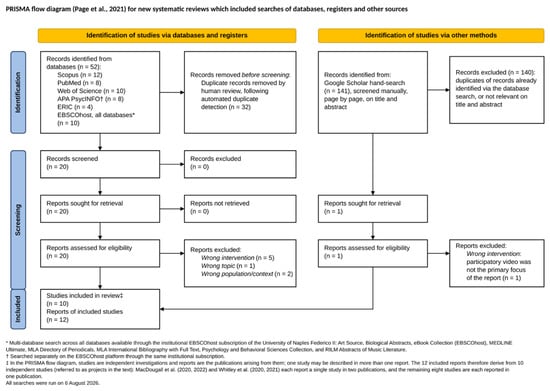
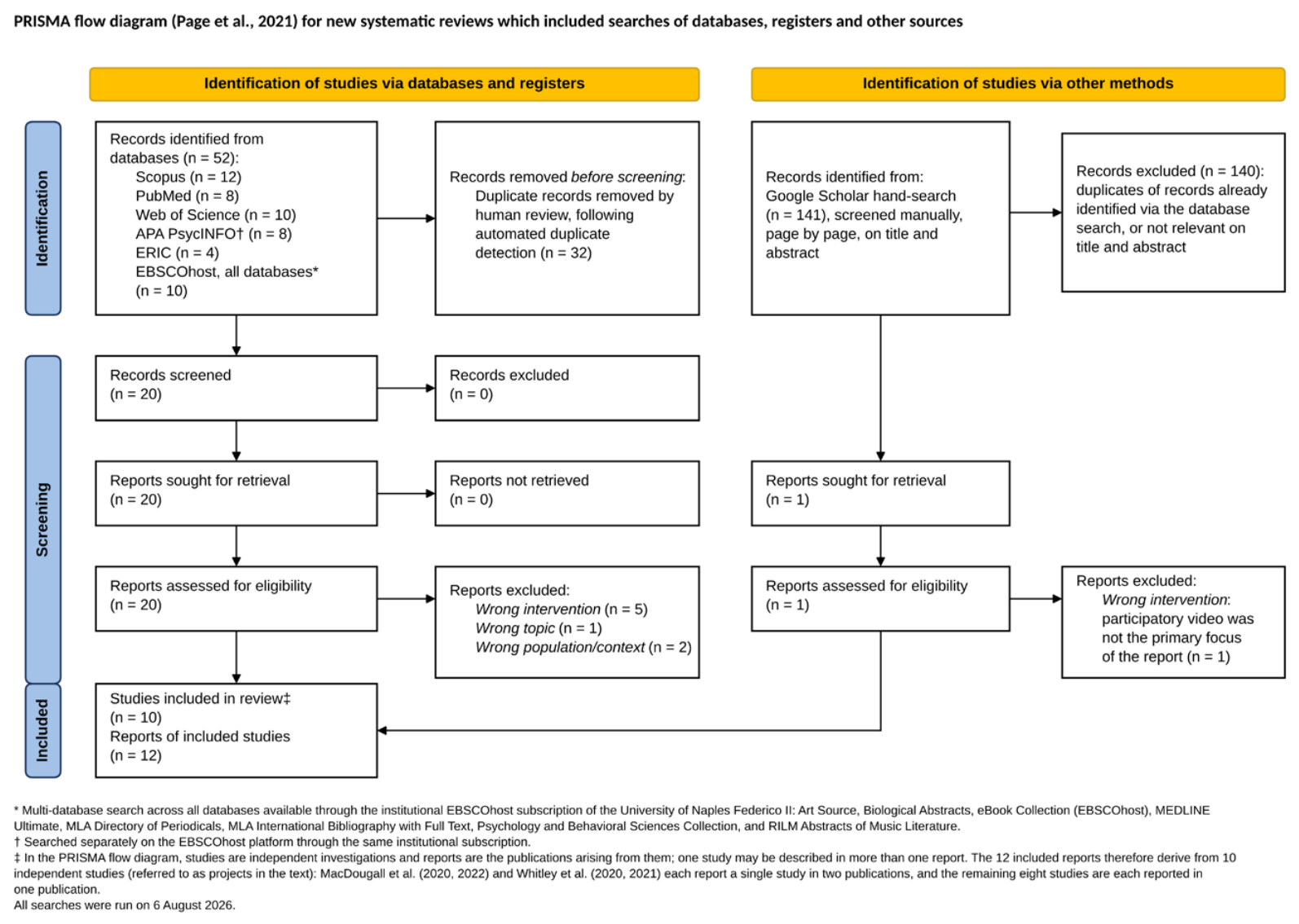

Disclaimer/Publisher’s Note: The statements, opinions and data contained in all publications are solely those of the individual author(s) and contributor(s) and not of MDPI and/or the editor(s). MDPI and/or the editor(s) disclaim responsibility for any injury to people or property resulting from any ideas, methods, instructions or products referred to in the content. |
© 2026 by the authors. Licensee MDPI, Basel, Switzerland. This article is an open access article distributed under the terms and conditions of the Creative Commons Attribution (CC BY) license.